Browsed by
Category: Original Reviews

Responses to Peary’s “must see” movie reviews, as well as my own “must see” movie reviews up to and after 1986 (when Peary’s book was published).

Dozens, The (1981)

Dozens, The (1981)

“I’m not out to get you; only you can get yourself back.”

Synopsis:
A young woman (Deborah Margolies) returning home after a stint in prison struggles to reconnect with her daughter (Jessica Hergert) and estranged husband (Edward Mason) while scraping together a living.

Genres, Themes, Actors, and Directors:

  • Ex-Cons
  • Feminism and Women’s Issues
  • Survival

Review:
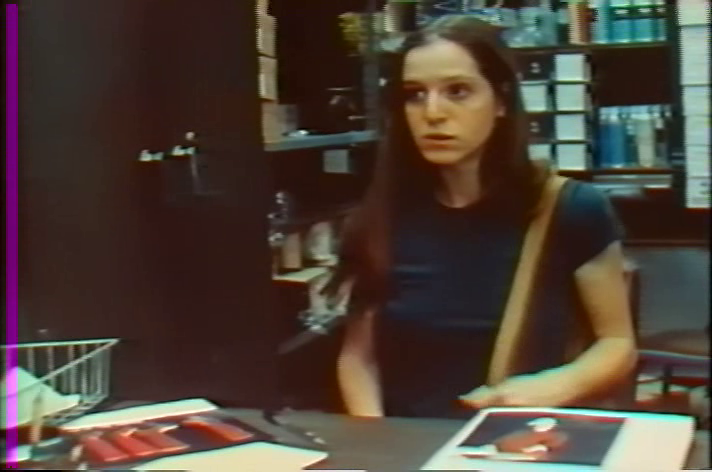
The Dozens holds the distinction of being one of the most challenging titles in Peary’s GFTFF to get ahold of. An ultra-low-budget indie film shot in Boston, it was released the same year as another Boston-based indie included in Peary’s book — The Dark End of the Street (1981) — leading one to presume Peary saw them both at some sort of festival, and they made enough of an impression for him to want to recommend them. However, while Dark End… remains a gritty hidden treat (and is worth seeking out), The Dozens comes across as merely a fragmented attempt at what could have been a much more absorbing character study. Margolies is refreshingly feisty and memorable in the lead role, but the narrative gives her far too little to work with: we see her struggling to find her way in life post-prison, but there’s nothing particularly revelatory about her experiences. As Janet Maslin wrote in her cautiously positive review of the film for the NY Times, “Its drama unfolds with more frankness than insight”.

Redeeming Qualities and Moments:

  • Deborah Margolies as Sally
  • Fine use of gritty Boston environs

Must See?
No; you don’t need to bother seeking this one out.

Links:

Moana (1926)

Moana (1926)

“The deepest wisdom of the race has said that manhood shall be won through pain.”

Synopsis:
A Polynesian youth named Moana prepares to marry his mate by undergoing a series of rituals.

Genres, Themes, Actors, and Directors:

  • Documentary
  • Native Peoples
  • Robert Flaherty Films
  • Silent Films

Review:
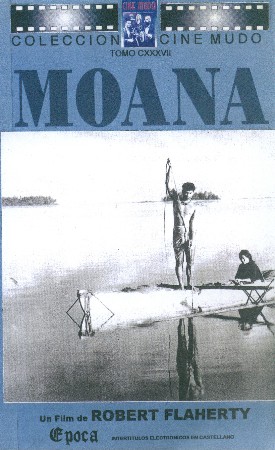
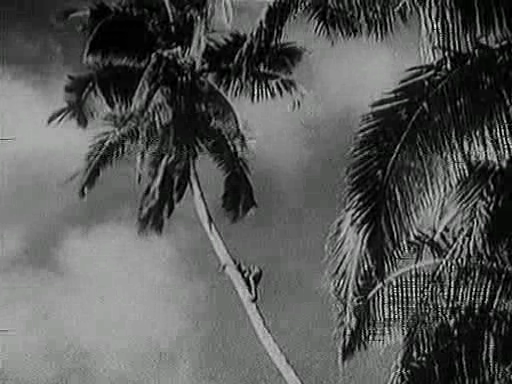
Robert Flaherty’s commissioned follow-up to his groundbreaking documentary Nanook of the North (1922) was this similarly episodic look at the lives of natives in a land still largely free from Western influences. As with Nanook, Flaherty took great liberties with his storyline, deliberately recruiting actors to play family members, and requesting that a painful, lengthy, recently outdated tattooing ritual be revived for the purposes of filming. Overall, Moana remains a less fulfilling documentary than Nanook, primarily because of a problem Flaherty himself hadn’t anticipated: the Polynesians weren’t engaged in the same kind of man-against-nature survival tactics as their Arctic counterparts. Indeed, their only “enemy” appears to be wild boar. While it’s fun to see Moana and his brother spearfishing and shimmying up coconut trees, and women neatly creating fabric from pulp, these isolated scenes in and of themselves don’t create much dramatic tension. F.W. Murnau’s overtly fictional Tabu (1931) offers a much more nuanced variation on the same theme, and is my recommended pick as “must-see” instead.

Redeeming Qualities and Moments:

  • An intriguing (albeit semi-fictionalized) look at Polynesian culture

Must See?
No, though it’s worth a look simply for its historical status as one of Flaherty’s earliest films. Listed as a film with Historical relevance and a Personal Recommendation in the back of Peary’s book.

Links:

Drifters (1929)

Drifters (1929)

“The herring fishing has changed. It was once an idyll of brown sails and village harbours — its story now is an epic of steam and steel.”

Synopsis:
Herring fishermen in a North Sea coastal village head out to sea and bring their haul back to land for selling.

Genres, Themes, Actors, and Directors:

  • Documentary
  • Fishermen
  • Silent Films

Review:
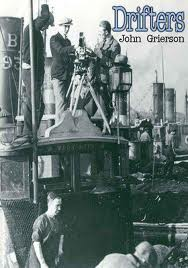
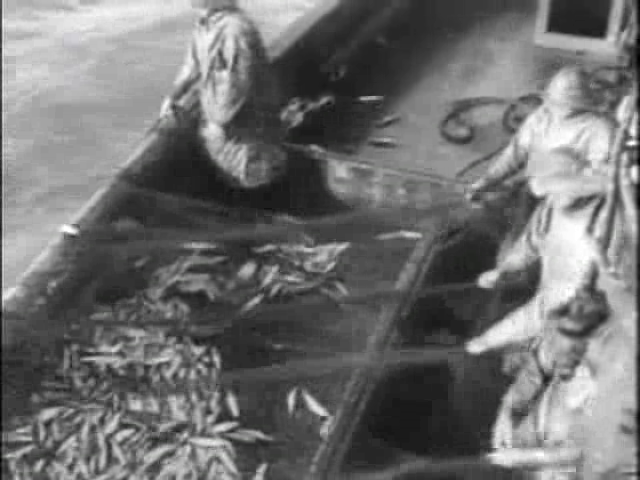
John Grierson’s Drifters is the type of movie that requires a bit of contextualization in order to appreciate its historical relevance (and hence its inclusion in Peary’s GFTFF). Taken at face value, it’s simply a reasonably engaging b&w silent documentary about the lives of herring fishermen in England, one which amply demonstrates that fishing is HARD, highly collaborative work — but it won’t strike one as particularly revelatory from a cinematic standpoint. However, knowing that Grierson would go on to spearhead the British Documentary Film Movement — which was established to “educate citizens in an understanding of democratic society” — one gains a better appreciation of what, specifically, he was aiming for with Drifters (which remains the only feature film he actually directed himself). It’s interesting to note that he was apparently heavily influenced by Eisenstein’s Battleship Potemkin (1925); ffs will surely notice parallels in style.

Redeeming Qualities and Moments:

  • A powerfully shot and edited early documentary

Must See?
No, though it’s certainly worth a look for its historical importance.

Links:

Man With Bogart’s Face, The (1980)

Man With Bogart’s Face, The (1980)

“Does anyone ever tell you you look like…”

Synopsis:
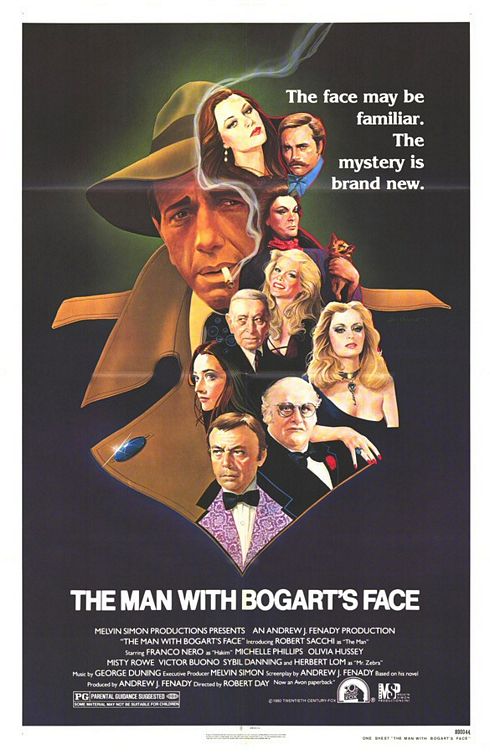
An aspiring private detective (Robert Sacchi) has surgery to look just like Humphrey Bogart, and quickly acquires a host of clients — including a young woman (Olivia Hussey) who fears for her father’s life; Sacchi’s larger-than-life landlady (A’leisha Brevard), whose boyfriend (Buck Kartalian) has gone missing; and a beautiful heiress (Michelle Phillips) being blackmailed.

Genres, Themes, Actors, and Directors:

  • Detectives and Private Eyes
  • Yvonne De Carlo Films

Review:
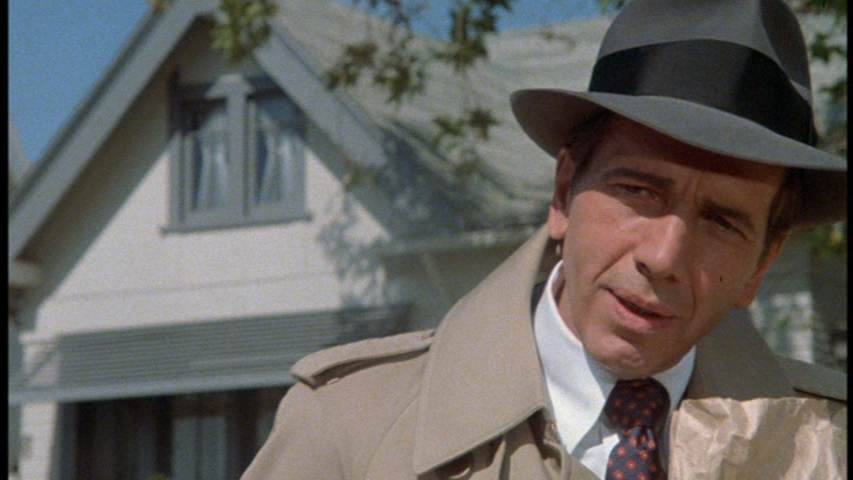
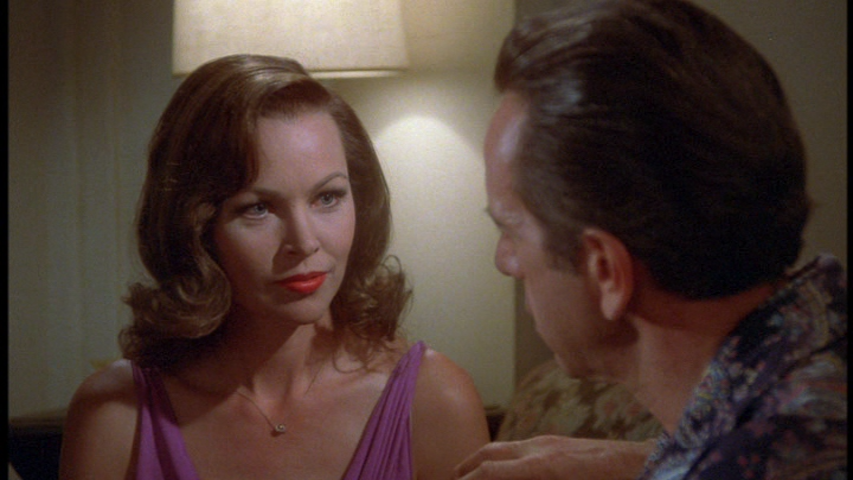
Film fanatics are sure to get a kick out of this affectionate homage to Humphrey Bogart and the Golden Age of Hollywood, based on a novel by Andrew J. Fenady (who also produced the film). Sacchi (playing “Sam Marlow”) is not only a spot-on Bogart-impersonator, but a decent actor to boot, making one feel eerily at times as though Bogart himself has been resurrected to make one final film. (Such a vision rings especially possible in light of Tupac Shakur’s recent “appearance” via hologram at the Coachella Music Festival.) The storyline is, perhaps predictably, overly complex at times (just like Bogart’s own private eye flicks often were), with seemingly countless clients entering Marlow’s office asking for assistance — though eventually their requests all coalesce into one interwoven tale, a la The Maltese Falcon (1941), of a search for valuable jewels known as the Eyes of Alexander. (An exception is a hilarious subplot involving Marlow’s aggressive landlady, played by female impersonator A’leisha Brevard).

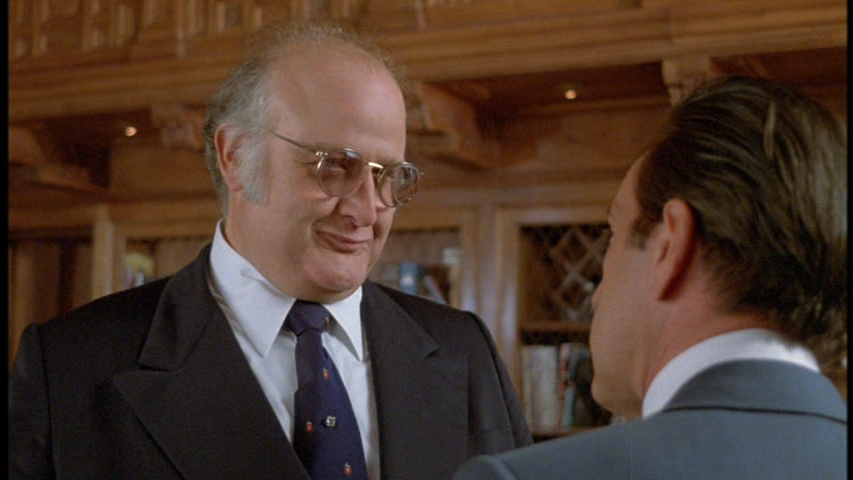
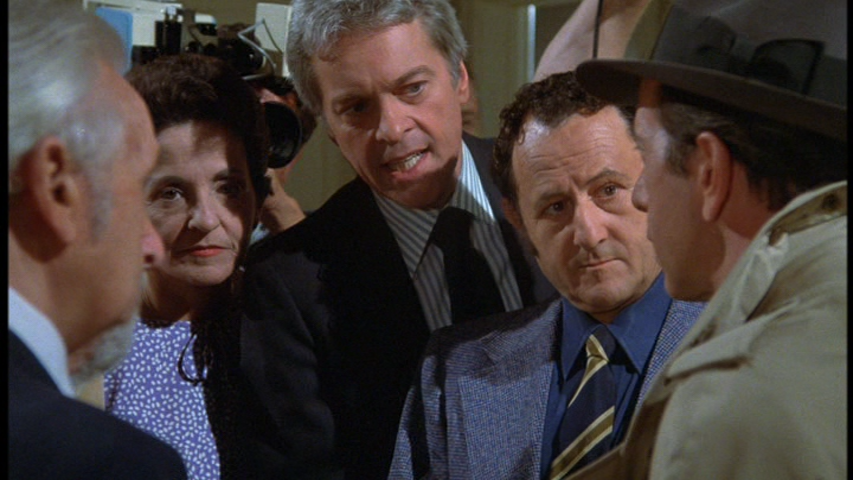
Excellent use is made of iconic L.A. locales, with Marlow frequenting the Hollywood Bowl, the Ambassador Hotel, and the Hollywood Wax Museum, among other choice locations. Meanwhile, the screenplay is simply littered with fun references to a variety of Hollywood films and actors — most notably in the character played by Phillips, who’s made up to look remarkably like Gene Tierney. (And who won’t get a kick out of Marlow’s enormous crush on Tierney-in-Laura, with a replica of Laura’s famous portrait hanging in his office, and the film’s memorable theme music emerging at key moments?) Other real-life Golden-Era Hollywood actors (including Victor Buono, Herbert Lom, and Richard Bakalyan) are smartly given a host of supporting roles — and any film fanatic will be tickled to notice TCM host Robert Osborne (!) showing up early on as a reporter; he gets just one line, but you’ll instantly recognize his distinctive voice. (See still below for evidence.)

Redeeming Qualities and Moments:

  • Robert Sacchi as Sam Marlow
  • Michelle Phillips as Gena
  • A host of fondly familiar supporting faces
  • Robert Osborne in a one-line role (watch and listen closely!)
  • Nice use of diverse L.A. locales

Must See?
Yes; film fanatics will surely have fun with this one. Listed as a Sleeper, a Cult Movie, and a Personal Recommendation in the back of Peary’s book — all of which makes sense to me.

Links:

When Worlds Collide (1951)

When Worlds Collide (1951)

“The day may arrive when money won’t mean anything — not to you, not to anyone.”

Synopsis:
Upon learning that two planets will soon crash into the Earth, a scientist (Larry Keaton) — with funding from a self-serving millionaire (John Hoyt) — works to create a spaceship that will allow a team of select individuals and animals to escape and start a new life. Meanwhile, Keaton’s scientist-daughter (Barbara Rush) falls in love with the pilot (Richard Derr) who delivered the bad news to her father, much to the consternation of her current beau (Peter Hansen).

Genres, Themes, Actors, and Directors:

  • Barbara Rush Films
  • Disaster Flicks
  • George Pal Films
  • Love Triangle
  • Science Fiction
  • Survival

Response to Peary’s Review:
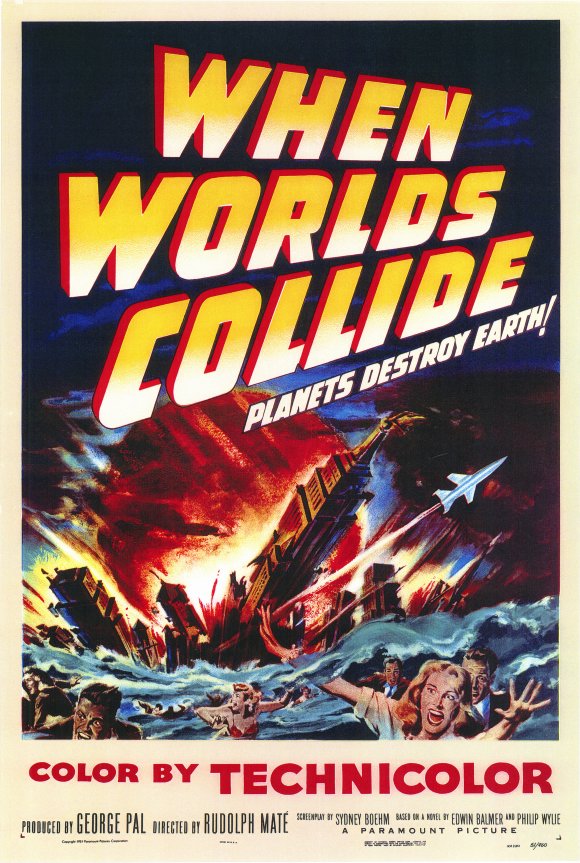
Peary notes that “George Pal’s follow-up to Destination Moon” is “a much better film than [its] predecessor because its premise is much more exciting, encompassing no less than the destruction of earth”. He argues that the “Oscar-winning special effects are particularly impressive during the catastrophe-riddled climax, which, of course, includes New York being struck by a tidal wave”.

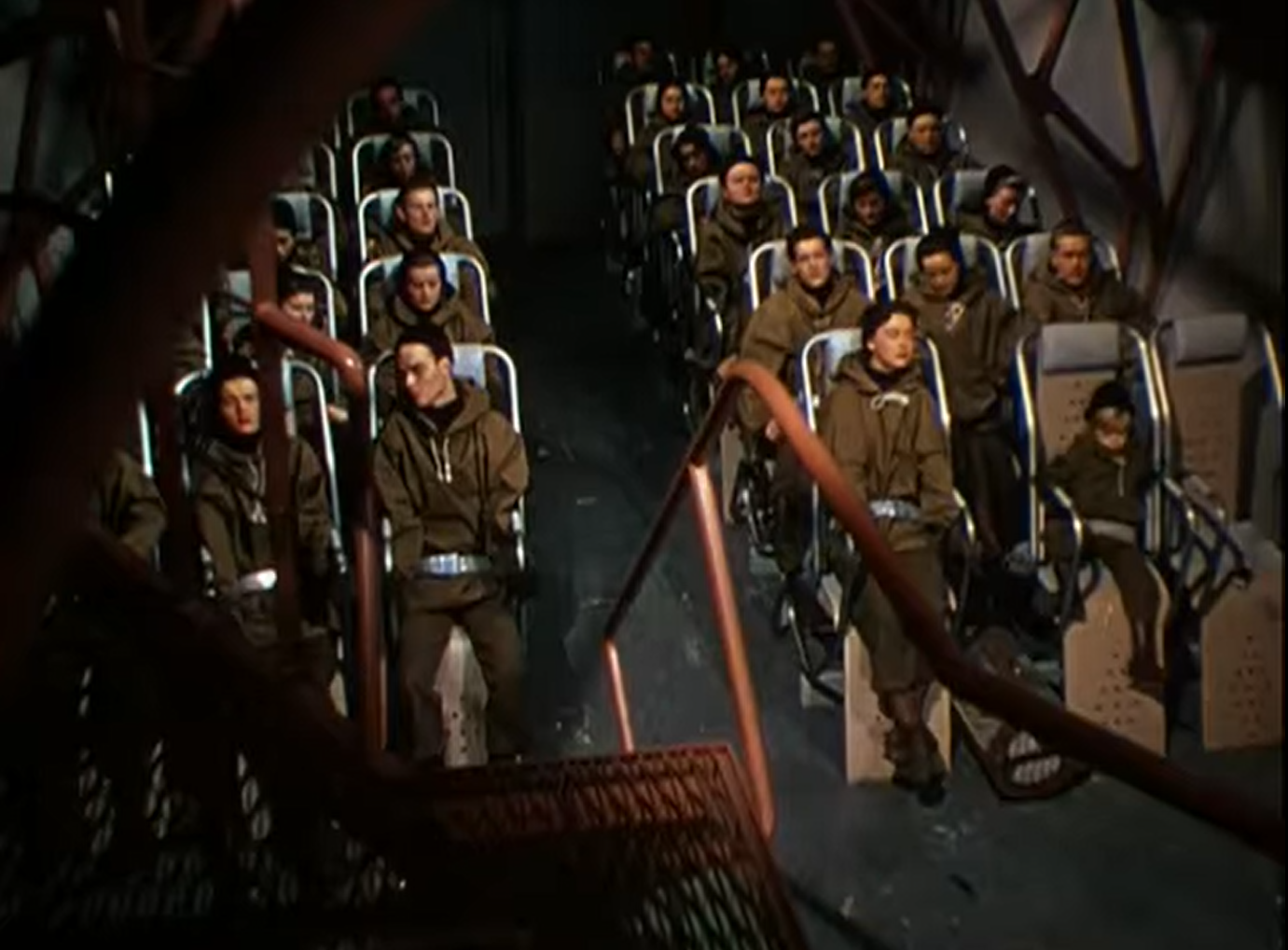
Yet while I agree with Peary that this second film is more intrinsically engaging than Destination Moon, the latter is must-see for historical purposes (as the film which first made space exploration seem like a realistic possibility), while WWC will primarily be of interest to sci-fi fans interested in what is probably the first cinematic depiction of the destruction of the Earth.

In his more detailed analysis of When Worlds Collide, DVD Savant refers to it as “a charming hoot, but still a far better movie than the idiotic Armageddon.” He concedes, however, that “the scientific details are sketchy, especially from the maker of the fastidiously accurate Destination Moon.” For instance, he bluntly notes:

Nowadays, it would seem obvious that if you could only take forty people, the best hope for mankind would be to make most of the human passengers female scientists, doctors and engineers – all extremely young and all fit to bear children. The male component of the passenger list might only be test tubes of sperm for later artificial insemination. Why waste cargo weight on a bunch of redundant drones, when you need all the breeder females you can get?

But what fun would that be to envision — right? Even more disturbing to my mind is the utter homogeneity of the core group of potential travellers, who are all (all) white.

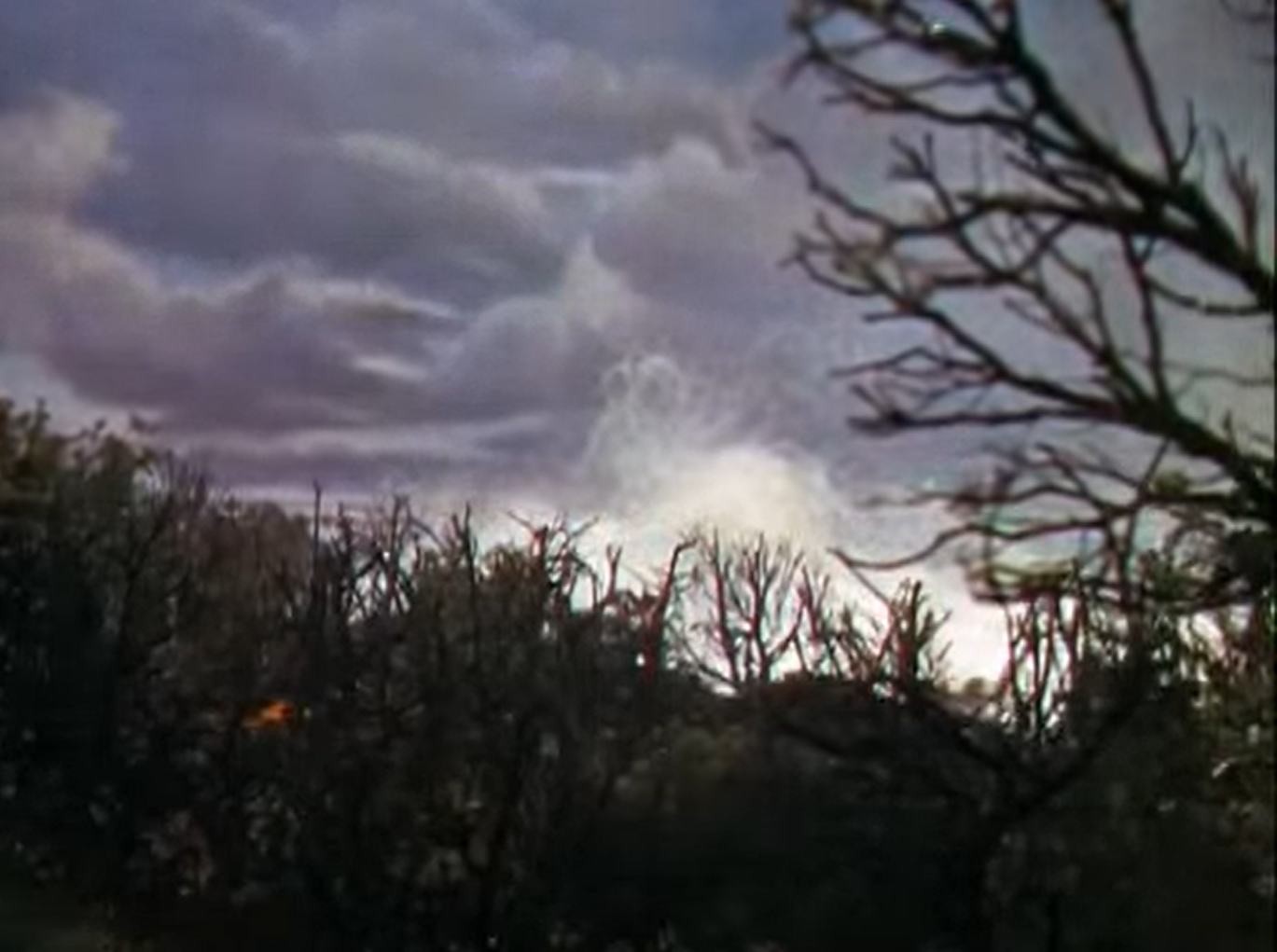
You’d think that some kind of perspective on future diversity would be taken into consideration even back in 1951 — but so it goes. Regardless, those who enjoy ’50s sci-fi flicks will be able to take the film’s more dated elements in stride, and simply enjoy its “impressive special effects”, which “wowed ’em in 1951 and can still spark imagination and wonder” (though I’ll admit to finding some of them — i.e., the final matte paintings representing the planet Zyra — to come across as hopelessly artificial).

Redeeming Qualities and Moments:

  • George Pal’s Oscar-winning special effects

Must See?
No, though it’s worth a look.

Links:

Woman’s Vengeance, A (1948)

Woman’s Vengeance, A (1948)

“I heard Mr. Maurier say he wished she was dead.”

Synopsis:
A man (Charles Boyer) whose invalid wife (Rachel Kempson) suddenly dies of a heart attack marries his young lover (Ann Blyth), much to the chagrin of his long-time friend (Jessica Tandy), who has a crush on him. Soon Kempson’s nurse (Mildred Natwick) begins to suspect that Boyer may have killed his wife, and Boyer’s newfound happiness is compromised.

Genres, Themes, Actors, and Directors:

  • Ann Blyth Films
  • Charles Boyer Films
  • Jessica Tandy Films
  • Murder Mystery

Review:
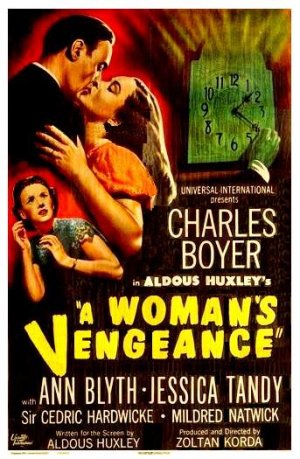
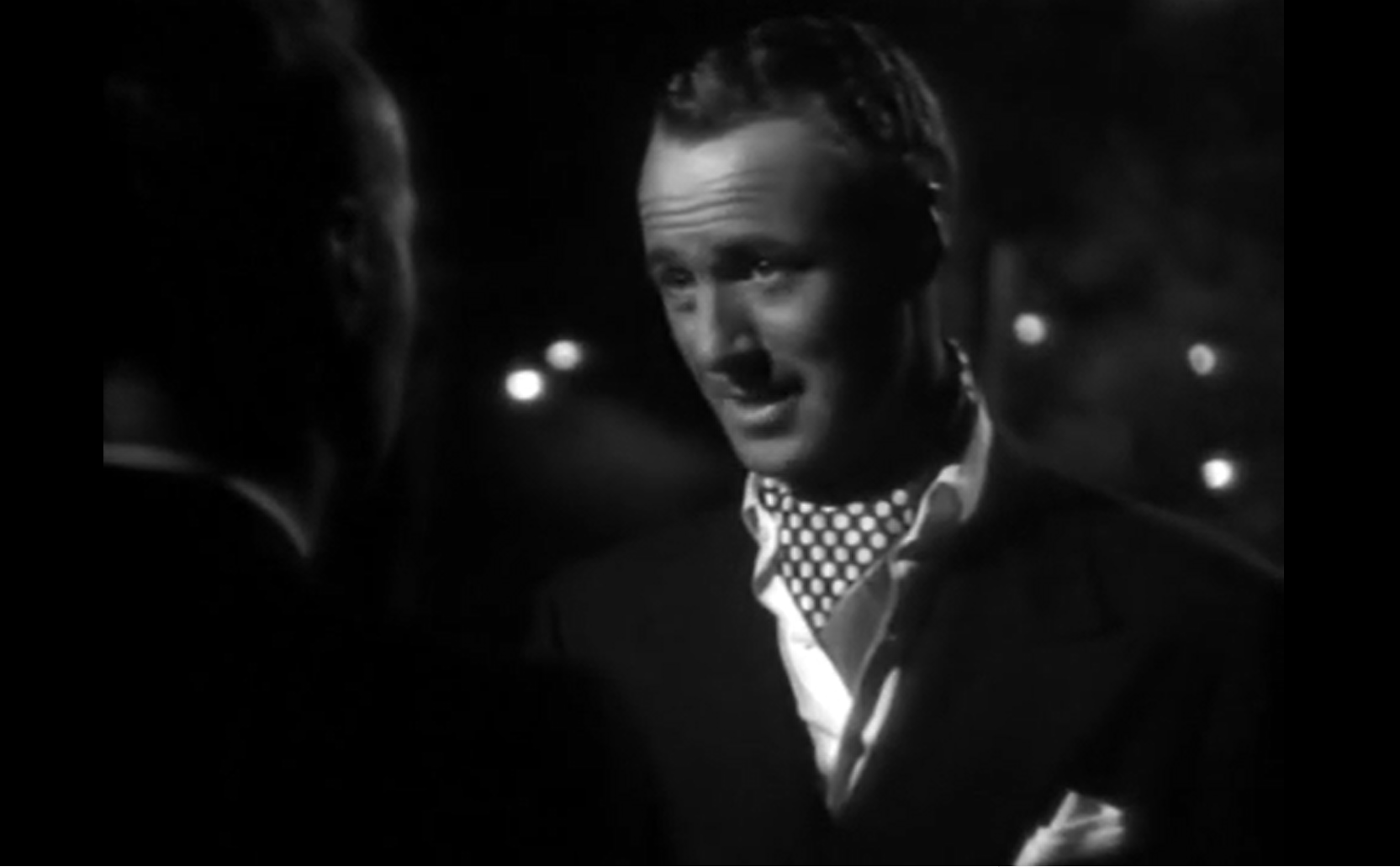
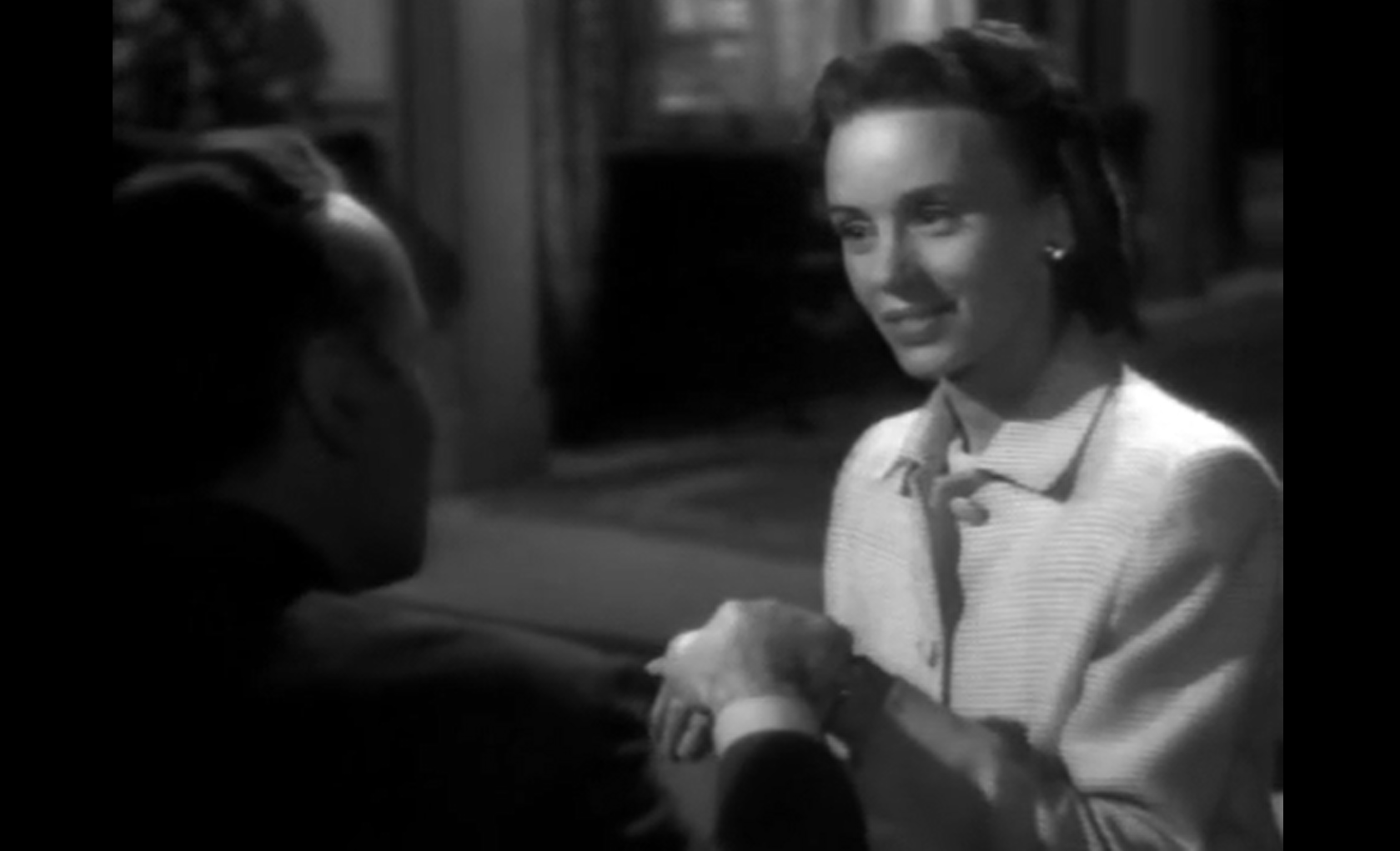
Zoltan Korda directed this adaptation of Aldous Huxley’s story “The Gioconda Smile”, starring Jessica Tandy (fresh off of her success on Broadway as Blanche DuBois) in one of her meatiest cinematic roles.

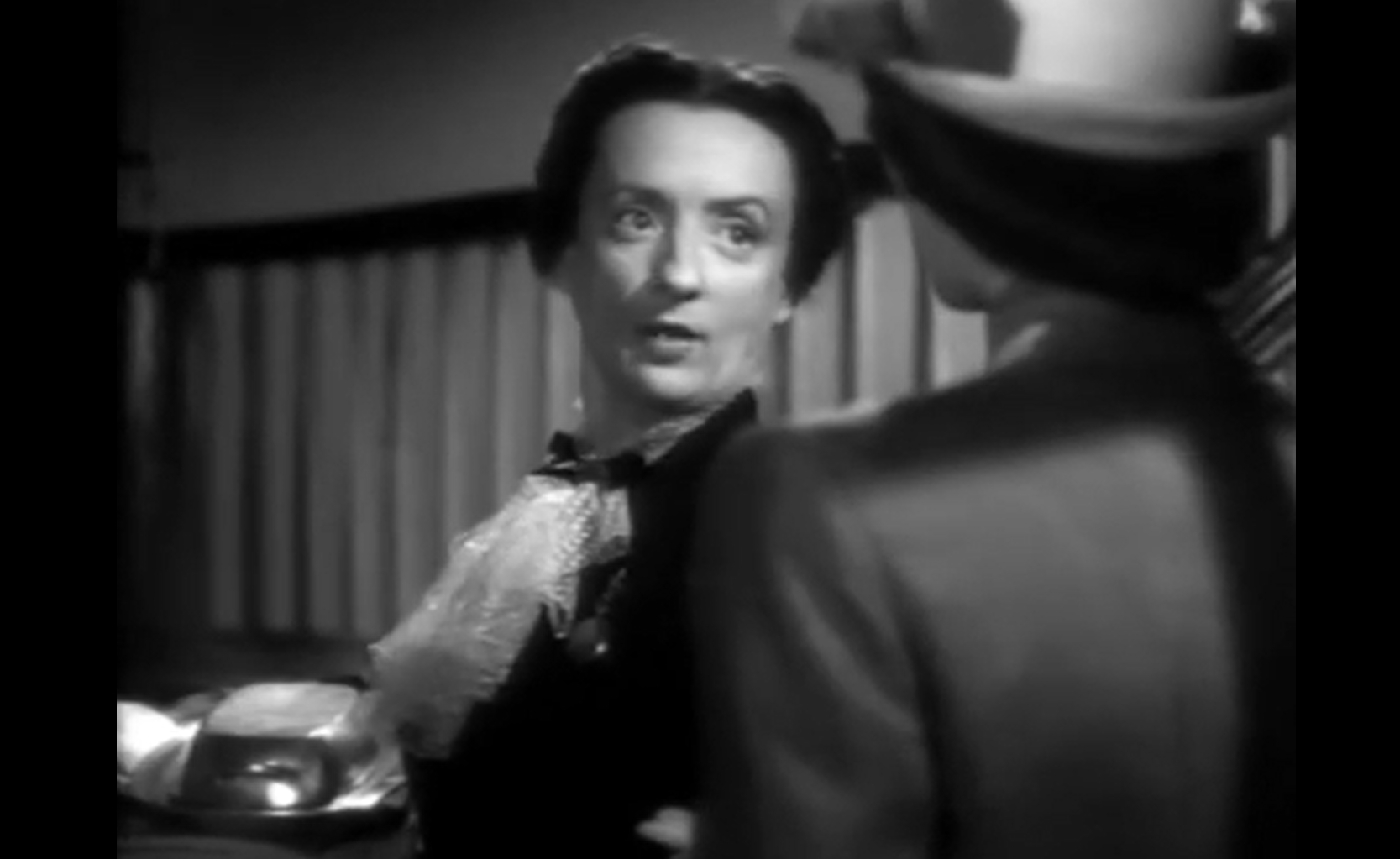
Unfortunately, the storyline itself isn’t quite up to her estimable talents; Huxley’s attempt to set up an array of potential murder suspects in the first 20 minutes doesn’t prevent one from easily guessing the real culprit (if paying attention):


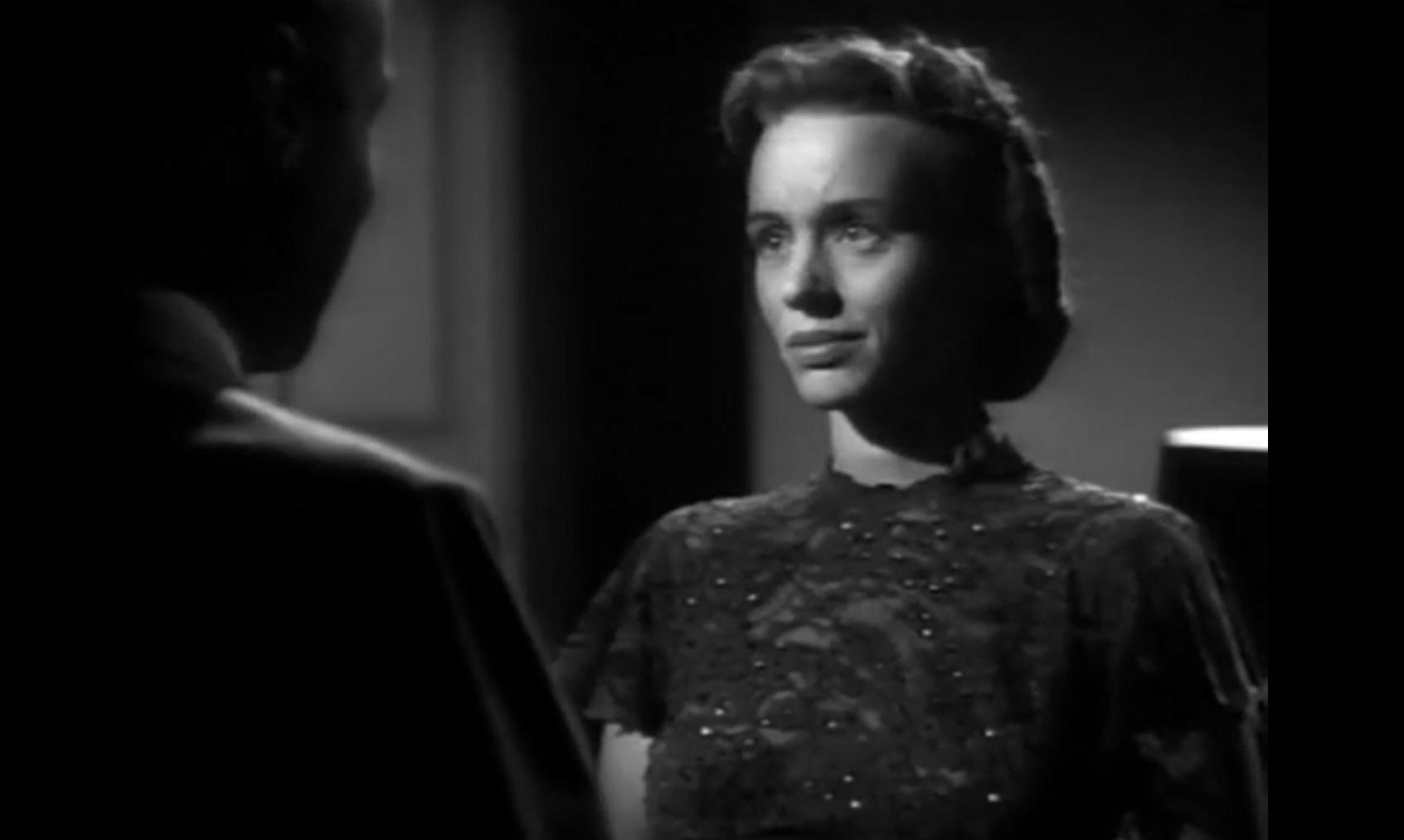
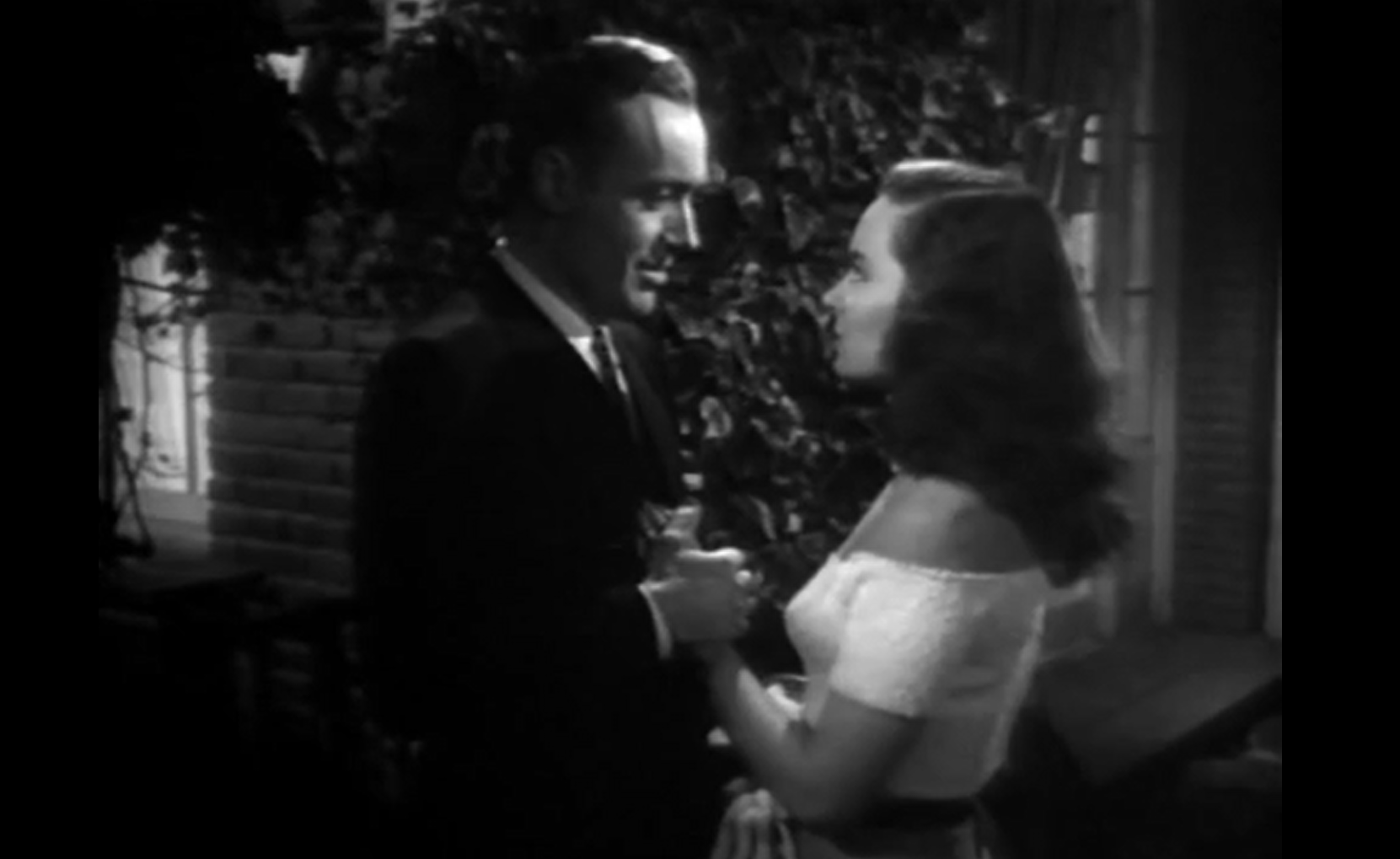
… and the pacing of the entire affair seems somewhat off. Meanwhile, it’s difficult to understand what Boyer sees in Blyth:

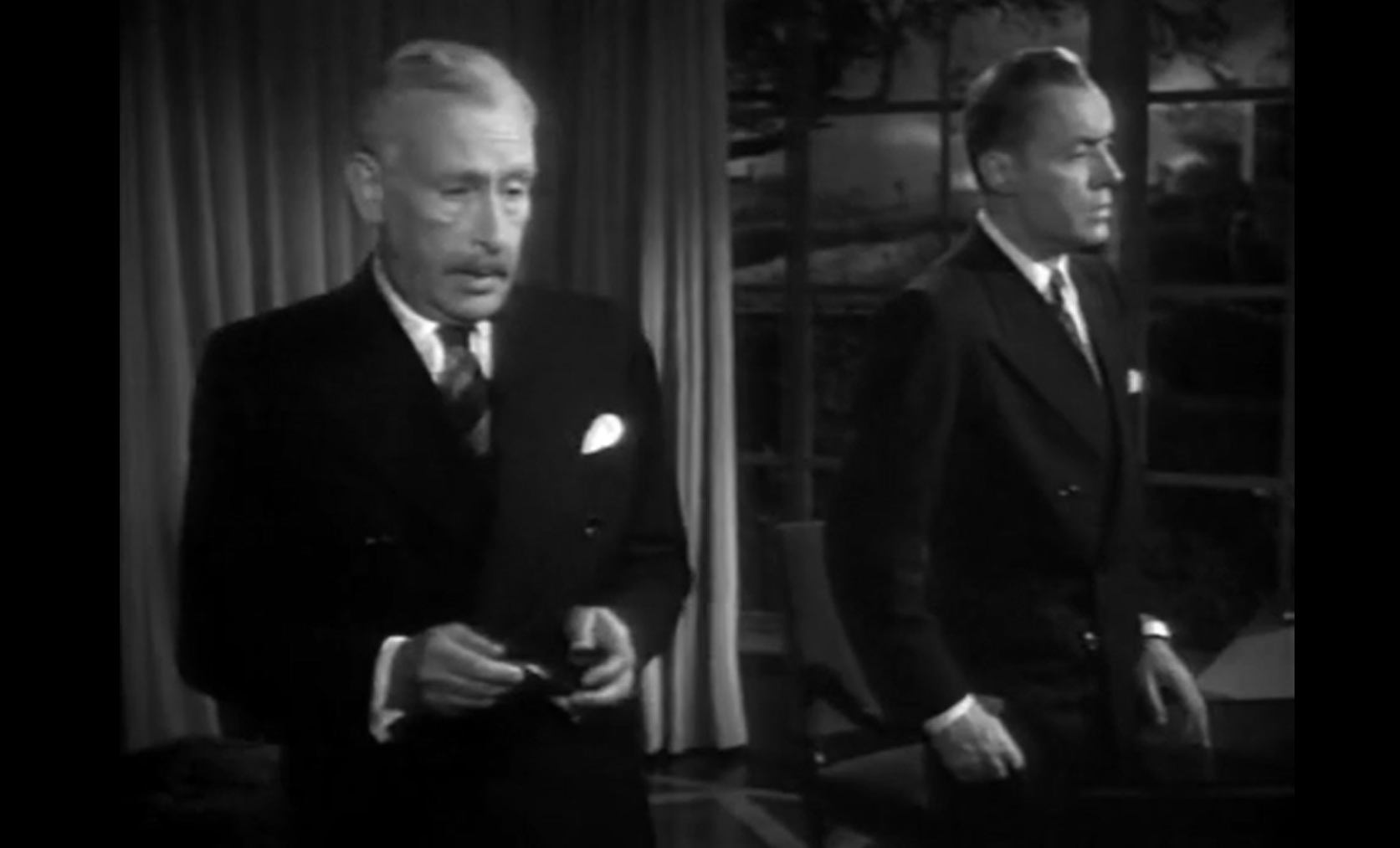
… and Cedric Hardwicke’s role as an omnipresent, ferociously understanding family doctor feels contrived at best.

With that said, atmospheric cinematography and Tandy’s brave, psychologically nuanced performance make this a melodrama you certainly won’t mind sitting through once.

Redeeming Qualities and Moments:

  • Jessica Tandy as Janet
  • Atmospheric cinematography

Must See?
No, though it’s worth a look if you stumble upon a copy.

Links:

West of Zanzibar (1928)

West of Zanzibar (1928)

“For all the suffering he brought her, he’s going to pay!”

Synopsis:
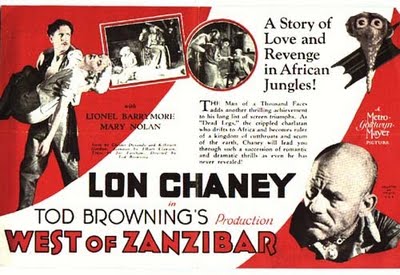
After learning his wife (Jacqueline Gadsden) has betrayed him, a magician (Lon Chaney, Sr.) is paralyzed in a fight with her lover (Lionel Barrymore), and later seeks revenge upon both Barrymore and his wife’s grown daughter (Mary Nolan).

Genres, Themes, Actors, and Directors:

  • Africa
  • Lionel Barrymore Films
  • Lon Chaney, Sr. Films
  • Revenge
  • Silent Films
  • Tod Browning Films
  • Warner Baxter Films

Review:
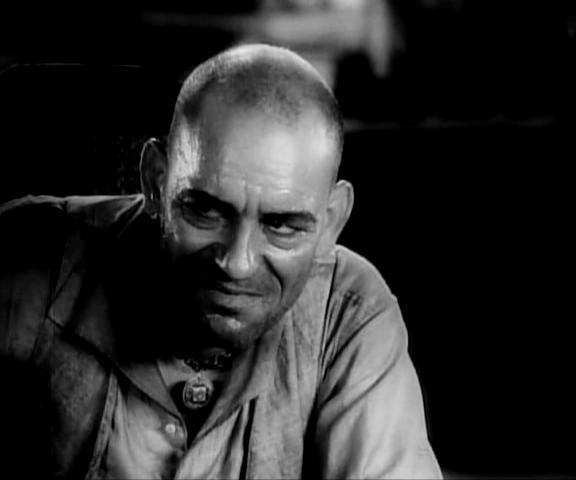
Based upon the 1926 Broadway play Kongo (which was filmed as a talkie in 1932 with Walter Huston), this atmospheric silent film by director Tod Browning has retained much of its power and creepy eloquence, thanks in large part to a haunting central performance by Lon Chaney, Sr. The 65-minute screenplay hurls along at breakneck speed, quickly setting up the initial conflict, then suddenly sending us (for no apparent reason) to the depths of Africa, where Chaney’s character uses his skills as a magician to hold sway over the natives. While one might wish for a tad more explanation or exposition, the film’s central theme remains crystal clear: Chaney will avenge both the loss of his wife and the loss of his mobility, at any cost. Watching him slither along the floor, a snarl permanently etched onto his face, one feels it’s not really possible for a man to be more deeply scarred and embittered. Barrymore, meanwhile, makes a worthy foil, and the sets convey an appropriate sense of claustrophobic menace. Warner Baxter as Chaney’s personal doctor (whose loyal presence is never fully explained) serves as a welcome relief in the midst of such unrelenting gloom; knowing that he will likely fall for the pretty, put-upon Nolan helps us feel some small sense of hope.

Redeeming Qualities and Moments:

  • Lon Chaney as Phroso, a.k.a. “Dead-Legs”
  • Lionel Barrymore as Mr. Crane
  • Appropriately claustrophobic sets

Must See?
Yes; this remains a powerful early revenge flick, one which all film fanatics should check out.

Categories

  • Good Show
  • Noteworthy Performance(s)

Links:

Ilsa, Harem Keeper of the Oil Sheiks (1976)

Ilsa, Harem Keeper of the Oil Sheiks (1976)

“You have the instincts of an Arab, Ilsa.”

Synopsis:
The domineering harem keeper (Dyanna Thorne) for an oil sheik (Jerry Deloney) tortures a spy (Haji) while falling for a studly American visitor (Max Thayer).

Genres, Themes, Actors, and Directors:

  • Middle East
  • Prisoners
  • Strong Females

Review:
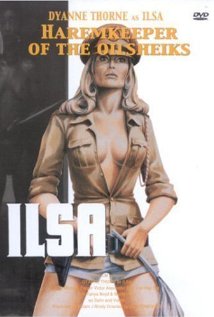
Sexploitation fans who can’t get enough of Dyanne Thorne’s buxomy blonde bitch Ilsa (first seen in 1973’s Ilsa, She Wolf of the SS) will likely be thrilled to see her magically resurrected for this first of three follow-up titles in the series (Peary mercifully leaves the last two out of his GFTFF). For what it’s worth, I find …Harem Keeper marginally less offensive than its more infamous predecessor; apparently the script was intentionally toned down to try to appeal to a wider audience, leaving IHK a rather standard ’70s exploitation flick with plenty of t&a, exaggerated violence, and hiss-worthy villains strewn throughout its typically preposterous plot. This time around, I was better able to appreciate Thorne’s ludicrously campy performance as Ilsa — but since I’m really not the target audience for flicks like this, I’m unable to say much more in its favor; it’s only must-see for diehard fans of the genre, and all others can feel free to stay away.

Redeeming Qualities and Moments:

  • Dyanne Thorne’s no-holds-barred campy portrayal as Ilsa

Must See?
No. Listed as a Cult Movie and Trash in the back of Peary’s book.

Links:

Craig’s Wife (1936)

Craig’s Wife (1936)

“Nobody can know another human being enough to trust him.”

Synopsis:
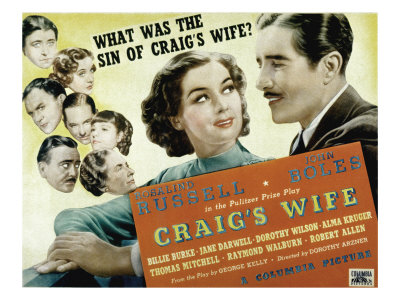
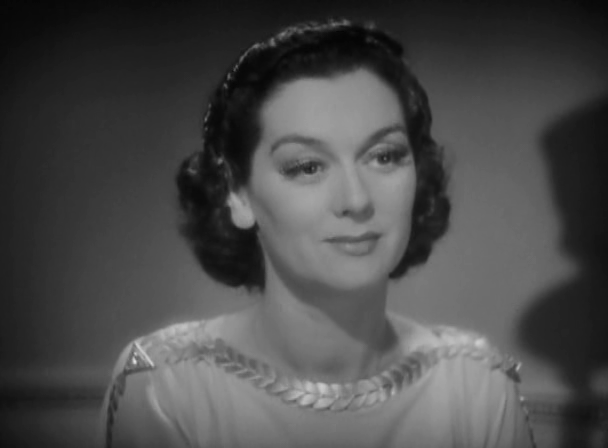
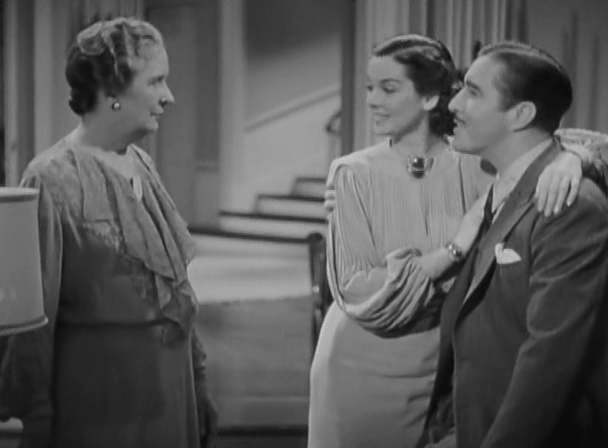
A controlling, upwardly mobile housewife (Rosalind Russell) who married her adoring husband (John Boles) for his money finds her carefully planned life crumbling apart when her husband’s volatile friend (Thomas Mitchell) is found dead.

Genres, Themes, Actors, and Directors:

  • Dorothy Arzner Films
  • Feminism and Women’s Issues
  • Housewives
  • Marital Problems
  • Play Adaptation
  • Rosalind Russell Films
  • Strong Females
  • Thomas Mitchell Films

Review:
Film fanatics are likely most familiar with the third cinematic adaptation of George Kelly’s Pulitzer Prize-winning play, retitled as Harriet Craig (1950), and starring Joan Crawford in what many consider to be one of her most personally-defined performances. Indeed, given how closely Crawford’s own infamous persona aligns with the play’s troubled protagonist, one might find it difficult to imagine anyone else in the role — yet the indomitable Rosalind Russell is equally up to the task. Indeed, by the end of the story, Russell actually manages to make us feel somewhat sorry for this most unsympathetic of heroines, a calculating woman so focused on maintaining control over her household that she stupidly fails to recognize her imminent downfall.

Watching Harriet Craig a few years ago was my personal introduction to Kelly’s play; viewing it once again (albeit in a truncated fashion; this film runs just 73 minutes, 21 minutes less than Harriet Craig), I had a renewed appreciation for the important themes he’s attempting to address, and I found myself doubly thankful that this earlier version was directed by Dorothy Arzner, whose feminist sensibilities shine through clearly. Indeed, Russell’s Harriet comes across as nothing less than a deeply self-preserving woman who recognizes that her only chance at security in life is wooing a well-off man who will give her whatever she wants; her mistake, of course, lies in failing to recognize that longevity requires more than just this initial conquest. To that end, I remain troubled in both adaptations by the unrealistic character arc of Craig’s husband, who shifts from adoring puppy (how can he be so clueless?) to wounded cynic far too quickly — but this time around, I found myself better able to understand the need for dramatic compression (this is an adaptation of a play, after all). Ultimately, both Craig’s Wife and Harriet Craig remains worth a look by those interested in engaging with the play’s challenging yet provocative premise.

Redeeming Qualities and Moments:

  • Rosalind Russell as Harriet Craig
  • John Boles as Walter Craig
  • Arzner’s confident direction

Must See?
No, though it’s certainly worth a look. Listed as a film with Historical Importance in the back of Peary’s book.

Links:

Walking Dead, The (1936)

Walking Dead, The (1936)

“What effect did the experience of death have on his subconscious mind?”

Synopsis:
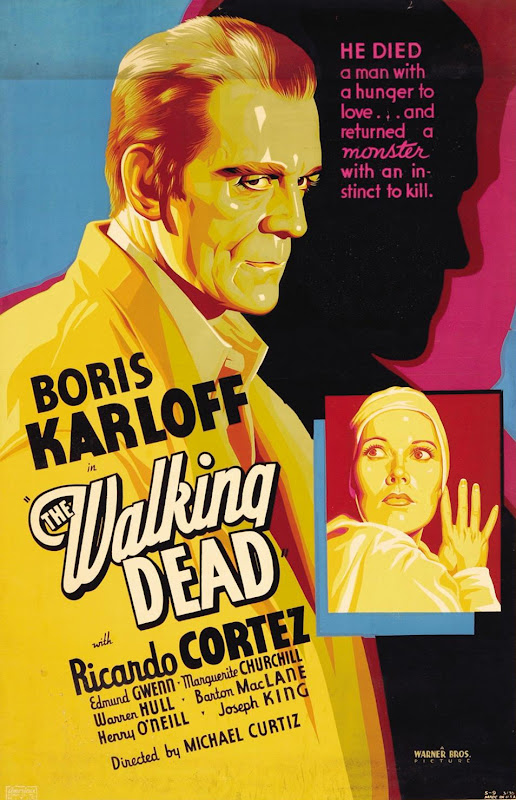
A pianist (Boris Karloff) falsely accused of murdering a judge (Joe King) is electrocuted, but brought back to life by a scientist (Edmund Gwenn), after which he proceeds to haunt the men who framed him.

Genres, Themes, Actors, and Directors:

  • Boris Karloff Films
  • Edmund Gwenn Films
  • Framed
  • Life After Death
  • Mad Doctors and Scientists
  • Michael Curtiz Films
  • Revenge

Review:
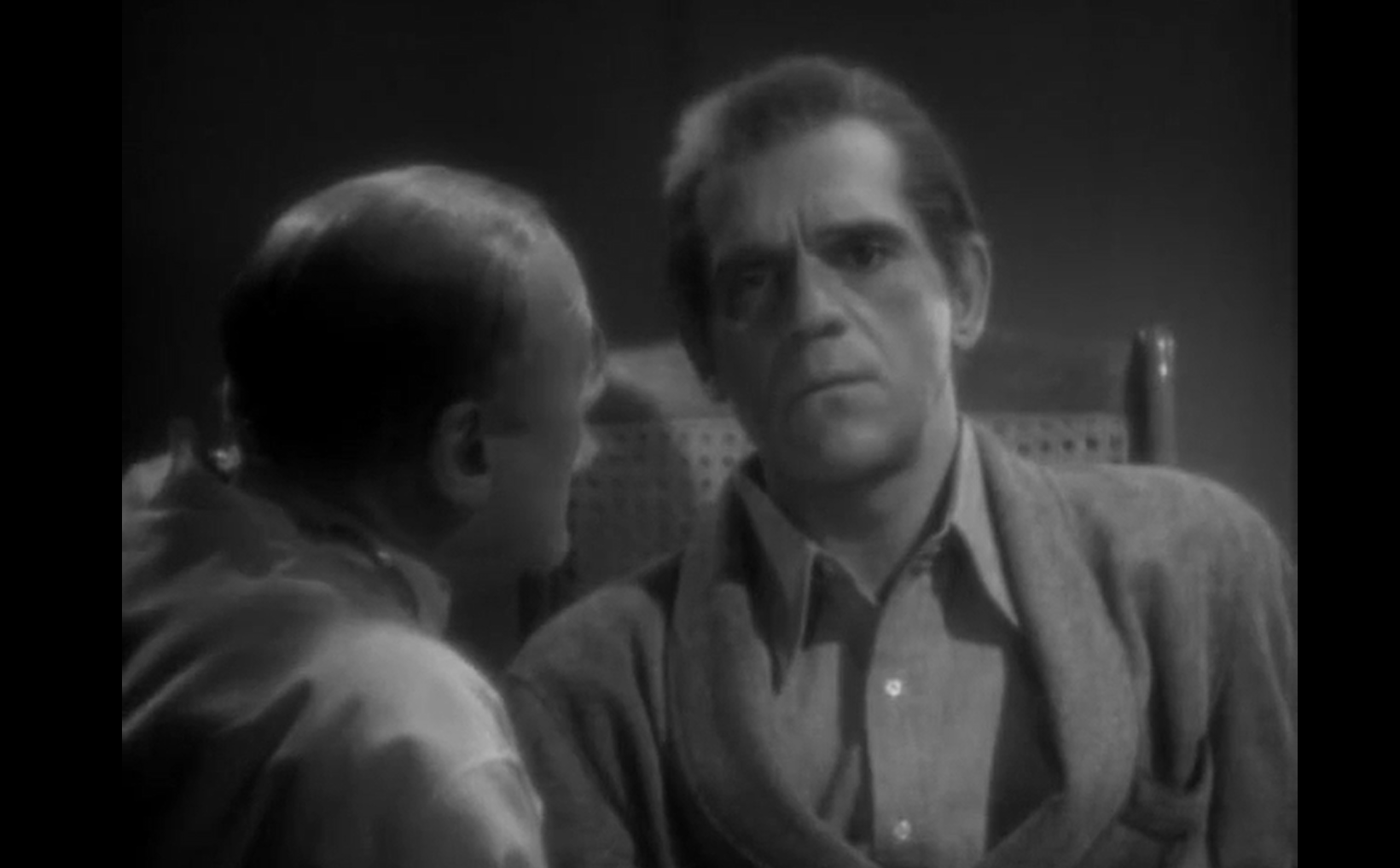
After his breakthrough role as the Monster in Frankenstein (1931), Boris Karloff was involved in no less than seven other films involving mad scientists and/or living corpses; five of these — Before I Hang (1940), Black Friday (1940), The Devil Commands (1941), The Man They Could Not Hang (1939), and this title — are listed in Peary’s book. The Walking Dead seems perhaps most closely aligned with Frankenstein‘s sensibilities, given that Karloff’s post-death make-up (though much more muted) pays explicit homage to that of his fabled Monster, and the resurrection scene hearkens back strongly to its classic predecessor, with Dr. Beaumont (Edmund Gwenn) actually stating in awe, “He’s alive!”

Given the enormous popularity of Frankenstein (and Universal Studios’ eagerness to bank upon its successes), these thematic connections are not all that surprising — nor, sadly, is the fact that The Walking Dead pales in comparison.

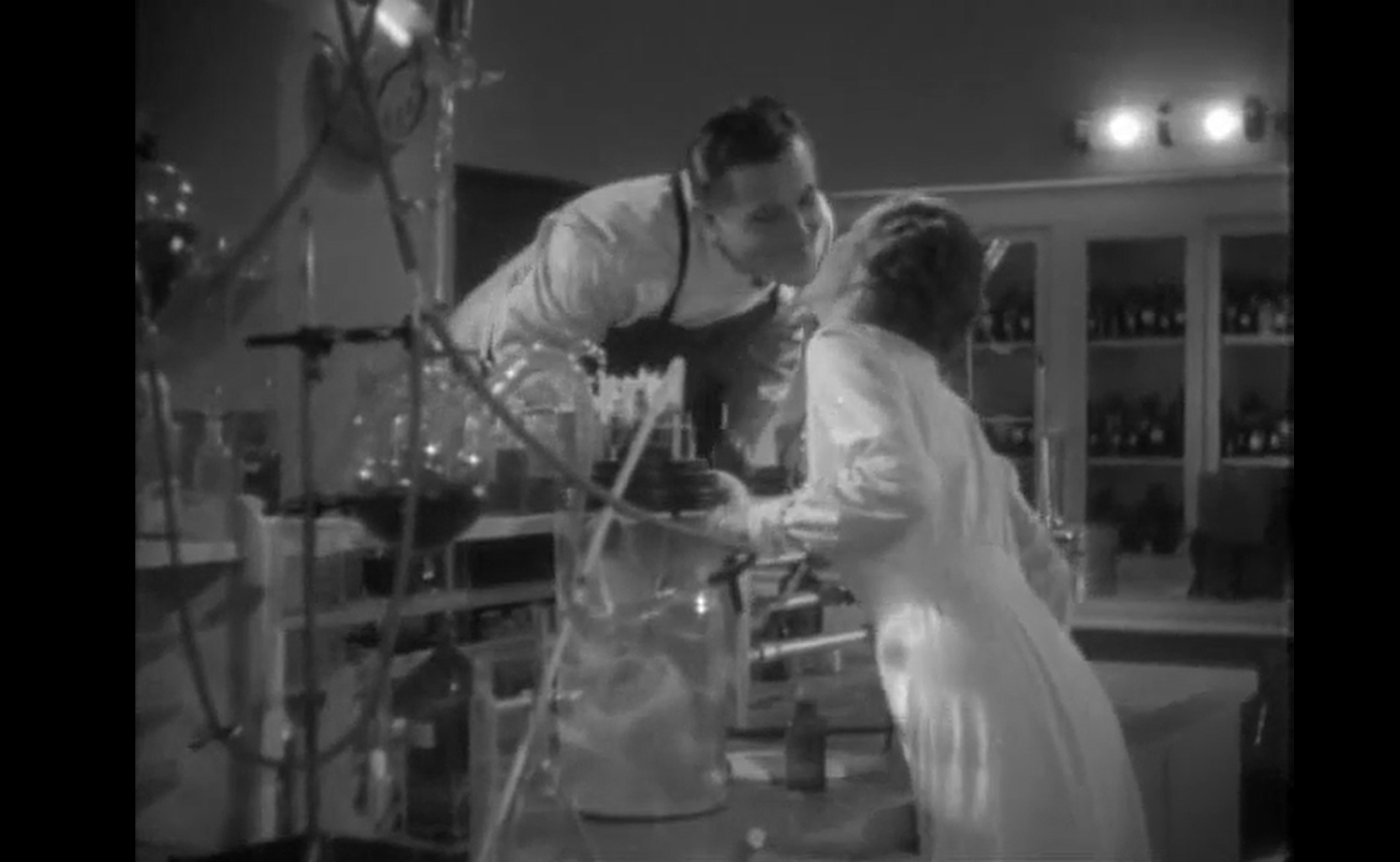
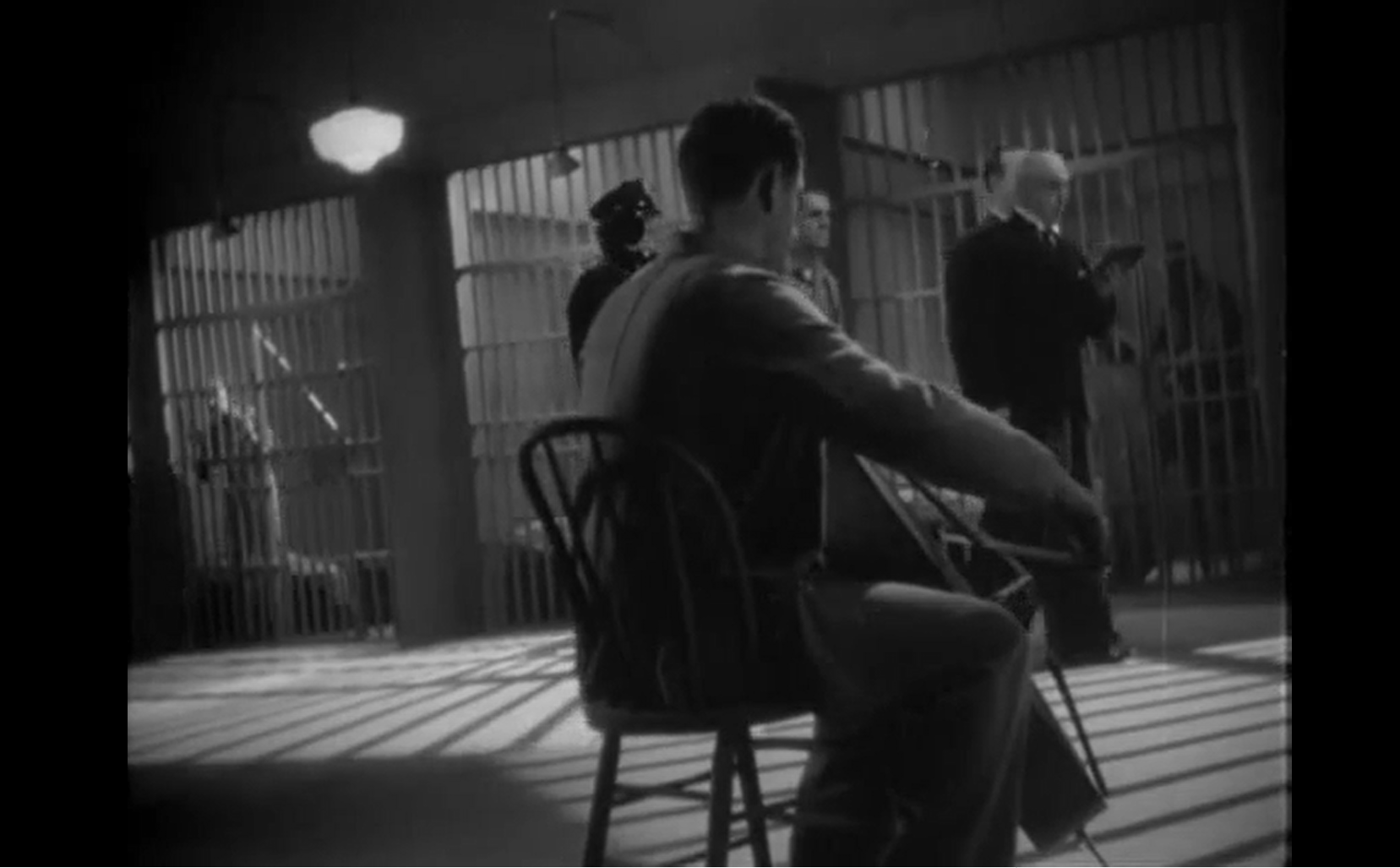
The film’s primary problem lies in its underdeveloped narrative and characters. There’s a weak attempt at a romantic subplot between Gwenn’s over-worked assistants (played by Marguerite Churchill and Warren Hull), but this goes absolutely nowhere:

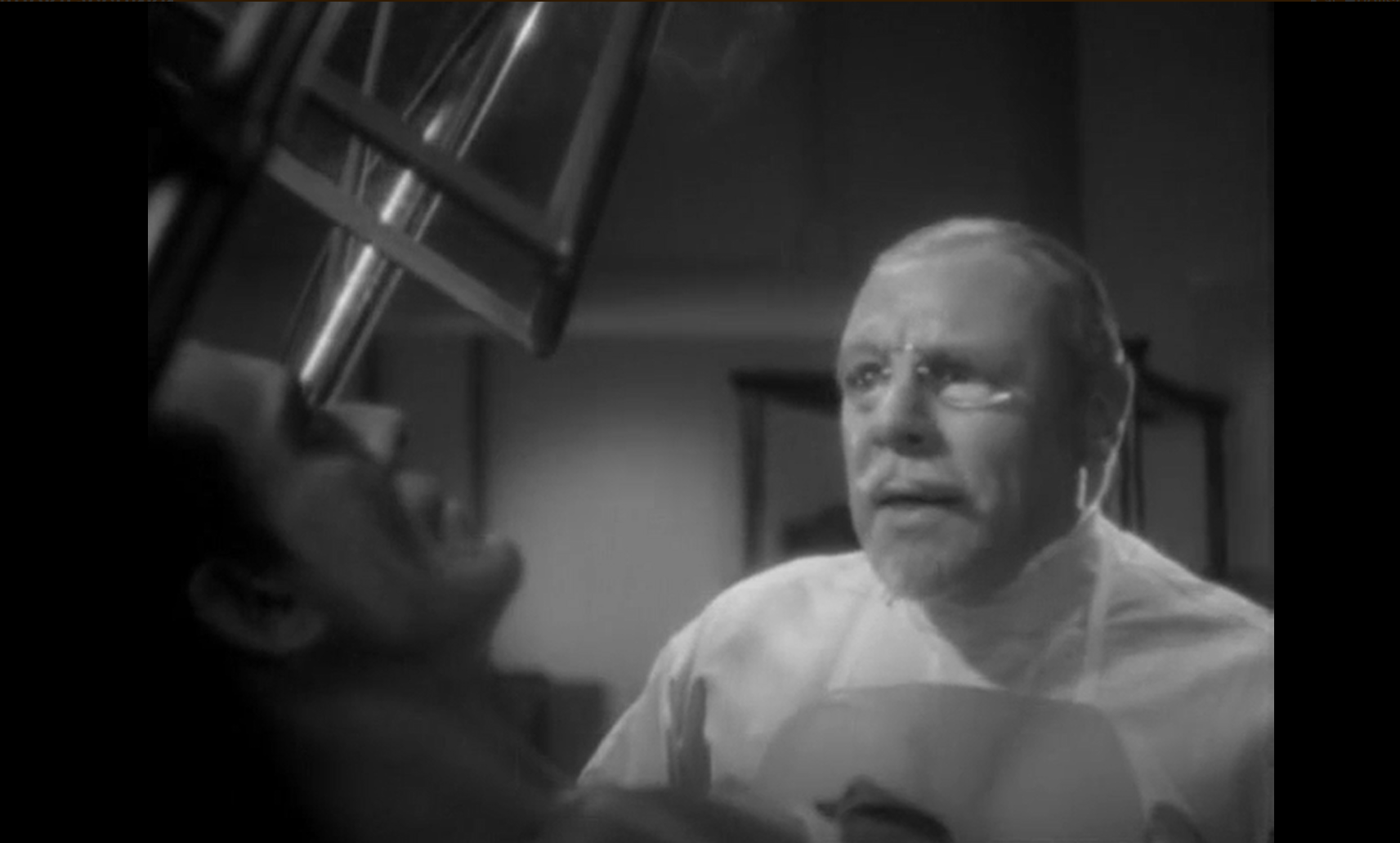
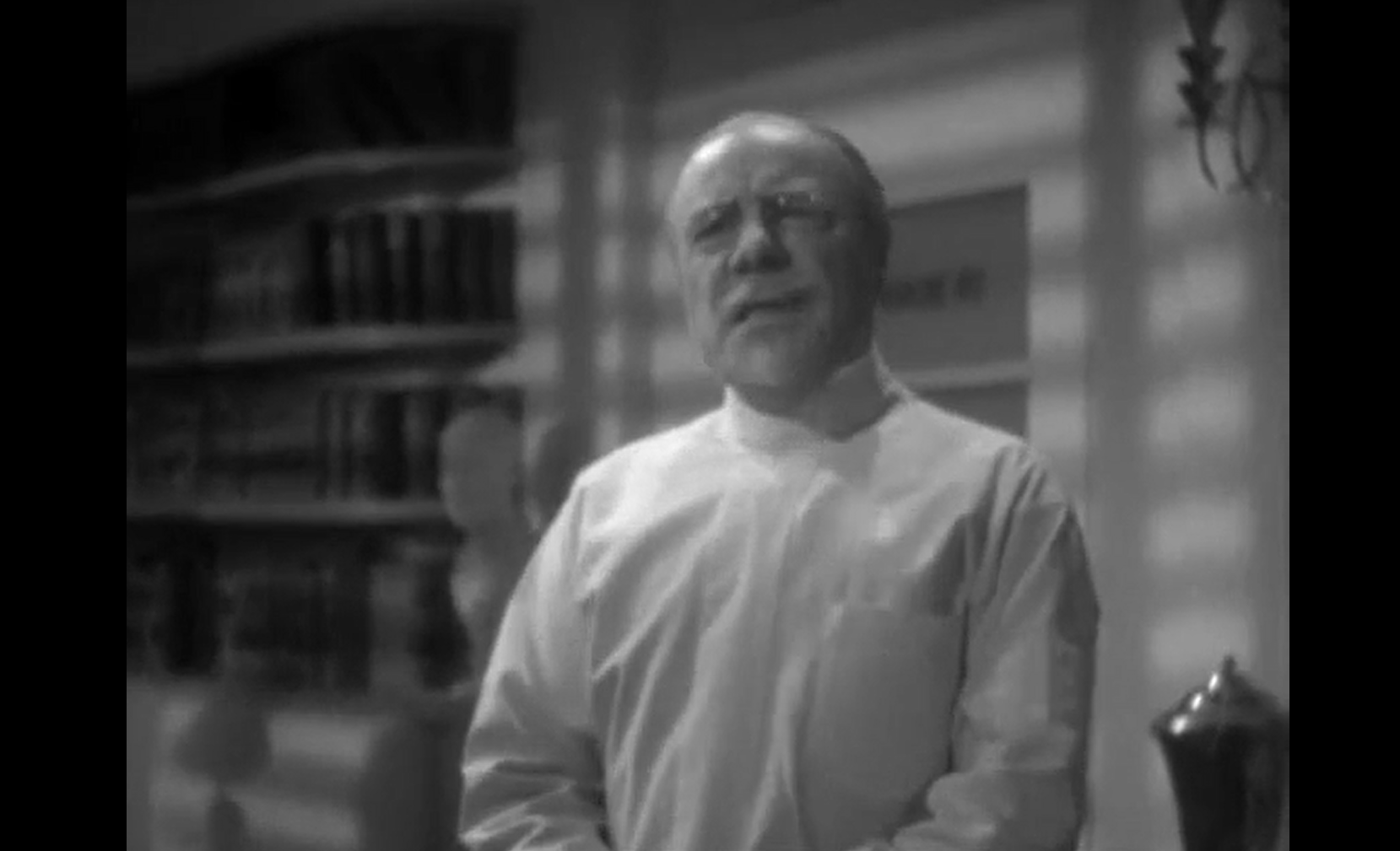
… and speaking of Gwenn, his “mad doctor” is frustratingly opaque.

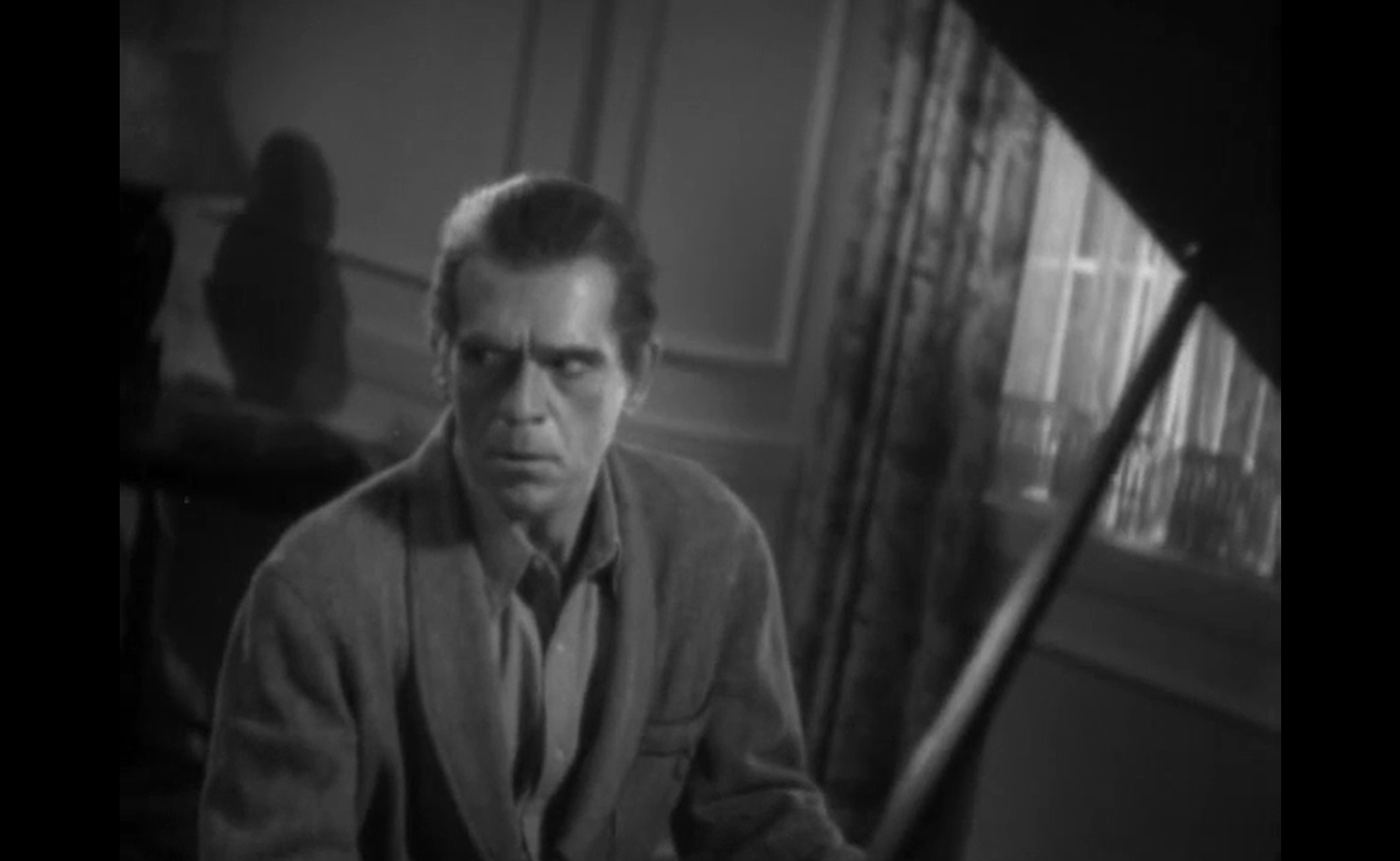
It’s difficult to think of Gwenn as anything other than a jolly do-gooder, yet here he blithely fools around with a man’s existence to fulfill his own curiosities about death — all the same, we’re left unsatisfied in terms of knowing how exactly we’re meant to react to him and his motivations. Karloff, however, is fine from beginning to end — as with his Monster, he injects his troubled protagonist here with extraordinary pathos throughout.

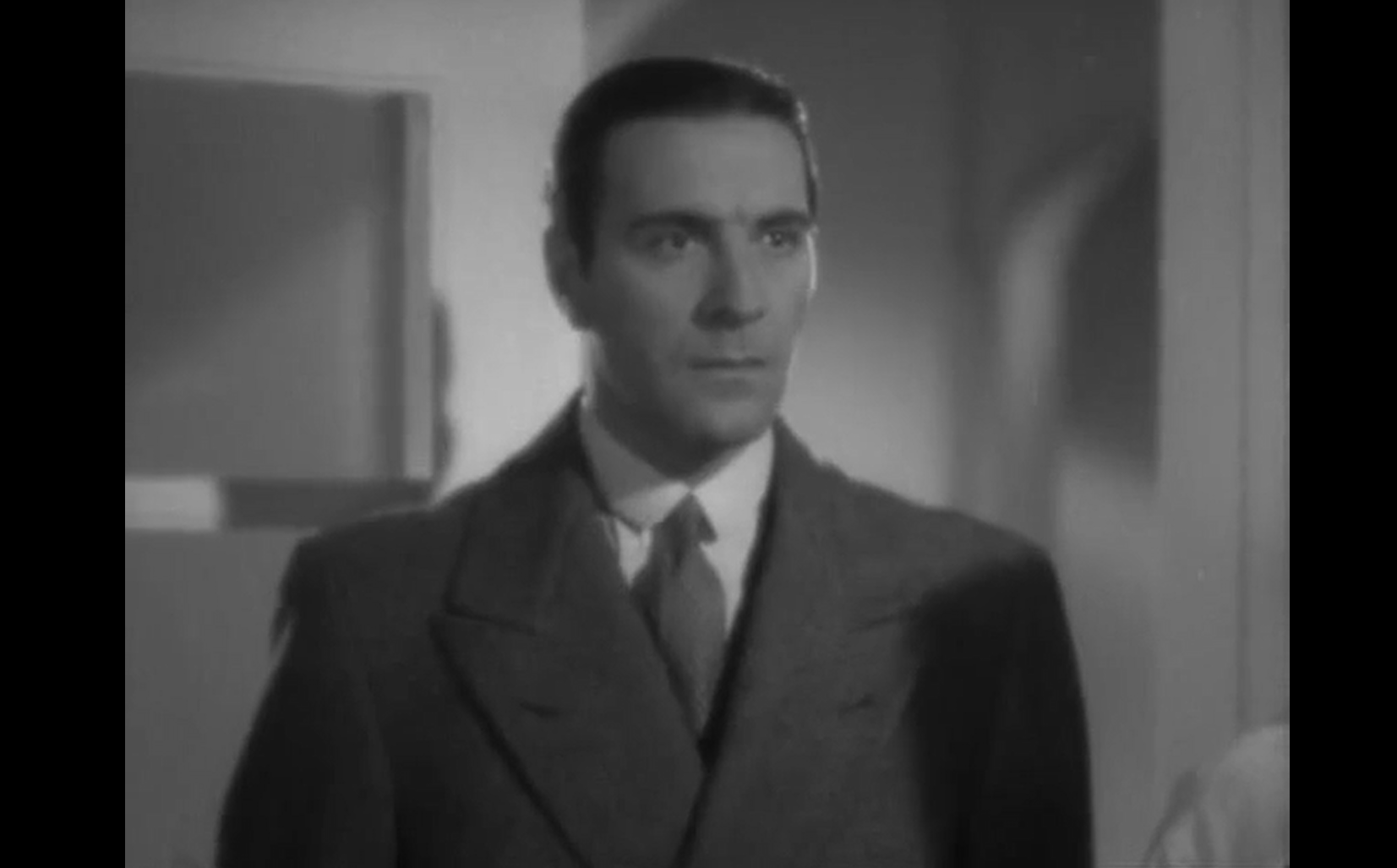
Meanwhile, director Michael Curtiz and DP Hal Mohr do a fine job playing up the atmospheric nature of the screenplay, which cleverly incorporates gangster elements into its storyline; Ricardo Cortez as the lead gangster responsible for boldly sending Karloff to the electric chair is particularly well cast.

Redeeming Qualities and Moments:

  • Boris Karloff as John Ellman
  • Atmospheric cinematography and direction

Must See?
No, though it’s recommended for one-time viewing.

Links: