Browsed by
Category: Original Reviews

Responses to Peary’s “must see” movie reviews, as well as my own “must see” movie reviews up to and after 1986 (when Peary’s book was published).

Tight Spot (1955)

Tight Spot (1955)

“You realize you’re the only one who can help us, don’t you?”

Synopsis:
A prosecutor (Edward G. Robinson) hoping to convince an imprisoned gangster’s moll (Ginger Rogers) to testify against a crime boss (Lorne Greene) brings her to a hotel room for safe-keeping, where a policeman (Brian Keith) and a prison matron (Katherine Anderson) watch over her. While Rogers tries to decide whether or not to testify, she and Keith begin to experience romantic feelings towards one another.

Genres, Themes, Actors, and Directors:

  • Brian Keith Films
  • Edward G. Robinson Films
  • Ex-Cons
  • Gangsters
  • Ginger Rogers Films
  • Phil Karlson Films
  • Play Adaptation

Review:
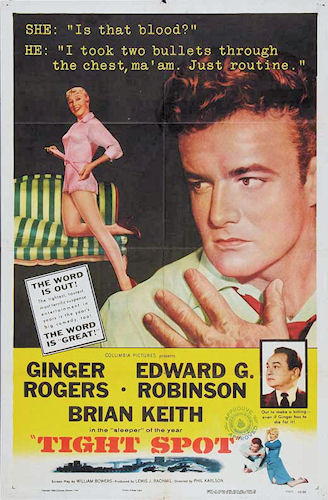
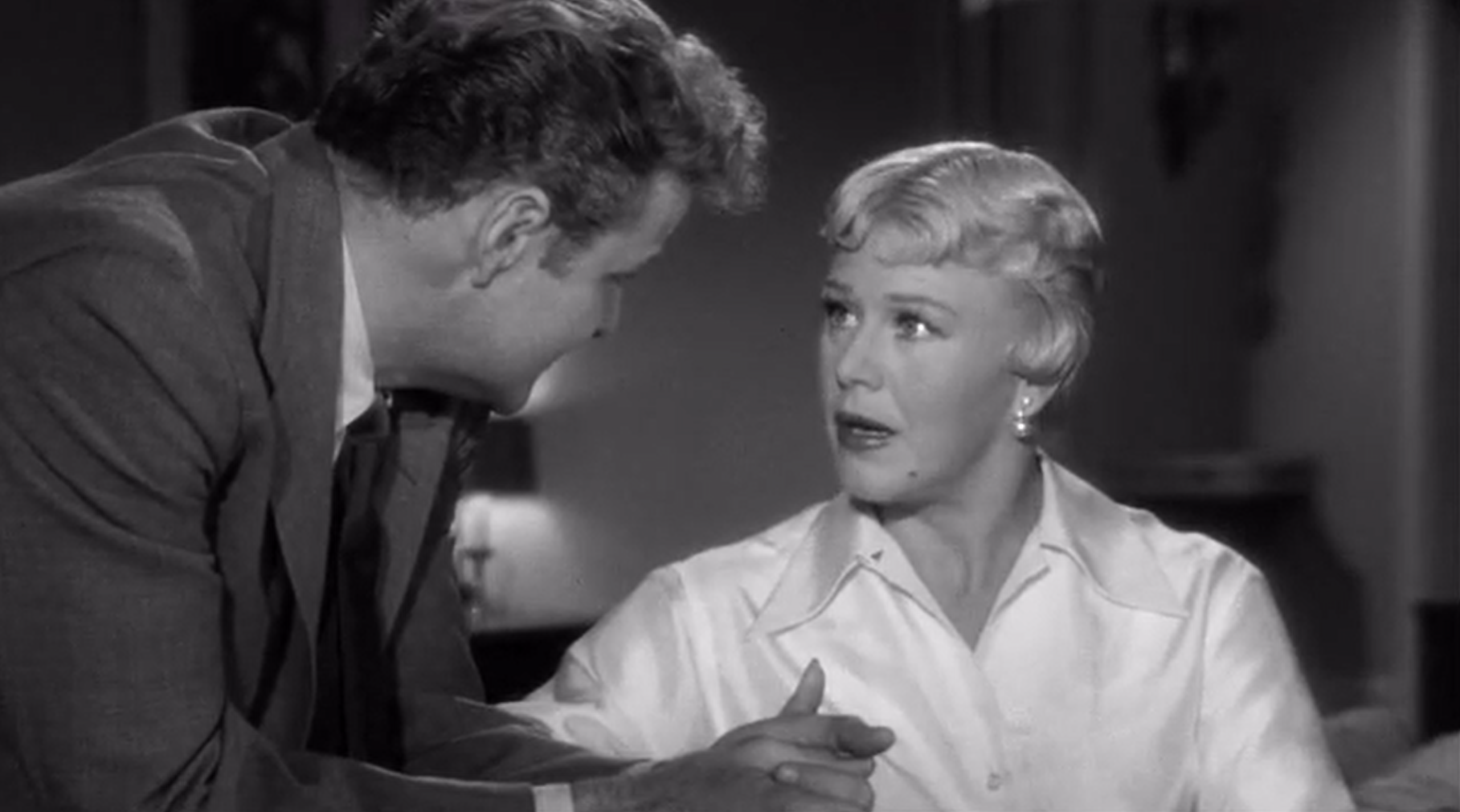
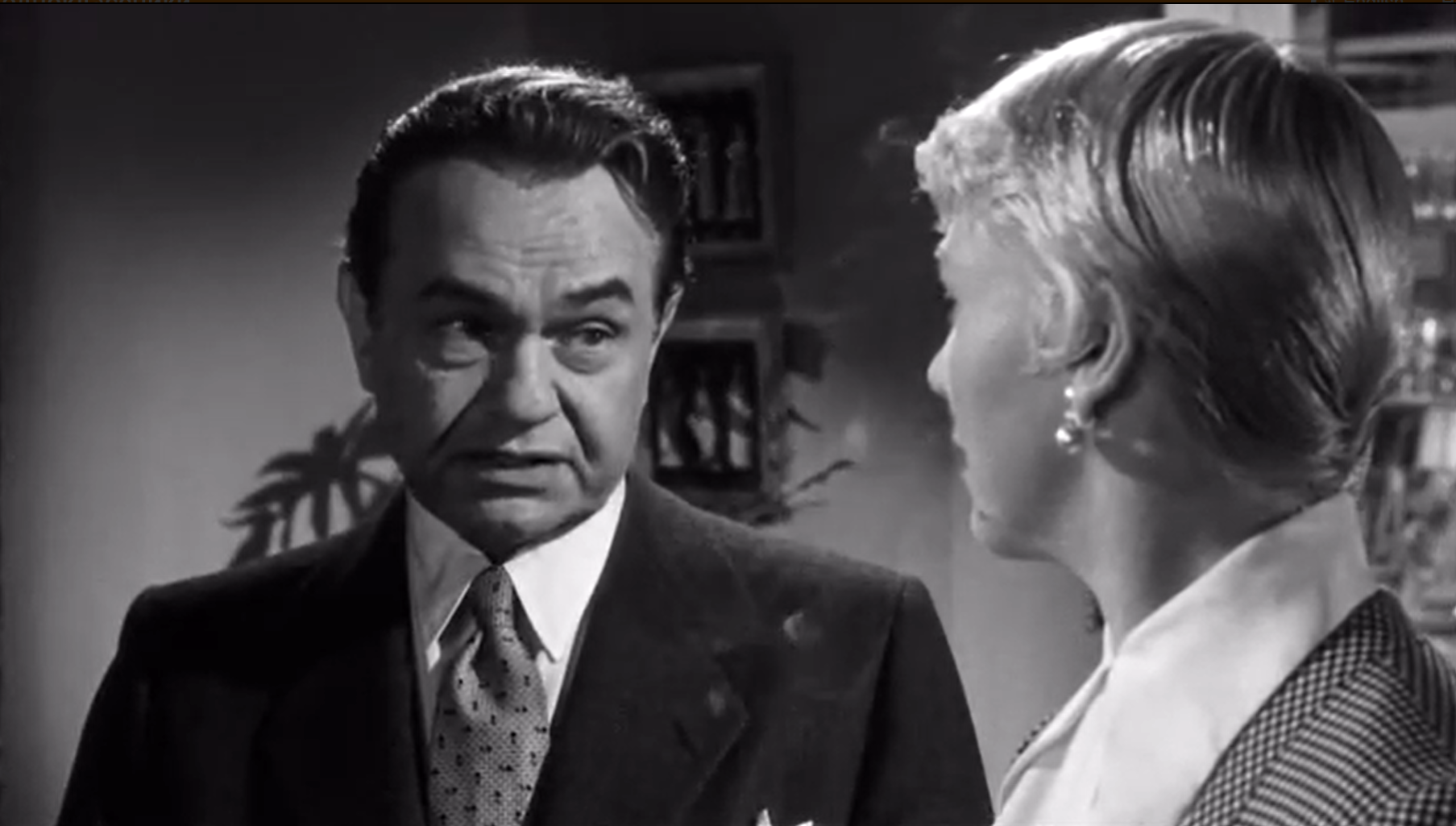
Cult director Phil Karlson helmed several gritty, must-see masterpieces during the 1950s — including a caper flick (1952’s Kansas City Confidential), a docudrama (1955’s The Phenix City Story), and a western (1958’s Gunman’s Walk); other less-successful titles in his oeuvre (click here and here, for instance) remain of minor interest as well. Karlson’s Tight Spot (adapted from Leonard Kantor’s play, Dead Pigeon) is perhaps best known for offering Ginger Rogers one of her few late-career leading roles — and though it’s nice to see her back on screen, the result is a mixed blessing: she’s suitably brassy, effectively embodying her character’s working-class origins (“How can I even think about it when I’m famished all over the place?”), but she ultimately overplays the part, occasionally veering into caricature. Meanwhile, her highly questionable “pixie” hairdo:

… deserves a discussion all its own.

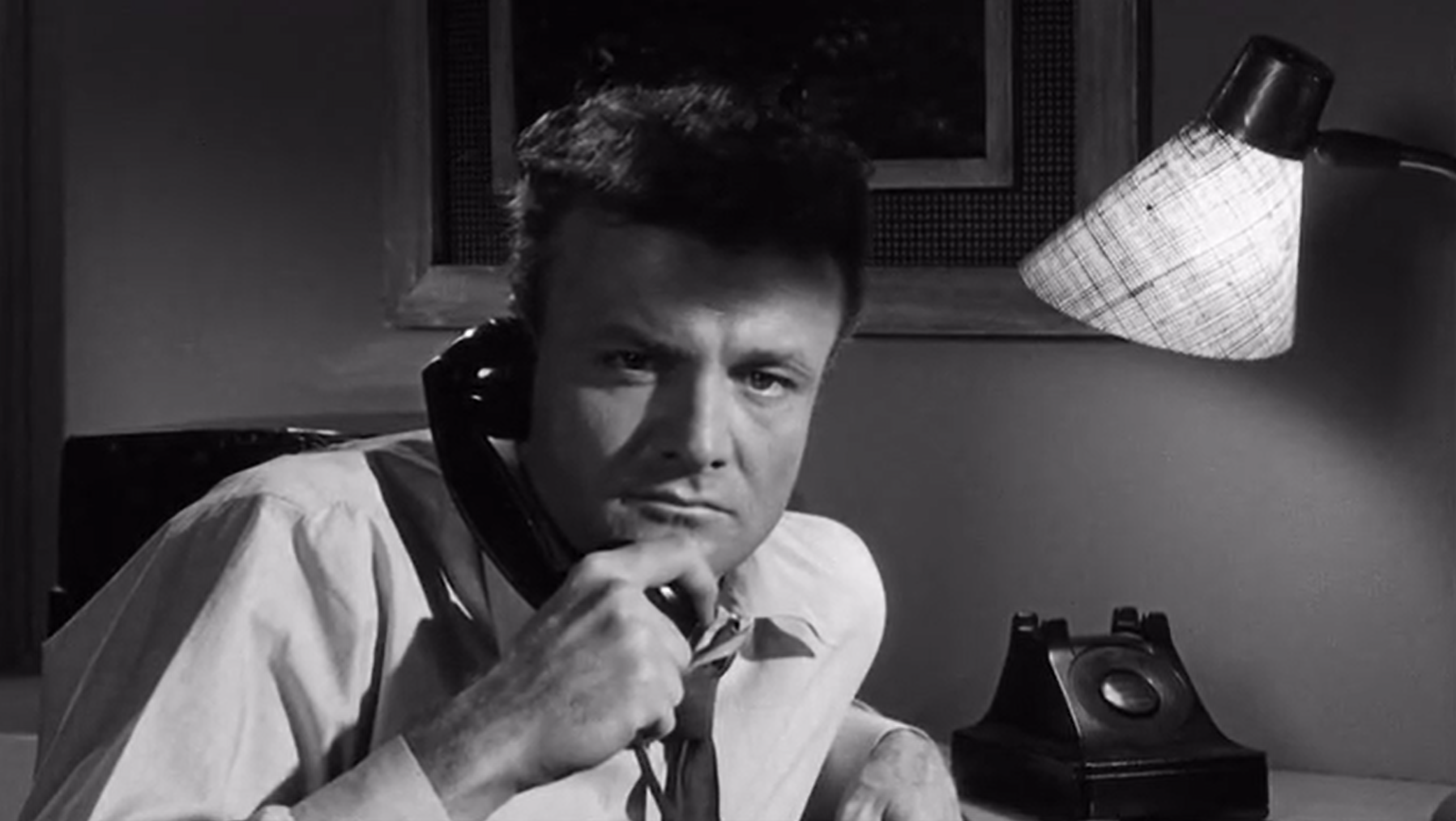
In an unexpectedly complex role, Keith emerges as perhaps the most nuanced actor in the film:

Meanwhile, Robinson does fine supporting work in a low-key yet critical role:

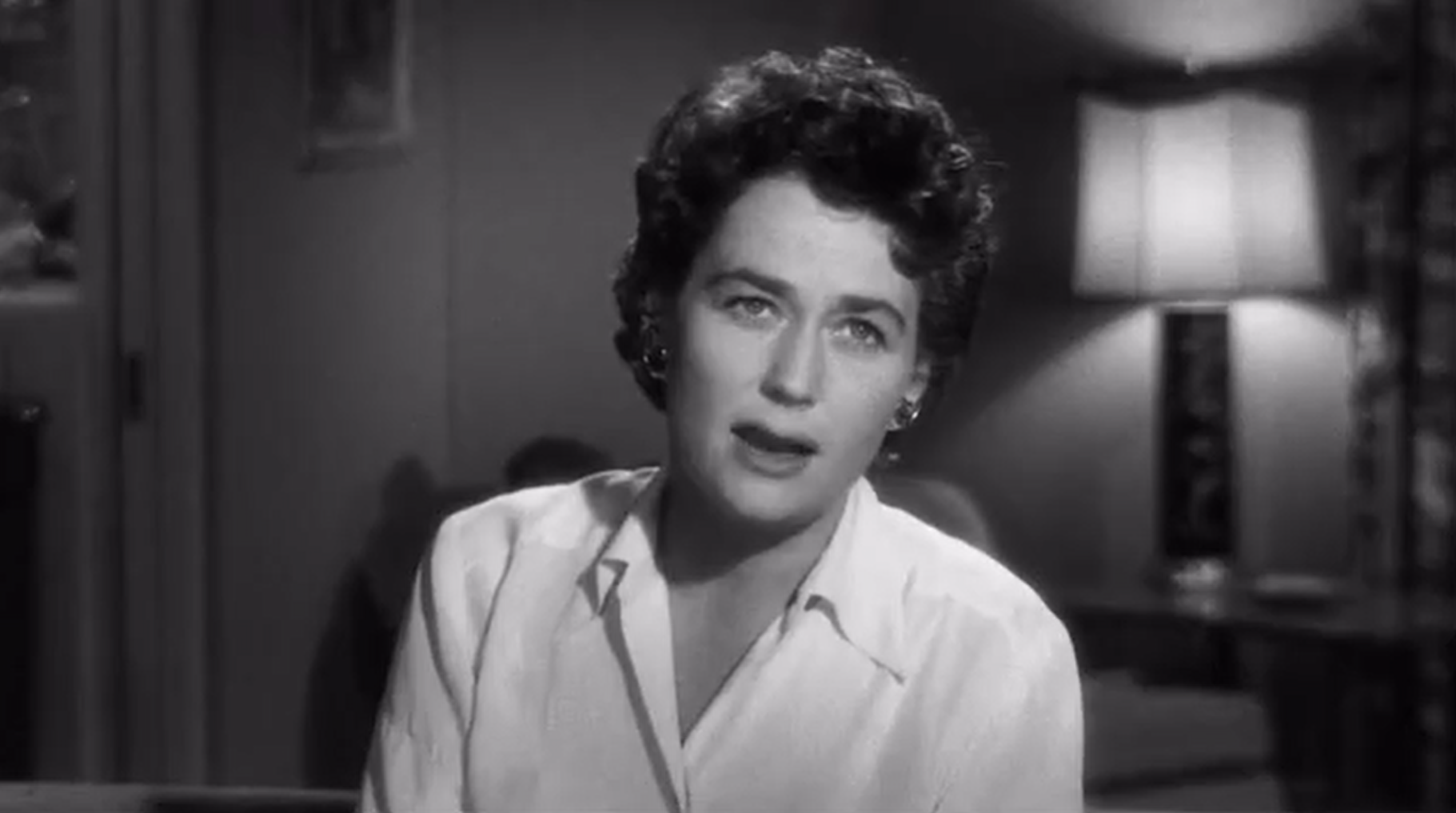
.. and Katherine Anderson is memorable in a bit part as the kind matron watching over Rogers.

Burnett Guffey’s cinematography is suitably noir-ish at critical moments in the screenplay — but one ultimately wishes for even more of the same; indeed, while the storyline remains intrinsically taut (given both the constant danger Rogers is in, and a critical later plot twist), Rogers’ performance imparts the entire affair with an oddly misplaced sense of light-heartedness. With that said, fans of Karlson’s oeuvre will certainly want to check this one out once.

Redeeming Qualities and Moments:

  • Brian Keith as Vince Striker
  • Effectively noir-ish cinematography

Must See?
No, though it’s worth a one-time look.

Links:

Tin Pan Alley (1940)

Tin Pan Alley (1940)

“When you have something, and you know you have it, nothing can keep you down.”

Synopsis:
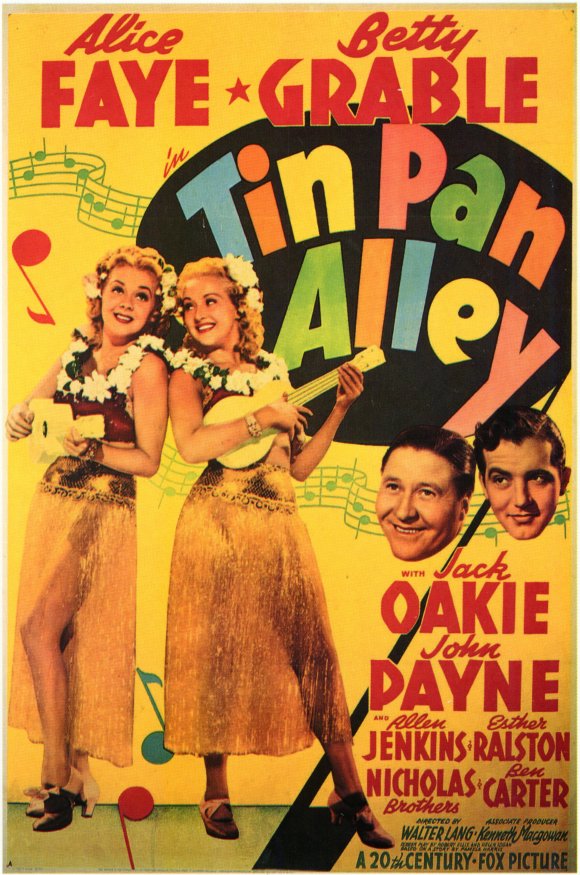
Just prior to World War I, two struggling songwriters (John Payne and Jack Oakie) meet a pair of singing sisters (Alice Faye and Betty Grable) who help them sell their songs. Soon Payne is in love with Faye, but his overly aggressive ambitions get in the way of their romance — until the arrival of World War I causes them both to rethink their priorities.

Genres, Themes, Actors, and Directors:

  • Alice Faye Films
  • Betty Grable Films
  • Elisha Cook, Jr. Films
  • John Payne Films
  • Musicals

Review:
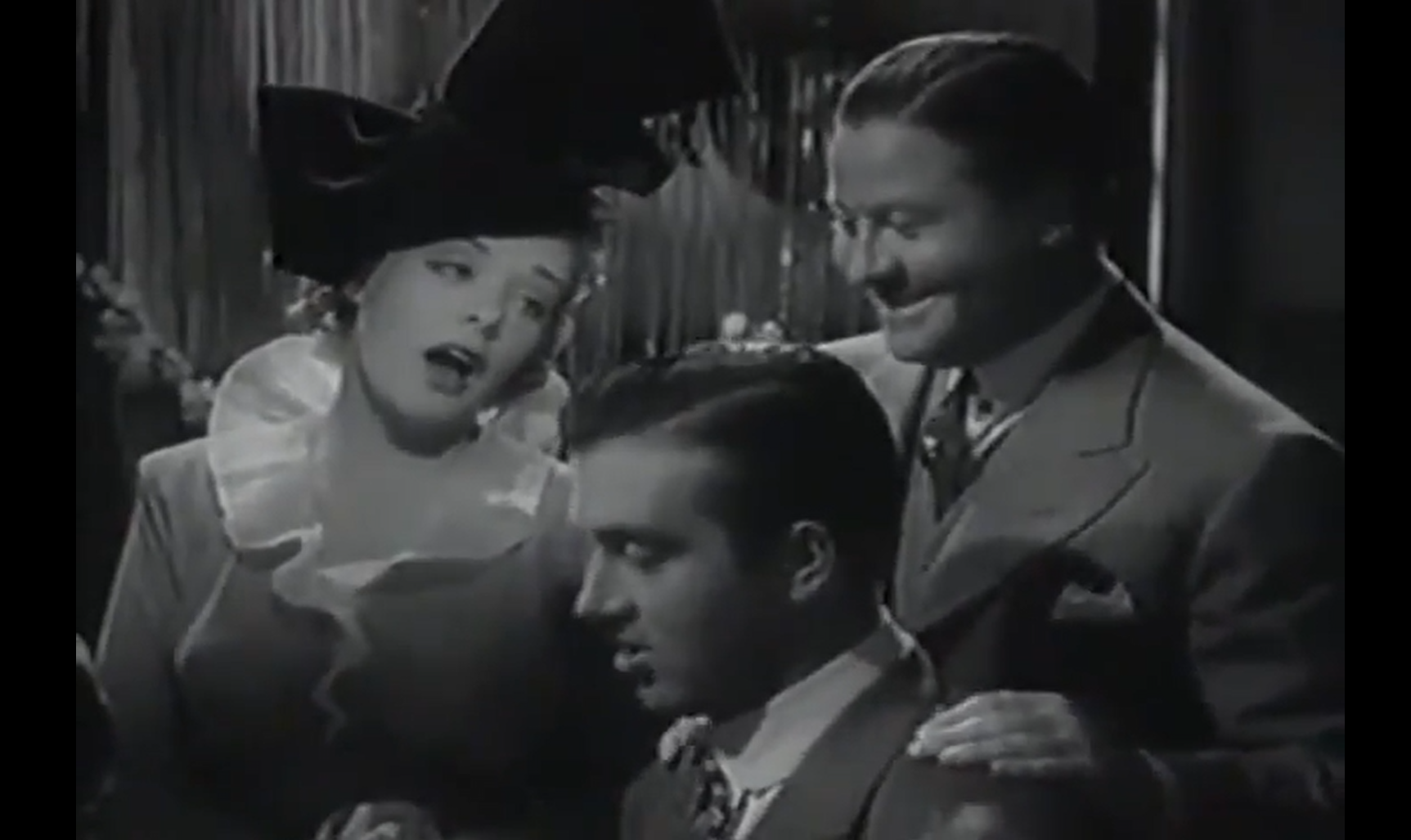
Contralto-voiced Alice Faye was once one of Hollywood’s top box office draws, appearing in numerous popular musicals (including a biopic of Lillian Russell) before co-starring in Otto Preminger’s flawed noir, Fallen Angel (1943), which essentially marked the end of her career. However, the only film in her oeuvre which has maintained any kind of must-see appeal for modern audiences is The Gang’s All Here (1943) — and that’s due to Carmen Miranda’s presence, not Faye’s. Tin Pan Alley — the only other Faye flick listed in GFTFF — is, sad to say, a true snoozer of a wartime flick, featuring the slimmest and most predictable of plots, and bolstered by a host of reasonably catchy yet imminently forgettable songs. This one will ultimately only be of interest for fans of Faye’s uniquely honeyed voice:

… and/or those truly in love with early-20th-century popular music.

Redeeming Qualities and Moments:

  • Elisha Cook, Jr. in a bit part as a composer

Must See?
No; this one is strictly for fans of this musical era.

Links:

Sunday Bloody Sunday (1971)

Sunday Bloody Sunday (1971)

“We’re free to do what we want.”

Synopsis:
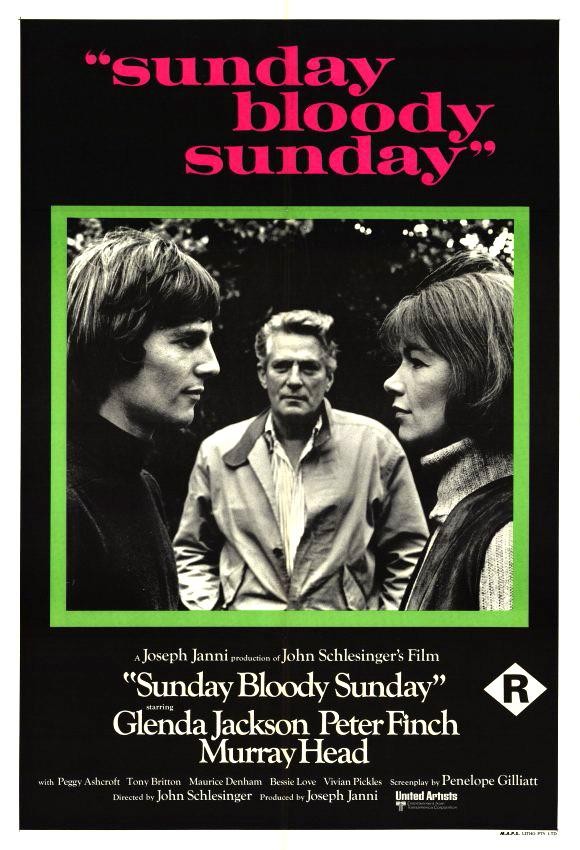
A freespirited artist (Murray Head) remains romantically involved with a lonely divorcee (Glenda Jackson) and a Jewish physician (Peter Finch), both mutual friends of an open-minded married couple (Frank Windsor and Vivian Pickles) with multiple children.

Genres, Themes, Actors, and Directors:

  • Glenda Jackson Films
  • John Schlesinger Films
  • Love Triangle
  • Peter Finch Films
  • Sexuality

Review:
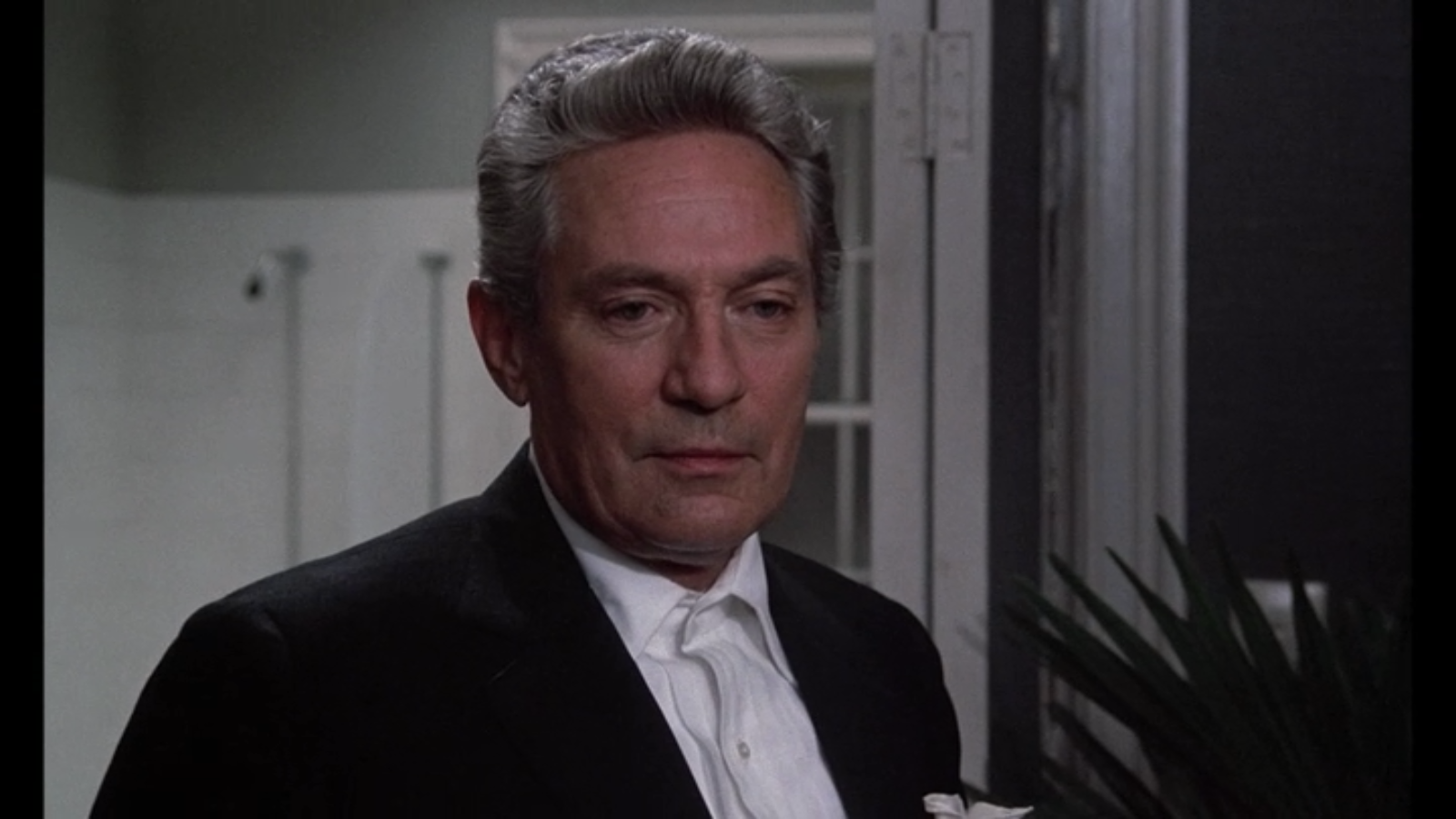
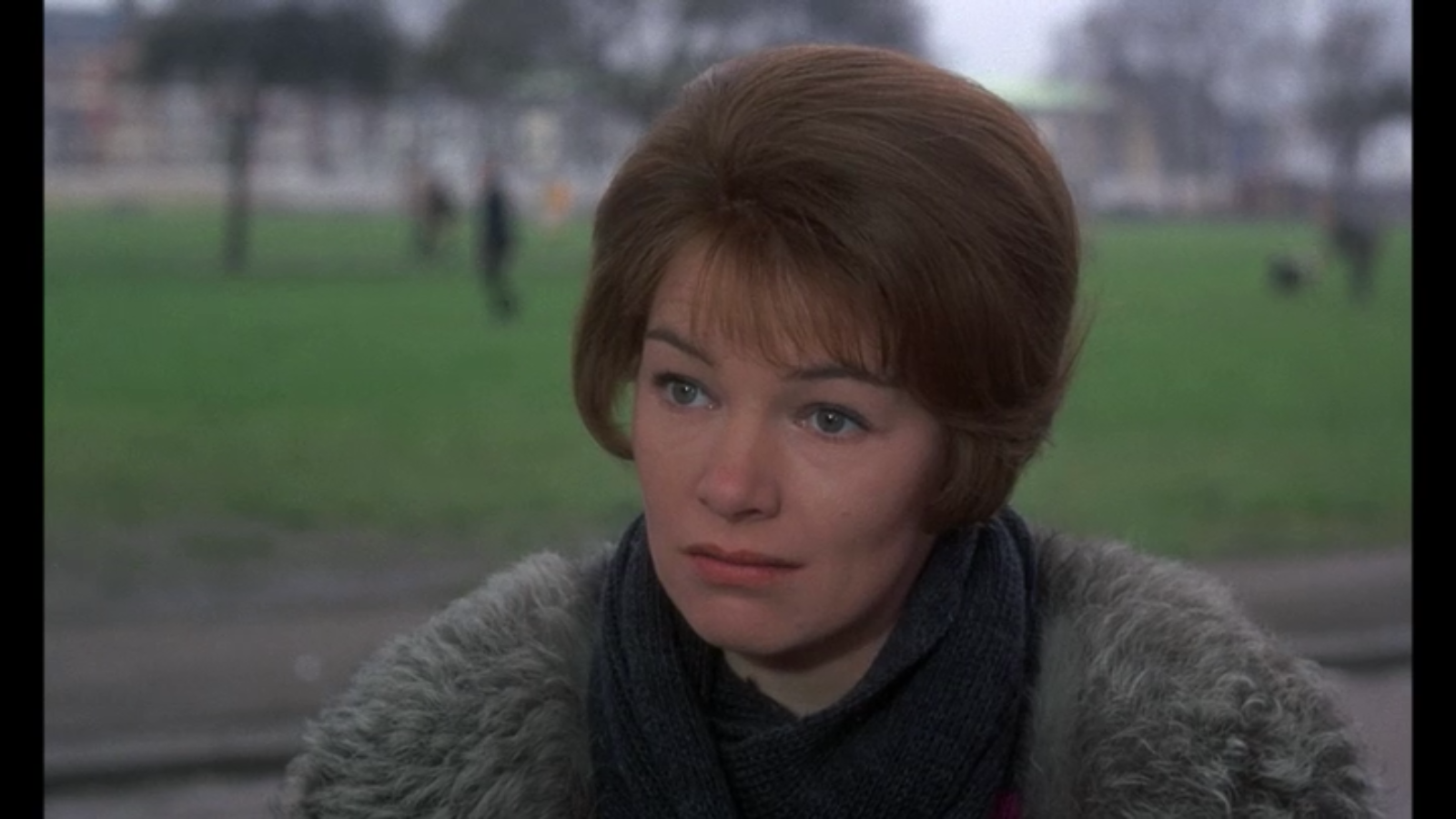
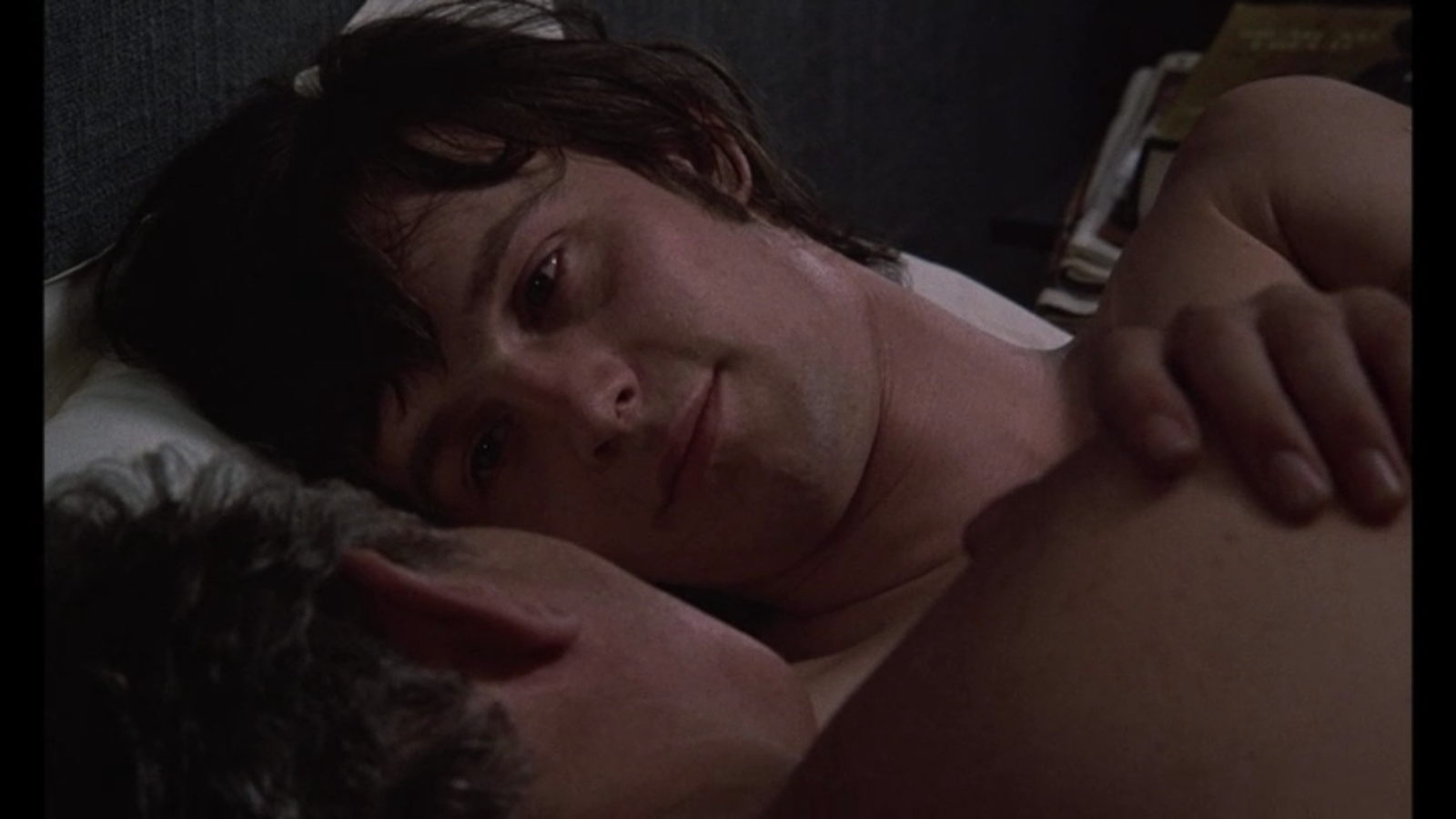
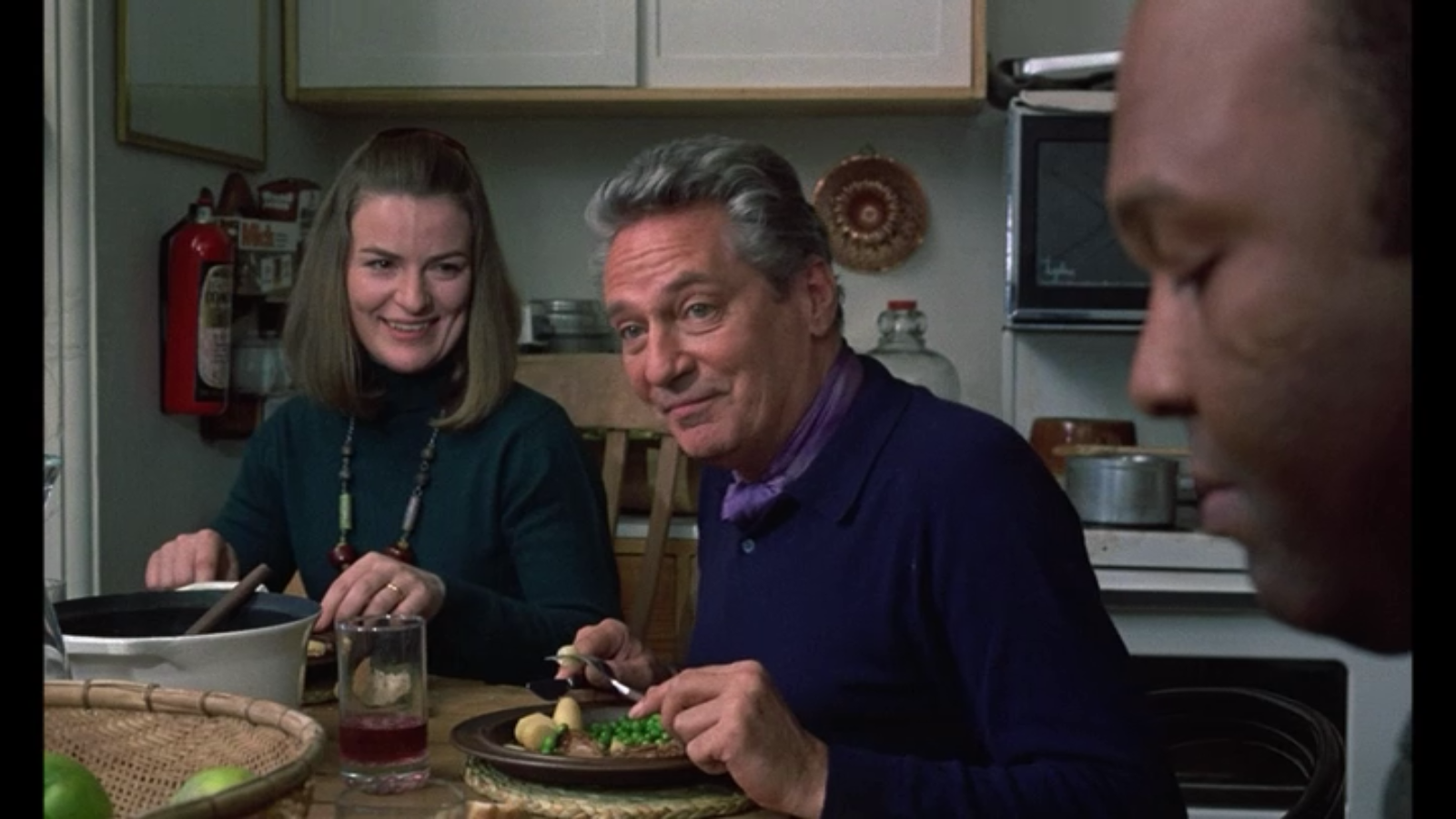
Sunday Bloody Sunday (scripted by film critic Penelope Gilliatt) was director John Schlesinger’s follow-up to his critically acclaimed success with Midnight Cowboy (1969), as well as earlier notable titles, including Billy Liar (1963), Darling (1965), and Far From the Madding Crowd (1967). SBS is often cited as his most personal film, given its inclusion of a gay, Jewish male protagonist (Schlesinger himself was gay and Jewish); indeed, it’s Schlesinger and Gilliatt’s sensitive, open-minded treatment of sexuality in general that most distinguishes this unusual love triangle tale, in which both “ends” of the triangle (Finch and Jackson) freely share its “point” (Head) with others, yet struggle with the implications of such a knowing compromise. For Finch — who seems personally at ease with his sexuality, yet hides it from his tradition-bound family — this means being unable to count on Head as a travel partner to a much-dreamed-of trip to Italy; for Jackson, it means (among other things) giving up on the dubious prospect of having children of her own (portrayed as a decidedly hectic lifestyle choice through the anti-bourgeois household run by Windsor and Pickles, whose very young children smoke pot and take on more responsibilities than one might feel comfortable with).

Schlesinger situates Finch and Jackson’s sticky romantic scenario within the cultural milieu of early-1970s Britain; to that end, there’s a sense of disconnectedness to some of the contextualizing and/or supporting scenes — I’m still not sure what the significance is, for instance, of a dramatic incident involving a dog and an accident. However, it’s the central performers and their romantic dilemmas which really ground the film, as we watch to see how Finch and Jackson will handle their growing realization that the America-bound Head may soon become an even less permanent part of their lives. Indeed, there’s an undeniable sense of sadness and ambiguity to both Finch and Jackson’s plights, giving one pause to reflect on what, exactly, one “should” be looking for in life and in romance. Are Finch and Jackson compromising their chances for a more fulfilling and “stable” relationship with someone else? Or are they smart to accept the limited happiness they have with Head? These are decidedly sticky questions with no easy answers, and Sunday Bloody Sunday respectfully acknowledges that reality.

Redeeming Qualities and Moments:

  • Authentic performances by the three romantic leads: Finch, Jackson (nominated by Peary as one of the Best Actresses of the Year in his Alternate Oscars), and Head


  • Fine supporting performances

Must See?
Yes, for its historical relevance as an early film to treat “open” sexual arrangements with candor and respect.

Categories

  • Historically Relevant
  • Important Director

Links:

Transatlantic Tunnel / Tunnel, The (1935)

Transatlantic Tunnel / Tunnel, The (1935)

“There’s a certain charm about a dreamer — even if he dreams of iron and steel.”

Synopsis:
An engineer (Richard Dix) leads a years-long effort to build a transatlantic tunnel between the U.S. and England, but finds that his personal life suffers, as his wife (Madge Evans) turns to his best friend (Leslie Banks) for emotional support.

Genres, Themes, Actors, and Directors:

  • Marital Problems
  • Science Fiction
  • Scientists

Review:
Inspired by a 1913 German novel, this early sci-fi engineering flick tackles a fascinating topic, yet fails to full take advantage of its subject matter, instead relying far too heavily on melodramatic conventions to move its storyline along. While presumably concerned with relating the host of troubles faced by visionary scientists and engineers like ‘Mack’ McAllan (Dix) — including ongoing concerns with raising enough money, and managing public opinion over the enormous safety issues involved in such a risky venture — the bulk of the narrative ultimately rests upon McAllan’s rocky marital relationship with saintly Evans, who (minor spoiler here) goes blind while volunteering in the tunnel, yet unrealistically refuses to tell McAllan what’s happened, instead simply breaking off their marriage and turning to Banks for support instead.

Meanwhile, the sexy daughter (Helen Vinson) of a primary financier (C. Aubrey Smith) is naturally waiting in the wings for a chance to nab McAllan for herself, and Vinson’s would-be suitor (Basil Sidney) plays a conveniently situated villain in the entire affair. Yet another dramatic tension arises later in the film, as McAllan’s grown son (Jimmy Hanley) enters into the tunnels to work, and McAllan must reconcile his very-real concern with the fact that he routinely asks hundreds of other workers to place their lives in similar risk. While these plot elements all serve to add some personal dramatic tension to the storyline, I was surprised to find myself wishing for even more of a “hard” scientific emphasis; details of the dangers inherent in the tunnel-building itself are glossed over far too superficially.

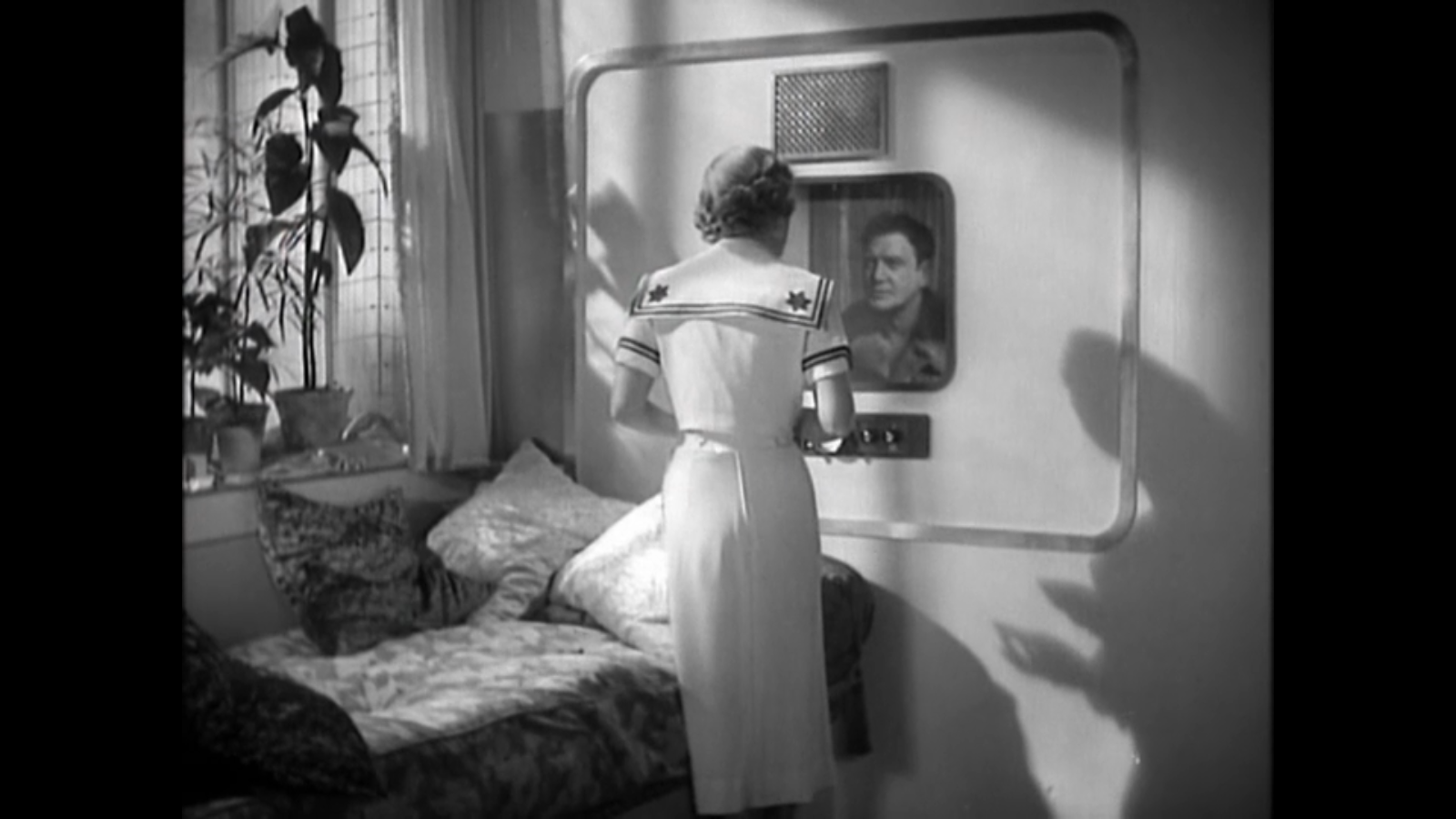
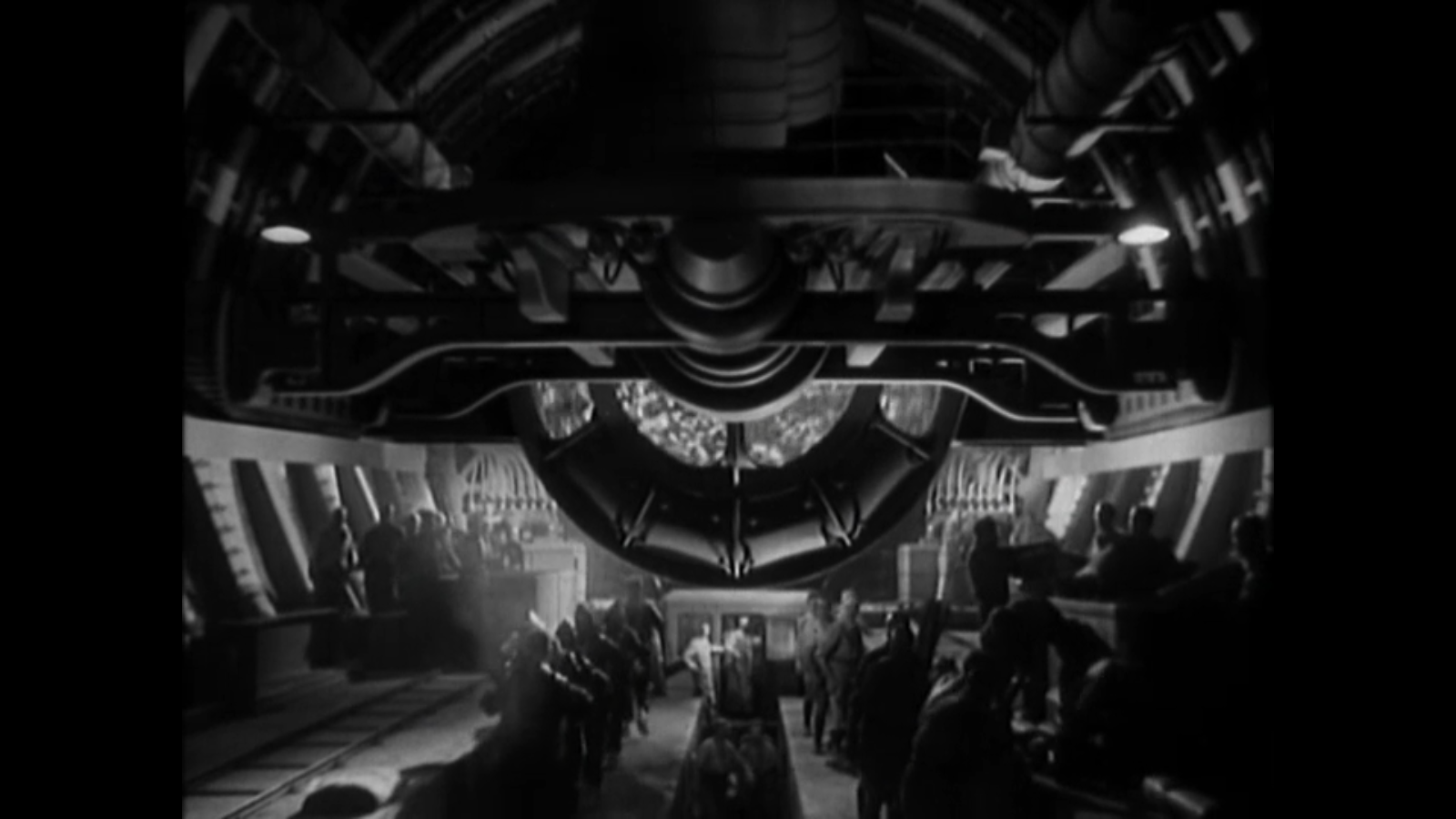
Throughout the film, much is made about the fact that building a transatlantic tunnel remains a critical element in the pursuit of world peace — which doesn’t make much sense at all, until one contextualizes the movie within a global pre-WWII tableau; yet it still comes across like a weak argument at best. Nonetheless, this film may be of interest to those curious to see its creatively conceived “futuristic” sets (including wide-spread use of television) and its early vision of the type of engineering moxie necessary to carry out such a grand, as-of-yet unrealized plan.

Redeeming Qualities and Moments:

  • Interesting “futuristic” sets

Must See?
No, though classic sci-fi and/or transportation buffs will be curious to check it out. Listed as a film with Historical Importance in the back of Peary’s book.

Links:

Crime and Punishment (1935)

Crime and Punishment (1935)

“I have studied these things! They won’t find me out — I won’t make mistakes!”

Synopsis:
An arrogant university graduate (Peter Lorre) brutally murders a pawnbroker (Mrs. Patrick Campbell) in order to help his sister (Tala Birell) and mother (Elisabeth Risdon) escape a life of poverty — but soon a suspicious police inspector (Edward Arnold) begins a subtle campaign to convince Lorre to confess.

Genres, Themes, Actors, and Directors:

  • Cat-and-Mouse
  • Edward Arnold Films
  • Guilt
  • Josef von Sternberg Films
  • Peter Lorre Films

Review:
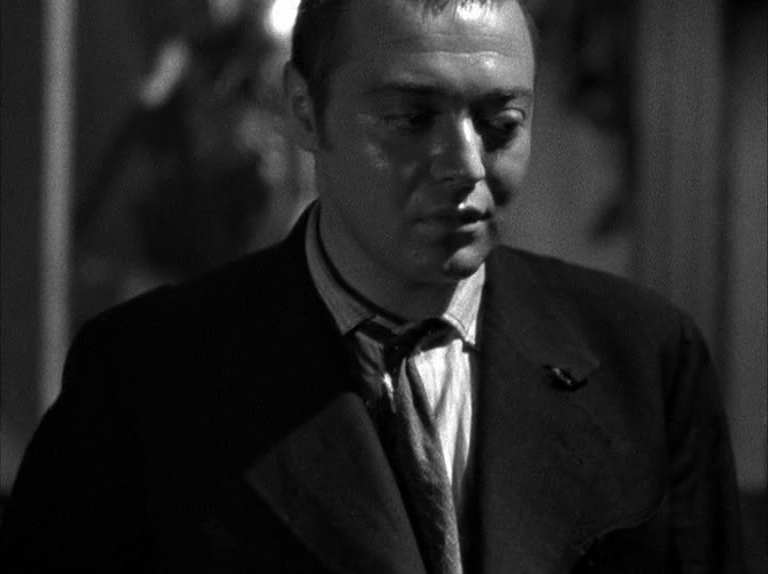
Shortly upon his arrival in Hollywood (after escaping the rise of Nazi power in Europe), Peter Lorre began a successful campaign to convince Columbia Pictures to allow him to star in an adaptation of what is arguably Fyodor Dostoyevsky’s best-known novel, Crime and Punishment (1866). Josef von Sternberg was brought on board to direct, but apparently considered it merely a contractual obligation and held it in low esteem, given its decidedly loose connection with the original text. The resulting film is a radically truncated yet thematically coherent variation on the novel, with atmospheric cinematography and direction, and an earnest if occasionally overly theatrical performance by young Lorre.

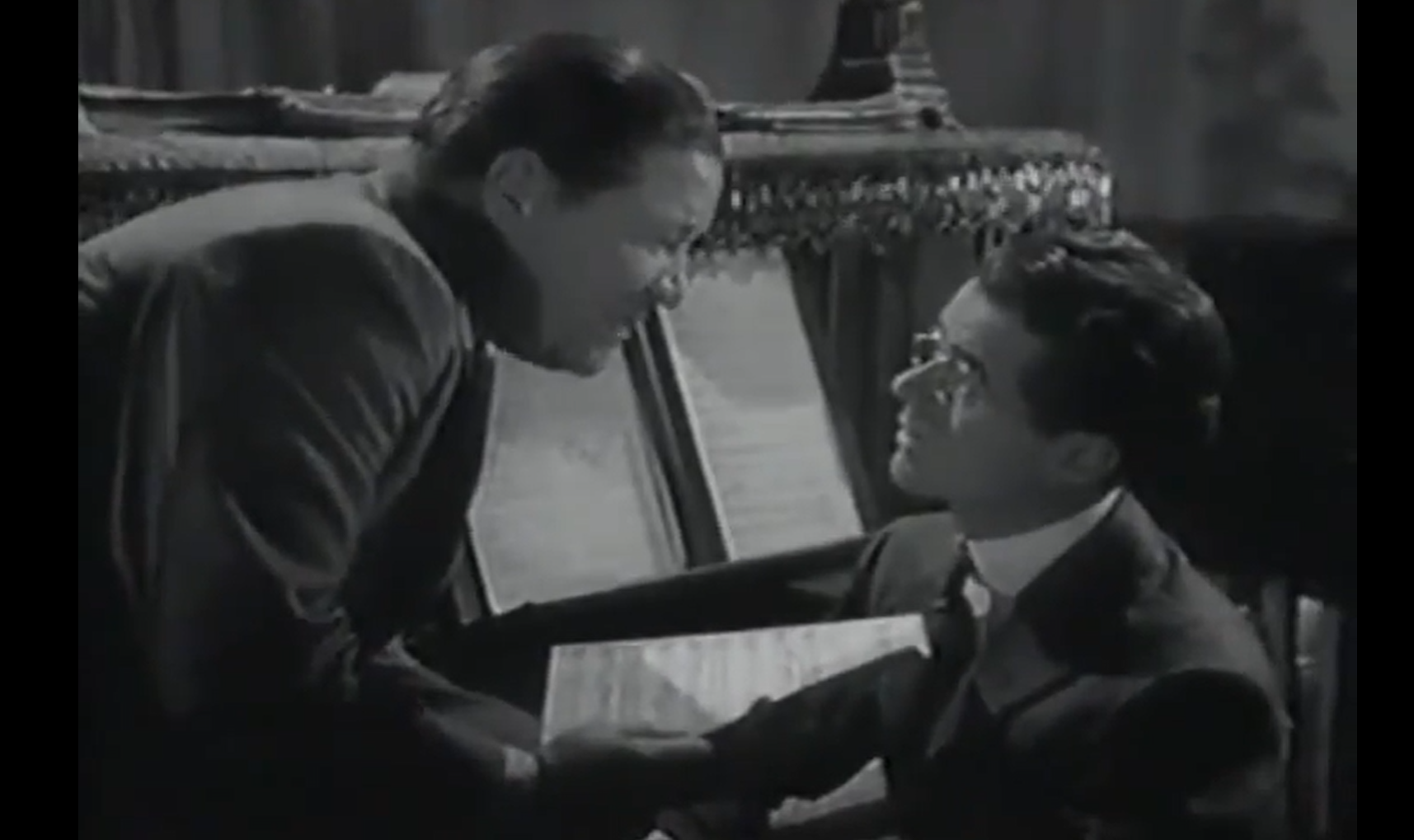
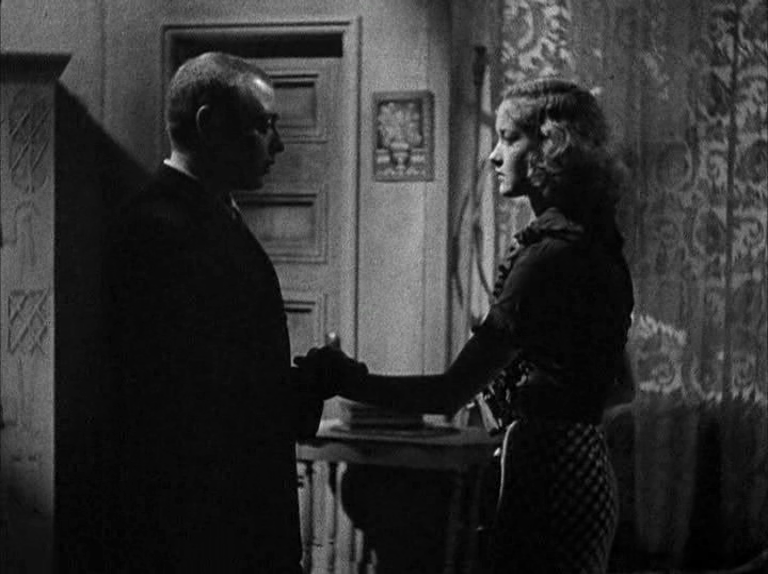
A romantic subplot involving a prostitute-with-a-heart-of-gold (Marian Marsh) who’s helped by Lorre, then wants to help him in return, comes across as a bit manufactured:

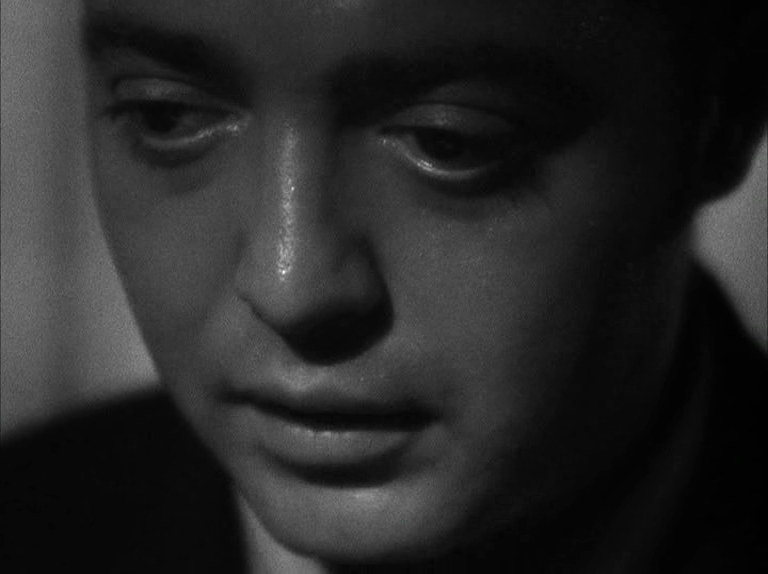
… but the interplay between Lorre and Arnold remains tense and authentic throughout.

This one’s worth a look, even if it’s not quite must-see viewing.

Redeeming Qualities and Moments:

  • Atmospheric cinematography (by Lucien Ballard) and direction (by von Sterberg)


Must See?
No, though it’s recommended as an accessible, atmospheric introduction to Dostoyevky’s classic novel. Listed as a film with Historical Importance in the back of Peary’s book.

Links:

Charley Varrick (1973)

Charley Varrick (1973)

“What’s that kind of money doing in a Tres Cruces bank?”

Synopsis:
A pilot-turned-thief (Walter Matthau) robs a bank with his wife (Jacqueline Scott) and two accomplices (including Andrew Robinson), but things go sour when Scott and one accomplice are killed, and Matthau suddenly realizes that most of the money they’ve stolen belongs to the mob. Soon a mafia bigwig (John Vernon) sends a hitman (Joe Don Baker) after Matthau and Robinson, and Matthau must do what he can to survive.

Genres, Themes, Actors, and Directors:

  • Don Siegel Films
  • Mafia
  • Thieves and Criminals
  • Walter Matthau Films

Review:
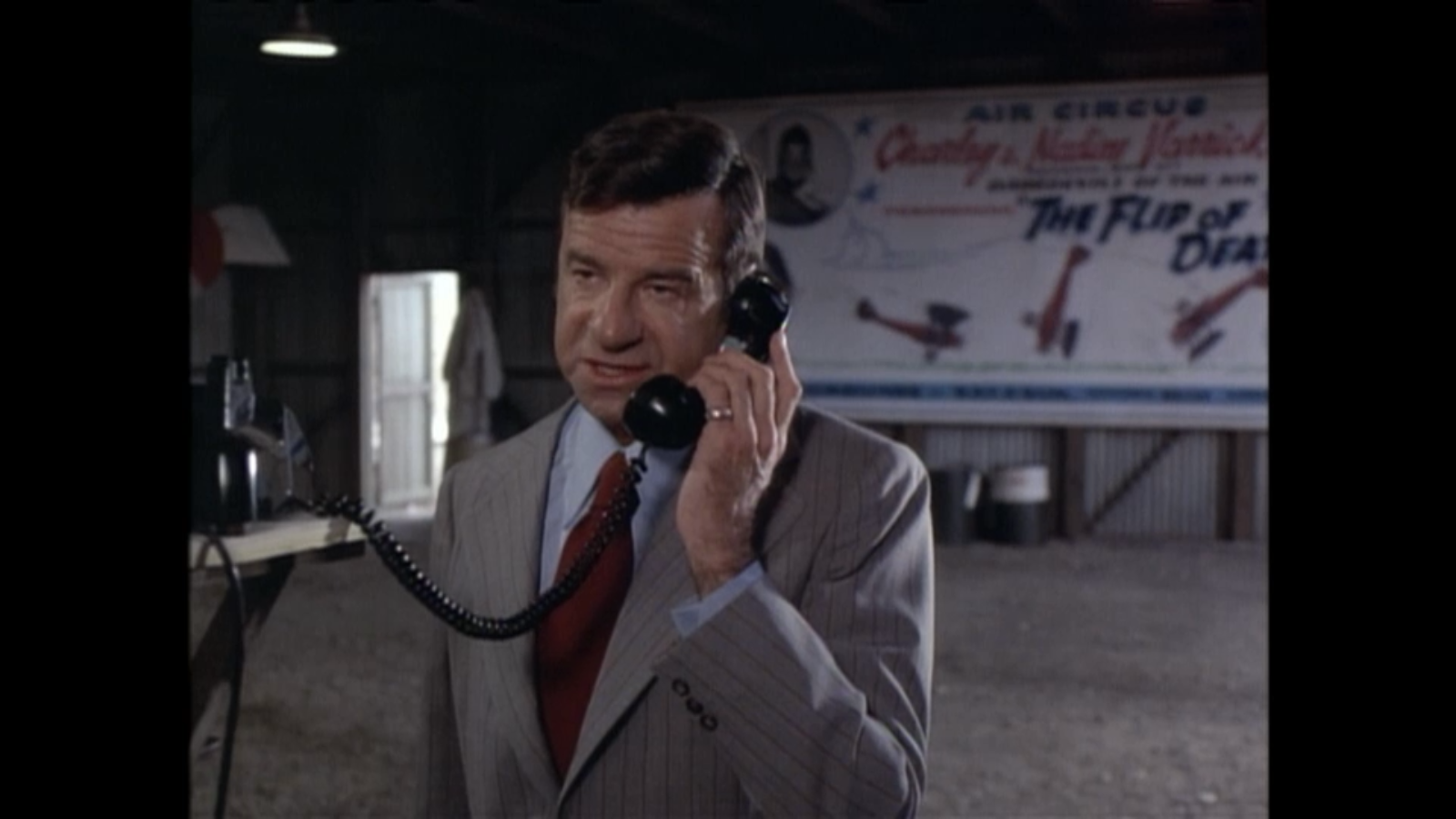
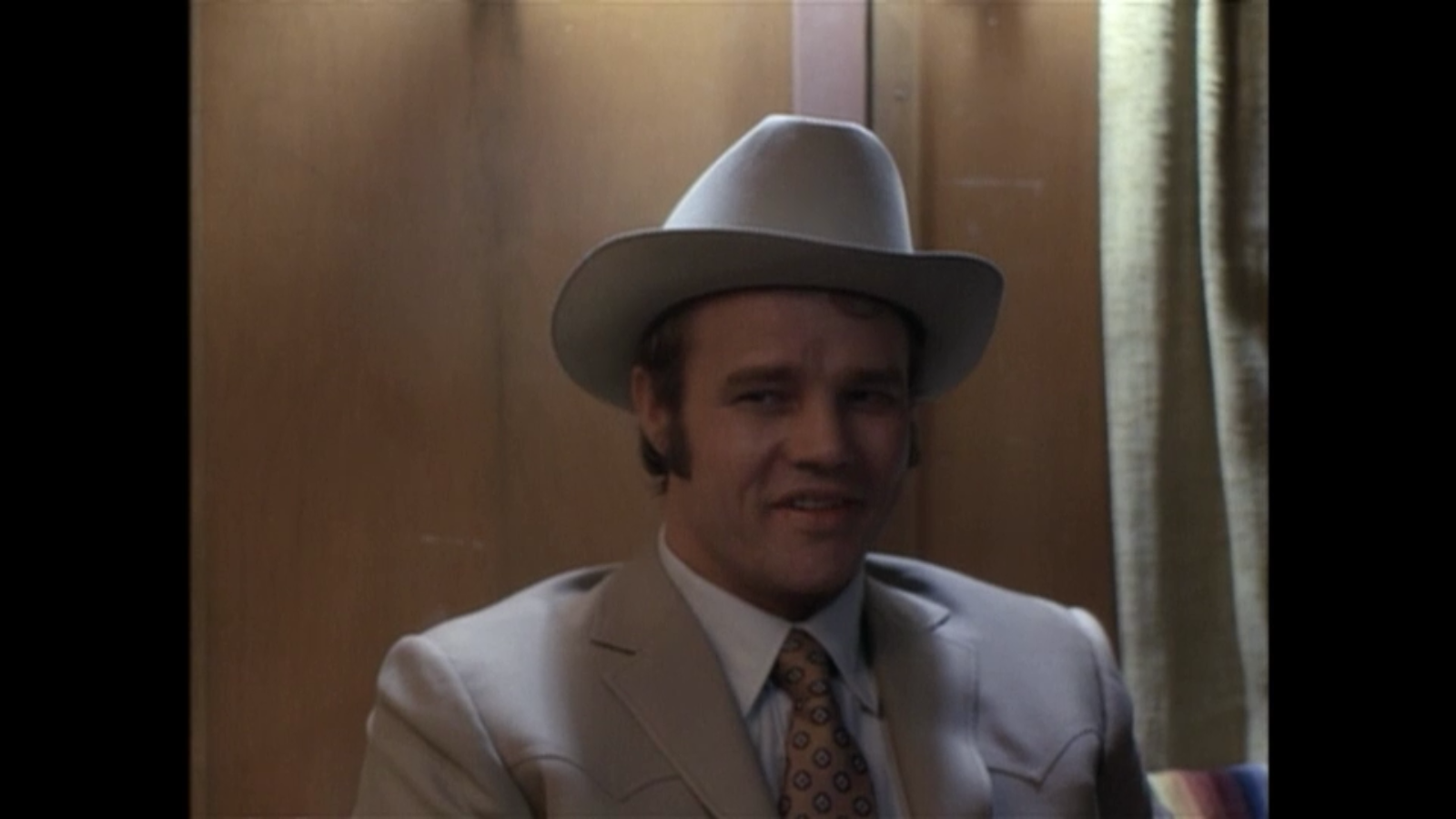
While it may not be one of his most instantly recognizable titles, Charley Varrick remains one of Don Siegel’s most perfectly realized adventure flicks, filled with quirky characters, fine performances, tightly scripted scenarios, and enough twists and turns to satisfy even the most jaded of viewers. Matthau gives one of his best performances in the title role as a taciturn pilot whose attempt to score just a bit of money from a small-town bank goes horribly awry, leading not only to the death of his wife (watch the subtlety yet depth of Matthau’s reactions to this reality), but to a nightmarish situation in which the cash he’s stolen remains too toxic to use. Matthau’s Varrick is hemmed in by a self-serving, immature partner (Robinson) on one side and a gleefully murderous hitman (Baker) on the other; meanwhile, Vernon lurks in the background, and the “fuzz” are also interested in nabbing the thieves. Siegel expertly directs the action scenes, which are nicely interspersed with quieter moments; the grand finale is especially thrilling. Definitely give this one a watch if you haven’t already — it’s a treat.

Redeeming Qualities and Moments:

  • Walter Matthau as Charley Varrick
  • Joe Don Baker as “Molly”
  • John Vernon as Boyle
  • Lalo Schifrin’s energetic score

Must See?
Yes, as a most enjoyable caper flick by a master director. Listed as a Sleeper in the back of Peary’s book.

Categories

  • Good Show
  • Important Director

Links:

Last of Sheila, The (1973)

Last of Sheila, The (1973)

“My mouth is so dry they could shoot Lawrence of Arabia in it.”

Synopsis:
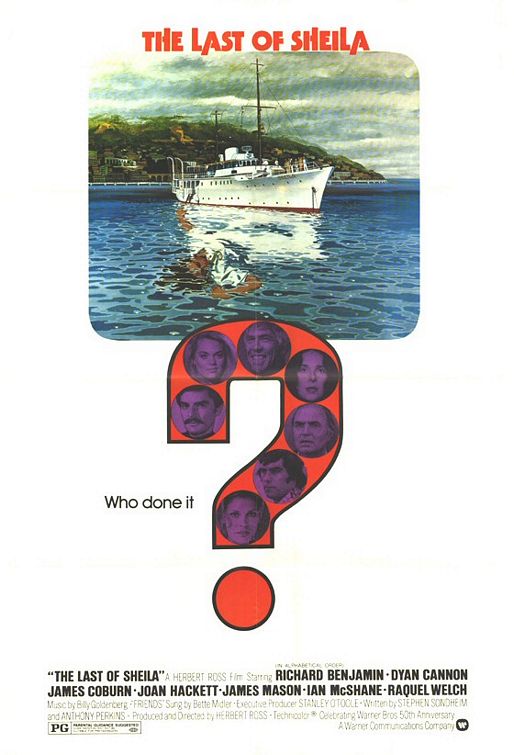
A movie producer (James Coburn) whose wife Sheila (Yvonne Romain) was killed in a hit-and-run accident the previous year invites a group of friends and acquaintances — including a movie star (Raquel Welch) and her manager-husband (Ian McShane), a scriptwriter (Richard Benjamin) and his wife (Joan Hackett), a commercial director (James Mason), and a talent agent (Dyan Cannon) — to his yacht for an elaborate game in which each guest’s “hidden secret” will be revealed, one night at a time.

Genres, Themes, Actors, and Directors:

  • Amateur Sleuths
  • Dyan Cannon Films
  • Herbert Ross Films
  • James Coburn Films
  • James Mason Films
  • Joan Hackett Films
  • Murder Mystery
  • Raquel Welch Films
  • Revenge
  • Richard Benjamin Films

Review:
The fact that this all-star whodunit was co-scripted by Anthony Perkins and Stephen Sondheim (!) lends it an automatic curiosity appeal — and its loyal cult following makes it a movie all film fanatics will want to check out at least once. With that said, viewing it for the first time myself recently, I was surprised to find myself in agreement with Time Out’s reviewer, who refers to it as “campy stuff, [but] not as much fun as it should be”. Certainly, the clever screenplay is filled with plenty of delicious twists and turns, quickly shifting away from its nominal structure as a clue-a-day “game” to a more deadly exploration of unexpected murder; but I found myself ultimately more engaged on an intellectual level than a visceral one. This may be due in part to the fact that I find Cannon to be a singularly irritating screen presence; while that vibe is actually appropriate for her character as written here, it remained a challenge to watch her for two hours. Thankfully, she’s only one among many characters to pay attention to, and other actors (most notably Mason and Hackett) turn in fine performances. Meanwhile, the film is produced with enough visual panache to keep one solidly engaged as clues are uncovered and the complex web of motives eventually begins to make sense. Diehard fans insist that the identity of the killer is evident from the beginning, if you pay enough attention, thus making this one worth a revisit.

Redeeming Qualities and Moments:

  • Atmospheric cinematography and sets

  • James Mason as Philip

Must See?
Yes, for its cult status, and as an enjoyably twisty whodunit.

Categories

  • Cult Movie

Links:

Journey to the Center of the Earth (1959)

Journey to the Center of the Earth (1959)

“The greatest mystery is right here — right under our feet.”

Synopsis:
In 19th century Scotland, a famed geologist (James Mason) journeys to the center of the earth, accompanied by his student (Pat Boone), the widow (Arlene Dahl) of his deceased rival, and a strapping Icelander (Peter Ronson) with a pet goose.

Genres, Themes, Actors, and Directors:

  • Explorers
  • Fantasy
  • James Mason Films
  • Jules Verne Adaptations
  • Rivalry
  • Science Fiction
  • Scientists

Review:
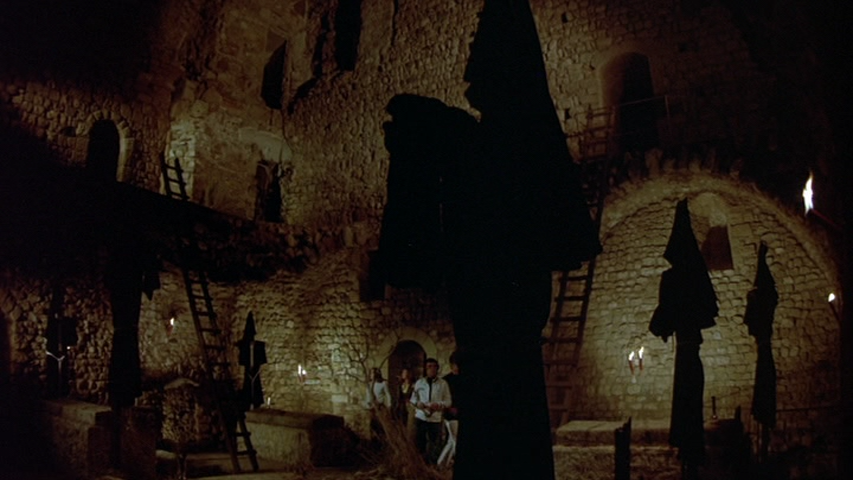
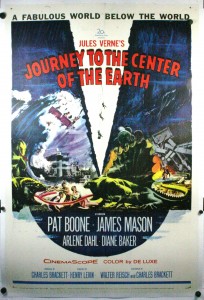
Following the success of Disney’s 20,000 Leagues Under the Sea (1954) and United Artists’ Around the World in 80 Days (1956), adaptations of works by Jules Verne become all the rage in Hollywood; unfortunately, few have really stood the test of time (see here, here, and here), and Journey to the Center of the Earth is no exception. Naturally, the premise itself is ludicrously fantastical on all levels, to the point where one must simply suspend all disbelief and treat the tale as an adventure rather than any kind of legitimate science fiction; interestingly, there are plenty of viewers willing to do just that. DVD Savant, for instance, gives it a glowing review, calling it “a fantastic adventure with something for everyone” — however, his nostalgic bias is clearly in evidence, given that he admits it was the movie he was taken to see on his seventh birthday, and that it marked the moment when he first “discovered that somewhere out there people made movies just for me.” His point is well taken: I can absolutely see a film like this suiting the bill for seven-year-old boys in a pre-CGI era.

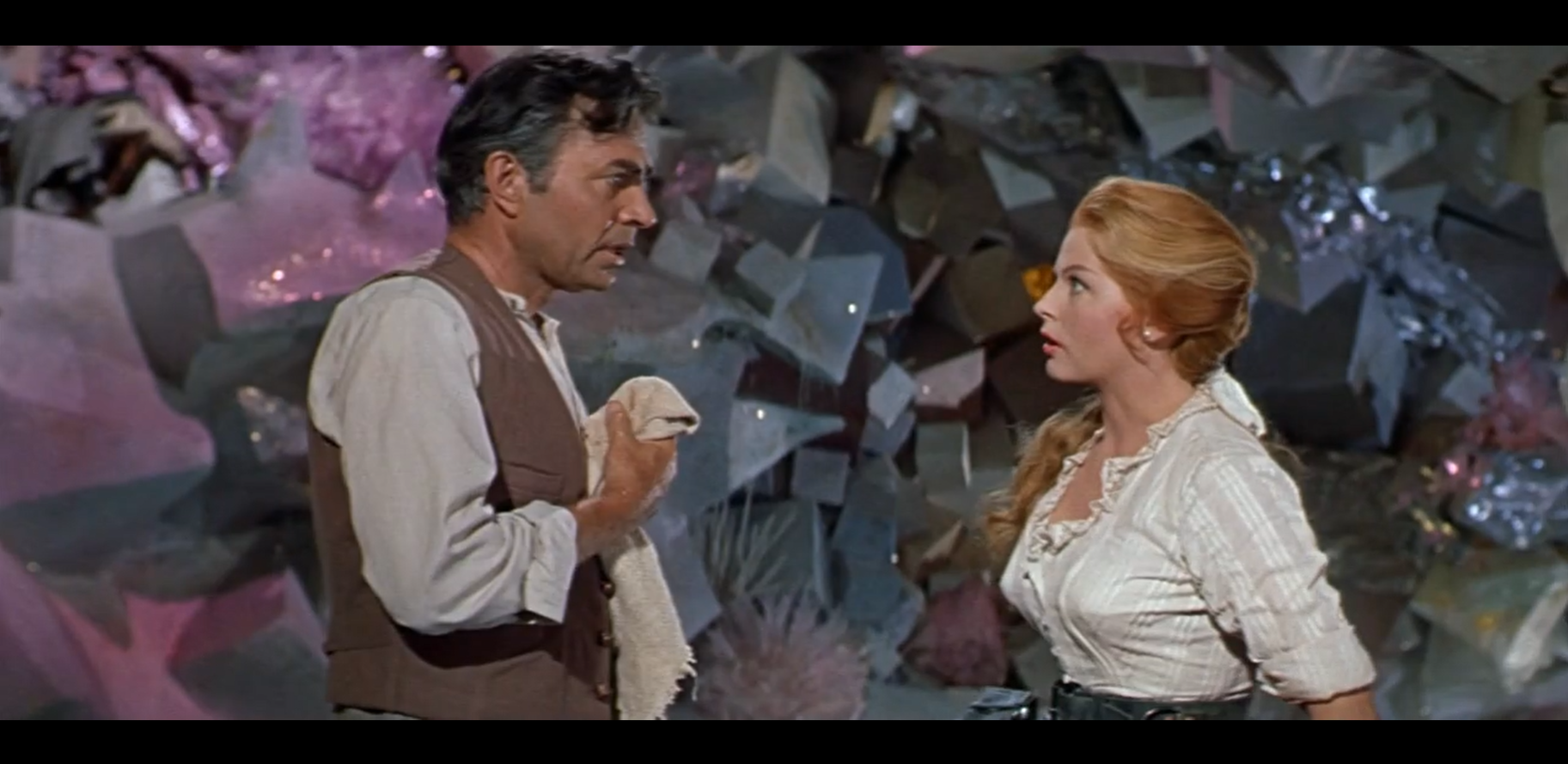
Modern-day adult viewers, however (at least those without any similar nostalgic hold on the film), will likely find themselves simply bored and/or annoyed by the story, which takes 45 minutes to finally deposit its characters on their journey towards the “center of the Earth”, and from thence is patently sanitized to include an often-shirtless Pat Boone (!):
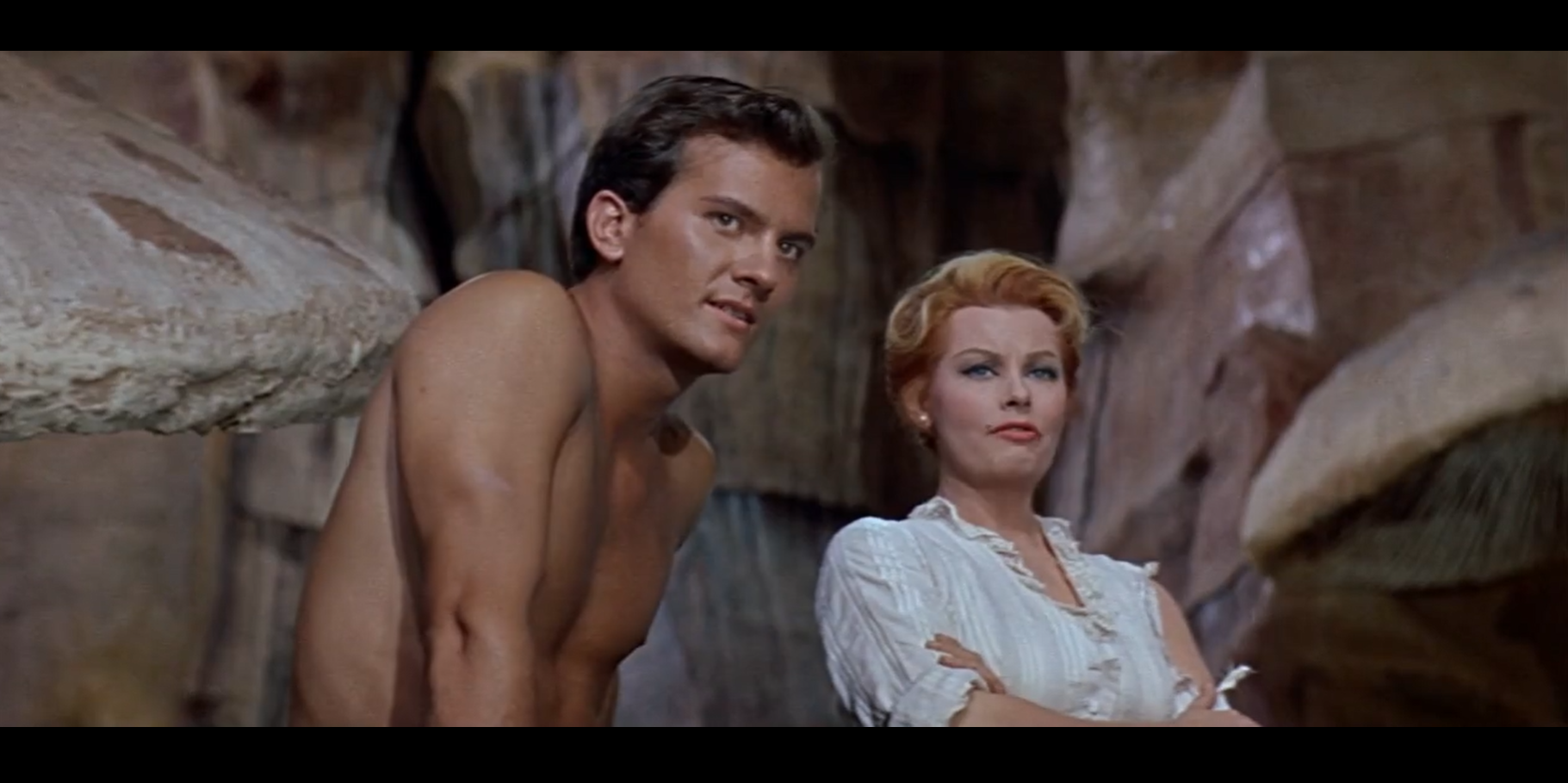
… a feisty female (Dahl) maintaining a perfectly made-up face no matter how deep into the Earth she descends:
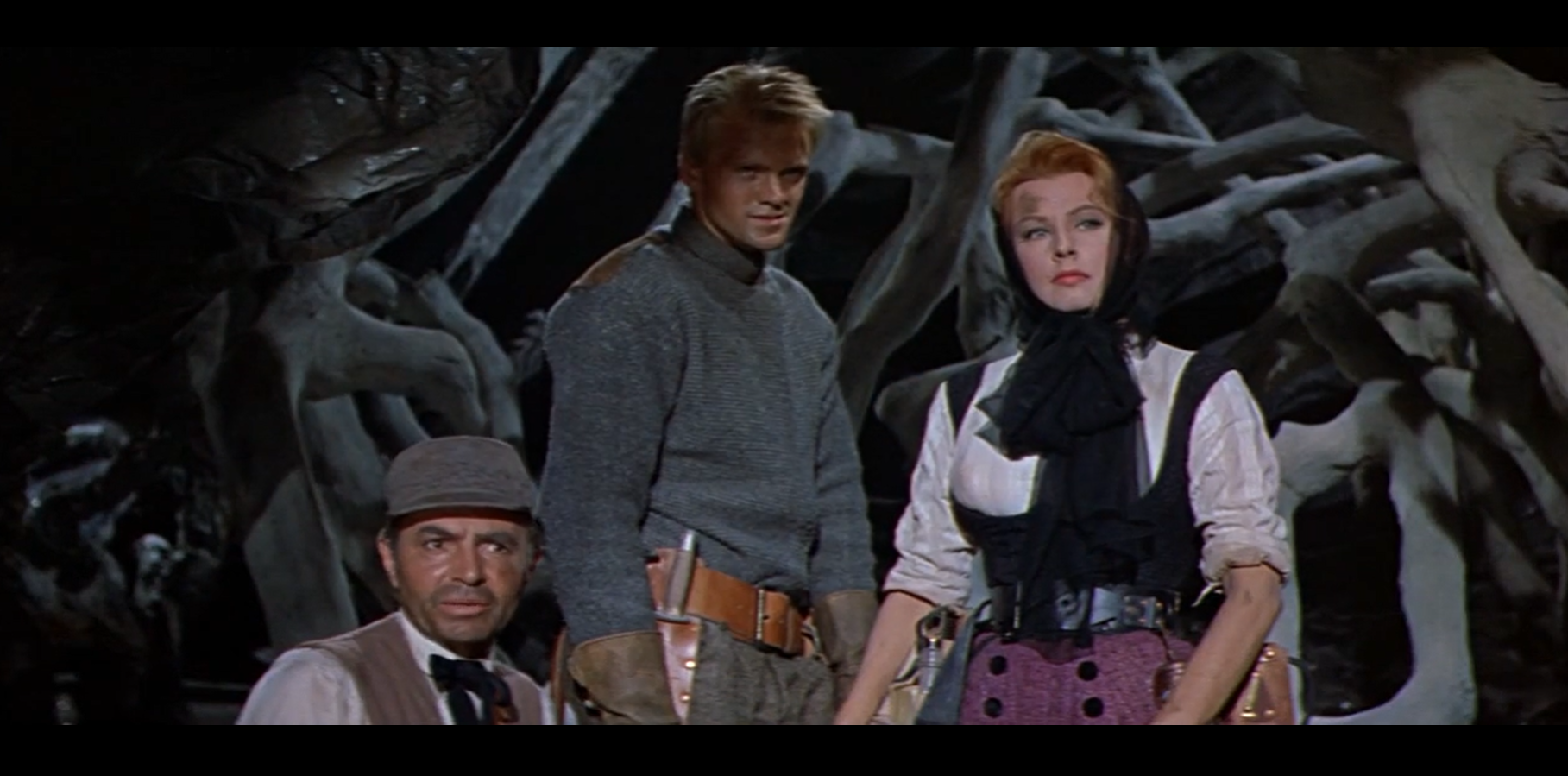
… and a pet goose (!).
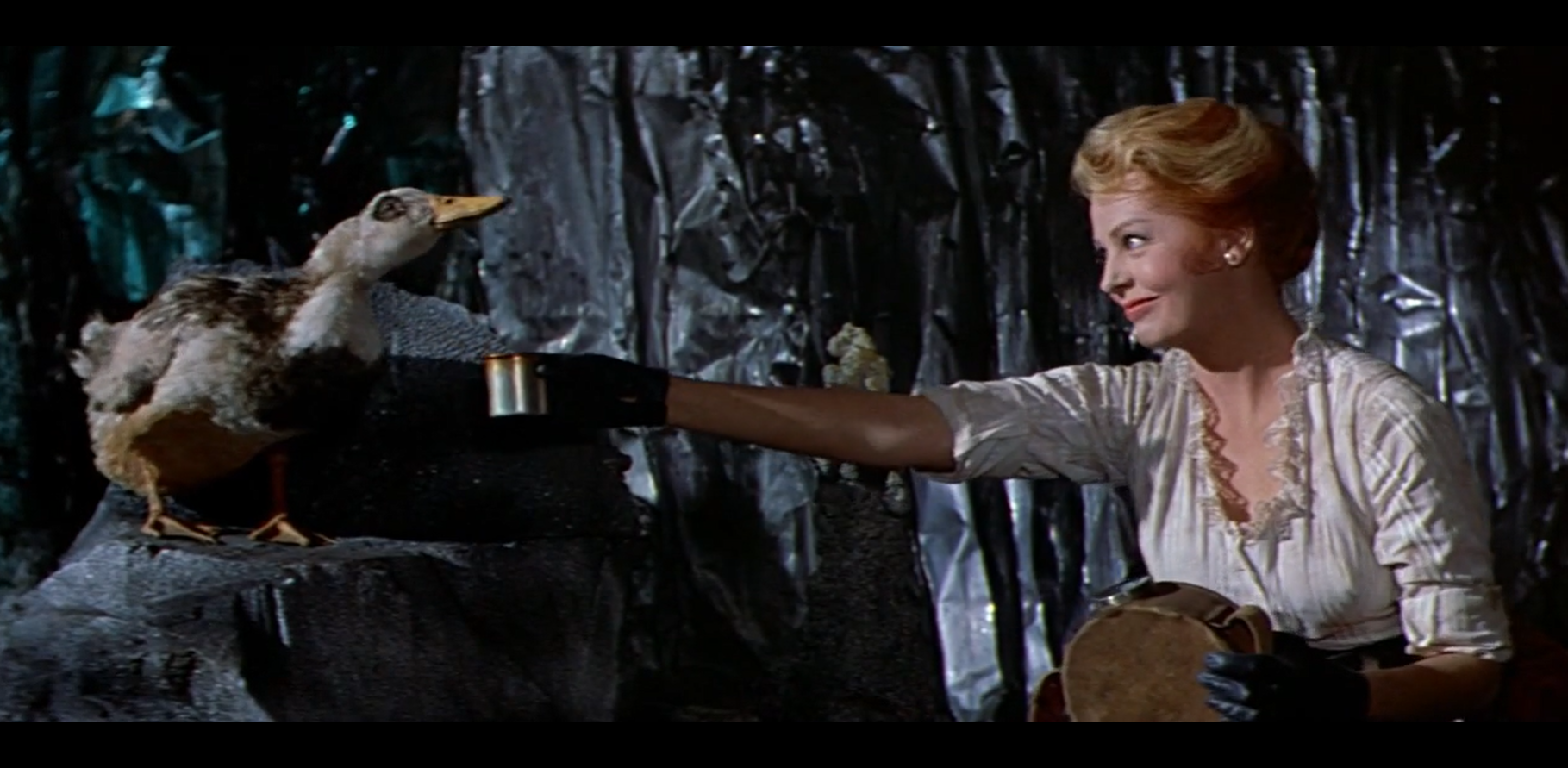
As noted by Richard Scheib on his Moria site, while “Verne wrote a dark, claustrophobic Age of Exploration fantasy”, the film adaptation “is a ridiculously opulent Cinemascope colour spectacle” in which “the center of the Earth is illogically depicted as a colourful and well-lit world of studio-floor splendour and crystalline formations”, and “the result is more akin to a 19th Century tea party than serious exploration”. Indeed, if this kind of thing is your cup of tea, then definitely indulge; otherwise, there’s no need to bother checking it out.

Redeeming Qualities and Moments:

  • Colorfully fantastic sets
  • Bernard Herrmann’s score

Must See?
No; this one is only must-see for fans of the genre.

Links:

Caged (1950)

Caged (1950)

“Home, sweet home — just like the big cage at the zoo, only you clean it up instead of the keeper.”

Synopsis:
A naive young widow (Eleanor Parker) convicted as an accomplice to a petty crime hardens when she enters prison, where a sadistic warden (Hope Emerson) makes life difficult for anyone unwilling or unable to ply her with bribes.

  • Agnes Moorehead Films
  • Character Arc
  • Eleanor Parker Films
  • Jan Sterling Films
  • John Cromwell Films
  • Prisoners

Review:
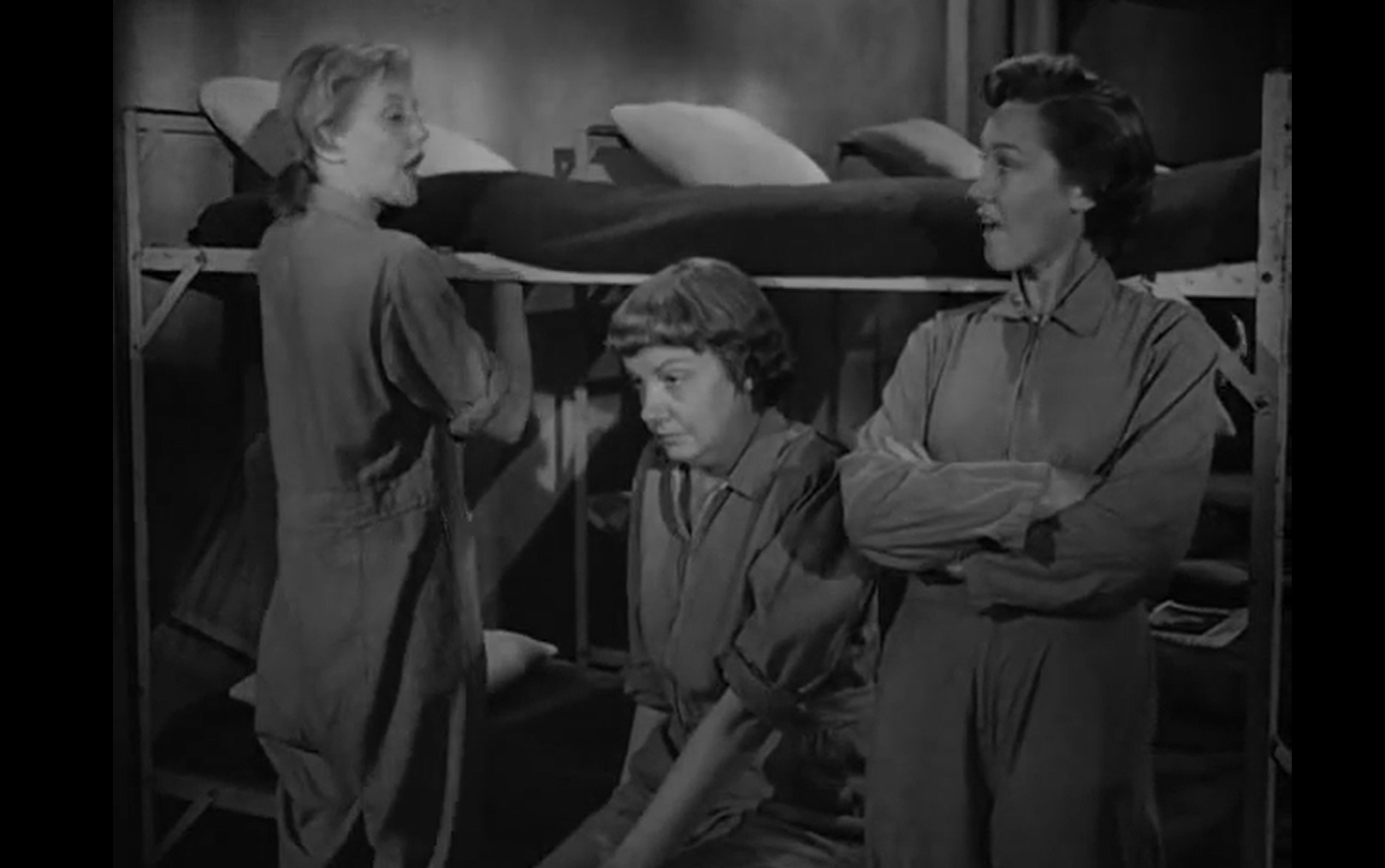
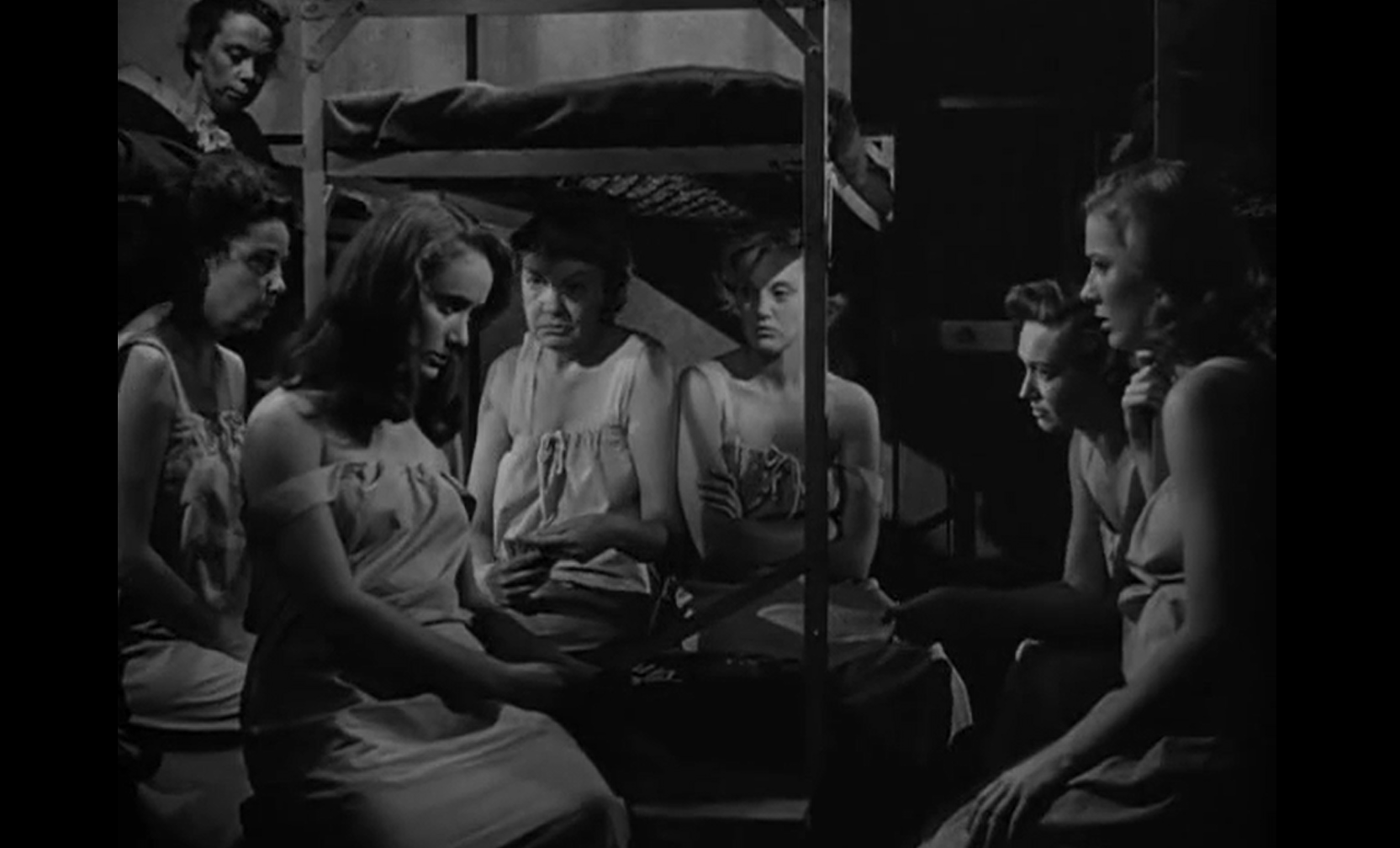
Caged was based upon a real-life exposé by writer Virginia Kellogg, who apparently got herself thrown into jail, Shock Corridor-style, to gather first-hand insights into the milieu. These days, it’s best remembered as the precursor for all later “women-in-prison” exploitation films, and possesses cult status for its latent yet obvious lesbian undertones (with several inmates presented as indubitably ‘butch’).

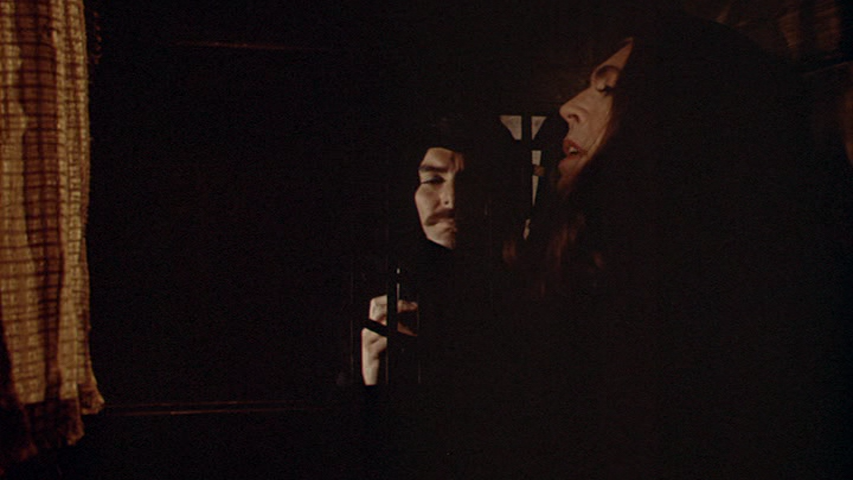
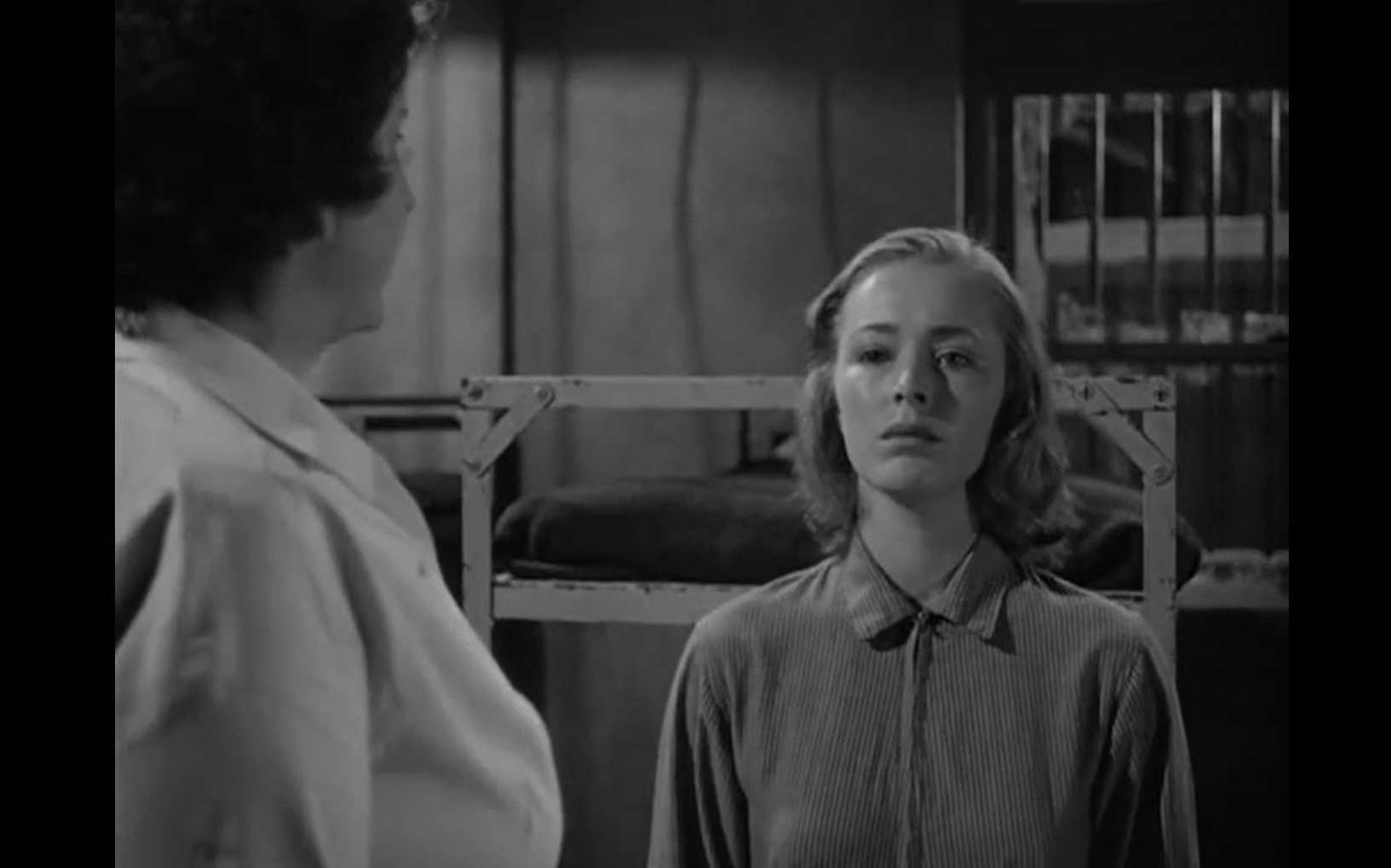
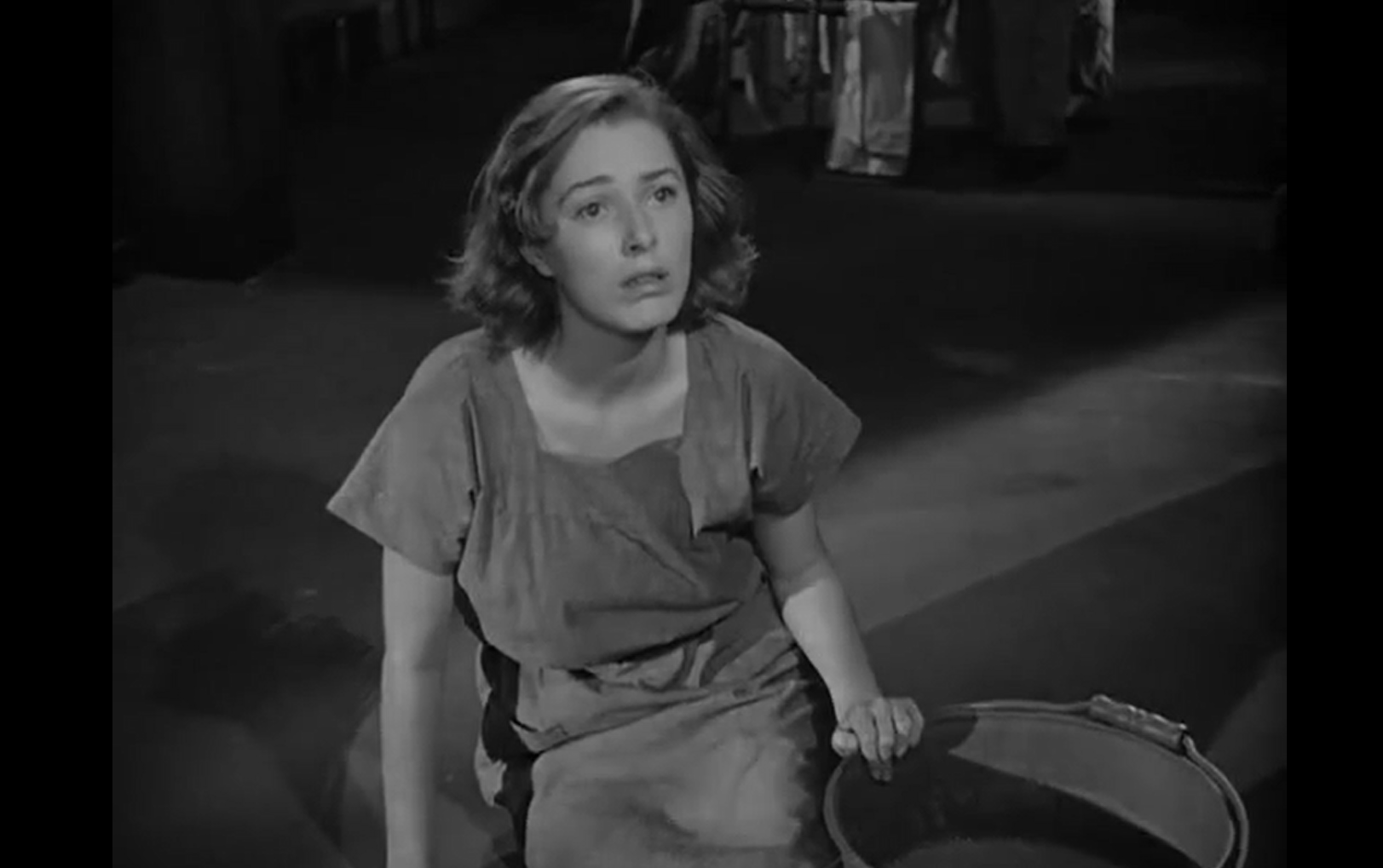
Eleanor Parker gives a sympathetic performance as a naive, poverty-ridden young woman who undergoes a drastic change in personality once she realizes how incurably corrupt the prison system is:

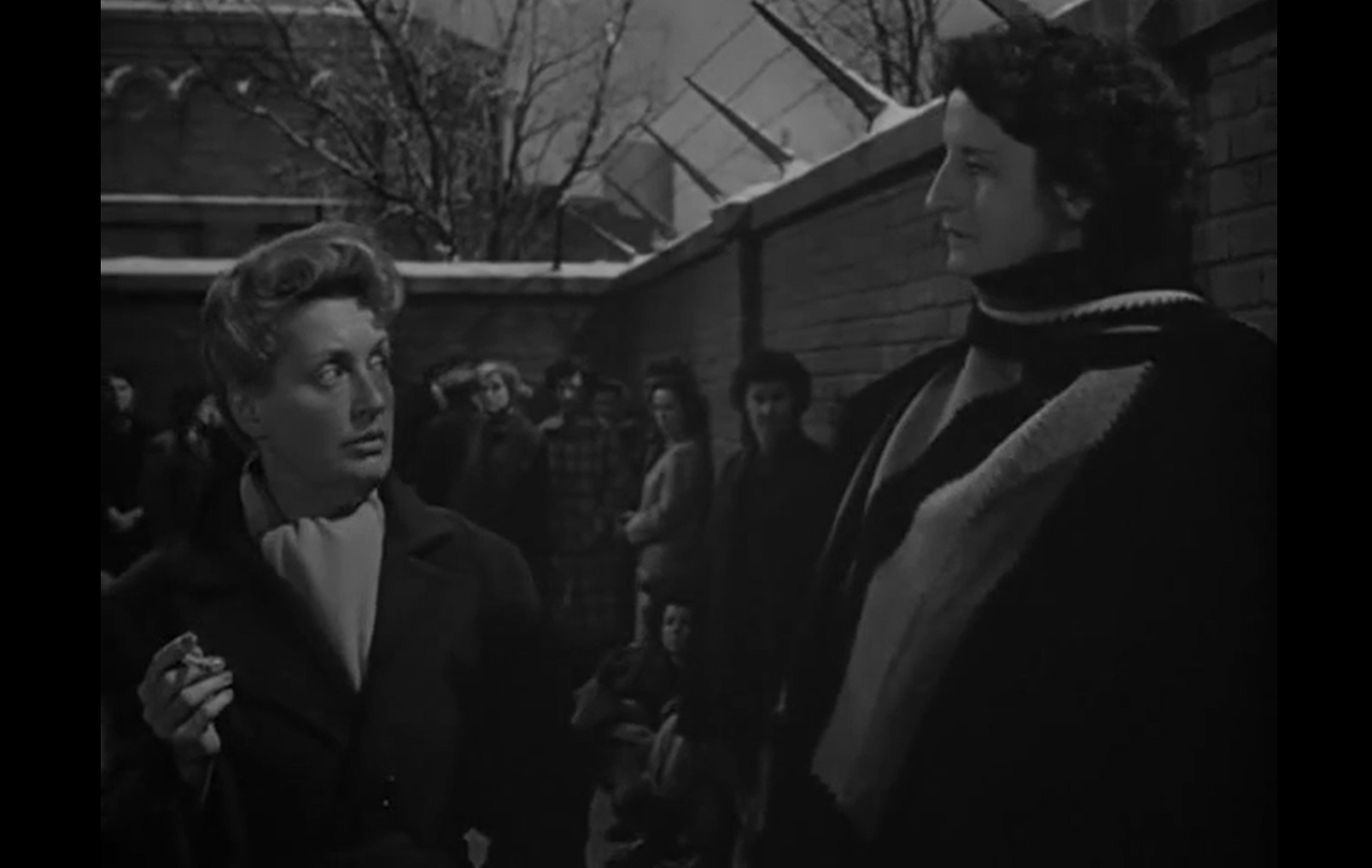
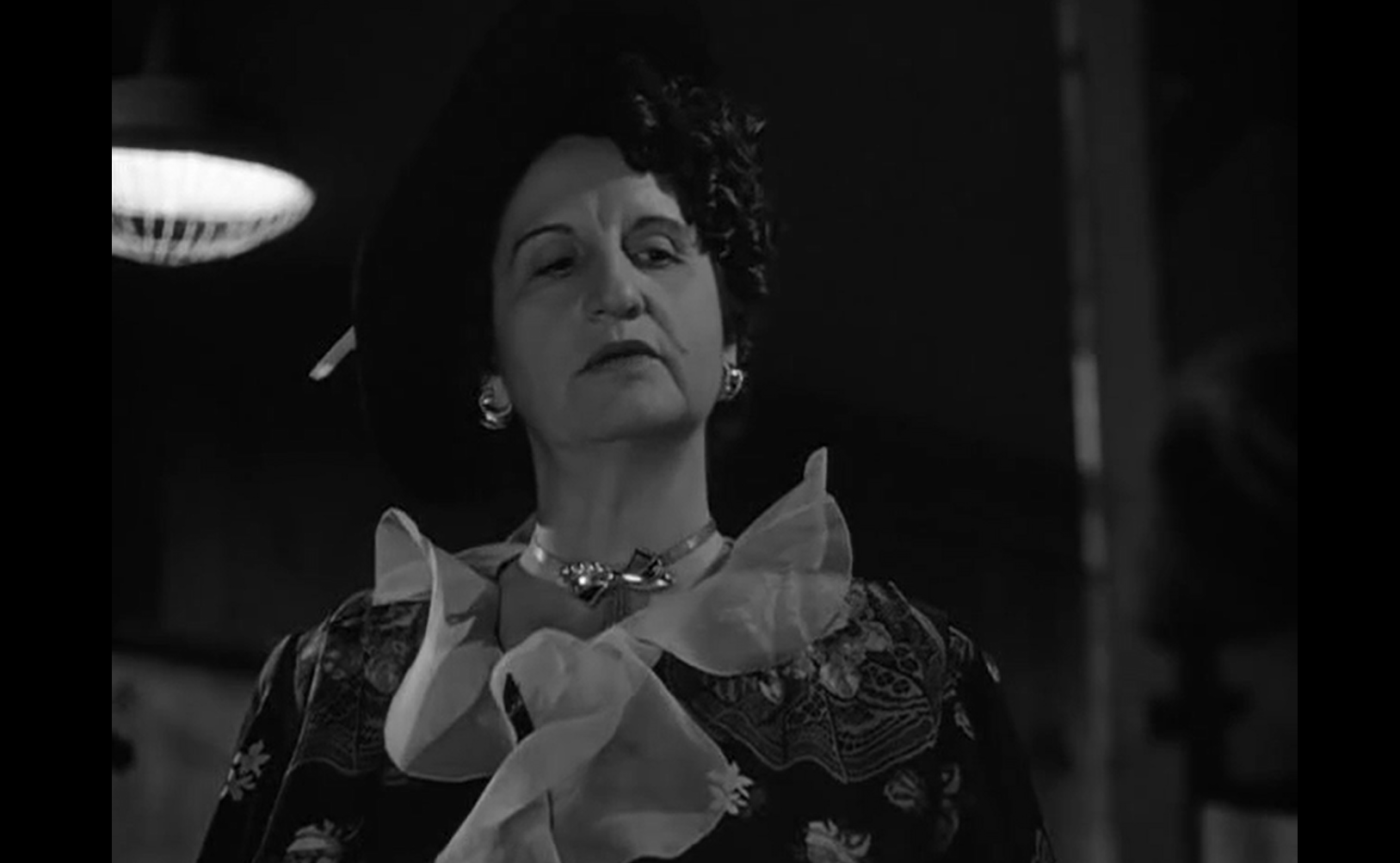
Her role here hints at the even more impressive performance she would later give as a woman with split personalities in Hugo Haas’s Lizzie (1957). Equally memorable is Hope Emerson as a truly sadistic warden with nary a shred of empathy in her bones; while she was apparently a lovely woman in real life, this remains (for better or for worse) the on-screen role she’s most commonly associated with.

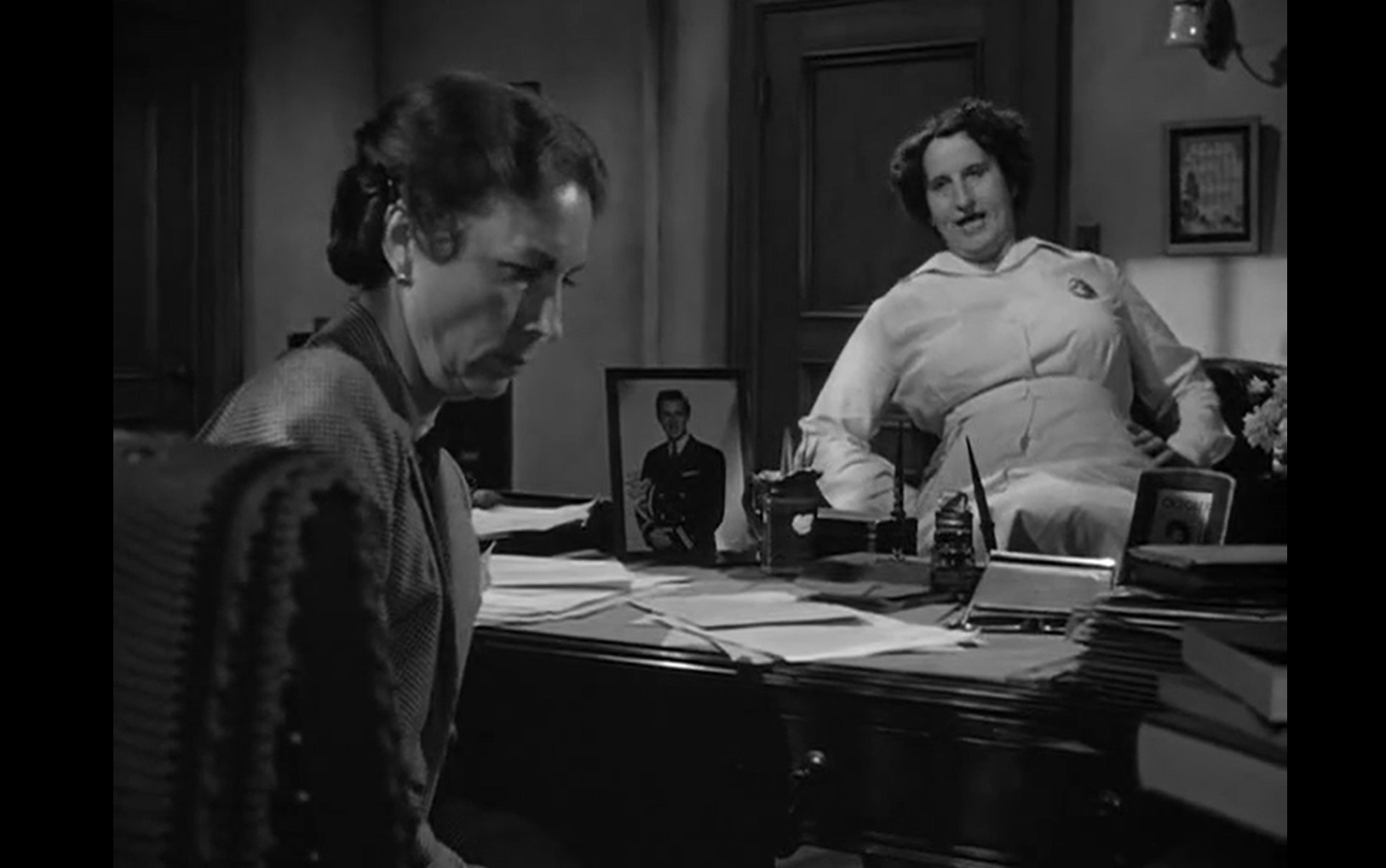
Meanwhile, Agnes Moorehead (as the prison’s director) serves as Emerson’s moral counterpoint, wanting the best for “her girls” yet dealing with massive political resistance at every turn.

Carl Guthrie’s atmospheric cinematography adds to the film’s potency, effectively evoking the horror-ridden nature of the screenplay, which pulls no punches in its depiction of prison-life as a noxious brew of corruption.

Redeeming Qualities and Moments:

  • Eleanor Parker as Marie Allen
  • Hope Emerson as Evelyn Harper
  • Atmospheric cinematography by Carl Guthrie

Must See?
Yes, as a cult classic, and for its status as the “template” for future women-in-prison exploitation flicks.

Categories

  • Cult Movie

Links:

Westward the Women (1951)

Westward the Women (1951)

“On this voyage, there’s to be no he-ing or she-ing.”

Synopsis:
In the 1850s, the founder (John McIntyre) of a California farming valley hires a no-nonsense trail guide (Robert Taylor) to help bring 138 women over from the east, so that his workers will have wives.

Genres, Themes, Actors, and Directors:

  • Feminism and Women’s Issues
  • John McIntire Films
  • Robert Taylor Films
  • Settlers
  • Westerns
  • William Wellman Films

Review:
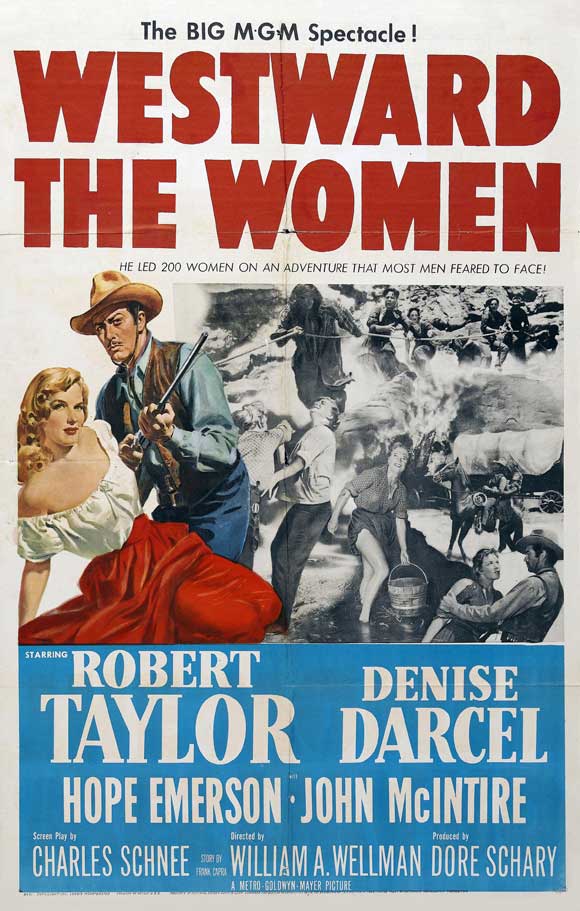
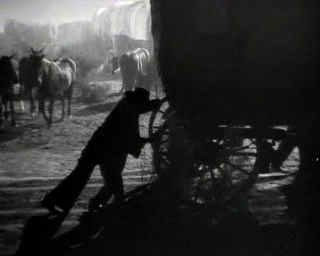
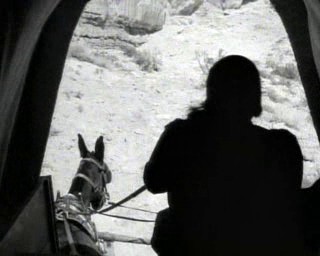
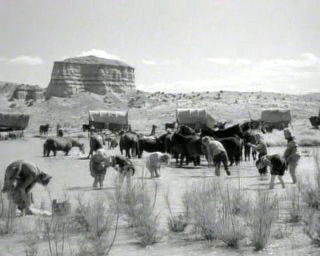
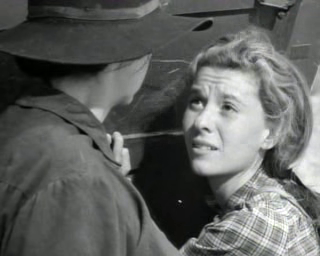
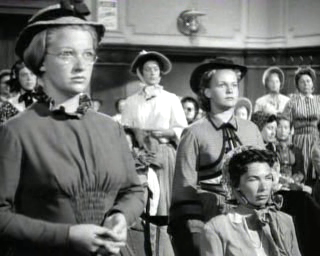
Frank Capra scripted this William Wellman-directed western, which is only loosely based on historical fact yet offers a fascinating perspective on the experiences faced by women during America’s “westward movement”. With just one big-name star (Taylor), the film is essentially an ensemble piece, aiming to depict the collective struggles of females who were bold enough to leave behind their lives in the east for a decidedly dangerous trek across unknown territory. Some — i.e., a young woman (Beverly Dennis) pregnant with an illegitimate child — feel they have no other choice; others — like Hope Emerson’s stalwart widow — simply want a new start for themselves (and/or a man to call their own). Capra’s script is refreshingly blunt in depicting the most immediate danger posed to the women: lecherous trail hands who view them as easy targets for predatory notions. Once this issue is unexpectedly “taken care of”, however, the women then face the daunting task of helping themselves to survive the perilous journey — which is presented in a shockingly realistic (for the time) fashion. Numerous characters — some quite likeable — die throughout the course of the film; as a result, we get an authentic feeling of just how random and senseless death could seem for these travelers.

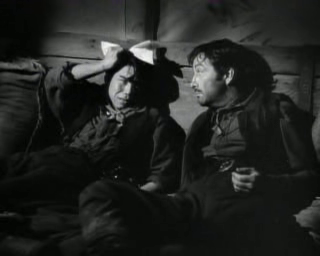
Taylor is appropriately gruff and stalwart in the lead role, but it’s the motley women themselves who linger longest in one’s memory. Larger-than-life Emerson (best known for her performance as a prison warden in 1950’s Caged) had perhaps her noblest supporting role here; however, most of her fellow actresses are unknown faces, adding to the film’s sense of authenticity. Meanwhile, Japanese character-actor Henry Nakamura gives a refreshingly caricature-free performance as “Ito” the cook; his drunken scene with Taylor (see still below) provides one of the film’s most random yet memorable moments. Kudos also belong to Wellman and DP William Mellor, who bring the harsh western landscape to realistic life. (According to TCM’s article, camera filters were used “as sparingly as possible” to give “the film an intentionally stark, sunbaked look”.) While not all narrative threads work — obligatory romantic tensions between Taylor and a former showgirl (Denise Darcel) are simply yawn-worthy, for instance — the majority of the story is a compelling treat, making this a film ffs will want to return to from time to time.

Redeeming Qualities and Moments:

  • Strong direction and cinematography

  • A refreshing glimpse at strong females surviving the West

  • Fine supporting performances by “the women”


  • Henry Nakamura as Ito

Must See?
Yes, as a fine mid-century western representing a unique perspective. Listed as a Sleeper in the back of Peary’s book.

Categories

  • Good Show

Links: