Browsed by
Category: Original Reviews

Responses to Peary’s “must see” movie reviews, as well as my own “must see” movie reviews up to and after 1986 (when Peary’s book was published).

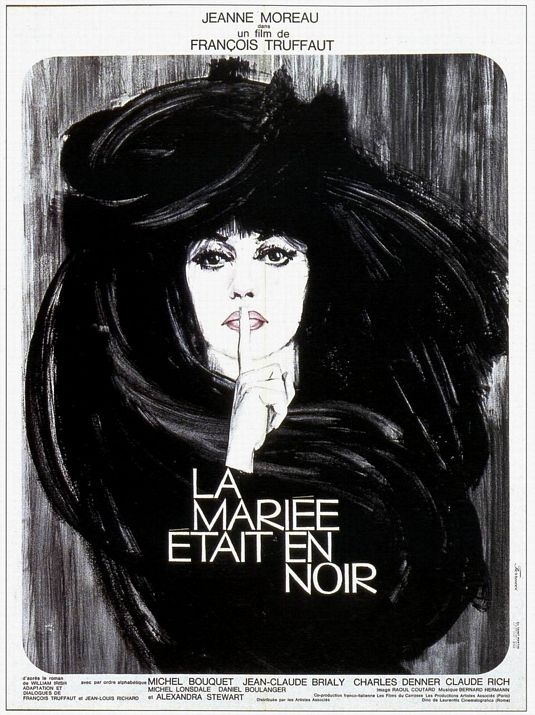
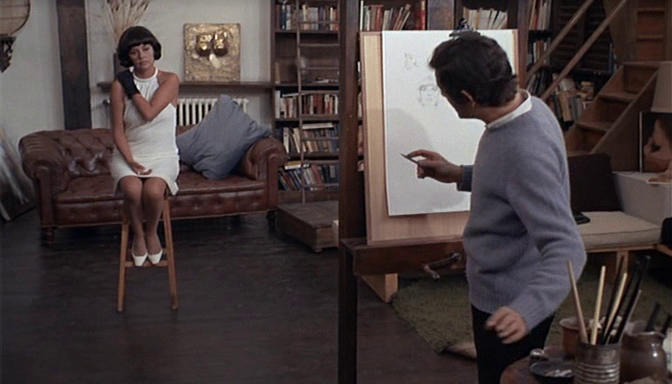
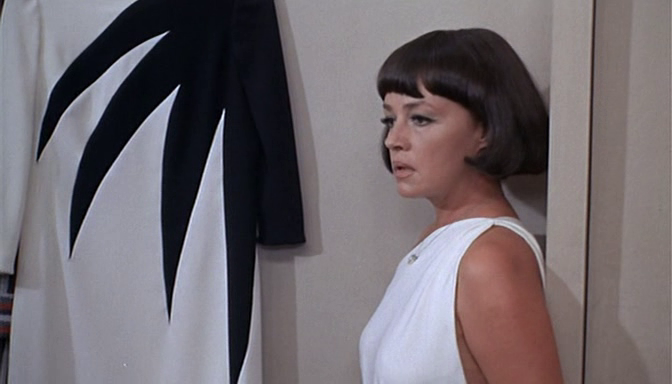
Bride Wore Black, The (1968)

Bride Wore Black, The (1968)

“You took something from me that you can’t give me back.”

Synopsis:
A vengeful widow (Jeanne Moreau) plots to methodically murder the five men — Michel Bouquet, Jean-Claude Brialy, Charles Denner, Claude Rich, and Michael Lonsdale — she believes are responsible for her husband’s premature death.

Genres, Themes, Actors, and Directors:

  • Femmes Fatales
  • Francois Truffaut Films
  • French Films
  • Jeanne Moreau Films
  • Revenge
  • Widows and Widowers

Review:
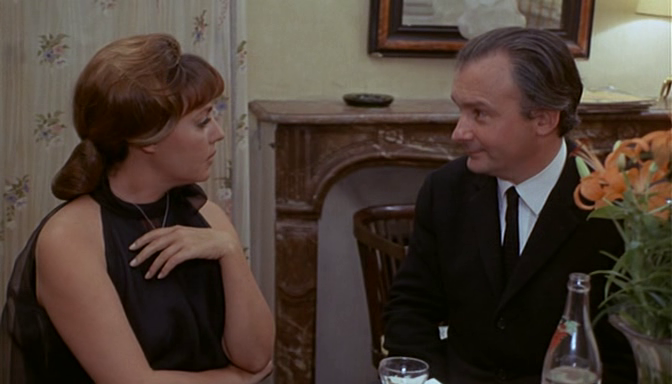
Made shortly after he published his series of interviews with Alfred Hitchcock (as the book Hitchcock/Truffaut [1967]), this adaptation of Cornell Woolrich’s 1940 crime novel remains Francois Truffaut’s most explicit homage to the master of suspense, even going so far as to include a score by Bernard Herrmann. We’re plunged immediately into Moreau’s vengeful plot, as she cleverly lures two unsuspecting men into her snare by posing as the type of woman each would find most alluring; about mid-way through the film, we finally discover exactly why she’s so hell-bent on murder, as we see the most pivotal moment in her life (her new husband’s death just after their marriage) playing out in flashback. The remainder of the storyline continues in like fashion, with Moreau doggedly crafting new variations on her siren-like persona — which brings up the slightly uncomfortable fact that Moreau (looking somewhat dowdy and dour at 40) is not entirely convincing as the alluring femme fatale she’s meant to portray here. Indeed, while she captures the aura of “grieving widow” perfectly, she’s simply not stunning enough to be convincingly sexy in the way Truffaut apparently imagines her to be. With that said, the screenplay is clever enough to keep one engaged throughout (we’re definitely kept wondering when and how Moreau will finally be stopped in her tracks), even as it occasionally defies credibility.

Note: Film fanatics will likely assume that this film was an enormous influence on Quentin Tarantino when he was crafting his Kill Bill epic (starring Uma Thurman as an equally vengeful widowed bride) — but, amazingly, he claims this wasn’t the case.

Redeeming Qualities and Moments:

  • A clever (if occasionally implausible) script


  • Pierre Cardin’s outfits

Must See?
No, though it’s recommended.

Links:

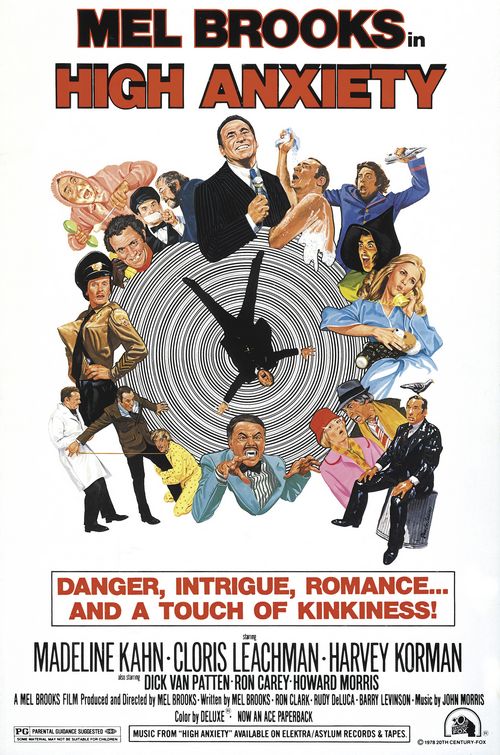
High Anxiety (1977)

High Anxiety (1977)

“Those who are tardy do not get fruit cup.”

Synopsis:
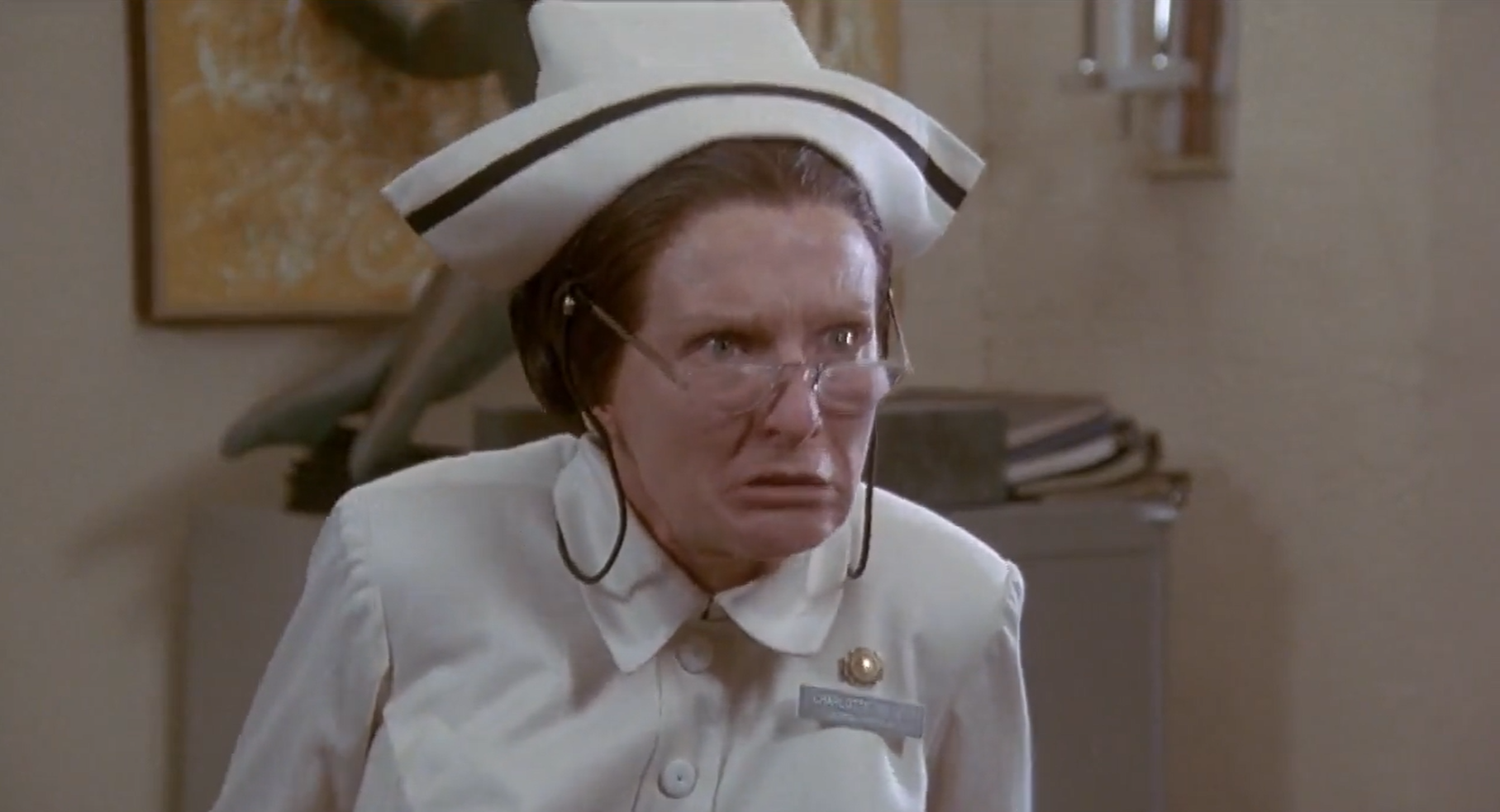
Renowned but highly strung psychiatrist Dr. Thorndyke (Mel Brooks) becomes the new director of a mental institute, where a militant nurse (Cloris Leachman) and her colleague (Harvey Korman) are involved in nefarious dealings related to a wealthy patient whose grown daughter (Madeline Kahn) is concerned about her father’s well-being.

Genres, Themes, Actors, and Directors:

  • Cloris Leachman Films
  • Madeline Kahn Films
  • Mel Brooks Films
  • Mental Illness
  • Satires and Spoofs

Review:
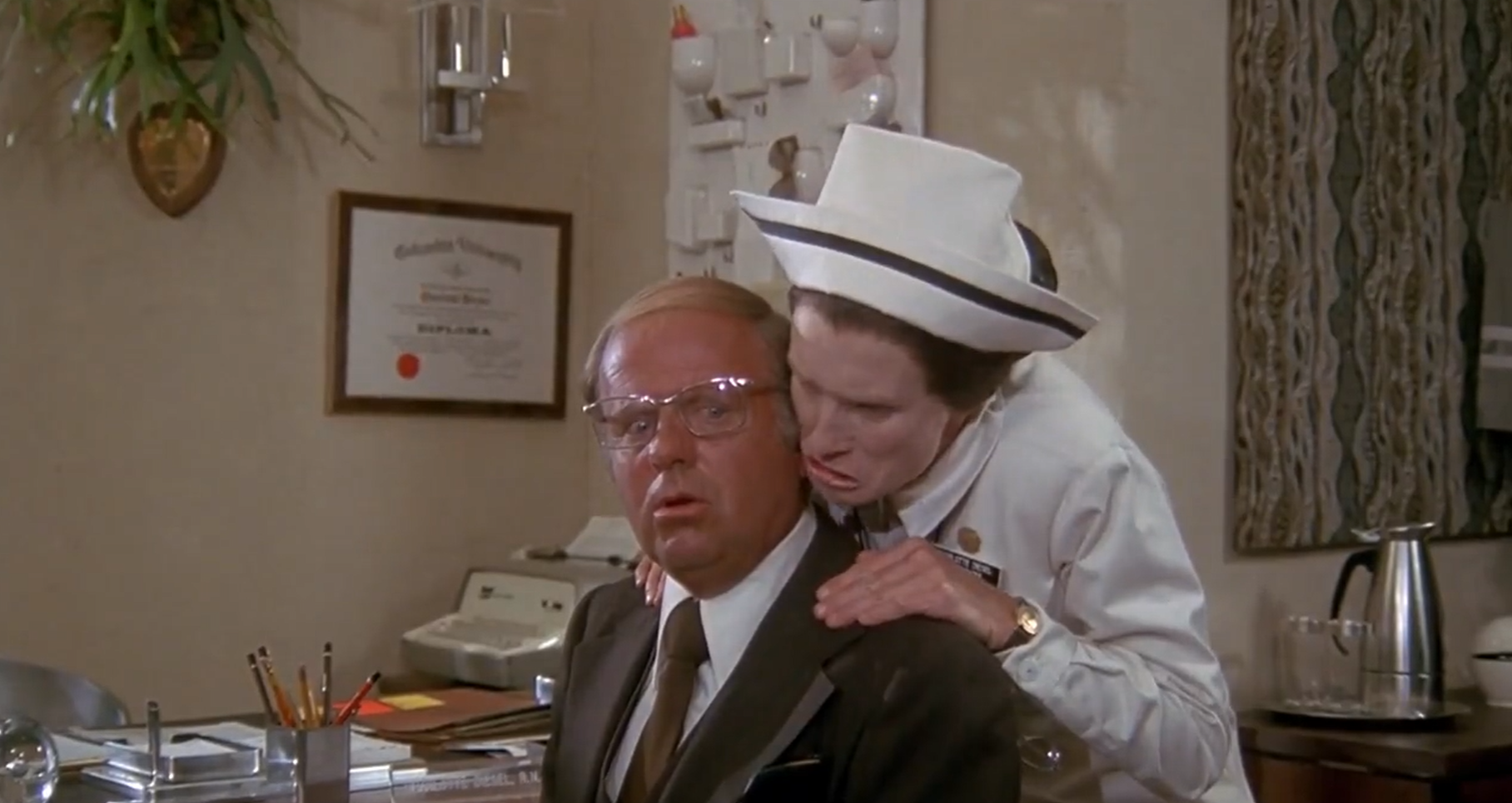
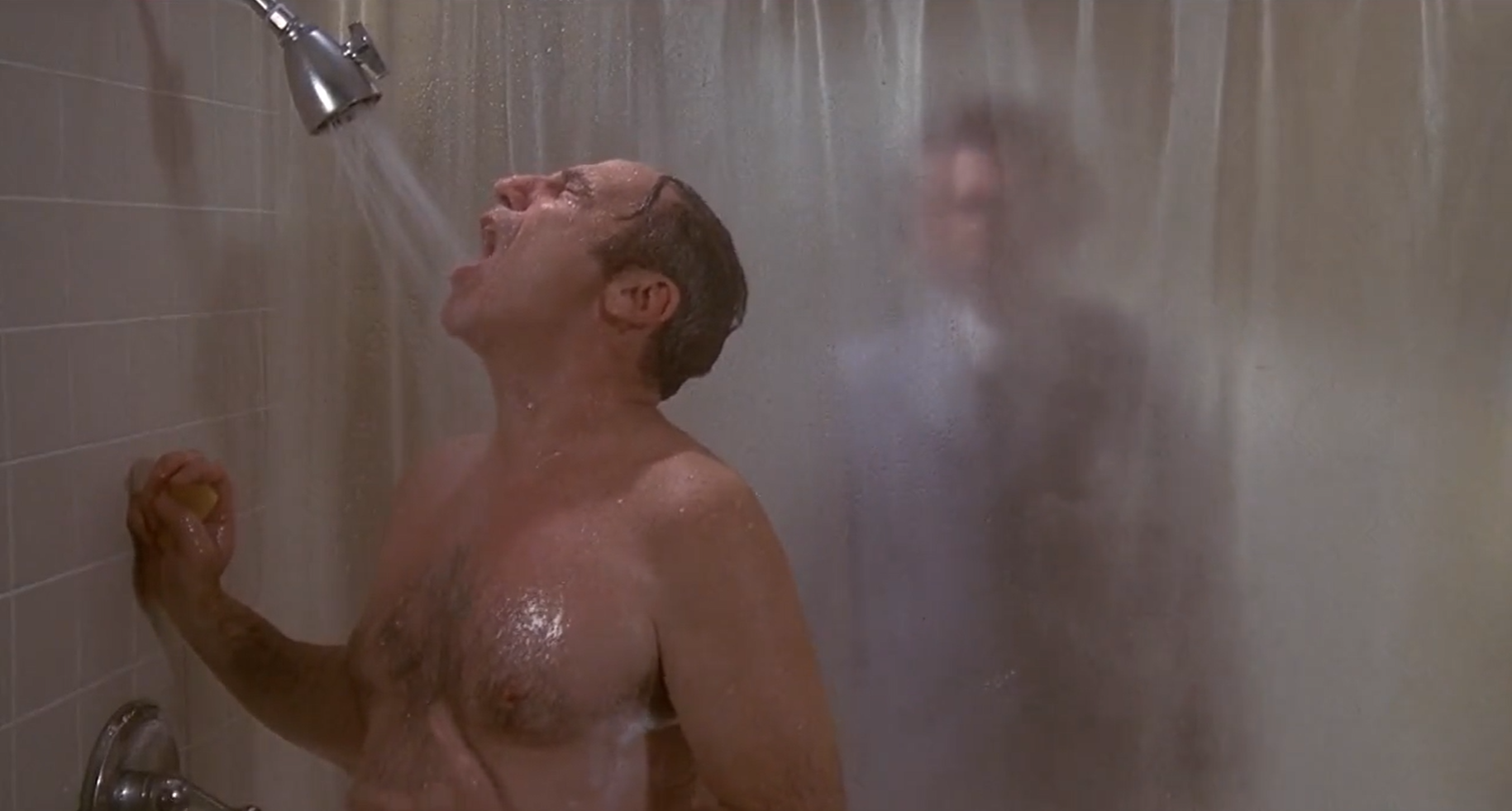
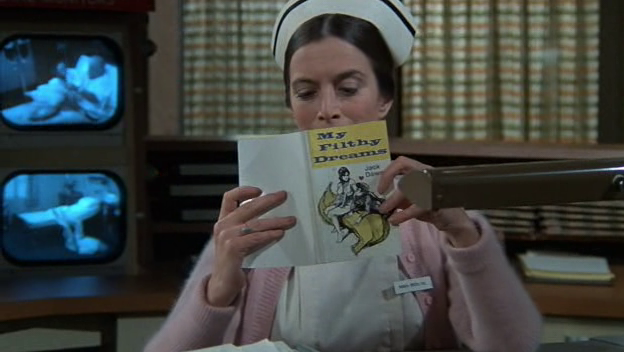
Mel Brooks’ sixth feature film was this explicit homage to Hitchcockian thrillers, which satirizes many of his most beloved titles (including Vertigo, The Birds, Spellbound, and Psycho), in addition to giving a quick nod to Vincente Minnelli’s The Cobweb (1955) (through reference to the institute’s drapes!), and poking fun at One Flew Over the Cuckoo’s Nest’s Nurse Ratched through the over-the-top character of Nurse Diesel (Leachman).

Indeed, there are so many cinematic references and in-jokes packed into the storyline that film fanatics will likely find themselves in a near constant state of recognition (“Oh! Look what he’s spoofing now!”) — which makes it all the more unfortunate that the storyline itself doesn’t do justice to the series of endless referential gags. Brooks gives away the film’s villains from the get-go, so what we’re mostly left waiting for (in addition to more gags/references, as well as a completely gratuitous and self-indulgent rendition of the title song by Brooks himself) is Dr. Thorndyke’s belated recognition that his own life is in danger. It’s difficult to fault Brooks for his clear attempt here to have fun with the genre, and it’s especially enjoyable to see Leachman given the opportunity to literally dominate the proceedings; however, the film as a whole doesn’t work well enough to designate as must-see viewing.

Redeeming Qualities and Moments:

  • Cloris Leachman as Nurse Diesel
  • Some fun spoofs of Hitchcock’s best-known films

Must See?
No, but film fanatics will probably want to check it out at least once. Listed as a Cult Movie in the back of Peary’s book.

Links:

Silent Movie (1976)

Silent Movie (1976)

“Mel Funn — once Hollywood’s greatest director, until drinking destroyed his career — is trying to make a comeback.”

Synopsis:
A has-been director (Mel Brooks) and his friends (Marty Feldman and Dom DeLuise) convince the ailing head (Sid Caesar) of a major movie company to take a chance on their latest project — a silent film featuring several big-name stars — as a last-ditch attempt to prevent a take-over by the greedy corporation Engulf & Devour.

Genres, Themes, Actors, and Directors:

  • Burt Reynolds Films
  • Has-Beens
  • Mel Brooks Films
  • Movie Directors
  • Satires and Spoofs
  • Silent Films

Review:
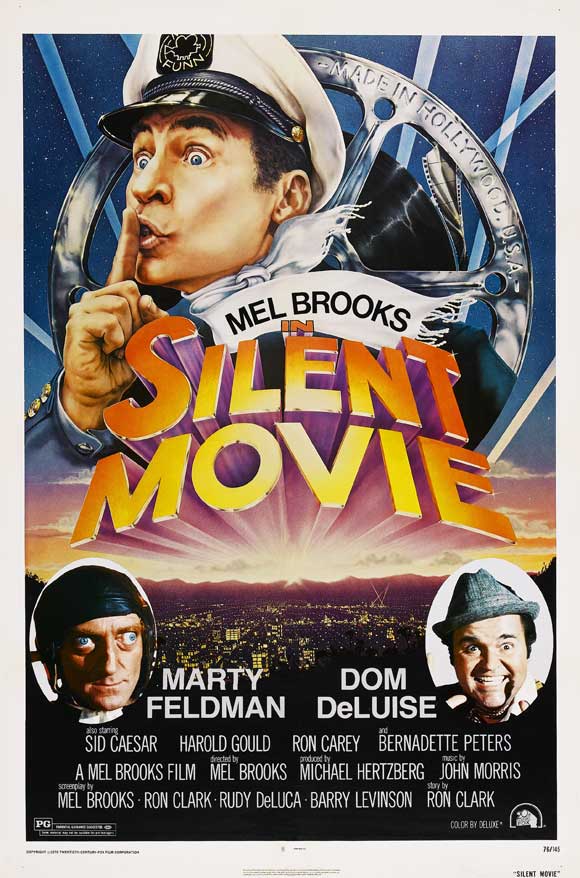
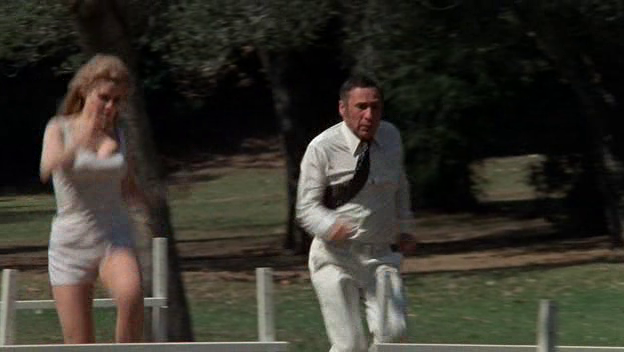
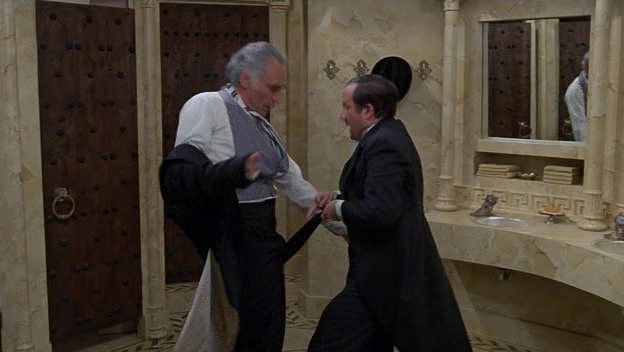
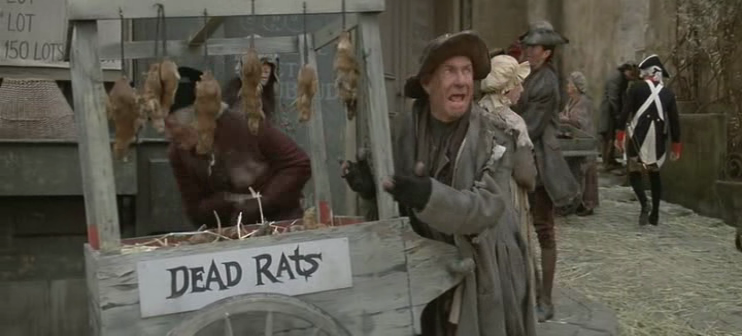
Film fanatics will likely get a kick out of Mel Brooks’ affectionate homage to silent movies, given how cleverly he recreates so many of the era’s classic tropes while keeping his film’s storyline (and actors) squarely grounded in modern times. Indeed, a surprising number of Brooks’ sight gags remain enjoyably humorous, with only a few representing Brooks’ more traditionally low-brow humor (i.e., a running joke in which Brooks, DeLuise, and Feldman repeatedly find themselves huddled together in a compromising position, and jeered at by passers-by as “fags”). Examples of effective scenes include Brooks and Bernadette Peters (as vampish singer “Vilma Kaplan”) running through a field and stripping off their clothes in wild abandon, only to find themselves leaping over hurdles as unexpected rivals in a race (a sequence that reminds me of something Woody Allen would attempt):

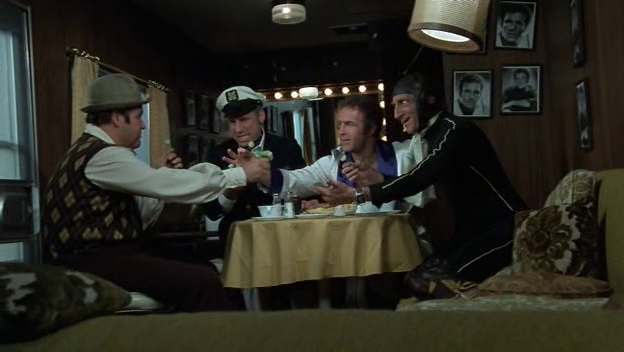
… Feldman playing around with Caesar’s life support machine at the hospital; and Brooks et al.’s visit to James Caan’s teetering trailer, where they find that even the sprinkling of pepper on a bun puts everything off balance.

Speaking of Caan, all the “big name” stars elicited to participate in the film through cameo roles (Caan, Burt Reynolds, Liza Minnelli, Paul Newman, Anne Bancroft, and Marcel Marceau) seem to be having a great time, which adds to the overall festive mood.

Redeeming Qualities and Moments:

  • Numerous enjoyable sight gags

  • Amusing cameos by game film stars

Must See?
Yes, as an enjoyable homage to the silent film era.

Categories

  • Good Show

Links:

History of the World: Part I (1981)

History of the World: Part I (1981)

“And of course, with the birth of the artist came the inevitable afterbirth: the critic.”

Synopsis:
Mel Brooks takes a comedic romp through various stages of world history, including the Stone Age, Ancient Rome, the Spanish Inquisition, and the French Revolution.

Genres, Themes, Actors, and Directors:

  • Comedy
  • Historical Drama
  • Madeline Kahn Films
  • Mel Brooks Films

Review:
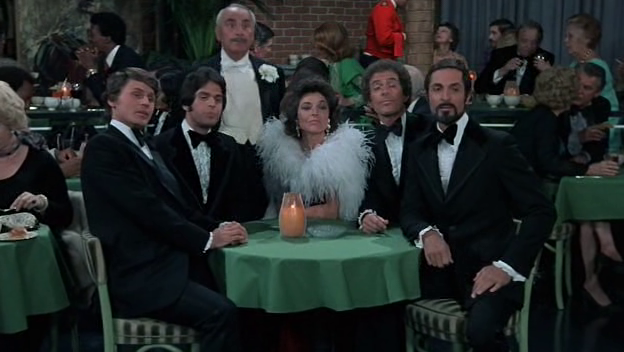
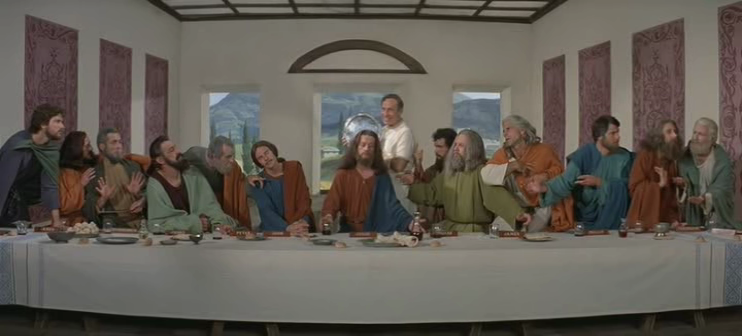
It’s hard to know exactly why Peary includes this final pre-1986 Mel Brooks title in his GFTFF, given that the only other Brooks film he openly praises in any way is Young Frankenstein (1974). HOTW Part 1 (thankfully, there’s no …Part 2) is chock-full of typically Brooks-ian low-brow humor, minus any kind of cohesive satirical narrative to hold it together — in other words, even less of interest to anyone but his most diehard fans (of whom there are plenty). Naturally, in a film filled with insistently non-stop jokes and gags, at least a few are bound to elicit chuckles; as noted in All Movie Guide’s review, however, its “bad parts are so unworthy of its good parts that it creates a state of total schizophrenia.” Meanwhile, some of its “bad parts” (as in Blazing Saddles) edge beyond what most would consider common decency — i.e., a real-life chess game dictated by King Louis XIV (Brooks) in the French Revolution segment eventually devolves into a gang bang sequence that’s played for laughs. Film fanatics can definitely feel free to stay away from this one.

Redeeming Qualities and Moments:

  • A few mildly clever sight gags and scenes

Must See?
No; despite its enduring popularity, this one is strictly for Brooks fans.

Links:

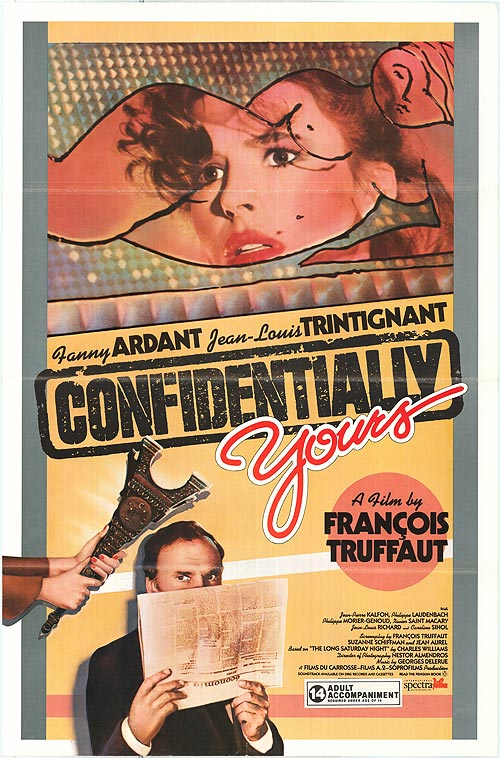
Confidentially Yours (1983)

Confidentially Yours (1983)

“These idiots suspect me. They want to detain me.”

Synopsis:
When the owner (Jean-Louis Trintignant) of a real estate agency is accused of murdering his acquaintance (Jean-Pierre Kalfon) and then his adulterous wife (Caroline Sihol), his plucky secretary (Fanny Ardant) helps him try to gather evidence proving his innocence.

Genres, Themes, Actors, and Directors:

  • Amateur Sleuths
  • Falsely Accused
  • Francois Truffaut Films
  • French Films
  • Murder Mystery

Review:
Francois Truffaut’s final film was this disappointing homage to Hitchcock, about a falsely accused man and the resourceful, beautiful woman who puts her life on the line to help prove his innocence. Based on Charles Williams’ pulp crime novel The Long Saturday Night, it strategically hearkens back to mid-century noir (the b&w cinematography by Nestor Almendros is lovely), but with disconcerting humor thrown in, complicating the mood. Murders are committed, and lives are on the line, but we somehow sense that the protagonist and his plucky assistant will emerge unscathed by the end. It’s frustrating to see how badly Trintignant (not exactly a traditional ladies’ man) treats his gorgeous secretary, who maintains an inexplicable loyalty to him throughout the proceedings; I suppose his hard-boiled edge is meant to evoke noir-ish tinges of Bogart, but his utter lack of chemistry with Ardant (who comes across like a bit of a foolhardy ninny) defeats this intent. Worst of all is that the final outcome of the mystery comes out of nowhere, leaving sleuthing viewers with a sense of frustrated defeat.

Redeeming Qualities and Moments:

  • Nestor Almendros’ cinematography

Must See?
No; this one is strictly for Truffaut completists. Listed as a Sleeper in the back of Peary’s book.

Links:

Two English Girls / Deux Anglaises et le Continent, Le (1971)

Two English Girls / Deux Anglaises et le Continent, Le (1971)

“They stopped by a river full of torrents: they decided the tumbling water was like Ann, the eddies like Claude, the peaceful pools like Muriel.”

Synopsis:
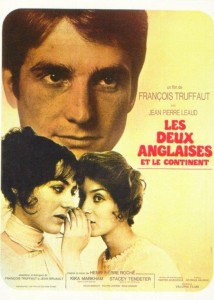
In the early 20th century, a young Frenchman (Jean-Pierre Leaud) befriends two English sisters — Ann (Kika Markham) and Muriel (Stacey Tendeter) — while living with them and their mother (Sylvia Marriott) in their countryside home. With encouragement from Ann, Claude (Leaud) falls in love with Muriel, but his mother (Marie Mansart) insists that they spend a year apart to verify their commitment to one another. Claude soon finds himself attracted to other women, and when Ann arrives in Paris to study art, she and Claude begin an affair, thus further complicating Claude’s feelings towards both sisters.

Genres, Themes, Actors, and Directors:

  • Francois Truffaut Films
  • French Films
  • Historical Drama
  • Jean-Pierre Léaud Films
  • Love Triangle
  • Siblings

Review:
Peary notes that while he once found this adaptation of Henri-Pierre Roche‘s novel to be “depressing and endless”, he “now considers it one of Truffaut’s most romantic films, a heartfelt exploration of the passions, jealousies, inadequacies, and insecurities of young lovers”. He writes that “Truffaut’s three sheltered, innocent characters take years to consummate their loves, so handicapped are they by interfering mothers, as well as by physical infirmities and cockeyed personal moralities” — but he posits that “the relationships between Claude and each sister are mutually beneficial, no matter that he takes advantage of them and they manipulate him into filling their sexual and intellectual needs”. He points out that “as in Jules and Jim (also from a novel by… Roche) and Stolen Kisses, lovers never love each other equally at the same time”; but he argues that “the romance comes through anyway because of cinematographer Nestor Almendros’s pictorial beauty…, Georges Delerue’s lush, haunting score, and Truffaut’s singular ability to make us sense that the hearts of his characters… are beating several times faster and louder than our own”.

There’s no denying the “pictorial beauty” of Two English Girls, which is consistently gorgeous, with fine attention paid to period detail. However, the storyline itself suffers from being too much of a somber literary adaptation, with Truffaut’s customary voice-over dominating the proceedings. Ultimately, those who have seen Truffaut’s Jules and Jim (and which film fanatic hasn’t?) will recognize this later film as simply a variation on the same theme; indeed, Leaud’s callow character is clearly based on Roche, and is even seen at one point writing and publishing a novel called Jerome et Julien, “about a woman who loved two men… It was his story, which transposed his love for the two sisters.” But while Jules and Jim remains a heady New Wave classic, utilizing creative editing and a non-linear storyline, Two English Girls takes more than two hours to tell its multi-year tale, and eventually becomes somewhat wearisome. In sum, I find myself agreeing with Peary’s initial take on the movie (as “depressing and endless”), rather than with his later enthusiasm.

Redeeming Qualities and Moments:

  • Nestor Almendros’ cinematography
  • Georges Delerue’s score

Must See?
No, though Truffaut fans will want to check it out.

Links:

Wild Child, The (1970)

Wild Child, The (1970)

“I think the only cause of his dumbness is the isolation in which he lived.”

Synopsis:
In 18th century France, Dr. Itard (Francois Truffaut) assumes responsibility for training a young boy (Jean-Pierre Cargol) found living feral in the forest — but he soon begins to question exactly how much he can teach Cargol, who may have been irreparably damaged by his years of solitary existence.

Genres, Themes, Actors, and Directors:

  • Francois Truffaut Films
  • French Films
  • Historical Drama
  • Teachers

Response to Peary’s Review:
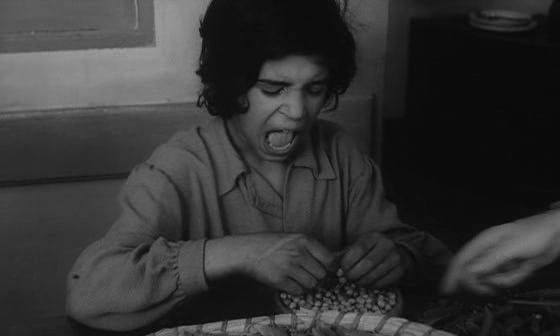
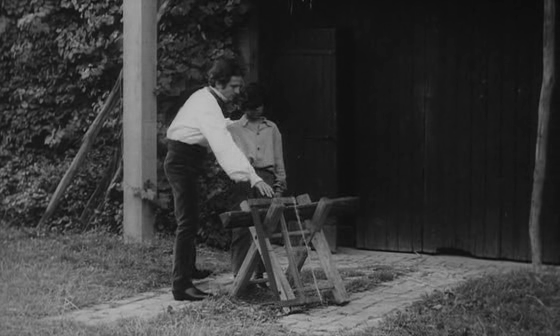
Peary argues that while the “true story” behind Truffaut’s ninth feature-length film “makes for a fascinating movie premise”, and that the “portrayals by both Cargol and Truffaut are believable”, it’s nonetheless “not as enjoyable as one would hope”. He cites several potential reasons for this, including “the absence of humor”, the lack of “surprises (since fictional works have covered the same subject)”, the fact that “the mystery of the boy’s origins was never solved”, and/or resentment for “what the doctor is doing (even though he has good intentions)”. My major complaint about the film — which I actually find admirably low-key and restrained for Truffaut — is that the emphasis placed on Itard’s chronicled methods for trying to “train” Victor eventually starts to feel both repetitive and ill-conceived. While Peary argues that “the most interesting scenes are those in which the boy temporarily tires of civilization’s restraints/rules and, like Tarzan, returns to the wilderness and his brutish state” (thus revealing Peary’s naturalistic bias), there’s never really any doubt that Victor is better off learning how to live within society. What’s unfortunate is that the film — remaining clinically faithful to Itard’s published articles, including plenty of voice-overs by Truffaut-as-Itard — eventually focuses almost exclusively on Itard’s relentless attempt to impose joyless academic learning on Victor, at the expense of more valuable “lessons” in (for instance) social interaction with peers.

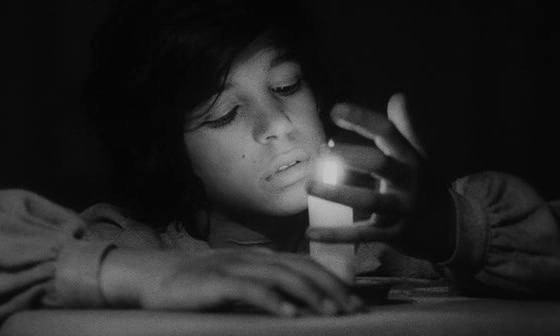
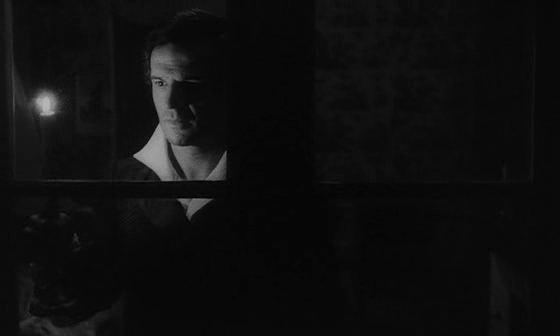
Unlike Peary, most other critics found (and continue to find) much to praise about the film; for instance, Time Out’s reviewer calls it “as lucid and wryly witty a film as you could wish for, uncluttered by superfluous period detail”, with “a beautiful use of simple techniques” — such as “black-and-white photography, Vivaldi music, even devices as outmoded as the iris” — “giv[ing] it a very refreshing quality”. While my ultimate opinion lies somewhere in between Peary’s and the above assessment, what I’m most impressed by in the film is the astonishing performance given by Cargol, a gypsy selected from 2,500 potential boys to play the title role. Cargol (who apparently never acted again, instead turning to a career in music as an adult) is never anything less than entirely believable, seemingly remaining oblivious to the presence of the camera as he gives one of the most convincing child performances I’ve ever seen on screen. It’s for his performance alone that I recommend this film as one-time must-see viewing for film fanatics (who will surely also appreciate Nestor Almendros’ luminous b&w cinematography).

Note: Click here to read some additional background on the film, told in part from the perspective of Truffaut’s daughter, Laura, who was on the set as a child.

Redeeming Qualities and Moments:

  • Jean-Pierre Cargol as Victor
  • Francois Truffaut as Dr. Itard
  • Fine b&w cinematography by Nestor Almendros

Must See?
Yes, simply for Cargol’s astonishingly “natural” performance.

Categories

  • Important Director
  • Noteworthy Performance(s)

Links:

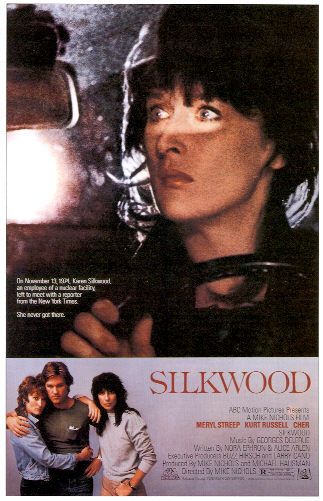
Silkwood (1983)

Silkwood (1983)

“I think you’d do just about anything to shut down this plant.”

Synopsis:
A nuclear factory employee named Karen Silkwood (Meryl Streep) is distressed to learn that her company may be engaging in less-than-safe practices — but as she becomes more active in her local union, she finds herself increasingly isolated from her co-workers, who fear loss of their jobs if the factory shuts down.

Genres, Themes, Actors, and Directors:

  • Amateur Sleuths
  • Biopics
  • Cher Films
  • Meryl Streep Films
  • Mike Nichols Films
  • Nuclear Threat

Review:
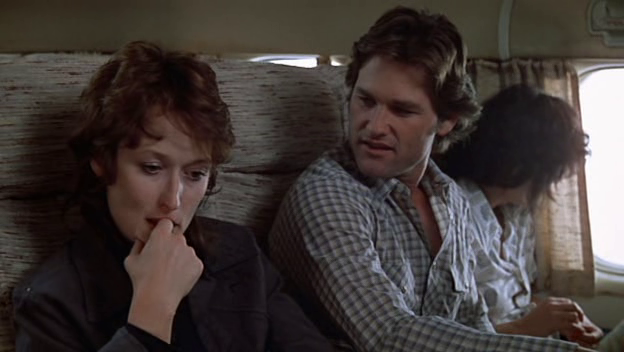
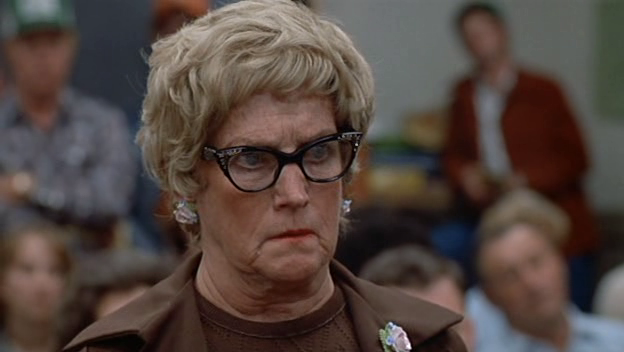
Meryl Streep’s Oscar-nominated performance firmly grounds this disturbing biopic about labor union activist Karen Silkwood, whose mysterious death in a car accident while on her way to meet with a reporter remains one of the most notorious instances of “whistle blowers” meeting an untimely demise. Given that viewers know the outcome of this real-life tragedy in advance, director Mike Nichols (working from a script by Nora Ephron and Alice Arlen) wisely frames his story as both an ethnographic look at Silkwood’s working-class existence — she’s estranged from her kids, living with her boyfriend (Kurt Russell) and lesbian friend (Cher) — and as an unsolved mystery story (is someone contaminating Silkwood on purpose?). Streep, naturally, is phenomenal in the title role, providing a nuanced portrayal of a woman who’s both easy to like (she’s amiable and free-spirited) and easy to hate (she’s mildly manipulative and not easily deterred). What’s most fascinating about her story — other than seeing how close-to-the-edge she and her co-workers live on a daily basis, given the dangerous work they’re doing — is watching Silkwood’s consciousness slowly growing, as she uncovers more and more instances of suspiciously neglectful and/or deceitful behavior on the part of her employers. The “scrub down” showers — shown being given to Silkwood herself and to a terrified co-worker (stage actress Sudie Bond) — remain among the most horrifying scenes in non-horror cinema.

Note: Click here to read a follow-up story in People Magazine about the various individuals in Silkwood’s real life.

Redeeming Qualities and Moments:

  • Meryl Streep as Karen Silkwood (nominated as one of the Best Actresses of the Year in Peary’s Alternate Oscars)
  • Fine supporting performances
  • A powerful, often-scary, “based on real life” screenplay

Must See?
Yes, as an all-around good show, and for Streep’s Oscar-nominated performance.

Categories

  • Good Show
  • Noteworthy Performance(s)
  • Oscar Winner or Nominee

Links:

Woman Next Door, The (1981)

Woman Next Door, The (1981)

“Love affairs must have a beginning, a middle, and an end.”

Synopsis:
A man (Gerard Depardieu) living happily with his wife (Michele Baumgartner) and child (Olivier Becquaert) is disconcerted to learn that a former lover (Fanny Ardant) has moved in next door with her new husband (Henri Garcin). Soon Depardieu and Ardant have renewed their tempestuous affair, with potentially disastrous results.

Genres, Themes, Actors, and Directors:

  • Francois Truffaut Films
  • French Films
  • Gerard Depardieu Films
  • Infidelity
  • Obsessive Love

Review:
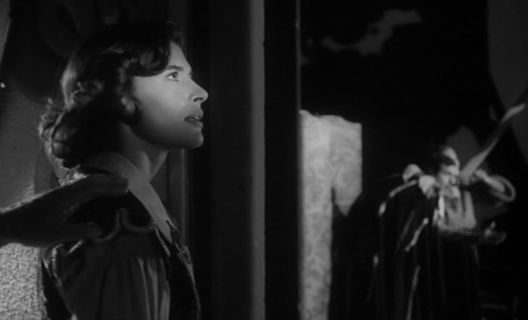
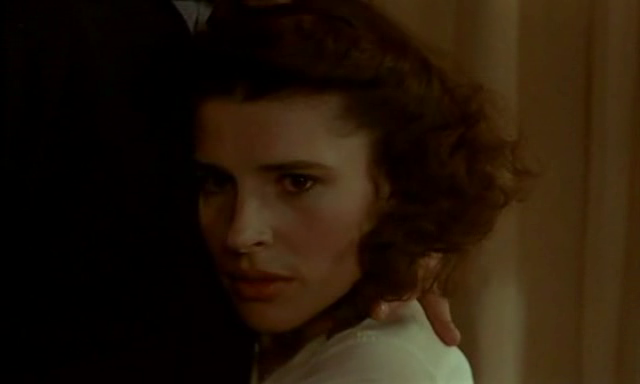
In his penultimate film, Francois Truffaut returned to his interest in exploring the dangers of obsessive love, as represented here by a pair of former lovers who (to no great surprise) find themselves unable to resist the temptation to fall back into one another’s arms. The storyline itself — an original “scenario” by Truffaut, his long-time collaborator Suzanne Schiffman, and Jean Aurel — offers little that’s new or interesting within this limited genre, though one can’t help watching with morbid curiosity to see what will befall our foolish protagonists (and their hapless spouses) next. What’s most memorable about the film is the vibrant, sensual presence of young Fanny Ardant, who was nominated for a Cesar Award, and became Truffaut’s real-life lover, as well as the mother of one of his daughters. While we never fully understand her “issues” (or those of Depardieu’s character, for that matter), she’s nonetheless consistently appealing to watch on screen, especially as filmed in such a luminous fashion (see still below).

Redeeming Qualities and Moments:

  • Fanny Ardant as Mathilde

Must See?
No, though it’s worth a look, and will certainly be of interest to fans of Truffaut’s work.

Links:

Soft Skin, The (1964)

Soft Skin, The (1964)

“I’ve discovered life wasn’t what I expected lately.”

Synopsis:
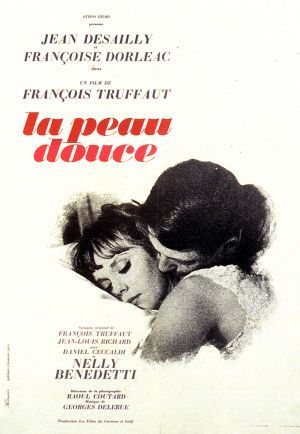
A successful middle-aged writer (Jean Desailly) begins an affair with a beautiful young stewardess (Francoise Dorleac), but quickly finds it more challenging than he realized to hide the affair from his wife (Nelly Benedetti) and colleagues.

Genres, Themes, Actors, and Directors:

  • Francois Truffaut Films
  • French Films
  • Infidelity

Review:
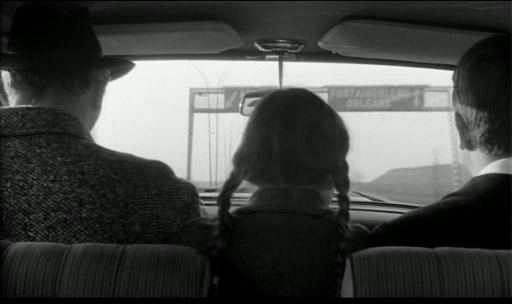
Francois Truffaut’s fourth feature-length film — following on the heels of The 400 Blows (1959), Shoot the Piano Player (1960), and Jules et Jim (1962) — was this morality tale about a married man whose infatuation with a young stewardess causes his undoing. For the first 40 minutes or so, you wonder exactly where Truffaut is heading with this scenario, given that it’s one we’ve seen or heard at least a hundred times over. However, by the film’s tensely scripted “interlude” scene in Reims, we begin to understand that we’re watching a story about a clueless protagonist who’s not really savvy enough to pull off something as elaborate as the double life of an adulterer. Perhaps predictably, Desailly’s situation quickly unravels, with a truly unexpected outcome emerging by the film’s tragic end.

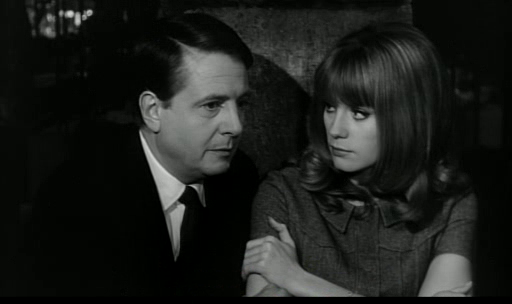
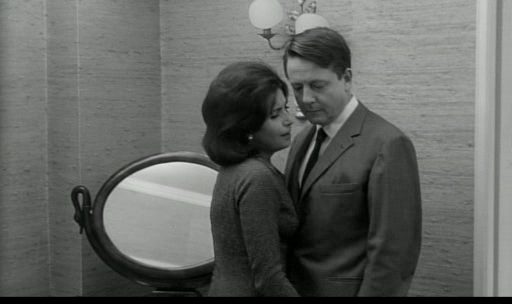
It’s difficult at first to accept the pudgy, nondescript Desailly as a likely candidate to attract the attentions of a sexy young thing like Dorleac — yet we soon understand that it’s his celebrity (there are posters plastered around Riems announcing his upcoming lecture) and his intellect that she finds so appealing. Meanwhile, it’s equally difficult to understand exactly why Desailly would feel a desire to cheat on his sexy wife (Benedetti) — but then again, motivations for infidelity often makes little sense! The three leads (especially Dorleac and Benedetti) all provide solid performances, and Raoul Coutard’s lovely b&w cinematography firmly grounds the film within its cinematic era. While this isn’t must-see viewing by Truffaut, it’s certainly worth a one-time look.

Redeeming Qualities and Moments:

  • Francoise Dorleac as Nicole
  • Nelly Benedetti as Franca
  • Raoul Coutard’s cinematography

  • The tense “Reims” interlude

Must See?
No, though it’s certainly worth a look.

Links: