|
Genres, Themes, Actors, and Directors:
- King Vidor Films
- Marital Problems
- New York City
- Silent Films
Response to Peary’s Review:
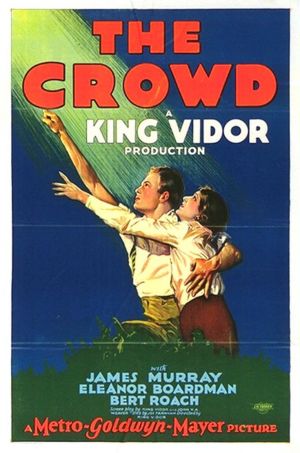
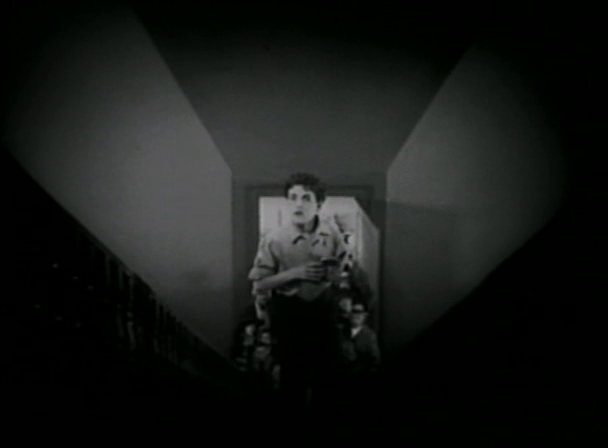
Peary writes that this “truly wonderful silent movie” — “directed with remarkable visual virtuosity by King Vidor” — will appeal to “fans of such films as 1939’s Made for Each Other and The Marrying Kind [1952].” He notes that “like those two films, it blends humor and heartbreak” in its tale of a “a young couple… who fall in love on a blind date, immediately marry, and almost break up due to financial and familial difficulties”, and points out that the “film’s theme is that since few people become rich it’s okay to be one of the faceless crowd, just as long as you never become trampled on by that crowd”. He notes that the “film has marvelous visuals of New York”, which is sometimes “portrayed as romantic… [and] at other times [as] frightening”, but always as “extremely crowded”. He further notes Vidor’s much-lauded technique of either showing “a crowd in a long shot and zoom[ing] into a close-up of an individual or begin[ning] with a close-up of an individual and pull[ing] back to reveal the enormity of the surrounding crowd”.
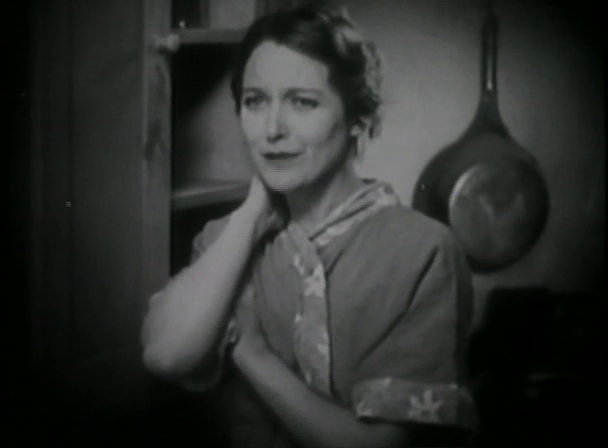
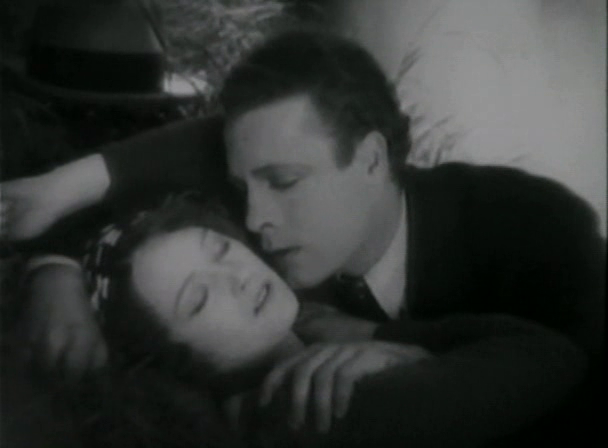
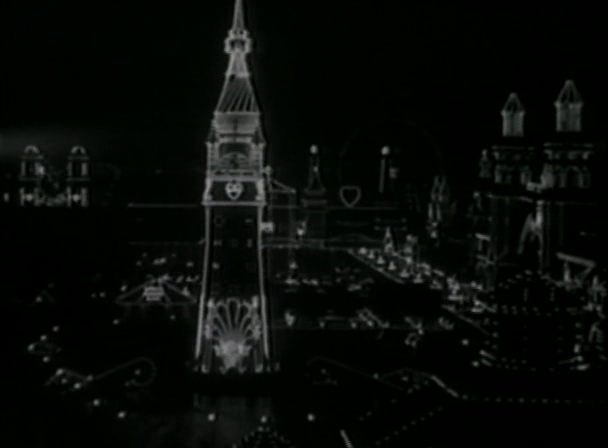
While I admire Vidor’s clear directorial prowess, what I find most impressive about this film is how “extremely engaging” the two leads are; they seem to genuinely be falling in love with each other during the initial Coney Island date sequence (and more so during their romantic Niagara Falls honeymoon sequence), and one fully believes in the arc of their troubled marital journey. Boardman (Vidor’s real-life wife) demonstrates true screen presence as “Mary”, leading one to wonder why her career never took off as it could have; meanwhile, Murray (as “John”) is convincingly irritating as her well-meaning but immature husband, who behaves like a jerk at times yet ultimately wants the best for his young family, and truly loves Mary. His character is both frustrating to watch, and entirely believable.
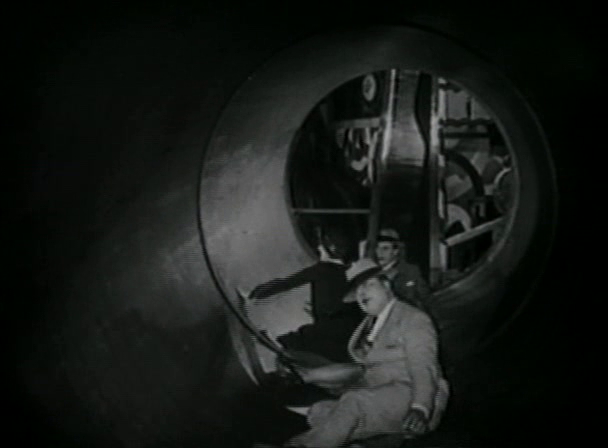
There’s a pivotal moment early in the film, when John is shown leaving the office with his friend (Bert Roach), who convinces him to take the night off from studying to go out on the town and have a fun time on a double date. In typically compacted cinematic fashion, John meets Mary on this date, immediately proposes to her, and from thence is shown prioritizing family life over personal advancement. It’s all the more ironic, then, that his subsequent lack of time to focus on “improving himself” results in a life of semi-poverty for his family. Could the real moral here be that one should wait to marry and start a family until one has secured a solid livelihood? Reviewers don’t seem to focus much on this point, though Peary does note that John “would rather spend time with [Mary] and their children than play up to the bosses in the hope of getting a promotion”.
Ultimately, The Crowd remains a real-life, warts-and-all romance above all else, showing how John and Mary weather the storms of overbearing in-laws, a deeply tragic personal loss, and John’s growing realization that his father’s dreams for him once upon a time — “There’s a little man the world is going to hear from all right” — are easier said than realized.
Redeeming Qualities and Moments:
- Eleanor Boardman as Mary (nominated as one of the Best Actresses of the Year in Peary’s Alternate Oscars)
- James Murray as John
- Creative direction by King Vidor
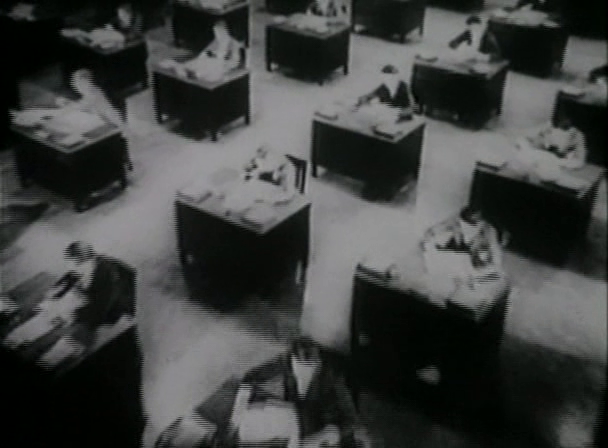
- A fun glimpse of 1920s New York
Must See?
Yes, for the fine lead performances and Vidor’s solid direction. Nominated as one of the Best Films of the Year in Peary’s Alternate Oscars.
Categories
- Important Director
- Noteworthy Performance(s)
(Listed in 1001 Movies You Must See Before You Die)
Links:
|