Browsed by
Category: Original Reviews

Responses to Peary’s “must see” movie reviews, as well as my own “must see” movie reviews up to and after 1986 (when Peary’s book was published).

Affair to Remember, An (1957)

Affair to Remember, An (1957)

“Winter must be cold for those with no warm memories.”

Synopsis:
When a playboy (Cary Grant) engaged to an heiress (Neva Patterson) falls in love with a beautiful singer (Deborah Kerr), they decide to test their romance by meeting in six months at the top of the Empire State Building — but a tragic accident puts a kink in their plans.

Genres, Themes, Actors, and Directors:

  • Blindness
  • Cary Grant Films
  • Deborah Kerr Films
  • Disabilities
  • Leo McCarey Films
  • Romance
  • Star-Crossed Lovers

Review:
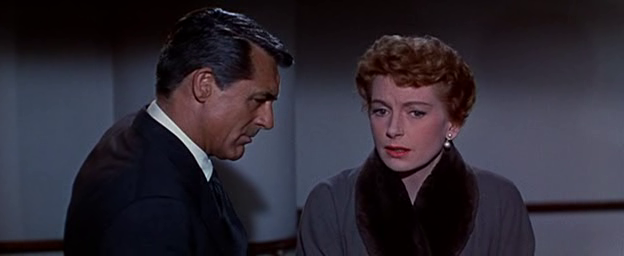
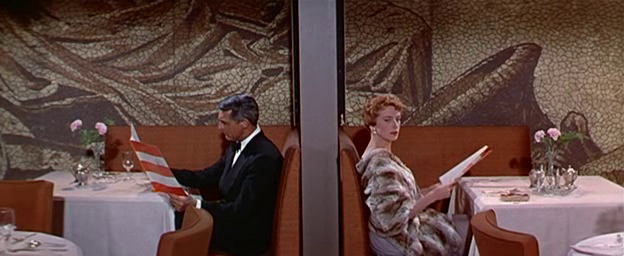
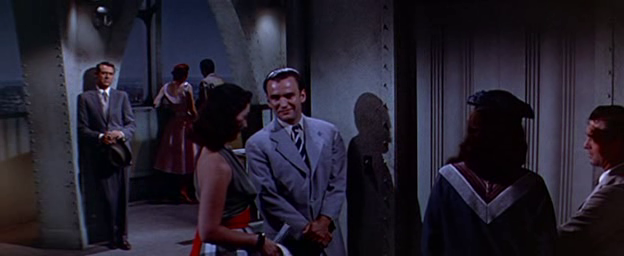
This cult romance — which received renewed interest when it was referenced in Nora Ephron’s 1993 romantic comedy Sleepless in Seattle — was actually the second iteration of a story written and directed by Leo McCarey 18 years earlier, starring Charles Boyer and Irene Dunne. This later version — in many instances a word-for-word recreation of the original, down to McCarey’s choice of camera placements — is primarily notable for taking advantage of Cinemascope and Technicolor cinematography to expand the visual palette of the story, and to that end, it succeeds quite well (see stills below). However, in every other regard it pales in comparison with its predecessor: it’s poorly paced (scenes are needlessly drawn out), about half an hour too long, and chock-full of hopelessly contrived dialogue (like the following), played with completely straight faces:

Kerr: “We’re headed into a rough sea, Nickie.”
Grant: “I know. We changed our course today.”

The first line actually exists in the original film as well, but as spoken by Dunne (without the pun-worthy retort by her lover), it works — unlike here, where (despite valiant attempts by Kerr and Grant to “keep it real”) it’s simply groan-worthy. Indeed, much about An Affair to Remember reminds one of Douglas Sirk’s similarly overblown ’50s melodramas, but without the sassy heat; McCarey’s sentimental tendencies completely overwhelm this “affair”, as epitomized by the inclusion of two utterly gratuitous musical numbers involving a diverse group of moppets (er, children), both of which feel like they were taken straight out of McCarey’s Going My Way (1944) or The Bells of St. Mary’s (1945).

With that said, there’s a reason why this film remains such an enduring favorite: Kerr (always a consummate actress) and Grant have decent chemistry together, and one can’t help getting caught up in their romance simply given how neatly it represents one of our most entrenched fantasy scenarios — giving up “everything” (in this case, a current “good enough” lover, as well as easy wealth) for the sake of true love. I’m recommending AATR as must-see one-time viewing simply given its cult status, but it will only be of enduring interest to those who don’t mind their romances served with a heavy dose of manipulation.

Redeeming Qualities and Moments:

  • Deborah Kerr as Terry
  • Fine use of Cinemascope and Technicolor cinematography


Must See?
Yes, once, simply for its cult status. Listed as a Cult Movie in the back of Peary’s book.

(Listed in 1001 Movies You Must See Before You Die)

Links:

Love Affair (1939)

Love Affair (1939)

“My father used to say that wishes are dreams we dream when we’re awake.”

Synopsis:
A French playboy (Charles Boyer) meets an American singer (Irene Dunne) on board a ship and the two fall in love, despite being engaged to others. They agree to meet in six months at the top of the Empire State Building, but when tragedy befalls one of them, their plans are changed forever.

Genres, Themes, Actors, and Directors:

  • Charles Boyer Films
  • Disabilities
  • Irene Dunne Films
  • Leo McCarey Films
  • Romance
  • Star-Crossed Lovers

Review:
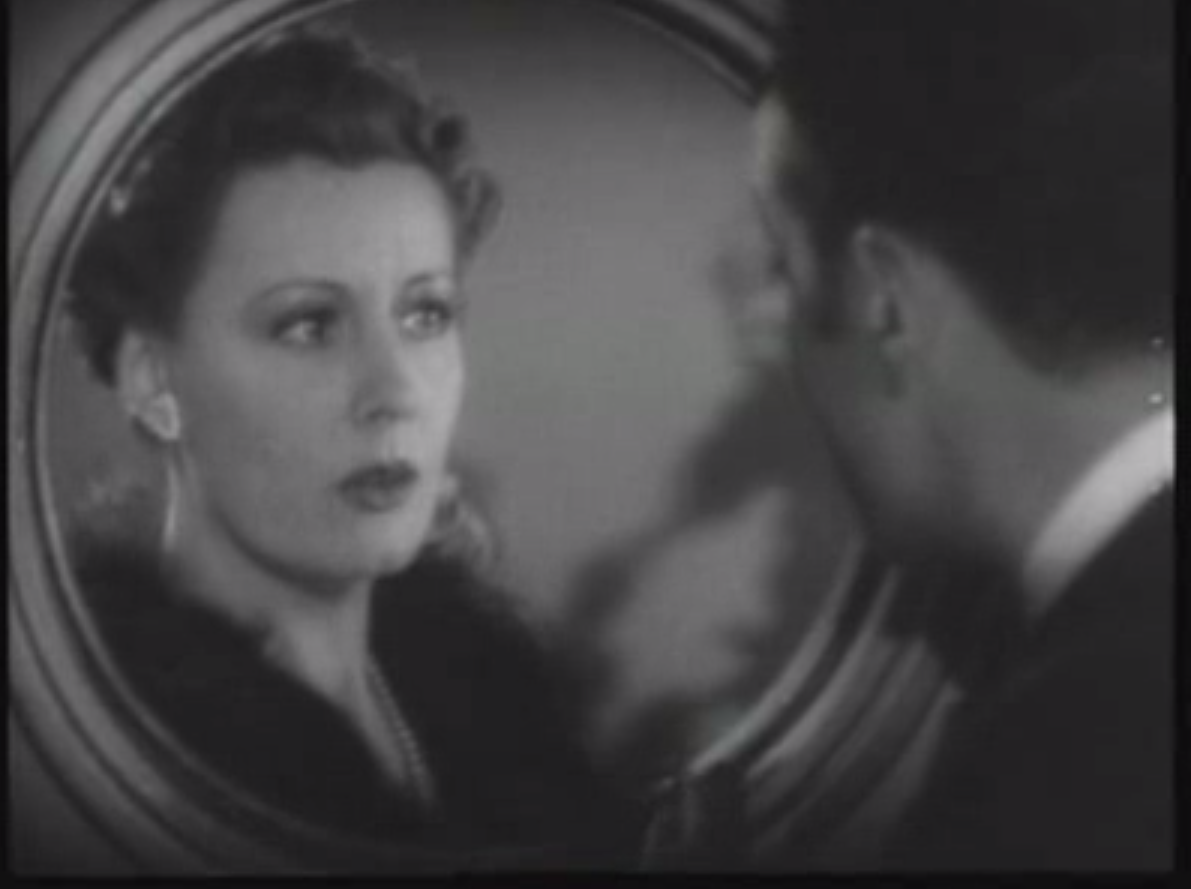
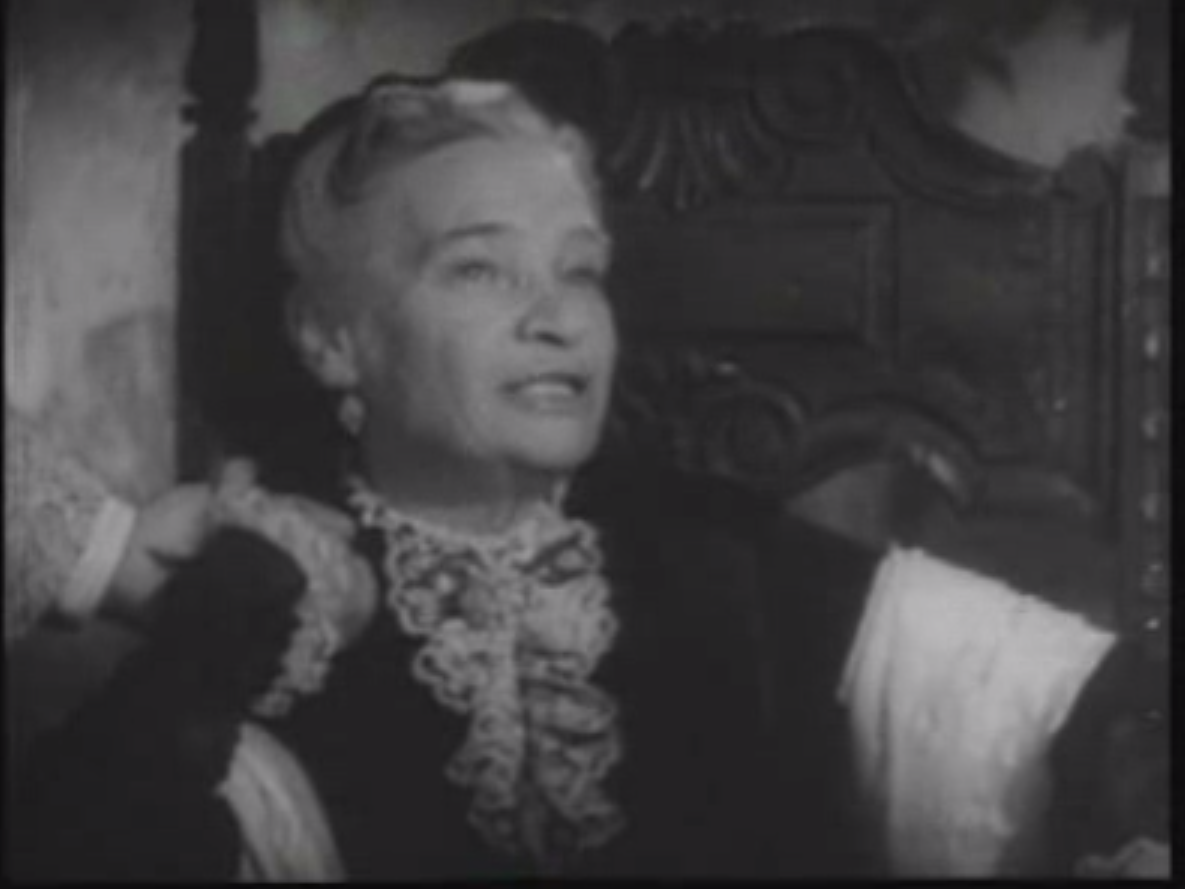
Leo McCarey’s classic tearjerker is perhaps best known as the original version of his later cult classic, An Affair to Remember (1957) — but it’s actually the better of the two films. While the storyline is undeniably hokey and contrived, Dunne and Boyer have enough star-power and genuine chemistry to make us believe in their shipboard romance, as well as their desire to reunite once/if the stars are aligned. Given that it’s almost impossible to discuss Love Affair without explicit comparisons to its remake, I’ll proceed by reiterating that this version is superior on nearly every account — except production design and cinematography. At just 87 minutes long, the storyline zips by at an appropriate pace, leaving us with blessedly little time to ponder the logistics of what’s happening, and instead simply enjoy the fine performances by Dunne (lovely and charming), Boyer (convincing as a smitten playboy), and Maria Ouspenskaya (as Boyer’s sentimental grandmother). While we can’t help groaning at some of McCarey’s narrative choices — would Dunne and Boyer’s previous lovers really take the betrayal so easily? would “the tragedy” really result in such a facile separation? — we’re rooting for Dunne and Boyer all the way, which is exactly the point in an escapist romance like this.

Redeeming Qualities and Moments:

  • Irene Dunne as Terry McKay
  • Charles Boyer as Michel
  • Maria Ouspenskaya as Boyer’s grandmother

Must See?
Yes, as a tearjerker classic.

Categories

  • Genuine Classic

Links:

Darby O’Gill and the Little People (1959)

Darby O’Gill and the Little People (1959)

“I declare my soul, when I tell ’em this down at the pub, they won’t believe a word of it.”

Synopsis:
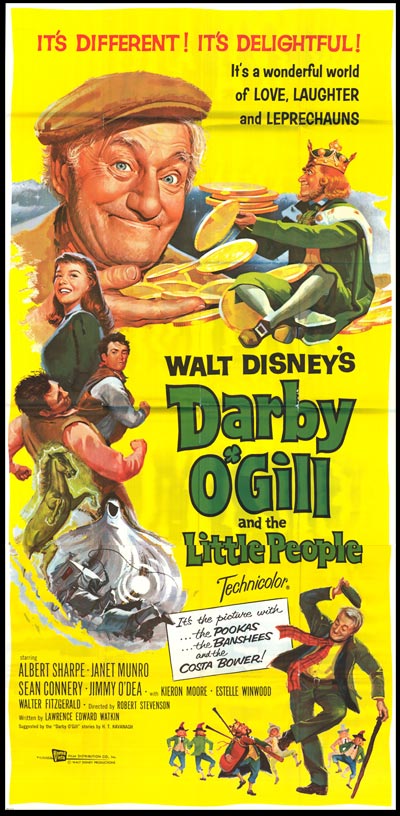
An elderly Irishman (Albert Sharpe) whose livelihood is about to be taken over by a strapping young stranger (Sean Connery) earns three wishes from the king of the leprechauns (Jimmy O’Dea), but struggles to determine how he can best guarantee the happiness of his grown daughter (Janet Munro), who is being pursued by a bullying local (Kieron Moore).

Genres, Themes, Actors, and Directors:

  • Cat-and-Mouse
  • Fantasy
  • Folk Tales, Fairy Tales, and Mythology
  • Ireland
  • Leprechauns
  • “No One Believes Me!”
  • Sean Connery Films

Review:
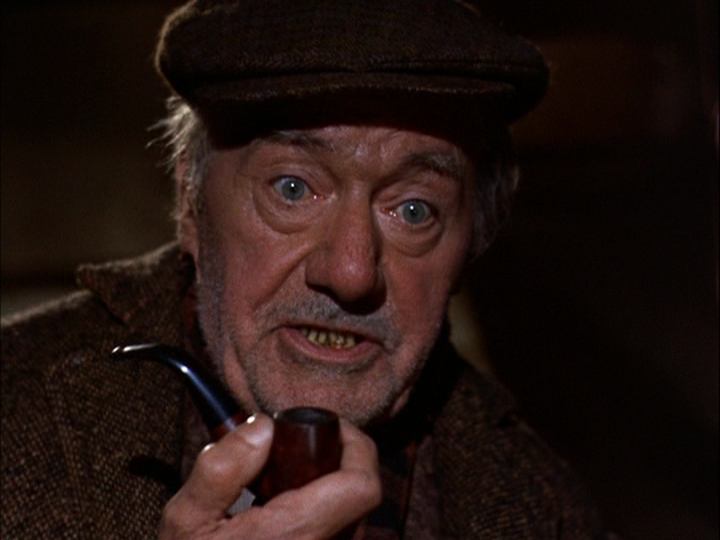
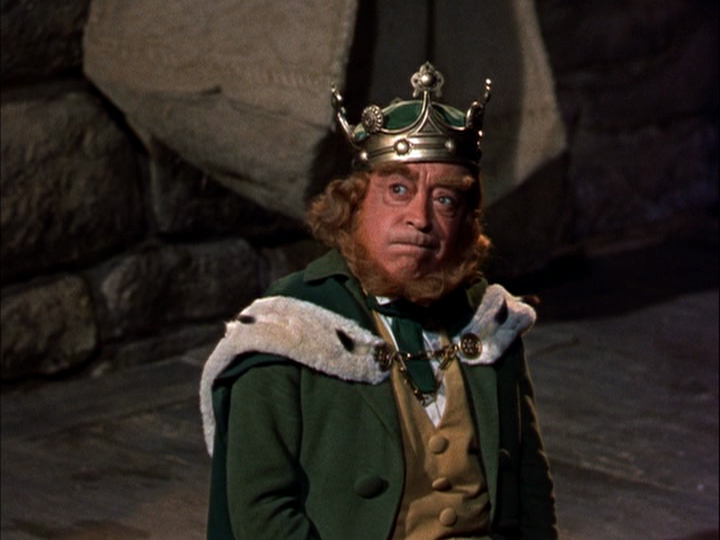
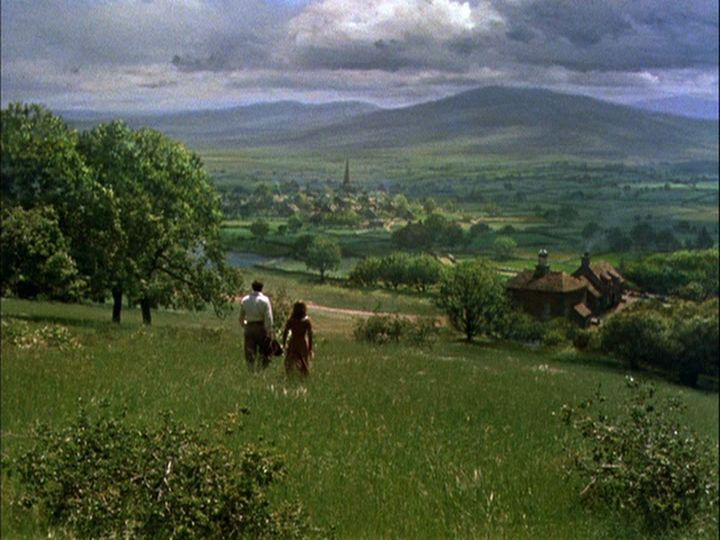
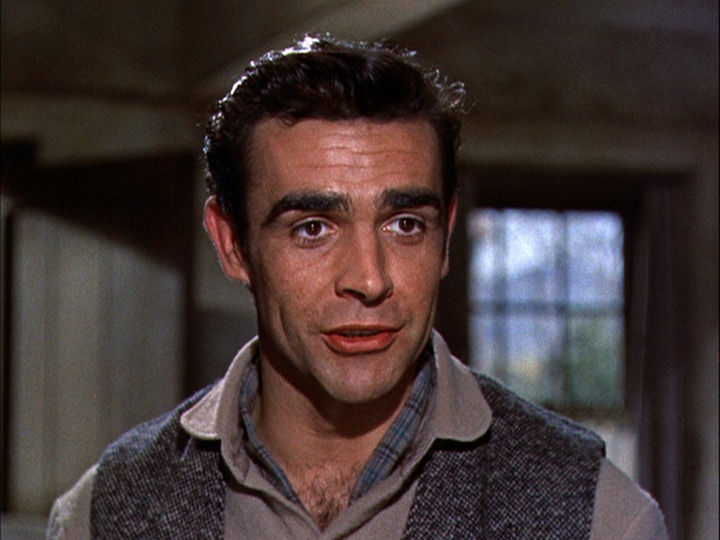
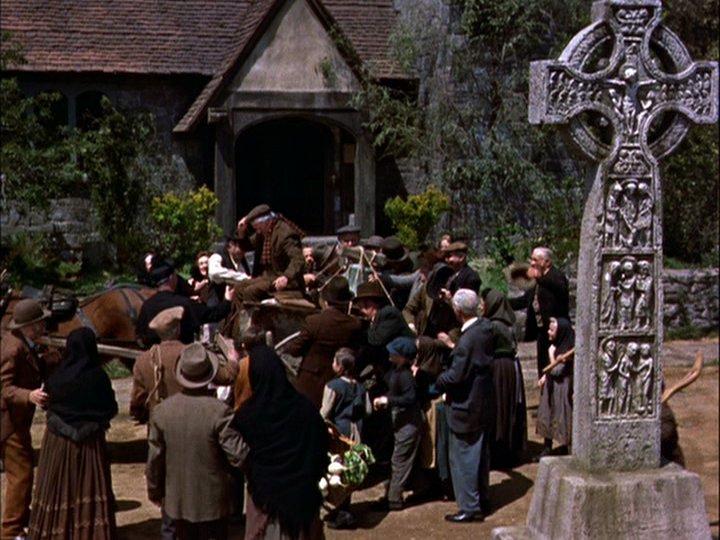
I was pleasantly surprised to visit this live-action Disney film for the first time recently, and to learn that it fully deserves its status as one of the best in its genre. The clever, dialect-filled script (based on early-20th-century stories by Herminie Templeton Kavanagh) will appeal to adults as well as kids, bringing ancient legends of leprechauns to life within the realistic context of a garrulous old man who may or may not simply be spinning tall tales. The performances are top-notch across the board — most notably Albert Sharpe as wily Darby O’Gill (I’m glad he was cast rather than Disney’s first choice, Barry Fitzgerald), and an entirely convincing Jimmy O’Dea as pint-sized King Brian; we never tire of seeing these two interacting with one another in a relentless yet consistently respectful game of cat-and-mouse. Janet Munro, meanwhile, sparkles as Sharpe’s strong-willed daughter, and Sean Connery is suitably handsome as her would-be lover; smaller supporting roles (i.e., Estelle Winwood as a meddling old neighbor) are also nicely filled.

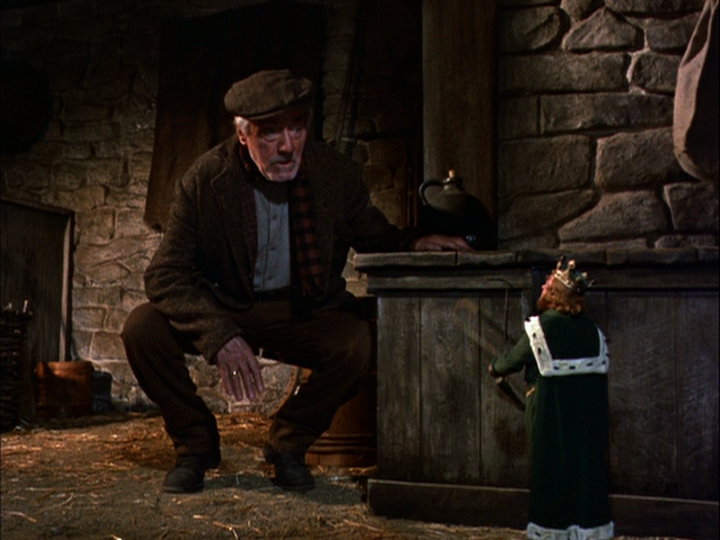
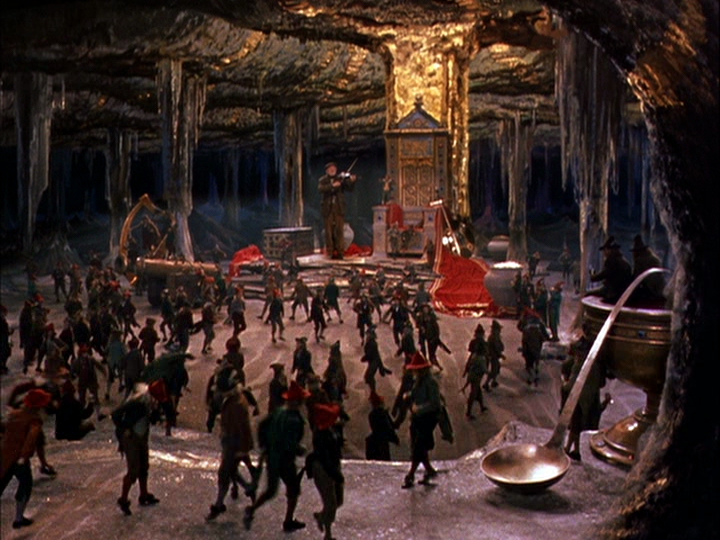
But it’s the truly stunning special effects which really impress, as full-sized Darby interacts seamlessly with tiny King Brian, and the leprechaun kingdom is brought to magical life. A special “must-see” documentary on the DVD goes behind the scenes of the film’s production to reveal the genius of Peter Ellenshaw’s special effects, which ranged from labor-intensive use of forced perspective to strategic integration of gorgeous matte backgrounds (meticulously painted by Ellenshaw himself). The later presence of a menacing banshee and “death coach” floating in the air are a bit less spectacular, but still quite spooky (as attested by legions of viewers who recall being scared witless by them as children). Thankfully, the film’s impressive special effects are put to good use within a story that remains engaging and suspenseful until the very end; you will likely find yourself believing just a tiny bit in leprechauns yourself by the time the film is over.

Note: I recommend watching this one with subtitles running, to catch all the nuances of the rich dialect spoken by the characters.

Redeeming Qualities and Moments:

  • Albert Sharpe as Darby O’Gill
  • Jimmy O’Dea as King Brian
  • Janet Munro as Katie O’Gill
  • Sean Connery as Michael McBride
  • Truly stunning special effects and sets


  • Oliver Wallace and Lawrence E. Watkin’s lilting score

Must See?
Yes, as an unsung gem from Disney’s vaults.

Categories

  • Good Show
  • Historically Relevant

Links:

Waitress! (1981)

Waitress! (1981)

“Admit it — you’re a chauvinist! You hate the idea that my career is just as important as yours.”

Synopsis:
An aspiring actress (Carol Drake) working as a waitress at a hectic restaurant owned by her boyfriend (Jim Harris) will stop at nothing to convince a producer (Ed Fenton) to cast her as Joan of Arc; meanwhile, her naive co-worker (Carol Bevar) — an aspiring journalist — does “research” for a story on how to catch a man, while a young new colleague (Renata Hickey) resents being put to work by her wealthy father.

Genres, Themes, Actors, and Directors:

  • Comedy
  • Feminism and Women’s Issues

Review:
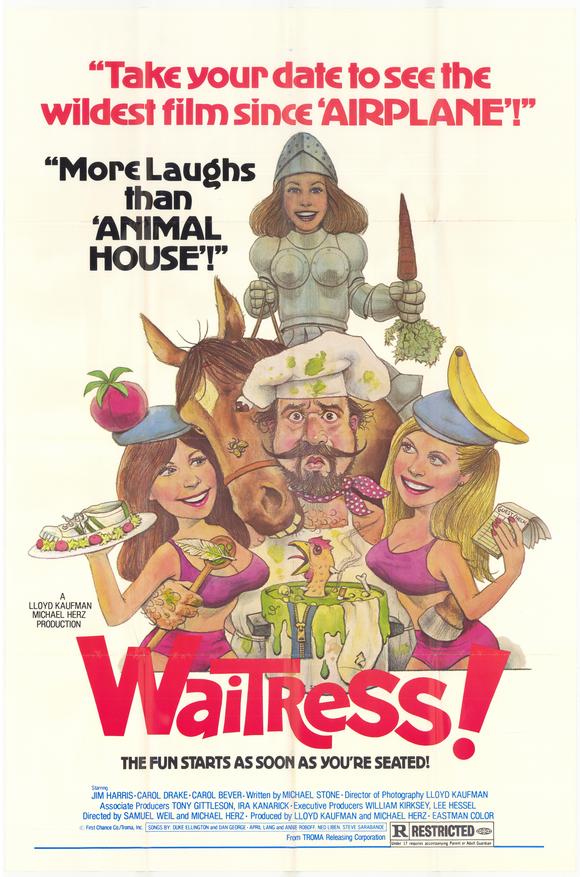
Troma Studios is an independent production and distribution company whose B-films are “known for their surrealistic … nature, along with their use of shocking imagery”. The company’s most beloved cult hit is The Toxic Avenger (1985), but they’ve released quite a few other titles over the decades, including this excruciatingly unfunny “comedy” centering on the travails of three sexy waitresses. Purportedly written with a feminist sensibility in mind — two of the three women have bigger career goals, and must fight off either sexual aggression or unwanted male enabling — the movie is really little more than a trashy low-budget exploitation flick. To its credit, no matter how consistently awful the script is, it’s never exactly boring; the pace is truly relentless, and there’s always something going on in some corner of the screen to catch one’s attention (i.e., two bystanders using cables to jump-start a man who’s just had a heart attack on the street). But the humor throughout is far too low-brow to appeal to most film fanatics.

Redeeming Qualities and Moments:

  • A relentlessly zany sensibility

Must See?
No; skip this one.

Links:

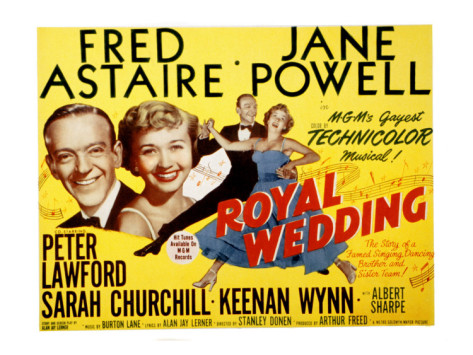
Royal Wedding (1951)

Royal Wedding (1951)

“This is a pretty box of pickles!”

Synopsis:
A successful brother (Fred Astaire) and sister (Jane Powell) dancing team head to London just as a royal wedding is about to take place. Once there, Astaire falls in love with a dancing ingenue (Sarah Churchill), while Powell pursues romance with a lord (Peter Lawford) she met on board the ship.

Genres, Themes, Actors, and Directors:

  • Fred Astaire Films
  • Jane Powell Films
  • Keenan Wynn Films
  • Musicals
  • Peter Lawford Films
  • Siblings
  • Stanley Donen Films

Review:
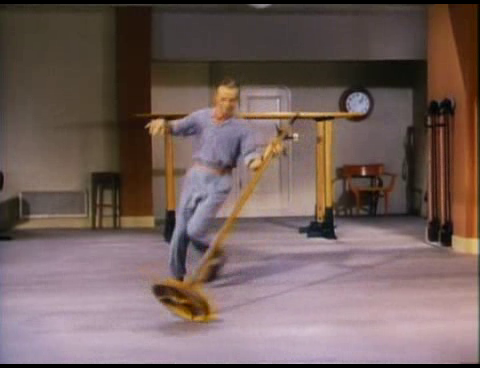
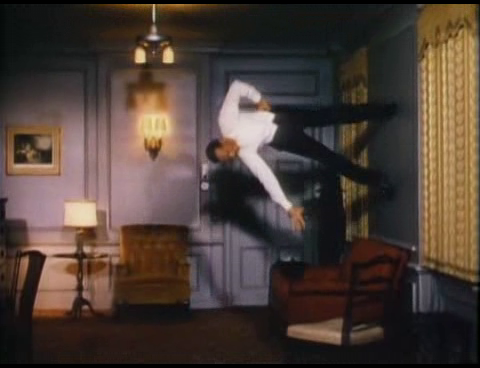
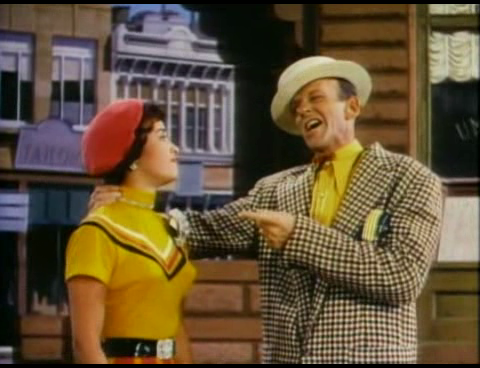
This innocuous MGM musical — loosely inspired by Fred Astaire’s dancing partnership with his sister Adele, as well as the upcoming real-life nuptials of Princess Elizabeth and Philip Mountbatten — is perhaps best known as the film that features Fred Astaire dancing on the ceiling and walls (see TCM’s article for more information on how these nifty effects were achieved). Judy Garland was originally slated to co-star with Astaire, but due to her infamous health concerns was replaced by Powell, who (fortunately) does a fine job portraying Astaire’s spunky younger sister, and more than keeps up with Astaire during their dance numbers together — especially during the wonderfully named, energetically performed “How Could You Believe Me When I Said I Loved You When You Know I’ve Been a Liar All My Life?” (purportedly the longest-titled song in MGM’s musical history). Unfortunately, the storyline itself is negligible at best, and Astaire’s romantic interest — Churchill, the daughter of Winston himself — is utterly bland. The primary reason to check this one out is for the fun musical-dance sequences.

Redeeming Qualities and Moments:

  • Astaire’s hatrack dance
  • Astaire’s fun ceiling-and-wall dance number
  • Astaire and Powell performing “How Could You Believe Me When I Said I Loved You When You Know I’ve Been a Liar All My Life?”

Must See?
No, but the three musical numbers listed above make it worth a one-time look. As a public domain title, this one is available for free viewing on www.archive.org.

Links:

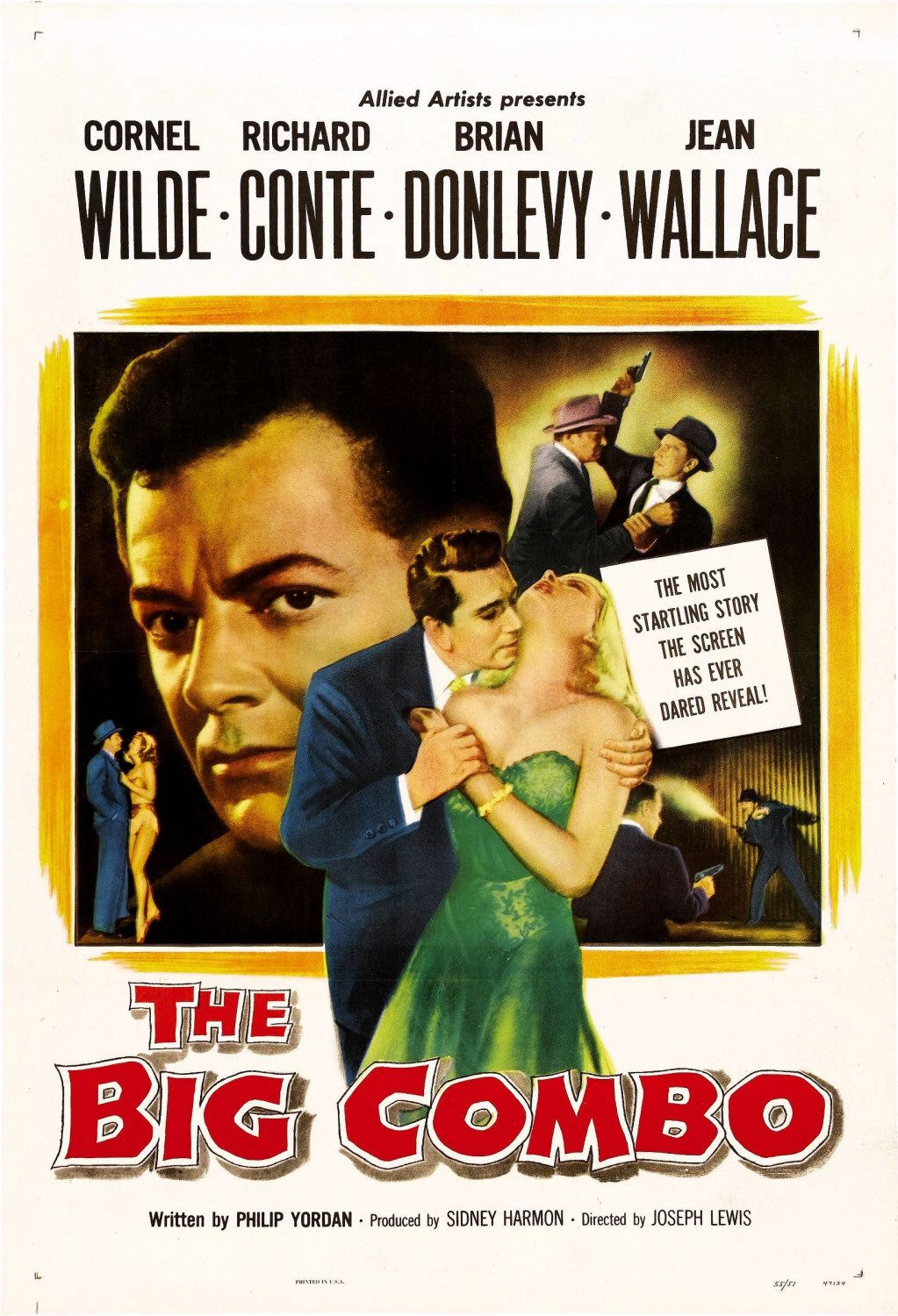
Big Combo, The (1955)

Big Combo, The (1955)

“Brown’s not a man; he’s an organization.”

Synopsis:
A police detective (Cornel Wilde) pursues an elusive gangster (Richard Conte) whose terrified girlfriend (Jean Wallace) is afraid to leave him and whose loyal henchmen (Earl Holliman and Lee Van Cleef) protect him at every turn.

Genres, Themes, Actors, and Directors:

  • Brian Donlevy Films
  • Cat-and-Mouse
  • Cornel Wilde Films
  • Detectives and Private Eyes
  • Gangsters
  • Joseph H. Lewis Films
  • Lee Van Cleef Films
  • Richard Conte Films

Review:
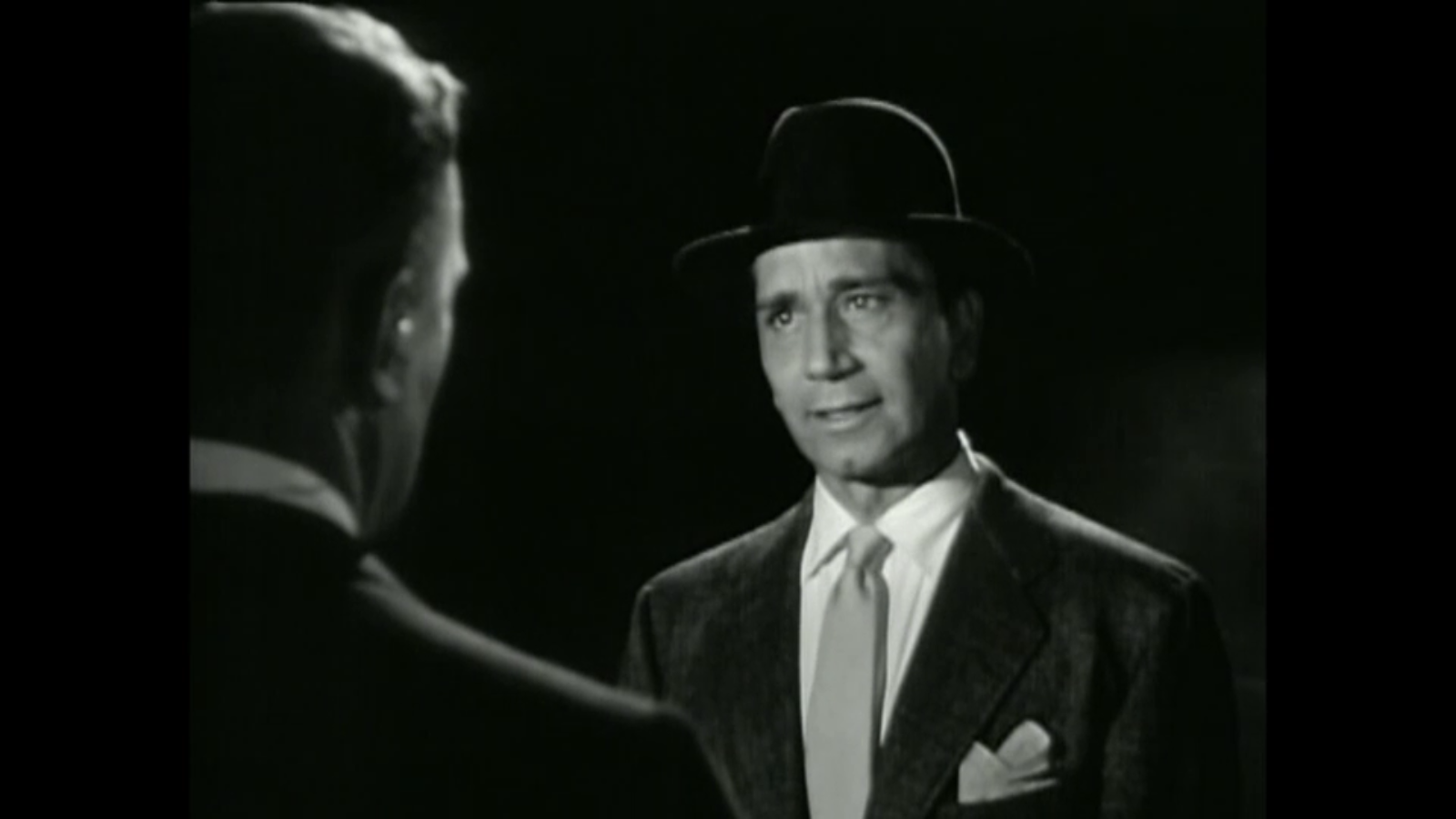
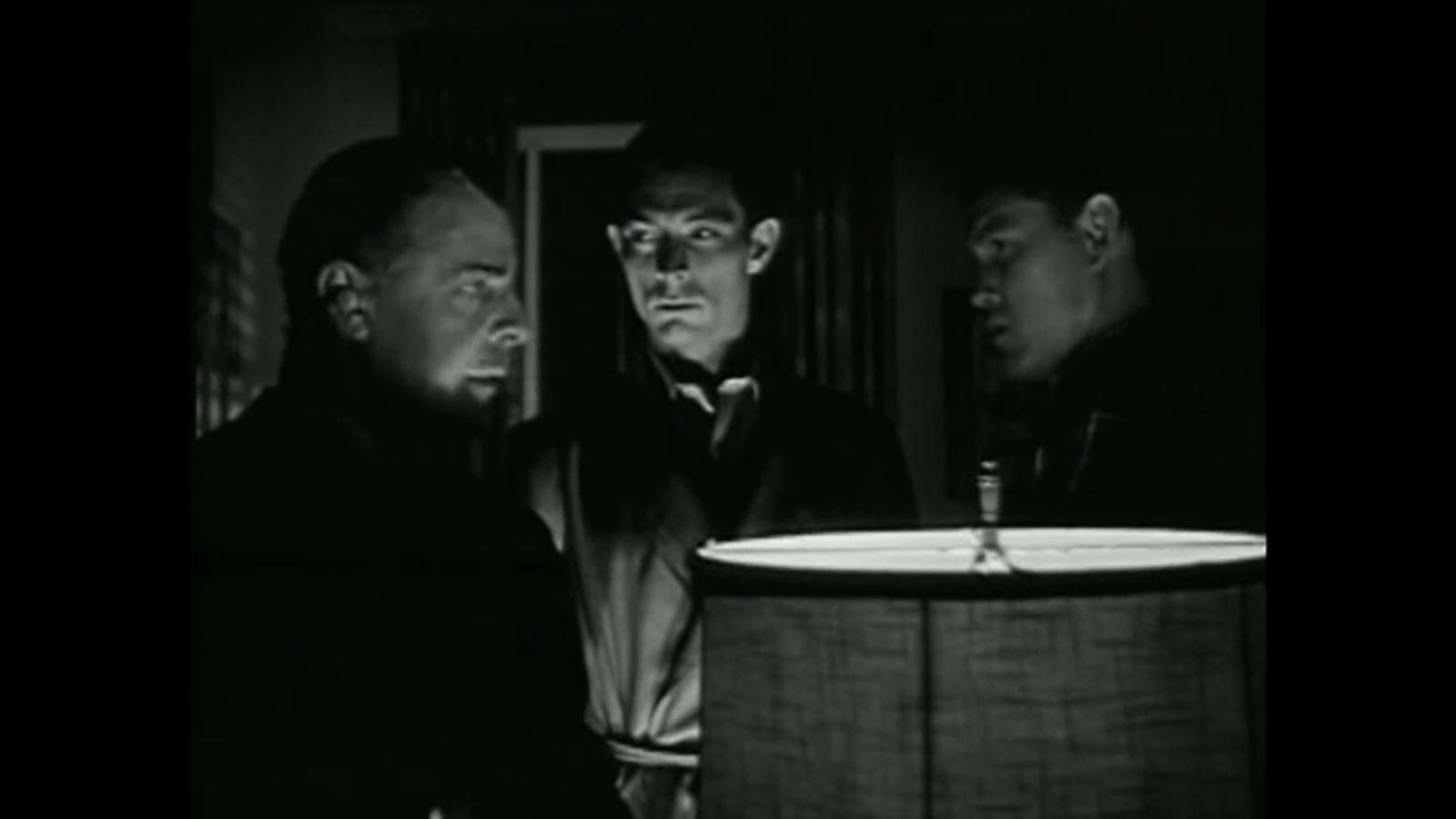
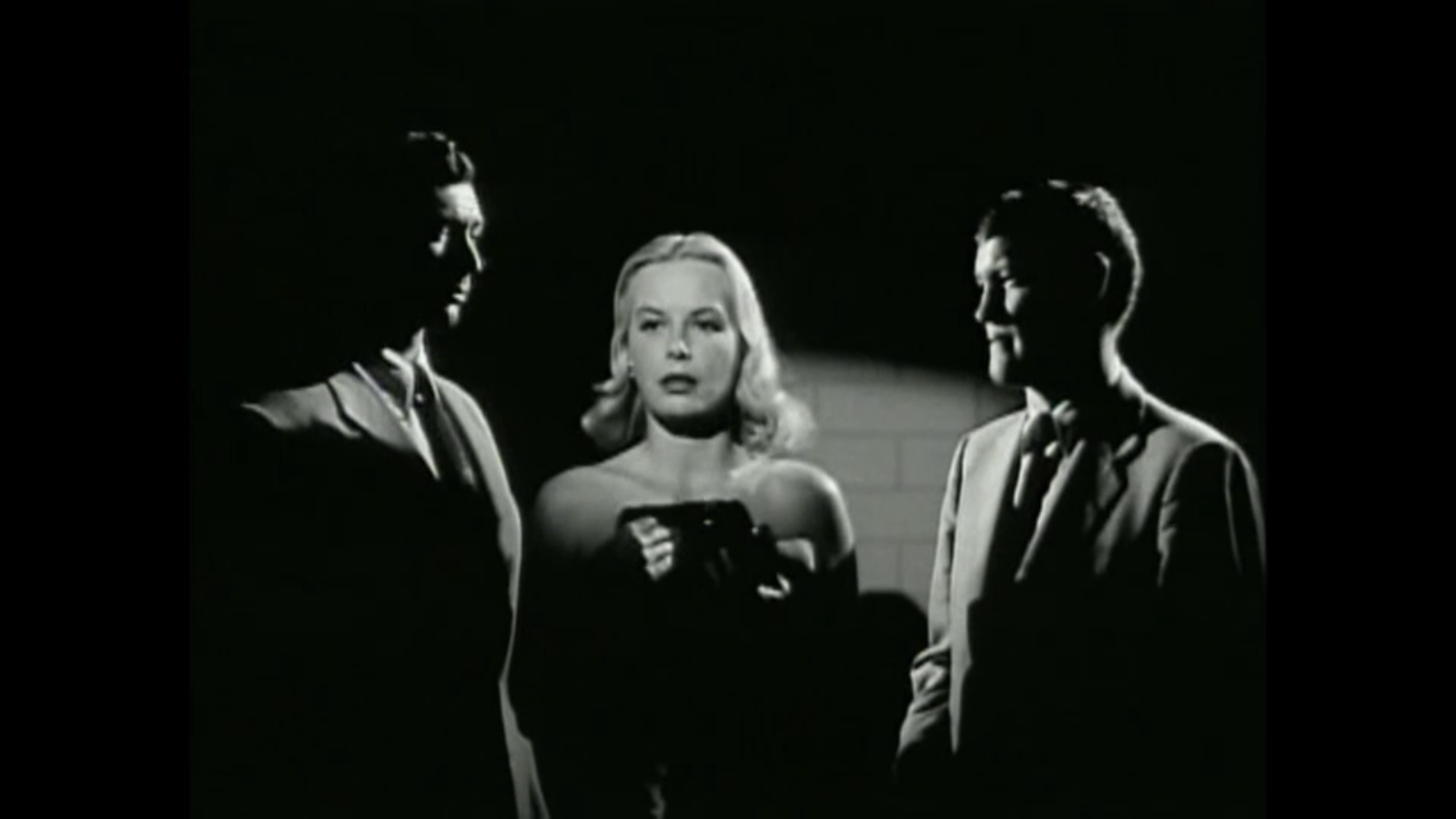
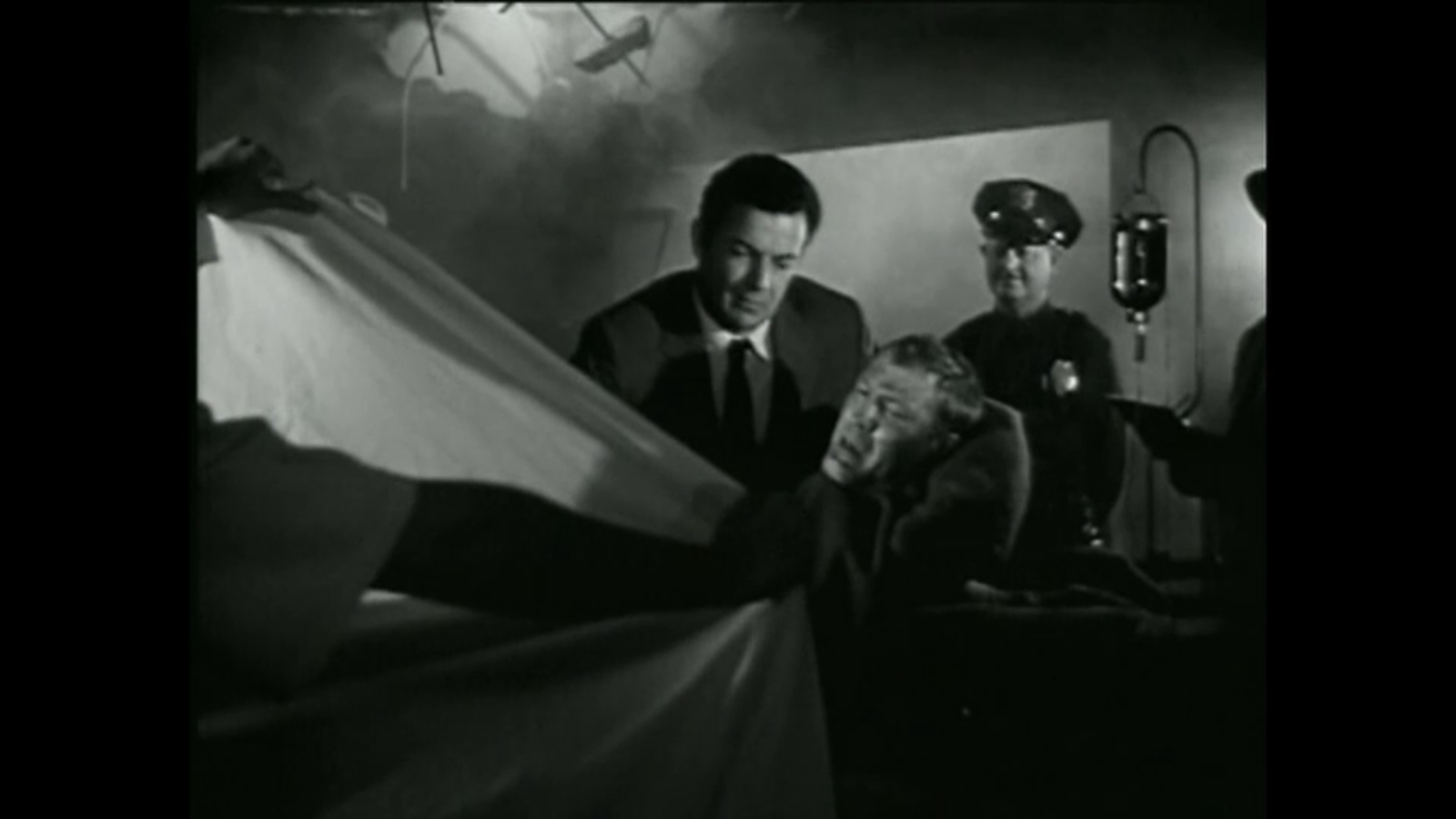
While B-director Joseph H. Lewis is best known for his stunning cult classic Gun Crazy (1949), this later outing provides further evidence of his unique cinematic genius. Despite being labeled “a sputtering, misguided antique” by the New York Times upon its release (!), it remains an exciting, visually gripping cat-and-mouse tale which completely belies its low budget. Indeed, while the performances (both lead and supporting) are top-notch, and Philip Yordan’s script is satisfyingly pulpy, it’s John Alton’s stunning noir-ish cinematography — utilizing high-contrast lighting, extreme angles, and shadowy fog — that really lingers in one’s memory of the film (see stills below). Also of note is the film’s (relatively) graphic presentation of sexuality, sadism, and homoerotic tensions; see TCM’s article for more details about how and why the film ran into trouble with Hollywood’s censorship police.

Redeeming Qualities and Moments:

  • Richard Conte as Mr. Brown
  • Jean Wallace as Susan Lowell
  • Fine performances by supporting players — including Brian Donlevy as Joe McClure, Lee Van Cleef and Earl Holliman as henchmen Fante and Mingo, and John Hoyt as Nils Dreyer

  • John Alton’s stunning low-budget cinematography
  • Joseph Lewis’s fine direction
  • Philip Yordan’s script

Must See?
Yes, as a most satisfying B-level flick. Listed as a Cult Movie in the back of Peary’s book.

Categories

  • Good Show
  • Important Director

Links:

Guess Who’s Coming to Dinner (1967)

Guess Who’s Coming to Dinner (1967)

“A lot of people are going to think we are a shocking pair.”

Synopsis:
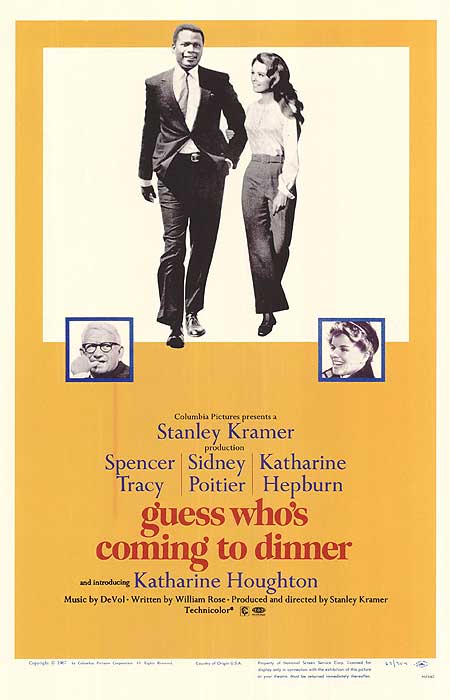
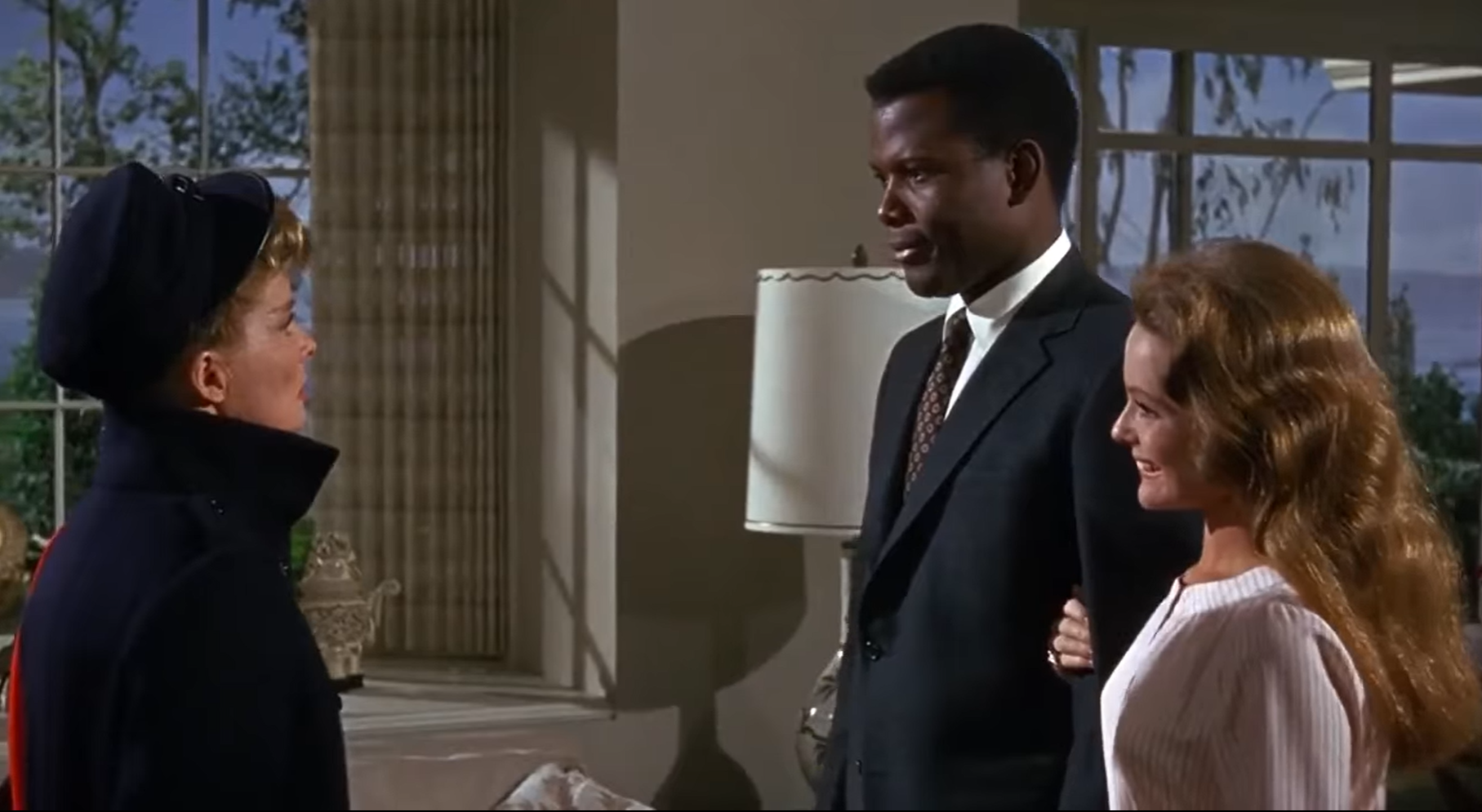
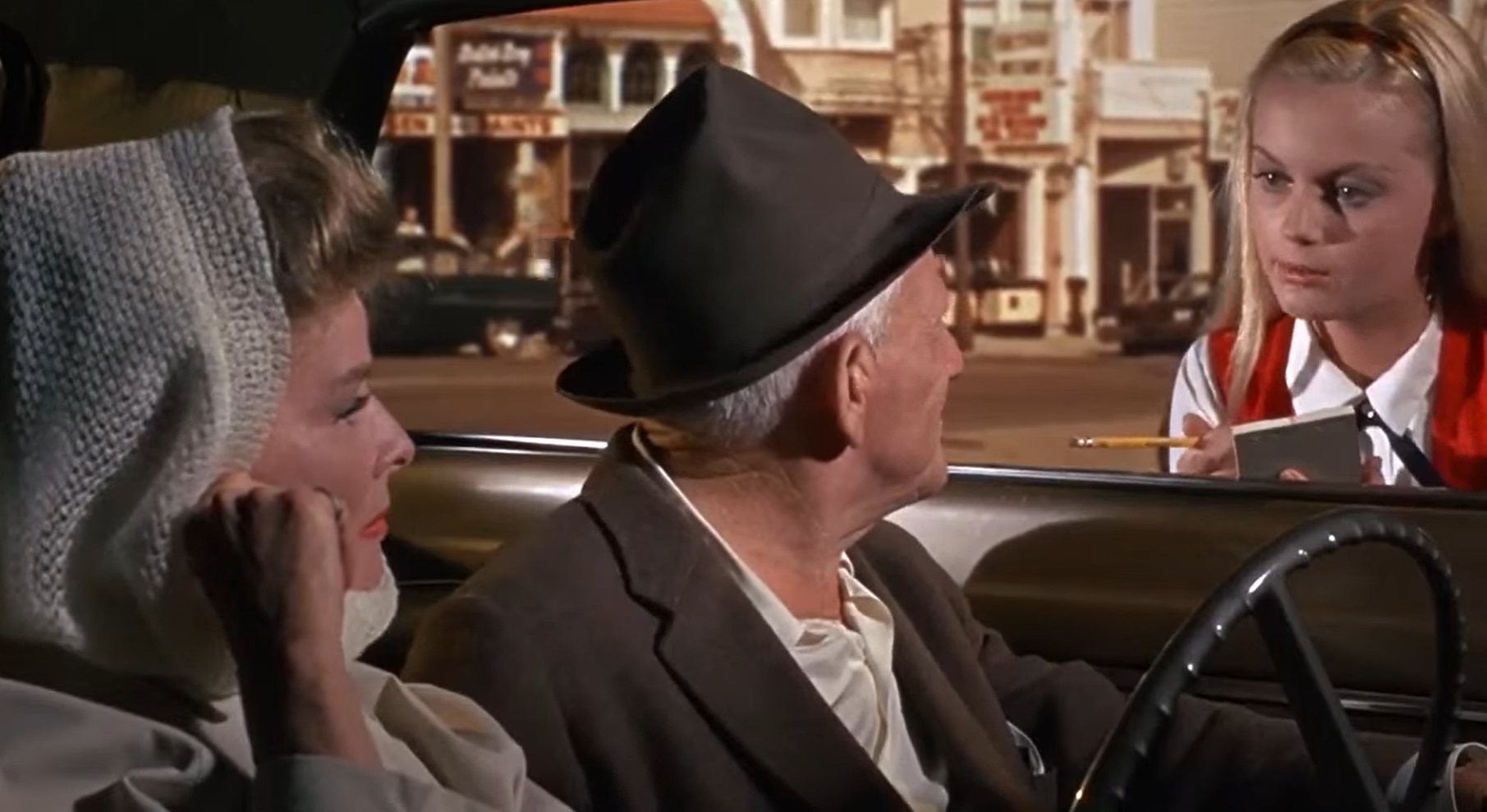
A liberal white couple (Spencer Tracy) find their beliefs challenged when their daughter (Katherine Houghton) brings home a black fiance (Sidney Poitier).

Genres, Themes, Actors, and Directors:

  • African-Americans
  • Cross-Cultural Romance
  • Katharine Hepburn Films
  • Race Relations
  • Sidney Poitier Films
  • Spencer Tracy Films
  • Stanley Kramer Films

Review:
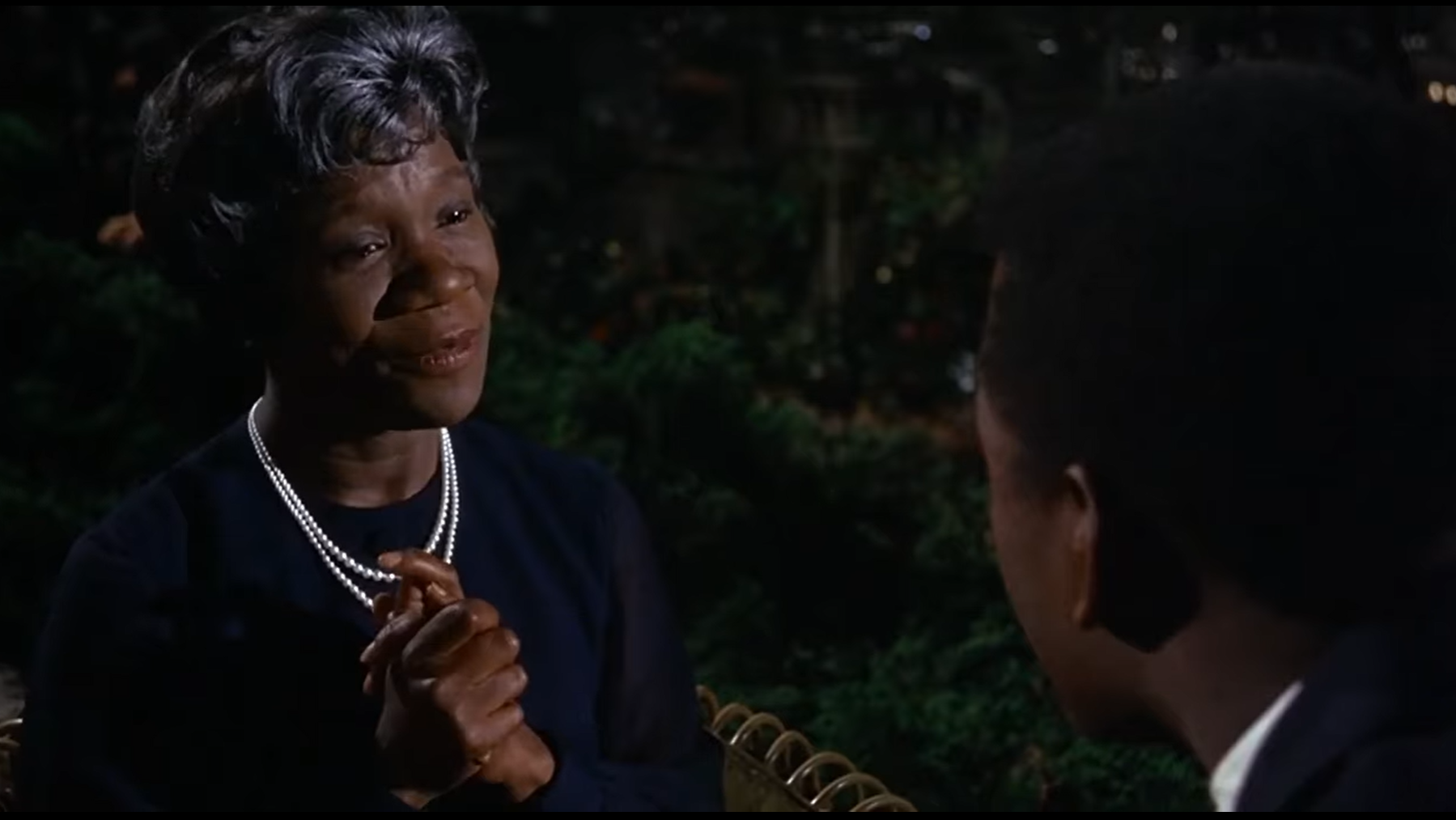
Although Peary doesn’t review this Oscar-nominated Stanley Kramer film in GFTFF, in his Alternate Oscars book he refers to it as a “dismal interracial-marriage comedy-drama”, and notes that “Hepburn’s [Oscar-winning] portrayal of a patient housewife who… must come to terms with daughter Katharine Houghton’s decision to marry” Poitier was the “blandest of her career”.

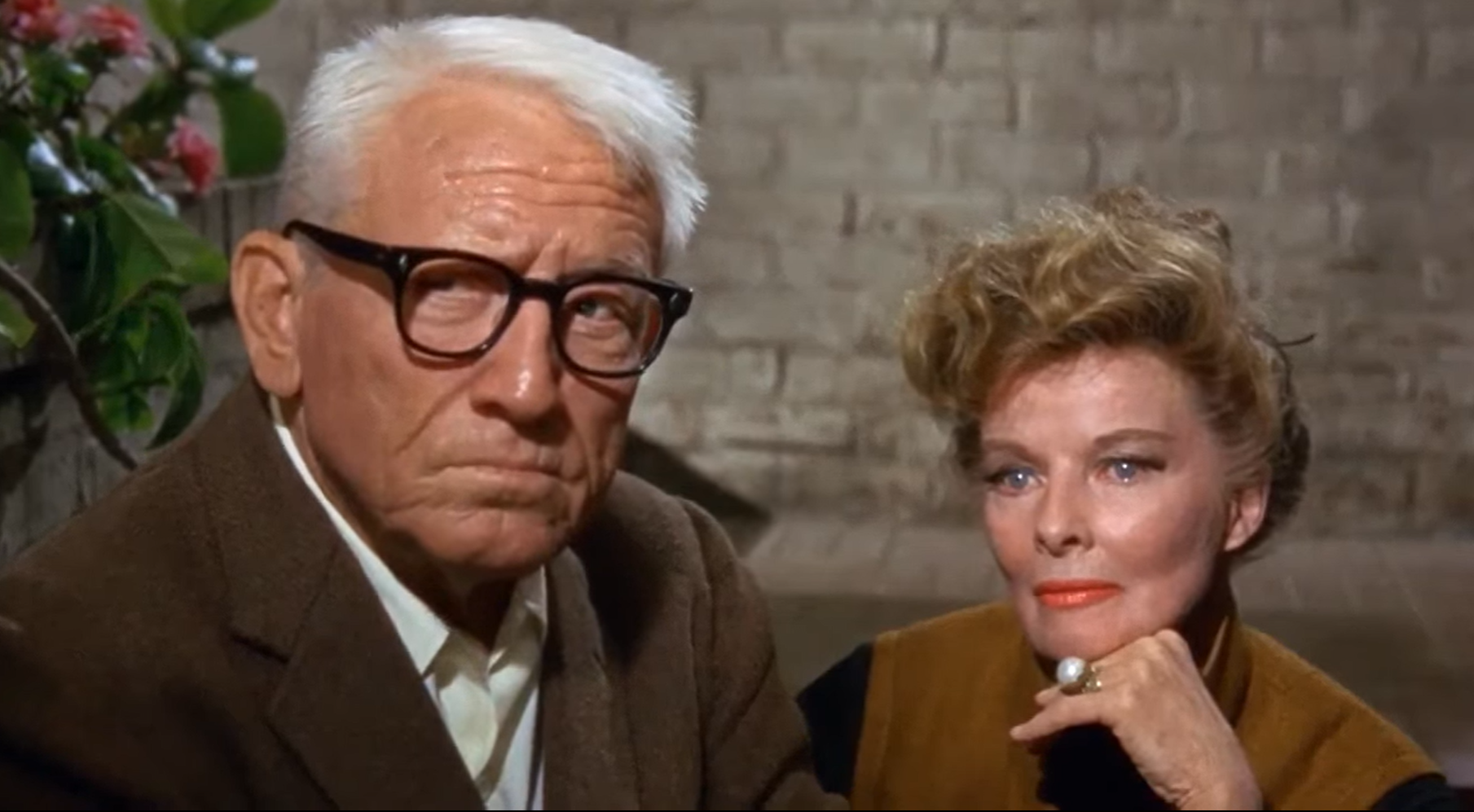
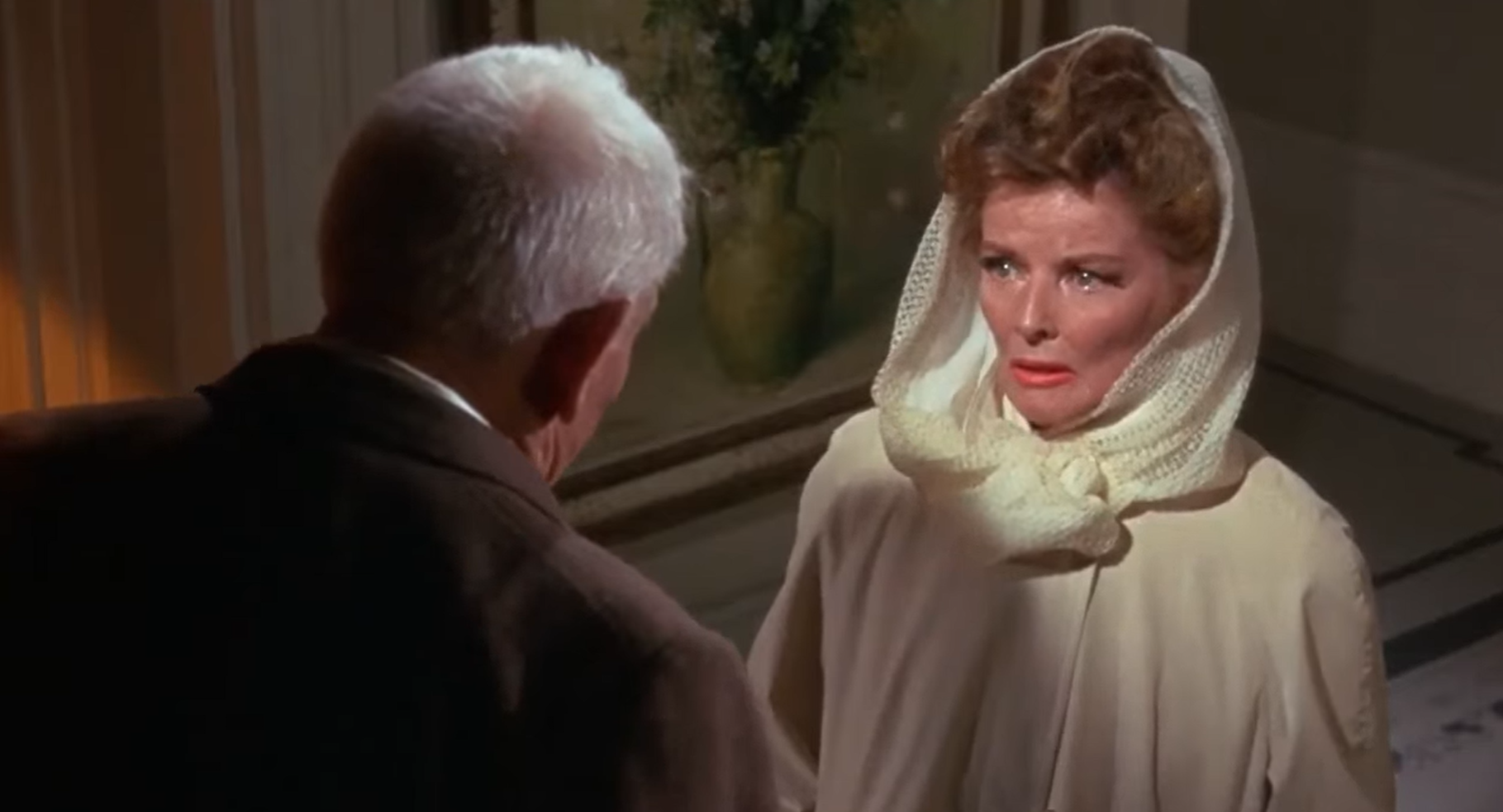
He writes that “you keep expecting her to have a tremendous scene all to herself, but it never happens”; indeed, her performance is really more of a supporting one, with nearly all the characters given equal air time (though Tracy’s white male opinion, perhaps predictably for the times, ultimately emerges as the definitive one). Speaking of Tracy, it’s hard not to be moved when watching what turned out to be his final performance (he died 17 days after production ended).

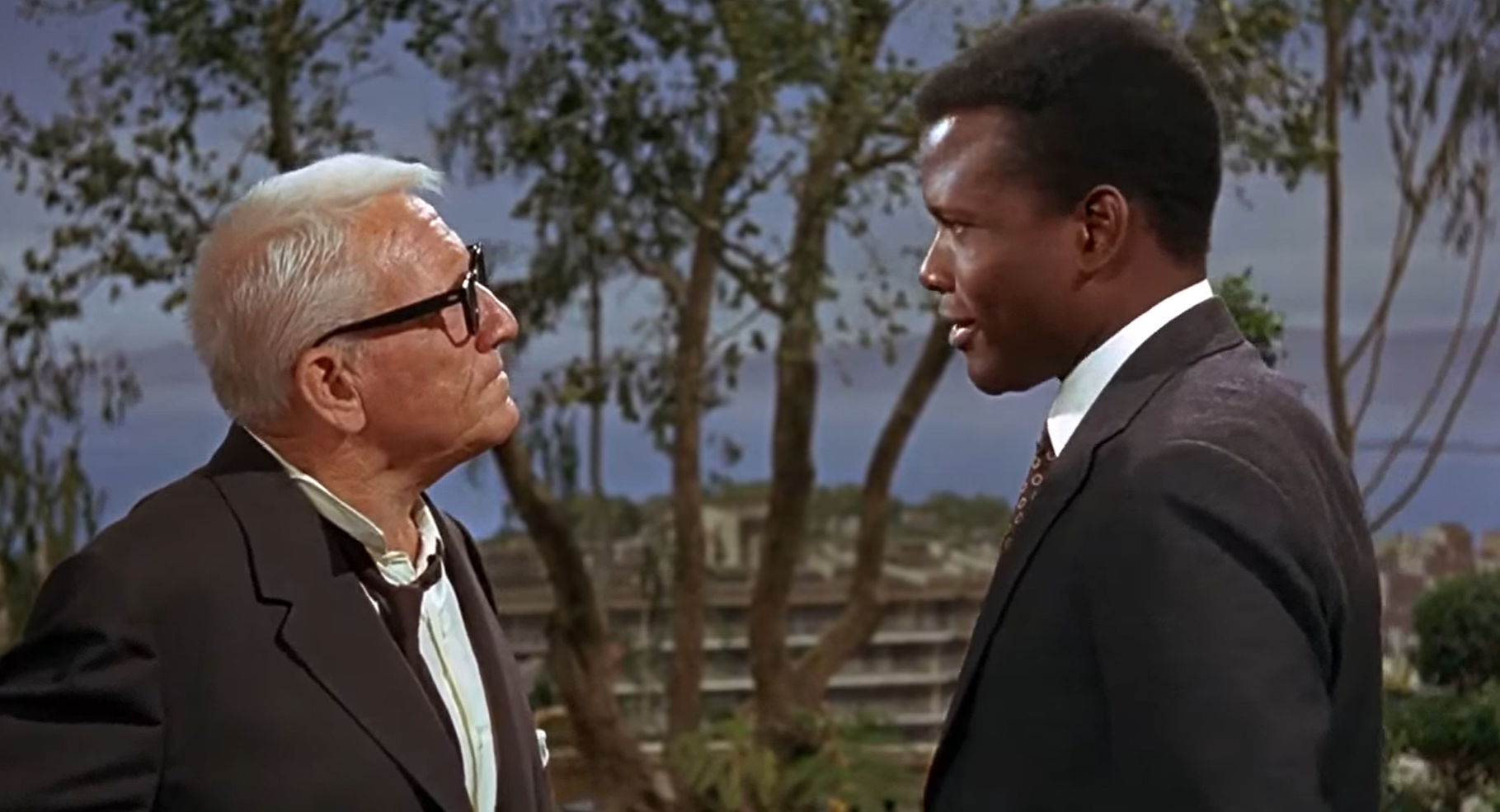
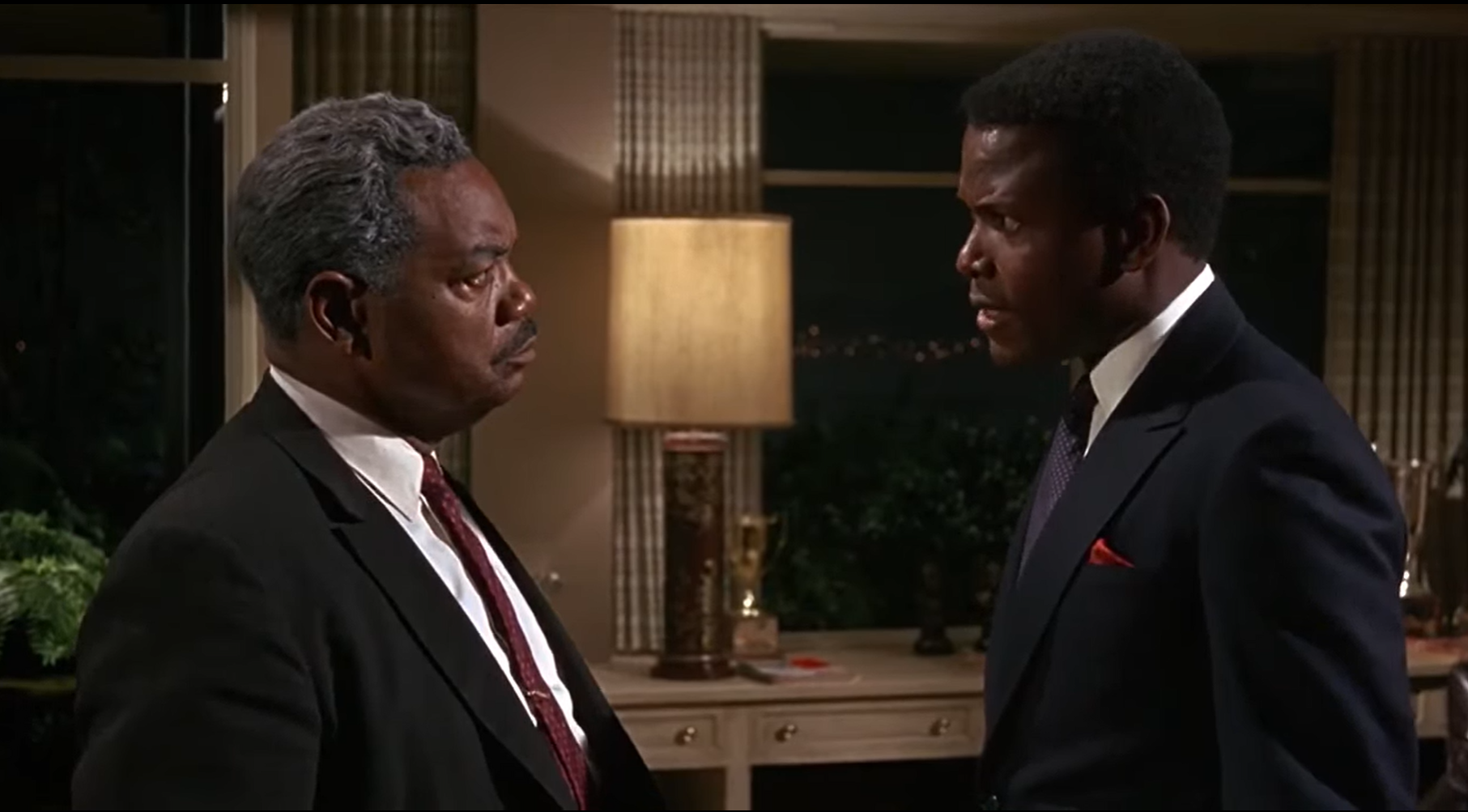
Meanwhile, the actors playing Poitier’s parents (Roy E. Glenn, Sr. and Beah Richards) are touching and believable in their scenes, and Poitier gives a solid if undistinguished performance in a role which he could surely relate to on a personal level.

The primary problem with William Rose’s well-meaning, occasionally incisive script is that — despite being written specifically for this production — it comes across as little more than a filmed play, with one intense, two-person dialogue scene coming right after the other; the only minor relief we’re given from this basic set-up is when Tracy and Hepburn stop to get some ice cream while out on a drive (but even this scenario — in which Tracy can’t remember the type of ice cream he once loved so much, takes a chance on a flavor he thinks might have “been the one”, is disappointed to find it isn’t the one he originally had, then concedes that it’s not too bad in its own right — devolves into a cliched metaphor).

The other enormous problem — one apparently lamented by Houghton herself — is how poorly written her central character is; we never once feel that her one-dimensional “Joey” will actually make a good partner for Poitier, given how little we learn about her own passions and interests.

While I’m recommending this film as a one-time “must see” film simply for its historical significance, it’s ultimately both too dated and too “safe” to be considered a classic.

Redeeming Qualities and Moments:

  • Katharine Hepburn as Christina Drayton
  • Spencer Tracy as Matt Drayton
  • Fine supporting performances by Roy E. Glenn, Sr. and Beah Richards

Must See?
Yes, once — simply for its historical significance.

Categories

  • Historically Relevant
  • Oscar Winner or Nominee

Links:

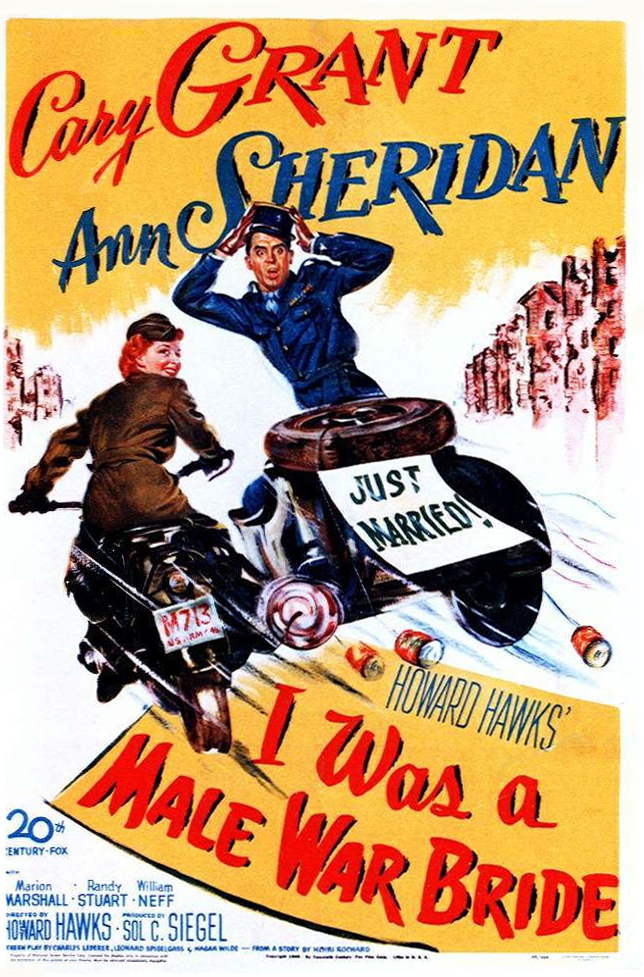
I Was a Male War Bride (1949)

I Was a Male War Bride (1949)

“Who cares about regulations at a time like this?”

Synopsis:
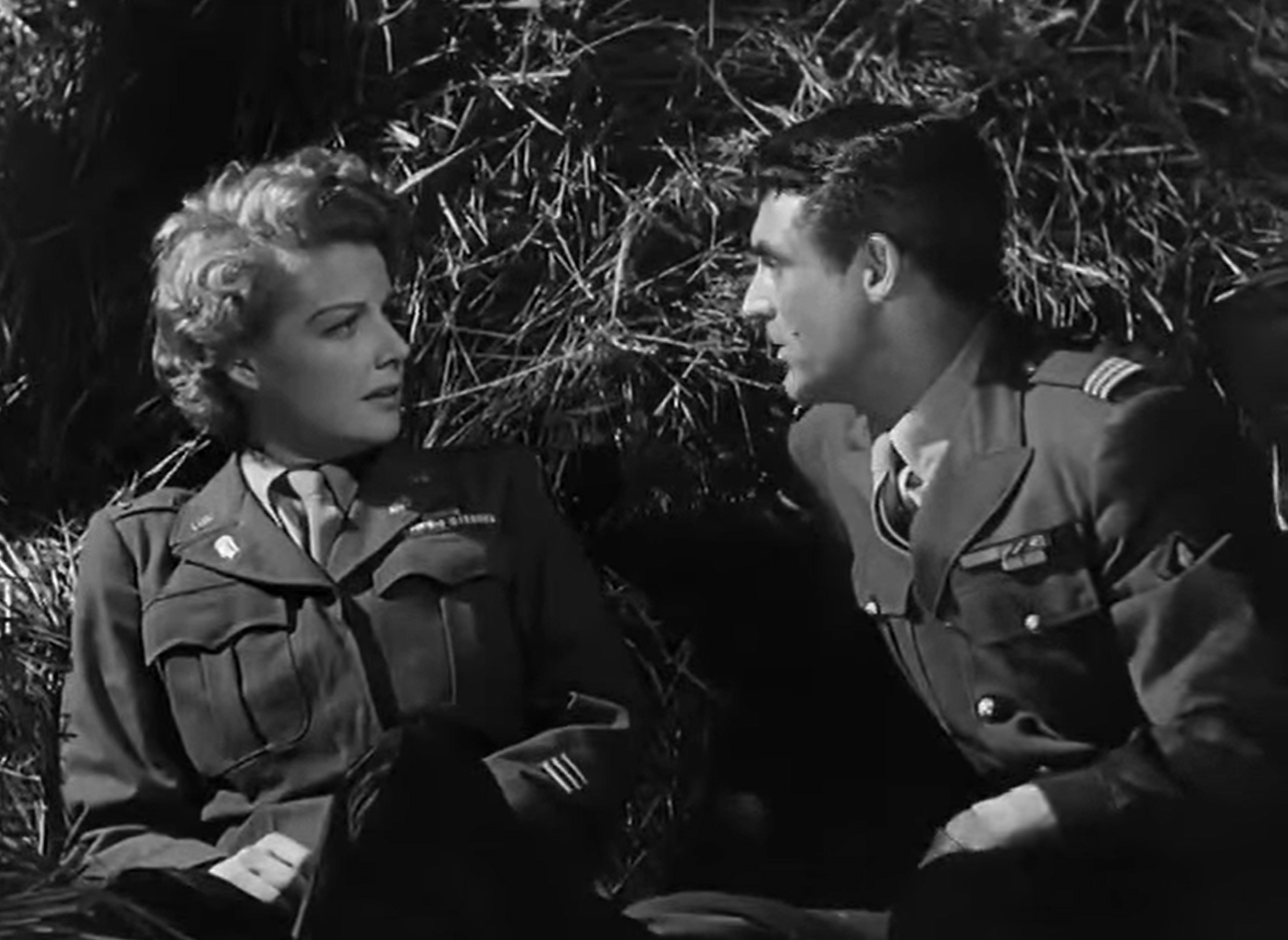
Shortly after WWII, a French soldier (Cary Grant) marries an American WAC (Ann Sheridan), but finds he must label himself a “war bride” in order to get into the U.S. with her.

Genres, Themes, Actors, and Directors:

  • Ann Sheridan Films
  • Cary Grant Films
  • Gender Bending
  • Howard Hawks Films
  • Military
  • Romantic Comedy

Review:
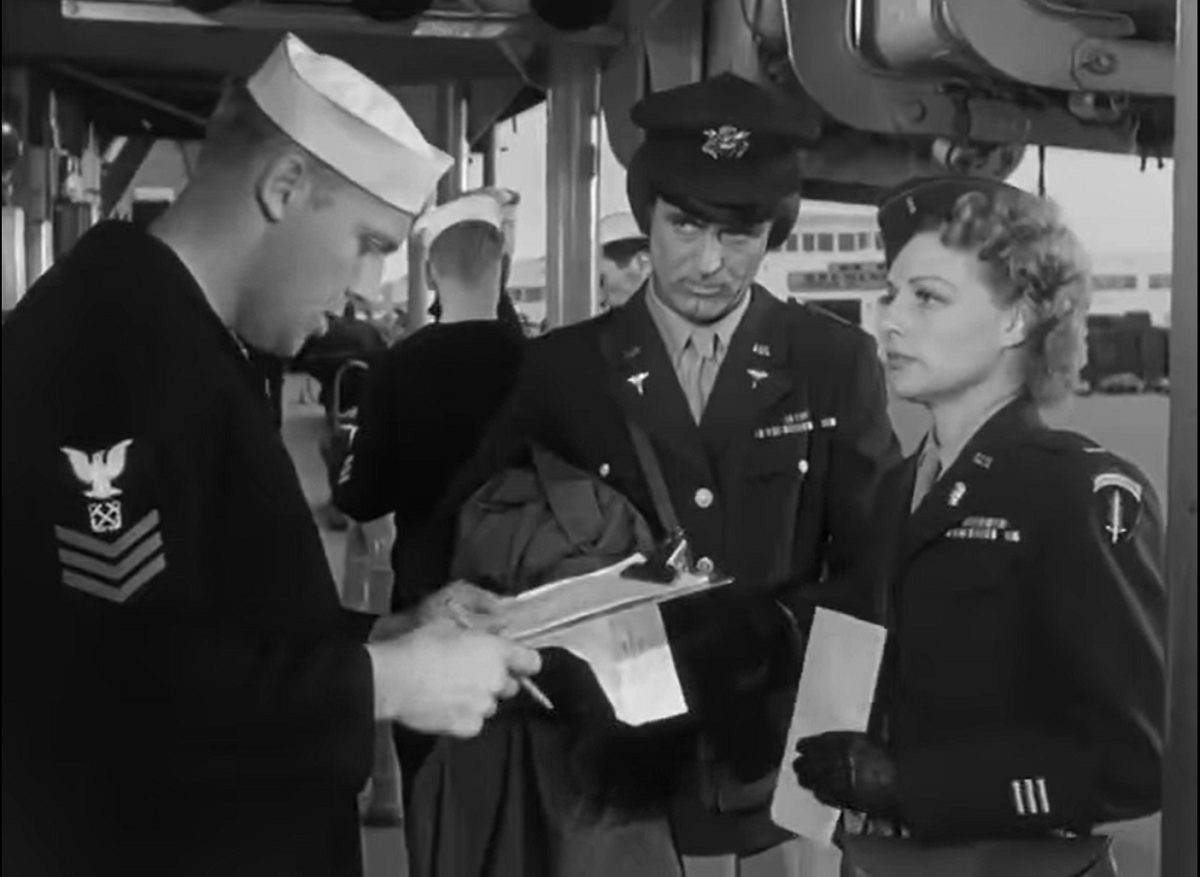
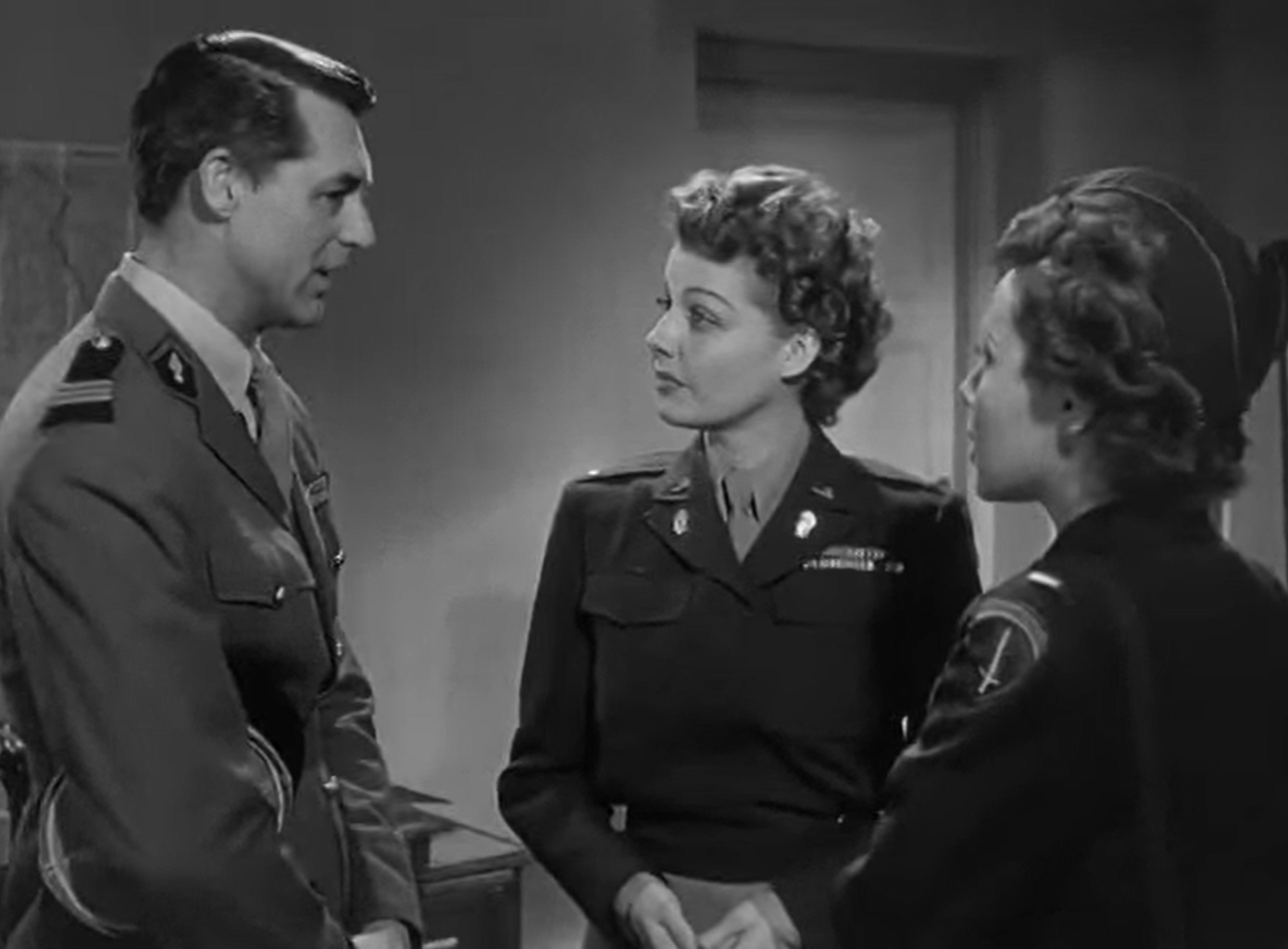
As noted by DVD Savant in his perceptive review, this “lightly amusing comedy” by Howard Hawks — based on Henri Rochard’s autobiography I Was an Alien Spouse of Female Military Personnel Enroute to the United States Under Public Law 271 of the Congress — has “probably… dated more than a lot of other 1950 comedies”, and requires an understanding of its geopolitical “context to become fully functional”. Its primary calling card is the image of Cary Grant in drag — but this only occurs for about 10 minutes late in the film:

The bulk of the storyline (once quibbling Grant and Sheridan realize they’re a perfect romantic fit for one another) revolves around Sheridan’s attempts to get her new husband back to the United States with her, coupled with an ongoing “gag” about their inability to consummate their marriage. Fortunately, the script (by Charles Lederer, Hagar Wilde, and Leonard Spigelgass) keeps one engaged even when the premise itself starts to feel somewhat tiresome — and Sheridan’s feisty performance reminds one that she was an underutilized presence in Hollywood.

But this one will primarily be of interest to Hawksian completists.

Note: Interestingly, Peary nominates Grant as one of the Best Actors of the Year in his Alternate Oscars — though Grant never even bothers to attempt the requisite French accent for his Belgian character (!), and his performance is really nothing special.

Redeeming Qualities and Moments:

  • Ann Sheridan as Lt. Catherine Gates
  • An amusing script by Charles Lederer, Hagar Wilde, and Leonard Spigelgass

Must See?
No, but it’s recommended for one-time viewing. Listed as a Cult Movie in the back of Peary’s book.

Links:

Beast With Five Fingers, The (1945)

Beast With Five Fingers, The (1945)

“In my mind, there is no doubt the hand is walking around.”

Synopsis:
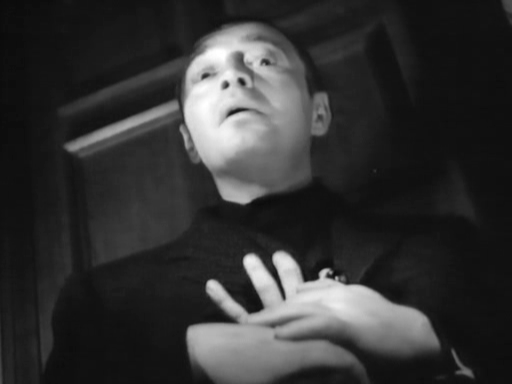
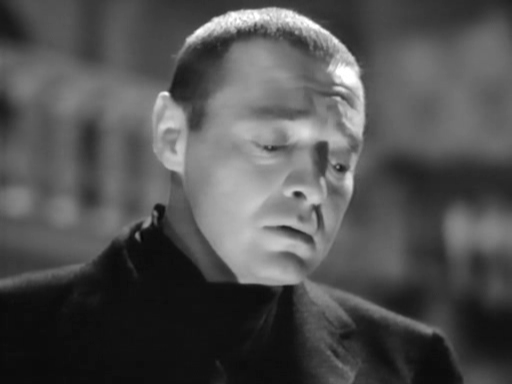
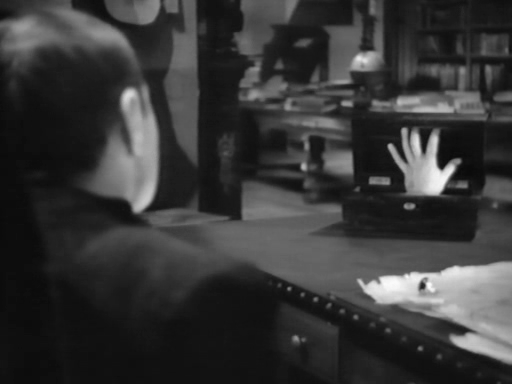
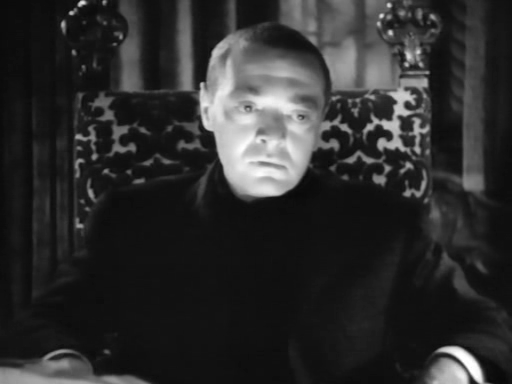
When a one-handed pianist (Victor Francen) dies, his loyal secretary (Peter Lorre) is distressed to learn that he’s been left out of his will, and soon comes to believe that Francen’s disembodied hand is stalking him.

Genres, Themes, Actors, and Directors:

  • Disembodied Parts
  • Horror
  • Peter Lorre Films
  • Revenge

Review:
Robert Florey directed dozens of forgettable B-level flicks throughout his career (see his profile at IMDb), yet a small handful of his titles remain worth a look — most notably Murders in the Rue Morgue (1932), The Face Behind the Mask (1941) (with Peter Lorre), and this later Lorre vehicle, perhaps best known for being the first “disembodied hand” flick to emerge from Hollywood. Unfortunately, the screenplay for … Beast (scripted in part by Curt Siodmak) is poorly paced and a bit of a mess, shifting aimlessly between various characters throughout the first half; but once it finally settles on Lorre — the most interesting character by far — the horror vibes really start to fly, as truly impressive special effects — coupled with atmospheric cinematography and excellent use of creepy piano music — begin to dominate the proceedings.

As noted in Time Out’s capsule review, “The fudged ending imposed by the studio deflates much of the mystery” — but the half-hour or so that comes before makes The Beast With Five Fingers a once-must classic of the genre.

Redeeming Qualities and Moments:

  • Peter Lorre as Hilary Cummins
  • Fine direction by Robert Florey
  • Exciting, remarkably impressive special effects
  • Atmospheric cinematography
  • Powerful use of classical music

Must See?
Yes, as a flawed but memorable horror classic.

Categories

  • Cult Movie

Links:

Pride and Prejudice (1940)

Pride and Prejudice (1940)

“Look at them — five of them without dowries! What’s to become of them?”

Synopsis:
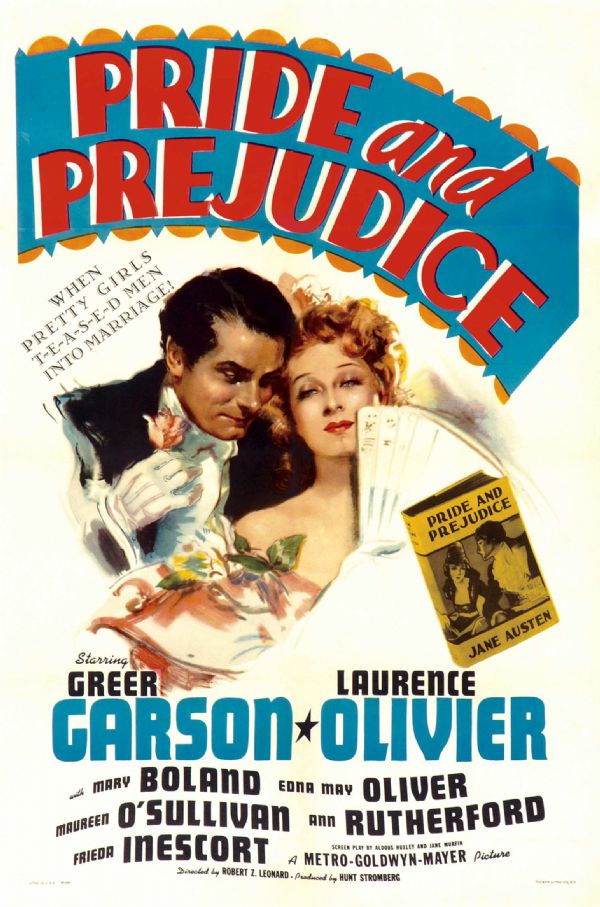
In 19th century England, the mother (Mary Boland) of five young women — headstrong Lizzie (Greer Garson), beautiful Jane (Maureen O’Sullivan), musical Mary (Marsha Hunt), and uniform-loving Lydia (Ann Rutherford) and Kitty (Heather Angel) — attempts to marry them off, given that a distant relative, Mr. Collins (Melville Cooper), will inherit their estate once her husband (Edmund Gwenn) passes on. Jane soon becomes infatuated with wealthy Mr. Bingley (Bruce Lester), while Lizzie fends off advances from Mr. Collins, and engages in heated discussions with a would-be suitor, mysterious Mr. Darcy (Laurence Olivier).

Genres, Themes, Actors, and Directors:

  • Cross Class Romance
  • Edmund Gwenn Films
  • Greer Garson Films
  • Historical Drama
  • Karen Morley Films
  • Laurence Olivier Films
  • Looking for Ms./Mr. Right
  • Maureen O’Sullivan Films

Review:
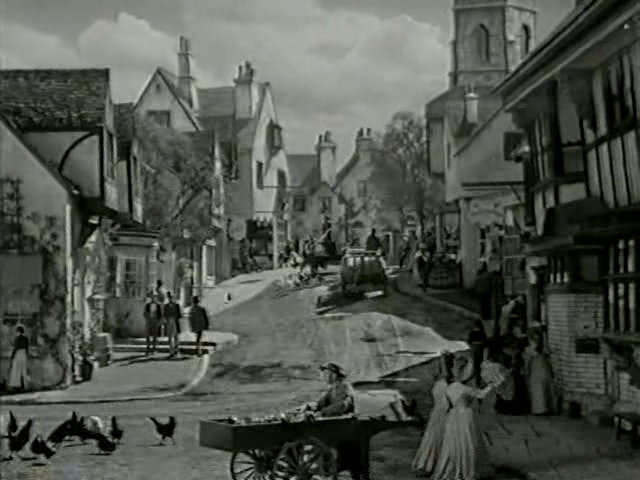
While literary fans may continue to quibble over the details of how Jane Austen’s beloved novels have been translated to the screen over the years, it’s generally acknowledged that this early MGM adaptation of Austen’s most beloved book deserves recognition as one of the best, and is notable for sparking a renaissance of interest at the time in Austen’s work. Despite the decision to place the story within a slightly later historical setting — and the inevitable truncation of various thematic elements from the novel — the film feels relatively faithful to the spirit of the book, merging more serious social concerns (a family will be forced to hand over its entire estate simply given lack of a male heir!) with plenty of levity, most specifically in the character of Mr. Collins (who is accompanied by his own musical motif whenever he enters the screen). The complex but never too-complicated plot — revolving around class relations, romantic infatuations, and hidden secrets of character — is portrayed in such a way that even modern audiences will be able to understand the nuances of life in Austen’s unique historical milieu.

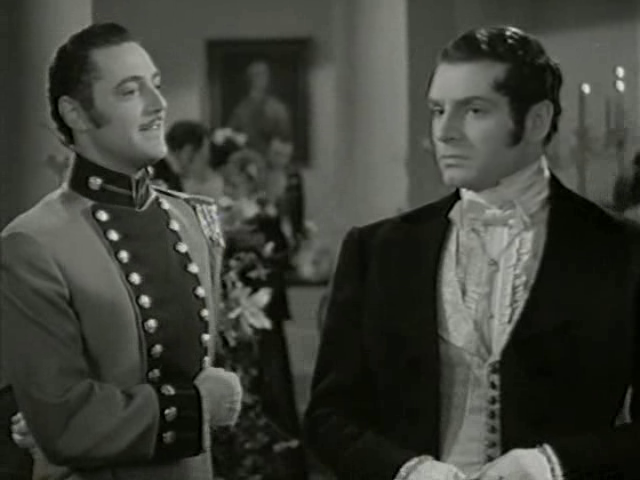
Thirty-six-year-old Garson — fresh from her Hollywood debut in Goodbye, Mr. Chips (1939) — nicely inhabits the pivotal role of 20-year-old Elizabeth “Lizzie” Bennett, investing her with requisite amounts of intelligence and independence while simultaneously demonstrating her enduring loyalty towards her (often wacky) family members. Olivier, meanwhile, is suitably handsome and mysterious as Mr. Darcy — perhaps literature’s most desirable bachelor. Indeed, the central storyline of P&P — a seemingly arrogant millionaire turns out to have secret depths of compassion, generosity, and romantic desire — is so compelling that it’s nearly impossible not to get caught up in it. Meanwhile, the screenplay — co-written by none other than Aldous Huxley (!) — nicely preserves much of Austen’s witty, trenchant dialogue, respecting audience members’ intelligence and desire for authenticity:

Mr. Darcy: “She looks tolerable enough, but I am in no humor tonight to give consequence to the middle classes at play.”

Note: While Garson turns out to be nicely cast as Lizzie, one can’t help wondering what Vivien Leigh — Olivier’s original choice for the role — would have done with the character…

Redeeming Qualities and Moments:

  • Greer Garson as Elizabeth Bennet (nominated by Peary as one of the Best Actresses of the Year in his Alternate Oscars)
  • Laurence Olivier as Mr. Darcy
  • Charming period sets (though the costumes themselves are too contentiously anachronistic to praise — see IMDb message boards for evidence of the ongoing debate)

Must See?
Yes, as an enjoyable literary adaptation. Listed as a film with Historical Importance and a Personal Recommendation in the back of Peary’s book.

Categories

  • Genuine Classic

Links: