Browsed by
Category: Original Reviews

Responses to Peary’s “must see” movie reviews, as well as my own “must see” movie reviews up to and after 1986 (when Peary’s book was published).

Village of the Giants (1965)

Village of the Giants (1965)

“I wonder if it makes… everything grow?”

Synopsis:
When a teenager (Tommy Kirk) and his girlfriend (Charla Doherty) learn that Kirk’s genius brother (Ron Howard) has accidentally invented a “goo” that makes creatures grow super-sized, they and their friends plan to become rich by using it on cattle — but a group of local bullies (Beau Bridges, Joy Harmon, Tim Rooney, Robert Random, Gail Gilmore, Tisha Sterling, and Vicki London) steal and eat the goo, and decide to take over their town when they become giants.

Genres, Themes, Actors, and Directors:

  • Beau Bridges Films
  • Bullies
  • Giants
  • H.G. Wells Films
  • Juvenile Delinquents
  • Science Fiction

Review:
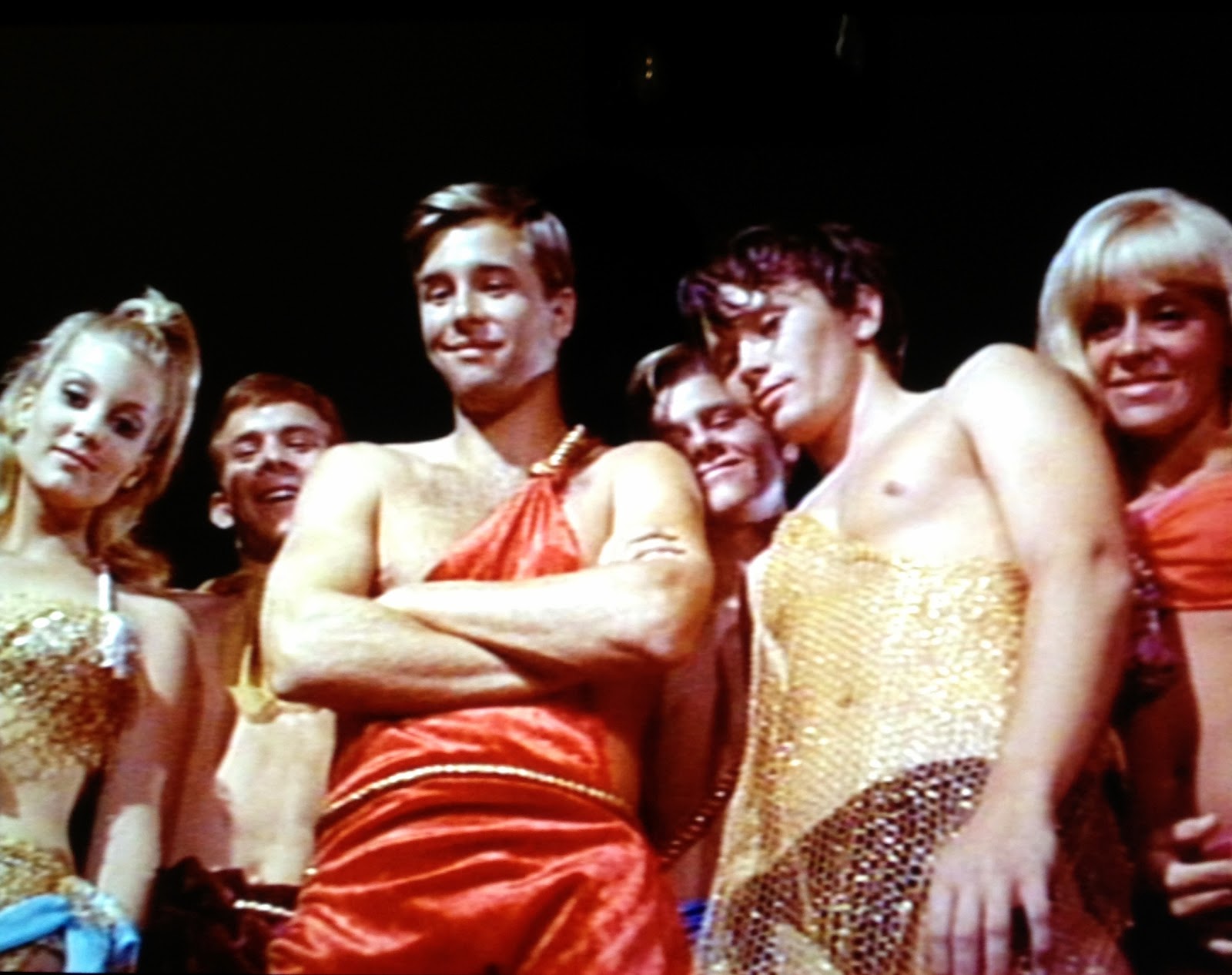
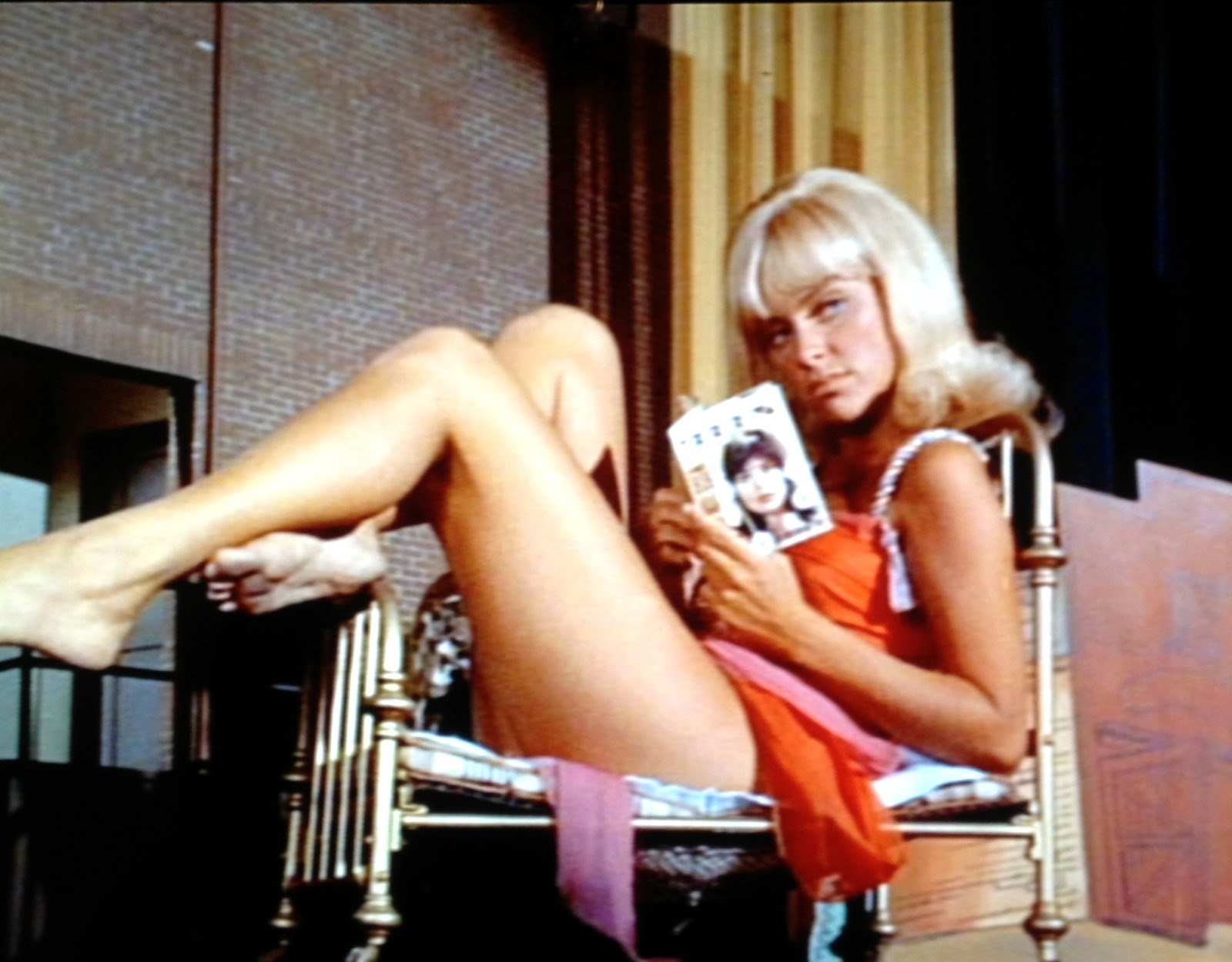
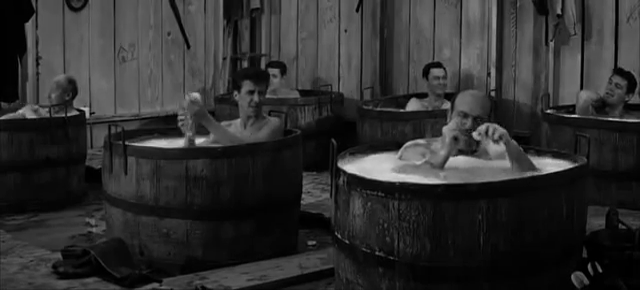
VERY loosely based on a novel by H.G. Wells (!), this cult teenage-delinquent flick is an enjoyably bad hoot from the opening credits — featuring close-ups of over-sized teens dancing in slow-motion with bare midriffs — to the semi-comic end, when a group of “little people” march onto the scene; as noted at one point by the MST3K crew in their commentary, “This is like the Swiftian part of a Fellini film — and it’s Kafka-esque!” Indeed, everything about Village of the Giants is surreal but surprisingly engaging: it’s not a huge stretch to imagine bullying teens literally taking over a town when given the opportunity. Bridges is appropriately sincere and menacing as the “lead bully”, while blonde, over-tanned Harmon expresses unmitigated delight at her new powers (much fun and innocent titillation is had with the female giants’ over-sized busts). Bespectacled Ronnie Howard plays a pivotal role throughout, and saves the day in the Wizard of Oz-like denouement. Favorite scene: over-sized ducks blithely start dancing in a club, then are roasted in a barbecue.

Redeeming Qualities and Moments:

  • A creative parable about the larger-than-life impact of bullying teens
  • Reasonably effective (and/or humorous) special effects — click here to read/see more

Must See?
Yes, as a silly cult favorite — but definitely watch it with the MST3K gang.

Categories

  • Cult Movie

Links:

No Way Out (1950)

No Way Out (1950)

“Ain’t that a lot to ask of us — being better than them when we get killed proving we’re just as good?”

Synopsis:
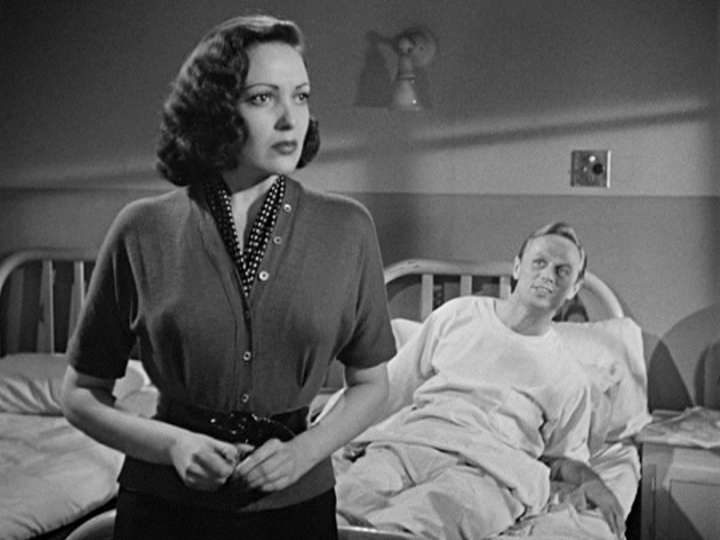
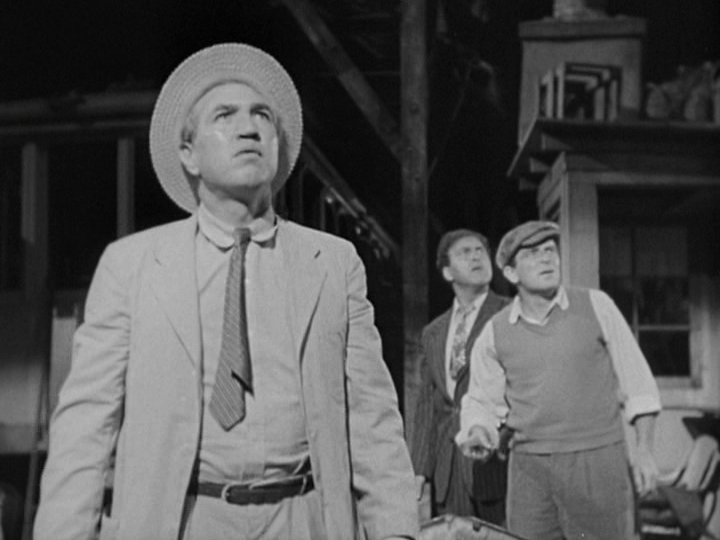
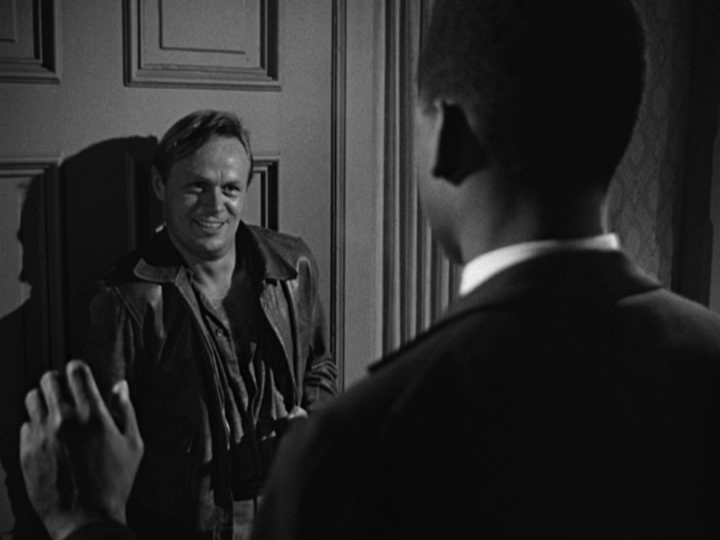
A viciously racist thug (Richard Widmark) is convinced a young black doctor (Sidney Poitier) has intentionally killed his brother (Harry Bellaver) during a spinal tap. Poitier wants an autopsy done to prove Bellaver was suffering from a brain tumor, but Widmark and his hearing-impaired brother (Dick Paxton) refuse — so, with the help of his white mentor (Stephen McNally), Poitier approaches Bellaver’s ex-wife (Linda Darnell) for help.

Genres, Themes, Actors, and Directors:

  • Doctors and Nurses
  • Joseph L. Mankiewicz Films
  • Linda Darnell
  • Revenge
  • Race Relations and Racism
  • Richard Widmark Films
  • Sidney Poitier Films

Review:
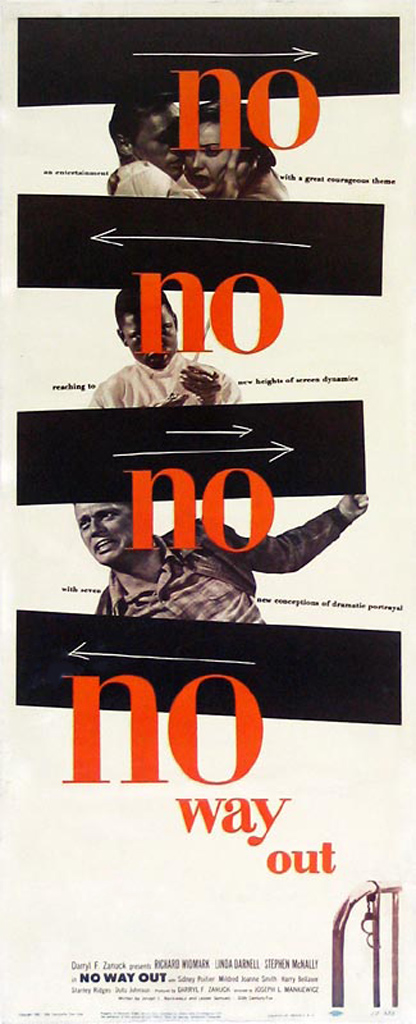
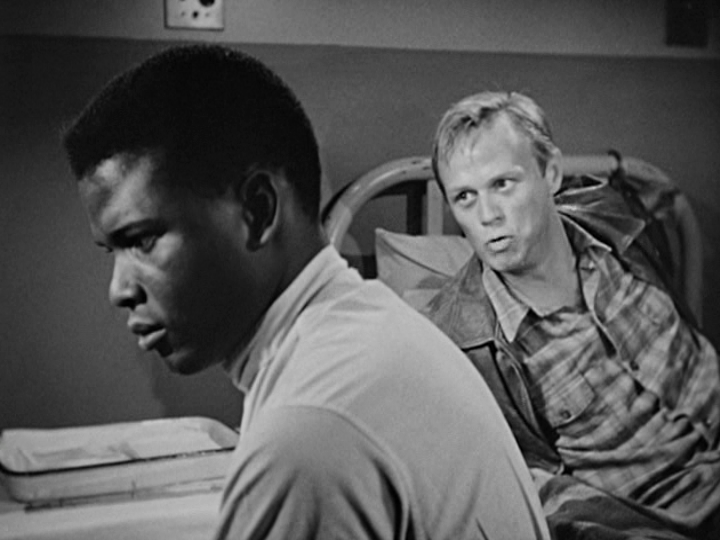
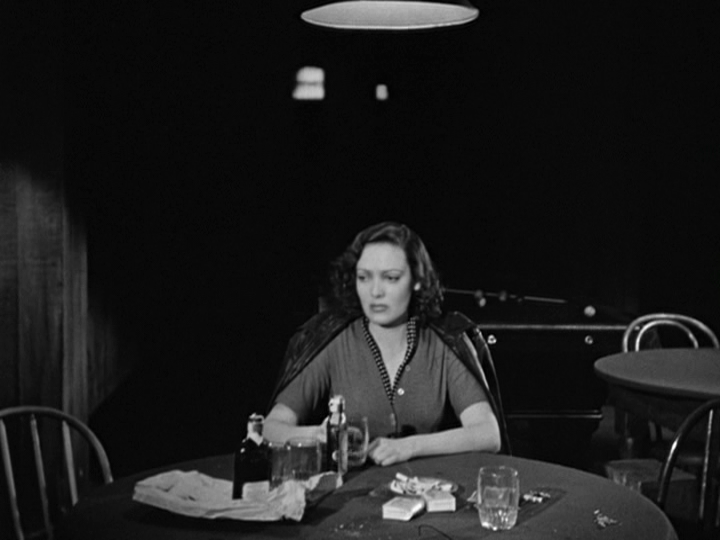
Sidney Poitier made an auspicious screen debut in this no-holds-barred look at racial tensions and violence in mid-century America. Written and directed by Joseph L. Mankiewicz, the film plays out as a sort of noir in which an innocent protagonist (Poitier) becomes trapped in the snare of a sociopath who will stop at nothing to destroy him. Widmark is such a vile character that one could attempt to dismiss his rantings as those of a crazy “mad dog” — but Mankiewicz cleverly positions him within a wider community of individuals, so we see his actions and words are merely the extreme end of the racism spectrum. In a fine, nuanced performance (perhaps her best), Darnell plays a down-trodden woman from the wrong side of the tracks who slowly experiences a change of heart as she’s exposed to decent men and women, both black and white. Poitier is excellent, and Dick Paxton as Widmark’s deaf-and-mute brother is also highly effective without speaking a word. Widmark’s central performance would have been even more impactful if he’d dialed down his gleeful venom, though he’s to be commended for taking on this distasteful role at all, and his choices are understandable.

No Way Out remains an invaluable entry in cinematic history simply for showing middle-class African-Americans attempting to live “normal” lives in the midst of nearly constant bigotry, and for exposing the abhorrent underbelly of racism (notably, the camera focuses on a couple of white women during the “race riot” scene, indicating their complicity as well). No Way Out is tough but essential viewing, and deserves wider recognition, especially as its sordid truths continue to play out today. In his engaging DVD commentary for the movie, film historian Eddie Muller provides numerous insights into the making of the film, as well as its reception — which, not surprisingly, didn’t do well in small American towns (though it was apparently well-received by critics in big cities). Modern audiences should be forewarned that racist diatribes and slurs run throughout the screenplay — a fact which has made it difficult for this film to be shown on television, and it’s not available to rent through Netflix (I had to locate a copy through my local library).

Redeeming Qualities and Moments:

  • Sidney Poitier as Dr. Brooks
  • Linda Darnell as Edie
  • Fine supporting performances
  • A refreshingly stark look at mid-century racial tensions
  • Milton Krasner’s noir-ish cinematography


Must See?
Yes, as a groundbreaking classic.

Categories

  • Genuine Classic
  • Historically Relevant

Links:

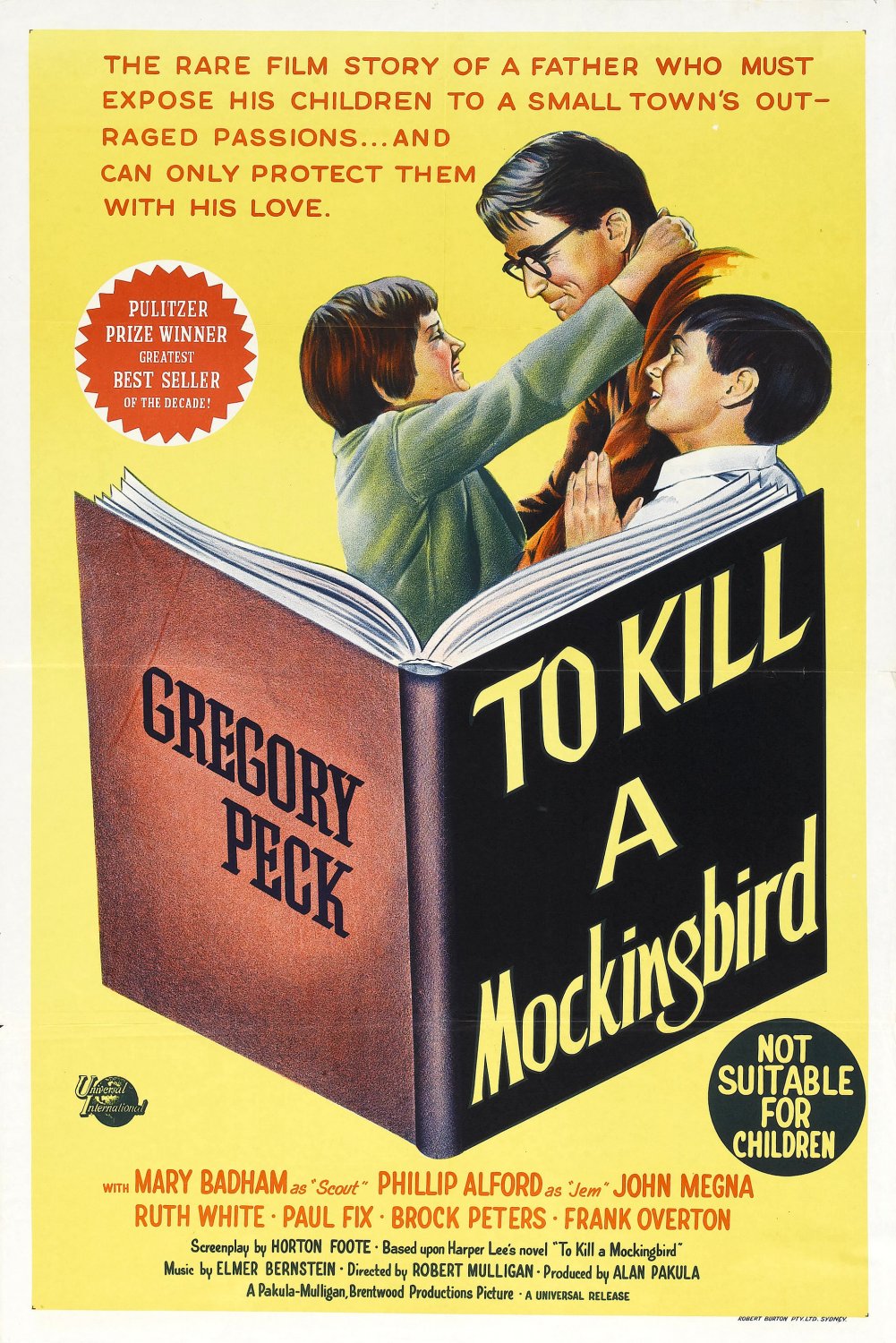
To Kill a Mockingbird (1962)

To Kill a Mockingbird (1962)

“There’s a lot of ugly things in this world, son. I wish I could keep ’em all away from you. That’s never possible.”

Synopsis:
The tomboy-daughter (Mary Badham) of a widowed lawyer (Gregory Peck) reflects back on a summer when she, her older brother (Phillip Alford), and their friend Dill (John Megna) witness Peck attempting to defend a black man (Brock Peters) who has been falsely accused of raping a white woman (Collin Wilcox) in their small southern town.

Genres, Themes, Actors, and Directors:

  • Childhood
  • Courtroom Drama
  • Deep South
  • Falsely Accused
  • Father and Child
  • Flashback Films
  • Gregory Peck Films
  • Lawyers
  • Race Relations and Racism
  • Robert Duvall Films
  • Robert Mulligan Films
  • Small Town America

Review:
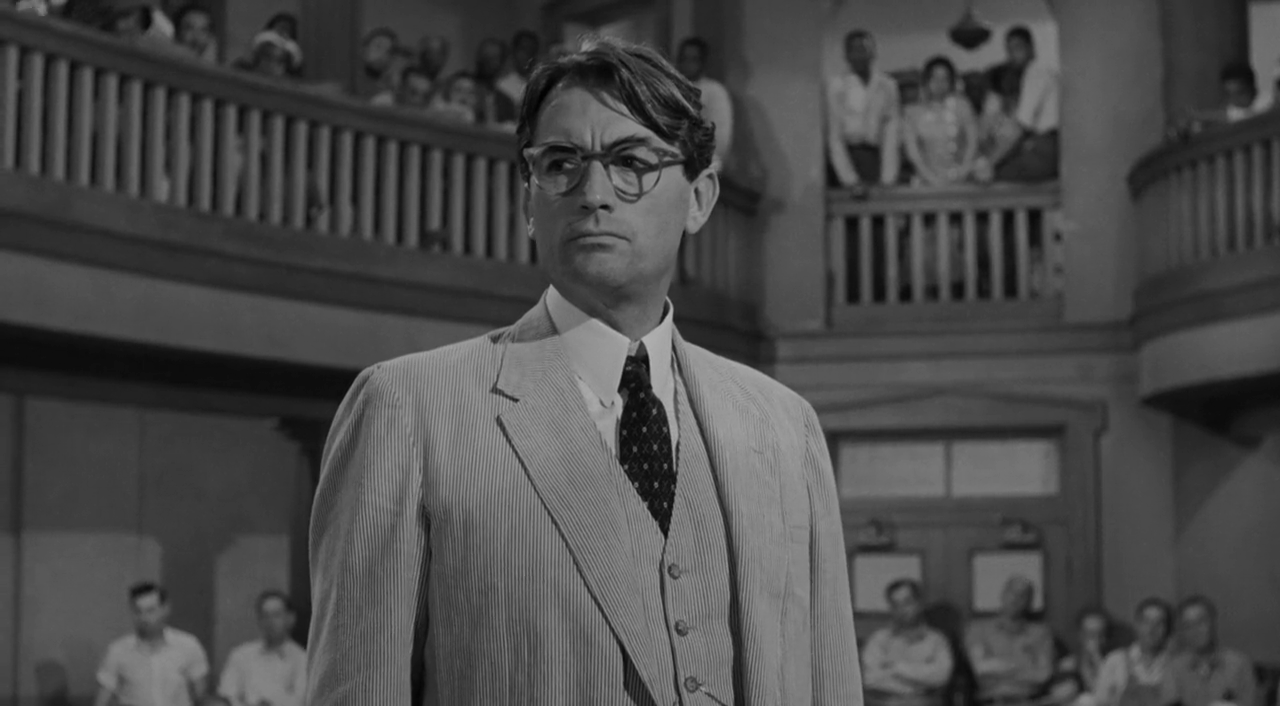
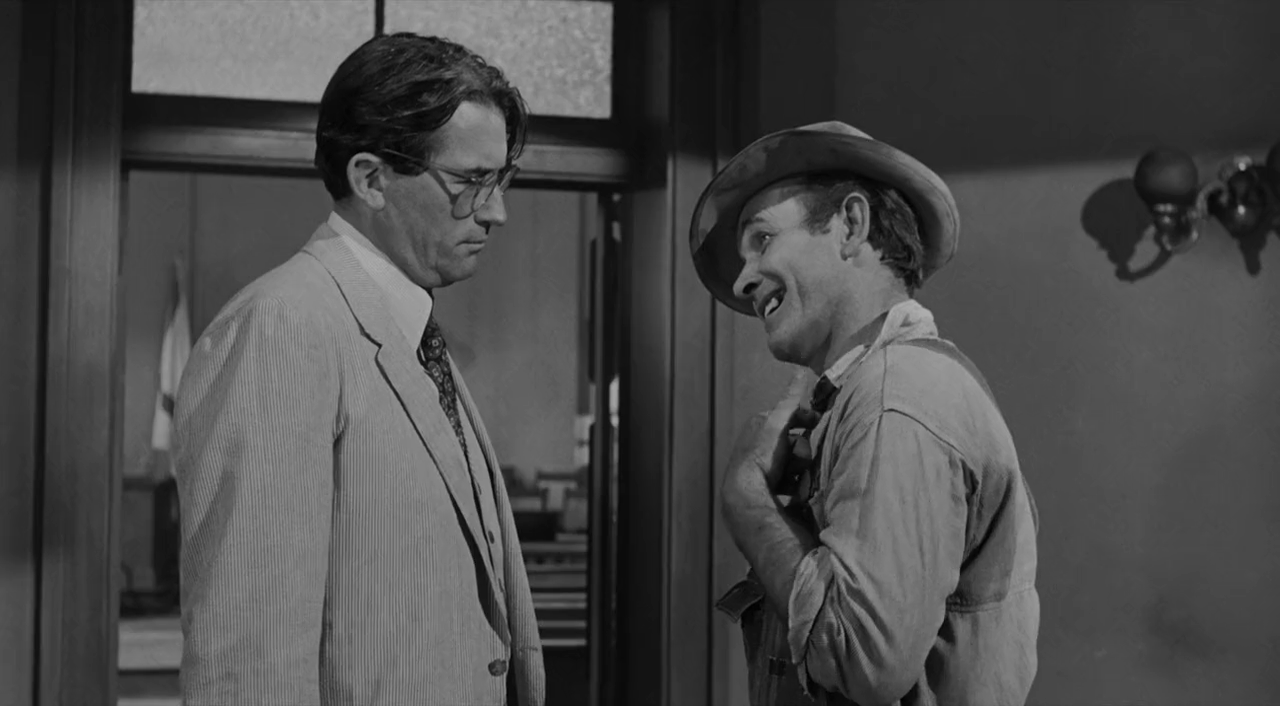
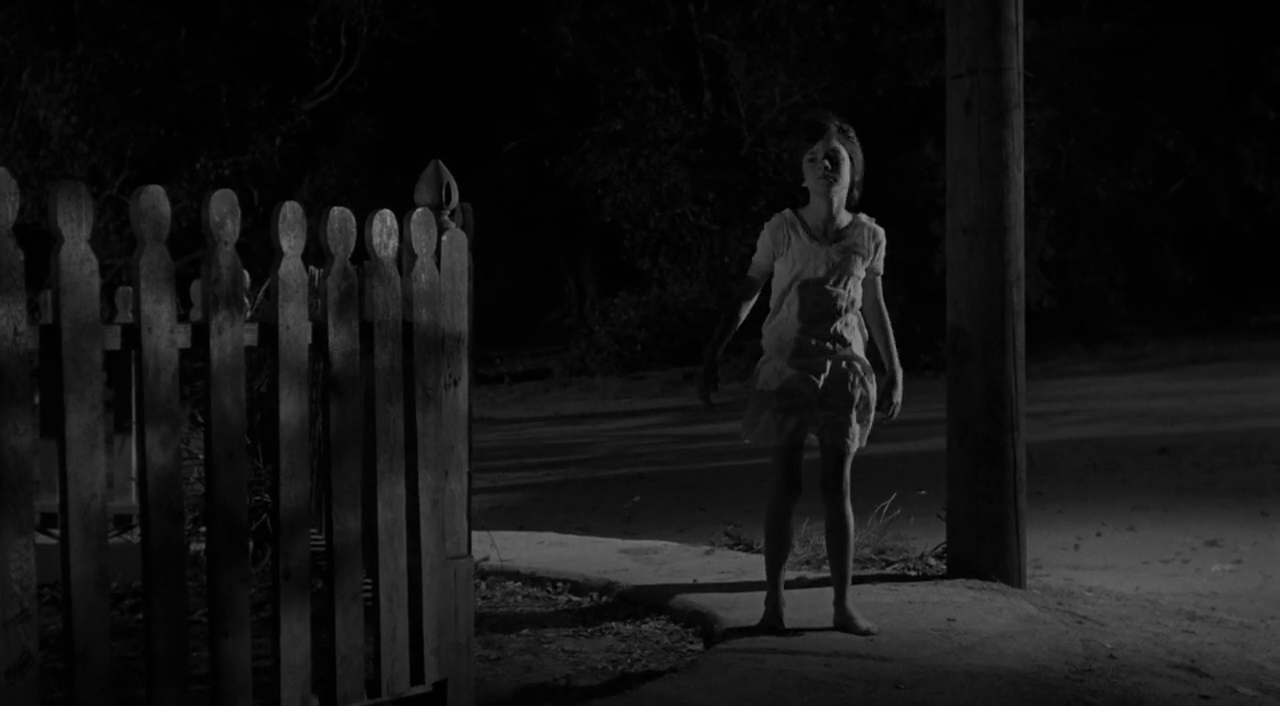
Peary doesn’t review this beloved adaptation of Harper Lee’s Pulitzer-Prize winning novel in his GFTFF, but he does discuss Gregory Peck’s Oscar-winning performance in Alternate Oscars, where he gives the award to Peter O’Toole for Lawrence of Arabia instead. He notes that as widowed lawyer Atticus Finch, “Peck displayed quiet authority, patience and fair-mindedness, a strong sense of right and wrong, warmth, humility, and courage” — but he argues that “Peck’s performance isn’t nearly as impressive as we thought at the time”, given that he “doesn’t come across as a particularly competent defense attorney”.

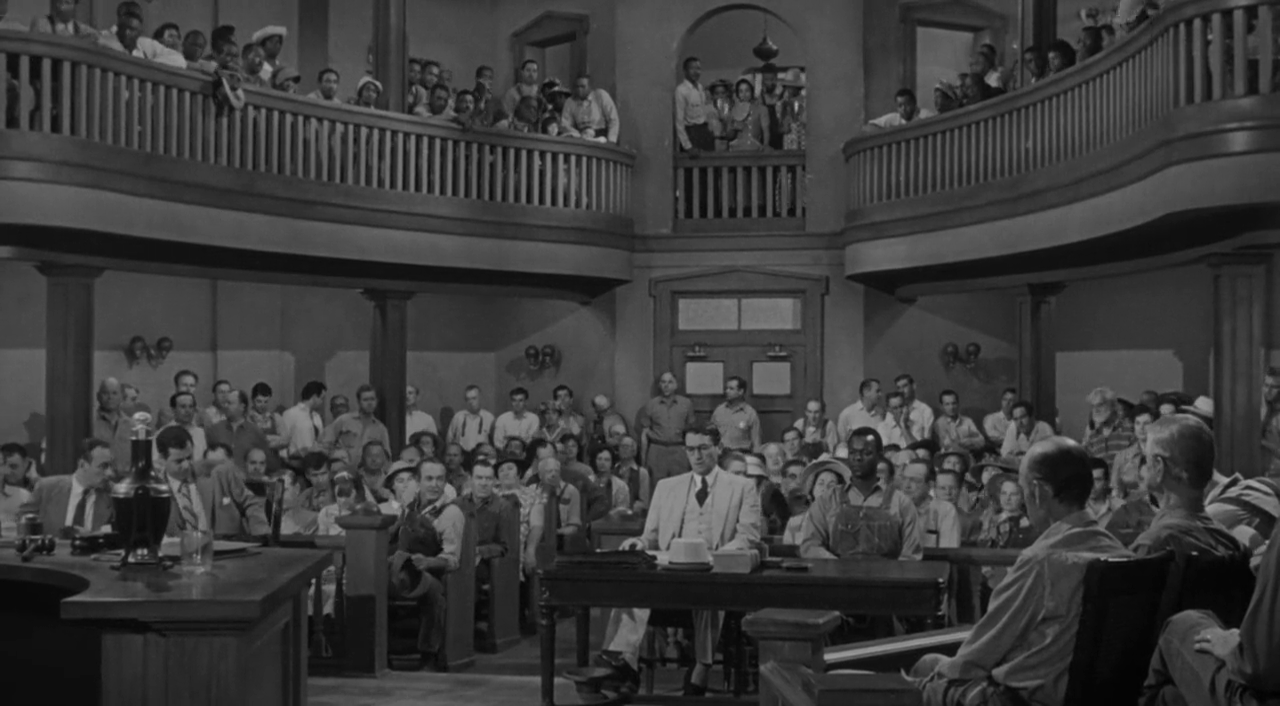
I’m not sure this matters or is even accurate: Atticus openly acknowledges that his strategy will involve appealing the foregone conclusion (guilty) of a racist jury; his “deliberate, low-keyed courtroom summation” — which Peary wishes “had more fire” — makes complete sense in the context of his deeply racist town, where simply the act of defending an (innocent) black man can bring death threats to his family.

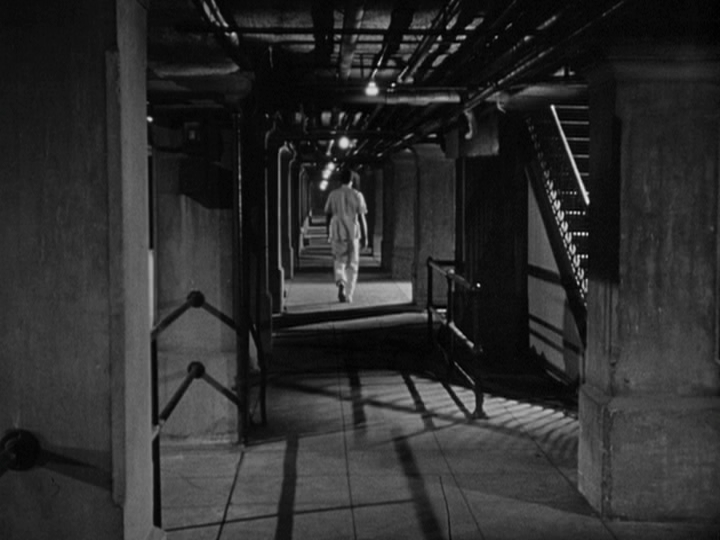
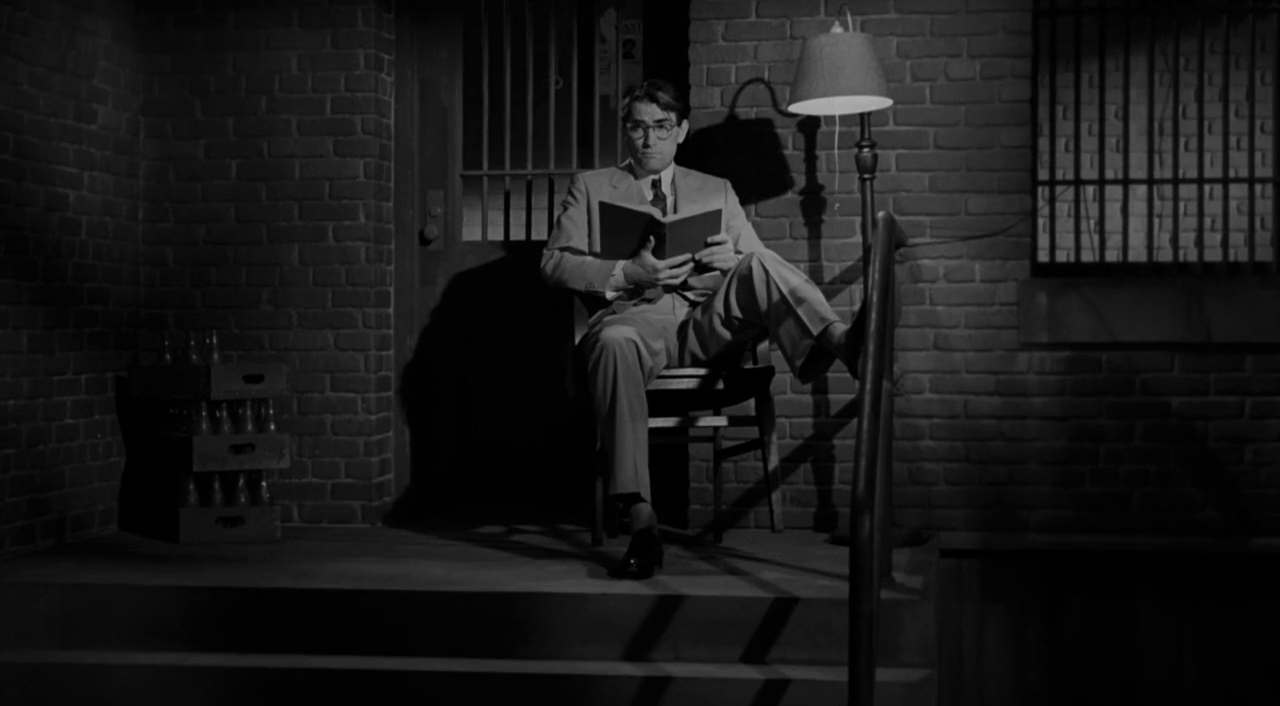
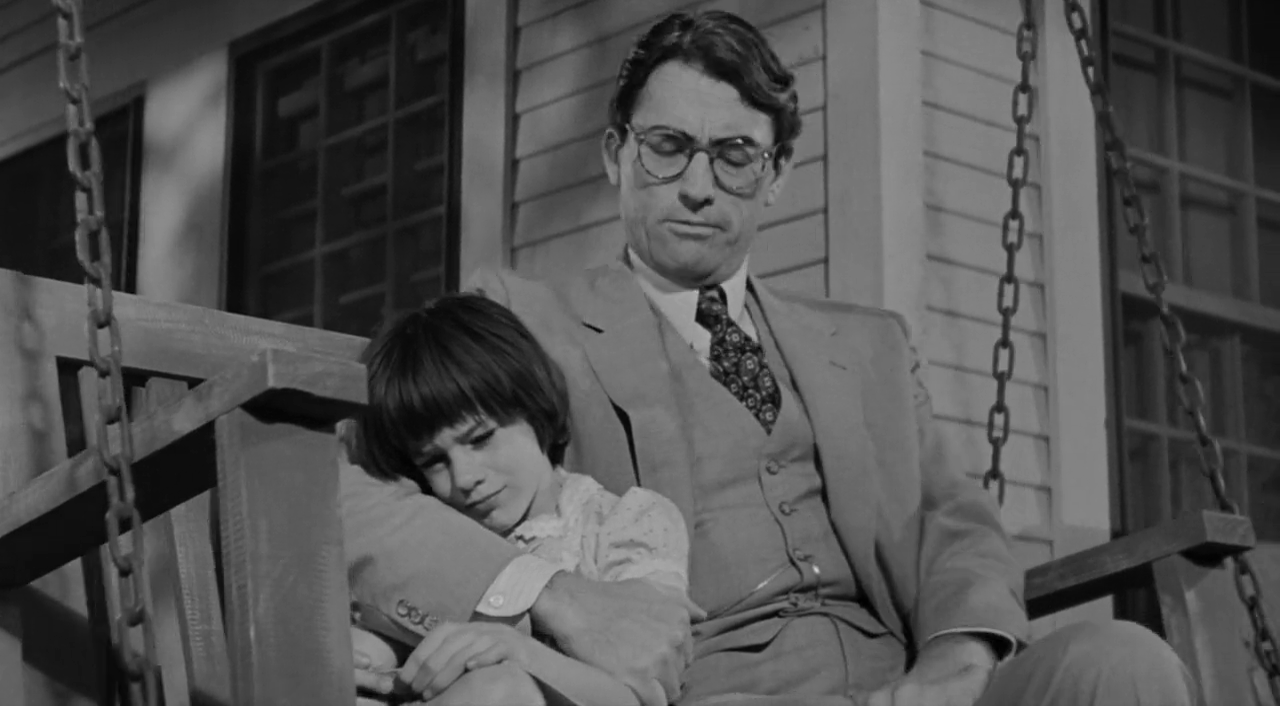
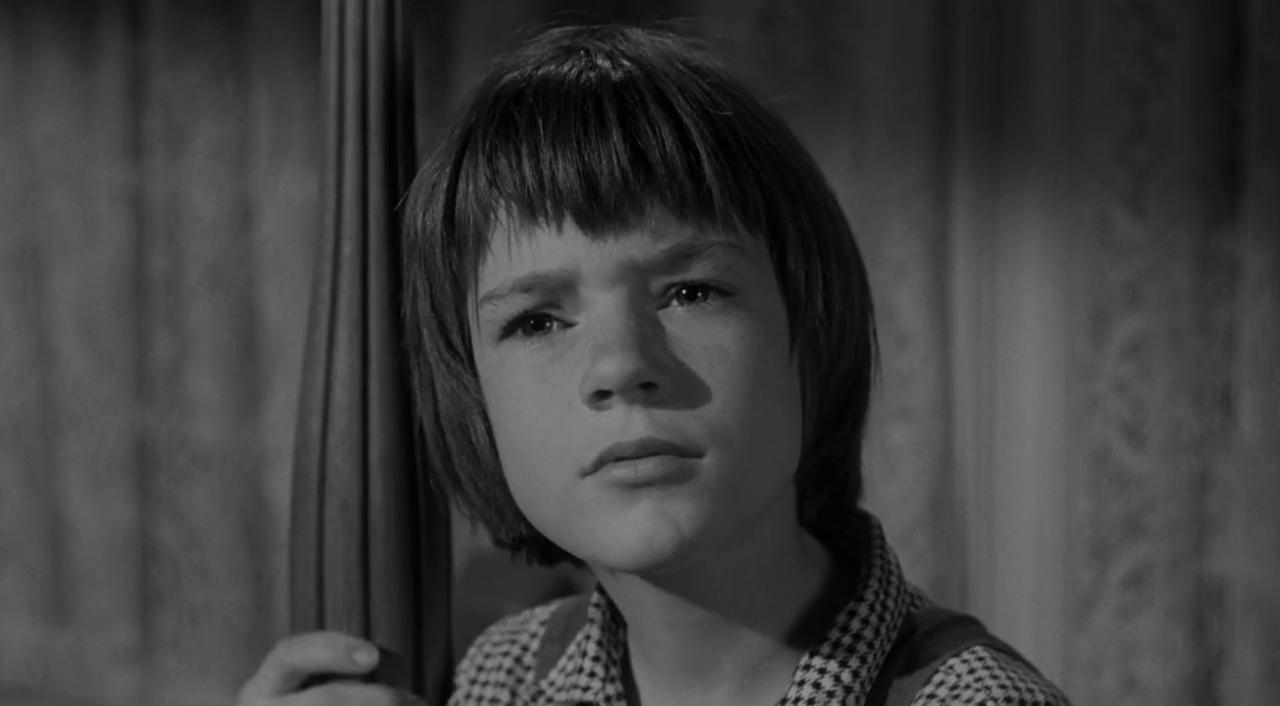
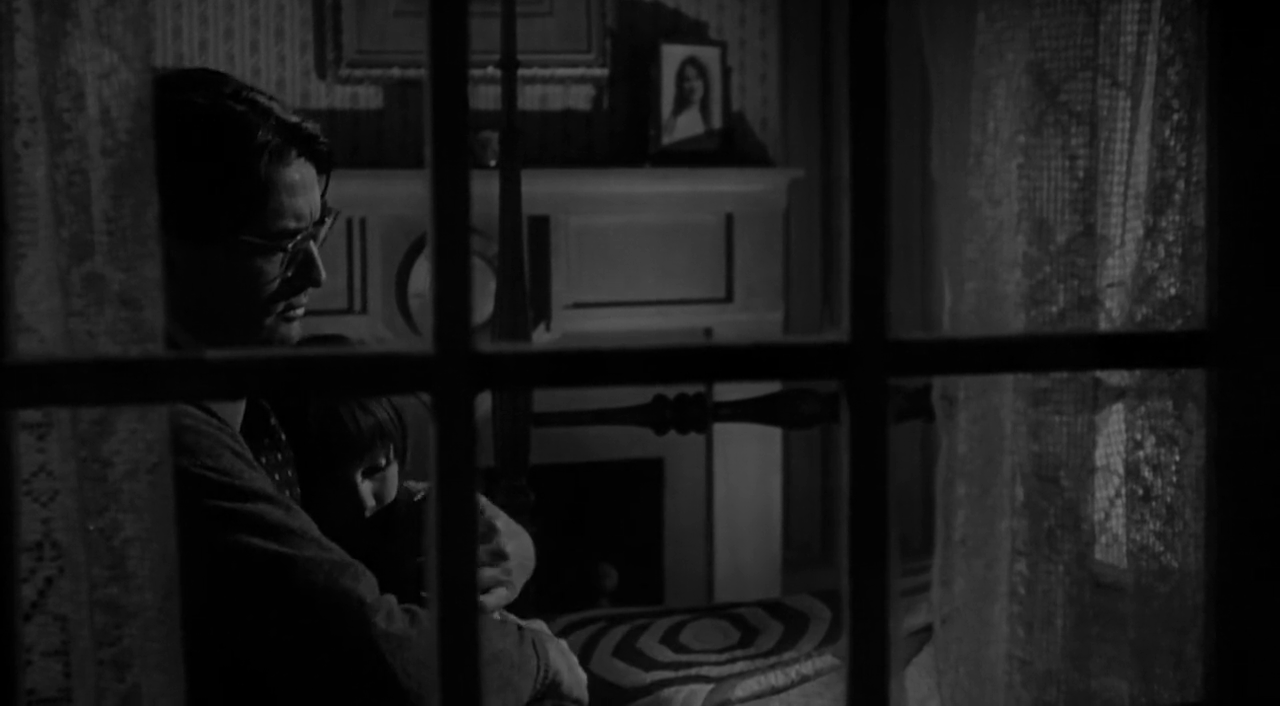
Regardless of how one feels about Peck’s performance, To Kill a Mockingbird remains a classic on many levels — beginning with Elmer Bernstein’s instantly recognizable score, which is impossible to extricate from one’s experience of the film. Equally poignant is Atticus’s relationship with his kids: Peck most definitely was “the man you’d want for your father”, and it’s hard to believe any child watching this movie wouldn’t melt with envy at the sight of Atticus cuddling Scout (Badham) in his lap:

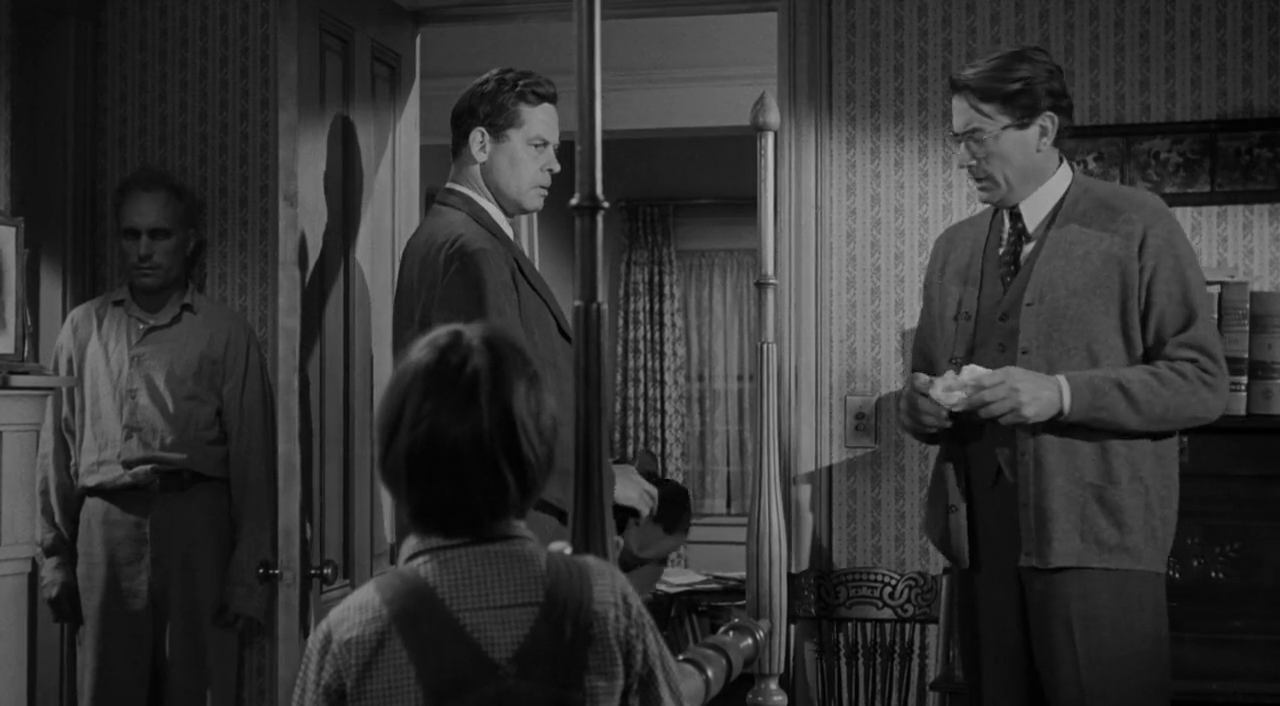
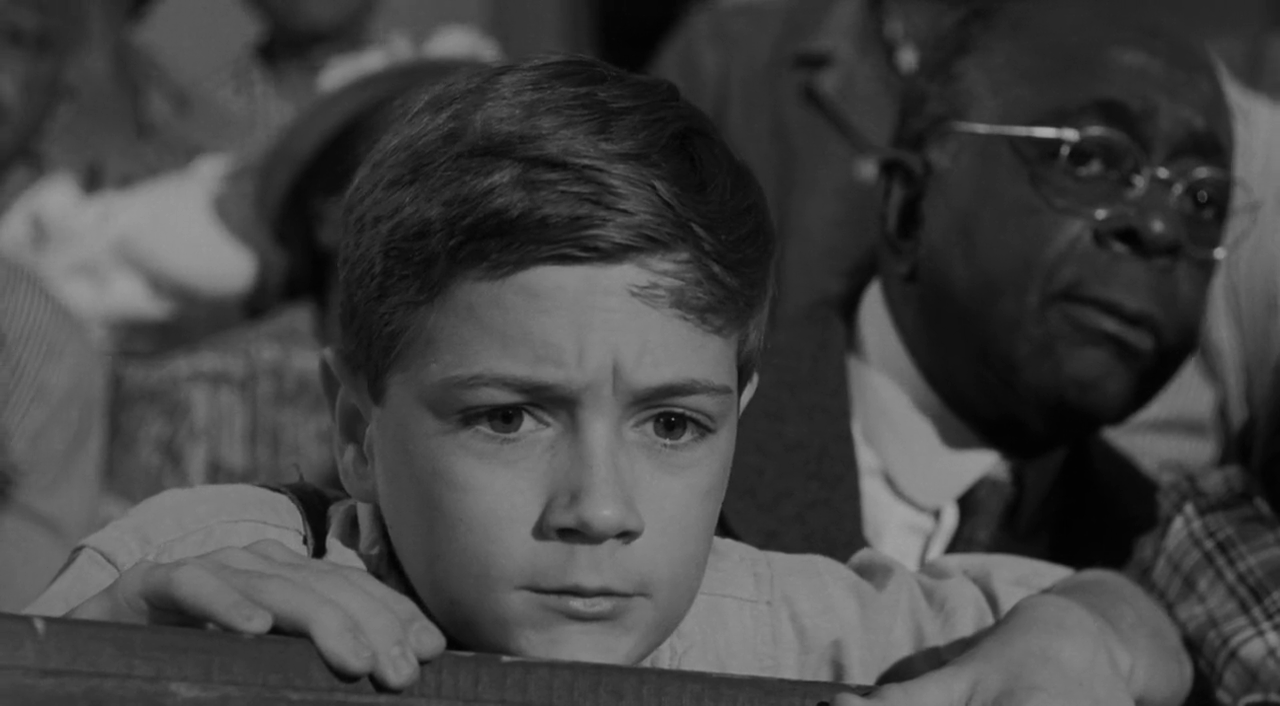
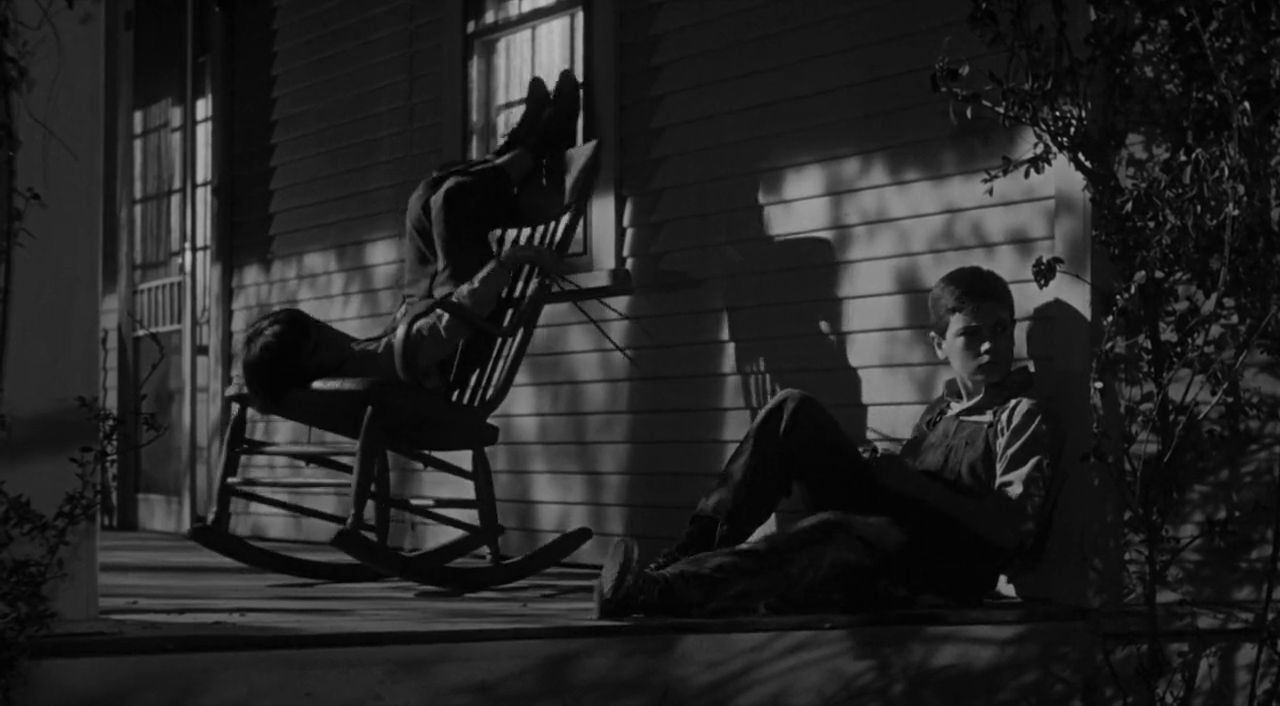
… or allowing Jem (Alford) the opportunity to accompany him on a life-changing visit to Peters’ house. Speaking of Scout and Jem, the screenplay’s child-driven perspective (Kim Stanley narrates in flashback, as Scout-grown-up) is yet another successful facet: the entire story is framed within the nostalgia-tinged reminiscences of a young girl smitten by her father’s love, courage, and wisdom. TKAM could be viewed as a meditation on the universal desire — however fleeting — to admire one’s parent(s) as the epitome of all that is right about the world.

Badham and Alford’s performances (neither pursued a long-term acting career) are among the best given by child actors; while Megna is fine as young Truman Capote (er, “Dill”), he’s clearly more suited to a supporting role.

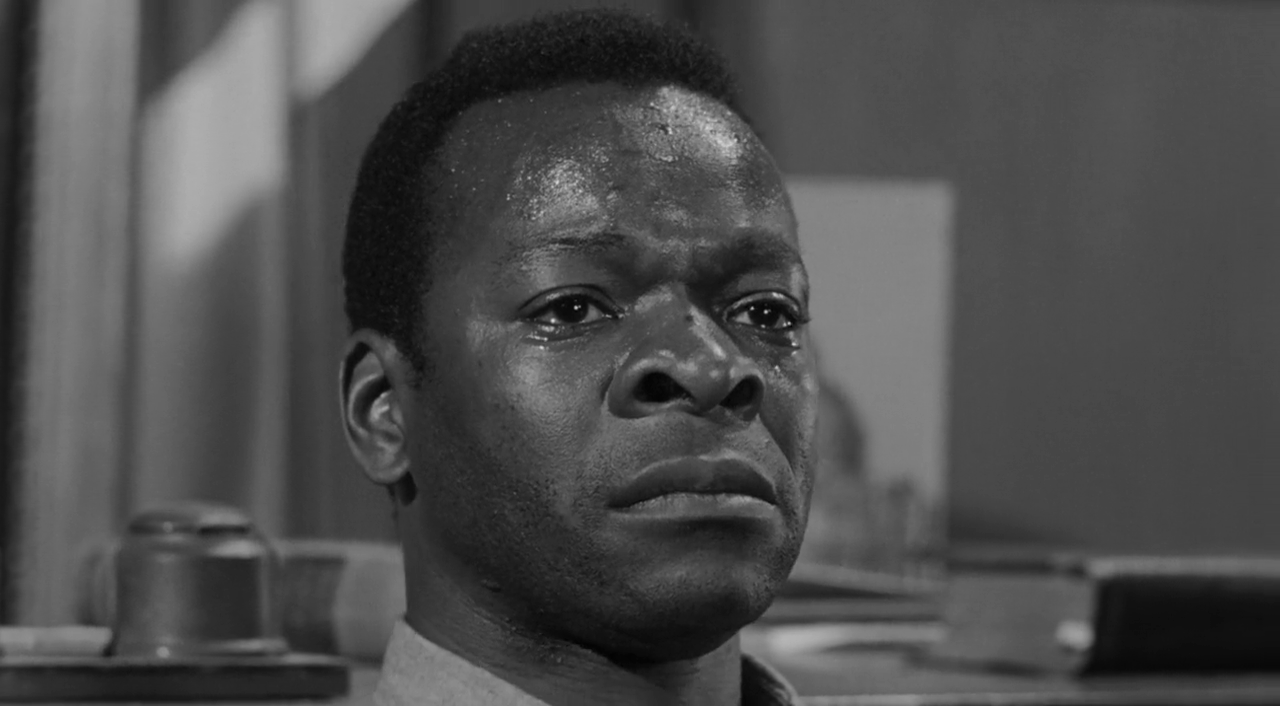
Peters, previously cast as villains, is heartbreaking as the wrongly accused man who had the temerity to “feel sorry for a white woman”; his impossible situation highlights racism’s toxic blight on humanity, a reality which Horton Foote doesn’t shy away from in his adapted screenplay.

With that said, it’s a little disconcerting

SPOILER ALERT

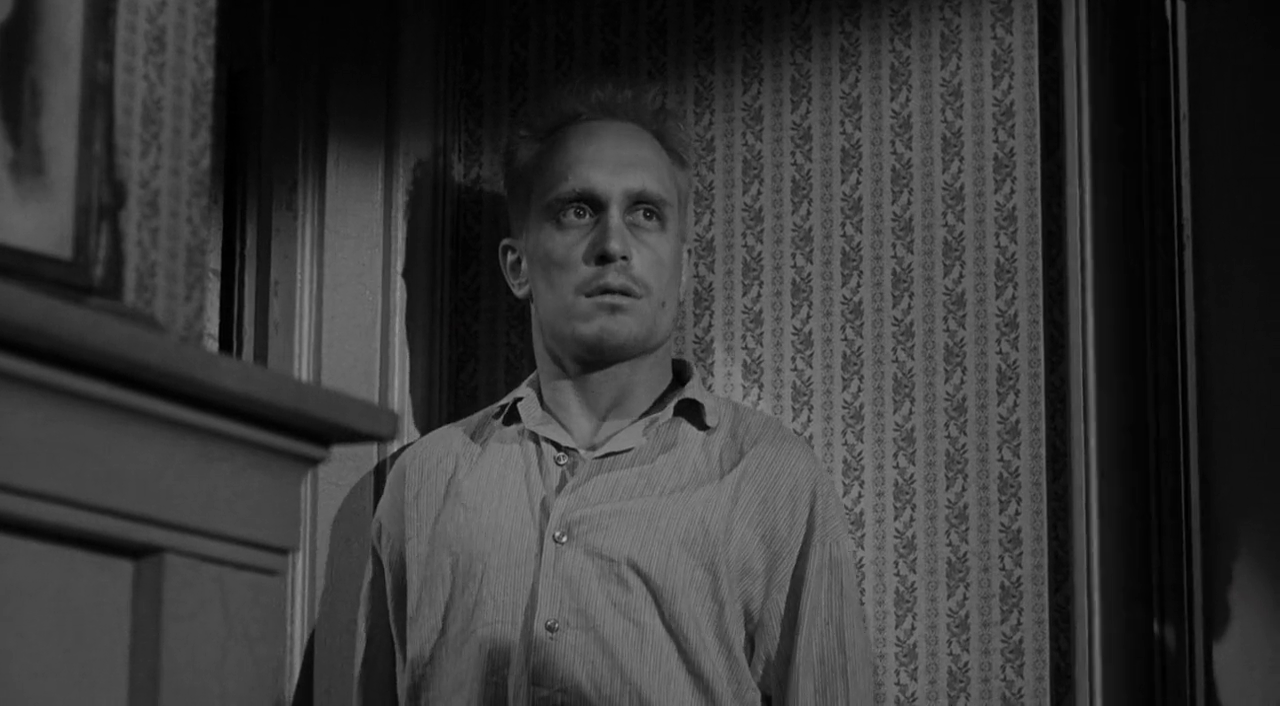
how abruptly the narrative shifts in the final half-hour from Peters’ brutal murder to the subplot about a mysterious, “ultra-white” neighbor (Duvall) who saves Atticus’s kids.

Ultimately, however, the ending vividly illustrates the need for decent individuals to protect one another no matter the cost, and for diversity to be not only accepted but embraced.

Redeeming Qualities and Moments:

  • Gregory Peck as Atticus Finch
  • Mary Badham as Scout
  • Philip Alford as Jem
  • Brock Peters as Tom Robinson
  • Robert Duvall as Boo Radley
  • Stephen Frankfurt’s title sequence

  • Russell Harlan’s cinematography


  • Horton Foote’s adapted screenplay
  • Elmer Bernstein’s lyrical, highly memorable score

Must See?
Yes, as a deserved classic.

Categories

  • Genuine Classic
  • Oscar Winner or Nominee

(Listed in 1001 Movies You Must See Before You Die)

Links:

House on 92nd Street, The (1945)

House on 92nd Street, The (1945)

“The Germans felt that Dietrich was an extremely valuable man; so did the FBI.”

Synopsis:
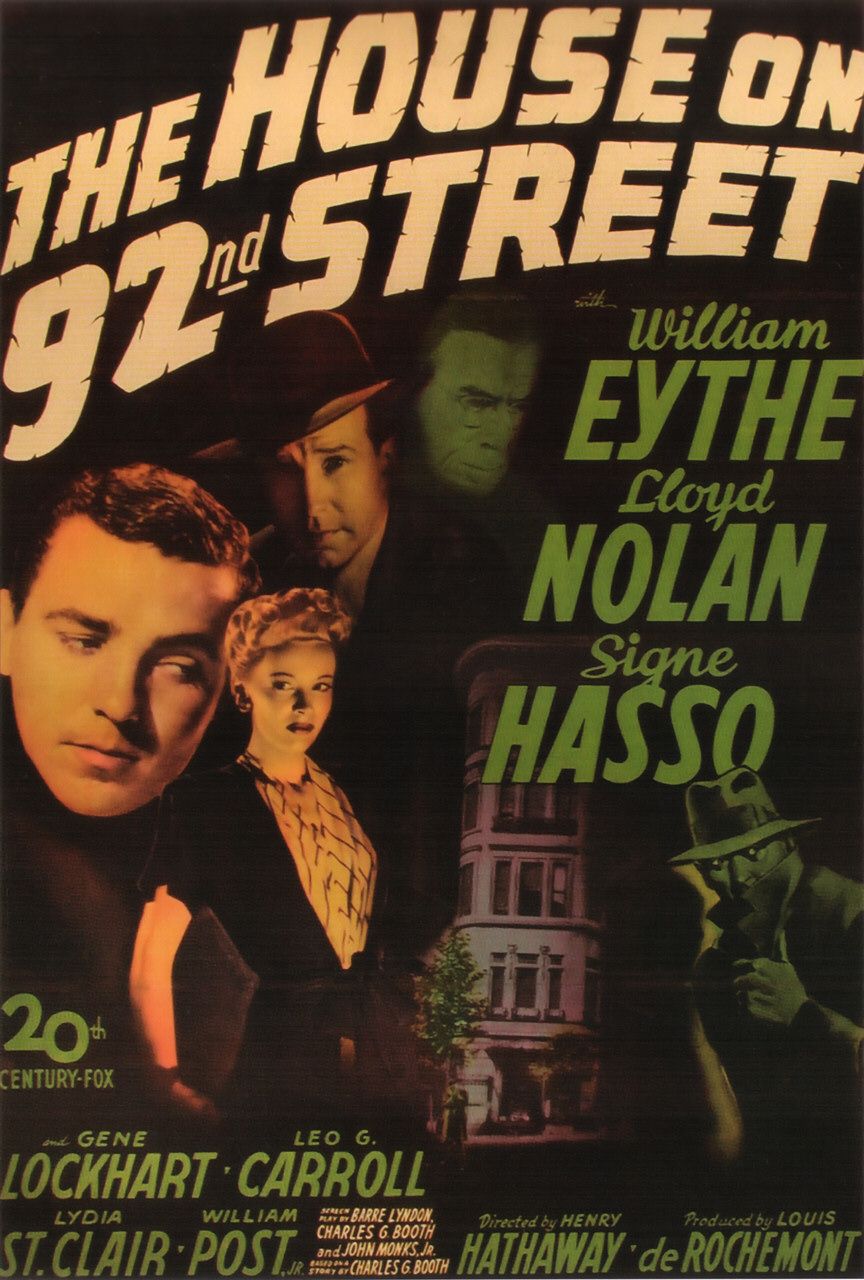
A German-American university student (William Eythe) is recruited by a group of Nazi spies — led by a dress-shop owner (Signe Hasso) — but instead becomes a double-agent for the FBI.

Genres, Themes, Actors, and Directors:

  • Henry Hathaway Films
  • Historical Dramas
  • Mistaken or Hidden Identities
  • Nazis
  • Signe Hasso Films
  • Spies
  • World War II

Review:
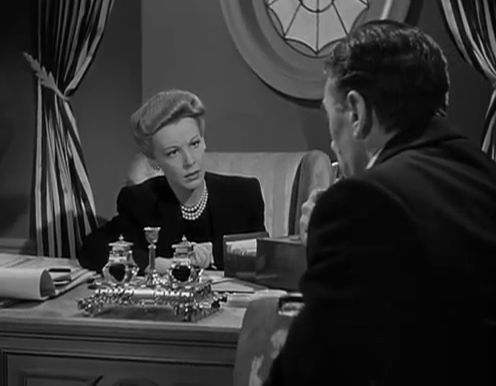
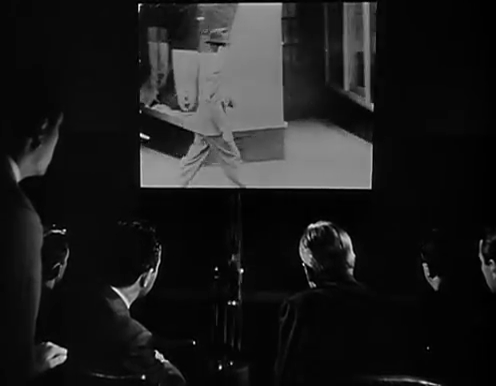
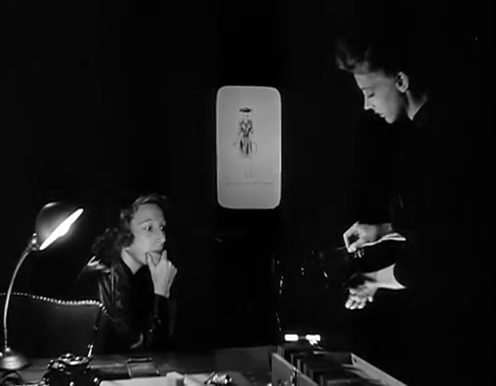
Winner of an Academy Award for best original story, this semi-documentary look at the take-down of an American Nazi spy ring — based on the life of William G. Sebold — was the first film made with full cooperation by the FBI, and was enormously popular with audiences who were surely giddy with relief by the end of World War II. Unfortunately, other than telling an interesting real-life tale — and effectively incorporating some authentic footage — the film hasn’t held up all that well. The Nazi spies are pure baddies:

… the dialogue is clunky, and lead actor Eythe isn’t all that memorable (likely intentionally so, given that he was playing someone attempting to remain calm and discrete).

Sadly, Sebold apparently had a very challenging time of it after his life-threatening efforts on behalf of the United States; a book about this unsung hero was recently released.

Redeeming Qualities and Moments:

  • Nice incorporation of authentic footage with dramatic material

  • Norbert Brodine’s cinematography

Must See?
No, though it’s worth a look. Listed as a film with Historical Importance.

Links:

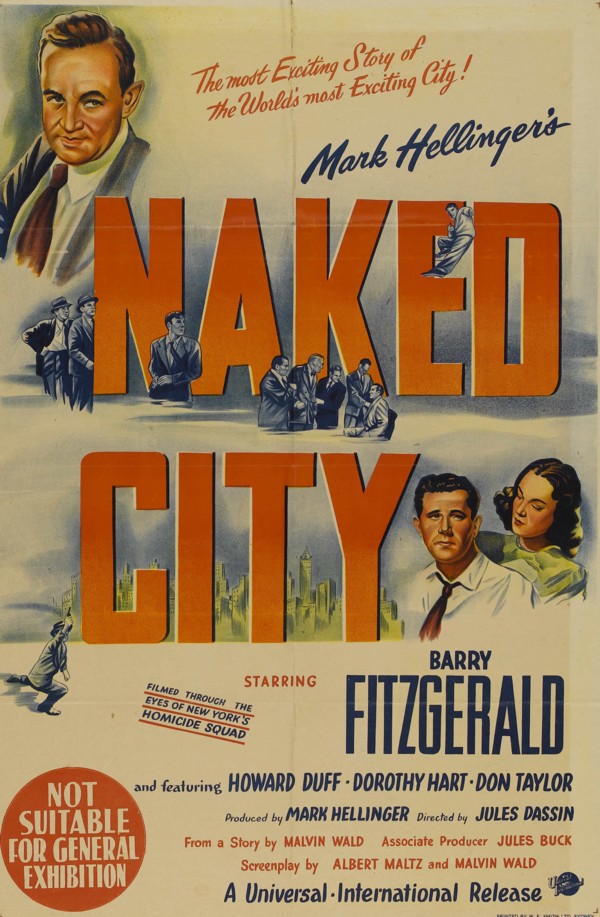
Naked City, The (1948)

Naked City, The (1948)

“Yesterday, Jean Dexter was just another pretty girl. But now she’s the marmalade on a hundred thousand pieces of toast.”

Synopsis:
A detective (Barry Fitzgerald) and his assistant (Don Taylor) search for clues related to the murder of a model whose lying boyfriend (Howard Duff) is engaged to her co-worker (Dorothy Hart).

Genres, Themes, Actors, and Directors:

  • Barry Fitzgerald Films
  • Detectives and Private Eyes
  • Jules Dassin Films
  • Murder Mystery
  • New York City

Review:
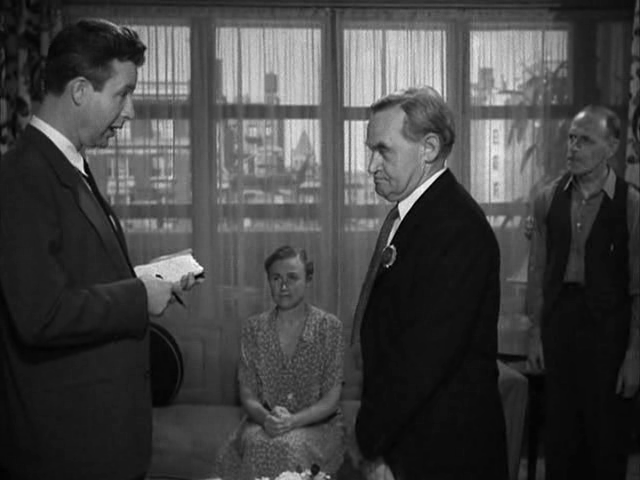
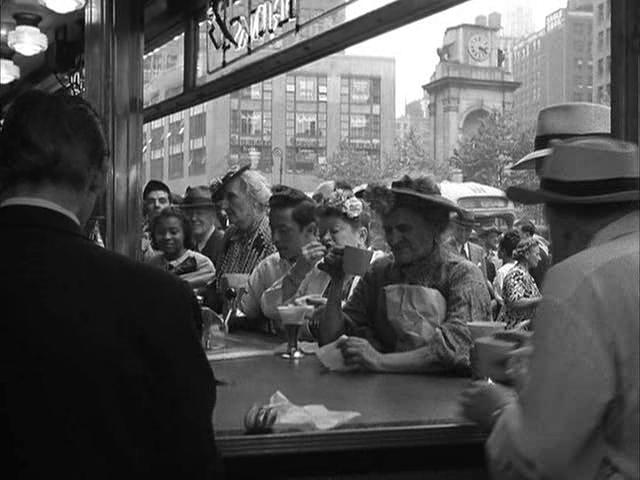
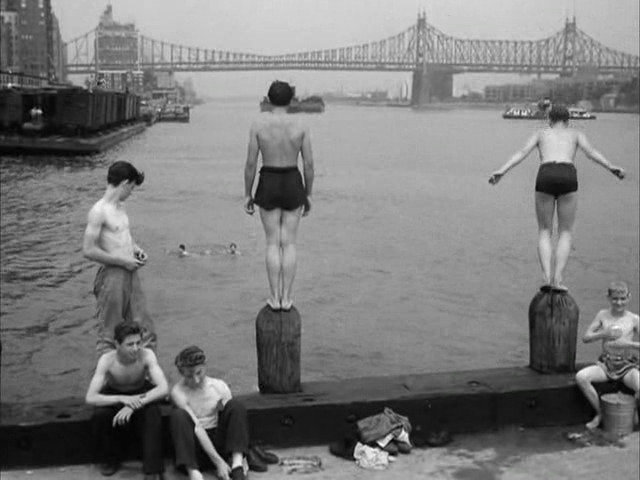
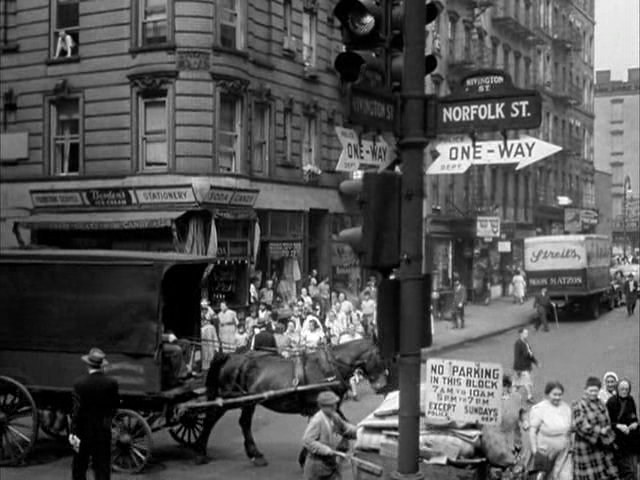
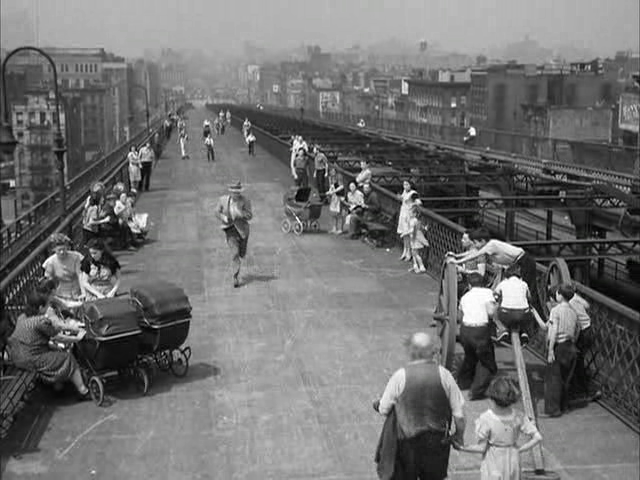
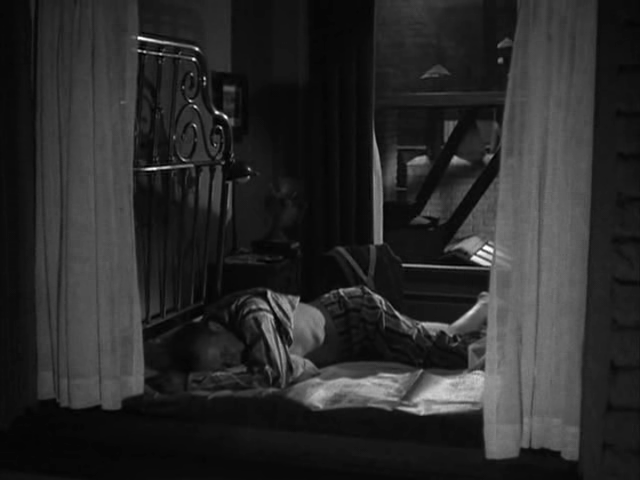
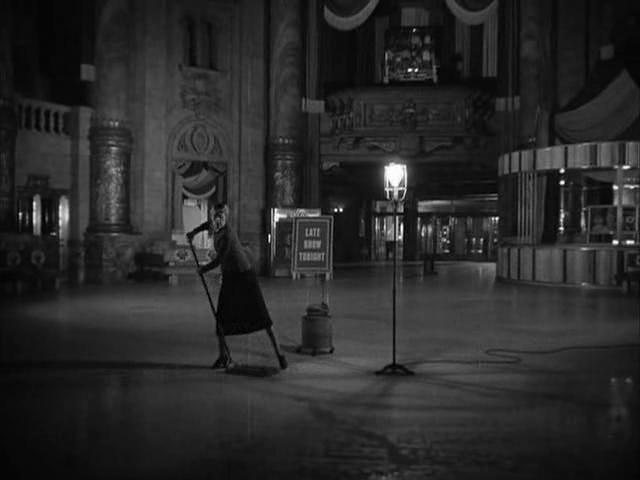
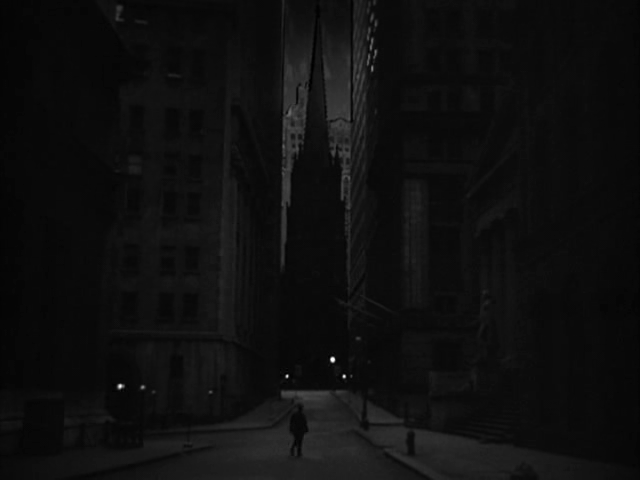
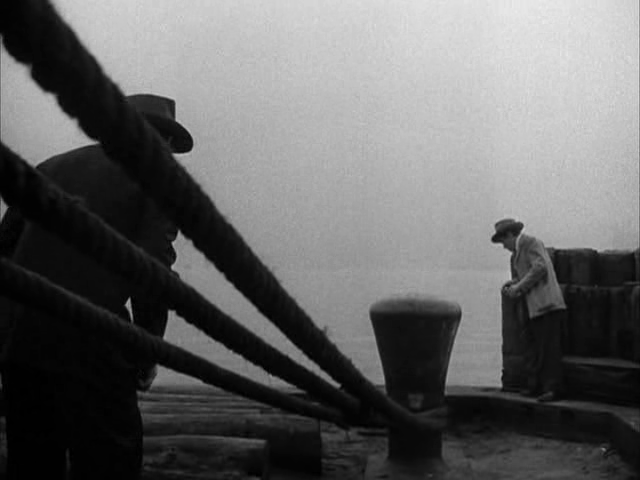
Jules Dassin‘s documentary-style police procedural is notable as the first major Hollywood film shot in New York City streets and locales. There are some surprisingly gritty scenes — including the initial murder of the model, shown briefly but graphically during an opening montage of NYC at 1:00 in the morning, and the final confrontation with one of the killers — but the film itself suffers from the same syndrome as Undercover Man (1949), with too much pedantic emphasis placed on giving viewers the “inside scoop” on how law enforcement does its grueling work. Journalist-producer Mark Hellinger provides an overly earnest voice-over, with lines such as these:

The 10th precinct station is in the Chelsea district of New York, a rather shabby building on a rather shabby street. Acts of violence in Manhattan are reported to the third floor of this building, because, here, rather quietly, the homicide squad does its work.

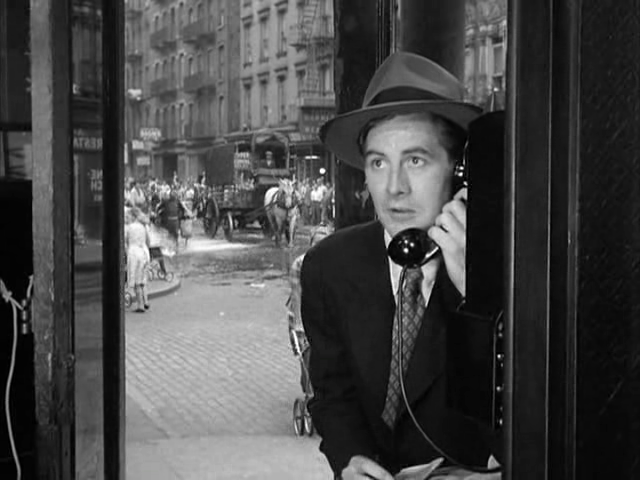
(Be sure to check out TCM’s article for fascinating background info on Hellinger, who was apparently quite a character.) Meanwhile, Barry Fitzgerald and Don Taylor:


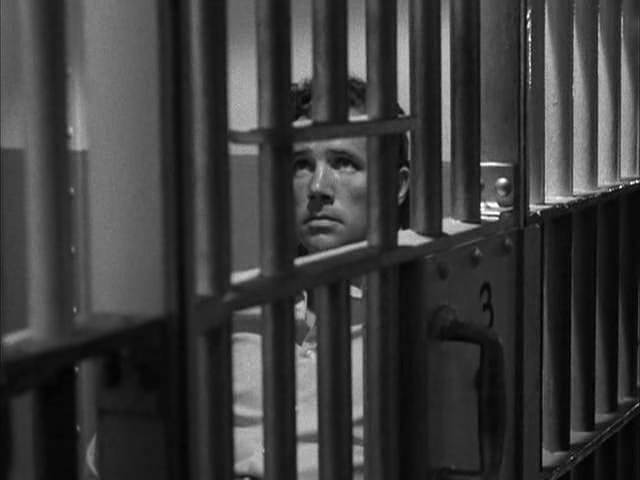
… are far too straight-out-of-Hollywood as the detective duo assigned to investigate the murder, and Howard Duff is pretty bland as the key player in the intrigue.

The true power of this flick lies in its many shots of New York City in the late 1940s; to that end, it serves as an invaluable cinematic time capsule.

Redeeming Qualities and Moments:

  • Fine use of authentic NYC locales


  • Atmospheric cinematography by Oscar-nominated William H. Daniels

  • Ted de Corsia as Willy Garzah

Must See?
No, but it’s certainly worth a one-time look. Listed as a film with Historical Importance in the back of Peary’s book. Selected for preservation in the United States National Film Registry in 2007 by the Library of Congress as being “culturally, historically, or aesthetically significant”.

Links:

Terror in a Texas Town (1958)

Terror in a Texas Town (1958)

“Time presses — and I’ve run out of means of persuasion.”

Synopsis:
A corrupt businessman (Sebastian Cabot) with a beautiful “secretary” (Marilee Earle) hires a ruthless gunslinger (Nedrick Young) with a self-loathing girlfriend (Carol Kelly) to kill any farmers who refuse to sell their oil-rich land to him — starting with the father (Ted Stanhope) of a Swedish-American whaler (Sterling Hayden) who arrives in town and refuses to accept Cabot’s claim that the land isn’t legally Hayden’s.

Genres, Themes, Actors, and Directors:

  • Corruption
  • Joseph H. Lewis Films
  • Sterling Hayden Films
  • Westerns

Review:
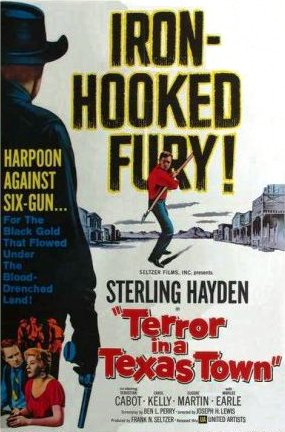
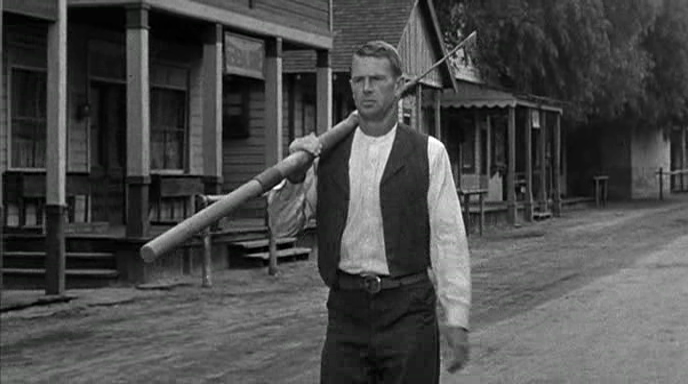
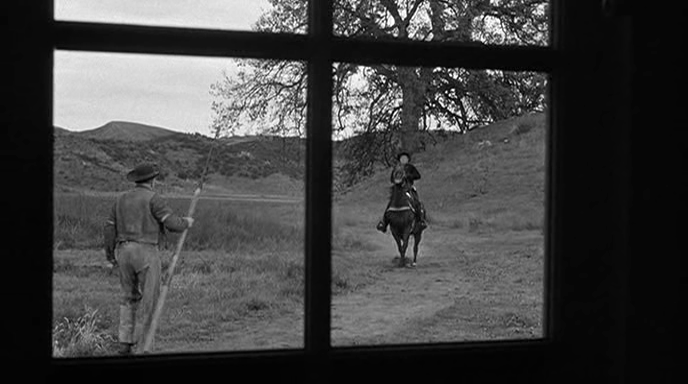
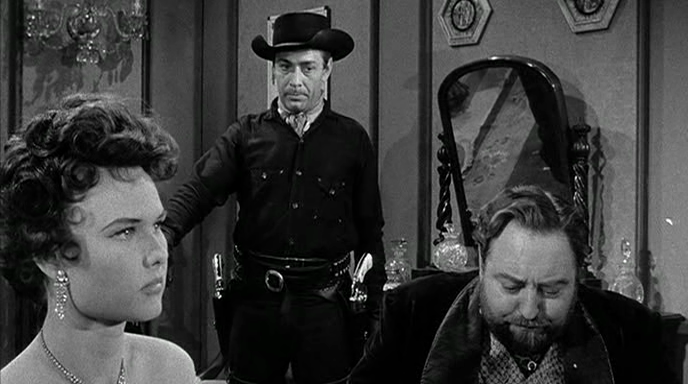
Ghost-written by Dalton Trumbo, this western tells a fairly straight-forward tale of good-versus-evil in a lawless town, with the “fat cat” businessman literally a rotund guy, and a sociopathic hitman perennially clad in black. Shades of Nicholas Ray’s Johnny Guitar (1954) are immediately evoked as Hayden emerges in the opening scene, wielding a whale harpoon against an unseen foe:

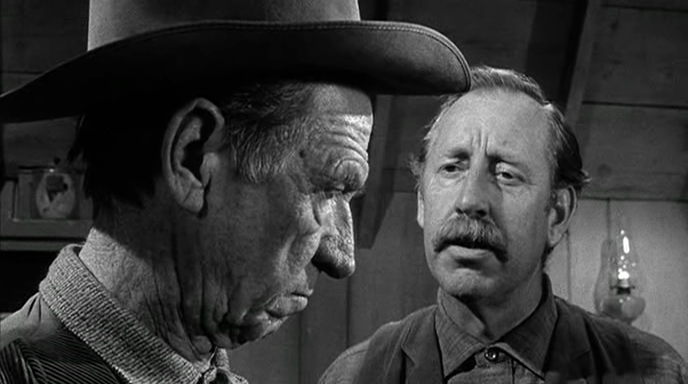
… and we also see Frank Ferguson — who played Marshal Williams in …Guitar — in a key supporting role.

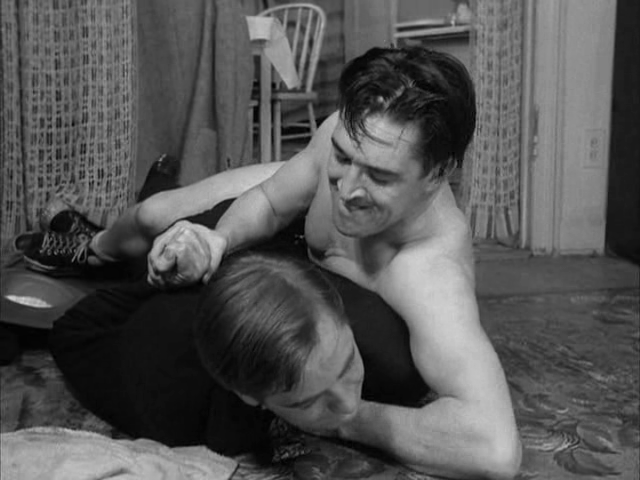
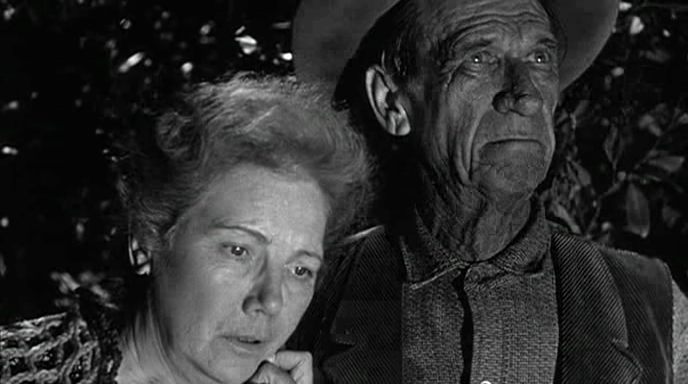
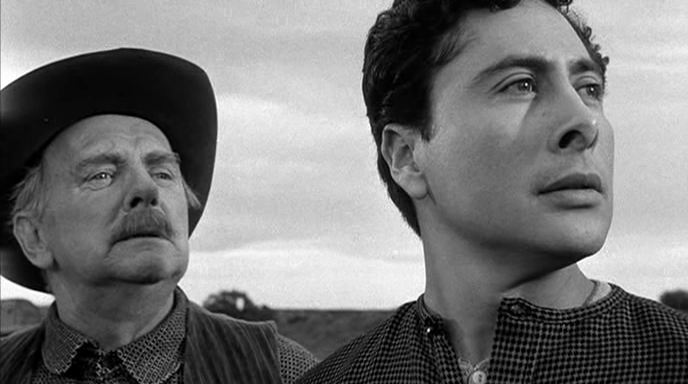
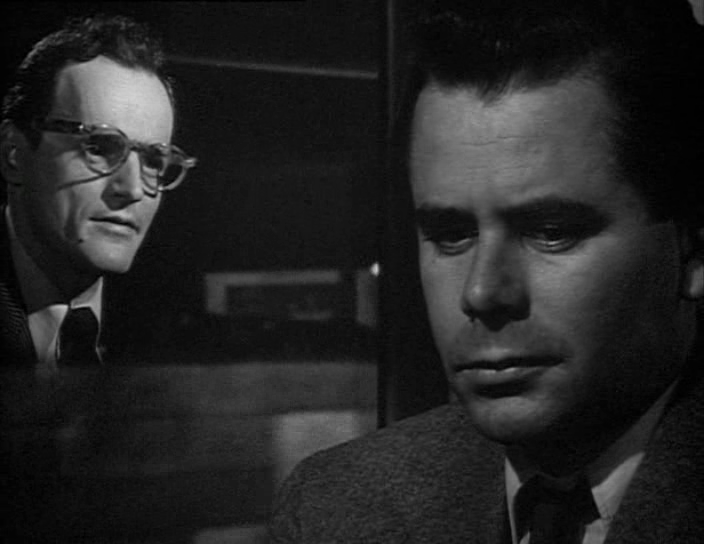
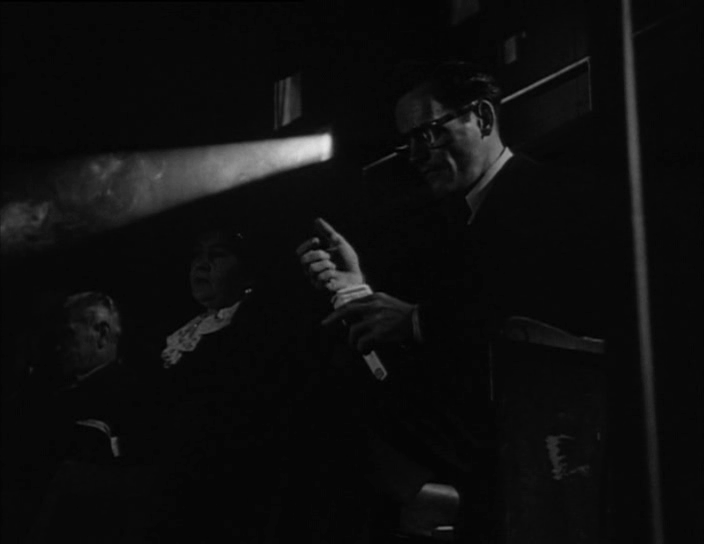
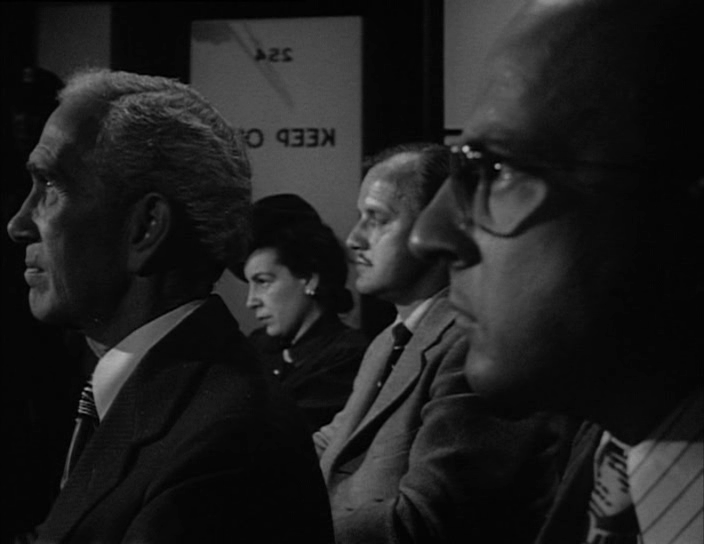
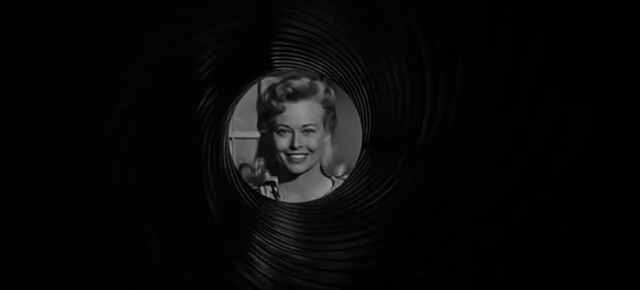
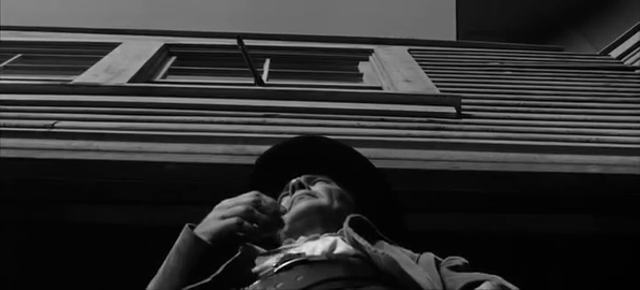
Unfortunately, once Hayden opens his mouth, disbelief must be suspended: his Swedish accent is highly dubitable, and comes and goes randomly. Young is menacing but not especially memorable as the key baddie (where are Lee Van Cleef or Lee Marvin when you need them?). However, Joseph H. Lewis’s unique directorial stamp makes this film worth a look; see stills below.

Redeeming Qualities and Moments:

  • Joseph Lewis’s top-notch direction

  • Fine cinematography

Must See?
No, though it’s worth a one-time look.

Links:

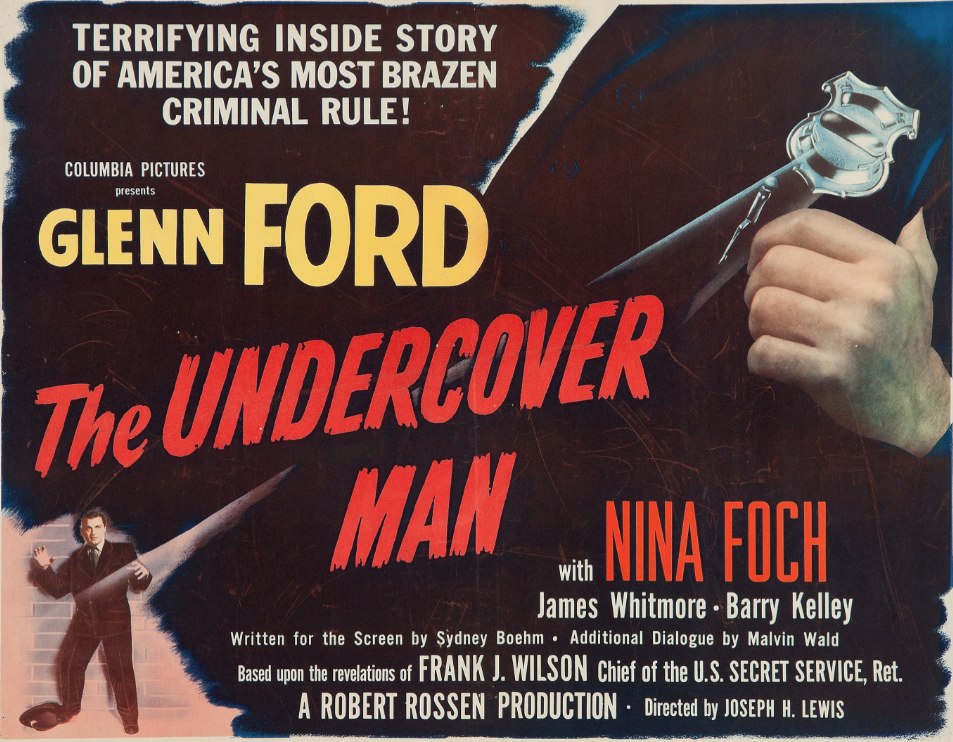
Undercover Man, The (1949)

Undercover Man, The (1949)

“It’s never too late for a trade.”

Synopsis:
A T-man (Glenn Ford) and his partner (James Whitmore) are tasked with hunting down a notorious gangster who owes $3 million in taxes, but quickly find that all witnesses are too scared to talk. Meanwhile, a big-time mob attorney (Barry Kelley) foils the T-men’s attempts to get accountants arrested, and when the safety of Ford’s wife (Nina Foch) is threatened, Ford reconsiders his career goals.

Genres, Themes, Actors, and Directors:

  • Corruption
  • Glenn Ford Films
  • James Whitmore Films
  • Joseph H. Lewis Films
  • Mafia
  • Undercover Cops and Agents

Review:
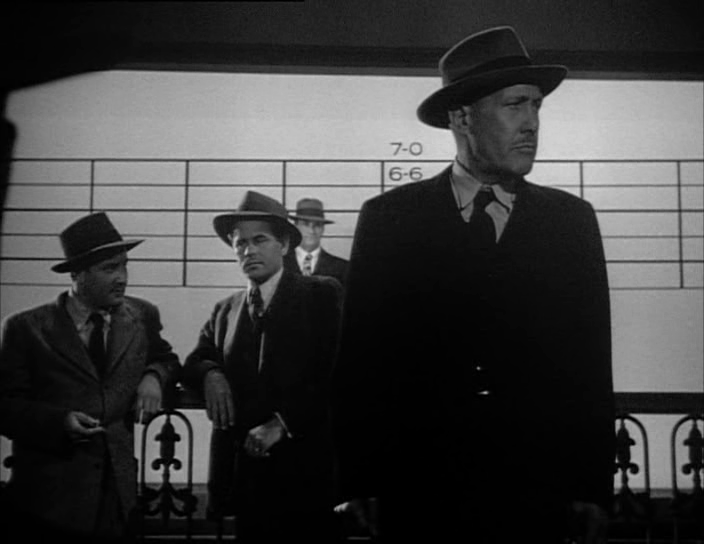
This semi-documentary look at T-Men (federal Treasury agents) determined to collect on back-taxes from an Al Capone-like gangster is primarily notable for being directed by Joseph H. Lewis of Gun Crazy (1949) fame, who, assisted by DP Burnett Guffey, brings flashes of cinematic ingenuity to an otherwise unexceptional story. Too much emphasis is put on Ford’s “career crisis” (no doubt, messing with the Mafia is dangerous), and certain pivotal scenes — i.e., when a young girl (Joan Lazer) whose father (Anthony Caruso) has been murdered by The Big Fellow’s men translates her Italian grandmother’s (Esther Minciotti’s) pleas for Ford to continue his hunt — are milked too hard for emotion. With that said, Ford gives a surprisingly affecting performance; but Foch — leading lady in Lewis’s My Name is Julia Ross (1945) — is wasted in a pro-forma role as his concerned wife sent off to the country to wait for him, and Whitmore, a consummate supporting actor, is also surprisingly unmemorable. More time should have been spent following Ford’s nemesis, a hopelessly smug attorney (Barry Kelley) who plays a pivotal role in the denouement.

Redeeming Qualities and Moments:

  • Glenn Ford as Frank Warren
  • Barry Kelley as O’Rourke
  • Burnett Guffey’s cinematography and Lewis’s direction


Must See?
No, though it’s recommended for one-time viewing.

Links:

Forty Guns (1957)

Forty Guns (1957)

“I need a strong man to carry out my orders.”

Synopsis:
A lawman (Barry Sullivan) and his brothers (Gene Barry and Robert Dix) attempt to arrest the reckless brother (John Ericson) of a whip-wielding rancher (Barbara Stanwyck), who relies on 40 hired hands and a lackey sheriff (Dean Jagger) to help keep order in her territory — but when Sullivan and Stanwyck fall in love, and Barry becomes deeply enamored with the daughter (Eve Brent) of a local gunsmith, the situation quickly gets even more complicated.

Genres, Themes, Actors, and Directors:

  • Barbara Stanwyck Films
  • Dean Jagger Films
  • Ranchers
  • Romance
  • Samuel Fuller Films
  • Strong Females
  • Westerns

Review:
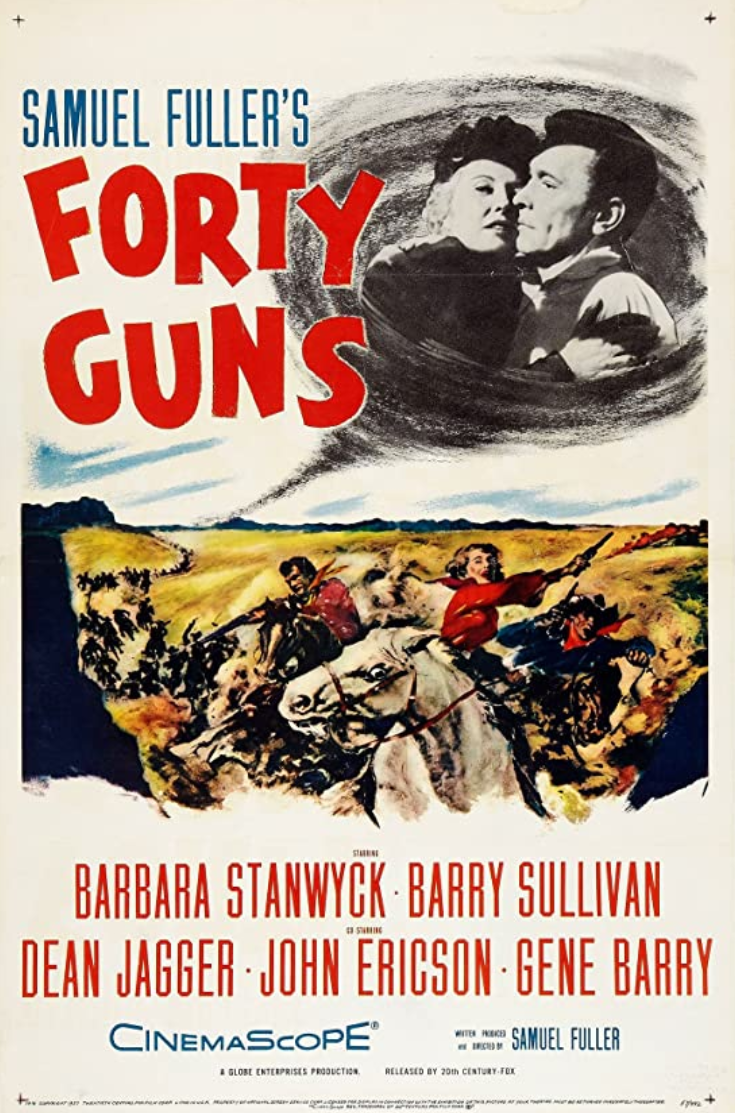
Writer-director Samuel Fuller makes excellent use of CinemaScope in this action-packed western, featuring 49-year-old Stanwyck in a prototypical “strong female” role. The storyline is fairly standard western fare — fitting within the sub-genre of a “marshal story”, in which “the lawman and his challenges drive the plot” — but handled with Fuller’s typically quirky eye for composition, some unusual pacing choices, and strikingly bawdy language (“I’d like to stay around long enough to clean her rifle!”). Memorable scenes include a dead body placed upright in a coffin for all to view through a window (as a sign of impending revenge); Stanwyck and Barry caught in a tornado; a graphic minor death (complete with a foaming mouth); and Stanwyck doing one of her own dangerous stunts as she’s dragged on the ground by a horse.

Redeeming Qualities and Moments:

  • Fine CinemaScope cinematography


Must See?
No, though it’s worth a one-time look. Listed as a Cult Movie in the back of Peary’s book.

Links:

Gunfighter, The (1950)

Gunfighter, The (1950)

“It’s a fine life, ain’t it? Just trying to stay alive.”

Synopsis:
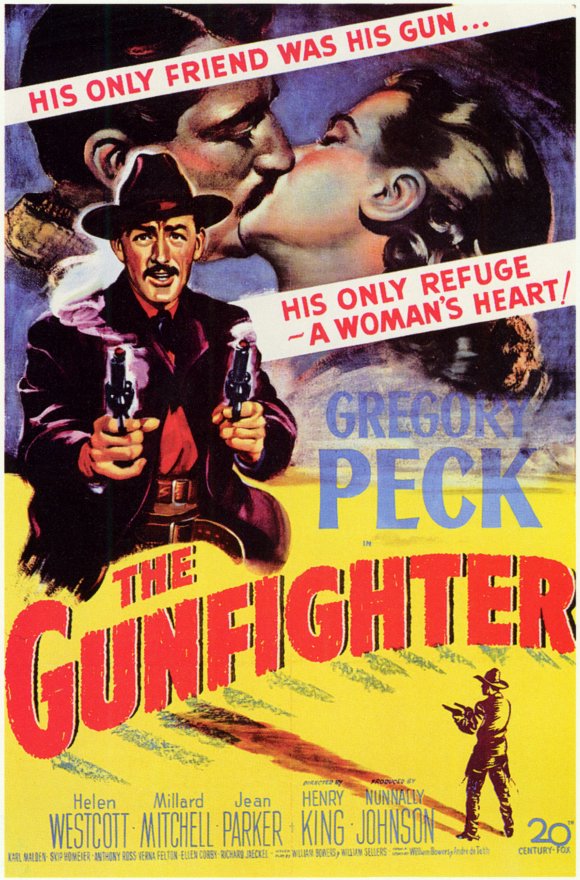
After killing a young upstart (Richard Jaeckel) in self-defense, notorious gunfighter Jimmy Ringo (Gregory Peck) flees to the town of Cayenne, where he hopes to reconnect with his estranged wife (Helen Westcott) and son. The town’s marshal (Millard Mitchell) allows Ringo to enjoy drinks provided by a sympathetic bartender (Karl Malden), while a saloon singer (Jean Parker) agrees to help him connect with Westcott — but Jaeckel’s three brothers are out for revenge, and the local hotshot (Skip Homeier) is eager to prove his mettle against the “fastest gun in the west”.

Genres, Themes, Actors, and Directors:

  • Gregory Peck Films
  • Henry King Films
  • Jean Parker Films
  • Karl Malden Films
  • Revenge
  • Richard Jaeckel Films
  • Westerns

Review:
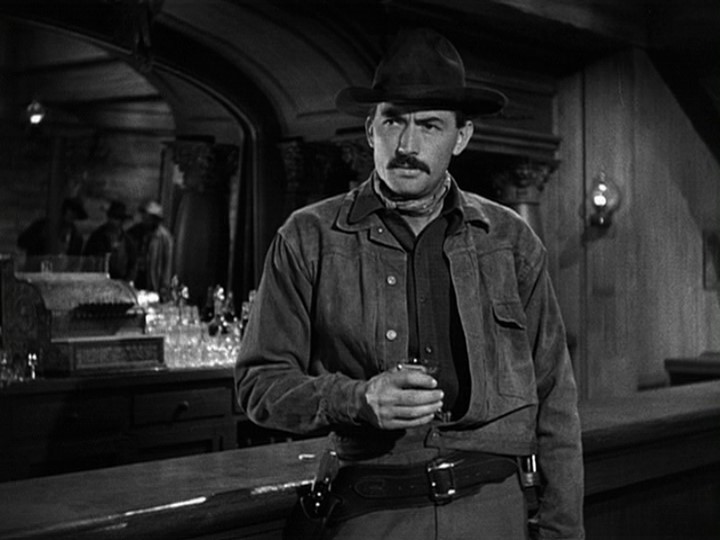
Henry King directed this highly effective, economically paced tale of a talented gunfighter desperate to leave his past behind but literally haunted by his own prowess. Because Peck kills Jaeckel in self-defense — and does everything he can to try to prevent the killing — it’s easy enough to maintain empathy for his plight, and simply gloss over the lurid reality of how he came to his notoriety. Much like High Noon (1952), The Gunfighter takes place within a concentrated span of time, with a deadline of sorts looming and menace lurking around every corner; tension builds as more and more people (mostly awe-struck kids) gather outside Malden’s saloon (reminiscent of Dog Day Afternoon), and Peck wearily waits for resolution of some kind. This one is well worth a look.

Redeeming Qualities and Moments:

  • Gregory Peck as Jimmy Ringo
  • Arthur Miller’s cinematography

Must See?
Yes, as a fine, underrated genre flick. Listed as a film with Historical Importance in the back of Peary’s book.

Categories

  • Good Show

Links:

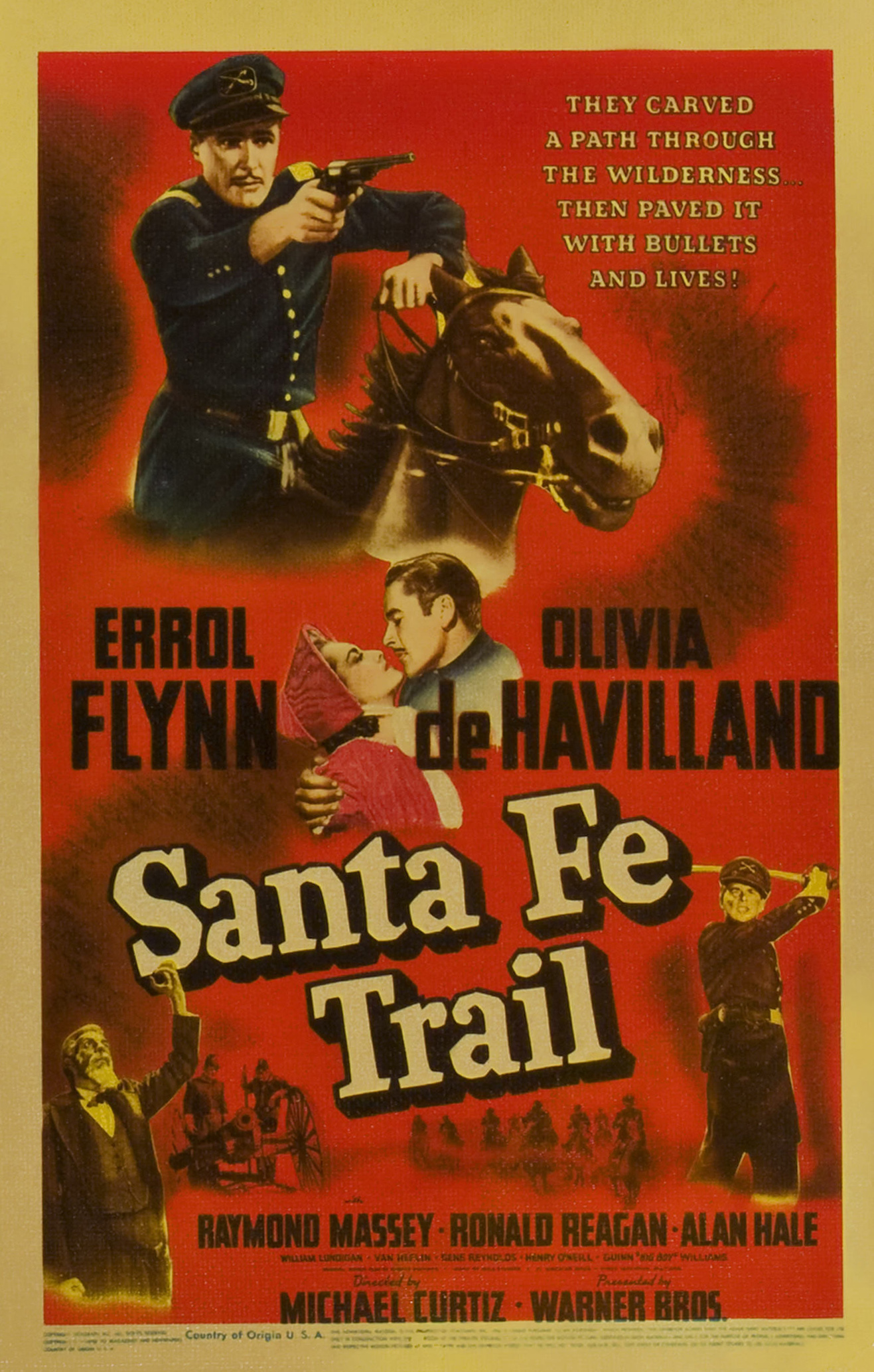
Santa Fe Trail (1940)

Santa Fe Trail (1940)

“Our job is to be a soldier, not to decide what is wrong or right.”

Synopsis:
After graduating from West Point Academy, J.E.B. Stuart (Errol Flynn) and his friends — including future Confederacy leaders George Custer (Ronald Reagan) and James Longstreet (Frank Wilcox) — battle against a classmate (Van Heflin) who has joined forces with militant abolitionist John Brown (Raymond Massey).

Genres:

  • Alan Hale Films
  • Errol Flynn Films
  • Historical Films
  • Michael Curtiz Films
  • Olivia de Haviland Films
  • Raymond Massey Films
  • Ronald Reagan Films
  • Slavery
  • Van Heflin Films
  • Westerns

Review:
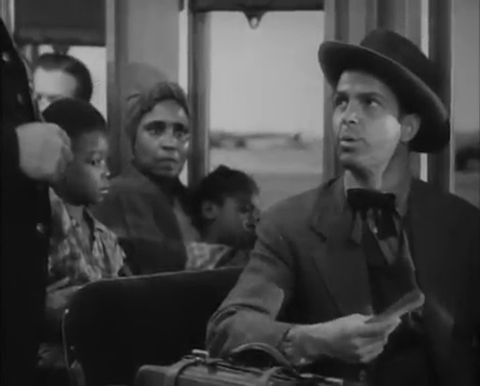
This dubiously historical western features a roster of famous characters inaccurately co-existing for the sake of convenience, and an egregiously demeaning portrayal of a controversial yet critically important figure in America’s ongoing civil rights movement (John Brown). (Interestingly, Massey played Brown once again in 1955’s Seven Angry Men, giving what was apparently a much more nuanced portrayal of his life and convictions.) Santa Fe Trail is competently directed by Michael Curtiz and features typically excellent cinematography by Sol Polito, but otherwise isn’t worth seeking out unless you’re curious for some reason. (It’s available as a public domain title.) One scene does deserve mention, however: as Brown’s compatriot defends an African-American family on a train, we see a rare glimpse of the devastating racism and fear rampant across pre-Civil War America.

Redeeming Qualities and Moments:

  • An attempt to show the sins of slavery and racism in a reasonably authentic light
  • Sol Polito’s cinematography

Must See?
No; you can skip this one.

Links: