Browsed by
Category: Original Reviews

Responses to Peary’s “must see” movie reviews, as well as my own “must see” movie reviews up to and after 1986 (when Peary’s book was published).

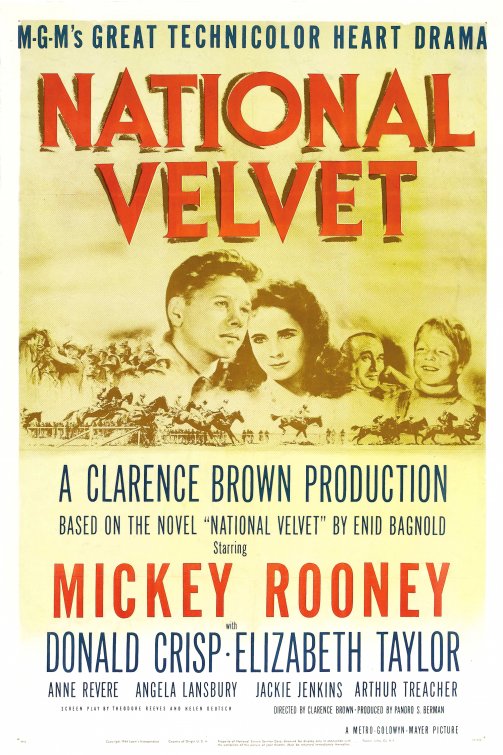
National Velvet (1944)

National Velvet (1944)

“I, too, believe that everyone should have a chance at a breathtaking piece of folly once in his life.”

Synopsis:
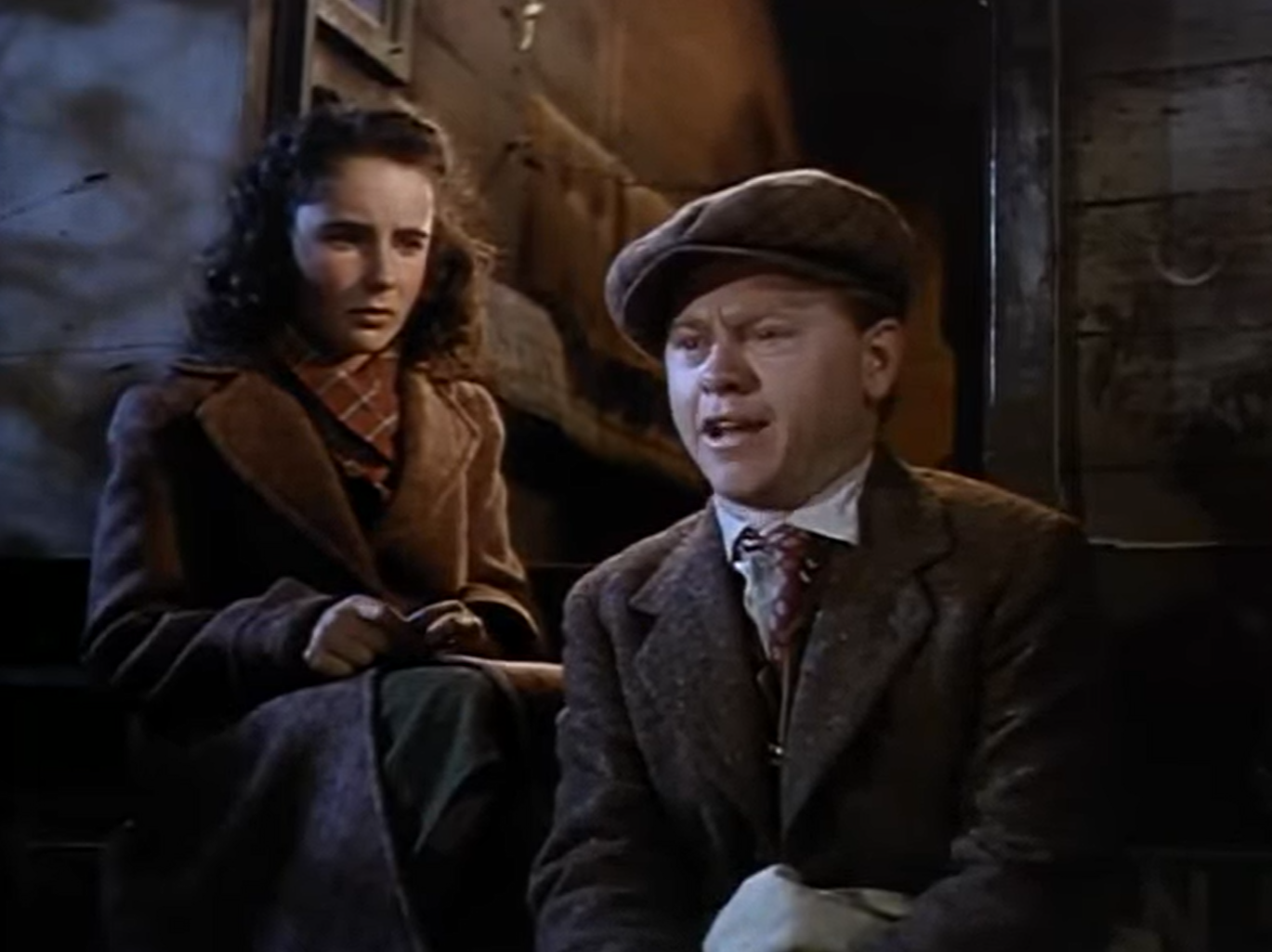
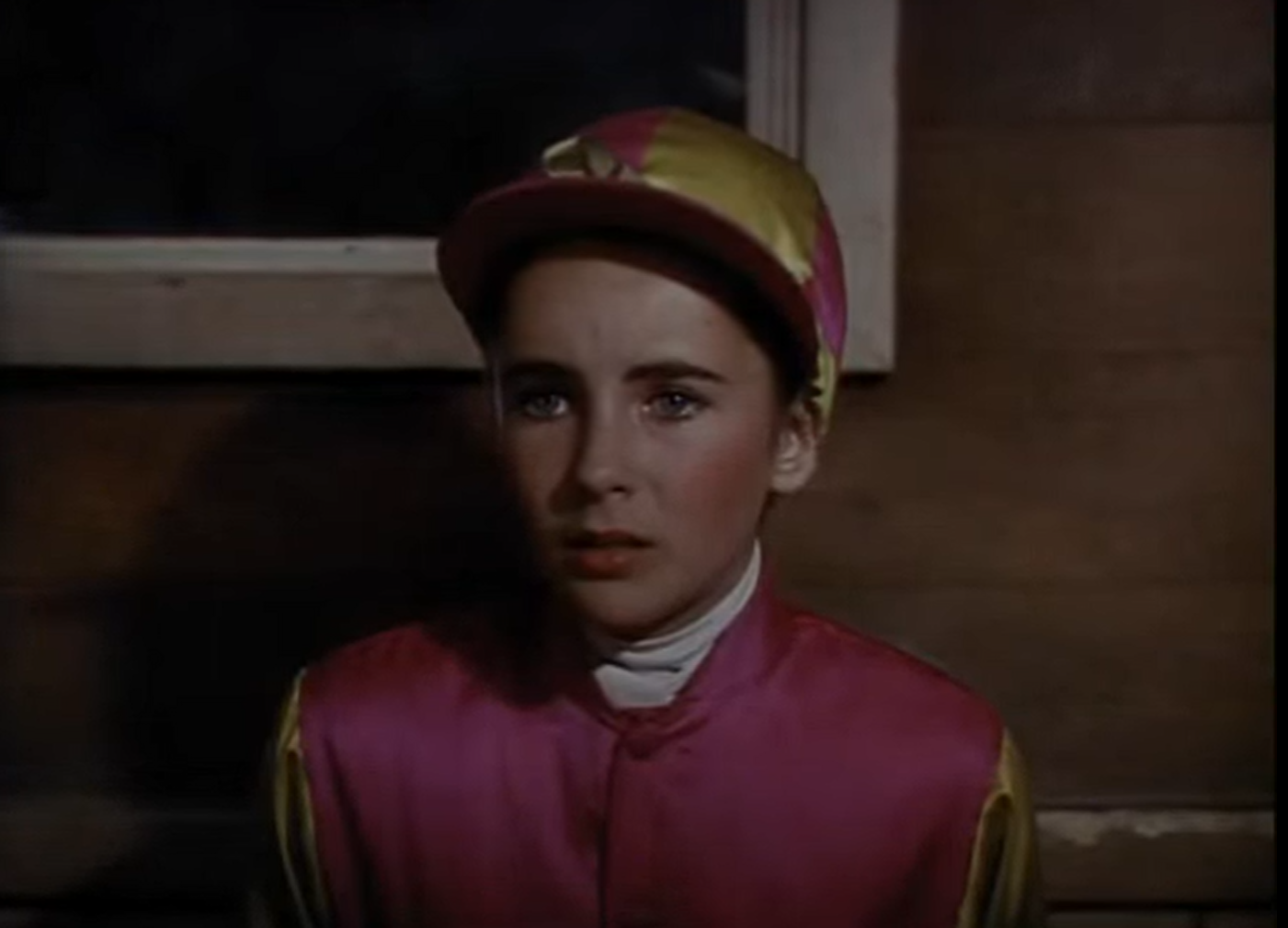
With the help of an itinerant trainer (Mickey Rooney) — and the blessing of her mother (Anne Revere) — the 12-year-old daughter (Elizabeth Taylor) of a small-town butcher (Donald Crisp) enters her horse, the Pie, in the Grand Nationals.

Genres, Themes, Actors, and Directors:

  • Angela Lansbury Films
  • Clarence Brown Films
  • Donald Crisp Films
  • Elizabeth Taylor Films
  • Horses
  • Mickey Rooney Films
  • Strong Females

Review:
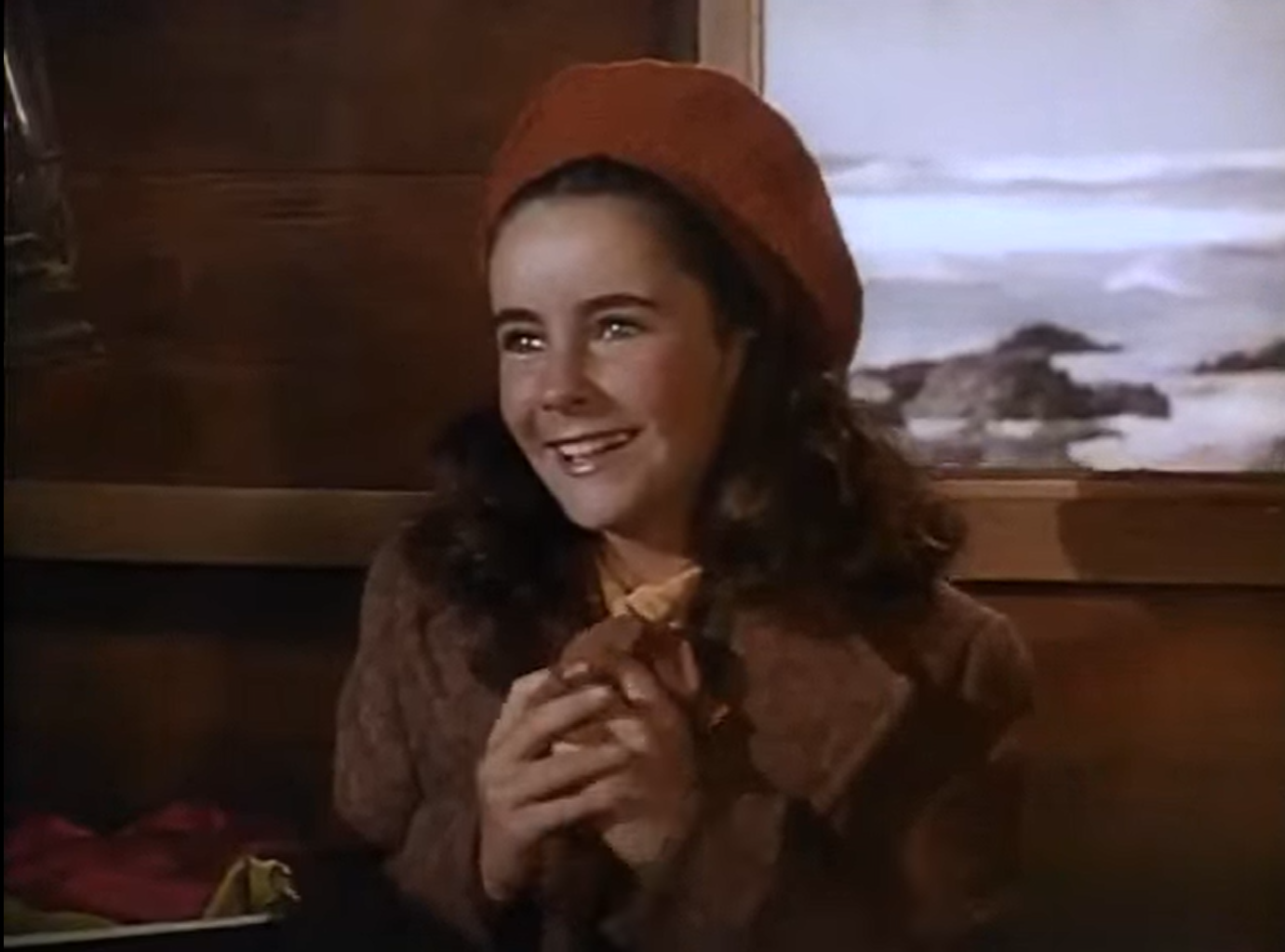
Clarence Brown’s adaptation of Enid Bagnold’s 1935 novel features 12-year-old Elizabeth Taylor in her first starring role after notable supporting appearances in both Jane Eyre (1943) and Lassie Come Home (1943). She’s positively luminous, if a bit overly dreamy for a young woman presumably focused enough to compete in such a major event.

Oscar-winning Revere is appropriately stoic as Velvet’s supportive mother, who knows first-hand what it means to chase a sporting dream despite all odds.

Less engaging — though he tries hard — is Rooney as the troubled son of Revere’s former coach, who spends the entire film waffling between loyalty to Taylor’s family and a penchant for less savory pursuits.

Ultimately, one’s enjoyment of this film will depend on their tolerance for its folksy charm and feel-good storyline, as well as their overall love of anything horse-related. (Call me a wet blanket, but all I could think about was when Velvet would fall and get seriously hurt. Does she? I won’t say a word.)

Note: Watch for Angela Lansbury — the same year as her debut in Gaslight (1944) — in a small role as Velvet’s love-sick older sister.

Redeeming Qualities and Moments:

  • Elizabeth Taylor as Velvet
  • Anne Revere as Araminty Brown
  • Fine use of outdoor sets

Must See?
No, though it’s certainly worth a one-time look.

Links:

Donkey Skin (1971)

Donkey Skin (1971)

“I love you, my daughter, and wish to marry you.”

Synopsis:
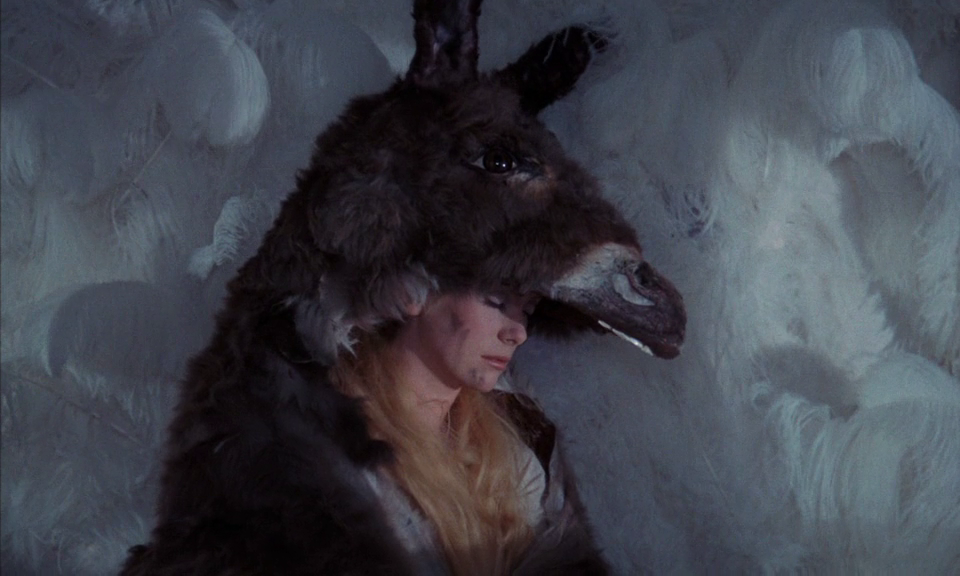
A king (Jean Marais) whose dying wife (Micheline Presle) makes him promise he will only remarry if he can find someone wiser and more beautiful than herself decides that his grown daughter (Catherine Deneuve) is the sole suitable candidate. After seeking advice from her fairy godmother (Delphine Seyrig), the conflicted princess (Denevue) runs away from home dressed in a donkey skin, and meets a prince (Jacques Perrin) whose love may rescue her from her dire situation.

Genres, Themes, Actors, and Directors:

  • Catherine Deneuve Films
  • Delphine Seyrig Films
  • Folk Tales, Fairy Fales and Mythology
  • French Films
  • Incest and Incestuous Undertones
  • Jacques Demy Films
  • Mistaken or Hidden Identities
  • Musicals
  • Royalty and Nobility

Review:
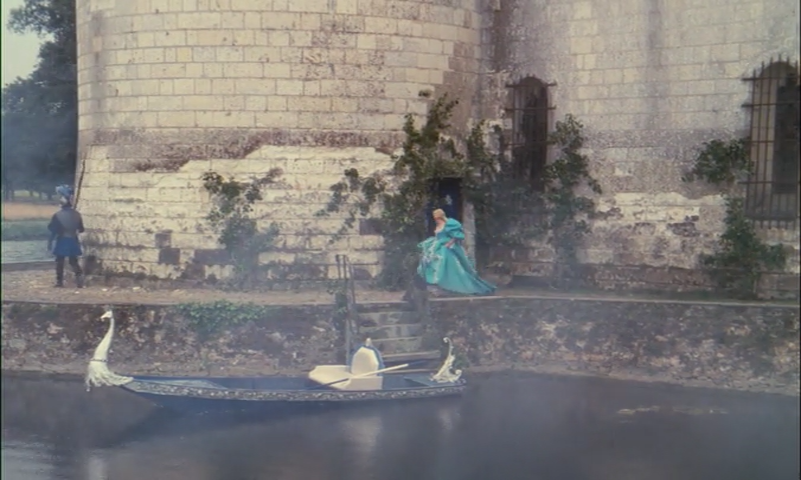
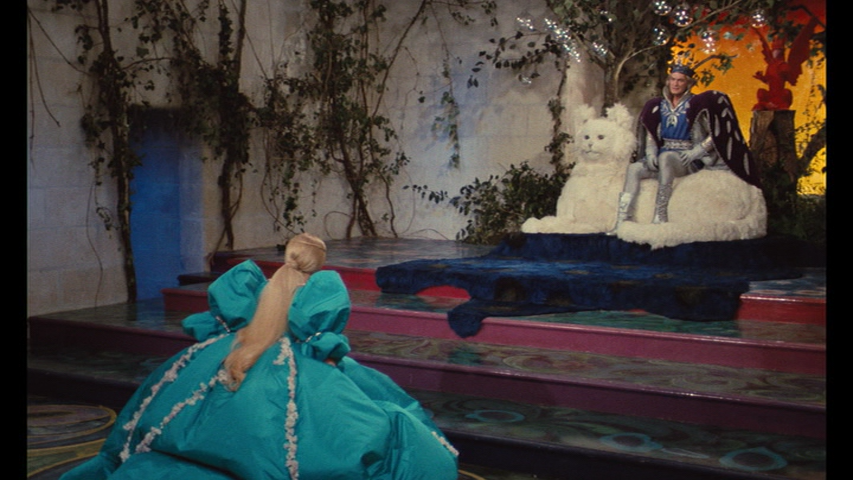
Jacques Demy’s adaptation (with cheery music by Michel Legrand) of Charles Perrault’s fairytale is an odd affair indeed — starting with the central conflict, which leaves one decidedly uncomfortable. Marais clearly isn’t a villain (he loves his wife and wants to “do the right thing” for the sake of his lineage) yet his request is untenable and icky: if one should obey one’s parents but not commit incest, what’s a girl to do? Thankfully, Marais’ Oedipal interest in his daughter is never manifested beyond hypothetical plans. Instead, the story shifts to a Cinderella-esque tale, with Deneuve going undercover in rags and a ring replacing the specially-sized glass slipper. The colorful costumes and sets are truly gorgeous, and Seyrig has fun in her role as Deneuve’s fairy caretaker — but this one will likely only appeal to fans of Demy’s unusual oeuvre.

Redeeming Qualities and Moments:

  • Magical sets and costumes


  • Vibrant cinematography


Must See?
No, though it’s worth a one-time look simply for the gorgeous visuals — and of course Demy fans will want to check it out.

Links:

Only Game in Town, The (1970)

Only Game in Town, The (1970)

“I’m making jokes because I’m scared, but I’ve never been more serious in my life.”

Synopsis:
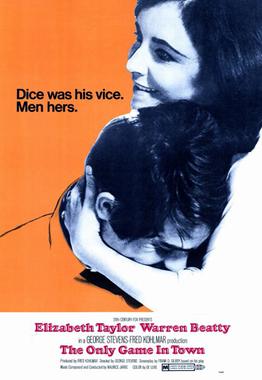
A Vegas showgirl (Elizabeth Taylor) has an affair with a gambling-addicted musician (Warren Beatty) while waiting for her married lover (Charles Braswell) to finally get a divorce — but when her opportunity for a lasting union arrives, will she take it?

Genres, Themes, Actors, and Directors:

  • Elizabeth Taylor Film
  • Gambling
  • George Stevens Films
  • Love Triangle
  • Play Adaptation
  • Warren Beatty Films

Review:
Reviews of George Stevens’ final film — an adaptation of Frank D. Gilroy’s short-lived Broadway play — are uniformly scathing, with most attention paid to the outsized budget for a film taking place in Vegas but filmed in Paris simply so Taylor could be near her husband, Richard Burton. Taylor’s miscasting has also been noted, with The New York Times’ Vincent Canby uncharitably stating: “As played by Miss Taylor, Fran is so top-heavy in bouffant hair styles by Alexandre of Paris, and badly proportioned minidresses by Mia Fonssagrives, that she has the non-dancing silhouette of an apple balanced atop a pair of toothpicks.”

Regardless of her appearance, Taylor’s overall situation simply doesn’t garner much sympathy, primarily because we barely meet the supposed object of her affections (Braswell) before he’s gone again. Beatty adds a bit of pathos to the role of a gambling addict, and the film come alive during an early sequence when he takes Taylor on the town.

But from there, we’re simply waiting for an inevitable romance between the two gorgeous co-stars to ensue, despite their professed disinterest.

Redeeming Qualities and Moments:

  • Henri Decae’s cinematography

Must See?
No; skip this one.

Links:

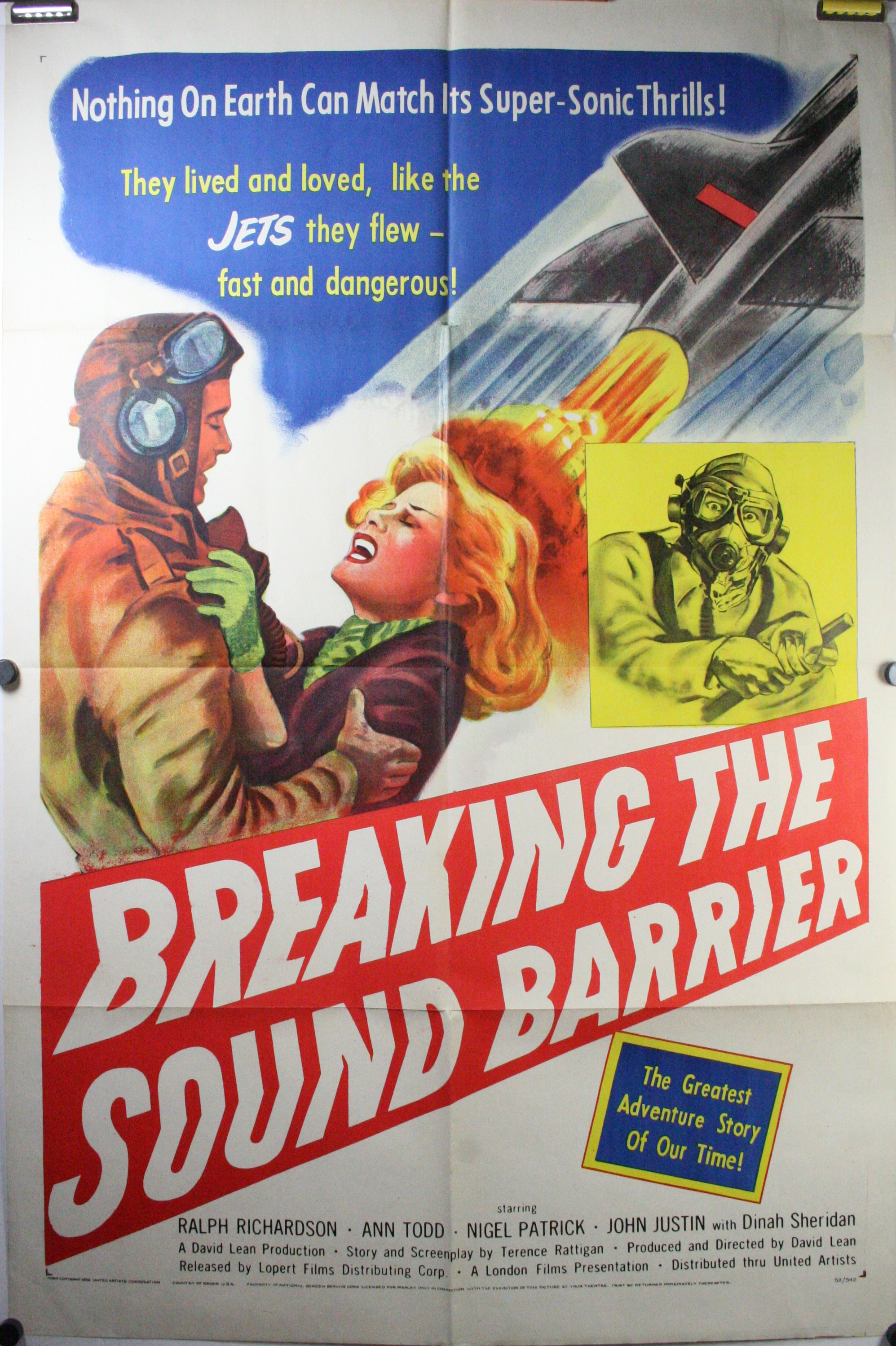
Breaking the Sound Barrier (1952)

Breaking the Sound Barrier (1952)

“It was almost as if I’d suddenly run into a solid sheet of water.”

Synopsis:
An RAF pilot (Nigel Patrick) marries the daughter (Ann Todd) of an airplane manufacturing magnate (Ralph Richardson) who is determined to send a test pilot through the sound barrier.

Genres, Themes, Actors, and Directors:

  • Airplanes and Pilots
  • David Lean Films
  • Denholm Elliott Films
  • Ralph Richardson Films
  • Science Fiction Films

Review:
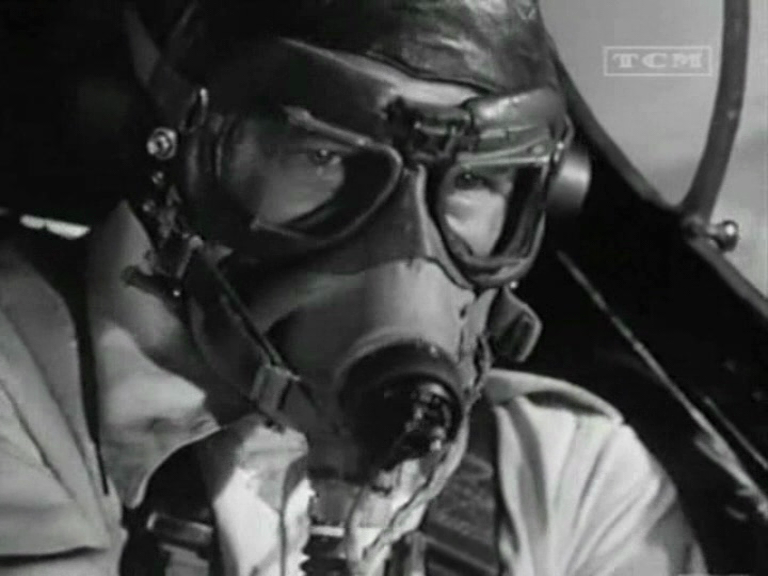
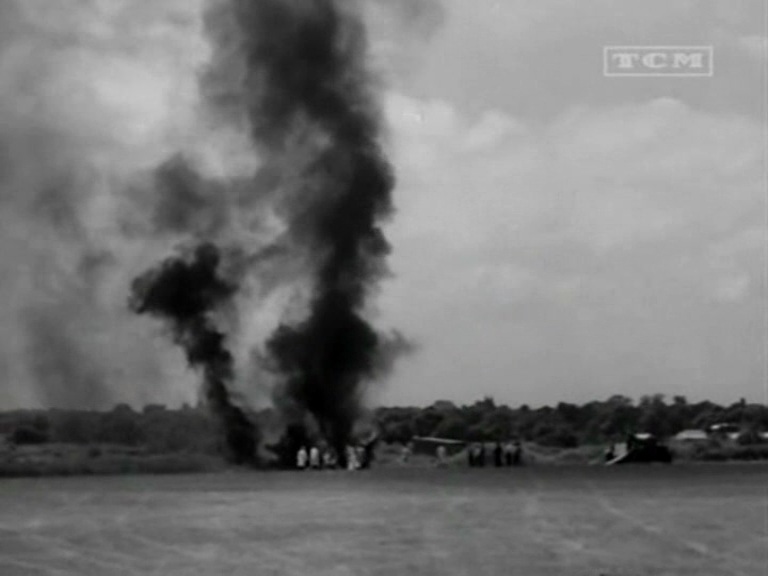
Inspired by the life of British aviation pioneer Geoffrey de Havilland, this David Lean flick is an interesting mix of revisionist history and science fiction. By claiming victory over one of the most profound challenges of aeroscience (flying faster than “Mach 1”), Breaking the Sound Barrier plants a false narrative of how this endeavor was achieved; those wanting a more authentic history must watch The Right Stuff (1983) about Chuck Yeager. With that enormous caveat in mind, this film succeeds in showing how a “stiff upper lip” is apparently an endemic British cultural trait, and how the desire to advance scientific knowledge sometimes trumps common sense and one’s personal survival-instinct. Less compelling is the overall storyline about a tough-as-nails magnate (Richardson) who seems willing to risk the happiness of both his son (Denholm Elliott) and daughter (Ann Todd) for the sake of his empire (and knowledge); if this were based on a true story, it would be easier to accept the conveniently plotted twists and turns — but, it’s not. The direction and cinematography are excellent, though.

Redeeming Qualities and Moments:

  • Many expertly filmed dramatic moments

  • Jack Hildyard’s cinematography

Must See?
No. Listed as a film with Historical Importance in the back of Peary’s book.

Links:

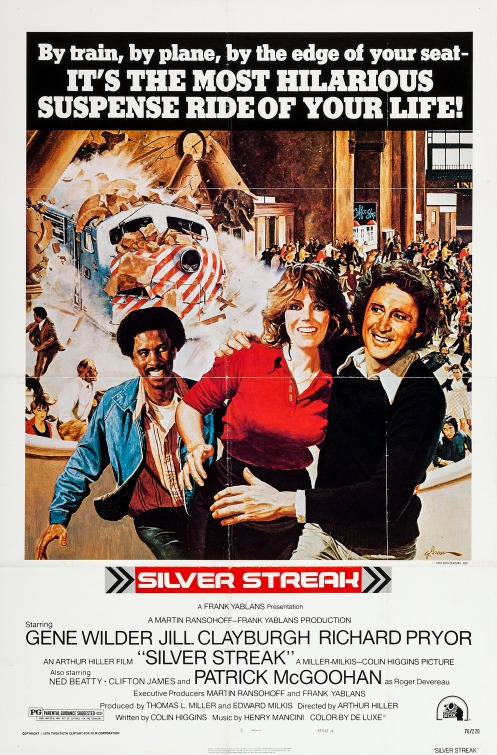
Silver Streak (1976)

Silver Streak (1976)

“If there’s one thing I have learned from this trip it’s that you play the game, and take what you get.”

Synopsis:
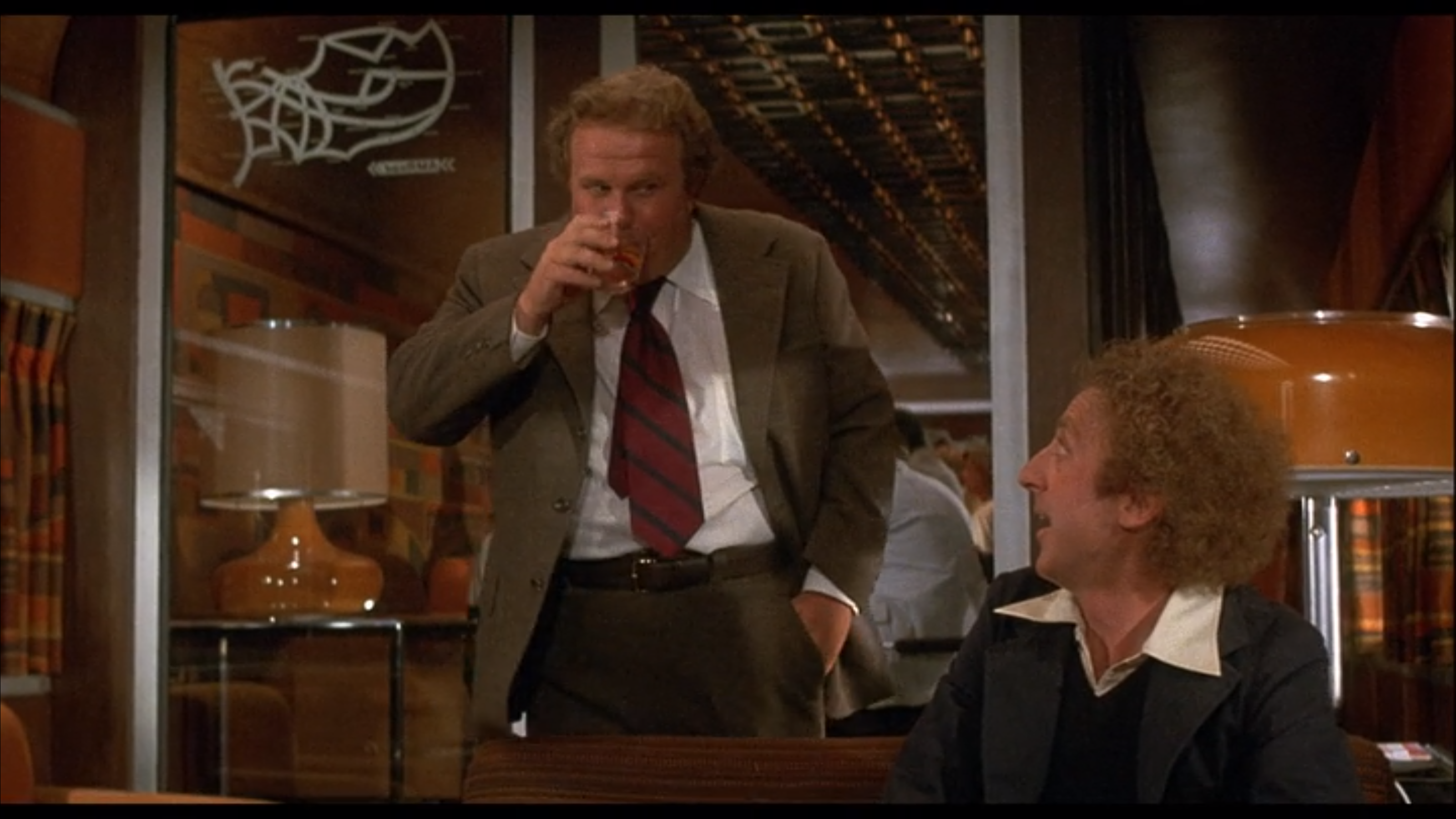
A book editor (Gene Wilder) meets a beautiful secretary (Jill Clayburgh) while travelling onboard a train called the Silver Streak. After seeing the man Clayburgh works for hanging dead outside a window, he panics but can’t get anyone to believe him — until a fellow passenger (Ned Beatty) reveals his true identity, and Wilder later meets a thief (Richard Pryor) who attempts to help him catch the murderers.

Genres, Themes, Actors, and Directors:

  • Comedy
  • Gene Wilder Films
  • Jill Clayburgh Films
  • Mistaken or Hidden Identities
  • Ned Beatty Films
  • “No One Believes Me!”
  • Richard Pryor Films
  • Road Trip
  • Trains and Subways

Review:
Directed by Arthur Hiller and scored by Henry Mancini, Silver Streak was the first of four on-screen pairings between comedians Gene Wilder and Richard Pryor, who next teamed up for Stir Crazy (1980). Of Silver Streak, screenwriter Colin Higgins — best known for scripting Harold and Maude (1971) — stated in an interview, “I had always wanted to get on a train and meet some blonde. It never happened, so I wrote a script” — thus explaining the rather haphazard nature of the storyline, which tosses in every action-murder-mystery-romance convention in the book, plus race relations, a plucky female pilot, and a bit of a buddy theme. It’s competently made and acted, but doesn’t hold one’s attention in the same way as Hitchcock’s The Lady Vanishes (1938) or Sidney Lumet’s Murder on the Orient Express (1974), which it seems to aspire towards.

Redeeming Qualities and Moments:

  • Good use of a train as a primary locale

Must See?
No, though you may want to check it out if you’re a fan of Wilder or Pryor.

Links:

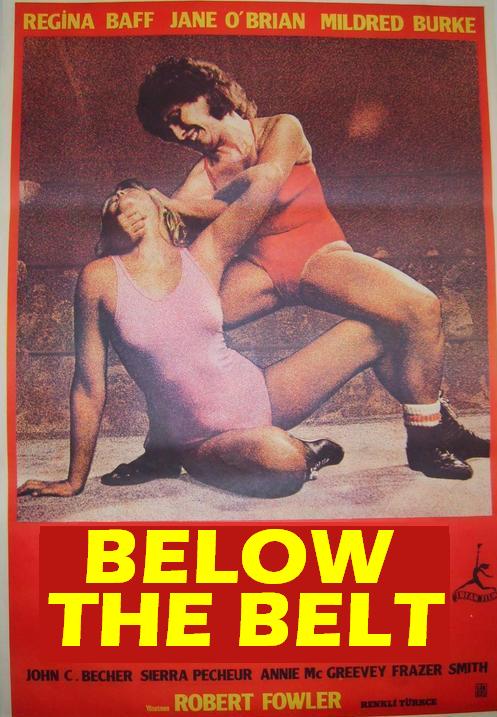
Below the Belt (1980)

Below the Belt (1980)

“She’s stronger than she looks — I’m working on the image!”

Synopsis:
A waitress (Regina Baff) tries her luck as a female wrestler, travelling across the United States with a group of diverse and determined women.

Genres, Themes, Actors, and Directors:

  • Character Arc
  • Feminism and Women’s Issues
  • Road Trip
  • Strong Females
  • Underdogs
  • Wrestling

Review:
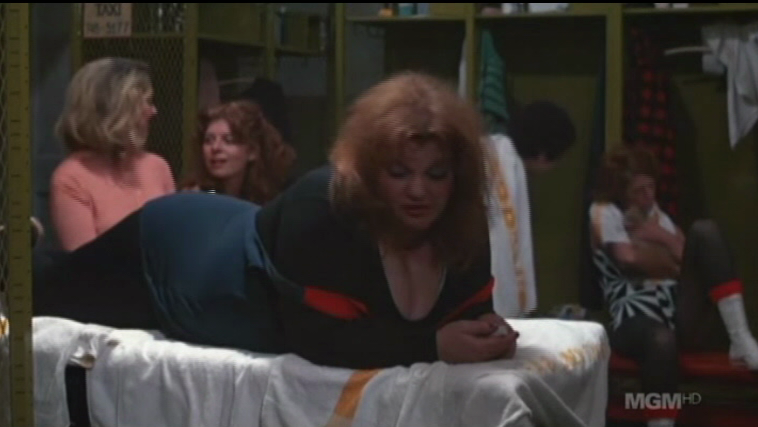
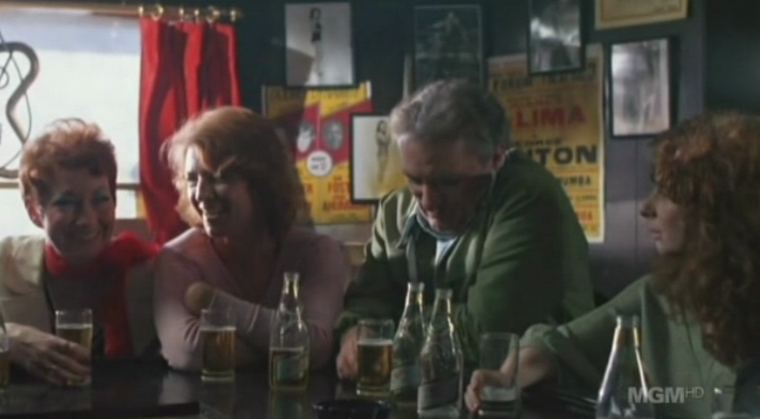
A year before Robert Aldrich’s All the Marbles (1981) (a.k.a. The California Dolls) was released, writer-director Robert Fowler made this character study about a down-on-her-luck waitress hoping for a more empowered and exciting life through female wrestling. Fowler and Sherry Sonnet’s screenplay — based on an autobiographical novel by Rosalyn Drexler — contains plenty of authentic insights into the seamy world of low-rent wrestling, showing both the challenges and the bonds that occur along the way. (For the most part, the wrestlers are supportive rather than combative with one another, understanding that it’s primarily a show rather than a contest.) Given its parallels with the underdog film Rocky (1976), Below the Belt naturally ends with “The Big Fight”, which is actually quite gripping given that it stars real-life wrestler Jane O’Brien as “Terrible Tommy” (missing a front tooth, and menacing as all-get-out). Less engaging are Baff’s romantic foibles and a side-story about a middle-aged couple (Sierra Pecheur and Dolph Sweet) debating leaving the wrestling world for different pastures — but it all adds to the amiably paced flow of the film, which is more ethnographic than plot-driven. Watch for Shirley Stoler in a supporting role as one of Baff’s co-wrestlers.

Redeeming Qualities and Moments:

  • Regina Baff as Rosa
  • Seemingly authentic “behind the scenes” footage of life for wrestlers
  • Good use of real-life wrestlers and matches
  • A catchy and unusual soundtrack (“Some folks are so mean, they gargle gin and gasoline”)

Must See?
No, but it’s worth seeking out for a one-time look. Listed as a Sleeper in the back of Peary’s book.

Links:

Circle of Iron (1978)

Circle of Iron (1978)

“Whatever you think I am — or want me to be — I am.”

Synopsis:
After being formally defeated in a fight overseen by a leader in a white robe (Roddy McDowell), a warrior (Jeff Cooper) seeking a mysterious seer named Zetan (Christopher Lee) finds unexpected assistance from a blind, martially-talented flute-player (David Carradine).

Genres, Themes, Actors, and Directors:

  • Character Arc
  • Christopher Lee Films
  • David Carradine Films
  • Eli Wallach Films
  • Fantasy
  • Martial Arts
  • Roddy McDowell Films
  • Search

Review:
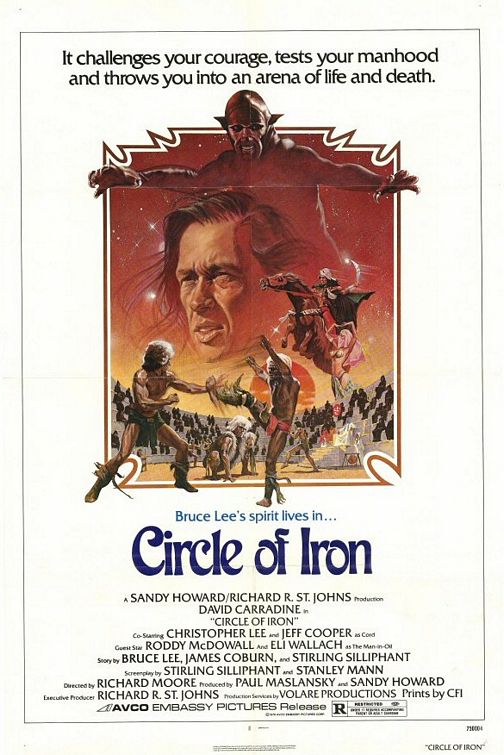
This martial arts fantasy flick is perhaps best known as the movie Bruce Lee co-wrote and intended to star in before his untimely death. As a viewer not particularly well-versed in martial arts films, I can’t speak to the quality or nature of the fights — but the rest of the picture sure is a wacky, at-times surreal adventure. While Cooper is the nominal protagonist, Carradine steals the show as a blind flautist who may or may not be able to teach Cooper valuable lessons grounded in Eastern philosophy. Naturally, there’s plenty of ripe dialogue to enjoy:

“Are you waiting for fear to freeze my heart before you carve it out?”

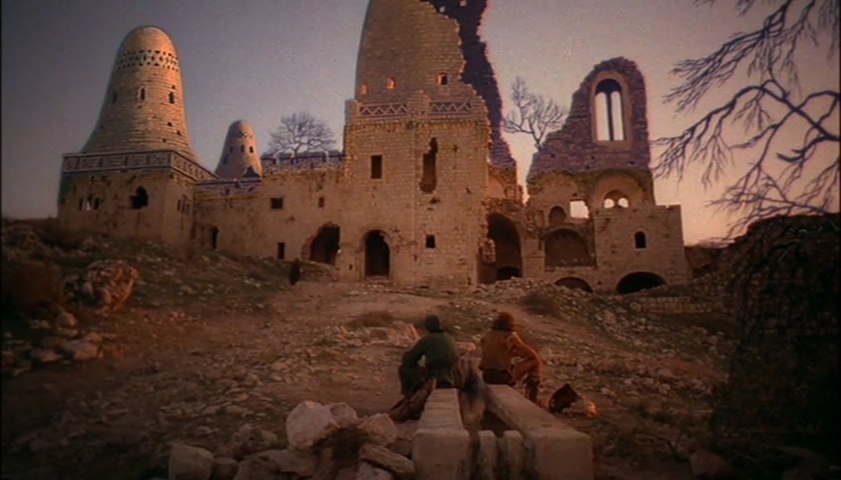
and the fantasy sets are reasonably impressive. This one isn’t must-see for all film fanatics, but fans of the genre will likely want to check it out. Most surreal sequence: Eli Wallach explains his ten-year “tub cure” to Cooper.

Redeeming Qualities and Moments:

  • David Carradine’s tongue-in cheek performance(s)
  • Fine cinematography and outdoor sets

Must See?
No, but it’s worth a look for its wacky cult flavor. Listed as a Cult Movie in the back of Peary’s book.

Links:

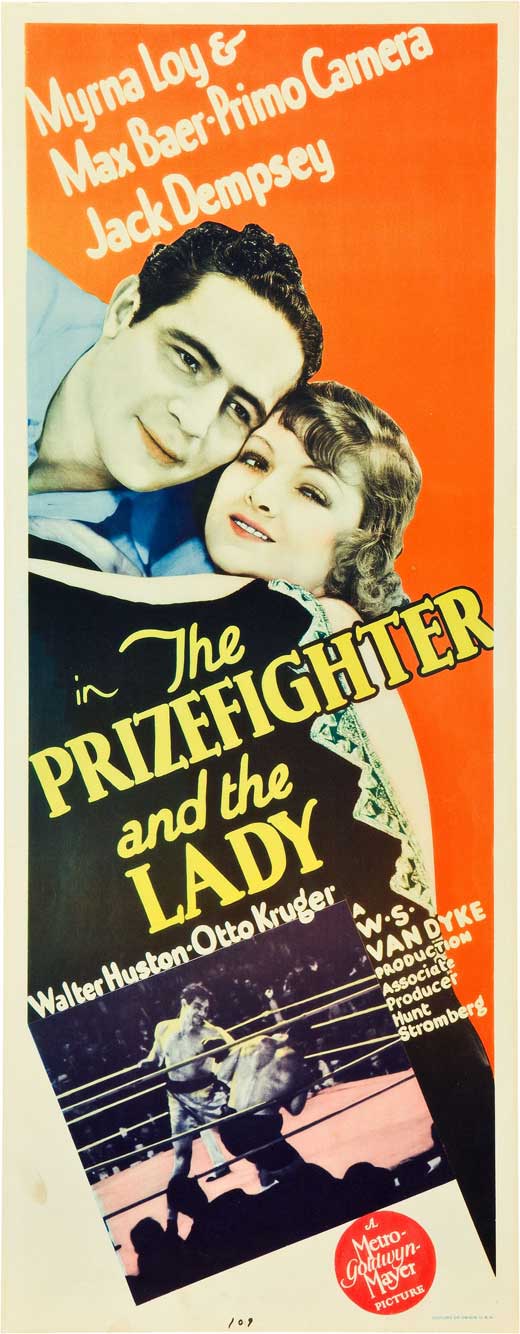
Prizefighter and the Lady, The (1933)

Prizefighter and the Lady, The (1933)

“He’s just a big kid — playful and thoughtless.”

Synopsis:
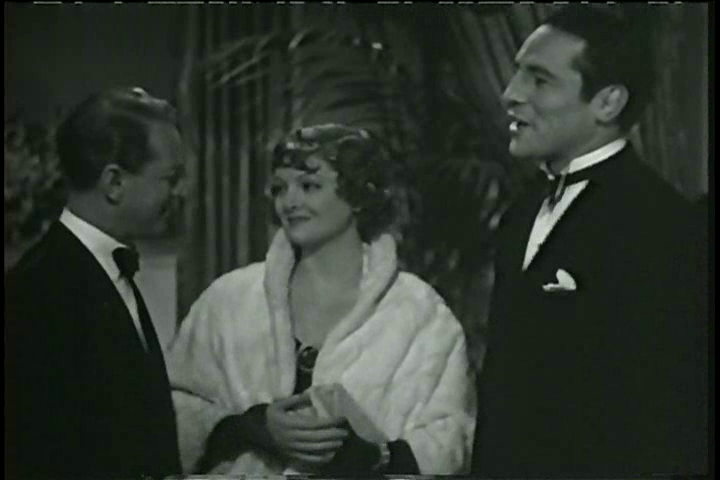
As a beefy bartender (Max Baer) begins training with a washed-up boxing promoter (Walter Huston), he falls for the singing moll (Myrna Loy) of a gangster (Otto Krueger), who is primarily worried about Loy’s happiness given Baer’s enormous ego and roving eye.

Genres, Themes, Actors, and Directors:

  • Boxing
  • Love Triangle
  • Marital Problems
  • Myrna Loy Films
  • Walter Huston Films
  • Womanizers
  • W.S. Van Dyke Films

Review:
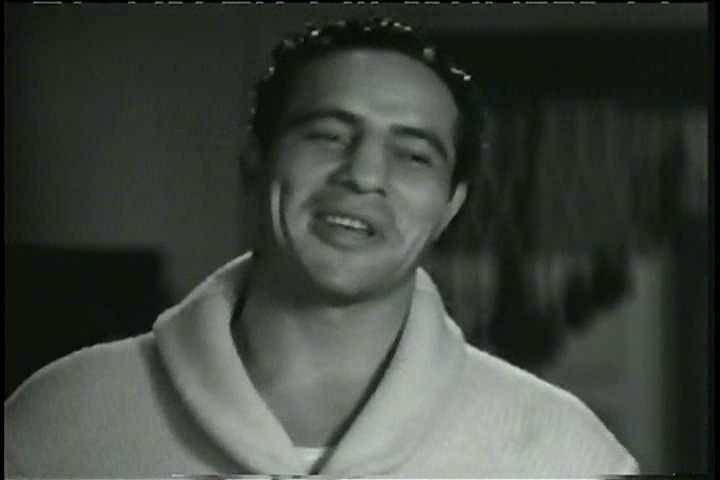
W.S. Van Dyke directed this pre-Code showcase for world heavyweight boxing champion Max Baer, who exhibited natural acting chops and was easily able to slip into the title role.

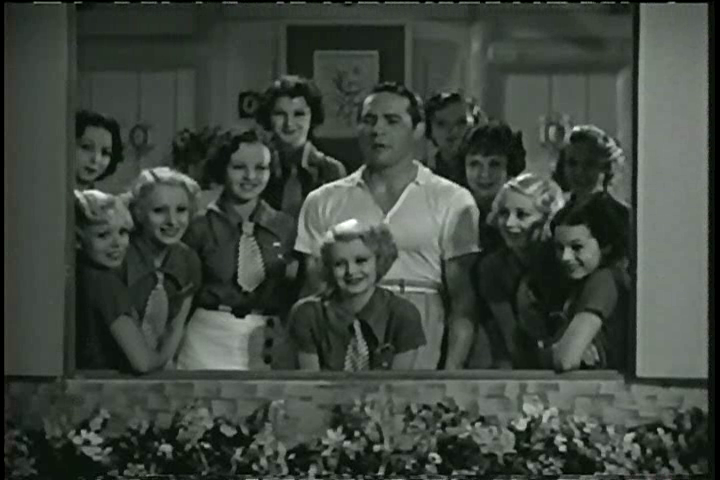
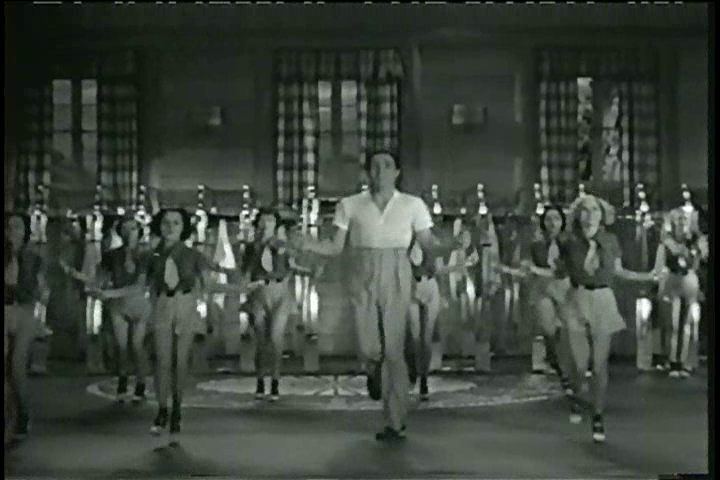
Unfortunately, his character isn’t exactly likable — he’s self-absorbed, arrogant, and an inveterate player — so it’s hard to maintain sympathy for Loy’s interest in him. The storyline is essentially a woman giving her life up for a man who doesn’t deserve her, and thus it’s hard to know what outcome to root for. There is a surreal interlude at one point, during which Baer sings and dances in a revue with a bevy of much-smaller women, showing off his strength and size; this is worth a watch (though Baer is no Gene Kelly).

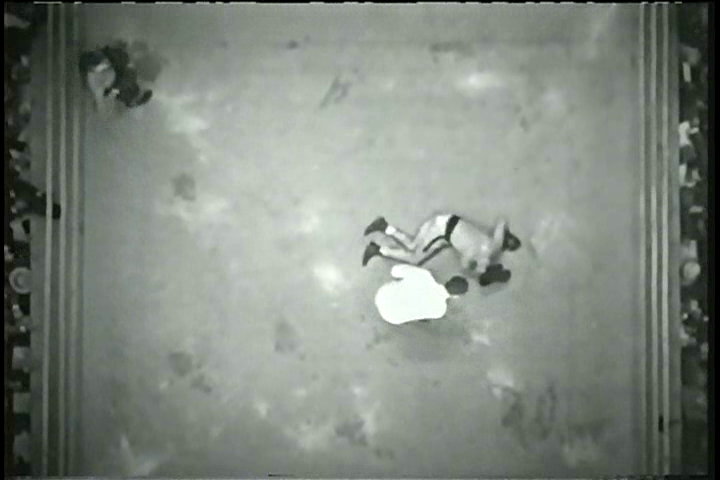
The film ends with a lengthy fight between Baer and Primo Carnera, who he soundly defeated in real life the following year — thus making this flick of historical interest to boxing fans, but probably not others.

Redeeming Qualities and Moments:

  • Myrna Loy as “The Lady”
  • The surreal musical number (!!)
  • Creative direction

Must See?
No, unless you’re curious.

Links:

Viva Las Vegas (1964)

Viva Las Vegas (1964)

“Can you check my motor? It whistles.”

Synopsis:
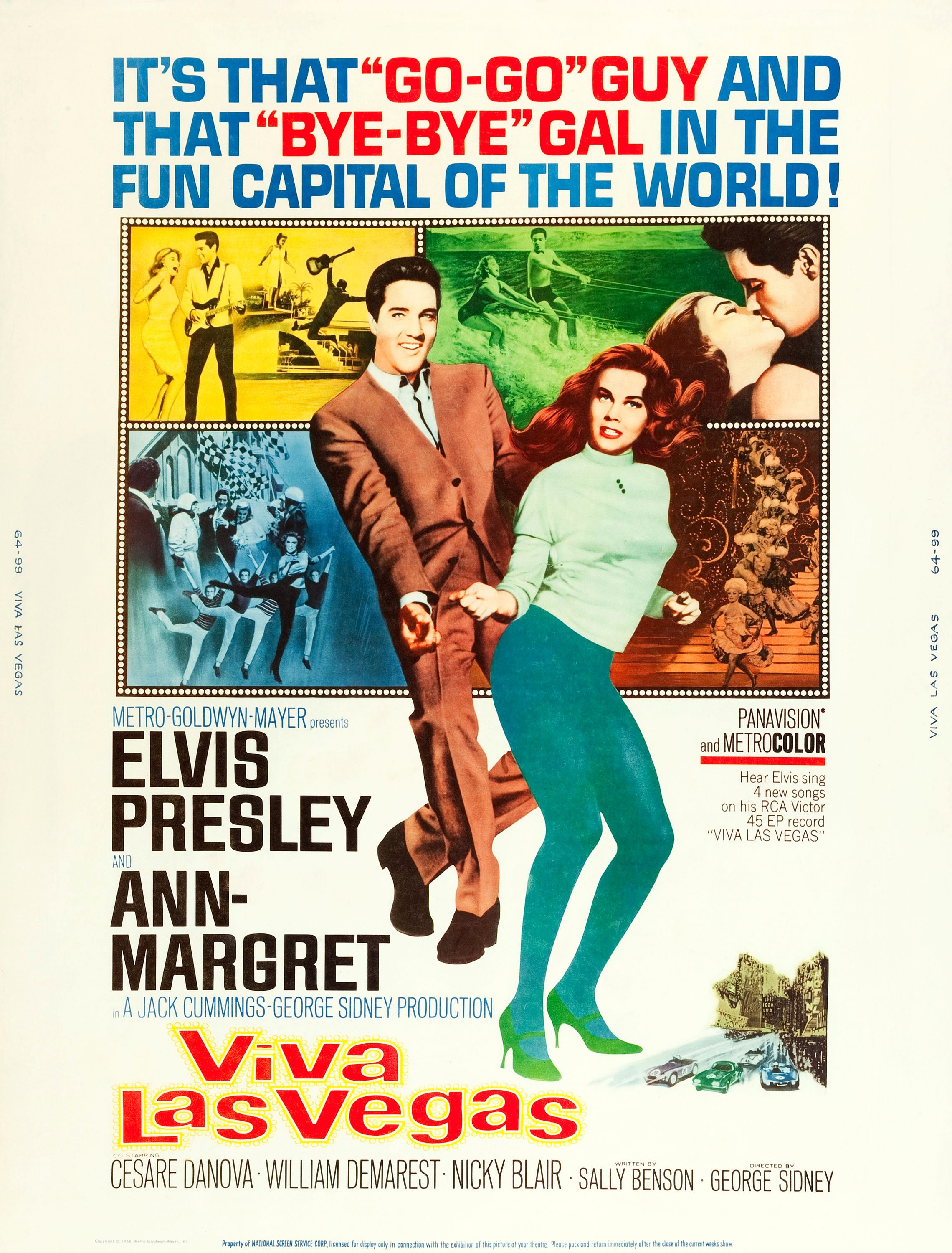
A musically talented racer (Elvis Presley) hoping to win enough money in Vegas to buy a motor for his car vies with an Italian count (Cesare Danova) for the affections of a beautiful pool manager (Ann-Margret).

Genres, Themes, Actors, and Directors:

  • Ann-Margret Films
  • Car Racing
  • Elvis Presley Films
  • George Sidney Films
  • Love Triangle
  • Musicals
  • Rivalry
  • Romance

Review:
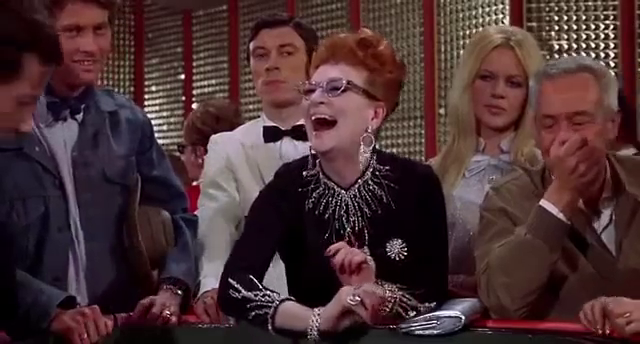
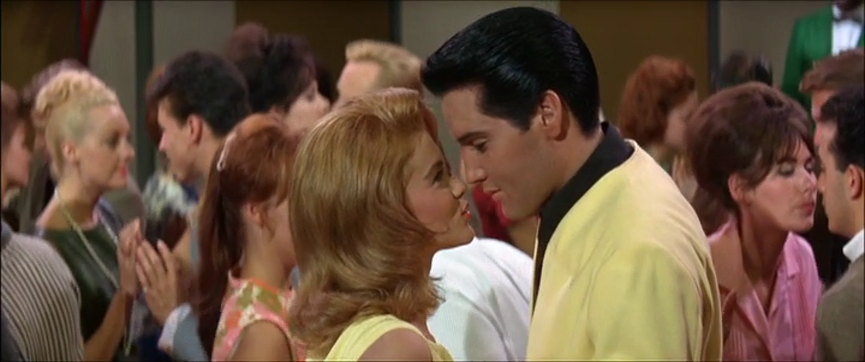
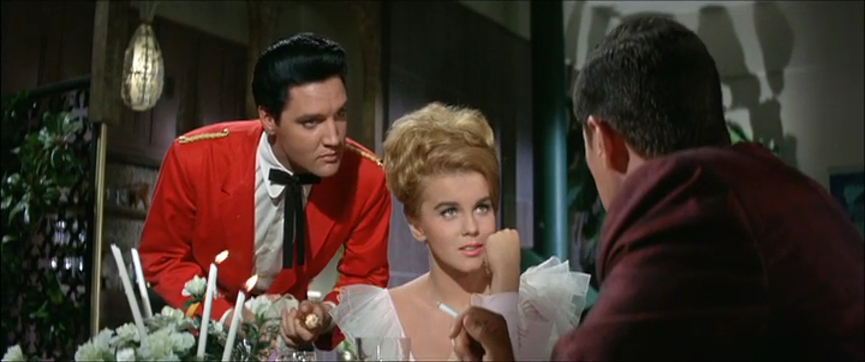
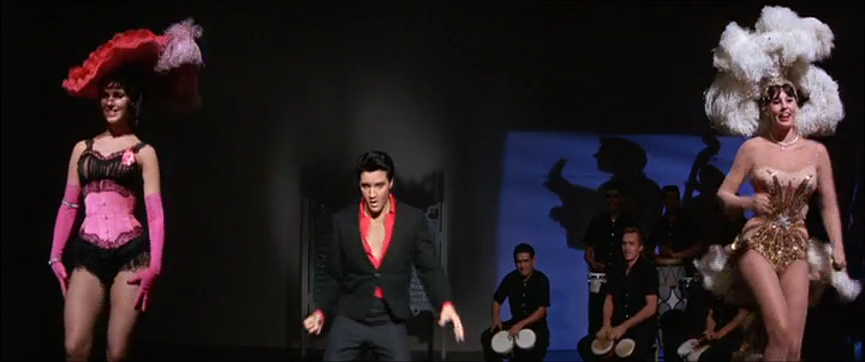
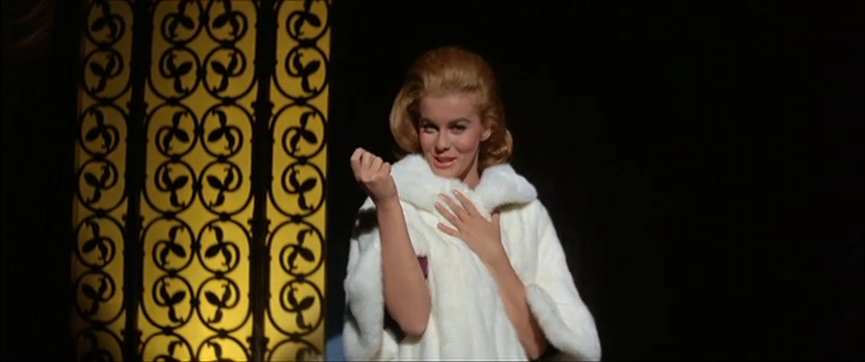
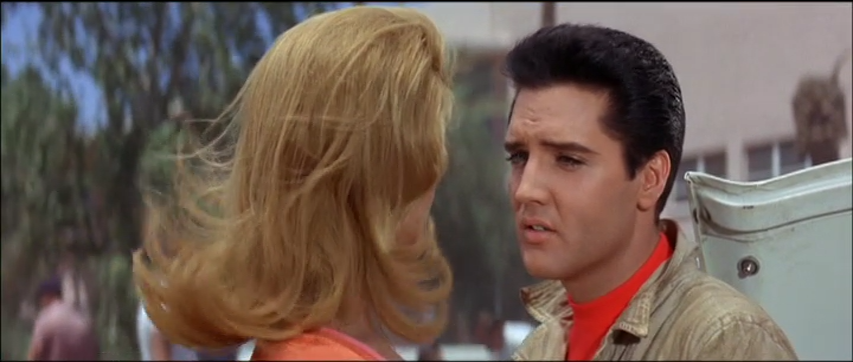
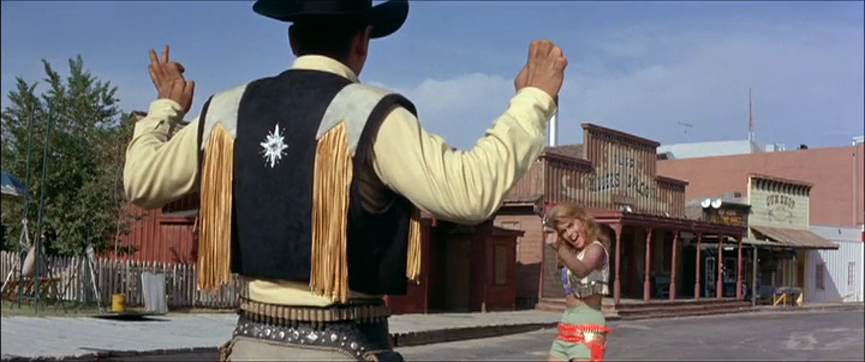
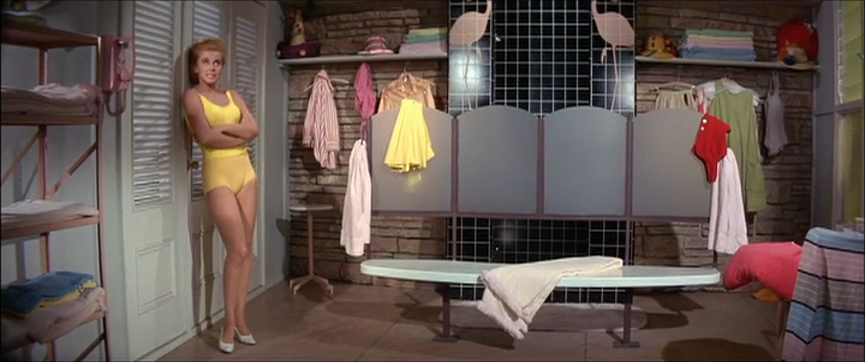
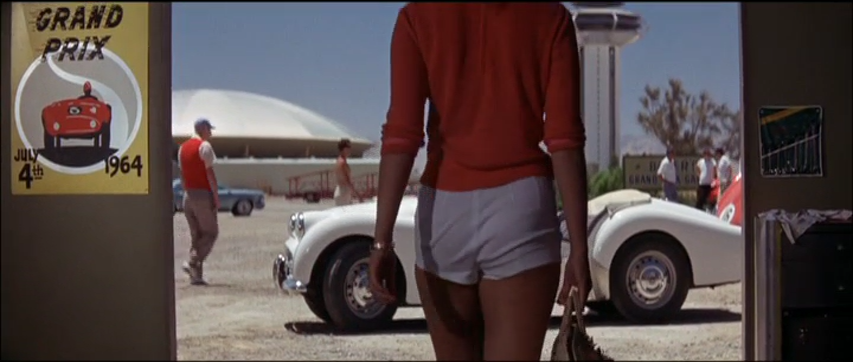
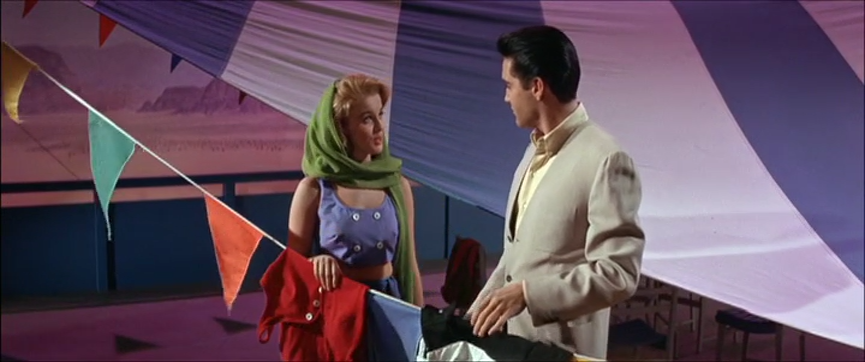
Elvis Presley met his real-life and cinematic match when he paired up with feisty Ann-Margret for this most enjoyable cult musical:

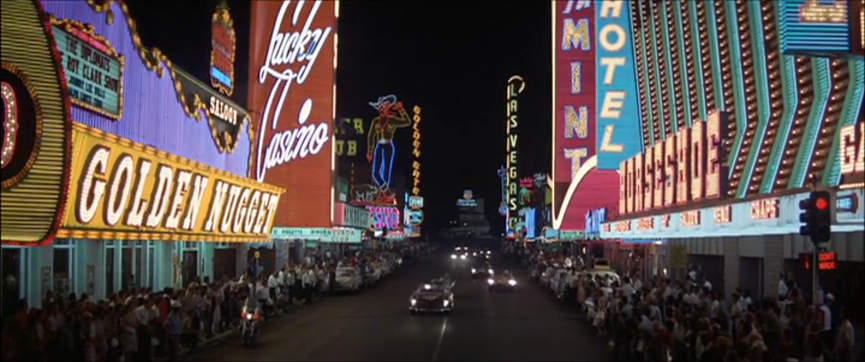
… directed with flair by George Sidney and featuring vivid sets and costumes, rousing song-and-dance numbers, nice use of Vegas locales, and a super-fun romantic rivalry (with plenty of genuine sparks flying).

It’s hard to pick a favorite musical number, given that nearly all of them satisfy both musically and choreographically (and there’s a nice mix of on-stage and “narrative driving” songs). The title number, naturally, will stick in your head long after it’s done (just reading this review has likely placed it there…):

… but my personal picks would probably be “The Lady Loves Me” and “Appreciation”.

The storyline — consisting of a love triangle, rivalry for musical dominance, and a car race — is appropriately fluffy yet relevant enough to ground the songs in a realistic context. As noted in the New York Times’ review, Viva Las Vegas “remains friendly, wholesome and pretty as all get-out”, and is certainly worth a film fanatic’s time.

Redeeming Qualities and Moments:

  • Elvis Presley as Lucky
  • Ann-Margret as Rusty
  • Fun chemistry and rivalry between Presley and Ann-Margret
  • Many enjoyable musical numbers

  • Solid direction by George Sidney
  • Nice use of Las Vegas locales
  • Colorful cinematography and sets

Must See?
Yes, as a cult favorite.

Categories

  • Cult Movie

Links:

Gentleman’s Agreement (1947)

Gentleman’s Agreement (1947)

“We’ve been fighting it for years — and we know from experience, the less talk there is about it, the better.”

Synopsis:
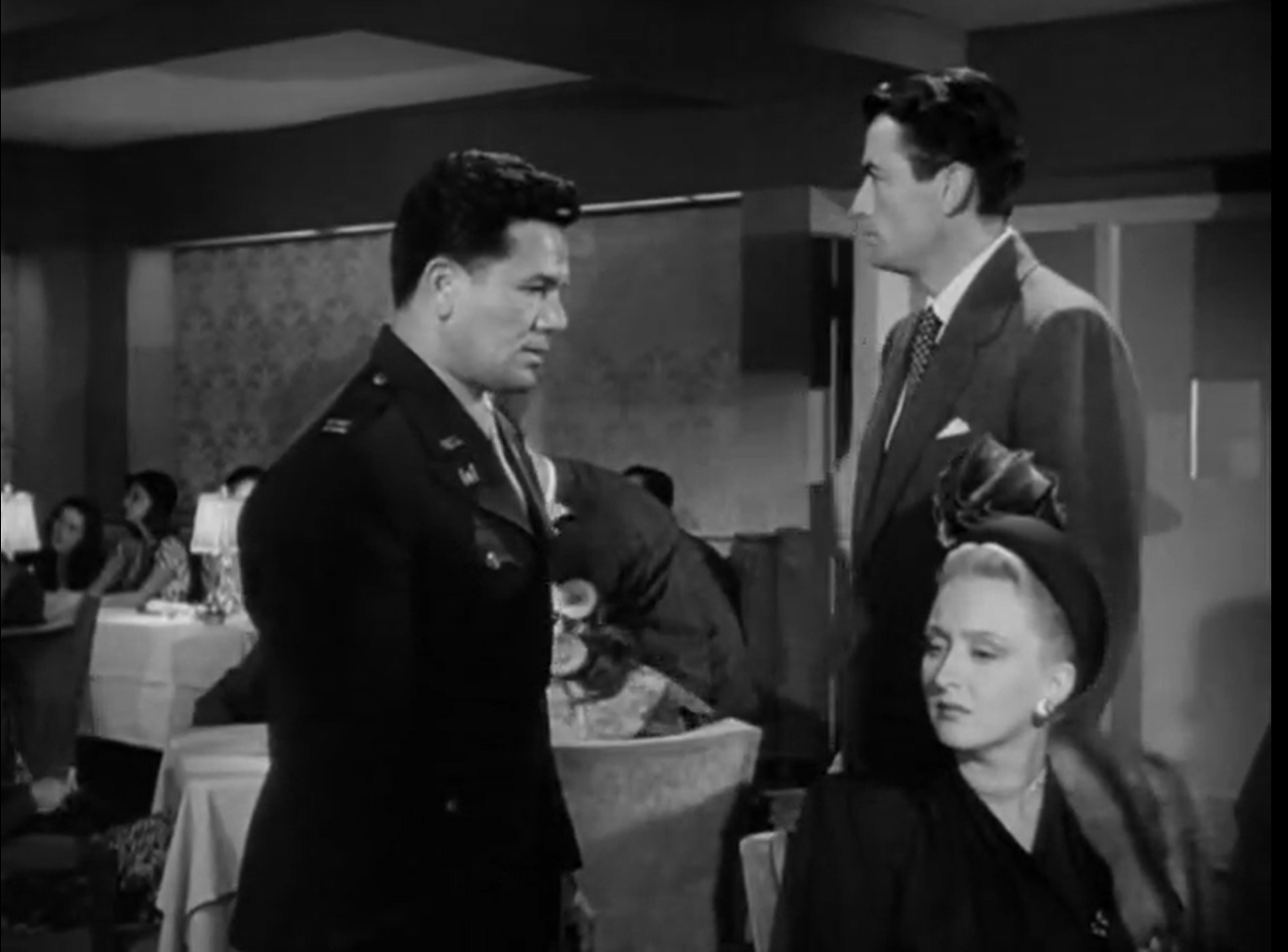
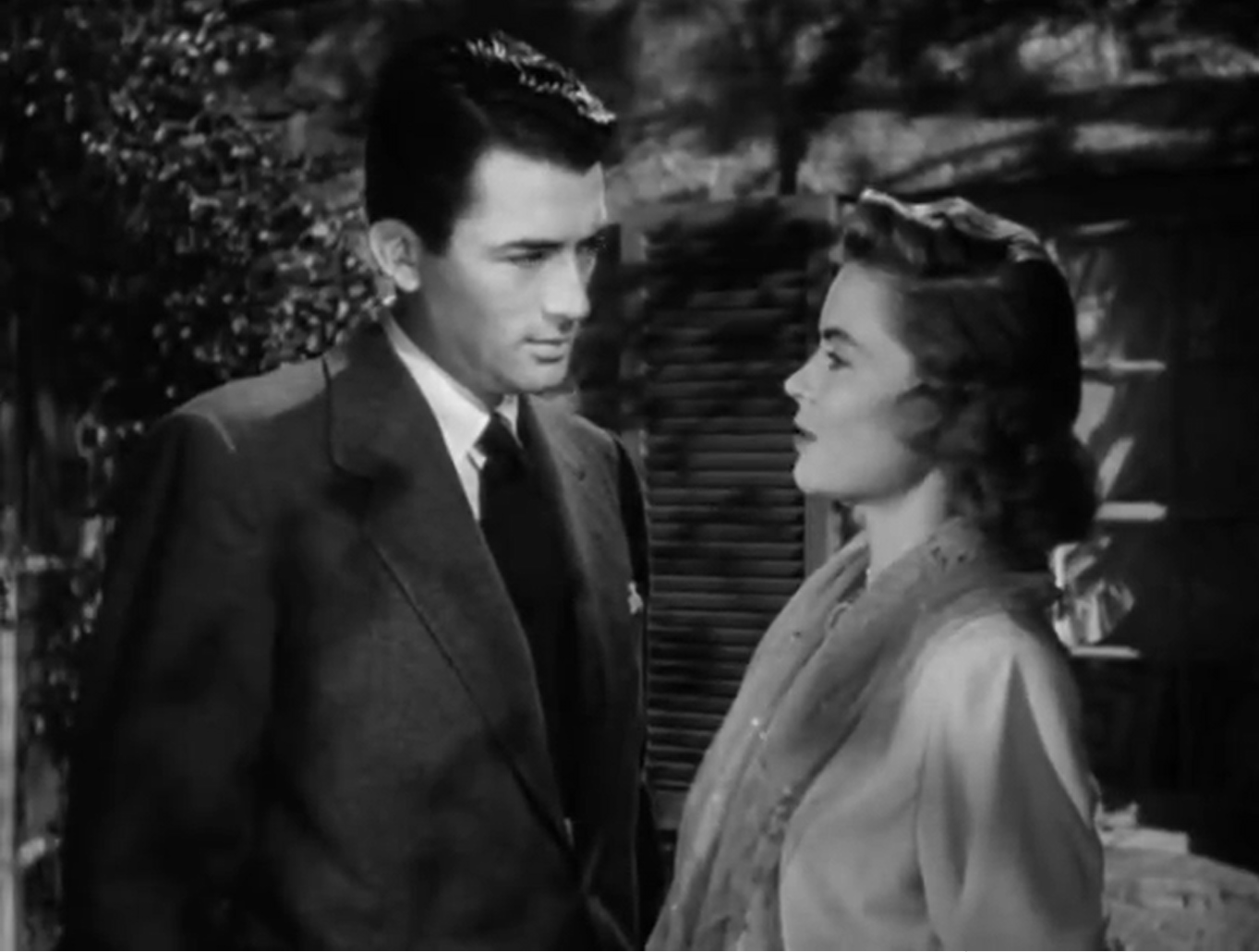
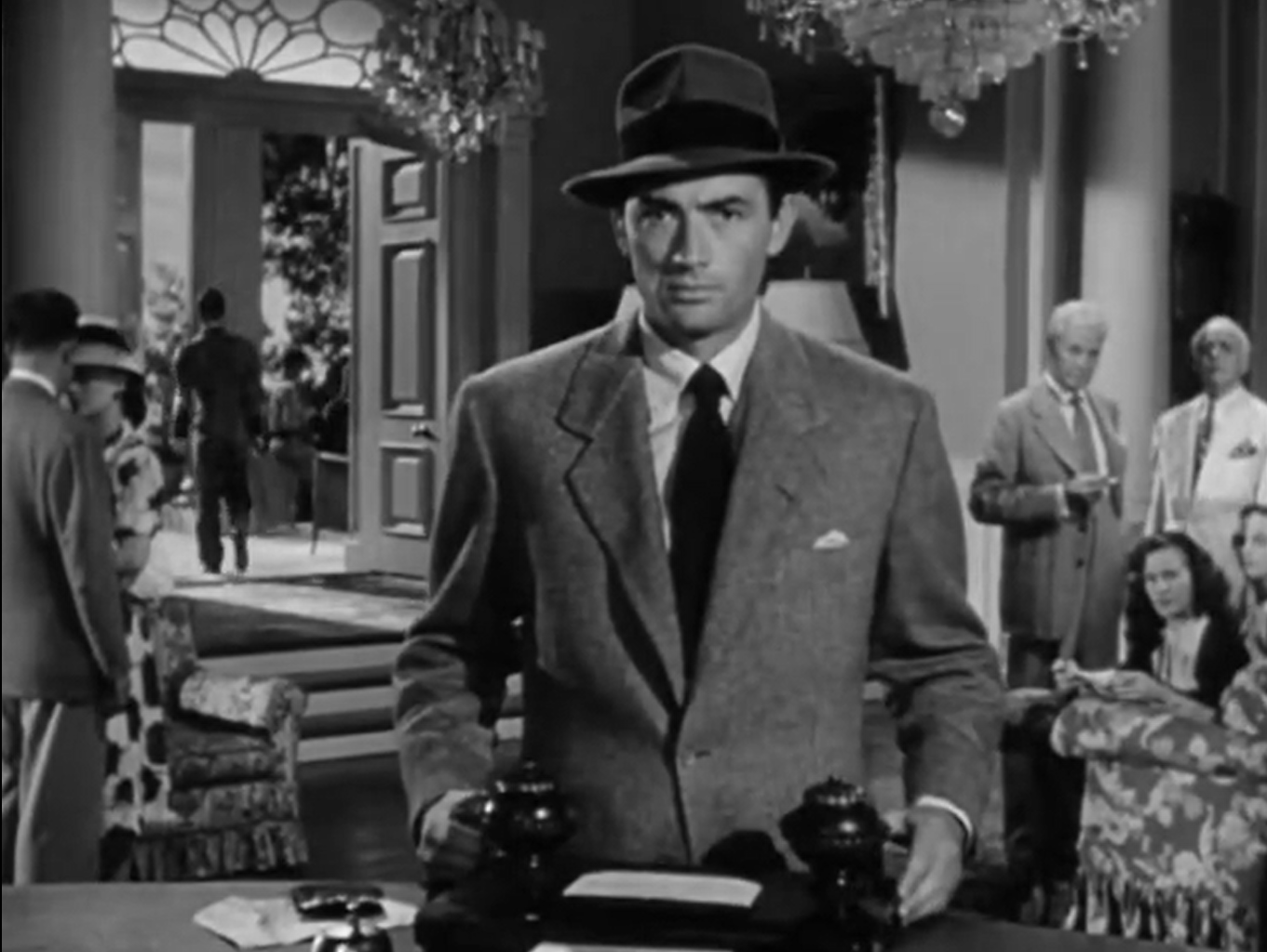
A widowed journalist (Gregory Peck) assigned to write a story about antisemitism decides to go undercover as a Jew to gain an insider’s perspective on discrimination. While his mother (Ann Revere), son (Dean Stockwell), colleague (Celeste Holm), and former GI buddy (John Garfield) are fully supportive, his fiancee (Dorothy McGuire) has reservations about how far Peck should extend his ruse, leading to tensions in their new relationship.

Genres, Themes, Actors, and Directors:

  • Celeste Holm Films
  • Dean Stockwell Films
  • Dorothy McGuire Films
  • Elia Kazan Films
  • Gregory Peck Films
  • Jane Wyatt Films
  • Jews
  • John Garfield Films
  • Journalists
  • Mistaken or Hidden Identities
  • Sam Jaffe Films

Review:
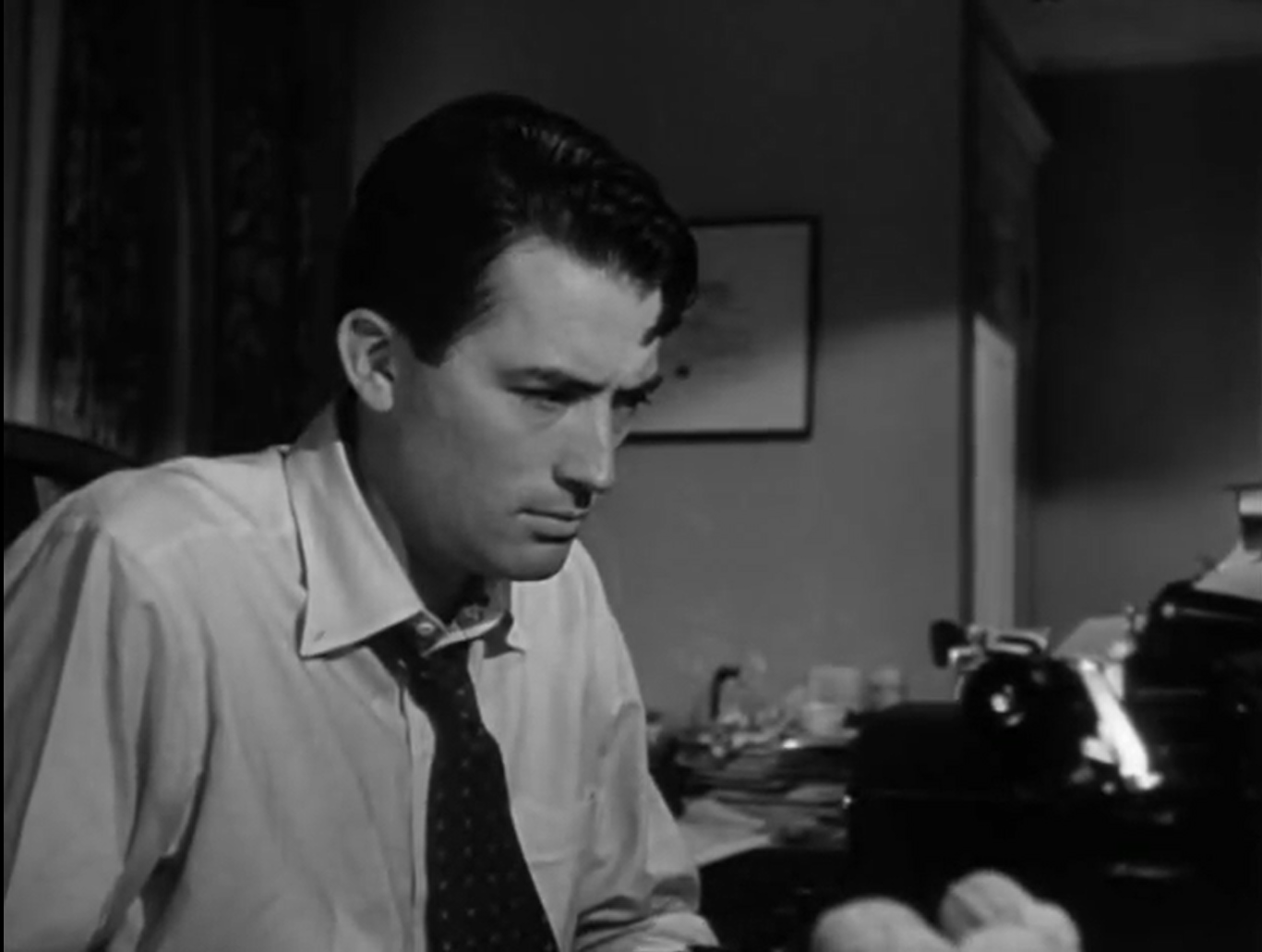
Elia Kazan’s Oscar-winning adaptation of Laura Z. Hobson’s best-selling novel remains a thoughtfully crafted, well-acted drama which neatly surfaces the insidiousness of bias. The dramatic tensions building up to Peck’s decision to go underground as a Jew extend for a bit too long (and would likely have occurred to his character much earlier), but all that unfolds thereafter feels authentically discomfiting.

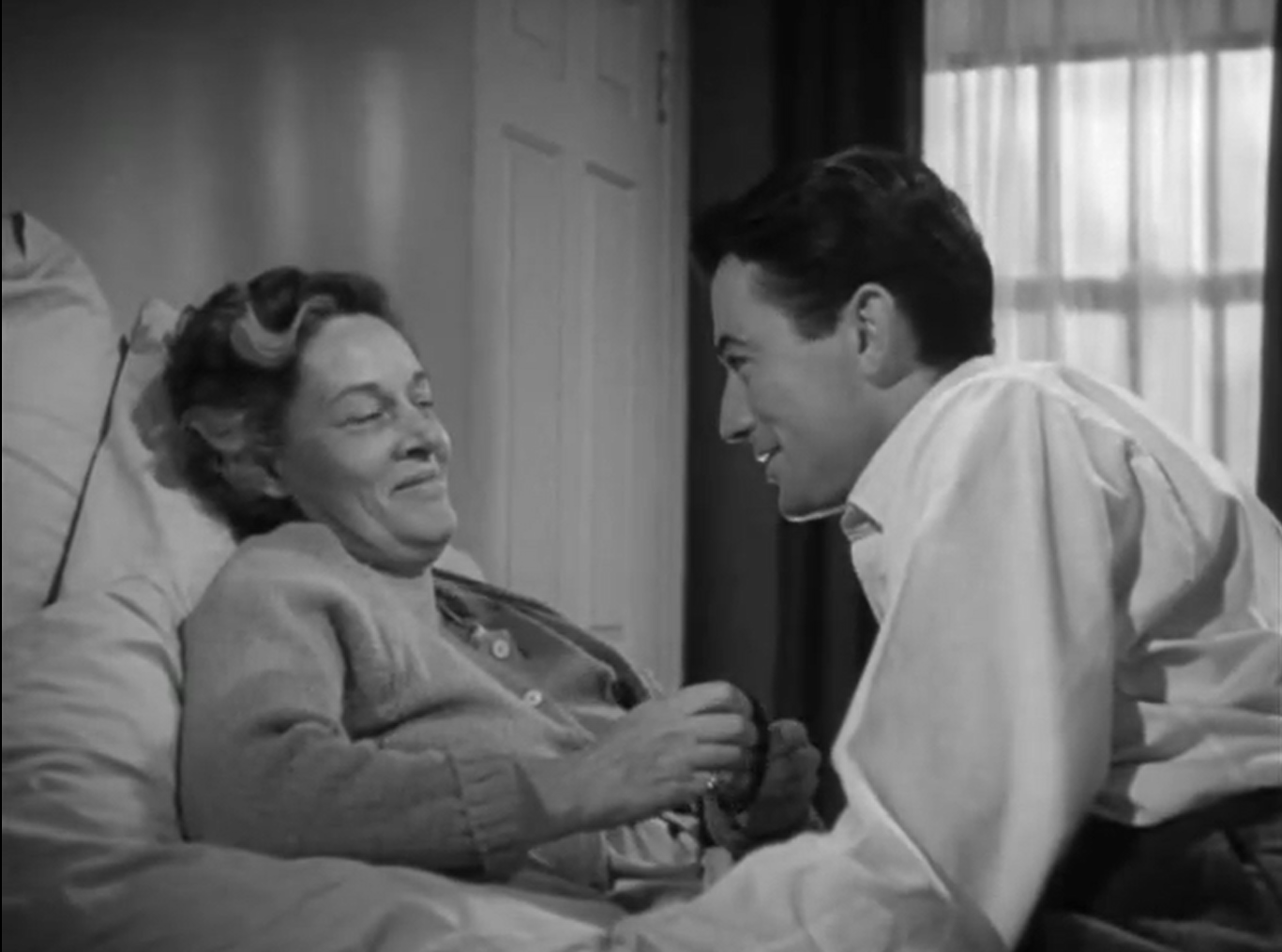
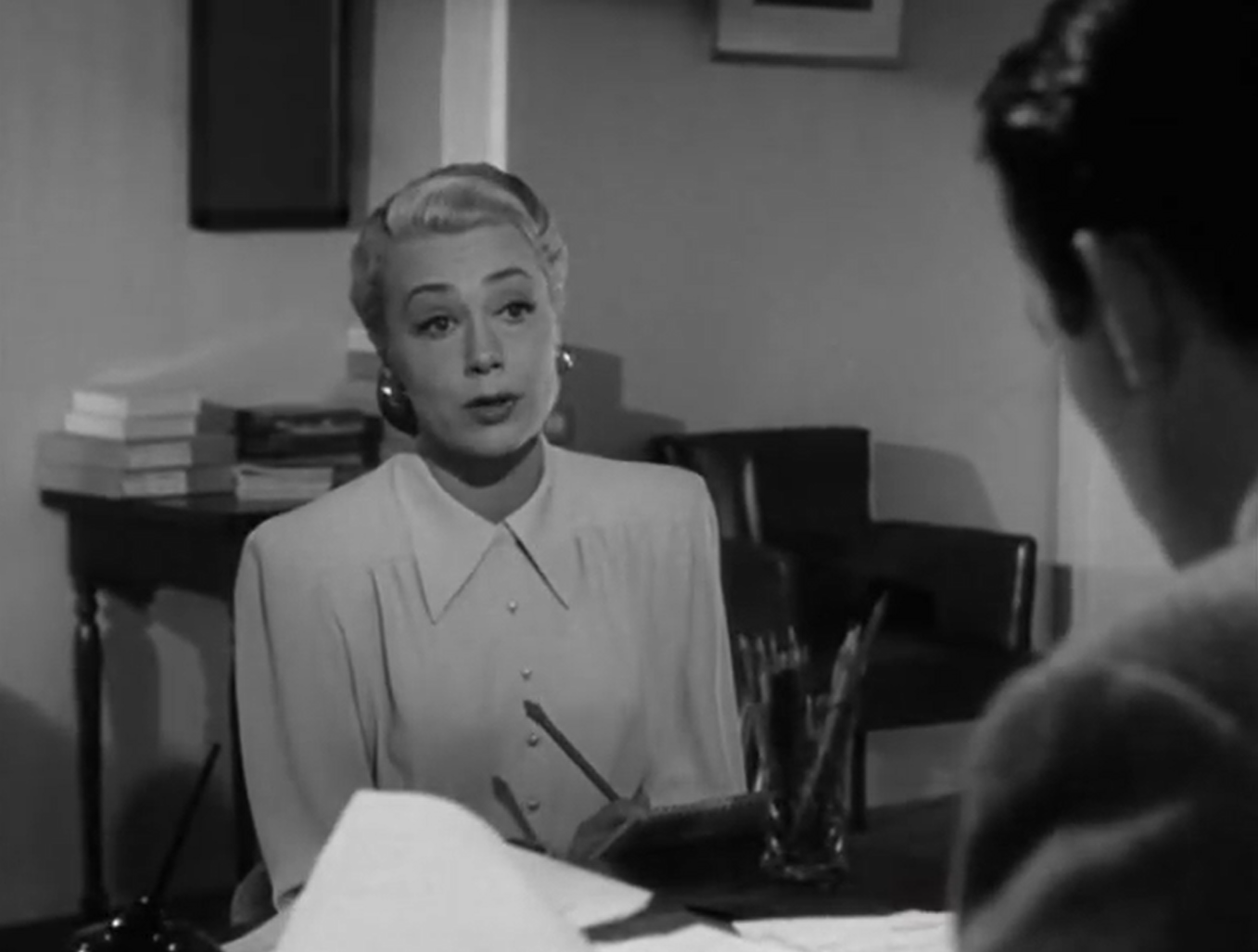
Moss Hart’s screenplay incisively shows how — despite having just emerged from a bloody world war fueled in part by antisemitism — America remained secretly prejudiced itself, with prospective employees changing their names to sound “less Jewish”, and unspoken norms of WASP elitism perpetuating segregation. Peck is fine in the central role, but it’s the supporting players who stand out here — particularly Revere and Holm:


— and Arthur Miller’s cinematography is effectively atmospheric throughout. Gentleman’s Agreement isn’t comfortable to watch, but remains worthy viewing many years later.

Redeeming Qualities and Moments:

  • Fine supporting performances

  • Arthur C. Miller’s cinematography
  • Moss Hart’s provocative screenplay

Must See?
Yes, as a still-powerful indictment of enduring prejudice, both implicit and explicit.

  • Oscar Winner or Nominee

Links: