Now, Voyager (1942)

Now, Voyager (1942)

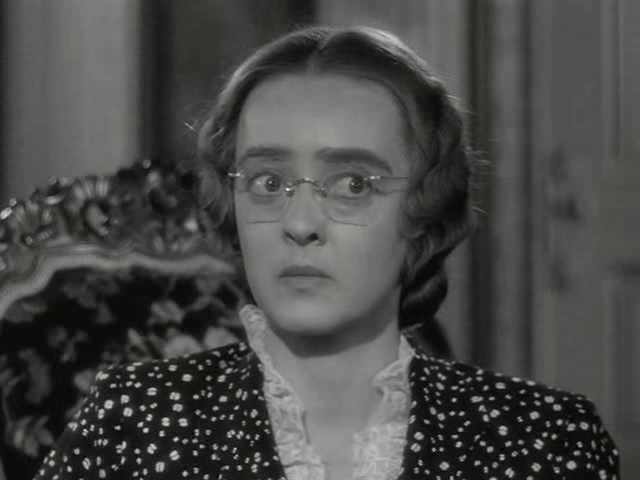
“I’m the maiden aunt; every family has one.”

Synopsis:
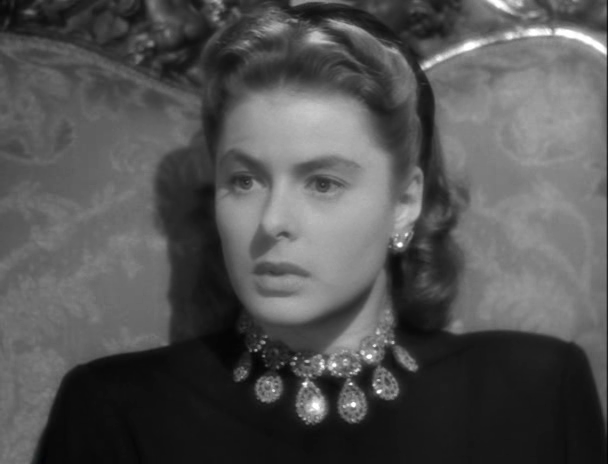
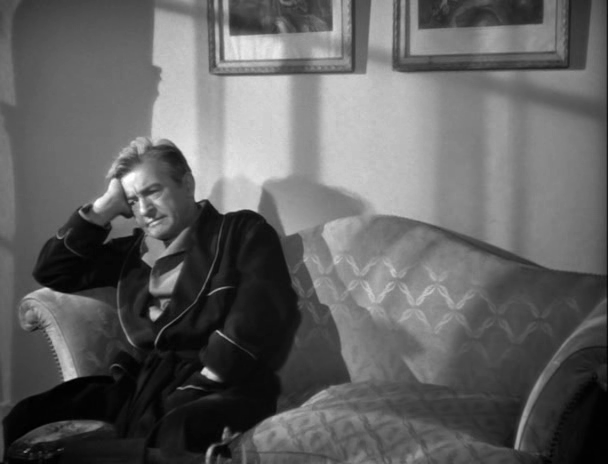
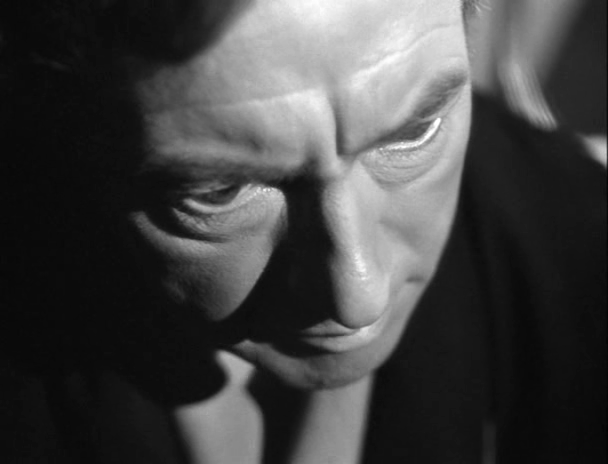
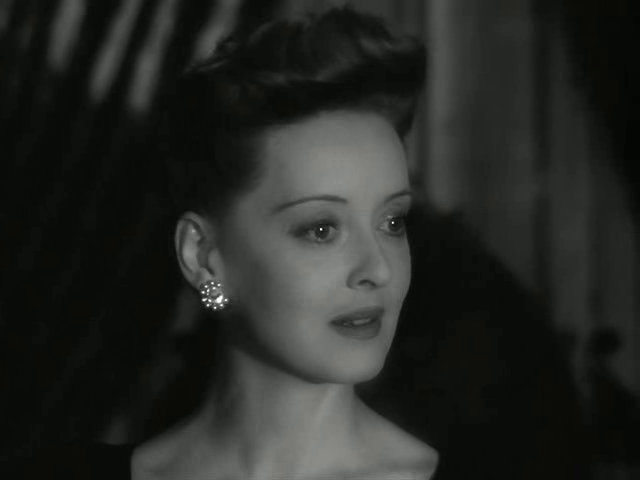
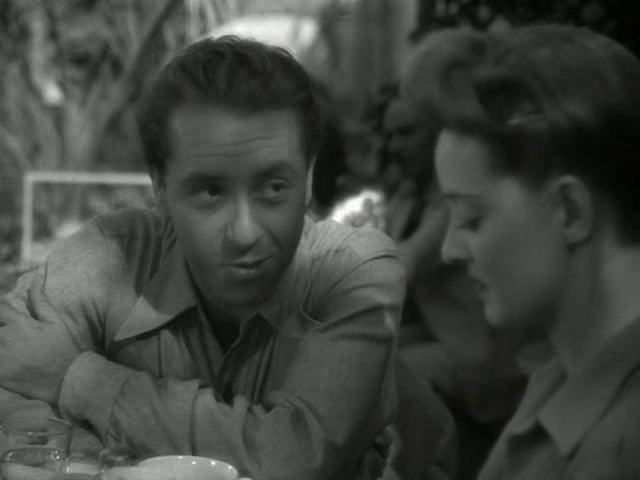
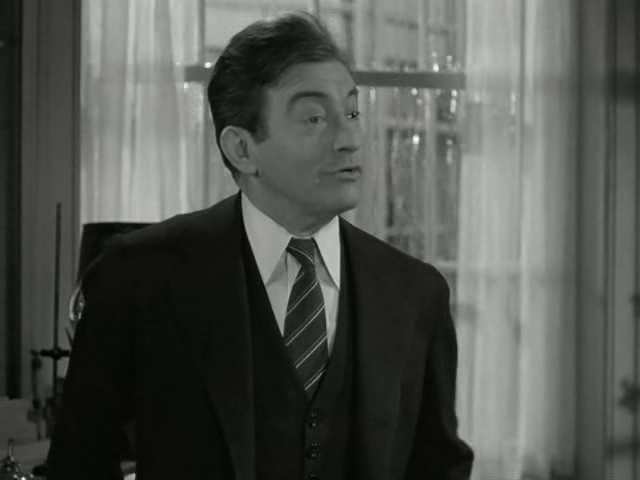
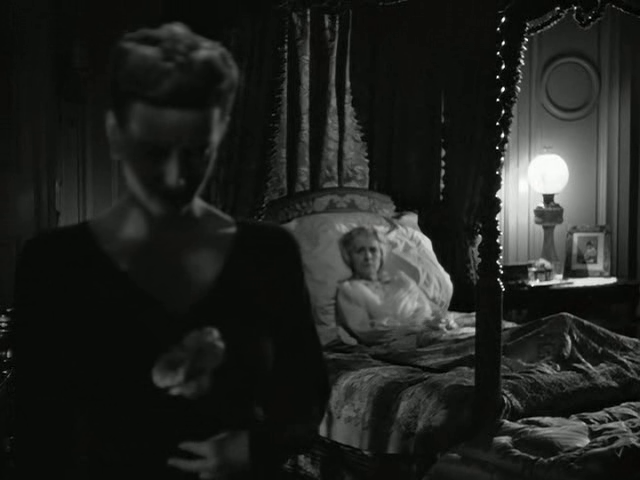
The dowdy daughter (Bette Davis) of a domineering matriarch (Gladys Cooper) is encouraged by a friendly psychiatrist (Claude Rains) to take a trip abroad, where she transforms into a sleek and elegant young woman, and soon falls in love with a troubled married man (Paul Henreid) whose daughter (Janis Wilson) is just as insecure as Davis herself once was.

Genres, Themes, Actors, and Directors:

  • Bette Davis Films
  • Bonita Granville Films
  • Character Arc
  • Claude Rains Films
  • Irving Rapper Films
  • Romance
  • Spinsters

Response to Peary’s Review:
Peary begins his review of this “shrewdly” scripted adaptation of Olive Higgins Prouty‘s novel by labeling it “a ridiculous soap opera that is great fun”. He refers to it as “both one of cinema’s great romances and one of the most manipulative tearjerkers about female sacrifice”, noting that it’s “full of dramatic love scenes, verbal battles, humor, tears, and, best of all, mature dialogue between Davis and men.” He calls out in particular the film’s infamous “final scene” between Davis and Henreid, featuring “Davis acting both noble and sacrificial; Max Steiner’s swelling music coaxing tears to our eyes; Henreid, for the umpteenth time, lighting two cigarettes simultaneously and handing one to Davis (their inhaling and smoky exhaling is the equivalent of sexual intercourse); and Davis delivering that beautiful last line: ‘Don’t let’s ask for the moon when we have the stars’.”

The storyline for Now, Voyager is contrived beyond belief, but enjoyably so — if you’re willing to go along for the ride. A classic “women’s picture” (DVD Savant refers to it as “the perfect distillation of narrative themes and romantic elements to attract the female audience in 1942”), Now, Voyager chronicles Davis’s magical transformation from a beetle-browed, plump spinster on the verge of a nervous breakdown, to the most popular guest on board a cruise ship — a woman unafraid to finally emerge from under the crippling dominance of her abusive mother and spread her wings, exactly how she chooses. Davis, naturally, is superb in this tricky central role, while Claude Rains is top-notch in a too-small (but critical) role as her kindly psychiatrist (if only we all had such a guardian angel/father-figure waiting for us in the wings!). Henreid, despite Davis’s apparent initial misgivings, is finely cast as her illicit European “lover”, and Gladys Cooper is appropriately hiss-worthy as her villainous mother (as noted by DVD Savant, “Not until Psycho did the movies come up with as potent a horror-mother as old Mrs. Vale”).

Redeeming Qualities and Moments:

  • Bette Davis as Charlotte Vale (nominated by Peary as one of the Best Actresses of the Year in his Alternate Oscars)

  • Paul Henreid as Jerry
  • Claude Rains as Dr. Jaquith
  • Gladys Cooper as Mrs. Vale
  • Atmospheric cinematography

Must See?
Yes, as a classic “women’s picture”.

Categories

  • Genuine Classic

(Listed in 1001 Movies You Must See Before You Die)

Links:

Old Dark House, The (1932)

Old Dark House, The (1932)

“Can you conceive of anyone living in a house like this if they didn’t have to?”

Synopsis:
On a dark and stormy night, a group of travelers — including a honeymooning couple (Raymond Massey and Gloria Stuart) and their friend (Melvyn Douglas), as well as a portly young widow (Charles Laughton) and his female companion (Lilian Bond) — seek refuge in the house of two eccentric siblings (Ernest Thesiger and Eva Moore), their butler (Boris Karloff), and various other mysterious family members.

Genres, Themes, Actors, and Directors:

  • Boris Karloff Films
  • Charles Laughton Films
  • Horror Films
  • James Whale Films
  • Melvyn Douglas Films
  • Old Dark House
  • Psychopaths
  • Raymond Massey Films

Response to Peary’s Review:
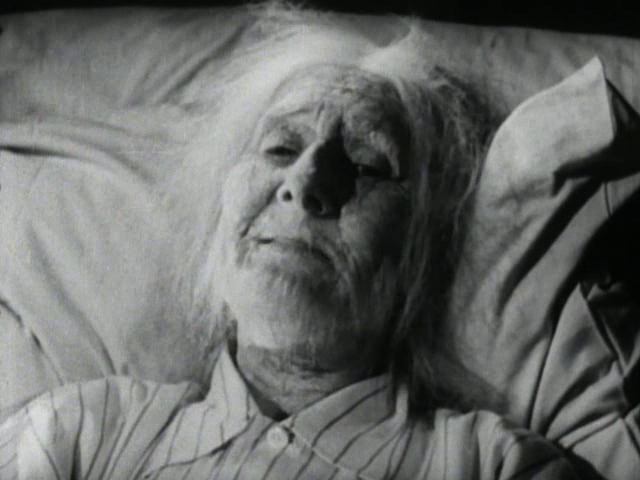
As Peary notes, this “splendid, much overlooked” (is it, still?) horror film by director James Whale “exhibits his usual flair, wit, sophistication, and fascination with perverse characters.” Indeed, as Peary points out, the “five inhabitants” of the titular house “make the eccentric families found in screwball comedies seem normal”: after being “greeted” at the front door by the family’s “mad, mute butler (Boris Karloff) with scars on his forehead, a scruffy beard on his chin, and a constant urge to drink himself into a violent rage”, the clueless visitors quickly encounter “elderly, prissy, cowardly, atheist Ernest Thesiger and his partially deaf, unfriendly, fanatically religious sister, Eva Moore” — only to find that the family’s eccentricity extends much further, as they are introduced to the elderly siblings’ “heavily-whiskered 102-year-old father” (played by a woman, Elspeth Dudgeon!), and the most mysterious family member of all (Brember Wills).

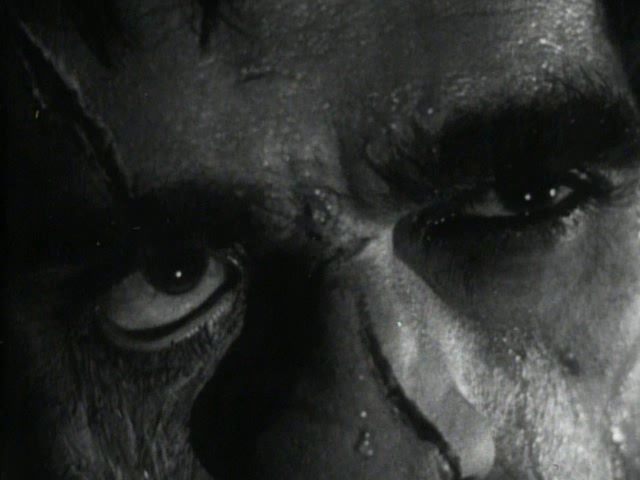
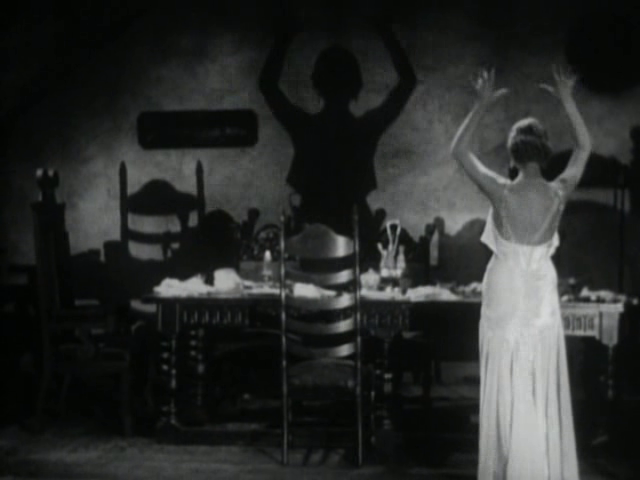
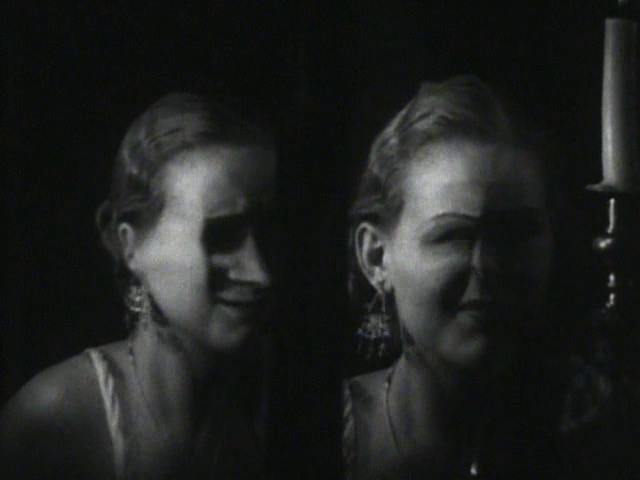
As Peary argues, the “film is outrageous from the outset and becomes increasingly bizarre”. Although “Whale displays tongue-in-cheek humor at the beginning to lull viewers into a false sense of security”, he then “plays up the suspense and terror in the final few scenes”. (If you’ve never seen Old Dark House, don’t read reviews, as most will give away spoilers, and it’s much more fun to simply watch how things unfold.) Peary points out that “as always, Whale makes dramatic use of shadows, sound effects, wild angles (especially when filming faces), and dramatic close-ups”, and notes that DP Arthur Edeson provides “standout [cinemato]graphy” which “greatly contributes to the atmosphere” (check out the stills below). Also of note is the stunning make-up work done for both Karloff and (in particular) Dudgeon.

Interestingly, Peary’s review neglects to point out the film’s historical significance as the forerunner of all such “old dark house” films. What’s especially remarkable is how successful Whale is at satirizing the nascent genre he was simultaneously introducing: as creepy as events do eventually become, we’re treated to plenty of campy humor throughout, notably in the laughably mundane romance which immediately flourishes between Douglas and Bond (their dialogue together is priceless), and in some of the banter offered by Thesiger and Moore (who are as kooky as all get out, but never posited as any kind of a genuine threat themselves). Meanwhile, the family members are such a collectively outlandish bunch — and the visitors’ reactions to them so hilariously muted — that, at least until the very end, one can’t help viewing the entire affair as some kind of fantastical joke.

Note: Modern film fanatics will naturally be interested to know that the gorgeous blonde here (Gloria Stuart) is none other than “Old Rose” from Titanic (1997).

Redeeming Qualities and Moments:

  • Fabulously creepy make-up

  • Arthur Edeson’s cinematography


Must See?
Yes, as an early horror masterpiece by a famed director.

Categories

  • Genuine Classic
  • Important Director

Links:

Notorious (1946)

Notorious (1946)

“A man doesn’t tell a woman what to do; she tells herself.”

Synopsis:
The American daughter (Ingrid Bergman) of a convicted Nazi criminal is recruited by an FBI agent (Cary Grant) to infiltrate a ring of Nazi leaders in Brazil — including a man (Claude Rains) who was once in love with her.

Genres, Themes, Actors, and Directors:

  • Cary Grant Films
  • Claude Rains Films
  • Hitchcock Films
  • Homicidal Spouses
  • Ingrid Bergman Films
  • Louis Calhern Films
  • Nazis
  • Nuclear Threat
  • Romance
  • Spies

Response to Peary’s Review:
Peary notes that this “favorite Hitchcock film” of many critics is, “unlike most of his other suspense films”, lacking in humor, given that its “characters are playing for keeps”. Indeed, Notorious is a surprisingly serious film about a “depressed, heavy-drinking young woman” (Bergman) who, given her “fervent loyalty to America”, agrees to take on a potentially lethal undercover assignment proposed to her by a suave stranger (Grant) at a party. Much of the film’s tension revolves around the fact that Bergman “has fallen for Grant” (who may or may not feel the same way in return); unfortunately, however, this critical narrative element is never sufficiently established. Bergman and Grant’s instant romance — epitomized by their early on-again-off-again kissing scene, which was strategically filmed to evade the Hayes Code stipulation that onscreen kisses couldn’t last more than three seconds — never really rings true, given that Grant offers precious little in the way of charm or charisma in his role here. (Indeed, as Peary notes, his character is actually “too serious and a bit of a lunkhead”.) While the film’s infamous, “extremely tense” ending does allow Grant to “prove himself to us and to Bergman”, this ultimately emerges as too little, too late.

With that significant caveat out of the way, however, I’m ready to concede that Notorious remains one of Hitchcock’s most tightly crafted and suspenseful thrillers. Bergman is simply marvelous in the lead role, and Peary rightfully gives her the Best Actress award in his Alternate Oscars book, where he points out that Bergman “went against type” (having previously been viewed as “good, pure, and wholesome”) to play “a woman who [is] somewhat alcoholic, [has] slept around, and takes a sleazy job that requires that she give her body to a man she doesn’t love”. Nonetheless, her nuanced character here “has strength, resilience, and courage”; she’s someone who “refuses to hate herself or lose her self-respect”, despite the repeated “spite and condescension” she receives from Grant. She “sees no reason to defend herself”, instead “just carry[ing] on, doing what’s right and expecting nothing in return”. It’s a fascinating portrayal, to be sure.

Claude Rains is note-perfect in the critical yet challenging supporting role as “one of Hitchcock’s most refined villains”, a man who allows lust and a serious crush to cloud his better judgment, only to realize far too late what a fool he has been. Meanwhile, Austrian actress Leopoldine Konstantin will probably be forever associated (by Americans, at least) with her role here as Rains’ “venomous mother” (in real-life, she was only four years older than him, but so it goes); she’s the epitome of a truly nightmarish mother-in-law, and fits in nicely with the “slimy bunch” of Nazis Bergman must ingratiate herself with. While the film’s climactic (and controversial — see IMDb’s message board) ending is justifiably lauded, watch for the “even more exciting… party sequence in which lovers Grant and Bergman slip off to snoop in the wine cellar and the jealous Rains walks towards the cellar to get more wine”; as Peary notes, “it’s one of Hitchcock’s classic suspense scenes with action taking place all over the house”, and remains perhaps the film’s most memorable sequence.

Redeeming Qualities and Moments:

  • Ingrid Bergman as Alicia Huberman
  • Claude Rains as Alexander Sebastian
  • Leopoldine Konstantin as Madame Sebastian
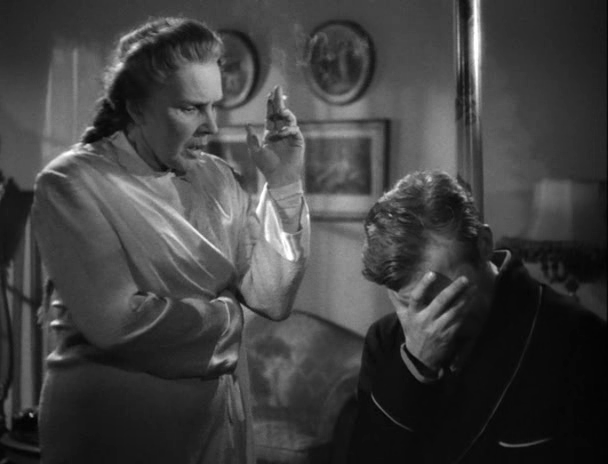
  • Ted Tetzlaff’s atmospheric cinematography
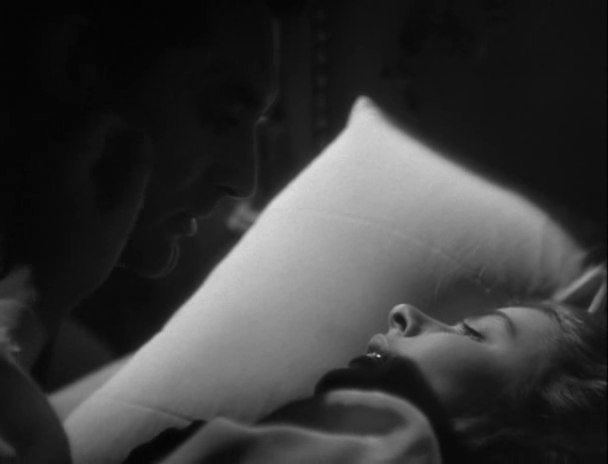
  • Masterful direction by Hitchcock

Must See?
Yes, as one of Hitchcock’s most highly regarded films.

Categories

  • Genuine Classic

(Listed in 1001 Movies You Must See Before You Die)

Links:

Deranged (1974)

Deranged (1974)

“I apologize for calling you a hog, mama.”

Synopsis:
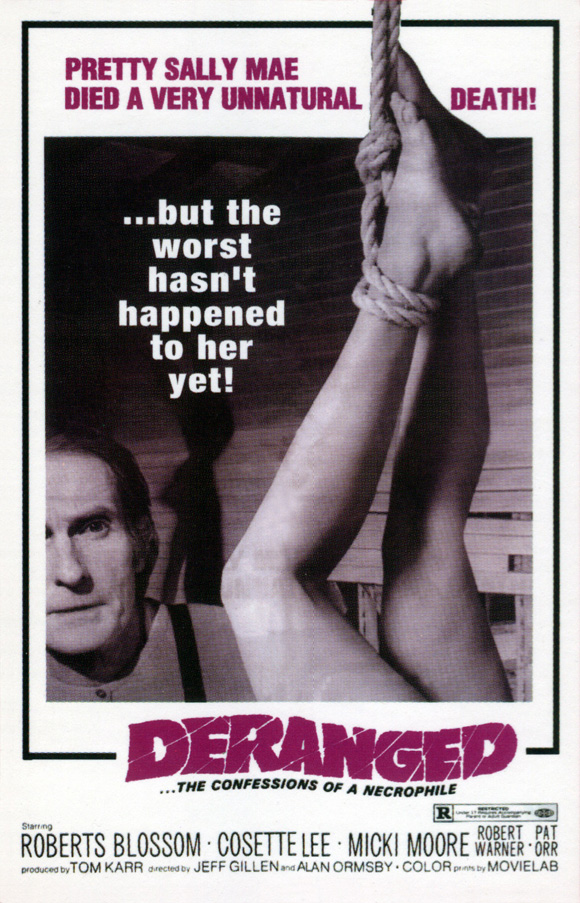
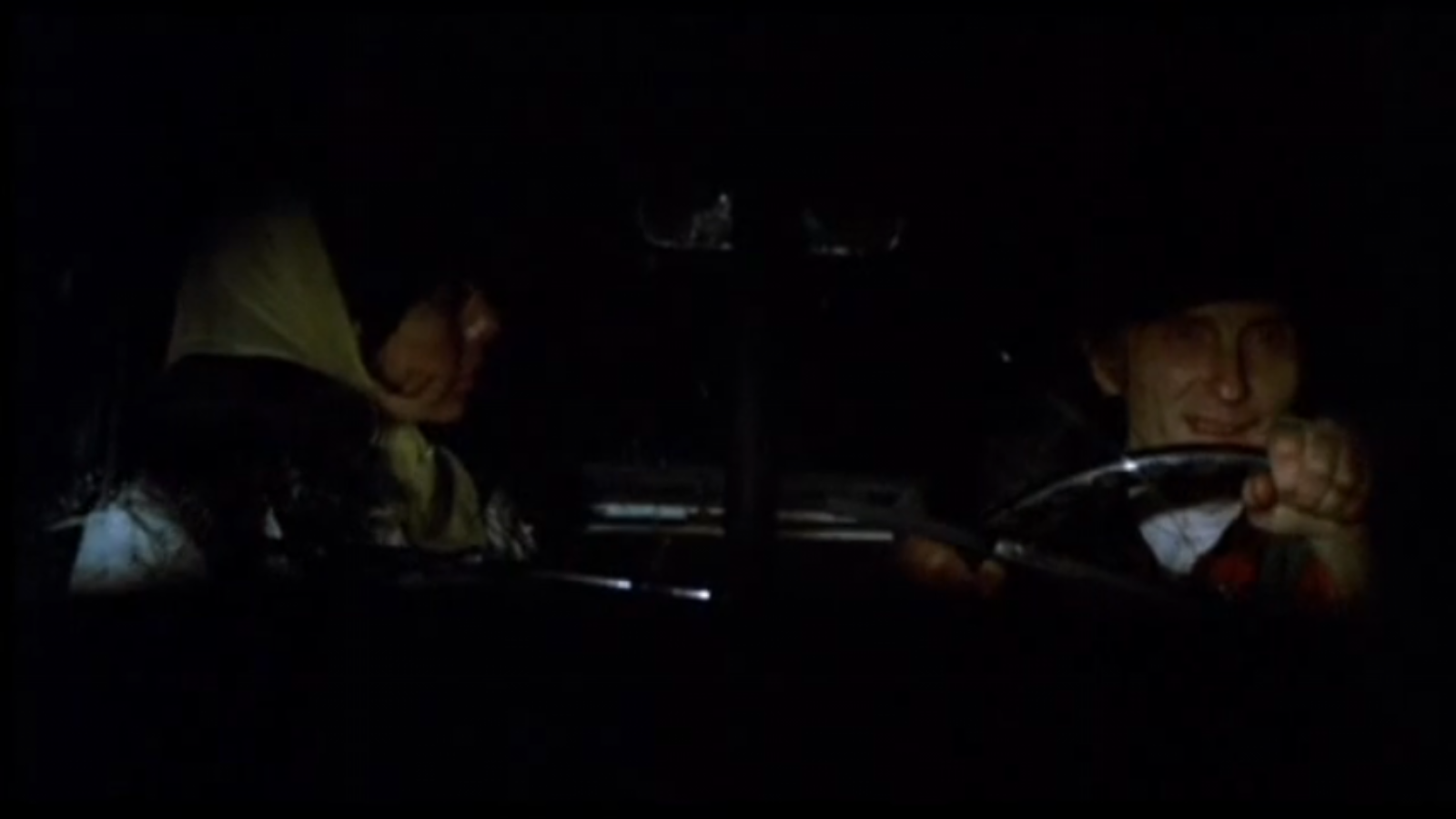
A deranged farmer (Roberts Blossom) goes off the deep end when his overly religious mother (Cosette Lee) dies, recovering her body from its grave a year later, and murdering local women to help restore her decaying corpse.

Genres, Themes, Actors, and Directors:

  • Horror Films
  • Serial Killers

Review:
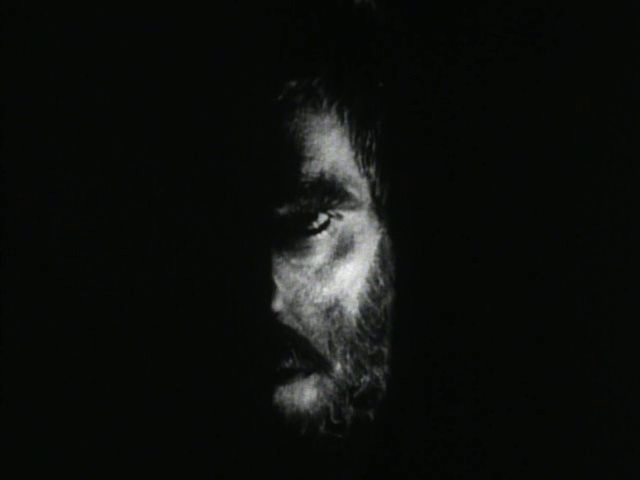
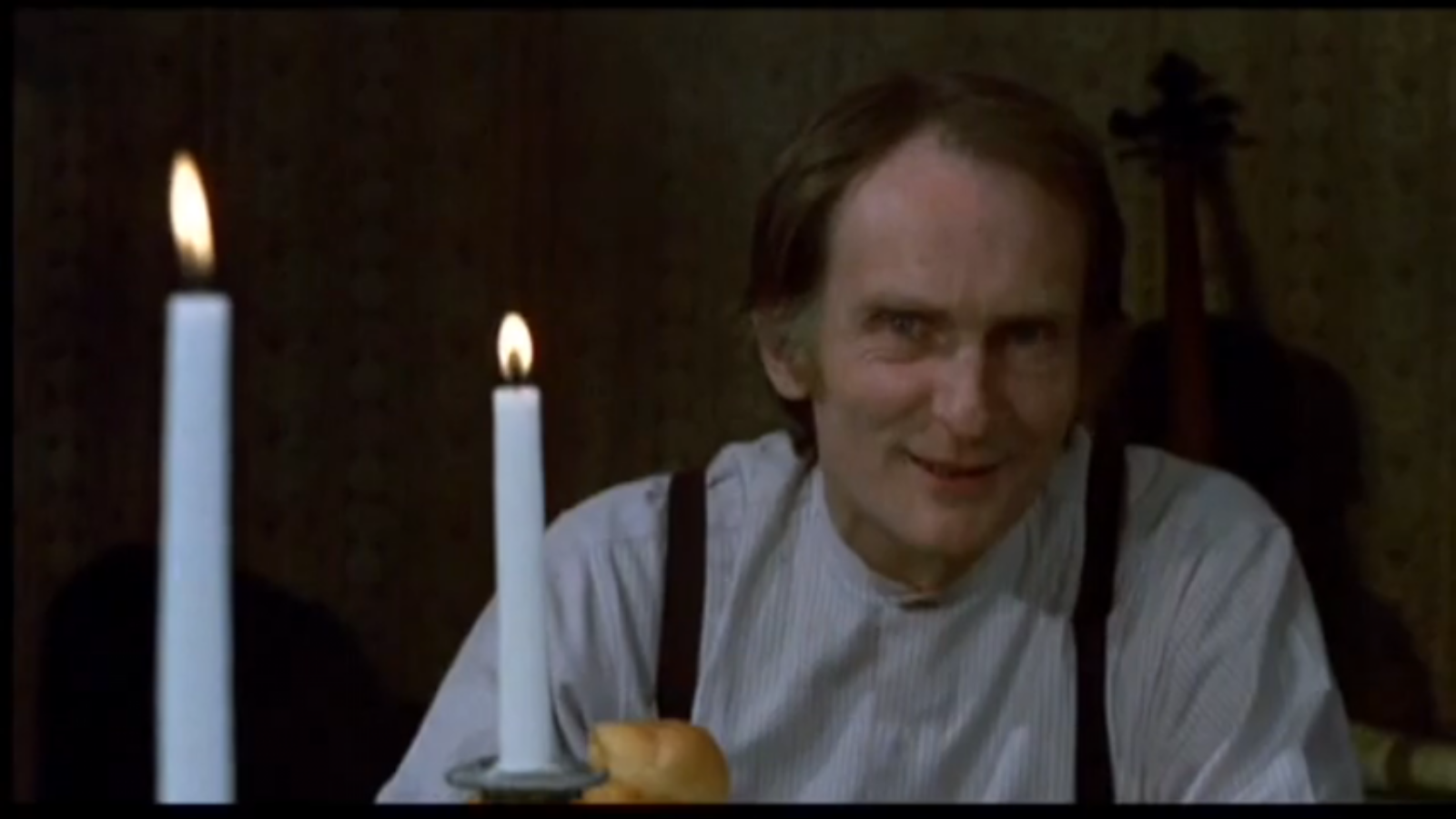
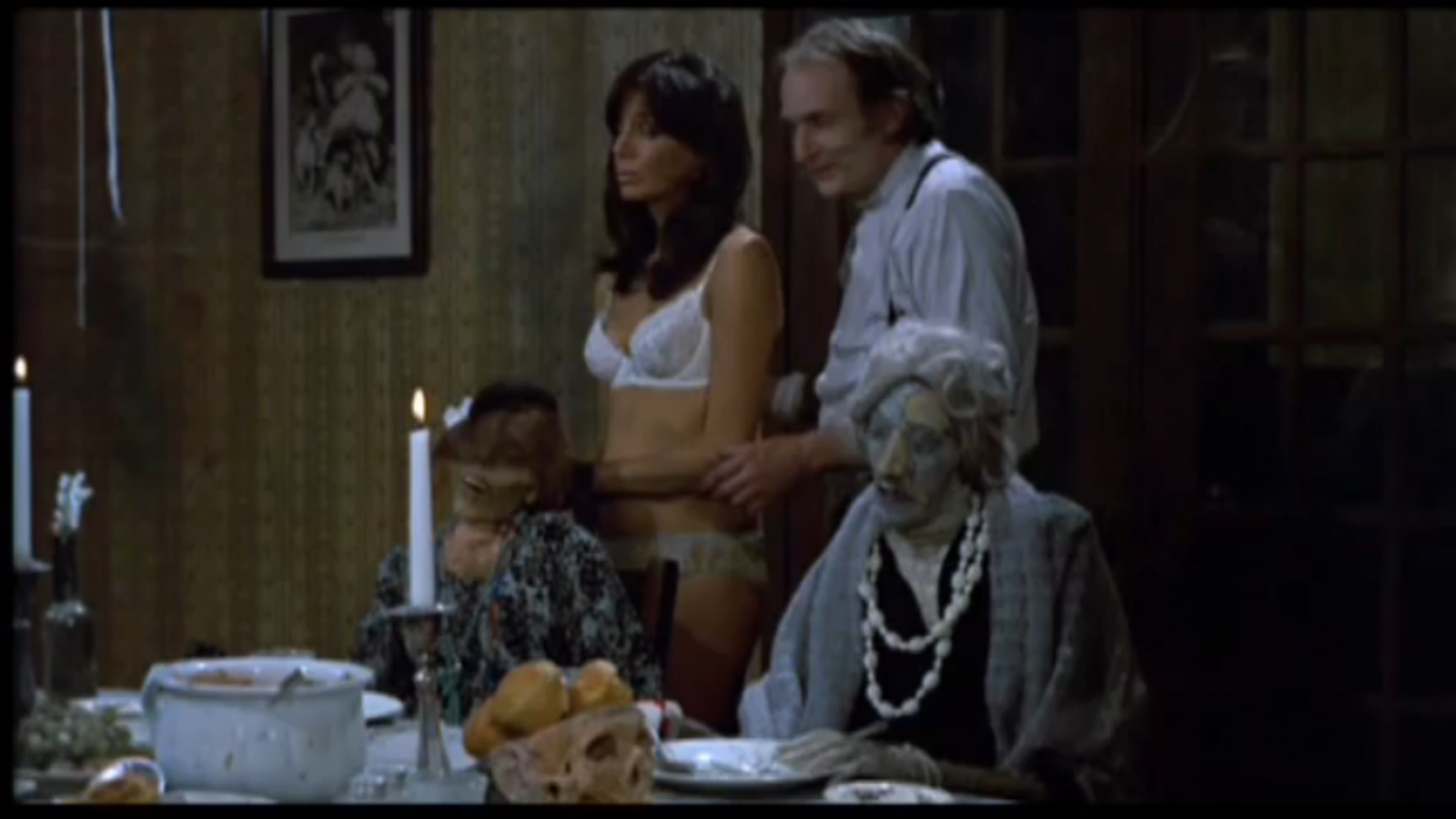
Essentially a thinly veiled biopic about “Mad Butcher” Ed Gein, Deranged remains a gruesome but surprisingly effective low-budget slasher flick. Most definitely not for the faint of heart, Deranged — filled with a healthy dose of black humor — spares no details in presenting the travails of its increasingly unhinged anti-hero, as it tracks his descent from dutifully compliant grown son to psychotic necrophiliac. Blossoms is well-cast in the central role, doing a fine job with an undeniably tricky character; we never doubt either his sincerity or his derangement for a single second. Co-directors Jeff Gillen and Alan Ormsby set up many tension-filled scenes (viz. barmaid Micki Moore’s introduction to Blossoms’ household existence!), which are all nicely paced and include a decent number of shocks and thrills; meanwhile, Carl Zittrer’s score (based thematically upon the hymn “Old Rugged Cross”) serves as an effective reminder about the religiosity behind Blossoms’ mental disturbance. I’m astonished to find myself recommending this one as must-see, but it’s good enough at what it sets out to do that I think it’s worth a look by all film fanatics.

Redeeming Qualities and Moments:

  • Roberts Blossom as Ezra
  • Many genuinely creepy moments
  • Jack McGowan’s cinematography
  • An effectively disturbing score

Must See?
Yes, simply as a well-crafted, low-budget genre flick — but be forewarned that it’s utterly gruesome. Listed as a Cult Movie in the back of Peary’s book.

Categories

  • Cult Movie

Links:

Star is Born, A (1954)

Star is Born, A (1954)

“He saw something in me nobody else ever did. He made me see it, too. He made me believe it!”

Synopsis:
An alcoholic movie star (James Mason) falls in love with an aspiring singer (Judy Garland) and helps her break through in Hollywood — but his own success is quickly fading, and soon they find their marriage and loyalty tested.

Genres, Themes, Actors, and Directors:

  • Alcoholism and Drug Addiction
  • Aspiring Stars
  • Charles Bickford Films
  • George Cukor Films
  • Hollywood
  • Jack Carson Films
  • James Mason Films
  • Judy Garland Films
  • Musicals
  • Rise-and-Fall
  • Romance

Response to Peary’s Review:
Peary begins his review of this “gracefully directed epic remake of the 1937 classic” by citing its infamous 1983 restoration by Ron Haver, pointing out that “as a result we can discover one of the fifties’ finest films”. The remainder of his review focuses primarily on the unique relation between Garland’s “small-time band singer Esther Blodgett” and James Mason’s “fading actor Norman Maine, who sees her sing and detects greatness.” Indeed, while its storyline is firmly rooted within Hollywood — and doesn’t flinch from presenting the seamier sides of the town’s questionable glory — it is the central romance between Blodgett and Maine that trumps all else. As Peary notes, “What makes this film so special and so timely is how mutually supportive Vicki [nee Esther] and Norman are: their initial excitement about and respect for each other never fades away”, even when you’d most expect Norman to become incurably jealous of his wife. Miraculously, “he never feels spiteful about her success, even when feeling self-pity”; meanwhile, “she recognizes that her success is due to him… and won’t desert him when everyone else has”. It’s a refreshingly heartwarming romance, yet one which never descends into undue sentimentality.

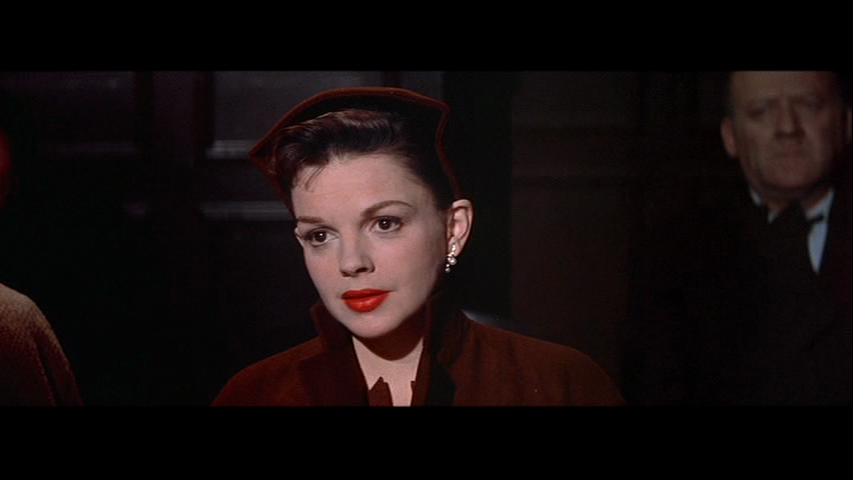
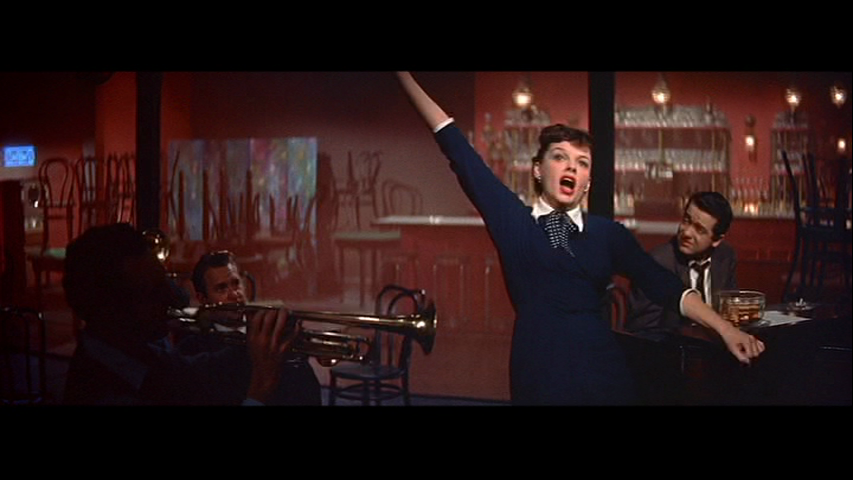
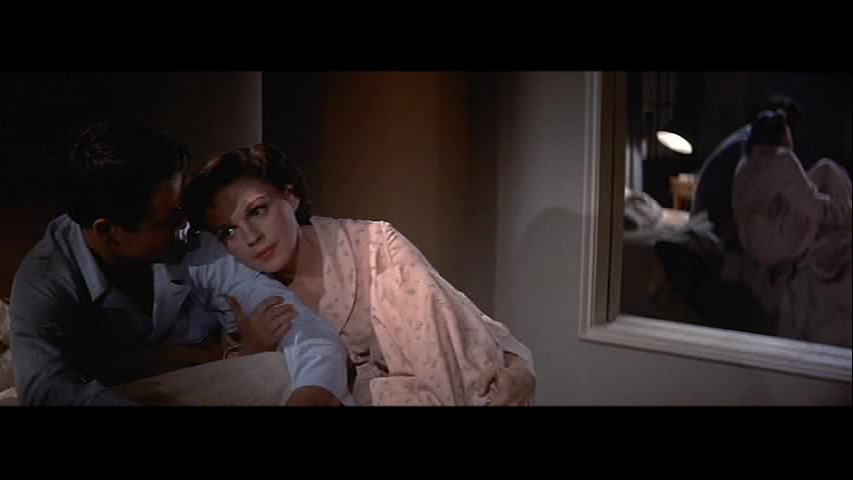
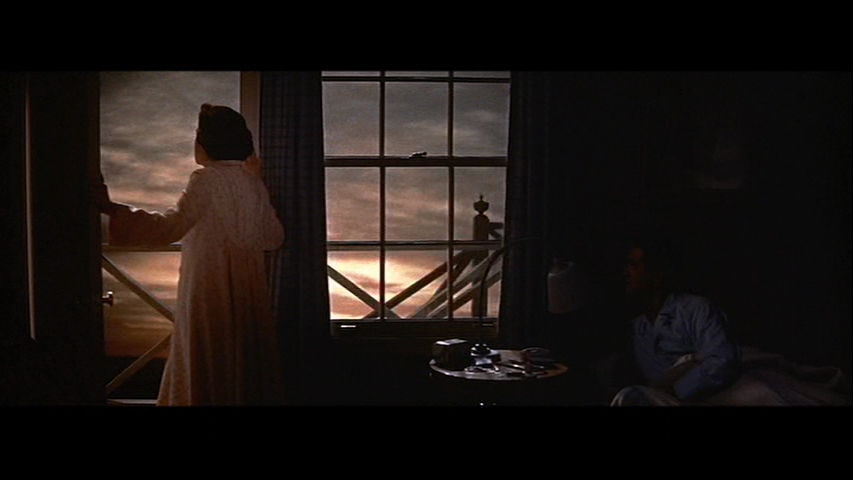
A Star is Born benefits from masterful direction by George Cukor, impressive early use of the Cinemascope process, vibrant cinematography and art direction, and a top-notch, “cynical yet compassionate you-and-me-against-the-world (Hollywood) script” by Moss Hart — yet it is the “wonderful, deeply affecting performances” by Garland and Mason that I believe are ultimately responsible for making this film such a timeless classic. Garland’s performance is the one that generally receives the most attention, for multiple reasons: it was her “come-back” role several years after leaving MGM, and her presumed victory in the Oscars race was trumped by Grace Kelly’s unmerited win for The Country Girl. Garland is indeed marvelous here; as noted by Peary in his Alternate Oscars (where he instantly hands her the award she so clearly deserved), she gives “the finest performance” in her career, playing a woman with “amazing depth, wit, resilience, [and] graciousness”. While “Garland always played nice girls”, he argues that “this was the first time [her] character’s goodness comes from the soul”, and notes that “Esther-Vicki is Garland’s most mature character and the one who has the most passion”. In addition, he points out that “playing Esther-Vicki let Garland demonstrate her remarkable musical versatility”; while “we are told Janet Gaynor’s Esther-Vicki has talent in the 1937 film, Garland proves her star talent”.

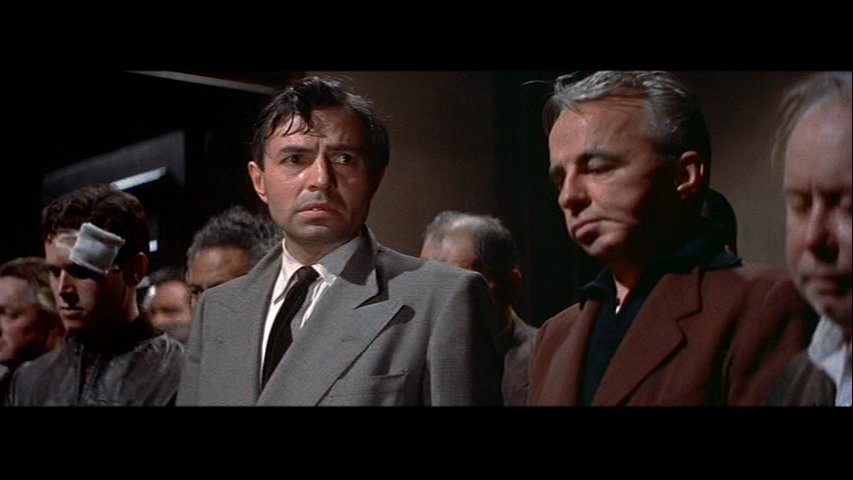
However, Mason’s performance is equally impressive — and if it weren’t for Marlon Brando’s astonishing turn as Terry Malloy in On the Waterfront (another of my all-time favorite films), I would argue that Mason equally deserved top recognition at the Oscars that year. Not a single moment of his performance here is anything less than nuanced and revelatory; the fact that he emerges as one of cinema’s most sympathetic has-beens is especially astonishing after watching his cringe-worthy entrance on the screen during the film’s opening sequence, when he and Garland “meet cute” (if you could dare to call it that). One fully expects this man to be someone Garland should stay miles and miles away from; therefore, his emergence as a man truly dedicated to his wife’s success, despite his own significant career challenges, is a pleasantly unexpected development. From his refreshingly authentic reaction to the egregious “transformation” attempted on Esther-Vicki by the studios, to the final heartbreaking scene in their beachside bungalow (watch his expression as he overhears Garland talking with studio head Charles Bickford), this is a man worthy of so much more respect than his insidious disease allowed him to maintain.

Redeeming Qualities and Moments:

  • Judy Garland as Esther Blodgett/Vicki Lester
  • James Mason as Norman Maine
  • Esther singing “The Man that Got Away”
  • Masterful use of Cinemascope
  • Innovative cinematography
  • Moss Hart’s screenplay

Must See?
Absolutely; this one is a gem on multiple levels.

Categories

  • Genuine Classic

(Listed in 1001 Movies You Must See Before You Die)

Links:

Country Girl, The (1954)

Country Girl, The (1954)

“They all start out as Juliets and wind up as Lady Macbeths.”

Synopsis:
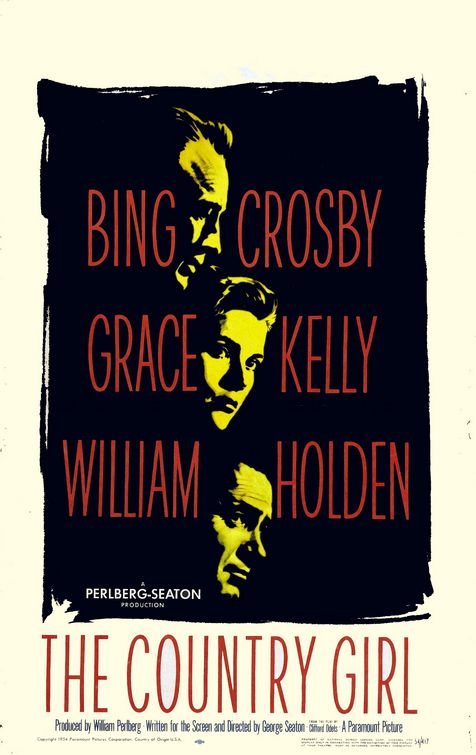
An aging has-been singer (Bing Crosby) with an embittered wife (Grace Kelly) is given a second chance at fame when a theatrical director (William Holden) insists on casting him as the star in an upcoming musical — but will Crosby’s insecurities and alcoholic tendencies prevent him from success?

Genres, Themes, Actors, and Directors:

  • Actors and Actresses
  • Bing Crosby Films
  • Grace Kelly Films
  • Has-Beens
  • Love Triangle
  • Play Adaptation
  • William Holden Films

Review:
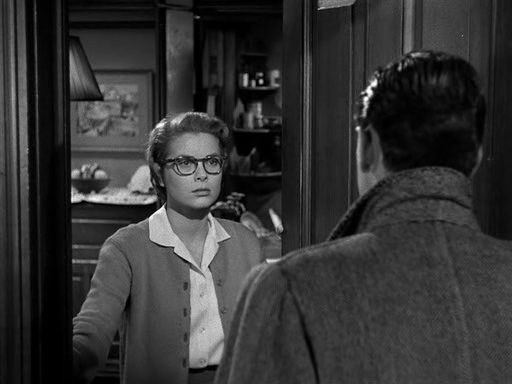
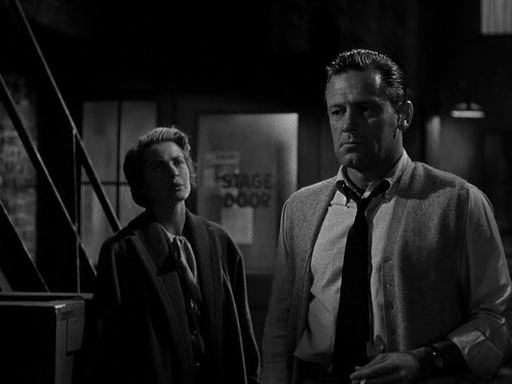
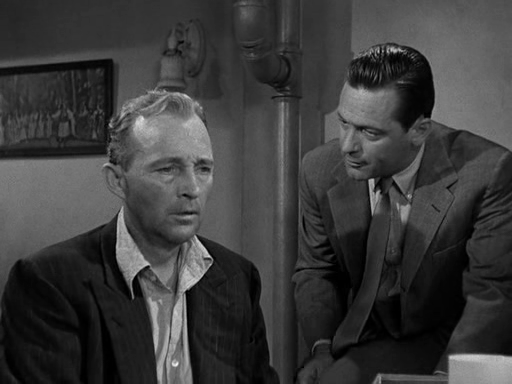
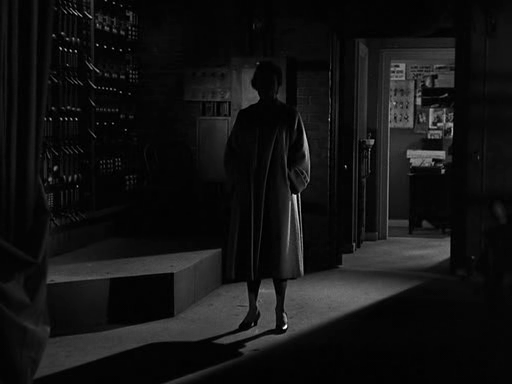
Based on a play by Clifford Odets, this stagy melodrama will forever remain infamous as the film that “robbed Judy Garland of her Oscar”, given that a heavily deglamourized Grace Kelly won the Best Actress Oscar instead. Knowing this, one watches The Country Girl with an extra degree of skepticism — is Kelly’s performance really even a viable contender against Garland’s? Sadly, one emerges convinced that the rumors are all true: Garland WAS robbed.

At first, Kelly’s performance is reasonably impressive, given that she does bravely (?) allow herself to be completely stripped of all charm and appeal (not to mention make-up), and convincingly embodies her character’s deeply held bitterness; but her portrayal ultimately emerges as one-note — and the film itself is such a troubled vehicle that it’s impossible to ever fully engage with her dilemma, or feel any genuine sympathy for her.

At its heart, The Country Girl is a tale of corrosive misogyny, with Holden’s cynical, divorced director so embittered by his own past romantic challenges that he seems to be questioning the utility of women in general — as evidenced in the following disturbing quotes:

“It’s a pity that Leonardo da Vinci didn’t have a wife to guide him; he might have really gotten somewhere.”
“I don’t like strong women, Mrs. Elgin.”
“You know why he lacks authority? Because his wife has too much of it.”
“They all start out as Juliets and wind up as Lady Macbeths.”

It’s up to Kelly, naturally, to convince Holden that all she’s ever wanted was for her husband to succeed — in other words, that’s she’s a good 1950s wife rather than a shrewish impediment to his happiness.

To say more about this evolution would give away spoilers — but suffice it to say that both her character arc and Holden’s feel palpably calculated. Meanwhile, Crosby provides the film’s only truly sympathetic performance:

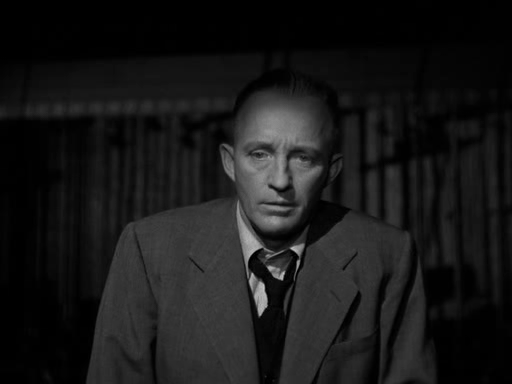
Seemingly unafraid to present his character as the complex and conflicted individual he is, his cripplingly insecure Frank Elgin comes across as all too authentic and pathetic.

Redeeming Qualities and Moments:

  • Bing Crosby as Frank
  • Atmospheric cinematography

Must See?
No, though must film fanatics probably won’t be able to resist checking it out, given its historical notoriety. Listed as a film with Historical Importance in the back of Peary’s book.

Links:

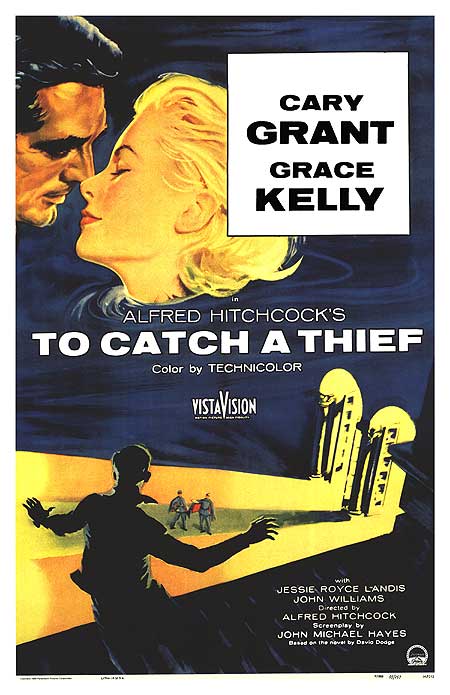
To Catch a Thief (1955)

To Catch a Thief (1955)

“I’ve never caught a jewel thief before; it’s stimulating.”

Synopsis:
During a rash of jewelry heists on the French Riviera, the daughter (Grace Kelly) of a wealthy widow (Jessie Royce Landis) tries to seduce a retired thief (Cary Grant) who’s busy attempting to clear his name.

Genres, Themes, Actors, and Directors:

  • Cary Grant Films
  • Falsely Accused
  • Grace Kelly Films
  • Hitchcock Films
  • Romance
  • Thieves and Criminals

Review:
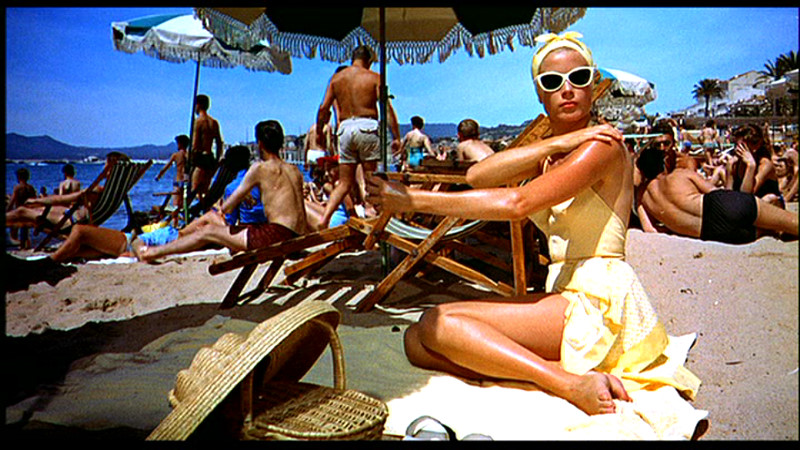
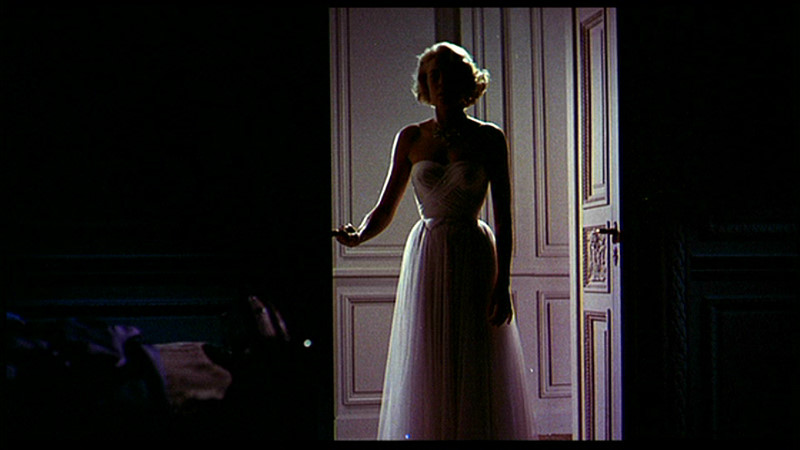
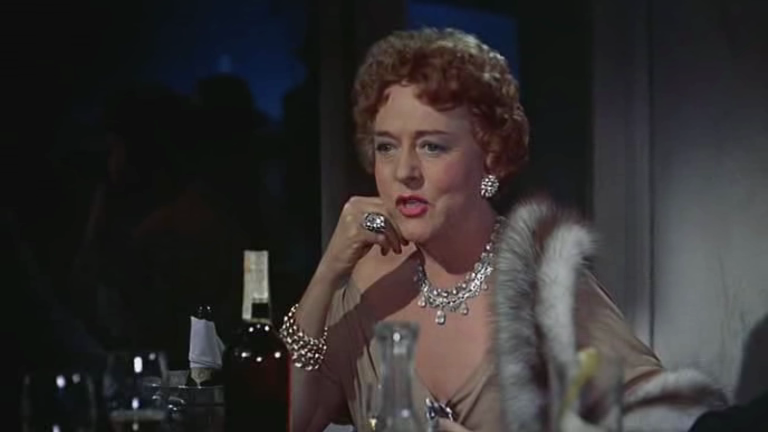
Made just after Rear Window (1954) and several years before North by Northwest (1959), the romantic-thriller To Catch a Thief is generally acknowledged as one of Hitchcock’s lighter-weight efforts. He managed to lure Cary Grant out of early retirement to star opposite Grace Kelly, who would soon be enjoying an early retirement herself, as the new Princess of Monaco; indeed, cultural historians will be interested to learn that it was during the filming of this movie that Kelly “spied a beautiful, walled garden she wanted to tour”, though “arrangements with the owner, Prince Rainier, could not be made in time”, and they didn’t meet until the following year. At any rate, the storyline of To Catch a Thief — essentially a whodunit combined with one of Hitchcock’s favorite tropes, a falsely accused man attempting to clear his name — is indeed a mere trifle; the primary enjoyment rests in soaking up the truly marvelous vistas along the French Riviera, which DP Robert Burks managed to capture in stunning Technicolor (I’ll admit to salivating). Grant (in fit form) and Kelly (gorgeous, naturally) are both fine romantic leads, but it’s Jessie Royce Landis — perhaps best known for playing Grant’s mother in NXNW — who really stands out here, playing a refreshingly humble heiress who consistently surprises us with her relaxed attitude towards life.

Redeeming Qualities and Moments:

  • Fabulous location shooting on the French Riviera
  • Robert Burks’ Technicolor cinematography

  • Jessie Royce Landis as Mrs. Stevens

Must See?
No, though it’s recommended for one-time viewing, and certainly a must for Hitchcock, Grant, or Kelly fans.

Links:

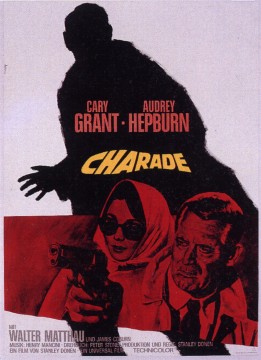
Charade (1963)

Charade (1963)

“I already know an awful lot of people; until one of them dies, I couldn’t possibly meet anyone else.”

Synopsis:
A young widow (Audrey Hepburn) pursued by three ex-compatriots (James Coburn, George Kennedy, and Ned Glass) of her deceased husband seeks solace and protection from a mysterious but friendly man (Cary Grant), who may or may not be equally interested in obtaining the $250,000 her husband supposedly had in his possession.

Genres, Themes, Actors, and Directors:

  • Audrey Hepburn Films
  • Cary Grant Films
  • George Kennedy Films
  • James Coburn Films
  • Mistaken or Hidden Identities
  • Murder Mystery
  • Stanley Donen Films
  • Walter Matthau Films
  • Widows and Widowers

Review:
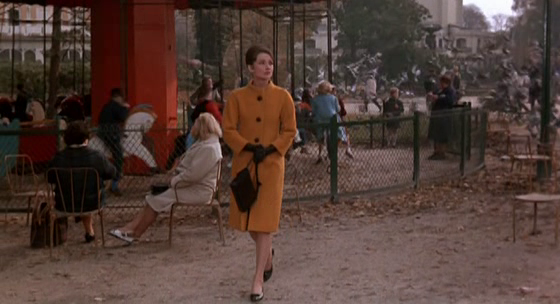
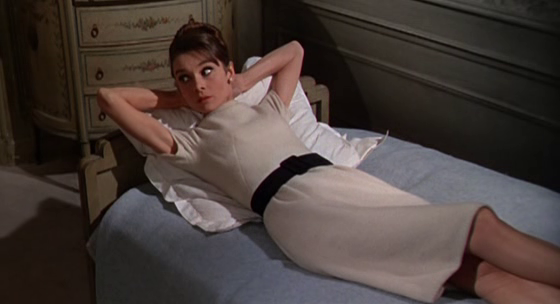
Infamously referred to as the “best Hitchcock film Hitchcock never made”, this Stanley Donen-directed romantic thriller has a lot going for it — including the only on-screen pairing of Cary Grant and Audrey Hepburn (who apparently loved working together), a clever script which offers plenty of surprises and violent shocks, and an overall air of breezy Parisian chic. Given its obvious credentials — and the wonderfully escapist enjoyment it offers — I was puzzled about my own niggling reticence with labeling it a true “classic”, until I read DVD Savant’s insightful (as always) review and realized I agree with his assessment that the film’s “only drawback [is]… a serious case of ‘the cutes’, a malady that seems to affect many ’60s films that want to capture a tongue-in-cheek cleverness.” Savant points out that “every word out of the mouths of Cary Grant and Audrey Hepburn is a guaranteed clever comeback, smart remark or flip observation, each delivered with more drollery than the last”; indeed, my primary complaint about the film is how easily Hepburn is able to glibly switch her focus back (again and again) to flirting with Grant, in the midst of her life being seriously in danger. Perhaps this is a function of the script having been changed (at the request of Grant) to make the much-younger Hepburn Grant’s pursuer, rather than the other way around; is it possible the same behavior coming from a man wouldn’t be quite so discomfiting?

At any rate, despite this minor complaint, the film as a whole remains eminently enjoyable, and is guaranteed to keep you glued to the screen as you watch in anticipation to see which of the candidates (is it one of the three “baddies”, or the ever-elusive Grant himself?) will ultimately prove to be the real menace. Chances are you won’t guess correctly. Meanwhile, Donen makes very effective use of (largely) on-site locations in Paris; the performances (both lead and supporting) are all top-notch; and Hepburn is as lovely as ever in Givenchy (though it’s too bad she doesn’t get a chance to dress in at least one evening gown… oh well!). Hepburn and Grant possess fine chemistry together; Grant’s concerns about being too old as a romantic lead for her (perhaps in reaction to the lambasting Gary Cooper received after Love in the Afternoon) are ultimately unfounded. The final plot twist — where exactly is that stash of a quarter million dollars hidden? — is very cleverly handled as well.

Redeeming Qualities and Moments:

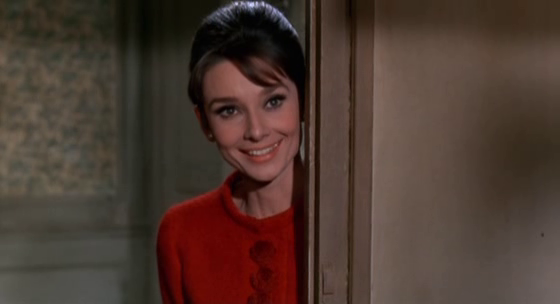
  • Audrey Hepburn as Regina Lampert
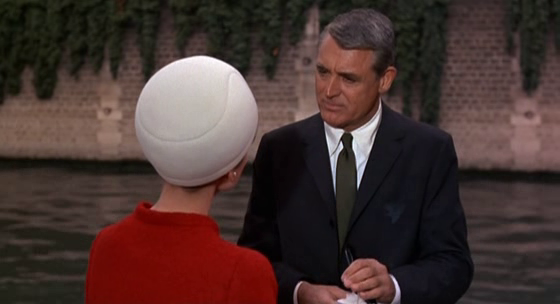
  • Cary Grant as “Peter Joshua”
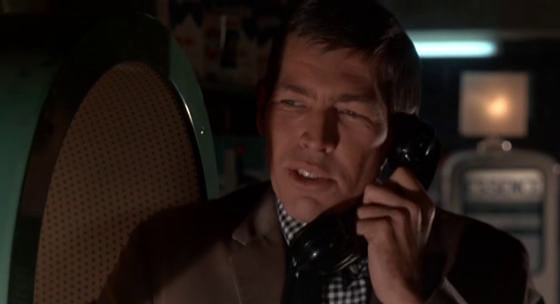
  • James Coburn as “Tex”
  • Fine use of authentic Paris locales
  • Lovely Givenchy outfits
  • Maurice Binder’s stylish opening titles

Must See?
Yes, as a stylishly classic thriller.

Categories

  • Genuine Classic

Links:

Wait Until Dark (1967)

Wait Until Dark (1967)

“This is the big bad world, full of mean people, where nasty things happen.”

Synopsis:
The blind wife (Audrey Hepburn) of a man (Efrem Zimbalist, Jr.) who unknowingly possesses a doll stuffed with heroin is terrorized by three men (Alan Arkin, Richard Crenna, and Jack Weston) determined to get the doll back at any price.

Genres, Themes, Actors, and Directors:

  • Alan Arkin Films
  • Audrey Hepburn Films
  • Blindness
  • Con-Artists
  • Play Adaptation<

Review:
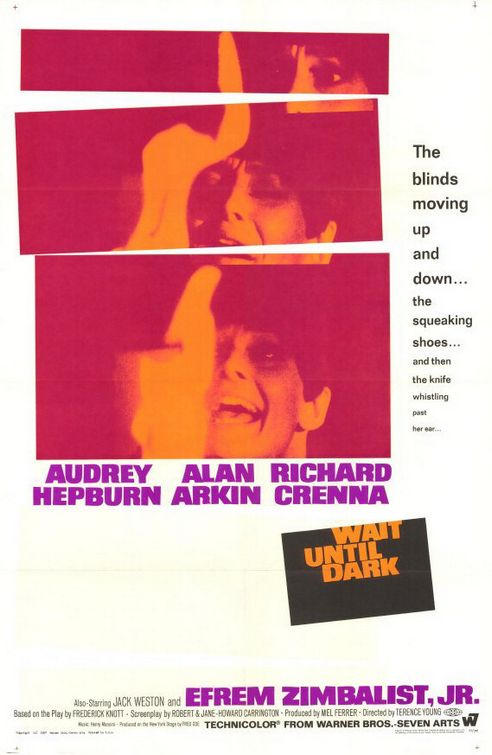
Wait Until Dark — based on a Broadway play by Frederic Knott (who also wrote Dial M for Murder) — is an often chilling and well-acted but ultimately frustrating thriller. It’s undone by its very premise, which is simply too contrived to swallow — beginning with the opening scenes, in which Hepburn’s naive husband (Zimbalist) befriends a beautiful woman (Samantha Jones) on a plane and agrees at the last minute to take a (heroin-filled, though he doesn’t know that) doll from her. After this puzzling, dialogue-free scene (frustratingly, we don’t learn until far too much later the rationale behind why Jones gave up the doll, and why Zimbalist accepted it), we’re suddenly plunged into the heart of the thriller, as we learn that the doll is now somewhere in Hepburn’s house — though once again, we’re given too little information to go on (what does Hepburn know about the doll, if anything?). Next, we’re introduced to an inexplicably bratty neighbor girl (Julie Herrod) who magically transforms into the more helpful assistant/accomplice Hepburn needs her to be, and we begin to learn more about the needlessly convoluted scenario the three con-men have devised in order to befriend Hepburn and convince her to give up the doll’s location.

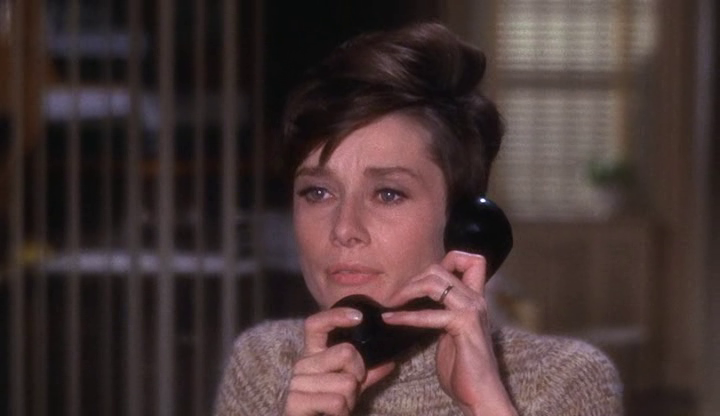
Clearly, there are flaws in the essential construction of the plot — yet director Terence Young does a fine job building and maintaining a fair amount of tension throughout; we can’t help wondering what will happen next, and how/when Hepburn will finally realize she’s being duped (then survive). The last half-hour of the film is particularly chilling, and is notable for supposedly offering audiences only the second on-screen instance of a now-very-common kind of horror thrill (which I can’t give away here at risk of divulging spoilers). The film as a whole remains of historic interest as well, given that it offered Audrey Hepburn her last significant role before her semi-retirement at the age of 38; along with Young, she trained extensively beforehand at a nearby institute for the blind, and is remarkably convincing. She deserved her Academy Award nomination for the role — though interestingly, Peary insists she actually should have been given the award for her performance the same year in Stanley Donen’s Two for the Road, and neglects to even nominate her for her work here.

Redeeming Qualities and Moments:

  • Audrey Hepburn as Susy Hendrix
  • Alan Arkin as Roat
  • The chilling finale
  • Henry Mancini’s score

Must See?
No, but it’s certainly recommended for one-time viewing.

Links:

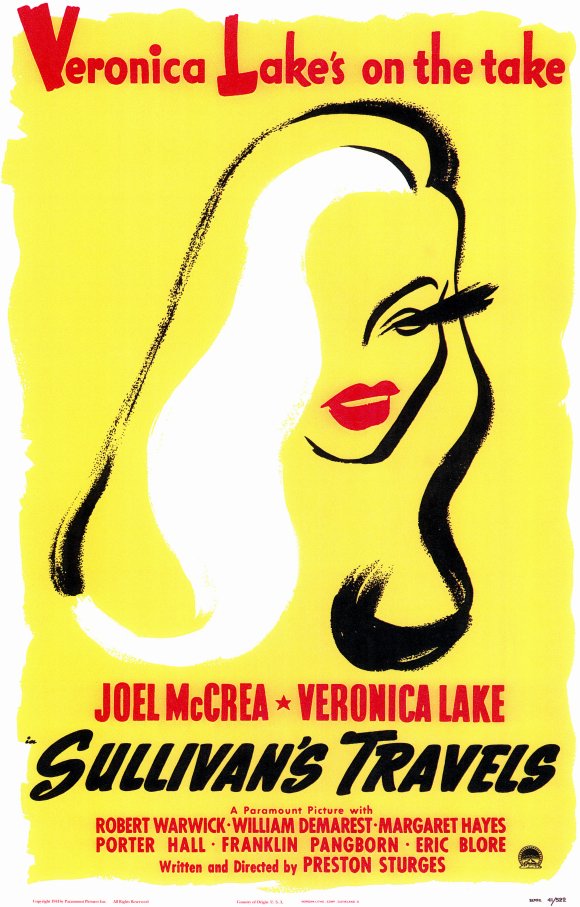
Sullivan’s Travels (1941)

Sullivan’s Travels (1941)

“There’s a lot to be said for making people laugh.”

Synopsis:
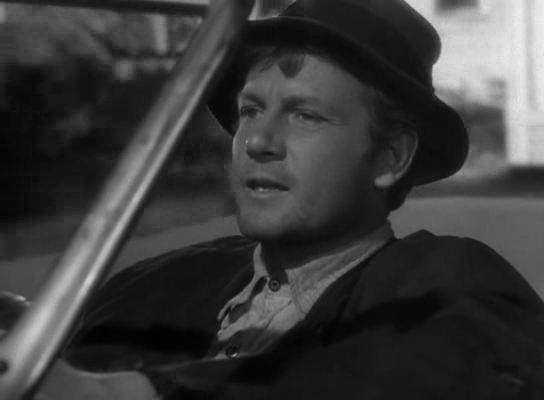
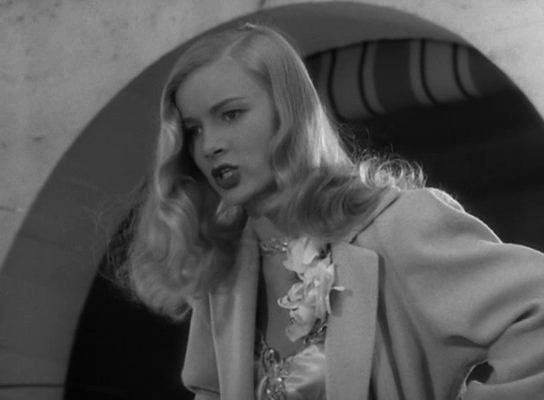
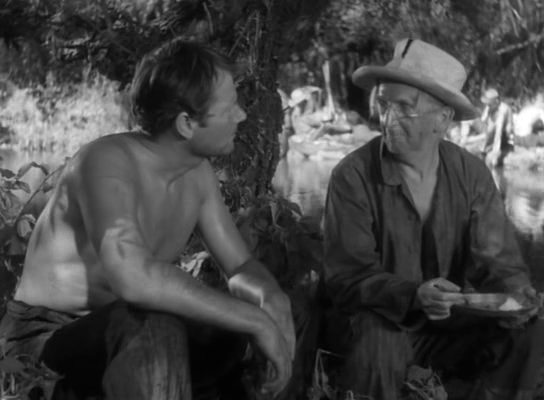
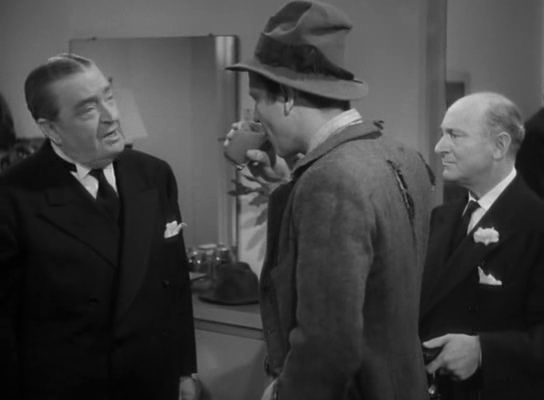
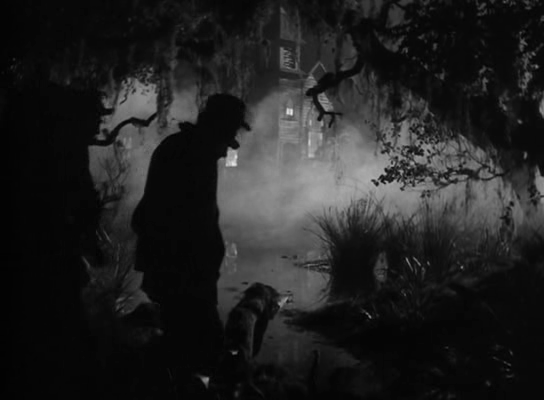
A successful comedy film director (Joel McCrea) hoping to make more “meaningful” social dramas decides to dress in hobo clothing and hit the road to learn first-hand what poverty is like. Soon he meets a beautiful young ingenue (Veronica Lake) who accompanies him on his travails — but events quickly turn much more serious than he intended.

Genres, Themes, Actors, and Directors:

  • Class Relations
  • Comedy
  • Depression Era
  • Hollywood
  • Joel McCrea Films
  • Mistaken or Hidden Identities
  • Movie Directors
  • Preston Sturges Films
  • Veronica Lake Films

Response to Peary’s Review:
Peary votes this “marvelous social satire” by Preston Sturges as Best Picture of the Year in his Alternate Oscars book, though he wishes he could call it a tie with Ernst Lubitsch’s To Be Or Not To Be, which he considers an equally worthy contender. He argues that Sturges proves “that a good Hollywood film can mix outrageous comedy with a social message”, given that we “laugh at the hysterical dialogue, the farcical situations…, the satirical barbs against Hollywood, and the slapstick”, yet also “pay attention to the parade of poverty’s victims during Sullivan’s Swiftian journey”. However, I’m not quite sure I agree with this latter point. At the risk of sounding like a Grinch about a Certified American Classic, I don’t actually believe audiences are forced to pay enough attention to “poverty’s victims” in this film — which is all about Sullivan, all the time. While Peary notes that Sturges “democratically gives all his characters, even his supporting players, important and wise things to say”, the voices of the downtrodden he’s so interested in speaking to and learning about are, with just a couple of exceptions, noticeably absent.

Now that my gripe is over, however, I’ll concede that there is much to admire about the film. Its Hawksian dialogue does indeed “have humor and rhythm”; Peary accurately describes it “like a relay race, with words used like batons”, in which “the second one character finishes a sentence, another starts his; characters join in, there are no gaps, and the pace becomes frenetic”. He also notes that “McCrea, who is well over six feet tall, and Lake at five-foot-two and 90 pounds [though pregnant!]… make a wonderful screen team”, given that they “have sweet feelings toward each other from the beginning, and are always protective of one another”; they are indeed “an ideal couple”. As Peary notes, this “was the picture that confirmed [they] were versatile performers”. Watch for a host of fine supporting performances, lovely b&w cinematography, and numerous memorable scenes.

Redeeming Qualities and Moments:

  • Joel McCrea as John Sullivan (nominated as one of the Best Actors of the Year in Alternate Oscars)
  • Veronica Lake as “the Girl” (nominated as one of the Best Actresses of the Year in Alternate Oscars)
  • Wonderful supporting performances throughout

  • John Seitz’s cinematography

Must See?
Yes, of course — as an undisputed classic.

Categories

  • Genuine Classic
  • Important Director

(Listed in 1001 Movies You Must See Before You Die)

Links: