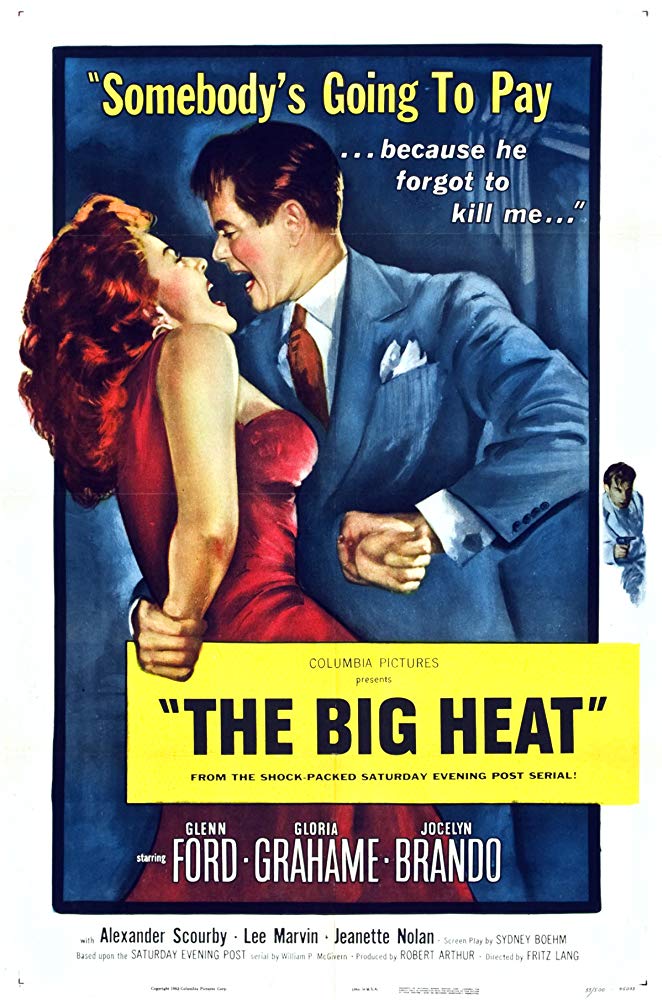
Big Heat, The (1953)
“This is my home, and I don’t like dirt tracked into it.”
|
Synopsis: |
|
Genres, Themes, Actors, and Directors:
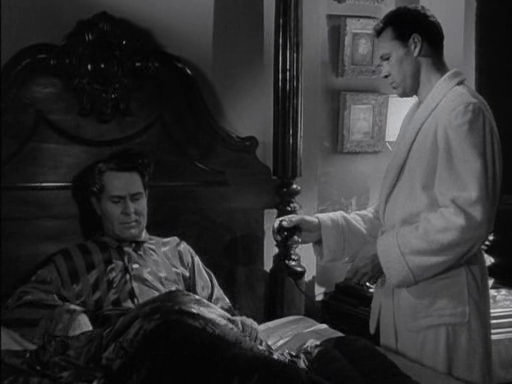
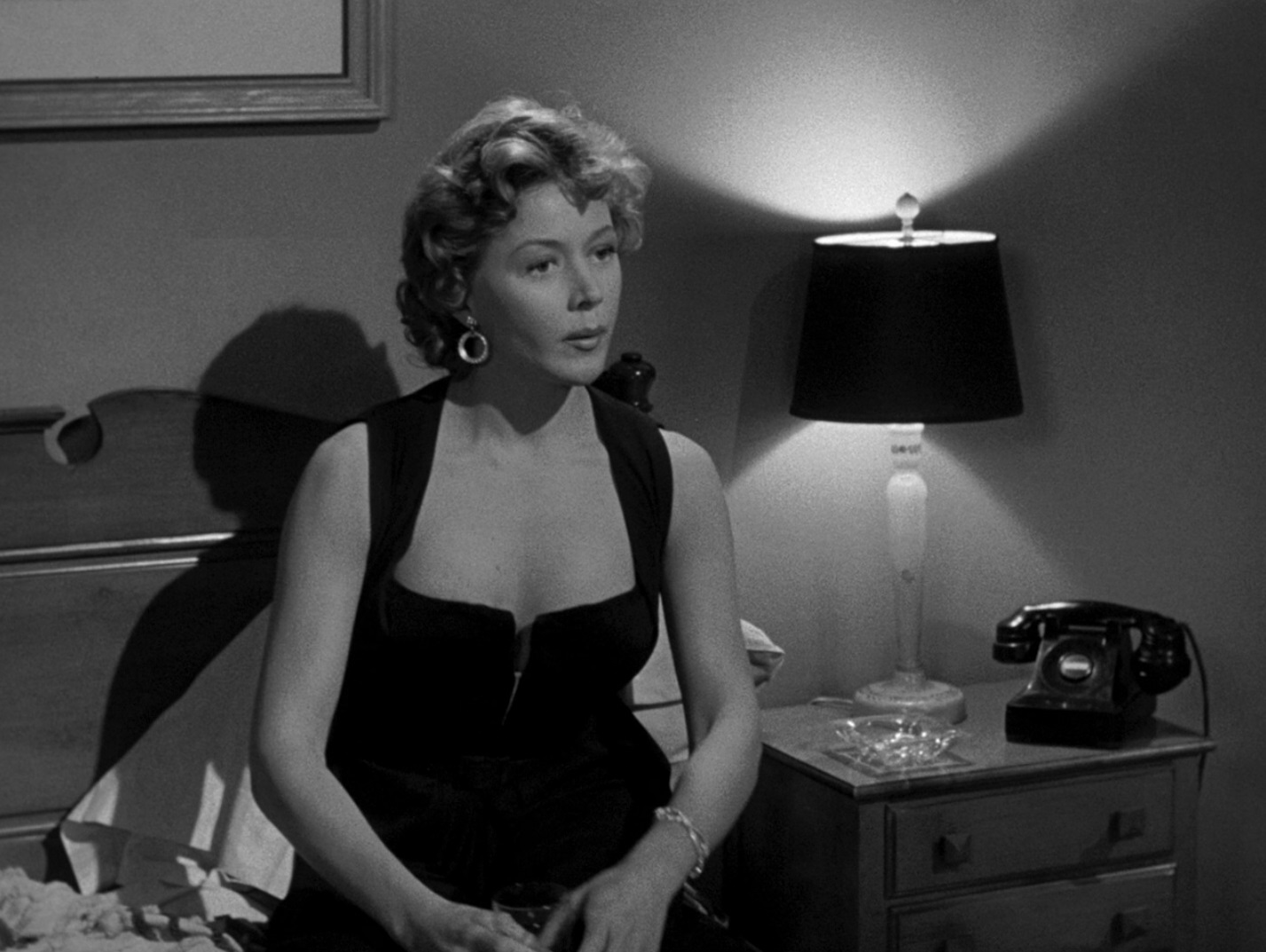
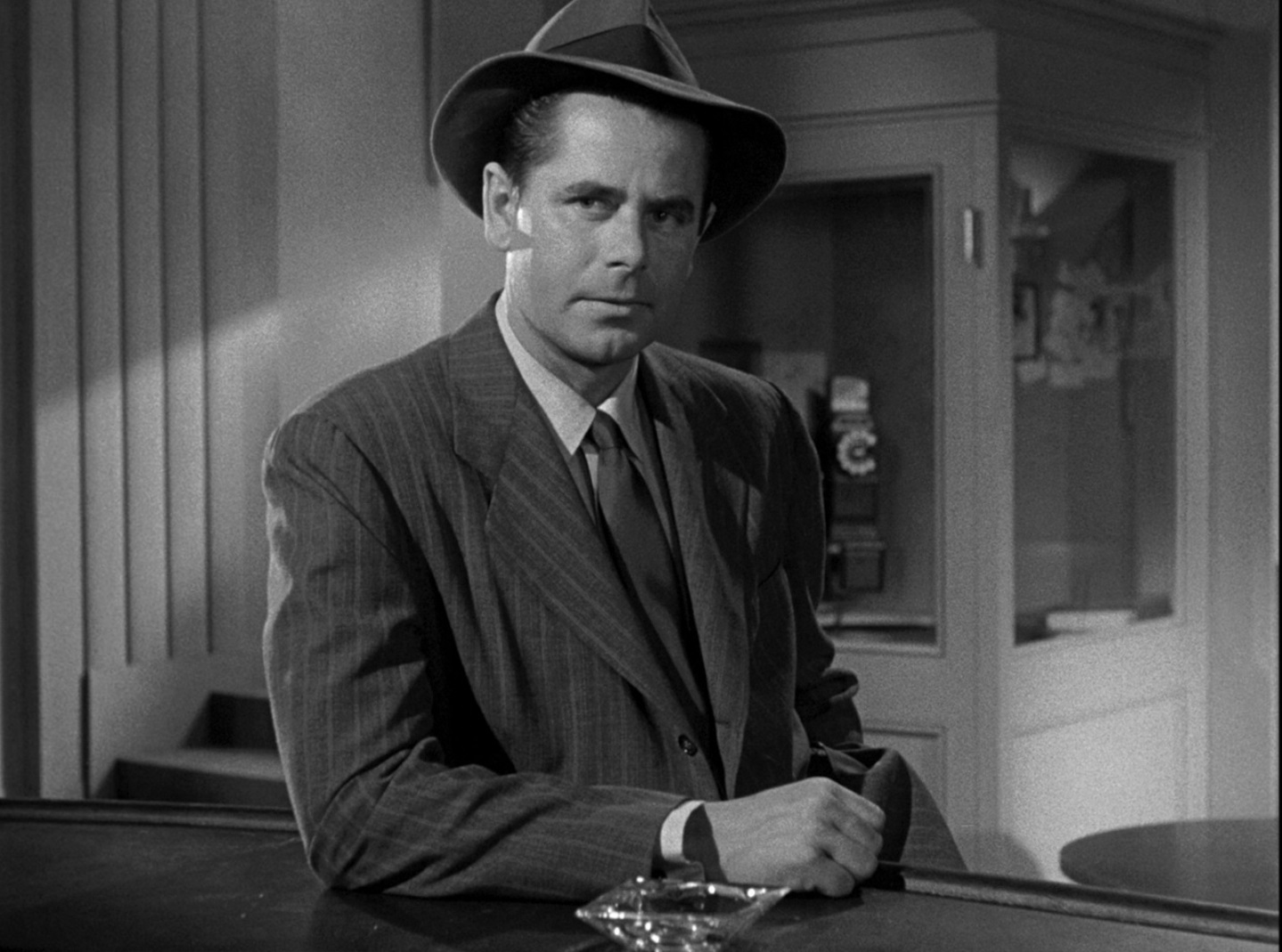
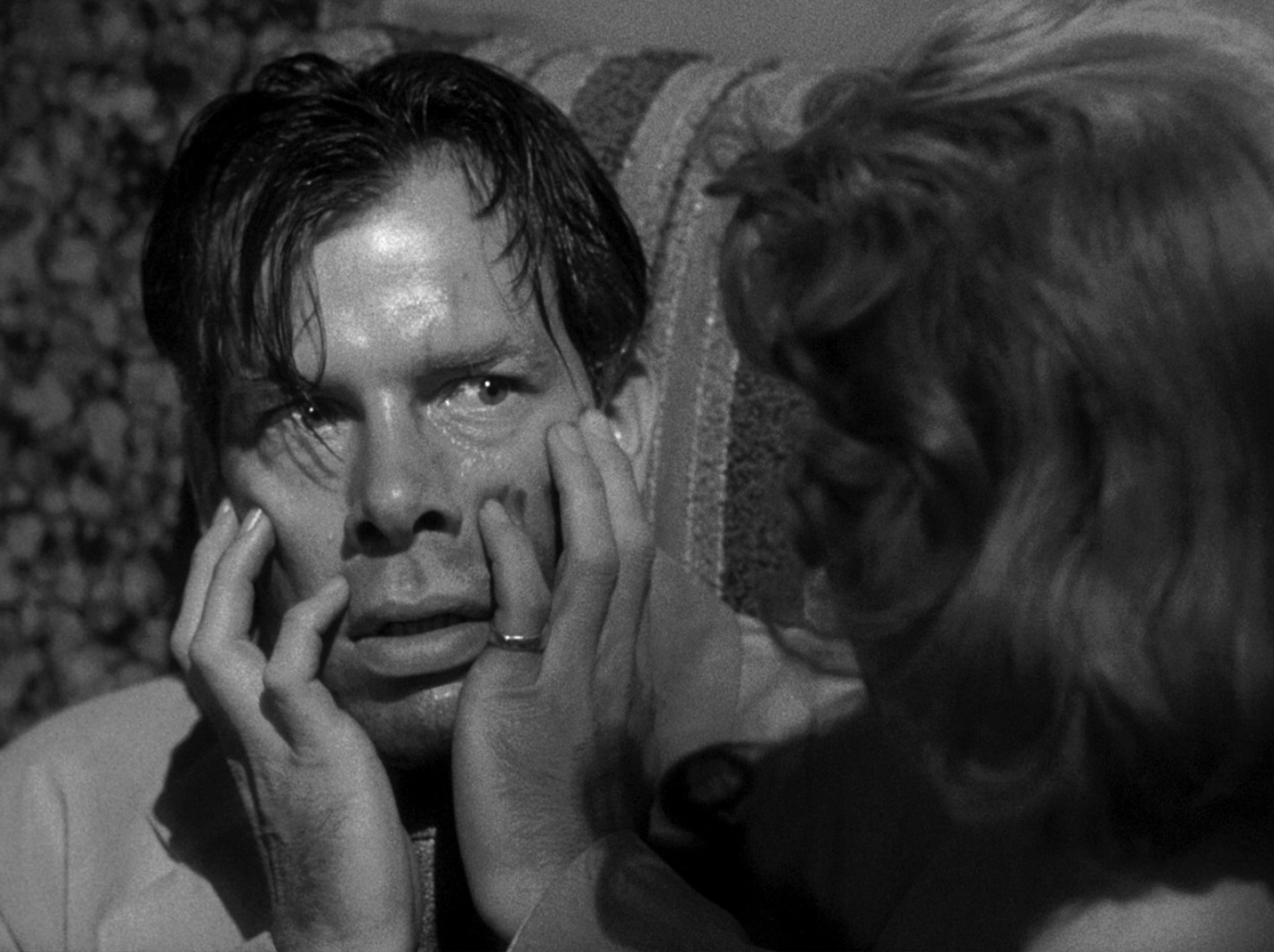
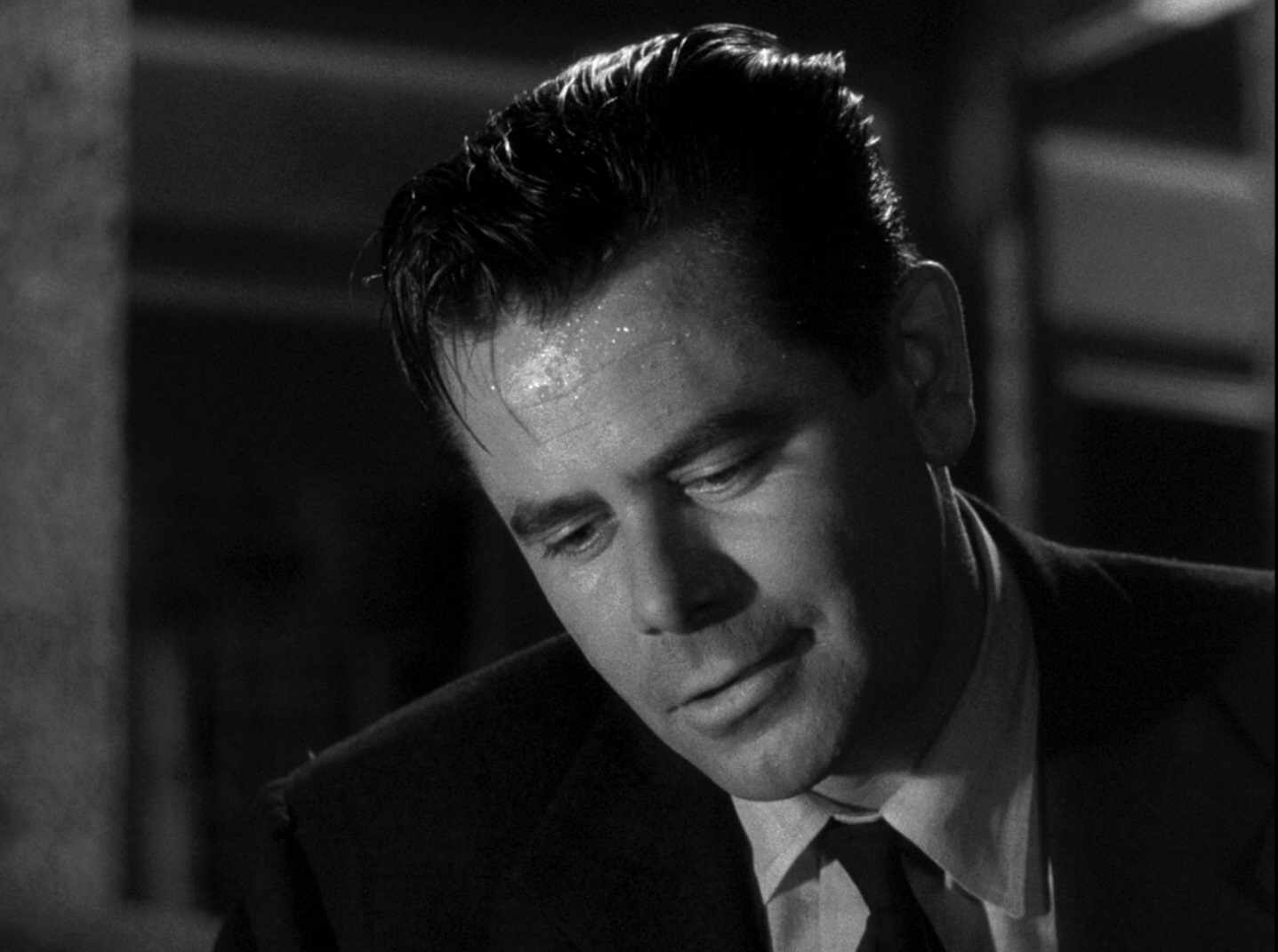
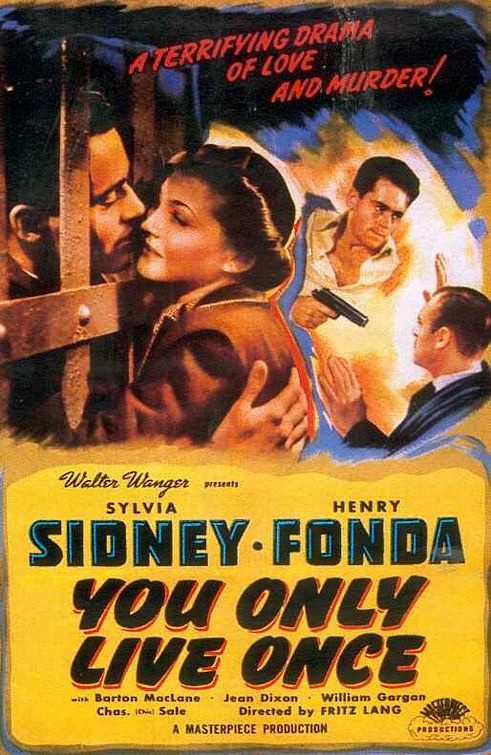
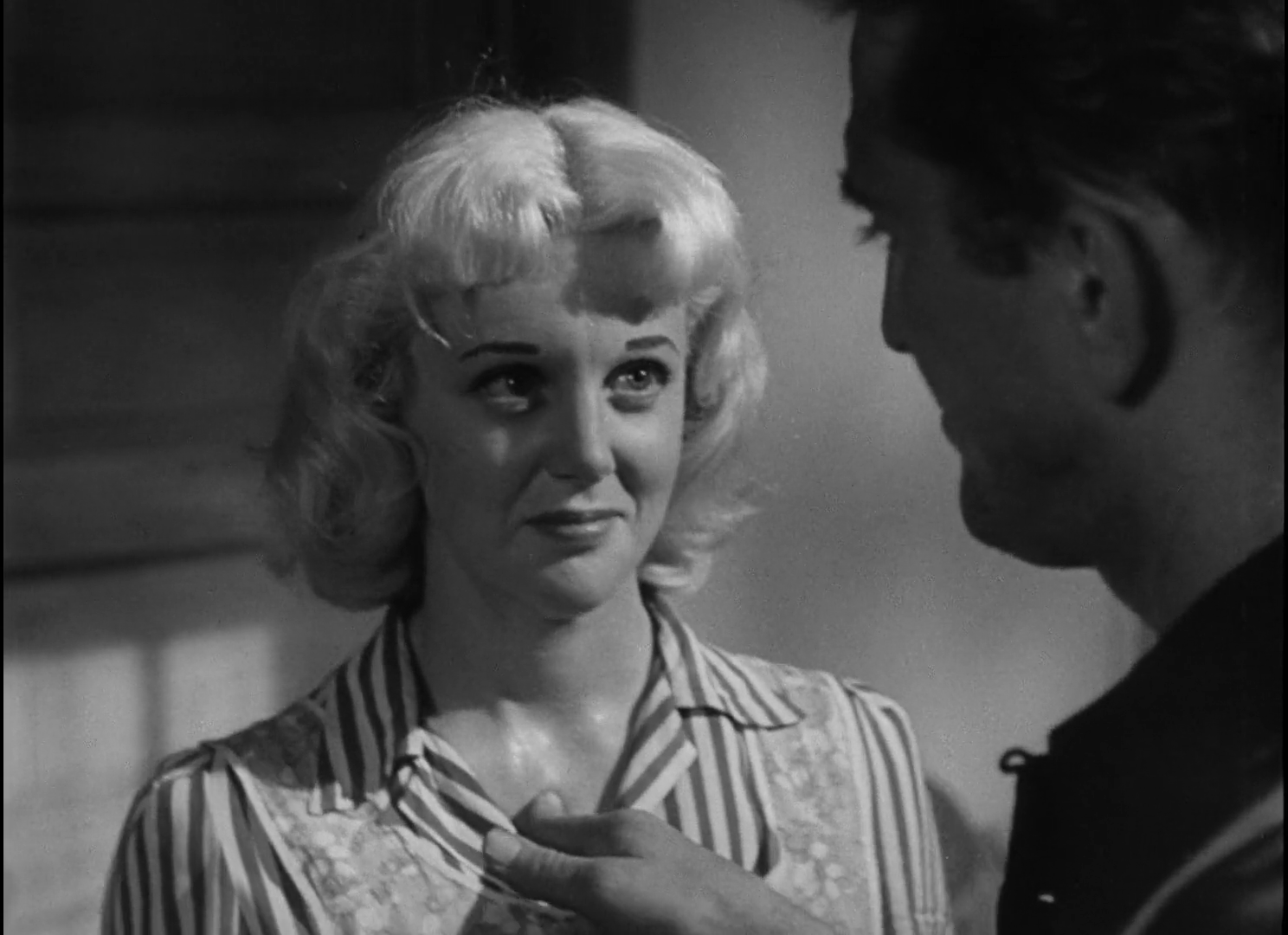
Response to Peary’s Review: To that end, as Peary writes, Grahame “does the dirty work before Ford gets a chance”, and “her charitable act purges Ford of his consuming hatred and reestablishes his faith in people.” Peary goes into greater detail about Grahame’s performance in Alternate Oscars, where he names her Best Actress of the Year and refers to her as “a great, underrated actress who was at her peak”: she had recently made a moderate impression in both A Woman’s Secret (1949) and In a Lovely Place (1950), and won a Best Supporting Actress the year before for her work in The Bad and the Beautiful (1952) in addition to co-starring in Macao (1952), Sudden Fear (1952), and The Greatest Show on Earth (1952). Peary writes that her character in The Big Heat “is one of her many sensuous, flirtatious women who are unhappy with their lives, and feel they are unworthy of the men they fall for” (i.e., James Stewart in It’s a Wonderful Life). While “she’s too good to be stuck with the brutal Vince [Marvin]”, “until she meets Bannion [Ford] she believes that he is typical of all men”, not realizing until later that “she deserves better”. In GFTFF, Peary adds that The Big Heat is “much about territorial imperative. Notice how all the characters regard their homes or work establishments as their power bases; how the richer the home, the more corrupt its owner…; how when one person enters or merely telephones the home of an enemy, it is tantamount to an act of aggression…” He notes that “this is a vigilante film with a difference — the hero learns that going outside the law is not only wrong but the first step to becoming as bad as the enemy”. Indeed, Ford’s determined yet foolhearty actions during the film’s first half hour leave a decidedly bitter taste in one’s mouth, given the domestic tranquility we know he’s putting at risk; how can he be so dumb? It’s easier for me to contextualize this film (as noted in Peary’s Cult Movies 2 essay) within German-born Lang’s broader oeuvre of movies about characters who “have the misfortune to live in a preordained world” where “if they make the wrong decision, take the wrong fork in the road, or end up at the wrong place at the wrong time, they risk falling into a bottomless pit, a nightmare world where they have no control over their futures” — as is the case for Spencer Tracy in Fury (1936) and Henry Fonda in You Only Live Once (1937), both also starring a man “who seems to be constantly looking over his shoulder”. As Peary writes, “Dave Bannion [Ford] is a prime candidate for falling into fate’s trap”, given that “he also acts impulsively… rather than considering the possible consequences for himself and his family. It pays to be cautious in Lang’s world.” Note: Little to no mention is made by critics of the opening scene, when Lagana’s male employee emerges on screen in a white terry-cloth robe to hand the phone to his sleeping boss — this, combined with lack of physical evidence of a wife, and the presence of numerous hunky young bodyguards, implies Lagano’s sexual preferences without highlighting them.
Redeeming Qualities and Moments:
Must See? Categories
(Listed in 1001 Movies You Must See Before You Die) Links: |