Wild Strawberries (1957)

Wild Strawberries (1957)

“Recently I’ve had the weirdest dreams — as if I must tell myself something I won’t listen to when I’m awake.”

Synopsis:
An elderly professor (Victor Sjostrom) travelling to an awards ceremony reflects upon the joys and pains of his past, attempting to understand why he is seen by many as cold and unforgiving.

Genres, Themes, Actors, and Directors:

  • Character Arc
  • Elderly People
  • Flashback Films
  • Ingmar Bergman Films
  • Max von Sydow Films
  • Road Trip
  • Scandinavian Films

Response to Peary’s Review:
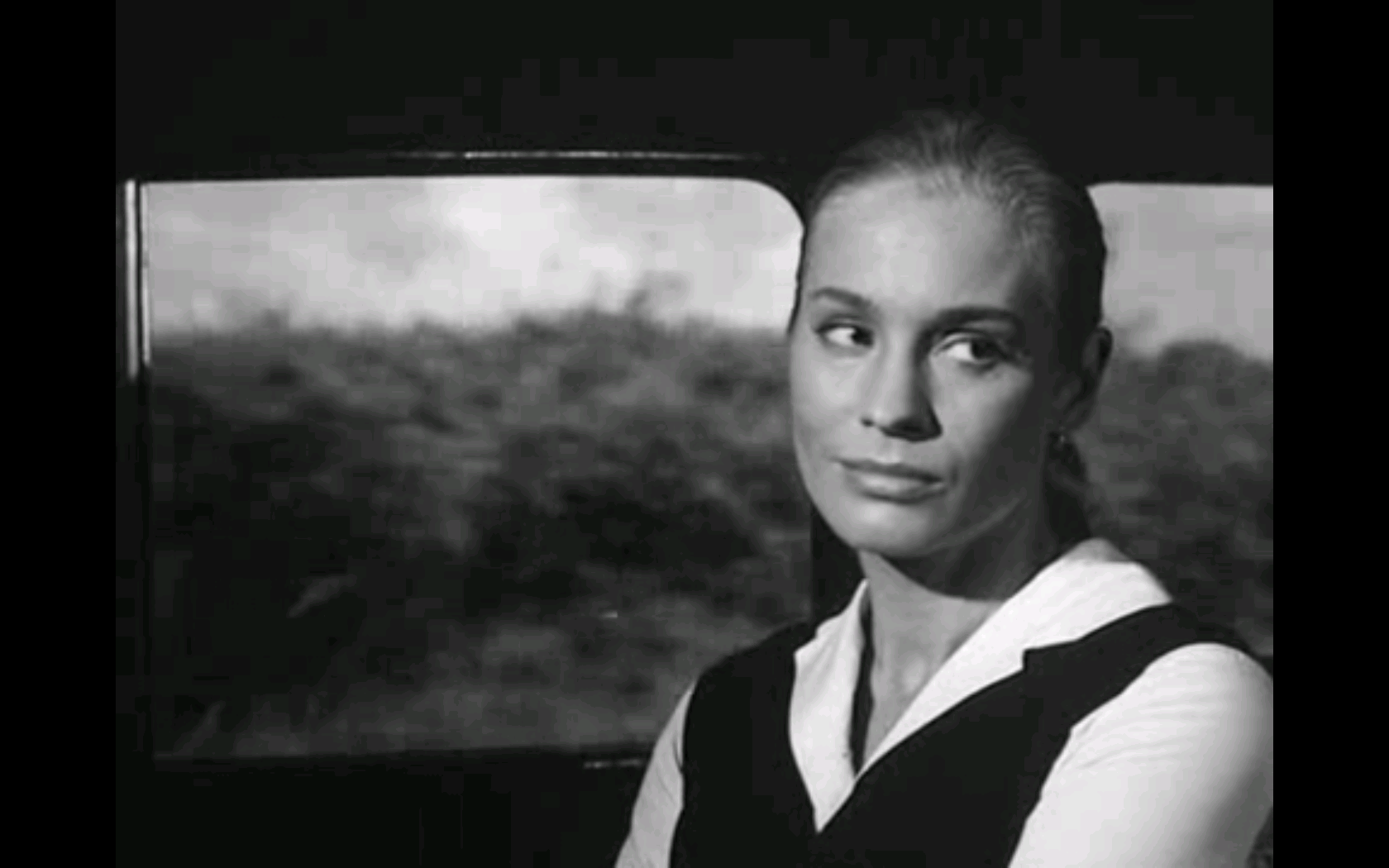
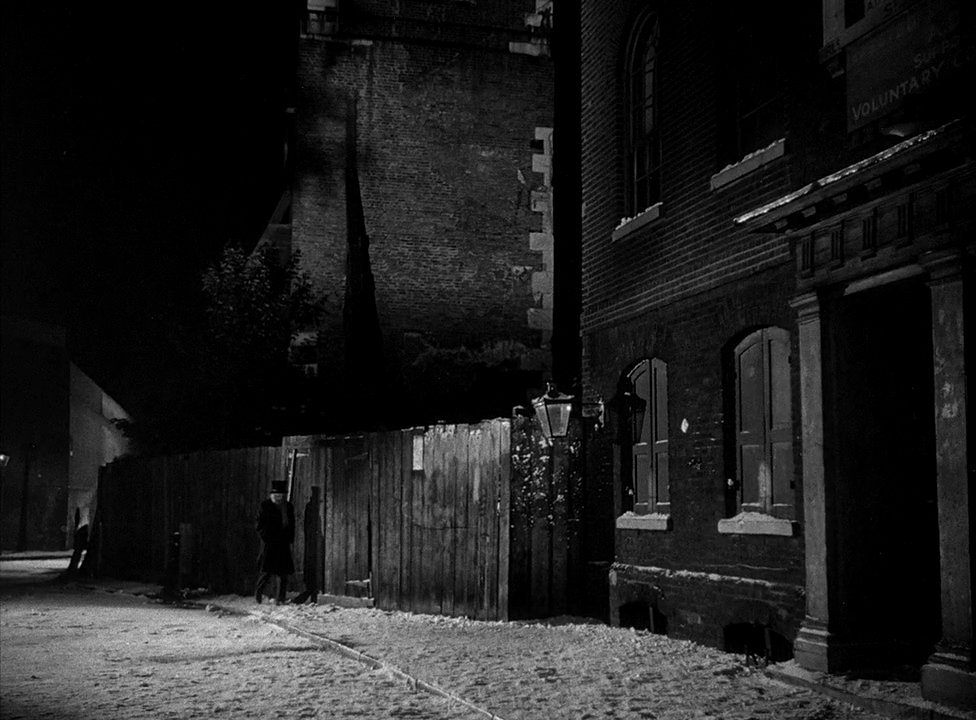
Peary accurately labels this enduring “journey of self-knowledge” by master writer/director Ingmar Bergman as “cinematic storytelling at its best” — a beloved film which “defies criticism” given how great its “impact [has] been on ‘art’-film lovers, film students, and filmmakers.” He notes that watching it is akin to being “with Scrooge on a look at Christmas Past“, as the film’s protagonist (Victor Sjostrom, giving a “captivating performance” as “cold” professor Isak Borg) slowly “begins to display traces of humanity and compassion”. Indeed, it’s impossible not to be moved by Borg’s haunting process of self-discovery, as he’s forced (through insistent dreams and visions) to acknowledge aspects of his personality that have caused him unspoken grief over the years.

Wild Strawberries is, in essence, an elaborate “flashback film”, yet with a strategic thematic twist, given that Borg is privy to life-altering scenes he could never have seen in real life. Indeed, Bergman daringly plays with the viewer’s notion of cinematic continuity and integrity in a way that audiences at the time found either frustrating or thrilling (Bosley Crowther of the New York Times, for instance, referred to the film as “so thoroughly mystifying that we wonder whether Mr. Bergman himself knew what he was trying to say”.) Peary, however, argues in retrospect that “rather than being as intimidating as later Bergman films, [Wild Strawberries] is simple enough on the surface for viewers to have the energy to dig for the inner meanings and complexities” — and it’s certainly the best film to introduce to budding film fanatics interested in exploring Bergman’s esteemed oeuvre.

Redeeming Qualities and Moments:

  • Victor Sjostrom as Isak Borg
  • Ingrid Thulin as Marianne (Borg’s daughter-in-law)
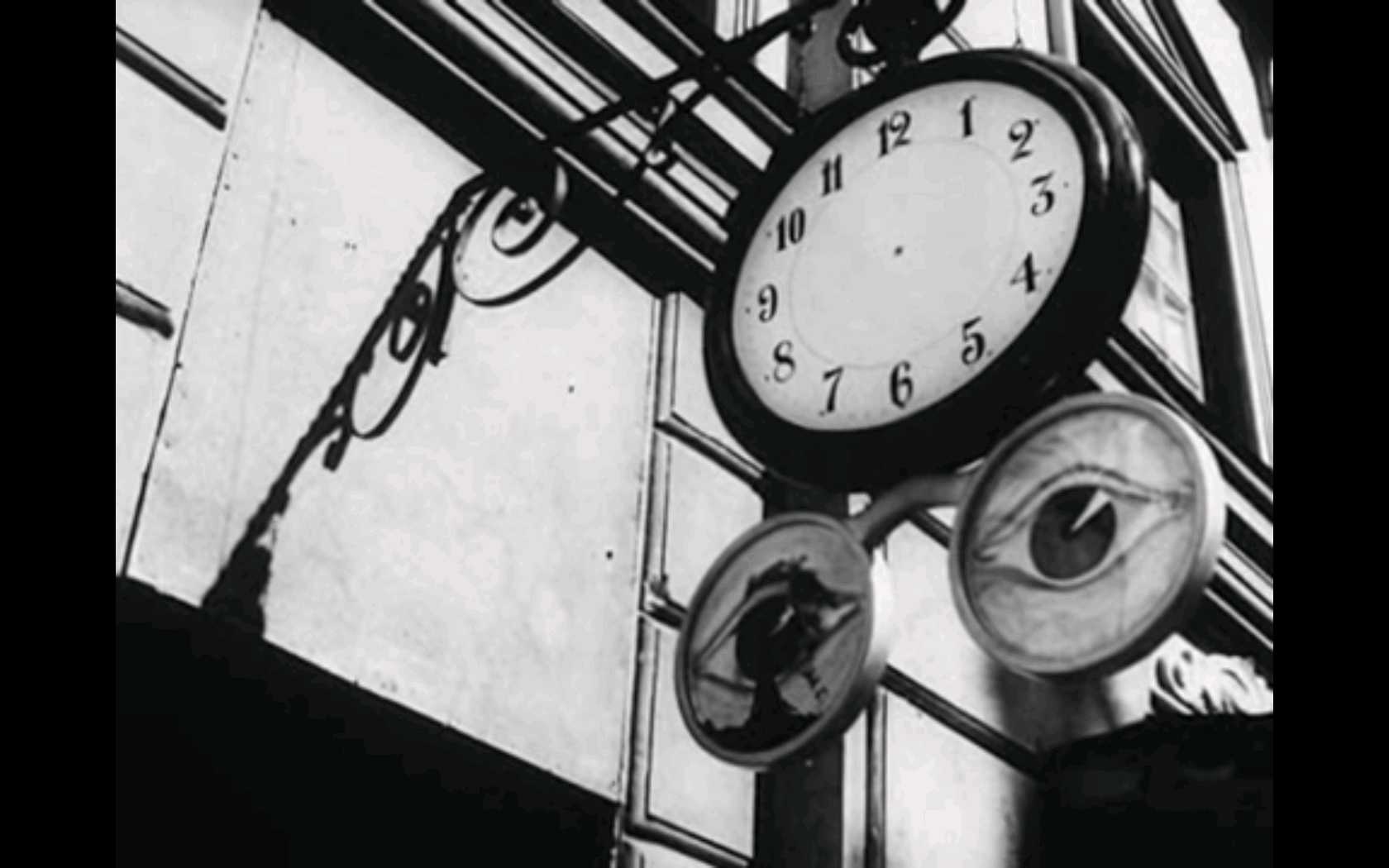
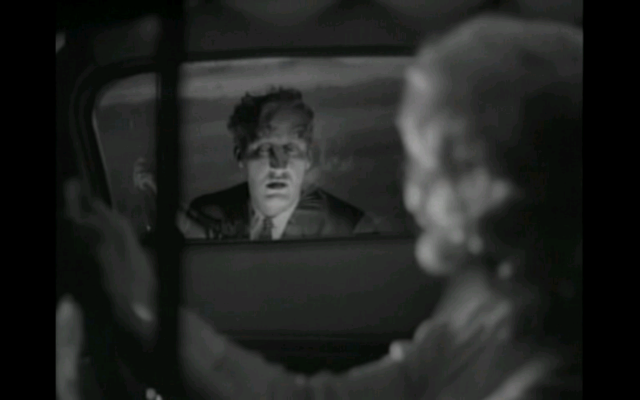
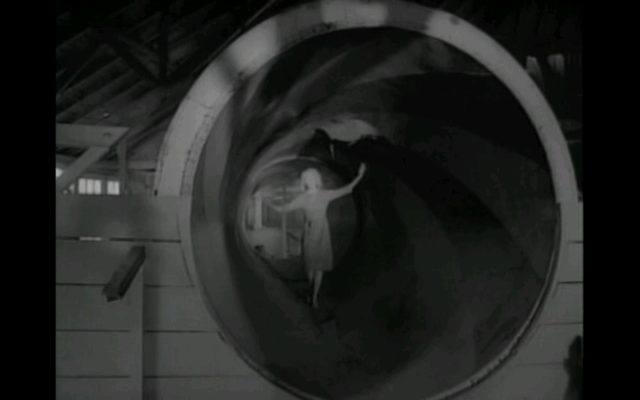
  • The opening nightmare sequence
  • Gunnar Fischer’s cinematography

Must See?
Yes, as an undisputed foreign classic by a master director.

Categories

  • Foreign Gem
  • Important Director

(Listed in 1001 Movies You Must See Before You Die)

Links:

Navy vs. the Night Monsters, The (1966)

Navy vs. the Night Monsters, The (1966)

“Let’s not forget the penguins!”

Synopsis:
Residents on a South Seas Naval base are terrorized by acid-secreting monster trees transplanted from Antarctica.

Genres, Themes, Actors, and Directors:

  • Killer Plants
  • Mamie Van Doren Films
  • Military
  • Science Fiction

Review:
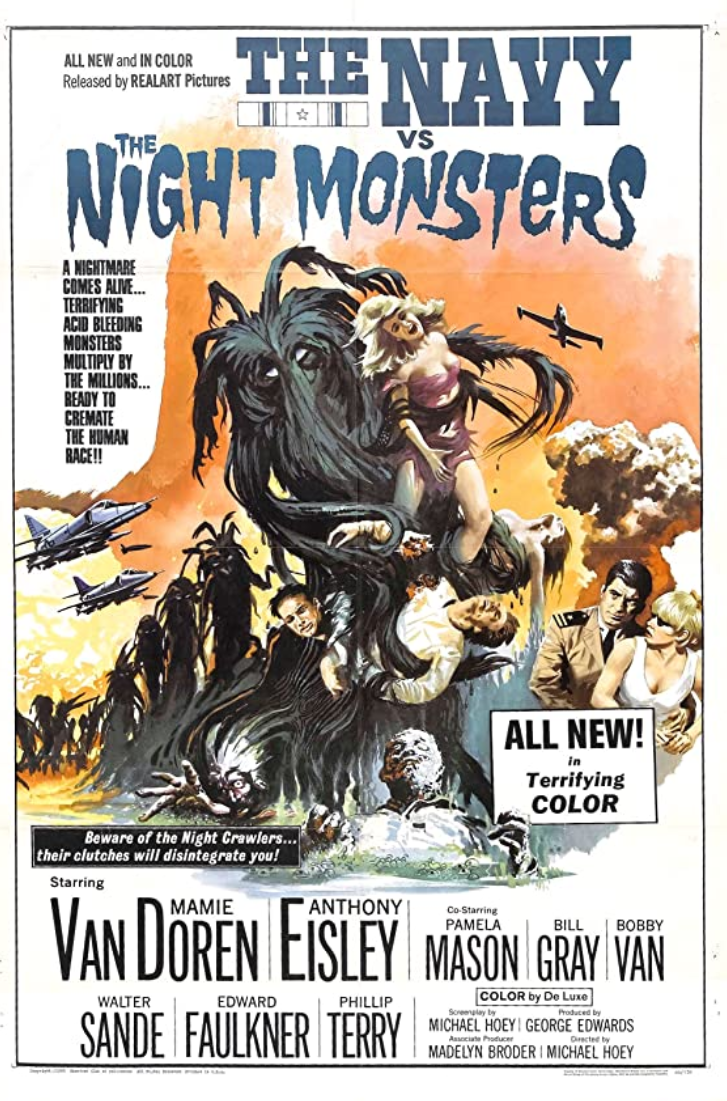
Rated just 2.4 stars by users on IMDb, this notoriously awful sci-fi horror flick offers stunningly few redeeming qualities, even for diehard bad-movie aficionados. Clearly inspired by both The Thing From Another World (1951) and The Day of the Triffids (1962), it attempts to bank upon the (questionable) cinematic trope of killer plants — yet the “monsters” that appear on-screen are simply laughably non-menacing walking tree costumes.

Other than its intriguing alliterative title, this film is probably best known for co-starring Mamie Van Doren as a naval nurse with a penchant for wearing tightly revealing au couture uniforms; but even she herself was highly dismissive of her work here.

This clunker is most definitely skippable.

Note: You WILL have to watch the film for yourself if you want to understand the significance of the quote selected above; seriously, I can’t help you on that one.

Redeeming Qualities and Moments:

  • Stanley Cortez’s cinematography

Must See?
No; definitely feel free to skip this one. Listed as a Camp Classic in the back of Peary’s book.

Links:

Tightrope (1984)

Tightrope (1984)

“Maybe I’ll take you up on that sometime.”

Synopsis:
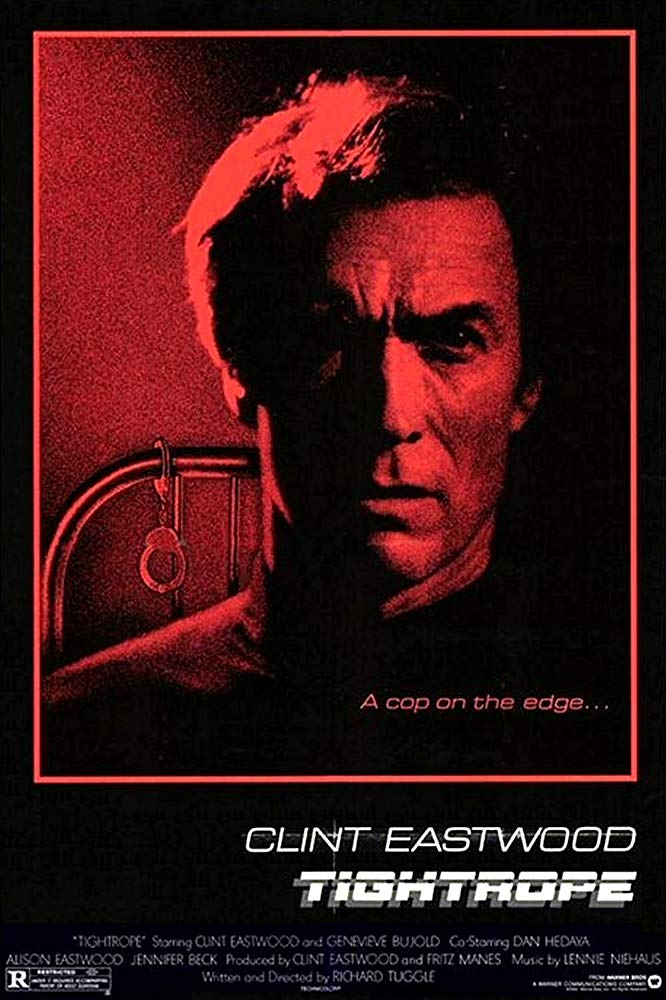
A bitterly divorced detective (Clint Eastwood) with two young daughters (Alison Eastwood and Jenny Beck) delves into the underworld of New Orleans while pursuing a wily, mask-wearing serial killer (Marco St. John).

Genres, Themes, Actors, and Directors:

  • Cat-and-Mouse
  • Clint Eastwood Films
  • Detectives and Private Eyes
  • Genevieve Bujold Films
  • Serial Killers

Response to Peary’s Review:
Peary refers to this “Clint Eastwood psychological thriller, written and moodily directed by his protege, Richard Tuggle”, as “atmospheric and suspenseful”, noting that it’s “a bit overrated but still compelling”. He points out that this was “the picture that swayed the critics of America to finally take Eastwood seriously”, given his attempt to break away from his Dirty Harry persona and delve in murkier psychological waters. Yet Peary argues that this film actually wasn’t a “rare attempt” in this regard, given that “Eastwood [plays] with his image in all his films”; Peary posits that far from being a “variation” on Dirty Harry, Harry and the character of “Wes Block” in Tightrope represent “antithetical attitudes toward law enforcement”, given that “Harry is a maverick cop, [while] Block plays it by the book”, among other reasons.

The in-depth character analysis provided in Peary’s review of Tightrope hints at part of the reason for its inclusion in his book, which is that audiences and critics at the time (including Peary) were understandably intrigued by Eastwood’s cult of personality, and eager to see what he would come up with next. Unfortunately, viewed years after the fact, this particular entry in Eastwood’s estimable oeuvre comes up short. While it’s certainly “suspenseful” during key sequences (indeed, there are some genuinely freaky moments that had me glued to the screen), it’s ultimately too cliched and derivative to be entirely successful as a thriller. The trope of a cop seduced by the underbelly of the city he’s paid to serve and protect has been handled numerous times on-screen (most recently in Werner Herzog’s smarmy but effective Bad Lieutenant: Port of Call – New Orleans, taking place in the same city); and while the cat-and-mouse maneuvers between Eastwood and St. John are predictably chilling, they don’t really offer anything new to the genre.

Meanwhile, we don’t learn enough about Eastwood’s divorce to understand why he’s so bitter about women, or what role his own character flaws might have played in the breakup of his marriage. (His ex-wife literally appears as a cipher on-screen, and, if I recall correctly, may not even speak any lines.) If you do decide to check this one out, however, watch for Genevieve Bujold in a “strong and appealing” role as a “rape-crisis therapist who gets [Eastwood] to confront his hostility toward women”; she’s one of the film’s strongest elements.

Redeeming Qualities and Moments:

  • Genevieve Bujold as Beryl

Must See?
No, unless you’re an Eastwood completist.

Links:

French Postcards (1979)

French Postcards (1979)

“I’m not talking about school — I’m talking about life!”

Synopsis:
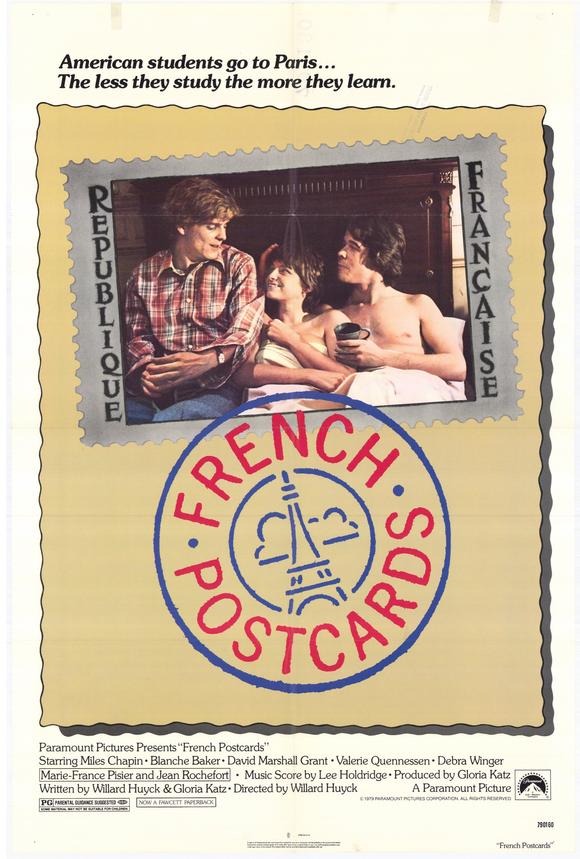
A group of American college students (Miles Chapin, David Marshall Grant, Blanche Baker, and Debra Winger) experience life and love while studying abroad at an institute in Paris.

Genres, Themes, Actors, and Directors:

  • College
  • Coming-of-Age
  • Debra Winger Films
  • Ensemble Cast
  • Expatriates

Review:
A minor cult favorite among those with fond memories of watching it years ago, this coming-of-age tale is, unfortunately, a real miss. Writer/director Willard Huyck (who wrote the screenplay for American Graffiti, a clear inspiration) can’t seem to find an appropriate tone or pace for his film, which veers wildly from sophomoric situational humor to romantic tenderness and introspection, and never manages to establish a strong sense of cohesion among the characters. The most engaging narrative thread follows the travails of nerdy Miles Chapin, who falls for and successfully woos a Parisian shopgirl (appealing newcomer Valérie Quennessen); the film should have focused on their story exclusively. Instead, we’re forced to sit through the much less convincing — and infinitely more irritating — storyline involving Grant’s crush on the exchange institute’s sexy director (Marie-France Pisier), who (for selfish and entirely unethical reasons of her own) encourages his fantasies. (NB: Jean Rochefort as her philandering husband is essentially a cameo.)

Meanwhile, the screenplay’s other purported protagonists are given surprisingly short shrift. Blanche Baker (Carroll Baker’s daughter) shows up sporadically throughout the first half of the film, but only in voiceover, valiantly dictating cheerful postcards to a phantom boyfriend back at home while actually having a miserable, lonely time. When she’s finally given some screentime later in the film, she’s reduced to playing a potential rape victim in a series of ludicrously tasteless scenes with Mandy Patinkin (playing a lecherous Iranian travel agent). And while film fanatics may be mildly curious to check this film out simply to see Debra Winger in one of her earliest roles, be forewarned: her character is literally almost non-existent.

Redeeming Qualities and Moments:

  • Valérie Quennessen as Toni

Must See?
No; definitely feel free to skip this clunker.

Links:

Jungle Princess, The (1936)

Jungle Princess, The (1936)

“Devils are as real to these people as leopards and pythons are to us — as real, and a lot more terrifying.”

Synopsis:
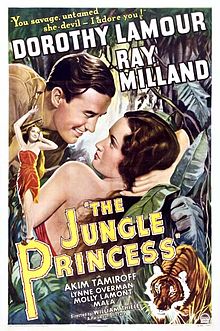
While visiting Malaysia with his fiancee (Molly Lamont) and her father, a scientist (Ray Milland) is attacked by a tiger in the jungle, and rescued by a beautiful native girl (Dorothy Lamour) who falls in love with him.

Genres, Themes, Actors, and Directors:

  • Akim Tamiroff Films
  • Cross-Cultural Romance
  • Dorothy Lamour Films
  • Jungles
  • Love Triangle
  • Native Peoples
  • Ray Milland Films

Review:
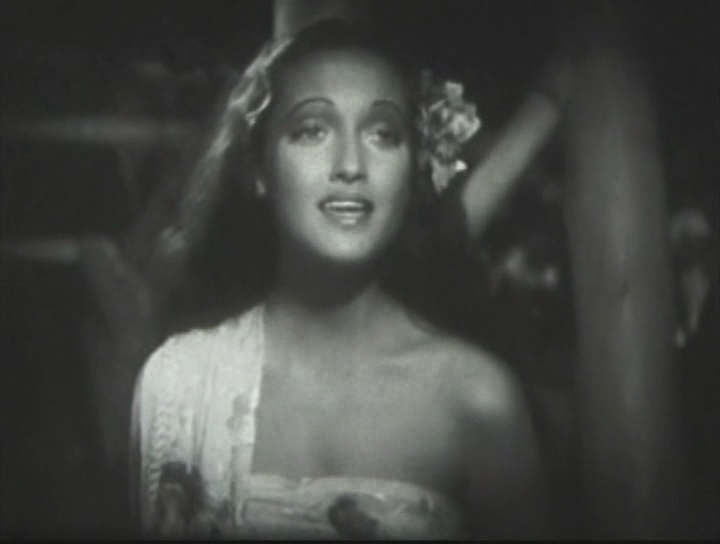
This innocuous tale of a native “wild child” who falls in love with the first (white) male she encounters after years of surviving on her own in the jungle is pure Hollywood fantasy all the way. There’s little in the silly narrative that’s either unique or interesting, and the “love triangle” element (between Milland, Lamour, and Lamont) is handled so tepidly that Milland’s character actually says at one point (with deadpan British politeness), “I’m terribly sorry, dear, but I’m afraid I seem to be in love with her.” This hard-to-find title is clearly included in Peary’s book simply because of its notoriety as Lamour’s breakthrough role, and she is indeed sumptuous to look at: all wide eyes and innocent giggles, with flowing brown hair and tinted skin, she would forever after be associated as the exotic, sarong-wearing love interest, most notably in the “Road To…” films with Bob Hope and Bing Crosby (no less than five of which are listed in Peary’s book!).

Redeeming Qualities and Moments:

  • The impressive opening elephant stampede sequence — but watch Chang (1927) instead for an even more satisfying variation on this scene (and a much better film overall)

Must See?
No; this one is only must-see for diehard Dorothy Lamour fans.

Links:

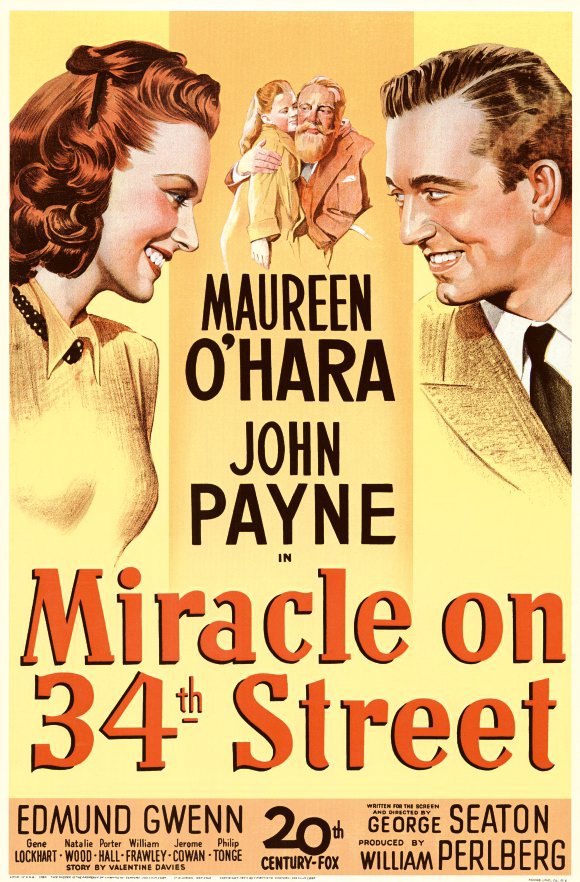
Miracle on 34th Street (1947)

Miracle on 34th Street (1947)

“Christmas isn’t just a day — it’s a frame of mind.”

Synopsis:
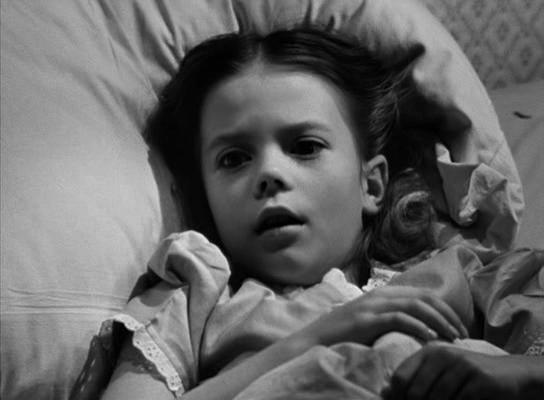
A cynical young girl (Natalie Wood) who doesn’t believe in Santa Claus befriends an older man (Edmund Gwenn) who claims to be Kris Kringle himself.

Genres, Themes, Actors, and Directors:

  • Christmas
  • Courtroom Drama
  • Do-Gooders
  • Edmund Gwenn Films
  • Fantasy
  • John Payne Films
  • Maureen O’Hara Films
  • Mental Illness
  • Natalie Wood Films
  • Thelma Ritter Films

Response to Peary’s Review:
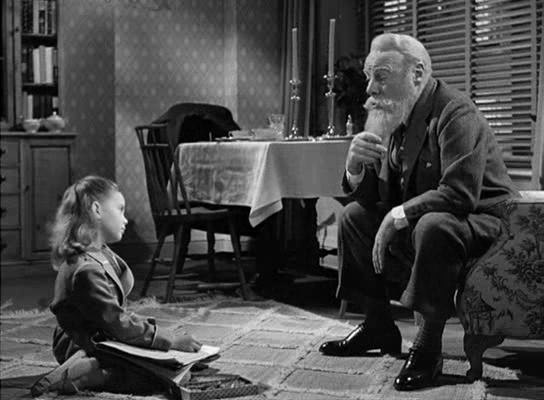
Peary lauds this heartwarming family favorite as a “marvelous adaptation of Valentine Davies’s [short story],” noting that it’s appropriate “for children and adults (who will better appreciate the social satire) — every Christmas season”. He accurately notes that the film possesses “excellent acting down to the smallest parts”, as well as “off-beat humor, sharp satire, tremendous warmth, and scenes that will have you choking up”. He argues that George Seaton’s “intelligent, skillfully plotted Oscar-winning” screenplay “zeroes in on the American character”, given that the film’s characters have “become so ambitious in their careers, [so] power-hungry, and [so] interested in money, that they have suppressed their finer values” — just in time for Kris Kringle to show up and put “life in perspective” for them.

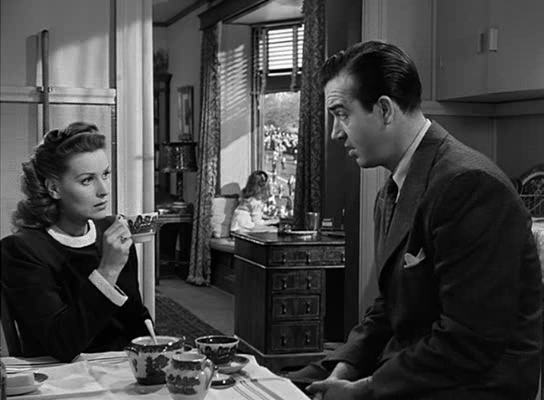
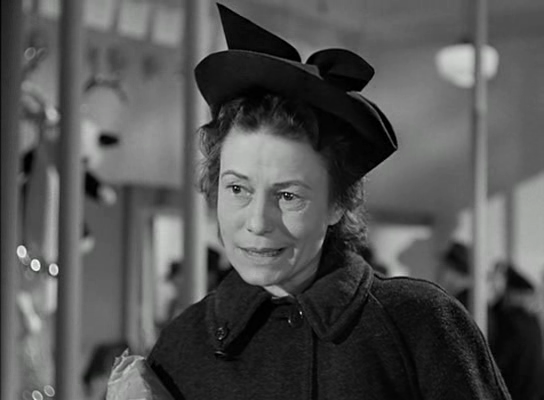
Indeed, the film’s Christmas-time setting is apt, given that this is when the “good-versus-greedy battle within each person” is especially evident — as epitomized by the scene involving Thelma Ritter’s harried mother, whose son wishes for a certain toy she can’t find anywhere (the more things change, the more they stay the same!); it’s up to Kringle to manifest the true spirit of Christmas by breaking allegiance with Macy’s and telling her precisely where she can go to find one. Of course, one could argue that Kringle’s brilliant “marketing scheme” — co-opted immediately by all of Macy’s significant rivals — merely perpetuates the commercialism so rampant during the holidays. Yet tapping into the power of the “Christmas spirit” is also shown to signify a potentially deeper change of heart: for Maureen O’Hara (Susan’s mom, a cynical divorcee), it means opening herself up to both new romance (with suitor John Payne) and a life outside of the corporate ladder; for Wood, it means learning how to fantasize, dream, and “make-believe” for the first time in her young life.

Part of the film’s success lies in the fact that we (especially adult viewers) never really know how much of the story is fantasy versus a manifestation of Kringle’s highly creative take on reality. As a result, we’re left to wonder — is Kringle “really” Santa Claus? And if so, what does that mean, pragmatically speaking? Why would Santa be living in a halfway home in New York, rather than at the North Pole? The mere fact that we’re led to contemplate these questions, however, speaks to the strength and veracity of Seaton’s screenplay — and of the stellar performances given throughout. O’Hara and Payne are well-cast in critical supporting roles, and the entire ensemble cast provides “splendid characterizations”, with “no one play[ing] their parts tongue-in-cheek”. Gwenn, of course, is notoriously “perfect” as Santa (Peary opens his review by stating, “Yes, Virginia, there is a Santa Claus and, using Edmund Gwenn’s SAG card, he gave a convincing performance as himself”). Perhaps most impressive, however, is Natalie Wood, who gives one of the single best child performances ever — watch how convincingly she portrays young Susan as alternately cynical, hopeful, playful, dejected, and overjoyed.

Redeeming Qualities and Moments:

  • Natalie Wood as Susan
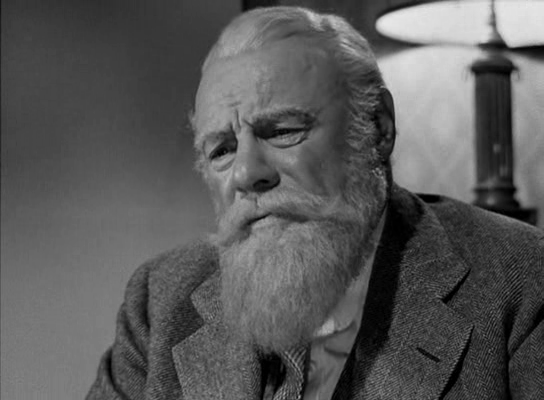
  • Edmund Gwenn as Kris Kringle (nominated by Peary as Best Actor of the Year, rather than Best Supporting Actor, in his Alternate Oscars book)
  • Maureen O’Hara as Susan’s mother
  • John Payne as Fred Gailey
  • Fine supporting performances by the entire cast

  • George Seaton’s heartwarming script

Must See?
Yes, naturally, as an enduring classic. Nominated by Peary as one of the Best Pictures of the Year in his Alternate Oscars.

Categories

  • Cult Movie
  • Genuine Classic

Links:

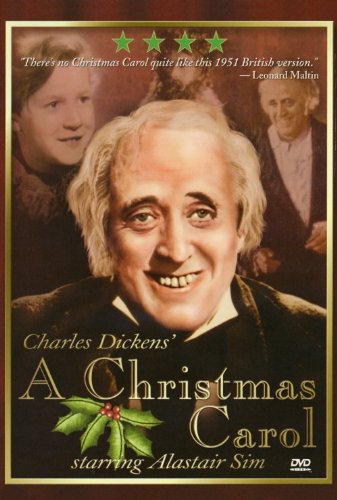
Christmas Carol, A (1951)

Christmas Carol, A (1951)

“Go and redeem some other promising young creature, but leave me to keep Christmas in my own way.”

Synopsis:
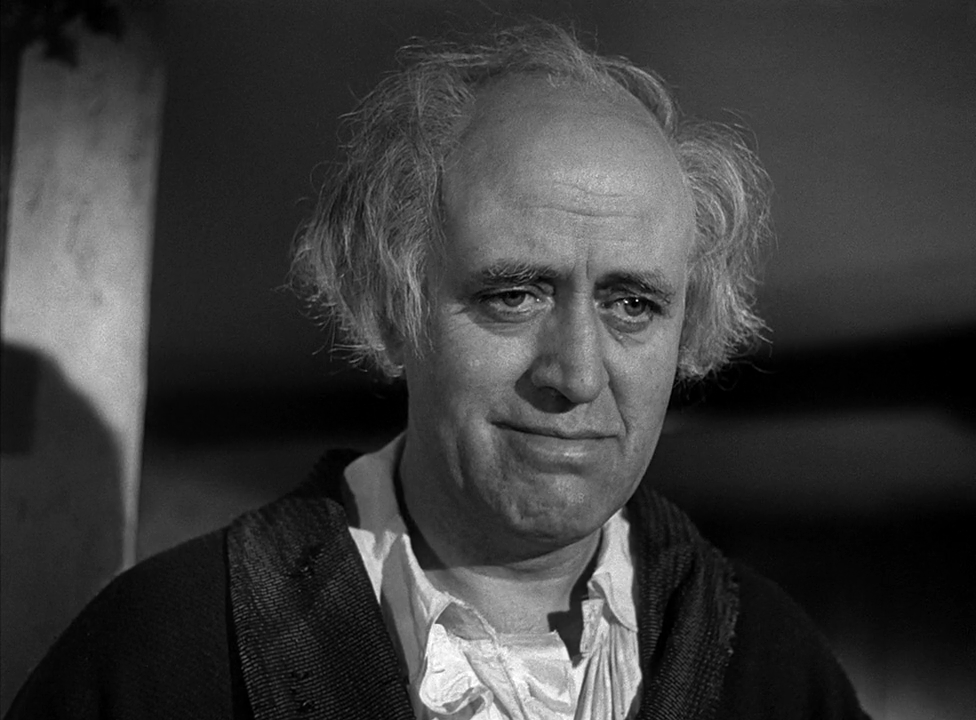
Miserly Ebenezer Scrooge (Alastair Sim) is visited by the ghost of his former business partner (Michael Hordern), as well as the spirits of Christmas Past (Michael Dolan), Christmas Present (Francis De Wolff), and Christmas Yet To Come (C. Konarski), all of whom attempt to help him mend the error of his ways.

Genres, Themes, Actors, and Directors:

  • Alastair Sim Films
  • Character Arc
  • Christmas
  • Fantasy
  • Flashback Films
  • Ghosts
  • Greed

Review:
This mid-century British version of Dickens’ classic Christmas-time parable is viewed by some critics — including Peary — as the best of numerous cinematic adaptations. It’s notable primarily for Alastair Sim’s definitive performance in the lead role as Ebenezer Scrooge, a widely disliked miser who undergoes a tremendous change of heart during the most terrifying and life-altering night of his existence. Sim manages to effectively humanize Scrooge to the extent that we eventually sympathize with this notoriously miserable codger — a man who (according to Peary in Alternate Oscars) “is initially heartless and friendless, as stingy with kindness as he is with money”, who “curses Christmas, shoves aside young carolers, and refuses to accept Christmas cheer or give money to help the unfortunate through the holidays”. Noel Langley’s literate screenplay largely respects Dickens’ overall vision and words — though an attempt to explain Scrooge’s cynicism via back stories of his sister’s death during childbirth (just as Scrooge himself was the cause of his own mother’s death) doesn’t quite convince. Narrative quibbles aside, however, this remains a visually sumptuous and heartwarming historical fantasy, one which film fanatics are sure to enjoy.

Note: This is the only cinematic version of A Christmas Carol listed in Peary’s book; are there others that might be considered “Missing Titles”?

Redeeming Qualities and Moments:

  • Alastair Sim as Scrooge (Peary votes him Best Actor of the Year in his Alternate Oscars book)
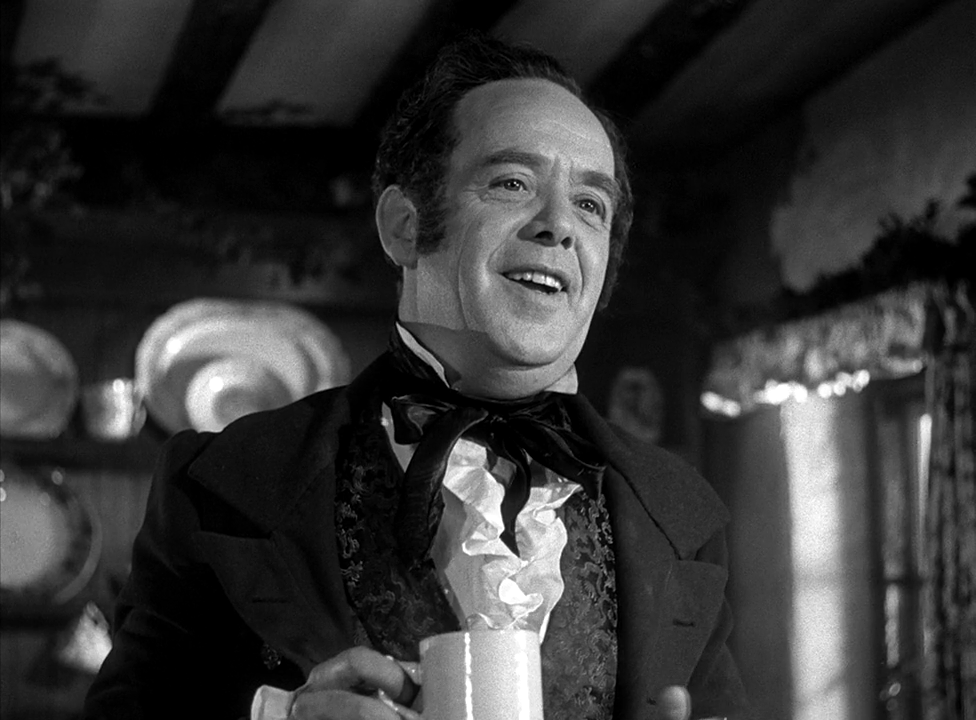
  • Mervyn Johns as Bob Cratchit
  • C. Pennington-Richards’ cinematography
  • Fine period sets

Must See?
Yes, for Sim’s performance, and as an enjoyable Christmas classic. Listed as a film with Historical Importance and a Personal Recommendation in the back of Peary’s book.

Categories

  • Good Show
  • Noteworthy Performance(s)

Links:

Girlfriends (1978)

Girlfriends (1978)

“You don’t know me at all anymore; you really don’t.”

Synopsis:
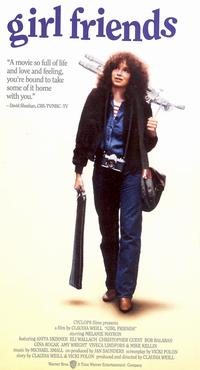
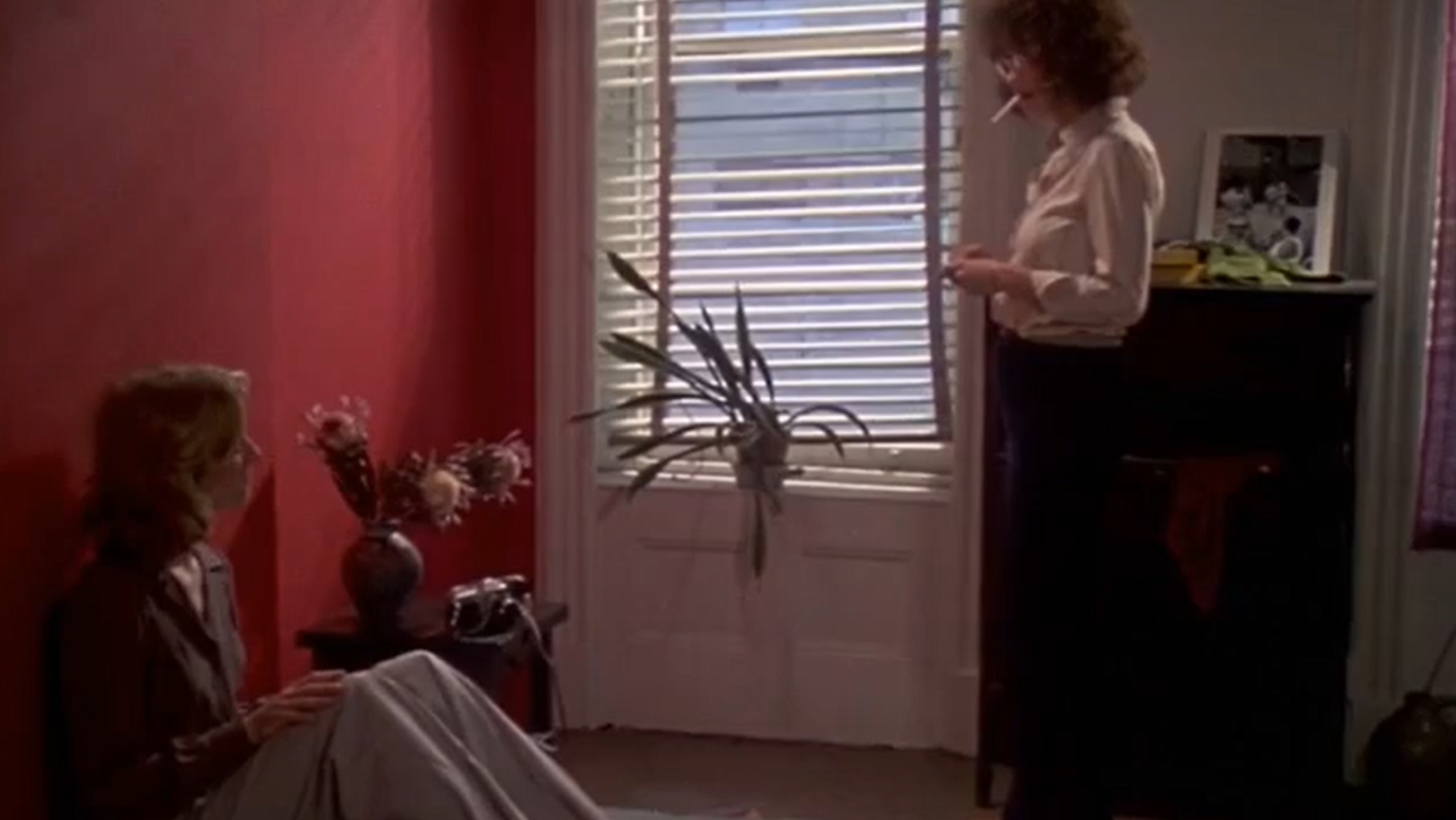
An aspiring photographer (Melanie Mayron) struggles to create a new life for herself when her long-time roommate and best friend (Anita Skinner) gets married.

Genres, Themes, Actors, and Directors:

  • Character Studies
  • Eli Wallach Films
  • Feminism and Women’s Issues
  • Friendship
  • Photographers

Review:
Writer/director Claudia Weill’s indie debut film, while presenting a refreshing female perspective in 1970s cinema, is unfortunately not all that memorable. Despite her best efforts, Mayron’s critically-lauded central performance is hampered by Weill’s overly simplistic screenplay, which fails to authentically develop any of its several storylines.

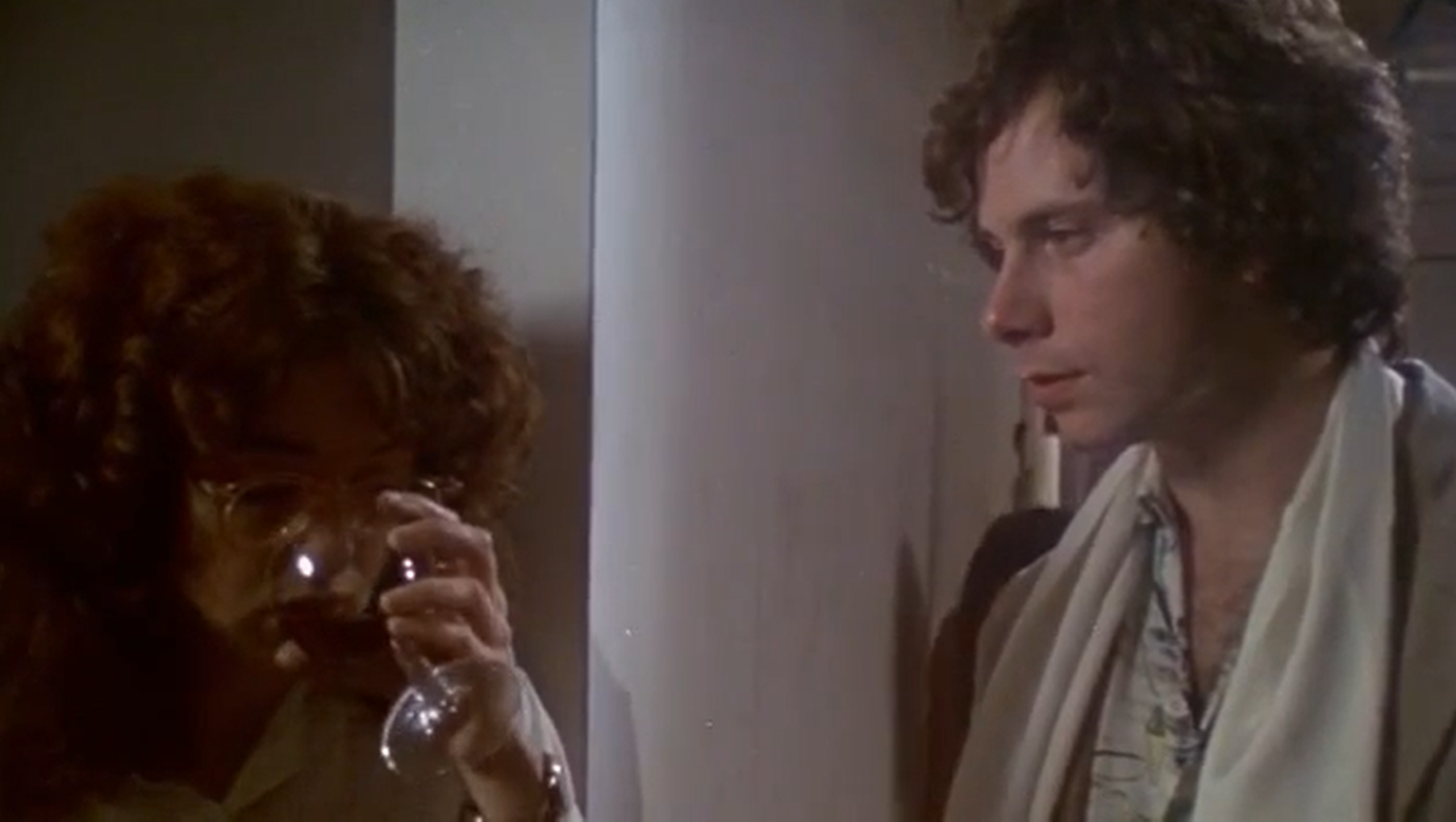
Mayron’s new relationship with a young professor (Christopher Guest), for instance, simply follows the predictable arc of giddy new romance souring over time (though I do like the discomfiting authenticity of the early scene in which they first meet at a party and go home together, only to part ways for months before meeting up again).

Meanwhile, Mayron’s attempts to “make it” as an artist/photographer are laughably unrealistic: her repeated assertions that she’ll no longer need to take on jobs as a photographer-for-hire at bat bitzvahs and weddings once she’s lucked into showing her work at a small gallery simply make her come across as an utter moron. (And it’s frustrating that we never really see evidence of her talents as a photographer; her compositions are fine, but not earth-shattering). Finally, the sudden dissolution of her friendship with Skinner — ostensibly the main focus of the film, per its title — comes so quickly that we’re not yet invested in their fates.

Note: Watch for Eli Wallach in a small role as the rabbi Mayron develops a crush on.

Redeeming Qualities and Moments:

  • A heartfelt look at feminist concerns in 1970s New York

Must See?
No, though it’s worth checking out. Listed as a Sleeper and a Cult Movie in the back of Peary’s book.

Links:

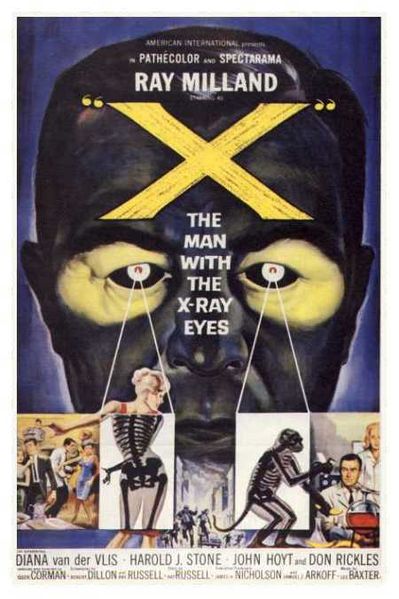
X: The Man With the X-Ray Eyes (1963)

X: The Man With the X-Ray Eyes (1963)

“We are virtually blind — all of us.”

Synopsis:
A doctor (Ray Milland) develops a serum which gives him x-ray vision, but soon finds that his new power causes him more trouble than glory.

Genres, Themes, Actors, and Directors:

  • Carnivals and Circuses
  • Dick Miller Films
  • Downward Spiral
  • Fugitives
  • Mad Doctors and Scientists
  • Ray Milland Films
  • Roger Corman Films
  • Science Fiction
  • Supernatural Powers

Response to Peary’s Review:
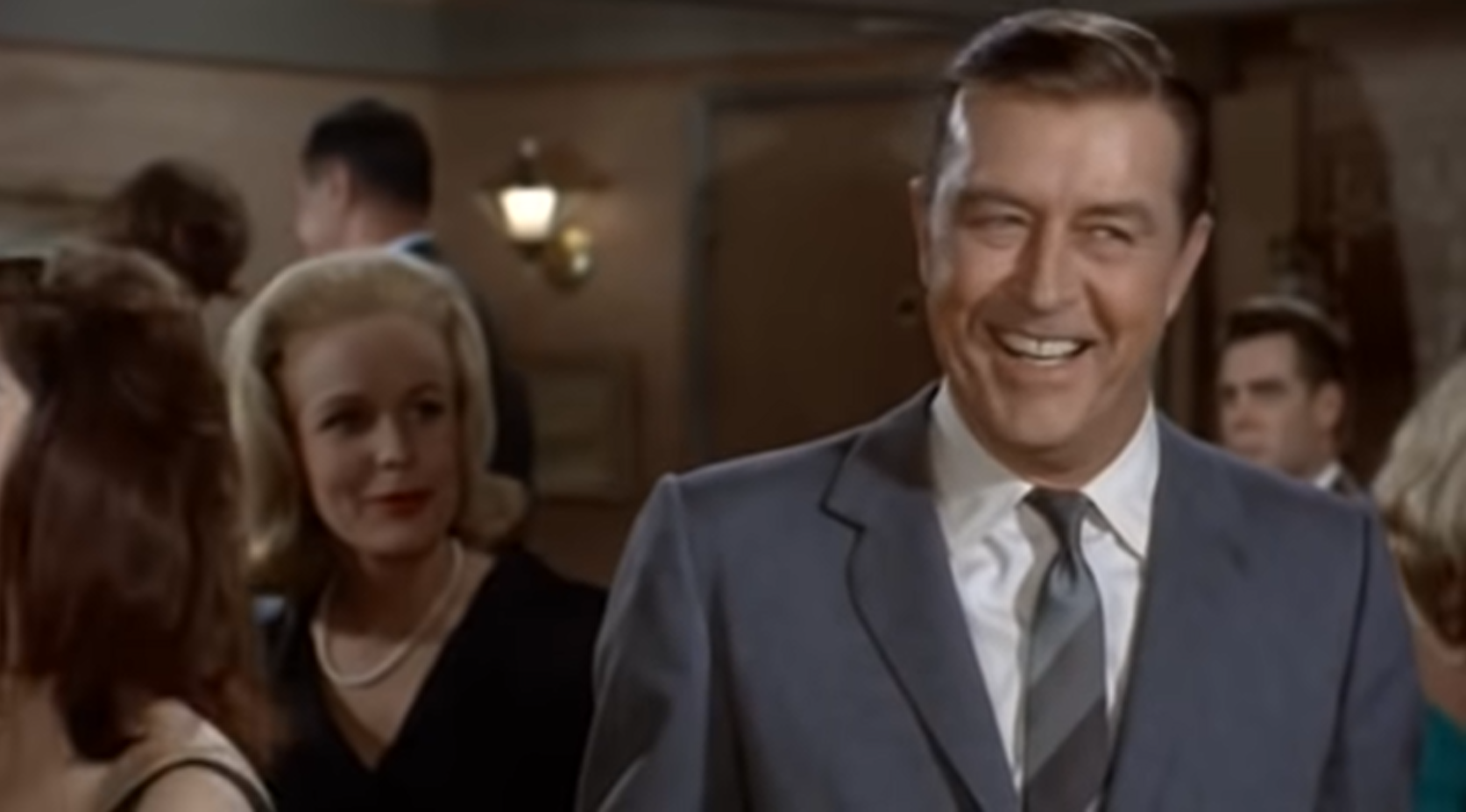
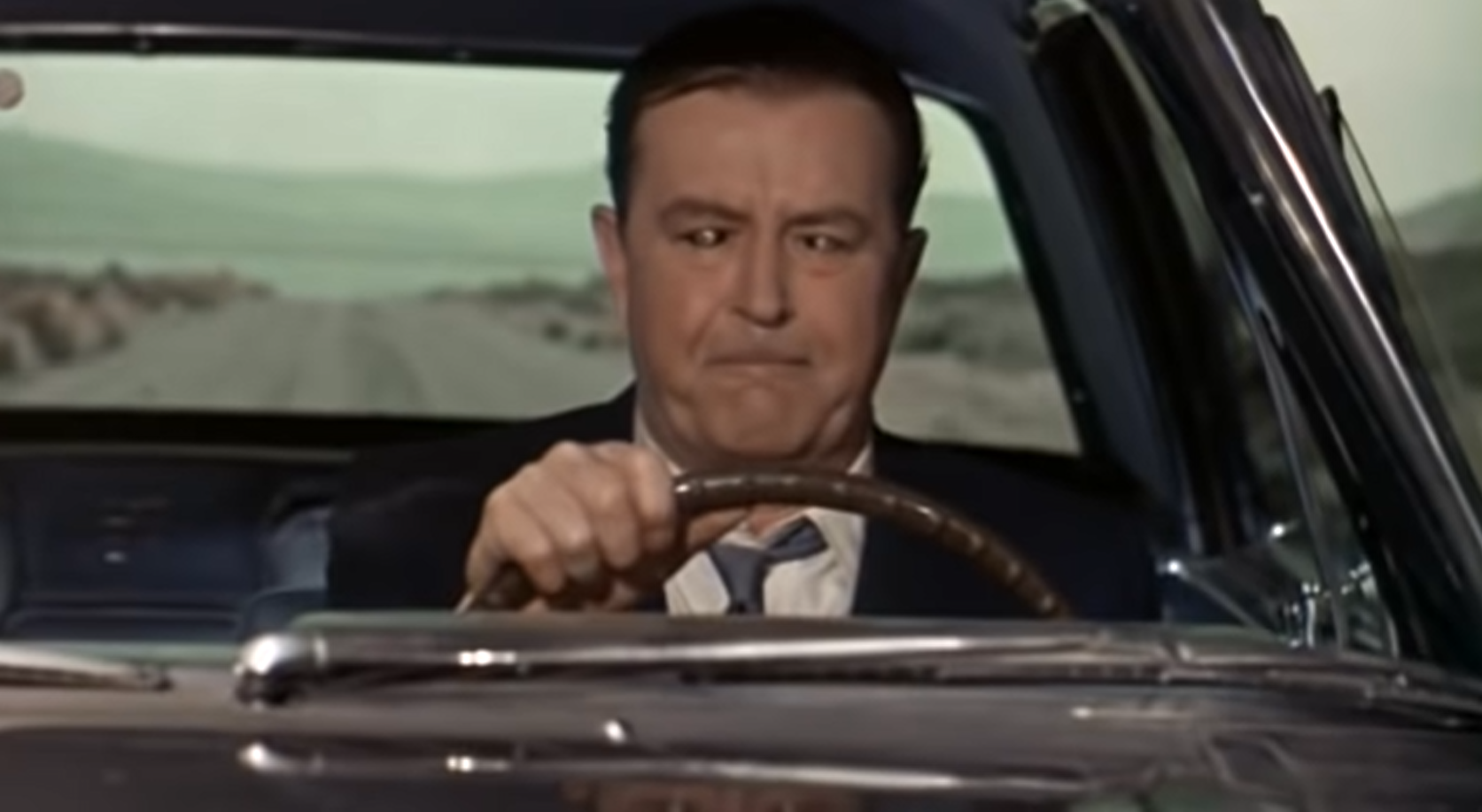
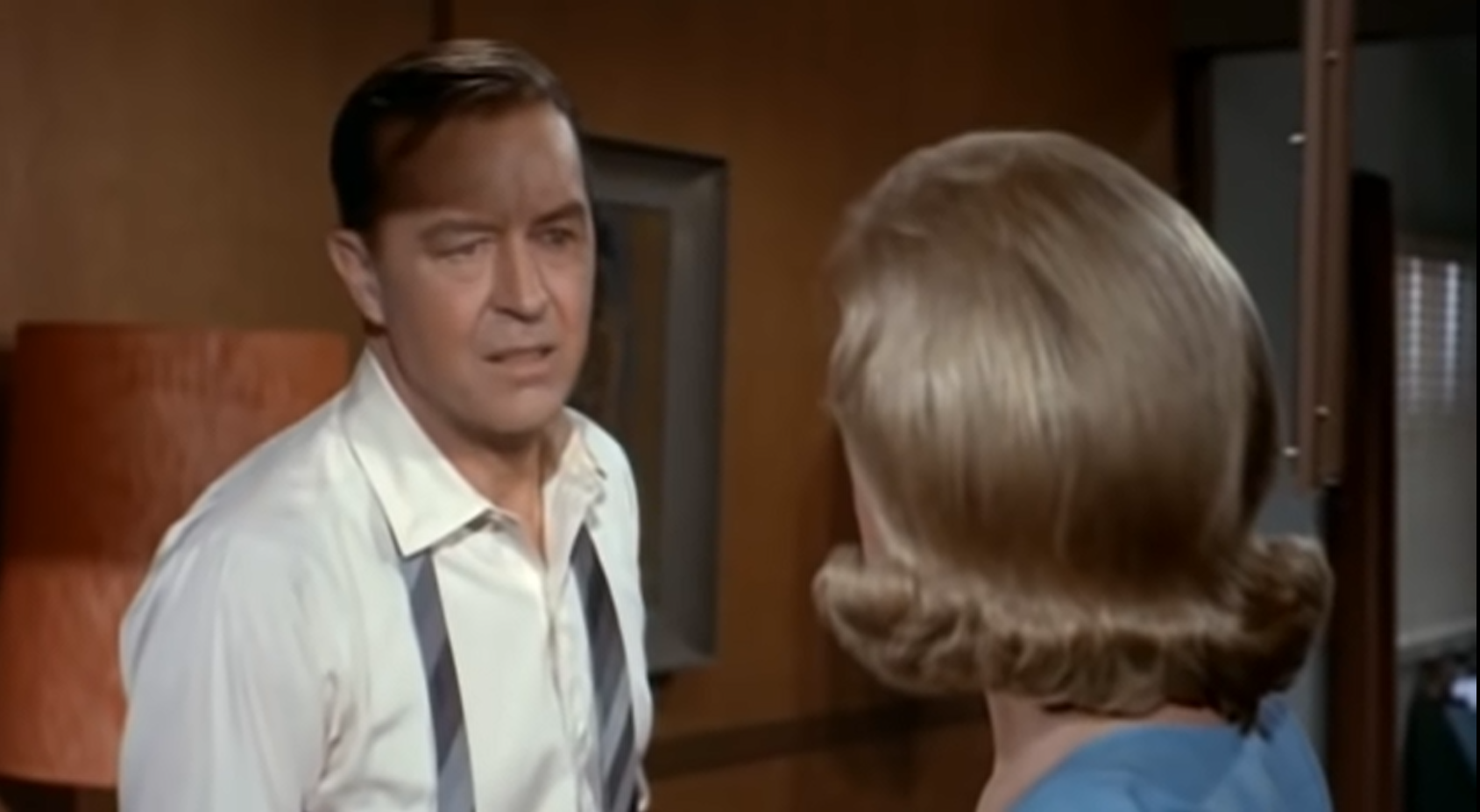
Peary refers to this “philosophical sci-fi film, directed by Roger Corman for AIP”, as “competent”, arguing that the “story is predictable but Milland makes a good lead — a man who’s not entirely sympathetic”, and accurately noting that the “final few seconds are powerful”. I actually disagree that it’s merely “competent”, however, given that Robert Dillon and Ray Russell’s smart script effectively exploits the clever concept of what might happen to a person blessed (or cursed) with x-ray vision. The timbre of their screenplay shifts from the giddy delight experienced by Milland as he engages in pleasant voyeurism at a party:


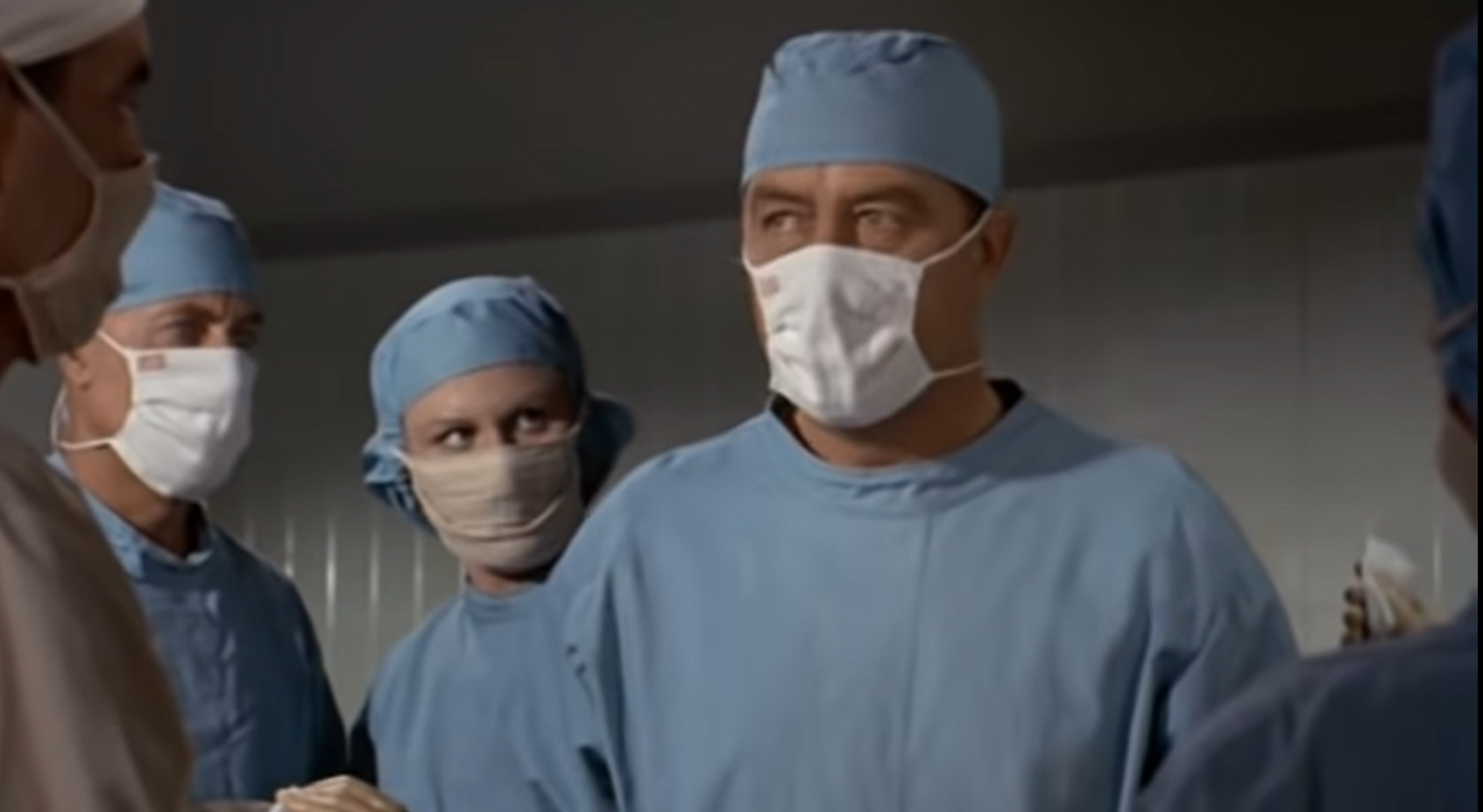
… to the ethical dilemma he faces when he knows without a doubt that his medical colleague’s diagnosis of a patient is wrong:

… to the (perhaps) inevitable downward spiral of a man who has so clearly become a “freak” of nature (albeit a self-created one) — and by the end, it manages to argue that a man who can see “everything” may have access to universal secrets best left untapped.

With that said, in many ways the film is typically low-budget Roger Corman fare — though it should be noted that his budget and the production values are clearly higher than what he was working with for his more outrageously campy earlier sci-fi outings in the ’50s. The special effects are occasionally laughably cheap (i.e., when Milland sees through flesh to drawings of people’s innards), but at other times are remarkably chilling — most notably the final physical transformations that take place in Milland’s eyes.

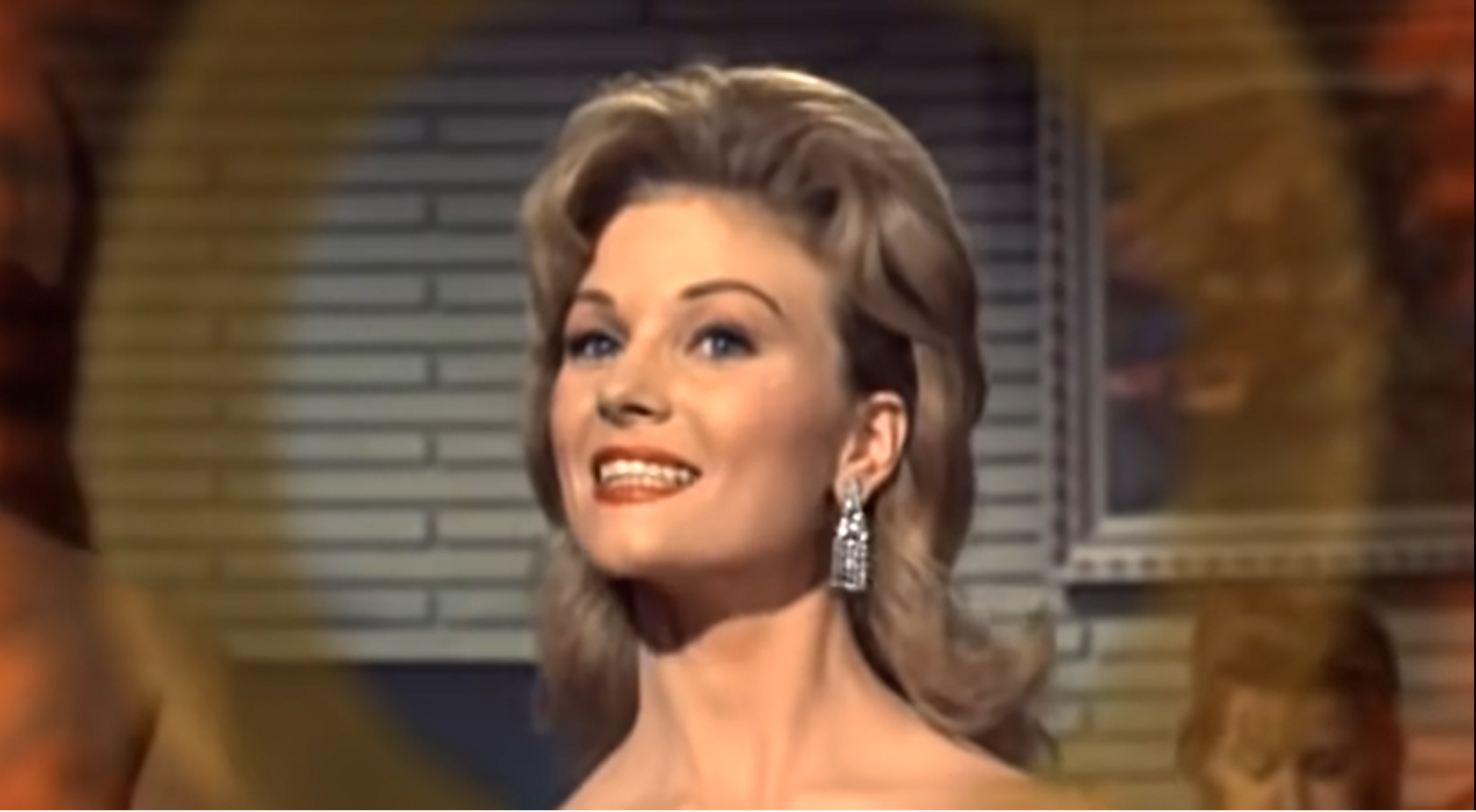
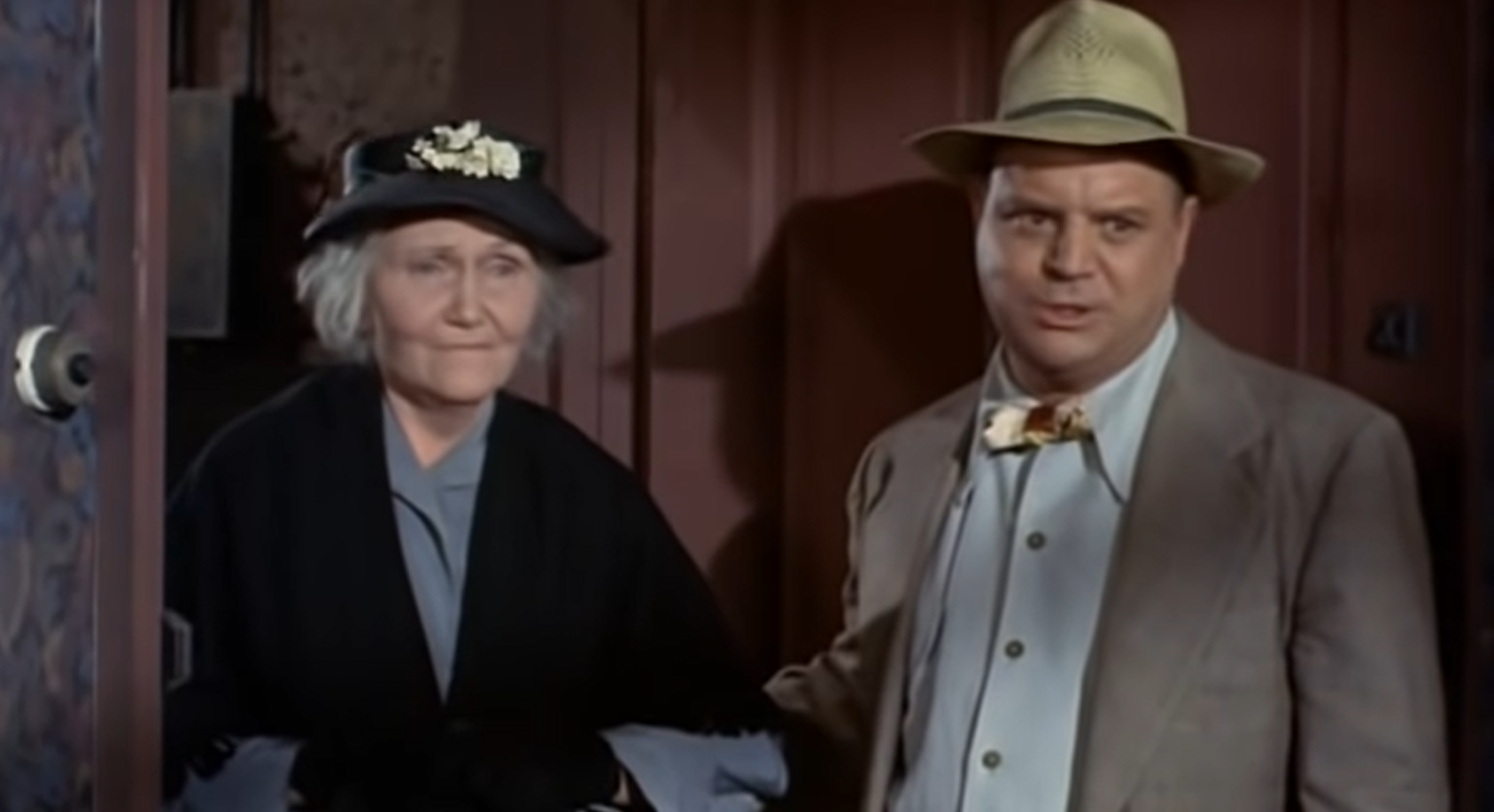
And while there’s a smattering of awkwardly handled dramatic moments (c.f. the pivotal “murder” scene that drives Milland underground, or Milland’s tentative flirtations with his colleague, Diana van der Vlis), other scenes hit surprisingly hard — such as Milland’s interactions with Don Rickles as a manipulative carnival manager who recognizes Milland as a lucrative cash cow.

Note: Milland gives a believably tortured performance here as the fatally obsessed title character, perhaps his best since his Oscar-winning role in The Lost Weekend (1945) nearly 20 years earlier.

Redeeming Qualities and Moments:

  • Ray Milland as Dr. Xavier
  • Don Rickles as Crane
  • A smart, suspenseful script

Must See?
Yes, as a cult classic by Corman.

Categories

  • Cult Movie

Links:

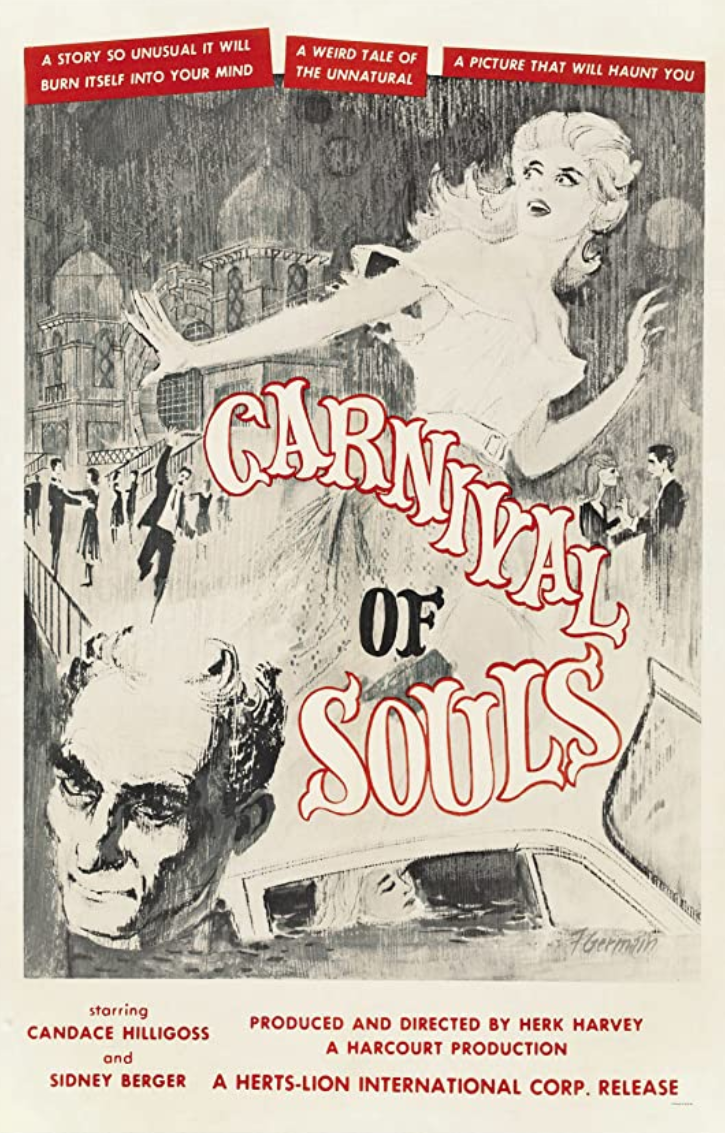
Carnival of Souls (1962)

Carnival of Souls (1962)

“I feel sorry for you and your lack of soul!”

Synopsis:
After emerging from a fatal car crash, a young woman (Candace Hilligoss) travels to her new job as a church organist in Utah, but remains haunted by the presence of a ghoulish man (Herk Harvey), and unable to emotionally connect with anyone around her.

Genres, Themes, Actors, and Directors:

  • Horror
  • Living Nightmare
  • Untimely Death

Response to Peary’s Review:
Peary refers to this low-budget cult classic as a “sleeper that moviegoers always mention as one of their personal discoveries”. He comments on its “many clever ‘eerie’ scenes”, such as the two times when “Mary [Hilligoss] finds that she can’t hear anything and that people neither hear nor see her” (reminiscent of a “Twilight Zone” episode); the scene when she “climbs onto a bus, only to find that it is full of ghouls”; and the creepy finale at a deserted carnival pavilion. Indeed, for such a low-budget venture by a relatively novice director (this was Herk Harvey’s first and only feature-length narrative movie after a career in industrial film production), it possesses a surprising amount of atmosphere and panache, with striking b&w cinematography, creative direction, and a particularly noteworthy organ score by Gene Moore.

In his review, Peary argues that “rather than being a straight horror film, [Carnival of Souls] delivers a message similar to the one in Invasion of the Body Snatchers about how we are turning into pod people”, given that “Mary is such a passive, uninvolved (soulless) character”. (Interestingly, the Strasberg-trained Hilligoss apparently complained about this very description, and attempted to inject even more life into her protagonist.) Unfortunately, Peary’s review glibly gives away spoilers, as do other online reviews — so be duly forewarned; but chances are you’ll find yourself guessing the truth about Mary’s “situation” long before the end. Remade in 1998 by Wes Craven.

Note: According to TCM, Carnival of Souls was restored and revived in theaters in 1989, and made available on home video the following year, thus entering into mainstream moviegoers’ cultural consciousness just a few years after Peary’s GFTFF was published.

Redeeming Qualities and Moments:

  • Candace Hilligoss as Mary
  • Many genuinely frightening images
  • Striking cinematography by Maurice Prather
  • Effective use of pre-existing locales
  • Creative direction and editing
  • Gene Moore’s organ score

Must See?
Yes, as a genuine cult classic.

Categories

  • Cult Movie

Links: