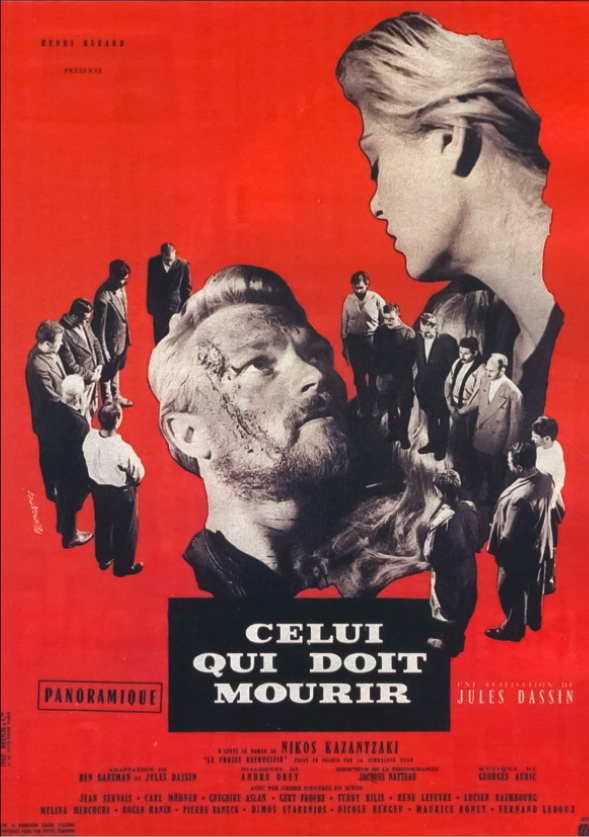
He Who Must Die (1957)

He Who Must Die (1957)

“Everyone on Earth is in charge of his neighbor.”

Synopsis:
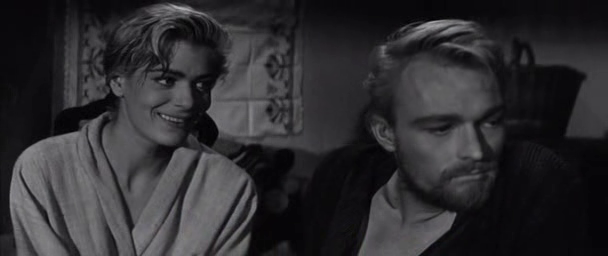
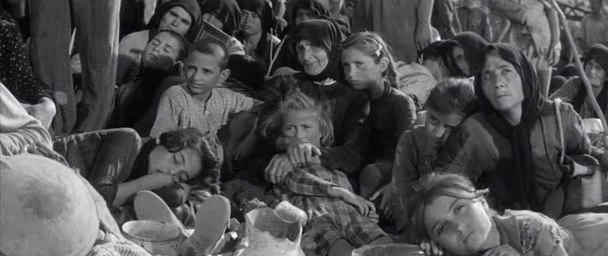
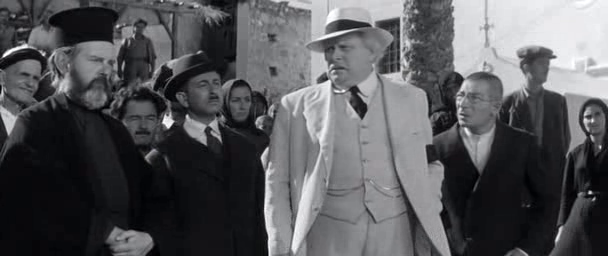
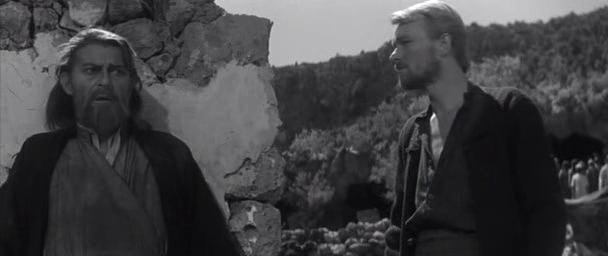
Just after World War I, residents in a Turkish-occupied Greek village plan a Passion Play, with a stuttering shepherd (Pierre Vaneck) starring as Christ (Pierre Vaneck) and a widow (Melina Mercouri) playing Mary Magdalene, among others — but when the leader (Jean Servais) of a group of starving refugees seek entry into the village, they are denied in a decidedly un-Christian manner by the town’s head priest (Fernand Ledoux) and its Turkish governor (Gregoire Aslan).

Genres, Themes, Actors, and Directors:

  • Christianity
  • French Films
  • Historical Drama
  • Jules Dassin Films
  • Refugees

Review:
While attending the Cannes Film Festival in honor of his celebrated heist film Rififi (1955), director Jules Dassin met his future wife Melina Mercouri:

… and cast her in this powerful adaptation of a novel by Nikos Kazantzakis, about the hypocrisy of town leaders in the face of a humanitarian crisis.

The situation at the center of the storyline couldn’t be more relevant 100+ years later, as our global populace continues to face unprecedented waves of refugees seeking shelter and safety; seeing how this particular town reacts is a sad indictment of our ever-present tendency to shun and fear outsiders.

Thankfully, there are almost always a few “good actors” in the midst of bureaucratic strongholds — in this case, a few of the leads from the Passion Play who support the efforts of Servais’s Priest Fotis.

Especially creepy (effectively so) in a small supporting role is Aslan as the self-satisfied Turkish governor who is primarily interested in eating and feeding his young male “companion”.

Film fanatics will likely be curious to seek this film out, given both its sociological relevance and fine work by Dassin and his crew.

Notable Performances, Qualities, and Moments:

  • Atmospheric cinematography

Must See?
No, but it’s definitely worth a look.

Links:

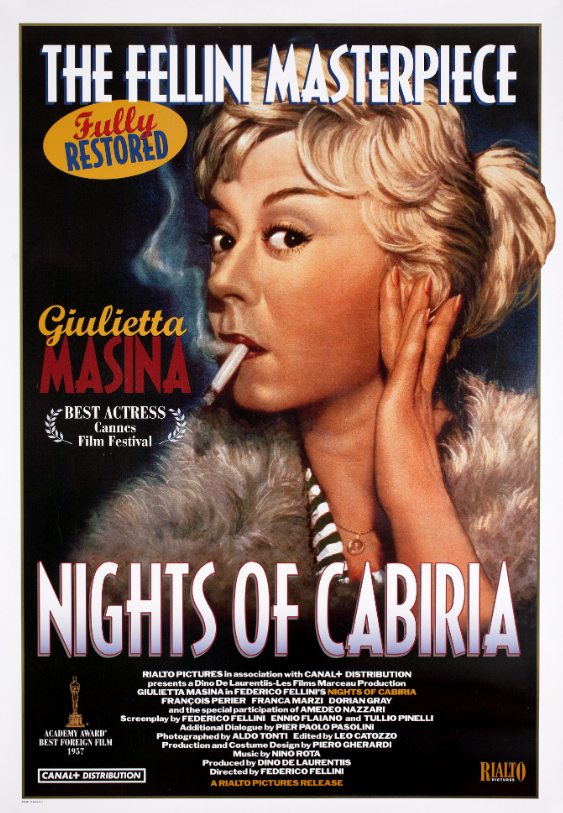
Nights of Cabiria (1957)

Nights of Cabiria (1957)

“Listen — I’m fine the way I am. I got everything.”

Synopsis:
A prostitute (Giuletta Masina) whose boyfriend has just pushed her in the river and left her to drown recovers and gets back to work, heading out with a famous film star (Amedeo Nazzari) whose petulent girlfriend (Dorian Gray) eventually returns to him, and wandering into a show by a hypnotist (Aldo Silvani) who gets her to be highly vulnerable on stage — at which point a stranger (François Périer) attempts to woo her into marriage.

Genres, Themes, Actors, and Directors:

  • Federico Fellini Films
  • Italian Films
  • Prostitutes and Gigolos
  • Strong Females

Response to Peary’s Review:
As Peary writes, this “often sad but magical film by Federico Fellini” stars “Giuletta Masina [as] an aging, sweet streetwalker in Rome” who is “tired of hanging around with sleazy street types and being used by disrespectful men” and “dreams of a better life.” However, “she keeps getting knocked to the ground (or thrown into a stream, pushed into a closet, almost tossed off a cliff)” — though “Fellini is compassionate and gives her a moment of festivity and happiness,” which she “deserves… because of her indomitable spirit.”

I’m not sure I fully agree with the rest of Peary’s assessment — particularly his remark that Cabiria “doesn’t wise up and remains completely trusting of men.” Even as Cabiria seems to soften in later portions of the film (her eyebrows literally shift from angled to curved), it’s not men she begins to trust, but rather her ability to make the best of life no matter what is thrown at her.

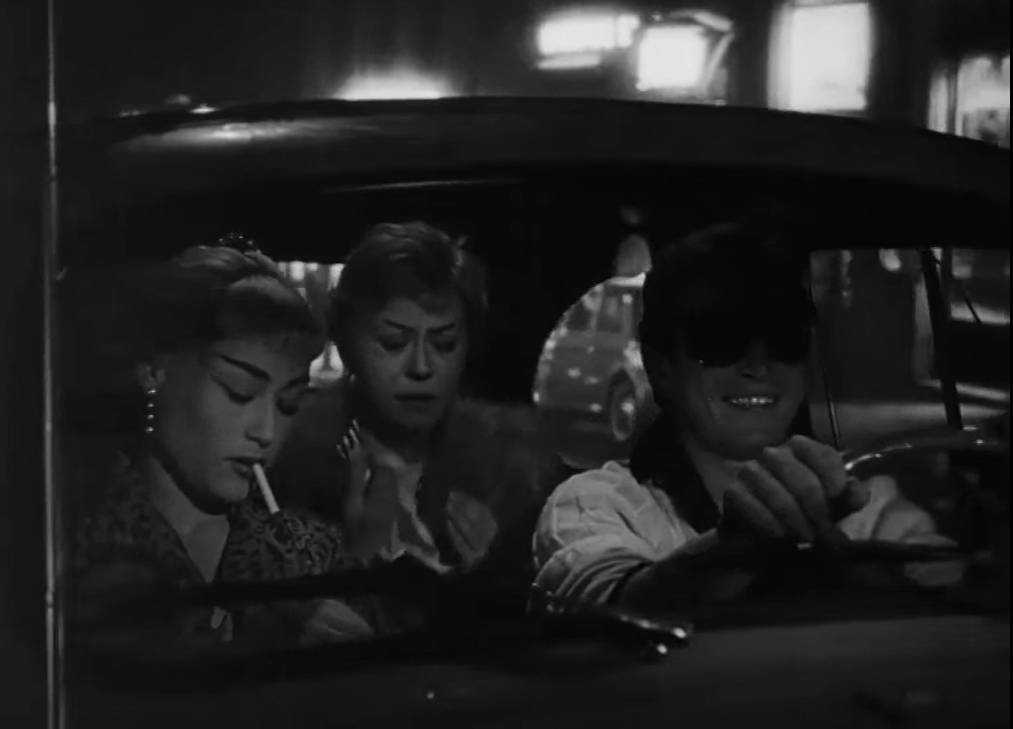
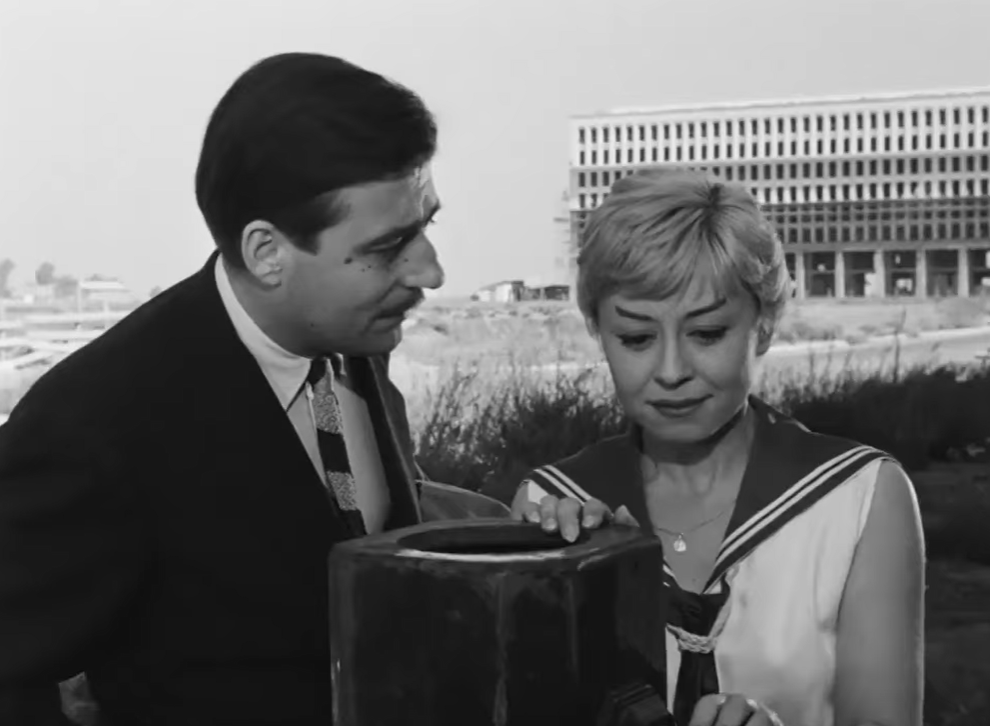
She fights off jealous or combative women, and while men continue to attempt to take advantage of her, she is always on the ready to defy and deny their assertions that she needs them in order to thrive. For instance, she rejects an offer by a smug pimp (Ennio Girolami) to come under his protection:

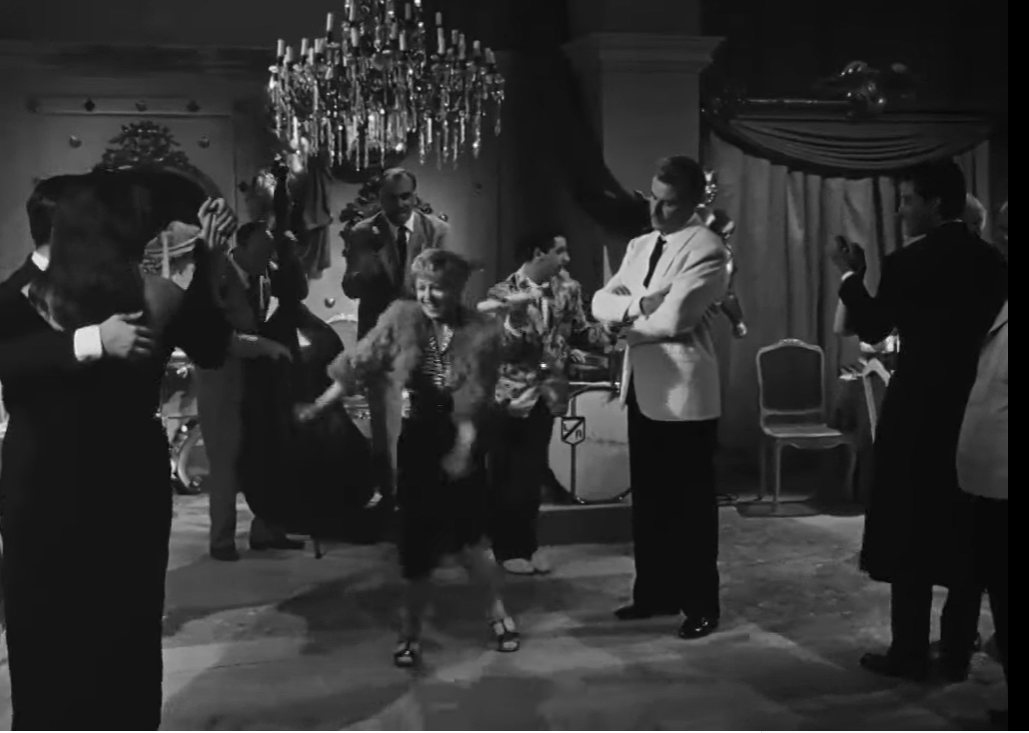
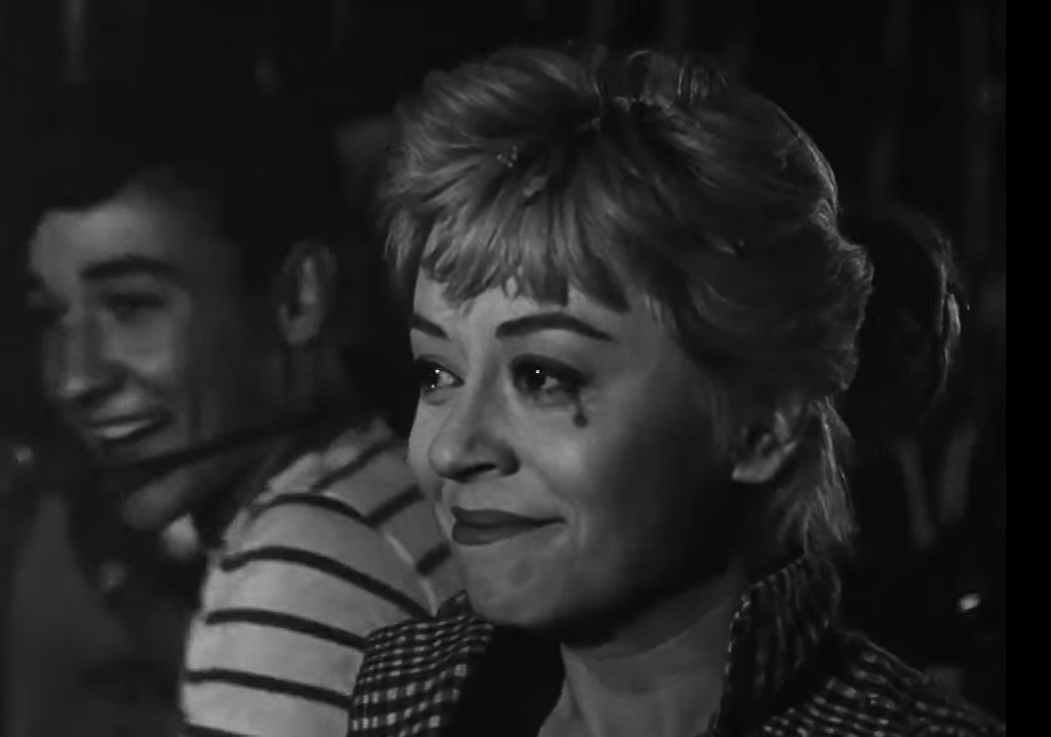
… and enjoys dancing in her own inimitable style when taken to a nightclub by Nazzari, caring not a whit that he doesn’t join in.

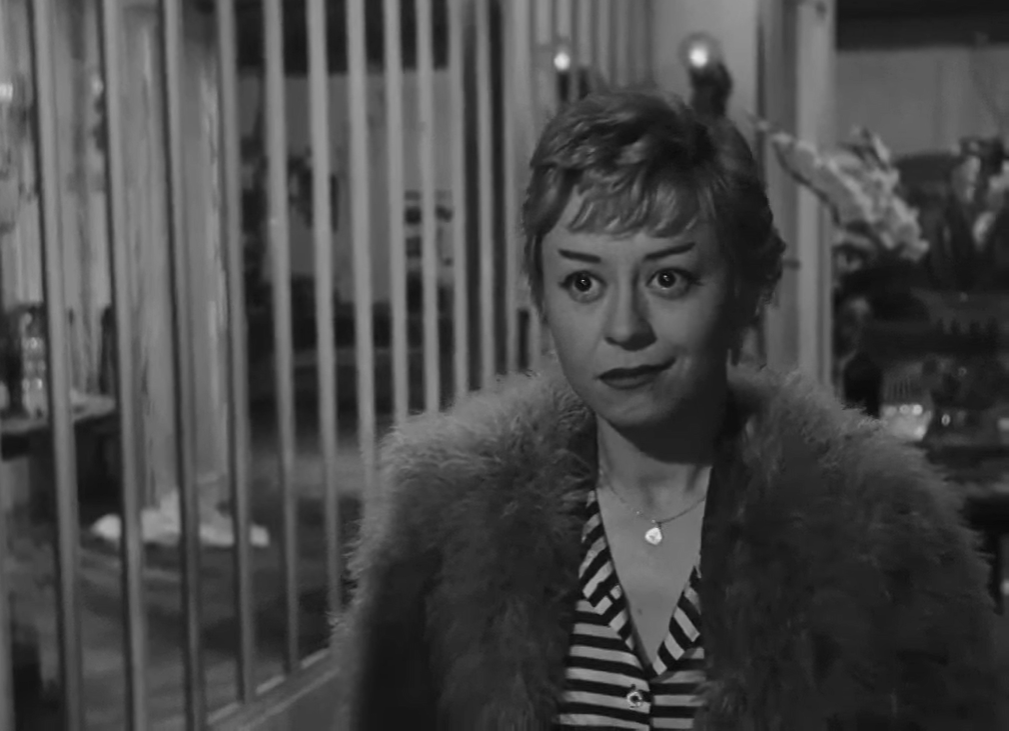
While Cabiria is temporarily taken in by a “wise” magician who gets her to literally let her guard down:

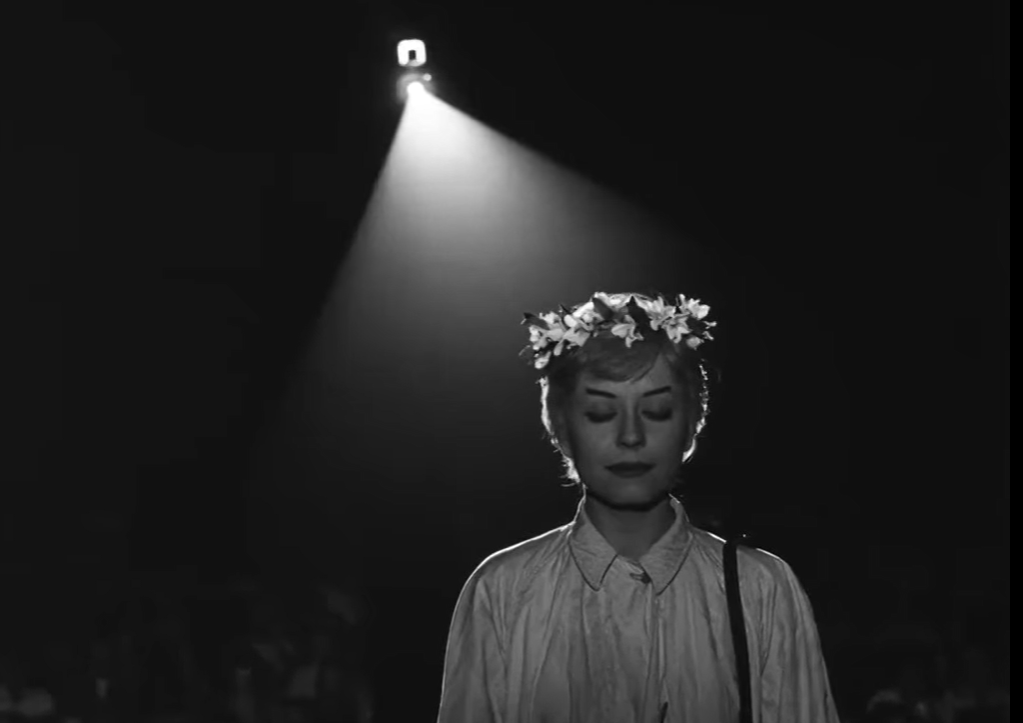
… and she is slowly flattered by the gentle and insistent attention Périer pays to her:

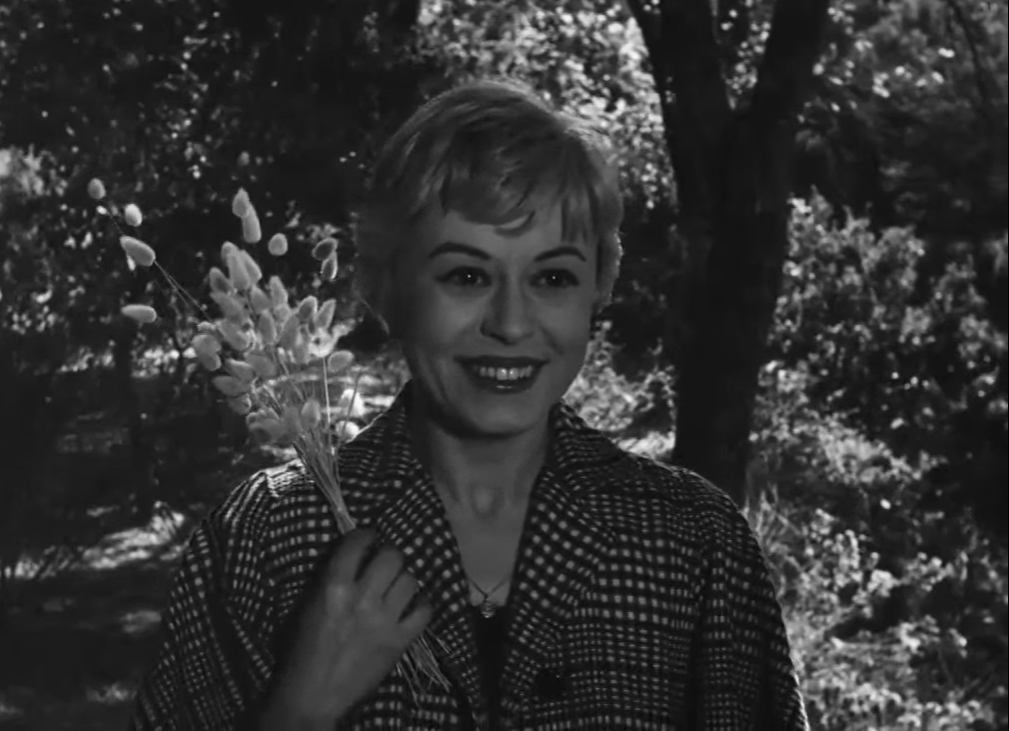
… she never loses her sense of self-worth or dignity for more than brief moments at a time. Cabiria will get up again and again, and keep joining in the festival of life.

Notable Performances, Qualities, and Moments:

  • Giulietta Masina as Cabiria
  • Aldo Tonti’s cinematography
  • Nino Rota’s score

Must See?
Yes, for Masina’s performance and as an overall powerful show.

Categories

  • Foreign Gem
  • Important Director
  • Noteworthy Performance(s)
  • Oscar Winner or Nominee

(Listed in 1001 Movies You Must See Before You Die)

Links:

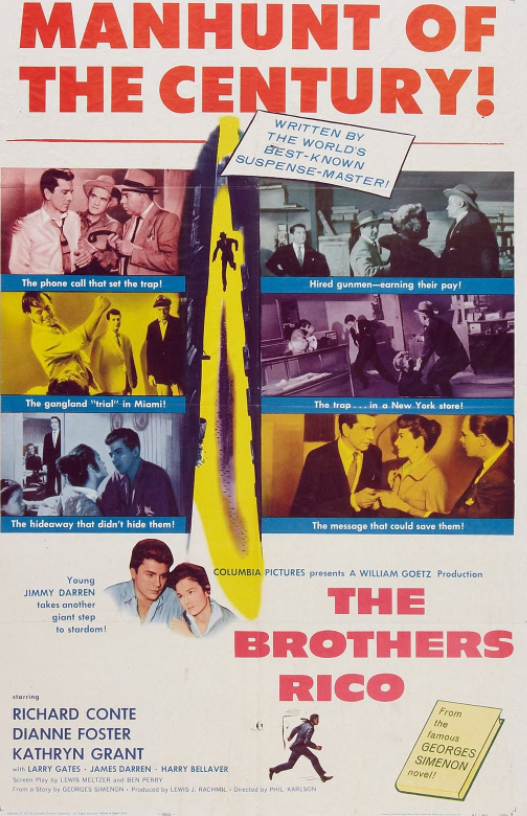
Brothers Rico, The (1957)

Brothers Rico, The (1957)

“We’re all brothers, aren’t we? Did that ever stop anything?”

Synopsis:
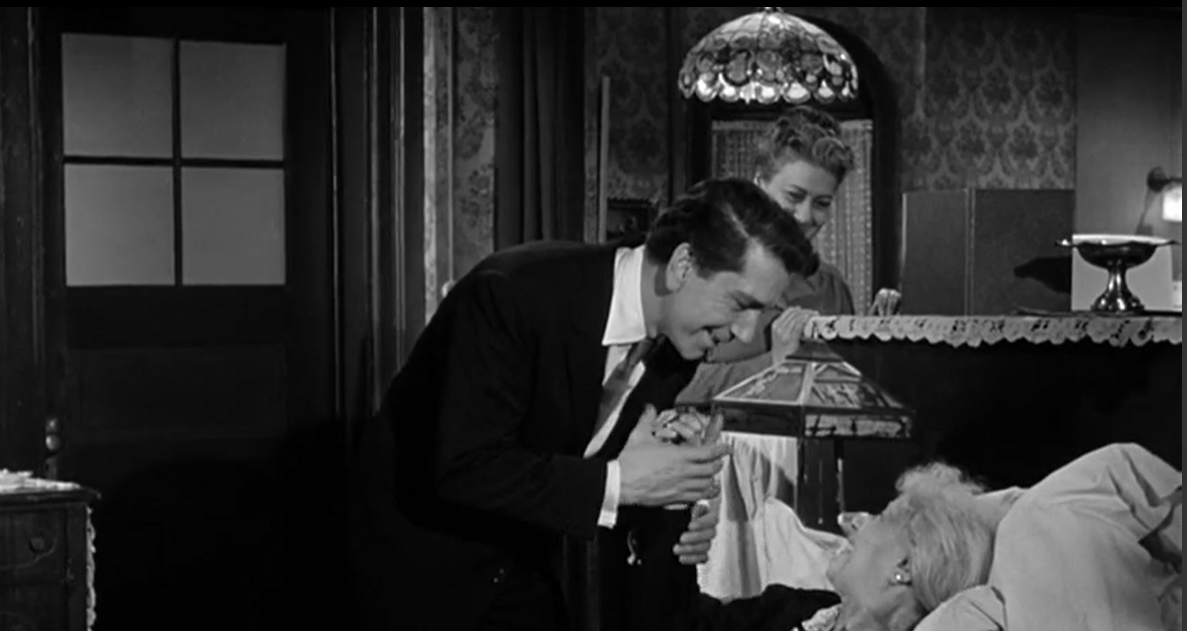
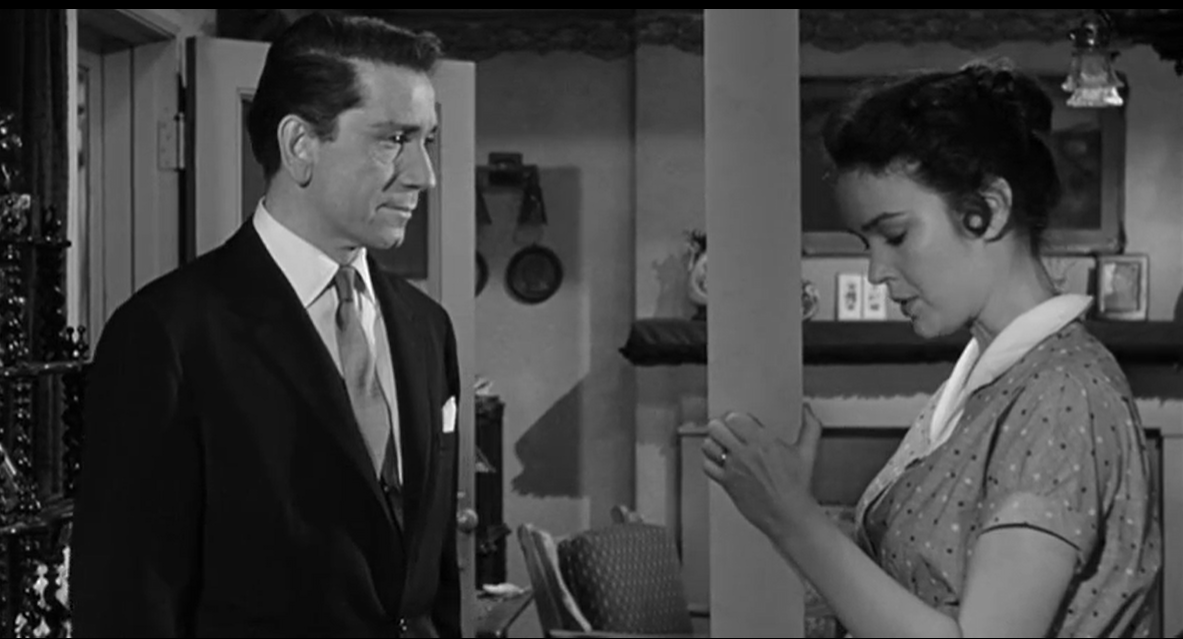
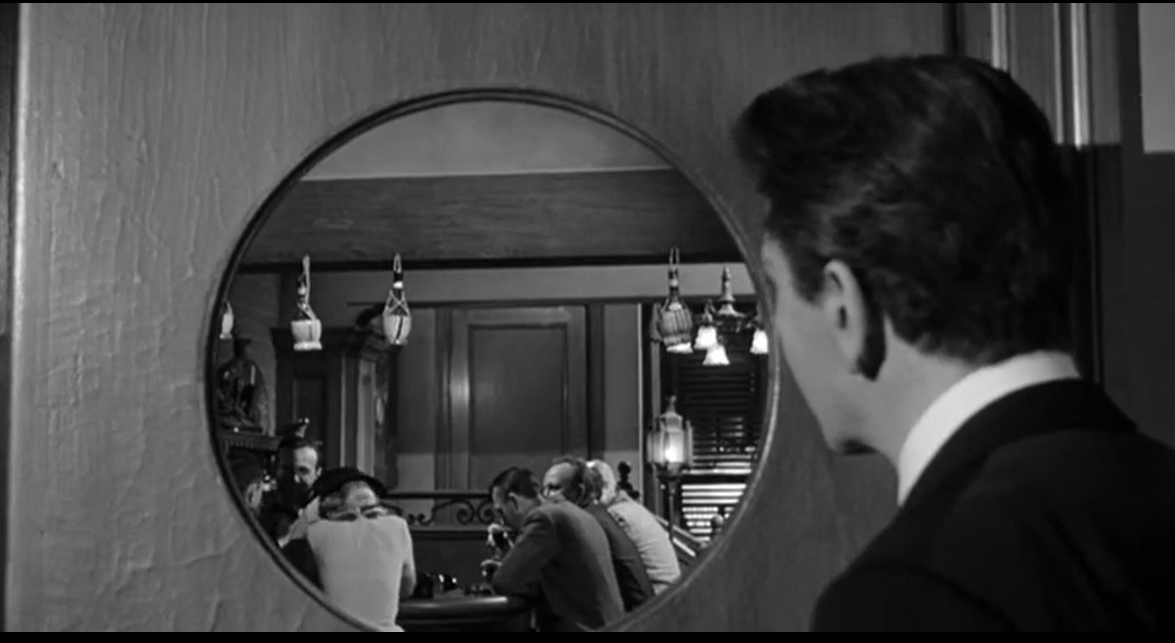
A former accountant (Richard Conte) for the mafia finds his happy life with his wife (Dianne Foster) disrupted when he learns that his mob-involved brothers, Johnny (James Darren) and Gino (Paul Picerni), have disappeared, and he must help locate them.

Genres, Themes, Actors, and Directors:

  • Mafia
  • Phil Karlson Films
  • Richard Conte Films
  • Siblings

Review:
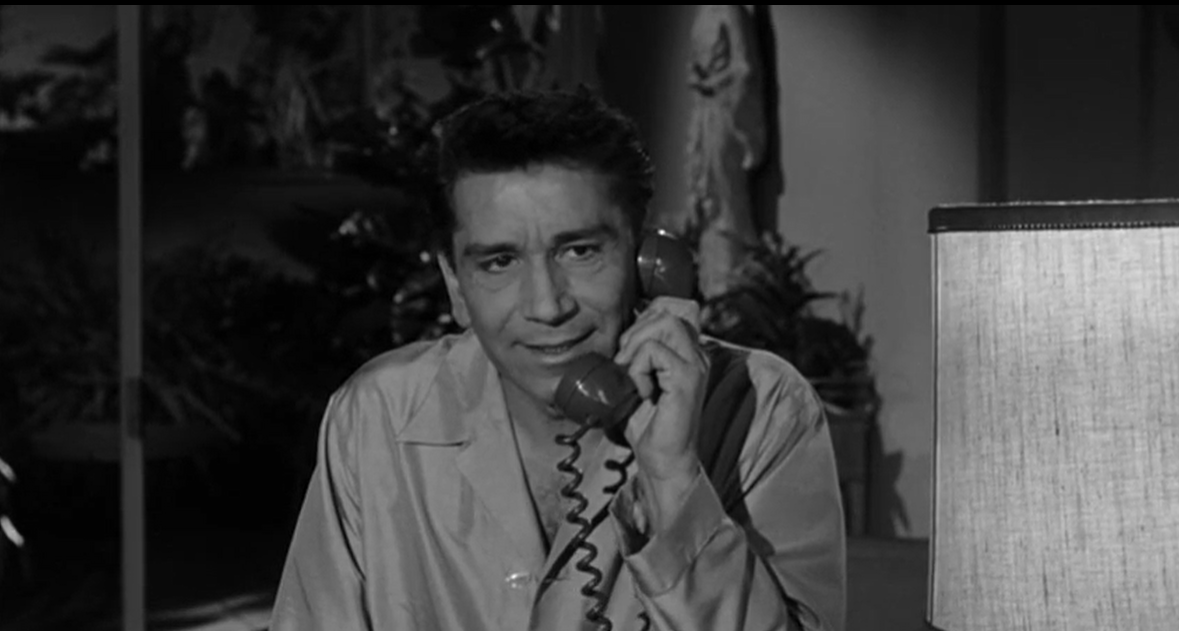
Phil Karlson directed numerous effective noir thrillers — including Kansas City Confidential (1952), The Phenix City Story (1955), and this fast-paced flick about the near-impossibility of extricating oneself from the mob. Working with a script by Lewis Meltzer and Ben Perry (based on a story by Georges Simenon), Karlson opens the film by showing us the disruption of marital near-bliss between Conte and Foster, who is appropriately wary when a phone call from mob boss Sid Kubik (Larry Gates) wakes them up at night.

Conte tries to reassure Foster that she comes first in his life, to which she responds, “I know what I am to you: I’m your wife, twice almost the mother of your children.”

This pointed statement swiftly sets up the primary narrative tension for this couple: that is, their inability to have biological kids of their own and their desire to adopt, which may be in jeopardy if Conte doesn’t keep his nose completely clean. Unfortunately, he’s unable to stay away when he learns his brothers are in trouble (this is at heart a movie about the bonds of family):

… and we sympathize with Foster as she watches her husband slip ever deeper back into old, unwanted obligations.

The storyline takes us on a tense ride from Conte being told he needs to accommodate a hitman (William Phipps) lying low:

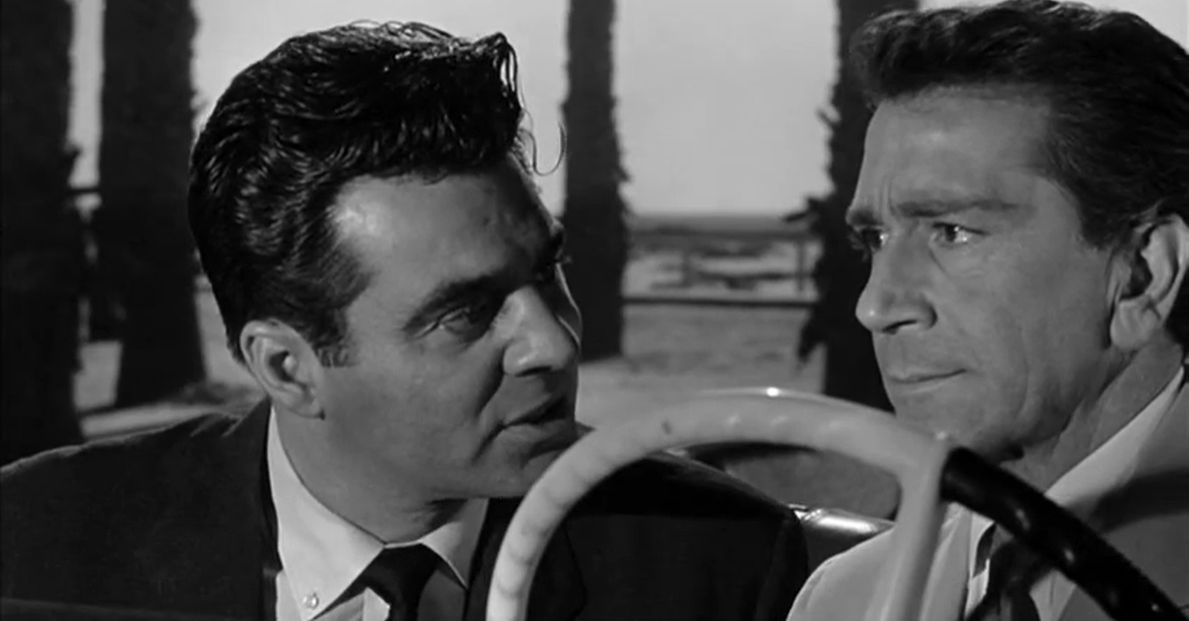
… to Conte’s brother Gino (Picerni) finding him and pleading for help in getting him out of the country:

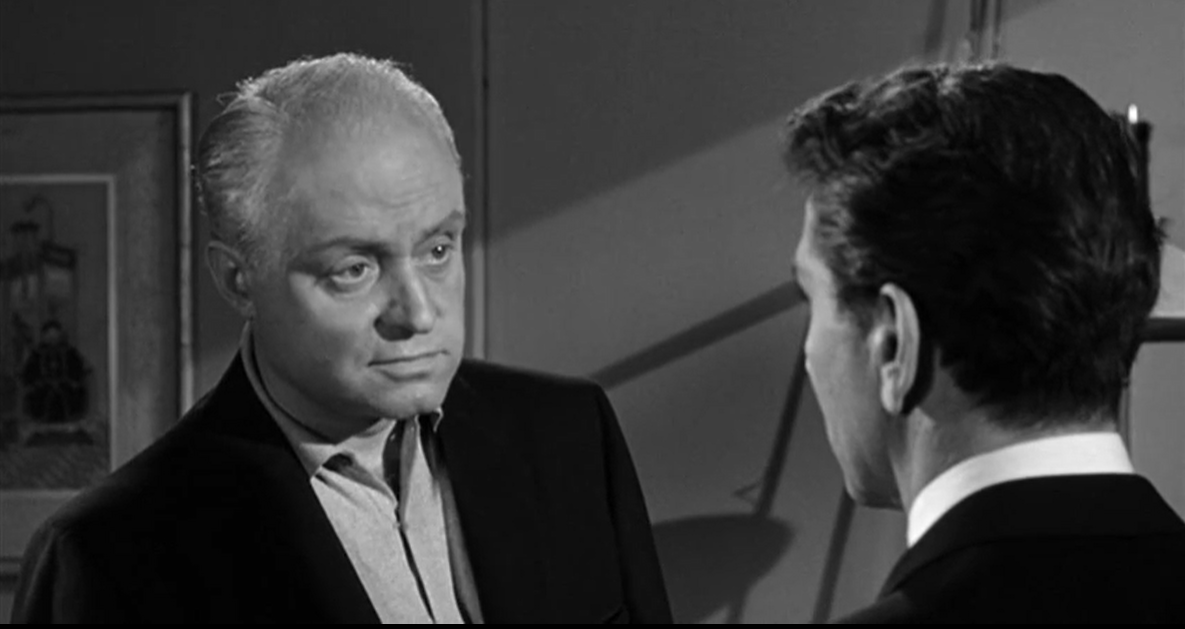
… to Conte meeting with “Uncle Sid” Kubik and falsely believing Kubik has his family’s best interests at heart:

… to Conte visiting his religious mother (Argentina Brunetti) and dying grandma (Mimi Aguglia) and finally learning where his brother Johnny is hiding out.

Conte’s trip out to California to visit Johnny (Darren) and his pregnant wife Norah (Kathryn Grant) represents a significant turning point in events:

… and I won’t share more at risk of spoiling. Suffice it to say this film merits a look — and perhaps another one — to enjoy its well-plotted narrative.

Notable Performances, Qualities, and Moments:

  • Richard Conte as Eddie Rico
  • Burnett Guffey’s cinematography

Must See?
Yes, as a taut thriller.

Categories

  • Good Show
  • Important Director

Links:

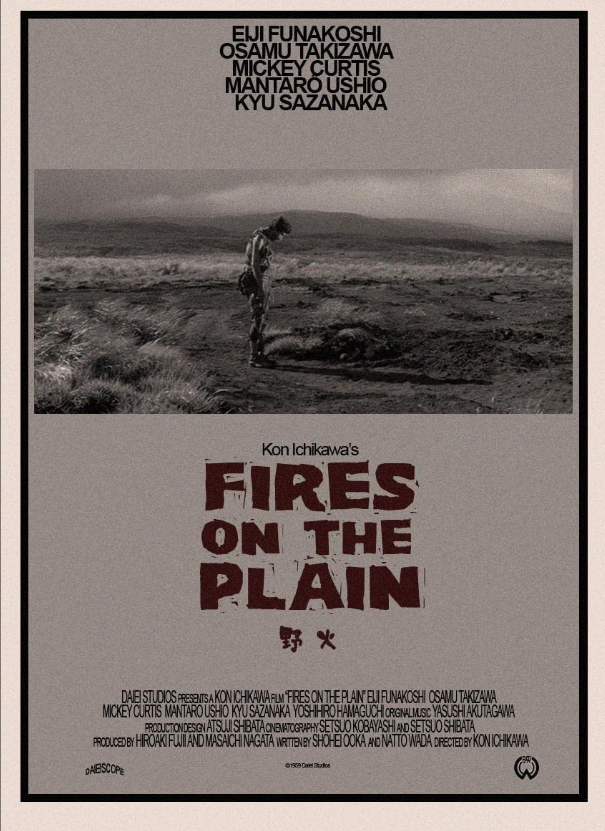
Fires On the Plain (1959)

Fires On the Plain (1959)

“I was told to die, and I intend to.”

Synopsis:
A tuberculosis-ridden Japanese soldier (Eiji Funakoshi) rejected by both his platoon and the local hospital wanders the desolate plains of the Philippines near the end of World War II, attempting to survive.

Genres, Themes, Actors, and Directors:

  • Cannibalism
  • Japanese Films
  • Kon Ichikawa Films
  • Soldiers
  • Survival
  • World War Two

Response to Peary’s Review:
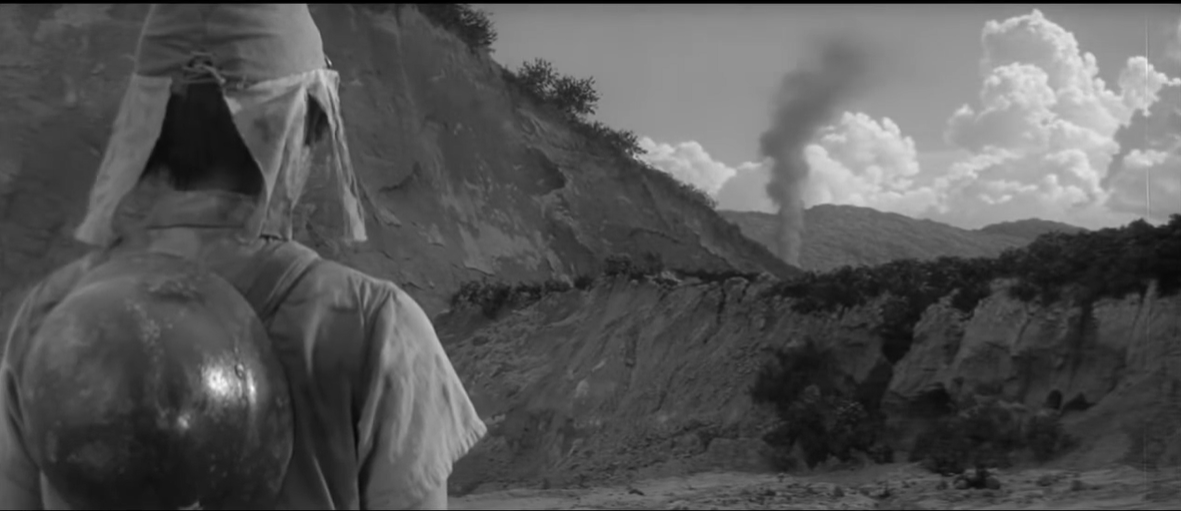
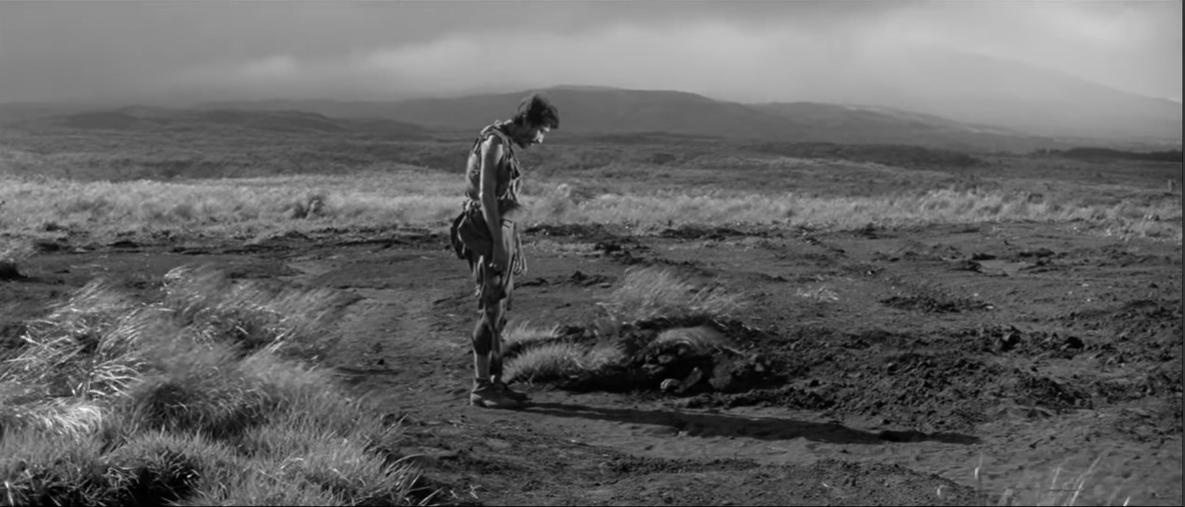
As Peary writes, this “shocking vision of war by Kon Ichikawa, adapted by his wife, Natto Wada, from Shohei Ooka’s novel,” is a “unique, unforgettable anti-war film,” focused on the “defeated, retreating Japanese” soldiers “scattered about” the island of Leyte (in the Philippines) who are “awaiting death from starvation, disease, the Americans, or Filipino guerillas who are lighting signal fires off in the wilderness.”

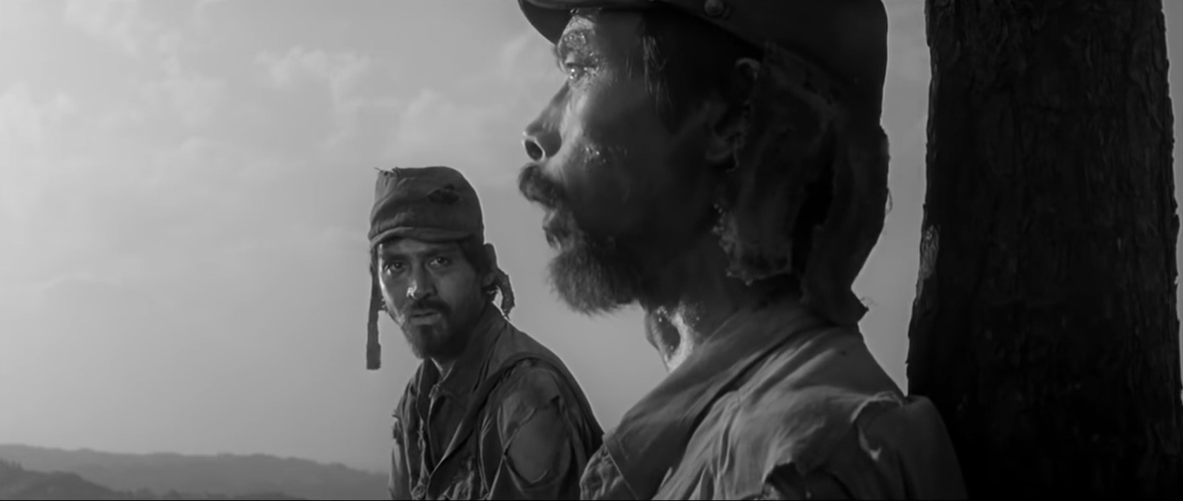
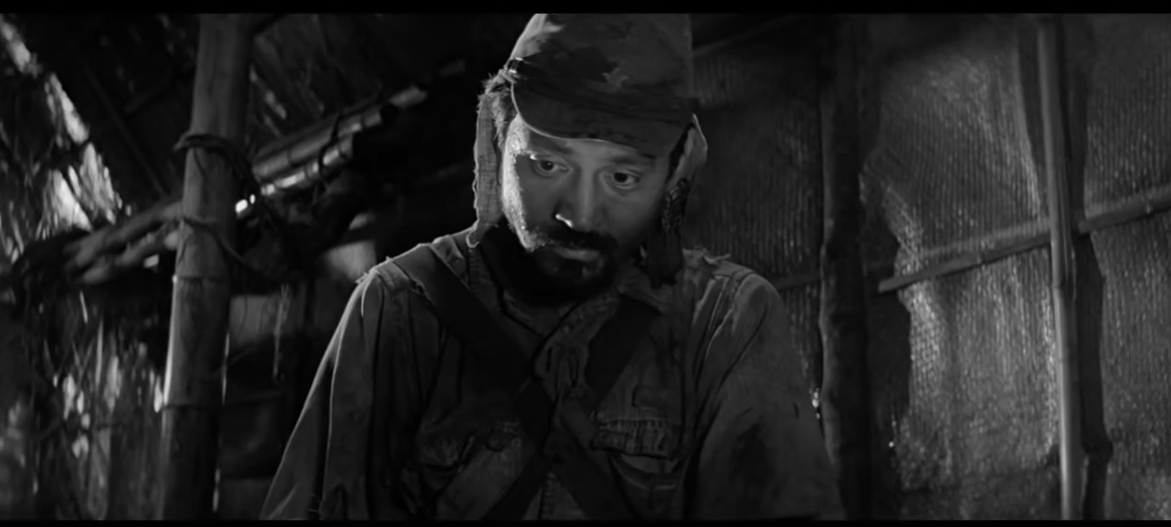
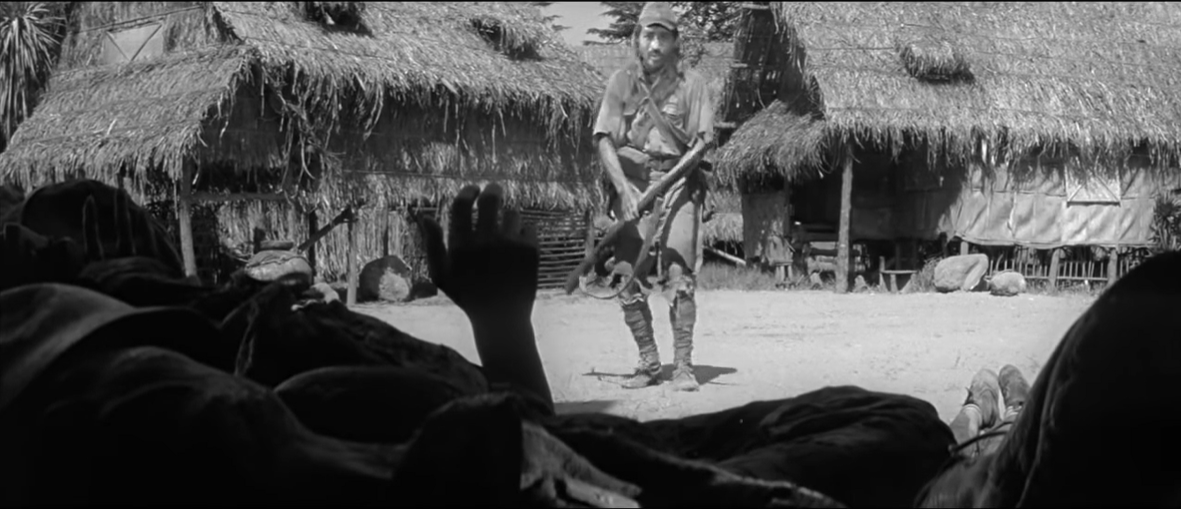
We follow the simple yet horrifying tale of a soldier (Funakoshi) who “wanders deliriously around the island, willing to kill for food, encountering depravity and madness everywhere he goes.”

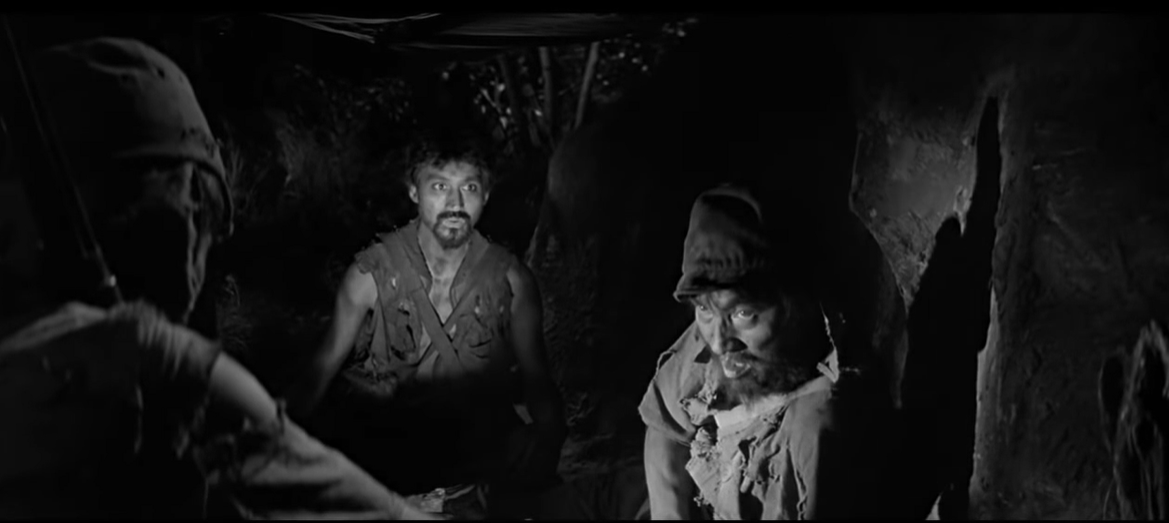
As Peary writes, “The island becomes a graveyard, with the corpses of the invaders rotting in the mud” and “the survivors hav[ing] become ghouls, cannibalizing their fellow soldiers”: yet “our soldier is a lost soul — his rotting teeth prevent him from eating human meat, his tubercular condition prevents others from eating his flesh, so his misery will not end.”

Yes, this film is exactly as bleak as it sounds, with no reprieve other than glimpses of Funakoshi’s enduring humanity, and the beauty of cinematographer Setsuo Kobayahi’s landscapes.

Alongside Ichikawa’s earlier, more hopeful anti-war film Harp of Burma (1956), this film remains essential if brutal one-time viewing.

Notable Performances, Qualities, and Moments:

  • Eiji Funakoshi as Tamura
  • Setsuo Kobayashi’s cinematography

Must See?
Yes, as a horrifying yet essential entry in Japanese cinema.

Categories

  • Foreign Gem

Links:

Porgy and Bess (1959)

Porgy and Bess (1959)

“Porgy’s my man now.”

Synopsis:
After her boyfriend Crown (Brock Cole) kills a man (Joel Fluellen) and flees, Cole’s girlfriend Bess (Dorothy Dandridge) seeks refuge with a disabled man named Porgy (Sidney Poitier) and the two begin a sweet new life together; but when Bess’s former drug dealer Sportin’ Life (Sammy Davis, Jr.) comes calling with the allure of heroin, Bess is torn between her two lives.

Genres, Themes, Actors, and Directors:

  • African-Americans
  • Alcoholism and Drug Addiction
  • Dorothy Dandridge Films
  • Love Triangle
  • Musicals
  • Otto Preminger Films
  • Sidney Poitier Films

Review:
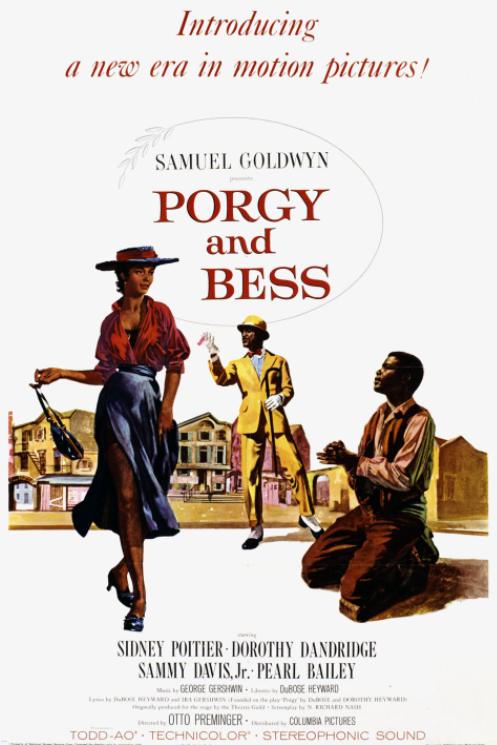
This notorious “lost film” — directed by Otto Preminger, and based on the 1935 opera by George and Ira Gershwin and librettist DuBose Heyward — can still only be seen in an inferior bootleg version, which compromises one’s appreciation of the original widescreen Todd-AO cinematography but at least allows one to get a sense of the movie. A quick read about the film’s production history gives an indication of how many challenges there were, starting with Rouben Mamoulian (the original director) parting ways after a fire burned down all the sets and costumes, and the reluctance of many cast members to play roles that were considered somewhat demeaning. (Poitier, whose singing was dubbed, always hated his participation in this film, which surely didn’t help the case towards its restoration.)

As someone unfamiliar with the original story or opera (other than the classic tune “Summertime”), I was pleased to finally learn who these famous characters are, and to see how authentically kind Porgy is towards Bess (who comes across as a decidedly flawed but sympathetic drug addict trying to turn her life around). The storyline is depressing and somewhat statically filmed, so it’s the songs one waits for — and Sammy Davis Jr.’s rendition of “It Ain’t Necessarily So” is a particular highlight.

While this movie musical isn’t must-see viewing, it’s certainly of interest as a notorious “lost film”, and film fanatics may be curious to check it out simply given its history and top-name cast.

Notable Performances, Qualities, and Moments:

  • (Presumably) the Todd-AO cinematography
  • The inimitable score

Must See?
No, but it’s recommended if you come across a copy — and it will be fun to see the restored version one day! Chosen for inclusion in the National Film Registry of the Library of Congress in 2011.

Links:

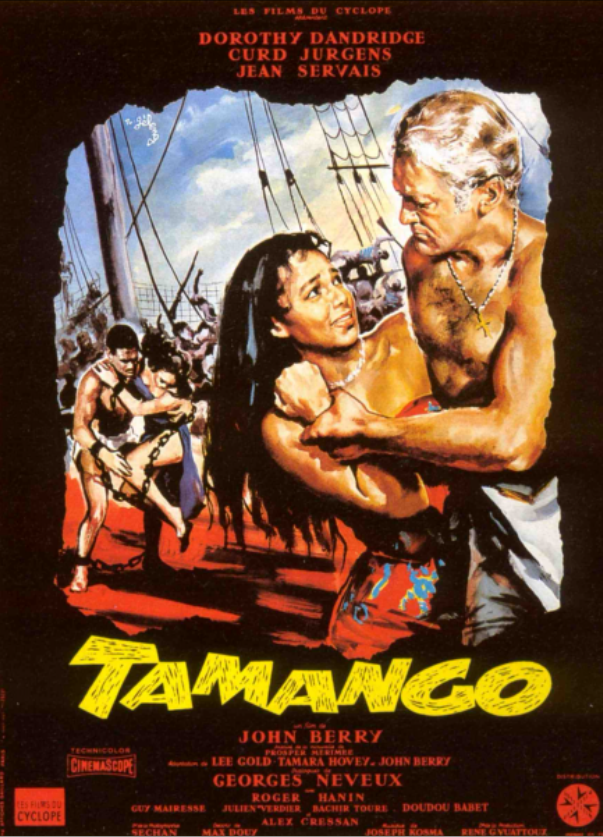
Tamango (1958)

Tamango (1958)

“We can be free if we stand together.”

Synopsis:
The captain (Curt Jurgens) of a Dutch slave ship headed to Cuba attempts to secure the loyalty of his mulatto mistress (Dorothy Dandridge) while tamping down a rebellion started by a determined slave named Tamango (Alex Cressan).

Genres, Themes, Actors, and Directors:

  • At Sea
  • Curt Jurgens Films
  • Dorothy Dandridge Films
  • French Films
  • Historical Drama
  • Rebellion
  • Race Relations and Racism
  • Slavery

Review:
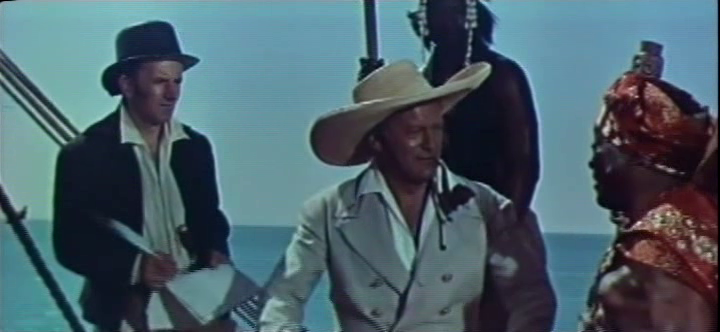
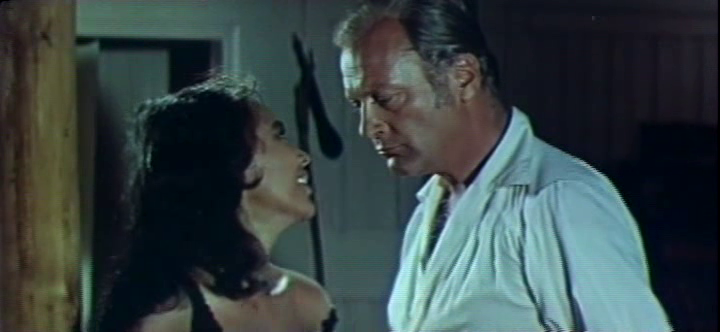
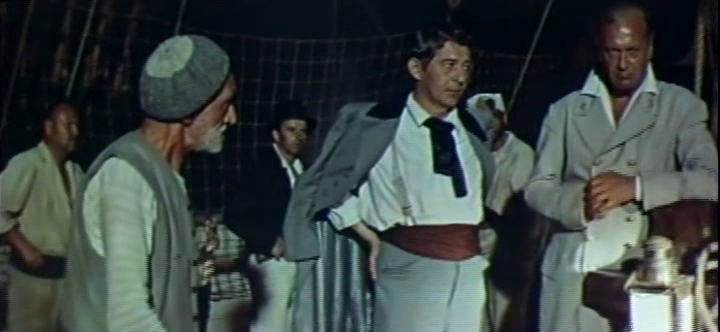
Blacklisted American director John Berry — who worked with John Garfield in his final film, He Ran All the Way (1951) — helmed this powerful and distinctive drama of rebellion on a slave ship. While the ship is Dutch and the language spoken French, it is easy enough to view this as a rare (singular?) attempt to portray the evils of American’s chattel slavery history in a way simply not covered by any others at the time. We see the wheels of the slave trade at each early stage, beginning with a trade of bodies for guns:

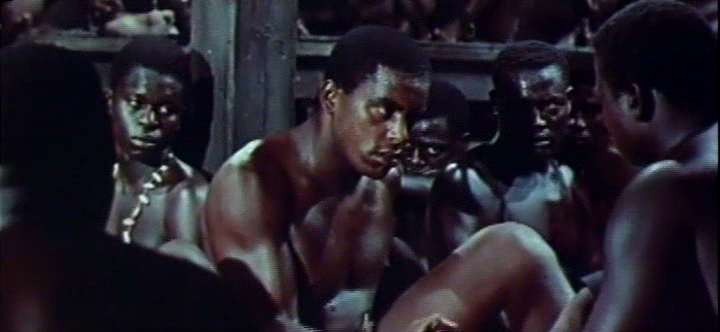
… and moving swiftly into the specifics of the conditions endured by the able-bodied men and women who were crammed into a ship, shackled while being fed and “exercised” just enough to keep them healthy and alive. Within 12 minutes, we see the title protagonist (real-life medical student Cressan in his only acting role) fomenting rebellion:

… and veteran slave trader Jurgens ready to respond to each and every attempt with seasoned aplomb. Jurgens’ Achilles’ heel is beautiful Aiché (Dandridge), who evolves over the course of the film from a mistress who warily accepts her role, to someone who recognizes that her freedom can never be won under the thumb of white slavers. In one of the film’s most powerful scenes, she tells Jurgens how she really feels about him after he supposedly writes a statement freeing her:

Refreshingly, the storyline — based on a short story by Prosper Mérimée — never goes in expected directions, always keeping the humanity of the shackled slaves at the forefront. This rarely-seen film remains well worth a look, both as a powerful drama and for its historical relevance (including inevitable controversy).

Note: Film fanatics will likely recognize Jean Servais — star of Rififi (1955) — as the ship’s doctor, charged with keeping the slaves reasonably healthy.

Notable Performances, Qualities, and Moments:

  • Alex Cressan as Tamango
  • Dorothy Dandridge as Aiche
  • Curt Jurgens as Captain Reinker
  • A distressingly realistic depiction of life onboard a slave ship

Must See?
Yes, for its historical relevance and as an overall powerful drama.

Categories

  • Good Show
  • Historically Relevant

Links:

Defiant Ones, The (1958)

Defiant Ones, The (1958)

“You’re married to me alright, Joker — and here’s the ring!”

Synopsis:
When a black convict (Sidney Poitier) chained to a white convict (Tony Curtis) are accidentally freed from a prison truck, they attempt to make their way to freedom while navigating their own racial tensions with one another.

Genres, Themes, Actors, and Directors:

  • Fugitives
  • Lon Chaney, Jr. Films
  • Race Relations and Racism
  • Sidney Poitier Films
  • Stanley Kramer Films
  • Tony Curtis Films

Review:
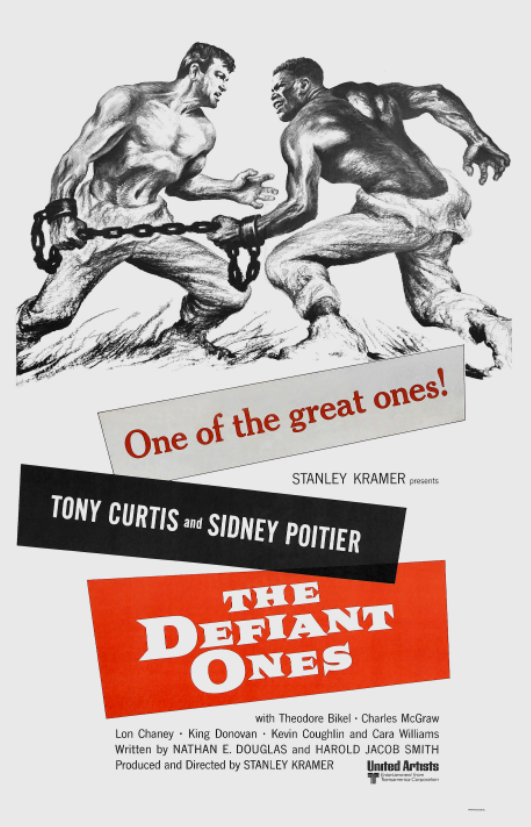
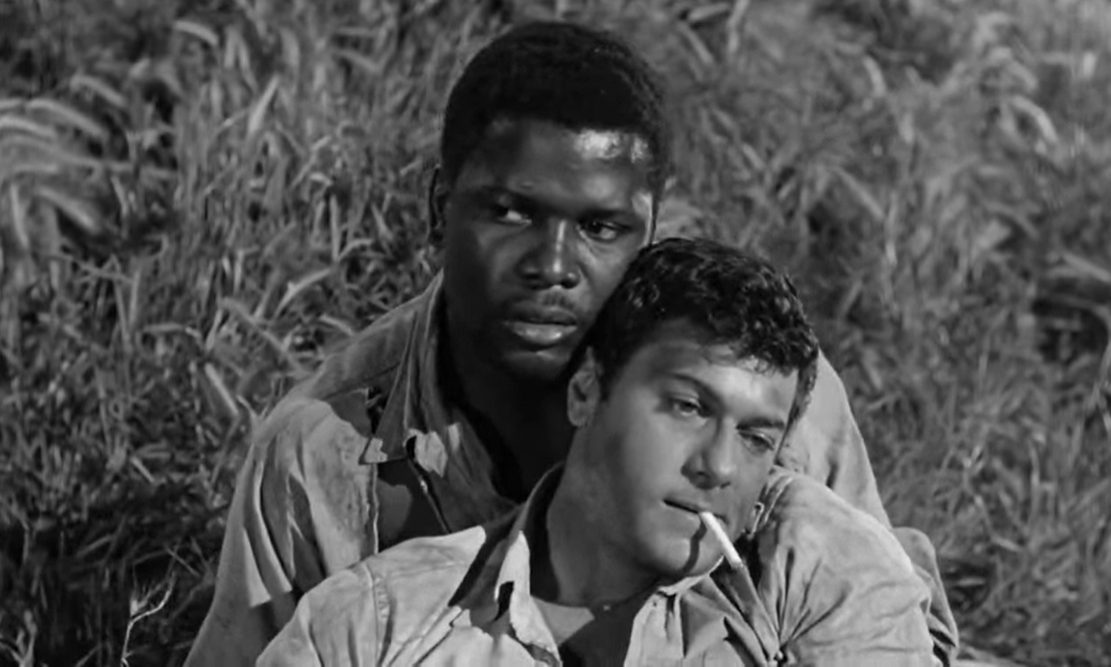
Stanley Kramer directed this racially charged “buddy film” about convicts on the run who learn to tolerate and even appreciate one another through their attempts to survive. It remains an effectively bold movie for its time, addressing racism head-on and not shying away from its toxic consequences. Sidney Poitier and Tony Curtis both deservedly earned nominations as Best Actor of the Year for their performances, presenting fully human, sympathetic protagonists who we gradually come to care about.

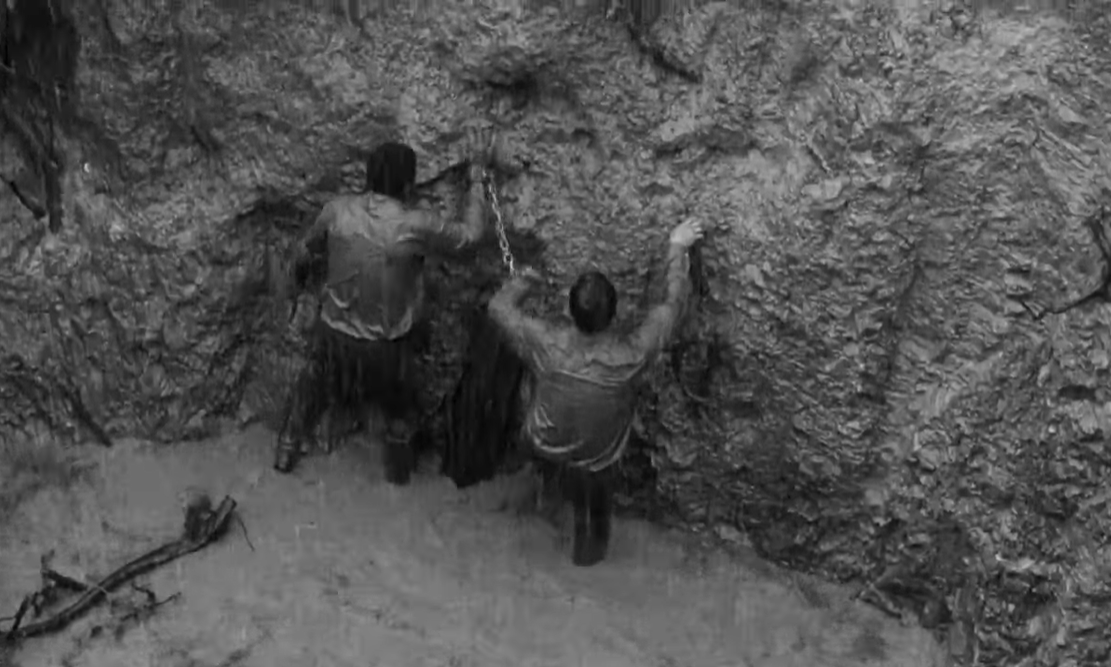
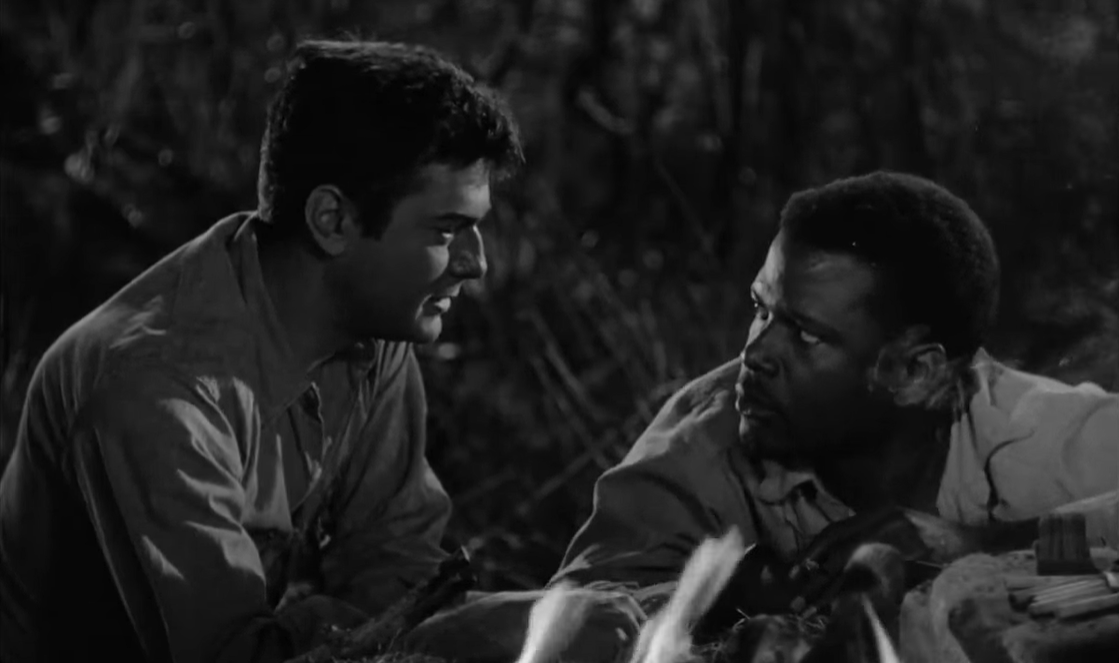
The shackled men’s initial escape from the prison truck — spurred on by one of the drivers being distracted by Poitier and Curtis tussling — leads to a series of adventures filled with physical challenges (most performed by the stars themselves):

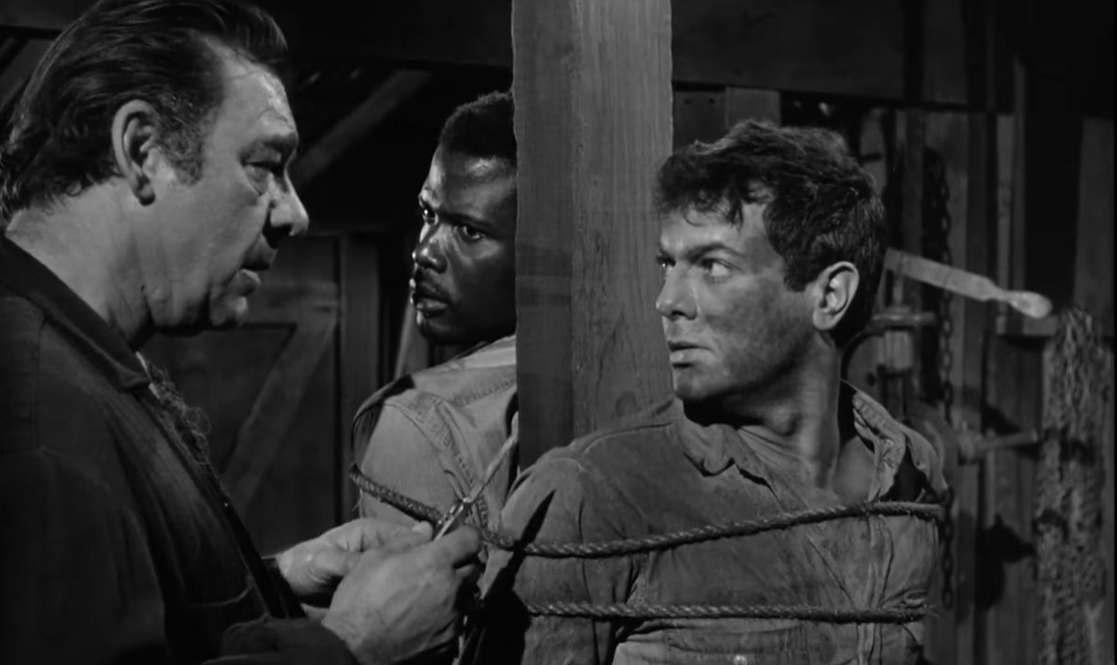
… and plenty of random luck, including their encounter with a surprisingly compassionate neighbor (Lon Chaney, Jr.) who doesn’t want to see them lynched:

… and seeking refuge with a lonely single mom (Cara Williams) who has the hots for Curtis.

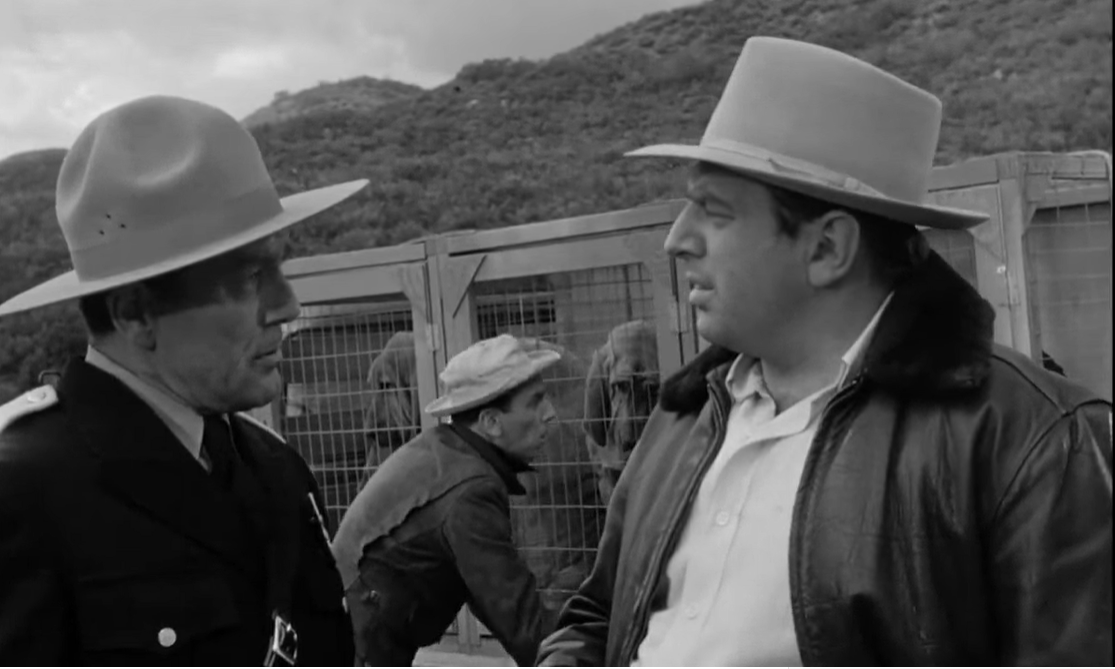
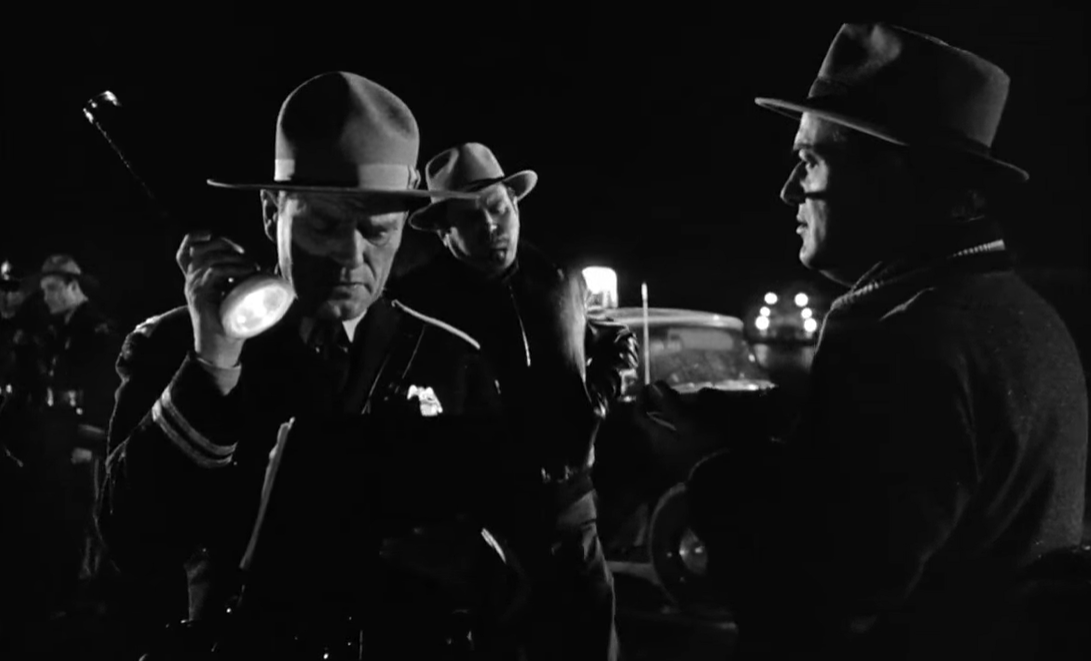
The screenplay cuts back and forth between the fugitives’ escape, and the posse that’s out to find them, led by a humanitarian sheriff (Theodore Bikel) and a stern police captain (Charles McGraw) who hold differing opinions on whether to use deadly dogs as part of their hunt.

While this is very much a “message film” about racism, it’s effectively filmed, well-acted, and represents an important historical shift in roles for black characters; as such, it’s must-see viewing.

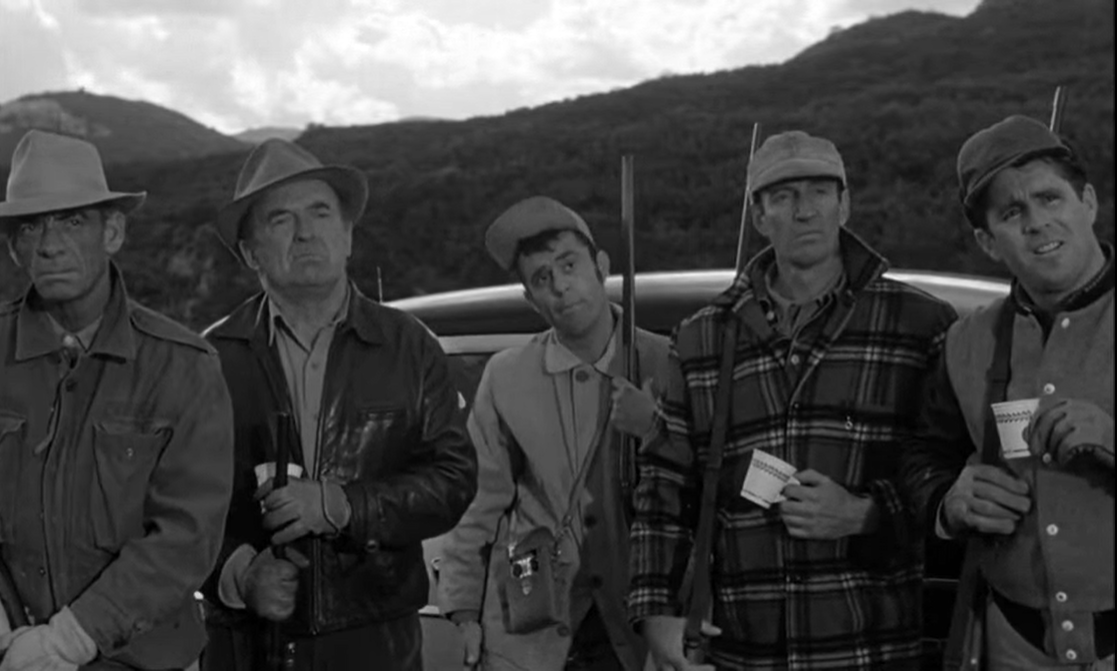
Note: Watch for a supporting role by former “Little Rascals” star Carl ‘Alfalfa’ Switzer [see center figure] as a member of the citizen posse:

Notable Performances, Qualities, and Moments:

  • Fine performances by the leads
  • Sam Leavitt’s cinematography

Must See?
Yes, as a powerful and historically relevant film. Listed as a film with Historical Relevance in the back of Peary’s book.

Categories

  • Good Show

(Listed in 1001 Movies You Must See Before You Die)

Links:

Hanging Tree, The (1959)

Hanging Tree, The (1959)

“If you ain’t the devil, well, he’s sure sitting on your shoulder.”

Synopsis:
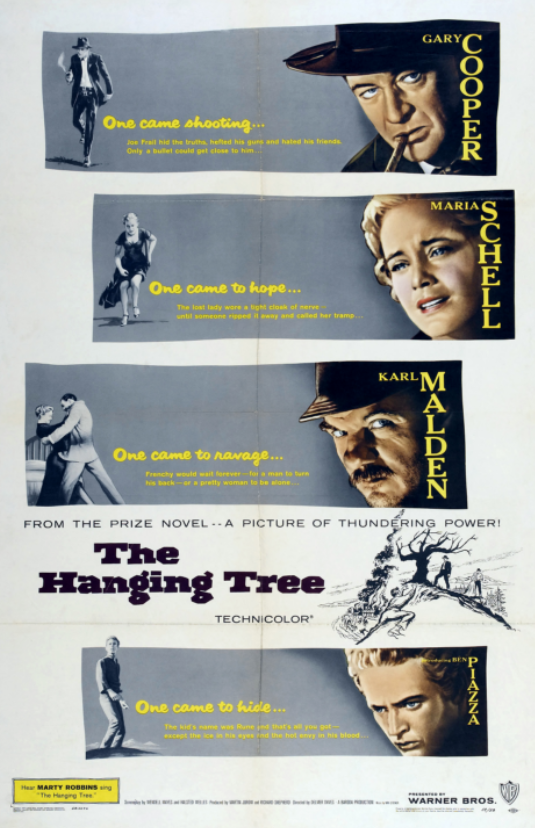
In a Montana gold mining town, a doctor (Gary Cooper) with a mysterious past cares for a young criminal (Ben Piazza) who has been shot by a local miner named Frenchy (Karl Malden) for attempting to steal gold from a sluice. Soon Rune (Piazza) is working for Dr. Frail (Cooper) as his servant, and the pair help heal a young Swiss woman (Maria Schell) who was stranded and blinded by the sun after a hold-up of her carriage.

Genres, Themes, Actors, and Directors:

  • Delmer Daves Films
  • Doctors and Nurses
  • Gary Cooper Films
  • George C. Scott Films
  • Gold Seekers
  • Karl Malden Films
  • Maria Schell Films
  • Westerns

Review:
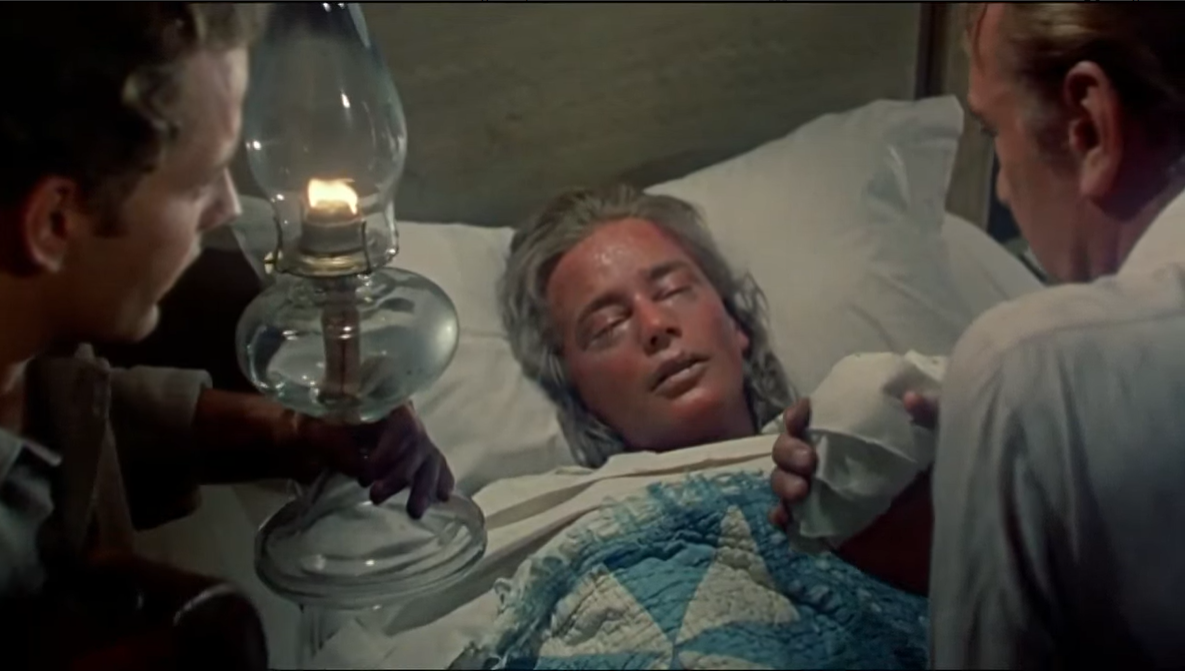
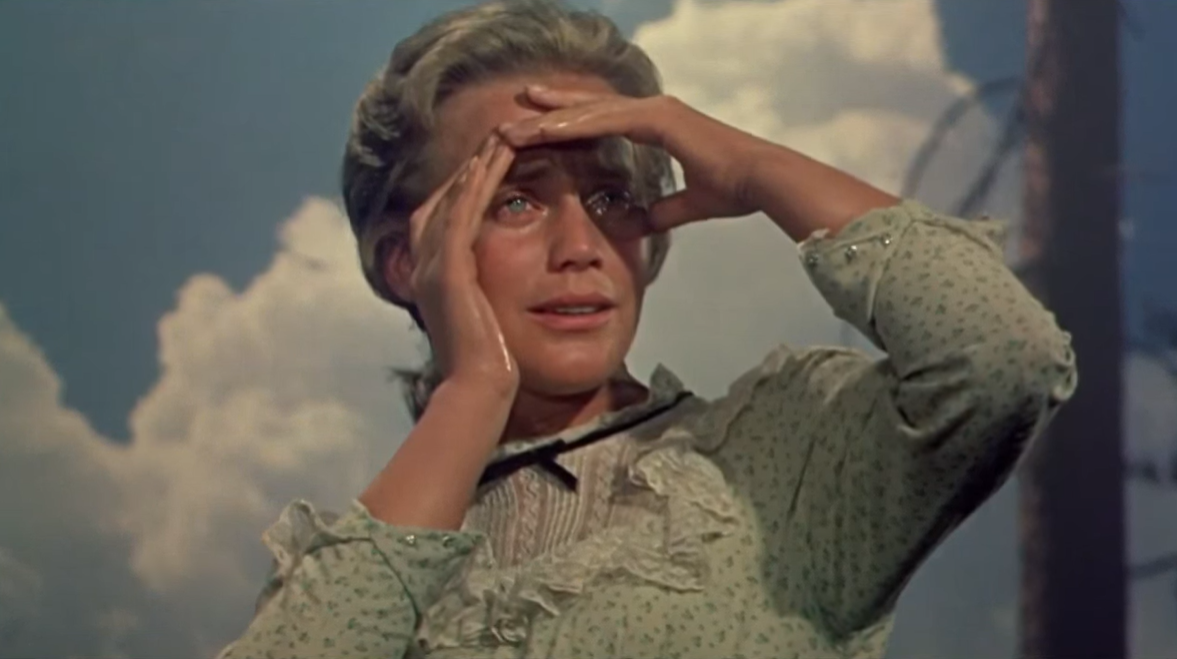
Western fiction writer Dorothy Johnson crafted three stories that were eventually turned into GFTFF-listed films: A Man Called Horse (1970), The Man Who Shot Liberty Valance (1962), and this refreshingly female-centric tale, scripted by Wendell Mayes and Halsted Welles and helmed by Delmer Daves (with a bit of directing support from cast member Karl Malden when Daves fell ill). Schell delivers a dynamic performance as a character whose unexpected presence upends the entire town:

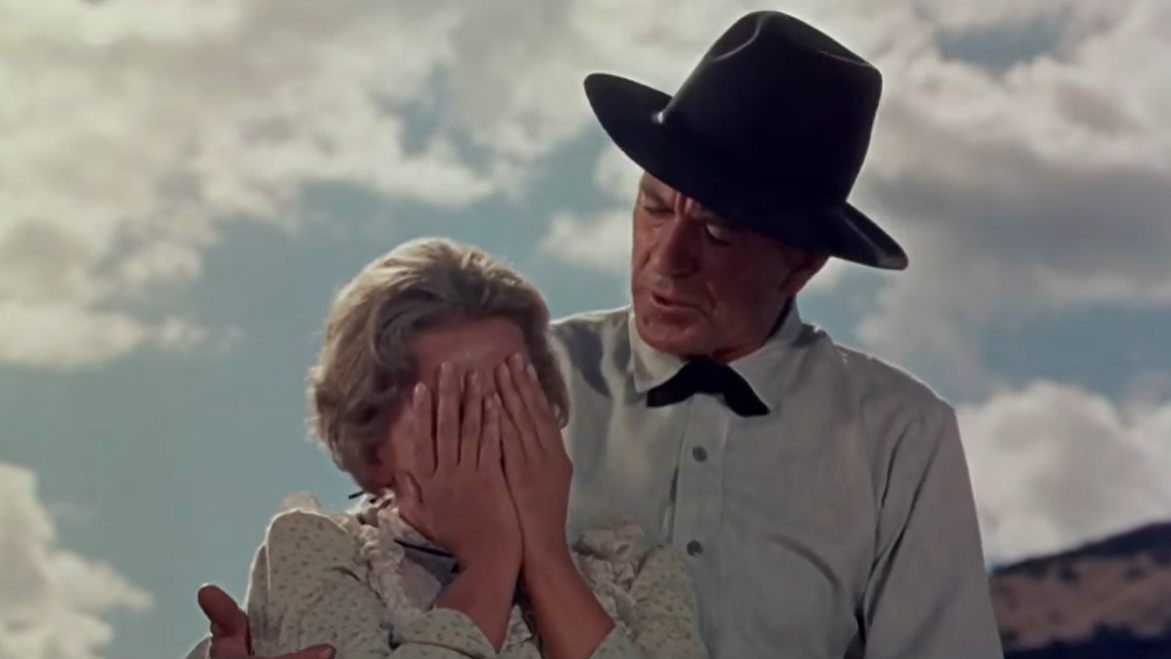
(Props to the make-up crew for such realistic work on portraying her life-threatening injuries). This was Cooper’s final western, and he does a fine job playing a morally ambiguous, complex protagonist:

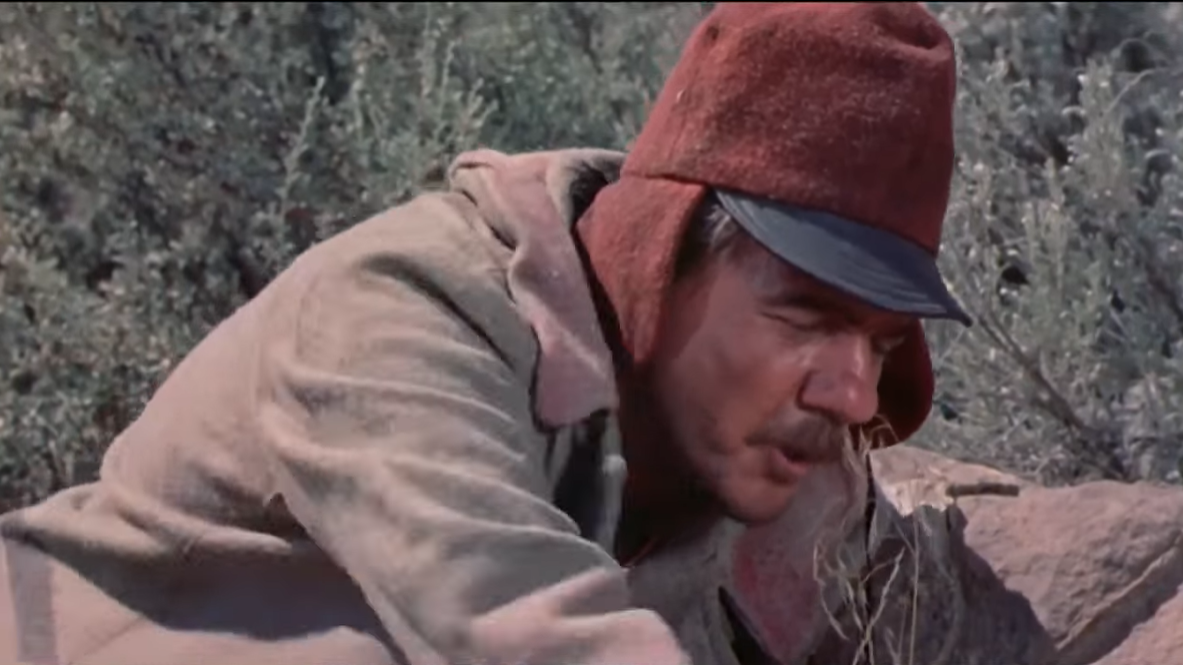
Meanwhile, Malden is suitably repulsive as a miner with nothing but selfish intents:

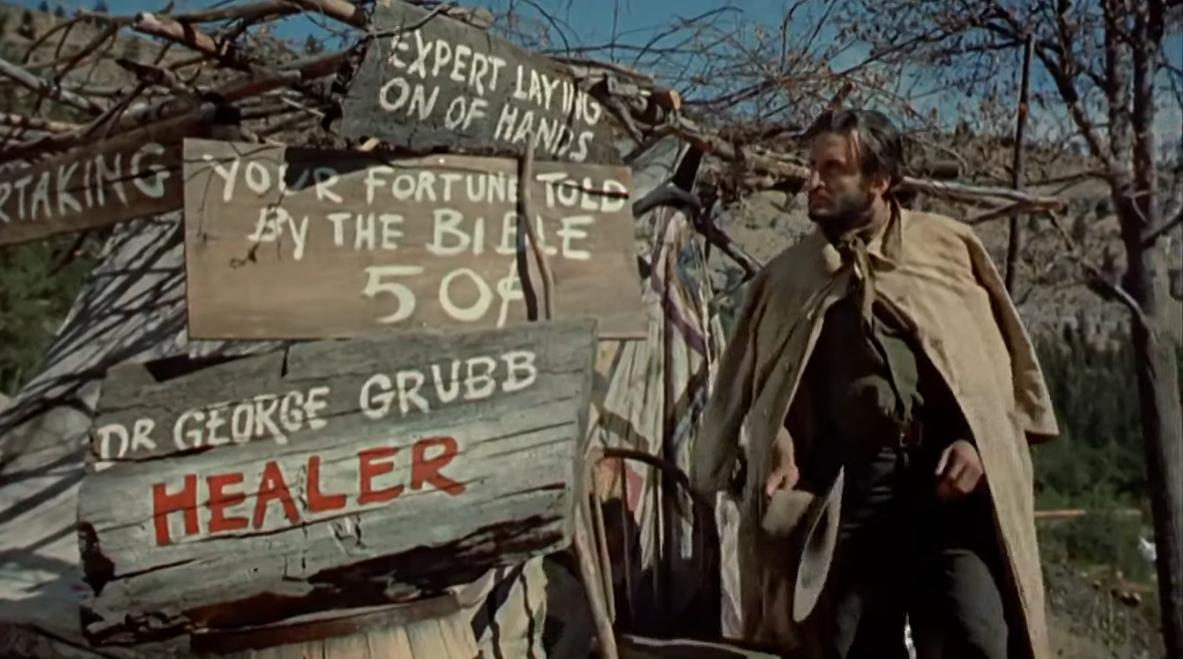
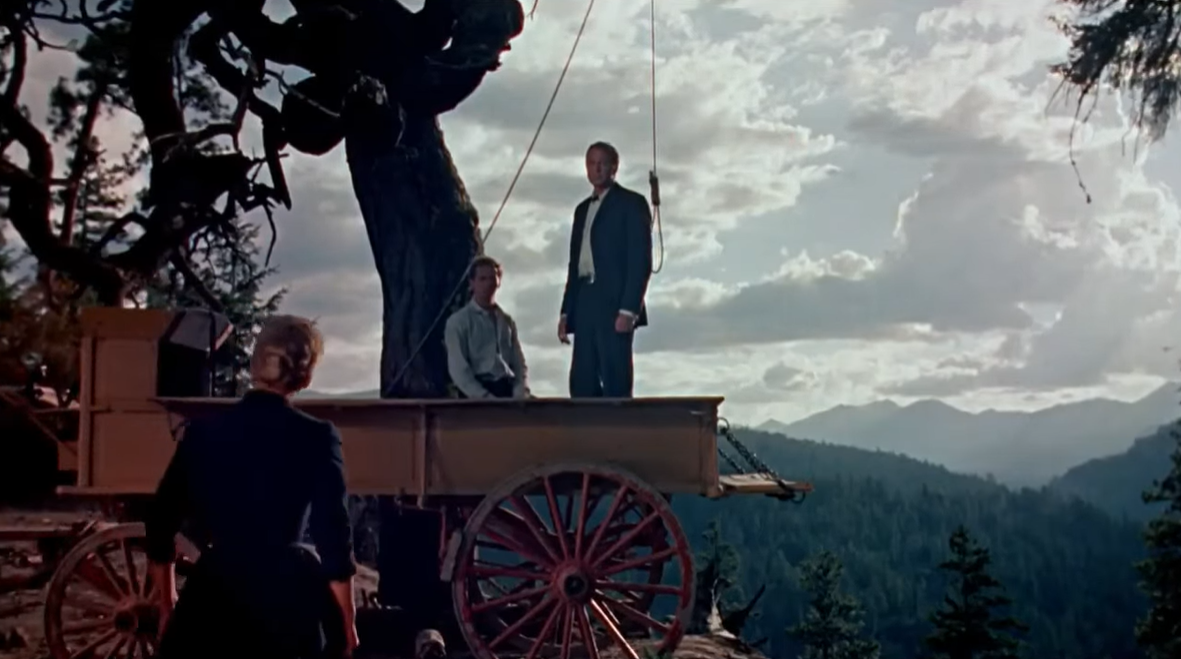
… and George C. Scott has a brief but memorable screen debut as a faith healer with deep animosity towards Doc Frail:

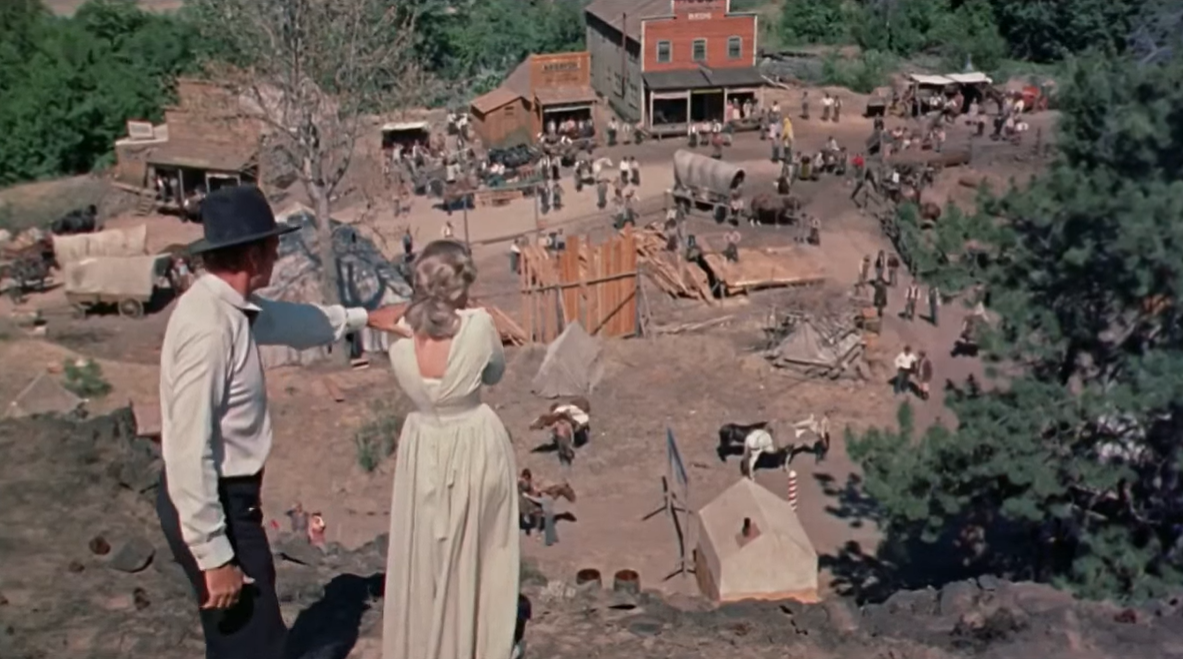
Also noteworthy is beautiful cinematography (much shot on-location near Yakima, Washington) by Ted D. McCord, with excellent use made of wide open spaces.

This unusual western remains worth a look.

Notable Performances, Qualities, and Moments:

  • Maria Schell as Elizabeth Mahler
  • Gary Cooper as Doc Frail
  • Karl Malden as Frenchy
  • An effective portrayal of a hard-scrabble mining town
  • Fine cinematography

Must See?
Yes, as a unique western with a fine central performance by Schell.

Categories

  • Noteworthy Performance(s)

Links:

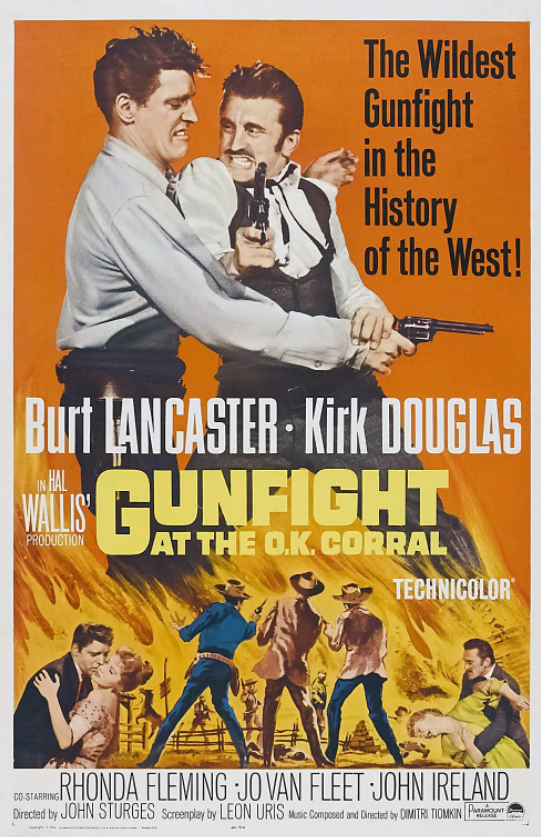
Gunfight at the O.K. Corral (1957)

Gunfight at the O.K. Corral (1957)

“We’re not going to start a life together with a gun in your hand.”

Synopsis:
Famed sheriff Wyatt Earp (Burt Lancaster) — who falls in love with a beautiful gambler (Rhonda Fleming) — seeks help from his consumptive friend Doc Holliday (Kirk Douglas) in a shootout taking place in Tombstone, Arizona.

Genres, Themes, Actors, and Directors:

  • Burt Lancaster Films
  • Dennis Hopper Films
  • John Ireland Films
  • John Sturges Films
  • Kirk Douglas Films
  • Lee Van Cleef Films
  • Sheriffs and Marshals
  • Westerns

Review:
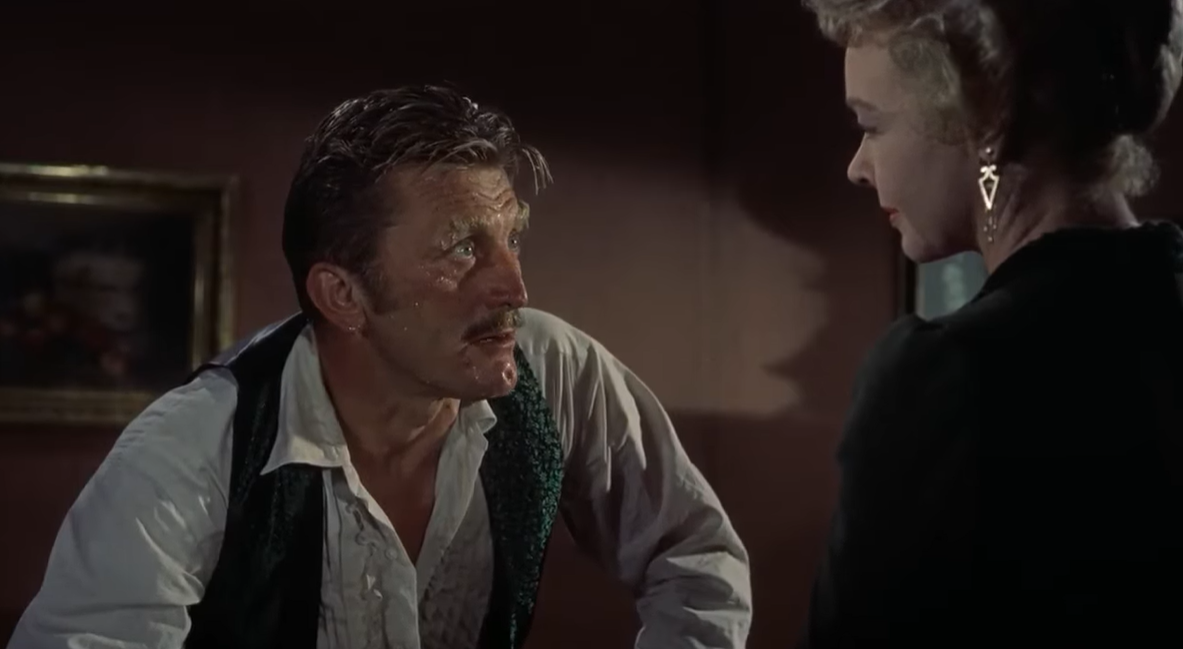
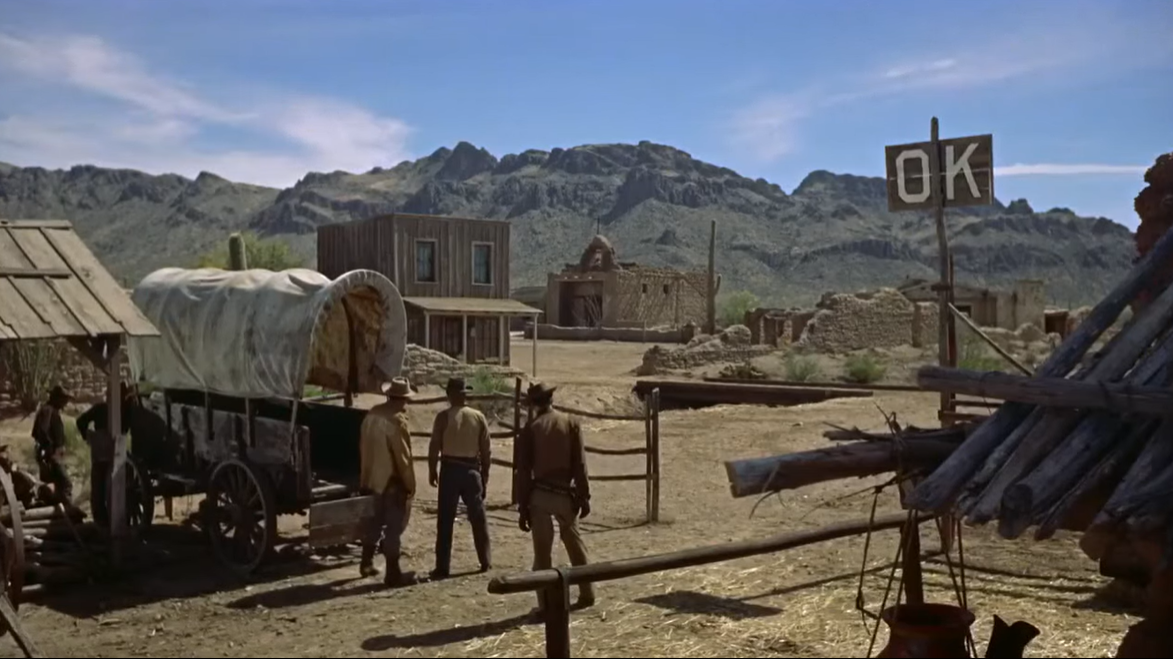
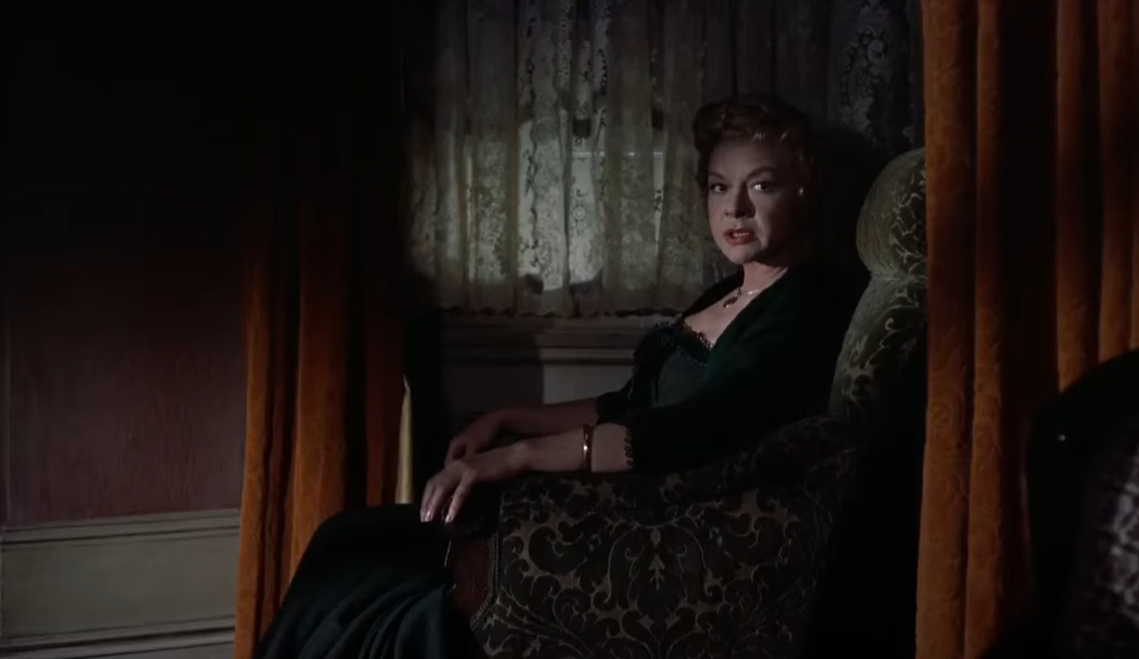
John Sturges directed and novelist Leon Uris wrote the screenplay for this fictionalized cinematic rendering of an oft-filmed event in American history. It’s a nicely shot western, with beautiful cinematography by Charles Lang and a standout performance by Jo Van Fleet as Doc Holliday’s boozy girlfriend:

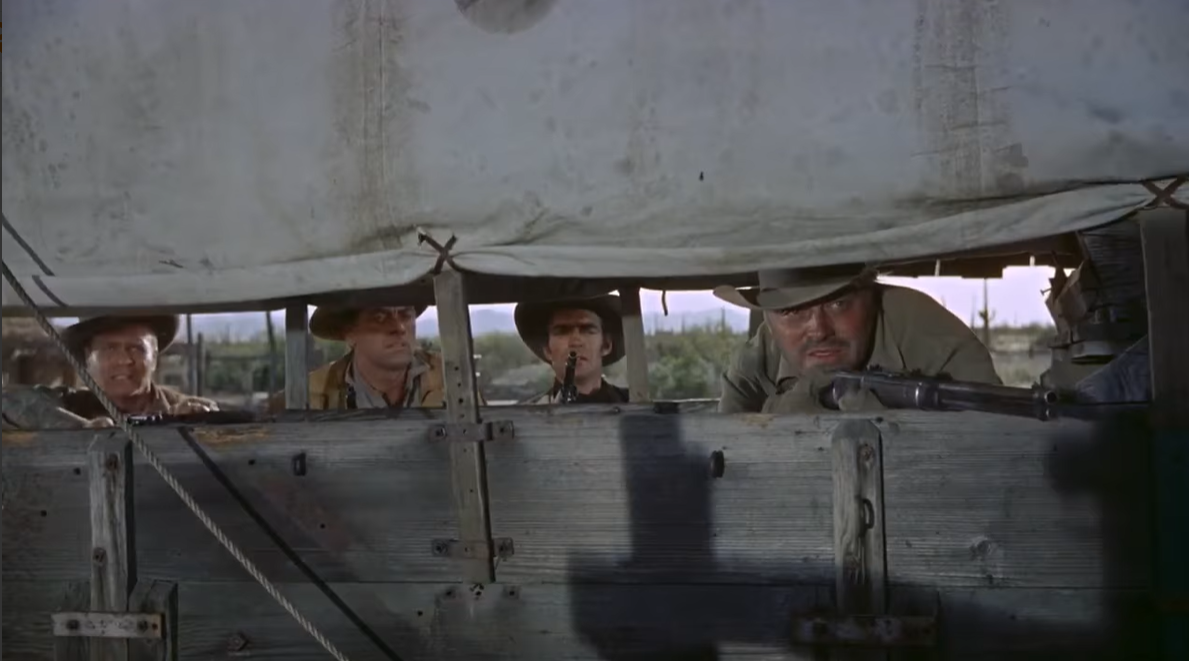
Unfortunately, the rest of the storyline — overlong at 2+ hours — isn’t all that distinctive. While Lancaster and Douglas are believable as stoically loyal pals:

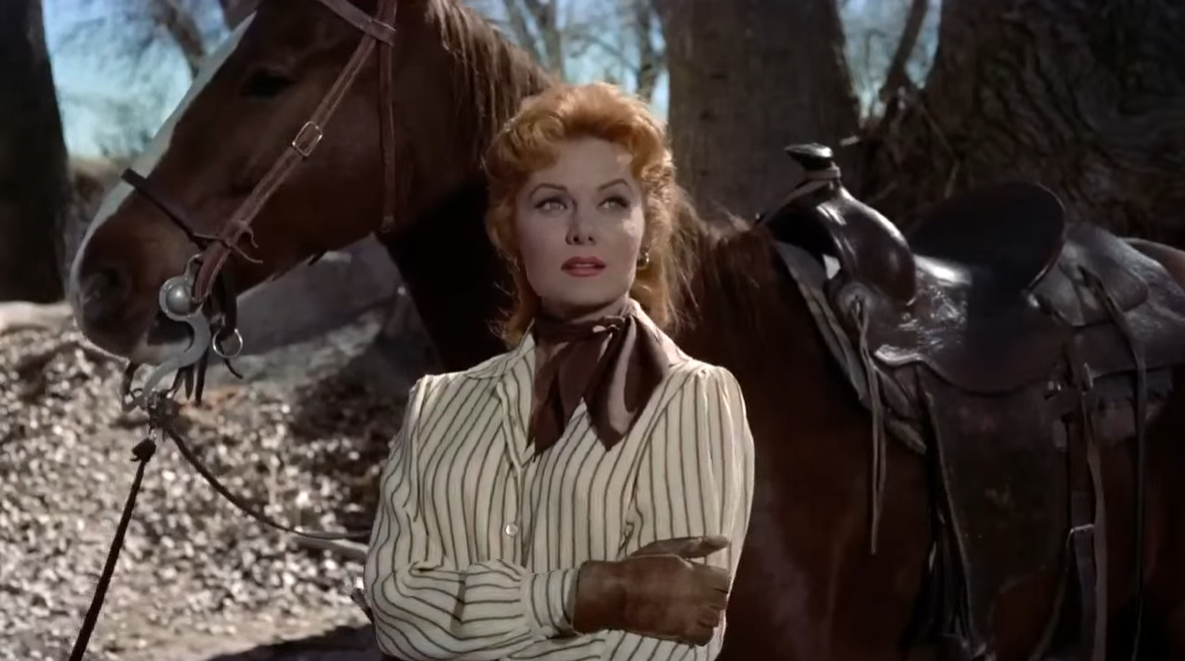
… Rhonda Fleming’s role as Lancaster’s love-interest isn’t well fleshed out:

… and we don’t get a strong sense of why so much tension has built between the Earps and the Clantons. Meanwhile, the title song as sung by Frankie Laine is simply an earworm (be forewarned).

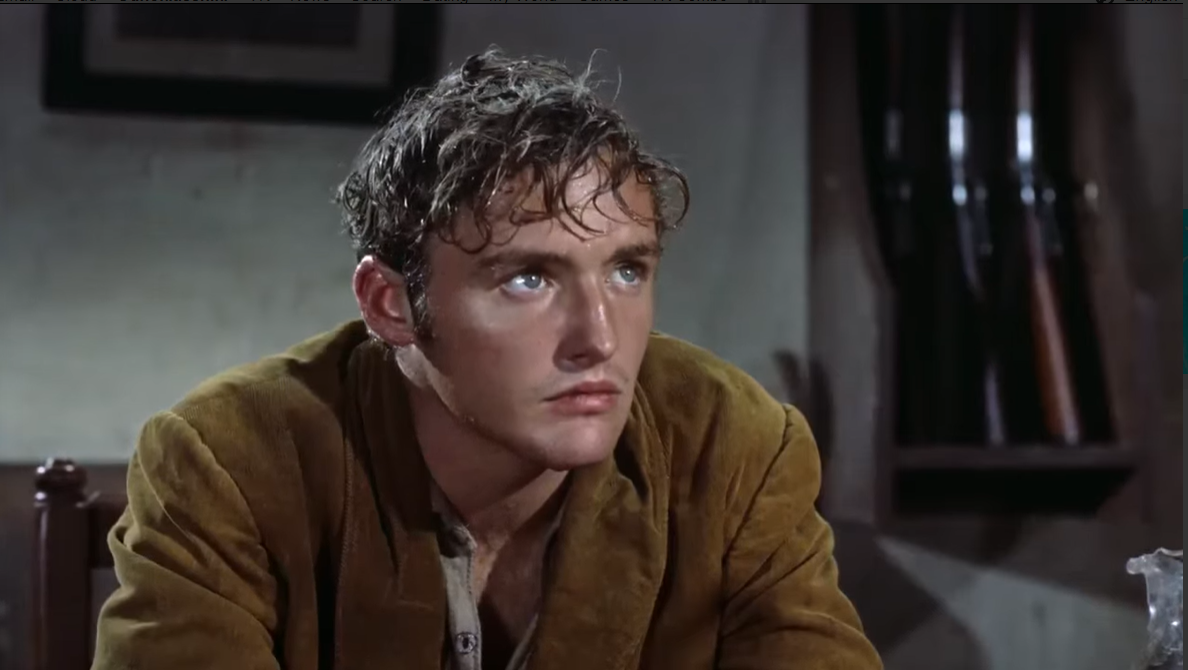
Note: Watch for young Dennis Hopper as Billy Clanton.

Notable Performances, Qualities, and Moments:

  • Charles Lang’s cinematography
  • Jo Van Fleet as Kate
  • The exciting shootout sequence

Must See?
No, though western fans will likely be curious to check it out.

(Listed in 1001 Movies You Must See Before You Die)

Links:

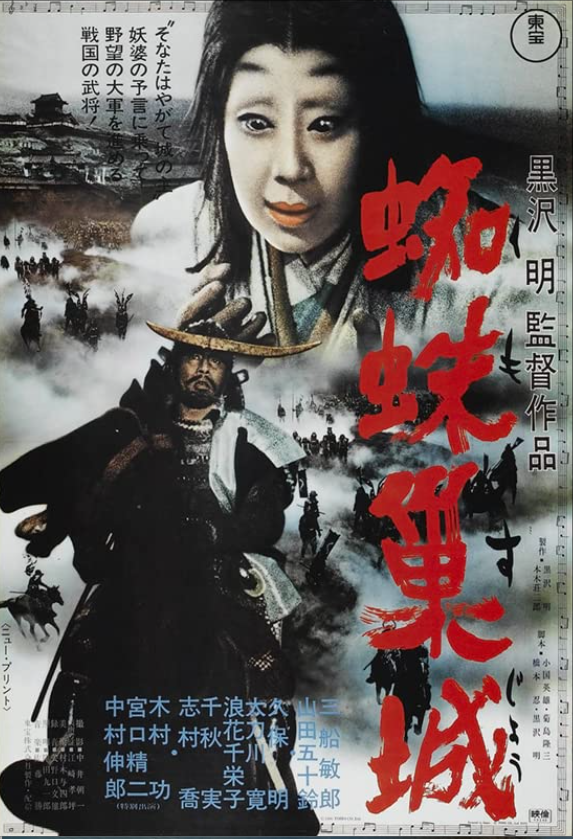
Throne of Blood (1957)

Throne of Blood (1957)

“This is a wicked world. To save yourself you often first must kill.”

Synopsis:
On their way home from an invasion, two loyal samurai — Taketori Washizu (Toshiro Mifune) and Yoshiteru Miki (Akira Kubo) — are told by a mysterious forest spirit (Chieko Naniwa) that they will become inheritors of their lord’s castle. When Washizu’s status-hungry wife (Isuzu Yamada) hears this news, she poisons two guards and sets in motion a bloody rampage of killings and treachery.

Genres, Themes, Actors, and Directors:

  • Akira Kurosawa Films
  • Historical Drama
  • Japanese Films
  • Royalty and Nobility
  • Samurai
  • Shakespeare
  • Toshiro Mifune Films

Review:
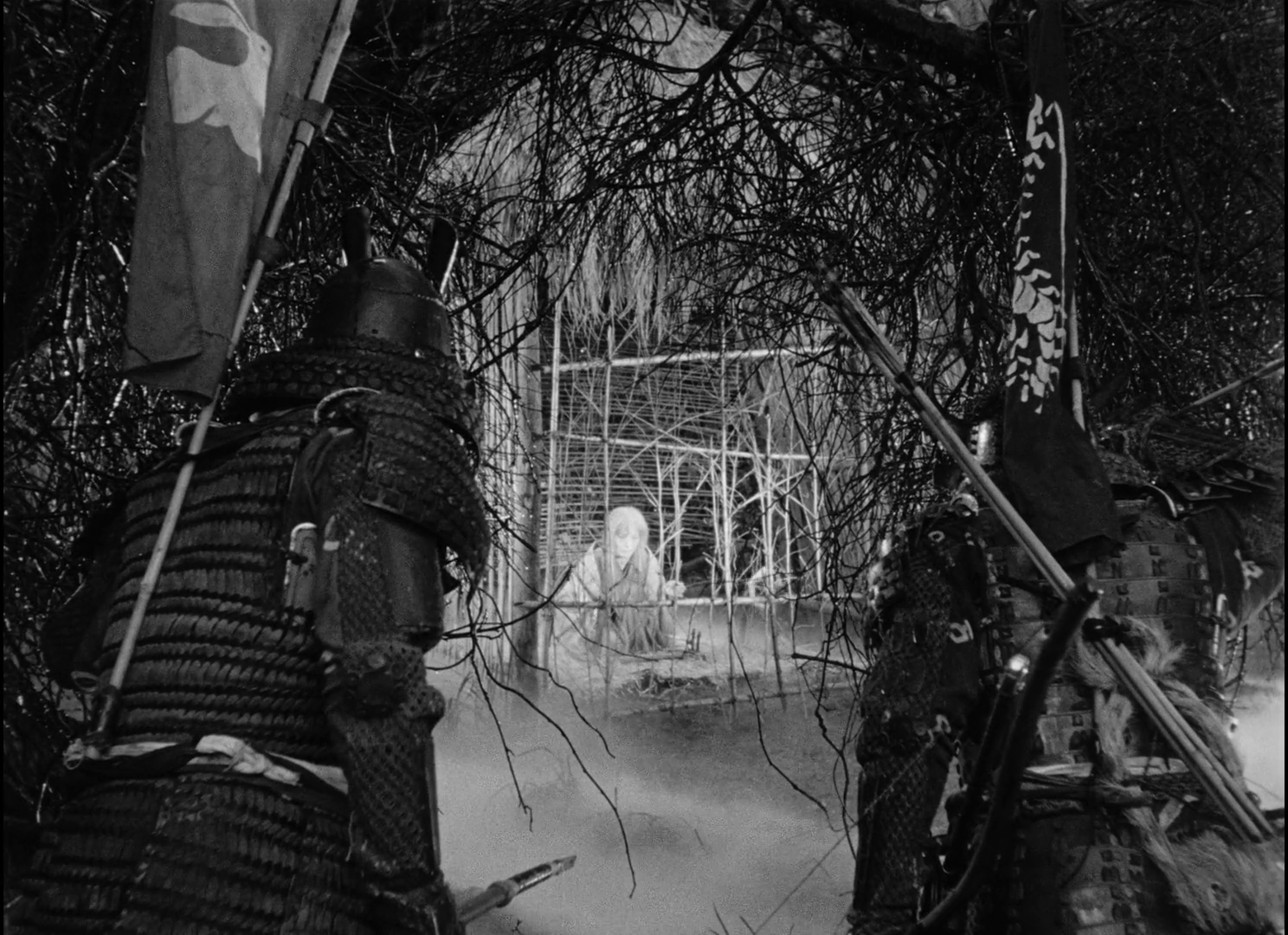
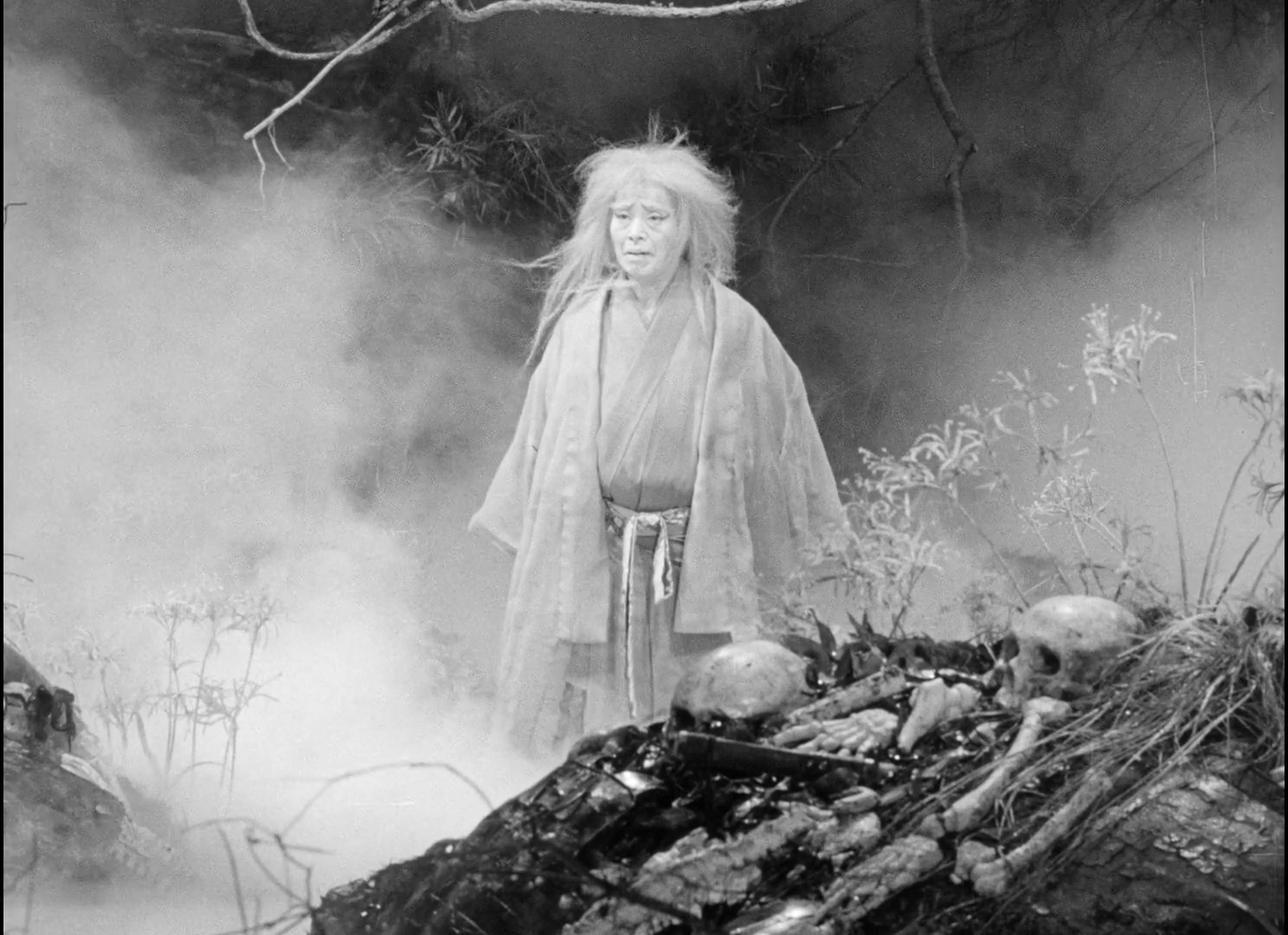
Akira Kurosawa had purportedly wanted to make an adaptation of Shakespeare’s Macbeth for awhile, but delayed this production given the release of Orson Welles’ adaptation in 1948. This highly stylized iteration (incorporating elements of Noh drama) succeeds on its own merits, transplanting Shakespeare’s play from Scotland to feudal Japan, retaining none of Shakespeare’s original text, and replacing the three witches with a forest spirit:
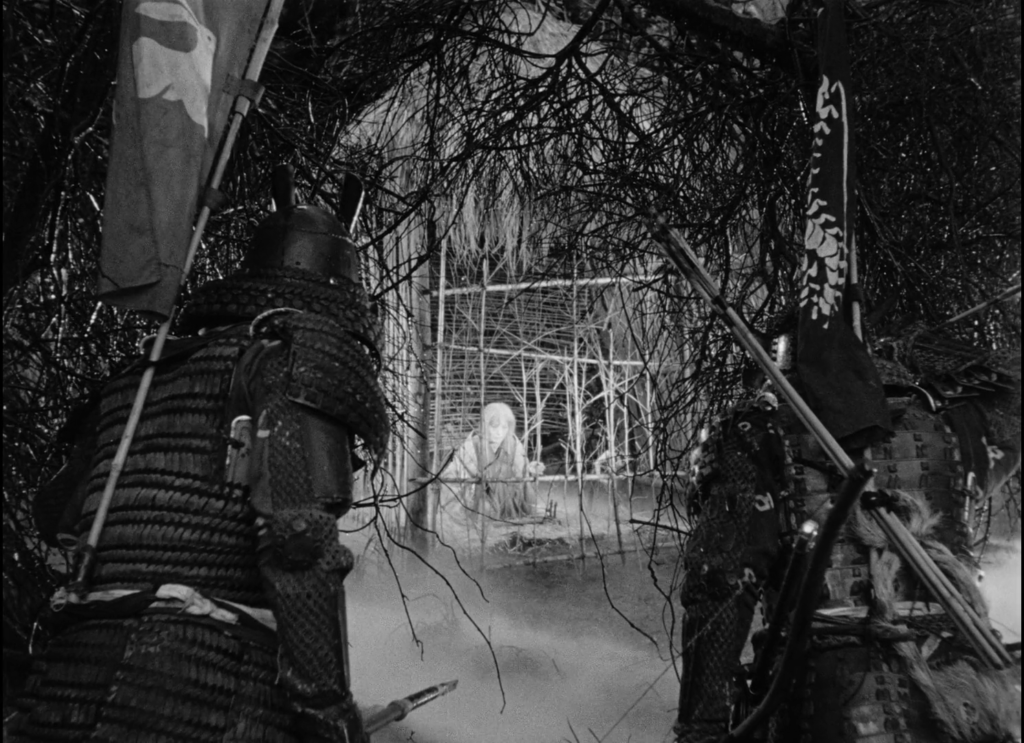
Indeed, as described by film scholar Stephen Prince in his essay for Criterion Collections:

Kurosawa’s movie is a brilliant synthesis of diverse cultural, aesthetic, and historical sources, only one skein of which derives from Shakespeare… Kurosawa often turned to foreign literary works for his films, but in all cases, the result was a transposition of the source rather than anything as straightforward as an adaptation. His appropriations of Shakespeare… were acts more of historiography than of analysis, and descriptions of the films as adaptations minimize the true nature of what Kurosawa accomplished. In Throne of Blood, with his keenly developed sense of Japanese history, he found a kind of mirror universe in the period of turmoil, treachery, and succession battles that Shakespeare wrote about in Macbeth.

Prince goes on to describe Japan’s Sengoku period (1467-1615), “which was marked by internecine conflicts among rival clans, the absence of a central political power, and the kind of treachery, prevarication, and murder that Kurosawa dramatizes” in this film — thus assuring us that the events displayed are entirely authentic to the setting. (It seems, sadly, that war and paranoid power grabs are both universal and timeless among humanity.)

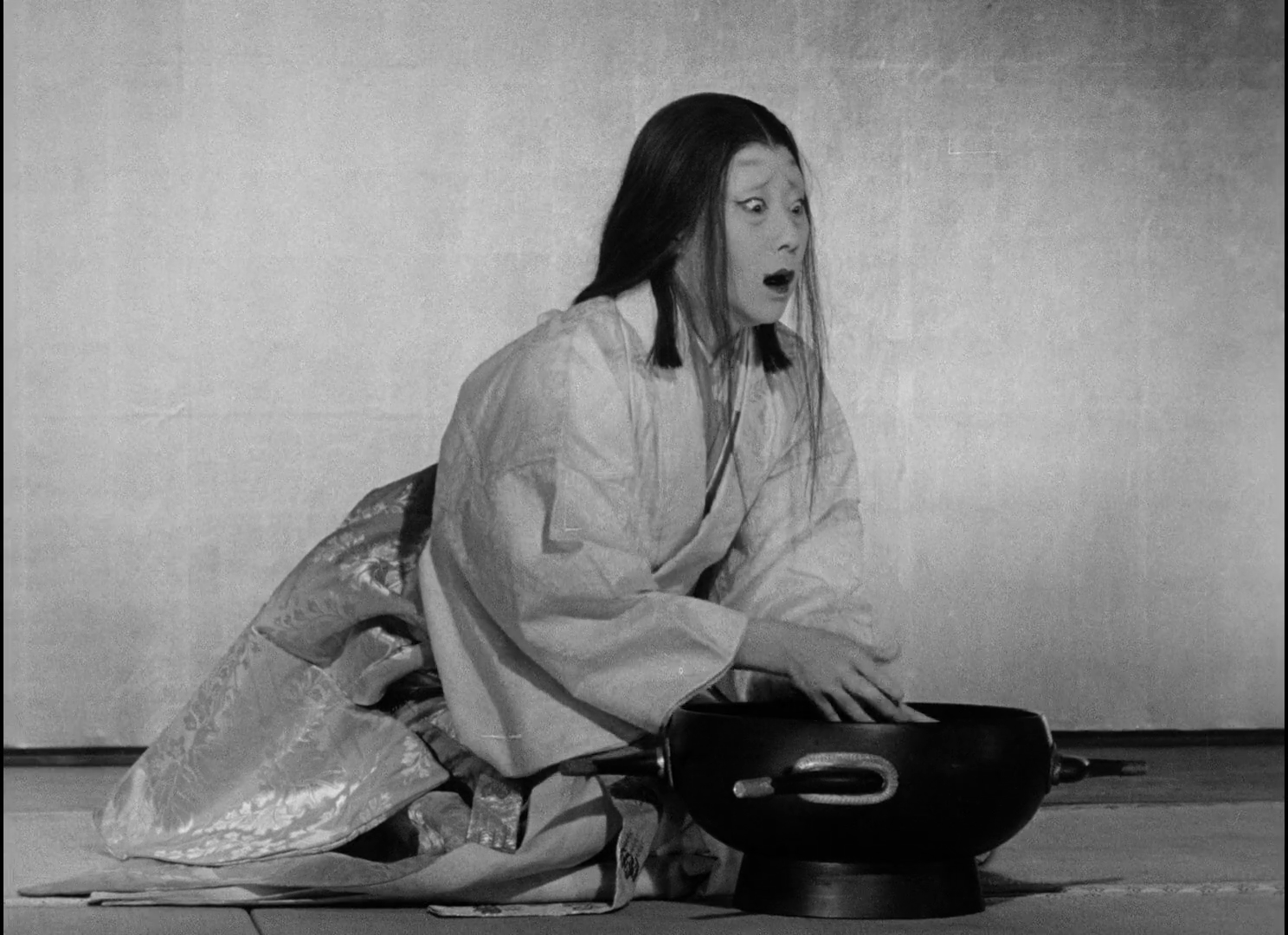
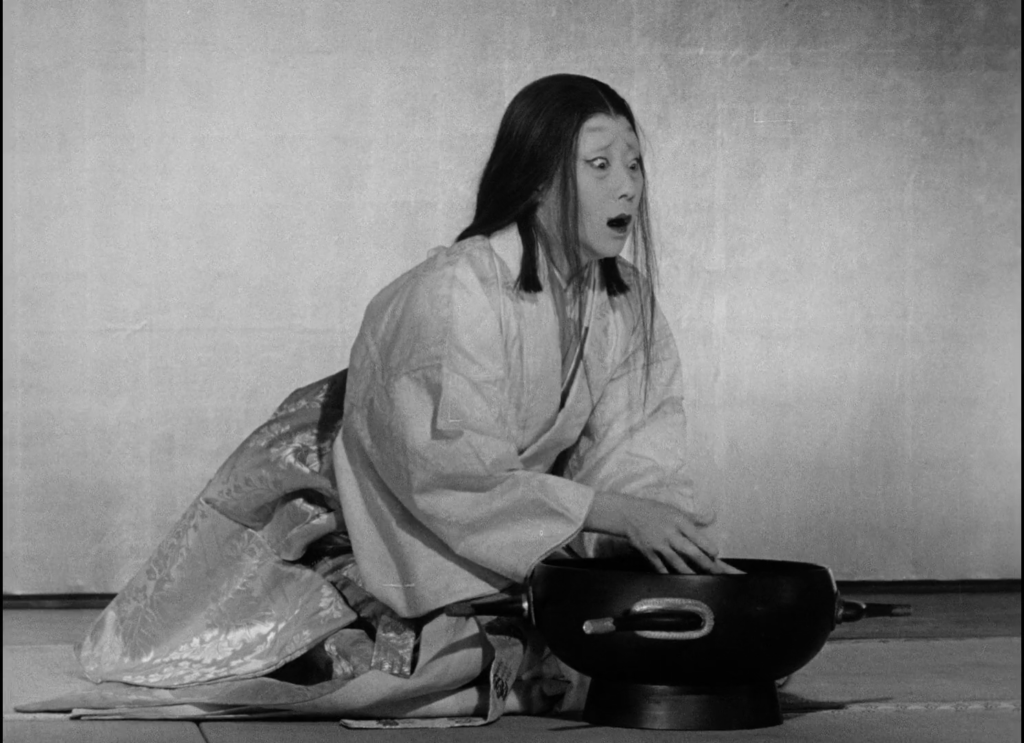
In terms of parallels between the two tales, Washizu’s wife (stoic Yamada) is just as cruelly ambitious and neurotically guilty as Lady Macbeth, attempting in vain to cleanse her hands of the blood she’s caused to spill:
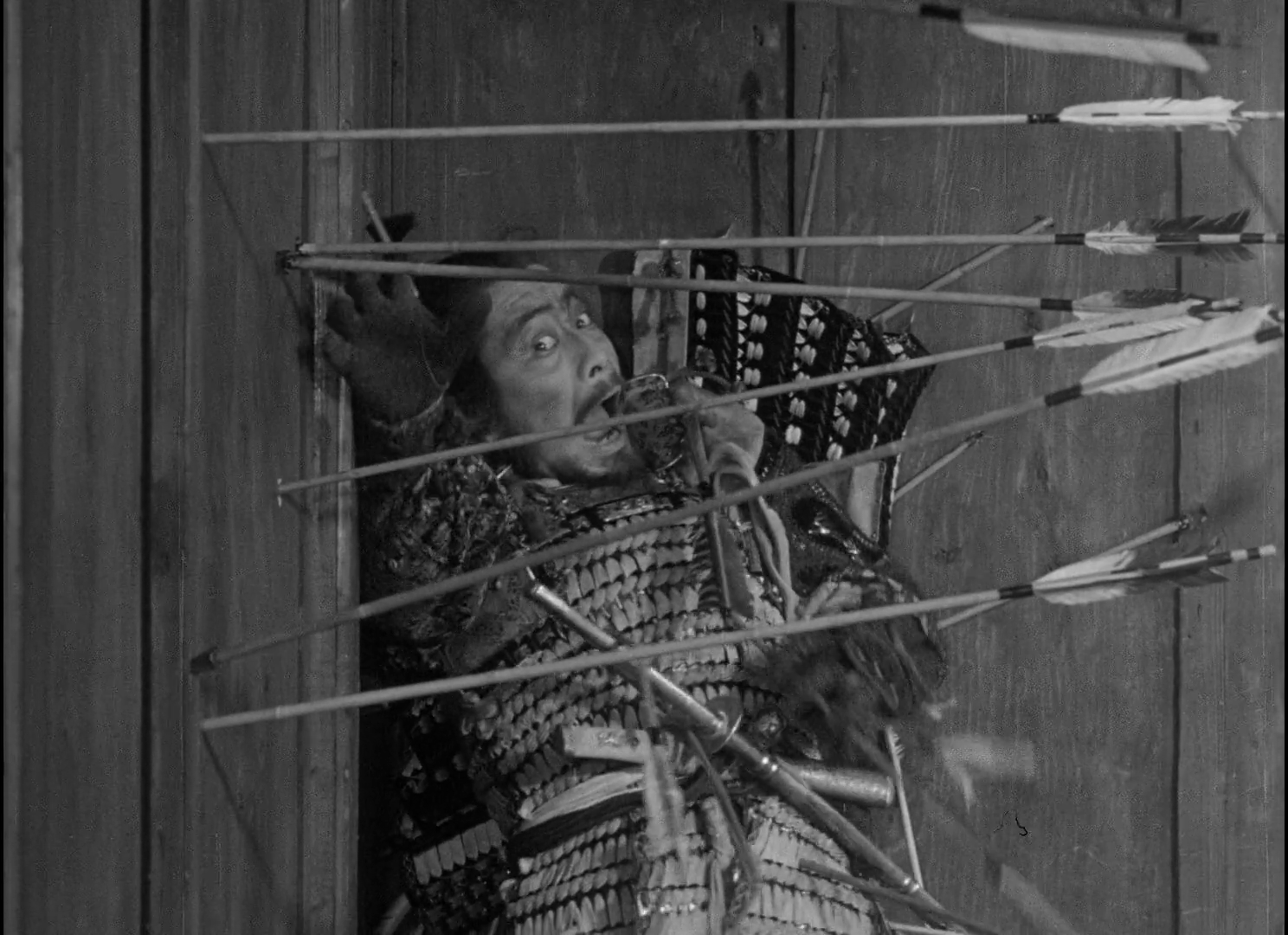
… and while Washizu himself suffers a different type of final blow than Macbeth, it is most definitely fatal (and oh-so-dramatic to watch on-screen).
This atmospheric film remains among Kurosawa’s best, and should be seen at least once by all film fanatics.

Notable Performances, Qualities, and Moments:

  • Toshiro Mifune as Taketori Washizu
  • Atmospheric cinematography and sets
  • Eiji Tsuburaya’s special effects

Must See?
Yes, as another masterful outing by Kurosawa.

Categories

  • Foreign Gem
  • Important Director

(Listed in 1001 Movies You Must See Before You Die)

Links: