Pinky (1949)

Pinky (1949)

“I’ve been away a long time, Granny. I’ve known another kind of life. I’ve been treated like a human being!”

Synopsis:
When a white-passing nursing graduate (Jeanne Crain) goes to visit her Black grandmother (Ethel Waters) in the south, she’s asked to care for Waters’ ailing employer Miss Em (Ethel Barrymore), who leaves her house to “Pinky” (Crain) when she dies. Will Crain cede the property to Barrymore’s racist relative (Evelyn Varden) and escape town with her kind white fiance (William Lundigan), or decide to stay and fight against local prejudice and injustices?

Genres, Themes, Actors, and Directors:

  • African-Americans
  • Deep South
  • Doctors and Nurses
  • Elia Kazan Films
  • Ethel Barrymore Films
  • Inheritance
  • Jeanne Crain Films
  • Mistaken or Hidden Identities
  • Racism and Race Relations

Review:
Elia Kazan was rushed in after one week to replace John Ford as director of this earnest if inevitably troubled “message film” about race relations in the south, particularly the notions of “passing” and inter-racial relationships. It makes sense that Ford wasn’t comfortable with the female-centric storyline being addressed here, and Kazan does a fine job within the inherent limitations of the material — including the fact that a white woman had to be cast in the lead role (to assuage racist southern audiences), given her romance with a white man.

Crain is appropriately cipher-like as Pinky, spending most of the film looking either puzzled or annoyed, with expressions of deep thought on her face; to that end, Elia Kazan’s comments on working with Crain are interesting:

Jeanne Crain was a sweet girl, but she was like a Sunday school teacher. I did my best with her but she didn’t have any fire. The only good thing about her face was that it went so far in the direction of no temperament that you felt Pinky was floating through all of her experiences without reacting to them, which is part of what ‘passing’ is.

A much more dynamic presence is Waters as Crain’s Granny:

… and Barrymore is well-cast as a feisty older woman intent on breaking social norms.

While the ending was seen by many as pandering to segregationist ideology, it actually functions well — or well enough — as an expression of Pinky’s growth, and a certain type of progress being made. Modern viewers should watch this film once, simply given its rarity as a movie addressing racism at a time when this was mostly ignored in the cinema.

Notable Performances, Qualities, and Moments:

  • Ethel Waters as Dicey Johnson
  • Joseph MacDonald’s atmospheric cinematography

Must See?
Yes, for its historical importance. Listed as a film with Historical Relevance and a Personal Recommendation in the back of Peary’s book.

Categories

  • Historically Relevant

Links:

Destination Tokyo (1943)

Destination Tokyo (1943)

“I could pop him off with a clear conscience.”

Synopsis:
Captain Cassidy (Cary Grant) of the USS Copperfin submarine guides his men to Tokyo Bay to assist in preparing for the Doolittle Raid. Along the way, “Wolf” (John Garfield) tells stories about his exploits with women, Raymond (John Ridgeley) shares his experiences growing up in Japan, “Cookie” (Alan Hale) gripes that no one appreciates his cooking, “Tin Can” (Dane Clark) explains why he won’t attend funeral services, and “Pills” (William Prince) conducts an emergency appendectomy on Tommy (Robert Hutton).

Genres, Themes, Actors, and Directors:

  • Alan Hale Films
  • Cary Grant Films
  • Delmer Daves Films
  • John Garfield Films
  • Submarines
  • World War II

Review:
Delmer Daves made his directorial debut with this WWII-era propaganda film highlighting the bravery and strength of America’s “Silent Service” (submarine warfare). The screenplay is based on a true story of two U.S. submarines being sent to look for enemy ships in Tokyo Bay, though everything else is fictional, and (naturally) heightened for dramatic effects. During the first half, we see a fairly standard tale of diverse crewmen passing time together — including both humor (i.e., Cookie dresses up as Santa Claus; Wolf regales the men with stories of his womanizing ways):

… and tension (i.e., Pills conducts surgery without training; Tommy defuses an unexploded bomb):

Things really get exciting during the final battle sequences, which admirably show the type of intense bombardment submarines were subjected to, and how legitimately fearful the men were for their lives.

Viewers should be forewarned that there is plenty of “anti-Jap” rhetoric on display here — though the screenplay (by Daves and blacklisted writer Albert Maltz) is notable for including an attempt (by Grant) to explain why a captured Japanese soldier has just knifed and killed a crewman named Mike (Tom Tully) who was trying to bring him safely on board:

“At 7, a Jap kid is taking marches under an army instructor. At 13, he can put a machine gun together blindfolded. As I see it, that Jap started on the load 20 years ago to putting a knife in Mike’s back. There are lots of Mikes dying right now, and a lot more Mikes will die — until we wipe out a system that puts daggers in the hands of 5-year-old children.”

Notable Performances, Qualities, and Moments:

  • Bert Glennon’s cinematography

  • The exciting depth charge battle

Must See?
No, though of course fans of WWII-era military films will want to check it out.

Links:

Operation Petticoat (1959)

Operation Petticoat (1959)

“A submarine’s not designed to be co-educational.”

Synopsis:
A Navy admiral (Cary Grant) reflects back on his service in the Philippines during World War II, when he had to deal with a creaky submarine, an insubordinate junior officer (Tony Curtis), and the sudden arrival on board of five stranded Army nurses, including a busty klutz (Joan O’Brien), a beautiful blonde (Dina Merrill) with eyes for Curtis, and a handy brunette (Virginia Gregg) who helped out the ship’s machinist (Arthur O’Connell).

Genres, Themes, Actors, and Directors:

  • At Sea
  • Blake Edwards Films
  • Cary Grant Films
  • Comedy
  • Flashback Films
  • Military
  • Submarines
  • Tony Curtis Films
  • World War II

Review:
Blake Edward directed this popular “service comedy” which put Cary Grant into the Guinness Book of World Records as the highest paid actor at the time, given that he earned a percentage of the profits (good for him!). There’s not much to this highly unrealistic flashback tale other than Curtis getting to work alongside his idol (Grant):

… and plenty of humor about how busty women make it even harder to squeeze by one another on a packed underwater vehicle:

The humor is sophomoric at best — i.e., women’s undergarments turn out to serve a crucial role in the boat’s operation:

… Curtis steals a hog from a poor local farmer, then passes it off as a drunken sailor:

… and the submarine is painted pink simply because red and white are the only available colors (I think I missed the part about why the ship needed re-painting in the first place):

Sigh. I can understand how former servicemen and women might have enjoyed breathing a deep sigh of relief and poking fun at the extreme danger they were in during World War II, but this type of humor really hasn’t dated well.

Notable Performances, Qualities, and Moments:

  • Russell Harlan’s cinematography

Must See?
No; you can skip this one unless you’re a Grant, Curtis, or Edwards fan.

Links:

Pride of the Yankees, The (1942)

Pride of the Yankees, The (1942)

“He lives for his job; he gets a lot of fun out of it.”

Synopsis:
Baseball legend Lou Gehrig (Gary Cooper) goes against the wishes of his overbearing mother (Elsa Janssen) in pursuing his passion for sports, and eventually marries the love of his life (Teresa Wright) before tragedy befalls them.

Genres, Themes, Actors, and Directors:

  • Baseball
  • Biopics
  • Dan Duryea Films
  • Gary Cooper Films
  • Illness
  • Sam Wood Films
  • Teresa Wright Films
  • Walter Brennan Films

Review:
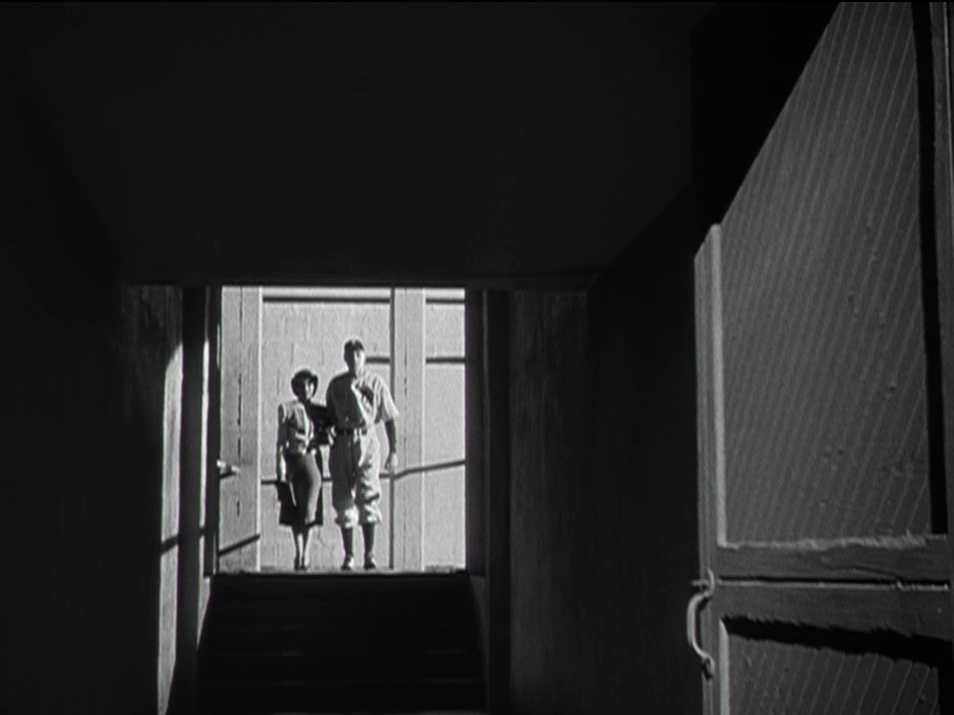
A year after winning an Oscar for the title role in Sergeant York (1941), Gary Cooper played another real-life historical figure: recently deceased Hall of Famer Lou Gehrig, whose early death from a neurodegenerative disease (ALS) shocked the nation. Cooper wasn’t naturally good at baseball — and also wasn’t a southpaw like Gehrig — so extensive training, special effects tricks, and doubles were employed (to reasonable effect):

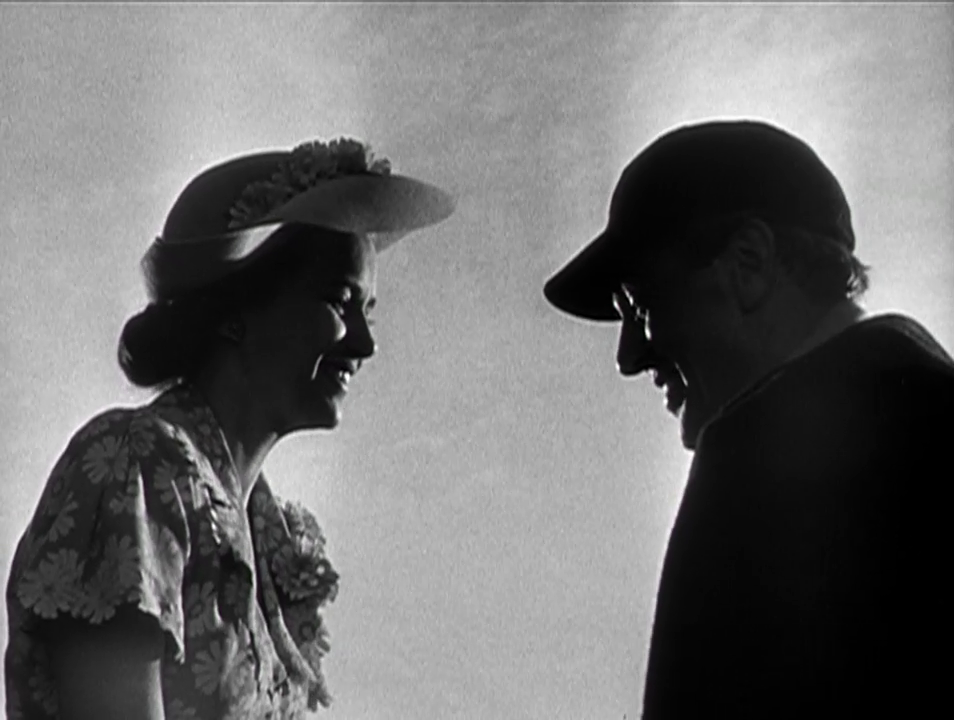
Meanwhile, cinematographer Rudolph Mate utilized creative lighting to help give the illusion of 41-year-old Cooper as a younger, then slightly older, man. There’s no denying the emotional impact of Gehrig’s plight, epitomized by the short speech he gave at Yankee Stadium in which he referred to himself as the “luckiest man on the face of the earth” before retiring:

However, Jo Swerling and Herman Mankiewicz’s screenplay stretches to fill its two-hour+ running length. According to a recent book by Richard Sandomir entitled The Pride of the Yankees: Lou Gehrig, Gary Cooper, and the Making of a Classic (2017), the entire movie was heavily informed by active input from Gehrig’s widow, Eleanor. While the character of Cooper’s German mother (Janssen) was apparently toned down from real life:

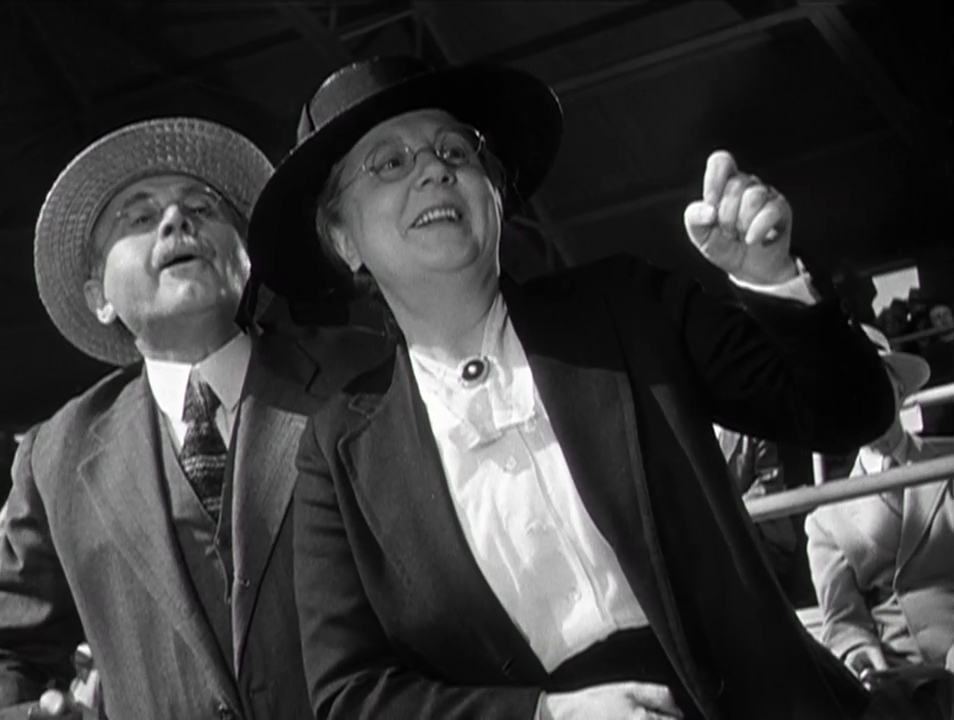
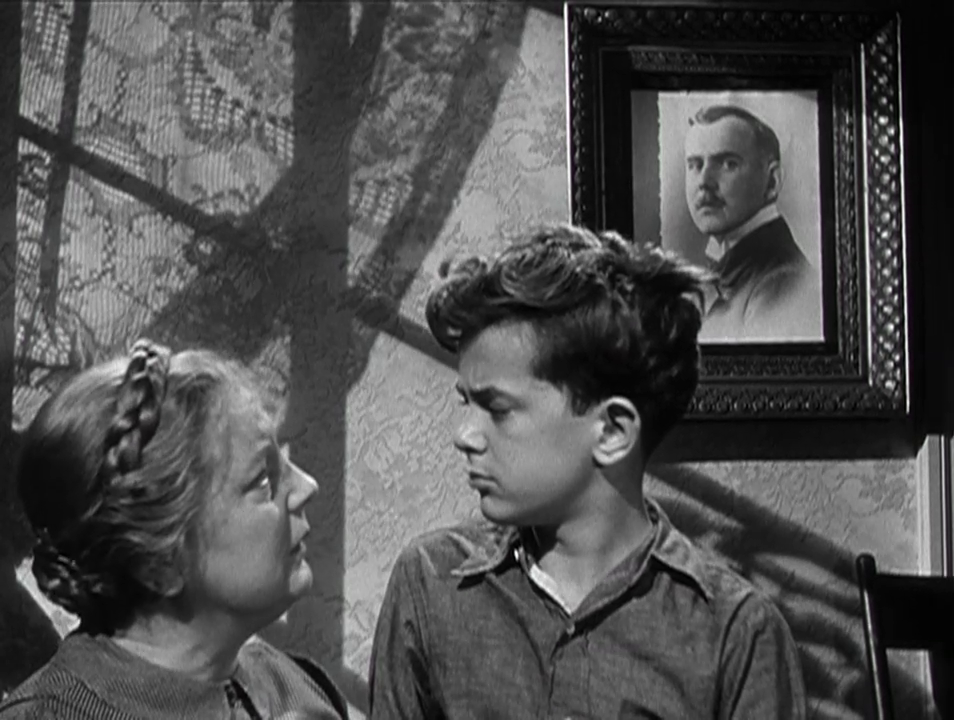
… she’s still seriously obnoxious (Eleanor didn’t get along with her at all), and a good deal of the storyline is taken up both with Lou trying to hide his career from his mom, and Janssen’s clashes with poor newlywed Eleanor (who at least ultimately triumphs as Gehrig’s new “best girl”).

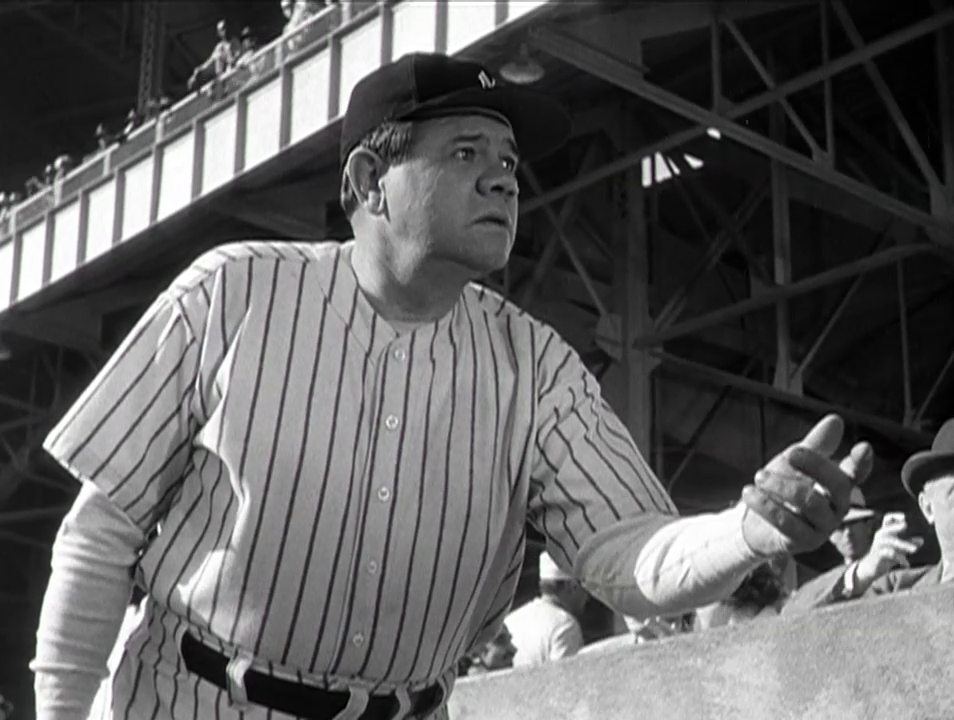
Meanwhile, Babe Ruth enjoyed playing a supporting role in the movie, and lost a significant amount of weight before filming began (see Sandomir’s absorbing book for much more detail on this and every other detail of the film’s conception, production, and reception).

Ultimately, this honorable biopic — which began shooting just 8 months after Gehrig’s death — tries to tell a compelling story about an impressive baseball player whose life wasn’t really all that dramatic until he suddenly fell ill; the result is a respectful film that doesn’t quite provide the impact it could (until the very end).

Notable Performances, Qualities, and Moments:

  • Gary Cooper as Lou Gehrig
  • Rudolph Mate’s cinematography


Must See?
No, though it’s certainly worth a one-time look, and likely of interest to film fanatics for its many Oscar nominations. Listed as a film with Historical Importance and a Cult Movie in the back of Peary’s book.

Links:

Passport to Pimlico (1949)

Passport to Pimlico (1949)

“You see, technically, these Burgundians are aliens!”

Synopsis:
In post-World War II London, a bomb is accidentally set off in the neighborhood of Pimlico by a group of boys playing with a tire, which unearths a cellar of buried treasure and a charter indicating that Pimlico is legally still a part of Burgundy. After a Frenchman (Paul Dupuis) arrives and claims to be the Duke of Burgundy, which is ratified by an esteemed professor (Margaret Rutherford), the local residents — including a policeman (Roy Carr), a bank manager (Raymond Huntley), and a shopkeeper (Stanley Holloway) and his daughter (Barbara Murray) — rally together to govern and care for the area, and the tiny neighborhood becomes a bastion of solidarity. But what will happen when their supplies run out?

Genres, Themes, Actors, and Directors:

  • Margaret Rutherford Films
  • Satires and Spoofs

Review:
Ealing Studios produced this satire lovingly skewering all aspects of politics and post-war survival for Britons — who, in this amiable rendering, band together to support one another (nearly) effortlessly. The pace is quick and the cast ensemble, so it’s best to simply go with the flow of the storyline and watch as the humorous situation unfolds. First, we’re briefly introduced to life under extreme rationing (which it turns out continued many years after the war ended):
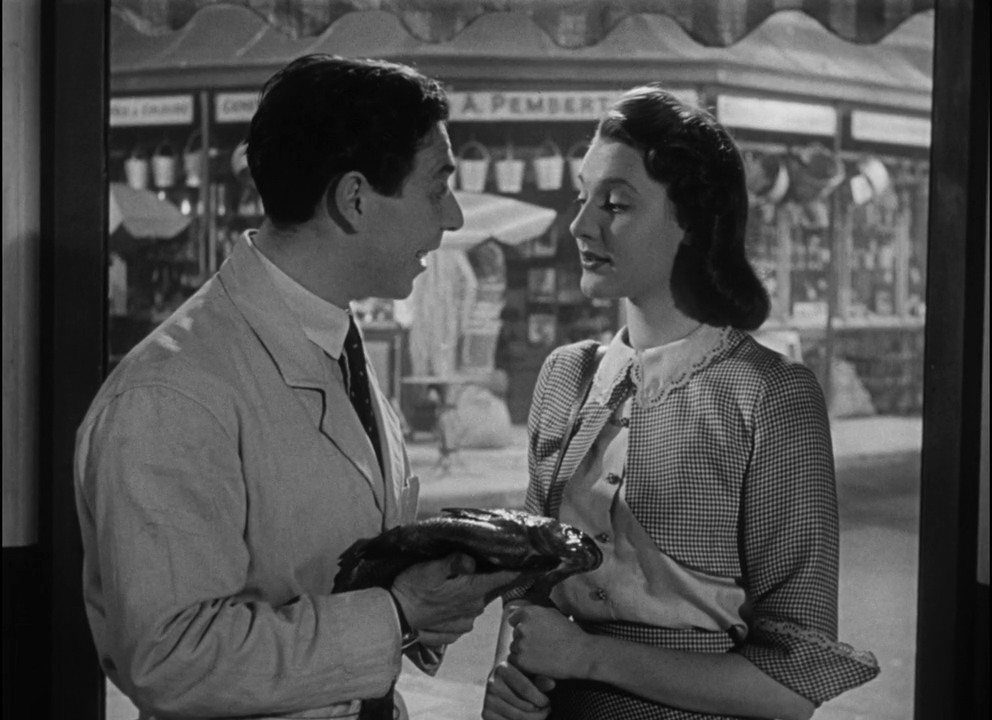
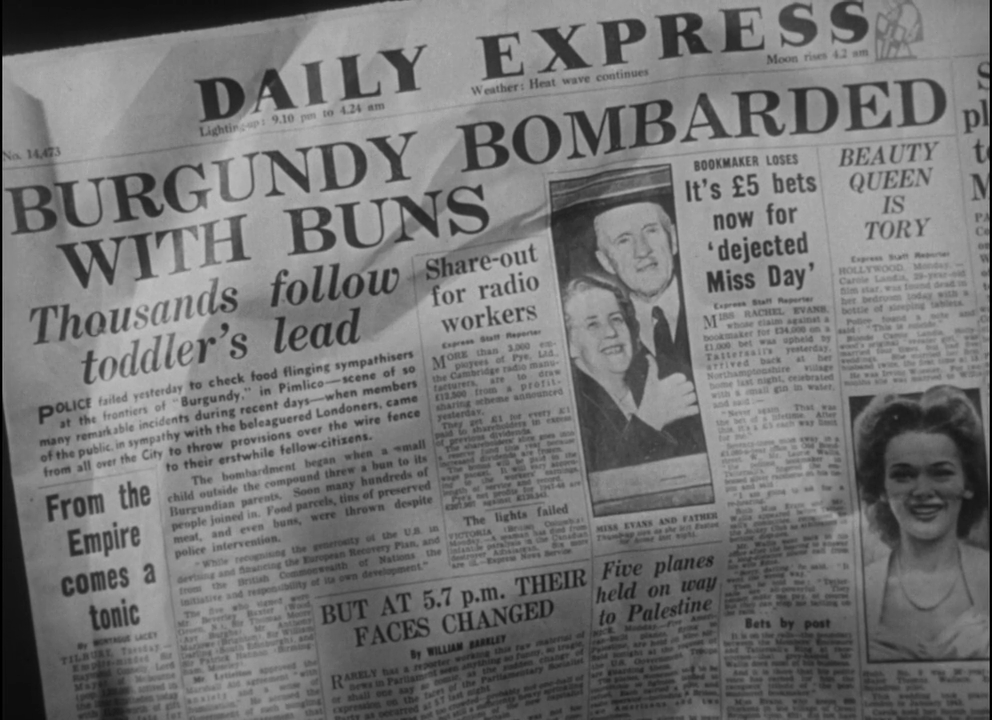
Then we see what happens when discovery of a miraculous treasure stash:
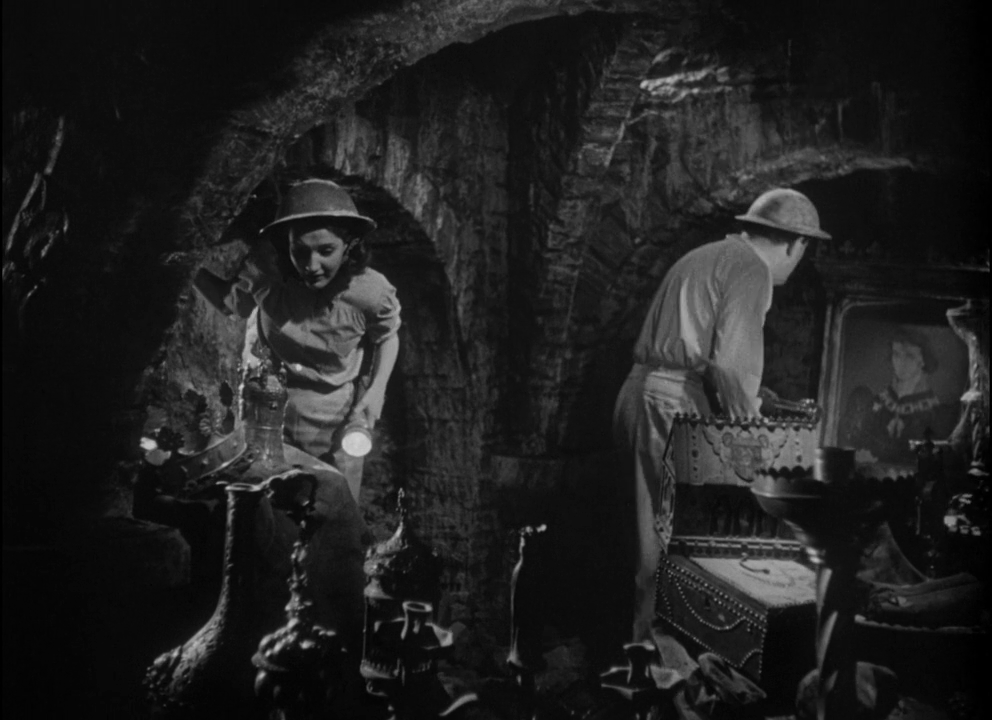
… leads to unexpected consequences. We briefly think that tensions will focus on which of the boys was responsible for setting off the bomb (and hence, “deserving” of the spoils):
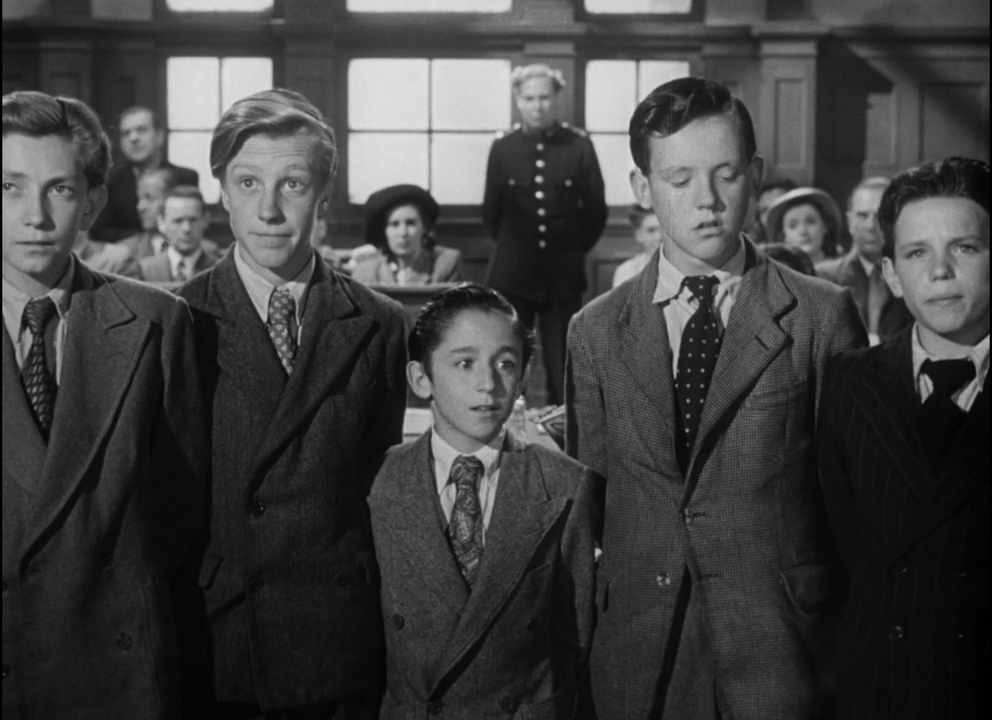
… but this becomes a moot point when discovery of a Burgundian charter:
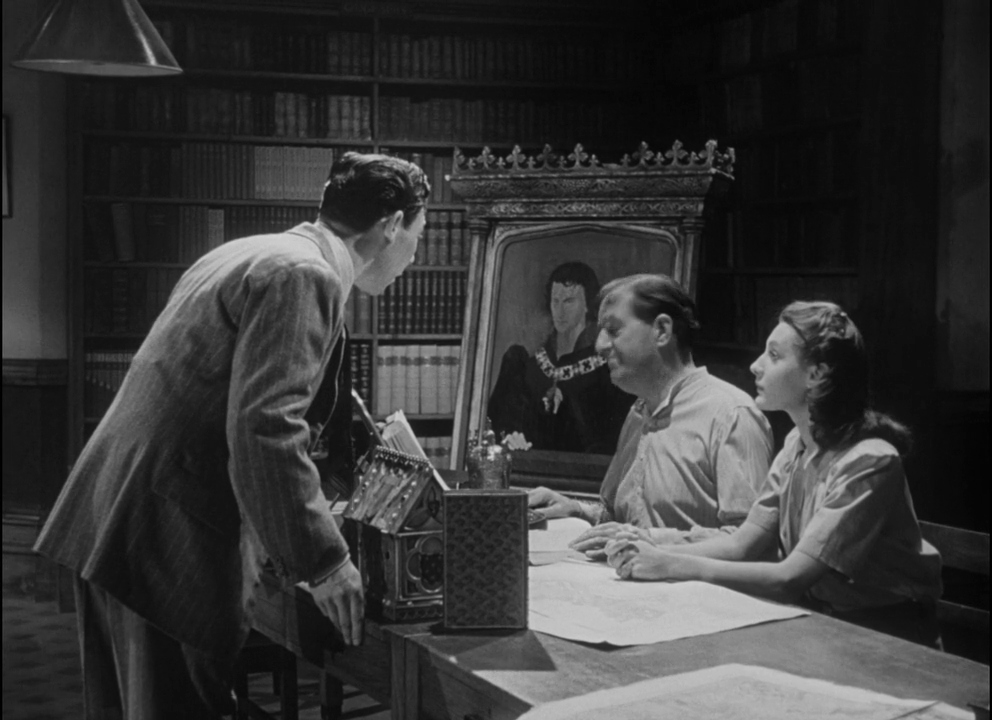
… leads the “town” to become a bastion of free-market jubilation. Upon the realization that Pimlico isn’t subject to British rationing or governance, wild partying and black market trading ensue:
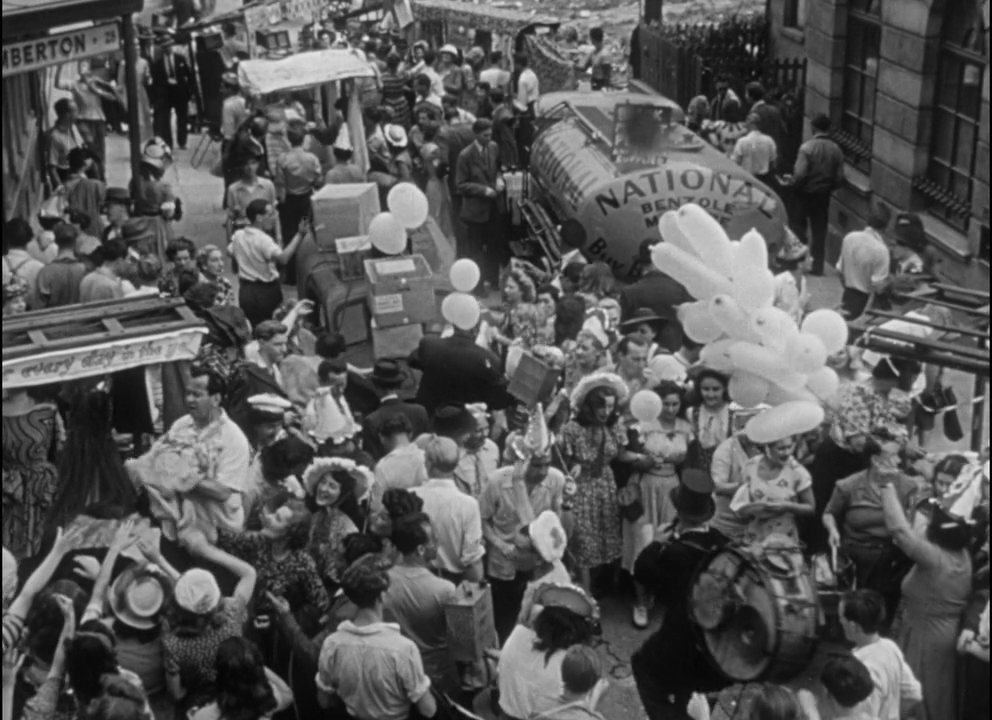
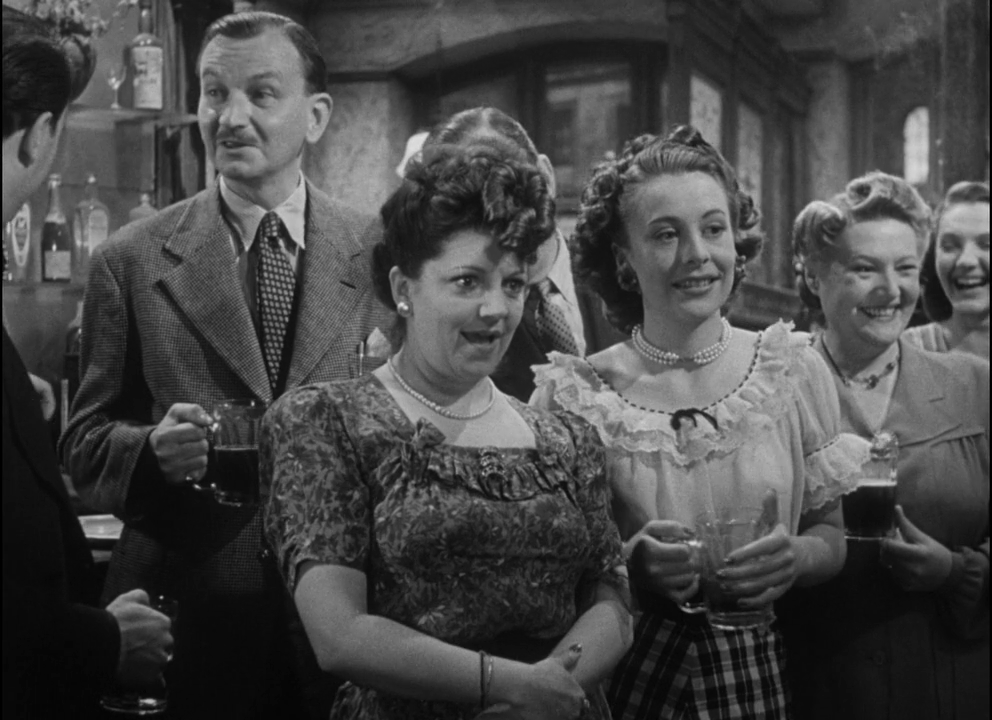
Naturally, however, such a glorious state of affairs can’t last forever; and when the police refuse to help out, the “Burgundians” retaliate by imposing travel restrictions (hence the “passports” of the title).
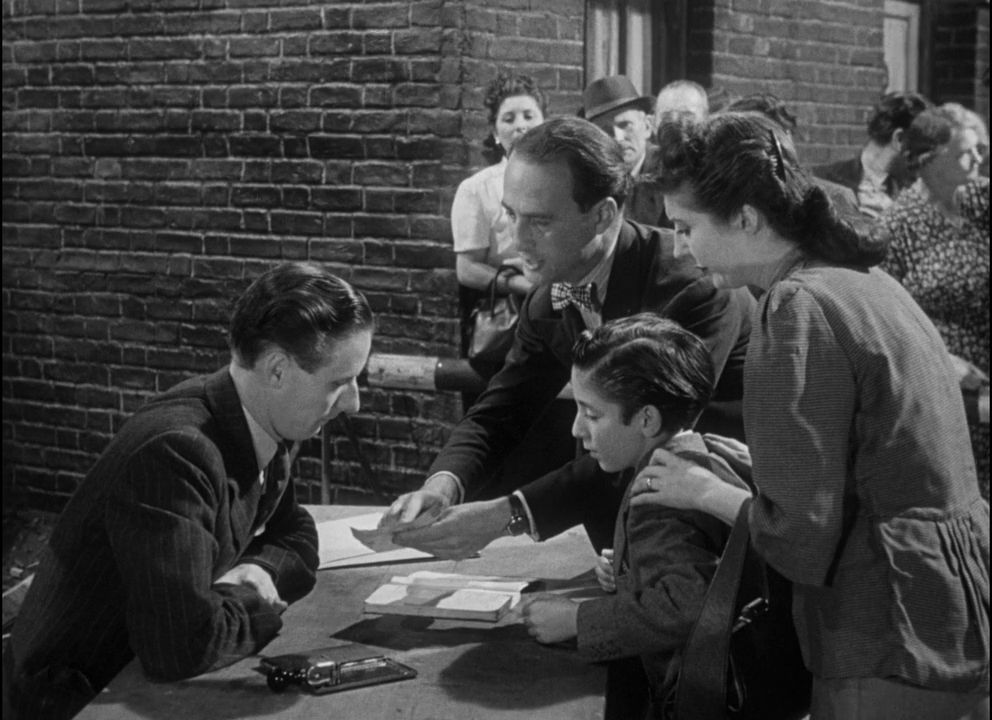
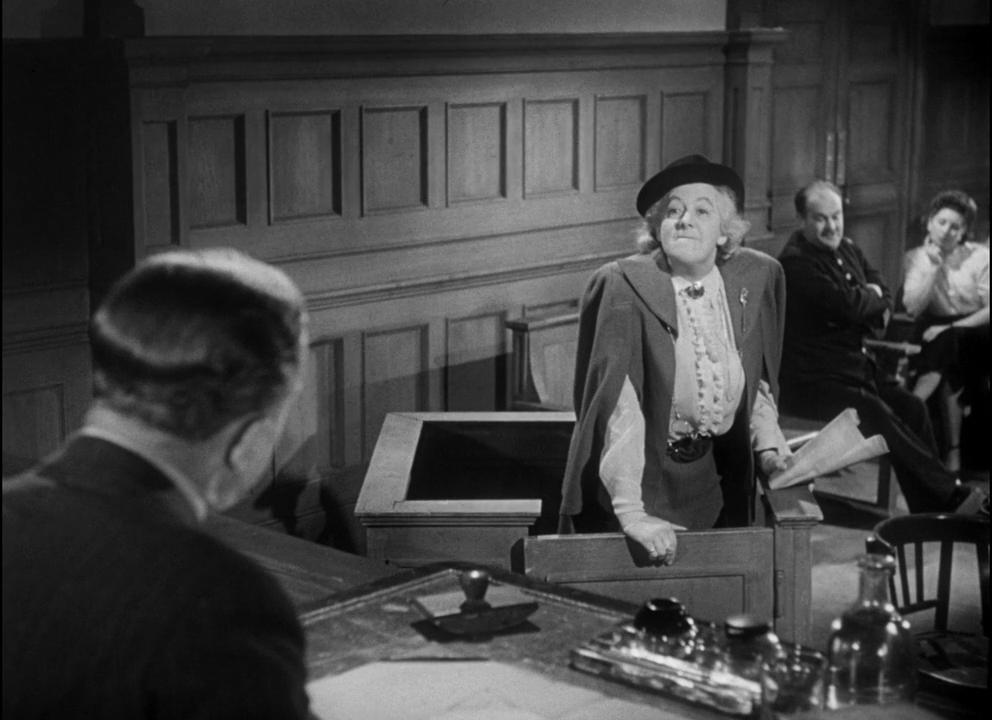
Just some of the many rapidfire subplots include Rutherford’s intermittent appearance as a professor who verifies the authenticity of Dupuis’s claim to dukedom:
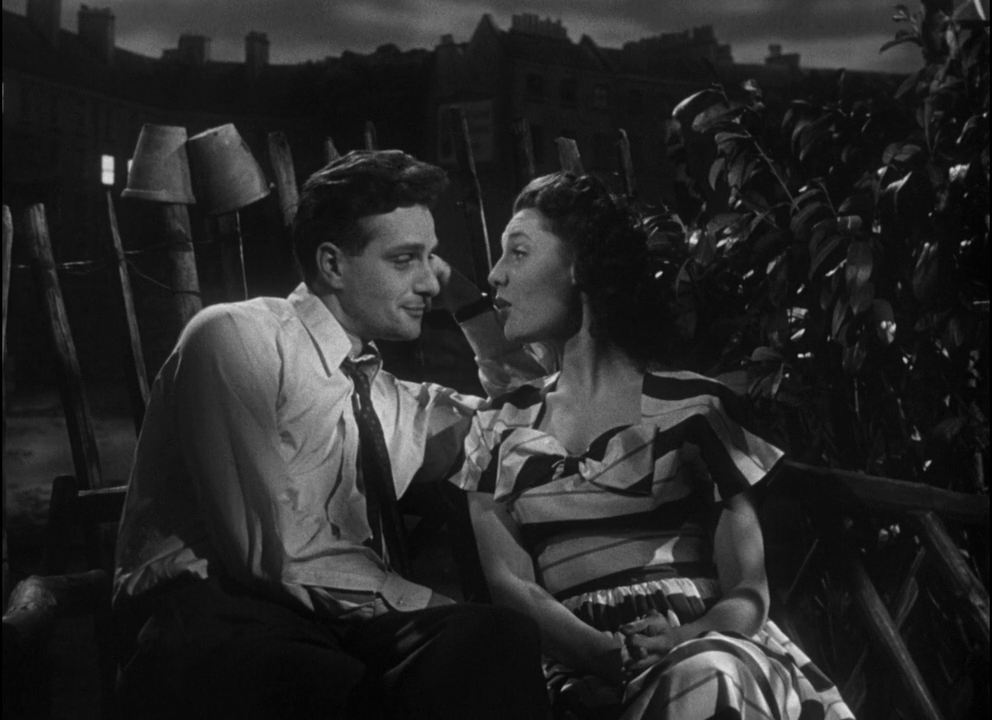
… a burgeoning romance between Dupuis and Murray:
… and how the surreptitious collection of water from a nearby main has unexpectedly dire consequences:
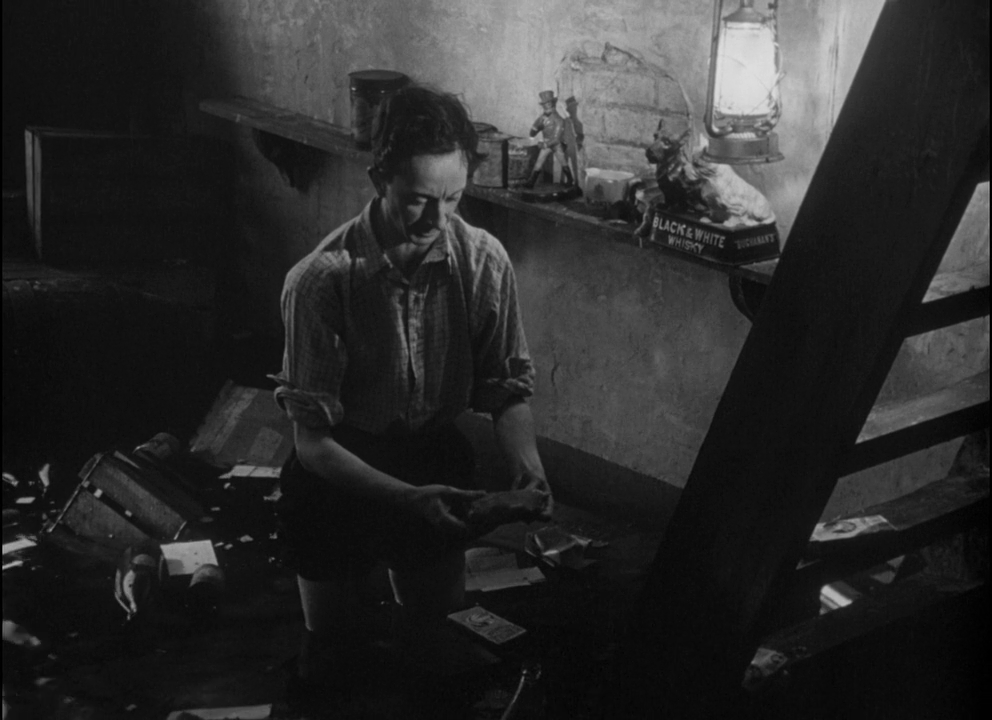
Meanwhile, a clever faux-newsreel about “plucky little Burgundy” shows the children (who’ve been shipped away to “safety”) how their parents are surviving:

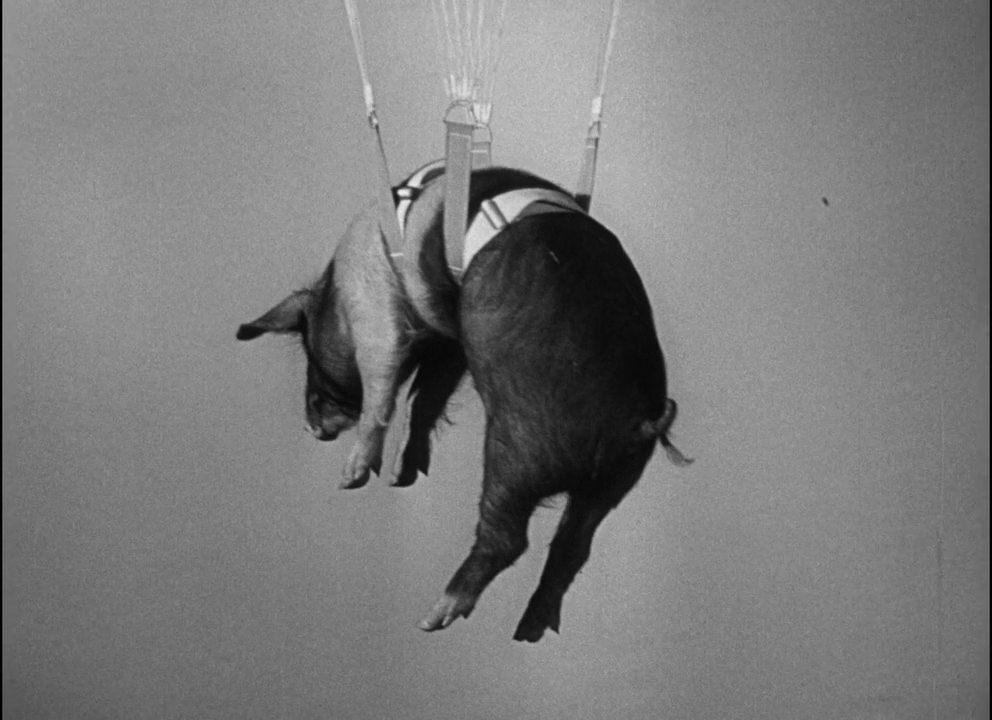
… and the situation eventually culminates in a hilarious show of good will as supplies are not only airlifted in but tossed across barbed wire:

Given our ongoing global and local challenges with supporting one another through tough times, this very time-specific satire (scripted by T.E.B. Clarke) maintains a universally appealing charm — if only we could all resolve our conficts so easily…

Notable Performances, Qualities, and Moments:

  • Many cleverly satirical moments

Must See?
Yes, for its historical relevance.

Categories

  • Historically Relevant

Links:

None But the Lonely Heart (1944)

None But the Lonely Heart (1944)

“Someday you’ll know I’m your only friend.”

Synopsis:
When an itinerant piano tuner (Cary Grant) returns home to live with his ailing mother (Ethel Barrymore), he finds casual romance with his long-time, no-attachments lover (Jane Wyatt) but also falls for the former wife (June Duprez) of a gangster (Jim Coulouris), who wants Grant to work for him rather than simply as a clerk in Barrymore’s shop.

Genres, Themes, Actors, and Directors:

  • Barry Fitzgerald Films
  • Cary Grant Films
  • Dan Duryea Films
  • Ethel Barrymore Films
  • Gangsters
  • Grown Children
  • Jane Wyatt Films
  • June Duprez Films

Review:
Clifford Odets directed and wrote the screenplay for this adaptation of a novel by Richard Llewellyn, best known as the author of How Green Was My Valley. This highly literate film is somber and atmospheric — and certainly a change of pace for Grant, who strongly related to the central role. It’s hard at first to care much for his unlikable character:

… and a bit challenging (though not impossible) to make sense of the heavy dialect spoken by Grant and the other characters. Eventually, however, we become drawn into the hard-scrabble world portrayed here, with individuals seemingly limited to either eking by on minimal wages or turning to crime — though there is plenty of compassion and camaraderie on display as well.

I’m particularly fond of the subtle performances Odets elicits across the board — not just from Oscar-nominated Grant and Oscar-winning Barrymore, but from the cast of supporting characters, including Wyatt in a tiny but pivotal role as a musician waiting patiently (though not at all pathetically) in the wings for Grant if he wants her:

… Coulouris as a quietly sinister gangster who refuses to give up Duprez:

… and Duprez as an emotionally complex “moll” whose fate we remain invested in:

While I can’t quite recommend this depressing tale as must-see, it’s well-crafted and worth a look.

Notable Performances, Qualities, and Moments:

  • Cary Grant as Ernie Mott
  • June Duprez as Ada Brantline
  • Ethel Barrymore as Ma Mott
  • Jane Wyatt as Aggie Hunter
  • George Coulouris as Jim Mordinoy
  • Atmospheric cinematography

Must See?
No, but it’s worth a one-time look.

Links:

Bwana Devil (1952)

Bwana Devil (1952)

“What’s all this nonsense about a man-eating lion?”

Synopsis:
In late 19th century British East Africa, a man (Robert Stack) in charge of a railroad building project stymied by the presence of two man-eating lions becomes obsessed with hunting them down — and the situation turns even more perilous when his wife (Barbara Britton) appears for an unexpected visit.

Genres, Themes, Actors, and Directors:

  • Africa
  • Arch Oboler Films
  • Robert Stack Films

Review:
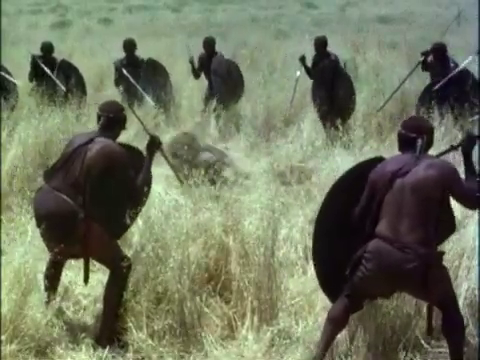
This 3D adventure film by director Arch Oboler is notable for being the first feature-length film shot in color 3D, and for being the enormously popular movie watched by audience members in the classic photograph we’ve all seen for Time Magazine. Unfortunately, everything else about the film is notably undistinguished — from its so-so acting:

… to the lame special effects:

… to the “location” shooting in the Santa Monica mountains (supplemented by more authentic 2D footage Oboler caught in 1948).


Bosley Crowther got it right in his original review for the New York Times, in which he describes the film as having “little or no stimulation of a pictorial or dramatic sort.” To be honest, I was much more intrigued to read about the real-life story this movie was based on — the Tsavo man-eating lions — than watching the film itself.

Notable Performances, Qualities, and Moments:

  • Historically innovative use of 3D filming

Must See?
No. This one is only worth a look for its historical significance, if you’re curious.

Links:

Machine Gun Kelly (1958)

Machine Gun Kelly (1958)

“George isn’t afraid of any man living.”

Synopsis:
With help from his girlfriend Flo (Susan Cabot), bootlegger-turned-thief “Machine Gun” Kelly (Charles Bronson) robs banks and becomes America’s Public Enemy Number One, while alienating his former partner (Morey Amsterdam). When Kelly and Flo turn to kidnapping a young girl (Lori Martin) and her nurse (Barboura Morris), their longevity as outlaws becomes even more precarious.

Genres, Themes, Actors, and Directors:

  • Biopics
  • Charles Bronson Films
  • Gangsters
  • Kidnapping
  • Roger Corman Films

Review:
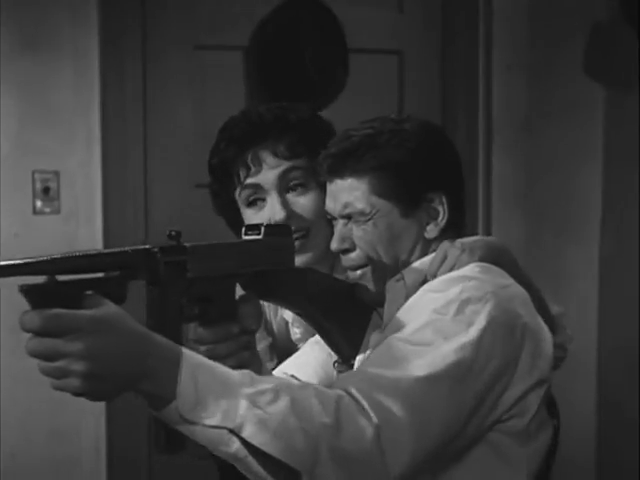
Prior to his breakthrough cinematic success in The Magnificant Seven (1960), one of Charles Bronson’s major movie roles was in this mostly-fictional “biopic” of American gangster George ‘Machine Gun’ Kelly, whose switch from bank robberies to kidnapping precipitated his downfall:

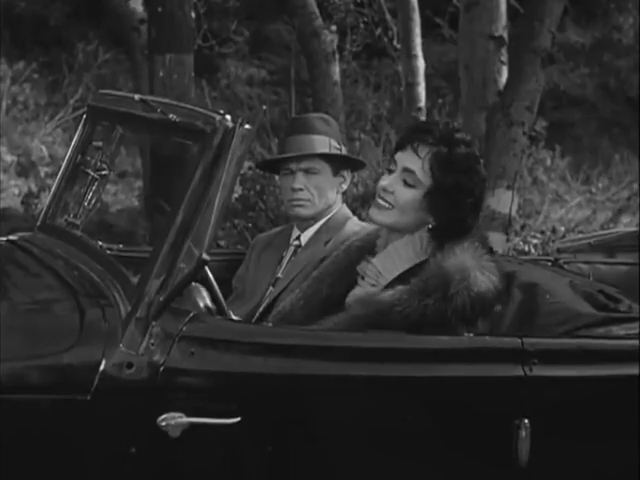
The film opens with a carefully choreographed get-away after a heist, as we’re introduced to pivotal role played by Kelly’s girlfriend “Flo” (based on his wife, Kathryn Kelly):

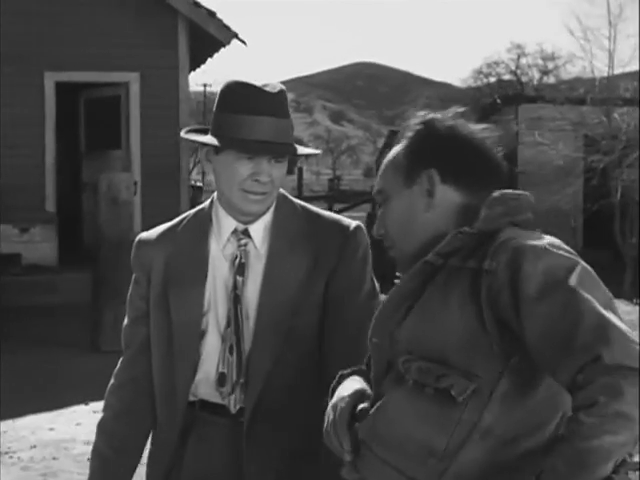
While Kelly may be a mean, psychopathic bastard who doesn’t hesitate to shoot his guns, throw a punch, or have an accomplice mauled by a lion:

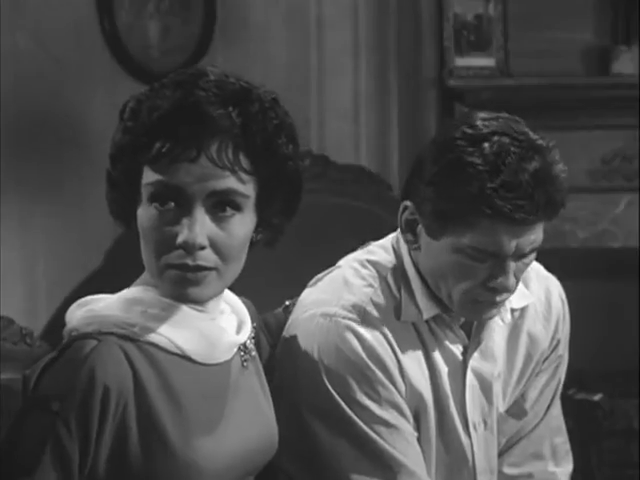
… Flo is equally devious and duplicitous, and Cabot seems to enjoy her role:

Presumably for dramatic interest, the kidnapping that ended Kelly and Flo’s careers was shifted from that of an oil tycoon to his daughter (and her conveniently sexy nurse):


This is actually too bad, given the real-life drama inherent in what went down; click here to watch a brief video, if you’re curious.

Notable Performances, Qualities, and Moments:

  • The creative opening credits
  • Some memorable lines of dialogue: “When rabbits roar, it’s a bad time.”

Must See?
No, though Corman or Bronson fans will want to check it out.

Links:

No Highway in the Sky (1951)

No Highway in the Sky (1951)

“People must be someone else’s concern; I can’t let it be mine, Mr. Scott!”

Synopsis:
After explaining to his new boss (Jack Hawkins) that a type of airplane known as the “Reindeer” will fail after a certain number of flight hours (due to metal fatigue), a widowed aeronautical engineer (Jimmy Stewart) leaves his self-sufficient daughter (Janette Scott) at home while traveling to investigate a crash. When onboard his flight, he discovers he’s on a Reindeer that is near its presumably fatal number of flying hours, and tries to convince a kind stewardess (Glynis Johns), a famous actress (Marlene Dietrich), and the captain (Niall McGinnis) that they need to ground the plane — but he struggles to get anyone to believe him.

Genres, Themes, Actors, and Directors:

  • Airplanes and Pilots
  • Glynis Johns Films
  • Jack Hawkins Films
  • Jimmy Stewart Films
  • Marlene Dietrich Films
  • Niall MacGinnis Films
  • “No One Will Believe Me!”
  • Scientists

Review:
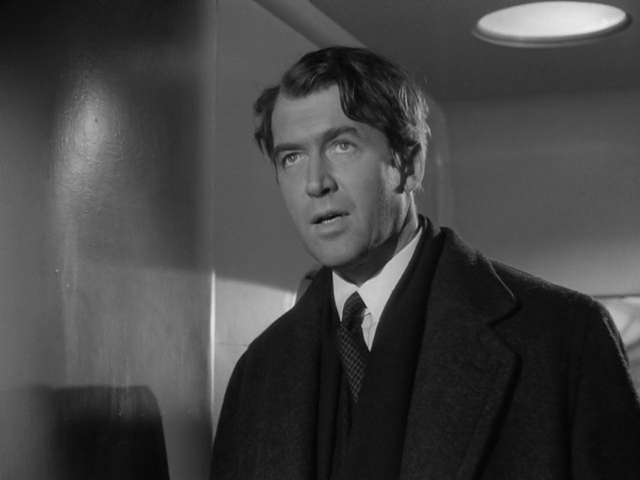
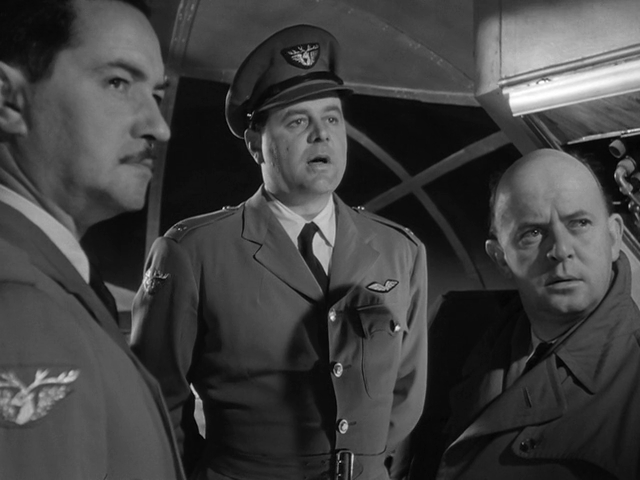
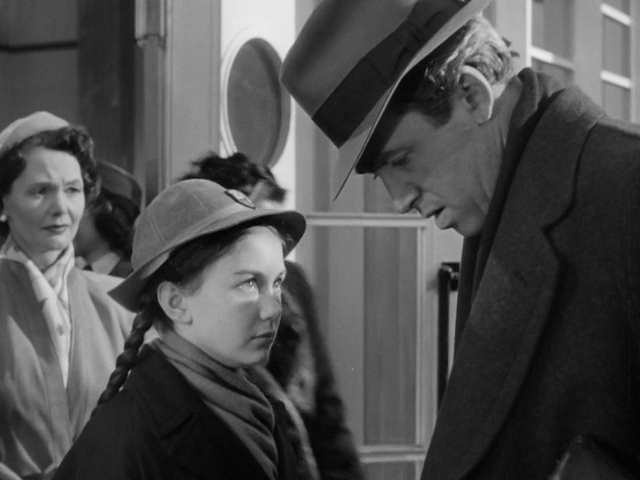
Jimmy Stewart is perfectly cast as a socially awkward ‘boffin’ in Nevil Shute’s 1948 novel No Highway, which was scarily prescient in its diagnosis of metal fatigue as a potentially fatal characteristic of new aircraft. We’re kept on the edge of our seats from moment to moment as we wait to learn what will happen. Given that we’re clearly meant to sympathize with this eccentric scientist:

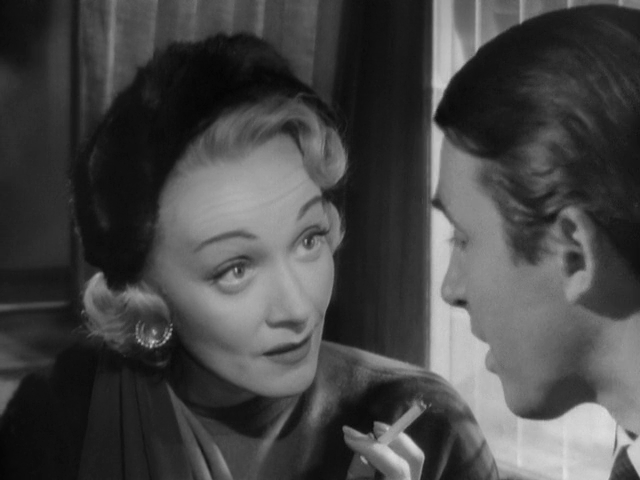
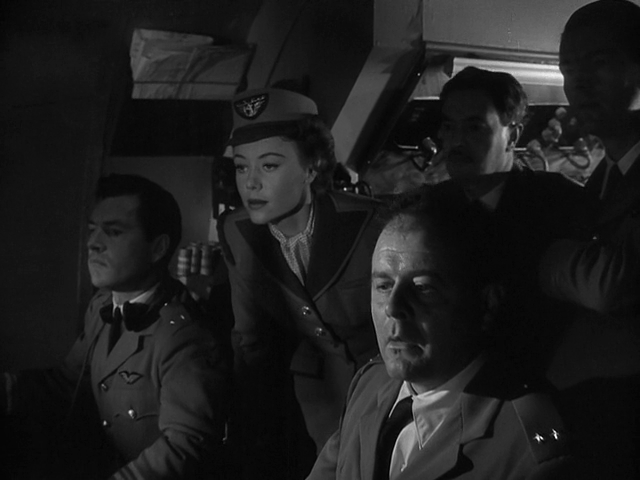
… we feel weirdly terrible for him when he’s treated with bemusement or scorn rather than respect. Will his predictions come true? If so, how awful… and yet, if not, then what? Dietrich nicely plays a variation on herself, and is compelling in all of her brief scenes:

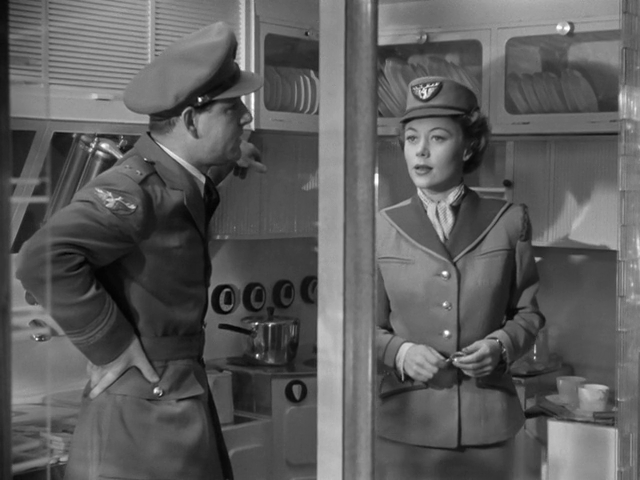
It’s especially interesting seeing how her character evolves (quite substantially) over the course of the story. Equally enjoyable is Johns as a stewardess who simply emanates good will (don’t we wish all flight attendants were like her?):

There’s something inherently compelling about “no one will believe me!” tales, and this one is no exception; it’s well worth a watch.

Notable Performances, Qualities, and Moments:

  • Jimmy Stewart as Theodore Honey
  • Glynis Johns as Marjorie Corder
  • Marlene Dietrich as Monica Teasdale
  • Niall MacGinnis as Captain Samuelson
  • Georges Perinal’s cinematography

Must See?
Yes, as a fine show.

Categories

  • Good Show

Links:

Sergeant York (1941)

Sergeant York (1941)

“I figured them guns was killin’ hundreds, maybe thousands, and there weren’t nothin’ anybody could do, but to stop them guns.”

Synopsis:
With support from his preacher (Walter Brennan), his mother (Margaret Wycherly), and his sweetheart (Joan Leslie), a hard-drinking backwoods farmer becomes a devoutly faithful pacifist, refusing to join World War I until he has no other choice — but once he enters the military, he begins to understand the value of his sharpshooting skills at protecting his compatriots from harm.

Genres, Themes, Actors, and Directors:

  • Biopics
  • Character Arc
  • Gary Cooper Films
  • Howard Hawks Films
  • Joan Leslie Films
  • Walter Brennan Films
  • Ward Bond Films
  • World War I

Review:
Gary Cooper won a Best Actor Oscar for his leading role in this biopic about one of the greatest — and perhaps most unusual — war heroes in American history. Cooper actually starred in two other major films that year — Meet John Doe (1941) and Ball of Fire (1941) — and in Alternate Oscars, Peary gives Cooper the award for the latter instead, stating that he believes he “gave a much better performance” (his personal favorite of Cooper’s career) playing bookish Professor Potts. As humble Alvin York, however, Cooper also seems perfectly cast (if perhaps typecast); it was interesting learning that Cooper had to be persuaded (by York himself, who wanted no one else to portray him!) to take the role. He convincingly holds his dialect while playing both a farmer:

… and a soldier:

Unfortunately, the film is overlong at 2 1/4 hours, and the first half+ — with its focus on saintly Brennan’s influence:

… Cooper’s intention to purchase land and marry Leslie:

… and his mother’s firm guidance (Wycherly — best known as “Ma” in White Heat — was certainly a distinctive character actor!):

… is much less compelling than the second half, when we see York’s casual yet calculated brilliance in action:

With that said, film fanatics will likely be interested to see this movie given its historical significance as a film York agreed to finally see made simply to help out the efforts of WWII; as DVD Savant describes the film:

“Howard Hawks’ advocacy movie is an outgrowth of the 30s Warners tradition of taking hard liberal attitudes toward social problems. It’s an unusually complicated example of filmmaking, restating history to make a statement about pressing contemporary problems. It’s beautifully filmed, emotionally honest and exactly right for 1941.”

Check out this podcast episode for a comparison of the movie with real life events; they’re remarkably close, actually. And this bit of trivia (courtesy of IMDb) was moving to read:

Alvin C. York himself was on the set for a few days during filming. When one of the crew members tactlessly asked him how many “Jerries” he had killed, York started sobbing so vehemently he threw up. The crew member was nearly fired, but the next day, York demanded that he keep his job.

Talk about living your beliefs.

Notable Performances, Qualities, and Moments:

  • Fine direction and cinematography


Must See?
Yes, once, for its historical significance and Cooper’s Oscar win. Listed as a Sleeper in the back of Peary’s book.

Categories

  • Historically Relevant
  • Oscar Winner or Nominee

(Listed in 1001 Movies You Must See Before You Die)

Links: