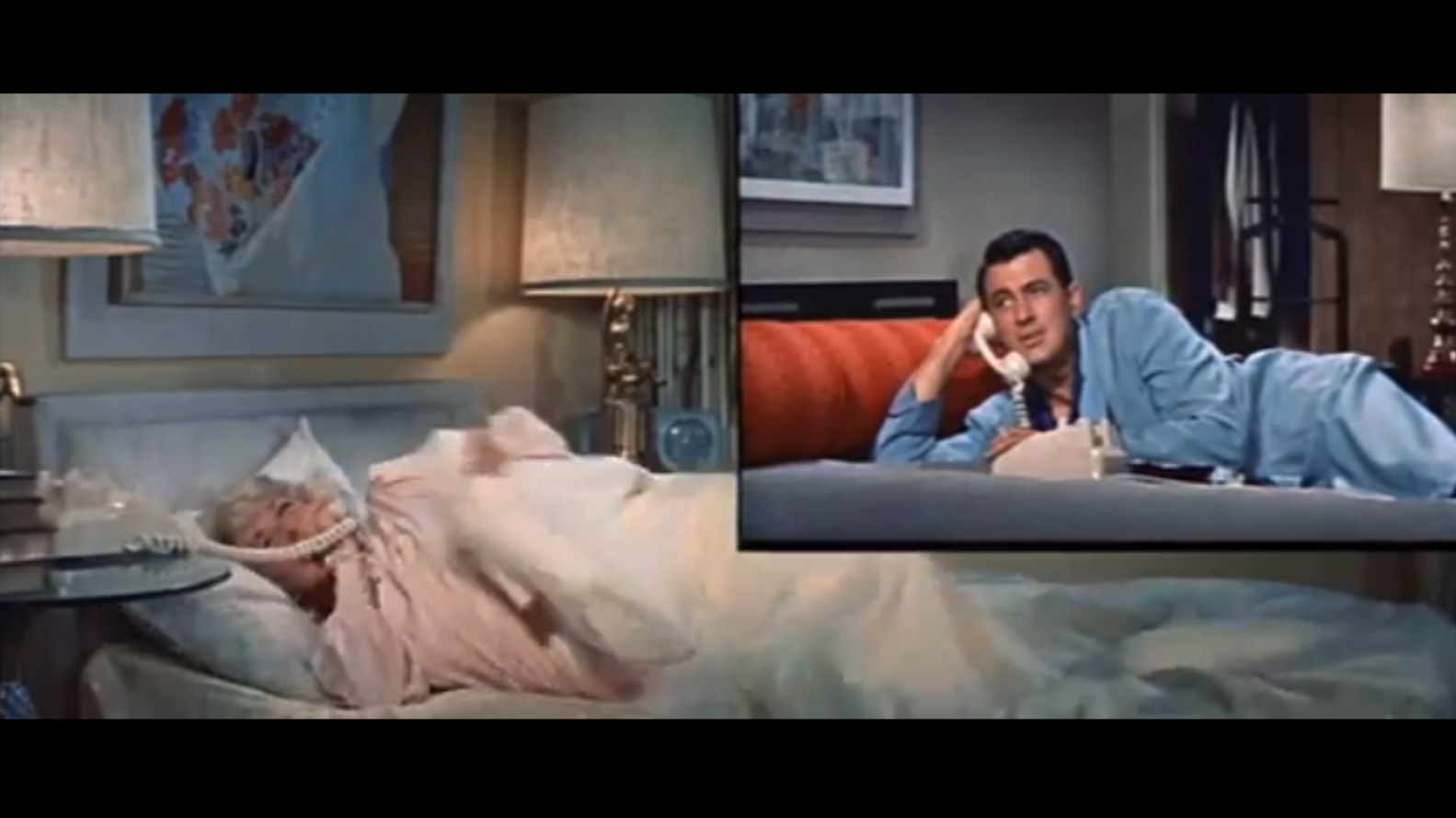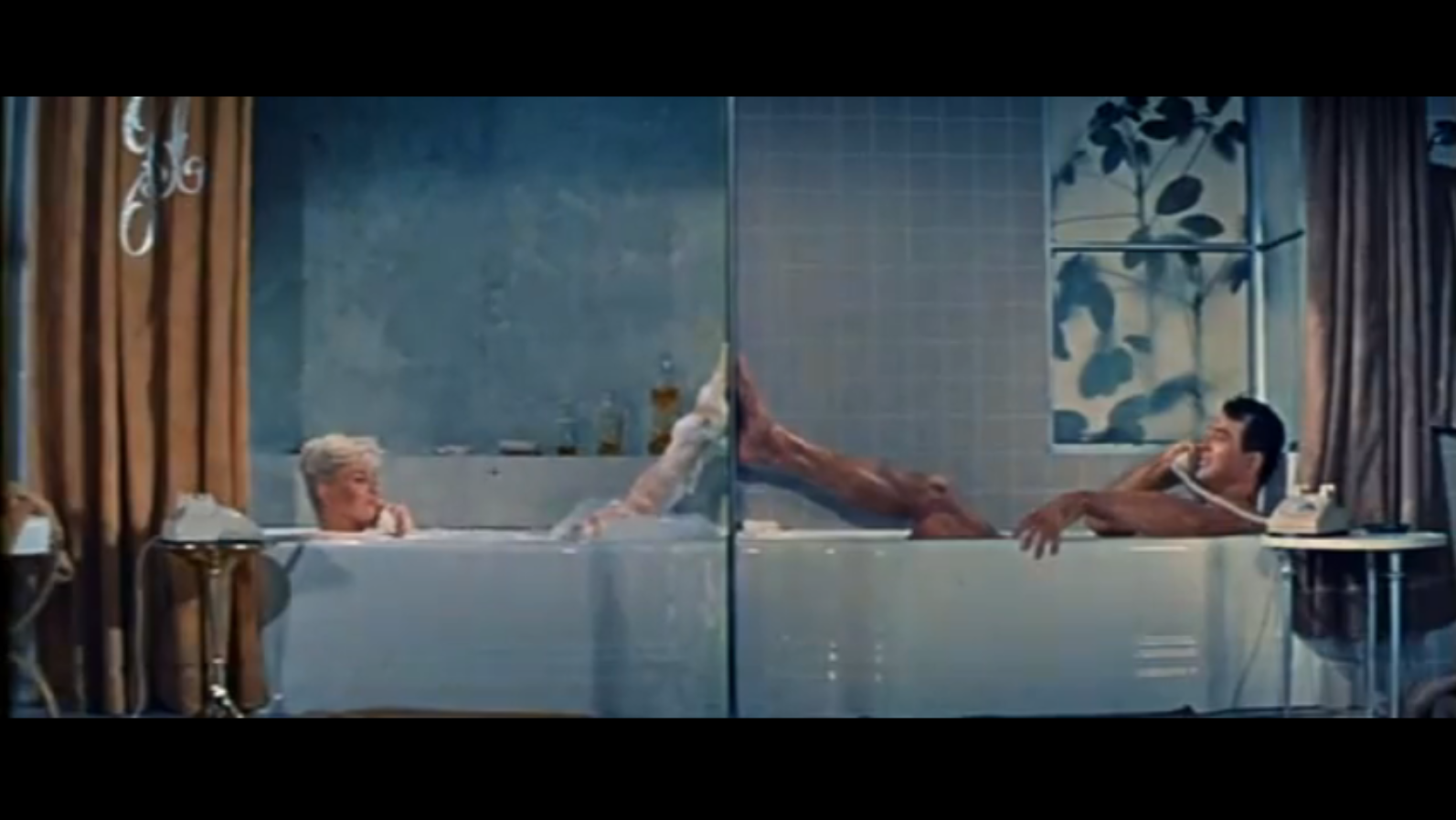
Send Me No Flowers (1964)

Send Me No Flowers (1964)

“That’s one heck of a guy you’ve got there, Judy. When they made George Kimball, they threw away the mold!”

[Note: The following review is of a non-Peary title; click here to read more.]

Synopsis:
A hypochondriac (Rock Hudson) mistakenly believes his doctor (Edward Andrews) has determined that he only has three weeks left to live, and — with the help of his best friend and neighbor (Tony Randall) — tries to find a new husband for his wife (Doris Day).

Genres, Themes, Actors, and Directors:

  • Comedy
  • Death and Dying
  • Doris Day Films
  • Rock Hudson Films
  • Tony Randall Films

Review:
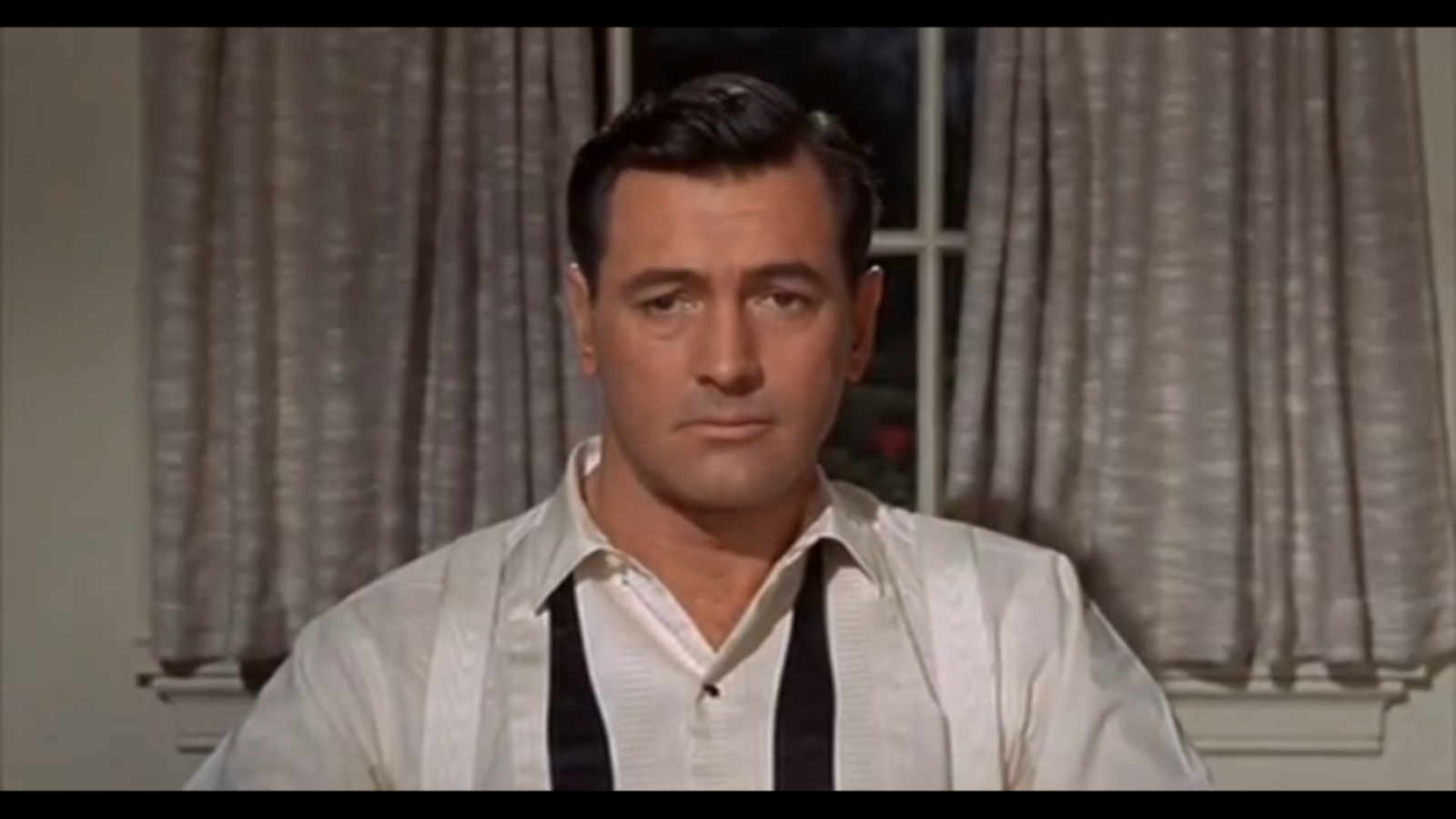
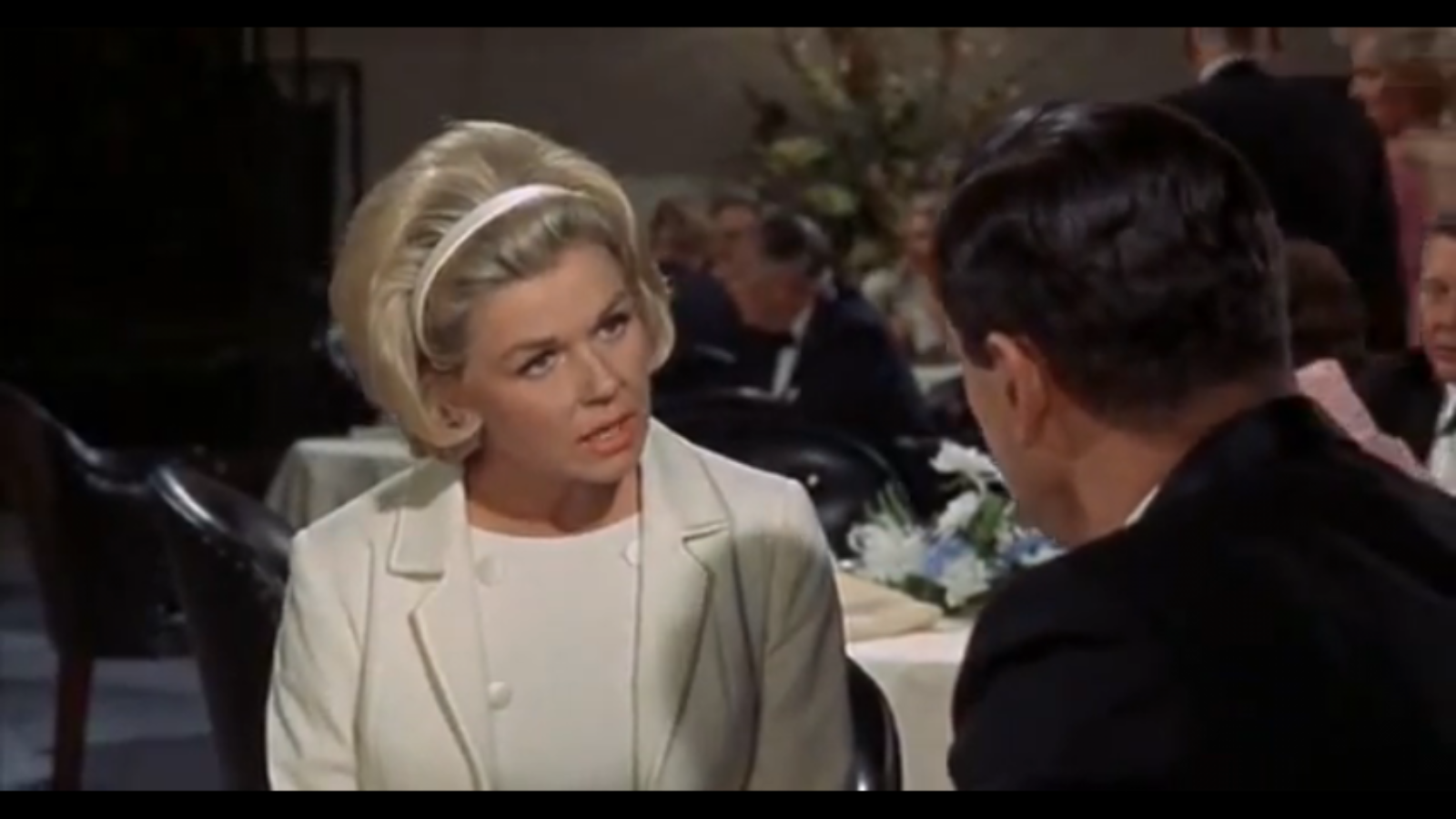
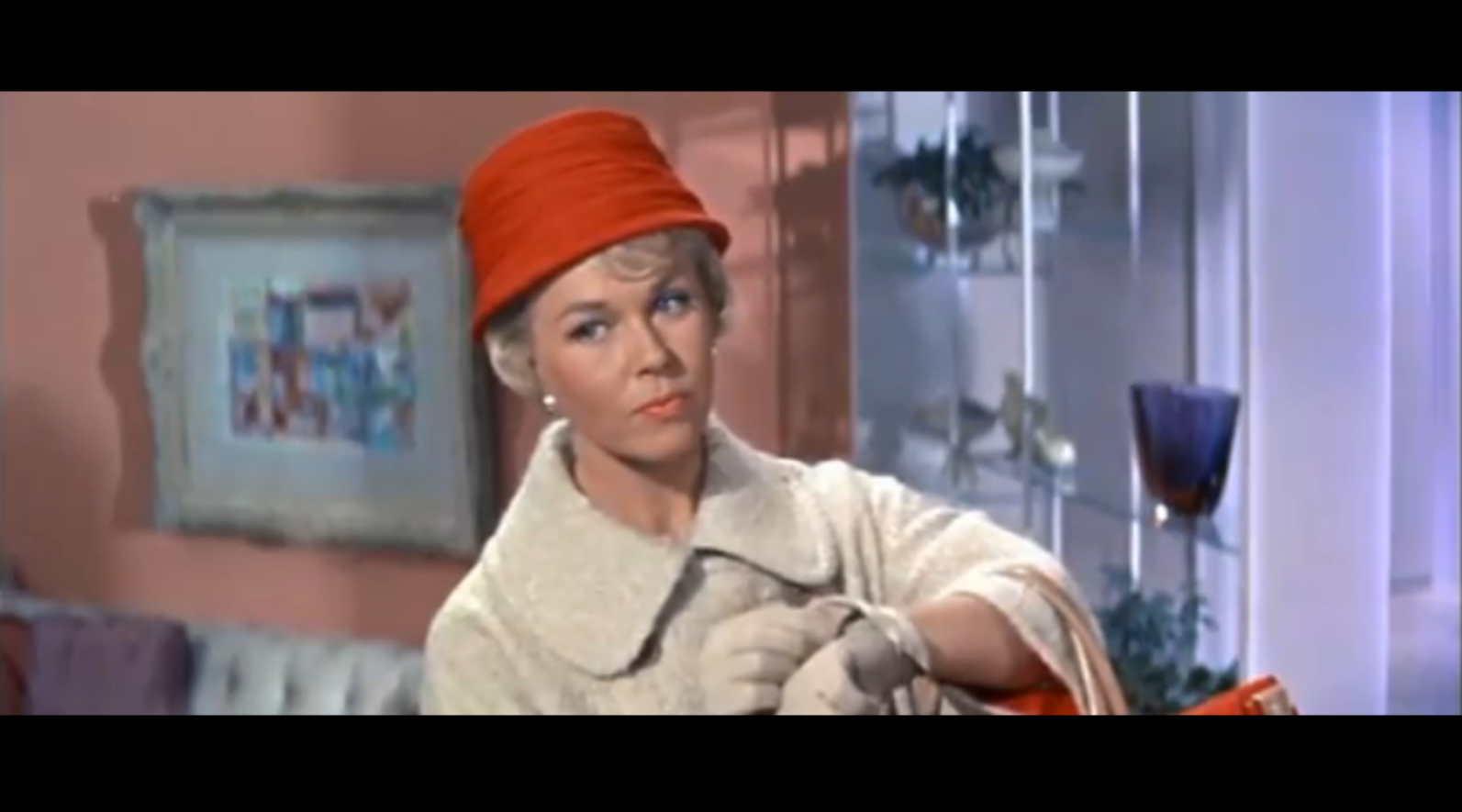
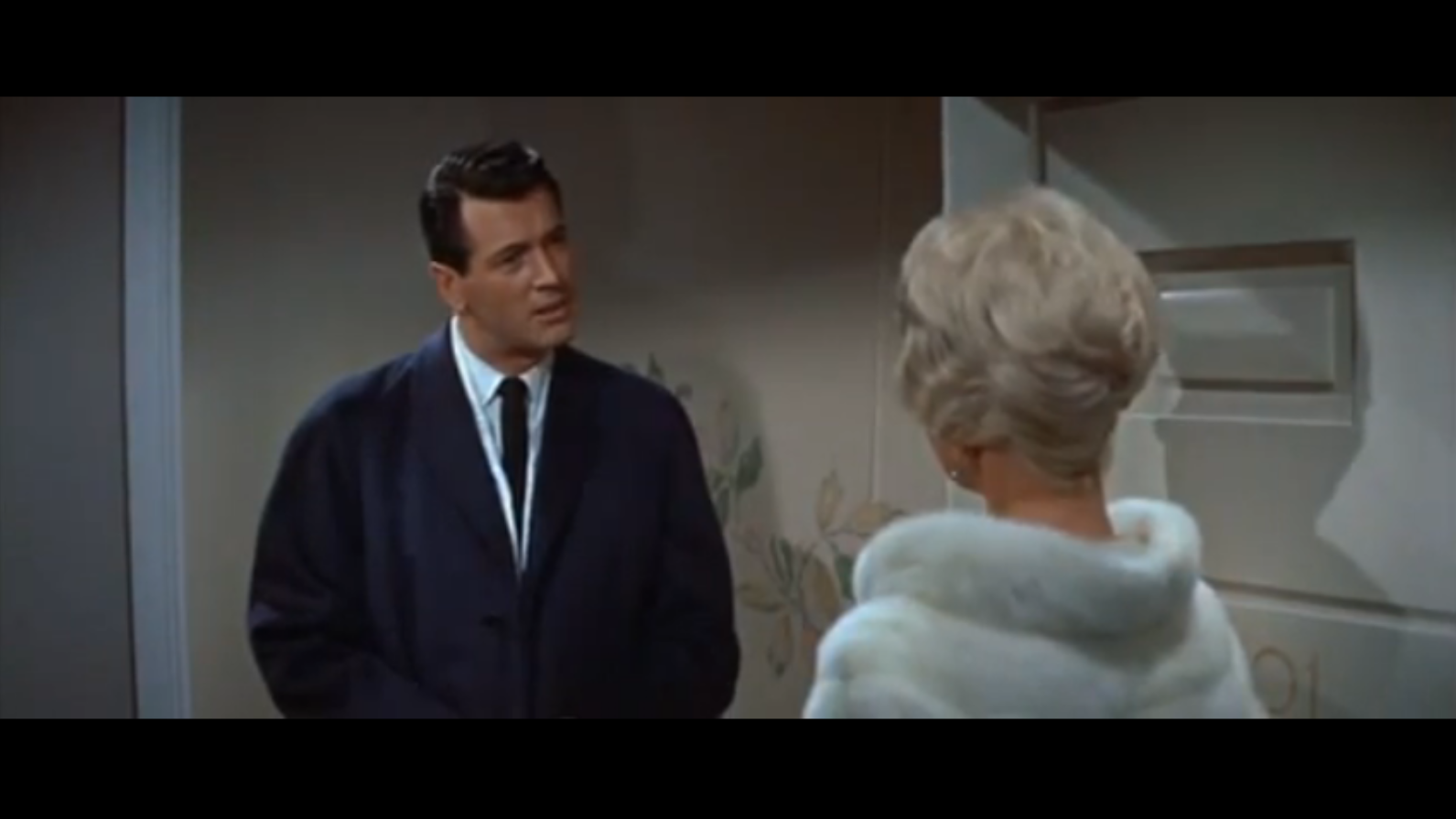
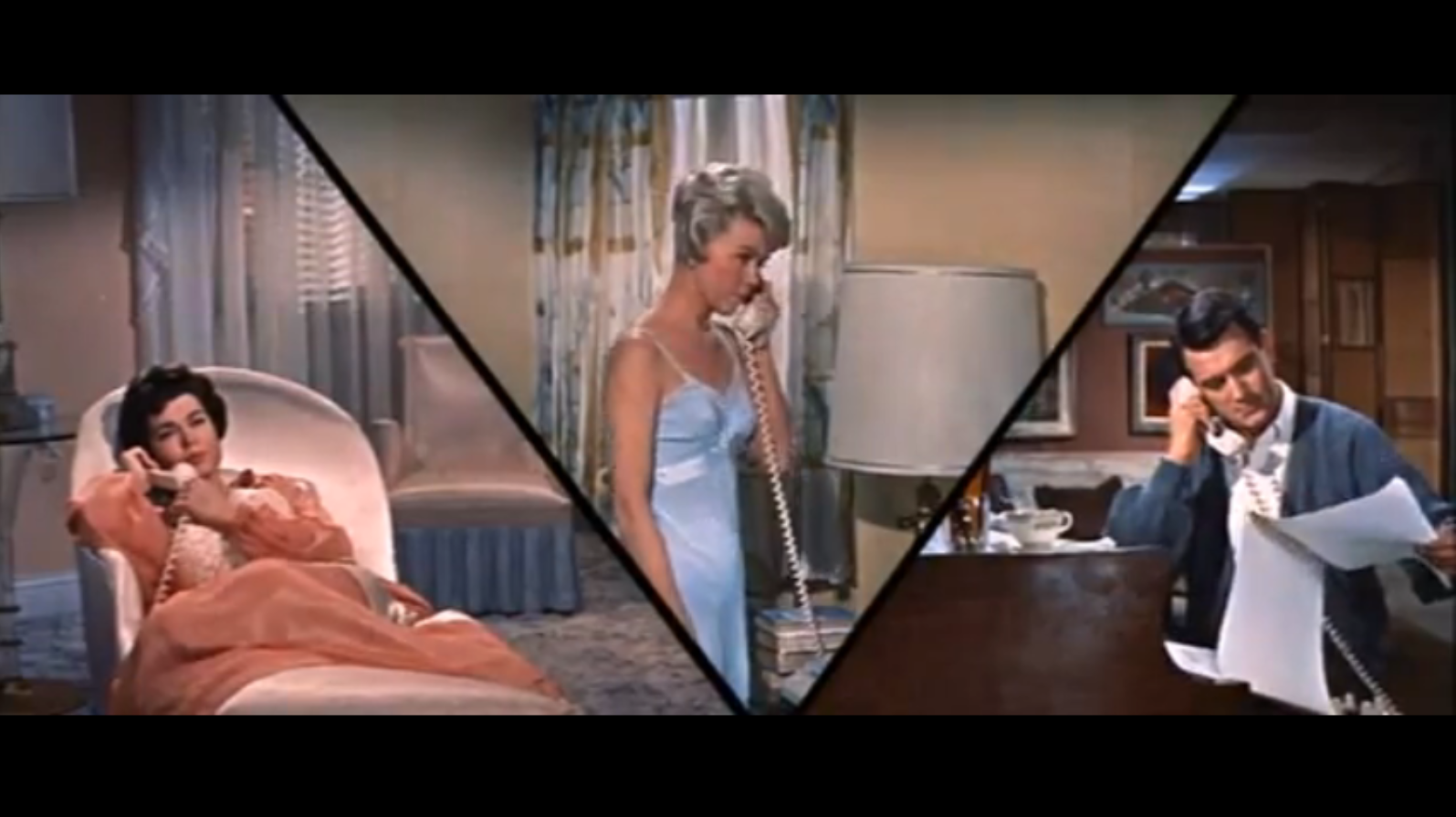
My dear collaborator and friend, writer93_99, argues in his response to my review of Pillow Talk (1959) that all three of the comedies Doris Day and Rock Hudson made together — Pillow Talk, Lover Come Back (1961), and Send Me No Flowers (1964) — could/should be considered must-see for film fanatics, given that they represent the inimitable duo at various stages of their onscreen romantic career together. Inspired by his confidence, I recently re-watched Send Me No Flowers, and was tickled to find that it’s actually my favorite of the bunch. It remains likely the best film ever made about hypochondria, given that it takes this wonderfully ripe premise to its “logical” conclusion, and exploits every comedic possibility along the way. And while Pillow Talk and Lover Come Back were crafted from the same deliciously cynical mold (with Hudson and Day simultaneously duking it out and falling in love under false pretenses), the deception in Send Me No Flowers is much gentler: Hudson really DOES believe he’s about to die in three weeks’ time, so any deception (at least for the first hour or so of the film) is unintentional.

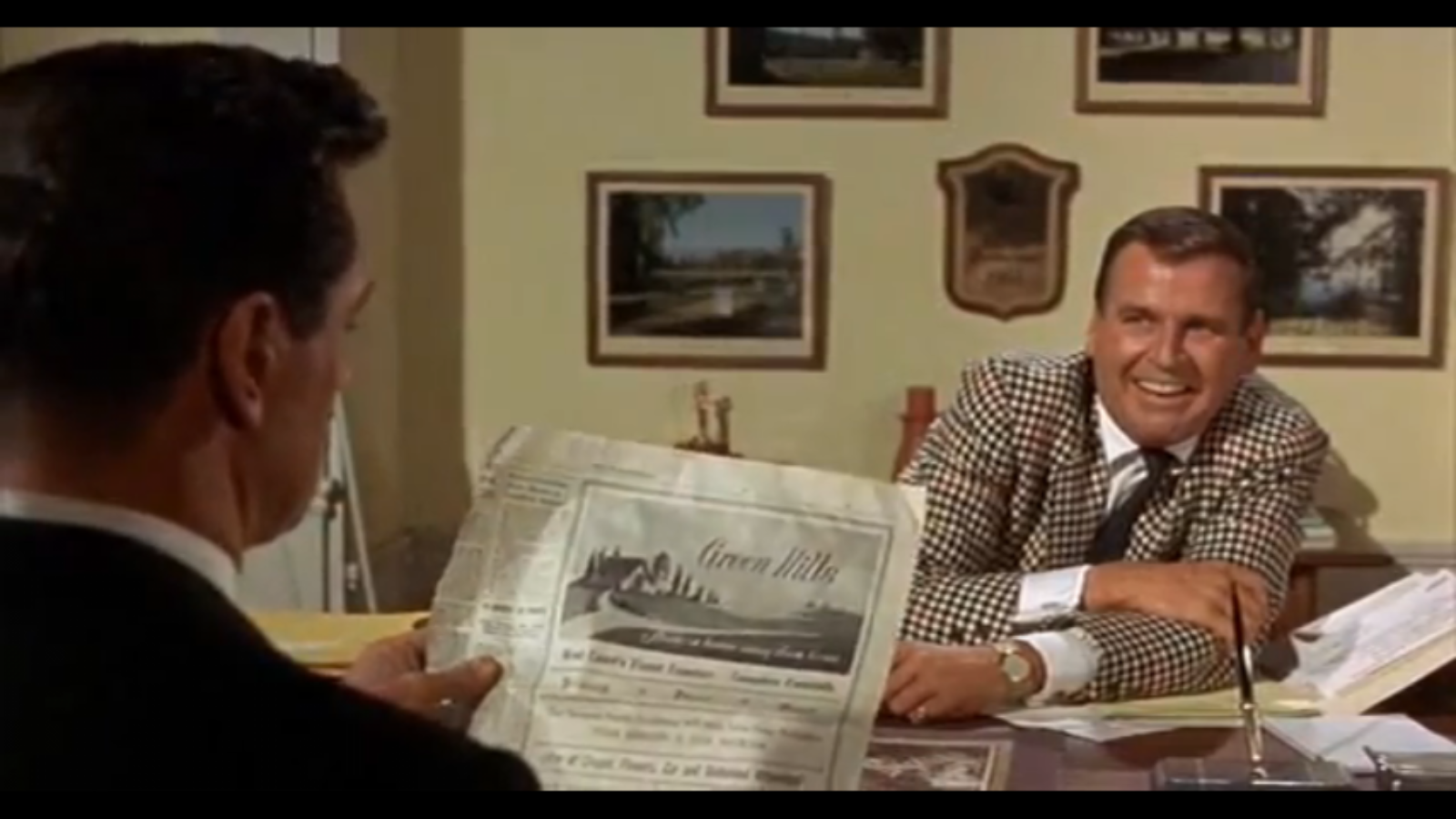
Hudson and Day are both in peak comedic form (as usual) — but it’s co-stars Tony Randall and Paul Lynde who really steal the scenery in this one. Lynde wasn’t in many big-name movies (most viewers will recognize him simply from his work on “Hollywood Squares”), but his role here as an earnest cemetery plot salesman is flat-out hilarious:

Lynde: As you can see, we suggest the entire family all go out and select the final resting place together. The kids love it; they have a ball.

Hudson: You see, I’d rather my wife didn’t know about this.
Lynde: You want to surprise her.
Hudson: Yes.
Lynde: Well, this’ll give her a real thrill! It makes a very thoughtful gift.

Hudson (with astonishment): You really enjoy your work, don’t you?
Lynde: I sure do. I wouldn’t want to do anything else. [pauses, then explains] I like people.

Note that, in addition to his early scene-stealing interaction with Hudson, Lynde’s character plays an unexpectedly important role in the film’s denouement as well.

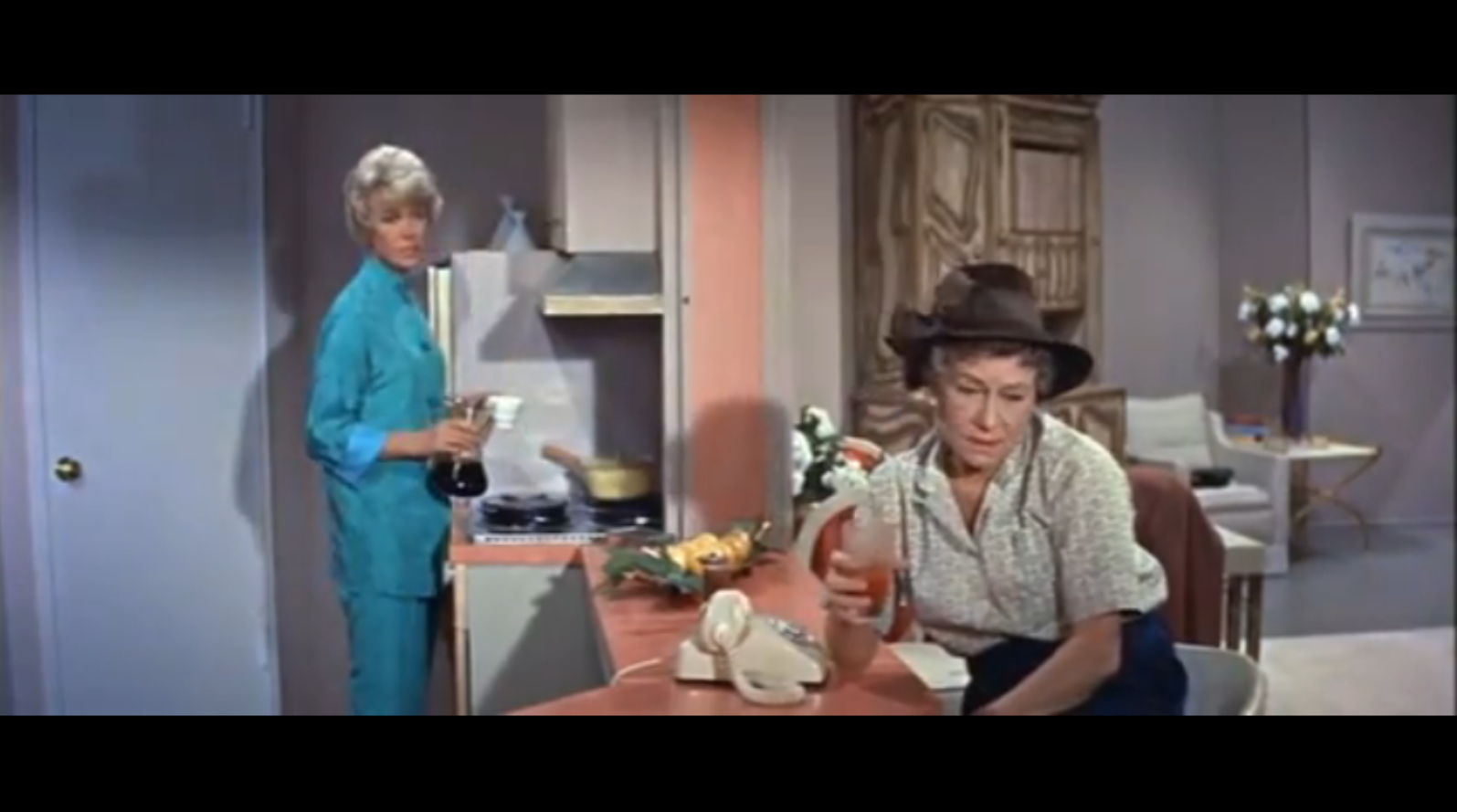
Meanwhile, Randall proves why he was such an essential element in all three of the Day/Hudson films: his consistently maudlin reaction to Hudson’s morbid situation convincingly grounds the entire affair. The thinly-veiled “connection” between the two men (best friends, neighbors, and…? where IS Randall’s wife, anyway?) has been duly noted (indeed, it’s hard to miss); check out the infamous bed-sharing scene, for instance. Yet it’s all simultaneously so “innocent” — and Hudson’s adoration of his wife so clear — that audiences at the time were likely comfortable with the film as the heteronormative experience it was more broadly meant to be.

Redeeming Qualities and Moments:

  • Tony Randall as Arnold
  • Paul Lynde as Mr. Akins
  • Rock Hudson as George
  • Doris Day as Judy
  • Julius Epstein’s marvelous script
  • Frank De Vol’s hilariously melodramatic film score

Must See?
Yes, as a most enjoyable comedy featuring fine performances throughout.

Categories

  • Good Show

Links:

Dark End of the Street, The (1981)

Dark End of the Street, The (1981)

“Something bad happens, it’s gotta be someone’s fault.”

Synopsis:
When a white teenager (Laura Harrington) and her boyfriend (Henry Tomaszewski) witness the accidental death of a black friend (Terence Grey) and are afraid to report it, another black teenager (Albert Eaton) — the brother of Harrington’s best friend (Michele Greene) — is falsely accused of foul play.

Genres, Themes, Actors, and Directors:

  • Falsely Accused
  • Race Relations

Review:
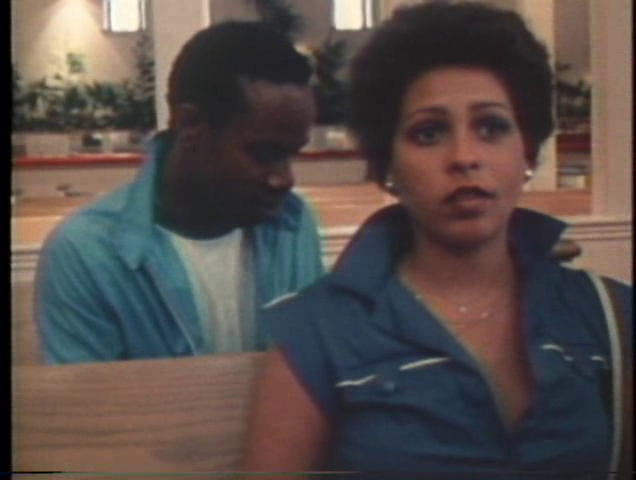
This obscure indie film by writer-director Jan Egleson (whose career turned largely to television after the release of this movie) is exactly the kind of title I’m grateful to Peary for including in his book, given that I’d never in a million years know to seek it out otherwise. The second in an intended trilogy about the lives of teenagers in Boston (after 1979’s Billy in the Lowlands, starring Tomaszewski as the same character), it tells the tale of a fateful night in the lives of a group of black and white teens in a low-income Boston neighborhood, and unfolds from there in a refreshingly uncontrived fashion. The remainder of the loosely structured storyline primarily follows the central protagonist (Harrington) as she grapples with the decision she and her boyfriend have made, and the challenging consequences it unleashes.

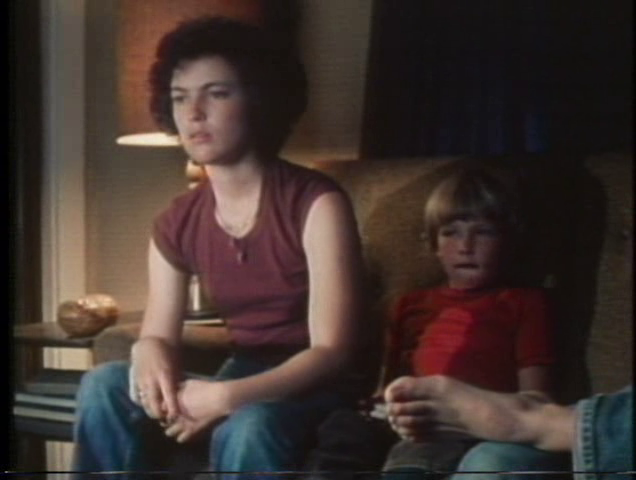
The performances throughout (by a largely little-known cast) are convincingly natural — we really believe in these characters and the lives they lead. The biggest name in the bunch is character actor Lance Henriksen, whose face you’ll likely recognize (he’s appeared in Close Encounters of the Third Kind, Prince of the City, The Right Stuff, and The Terminator, to name just a few Peary titles); his role here as the trucker boyfriend of Harrington’s mother’s (Pamela Payton-Wright) rings true all the way. In an obscure bit of trivia, this film is primarily “remembered” today (if at all) for “featuring” eight-year-old Ben Affleck in his movie debut. When I read this, I went back to try to find him, and spent a good 10 minutes or so scrolling back and forth between various scenes, without much luck. Finally, I found the following brief shot of him sitting on the sofa with his older sister:

So, for any curious fans, there you go.

Redeeming Qualities and Moments:

  • An authentic look at race relations and life in Boston in the early ’80s
  • Fine performances by a cast of little-known actors


  • Lance Henriksen as Jimmy
  • Confident direction by Jan Egleson

Must See?
No, but it’s certainly worth a look if you happen to locate a copy. Listed as a Personal Recommendation in the back of Peary’s book.

Links:

Radio Ranch (1935)

Radio Ranch (1935)

“If we could capture Gene Autry, Radio Ranch would soon become deserted, and the entrance to our underground kingdom would remain forever undiscovered.”

Synopsis:
When singing cowboy Gene Autry is kidnapped by inhabitants of a uranium-rich kingdom in the middle of the earth, it’s up to two of his devoted young radio fans — Frankie (Frankie Darro) and Betsy (Betsy King Ross) — to rescue him.

Genres, Themes, Actors, and Directors:

  • Kidnapping
  • Musicals
  • Science Fiction
  • Westerns

Response to Peary’s Review:
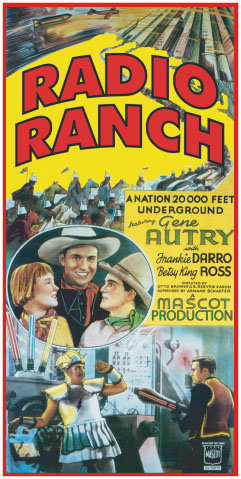
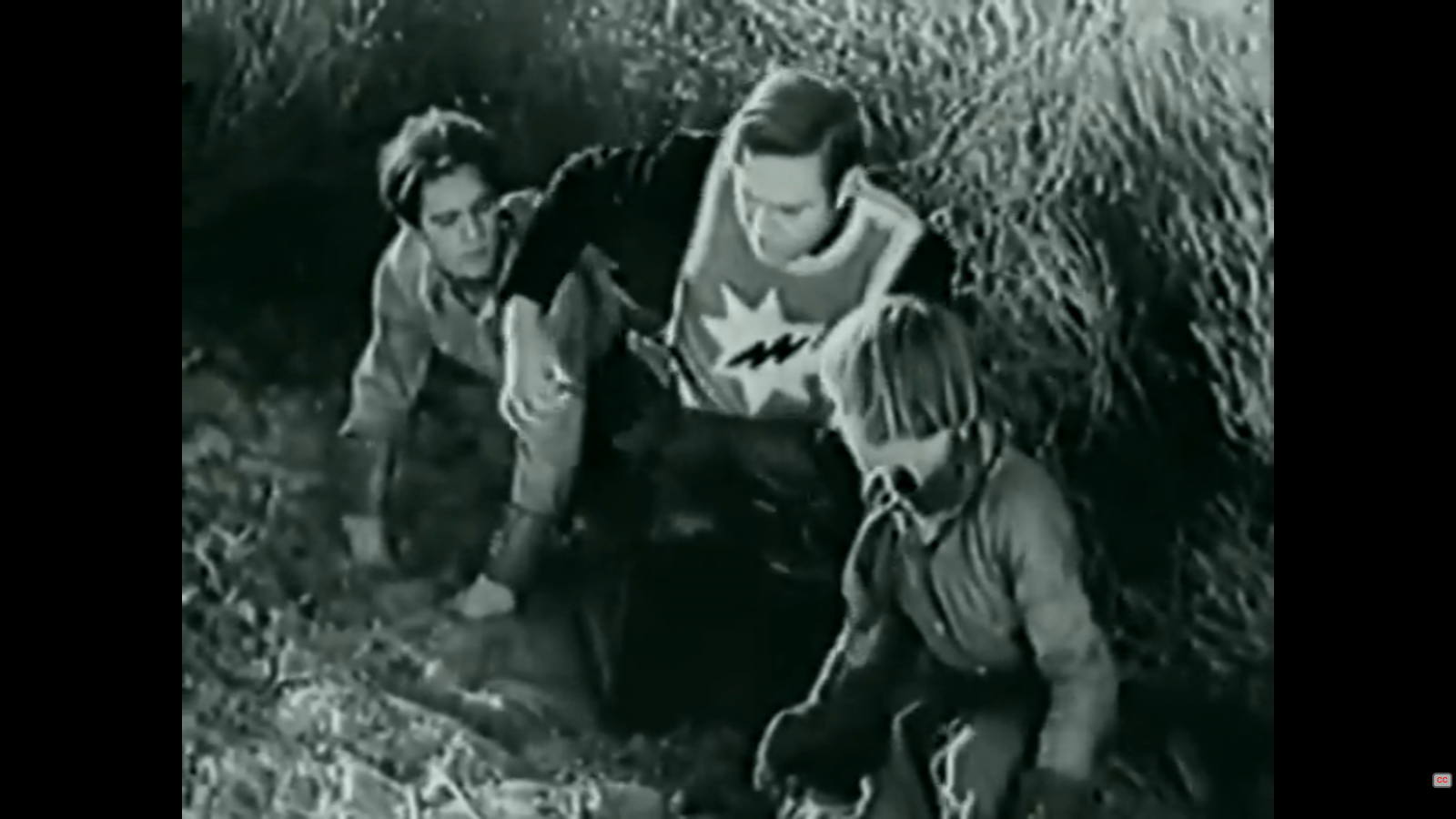
As Peary notes, “lovers of ‘B’ westerns and sci-fi serials will get a kick out of this feature, which was condensed from the popular 12-part Mascot serial, The Phantom Empire” (now available in its original episodic form on DVD). Radio Ranch offers a truly heady mix of genres and elements (horses! songs! robots! revolutionaries! uranium thieves! an underground death chamber!), and seems squarely designed to appeal to adventure-seeking youngsters of the day. Playing himself, Gene Autry stars as “a radio singing star who discovers that crooks are trying to get uranium on his land”, and, “while running for his life… happens upon the cave entrance to a futuristic city… 20,000 feet below his Radio Ranch”, where he’s promptly captured and must be rescued by his brave young friends. As you’d expect, the acting is at the level of grammar school children putting on an after-school performance — and the costumes and sets aren’t much more sophisticated (the silly robot costumes were actually re-purposed in a Joan Crawford flick!). Meanwhile, the dialogue is about as basic as can be:

“Autry has escaped! You must find him at once and bring him to our rebel headquarters!”

It’s not exactly scintillating stuff — but it remains fascinating simply from a historical perspective.

Redeeming Qualities and Moments:

  • A representative look at 1930s serial films

Must See?
Yes, as a classic example of the serial “kiddie flick”. Check out Moria’s review for a nice overview of the genre. As a public domain title, Radio Ranch is available for free viewing on www.archive.org.

Categories

  • Historical Importance

Links:

Pillow Talk (1959)

Pillow Talk (1959)

“Have you any idea what it’s like to be on a party line with a sex maniac?”

Synopsis:
When a frustrated interior designer (Doris Day) lashes out at the playboy composer (Rock Hudson) who’s been monopolizing their party line, Hudson retaliates by wooing her in the guise of Texas oilman “Rex Stetson” — much to the chagrin of her would-be suitor (Tony Randall), who also happens to be good friends with Hudson.

Genres, Themes, Actors, and Directors:

  • Doris Day Films
  • Love Triangle
  • Mistaken or Hidden Identities
  • Rock Hudson Films
  • Romantic Comedy
  • Thelma Ritter Films
  • Tony Randall Films

Response to Peary’s Review:
Peary labels this “Stanley Shapiro-scripted American sex comedy, co-written by Maurice Richlin, lavishly produced by Ross Hunter, and bringing together Doris Day and Rock Hudson ([in] his first comedy) for the first time” as “quintessential”. Yet he simultaneously refers to it as a “claustrophobic comedy… full of unfunny sexual innuendo” which “has a smutty feel to it”. He argues that the “film seems to imply that because [Day] has a job rather than a love/sex life, she feels much anger and hostility”; at the same time, however, he concedes that Day’s character is actually quite laudable and progressive, given that “she seems more determined to maintain personal integrity than her virginity; [she believes] having a boyfriend is more important than having a husband; she is as successful at work as Hudson is; [and] she does not take being treated badly lying down — she has claws”.

I’m not quite sure I agree with Peary’s cynical take on this one. Surprisingly, I didn’t find it “smutty”; instead, I simply enjoyed the calculated sexual banter liberally sprinkled throughout the screenplay:

Day: “I have no bedroom problems; there’s nothing in my bedroom that bothers me.”
Hudson: “Oh, that’s too bad…”

Yes, Day and Hudson go at it like the inevitable to-be-couple they’re posited as from the beginning — but them’s the rules of this particular genre. And it’s exactly Day’s strength and feistiness as a female protagonist (outlined by Peary himself) that prevent the film from descending into ho-hum mid-century mores. Meanwhile, though one really should detest Hudson’s character on some level (given that the charade he’s carrying out it with Day is questionable at best, and mean-spirited at worst), somehow his character remains oddly likeable throughout. I’ll bet this is due in large part to the fun Day and Hudson admitted to having with each other on set; their (asexual) attraction to one another is in clear evidence.

Redeeming Qualities and Moments:

  • Doris Day as Jan Morrow
  • Rock Hudson as Brad Allen/”Rex Stetson”
  • Tony Randall as Jonathan Forbes
  • Thelma Ritter as Day’s tippling housemaid
  • Fun use of split-screen filming


  • A fine, witty, Oscar-nominated screenplay by Stanley Shapiro and Maurice Richlin:

    “There are plenty of warm rolls in the bakery; stop pressing your nose against the window.”

Must See?
Yes, as a classic mid-century romantic comedy.

Categories

  • Genuine Classic

Links:

Seven Brides for Seven Brothers (1954)

Seven Brides for Seven Brothers (1954)

“You’re beating your head against a stone wall, Milly: You’ll never make jack-a-dandies out of them!”

Synopsis:
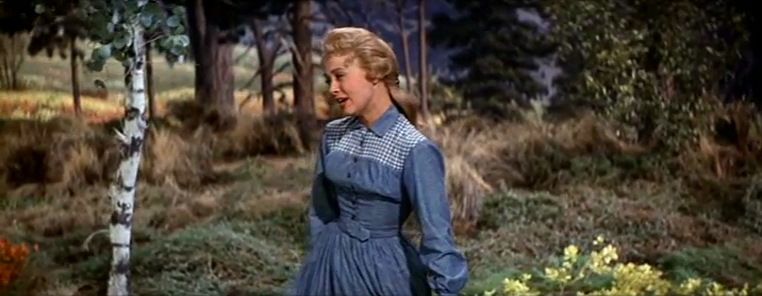
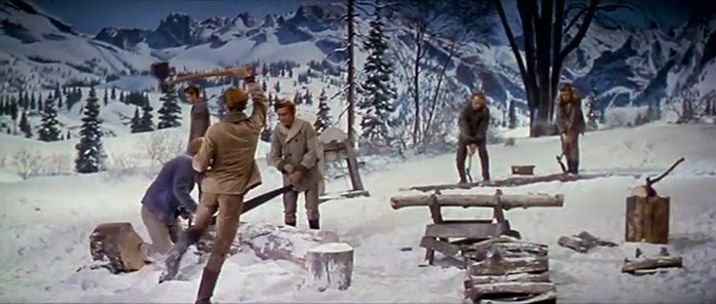
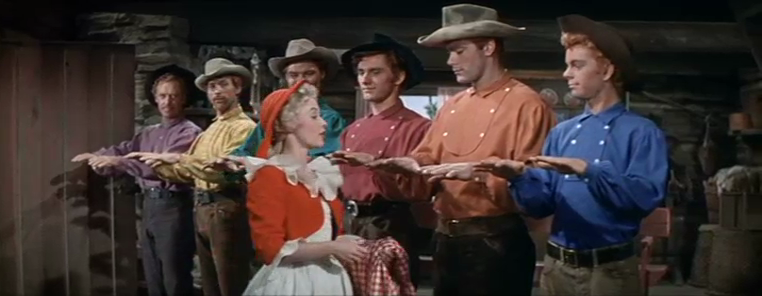
In 1850s Oregon, a woodsman (Howard Keel) comes to town to find a wife (Jane Powell), who he brings back to the cabin he shares with his six rough-and-tumble brothers (Jeff Richards, Russ Tamblyn, Tommy Rall, Marc Platt, Matt Mattox, and Jacques d’Ambois). Soon the brothers decide they want to be married, too, and take extreme measures to achieve this goal.

Genres, Themes, Actors, and Directors:

  • Battle-of-the-Sexes
  • Howard Keel Films
  • Jane Powell Films
  • Kidnapping
  • Musicals
  • Russ Tamblyn Films
  • Stanley Donen Films

Response to Peary’s Review:
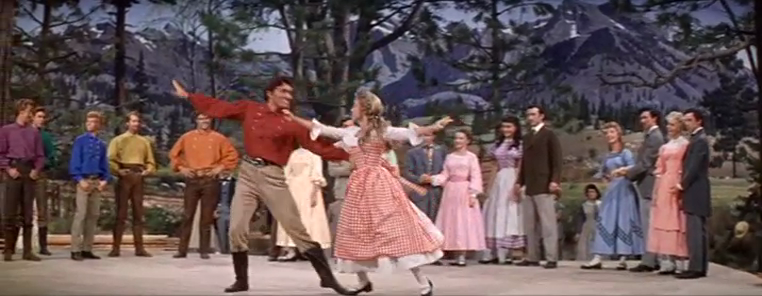
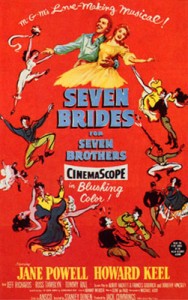
When I first saw this “joyful, colorful” Technicolor musical as a teenage film fanatic, I recall finding its very premise (in which “lovesick brothers kidnap the town girls they desire and bring them home”) so distasteful that I failed to see how it could have any kind of a fan-base at all. Therefore, upon a recent revisit, I was pleasantly surprised to find myself largely in agreement with Peary’s positive review, in which he refers to it as “a lot of fun”, calling it a “rare musical that even young boys will love”, given that “Keel is handsome and masculine enough to get away with love songs” and “the dancers are extremely athletic”. He points out that the “score by Johnny Mercer and Gene DePaul has some excellent, catchy songs”, and accurately notes that “the Michael Kidd-choreographed dances” — performed by a team of “marvelous dancers” (many professionals) — are “terrific”, calling out “the exuberant, spectacular ‘barn-raising’ number” as the film’s definitive “show-stopper”.

Rewatching the film recently, I was gratified to find that the seemingly distasteful storyline — “based on Stephen Vincent Benet’s ‘The Sobbin’ Women'”, which in turn “was inspired by Plutarch’s ‘The Rape of the Sabine Women'” — actually possesses a relatively strong feminist strain. Spunky Powell’s foolhardy willingness to marry Keel the day she meets him (and to wax rhapsodic in song about her desire to cook and clean for him) is tempered by her savvy calculation that this is likely her best possible option in life; it’s certainly better than the thankless work as a servant-for-hire she’s been doing until then. Of course, she didn’t bargain on Keel having six lunk-headed brothers who she’d also be expected to cook and clean for — but she quickly asserts her dominance in their household, “playing Snow White” as she attempts “to turn the ruffians into gentlemen”. And, once the film’s infamous kidnapping occurs, she retains her authority, dictating at every moment exactly what will happen next. She’s a refreshingly strong “Western” woman, and this remains one of Powell’s best roles.

Interestingly, Jonathan Rosenbaum — in his review of the film for 1,001 Movies You Must See (2003) — refers to it as “a profoundly sexist” (albeit “eminently hummable”) movie, one which provides a “fascinating glimpse at the kind of patriarchal rape fantasies that were considered good-natured and even ‘cute’ at the time”, with a bevy of tunes that “accurately pinpoint the movie’s sexual politics” (such as “Bless Your Beautiful Hide” and “I’m a Lonesome Polecat”). His take is exactly how I felt as a much younger film fanatic; but at this point, I’m willing to simply place the film within its historical context, and recognize that for women at that time and in that geographical situation, finding a suitable husband really was likely the cleanest path to security and happiness. Regardless, I’m now able to appreciate Seven Brides… for its merits — vibrant widescreen Technicolor cinematography, “hummable” tunes, and truly fantastic dancing — rather than its questionable premise.

Redeeming Qualities and Moments:

  • Jane Powell as Milly
  • Many fine dancing sequences

  • Vivid cinematography

Must See?
Yes, as a classic Hollywood musical. Nominated by Peary as one of the Best Pictures of the Year in his Alternate Oscars.

Categories

  • Important Director
  • Oscar Winner or Nominee

(Listed in 1001 Movies You Must See Before You Die)

Links:

Gidget (1959)

Gidget (1959)

“When it’s the real thing, you’ll know it — as surely as if you’d been hit on the head with a sledgehammer!”

Synopsis:
A teenage tomboy (Sandra Dee) spends her summer learning how to surf, and falls in love with an elusive surfer-boy (James Darren) who aspires to live a “beach bum” existence like his mentor, the Big Kahuna (Cliff Robertson).

Genres, Themes, Actors, and Directors:

  • Cliff Robertson Films
  • Coming of Age
  • Counterculture
  • Feminism and Women’s Issues
  • Sandra Dee Films
  • Surfers
  • Teenagers

Review:
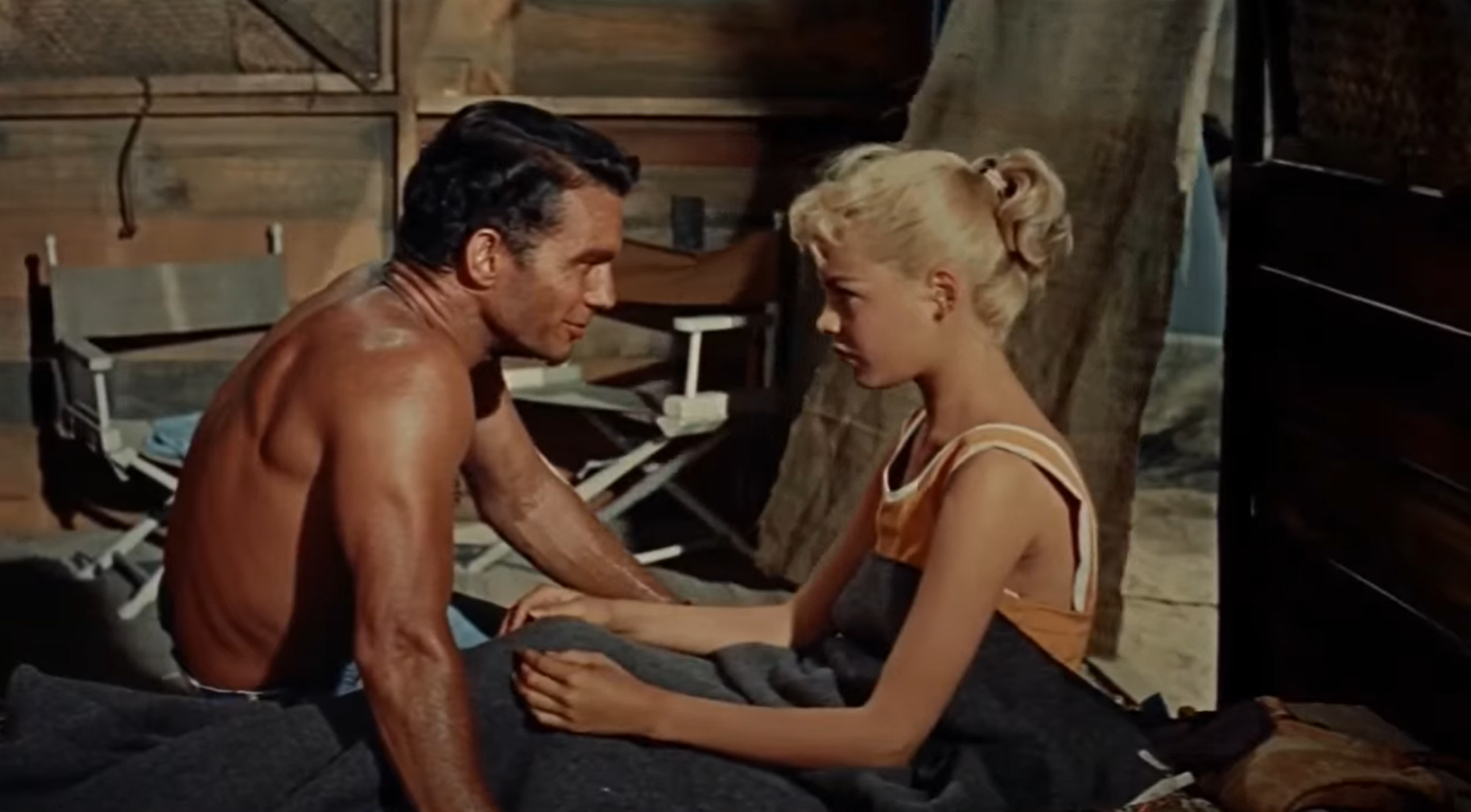
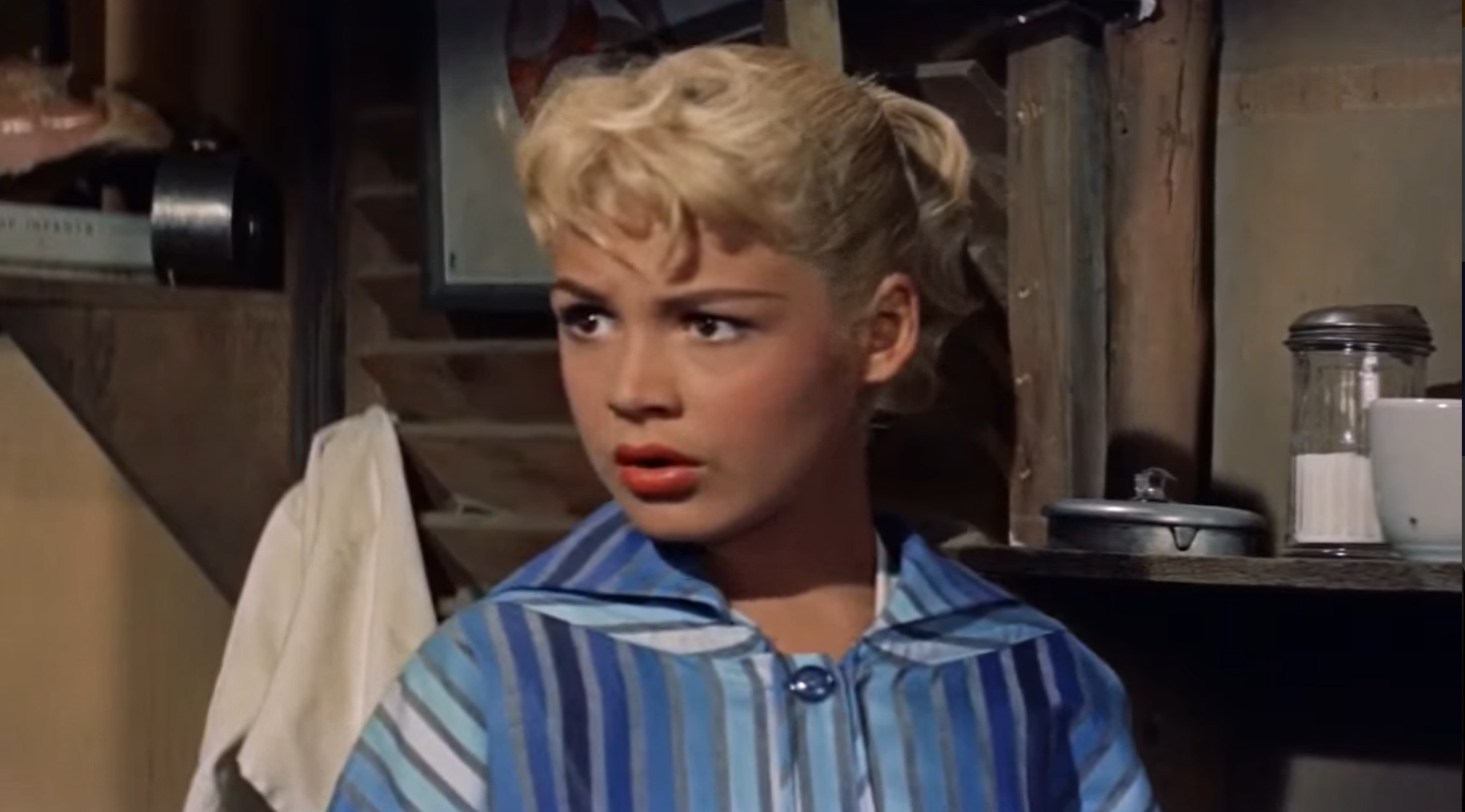
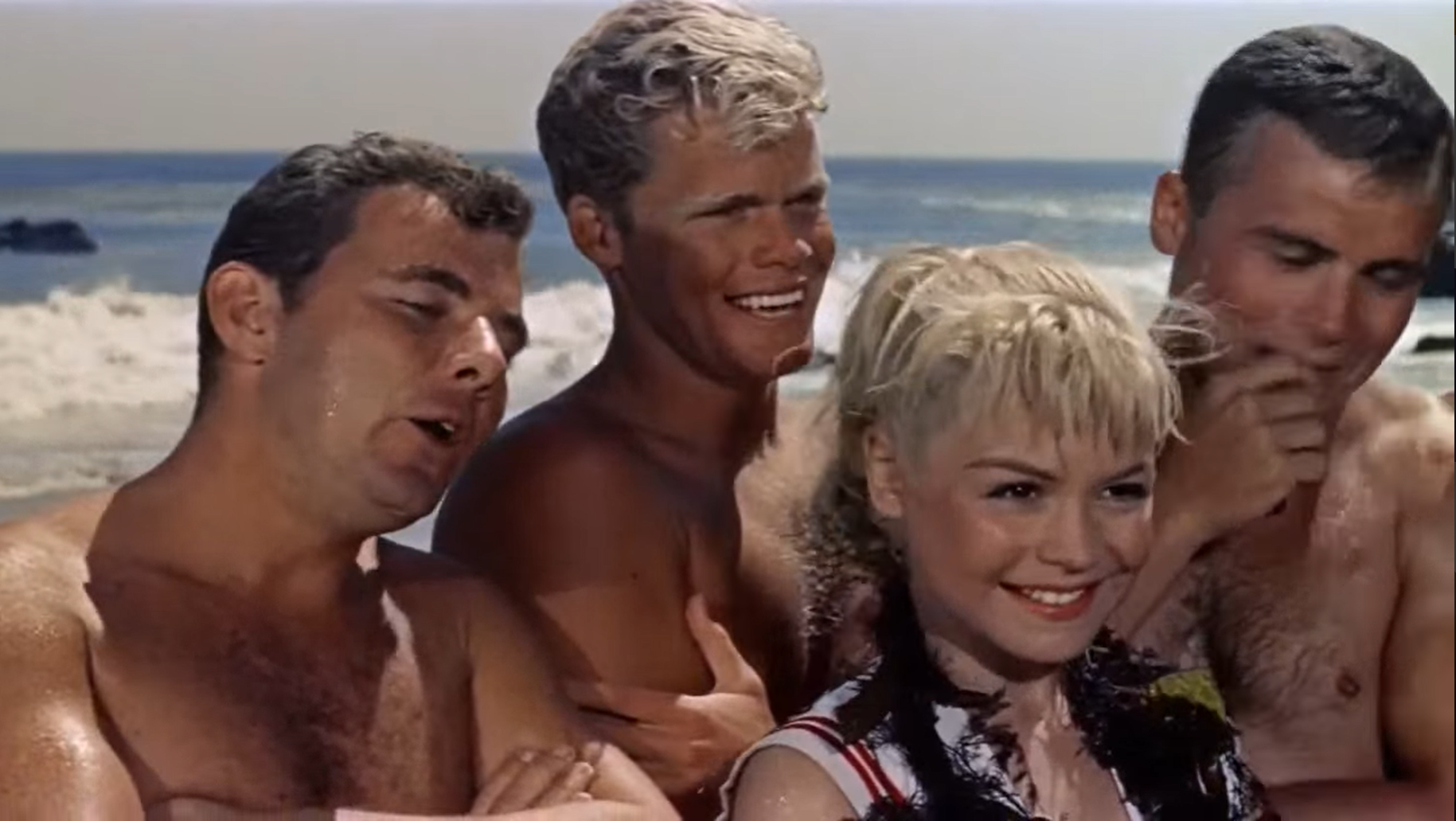
Based on a novel by Frederick Kohner (who modeled the protagonist after his own surf-loving daughter, Kathy), Gidget is primarily remembered today for offering Sandra Dee one of her most notable roles, and for spawning a near cottage industry of sequels and spin-offs (including the short-lived but beloved television series starring Sally Field). Upon revisiting this original iteration, however, I was pleasantly surprised to find that its unique coming-of-age tale is handled with honesty and insight, showing us the travails of an “underdeveloped” teenager who feels out of place with her boy-crazy friends, wonders when she’ll ever experience “true love”, and longs to be inducted into the thrilling world of surfing (then, as now, primarily a male sport).

The mocking disdain shown when Gidget first attempts to enter the surfing clique’s hallowed turf rings all-too-true and painful; it’s especially disturbing to see “Lover Boy” (Tom Laughlin) being sexually aggressive with innocent young Gidget while purportedly teaching her how to surf (thankfully, she holds her own just fine).

Where the film falters a bit is in the casting of teen heartthrob James Darren as Moondoggie, the object of Gidget’s affections.

He’s such a pill that we can’t help wondering why she persists in her crush (though of course, the heart knows no reason, and I suppose he’s good-looking enough in his way). Much more interesting, however, is the relatively complex role played by Robertson, whose character “The Big Kahuna” possesses an intriguing history as a Korean War vet; one wishes his storyline were given a bit more emphasis.

Then again, this film really is all about Gidget herself — and Dee is appropriately winsome in this central role.

She’s reason enough to check out the film once; meanwhile, film fanatics may also be curious simply to see the prototype for all beach-bunny films made thereafter (most notably the Beach Party franchise starring Annette Funicello and Frankie Avalon).

Note: Residents of Southern California will enjoy laughing themselves silly at the notion that Robertson could successfully set up and maintain a ramshackle home for himself right on the beach. Ha!

Redeeming Qualities and Moments:

  • Sandra Dee as Francie/Gidget

Must See?
No, but it’s recommended.

Links:

Cover Girl (1944)

Cover Girl (1944)

“You’re gonna be a big star, Rusty — but you gotta get down on your feet, not your face.”

Synopsis:
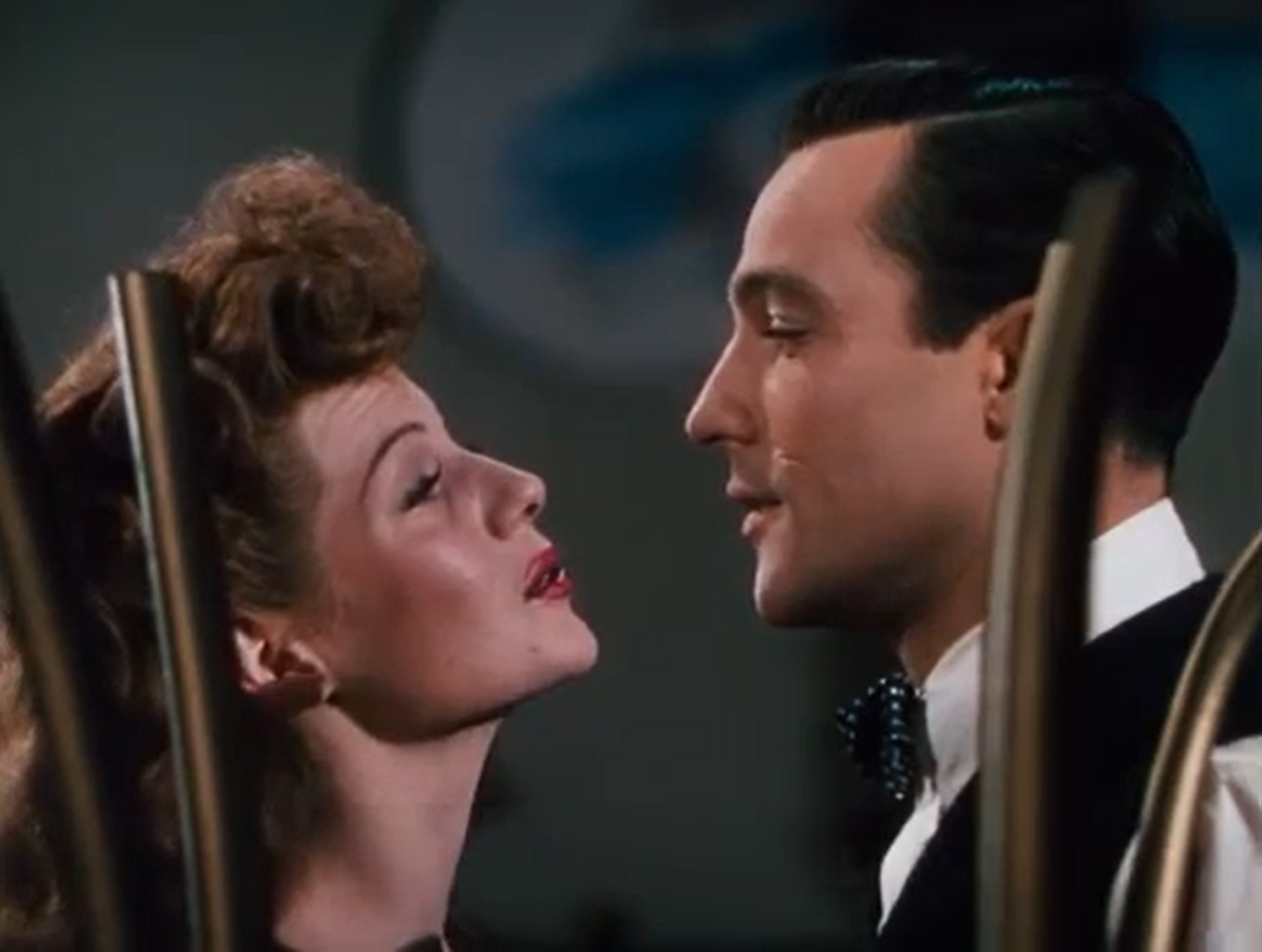
A dancer (Rita Hayworth) performing in a nightclub owned by her boyfriend (Gene Kelly) is selected as a new “cover girl” by a magazine magnate (Otto Krueger) who was once in love with her look-alike grandmother (also Hayworth); soon Hayworth finds her loyalties torn between Kelly and a young producer (Lee Bowman) who promises her fame and fortune.

Genres, Themes, Actors, and Directors:

  • Aspiring Stars
  • Eve Arden Films
  • Gene Kelly Films
  • Love Triangle
  • Models
  • Musicals
  • Rita Hayworth Films

Review:
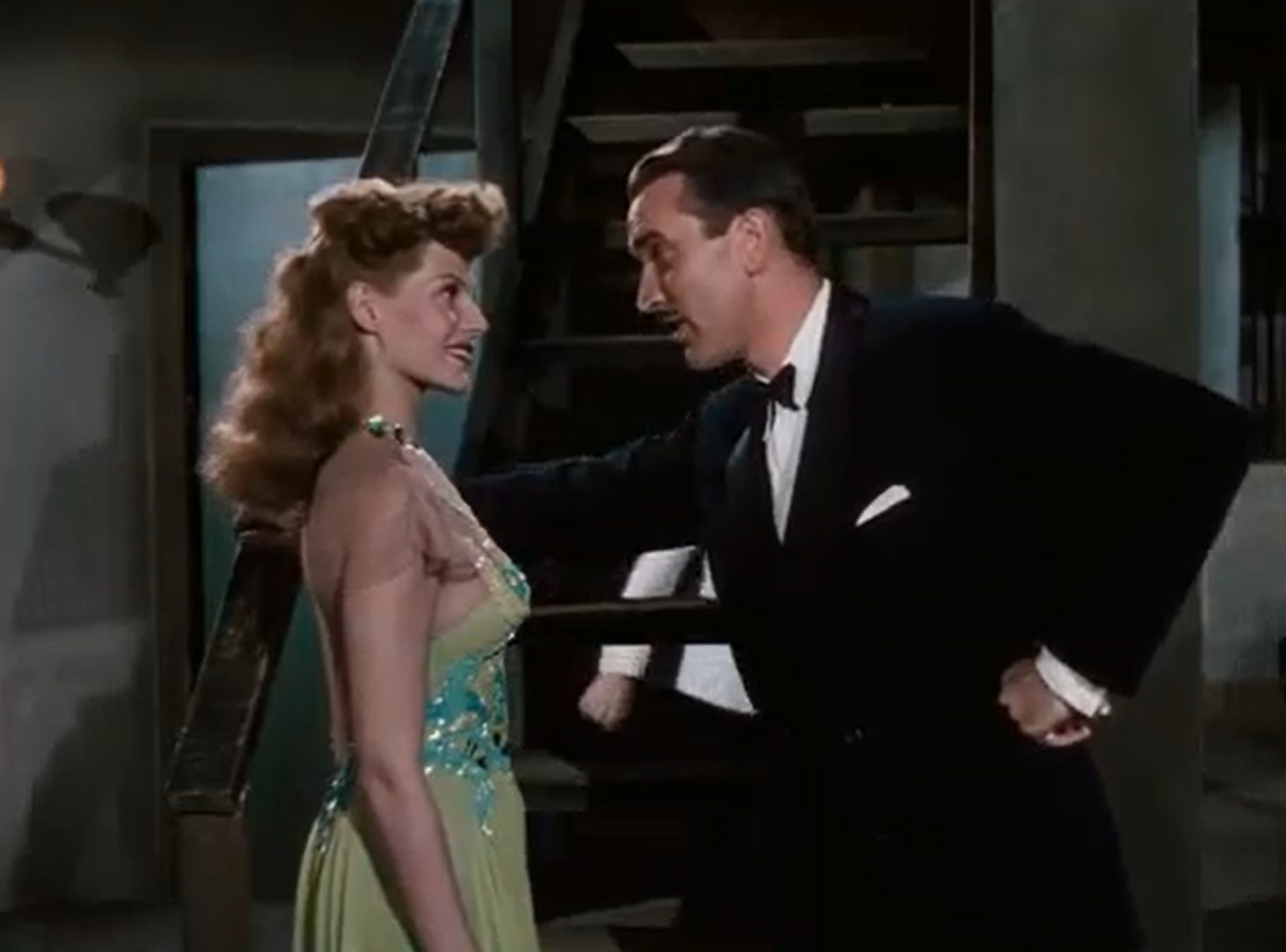
Rita Hayworth was a top box-office draw at the time she made this enormously popular Technicolor musical for Columbia Pictures. Unfortunately, its cliched storyline — revolving around Hayworth’s quick rise to fame, and the tension this causes in those she “leaves behind”, particularly her loyal boyfriend — isn’t innovative enough to hold one’s attention, and hasn’t aged all that well. Hayworth’s wealthy suitor (Bowman) is about as charismatic as a wet rag:

and Kelly’s frustration with Hayworth’s desire to take a “short-cut” to success (made possible due to a silly plot contrivance involving her uncanny resemblance to her grandmother) seems uncharitable at best. Meanwhile, only one of the songs in Jerome Kern and Ira Gershwin’s Oscar-nominated score — the ballad “Long Ago and Far Away” — lingers in one’s memory, and this is likely due to its use as the film’s overall musical motif.

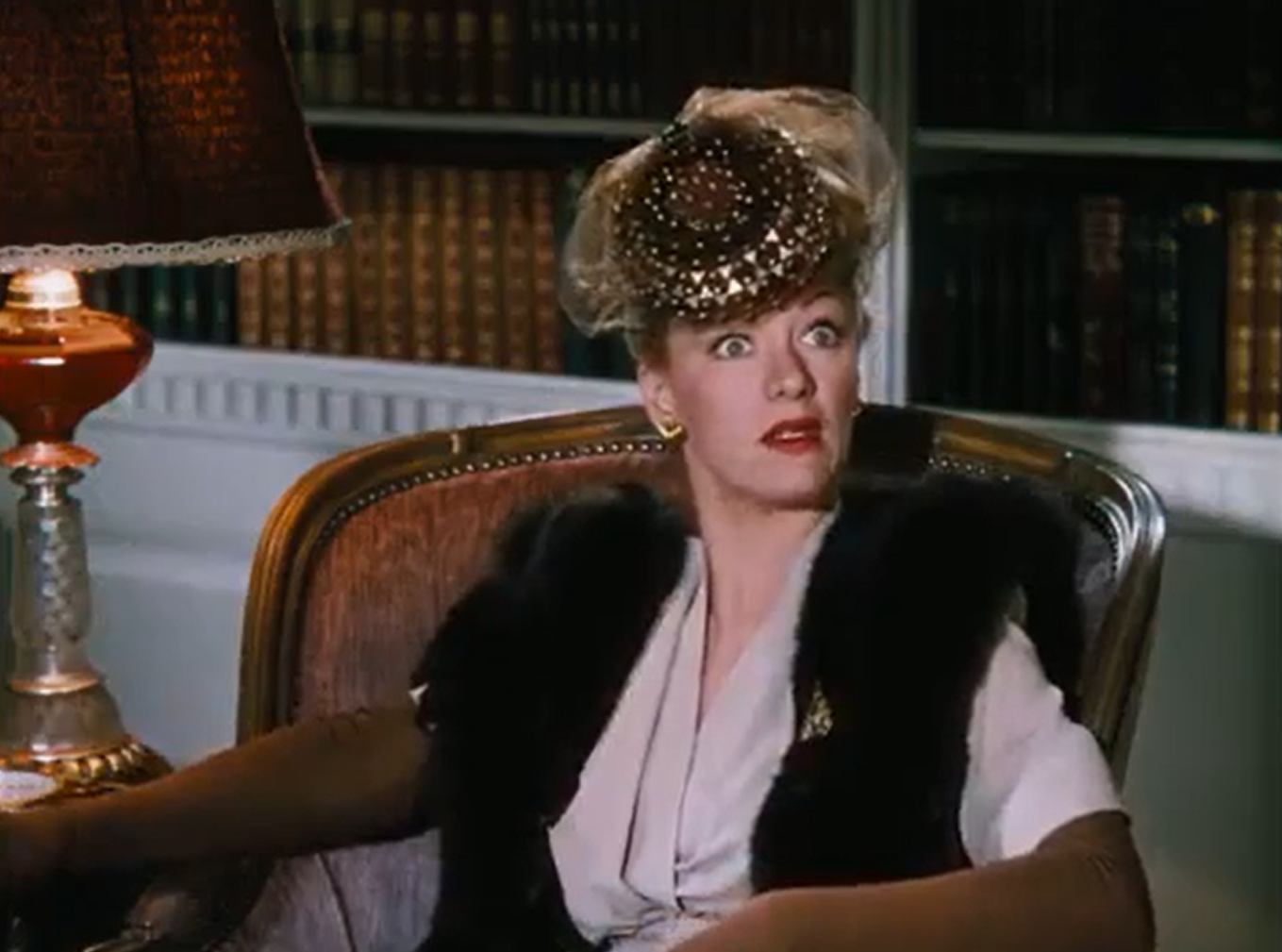
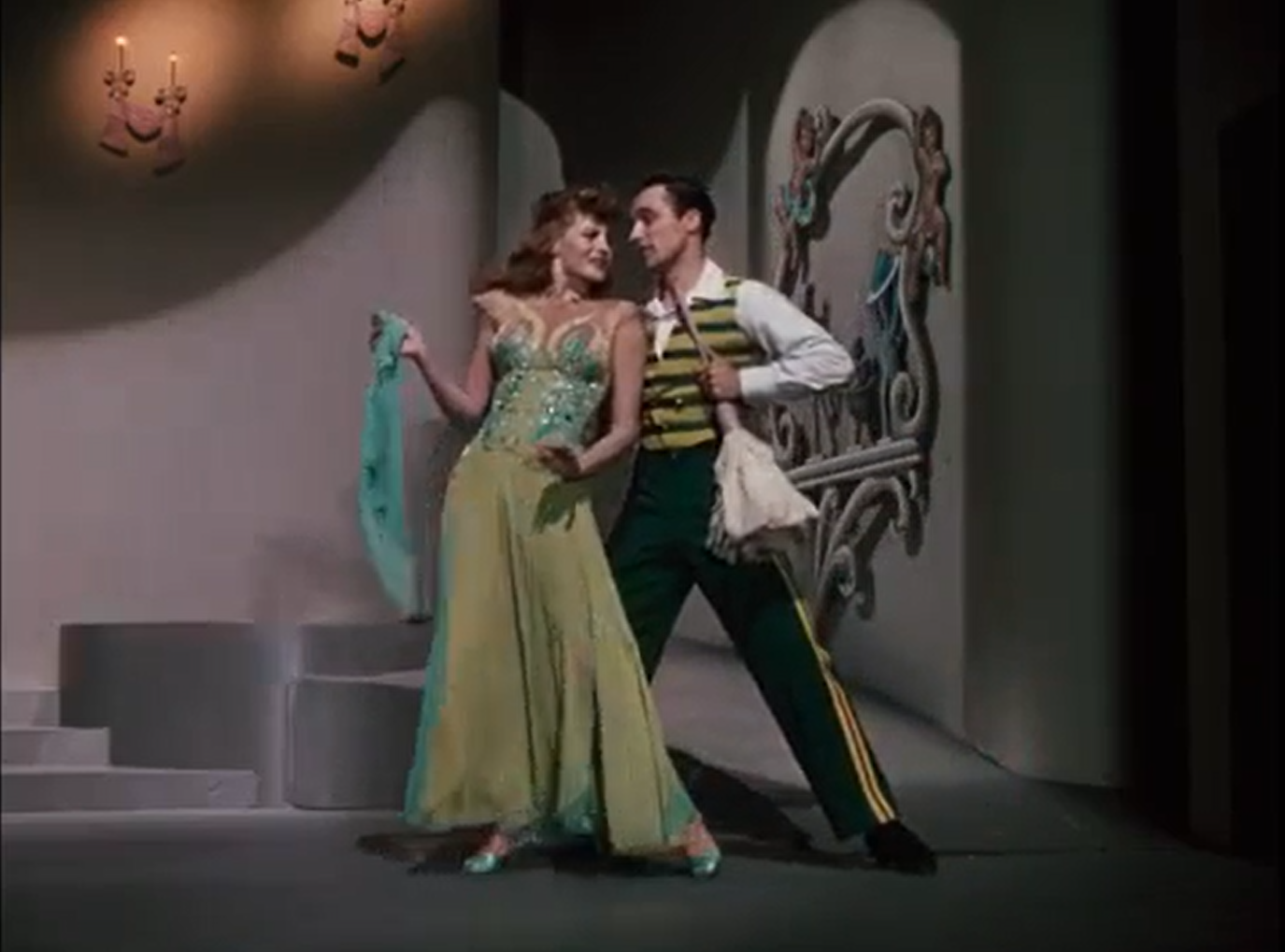
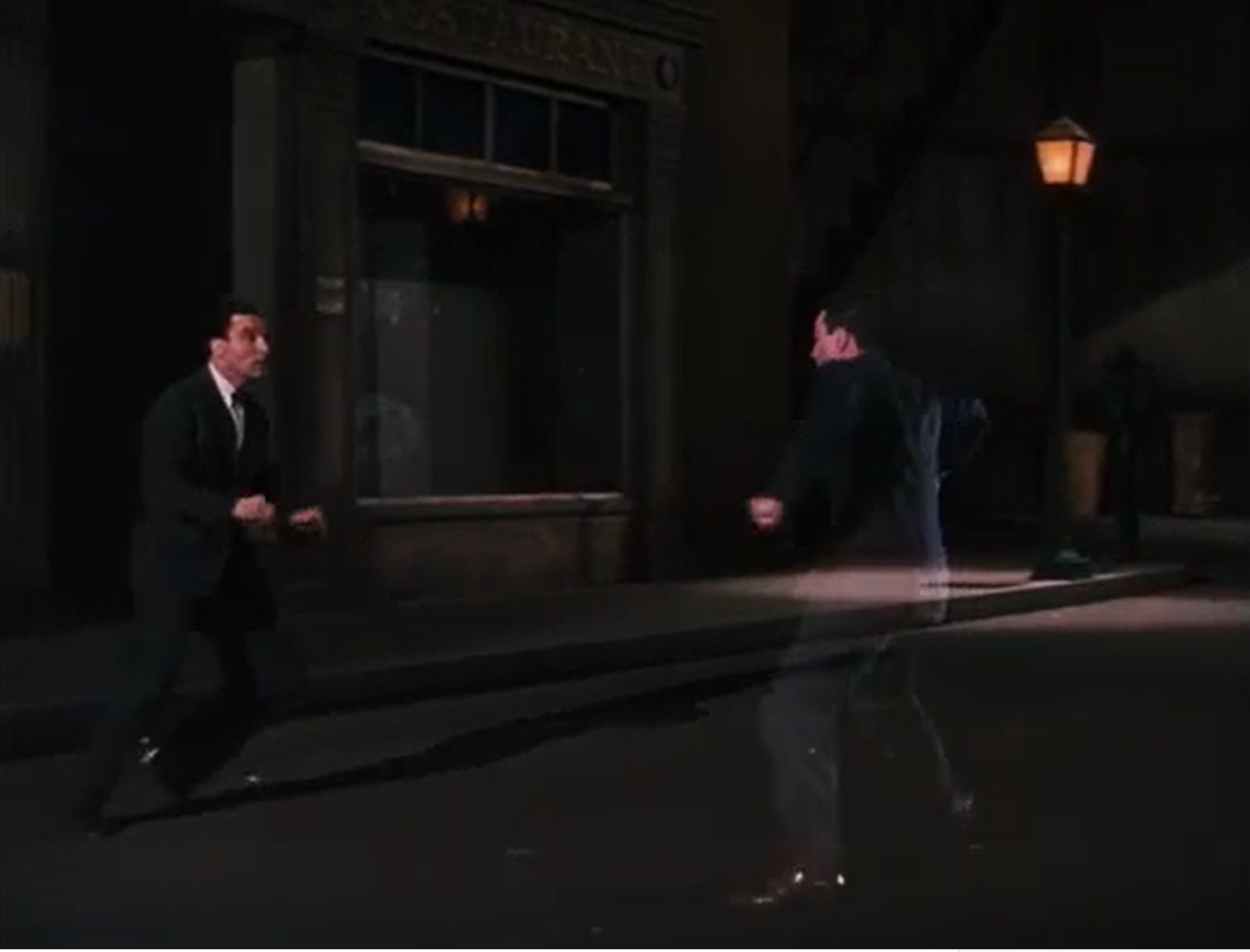
However, Cover Girl remains worth a look simply to watch lovely Hayworth performing some fine dance numbers (she’s incredibly light on her feet), and to see Kelly’s “Alter-Ego” routine, in which he dances with “himself” — he purportedly labeled it “the most difficult thing [he’d] ever done, a technical torture”, but his efforts paid off, to stunning effect. Watch for Eve Arden in a standard supporting role as Krueger’s wisecracking assistant:

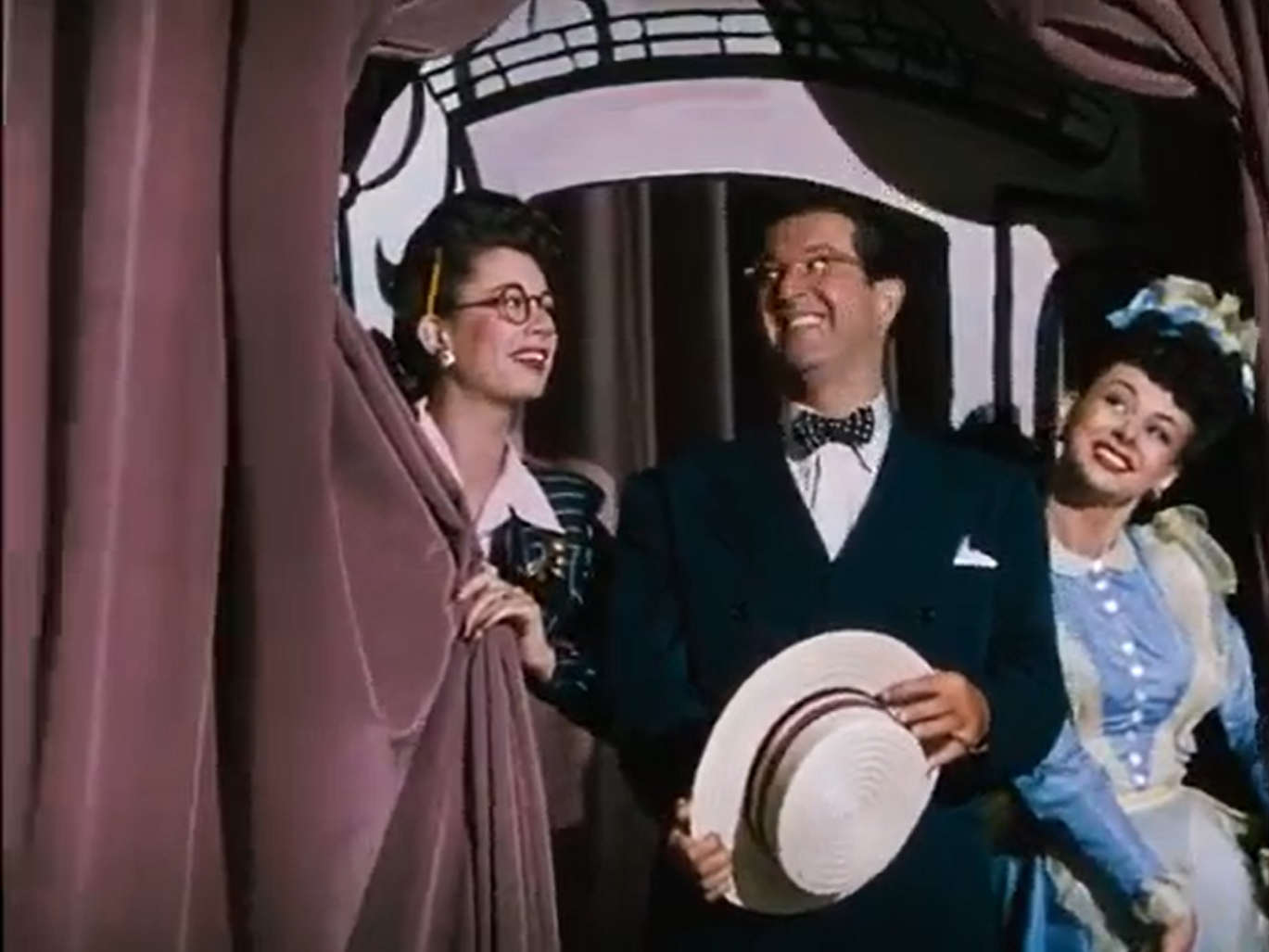
and Phil Silvers as Hayworth and Kelly’s annoyingly abrasive dance partner.

Redeeming Qualities and Moments:

  • Rudolph Mate’s Technicolor cinematography
  • Fine dancing by Hayworth and Kelly, and enjoyable choreography by Kelly and Stanley Donen
  • Kelly’s impressive “Alter Ego Dance”
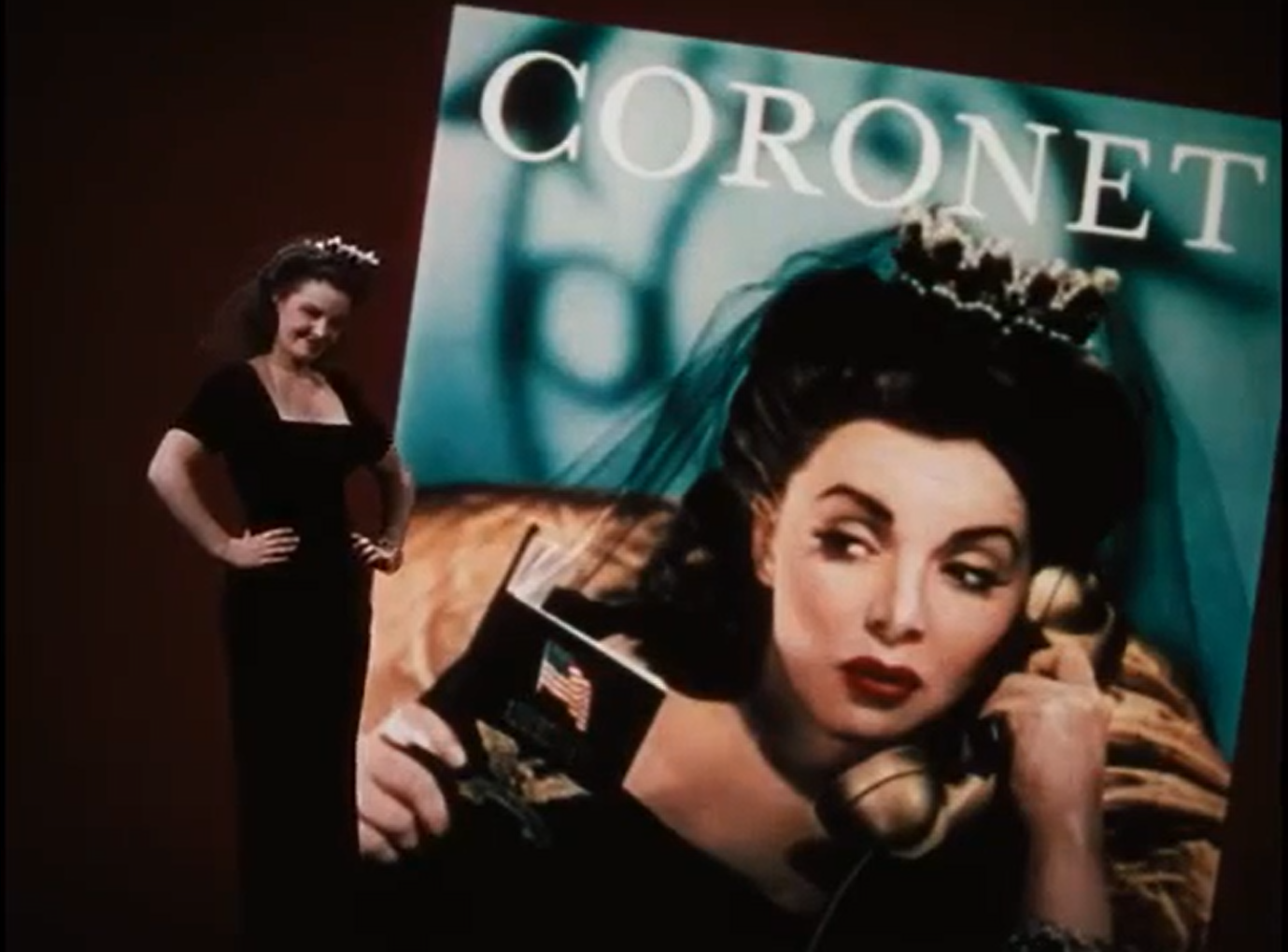
  • The colorful “cover girl” montage

Must See?
No; this one is only must-see for Kelly or Hayworth fans. But it’s worth a look simply for the dancing.

Links:

Love Parade (1929)

Love Parade (1929)

“I pronounce you wife and man.”

Synopsis:
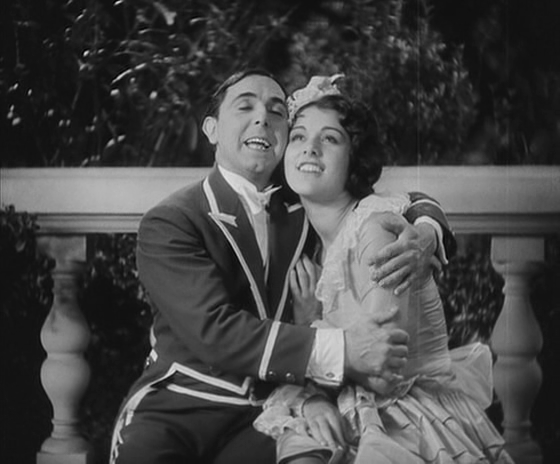
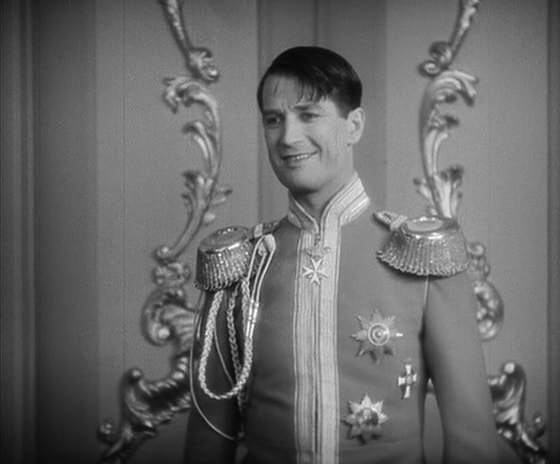
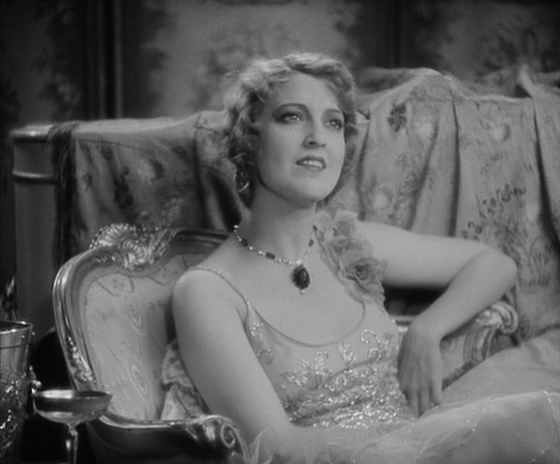
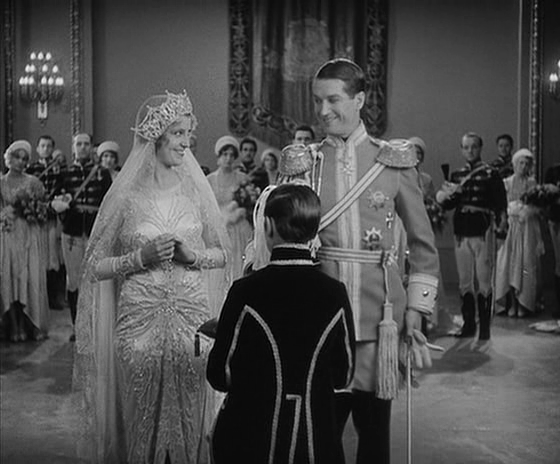
A rakish count (Maurice Chevalier) marries the queen of Sylvania (Jeanette MacDonald), but finds his masculinity threatened by his new role as “Prince Consort”.

Genres, Themes, Actors, and Directors:

  • Battle-of-the-Sexes
  • Ernst Lubitsch Films
  • Jeanette MacDonald Films
  • Marital Problems
  • Maurice Chevalier Films
  • Musicals
  • Royalty and Nobility
  • Strong Females

Response to Peary’s Review:
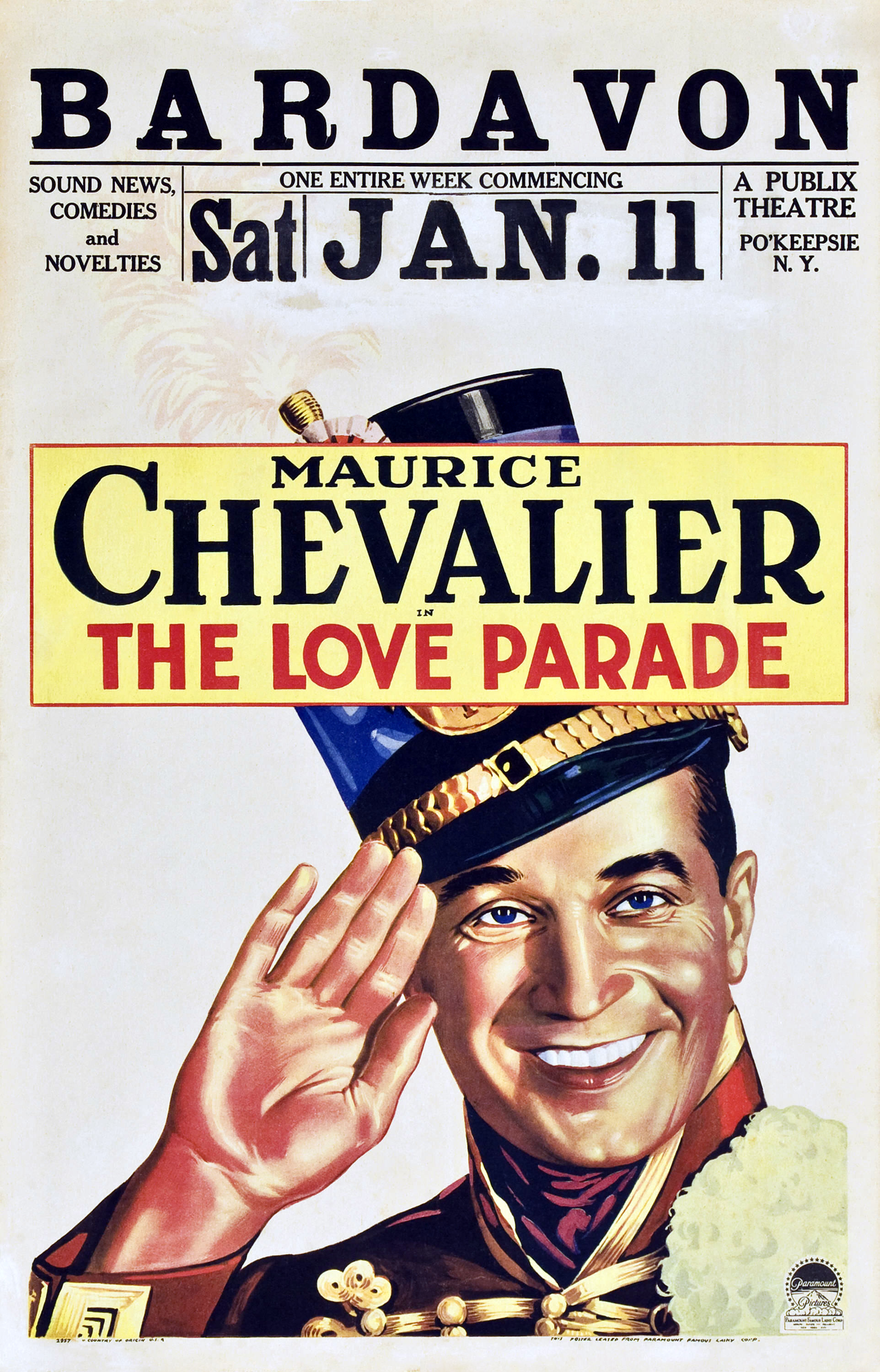
Peary notes that “Ernst Lubitsch’s first sound film revolutionized the screen musical because he integrated numbers into the storyline and used non-synchronized sound… so he could move his camera without fear of losing some lyrics and picking up stage noise”. Indeed, film fanatics interested in the evolution of early sound cinema will surely be fascinated to watch this movie and see how much Lubitsch was able to accomplish, relatively speaking, within his technological constraints. What’s most surprising, however, is how enjoyable this witty pre-Code “bedroom comedy” remains on multiple other levels. The clever, often racy storyline “deals with a husband and wife who have troubles because neither is satisfied with their roles in [a] marriage”; what makes this particular variation on the theme so unusual is that it’s Chevalier who is dissatisfied with the back seat he must take to the demands of his royal wife. The ultimate resolution of this tension is dated and somewhat unsatisfying — but as Peary argues, “it’s all so silly that no one could be seriously offended”.

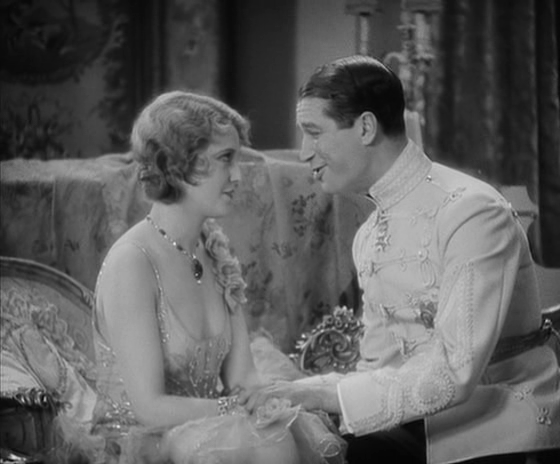
At the heart of the film’s success are its charismatic lovers. In her screen debut, MacDonald is “glowing” — as Peary notes, this “film is a reminder that [she] was not just a singer, but an okay comedienne and also an extremely sexy actress when given a chance”.

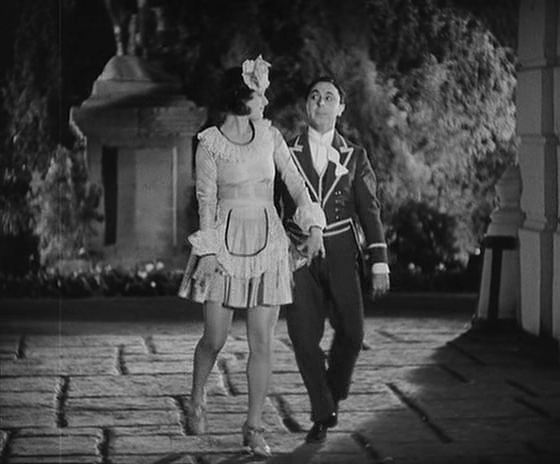
Meanwhile, Oscar-nominated Chevalier cemented his American screen presence here as a “bubbling” ladies’ man; it’s easy to see why MacDonald’s “virgin queen” would fall head-over-heels for him. Most film fanatics will also be interested to see a very young Lillian Roth in her breakthrough comedic role as MacDonald’s maid:

She performs a couple of enjoyable ditties and dances with “acrobatic, elastic-legged Lupino Lane” (playing Chevalier’s loyal servant). While its pacing is occasionally off (it could have easily been trimmed by half-an-hour or so), this early Lubitsch outing remains worth a look.

Redeeming Qualities and Moments:

  • Maurice Chevalier as Alfred (nominated by Peary as one of the Best Actors of the Year in his Alternate Oscars)
  • Jeanette MacDonald as Queen Louise
  • Lillian Roth and Lupino Lane’s energetic dances together
  • Plenty of enjoyably racy pre-Code “innuendo”

Must See?
Yes, for its historical relevance as a ground-breaking early (narrative) musical.

Categories

  • Historically Relevant
  • Important Director

Links:

Summer Storm (1944)

Summer Storm (1944)

“When a man pities his rival, he’s preparing to pity himself.”

Synopsis:
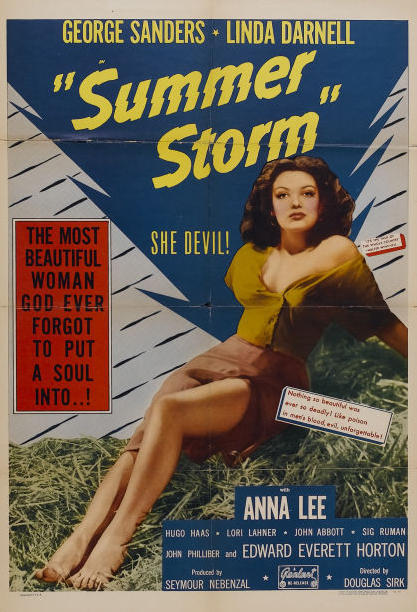
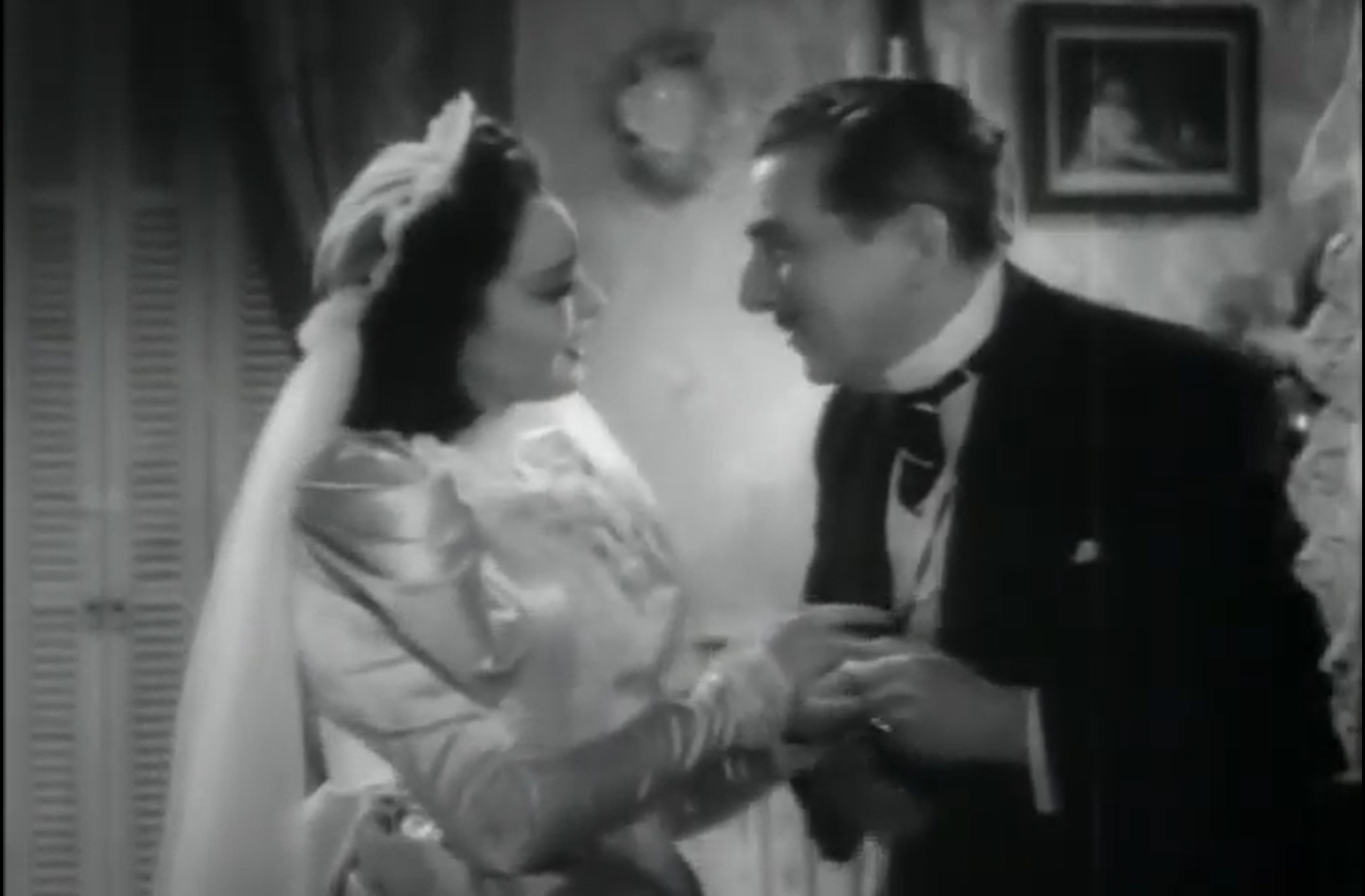
In pre-Revolutionary Russia, beautiful young Olga (Linda Darnell) is married off to an older peasant (Hugo Haas), but secretly loves an aristocratic judge (George Sanders); meanwhile, a foppish nobleman (Edward Everett Horton) lavishes Olga with gifts in hopes of buying her favors, and the upstanding daughter (Anna Lee) of a publisher mourns the loss of her fiancee (Sanders).

Genres, Themes, Actors, and Directors:

  • Anna Lee Films
  • Cross-Class Romance
  • Douglas Sirk Films
  • Flashback Films
  • George Sanders Films
  • Linda Darnell Films
  • Love Triangle
  • Social Climbers

Review:
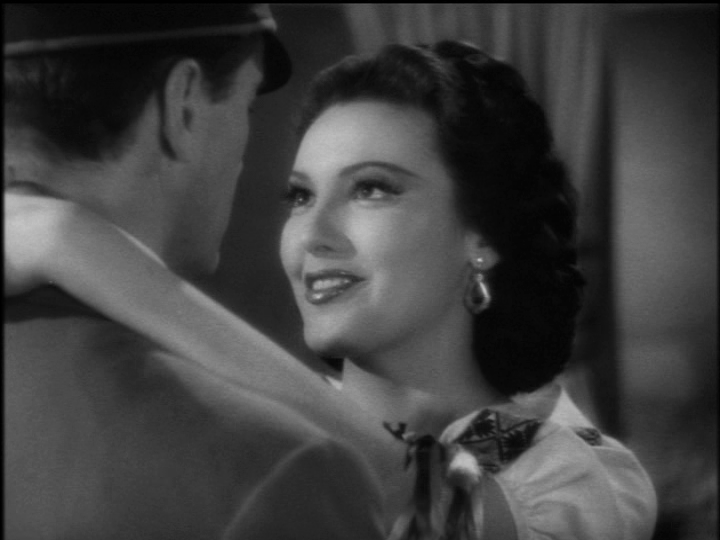
Based on Anton Chekhov’s 1884 novella The Shooting Party, this historical melodrama is primarily remembered — along with Hitler’s Madman (1943) — as one of Douglas Sirk’s first American studio pictures after his emigration from Germany. Film fanatics will likely be surprised to see iconic fey character actor Edward Everett Horton given a relatively substantial role here, playing a simpering, womanizing (!) aristocrat with comedic flair; unfortunately, as much as I’d love to give him kudos, his performance is ultimately more amusing than convincing.

Sanders is typecast in a somewhat serious role as a judge who falls head-over-heels for Darnell’s Olga; their romance isn’t particularly convincing either — though we’re meant to simply accept that Olga is such an intoxicatingly smoldering beauty she can’t help igniting the passions of all men around her.

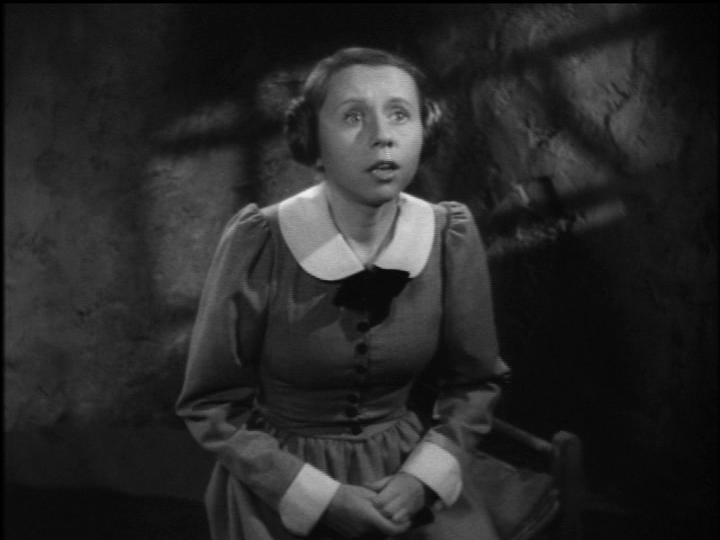
Other than the rather pedestrian “suspense” surrounding Darnell’s social-climbing romantic aspirations (and an unexpected plot twist in the final half-hour), the film’s narrative tensions derive primarily from sticky class relations; indeed, the original story’s timeline was moved up a few decades to heighten the fact that Horton and Sanders’ sense of entitlement would not last long in the face of an increasingly disenchanted proletariat. Watch for a memorable supporting performance by Laurie Lane (Lori Lahner) as a maid with a crush on Sanders.

Redeeming Qualities and Moments:

  • Linda Darnell as Olga
  • Laurie Lane as Clara
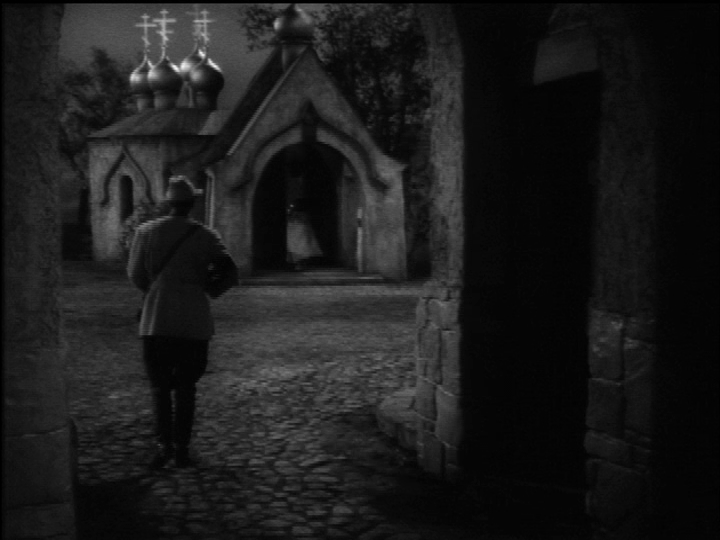
  • Atmospheric cinematography and direction

Must See?
No; this one is only must-see for Sirk completists.

Links:

Wrong Man, The (1956)

Wrong Man, The (1956)

“An innocent man has nothing to fear — remember that.”

Synopsis:
A musician (Henry Fonda) is falsely accused of being a thief, and struggles to assert his innocence; meanwhile, his wife (Vera Miles) descends into a mental breakdown from the strain of the situation.

Genres, Themes, Actors, and Directors:

  • Anthony Quayle Films
  • Courtroom Drama
  • Falsely Accused
  • Henry Fonda Films
  • Hitchcock Films
  • Living Nightmare
  • Mental Breakdown

Response to Peary’s Review:
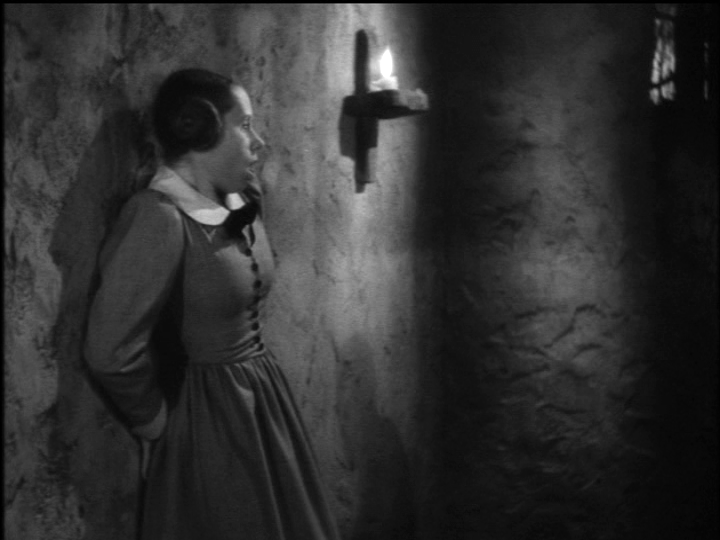
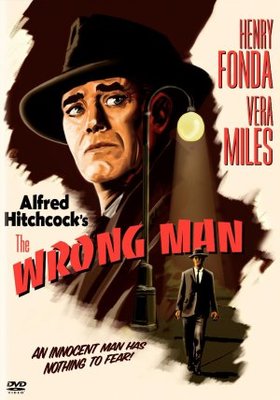
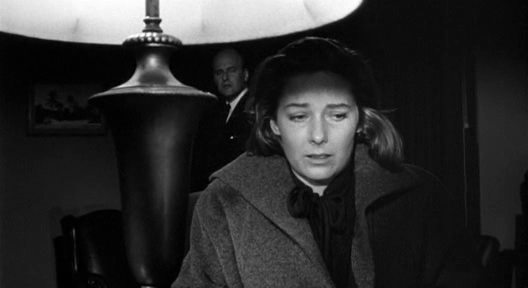
Alfred Hitchcock’s dramatization of the travails of falsely accused New York musician Christopher Emmanual Ballestreros is his most documentary-like feature — and also, perhaps not coincidentally, the most depressing film in his entire oeuvre. As Peary notes, the “first part of the picture, in which Fonda is arrested outside his home, questioned, fingerprinted, paraded in front of witnesses, and tossed in jail, is masterfully directed with a sense of precision that’s even above Hitchcock’s usual standards”, and “perfectly illustrates [his] lifelong terror of being arrested for a crime he knew nothing about.” Peary argues that “this Kafkaesque sequence is so frightening that everything that comes afterward seems anticlimactic”, positing that “Miles’s breakdown is bothersome rather than compelling because it takes time away from the mystery” — but I don’t quite agree; rather than finding Miles’s mental collapse distracting, I feel it actually deepens the power and heartbreak of the screenplay, given that it shows the truly irreparable harm done by the false accusation.

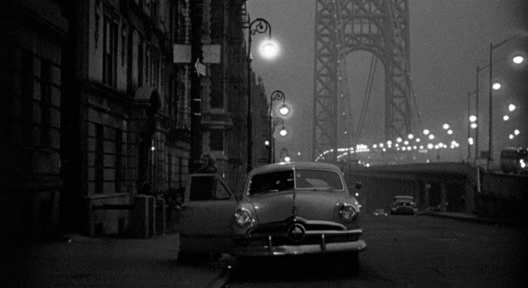
Fonda is well-cast in the title role; he’s the ideal “everyman”, an “initially dull Hitchcockian hero whose every minute is planned out and whose life doesn’t vary at all from day to day” — and a rare Hitchcockian protagonist “without any sense of humor” whatsoever. Miles provides a nuanced, sensitive portrayal as his increasingly disturbed wife, and the supporting performances throughout the film — many by seemingly unknown actors — are finely rendered; note, for instance, the utter believability of the three terrified women in the Social Security office who initially accuse Fonda’s character. Meanwhile, Robert Burks’s stark cinematography perfectly captures the nightmarish noir milieu within which Fonda and his family find themselves, and fine use is made of authentic New York City locales.

With all that said, I must now admit to postponing my revisit of this highly regarded Hitchcock title for as long as possible; as DVD Savant puts it, “There’s nothing wrong with this picture except that it breaks Hitchcock’s primary rule – it doesn’t please the audience.” Hitchcock’s fidelity to the real-life story he was telling results in an oddly depressing and disturbing viewing experience; while The Wrong Man is undeniably a masterful film on many levels, it’s one which most film fanatics will probably want to consider a “once and done” title. At the very least, any viewer will come away with a heightened understanding of the importance of never, ever providing information to the police without first consulting a lawyer; Fonda’s best intentions here (giving lie to the oft-repeated quote that “an innocent man has nothing to fear”) do nothing but get him even deeper into trouble.

Redeeming Qualities and Moments:

  • Henry Fonda as Manny Ballestreros
  • Vera Miles as Ruth Ballestreros
  • Robert Burks’ noir-ish cinematography
  • Fine use of authentic New York locales

Must See?
Yes, once — but don’t expect to want to return to this one.

Categories

  • Important Director

(Listed in 1001 Movies You Must See Before You Die)

Links: