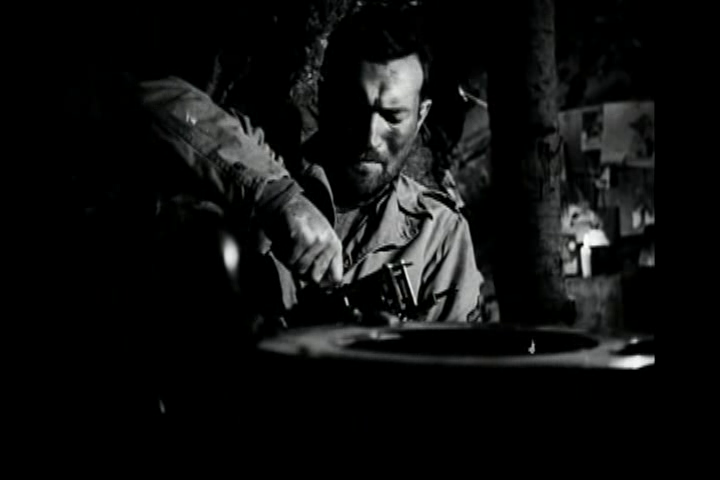
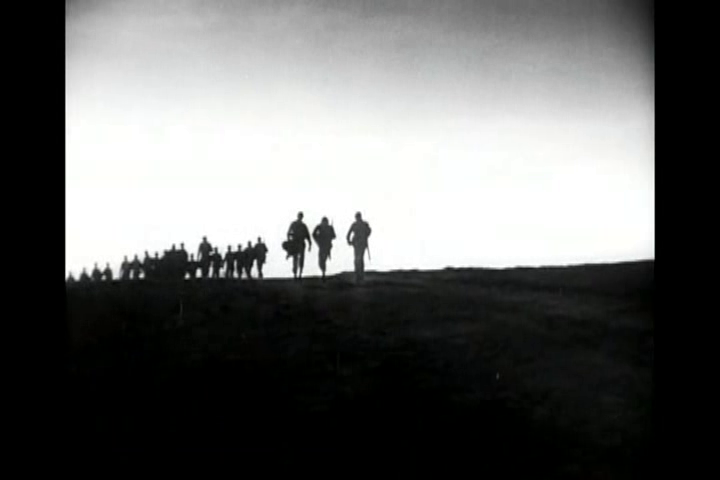
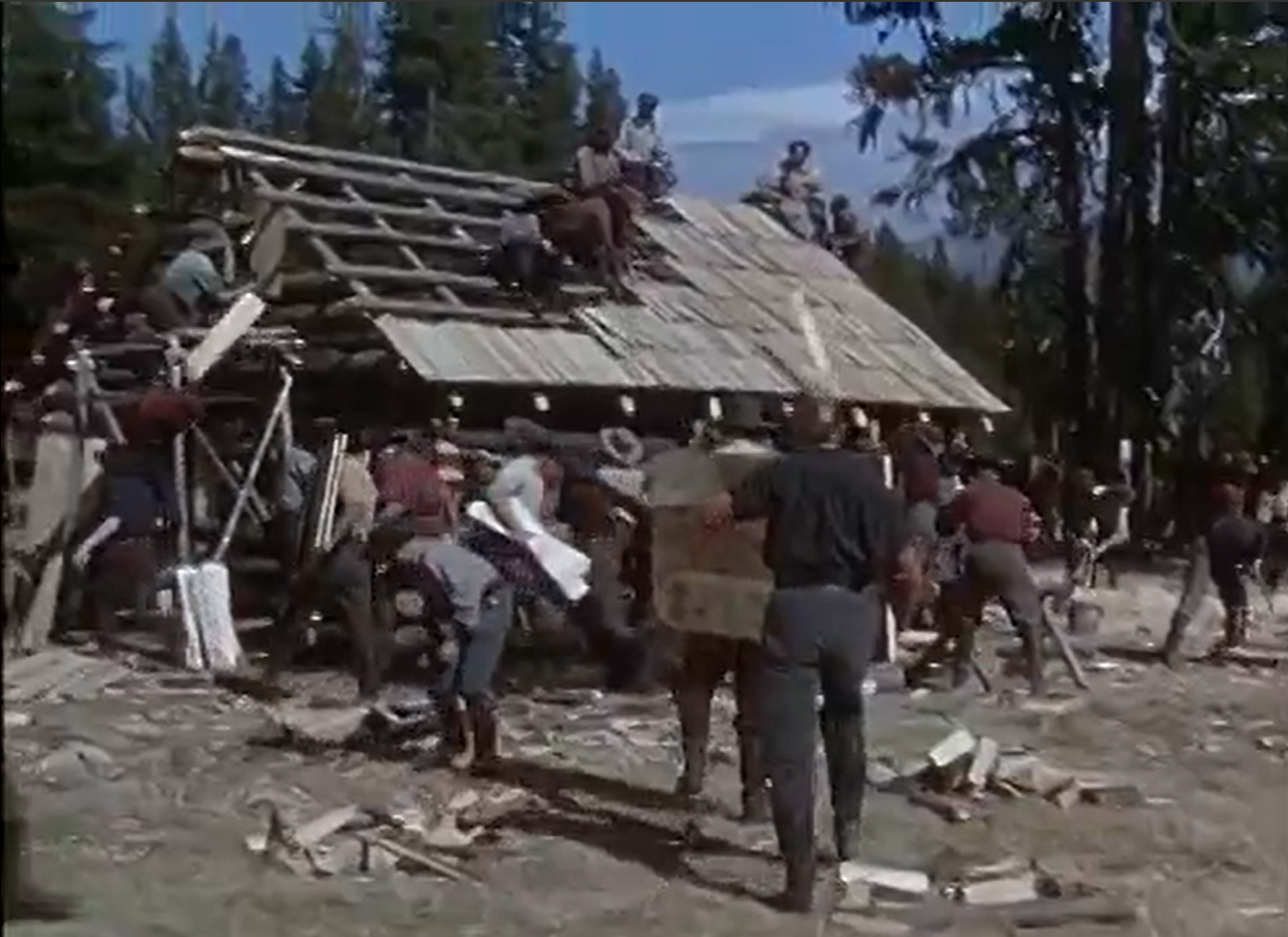
Sands of Iwo Jima (1949)
“Let the other guy die for his country; you’ll live for yours.”
“I know why I ran. I was scared to death.”
|
Synopsis: |
|
Genres, Themes, Actors, and Directors:
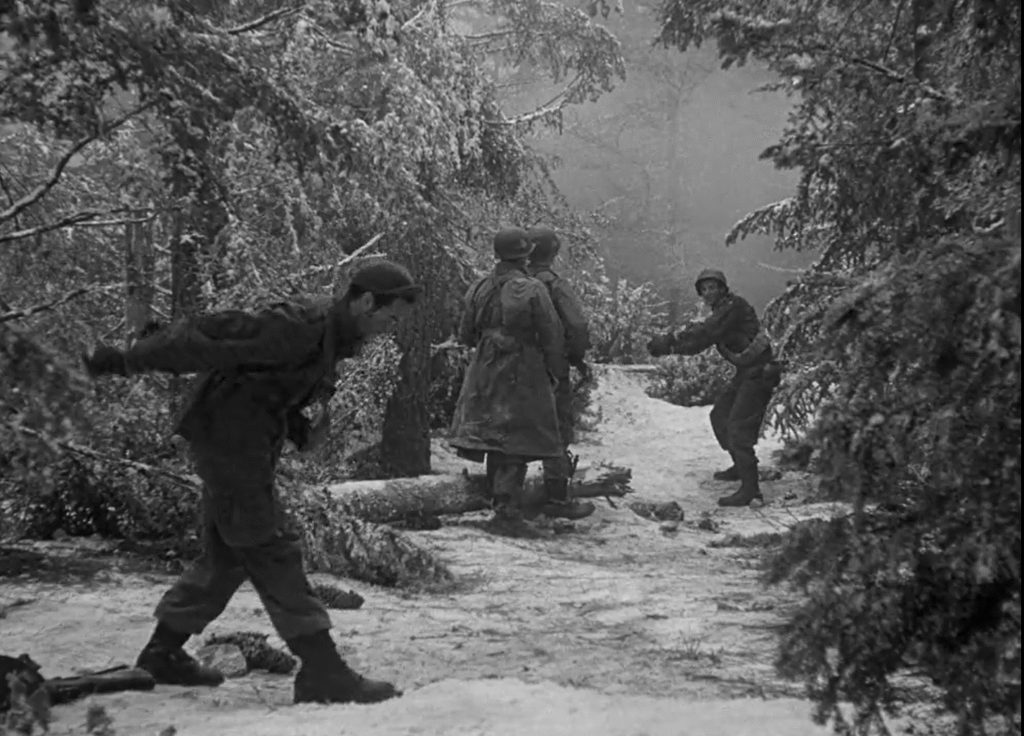
Response to Peary’s Review: … and notes that he likes how director William “Wellman never lets us forget that the men are feeling the effects of the cold and deep snow.” However, he complains that “the guys are so wrapped up you can’t tell them apart” (not true). I’m more in agreement with a review by DVD Savant, who argues that “Battleground is the best of the generic ‘GIs in the Mud’ genre of war film.” He writes:
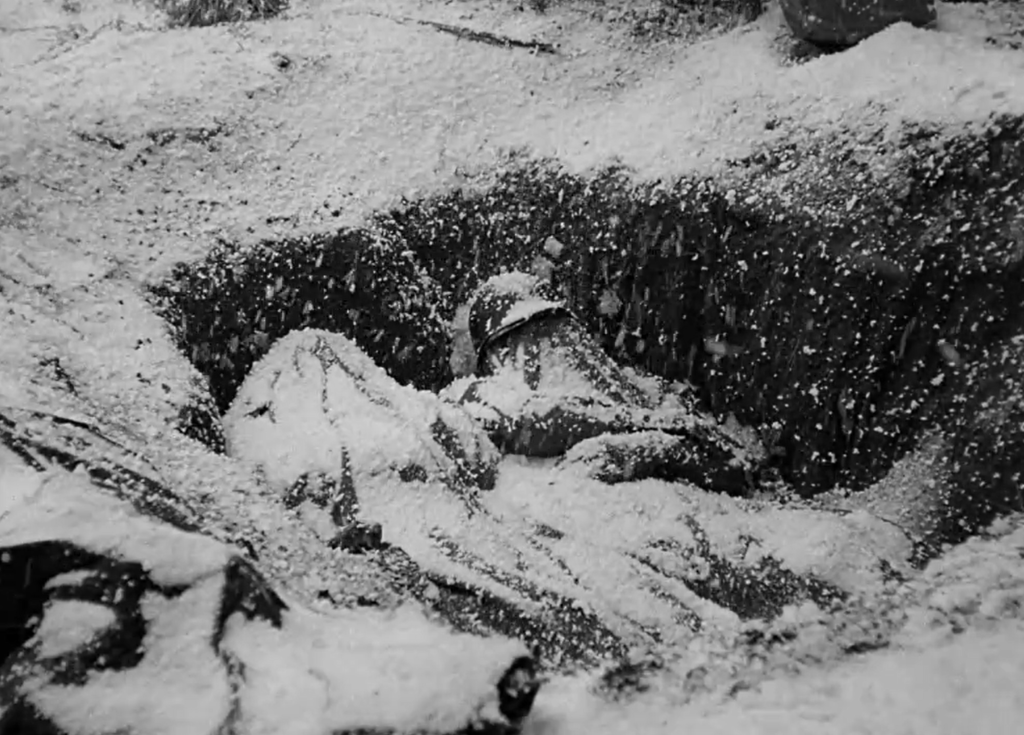
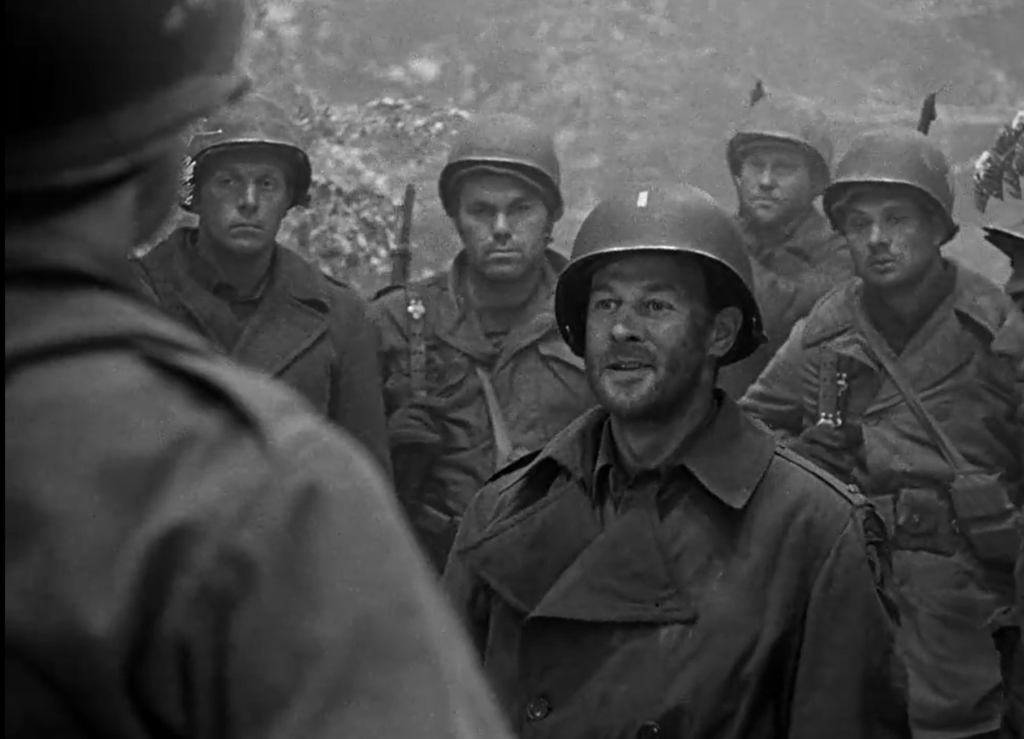
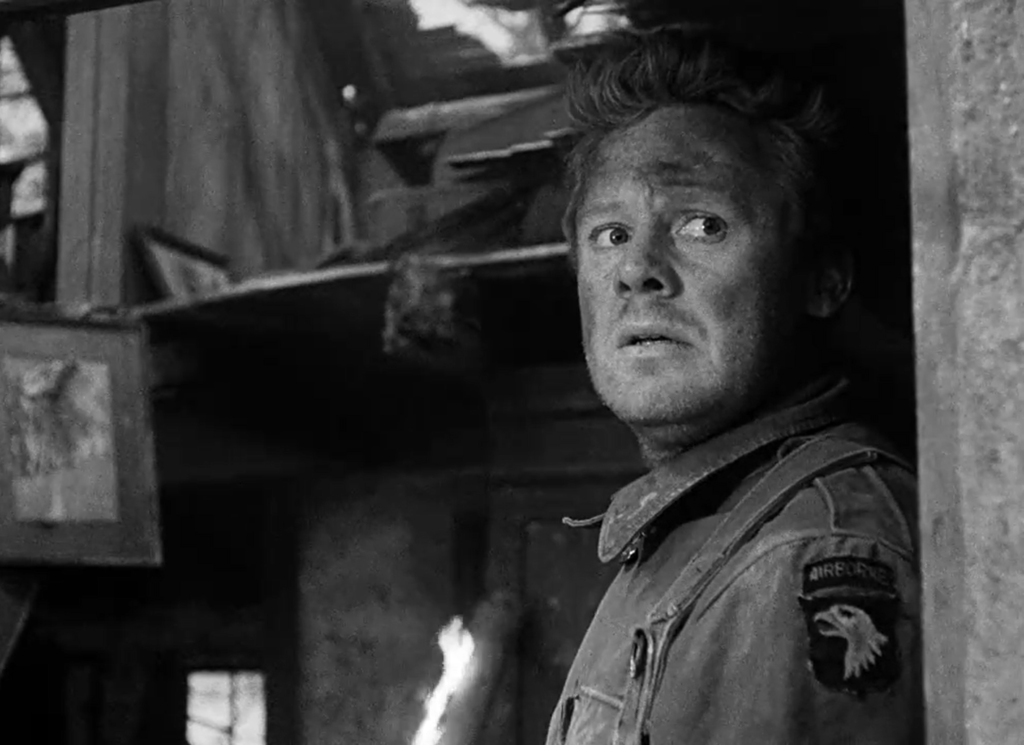
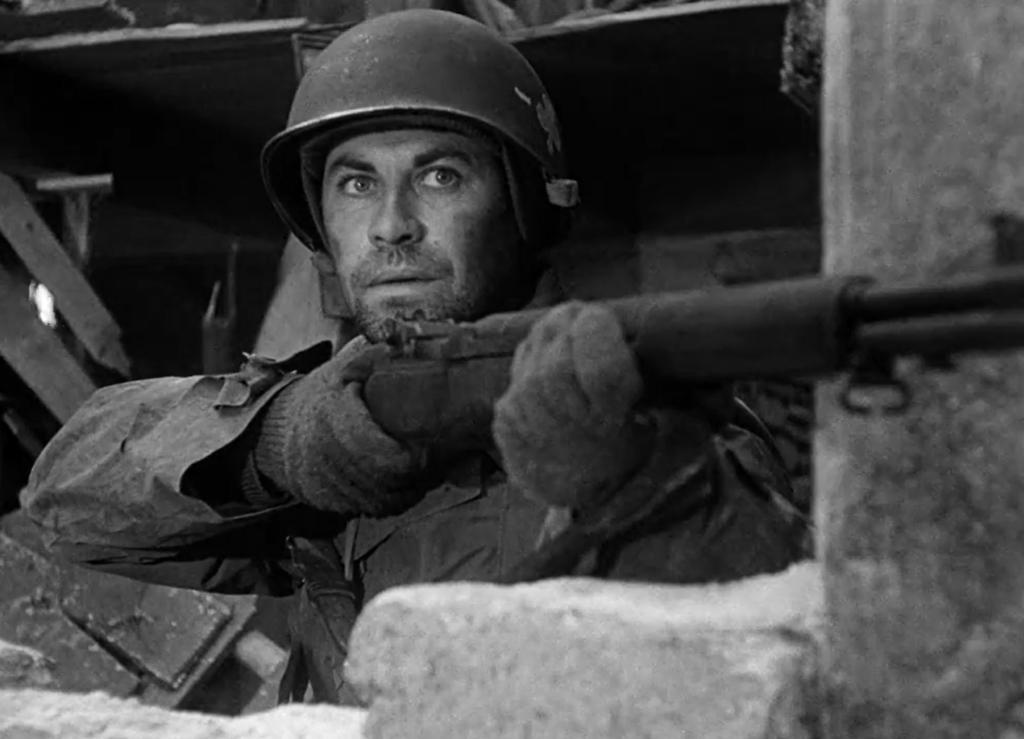
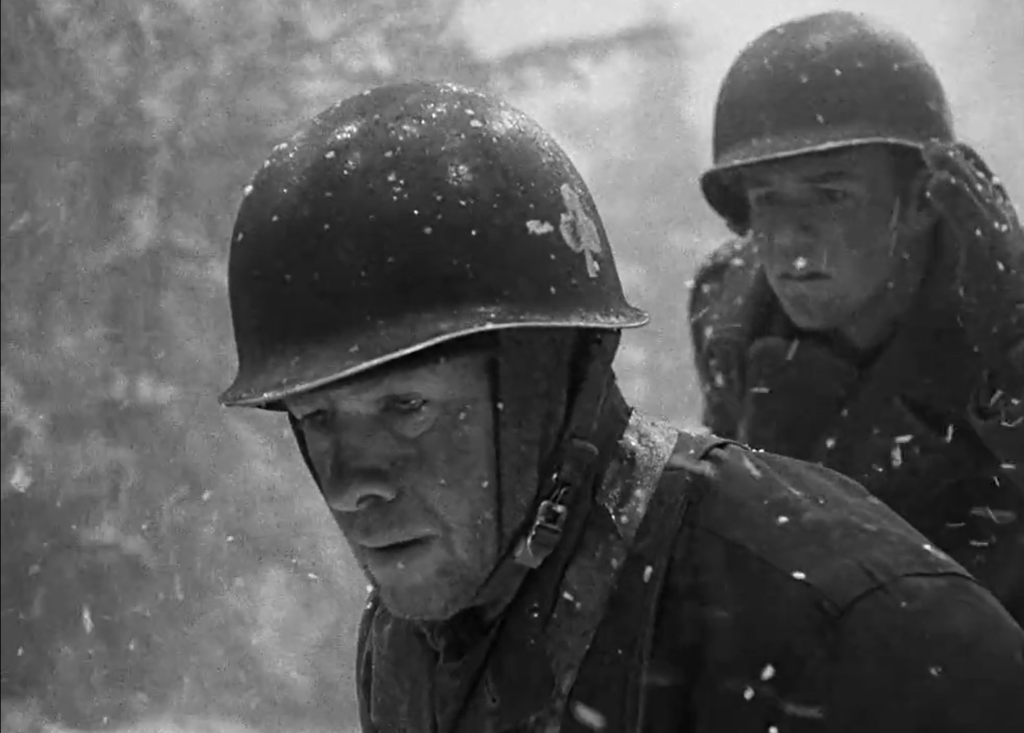
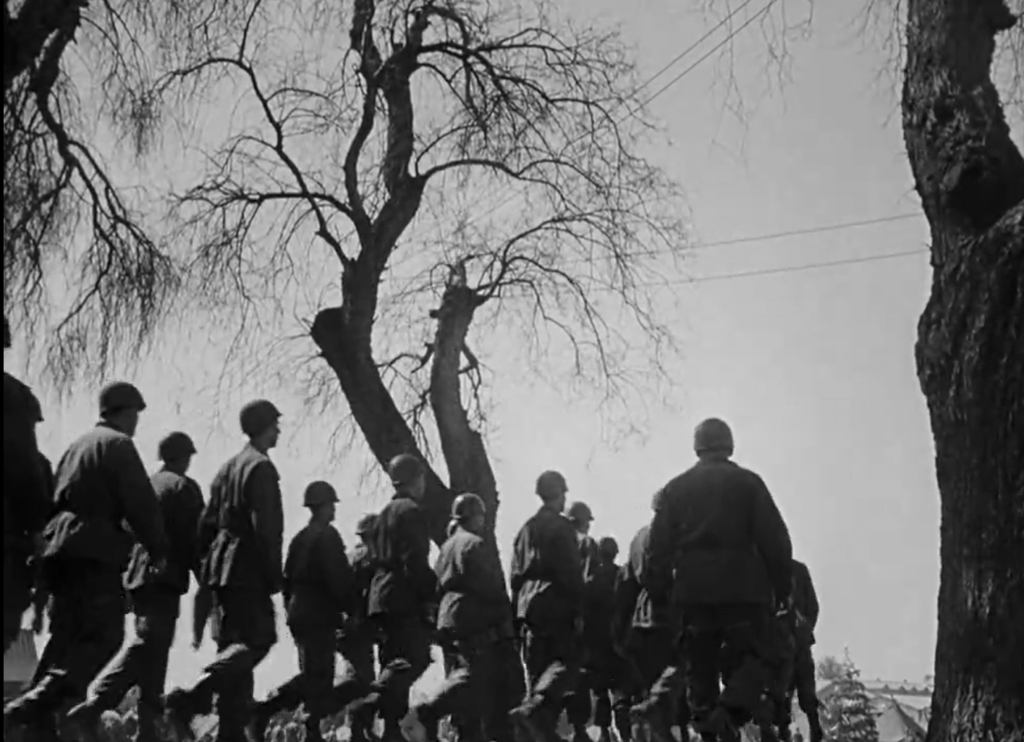
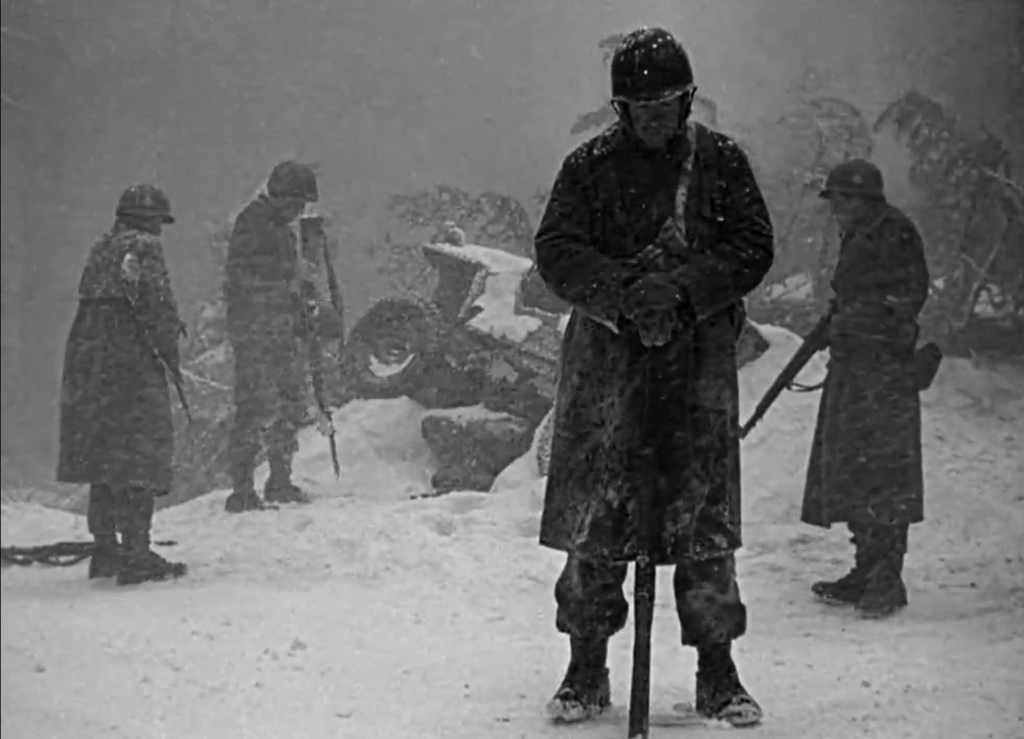
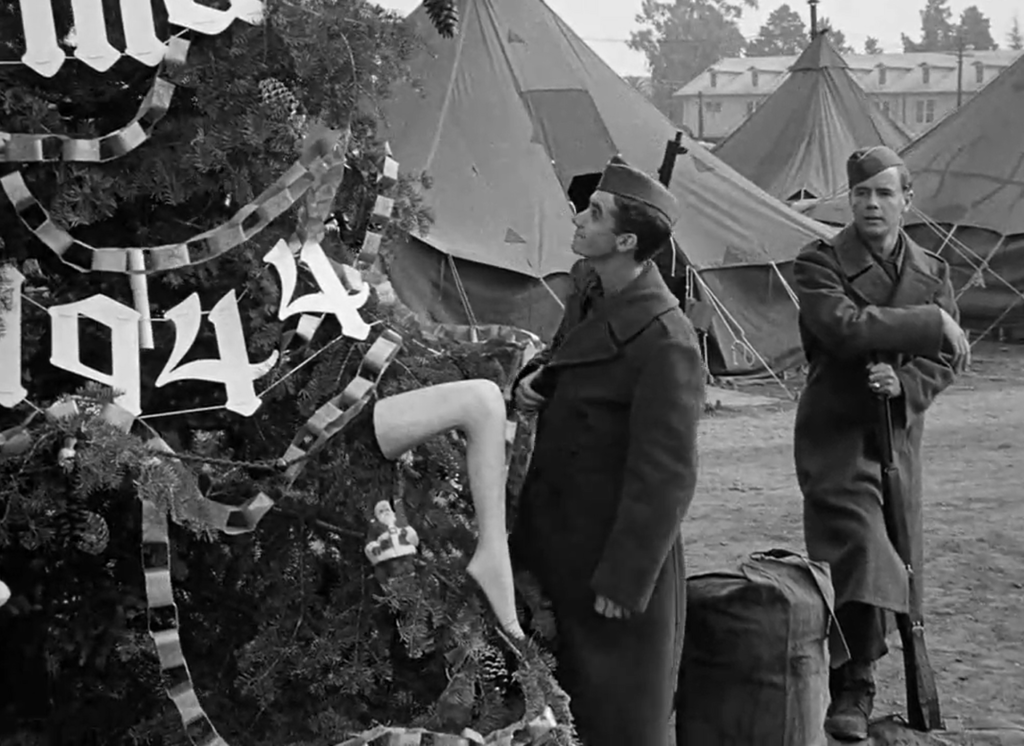
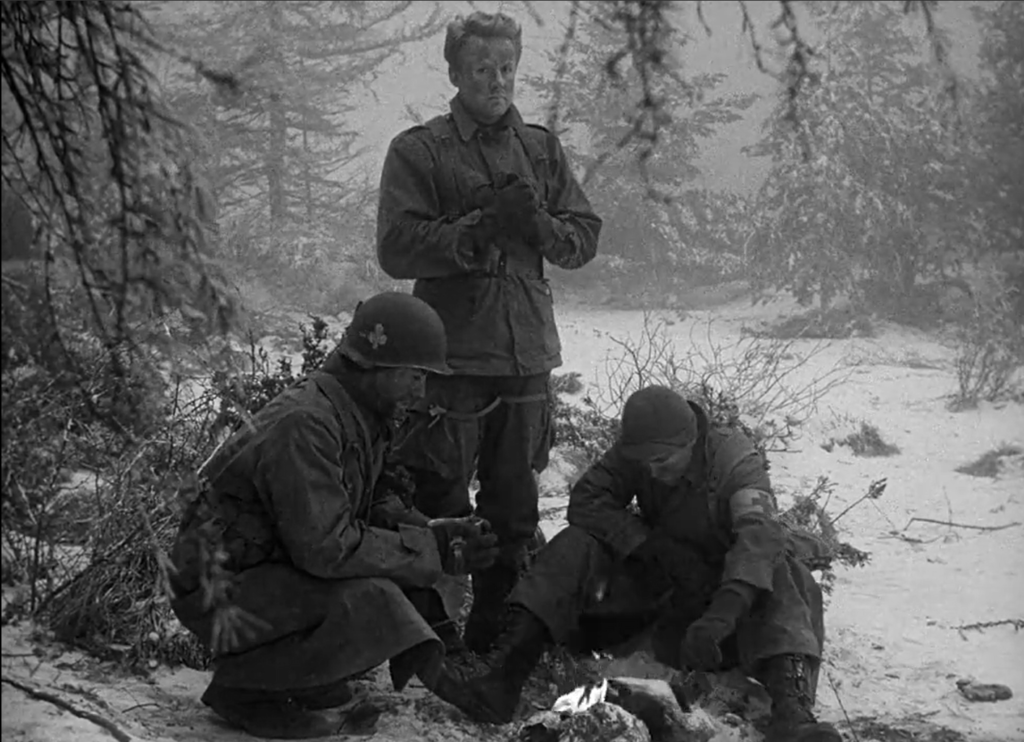
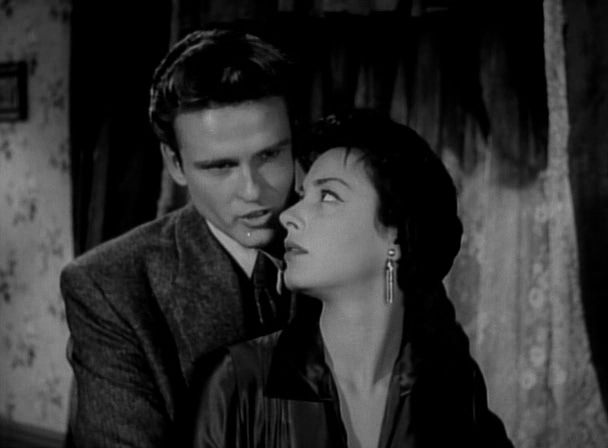
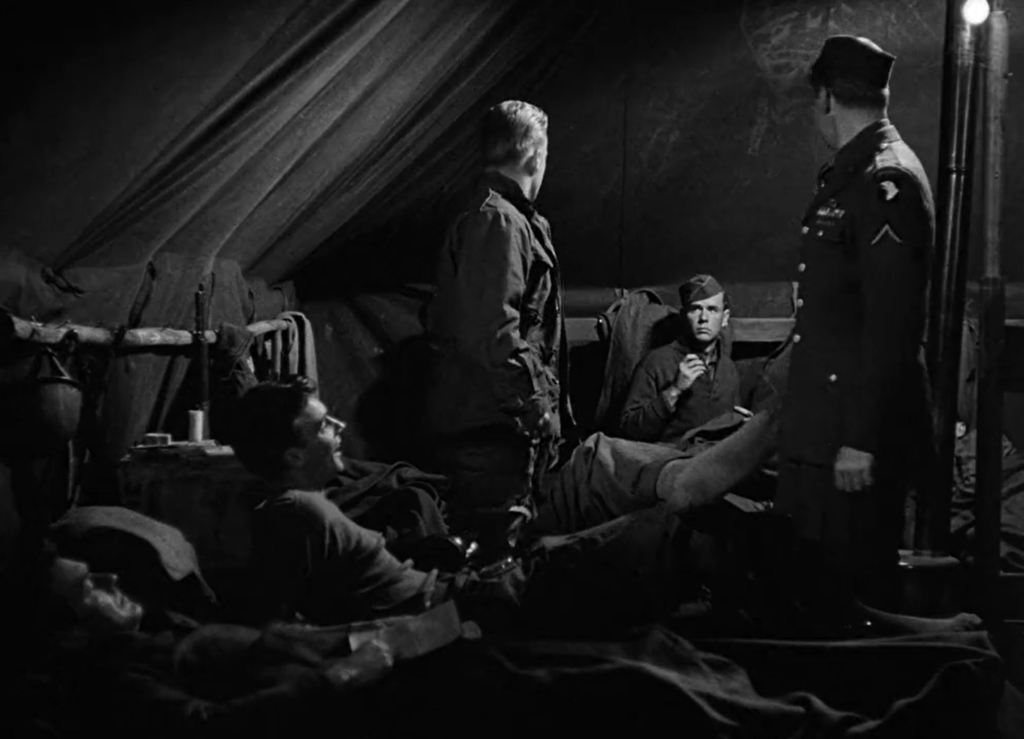
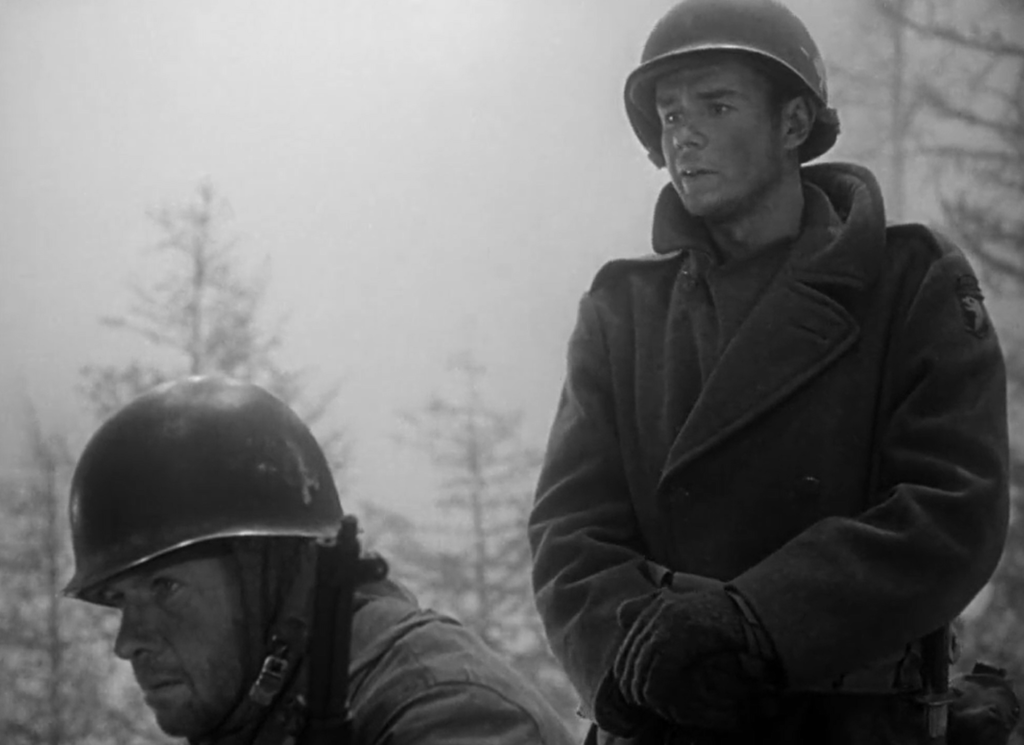
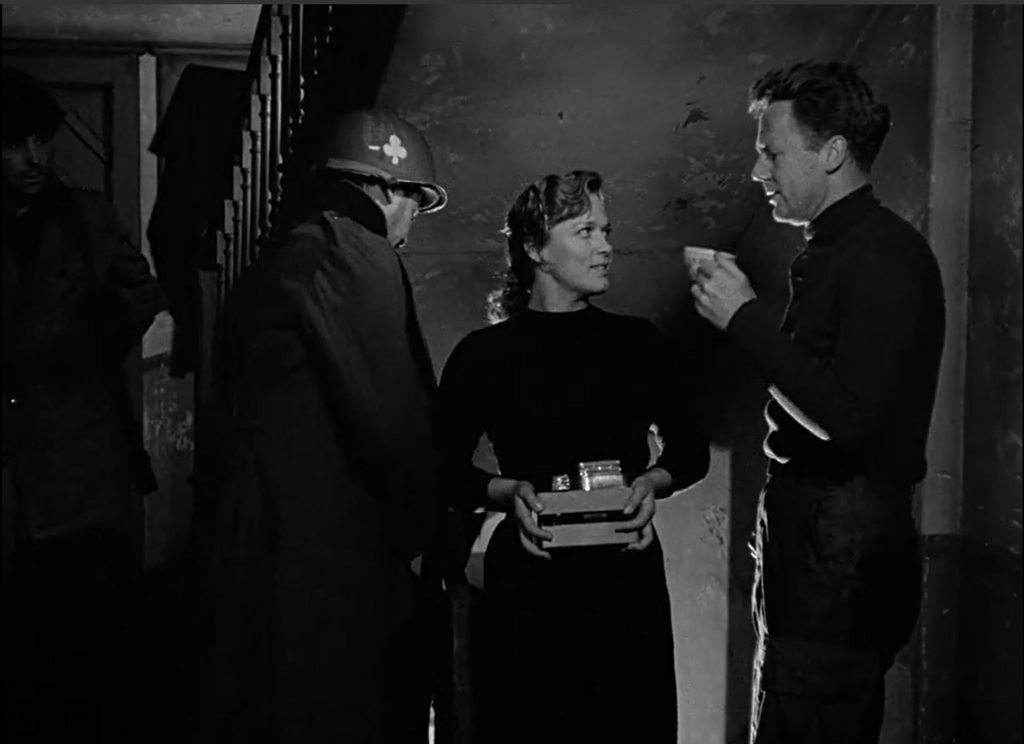
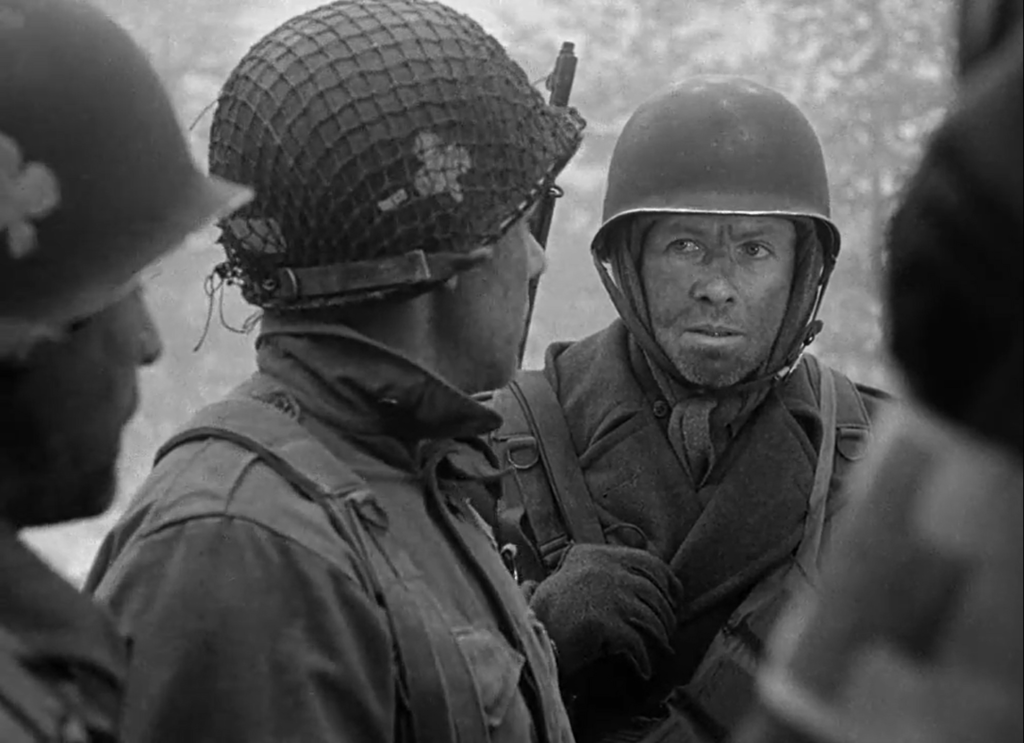
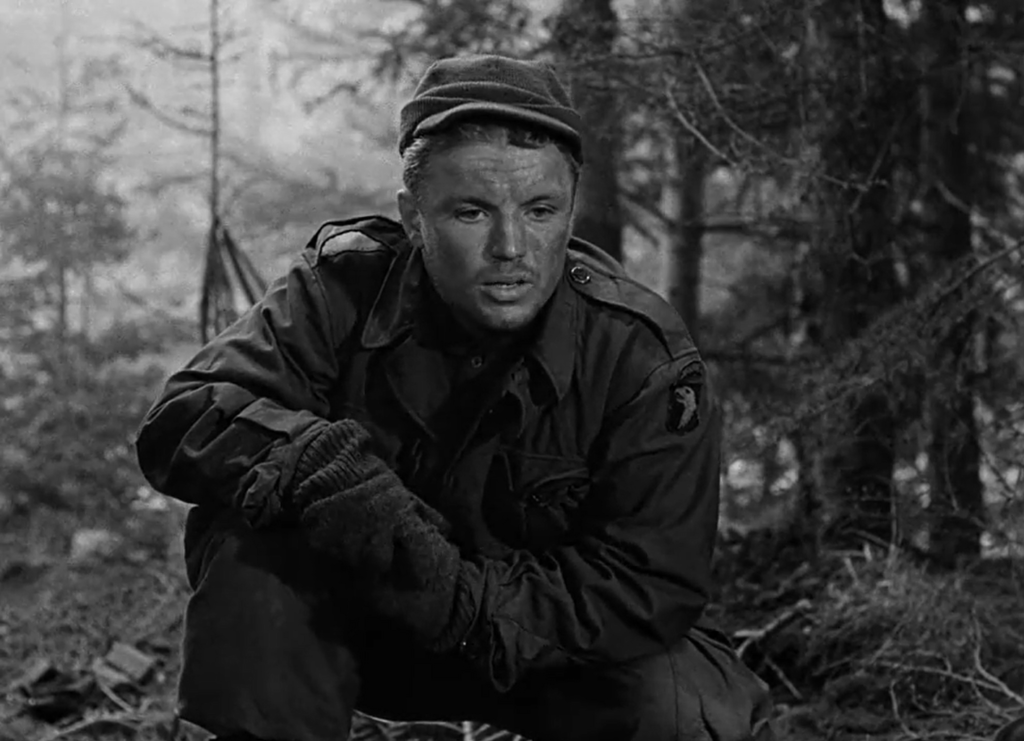
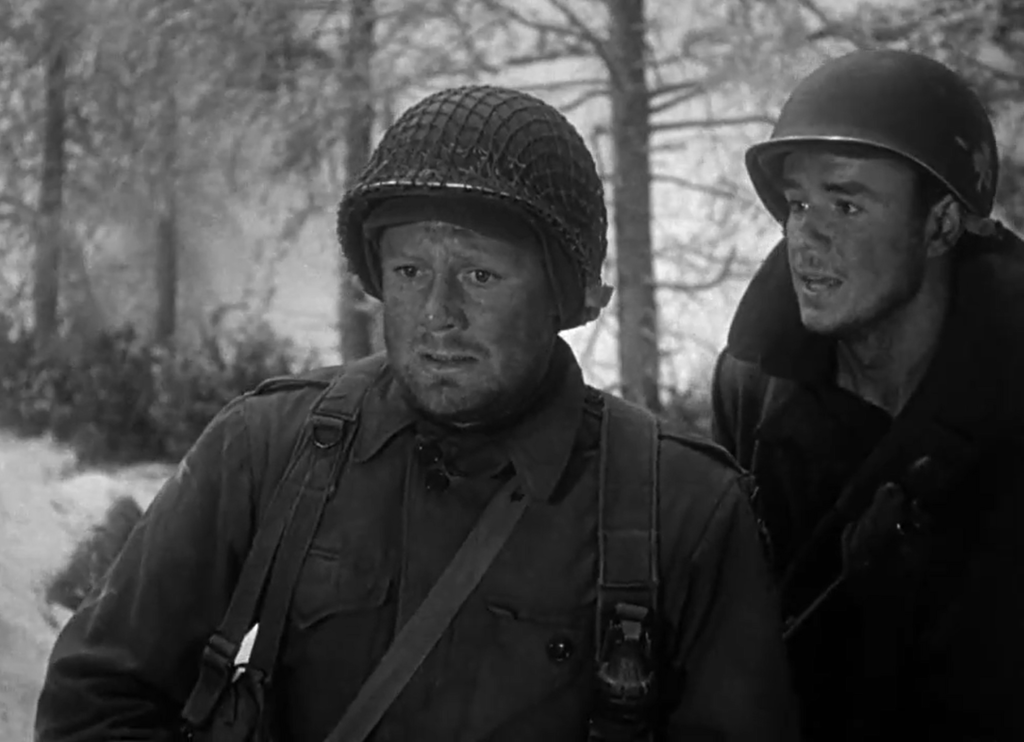
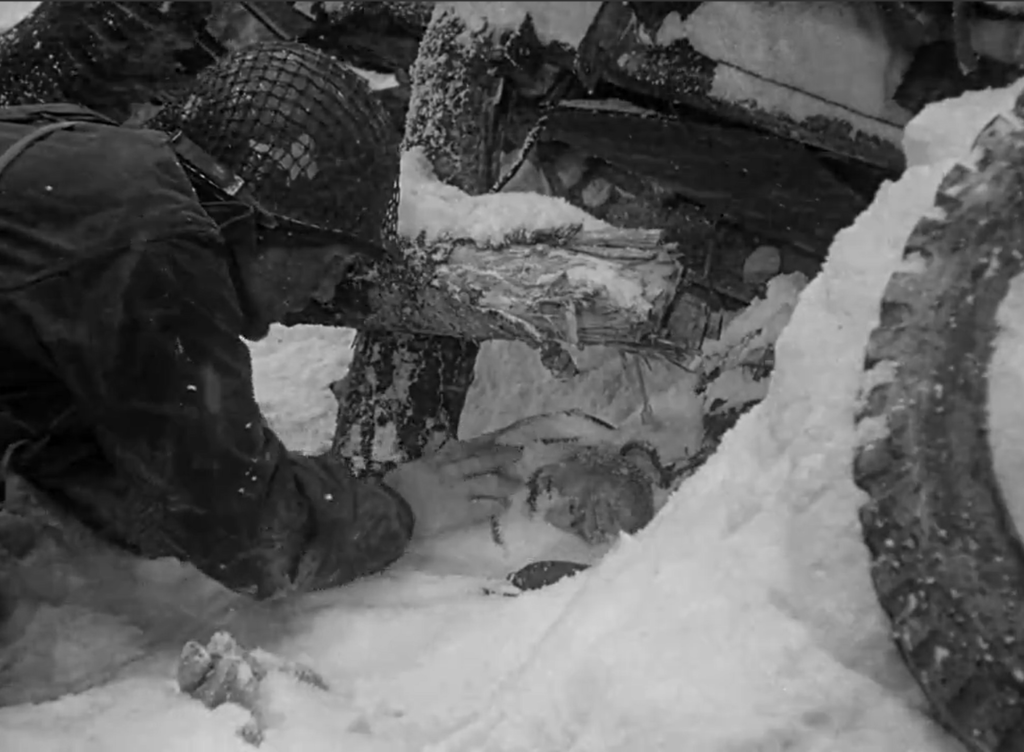
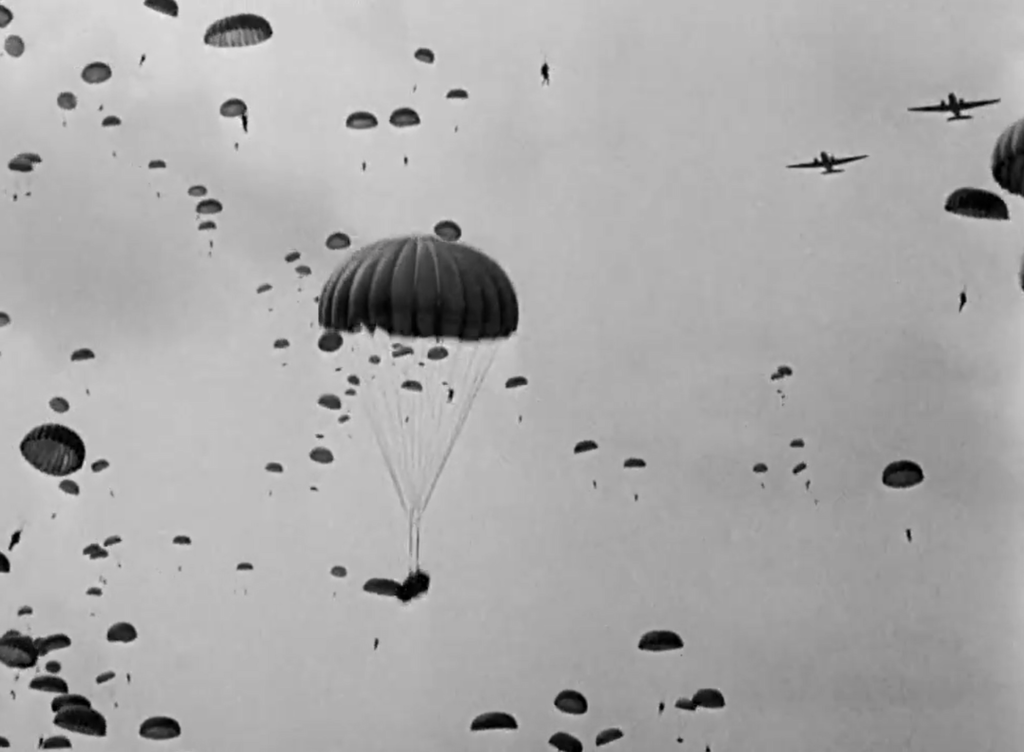
Indeed, this sobering film shows us exactly how miserable it was for these men, who would — just for instance — spend hours digging fox holes only to be told the next minute they were moving on. The screenplay hones in on specific (sometimes humorous) stories to ground us in the arc of the men’s experiences while demonstrating both their unity (they rely deeply on one another) and their individual challenges. Newcomer Thompson, for instance, can’t catch a break when he first arrives on the scene, trying in vain to secure a bunk for himself in their crowded quarters: He eventually realizes he needs to speak up and make himself known in order to be a visible part of the group. Fun-loving Johnson primarily wants to dally with a local French girl (Denise Darcel): … and, once that opportunity is lost, to cook the eggs he’s grabbed from her hens (a laughably futile task which gets postponed time and again): Meanwhile, Murphy eagerly awaits paperwork that will allow him to head home to care for his sick wife and young children: … and fearful Jaeckel insists on heading to the aid station, clearly as a way to avoid combat (though he’s not demonized): Indeed, the film does not shy away from the fact that these men were not only weary but often flat-out scared. In a particularly poignant scene, Johnson flees a battle only to find himself flanked by young Thompson, causing him to make a split-second decision that turns out to be heroic — but didn’t originate that way: Meanwhile, we see the authentic giddiness experienced by a Latino from Los Angeles (Montalban) who’s never seen snow before, and begins playing baseball with snowballs: … though the relentless snow is ultimately shown to be oppressive and fatal: Wellman and DP Paul Vogel frame each sequence for maximum interest, making this movie a visual treat even as we’re watching such a brutal storyline. It helps to know that assistance will ultimately be on its way: Notable Performances, Qualities, and Moments: Must See? Categories
Links: |
“You know too much, Mr. Hammer.”
|
Synopsis: |
|
Genres, Themes, Actors, and Directors:
Review: Butler’s review is worth citing at greater length, given his apt description of this truly odd cinematic outing:
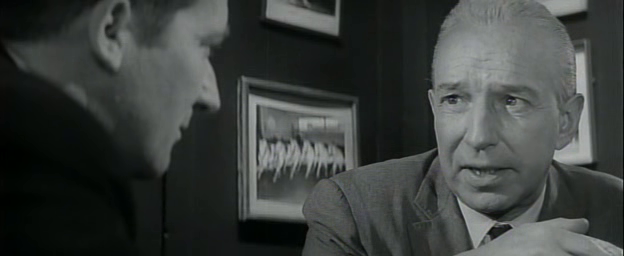
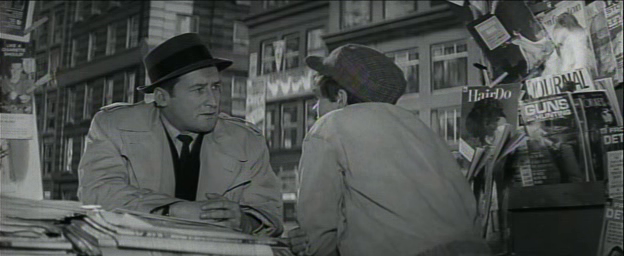
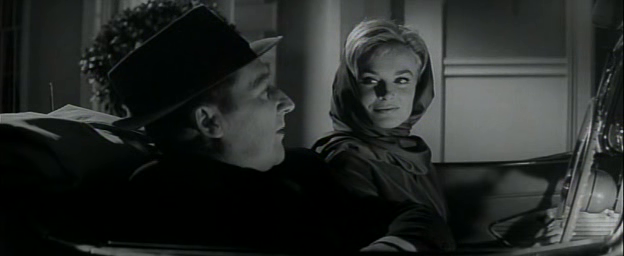
Indeed, you’ll find it challenging to follow exactly what’s going on, other than knowing Hammer is looking for his missing secretary Verna (presumed dead), and that Cold War spies are somehow involved. Unfortunately, Philip Green’s intrusive score doesn’t fit, and is often distracting; however, Eaton — a year before her iconic role in Goldfinger (1964) — is perfectly cast as a seductive widow: … Lloyd Nolan is excellent as a federal agent supporting Hammer: … and good use is made of location shooting in NYC. Notable Performances, Qualities, and Moments:
Must See? Links: |
“Pretty Boy is like a big kid who’s been more than just lucky. He’s really beginning to believe that something is protecting him.”
|
Synopsis: |
|
Genres, Themes, Actors, and Directors:
Review:
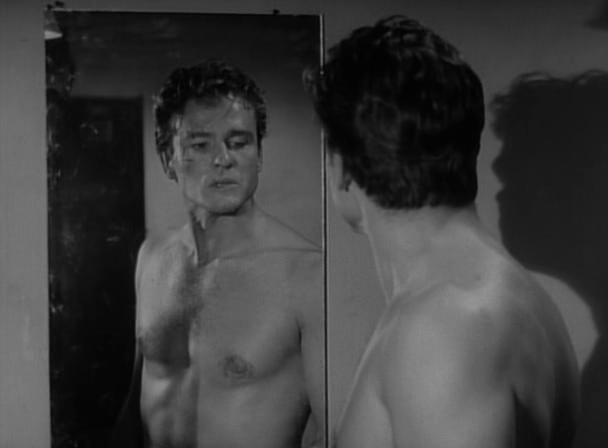
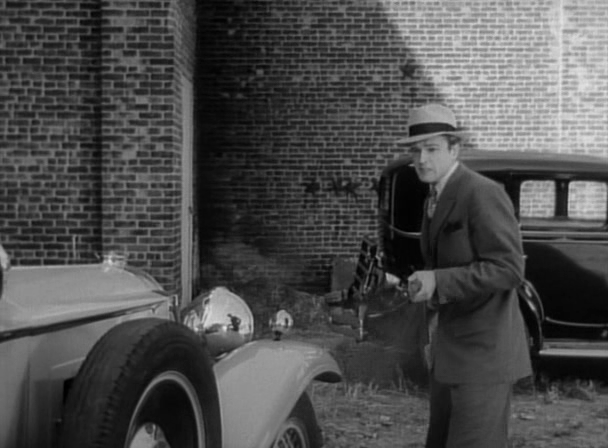
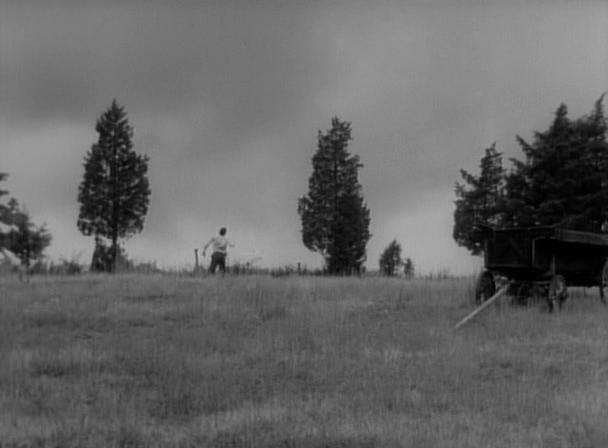
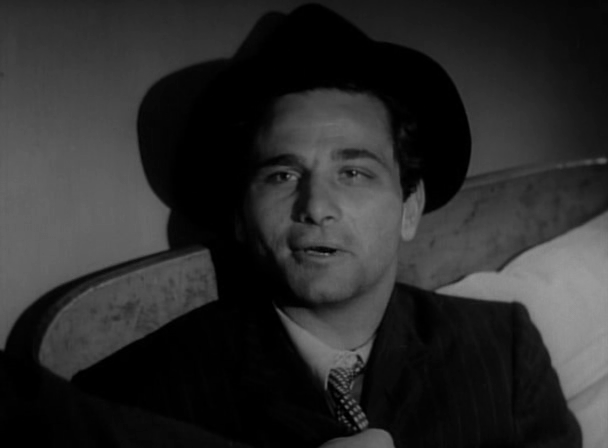
As noted in History on Film’s article, “The script follows the basic chronology of Floyd’s life but tosses in generous helpings of fiction” — i.e., opening the film by showing him boxing (which he never did): The primary interest here seems to be glamorizing Floyd’s exploits, presenting him as a handsome man who was irresistible to beautiful women: Actually, there’s not a whole lot notable about Floyd’s story, which culminated in his purported involvement in the Kansas City Massacre: … and ultimately his death in a corn field: Watch for Peter Falk in a small role as Floyd’s accomplice: … and Al Lewis of “The Munsters” fame as “Machine Gun Manny”: Notable Performances, Qualities, and Moments: Must See? Links: |
“Where’s my crop? What follows me?”
|
Synopsis: |
|
Genres, Themes, Actors, and Directors:
Review: … but is still a powerhouse whenever he’s on screen. (Has any other character in the movies so openly expressed his desire for heirs — lots and lots of them? The screenplay is simply riddled with quotes like the following: “I’m gonna get me some man in the Varner family, some good strong strappin’ man Varners. That’s what I want, Varners and more Varners. Yeah, more Varners still. Enough Varners to infest the countryside.”) Meanwhile, Newman once again proves my assertion that there may be no such thing as selecting a particular moment when he was at his hunkiest on screen: … and it was after co-starring with her in this film that Newman married his wife of 50 years (Joanne Woodward), who makes a convincingly sassy yet grounded sparring partner for both Welles and Newman (no small feat): As Woodward’s on-screen brother, Anthony Franciosa — best known for his breakthrough role as Polo in A Hatful of Rain (1957) — is overpowered by those around him (perhaps appropriately so): … while Woodward’s would-be love interest (Anderson) — a mamma’s boy referred to as a “sissy” — similarly lacks spark: (Newman describes Anderson — only thinly veiled as homosexual — to Woodward thusly: “If you’re saving it all for him honey, you’ve got your account in the wrong bank.”) This is really Welles’, Newman’s, and Woodward’s show, with everyone else — including gorgeous young Lee Remick: … and forthright Lansbury: … simply along for the ride. Notable Performances, Qualities, and Moments:
Must See? Links: |
“He’s over 38 — he don’t need to be here!”
|
Synopsis: |
|
Genres, Themes, Actors, and Directors:
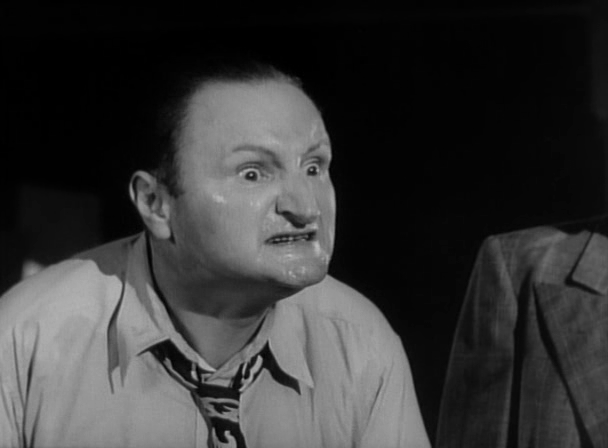
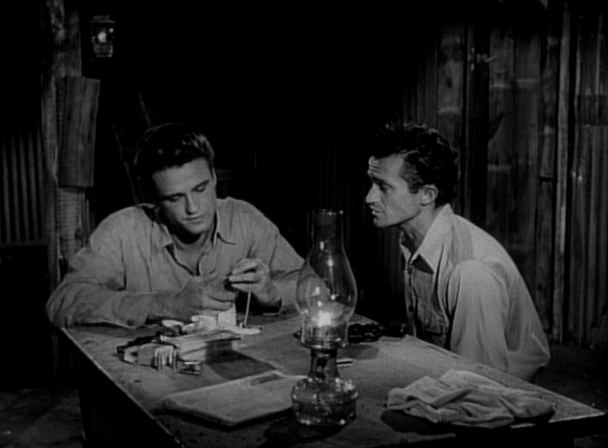
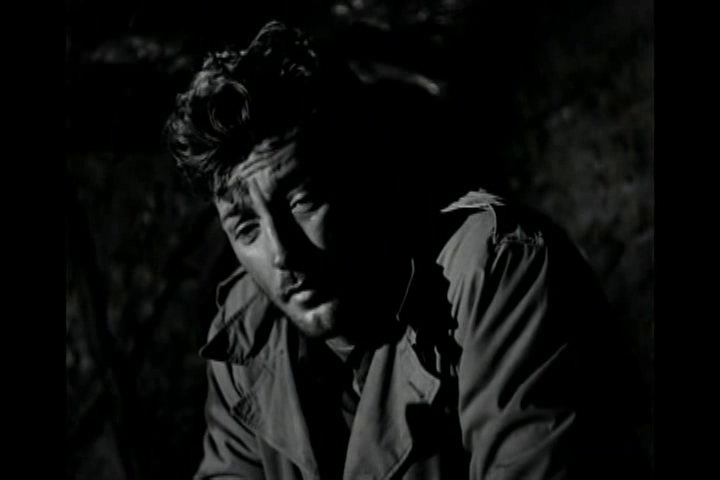
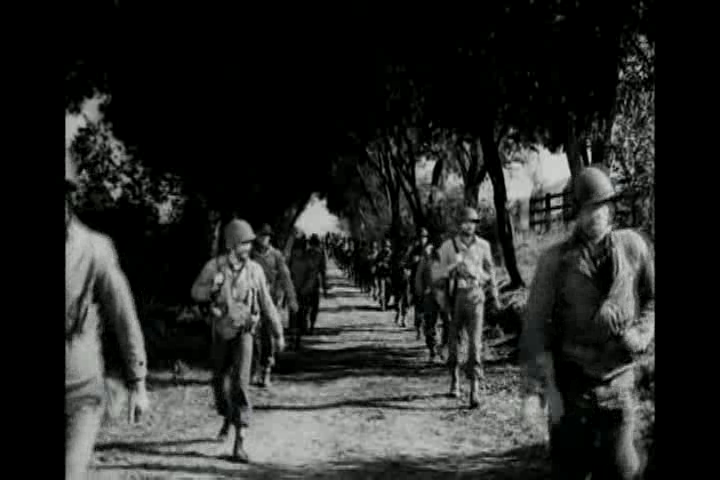
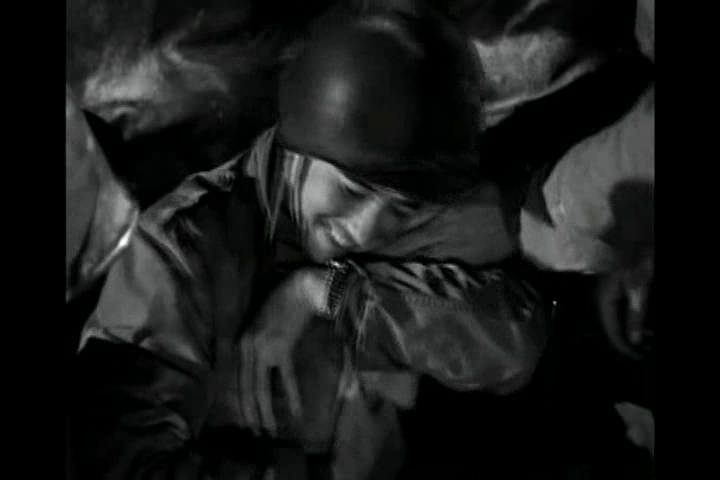
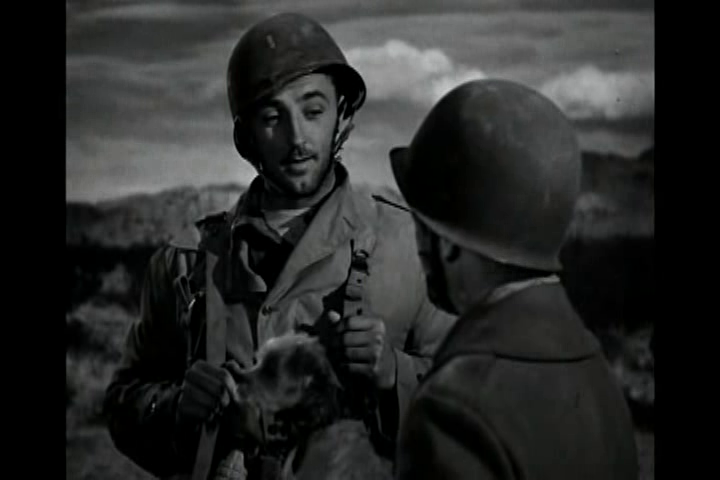
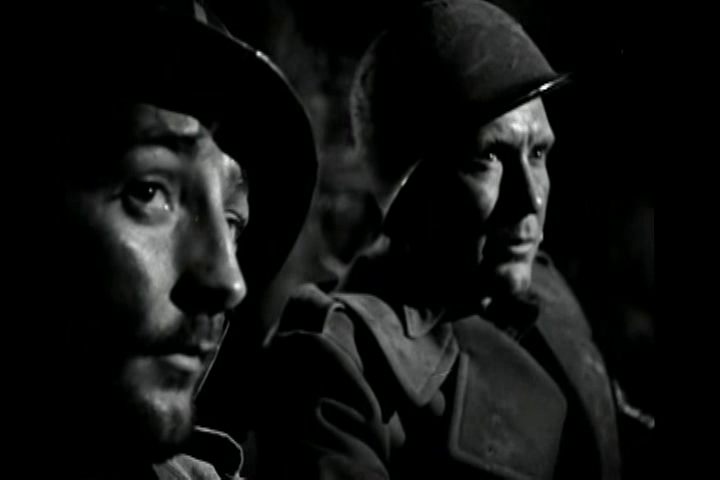
Review: … and for casting 150 paid, real-life infantrymen who were about to be shipped back out to the Pacific: Wellman’s sure directorial hand — assisted by DP Russell Metty — is in evidence throughout, and thankfully we don’t seem to be given a sugar-coated version of the unit’s harsh existence. There is a cute dog that hops on board near the beginning of the film: … but he primarily serves to remind us how many simple pleasures and comforts these boys have left behind. Some sections feel slow and deliberate — but that’s likely precisely the point, given that plenty of interminable wait time was always intermingled with fear, high-octane fighting, and loss of compatriots. Be sure to check out TCM’s article for a detailed overview of the film’s production and reception, and this page for additional info as well as numerous photos of Ernie Pyle himself on the set of the film — including several of him standing side-by-side with Meredith. Notable Performances, Qualities, and Moments: Must See? Categories
Links: |
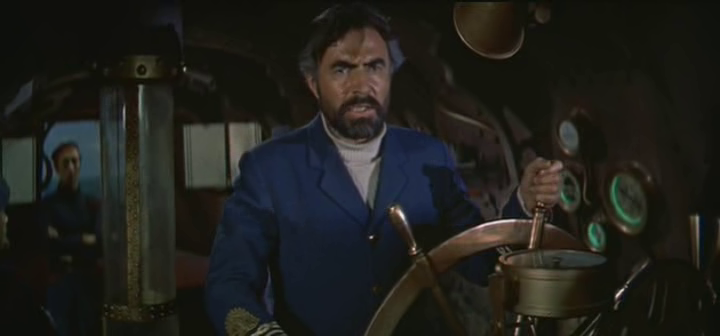
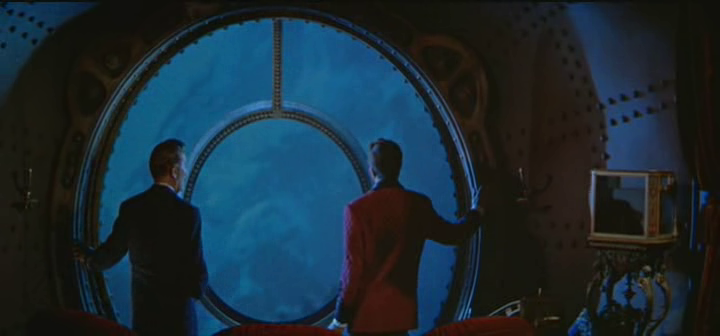
“If we could go deep enough, we’d all be surprised at the creatures down there!”
“What you want is your town back again.”
|
Synopsis: |
|
Genres, Themes, Actors, and Directors:
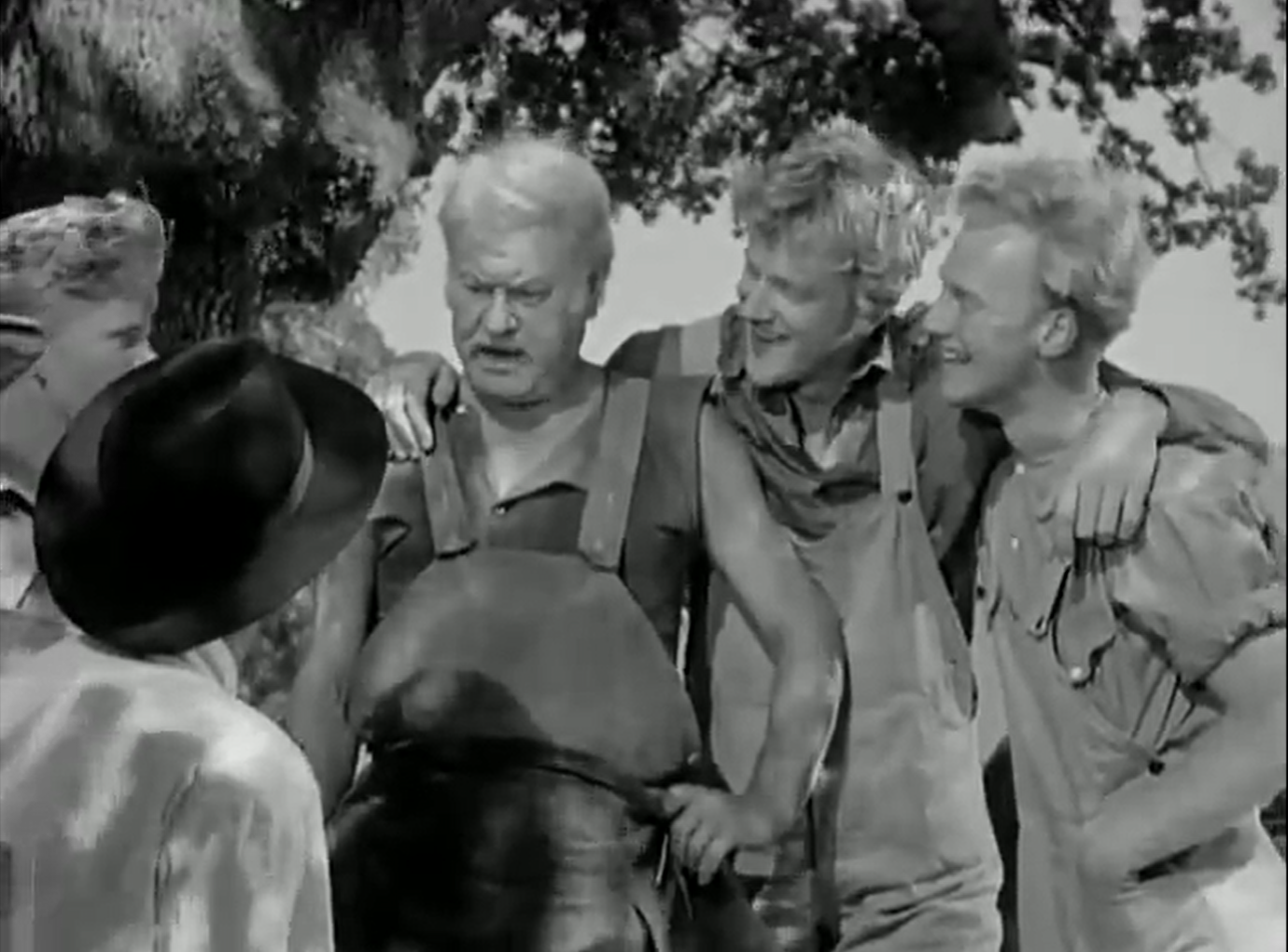
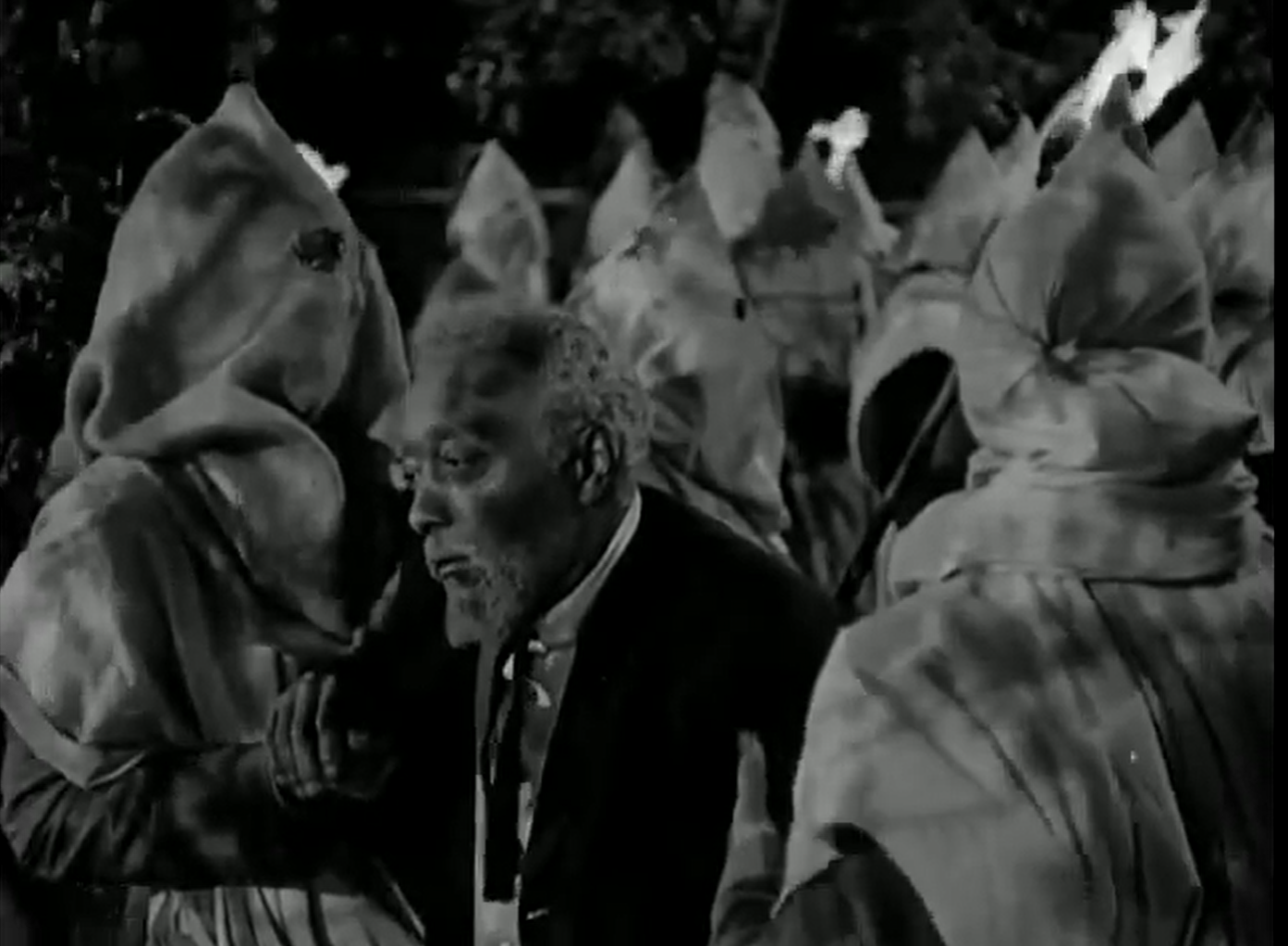
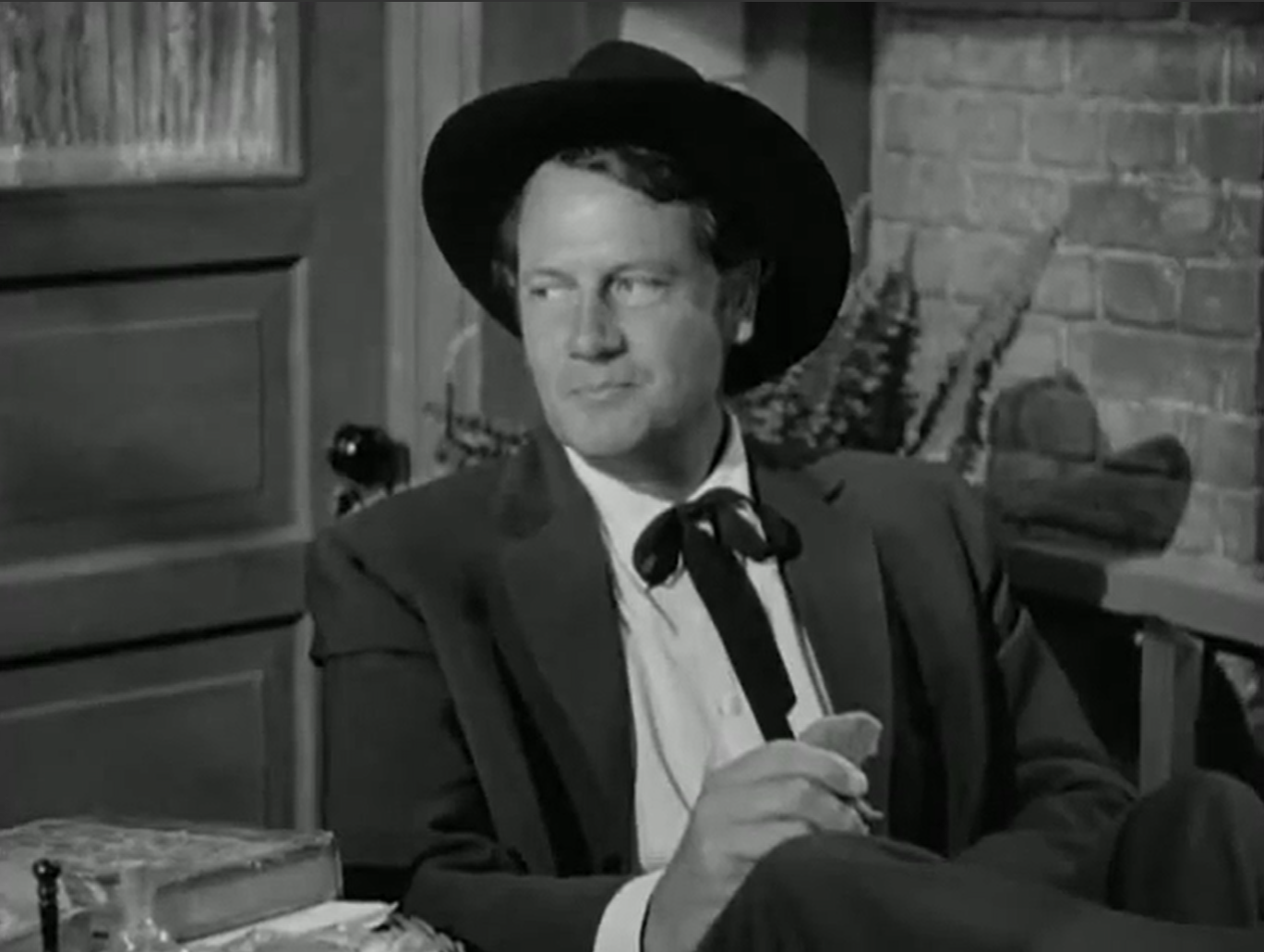
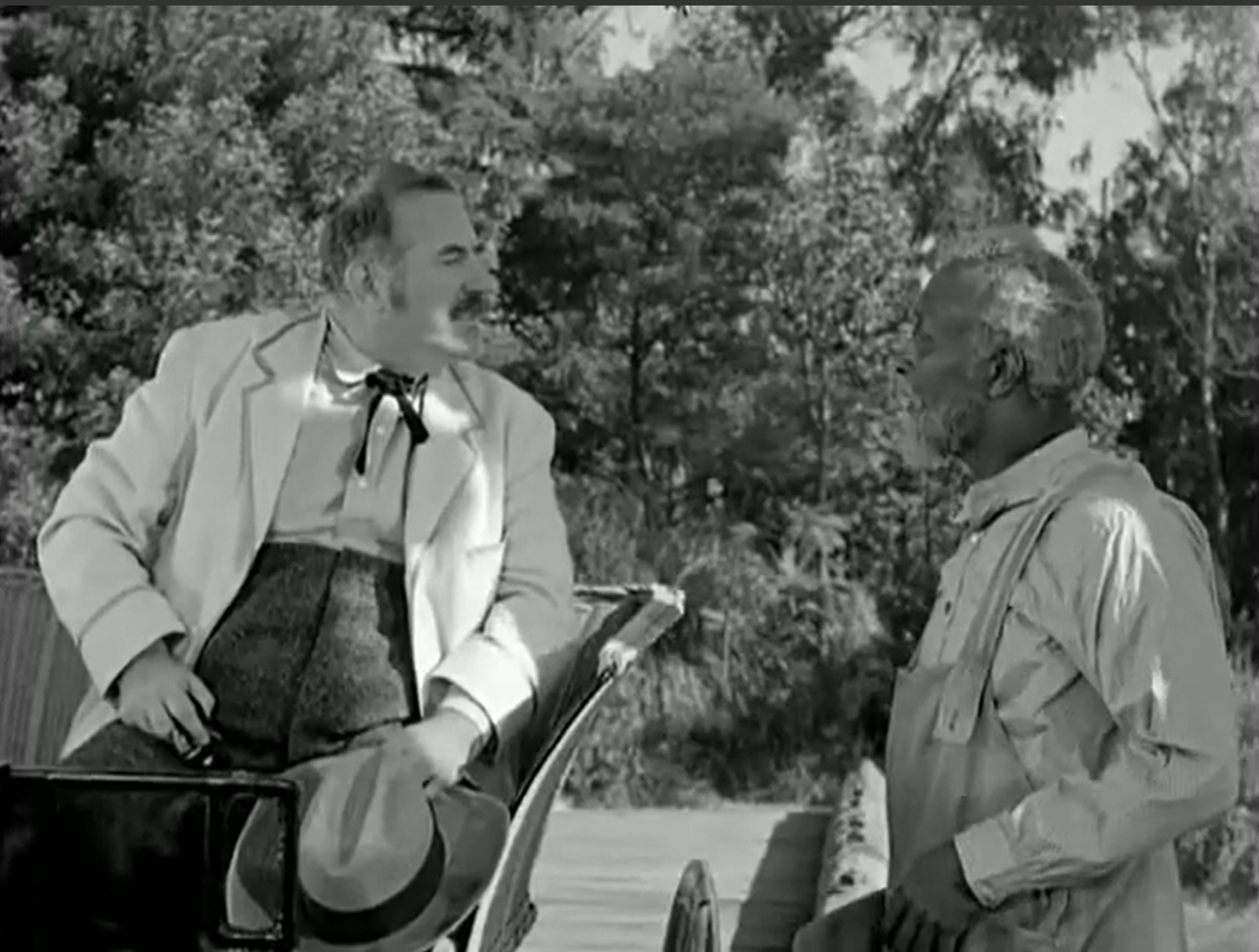
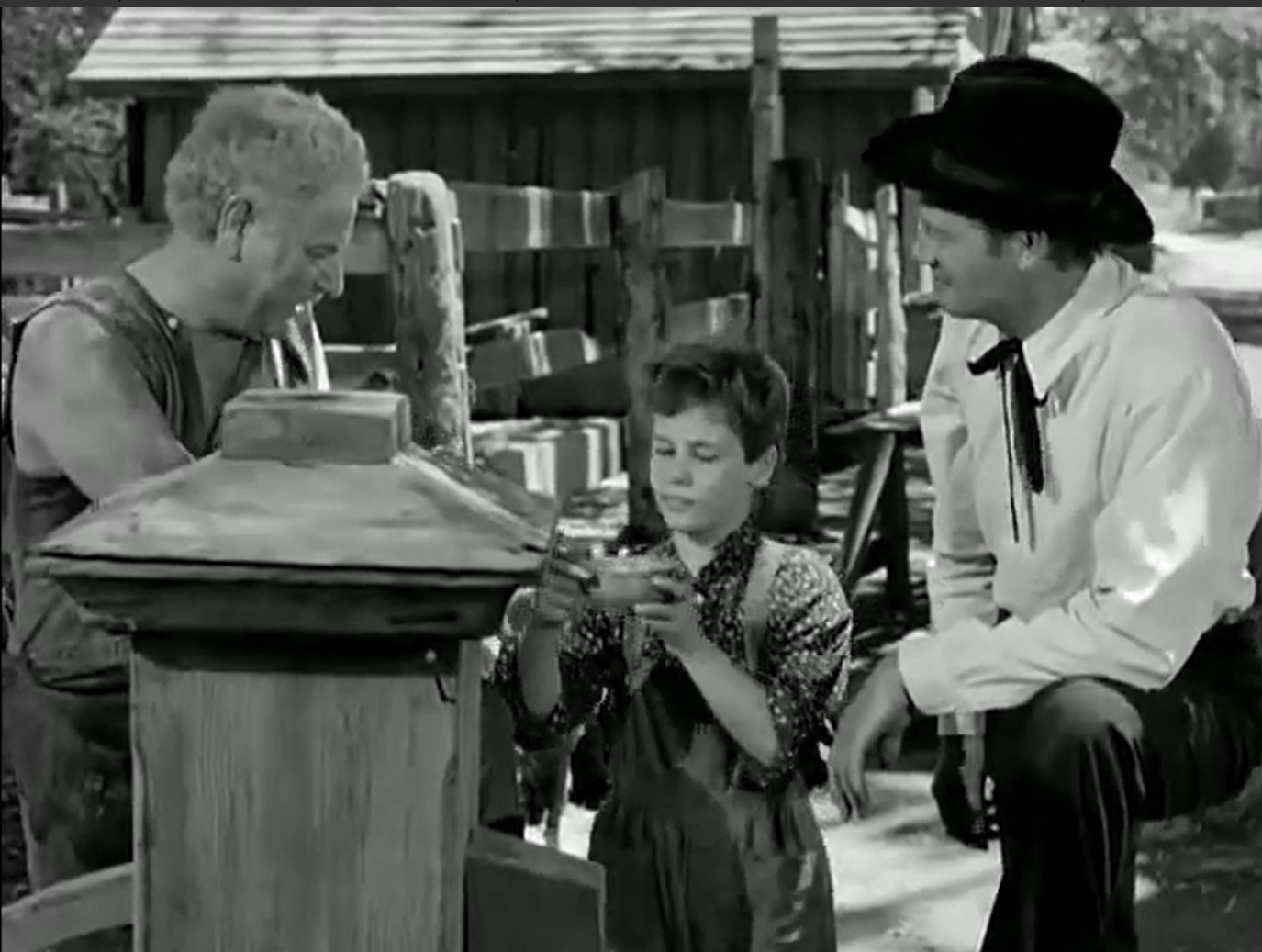
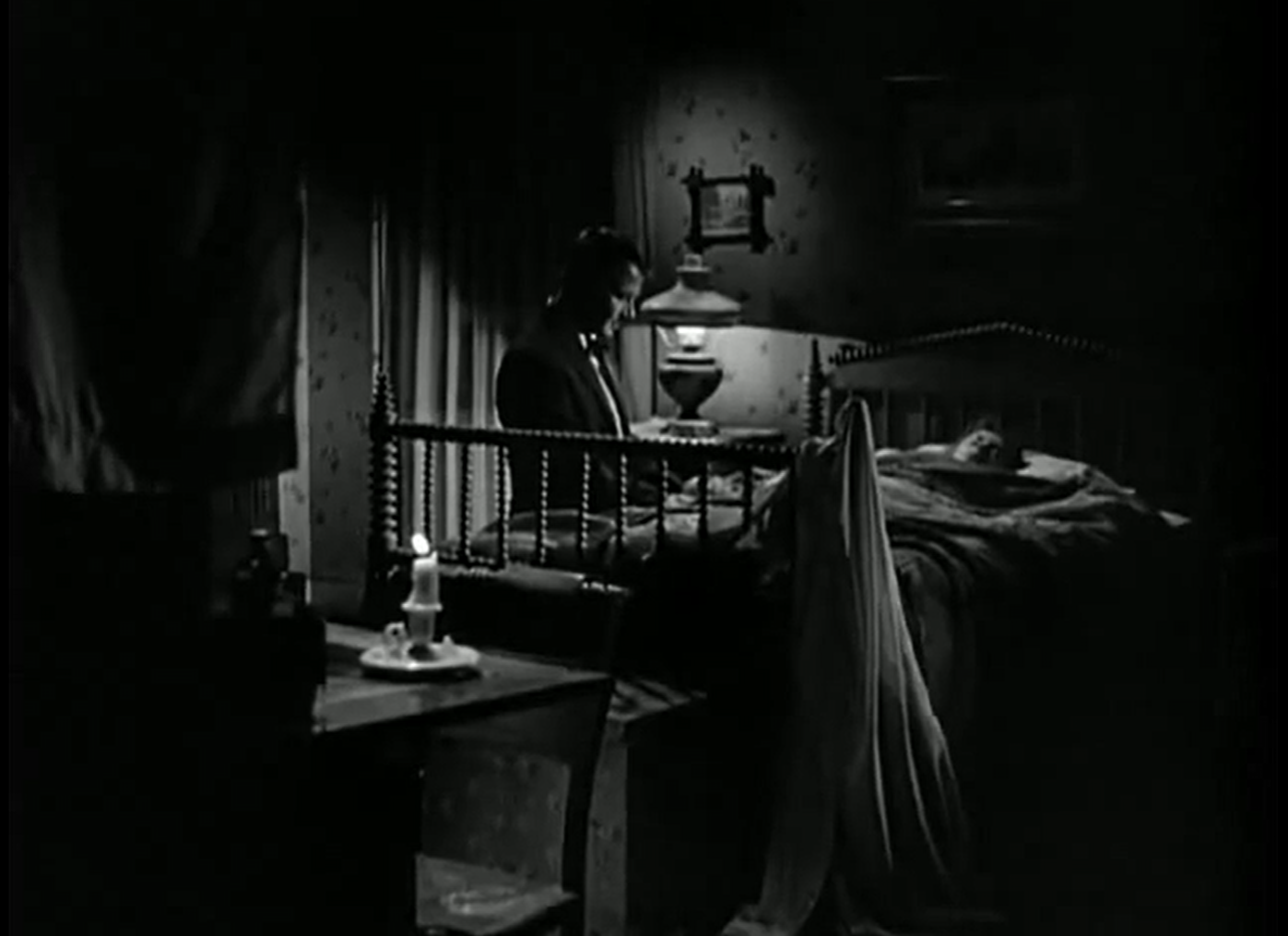
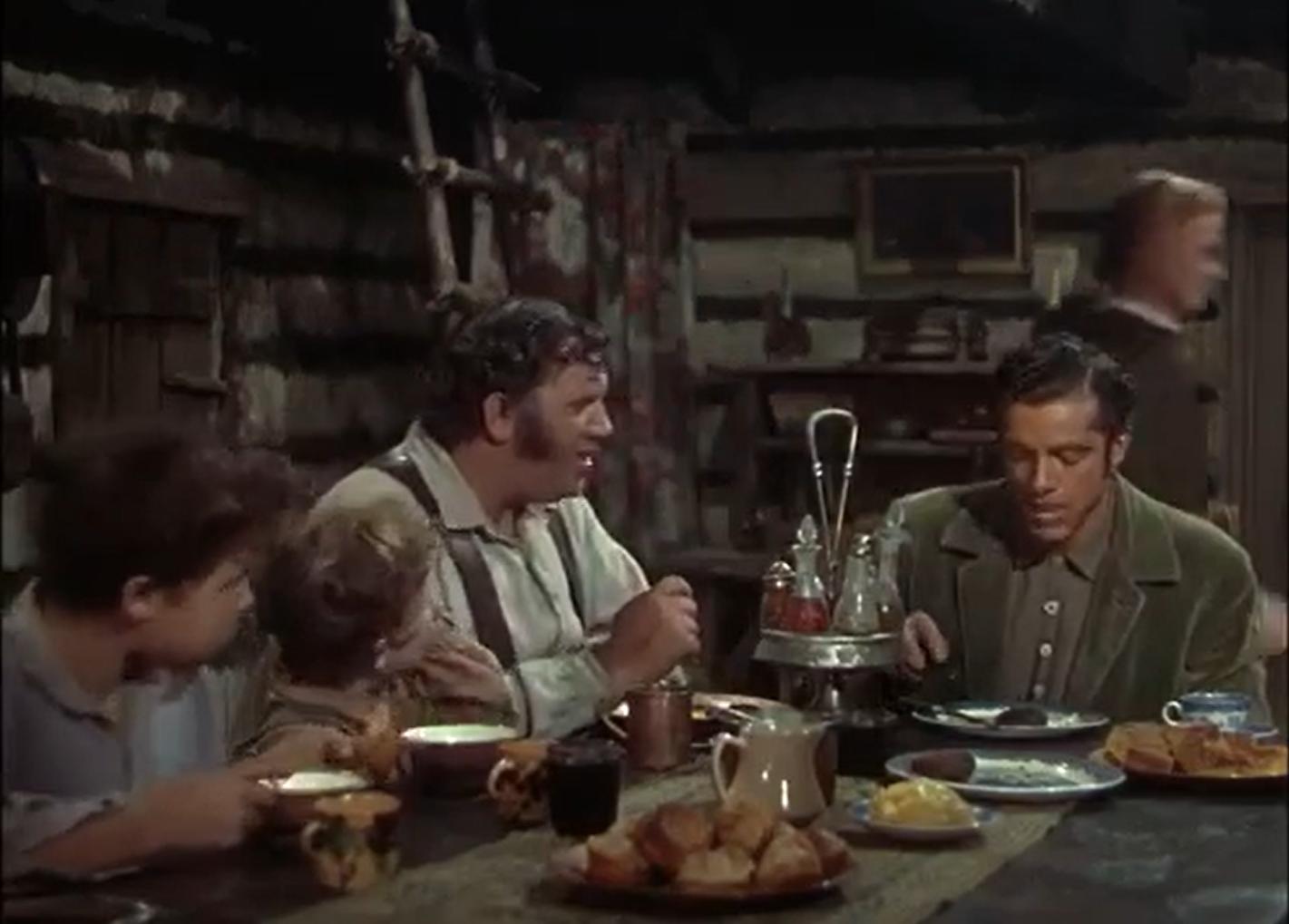
Review: … a man so convinced of the goodness and rightness of Christian values that he attempts to persuade all townsfolk — including a former war buddy (Alan Hale) and his bustling family — to come to services regularly: The most disturbing (and problematic) aspect of the film by far is the recurring subplot about Hernandez standing firm in his rejection of an offer to buy his land. He doesn’t back down from vile Begley and his henchmen, but must continually kowtow to local whites, and nearly sacrifices his life to murderous Klansmen for his principles: … until: [SPOILERS ALERT] … McCrea saves the day in a seriously unrealistic sequence that many have taken issue with. Indeed, those who rankle at seeing tales of “white saviors” should be forewarned that this is very much a story along the lines of To Kill a Mockingbird (1962); viewers wanting to see Hernandez standing up more forcefully for himself in the face of racism should check out Intruder in the Dust (1949). Meanwhile, the film’s other significant subplot — about the sudden emergence and transmission of typhoid among the town’s children — is a scary reminder about our human vulnerabilities, one that hits all too close to home these days. Redeeming Qualities and Moments: Must See? Categories
Links: |
“I’ll tell you what I know: nothing. I don’t know where we are, I don’t know where we’re going.”
|
Synopsis: |
|
Genres, Themes, Actors, and Directors:
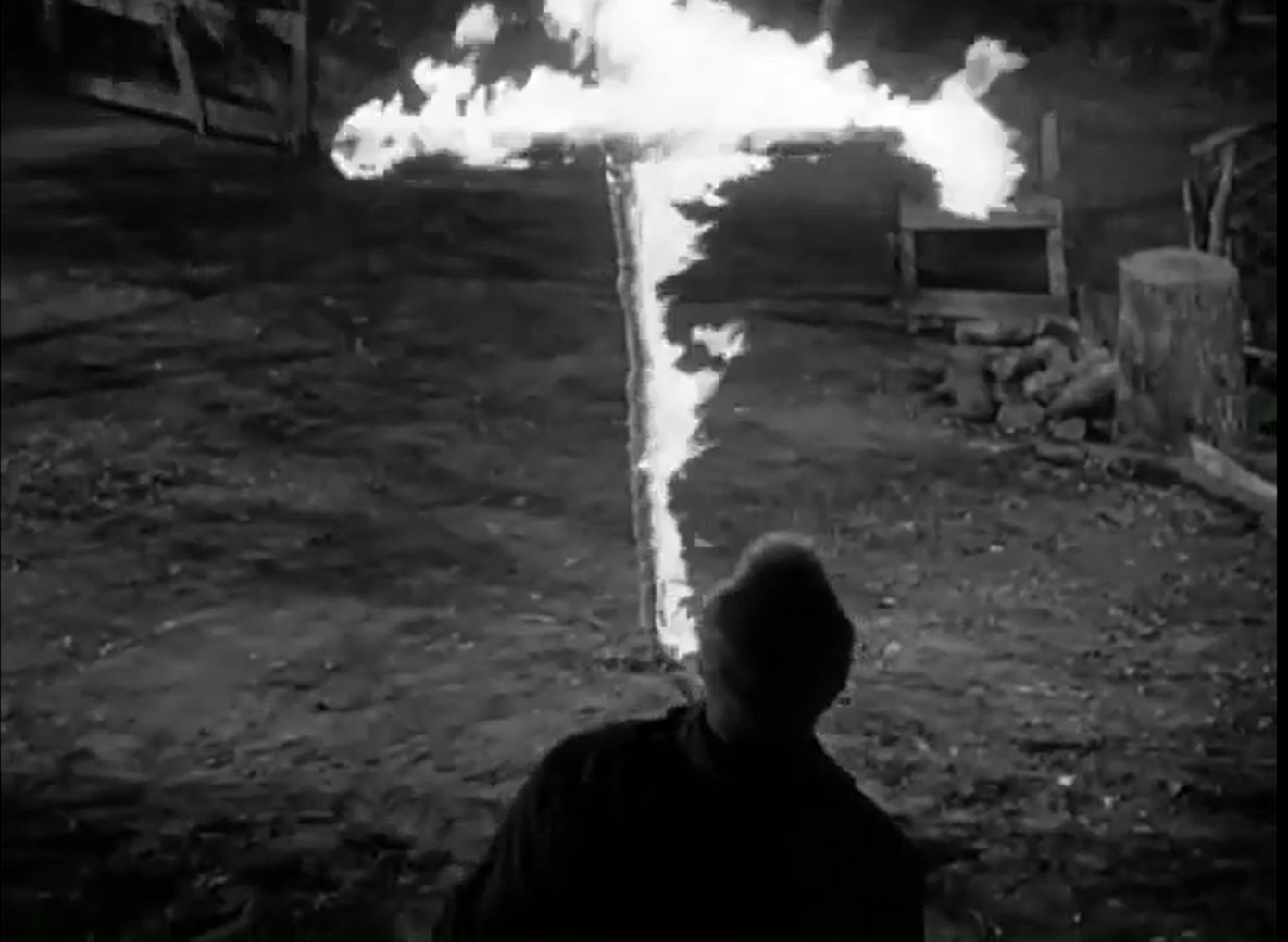
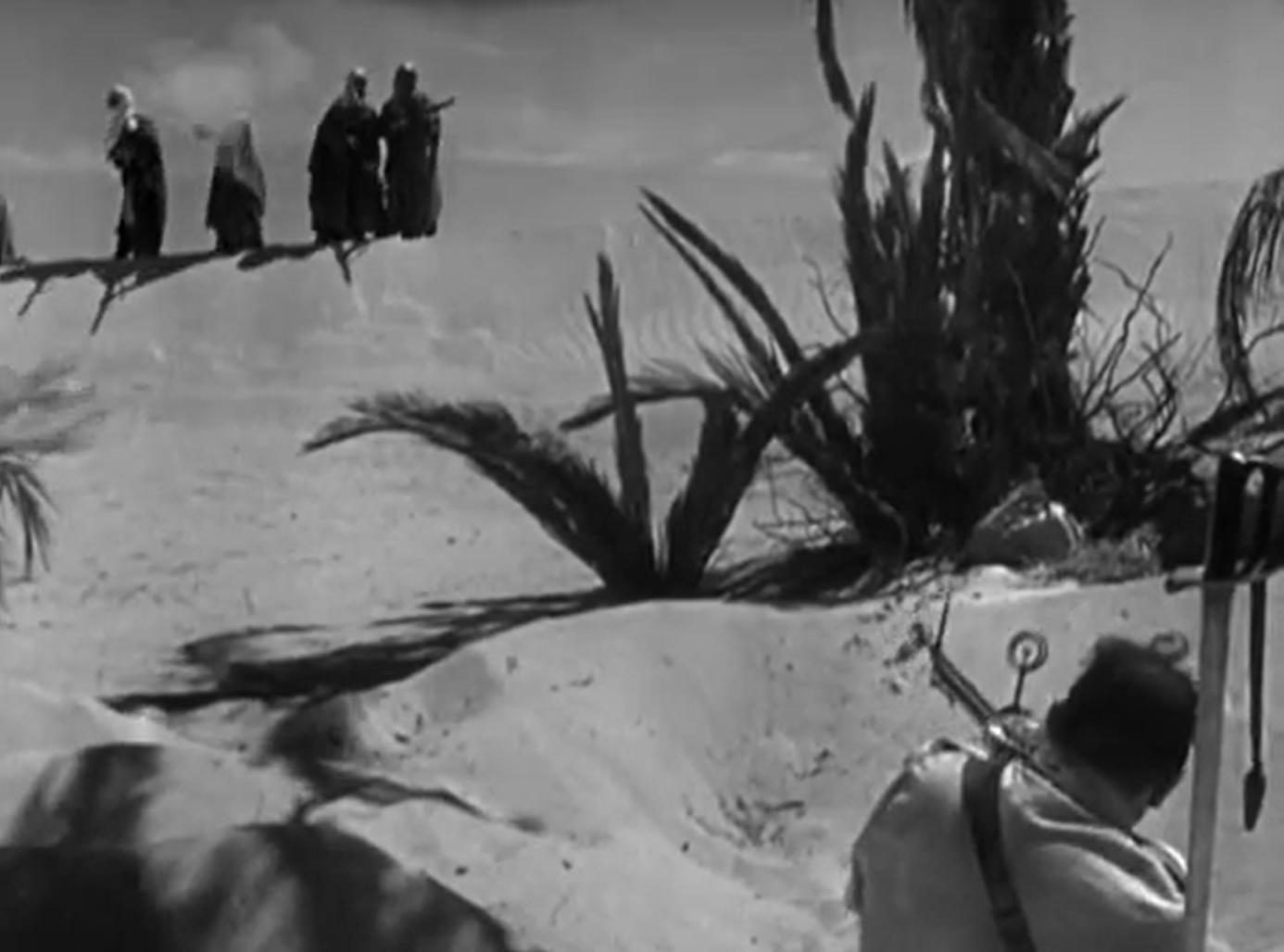
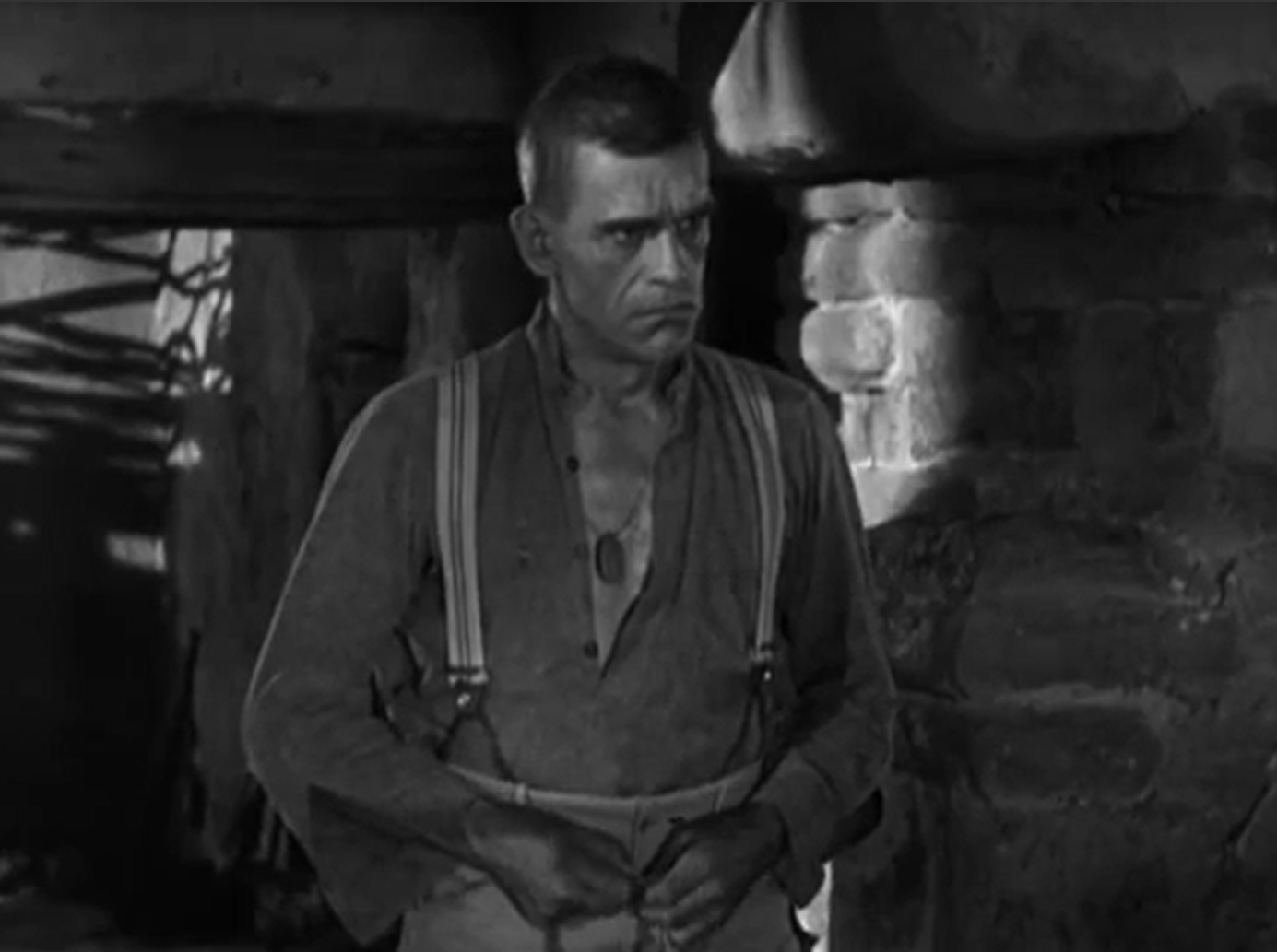
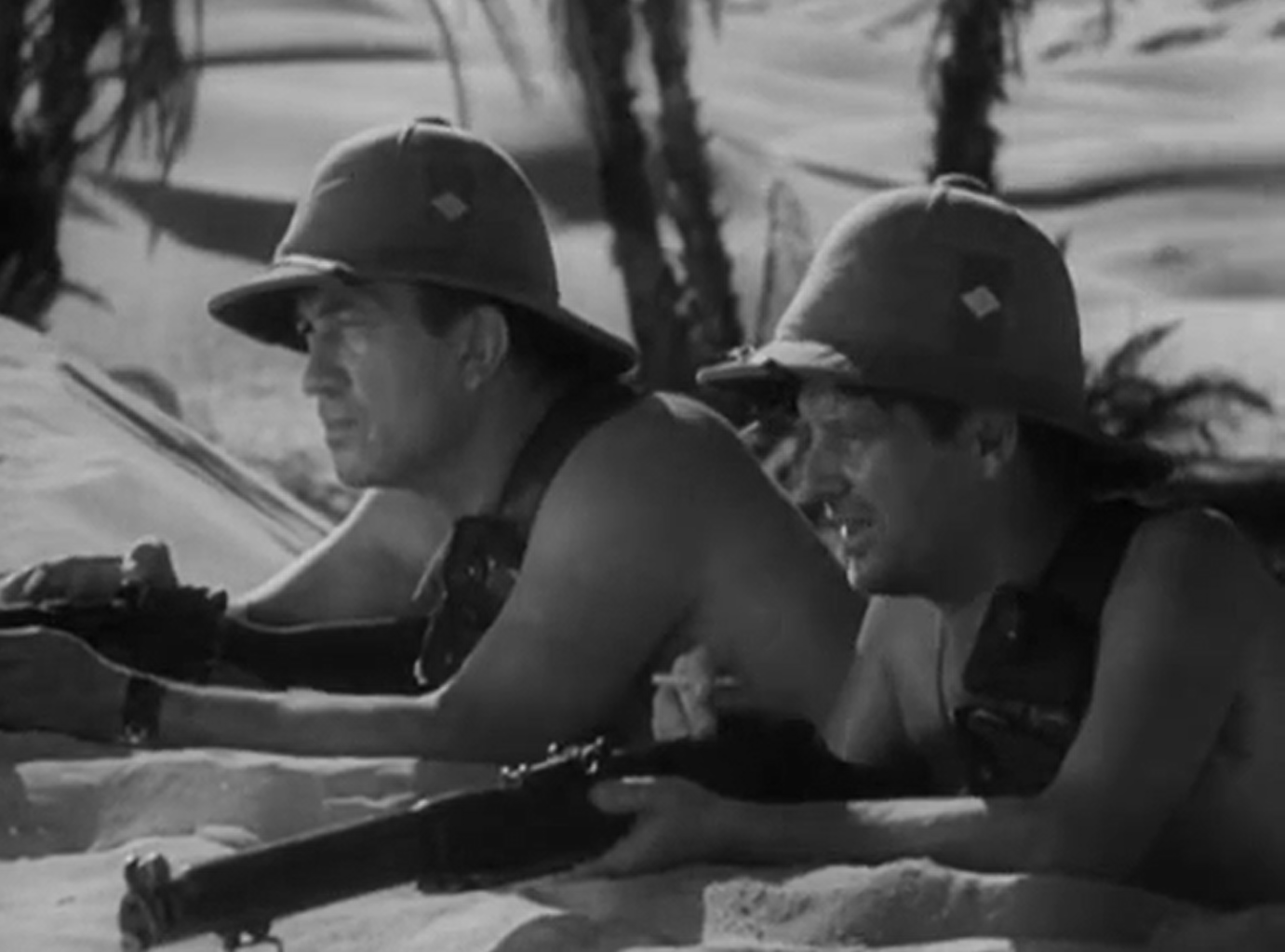
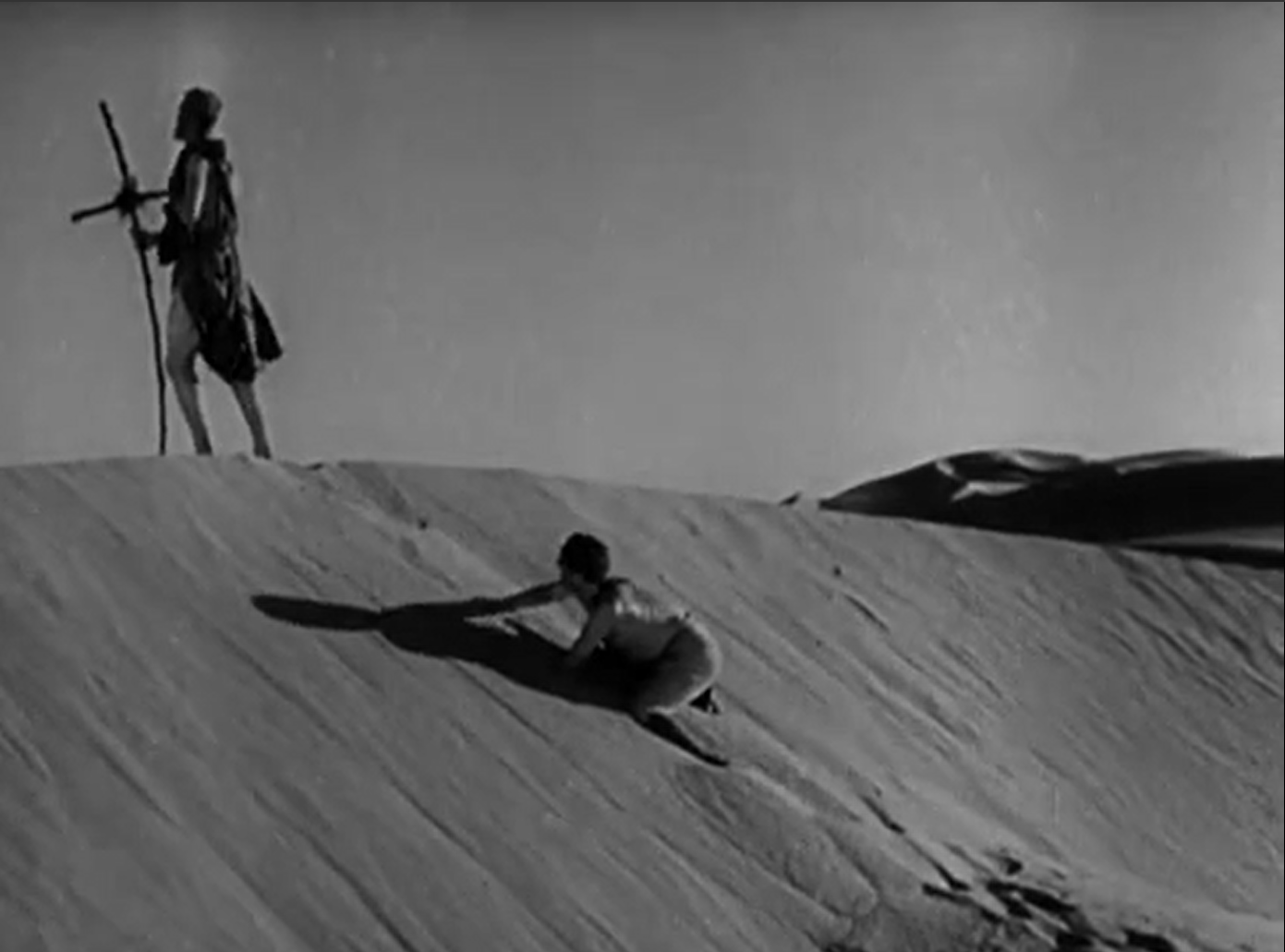
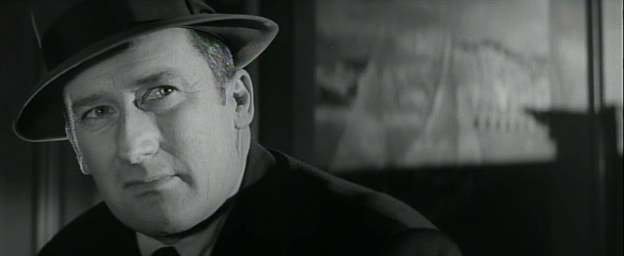
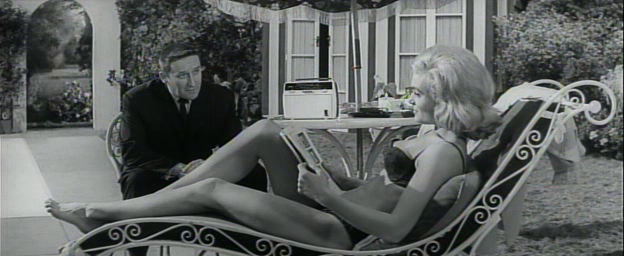
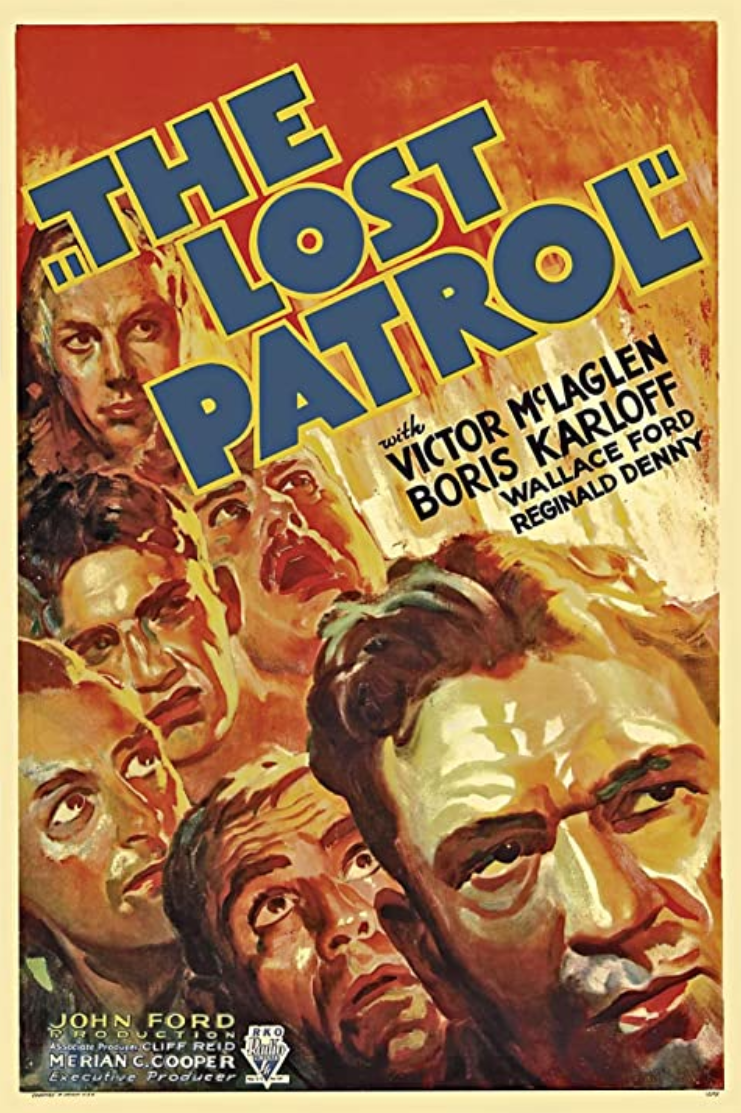
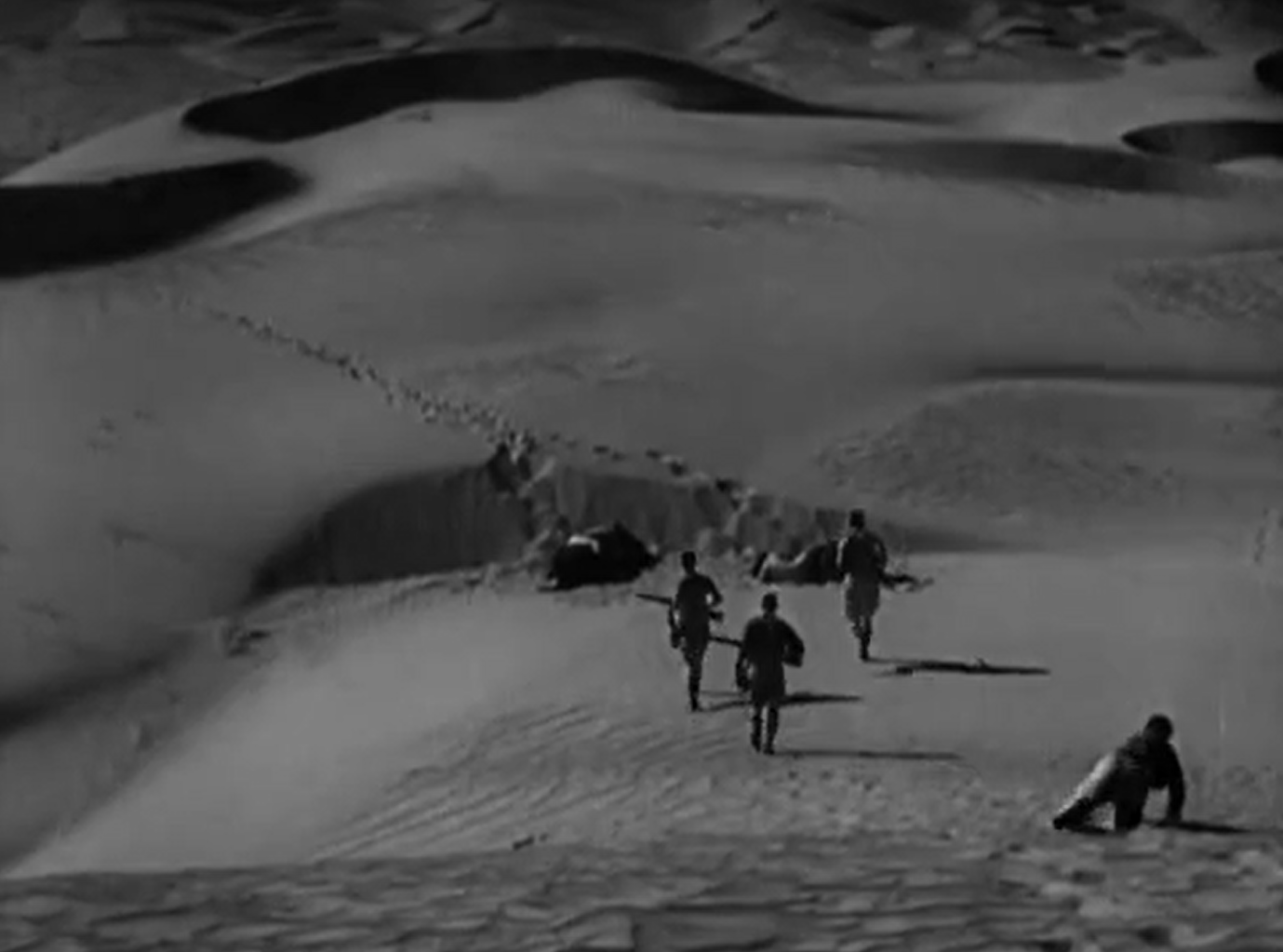
Response to Peary’s Review: He notes that “these themes are most evident in [Ford’s] westerns” and that this film is “very similar to Stagecoach in that it also intermingles dialogue scenes with sequences that rely strictly on visuals and music (Max Steiner won an Oscar) and recall the silent cinema.” He calls out the “strong characterizations, especially by Victor McLaglen as the sergeant” (McLaglen has never been sexier): … “and Boris Karloff as a skinny religious fanatic who goes insane in the intense heat” (though Karloff overplays his role): Ford builds tremendous tension by not showing the shooters until the very end; bullets seem to come literally out of nowhere, ensuring we understand that this group is trapped between a rock and a hard place. A particularly heart-wrenching moment comes when a bi-plane lands nearby and the cheery British pilot is about to rescue them but barely makes it a few steps from his plane before being shot dead, despite vain attempts by the soldiers to prevent him from moving forth. Steiner’s score is used to particularly jarring effect in this sequence. Despite its utterly bleak setting and narrative, this film remains surprisingly engaging and is well worth a look. It would make a good double bill with Zoltan Korda’s WWII-era desert survival flick, Sahara (1943). Note: Peary points out that “in some ways [this film] predates Aguirre: The Wrath of God,” which is an intriguing if not entirely apt comparison. Redeeming Qualities and Moments:
Must See? Categories
Links: |
“You gave me your word you’d quit poker!”
|
Synopsis: |
|
Genres, Themes, Actors, and Directors:
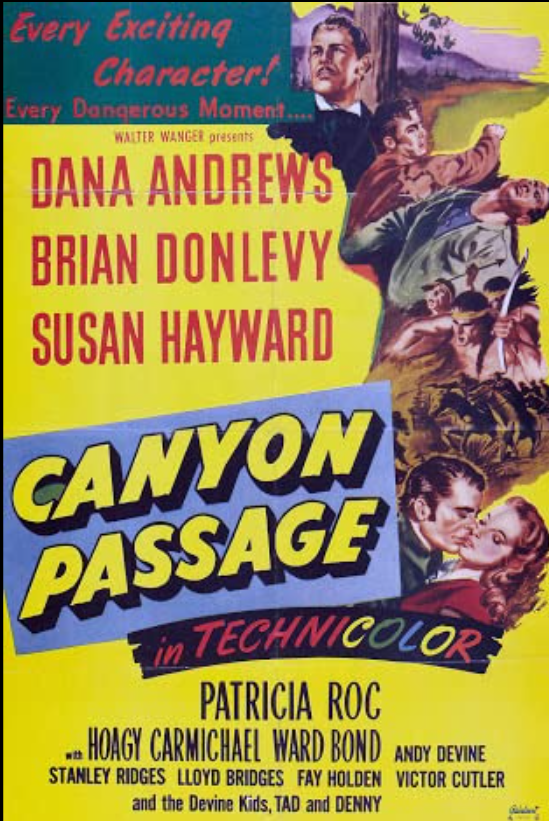
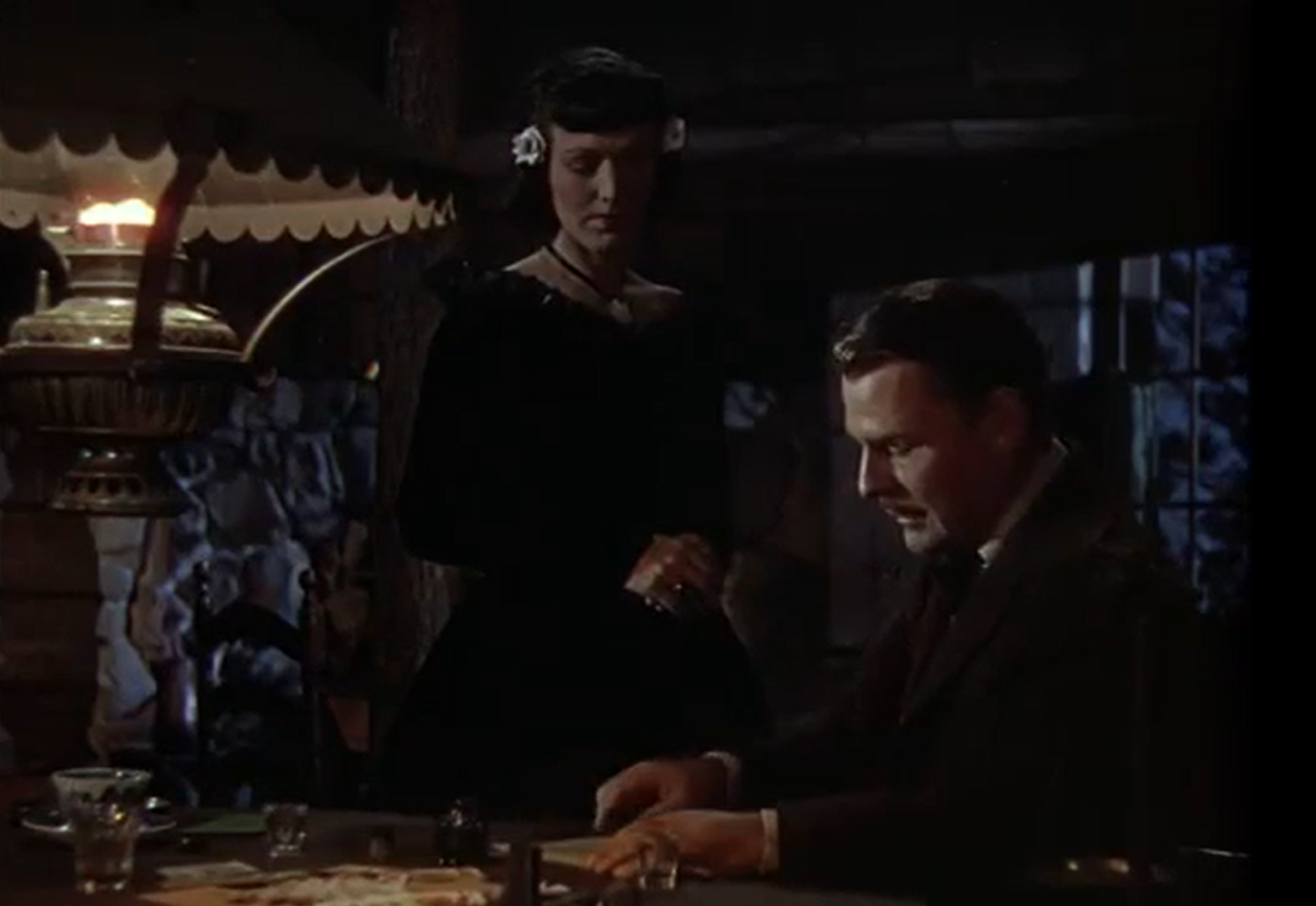
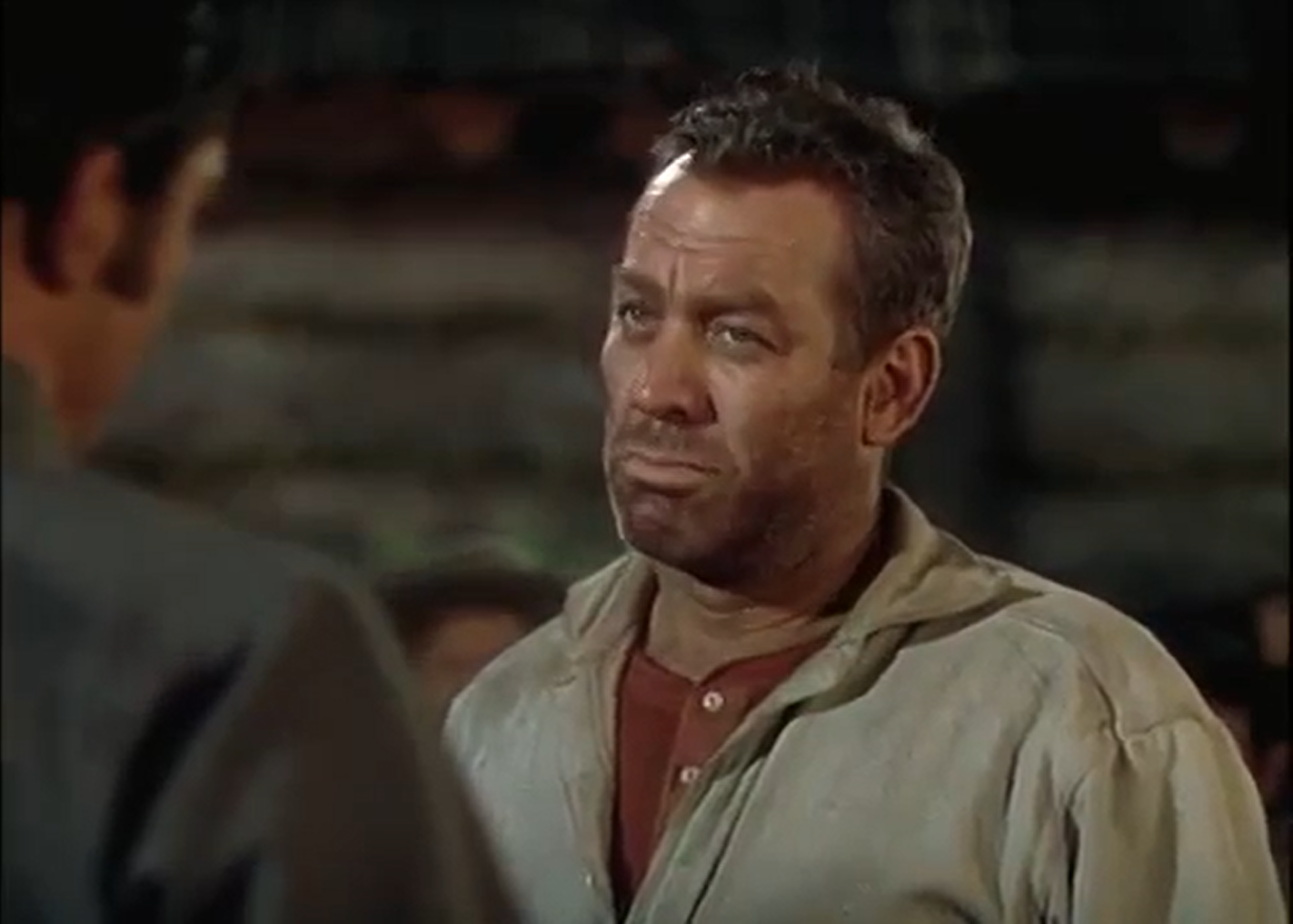
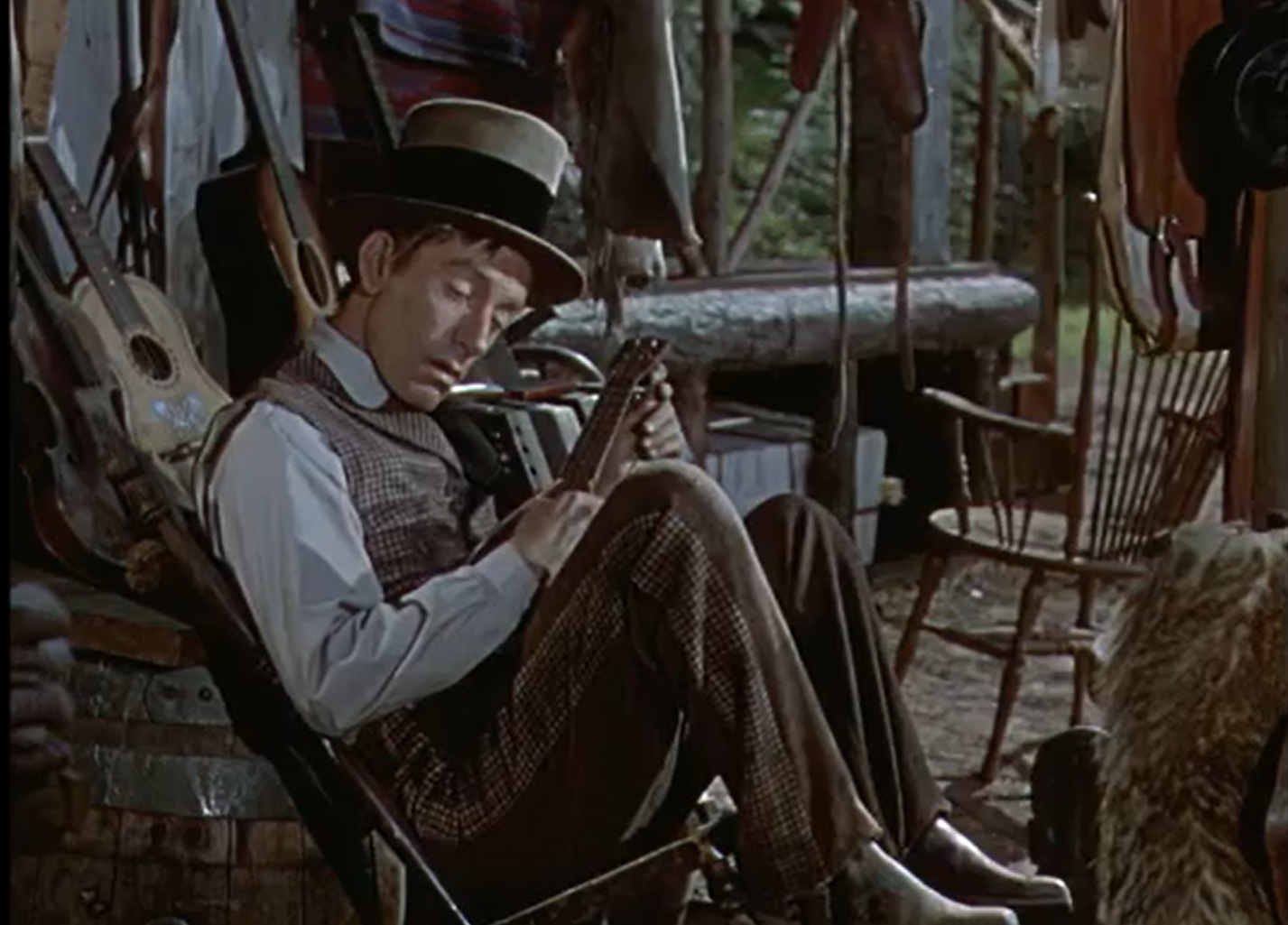
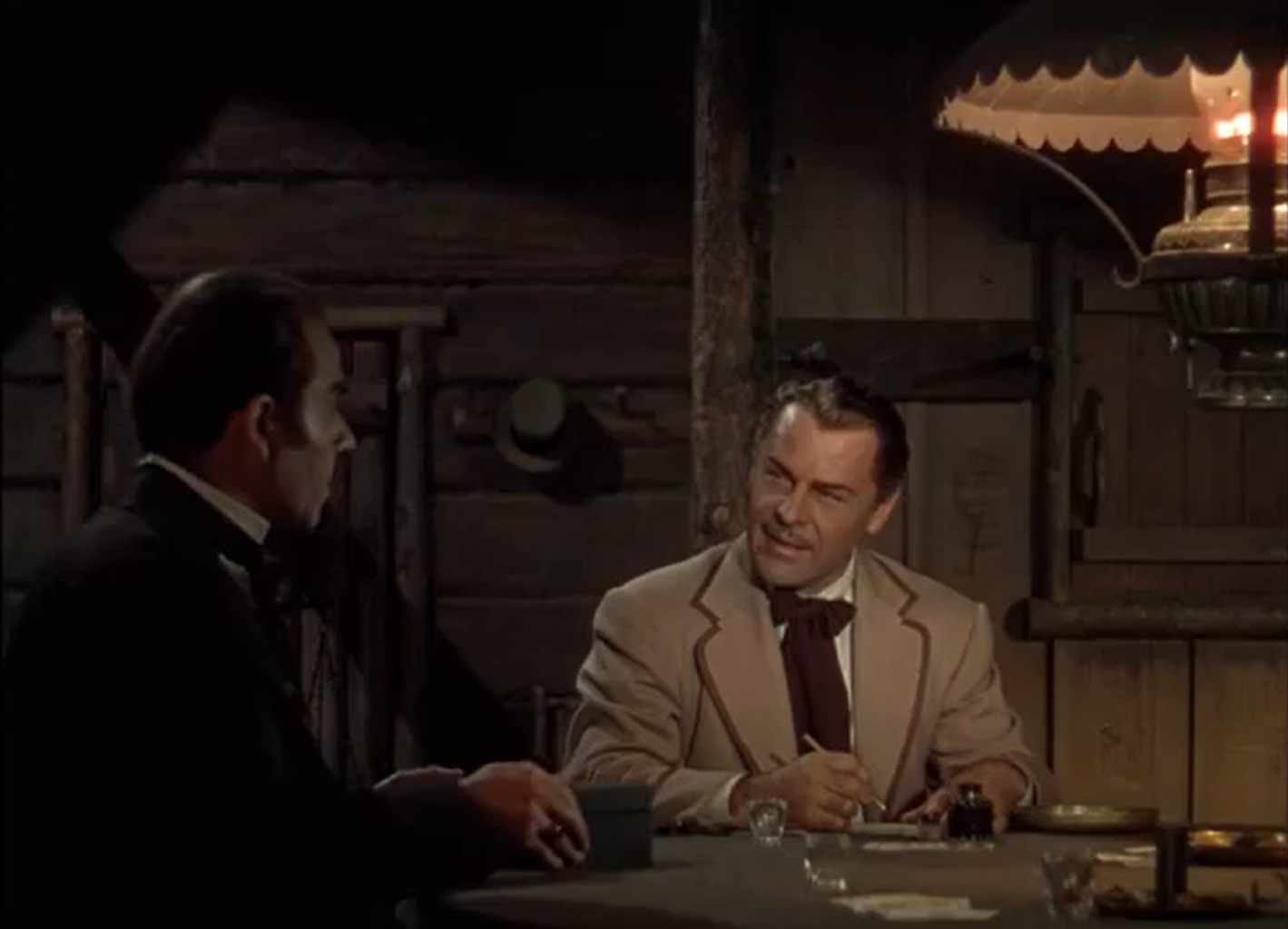
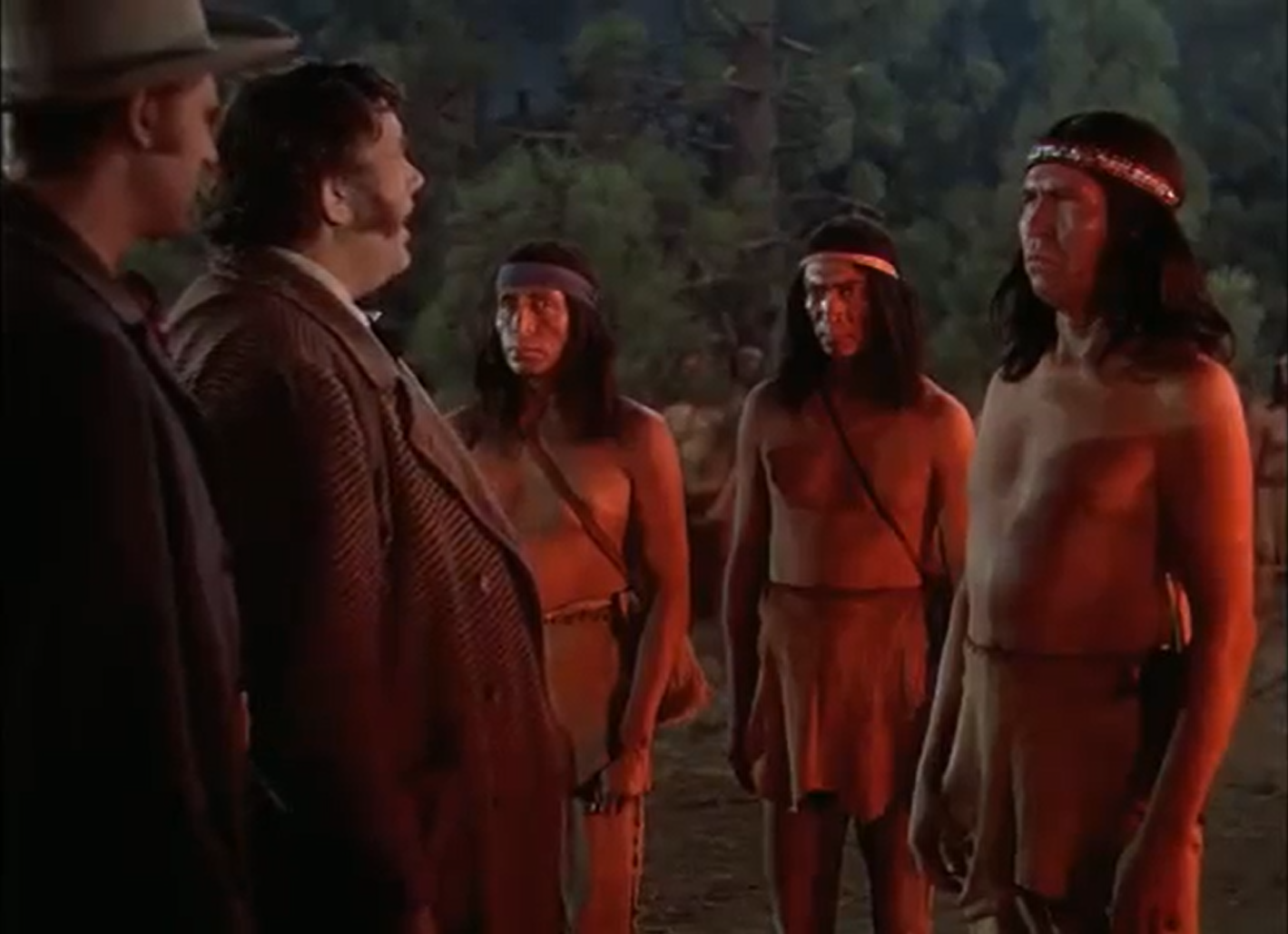
Review: … and willing (but not eager) to marry beautiful, kind, though incompatible Roc: He’s clearly most attracted to the woman (Hayward) already engaged to his best friend (Donlevy): … thus setting up a complex love quadrangle. Without knowing more of their back story, it’s hard to know why Hayward is committed to Donlevy — who we have a hard time liking or sympathizing with given his self-proclaimed aversion to working hard for his money: … not to mention the fact — as shown in a couple of scenes with the solemn wife (Rose Hobart) of a professional gambler (Onslow Stevens) — that he’s far from faithful: Meanwhile, bullying Bond is sufficiently menacing but one-dimensional as the local fight-loving thug: … and the inclusion of Carmichael as a “minstrel” lurking on the sidelines is a curious one (though clearly designed to allow him to sing a few of his own ditties and provide some minor comedic relief): Thankfully, Andy Devine is given a refreshingly candid line to speak regarding the local Indians: “It’s their land and we’re on it, and they don’t forget it.” … though the Indians are reduced to nameless, faceless baddies as usual by the end: I’m curious how much Ernest Haycox’s source novel (adapted by Ernest Pascal) might elaborate on some of my questions and concerns above. Redeeming Qualities and Moments:
Must See? Links: |