Madame Bovary (1949)

Madame Bovary (1949)

“Is it a crime to want things to be beautiful?”

Synopsis:
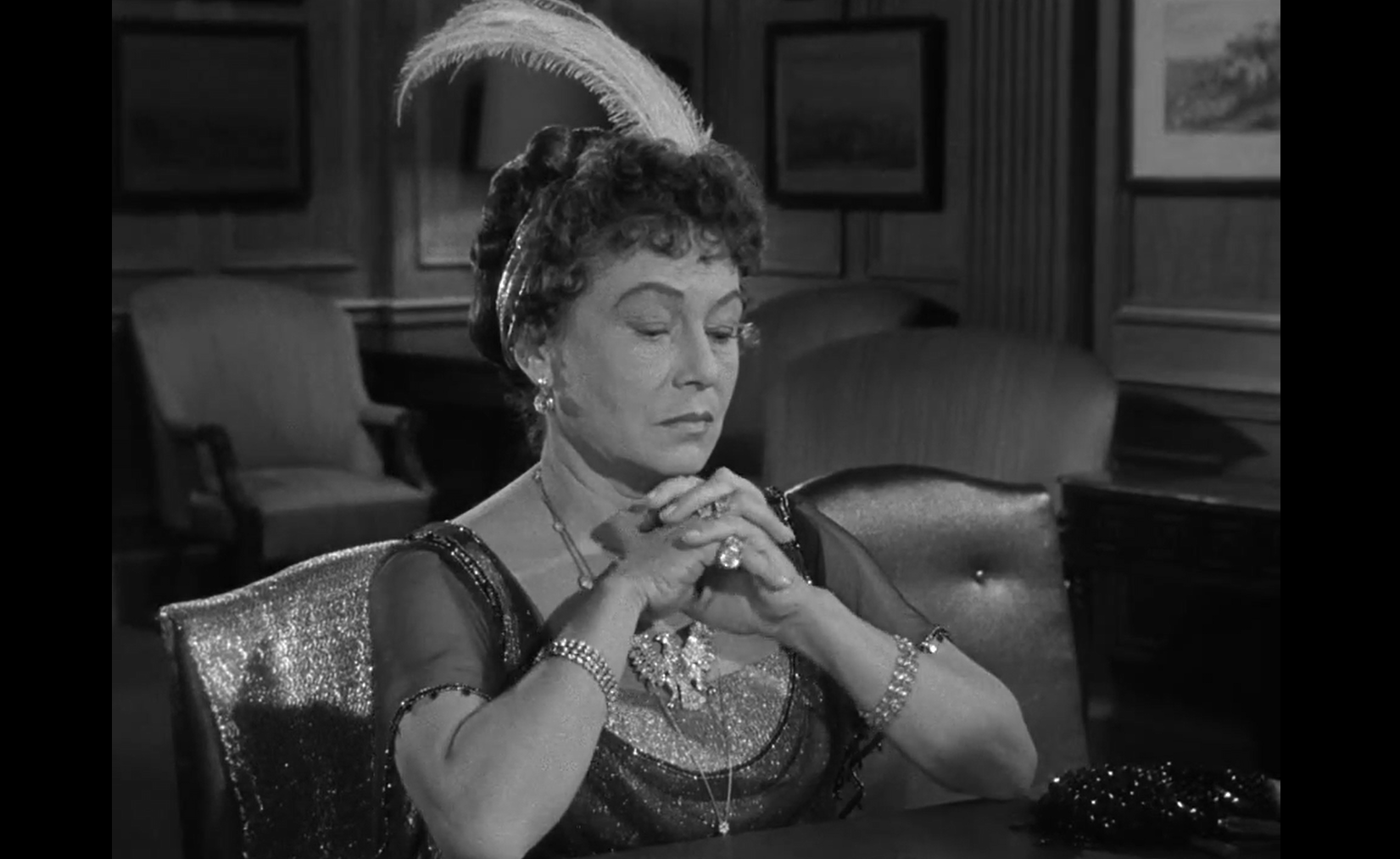
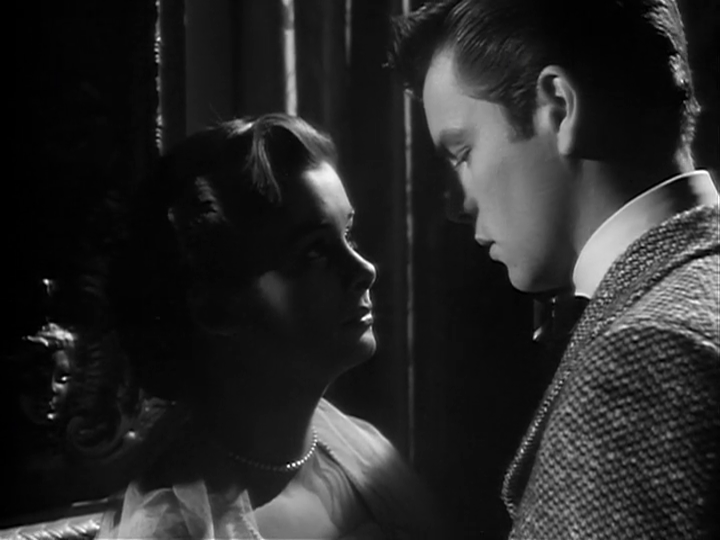
Gustave Flaubert (James Mason) defends his novel Madame Bovary, about a farm girl named Emma (Jennifer Jones) who marries a local doctor (Van Heflin), but is quickly disappointed that her status hasn’t risen sufficiently. Jones racks up debts with a local lender (Frank Allenby) while flirting with a clerk (Alf Kjellin) and eventually having an affair with a shiftless playboy (Louis Jourdan). How will kind Dr. Bovary respond when he learns about the depths of his wife’s deceit?

Genres, Themes, Actors, and Directors:

  • Doctors and Nurses
  • Historical Drama
  • Infidelity
  • James Mason Films
  • Jennifer Jones Films
  • Louis Jourdan Films
  • Morality Police
  • Social Climbers
  • Van Heflin Films
  • Vincente Minnelli Films

Review:
Vincente Minnelli directed this lavish MGM adaptation of Gustave Flaubert’s “obscene” novel about infidelity, social aspirations, and personal ruin. It’s undeniably challenging to sympathize with Jones’s Emma Bovary — especially given how selfless and kind her husband (Heflin) comes across — which makes it especially hard to watch her continued self-destruction. Her pursuit of attention and “fine things” leads to not only her own downfall, but the ruin of her marriage and an inability to effectively parent her young daughter. The cinematography, sets, and costumes are all top-notch (particularly during the acclaimed “waltz sequence”, which shows Emma at the height of her self-perceived desirability) but viewers may find themselves simply dreading the inevitable outcome. The narrative book-ending of Flaubert defending his novel in court is a unique way to share the historical infamy of this work, but doesn’t do much to actually shift our impressions one way or another.

Redeeming Qualities and Moments:

  • Robert Plancke’s cinematography

  • The expertly crafted waltz sequence

  • Fine sets and costumes

  • Miklos Rozsa’s score

Must See?
No, though it’s worth a one-time look.

Links:

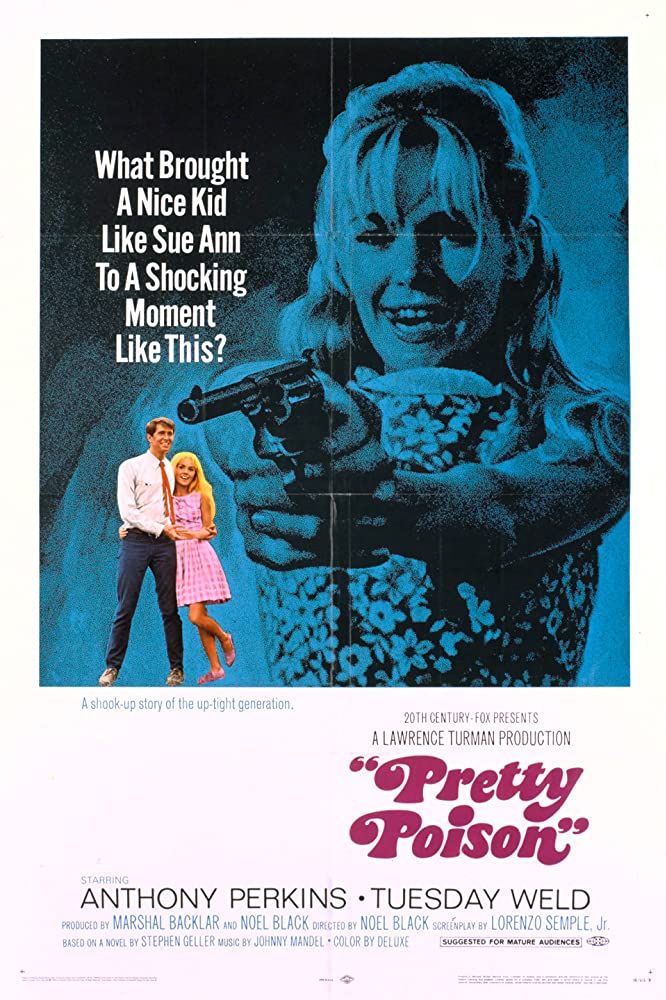
Pretty Poison (1968)

Pretty Poison (1968)

“Our mission needs ice-cold nerves.”

Synopsis:
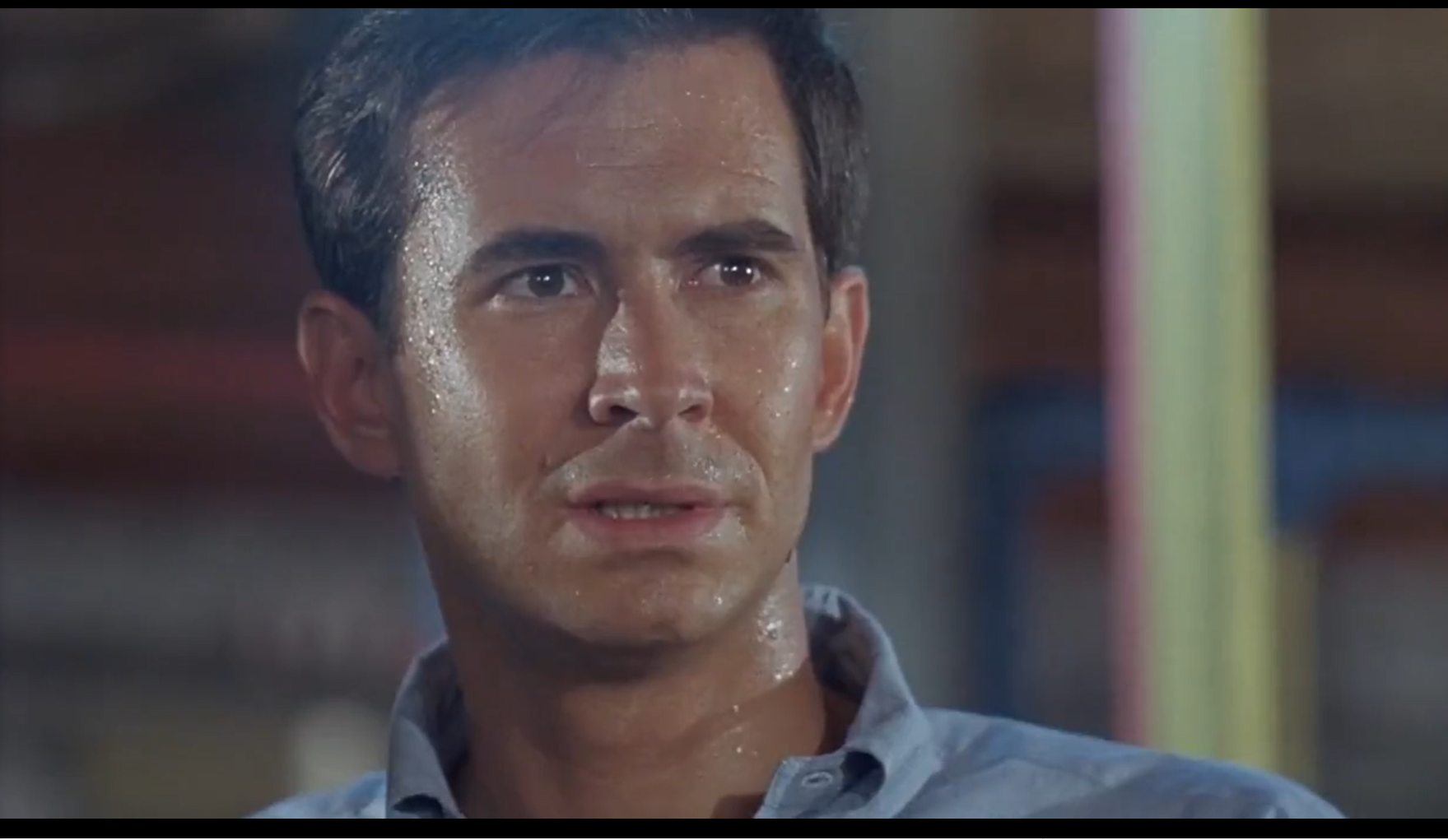
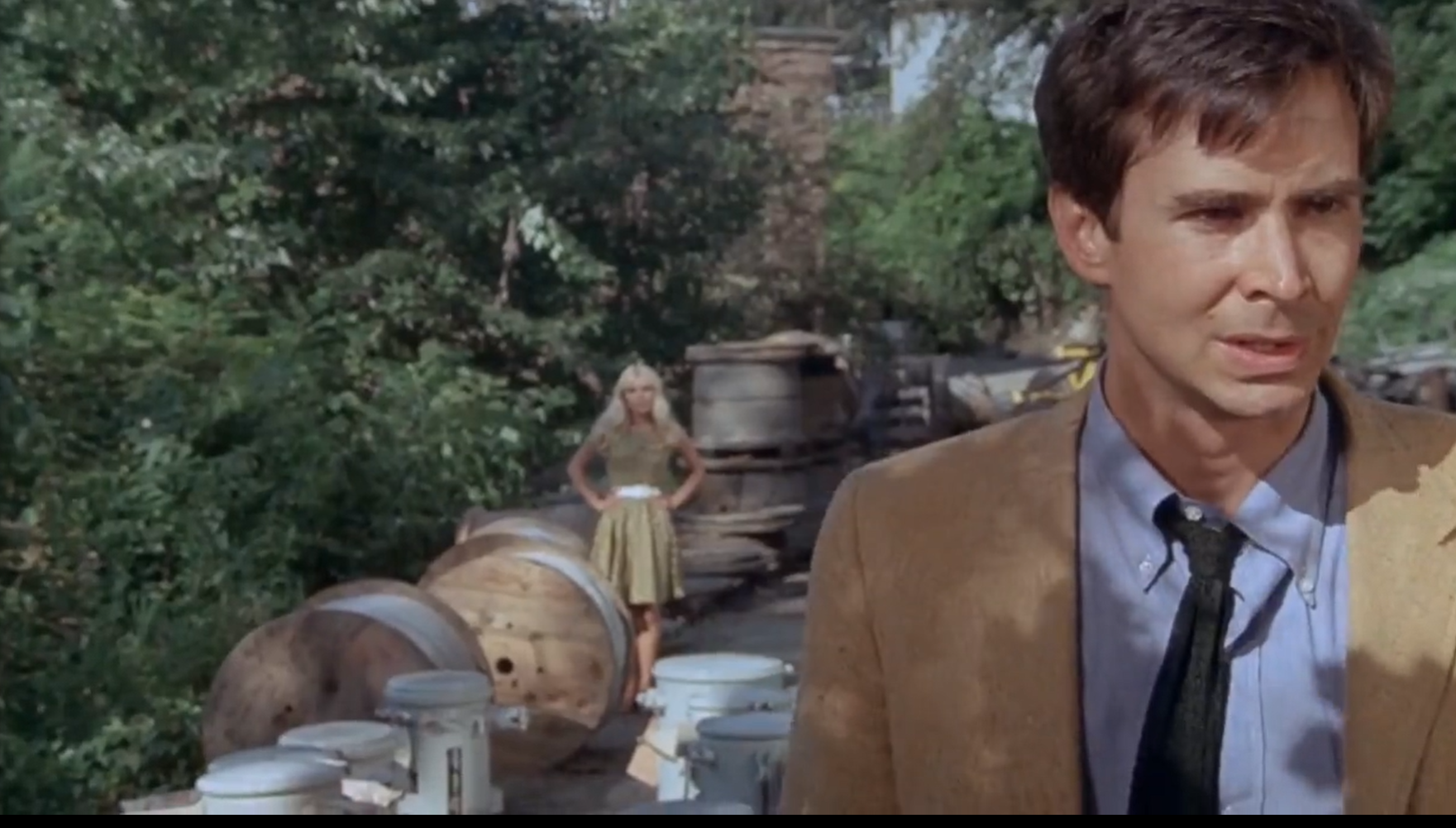
An inmate (Anthony Perkins) released from an insane asylum receives help from his parole officer (John Randolph) in finding a job in a lumber company, and woos a beautiful teen (Tuesday Weld) he meets at a hot dog stand by telling her he is a CIA agent. Soon the young couple are committing crimes, and after Weld kills a guard, Perkins realizes he’s in over his head — especially when Weld reveals the depth of her frustration with her controlling mother (Beverly Garland).

Genres, Themes, Actors, and Directors:

  • Anthony Perkins Films
  • Black Comedy
  • Ex-Cons
  • Femmes Fatales
  • Mental Illness
  • Romance
  • Tuesday Weld Films

Response to Peary’s Review:
Peary writes that this “sometimes violent black comedy” — “written by Lorenzo Semple (from Stephen Geller’s novel), and directed by Noel Black” — is “one of the few still-sparkling gems of the late sixties”, and notes it’s a “terrific film” with a “cult following” (he writes about it at length in his first Cult Movies book). He points out the “sharp humor scattered throughout its serious framework”, writing that “its style reminds [him] of William March’s The Bad Seed” — indeed, “17-year-old Sue Ann [Weld] might well be the diabolical eight-year-old Rhoda Penmark grown up.” Peary asserts that that “picture’s theme, as reflected in the paradoxical title and as embodied by Sue Ann, is that paranoid America is not so much in danger from foreigners as it is from evil, epidemic-like forces that are spreading in America’s heartland”, with the “small, peaceful Massachusetts town” where the film takes place “a microcosm of a sick, self-destructive America.” He adds that “Weld is great and Perkins matches her, properly playing Dennis as a man who is very much a boy.”

In his Alternate Oscars, Peary names Weld Best Actress of the Year for her portrayal as “a typical American teenage innocent, a pretty, high-spirited blonde, who is on the honor roll, takes hygiene classes, and carries the American flag while marching with her school band”, but who actually represents psychopathy hiding in plain sight. He posits that “as Sue Ann grew up she refined, even perfected, her evil, keeping it veiled under a cheery veneer” — and now it “corresponds with her sexual amorality”. Weld “gives Sue Ann the comic edge to match Perkins’ oddball Dennis”: “no matter what ludicrous idea Dennis cooks up, Sue Ann is willing; in fact, she’s one scheme ahead of him”, and “no one is better than Weld at showing excitement at acquiring things”. Peary reminds us that after her debut role in Rock! Rock! Rock! (1956), Weld was best known for her “memorable, money-hungry” character “Thalia Menninger on television’s The Many Loves of Dobie Gillis — her prototypical role — and her manipulative teenager in Lord Love a Duck.”

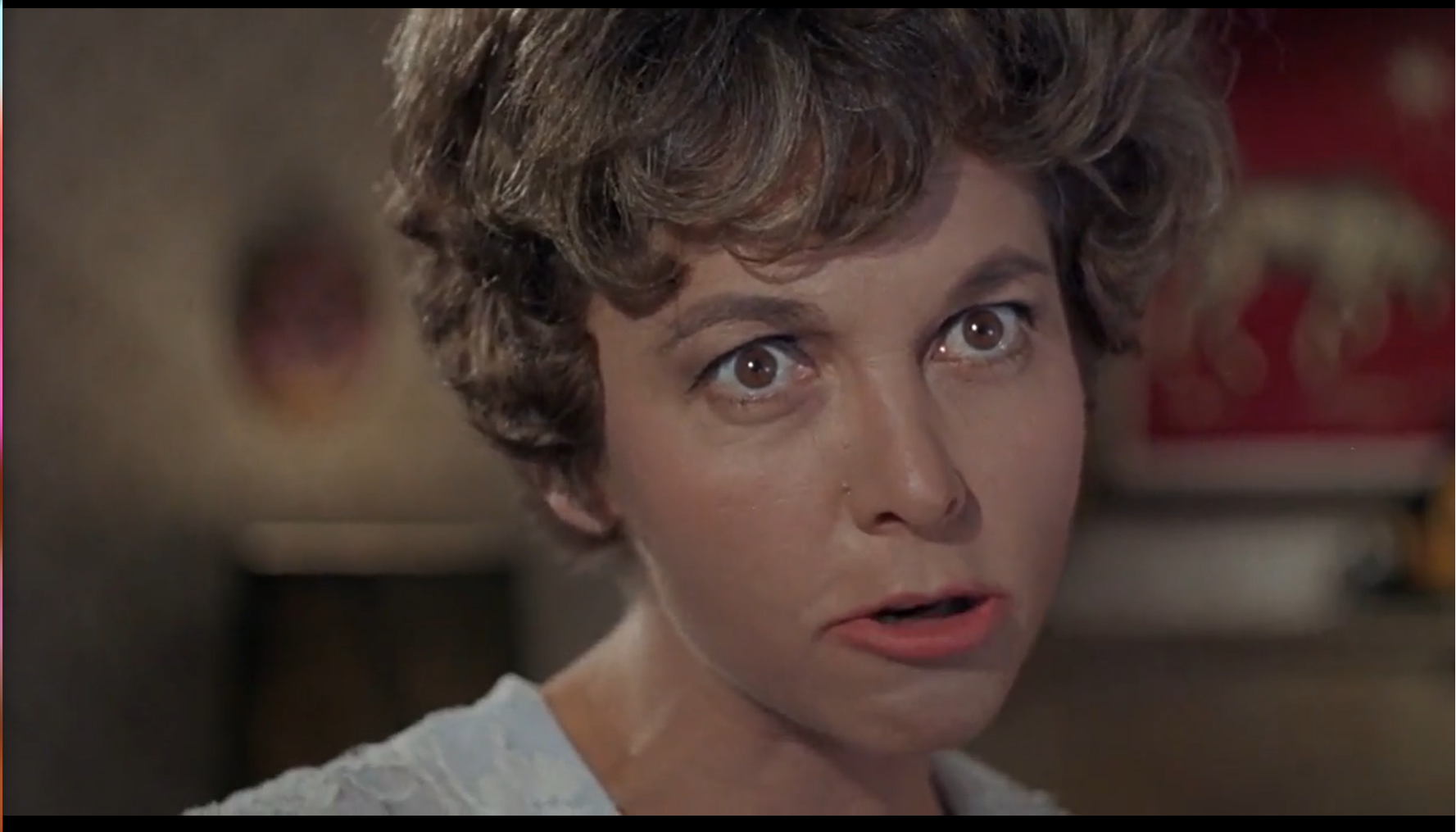
In Cult Movies, Peary elaborates upon Perkins’ character Dennis, noting he “reminds [him] of the scene in Psycho (1960) in which Perkins, as Norman Bates, loses his cockiness when the car containing Janet Leigh’s body momentarily fails to sink in the lake. At this moment, Norman realizes that he can be caught”, just as he is time and again in Pretty Poison. Speaking of Psycho, Stuart Galbraith IV points out in his review for DVD Talk that, “For 1968 audiences, part of the film’s surprise is that it completely flip-flops audience expectations. They were still avoiding those late-night, home alone showers in the wake of Psycho, so Anthony Perkins in another fresh-out-of-the-nuthouse role strongly suggested another Norman Bates-like character” — whereas his character here actually elicits “relative sympathy” compared to Sue Ann, thus throwing “audiences off-balance”. Also of note is the small but crucial supporting role played by Beverly Garland, giving a “deliciously cold performance” as Weld’s shrewish mother; we understand Weld’s animosity towards her, but also feel sympathy about her untimely demise given that she’s “being nice to Sue Ann for the only time in the picture”.

Redeeming Qualities and Moments:

  • Tuesday Weld as Sue Ann
  • Anthony Perkins as Dennis
  • Beverly Garland as Mrs. Stepanek
  • Fine cinematography

Must See?
Yes, as a still-enjoyable cult favorite.

Categories

  • Cult Movie

Links:

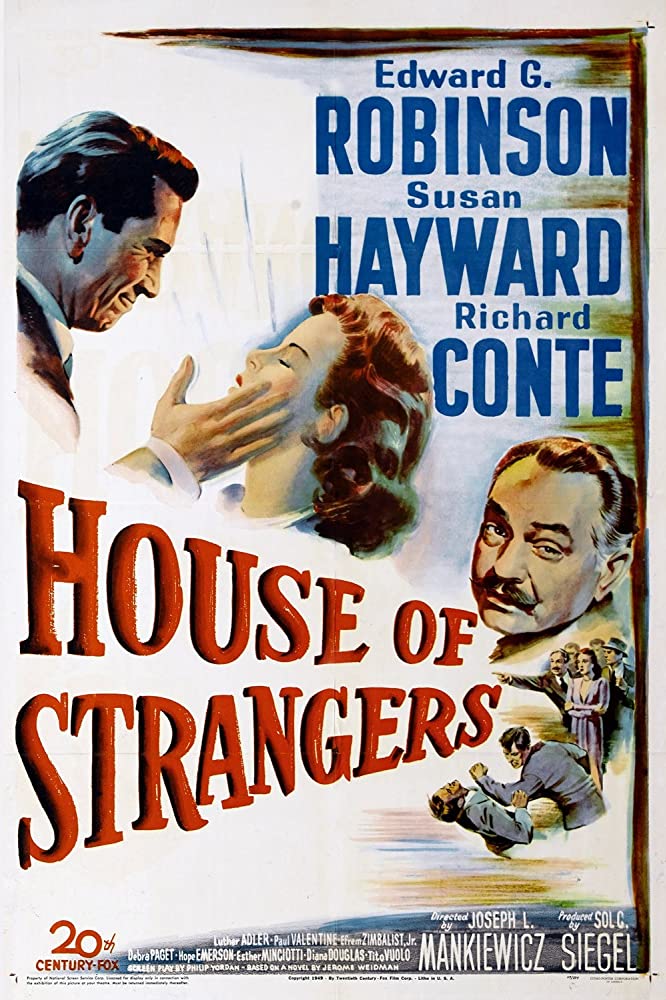
House of Strangers (1949)

House of Strangers (1949)

“Nothing hurts me, Max; that’s one of my complications.”

Synopsis:
The favored son (Richard Conte) of a crooked Italian-American banker (Edward G. Robinson) emerges from jail determined to seek revenge on his resentful brothers (Luther Adler, Paul Valentine, and Efrem Zimablist Jr.) — but as he reflects back on his romance with a beautiful socialist (Susan Hayward) and his engagement to a loyal Italian girl (Debra Paget), he considers the various trade-offs he’s made in his life, and choices become more complex.

Genres, Themes, Actors, and Directors:

  • Edward G. Robinson Films
  • Father and Child
  • Flashback Films
  • Joseph L. Mankiewicz Films
  • Lawyers
  • Revenge
  • Richard Conte Films
  • Siblings
  • Susan Hayward Films

Review:
Screenwriter Philip Yordan scripted numerous noteworthy outings — including Dillinger (1945), Detective Story (1951), Johnny Guitar (1954), The Big Combo (1955), The Man From Laramie (1955), The Harder They Fall (1956), King of Kings (1961), El Cid (1961), 55 Days at Peking (1963), and The Fall of the Roman Empire (1964), among many others — in addition to being the “front name” for numerous blacklisted writers. He also penned this intriguing tale, directed (and substantially rewritten) by Joseph L. Mankiewicz, of first generation familial loyalty tested in the face of both broader ethics and romantic interests, a la The Godfather (1972). As with Donald Crisp in Anthony Mann’s The Man From Laramie (1955), the patriarch here (Robinson) is presented as both complicated and somewhat sympathetic, and Robinson’s performance is as nuanced and passionate as one might expect. Unfortunately, the uninteresting romance between Conte and Hayward ends up taking center stage, when what we really want is to see more of his brothers. Luther Adler (acting coach Stella Adler’s real-life brother) is particularly good in the challenging role of a man seeking “justifiable” revenge after being belittled for years; it would be fascinating to hear this entire story from his perspective.

Redeeming Qualities and Moments:

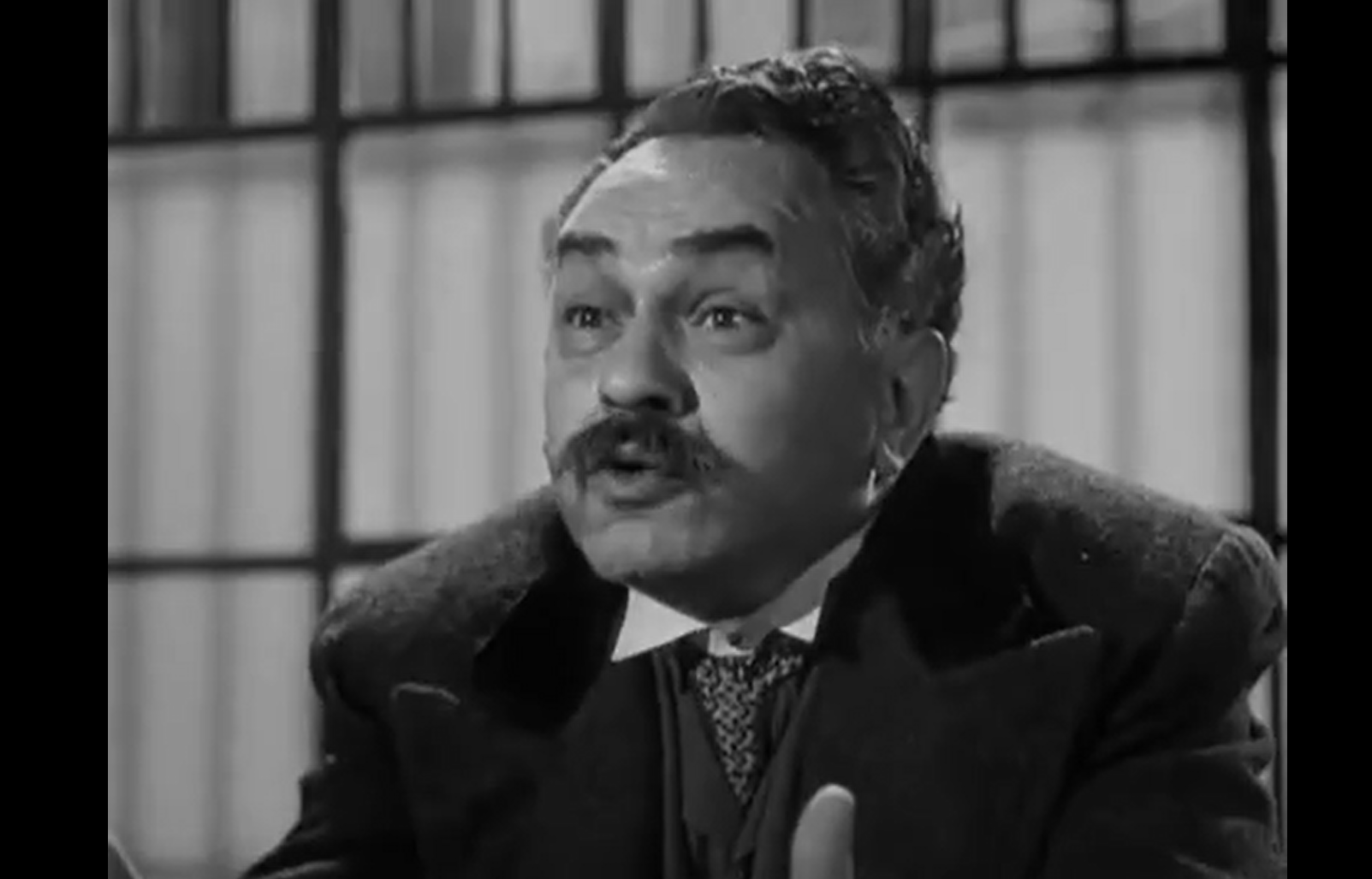
  • Edward G. Robinson as Papa Monetti
  • Luther Adler as Joe Monetti
  • Atmospheric cinematography and direction

Must See?
No, though it’s certainly worth a one-time look.

Links:

Return of the Jedi, The (1983)

Return of the Jedi, The (1983)

“Your thoughts betray you, Father. I feel the good in you — the conflict.”

Synopsis:
As Emperor Palpatin (Ian McDiarmid) and Lord Darth Vader (David Prowse and James Earl Jones) attempt to lure Luke Skywalker (Mark Hamill) to the Dark Side, Han Solo (Harrison Ford) and Princess Leia (Carrie Fisher) — with help from Chewbacca (Peter Mayhew), C-3PO (Anthony Daniels), R2-D2 (Kenny Baker), and a host of furry forest creatures known as Ewoks — continue their rebellion against the evil Imperial forces.

Genres, Themes, Actors, and Directors:

  • Father and Child
  • Harrison Ford Films
  • Rebellion
  • Science Fiction
  • Space Opera

Response to Peary’s Review:
Peary writes that this “final installment in the [original] Star Wars trilogy” — third after Star Wars (1977) and The Empire Strikes Back (1980) — has “marvelous special effects” (yes), “exciting battles” (definitely), “and one great new creature: enormous, blubbery villain Jabba the Hut” (nope! I’m not a fan).

However, Peary doesn’t “like the way executive producer George Lucas and his co-screenwriter Lawrence Kasdan tie loose ends together”, and he argues that “everything is too pat; moreover, when we discover who everybody is in relation to one another, it’s hard not to be disappointed.” (One wonders what Peary thinks of all the recent additions to the series, if he’s seen them…) He further posits that the “script is too simple, returning the characters to the shallow comic-strip figures they were in the first film”, and that there’s “too much talk about light and dark, good and evil — eventually that’s all the bad guys, who want Luke to join them, discuss.”

Peary continues his review by noting that while he doesn’t “object to Fisher wearing skimpy outfits”, the “change in her wardrobe reflects too drastic a change in her personality from The Empire Strikes Back” (I disagree, though it’s sad knowing Fisher was forced to lose a quarter of her body weight to play the role.)

He adds that while he likes “the idea of a tribe of rebel warriors”, the “fur-ball Ewoks — inspired by Lucas’s dog — aren’t what I had in mind.”

(I’m also not a fan, though I watched this film with my 9 and 10 year old kids, and they were absolutely delighted with the Ewoks — which shows the intended audience.) Peary writes that the film’s “highlight is the speed-cycle chase through a heavily wooded area” — most definitely! — and points out what a surprise it is “not to see James Earl Jones when Darth Vader is unmasked.” Overall, Peary’s review seems to reflect his ambivalence about this film, which I share; this one is ultimately only must-see for fans of the franchise.

Redeeming Qualities and Moments:

  • The exciting speed cycle chase
  • Fine special effects and cinematography

Must See?
No, though of course fans of the series will certainly consider it must-see.

(Listed in 1001 Movies You Must See Before You Die)

Links:

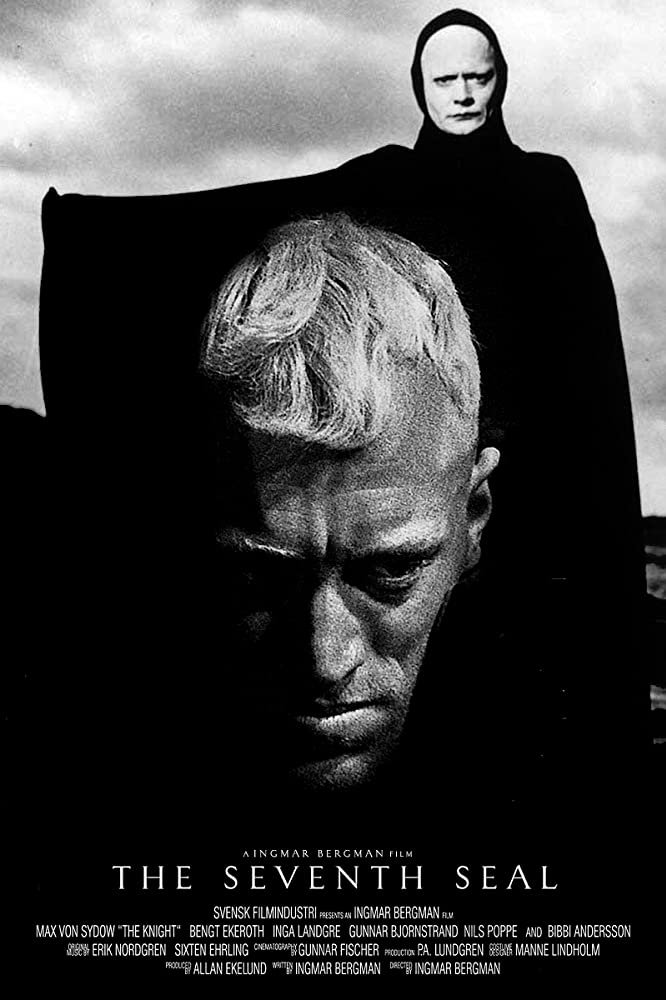
Seventh Seal, The (1957)

Seventh Seal, The (1957)

“A man must live — at least until the plague takes him.”

Synopsis:
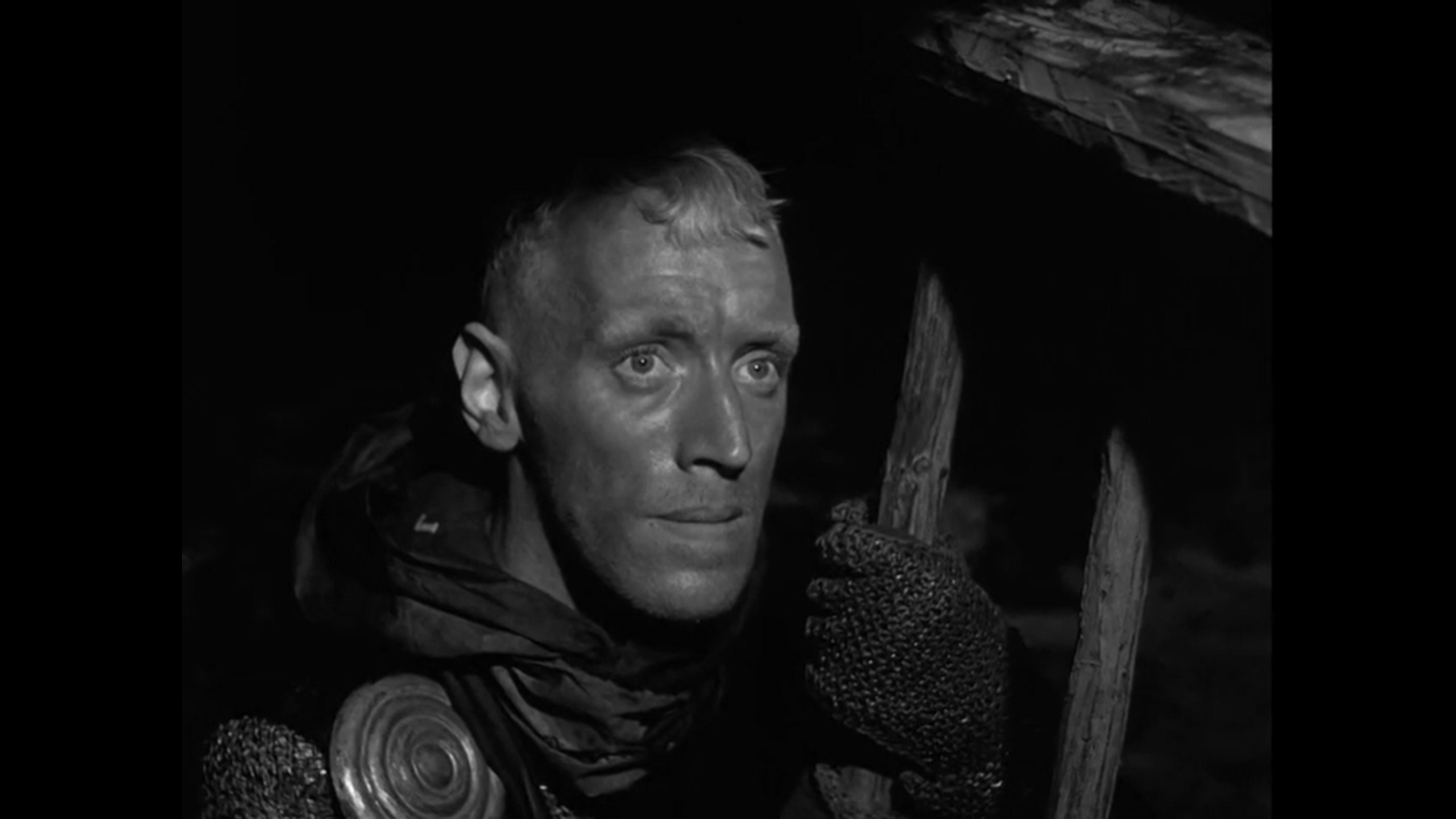
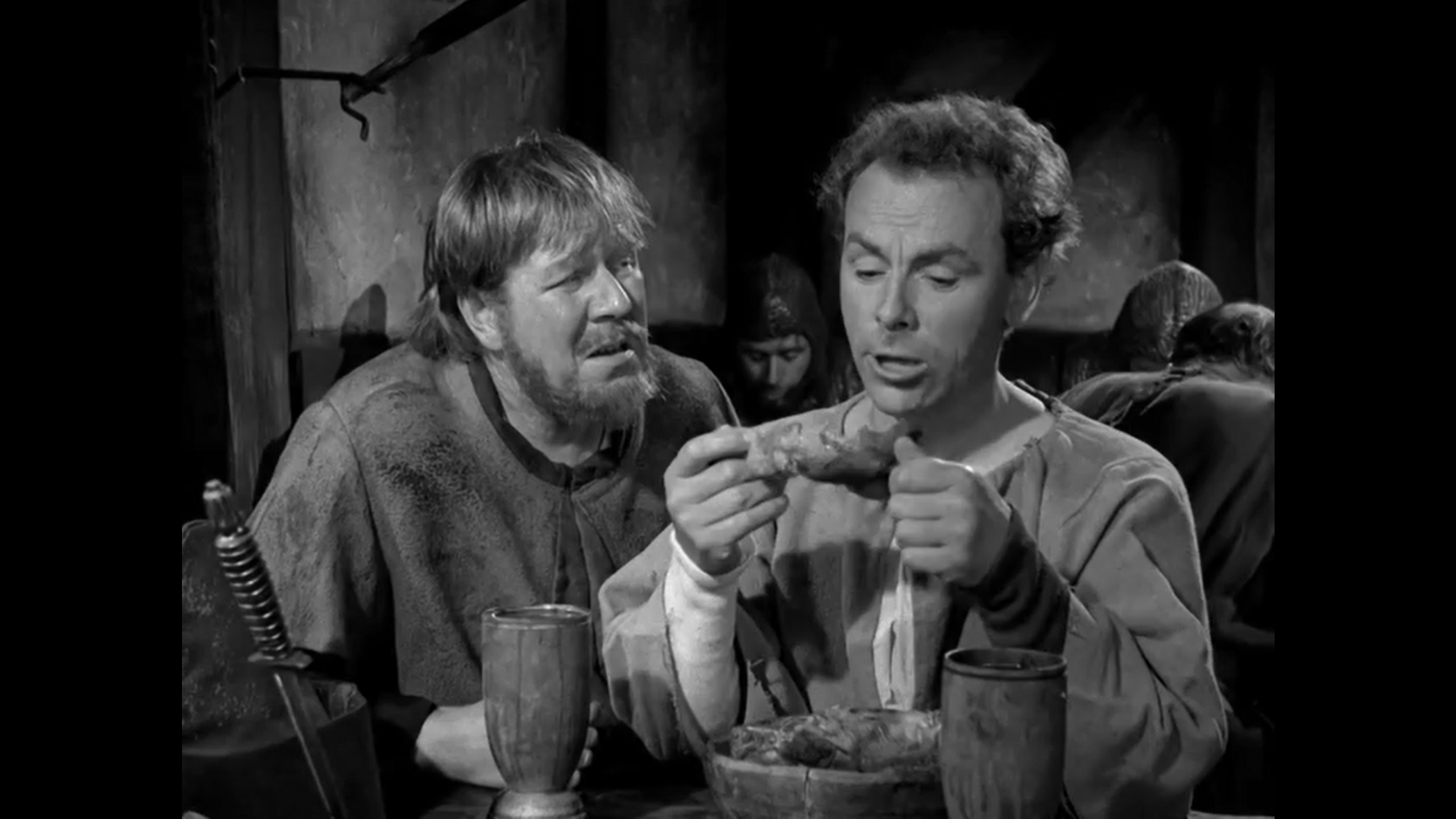
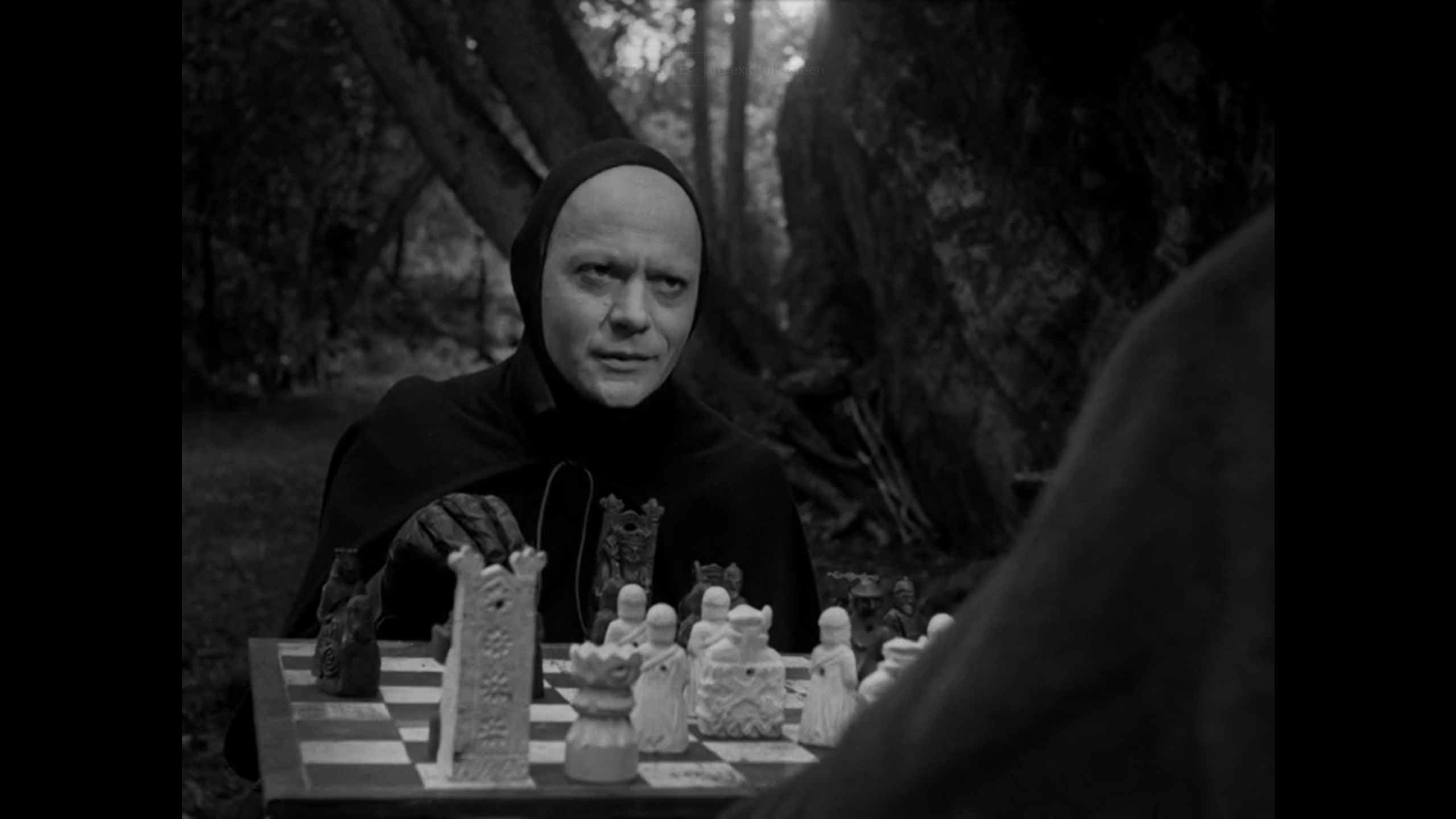
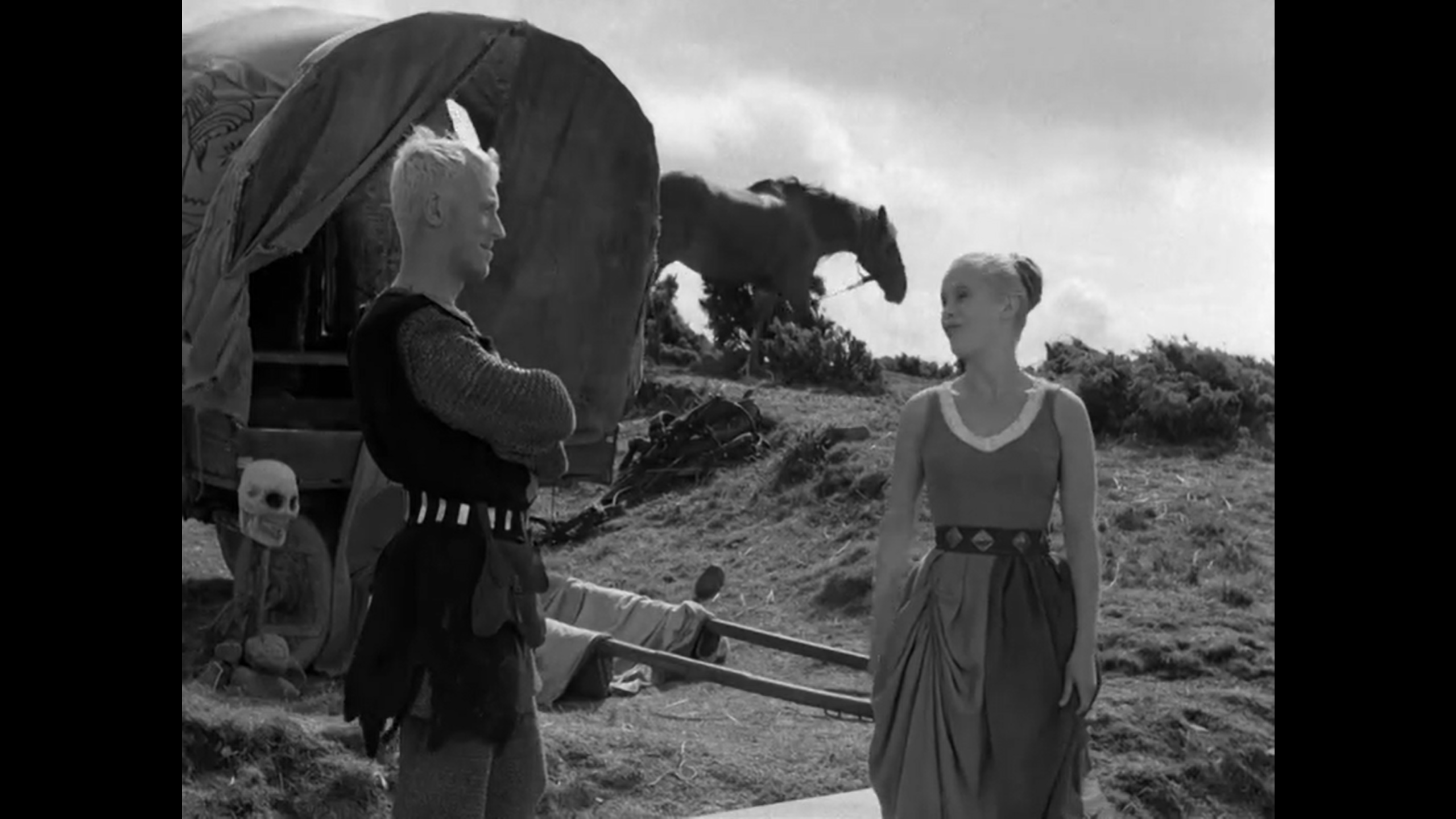
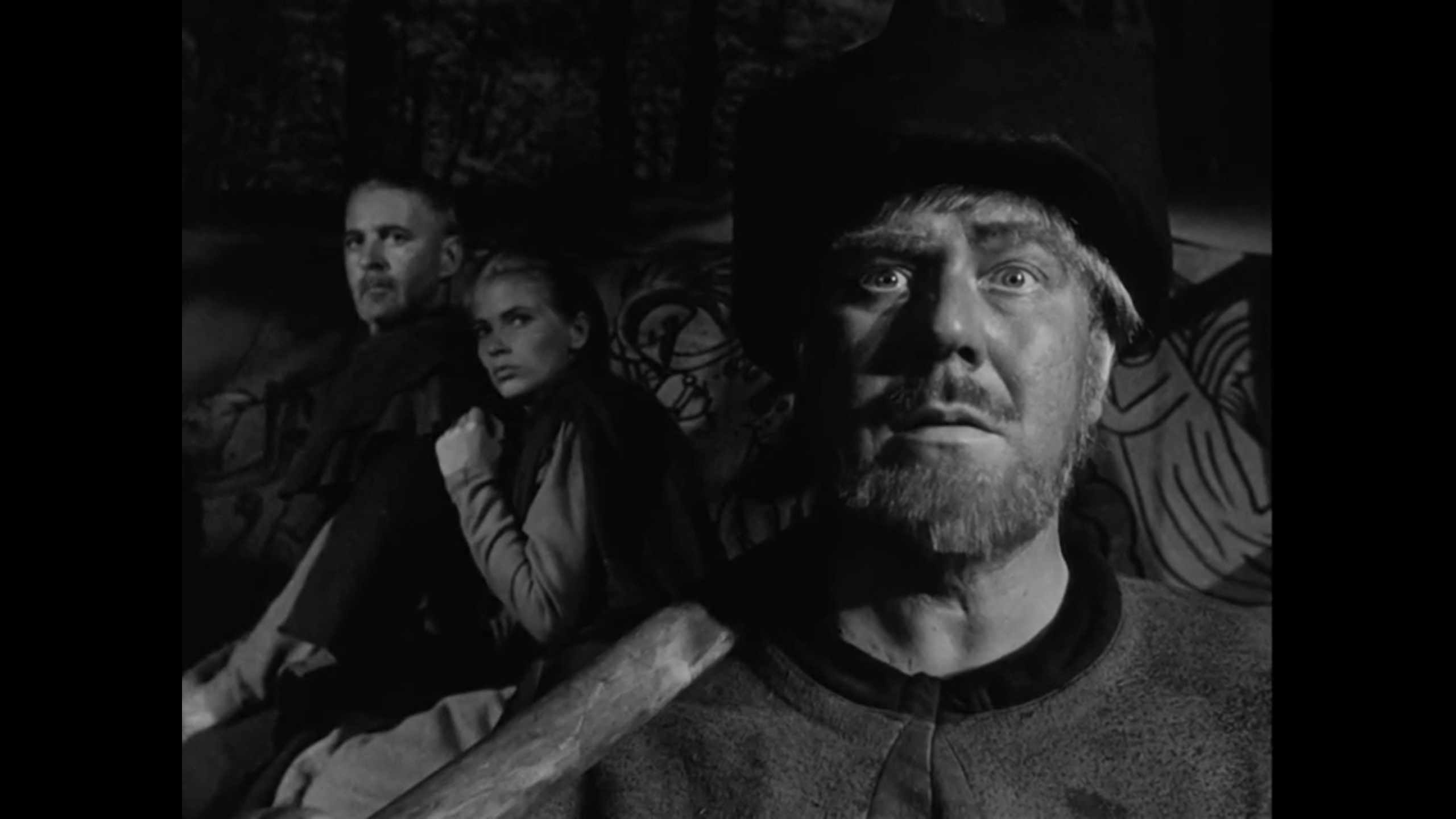
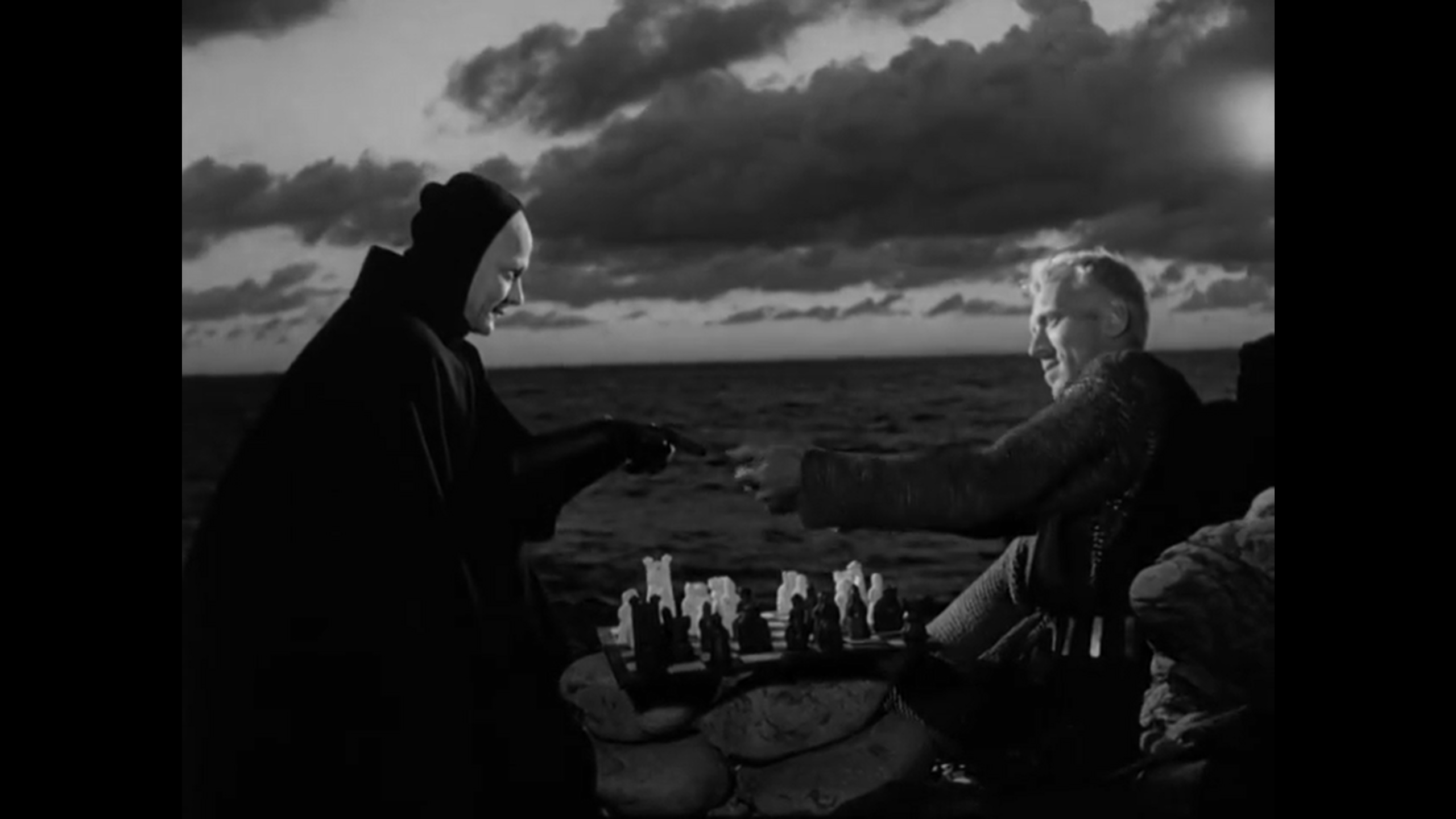
During the Black Death, a knight (Max Von Sydow) returning from the Crusades with his squire (Gunnar Björnstrand) challenges Death (Bengt Ekerot) to a game of chess, then accompanies a young performer (Nils Poppe) as he travels with his wife (Bibi Andersson), their baby, and their manager (Erik Strandmark) through plague-ridden Sweden. Björnstrand rescues a mute girl (Gunnel Lindblom) from rape, while Strandmark carries on an affair with the wife (Inga Gill) of an irate blacksmith (Åke Fridell), and Von Sydow is unsure how to approach his long-suffering wife (Inga Landgre) back at home.

Genres:

Response to Peary’s Review:
Peary writes that this classic drama by Ingmar Bergman “deals with such familiar Bergman themes as man’s loss of faith, his disillusionment about life, his inability to overcome guilt and humiliation, his self-torment, fate vs. free will, good vs. evil, and conflict in marriage.” While these are “all problems of modern man”, the “film is set in an earlier apocalyptic age, the 14th century, when we had an incomprehensible Black Plague instead of an incomprehensible Bomb [or COVID-19 pandemic], and the helpless, confused common man succumbed to his fate.” He notes that the character played by “Von Sydow has lost his faith”, given that “all around him are death, despair, hysteria, pestilence, and abominable acts of cruelty” — and what “Bergman considers perverse is how the people commit sins against each other in God’s name and how the people rationalize the Plague as being their fault, their just punishment, so they can let God off the hook.” In other words, “As Andersson observes, the people enjoy suffering and relish their martyrdom”. It’s “through Poppe, Andersson, and their special child” (Joseph, Mary, and baby Michael) that Von Sydow arguably “comes to realize that life isn’t meaningless although it ends in meaningless death”, and that “the real purpose in life is to marry and have children”.

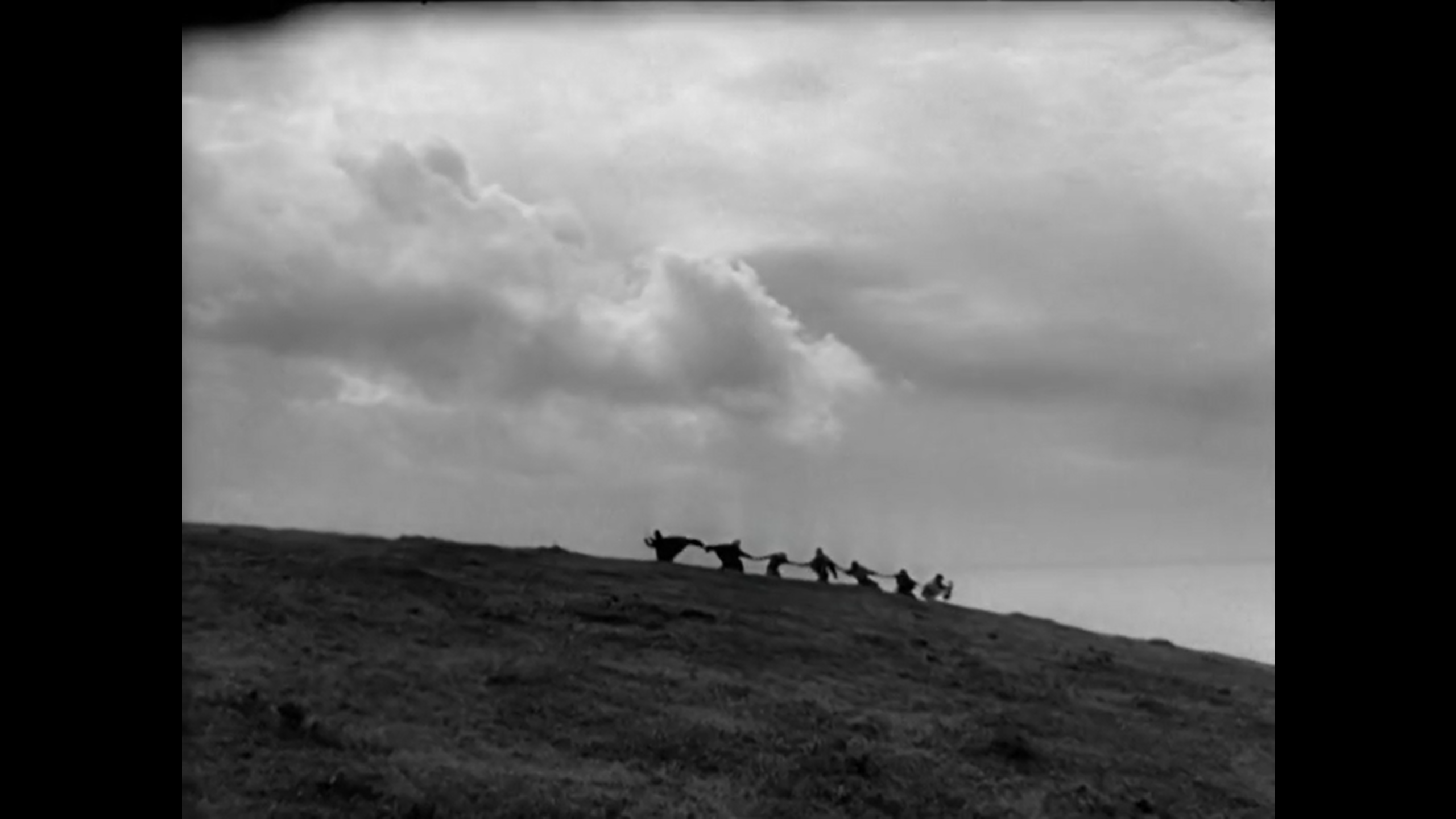
Peary points out that Bergman’s film — based on his own one-act play — is “very theatrical, with roots in Shakespeare, absurdism, farce, and medieval mystery and morality plays”; and, “as in all Bergman classics, there are strong acting, stunning photography (by Gunnar Fischer), many unforgettable images (the chess match for Von Sydow’s life, the burning of a witch, the final dance of Death and his victims), and questions left for us to answer for ourselves” (“What will become of us who want to believe, but cannot?”). While Peary argues that Bergman posits “life can be satisfying and safe only for those simple people who have faith, no questions asked”, this is a film filled with questions (“You play chess, do you not?” “Why make them happy? Why not scare them?”) and not all those who fail to ask questions are as content as Poppe’s idyllically happy young family. Indeed, the world on display here, geographically beautiful while existentially horrific, is miserable, with people making sense of senseless chaos in whatever ways they can and will — from burning a young woman (Maud Hansson) as a witch, to parades of self-flagellation, to rape and adultery, to distraction through entertainment, to barroom brawls, to intense religious faith.

While the story-line is deeply provocative — and all too eerily fitting for our current times — it’s the potent imagery throughout The Seventh Seal (the title is drawn from a Bible verse from The Revelation of St. John the Divine, read both during the opening shots and by Landgre in a later scene) that lingers in one’s memory. Though theatrical in some ways, the film is also highly cinematic: Fischer’s cinematography is consistently gorgeous, and he and Bergman make excellent use of outdoor sets, especially during opening scenes shot at Hovs Hallar. Bergman was apparently inspired by Kurosawa’s films, though he “based the entire iconography of the movie on murals in a church where his clergyman father used to go and preach”, and the scene of Von Sydow playing chess with Death was inspired by a medieval painting by Albertus Pictor. Thankfully, this thematically heavy foreign film has numerous moments of comic levity and a “semi-optimistic ending”; now, more than ever, this movie should be seen and discussed by all film fanatics.

Redeeming Qualities and Moments:

  • Fine performances by the entire cast


  • Excellent cinematography, sets, art direction, and costumes

  • Many iconic scenes and images

Must See?
Yes, of course, as a timeless classic. Discussed at length in Peary’s Cult Movies 2.

Categories

  • Foreign Gem
  • Genuine Classic

(Listed in 1001 Movies You Must See Before You Die)

Links:

Night to Remember, A (1958)

Night to Remember, A (1958)

“But she can’t sink — she’s unsinkable!”

Synopsis:
On the fateful night of the sinking of the Titanic, Second Officer Charles Lightoller (Kenneth More) helps oversee the rescue of as many passengers as possible — including an upper-class couple (Honor Blackman and John Merivale) with children; newlyweds (Jill Dixon and Ronald Allen) determined not to separate; and “unsinkable” millionaire Molly Brown (Tucker McGuire).

Genres, Themes, Actors, and Directors:

  • At Sea
  • Disaster Flicks
  • Historical Drama
  • Roy Ward Baker Films

Review:
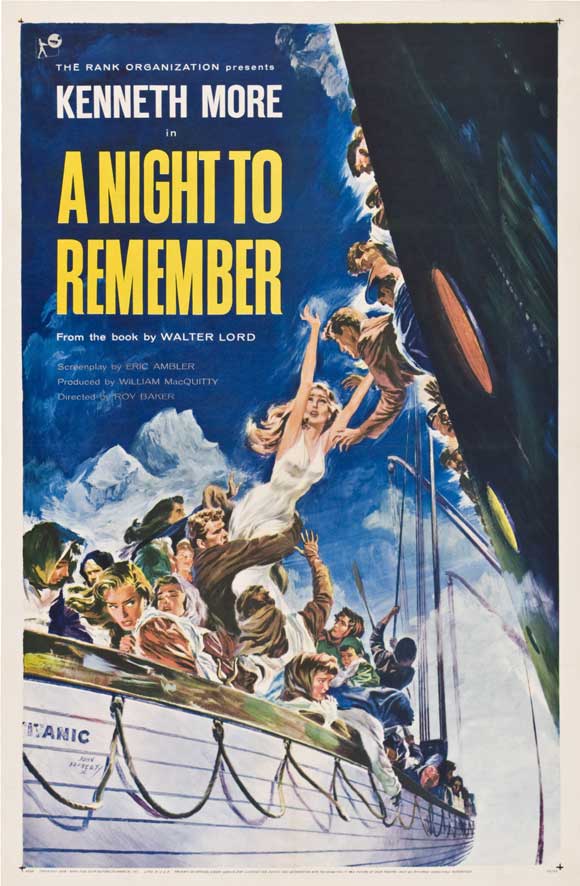
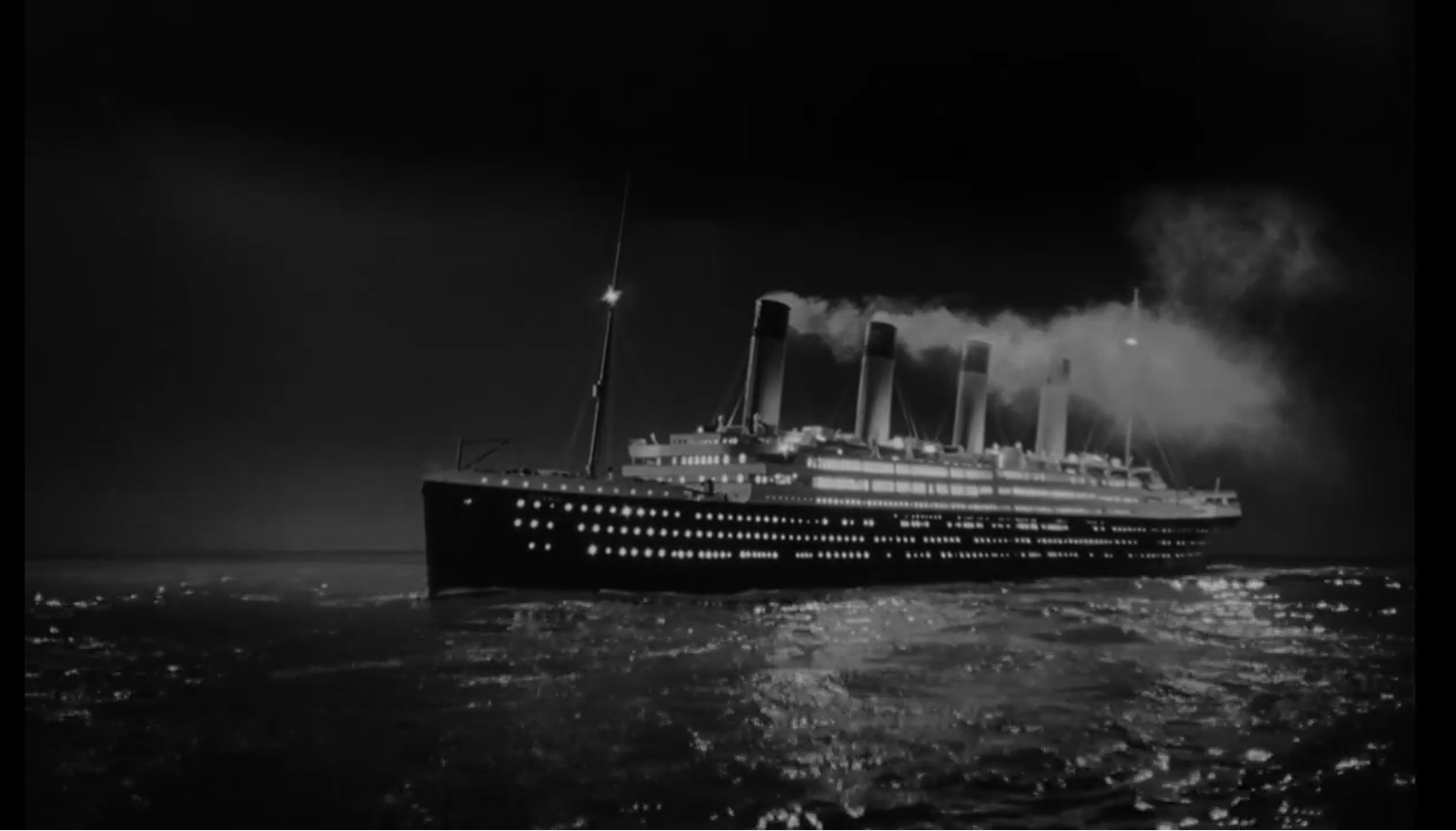
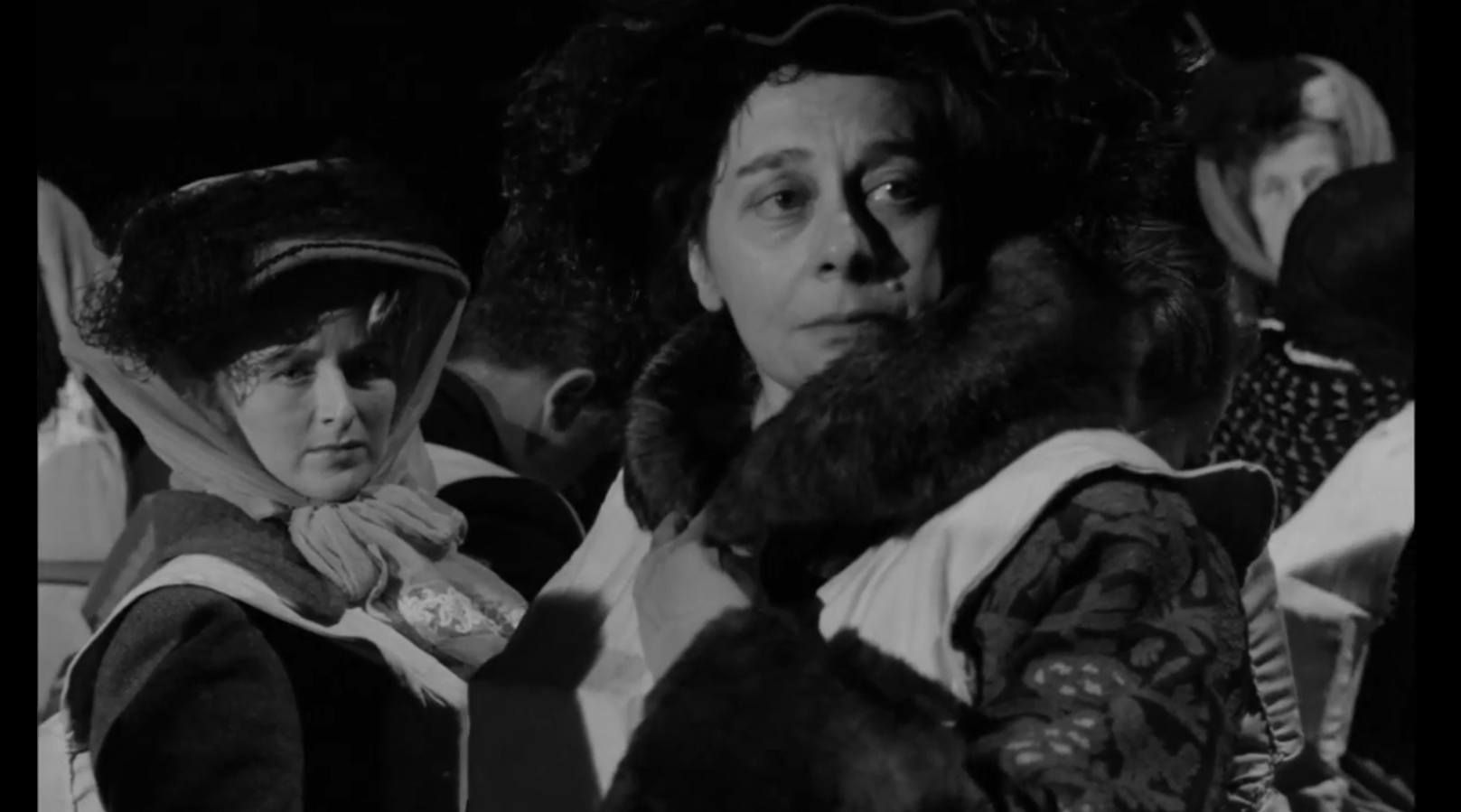
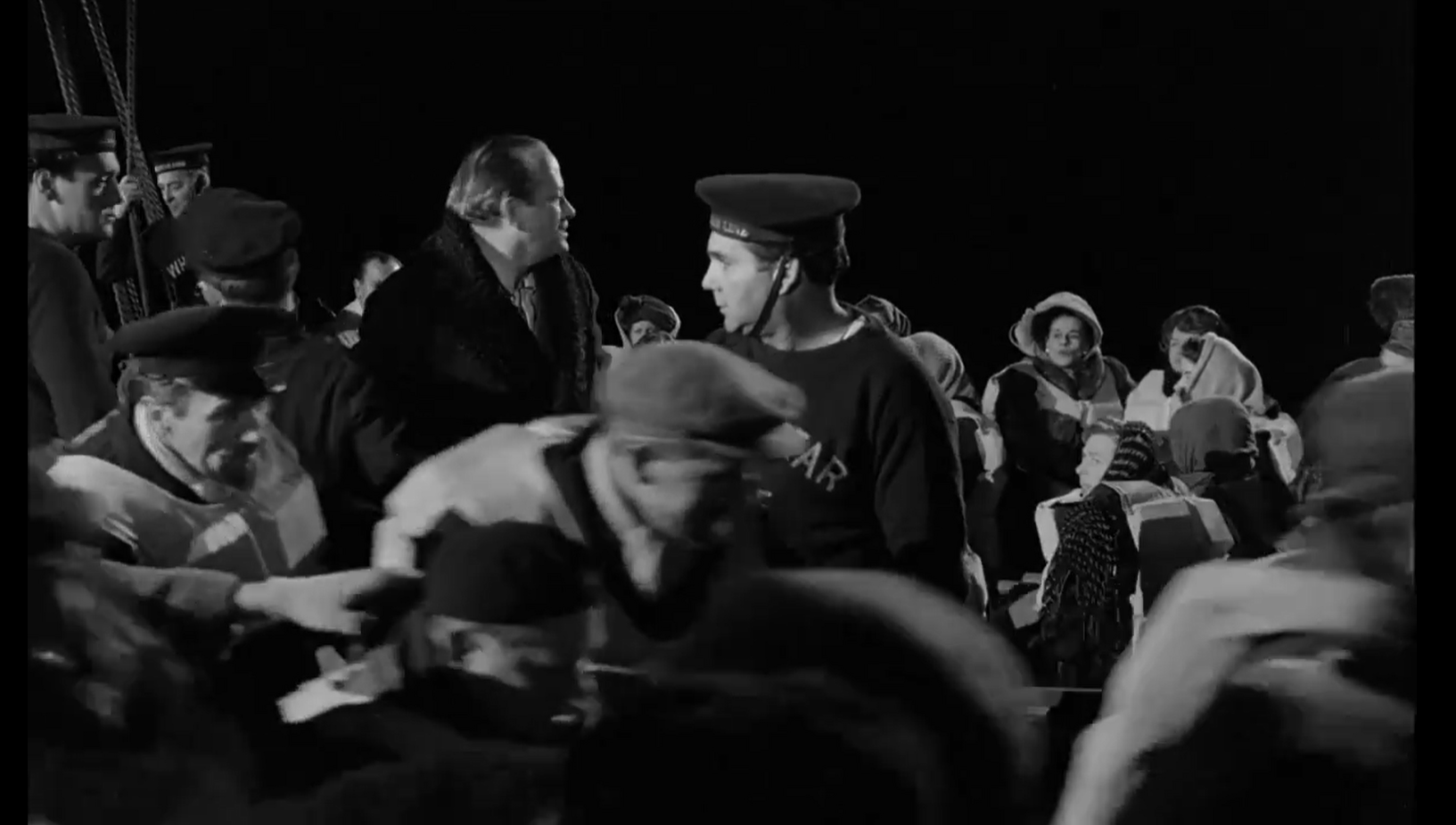
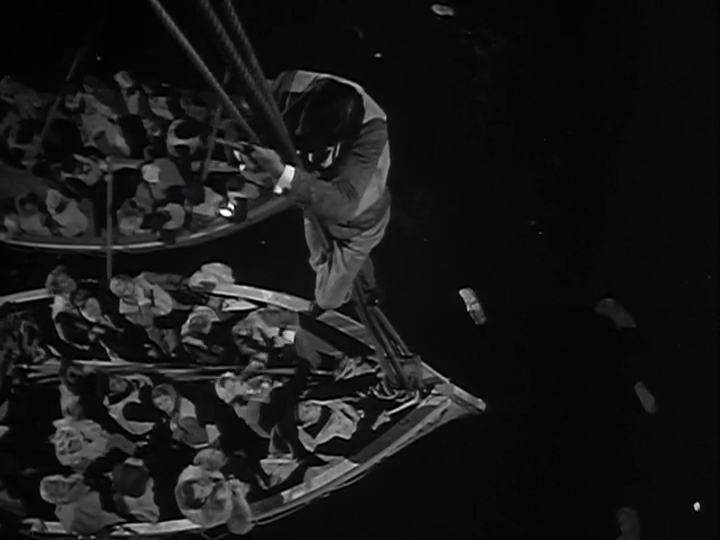
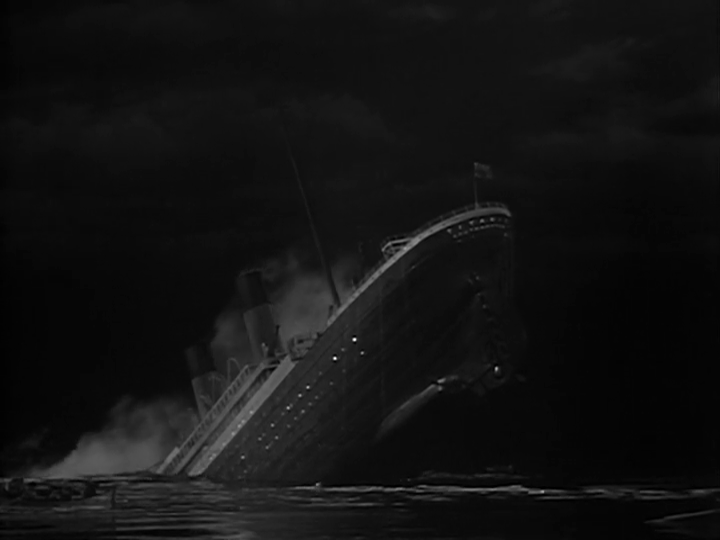
Roy Ward Baker’s adaptation of Walter Lord’s 1955 non-fiction book about the sinking of the RMS Titanic (scripted by Eric Ambler) is notable for its fidelity to historical detail, and for portraying this well-known tragedy in an effectively gripping fashion. Indeed, unlike in Jean Negulesco’s differently rewarding Titanic (1953) — which privileges detailed back-stories about the various passengers and crew on board, and features big-name stars — A Night to Remembers has a largely unknown cast, and cuts to the iceberg crash relatively quickly, spending the remainder of the film providing searing detail about the disaster that unfolded. A number of real-life passengers and crew are shown living out their final moments on board the ship, with More’s Officer Lightoller emerging as a central “protagonist” once he recognizes what’s happening and takes decisive action to assist in rescue. Ward’s direction is consistently solid, and he’s ably assisted by DP Geoffrey Unsworth. This one is well worth a look.

Note: Comparisons with James Cameron’s Oscar-winning 1997 blockbuster are inevitable. DVD Savant writes:

“After being infuriated by the 1997 Titanic, with its ridiculous thriller storyline and numbskull anachronisms, my first thought was that I wanted to make a nice B&W copy of some of James Cameron’s stunning digital special effects and cut them into the Roy Ward Baker movie. Voila! The Best of both worlds!”

Meanwhile, TCM snarks that “the budget was… remarkably small for such an epic narrative — a mere $1,680,000, which probably wouldn’t have covered the bagel tab on Cameron’s film”, and viewers “don’t even have to put up with Celine Dion warbling over the end credits.”

Ah, the wrath of classic film lovers. 🙂

Redeeming Qualities and Moments:

  • Fine cinematography
  • Excellent historical detail
  • Many exciting moments
  • Eric Ambler’s screenplay

Must See?
Yes, as a finely crafted historical adventure film.

Categories

  • Good Show

Links:

Romeo and Juliet (1936)

Romeo and Juliet (1936)

“My only love sprung from my only hate!”

Synopsis:
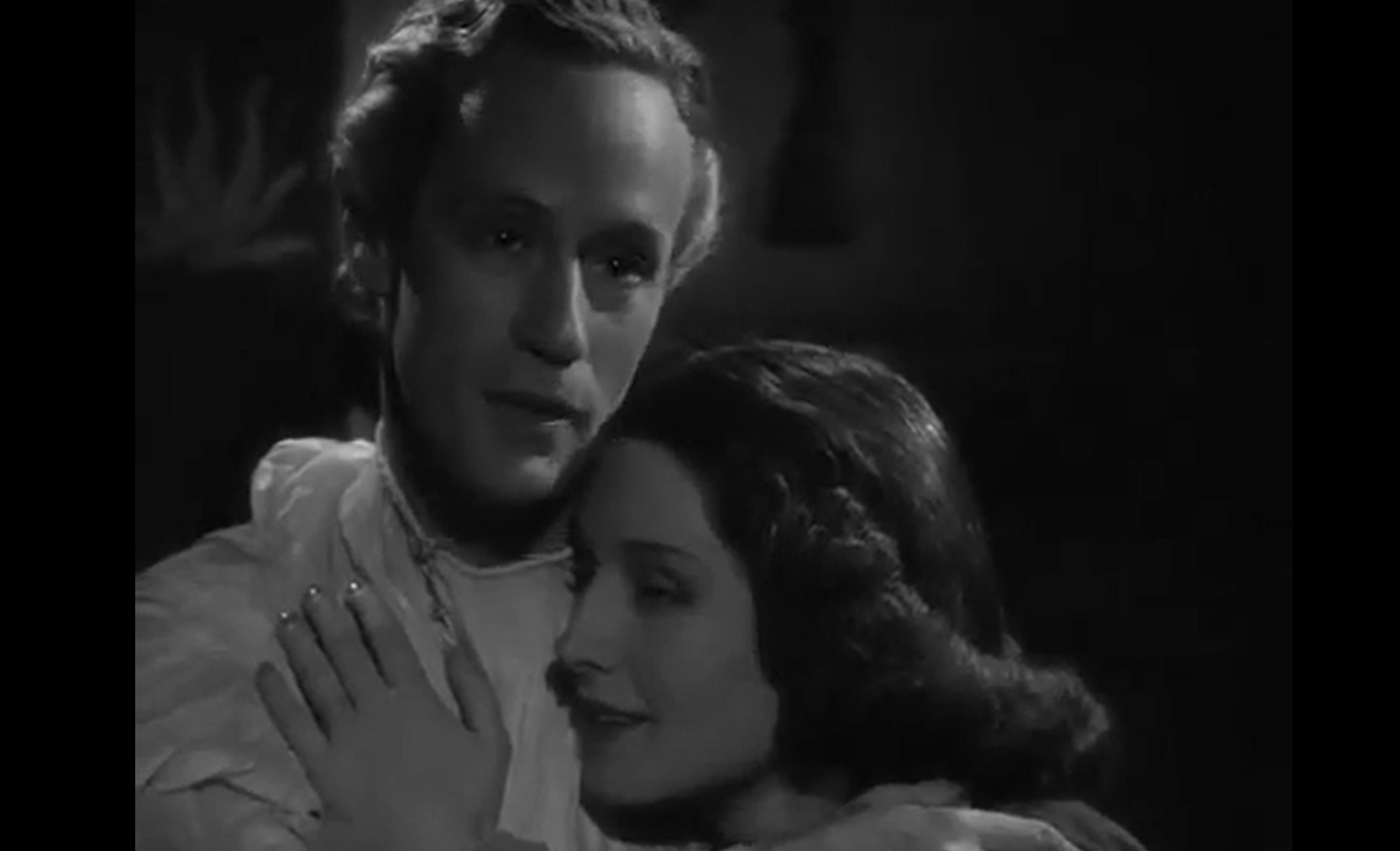
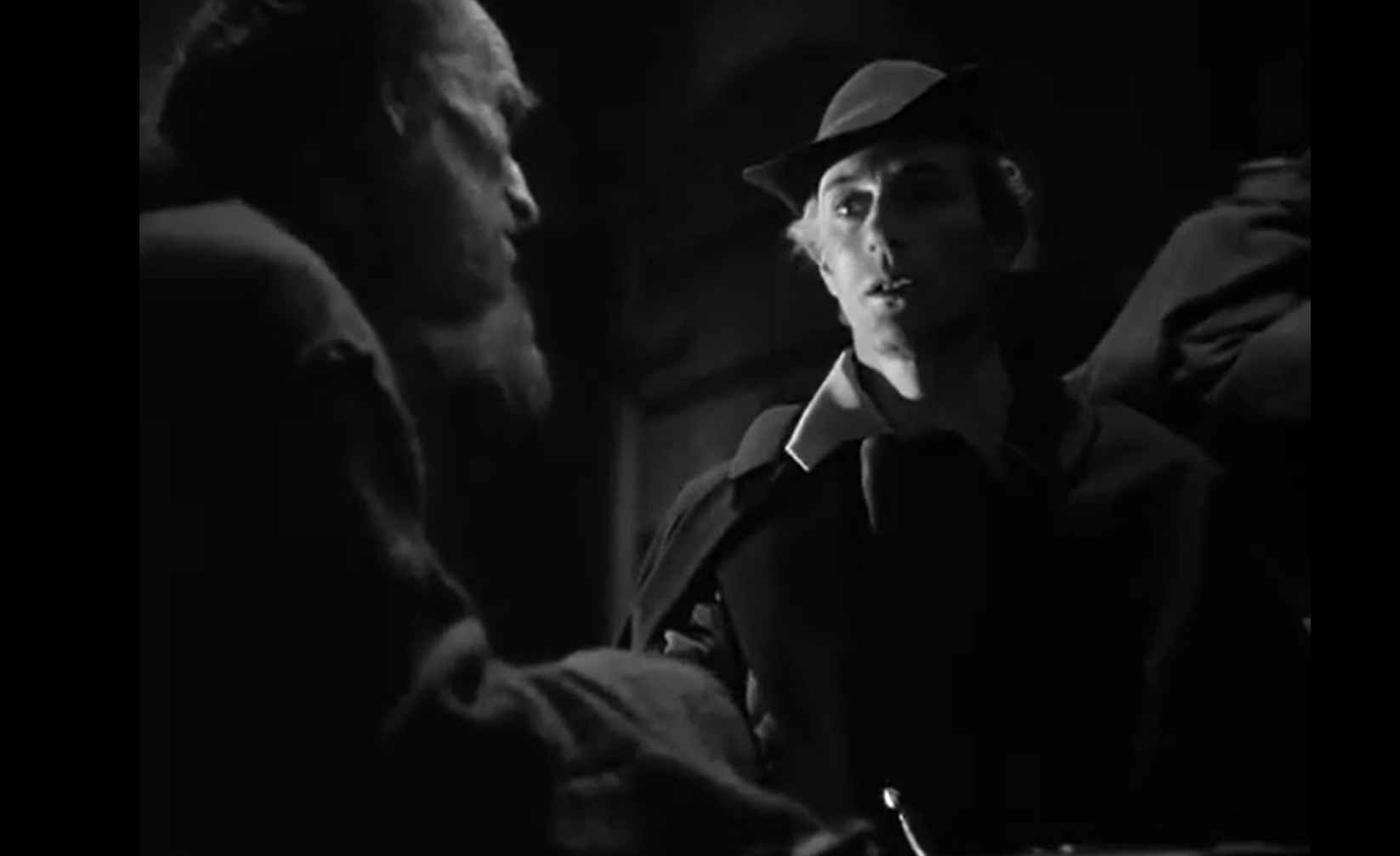
When a young man (Leslie Howard) in 16th century Italy falls in love with the daughter (Norma Shearer) of the head (C. Aubrey Smith) of his family’s rival clan, chaos ensues — especially when Shearer resists marriage to the man (Ralph Forbes) her parents have selected for her, and Howard engages in a disastrous fight with an enemy (Basil Rathbone).

Genres, Themes, Actors, and Directors:

  • Basil Rathbone Films
  • George Cukor Films
  • John Barrymore Films
  • Leslie Howard Films
  • Norma Shearer Films
  • Play Adaptations
  • Shakespeare
  • Star-Crossed Lovers

Review:
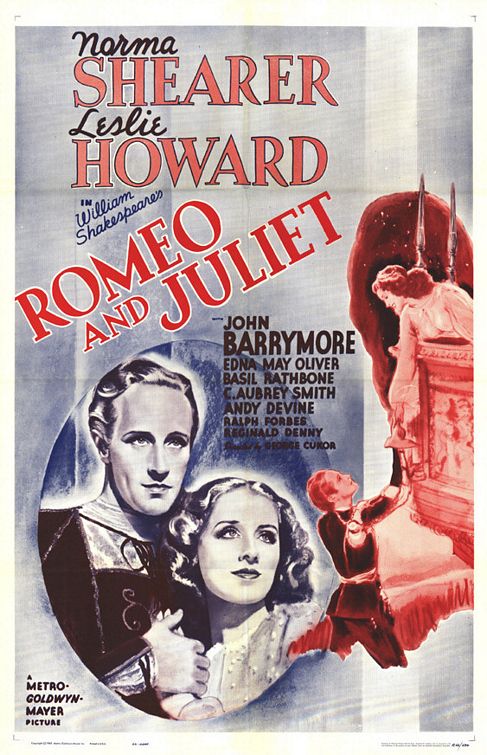
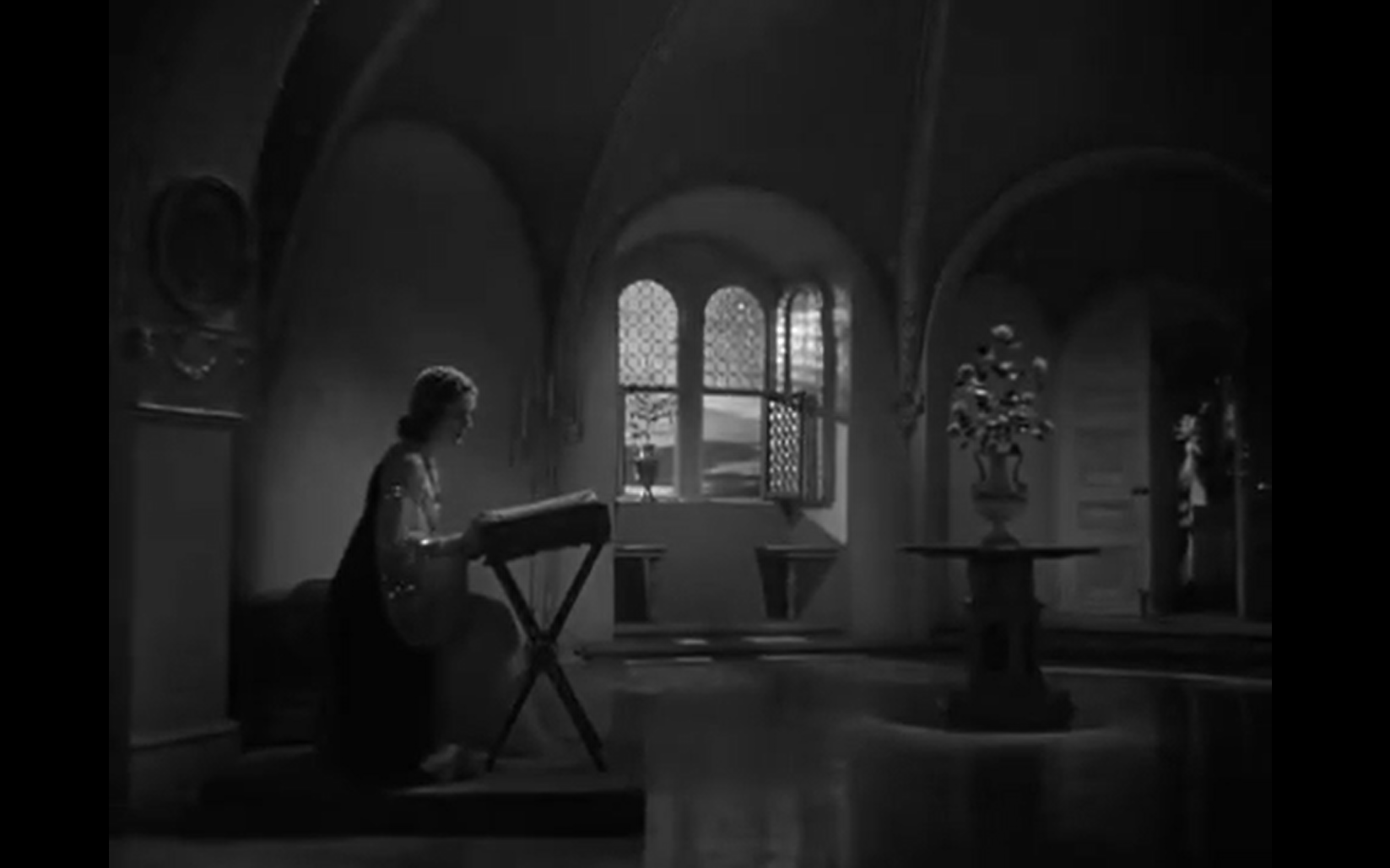
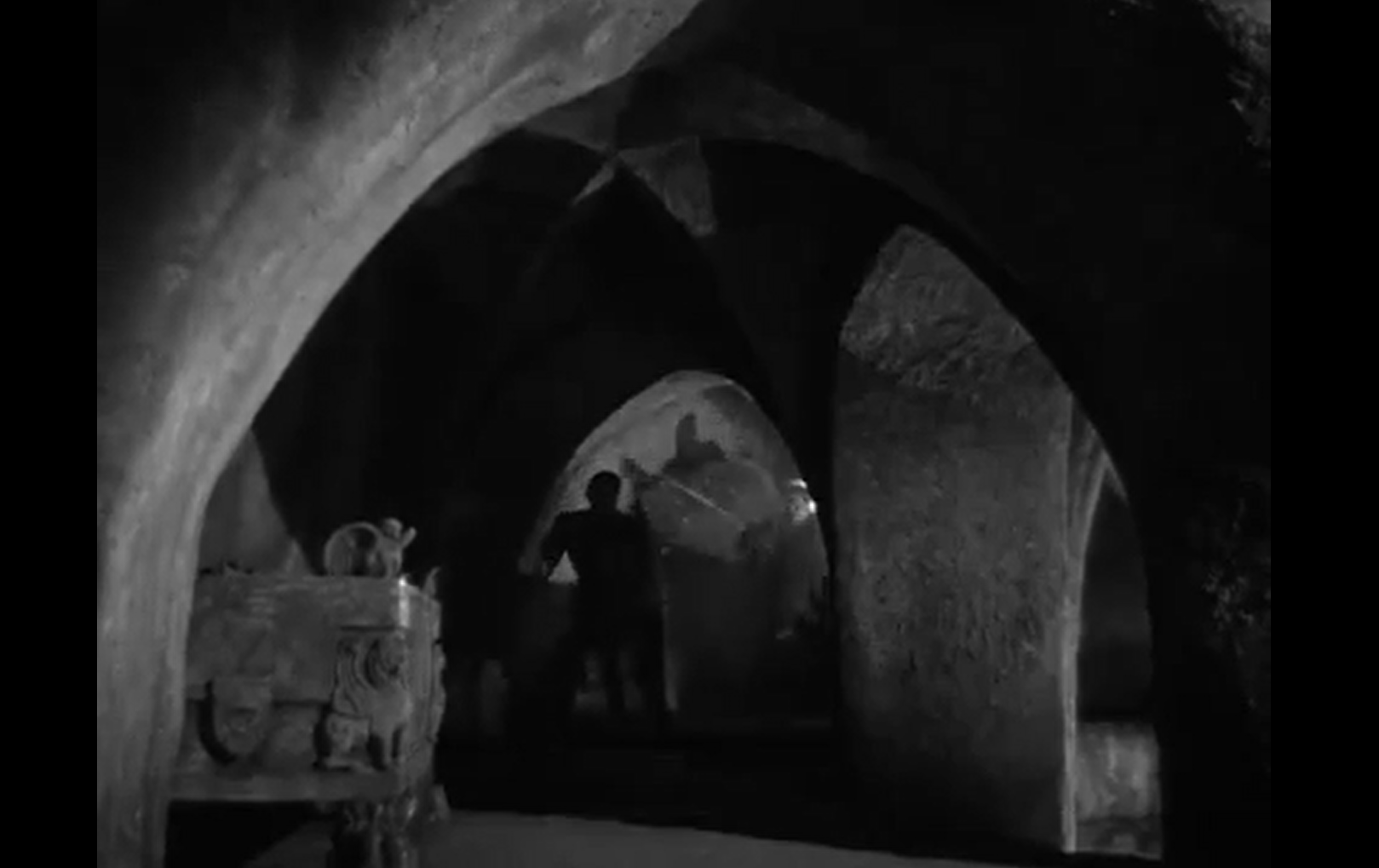
According to Wikipedia, Shakespeare’s Romeo and Juliet may be the most frequently filmed play of all time — especially if you include the many movies it directly inspired, such as West Side Story (1961). This early adaptation by George Cukor retains the play’s authentic language (albeit truncated), and simulates something akin to the original setting. The result is a lavishly produced historical romance with notoriously poor casting in the lead roles: Howard (43) and Shearer (34) are simply far too old to play smitten teen lovers, and all that ensues in the story-line suffers for this unassailable discrepancy. With that said, Howard and Shearer’s actual performances are quite lovely — they do the best they can — and the film is visually sumptuous on every level, with atmospheric cinematography and beautiful sets.

Redeeming Qualities and Moments:

  • Fine performances by Shearer and Howard
  • Atmospheric cinematography and sets


Must See?
No, though it’s a decent if flawed adaptation and worth a look by Shakespeare fans. Listed as a film with Historical Importance in the back of Peary’s book. Nominated as one of the Best Films of the Year by the actual Academy (but not by Peary).

Links:

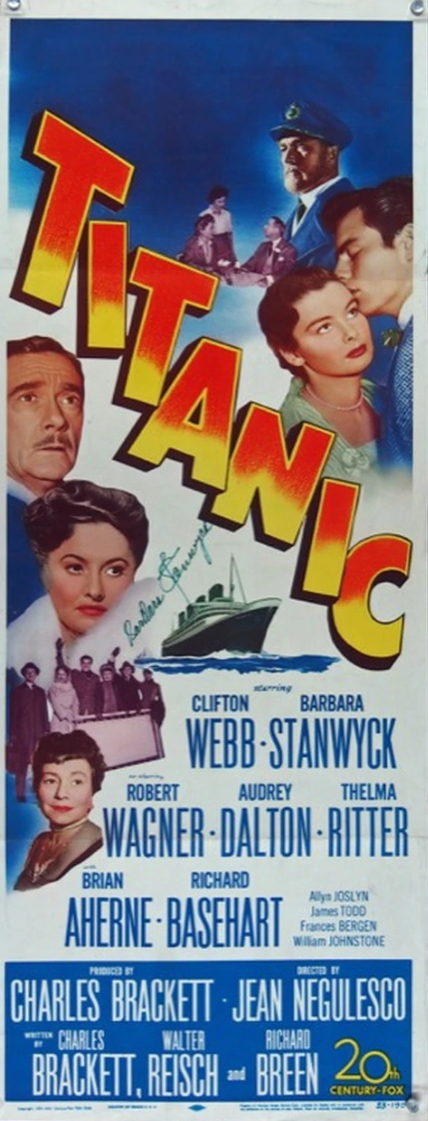
Titanic (1953)

Titanic (1953)

“Iceberg — straight ahead!”

Synopsis:
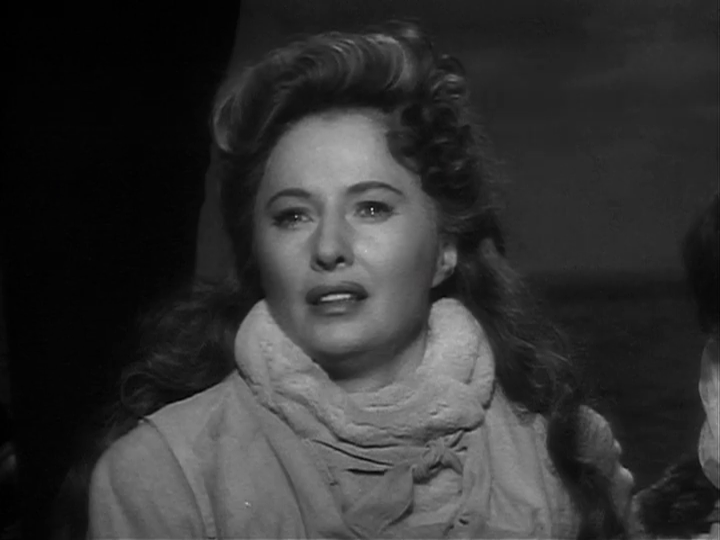
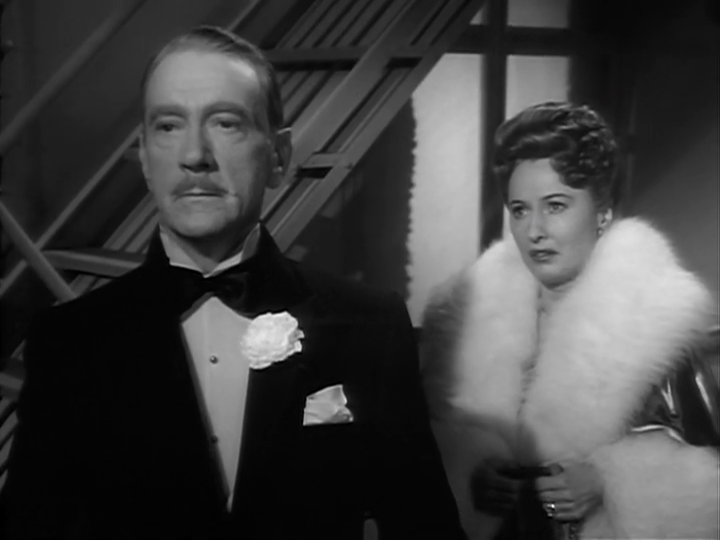
On a fateful night in April of 1912, a wealthy expatriate (Clifton Webb) secures a ticket on board the Titanic, where his estranged wife (Barbara Stanwyck) has whisked away their daughter (Audrey Dalton) and son (Harper Carter) in an attempt to give them a life of normalcy in America. The couple quickly begin bickering — but little do they know that even greater drama lies ahead for their family, and everyone else on board the ship.

Genres:

  • At Sea
  • Barbara Stanwyck Films
  • Brian Aherne Films
  • Character Arc
  • Class Relations
  • Clifton Webb Films
  • Disaster Flicks
  • Historical Drama
  • Jean Negulesco Films
  • Marital Problems
  • Richard Basehart Films
  • Robert Wagner Films
  • Thelma Ritter Films

Review:
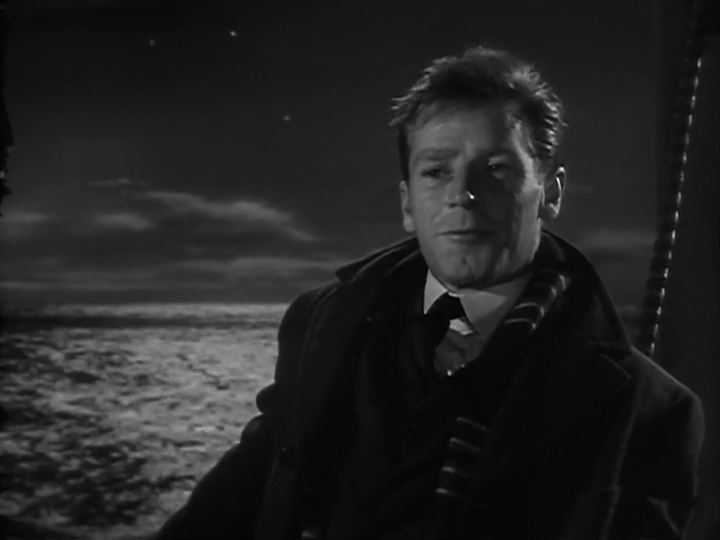
Jean Negulesco directed Hollywood’s first attempt to portray the tragedy of the luxury passenger liner RMS Titanic. An elaborate fictional storyline takes up the first hour of the narrative, focusing heavily on marital strife (Stanwyck and Webb’s relationship couldn’t be more tense), young love (between Dalton and Robert Wagner), and class relations — the latter of which which makes sense, given the infamy of what was to come in terms of disproportionate deaths amongst the passengers and crew. Stanwyck and Webb are fine in the central dramatic roles, though supporting work by (among others) Brian Aherne as stalwart Captain E.J. Smith; Richard Basehart as an alcoholic priest returning home in shame after being relieved of his position; and Thelma Ritter as the Unsinkable Molly Brown are equally noteworthy. The film really comes to life once the ship hits the iceberg, and we’re given an impressive (albeit truncated) rendering of what occurred thereafter. While not quite as impactful or historically accurate as the next cinematic rendition to hit the screens, this early disaster flick remains worthy viewing in its own right.

Redeeming Qualities and Moments:

  • Barbara Stanwyck as Julia Sturges
  • Clifton Webb as Richard Sturges
  • Fine supporting performances


  • A highly effective early recreation of the infamous ship and disaster

  • Geoffrey Unsworth’s cinematography

Must See?
Yes, as a worthy early disaster flick.

Categories

  • Good Show

Links:

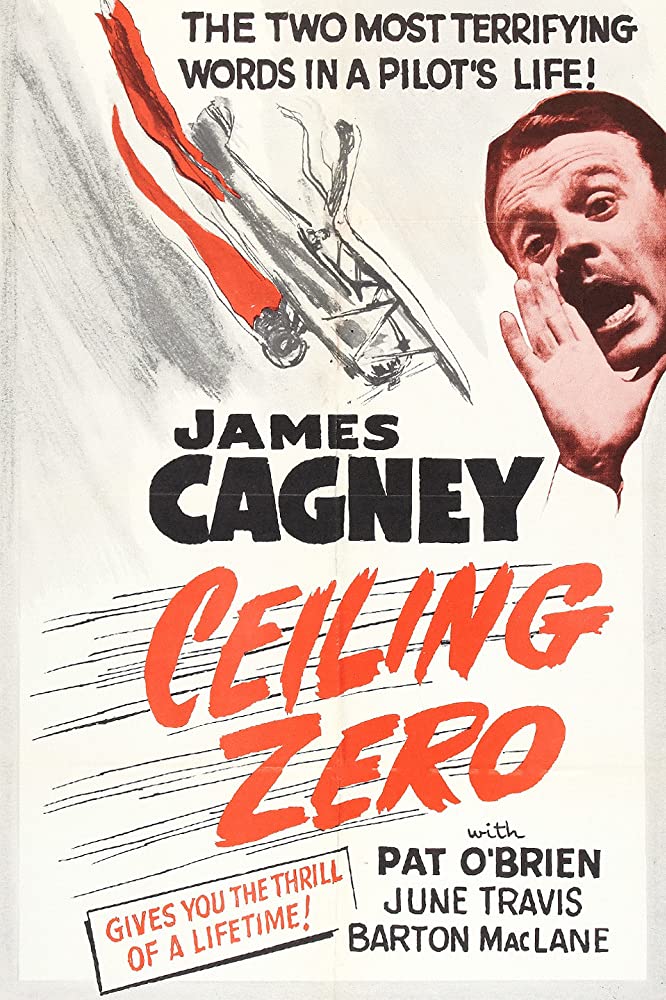
Ceiling Zero (1936)

Ceiling Zero (1936)

“The fog’s so thick you can cut it in chunks.”

Synopsis:
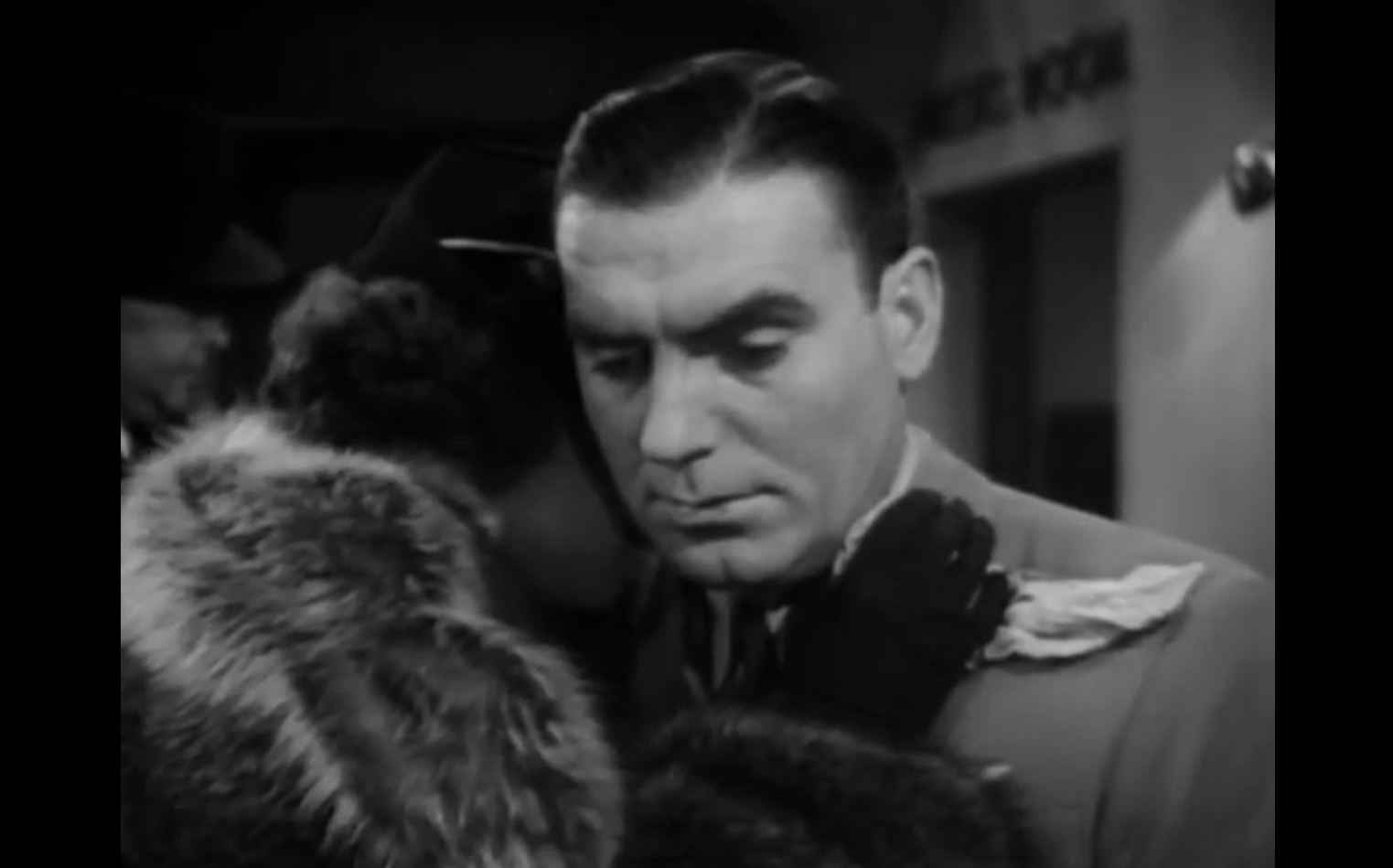
When the manager (Pat O’Brien) of a flight-based mail carrier business hires his old war buddy (James Cagney) as a pilot, the pair reminisce along with another veteran pal (Stuart Erwin) who also works for O’Brien. However, as womanizing Cagney begins flirting with a 19 year old novice pilot (June Travis), O’Brien worries he may be unreliable — and an upcoming storm soon puts this to the test.

Genres, Themes, Actors, and Directors:

  • Airplanes and Pilots
  • Howard Hawks Films
  • Jimmy Cagney Films
  • Pat O’Brien Films
  • Play Adaptations
  • Veterans
  • Womanizers

Review:
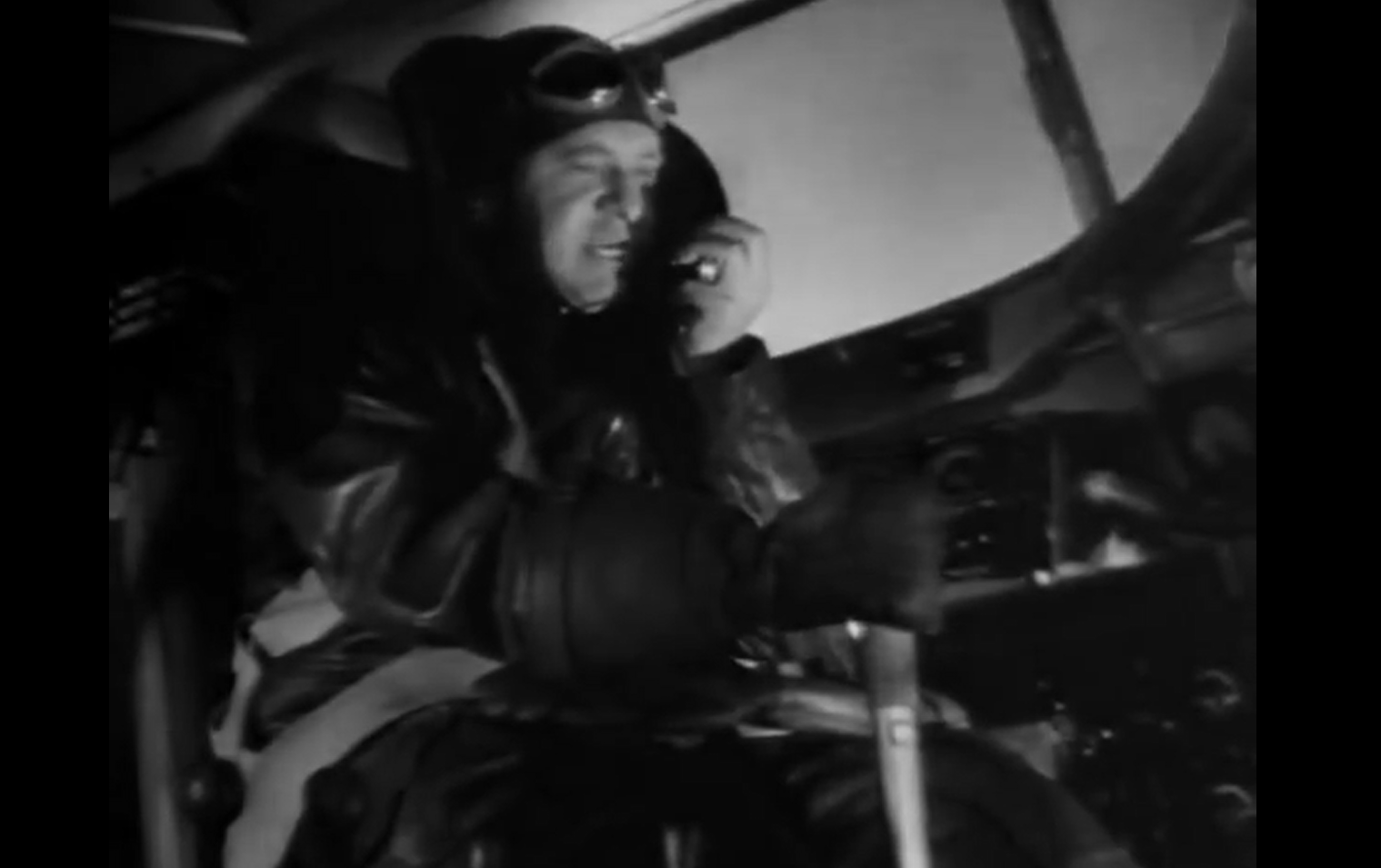
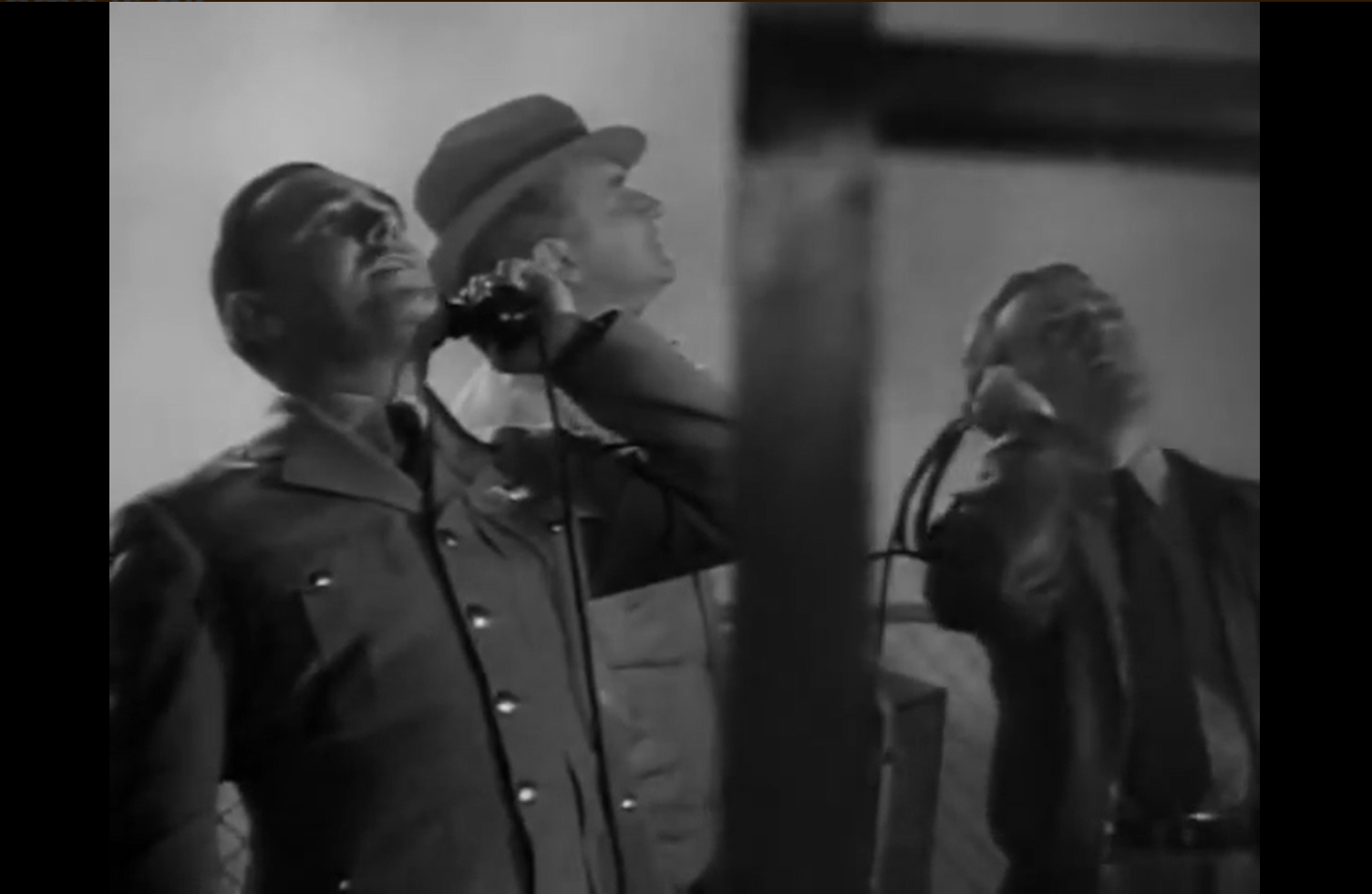
Howard Hawks directed this adaptation of Frank “Spig” Wead’s Broadway play, named for a term used when the air is too dense to fly safely without outside assistance. The storyline centers on old friends whose loyalty is tested over women, but the central point of narrative interest is the unique setting, depicting the early (and highly dangerous) years of commercial aviation. Like riders on the Pony Express, these daring pilots risked their lives to ensure letters and packages made their way across the country, in rain or shine. According to an article by Atlas Obscura, the airmail business began just after the end of WWI, with pilots conscripted to help build a new industry which would put planes to use for something other than warfare. This one is worth a look simply for its historical relevance.

Redeeming Qualities and Moments:

  • An exciting portrayal of a freakishly dangerous profession
  • Fine cinematography
  • Pat O’Brien as Jake

Must See?
Yes, once, for its historical relevance. Listed as a film with Historical Importance and a Personal Recommendation in the back of Peary’s book.

Categories

  • Historically Relevant

Links:

General Died at Dawn, The (1936)

General Died at Dawn, The (1936)

“What’s better work for an American than helping fight for democracy — do you know?”

Synopsis:
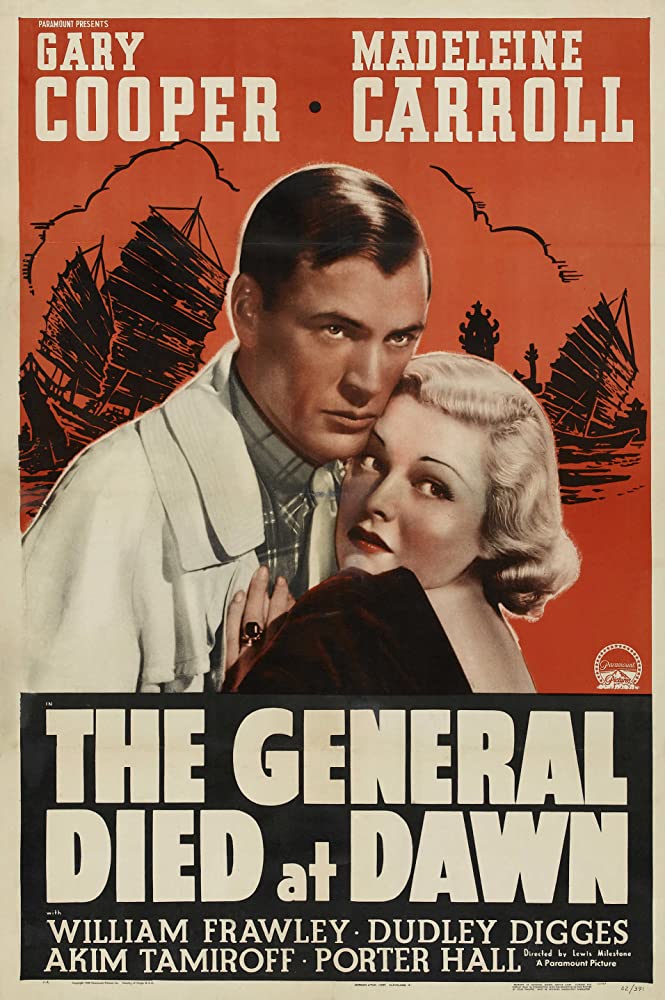
An American (Gary Cooper) in war-torn China meets a beautiful woman (Madeleine Carroll) whose father (Porter Hall) is in league with a vicious warlord (Akim Tamiroff) eager to steal the money Cooper is carrying on behalf of revolutionaries.

Genres, Themes, Actors, and Directors:

  • Akim Tamiroff Films
  • China
  • Father and Child
  • Gary Cooper Films
  • Lewis Milestone Films
  • Madeleine Carroll Films
  • Revolutionaries

Review:
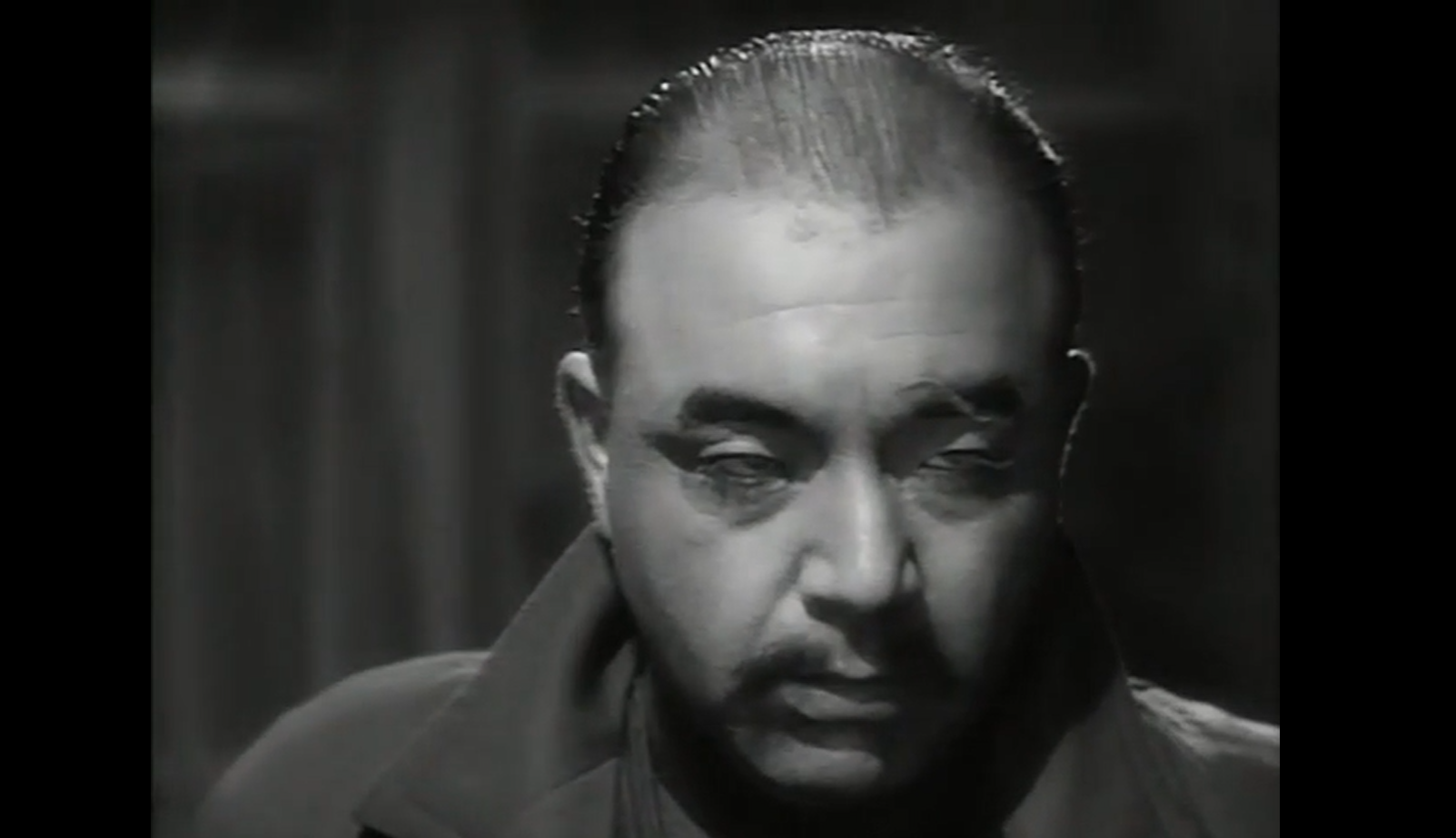
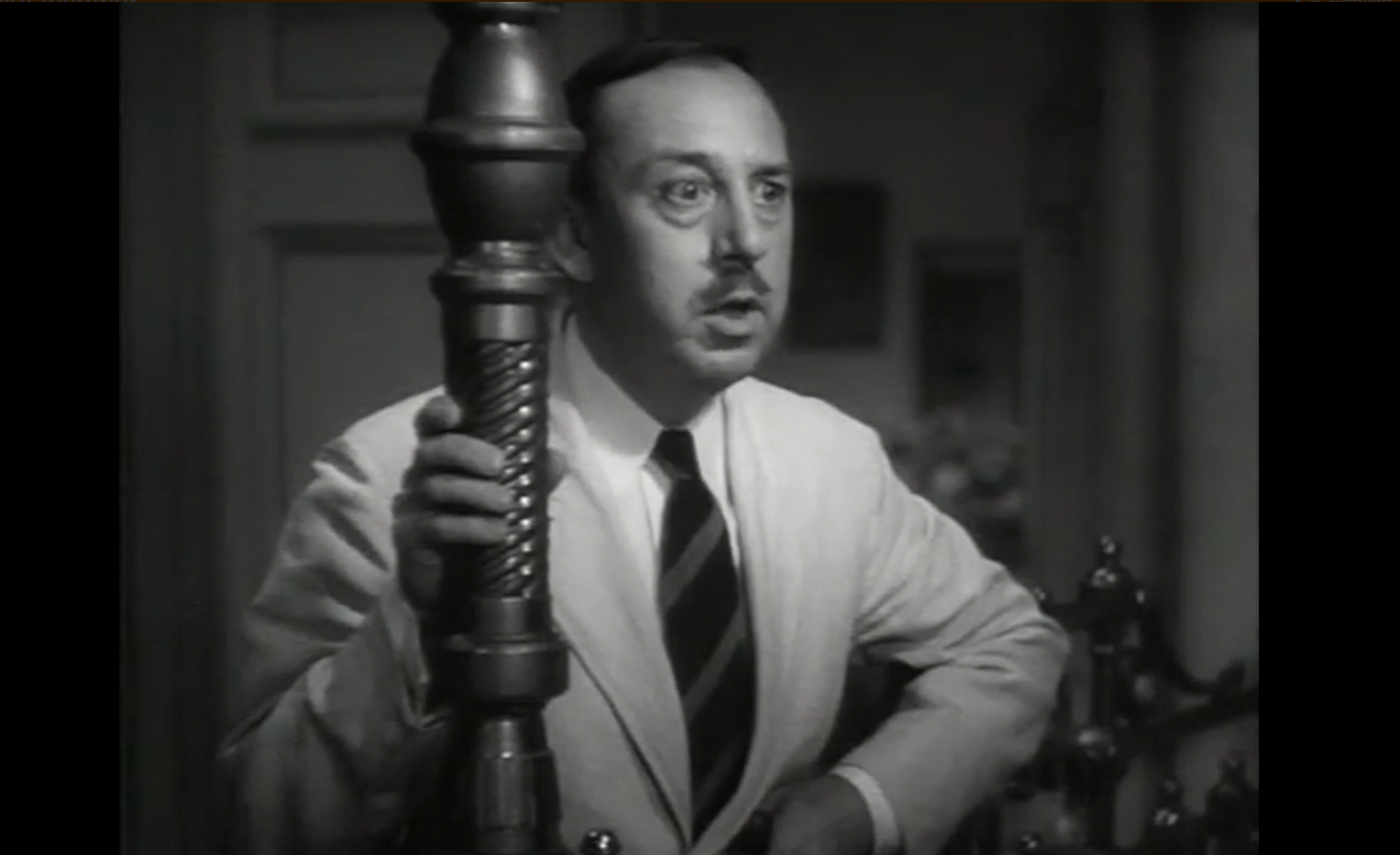
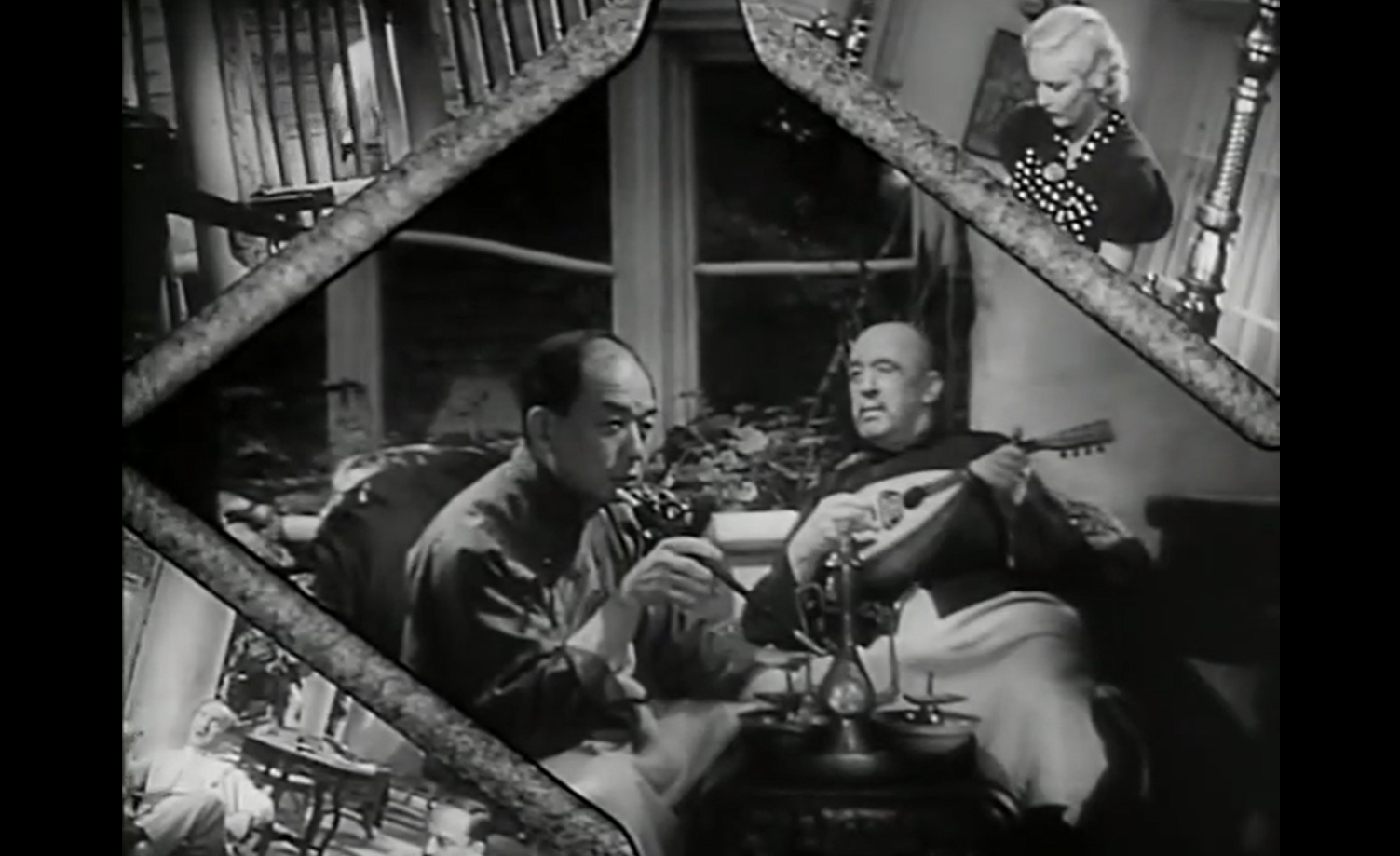
Lewis Milestone directed this unusual early thriller, featuring several noteworthy sequences, creative cinematography (by Victor Milner), and fine performances by the ensemble cast. While Russian-American Tamiroff plays the lead Chinese villain, many of the supporting Asian roles appear to be played by Asian-Americans and there’s refreshing diversity in their portrayals. With that said, this is still primarily a film about White leads Cooper and Carroll, whose ill-fated love affair rings true — especially given the realistically oily performance by Hall as her worthless father. (Is he meant to be an opiate addict? That would make sense in this context, and would help to explain the desperation felt both by him and his enabling daughter.) Werner Janssen’s score at times feels intrusive, but is interesting enough to make one sit up and take notice.

Note: In looking over the Peary-listed films directed by Milestone — best known for the Oscar-winning All Quiet on the Western Front (1930) — it seems he helmed several other unique and/or above-average titles, including Rain (1932), Of Mice and Men (1939), The Purple Heart (1944), and The Red Pony (1949).

Redeeming Qualities and Moments:

  • Fine performances by the entire cast


  • Victor Milner’s cinematography


  • Werner Janssen’s eclectic score

Must See?
Yes, once, as an unusual early thriller. Listed as a film with Historical Importance in the back of Peary’s book.

Categories

  • Good Show

Links: