T.R. Baskin (1971)

T.R. Baskin (1971)

“The city is pretty from a distance — like someone with bad skin.”

Synopsis:
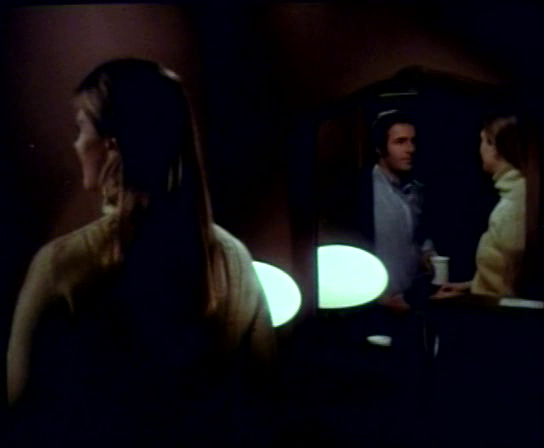
A young woman (Candice Bergen) from a small town heads to Chicago, where she falls for a guy (James Caan) who inexplicably mistakes her for a prostitute, and recommends her “services” to a former college buddy (Peter Boyle).

Genres, Themes, Actors, and Directors:

  • Candice Bergen Films
  • Coming of Age
  • Flashback Films
  • Herbert Ross Films
  • James Caan Films
  • Peter Boyle Films
  • Prostitutes and Gigolos

Review:
Herbert Ross directed this somewhat bewildering flashback tale (scripted by Peter Hyams) about a naive young woman in the Big Cold City who is so offended at being mistaken for a prostitute that she… becomes one.

The film’s “plot twist” is given away immediately, leaving all narrative tension (such as it is) to Bergen’s big reveal about how or why Caan could have done such a thing (spoiler alert — we never really learn). When the true meaning of a character’s initials is one of the film’s biggest mysteries (hint: Bergen’s character is named after a famous supporting actress), you know you’re in trouble. Thelma Ritter, please rescue us!

Redeeming Qualities and Moments:

  • Some effective cinematography

Must See?
No; don’t bother seeking this one out.

Links:

Untamed Youth (1957)

Untamed Youth (1957)

“Don’t you see, honey? After this harvest, I’ll be rich — and after next season, I’ll be wealthy!”

Synopsis:
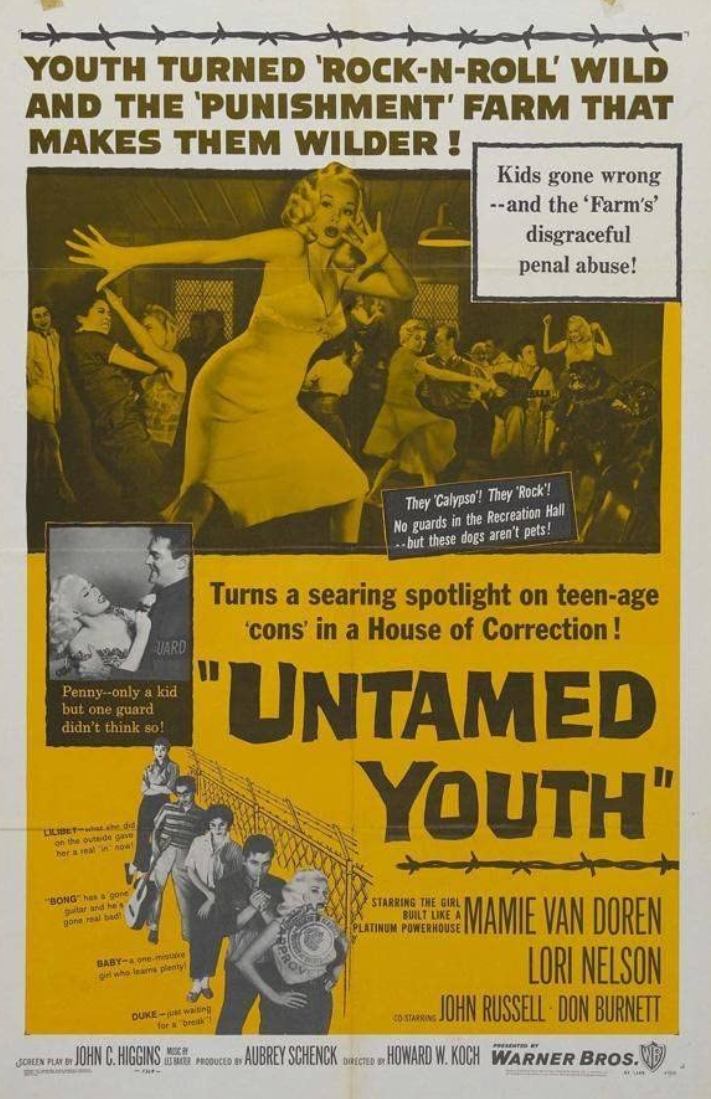
Two aspiring singers (Mamie Van Doren and Lori Nelson) are arrested for vagrancy on their way to Hollywood, and sentenced by a judge (Lurene Tuttle) to work on a cotton farm owned by her greedy husband (John Russell), who hopes to exploit as many young “delinquents” as possible.

Genres, Themes, Actors, and Directors:

  • Juvenile Delinquents
  • Mamie Van Doren Films

Review:
All film fanatics should be familiar with Mamie Van Doren, known as one of Hollywood’s three busty-blonde “M’s” (along with Marilyn Monroe and Jayne Mansfield). However, Peary lists no less than eight of Van Doren’s titles in his GFTFF, which is far too many — and this Z-grade exploitation flick should definitely not be among them. Mamie shimmies as seductively as ever in her super-tight clothing:

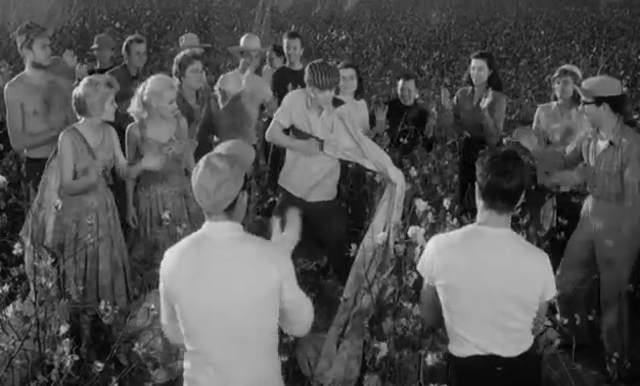
… but she’s ultimately a bit player in a ridiculous tale about a villainous cotton farm owner who exploits young white delinquents (!) due to an apparent widespread lack of manpower (the racist implications in this aspect of the plot are beyond belief). Meanwhile, he’s actively deceiving his cougar-wife (Tuttle), whose passion for this caddish heel gives a terrible name to female judges, and lends the film its ultimate message: never trust hormonal middle-aged women in positions of power. According to IMDb, the film “was originally condemned by the Catholic Legion of Decency” — perhaps due in part to a subplot involving a blonde delinquent nicknamed “Baby” (Yvonne Lime) — “but that only served to enhance the curiosity factor, resulting in it being a big moneymaker for the studio.”

Redeeming Qualities and Moments:

  • Surreal scenes of young white “delinquents” singing and dancing while “toiling” in cotton fields

Must See?
No, unless you’re a Van Doren completist.

Links:

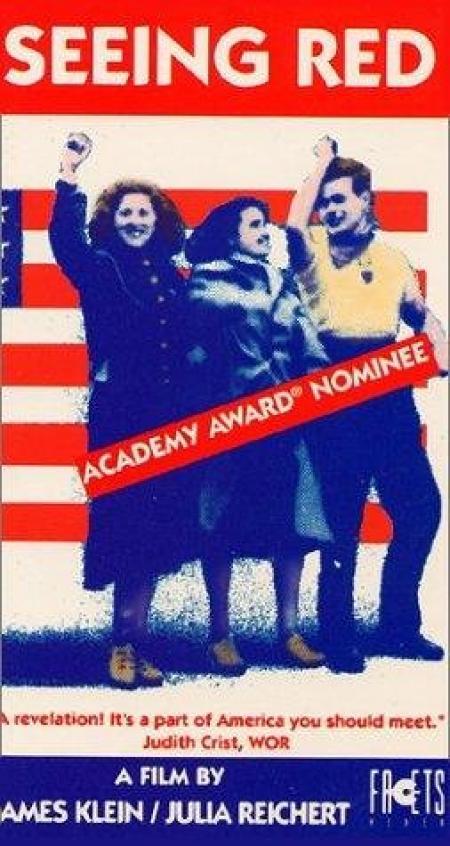
Seeing Red: Stories of American Communists (1983)

Seeing Red: Stories of American Communists (1983)

“Don’t call me a former Communist, call me a former party member — because I’m still a communist, small c, in terms of wanting a cooperatively, communally controlled society where everybody has something to say about their life.”

Synopsis:
Former and current American Communist Party members speak about their involvement in this controversial political movement.

Genres:

Review:
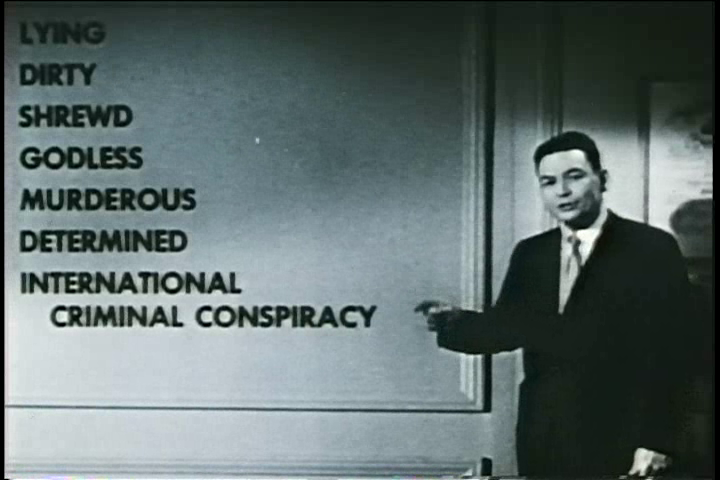
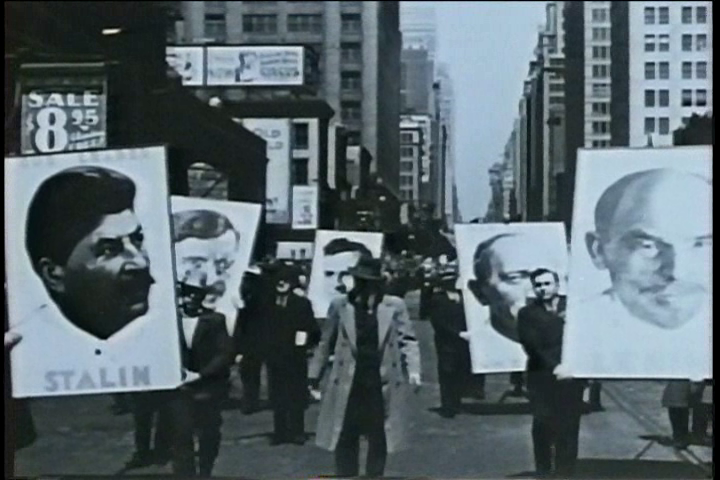
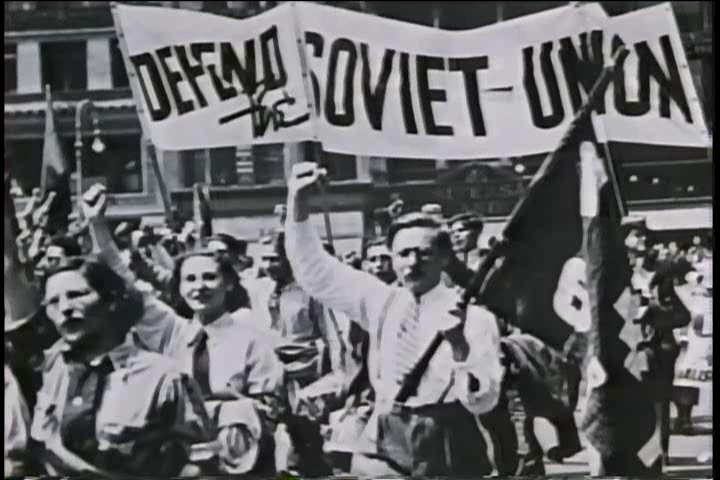
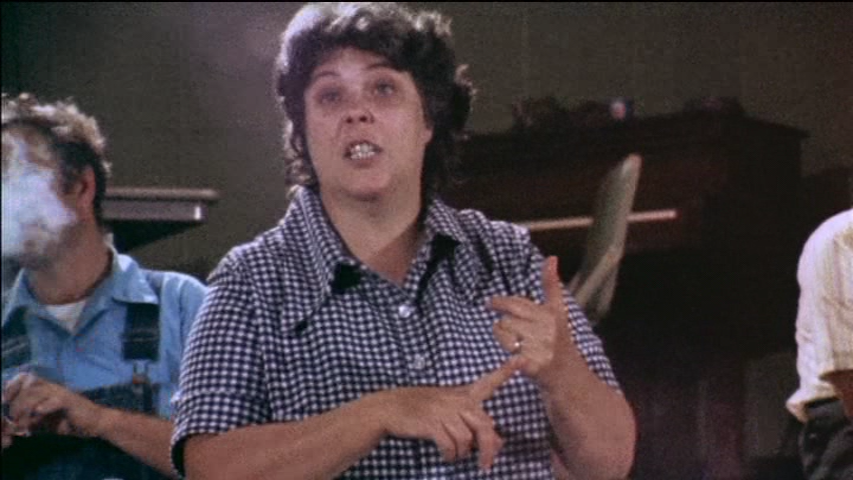
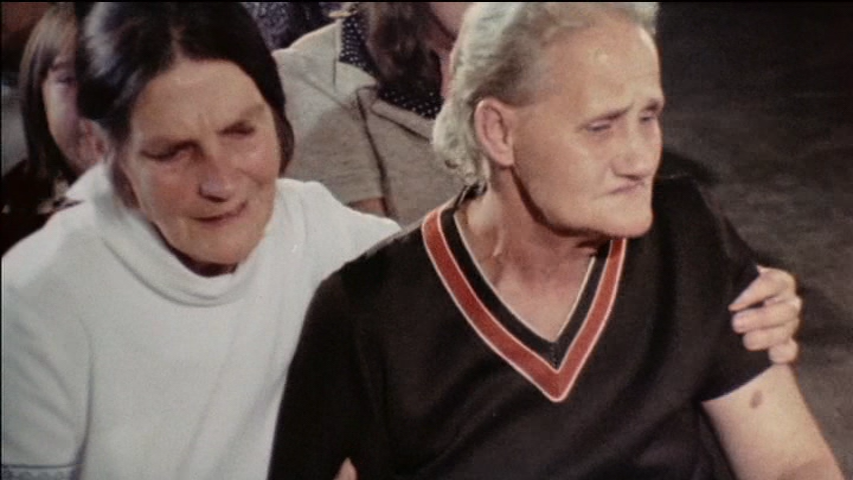
This Oscar-nominated documentary offers a humanizing glimpse into the lives and convictions of diverse American Communists, both before and after HUAC — “created in 1938 to investigate alleged disloyalty and subversive activities on the part of private citizens, public employees, and those organizations suspected of having Communist ties” — reached its zenith in the 1950s. As one interviewee explains, “I saw the Communist Party as a way of getting rid of an insane, erratic, irrational politic-economic system and bring into existence a rational, humane, humanistic society — socialism.” In addition to learning why American Communists felt so passionately about their cause, we hear their responses to Nikita Khrushchev’s condemnation of Stalin in a 1956 speech, which rattled most die-hard Communists to their core and was clearly responsible for the rapid decline in party membership. With socialism once again on the rise in America — and our collective memory notoriously short — this film remains an especially useful archival resource to consider.

Redeeming Qualities and Moments:

  • Informative archival footage and interviews


Must See?
No, though it’s definitely worth a look for historical purposes. Your best bet for finding a copy is at your local public or university library.

Links:

Fritz the Cat (1972)

Fritz the Cat (1972)

“All the stuff to see — and all the kicks, and all the girls — are out there!”

Synopsis:
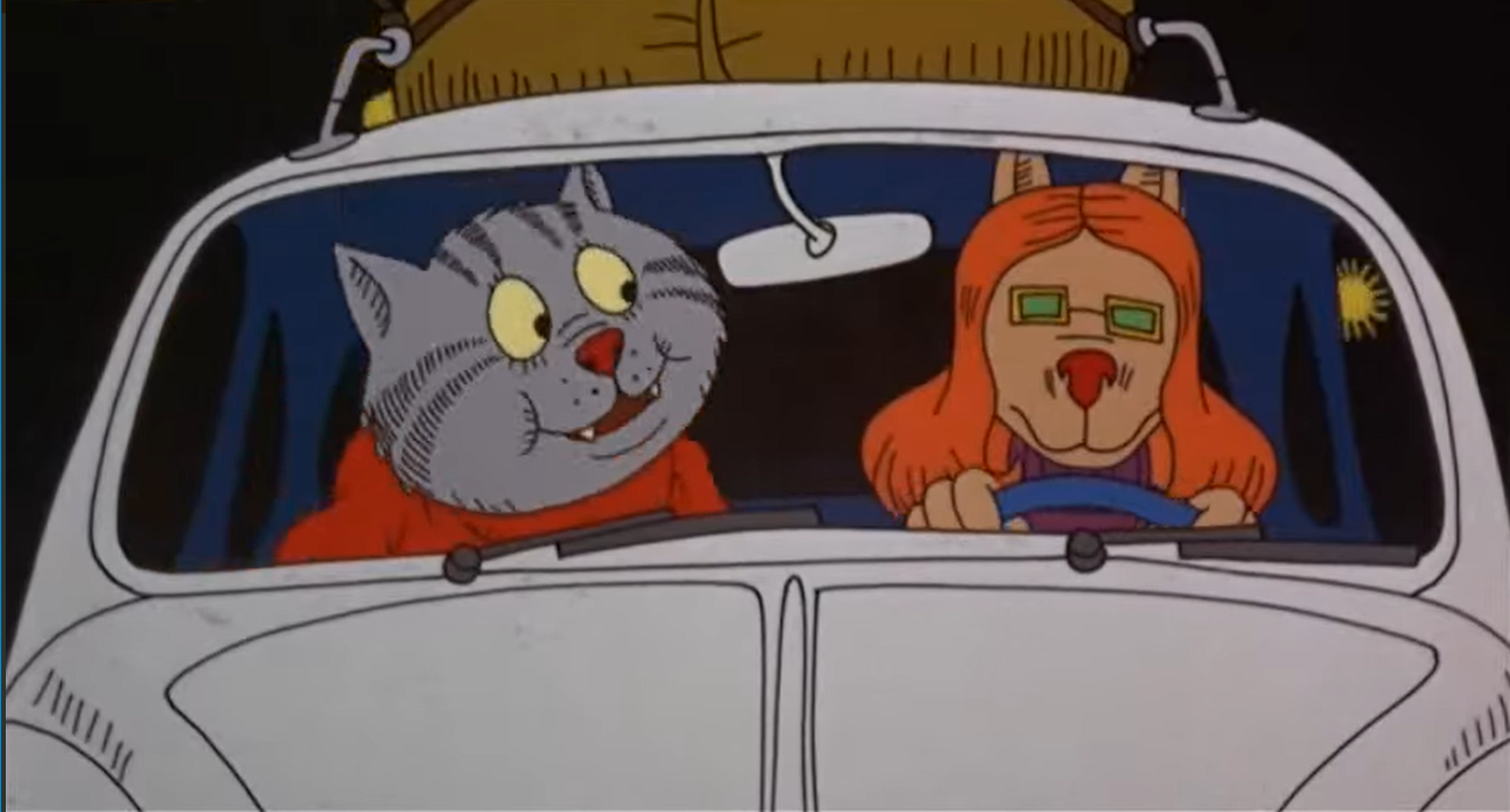
A swinging hep-cat (Skip Hinnant) beds chicks while seeking the meaning of life through drugs, a road trip, and violent revolutionary action.

Genres:

  • Adult Films
  • Animated Features
  • Counterculture
  • Revolutionaries
  • Road Trip

Response to Peary’s Review:
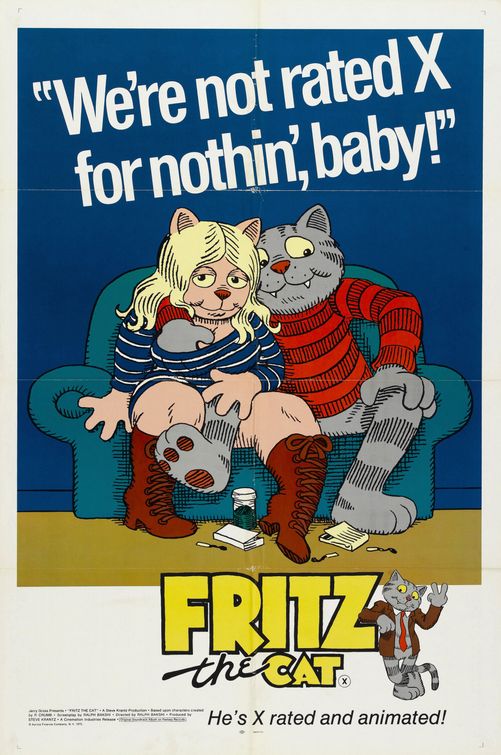
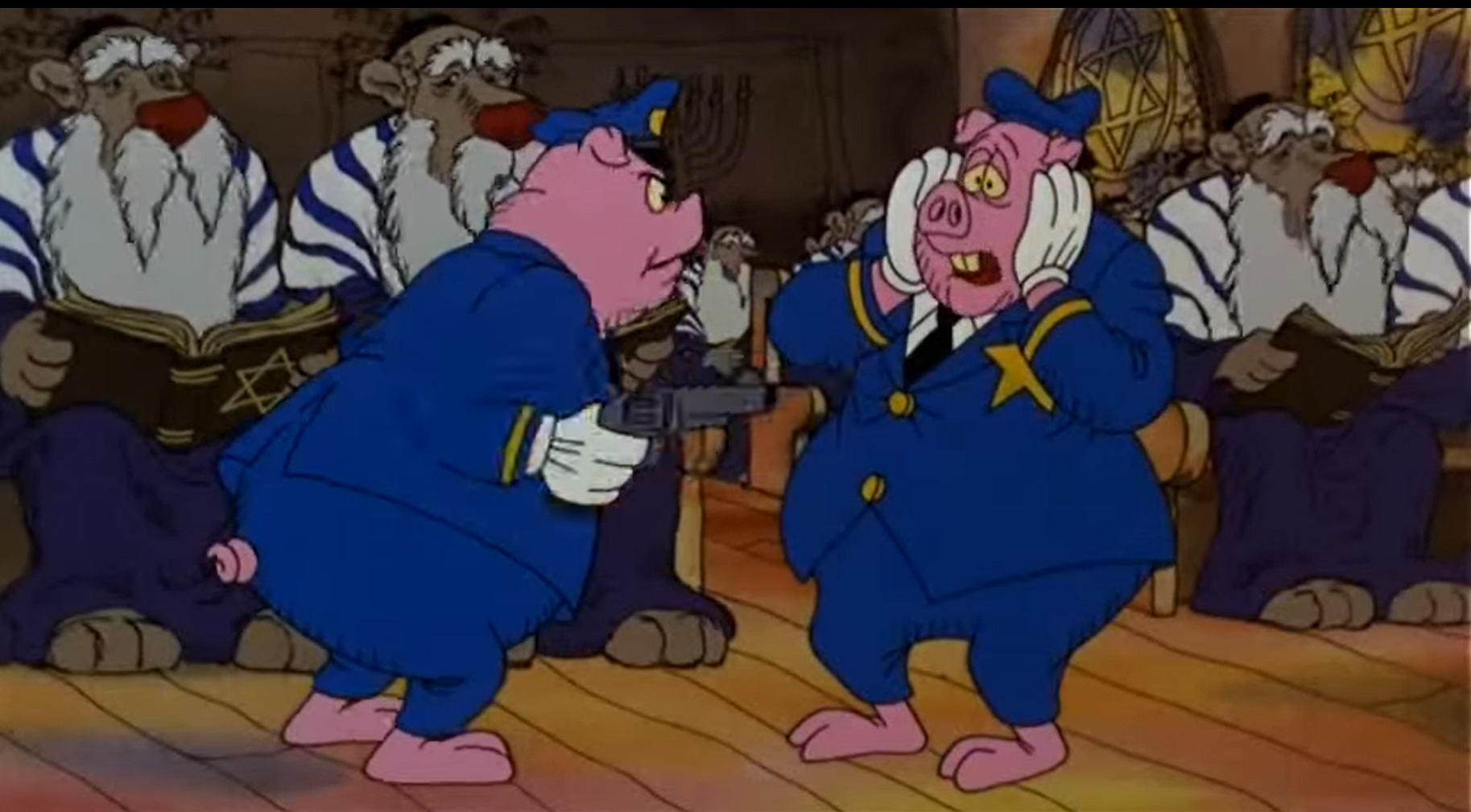
Peary notes that this “X-rated cartoon by Ralph Bakshi” — “based on Robert Crumb’s underground comic-book character” — “hit a responsive chord with hip counterculture audiences of the early seventies”. He writes that while it is “ambitious and cleverly animated”, he also finds it “extremely dull” and argues “it’s annoying that the characters whom Fritz meets… are stupid, hypocritical, cruel, sex-obsessed, [and] politically naive” — thus making this film “a downer for those who romanticize about that era”. I’m essentially in agreement with Peary’s review: I applaud its innovation and clever visuals, but dislike nearly everything else about it (including the characters). Be forewarned that the film is filled with “much sexual and violent imagery”, and many scenes (while animated) are quite explicit; watching the trailer may suffice to familiarize yourself with what this one is all about.

Redeeming Qualities and Moments:

  • Colorful animation


Must See?
Yes, once, simply for its historical notoriety (but if you’d rather not subject yourself to it, just watch the trailer).

Categories

  • Historically Relevant

Links:

Slave of the Cannibal God (1978)

Slave of the Cannibal God (1978)

“You don’t forget the taste of human flesh!”

Synopsis:
A woman (Ursula Andress) searching for her missing husband travels deep into the New Guinean jungles, accompanied by her brother (Antonio Marsina) and an anthropologist (Stacy Keach). Once there, she encounters a sexy explorer (Claudio Cassinelli), many predatory animals, and a tribe of cannibalistic natives.

Genres:

  • Cannibalism
  • Jungles
  • Native Peoples
  • Search
  • Stacy Keach Films
  • Ursula Andress Films

Review:
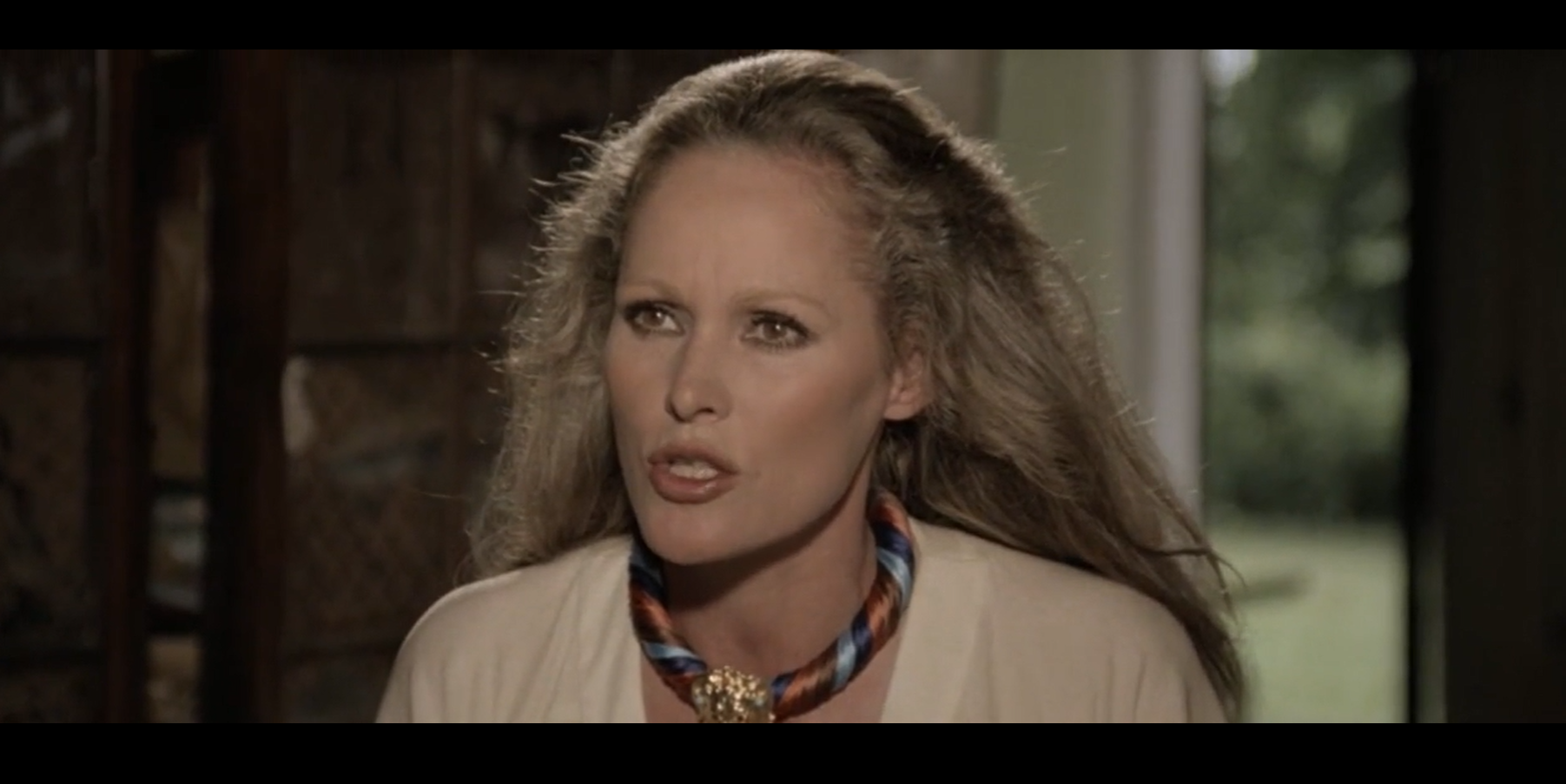
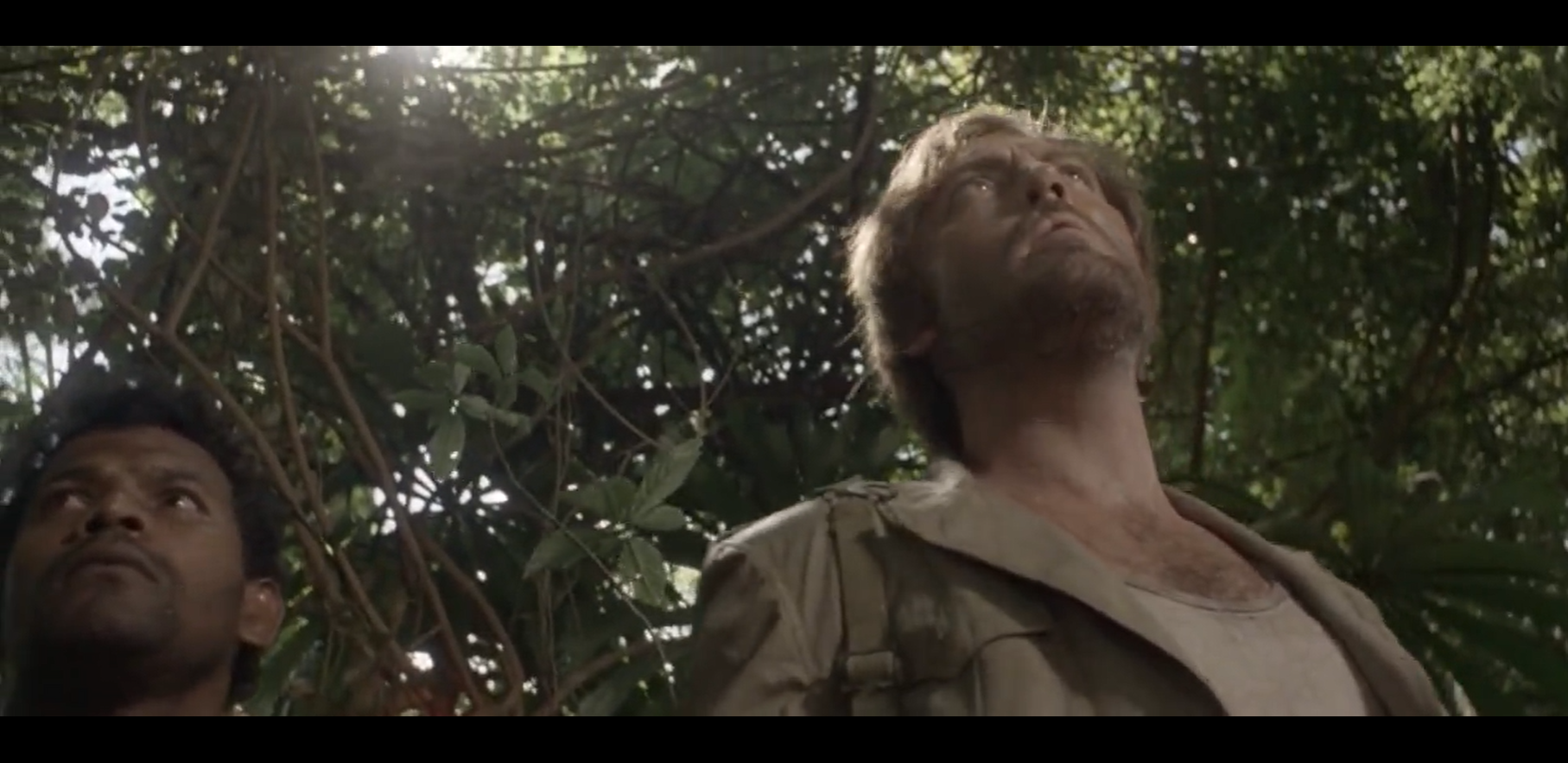
Within the sub-genre of “cannibal horror flicks” — which “has a well-deserved reputation as the genre that was prepared to go to the most graphically nasty extremes of any exploitation genre” — this Italian adventure flick holds some limited fame, given that it had a generous budget, starred a couple of big-name actors (Andress and Keach), and wasn’t banned by any country. Does that make it worth viewing? Most decidedly not — unless your idea of fun is watching one-dimensional protagonists slogging their way through dense jungles, camera shots zooming in on menacing wildlife, native tribesmen (and women) enacting bestial rituals, and Andress heaving her glistening bosom while making heated proclamations:

“Why can’t you realize — I want to find my husband, that’s all!”
“My husband is missing — and I’m prepared to do ANYTHING to find him!”

Be forewarned that there’s a particularly nasty, infamous scene in which an enormous python devours a monkey in real-time. In an interview on the DVD, the director (Sergio Martino) claims it was all accidental and they just happened to film the moment, given that they “couldn’t do anything at that point to help” — but a freeze-frame analysis shows that the monkey was shoved into the snake’s mouth. Classy.

Redeeming Qualities and Moments:

  • Effective use of authentic jungle settings

Must See?
No — unless you’re a film fanatic determined to familiarize yourself with every sub-genre out there. Listed as a Camp Classic in the back of Peary’s book.

Links:

Harlan County U.S.A. (1976)

Harlan County U.S.A. (1976)

“When I watched him die and suffer like he did with that black lung disease, I knew that something could be done about it. I told myself then, if I ever get the opportunity to get those coal operators, I will.”

Synopsis:
A group of poverty-stricken Kentucky coal miners seeking representation by the United Mine Workers go on strike until the Duke Power Company agrees to sign a contract with them.

Genres, Themes, Actors, and Directors:

  • Documentary
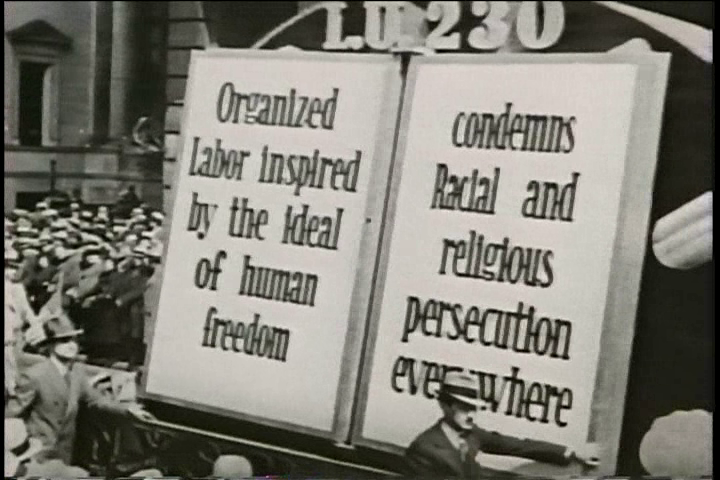
  • Labor Movement
  • Mining Towns
  • Unemployment

Response to Peary’s Review:
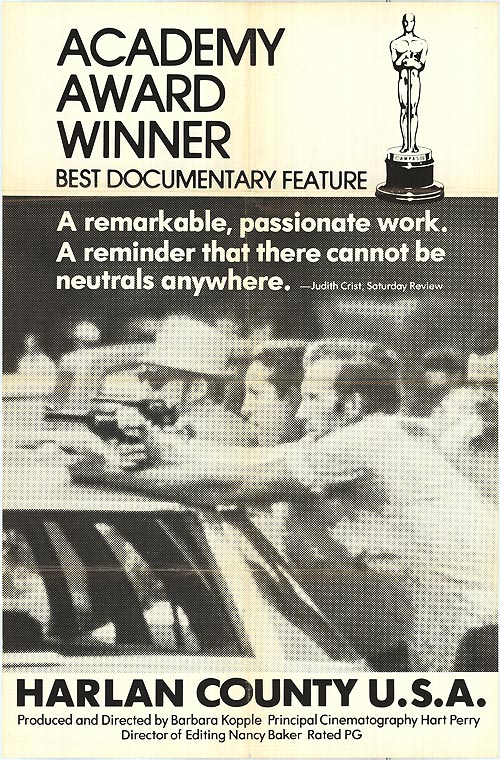
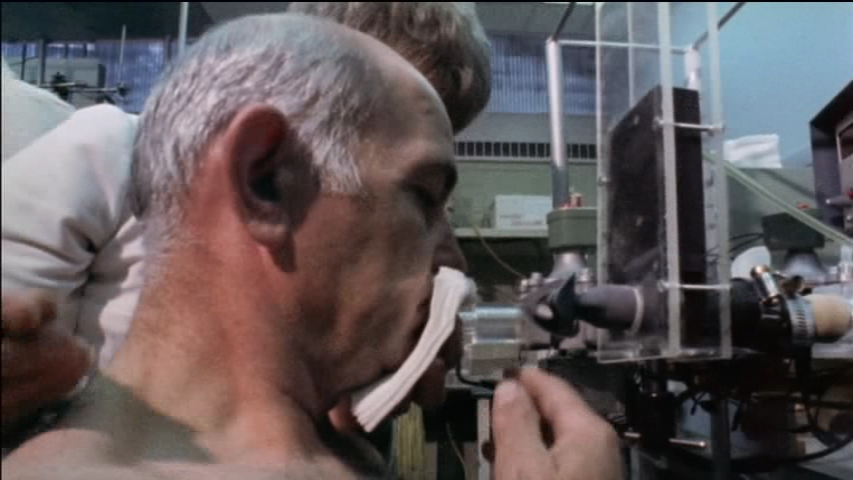
Peary writes that this “stirring, Oscar-winning documentary by Barbara Kopple” — “covering a successful, bitterly fought 13-month strike in 1973-74 at the Brookside mine in Harlan, Kentucky” — is “one of the most incisive portraits of America and the ever struggling labor movement”, and remains “as exciting as good fiction”. He describes how “Kopple and [her] crew befriended the striking miners and were allowed to enter their company-built shacks (which have no bathrooms) and their jail cells when they were arrested for obstructing scab workers who were driving to the mine; to attend organizational meetings; and to join them on the dangerous picket lines”. As Peary points out, Kopple “makes no attempt to disguise she’s on the miners’ side;” indeed, she and her crew put their own lives at risk numerous times. Peary writes that “emphasis is placed on the many women who picket on behalf of the male miners (who were limited to six pickets) and the old women who emotionally relate tragic stories about the suffering their fathers, husbands, and sons have endured as non-union miners”. In addition to current footage, we also “learn about the miners/people of Harlan County, their violent history, and their hope”. He asserts that “we are most impressed by their bravery, their obstinacy about not giving in, and, though they aren’t that educated, their tremendous grasp of the issues that brought about a strike”.

Peary’s review is spot-on: this film remains as exciting, informative, distressing, and relevant now as it was 40 years ago, and it’s impossible to forget many of the faces, images, and sequences on display. Kopple may not have intended to make a feminist film, but the grit and fury of these wives and mothers makes it clear that coal-mining is very much a family affair despite its deeply gendered history (no female coal-miners are shown). Thankfully, Criterion Films has not only preserved and digitized this movie but added informative supplements to the DVD, including a “making of” documentary, outtakes, and commentary by Kopple and editor Nancy Baker. John Sayles’ Matewan (1987) was directly influenced by this film, and he appears briefly on the disc as well. Click here to read an update on the ongoing labor realities of Harlan County citizens, who now face closing mines.

Redeeming Qualities and Moments:

  • Impressive ethnographic footage of mining families’ lived realities and struggles


  • Many powerful and/or frightening moments caught on film

Must See?
Yes, as a still-riveting American documentary classic.

Categories

  • Oscar Winner or Nominee

Links:

Dr. Cyclops (1940)

Dr. Cyclops (1940)

“Now I can control life — absolutely!”

Synopsis:
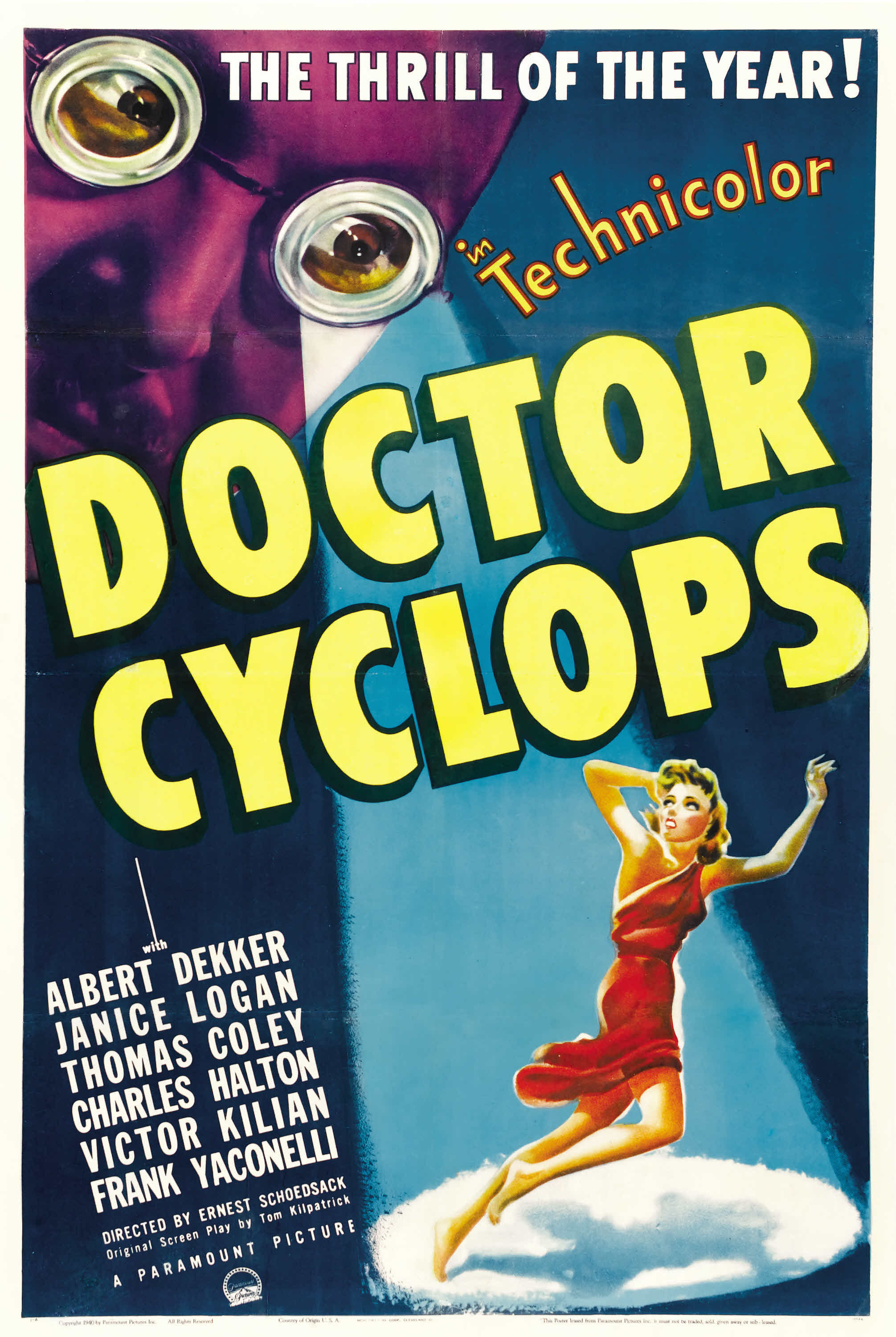
A doctor (Albert Dekker) with failing eyesight invites three scientists (Thomas Coley, Janice Logan, and Charles Halton) to his laboratory deep in the South American jungles, hoping to seek their input on his work with radium. Soon the scientists, a mule driver (Victor Kilian), and Dekker’s assistant (Frank Yaconelli) find their lives at stake when the power-hungry Dekker miniaturizes them.

Genres, Themes, Actors, and Directors:

  • Atomic Energy
  • Mad Doctors and Scientists
  • Science Fiction

Response to Peary’s Review:
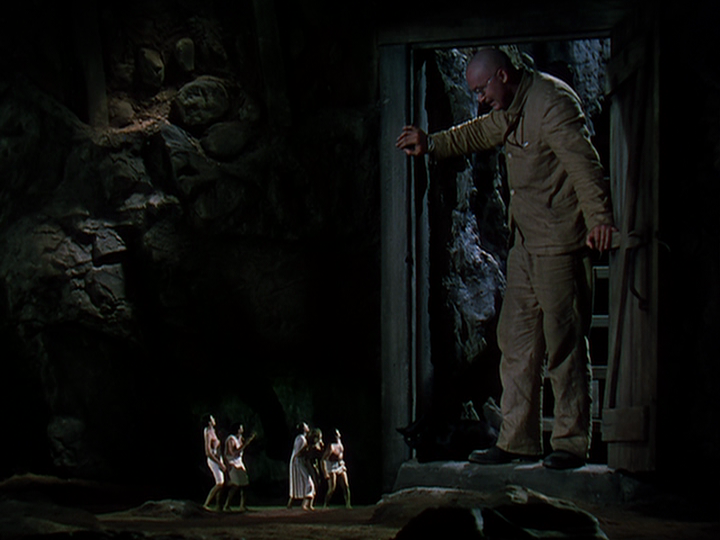
Peary writes that this “conventional juvenile horror story benefits from solid special effects: it was the first time transparencies, split screens, and double exposures had been used in a color film”. As he notes, “the tiny people look authentic” — but unfortunately, that’s about all one can say about them, given that they barely have a chance to emerge as full-fledged characters (and rather uninteresting ones at that) before being reduced to doll-like figurines. The bulk of the movie involves the tiny group attempting to escape from hulking Dr. Thorkel (Dekker) and other menacing threats (a cat, cacti, etc.). It’s all very impressively filmed, but doesn’t offer enough narrative grit to hold one’s interest. Made in between The Devil Doll (1938) and The Incredible Shrinking Man (1957), Dr. Cyclops is less successful than either of these outings, but worth a look for its impressive early special effects.

Redeeming Qualities and Moments:

  • Albert Dekker as Dr. Thorkel
  • Excellent special effects

  • Fine Technicolor cinematography

Must See?
No, though film fanatics should check it out once for the special effects.

Links:

Destry Rides Again (1939)

Destry Rides Again (1939)

“Every time I mention his name, it’s sort of like I’m talking about a ghost.”

Synopsis:
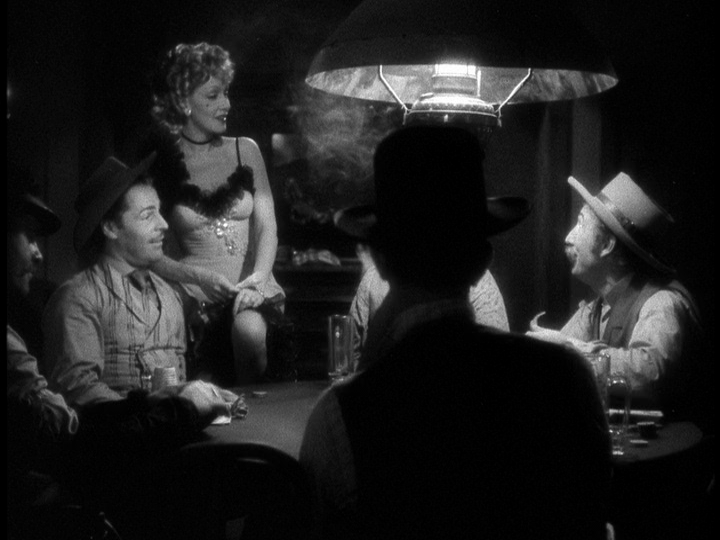
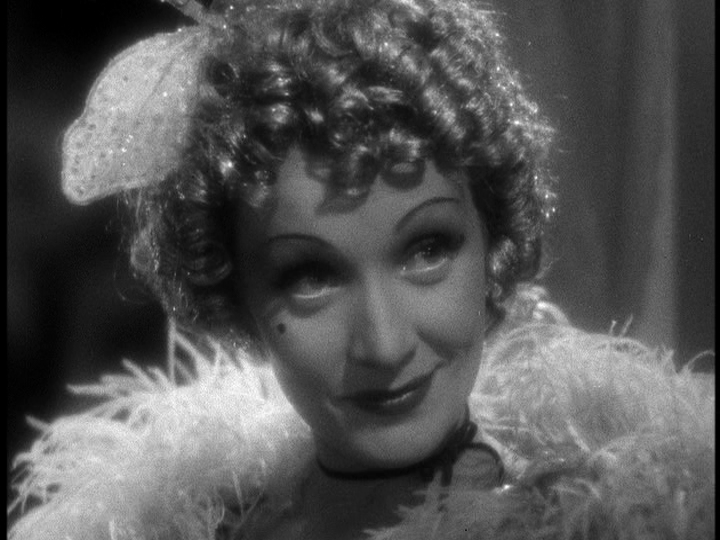
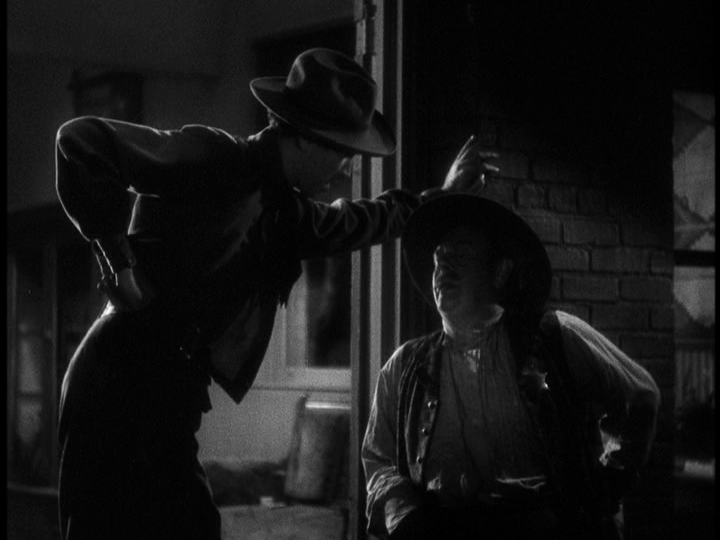
The son (Jimmy Stewart) of a famed sheriff is hired to work with the newly appointed sheriff (Charles Winninger) in a lawless town run by a murderous bully (Brian Donlevy), his two henchmen (Allen Jenkins and Warren Hymer), and a corrupt, tobacco-chewing mayor/lawyer (Samuel S. Hinds). Destry (Stewart) surprises citizens by refusing to carry guns, but shows his strength in other ways — including initiating a relentless search to learn what happened to the former sheriff (Joe King). Soon the local chanteuse, Frenchy (Marlene Dietrich), falls for Destry — but can she convince him that his life is in imminent danger?

Genres, Themes, Actors, and Directors:

  • Brian Donlevy Films
  • Comedy
  • Corruption
  • George Marshall Films
  • Jack Carson Films
  • Jimmy Stewart Films
  • Marlene Dietrich Films
  • Sheriffs
  • Westerns

Response to Peary’s Review:
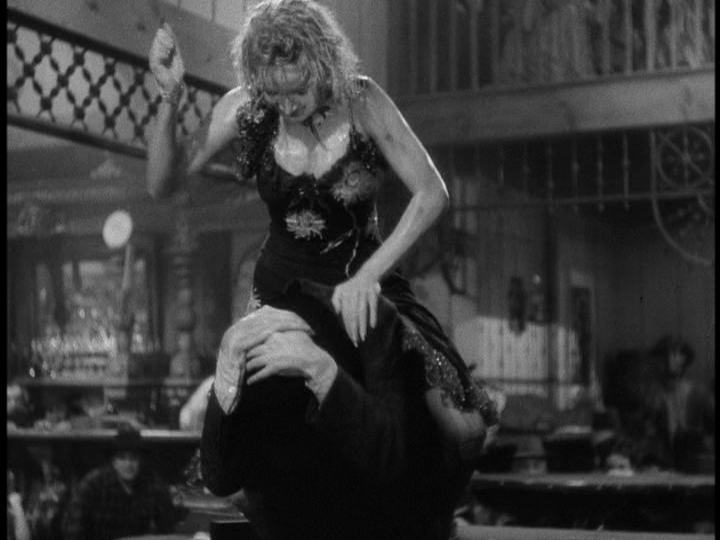
In his review of this “unbeatable western-comedy teaming James Stewart and… Marlene Dietrich” — based in-name-only on a 1930 novel by Max Brand, and directed by George Marshall — Peary writes that “Frenchy is one of Dietrich’s best post-Sternberg roles”, a “bit like her character in Morocco, only funnier and sassier”. Indeed, despite initially being leery of starring in a western, this was an excellent career move for Dietrich, who would later star in another beloved western classic, Rancho Notorious (1952). Stewart, meanwhile, had a banner year in 1939, starring in both this and Mr. Smith Goes to Washington; Peary nominates him as one of the Best Actors of the Year for both roles in Alternate Oscars. Stewart’s Destry is an enigmatic pleasure to watch on screen: his decision not to bear arms (despite being an amazing sharpshoot) is both admirable and somewhat foolhardy. He maintains order and safety through creative alternatives, demonstrating preternaturally quick reflexes, and coming across as savvy, compassionate, alert, and pragmatic — very much a “super”-man you’d want watching over your town.

Redeeming Qualities and Moments:

  • Jimmy Stewart as Destry
  • Many memorable scenes

  • Hal Mohr’s cinematography


Must See?
Yes, as an enjoyable classic.

Categories

  • Genuine Classic

(Listed in 1001 Movies You Must See Before You Die)

Links:

Christmas Story, A (1983)

Christmas Story, A (1983)

“Oh, life is like that: sometimes, at the height of our revelries, when our joy is at its zenith, when all is most right with the world, the most unthinkable disasters descend upon us.”

Synopsis:
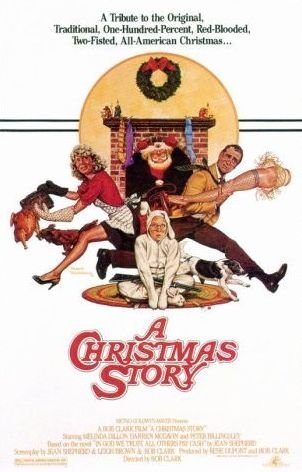
A writer (Jean Shepherd) reminisces about his most memorable Christmas, when — as a young boy (Peter Billingsley) in 1940s Indiana — he was desperate to get a Red Ryder Ranger Model Air Rifle for Christmas, and tried every tactic possible to get his parents (Melinda Dillon and Darren McGavin) to fulfill his wish.

Genres, Themes, Actors, and Directors:

  • Bullies
  • Childhood
  • Christmas
  • Comedy
  • Flashback Films

Response to Peary’s Review:
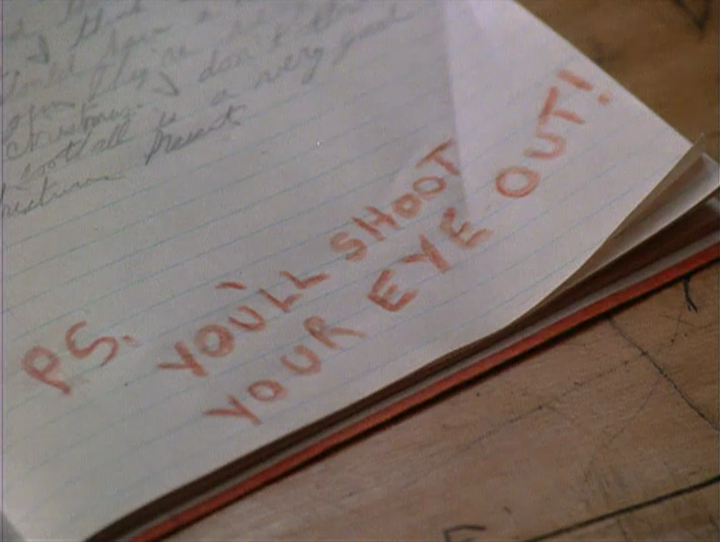
Peary writes that it’s “hard to believe the same Bob Clark who gave us Porky’s produced, directed, and co-wrote this charming little film”, based “on radio humorist Jean Shepherd‘s witty nostalgia novel, In God We Trust, All Other Pay Cash.” He notes that the “film is full of delightful, recognizable episodes”, which he spends the bulk of his review outlining: “Billingsley’s best friend gets his tongue stuck to a pole after being ‘double-dog dared’ to put it there; Billingsley decodes his secret message from radio’s Little Orphan Annie only to have it be a commercial for Ovaltine; Billingsley lets slip the ‘F’ word in front of [his] father and has his mouth washed out with soap…; Dillon coaxes his little brother (Ian Petrella) into downing dinner by getting him to imitate a pig’s disgusting habits; Billingsley and his pals repeatedly flee the red-haired school bully until one day Billingsley is so depressed for getting a C+ on his paper about his desire for a BB gun (the teacher wrote he’d get his eye shot out) that he gives the boy a whipping; McGavin wins a hideous lamp that has a plastic female leg for a base — he loves it, Dillon is aghast; and Billingsley and his brother are terrified by a kid-hating department-store Santa and his mean helpers — a scene that really hits home.” He further writes that “you’ll be touched by the warmth the members of Billingsley’s family feel for one another, and amused by their various idiosyncracies”, and he praises the “truly believable” characters and “consistently funny” script.

Peary’s review is spot on: despite being written just three years after the film’s release, he accurately predicts its cult-potential, noting “there’s no reason this unique film should play only in December” — though of course, that’s exactly when most people watch it, again and again and again, as it plays in marathon mode on television throughout Christmas Eve and Christmas Day. Its cult status is somewhat legendary, with numerous websites devoted to it — including an online merchandise store. Clearly, this film hits a nerve for many — perhaps because of how many potent childhood milestones and concerns it covers: menacing bullies, dangerous dares, strict but loving parents, and a lack of agency over gaining one’s most coveted wish. Billingsley is perfectly cast in the lead role: he’s nerdy but no pushover, and, as the oldest child, capable of showing maturity most of the time (unlike his younger brother). This film is a treat, and I can’t imagine any film fanatic not enjoying it at least once (if not many more times).

Note: In 2012, A Christmas Story was selected by the Library of Congress for preservation in the National Film Registry for being “culturally, historically, or aesthetically significant”.

Redeeming Qualities and Moments:

  • Peter Billingsley as Ralphie
  • Melinda Dillon and Darren McGavin as Ralphie’s stern but loving parents
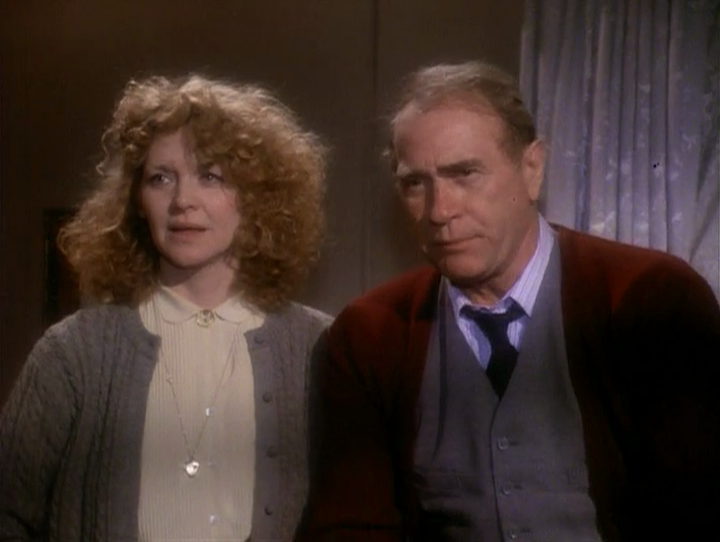
  • Many humorous, memorable sequences


Must See?
Yes, as an enjoyable cult favorite.

Categories

  • Cult Movie

Links:

Born Yesterday (1950)

Born Yesterday (1950)

“A world full of ignorant people is too dangerous to live in.”

Synopsis:
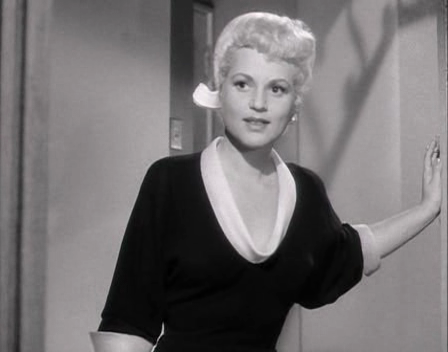
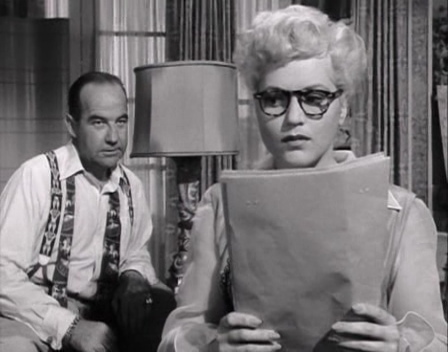
An abusive, controlling businessman (Broderick Crawford) hoping to impress a congressman (Larry Oliver) in D.C. hires a reporter (William Holden) to give private tutoring lessons to his not-too-bright fiancee (Judy Holliday), hoping she’ll learn how to act appropriately in a political climate. However, Holliday and Holden fall for each other, and soon Holliday realizes she wants no part of Crawford’s corrupt schemes.

Genres, Themes, Actors, and Directors:

  • Broderick Crawford Films
  • Character Arc
  • Dumb Blondes
  • Feminism and Women’s Issues
  • George Cukor Films
  • Judy Holliday Films
  • Millionaires
  • Play Adaptations
  • Political Corruption
  • Romance
  • William Holden Films

Response to Peary’s Review:
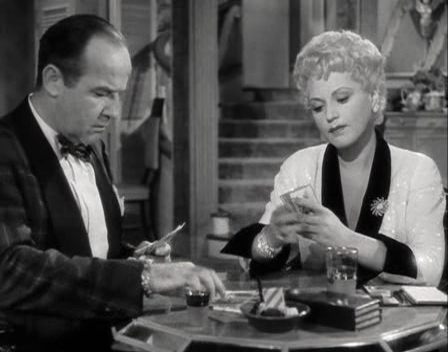
Peary is rather dismissive of George Cukor’s adaptation of Garson Kanin’s Broadway play, which gave Judy Holliday her break-through role both on stage and on-screen. He writes that “the scenes in which Holliday visits the historical monuments [in D.C.] and becomes excited by what America stands for are like bad Capra”, and he questions, “Why all the civics lessons? Does it take Thomas Jefferson’s words against tyranny to get Holliday to realize that Crawford hasn’t been treating her well?” He further argues that Cukor’s direction “is too theatrical (as is Holliday’s performance at times) and the script… is clever but has only a few bright moments”. He states he doesn’t “like the way Kanin uses Crawford comically through much of the film yet, when it suits his purpose, makes him a real heavy.” He concludes his review by noting that the “best scene is the most famous — when Holliday beats Crawford at gin rummy”.

I think Peary undersells this film. Sure, its theatrical roots are apparent, but Cukor nicely opens up the set, and Holden’s choice to provide civics-lesson field trips in D.C. doesn’t seem too far-fetched to me; gaining insights into your own challenges and blind-spots is sometimes easiest through “safe”, external topics. Holliday’s consciousness-raising comes across as both realistic and witty, and Kanin and Cukor’s decision to leaven Crawford’s sociopathic bully with humor is a smart one: sadly, he’s highly believable, and deserves to have plenty of fun poked at him while he gets his come-uppance. I like the fact that Cukor and Kanin are brave enough to show Crawford not only psychologically but physically abusing Holliday; her need to leave the relationship is ultimately about her own survival. Kudos should also be given for the relative maturity of the script, with Holliday openly propositioning Holden despite being engaged.

Redeeming Qualities and Moments:

  • Judy Holliday as Billie Dawn
  • Broderick Crawford as Harry Brock
  • A witty screenplay

Must See?
Yes, as a most enjoyable classic.

Categories

  • Genuine Classic
  • Oscar Winner or Nominee

Links: