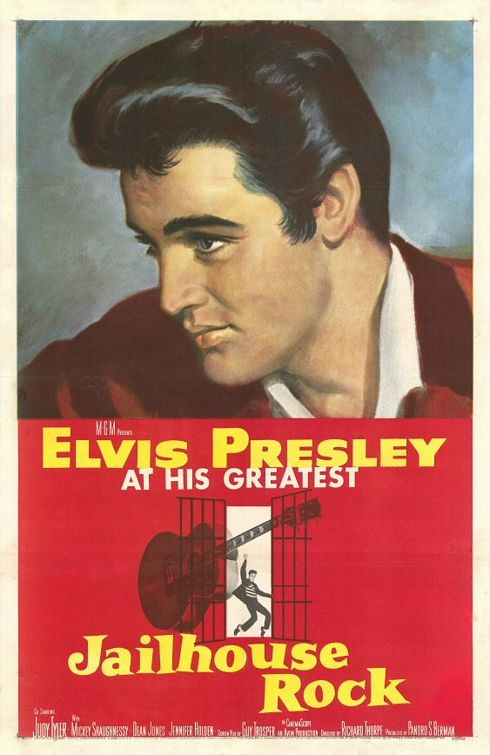
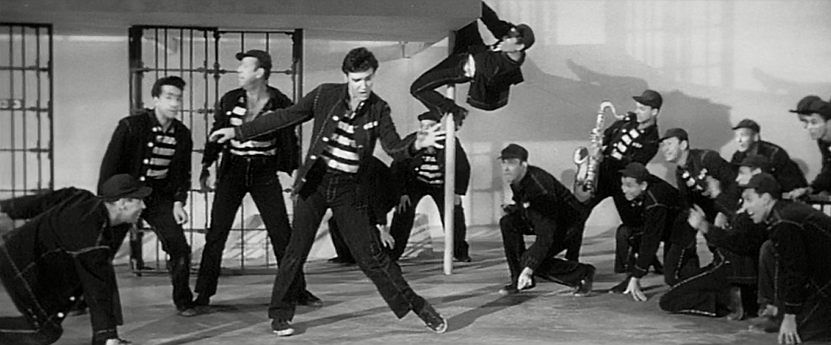
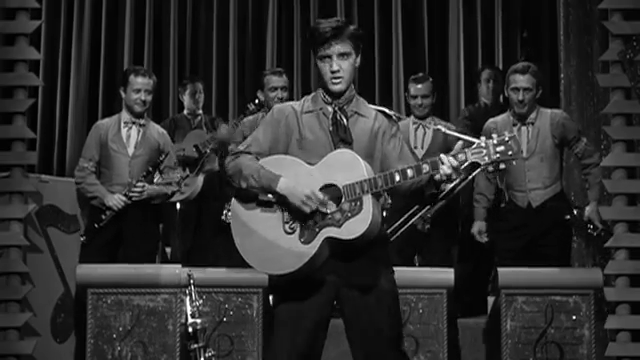
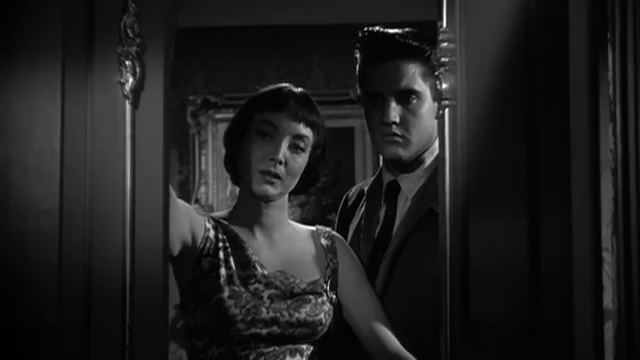
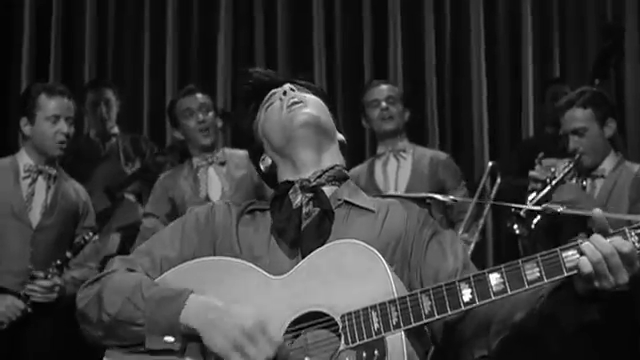
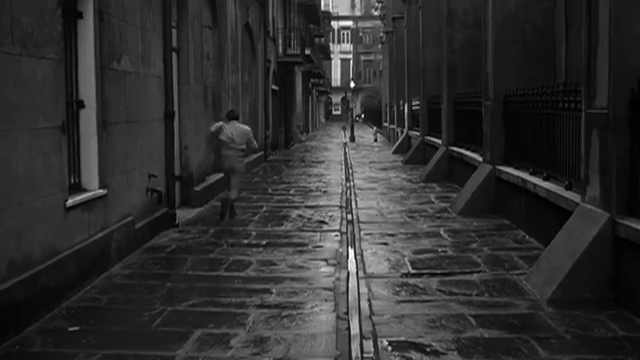
Jailhouse Rock (1957)
“That ain’t tactics, honey — it’s just the beast in me!”
|
Synopsis: |
|
Genres, Themes, Actors, and Directors:
Response to Peary’s Review: Redeeming Qualities and Moments:
Must See? Links: |
“That ain’t tactics, honey — it’s just the beast in me!”
|
Synopsis: |
|
Genres, Themes, Actors, and Directors:
Response to Peary’s Review: Redeeming Qualities and Moments:
Must See? Links: |
“You’ll be the death of me yet, Mr. Barlow.”
|
Synopsis: |
|
Genres, Themes, Actors, and Directors:
Response to Peary’s Review: P.S. As Peary notes, “one of the best scenes has Morse visiting Comer’s unsteady house-on-stilts, which is built in a slide area” (see still below). Redeeming Qualities and Moments:
Must See? Links: |
“The boy was born with an unusual talent — he has the right to think for himself!”
|
Synopsis: |
|
Genres, Themes, Actors, and Directors:
Response to Peary’s Review:
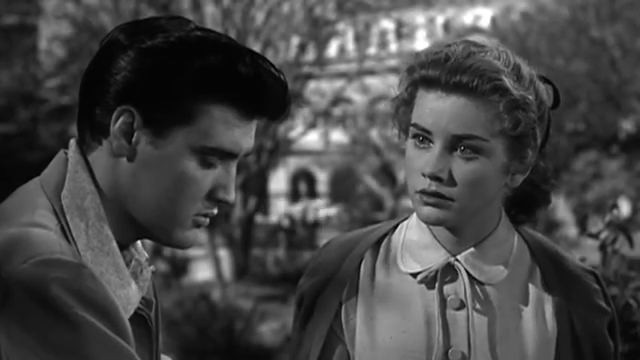
… and toggling his bad-boy impulses between “pretty Dolores Hart”:
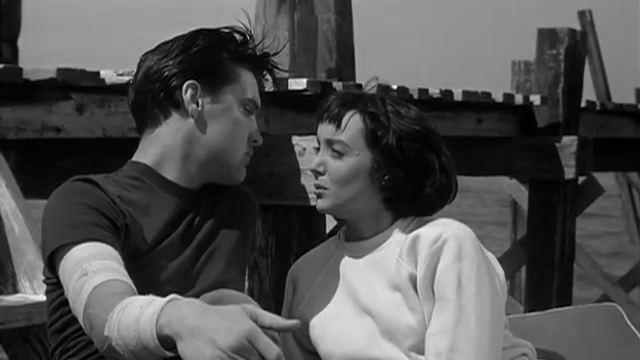
… and “Carolyn Jones, Matthau’s unhappy mistress”. Jones makes a strong presence as well: she’s amply seductive, pulls no punches (except when forced to under duress), and is clearly a damaged soul simply hoping for relief, which leads to plenty of genuine tension about which girl — and path — Presley will choose.
Russ Harlan’s cinematography is top-notch, and fine use is made of New Orleans locales. Redeeming Qualities and Moments:
Must See? Categories
Links: |
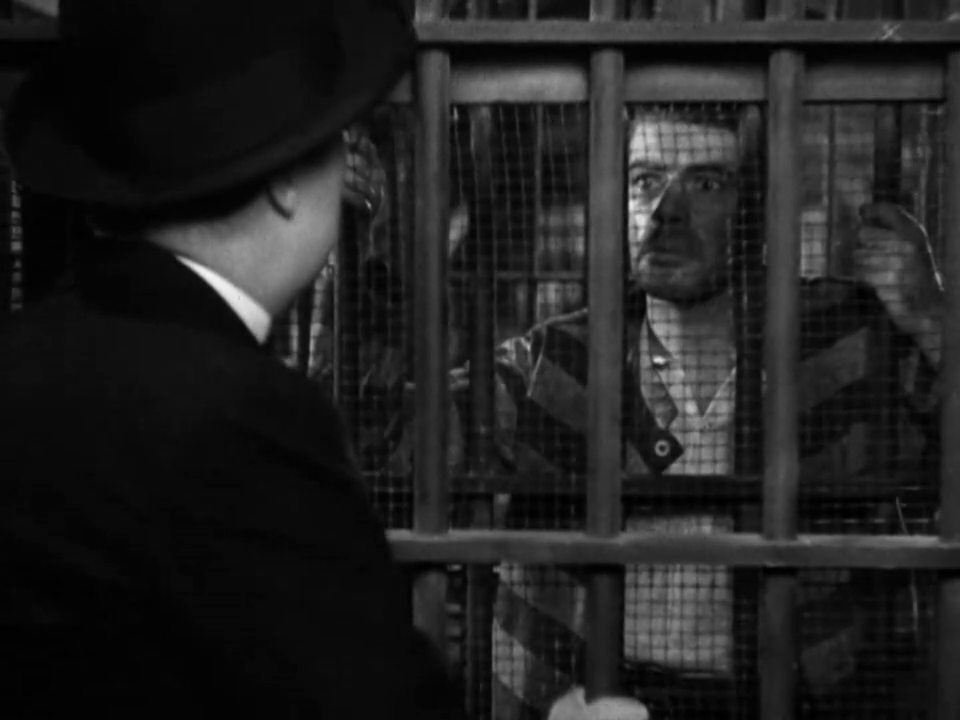
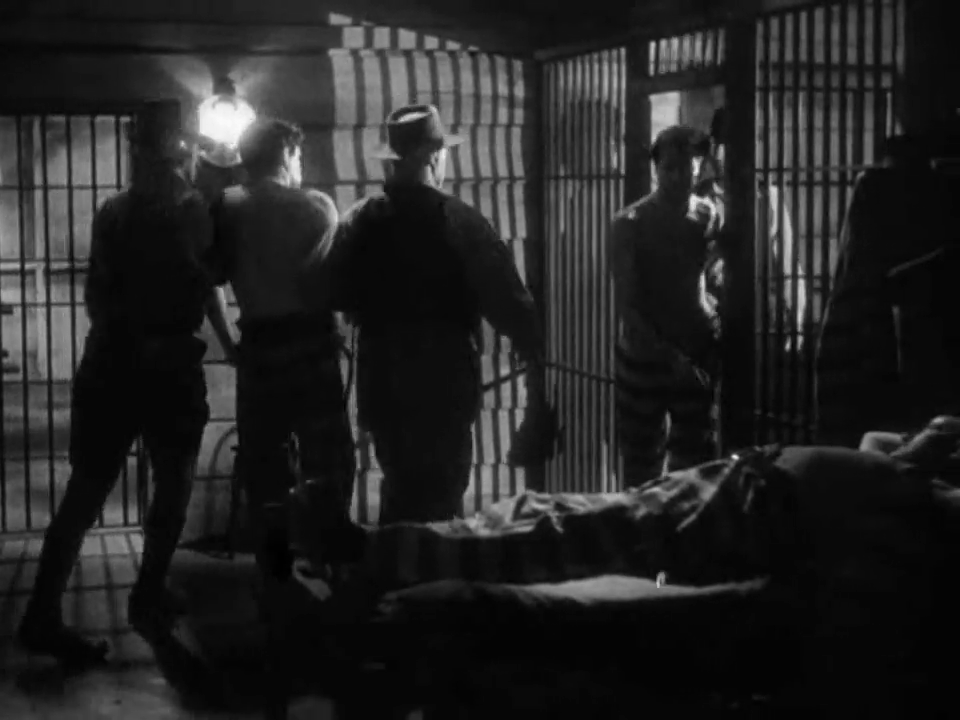
“I’ll be a model prisoner if it kills me!”
|
Synopsis: |
|
Genres, Themes, Actors, and Directors:
Response to Peary’s Review:
He writes that the “ending is shockingly depressing”, and that the film “is daring, not only because of its socially conscious theme but also because of its pre-Code depiction of sex”.
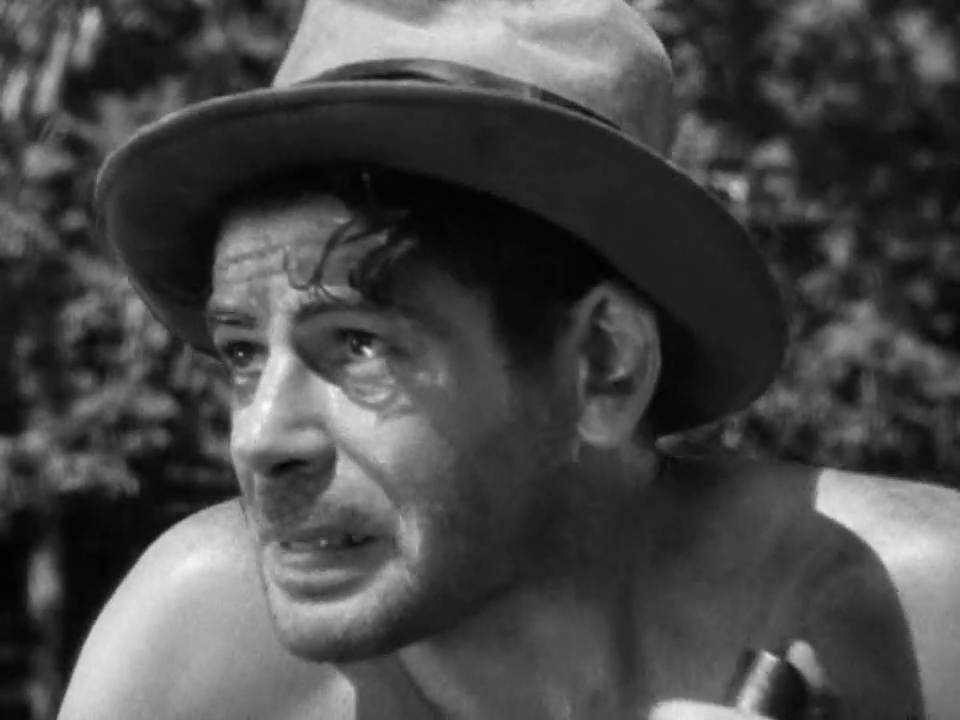
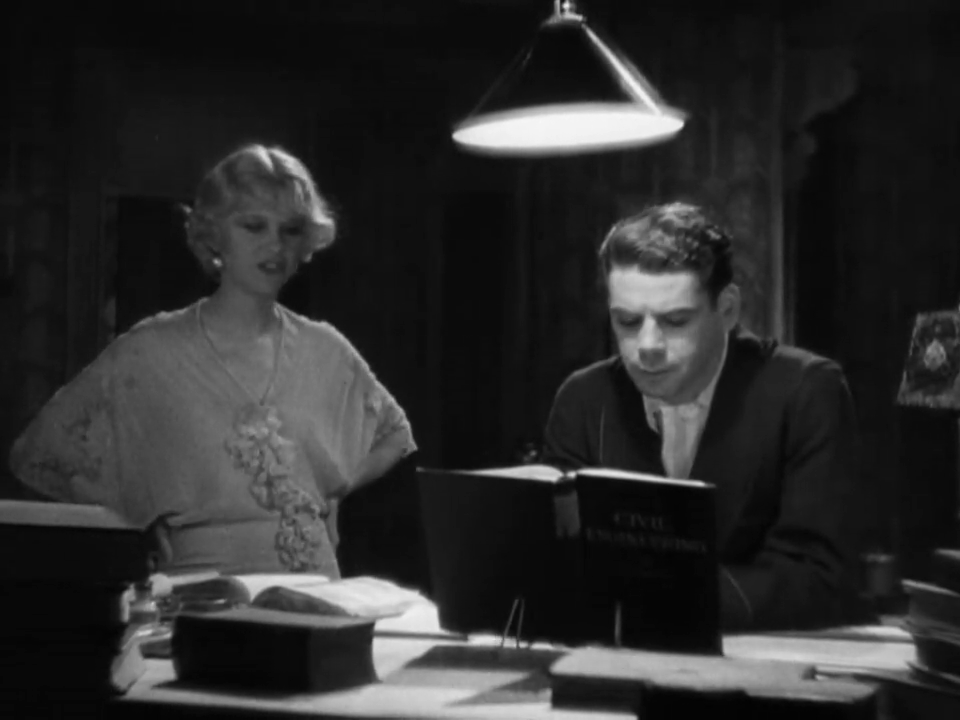
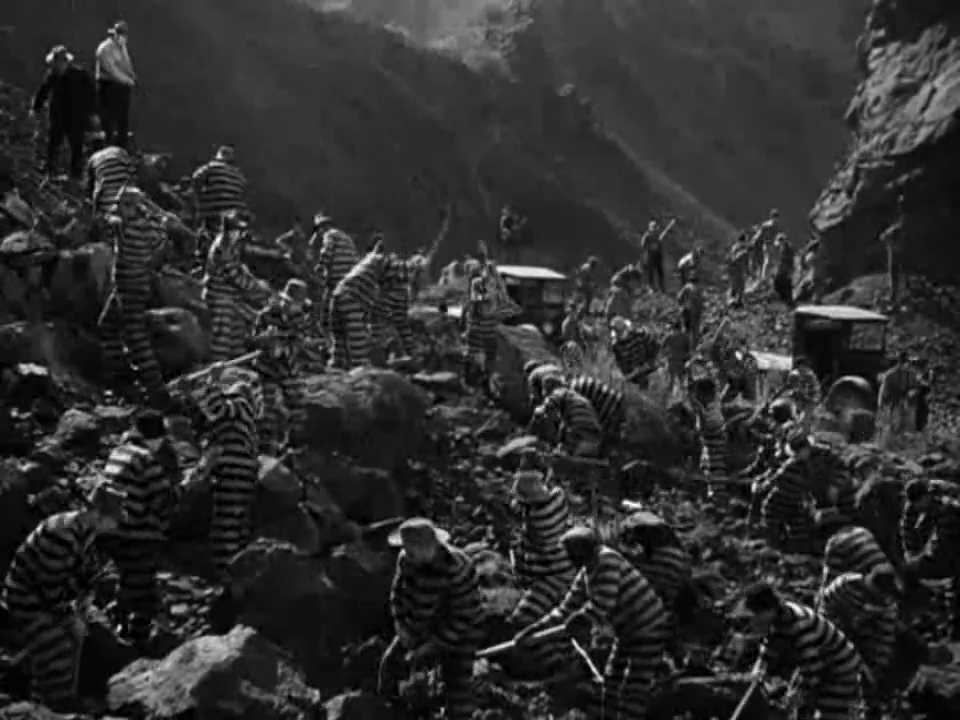
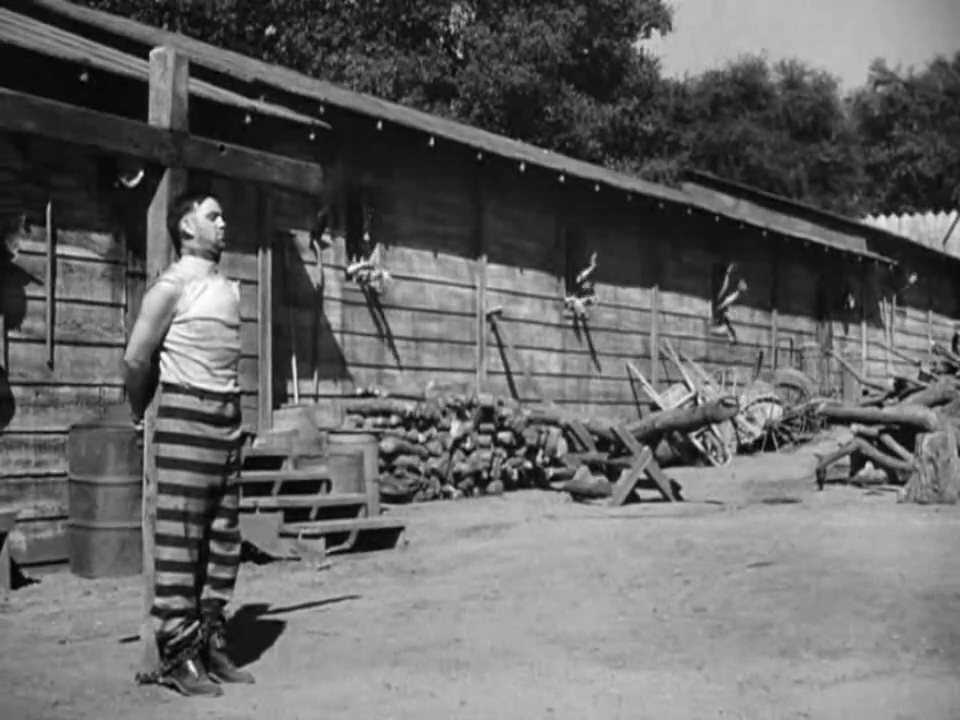
However, while this film is almost universally lauded as a classic, I’ll admit to finding it both somewhat dated, and over-acted by the Oscar-nominated Muni. Most powerful are the graphic scenes of chain gang life, which we take for granted now after multiple cinematic depictions inspired by this one — i.e., Woody Allen’s Take the Money and Run (1969), among others — but otherwise, everything about the screenplay too-neatly telescopes corruption, injustice, and hard knocks. The film does deserve points for not pulling any punches, and also for Sol Polito’s impressive cinematography — but otherwise, it’s primarily worth viewing for its historical significance. Redeeming Qualities and Moments:
Must See? (Listed in 1001 Movies You Must See Before You Die) Links: |
“Don’t you see, Bill? You’ll always be just one punch away.”
|
Synopsis: |
|
Genres, Themes, Actors, and Directors:
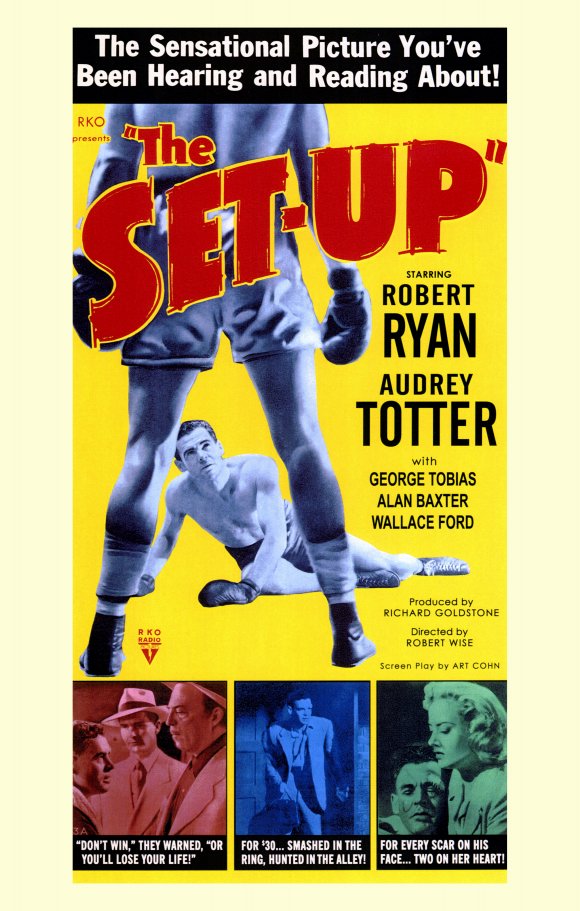
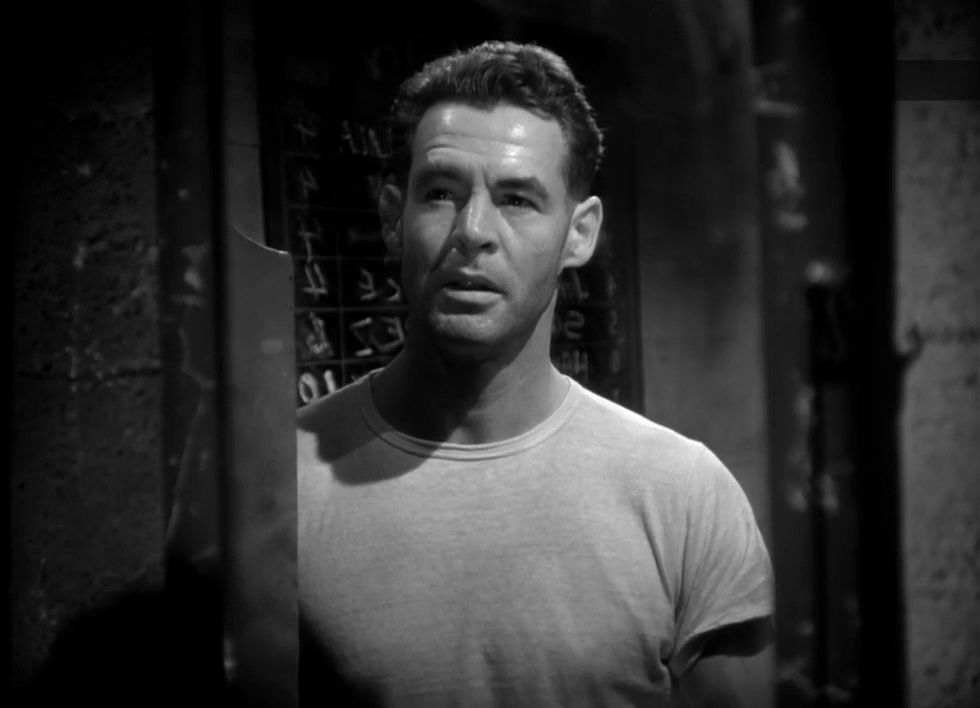
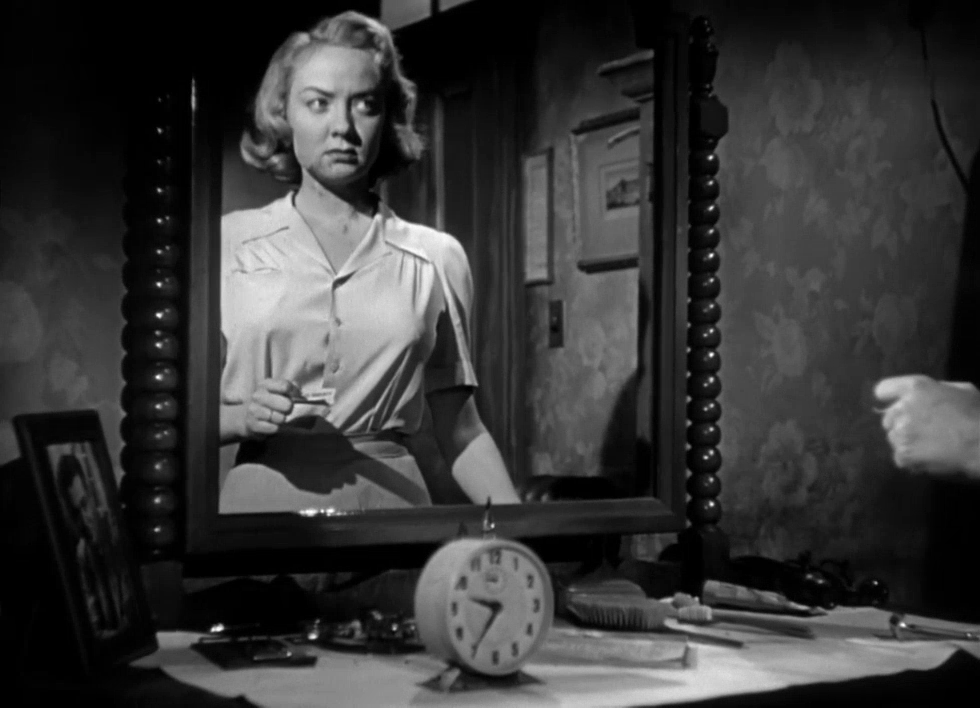
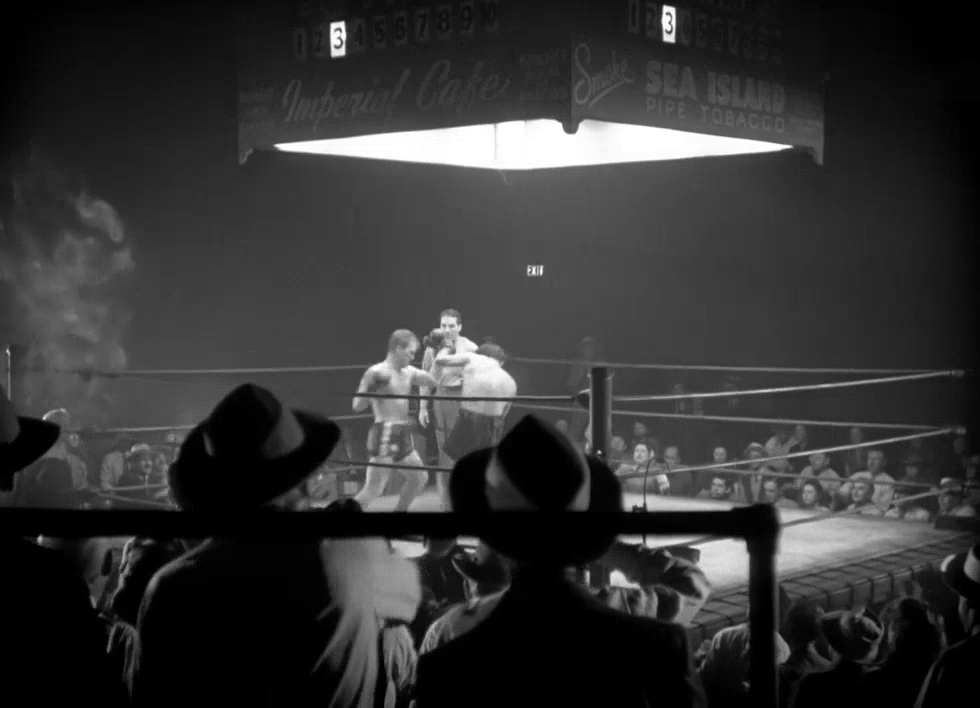
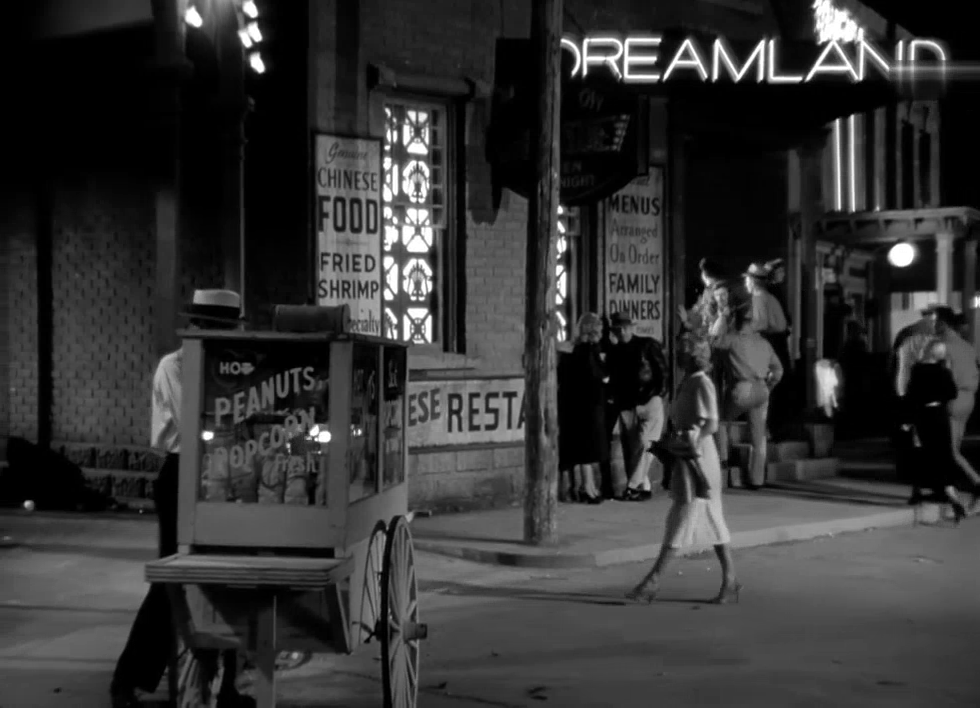
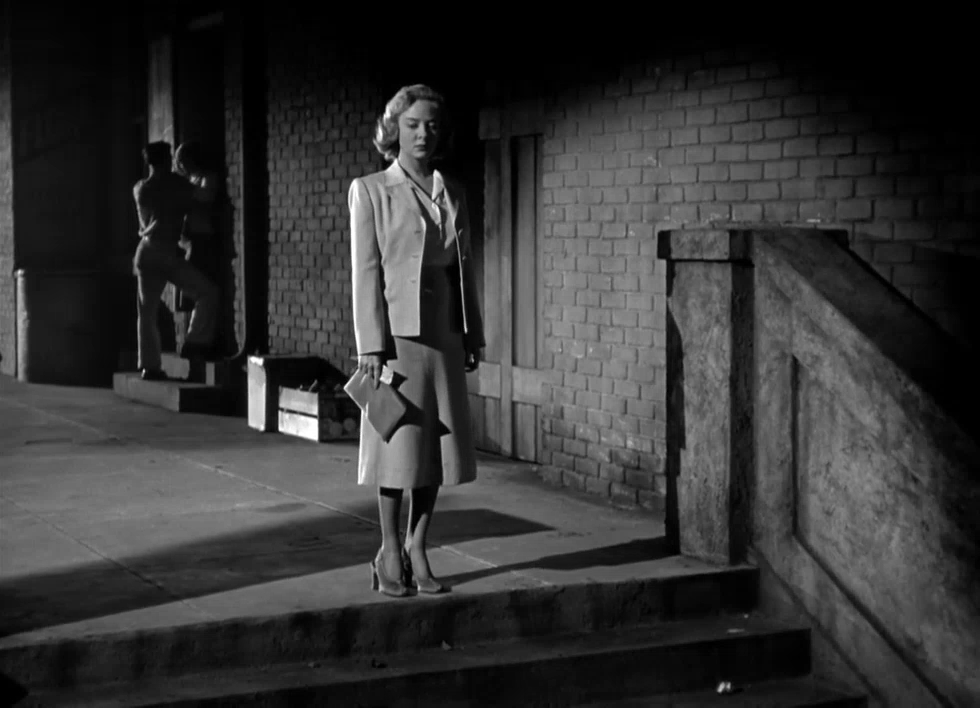
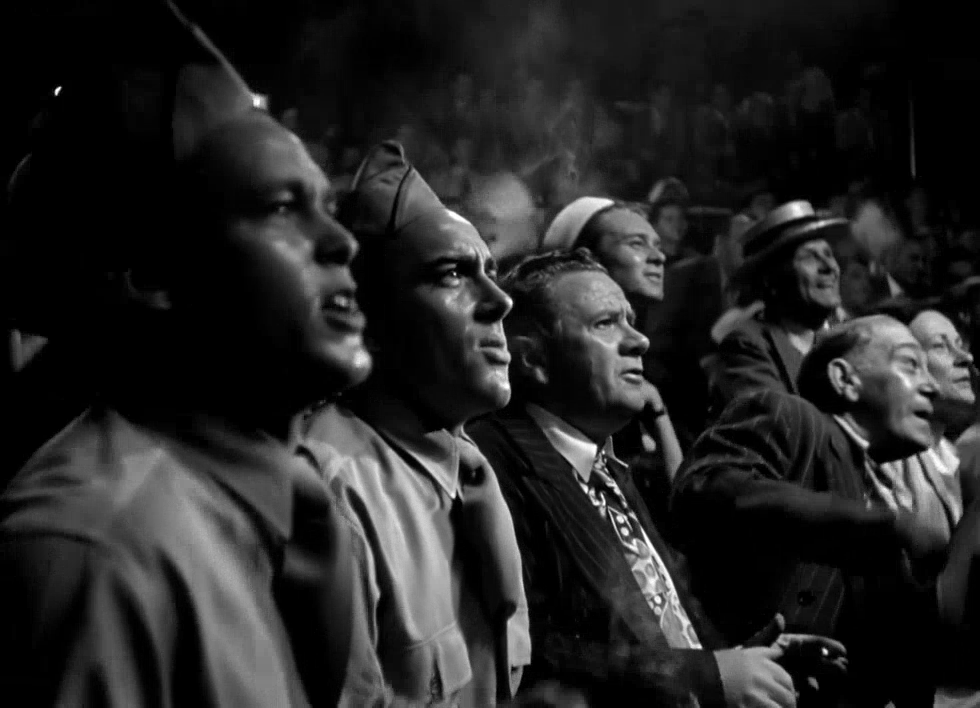
Response to Peary’s Review: Just three minutes into the movie, we’ve already internalized the seedy, hope-for-the-stars, dog-eats-dog landscape in which Stoker lives and survives (Paradise City Wrestling and Boxing Arena sits right next to Dreamland bar and a Chop Suey joint); watched a young newspaper hustler mercilessly crowd out an older one (“Hey — I gotta make a buck too…”;”Ah, go take a walk!”); witnessed the hypocrisy of boxing fans who feign horror but not-so-secretly love the vicarious thrill of violence; and learned that nobody but Stoker himself seems to believe in his ability to win another fight. Indeed, when Tobias and Helton “promise a local racketeer that [Stoker will] lose, they simply take the payoff money without bothering to tell Stoker he’s expected to take a dive”, since they “figure he’ll get knocked out anyway” (!). As Peary notes, Wise seems to show “sympathetic feelings towards fighters, who he realizes are victimized because they haven’t other options in life” — and Wise appropriately shows “fight fans” as “each more monstrous than the other”. Ryan (a real-life heavyweight champion in college) is perfectly cast as the rangy boxer who refuses to go down without a legitimate fight, and the supporting cast is excellent as well. Equally of note are the fine b&w cinematography (by Milton Krasner), the highly atmospheric sets, and (as mentioned above) the seamless use of real-time narrative timing, several years before this was showcased as a distinctive feature of High Noon (1952). While it’s frustrating that much of the intent of March’s poem was lost by making significant changes — including shifting Stoker’s race from black to white — the film stands on its own as a minor classic. Redeeming Qualities and Moments:
Must See? Categories
Links: |
“I’m going to have it — it has to be mine.”
|
Synopsis: |
|
Genres:
Review: Redeeming Qualities and Moments:
Must See? Links: |
“The ocean is my province, gentlemen, but how little we know about it. We only touch the surface with our lines and our dragnets, our diving suits and bathyscapes. For all we know, what we have started may have already matured… And who can tell when this — this — whatever it is, will rise to the surface and strike back at us?”
|
Synopsis: |
|
Genres, Themes, Actors, and Directors:
Review:
The film’s settings are its primary redeeming asset, with gorgeous cinematography of rocky shores — but otherwise, there’s little here to distinguish this from other monsters-on-the-rampage flicks. This film is primarily of note for featuring direction by stop-motion guru Willis O’Brien — best known for his work on The Lost World (1925), King Kong (1933), and Mighty Joe Young (1949).
Redeeming Qualities and Moments:
Must See? Links: |
“That’s it? He murders Jamie and we just ignore it?”
|
Synopsis: |
|
Genres:
Review:
Screenwriter Neal Jimenez situates this group of aimless teens between two key adults: their former-activist high school teacher (Jim Metzler), who can’t seem to get over the loss of his era:
and his counterpart (Hopper), an openly disturbed yet oddly sympathetic one-time murderer who finds solace in a life-size female doll (21 years before Lars and the Real Girl [2007] became the best-known movie to cover this territory).
Reeves and Skye — who strike up a steamy affair in the midst of the central conflict over “to tell or not to tell” — are presumably meant to serve as the film’s moral compass:
… but the presence of Reeves’ demonic younger brother (Joshua John Miller) indicates that generations aren’t trending in the right direction:
… and their pot-smoking, overwhelmed, divorced mom (Constance Forslund) is simply one clear symptom why.
Crazed Glover ties with Hopper as perhaps the film’s most memorable character — a stoner and would-be leader with a passionate (if dysfunctional) sense of loyalty to the living.
Note: Click here to read more from a reporter’s perspective on how the original murder case deviates from what was depicted on-screen. Redeeming Qualities and Moments:
Must See? Categories Links: |
“My one purpose in life is to see that sneer turn into fear!”
|
Synopsis: |
|
Genres:
Review:
… though Lon Chaney was perhaps even more memorable, which points to the fact that the original (silent) film basically achieved its goal well enough, and Kongo thus remains simply an equally-sordid retelling. However, this version is worth a one-time look to see Lupe Velez in a pre-“Mexican Spitfire” role, and for its historical notoriety (it’s a potent reminder of what used to be considered acceptable narrative fodder). Redeeming Qualities and Moments:
Must See? Categories Links: |
“It would have been inhuman to deprive the world of his genius!”
|
Synopsis: |
|
Genres, Themes, Actors, and Directors:
Review: Redeeming Qualities and Moments:
Must See? Links: |