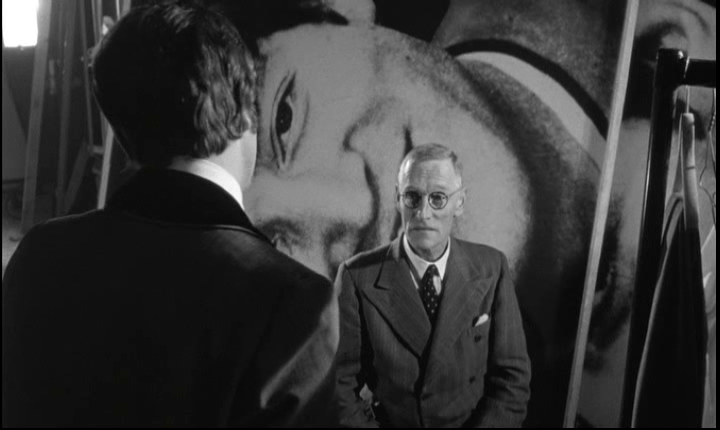
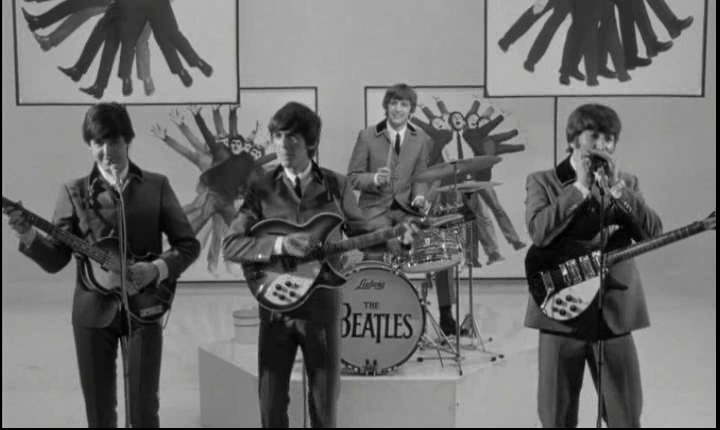
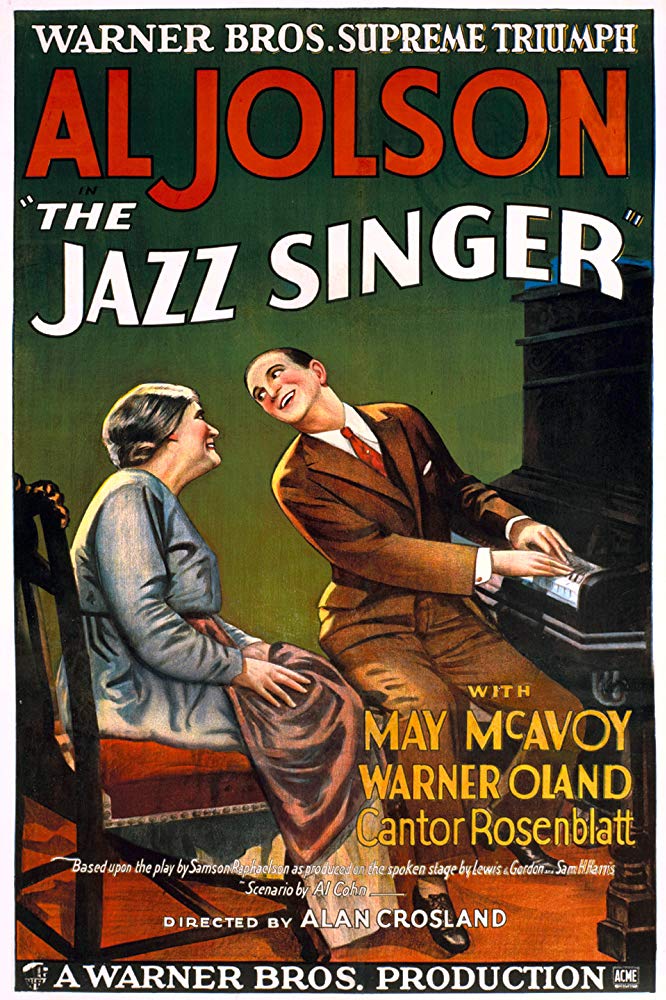
Devil is a Woman, The (1935)

Devil is a Woman, The (1935)

“That woman has ice where others have a heart.”

Synopsis:
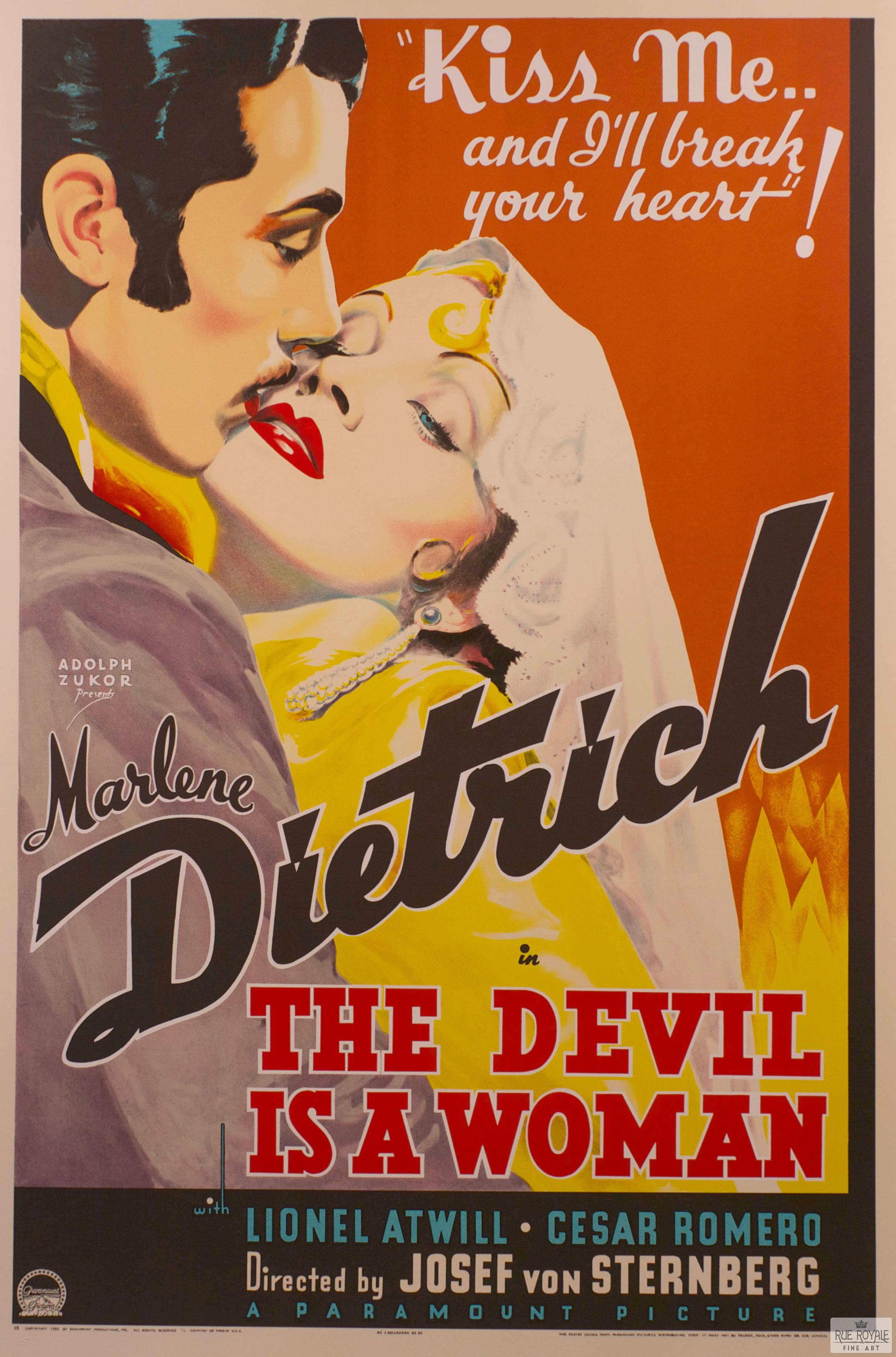
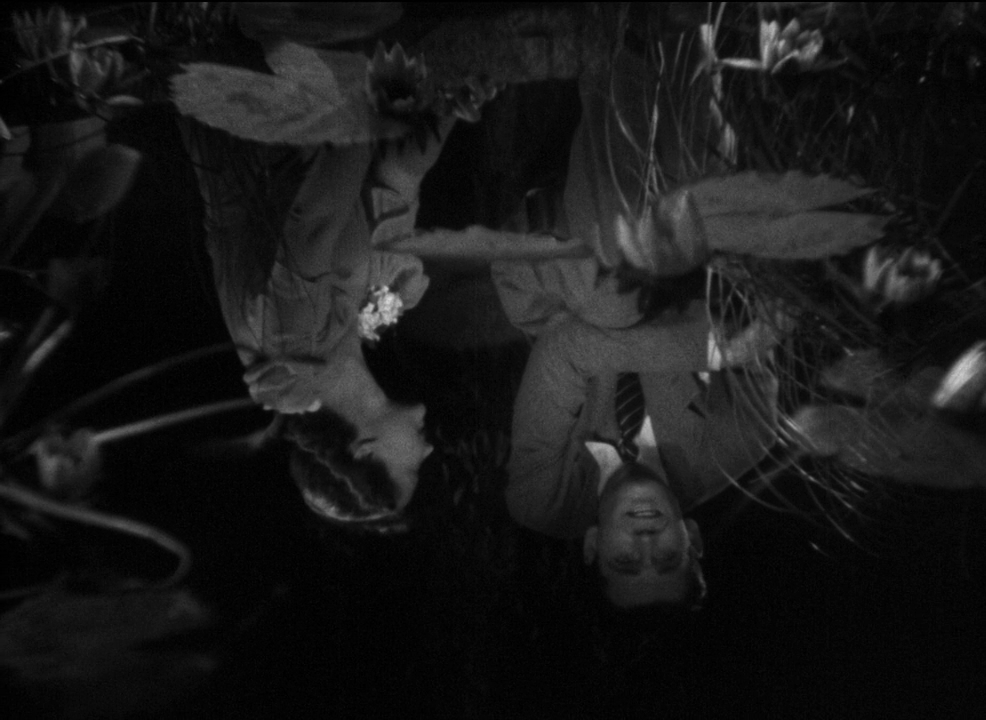
A seductive cigarette factory worker (Marlene Dietrich) captures the heart of a captain (Lionel Atwill), who tries to warn his young friend (Cesar Romero) that Concha (Dietrich) will break his heart as well — but neither man can resist her lure.

Genres, Themes, Actors, and Directors:

  • Cesar Romero Films
  • Femmes Fatales
  • Flashback Films
  • Josef von Sternberg Films
  • Lionel Atwill Films
  • Love Triangle
  • Marlene Dietrich Films
  • Obsessive Love

Response to Peary’s Review:
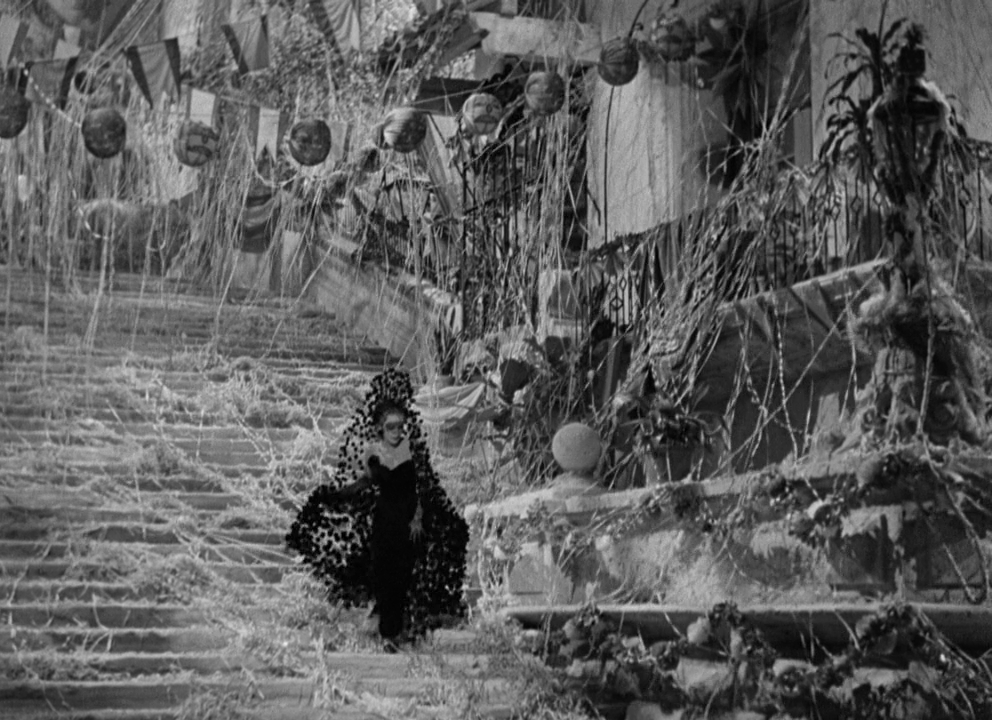
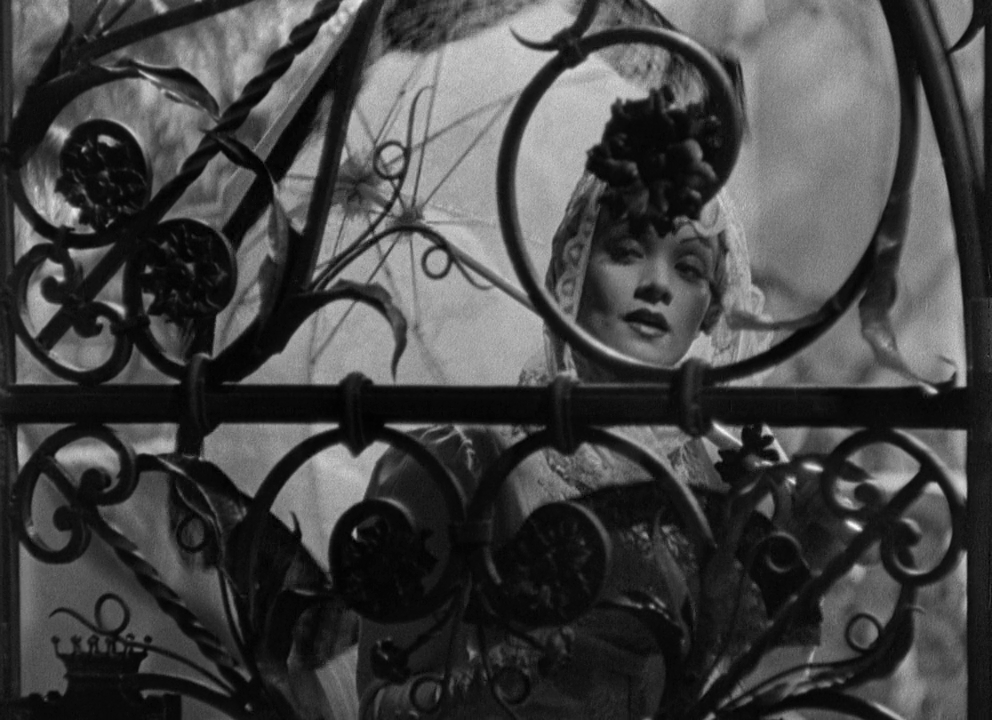
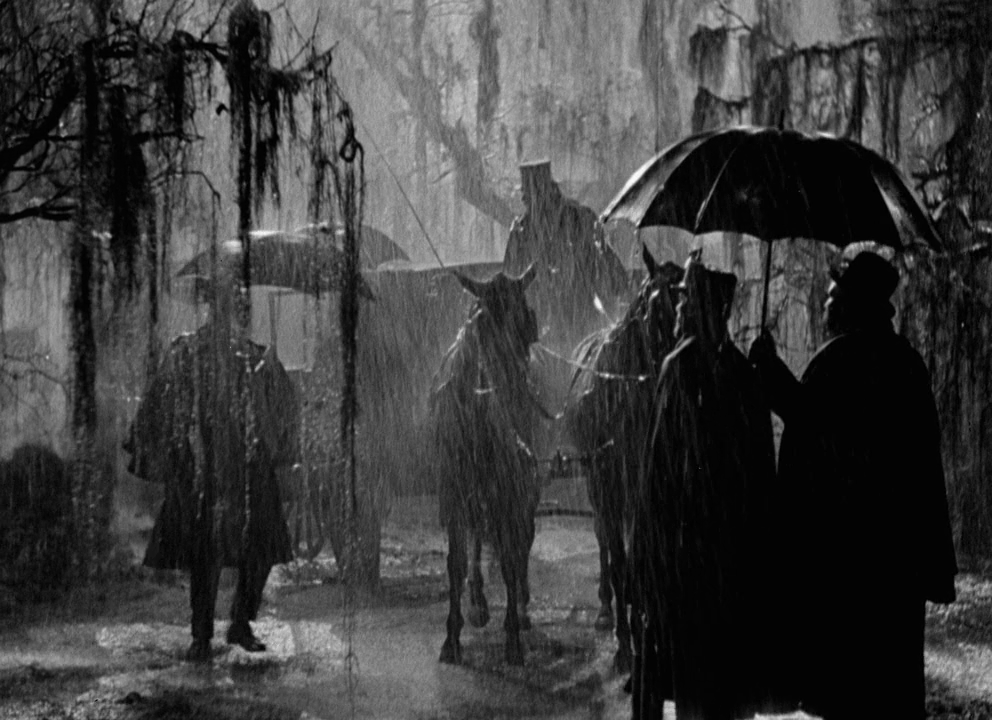
Peary writes that this “last and least of Marlene Dietrich’s films with Josef von Sternberg” — after The Blue Angel (1930) Morocco (1930), Dishonored (1931), Shanghai Express (1932), Blonde Venus (1932), and The Scarlet Empress (1934) — “is set at the turn of the century in a small Spanish town at carnival time (which allows von Sternberg to have fun with costumes and art direction).” He asserts that the “picture suffers from looking too studio-bound and from Sternberg’s decision to let Dietrich play her role with tongue firmly in cheek… giving the impression that all those on both sides of the camera (except the ultra-serious Atwill) were too casual about the film they were making.” I’m equally tepid about this film, which is gorgeous but lacking a plot substantial enough to care about; there isn’t much fun to be had in watching gold-digging Dietrich callously seduce the men around her, or the men themselves being destroyed.

Redeeming Qualities and Moments:

  • Ornate sets and costumes

  • Effectively stark cinematography (by von Sternberg and uncredited Lucien Ballard)

Must See?
No; you can skip this one.

Links:

Help! (1965)

Help! (1965)

“We’re risking our lives to preserve a useless member.”

Synopsis:
With help from his beautiful assistant (Eleanor Bron), an eastern cult leader (Leo McKern) attempts to capture a musician (Ringo Starr) wearing a special ring needed to complete a human sacrifice — but the stubbornly magical ring refuses to come off Ringo’s finger. Soon Ringo and his bandmates are also pursued by a pair of fanatical scientists (Victor Spinetti) and Roy Kinnear) hoping to obtain the ring, and the other Beatles begin to question whether Ringo’s finger is worth the hassle.

Genres, Themes, Actors, and Directors:

  • Beatles Films
  • Comedy
  • Cults
  • Musicals
  • Richard Lester Films
  • Ringo Starr Films

Response to Peary’s Review:
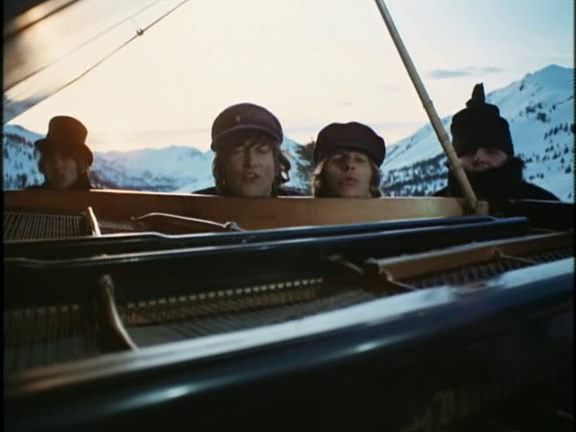
Peary writes that the Beatles’ second film is “full of funny sight gags… and one-liners (‘He’s out to rule the world… if he can get a government grant’)”, noting that the “film mixes James Bond adventure, surrealism (a Beatle even becomes miniaturized at one point), and loopy comedy (much of the slapstick variety).” He asserts that “Richard Lester’s direction is even more outrageous than it was for A Hard Day’s Night,” and writes that the “picture is a lot of fun” but he wishes “it provided more insight into the individual Beatles — in fact, it’s just as impersonal as Yellow Submarine. Unfortunately, the world we see has nothing to do with the Beatles’ real world.” He accurately notes that the “best moments are when they sing: ‘Help!’, ‘You’ve Got to Hide Your Love Away’, ‘I Need You’, and ‘You’re Gonna Lose That Girl'”; and he points out that “the staging of numbers, particularly those set outside, is effective” — with “the ‘Ticket to Ride’ sequence”, showing “the boys frolicking in the snow”, particularly suited to making “a great video”.

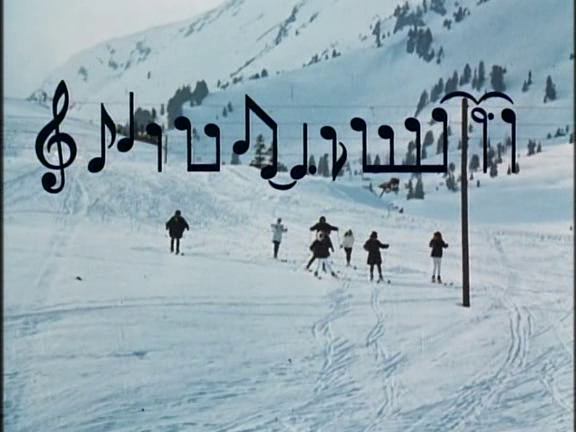
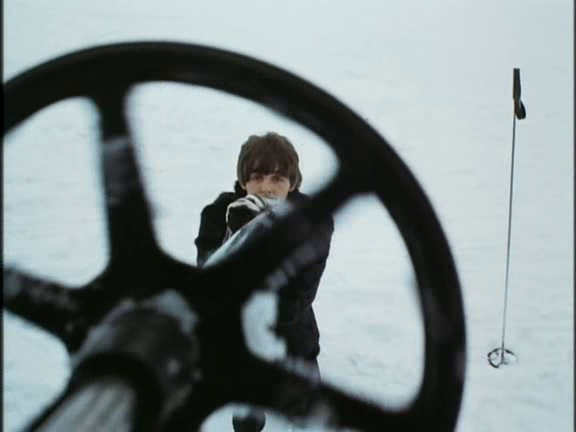
I’m not nearly as taken with this follow-up film as Peary is; it’s clearly meant to build on the enormous cult success of A Hard Day’s Night but most of the magic is gone (despite — or perhaps because of — attempts to insert literal magic into the proceedings). The plot seems silly simply for the sake of silliness, and the boys’ later admission to being stoned through most of the filming shows: they look loopy and slightly dazed rather than jubilant. The exception, as noted above, are their musical performances — I do love all the creativity put into filming “Ticket to Ride” in the snow, including the presence of musical notes on the screen at one point (apparently added to cover up power lines in the footage). Paul’s brief miniaturization — reminiscent, of course, of The Incredible Shrinking Man (1957) — is nicely handled as well, though one wishes he did more than just flail around in an ashtray with orange soda.

Redeeming Qualities and Moments:

  • David Watkins’ creative cinematography

  • Several fun outdoor-musical sequences (particularly “Ticket To Ride” in the snowy Alps)

Must See?
No; only Beatles fans need see this one.

Links:

Let it Be (1970)

Let it Be (1970)

“Yeah, okay, well — I don’t mind. I’ll play, you know, whatever you want me to play.”

Synopsis:
Tensions are high as the Beatles craft music together and perform a final rooftop concert in London.

Genres, Themes, Actors, and Directors:

  • Beatles Films
  • Concert Films
  • Documentary
  • Musicians

Review:
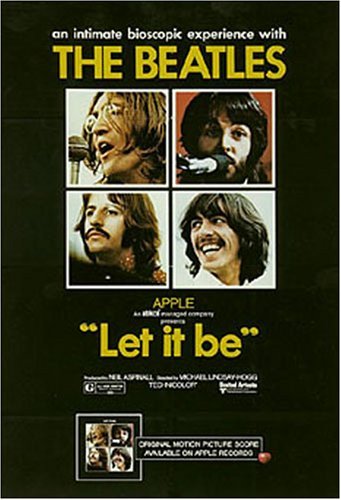
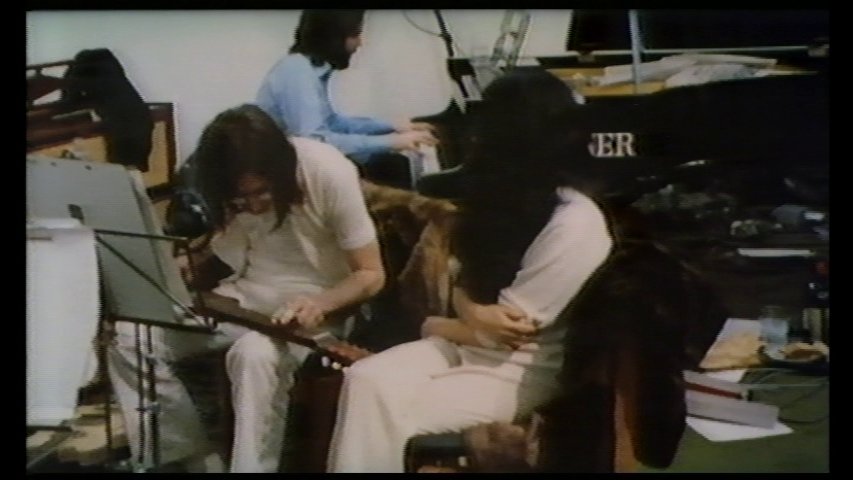
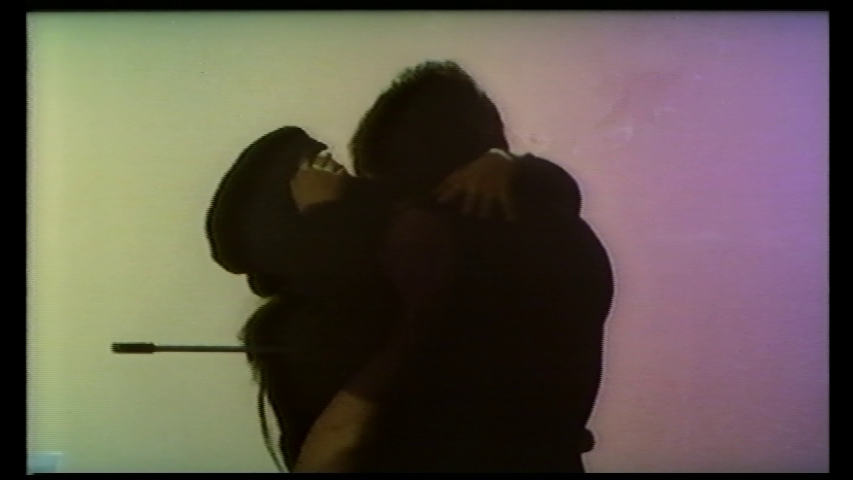
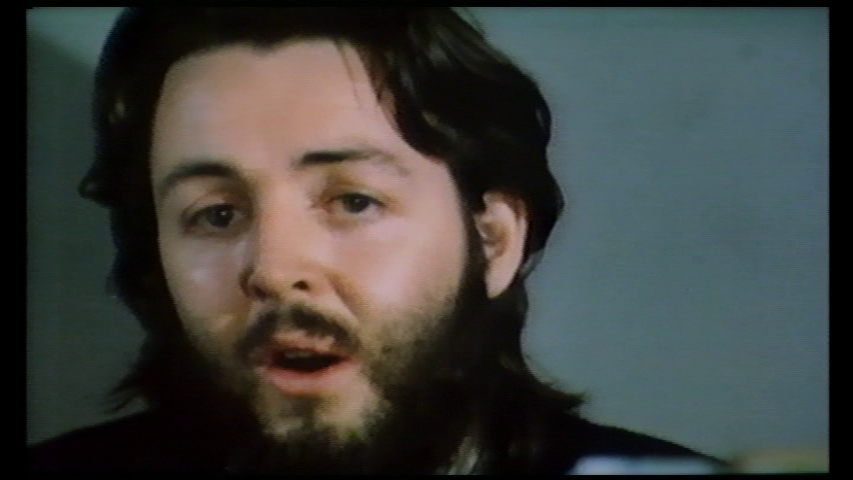
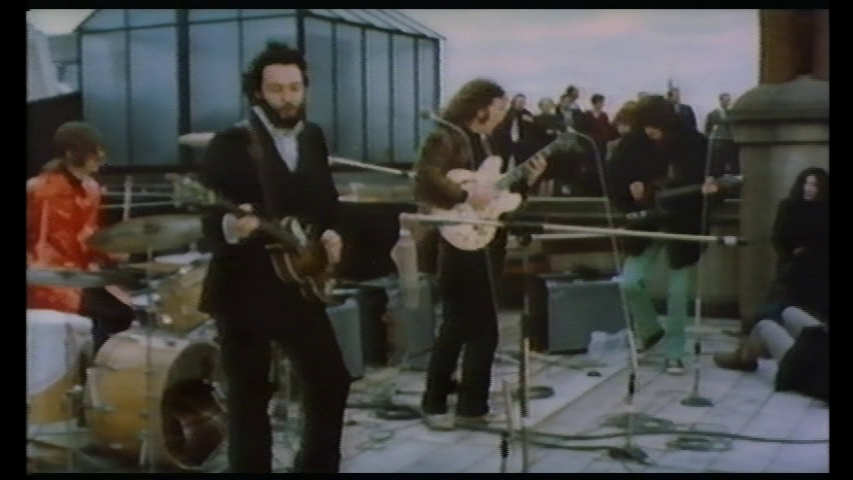
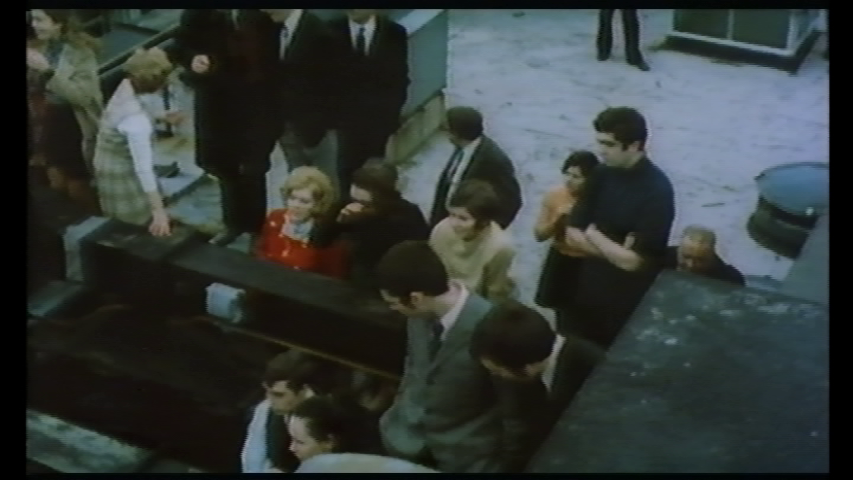
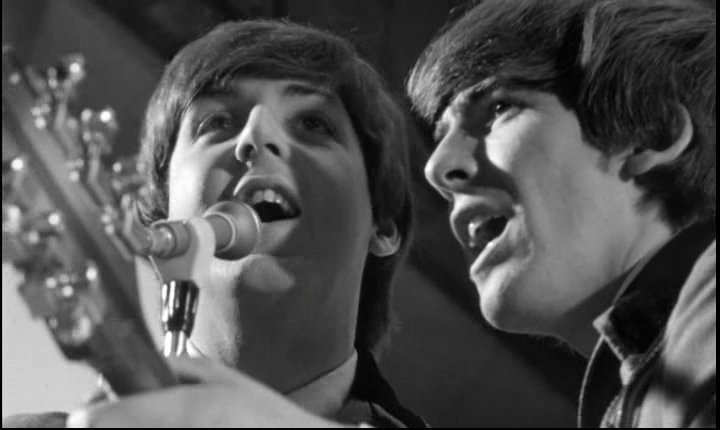
This infamously downbeat documentary about the Beatles rehearsing for what would be their final album together — “Let It Be” — remains a valuable glimpse at their behind-the-scenes music-making, albeit through the prism of accomplished musicians ready to move past their years of highly successful collaboration. The most eerie footage is of ghostly Yoko Ono glued to Lennon’s side — there couldn’t be a more potent visual image of a wedge driven between the “boys” (though of course, she wasn’t solely responsible for the band’s breakup by any stretch). The close-up scene of McCartney singing the title song during rehearsals (it’s an apt eulogy for the band’s dissolution) is quite satisfying, and the final rooftop performance is both anarchic and bittersweet. Be forewarned you may need to revisit A Hard Day’s Night (1964) after viewing this one, to boost your Beatle spirits.

Redeeming Qualities and Moments:

  • Many revealing instances of the band’s playful yet contentious working relationships with one another


  • McCartney and bandmates performing “Let It Be”
  • The fun but ultimately bittersweet finale concert on the rooftop

Must See?
No, though of course it’s an absolute must for Beatles fans. Listed as a Cult Movie in the back of Peary’s book.

Links:

Hard Day’s Night, A (1964)

Hard Day’s Night, A (1964)

“Now look, I’ve had a marvelous idea: just for once, let’s all try to behave like ordinary, respectable citizens.”

Synopsis:
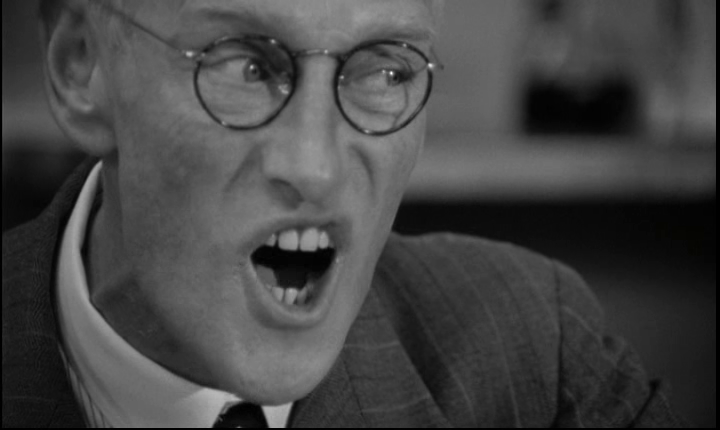
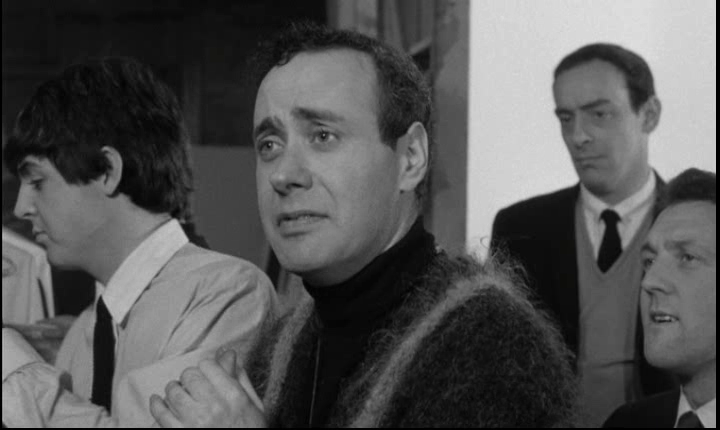
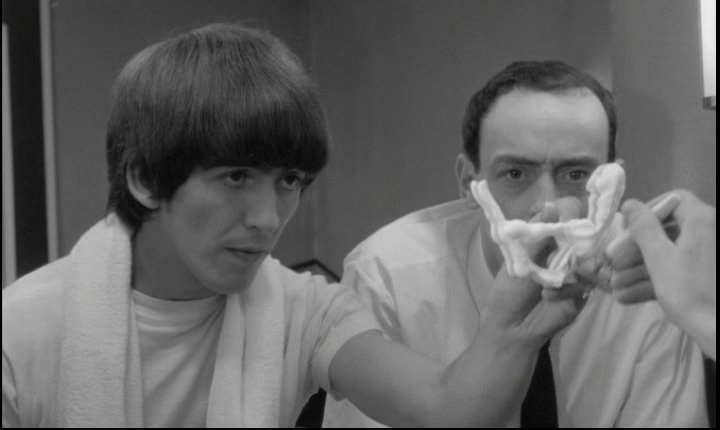
The Beatles (George Harrison, John Lennon, Paul McCartney, and Ringo Starr) travel by train to a televised concert, accompanied by Paul’s mischievous grandfather (Wilfrid Brambell) and hoards of adoring young fans. When the band’s managers, Norm (Norman Rossington) and Shake (John Junkin), urge Ringo to get out of his shell and explore the town, he begins a series of adventures — but will he make it back in time for the live performance before the director’s (Victor Spinetti’s) nerves are shot?

Genres, Themes, Actors, and Directors:

  • Beatles Films
  • Comedy
  • Musicals
  • Musicians
  • Richard Lester Films
  • Ringo Starr Films
  • Rock ‘n Roll

Response to Peary’s Review:
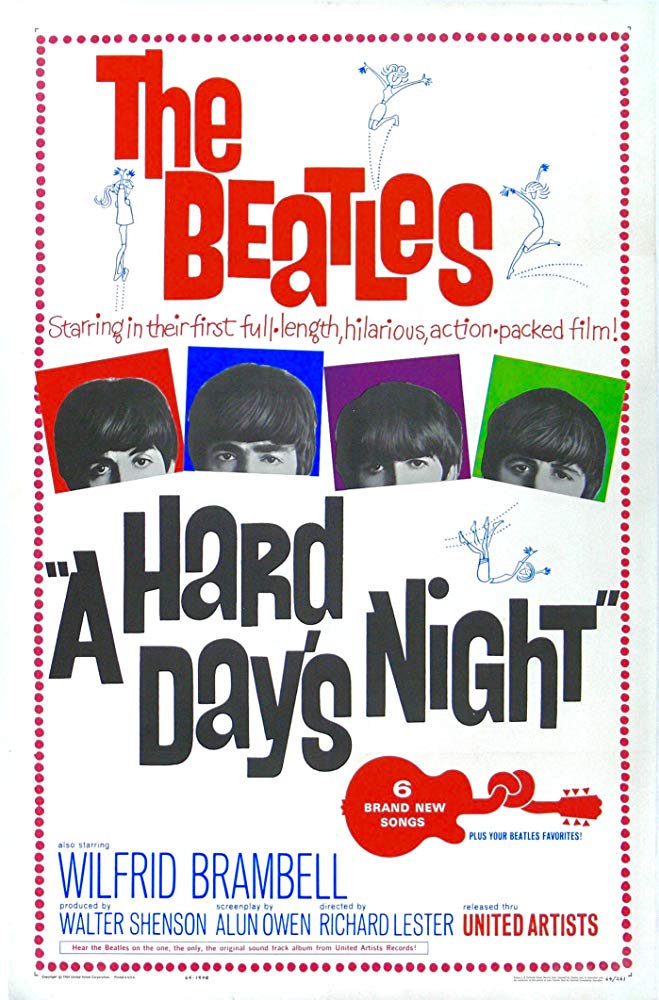
Peary accurately writes that this “treasure” by Richard Lester — giving an “impressionistic cinematic chronicle of a ‘typical’ 24 hours in the hectic lives of the Beatles” — is “a wonderful comedic-musical showcase for the talented foursome at its peak”. He notes that “the film’s infectious anarchical quality — as personified by the Beatles — was the result of Lester’s decision to combine his own style, as developed in live television and commercials, with the multifarious styles of filmmakers he admired” — including “Fellini, [Busby] Berkeley, Antonioni, Sennett, Chaplin, [and] Keaton”. He writes, “One scene will be abstract, the next absurd, the next realistic; [Lester] moves from fantasy to cinema verite” with “moments of slapstick, parody, satire, [and] outright silliness”. He credits “Alun Owen’s imaginative, semi-plotless script, full of non-sequiturs” as “the perfect vehicle for Lester’s mad method”.

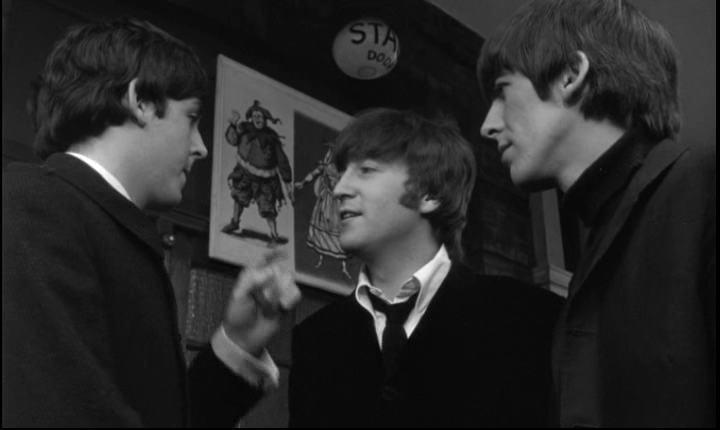
This cult classic does indeed remain a “treasure”, for all the reasons outlined in Peary’s review (he goes into further detail in his Cult Movies essay). As Peary notes, the film nicely shows that despite the boys’ silliness and “vices”, they “are neither lazy nor irresponsible”; while they’re not presented as “heroic or wise figures”, “they’re to be admired… because of their professional attitude toward their music.” Importantly, they “like their fans, though the adoration befuddles them” — and “their loyalty to one another has less to do with friendship than with each being aware that only three other people in the world know what they’re going through as the only sane people in a Beatles-crazy world… Over and over again, when the pressures of living in a fishbowl get them down, they pick up their instruments and, quickly, they’re smiling again”, singing classics such as “I Should Have Known Better”, “If I Fell”, “And I Love Her”, “I’m Happy Just to Dance With You”, “Tell Me Why”, and “She Loves You”.

There are numerous elements to enjoy about A Hard Day’s Night, and countless memorable scenes; as Roger Ebert noted, this movie “has not aged and is not dated; it stands outside its time, its genre and even rock. It is one of the great life-affirming landmarks of the movies.” The young Beatles’ infectious enthusiasm for life and music — those smiles! — is the biggest draw by far, but I also love the sly supporting performances (particularly by Brambell and Spinetti); the “mod” sets; the consistently creative camera moves and angles; and the wonderful subplot provided to “poor Ringo”, who gets to be the star for once in his career. Also classic, of course, are the many shots of screaming fans, both those running tirelessly after the Beatles wherever they go, and those attending the concert; I especially appreciated noting this time around how many male fans are in the audience. (Phil Collins — who narrated an engaging 1995 documentary about the making of the film entitled You Can’t Do That! — points out he was an audience member himself.)

Redeeming Qualities and Moments:

  • Infectiously fun and natural performances by all four of the Beatles

  • Fine supporting roles

  • Countless memorable songs and moments


  • Creative set designs

  • The closing credits

Must See?
Yes, as an enduring cult classic. Nominated as one of the Best Movies of the Year in Peary’s Alternate Oscars.

Categories

  • Cult Movie
  • Genuine Classic

(Listed in 1001 Movies You Must See Before You Die)

Links:

Jazz Singer, The (1927)

Jazz Singer, The (1927)

“Wait a minute, wait a minute — you ain’t heard nothin’ yet!”

Synopsis:
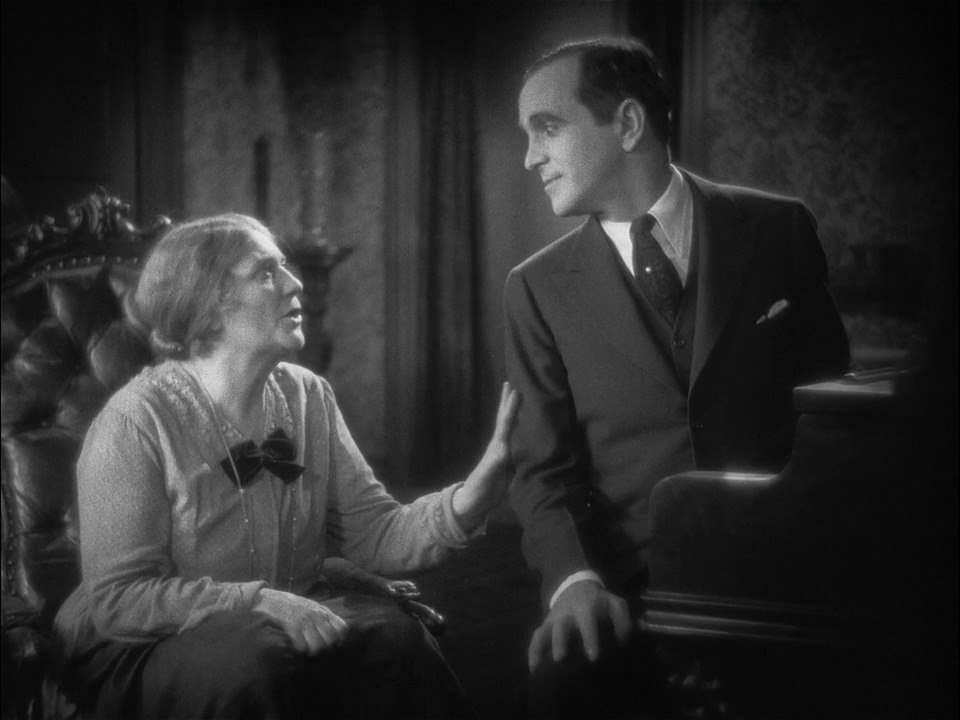
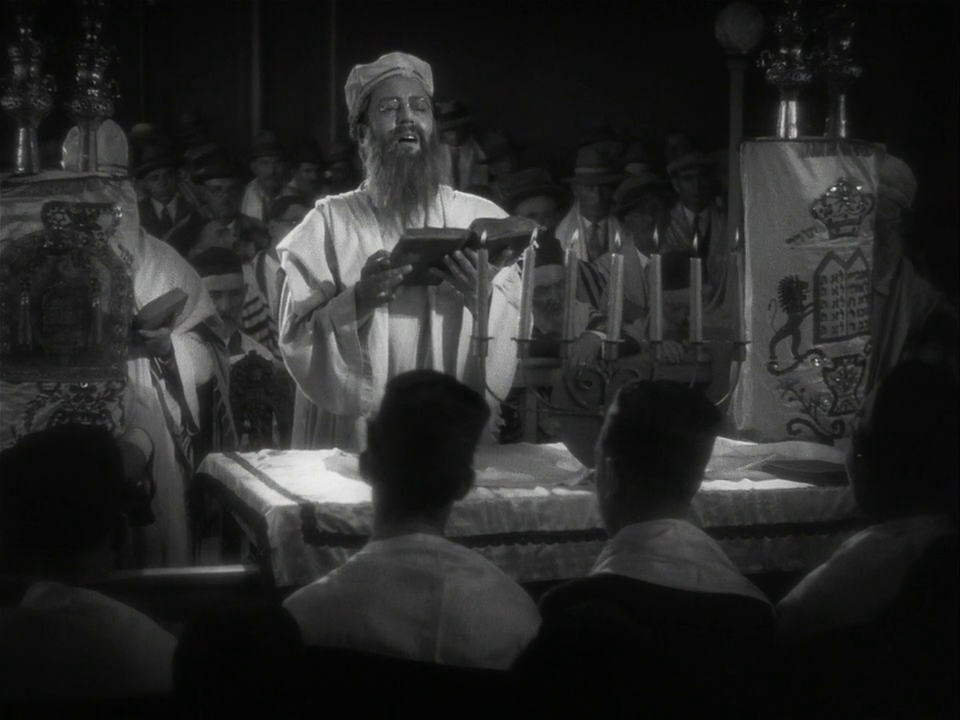
The son of a Jewish cantor (Warner Oland) rejects his upbringing in favor of making a name for himself on Broadway, and falls in love with a beautiful dancer (May McAvoy). However, when his beloved mother (Eugenie Besserer) begs him to return to the bedside of his dying father and sing in a High Holy Days service, he faces a renewed conflict between family, faith, and his career.

Genres, Themes, Actors, and Directors:

  • Al Jolson Films
  • Father and Child
  • Jews
  • Musicals
  • Singers

Response to Peary’s Review:
Peary refers to this historically (in)famous film as “the first talkie, although most of the words we hear are the lyrics to Al Jolson’s songs”, but this description isn’t technically correct: as Tim Dirks writes for his FilmSite review, “Although it was not the first Vitaphone (sound-on-disk) feature, it was the first feature-length Hollywood ‘talkie’ film in which spoken dialogue was used as part of the dramatic action.” Peary goes on to say that the “picture looks like it has been drained of energy by [a] vampire or is dying of old age”, but that it remains “more than a curiosity” given Jolson’s “dynamic performances” singing “‘Mammy’, ‘Toot Toot Tootsie’, and other standards”. He asserts that Jolson’s singing has “not dated at all” (!) — weirdly ignoring any mention of Jolson’s blackface performances, or the fact that his earnest singing style will most likely no longer appeal to many viewers. Young film fanatics should watch The Jazz Singer for its cinematic relevance vis-a-vis the incorporation of sound on film, but also be sure to educate themselves on the toxic history of blackface in our nation.

Note: Check out the following video clip for more details on how this early talkie played a part in movie sound history:

Redeeming Qualities and Moments:

  • Historically impressive sound synchronization

Must See?
Yes, once, for its historical value.

Categories

(Listed in 1001 Movies You Must See Before You Die)

Links:

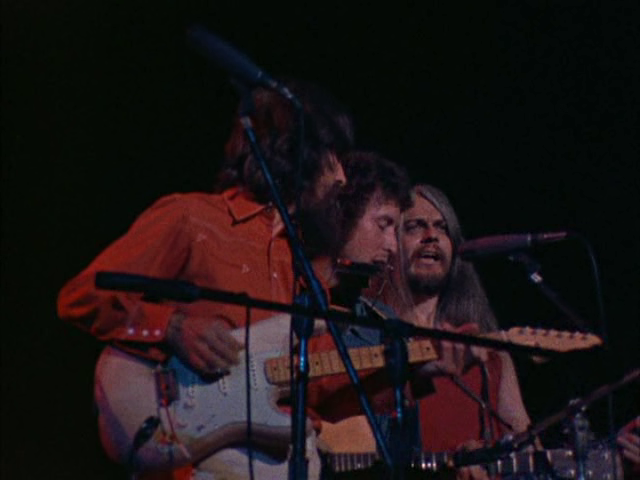
Concert for Bangladesh (1972)

Concert for Bangladesh (1972)

“It just happens to be Pakistan now, as far as I can see — it happens to be that which we’re doing the benefit for. It’s a particularly bad situation there, but it does happen all the time — this is happening everywhere.”

Synopsis:
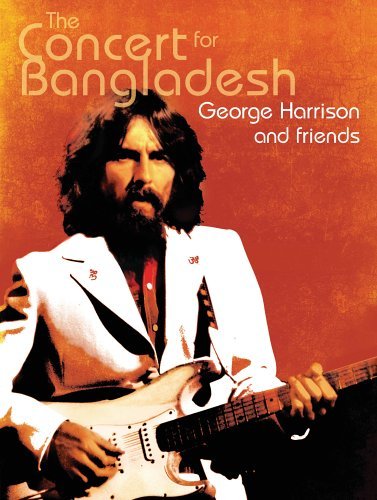
Ravi Shankar and George Harrison host a concert at Madison Square Garden on behalf of refugees from Bangladesh, with appearances by Bob Dylan, Billy Preston, Leon Russell, Ringo Starr, and others.

Genres, Themes, Actors, and Directors:

  • Concert Films
  • Refugees
  • Ringo Starr Films

Response to Peary’s Review:
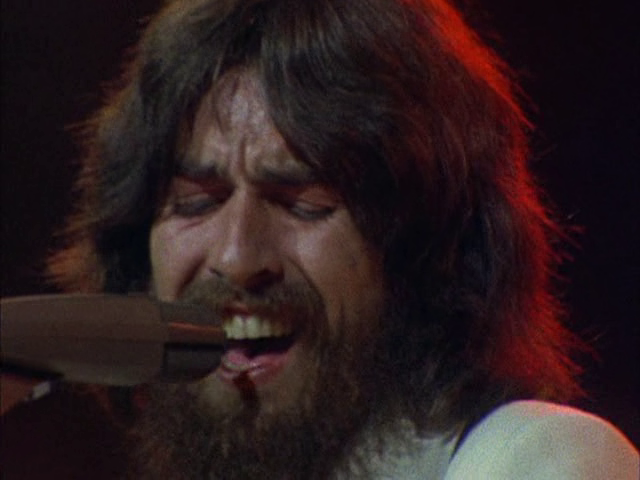
Peary writes that this “fine rock-concert film which many people forget exists” — likely because it’s so hard to find these days! — “documents the twin benefit concerts held on August 1, 1971, for the the United Nations Children’s Fund for the Relief to the Refugee Children of Bangladesh”, which was the idea of “the Beatles’ George Harrison and Indian musician Ravi Shankar”. Peary asserts that “watching it on home video is quite suitable”, especially since “that way you can fast-forward through Shankar’s opening set” (!!!) — a sentiment I’m in complete disagreement with; Shankar’s perforance is my favorite portion of the concert. Peary argues that Harrison, who “sings several Beatles songs and his biggest solo hits”, “has charisma as a solo performer”, and that “certainly the highlight is the appearance of Bob Dylan, who does several solos and an exciting chorus with Harrison and [Leon] Russell”. Again, I’m not in agreement with Peary’s assessment of Dylan, though it’s fun regardless to see so many big-name musicians of the era up on stage performing together. This remains a fairly straightforward concert film, without much fanfare or post-production work; its primary claim to fame is being the first such large-scale concert held to raise money for, and awareness of, global human rights issues.

Redeeming Qualities and Moments:

  • Ravi Shankar’s opening raga
  • George Harrison’s quietly charismatic presence
  • A fine example of diverse artists coming together to make music for a worthy cause

Must See?
No, but it’s certainly worth a look for historical purposes if you can find a copy.

Links:

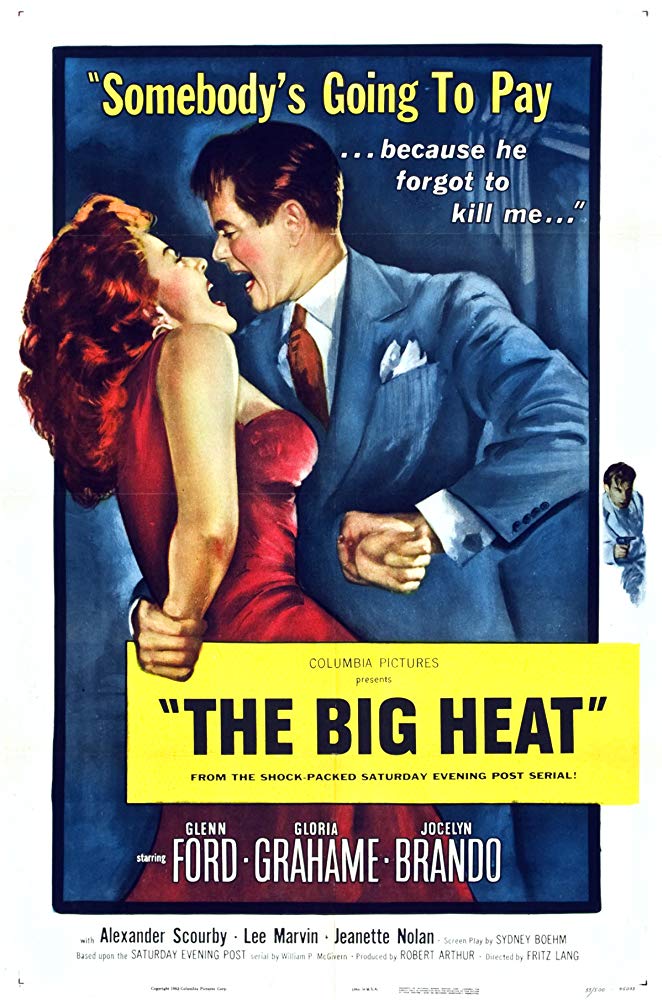
Big Heat, The (1953)

Big Heat, The (1953)

“This is my home, and I don’t like dirt tracked into it.”

Synopsis:
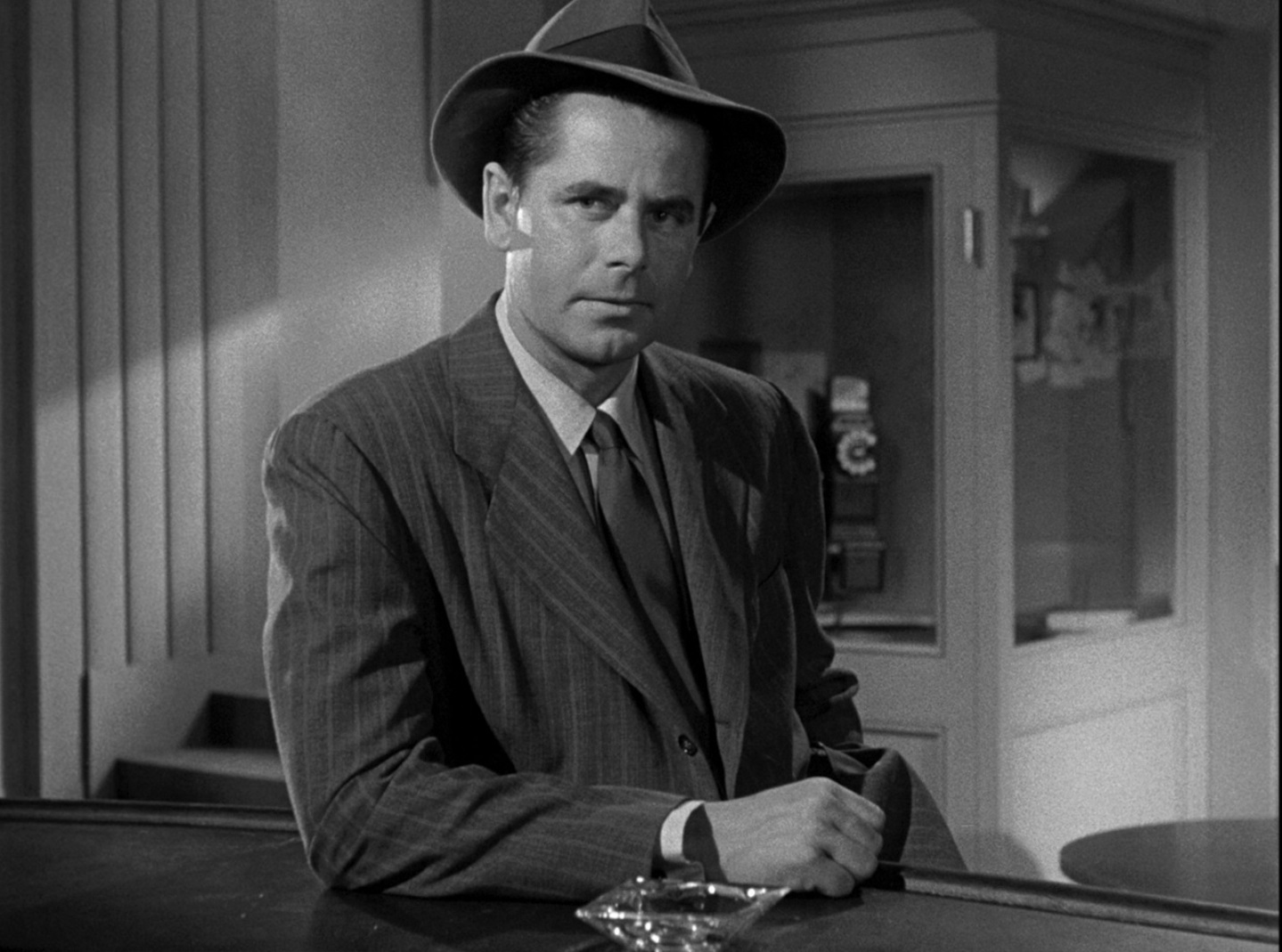
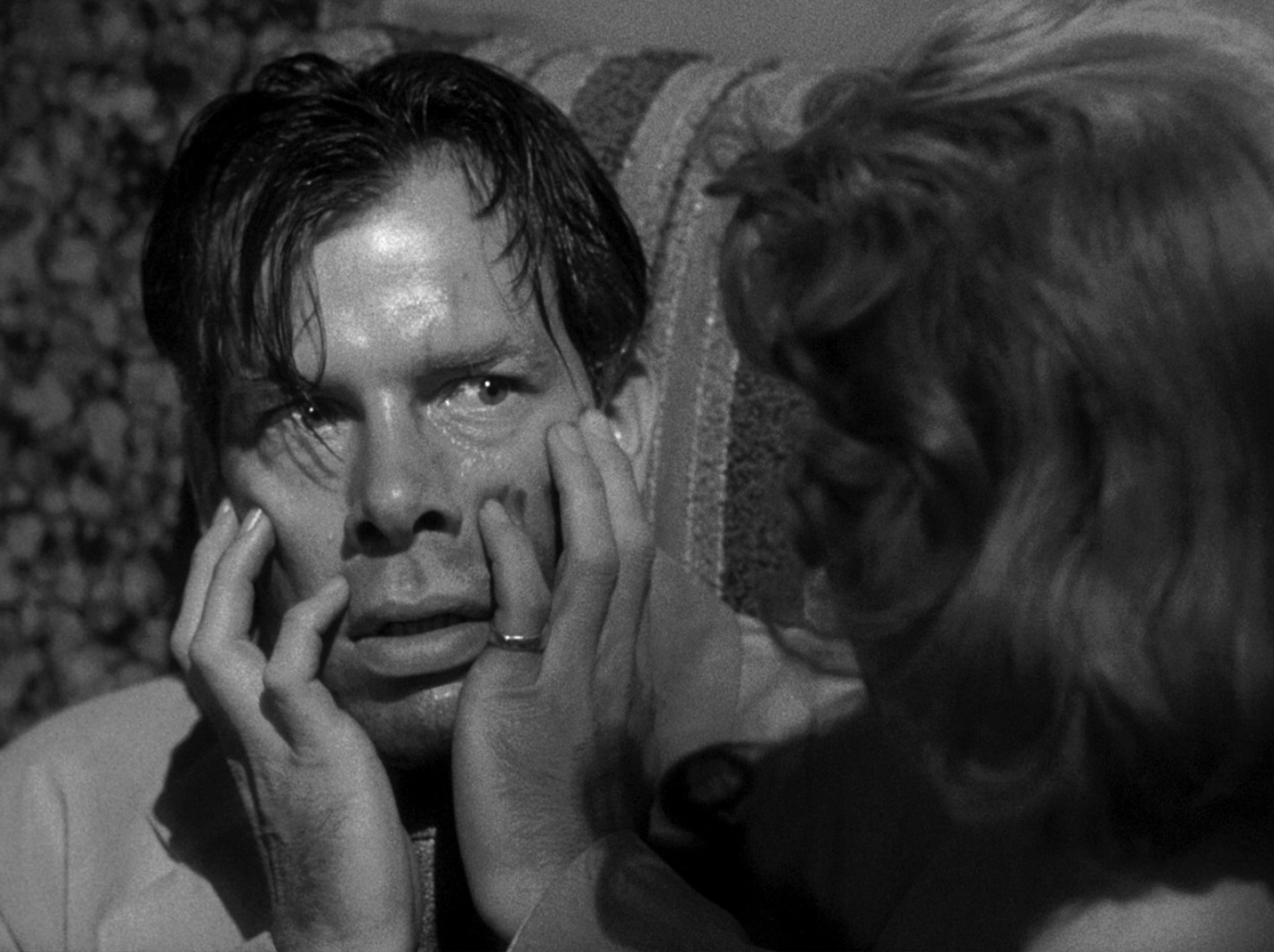
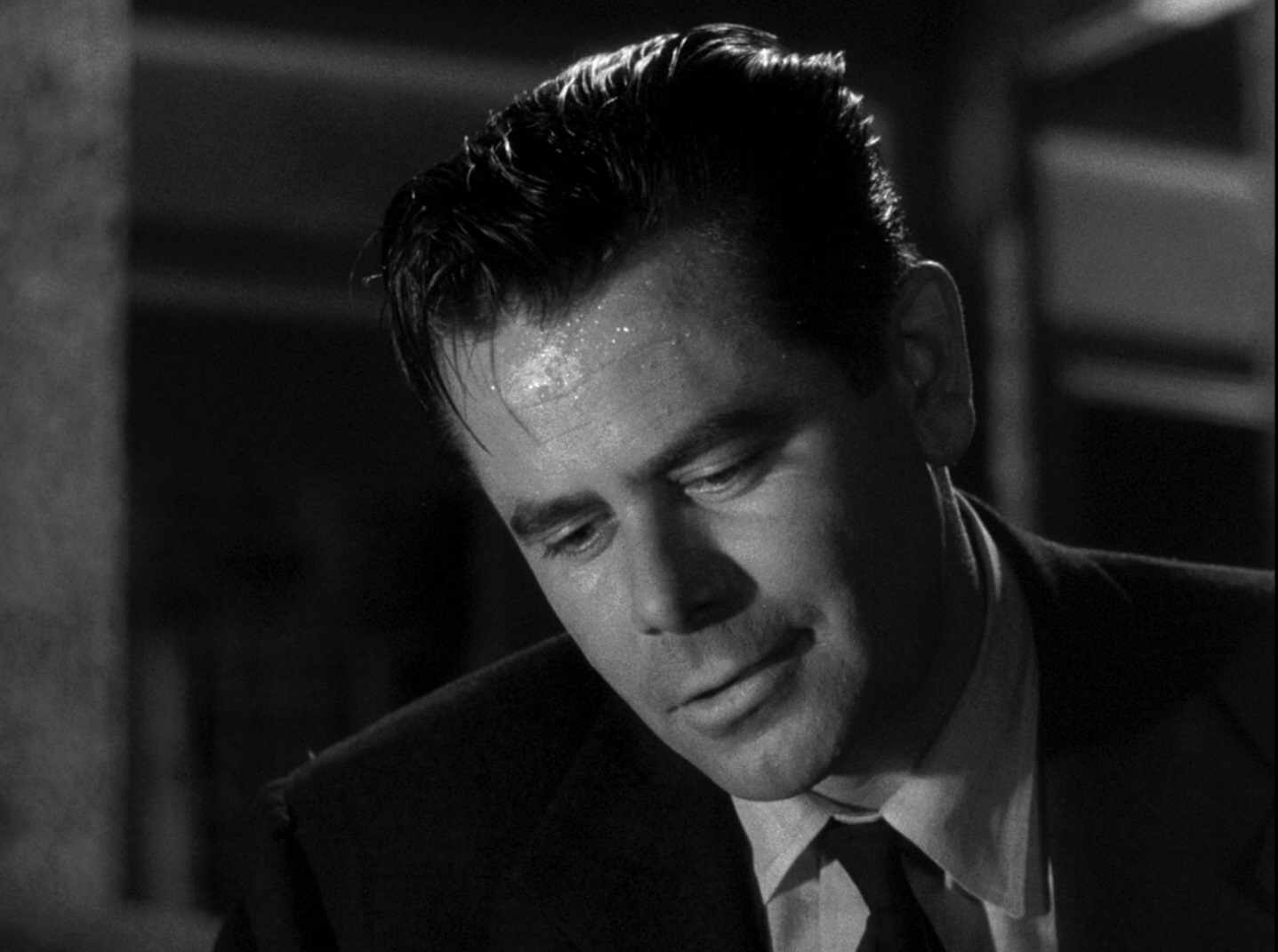
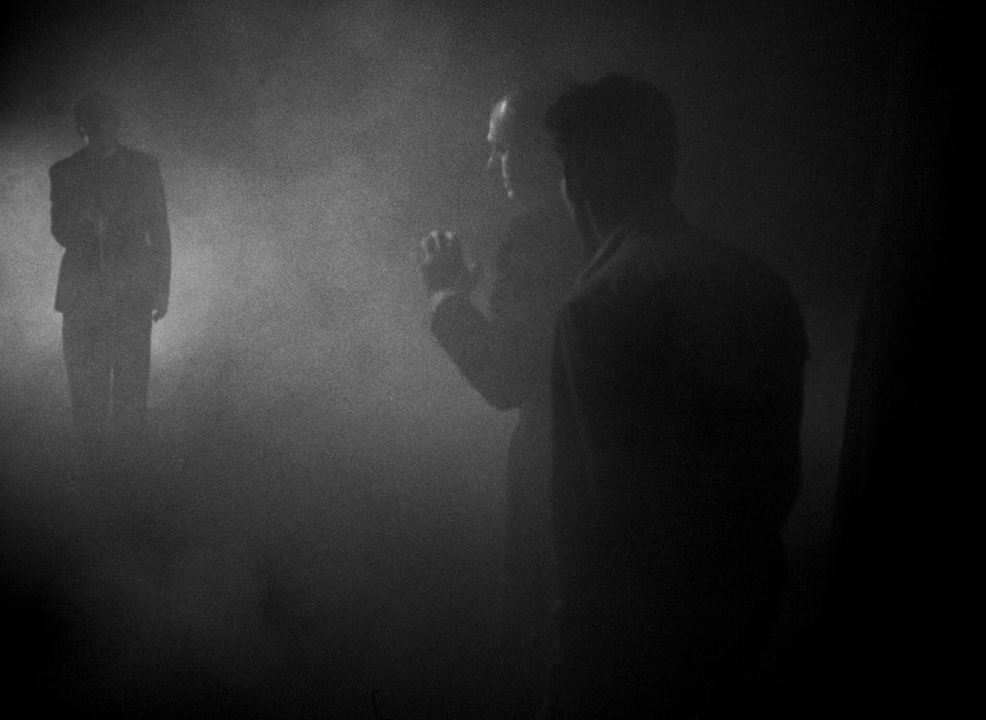
When a policeman commits suicide, his wife (Jeanette Nolan) immediately calls local crime lord Mike Lagana (Alexander Scourby) and shares that his suicide note contains damning evidence of political collusion. Meanwhile, a detective (Glenn Ford) with a loving wife (Jocelyn Brando) and young daughter (Linda Bennett) talks with a bargirl (Dorothy Green) who claims the dead policeman was her lover and had no intention of killing himself. Bennett is found murdered later that evening — but when Ford is told by his superior (Willis Bouchey) to lay low on the case, he becomes increasingly suspicious and confronts Lagana in his house, duking it out with Lagana’s bodyguard (Chris Alcaide). Tragedy soon strikes Ford’s own home and he turns into a haunted man, determined to solve the case and becoming ever-more-entwined with the life of a moll (Gloria Grahame) whose thuggish boyfriend (Lee Marvin) works for Lagana.

Genres, Themes, Actors, and Directors:

  • Carolyn Jones Films
  • Corruption
  • Detectives and Private Eyes
  • Fritz Lang Films
  • Gangsters
  • Glenn Ford Films
  • Gloria Grahame Films
  • Lee Marvin Films
  • Political Corruption
  • Revenge

Response to Peary’s Review:
Peary writes that this “terrific Fritz Lang film” — “briskly paced, moodily photographed by Charles B. Lang, [and] brilliantly scripted by Sydney Boehm from William P. McGivern’s novel” — is “a truly exciting, political film, brimming with clever twists, sparkling touches, offbeat characters, and even scenes of genuine tenderness.” He notes that it “links hard-hitting expose films of the fifties with forties film noir,” adding that “while it coolly surveys the all-inclusive political/police corruption, it is equally concerned with the corruption of a decent man’s soul.” He writes that “among other noir elements are pervading pessimism, ferocious violence, a hero who makes one vital mistake from which there is little chance of recovery — he underestimates his opposition as much as they do him — and the intertwining traits of fatalism and paranoia”. Peary adds that “Lang sets up his usual bottomless pit over which his men must walk a tightrope”, noting that “Ford finds his allies are the least likely people in town: other people who have nothing to lose, including Gloria Grahame, who was the girlfriend of Scourby’s righthand man, Lee Marvin, until he became angry because she spoke to Ford and he disfigured her pretty face with hot coffee”. (Indeed, this shockingly brutal scene is the film’s most infamous one — though many may forget it’s “revisited” later to satisfying effect.)

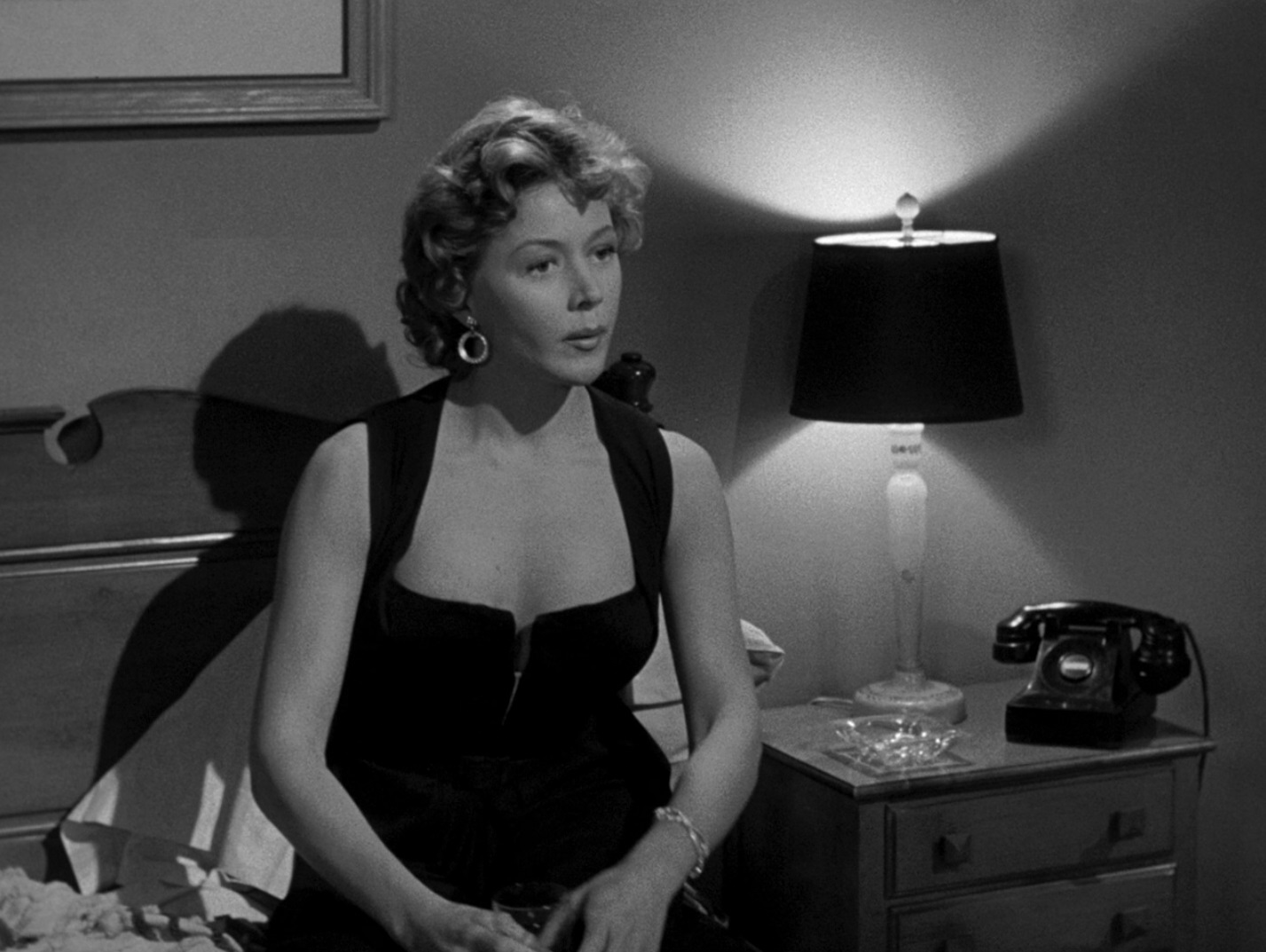
To that end, as Peary writes, Grahame “does the dirty work before Ford gets a chance”, and “her charitable act purges Ford of his consuming hatred and reestablishes his faith in people.” Peary goes into greater detail about Grahame’s performance in Alternate Oscars, where he names her Best Actress of the Year and refers to her as “a great, underrated actress who was at her peak”: she had recently made a moderate impression in both A Woman’s Secret (1949) and In a Lovely Place (1950), and won a Best Supporting Actress the year before for her work in The Bad and the Beautiful (1952) in addition to co-starring in Macao (1952), Sudden Fear (1952), and The Greatest Show on Earth (1952). Peary writes that her character in The Big Heat “is one of her many sensuous, flirtatious women who are unhappy with their lives, and feel they are unworthy of the men they fall for” (i.e., James Stewart in It’s a Wonderful Life). While “she’s too good to be stuck with the brutal Vince [Marvin]”, “until she meets Bannion [Ford] she believes that he is typical of all men”, not realizing until later that “she deserves better”.

In GFTFF, Peary adds that The Big Heat is “much about territorial imperative. Notice how all the characters regard their homes or work establishments as their power bases; how the richer the home, the more corrupt its owner…; how when one person enters or merely telephones the home of an enemy, it is tantamount to an act of aggression…” He notes that “this is a vigilante film with a difference — the hero learns that going outside the law is not only wrong but the first step to becoming as bad as the enemy”. Indeed, Ford’s determined yet foolhearty actions during the film’s first half hour leave a decidedly bitter taste in one’s mouth, given the domestic tranquility we know he’s putting at risk; how can he be so dumb? It’s easier for me to contextualize this film (as noted in Peary’s Cult Movies 2 essay) within German-born Lang’s broader oeuvre of movies about characters who “have the misfortune to live in a preordained world” where “if they make the wrong decision, take the wrong fork in the road, or end up at the wrong place at the wrong time, they risk falling into a bottomless pit, a nightmare world where they have no control over their futures” — as is the case for Spencer Tracy in Fury (1936) and Henry Fonda in You Only Live Once (1937), both also starring a man “who seems to be constantly looking over his shoulder”. As Peary writes, “Dave Bannion [Ford] is a prime candidate for falling into fate’s trap”, given that “he also acts impulsively… rather than considering the possible consequences for himself and his family. It pays to be cautious in Lang’s world.”

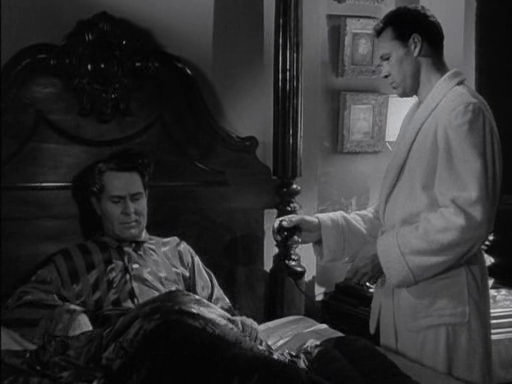
Note: Little to no mention is made by critics of the opening scene, when Lagana’s male employee emerges on screen in a white terry-cloth robe to hand the phone to his sleeping boss — this, combined with lack of physical evidence of a wife, and the presence of numerous hunky young bodyguards, implies Lagano’s sexual preferences without highlighting them.

Redeeming Qualities and Moments:

  • Gloria Grahame as Debby
  • Glenn Ford as Dave Bannion
  • Excellent supporting performances throughout
  • Fine direction and cinematography
  • Sydney Boehm’s hard-hitting script (with much credit to William P. McGivern’s source novel)

Must See?
Yes, most definitely. Nominated as one of the Best Pictures of the Year in Alternate Oscars.

Categories

  • Genuine Classic

(Listed in 1001 Movies You Must See Before You Die)

Links:

China Syndrome, The (1979)

China Syndrome, The (1979)

“There is no conspiracy, there is no cover-up.”

Synopsis:
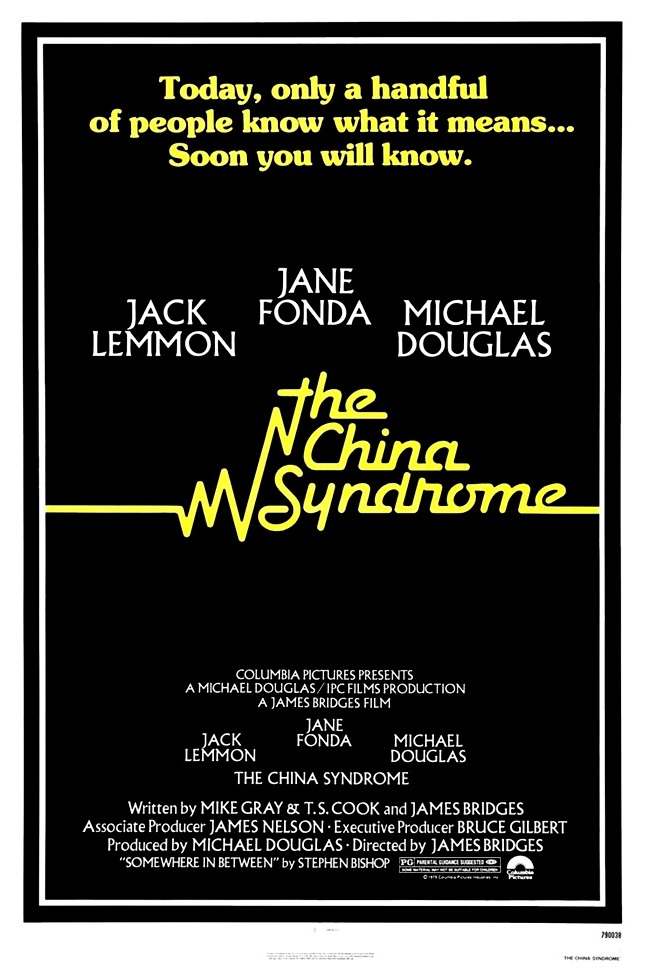
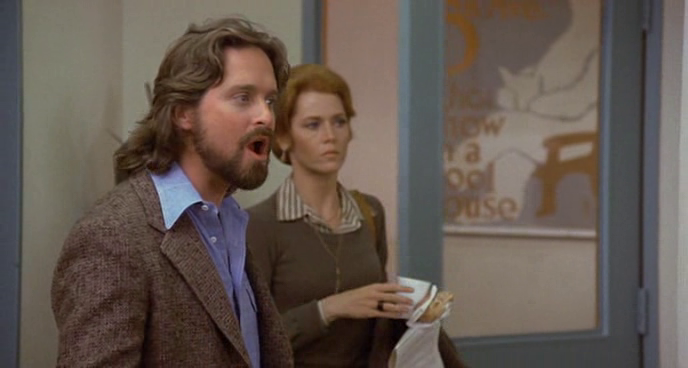
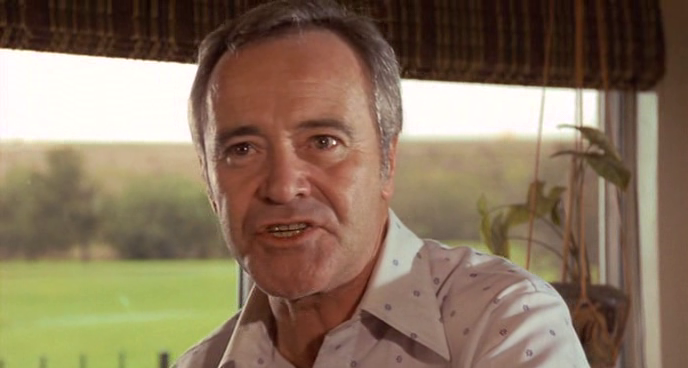
A TV journalist (Jane Fonda) and her cameraman (Michael Douglas) discover that all is not well at a local nuclear power plant. While it’s clear the plant supervisor (Jack Lemmon) is alarmed by an accident that’s taken place, he’s hesitant to speak out given warnings by his boss (Scott Brady) — but Fonda and Douglas are determined to unearth and expose the truth.

Genres, Themes, Actors, and Directors:

  • Amateur Sleuths
  • Corruption
  • Jack Lemmon Films
  • James Bridges Films
  • Jane Fonda Films
  • Journalists
  • Michael Douglas Films
  • Nuclear Threat
  • Strong Females

Response to Peary’s Review:
Peary writes that this “cautionary film about the possibilities of a meltdown at a nuclear plant” — featuring “sharp direction by James Bridges” — “achieved tremendous box office success not only because of its quality and the integrity of the filmmakers and stars, but also because the accident at Three Mile Island happened just when the picture was released”. Peary argues that “Lemmon’s performance is too mannered, and [the] film’s ending (outside the plant) doesn’t have Fonda or anyone else making the necessary strong statements (it’s as if the filmmakers backed off)” — both opinions I disagree with. Lemmon’s performance is as strong as ever, fully grounding his “side” of the story, and I find the ending eerily opaque. Peary does write that “otherwise this is a sold film, proof you can make an exciting movie that has political relevance” — though he once again quibbles that “it would have made a stronger antinuclear statement if the plant were unsafe despite meeting NRC [Nuclear Regulatory Commission] standards”. He adds that “Fonda has one of her best roles, another of her smart but naive women who break out of a secure world and risk looking foolish to learn what’s going on.” I also appreciate Douglas’s small but vital role as a determined videographer who secretly films the nuclear plant accident despite being told not to (his actions remind one of modern-day phone-cam users recording pivotal interactions on the sly), and who will stop at nothing to make the evidence available.

Redeeming Qualities and Moments:

  • Jane Fonda as Kimberly Wells
  • Michael Douglas as Richard Adams
  • Jack Lemmon as Jack Godell

Must See?
Yes, as a still-compelling story and for the fine performances.

Categories

  • Noteworthy Performance(s)

Links:

Rio Grande (1950)

Rio Grande (1950)

“To my only rival — the United States Cavalry.”

Synopsis:
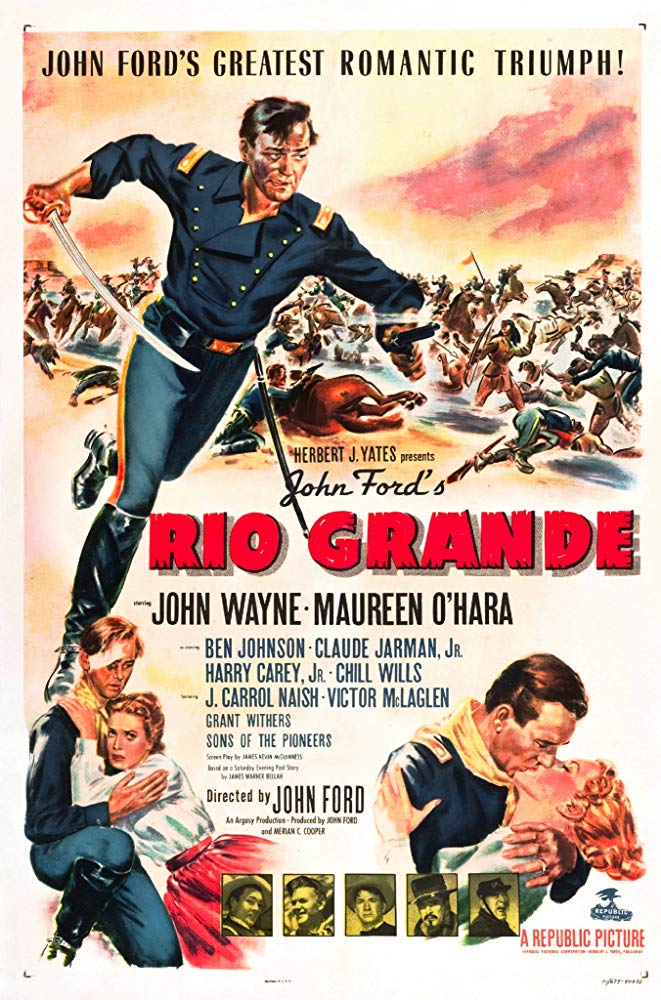
A cavalry officer (John Wayne) placed on the Texas frontier to defend the state against Apache attack is distressed to see his son (Claude Jarman, Jr.) — recently denied entry to West Point — showing up as a recruit. Trooper Jeff (Jarman, Jr.) is followed by Wayne’s estranged wife (Maureen O’Hara), who has come to bring her son back home — but events quickly lead to both her brave men being needed on the front.

Genres, Themes, Actors, and Directors:

  • Ben Johnson Films
  • Cavalry
  • Father and Child
  • John Ford Films
  • John Wayne Films
  • Marital Problems
  • Maureen O’Hara Films
  • Native Americans
  • Victor McLaglen Films
  • Westerns

Review:
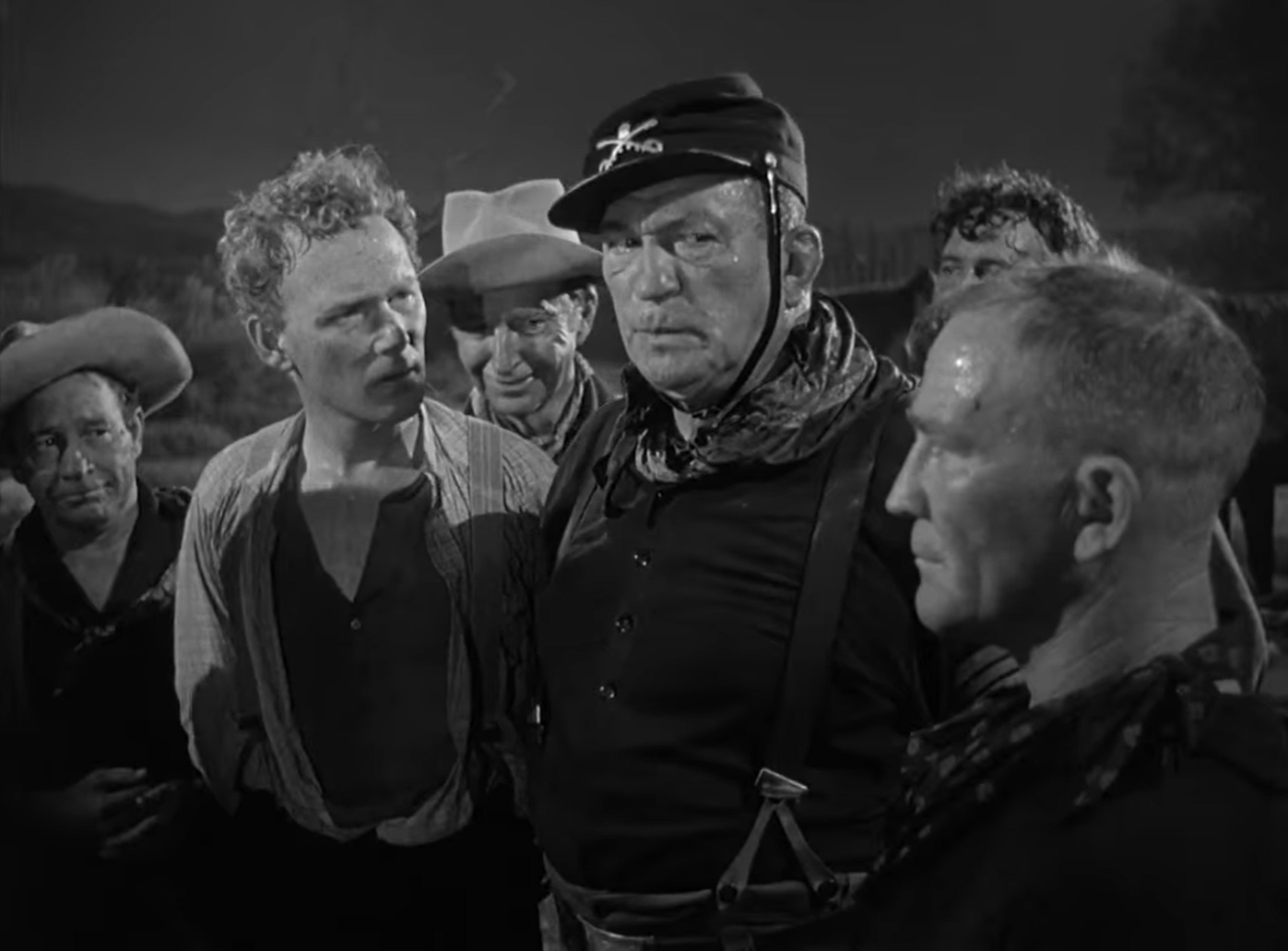
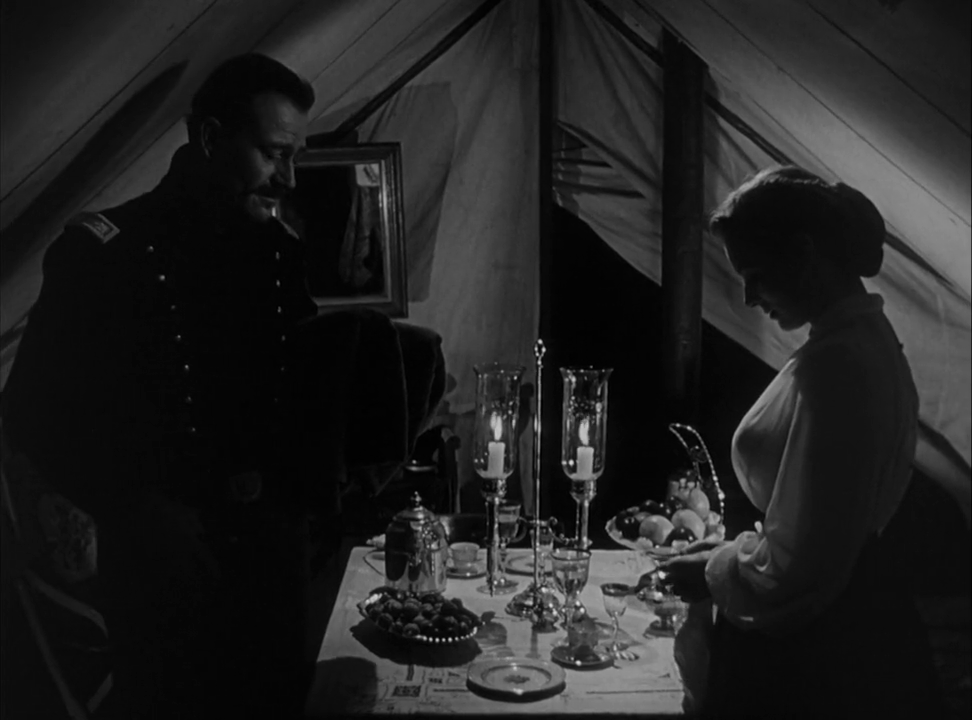
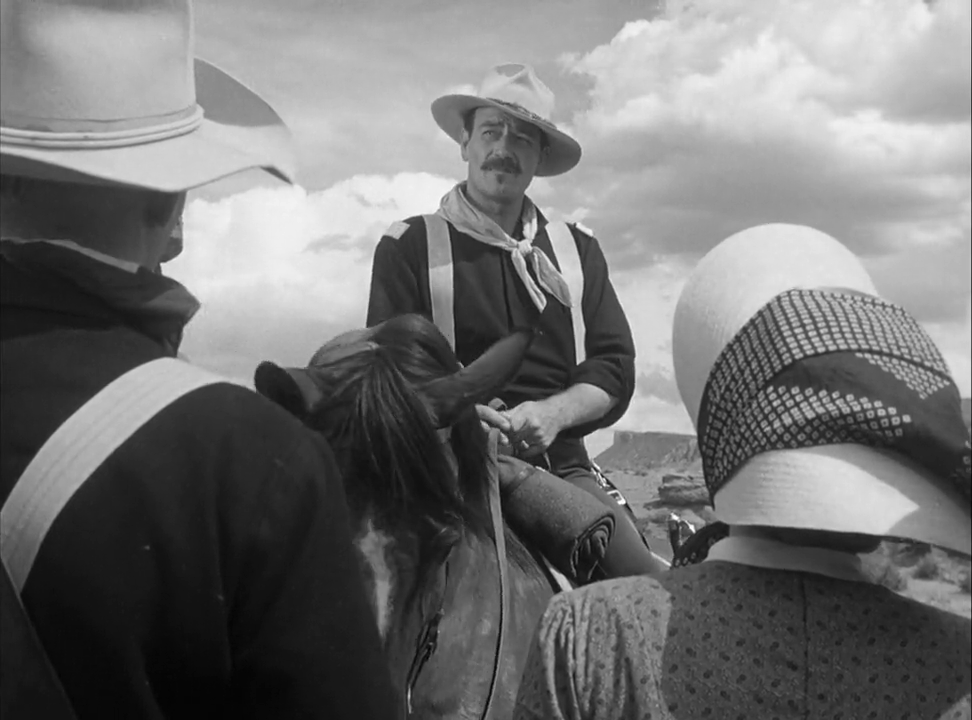
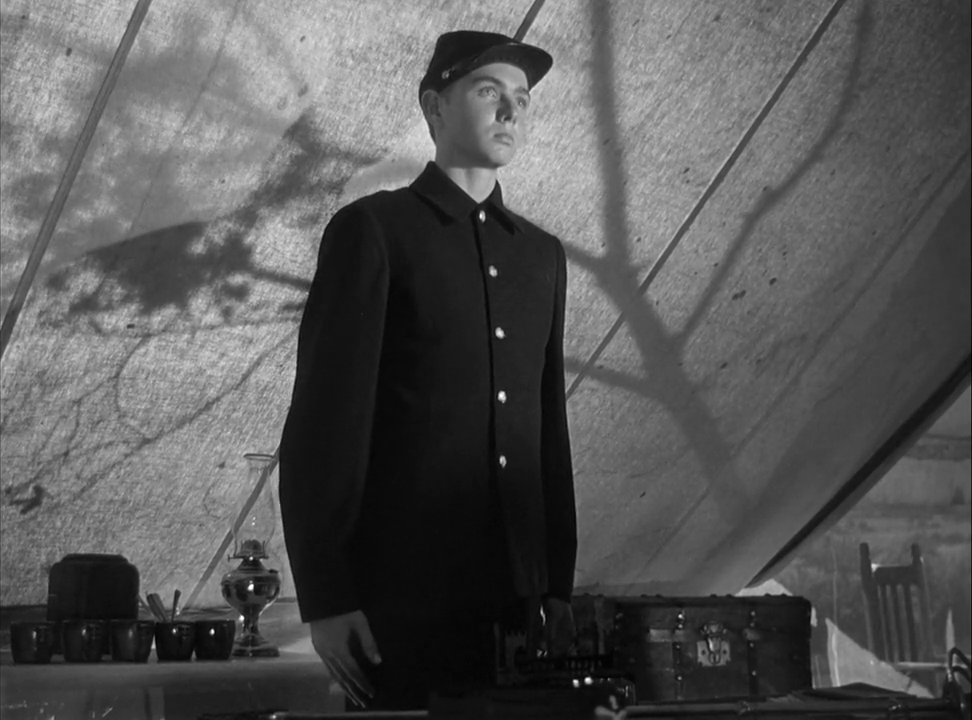
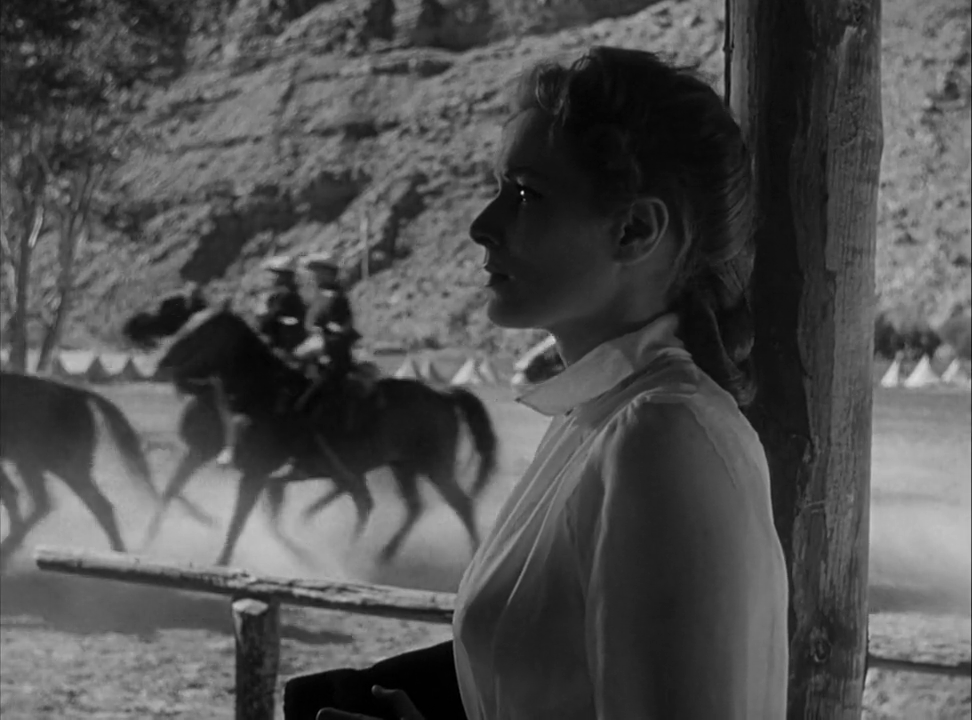
This third entry in John Ford’s unintentionally conceived “cavalry trio” — after Fort Apache (1948) and She Wore a Yellow Ribbon (1949) — features John Wayne and Maureen O’Hara in the first of their five on-screen pairings, followed most memorably by their rocky romance in The Quiet Man (1952). Things are already pretty contentious in this earlier film, however, with the craggy environment mirroring Wayne and O’Hara’s strained marriage — apparently caused by Wayne’s extreme commitment to his career, as well as the fact that a sergeant (Victor McLaglen):

… under Wayne’s command set torch to O’Hara’s property in Shenandoah during the Civil War (!?). None of this quite makes sense as a reason for the couple’s long-standing challenges, especially when it’s so obvious they really love each other:

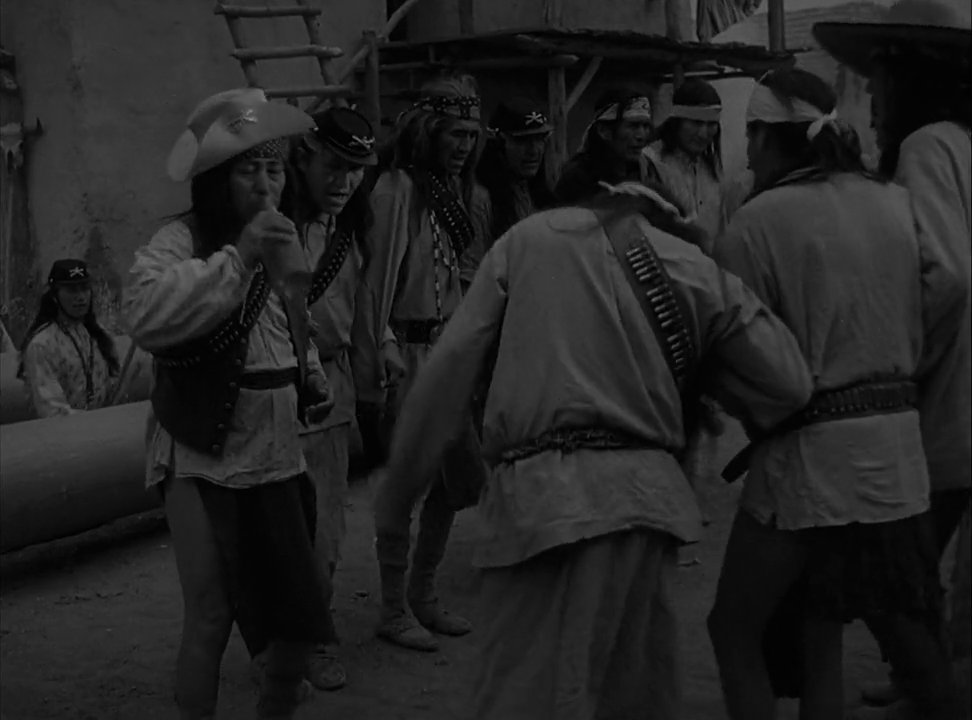
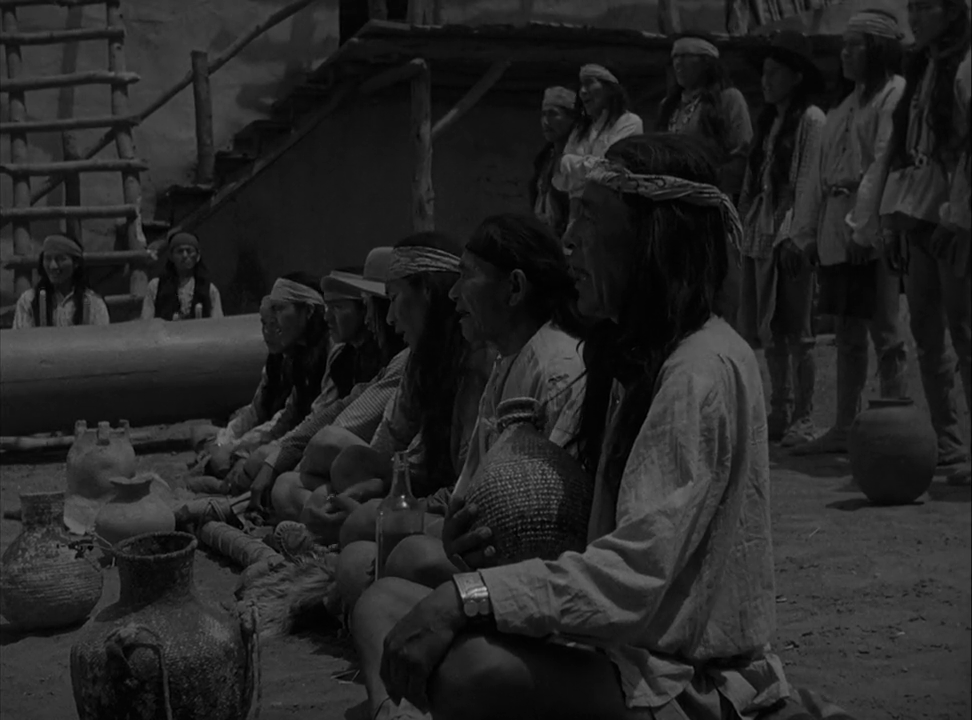
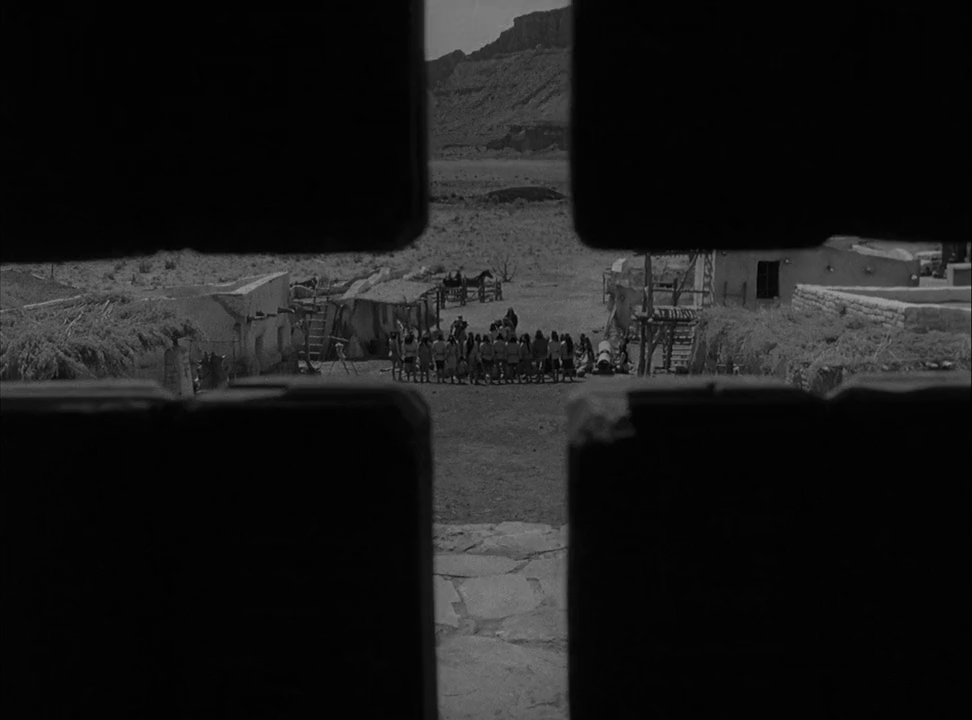
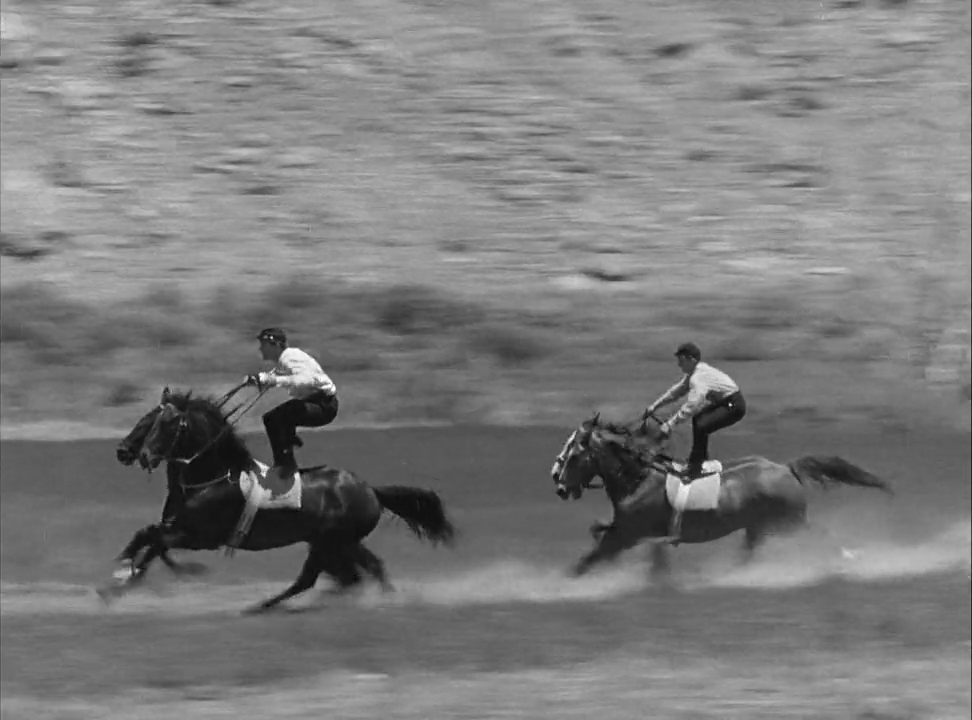
Indeed, the entire storyline feels like simply an excuse to show off some cool horsemanship moves and to regress into once again presenting Indians as faceless, alcoholic warriors ready to be killed off en masse.

The cinematography is gorgeous, though, especially in Blu-Ray.

Redeeming Qualities and Moments:

  • Maureen O’Hara as Kathleen (nominated as one of the Best Actresses of the Year in Peary’s Alternate Oscars)
  • John Wayne as Lieutenant Colonel Yorke
  • Bert Glennon’s cinematography


  • Fun footage of Cavalry horsemanship

Must See?
No; this one is only must-see for Ford completists.

(Listed in 1001 Movies You Must See Before You Die)

Links:

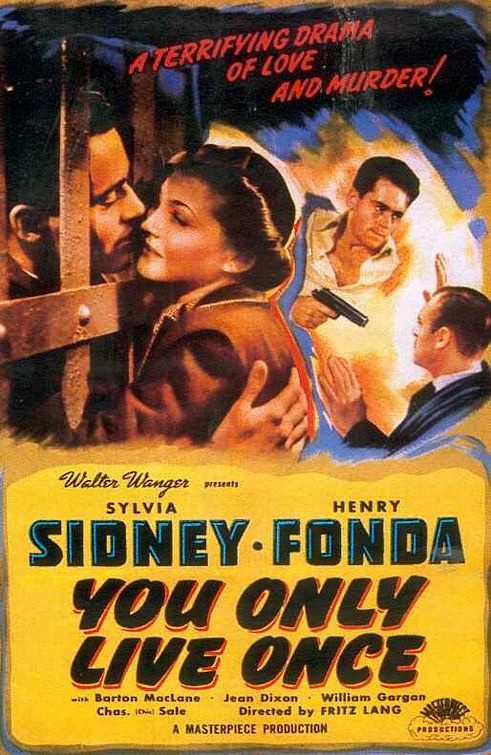
You Only Live Once (1937)

You Only Live Once (1937)

“There’s a lot more good in Eddie Taylor than most people think.”

Synopsis:
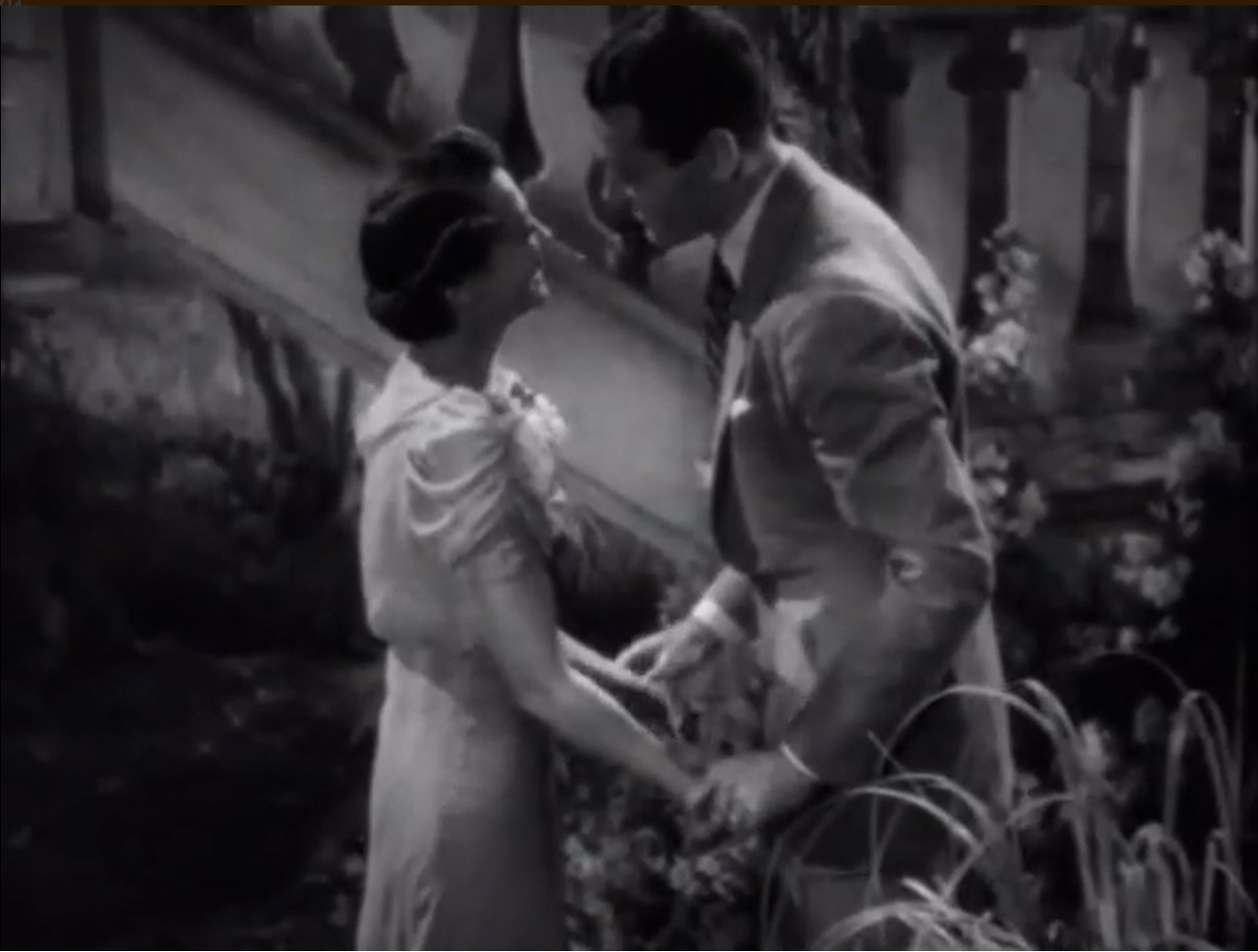
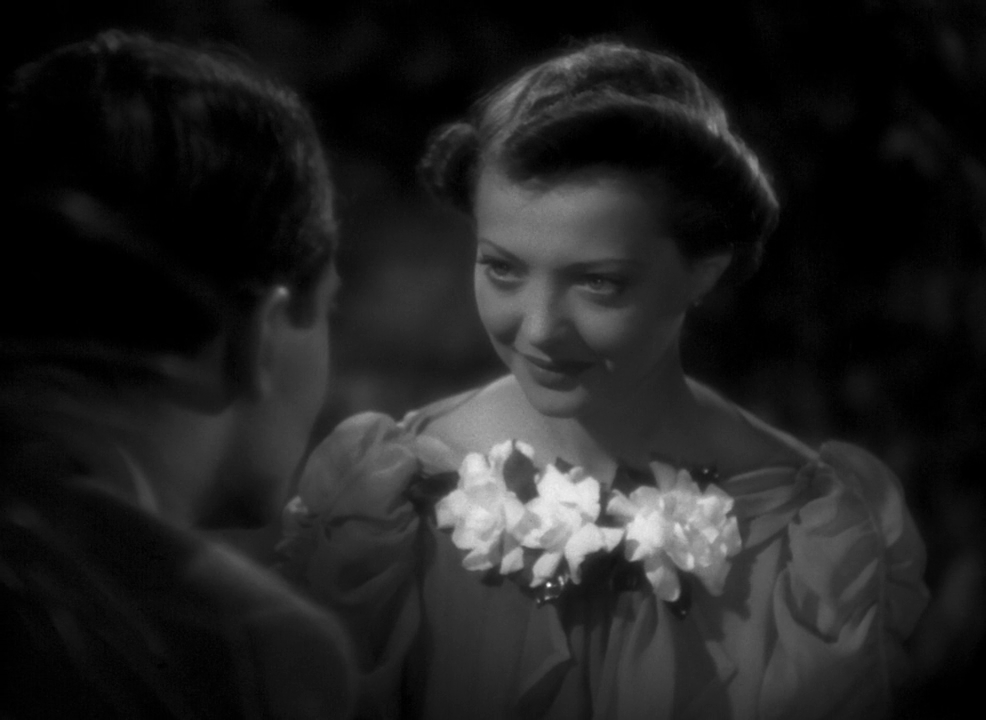
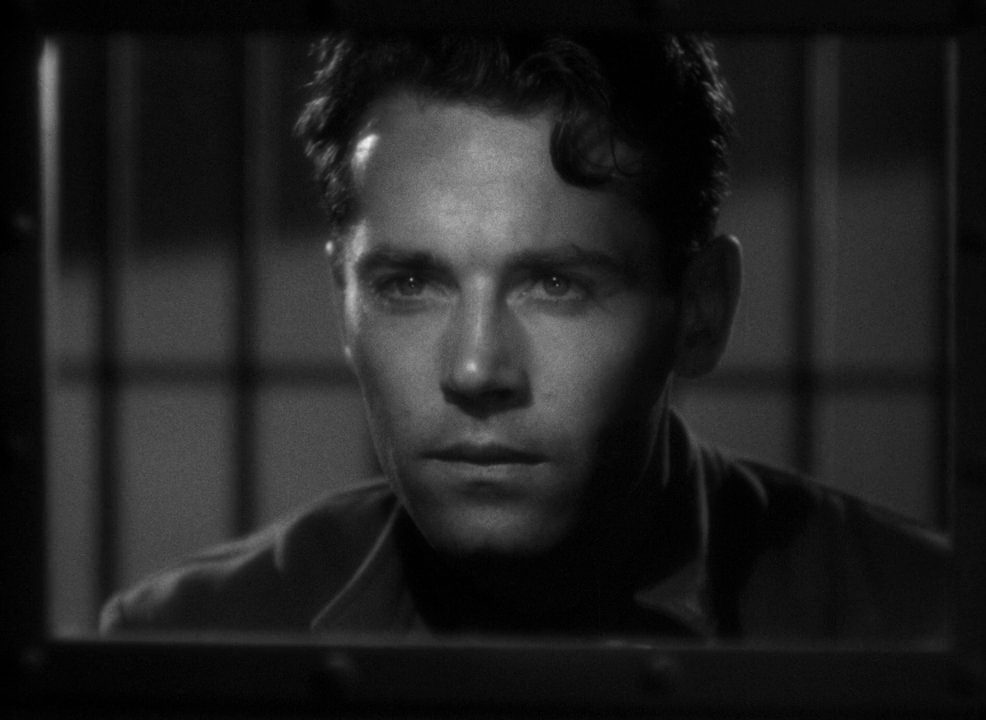
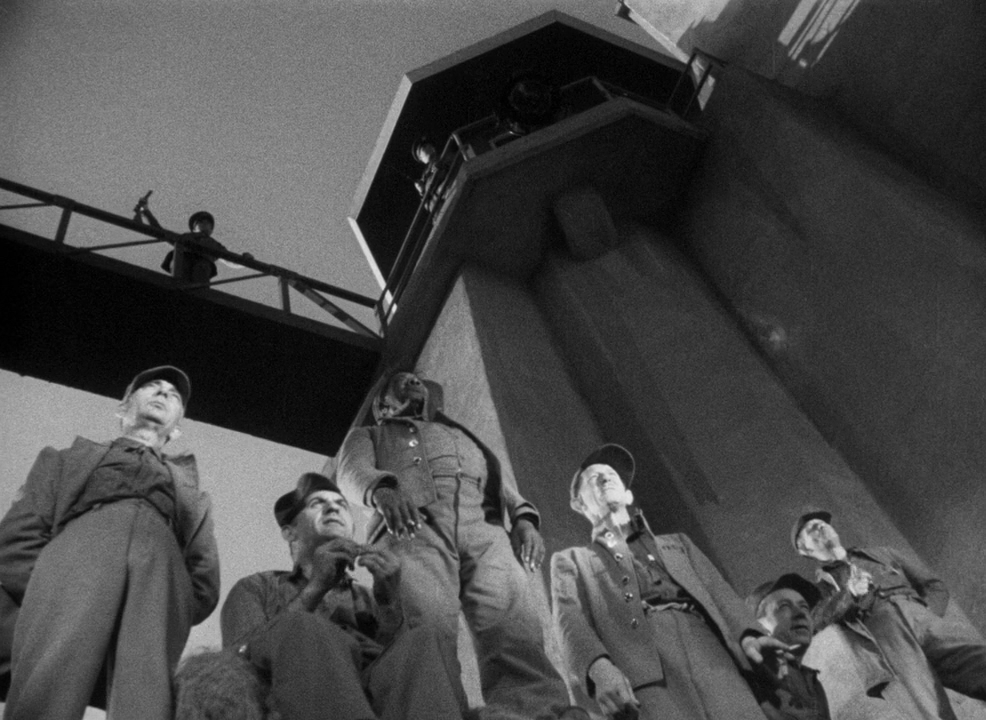
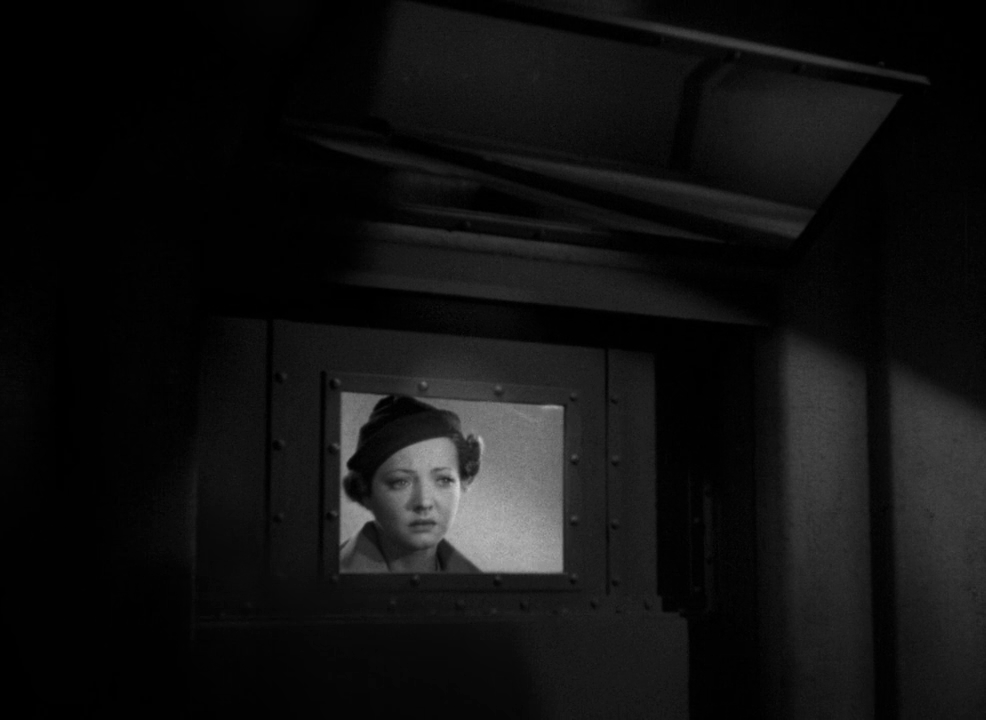
A recently released ex-con (Henry Fonda) marries his loyal sweetheart (Sylvia Sidney) and tries to go straight, but is foiled by a society that permanently rejects him. Soon he’s back in jail for a crime he didn’t commit, and begins to lose all hope — will his wife or a saintly priest (William Gargan) convince him to give a clean life one more chance?

Genres, Themes, Actors, and Directors:

  • Criminal Couples on the Run
  • Ex-Cons
  • Framed
  • Fritz Lang Films
  • Henry Fonda Films
  • “No One Believes Me!”
  • Star-Crossed Lovers
  • Sylvia Sidney Films

Response to Peary’s Review:
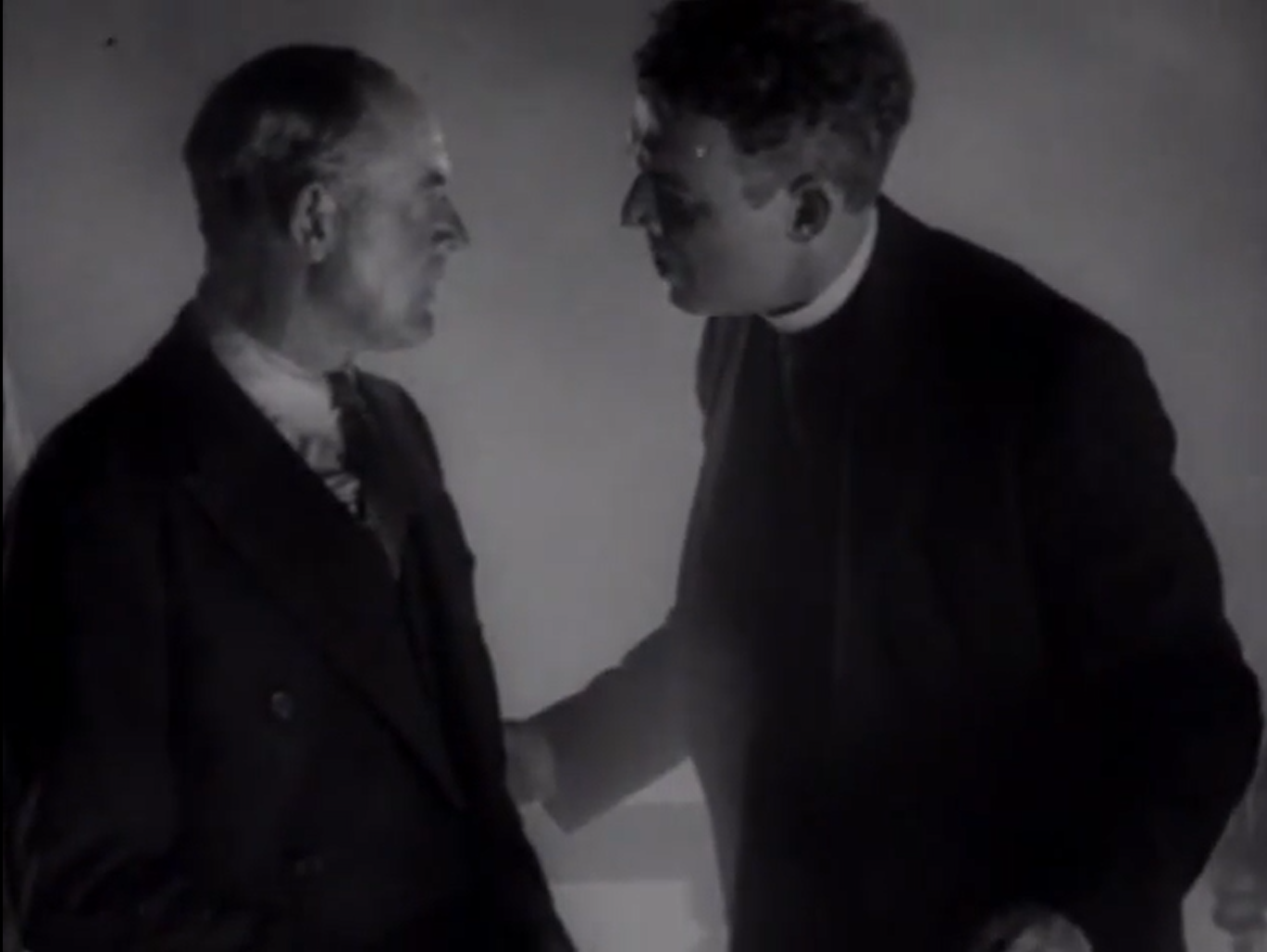
Peary writes that in “Fritz Lang’s second American film” — as in many of Lang’s movies — “the innocent are usually judged guilty”. He notes that while the film (inspired by Bonnie and Clyde) “is very bleak”, it’s “strongly acted (Fonda and Sidney play well together) and directed” — with “moody cinematography by Leon Shamroy” — and “it makes a powerful statement about American justice and the shabby treatment that people with no money or power must endure — they have no defense against the forces that take control of their lives.” He adds that “Lang makes it clear that his sympathies are with Fonda, and with Sidney, the only person to give an outcast a chance to prove good” — but this isn’t quite true, given the presence of both Gargan as a highly supportive priest:

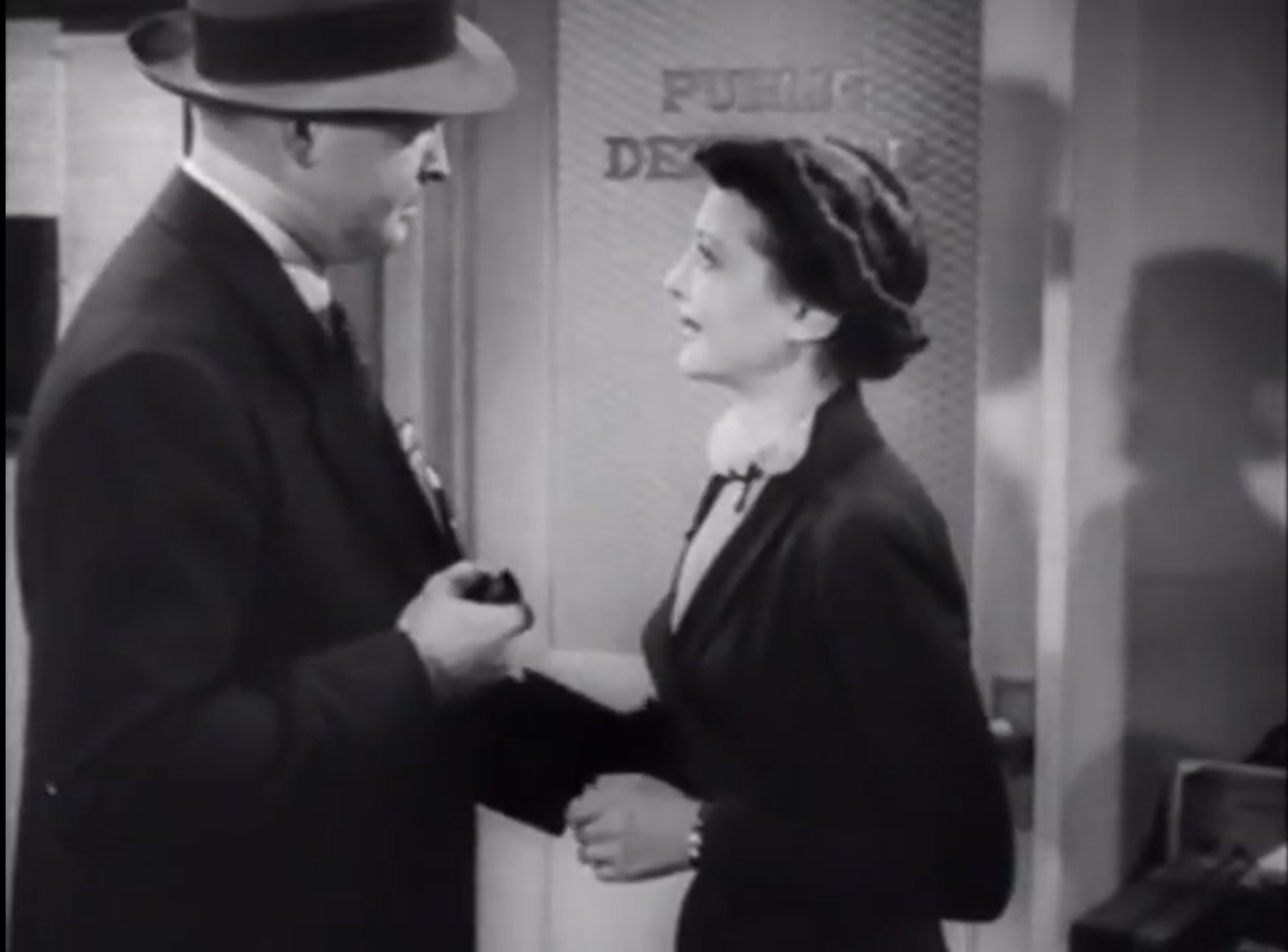
and Sidney’s surprisingly noble boss (Barton Maclane), who loves Sidney but is willing to help her out time and again on account of his sincere empathy for Fonda’s challenging past.

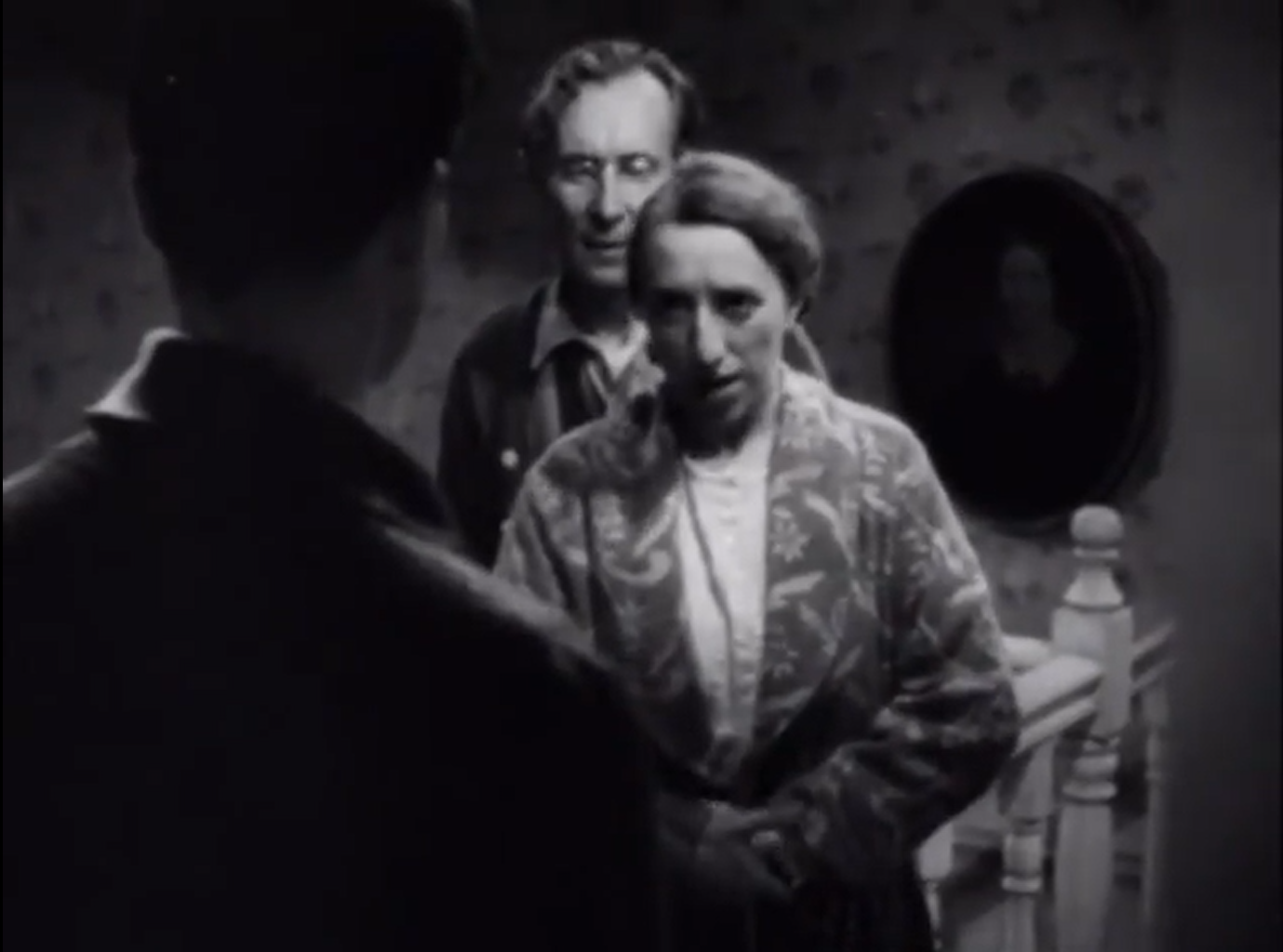
Personally, I find the film’s storyline a tad too overly simplistic. Would motel-owners (Charles ‘Chic’ Sale and Margaret Hamilton) really be so eager to kick out the doe-eyed newlyweds without cause?

Why would Fonda’s post-release boss (Guinn ‘Big Boy’ Williams) agree to hire him in the first place if he was so eager to fire him?

I know the film is meant to represent archetypical injustice in black-and-white, but we desperately wish both of the main characters would make smarter — rather than fatalistic and/or pre-determined — decisions. It doesn’t help that the “ending is overly sentimental and is Hollywood-style religious”. However, the movie is gorgeously made, and Fonda and Sidney are a convincing pair of star-struck lovebirds.

Lang fans won’t want to miss this one.

Redeeming Qualities and Moments:

  • Sylvia Sidney as Joan Taylor
  • Henry Fonda as Eddie Taylor
  • Leon Shamroy’s cinematography


Must See?
No, but it’s certainly recommended — and arguably could be considered must-see for its historical relevance as one of the earliest “couple on the run” noirs.

Links: