|
Genres:
- Blackmail
- Farley Granger Films
- Hitchcock Films
- Plot to Murder
- Robert Walker Films
- Ruth Roman Films
Response to Peary’s Review:
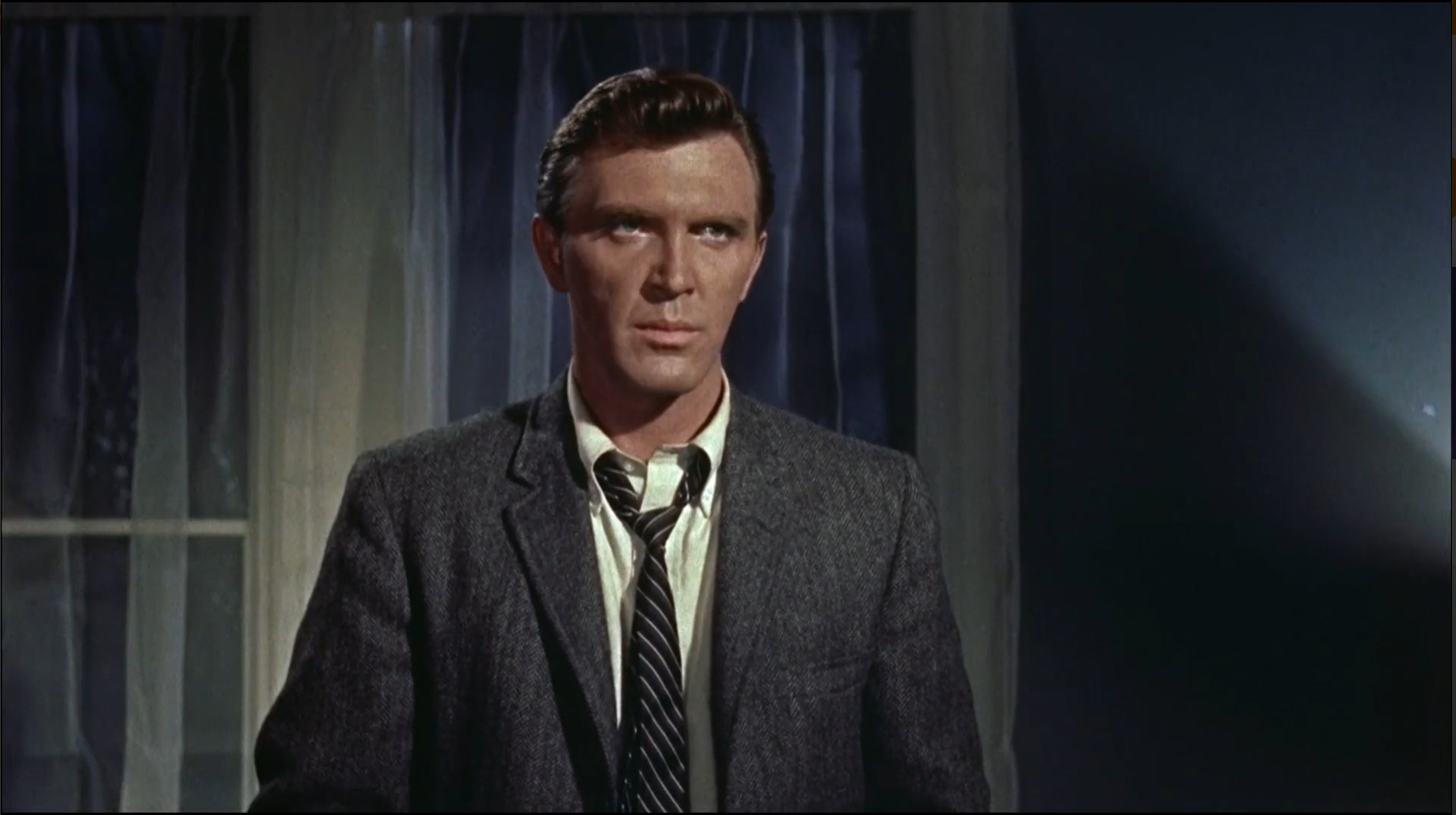
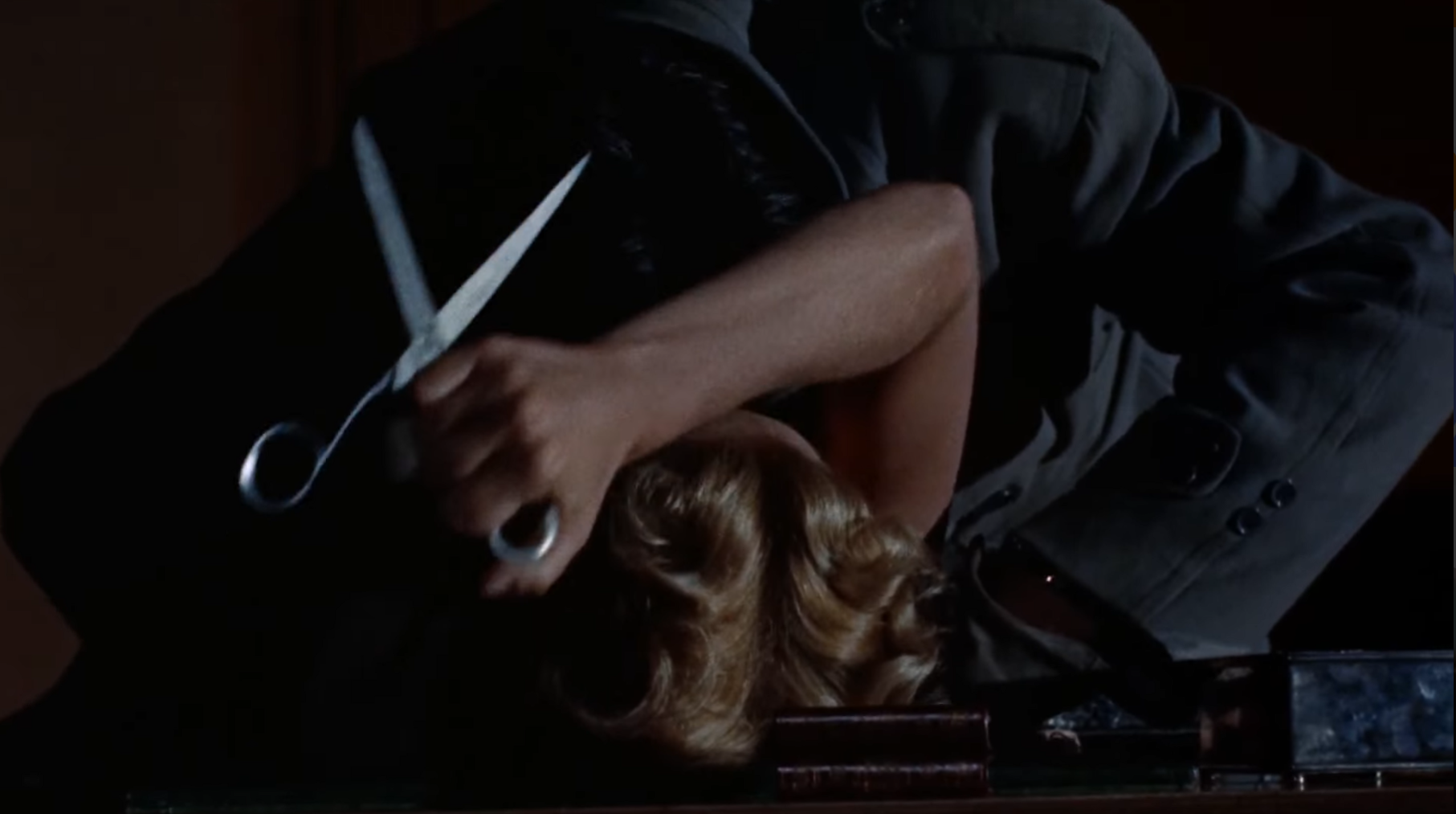
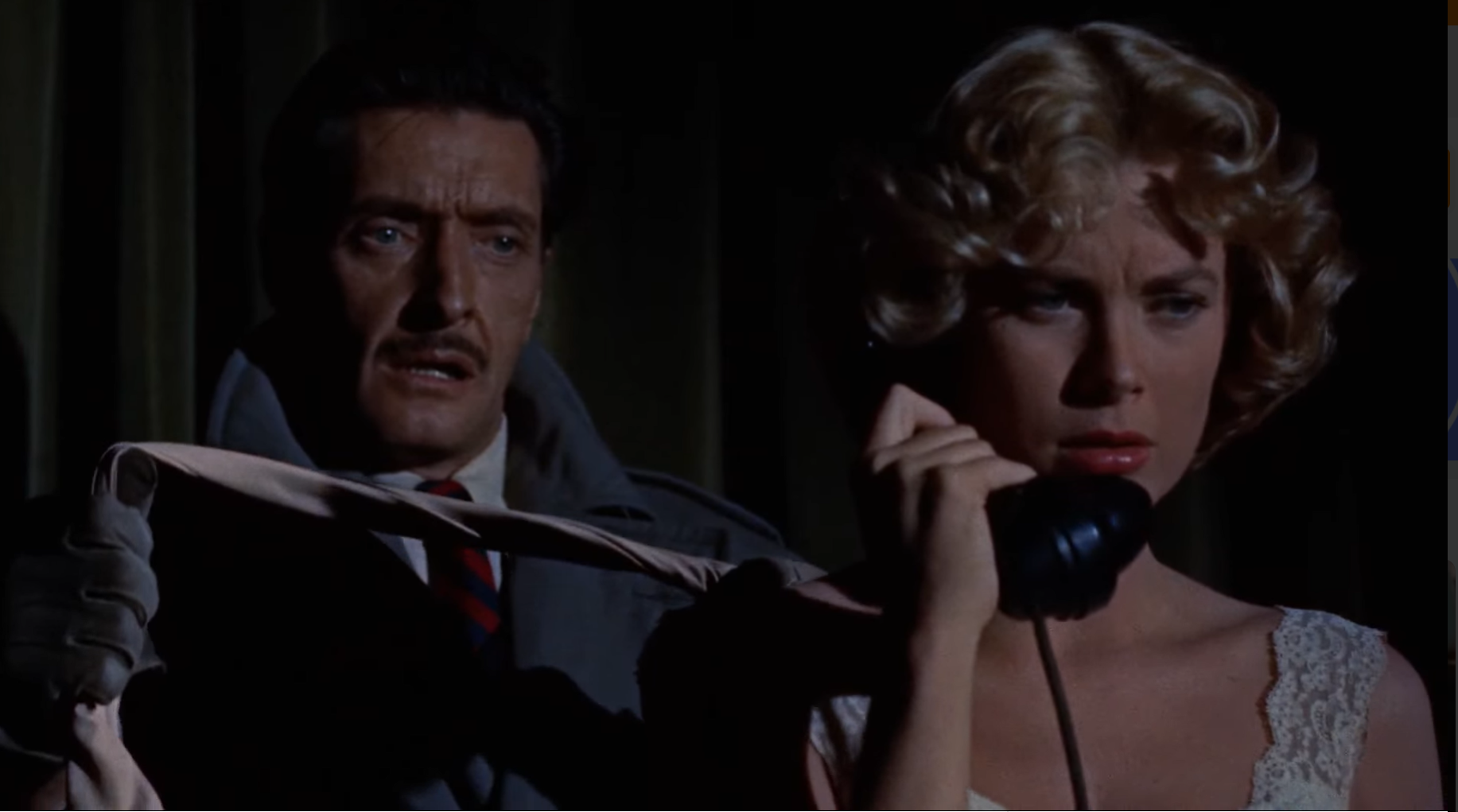
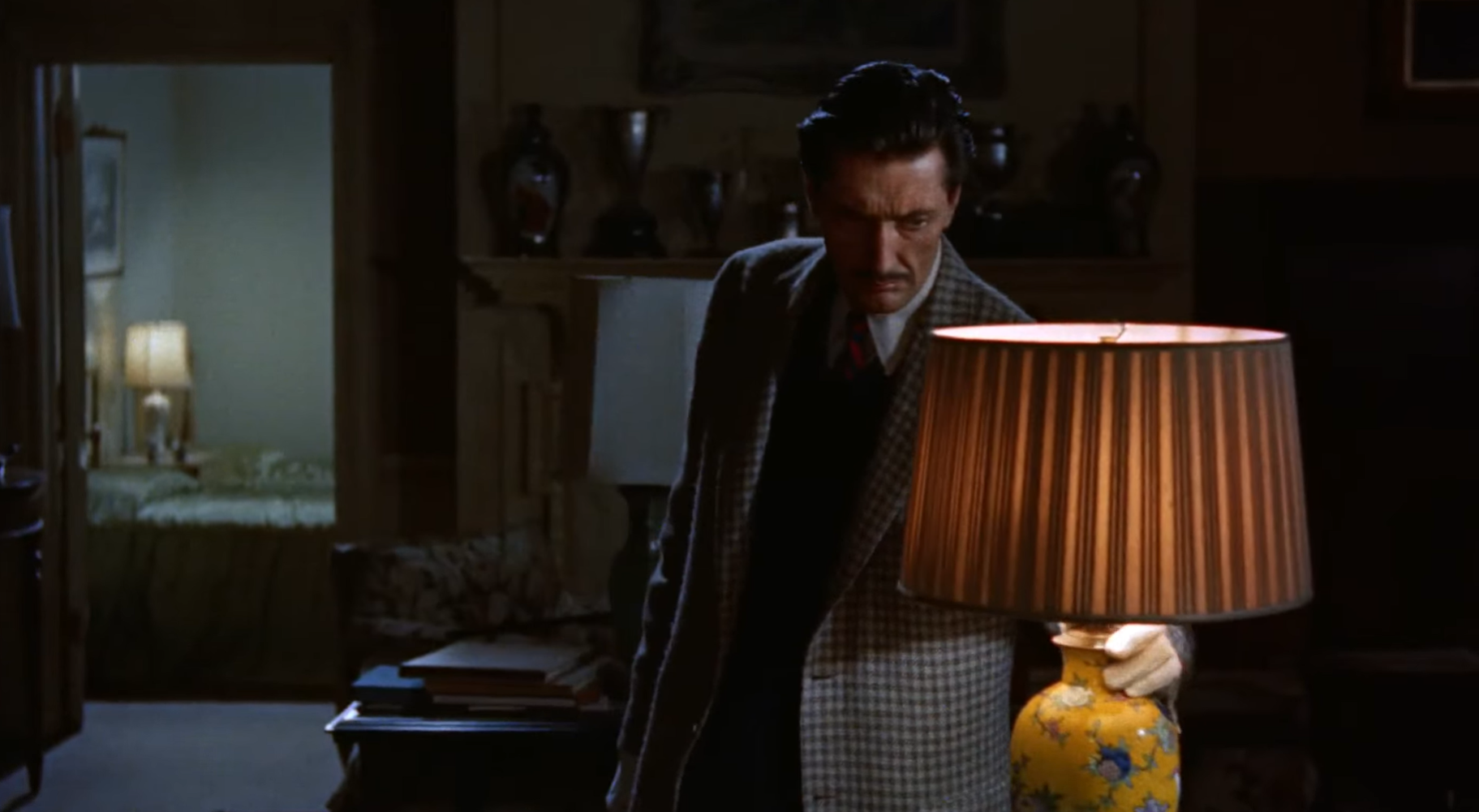
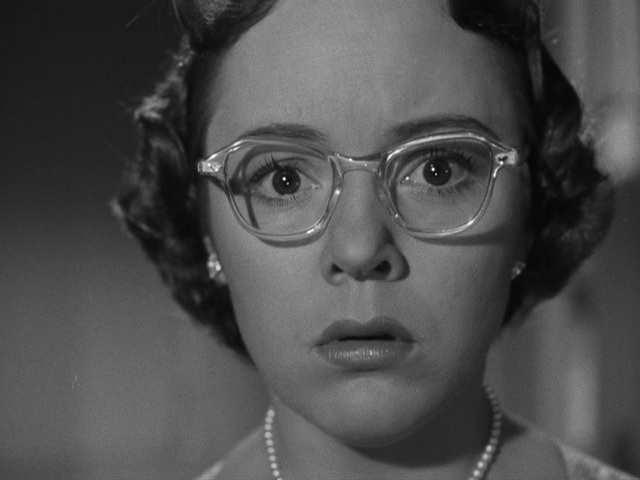
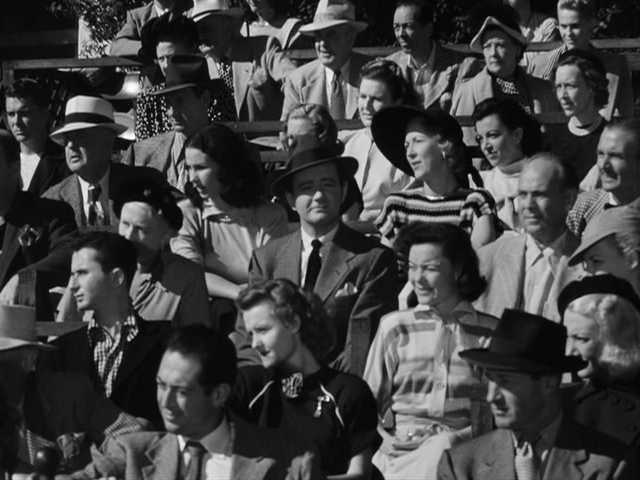
In his Alternate Oscars book, Peary selects this “supreme thriller” by Hitchcock — based on an early novel by Patricia Highsmith — as the best film of the year, and awards an Oscar to Robert Walker as best actor. In addition to telling a humdinger of a story, it’s visually one of Hitchcock’s most stunning films: from beginning to end, he strategically utilizes creative camera angles, framing, and editing to heighten suspense, and as a result, it’s full of countless memorable moments: Elliott’s murder as viewed through her glasses; the back-and-forth cutting between Guy’s hurried tennis match and Bruno’s desperate attempt to retrieve Guy’s lighter from a gutter; Bruno staring straight at Guy during an earlier tennis match as the eyes of the crowd around him move back and forth on the ball; wooden horses which “become smirking monsters hovering over the men’s heads” as Guy and Bruno duke it out on a carousel in the final scene. Equally impressive is Robert Burks’ noir-ish cinematography, which heightens the drama of several key scenes (most notably Guy’s night-time visit to see Bruno’s father).
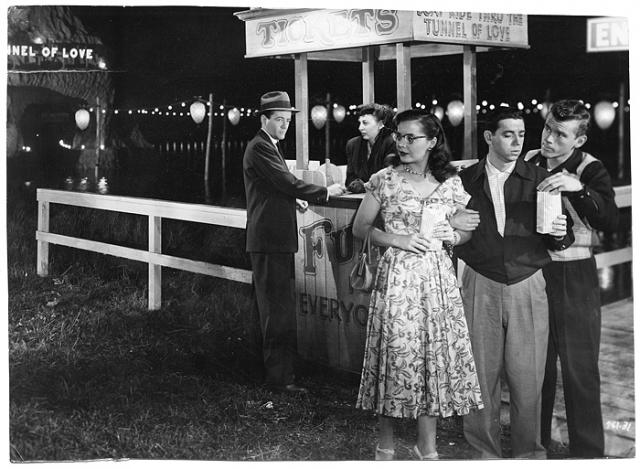
With that said, the film has its flaws: as one avid poster on IMDb has pointed out, there are more than 20 instances in which the characters in the film act irrationally and/or foolishly, simply to move the plot forward (a policeman shoots into a crowd with children, for instance). But Hitchcock’s films aren’t designed to present the most “logical” progression of events; they’re strategically crafted for maximum dramatic and psychological effect. Indeed, the story is presented as a sort of “living nightmare” for Guy, who — desperately hoping for some kind of resolution to the seemingly impossible situation with his sluttish, obstinate wife (delightfully played by Elliott, a.k.a. Kasey Rogers, in Coke-bottle glasses) — finds that her convenient “disappearance” merely resolves one dilemma while opening up a host of others.
Most of Peary’s review in GFTFF centers on an analysis of Walker’s character (Bruno Anthony), who he refers to as a “picaresque hero” — someone who, “if it weren’t for a domineering father and daffy mother (Marion Lorne), might have been a great person.” He argues that “we like this fellow Walker plays; it’s as if we were under his skin, sweating his sweat. We care more about his hurt feelings than about the survival of Guy and Ann’s relationship.” But I can’t entirely agree. While it’s true that Walker does a remarkable job humanizing Bruno, I disagree that we actually “like” him; he’s far too vengeful and unhinged to really empathize with. And while it’s true that Granger (who Peary argues is miscast; I think he’s ideal for the part) fails to project even a fraction of Walker’s complexity, his character remains at the very least a decent fellow, someone we can’t help hoping will emerge from the situation unscathed. Meanwhile, watch for a host of other engaging performances — most notably Patricia Hitchcock (in what was arguably the best role of her brief acting career) as Granger’s fiancee’s younger sister, and Marion Lorne as Bruno’s incomparably eccentric mother.
Note: There are multiple other “layers” to the film as well; while Peary doesn’t touch upon it at all in his review, it’s impossible to ignore the homoerotic tensions between Walker (fairly openly “coded” as gay) and Granger (bisexual in real life).
Redeeming Qualities and Moments:
- Robert Walker as Bruno

- Laura Elliott as Miriam
- Patricia Hitchcock as Barbara Morton
- Robert Burks’ stunning (Academy Award nominated) b&w cinematography

- Masterful direction by Hitchcock
- Marion Lorne in a tiny role as Mrs. Anthony (Bruno’s mother)
- Dimitri Tiomkin’s classically-heavy score
Must See?
Definitely, as one of Hitchcock’s finest thrillers.
Categories
- Genuine Classic
- Important Director
(Listed in 1001 Movies You Must See Before You Die)
Links:
|