Crossover Dreams (1985)
“I wanna get outta here… I’m gonna get outta here!”
|
Synopsis: |
|
Genres, Themes, Actors, and Directors:
Response to Peary’s Review: Redeeming Qualities and Moments:
Must See? Links: |
“I wanna get outta here… I’m gonna get outta here!”
|
Synopsis: |
|
Genres, Themes, Actors, and Directors:
Response to Peary’s Review: Redeeming Qualities and Moments:
Must See? Links: |
“I saw very clearly the weird woman who killed old Mosaku; I’ve never seen in my life a woman as beautiful and white as her — except you.”
|
Synopsis: |
|
Genres, Themes, Actors, and Directors:
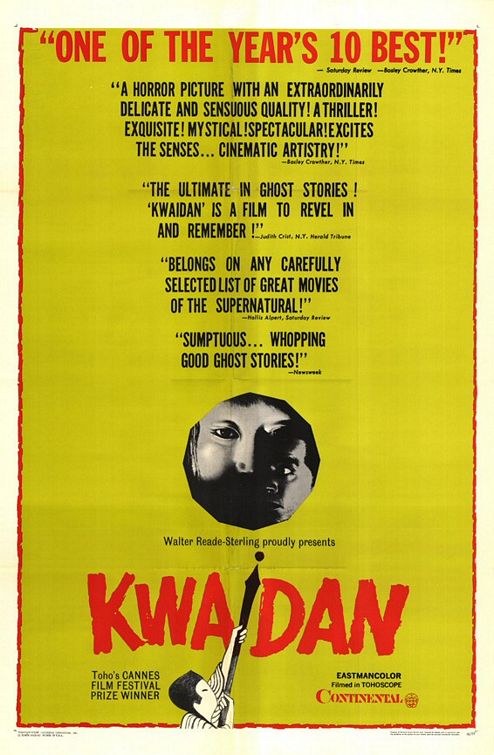
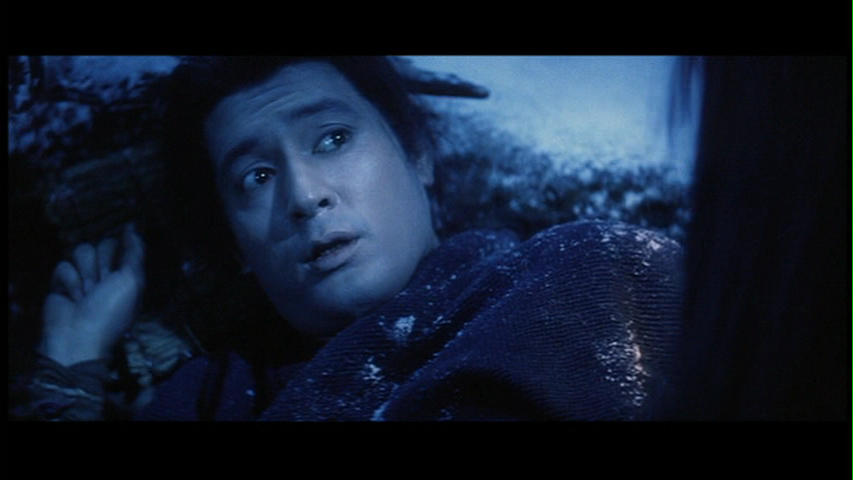
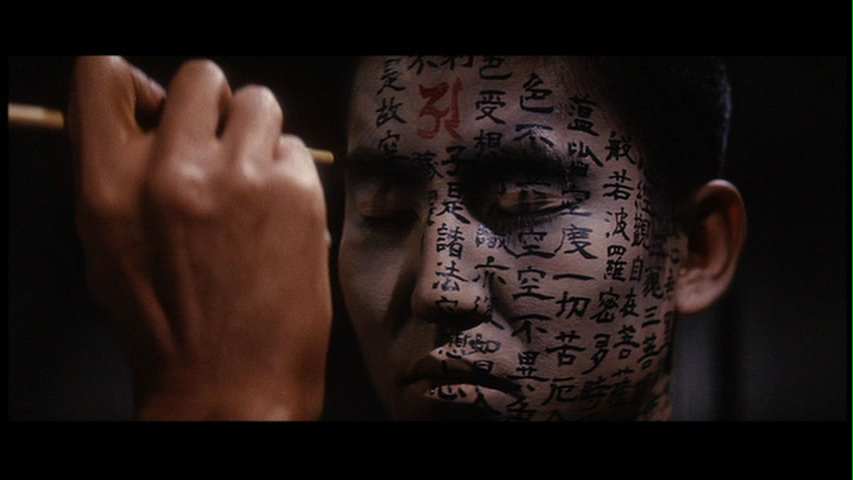
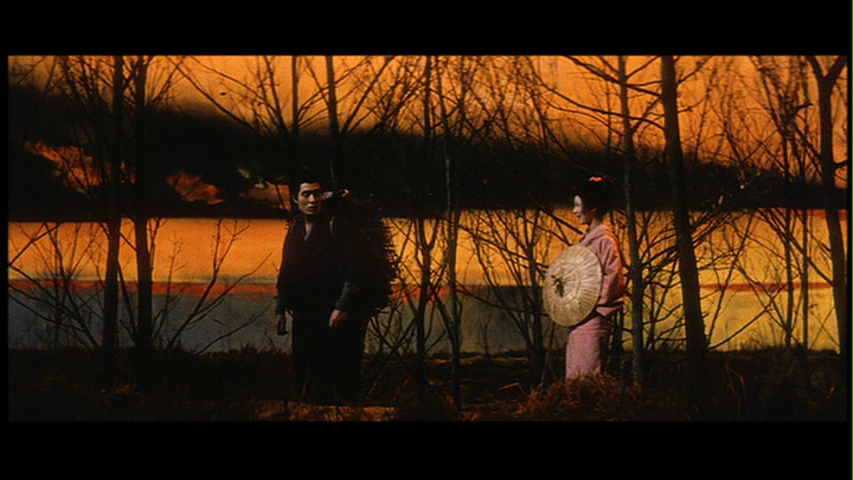
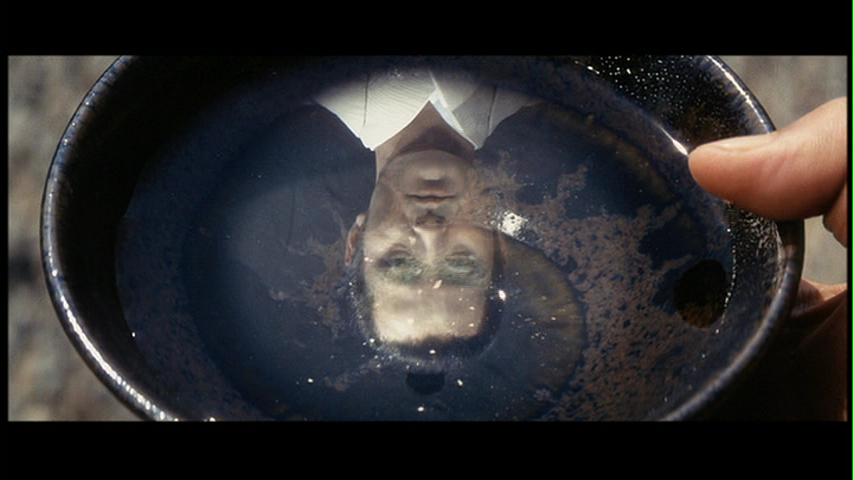
Review: Like most omnibus collections, certain stories in Kwaidan (the title translates roughly into “ghost story”) emerge as more successful than others. The first two episodes — “Black Hair” and “The Woman in the Snow” — are the shortest and most unassuming of the quartet, telling simple yet profound tales of husbands who in one way or another fail to live up to their marital duties; it’s especially gratifying to see the familiar face of Japanese cinema icon Tatsuya Nakadai in the latter. “Hoichi the Earless” is the most flamboyant and central tale of the film, spanning literally centuries: it opens with a stunningly stylized recreation of a samurai battle, then shifts to the impact the battle’s forlorn ghosts have upon a well-meaning priest (Katsuo Nakamura) whose life is put in danger — despite his best intentions — simply by “knowing” them; Nakamura’s likable, authentic performance buoys this rather depressing fable. The final episode in the film — “In a Cup of Tea” — remains just as visually evocative as the others, but ultimately fails to engage on any deeper level. Taken together, however, Kwaidan provides a most unusual viewing experience, one which any film fanatic truly interested in witnessing the diversity of expression international cinema has to offer can’t really afford to miss. Redeeming Qualities and Moments:
Must See? Categories
Links: |
“So you’re a Red, who cares? Your money’s as good as anybody else’s.”
|
Synopsis: |
|
Genres, Themes, Actors, and Directors:
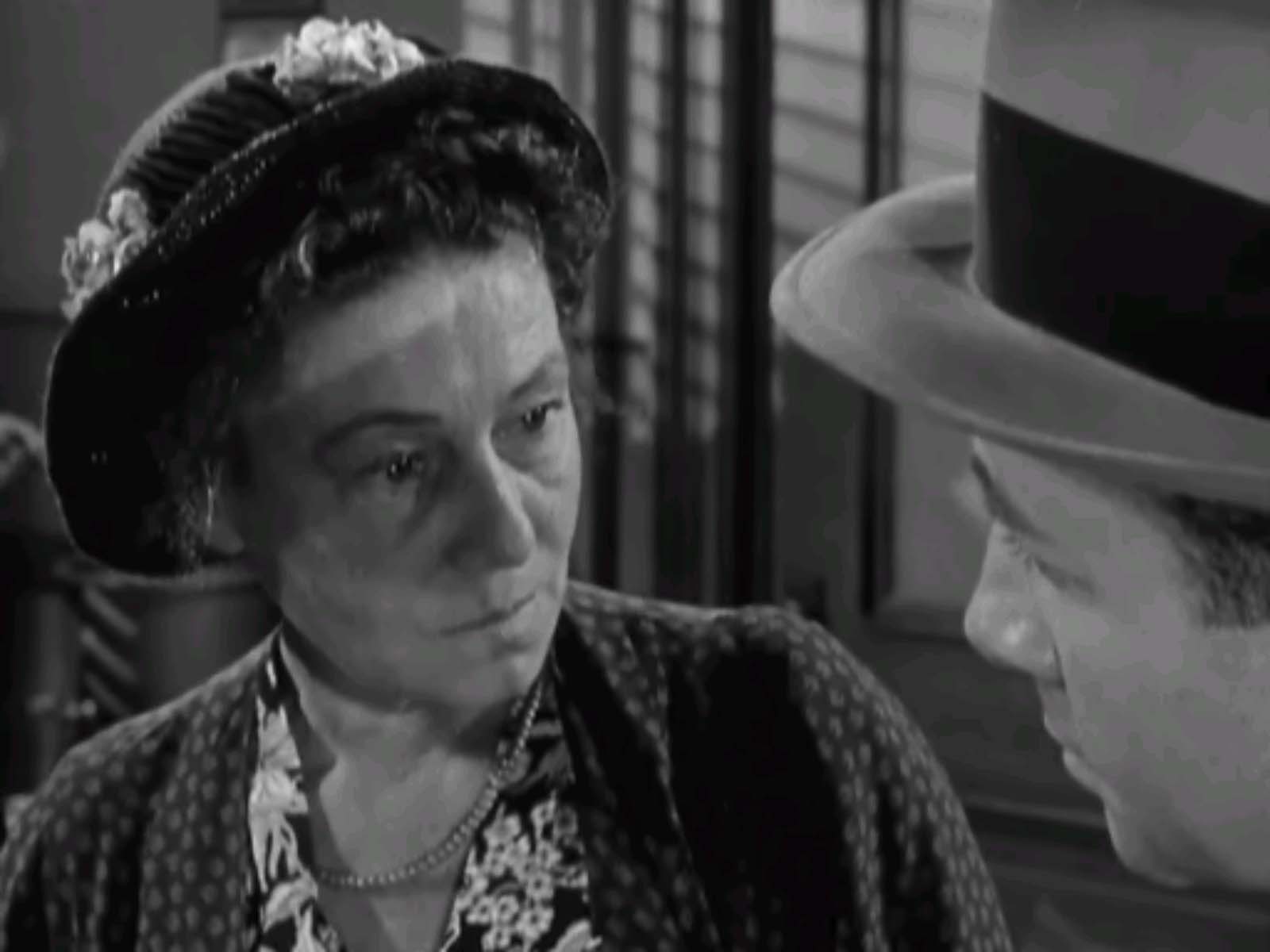
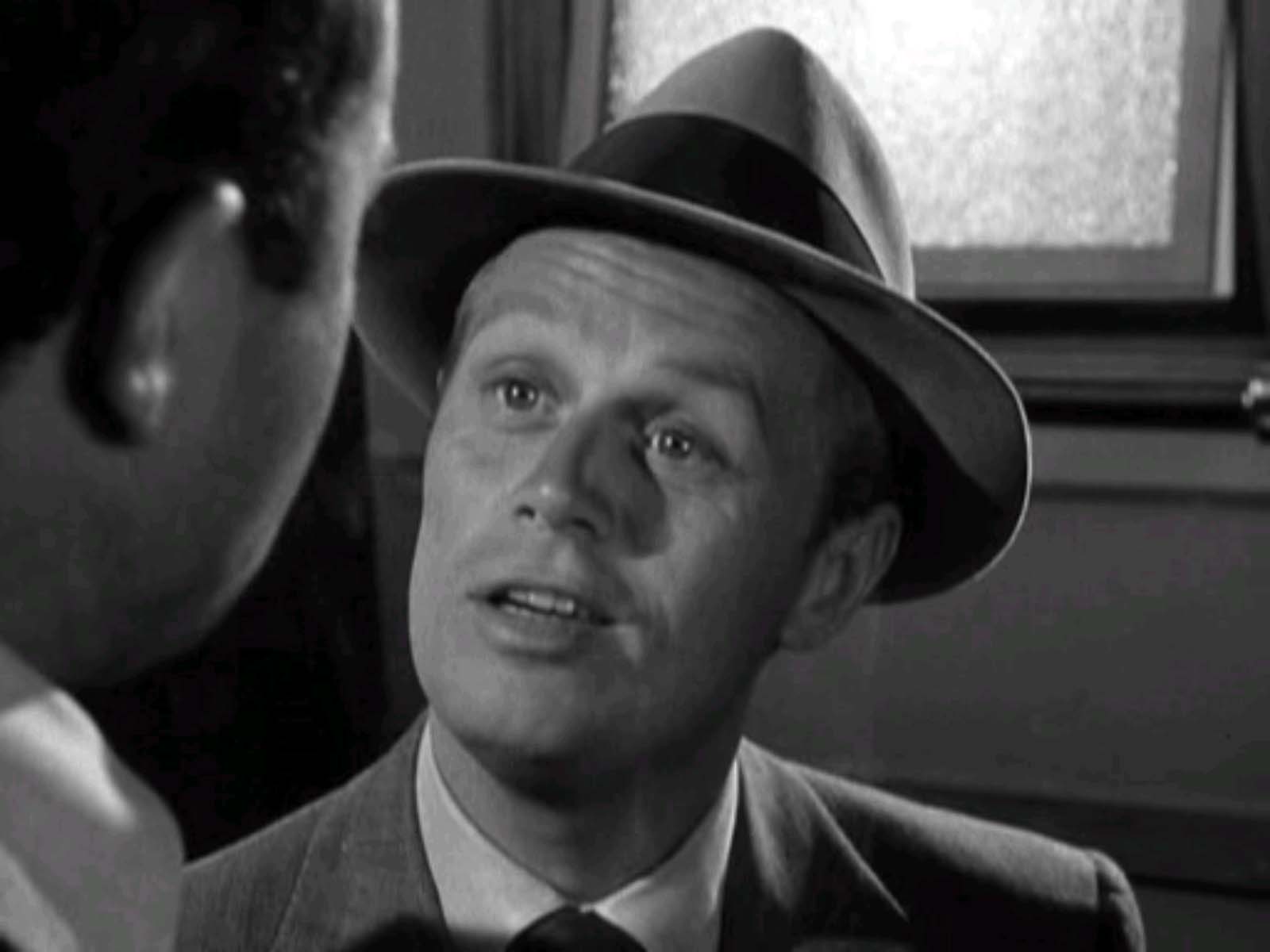
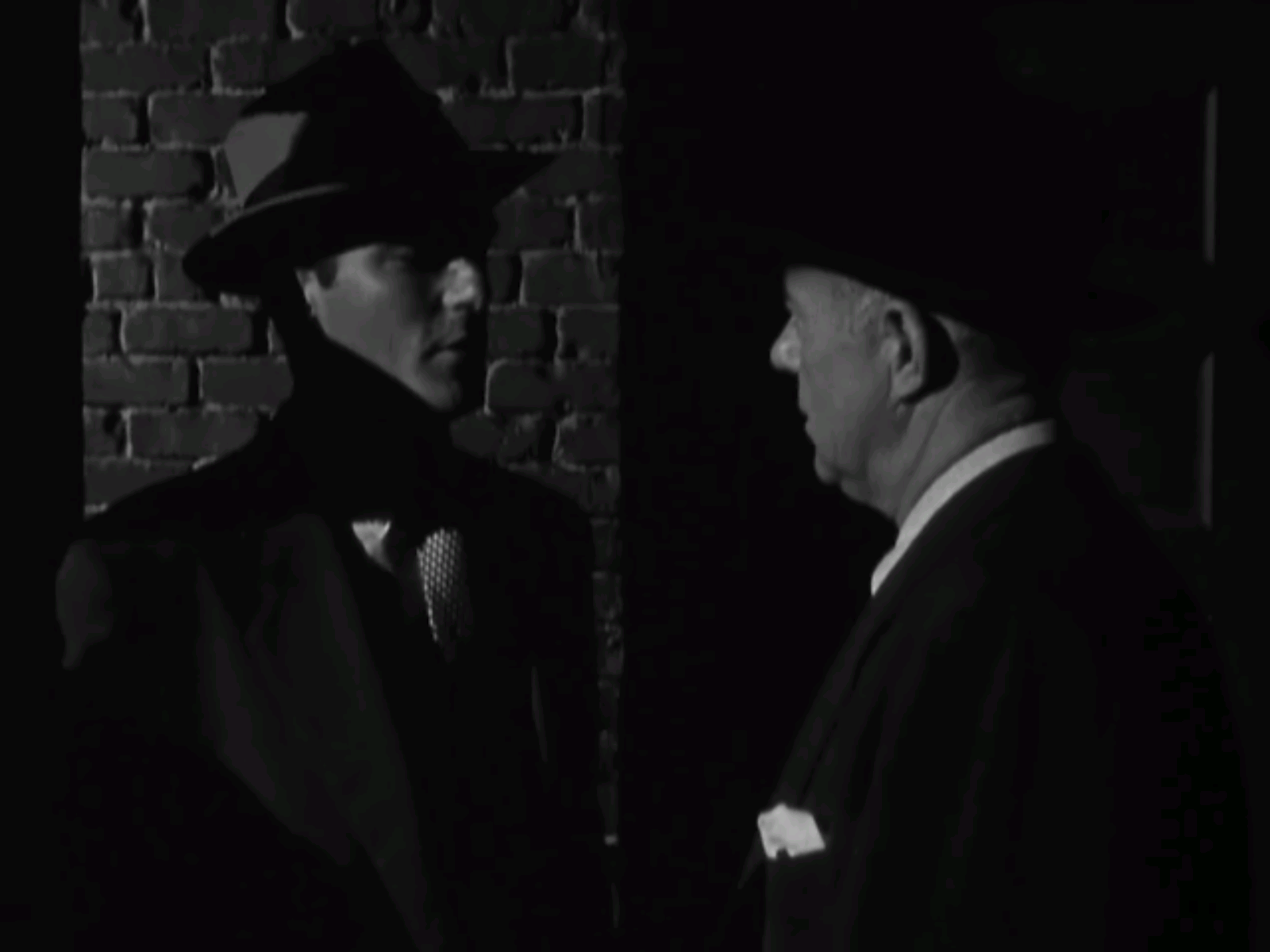
Review: Pickup possesses a slew of memorable characters, including Thelma Ritter as “Moe” (an aging stoolie who wants nothing more than to earn money for a decent funeral), Richard Widmark as the cynical centerpiece of the storyline (it’s difficult to imagine the role better cast), and — in perhaps the most surprising coup of all — Jean Peters as Candy, a smitten yet gutsy and gorgeous dame who’s willing to put up with an enormous amount of guff (both verbal and physical) from Widmark in exchange for his reluctant loyalty and love. The actors are filmed to perfection by cinematographer Joe MacDonald, who encases them in a dense noir ambiance so atmospheric it nearly becomes a character in itself. Pickup on South Street ultimately works on enough levels — visually, thematically, and more — to merit multiple enjoyable viewings by film fanatics. Redeeming Qualities and Moments:
Must See? Categories
(Listed in 1001 Movies You Must See Before You Die) Links: |
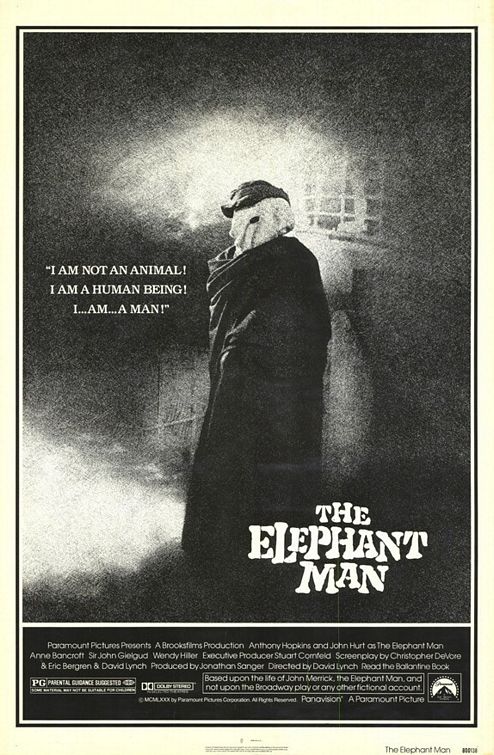
“I am not an animal — I am a human being!”
|
Synopsis: |
|
Genres, Themes, Actors, and Directors:
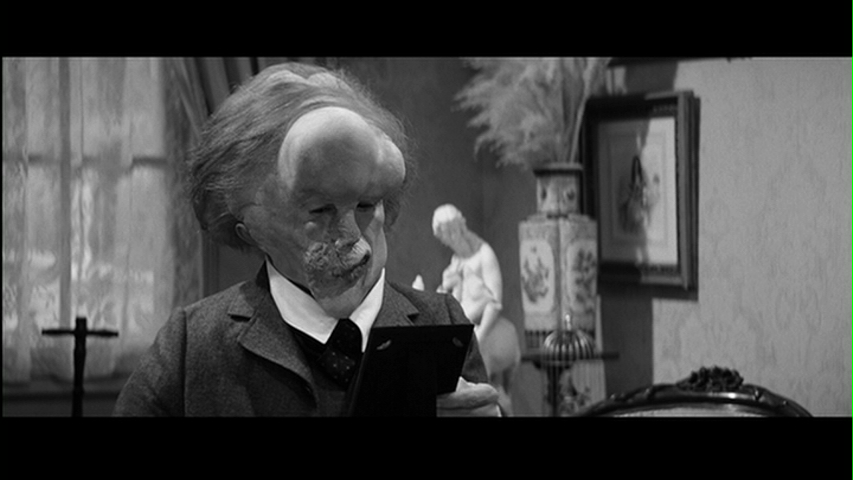
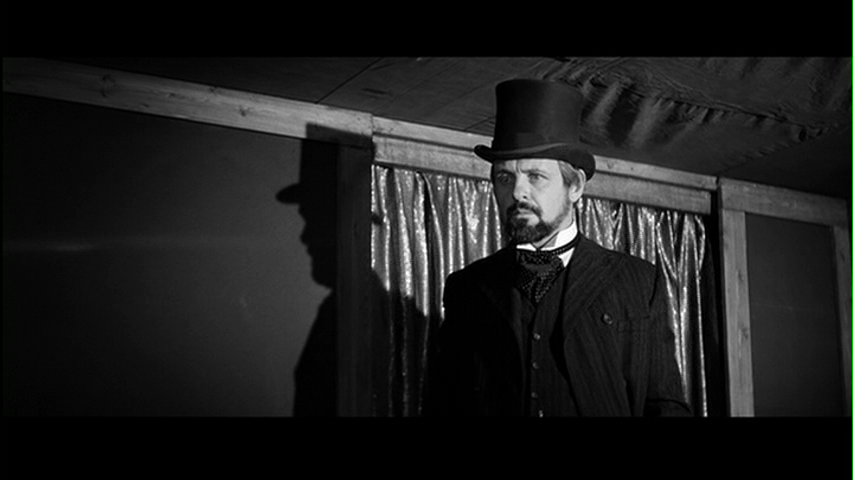
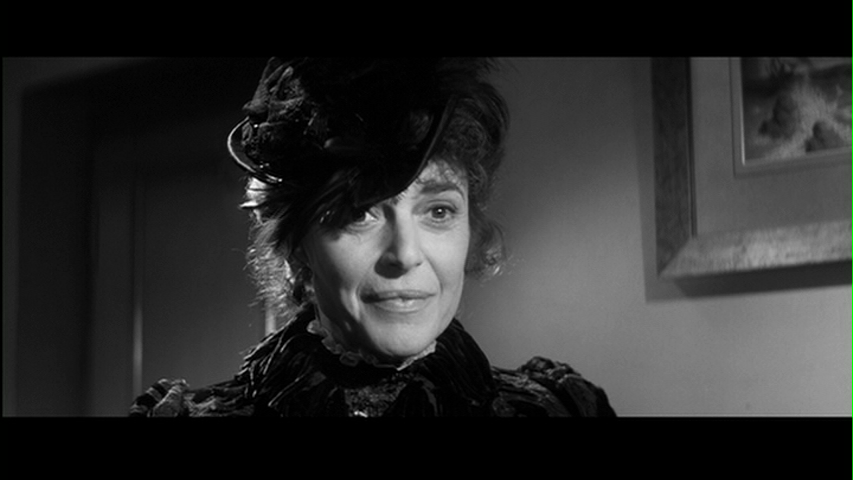
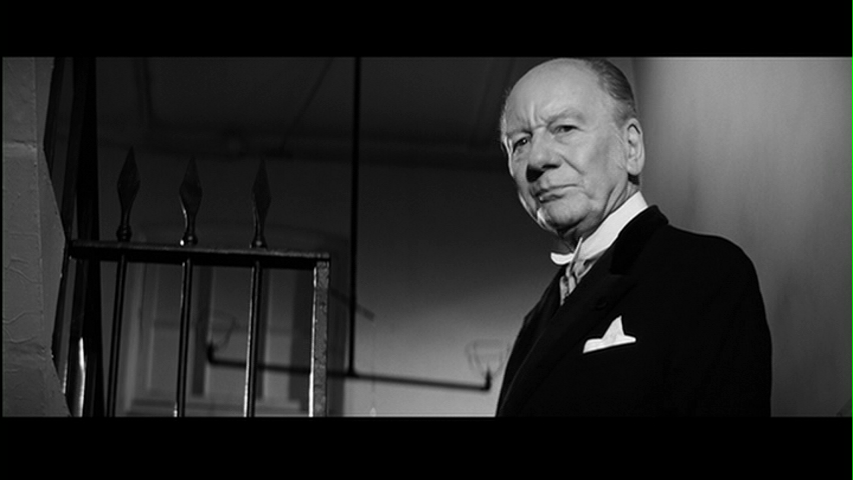
Review: Merrick’s transformation from mute “creature” to dignified gentleman — the crux of the film — is truly a wonder to behold; even those who rarely cry at movies (myself included) will find themselves hard pressed not to be moved by this one. Scene after scene — enacted by a crew of exceedingly well-cast supporting actors — prompts a renewed investigation of our own prejudices, as we realize just how important a relatively “normal” appearance is to our acceptance of others as human. My favorite scenes are those between Merrick and a renowned actress (Anne Bancroft) who barely bats an eye upon seeing Merrick for the first time, and remains resolutely dedicated to treating him like the gentle hero he is. Equally touching is the initial scene between Merrick and Dr. Treves’ wife (Hannah Gordon), whose “natural” acceptance of his appearance causes him to break down in sobs of gratitude. Some (including, I suspect, Peary, who neglects to nominate either Hurt or the film itself in his Alternate Oscars book) find The Elephant Man overly cloying — and there’s no doubt that our heartstrings are strategically tugged throughout the entire film. Indeed, the final portion of the story — in which Merrick is kidnapped back by Jones, and forced to temporarily revert to his former status as a carnival freak — is nearly too much to bear, and shifts the story into undue pathos. Apart from this aberration, however, Merrick’s journey remains a fascinating one to watch, and proves that there’s nothing more uplifting than watching a character transform and transcend his initial limitations. Redeeming Qualities and Moments:
Must See? Categories
(Listed in 1001 Movies You Must See Before You Die) Links: |
“No one could teach you to dance in a million years.”
|
Synopsis: |
|
Genres, Themes, Actors, and Directors:
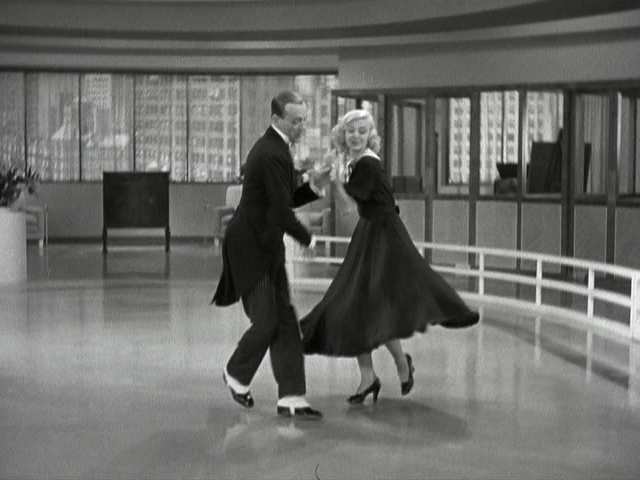
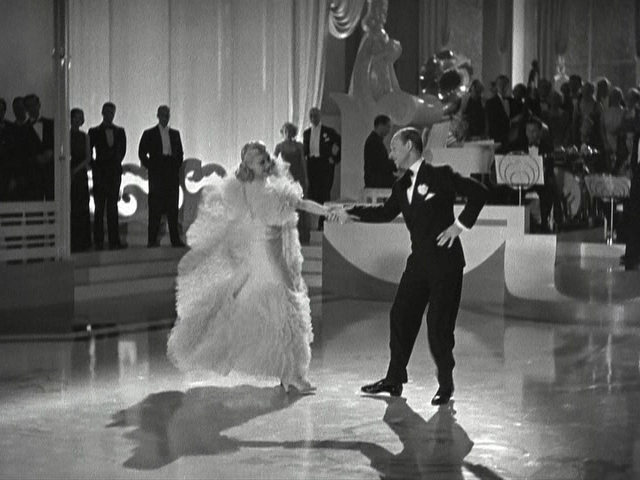
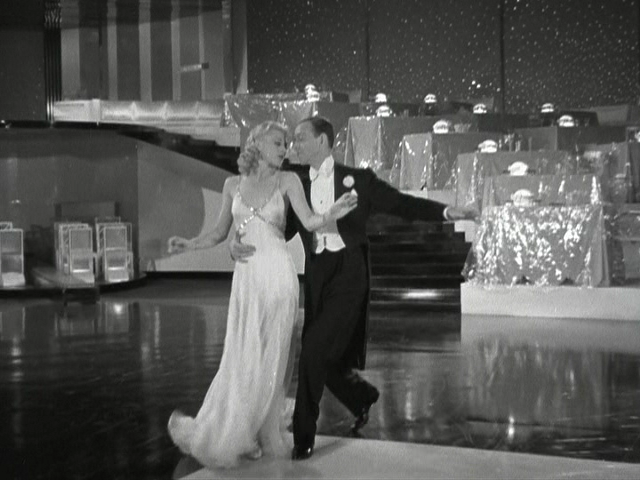
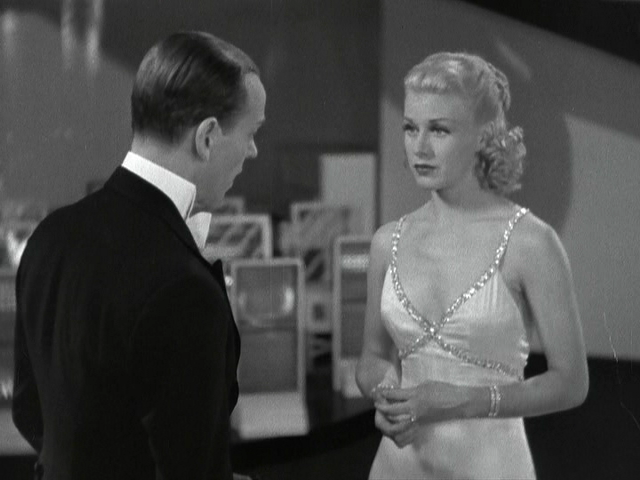
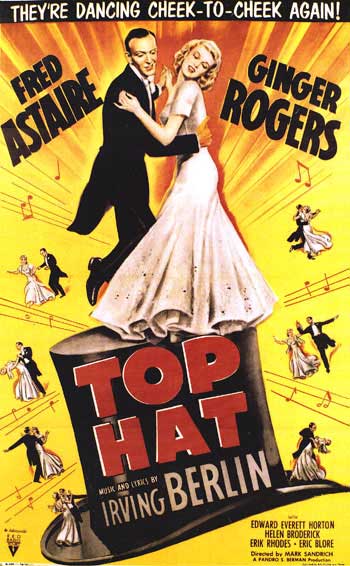
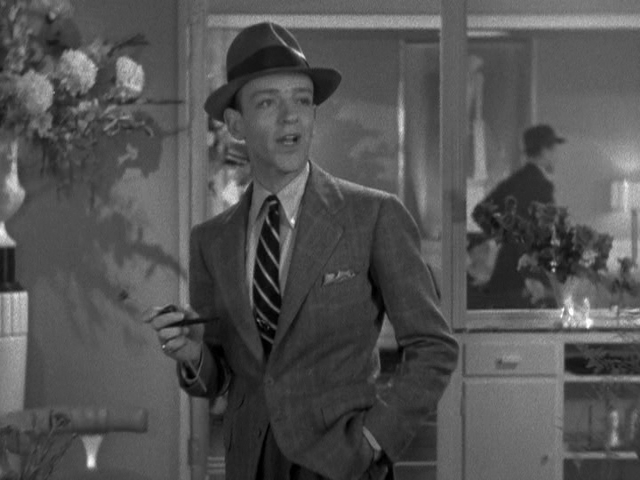
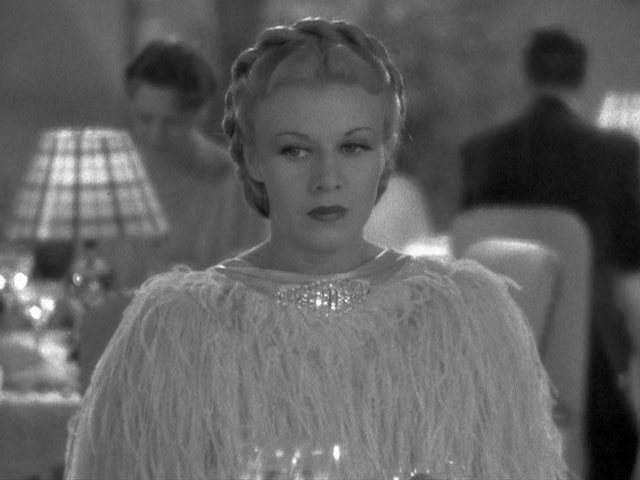
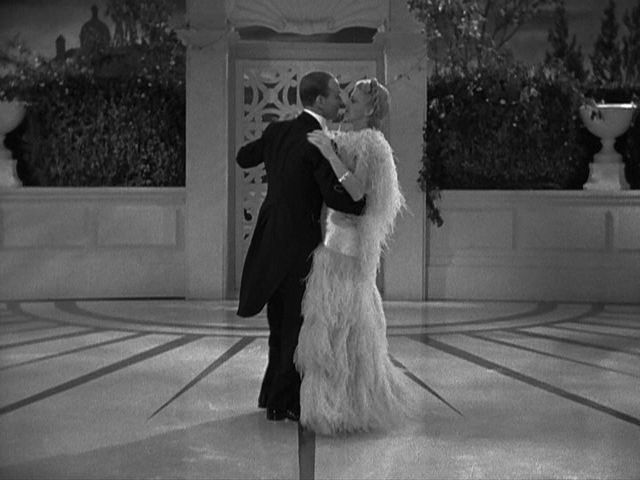
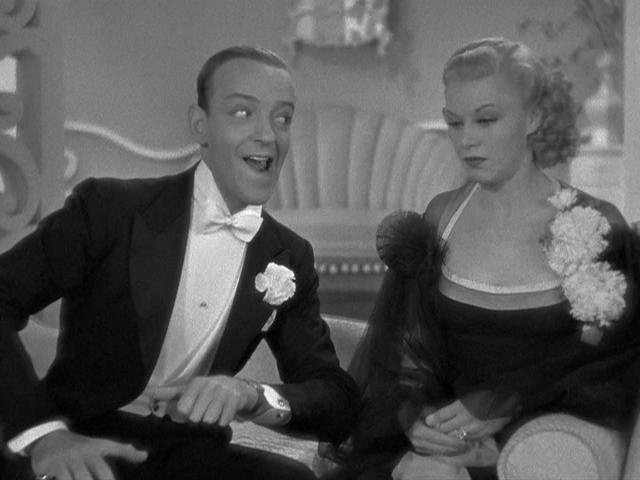
Response to Peary’s Review: Rogers — perhaps due to expert guidance from director George Stevens — is in peak form, investing her character with pathos and genuine charm; Astaire is equally fine, and it’s fun to see both Eric Blore and Helen Broderick returning in supporting roles (though Blore’s part should have been bigger). It’s amazing to note that the New York Times reviewer of the day (Frank Nugent — evidently tone deaf) dismissed Jerome Kern’s score as “merely adequate, or worse” — he actually complained about not being able to “whistle a bar” of any of the tunes upon leaving the theater! Personally, I can’t get “A Fine Romance” out of my head for the life of me… Note: The series’ signature art deco set designs are still evident, though toned down considerably to suit the working-class characters’ lifestyles. Redeeming Qualities and Moments:
Must See? Categories
(Listed in 1001 Movies You Must See Before You Die) Links: |
“In dealing with a girl or horse, one just lets nature take its course.”
|
Synopsis: |
|
Genres, Themes, Actors, and Directors:
Response to Peary’s Review: Redeeming Qualities and Moments:
Must See? Categories
(Listed in 1001 Movies You Must See Before You Die) Links: |
“When you look for the bad in mankind, expecting to find it, you surely will.”
|
Synopsis: |
|
Genres, Themes, Actors, and Directors:
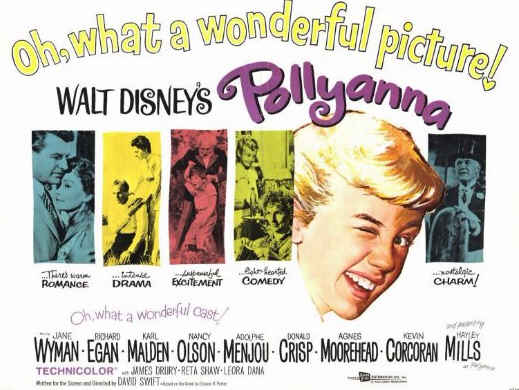
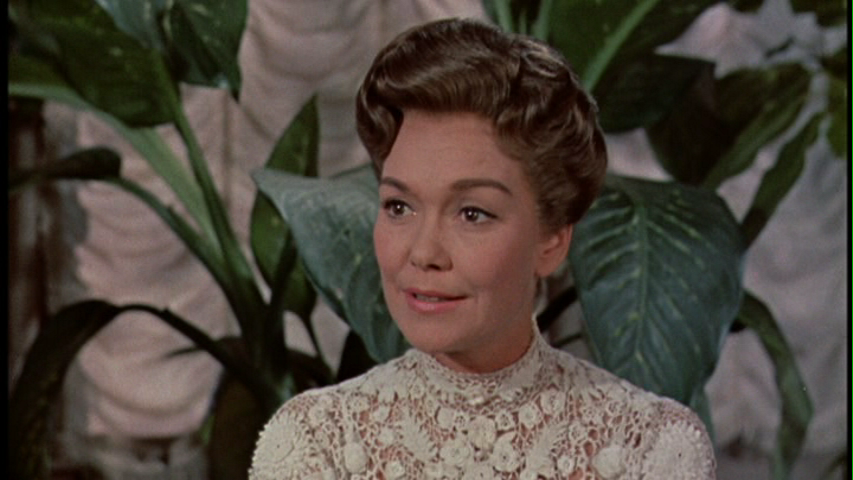
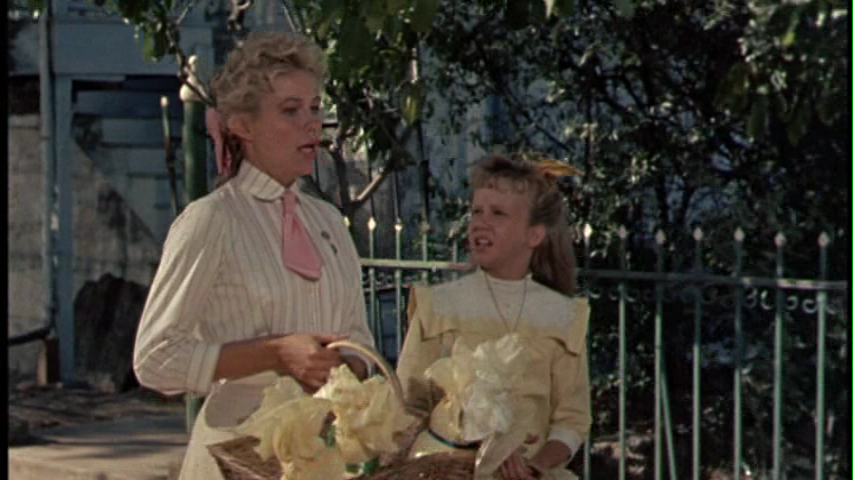
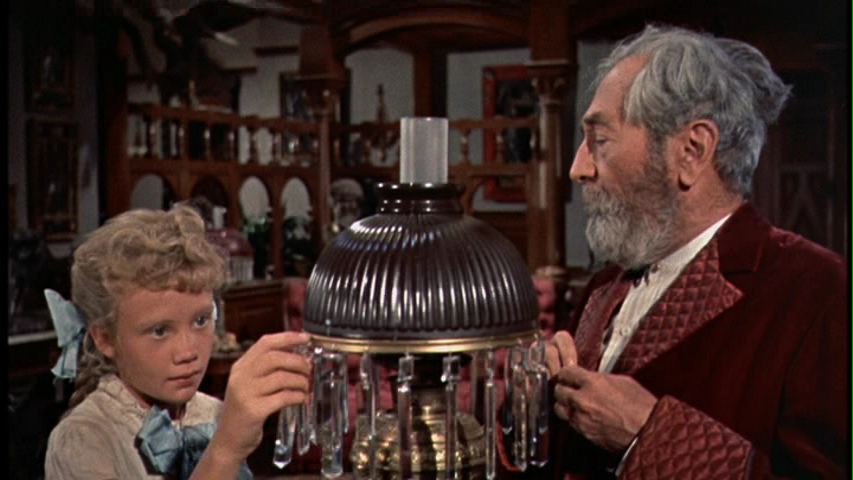
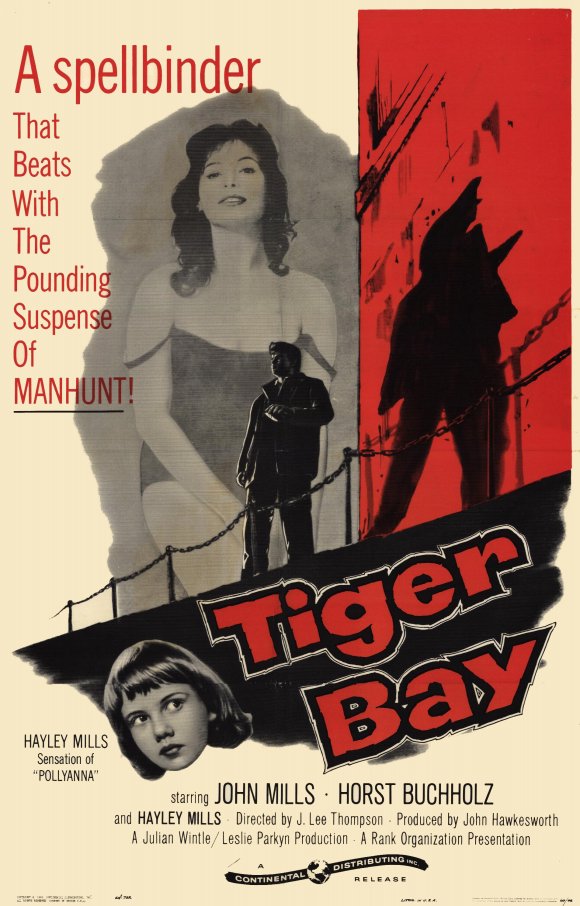
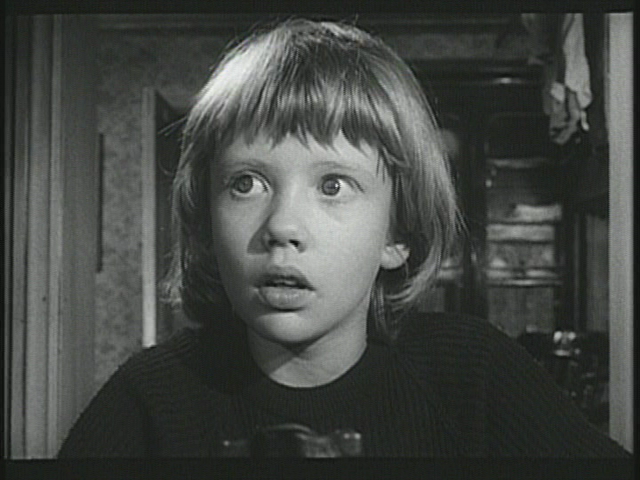
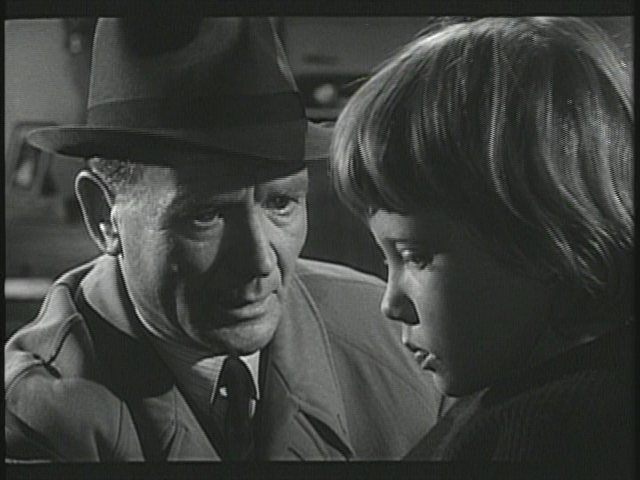
Review: While Mills is undoubtedly the main reason to watch Pollyanna, she’s surrounded by a cast of fine actors who invest their roles with nuance and understanding. Most impressive is Jane Wyman as Pollyanna’s Aunt Polly — like Pollyanna herself, Aunt Polly could easily have become a caricature, but, as played by Wyman, she’s immediately revealed to be someone deeply uncomfortable with herself, who uses her control over “her” town as a means of remaining closed off from her feelings. Nancy Olson — 10 years older than when she played William Holden’s young girlfriend Betty in Sunset Boulevard — is also surprisingly good, and it’s fun to see Agnes Moorehead, Adolph Menjou, Karl Malden, and others in key character roles. Chances are you’ll find yourself enjoying Pollyanna more than you expected to, and will be surprised to learn that “being a Pollyanna” doesn’t mean acting holier-than-thou. Redeeming Qualities and Moments:
Must See? Categories
Links: |
“To a hungry man, a lamb chop is a tasty dish — but to the butcher, it’s just another hunk of meat.”
|
Synopsis: |
|
Genres, Themes, Actors, and Directors:
Review:
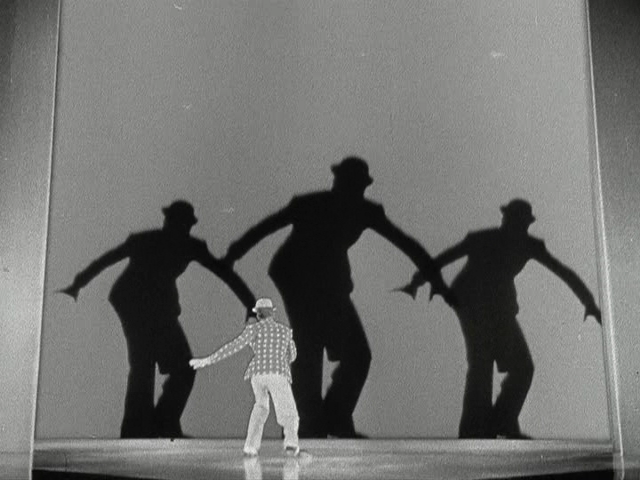
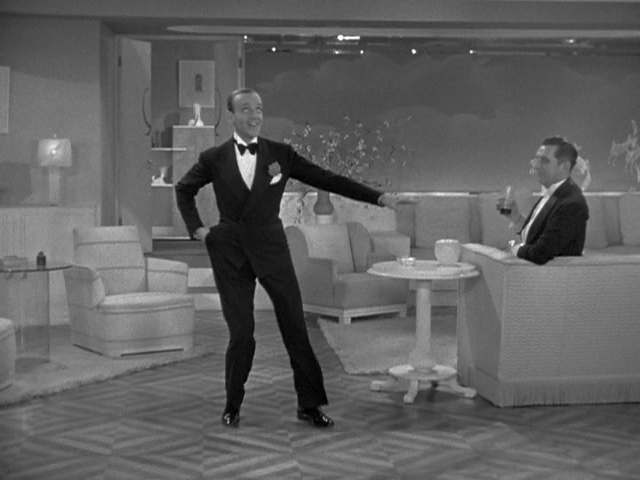
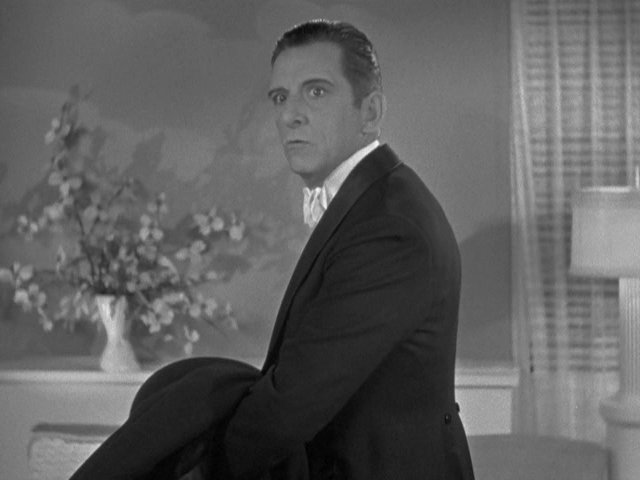
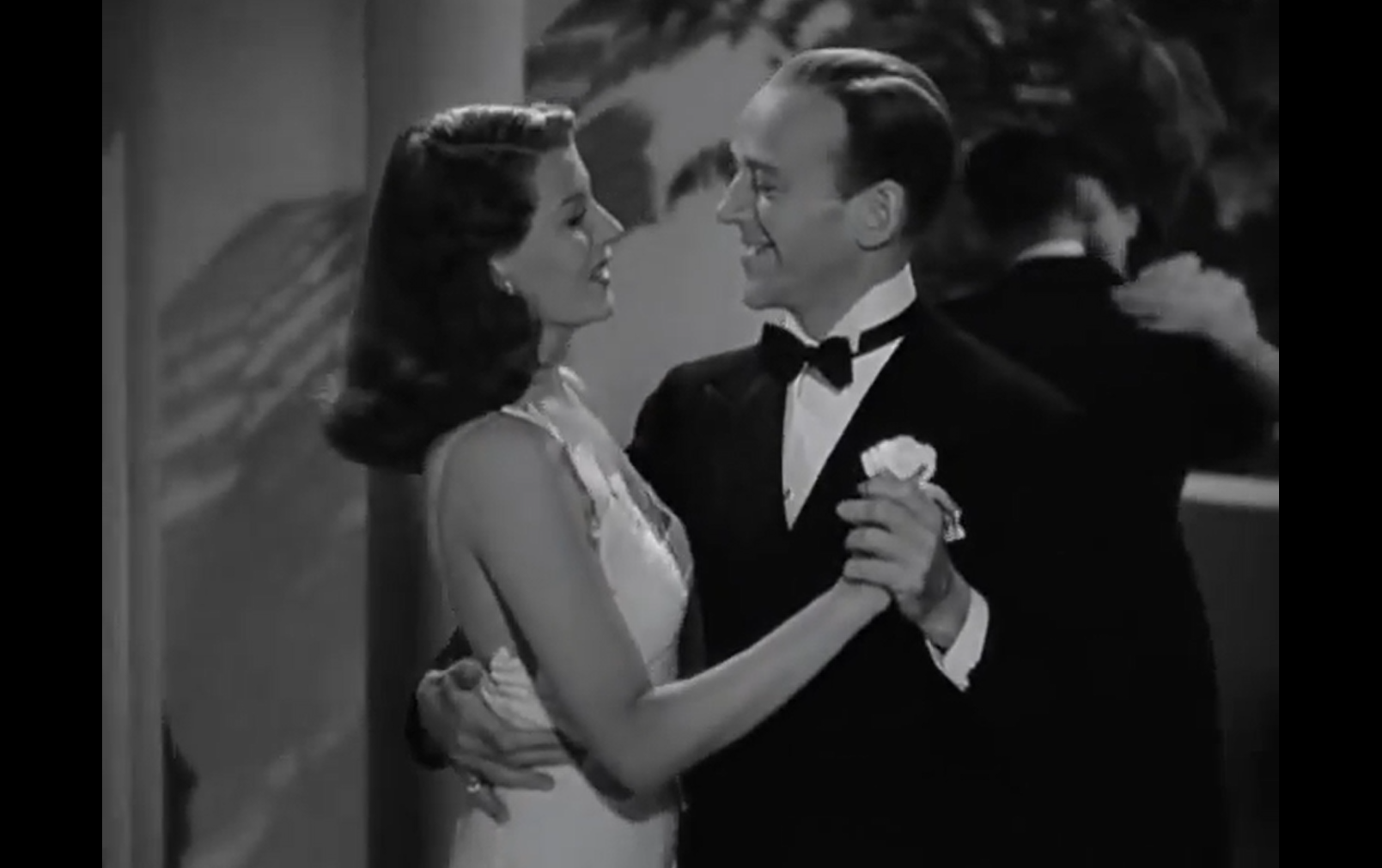
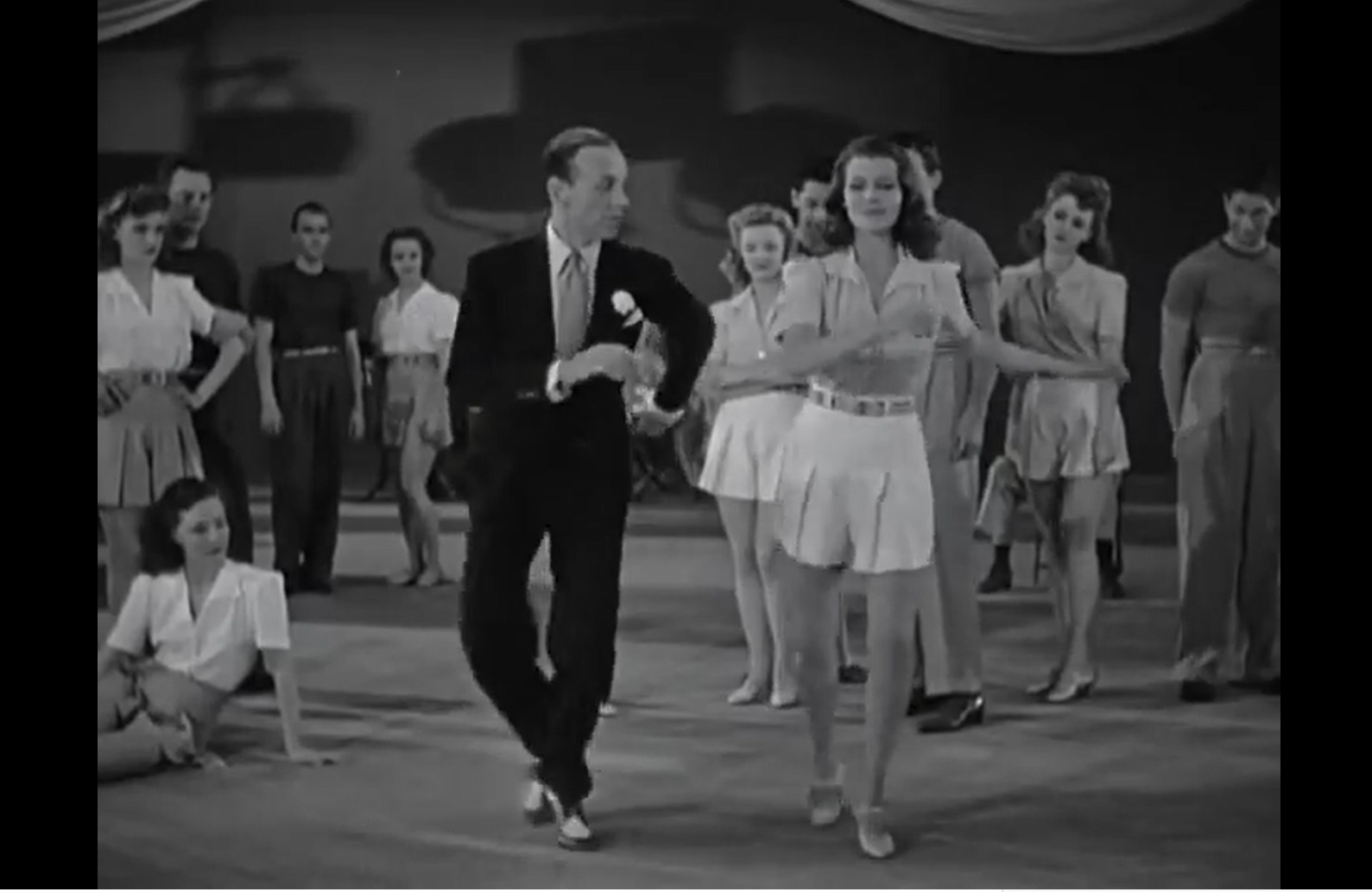
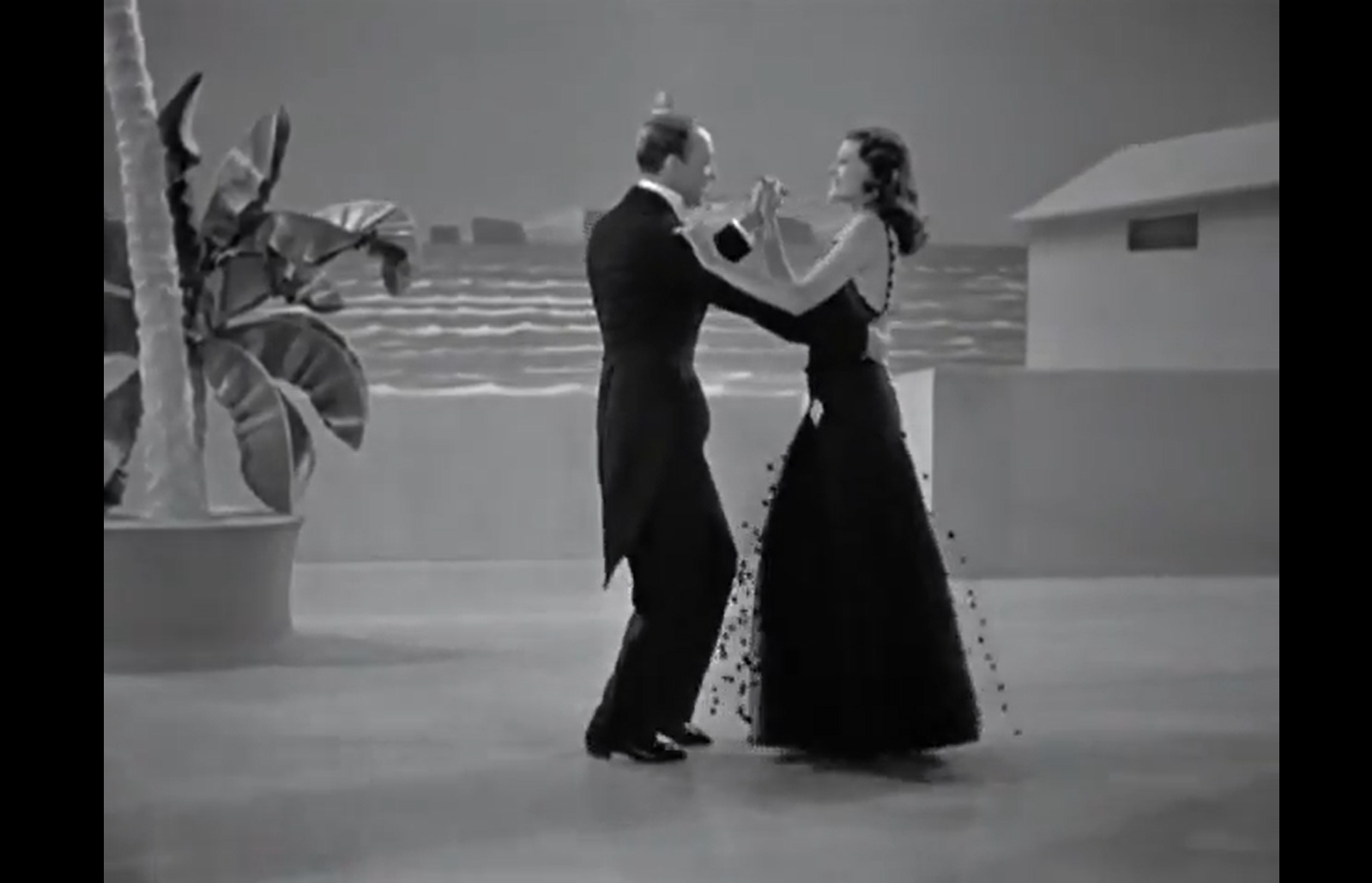
Whenever they’re together — or when Astaire dances alone — we’re in heaven; but when we’re forced to watch Astaire getting in continual trouble with his superiors — and landing repeatedly in an impossibly clean military brig — the story falters and sinks. Robert Benchley is intermittently amusing as the childishly caddish millionaire who lies through his teeth as a matter of course and isn’t above using his employees to get himself out of hot water, while Frieda Inescort as his snobbish wife is perfectly cast:
— but neither they nor Astaire and Hayworth can quite work the necessary magic with this sub-par script. With that said, while I can’t recommend You’ll Never Get Rich as must-see viewing, I suspect most film fanatics will be curious to at least check it out once, given its historical importance as the film which helped propel Hayworth to true cheesecake status. Redeeming Qualities and Moments:
Must See? Links: |
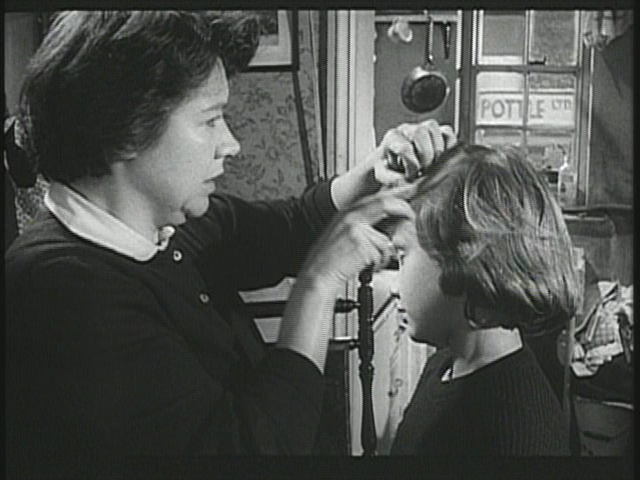
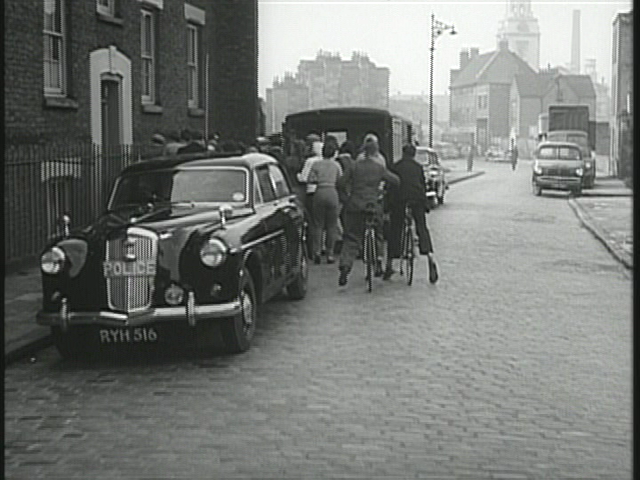
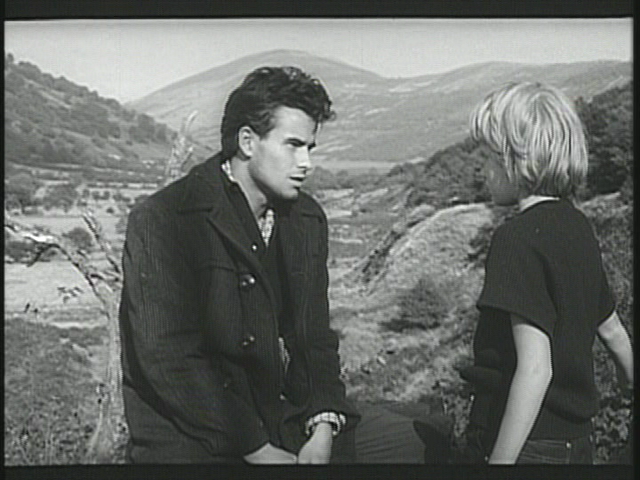
“Why not tell them — the whole thing? Nobody on our street will blame you; they say she gave our place a bad name.”
|
Synopsis: |
|
Genres, Themes, Actors, and Directors:
Review: Redeeming Qualities and Moments:
Must See? Categories
Links: |
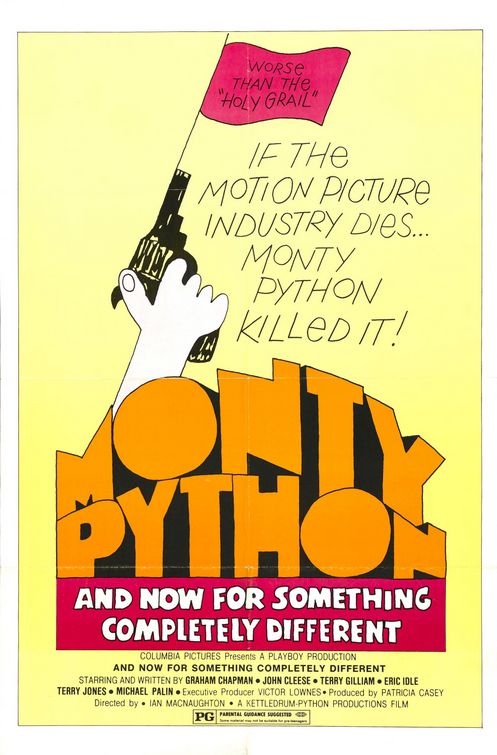
“I would just like to point out that this film is displaying a distinct tendency to become SILLY.”
|
Synopsis: |
|
Genres, Themes, Actors, and Directors:
Review: Redeeming Qualities and Moments:
Must See? Categories Links: |