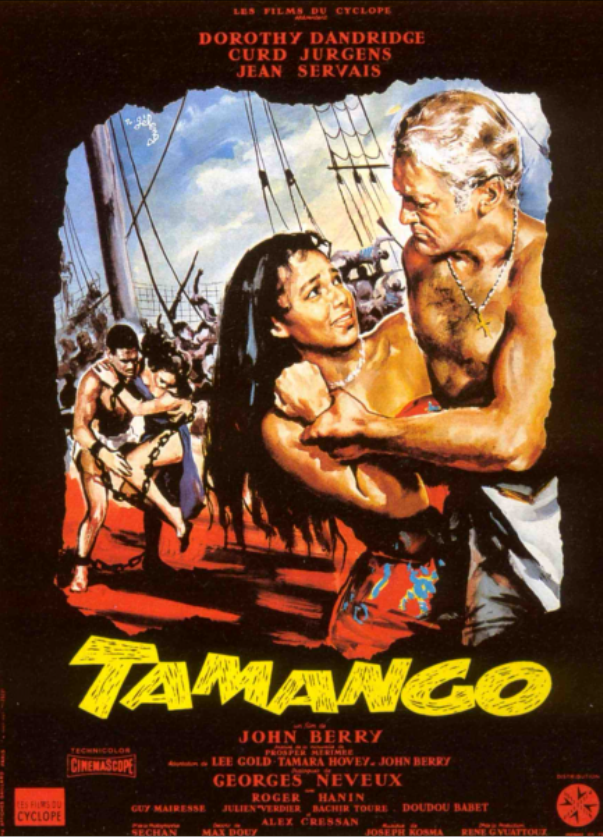
Tamango (1958)
“We can be free if we stand together.”
|
Synopsis: |
|
Genres, Themes, Actors, and Directors:
Review:
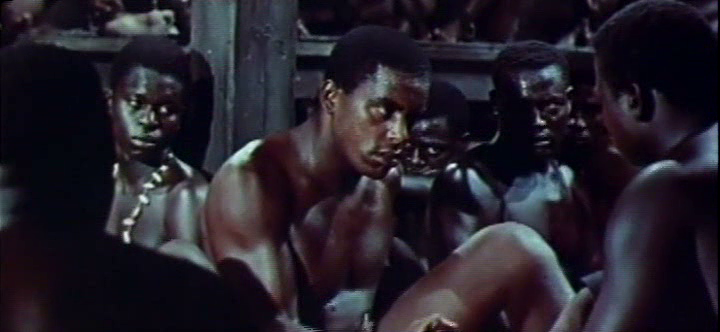
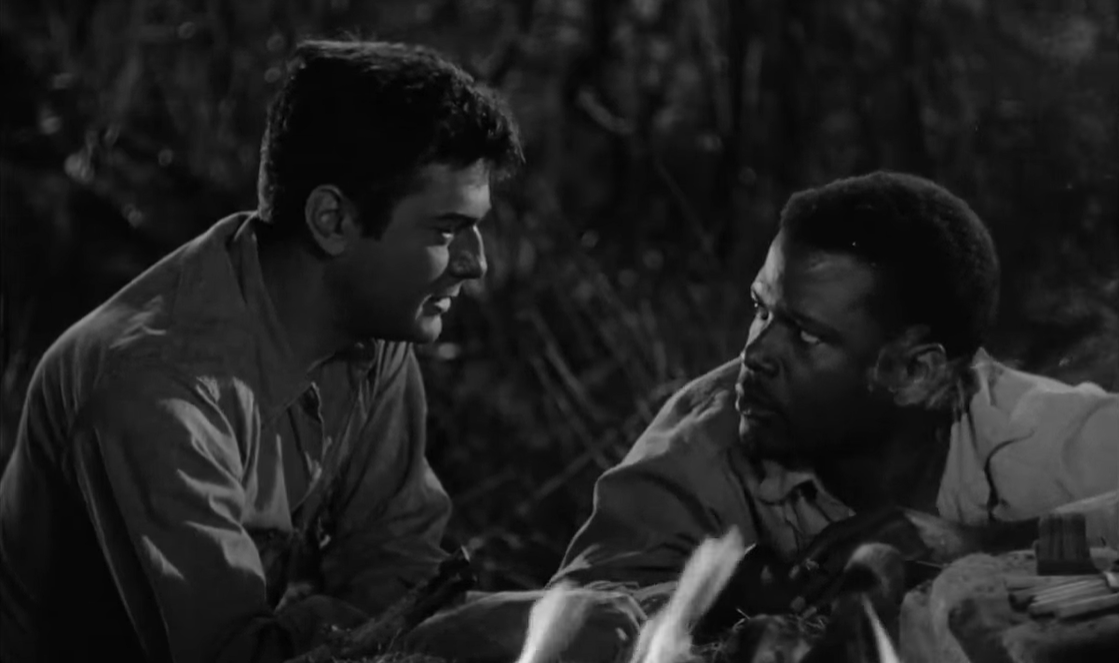
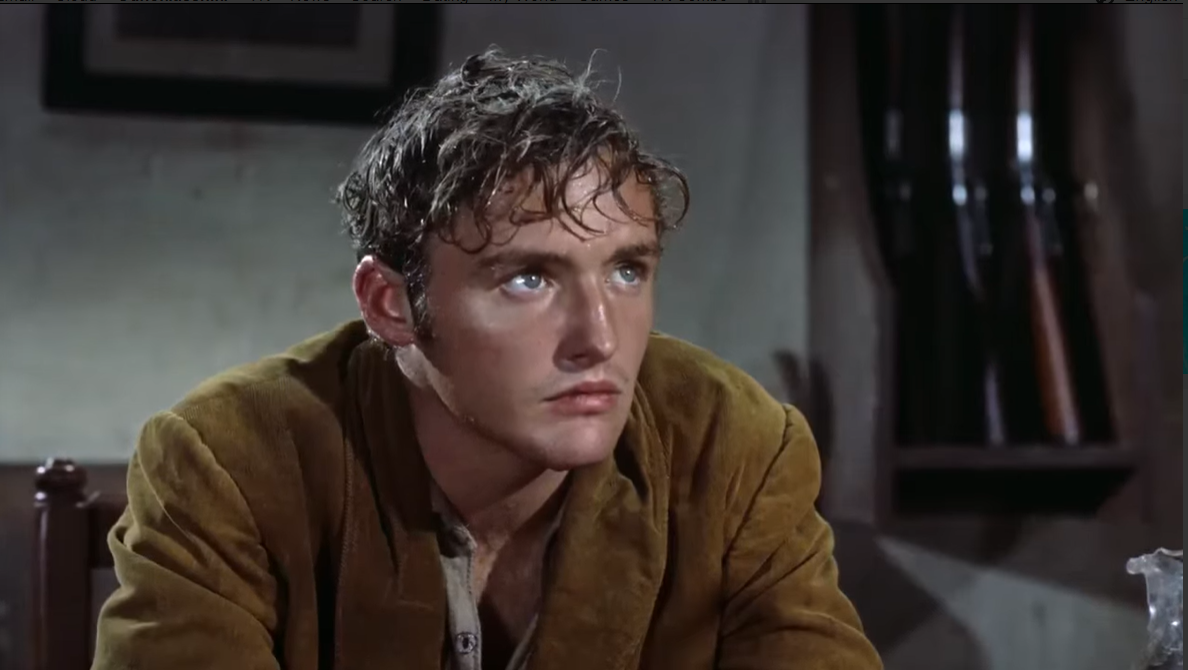
… and moving swiftly into the specifics of the conditions endured by the able-bodied men and women who were crammed into a ship, shackled while being fed and “exercised” just enough to keep them healthy and alive. Within 12 minutes, we see the title protagonist (real-life medical student Cressan in his only acting role) fomenting rebellion:
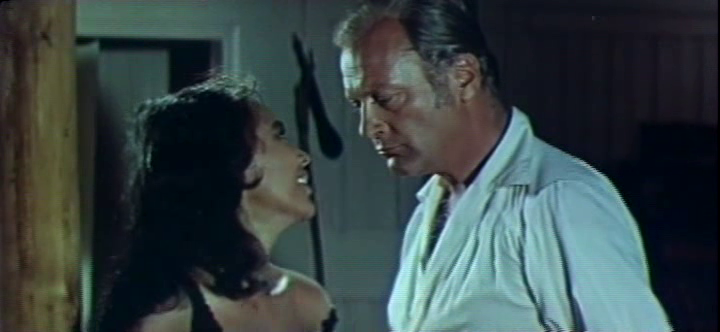
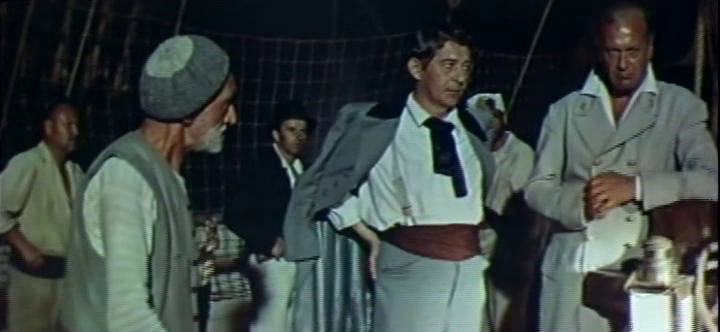
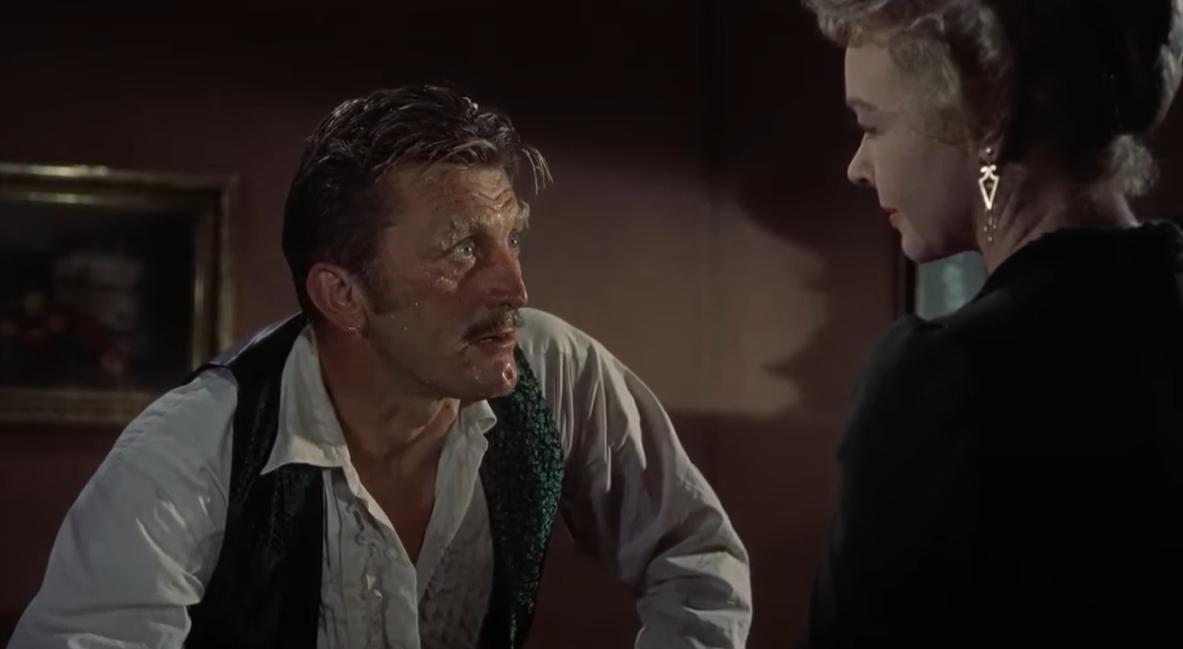
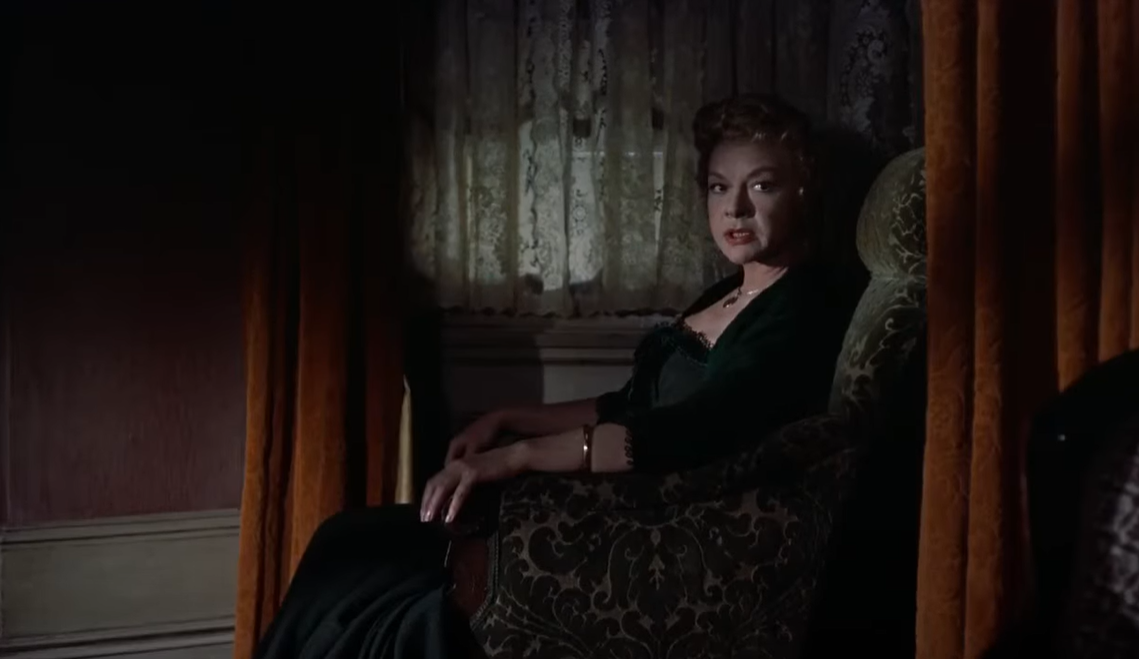
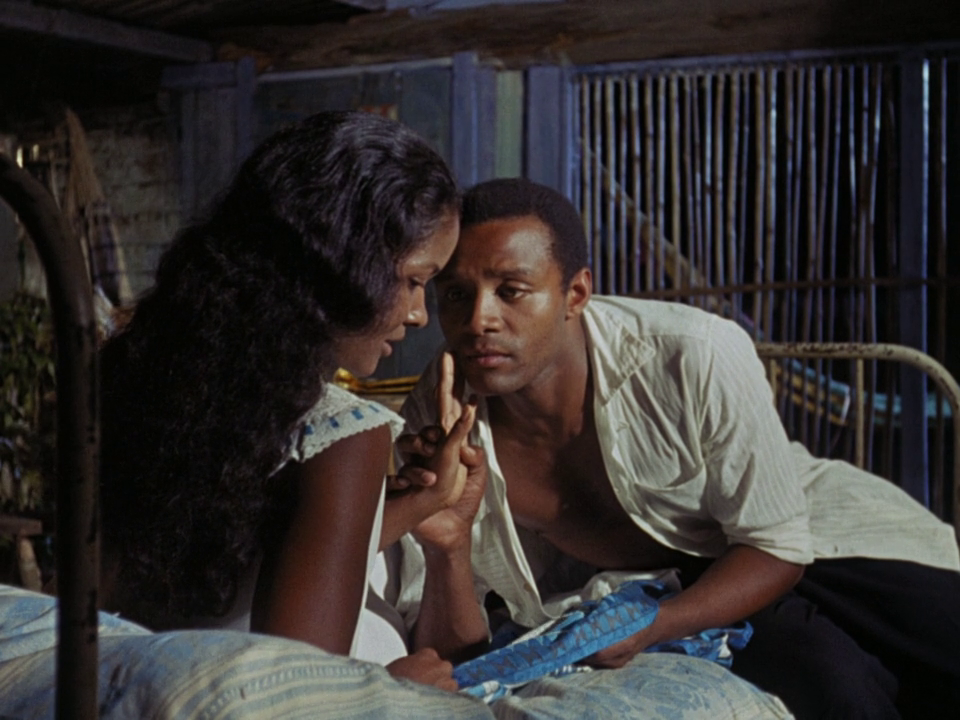
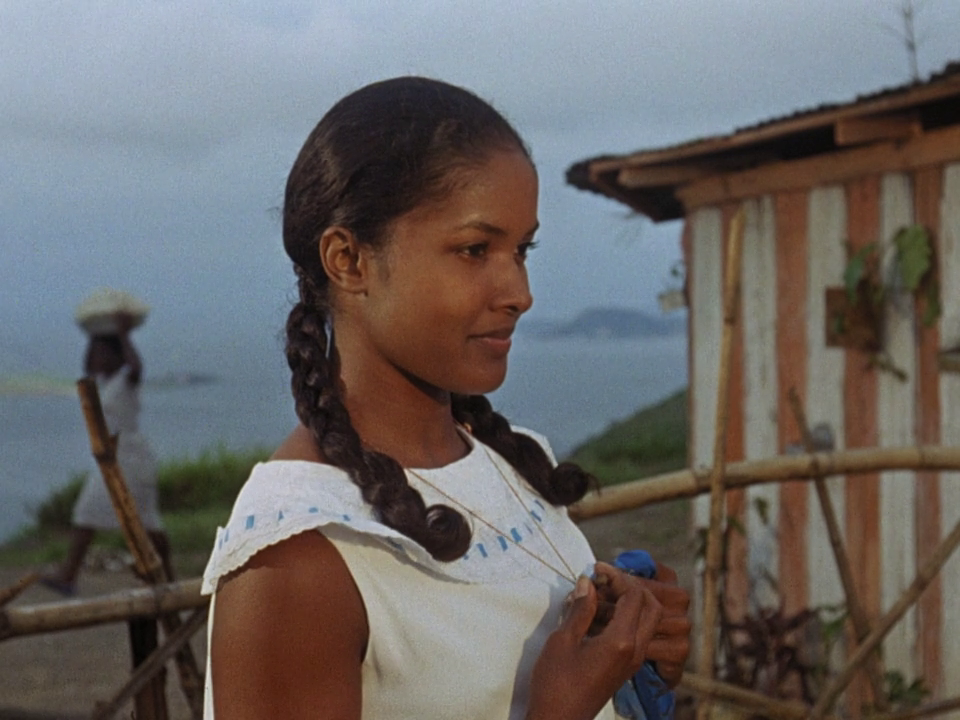
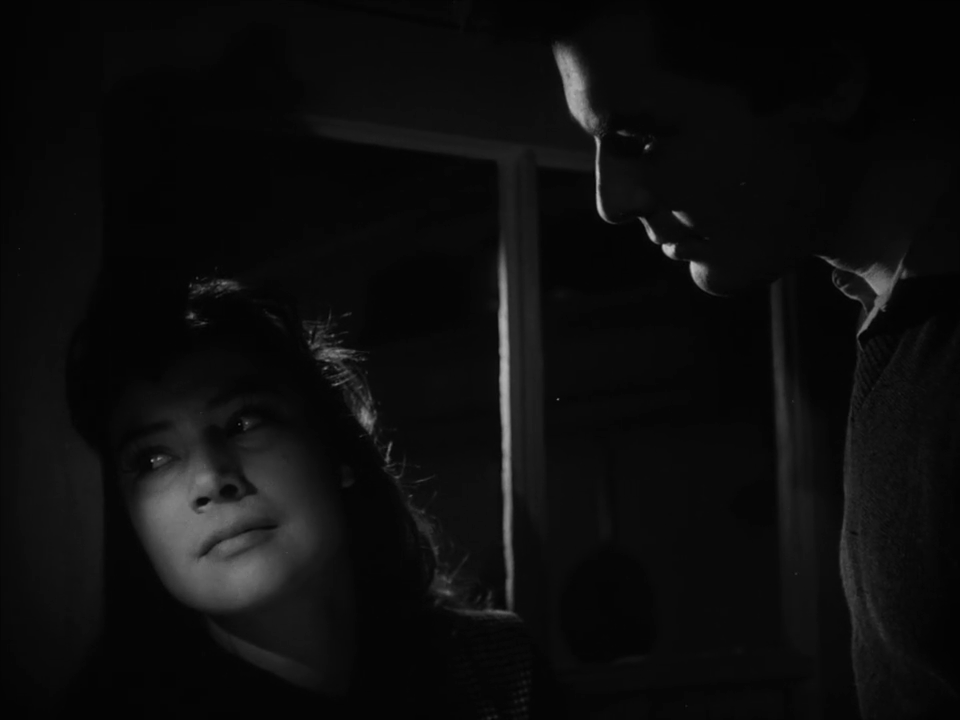
… and veteran slave trader Jurgens ready to respond to each and every attempt with seasoned aplomb. Jurgens’ Achilles’ heel is beautiful Aiché (Dandridge), who evolves over the course of the film from a mistress who warily accepts her role, to someone who recognizes that her freedom can never be won under the thumb of white slavers. In one of the film’s most powerful scenes, she tells Jurgens how she really feels about him after he supposedly writes a statement freeing her:
Refreshingly, the storyline — based on a short story by Prosper Mérimée — never goes in expected directions, always keeping the humanity of the shackled slaves at the forefront. This rarely-seen film remains well worth a look, both as a powerful drama and for its historical relevance (including inevitable controversy). Note: Film fanatics will likely recognize Jean Servais — star of Rififi (1955) — as the ship’s doctor, charged with keeping the slaves reasonably healthy.
Notable Performances, Qualities, and Moments:
Must See? Categories
Links: |