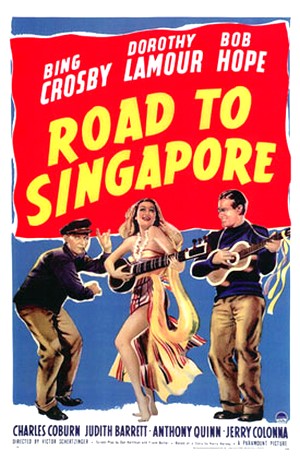
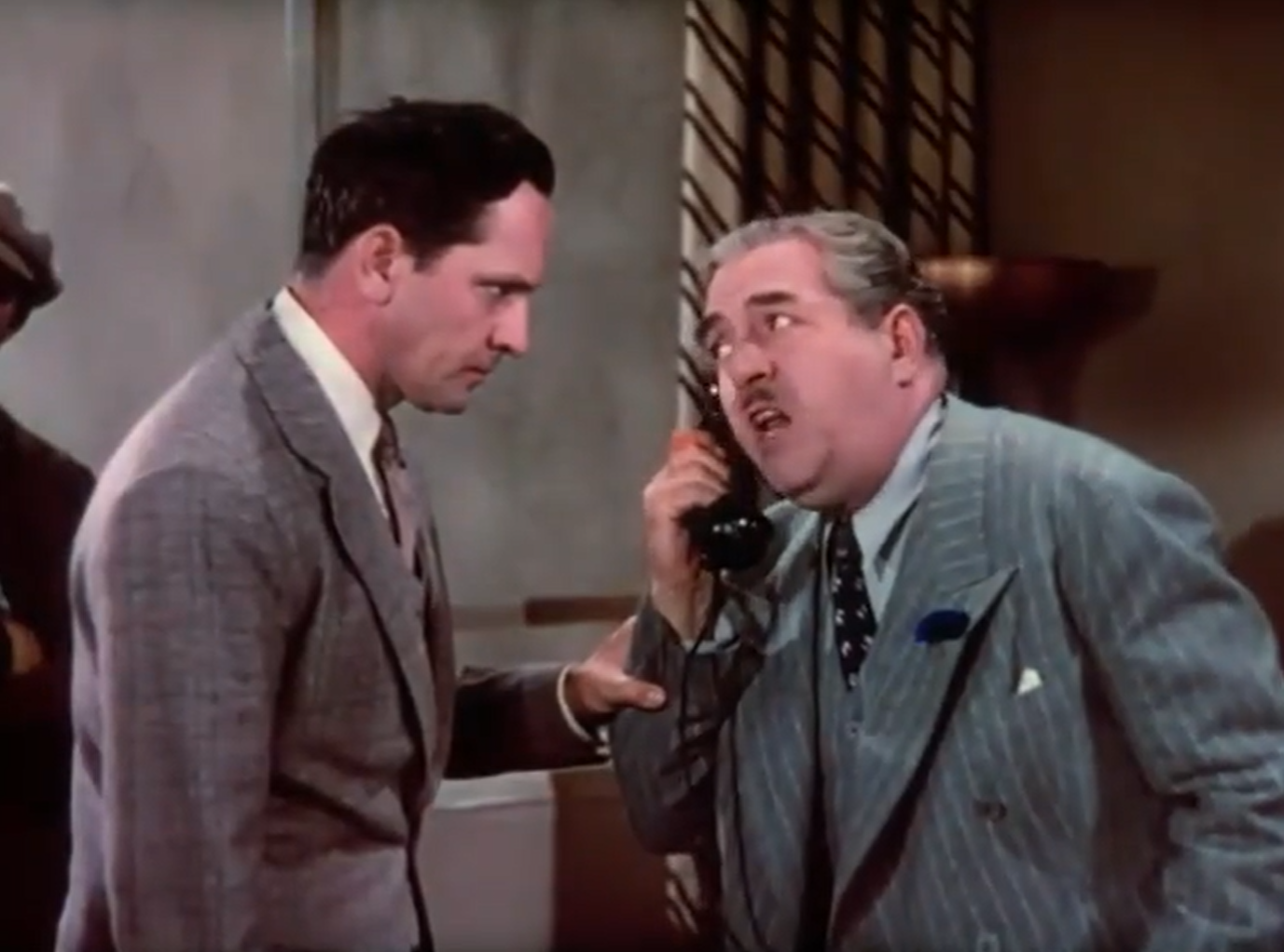
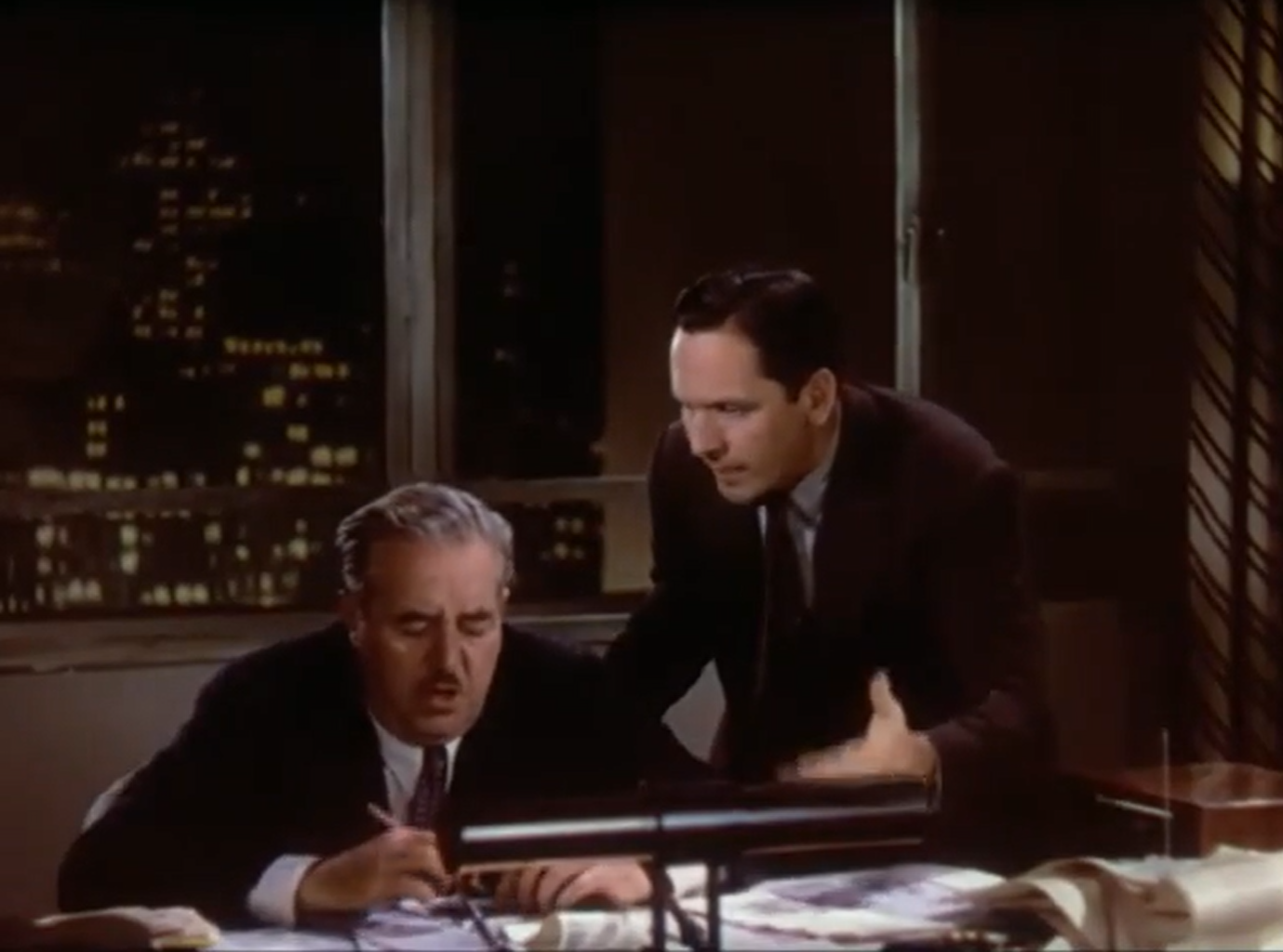
Road to Zanzibar (1941)
“If he’s a god, I’M Mickey Mouse!”
|
Synopsis: |
|
Genres, Themes, Actors, and Directors:
Review: Redeeming Qualities and Moments:
Must See? Categories
Links: |
“If he’s a god, I’M Mickey Mouse!”
|
Synopsis: |
|
Genres, Themes, Actors, and Directors:
Review: Redeeming Qualities and Moments:
Must See? Categories
Links: |
“So our pretty little dressmaker is a spy!”
|
Synopsis: |
|
Genres, Themes, Actors, and Directors:
Response to Peary’s Review:
Most likely Peary includes this title in his book simply because it’s one of Leigh’s all-too-rare screen roles (and her first leading role) — but it’s not must-see for all film fanatics. Redeeming Qualities and Moments:
Must See? Links: |
“A study of history confirms the validity of the Big Hunt theory: it is mankind’s safety valve.”
|
Synopsis: |
|
Genres, Themes, Actors, and Directors:
Response to Peary’s Review: Redeeming Qualities and Moments:
Must See? Categories
Links: |
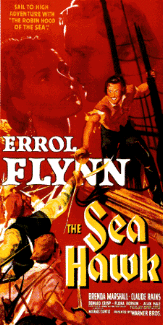
“By now you know the purpose of the Sea Hawks: in our own way to serve England and the Queen.”
|
Synopsis: |
|
Genres, Themes, Actors, and Directors:
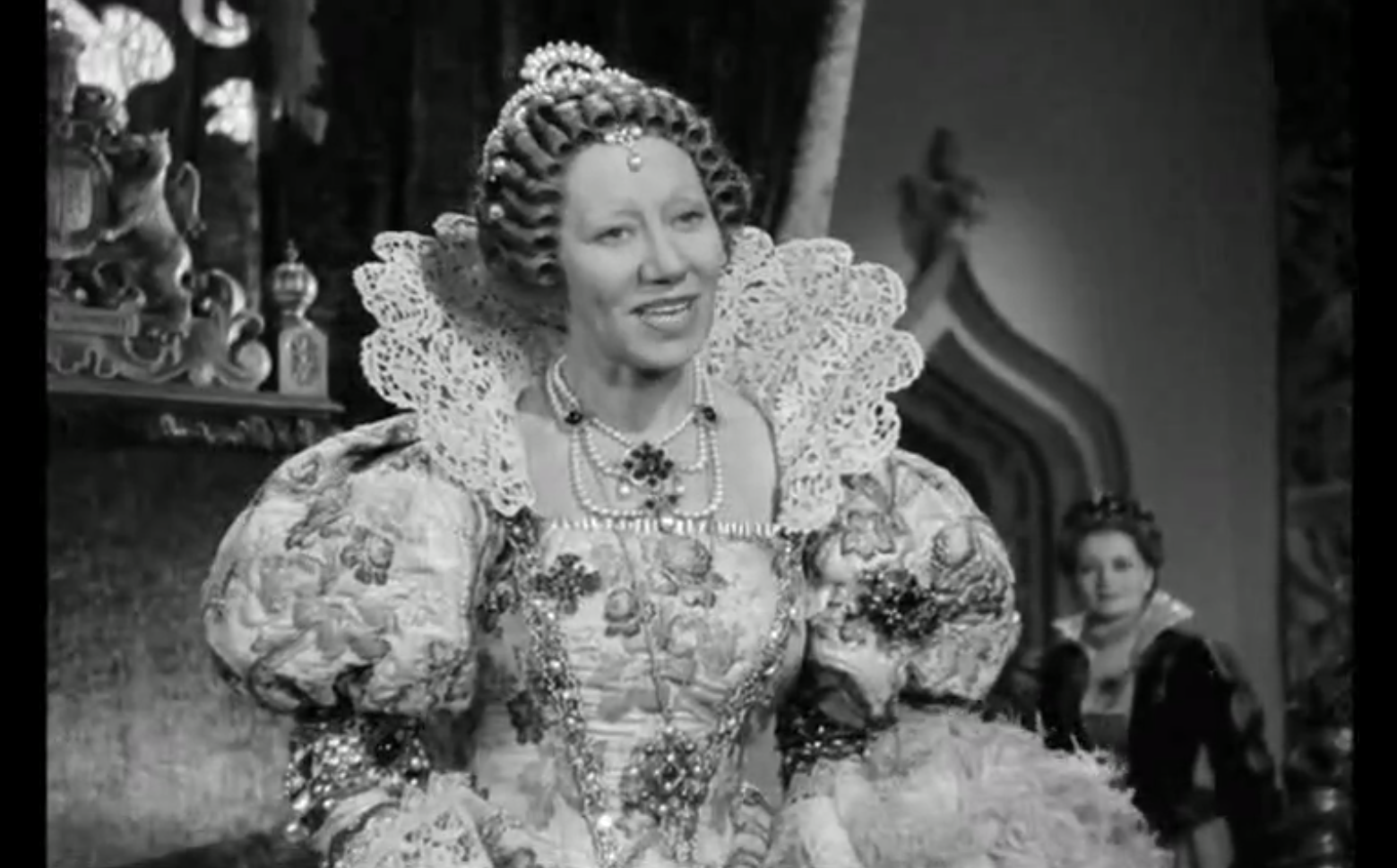
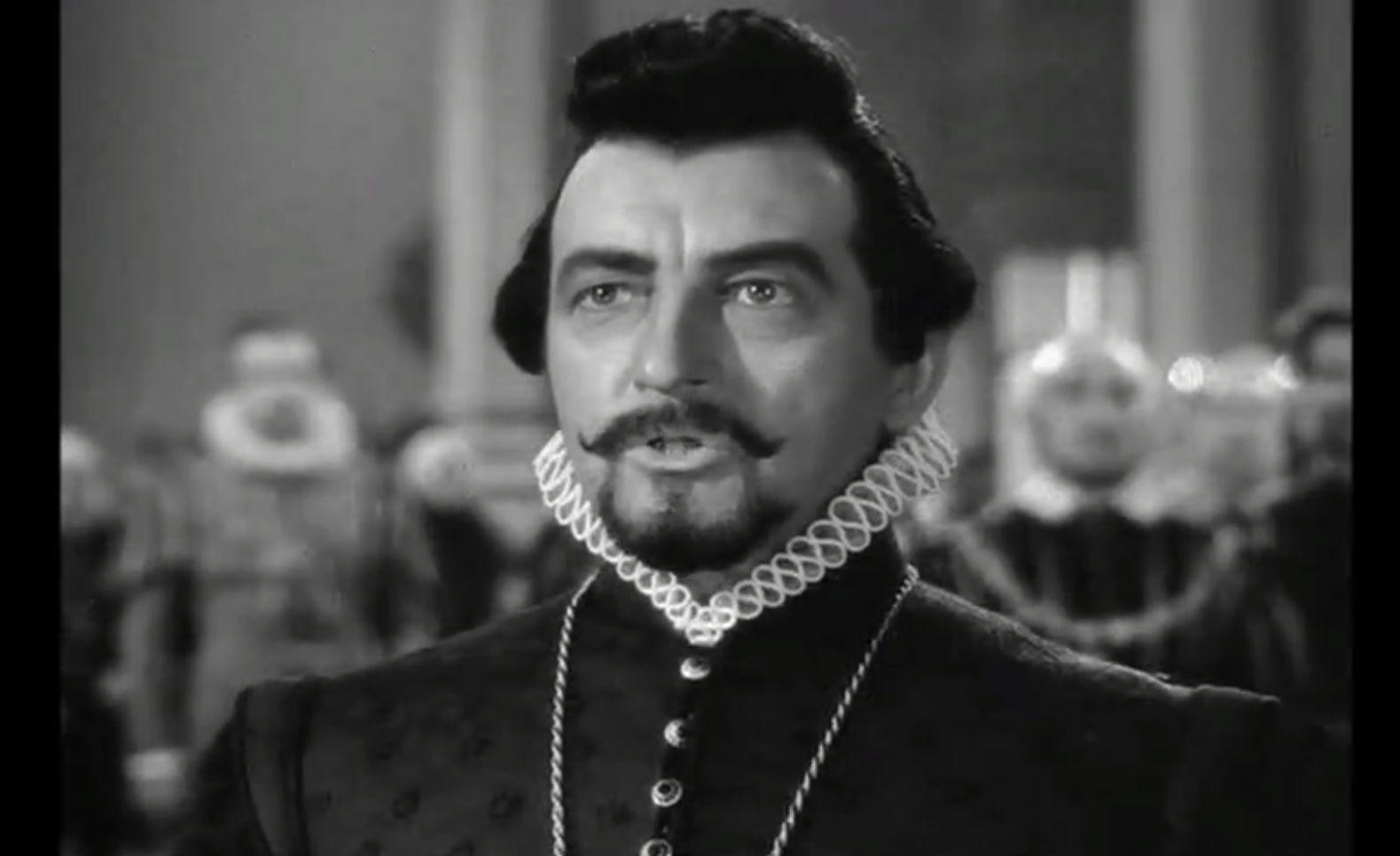
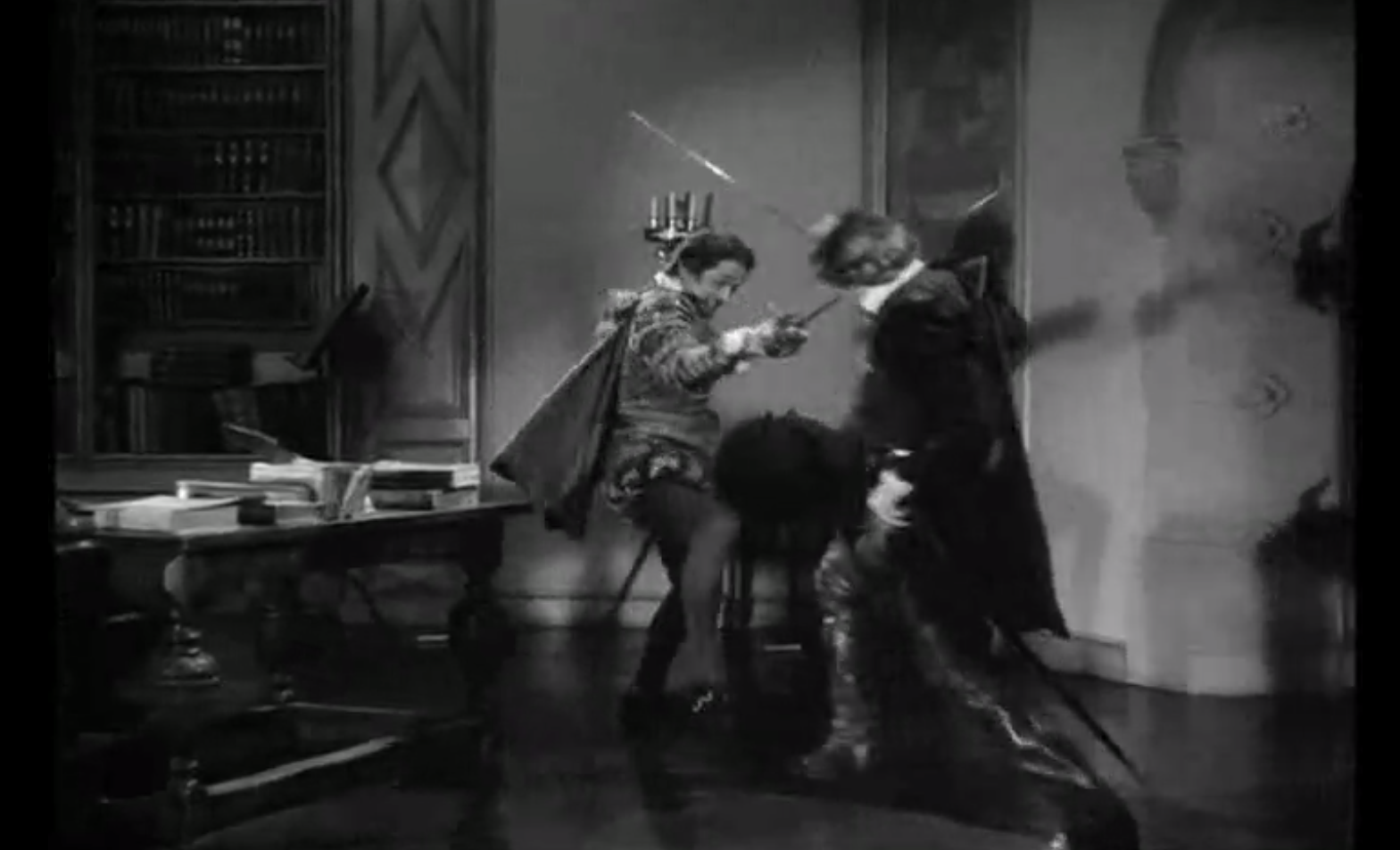
Response to Peary’s Review: While I find nearly every aspect of this adventure flick to be in fine order, I’ll admit that Flora Robson’s “splendid” performance as Queen Elizabeth I remains its greatest personal enjoyment for me. As Peary so accurately explains, Robson presents the Queen “not as a man in a woman’s body but a woman of intelligence, wit, high spirits, temper, strength, and love for country and subjects; she’s no prude, she just prefers ruling men to loving them”. And speaking of its historical grounding, the parallels made between the film’s “imperialist and evil” Spain of 1585 and Nazi Germany are indeed — as many have pointed out — rather overt, with Robson “start[ing] out like Neville Chamberlain, willing to appease the aggressors rather than risk war”, but eventually “becom[ing] as dogged as Winston Churchill”. As Peary argues, much like 1942’s Casablanca (also directed by Curtiz), this is ultimately a thinly “veiled propaganda piece that attempts to get Americans solidly into the war effort” — but it’s easy to overlook such metaphorical heavy-handedness in the face of what amounts to a bracingly vigorous, finely mounted adventure flick in its own right. Redeeming Qualities and Moments:
Must See? Categories
Links: |
“The International House of Pancakes is the one consistent thing in my life.”
|
Synopsis: |
|
Genres, Themes, Actors, and Directors:
Review:
and eventually resorts to more extreme measures, including painting his entire town pink, shipping in a troupe of African safari animals, attempting to teach an elephant to water ski, and much more:
— sets it up as a wannabe “drolly comedic commentary” on the eccentricities of America. Unfortunately, however, while every single situation and character in the script seems designed to milk laughs, I never chuckled — not once. Like most comedies, this film has its core set of devoted fans: many viewers seem to find inherent humor simply in the IDEA of a children’s story about “Ricky the Carnivorous Pony”, pronounced “Licky” by the group of generically “Asian-American” orphans; or the concept of a blonde floozy gathering her mother’s ashes from a drive-in mortuary and driving with them to Florida, accidentally allowing them to spill and be snorted by a cokehead in the meantime; or the notion of a young boy (Billingsley) who hates peeing in his RV’s urinal so much he holds it in for hours; or the portrayal of a defiant elderly woman who insists she ISN’T an alcoholic since she “only” indulges in mixed drinks and never hides her bottles:
… or the revelation that a young nun (Rush) actually longs for sensual experiences like swimming. Well, there’s clearly no point in going on — either it works for you, or it doesn’t. The biggest mystery is why Peary includes this clunker in the back of his book, without any kind of revealing “code”. Is he a fan himself? Or does he consider it simply too historically notorious to miss? Regardless, it’s most certainly NOT must-see. Redeeming Qualities and Moments:
Must See? Links: |
“That’s our agreement — no women, remember?”
|
Synopsis: |
|
Genres, Themes, Actors, and Directors:
Response to Peary’s Review:
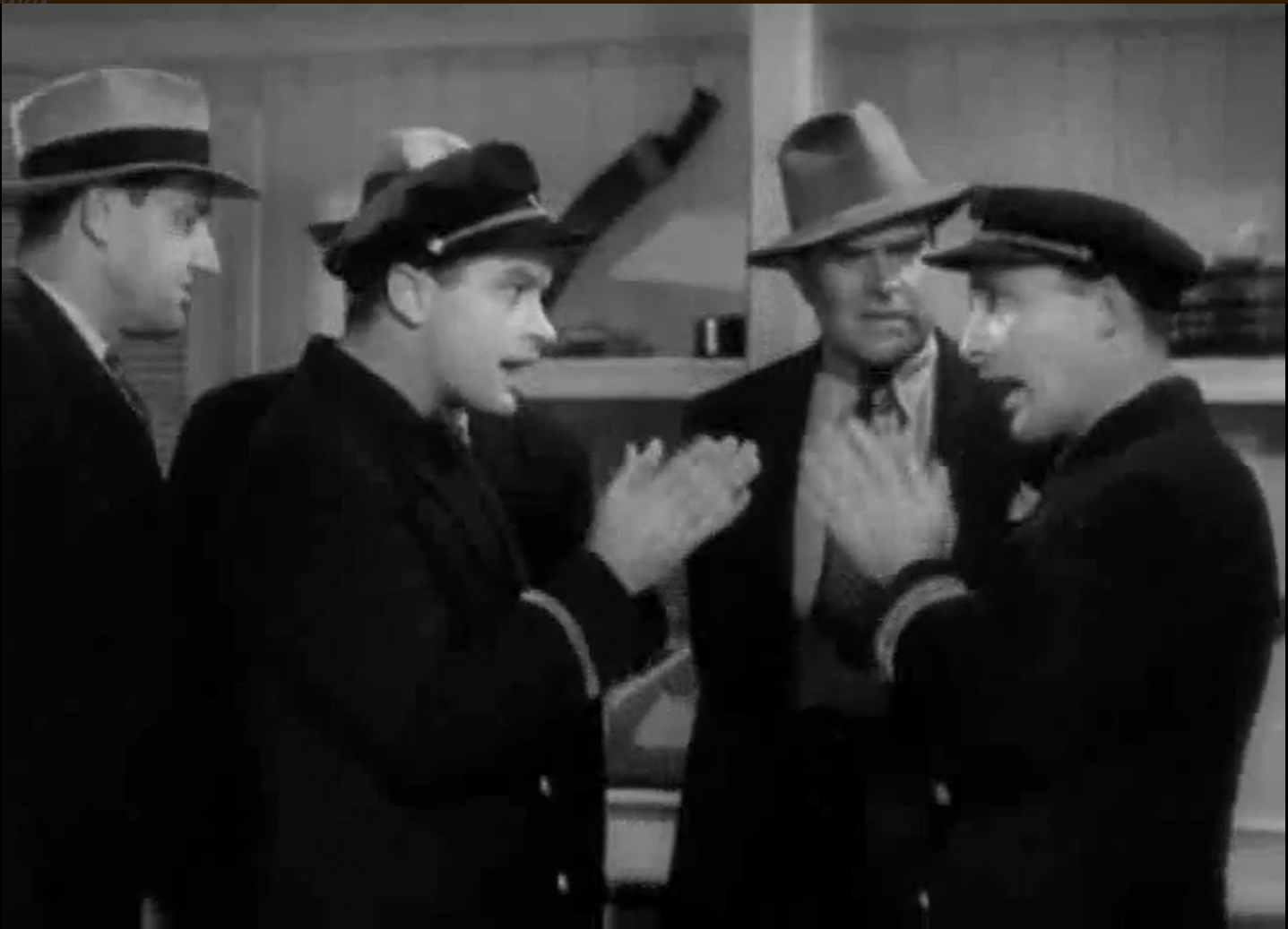
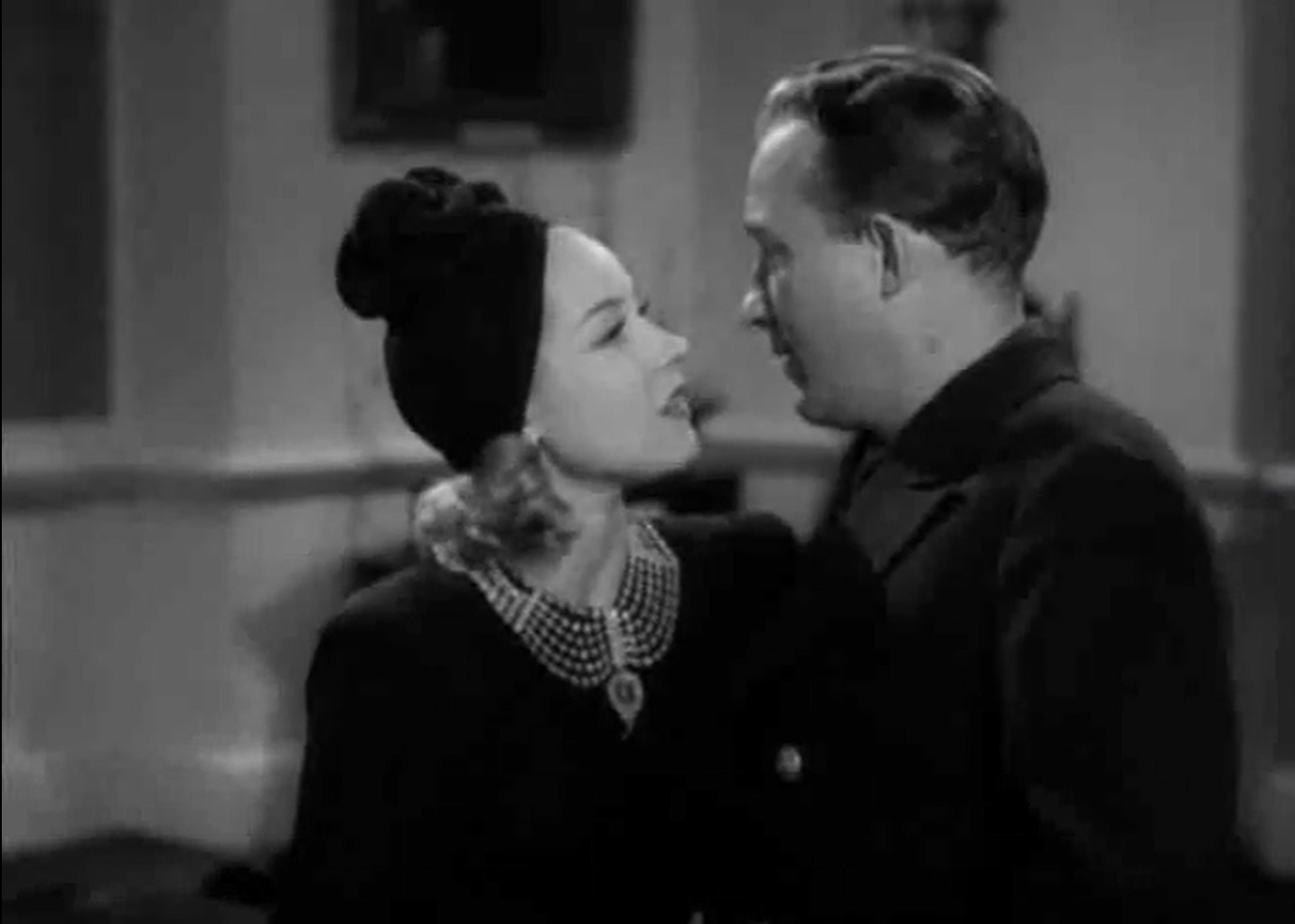
… and capable supporting work”. Indeed, fans of the series’ particular brand of humor will surely find much here to enjoy (though there’s obviously none of the self-referential humor evident in the later entries). Watch for a fun supporting performance by Judith Barrett as Crosby’s jilted fiancee:
Her lack of discomfiture at Crosby’s continual attempts to break off their engagement is truly unexpected, and most amusing. Note: According to TCM’s article on this first film in the series, “Though both men knew a major cash-cow when they were riding one, and thus were able to maintain a façade of deep friendship, they were highly competitive egotists who never missed an opportunity to belittle each other. And it wasn’t always in good fun.” Click here to read more. Redeeming Qualities and Moments:
Must See? Links: |
“You had better learn how to play the game — and I don’t mean just the game of football.”
|
Synopsis: |
|
Genres, Themes, Actors, and Directors:
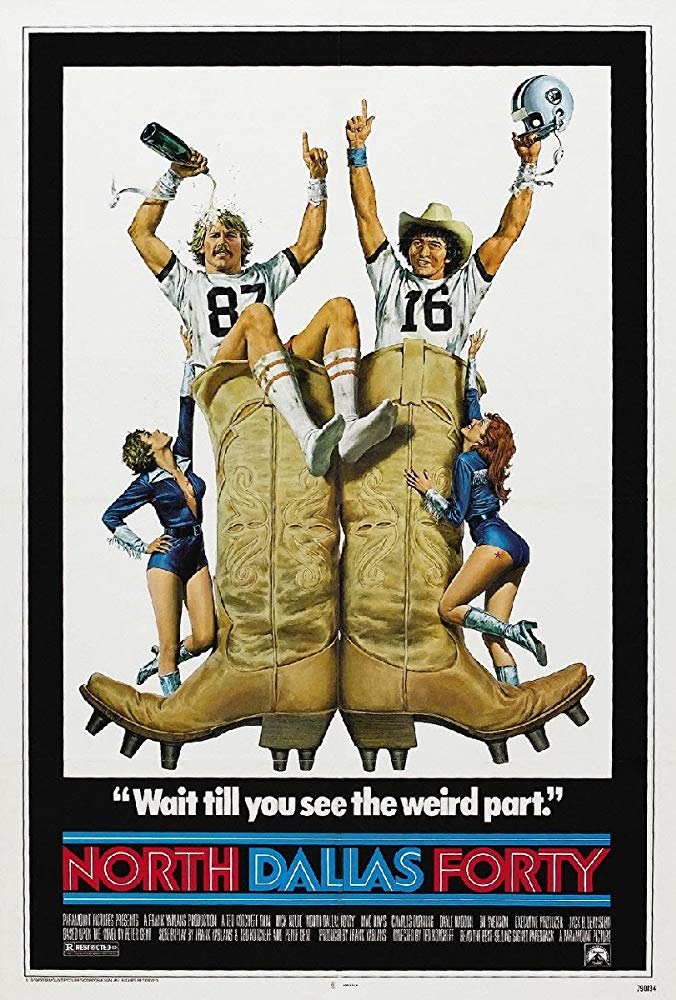
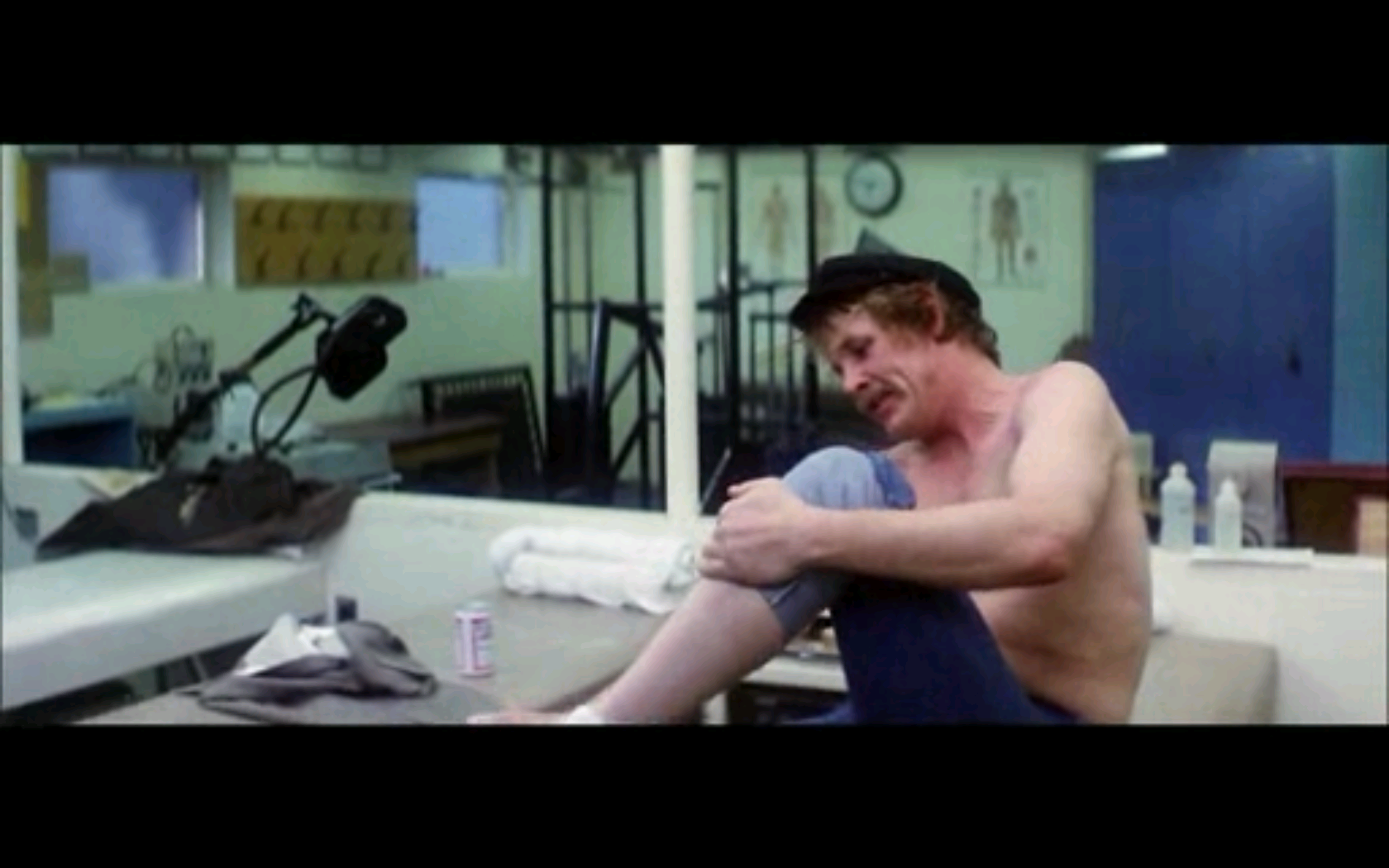
Response to Peary’s Review: We’re clearly meant to sympathize with poor Nolte, who is presented as “more intelligent than his loony, barbaric teammates”, and who — as a player clearly on the tail-end of his viability as a pro athlete — epitomizes many athletes’ willingness “to endure pills and shots, and ‘take the crap, the manipulation, and the pain’ in order to have that special feeling of playing football”. Indeed, this “willingness” ultimately becomes the central thesis of the somewhat aimless screenplay, as we watch Nolte treating his body like a piece of strategic meat he must somehow keep just fit enough to make it onto the field — where he can finally work his “glue-fingered” magic by catching and holding on to the ball. To that end, the film is at its best presenting a brutally “realistic view of the world of pro football on the field and behind the scenes” (a view most sports movies stay far away from); the “big game” at the end of the film is over far more quickly than one expects, given typical cinematic conventions in such films. Peary argues that “Nolte has never been better” in the central role, and to a certain extent — as a former junior college football player himself — he seems perfectly cast; but my husband couldn’t help pointing out that Nolte simply didn’t seem buff and beefy enough (even as a clear soon-to-be “has been”) to be competing in pro football, especially in comparison with his teammates (many of them actual players). Nonetheless, his characterization is fine and rings true. Giving an equally memorable, quirky performance is “country singer Mac Davis” as “Nolte’s best friend, a partying, sex-obsessed Don Meredith-like quarterback”. Unfortunately, however, Dayle Haddon as “Nolte’s football-hating girlfriend” falls completely flat; she’s boring from the moment we first see her watching the opening party scene with disdain, and we never understand exactly what Nolte sees in her (other than her obvious beauty). Listen for a fine, haunting score by John Scott. Redeeming Qualities and Moments:
Must See? Links: |
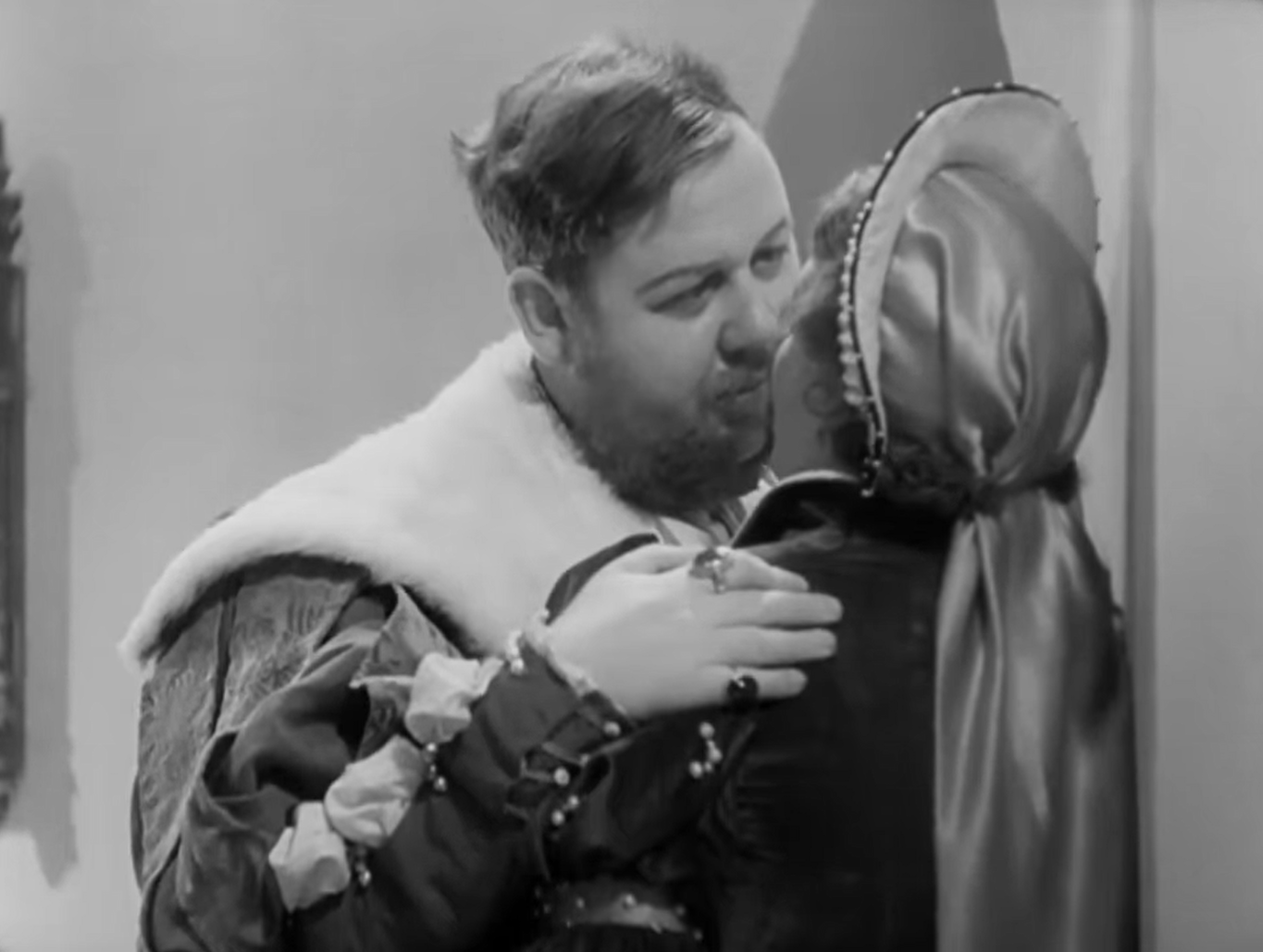
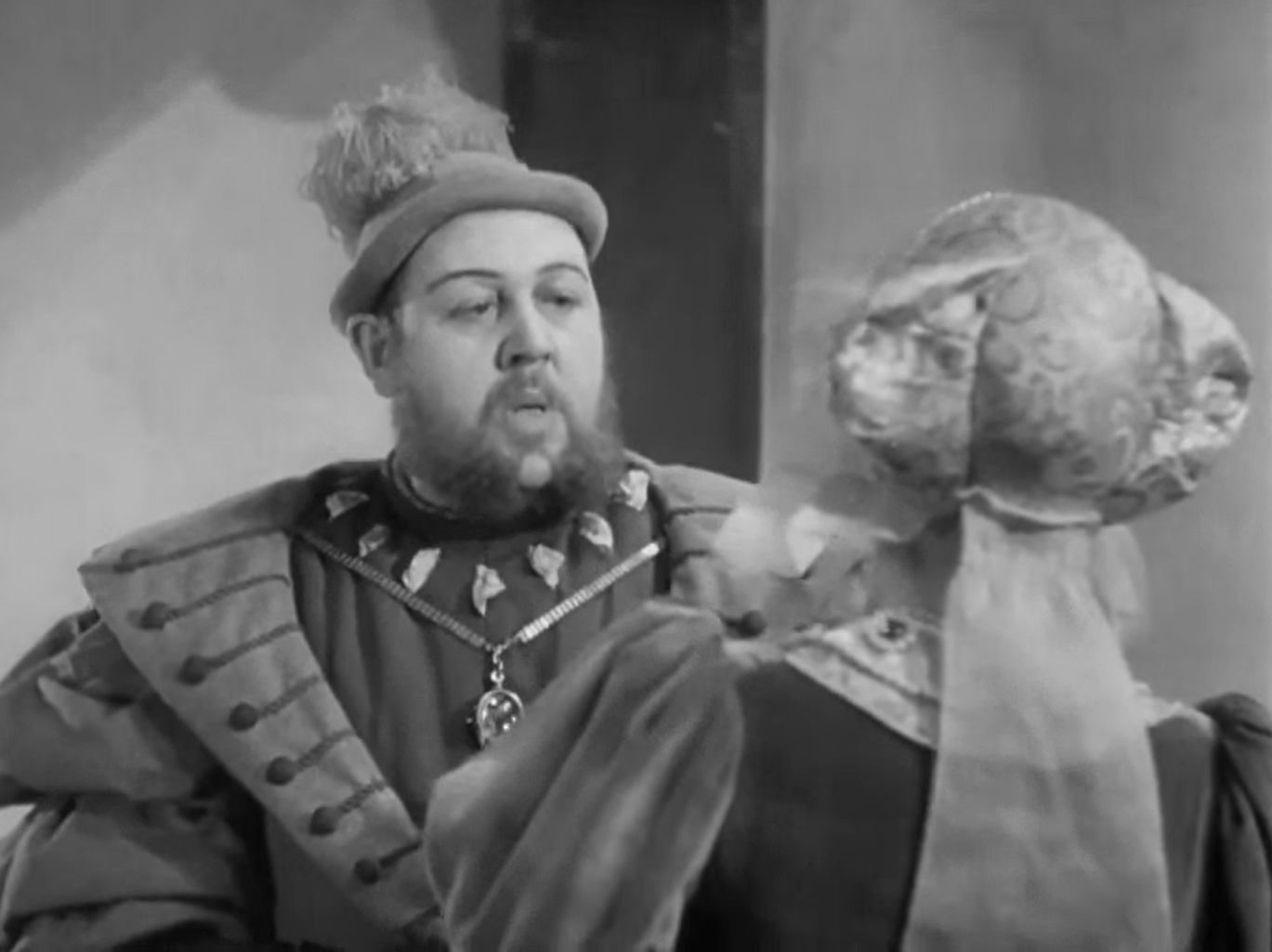
“Am I a king or a breeding bull?”
|
Synopsis: |
|
Genres, Themes, Actors, and Directors:
Response to Peary’s Review:
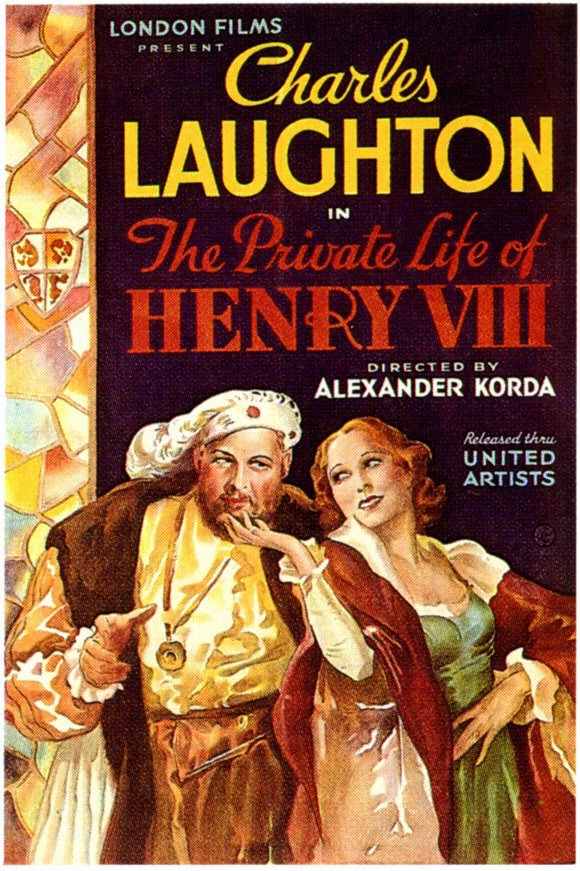
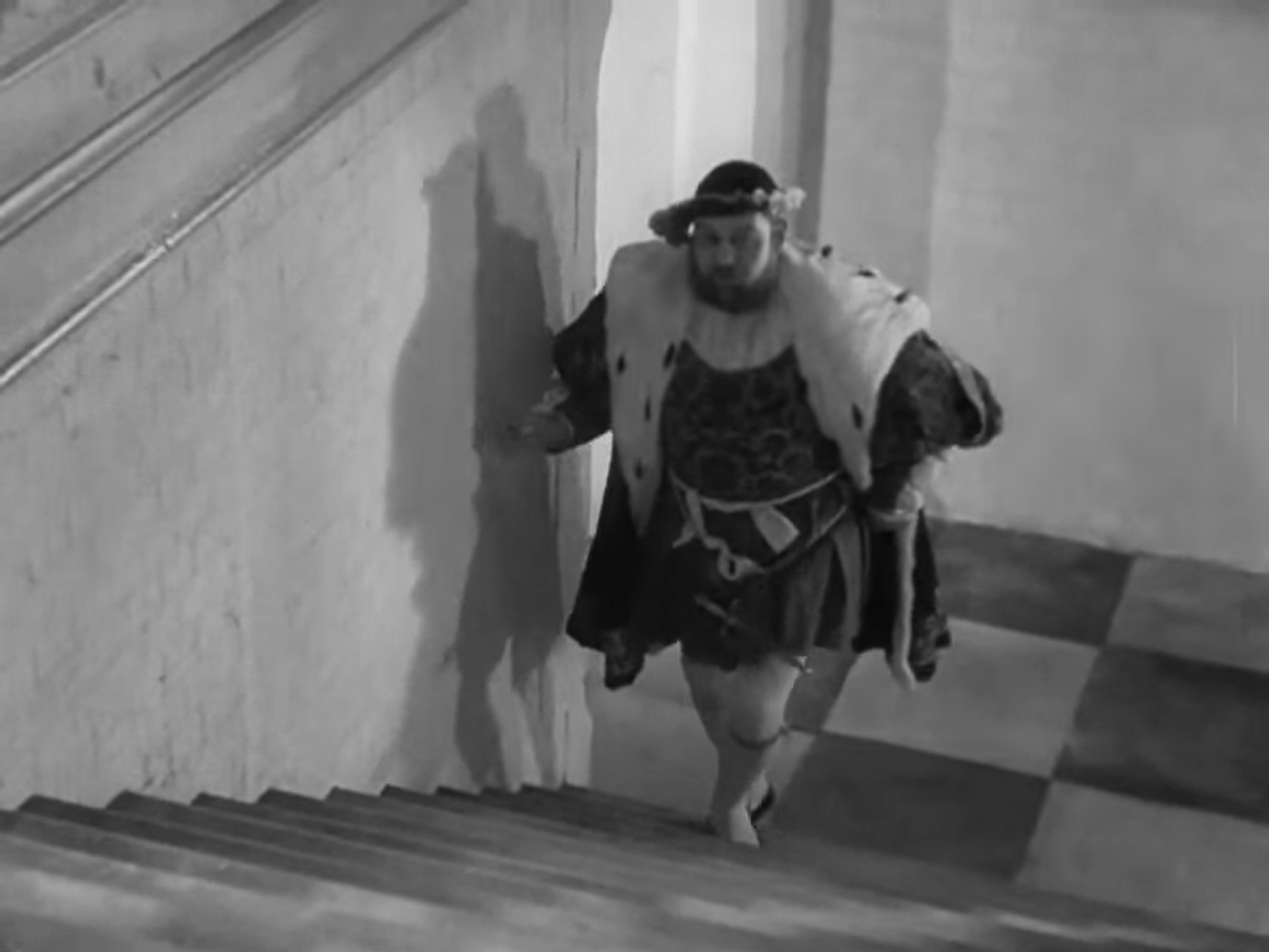
As its title suggests, the film “centers less on Henry’s politics than on his personal relationships”, emphasizing the “human, typical-husband side of Henry” as he cycles through a series of wives for one reason after the other. (Only his first wife, Catherine of Aragon, is missing from the remarkably economical 1.5 hour screenplay; she’s simply mentioned at the beginning of the film as “too respectable to spend time on”.) The screenplay is surprisingly risque, with much made of King Henry’s need to sire a male heir (or two, or three) for the crown; indeed, his sexual appetites — and the ramifications they have for the very survival of his kingdom — serve as the foundation of the entire film. The best, all-too-brief scenes are between Laughton and his real-life wife, Lanchester, who gives a truly fearless performance as a woman supposedly too ugly for Laughton to stomach (though I’ve never been convinced that Lanchester is anything less than stunning, in her own quirky fashion). Her clever machinations on her wedding night, as she swiftly works to prevent Laughton from bedding her, are classic evidence of feminine wiles at work; she manages to maintain not just her head but her lover and her previous existence — in noticeable contrast to foolish Binnie Barnes’ Katherine Howard, a socially ambitious noblewoman who openly makes a fool of Laughton, at her own expense. Redeeming Qualities and Moments:
Must See? Categories
Links: |
“Magic Mirror, on the wall, who is the fairest one of all?”
|
Synopsis: |
|
Genres, Themes, Actors, and Directors:
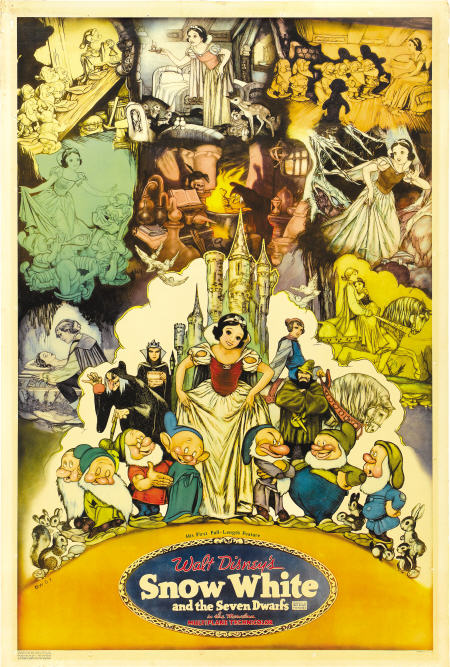
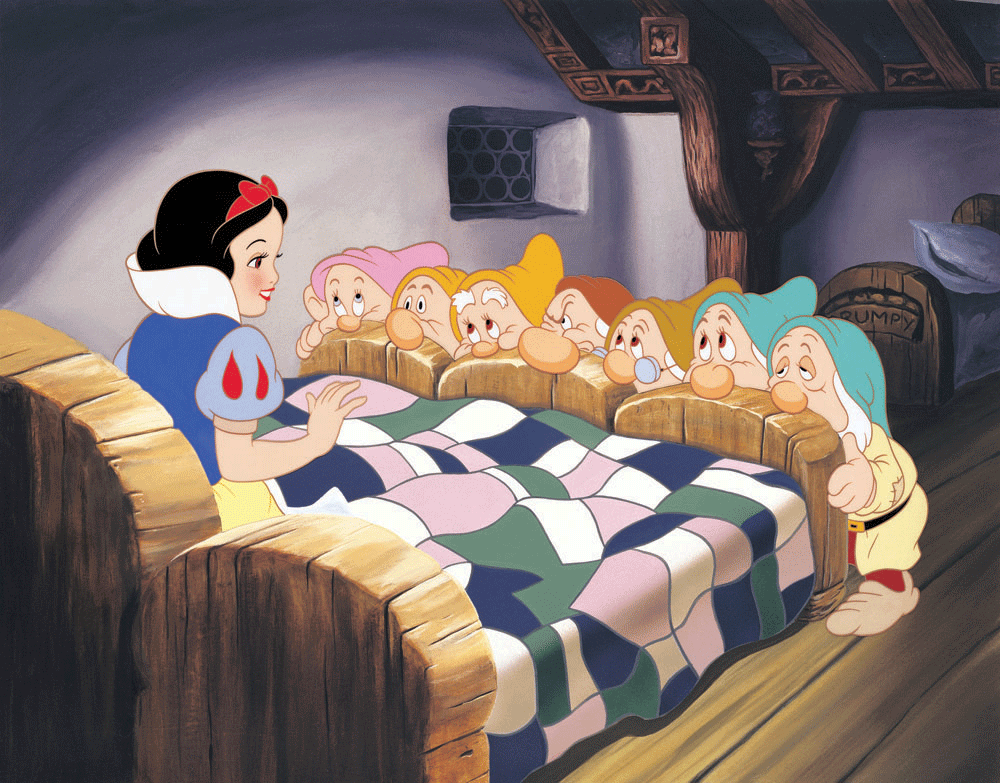
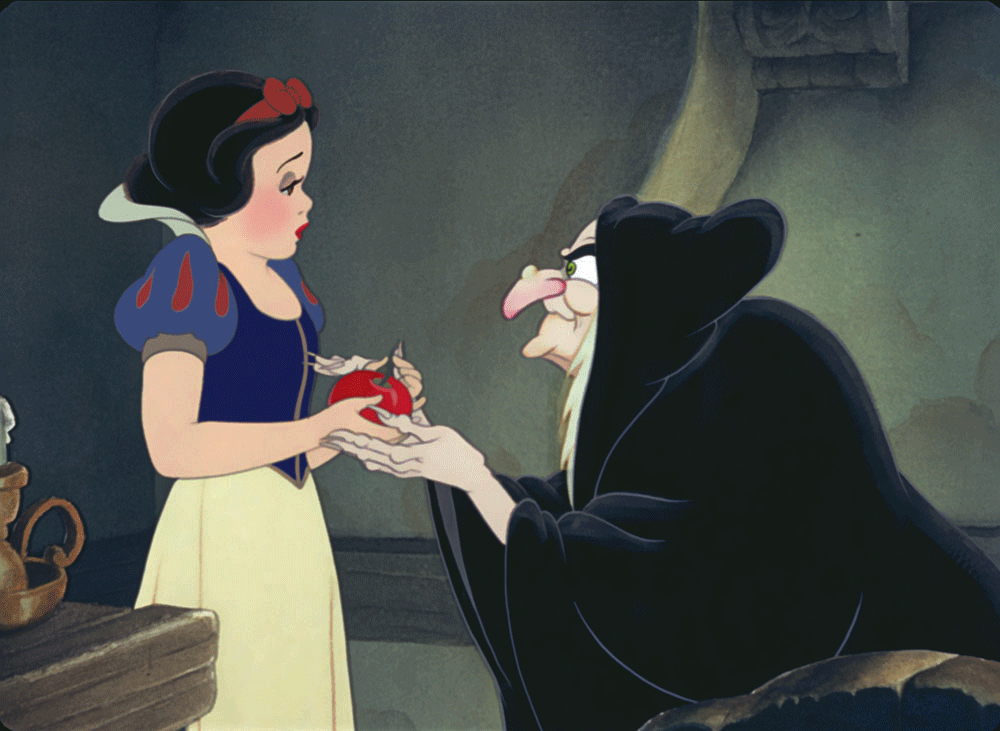
Response to Peary’s Review: So much has been written about this historically groundbreaking cult favorite that interested readers are advised to browse the Web and DVD special features to their heart’s content (for a good start, check out the links provided below). To add my own two cents to the conversation, the following thoughts occurred to me when revisiting this film the other night in anticipation of wanting to show it to my 2-1/2 year old daughter (nope — way too intense for her at this point!): Snow White (as we all know) is the embodiment of both purity and traditional American feminine virtues, given that she immediately sets to work cleaning up the dwarfs’ house and becoming their caretaker. Her stepmother, naturally, is Evil and Jealousy personified (Peary refers to her as “Satan”) — a woman so focused on the importance of her own beauty (another feminine ideal) that she’s willing to kill or be killed in order to maintain her status as the “fairest of them all”. The seven dwarfs — provided with names and personalities by Disney, after lengthy consideration; they’re nameless in Grimm — are given much more screen-time than I remembered. Indeed, at times it feels as though the bulk of the 83-minute film is taken up with showing them at work and at home, as they return from their diamond mines (what are they going to do with all that treasure??!!), discover the presence of an intruder in their little cottage, and quickly find themselves falling in love with the fugitive princess. Meanwhile, other male figures are given surprisingly short shrift: Snow White’s prince (Harry Stockwell) barely registers (interestingly, rumor has it that his character was so challenging to draw that they limited his “appearance” to just a few necessary plot points), and Snow White’s father (the Queen’s husband) is nowhere to be seen. Finally, Snow White’s animal friends — as in so many other Disney classics — are an essential help to her in her quest to survive in a brutal world (though none in particular are given special attention). Redeeming Qualities and Moments:
Must See? Categories
(Listed in 1001 Movies You Must See Before You Die) Links: |
“You’ll be a sensation. The whole town’ll take you to its heart.”
|
Synopsis: |
|
Genres, Themes, Actors, and Directors:
Response to Peary’s Review:
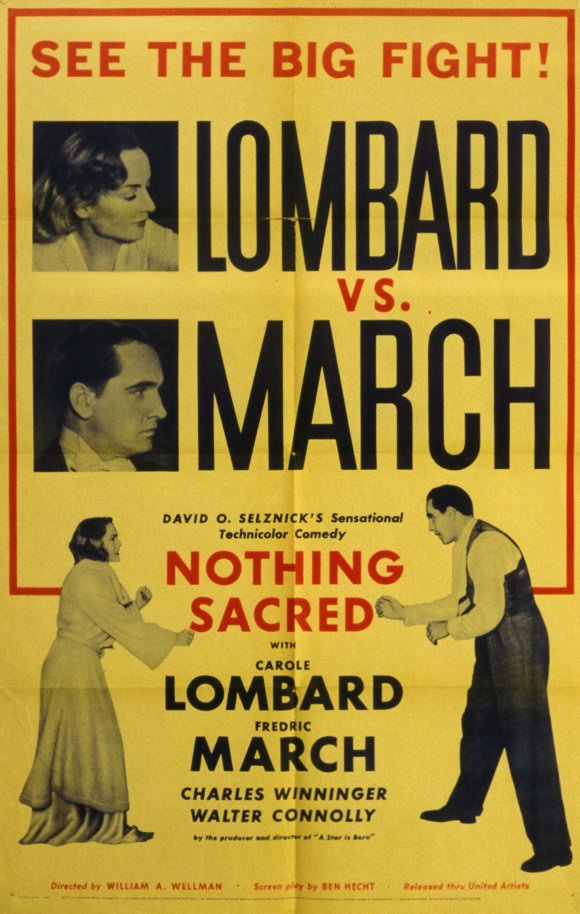
It helps, of course, that Flagg is played by the premiere screwball comedienne of the 1930s — beautiful Lombard (the “highest-paid star at the time”), who gives a “witty, animated performance”. March is “his usual too stiff self” (as Peary points out, this it “why it’s funny watching a small town boy greet him with a bite on the leg” during an unexpectedly laugh-out-loud moment) — but he’s a suitable foil for Lombard, whose energy never flags.
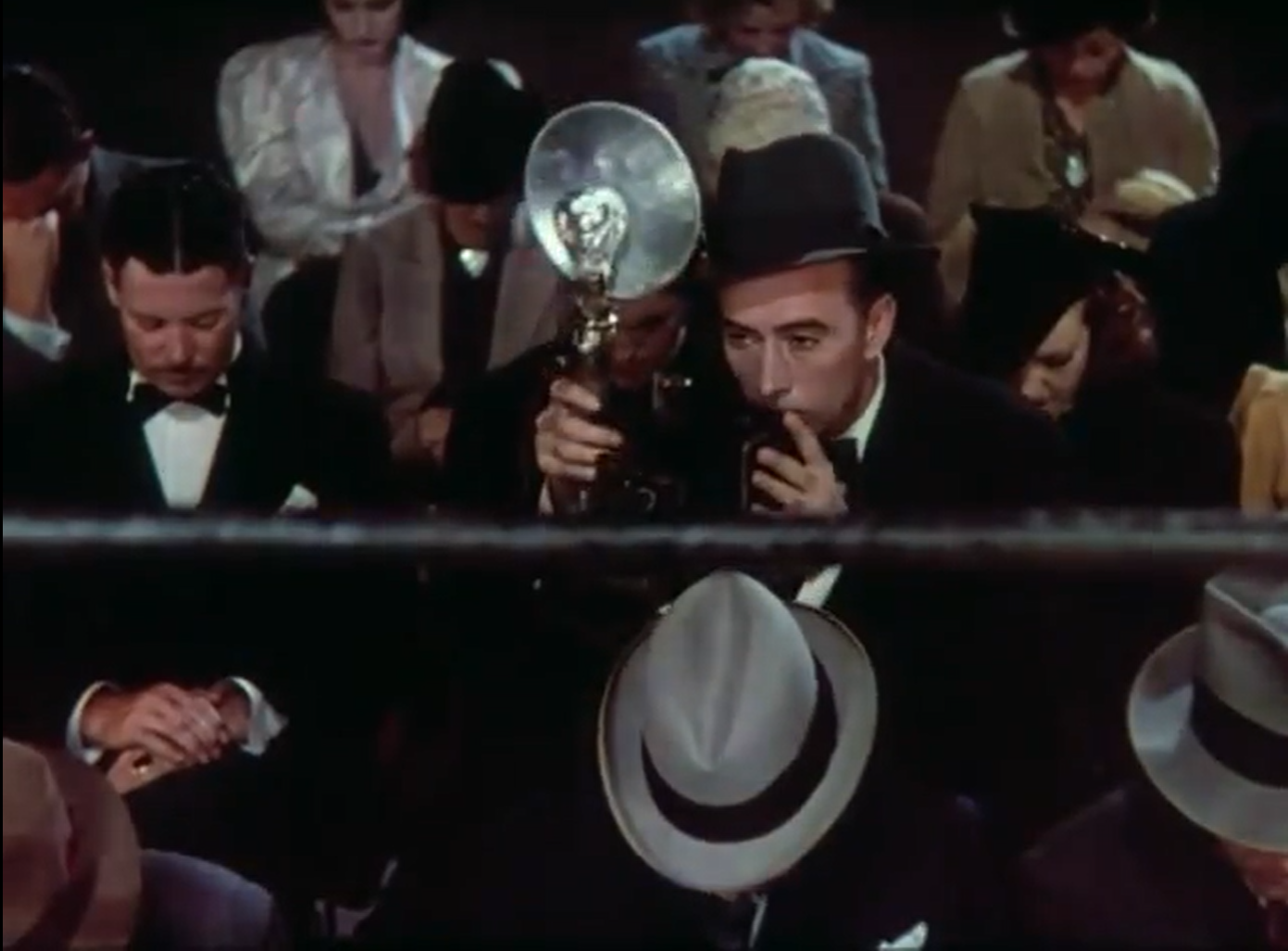
At just 75 minutes, this flick zips along speedily and never loses steam. The rapidity with which Flagg is embraced by the American public as its latest favorite “folk hero” resonates perfectly with the apparent speed of modern-day celeb-culture, in which “breaking news” is available at the touch of a button. Hecht’s merciless script is full of countless juicy moments, milked perfectly for laughs: a photographer (nonchalant George Chandler) pops up to drolly snap shots of Flagg at opportune moments:
… a group of schoolchildren intone an anthem to doomed Flagg:
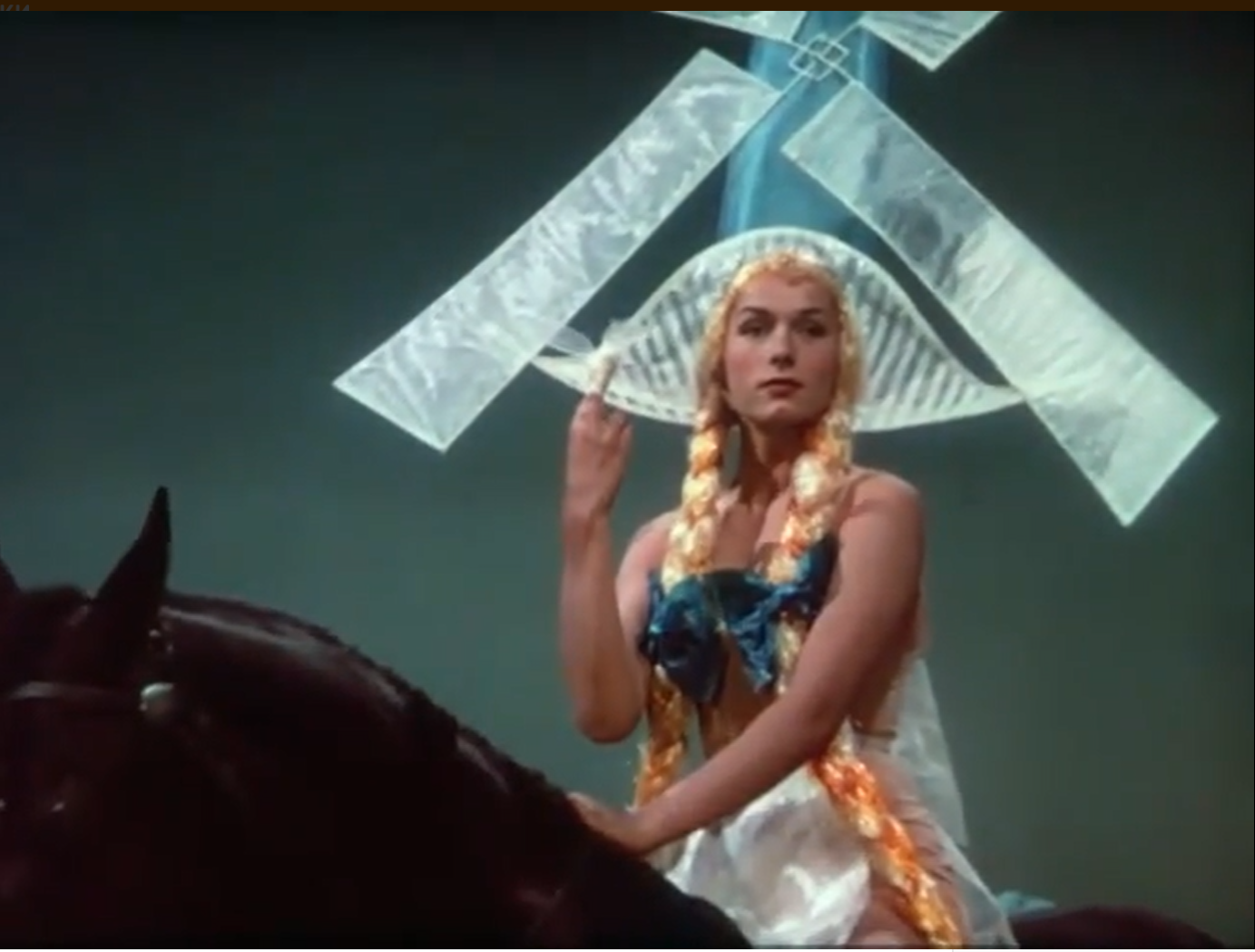
… a bevy of beauties dressed as historical heroines are paraded on horses (watch closely when Jinx Falkenburg as “Katinka”, the girl who “stuck her finger in a dyke” — and thus saved Holland — is on stage).
NB: Walter Connelly deserves special mention in a typecast role which he nonetheless embraces wholeheartedly — that of “Oliver Stone”, ruthless editor of the Morning Star newspaper, who genuinely, sincerely finds it problematic to learn that Flagg isn’t really on death’s doorstep.
Redeeming Qualities and Moments:
Must See? Categories
Links: |