Atomic Cafe, The (1982)
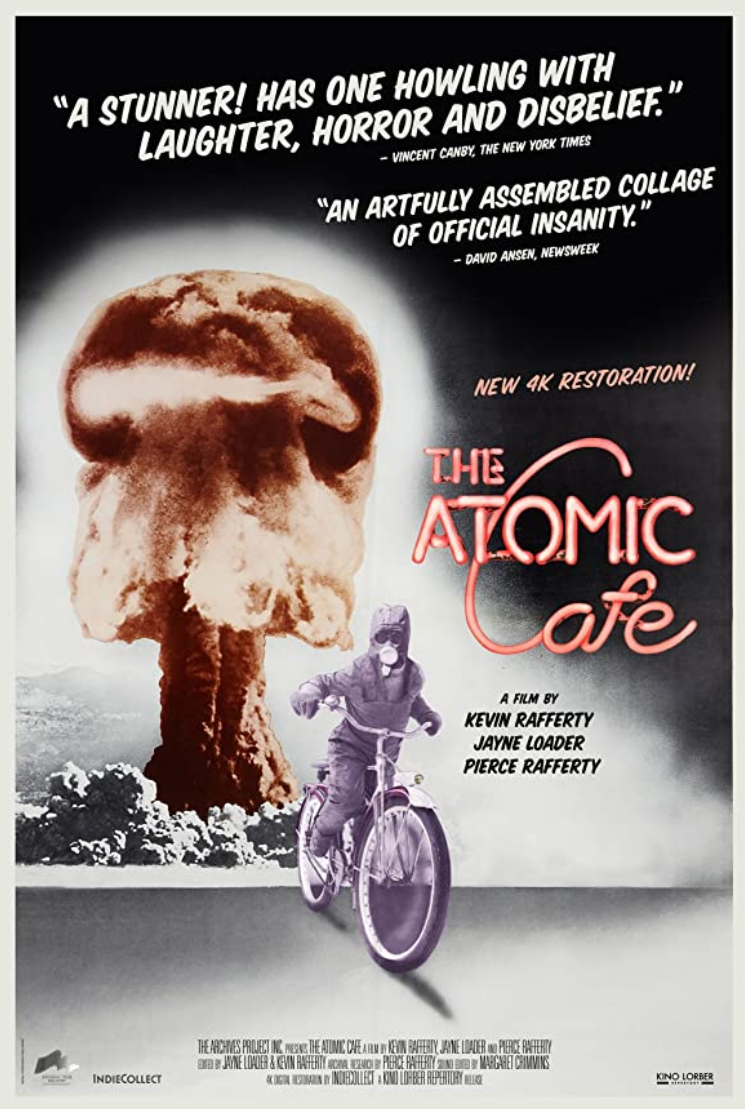
“When not close enough to be killed, the atomic bomb is one of the most beautiful sights in the world.”
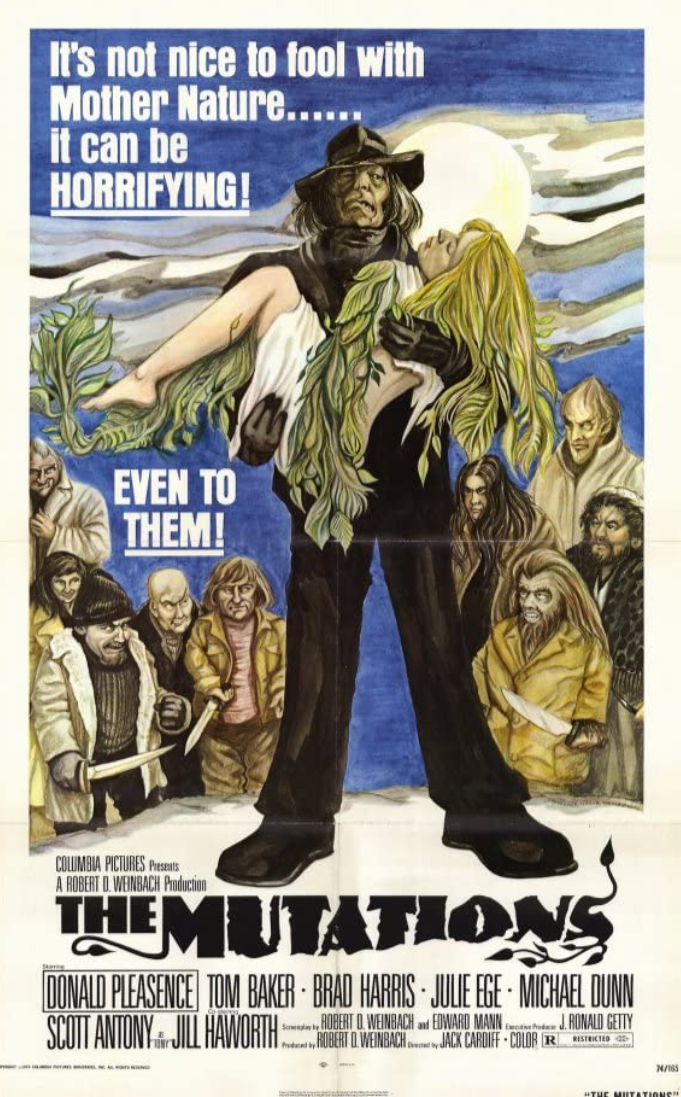
“He’ll soon be neither human nor plant, but with the characteristics and advantages of both: a plant that can move and think; a man who can set down roots.”
|
Synopsis: |
|
Genres, Themes, Actors, and Directors:
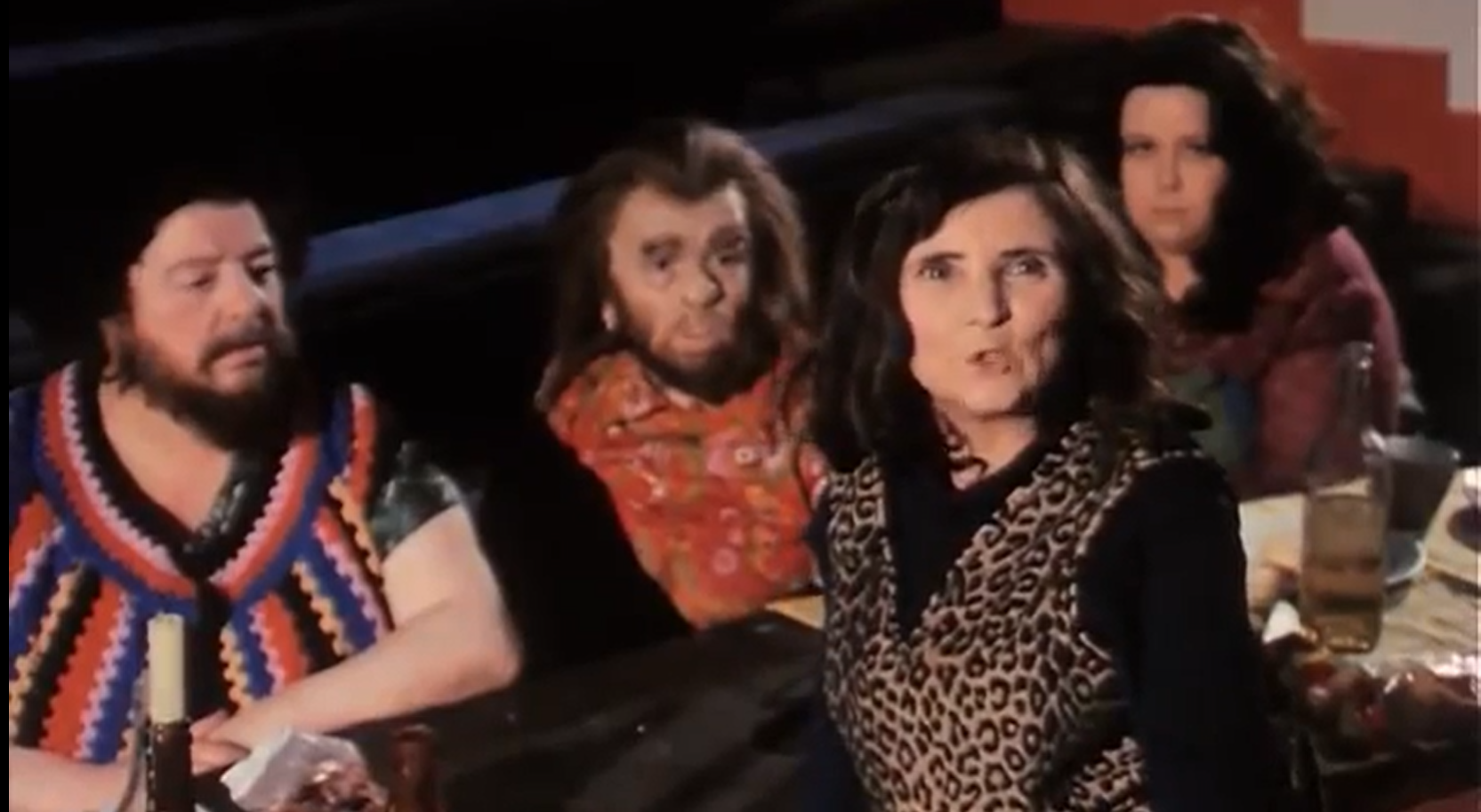
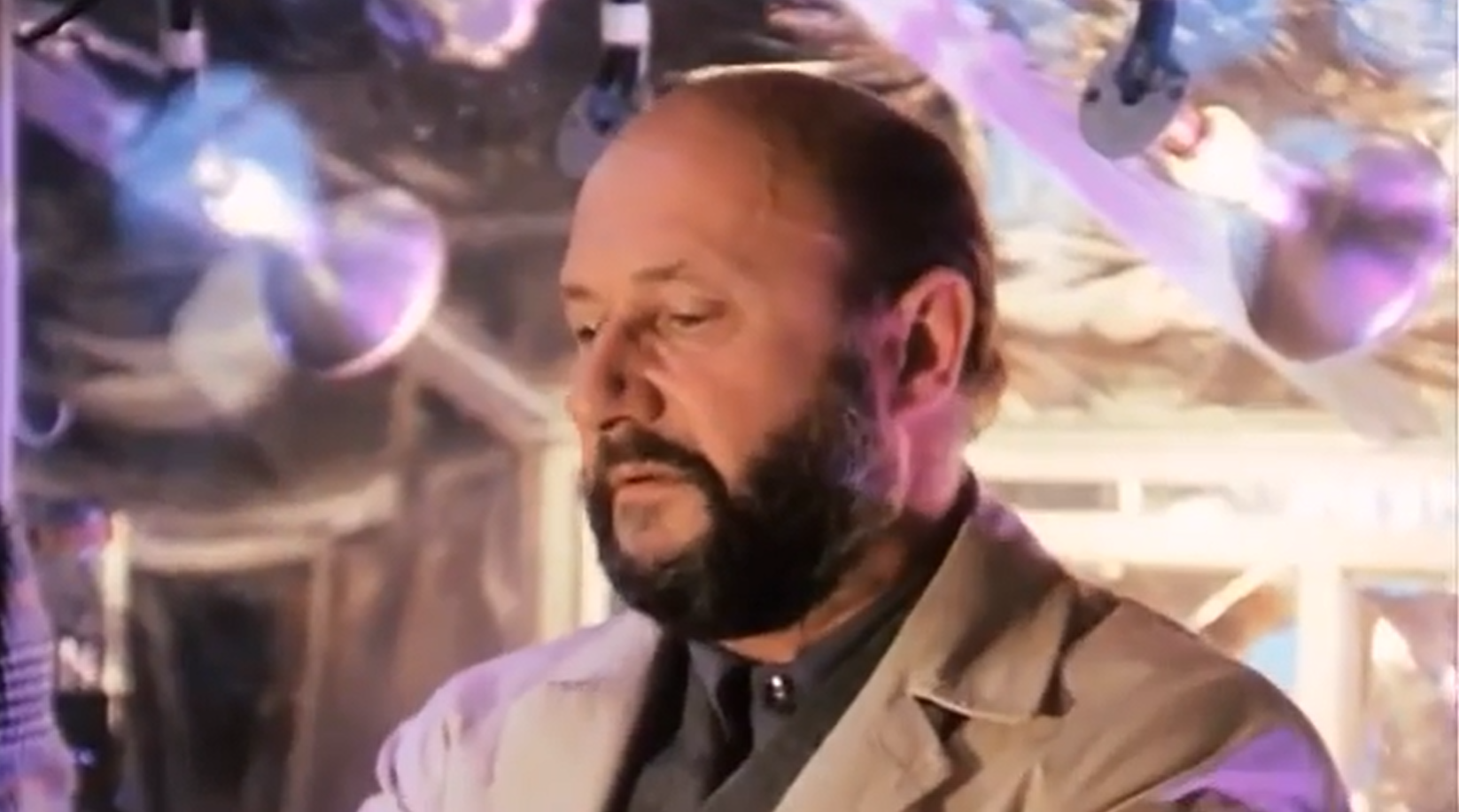
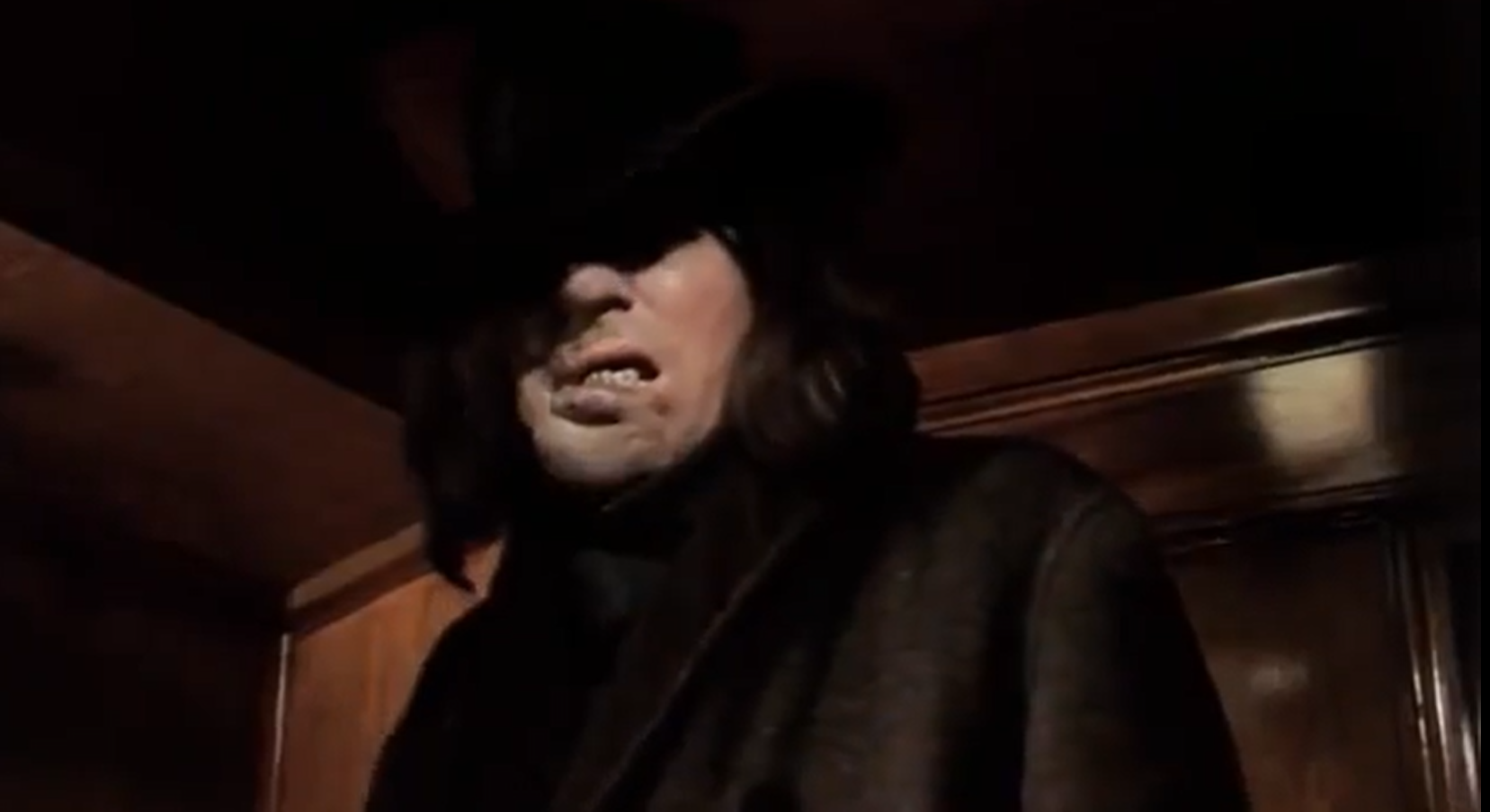
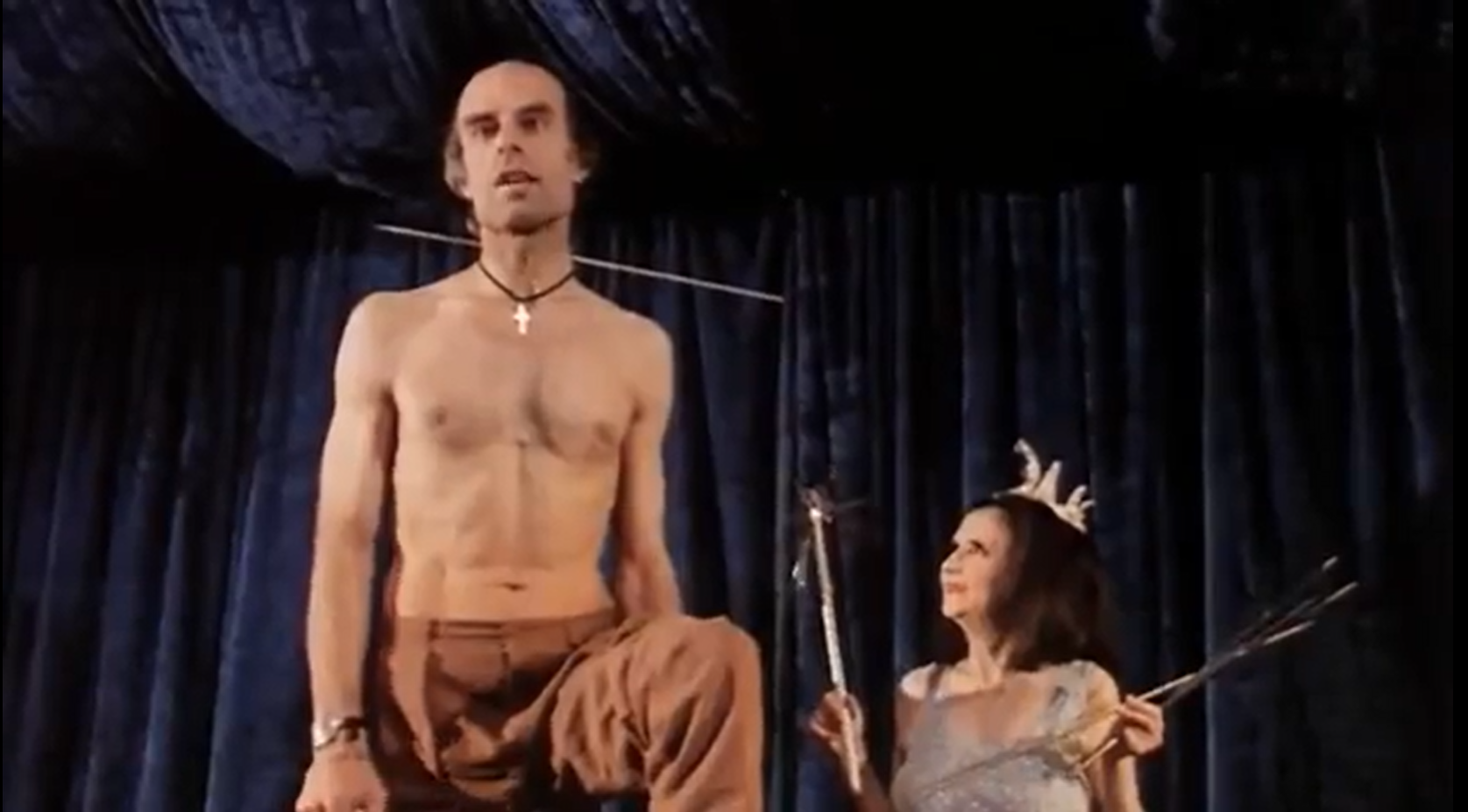
Review: Unfortunately, the bulk of the movie is taken up with a rather nonsensical mad scientist plot, in which Pleasence — with completely noble goals, of course: — turns his experimental “subjects” (conveniently, two of them are his own students) into laughably silly-looking plant-monsters. At least the picture looks good, with vibrantly colorful set designs — and the mid-film “freak show” is worth a look. I like how these actors — including a real-life “Alligator Lady”, “Bearded Lady”, “Frog Boy”, and “Human Pincushion”, as well as a man known as “Popeye” who can bug his eyes out at will: — are treated with relative dignity, and each allowed to carefully explain their syndrome to the audience if they wish. These sympathetic characters should have been the central focus of the film. Redeeming Qualities and Moments: Must See? Links: |
“War is declared! Down with teachers! Up with revolution!”
|
Synopsis: |
|
Genres, Themes, Actors, and Directors:
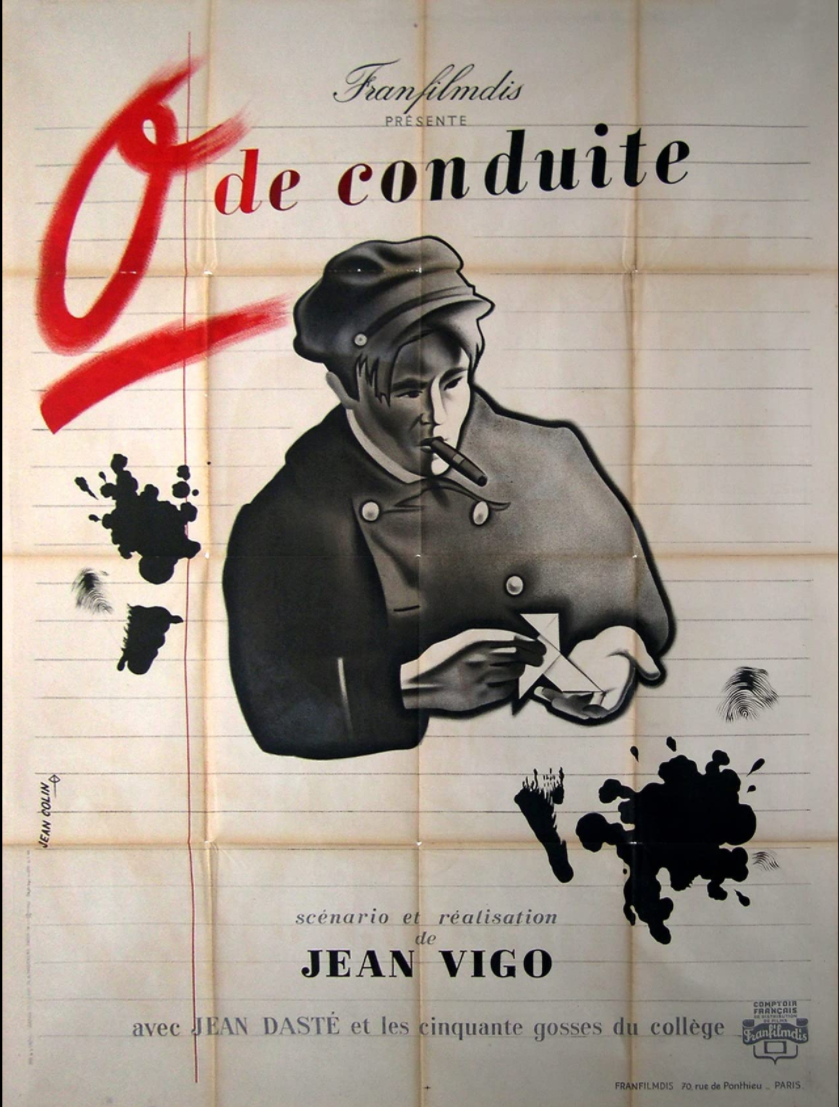
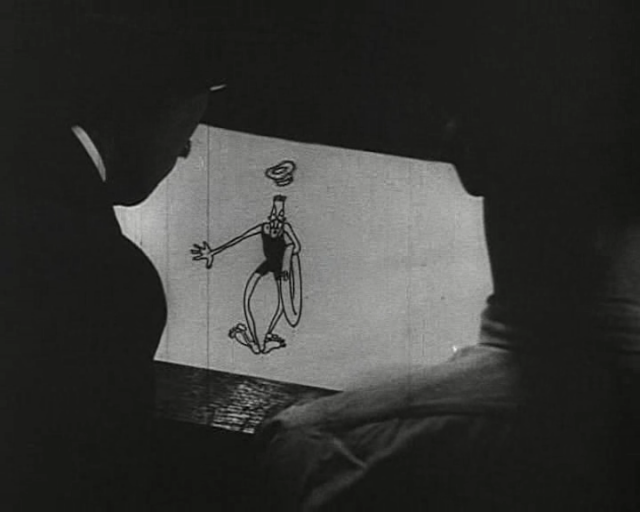
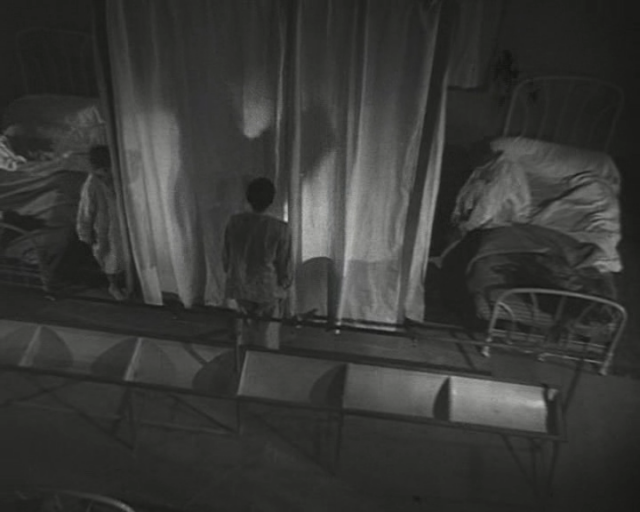
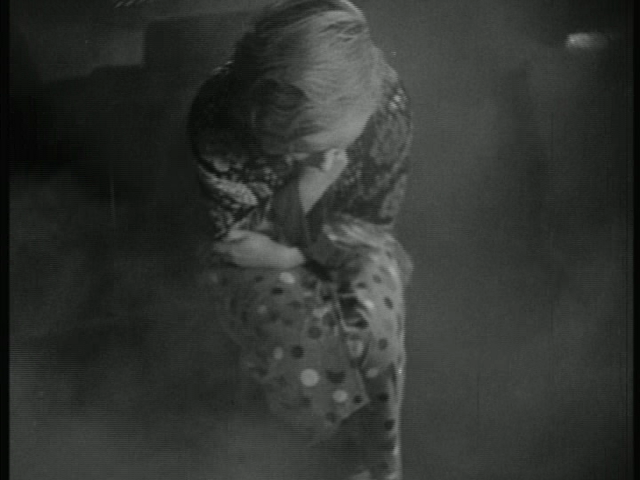
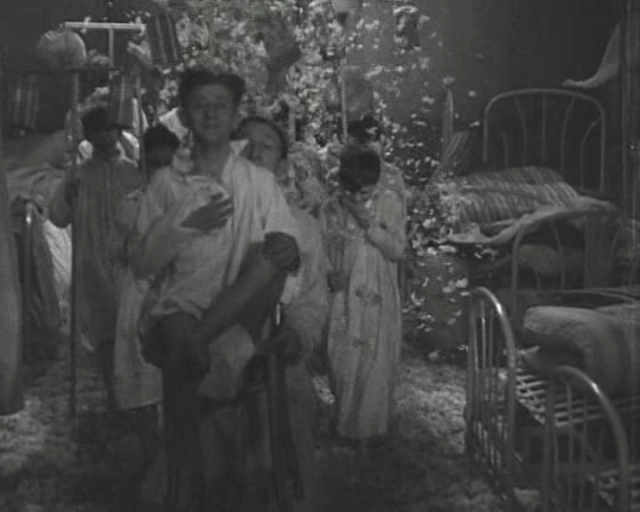
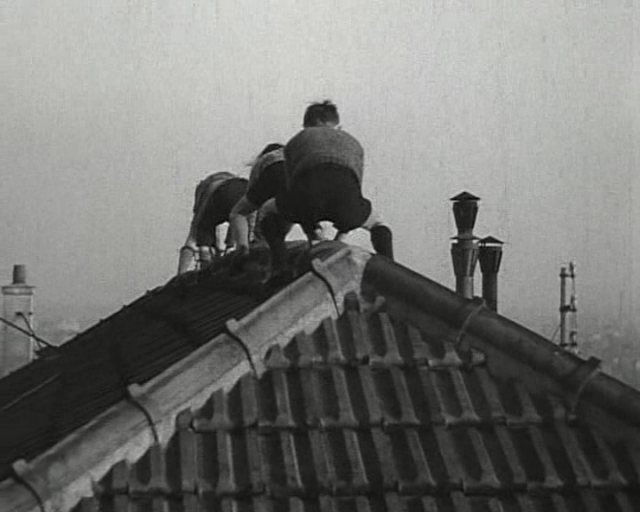
Response to Peary’s Review: At only 41 minutes long, Zero de Conduite is more a series of loosely cohesive vignettes than a traditional narrative. Vigo’s primary concern is with establishing a specific milieu — a seedy boarding school somewhere in France, where fat old teachers feel free to fondle pretty young boys, the headmaster is a tyrannical midget, his assistant steals food from the boys, and the chef cooks beans for dinner night after night. As the “story” progresses, it heads in an increasingly surreal direction — but unlike Bunuel’s L’Age d’Or (1930), for instance, Vigo’s screenplay only gradually reveals its fantastical turn, in a few delightfully select moments (a teacher’s drawing comes to animated life; the boys are somehow able to completely upturn a teacher’s bed while he’s sleeping). As with his only feature-length film, L’Atalante (1934), Vigo collaborated with cinematographer Boris Kaufman and composer Maurice Jaubert to create a number of provocative images and sequences — including the infamous “feather pillow fight” (watch for a surprising bit of frontal nudity as the boys progress in a slow motion parade afterward — Vigo was fearless), and the liberating finale. Redeeming Qualities and Moments:
Must See? Categories
(Listed in 1001 Movies You Must See Before You Die) Links: |
“That rabbit has a vicious streak a mile wide.”
|
Synopsis: |
|
Genres, Themes, Actors, and Directors:
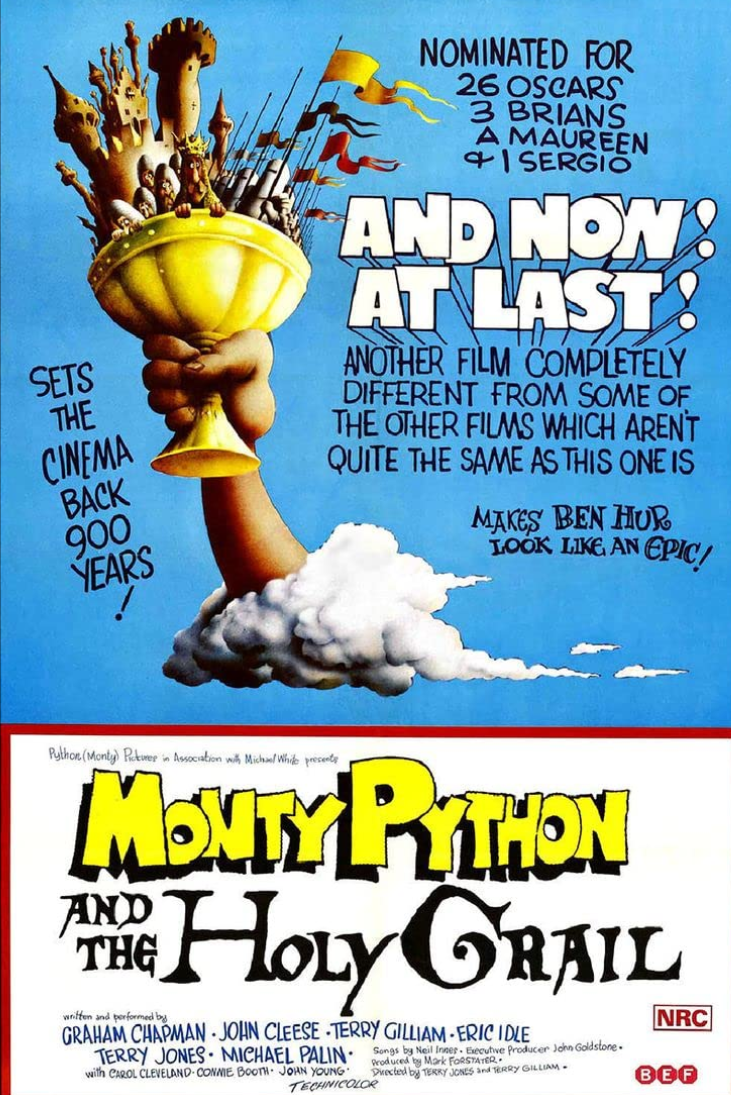
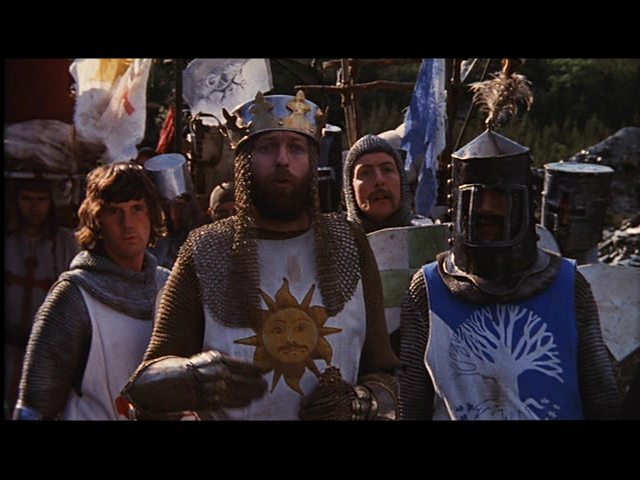
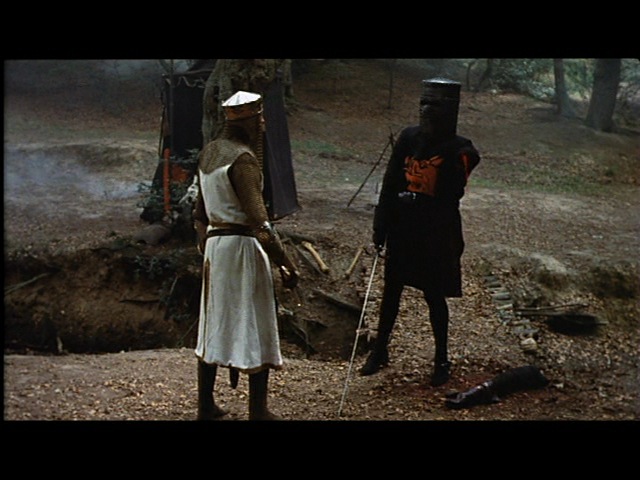
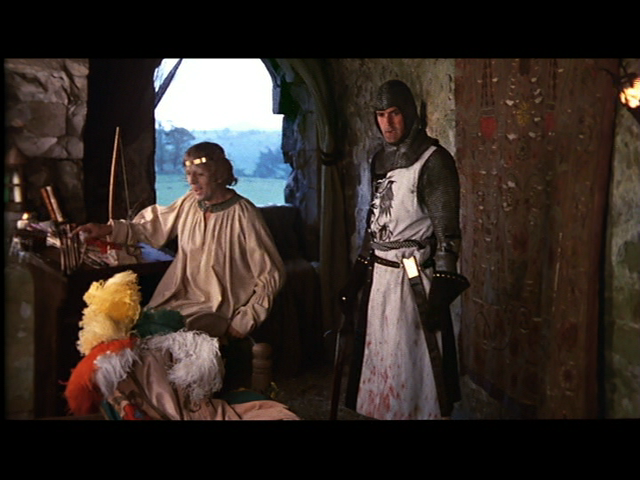
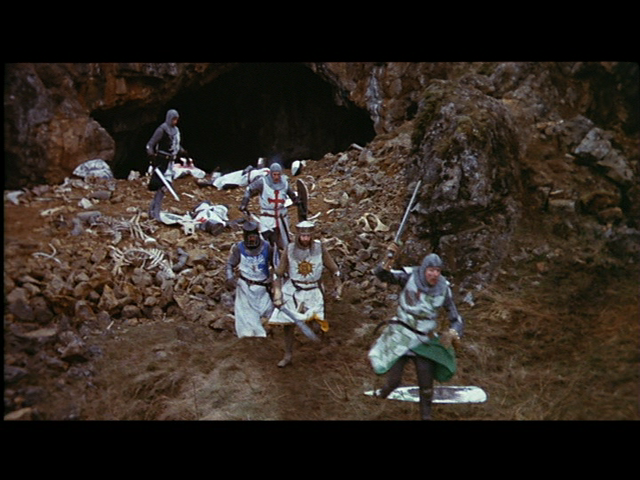
Response to Peary’s Review: As Peary notes, the film satirizes, among other things, “the French, homosexuals, communists, [and] kings”, as well as “cowardice” and — most harshly — “senseless British gallantry”. Nothing about the King Arthur legend is left sacred: Sir Robin is revealed to be a cowardly ninny; Sir Lancelot rushes into a massacre without stopping to verify that he’s in the right place; the Black Knight (Cleese) refuses to stop swordfighting despite the loss of one limb after the other. Other humor — such as the infamous “killer rabbit” sequence — is more random and less historically situated, but still stupidly hilarious if you’re in the right mood. While some sequences inevitably fall flat, Monty Python the Holy Grail remains indispensable must-see viewing at least once for all film fanatics. It’s too much of a cult classic to miss. Redeeming Qualities and Moments:
Must See? Categories
(Listed in 1001 Movies You Must See Before You Die) Links: |
“Paris, Paris! Oh infamous, marvelous city!”
|
Synopsis: |
|
Genres:
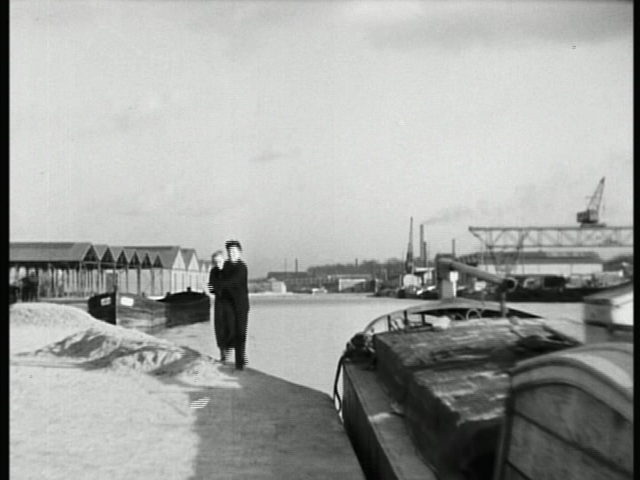
Review: Parlo gains at least some measure of enjoyment from getting to know “Papa Jules” (Michel Simon), Daste’s grizzled shipmate with a penchant for odd curios, and a mild crush on the young bride. Whenever he’s on-screen, Simon — only 40 in real life, though his character appears to be older — dominates the story. Simon was an acknowledged star by this point in his career, and his semi-improvised scenes throughout L’Atalante show why; with his hound dog countenance and clownish demeanor, he’s both riveting and hilarious to behold. He’s incorrigible, too — as indicated in his irreverent retort to Daste when questioned about a photo of a nude woman on his cabin wall:
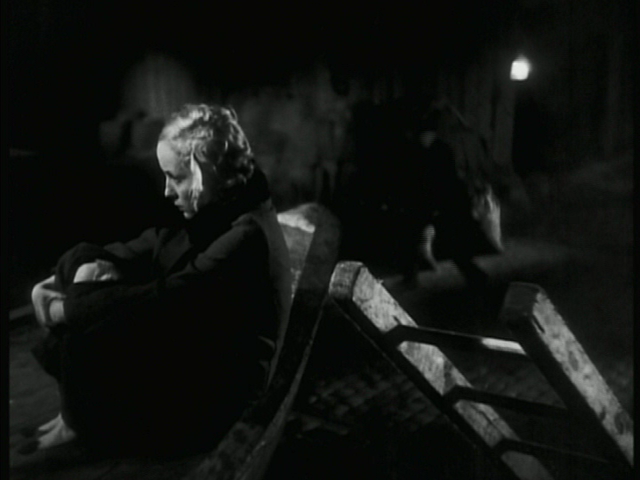
The true “stars” of L’Atalante, however, are Vigo and cinematographer Boris Kaufman (along with composer Maurice Jaubert), who collectively depict some of the most haunting and memorable images in French film history. Notable sequences (just a few among many) include the opening “wedding march”; Parlo discovering Simon’s “pickled hands” in a jar; Daste seeing Parlo’s bridal visage while swimming underwater; and Vigo’s masterful depiction of the couple reaching out to one another in sleep from their separate beds. L’Atalante makes it clear that Vigo possessed a uniquely poetic voice in cinema; this “first feature” is a sad hint of his future genius, had he lived past the age of 30. Redeeming Qualities and Moments:
Must See? Categories
(Listed in 1001 Movies You Must See Before You Die) Links: |
“Marriage is like a book: the whole story takes place between the covers.”
|
Synopsis: |
|
Genres, Themes, Actors, and Directors:
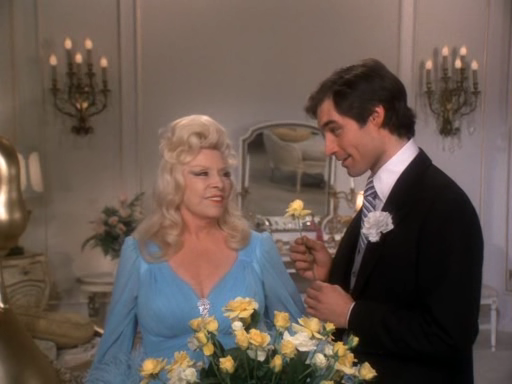
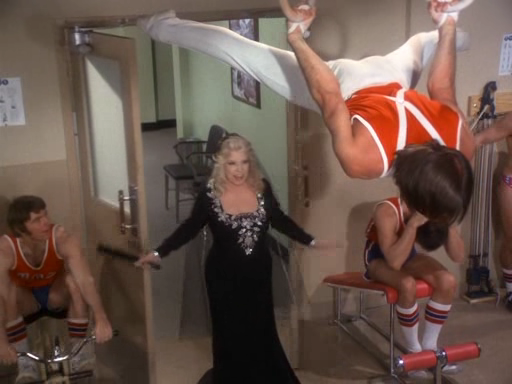
Response to Peary’s Review: As narratives go, the story — based on a play written by West — isn’t really all that terrible: it’s a zany farce full of double entendres, sexual innuendos, and innocuous musical numbers, and director Ken Hughes moves everything along at a fast clip. The “problem”, of course, is in the casting of West herself, whose advanced age defies our sense of sexual “normalcy” and “propriety”. Could Sextette be viewed as the ultimate May/Mae-December romance? It’s too bad, in a way, that West’s “real” age — or even something reasonably close to it — is never made explicit in the film, because a movie about an acknowledged octogenarian sexpot-actress would really be something! Unfortunately, West’s performance here is passable at best — and while it lies at the center of the film’s fame, it’s sadly (almost comically) one-note. She struts creakedly across the elaborate sets, attempting to infuse some pizazz into her lines (many of which are cribbed directly from her earlier films), but since she only has one frozen expression, and a few familiar mannerisms (gently patting her hilarious pouf of a blonde wig, pursing her lips, rolling her eyes upwards), she’s more like a moving, talking statue than a viable living creature — wind her up and she’ll spout quips like the following (chosen at random as a representative sample):
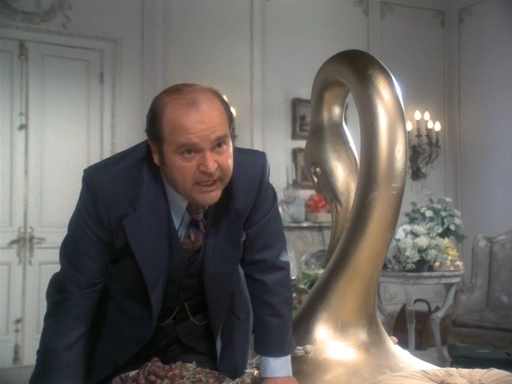
Faring much, much better than West are her numerous male co-stars, who deserve major kudos for being so incredibly game. Dom DeLuise is amusingly sincere as West’s loyal assistant (secretly in love with her, as he reveals in a singing solo), while young Dalton has completely redeemed himself in my eyes after the debacle of his early performance as Heathcliff in Wuthering Heights (1970). He’s a Bond who can sing! (anyone who’s seen Pierce Brosnan in Mamma Mia! will understand the reference). Meanwhile, both Tony Curtis and George Hamilton seem to be having great fun making brief appearances as two of West’s former husbands (both, naturally, still in love/lust with her). Redeeming Qualities and Moments:
Must See? Categories
Links: |
“Who the hell do you think you are — James Dean?”
|
Synopsis: |
|
Genres, Themes, Actors, and Directors:
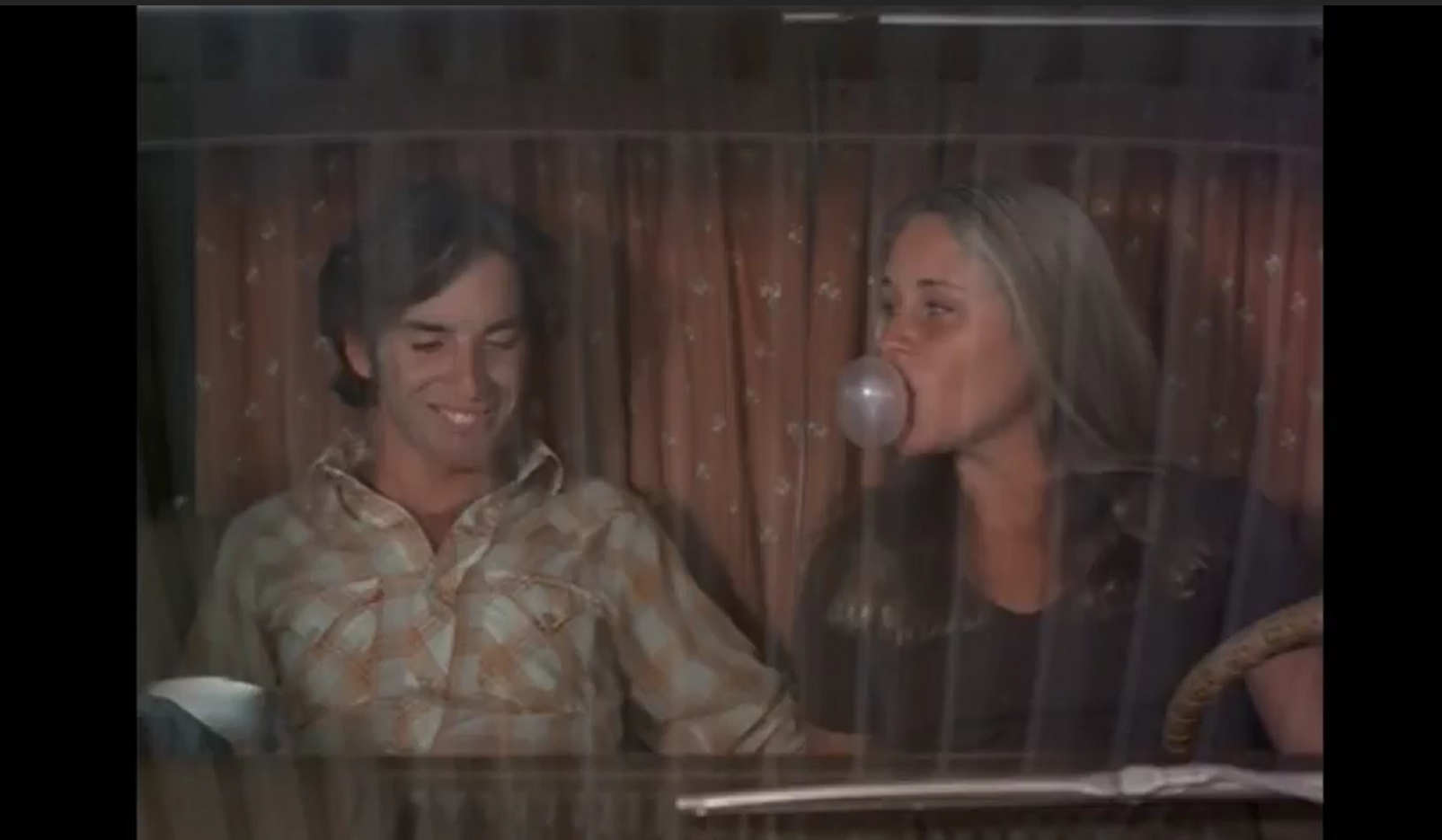
Response to Peary’s Review: The “conventional storyline” doesn’t offer anything new or interesting to the genre of teen sexploitation flicks — and while Peary claims that “there are enough okay moments… to make it acceptable drive-in fare”, it’s certainly nothing all-purpose film fanatics should have to sit through. This is one tedious flick. Redeeming Qualities and Moments: Must See? Links: |
“To work that hard would be unfair to your rabbit – but I can see that you’re sincere.”
|
Synopsis: |
|
Genres:
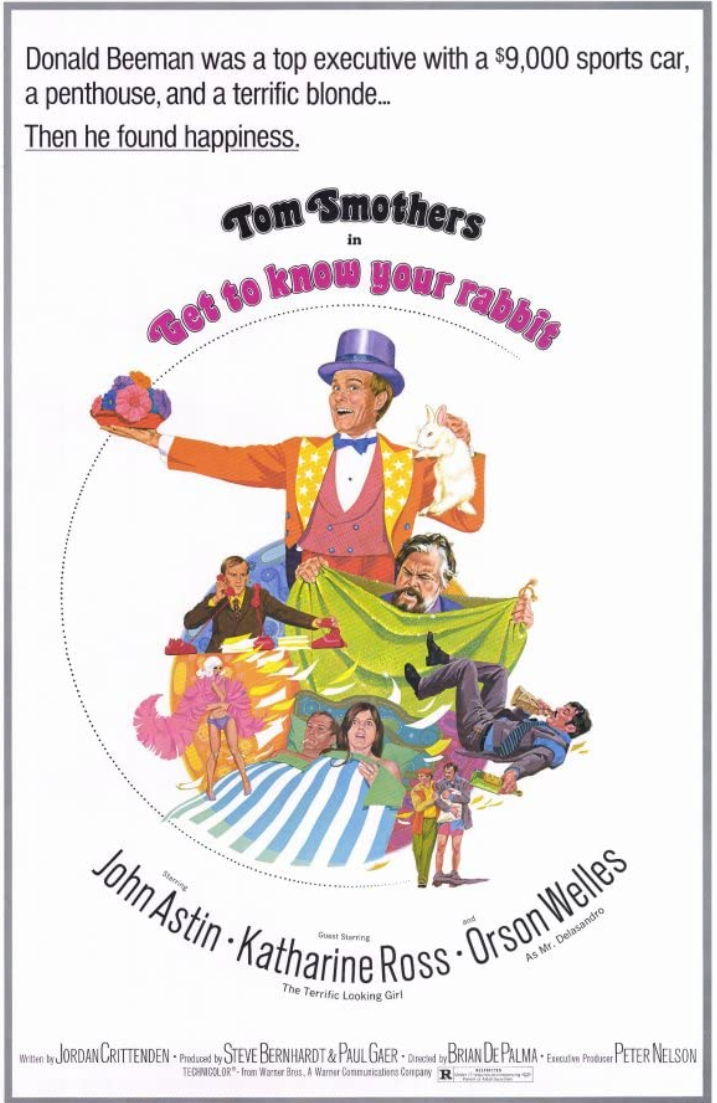
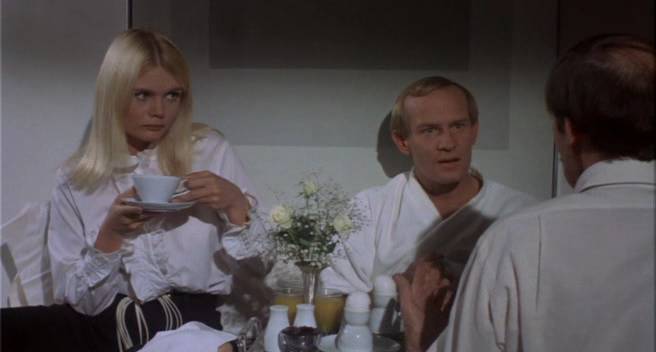
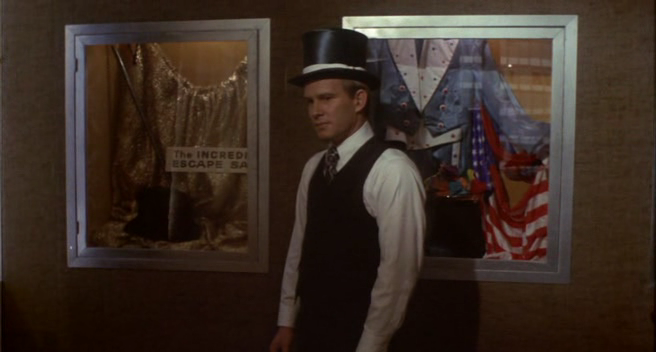
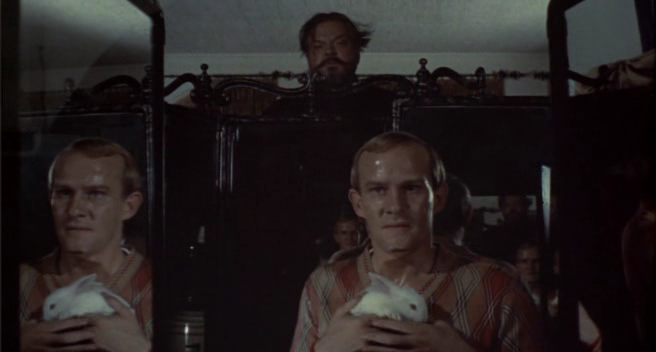
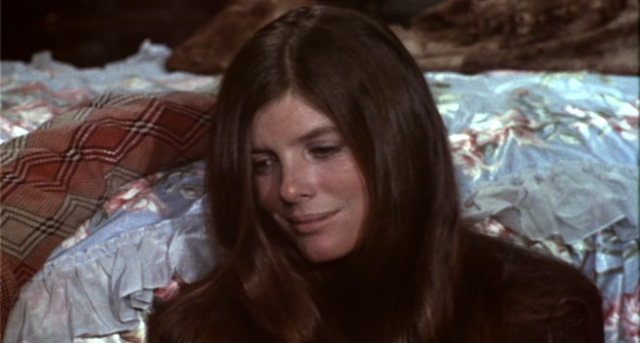
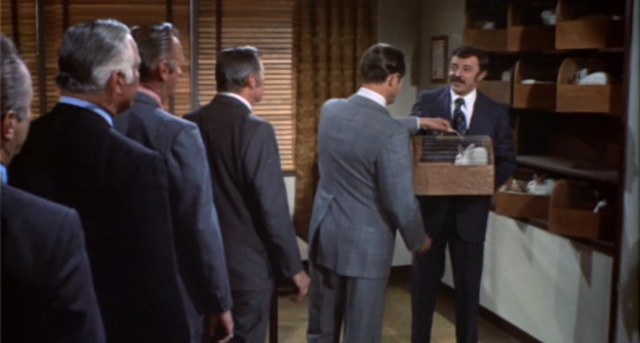
Review: From the opening sequence, in which both Smothers and his assistant (a delightful John Astin) distractedly ignore a phone call warning that a bomb is about to go off in their building, to Smothers’ equally bizarre encounter shortly thereafter with an overly solicitous piano tuner, it’s clear that Jordan Crittenden’s screenplay will continue to take us in decidedly unexpected directions. Indeed, it’s refreshing to watch a counter-cultural story so grounded in satirical “mainstream” reality: Smothers doesn’t (as predicted) go off to drop out and smoke pot; instead, he very much has a real working alternative in mind, one he knows will provide him with the “seedy” lifestyle he truly craves. As fate would have it, he turns out to be a pretty dismal magician (though this doesn’t deter him in the slightest); fortunately we’re spared from seeing him perform all that often. Instead, two different subplots unfold: in one, Smothers woos a nameless “terrific-looking girl” (Katharine Ross) who’s fallen head-over-heels for his “heroic” hands; in the other, Astin pursues a relentless drive to build up a new company around Smothers’ anarchic notion of “living life from the gut level”. Naturally, the two stories eventually collide, resulting in a most satisfying conclusion to a bizarrely entertaining fairytale. Note: Be forewarned that Welles’ role is essentially a cameo — he only shows up in a few scenes, and then disappears forever. Redeeming Qualities and Moments:
Must See? Categories
Links: |
“The minute I saw you in that store, I said to myself, ‘There’s the girl I’m going to marry.'”
|
Synopsis: |
|
Genres, Themes, Actors, and Directors:
Review: Redeeming Qualities and Moments: Must See? Links: |

“Waiting! Orders! Mud! Blood! Stinking stiffs! What the hell do we get out of this war anyway?”
|
Synopsis: |

|
Genres, Themes, Actors, and Directors:
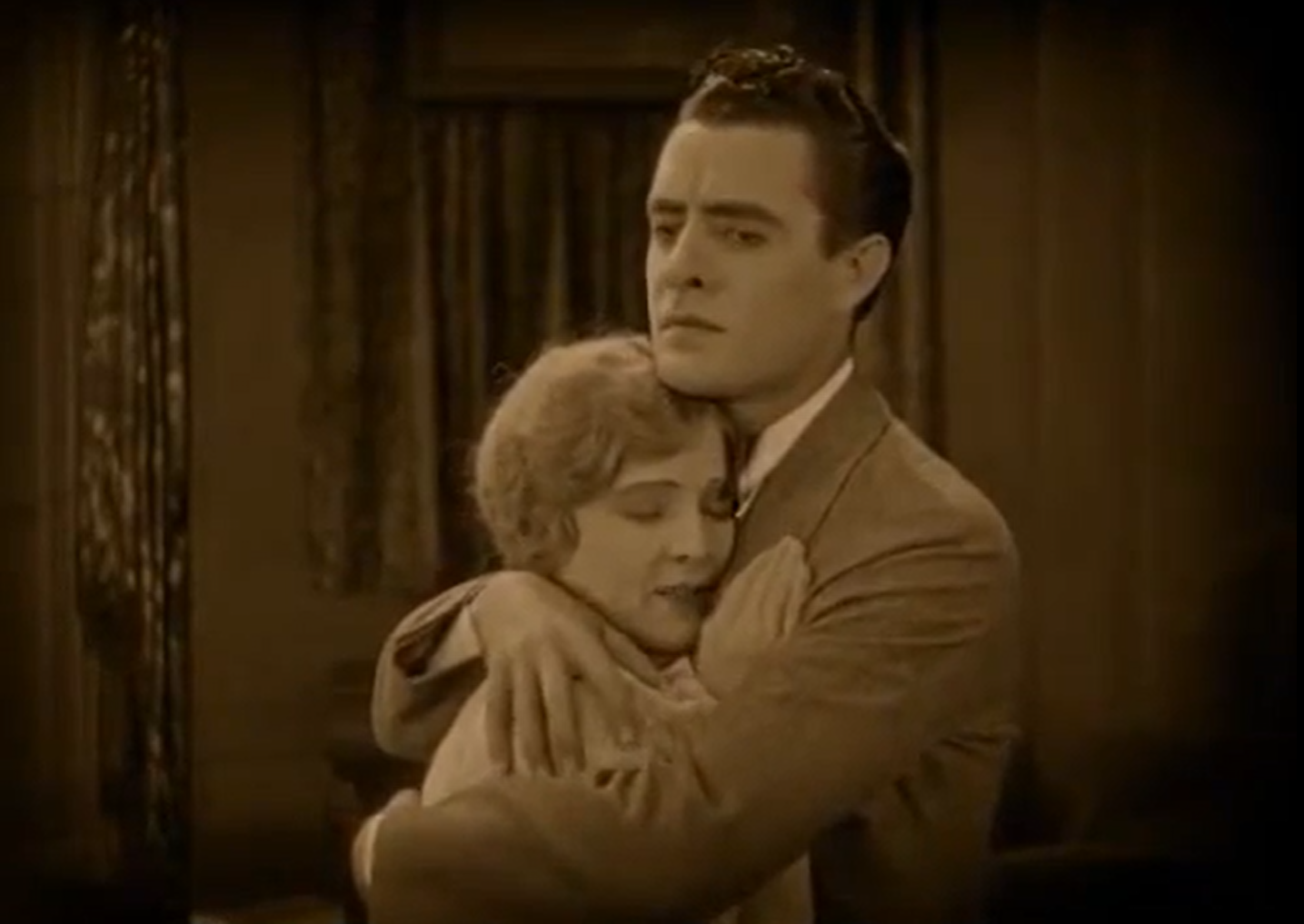
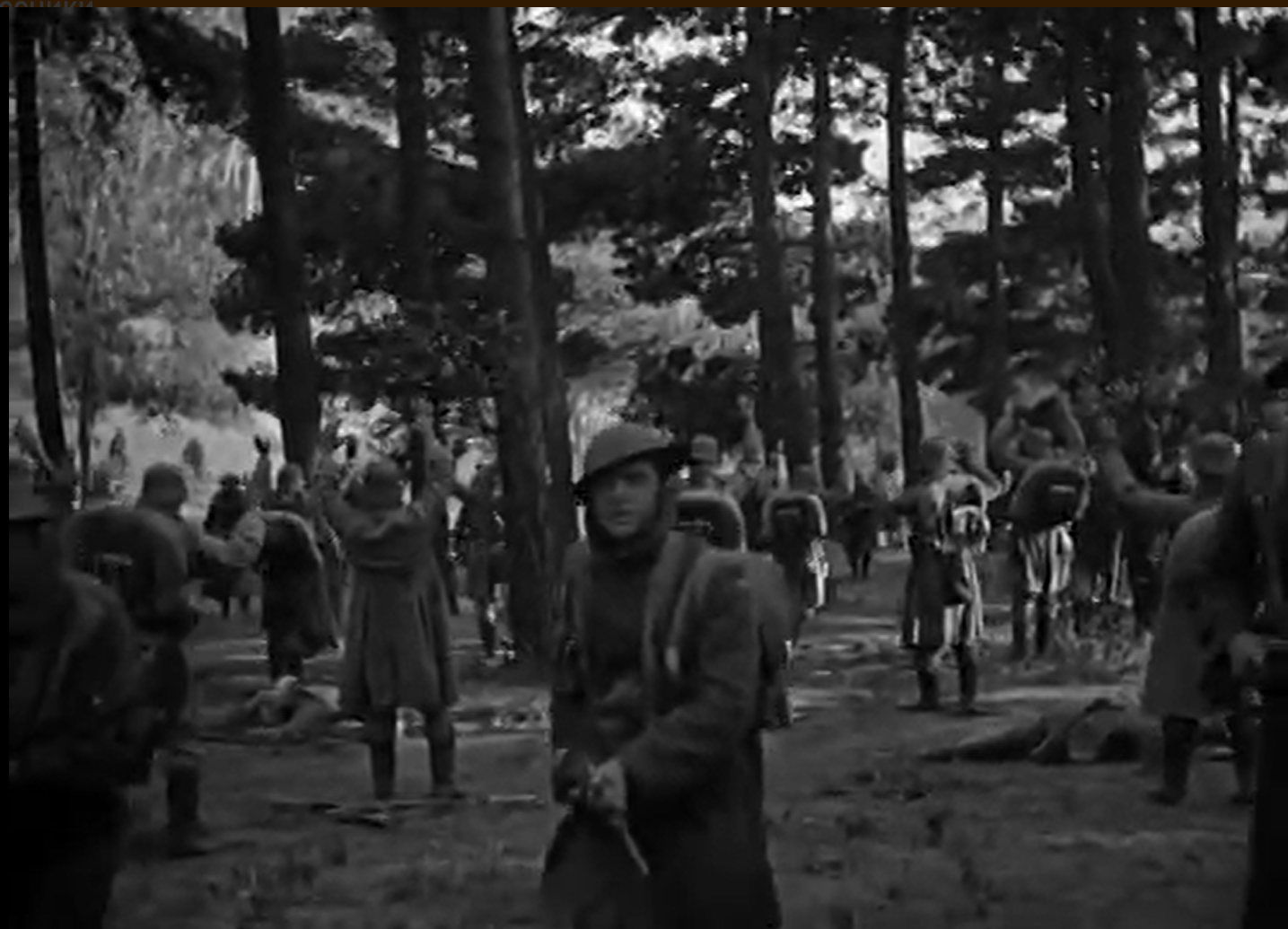
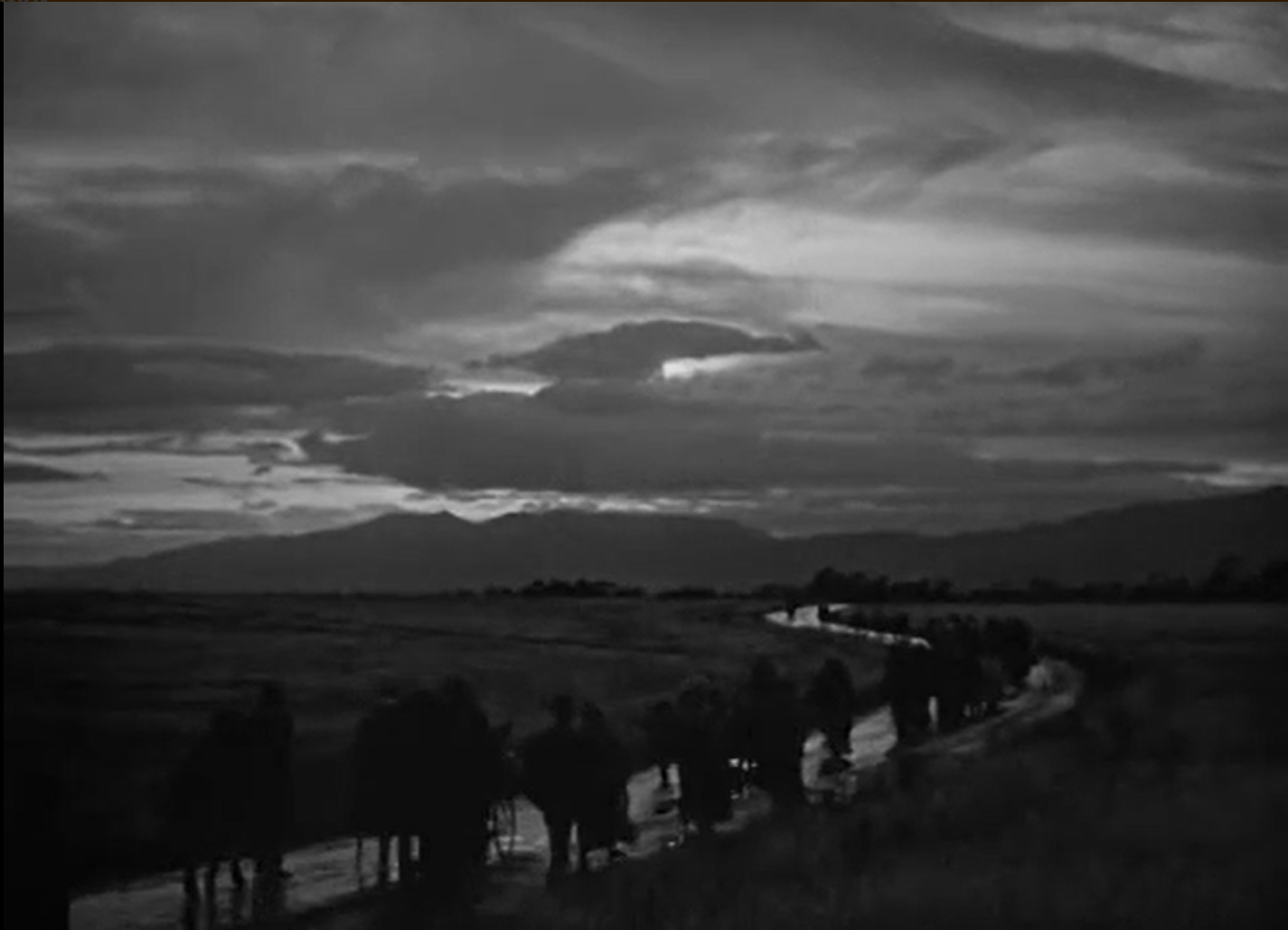
Review: … many scenes are beautifully lit and composed: … and Vidor’s depiction of life for soldiers on the front was surely revelatory. Unfortunately, however, the story itself hasn’t aged all that well. An inordinate amount of time is taken up by a rather pedestrian subplot in which Gilbert falls in lust/love with a comely French milkmaid (Renee Adoree): … conveniently neglecting his fiancee, Claire Adams, back at home. By the time he and his two buddies (played simply as “types” by O’Brien and Kane; they never emerge as true individuals): … get to the trenches, more than half the movie is over — we only see them fighting in one hideous battle, and then they’re sent home, so there’s no sense of the endless scope of time spent by most soldiers on the front. Despite these complaints, however, film fanatics will surely want to check out this famous silent film at least once, and should definitely enjoy Vidor’s stunning imagery (see stills below). Redeeming Qualities and Moments:
Must See? Categories
(Listed in 1001 Movies You Must See Before You Die) Links: |