Made For Each Other (1971)
“That’s why Gig and I are so good for each other: We’re two self-destructives confronting the life source.”
“You work your side of the street, and I’ll work mine.”
|
Synopsis: |
Genres, Themes, Actors, and Directors:
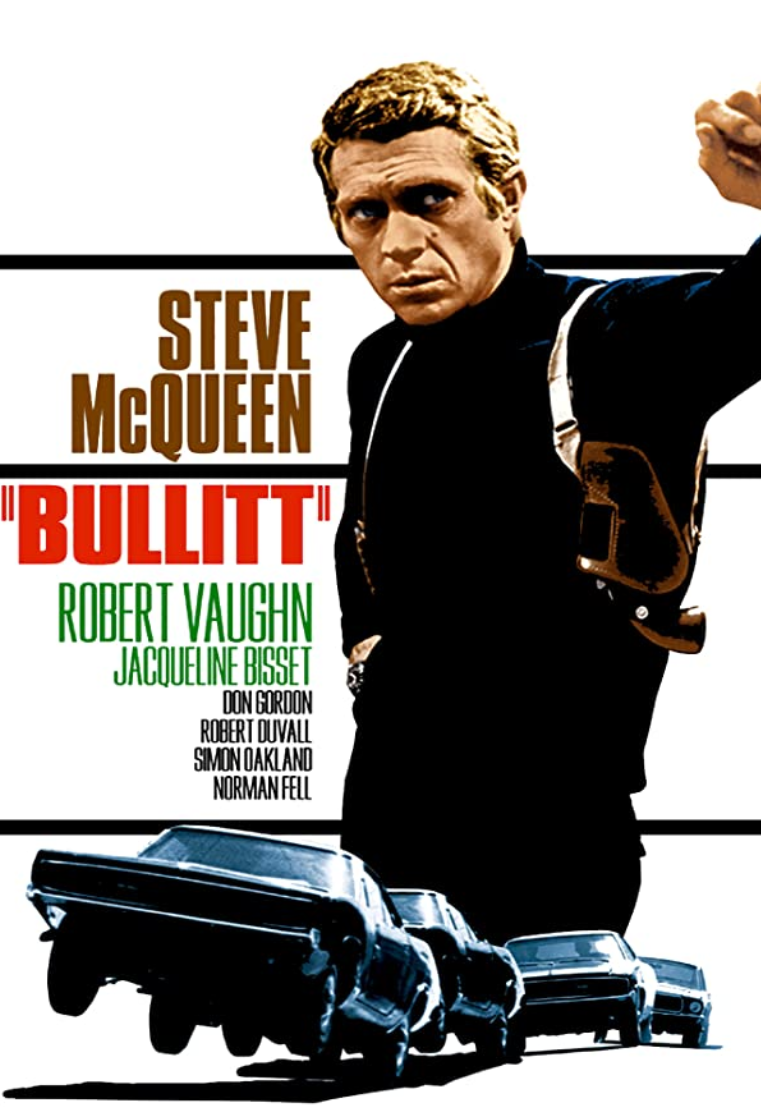
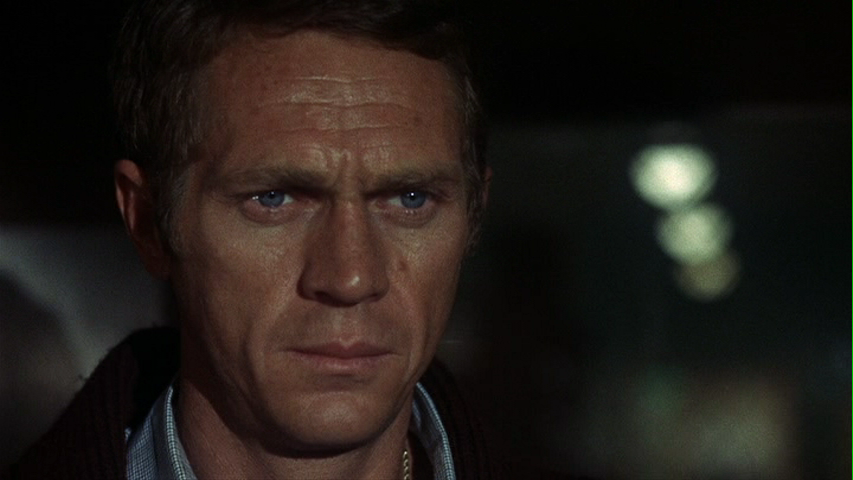
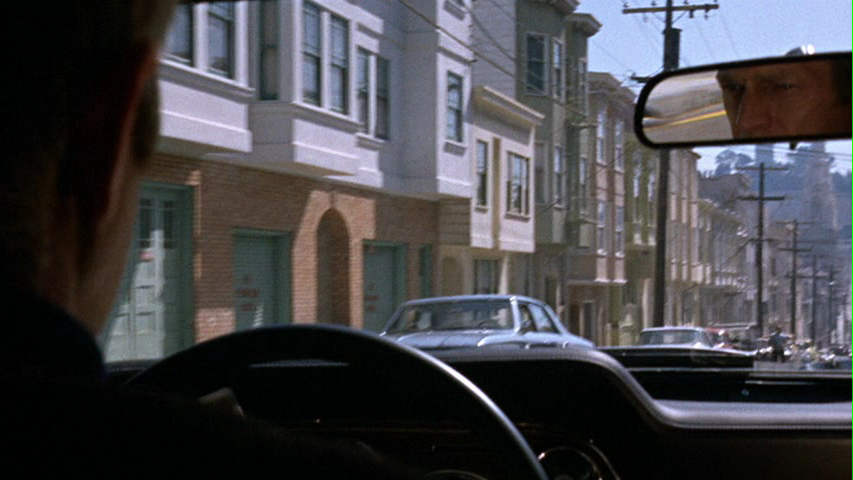
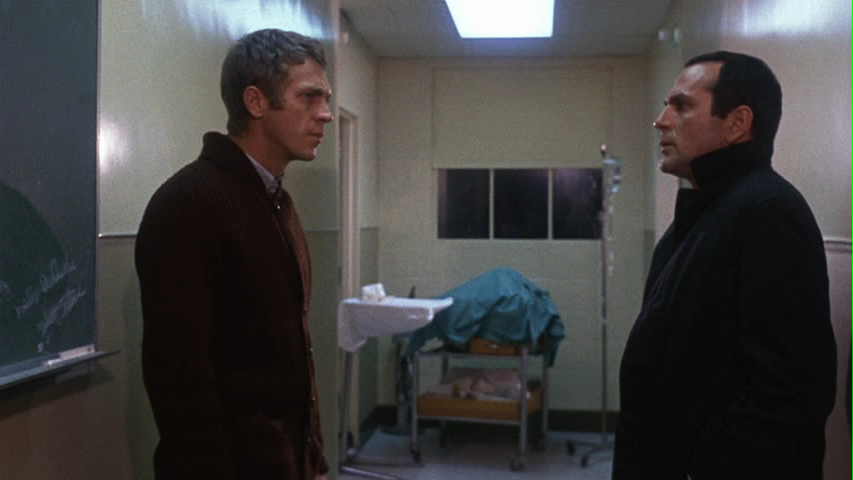
Response to Peary’s Review: Peary notes that this film “has never been given its due” — an interesting statement, since it’s most definitely remembered and revered by many as a cult hit. (In fact, just the other day on an L.A. freeway I was driving behind a Ford Mustang GT with “Bullitt” as its vanity plate, and “Steve McQueen” written on the plate frame). But perhaps that’s exactly Peary’s point: this film is so closely associated with McQueen’s car (and the justifiably lauded car chase it’s involved in) that it’s easy to overlook how enjoyable the film is as a police procedural and character study. The investigation is remarkably well-written, with the unexpected “plot twist” that occurs fairly early on (as McQueen’s ward is murdered) leaving us wondering what will come next. Indeed, the screenplay — which uncovers a “bizarre plot involving lookalike criminals” — almost never disappoints, with just one exception: the rather thankless role of Bullitt’s girlfriend (Jacqueline Bissett); Bissett tries her best but is saddled with such a god-awful speech at one point that it actually grinds things to a halt — temporarily. Despite this minor hiccup, however, Bullitt remains a must-see classic of the genre, one which merits multiple enjoyable viewings. An interesting bit of trivia: according to TCM, Bullitt was “the first film shot entirely on location with an all-Hollywood crew” Addendum (1/14/11): RIP, Peter Yates. Redeeming Qualities and Moments:
Must See? Categories
Links: |
“Land lasts: you take care of it, and it’ll take care of you.”
|
Synopsis: |
|
Genres, Themes, Actors, and Directors:
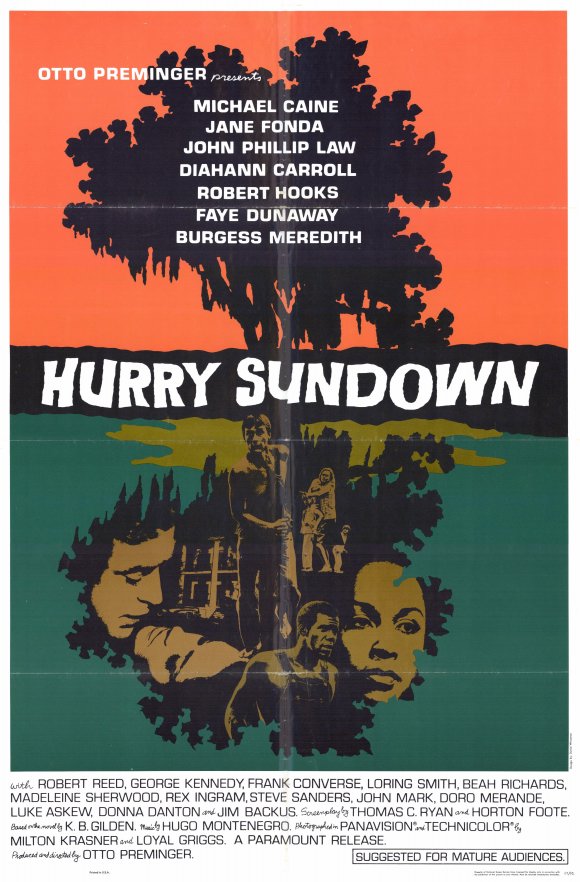
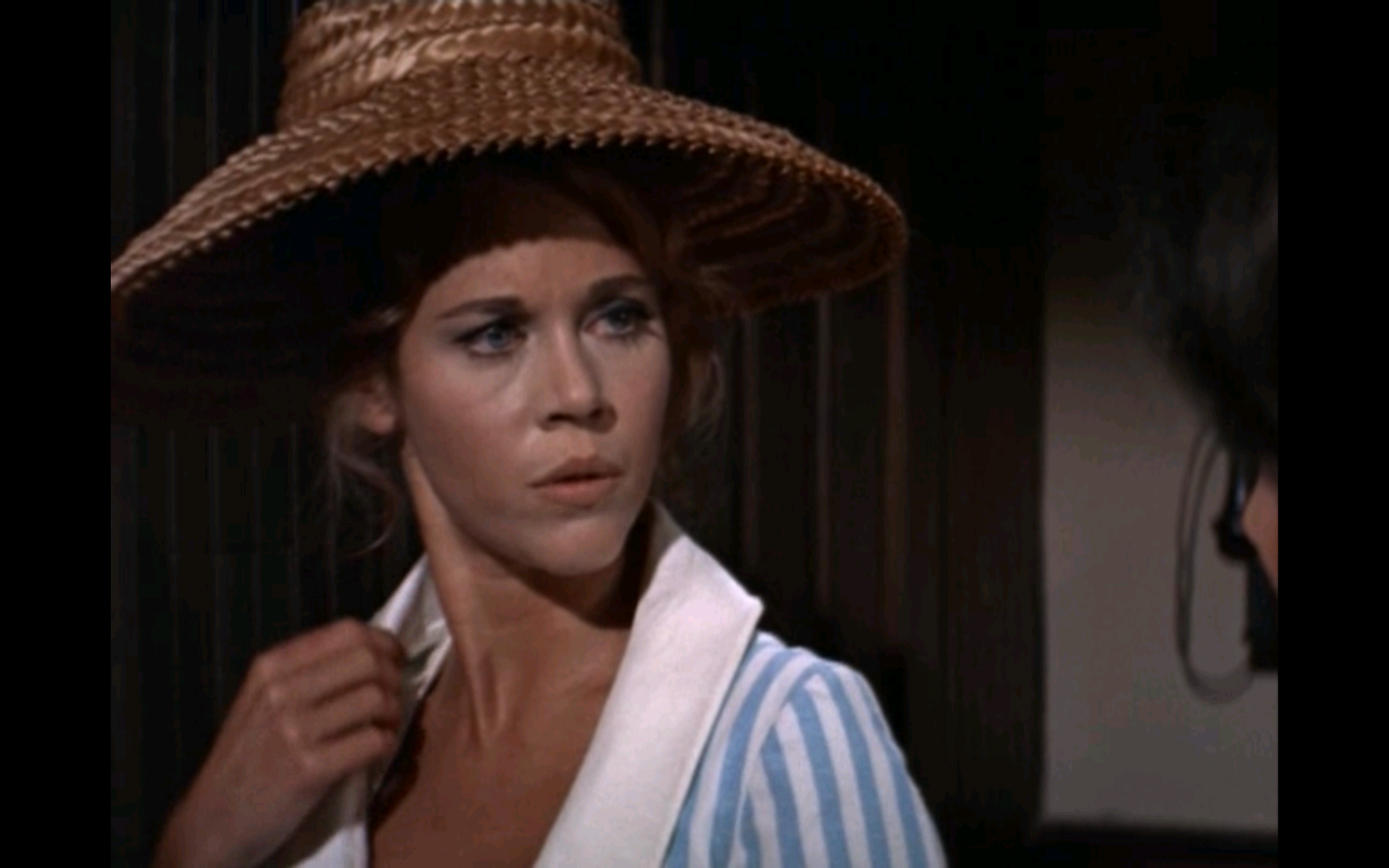
Review: Interestingly, the film itself is not really as bad as its reputation warrants — and its inclusion in the Medved brothers’ The Fifty Worst Films of All Time (1978) seems highly suspect. By focusing on the intersecting fates of three “representative” southern households — one white and monied, one white and poor, one black and poor — the film does make (perhaps unintended) “statements” about class and race in the South, but the primary characters themselves are reasonably nuanced (though not all are provided with enough screentime for full development). Most impressive is Jane Fonda, giving a compelling performance in a pivotal role as an unhappily married woman forced to confront her husband’s deception and malpractice; the film eventually becomes her story, and she does a fine job investing viewers in the discomfort of her character’s increasing cognitive dissonance. Diahann Carroll is also noteworthy in a small role that should have been fleshed out more fully. However, the film most definitely has its share of “bad movie” moments and performances. Both Burgess Meredith as a bigoted lawyer and George Kennedy as a buffoonish sheriff are laughably one-dimensional; Caine’s southern accent falters a bit too often (though he IS, naturally, believable as a caddish heel); and Richards (in a tiny, underdeveloped role) gives a sensitive, heartbreaking performance — up until the moment her heart LITERALLY “breaks”, and she melodramatically pantomimes an attack. Meanwhile, Fonda and Caine’s emotionally disturbed son (John Mark) is never convincing (nor is the lame back-story attempting to explain why he suddenly “became” the way he is), and a number of essential plot elements — such as Law’s unconvincing friendship with Hooks (why does he slip in and out of bigotry?) — are handled sloppily. Finally, Hugo Montenegro’s energetic film score is ultimately inappropriate (it sounds better suited for a western), and egregiously misused at times. With all that said, this is one you’ll have to watch for yourself to determine whether you consider to be an entirely skippable clunker, or a flawed but well-intentioned and occasionally compelling misfire. Redeeming Qualities and Moments: Must See? Links: |
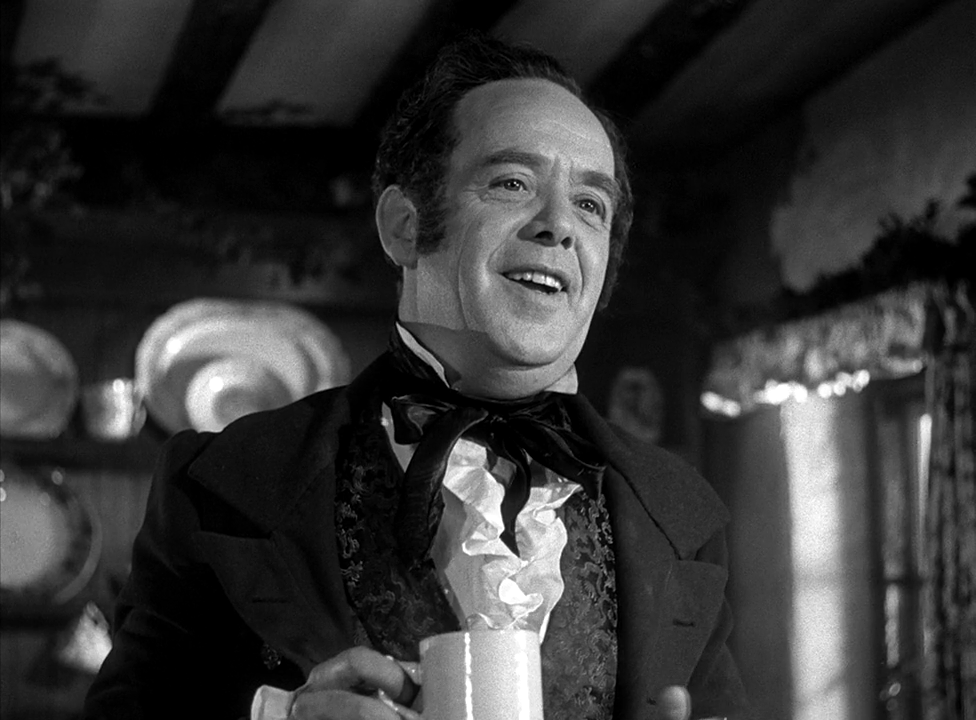
“Recently I’ve had the weirdest dreams — as if I must tell myself something I won’t listen to when I’m awake.”
|
Synopsis: |
|
Genres, Themes, Actors, and Directors:
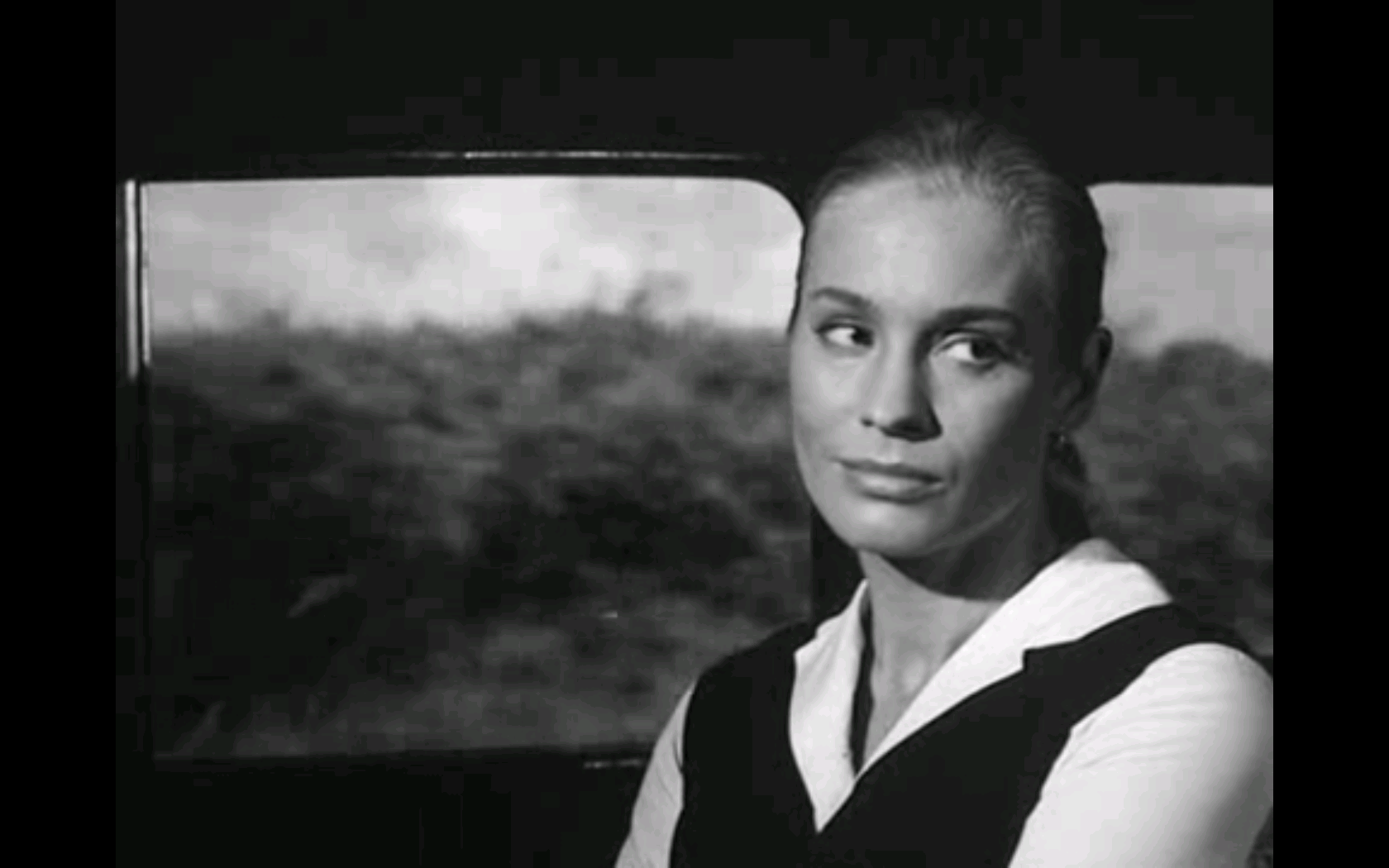
Response to Peary’s Review: Wild Strawberries is, in essence, an elaborate “flashback film”, yet with a strategic thematic twist, given that Borg is privy to life-altering scenes he could never have seen in real life. Indeed, Bergman daringly plays with the viewer’s notion of cinematic continuity and integrity in a way that audiences at the time found either frustrating or thrilling (Bosley Crowther of the New York Times, for instance, referred to the film as “so thoroughly mystifying that we wonder whether Mr. Bergman himself knew what he was trying to say”.) Peary, however, argues in retrospect that “rather than being as intimidating as later Bergman films, [Wild Strawberries] is simple enough on the surface for viewers to have the energy to dig for the inner meanings and complexities” — and it’s certainly the best film to introduce to budding film fanatics interested in exploring Bergman’s esteemed oeuvre. Redeeming Qualities and Moments:
Must See? Categories
(Listed in 1001 Movies You Must See Before You Die) Links:
|
“Let’s not forget the penguins!”
|
Synopsis: |
|
Genres, Themes, Actors, and Directors:
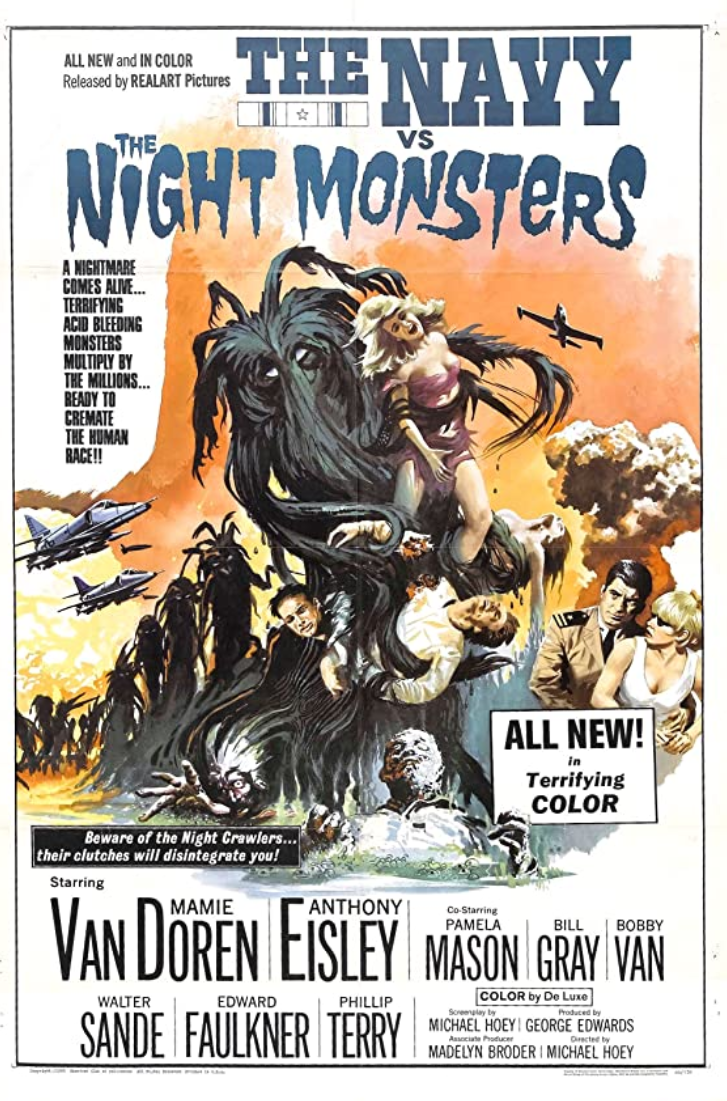
Review: Other than its intriguing alliterative title, this film is probably best known for co-starring Mamie Van Doren as a naval nurse with a penchant for wearing tightly revealing au couture uniforms; but even she herself was highly dismissive of her work here. This clunker is most definitely skippable. Note: You WILL have to watch the film for yourself if you want to understand the significance of the quote selected above; seriously, I can’t help you on that one. Redeeming Qualities and Moments: Must See? Links: |
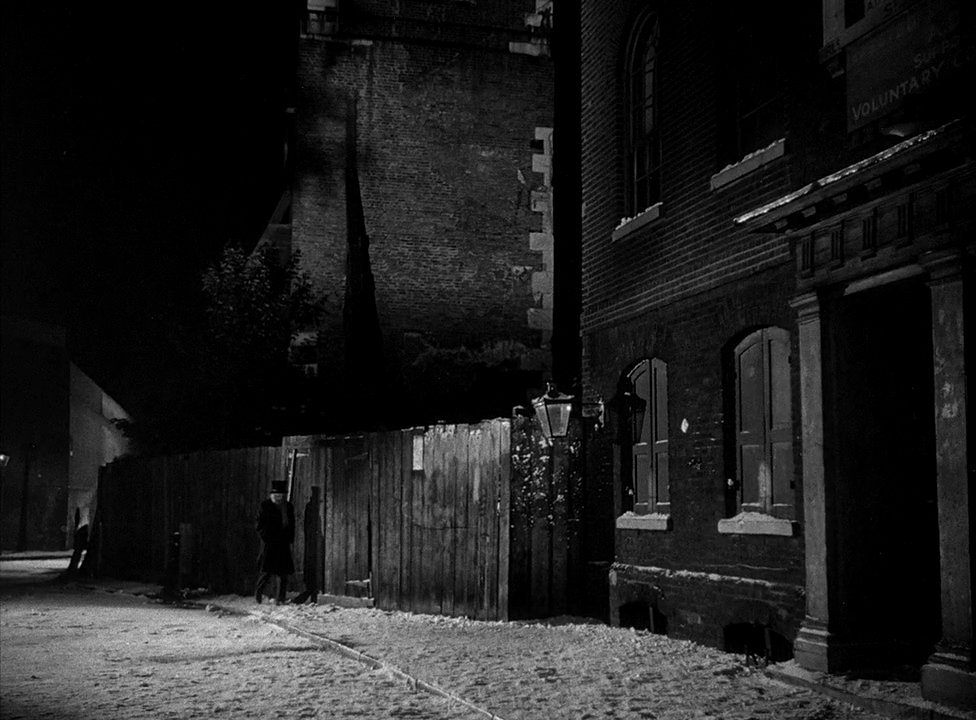
“Maybe I’ll take you up on that sometime.”
|
Synopsis: |
|
Genres, Themes, Actors, and Directors:
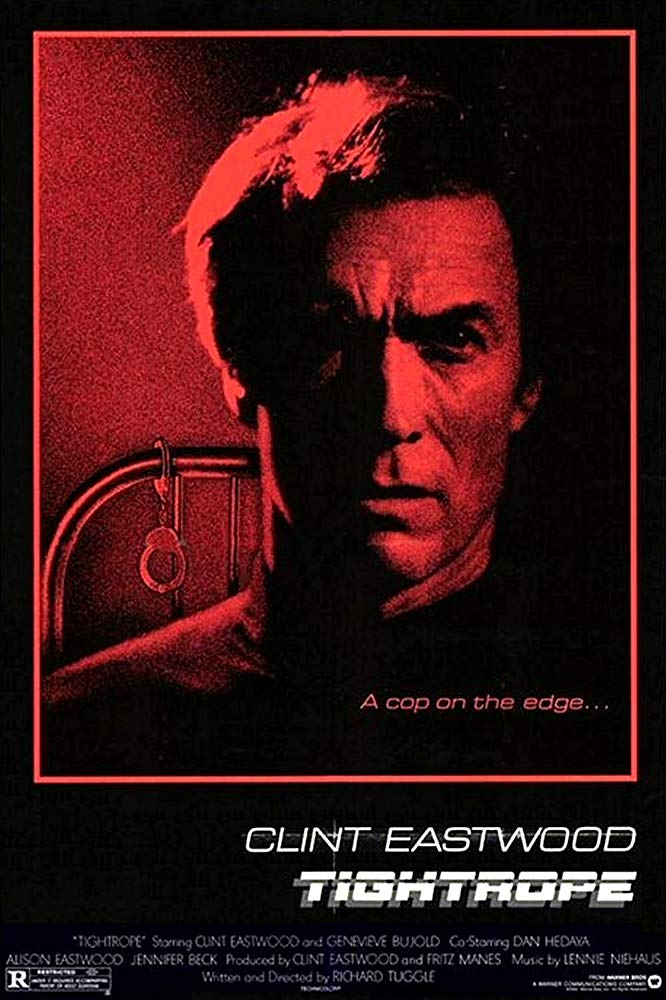
Response to Peary’s Review: The in-depth character analysis provided in Peary’s review of Tightrope hints at part of the reason for its inclusion in his book, which is that audiences and critics at the time (including Peary) were understandably intrigued by Eastwood’s cult of personality, and eager to see what he would come up with next. Unfortunately, viewed years after the fact, this particular entry in Eastwood’s estimable oeuvre comes up short. While it’s certainly “suspenseful” during key sequences (indeed, there are some genuinely freaky moments that had me glued to the screen), it’s ultimately too cliched and derivative to be entirely successful as a thriller. The trope of a cop seduced by the underbelly of the city he’s paid to serve and protect has been handled numerous times on-screen (most recently in Werner Herzog’s smarmy but effective Bad Lieutenant: Port of Call – New Orleans, taking place in the same city); and while the cat-and-mouse maneuvers between Eastwood and St. John are predictably chilling, they don’t really offer anything new to the genre. Meanwhile, we don’t learn enough about Eastwood’s divorce to understand why he’s so bitter about women, or what role his own character flaws might have played in the breakup of his marriage. (His ex-wife literally appears as a cipher on-screen, and, if I recall correctly, may not even speak any lines.) If you do decide to check this one out, however, watch for Genevieve Bujold in a “strong and appealing” role as a “rape-crisis therapist who gets [Eastwood] to confront his hostility toward women”; she’s one of the film’s strongest elements. Redeeming Qualities and Moments: Must See? Links: |
“I’m not talking about school — I’m talking about life!”
|
Synopsis: |
|
Genres, Themes, Actors, and Directors:
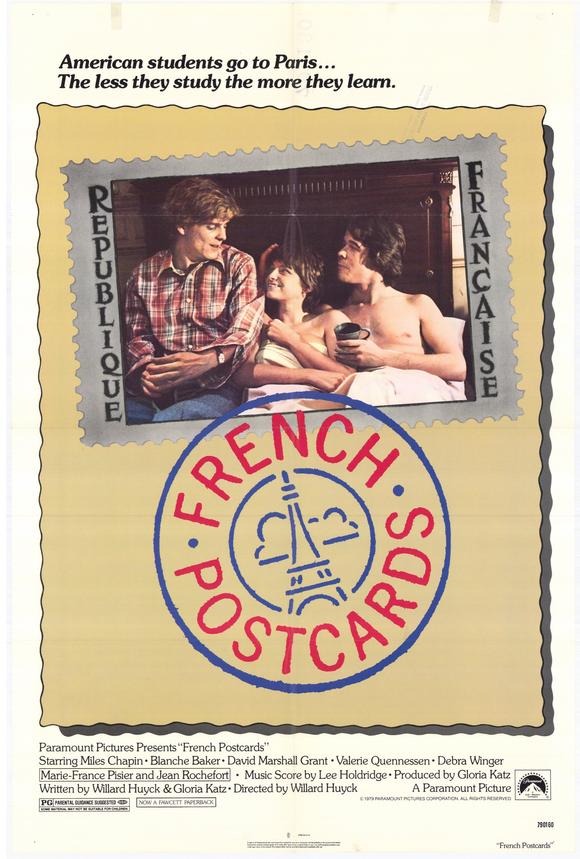
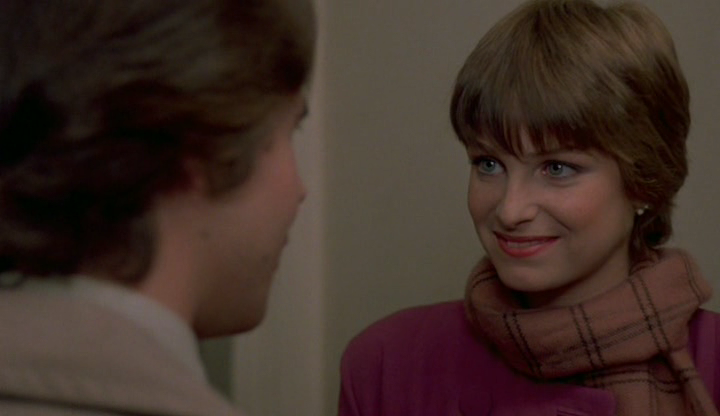
Review: Meanwhile, the screenplay’s other purported protagonists are given surprisingly short shrift. Blanche Baker (Carroll Baker’s daughter) shows up sporadically throughout the first half of the film, but only in voiceover, valiantly dictating cheerful postcards to a phantom boyfriend back at home while actually having a miserable, lonely time. When she’s finally given some screentime later in the film, she’s reduced to playing a potential rape victim in a series of ludicrously tasteless scenes with Mandy Patinkin (playing a lecherous Iranian travel agent). And while film fanatics may be mildly curious to check this film out simply to see Debra Winger in one of her earliest roles, be forewarned: her character is literally almost non-existent. Redeeming Qualities and Moments: Must See? Links: |
“Devils are as real to these people as leopards and pythons are to us — as real, and a lot more terrifying.”
|
Synopsis: |
|
Genres, Themes, Actors, and Directors:
Review: Redeeming Qualities and Moments:
Must See? Links: |
“Christmas isn’t just a day — it’s a frame of mind.”
|
Synopsis: |
|
Genres, Themes, Actors, and Directors:
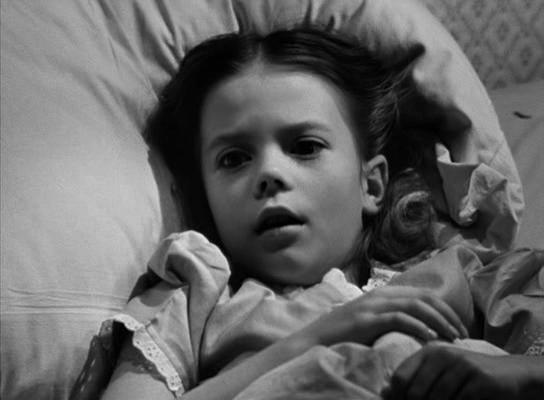
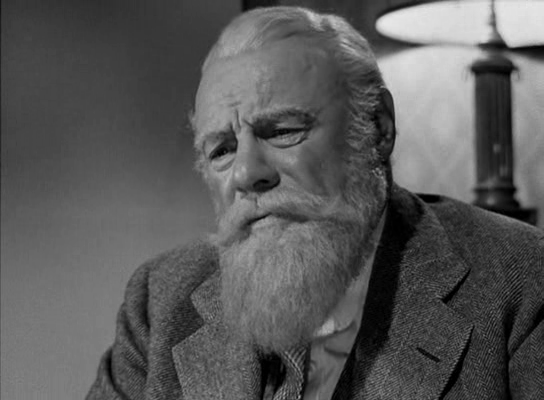
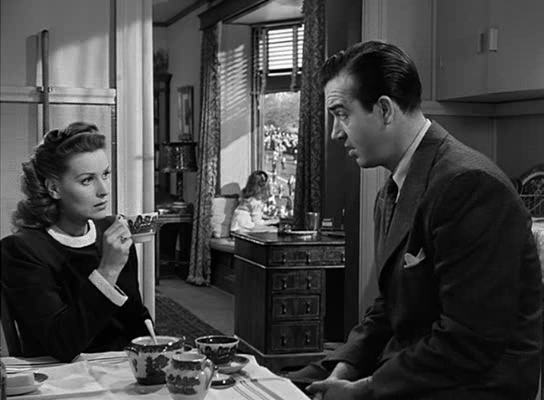
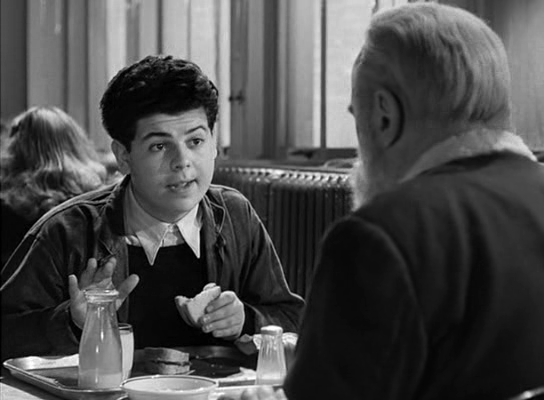
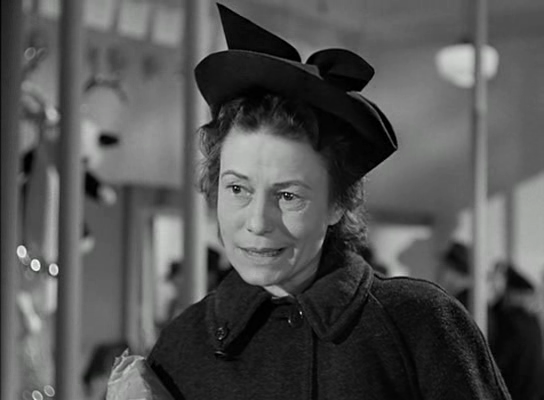
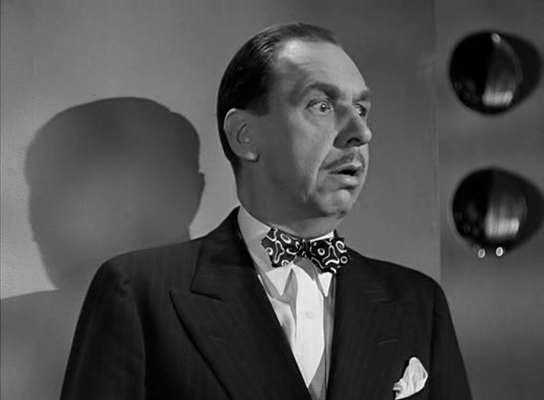
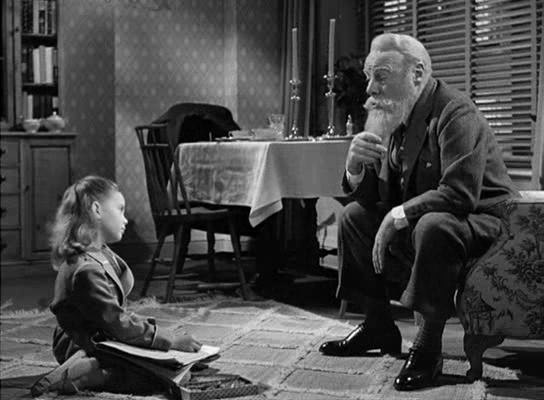
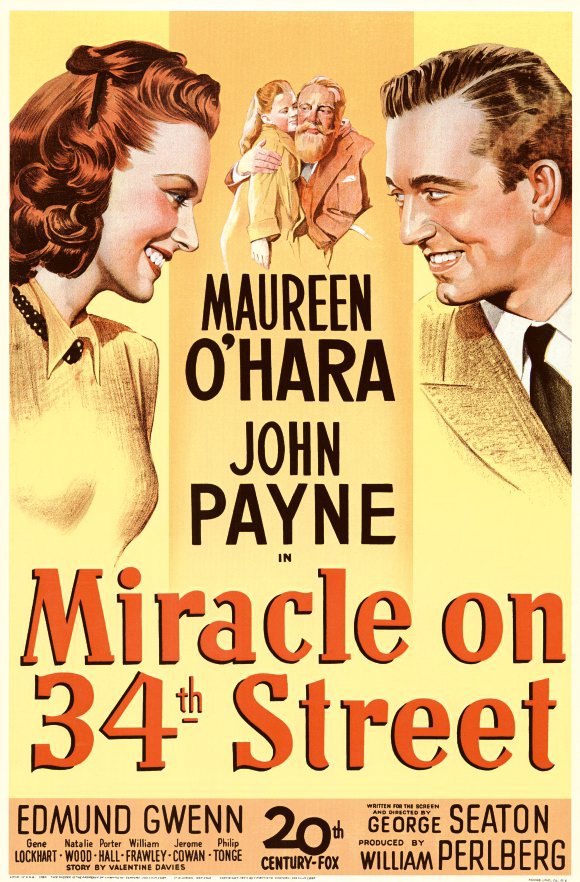
Response to Peary’s Review: Indeed, the film’s Christmas-time setting is apt, given that this is when the “good-versus-greedy battle within each person” is especially evident — as epitomized by the scene involving Thelma Ritter’s harried mother, whose son wishes for a certain toy she can’t find anywhere (the more things change, the more they stay the same!); it’s up to Kringle to manifest the true spirit of Christmas by breaking allegiance with Macy’s and telling her precisely where she can go to find one. Of course, one could argue that Kringle’s brilliant “marketing scheme” — co-opted immediately by all of Macy’s significant rivals — merely perpetuates the commercialism so rampant during the holidays. Yet tapping into the power of the “Christmas spirit” is also shown to signify a potentially deeper change of heart: for Maureen O’Hara (Susan’s mom, a cynical divorcee), it means opening herself up to both new romance (with suitor John Payne) and a life outside of the corporate ladder; for Wood, it means learning how to fantasize, dream, and “make-believe” for the first time in her young life. Part of the film’s success lies in the fact that we (especially adult viewers) never really know how much of the story is fantasy versus a manifestation of Kringle’s highly creative take on reality. As a result, we’re left to wonder — is Kringle “really” Santa Claus? And if so, what does that mean, pragmatically speaking? Why would Santa be living in a halfway home in New York, rather than at the North Pole? The mere fact that we’re led to contemplate these questions, however, speaks to the strength and veracity of Seaton’s screenplay — and of the stellar performances given throughout. O’Hara and Payne are well-cast in critical supporting roles, and the entire ensemble cast provides “splendid characterizations”, with “no one play[ing] their parts tongue-in-cheek”. Gwenn, of course, is notoriously “perfect” as Santa (Peary opens his review by stating, “Yes, Virginia, there is a Santa Claus and, using Edmund Gwenn’s SAG card, he gave a convincing performance as himself”). Perhaps most impressive, however, is Natalie Wood, who gives one of the single best child performances ever — watch how convincingly she portrays young Susan as alternately cynical, hopeful, playful, dejected, and overjoyed. Redeeming Qualities and Moments:
Must See? Categories
Links: |
“Go and redeem some other promising young creature, but leave me to keep Christmas in my own way.”
|
Synopsis: |
|
Genres, Themes, Actors, and Directors:
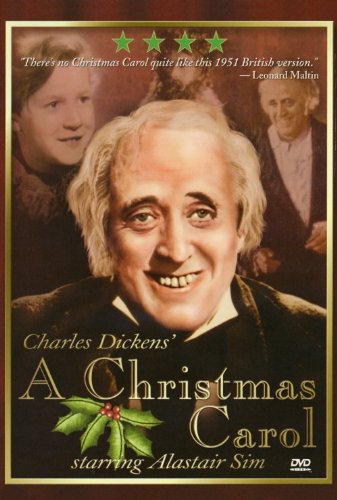
Review: Note: This is the only cinematic version of A Christmas Carol listed in Peary’s book; are there others that might be considered “Missing Titles”? Redeeming Qualities and Moments:
Must See? Categories
Links: |