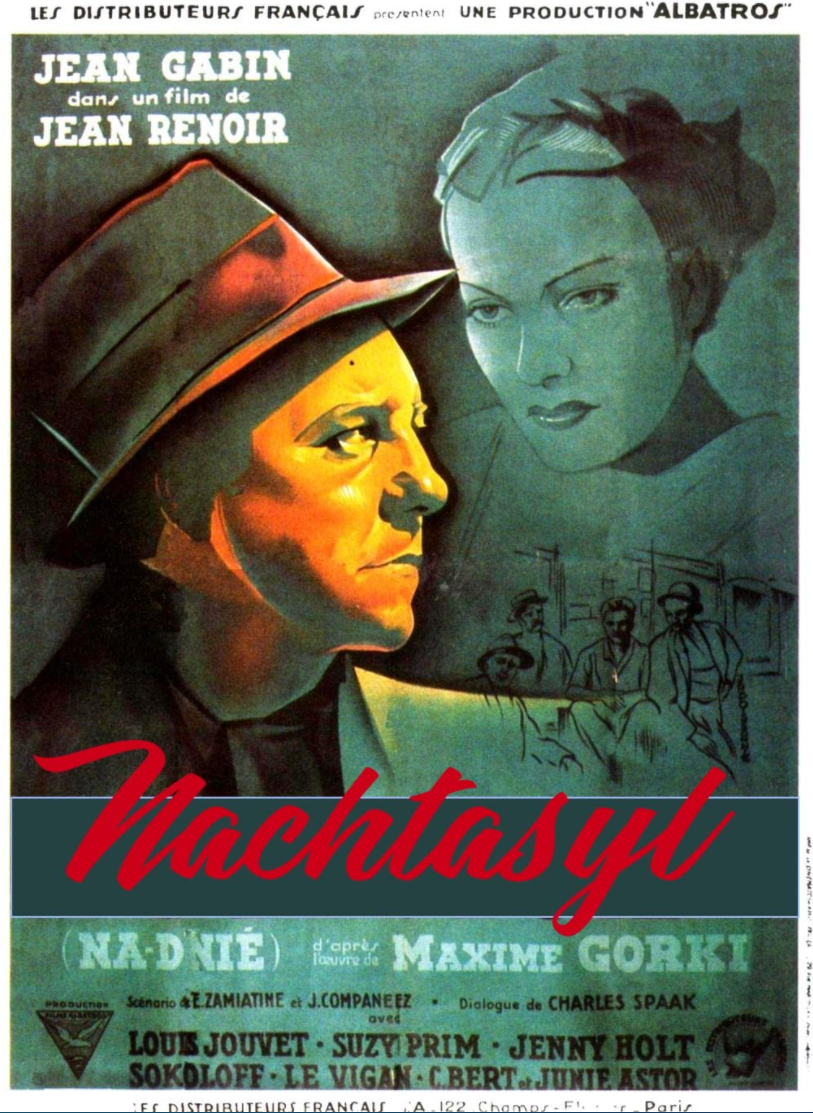
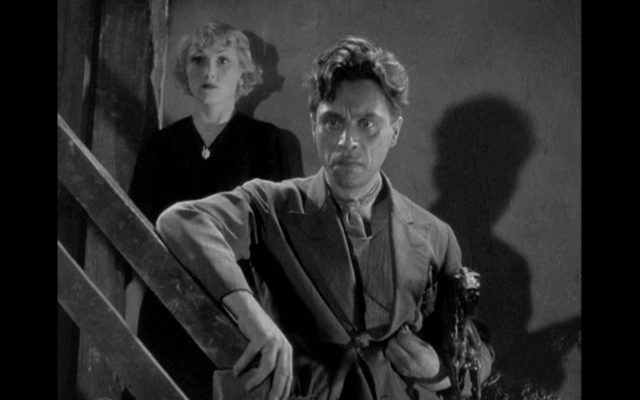
Lower Depths, The / Bas-Fonds, Les (1936)
“We’re born, we live, we die — it’s nothing to cry over.”
|
Synopsis: |
|
Genres, Themes, Actors, and Directors:
Review: Redeeming Qualities and Moments:
Must See? Links: |
“We’re born, we live, we die — it’s nothing to cry over.”
|
Synopsis: |
|
Genres, Themes, Actors, and Directors:
Review: Redeeming Qualities and Moments:
Must See? Links: |
“How can you go to hell if you’re already there?”
|
Synopsis: |
|
Genres, Themes, Actors, and Directors:
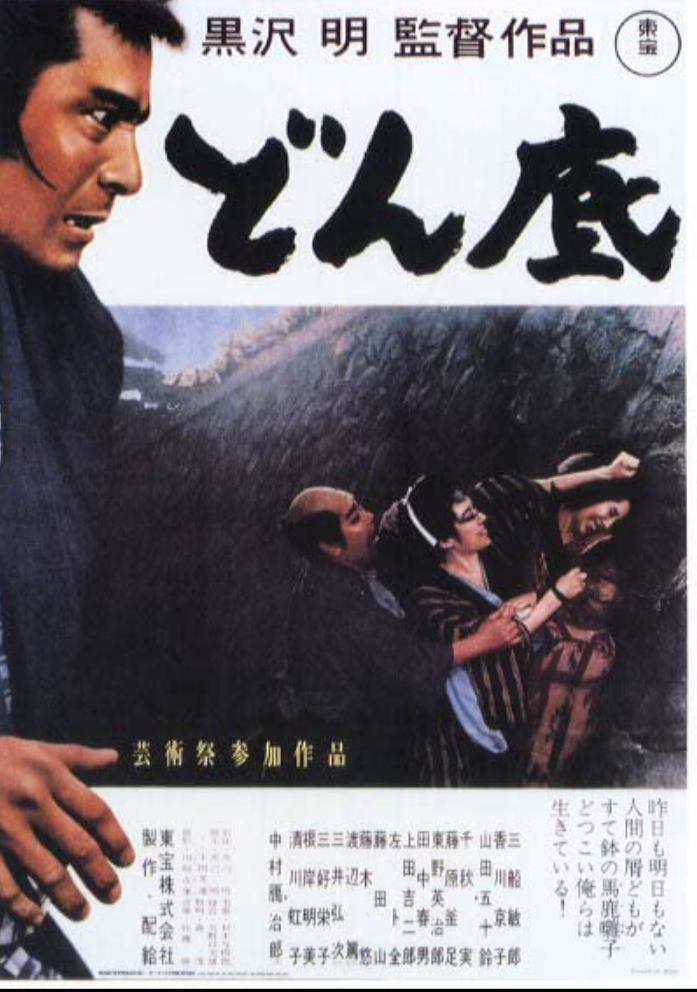
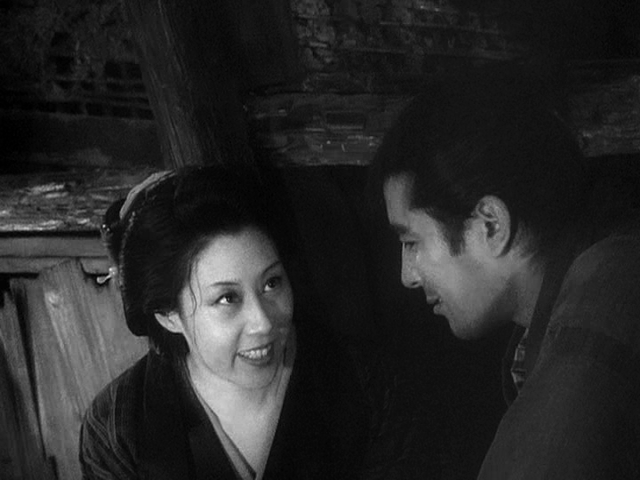
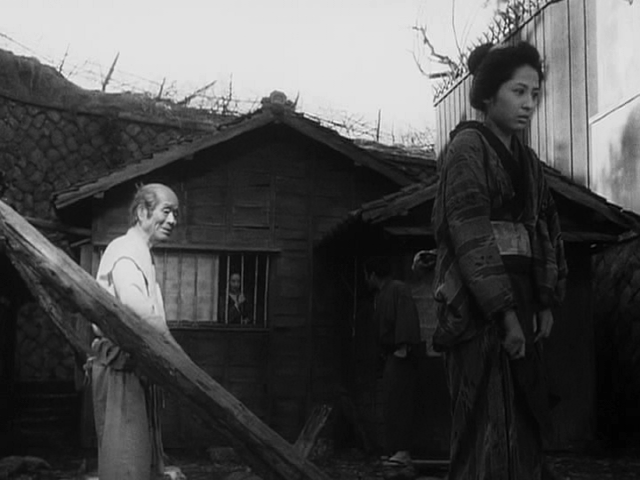
Review: Unfortunately, Kurosawa and Hideo Oguni’s relatively faithful screenplay — strategically limited to the confines of the sound-stage flophouse — basically consists of the characters sitting around kvetching about their lot in life, and yelling at each other. It’s difficult to keep track of who’s who, or to really care about any of their fates, given that so many weakly developed storylines are overlapping. Not even Mifune’s love triangle with Kagawa and Yamada bears much impact — we haven’t been given enough of a chance to know them as individuals. All in all, this is a surprisingly disappointing Kurosawa flick, one that I don’t consider must-see viewing except for his most steadfast fans. If you do decide to watch it, however, wait for a most enjoyable and bizarrely impromptu musical “performance” near the end — my favorite scene by far. Redeeming Qualities and Moments:
Must See? Links: |
“Nothing else is going on — it’s the only form of revolution left.
|
Synopsis: |
|
Genres, Themes, Actors, and Directors:
Review:
A former “punk” herself, Spheeris effectively elicits their no-holds-barred thoughts on life, music, drugs, pet tarantulas, haircuts, dead gardeners, and… Well, you get the point. How interesting you find all of this will ultimately depend upon how intrigued you are either by subcultures in general, and/or with the punk movement, which we quickly learn is grounded in nihilism, anger, violence, and bigotry — all on ample display here.
According to this documentary, punk fans and musicians seem to live for the moment when they can enter into a club and begin thrashing their emotions on their sleeve, harming others (and themselves) along the way as applicable. While Decline… is worth a look as an erstwhile cult favorite (and for the cultural footage it provides), it’s not must-see for all film fanatics — though I do recommend it for one-time viewing. Redeeming Qualities and Moments:
Must See? Links: |
“Everything I have belongs to you — all I have left to give you is my death.”
|
Synopsis: |
|
Genres, Themes, Actors, and Directors:
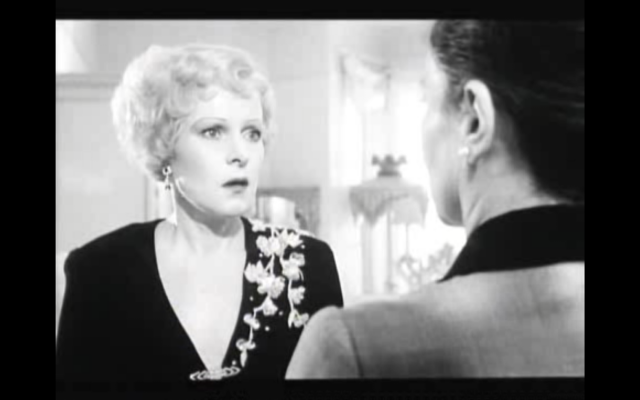
Response to Peary’s Review: I find the film much more enjoyable than the above analysis would indicate. While it’s certainly of interest on a number of historical and thematic levels, it also simply “works” as a compelling, finely acted character drama. Xaver Schwarzenberger’s rich black-and-white cinematography and Rolf Zehetbauer’s stark set designs (note the blindingly white quarters of Dr. Katz’s “office”) help to create an “other-worldly” post-WWII landscape, one which resonates effectively with Voss’s warped existence. Indeed, the film is a fascinating combination of standard melodrama (Fassbinder was heavily influenced by Douglas Sirk) and post-modern surrealism: in one of the movie’s strangest scenes, for instance, Zech openly propositions Thate in front of his girlfriend (Cornelia Froboess), who thus knows about his betrayal yet ends up assisting Thate in his attempt to uncover the truth behind Zech’s mysterious relationship with her doctor (Duringer). Film fanatics — whether fans of Fassbinder’s oeuvre or not — are sure to find this one worth a look. Note: Parallels are often made between this and Billy Wilder’s masterful Sunset Boulevard, given that both Zech’s Veronika Voss and Gloria Swanson’s Norma Desmond are aging “has beens”, desperate for a resurgence of their failing careers, who lure an impressionable young man into their troubled lives. This is definitely the darker of the two. Redeeming Qualities and Moments:
Must See? Categories
Links: |
“Pip! A young gentleman of great expectations.”
|
Synopsis: |
|
Genres, Themes, Actors, and Directors:
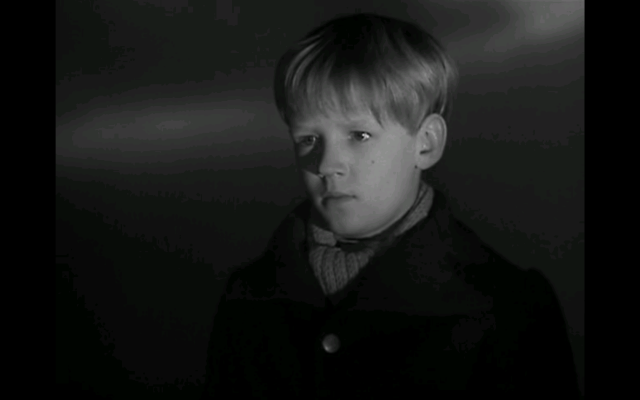
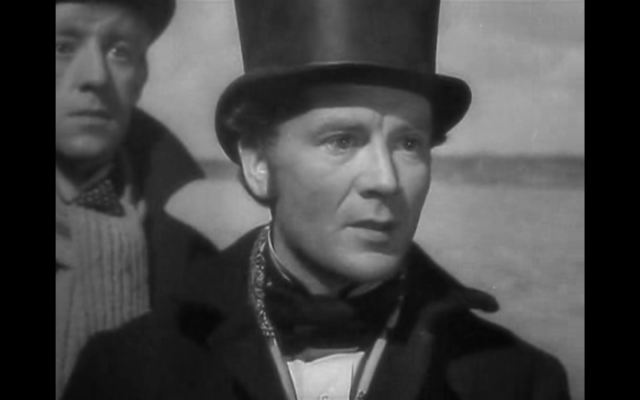
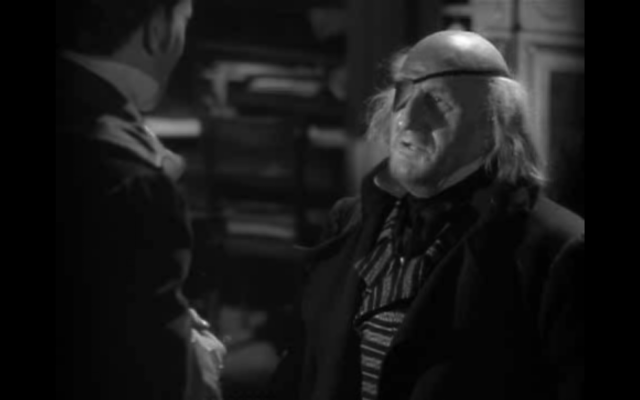
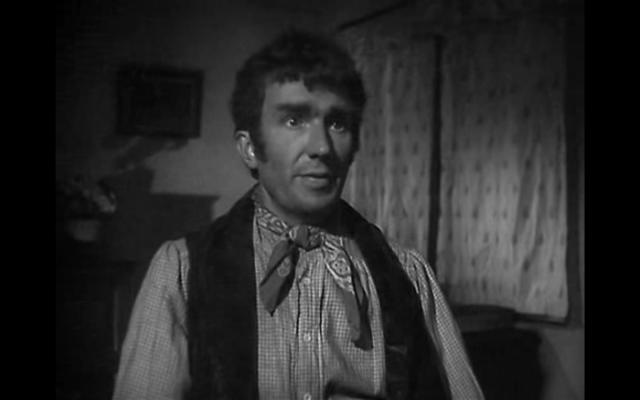
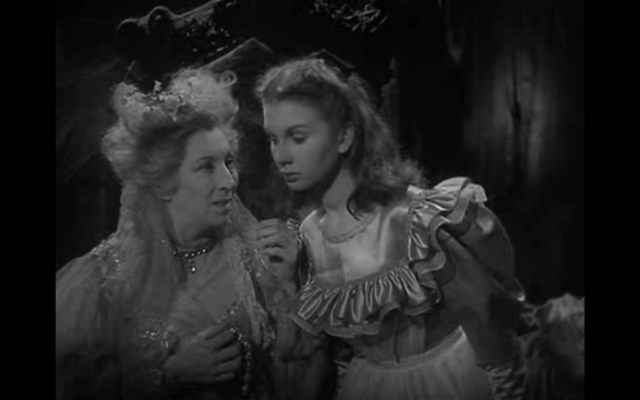
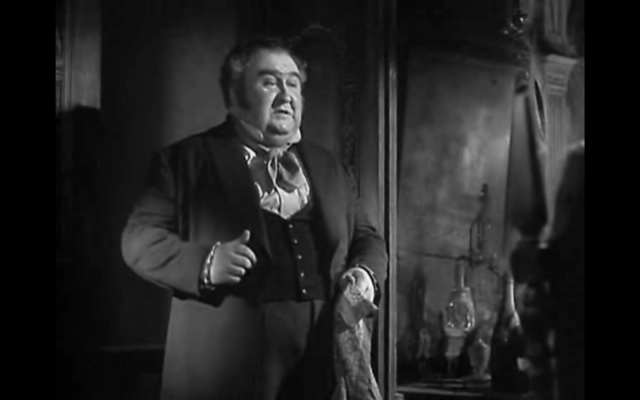
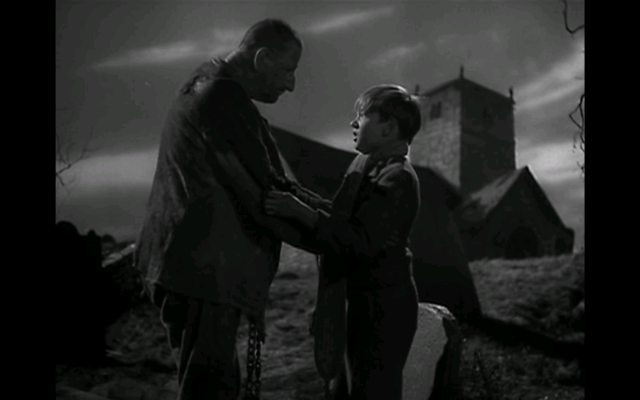
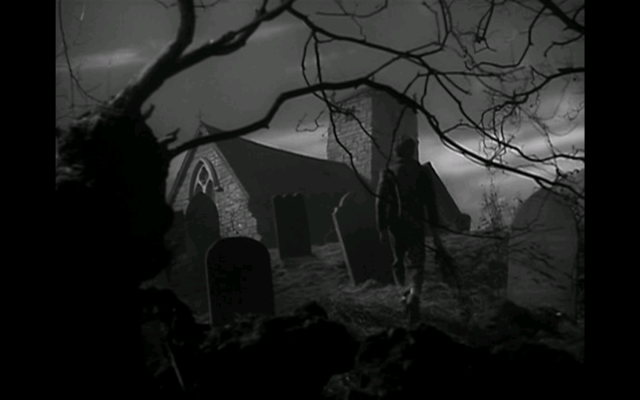
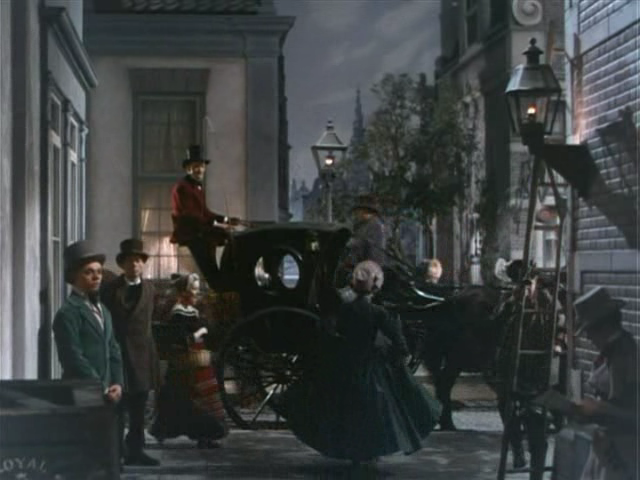
Review: Lean apparently had a very specific vision for how the film should look, and his attention to detail clearly pays off. From its opening scene at the cemetery on the moors, to Miss Havershim’s decaying manse, to Pip’s new living quarters as a “gentleman” in London, each of the carefully crafted sets (the film won an Oscar for best art and set direction) emanate Dickensian authenticity. Guy Green’s Oscar-winning cinematography is truly stunning, and the supporting performances by the ensemble cast are consistently impressive, embodying Dickens’ characters exactly as we likely imagine them. Among the notable stand-outs are Finley Currie as Magwitch the convict (appropriately menacing in his on-screen “debut” on the moors), Bernard Miles as Pip’s humble brother Joe Gargery, and Martita Hunt as the infamous spinster Miss Havisham. Redeeming Qualities and Moments:
Must See? Categories
(Listed in 1001 Movies You Must See Before You Die) Links: |
“It is only the obvious that escapes attention.”
|
Synopsis: |
|
Genres, Themes, Actors, and Directors:
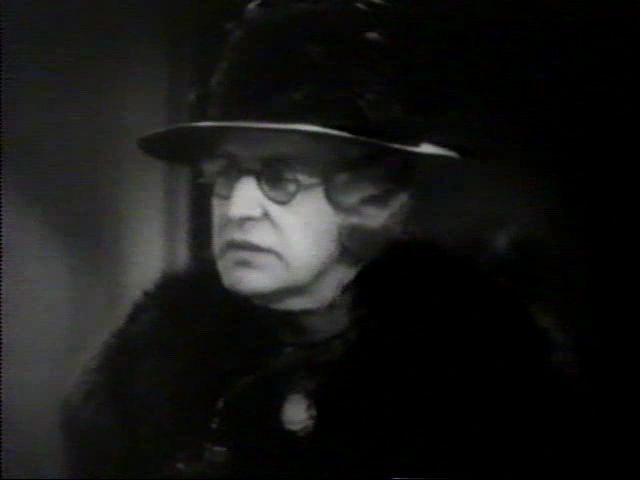
Review: Note: This may be the only film showing Holmes dressed in drag (looking much like Lionel Barrymore in The Devil Doll).
Redeeming Qualities and Moments:
Must See? Links: |
“Discipline’s okay as long as you’re having fun.”
|
Synopsis: |
|
Genres, Themes, Actors, and Directors:
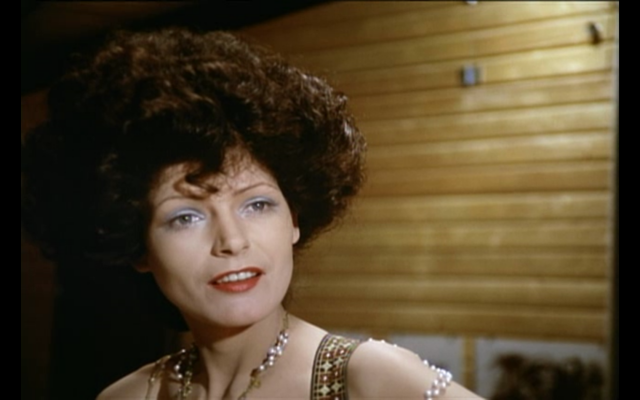
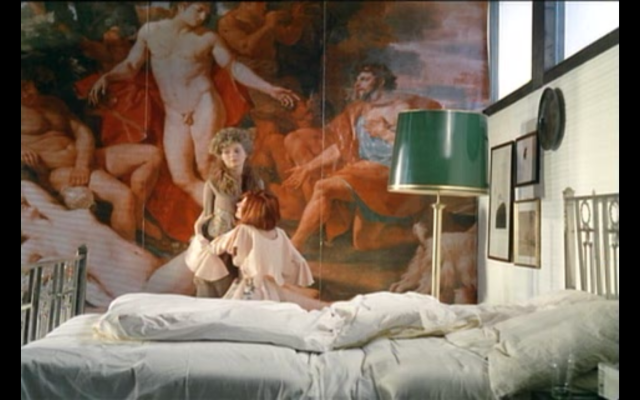
Review: Based upon Fassbinder’s own play, Bitter Tears very much retains its theatrical origins: it’s neatly divided into “acts”, and all takes place within the strategically claustrophobic quarters of Petra’s apartment. This works just fine throughout the first “act”, when viewers are sure to be intrigued (if nothing else) by the direction Fassbinder is taking us in. But by the time the story’s central thesis is finally established — that Petra’s obsession with “owning” Karin will be her undoing — we’ve become a little weary of the film’s slow pacing and patently artificial staging. Fassbinder constructs his film as an elaborate homage to Douglas Sirk’s colorful mid-century melodramas, with a decidedly perverse bent: his lead characters (all female) inhabit a world of outlandishly baroque outfits (complete with wigs and garish make-up) and surreal sets populated by strategically framed female mannequins and an over-sized reproduction of Nicolas Poussin’s 1629 painting “Midas and Bacchus” dominating one of the walls of Petra’s home. It’s all visually arresting, but eventually not compelling enough to keep us invested in watching “poor” Petra’s downward spiral. With that said, Bitter Tears is the kind of dense, wordy film that lends itself to academic deconstruction — so if you’re up for this type of intellectual challenge, definitely check it Jonathan Rosenbaum’s critical essay. Redeeming Qualities and Moments:
Must See? (Listed in 1001 Movies You Must See Before You Die) Links: |
“I’ve had enough! It’s up to here for me. From now on, I’m number one!”
|
Synopsis: |
|
Genres, Themes, Actors, and Directors:
Review:
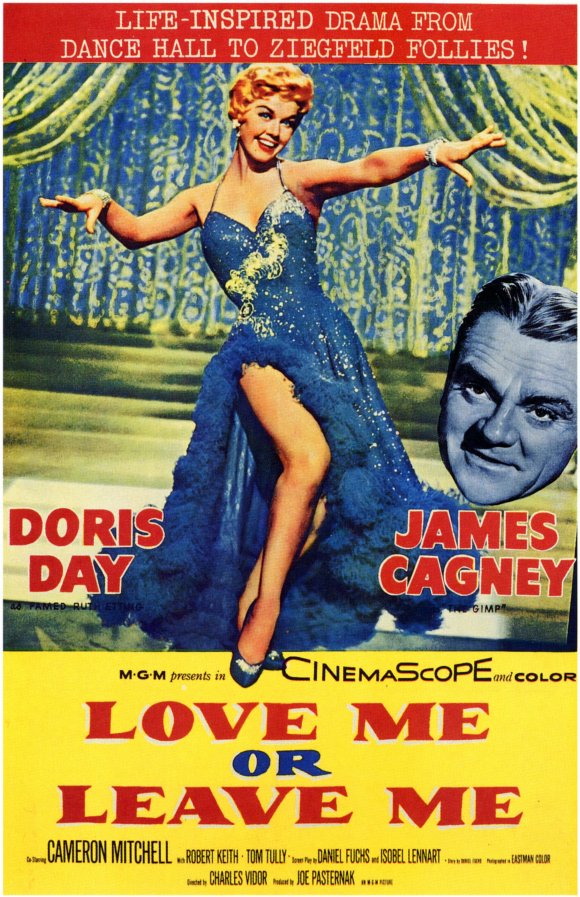
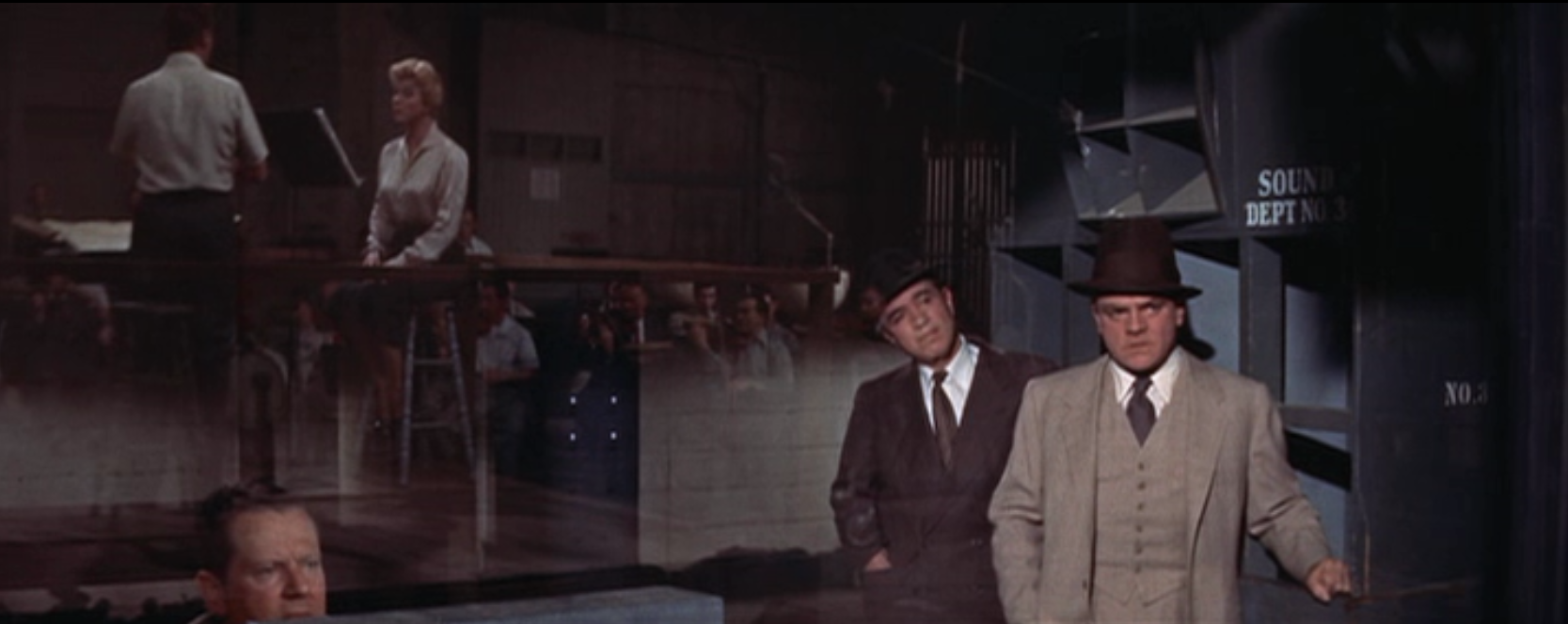
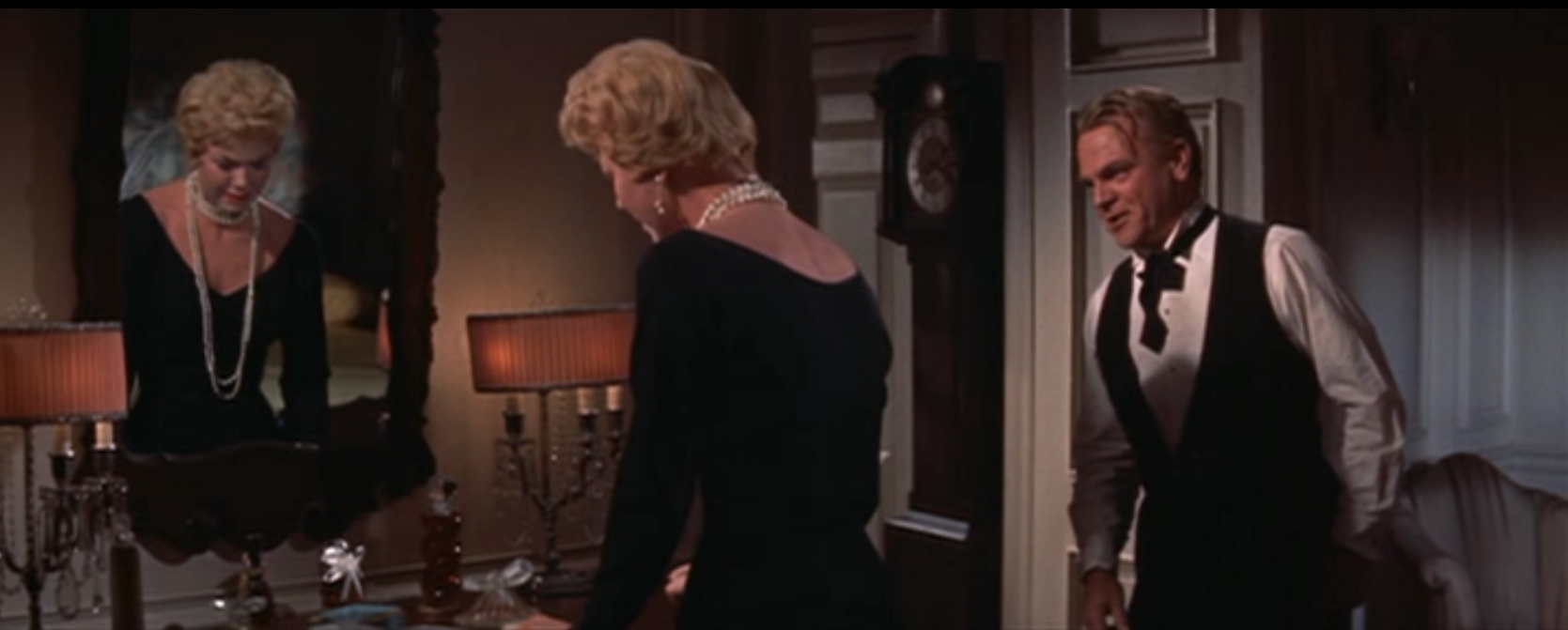
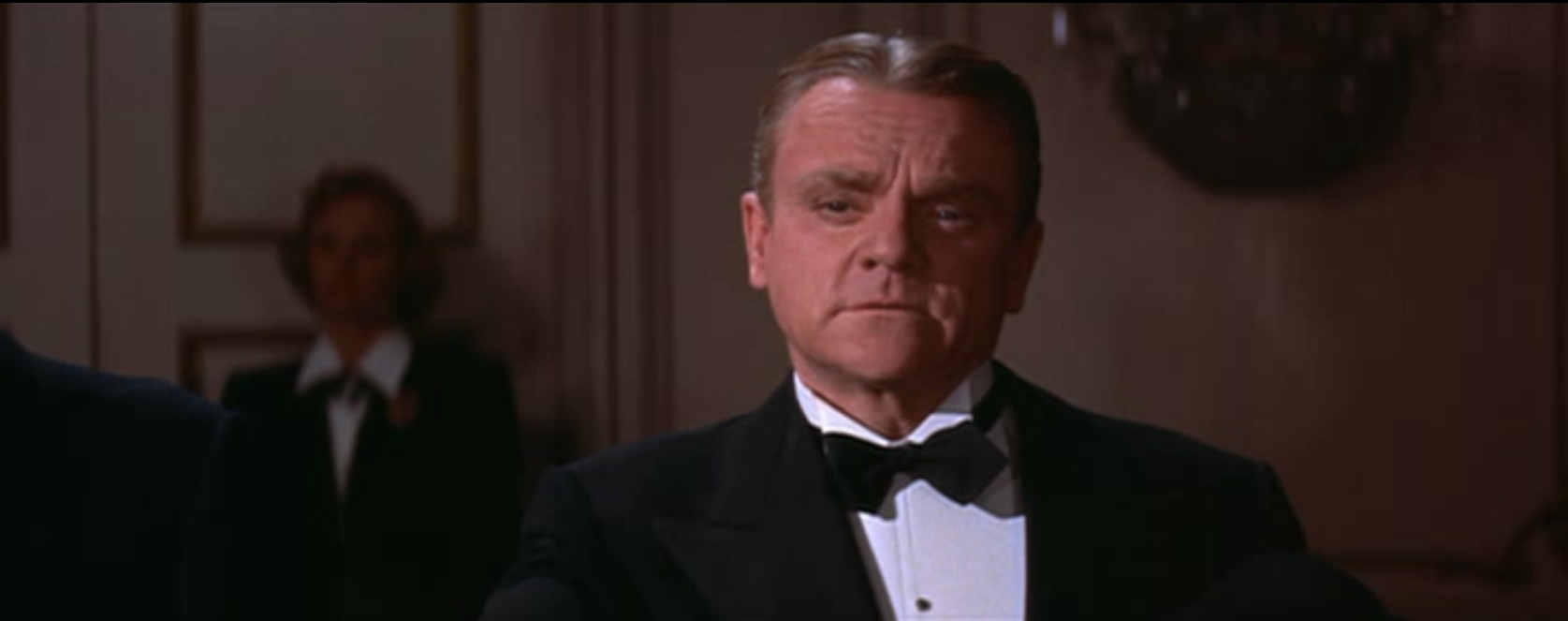
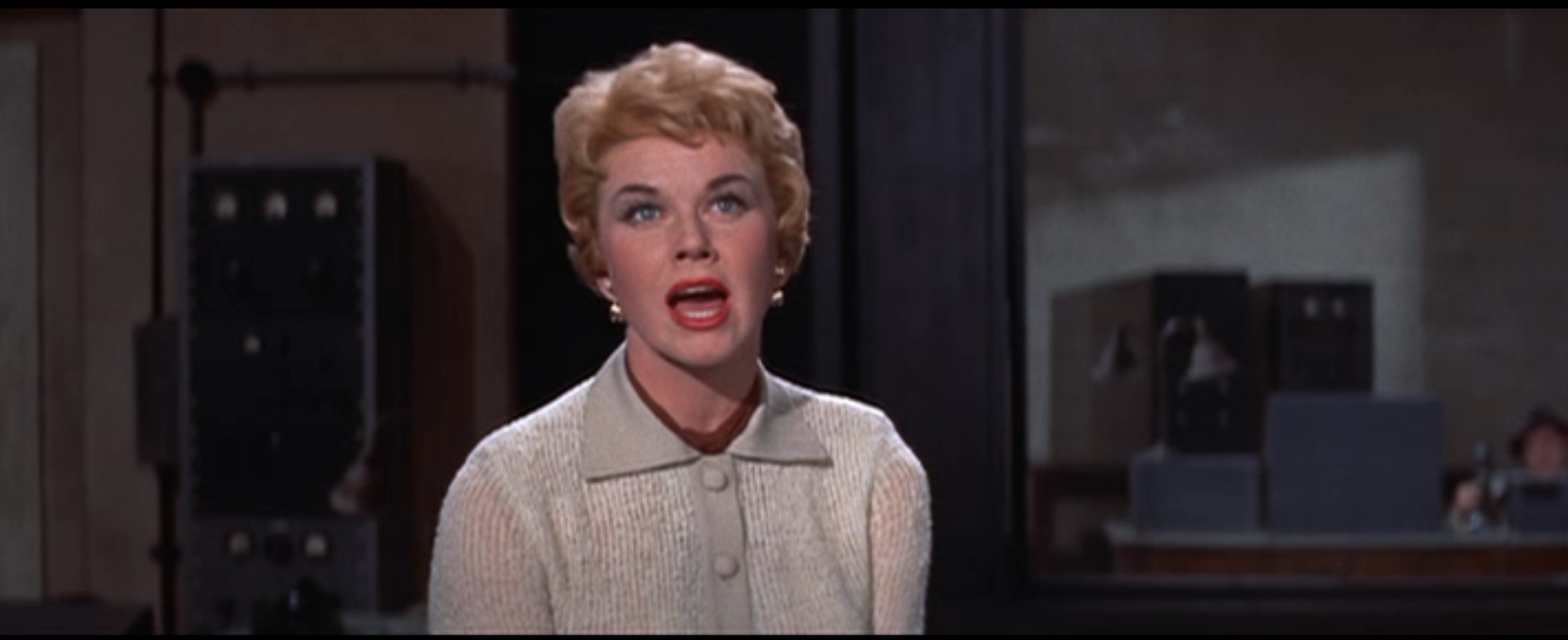
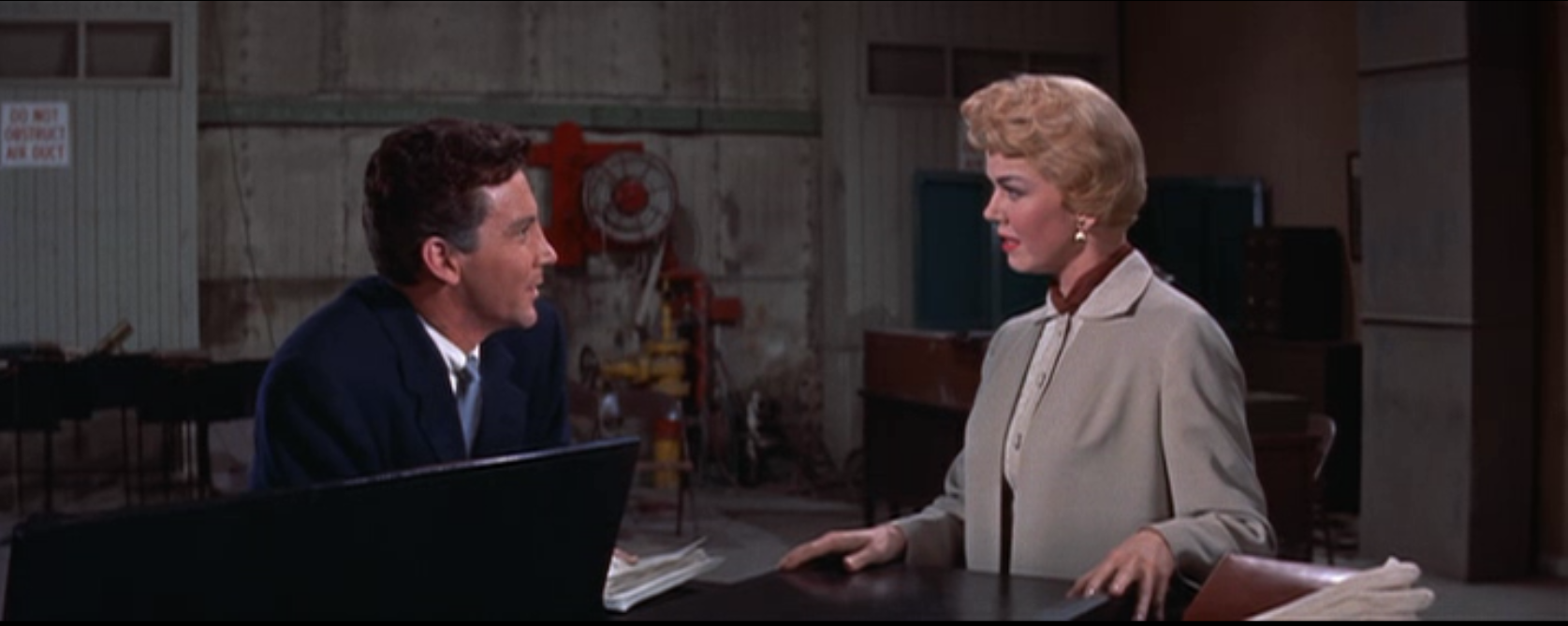
The screenplay manages to nicely sidestep the issue of whether Etting slept with Snyder during the early, pre-marriage phase of their relationship together (which she surely must have) — instead implying that Snyder eventually raped her and “forced” her into an unhappy marriage. To that end, it’s frustrating to view Etting portrayed in such a uniformly righteous light — and fascinating to know how upset many of Day’s fans nonetheless were at her for deviating so noticeably from her more traditional “good girl” roles. Given the limitations of their characters as dictated by the screenplay, however, Day and Cagney work wonders with their roles, and share a number of hard-hitting scenes together.
Cagney turns in an especially powerful performance as a “gimpy” gangster accustomed to getting his way at every turn, while Day effectively taps into Etting’s emotional core as she struggles to stay loyal to the man she knows she owes her career to despite feeling more and more disgusted by him. Meanwhile, Cameron Mitchell is nicely cast (against type) as Etting’s enduring love interest, waiting patiently behind the wings. Most importantly, however, Day fans will enjoy her fine renditions of a number of Etting’s most noteworthy songs — including “I’ll Never Stop Loving You”, “Shaking the Blues Away”, and the title song. Note: Check out TCM’s trivia page for the film, which includes a number of interesting tidbits — including the fact that Cagney accepted second billing for the first time since achieving stardom in the 1930s, given his acknowledgment that “Day’s character was more central to the film’s plot”. Redeeming Qualities and Moments:
Must See? Categories
Links: |
“There’s a physiological pathway to our earlier consciousnesses. There has to be.”
|
Synopsis: |
|
Genres, Themes, Actors, and Directors:
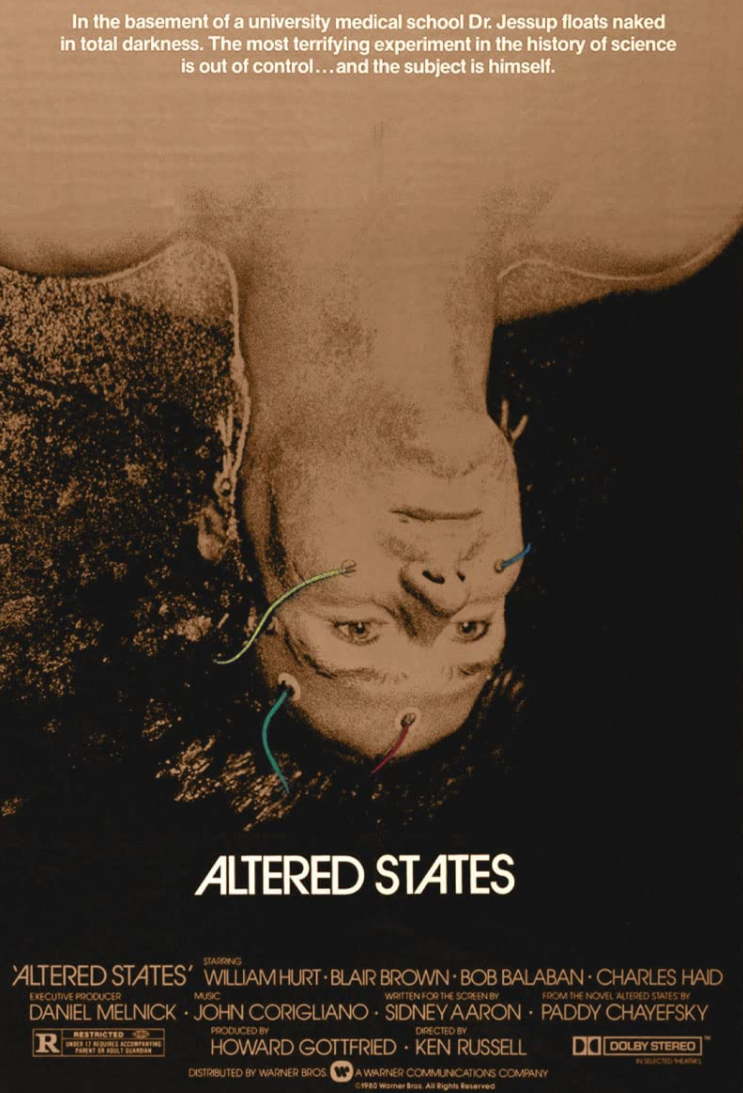
Response to Peary’s Review: Peary does point out, however, that “there is much that is noteworthy” in the film — including its “blasting soundtrack” (which “won the picture an Oscar”), special effects by Bran Ferren (which Peary argues are “often ill-chosen but dynamic”, though I found them appropriately surreal throughout), and the “remarkable make-up work” of “the legendary Dick Smith” (who worked on, among many other titles, The Exorcist and Scanners — click here for his website). Peary notes that Russell “keeps things under surprising control for a change”, and does wonders with Chayefsky’s “overwritten script”; in his more detailed analysis of the film for his Cult Movies 2 book, Peary explains that Russell “solved much of [Chayefsky’s] overwritten dialogue problem by having his actors talk so quickly that lines that would make no sense to the average viewer anyway are lost” — a technique which works remarkably well, and actually helps to impress upon us the essential fact that “the characters are loquacious about erudite subjects”. As Peary notes, the fine ensemble cast “are all believable, and smooth, as they deliver intellectual diatribes” (with Blair particularly noteworthy in what could have been a somewhat thankless role). Despite its flaws, then, film fanatics will surely want to check out this audacious, visually evocative, finely acted headtrip at least once. Redeeming Qualities and Moments:
Must See? Categories
Links: |
“That’s the nice thing about the world, my friend: people.”
|
Synopsis: |
|
Genres, Themes, Actors, and Directors:
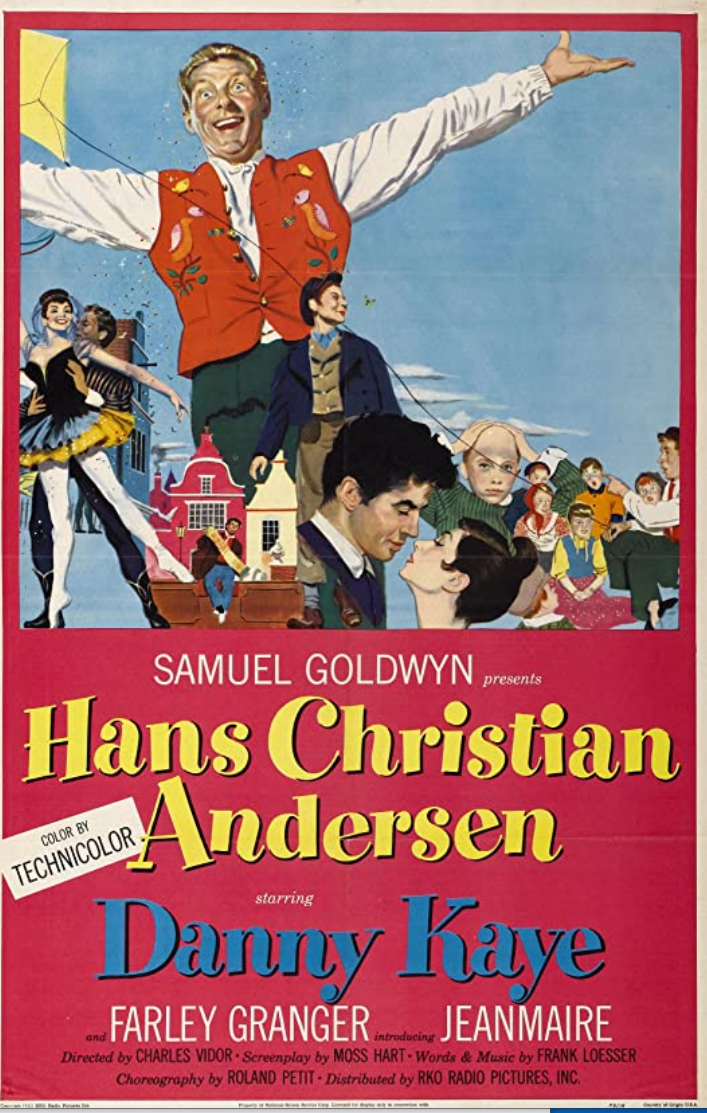
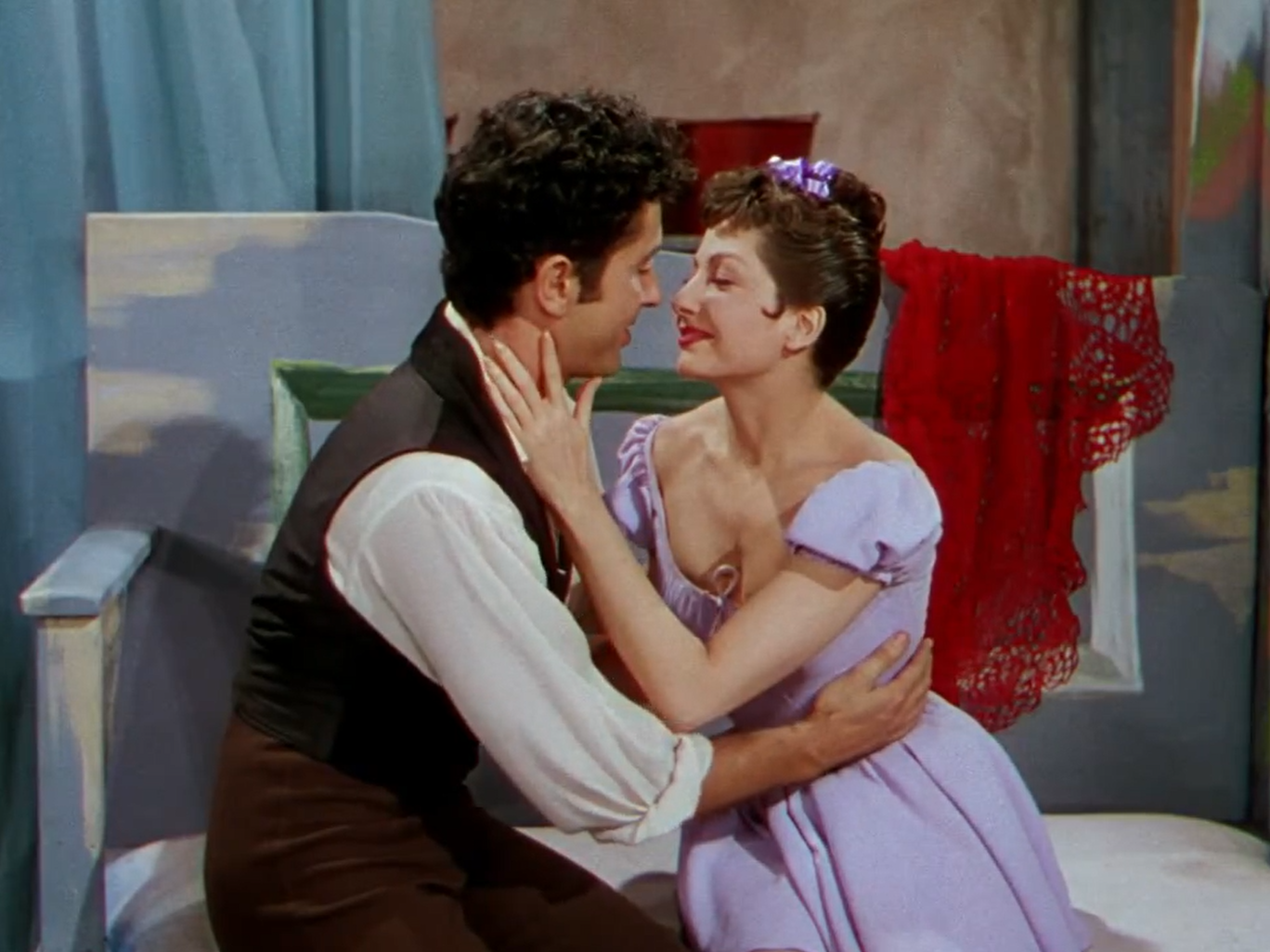
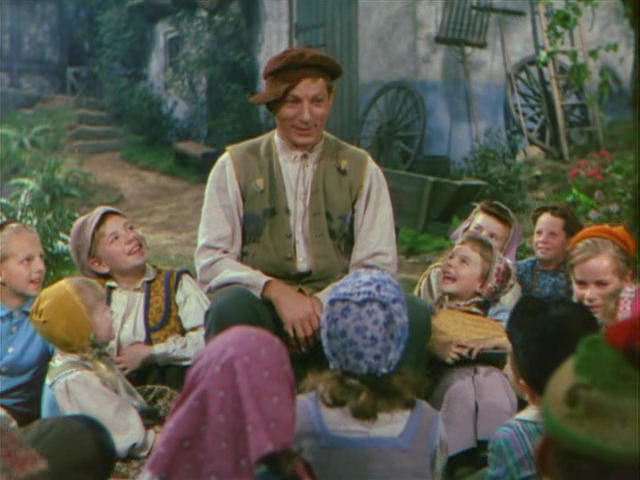
Review: Unfortunately, the film becomes somewhat notoriously bogged down by its central subplot, in which Andersen — presumably a romantic neophyte — develops an obsessive crush on a beautiful ballerina (Jeanmarie) who he believes is being sorely mistreated by her ruthless manager/husband (played by Farley Granger, who apparently hated being forced to do this role).
The key scene Andersen witnesses — in which Granger mercilessly chastises Jeanmarie’s performance, and the two actually exchange physical blows — smacks weirdly of sado-masochism, given that the two clearly have an “understanding” with one another, and are still just as much in love as ever after their “encounter” (something Andersen fails to learn until much later on, naturally). With that said, it makes sense that Andersen would fall for a fairy-tale version of a woman rather than the complex adult herself — so perhaps this subplot isn’t quite as egregious as many critics have claimed. Note: It’s distressing and a bit of a let-down to know that Kaye himself was very un-Andersen-like on the set of the film. According to TCM’s article, he was “repeatedly frustrated” with Jeanmarie’s “struggling grasp of English”, ran hot and cold in his friendliness towards Granger, and “became so petulant about the costumes that he wailed to Granger, ‘How come you get to wear all these beautiful clothes and I have to wear rags?'” Redeeming Qualities and Moments:
Must See? Links: |