Remember My Name (1978)
“I didn’t cry when you disappeared.”
|
Synopsis: |
|
Genres, Themes, Actors, and Directors:
Review: Redeeming Qualities and Moments:
Must See? Links: |
“I didn’t cry when you disappeared.”
|
Synopsis: |
|
Genres, Themes, Actors, and Directors:
Review: Redeeming Qualities and Moments:
Must See? Links: |
“Won’t you believe in me? If you do, there will always be mermaids.”
|
Synopsis: |
|
Genres, Themes, Actors, and Directors:
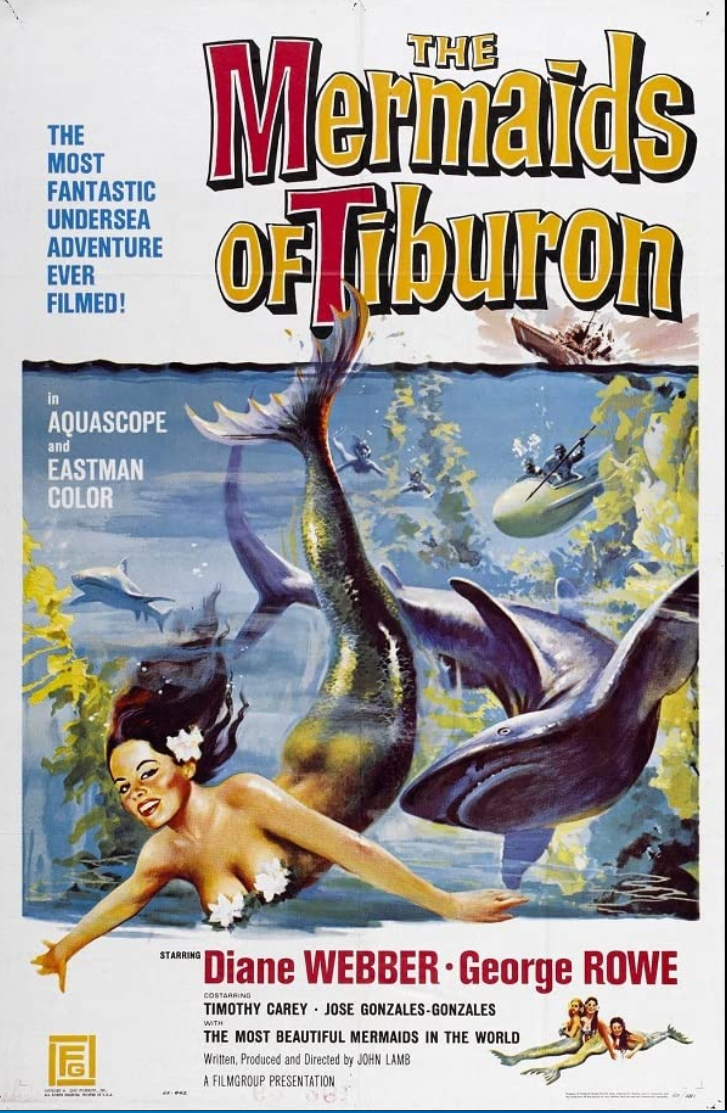
Review: Unfortunately, when Mermaids of Tiburon failed to generate much interest at the box office, Lamb decided to shoot additional footage of topless mermaids, re-releasing the film as The Aqua Sex; this later version — the one now widely available on DVD — is little more than shameless soft-core porn, with buxomy starlets swimming nearly naked (in seaweed “bikinis”), and green flippers substituted for mermaid tails Lamb apparently wanted viewers to have visual access to the women’s curvy behinds, but this decision ultimately makes them look more like swimming strippers than mermaids. If you do decide to seek out this camp classic, make sure to watch the original version, with playmate Diane Webber as Queen of the Mermaids — she’s infinitely more alluring in her bra-shells and mermaid tail than the topless woman replacing her in Lamb’s updated “audience pleasing” version. Redeeming Qualities and Moments:
Must See? Links: |
“I’ve got to know what’s going to happen to David!”
|
Synopsis: |
|
Genres, Themes, Actors, and Directors:
Review:
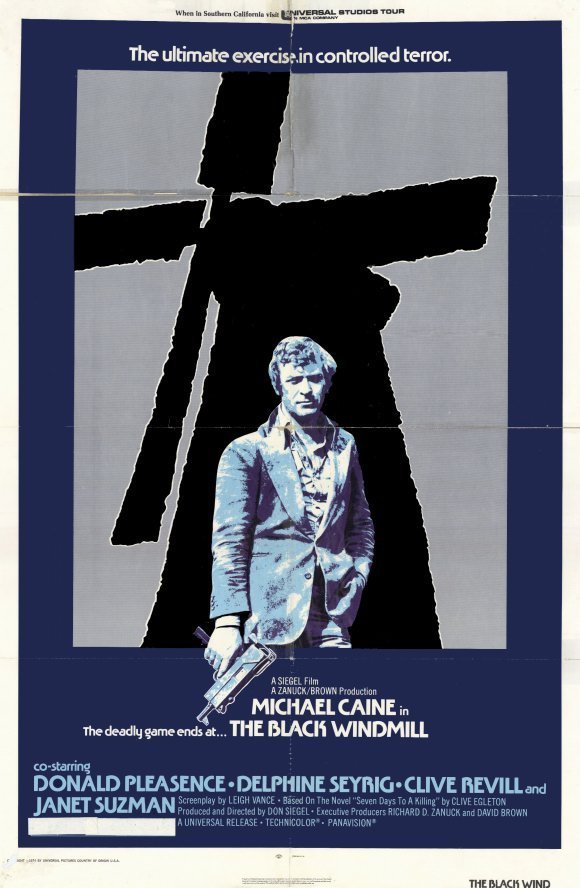
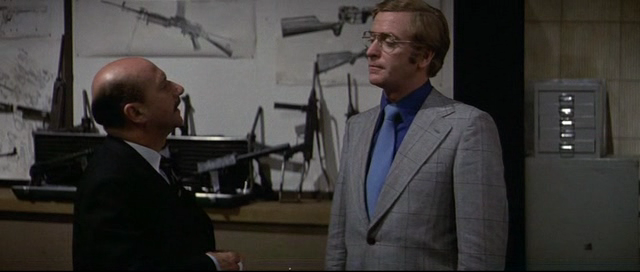
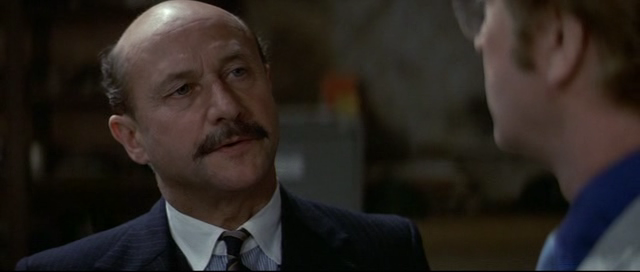
While we understand that Caine’s reserved attitude is scripted to arouse suspicion, he takes this guise too far, and loses our sympathy. Donald Pleasence fares better as Caine’s twitchy superior, who somehow seems to have it in for Caine (if only we better understood why). Meanwhile, John Vernon and Delphine Seyrig (as “Ceil Burrows” — great name) remain sadly underdeveloped villains. The dramatic climax, taking place in the title’s picturesque locale, unfortunately comes too late to redeem the rest of the lackluster script. Redeeming Qualities and Moments:
Must See? Links: |
“All evening I watched her hair and neck. I couldn’t keep my eyes off of her.”
|
Synopsis: |
|
Genres, Themes, Actors, and Directors:
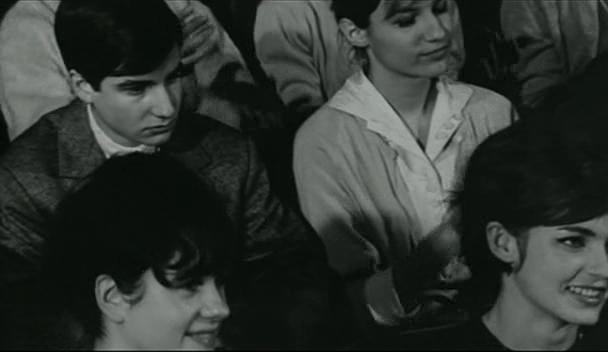
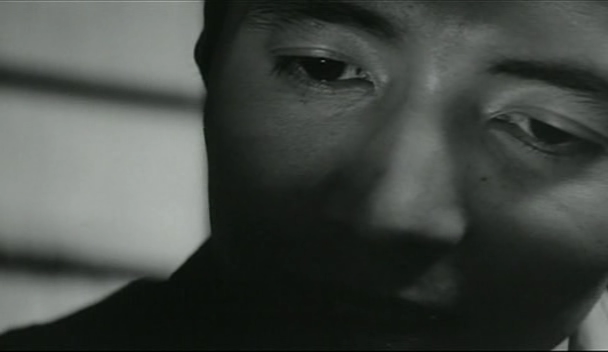
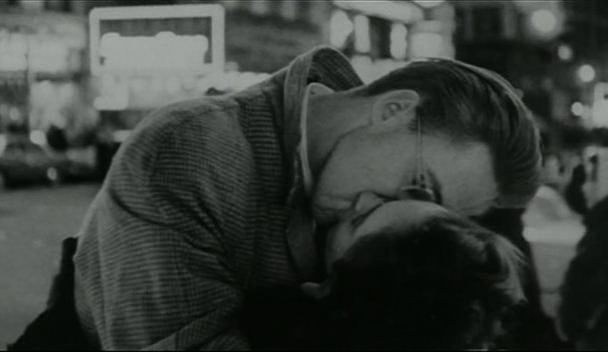
Review: Renzo Rossellini’s “Rome” — about a callow young man (Geronimo Meynier) whose older lover (Eleonora Rossi Drago) bitterly tries to warn her young rival (Cristina Gaioni) about Meynier’s “true nature” — is effectively filmed, but, as one of the shortest of the film’s six tales, ultimately doesn’t leave much of a lasting impression. Shintaro Ishihara’s equally short “Tokyo” packs much more of a punch: it’s a hauntingly shot vignette about a delusional factory worker (Koji Furuhata) whose obsessive love for a beautiful woman he walks by every day taps into his violent tendencies. Meanwhile, Marcel Ophuls’ “Munich” aims for more depth in its tale of a womanizing businessman (Christian Doermer) undergoing — perhaps — a change of heart when he visits a girl (Barbara Frey) who has just given birth to his son; it’s engaging, and hints at the potential for a longer film. Andrzej Wajda’s “Warsaw” is my personal favorite of the collection. Featuring Zbigniew Cybulski (the bespectacled star of Wajda’s Ashes and Diamonds, 1958), it packs a punch from the opening sequence, as we watch a little girl who has fallen into a polar bear’s den at the zoo being rescued by a man (Cybulski) with seemingly limitless bravery. A beautiful blonde (Barbara Lass) — previously seen kissing her young lover (Wladyslaw Kowalski) — immediately shifts allegiances when her boyfriend simply takes a photo of the tragedy rather than jumping in to help; Lass invites Cybulski back to her home, and — in typical Eastern European cinematic fashion — the situation becomes increasingly absurd, until events erupt into a poignant meditation on post-traumatic stress and the callowness of youth. Weaving the five vignettes together is an absorbing montage of stills (by Henri Cartier-Bresson) showing (real-life?) young lovers on the street, and the reactions of those around them; in the background, Xavier Depraz sings Georges Delerue’s “Love at Twenty” in multiple languages, reiterating the universality of young love. It’s too bad that the most recent attempt at such an international collection of thematic shorts — Paris, Je T’Aime (2006) — was largely disappointing, since this earlier effort (strangely unavailable on DVD as of yet) shows that omnibus films can be quite effective, given the right combination of talent. Perhaps part of the solution lies in limiting the number of stories (Paris, Je T’Aime had a whopping twenty), so that more depth is allowed in each tale. Redeeming Qualities and Moments:
Must See? Categories
Links: |
“Small things sometimes tell large story.”
|
Synopsis: |
|
Genres, Themes, Actors, and Directors:
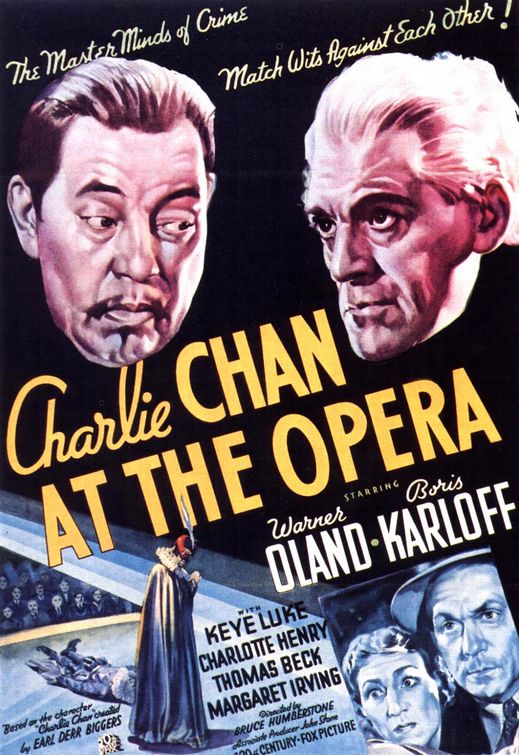
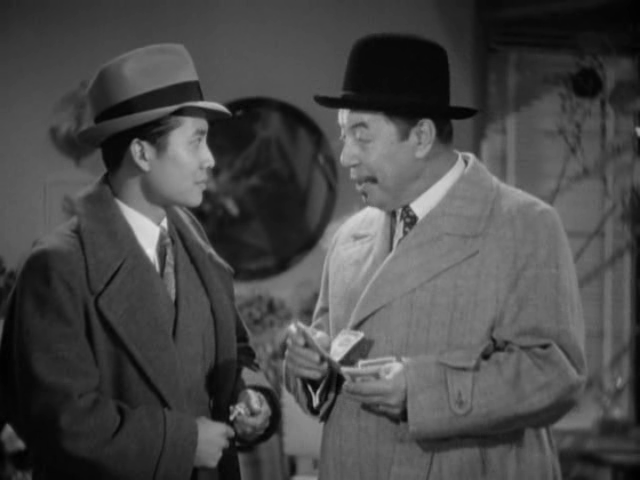
Review: Note: While it’s frustrating to see Chinese Americans portrayed in the Chan series as either benevolent or stereotypically eager-beaver, Charlie Chan and his son are at least a welcome alternative to the “yellow peril” posited in the notorious character of Fu Manchu; in addition, the screenwriters do a nice job presenting William Demarest’s skeptical, racist detective as a clueless dolt. Redeeming Qualities and Moments:
Must See? Categories
Links: |
“We all love each other, right?”
|
Synopsis: |
|
Genres, Themes, Actors, and Directors:
Response to Peary’s Review: Redeeming Qualities and Moments:
Must See? Categories
Links: |
“The spring is on the loose. We’ve got to get it, and we’ve got to get it now!”
|
Synopsis: |
|
Genres, Themes, Actors, and Directors:
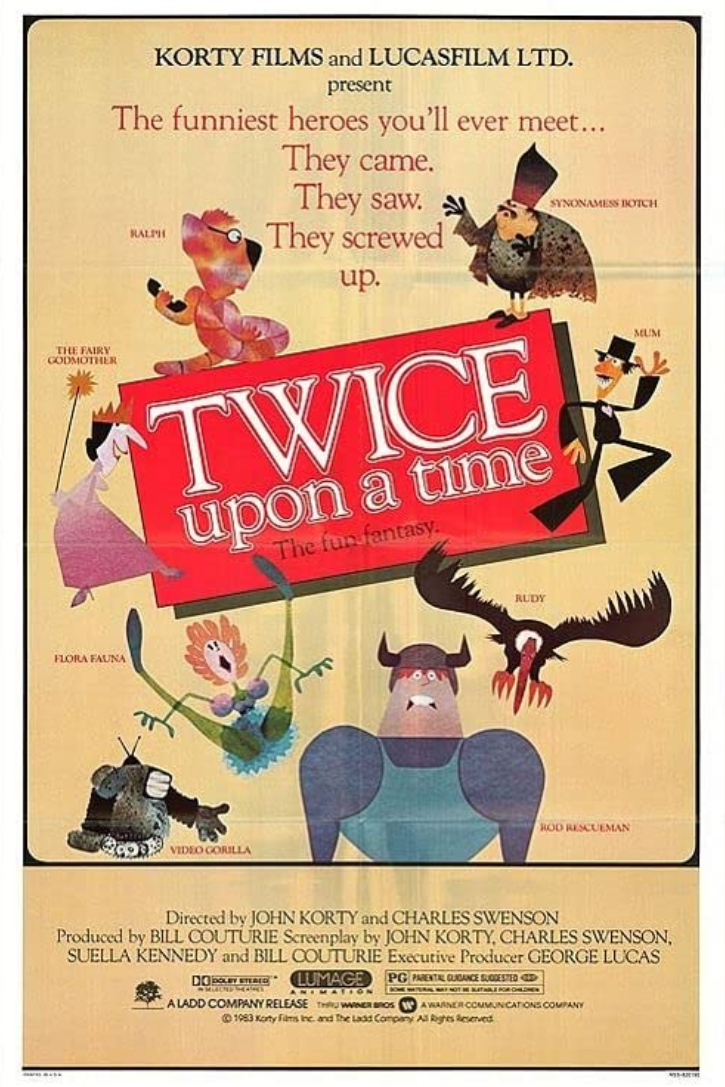
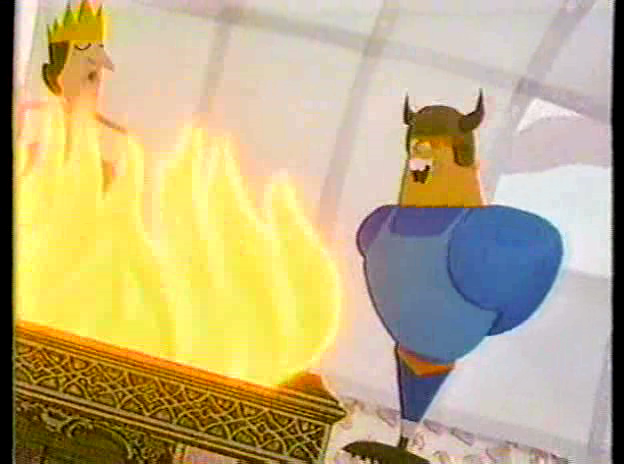
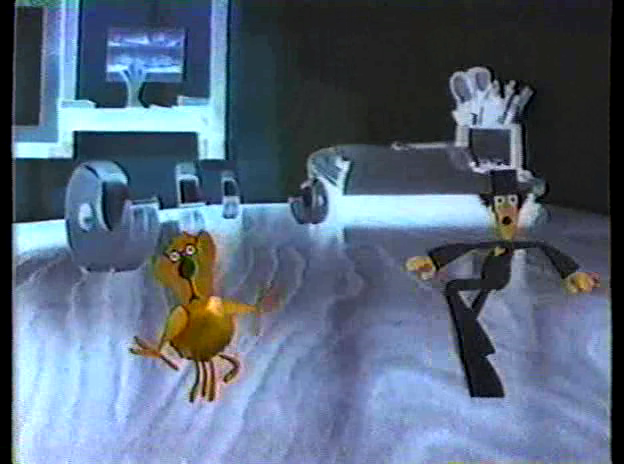
Review: In a creatively surreal twist, the main character (Lorenzo Music, best known as the voice of Garfield) is capable of changing animal-shapes as needed to best suit his situation (his “default” mode is an innocuously bearish-looking fellow); meanwhile, his black-hatted sidekick Mum — true to his name — never says a word, instead simply conducting a steady stream of magic tricks (they’re like a less abrasive, vertically altered version of Penn and Teller). These two hapless but well-meaning souls are thrown willy-nilly into a plot in which a motley crew of would-be heroes and superheroes must save the world from eternal nightmares — with the wry “assistance” of a hilariously no-holds-barred New York Fairy Godmother (“Call me FGM; I hate excess verbiage.”). Despite its overt fairytale leanings, however, this one isn’t necessarily for kids — at least not the version I saw, which is full of surprisingly salty profanity (at one point Botch yells, “So come on, you garlic breathing, garbage sucking dipshits. Move out! I’m not talking tomorrow! Haul ass, you mothers!”) Apparently an alternate, sanitized version was also released, but regardless of which version you locate, the story itself may still be too scary and baroque for kids to fully “get”; it’s ultimately more for adults or adolescents. Read Ward Jenkins’ interview with writer Taylor Jessen for many more details about the making of the film, as well as all the various and sundry reasons for its failure to be released on DVD. For now, you’ll have to catch a rare copy on video or try to search for a streamed version online. Redeeming Qualities and Moments:
Must See? Categories
Links: |
“You take a path to Canterbury — well, good luck. The holy blessed martyrs will reward you.”
|
Synopsis: |
|
Genres, Themes, Actors, and Directors:
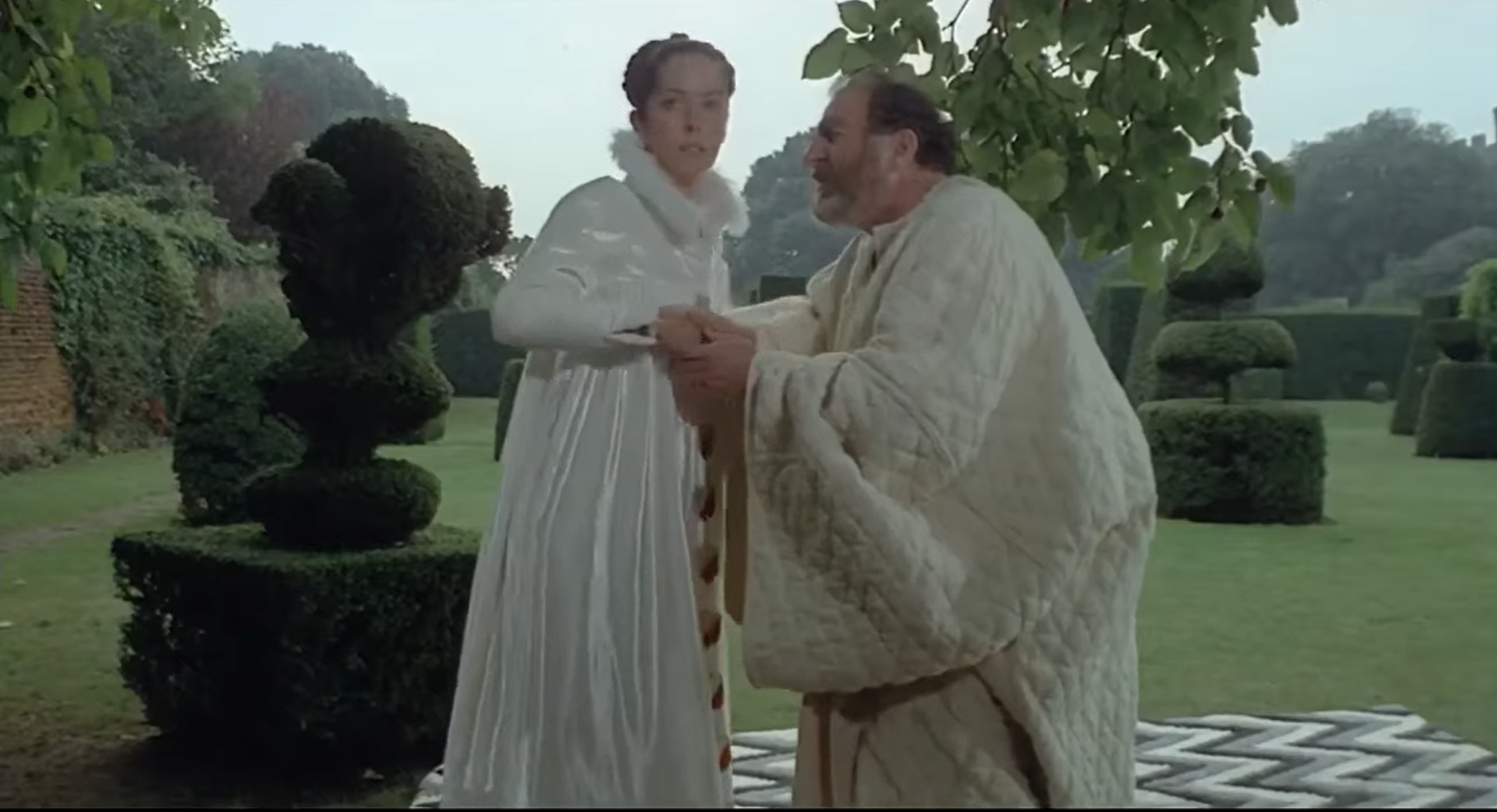
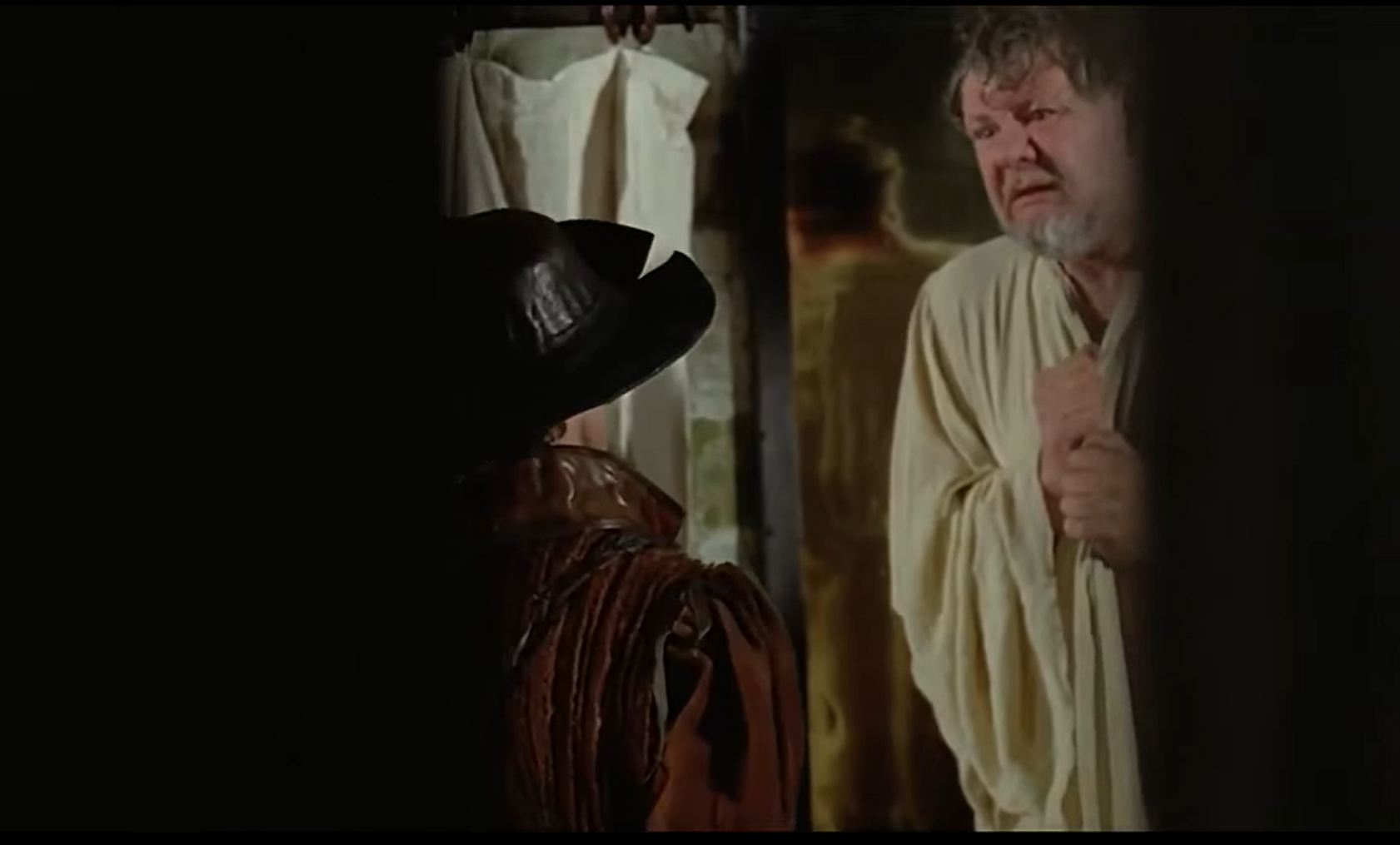
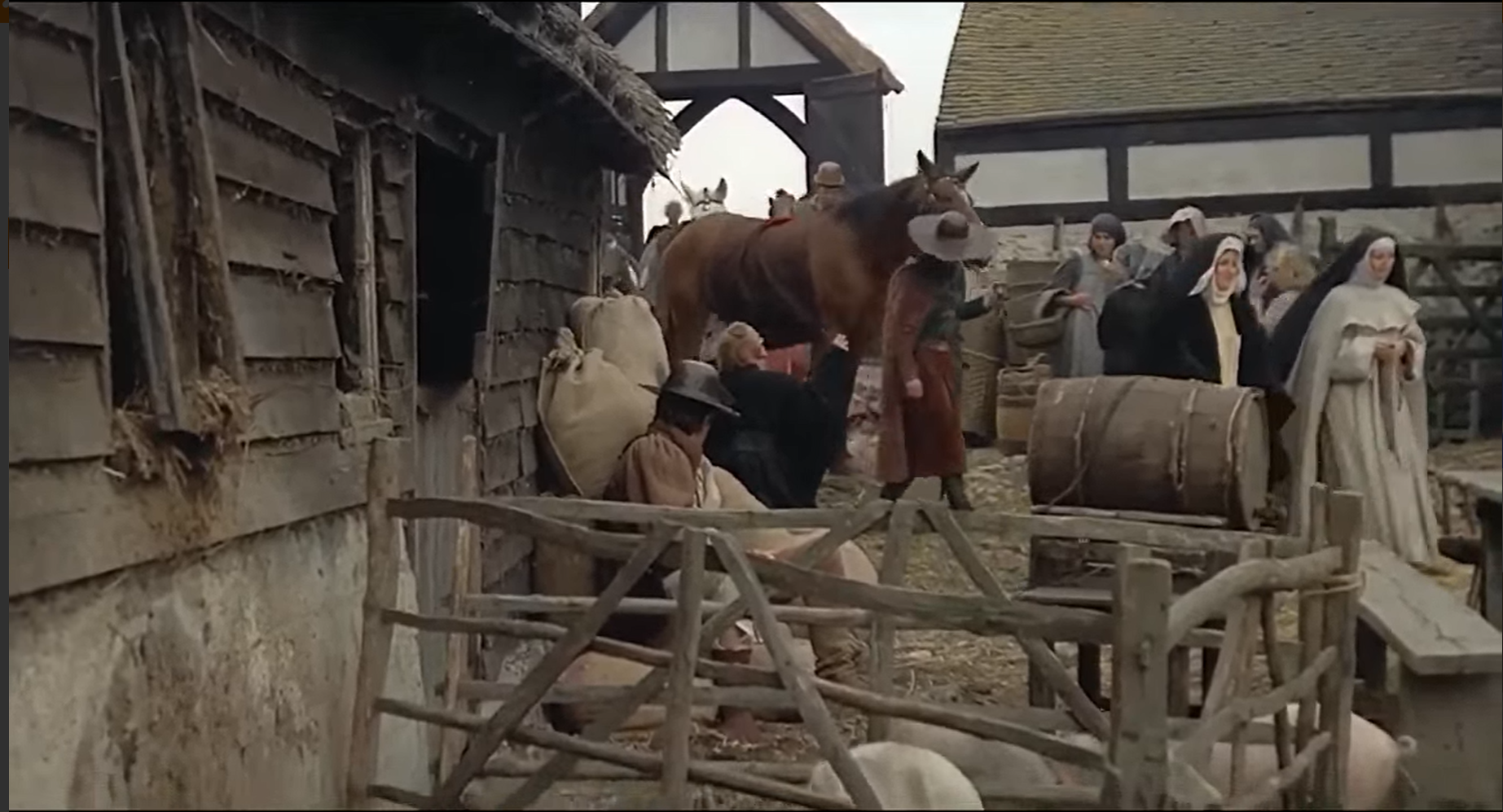
Review: The opening story (“The Merchant’s Tale”), about a lecherous merchant named Sir January (Hugh Griffith) whose beautiful new wife, May (Josephine Chaplin), cuckolds him while he’s under a spell of blindness, is only mildly amusing, but at least promises more of the same type of naughty tales we saw in The Decameron.
The next vignette takes on a much darker tone, as we watch two different men — one wealthy, one poor — being spied on while committing the heretical act of “buggering”, then blackmailed.
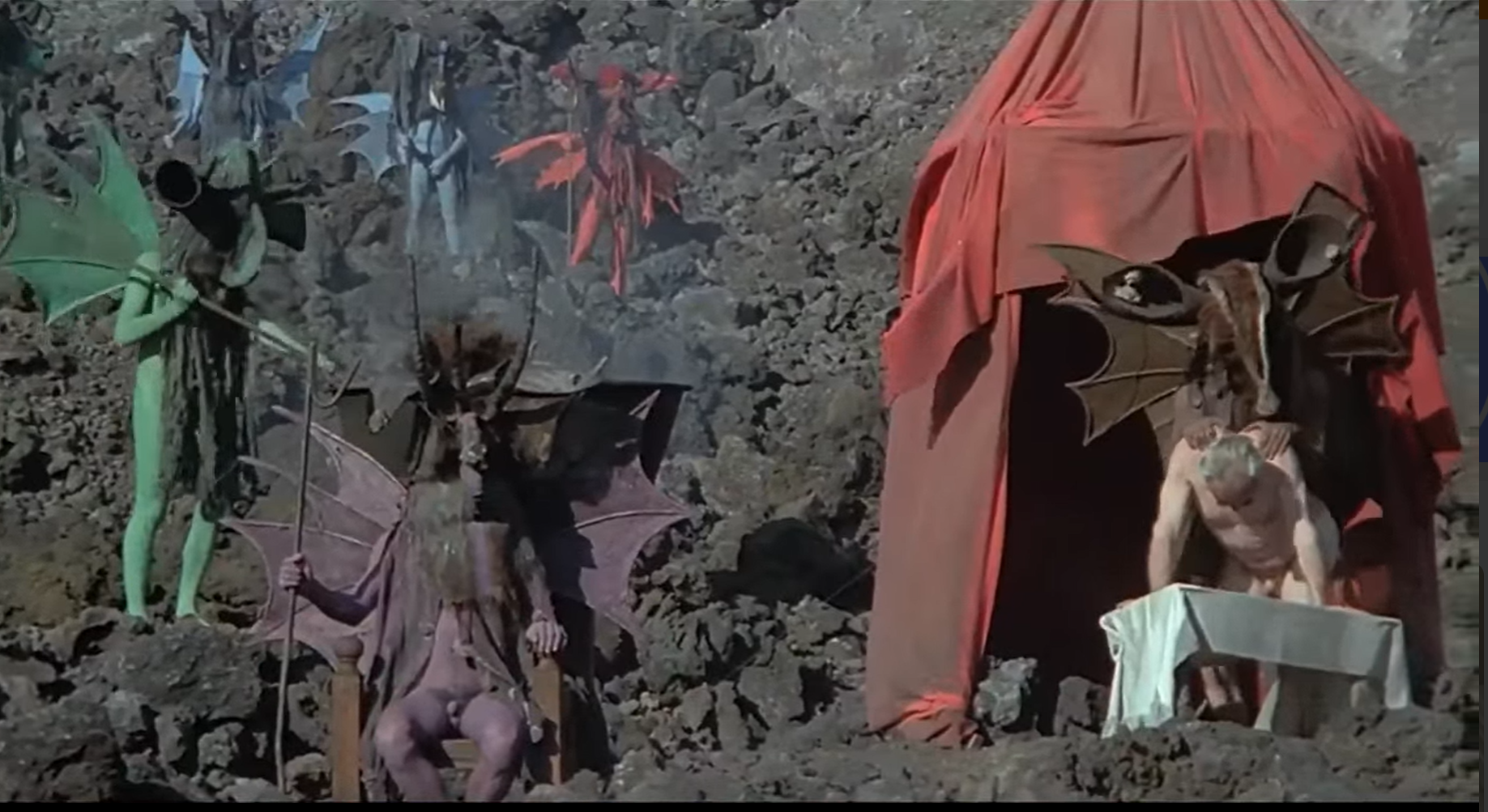
The gruesome outcome poignantly points out the hypocrisy of medieval “pardoning”. The rest of the film, unfortunately, quickly goes downhill, as tale after tale fails to provide either much humor or insight. We’re exposed to plenty of explicit sex and genitalia, several explosive farts, and — in Pasolini’s infamous vision of hell near the end of the film — a red-skinned devil literally defecating friars.
Those who enjoy such coarse imagery will be delighted, but the rest of us will simply suffer. Redeeming Qualities and Moments:
Must See? Links: |
“Listen: hospital life from the patient’s point of view… A series, it’s surefire.”
|
Synopsis: |
|
Genres, Themes, Actors, and Directors:
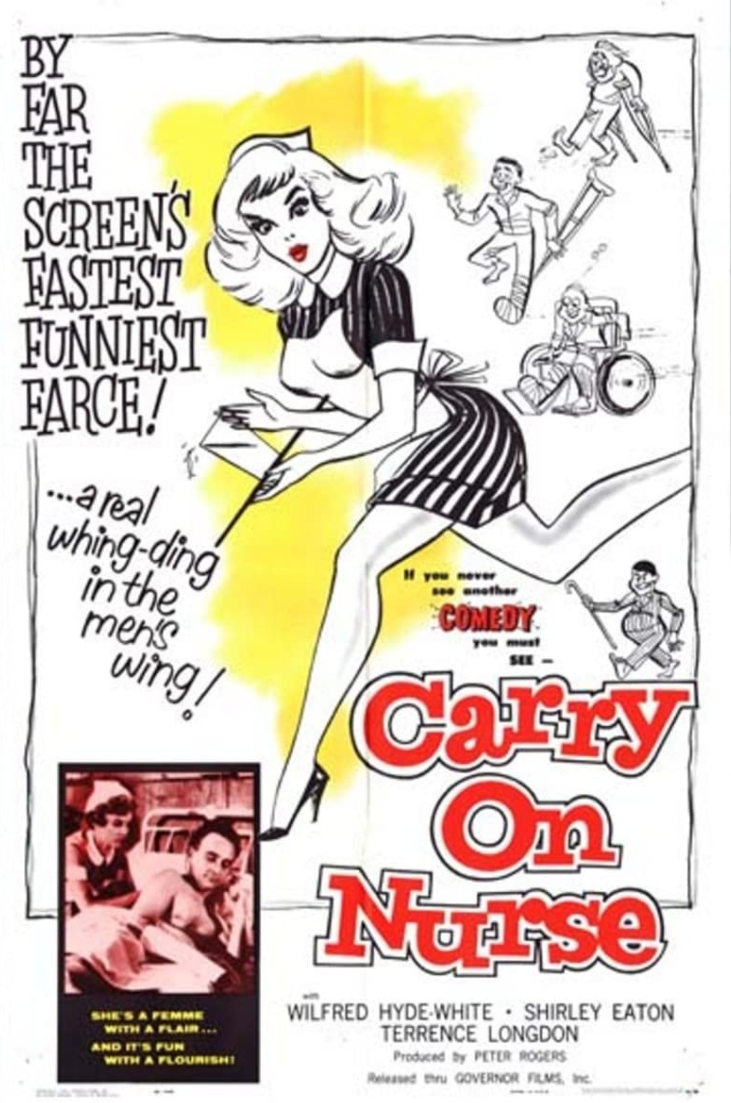
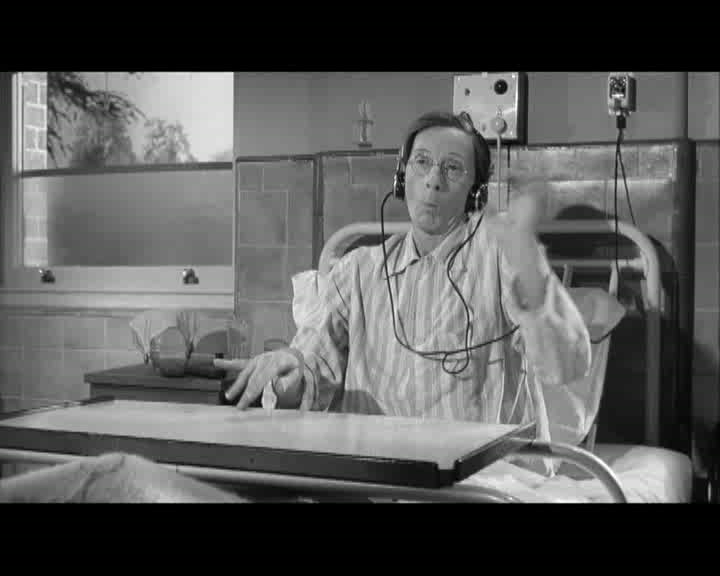
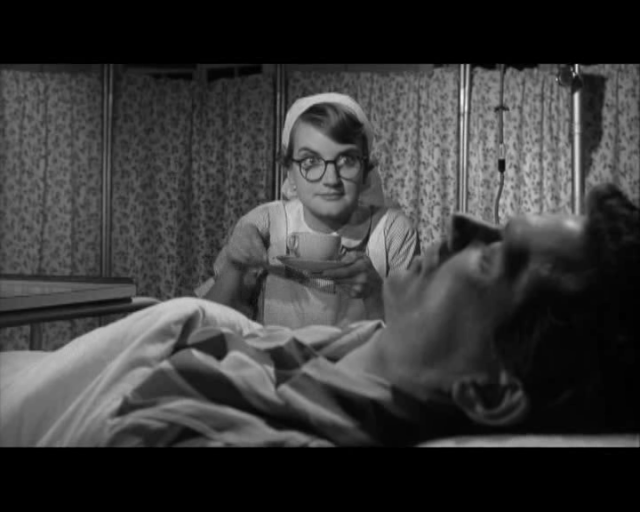
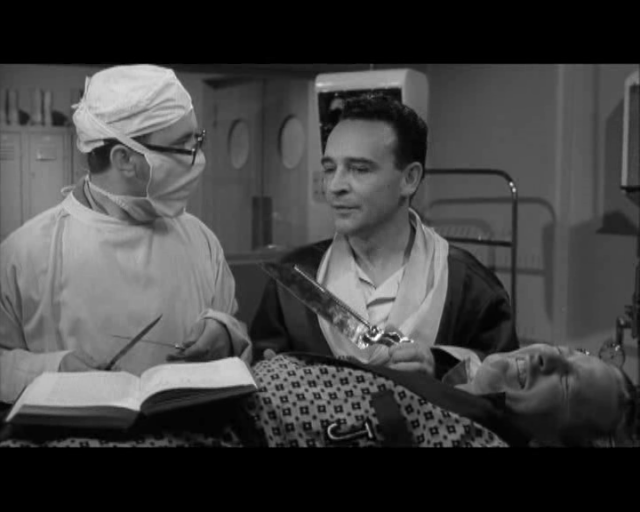
Review: There’s no real plot to speak of in Carry On, Nurse; instead, we’re meant simply to laugh at the exploits of the patients and their foibles, as well as those of the nurses trying to avoid the wrath of their glowering matron (Hattie Jacques). Every now and then, we’re treated to some amusingly risque statements — such as when a bumbling student nurse (Joan Sims) expresses frustration with a male patient who’s embarrassed to strip and take a bath in front of her, then looks down at his nether regions and coyly states, “Hmm… To think I called you a baby!” Other attempts at humor — such as the mere presence of a gay patient (Charles Hawtrey) who enjoys flamboyantly “conducting” while listening to music on his headphones — are much weaker.
All told, Carry On, Nurse is guaranteed to be a delightfully nostalgic treat for those who enjoy the series, but a tedious snooze for those (like me) who don’t quite “get” the humor. Redeeming Qualities and Moments:
Must See? Categories
Links: |
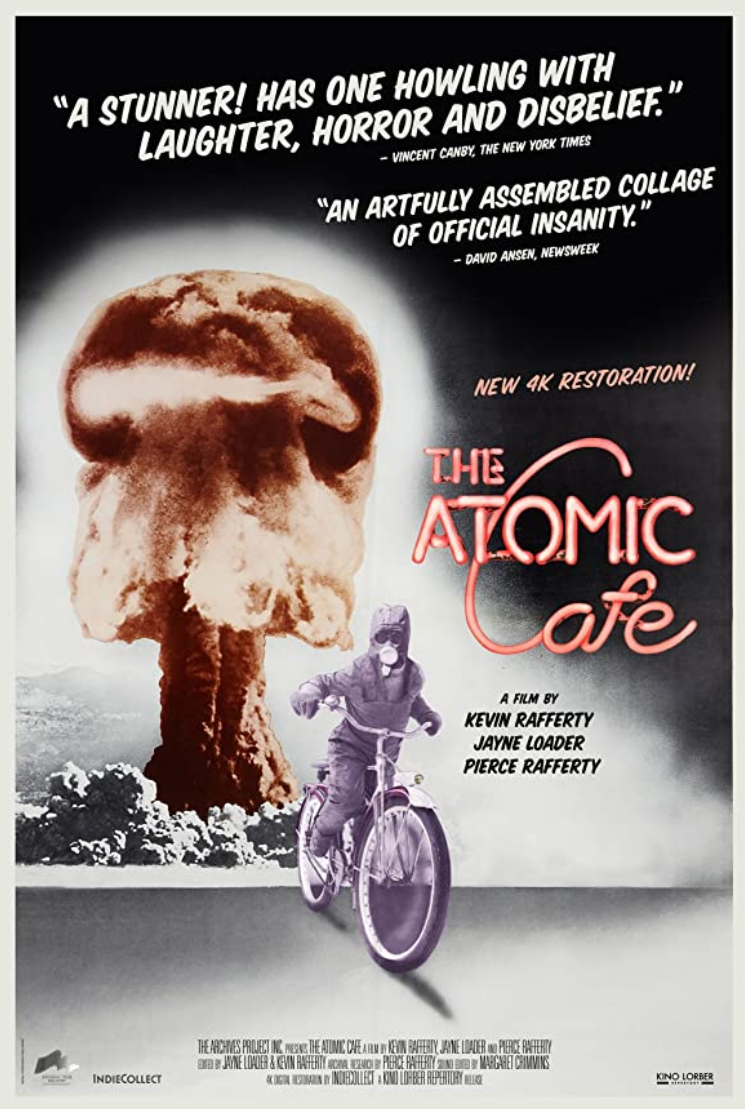
“When not close enough to be killed, the atomic bomb is one of the most beautiful sights in the world.”
|
Synopsis: |
|
Genres, Themes, Actors, and Directors:
Response to Peary’s Review: I disagree with Peary, however, that the “picture would have even more impact and import if we learned whether these ridiculous propaganda films were the result of government naivete or were fully intended to deceive the public about the dangers of a nuclear build-up”; adding any kind of voice-of-God narration or commentary would disrupt the film’s remarkably effective approach of simply presenting the clips as-is, and leaving viewers to decide what to think about them. With that said, Loader et al. do utilize creative editing and juxtaposition to highlight some of the most egregious mistruths perpetuated by officials: as we hear government spokesmen talking about the lack of effects of nuclear testing in the South Seas, for instance, we see deeply disturbing footage of burned natives. Whether Americans today are any less deceived by “official” government statements is debatable; despite our presumed 21st century media savvy, it could be argued that we’re just as gullible and susceptible as we were in the 1950s. Note: If you can stomach it, watch the recent, highly disturbing documentary Countdown to Zero (2010) for an update on the state of nuclear threat in our world. Redeeming Qualities and Moments:
Must See? Categories
Links: |