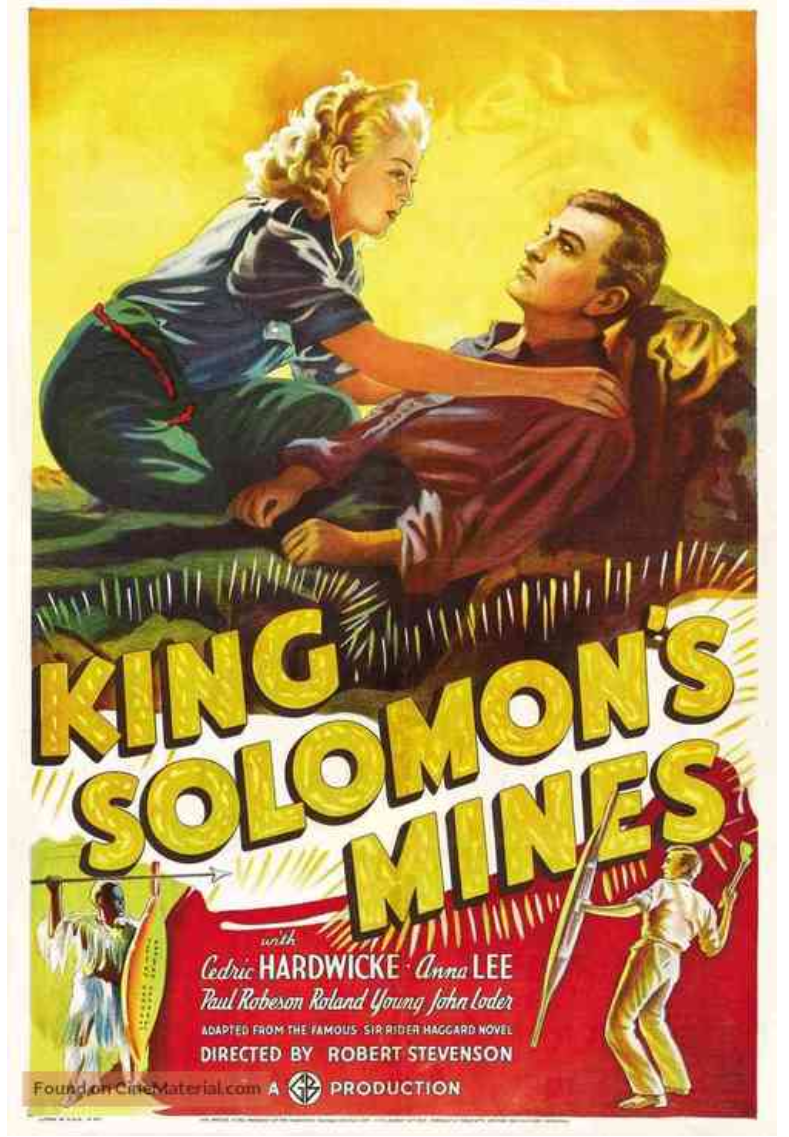
King Solomon’s Mines (1937)
“I don’t approve of anyone who tears up the face of the country for greed.”
|
Synopsis: |
|
Genres, Themes, Actors, and Directors:
Review: Redeeming Qualities and Moments:
Must See? Links: |
“I don’t approve of anyone who tears up the face of the country for greed.”
|
Synopsis: |
|
Genres, Themes, Actors, and Directors:
Review: Redeeming Qualities and Moments:
Must See? Links: |
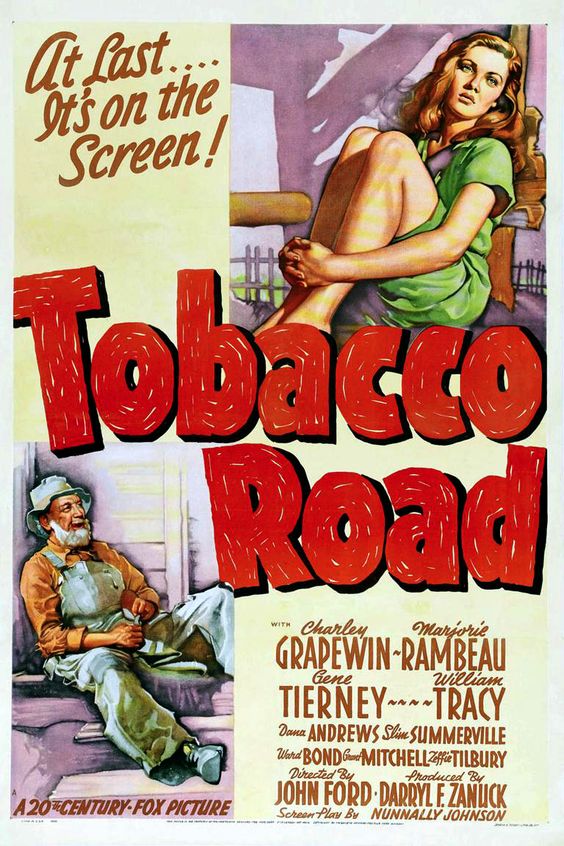
“If ever there was a nuisance, it’s you Tobacco Road folks!”
|
Synopsis: |
|
Genres, Themes, Actors, and Directors:
Review:
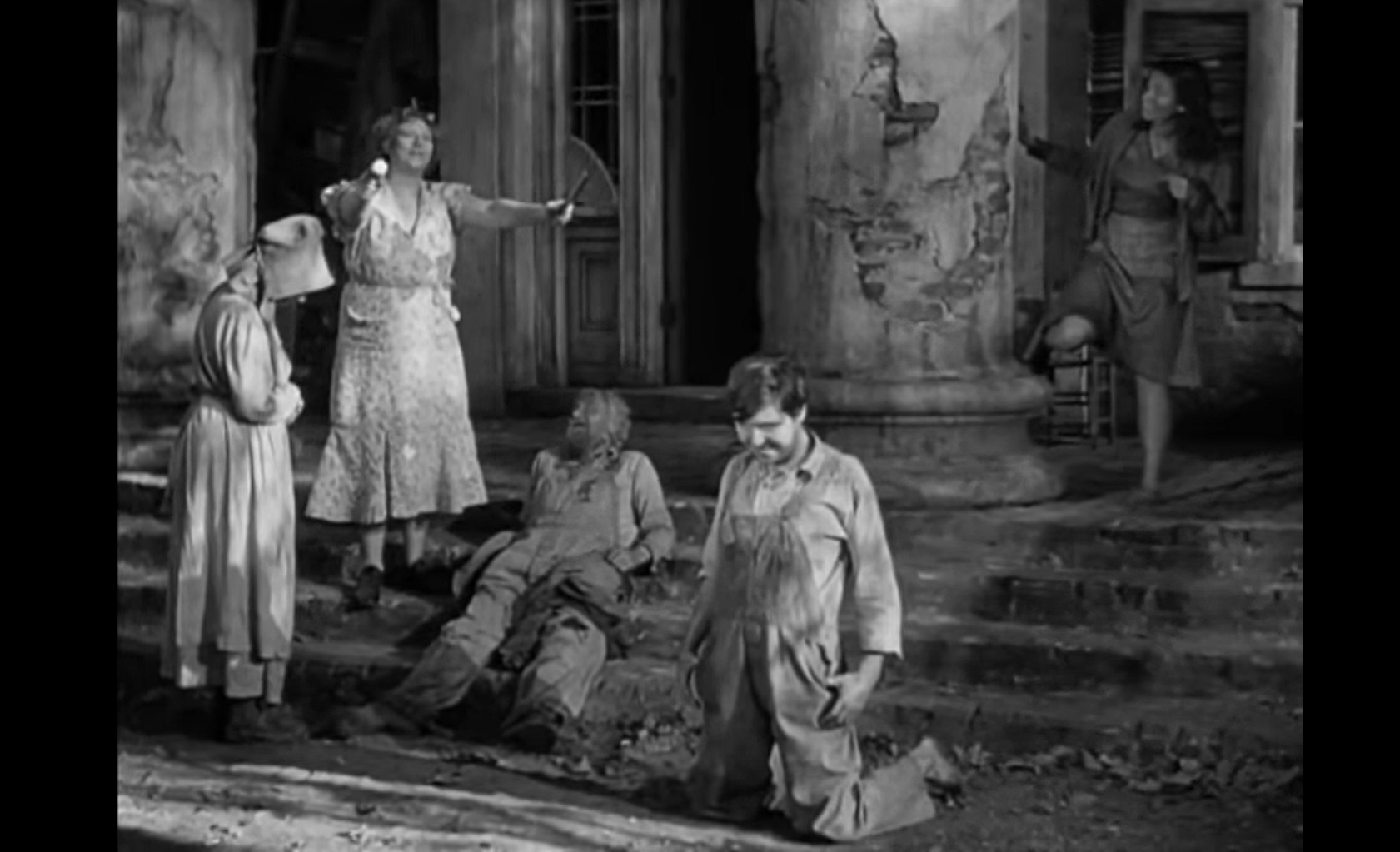
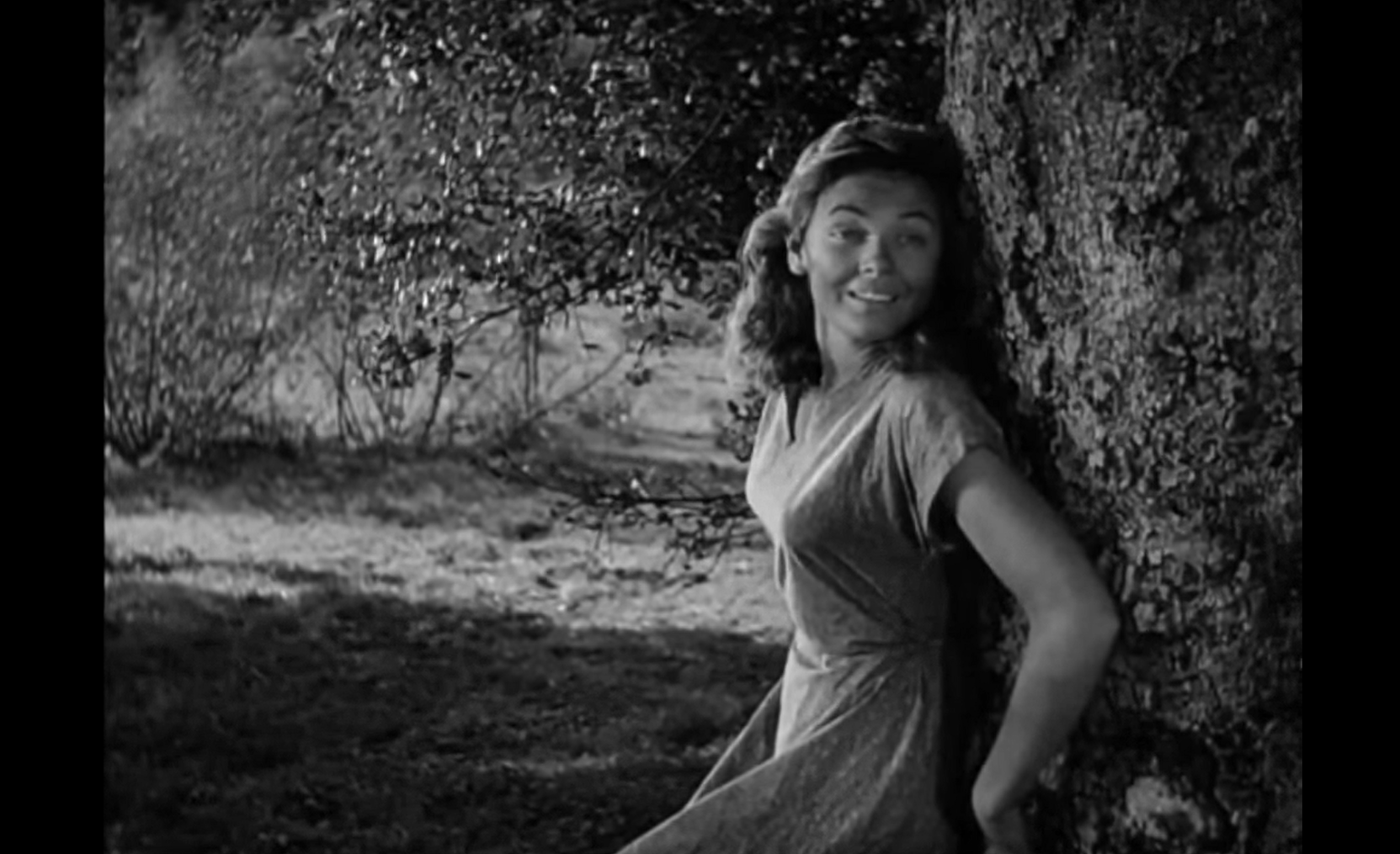
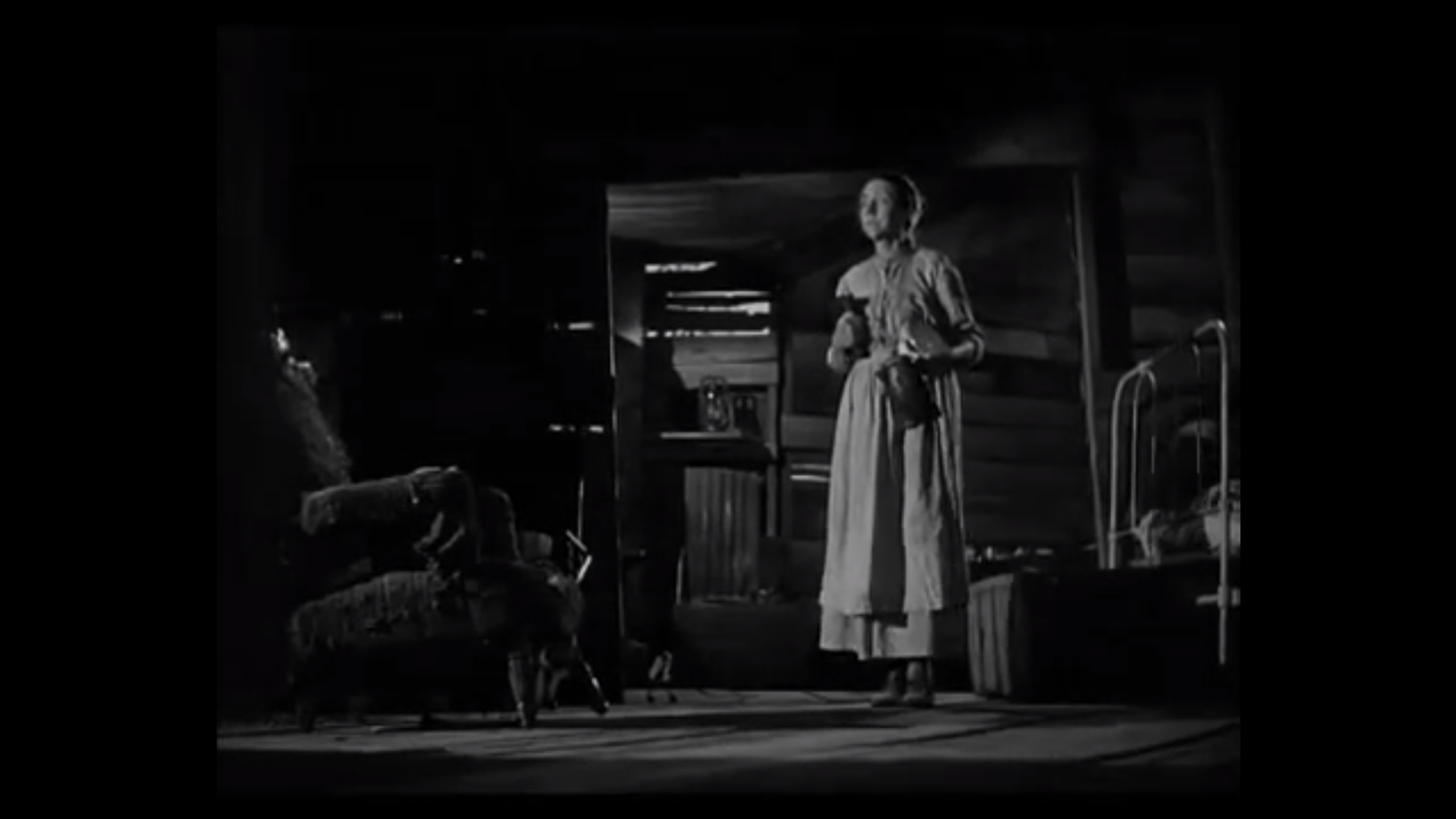
(It’s hard to know how much of this was due to Hays Code restrictions which forced numerous drastic cuts and shifts in tone.) Critics of the day were in agreement, with Bosley Crowther of the New York Times referring to it as “a leisurely picnic with a batch of moldy Georgia crackers” (though audiences appeared to like it well enough). Fans of Tierney will be sad to know her role here is slim-to-none, consistently primarily of an embarrassing come-hither-slither across the ground.
The primary redeeming feature of this flick is Arthur C. Miller’s typically atmospheric cinematography, making the film a pleasure at least to look at. Redeeming Qualities and Moments:
Must See? Links: |
“I didn’t know you had a mother; I didn’t know human beings gave birth to dogs.”
|
Synopsis: |
|
Genres, Themes, Actors, and Directors:
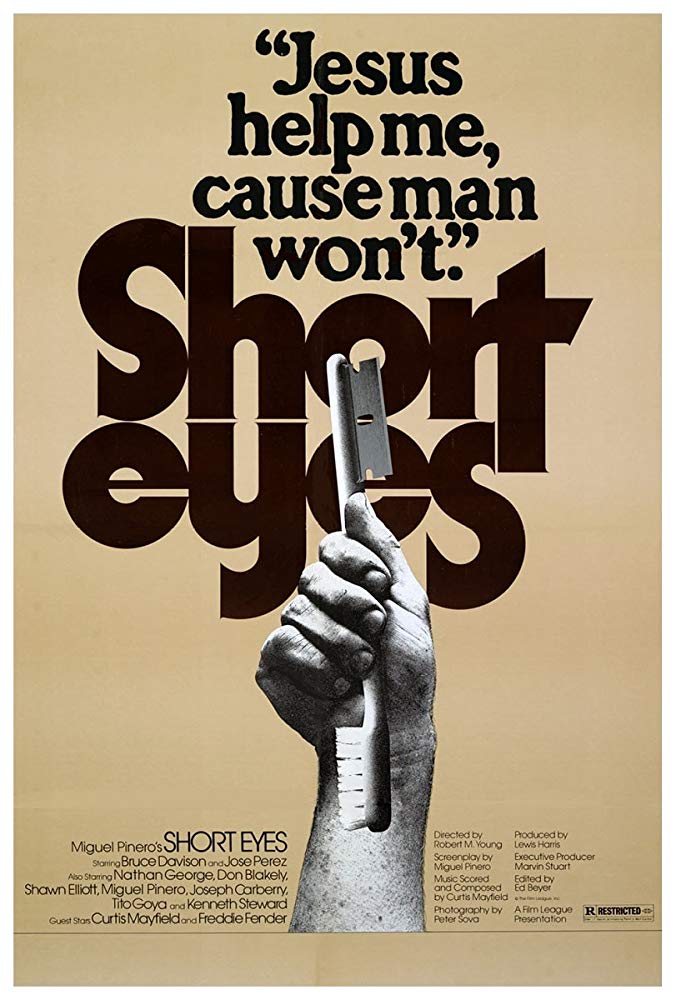
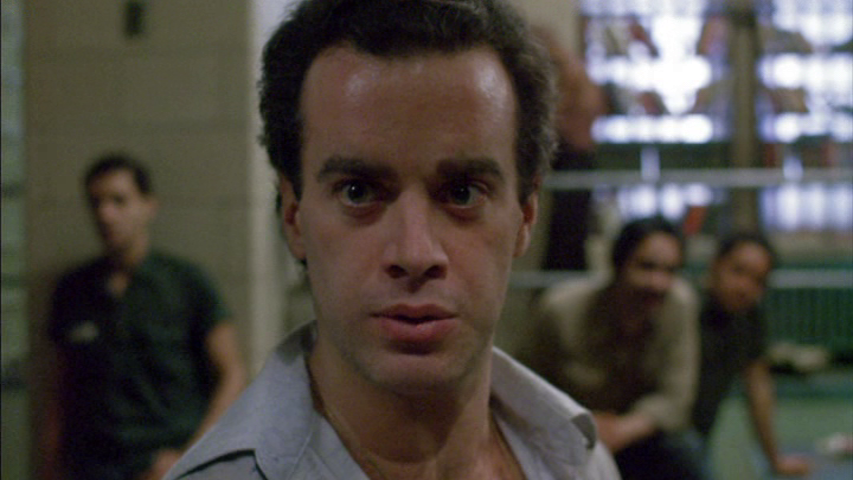
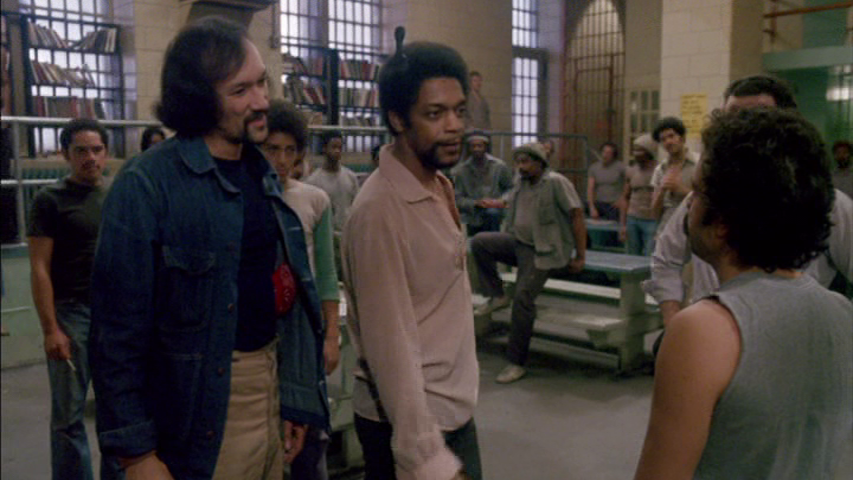
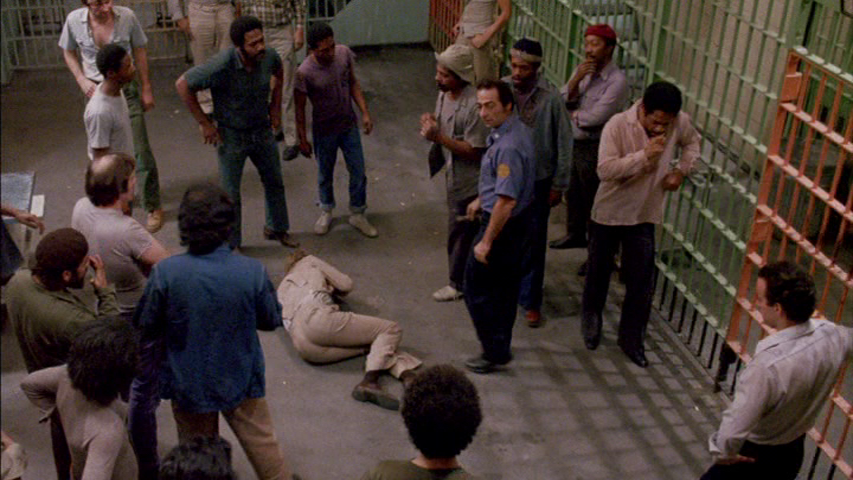
Review: Note: “Short eyes” is a slang term created by Piñero to refer to child molesters. Redeeming Qualities and Moments:
Must See? Categories
Links: |
“You’re a preppy millionaire, and I’m a social zero.”
|
Synopsis: |
|
Genres, Themes, Actors, and Directors:
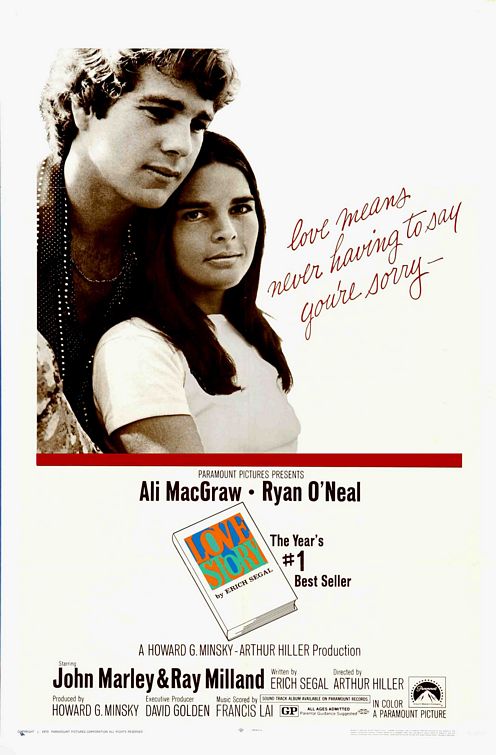
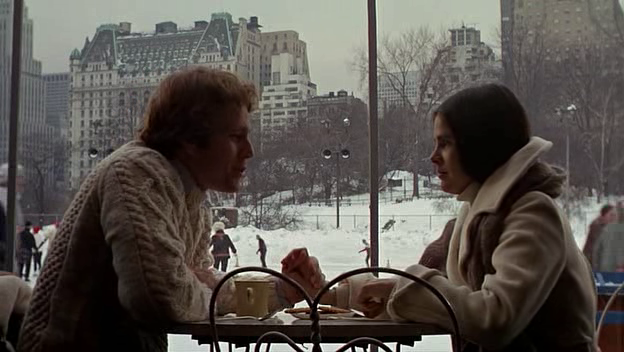
Response to Peary’s Review: Peary’s review is spot-on, leaving little to add. These characters are good-looking but shallow and unappealing. O’Neal’s rocky relationship with his father (Milland, trying his best with limited material) feels petulant rather than righteous, and O’Neal’s bond with her salt-of-the-earth father (Oscar-nominated John Marley) isn’t explored in any depth. MacGraw’s all-in-fun name-calling (“preppy”) and both characters’ profanity-laced “verbal volleyball” (“Listen, you conceited Radcliffe bitch…”; “Look, it’s not an official goddamned threshold.”) was considered shocking at the time, but now is simply tiresome to listen to. MacGraw’s unnamed illness (referred to as leukemia in the source-novel) leaves her looking infamously hearty, hale, and lovely till the very end. The film’s famous line — “Love means never having to say you’re sorry” — is both incorrect and inane. In his review, Peary neglects to mention Francis Lai’s uber-famous title song, which is lovely but overused to such an extent that it begins to feel manipulative. Redeeming Qualities and Moments:
Must See? Links: |
“A pretty murderess is as safe here as she is in her mother’s arms!”
|
Synopsis: |
|
Genres, Themes, Actors, and Directors:
Review:
Indeed; it’s a good thing this film is only 75 minutes long. Redeeming Qualities and Moments:
Must See? Links: |
“You’re a clever little man, little master of the universe — but mortals are weak and frail.”
|
Synopsis: |
|
Genres, Themes, Actors, and Directors:
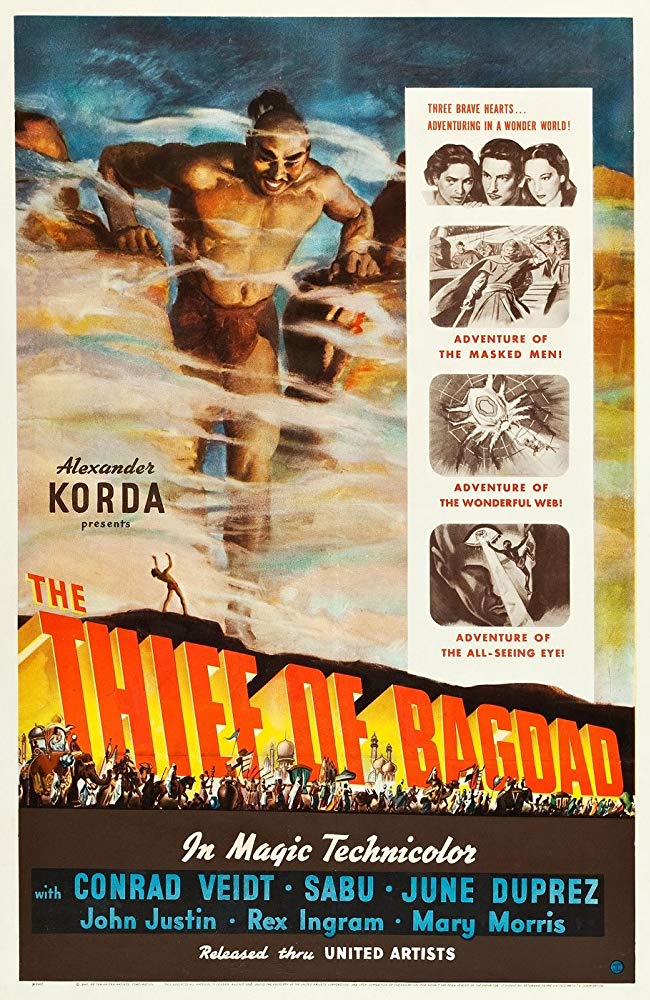
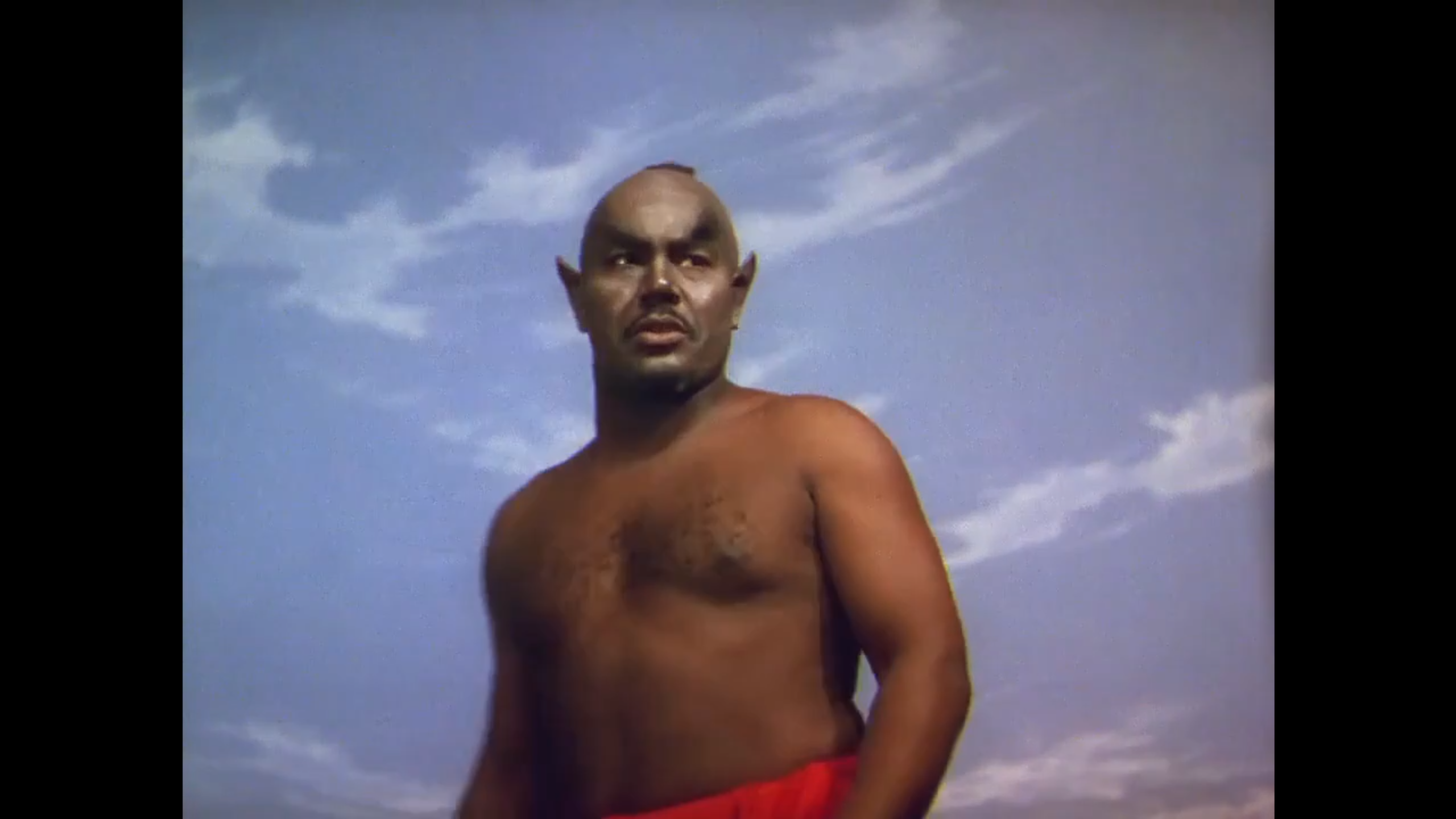
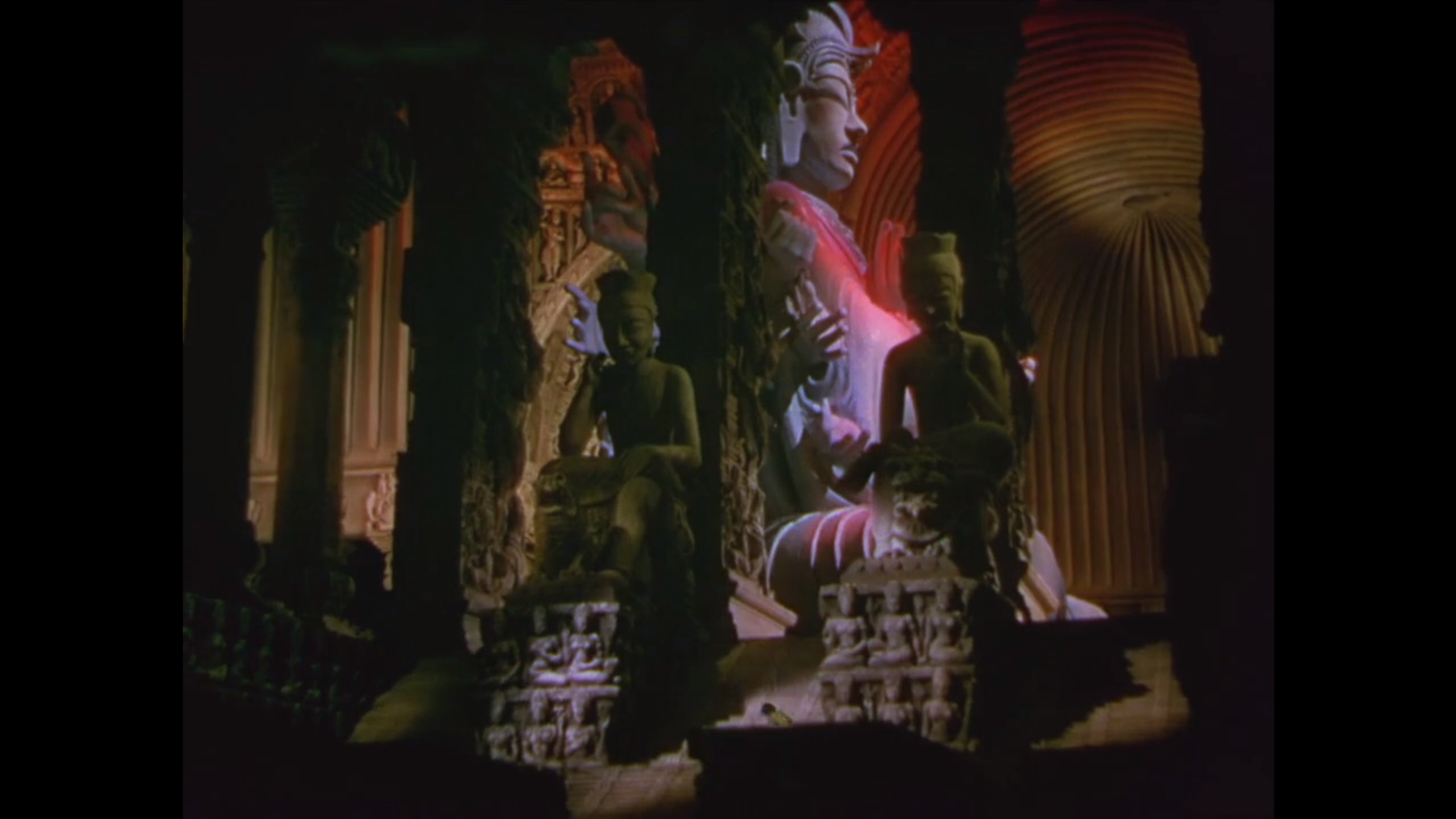
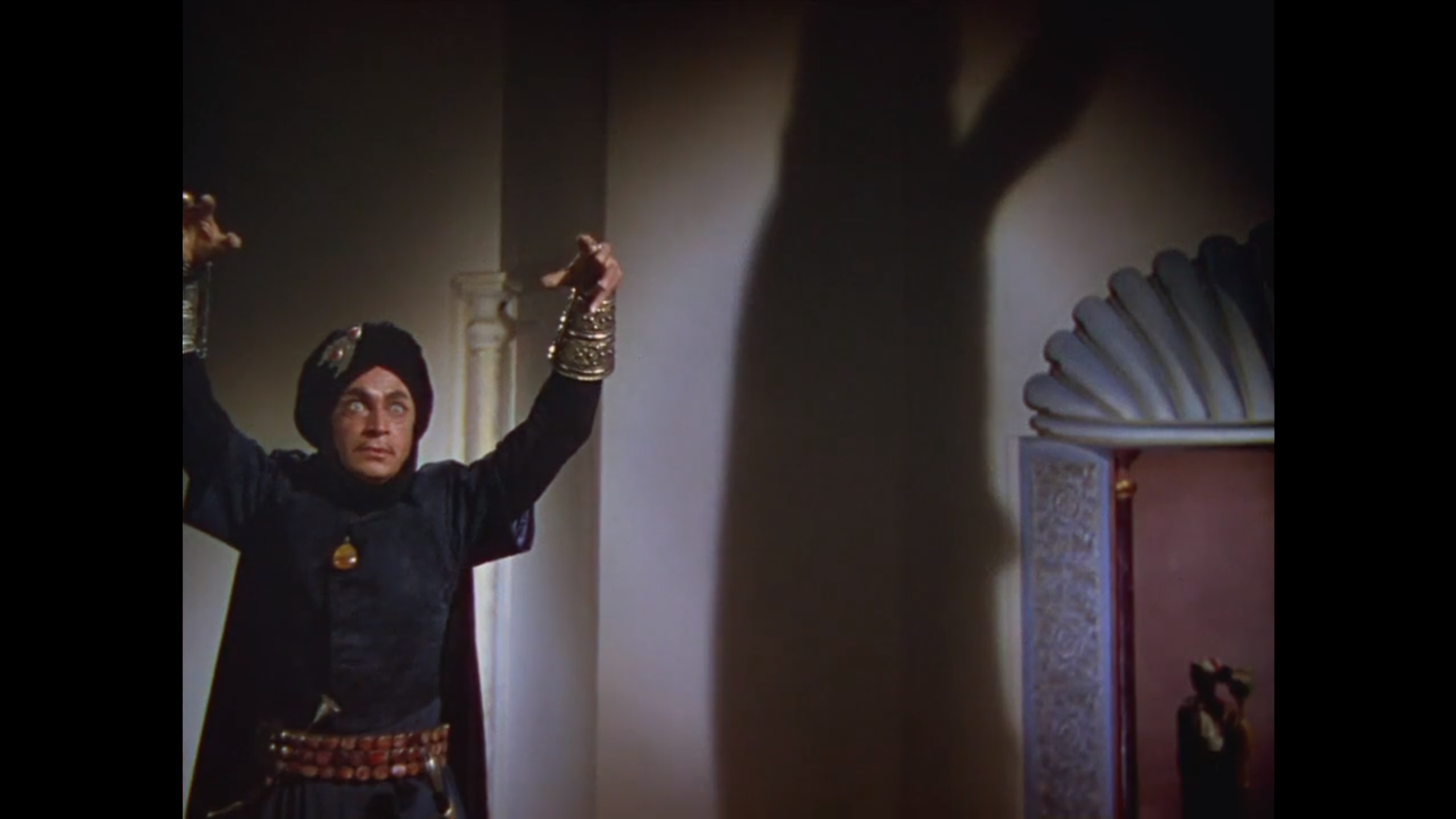
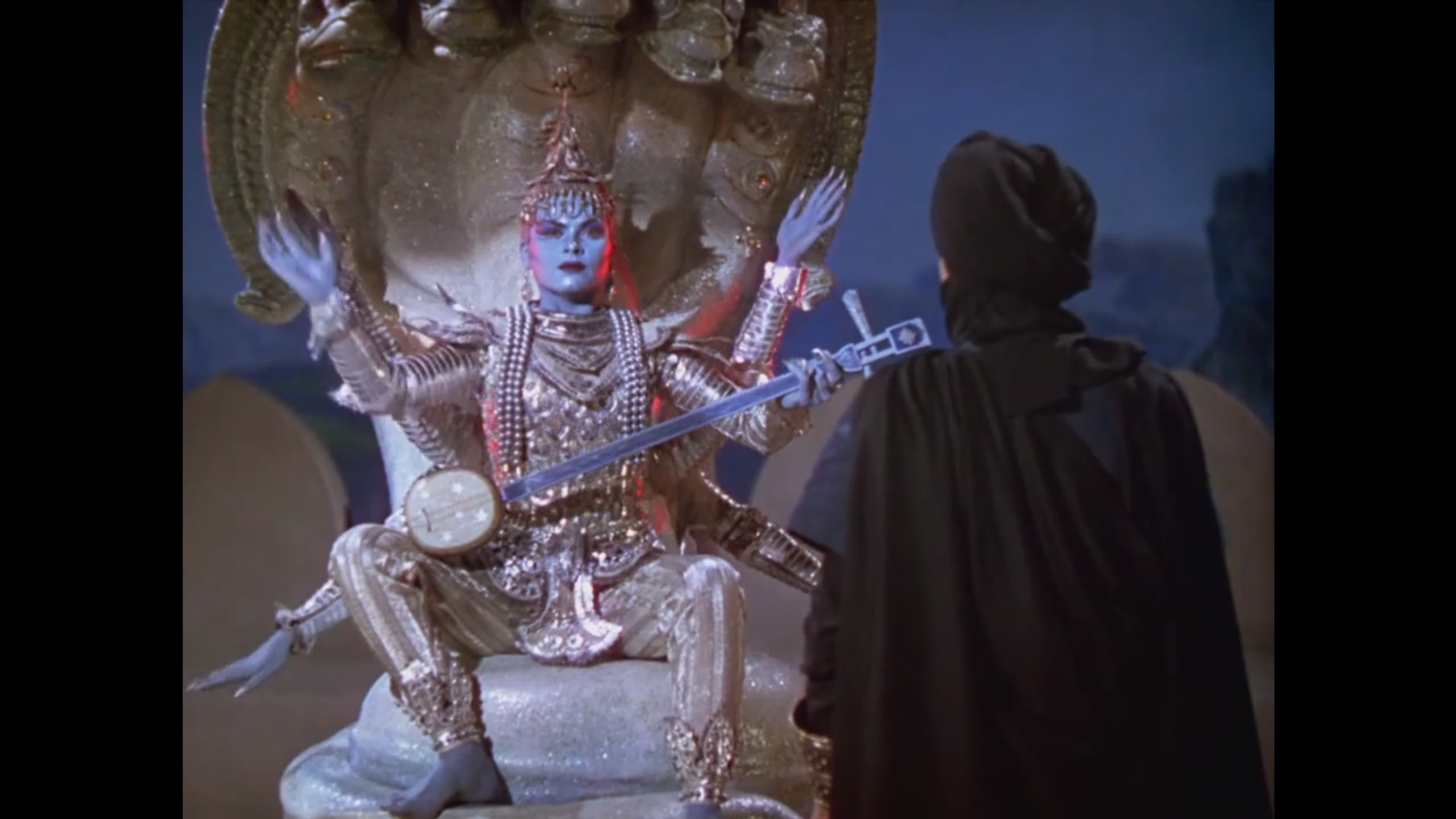
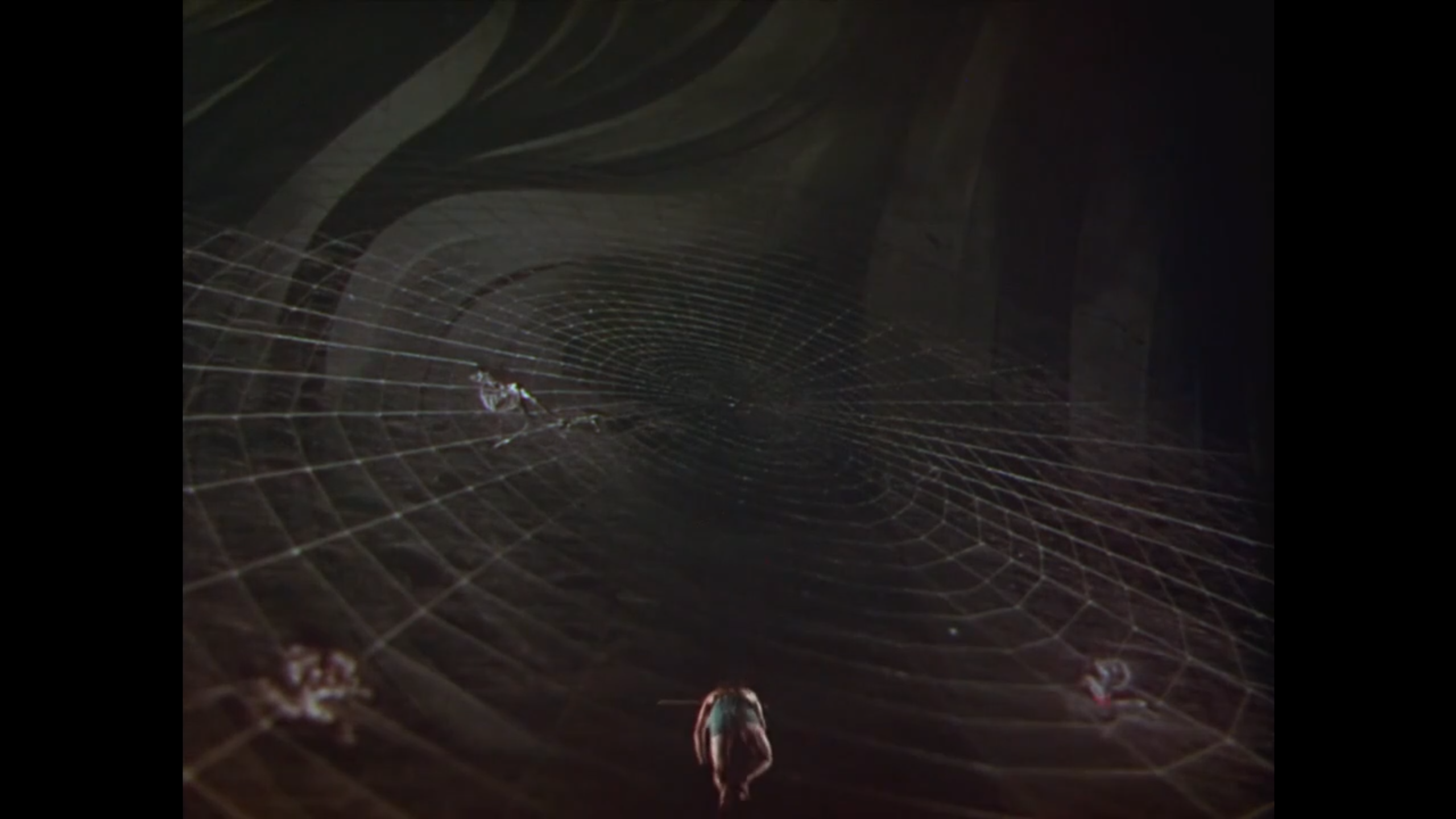
Response to Peary’s Review: Peary doesn’t spend much time in his GFTFF discussing the film’s production design or history, but he goes into much greater detail in Cult Movies 3, where he expresses admiration that this film (helmed by no less than six directors) was completed at all, given Britain’s emergent involvement in WWII. But he also complains more about its weak points, writing, “I assume the critics who were so generous to the film judged it mostly on its appeal to kids. You can forgive its flaws, but it’s impossible to deny their existence.” I don’t really feel the same way. Sure, the special effects are at times clunky compared to modern-day CGI, but this is to be expected — and the overall magical feel surpasses any visual glitches. Regarding the film’s narrative structure — Peary argues it “opens clumsily” and “barely recovers from this awkward beginning” — I think it serves the nature of this material well: One Thousand and One Nights was infamously told as a series of interwoven tales that wouldn’t necessarily proceed in linear fashion. Ultimately, though, it’s the special effects sequences from this movie which linger in one’s memory: Ingram rising as a swirl of gray smoke from his bottle (what a clever initial trick Sabu plays on him!); Malleson attempting to embrace a many-armed “Silver Maid” statue; Sabu fearlessly doing battle with a giant spider; Sabu flying to the rescue on a magic carpet… This is a tale for the ages, and most certainly must-see viewing at least once for all film fanatics. Redeeming Qualities and Moments:
Must See? Categories Links: |
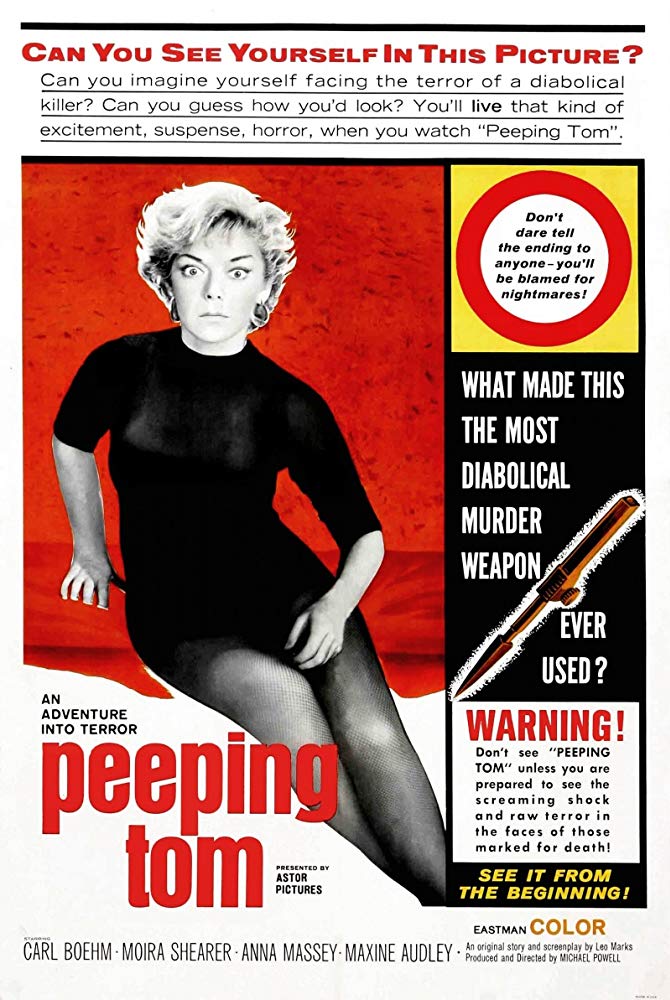
“Whatever I photograph, I always lose.”
|
Synopsis: |
|
Genres, Themes, Actors, and Directors:
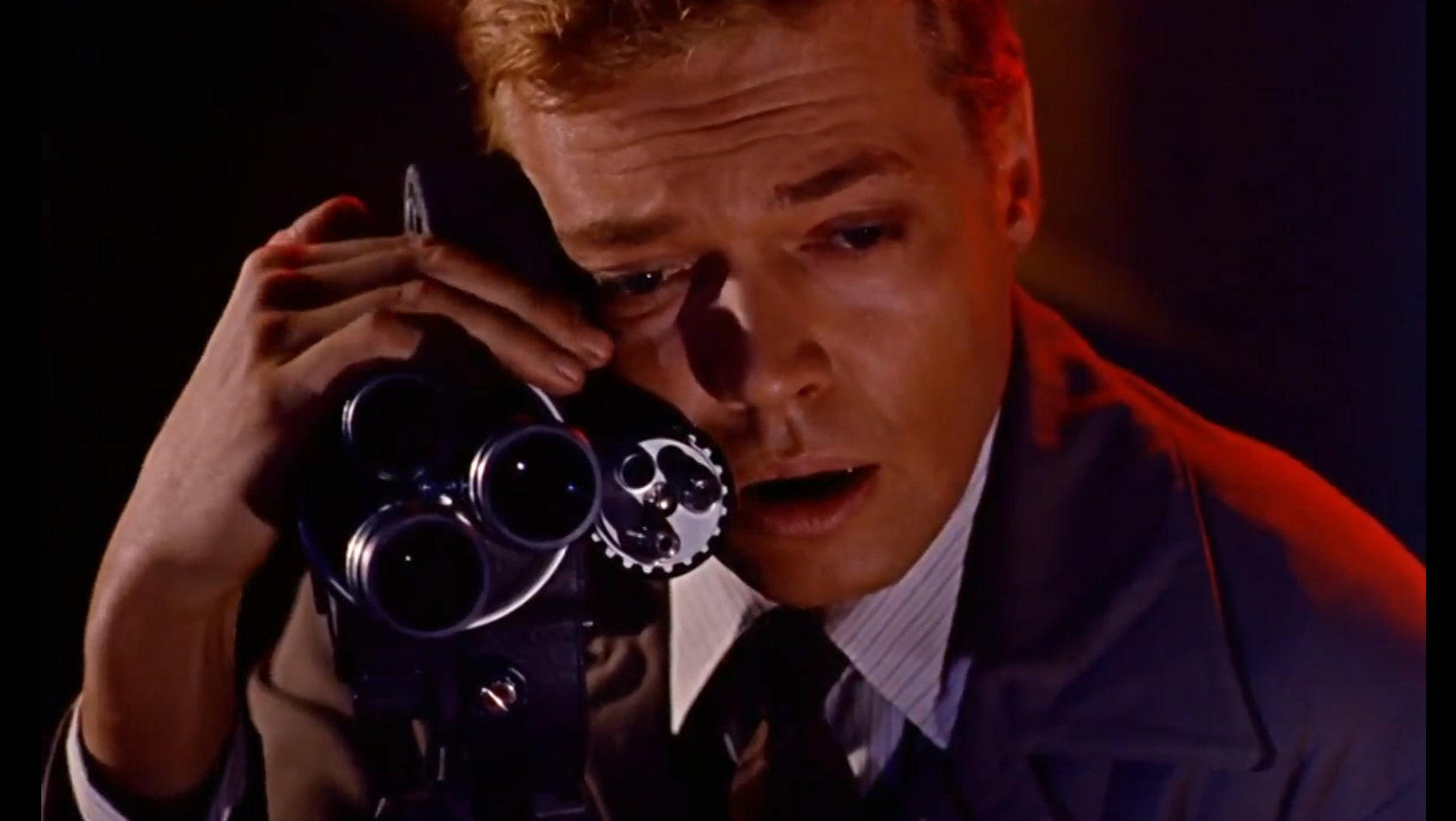
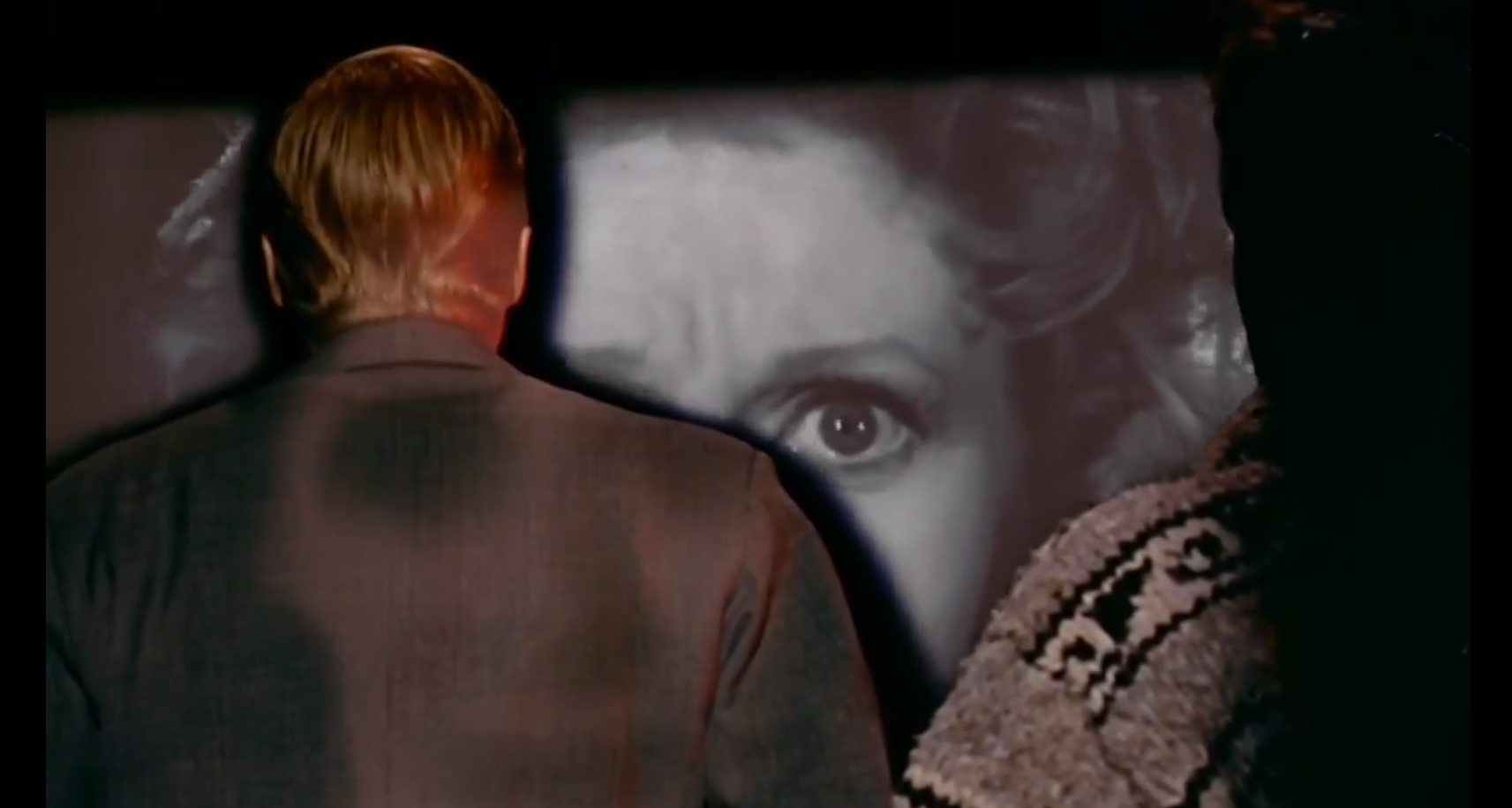
Response to Peary’s Review: Hold it right there: I most definitely do NOT enjoy seeing such things on screen, and while I know many do, it’s sloppy to lump together all movie lovers (indeed, all humans) in this fashion. Peary adds that “if the voyeur is guilty of violating one’s privacy, then Powell sees the filmmaker as being guilty of aggressive acts not unlike rape (where you steal a moment in time, and a person’s emotions, that the person can never have back).” I’m ultimately more in agreement with Vincent Canby’s 1979 review of the re-released film (restored by Martin Scorsese), in which he states:
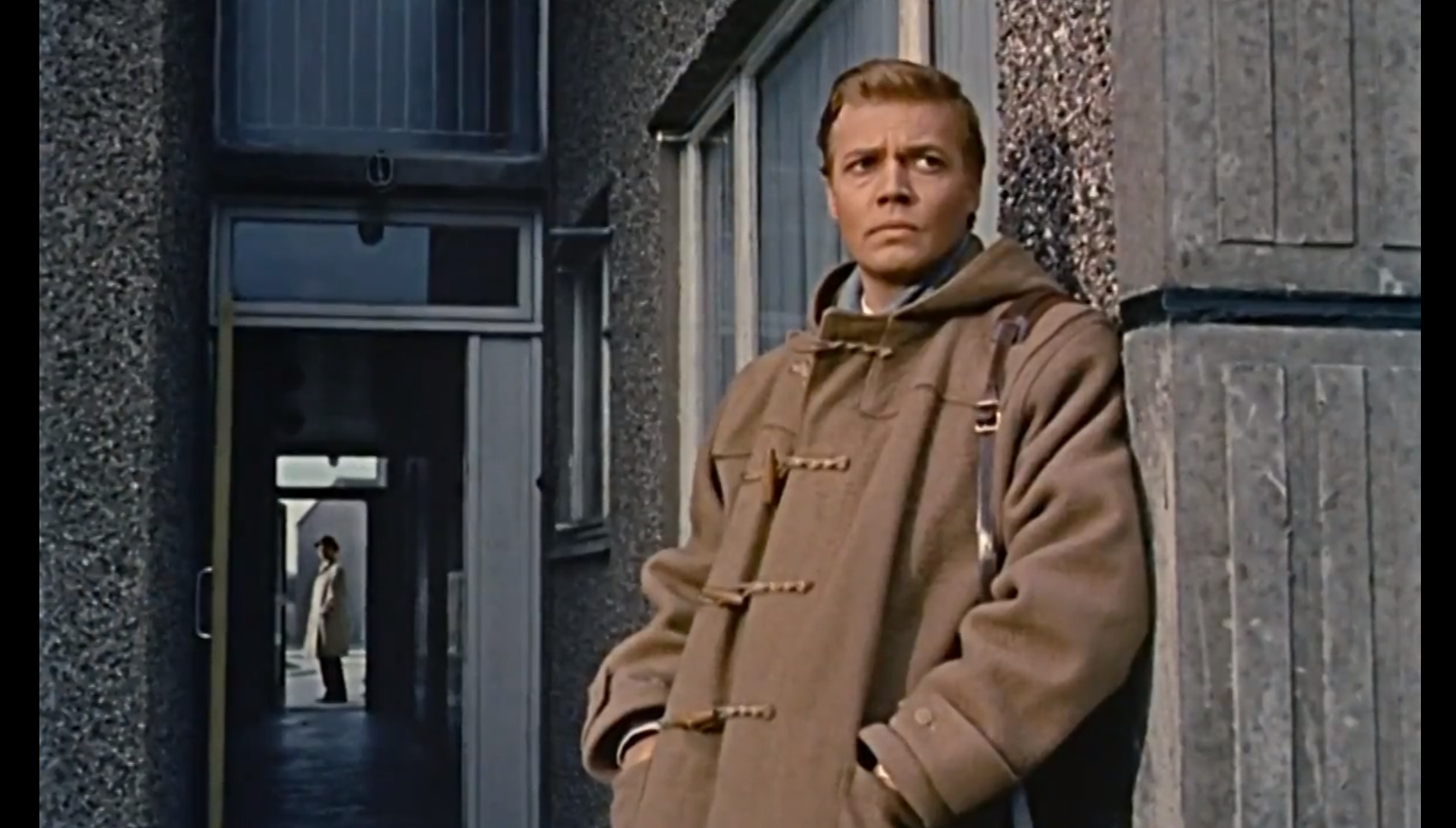
Indeed, filming someone is not rape, and watching filmed images does not equate taking away anything from the person on screen, especially not in a violent fashion. Back to Peary’s review (excerpted from his lengthier essay in Cult Movies), he points out that “the villain of the picture is not Boehm but Boehm’s dead scientist father (played by Powell in a flashback) who used his young son as a guinea pig, terrifying him and filming him to study the effects of fear on the boy’s nervous system.” (Ick; the fact that this is openly put forth in a film from this era is remarkable.) Peary reasons that Boehm “figures that since his scientist-filmmaker father in effect ‘murdered’ him, his guinea pig, then he, also a filmmaker-scientist, has a right to kill human beings when continuing Dad’s experiments.” This psychoanalytical explanation makes as much sense as any other; what’s indisputable, however, is how badly damaged Boehm is — which leads one to wonder why all the women around him (other than blind Audley) aren’t better at picking up on the rather obvious creepiness he projects from every pore. He lacks even Norman Bates’ attempts at charm and wit, and one can’t help feeling like the women he’s imperiling (specifically Massey) are out of their minds for hanging out with him. Redeeming Qualities and Moments:
Must See? Categories
Links: |
“The picture was going fine until some idiot blew up the set.”
|
Synopsis: |
|
Genres, Themes, Actors, and Directors:
Response to Peary’s Review:
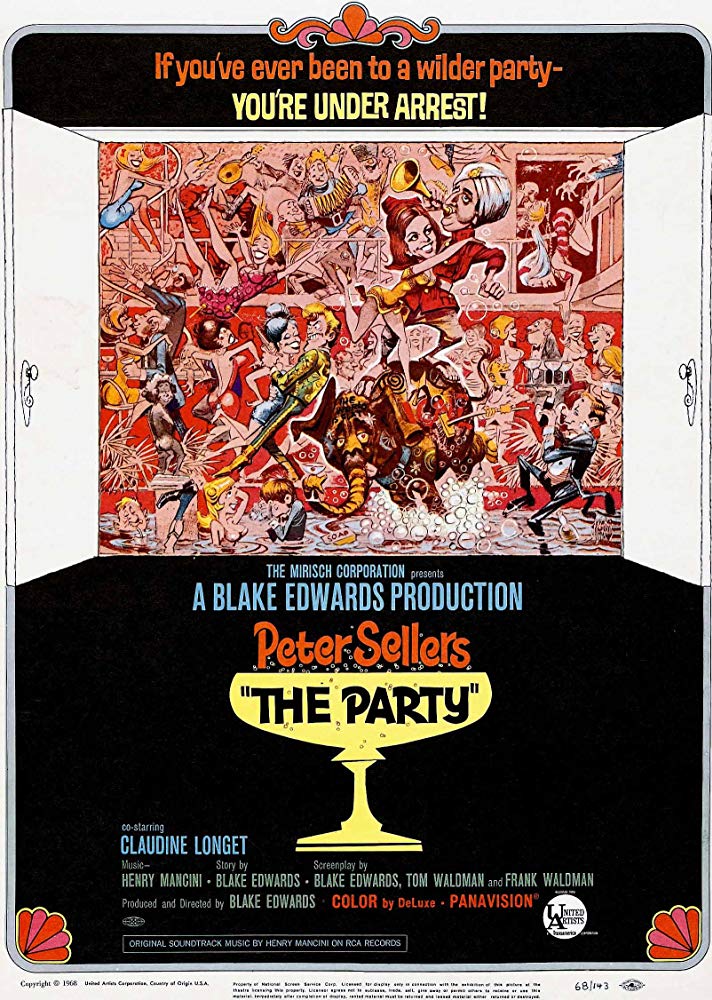
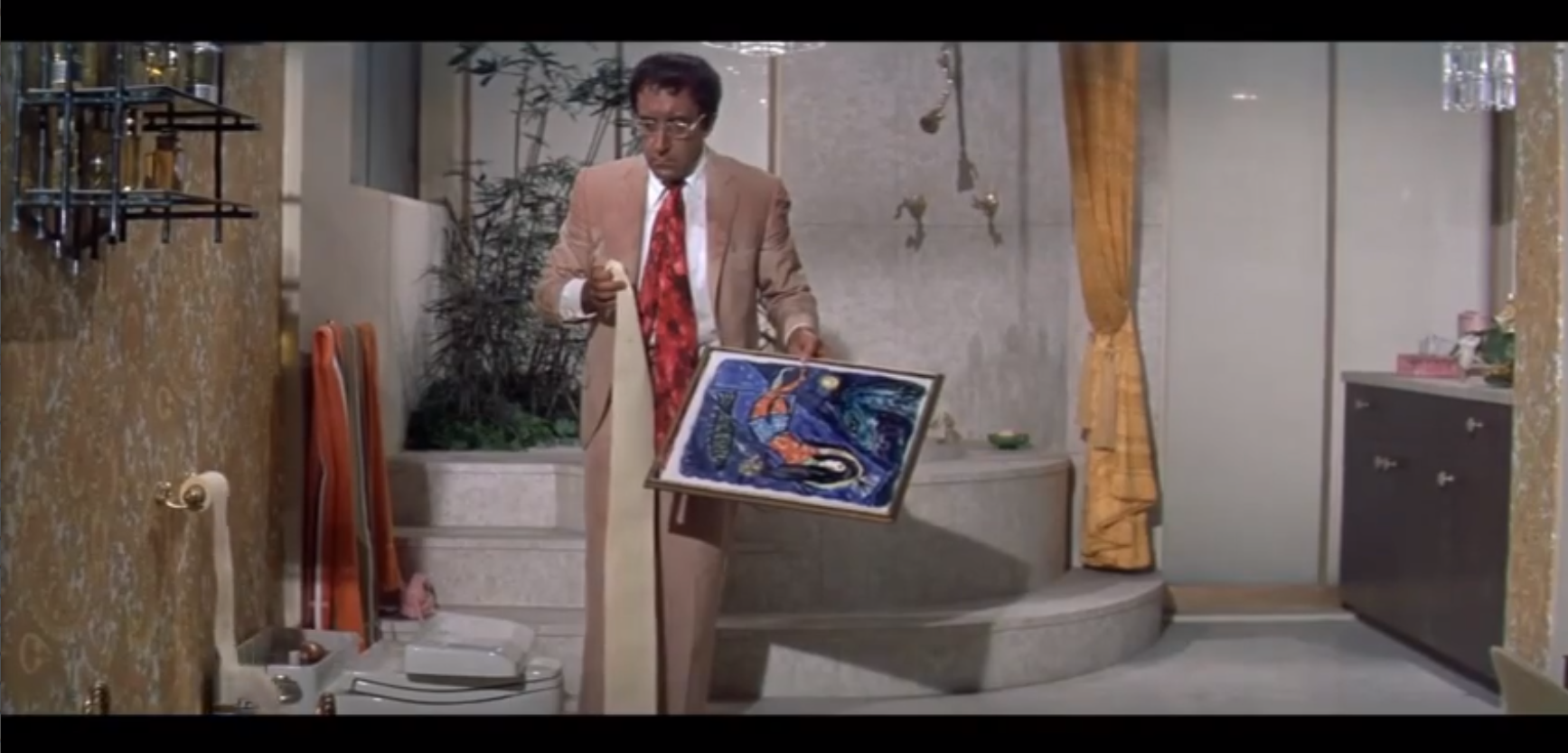
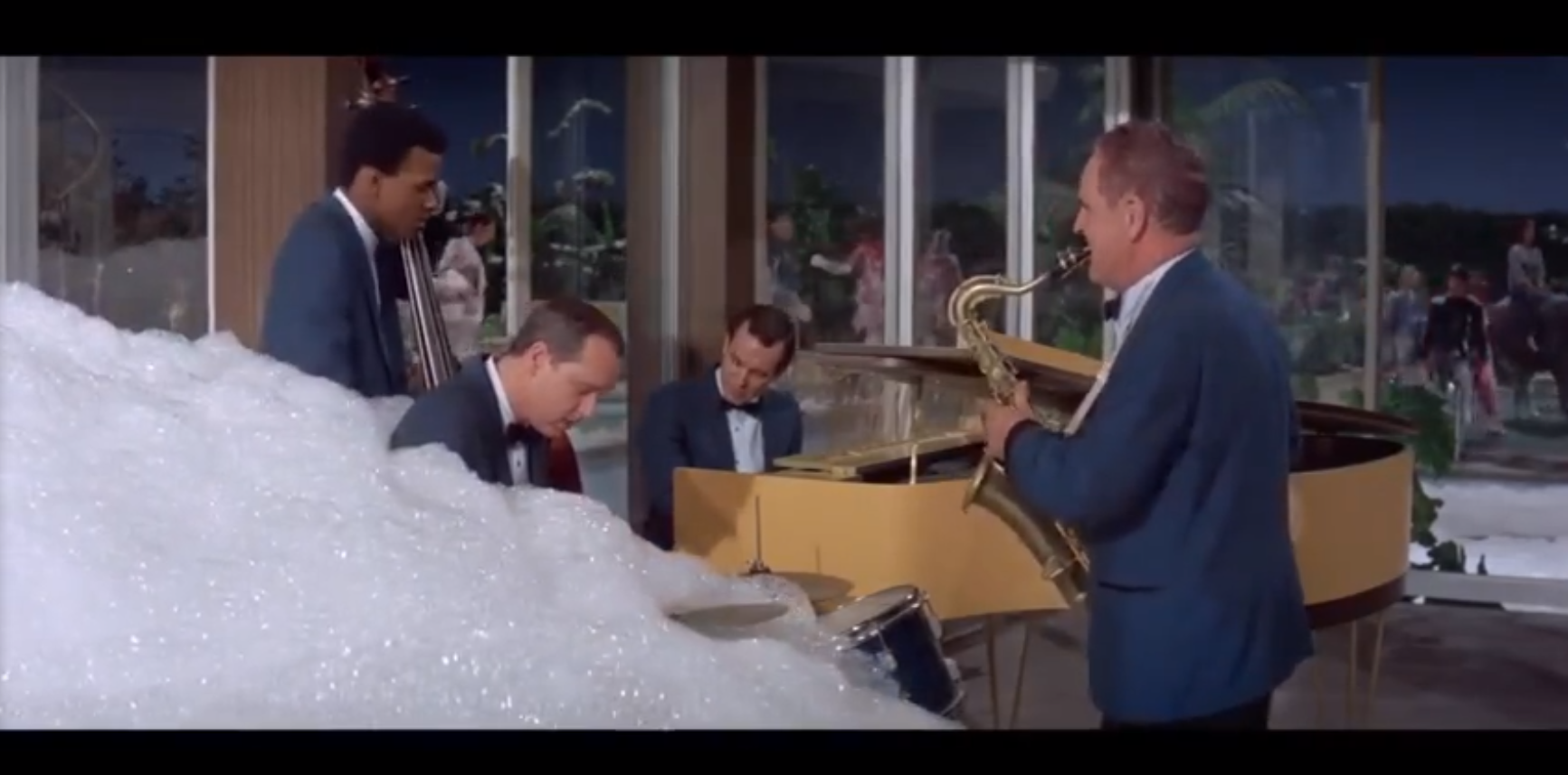
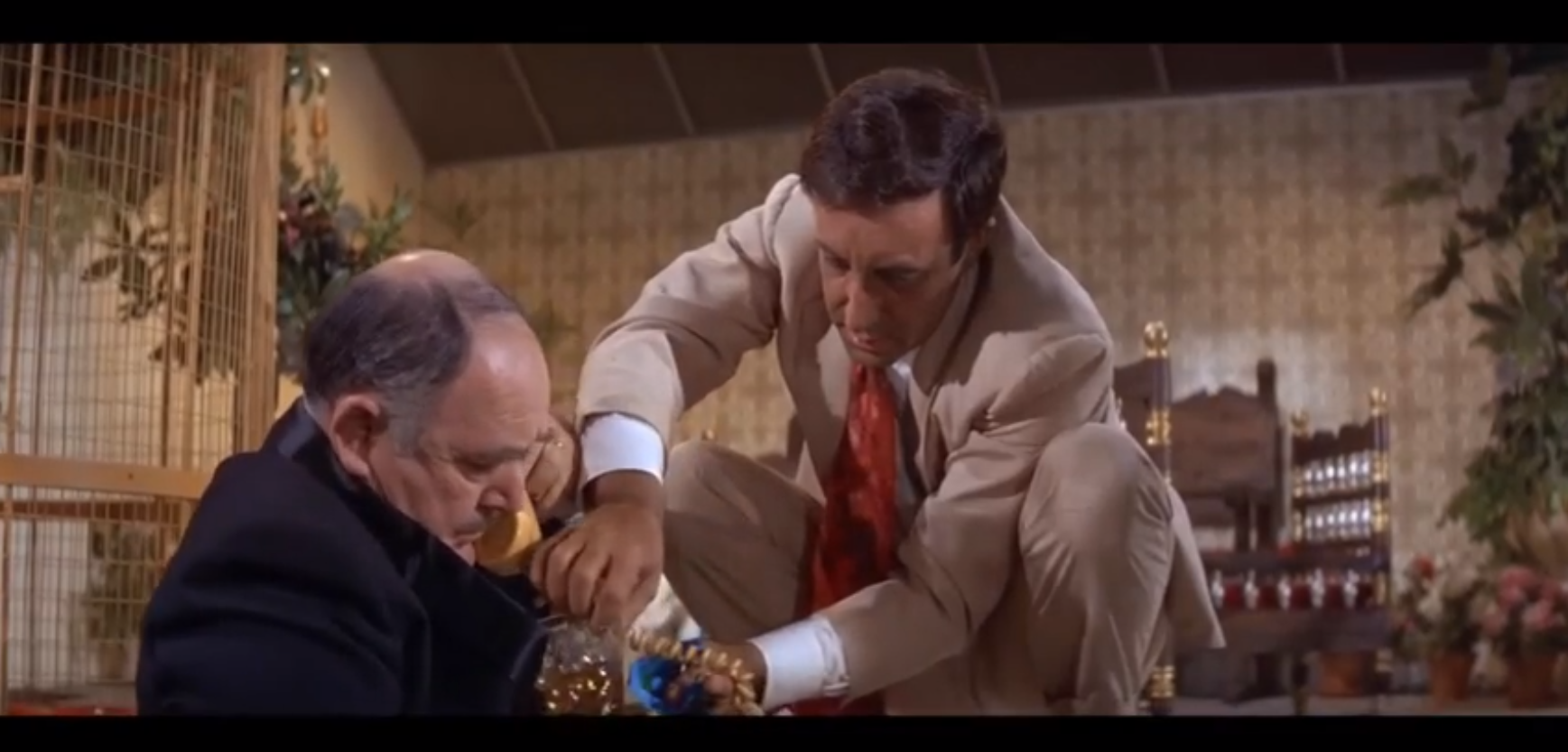
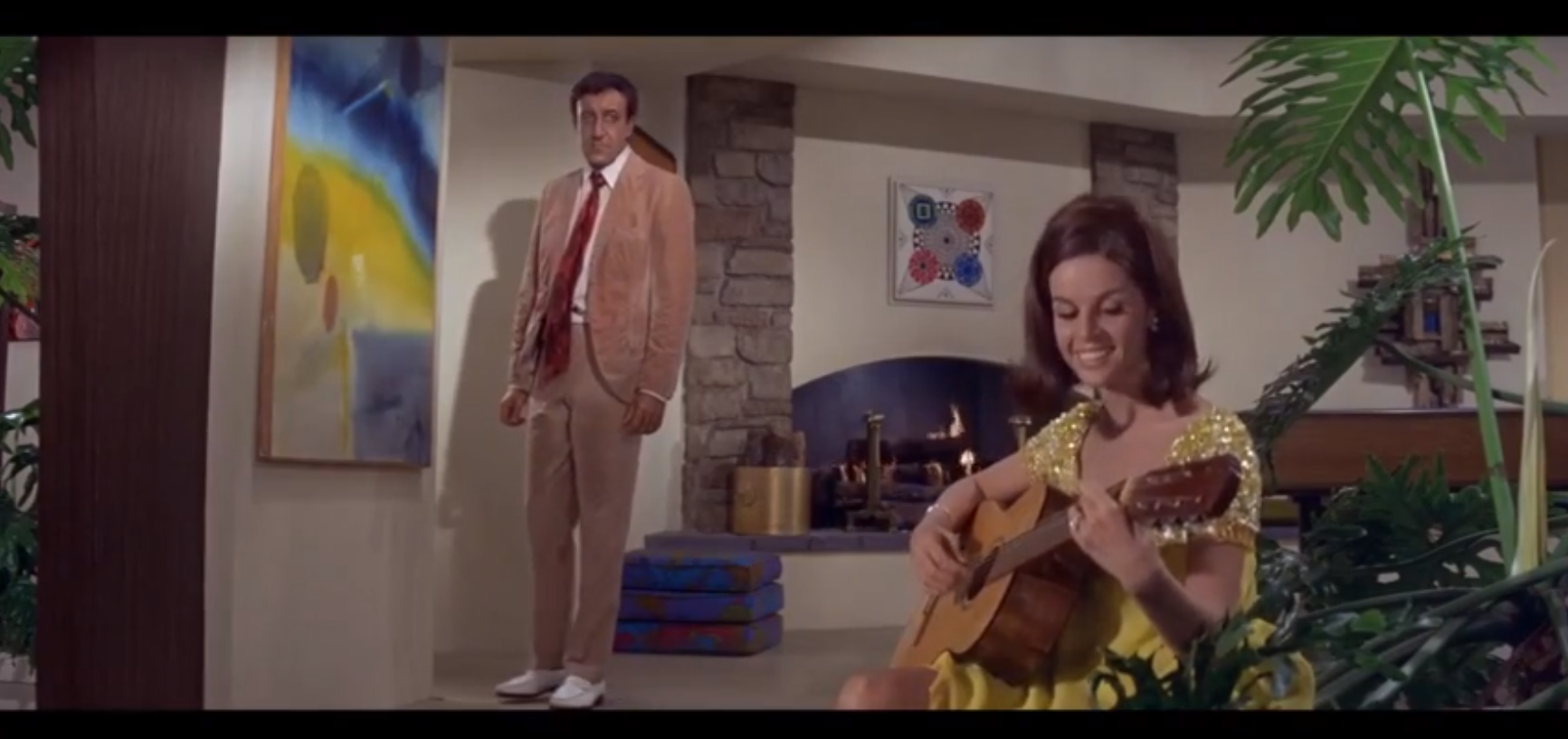
(I’m not a fan of the ongoing scenes involving Franken’s stupidly tippling manservant, which are are simply predictable.) The final act of the film, as things get increasingly wild, is surreal (check out the walking advertisement for a Flat Earth Society!):
… but an appropriate way to culminate this zany evening — and I love how musicians will keep playing no matter what…
Must See? Categories Links: |
“Try to look reasonably happy. After all, it isn’t every day that a German spy is awarded the French Legion of Honor.”
|
Synopsis: |
|
Genres, Themes, Actors, and Directors:
Review: Redeeming Qualities and Moments:
Must See? Links: |
“Can’t you two stop foisting your family nightmares on the rest of the world?”
|
Synopsis: |
|
Genres, Themes, Actors, and Directors:
Review: Note: Watch for Jimmy Durante in a comic relief role (doing his “ha-cha-cha-cha” schtick) as Young’s colleague, and Myrna Loy as Hamilton’s cynical girlfriend.
Redeeming Qualities and Moments:
Must See? Categories
Links: |