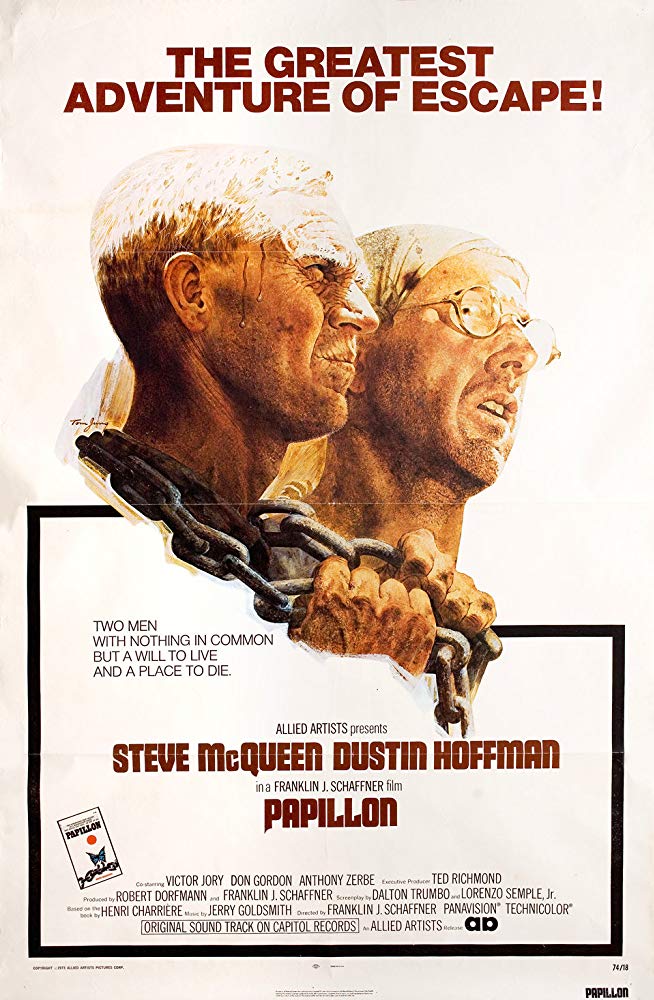
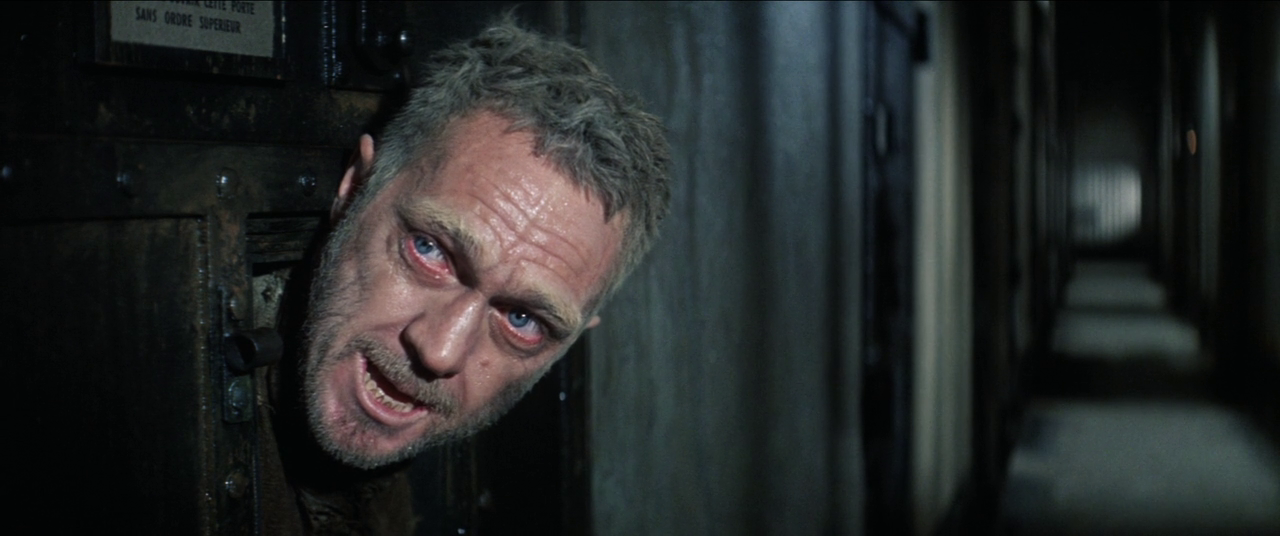
Papillon (1973)
“I accuse you of a wasted life. The penalty for that is death.”
|
Synopsis: |
|
Genres, Themes, Actors, and Directors:
Review: Redeeming Qualities and Moments:
Must See? (Listed in 1001 Movies You Must See Before You Die) Links: |
“I accuse you of a wasted life. The penalty for that is death.”
|
Synopsis: |
|
Genres, Themes, Actors, and Directors:
Review: Redeeming Qualities and Moments:
Must See? (Listed in 1001 Movies You Must See Before You Die) Links: |
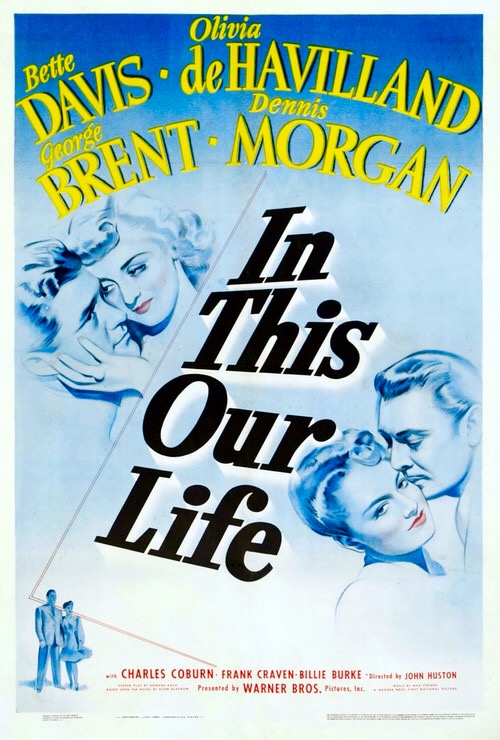
“I’d rather do anything than keep still!”
|
Synopsis: |
|
Genres, Themes, Actors, and Directors:
Review:
As noted in TCM’s article:
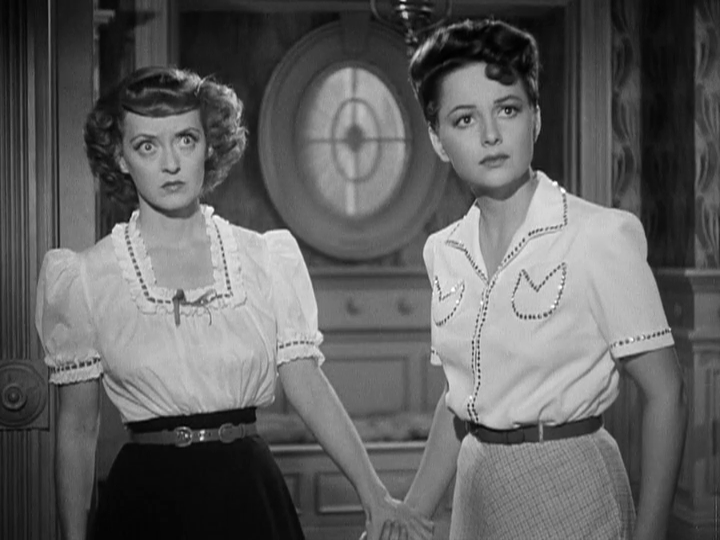
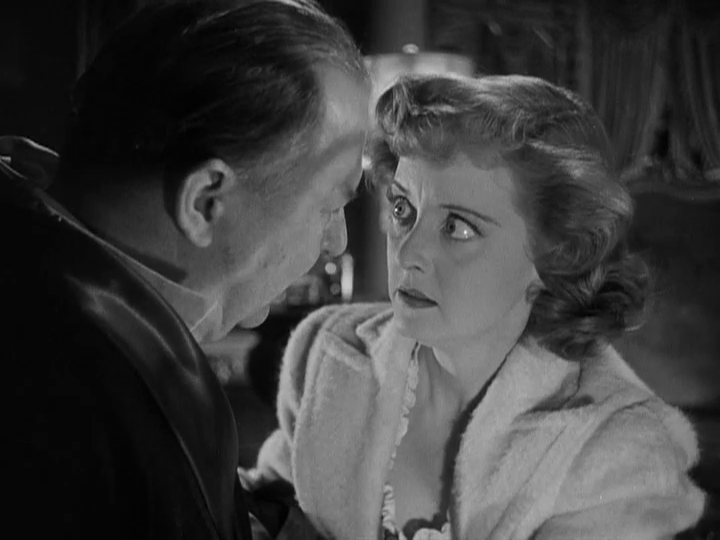
Indeed, David is pretty much entirely unsympathetic here:
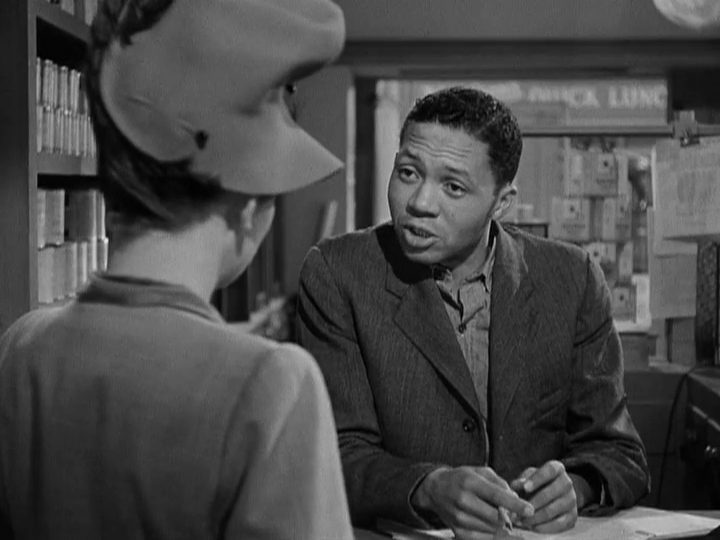
She does nothing but wreak havoc on those around her, and the best thing that can be said about her is that her selfish and cruel actions allow de Havilland and Brent to find one another. Just when it seems she can’t be any more problematic, her refusal to accept responsibility for a reckless act threatens to ruin the tenuous trajectory of an African-American law student (Ernest Anderson) who represents everything Stanley (Davis) is not. Thankfully, she meets a fitting ending. Redeeming Qualities and Moments:
Must See? Links: |
“A man’s habits get pretty strong in 20 years.”
|
Synopsis: |
|
Genres, Themes, Actors, and Directors:
Review: Redeeming Qualities and Moments:
Must See? Categories
(Listed in 1001 Movies You Must See Before You Die) Links: |
“I’d like to keep him on the ward. I think we can help him.”
|
Synopsis: |
|
Genres, Themes, Actors, and Directors:
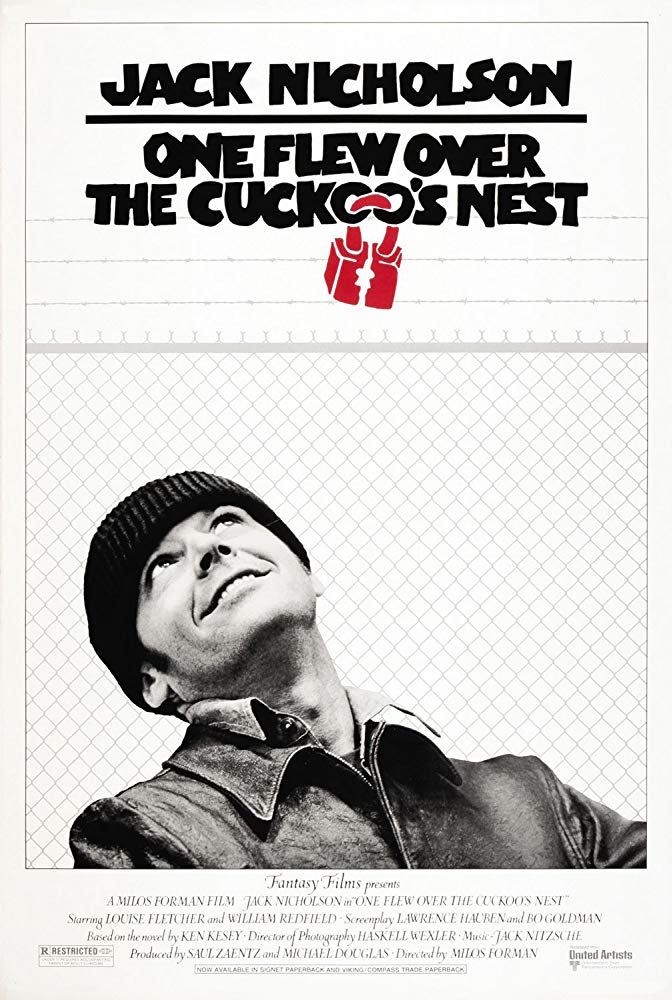
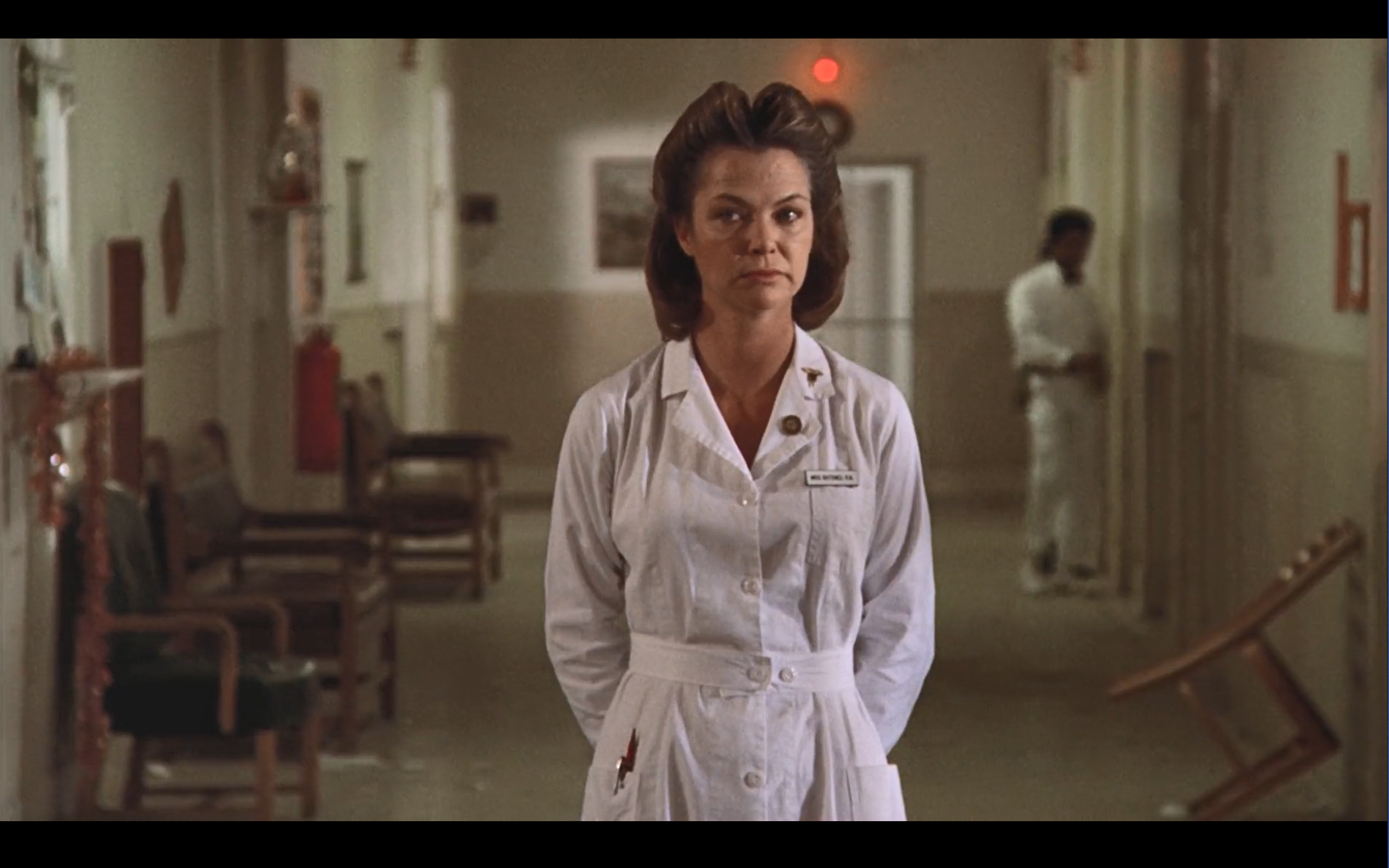
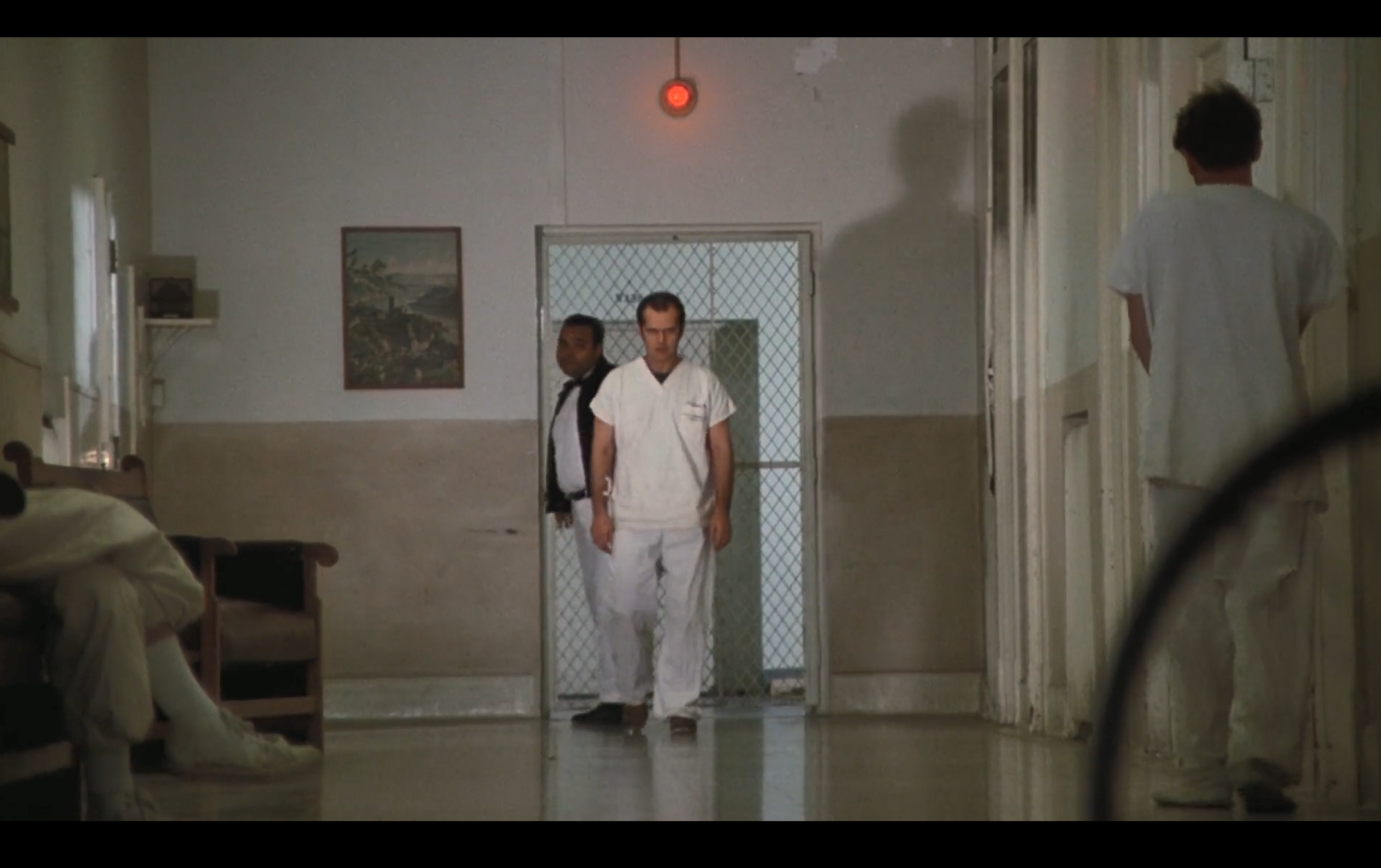
Response to Peary’s Review: In Alternate Oscars, Peary gives the Best Picture award to John Huston’s The Man Who Would Be King instead, but preserves the Best Actor award for Nicholson, noting: “Never known for low-key performances, Nicholson was perfectly cast as this man who pretends to be mad and who, if we equate rebellion with abnormality, may in fact be so” given that he “certainly fits in better with the mental patients than with those who run the asylum.” Peary writes: “How Ratched detests this man with the lunatic grin and laugh, who sees through her, who makes her blush with his crude language…, who makes himself a thorn in her side but pretends innocence…” Despite this, Peary argues McMurphy “is probably Nicholson’s sweetest, most caring character” given that “fighting Ratched for the other patients’ minds and souls, he manages to improve their outlooks on life.” Unfortunately, he fails to see Ratched “for the dangerous witch she is. Only too late does he realize that Ratched will do anything to maintain authority in her world.” Balancing out Peary’s perspective is DVD Savant, who asserts that the film’s very concept is problematic because “from the evidence we see McMurphy is the author of all his own problems and a genuine menace to society”, someone “who would bring down disaster almost anywhere he went”. DVD Savant refers to him as a “thoughtless rebel” who “goes up against Nurse Ratched to flatter his own ego” and actually puts the patients at risk during the “unscheduled day trip on the fishing boat”. With that said, he’s no fan of Ratched either, instead sharing how “Louise Fletcher’s layered performance lets us know that the McMurphy-Ratched personality clash brings out the worst in both of them”: “McMurphy becomes more reckless and cocky, while Ratched harbors a powerful resentment behind her veneer of professionalism” and “takes out her rage on the weaker of the patients”. Ultimately, this is a brutal cat-and-mouse tale, with institutional power winning out, but not before we are shown both sides of the picture: while the men find solace and comfort in their constraining environment (and taking anarchic risks isn’t necessarily the right or best course of action), they have at least been taught to question, laugh, and speak up. Redeeming Qualities and Moments:
Must See? Categories
(Listed in 1001 Movies You Must See Before You Die) Links: |
“I move around a lot because things tend to get bad when I stay.”
|
Synopsis: |
|
Genres, Themes, Actors, and Directors:
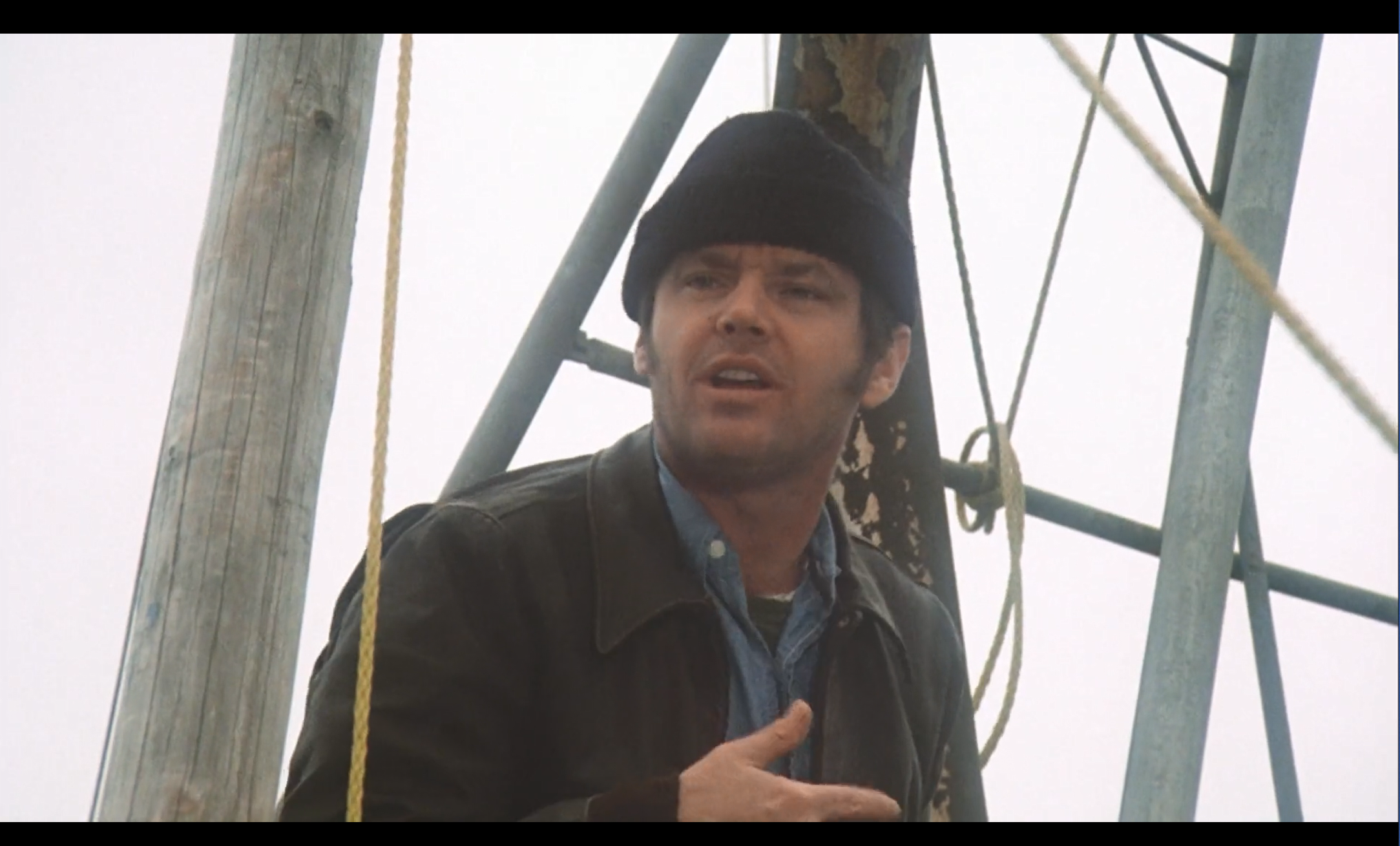
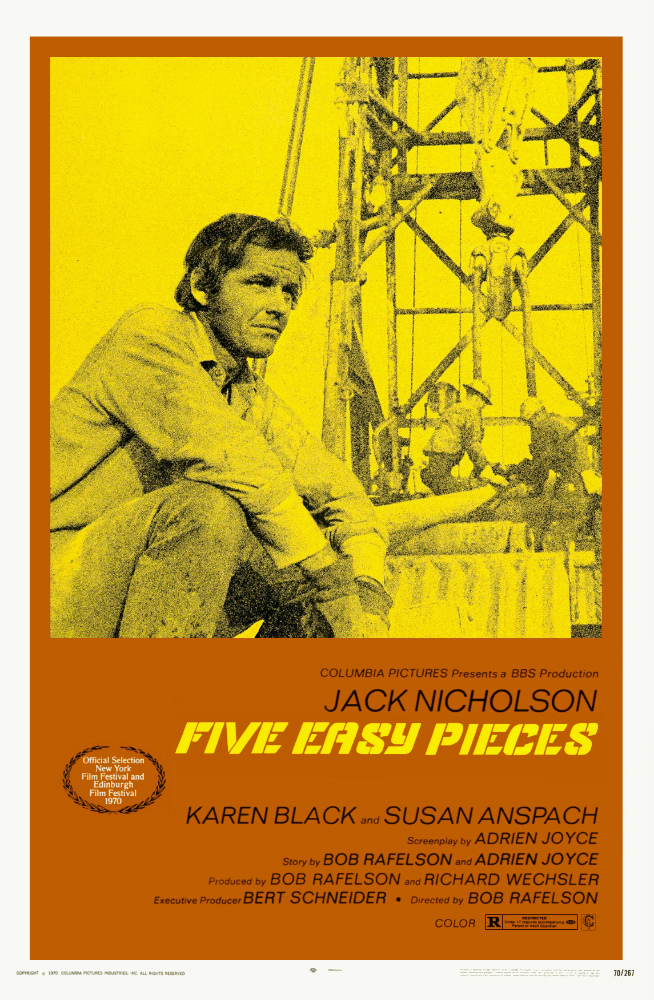
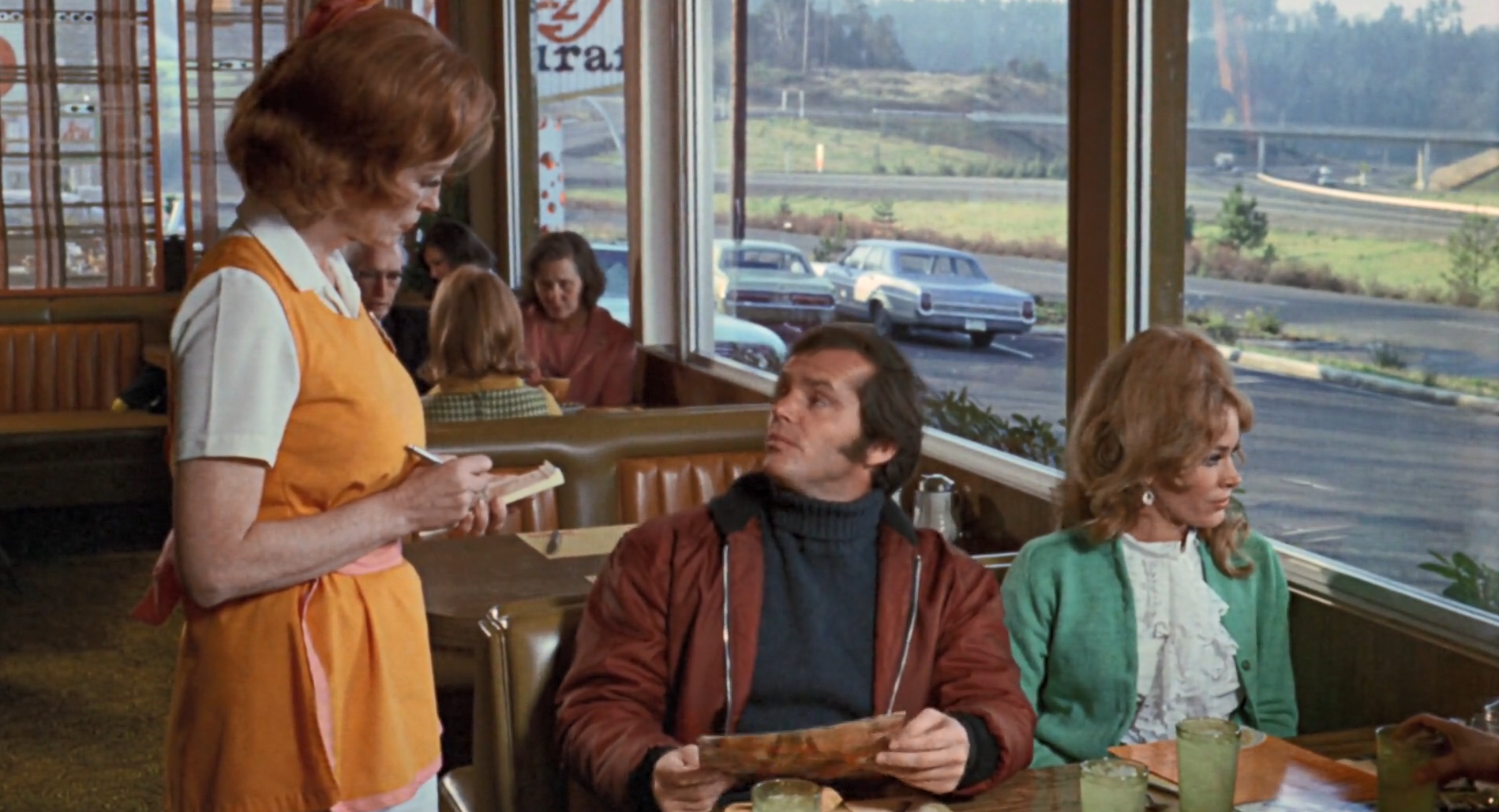
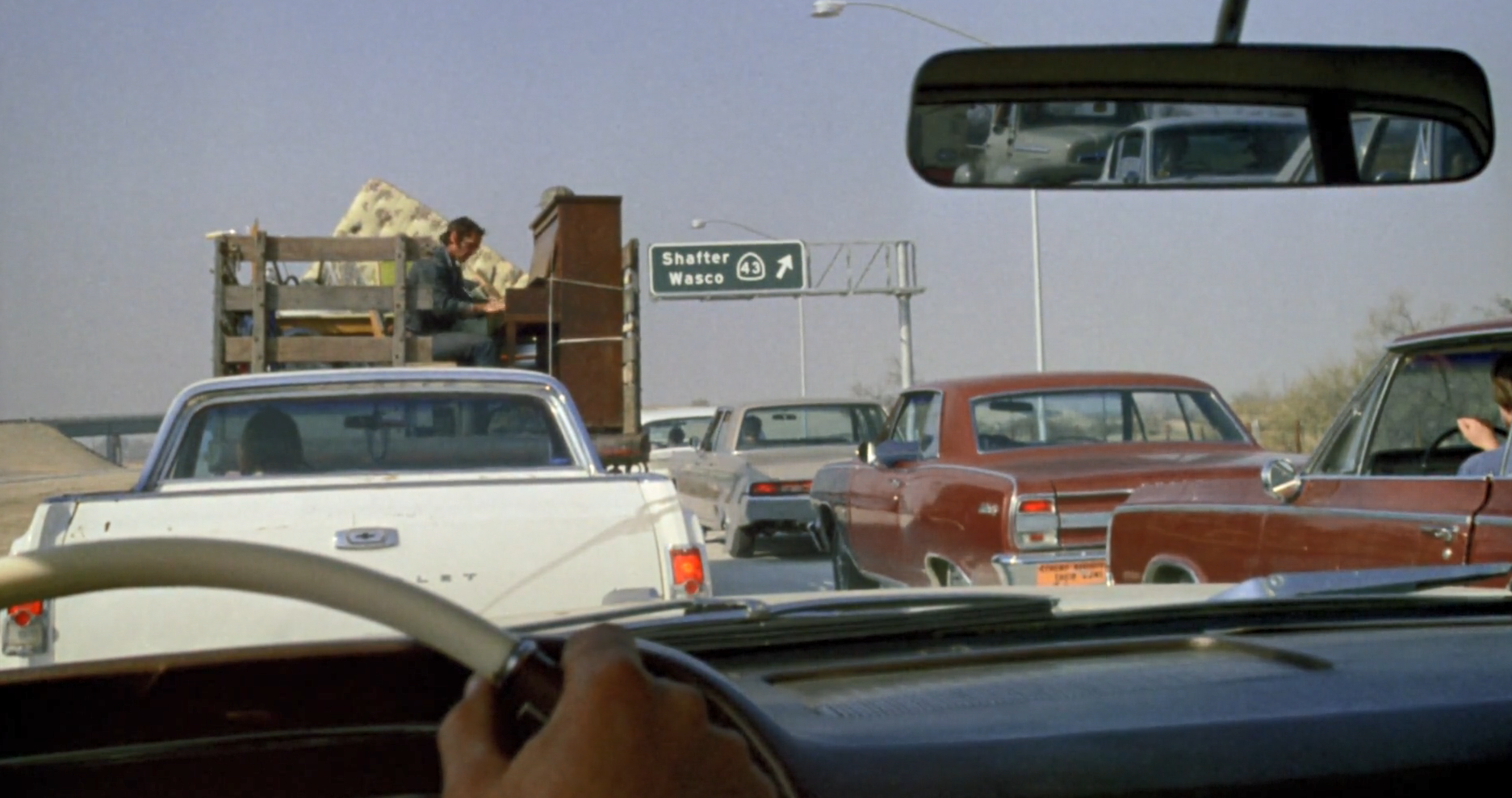
Response to Peary’s Review: In Alternate Oscars, Peary names this Best Picture of the Year over Patton (1970), explaining that while “Patton contains a great performance by [George C.] Scott and holds up fairly well as a biography and as a war movie”, he much prefers this “different character study” featuring “a star-making, Oscar-nominated performance by Jack Nicholson” (who he names Best Actor of the Year). Peary writes that while Nicholson’s “Bobby Dupea was not like anyone with whom we associated, we responded to his strong sense of alienation” and “to his rebelliousness and frustration, which result in some classic Nicholson outbursts of temper”. He writes that the “picture is full of odd, funny moments… and unusual movie characters” — and while “we don’t admire Bobby for escaping his trap, life with the likable but annoying Rayette” (Black), we “understand that he would suffocate if he committed himself to her” so “we accept his running away because it is for her benefit more than his own” (!). While this last point is certainly debatable, there’s no arguing that their future together was tenuous at best — so perhaps it is all we can expect of Bobby to leave her his wallet (ouch). Peary writes that Nicholson “made a startling impression” as this “virile leading man”, someone “overloaded with pent-up energy, ready with the snide remark, soft spoken until he can no longer suppress his temper”. He compares him to W.C. Fields, noting that “his world is [just] as full of aggravation”, and “at times just as funny”, given that “nothing goes as he wants” and “no one will leave him alone”. He ends his review of Nicholson’s performance by noting that “as disaffected a character as Bobby Dupea is, he was sort of an Everyman in 1970. Young viewers in the counterculture” could “identify with Bobby’s outsider status; restlessness; fury and irritation when pressured; sexual energy; inability to fit comfortably into marriage, parenthood, or other niches; need to keep the exit door within sight; disappointment in himself; and desperation to mend and give meaning to his life.” While I find Nicholson’s character much harder to tolerate as I get older (and more aware of how poorly women in general are treated throughout this movie), he remains a compelling presence: his interactions with the “waitress superior” (“I want you to hold [the chicken] between your knees!”) remain eminently watchable. My favorite scene, however, is when he hops up onto a flatbed truck during a traffic jam and begins playing the piano he’s found under a moving cloth. Speaking of piano, it’s an important presence in this film, and Smith is “pitch-perfect” as Nicholson’s sister, a Glenn Gould-like pianist who can’t help singing along with her own playing while recording. Redeeming Qualities and Moments:
Must See? Categories
(Listed in 1001 Movies You Must See Before You Die) Links: |
“You’re lucky your boyfriend ain’t mixed up in no racket.”
|
Synopsis: |
|
Genres, Themes, Actors, and Directors:
Review:
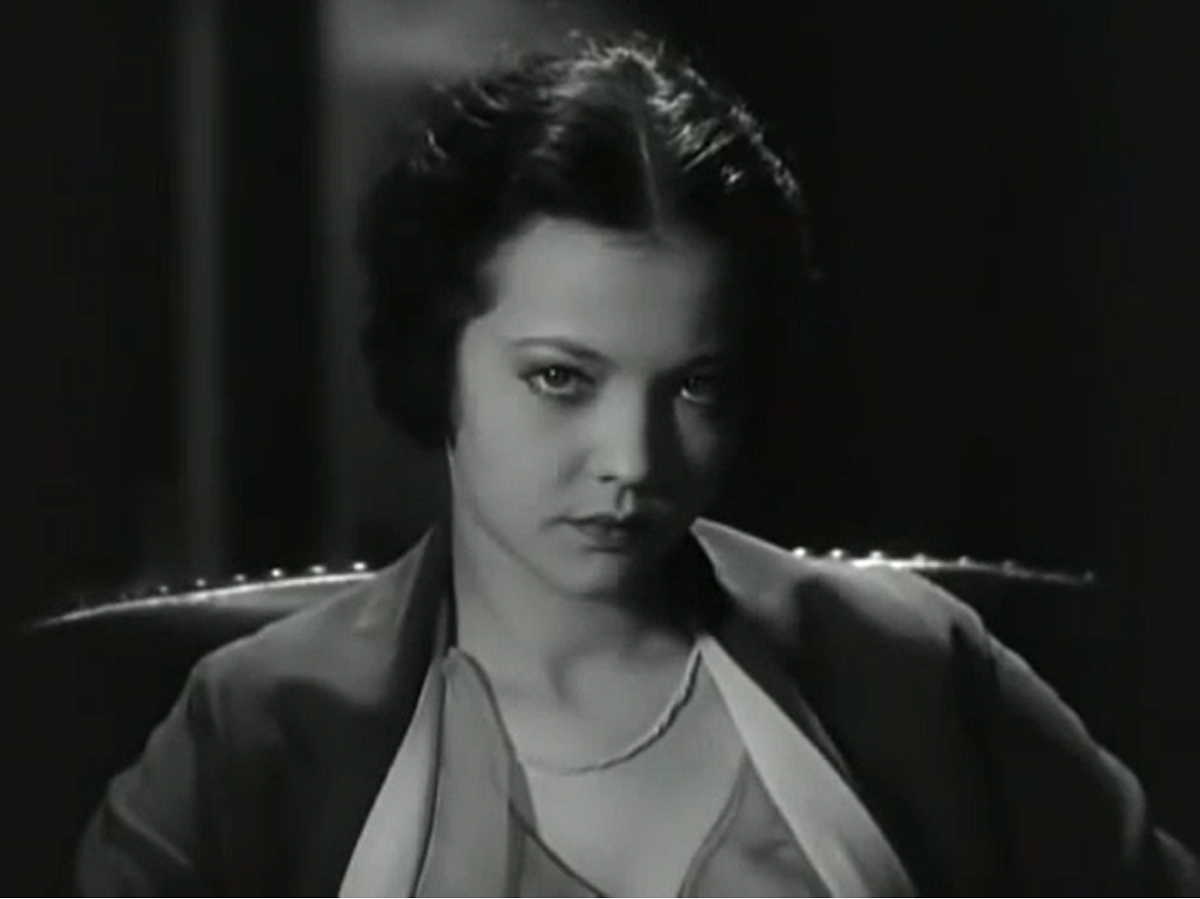
Her character here is first introduced through a complicit wink she exchanges with her father (Kibbee, solid in his part):
before insistently nagging Cooper to join her in a life of crime.
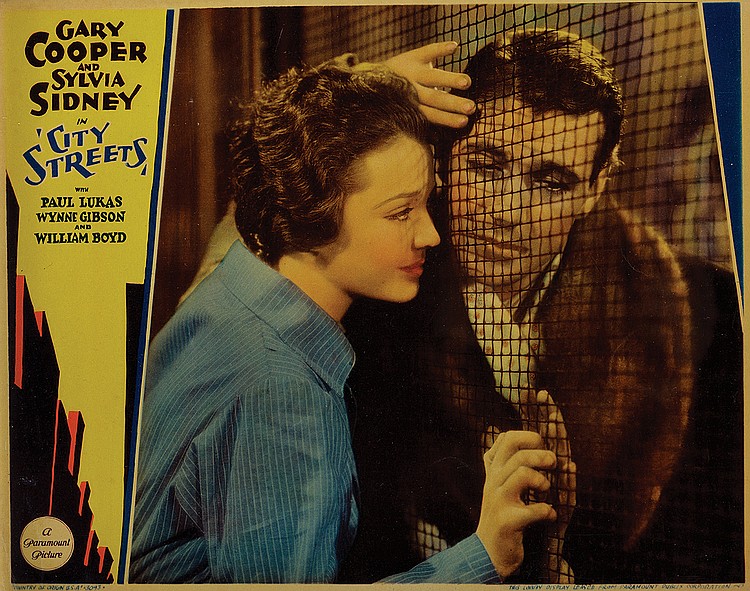
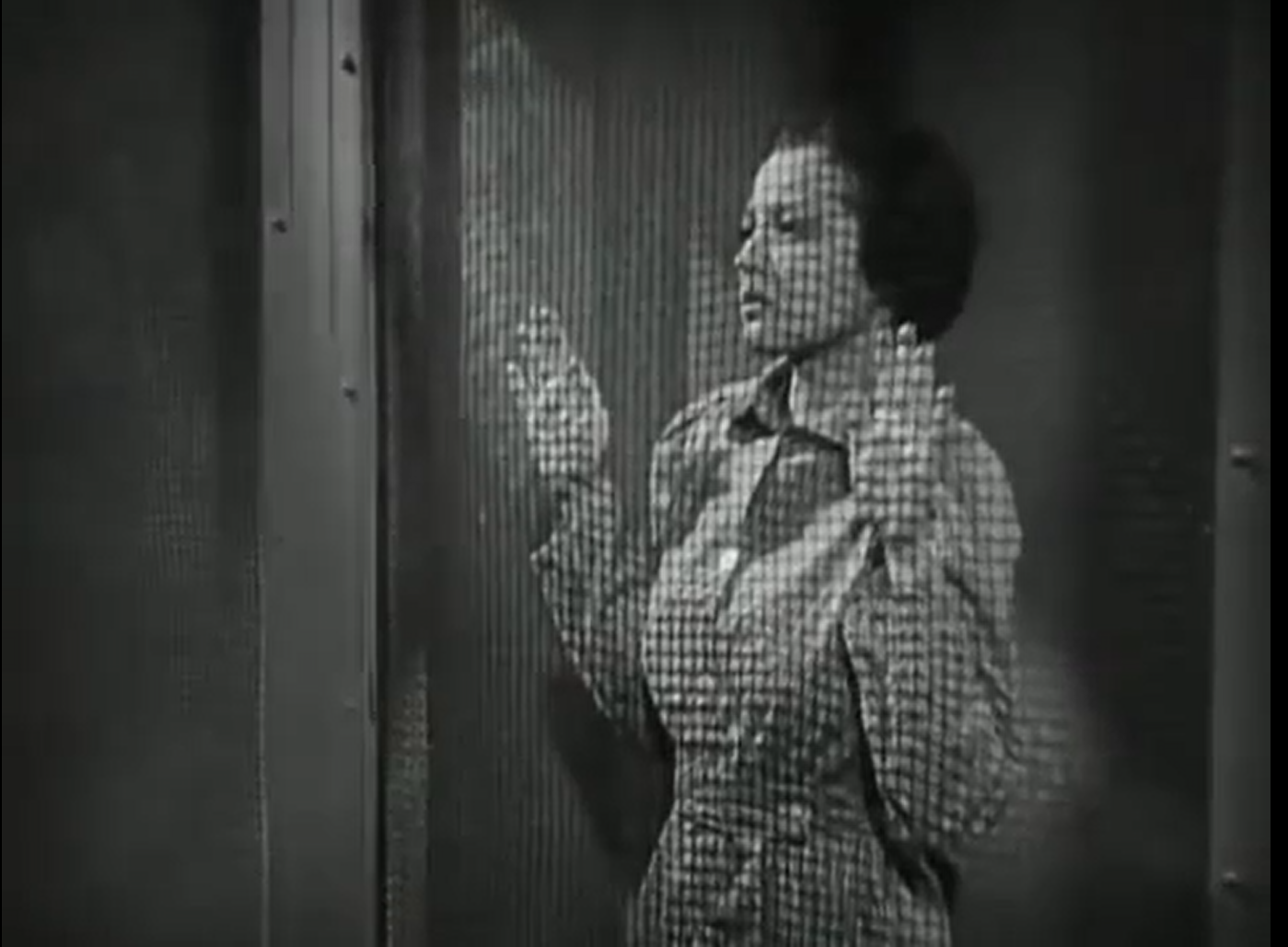
She remains solid as steel while taking the rap for her ‘Pop’, only gradually revealing her softer side. Mamoulian (assisted by DP Lee Garmes) once again displays highly evocative visuals, as well as a unique voiceover while Sidney is in prison; this one is worth a look despite the disappointingly far-fetched ending. Redeeming Qualities and Moments:
Must See? Categories
Links: |
“I’m performing a miracle – how dare you suggest fraud?”
|
Synopsis: |
|
Genres, Themes, Actors, and Directors:
Review: Redeeming Qualities and Moments:
Must See? Links: |
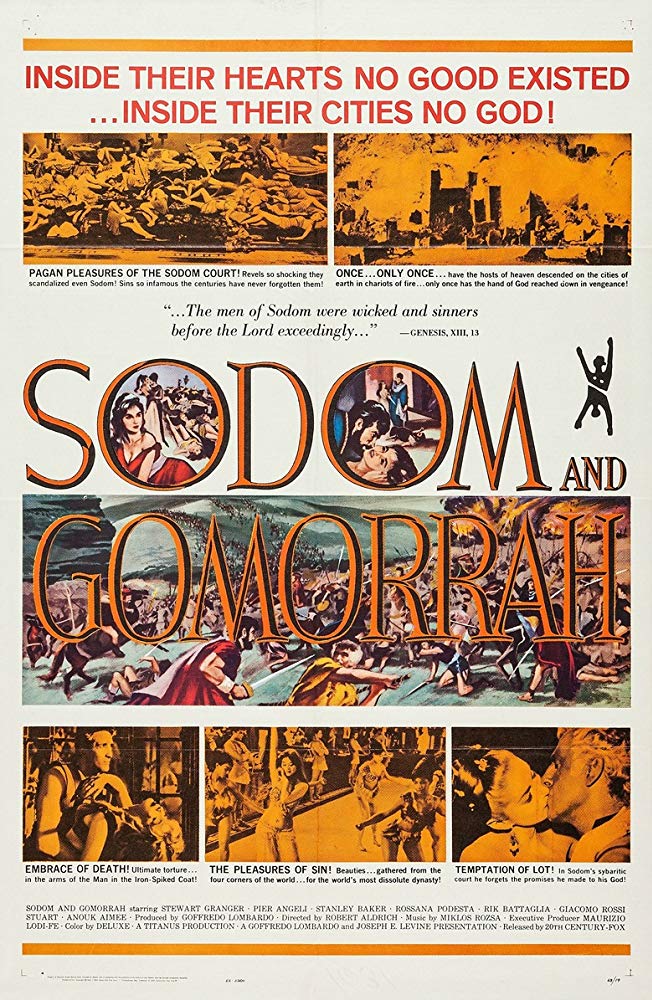
“Evil? How strange you are… Where I come from, nothing is evil. Everything that gives pleasure is good!”
|
Synopsis: |
|
Genres, Themes, Actors, and Directors:
Review:
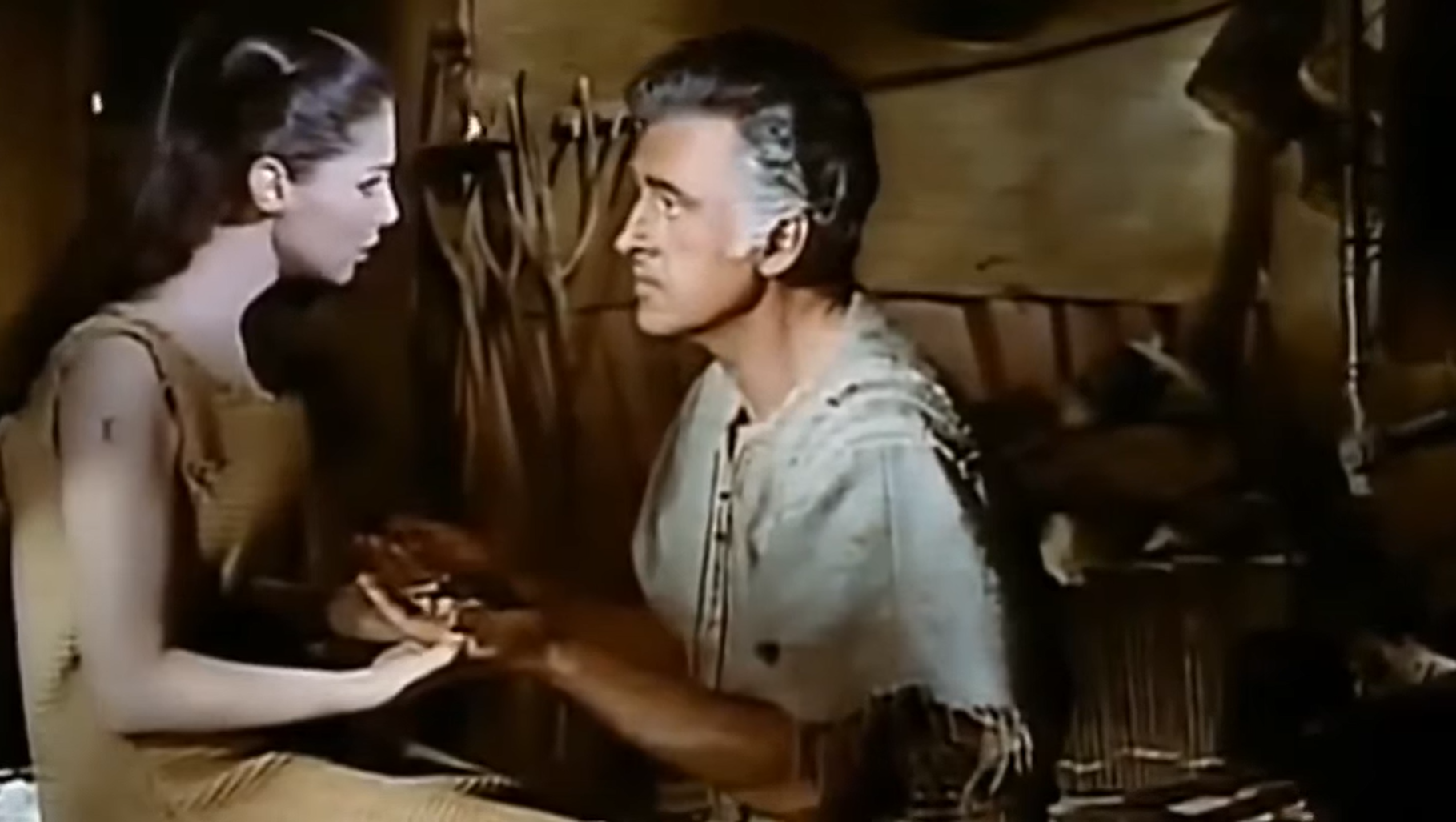
pitted against nobility (silver-haired Granger and his “reformed” wife) in a battle for morality.
There’s very little to fill the storyline and screen other than lengthy battle scenes, colorful costumes, and plenty of extras.
The most famous element of Lot’s grim story takes place within the last few minutes, and is reasonably well handled, though not worth the slog until then. Redeeming Qualities and Moments:
Must See? Links: |
“Never leave me out of your sight — never again. My life began with you. I can’t imagine the future without you.”
|
Synopsis: |
|
Genres, Themes, Actors, and Directors:
Review: Redeeming Qualities and Moments:
Must See? Links: |
“Racin’ for money ain’t sport — it’s war!”
|
Synopsis: |
|
Genres, Themes, Actors, and Directors:
Review: Redeeming Qualities and Moments:
Must See? Links: |