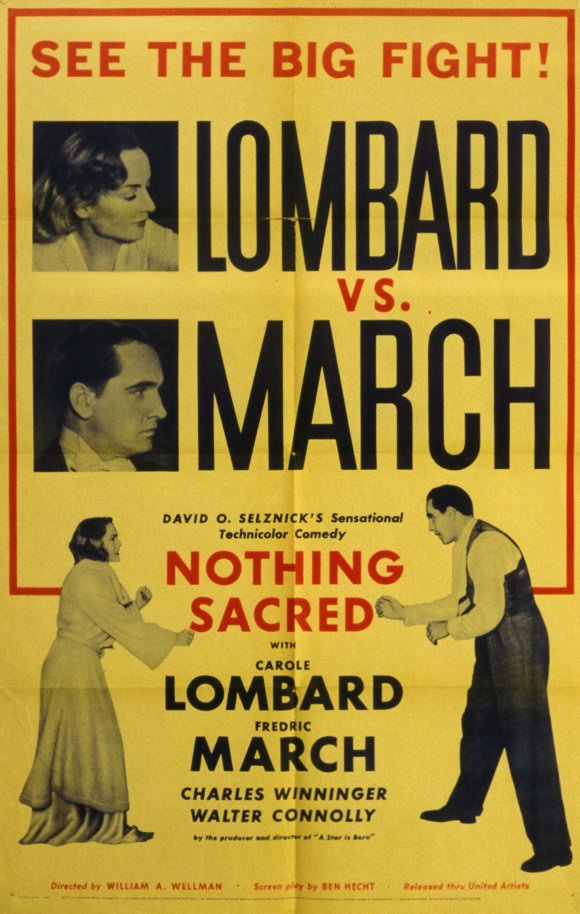
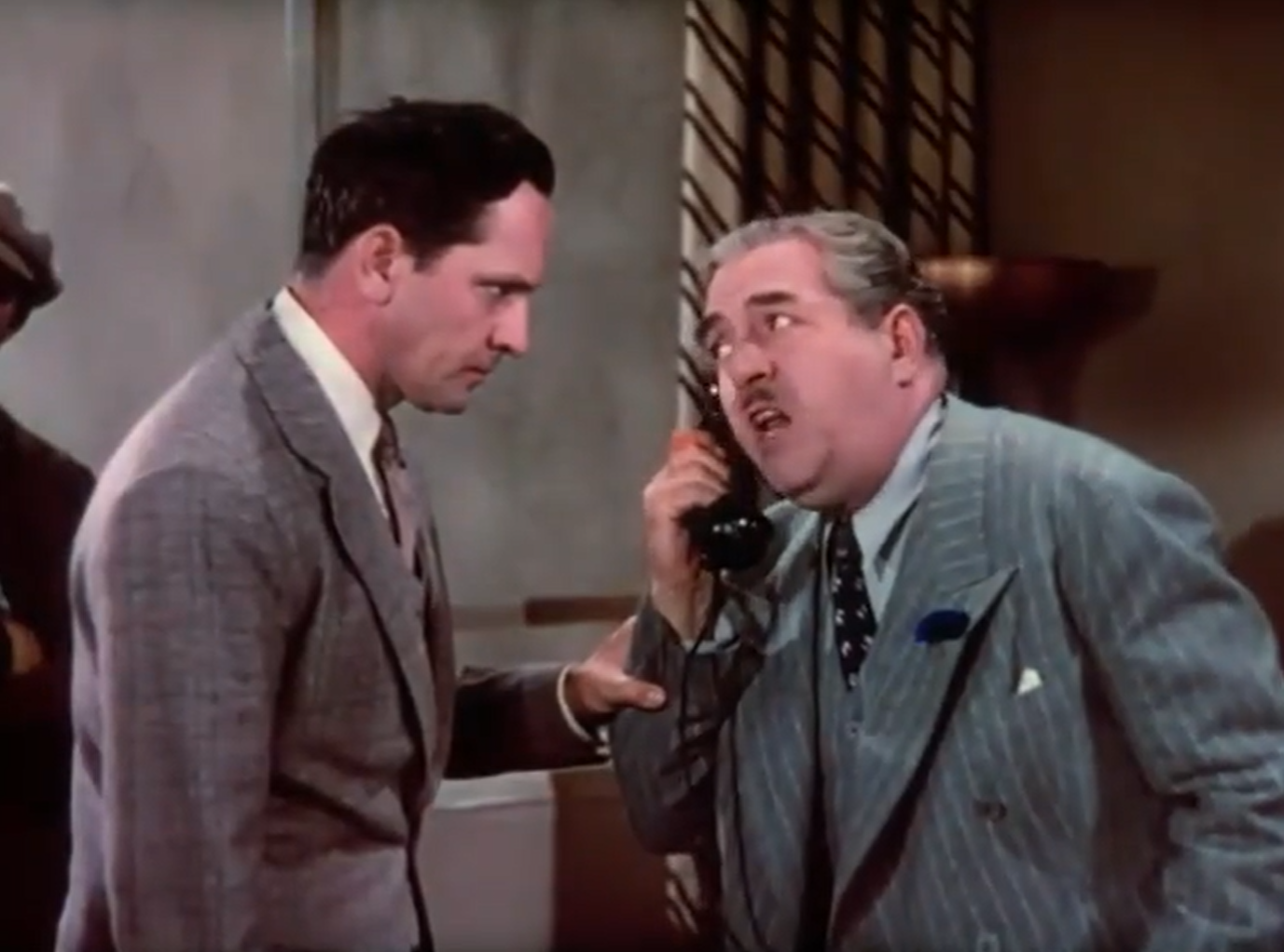
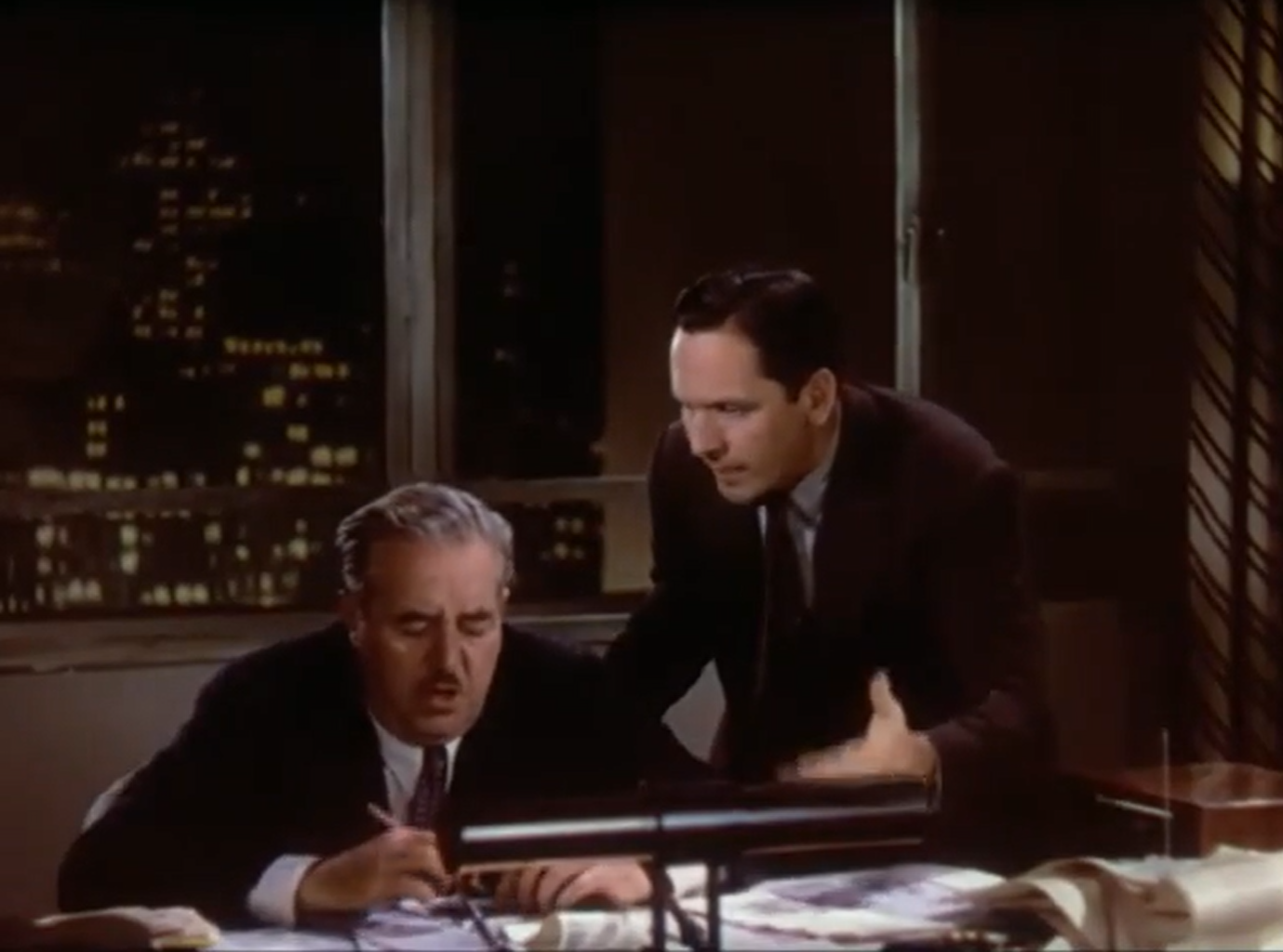
Nothing Sacred (1937)
“You’ll be a sensation. The whole town’ll take you to its heart.”
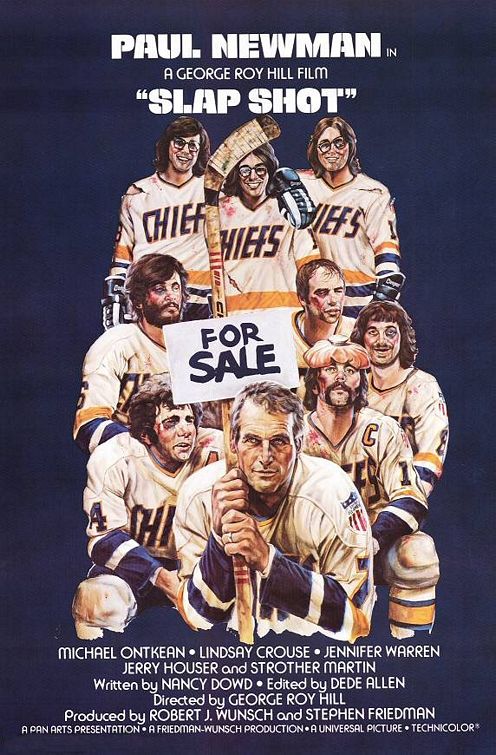
“We all know how to play hockey — just play it smart!”
|
Synopsis: |
|
Genres, Themes, Actors, and Directors:
Response to Peary’s Review: While I’ll admit to being mildly amused by some of the on-ice tactics employed by the “Hanson brothers” (fictional characters so beloved and infamous they actually have their own Wikipedia entry), I have a hard time sharing Peary’s overall admiration for the film. The “quirky” characters — Newman included — are largely unlikable and sloppily written, with Ivy Leaguer Michael Ontkean and his wife (Lindsay Crouse): particularly underused and poorly conceived. Meanwhile, the film’s reasonably intriguing central comedic premise — about a hockey team turning to brutal tactics as a means of financial survival — never goes anywhere interesting. Despite its status as a serious cult favorite, all-purpose film fanatics can feel free to skip this one. Redeeming Qualities and Moments: Must See? Links: |
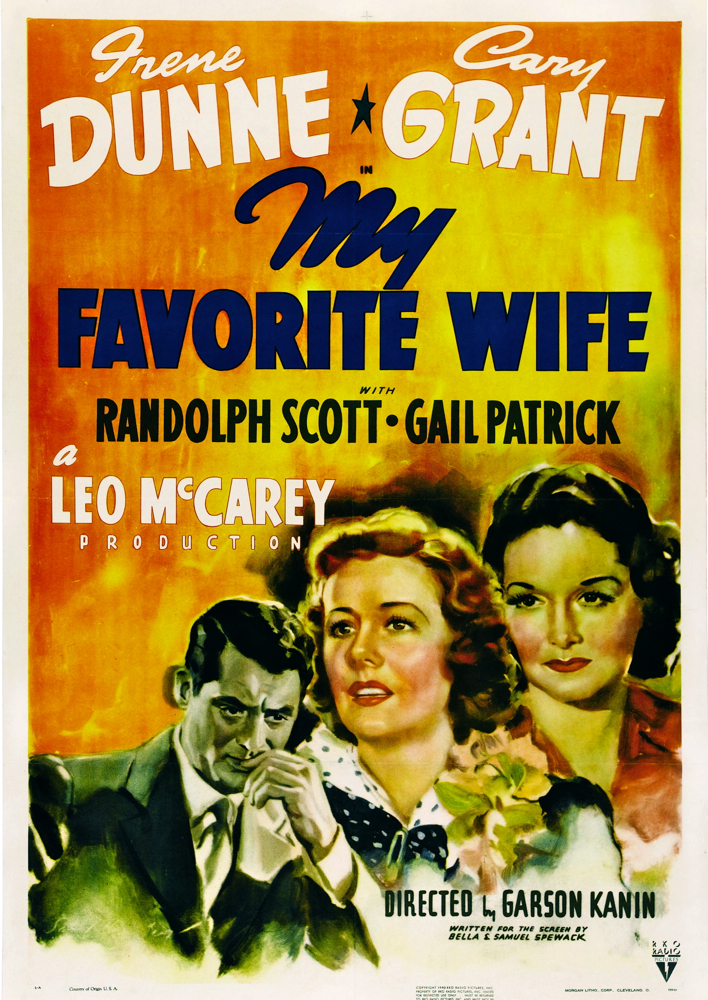
“Make up your mind, old man: you’re not allowed to have two wives, you know!”
|
Synopsis: |
|
Genres, Themes, Actors, and Directors:
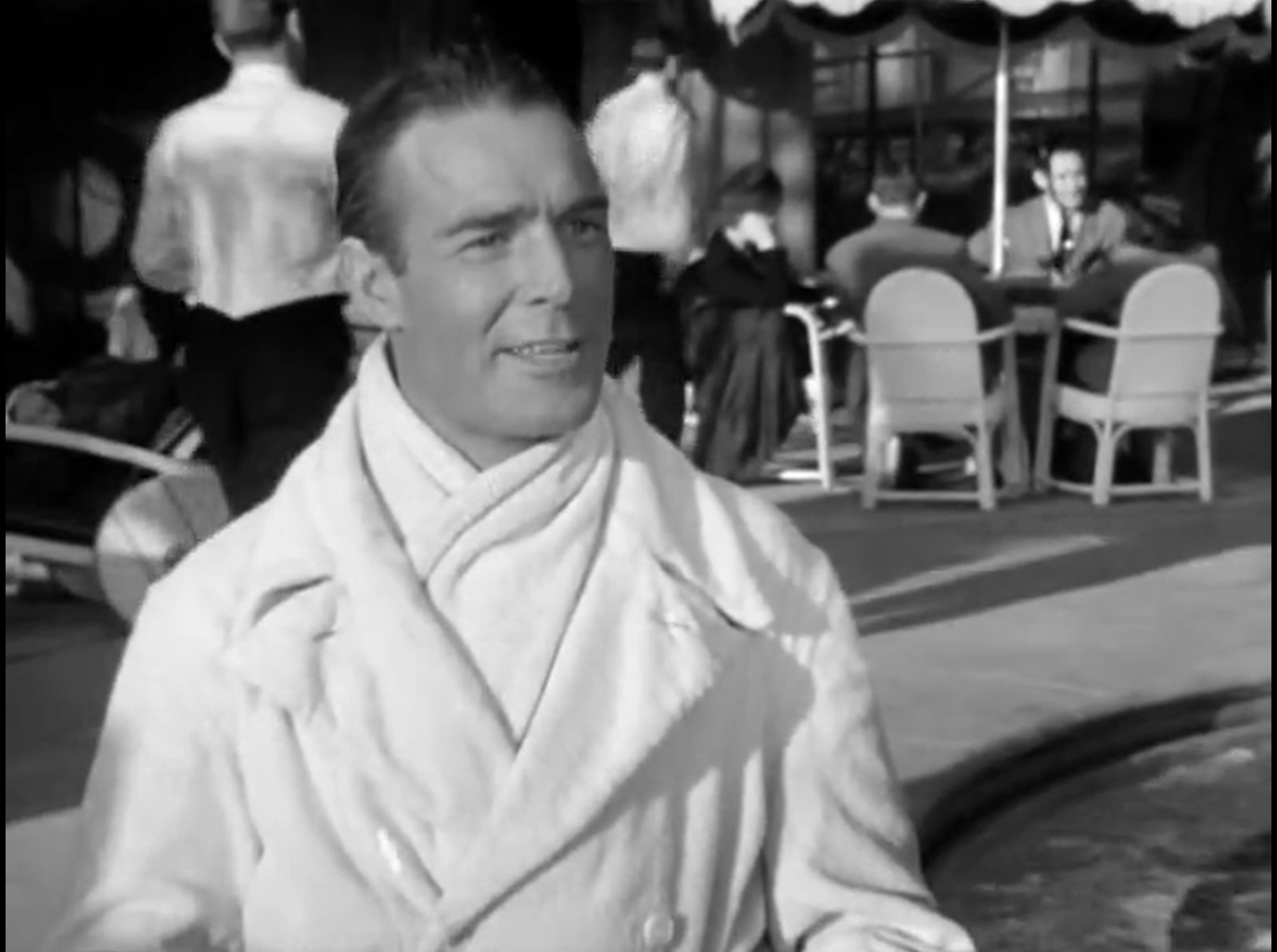
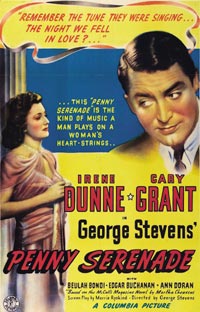
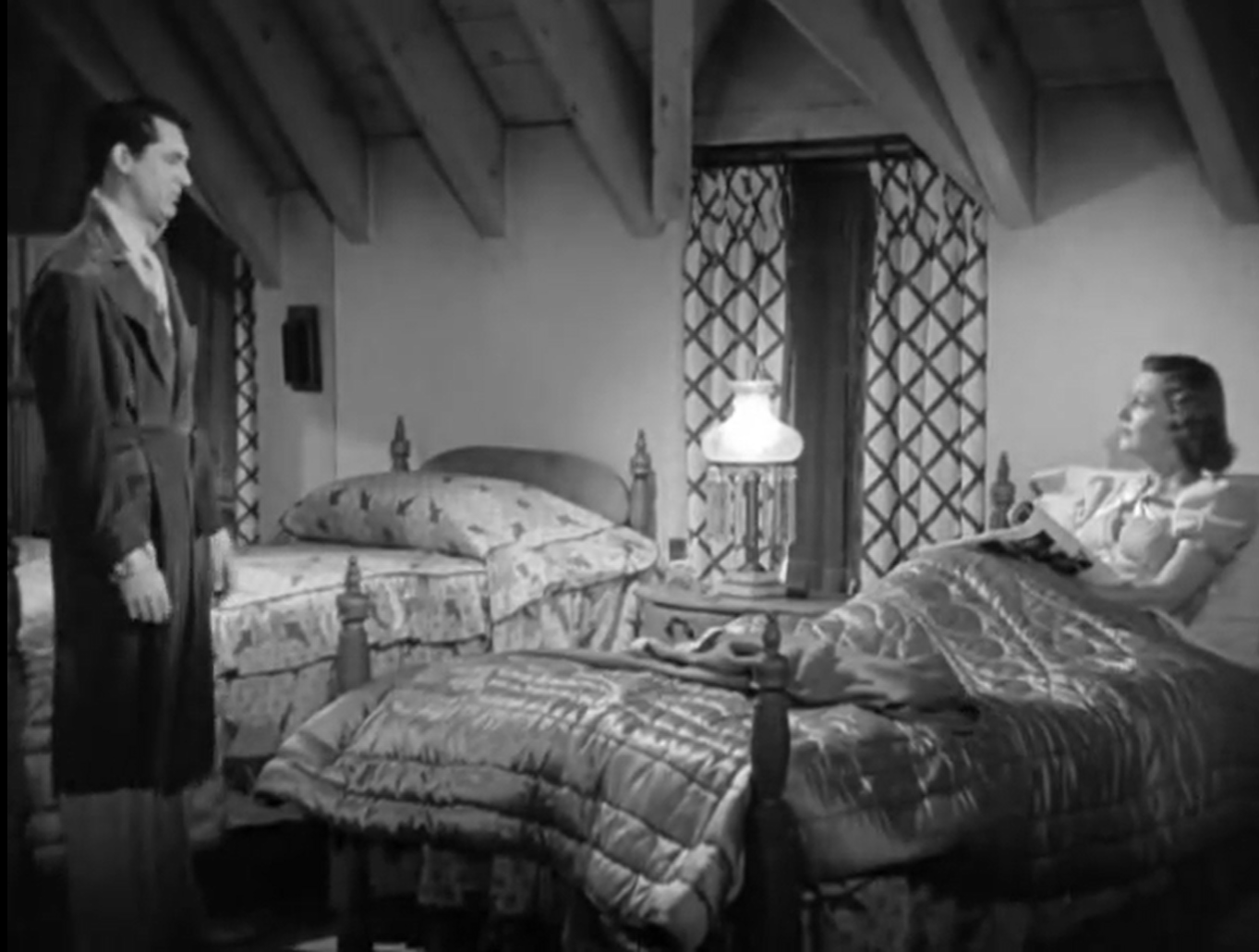
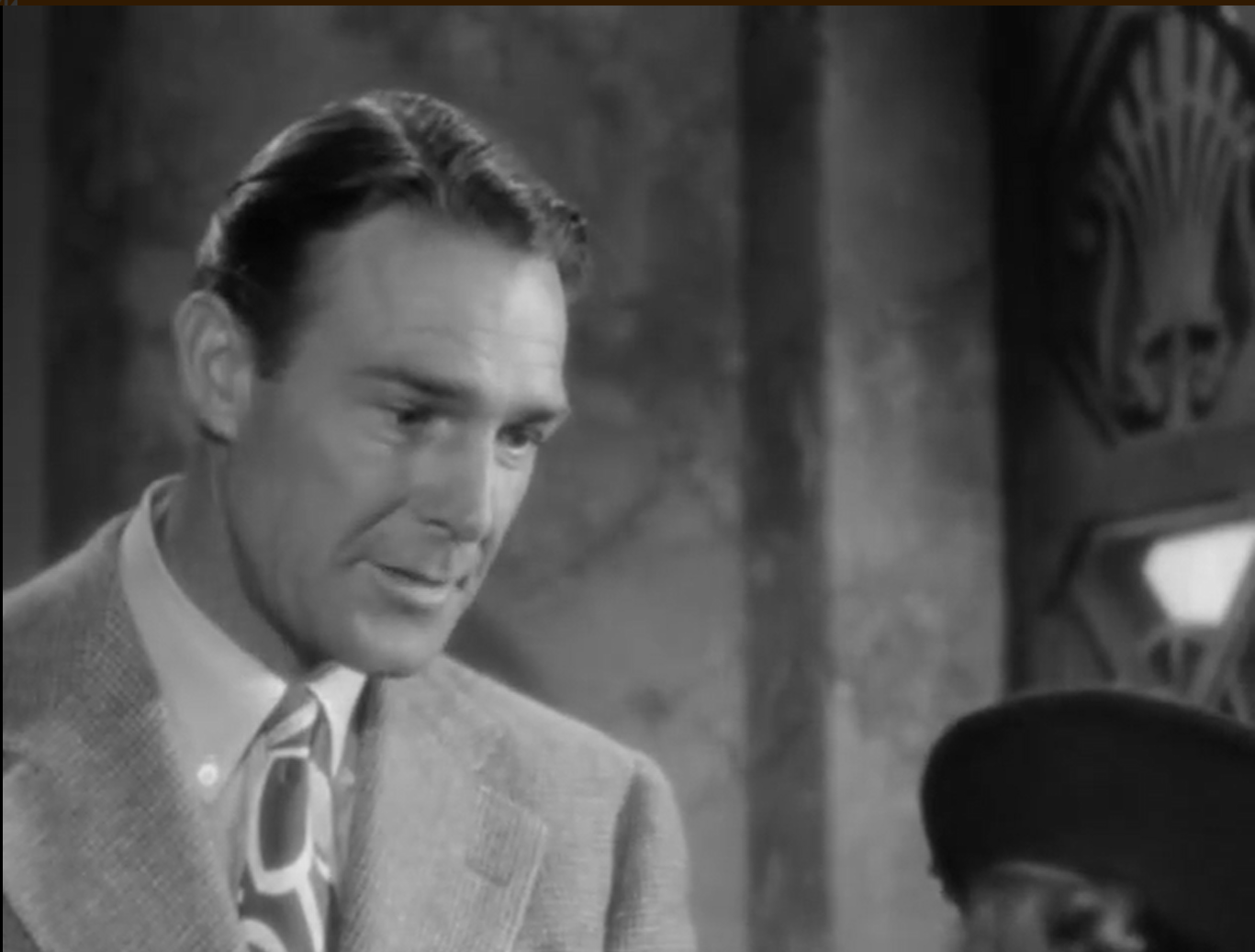
Response to Peary’s Review: it unfortunately “never rises from amusing to hilarious”; instead, the “marital game-playing becomes far-fetched and tedious, and too much of the humor comes at the expense of characters who are being treated rotten”. Indeed, poor “Patrick, in particular, gets unfair treatment”, mostly due to the underdeveloped arc of her character; she’s never really given much of a chance for sympathy, and is dismissed far too easily as merely a nuisance to be gotten rid of. Making much more of a splash (literally!): is “muscular, virile” Randolph Scott as Dunne’s shipwrecked compatriot, who insists that things remained strictly platonic between them during their entire seven years on an island together. Uh-huh. This is just as quaint as Dunne believing that if she makes it to the hotel before newlyweds Grant and Patrick arrive, she can safely salvage the “situation”. And speaking of “situations”, it is interesting, as Peary notes, that “while Dunne forgives Grant for romancing and marrying Patrick, he has trouble coming to terms with her being stranded for seven years with… Scott”. At any rate, it’s primarily “the charm of the stars” that “carries the picture to its… conclusion” — with the final “bedroom scene” coming across as a weak attempt to replicate the hilarious sexiness of The Awful Truth‘s comparable ending. Note: Somewhat notoriously, My Favorite Wife was in the process of being remade with Marilyn Monroe as Something’s Got to Give in 1962, but was never completed; instead, it was officially remade with Doris Day and James Garner in 1963 as Move Over, Darling (a title not listed in Peary’s book). Redeeming Qualities and Moments:
Must See? Links: |
“I’m going to fight for these people until the state realizes that child marriage must be stopped!”
|
Synopsis: |
|
Genres, Themes, Actors, and Directors:
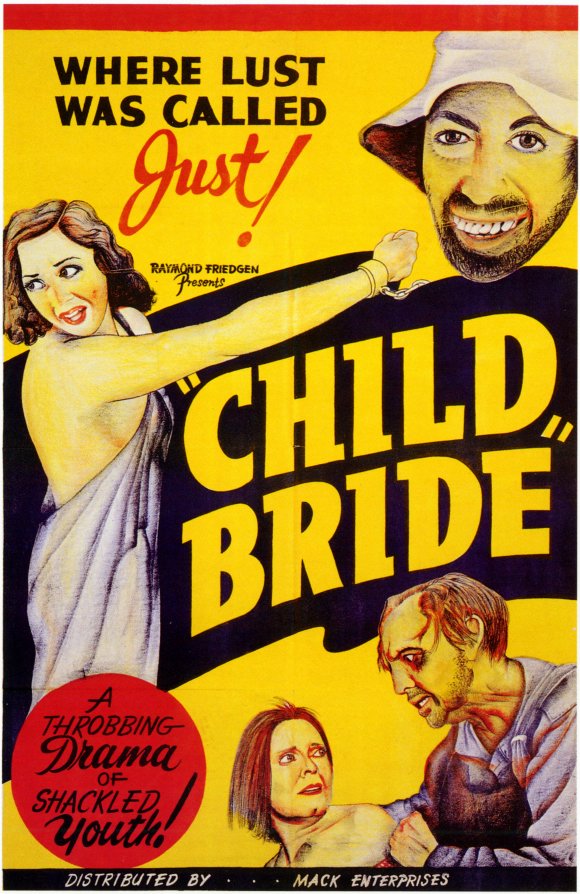
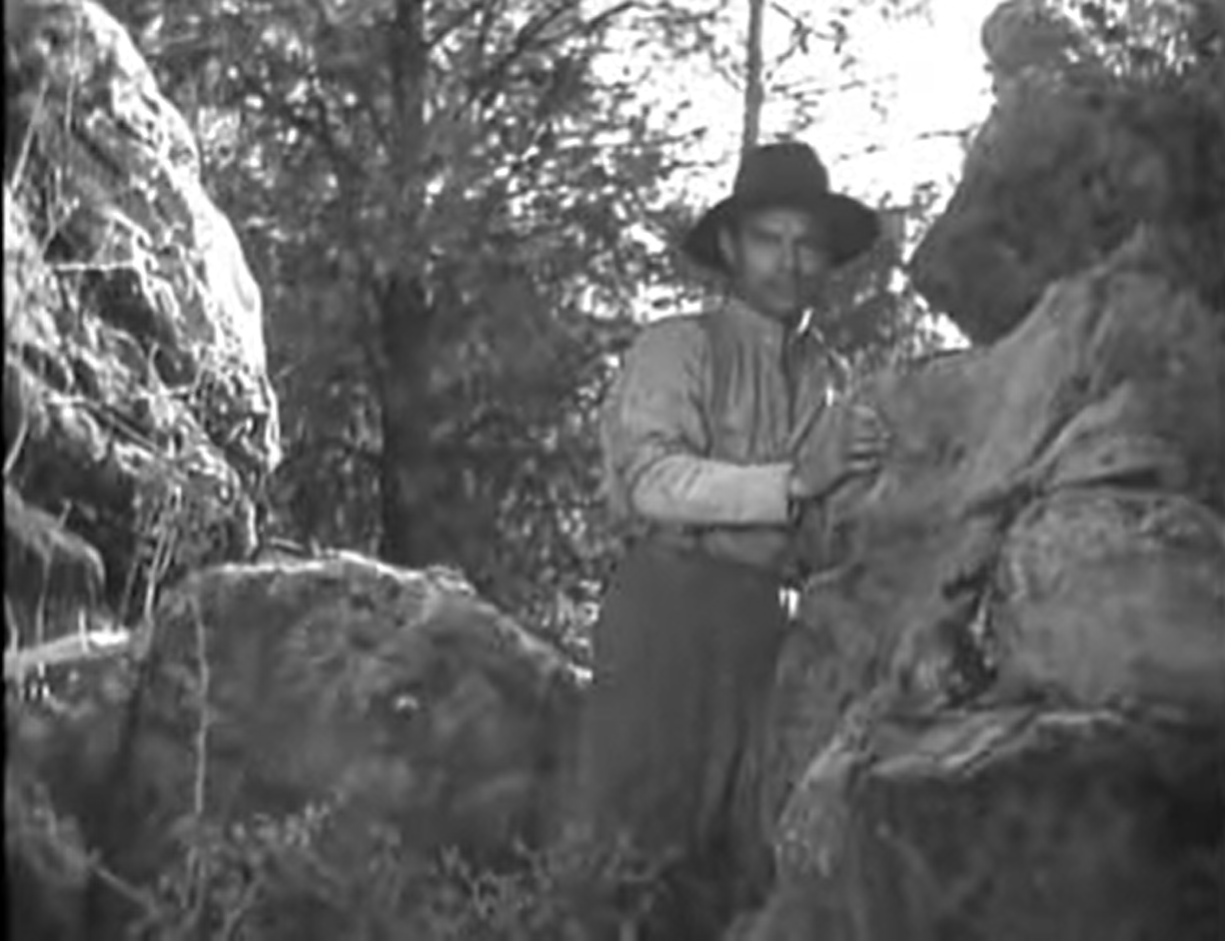
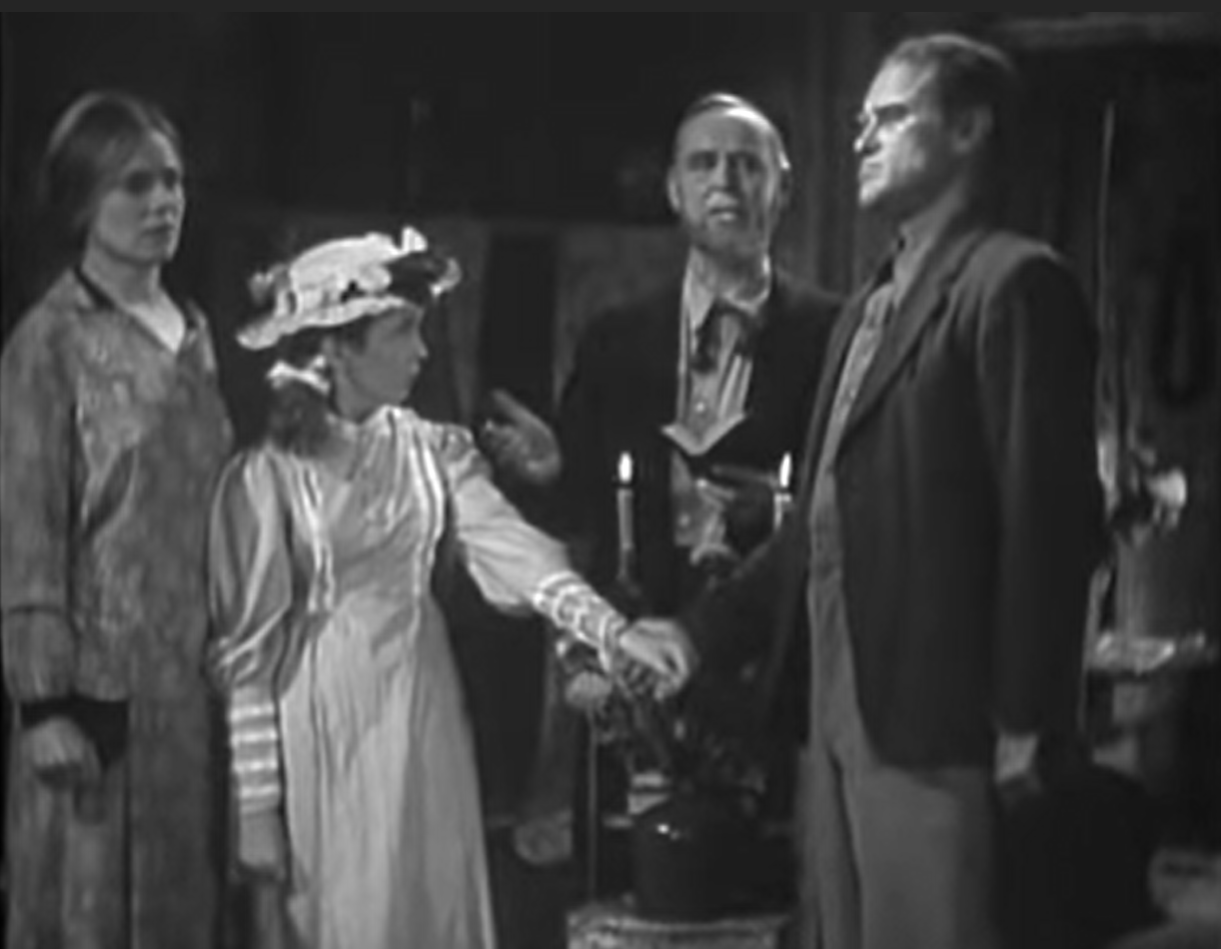
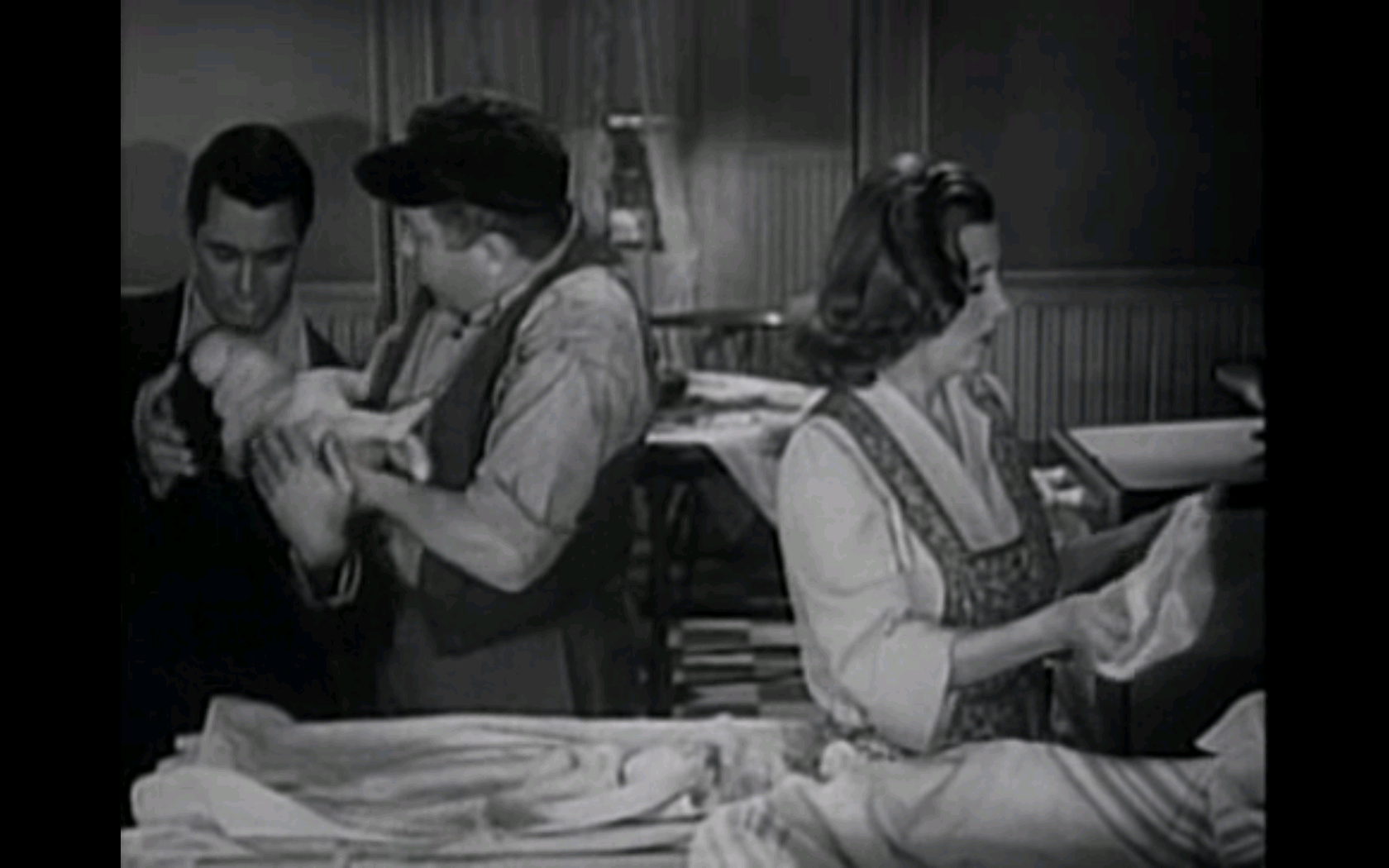
Response to Peary’s Review: A number of later scenes — such as sleazy Richmond “wooing” Mills by bringing her a stuffed doll — are equally disturbing. What Peary chooses to focus on his review, however, is the “extremely interesting character” of the teacher (Durrell), who is a “liberated woman in the sense that she has chosen her job and living alone over marriage to the man she loves”, and is “a crusader, willing to put herself on the line for her cause” (indeed, one particularly frightening scene shows her being kidnapped and nearly tarred and feathered by a group of angry men). Unfortunately, after her strong presence during the film’s exposition — in which she’s shown actually traveling “around talking to the men and women of Thunderhead Mountain” in an attempt to explain that child marriages have “ruined the lives of the females”: — she is largely absent, as the narrative shifts instead to the central plot involving wily Richmond’s manipulation into a marriage contract with young Mills. Yet her presence does indeed allow for some “unexpected feminism” in an otherwise “ridiculous” film — which, according to Peary, will keep you “constantly… amused and amazed”. Redeeming Qualities and Moments: Must See? Categories
Links: |
“What’s growing inside your womb isn’t a human being!”
|
Synopsis: |
|
Genres: Response to Peary’s Review: … and the sloppy script suffers badly from lapses in both coherence and logic. We’re shown little to nothing about Smith’s life as a “half-vampire”, for instance — we know he eats raw steak and drinks Chianti (most cinematic vampires seem conveniently capable of drinking red wine, by the way — perhaps simply because it looks like blood!), but what else goes into his daily existence as a mutant breed? And what’s up with the totally illogical ending? Unless you’re a diehard fan of the vampire genre, you can certainly feel free to skip this one. Redeeming Qualities and Moments: Must See? Links: |
“We don’t need each other anymore. When that happens to two people, there’s nothing left.”
“I dislike children intensely — and yours, if I may say so, have peculiarly repulsive habits and manners.”
|
Synopsis: |
|
Genres, Themes, Actors, and Directors:
Review: Given that Mr. Belvedere is decidedly asexual (or, depending on how you look at it, secretly “coded” as homosexual), the fact that the film’s storyline eventually hinges on Robert Young’s jealous suspicions that his wife is engaging in a romantic dalliance with her nanny is simply ludicrous. Yet such narrative quibbles are somehow easily forgiven, given the overall outlandish flavor of the screenplay — which eventually takes an unexpected twist that places the entire story in a new context. And Webb is given so many delicious lines to spout that it’s pure fun simply waiting to hear how he’ll handle the next one. Watch for an enjoyable supporting turn by British comedic actor Richard Haydn (who played a dramatically different character in Preminger’s Forever Amber the previous year). Note: This film (or rather, Webb’s impersonation as Mr. Belvedere) was so popular that two sequels — Mr. Belvedere Goes to College (1949) and Mr. Belvedere Rings the Bell (1951) — quickly followed; while they get half-hearted ratings, I’ll admit I’m smitten enough by Webb-as-Belvedere to want to check them out. UPDATE, 12/9/11: I recently watched Mr. Belvedere Goes to College (1949) on YouTube (some kind soul uploaded it there), and thought I would write a quick capsule review here (especially given that no reviews at all are linked to this obscure little title on IMDb). As expected, it’s not nearly as “complete” a comedy as Sitting Pretty, and certainly isn’t must-see viewing for film fanatics — but fans of Webb won’t regret checking it out. His “Lynn Belvedere” remains in peak form in the sequel, responding to the rhetorical question, “You’re not serious…?!” with a resolute, “I’m grim.” (Only HE could make that retort sound convincing!) The film’s title explains itself: given that his formal education apparently consisted of no more than “two revolting weeks of Kindergarten”, Belvedere decides — for reasons I can’t name without spoiling the first picture a bit — to finally get a college degree. This allows the filmmakers ample opportunity to expose the hazards of freshman hazing — to which, interestingly enough, Mr. Belvedere allows himself to be subjected (to a certain extent, anyway). Unfortunately, far too little time is actually spent on Belvedere’s travails in the classroom; NONE, actually (we simply see him reading books wherever he goes). Instead, a rather insipid subplot is allowed to dominate the proceedings, involving a would-be romance between a grown-up Shirley Temple (whose annoying character possesses a significant secret identity) and Tom Drake (of boy-next-door Meet Me in St. Louis fame); as might be expected, whenever this narrative takes center stage, things grind to a deadening halt. Enter Mr. Belvedere again, however, and one’s energies are immediately restored: he’s just THAT delightful. As Bosley Crowther laudingly describes him in his review for the New York Times, he’s “brilliantly, classically clever and often delightfully droll, but he is also profoundly earnest”; in sum, he’s “a fellow who knows himself thoroughly and who has the good sense to realize that modesty would be false”. Indeed. Redeeming Qualities and Moments:
Must See? Categories Links: |
“We can only get rid of the Nazis if we lose the war.”
|
Synopsis: |
|
Genres, Themes, Actors, and Directors:
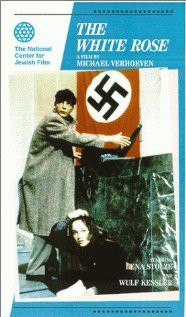
Review: Unlike in Sophie Scholl — which, as its name implies, is primarily concerned with showcasing the final days of Sophie herself — the screentime here is shared amongst a number of different White Rose protagonists, thus allowing us to learn a bit more about the group’s clandestine efforts to spread its urgent message. Through close attention to detail, the film effectively reminds us of the sobering truth, that during this infamous period of European history, one could lose one’s life for daring to write an anti-government missive — and that an act as simple as buying several dozen postage stamps could mark one immediately as a potential traitor to one’s country. Unfortunately, there are a few too many narrative threads hanging loose throughout the screenplay — such as a confusing subplot about Hans’s apparent romantic dalliances with two different women (Anja Kruse and Mechthild Reinders); but admirers of Sophie Scholl are sure to want to check out this essential cinematic counterpart, which fills in the gaps about an infamous, little told episode in German history. Redeeming Qualities and Moments: Must See? Links: |

“The princess was quite right: the name of Fontenoy was a magic word, the ‘Open Sesame’ of the war ministry.”
|
Synopsis: |
|
Genres, Themes, Actors, and Directors:
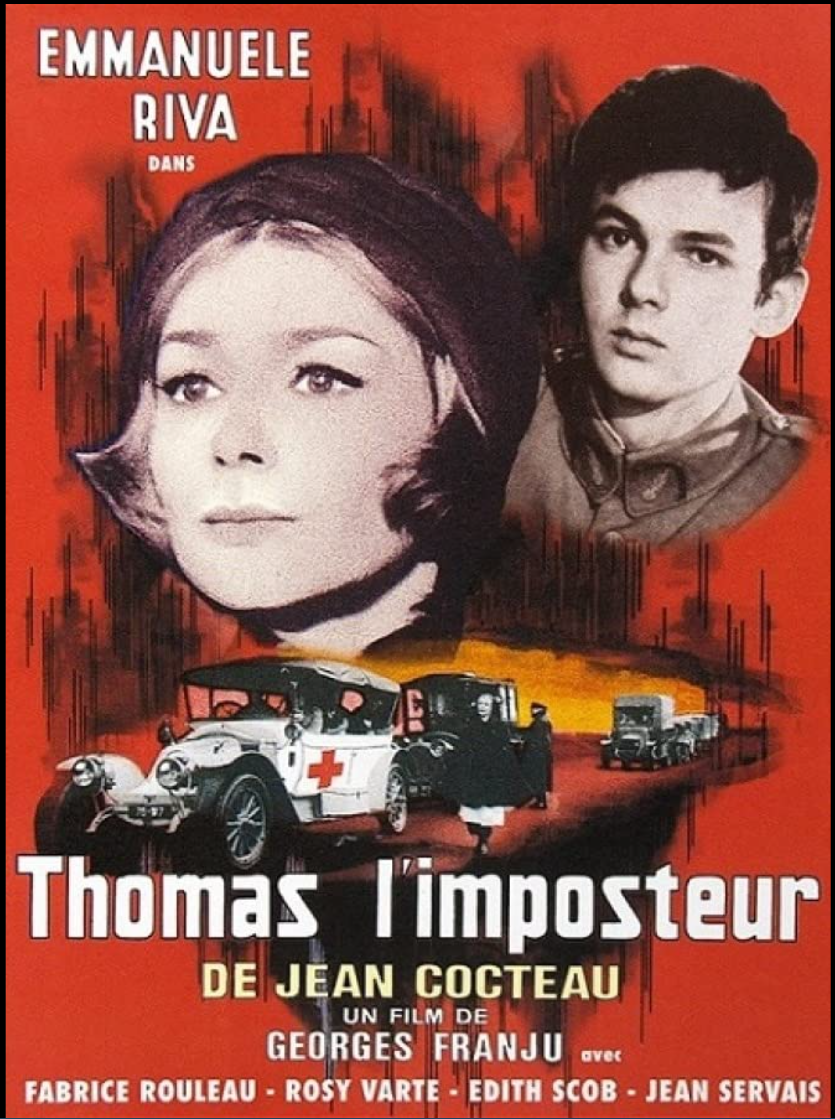
Review: Redeeming Qualities and Moments: Must See? Links: |

“No man is a failure who has friends.”
|
Synopsis: |
|

Genres, Themes, Actors, and Directors:
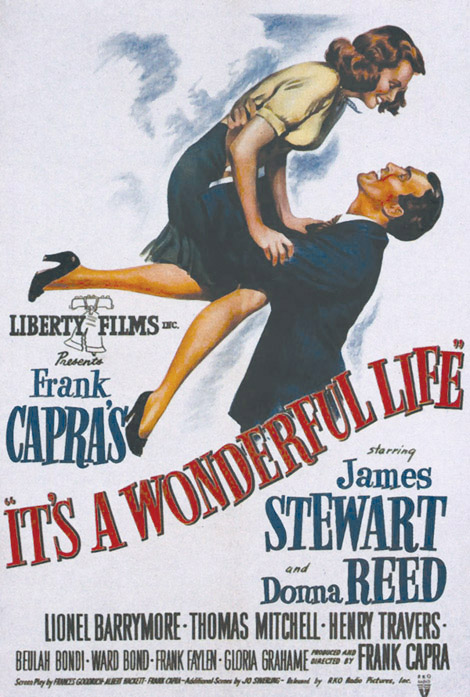
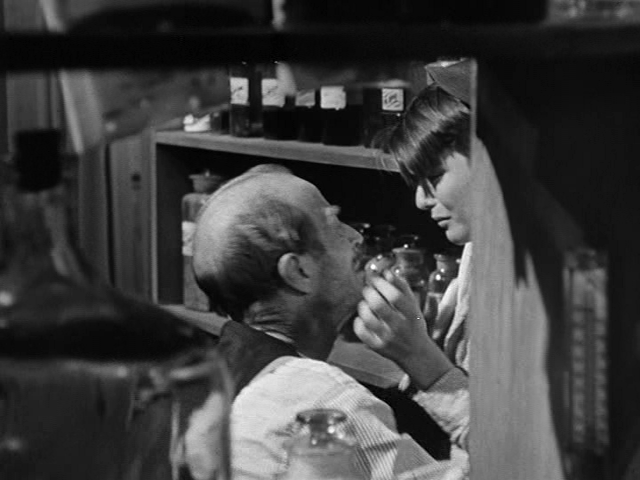
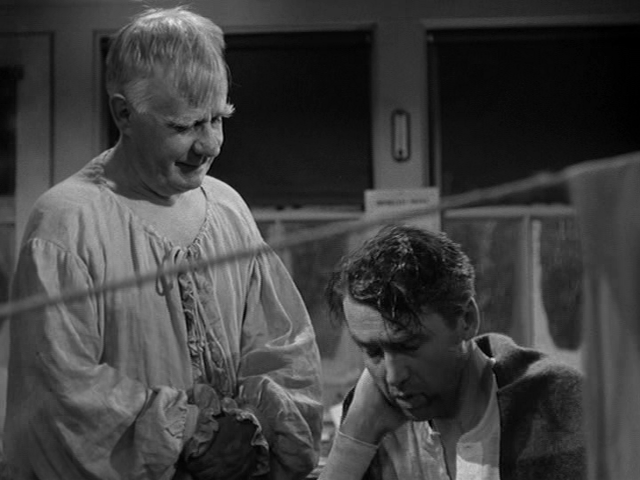
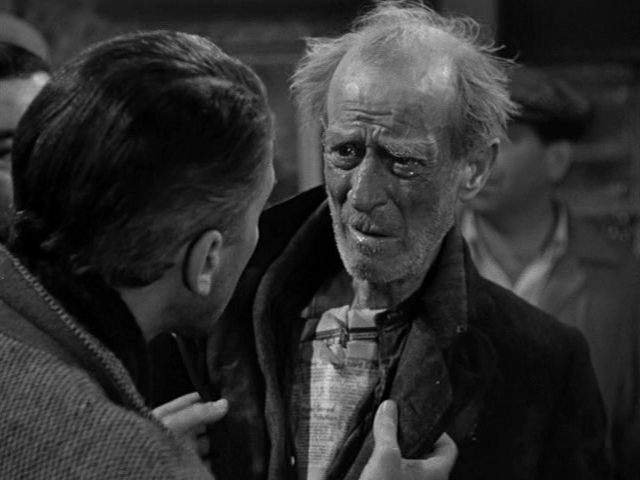
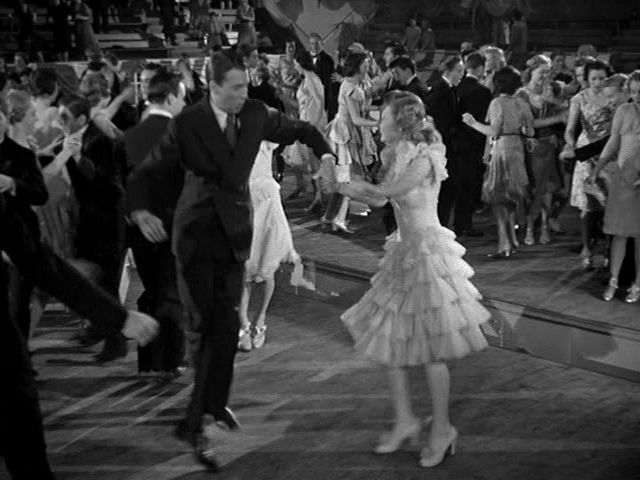
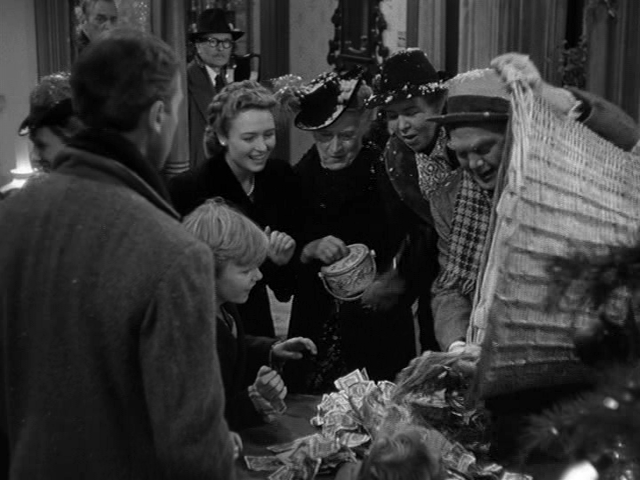
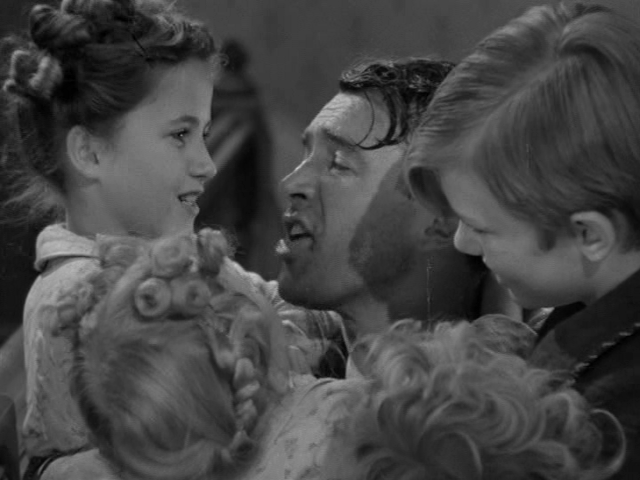
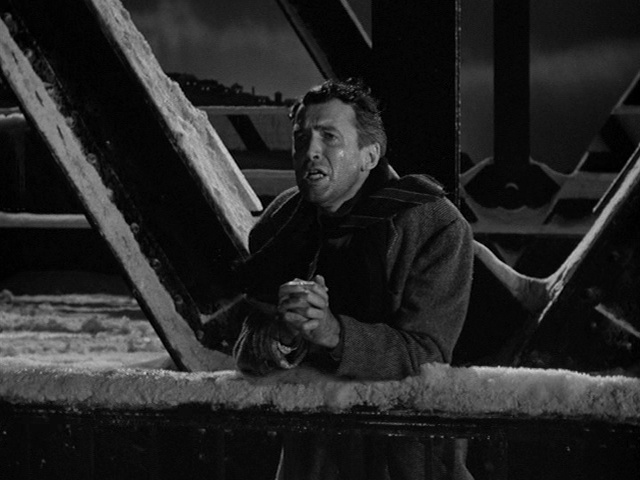
Response to Peary’s Review: To that end, as Peary notes, this was the film that finally allowed “Stewart to show how great an actor he was, as his character ranges from optimistic hick philosopher to the pessimistic postwar figure he’d play in Vertigo and [various] Anthony Mann westerns”. Stewart (who Peary names Best Actor of the Year in his Alternate Oscars book) never shies away from portraying George Bailey as a complex man with unmet needs. He “has sacrificed all his life for others’ happiness and security”, but not selflessly — rather, he fully recognizes that he’s had to give up on his own goal of traveling the world and living a life of adventure and discovery. We find our shoulders drooping in empathy as George is foiled time and again from actually leaving Bedford Falls; and yet each time, we understand why he makes the (sacrificial) choice he does. Indeed, as much of a fantasy as It’s a Wonderful Life is, it actually presents a very realistic view of the curveballs life throws out: who among us can’t remember a time when we’ve been forced by circumstances beyond our control (whether money, family, or something else entirely) to make a decision other than the one we most want for ourselves? And while it’s true that the “nightmarish sequence” in which George is shown “what a dreadful place Bedford Falls would have been without him” probably isn’t very realistic, it doesn’t need to be: it’s meant simply to help George realize “that every man makes a profound difference, and that a good man… can benefit countless people” in unimaginable ways. Stewart’s performance isn’t the only memorable one on display. Donna Reed takes the incredibly tricky role of Mary — someone who could easily be portrayed as merely a small-town “anchor” weighing George down — and turns her into someone we can’t help falling for ourselves; no wonder George decides to settle down and have a family with her. Travers is also “great” in another challenging role; he somehow manages to make us believe that guardian angels might actually exist. Meanwhile, there really are countless well-written (by Frances Goodrich and Albert Hackett) scenes and sequences scattered throughout the film, too many to name — though I must call out one early scene in particular (in which young George [Bobbie Anderson] prevents his employer [H.B. Warner] from making a fatal mistake while preparing a prescription for a family) as an emotionally loaded favorite. The story neatly builds to its celebrated finale, which is guaranteed to have you all choked up. Indeed, you’ll be surprised by how sincerely effective this notorious “Capra-corn” really is. Redeeming Qualities and Moments:
Must See? Categories
(Listed in 1001 Movies You Must See Before You Die) Links: |