Plaisir, Le / House of Pleasure (1952)

Plaisir, Le / House of Pleasure (1952)

“Happiness is not a joyful thing.”

Synopsis:
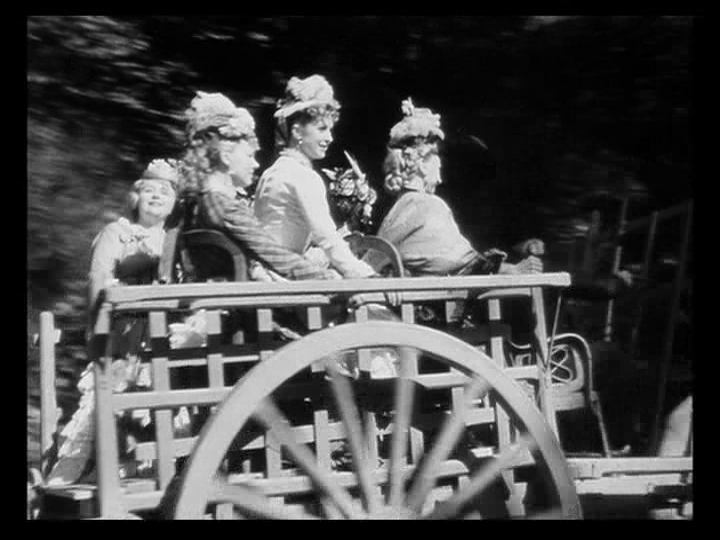
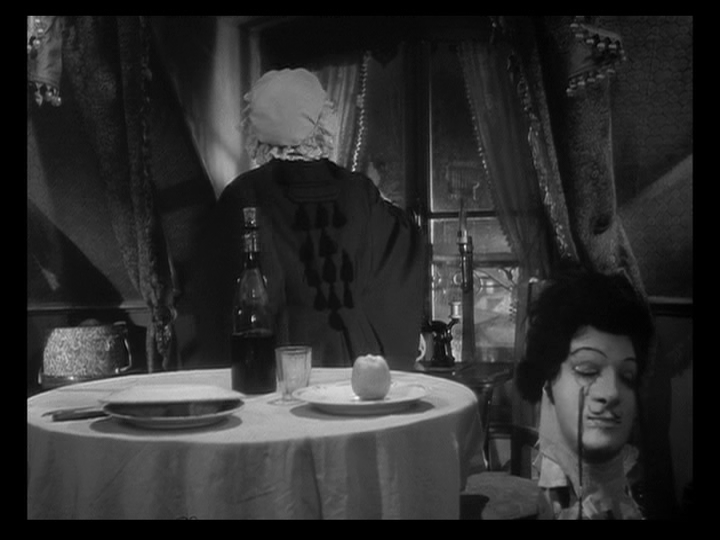
Guy de Maupassant (Jean Servais) narrates three of his loosely related stories: in “Le Masque”, a dandy (Paul Azais) in a full-face mask collapses on the floor during a ball and is taken home to his wife (Gaby Morlay); in “La Maison Tellier”, a madam (Madeleine Renaud) whose brother (Jean Gabin) and niece (Jocelyn Jany) live in the countryside takes her employees (Ginette Leclerc, Mila Parely, Danielle Darrieux, Amedee, Mathilde Casadesus, and Paulette Dubost) on a trip to see Jany’s First Communion; and in “Le Modele”, an artist (Daniel Gelin) falls madly, tragically in love with a model (Simone Simon).

Genres, Themes, Actors, and Directors:

  • Artists
  • Danielle Darrieux Films
  • Episodic Films
  • French Films
  • Historical Drama
  • Jean Gabin Films
  • Max Ophuls Films
  • Prostitutes and Gigolos
  • Strong Females

Response to Peary’s Review:
As Peary writes, the three episodes in this adaptation of Guy de Maupassant’s stories “all deal with the pursuit of pleasure (not necessarily happiness) and show how women of the heart (be they wives, dancing partners, lovers, or prostitutes) are essential to the stability of men.” He notes that the middle episode “is charming, full of the festivity, exuberance, and emotion that characterize Ophuls’s best work.”

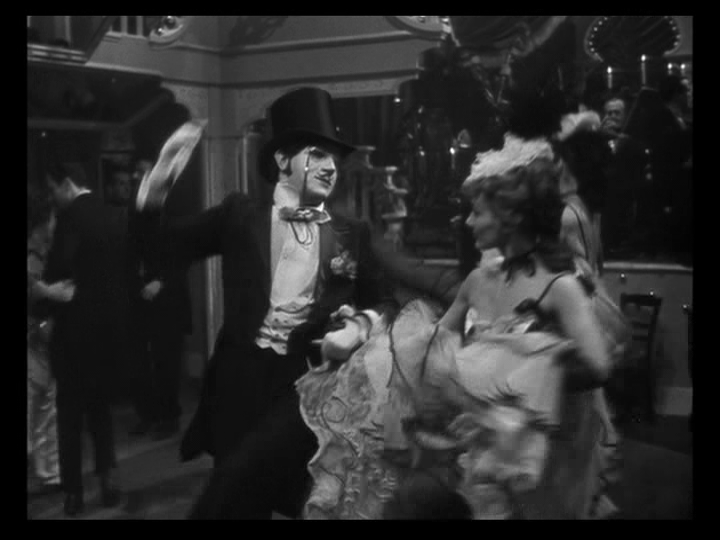
However, he argues that “the other two segments are disappointing, flimsy, and — except for the wondrous interplay between Ophuls’s moving camera and the high-kicking, spinning dancers in the ball sequence of ‘The Mask’ — flatly directed.”

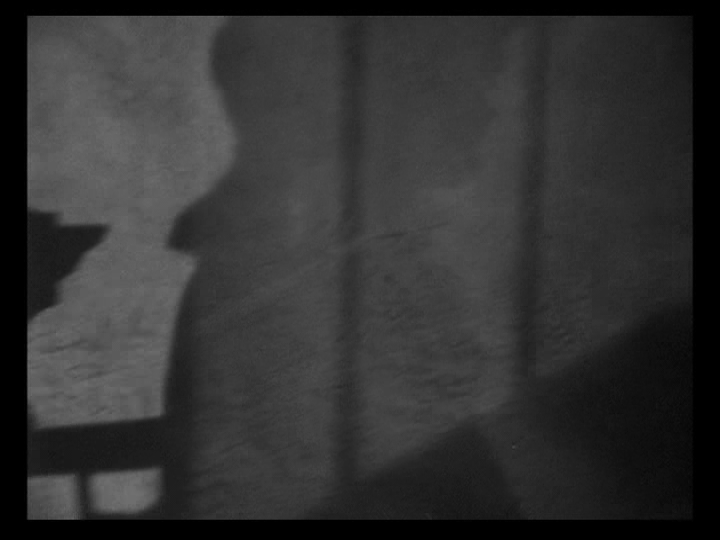
It’s hard to see how Peary could possibly make this claim, given that every single scene and sequence of this film is innovative in its direction. What’s less captivating overall (for me) are the stories themselves, which eventually build to a sense of coherence — pleasure always comes at a cost — but are not necessarily narratively compelling. With that said, it’s impossible to keep one’s eyes off of Ophuls’s prowess throughout this film: his camera is (almost) never not on the move, and it boggles the mind how many seamless tracking shots he manages to include, from the whirling opening sequences of the ball:

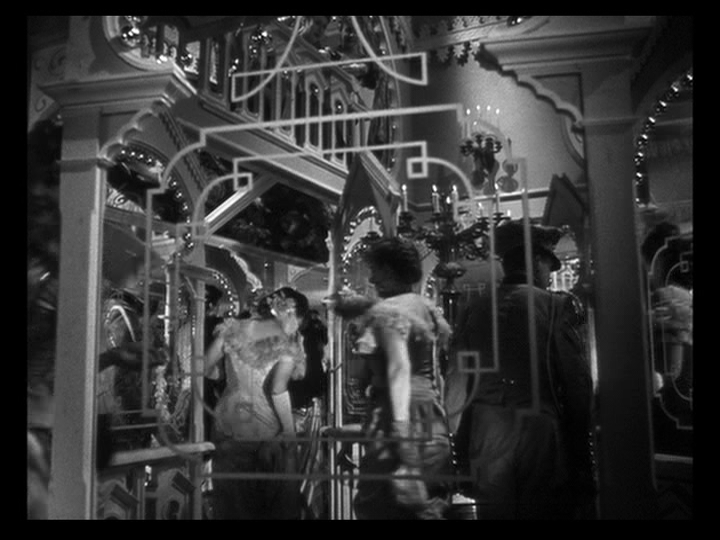
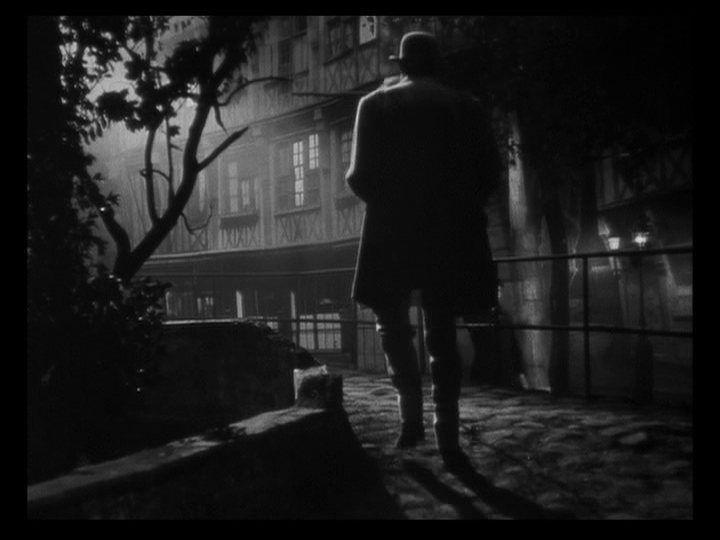
… to the extended sequence showing Renaud closing up her “house” for the night (significantly, we’re never allowed inside, instead simply watching everything from a distance, often through constructed barriers):

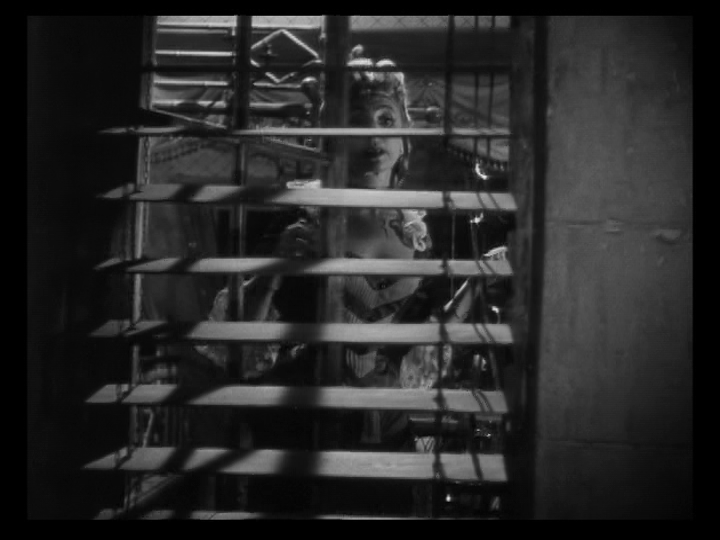
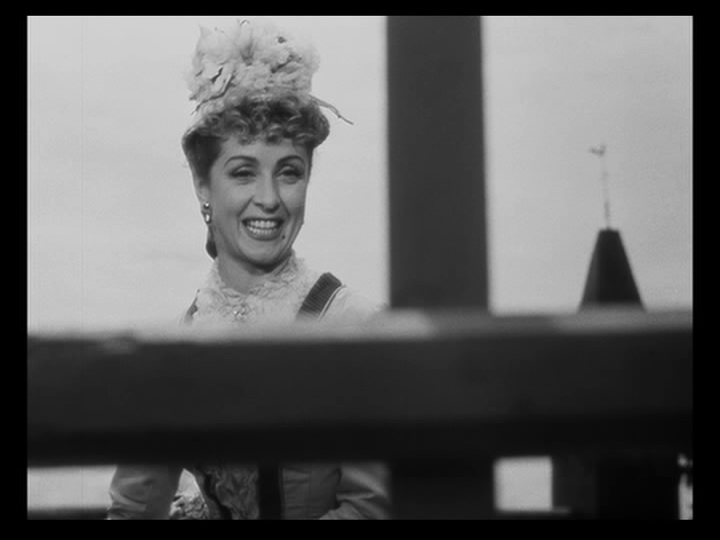
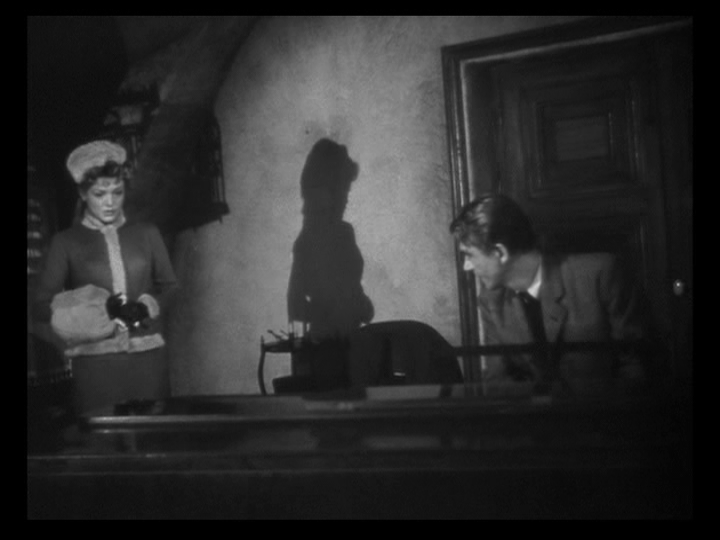
… to the devastating next-to-last sequence, shown from a woman’s point of view:

While this isn’t Ophuls’s best film, it’s well worth a look by all film fanatics simply to see his brilliance at work.

Notable Performances, Qualities, and Moments:

  • Ophuls’ incomparable camerawork


Must See?
Yes, once, for its masterful camerawork.

Categories

  • Important Director

Links:

Angels Hard As They Come (1971)

Angels Hard As They Come (1971)

“What works is what’s right.”

Synopsis:
Three members of the Angels motorcycle gang — Long John (Scott Glenn), Juicer (Don Carrara), and Monk (James Iglehart) — are invited by the head of the Dragons (Charles Dierkop) to meet up at a ghost town where some hippies — including beautiful Astrid (Gilda Texter) and well-meaning Henry (Gary Busey) — live; but when tragedy ensues that night, the Angels and Dragons become caught in an increasingly violent feud.

Genres, Themes, Actors, and Directors:

  • Counterculture
  • Gangs
  • Gary Busey Films
  • Jonathan Demme Films
  • Motorcyclists
  • Scott Glenn Films

Review:
Before beginning his directing career, Jonathan Demme co-wrote and produced this biker exploitation flick for Roger Corman’s New World Pictures. Demme apparently thought he and director/co-writer Joe Viola were making something akin to Rashomon (1950), which it’s difficult to see. Rather, this simply resembles a brutal western, with most of the film taking place in a ghost town and motorcycles replacing horses:

A scene in which the Dragons torture the Angels by tying them to ropes behind their motorcycles and dragging them along in the dirt:

… even brings to mind a scene from a specific western, Anthony Mann’s The Man From Laramie (1955). With that said, there’s not much to recommend about this flick; it was made to bring in audiences, and it shows. I’m fairly certain Peary lists it in his GFTFF simply given Demme’s involvement. However, film fanatics may be mildly curious to see a couple of big-name stars in early roles, including Glenn as “Long John”:

… and Busey as the hippie Henry.

Notable Performances, Qualities, and Moments:

  • A semi-decent script for an exploitation flick

Must See?
No. Listed as a Cult Movie in the back of Peary’s book.

Links:

Rebel Rousers, The (1970)

Rebel Rousers, The (1970)

“We don’t need your type of people in this town.”

Synopsis:
A man (Cameron Mitchell) visiting his pregnant girlfriend (Diane Ladd) in a seaside town runs into a former high school friend (Bruce Dern) who leads a rebel biker gang, and the couple soon find their lives in danger.

Genres, Themes, Actors, and Directors:

  • Bruce Dern Films
  • Cameron Mitchell Films
  • Diane Ladd Films
  • Gangsters
  • Harry Dean Stanton Films
  • Jack Nicholson Films
  • Motorcyclists

Review:
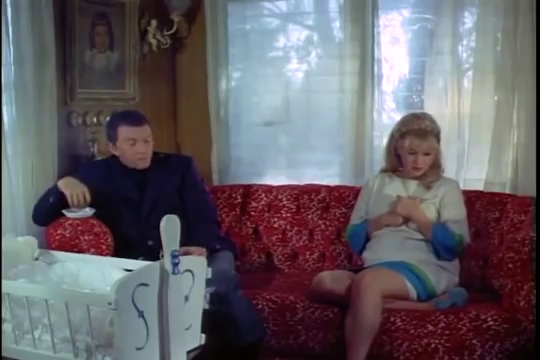
Following directly on the heels of The Wild Angels (1967) — also co-starring Diane Ladd and Bruce Dern — this biker exploitation flick was made in 1967 but not released until 1970, when the success of Easy Rider (1969) brought the biker sub-genre to mainstream consciousness. Writer-director Martin B. Cohen — collaborating with screenwriters Michael Kars and Abe Polsky (best known for scripting The Baby [1973]) — manages to present a truly terrible movie, one which rambles in both tone and focus and is a slog to sit through. The drama between Ladd and Mitchell, in terms of whether Ladd will keep her baby (she wants to) and allow Mitchell to marry her:

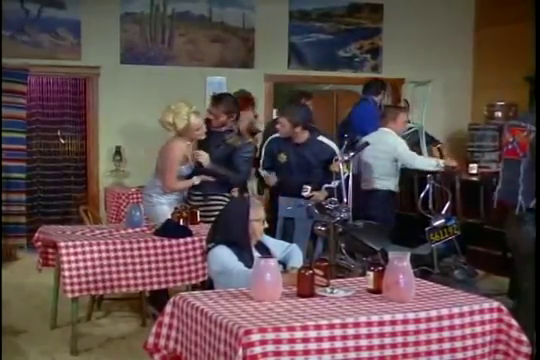
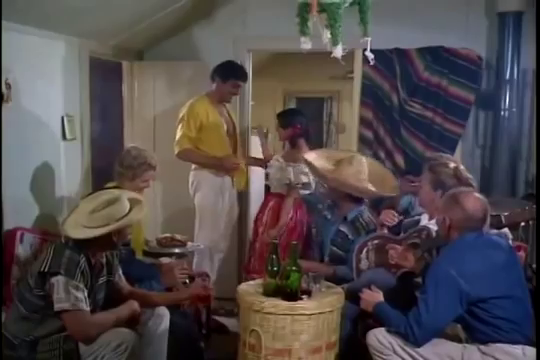
… is merely a convenient subplot to put likable characters in harm’s way. Meanwhile, Mitchell’s former friendship with Dern is loose at best, serving no purpose other than to humanize Dern (slightly) by the end. The bulk of the film focuses on showing the bikers wreaking havoc, first in a bar:

… and later down on a beach, where they are going to race each other for the “privilege” of raping Ladd (do they not notice her advanced pregnancy, or not care?):

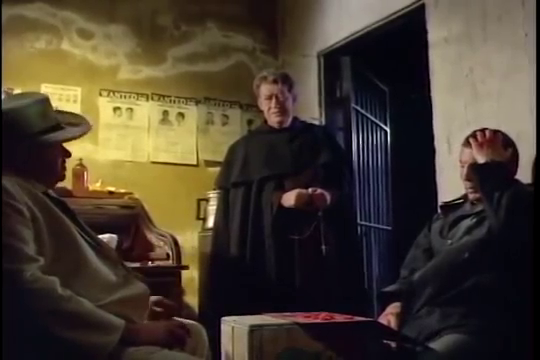
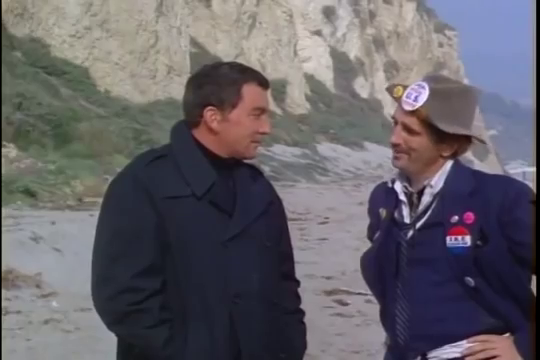
After being badly beaten, Mitchell goes into town to try to get help, only to find that local law enforcement is “laughably” ineffective:

At least he finds one individual (Robert Dix) willing to step up when his beautiful daughter accidentally wanders into the bikers’ trap.

I guess viewers enjoyed seeing motorcycles roaring along pristine natural landscapes:

… but this entire mess mostly comes across like an improvised quickie meant to pass screentime, nothing more. Watch (if you’d like) for Harry Dean Stanton in a supporting role as well.

Notable Performances, Qualities, and Moments:

  • Laszlo Kovacs’s (co)-cinematography

Must See?
Nope; skip this one unless you absolutely must see every early film Nicholson ever appeared in.

Links:

Satan’s Sadists (1969)

Satan’s Sadists (1969)

“I guess I can thank the Marines for teaching me how to survive — how to stay alive.”

Synopsis:
A group of outlaw bikers — Firewater (John ‘Bud’ Cardos), Acid (Greydon Clark), Muscle (William Bonner), Willie (Robert Dix), Romeo (Bobby Clark), Gina (Regina Carrol), and their leader, Anchor (Russ Tamblyn) — terrorize and kill a young couple, then move on to a diner where they take its owner (Kent Taylor) and waitress (Jacqulin Cole), as well as three customers — an ex-cop (Scott Brady) and his wife (Evelyn Frank) and a Vietnam vet (Gary Kent) — hostage in the desert, eventually running into a trio of geology students (Yvonne Stewart, Cheryl Anne, and Bambi Alen) as well. Who will survive in the arid wilderness?

Genres, Themes, Actors, and Directors:

  • Deserts
  • Motorcyclists
  • Russ Tamblyn Films
  • Veterans

Review:
Peary lists two films by notorious schlockmeister Al Adamson in his GFTFF: Nurse Sherri (1978) and this earlier biker outlaw flick, which followed fast on the heels of Easy Rider (1969) and clearly took some visual inspiration from it:

That’s Russ Tamblyn there behind the shades, and it’s appropriate to feel sorry for his terrible choice in starring in this flick. (Perhaps his embarrassment is why he spends so much time in a floppy hat covering much of his face.)

Cole earns my personal vote for giving the most vacuous female throwaway performance I can recall in recent years:

“I want to go to a big city and meet somebody important and get married.”

Meanwhile, Anchor’s “mama” (Carrol) is so obsessively in love with him — and so willing to denigrate herself for him in any way possible — that we can’t help at least feeling at least a little thrilled by the creative way she finally takes matters into her own hands:

Note: This film has the “distinction” of being (perhaps) the first movie to show someone dying by having their head held down a toilet; nice.

Notable Performances, Qualities, and Moments:

  • Effective use of desert locations

Must See?
Nope. Listed as Trash in the back of Peary’s book.

Links:

Panique (1946)

Panique (1946)

“You don’t need a fortune teller to know the future.”

Synopsis:
Shortly after a maid is found murdered in a small town, a recently released prisoner (Viviane Romance) who took the rap for her boyfriend (Max Dalvan) meets up with him and learns he is the murderer — but when an eccentric local (Michel Simon) with a crush on Romance is marked as the likeliest suspect, Romance is torn between love for Dalvan and her conscience.

Genres, Themes, Actors, and Directors:

  • Carnivals and Circuses
  • Ex-Cons
  • Falsely Accused
  • Femmes Fatales
  • French Films
  • Julien Duvivier Films

Review:
Julien Duvivier is a lesser-known yet distinctive French director who made a few notable classic films — specifically Pepe Le Moko (1937) and, after his return from working in America during the World War II years, this adaptation of Georges Simenon’s 1933 novel about a socially ostracized peeping Tom who falls for a duplicitous female.

Romance is excellent playing an unconventional femme fatale — a woman whose deep and abiding love for a criminal overpowers her growing recognition of his sociopathic nature:

Indeed, we’re kept in authentic suspense throughout about whether she’ll stick with Dalvan or be swayed by sympathy for Simon. Simon, meanwhile, is perfectly cast as a self-professed loner — a man who, in addition to ordering an “extra bloody” pork loin from the butcher, admits things like, “I never chat with anyone,” “I’m always alone,” “I never vote,” and “I don’t like men.” When he opens up to Romance about his past, we learn that Simon’s mother “always preferred his brother” (who was “better-looking”), and that “at school, in the army, and at college, [he] was always excluded.” As he explains, “I didn’t choose a life of solitude — others just avoided me.”

Indeed, it’s clear from the get-go that the deck is stacked against Monsieur Hire (Simon), who will inevitably be forced to take the blame for a crime he didn’t commit. Meanwhile, parallels between this film’s storyline and the persecution of Jews and other “undesirables” during the war couldn’t be clearer (especially when Hire is asked his full name and he shares that Hire is short for “Hirovitch”). The strategic inclusion of a carnival taking place throughout the entire narrative adds to a heightened sense of Hire being put on display for the town’s viewing pleasure.

Duvivier — who co-wrote the screenplay with Charles Spaak — expertly moves us from scene to scene, beginning with the shocking discovery of a body, and culminating with a King Kong-inspired cliffhanger ending. This one remains well worth a look.

Notable Performances, Qualities, and Moments:

  • Michel Simon as Monsieur Hire
  • Viviane Romance as Alice
  • Atmopheric direction and cinematography
  • A chilling portrait of group-think and mob violence

Must See?
Yes, as a still-gripping foreign noir.

Categories

  • Foreign Gem

Links:

Pepe Le Moko (1937)

Pepe Le Moko (1937)

“Arresting Pepe in a place like the Casbah isn’t child’s play.”

Synopsis:
When legendary thief Pepe Le Moko (Jean Gabin) — hiding in the corridors of the Algerian Casbah — meets and falls in love with a glamorous Parisienne (Mireille Balin), a trailing detective (Lucas Gridoux) finds it much easier to set a trap for him.

Genres, Themes, Actors, and Directors:

  • Detectives and Private Eyes
  • French Films
  • Jean Gabin Films
  • Julien Duvivier Films
  • Romance
  • Thieves and Criminals

Response to Peary’s Review:
Peary asserts that while it’s “not as exotic as Algiers, the American remake starring Charles Boyer… and Hedy Lamarr,” this “great cinema romance” by Julien Duvivier is “a much better film.” He writes that “Jean Gabin is so naturally charismatic, suave, and charming that we tend to overlook that he’s not a nice guy.”

Indeed, “he treats his loyal native girlfriend Ines (Line Noro) like disposable trash”:

… and “he not only fails to protect his youngest gang member (Gilbert Gil)”:

… “but also sends his most trusting friend (Gabriel Gabrio) on a fool’s errand that gets him arrested.” However, “we don’t find him immoral, just as we find nothing objectionable about Gaby (Mireille Balin), the beautiful Parisian woman with whom he has an affair”:

… adding, “We find that their love for each other transcends past trangressions and we root for their happiness.” Peary points out that Duvivier’s direction “is the best of his career,” with “his camera… very mobile:

… and some of the finest moments occur[ring] when he moves away from his characters’ faces and focuses on Pepe’s shoes, Gaby’s jewelry, or other props.” He notes that in his “favorite scene the director has Tania (Frehel), a chubby, poor, middle-aged woman, tearfully and beautifully sing along with the moving French torch song.”

What film fanatics will most appreciate about this film, however, is its enormously atmospheric sets and “poetic realism”: one really feels immersed in the stylized universe of the Casbah, and can understand the tensions Pepe faces between staying safely “protected” versus venturing back out into the wider world.

Notable Performances, Qualities, and Moments:

  • Jean Gabin as Pepe
  • Highly atmospheric cinematography and sets

Must See?
Yes, once, for its historical relevance as a fine example of French poetic realism.

Categories

  • Foreign Gem

(Listed in 1001 Movies You Must See Before You Die)

Links:

Saturday Night and Sunday Morning (1960)

Saturday Night and Sunday Morning (1960)

“What I’m out for is a good time; all the rest is propaganda.”

Synopsis:
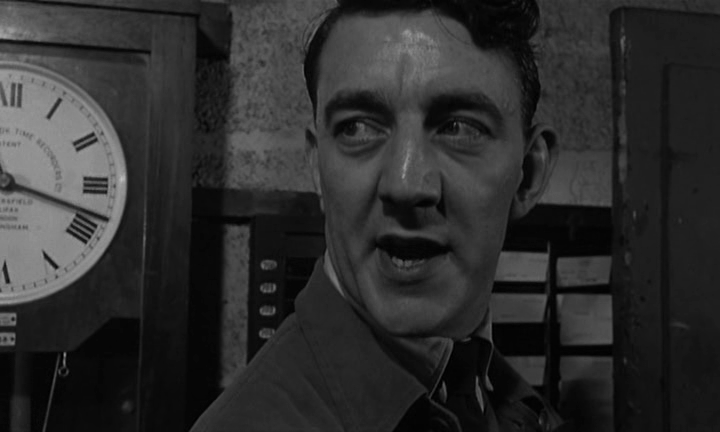
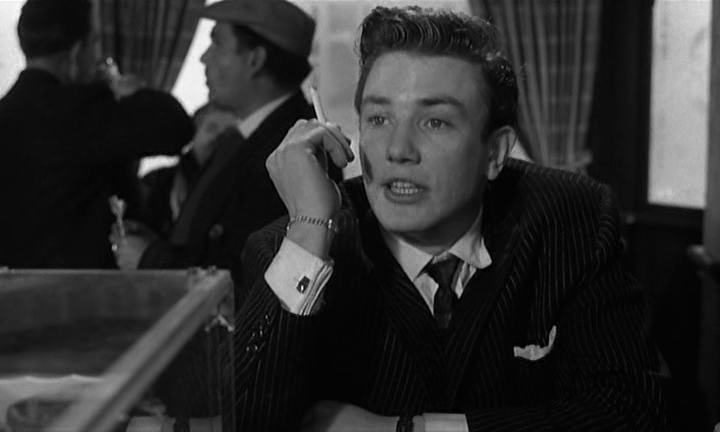
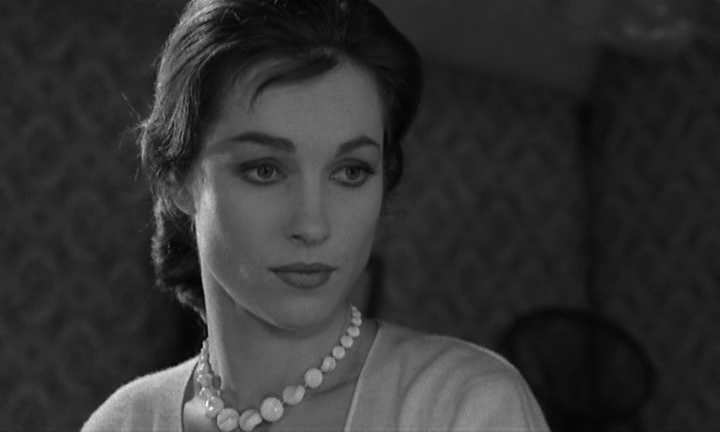
A rebellious lathe worker (Albert Finney) having an affair with the wife (Rachel Roberts) of his clueless co-worker (Bryan Pringle) falls for a beautiful young girl (Shirley Anne Field) who won’t sleep with him unless he’s ready to commit.

Genres, Themes, Actors, and Directors:

  • Albert Finney Films
  • Infidelity
  • Karel Reisz Films
  • Love Triangle
  • Shirley Anne Field Films

Review:
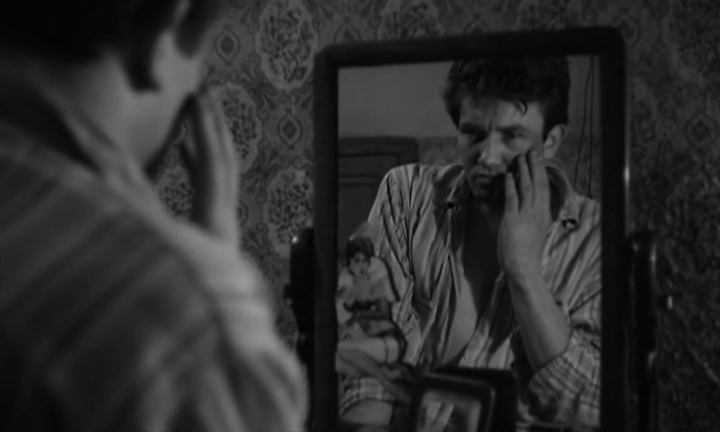
Karel Reisz directed and Tony Richardson produced this adaptation of Alan Sillitoe’s novel, part of the new wave of “kitchen sink realism” hitting British cinema in the late 1950s and early 1960s. It’s notable for Finney’s breakthrough role as a philandering cad who at least stays true to his own morals and priorities throughout; as he describes himself: “I’m a fighting pit prop that wants a pint of beer, that’s me… I’m me and nobody else. Whatever people say I am, that’s what I’m not because they don’t know a bloody thing about me! God knows what I am.”

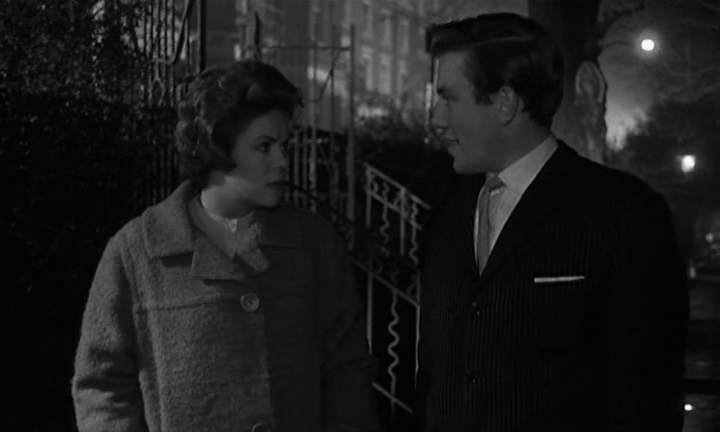
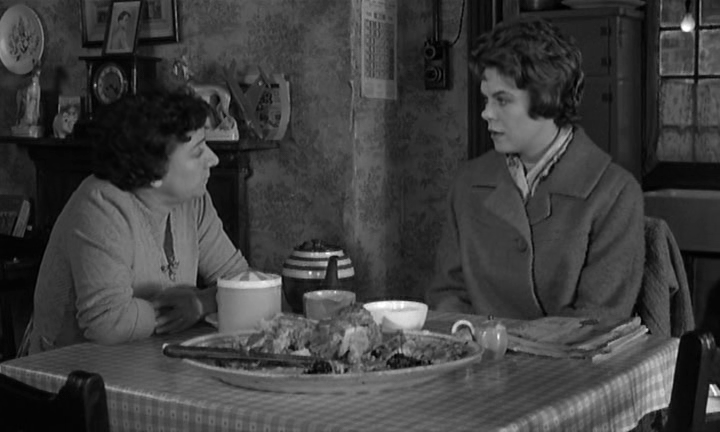
To its credit, the script doesn’t glorify or gloss over any aspects of Arthur’s existence: he works hard and gladly provides money to his household, understanding that this is an important part of his identity; and when he learns about the predicament he and Roberts have landed in, they are both shown as multi-faceted adults facing the consequences of their actions.

A later interaction between Finney and Pringle also strikes one as unexpectedly and refreshingly honest.

This film remains well worth a look both for Finney and Roberts’ performances, and as a fine example of the “angry young men” genre.

Notable Performances, Qualities, and Moments:

  • Albert Finney as Arthur (nominated by Peary as one of the Best Actors of the Year in his Alternate Oscars)
  • Rachel Roberts as Brenda
  • Freddie Francis’s cinematography

  • John Dankworth’s score

Must See?
Yes, for the lead performances and its historical relevance. Listed as a movie with Historical Importance and a Personal Recommendation in the back of Peary’s book.

Categories

  • Historically Relevant
  • Noteworthy Performance(s)

(Listed in 1001 Movies You Must See Before You Die)

Links:

Look Back in Anger (1959)

Look Back in Anger (1959)

“What do you really want, Jimmy?”

Synopsis:
A trumpet-playing candy stand owner (Richard Burton) living with his friend (Gary Raymond) quibbles with his newly pregnant wife (Mary Ure) when her friend (Claire Bloom) comes to stay, causing additional tensions in their cramped household.

Genres, Themes, Actors, and Directors:

  • Claire Bloom Films
  • Cross-Class Romance
  • Domestic Abuse
  • Donald Pleasence Films
  • Love Triangle
  • Marital Problems
  • Play Adaptations
  • Richard Burton Films
  • Tony Richardson Films

Review:
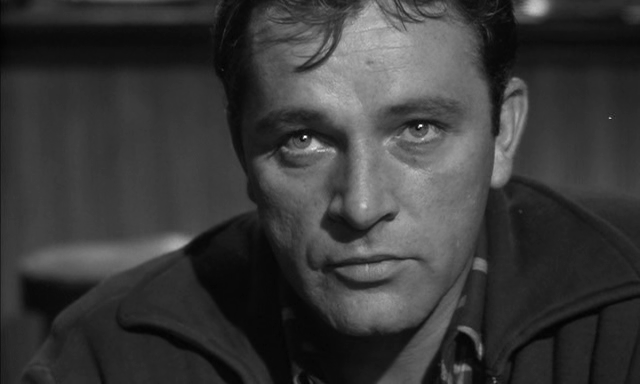
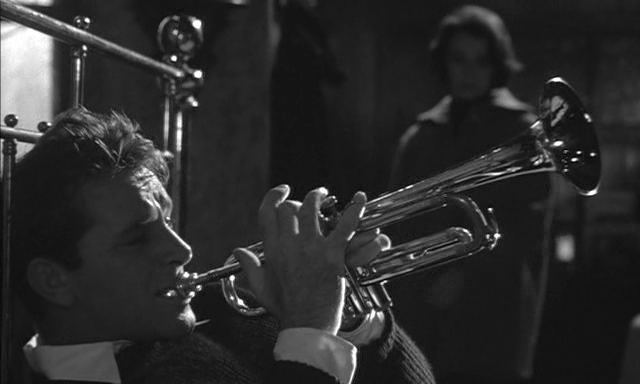
Tony Richardson’s big-screen feature directorial debut was this adaptation of John Osborne’s 1956 play about a troubled marriage between a working-class vendor and his upper-class wife, notable for launching the term “angry young men”. The problem is, we’re not given a reason to understand or care about Burton’s “angry young man”, Jimmy:

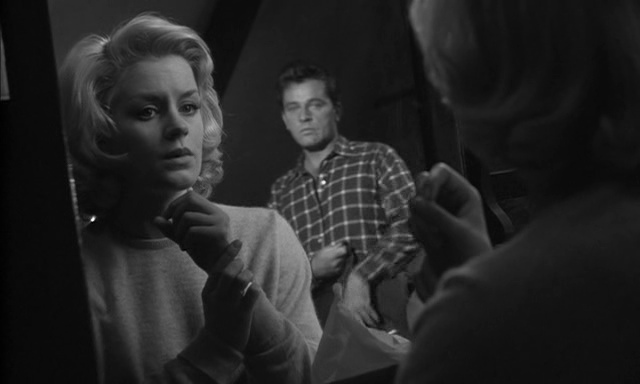
… who seems to think the world is fascinated by his brooding snarl and wailing trumpet. Instead, we simply see him acting in an abusive way towards his wife (is she meant to be blamed for her entire class?):

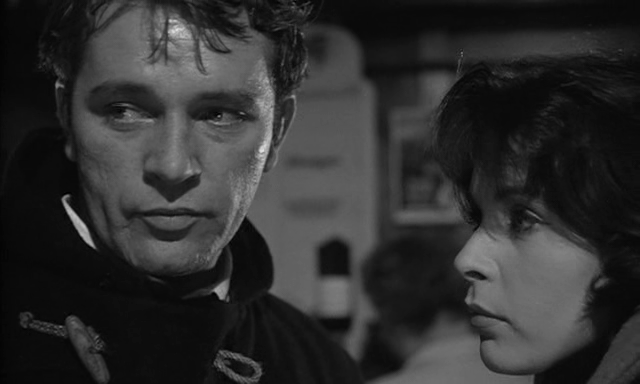
… and towards her friend (Bloom), who promptly falls in love with him herself once Ure has left (?!).

And what, exactly, is the deal with Raymond, who simply lurks around the edges of the storyline without much to do except serve as a sympathetic listening ear or comedic ally for Burton?

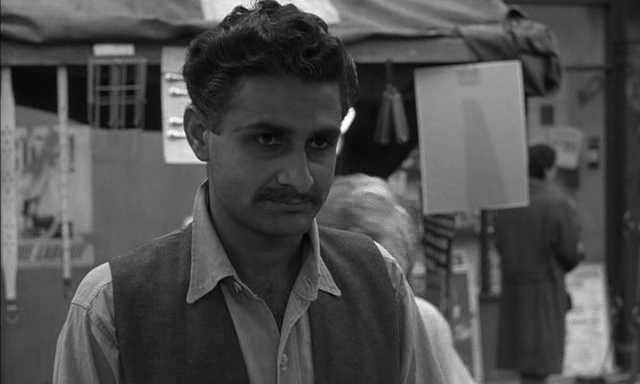
A subplot about an Indian vendor (S.P. Kapoor) enduring racist slander and bullying is far more interesting than anything else going on:

… but barely given any screentime, other than to showcase Donald Pleasence in an early supporting role:

Ultimately, I have very little patience for women who put up with childish, abusive, snivelling men — and since we’re forced to watch not one but two such women here, I don’t find much to appreciate about this tale.

Notable Performances, Qualities, and Moments:

  • Oswald Morris’s cinematography

Must See?
No, though I suppose it’s worth a look for its historical significance.

Links:

Loneliness of the Long Distance Runner, The / Rebel With a Cause (1962)

Loneliness of the Long Distance Runner, The / Rebel With a Cause (1962)

“It pays to play the governor’s game here.”

Synopsis:
A working-class British teenager (Tom Courtenay) serving time in a reformatory is encouraged by its director (Michael Redgrave) to develop his passion for long-distance running, and spends time during his runs reflecting back on the troubled past that led him to his incarceration.

Genres, Themes, Actors, and Directors:

  • Class Relations
  • Flashback Films
  • Juvenile Delinquents
  • Michael Redgrave Films
  • Tom Courtenay Films
  • Tony Richardson Films

Response to Peary’s Review:
Peary is less than enamored with this “Kitchen Sink Drama” by director Tony Richardson — based on Alan Sillitoe’s short story — which portray’s Courtenay’s Colin Smith as “one of the many angry men of the British working-class cinema of the day.”

Peary points out that we see yet “another bleak view… of British working-class society” in, for instance, Smith’s resentment of “his shrewish mother (Avis Bunnage) frittering away his dead father’s insurance money, then kicking him out until he could contribute some money himself.”


At least in addition to reflecting back on “his dreary home life” and “being beaten by a policeman,” we’re also shown Smith thinking about “his moments of escape with his girlfriend” (Topsy Jane):

With that said, I wish we were given more context about how and why Courtenay turns to a life of petty crime; as Peary writes, “Smith’s reasons for his defiance should be clearer and have to do with his developing an understanding of society and authority.” However, I disagree with Peary’s assertion that “we have to understand better why he relates the governor to his past life” — to me, it’s crystal clear that Redgrave’s “pompous, paternalistic” arrogance epitomizes everything Smith loathes about the unfair class system in Britain.

While this is not a film I relish revisiting — I hadn’t seen it since being introduced to it years ago in a Film Appreciation class in college — I believe it should be viewed once simply for its relevance in cinematic history. Watch for James Fox in his first credited role as Courtenay’s running rival:

Notable Performances, Qualities, and Moments:

  • Tom Courtenay as Colin Smith
  • Walter Lassally’s fine location shooting and cinematography

Must See?
Yes, once, for its historical relevance.

Categories

  • Historically Relevant

Links:

Room at the Top (1959)

Room at the Top (1959)

“Don’t hurt her, Joe; don’t ever hurt her.”

Synopsis:
A socially aspiring young man (Laurence Harvey) from a lower-class town arrives at his new job eager to woo the pretty daughter (Heather Sears) of his boss (Donald Wolfit), whose wife (Ambrosine Phillpotts) is dead-set against her daughter dating anyone outside of her social sphere. Meanwhile, Joe (Harvey) begins a romance with an older woman (Simone Signoret) whose philandering husband (Allan Cuthbertson) keeps her locked in a loveless marriage — but will Joe’s desire for wealth and status outweigh his love for Alice (Signoret)?

Genres, Themes, Actors, and Directors:

  • Class Relations
  • Jack Clayton Films
  • Laurence Harvey Films
  • May-December Romance
  • Simone Signoret Films
  • Social Climbers

Review:
Jack Clayton’s feature debut was this adaptation of John Braine’s novel about — as Peary writes in his Alternate Oscars — “an unhappily married middle-aged woman who has an affair with an angry young social climber.” Indeed this “depressing” movie tackles challenging situations and characters head-on, introducing us right away to a head-turning young man who doesn’t hesitate to directly outline his aspirational goals to his friendly new co-worker (Donald Houston):

While Peary doesn’t review Room at the Top in his GFTFF, he briefly discusses Signoret’s Oscar-winning performance in Alternate Oscars, where he points out that “Signoret, a French actress in a British film, became the first actress in a non-American film to win the Best Actress Oscar.” He adds: “As had been the case in her European films, Signoret was impeccable, giving one of her typically strong, moving, honest portrayals. Significantly, American viewers were taken with a rare movie female who is forty and slightly overweight yet is extremely sensual… ” He asserts that while “Signoret’s part wasn’t really substantial” (I disagree), she “was impressive enough to have warranted the Best Actress Oscar… had it not been for Marilyn Monroe in Some Like it Hot” (who he gives the award to instead).

I’m in agreement with Peary’s assessment of Signoret’s compelling performance, which is both heart-breaking and nuanced. This former war-bride (who surely only ended up with Cuthbertson due to lack of other options) is in an undeniable pickle, and we understand her despair when things don’t work out with Harvey as hoped.

Meanwhile, Harvey’s character gradually shows more depth as well: while we despise his naked ambitions, we come to realize that he does feel things deeply, and has a conscience lurking just beneath the surface of his calculating demeanor.

This film doesn’t present any easy solutions to the dilemmas it poses, but its honest portrayal of class relations and thwarted romance make it well worth a one-time look (even if it may be too depressing for repeat visits).

Notable Performances, Qualities, and Moments:

  • Simone Signoret as Alice
  • Laurence Harvey as Joe Lampton
  • Fine supporting performances
  • Freddie Francis’s cinematography


Must See?
Yes, as a powerful if sobering classic. Listed as a film with Historical Importance and a Personal Recommendation in the back of Peary’s book.

Categories

  • Genuine Classic
  • Noteworthy Performance(s)
  • Oscar Winner or Nominee

Links: