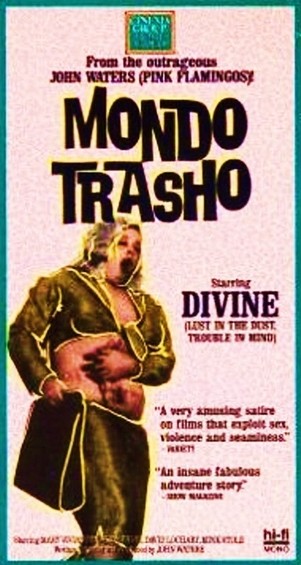
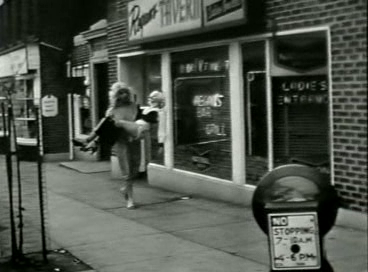
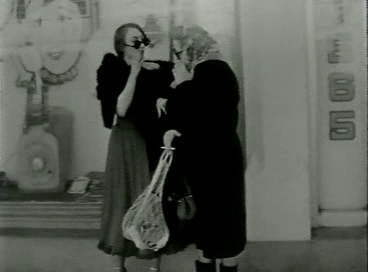
Mondo Trasho (1969)
“It isn’t easy being Divine!”
|
Synopsis: |
|
Genres, Themes, Actors, and Directors:
Response to Peary’s Review: Redeeming Qualities and Moments:
Must See? Links: |
“It isn’t easy being Divine!”
|
Synopsis: |
|
Genres, Themes, Actors, and Directors:
Response to Peary’s Review: Redeeming Qualities and Moments:
Must See? Links: |
“We’re still about telling the truth. We’re still about something big here — and not many people can say that now.”
|
Synopsis: |
|
Genres, Themes, Actors, and Directors:
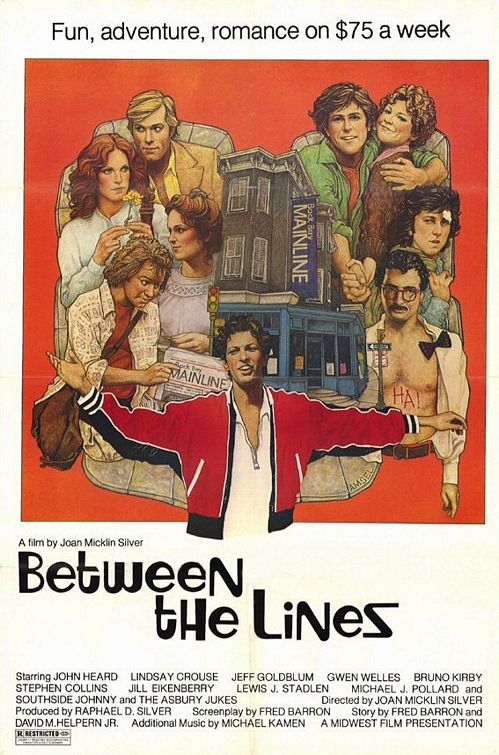
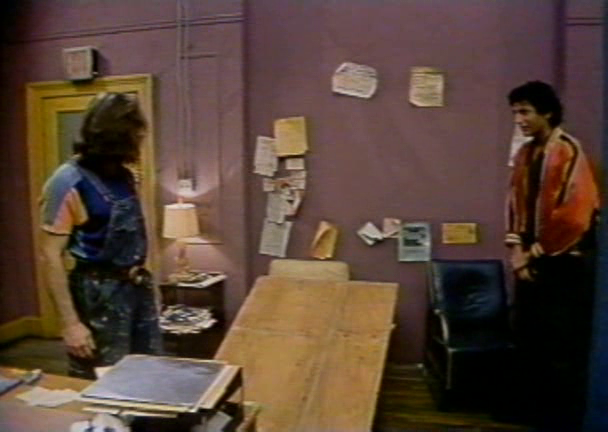
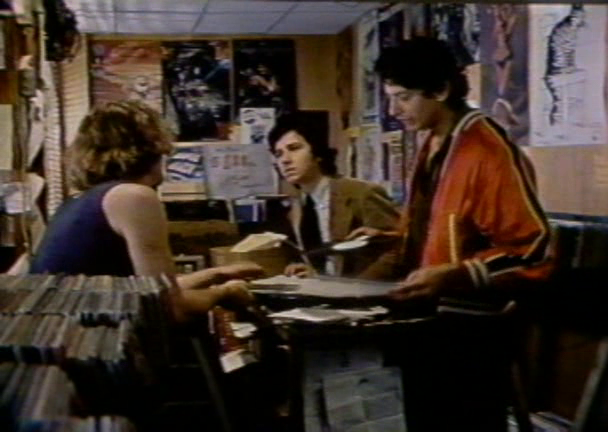
Response to Peary’s Review: Peary’s review accurately captures the infectious spirit of this ensemble piece, which emanates both the best and most annoying aspects of working on a young team, dating some co-workers and fending off others, managing the always-chaotic world of deadlines and rivalry. Heard and Crouse are perfectly cast as occasional lovers who get back together during the course of the movie, quibbling but always staying companions. Goldblum is as odd as ever; Peary notes that a highlight of the film includes his “nonsensical ad-libbed music lecture, at which young women dutifully take notes” — but I’m an even bigger fan of his stand-off against a performance artist who visits the office. Jill Eikenberry is both lovely and eminently likeable as the grounding force of the office. There’s a fascinating scene in which her character (Lynn) interacts with a nebbishy adsman (Lewis J. Stadlen as Stanley) who she spent time with recently:
There are definite hints of Woody Allen here; it’s not surprising that Juliet Taylor, Allen’s longtime casting agent, did the casting for this film as well. What’s remarkable is how definitively Eikenberry exudes a relaxed but firm attitude — she’s chuckling and sympathetic throughout this exchange. Obnoxious, bow-tied Stanley is most definitely made the fool, while Eikenberry emerges victorious in every possible way. Similarly, Crouse completely shows up Heard during a scene when she “asks sharp questions of a stripper (Marilu Henner) and [strikes] a rapport with her while [Heard] wants to ask his stupid questions”. However, men are also shown bonding and having fun. Part of the charm of this film is how pleasantly nostalgic it comes across — which is somewhat ironic, given that it was meant to reflect the end of a charmed era (the counterculture of the 1960s), but now represents an era of its own (the 1970s) that many may also reminisce about with wistful memories. Most notable of all, of course, is how radically sentimental one can’t help feeling about the pre-internet media age, when news was gathered and published in hard copy only, and reading selections were limited to just a few choices — including independent rags like this one. For better or for worse, that period is completely over, and we can now look back on “classic” cinema of the 1970s as reflecting a uniquely bygone era. Be sure to listen through the final scene while the credits begin to roll, as Goldblum chats up a new chum in a bar — it’s priceless. Redeeming Qualities and Moments:
Must See? Categories
Links: |
“We’re all used — you, me, anybody on two legs. That’s what it’s all about. That’s your American pie for you.”
|
Synopsis: |
|
Genres, Themes, Actors, and Directors:
Response to Peary’s Review: Redeeming Qualities and Moments:
Must See? Links: |
“What is obscene?”
|
Synopsis: |
|
Genres, Themes, Actors, and Directors:
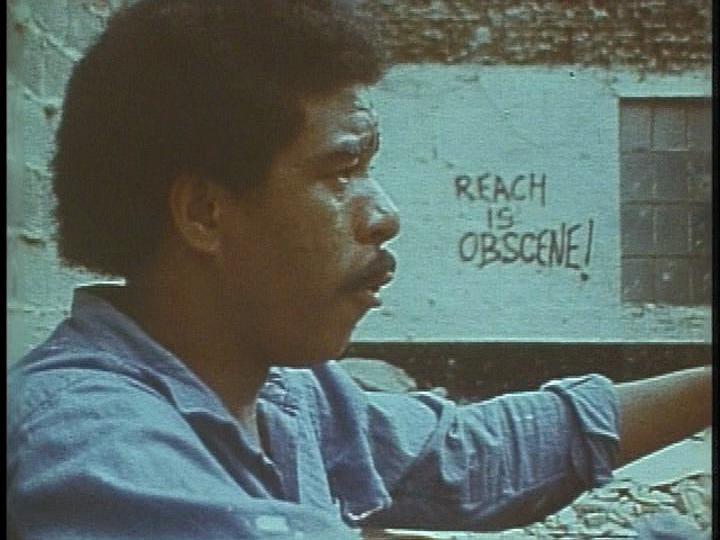
Review: Redeeming Qualities and Moments:
Must See? Links: |
“Nobody’s going to tell me who I can score with!”
|
Synopsis: |
|
Genres, Themes, Actors, and Directors:
Review:
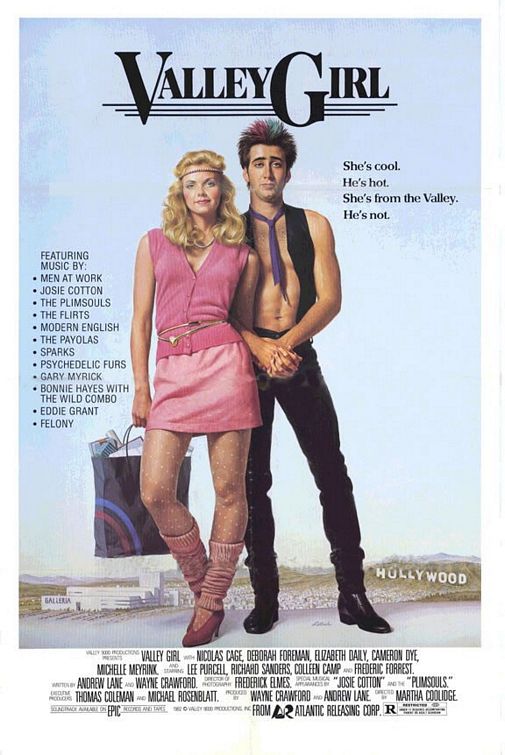
Fredric Forrest and Colleen Camp are on hand to presumably provide some chuckles as Foreman’s former-hippie parents who run a health food store and are ultra-hip about their daughter’s lifestyle choices — but all the comedic elements of this script pretty much fall flat. Note: What’s up with the creepy clown Foreman sleeps with?!
Redeeming Qualities and Moments:
Must See? Links: |
“I have seen blacker fears turn to hopes. Hope on, until you know there is none.”
|
Synopsis: |
|
Genres, Themes, Actors, and Directors:
Review:
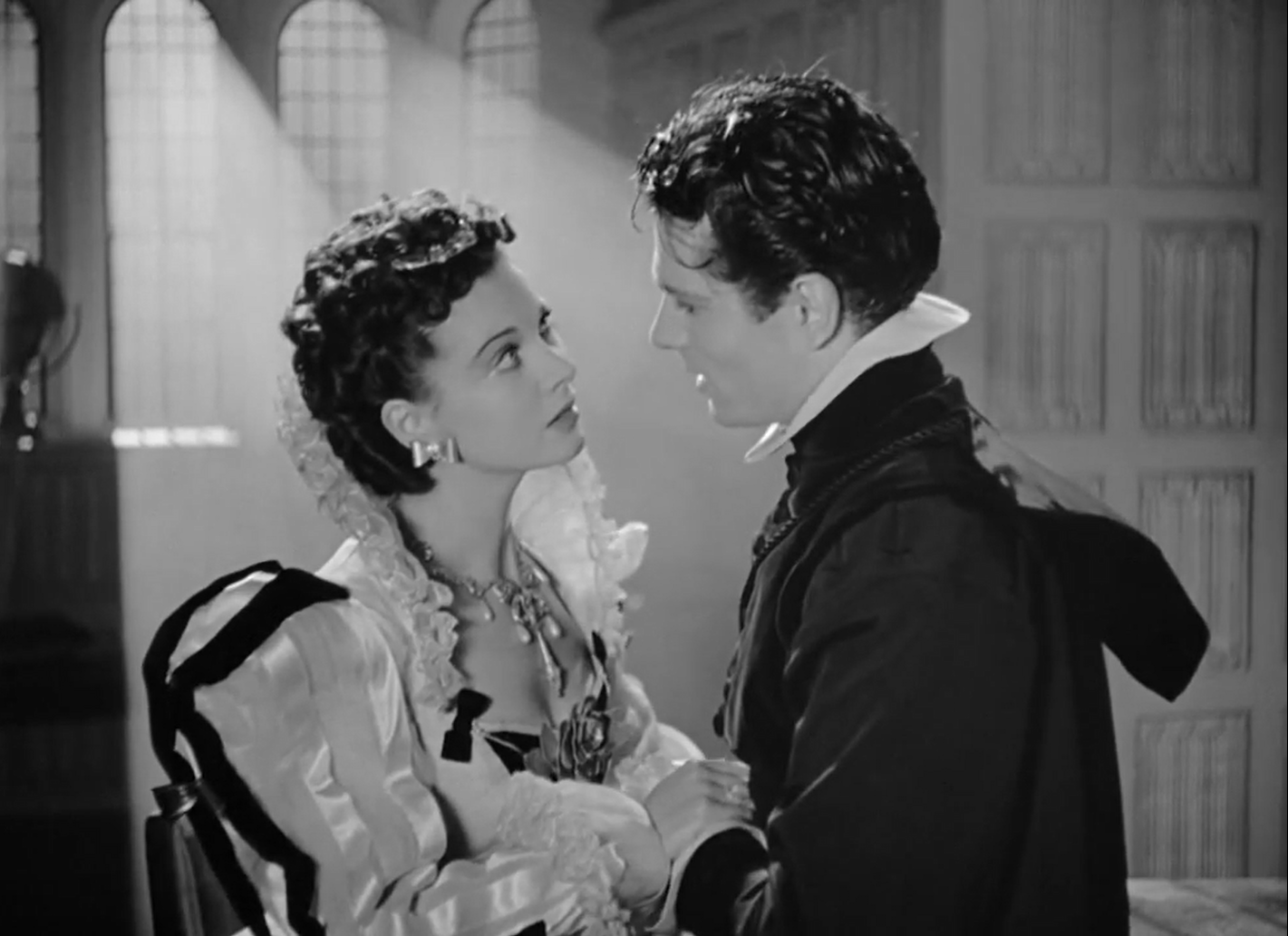
It’s a nicely mounted film, grounded by a strong performance by Flora Robson as Queen Elizabeth, but otherwise simply straightforward, highly fictionalized fare that will be of most interest to fans of the genre (or of “Viv and Larry”). James Wong Howe’s cinematography is a plus, as are Queen Elizabeth’s over-the-top costumes by Rene Hubert. Be sure to check out the Blu-Ray.com review below for an extensive overview of how this public domain title was painstakingly restored. Redeeming Qualities and Moments:
Must See? Links: |
“These letters are nothing but a web of slander and lies.”
|
Synopsis: |
|
Genres, Themes, Actors, and Directors:
Response to Peary’s Review:
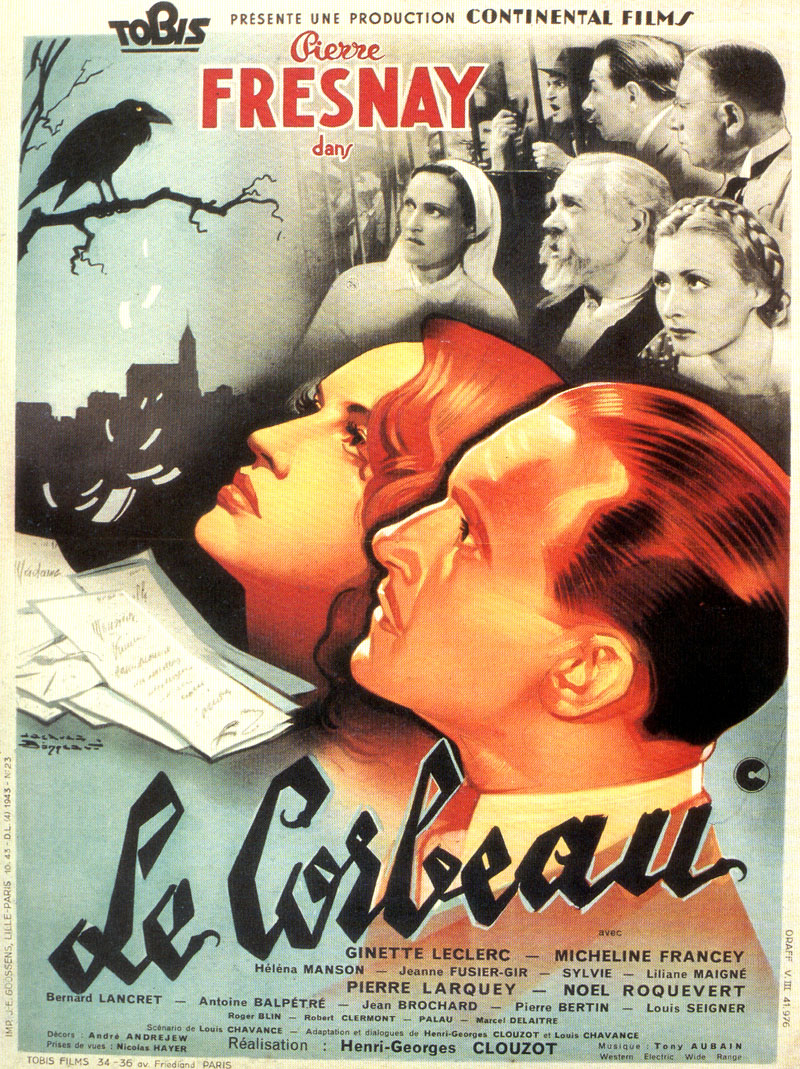
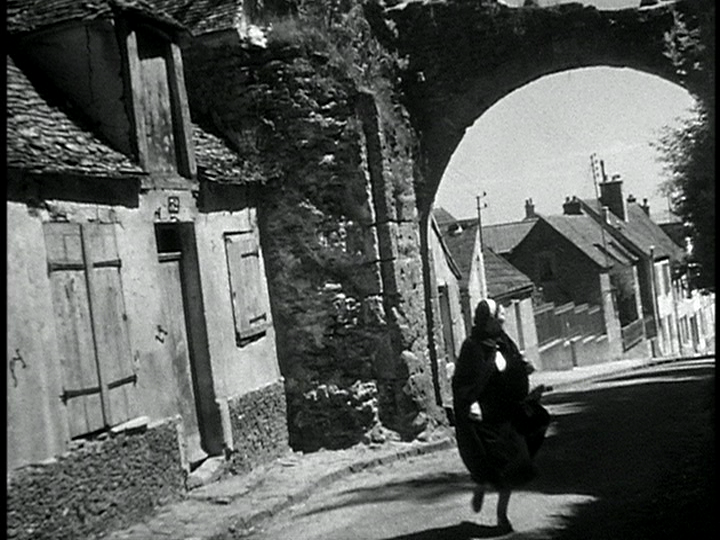
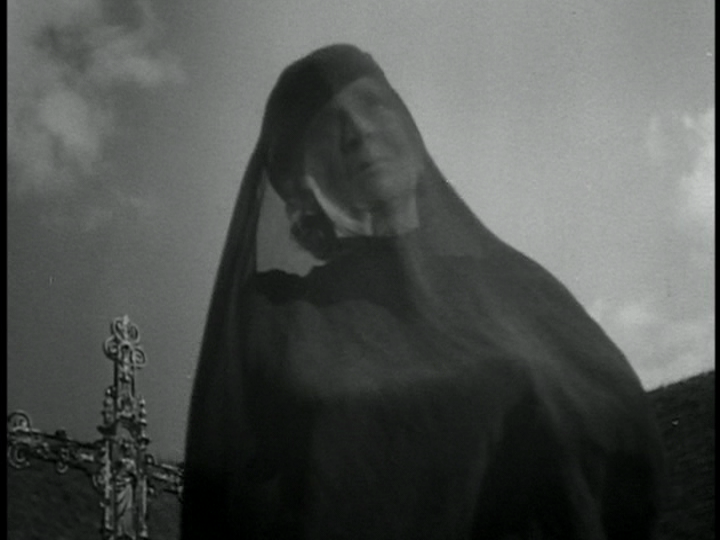
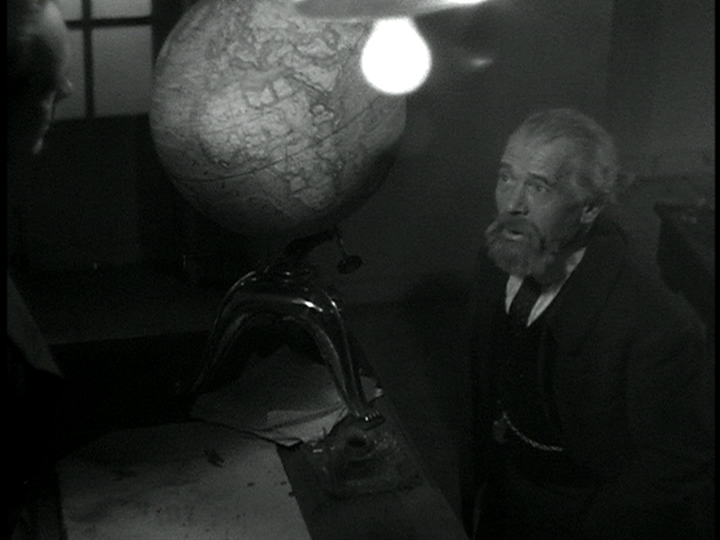
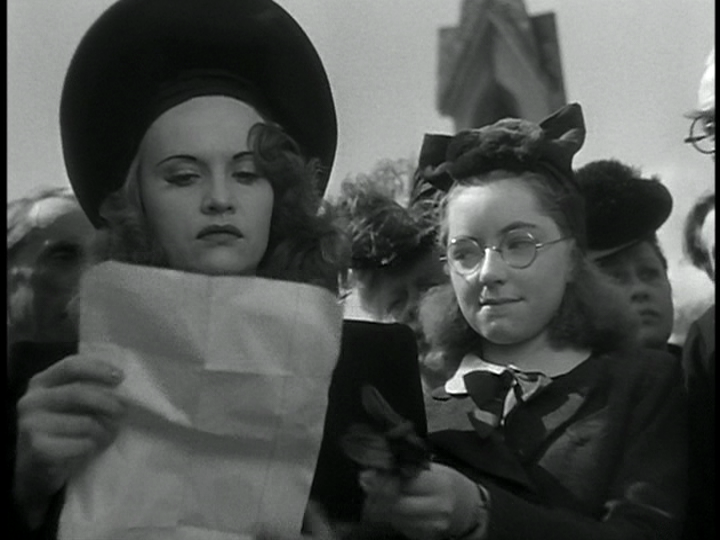
The imagery, cinematography, sets, and plot twists in Le Corbeau are all noteworthy, and there are more than enough embittered would-be suspects to keep viewers authentically on their toes. Film fanatics should certainly check this thriller out. Redeeming Qualities and Moments:
Must See? Categories
Links: |
“It’s the things one can’t do that always tempt me.”
|
Synopsis: |
|
Genres, Themes, Actors, and Directors:
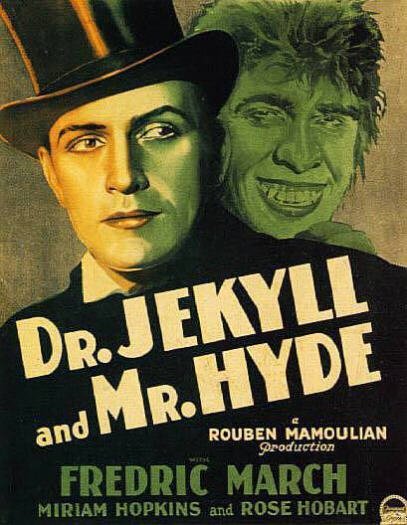
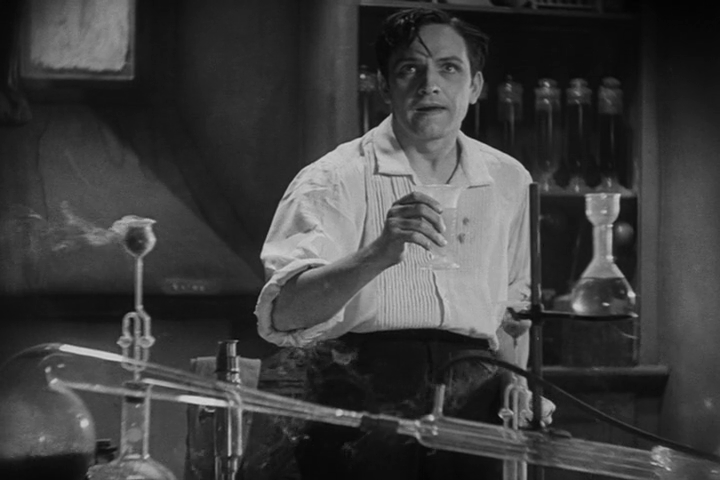
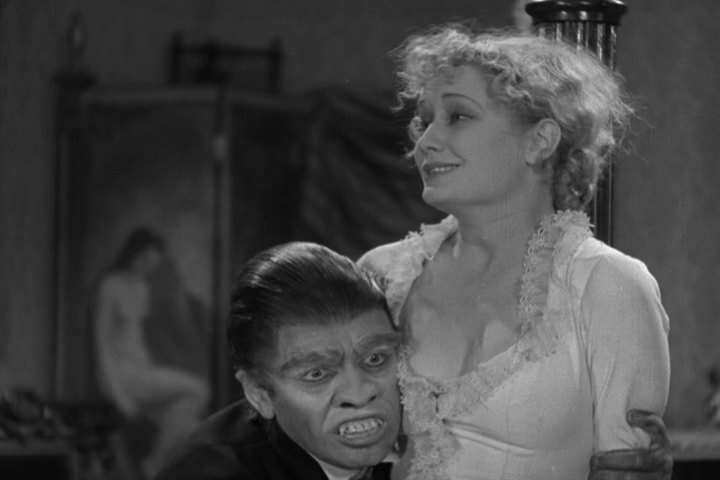
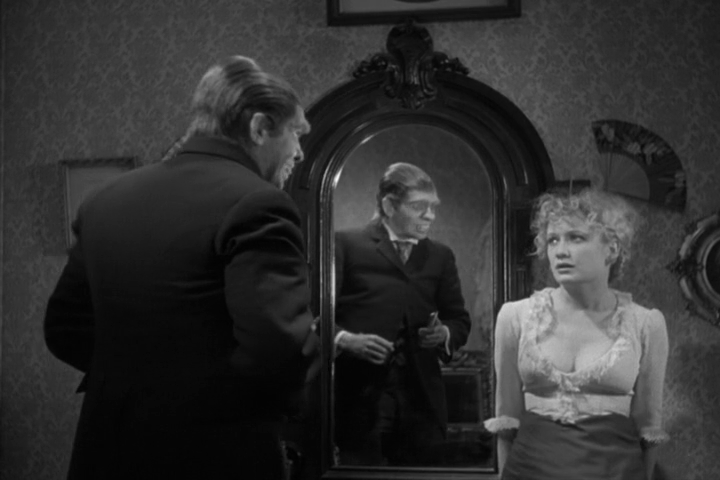
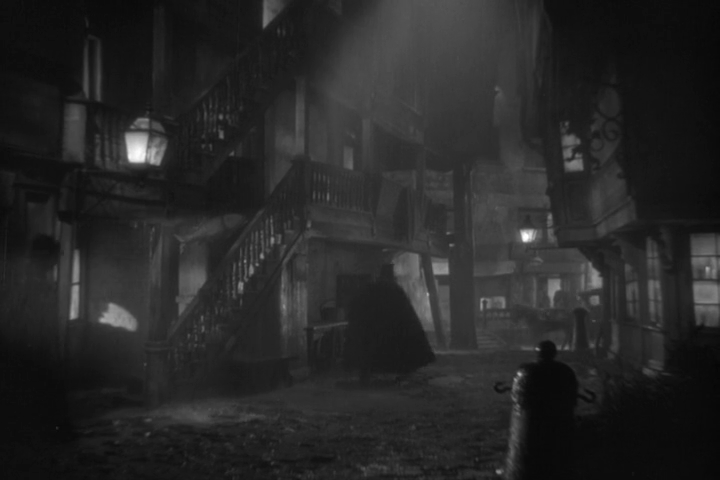
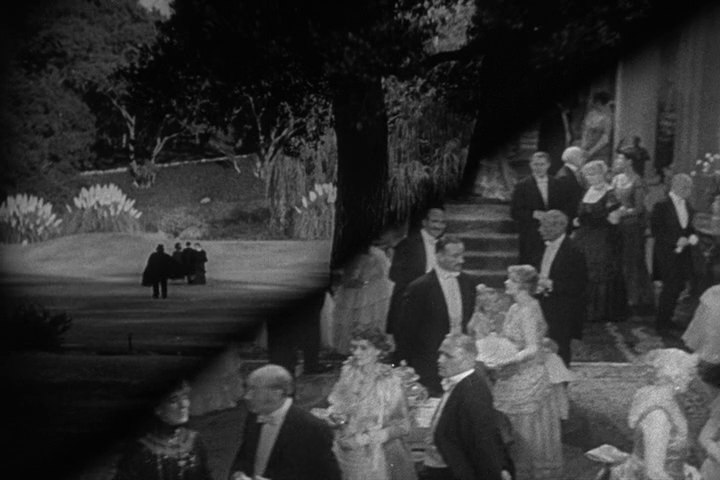
Response to Peary’s Review: Hopkins gives the performance of her (early) career in this film, playing a visibly traumatized and terrorized young prostitute who understands that her life as she knew it is over. (Check out the very bottom photo and caption in And You Call Yourself a Scientist‘s extensive review; I agree with her sentiment — and her review is well worth a read.) Also noteworthy is Mamoulian’s “innovative, influential direction”, including experimentation “with split frames, superimposed shots (during impressive man-to-monster transformations), and point-of-view shots.” James Wong Howe’s stunning cinematography and Norbert A. Myles and Wally Westmore’s groundbreaking make-up and special effects merit mention as well; as noted in Moria’s review, “The transformation sequences were conducted by the unique effect of painting Frederic March’s face with certain types of greasepaint, the effects of which became more pronounced on the black-and-white film stock as different coloured lights were projected on his face.” Redeeming Qualities and Moments:
Must See? Categories
Links: |
“How is it you cannot stand the sight of blood on anyone except me?
|
Synopsis: |
|
Genres, Themes, Actors, and Directors:
Review:
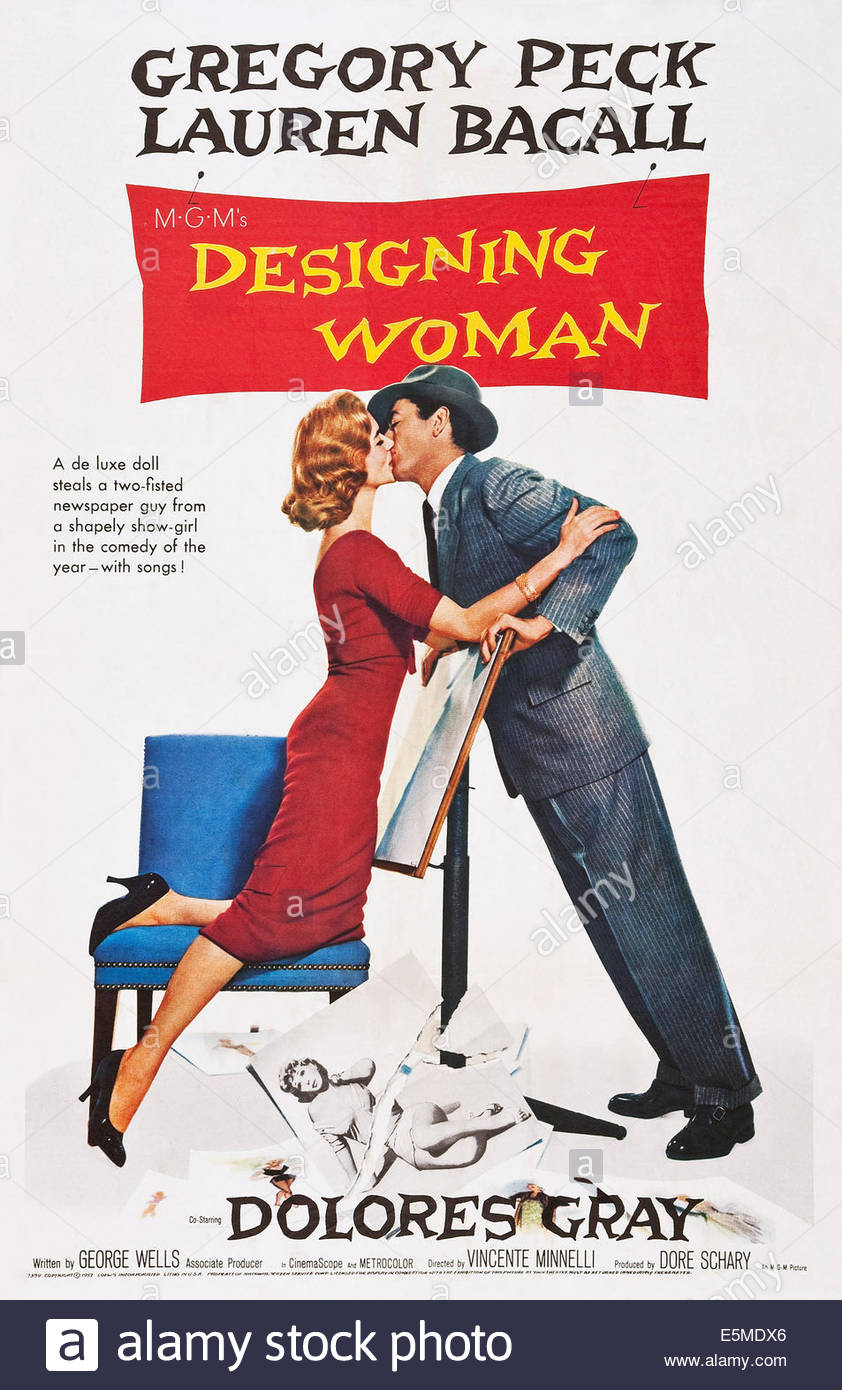
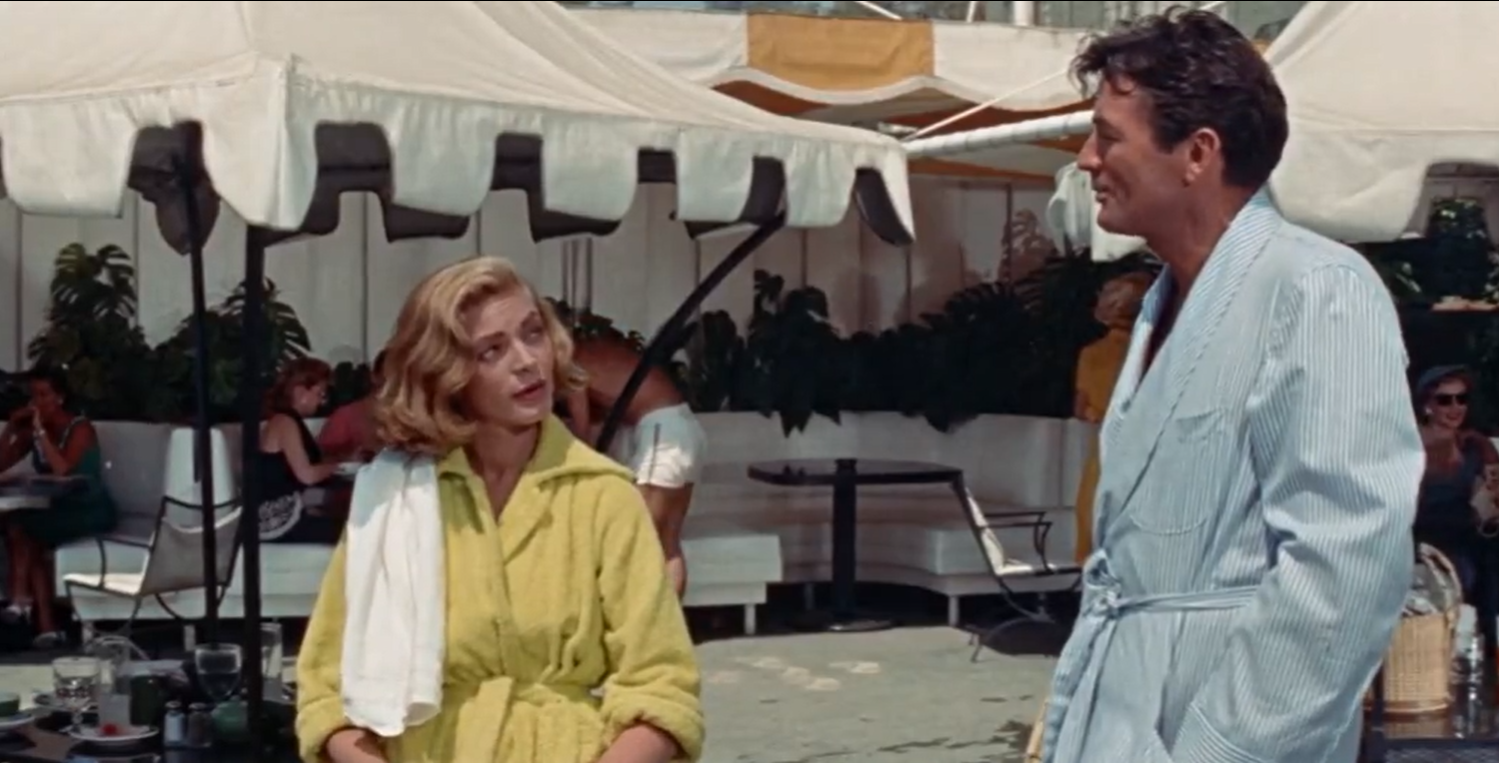
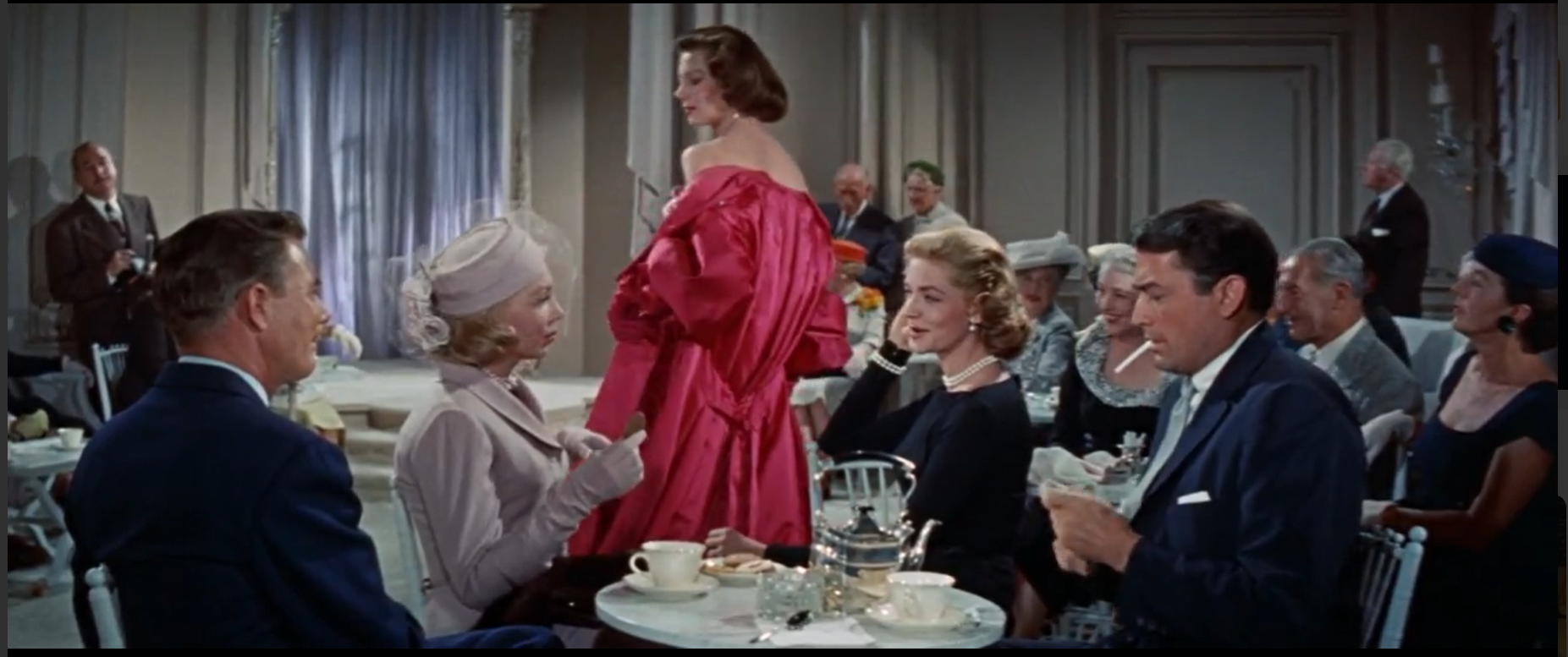
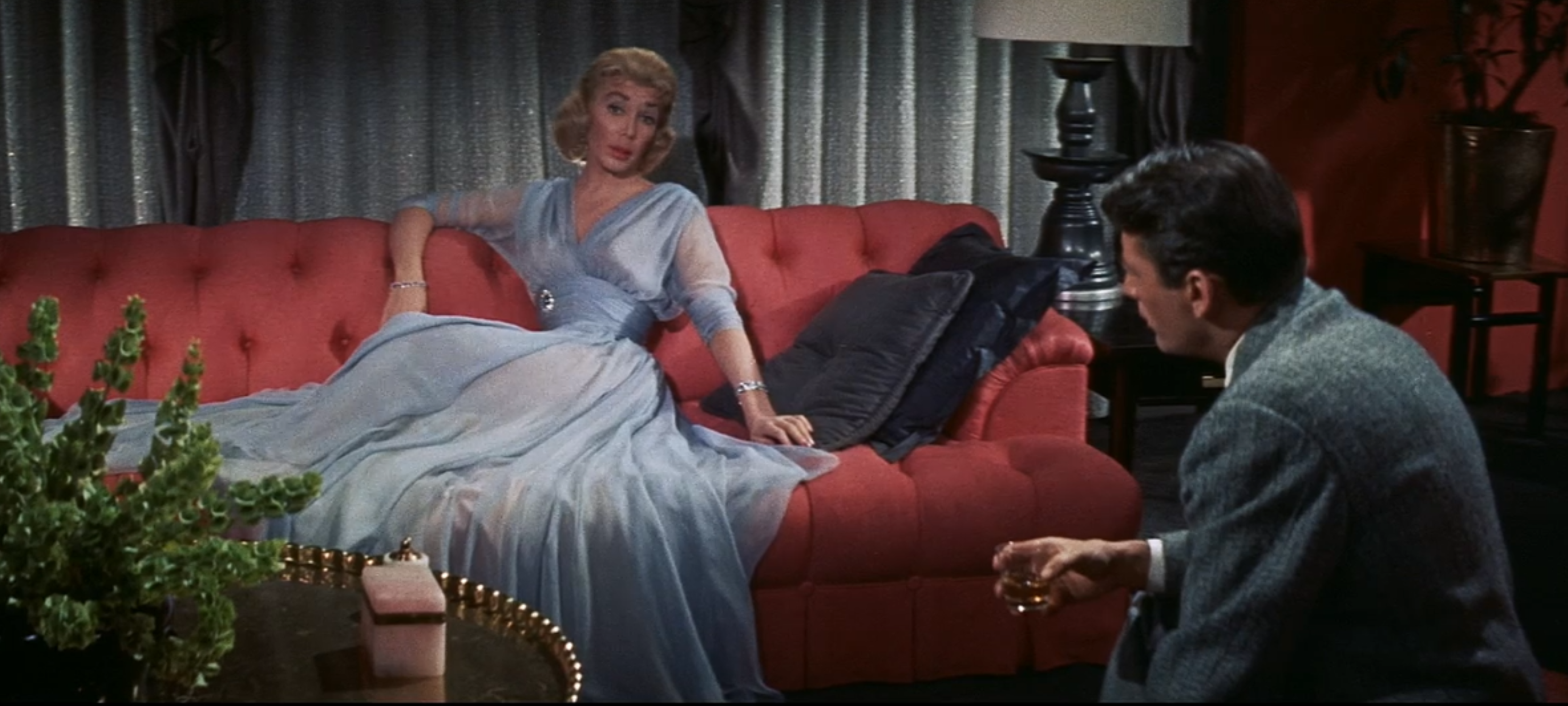
… and ensuing marital problems don’t elicit much sympathy or interest, and the subplots — including Peck being hounded by the corrupt promoter (Edward Platt) of a punch-drunk fighter (Mickey Shaughnessy), and Bacall’s jealousy of Peck’s former curvy fling (Dolores Gray):
— are simply insipid. Worst of all are the film’s dated notions of what a woman (even one as successful, independent, beautiful, and popular as Bacall) will do to snag and keep a man; the title is a not-too-subtle play on words (get it? designing woman?). It’s baffling that this screenplay won an Oscar. Redeeming Qualities and Moments:
Must See? Links: |
“You’re overpaid, you’re overworked… They’re shafting you right up to your tonsils.”
|
Synopsis: |
|
Genres, Themes, Actors, and Directors:
Response to Peary’s Review:
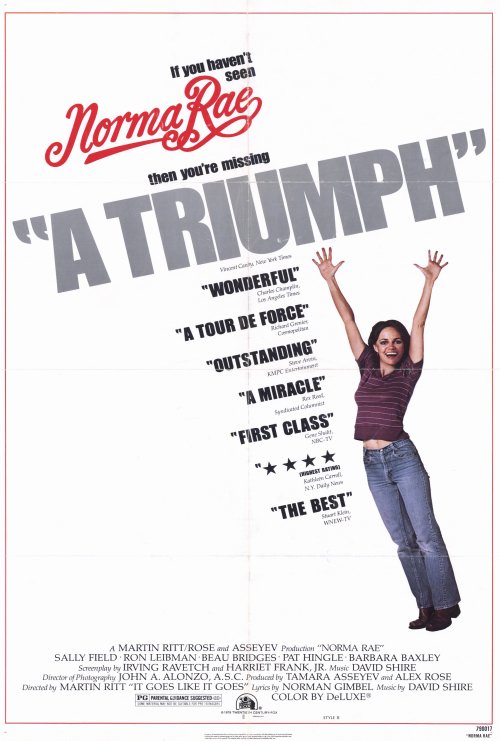
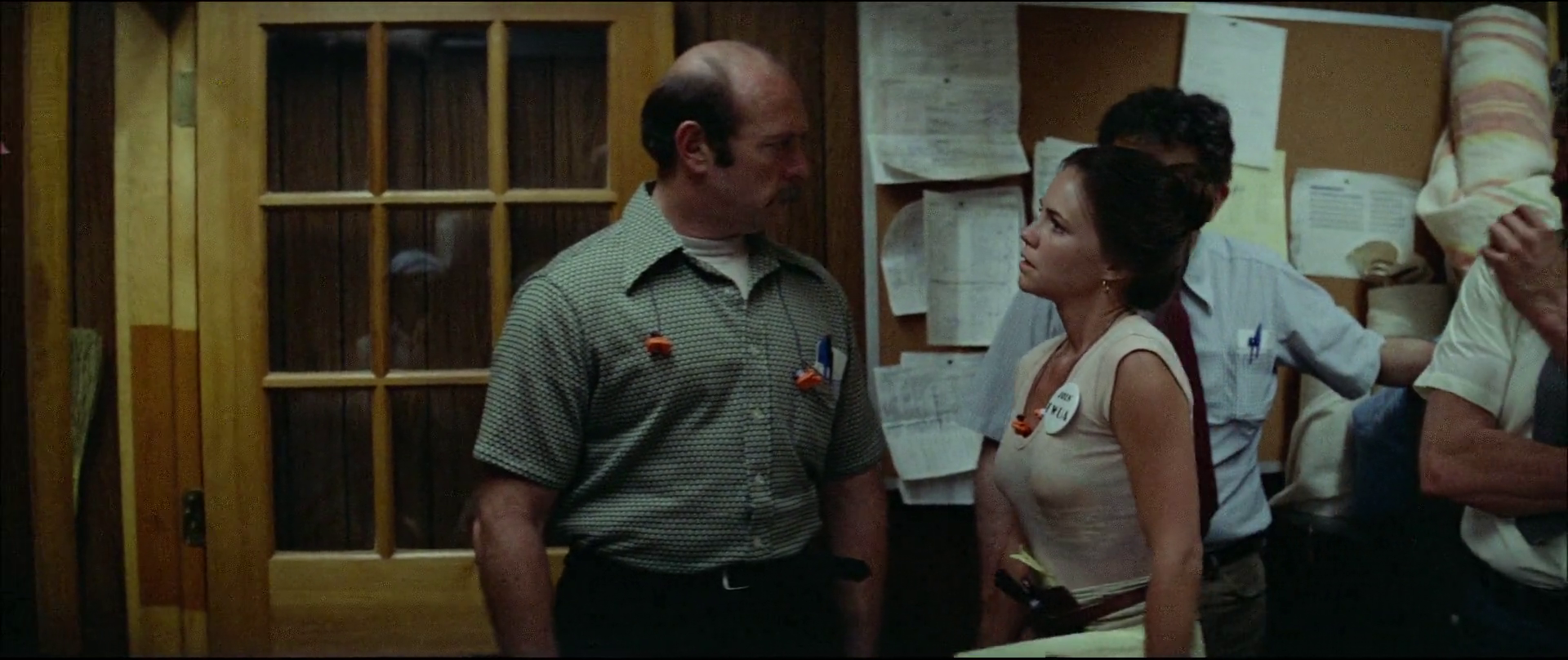
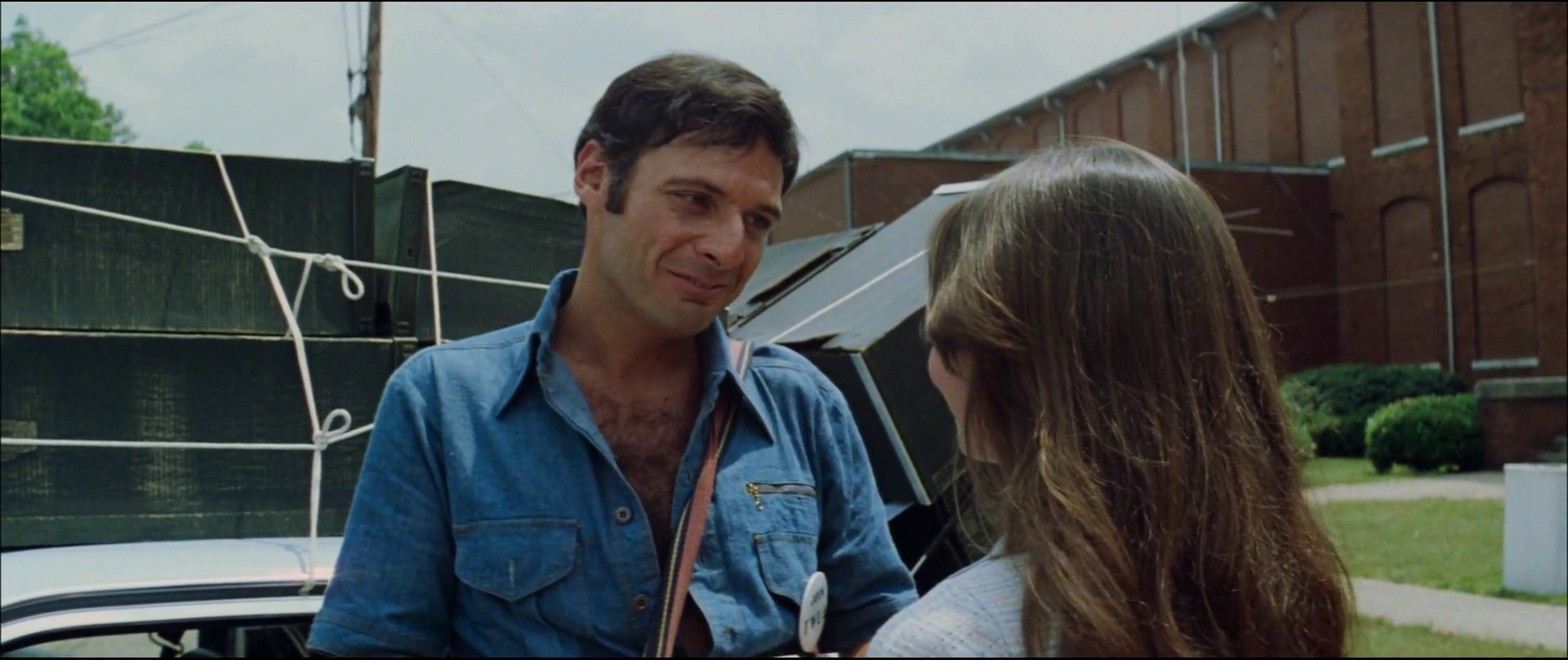
… and that husbands and wives can be friends as well as lovers”. He notes that “scenes that could come across as being extremely self-conscious… make us feel touched by their honesty”, and adds that the “picture has authentic atmosphere, surprising toughness, and characterizations by Field and Leibman that are downright inspirational”. Peary elaborates on Field’s performance in his Alternate Oscars, where he agrees with the Academy in awarding Field Best Actress of the Year for her portrayal as “the closest to perfect any woman has been on the screen since Ingrid Bergman’s nun in The Bells of St. Mary’s.” He writes:
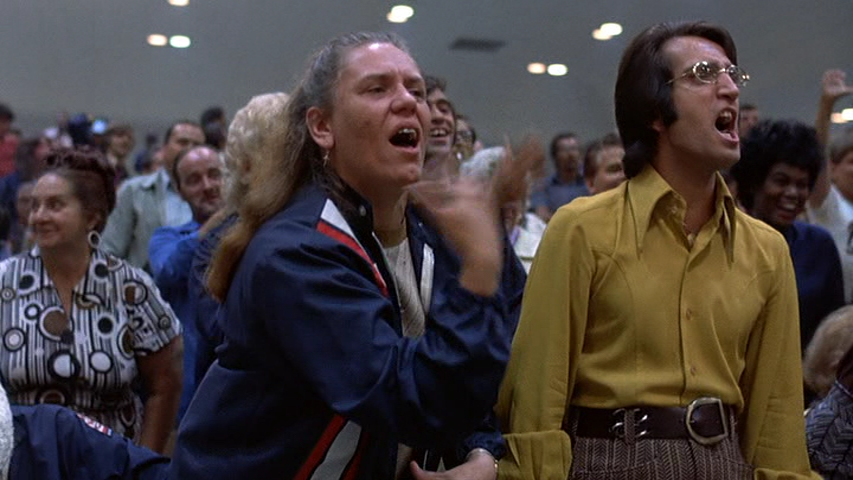
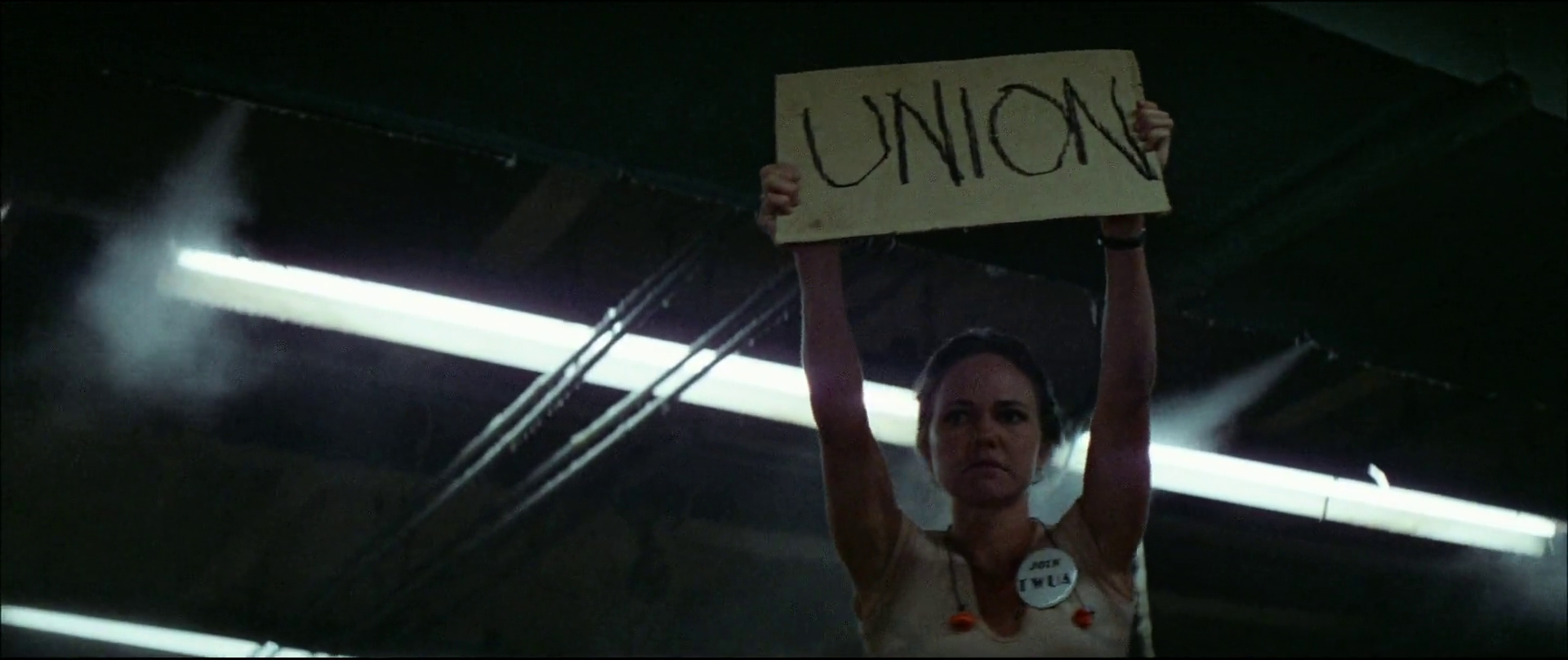
Peary further adds that “Field does an extraordinary job as this woman who displays remarkable courage and tenacity. It’s fun seeing this small-framed woman with a teenager’s face stand up to intimidating men, ignoring their threats, shouting at them, issuing threats of her own”, and notes that she “touches every scene with honest emotions”. Peary’s praise is well-deserved: Field carries this film upon her tiny yet firm shoulders with incredible courage and chutzpah — speaking of which, Leibman’s role is equally critical to the film’s success, and his performance just as powerful as Field’s. The direction their relationship takes is both unexpected and refreshing. Meanwhile, the supporting cast and all details of this place-based film feel spot-on (check out TCM’s article for more details about filming on location in Alabama). The level of ongoing hubbub in the textile factory is authentically deafening, giving the film’s most famous scene additional “emotional impact: when Field stands on a table at the mill, holding high a sign that reads ‘Union’:
… [director] Ritt has all the workers look straight ahead at her so that it’s clear each of them turns off his or her machine because of Field and not because fellow workers are doing so.”
In an era of truly unsettling unknowns about the future of human labor, Norma Rae is a much-needed reminder that staunch activism, fearless leaders, and unwavering support are needed more than ever. Redeeming Qualities and Moments:
Must See? Categories
Links: |