Rocketship X-M (1950)

Rocketship X-M (1950)

“You must get back to Earth, and tell them what we found.”

Synopsis:
While on an eXpedition to the Moon (X-M), an astronaut (John Emory) and his flight crew — including a mathematician (Osa Massen), a colonel (Lloyd Bridges), a navigator (Harry Chamberlin), and a flight engineer (Noah Beery, Jr.) — find their rocketship heading towards Mars instead.

Genres, Themes, Actors, and Directors:

  • George Pal Films
  • Lloyd Bridges Films
  • Nuclear Threat
  • Science Fiction
  • Space Exploration

Response to Peary’s Review:
Viewed by many as an irredeemably “bad movie”, this dated sci-fi flick is primarily notorious for beating out George Pal’s Destination Moon (1950) as the first of the “fifties science fiction cycle”. In his review, Peary insists that Rocketship X-M — despite its much lower production values and infinitely inferior scientific credibility — is “at least as entertaining” as its Technicolor counterpart. While this is true to a certain extent, the number of sexist comments directed towards the lone female on board the ship made it difficult for me to focus on anything else:

Dr. Lisa Van Horn (Osa Massen): I suppose you think women should only cook, and sew, and bear children.
Col. Floyd Graham (an annoyingly smug Lloyd Bridges): Isn’t that enough?

In terms of the plot, blacklisted screenwriter Dalton Trumbo framed the story as a cautionary tale about nuclear power: once the explorers arrive on Mars, they find that a nuclear holocaust has caused the “once advanced civilization” of (conveniently) humanoid Martians to revert to a brutish cave-man existence. Unfortunately, the scenes on Mars — actually shot in the American Southwest with an added sepia tint — are underdeveloped, slowly paced, and largely unsatisfying.

Redeeming Qualities and Moments:

  • Fine cinematography

Must See?
No, though it’s worth a one-time look for its place in film history.

Links:

Massacre at Central High (1976)

Massacre at Central High (1976)

“There’s definitely a message in all these accidents: the higher you feel, the deeper you fall.”

Synopsis:
A high school student (Derrel Maury) takes revenge on the bullies who crippled him.

Genres, Themes, Actors, and Directors:

  • Bullies
  • High School
  • Horror
  • Revenge
  • Serial Killers

Response to Peary’s Review:
As Peary notes, this unusual hybrid film is “a real sleeper”. Unfortunately, its misleading slasher title will prevent most mainstream viewers from seeking it out (not to mention disappointing horror fans who are looking for typical mindless fare). The story tells of a trio of bullies (Ray Underwood, Steve Bond, and Steve Sikes) who effectively rule Central High with their scare tactics.

But when newcomer David (Maury) manages to knock them off one by one (without adult intervention, it should be noted):

… the remaining students prove themselves incapable of handling their newfound freedom — thus prompting Maury (once sincere and heroic, now cynical and heartless) to continue his descent down the slippery slope of retribution-by-death.

Peary offers a fascinating, in-depth political analysis of the film in his Cult Movies 2 (which I recommend reading). In a nutshell, he proposes that every character represents “a different political force”, and that Maury’s job “is to politicize [the two sympathetic protagonists], who are always neutral, and make them into activists willing to fight.”


Many have likened this film to George Orwell’s Animal Farm — another tale of power and corruption told from the perspective of “lower class” citizens — and the analogy is apt: high school students and farm animals both represent “oppressed” citizens who ultimately require more than simply “freedom” to improve their lot.

Redeeming Qualities and Moments:

  • Fascinating use of a popular genre (teen slasher flick) to support a subversive message

Must See?
Yes. Don’t let the low budget and mediocre acting turn you off; it’s the story that counts in this one. Discussed at length in Peary’s Cult Movies 2 (1983).

Categories

  • Cult Movie

Links:

How I Won the War (1967)

How I Won the War (1967)

“Give the British soldier plenty of tea, and there you are: he’ll die for you.”

Synopsis:
A group of British soldiers, led by inept Commander Goodbody (Michael Crawford), is assigned the task of clearing a mine-ridden cricket field in North Africa.

Genres, Themes, Actors, and Directors:

  • Black Comedy
  • Flashback Film
  • Richard Lester Films
  • Soldiers
  • Satires and Spoofs
  • World War Two

Response to Peary’s Review:
Peary describes this Richard Lester anti-war spoof as “shaky but funny and fanciful” — all true, though the “absurdity of war” trope has been played out to stronger effect numerous times since this film’s release, i.e. in Three Kings (1999). In addition, as Roger Ebert points out, it’s difficult for American audiences to understand what the British actors are saying much of the time. Meanwhile, John Lennon — the major attraction for many would-be viewers, especially given that his face envelops the video/DVD cover — plays such a minor role it’s tempting to sue for false advertising.

It is actually spindly-legged Michael Crawford (of Phantom of the Opera fame) who is the primary protagonist and narrator of the movie, and he carries the role well.

The film’s best moments occur when Crawford is befriending the German commander in his POW camp — an “absurd” situation with the potential for genuinely radical consequences, yet one which is sadly underdeveloped.

Redeeming Qualities and Moments:

  • Clever use of colored costumes to designate dead soldiers rejoining their platoon

Must See?
No, though it’s worth a one-time look.

Links:

Cousins, Les (1959)

Cousins, Les (1959)

“It’s an odd world we live in; you’ll see.”

Synopsis:
A naive college student named Charles (Gerard Blain) comes to live with his sophisticated cousin Paul (Jean-Claude Brialy) in Paris, and falls in love with the beautiful yet emotionally unavailable Florence (Juliette Mayniel).

Genres:

  • College
  • Claude Chabrol Films
  • French Films
  • Love Triangle

Response to Peary’s Review:
I agree with Peary that it’s difficult to feel much attachment towards the characters in this bleak yet innovative New Wave film. Part of the problem is that it takes too long for things to get rolling, given that the first half-hour or so is devoted simply to showing Charles’s initiation into the wild student life of partying, bar-hopping, playing cards, and sleeping around.

Then, once the plot finally begins to develop some steam, we must watch in frustration as hapless Charles falls head-over-heels in love with the beautiful Florence, only to have her stolen from right under his nose by Paul. Indeed, Paul — with his devilish goatee and cavalier arrogance — is utterly unappealing, and is a large part of what made this movie rather unpleasant for me.

What is ultimately more interesting than either the plot or the characters, however, is director Claude Chabrol’s palette of filmic techniques, which include (as Peary points out) strategic character placement and an “inventive use of foreground and background”. It’s an impressive display of experimentation, and makes the film a treat for the eyes if not for the heart.

Redeeming Qualities and Moments:

  • Fine direction
  • A revealing glimpse of 1950s student life
  • Atmospheric cinematography

Must See?
Yes. As a forerunner of the French New Wave, it’s worth a look for historical purposes alone.

Categories

  • Historically Relevant
  • Important Director

Links:

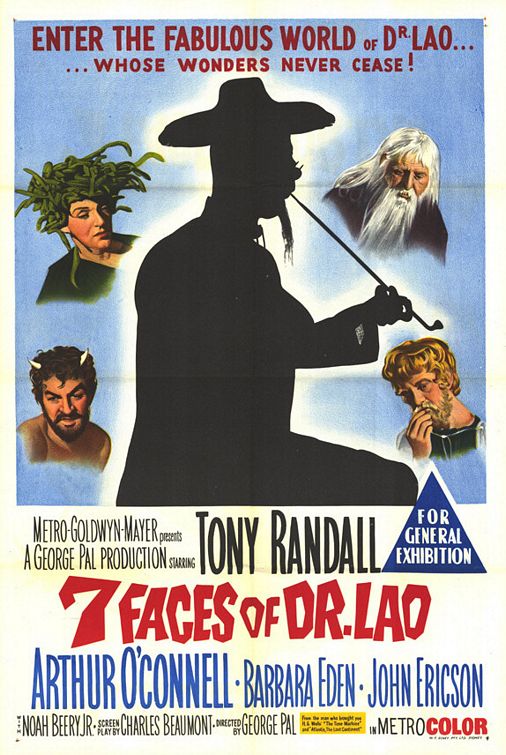
7 Faces of Dr. Lao (1964)

7 Faces of Dr. Lao (1964)

“The whole world is a circus, if you know how to look at it.”

Synopsis:
Ancient Dr. Lao (Tony Randall) and his circus of supernatural attractions arrive in the small town of Abalone, New Mexico, and proceed to change the lives of the townspeople.

Genres, Themes, Actors, and Directors:

  • Carnivals and Circuses
  • Character Arc
  • Con-Artists
  • Fantasy
  • George Pal Films
  • John Qualen Films
  • Science Fiction
  • Small Town America
  • Tony Randall Films

Response to Peary’s Review:
As Peary writes, Tony Randall’s brilliant performance in 7 Faces of Dr. Lao “may be the finest [ever] in a fantasy film.” Randall rivals Peter Sellers (who was originally considered for this film) and Alec Guinness in his ability to seamlessly embody multiple characters in one story.

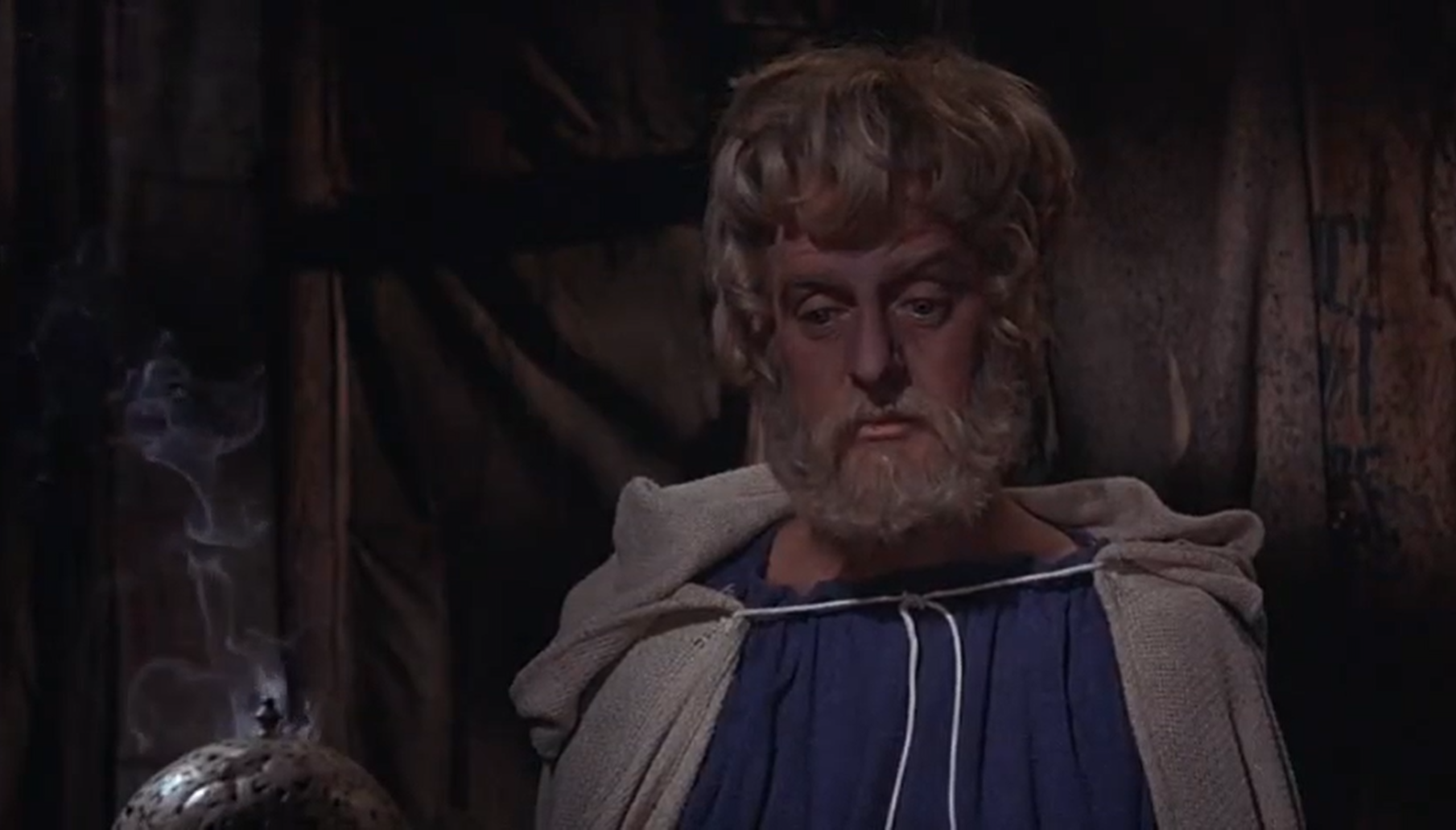
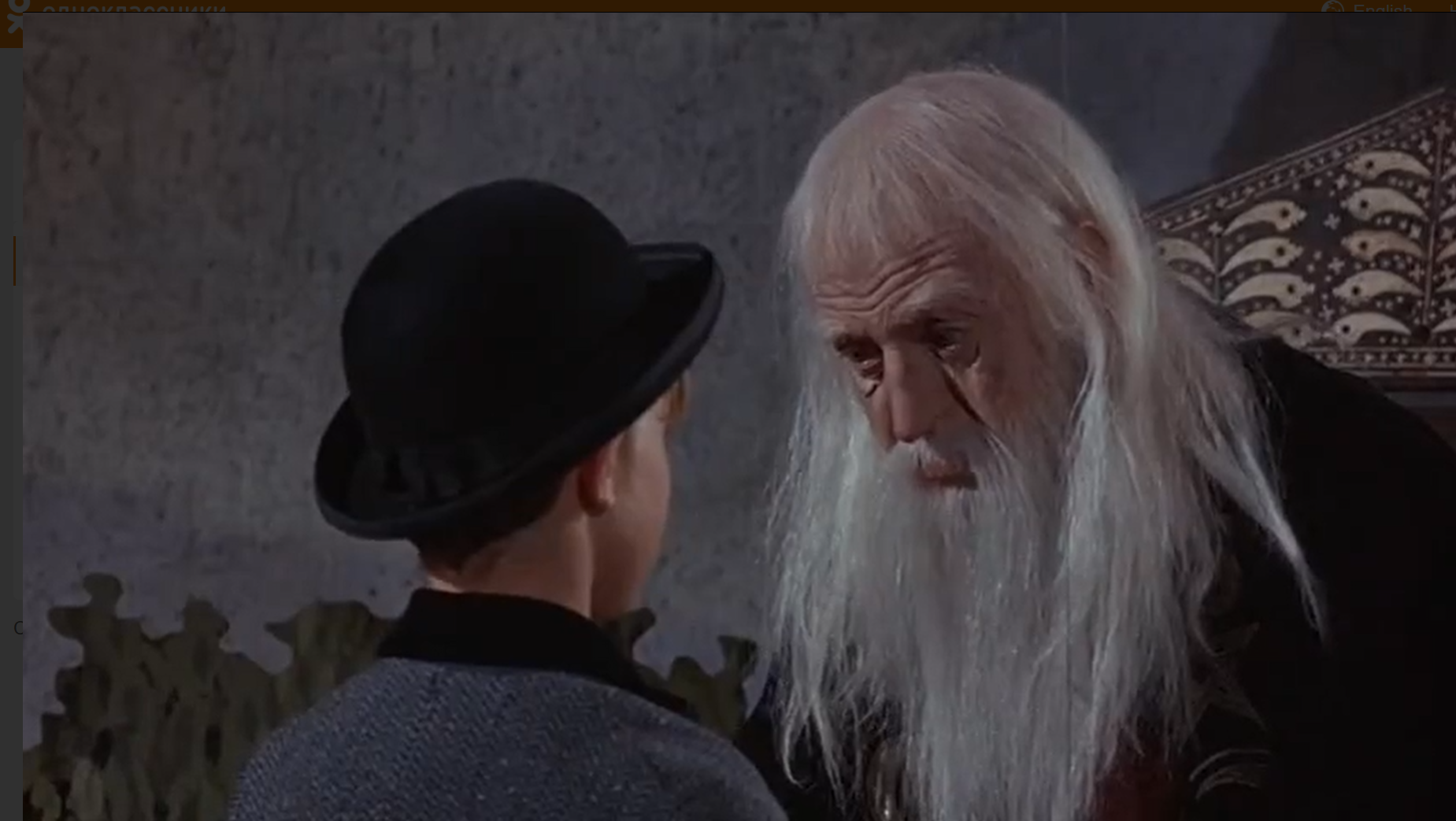
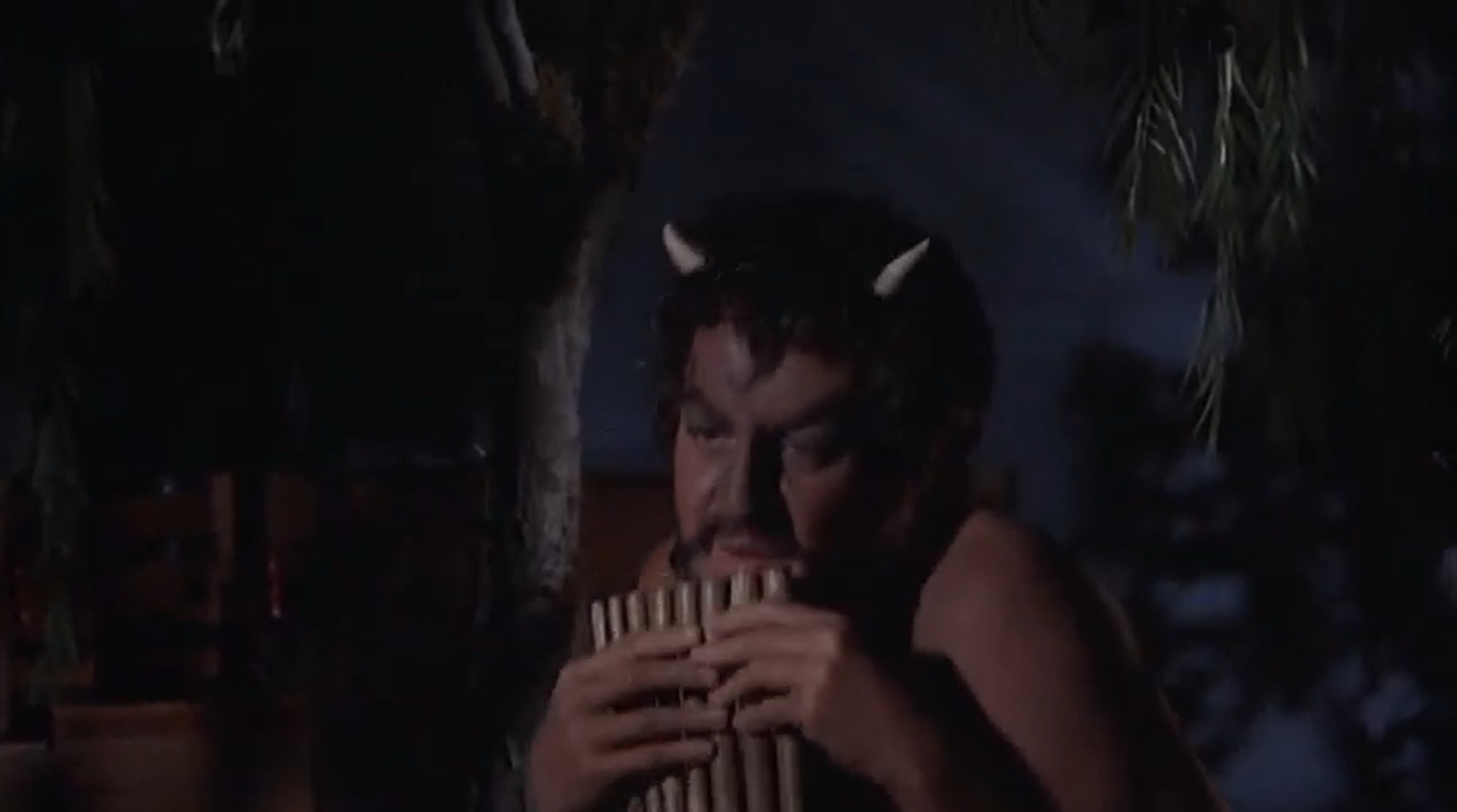
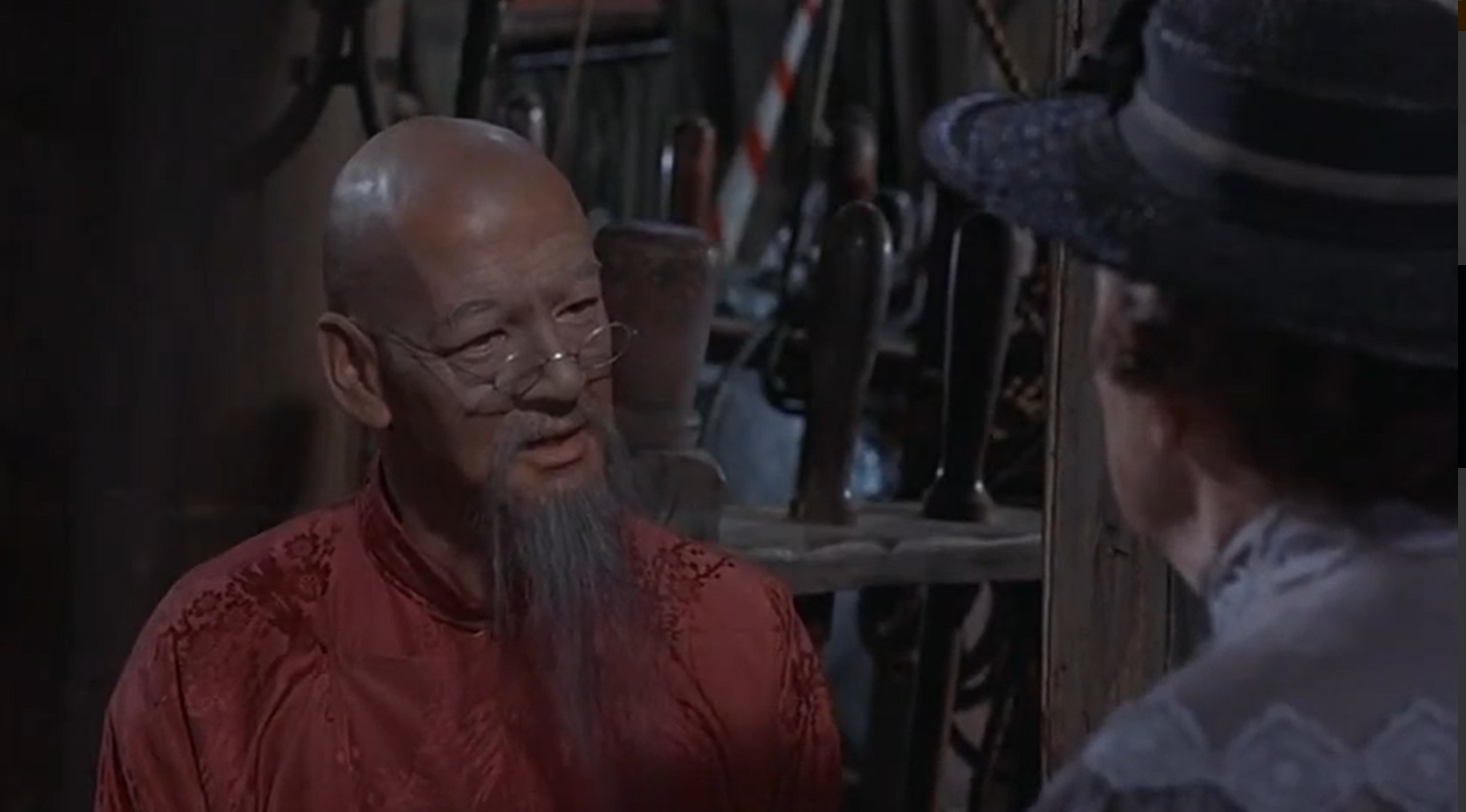
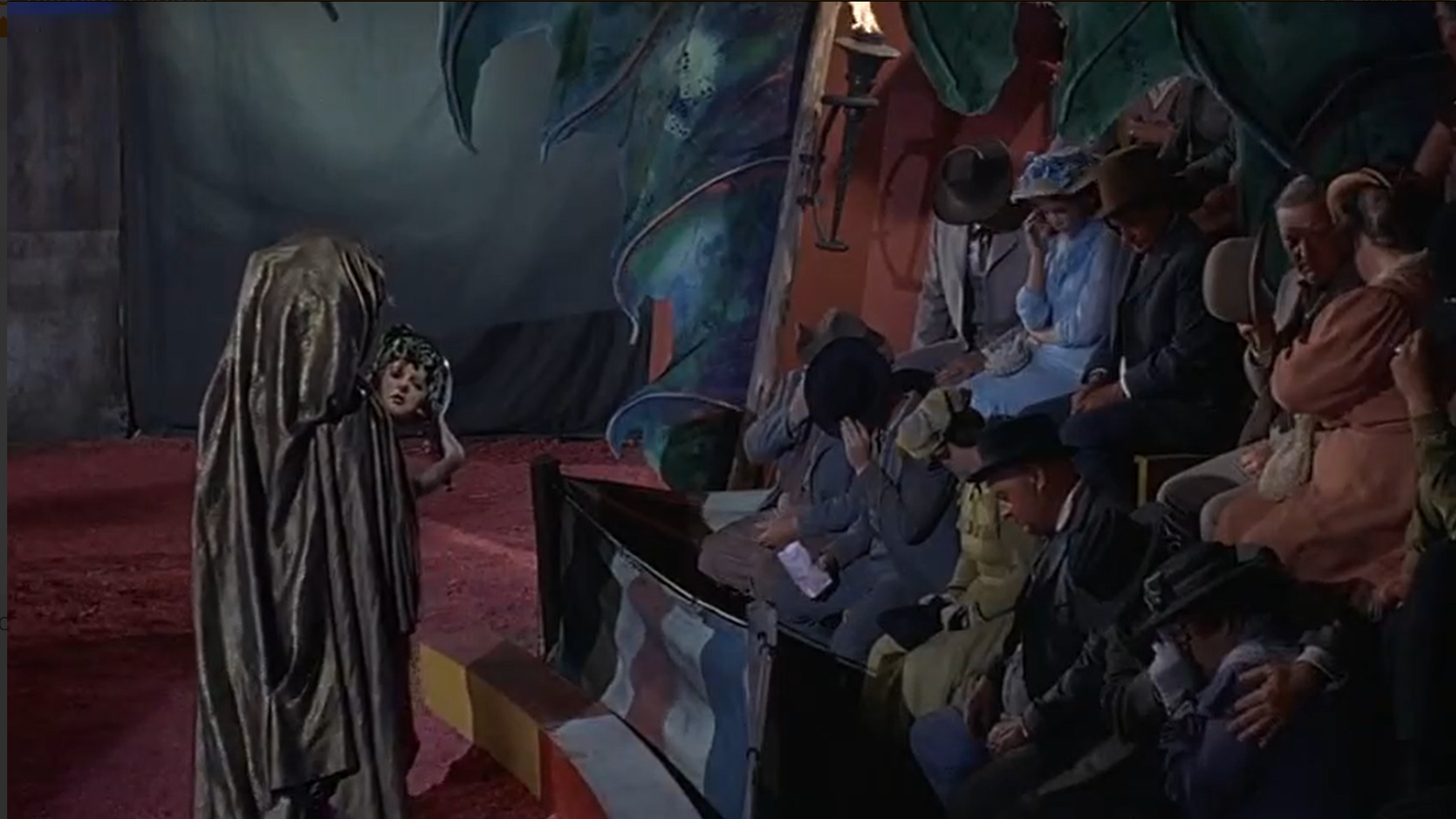
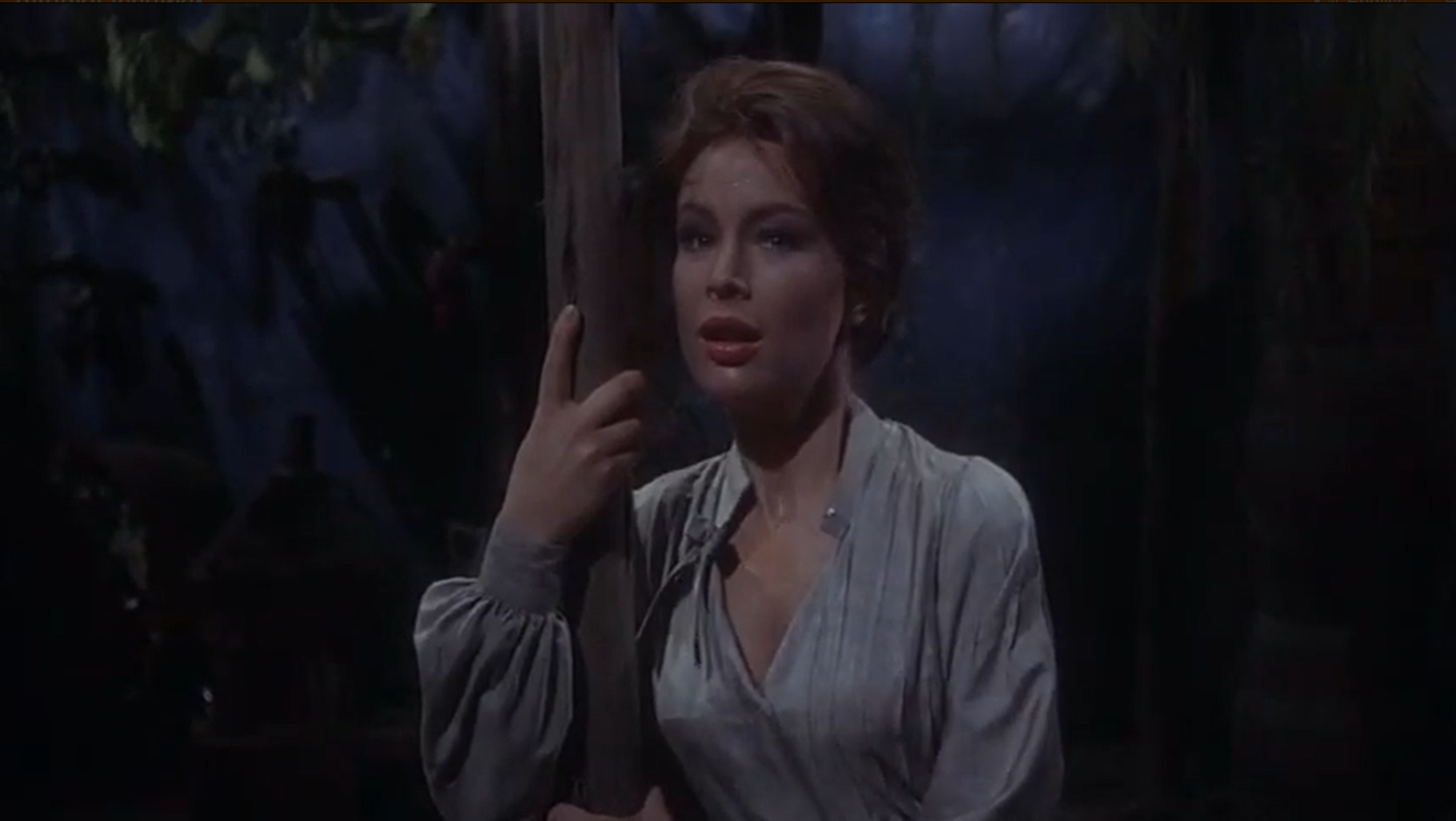
Indeed, thanks in large part to Randall’s acting chops, Dr. Lao and his attractions — snake-headed Medusa, the ancient magician Merlin, the blind seer Apollonius, a ribald Pan, the hairy Abominable Snowman (in just a bit part), and an animated serpent — are thoroughly distinct entities, though kudos clearly belongs to those in charge of make-up and costumes as well.



Unfortunately, the plot suffers whenever Randall is off the screen, and I suspect this may be the answer to Peary’s puzzlement over why the film hasn’t garnered more of a cult following over the years. I recently read the novel upon which the film is based (The Circus of Dr. Lao by Charles Finney, originally published in 1935), and discovered that the underlying plot of the movie — about an imminent take-over of the town by greedy investors — was added on by the filmmakers, as was the romance between Barbara Eden’s single mother (simply a young, virginal teacher in the book) and John Ericson’s newspaper editor. Indeed, Finney’s unusual novel is ultimately more of a philosophical musing than a plot-driven story, and must have been somewhat difficult to translate to the screen. Nonetheless, Dr. Lao is lots of fun once you get beyond the first twenty minutes or so — and it is certainly must-see viewing for any film fanatic.

Redeeming Qualities and Moments:

  • Tony Randall, of course
  • Memorable and effective make-up, costumes, and sets
  • Fun special effects
  • Barbara Eden “loosening up” under the influence of Pan

Must See?
Yes. Tony Randall’s multiple performances are a wonder to behold.

Categories

  • Noteworthy Performance(s)

Links:

Sanders of the River (1935)

Sanders of the River (1935)

“I’ll do as you want me, Sandi, because I am your friend.”

Synopsis:
Commissioner Sanders (Leslie Banks) tries to prevent warfare between rival chieftains (Paul Robeson and Tony Wane) in British-ruled Africa.

Genres, Themes, Actors, and Directors:

  • Kidnapping
  • Native Peoples
  • Paul Robeson Films
  • Zoltan Korda Films

Response to Peary’s Review:
As Peary notes, this dated, offensive film “gives the impression that black Africans [were] prosperous, happy, and peaceful under British rule.” Commissioner Sanders (“Sandi”) is shamelessly portrayed as a heroic, benevolent father-figure who must intervene in order to save the warring African “children” from themselves. I was grateful whenever footage of native African tribes appeared on-screen; their (hopefully authentic) dancing and music making were a welcome relief from the colonialist blather of the storyline. Paul Robeson’s singing is (as always) a highlight, but nonetheless woefully out of place. Worth watching for historical purposes only.

Redeeming Qualities and Moments:

  • Paul Robeson’s singing
  • On-location footage of native African tribes
  • Tony Wane’s unusual star-shaped hairdo

Must See?
No, although it’s a revealing look at the historical distortion that was prevalent in so many early films.

Links:

Privilege (1967)

Privilege (1967)

“We must, of necessity, subdue the critical elements in the country’s youth.”

Synopsis:
In a dystopic “near-future”, Britain’s coalition government uses rock star Steve Shorter (Paul Jones) to manipulate public opinion.

Genres, Themes, Actors, and Directors:

  • Dystopia
  • Media Spectacle
  • Musical
  • Naive Public
  • Peter Watkins Films
  • Propaganda
  • Rise and Fall
  • Rock ‘n Roll

Response to Peary’s Review:
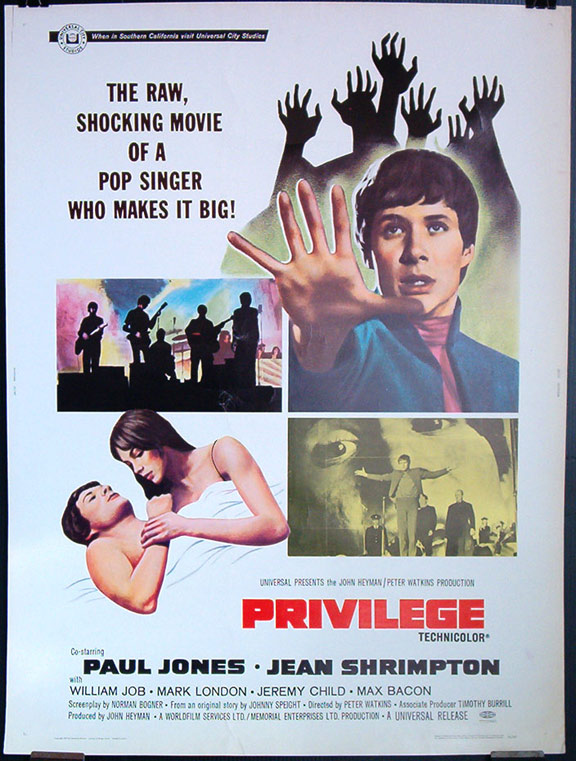
As Peary notes, this somewhat dated Big Brother flick is mostly notable as a glimpse at “controversial” films of the late 1960s. While filmed in quasi-documentary style, the movie lacks the deliberate humor of recent mockumentaries; it’s more akin to the deadpan political satire of Tim Robbins’s Bob Roberts (1992) or Warren Beatty’s Bulworth (1998). The film’s unusual story arc doesn’t chronicle the typical “rise and fall” of a superstar, but rather begins at the tipping point of Shorter’s fame. Thus, we never see any of the arrogance or cockiness that this nation-wide phenomenon must surely have possessed at some point; we are simply witness to his growing discomfort and despair.

Storyline aside, Privilege is primarily energized whenever Paul Jones hits the stage. He has a truly haunting voice, and the ballads he sings aren’t half-bad. He’s a surprisingly decent actor, too.

Redeeming Qualities and Moments:

  • Effectively Big Brother-ish sets
  • The opening “Theatre of Cruelty” musical act
  • Peter Suschitsky’s cinematography
  • An excellent rock soundtrack

Must See?
Yes. It holds a place in film history, and thus will most likely be of interest to true film fanatics.

Categories

  • Historically Relevant

Links:

Blithe Spirit (1945)

Blithe Spirit (1945)

“What, no ectoplasm?”

Synopsis:
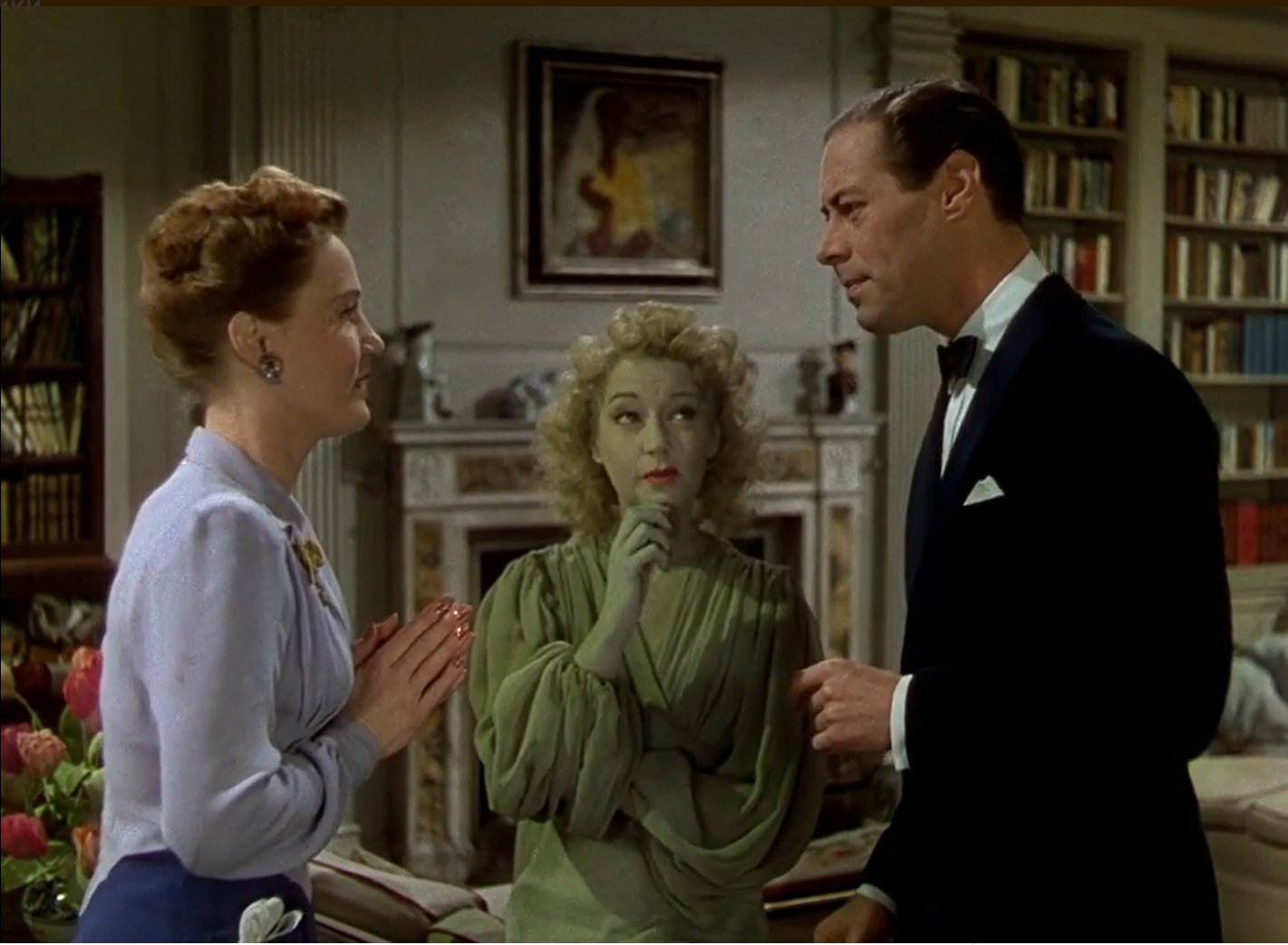
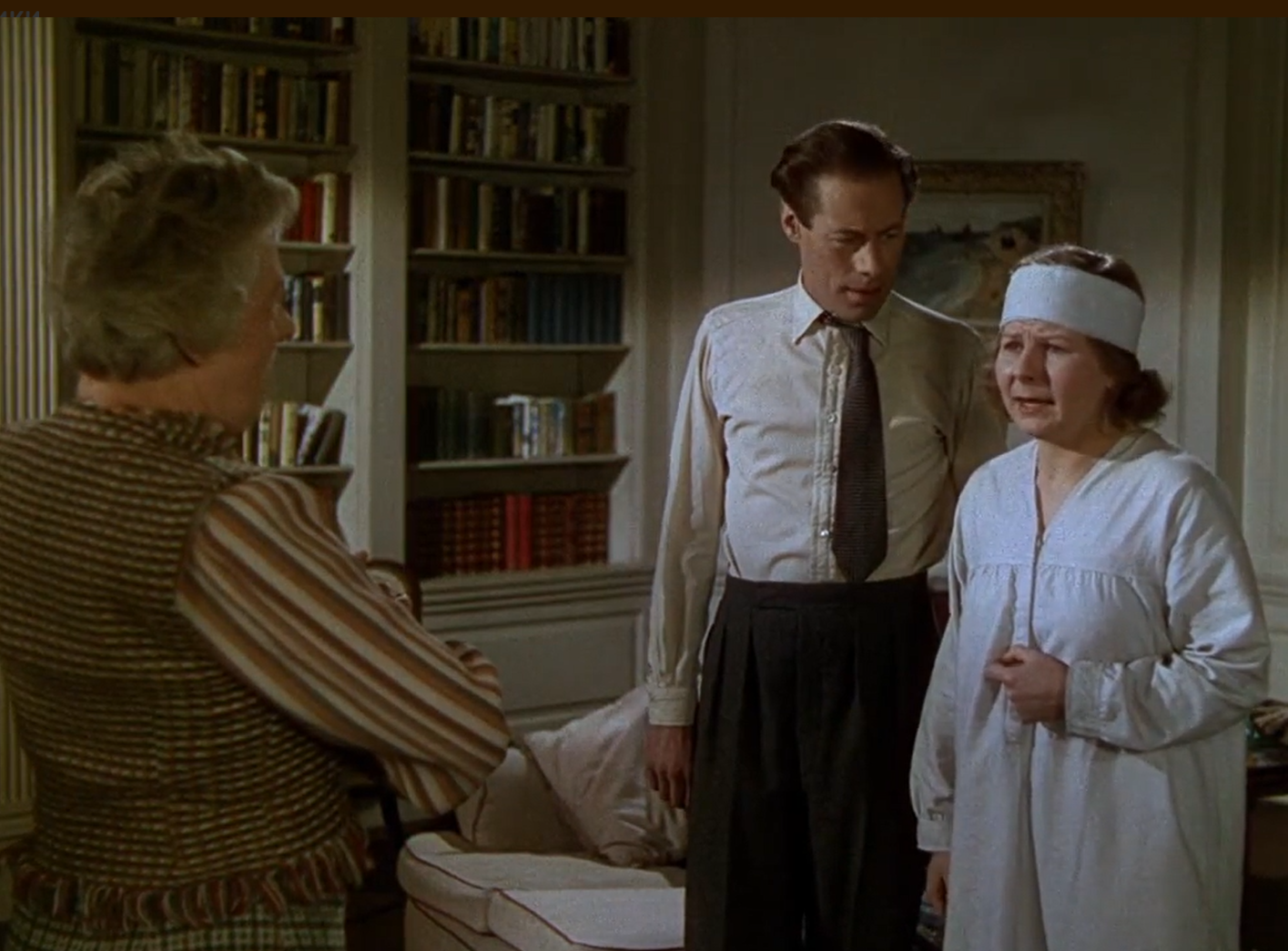
An eccentric medium (Margaret Rutherford) conjures up the ghost of author Rex Harrison’s deceased wife (Kay Hammond), much to the consternation of his new wife (Constance Cummings).

Genres, Themes, Actors, and Directors:

  • Comedy
  • David Lean Films
  • Ghosts
  • Love Triangle
  • Margaret Rutherford Films
  • Marital Problems
  • Noel Coward Films
  • Play Adaptations
  • Rex Harrison Films

Response to Peary’s Review:
David Lean’s adaptation of Noel Coward’s popular play is a uniquely comic look at life-after-death, one which makes good use of marital insecurities. Never before has a deceased wife caused so much trouble for the woman who has replaced her!

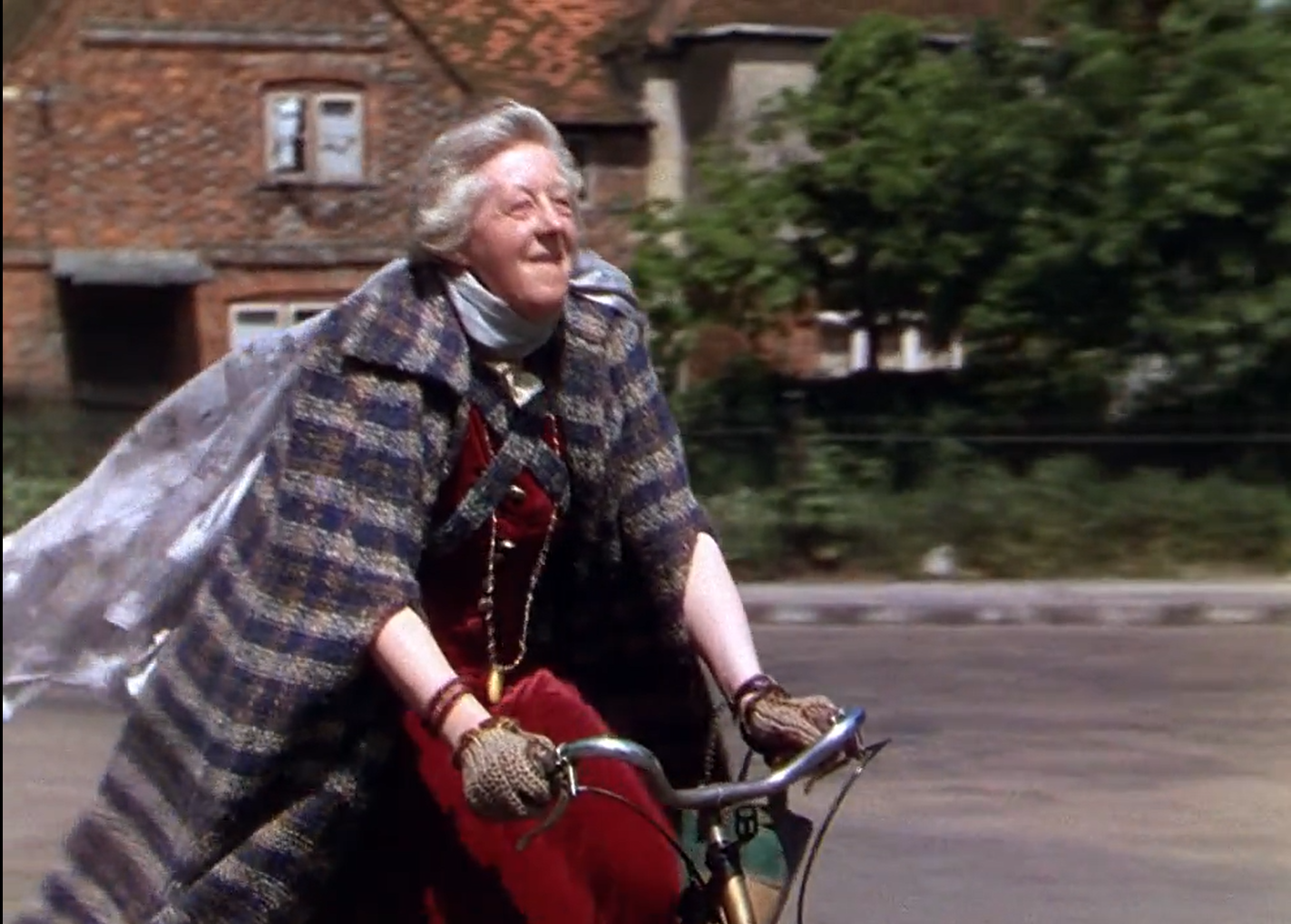
As Peary notes, Harrison’s ego is inevitably stroked when he realizes he has two women fighting over him; despite his henpecked consternation, there’s a part of him that’s downright tickled. However, the highlight of the film is undoubtedly Margaret Rutherford as the sincere but trouble-making medium, Madame Arcati: from the moment she appears onscreen, riding her bicycle down the street with a satisfied grin on her face:

… she is enchanting, giving a strong and memorable character performance. Watch for the plot twists — things suddenly take an interesting turn — and then another.

Redeeming Qualities and Moments:

  • Margaret Rutherford’s outstanding performance as the irrepressible Madame Arcati
  • Jacqueline Clarke as Edith, the bewildered maid who plays an unexpectedly important role in affairs
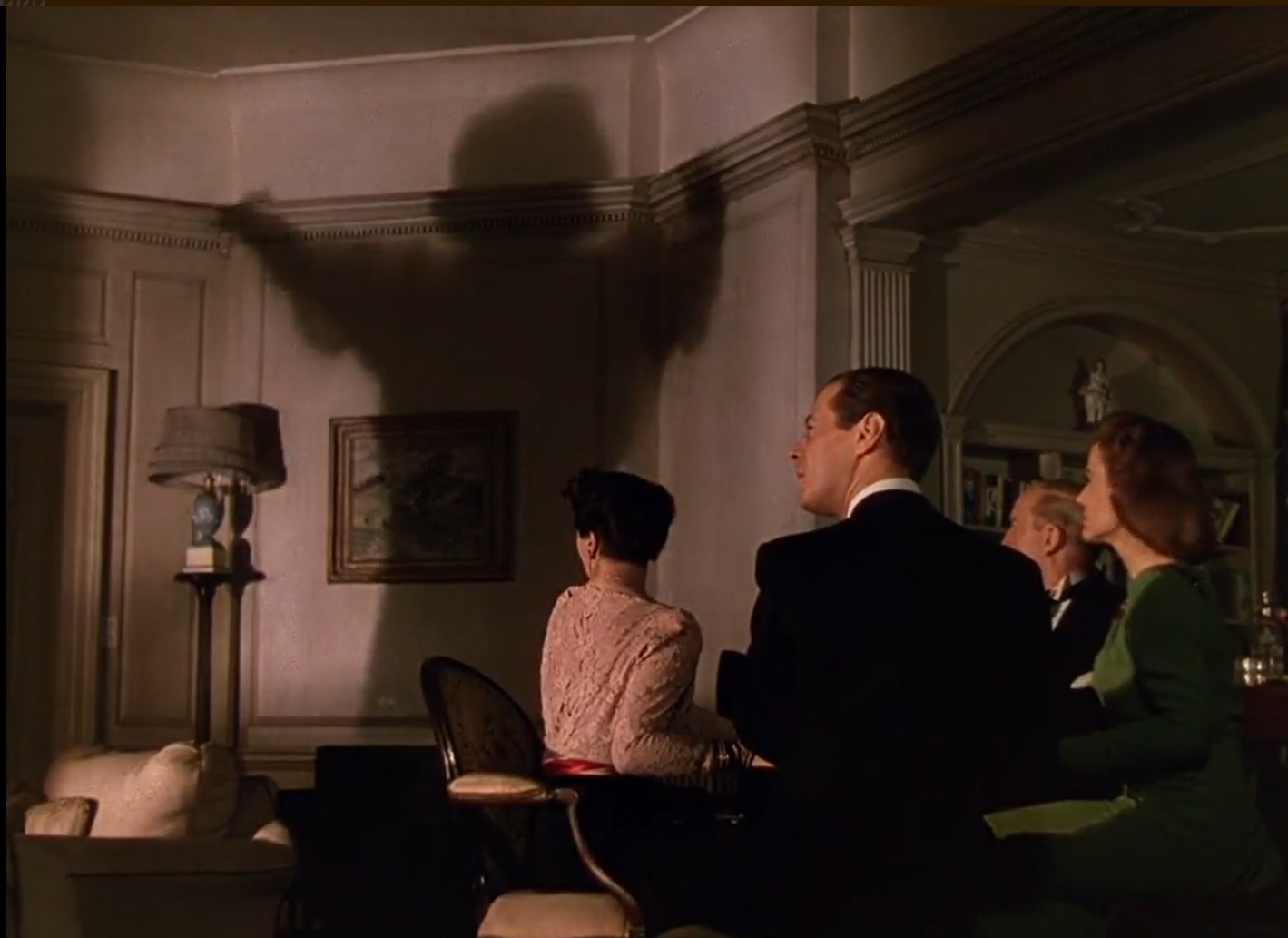
  • The unusual but effective ghost makeup
  • Atmospheric cinematography

Must See?
Yes, simply for Rutherford’s performance.

Categories

  • Noteworthy Performance(s)

Links:

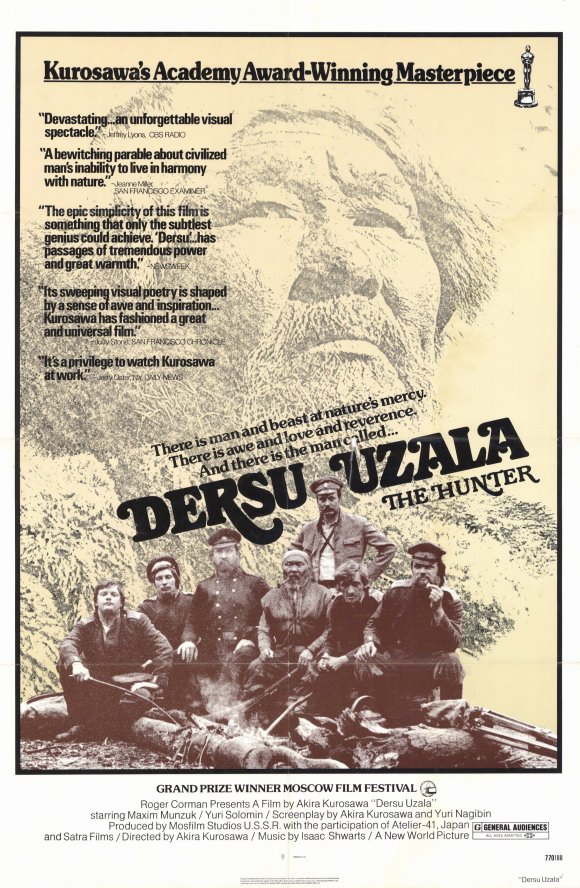
Dersu Uzala (1975)

Dersu Uzala (1975)

“Why man live in box?”

Synopsis:
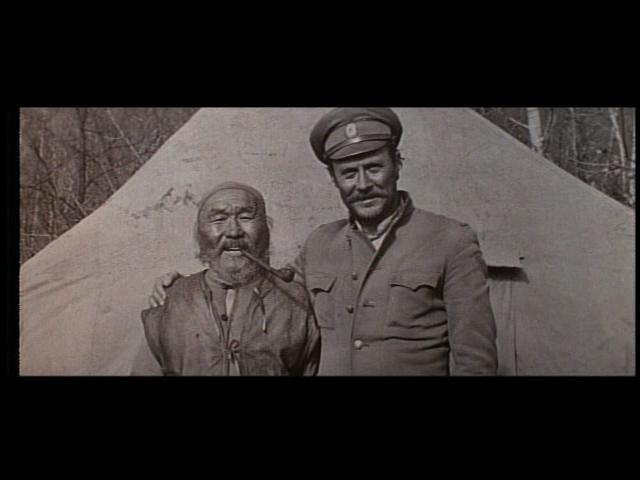
A Russian captain (Yuri Solomin) on a military expedition in Siberia befriends a bow-legged trapper (Maksim Munzuk) who saves his life.

Genres, Themes, Actors, and Directors:

  • Friendship
  • Kurosawa Films
  • Russian Films
  • Survival

Response to Peary’s Review:
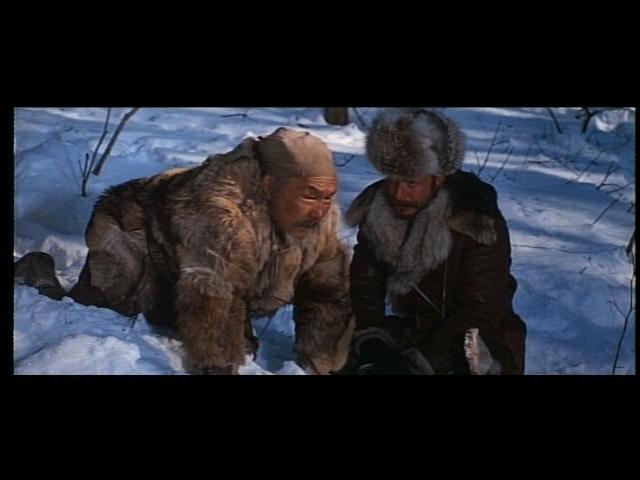
I agree with Peary that this Oscar-winning Soviet/Japanese film by Akira Kurosawa is “enthralling” and “eerily beautiful”. While slow-going at times, especially in the beginning (Kurosawa’s later films often are), you will nonetheless quickly get caught up in this epic tale of cross-cultural friendship which, “rather than being sentimental”, is “touching”. Maksim Munzuk as the “short, bow-legged, aging” Dersu is a wonder to behold: watch as he quietly aims his rifle at a swinging rope and hits his target dead on, or uses his wits and the scant materials at hand to design a life-saving shelter on the tundra. It’s especially refreshing to see cultural and racial biases of the time being overcome.

Note: I’m not the first to liken Dersu to Yoda from the Star Wars trilogy, but watch and see if you don’t agree!

Redeeming Qualities and Moments:

  • Maksim Munzuk as the inimitable Dersu
  • The touching friendship between Dersu and the Captain
  • Dersu and the Captain building the temporary shelter that will save their lives
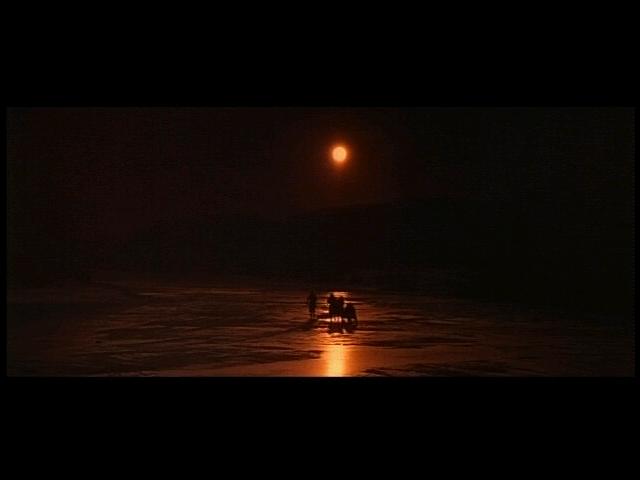
  • Gorgeous cinematography
  • A haunting film score

Must See?
Yes. This is an unusual entry in Kurosawa’s oeuvre, and well worth watching.

Categories

  • Foreign Gem
  • Important Director

(Listed in 1001 Movies You Must See Before You Die)

Links:

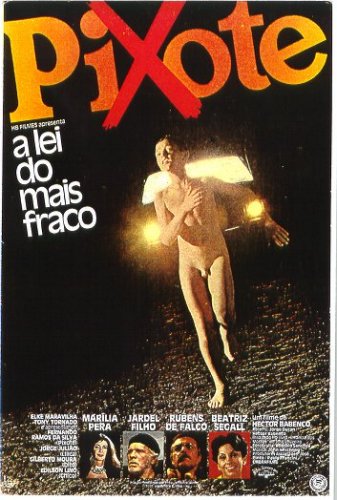
Pixote (1981)

Pixote (1981)

“This is the district of Sao Paolo, a large Latin American industrial city. There are approximately three million homeless children who have no one and no defined family of origin.”

Synopsis:
11-year-old Pixote (Fernando Ramos da Silva) must survive on the brutal streets of Brazil, with the help of his friends.

Genres, Themes, Actors, and Directors:

  • Juvenile Delinquents
  • Prostitutes
  • South America

Response to Peary’s Review:
Simply from reading the genres listed above, it’s clear that this “gritty, uncompromising” film isn’t for the light-of-heart. Similar in tone to City of God (2002), Pixote follows the devastating adventures of a young boy who is sent to a “reformatory” — which, naturally, does anything but “reform” him. Instead, as Peary puts it, Pixote’s “innocence is destroyed” when he is immediately subjected to a world of cruel guards, rape, drugs, and false accusations. But when Pixote and his buddies manage to escape (without much difficulty, it should be noted), life on the streets of Brazil is little better. Every comfort Pixote finds — whether sniffing glue out of a bottle, listening to music in a stolen car, or snuggling with an older prostitute — is short-lived, and ultimately just contributes to his descent down a slippery slope. Sadly, in his 2004 review, Roger Ebert writes that the illiterate Ramos da Silva returned to the streets after making this film, and was killed by police in 1987.

Redeeming Qualities and Moments:

  • Ramos da Silva’s raw performance as Pixote
  • Jorge Juliauo’s sensitive portrayal as the transvestite, “Lilica”
  • Marilia Pera’s award-winning performance as the broken prostitute, Sueli
  • An uncompromising look at adolescents banding together for survival

Must See?
Yes. This is one of the most powerful neo-realist films ever made.

Categories

  • Foreign Gem

Links: