Over the Edge (1979)
“When you’re 16, you start playing for real.”
|
Synopsis: |
|
Genres, Themes, Actors, and Directors:
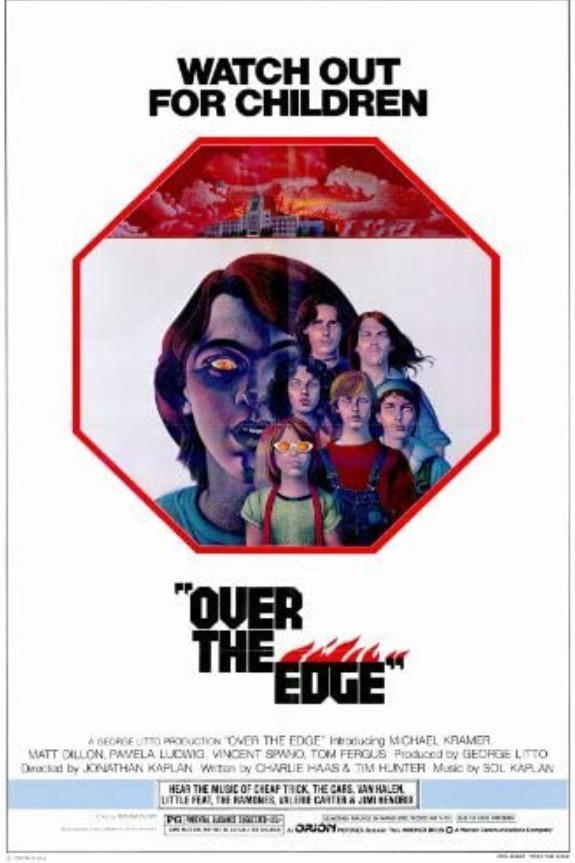
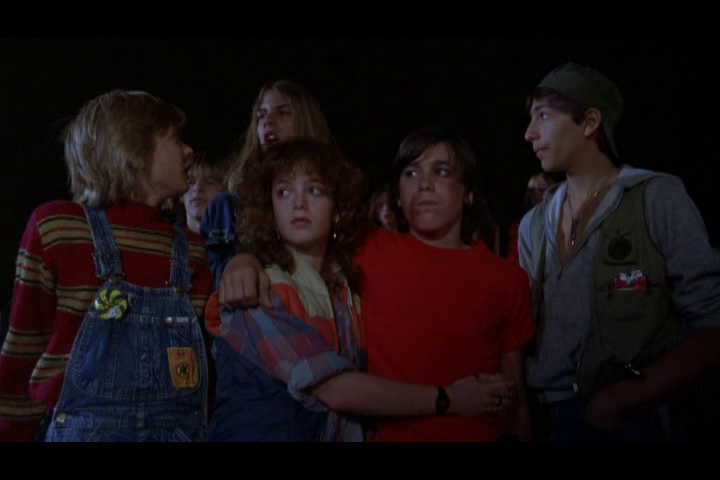
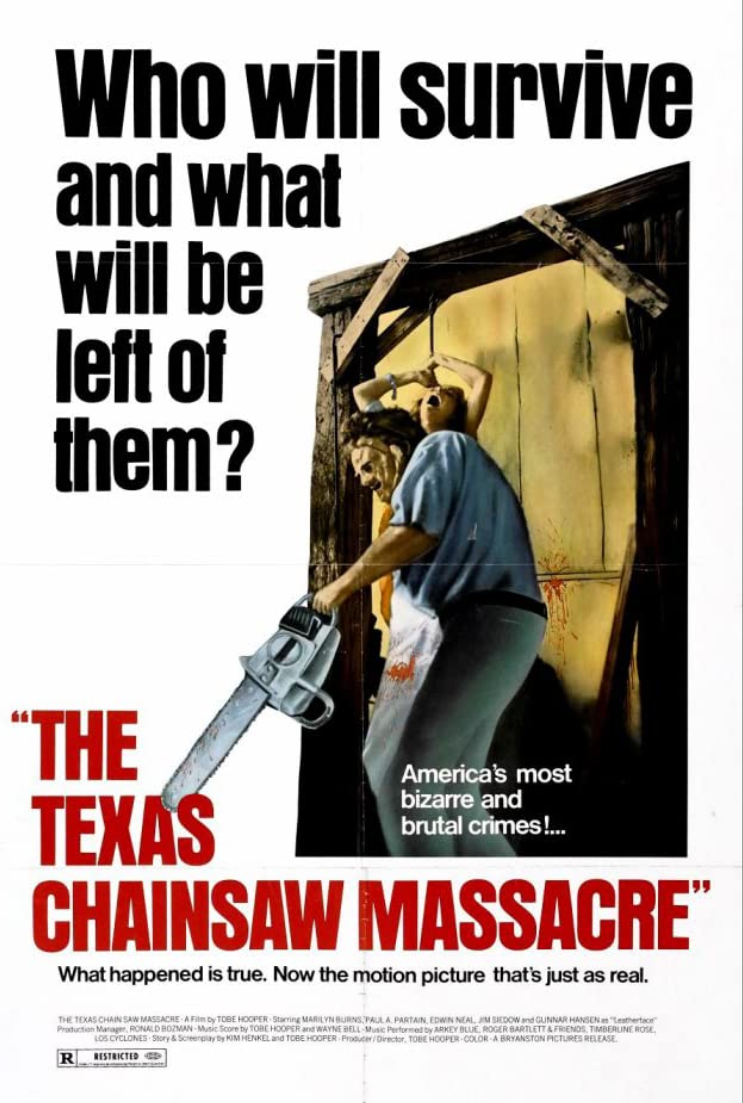
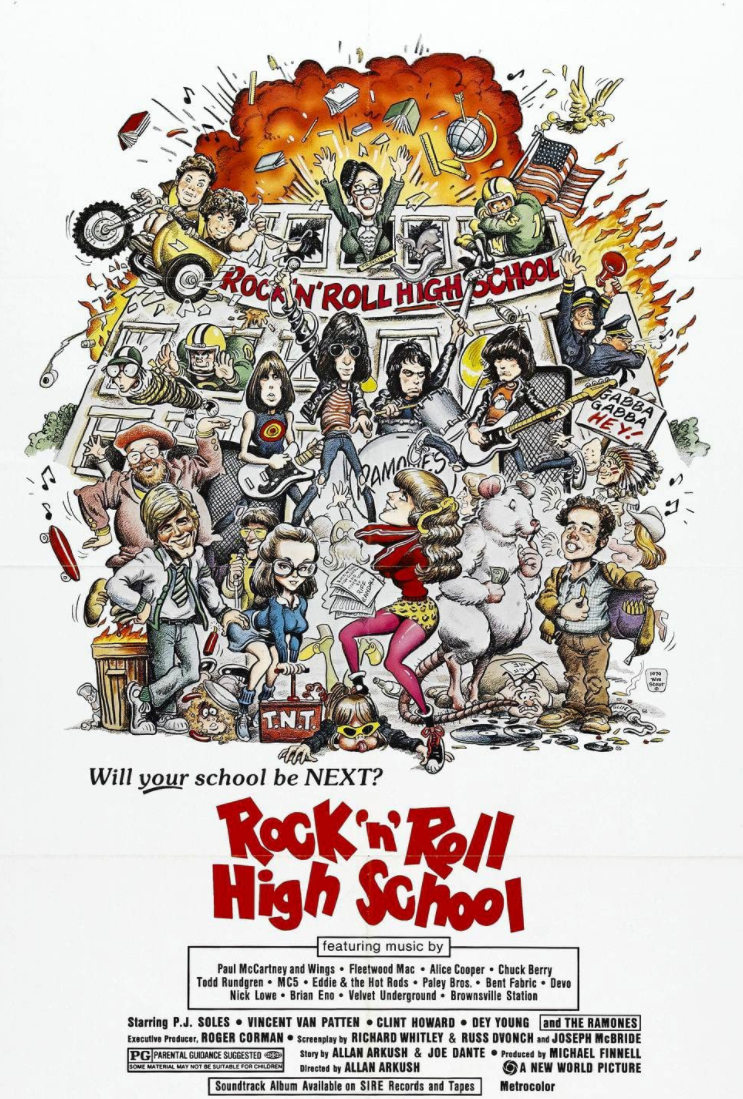
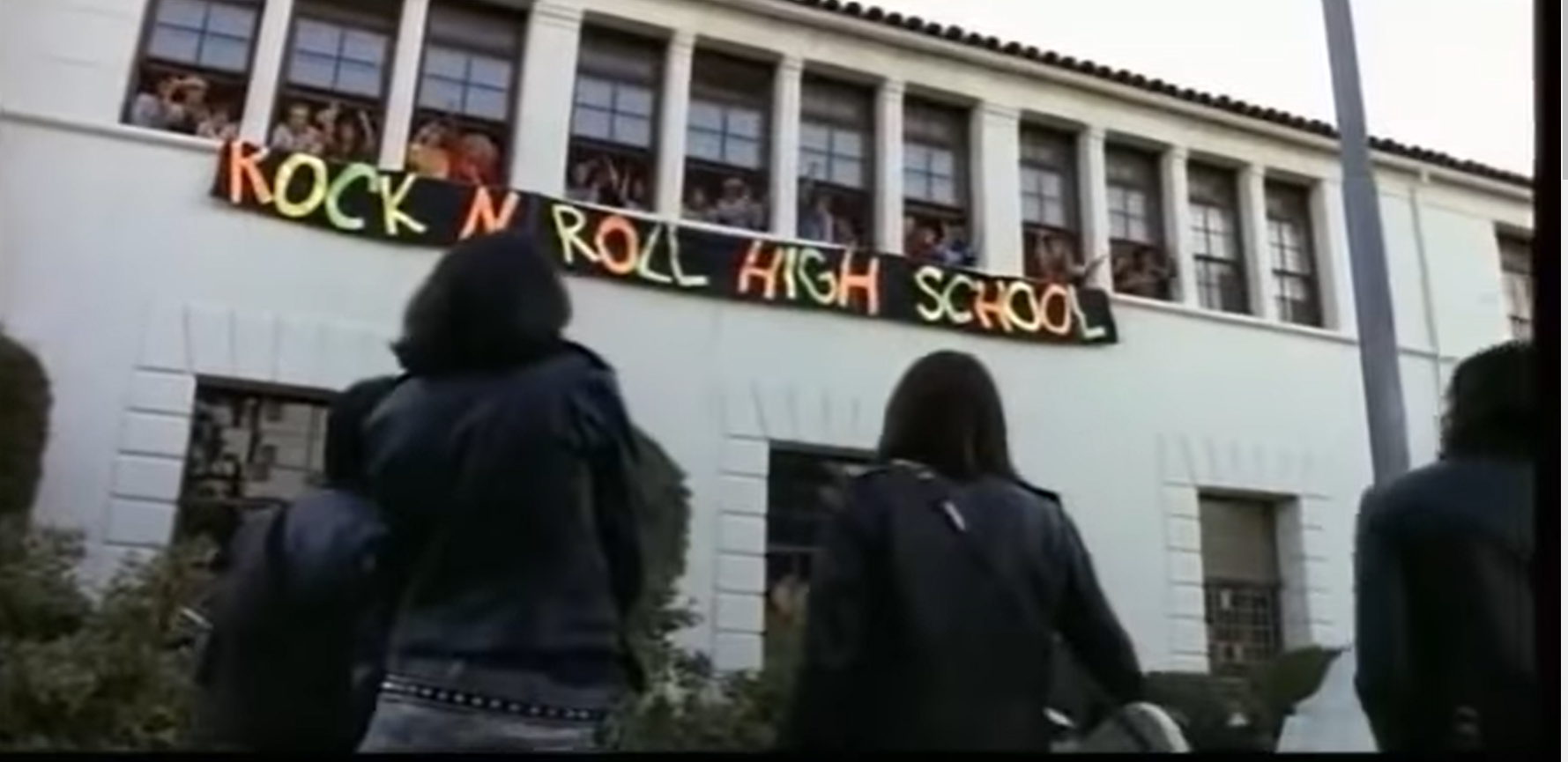
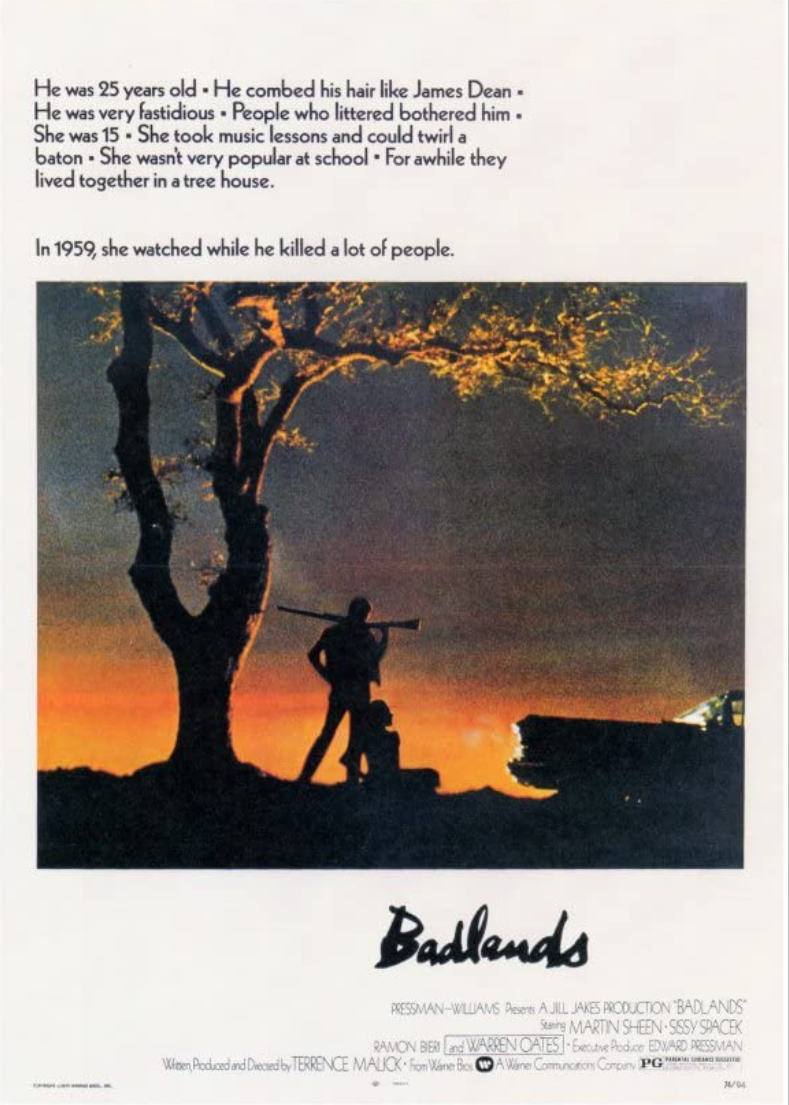
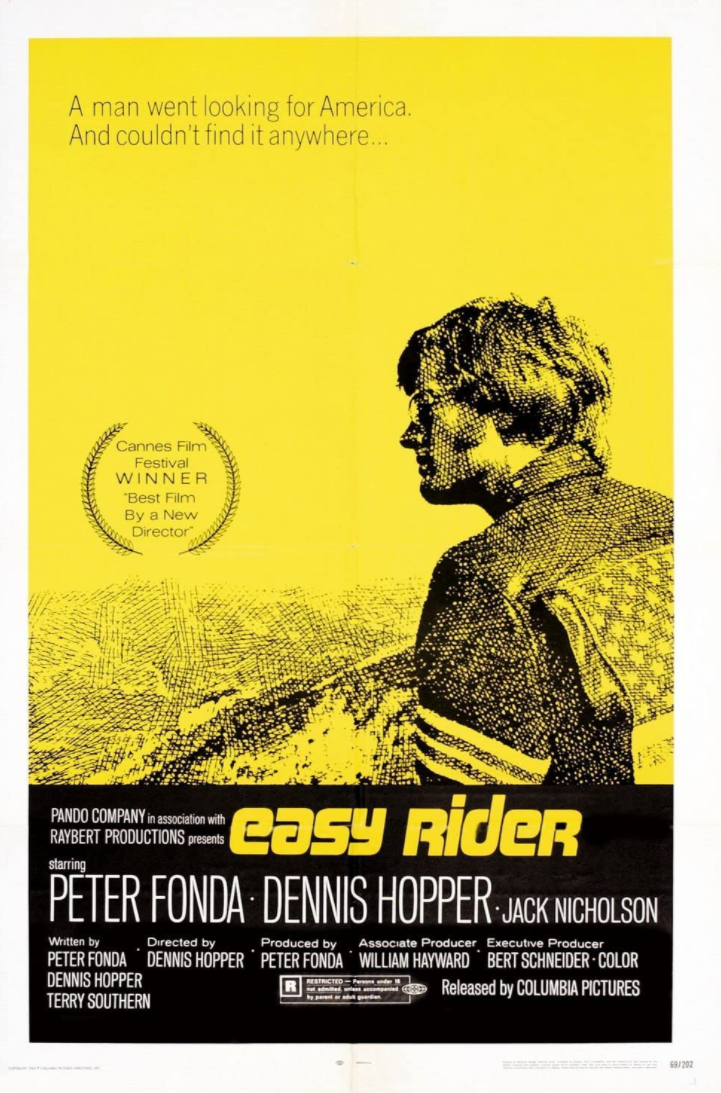
Response to Peary’s Review: In Cult Movies 3, Peary discusses the film’s production and release history in greater detail, explaining that “after it received excellent reviews in such test markets as Chicago, Cincinnati, and Kansas City, it became almost impossible to see, sparking interest and word-of-mouth.” However, “since it was promoted as a horror(!) film” (see the movie poster above), Warner Brothers “shelved it”, defending “its decision with claims that no one would book a ‘gang picture’ after the heavily publicized incidents of violence at theaters showing The Warriors (1979) and Boulevard Nights (1979).” In addition, the “drug scenes” meant no network television stations were willing to air it, so “its audience would not grow until it turned up on cable more than a year later, began to play in repertory theaters, and became available on cassette.” Peary goes on to compare Over the Edge to Rebel Without a Cause (1955), noting that while “both films deal with the same subject, Over the Edge is more disheartening, indicating that it has gotten much worse for America’s youth since 1955″. Indeed, “Kaplan’s brutally realistic film” — a “terrifying warning — with no resolution — about what is happening to American’s best resource” — “makes Rebel Without a Cause seem optimistic.” Peary further associates Over the Edge with a handful of other films that are “completely in sympathy with teenagers”, including The Blob (1958), Foxes (1980), The Outsiders (1979), and The Breakfast Club (1986). Despite the ongoing issue of how to keep teens and pre-teens meaningfully engaged, when watching Over the Edge today one is definitely struck by how time-bound it feels: in the pre-internet era presented here, kids must gather physically somewhere in order to hang out — and as Peary writes, “they remind [one] of rats and other night creatures that come out when people are gone”, gathering “in the dark by the rec center, sitting on the ground or in little improvised hovels”. In “the party scene, their clutching bodies fill up the halls, the basement stairwell, and the basement of a house whose adult owners are away (it’s like an underground tunnel system inhabited by rodents)” — and “they run out of the house en masse as the cops arrive, as rats or roaches would do if the lights went on; they vandalize the school and like scavengers destroy and steal from the cars in the parking lot.” Indeed, while this film may be sympathetic to its teenage protagonists, it’s hard to actually like these characters, who are so damaged by their (privileged but insufficient) upbringing that violence and drugs seem to them to be their only option. Director Kaplan has stated, “I happen to believe these kids are potentially dangerous. A good demagogue comes along and he’s got his troops. And that scares the shit out of me.” Kaplan’s right to take this stance: these kids are dangerous, and one despairs for humanity when watching his depressing film. Redeeming Qualities and Moments:
Must See? Categories
Links: |