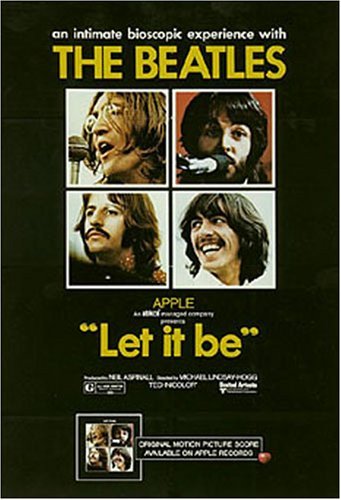
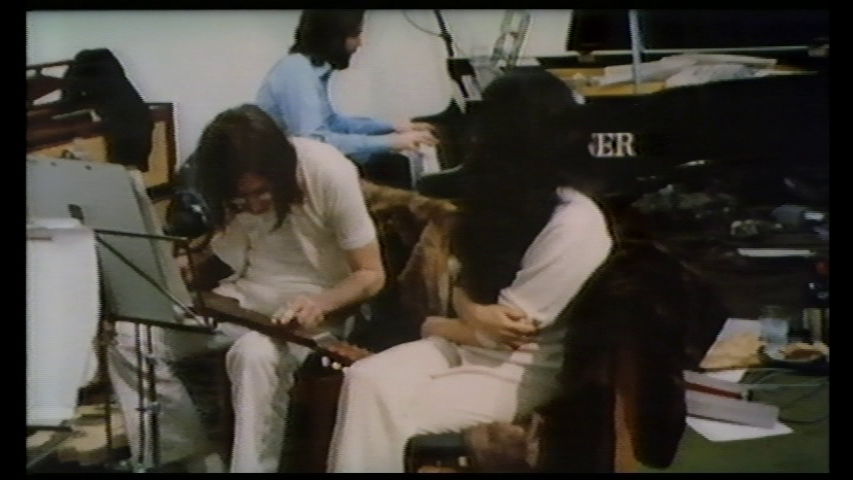
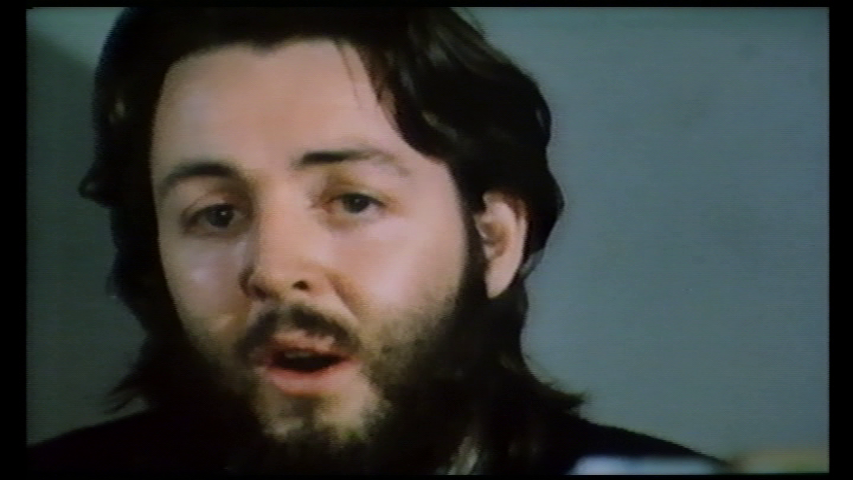
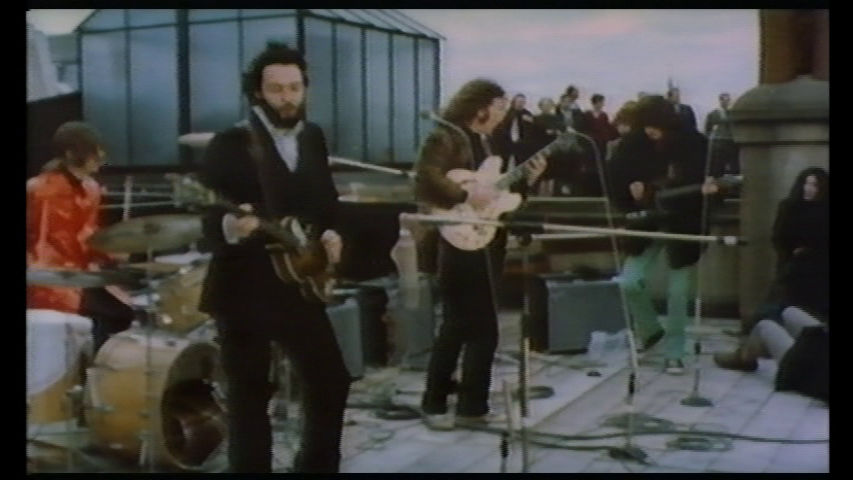
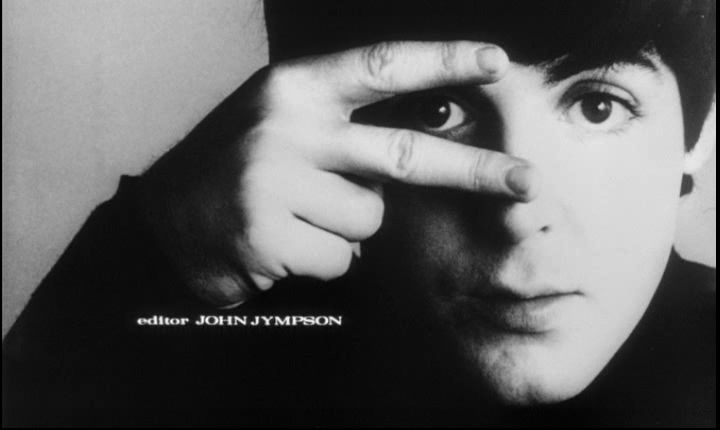
Let it Be (1970)
“Yeah, okay, well — I don’t mind. I’ll play, you know, whatever you want me to play.”
|
Synopsis: |
|
Genres, Themes, Actors, and Directors:
Review: Redeeming Qualities and Moments:
Must See? Links: |
“Yeah, okay, well — I don’t mind. I’ll play, you know, whatever you want me to play.”
|
Synopsis: |
|
Genres, Themes, Actors, and Directors:
Review: Redeeming Qualities and Moments:
Must See? Links: |
“Now look, I’ve had a marvelous idea: just for once, let’s all try to behave like ordinary, respectable citizens.”
|
Synopsis: |
|
Genres, Themes, Actors, and Directors:
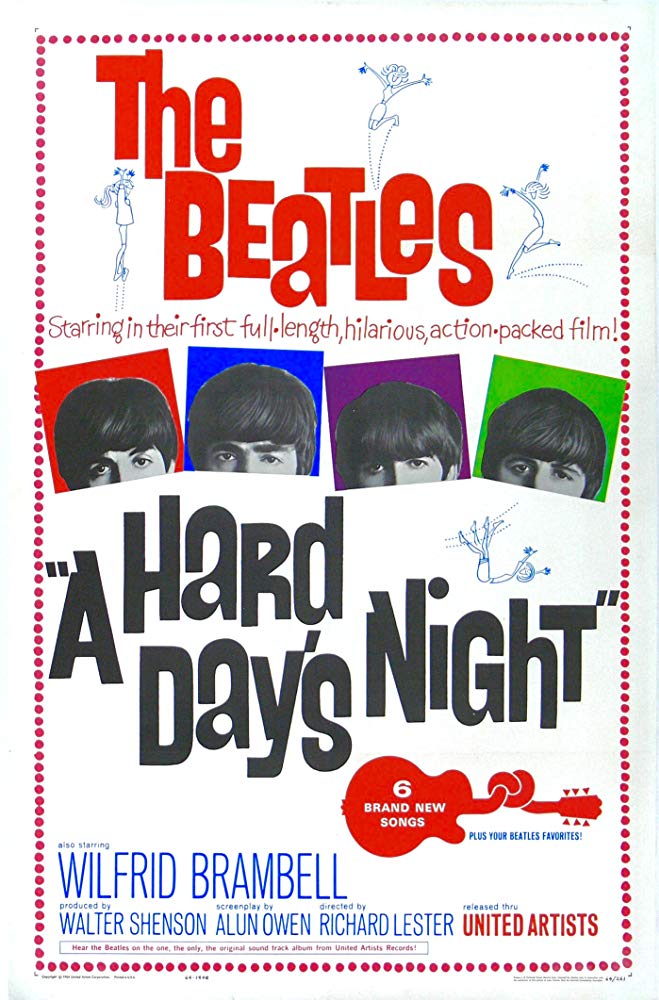
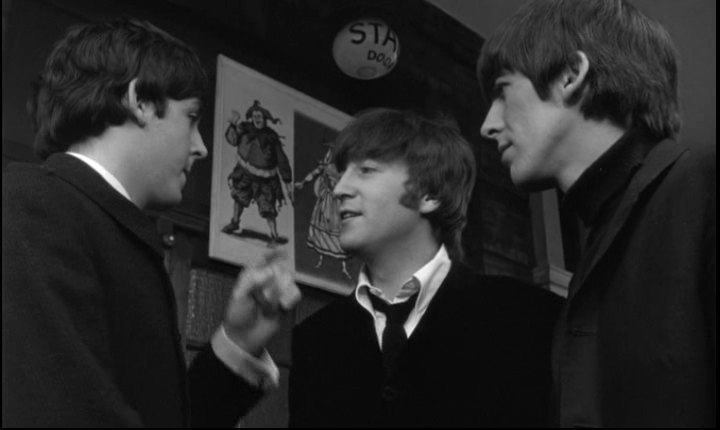
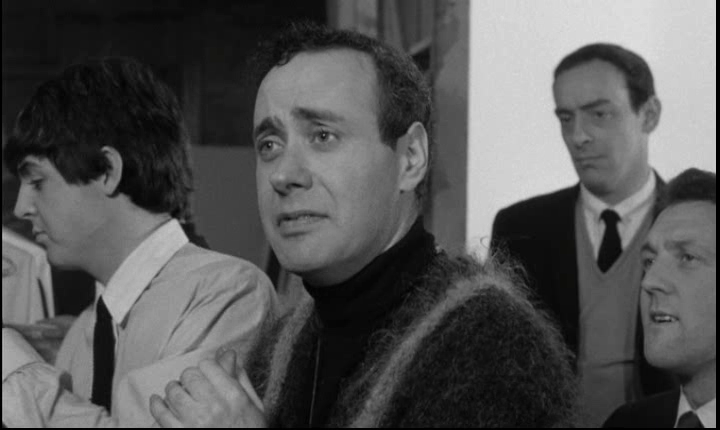
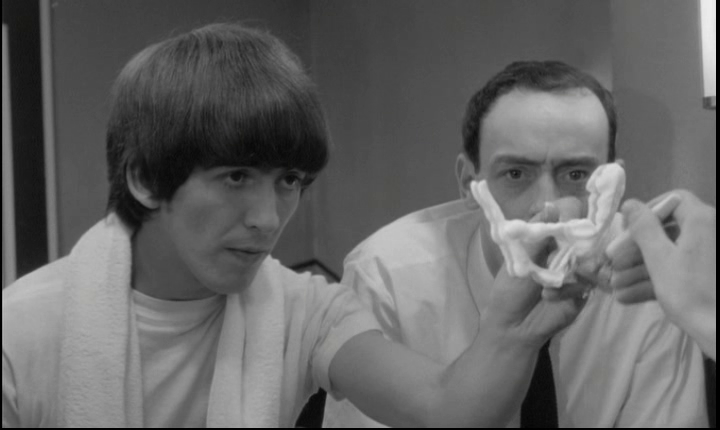
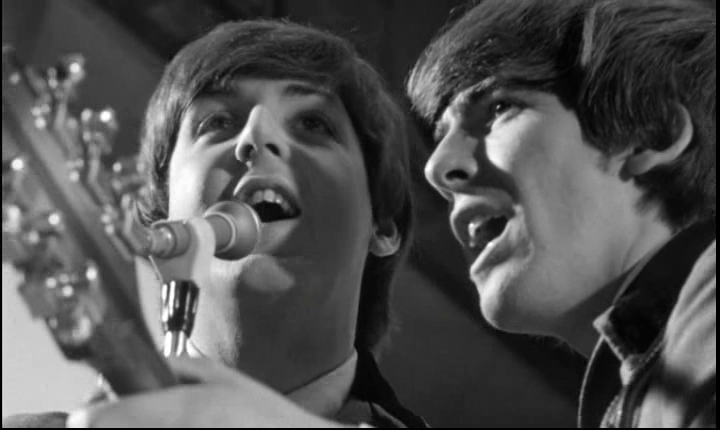
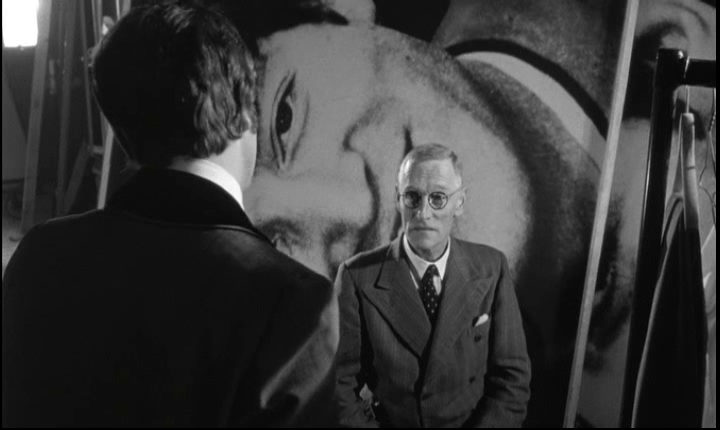
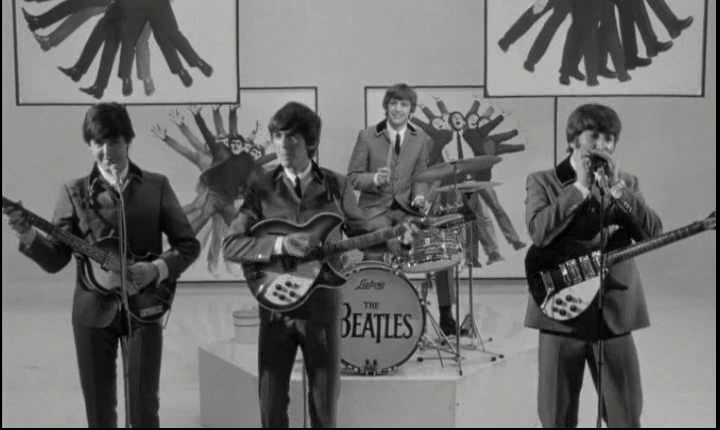
Response to Peary’s Review: This cult classic does indeed remain a “treasure”, for all the reasons outlined in Peary’s review (he goes into further detail in his Cult Movies essay). As Peary notes, the film nicely shows that despite the boys’ silliness and “vices”, they “are neither lazy nor irresponsible”; while they’re not presented as “heroic or wise figures”, “they’re to be admired… because of their professional attitude toward their music.” Importantly, they “like their fans, though the adoration befuddles them” — and “their loyalty to one another has less to do with friendship than with each being aware that only three other people in the world know what they’re going through as the only sane people in a Beatles-crazy world… Over and over again, when the pressures of living in a fishbowl get them down, they pick up their instruments and, quickly, they’re smiling again”, singing classics such as “I Should Have Known Better”, “If I Fell”, “And I Love Her”, “I’m Happy Just to Dance With You”, “Tell Me Why”, and “She Loves You”. There are numerous elements to enjoy about A Hard Day’s Night, and countless memorable scenes; as Roger Ebert noted, this movie “has not aged and is not dated; it stands outside its time, its genre and even rock. It is one of the great life-affirming landmarks of the movies.” The young Beatles’ infectious enthusiasm for life and music — those smiles! — is the biggest draw by far, but I also love the sly supporting performances (particularly by Brambell and Spinetti); the “mod” sets; the consistently creative camera moves and angles; and the wonderful subplot provided to “poor Ringo”, who gets to be the star for once in his career. Also classic, of course, are the many shots of screaming fans, both those running tirelessly after the Beatles wherever they go, and those attending the concert; I especially appreciated noting this time around how many male fans are in the audience. (Phil Collins — who narrated an engaging 1995 documentary about the making of the film entitled You Can’t Do That! — points out he was an audience member himself.) Redeeming Qualities and Moments:
Must See? Categories
(Listed in 1001 Movies You Must See Before You Die) Links: |
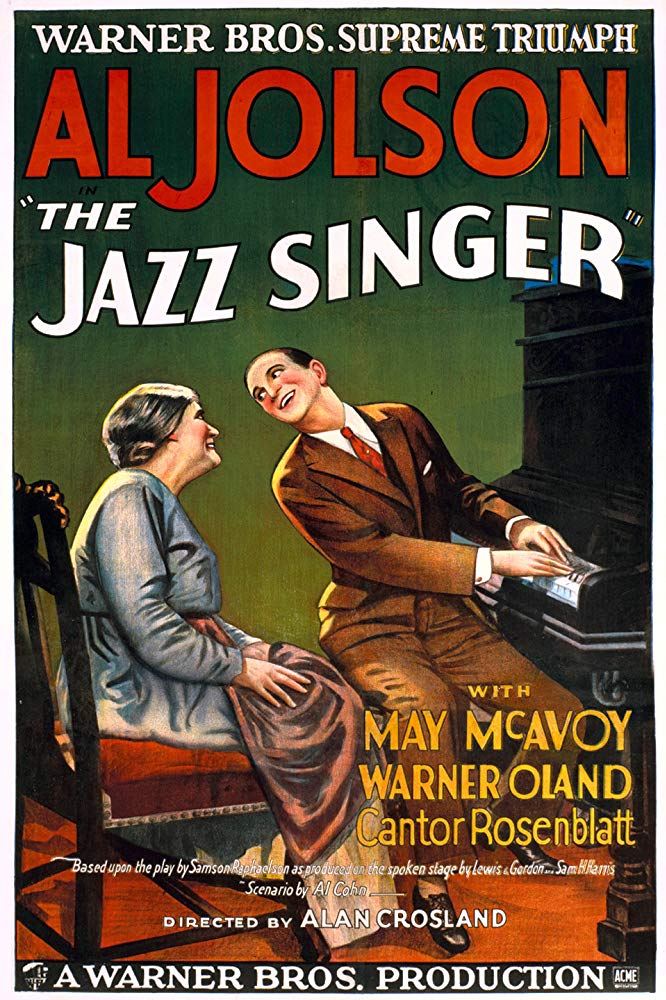
“Wait a minute, wait a minute — you ain’t heard nothin’ yet!”
|
Synopsis: |
|
Genres, Themes, Actors, and Directors:
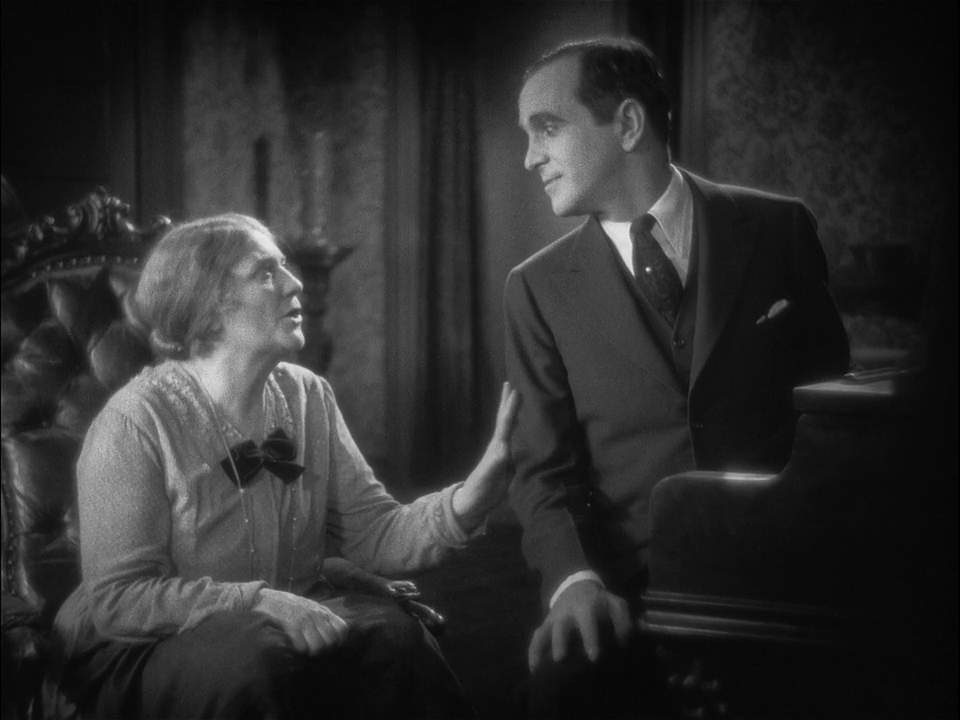
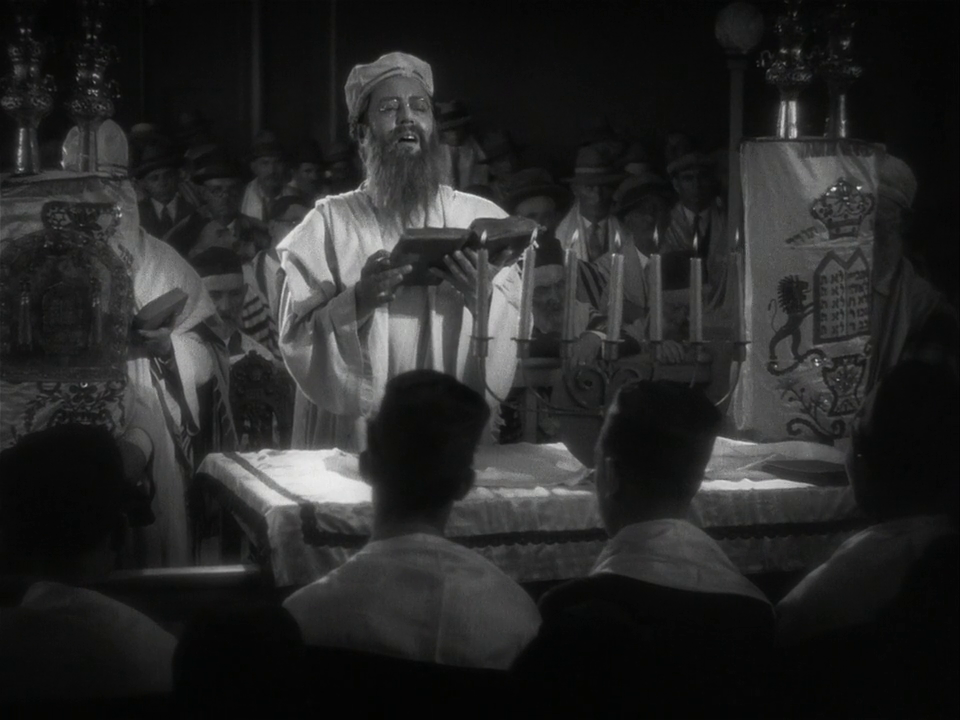
Response to Peary’s Review: Note: Check out the following video clip for more details on how this early talkie played a part in movie sound history: Redeeming Qualities and Moments:
Must See? Categories (Listed in 1001 Movies You Must See Before You Die) Links: |
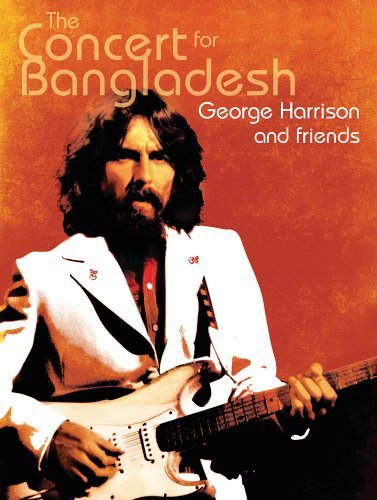
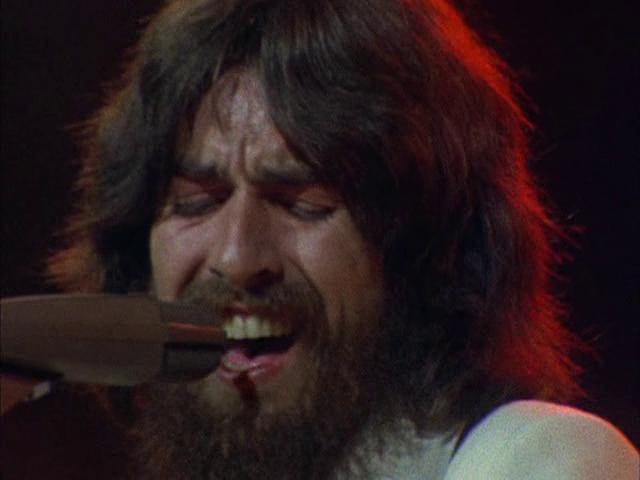
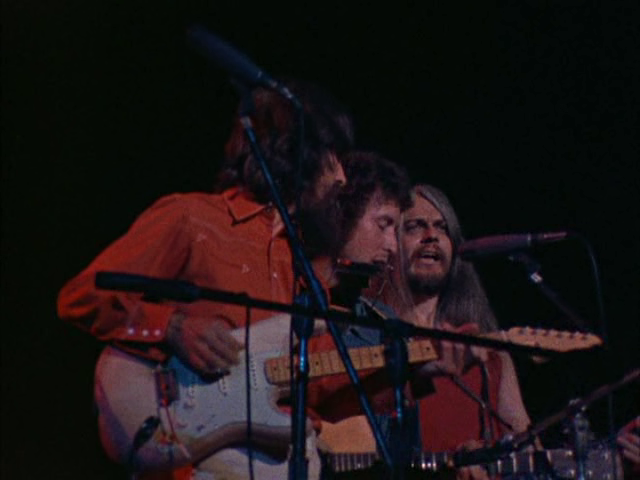
“It just happens to be Pakistan now, as far as I can see — it happens to be that which we’re doing the benefit for. It’s a particularly bad situation there, but it does happen all the time — this is happening everywhere.”
|
Synopsis: |
|
Genres, Themes, Actors, and Directors:
Response to Peary’s Review: Redeeming Qualities and Moments:
Must See? Links: |
“This is my home, and I don’t like dirt tracked into it.”
|
Synopsis: |
|
Genres, Themes, Actors, and Directors:
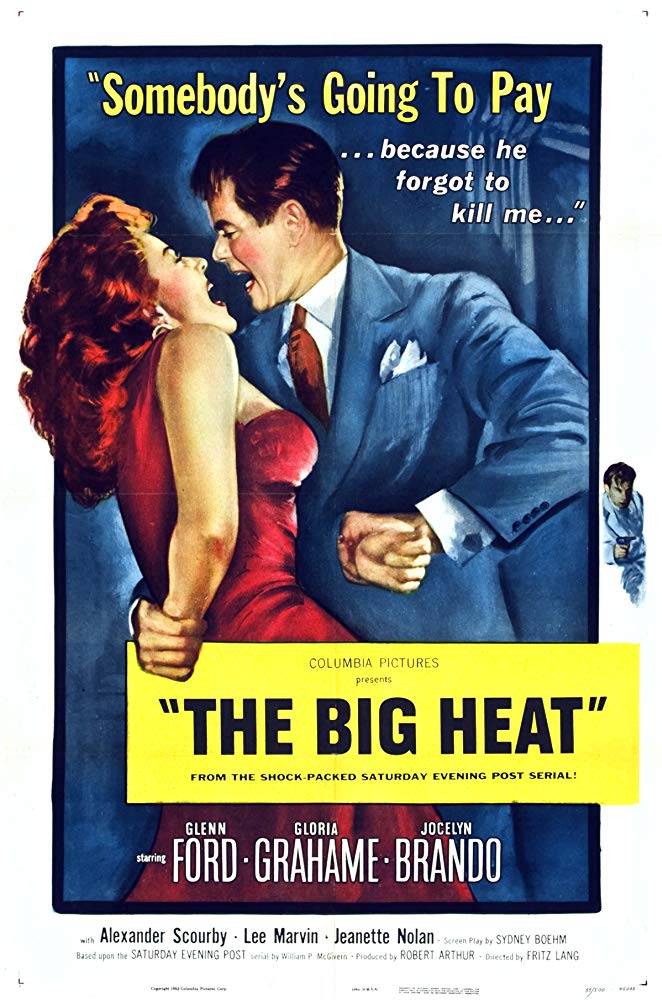
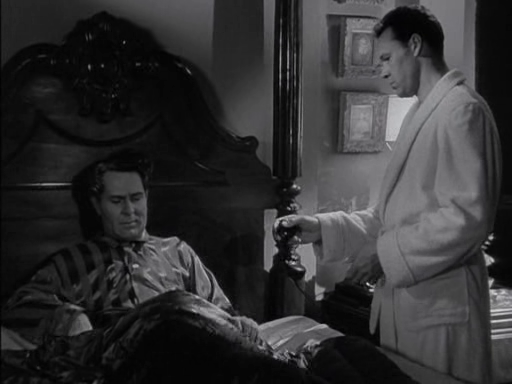
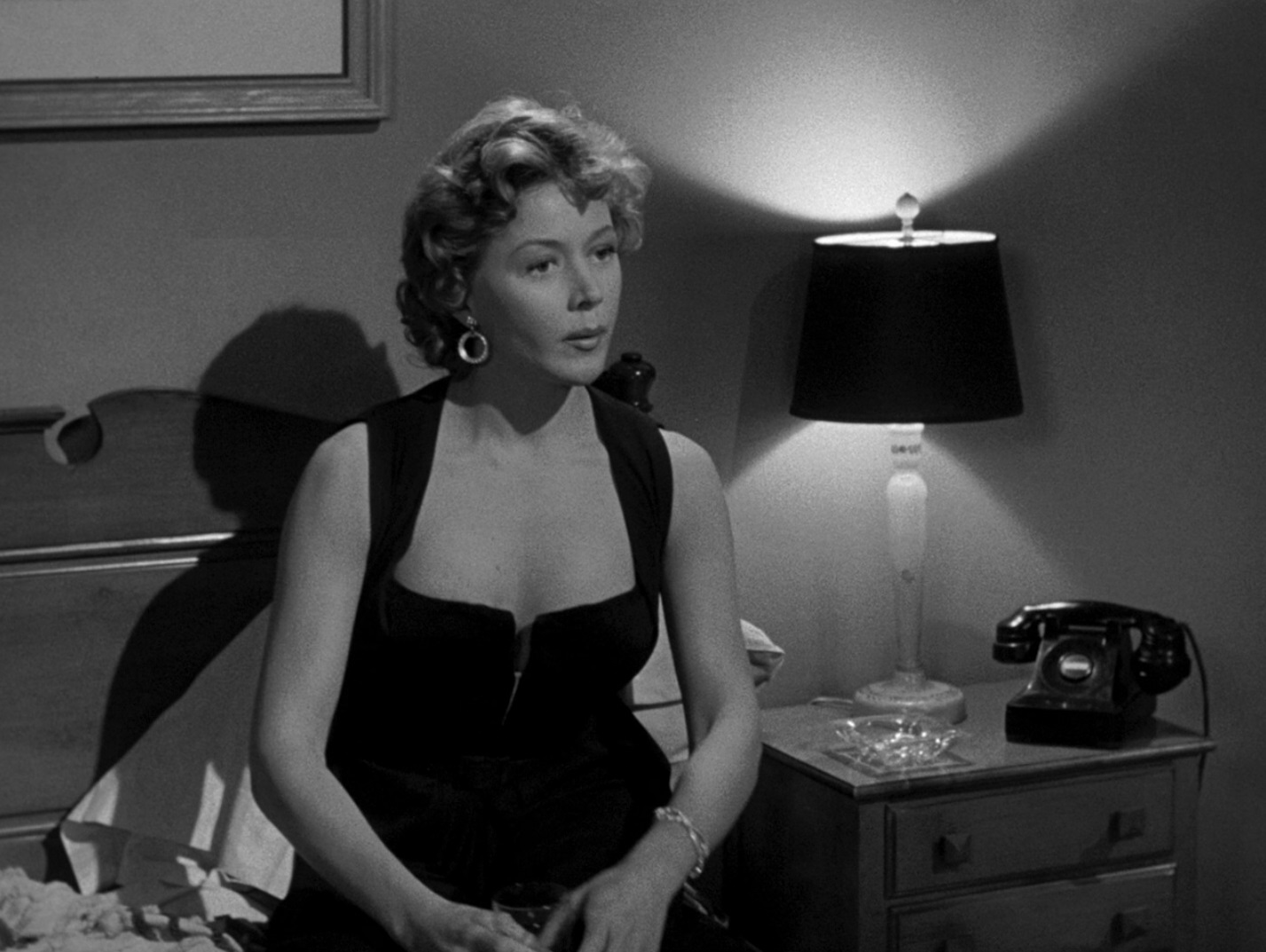
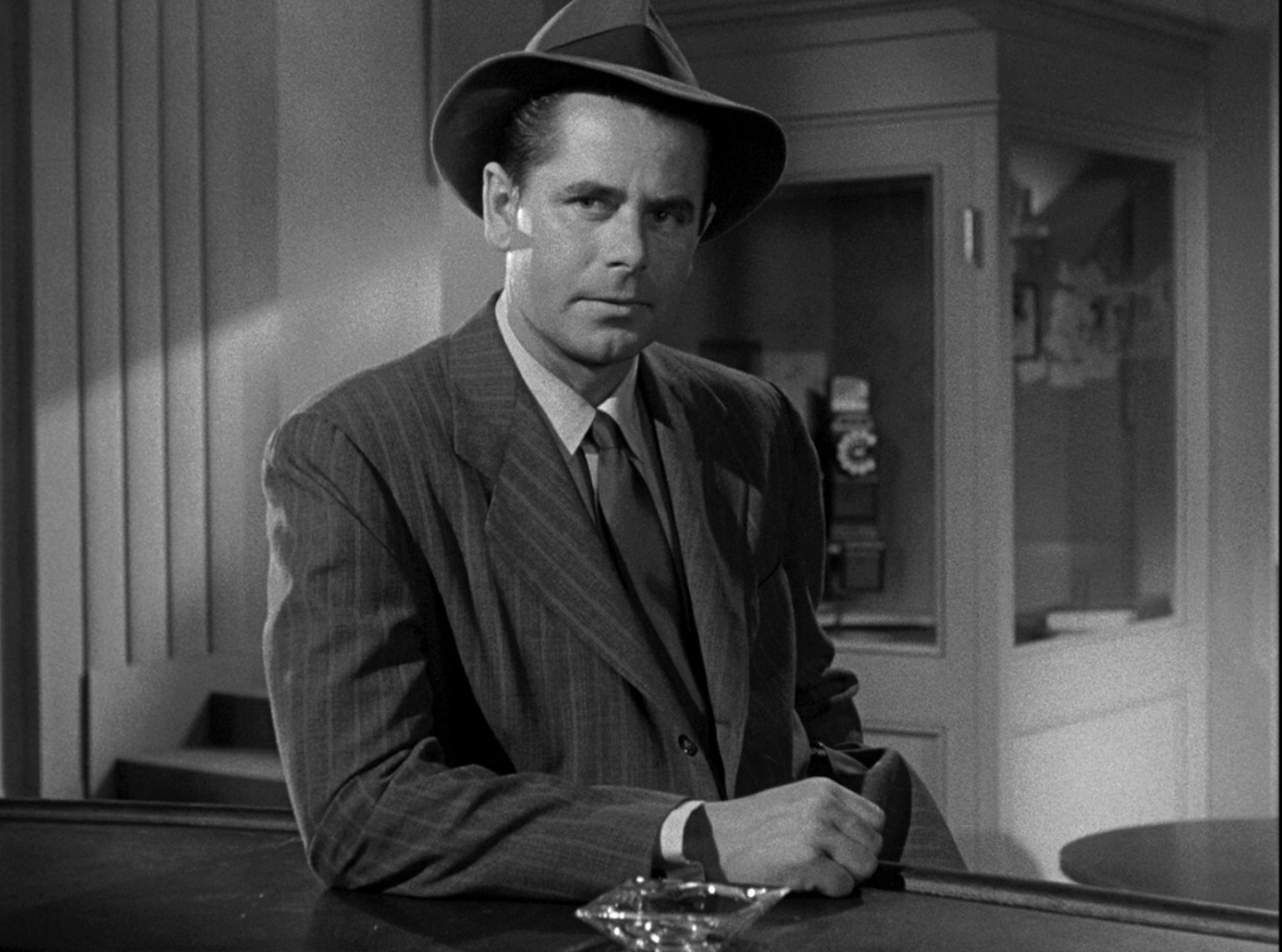
Response to Peary’s Review: To that end, as Peary writes, Grahame “does the dirty work before Ford gets a chance”, and “her charitable act purges Ford of his consuming hatred and reestablishes his faith in people.” Peary goes into greater detail about Grahame’s performance in Alternate Oscars, where he names her Best Actress of the Year and refers to her as “a great, underrated actress who was at her peak”: she had recently made a moderate impression in both A Woman’s Secret (1949) and In a Lovely Place (1950), and won a Best Supporting Actress the year before for her work in The Bad and the Beautiful (1952) in addition to co-starring in Macao (1952), Sudden Fear (1952), and The Greatest Show on Earth (1952). Peary writes that her character in The Big Heat “is one of her many sensuous, flirtatious women who are unhappy with their lives, and feel they are unworthy of the men they fall for” (i.e., James Stewart in It’s a Wonderful Life). While “she’s too good to be stuck with the brutal Vince [Marvin]”, “until she meets Bannion [Ford] she believes that he is typical of all men”, not realizing until later that “she deserves better”. In GFTFF, Peary adds that The Big Heat is “much about territorial imperative. Notice how all the characters regard their homes or work establishments as their power bases; how the richer the home, the more corrupt its owner…; how when one person enters or merely telephones the home of an enemy, it is tantamount to an act of aggression…” He notes that “this is a vigilante film with a difference — the hero learns that going outside the law is not only wrong but the first step to becoming as bad as the enemy”. Indeed, Ford’s determined yet foolhearty actions during the film’s first half hour leave a decidedly bitter taste in one’s mouth, given the domestic tranquility we know he’s putting at risk; how can he be so dumb? It’s easier for me to contextualize this film (as noted in Peary’s Cult Movies 2 essay) within German-born Lang’s broader oeuvre of movies about characters who “have the misfortune to live in a preordained world” where “if they make the wrong decision, take the wrong fork in the road, or end up at the wrong place at the wrong time, they risk falling into a bottomless pit, a nightmare world where they have no control over their futures” — as is the case for Spencer Tracy in Fury (1936) and Henry Fonda in You Only Live Once (1937), both also starring a man “who seems to be constantly looking over his shoulder”. As Peary writes, “Dave Bannion [Ford] is a prime candidate for falling into fate’s trap”, given that “he also acts impulsively… rather than considering the possible consequences for himself and his family. It pays to be cautious in Lang’s world.” Note: Little to no mention is made by critics of the opening scene, when Lagana’s male employee emerges on screen in a white terry-cloth robe to hand the phone to his sleeping boss — this, combined with lack of physical evidence of a wife, and the presence of numerous hunky young bodyguards, implies Lagano’s sexual preferences without highlighting them.
Redeeming Qualities and Moments:
Must See? Categories
(Listed in 1001 Movies You Must See Before You Die) Links: |
“There is no conspiracy, there is no cover-up.”
|
Synopsis: |
|
Genres, Themes, Actors, and Directors:
Response to Peary’s Review: Redeeming Qualities and Moments:
Must See? Categories
Links: |
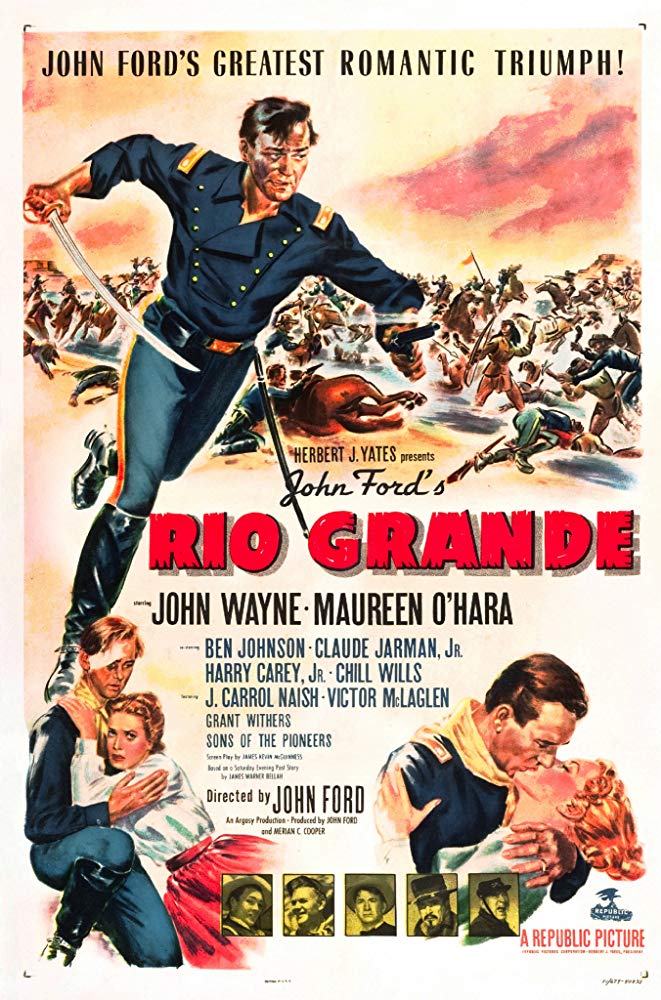
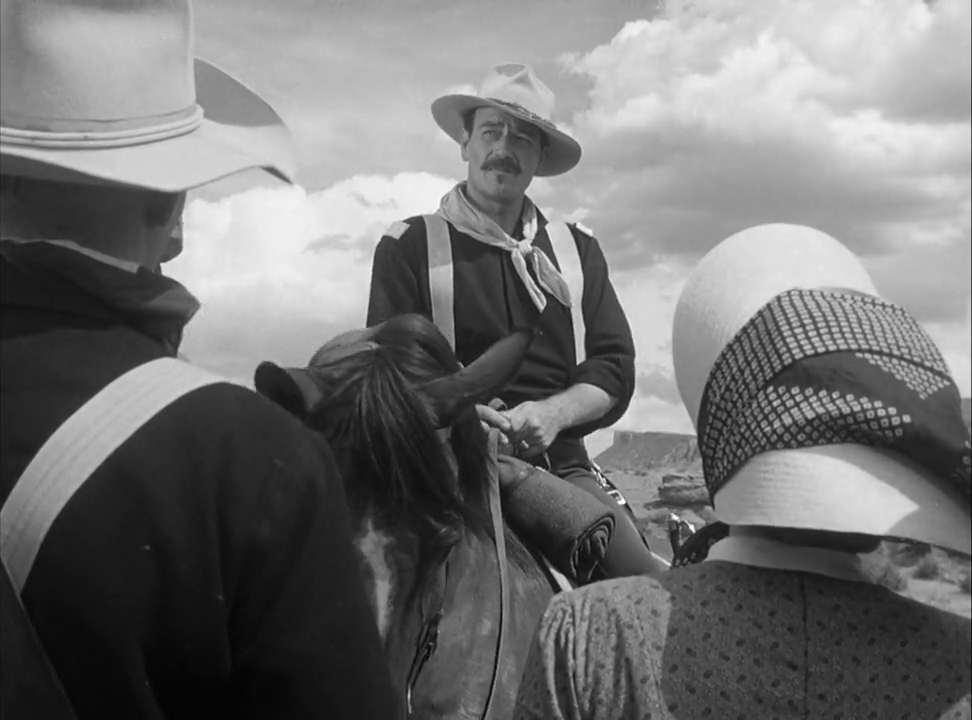
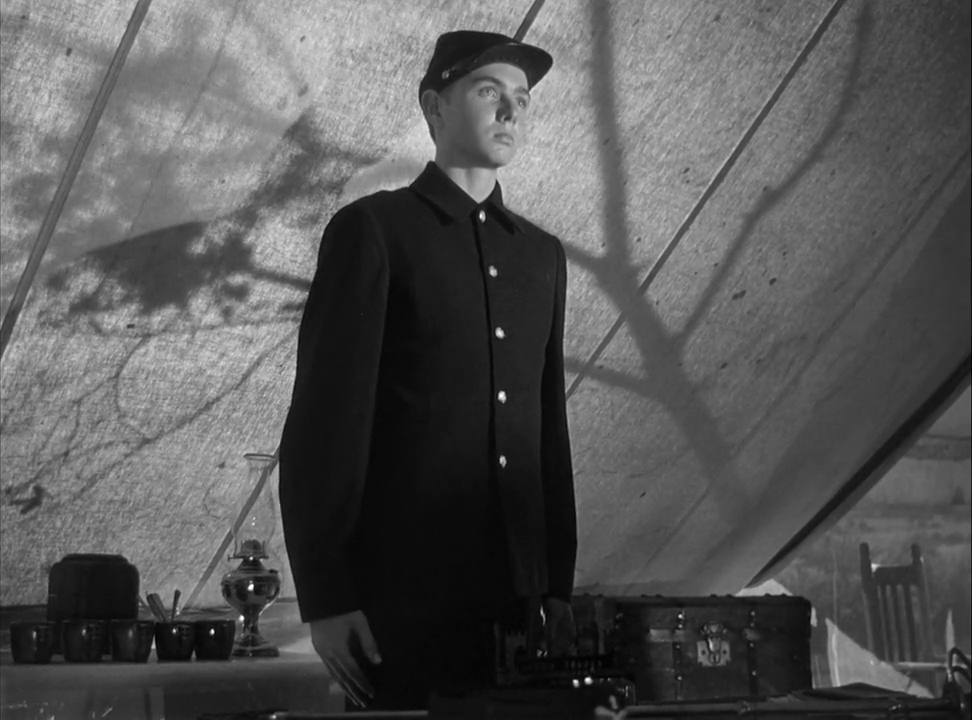
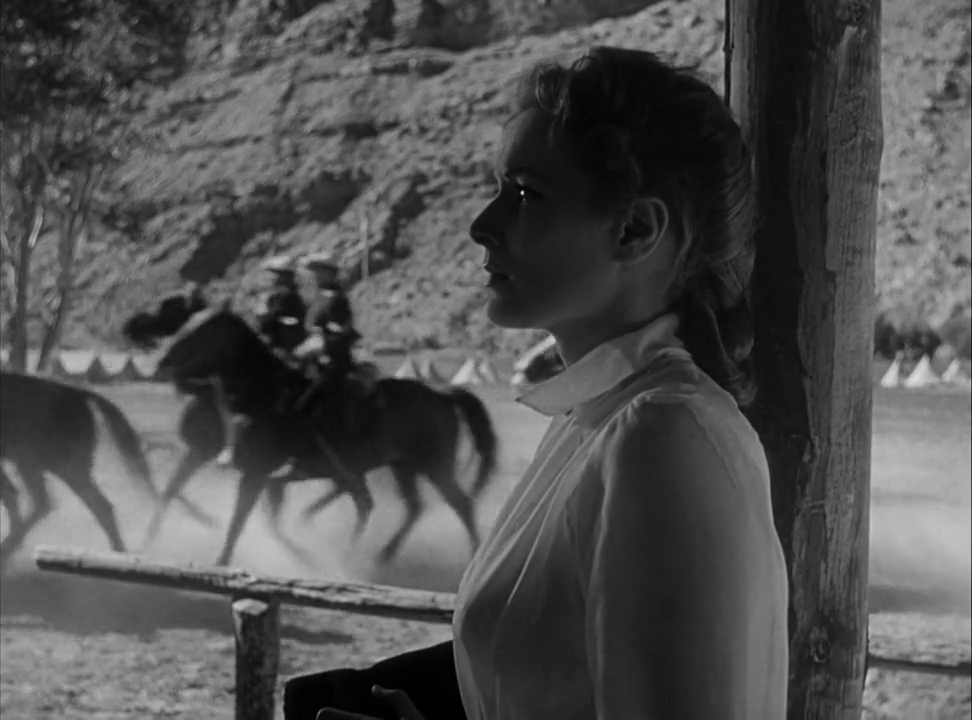
“To my only rival — the United States Cavalry.”
|
Synopsis: |
|
Genres, Themes, Actors, and Directors:
Review:
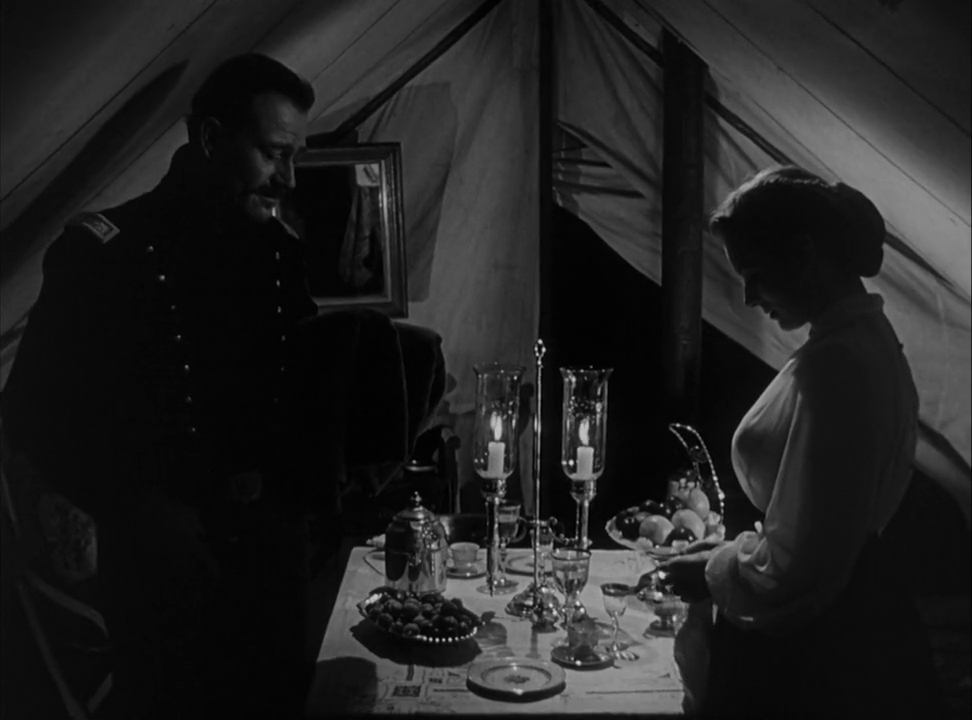
… under Wayne’s command set torch to O’Hara’s property in Shenandoah during the Civil War (!?). None of this quite makes sense as a reason for the couple’s long-standing challenges, especially when it’s so obvious they really love each other:
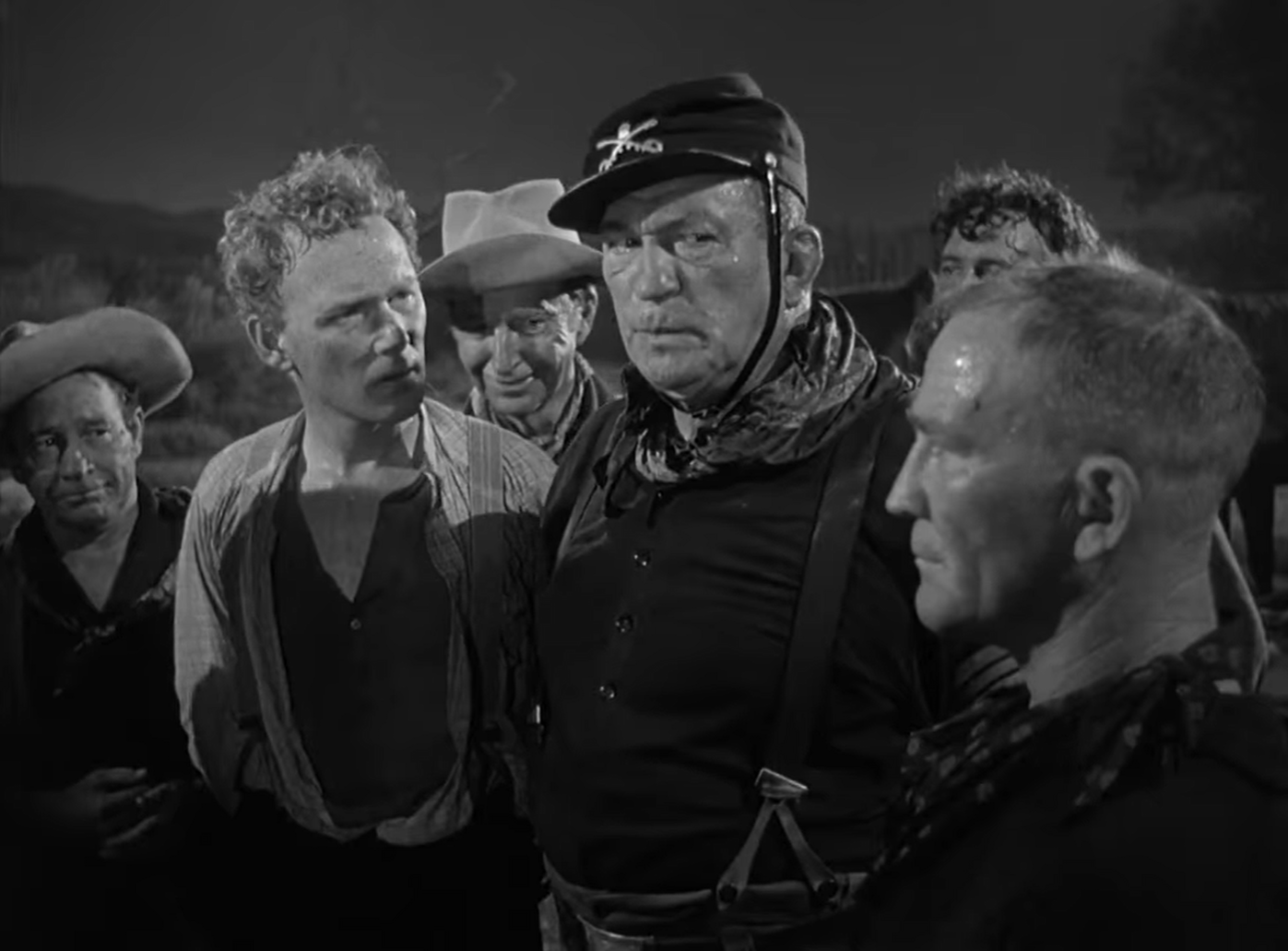
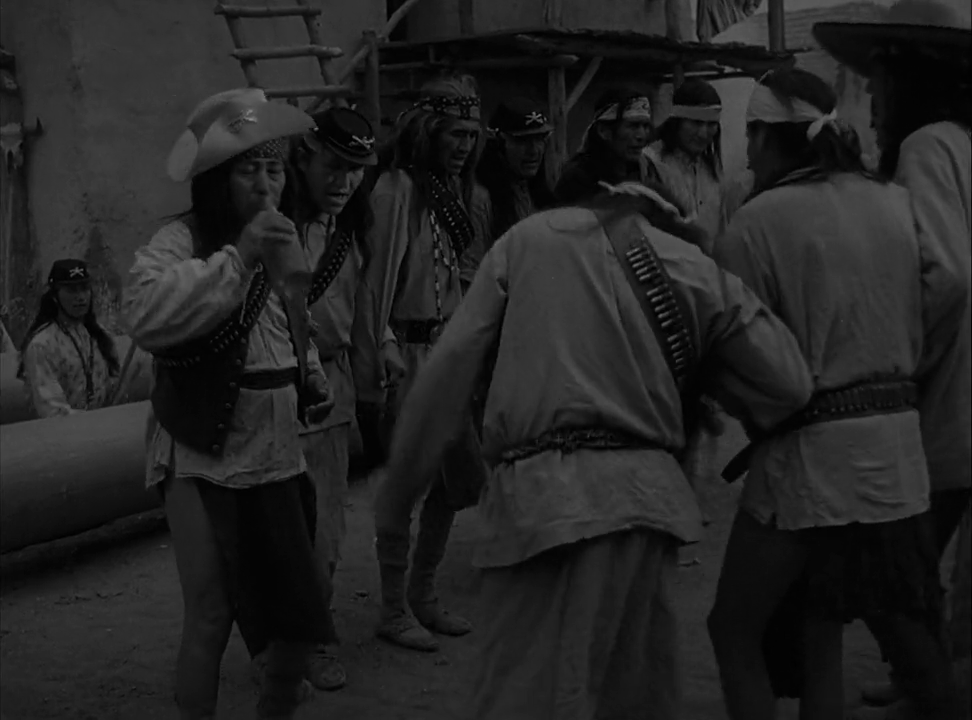
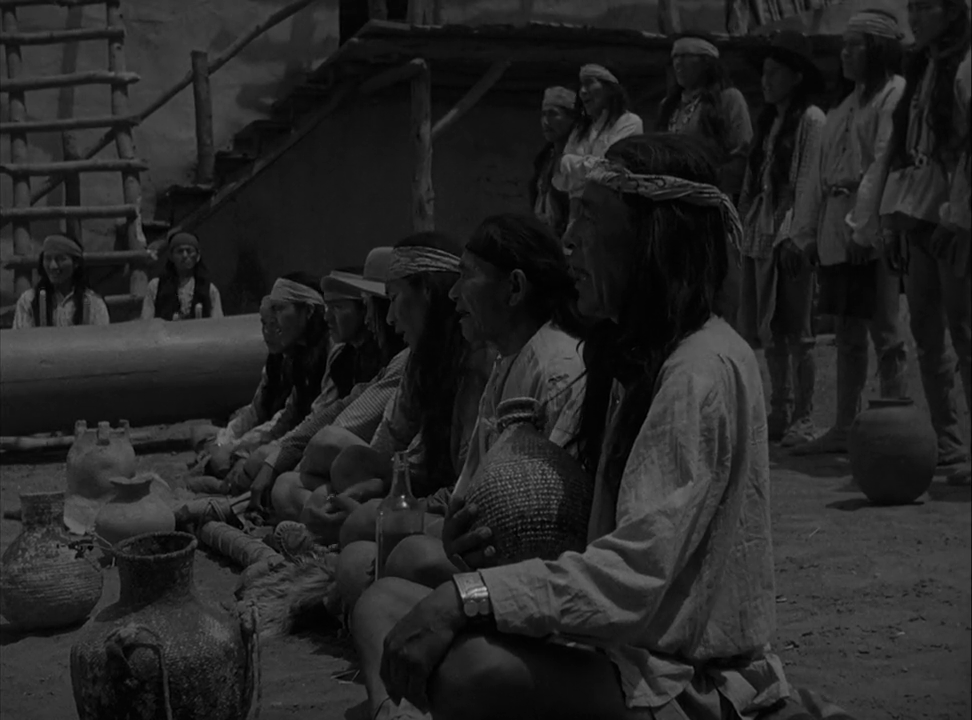
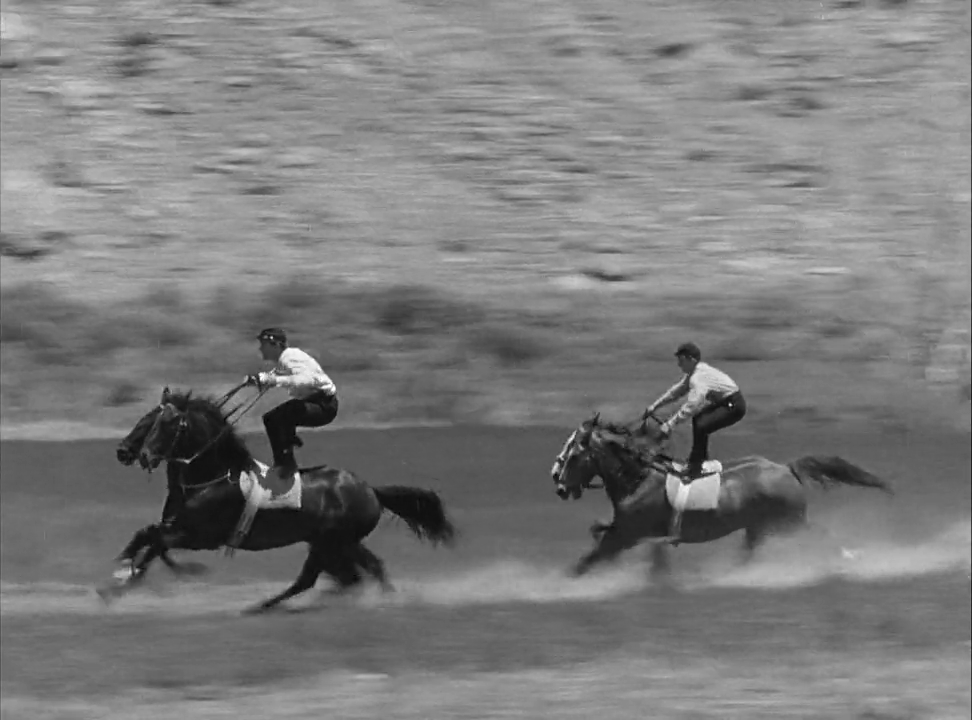
Indeed, the entire storyline feels like simply an excuse to show off some cool horsemanship moves and to regress into once again presenting Indians as faceless, alcoholic warriors ready to be killed off en masse.
The cinematography is gorgeous, though, especially in Blu-Ray. Redeeming Qualities and Moments:
Must See? (Listed in 1001 Movies You Must See Before You Die) Links: |
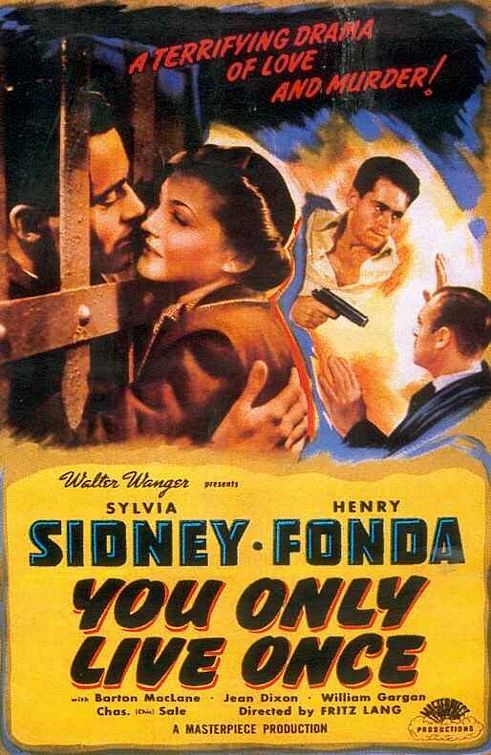
“There’s a lot more good in Eddie Taylor than most people think.”
|
Synopsis: |
|
Genres, Themes, Actors, and Directors:
Response to Peary’s Review:
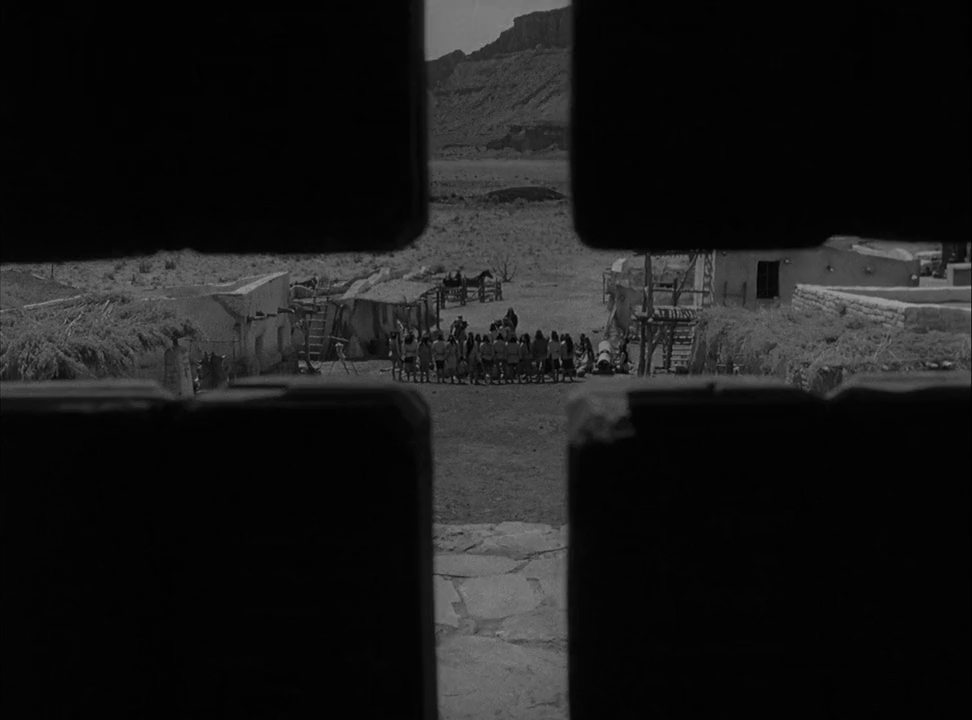
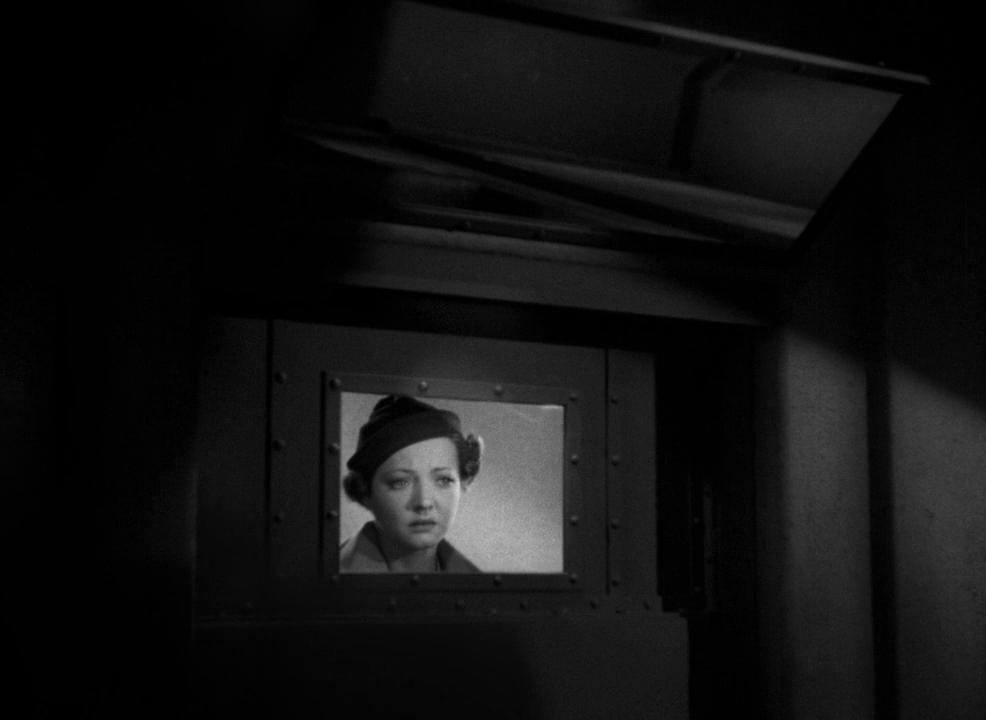
and Sidney’s surprisingly noble boss (Barton Maclane), who loves Sidney but is willing to help her out time and again on account of his sincere empathy for Fonda’s challenging past.
Personally, I find the film’s storyline a tad too overly simplistic. Would motel-owners (Charles ‘Chic’ Sale and Margaret Hamilton) really be so eager to kick out the doe-eyed newlyweds without cause?
Why would Fonda’s post-release boss (Guinn ‘Big Boy’ Williams) agree to hire him in the first place if he was so eager to fire him?
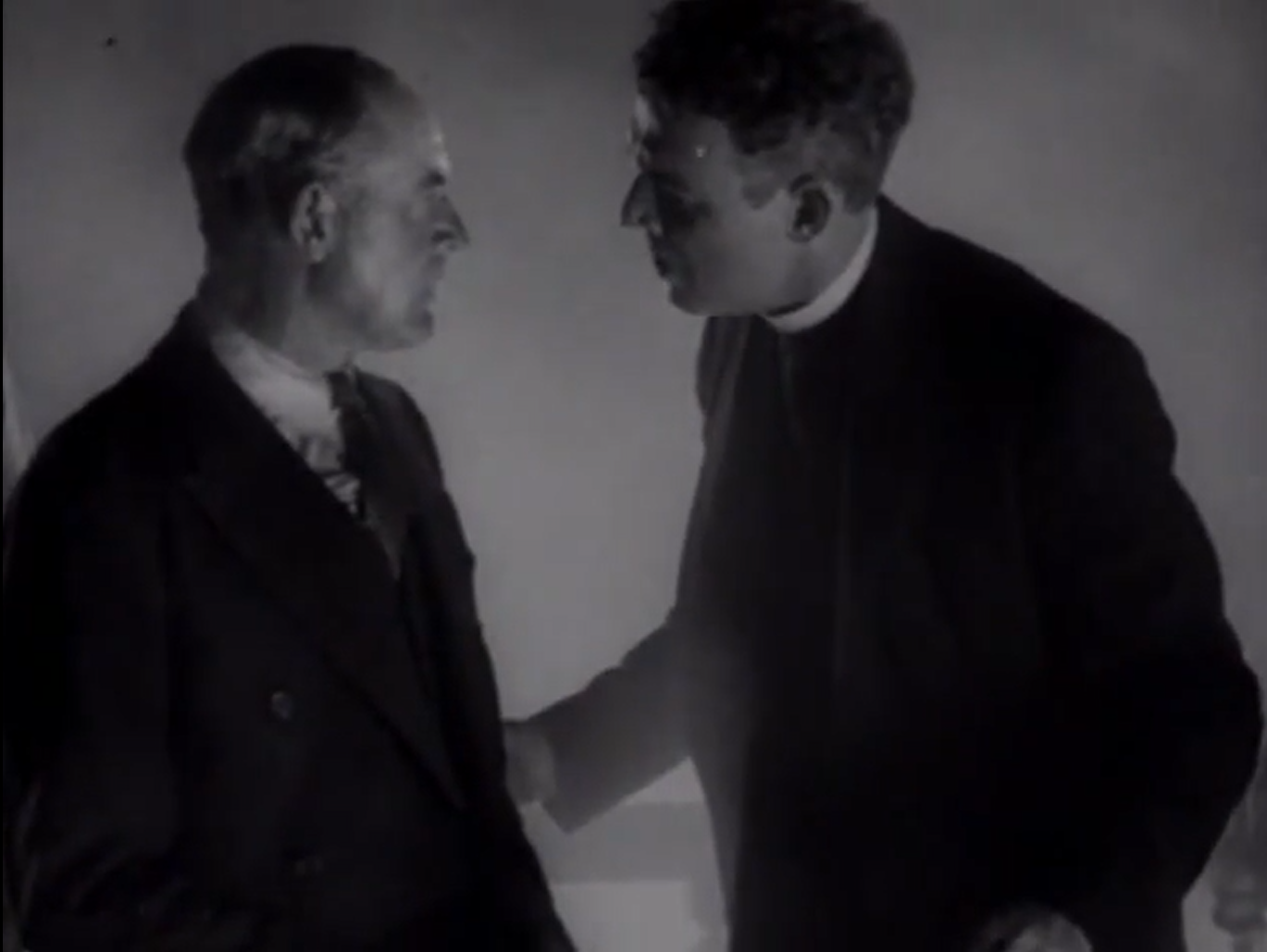
I know the film is meant to represent archetypical injustice in black-and-white, but we desperately wish both of the main characters would make smarter — rather than fatalistic and/or pre-determined — decisions. It doesn’t help that the “ending is overly sentimental and is Hollywood-style religious”. However, the movie is gorgeously made, and Fonda and Sidney are a convincing pair of star-struck lovebirds.
Lang fans won’t want to miss this one. Redeeming Qualities and Moments:
Must See? Links: |
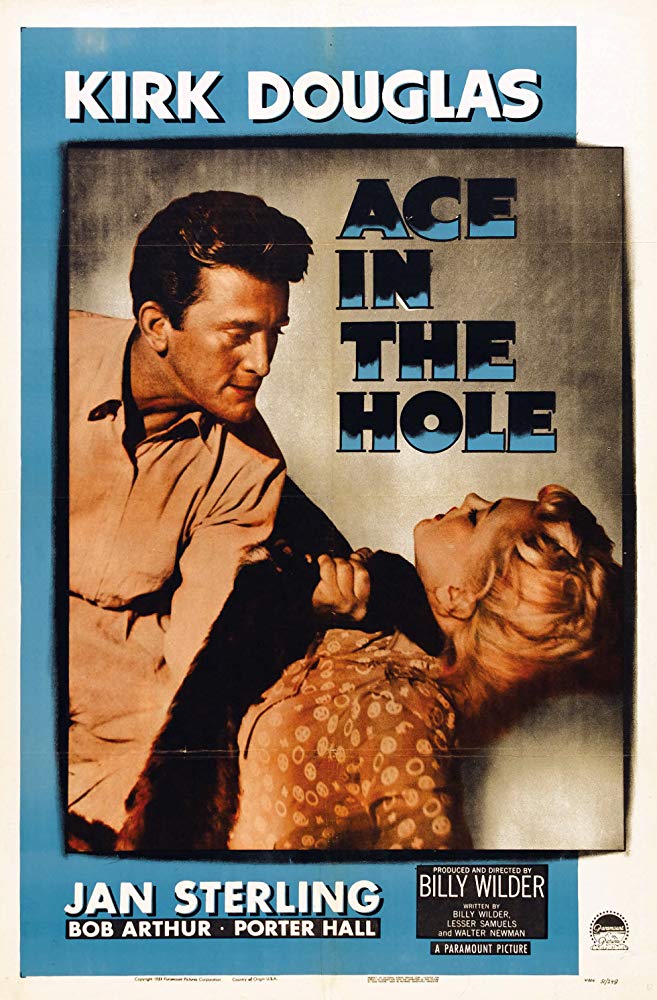
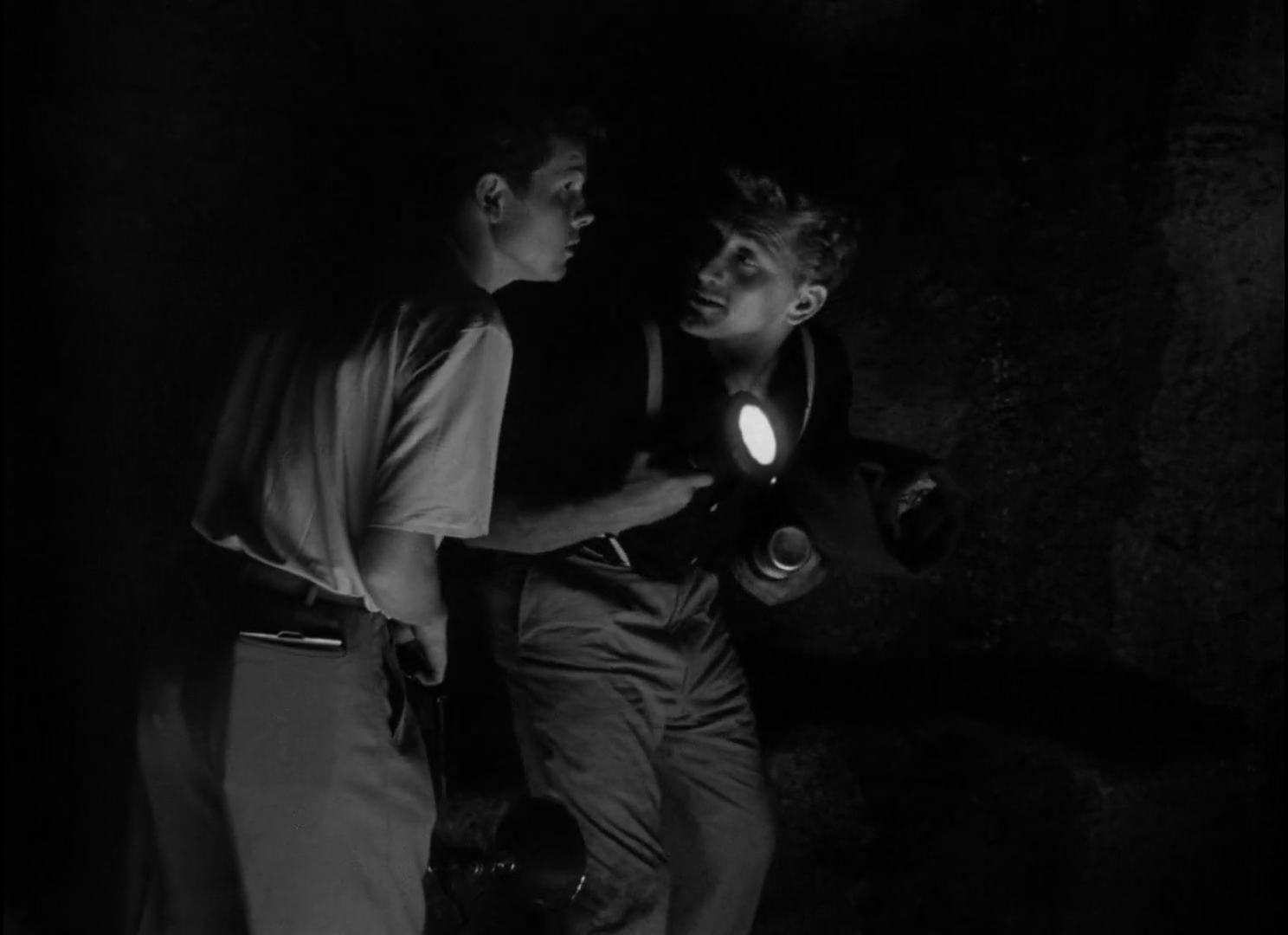
“I don’t make things happen — all I do is write about ’em!”
|
Synopsis: |
|
Genres, Themes, Actors, and Directors:
Response to Peary’s Review:
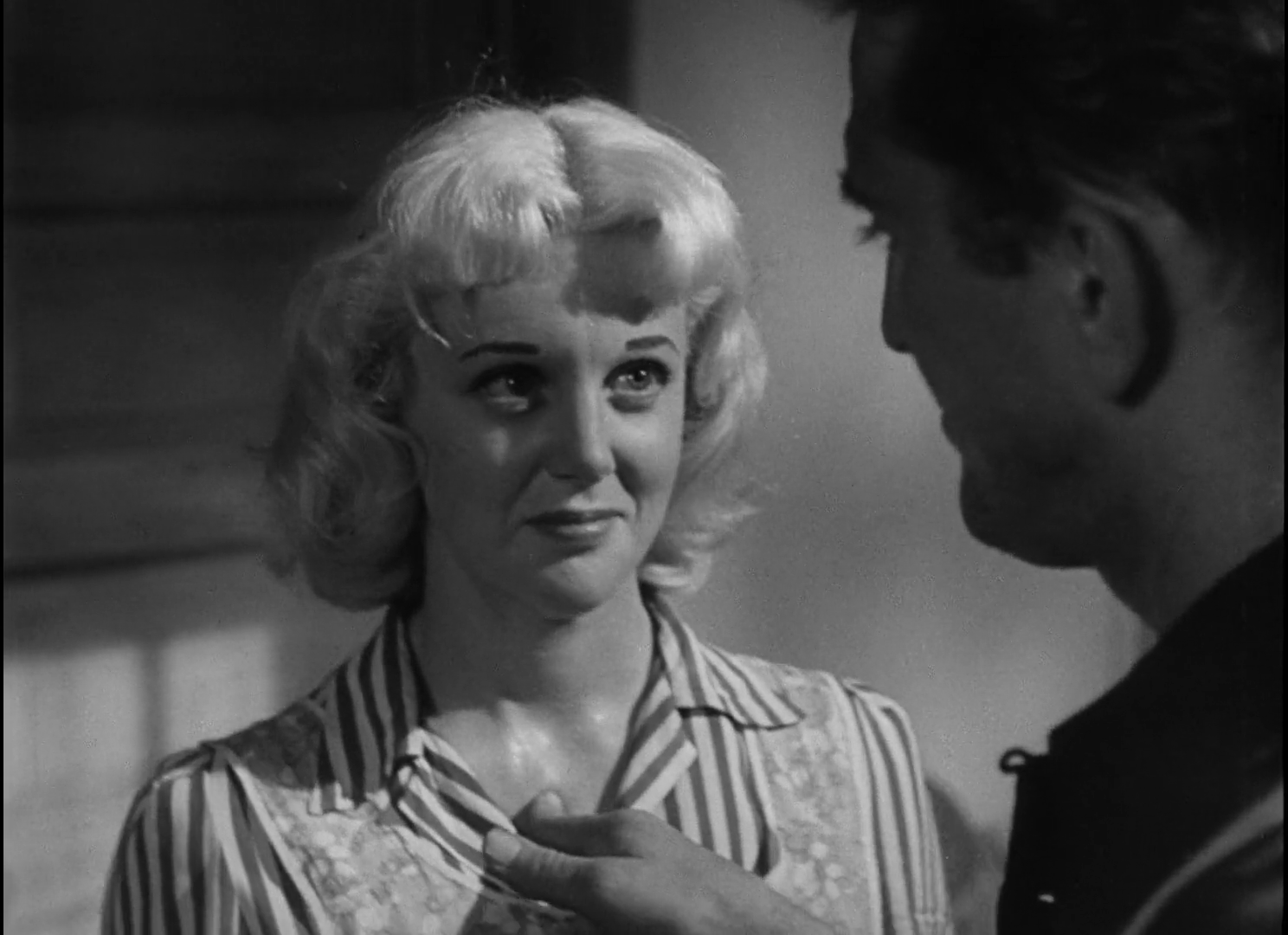
I enjoy Jan Sterling’s sullen performance as the buried man’s no-good wife (that scene with the scarf!):
Redeeming Qualities and Moments:
Must See? Categories (Listed in 1001 Movies You Must See Before You Die) Links: |
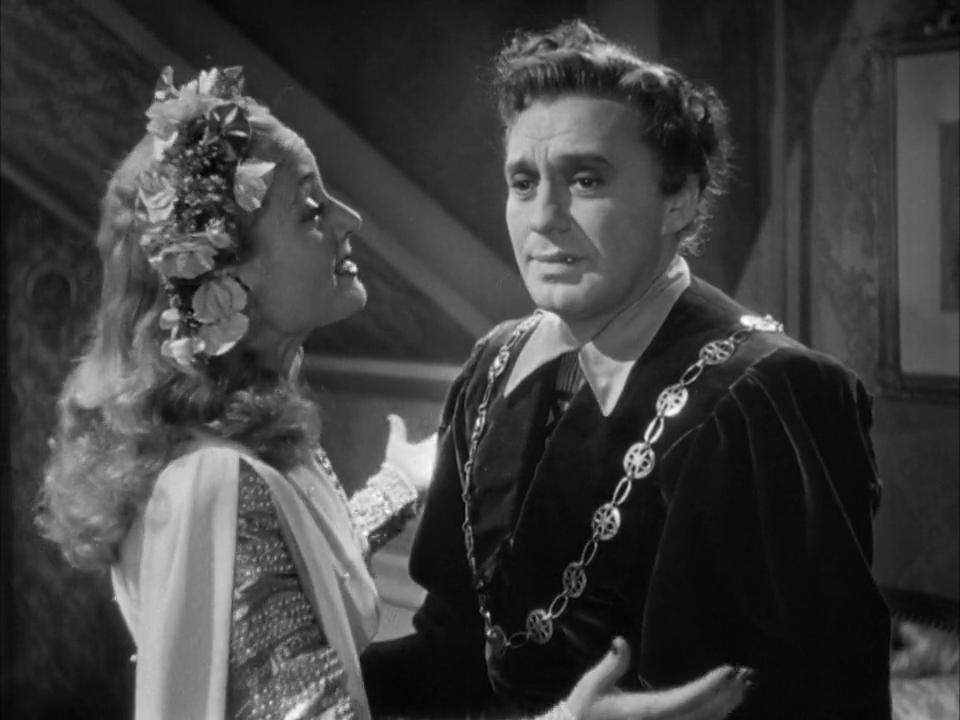
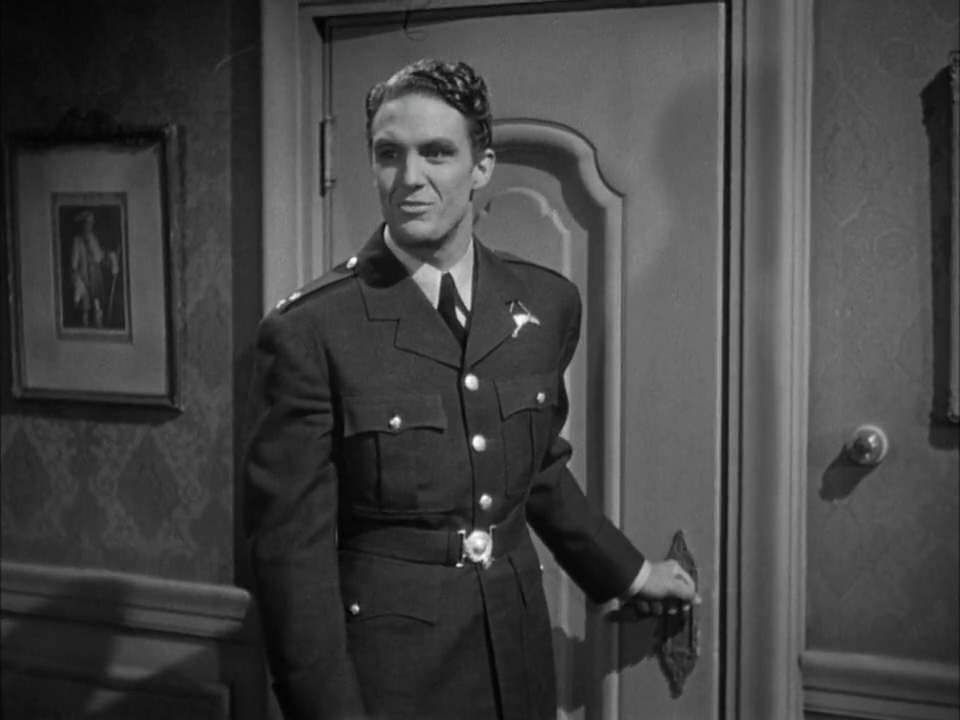
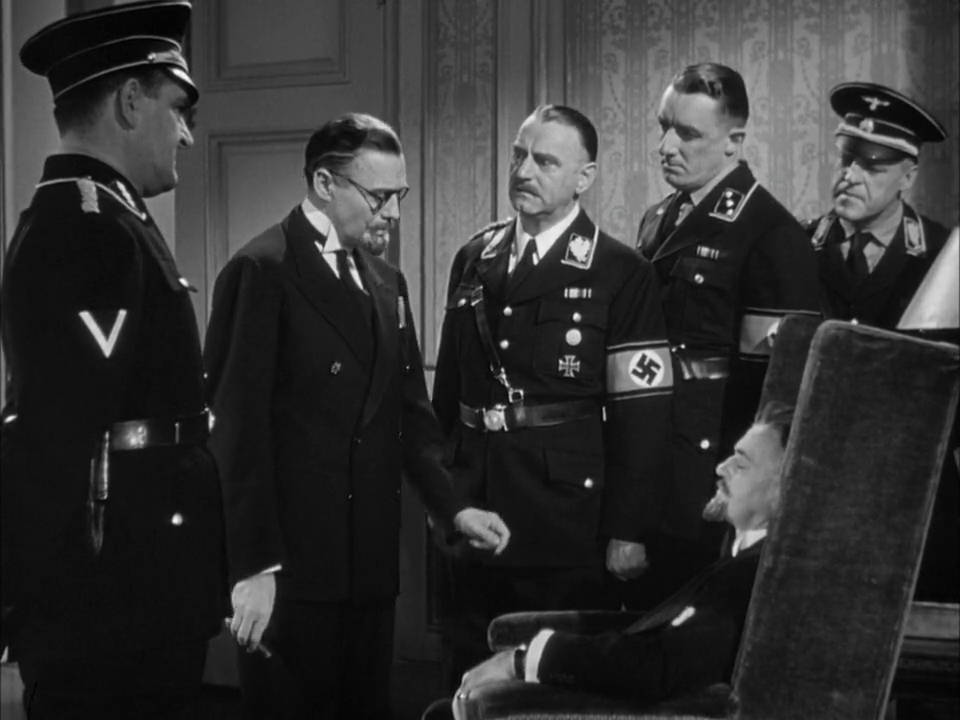
“So they call me ‘Concentration Camp Ehrhardt’?”
|
Synopsis: |
|
Genres, Themes, Actors, and Directors:
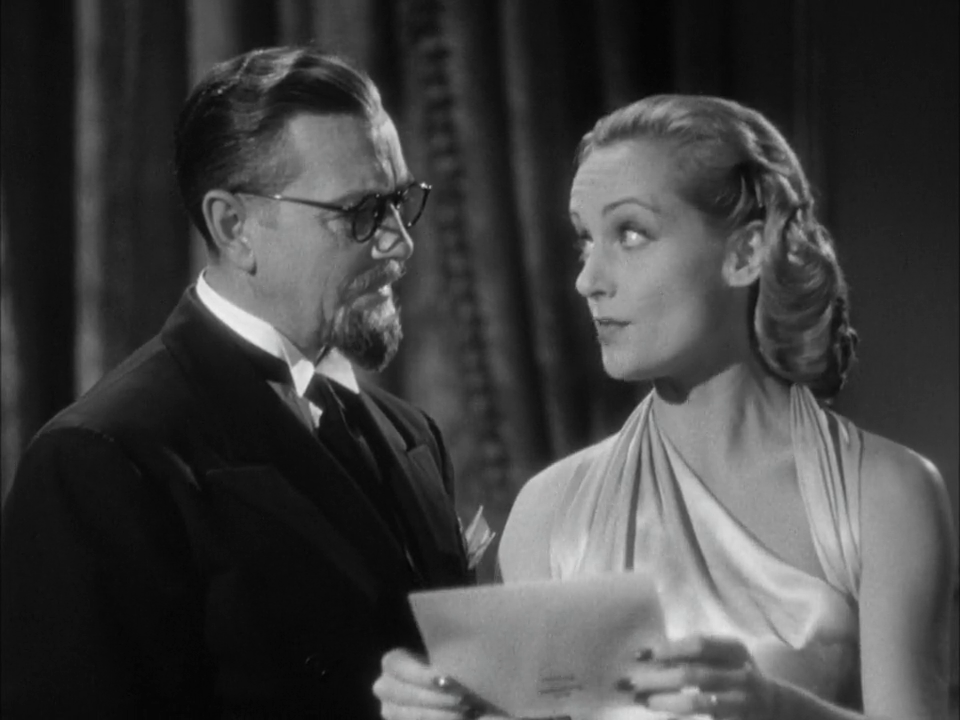
Response to Peary’s Review: In Cult Movies 2, Peary states that “Cult movies are often born in controversy”, and describes in greater detail the reception this film had in 1942, just “three years after Germany invaded Poland” and “three months after the United States entered World War II”. He notes that Bosley Crowther of the New York Times was especially offended by the film; Crowther wrote, “To say [the film] is callous and macabre is understating the case”. However, Peary points out that “it’s interesting to note that critics were lenient to those World War II comedies that made no attempt to impress upon viewers the grim realities of Nazi aggression and occupation in Europe, while they jumped on Lubitsch’s film for daring to be both a comedy and topical”; in truth, “the opposite should have been the case”. Adding greatly to challenges with the film’s reception was the fact that viewers were devastated by Lombard’s death in a plane crash on her way back home to Hollywood after selling war bonds; the film was “impossible to promote”. Speaking of Lombard, Peary names her Best Actress of the Year in his Alternate Oscars (sharing the award with Ginger Rogers in The Major and the Minor), noting that “Lombard considered her performance in To Be or Not to Be the best of her career”, and he agrees. He writes, “She has many moments in which she reveals why she was the thirties’ most celebrated comedienne”, and adds that he “particularly like[s] her affected mannerisms and voice when she tells Benny that it’s of no consequence that he finally asked the director to bill her above him in a play, and her look when he says that he knew she’d feel that way so the billing will stay the same”. He writes, “Also memorable is her sexual-innuendo-filled flirting with Stack’s young bomber pilot”: her “eyes reveal she is lost in fantasies when he tells her, ‘I can drop three tons of dynamite in two minutes’.” However, “Lombard’s Maria switches from being dazzlingly comical to deadly serious, and Lombard reveals how much she had grown as a dramatic actress in the last few years.” Lombard, Benny, and indeed the entire cast is in top form here; this movie is well worth a look by all film fanatics. Redeeming Qualities and Moments:
Must See? Categories
(Listed in 1001 Movies You Must See Before You Die) Links: |