|
Genres, Themes, Actors, and Directors:
- Class Relations
- Courtroom Drama
- Cross-Class Romance
- Elizabeth Taylor Films
- Falsely Accused
- George Stevens Films
- Love Triangle
- Montgomery Clift Films
- Plot to Murder
- Raymond Burr Films
- Shelley Winters Films
Response to Peary’s Review:
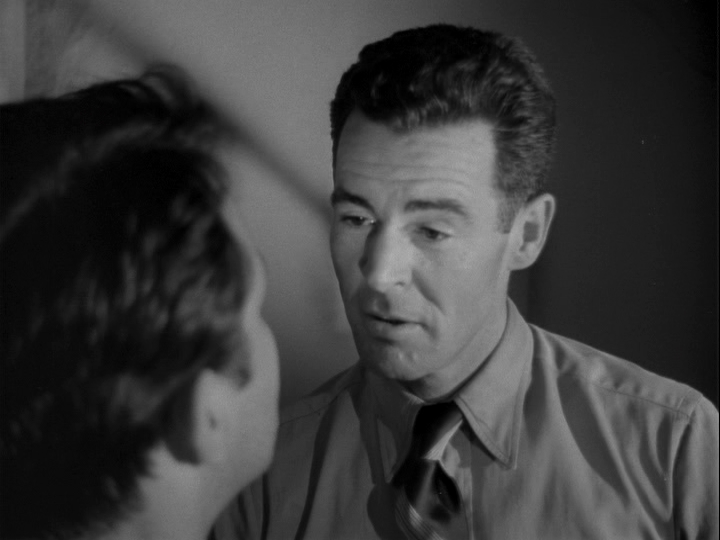
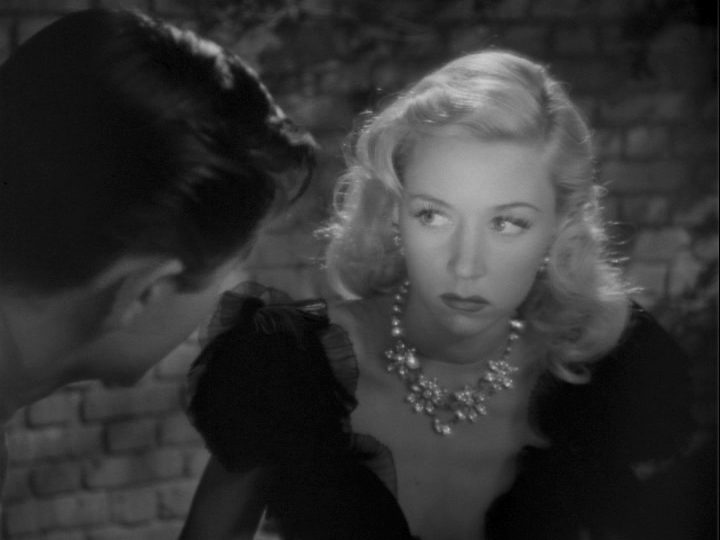
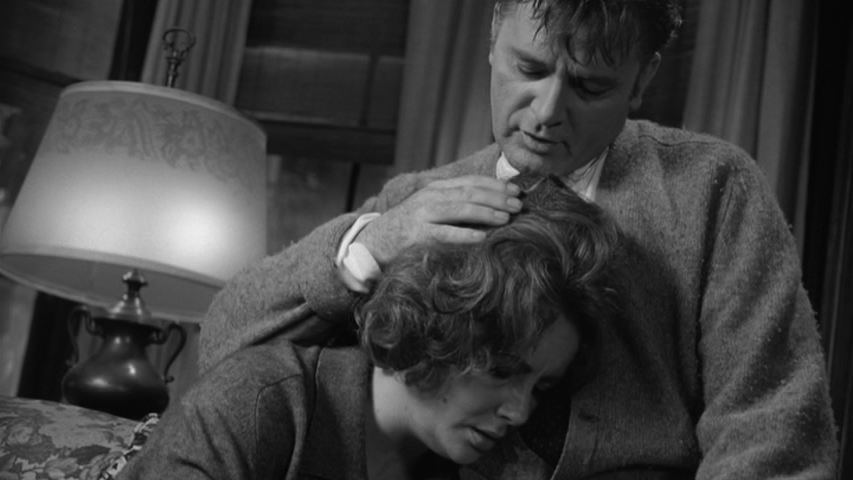
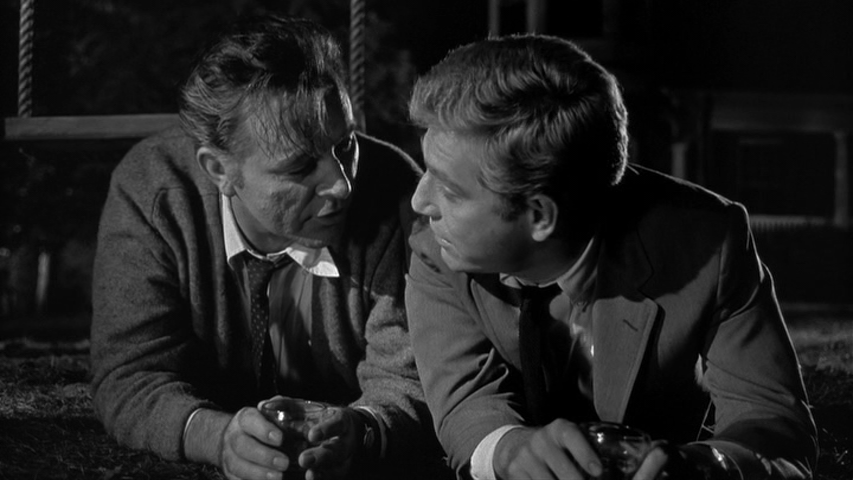
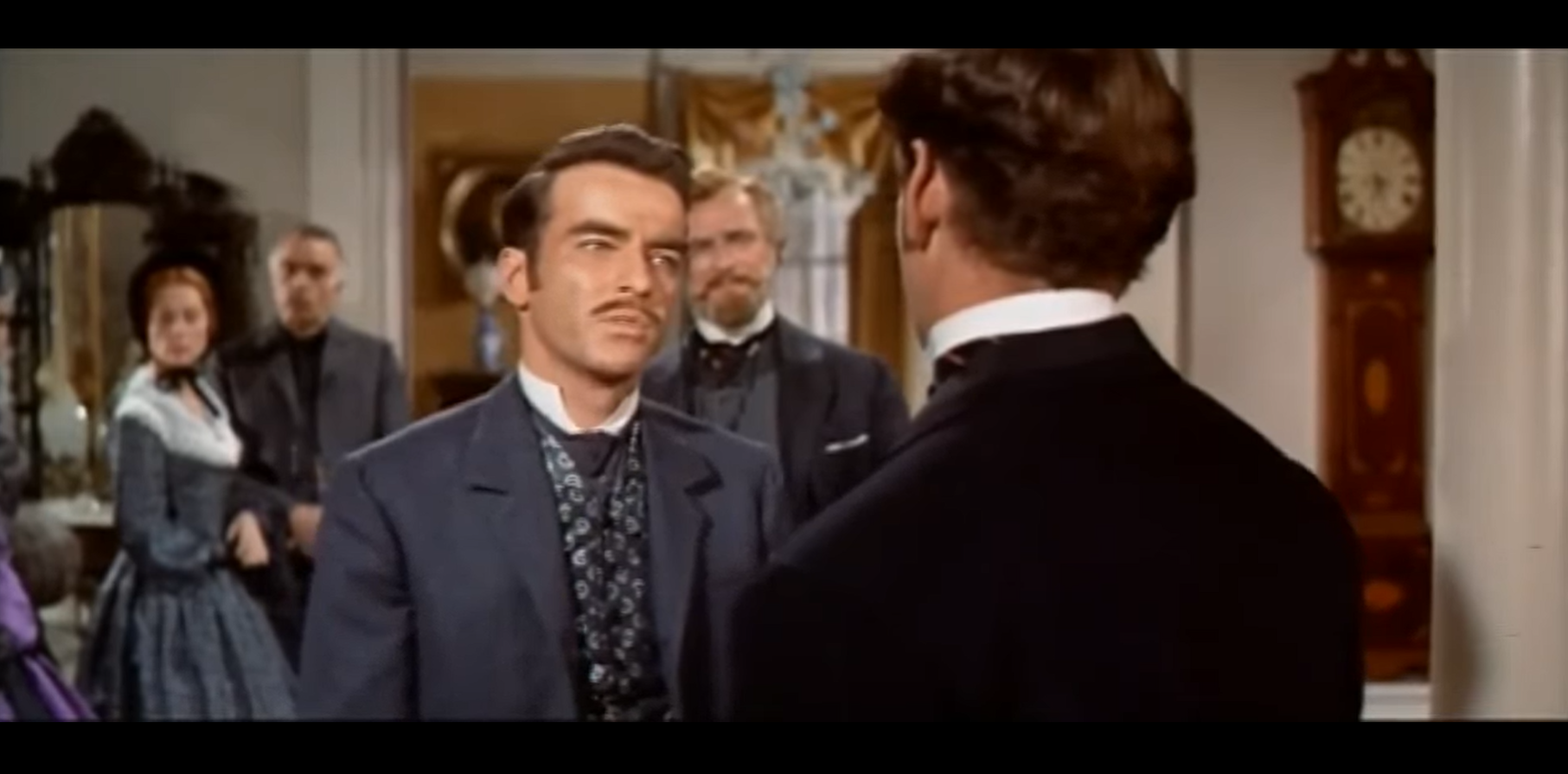
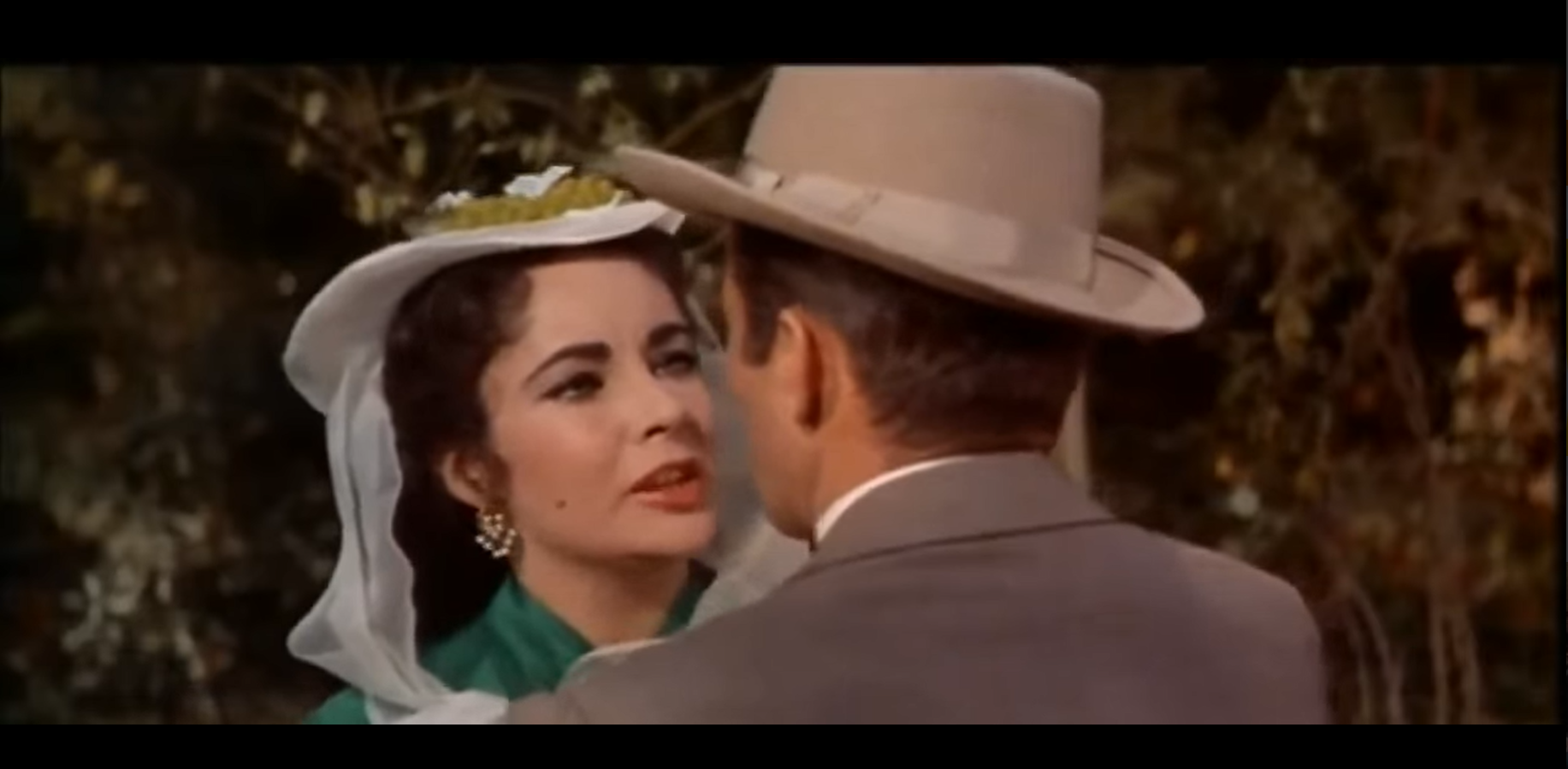
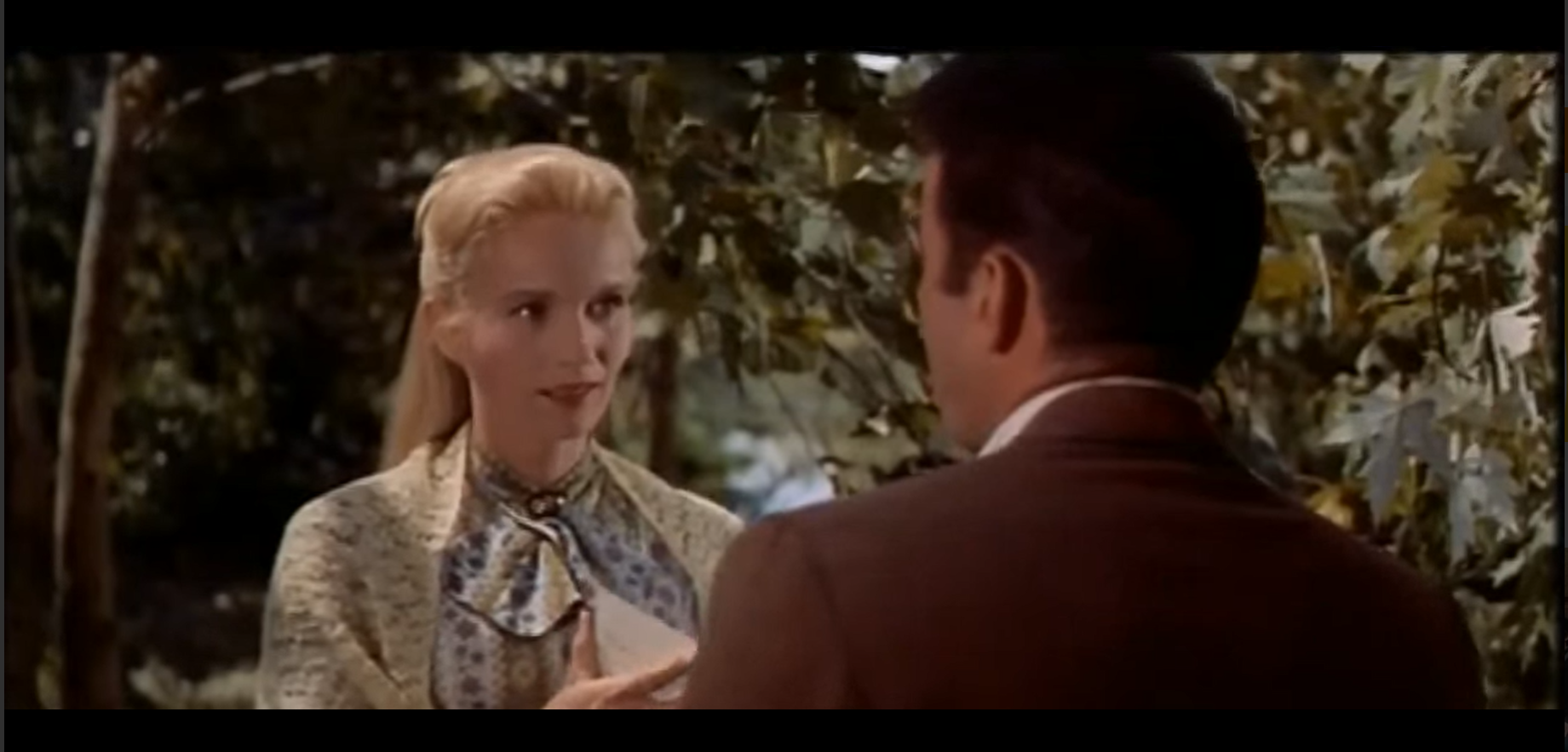
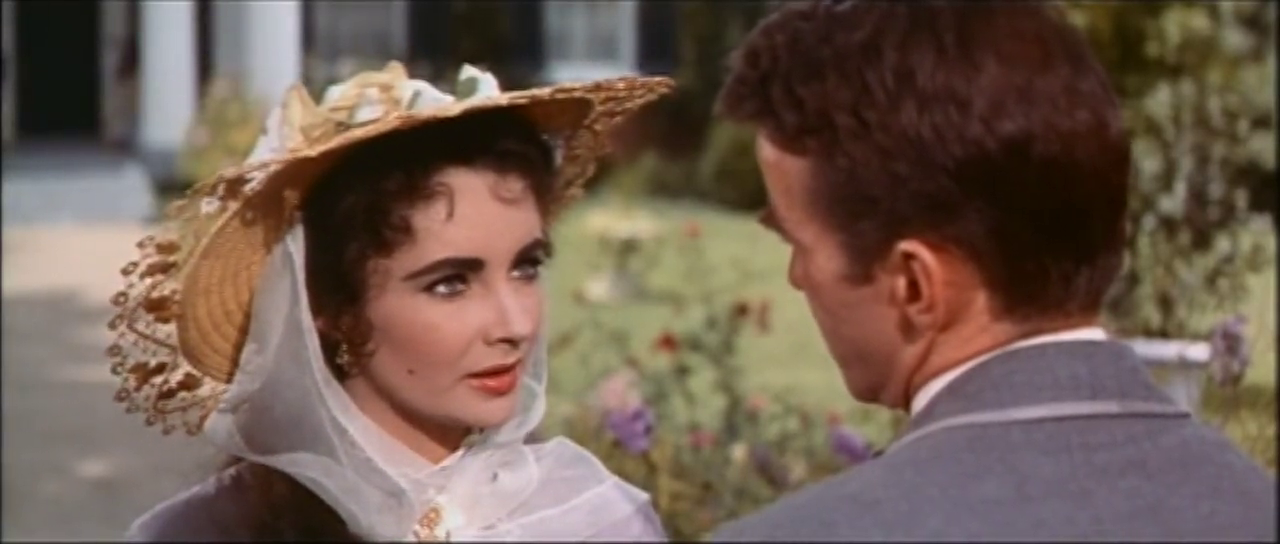
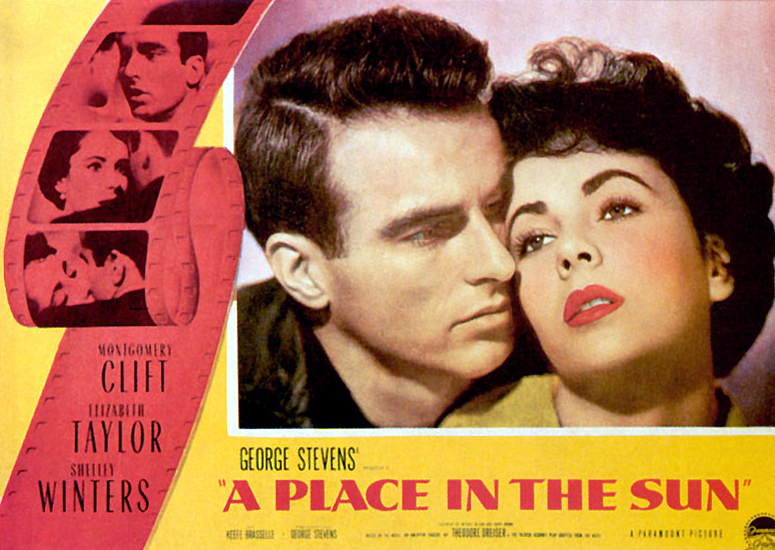
Peary isn’t a big fan of this Oscar-nominated Best Picture — “one of the major hits of the fifties” — which was “adapted by Michael Wilson and Henry Brown for director George Stevens” from Theodore Dreiser’s An American Tragedy, following an earlier adaptation by Josef von Sternberg. He notes that the “cynical film seems dated and the sociological, psychological, and moral aspects of the story are ambiguous”, pointing out that “it never becomes completely clear what Clift’s initial attraction to Winters is; and we’re never sure if his wish to dump her for Taylor is based on how much prettier Taylor is, happier she is…, nicer she is…, or richer she is.” He further adds, “We never really understand the nature of Clift’s continuous guilt — is it because he seduced Winters, is betraying Winters, has not told Taylor about Winters, [or] is trying to break away from his humble beginnings to join the American aristocracy…?”
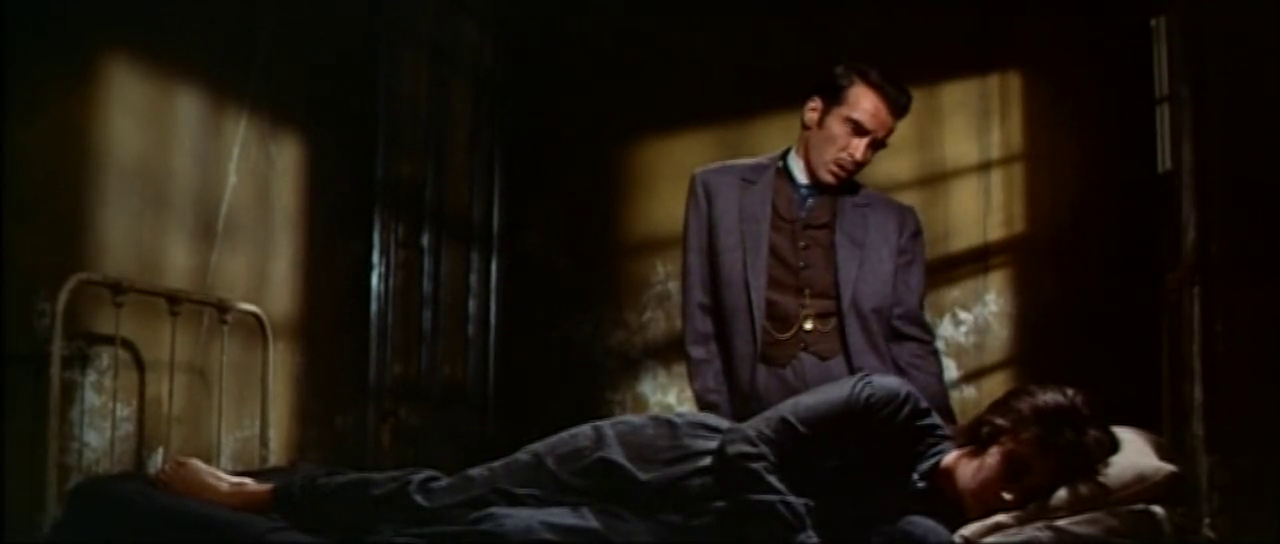
While I understand Peary’s reservations, I don’t share them. Clift is attracted to Winters because she’s an available female in a soul-stifling environment, and he’s lonely. His wish to dump Winters for Taylor is understandable (if utterly shameful), and is due to a mix of all the factors named by Peary above. Peary writes that while “it’s obvious that Clift wants to escape poverty for wealth”, it “becomes apparent that he’d run off with Taylor at the first opportunity, leaving behind her family, her rich young friends, and her money” — which is true; one doesn’t cancel out the other. Peary also criticizes Clift’s “mannered performance”, which he claims “has been much overrated — rather than seeming cerebral and attractive, he has the expression and stance of someone who is one step away from a psycho ward” — but Clift is in a pretty darn miserable situation, with no positive solution in sight, so it’s hard to blame him or fault his deep angst.
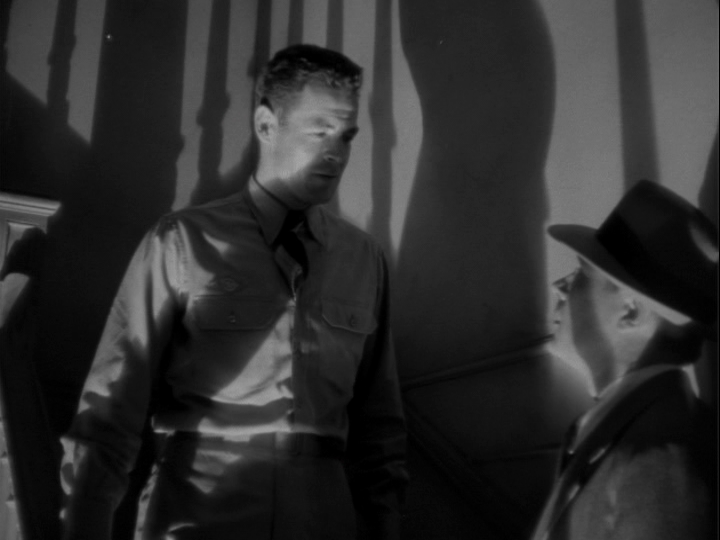
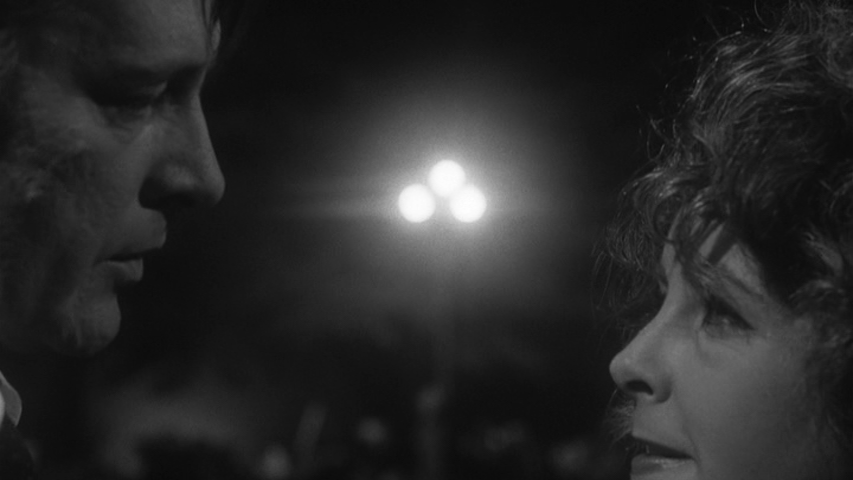
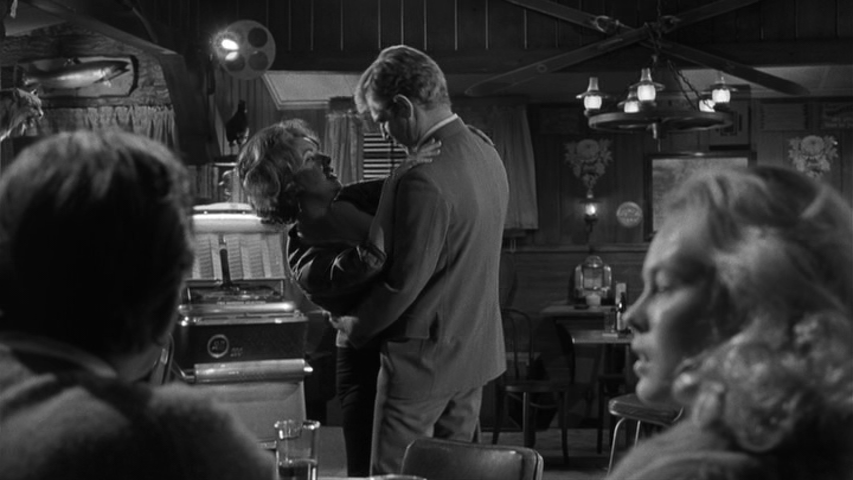
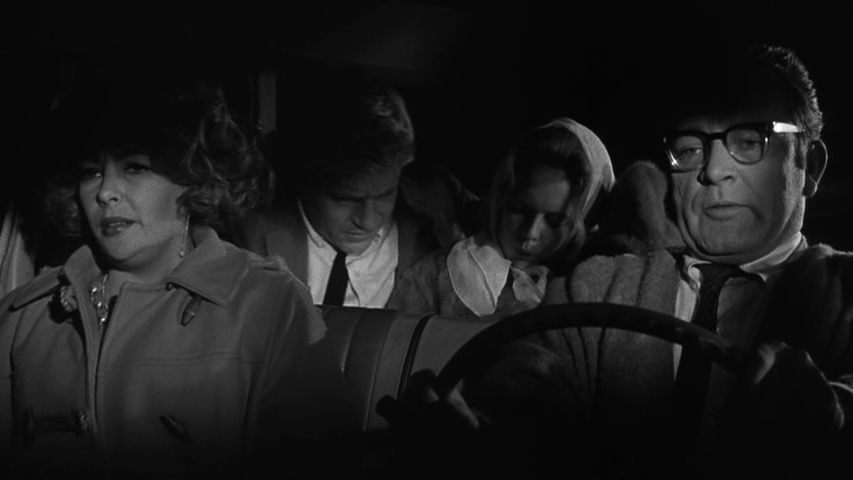
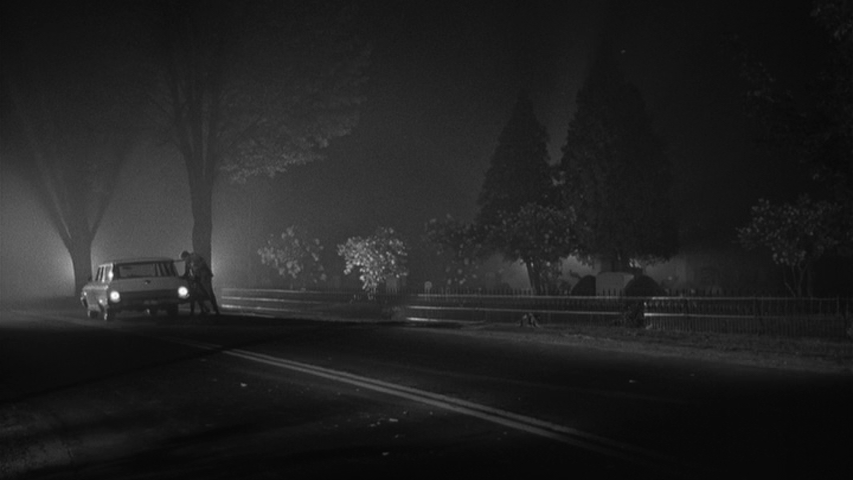
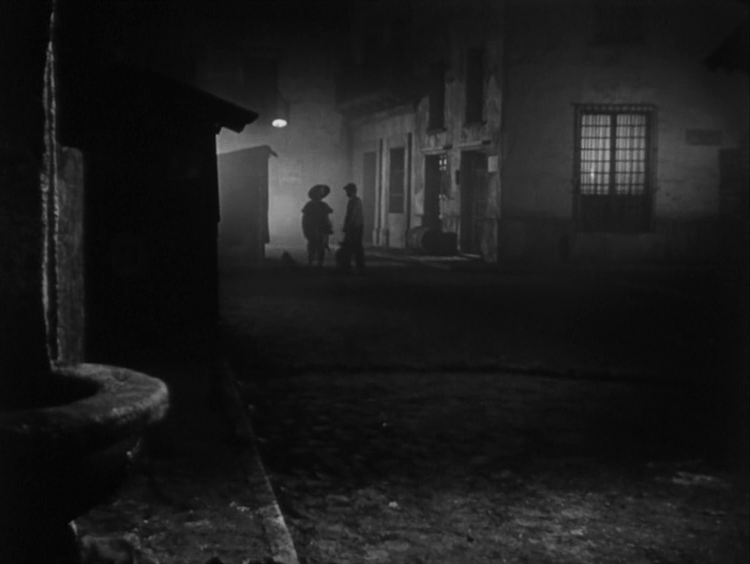
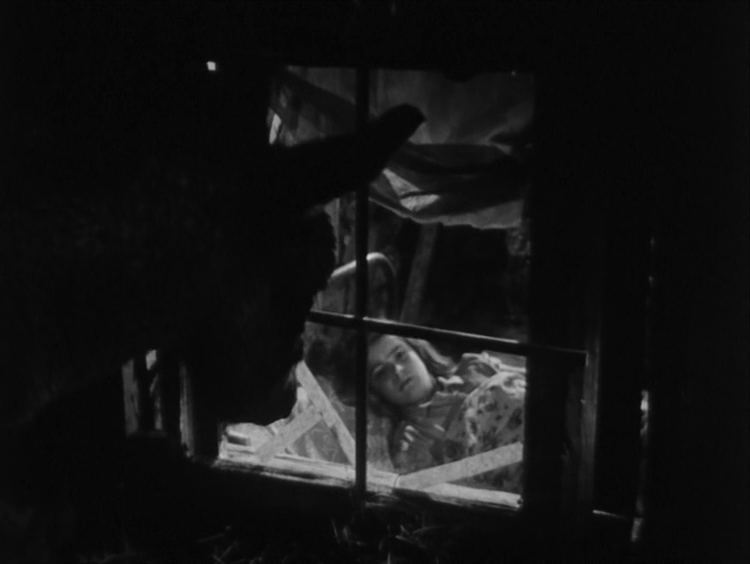
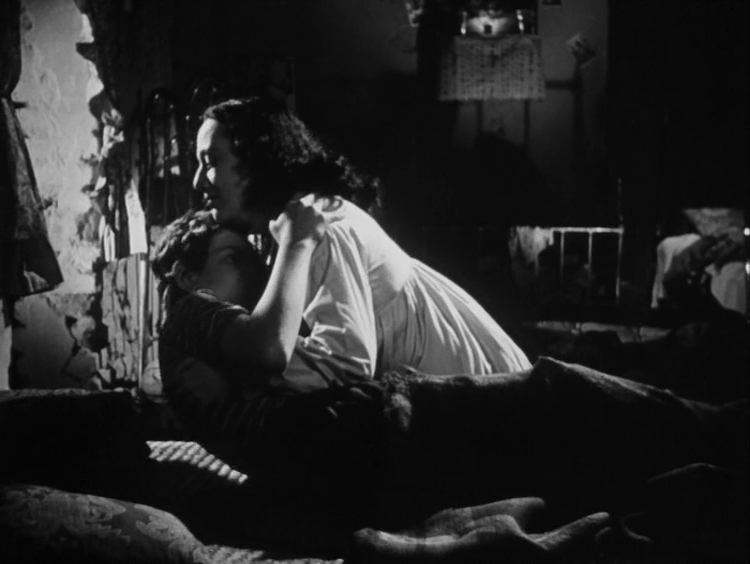
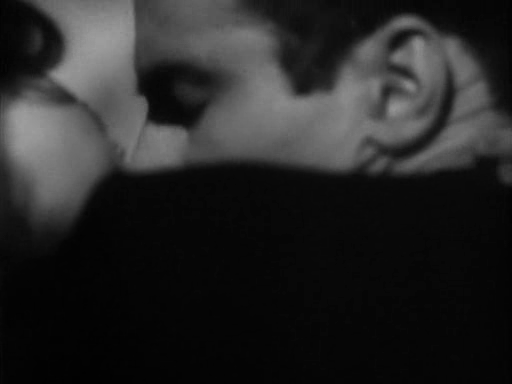
What goes unstated in Peary’s review is that Stevens’ adaptation is ultimately a fatalistic noir — although it’s debatable exactly who the femme fatale is: is it Taylor, without whose alluring presence Clift would never have found himself in this mess? Or is Winters the direct cause of his downfall? The atmospheric cinematography (by William C. Mellor) and carefully crafted direction show how clearly allegorical this “American tragedy” is (though it could really be a tragedy of any nationality). While it’s hard to sit through this film more than once or twice, it’s worth a look by all film fanatics — especially given, as Peary concedes, that “when [Clift] and Taylor dance closely, gaze into each other’s eyes, or kiss passionately… these two superstars are a remarkably romantic duo”.
Redeeming Qualities and Moments:
- Montgomery Clift as George Eastman

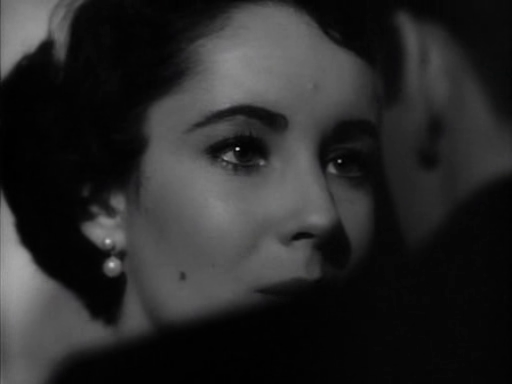
- Elizabeth Taylor as Angela
- Fine direction by Stevens

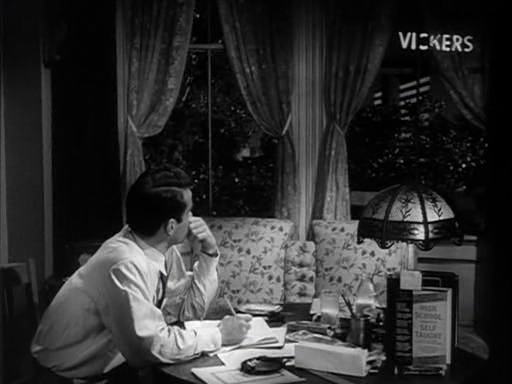
- Atmospheric b&w cinematography

Must See?
Yes, for its status as a classic — but you may or may not be able to stomach a second viewing.
Categories
- Genuine Classic
- Oscar Winner or Nominee
(Listed in 1001 Movies You Must See Before You Die)
Links:
|