Baby Maker, The (1970)
“If we do decide to go ahead, there are certain things we’d insist upon.”
“Maybe there’s only one revolution since the beginning: the good guys against the bad guys. The question is, who are the good guys?”
|
Synopsis: |
|
Genres, Themes, Actors, and Directors:
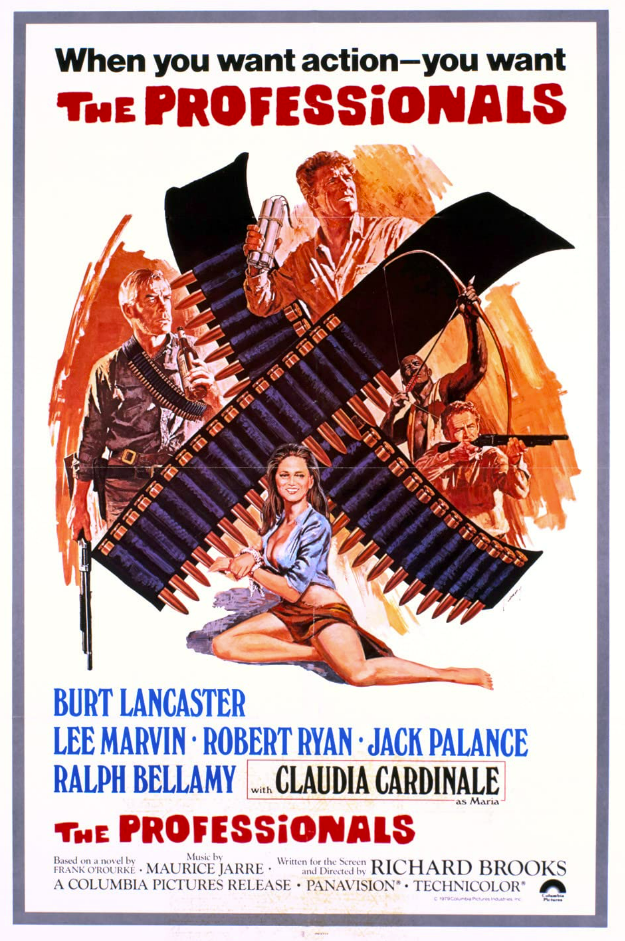
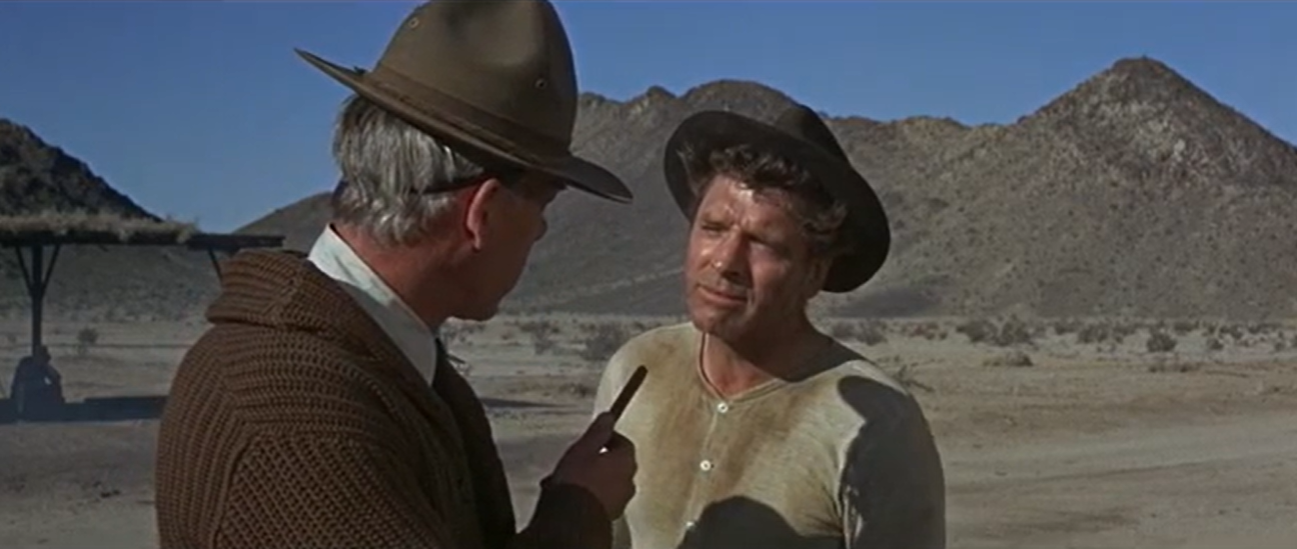
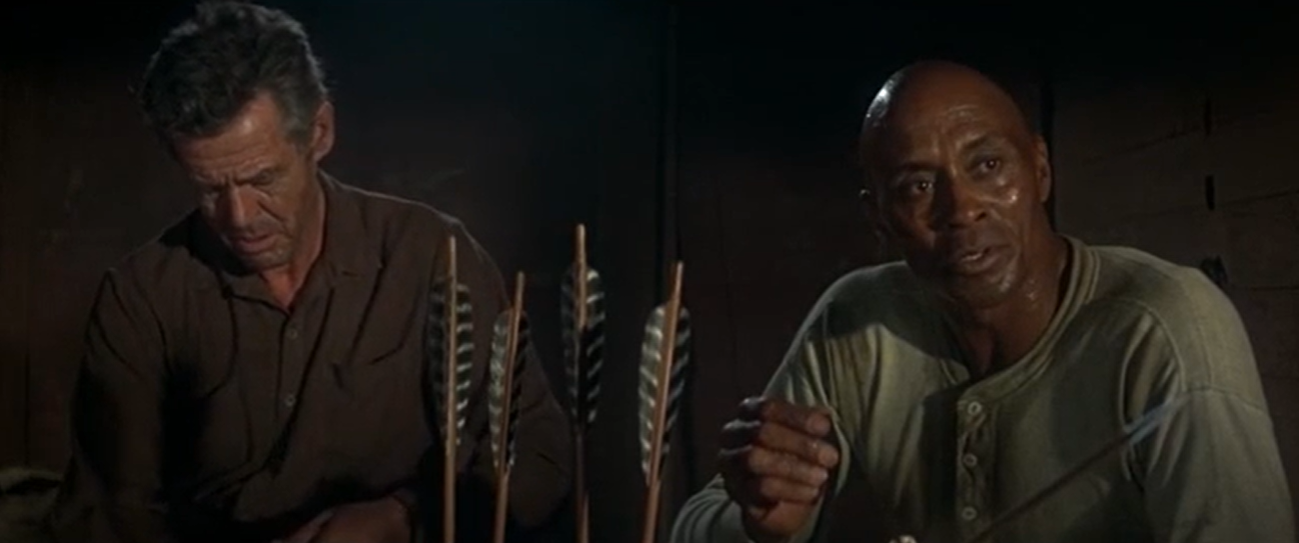
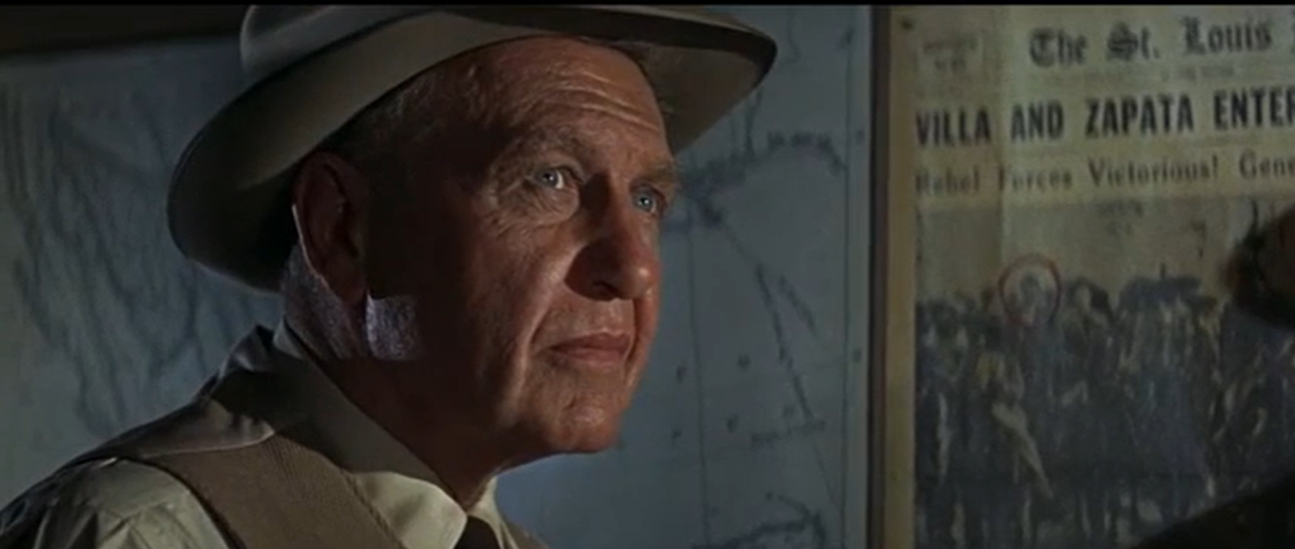
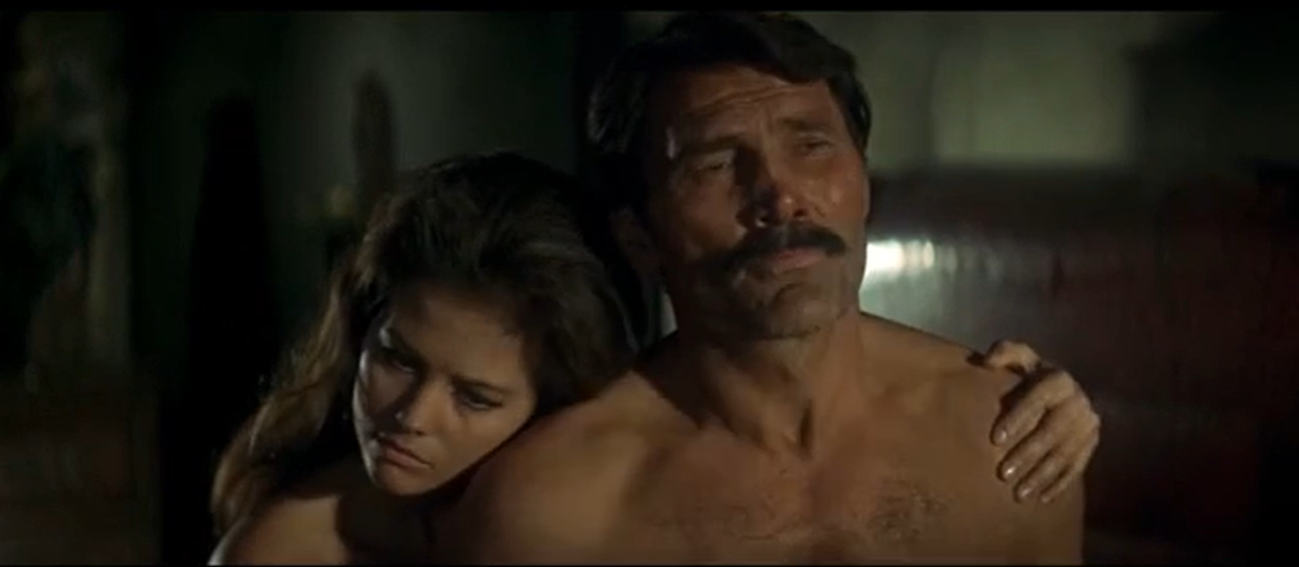
Review: … Ryan and Strode quietly convincing as crucial backup support: … Bellamy appropriately slimy and determined as a not-entirely-truthful older husband: … and sexy Cardinale ready to fight at all costs for what she believes in. Palance doesn’t play much of a role, but he’s effective enough as the revolutionary “baddie.” This film is primarily about the action, though — and there’s plenty of it, from beginning to end, beautifully shot on location in California and Nevada. We’re kept in suspense from one scene to the next in terms of how or whether the various protagonists will survive — and are not entirely sure what we hope for, anyway. Notable Performances, Qualities, and Moments: Must See? Categories
Links: |

“I’m an artist, not a bloody jukebox!”
|
Synopsis: |
|
Genres, Themes, Actors, and Directors:
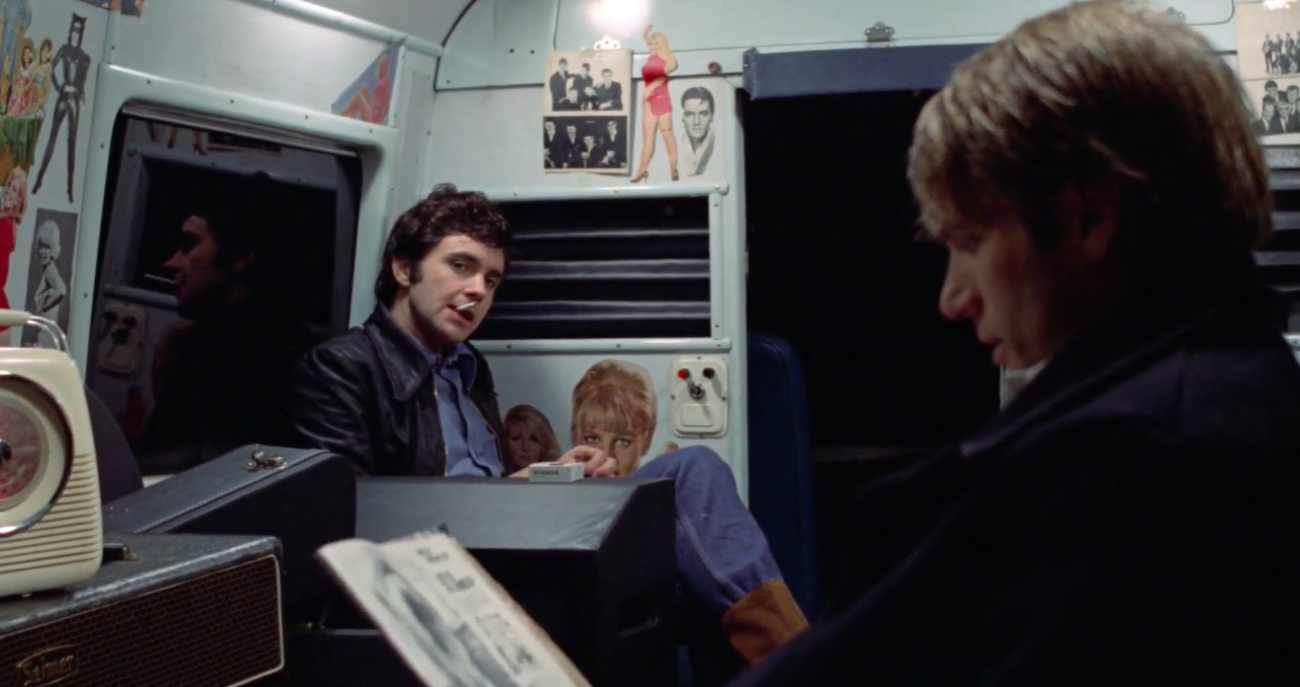
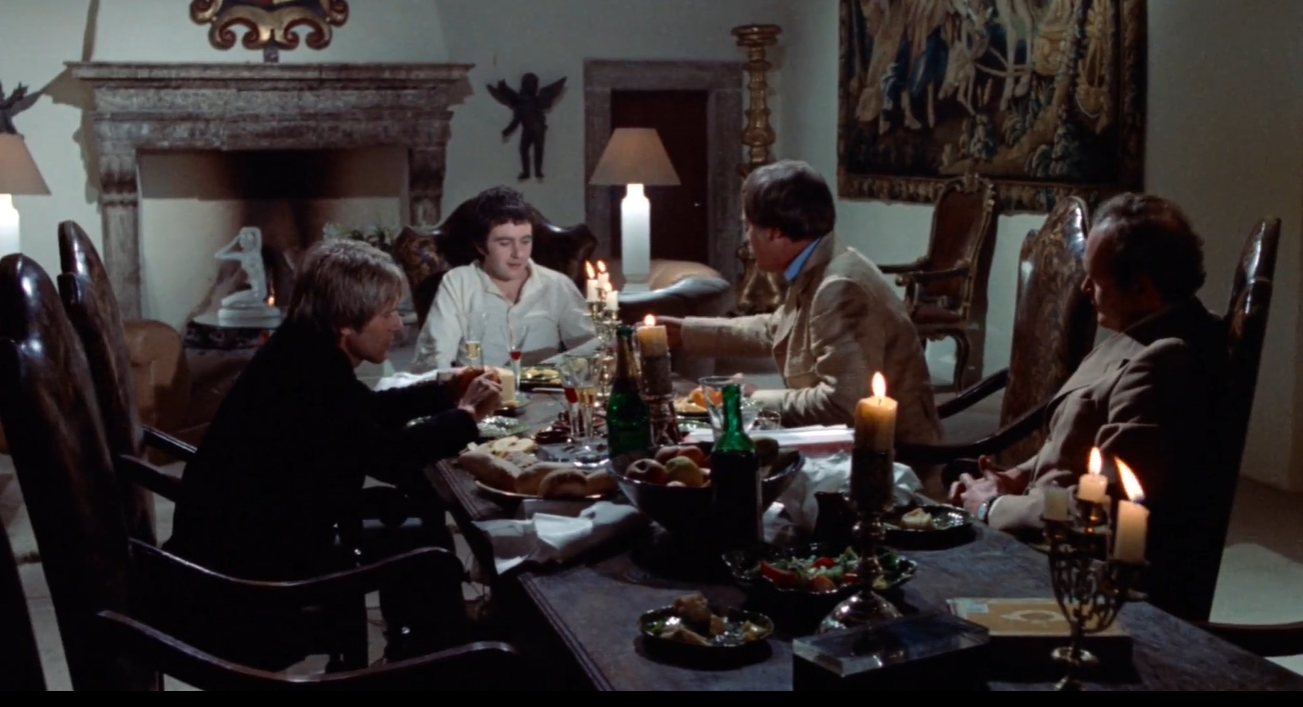
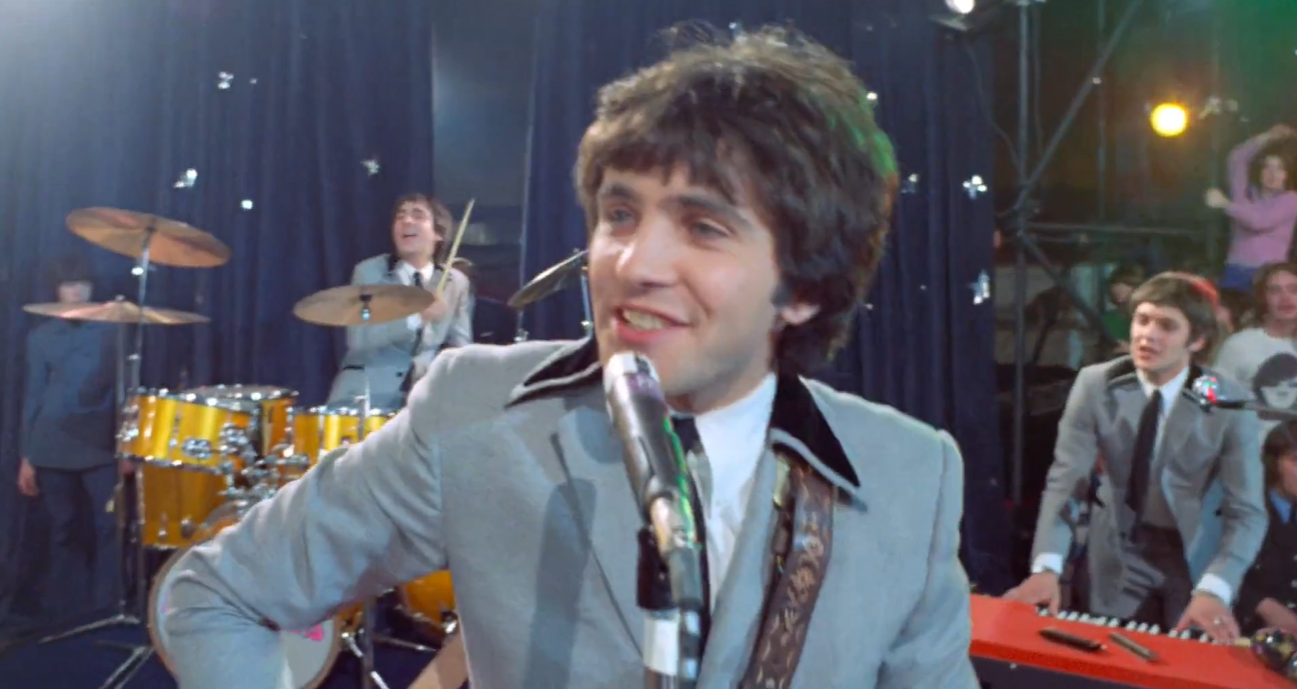
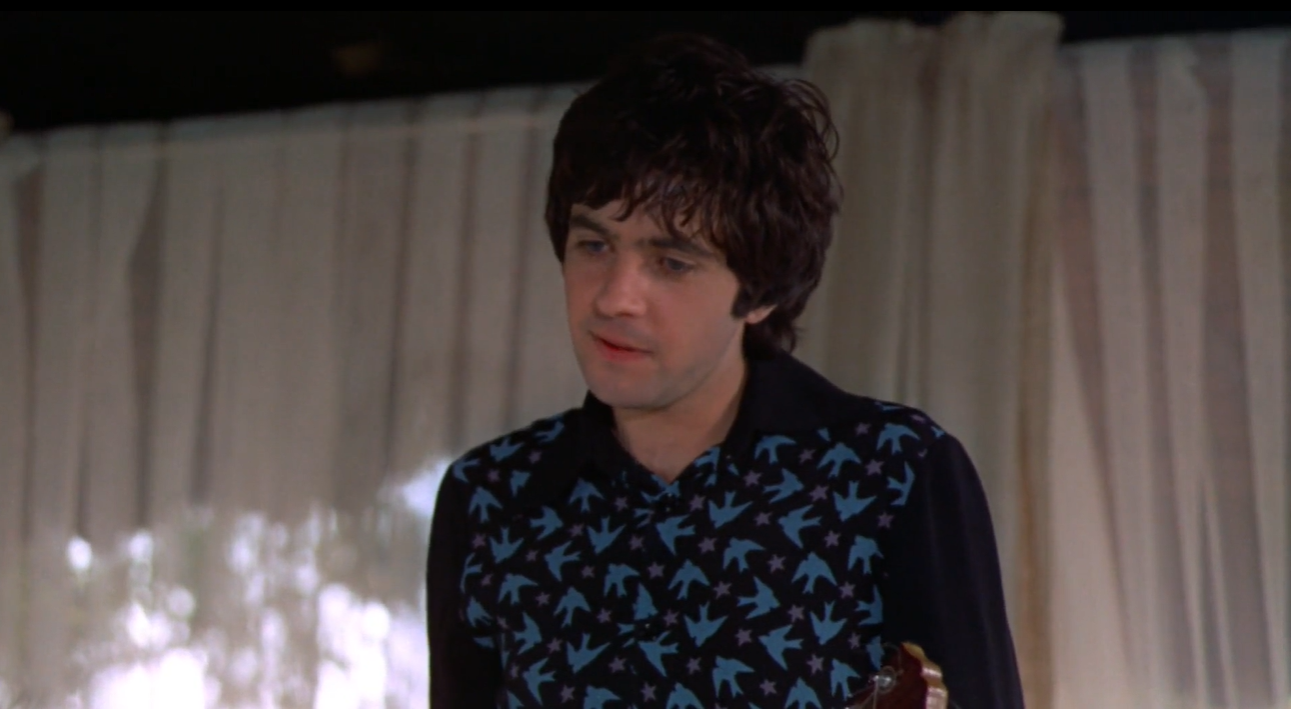
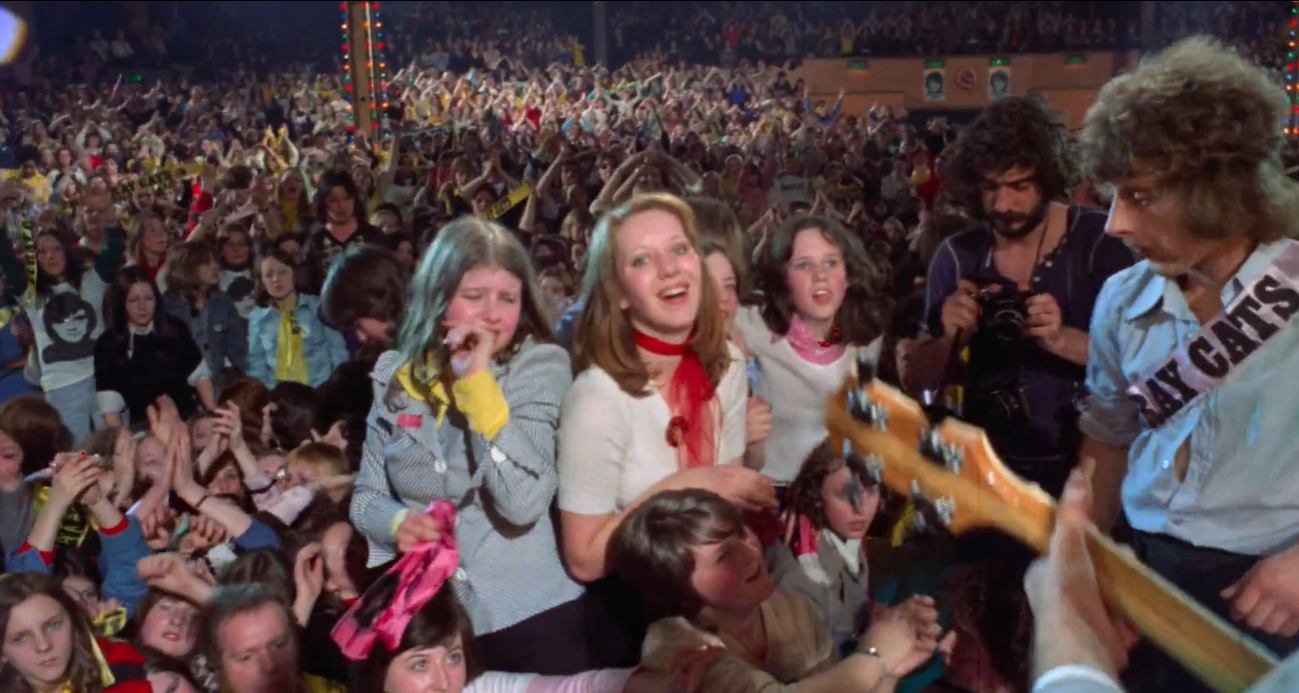
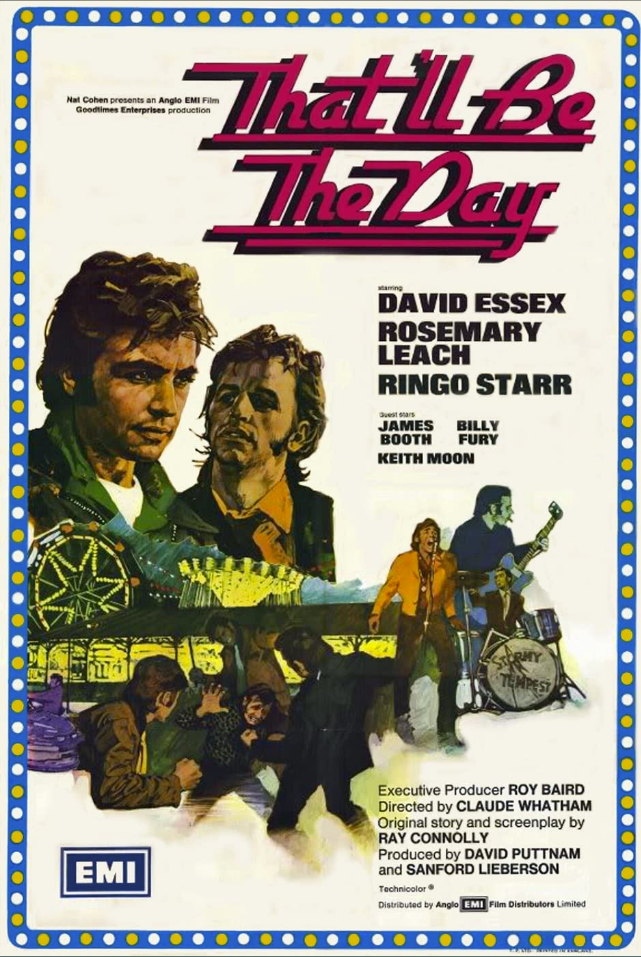
Response to Peary’s Review: The film is primarily concerned with showing what happens when an obsessive following develops around a single star; in this case, “as his fame increases, Essex begins to feel increasingly that he’s a product” and “he learns not to trust anyone but the band members,” who in turn become increasingly resentful of their more peripheral roles. Meanwhile, as “Essex goes on to superstardom,” “he is alone, confused, [and] corrupted,” and “there is isolation, drugs, [and] tragedy.” Peary points out that this film offers “a vivid, cynical look at the rock business and a Beatles-like group” — and while “there are few surprises in the film,” “it is extremely well done, compelling, and has credibility because real rock stars Essex (who does a solid job), Faith, Dave Edmunds, and Keith Moon play major roles.” Peary adds that “everything has a nostalgic ring,” and he “particularly likes the early scenes when the group is playing other people’s music and is zipping around, feeling excited about having waxed its first record;” however, the “innocence of the era” is “shattered in America.” I’m in agreement with Peary’s review. This movie is depressing but well-filmed, and features “a good score.” Watching Essex’s tragic trajectory here makes one grateful for all the talented superstars who have managed to find a way out of the trap of fame, and to craft a reasonable existence for themselves outside of the industry. Notable Performances, Qualities, and Moments: Must See? Links: |
“It’s no good telling me he’s changed; he’ll never change!”
|
Synopsis: |
|
Genres, Themes, Actors, and Directors:
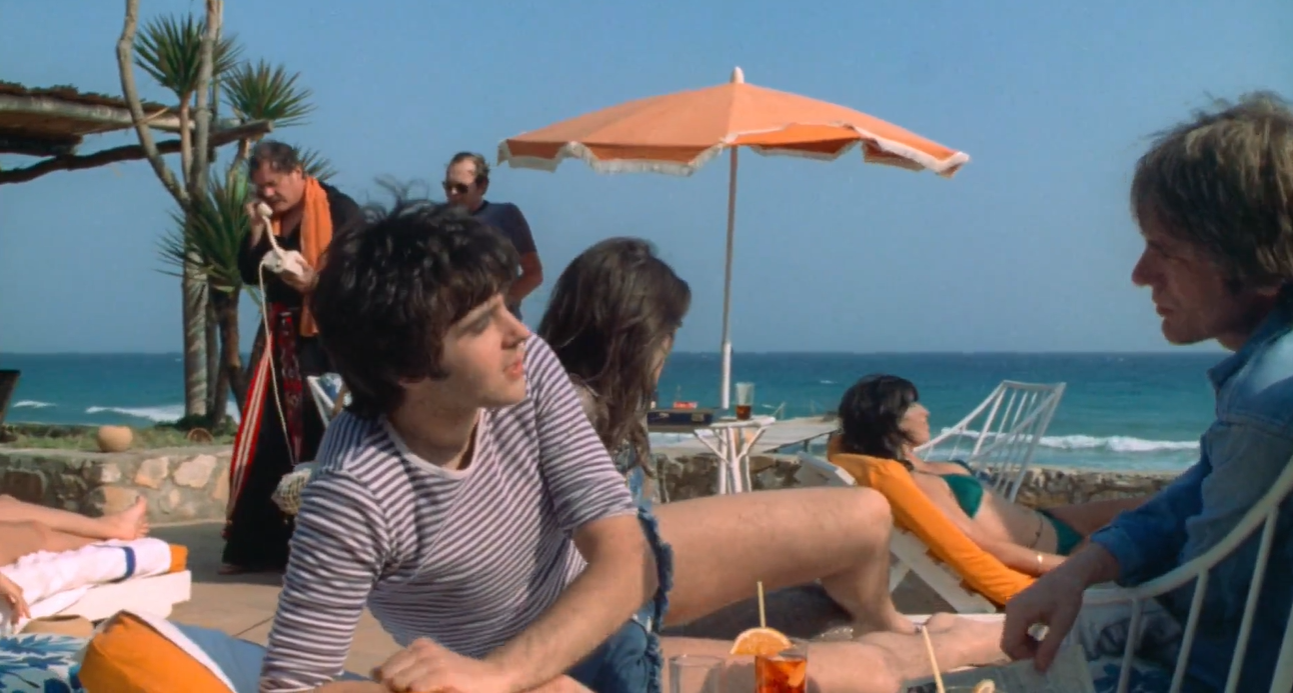
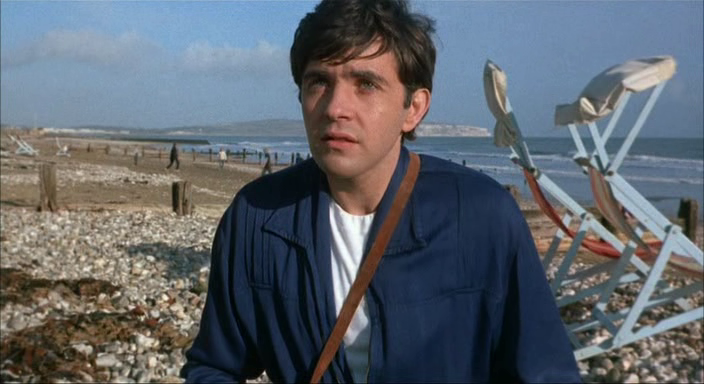
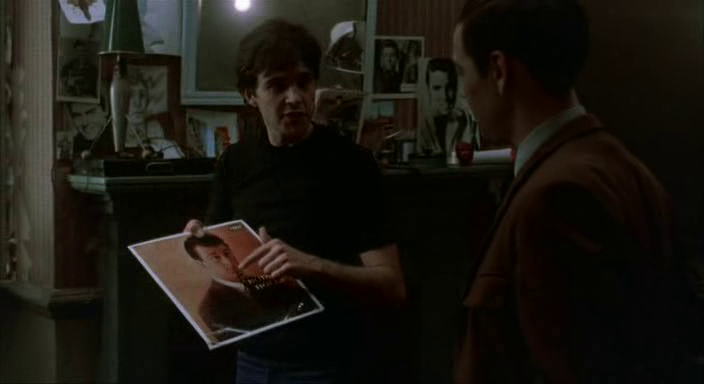
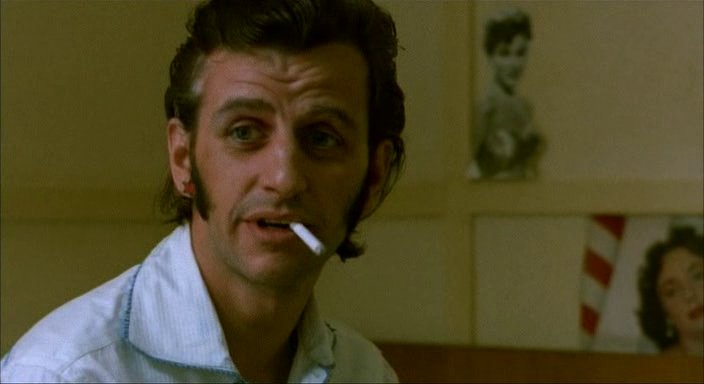
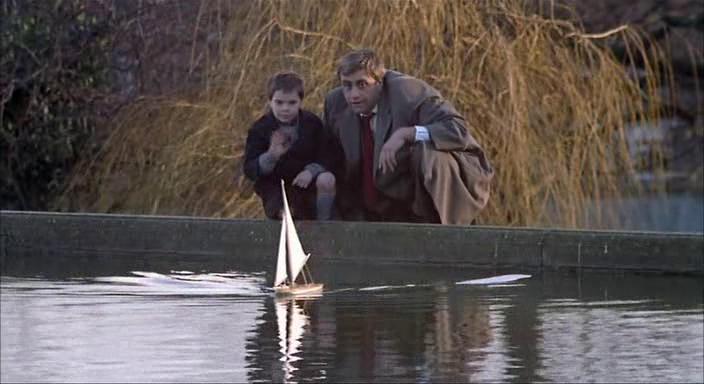
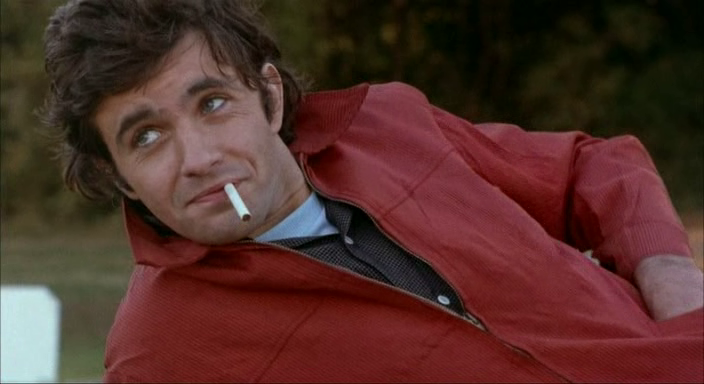
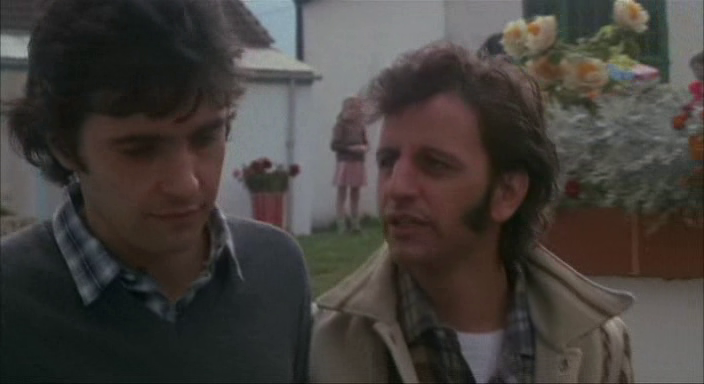
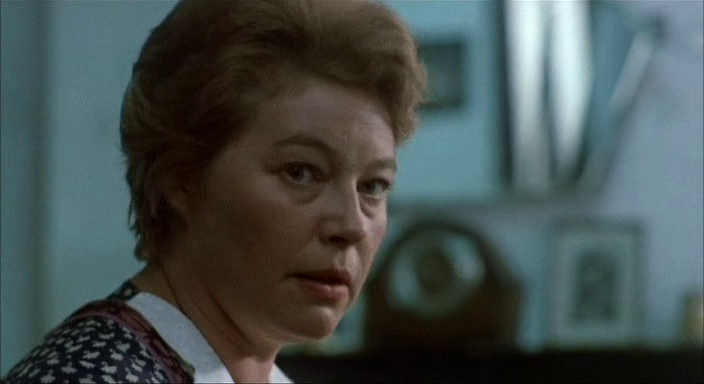
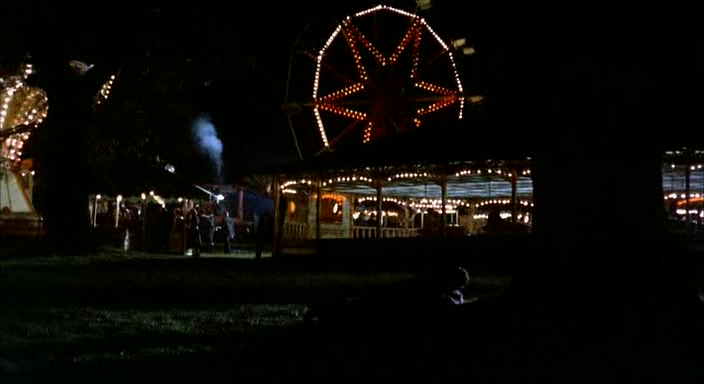
Response to Peary’s Review: Peary points out that real-life rock star David “Essex doesn’t sing, as he [would] in the better, more flamboyant sequel, Stardust,” but “there’s a great rock sound track” and he personally relates to a scene in which Essex “has a friend bringing over a Ritchie Valens album that Essex has been dying to hear.” He notes that Starr (in one of his best film roles) “does a good job as Essex’s pal” (not to mention having “an interesting haircut”): … and adds that “Essex turns in a strong performance, playing someone audiences will feel ambivalent about” given that “he looks for one-night stands” and “he won’t put himself on the line for a friend [Starr] who’s getting beaten up.” Indeed, Essex’s character — someone who “girls flock around” given “he’s cute and shy” — is surprisingly complex: the opening scenes show him as a young child running to meet his long-gone dad (James Booth), and spending only a short time with him before he disappears once again (for good). This abandonment inevitably influences Essex himself once he comes of age — and while we sympathize with his beleaguered mother, who assumes her bright son will go to college and find security: … it’s also entirely believable that he would rebel and seek out new adventures (including losing his virginity). The problem is how badly Essex acts during key decision-making moments of his life, such as whether to force himself on a teenage girl at the carnival; whether to help Starr during a potentially fatal fight; whether to pursue a “final fling” before his marriage night; etc. His worst decision comes near the very end — and given that this film ends on a freeze-frame, it inevitably leaves one feeling like the story is unfinished (which it is); I’ll return with my assessment of Stardust shortly. Notable Performances, Qualities, and Moments:
Must See? Links: |
“About 9 or 10 years ago Neil raised the question: has your band begun to rust? Well, after 9 years of research and rust development, we — Dr. Decibel and his grandfather here — we’ve discovered that ALL bands rust!”
|
Synopsis: |
|
Genres, Themes, Actors, and Directors:
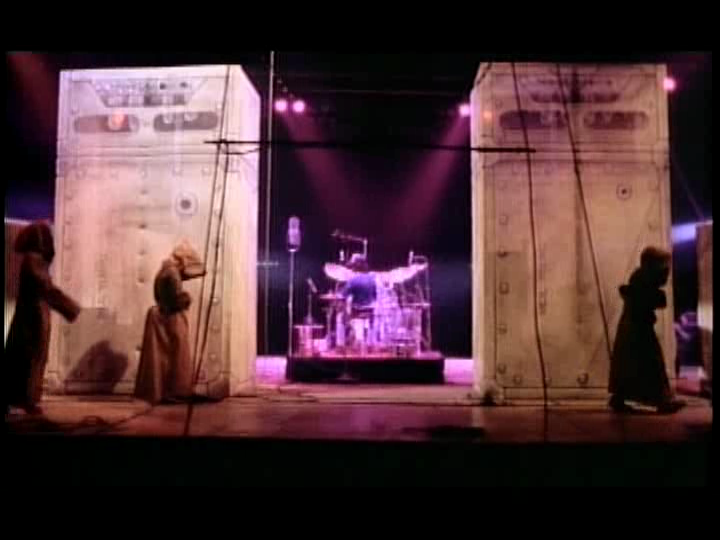
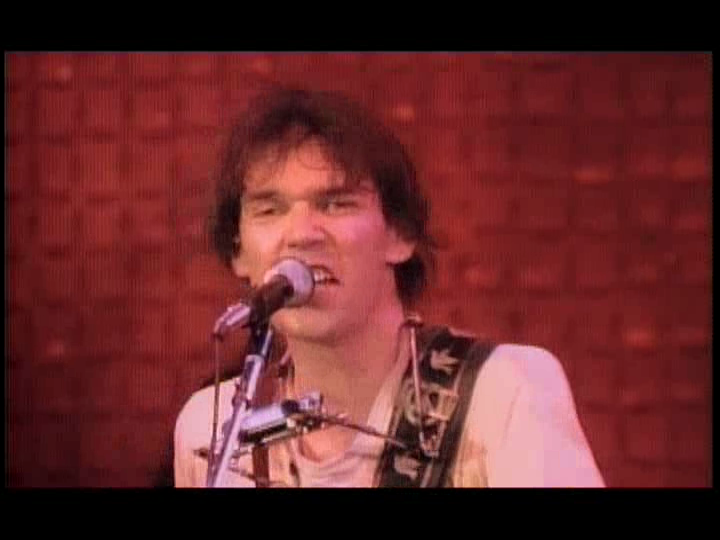
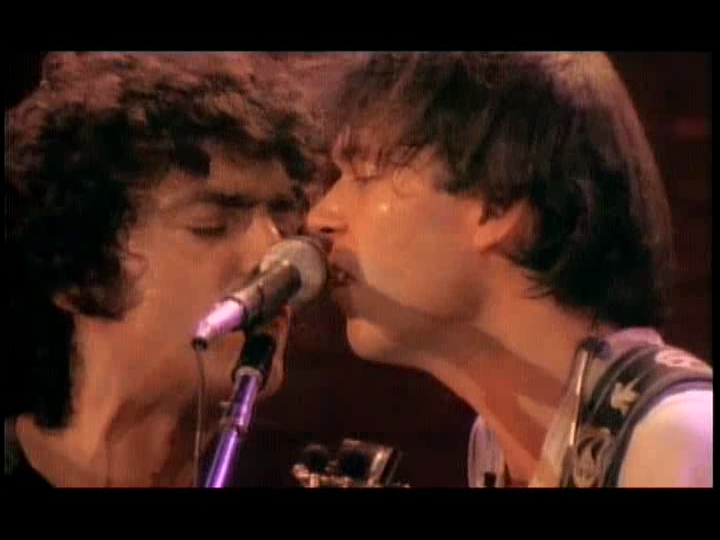
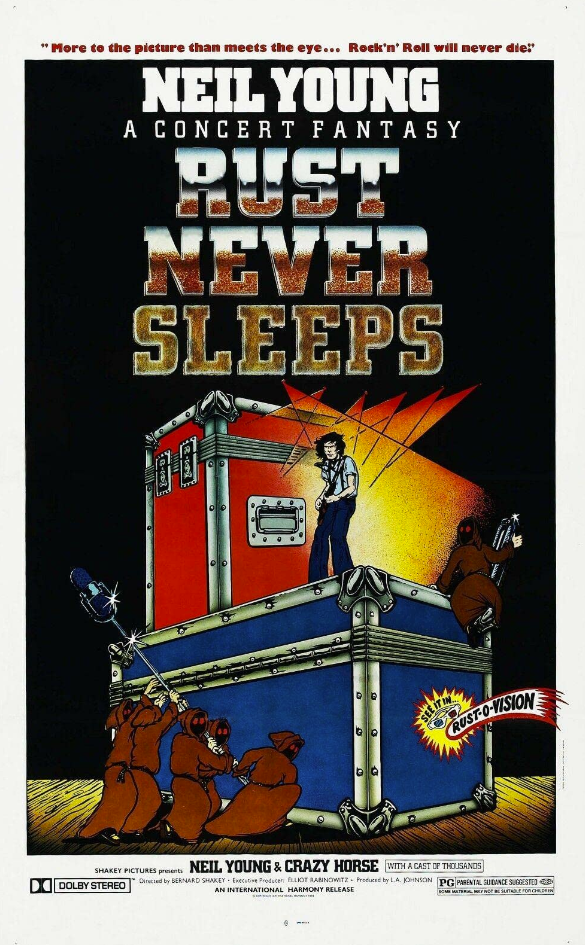
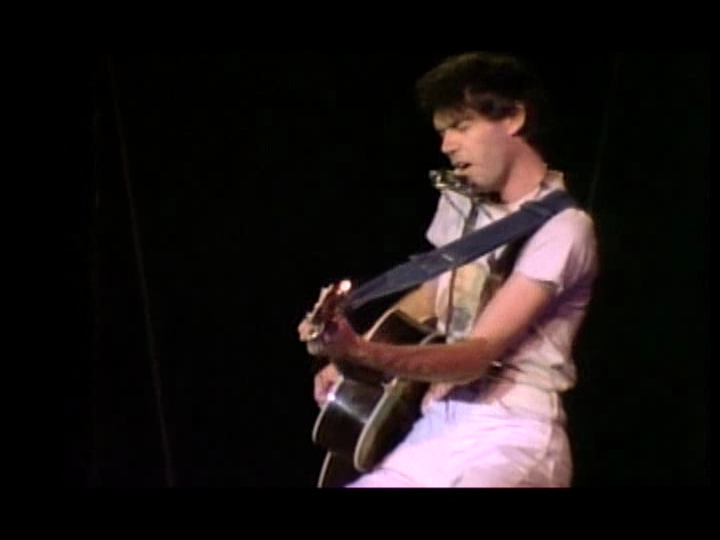
Review: The musical set is structured to start with Young playing some of his earlier acoustical songs, accompanying himself on harmonica: … and then gradually shifts towards a much stronger electrical sound with his bandmates; indeed, the film opens and closes on similar tunes — “My, My, Hey, Hey (Out of the Blue)” and “Hey, Hey, My, My (Into the Black)” — played in radically different styles. We don’t see much (anything, really) of the audience, so this really is a straight-up, relatively non-experimentally-filmed rendering of a concert rather than any type of insightful documentary. To that end, your enjoyment of it will rest exclusively on how much you enjoy Young’s music. NB: The weirdest song here has got to be “Welfare Mothers” (?!). Notable Performances, Qualities, and Moments: Must See? Links: |
“It’s a great gift, being alive.”
|
Synopsis: |
|
Genres, Themes, Actors, and Directors:
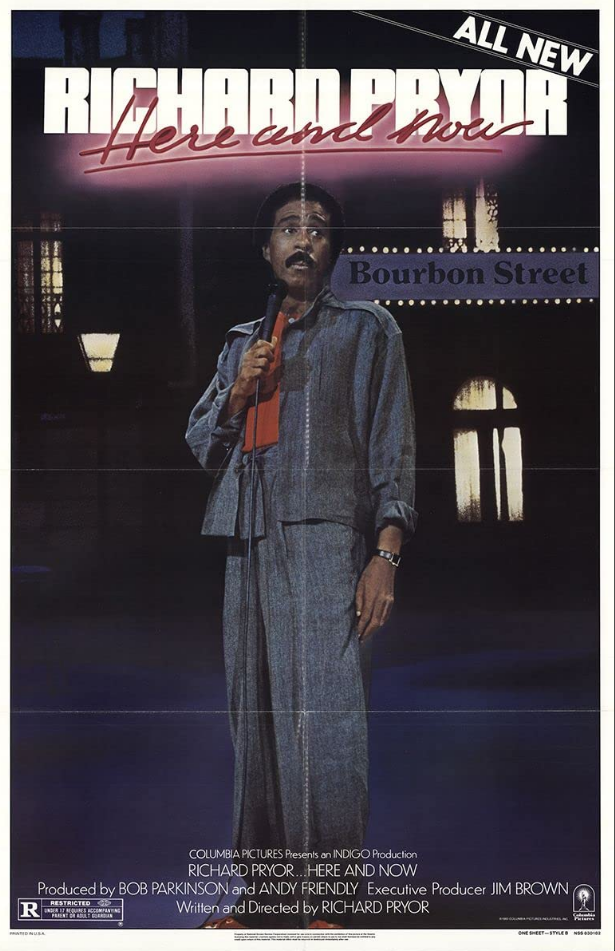
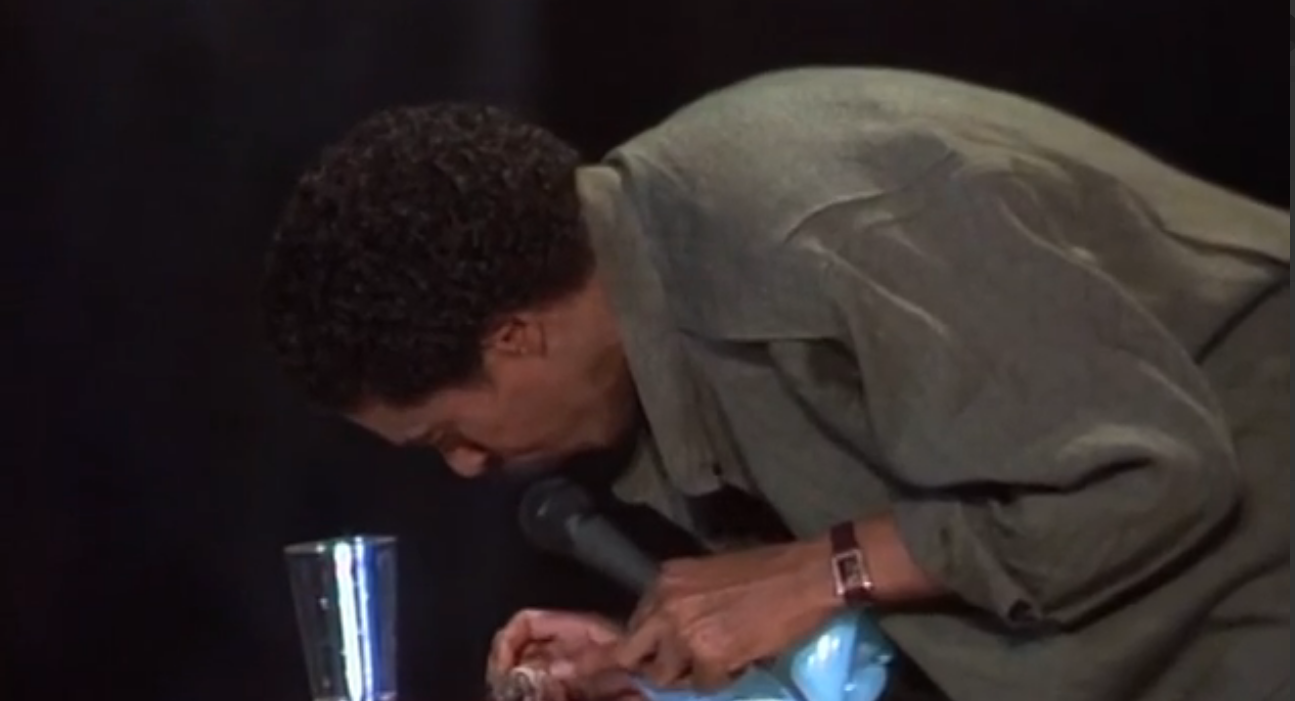
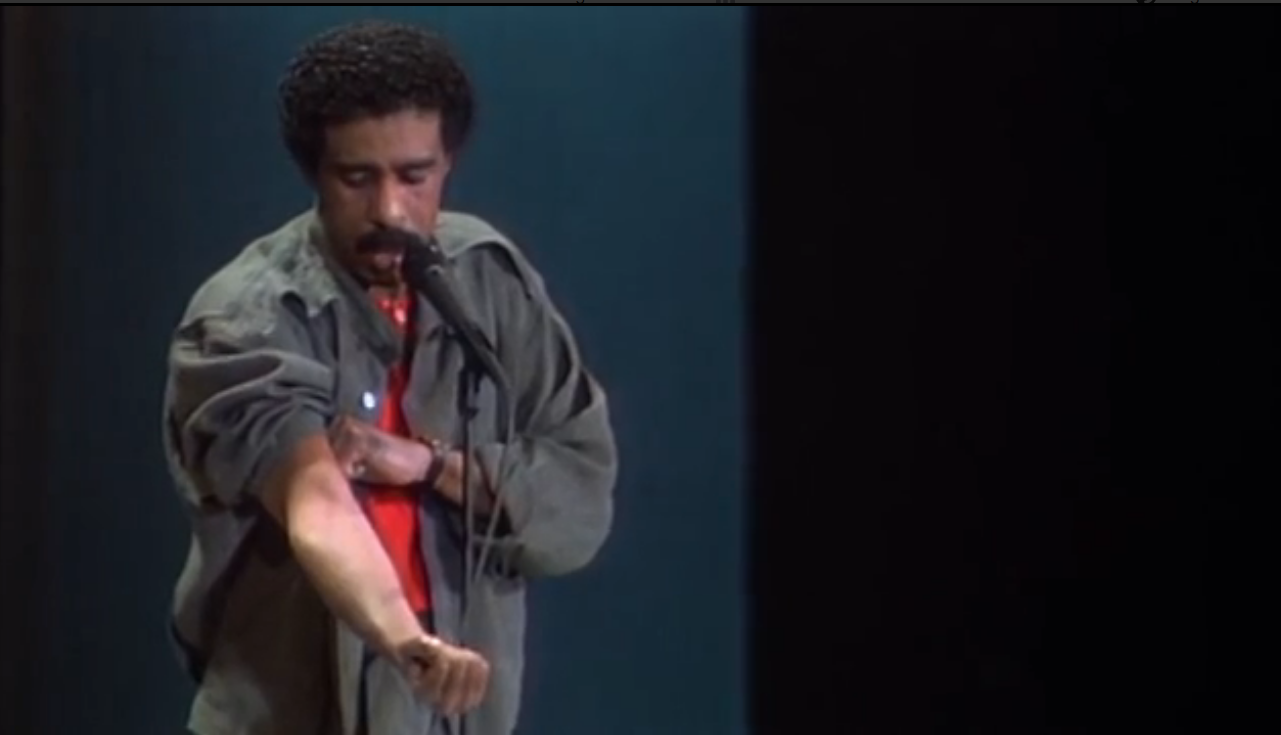
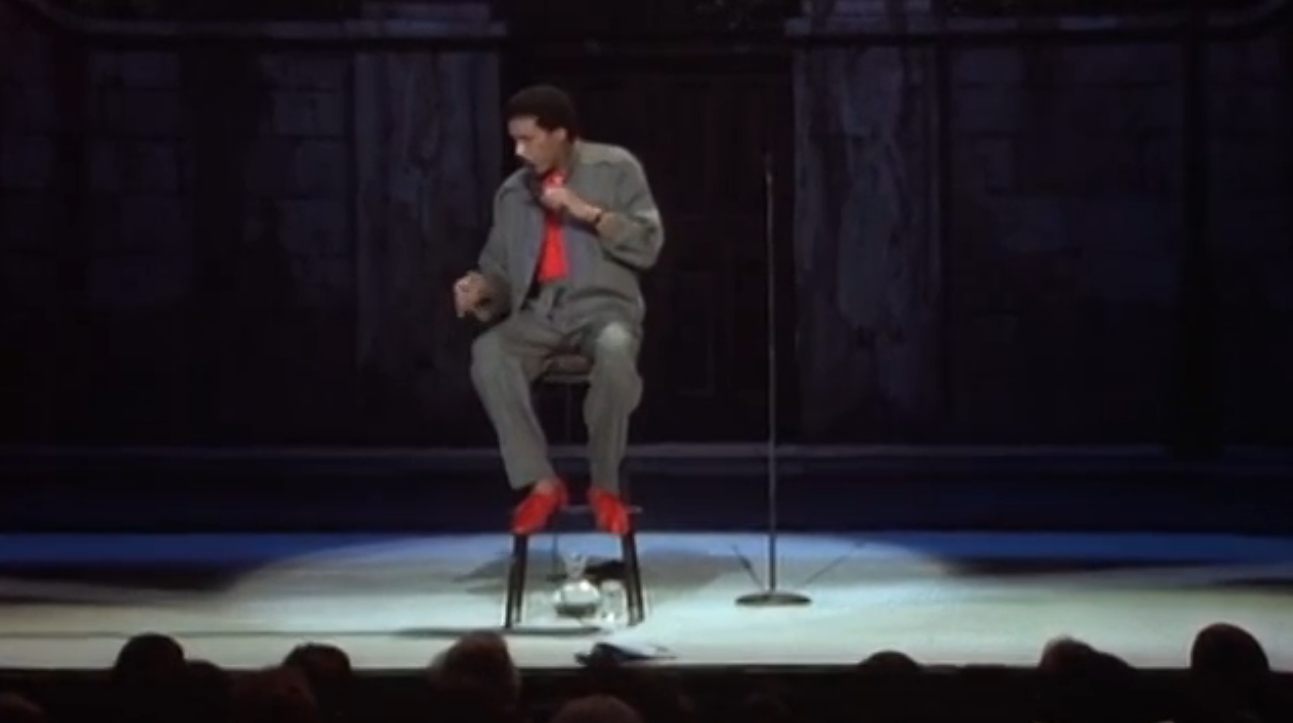
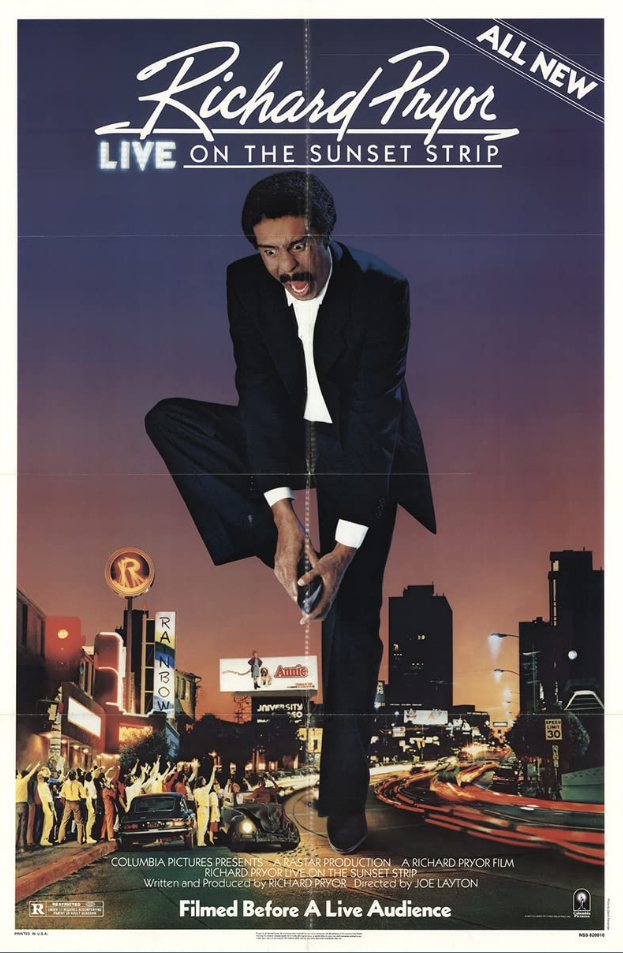
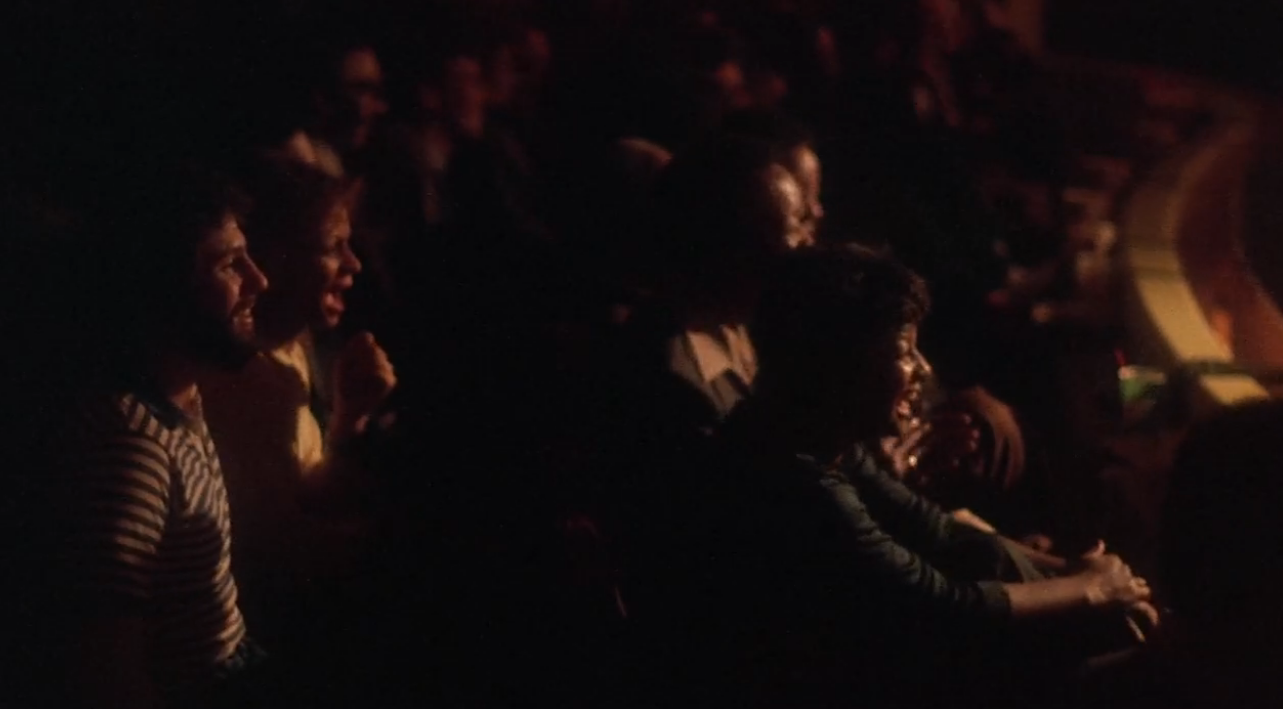
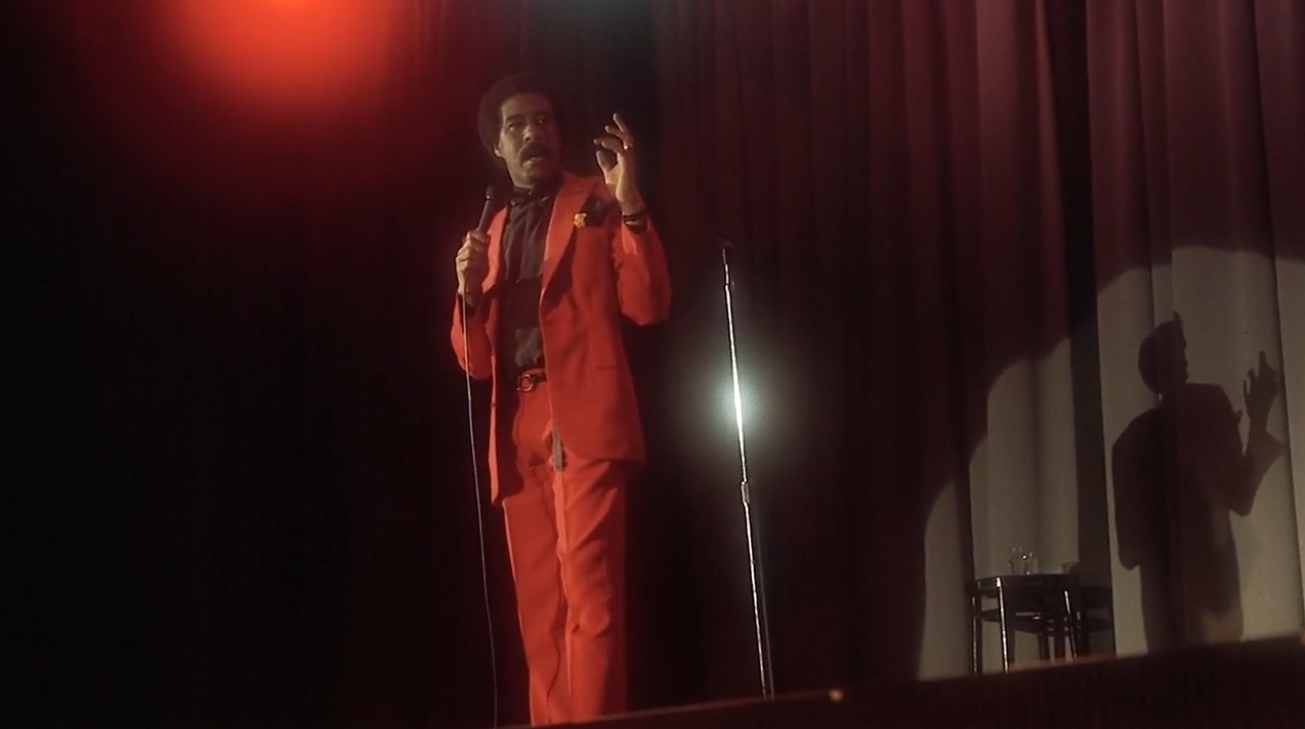
Review: We also see him inhabiting his fictional elderly character of “Mudbone”, and, in a sad extended bit, simulating a junkie (i.e., himself) hitting up. Fans won’t want to miss this one, though it’s not must-see viewing for all film fanatics. Notable Performances, Qualities, and Moments: Must See? Links: |
“You know somethin’ I found out? When you on fire and runnin’ down the street, people will get out of your way.”
|
Synopsis: |
|
Genres, Themes, Actors, and Directors:
Response to Peary’s Review: Peary writes that “a highlight has Pryor showing his painful reaction to being bathed for the first time following his accident,” and that other stand-out moments include Pryor’s “recollections of a night with a Playboy bunny who gets turned on when he uses a little-boy voice, and his meetings with black murderers at an Arizona penitentiary.” It’s been enough years since I watched any of Pryor’s routines that I found it enjoyable to spend time with him again — and it was especially poignant hearing him address his near-fatal addiction with humor and humility. However, if film fanatics choose just one filmed Pryor show to watch, it should probably be his earlier “Live in Concert”, thus making this recommended rather than must-see. Notable Performances, Qualities, and Moments: Must See? Links: |
“I’m not shocked by punk — I’m shamed by it.”
|
Synopsis: |
|
Genres, Themes, Actors, and Directors:
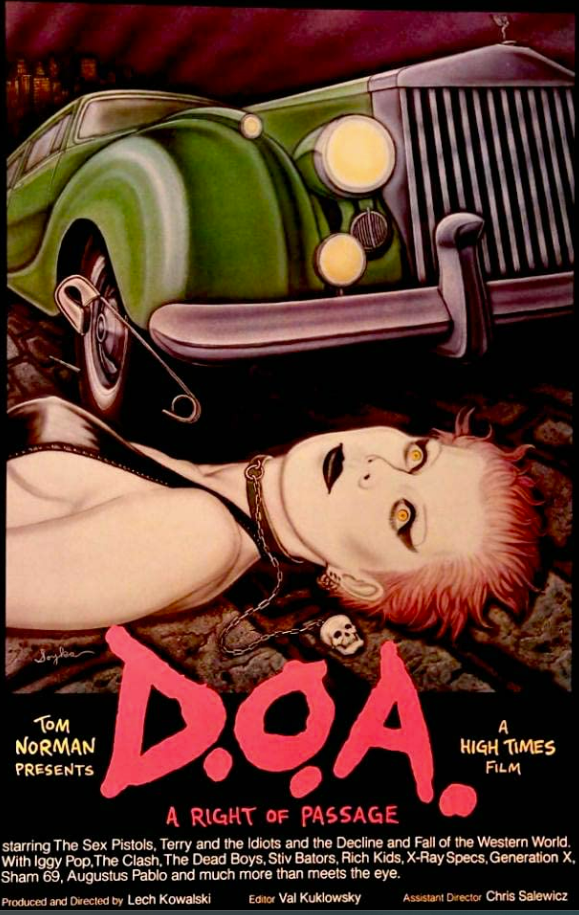
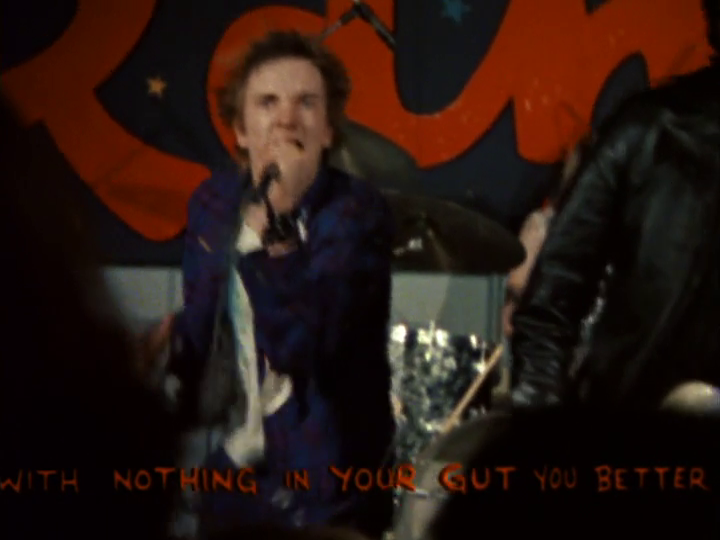
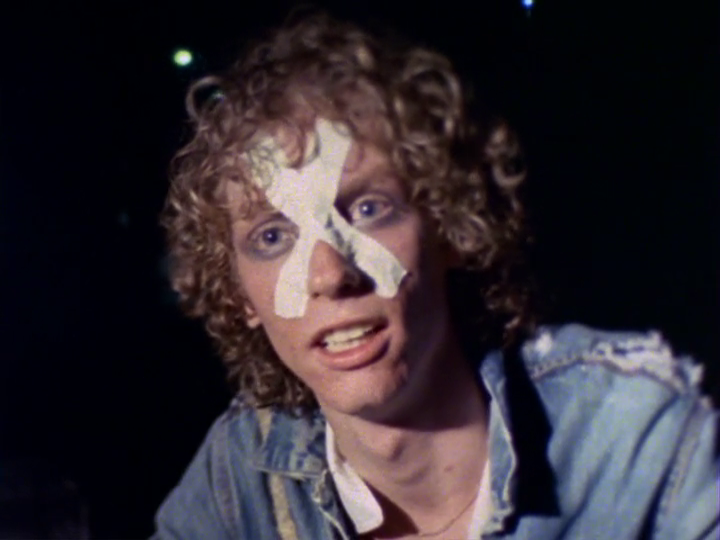
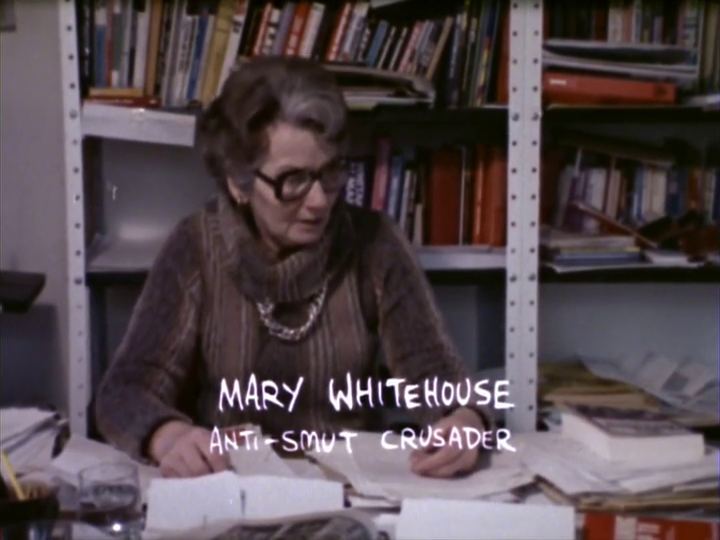
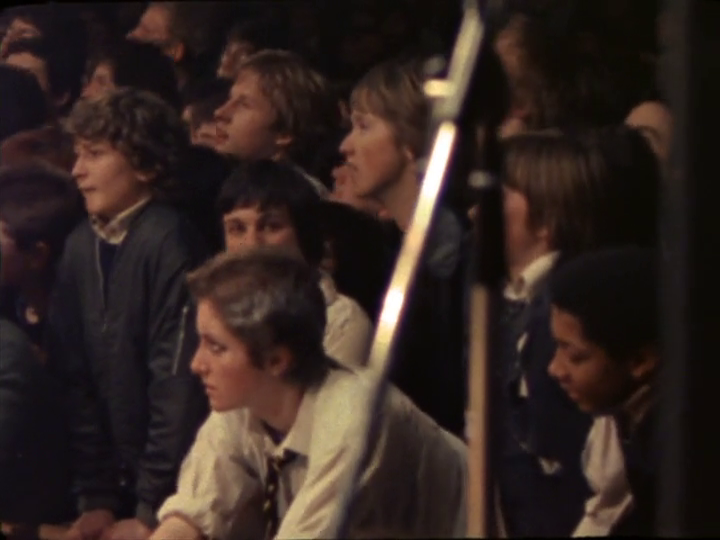
Response to Peary’s Review: He notes that “the young fans who show up for Sex Pistols concerts are society’s and mothers’ worst nightmare” — and while “their make-up and wild clothing won’t bother anyone who has been to The Rocky Horror Picture Show… it’s disturbing to witness the pins through their cheeks, their mindless f**k-the-world hostility and rudeness (especially toward the cameraman), and their violence.” He adds that the “music by the Sex Pistols (Johnny Rotten, Sid Vicious, Steve Jones, Paul Cook) and other famous punk groups should please fans and, for those like [him – i.e., non-fans], satisfy curiosity,” and he concludes his review by noting that “surely the film’s most famous, most depraved scene is an interview with catatonic Vicious (wearing a swastika T-shirt) and spaced-out girlfriend Nancy Spungen” before they both died shortly thereafter. This film also offers some drolly amusing commentary from various folks who are, shall we say, not especially pleased about the impact of punk music on society. Notable Performances, Qualities, and Moments: Must See? Links: |
“There is a third part still to be found; it must be found!”
|
Synopsis: |
|
Genres, Themes, Actors, and Directors:
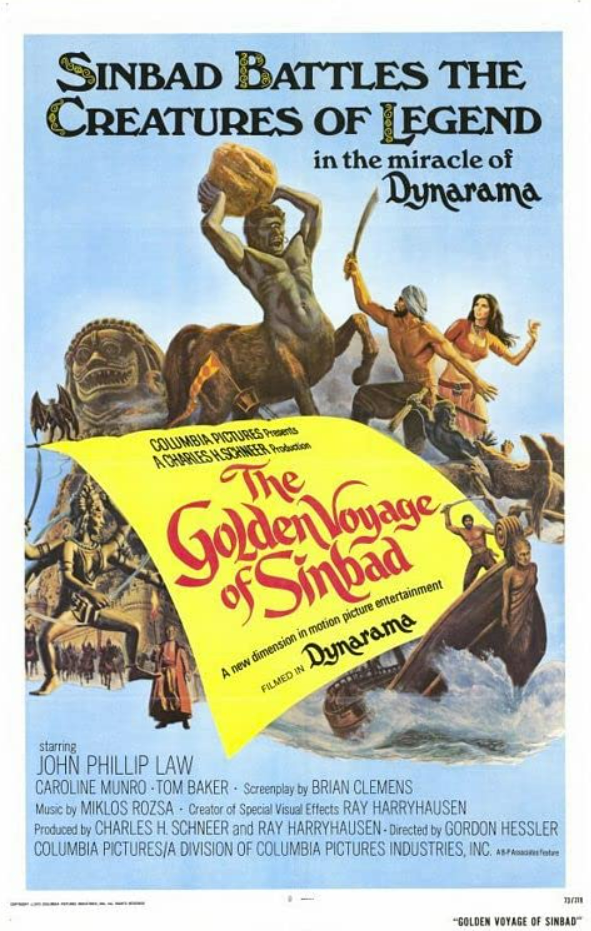
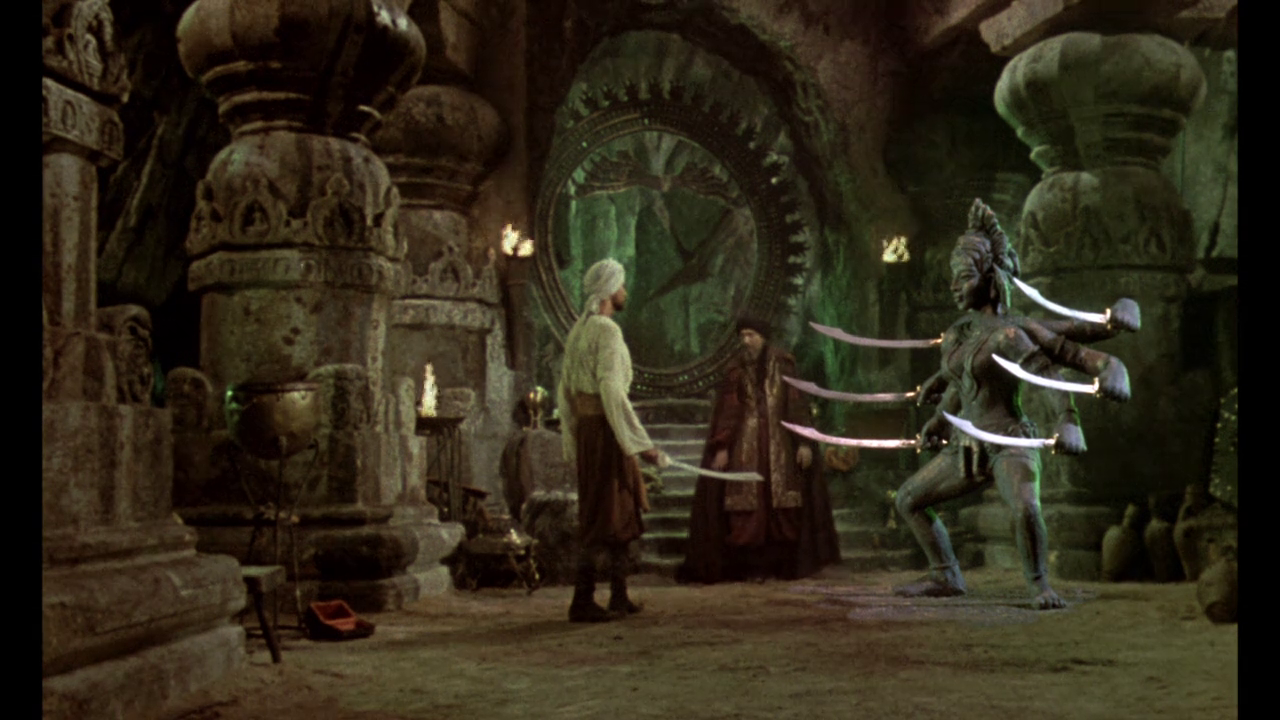
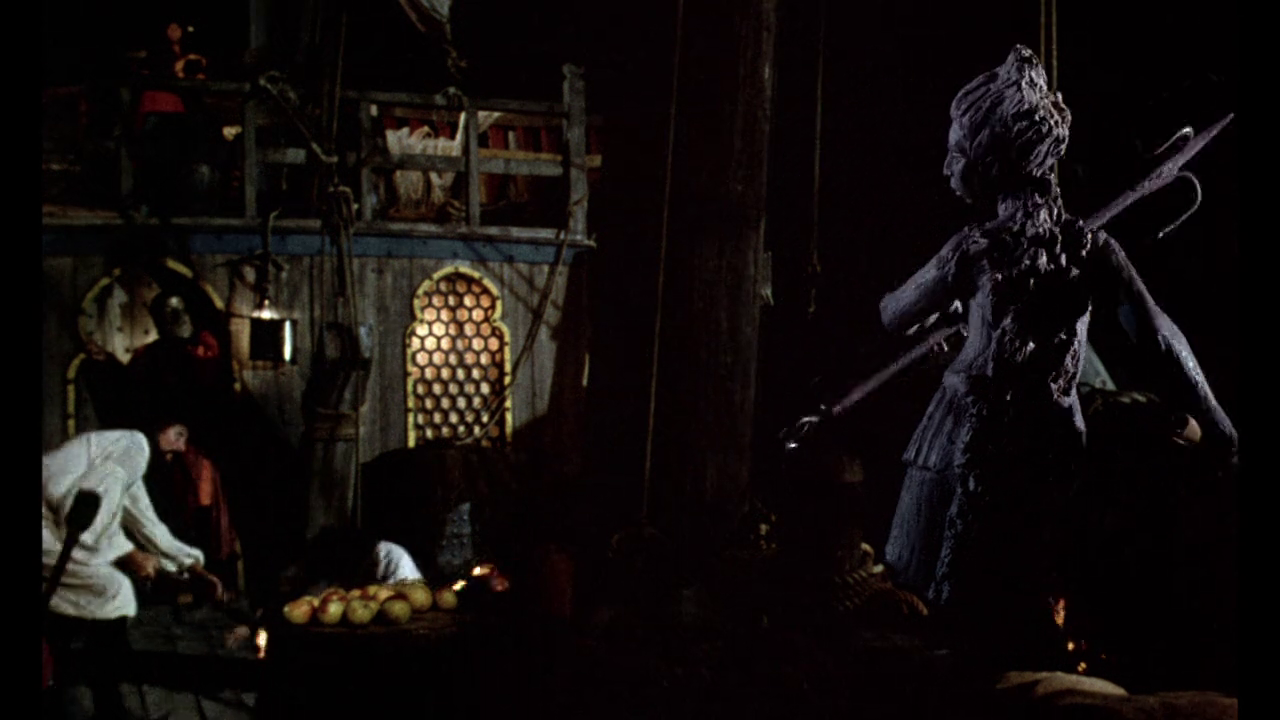
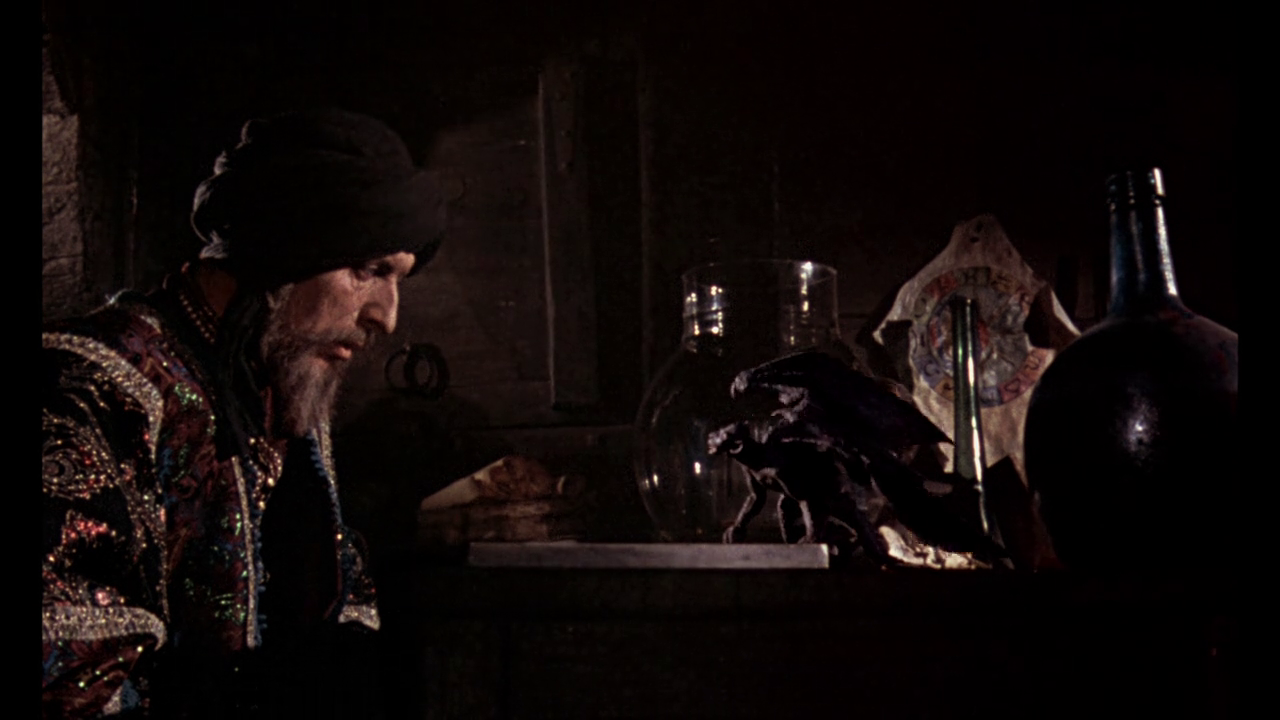
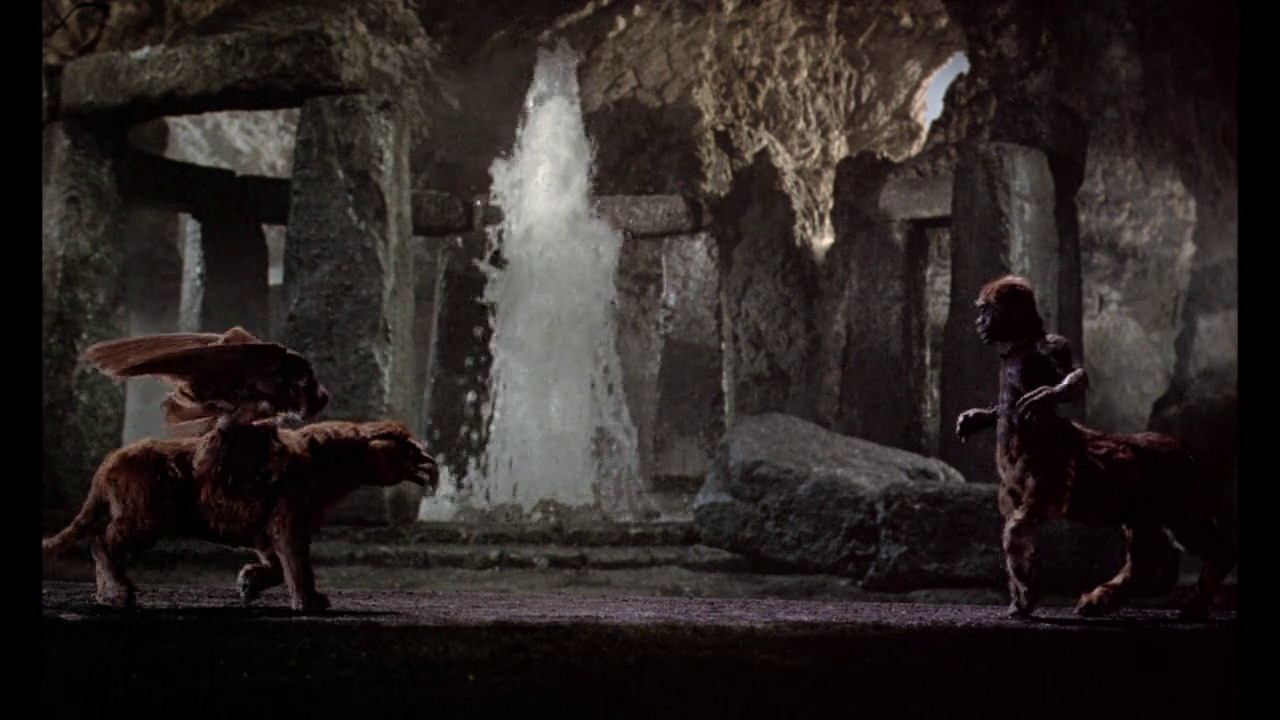
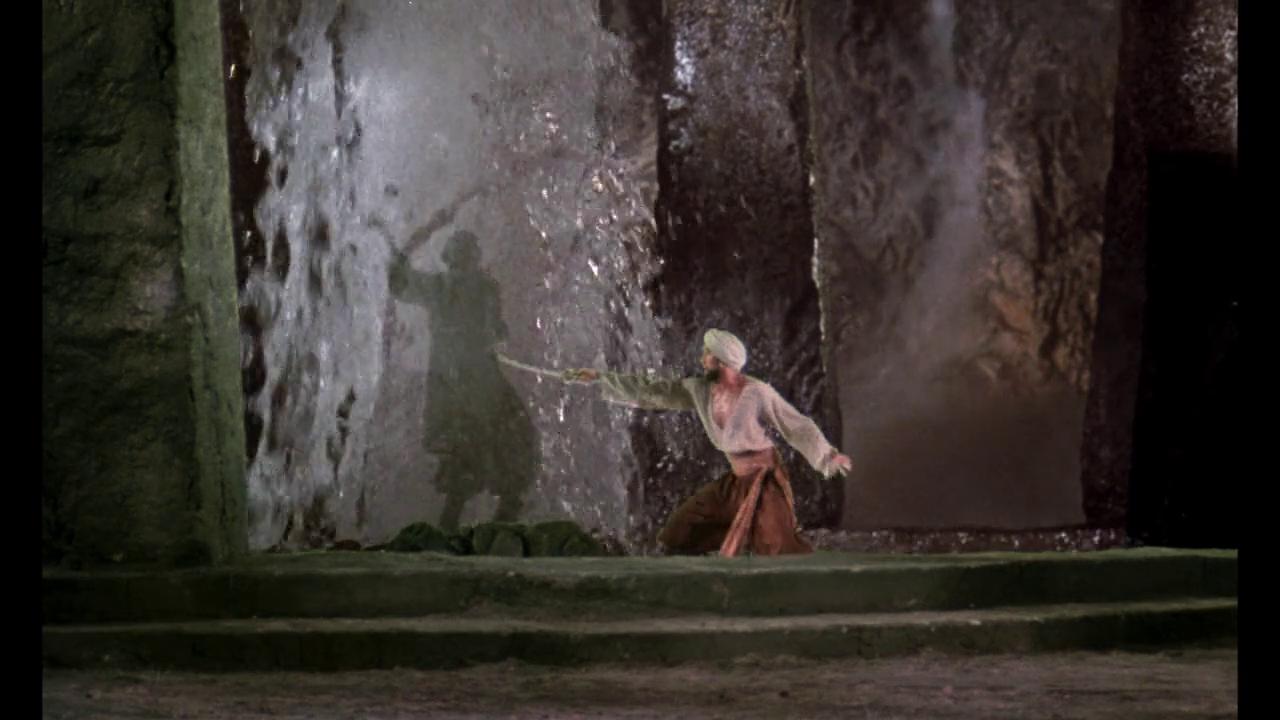
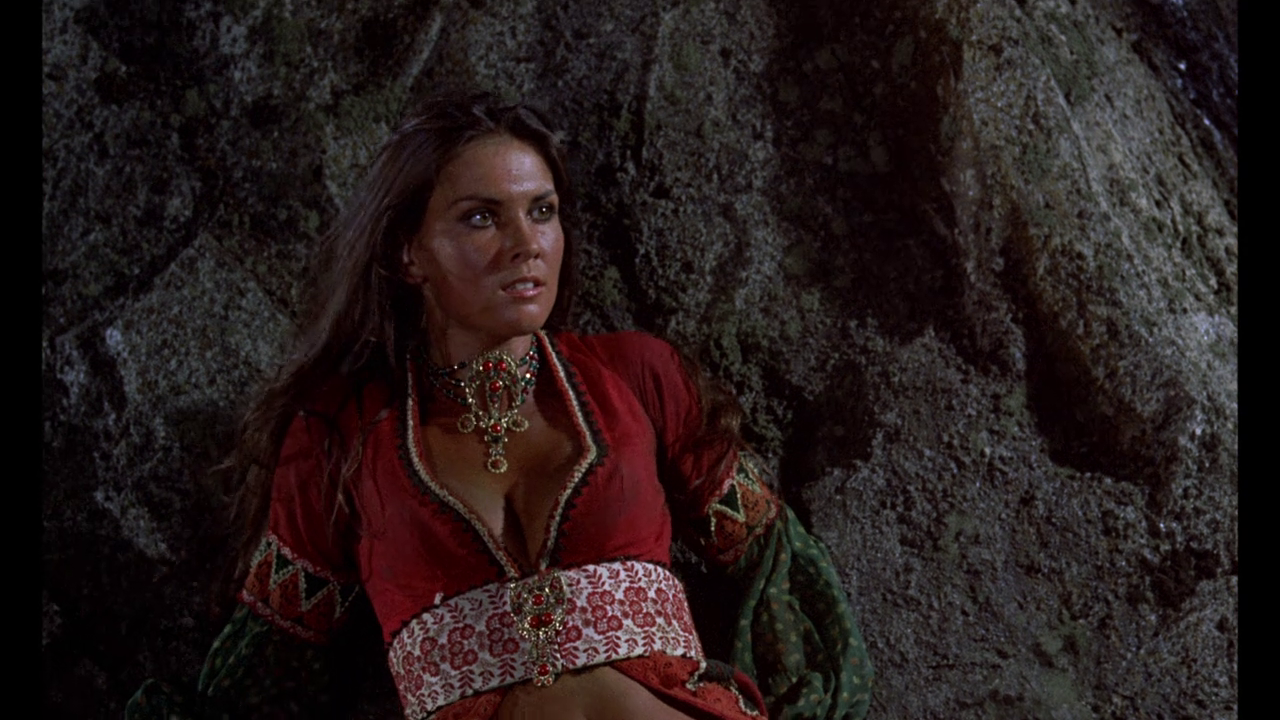
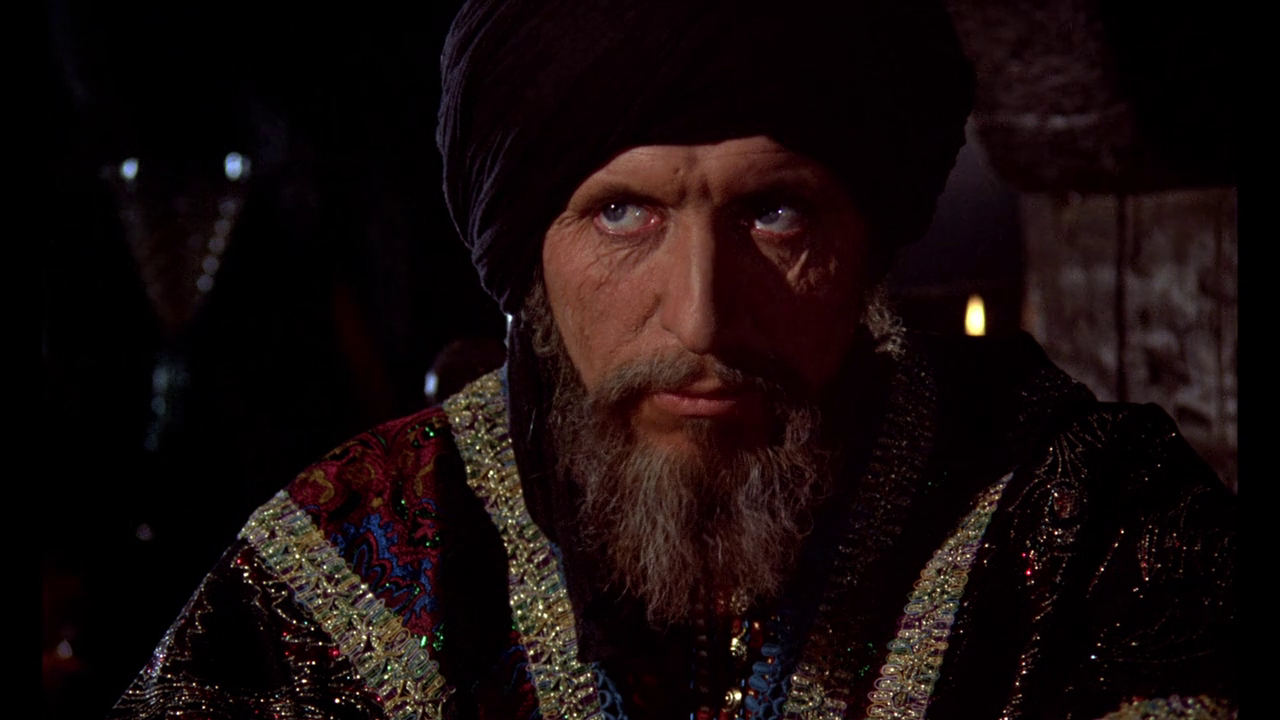
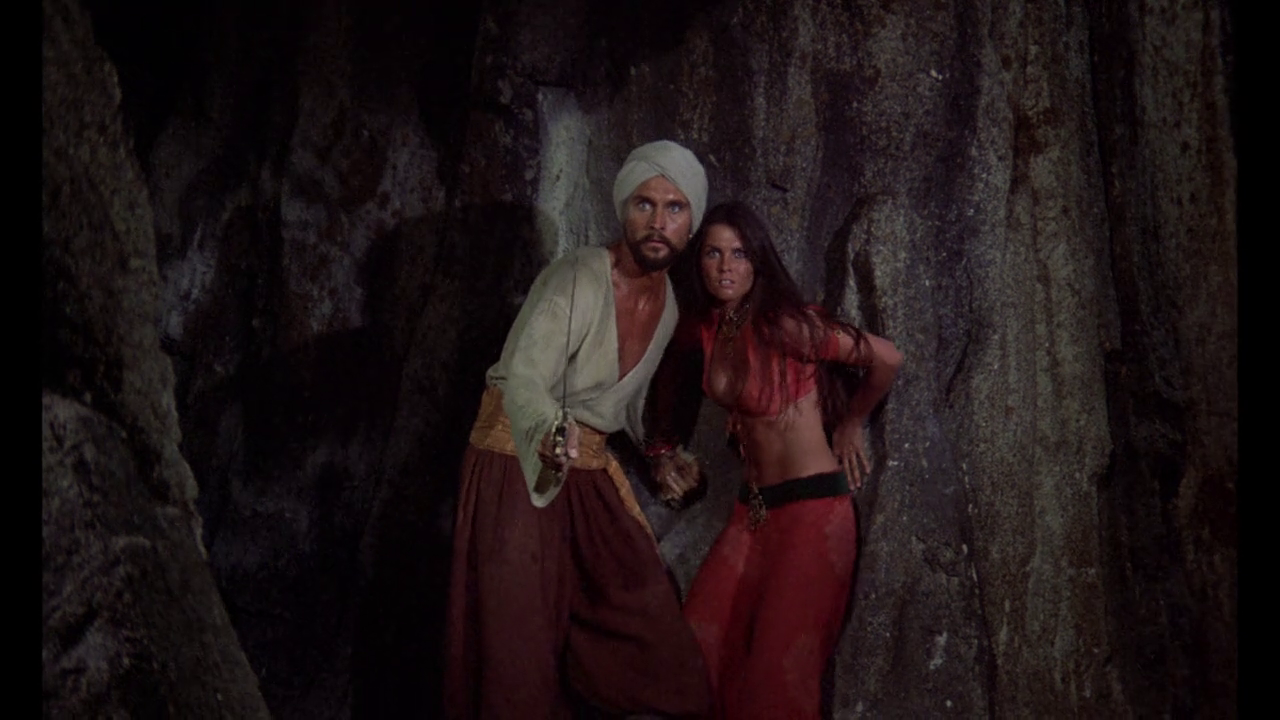
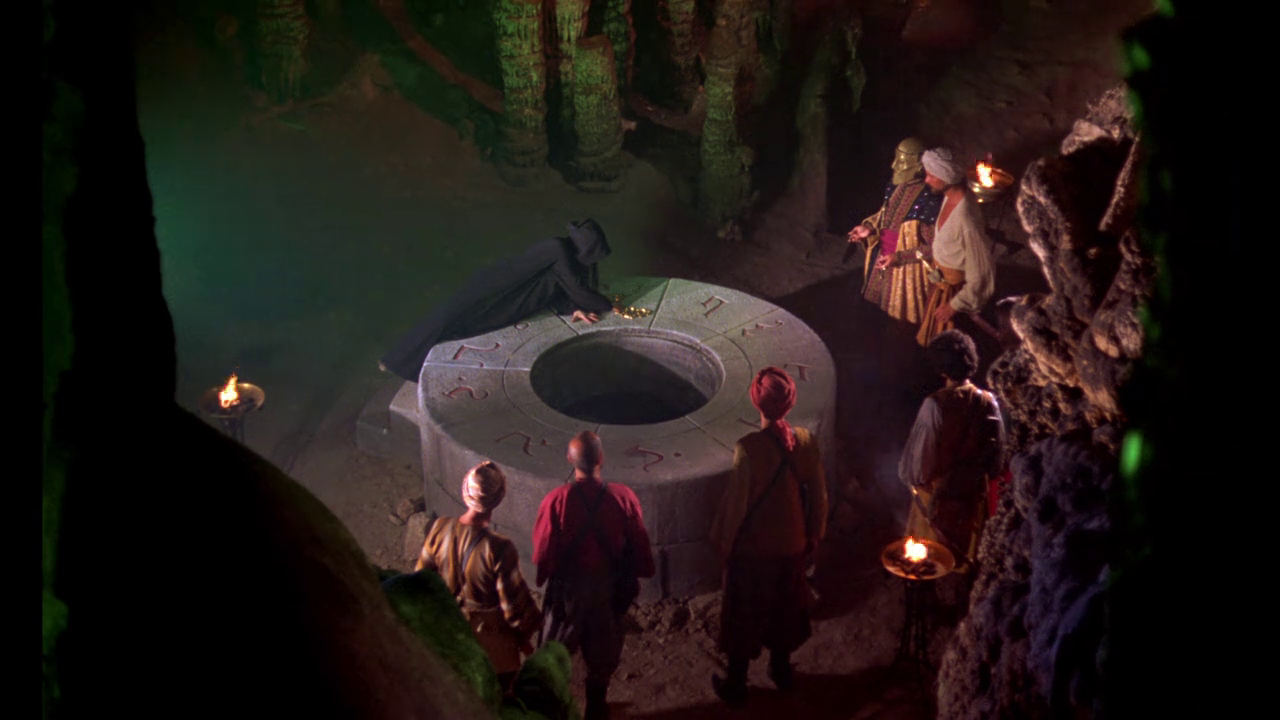
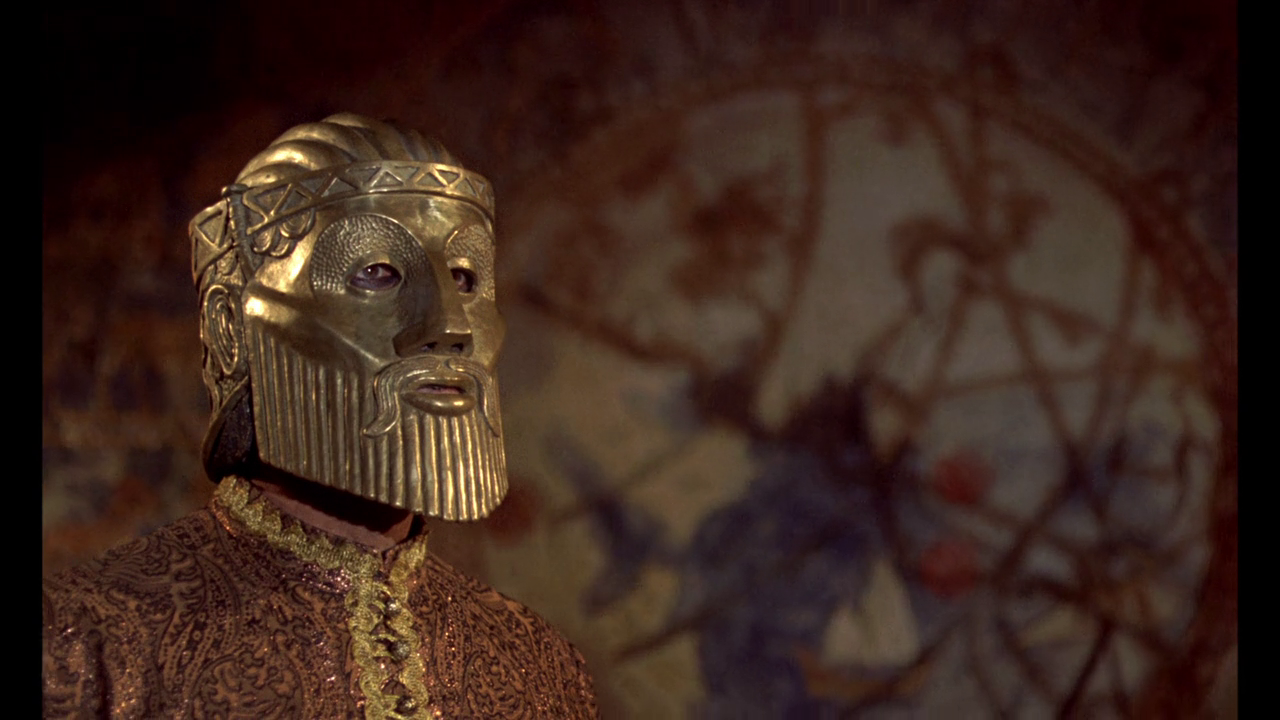
Response to Peary’s Review: … “the Siren figurehead on Sinbad’s ship that Koura [the magician] brings to life”: … “a tiny, ugly, winged Homunculus that serves as Koura’s spy”: … “and a centaur and griffin, whose battle is a highlight.” The final sword battle between Sinbad and his nemesis Koura — involving a “shield of darkness” — is also nicely handled. I’m essentially in agreement with Peary’s assessment. This escapist fantasy is a little slow at times, but it’s creatively filmed, and Harryhausen’s unique creations are always worth watching. Meanwhile, Munro is gorgeous eye candy: … and Baker is effectively evil as a magician whose very life is predicated upon locating the mythical fountain of youth. Notable Performances, Qualities, and Moments:
Must See? Categories
Links: |
“All is vanity; nothing exists.”
|
Synopsis: |
|
Genres, Themes, Actors, and Directors:
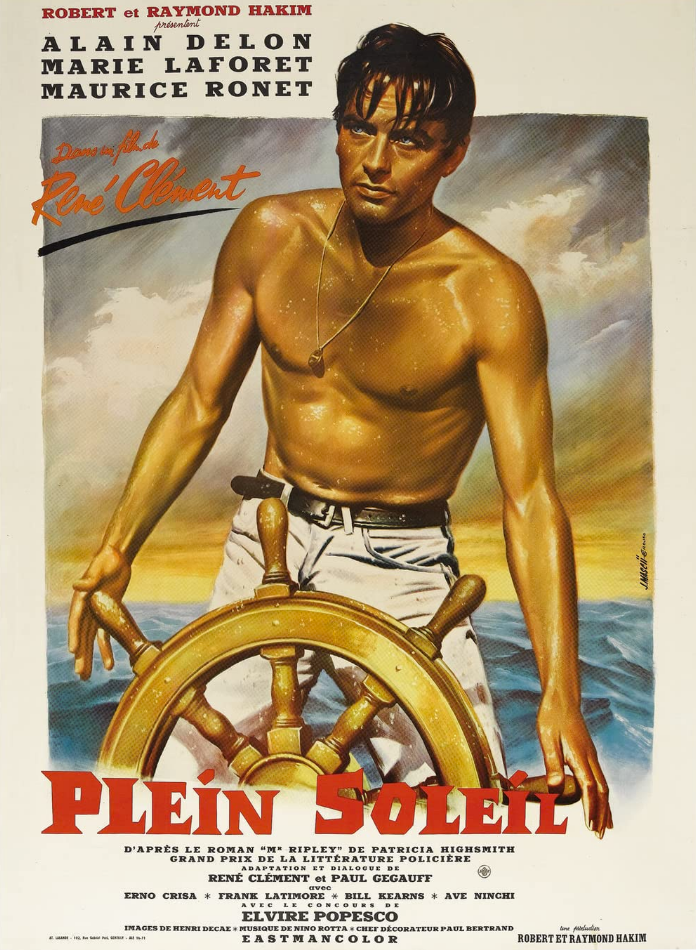
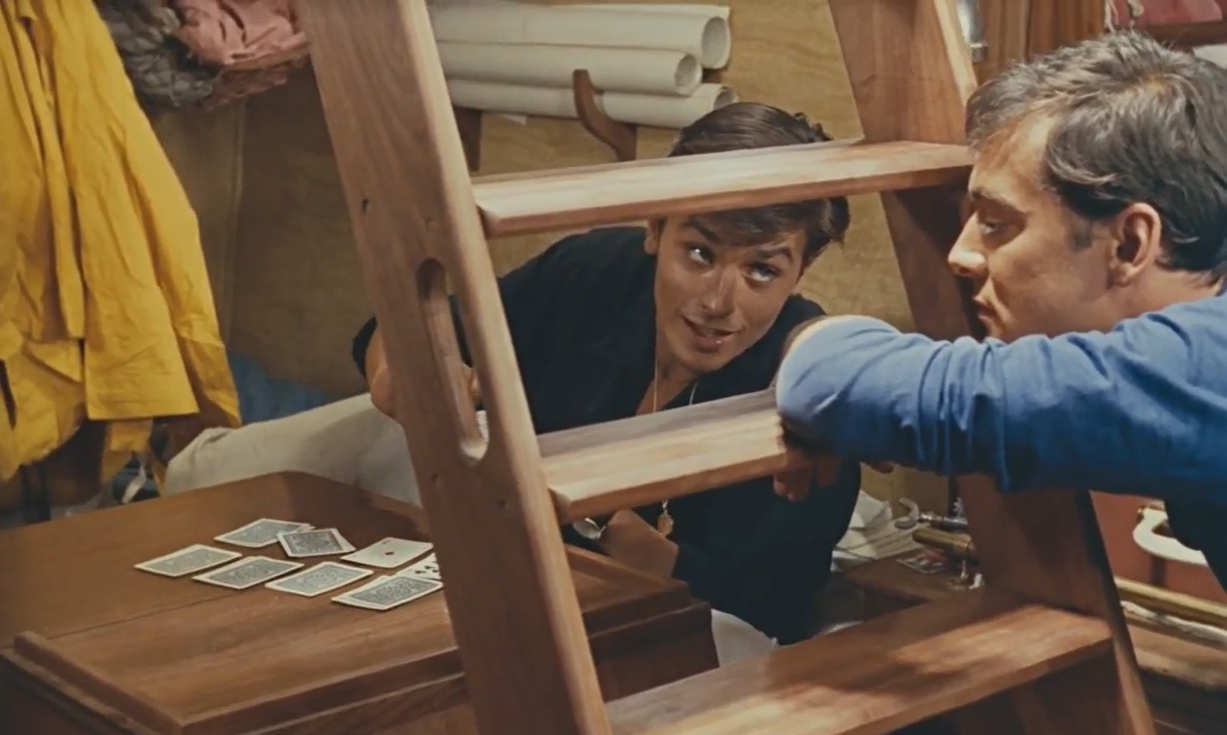
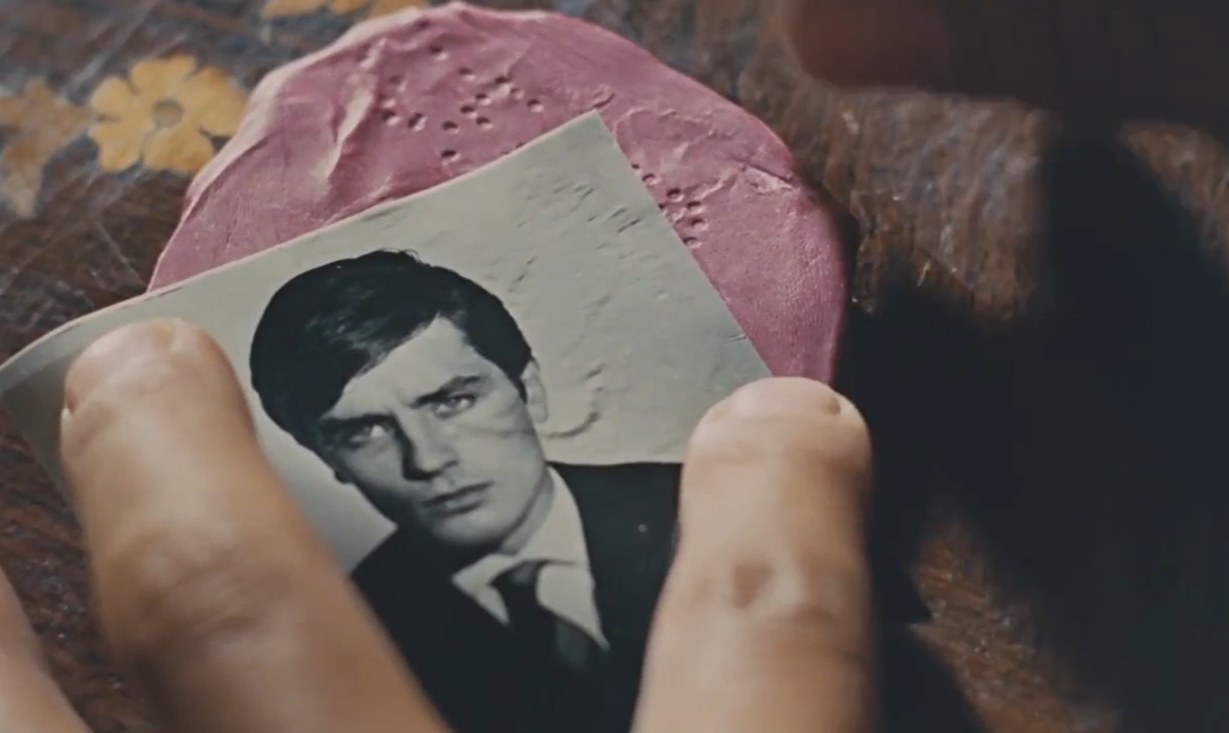
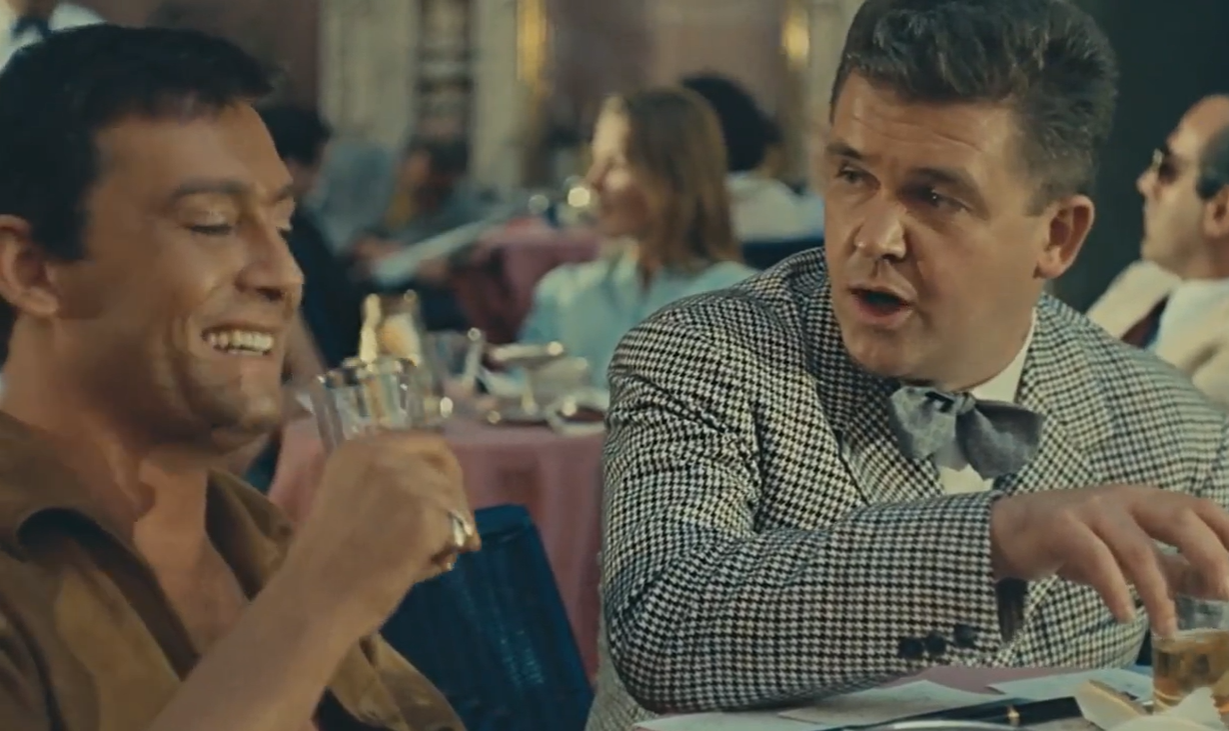
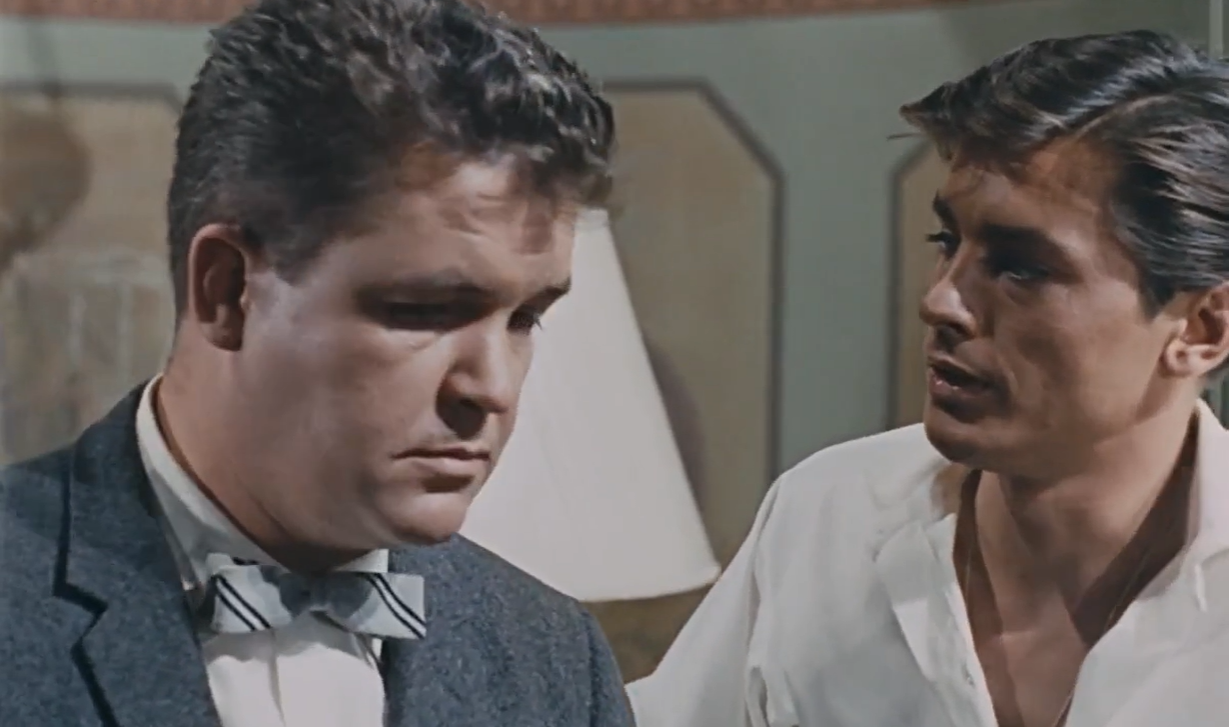
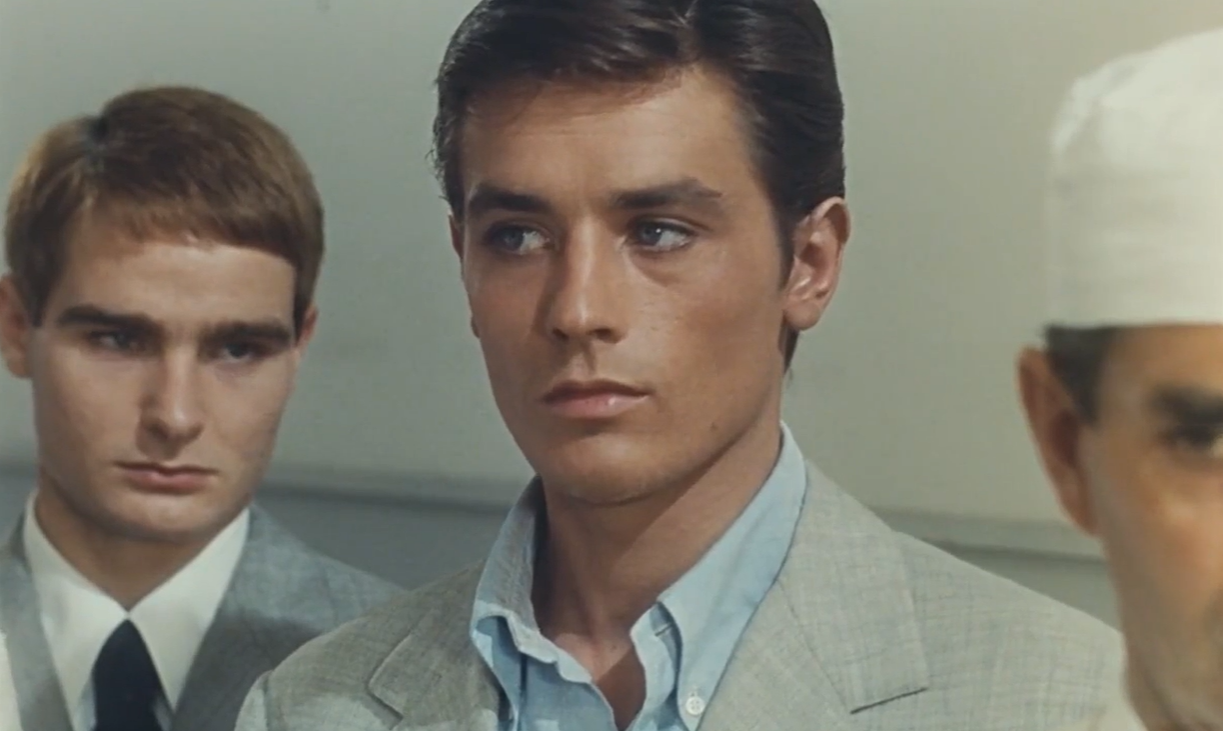
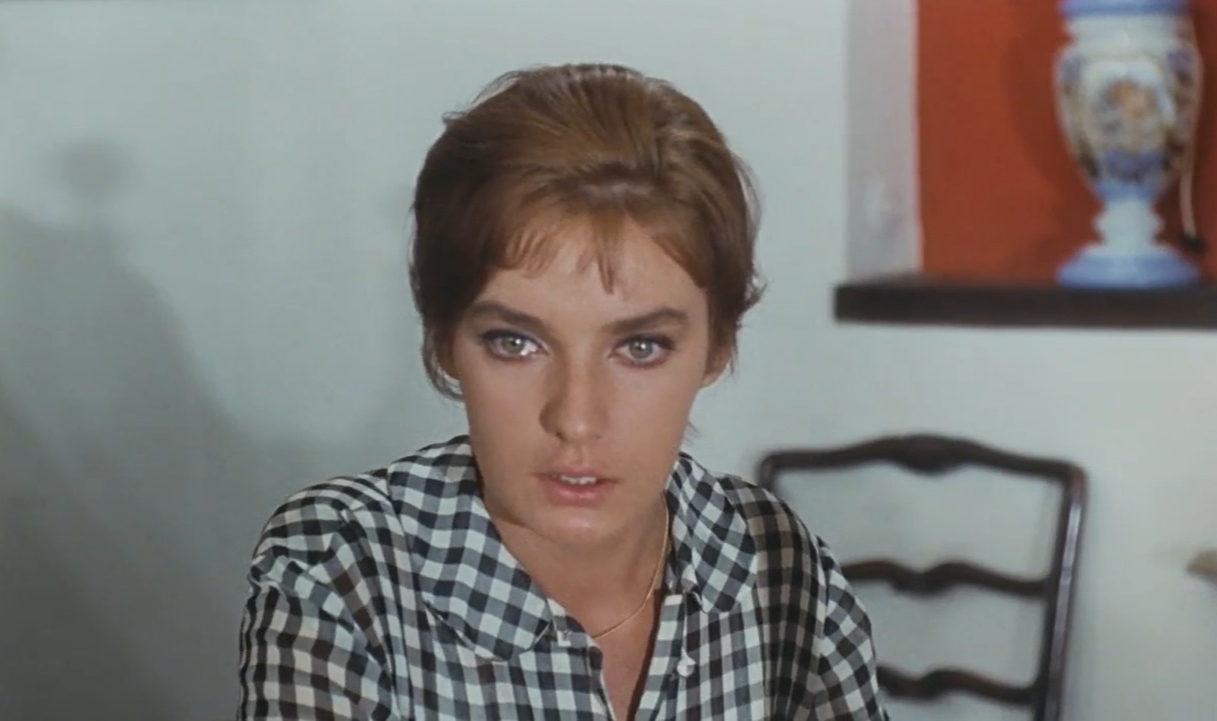
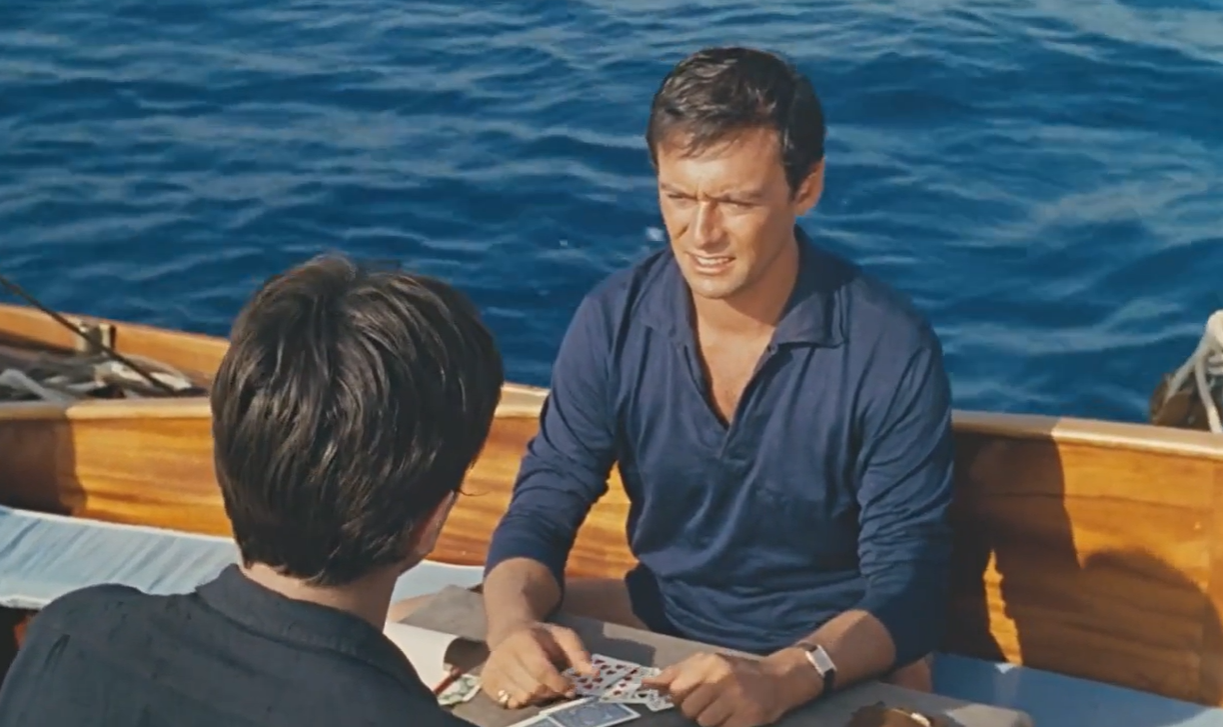
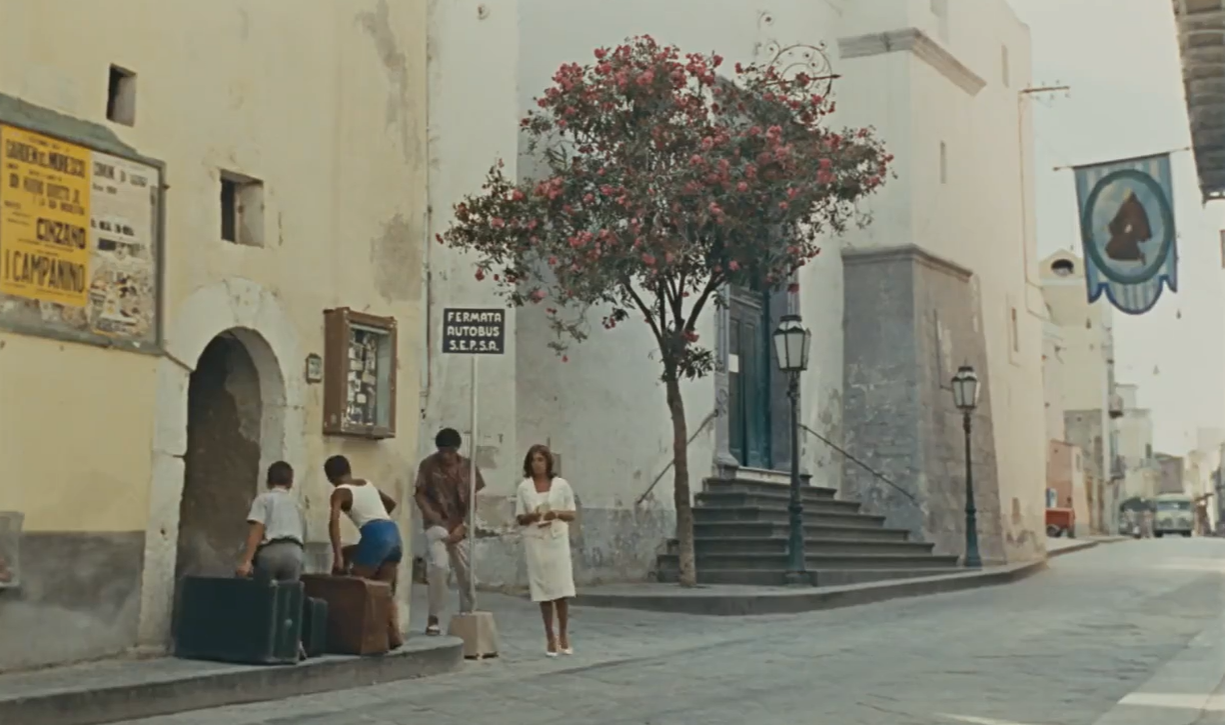
Review: It was interesting watching this movie shortly after revisiting Michelangelo Antonioni’s L’Avventura (1960), given that they were released the same year, and both begin by showing privileged individuals out on a recreational boating trip in Italy that turns tragic — though the two storylines take completely different trajectories from there. Unlike L’Avventura, Purple Noon is heavily plot-driven, showing us the various steps Tom Ripley — one of literature’s best-known sociopaths — takes to try to secure his own fortunes at the ruthless expense of others. Ripley (Delon is perfectly cast) may think he has a full-proof plan, but naturally, there are hiccups — including the inconvenient re-emergence of an American friend (Bill Kearns) first introduced to us in opening scenes. Saying more about the details of this film may take away from the enjoyment of simply watching it, so I’ll leave my analysis somewhat succinct. Suffice it to say that this film remains gripping from beginning to end — and be prepared for a final surprise once you think all has resolved. Notable Performances, Qualities, and Moments:
Must See? Categories
Links: |