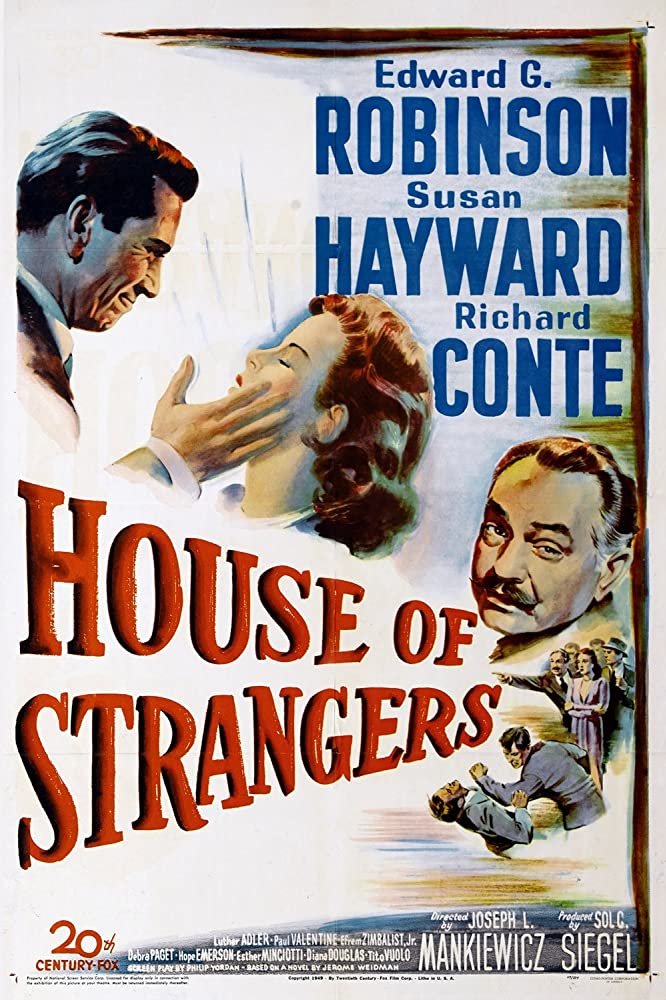
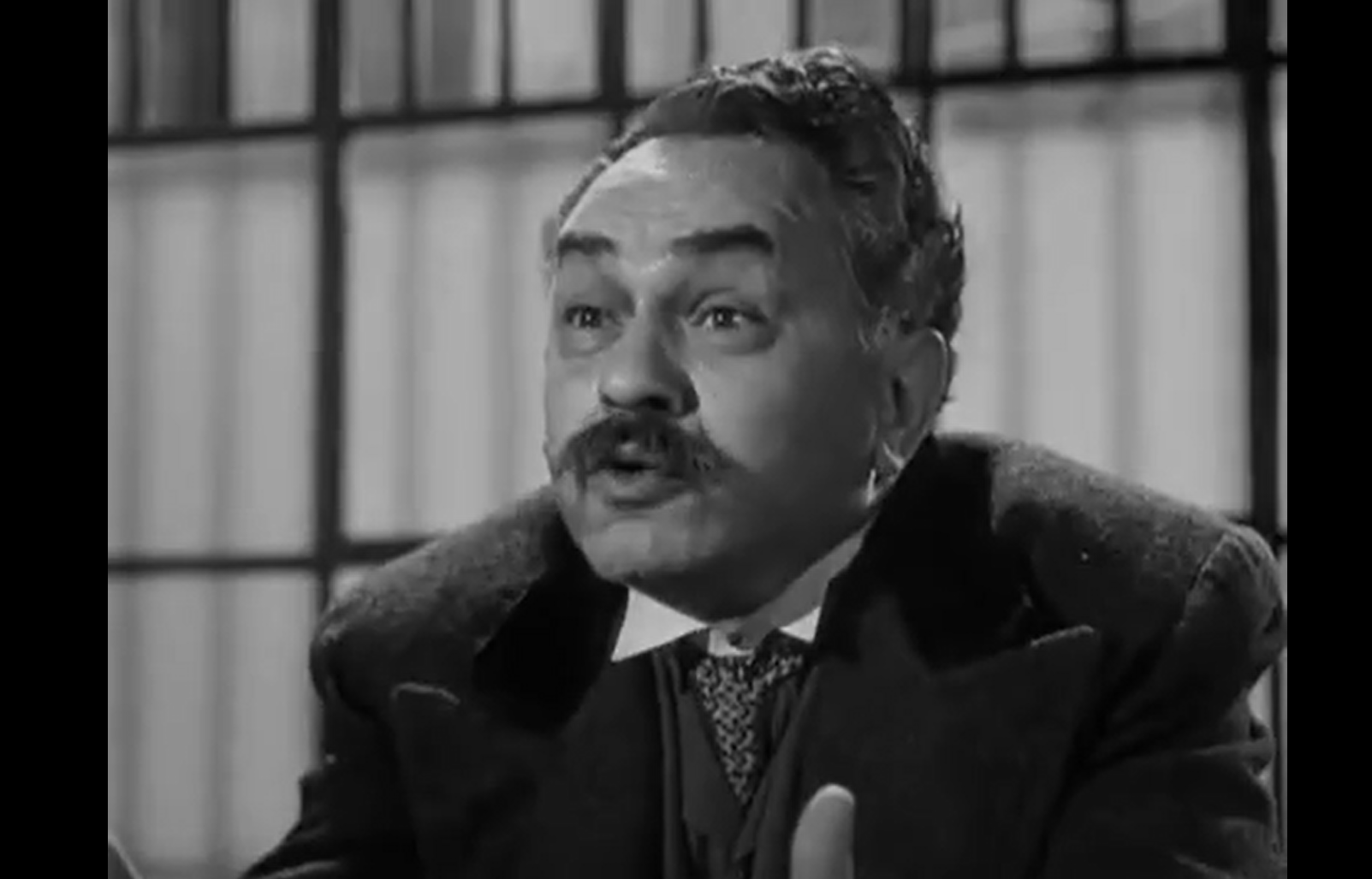
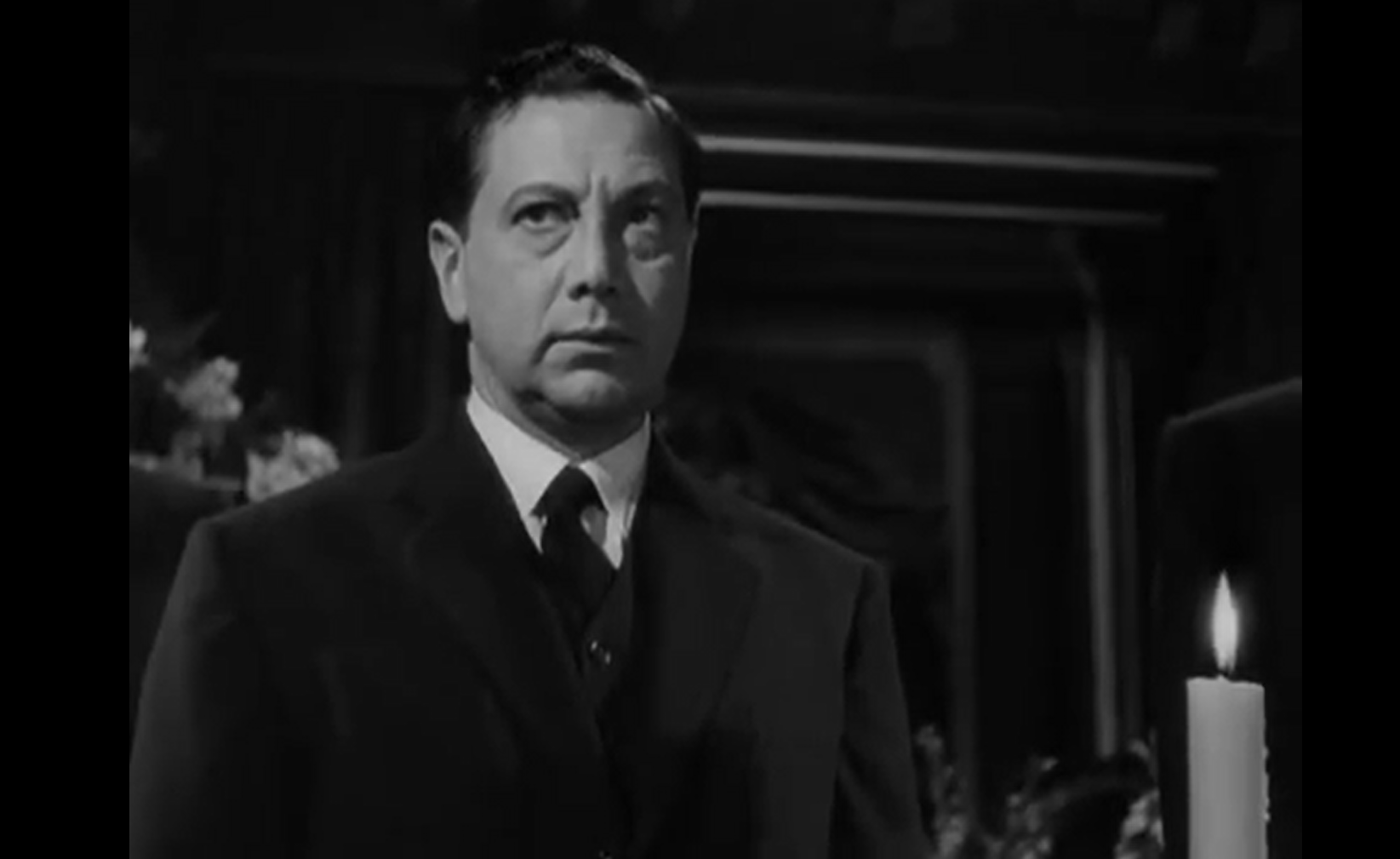
House of Strangers (1949)
“Nothing hurts me, Max; that’s one of my complications.”
|
Synopsis: |
|
Genres, Themes, Actors, and Directors:
Review: Redeeming Qualities and Moments:
Must See? Links: |
“Nothing hurts me, Max; that’s one of my complications.”
|
Synopsis: |
|
Genres, Themes, Actors, and Directors:
Review: Redeeming Qualities and Moments:
Must See? Links: |
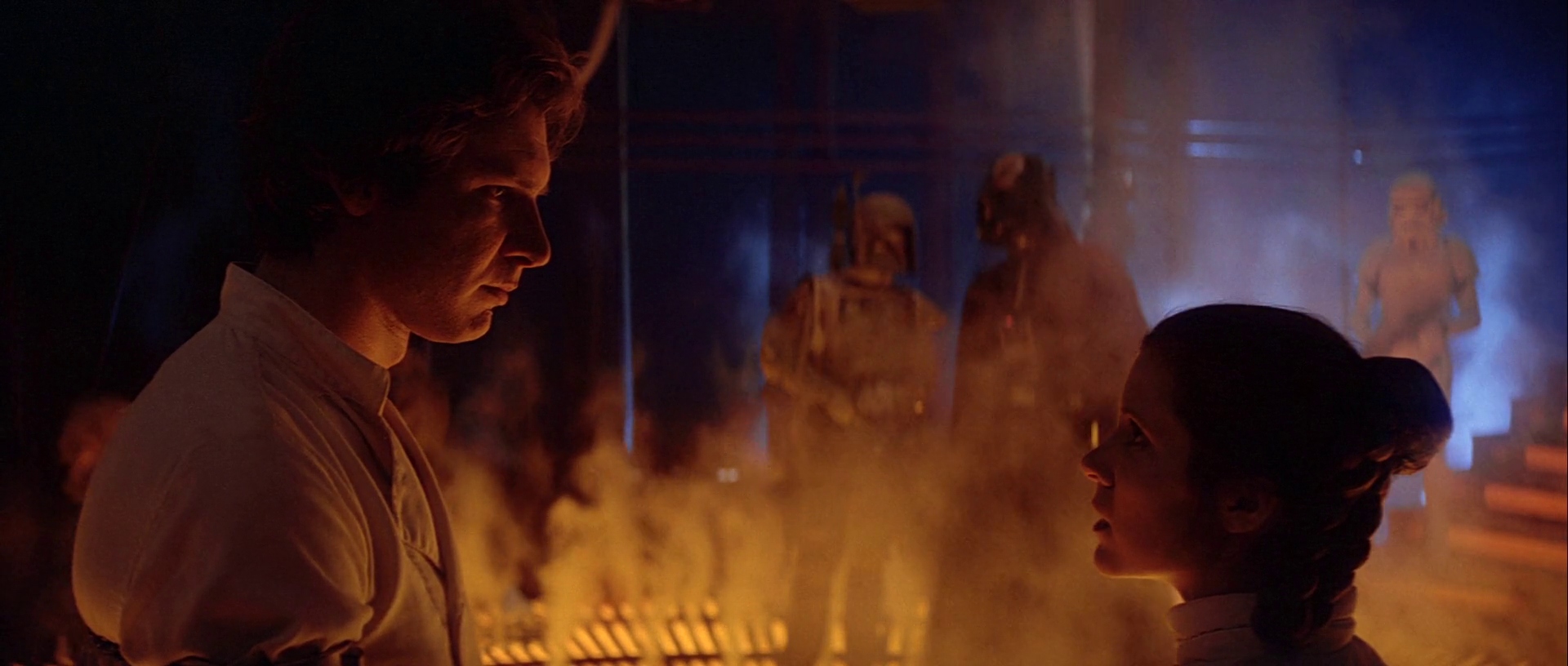
“Your thoughts betray you, Father. I feel the good in you — the conflict.”
|
Synopsis: |
|
Genres, Themes, Actors, and Directors:
Response to Peary’s Review:
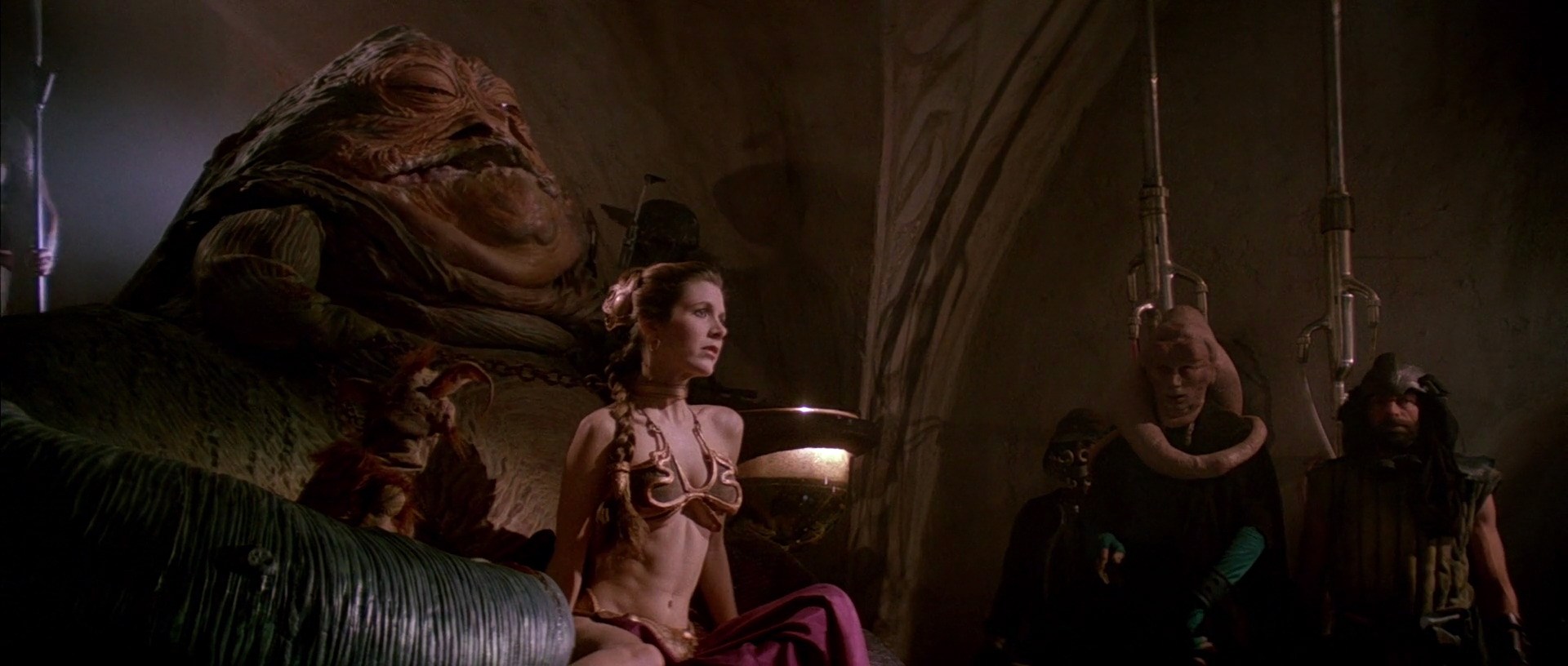
However, Peary doesn’t “like the way executive producer George Lucas and his co-screenwriter Lawrence Kasdan tie loose ends together”, and he argues that “everything is too pat; moreover, when we discover who everybody is in relation to one another, it’s hard not to be disappointed.” (One wonders what Peary thinks of all the recent additions to the series, if he’s seen them…) He further posits that the “script is too simple, returning the characters to the shallow comic-strip figures they were in the first film”, and that there’s “too much talk about light and dark, good and evil — eventually that’s all the bad guys, who want Luke to join them, discuss.” Peary continues his review by noting that while he doesn’t “object to Fisher wearing skimpy outfits”, the “change in her wardrobe reflects too drastic a change in her personality from The Empire Strikes Back” (I disagree, though it’s sad knowing Fisher was forced to lose a quarter of her body weight to play the role.)
He adds that while he likes “the idea of a tribe of rebel warriors”, the “fur-ball Ewoks — inspired by Lucas’s dog — aren’t what I had in mind.”
(I’m also not a fan, though I watched this film with my 9 and 10 year old kids, and they were absolutely delighted with the Ewoks — which shows the intended audience.) Peary writes that the film’s “highlight is the speed-cycle chase through a heavily wooded area” — most definitely! — and points out what a surprise it is “not to see James Earl Jones when Darth Vader is unmasked.” Overall, Peary’s review seems to reflect his ambivalence about this film, which I share; this one is ultimately only must-see for fans of the franchise. Redeeming Qualities and Moments:
Must See? (Listed in 1001 Movies You Must See Before You Die) Links: |
“A man must live — at least until the plague takes him.”
|
Synopsis: |
|
Genres:
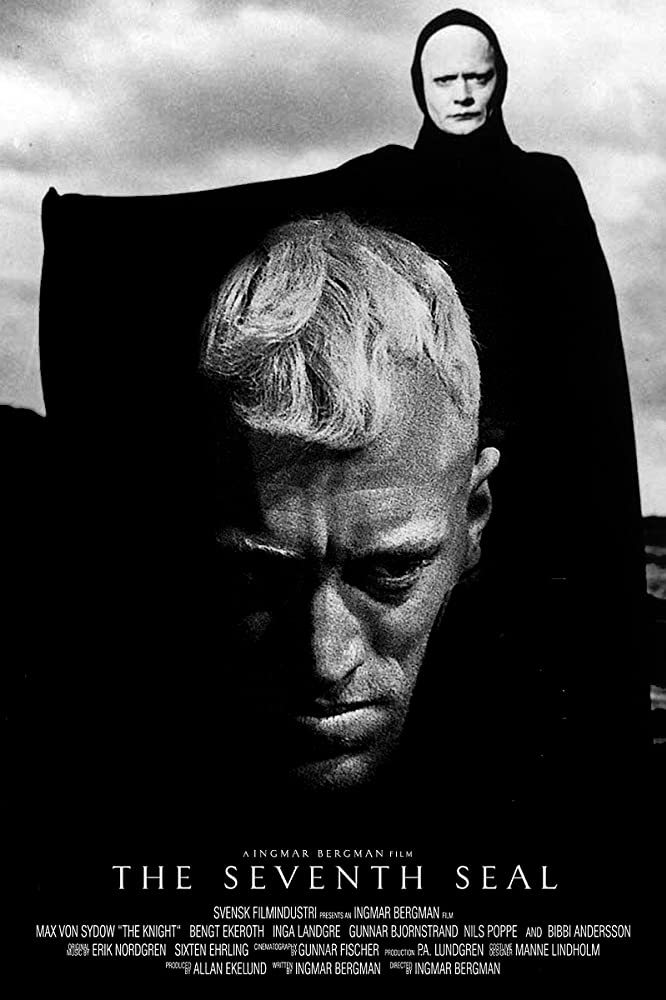
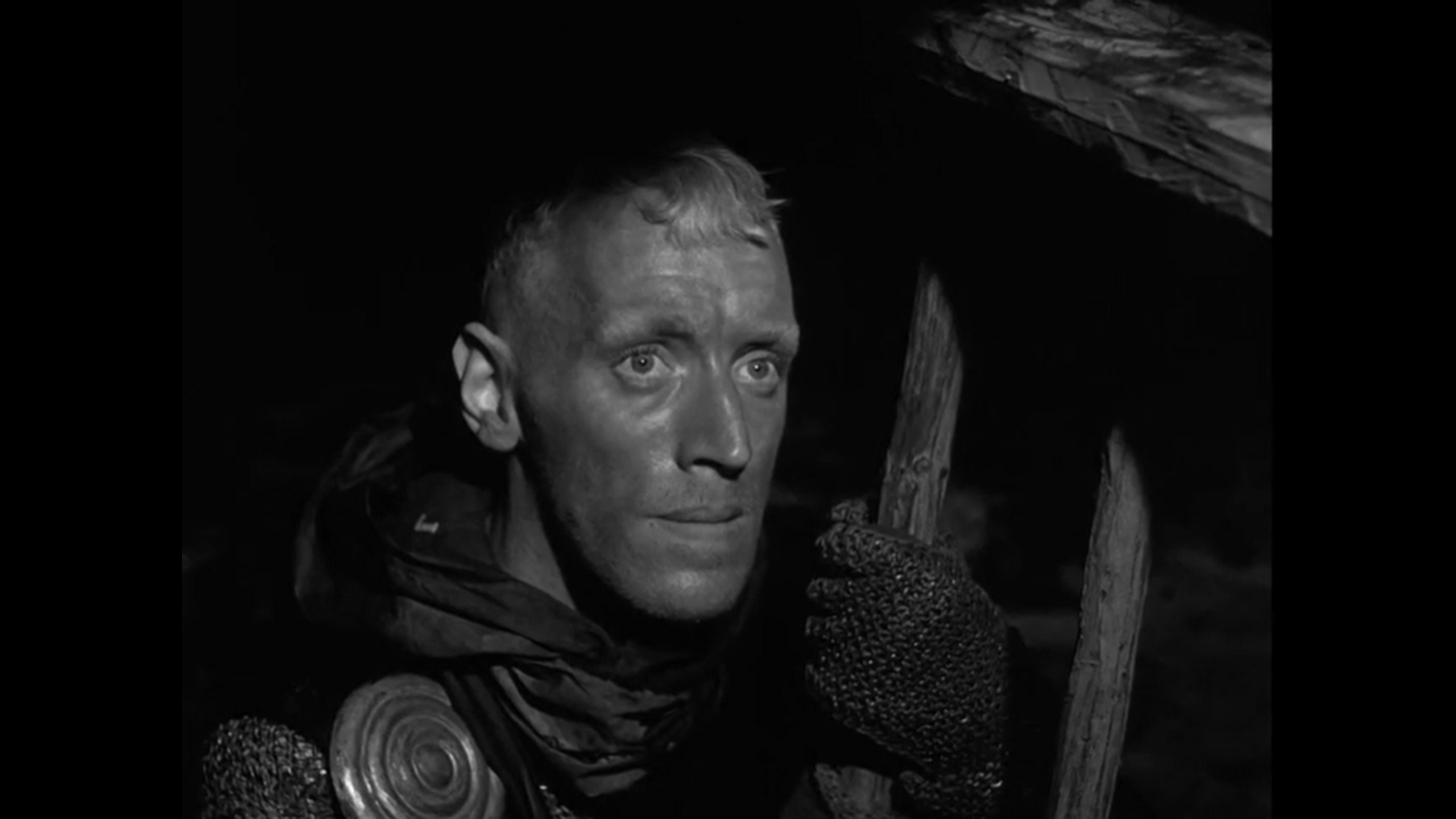
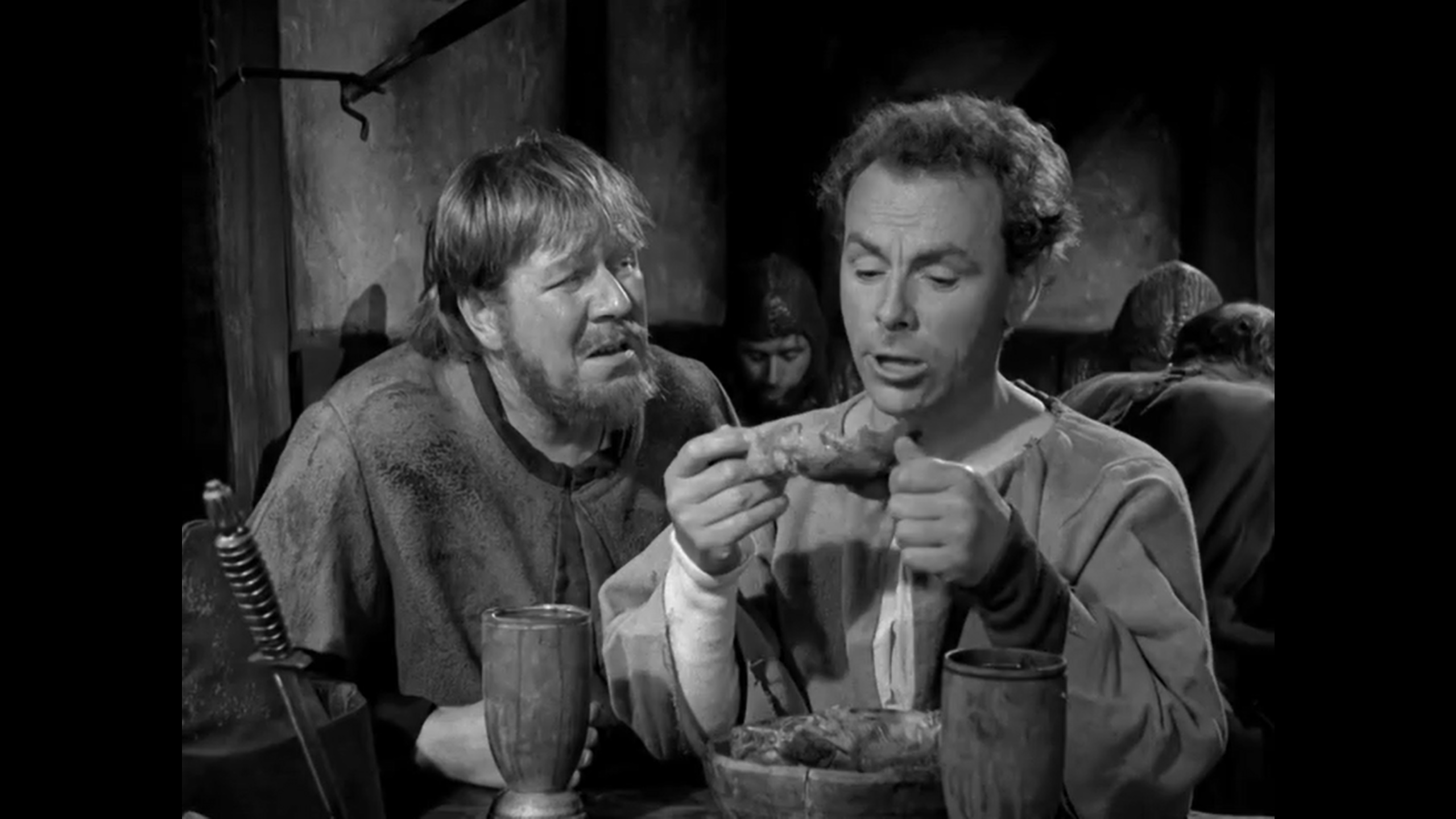
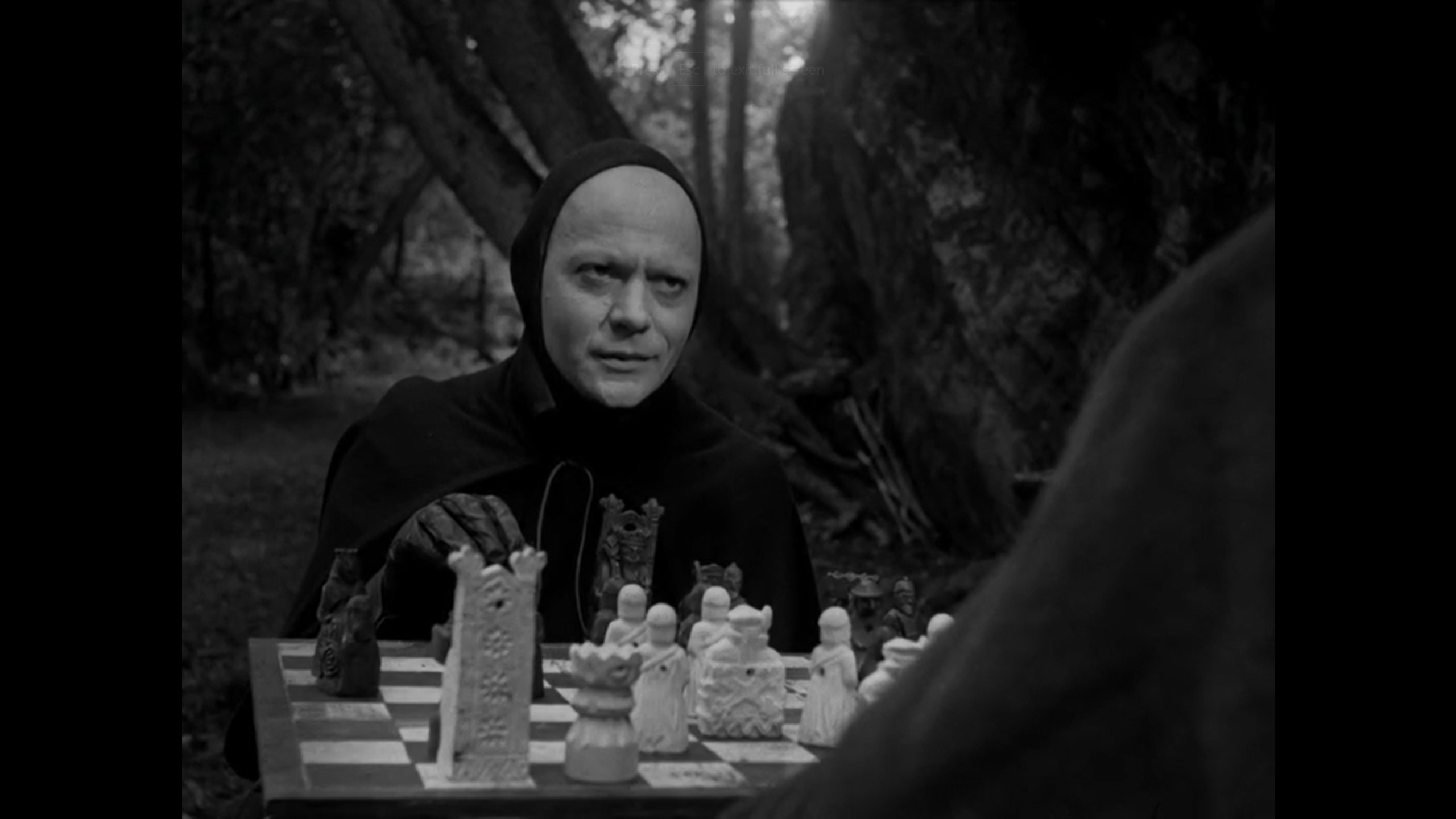
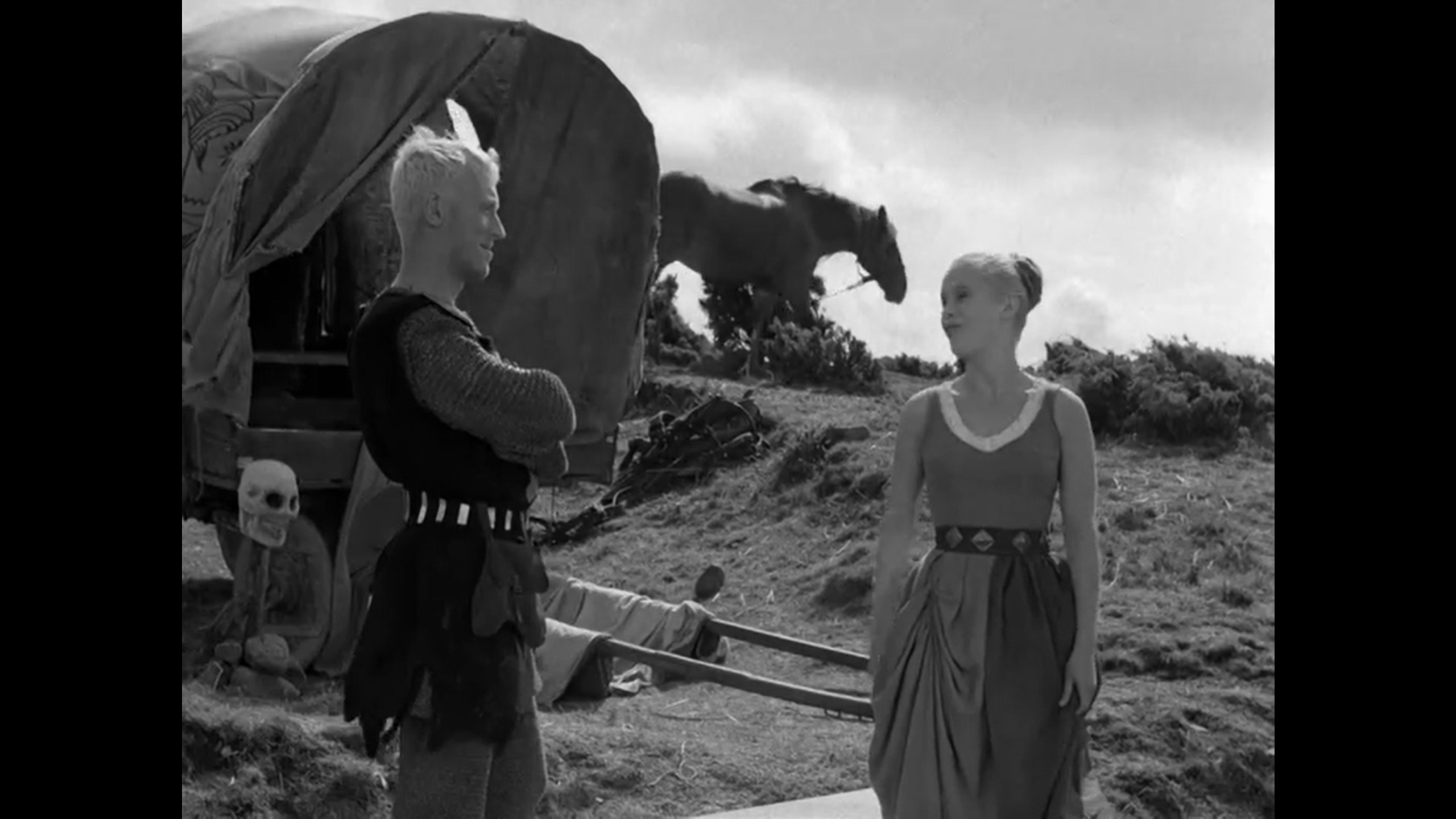
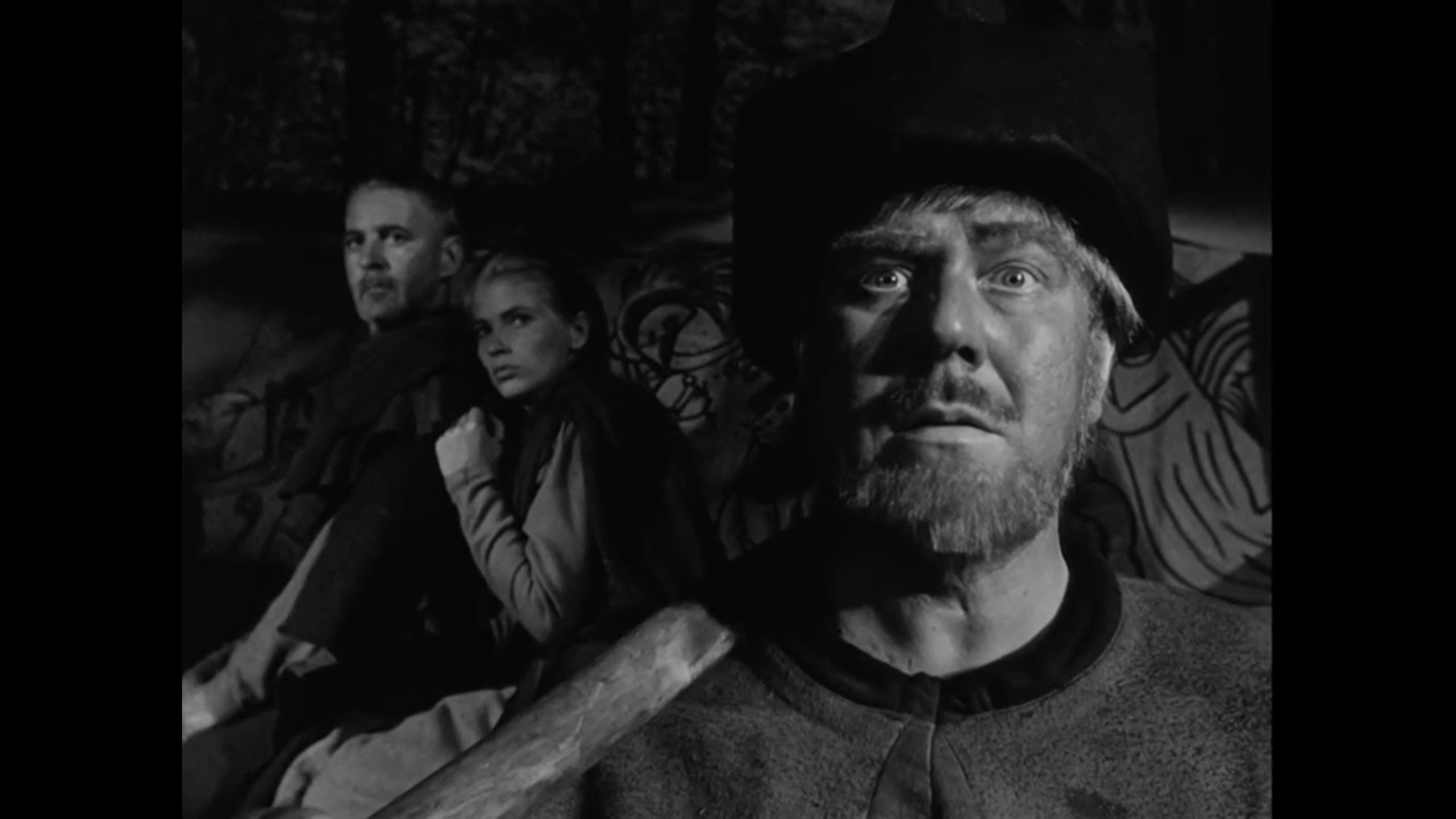
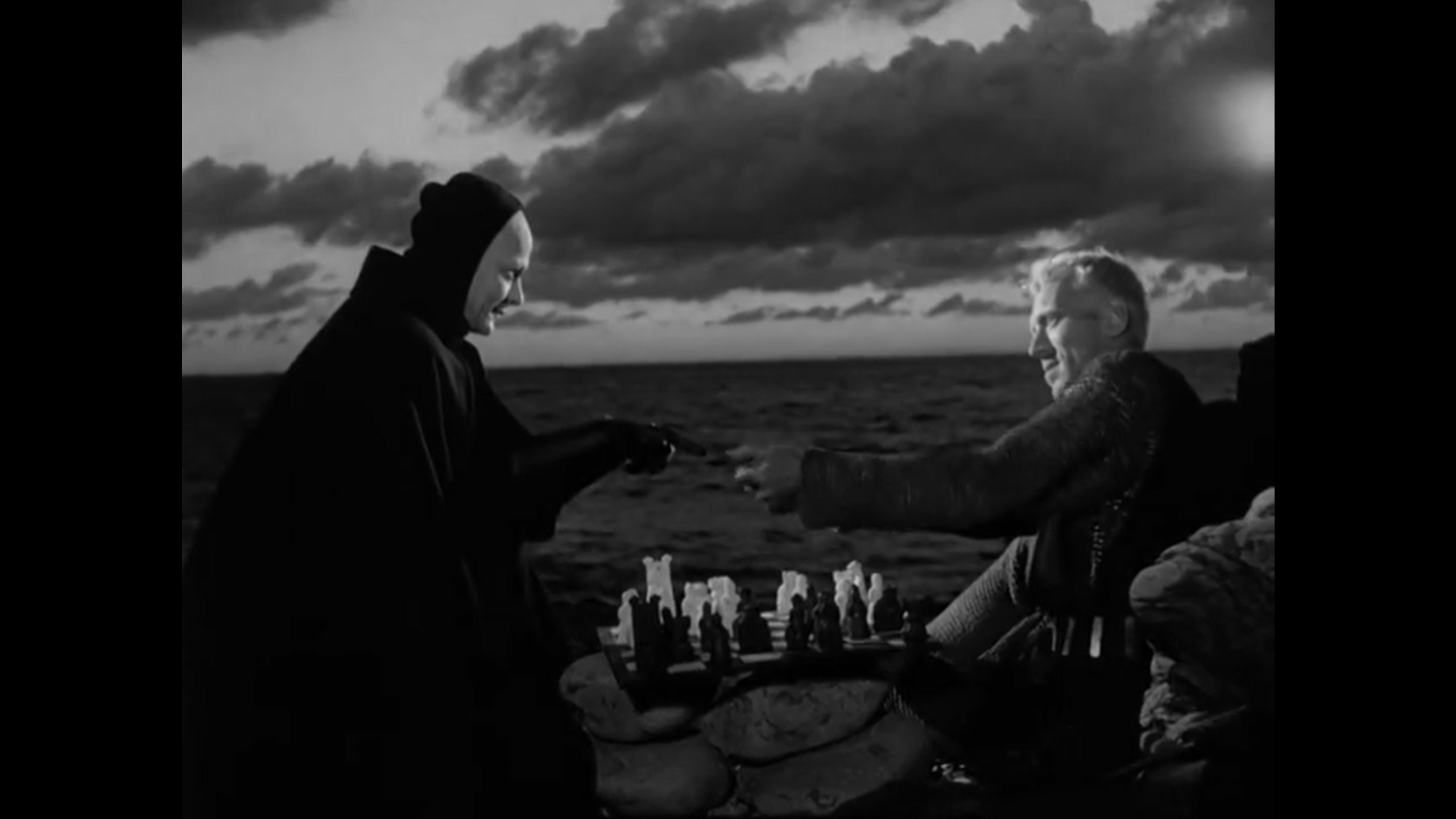
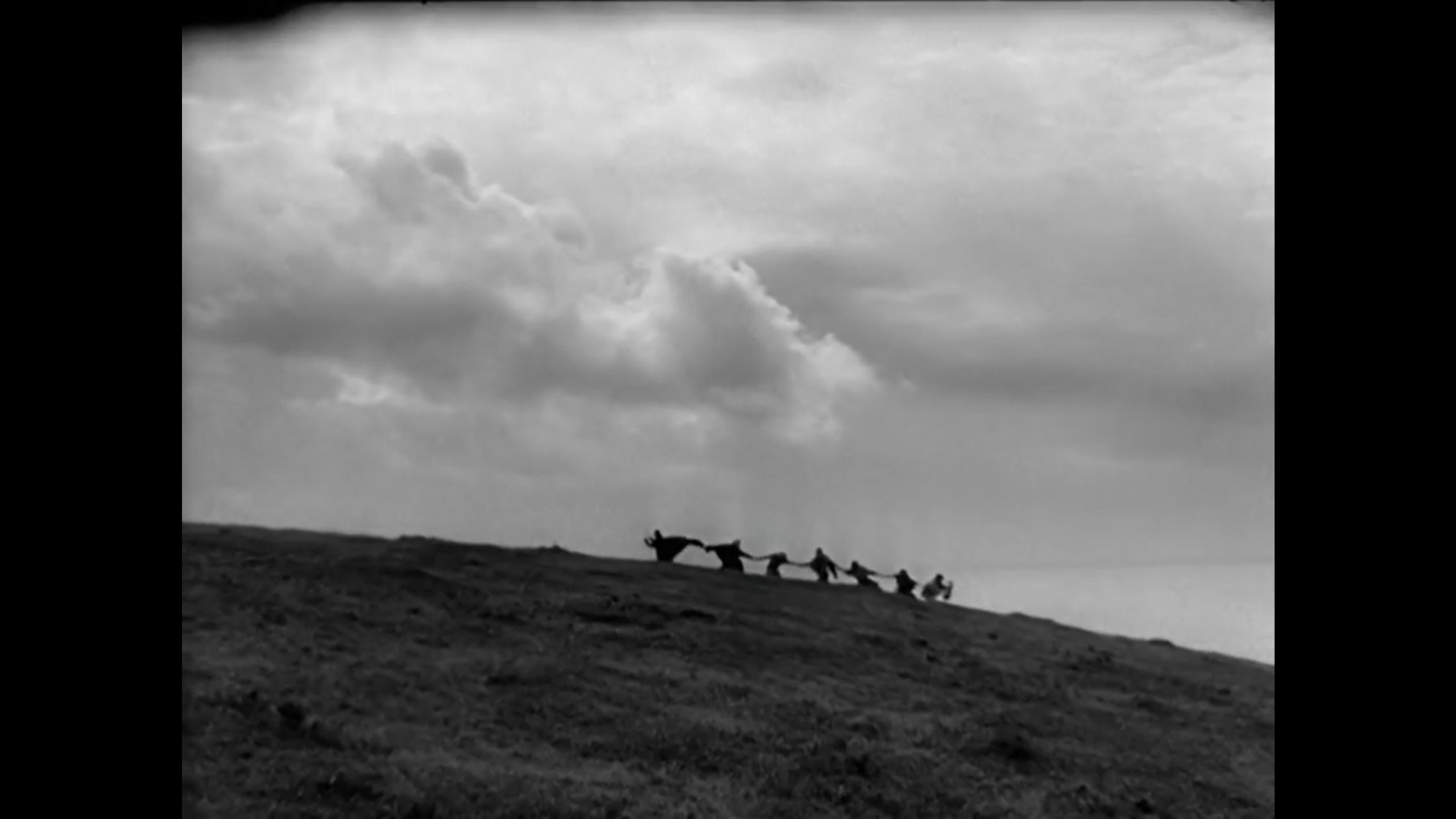
Response to Peary’s Review: Peary points out that Bergman’s film — based on his own one-act play — is “very theatrical, with roots in Shakespeare, absurdism, farce, and medieval mystery and morality plays”; and, “as in all Bergman classics, there are strong acting, stunning photography (by Gunnar Fischer), many unforgettable images (the chess match for Von Sydow’s life, the burning of a witch, the final dance of Death and his victims), and questions left for us to answer for ourselves” (“What will become of us who want to believe, but cannot?”). While Peary argues that Bergman posits “life can be satisfying and safe only for those simple people who have faith, no questions asked”, this is a film filled with questions (“You play chess, do you not?” “Why make them happy? Why not scare them?”) and not all those who fail to ask questions are as content as Poppe’s idyllically happy young family. Indeed, the world on display here, geographically beautiful while existentially horrific, is miserable, with people making sense of senseless chaos in whatever ways they can and will — from burning a young woman (Maud Hansson) as a witch, to parades of self-flagellation, to rape and adultery, to distraction through entertainment, to barroom brawls, to intense religious faith. While the story-line is deeply provocative — and all too eerily fitting for our current times — it’s the potent imagery throughout The Seventh Seal (the title is drawn from a Bible verse from The Revelation of St. John the Divine, read both during the opening shots and by Landgre in a later scene) that lingers in one’s memory. Though theatrical in some ways, the film is also highly cinematic: Fischer’s cinematography is consistently gorgeous, and he and Bergman make excellent use of outdoor sets, especially during opening scenes shot at Hovs Hallar. Bergman was apparently inspired by Kurosawa’s films, though he “based the entire iconography of the movie on murals in a church where his clergyman father used to go and preach”, and the scene of Von Sydow playing chess with Death was inspired by a medieval painting by Albertus Pictor. Thankfully, this thematically heavy foreign film has numerous moments of comic levity and a “semi-optimistic ending”; now, more than ever, this movie should be seen and discussed by all film fanatics. Redeeming Qualities and Moments:
Must See? Categories
(Listed in 1001 Movies You Must See Before You Die) Links: |
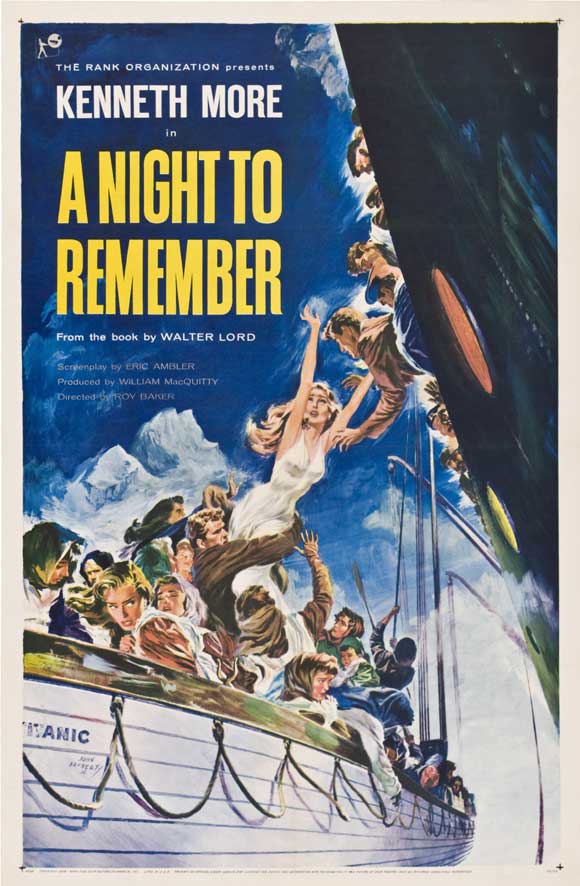
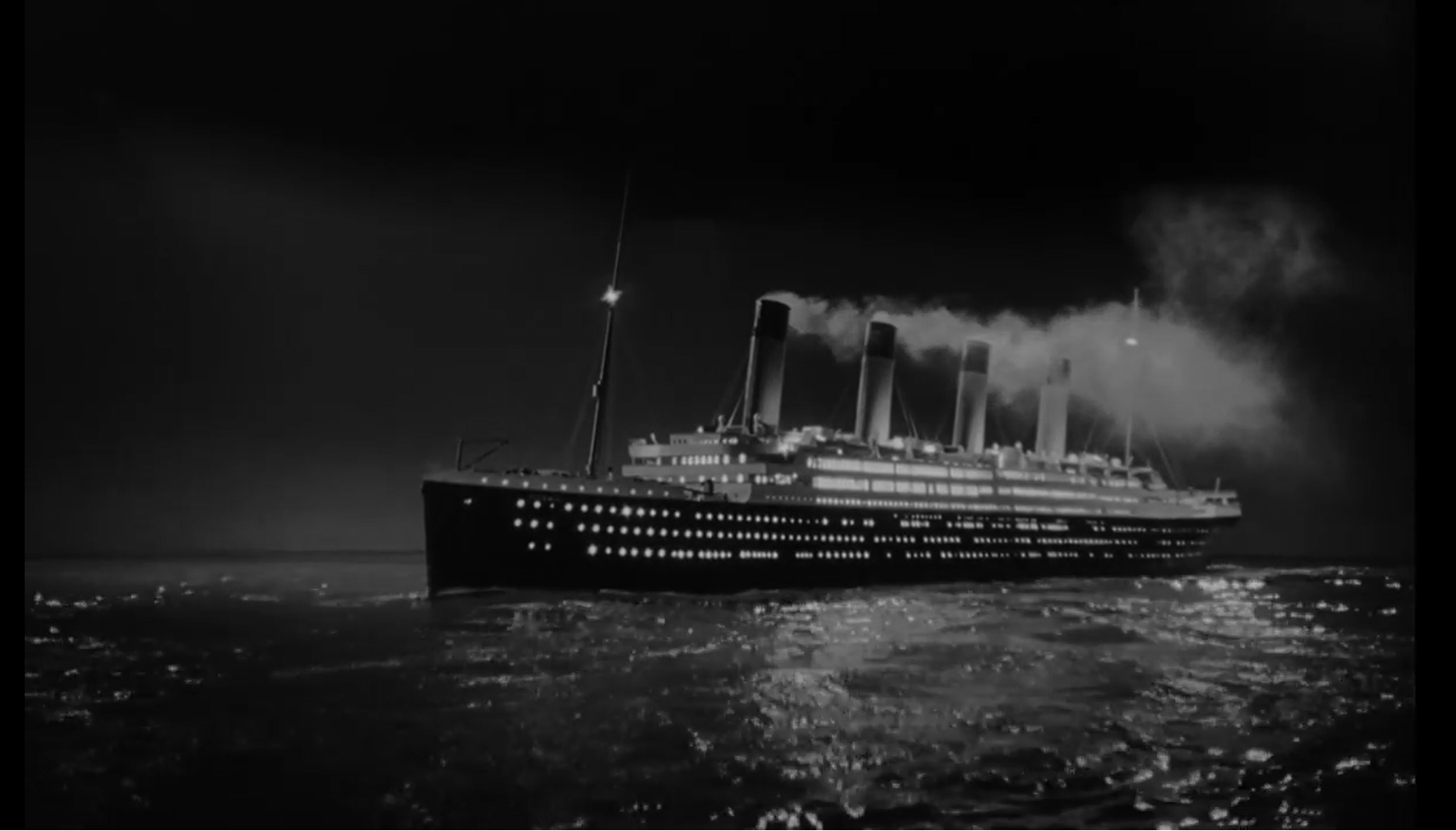
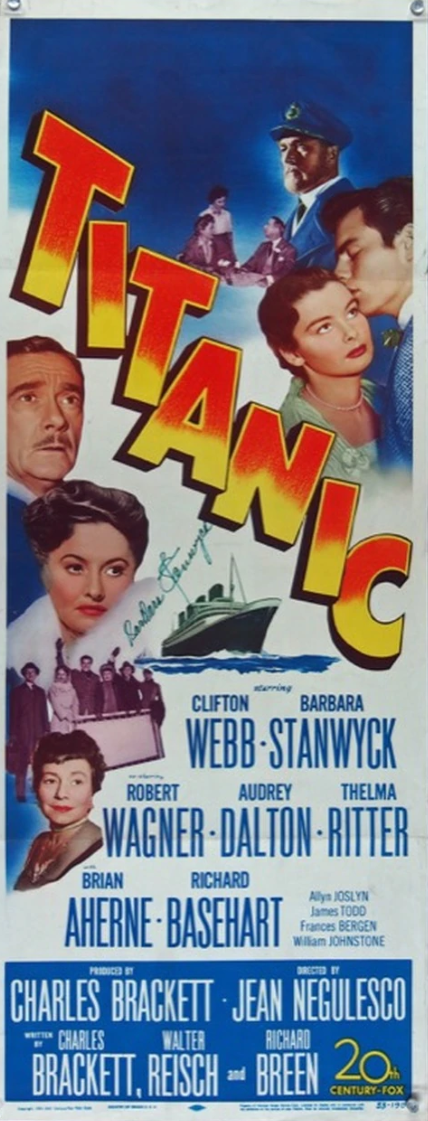
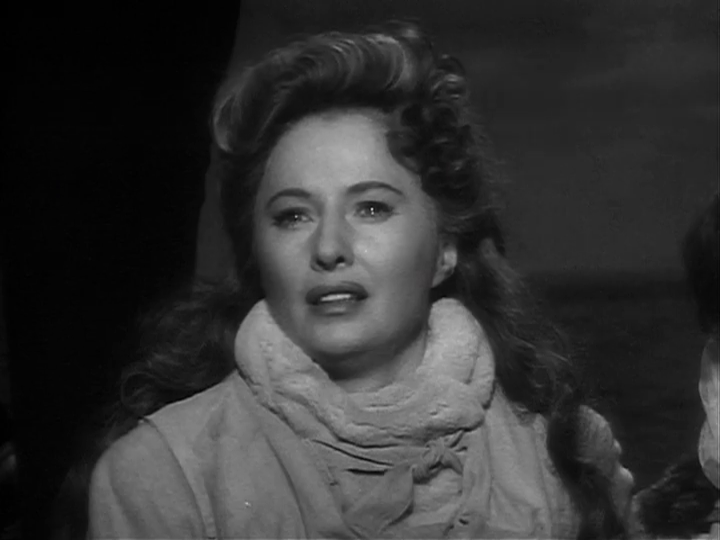
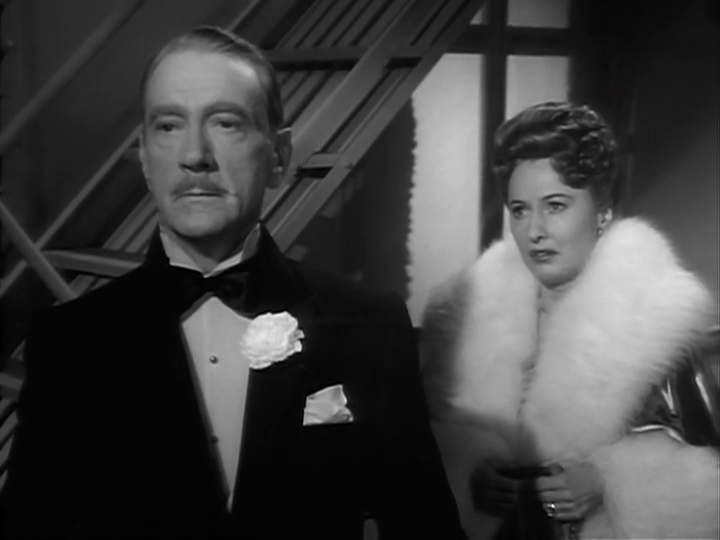
“But she can’t sink — she’s unsinkable!”
|
Synopsis: |
|
Genres, Themes, Actors, and Directors:
Review: Note: Comparisons with James Cameron’s Oscar-winning 1997 blockbuster are inevitable. DVD Savant writes:
Meanwhile, TCM snarks that “the budget was… remarkably small for such an epic narrative — a mere $1,680,000, which probably wouldn’t have covered the bagel tab on Cameron’s film”, and viewers “don’t even have to put up with Celine Dion warbling over the end credits.” Ah, the wrath of classic film lovers. 🙂 Redeeming Qualities and Moments:
Must See? Categories
Links: |
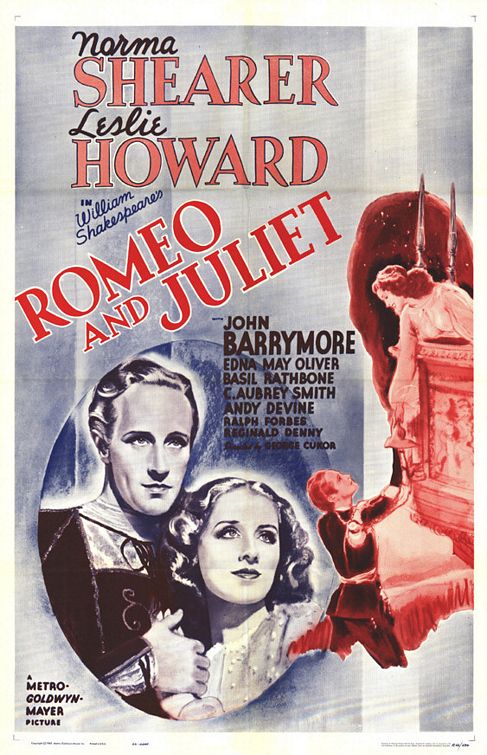
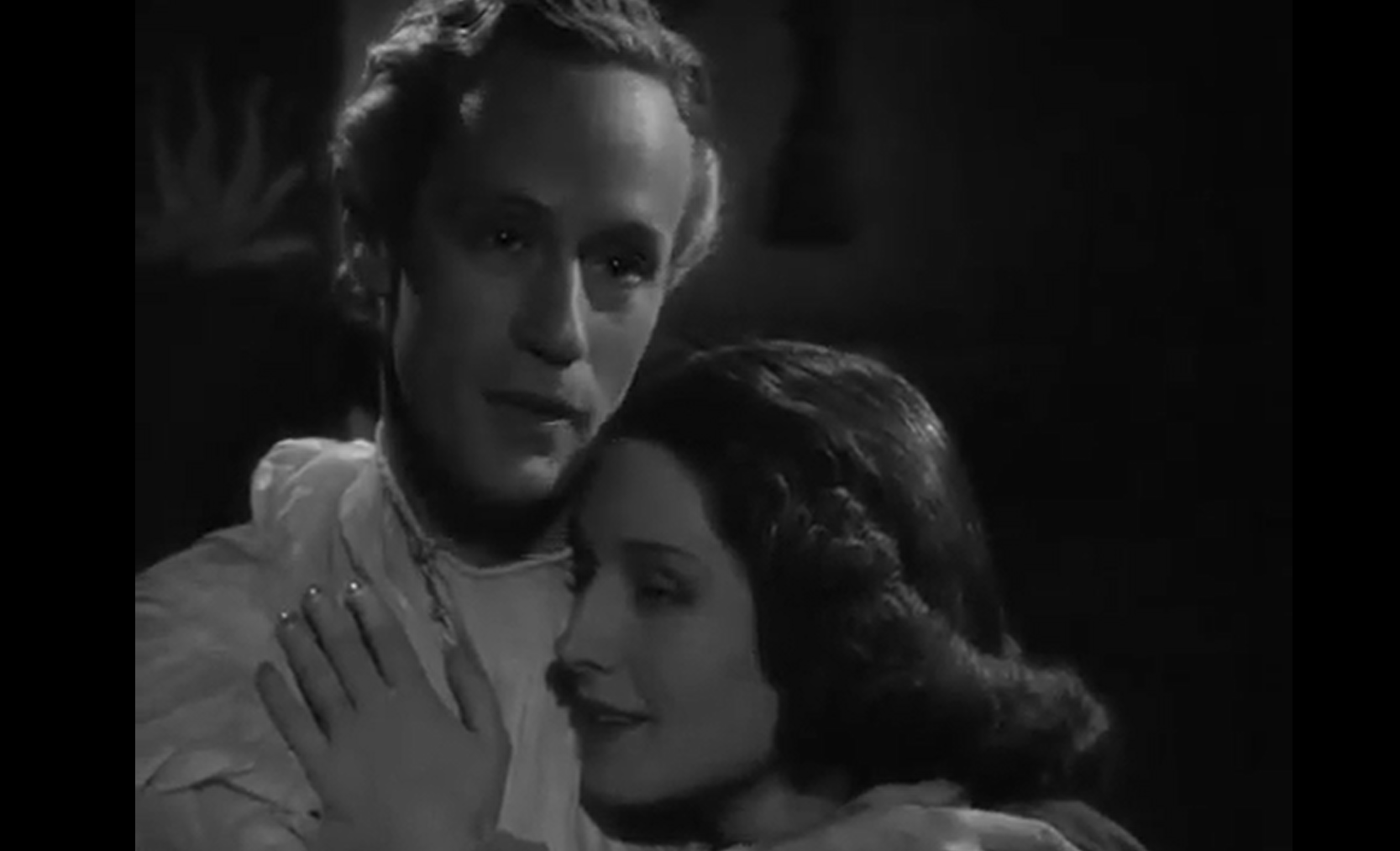
“My only love sprung from my only hate!”
|
Synopsis: |
|
Genres, Themes, Actors, and Directors:
Review: Redeeming Qualities and Moments:
Must See? Links: |
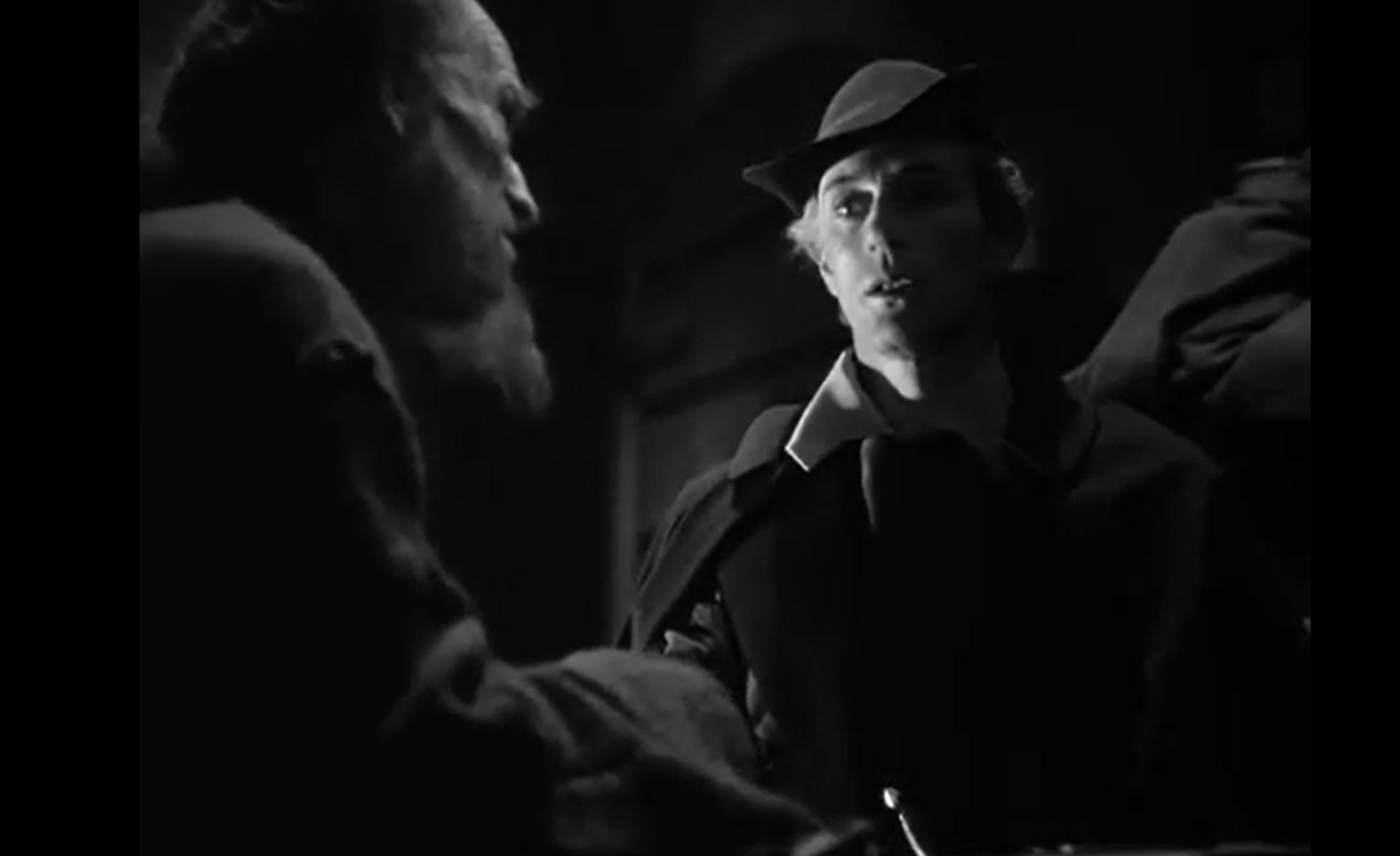
“Iceberg — straight ahead!”
|
Synopsis: |
|
Genres:
Review: Redeeming Qualities and Moments:
Must See? Categories
Links: |
“The fog’s so thick you can cut it in chunks.”
|
Synopsis: |
|
Genres, Themes, Actors, and Directors:
Review: Redeeming Qualities and Moments:
Must See? Categories
Links: |
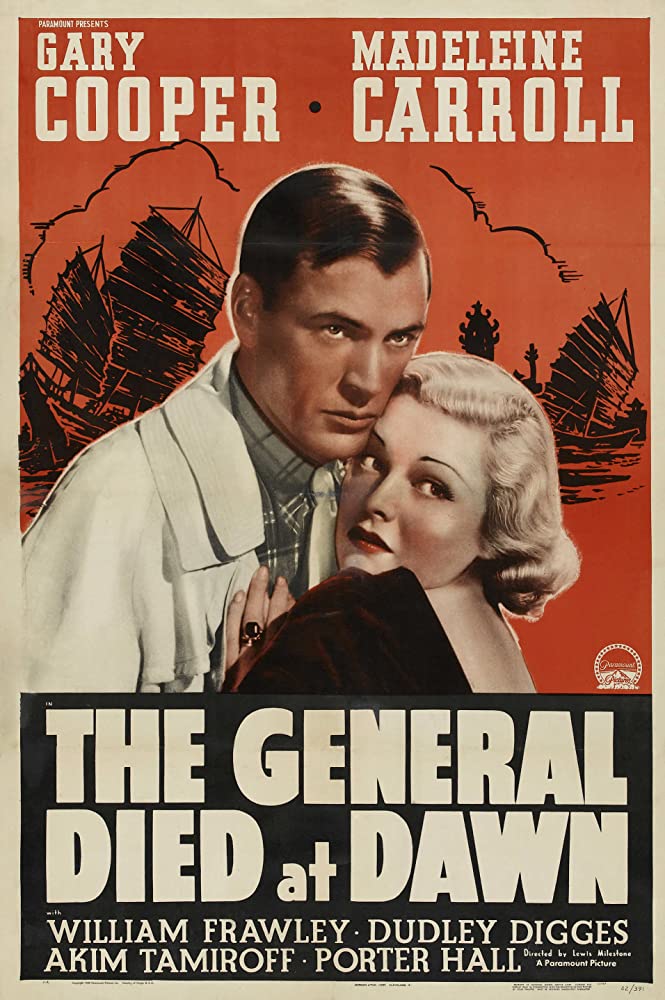
“What’s better work for an American than helping fight for democracy — do you know?”
|
Synopsis: |
|
Genres, Themes, Actors, and Directors:
Review: Note: In looking over the Peary-listed films directed by Milestone — best known for the Oscar-winning All Quiet on the Western Front (1930) — it seems he helmed several other unique and/or above-average titles, including Rain (1932), Of Mice and Men (1939), The Purple Heart (1944), and The Red Pony (1949). Redeeming Qualities and Moments:
Must See? Categories
Links: |
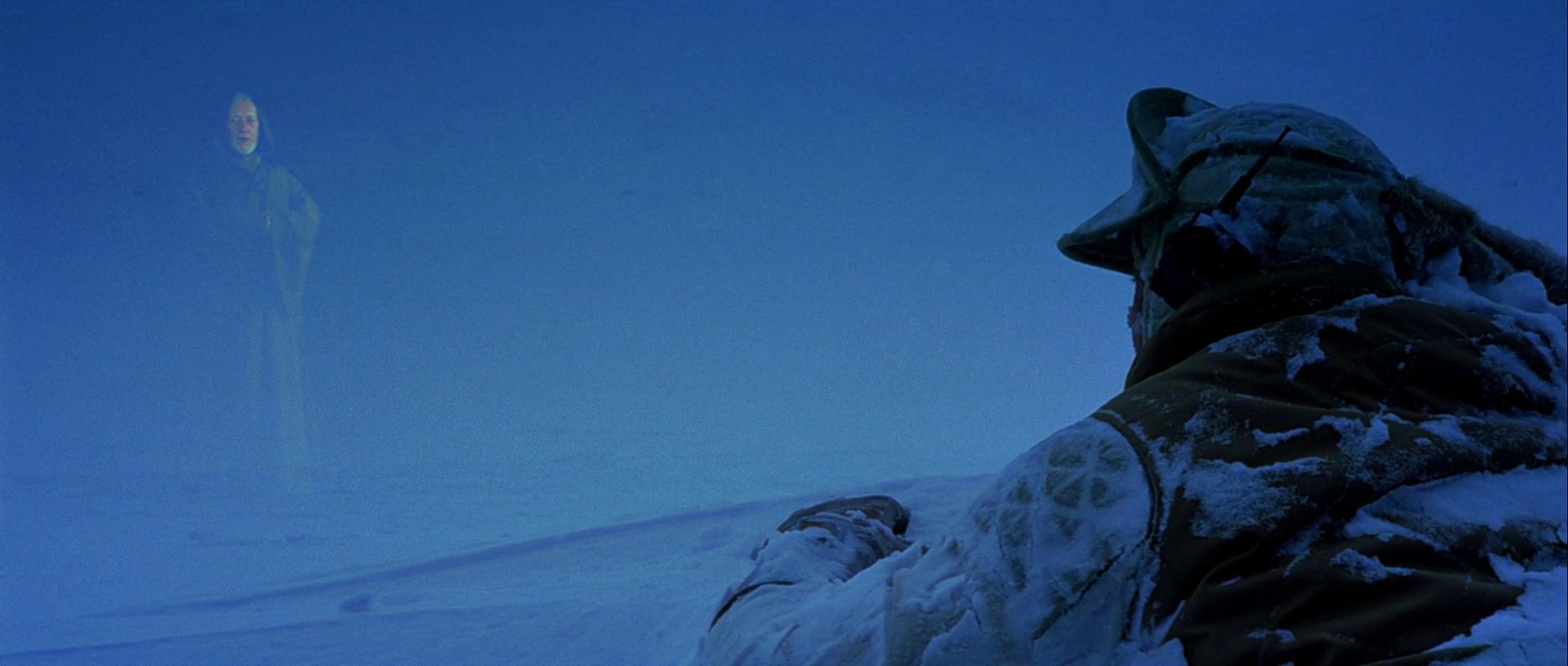
“A Jedi uses the Force for knowledge and defense, never for attack.”
|
Synopsis: |
|
Genres, Themes, Actors, and Directors:
Response to Peary’s Review: Redeeming Qualities and Moments:
Must See? Categories
(Listed in 1001 Movies You Must See Before You Die) Links: |
“A man’s bound to lose, sooner or later.”
|
Synopsis: |
|
Genres:
Review:
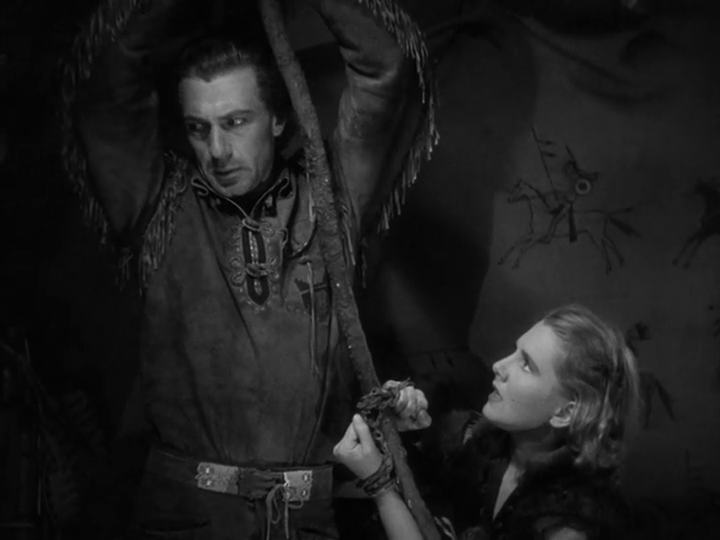
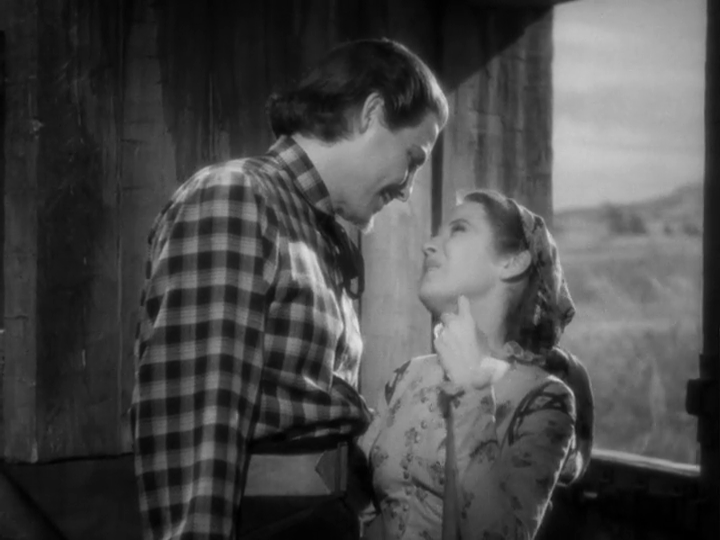
Cody’s beautiful young wife is nicely played by 19-year-old Helen Burgess, whose sudden death from pneumonia the following year ended her chances for a promising career.
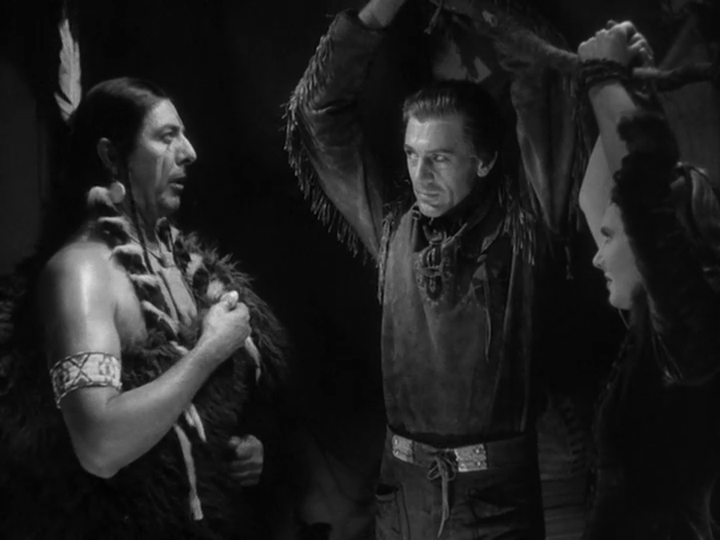
Watch for Anthony Quinn in a thankless role as a Cheyenne Indian. Redeeming Qualities and Moments:
Must See? Links: |