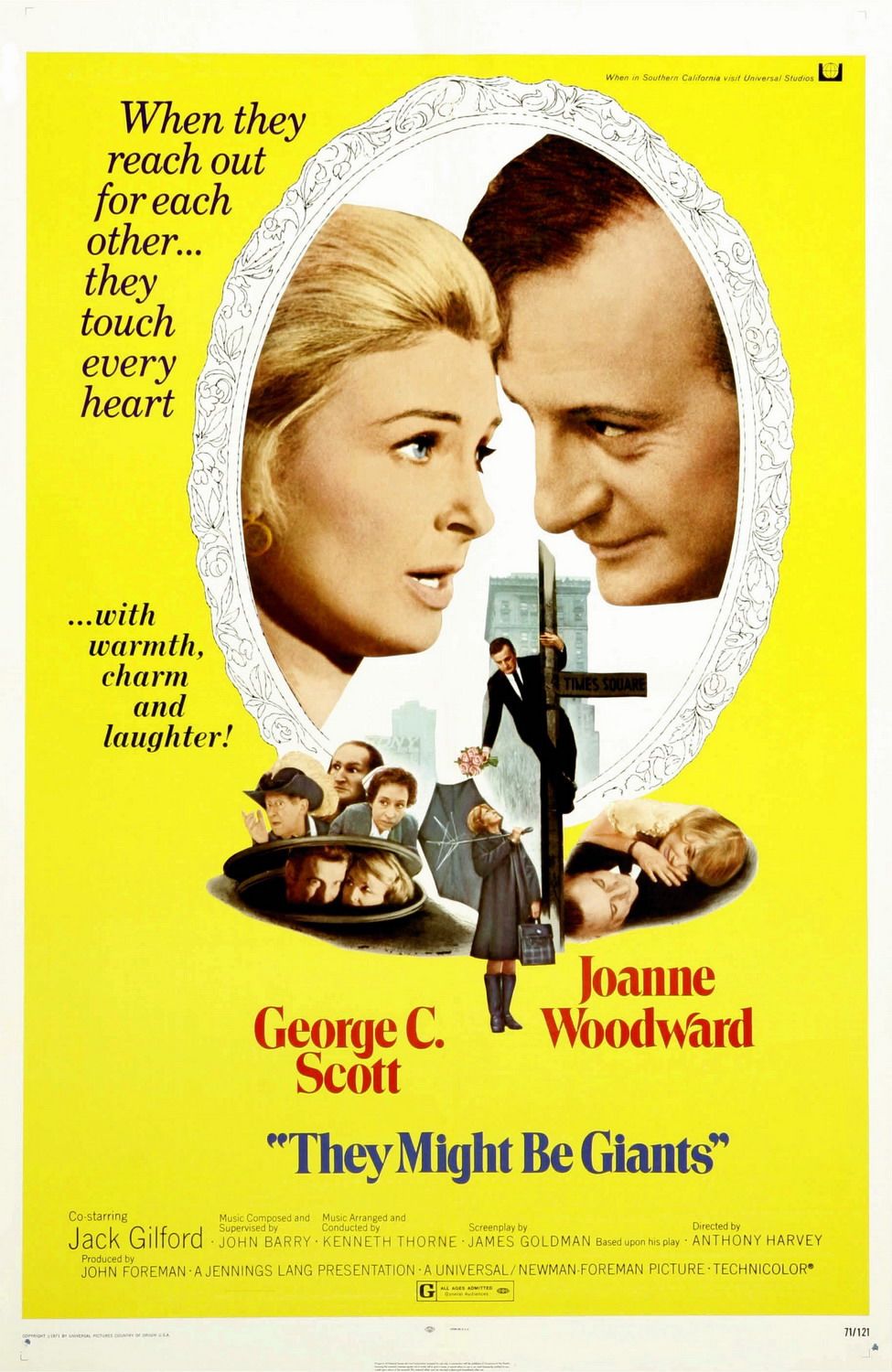
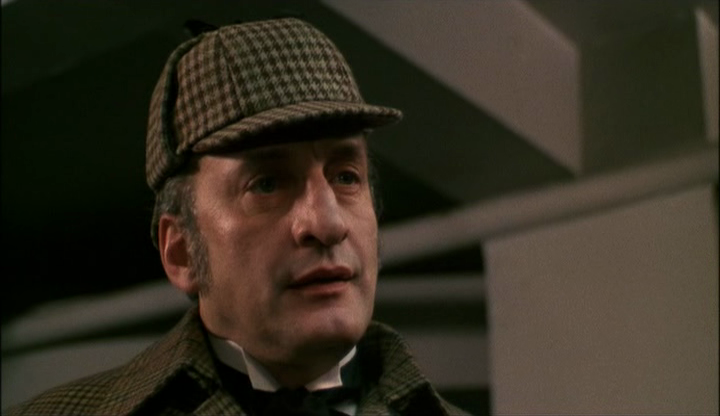
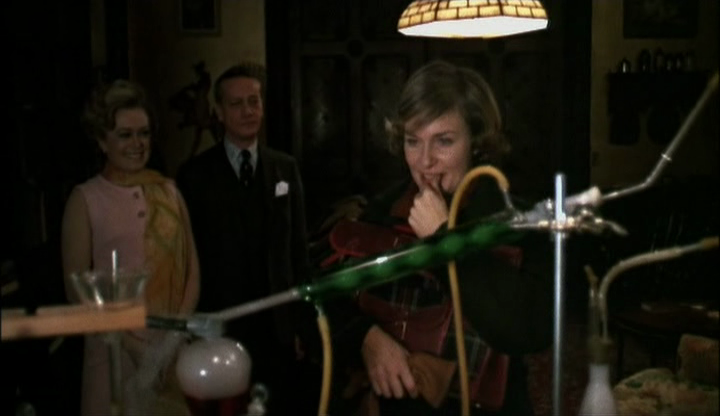
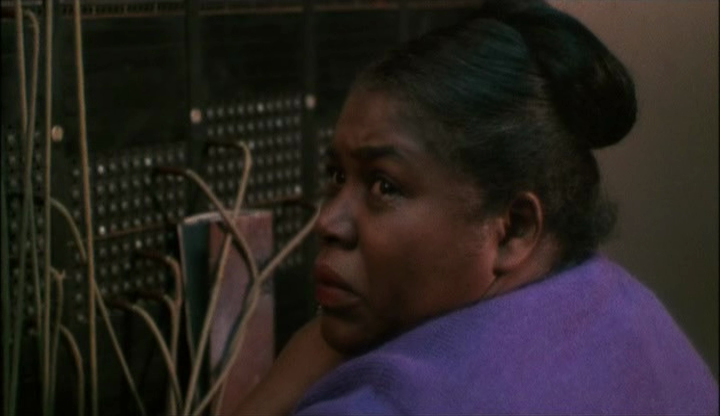
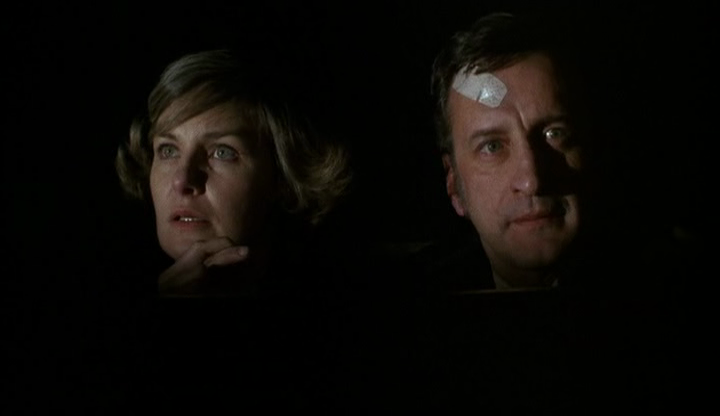
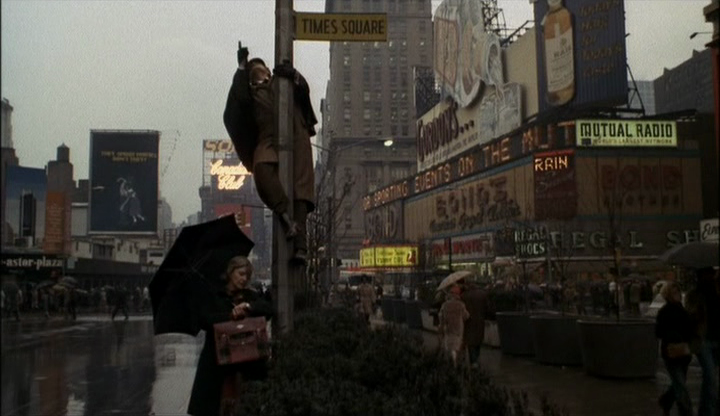
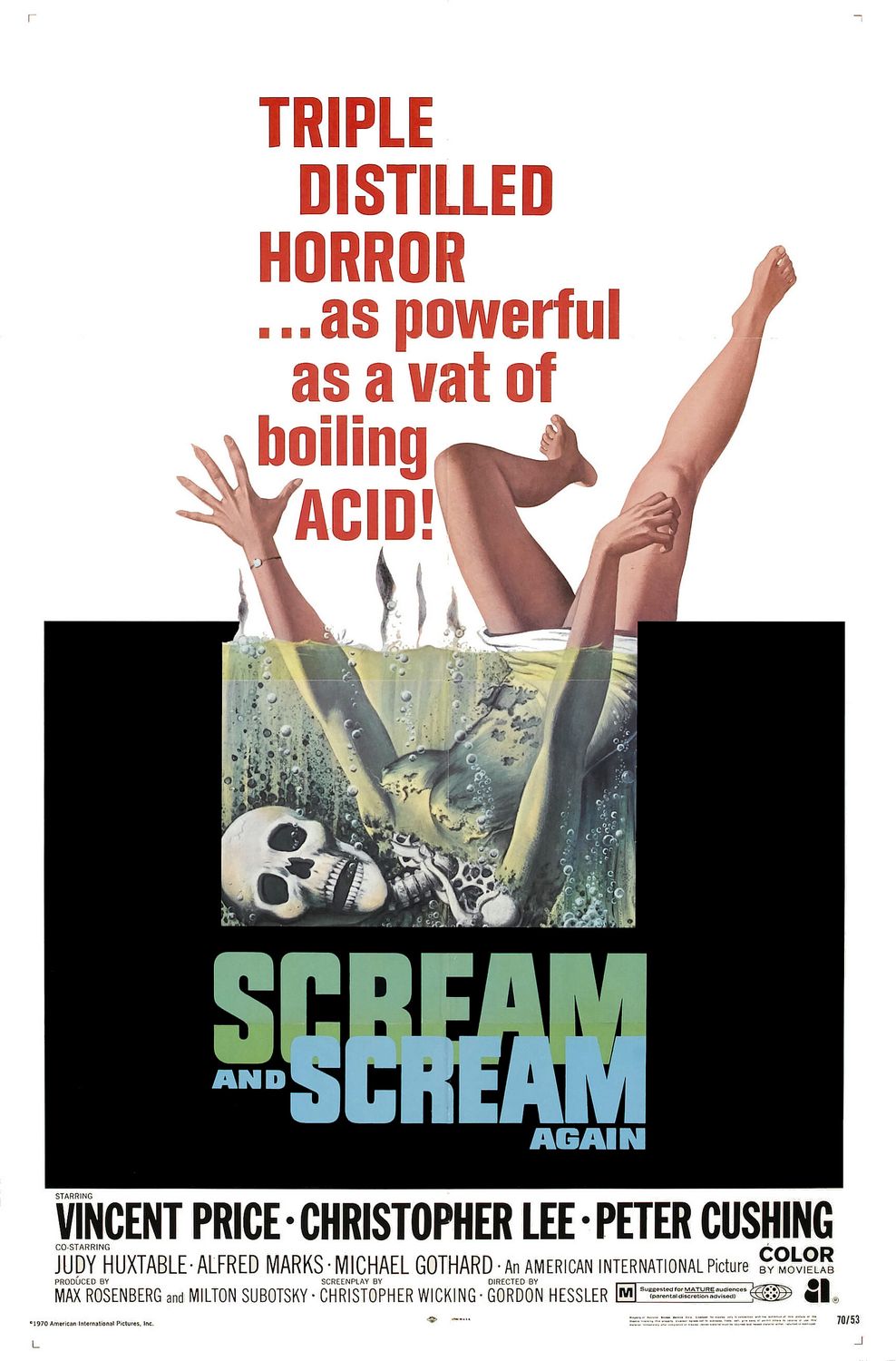
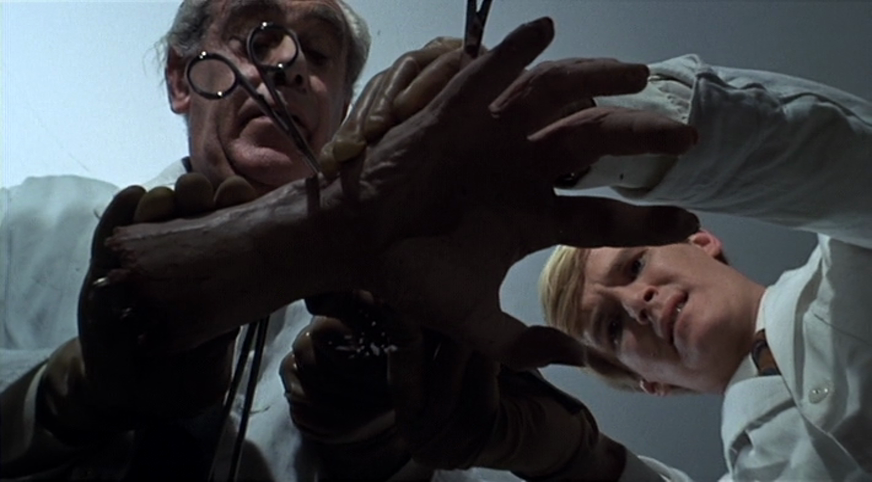
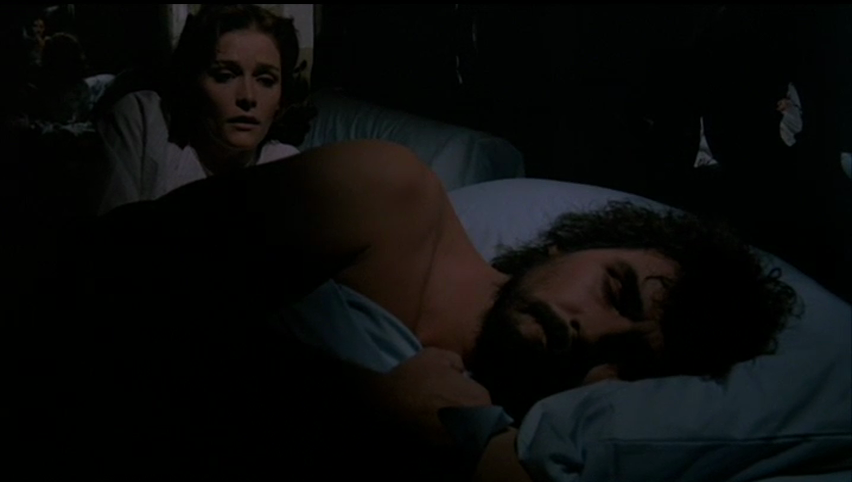
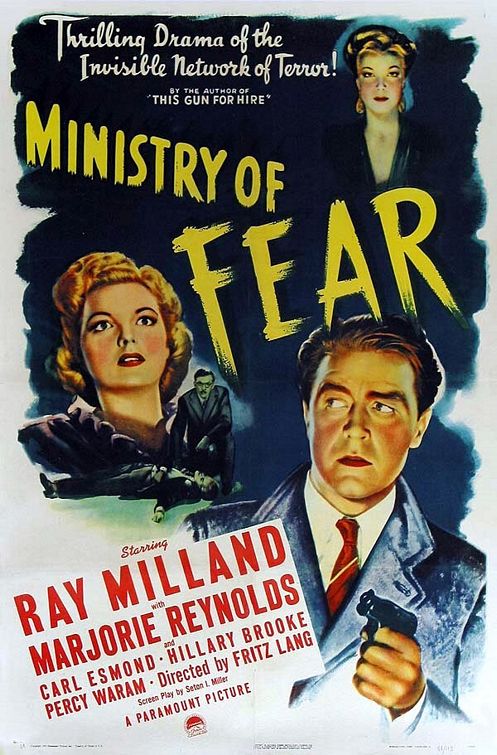
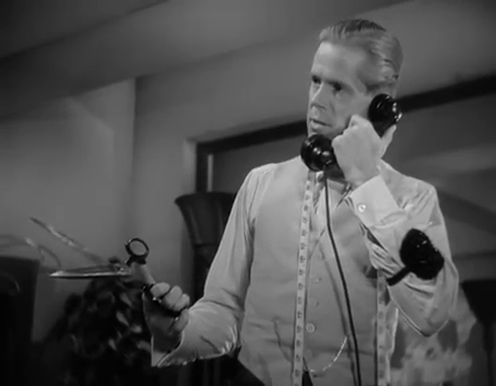
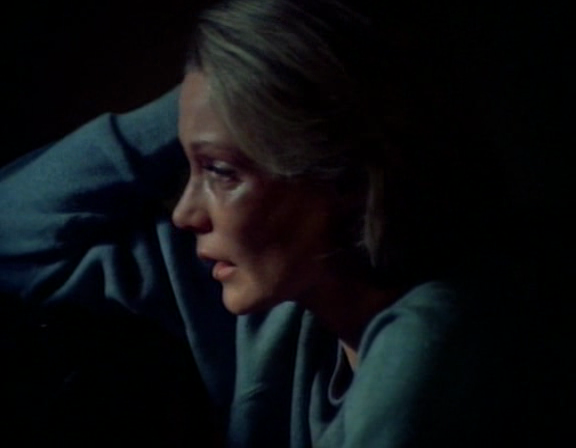
They Might Be Giants (1971)
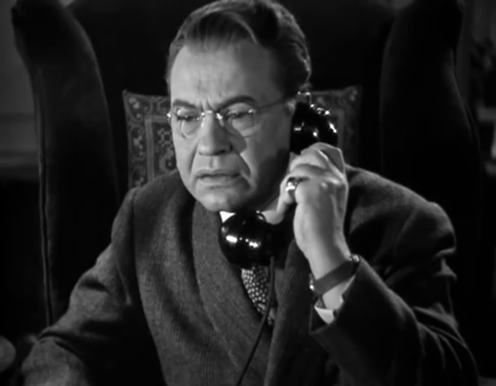
“No coaching, please — I work by pure deduction.”
“When you feel nothing, not even pain, the body and spirit are capable of limitless things.”
|
Synopsis: |
|
Genres, Themes, Actors, and Directors:
Response to Peary’s Review: Note: The title theme song, sung in a club visited by the “vampire killer”, will stick in your head for a long, long time after viewing; be forewarned. Redeeming Qualities and Moments: Must See? Links: |
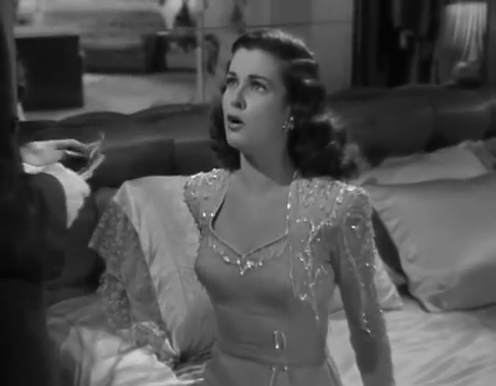
“You have the gift for life, Roslyn.”
|
Synopsis: |
|
Genres, Themes, Actors, and Directors:
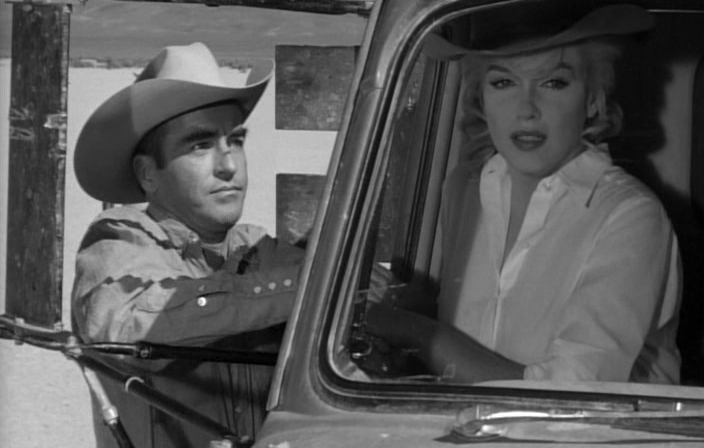
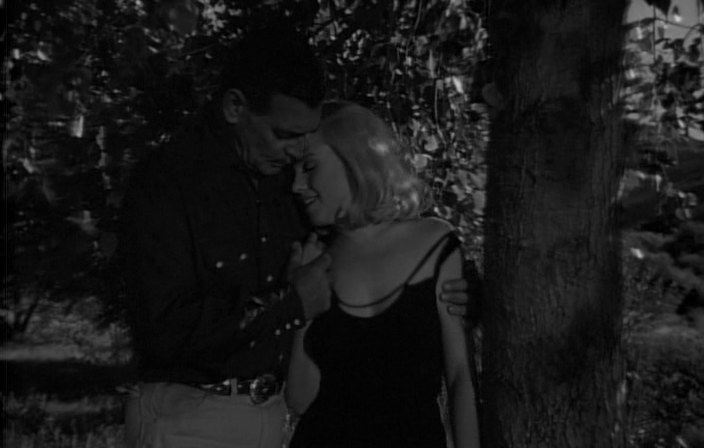
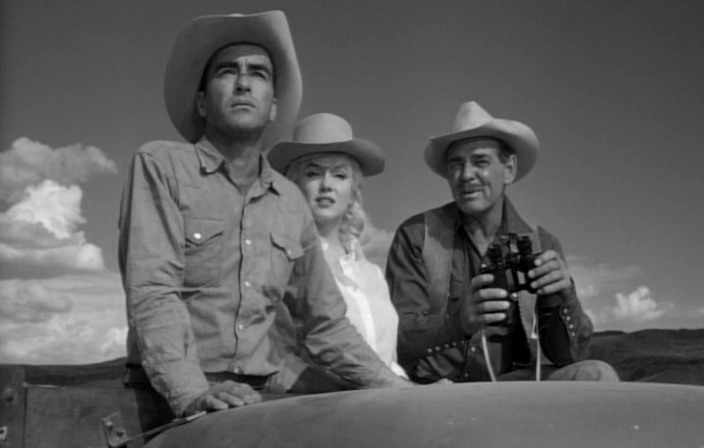
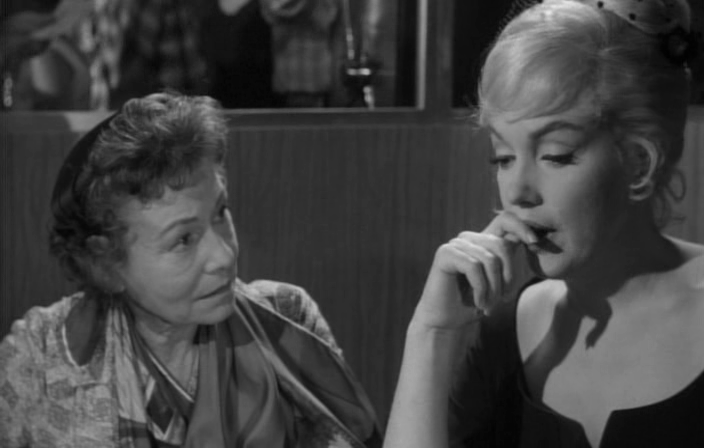
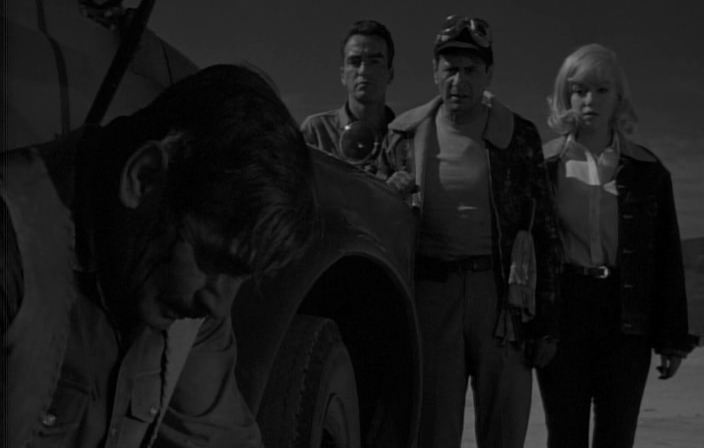
Response to Peary’s Review: Despite all those caveats, Peary points out how “amazing” it is “what a wonderful performance [Monroe] gives”, given the fact that she was “having tremendous psychological problems during the filming”. He writes that she’s “beautiful, angelic, vulnerable, assertive, wise beyond her education, unhappy, [and] the sufferer for all creatures (man or animal) that hurt”, and he states that he’d “like to think that this role comes closest to the real Marilyn Monroe”. Monroe’s performance is truly noteworthy: it’s literally impossible to keep your eyes off of her, and we instantly understand why all the other characters want to be near her. Ritter, meanwhile, is wonderfully droll in one of her many stand-out supporting performances: and all three men do fine ensemble work together. While the overly dense storyline may not pack as much of a punch as it could, there’s no denying that this remains an impactful, affecting film on many levels, and is worth viewing by all film fanatics at least once. Note: Check out this recent NY Times article for an update on the status of wild horses across the United States. Redeeming Qualities and Moments: Must See? Categories
Links: |
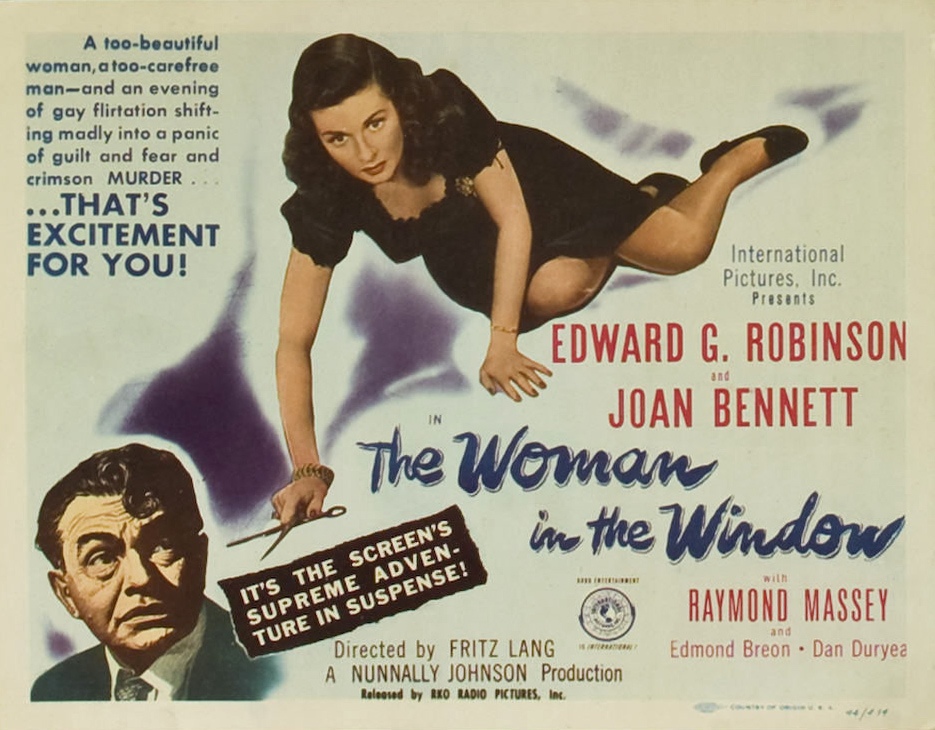
“The flesh is still strong, but the spirit grows weaker by the hour.”
|
Synopsis: |
|
Genres, Themes, Actors, and Directors:
Response to Peary’s Review:
Robinson learns his lesson, but isn’t unduly punished. Redeeming Qualities and Moments:
Must See? Categories
Links: |
“What you don’t remember doesn’t matter.”
|
Synopsis: |
|
Genres, Themes, Actors, and Directors:
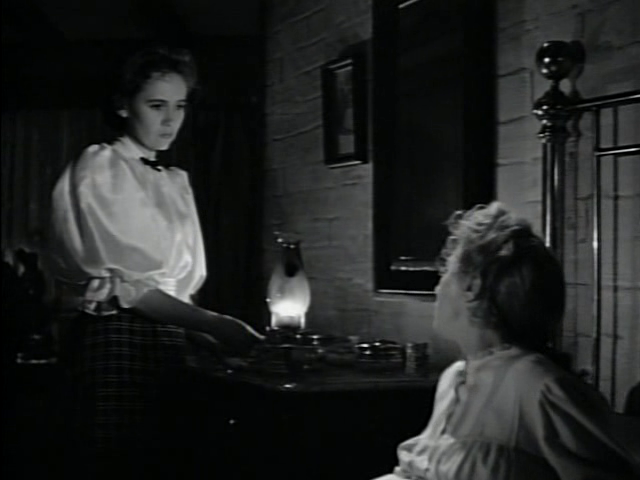
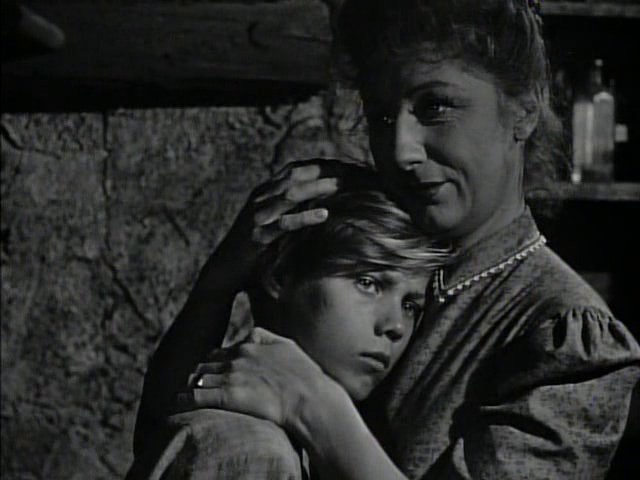
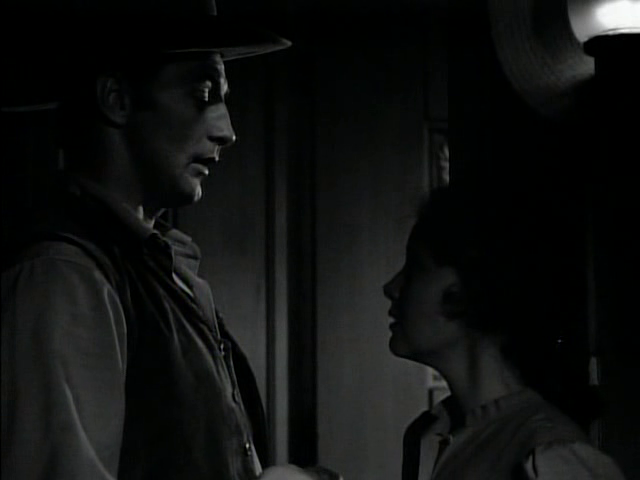
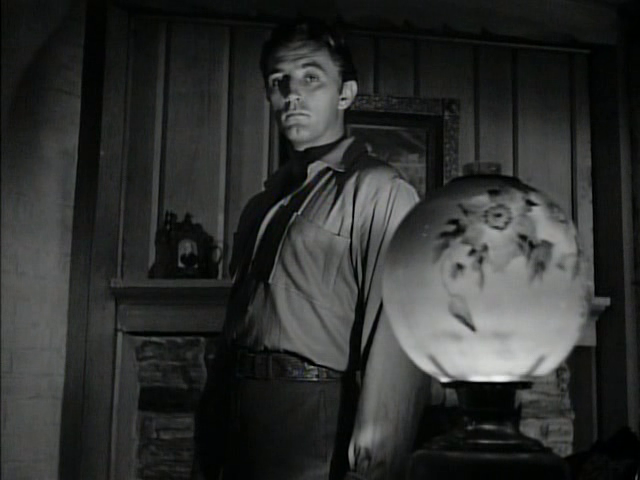
Response to Peary’s Review: — and Anderson gives one of her most nuanced performances as the woman who possesses the carefully guarded answer to this question. As Peary points out, the “film benefits from a strong cast, well-rounded characters who have interesting motives for what they do, intelligent dialogue…, [and] believable period (late 1890s/early 1900s) flavor,” as well as “fast pacing” and exciting action sequences. While some scenes and performances (i.e., Wright’s) come across as overly melodramatic: … they fit well within the overall spirit of this most “unusual western”, one reflective of growing cultural interest in psychology and the impact of childhood trauma on one’s later life. Redeeming Qualities and Moments: Must See? Categories
Links: |
“Some day, he’s going to know who his real son is.”
|
Synopsis: |
|
Genres, Themes, Actors, and Directors:
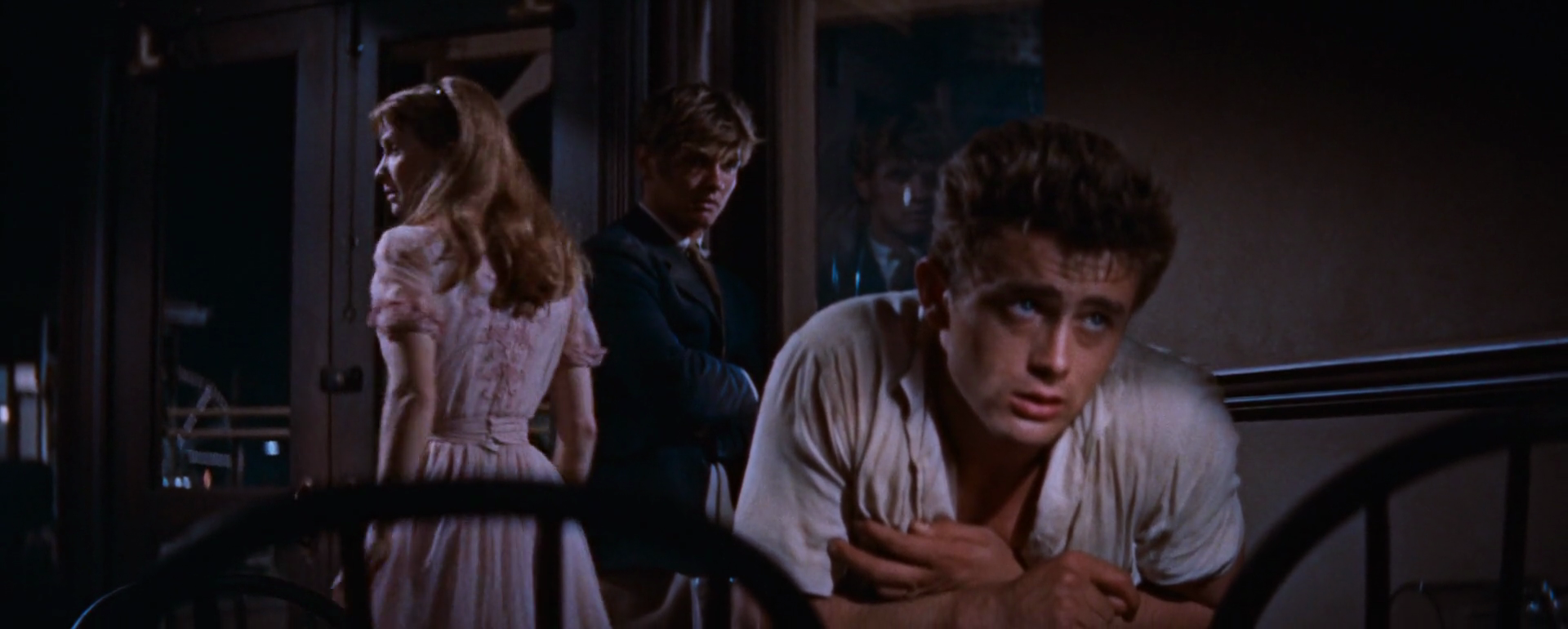
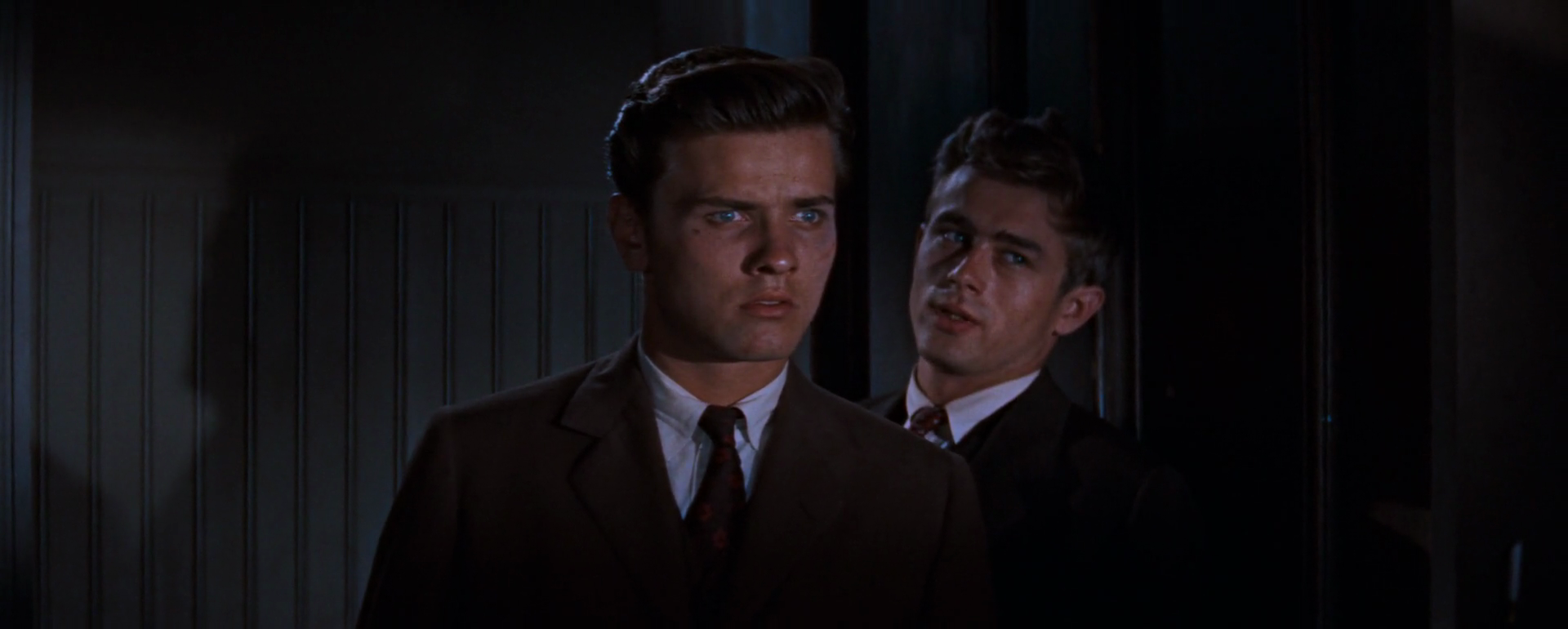
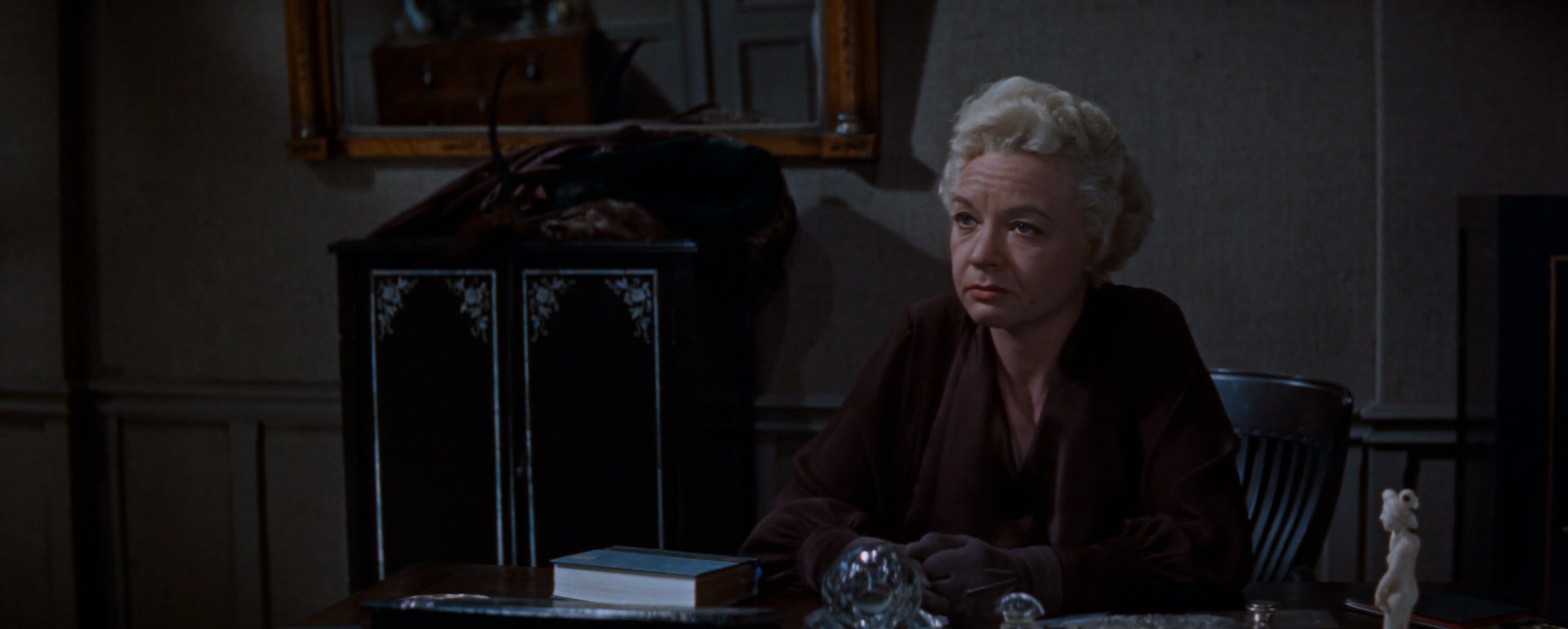
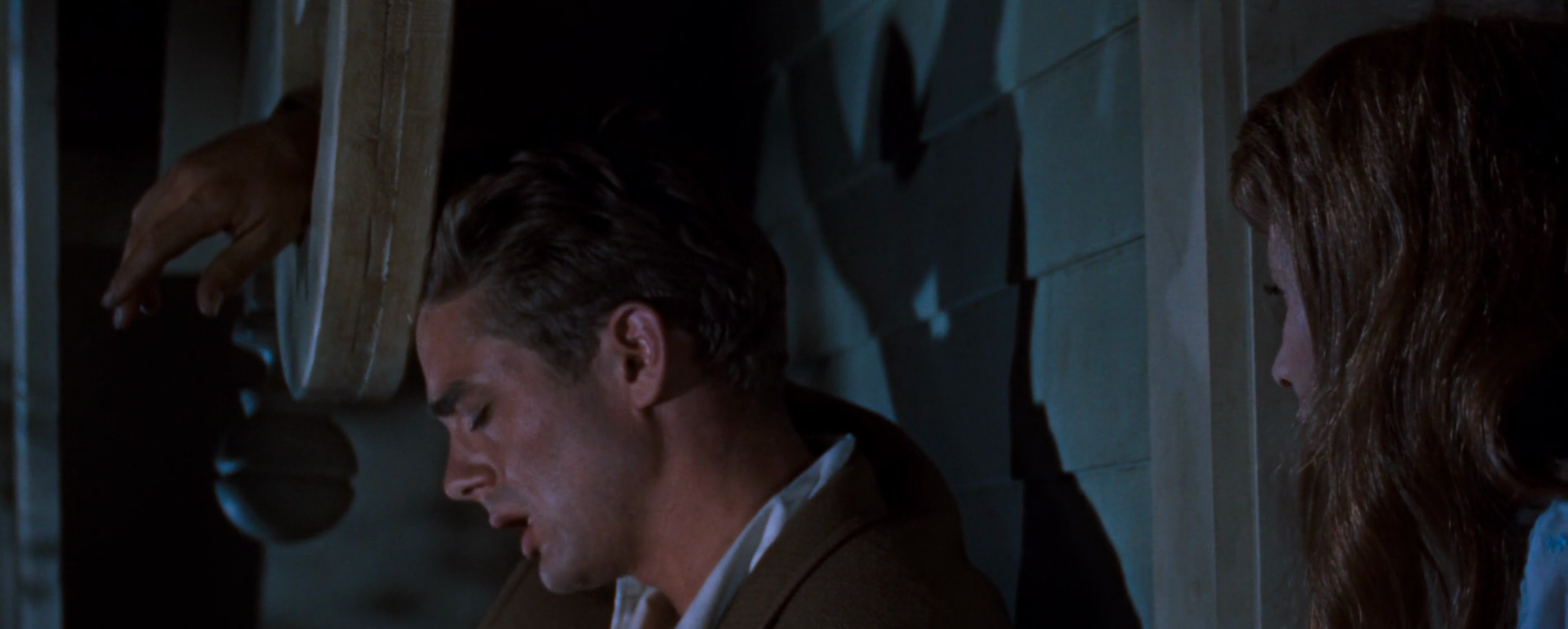
Response to Peary’s Review: East of Eden is best known as one of only three movies Dean starred in before his untimely death at the age of 24, and quite a bit has been written about his involvement in the film — including his initial casting; his method-informed acting style (as well as his awe for Brando); his challenging interactions with the more-traditional Massey (which Kazan milked for all its on-screen potential): … and his deep emotionality both on and off set (Harris reports he sobbed for hours after shooting was over). Today, unfortunately, Dean’s performance comes across as distractingly hyper-kinetic. In his review for the New York Times, Bosley Crowther referred to Dean as “a mass of histrionic gingerbread”, and this wry description holds somewhat true: Dean’s all-pervasive angst means he’s literally never still or untroubled. Ironically, his role within such a broadly melodramatic, biblically-inspired narrative ultimately feels less convincing than his similar turn in the more intimately-themed Rebel Without a Cause (1955) (though Peary disagrees with me, nominating his performance here as one of the best of the year in his Alternate Oscars). Top-billed Harris gives a highly emotional and affecting performance (she’s also nominated by Peary), but one that — like Dean’s — simply never lets up. Davalos, meanwhile, is bland and forgettable; it’s too bad Paul Newman, who tested for the part, wasn’t cast instead! Redeeming Qualities and Moments: Must See? Links: |
“You run the yard — everybody knows that.”
|
Synopsis: |
|
Genres, Themes, Actors, and Directors:
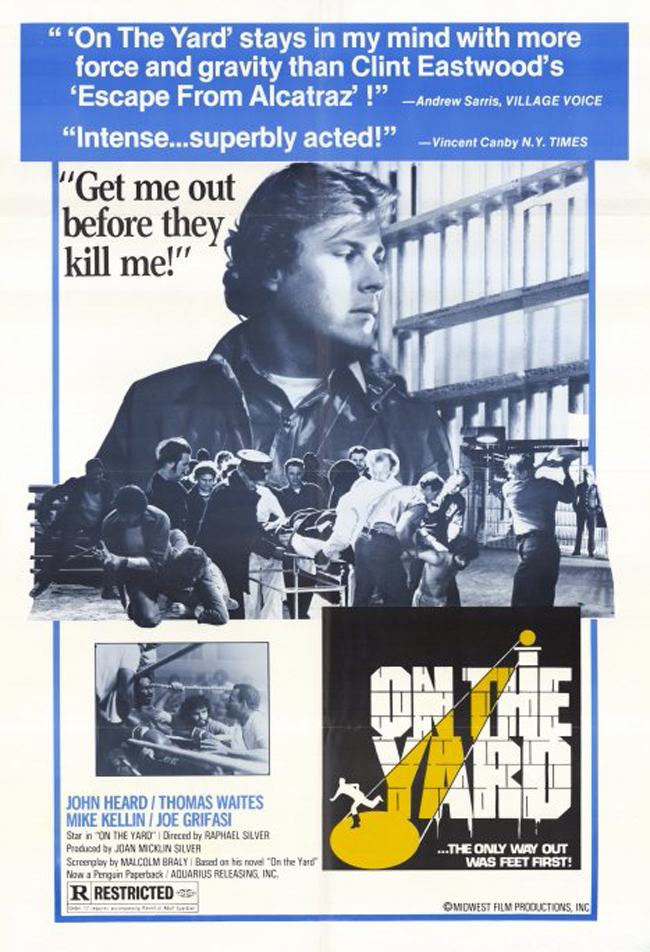
Review: The sub-plot involving Grifasi’s hoped-for escape a la The Wizard of Oz (1939) strains credibility, but Kellin is a likable supporting character, and Waites gives a quietly convincing lead performance. Redeeming Qualities and Moments: Must See? Links: |
“I’m telling you there was a presence in that house!”
|
Synopsis: |
|
Genres, Themes, Actors, and Directors:
Response to Peary’s Review: Peary rags on Rod Steiger for giving “what may be the worst performance in horror-movie history”, arguing that he’s “incredibly awful”, but I can’t agree; I think Steiger’s sincere performance is simply misplaced in a film that asks him to become hysterical without good enough cause. Several sequels followed, and the film was remade in 2005, though I haven’t seen that version. Redeeming Qualities and Moments: Must See? Links: |
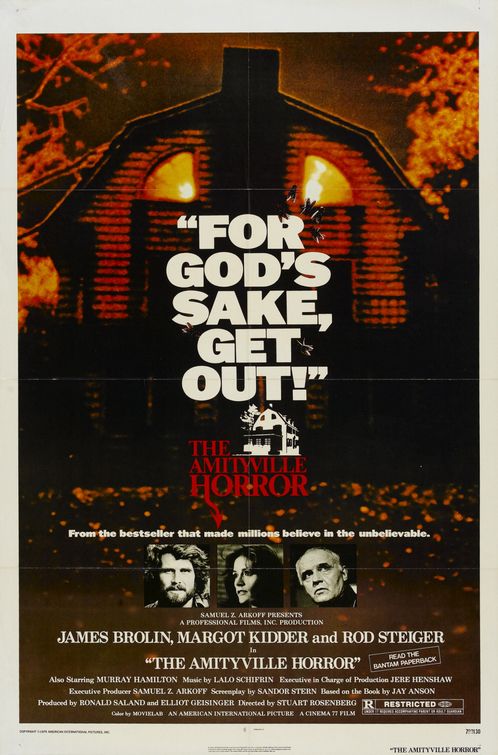
“Forget the past — just tell me the future.”
|
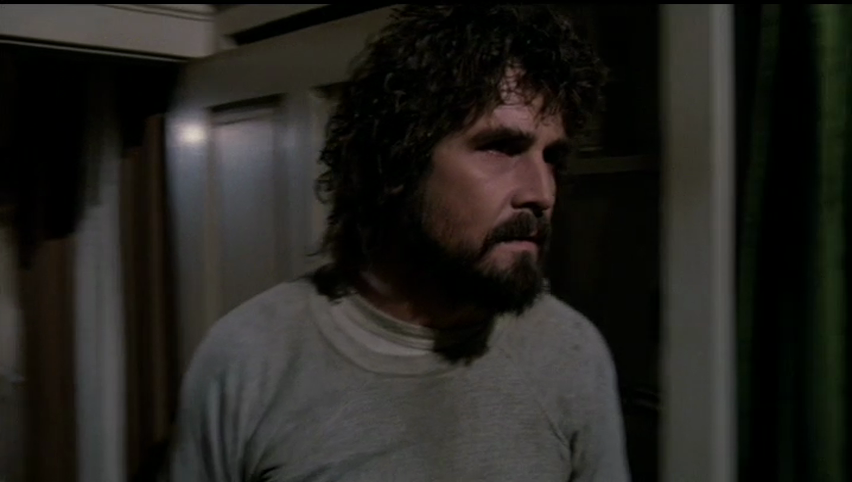
Synopsis: |
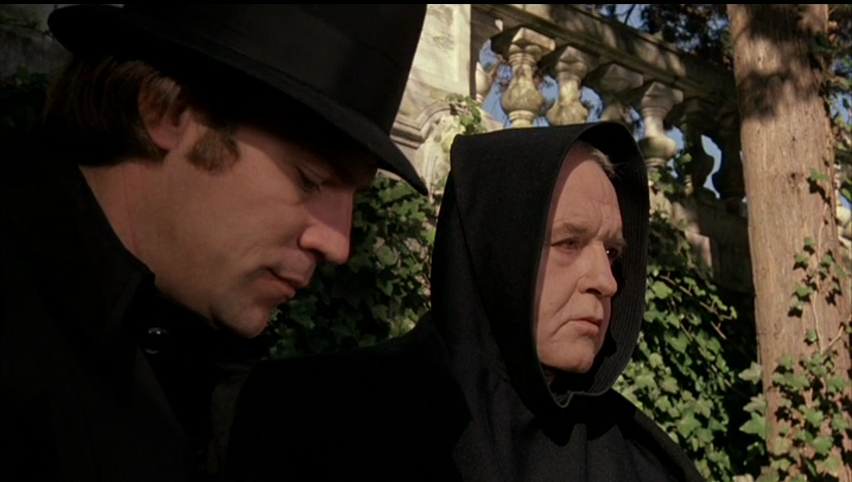
|
Genres, Themes, Actors, and Directors:
Response to Peary’s Review: Redeeming Qualities and Moments: Must See? Links: |
“I was born dead.”
|
Synopsis: |
|
Genres, Themes, Actors, and Directors:
Response to Peary’s Review: Redeeming Qualities and Moments: Must See? Links: |