Mommie Dearest (1981)

Mommie Dearest (1981)

“I’m going to make a perfect life for you– I’m going to give you all the things I never had, my beautiful little darling!”

Synopsis:
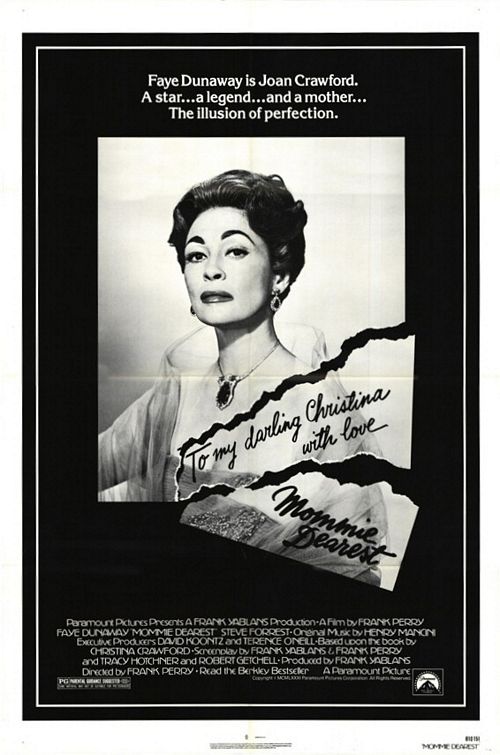
Christina Crawford (Diana Scarwid and Mara Hobel) tells about growing up with her abusive adoptive mother, Joan Crawford (Faye Dunaway).

Genres, Themes, Actors, and Directors:

  • Actors and Actresses
  • Biopics
  • Child Abuse
  • Evil Mothers
  • Faye Dunaway Films
  • Frank Perry Films
  • Hollywood

Response to Peary’s Review:
Peary’s response to this cinematic adaptation of Christina Crawford’s best-selling autobiography is similar to that of most critics at the time (Roger Ebert, for instance, gave it one star out of four; see link below). Peary calls it “ludicrous”, “mediocre”, and “trivial”, and lambastes it for both fabricating “nearly every event that takes place,” and eliminating “real people” in place of composites. He complains that Dunaway is simply playing “the Crawford who is [already] familiar to viewers — the Crawford of the movies, newsreels, and personal appearances”, rather than “the Crawford of Christina’s book”, simply so that the “sheepish” filmmakers could try to “dodge negative backlash” from her fans.

I’ll admit that my initial response to Mommie Dearest was the same as Peary’s. I watched it immediately after reading Crawford’s book, and was upset by how egregiously the filmmakers had mangled Christina’s story of her abusive childhood. Watching it again years later, however, I can appreciate Mommie Dearest for what it unintentionally turned out to be: a film so clumsily made — and so far removed from its source material — that it’s actually entertaining. Indeed, it is precisely the film’s “staggeringly bad scenes and campy dialogue” which have contributed to its cult over the years, allowing those who “laugh at its overall ineptitude” (click here for a long list of goofs) to have a grand old time.

Plus, despite its obvious flaws, the film contains many moments of genuine insight into Crawford’s character. When Dunaway holds her infant daughter in her arms for the first time, and is reminded by her boyfriend (Steve Forrest) that Christina is both a “very lucky” and a “very expensive” baby, we are reminded that Crawford ultimately bought her children rather than adopted them. When Dunaway reacts with thinly-veiled jealousy as reporters seem more interested in filming her daughter than her during Christina’s birthday party, we really “get” how difficult it was for Crawford to share the limelight, even with her own kids. And when Dunaway expresses her heartfelt gratitude to the crowd of fans standing outside her house after she won an Oscar for her performance in Mildred Pierce (1945), we learn why her following was so enormous — and so loyal — for so many years.

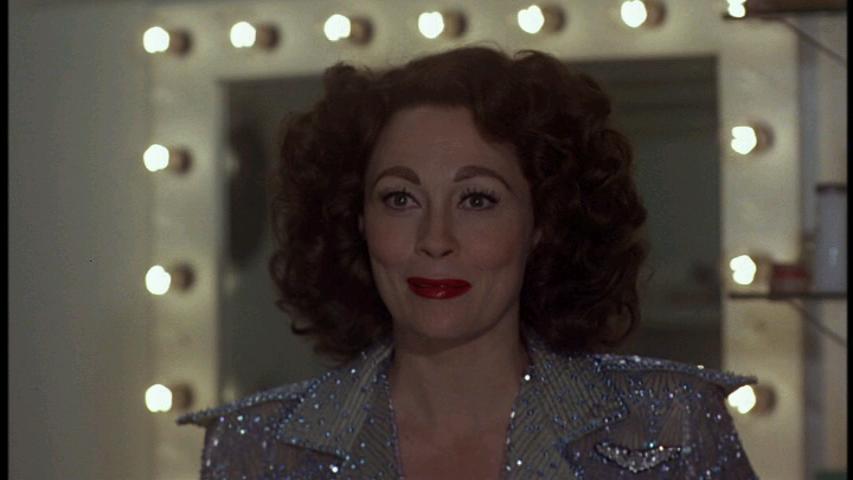
Most impressive of all, however, is the powerhouse performance by Faye Dunaway, who, though “she overacts at times,” makes “a gallant effort playing Crawford not as a villain, but as a ‘warrior’.” Indeed, it’s absolutely fascinating to gain an inside glimpse at this rags-to-riches actress, someone who took her status as a beloved Hollywood star so seriously that she was willing to work as hard as it took to maintain it. Though Peary argues that “Dunaway’s Crawford comes across as no less sympathetic” than her daughter, I disagree: when watching Crawford obsessively scrubbing her own floor, jogging to stay in shape, and getting up at the crack of dawn to arrive at the studio on time, we understand that this was a driven woman who, quite simply, didn’t have a clue about how to be an effective mother.

Redeeming Qualities and Moments:

  • Faye Dunaway’s powerhouse portrayal as Hollywood icon Joan Crawford
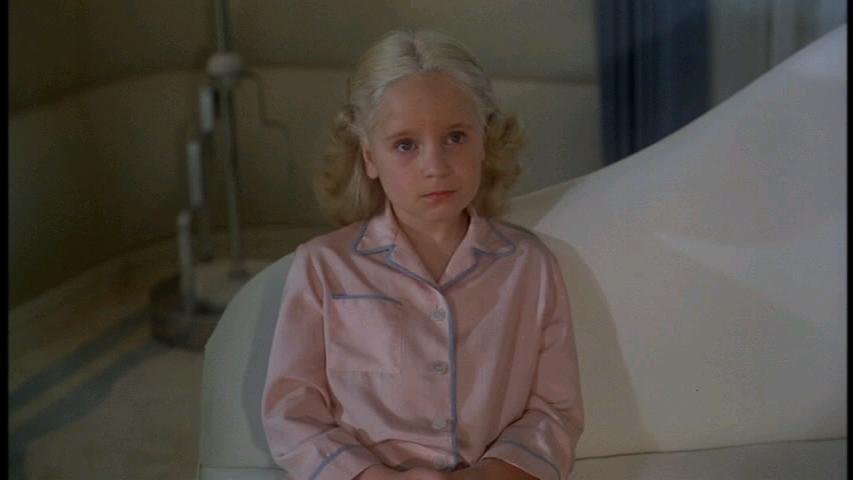
  • Mara Hobel’s impressive performance as young Christina
  • Appropriately baroque set designs and costumes
  • Countless memorable lines by Joan:

    “I’m not mad at you; I’m mad at the dirt.”
    “I can handle the socks.”
    “Don’t fuck with me, fellas. This ain’t my first time at the rodeo!”
    “Tear down that bitch of a bearing wall and put a window where it ought to be!”
    “Tina! Bring me the axe!”

    And, of course:

    No– wire– hangers!”

Must See?
Yes. This notoriously “bad” movie has become a true camp classic, and should be seen at least once by every film fanatic. Discussed at length in Peary’s Cult Movies 2 (1983).

Categories

  • Cult Movie
  • Noteworthy Performance(s)

Links:

Risky Business (1983)

Risky Business (1983)

“Are you ready for me?”

Synopsis:
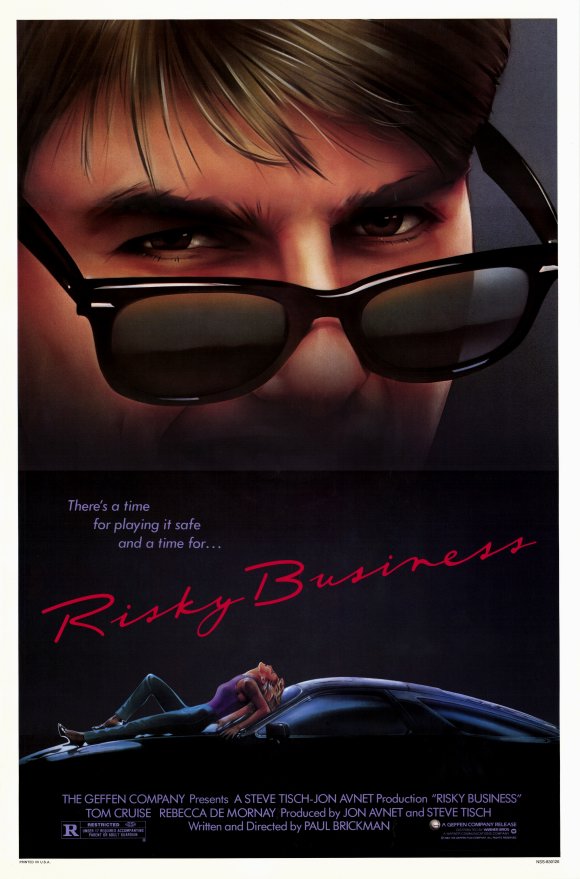
While his parents are away, teenager Joel Goodson (Tom Cruise) spends the night with an entrepreneurial call girl named Lana (Rebecca De Mornay), who convinces him to turn his house into a temporary brothel.

Genres, Themes, Actors, and Directors:

  • Comedy
  • Get Rich Quick
  • Prostitutes
  • Teenagers
  • Tom Cruise Films

Response to Peary’s Review:
Along with many other critics (see links below), Peary heaps praise upon this early Tom Cruise teenage sex comedy, calling it “very funny, extremely erotic — and smart.” Indeed, there’s much to recommend about the film: both Cruise and De Mornay do a fine, believable job in their roles; there are plenty of humorous lines (“I’ve got a trig midterm tomorrow, and I’m being chased by Guido the killer pimp!”); and there are several classic (if not entirely amusing) moments, such as when Cruise rocks out in his BVDs after his parents are gone.

With that said, however, Risky Business ultimately comes across as too much of an adolescent-male wish-fulfillment fantasy to hold universal appeal. The women in the film — seen from Joel’s point of view — are all either sex objects (like Lana and her friends) or nagging maternal figures (such as Joel’s overprotective mom, or the nurse who refuses to write him an excuse at school). Lana herself symbolizes every guy’s worst fear: a woman so sexually irresistible that she can lure a “good son” (Joel’s last name is “Goodson”) to his doom — though ultimately, of course, our young “hero” will prevail. Even her much ballyhooed entrance — filmed as an ethereal, mist-filled sequence, with Tangerine Dream’s soundtrack pulsing in the background — clearly posits Lana as an other-worldly siren with supernatural powers. This smart, sexy, interesting character (she has a back story) is ultimately not given her due; I’d love to see Risky Business shown from her perspective.

Redeeming Qualities and Moments:

  • Rebecca De Mornay as the seductive call girl
  • Tom Cruise as the fresh-faced teen whose greatest fantasies and worst nightmares all come true
  • Joe Pantoliano (of The Matrix and Memento fame) as DeMornay’s “killer pimp”, Guido
  • An effectively dream-like soundtrack by Tangerine Dream

Must See?
Yes. This film remains an icon of early 1980s cinema.

Categories

  • Historically Relevant

Links:

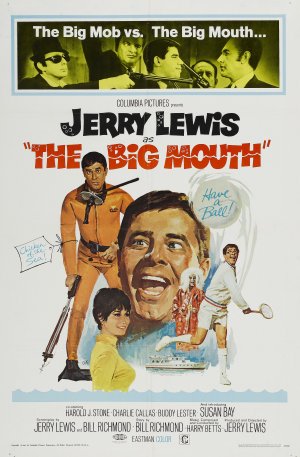
Big Mouth, The (1967)

Big Mouth, The (1967)

“It certainly is smooth. Yes, a man can faint from such smoothness.”

Synopsis:
A tourist (Jerry Lewis) is mistaken for a jewel thief and pursued by two different gangs.

Genres, Themes, Actors, and Directors:

  • Comedy
  • Gangsters
  • Jerry Lewis Films
  • Mistaken Identities

Response to Peary’s Review:
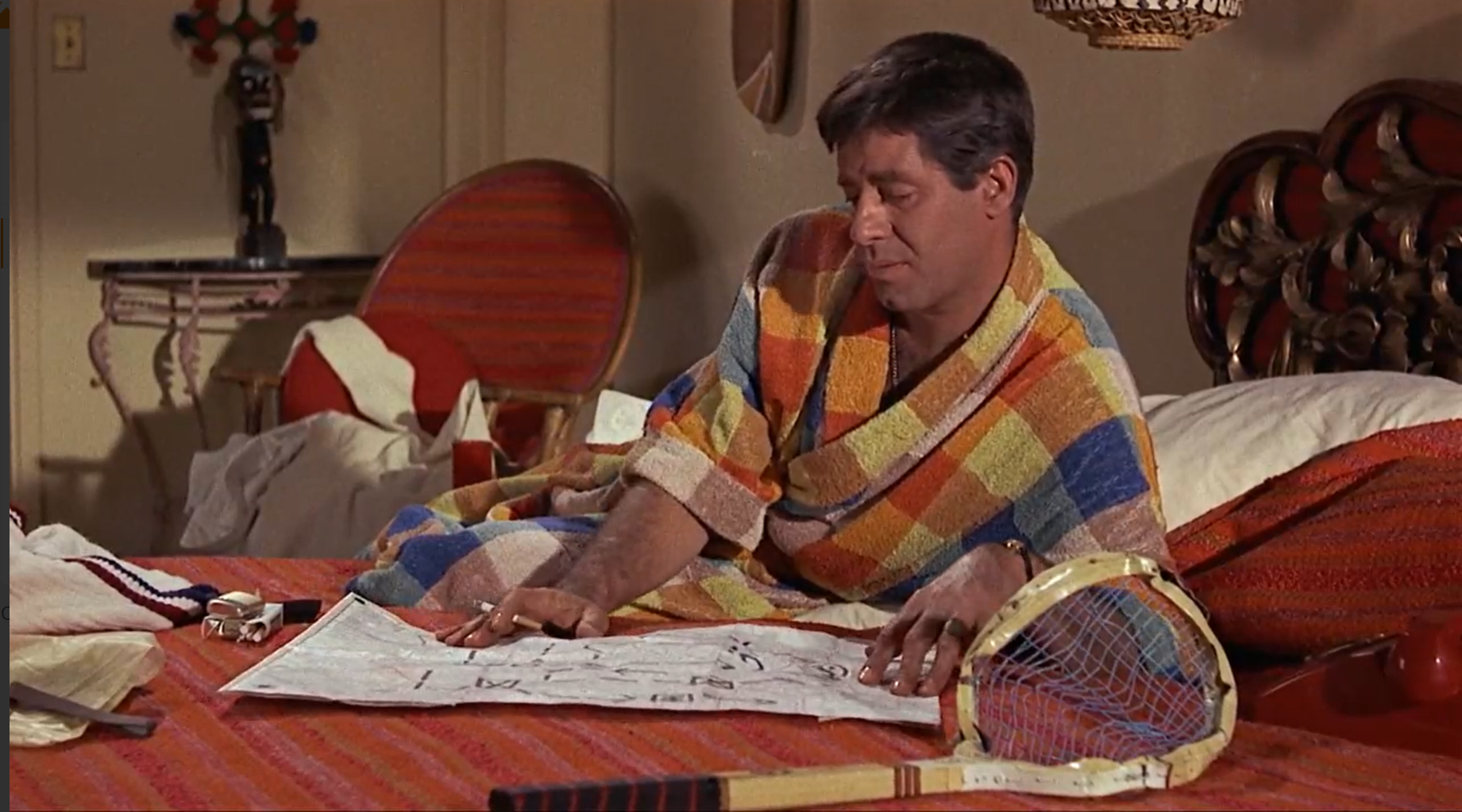
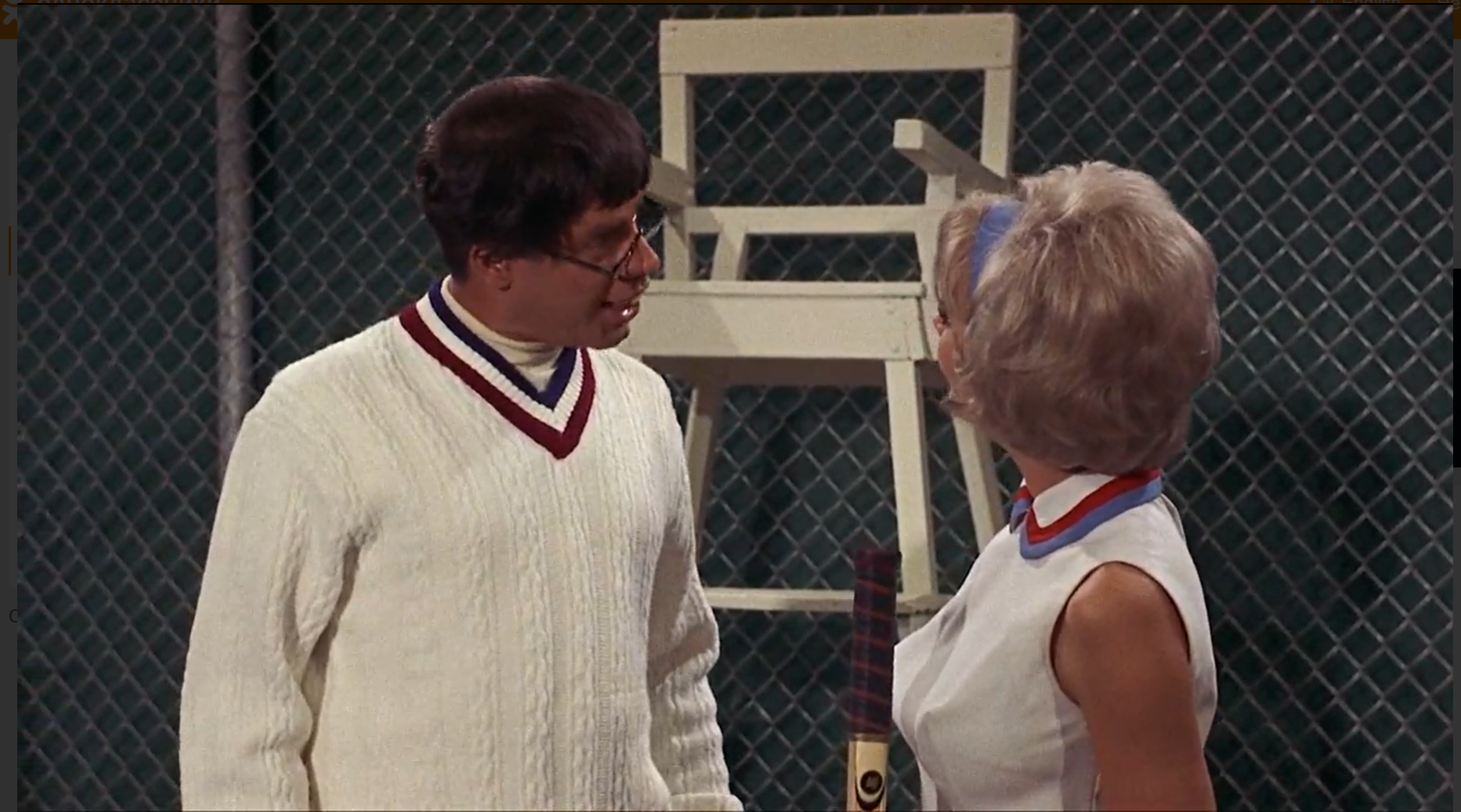
It’s not clear why Peary includes this boring, unfunny Jerry Lewis title in his GFTFF, since he readily acknowledges that “there is not enough visual comedy or slapstick,” that Lewis’s character is, unfortunately, “less out-of-control than usual”:

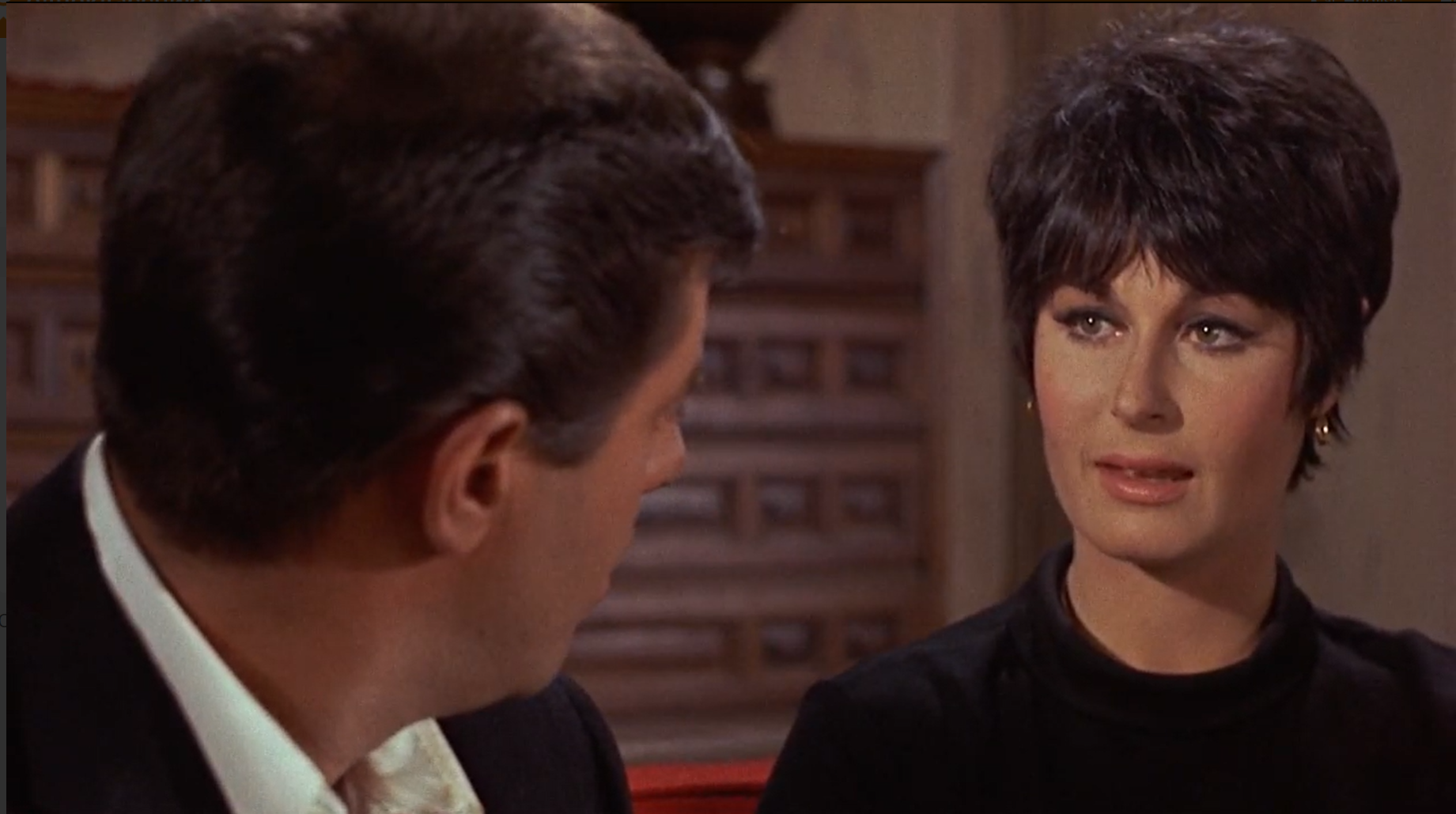
and that the “love scenes with Susan Bay are embarrassingly sappy”.

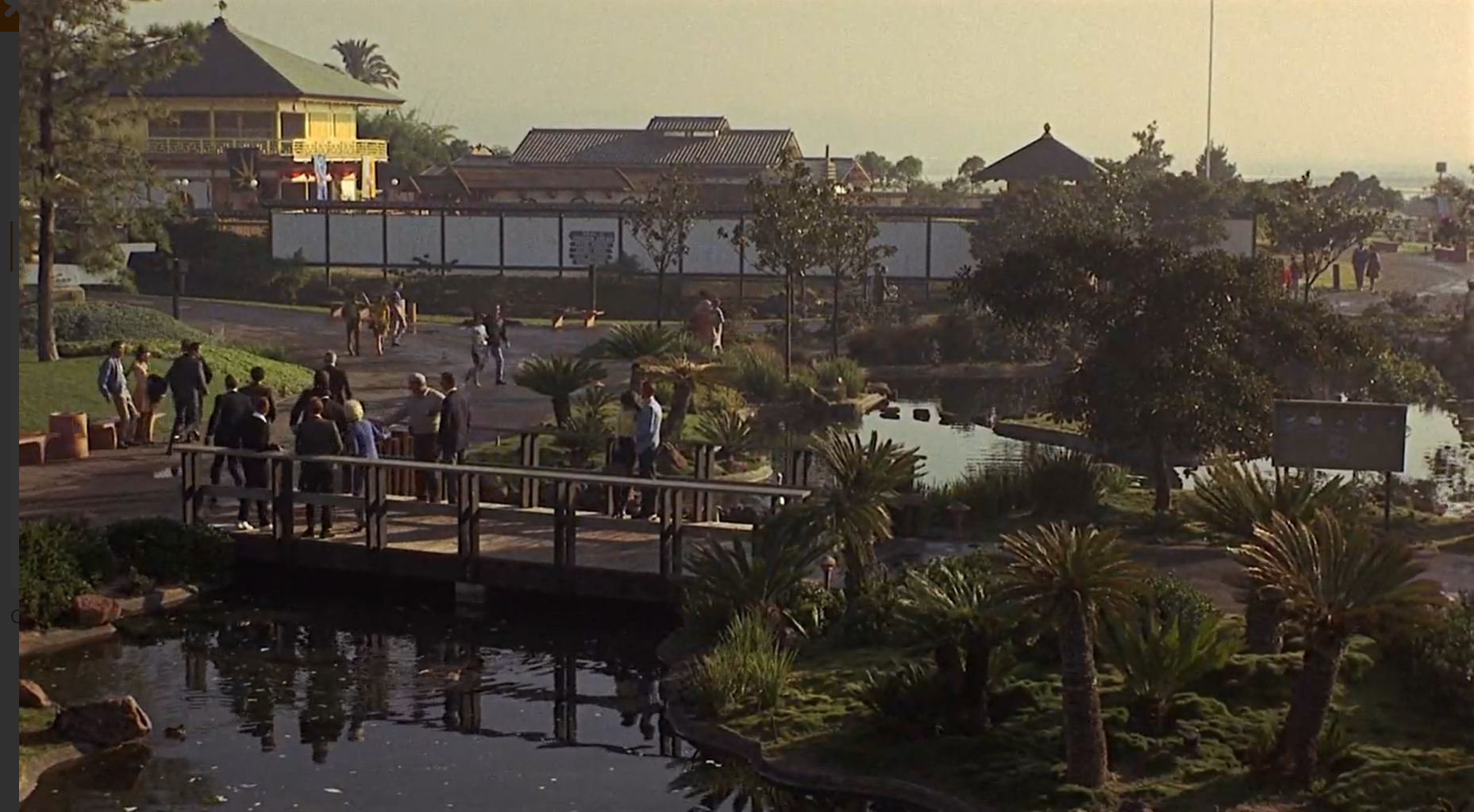
At nearly two hours, the movie goes on for far too long, and, as Peary notes, has “too many scenes at Sea World”.

With that said, it has a number of fans, and is certainly worth checking out if you’re enamored with Lewis’s wacky impersonations — there are plenty here.


Redeeming Qualities and Moments:

  • Fine cinematography

Must See?
No. This is only must-see viewing for die-hard Jerry Lewis fans.

Links:

Jonah Who Will Be 25 in the Year 2000 (1976)

Jonah Who Will Be 25 in the Year 2000 (1976)

“The holes prophets make to see the future are the same ones historians use to look at the past.”

Synopsis:
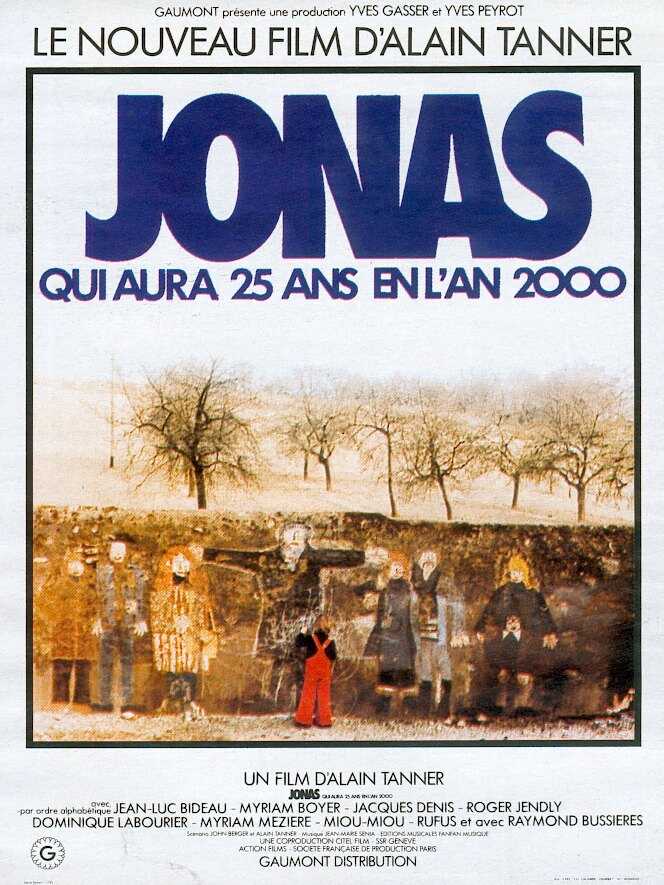
Former revolutionaries in Switzerland — including a high school teacher (Jacques Denis), a cashier (Miou-Miou), a typesetter-turned-gardener (Jean-Luc Bideau), and a secretary (Myriam Mezieres) — struggle to find meaning in their post-1960s lives.

Genres, Themes, Actors, and Directors:

  • Comedy
  • Ensemble Films
  • Revolutionaries
  • Swiss Films

Review:
Full of intelligent dialogue, quirky characters, and countless memorable moments, this European forerunner to John Sayles’ The Return of the Secaucus Seven (1980) remains one of Swiss director Alain Tanner’s most enjoyable and accessible films. By the end of the movie, we learn how these diverse characters are all (perhaps inevitably) connected to one another — but the finale seems natural rather than contrived, and takes nothing away from our genuine interest in their personal struggles up till then.

Indeed, one can’t help rooting for these all-too-human characters as they struggle to reconcile their socialist ideals with the reality of life in a capitalist society. Ultimately, Tanner succeeds in portraying the passion and zeal of former revolutionaries without patronizing them — not an easy task.

Redeeming Qualities and Moments:

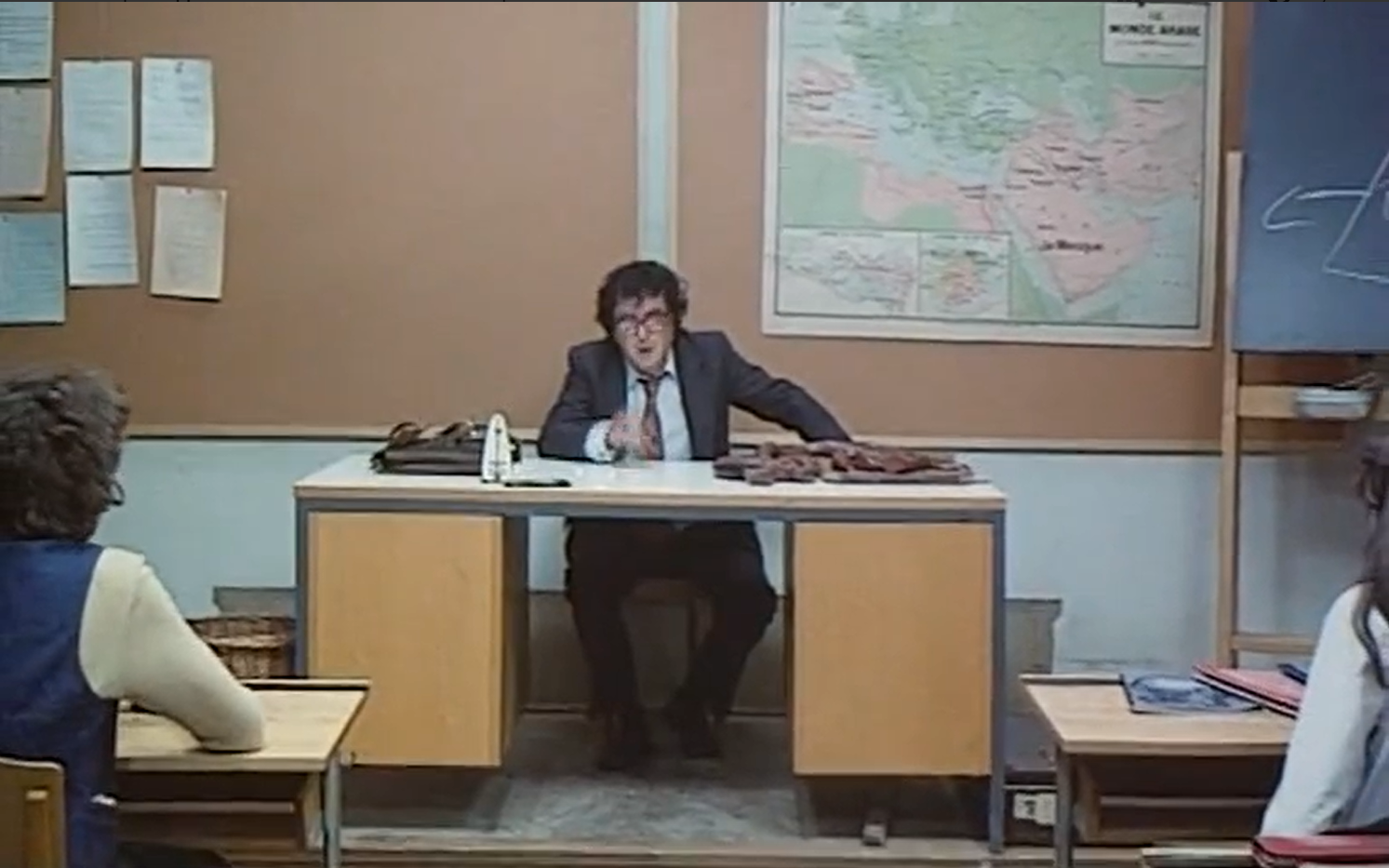
  • Denis’ unorthodox yet fascinating high school teaching methods
  • Miou-Miou’s early performance as a subversive cashier who steals food for her elderly neighbor
  • Mezieres as a secretary unabashedly into tantric sex

Must See?
Yes. This remains Tanner’s most enjoyable film, and is recommended.

Categories

  • Important Director

Links:

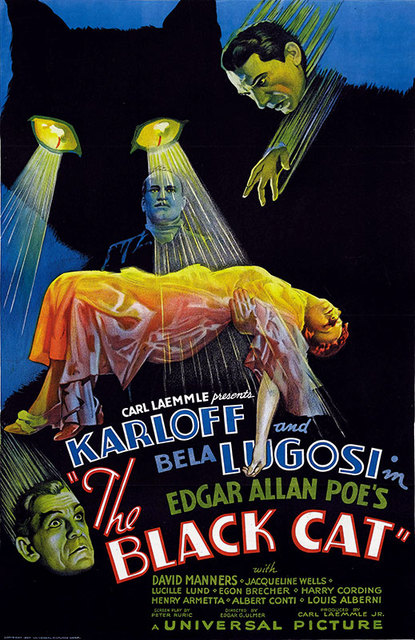
Black Cat, The (1934)

Black Cat, The (1934)

“The black cat is deathless — deathless as evil!”

Synopsis:>
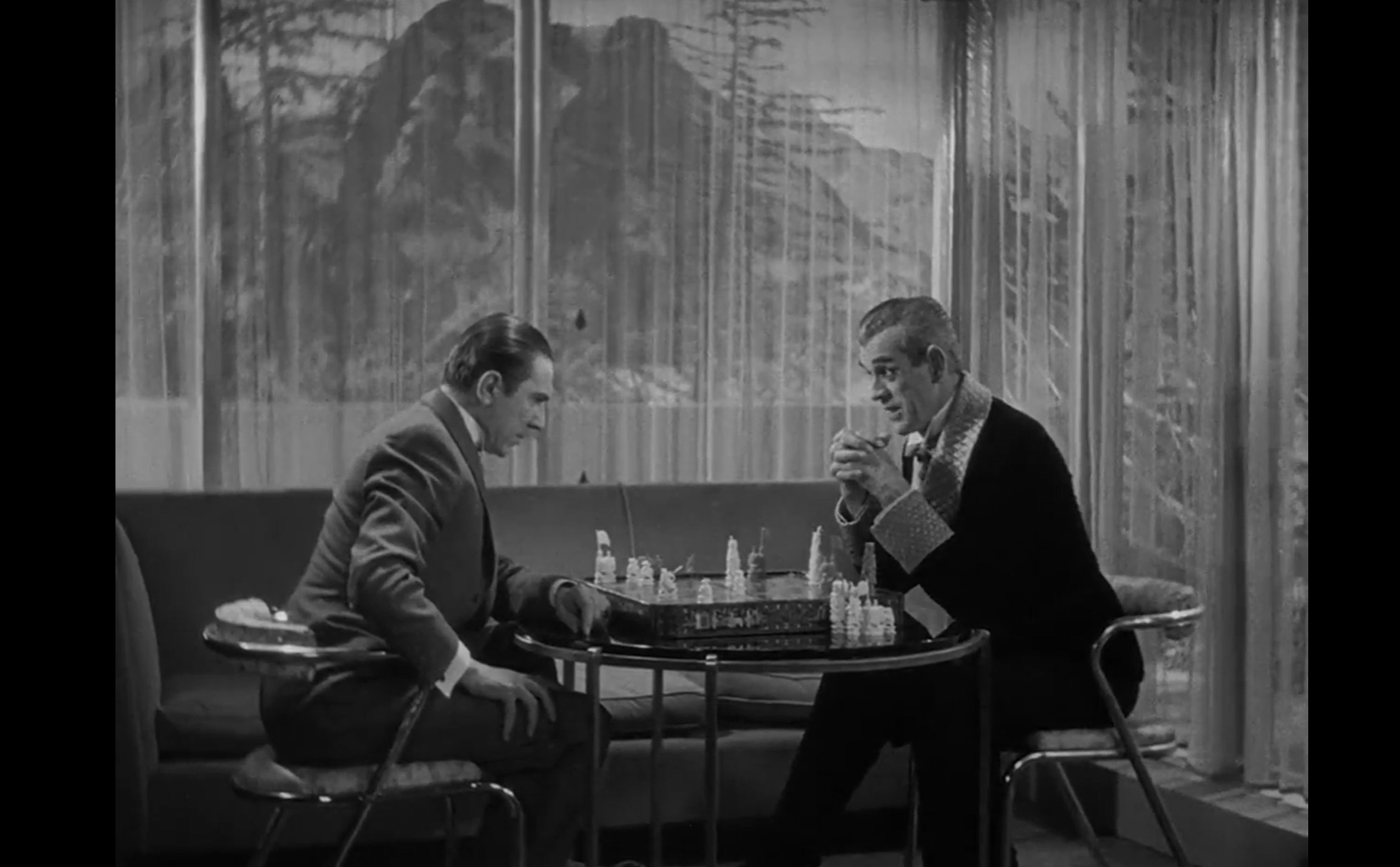
While honeymooning in Prague, Americans Joan and Peter Allison (David Manners and Julie Bishop) meet strange Dr. Verdegast (Bela Lugosi), who brings them to the home of Satanic architect Hjamlar Poelzig (Boris Karloff). Eventually, the couple realizes that Verdegast and Poelzig are old rivals out to kill each other, and that their own lives are in grave danger as well.

Genres, Themes, Actors, and Directors:

  • Bela Lugosi Films
  • Black Comedy
  • Boris Karloff Films
  • Cat-and-Mouse
  • Edgar G. Ulmer Films
  • Newlyweds
  • Horror
  • Old Dark House
  • Revenge
  • Satanists

Response to Peary’s Review:
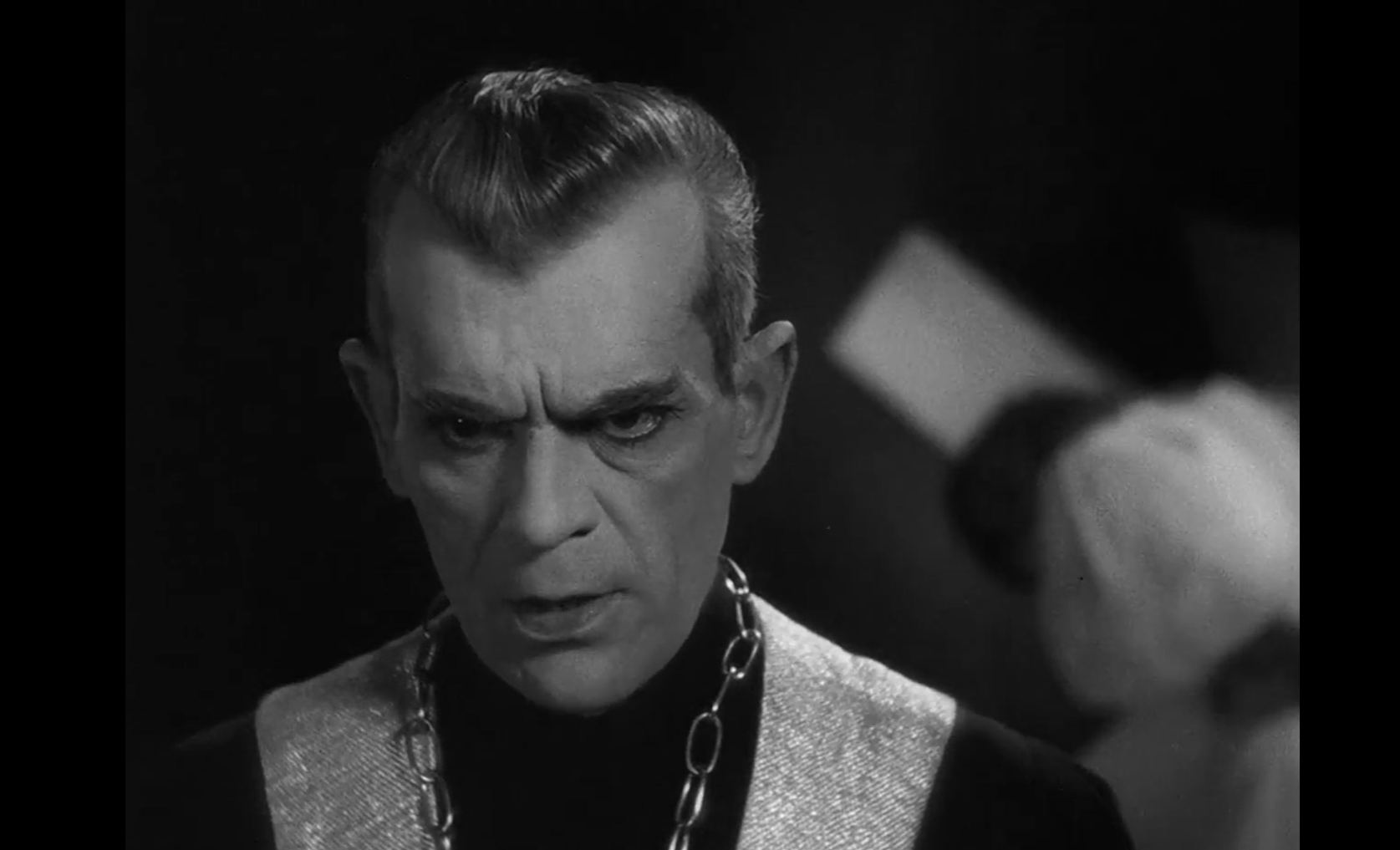
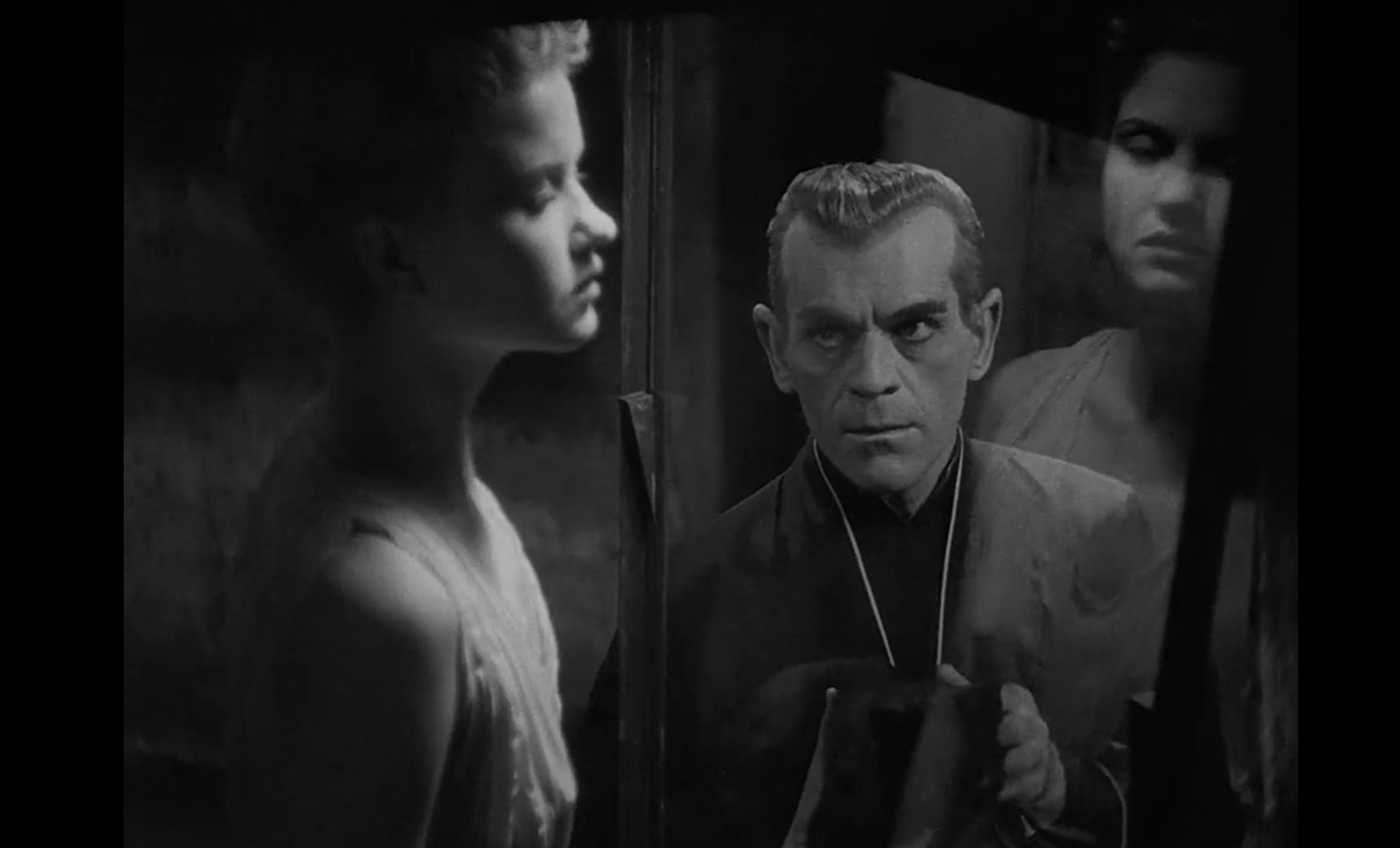
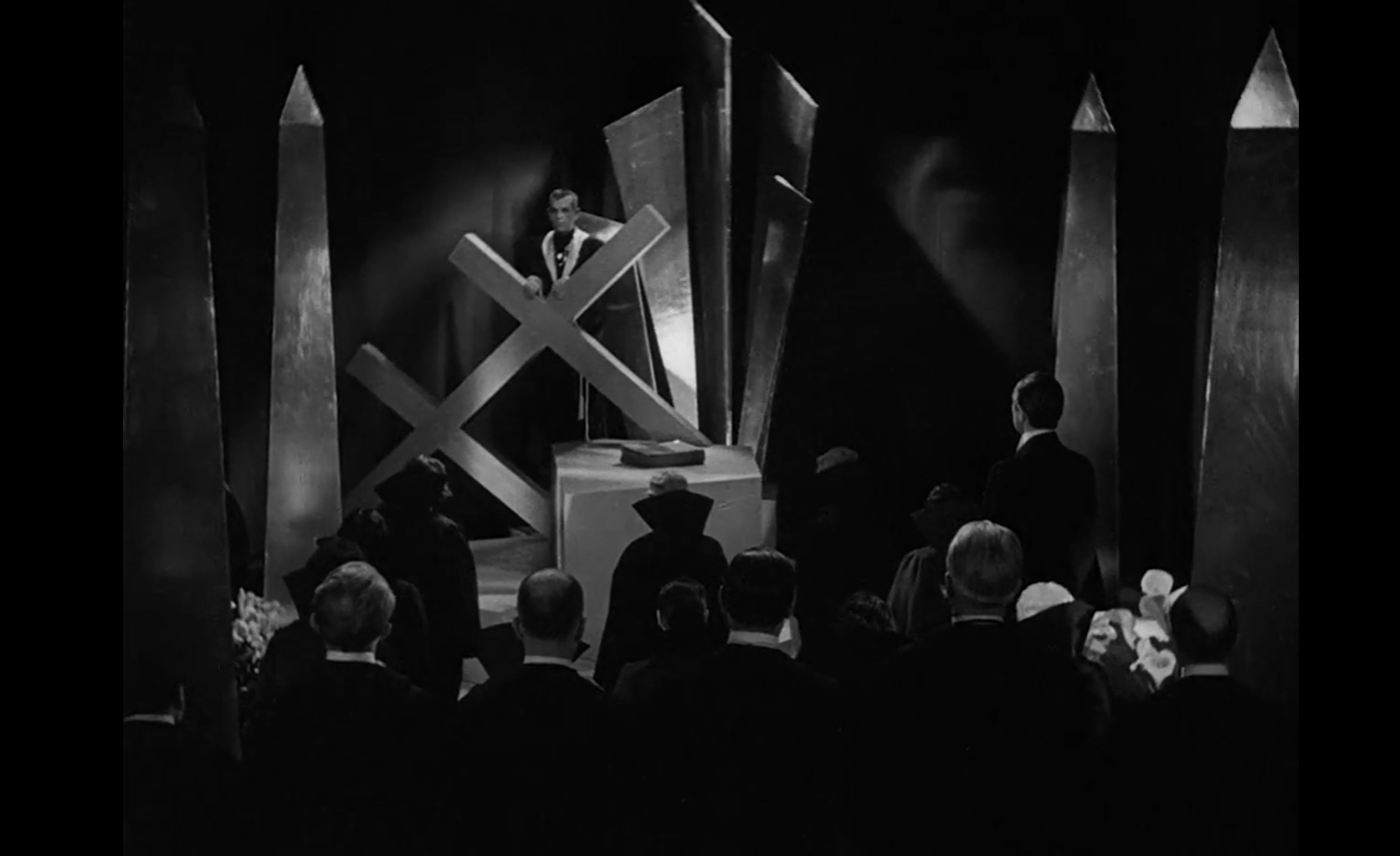
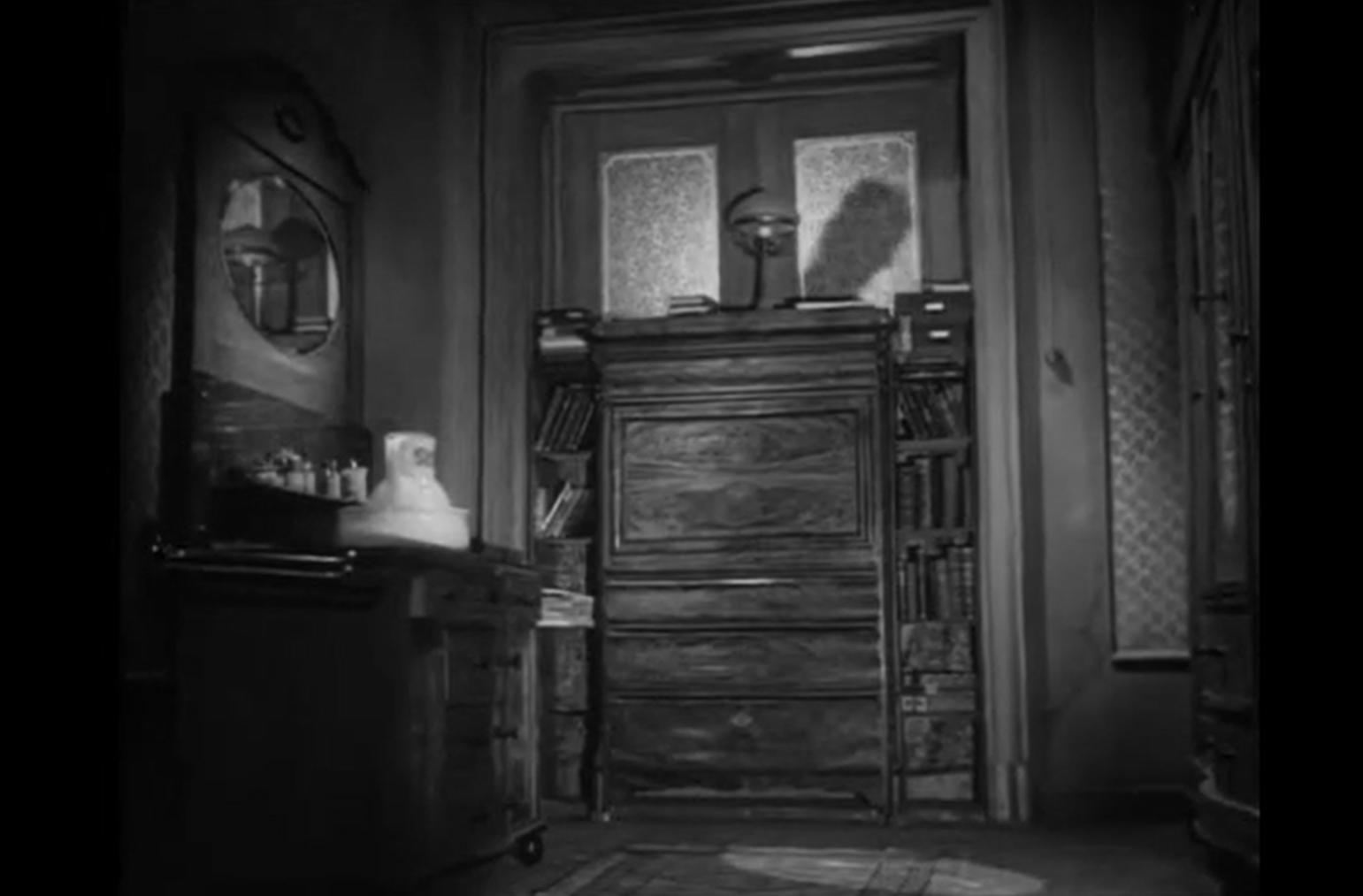
As Peary notes, this “high-camp horror film” — based in name only on Edgar Allan Poe’s short story — features a “delightfully preposterous storyline”, “witty dialogue, fine performances, amusing characters, bizarre sets, inventive direction, and some of the most peculiar scenes in horror-movie history.”

At only 65 minutes long, the story moves quickly, yet is often incoherent — most likely as a result of Universal Studios cutting the film drastically. Nonetheless, the film is so oddly conceived and visually compelling that it’s hard not to watch even when you’re not quite sure what’s going on.

While reviewers at the time of its release were dismissive, today The Black Cat is regarded as pulp director Edgar Ulmer’s masterpiece — and for all its fans (though I’ll admit I’m not one of them), it remains “morbid, tasteless, and lots of fun.”

Redeeming Qualities and Moments:

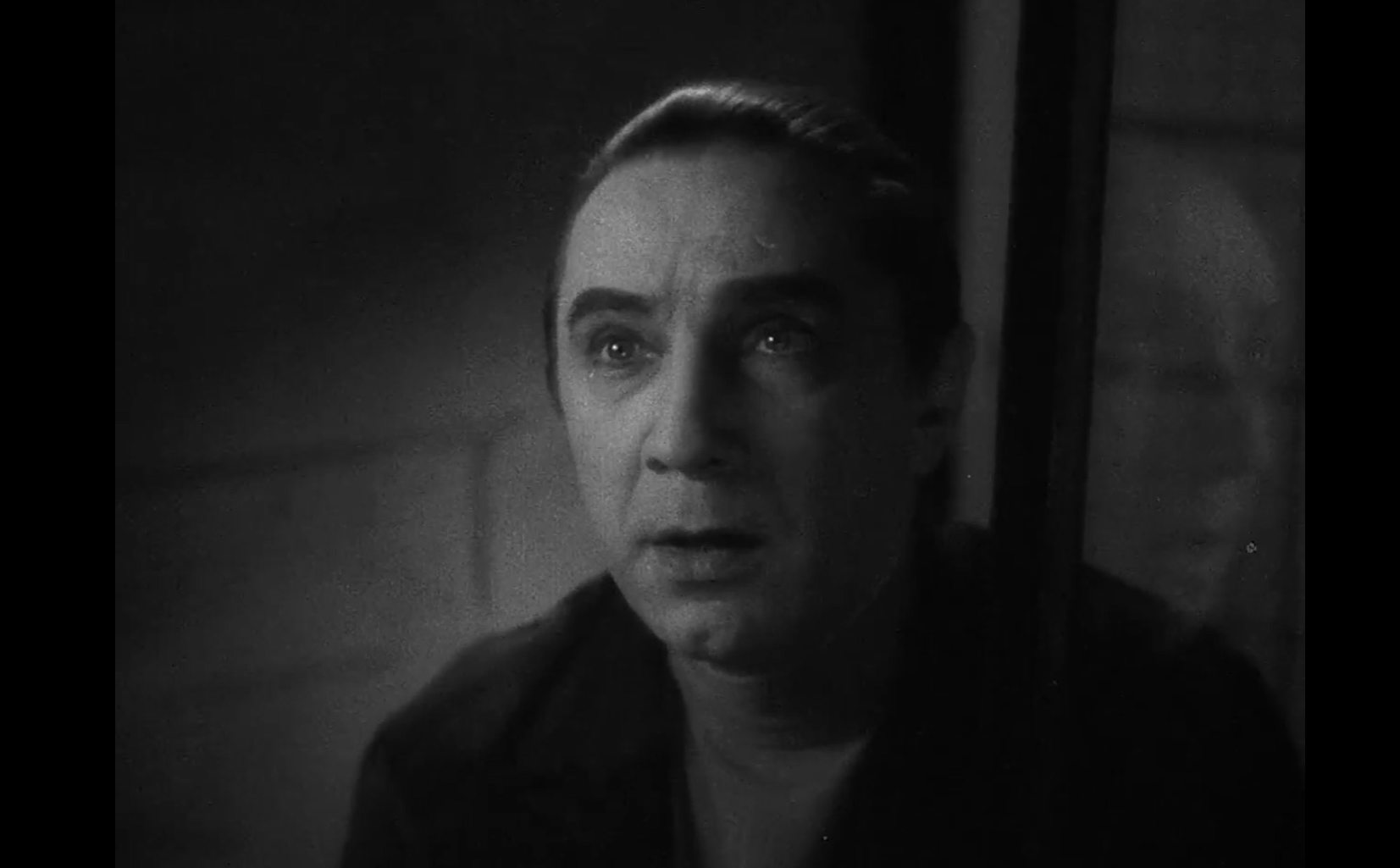
  • Bela Lugosi — in what is considered by many to be his finest role — as Dr. Vitus Werdegast
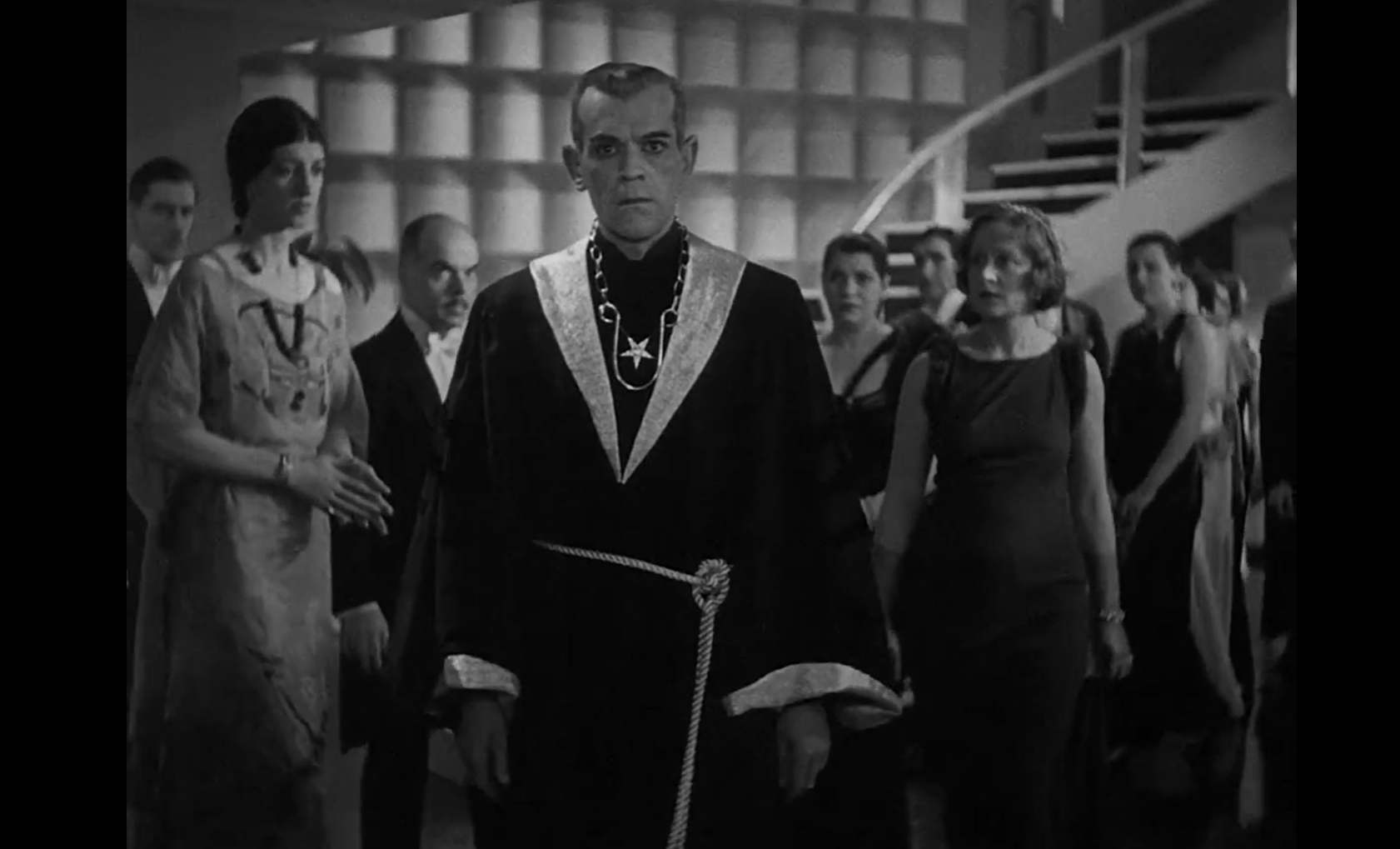
  • Boris Karloff’s firmly tongue-in-cheek performance as the lisping, strangely coiffed Hjalmar Poelzig (modeled after famed Satanist Aleister Crowley)
  • Spooky, atmospheric cinematography
  • Truly baroque set designs

  • Effective use of classical music in the score

Must See?
Yes. This odd cult film remains B-level director Edgar Ulmer’s finest achievement. Discussed at length in Peary’s Cult Movies 3 (1988).

Categories

  • Cult Movie
  • Important Director

(Listed in 1001 Movies You Must See Before You Die)

Links:

Pumping Iron (1977)

Pumping Iron (1977)

“I was always dreaming about very powerful people — dictators and things like that.”

Synopsis:
After training intensively all year long, bodybuilders Arnold Schwarzenegger and Lou Ferrigno battle for the title of Mr. Olympia.

Genres, Themes, Actors, and Directors:

  • Documentary
  • Masculinity
  • Sports

Response to Peary’s Review:
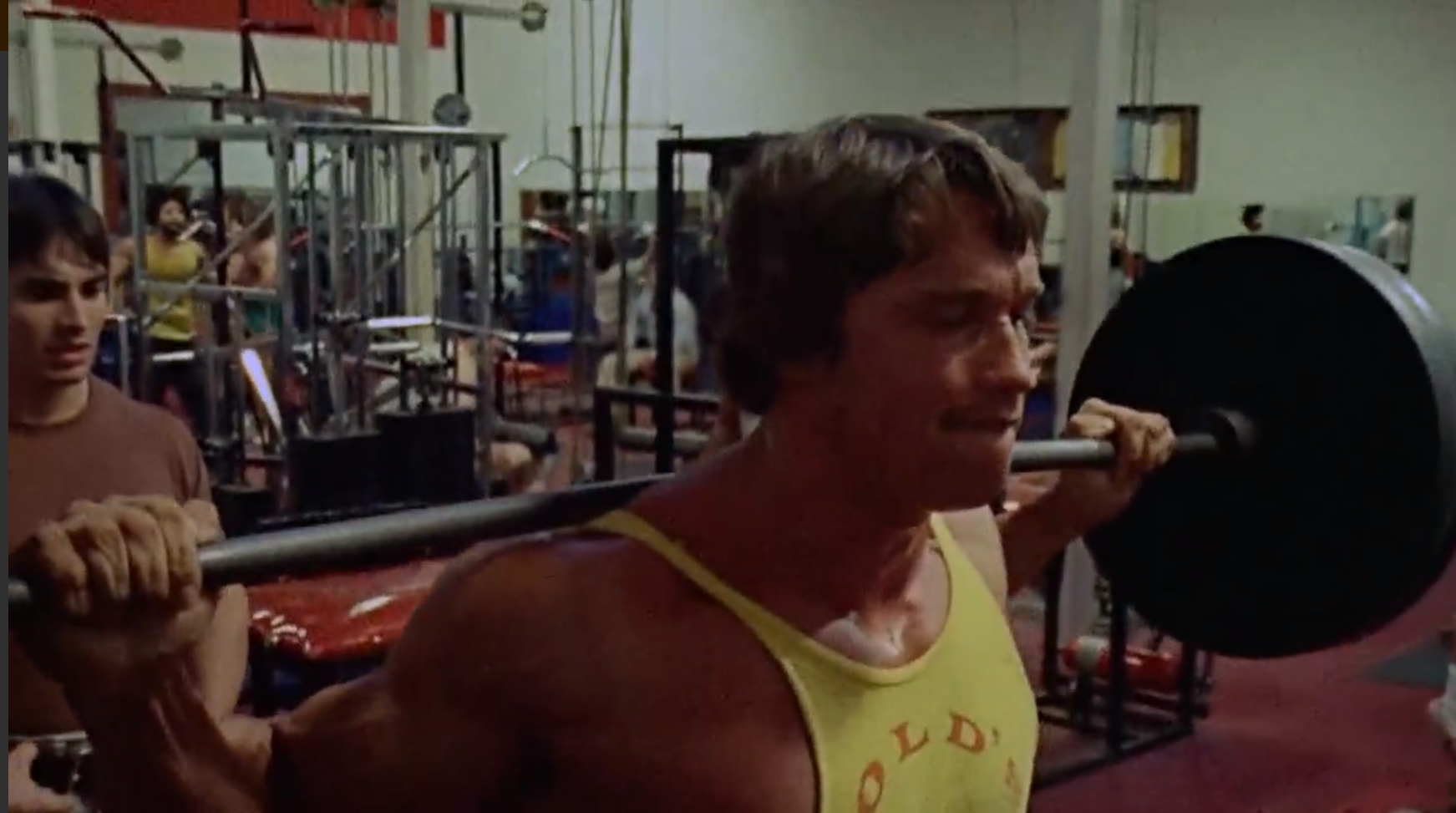
In his review, Peary is fairly dismissive of this documentary, noting that it was “largely responsible for the growth in body building in this country — reason enough for it to be banned.” These days, of course, the film holds special interest as an early look at California governor Arnold Schwarzenegger; it’s genuinely freaky hearing him talk about his dreams of power and “dictatorship”, knowing that he would eventually ascend to one of the most powerful positions in the country. Even more disturbing is witnessing him offering false advice to his competitors simply to give himself more of an edge; yet he’s so charismatic and intelligent we can’t help but root for him. Ultimately, it’s hard not to be fascinated by this inside look at a sports industry which holds dubious appeal but continues to flourish.

Redeeming Qualities and Moments:

  • An intriguing glimpse at an earlier era of competitive bodybuilding

Must See?
Yes, as a unique, in-depth look at both the little-understood subculture of bodybuilding, and Schwarzenegger’s pre-Terminator days.

Categories

  • Historically Relevant

Links:

File on Thelma Jordon, The (1950)

File on Thelma Jordon, The (1950)

“Maybe I’m just a dame and didn’t know it!”

Synopsis:
An unhappily married assistant D.A. (Wendell Corey) falls in love with a mysterious woman (Barbara Stanwyck) who shows up in his office one night. When Thelma Jordon (Stanwyck) is put on trial for killing her wealthy aunt (Gertrude Hoffman), Corey does everything he can to save her — but is she really worth the effort?

Genres, Themes, Actors, and Directors:

  • Barbara Stanwyck Films
  • Courtroom Drama
  • Femmes Fatales
  • Infidelity
  • Mistaken Identities
  • Murder Mystery
  • Robert Siodmak Films
  • Wendell Corey Films

Review:
In a variation on her most famous role (blonde Phyllis Dietrichson in 1944’s Double Indemnity), Barbara Stanwyck stars as a wily femme fatale leading a love-struck nudnik down a thorn-lined path. Yet Jordon is not nearly as duplicitous or evil as Dietrichson; her motives are gray rather than black, and we don’t get the sense that she is a true sociopath. Ironically, it’s this very lack of understanding about what makes Jordon tick that ultimately undoes the film, given that we don’t sympathize with either her dilemma or Corey’s. In addition, we must suffer through several unbearably dated scenes in which Marshall’s sympathetic, beautiful 1950s wife (well-played by Joan Tetzel) forgives her husband for his indiscretions, and basically implies that it wasn’t his fault for straying from their marriage. Nonetheless, while Thelma Jordon isn’t among director Robert Siodmak’s best work, it remains a reasonably enjoyable noir thriller — thanks in large part to the fine performances and atmospheric direction.

Redeeming Qualities and Moments:

  • Wendell Corey as the love-struck Assistant D.A.
  • Barbara Stanwyck’s strong performance as the deceitful Thelma Jordon
  • Atmospheric direction by noir master Robert Siodmak

Must See?
No, though any fans of noir, Barbara Stanwyck, and/or Robert Siodmak will undoubtedly want to check it out.

Links:

Lost One, The / Der Verlorene (1951)

Lost One, The / Der Verlorene (1951)

“Debts must be paid.”

Synopsis:
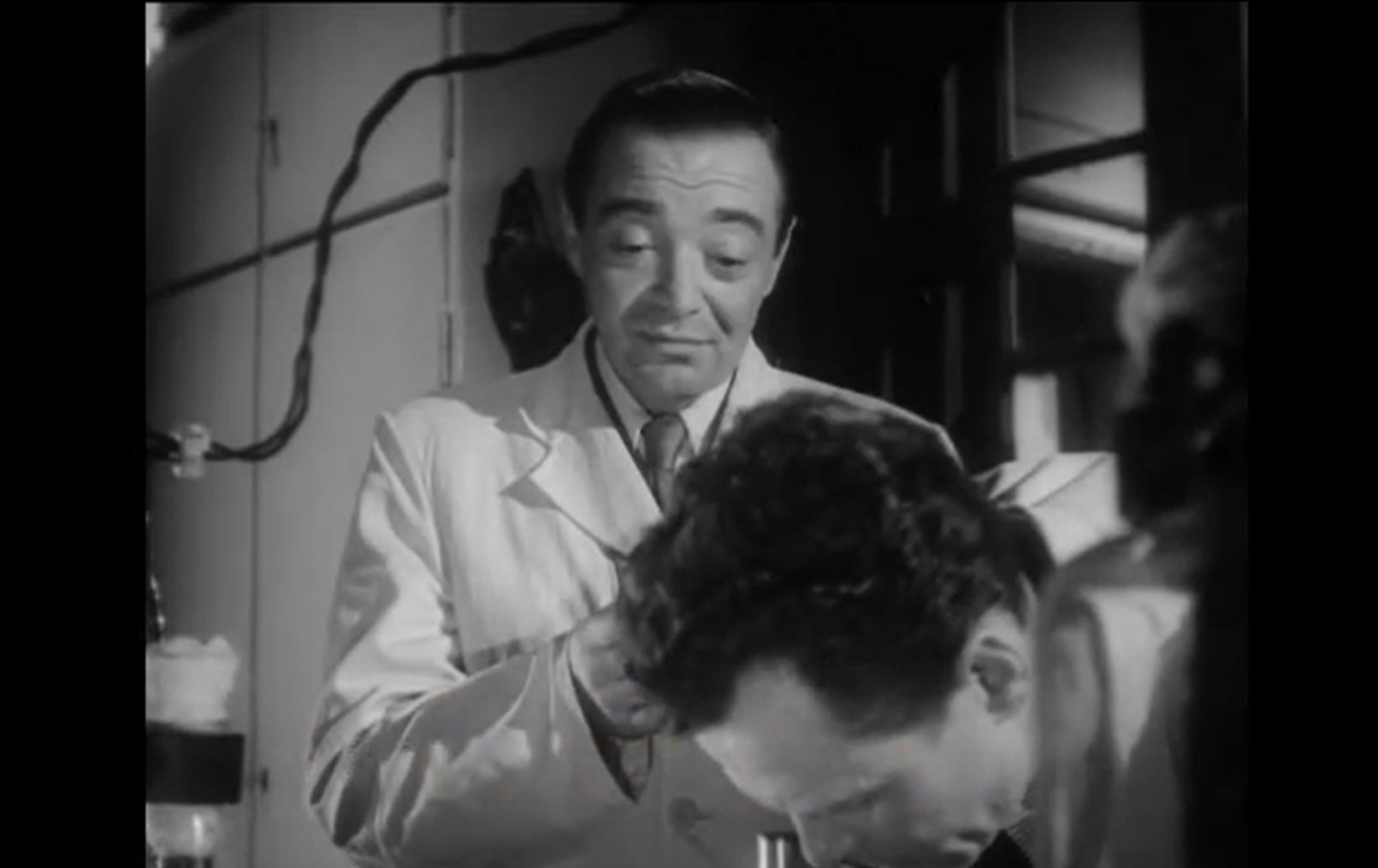
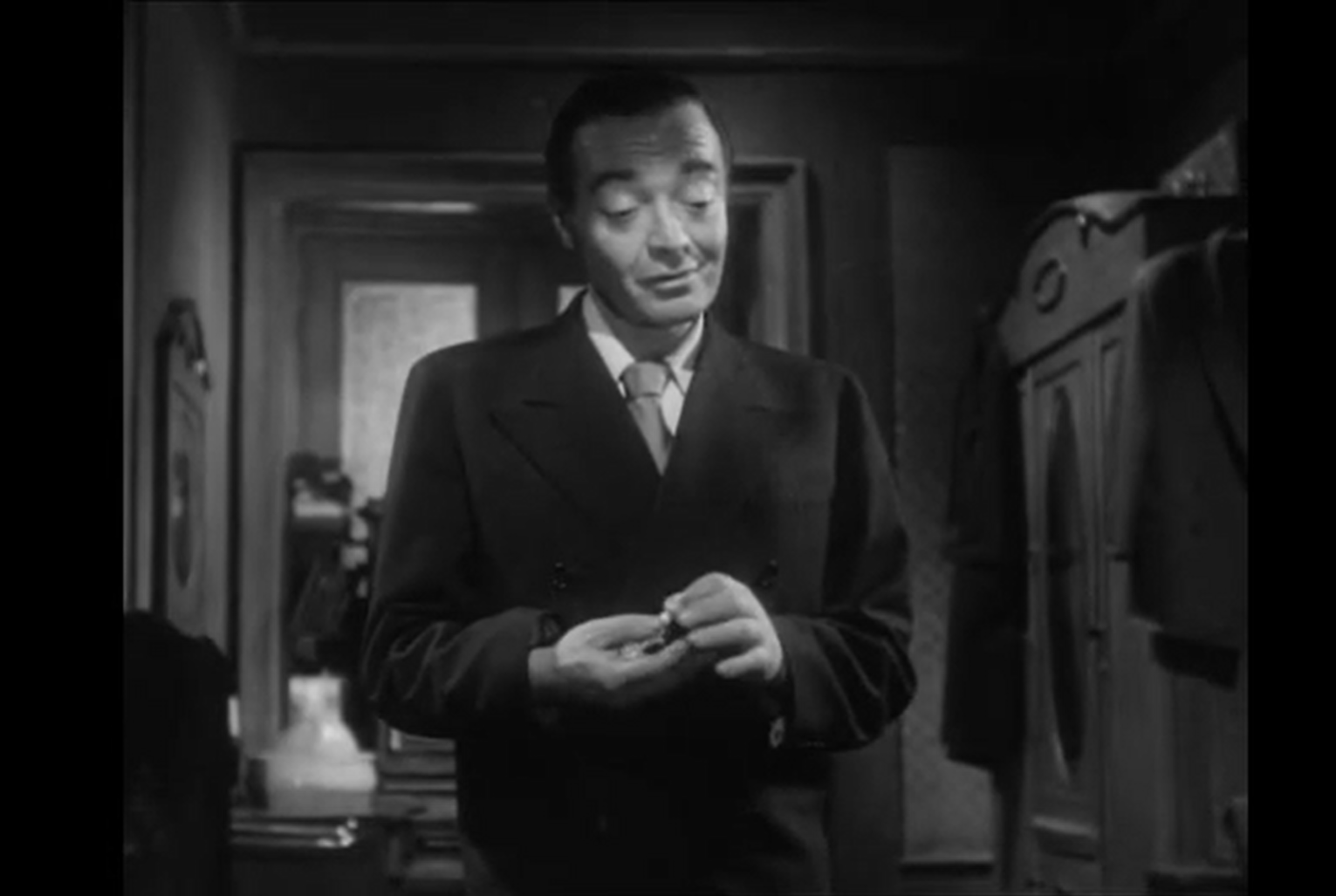
A German scientist (Peter Lorre) during WWII murders his fiancee (Renate Mannhardt) when he finds out she has slept with his colleague (Karl John) and leaked information about their work to the Allied forces. He soon finds himself unable to resist killing again, and vows to hunt down John, in order to end the cycle of violence.

Genres, Themes, Actors, and Directors:

  • Character Studies
  • Flashback Films
  • German Films
  • Nazis
  • Peter Lorre Films
  • Revenge
  • Scientists
  • Serial Killers
  • World War II

Response to Peary’s Review:
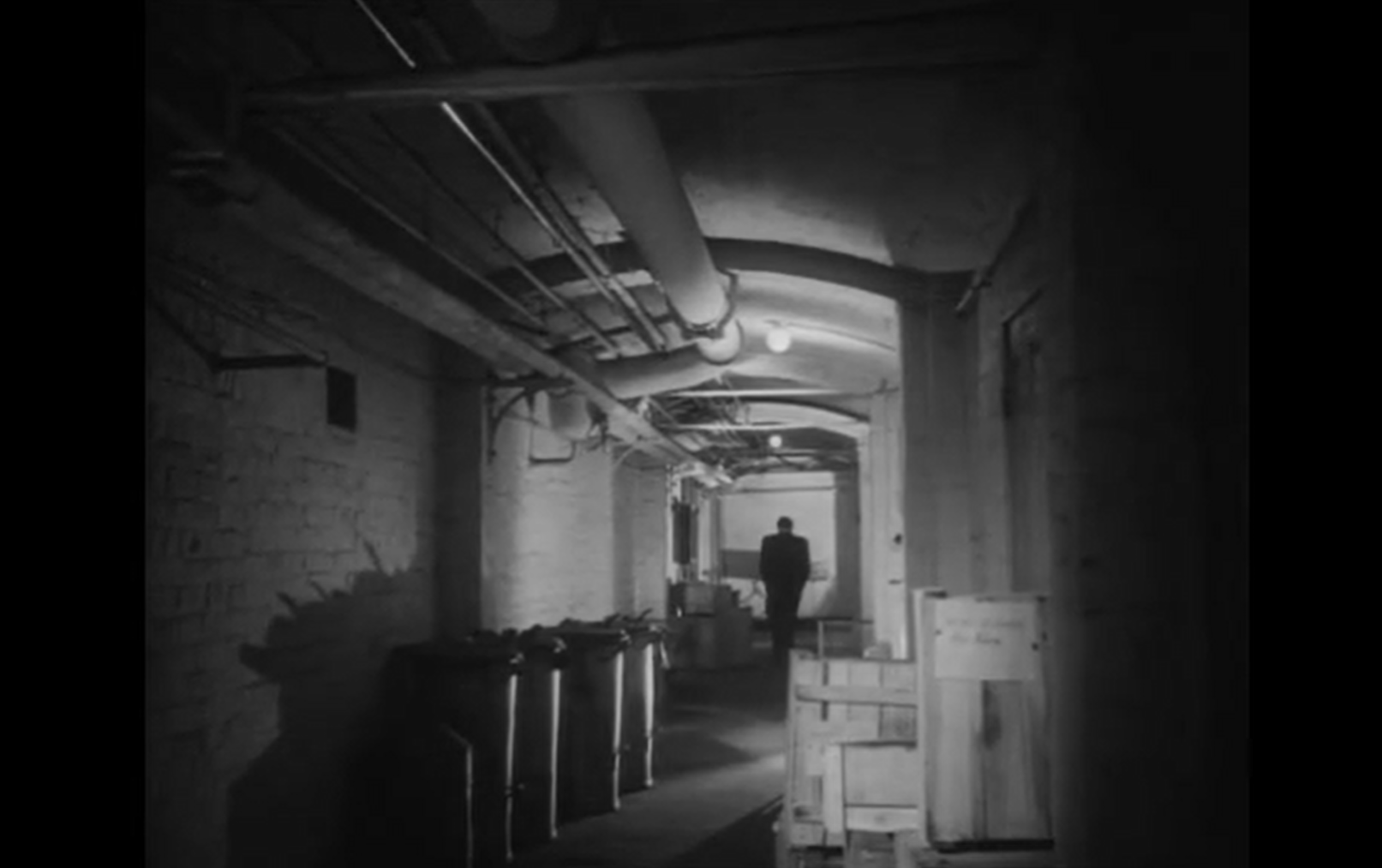
As Peary notes, this “very peculiar” movie — Peter Lorre’s sole directorial effort, filmed in Germany — “takes a while to get started” but makes for interesting and provocative viewing. Lorre “combines realism… and expressionism” in what amounts to an “extremely impressive” visual style — evidence of his sadly underused talent. As pointed out by Peary and other reviewers, Lorre’s chain-smoking Dr. Rothe:

— a variation on the many other murderous, neurotic characters he played over the years — could be seen as symbolizing “Germany’s collective guilt during the postwar era”. Just as Hitler brainwashed most Germans into believing they had the moral right to abuse their non-gentile neighbors (eventually culminating in their complicit acceptance of mass genocide), it is the Gestapo’s convenient cover-up of Rothe’s initial impulse-murder which leads him down the slippery slope of increasingly frequent homicidal urges: if one was so easy, why not commit more?

Unfortunately, we never really learn why Rothe feels such impulses to kill; he doesn’t appear to be psychopathic (he’s too guilt-ridden for this), and any “issues” he may hold with women (who are inexplicably drawn to him, again and again) aren’t sufficiently explored. In addition, the film suffers from a rambling narrative which “takes some unnecessary turns” — at one point Rothe “stumbles on the collaborators of a Hitler-assassination plot”, which has nothing to do with the primary story, and simply confuses viewers. Despite these flaws, however, Der Verlorene — unreleased in the United States until 1985 — remains fascinating viewing.

Redeeming Qualities and Moments:

  • Peter Lorre’s understated yet masterful performance as the guilt-ridden doctor
  • Fine performances by each of the supporting actresses in the cast

  • Karl John as Hosch, Lorre’s dangerously arrogant colleague
  • Atmospheric direction and cinematography

Must See?
Yes. While it’s not a perfect film, The Lost One is evidence of Lorre’s sadly underused talent as a director.

Categories

  • Historically Relevant

Links:

Harp of Burma (1956)

Harp of Burma (1956)

“I cannot leave the bones lying scattered on the hills.”

Synopsis:
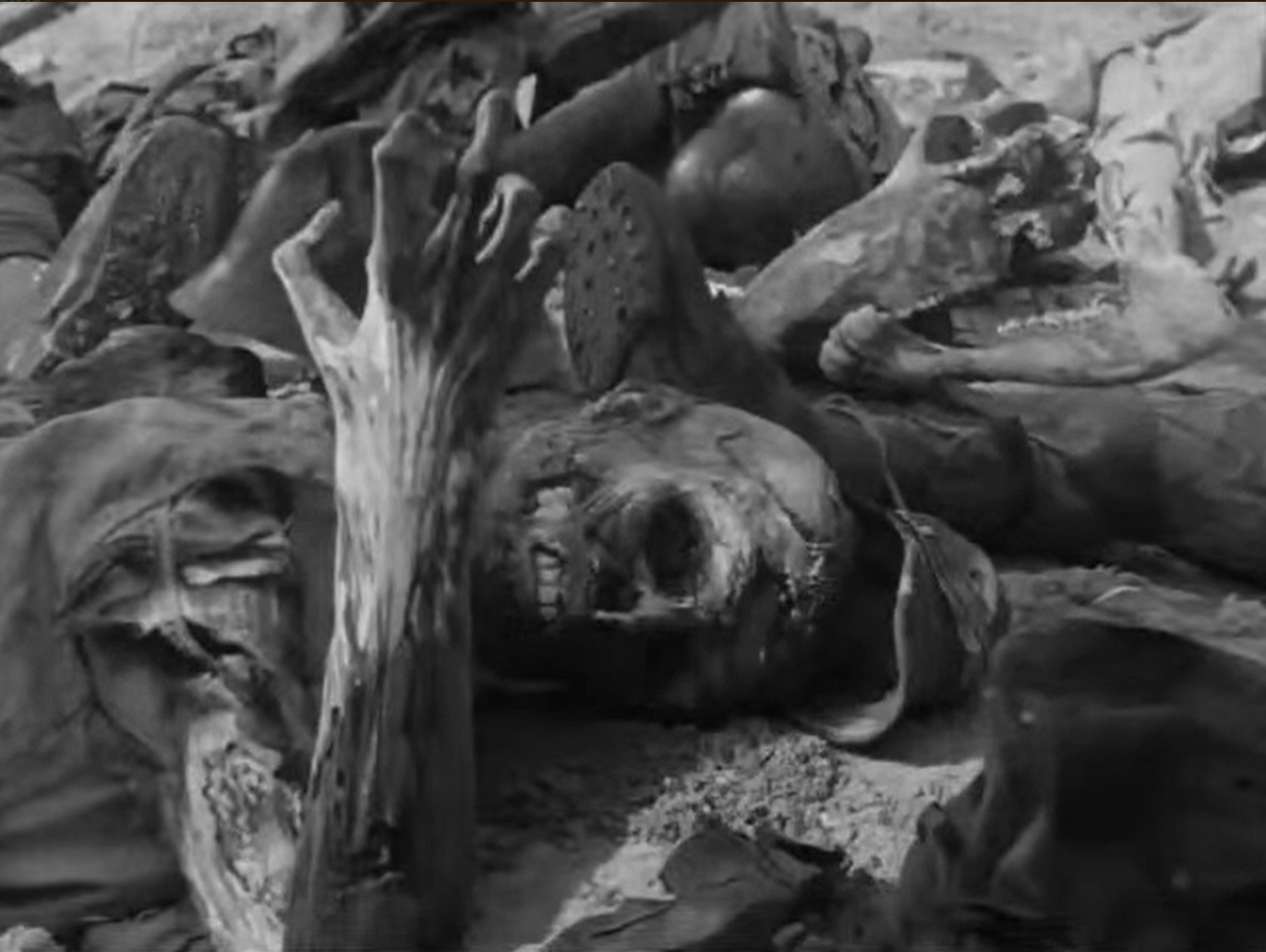
At the end of World War II, a Japanese soldier (Shoji Yasui) in Burma is sent to inform another unit that Japan has surrendered; however, the unit refuses to stop fighting, and everyone but Yasui is killed. Devastated, Yasui pretends to be a Buddhist monk and wanders the countryside, burying and paying honor to the dead. In the meantime, his platoon leader (Rentaro Mikuni) conducts an intensive search for the missing soldier.

Genres, Themes, Actors, and Directors:

  • Character Studies
  • Japanese Films
  • Kon Ichikawa Films
  • Mistaken or Hidden Identities
  • Search
  • Soldiers
  • World War II

Review:
Harp of Burma (also known as The Burmese Harp) was Japanese director Kon Ichikawa’s first successful film in America, and remains one of his most accessible movies to date. After a somewhat hokey beginning — in which we are introduced to a Japanese platoon in the final stages of WWII which sings to keep its spirits up — the story quickly becomes more interesting, as Yasui is plunged into an existential crisis and begins his spiritual journey. At this point, Harp of Burma turns into a character study, with Yasui symbolizing veterans everywhere who must find a way to cope with the impossible reality of random death all around them. Rather than retreating into anger, denial, or masochistic behavior, Yasui chooses a path of healing and reflection; in the meantime, his loyal platoon leader (Mikuni) is obsessed with finding the missing soldier, who has become nearly a mythical figure to his fellow soldiers. Ichikawa thus shows us two divergent, yet equally relevant, approaches to dealing with the chaos and loss of war: Yasui honors the dead (who deserve attention and respect), while Mikuni focuses on preserving the living — who will ultimately be responsible for creating a new, post-war Japan.

Redeeming Qualities and Moments:

  • Yasui as the harp-playing soldier struggling to make sense of the devastation around him
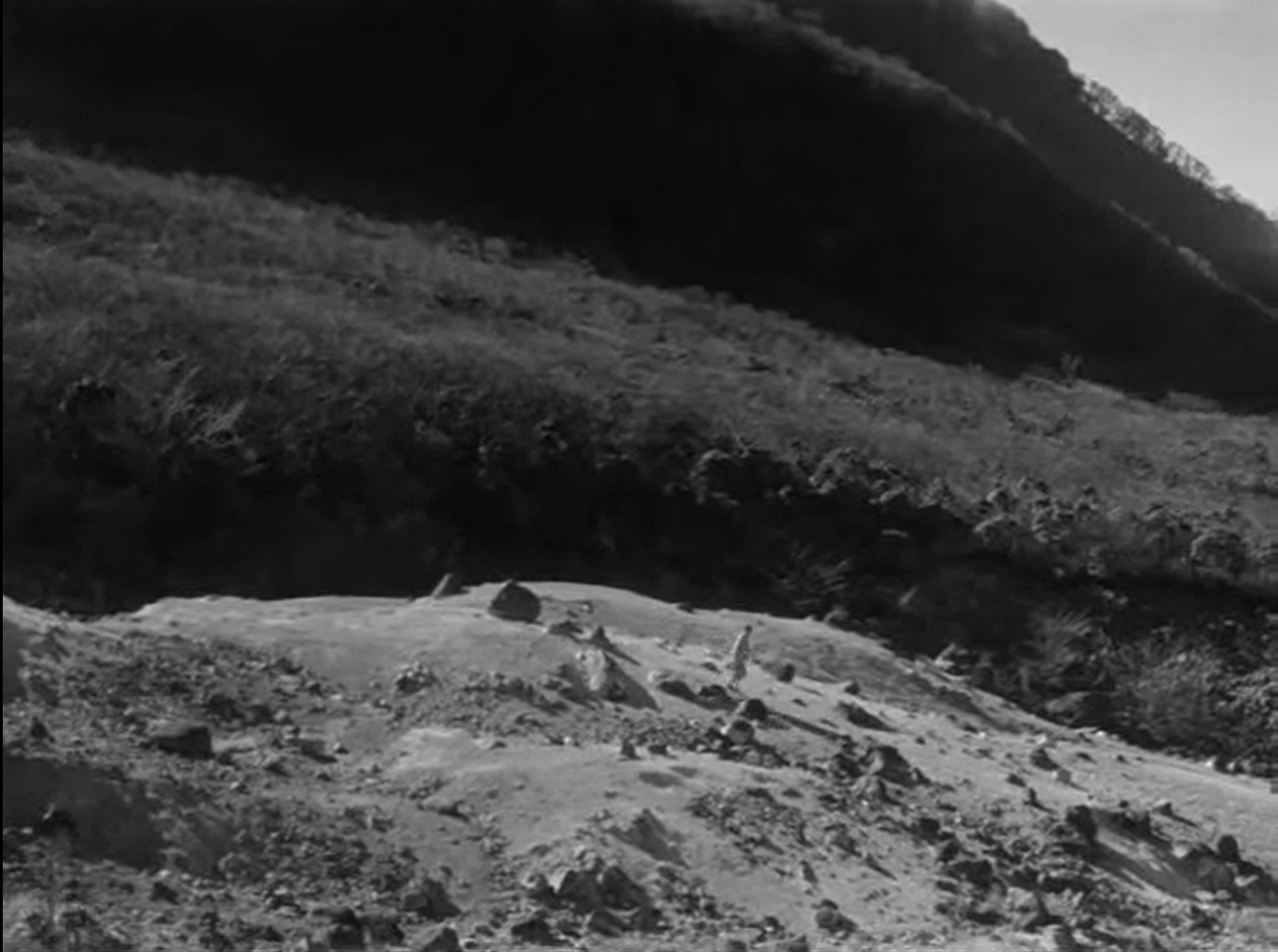
  • Beautiful cinematography of the war-torn Burmese landscape

  • A powerful and unique depiction of post-war trauma leading to spiritual awakening

Must See?
Yes. Along with Ichikawa’s Fires on the Plain (1959), this remains one of the best cinematic reflections on post-war devastation.

Categories

  • Foreign Gem
  • Important Director

(Listed in 1001 Movies You Must See Before You Die)

Links:

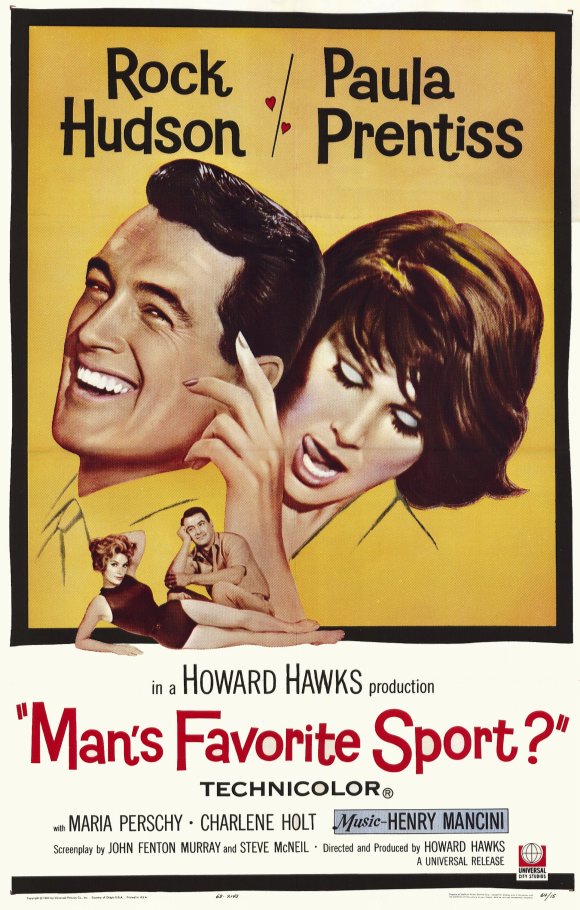
Man’s Favorite Sport? (1964)

Man’s Favorite Sport? (1964)

“I’m wondering what it would be like if I kissed you.”

Synopsis:
Bestselling fishing expert Roger Willoughby (Rock Hudson) is asked by publicist Abigail Page (Paula Prentiss) to participate in a fishing contest. When Abigail discovers that Roger has never actually been fishing, she gives him private lessons, and finds herself falling hopelessly in love.

Genres, Themes, Actors, and Directors:

  • Battle of the Sexes
  • Howard Hawks Films
  • Mistaken or Hidden Identities
  • Paula Prentiss Films
  • Rock Hudson Films
  • Romantic Comedy
  • Sports

Review:
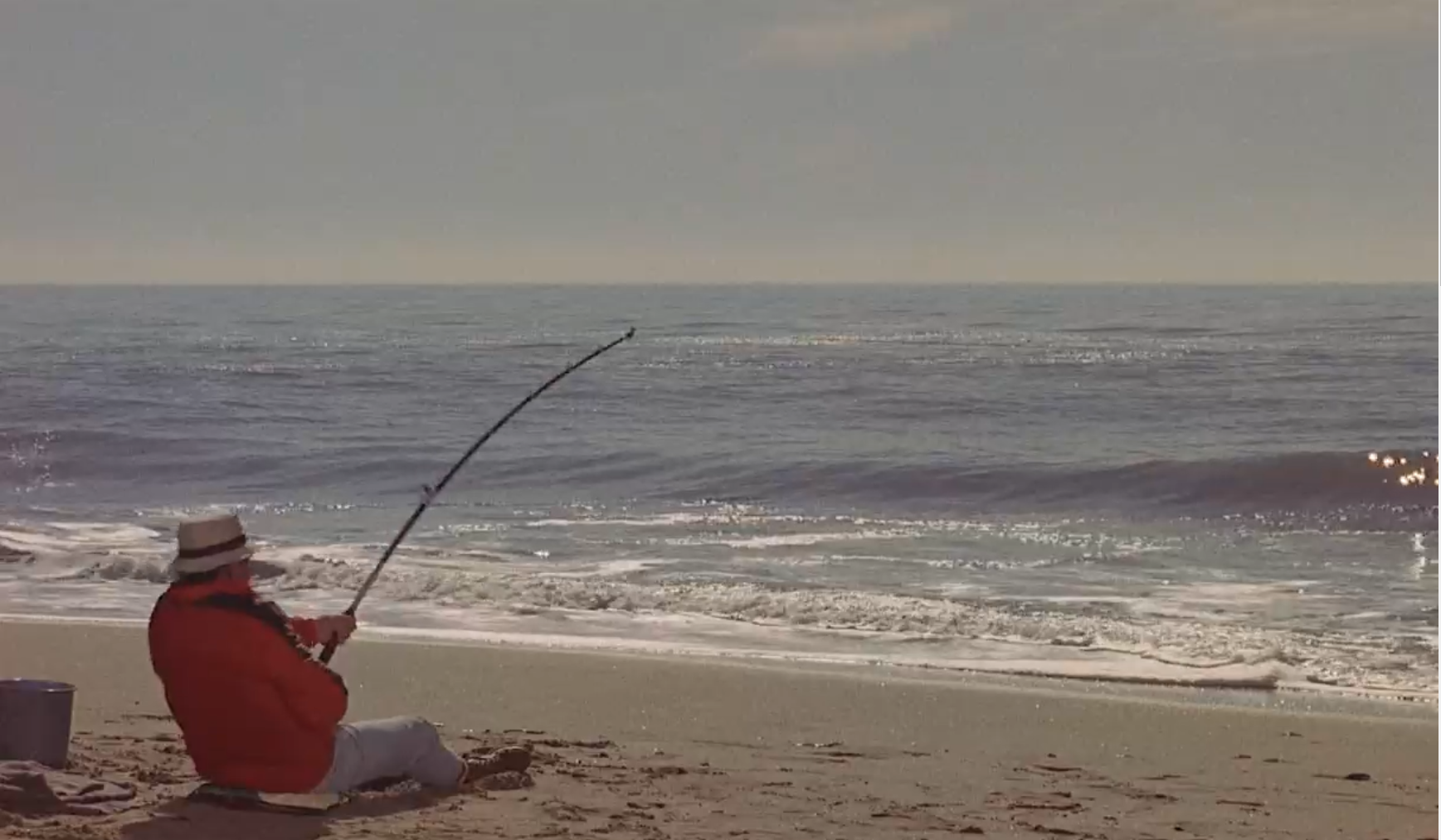
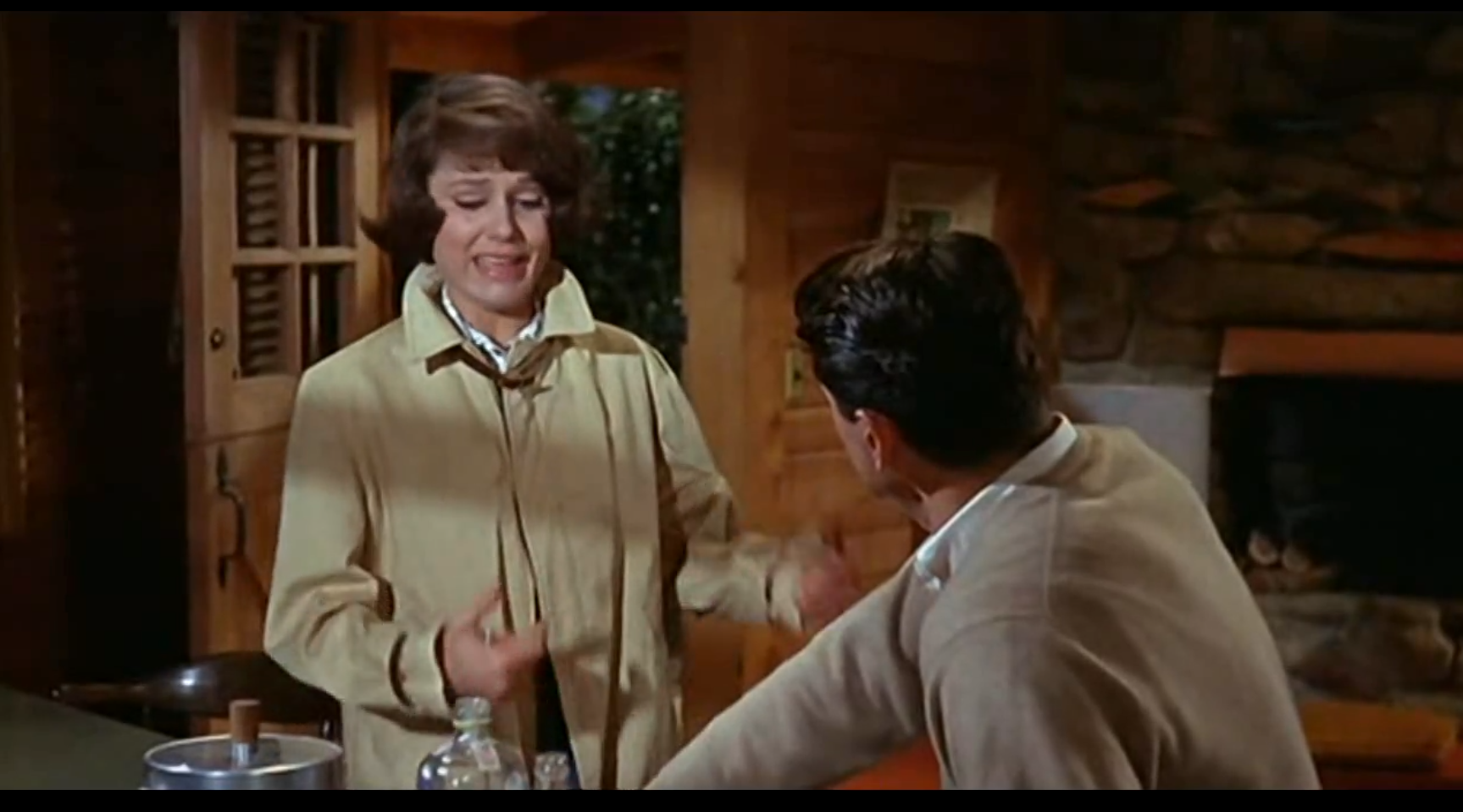
Howard Hawks’ final screwball comedy met with tepid reviews upon its release, and remains one of his lesser efforts: the premise is silly, the humor is inconsistent, and there isn’t much chemistry between Hudson and Prentiss. With that said, however, the movie benefits greatly from Prentiss’s energetic performance; indeed, although Peary doesn’t review Man’s Favorite Sport? in GFTFF, he gives it special attention in his Alternate Oscars book, where he votes for Prentiss’s performance as the best by any actress in 1964. Peary notes that Abigail “covers her insecurities by acting aggressively,” and that she “is her own worst enemy” — much like Geena Davis’s Muriel Pritchett in The Accidental Tourist (1988). Indeed, the two tall, lanky brunettes bear more than a passing resemblance to each other, given that Davis has suffered from a similar dearth of appropriate roles. Prentiss unfortunately never really found her niche in Hollywood, but this film remains one her finest on-screen triumphs, and is worth watching for this reason alone.

Redeeming Qualities and Moments:

  • Prentiss’s performance — she’s always great fun to watch
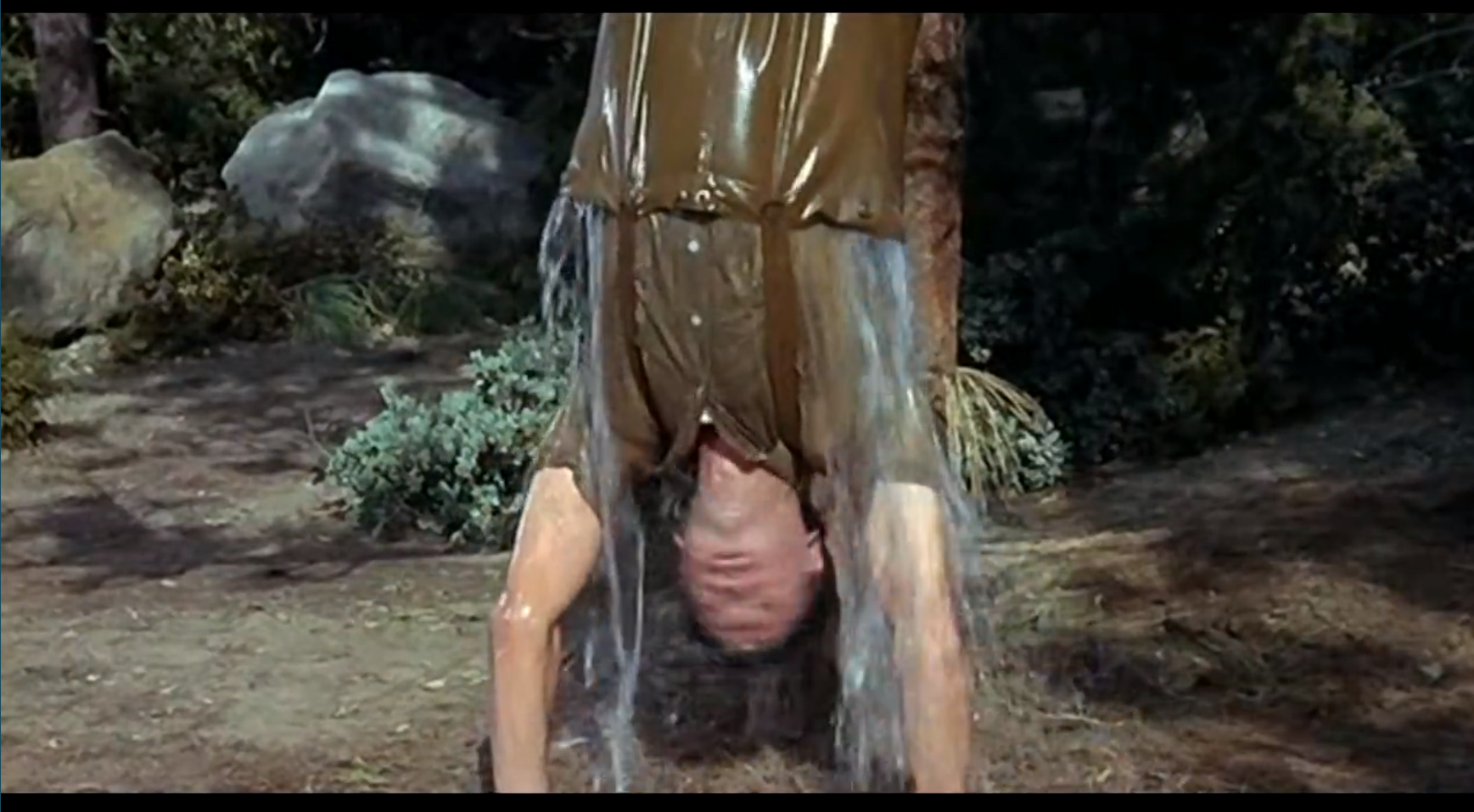
  • Hudson’s inflatable “waders” exploding underwater
  • Some hilarious overlapping dialogue (Hawks’s trademark)

Must See?
Yes. While it’s uneven, this cult film is redeemed by Prentiss’s stand-out performance, and improves upon repeat viewings.

Categories

  • Cult Movie
  • Important Director
  • Noteworthy Performance(s)

Links: