Flashdance (1983)
“You go out there and the music starts, and you begin to feel it, and your body just starts to move.”
|
Synopsis: |
|
Genres:
Response to Peary’s Review: Redeeming Qualities and Moments:
Must See? Links: |
“You go out there and the music starts, and you begin to feel it, and your body just starts to move.”
|
Synopsis: |
|
Genres:
Response to Peary’s Review: Redeeming Qualities and Moments:
Must See? Links: |
“There’s good people in the world, and there’s the other kind — the kind that go away.”
|
Synopsis: |
|
Genres:
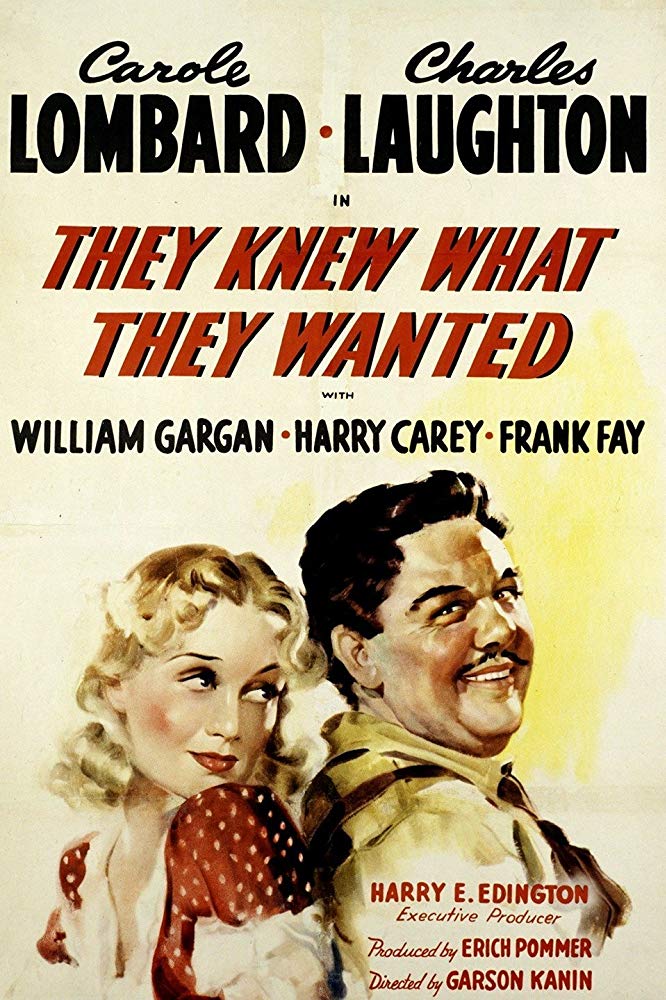
Review:
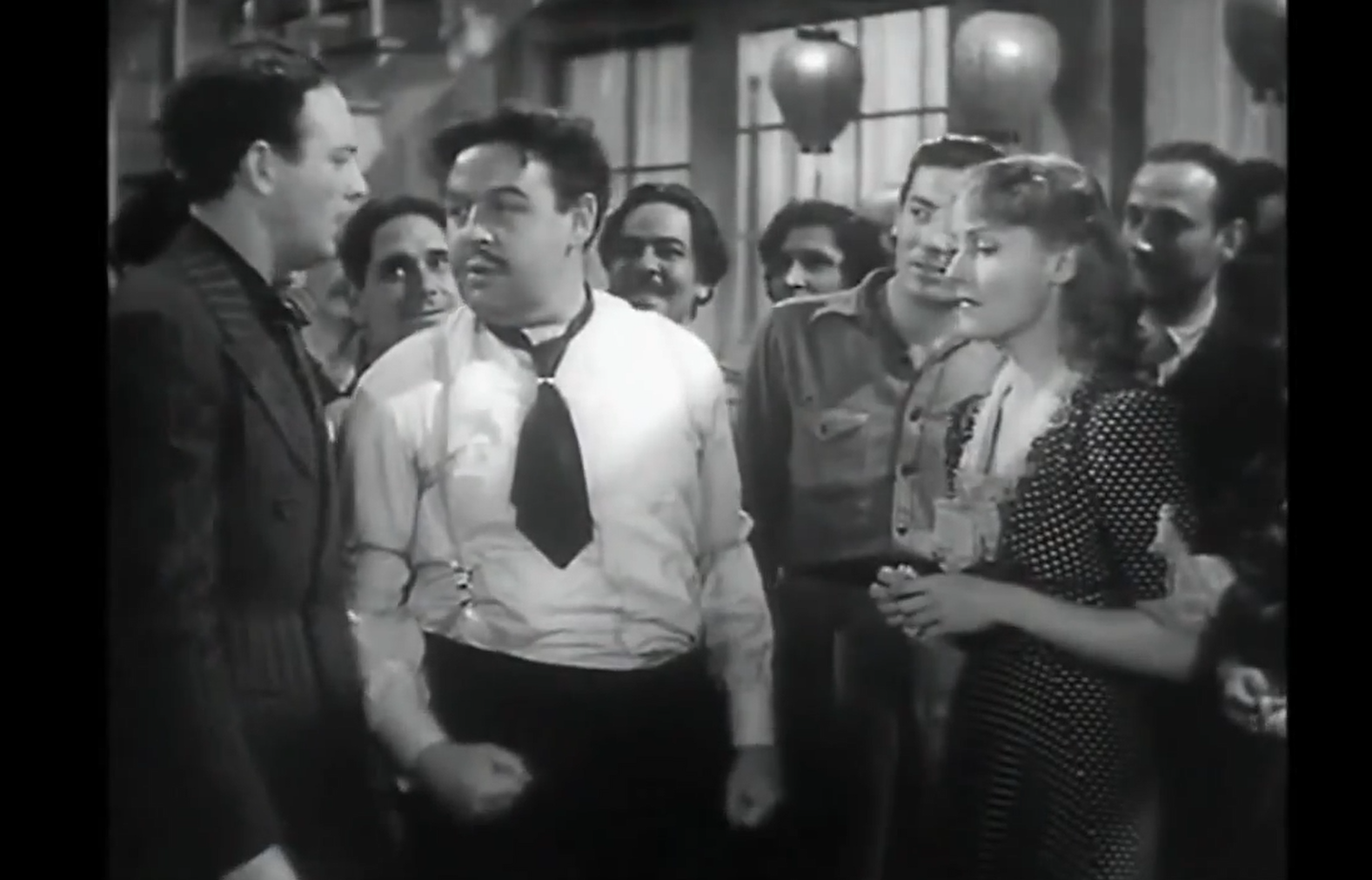
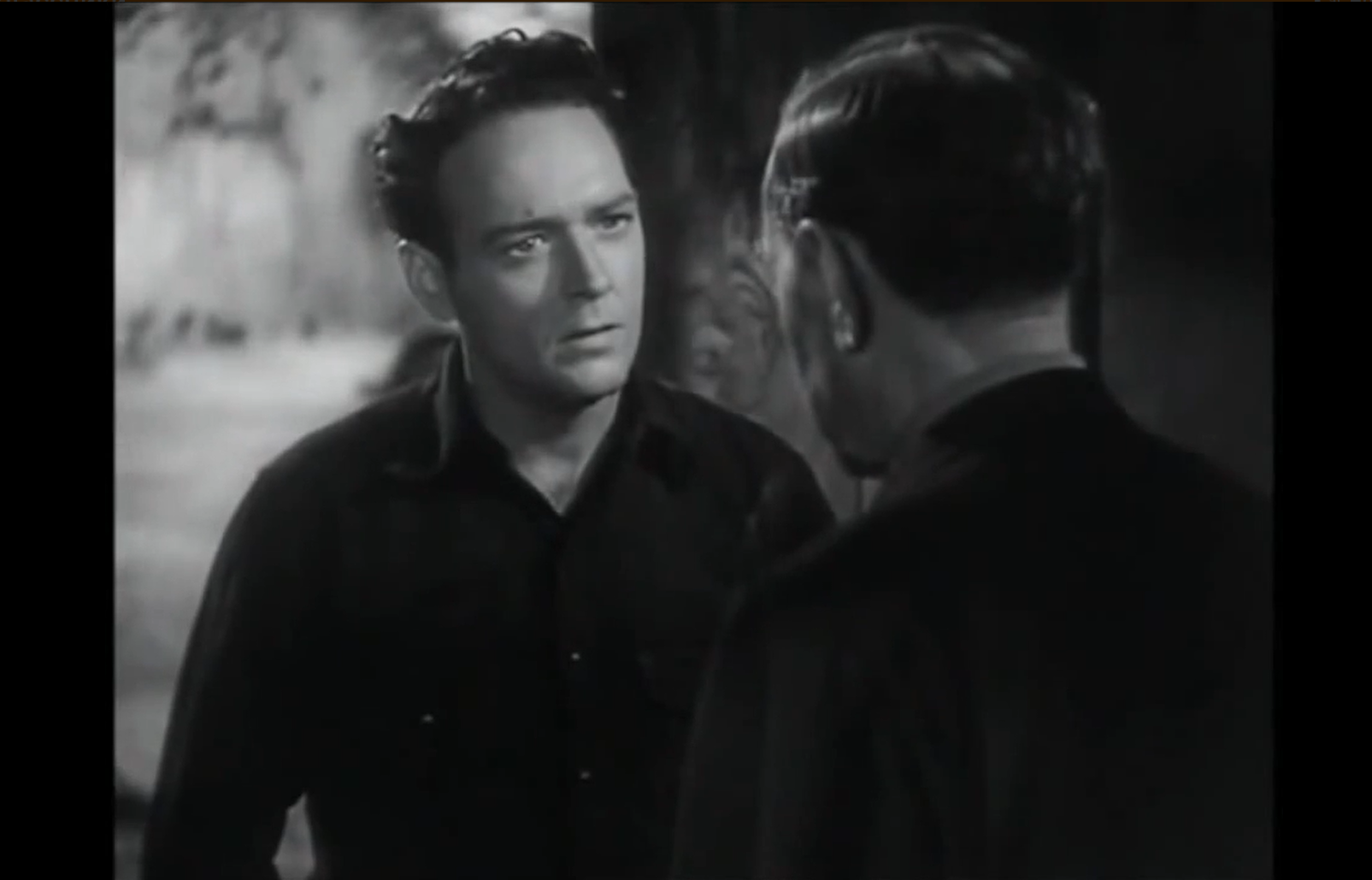
He makes a few key mistakes early on out of social anxiety, and things spiral from there, thanks to Lombard’s vulnerability and the presence of womanizing Gargan. Lombard tries her best with her challenging role, and Gargan is fine as a casual cad:
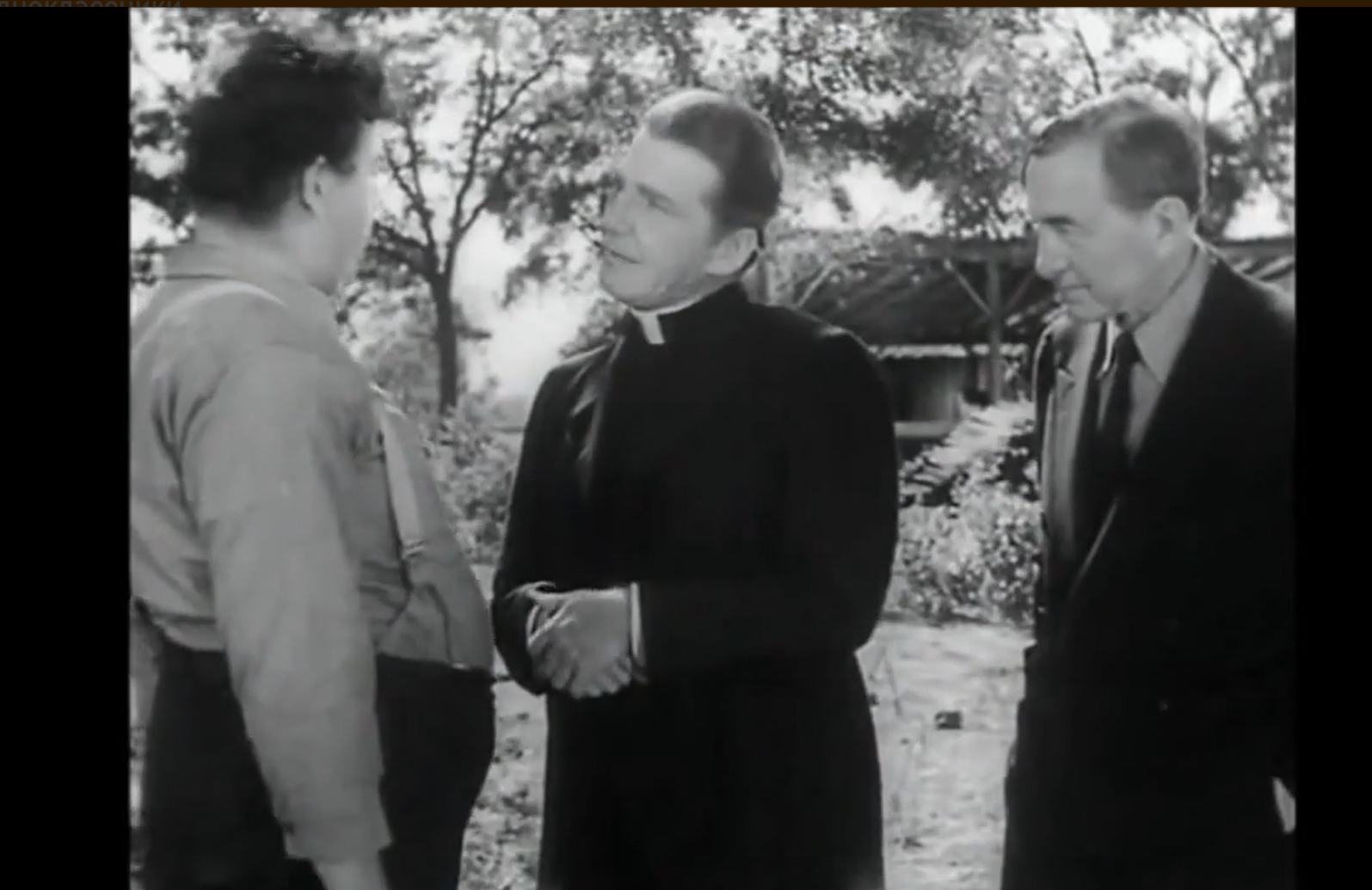
… but Frank Fay’s portrayal as a noble local priest simply piles on the schmaltz.
While we’re happy to see these individuals showing true generosity of spirit by the end of the film, there isn’t much authentic satisfaction in the outcome. I’m sure this was an audience-pleaser in its day, but it’s not must-see viewing at this point. Redeeming Qualities and Moments:
Must See? Links: |
“My business is with the principles of law. I can’t allow myself to get mixed up in these little local affairs.”
|
Synopsis: |
|
Genres:
Review:
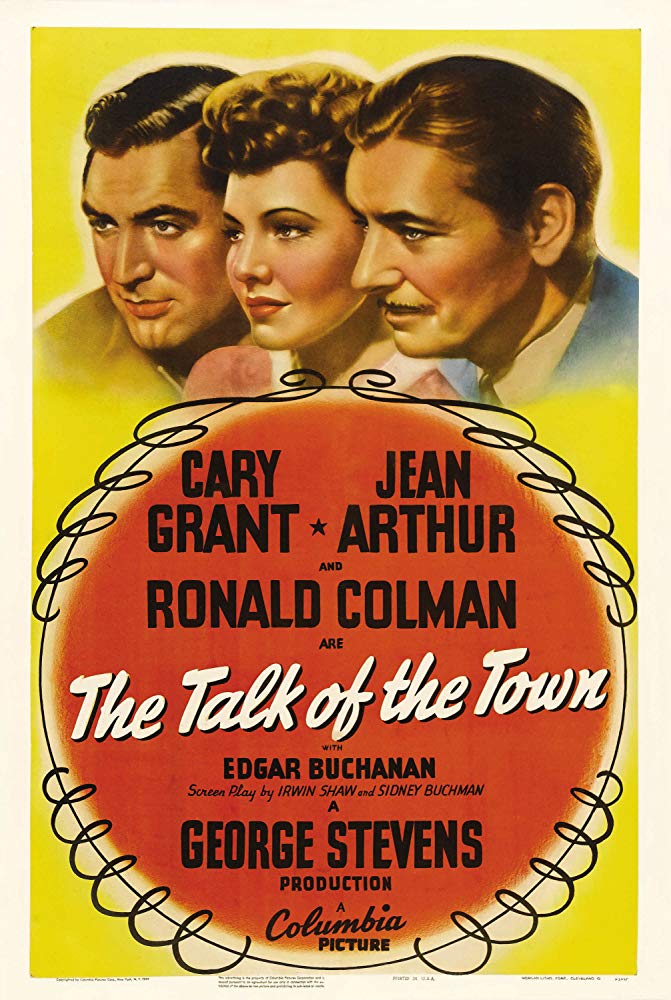
Indeed, the screenplay sets these characters up so predictably that all that’s left is a sense of curiosity about who Arthur will choose as her romantic partner — something apparently even the screenwriters themselves were uncertain about (two endings were filmed, and audience reactions helped to make the final choice).
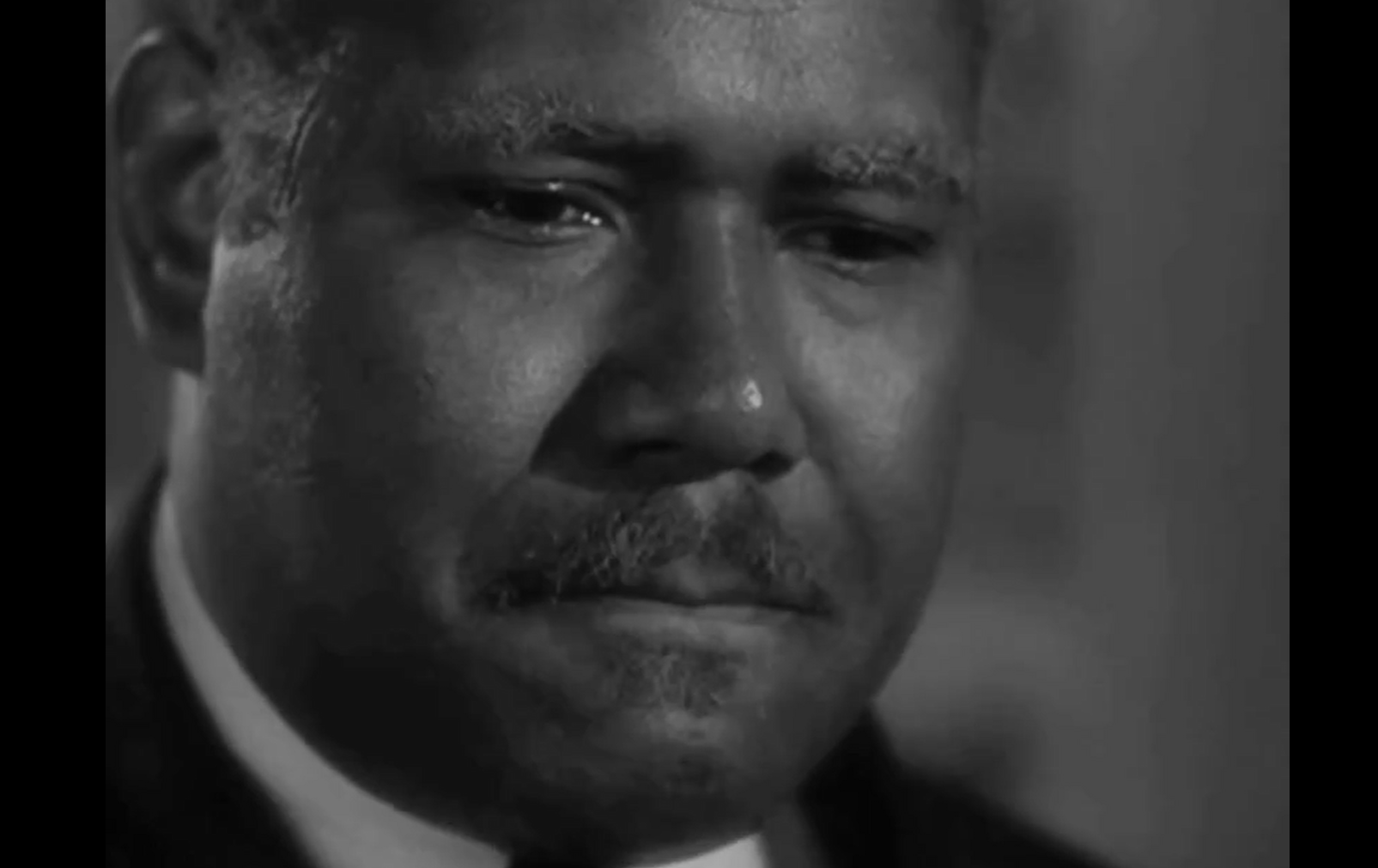
Rex Ingram is given a thankless role as Colman’s loyal butler, shedding a long, slow tear for him when he decides to shave off his beard (?!); it’s small comfort that, as Savant writes, “He’s not used for a single laugh, which is very progressive for a 1942 picture.” Okay — but this is a long stretch down from his memorable, larger-than-life role in The Thief of Bagdad (1940).
Redeeming Qualities and Moments:
Must See? Links: |
“There are no better men than Paul Roeder.”
|
Synopsis: |
|
Genres:
Review:
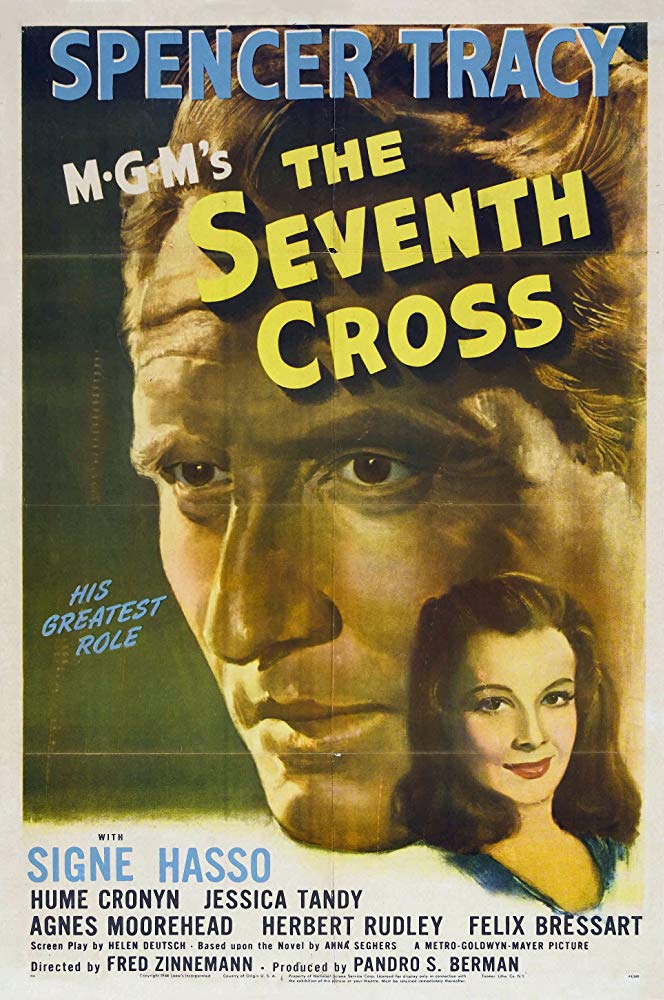
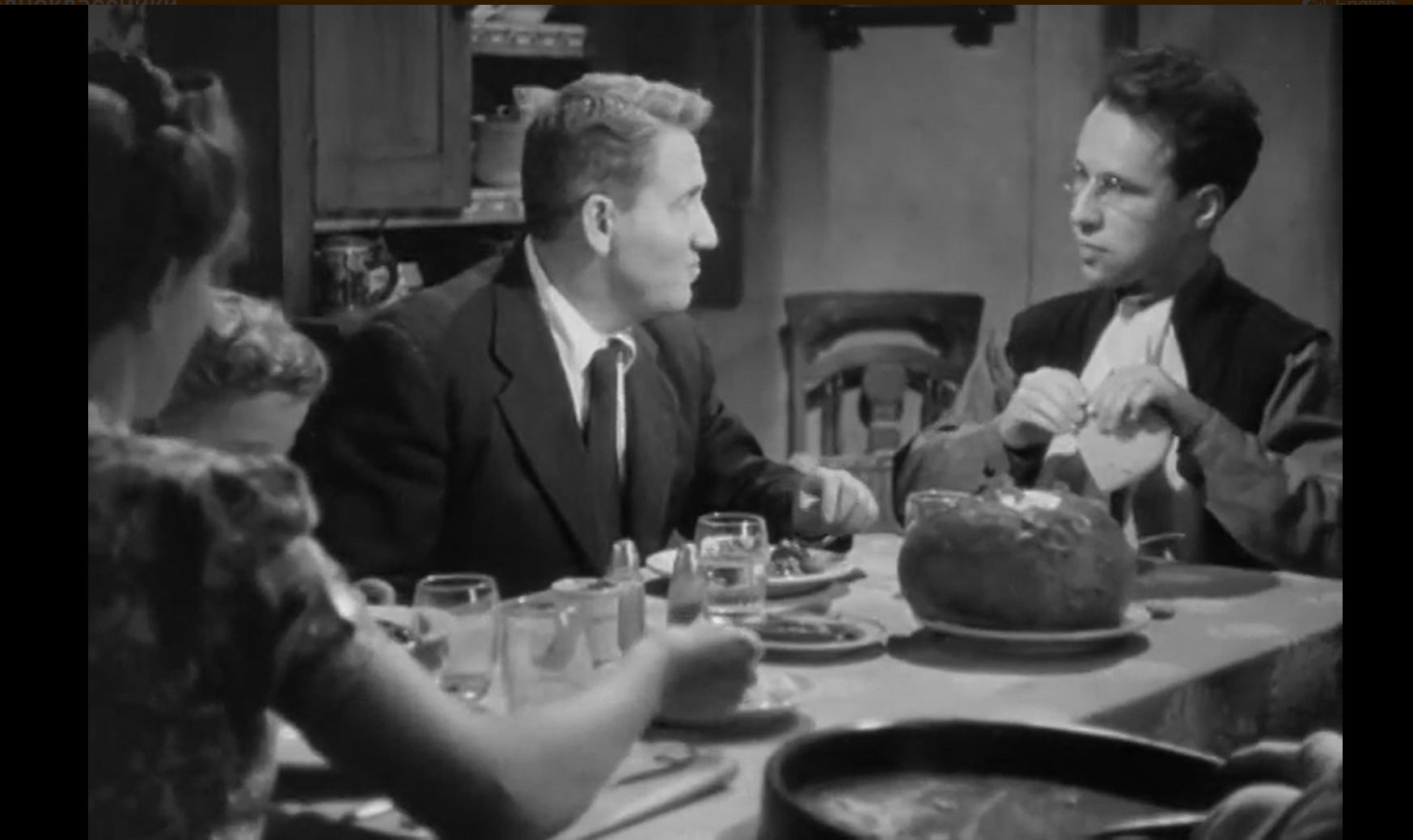
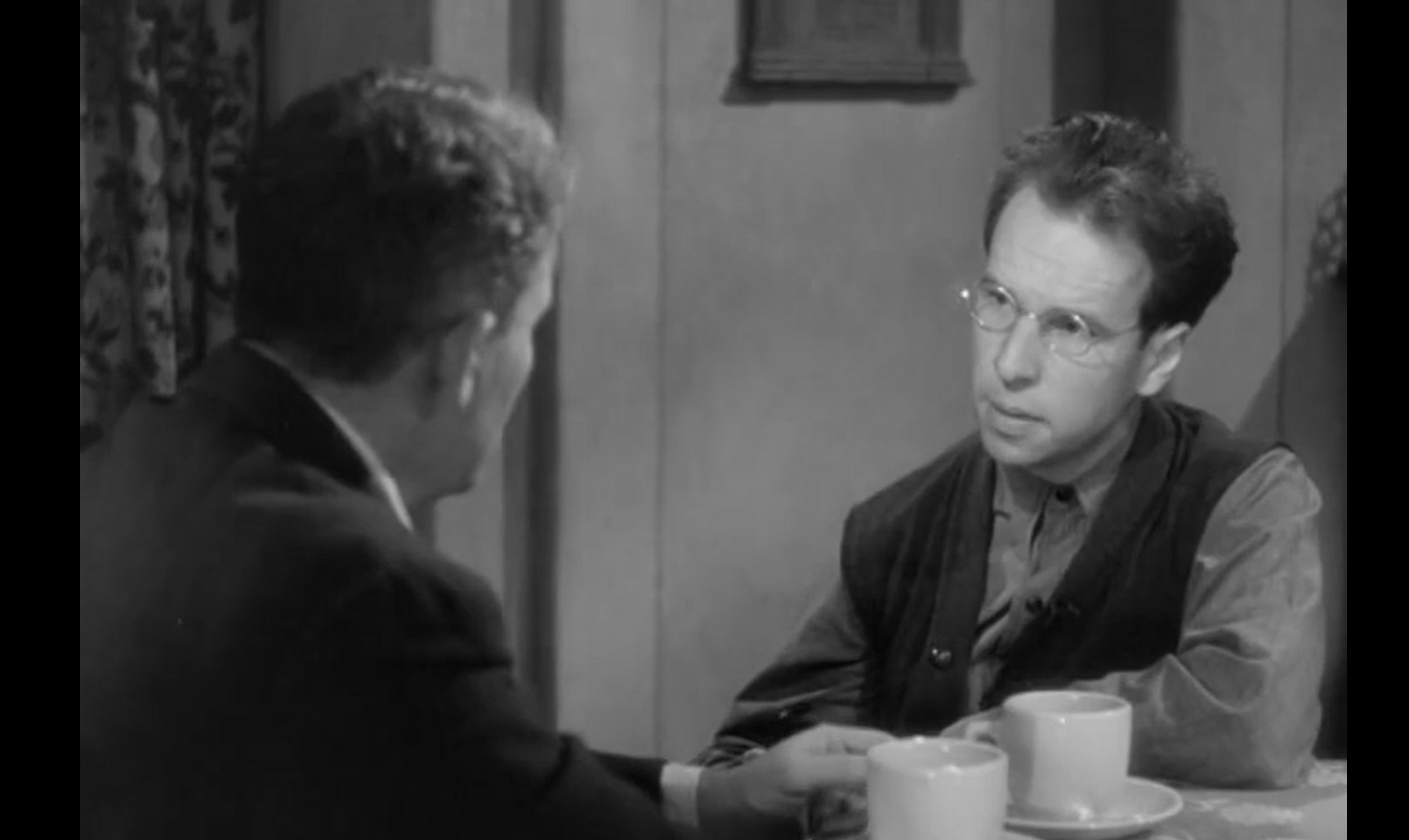
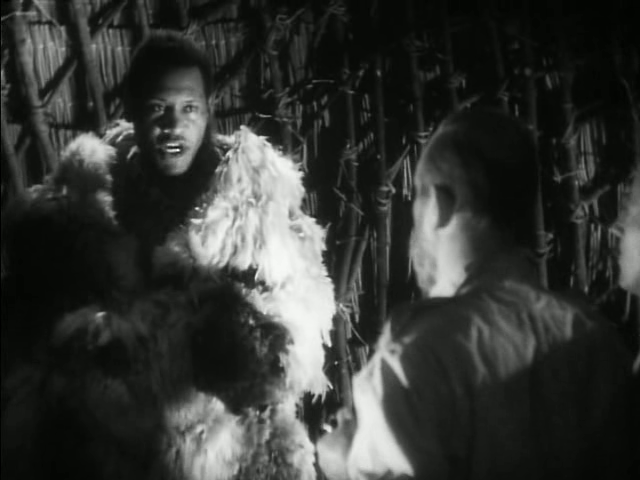
… but it’s married actors Hume Cronyn and Jessica Tandy who give the most memorable performances, playing a loving couple with young children who are happy about their country’s economic progress but suitably distressed as they learn about the horrors their friend (Tracy) has undergone and continues to face.
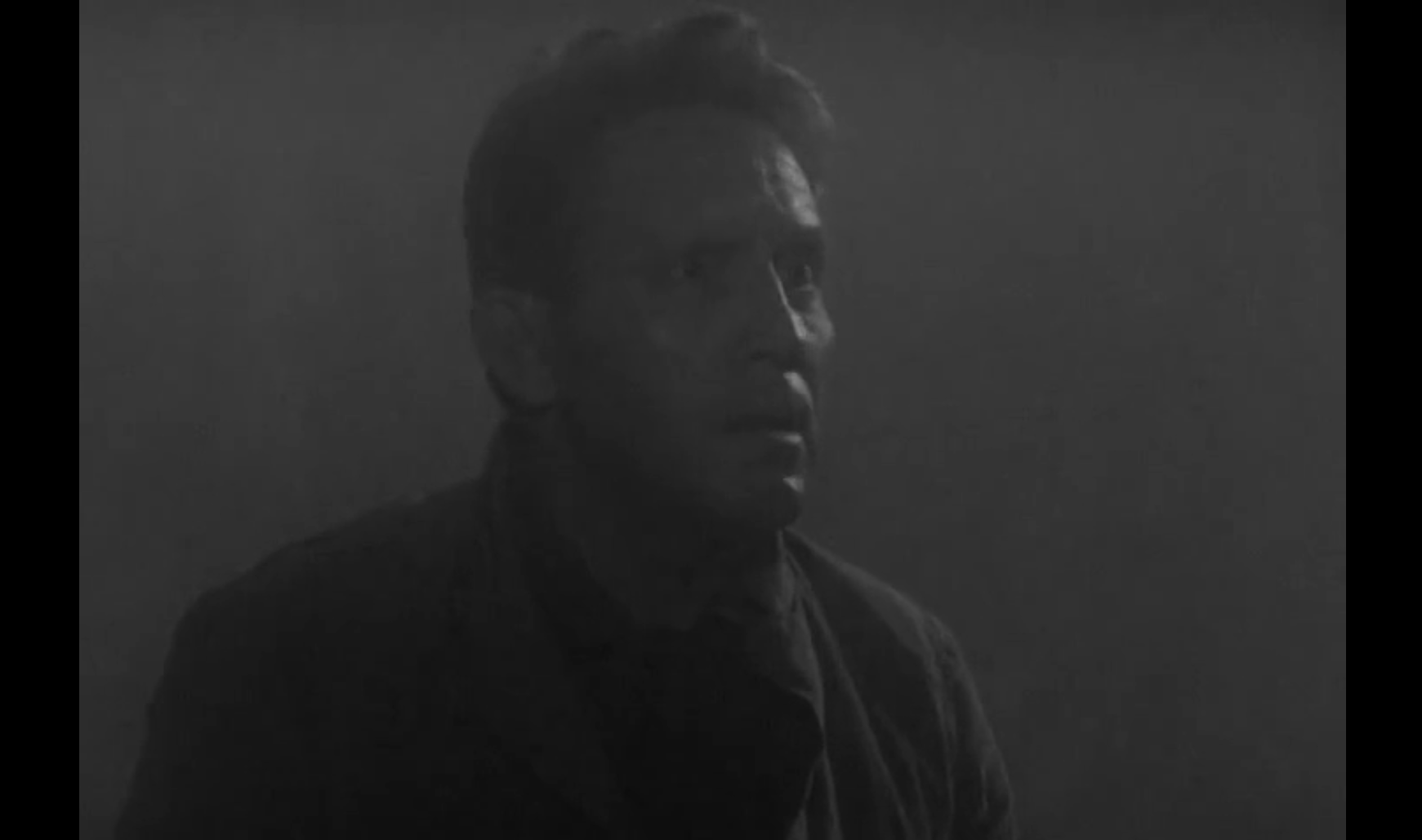
The film opens with a powerful sequence explaining the film’s title — as they’re caught, the fugitives are nailed one by one to crosses outside the camp —
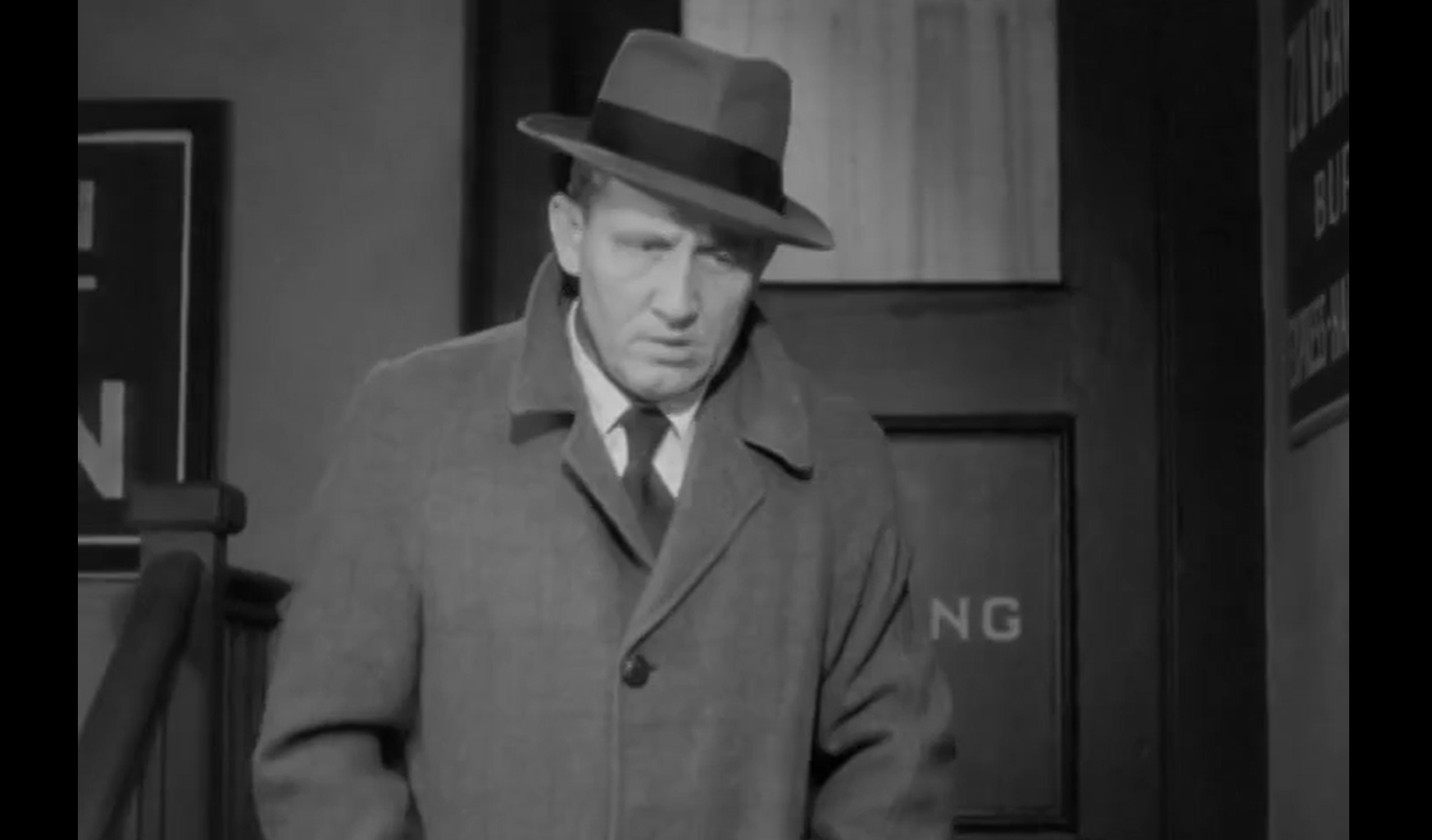
… and never lets up in tension, as Tracy slips from one location to the next:
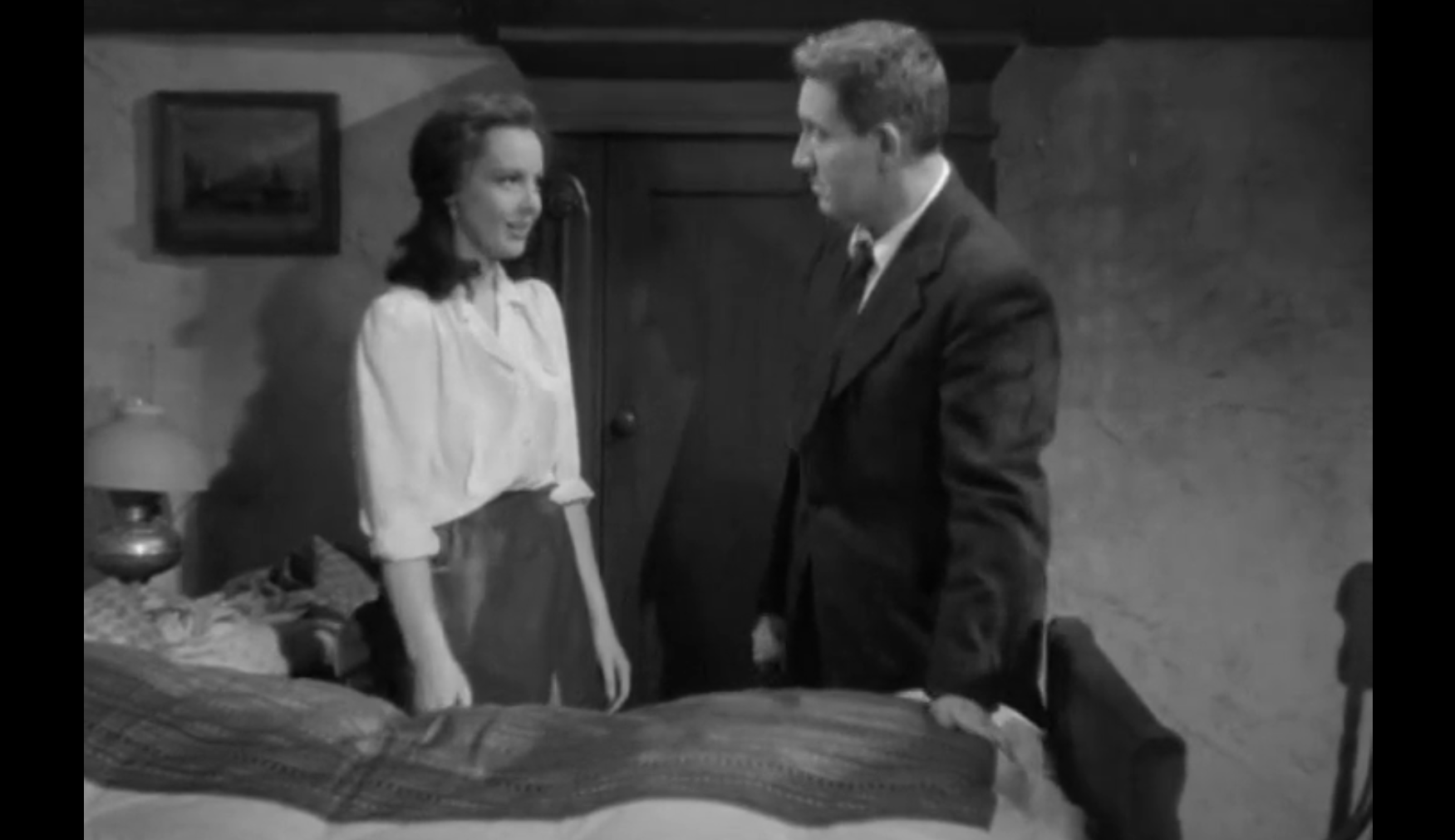
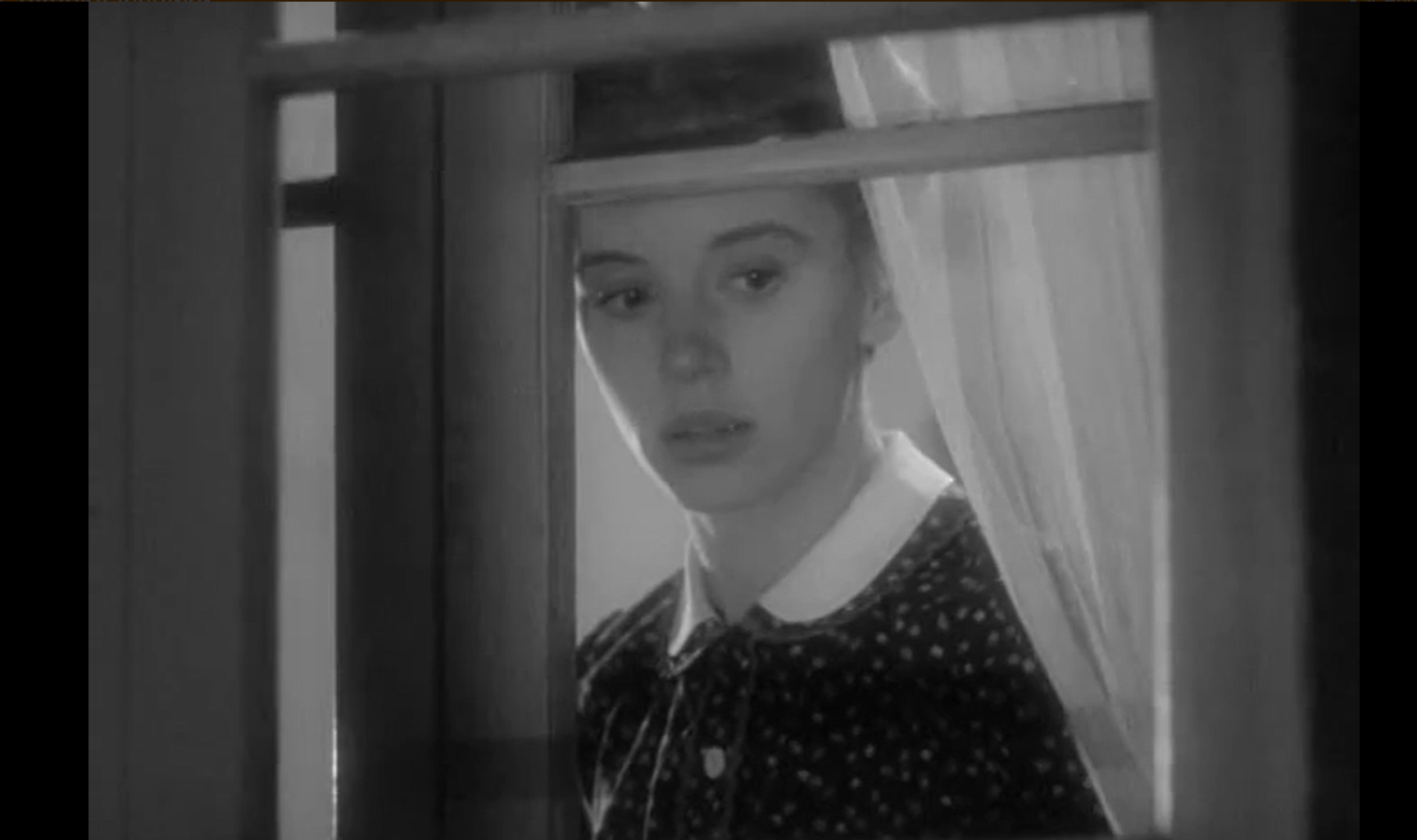
… chronically uncertain who he can trust (or not). Least convincing is Tracy’s brief romance with a housemaid (Hasso) who takes pity on him:
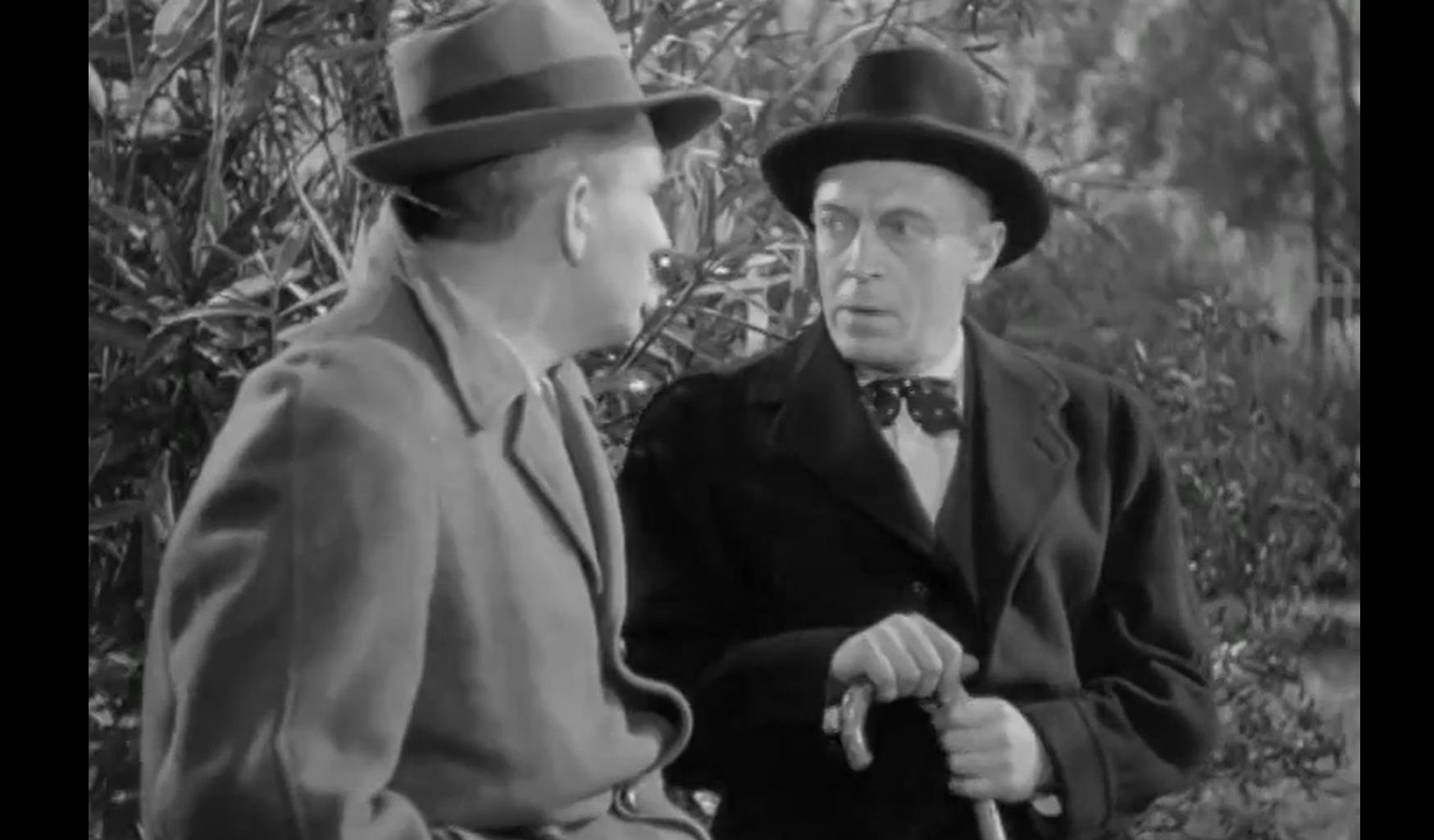
This unnecessary subplot could (and should) have been left out of the story, which doesn’t need such a distraction. Regardless, enough of the film works that it’s certainly recommended for at least one-time viewing. Watch for Agnes Moorehead in a small but crucial role as one of many individuals Tracy must stake his life upon as he flees for safety.
Redeeming Qualities and Moments:
Must See? Categories Links: |
“To safeguard ourselves against all eventualities, we prepare.”
|
Synopsis: |
|
Genres, Themes, Actors, and Directors:
Review:
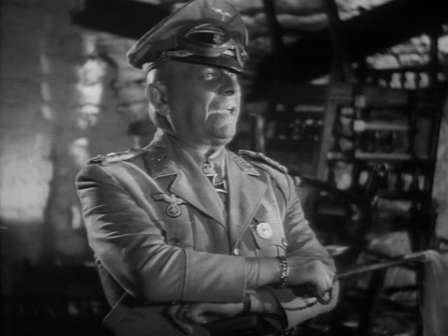
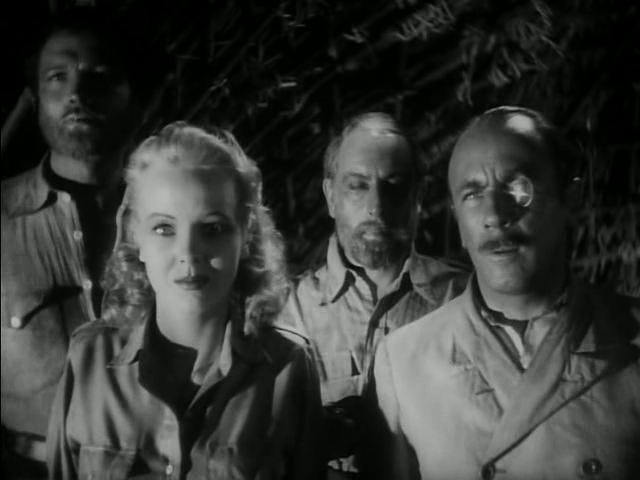
in a pivotal supporting role as real-life Field Marshall Rommel, a suitably villainous foil (“Rice pudding in Egypt… One never knows if it’s raisins or flies.”) for Tone, who likewise gives a solid and compelling performance.
Baxter’s French accent is surprisingly innocuous; she nicely portrays the world-weariness of a woman who understands the games she must play in order to achieve her goals.
The tightly scripted screenplay — beginning with a stark, wordless opening sequence in the desert — never lets up on tension, providing plenty of opportunities for characters to risk their lives in an uncertain world of war and hidden identities. This one remains worth a look. Redeeming Qualities and Moments:
Must See? Categories
Links: |
“I’m trying to find out if there’s anyone in the world that can speak the honest truth.”
|
Synopsis: |
|
Genres, Themes, Actors, and Directors:
Review:
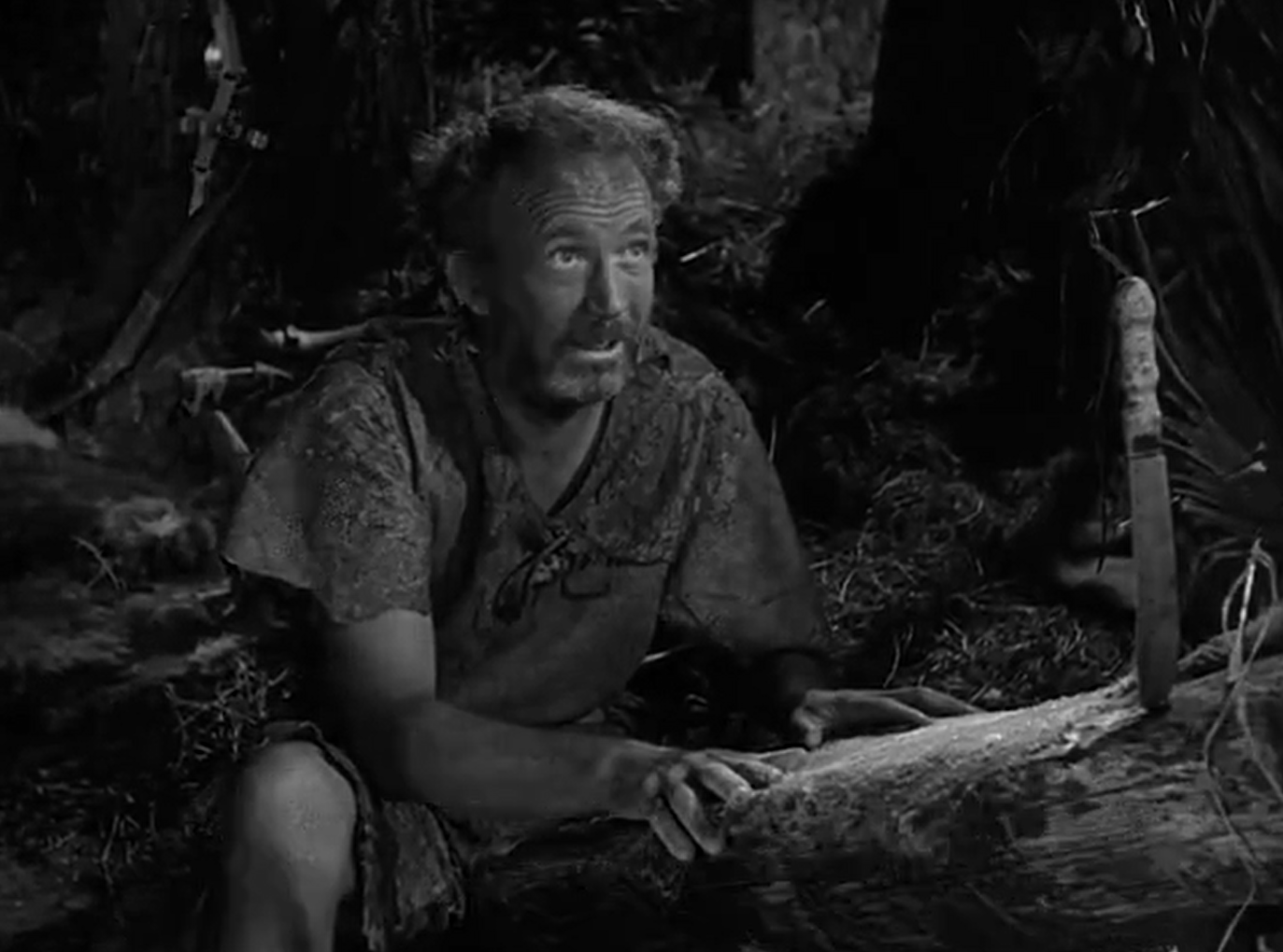
The cast of characters are believably limned, and the storyline is reasonably compelling, with plenty of tensions brought to bear in this tale of a falsely accused man (Brennan) whose sole goal in life — beyond survival — is to rejoin society and care for his daughter (Baxter).
There are a couple of unexpected twists, including an early one between Brennan and Andrews that really takes one by surprise (didn’t expect that!), and a much later one (also in the swamps) that’s shockingly gruesome. Despite a few obvious studio sets, the film holds a strong sense of place and the cinematography is fine. Watch for several actors from John Ford’s stock, including a number from the same year’s (inferior) Tobacco Road (1941). Best performance by a relative unknown: Mary Howard as stoic “Miss Hannah”.
Redeeming Qualities and Moments:
Must See? Links: |
“I don’t approve of anyone who tears up the face of the country for greed.”
|
Synopsis: |
|
Genres, Themes, Actors, and Directors:
Review: Redeeming Qualities and Moments:
Must See? Links: |
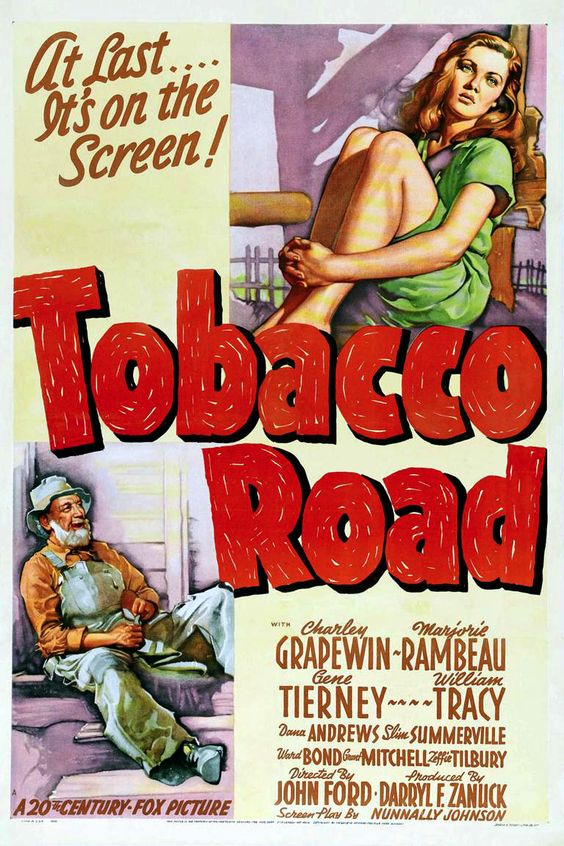
“If ever there was a nuisance, it’s you Tobacco Road folks!”
|
Synopsis: |
|
Genres, Themes, Actors, and Directors:
Review:
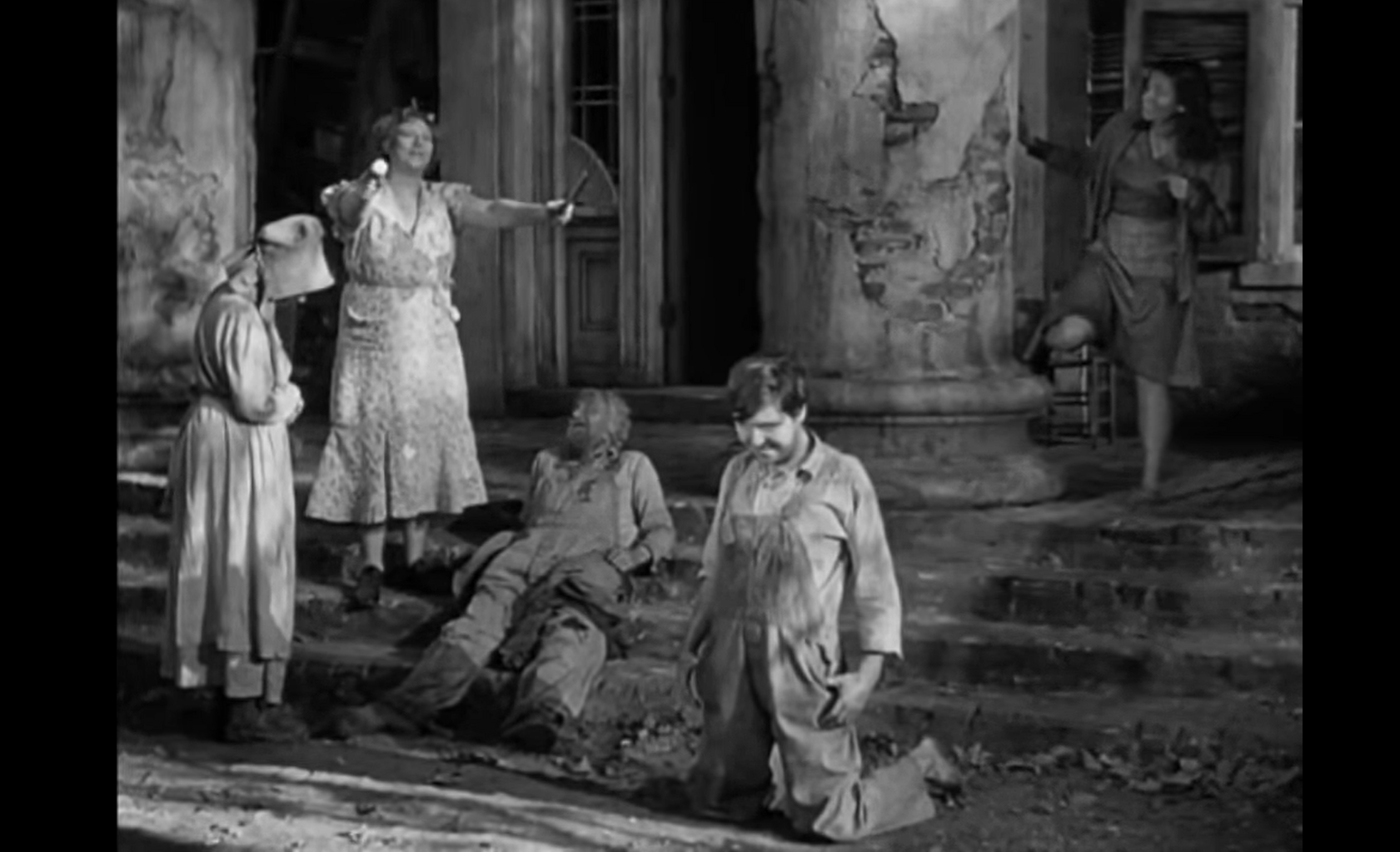
(It’s hard to know how much of this was due to Hays Code restrictions which forced numerous drastic cuts and shifts in tone.) Critics of the day were in agreement, with Bosley Crowther of the New York Times referring to it as “a leisurely picnic with a batch of moldy Georgia crackers” (though audiences appeared to like it well enough). Fans of Tierney will be sad to know her role here is slim-to-none, consistently primarily of an embarrassing come-hither-slither across the ground.
The primary redeeming feature of this flick is Arthur C. Miller’s typically atmospheric cinematography, making the film a pleasure at least to look at. Redeeming Qualities and Moments:
Must See? Links: |
“I didn’t know you had a mother; I didn’t know human beings gave birth to dogs.”
|
Synopsis: |
|
Genres, Themes, Actors, and Directors:
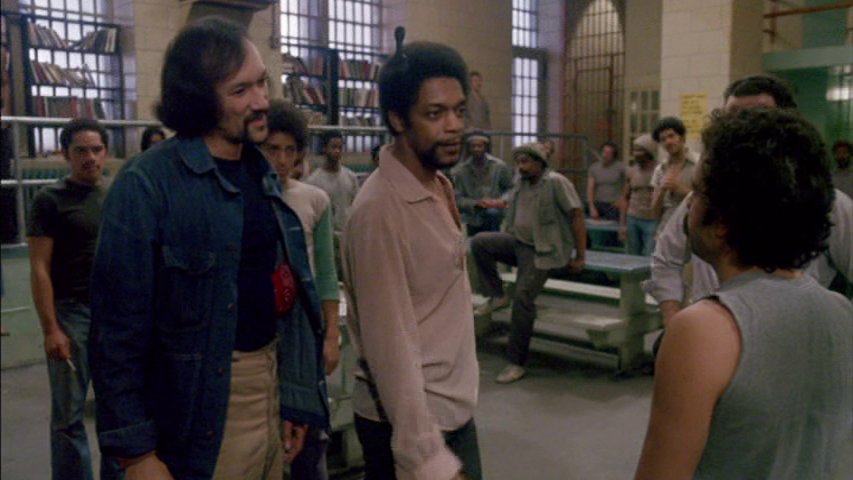
Review: Note: “Short eyes” is a slang term created by Piñero to refer to child molesters. Redeeming Qualities and Moments:
Must See? Categories
Links: |
“You’re a preppy millionaire, and I’m a social zero.”
|
Synopsis: |
|
Genres, Themes, Actors, and Directors:
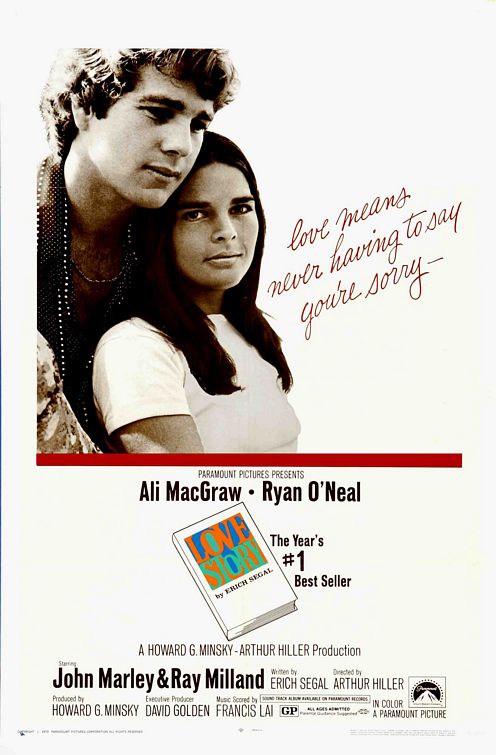
Response to Peary’s Review: Peary’s review is spot-on, leaving little to add. These characters are good-looking but shallow and unappealing. O’Neal’s rocky relationship with his father (Milland, trying his best with limited material) feels petulant rather than righteous, and O’Neal’s bond with her salt-of-the-earth father (Oscar-nominated John Marley) isn’t explored in any depth. MacGraw’s all-in-fun name-calling (“preppy”) and both characters’ profanity-laced “verbal volleyball” (“Listen, you conceited Radcliffe bitch…”; “Look, it’s not an official goddamned threshold.”) was considered shocking at the time, but now is simply tiresome to listen to. MacGraw’s unnamed illness (referred to as leukemia in the source-novel) leaves her looking infamously hearty, hale, and lovely till the very end. The film’s famous line — “Love means never having to say you’re sorry” — is both incorrect and inane. In his review, Peary neglects to mention Francis Lai’s uber-famous title song, which is lovely but overused to such an extent that it begins to feel manipulative. Redeeming Qualities and Moments:
Must See? Links: |