7 Faces of Dr. Lao (1964)

7 Faces of Dr. Lao (1964)

“The whole world is a circus, if you know how to look at it.”

Synopsis:
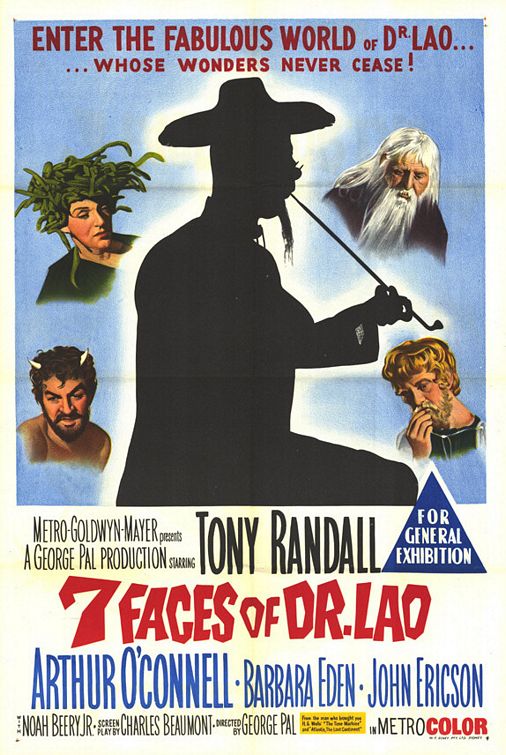
Ancient Dr. Lao (Tony Randall) and his circus of supernatural attractions arrive in the small town of Abalone, New Mexico, and proceed to change the lives of the townspeople.

Genres, Themes, Actors, and Directors:

  • Carnivals and Circuses
  • Character Arc
  • Con-Artists
  • Fantasy
  • George Pal Films
  • John Qualen Films
  • Science Fiction
  • Small Town America
  • Tony Randall Films

Response to Peary’s Review:
As Peary writes, Tony Randall’s brilliant performance in 7 Faces of Dr. Lao “may be the finest [ever] in a fantasy film.” Randall rivals Peter Sellers (who was originally considered for this film) and Alec Guinness in his ability to seamlessly embody multiple characters in one story.

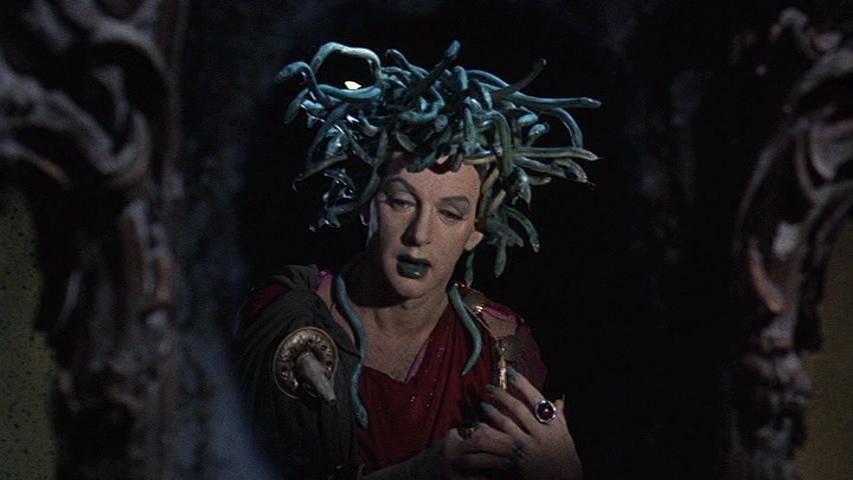
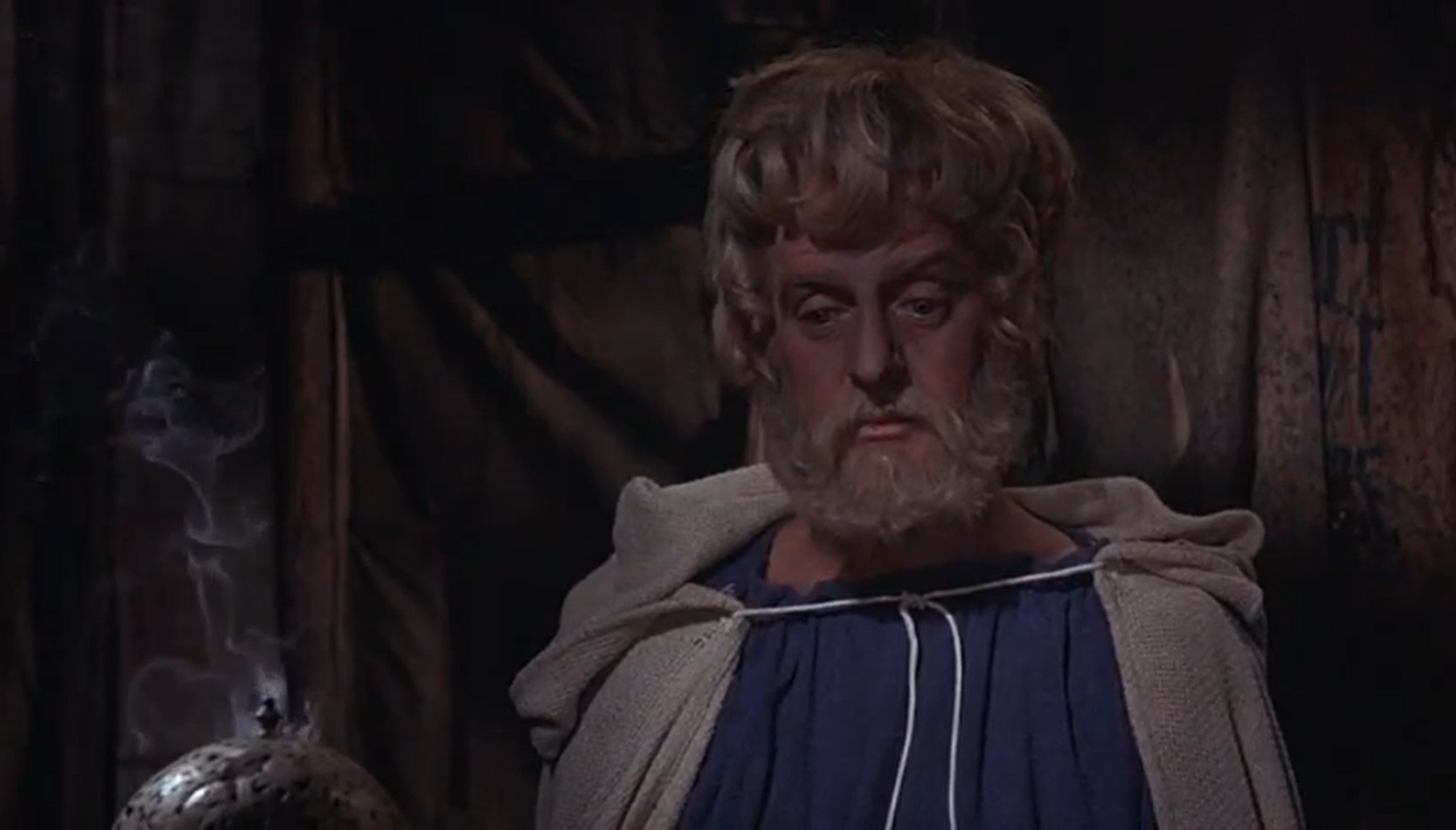
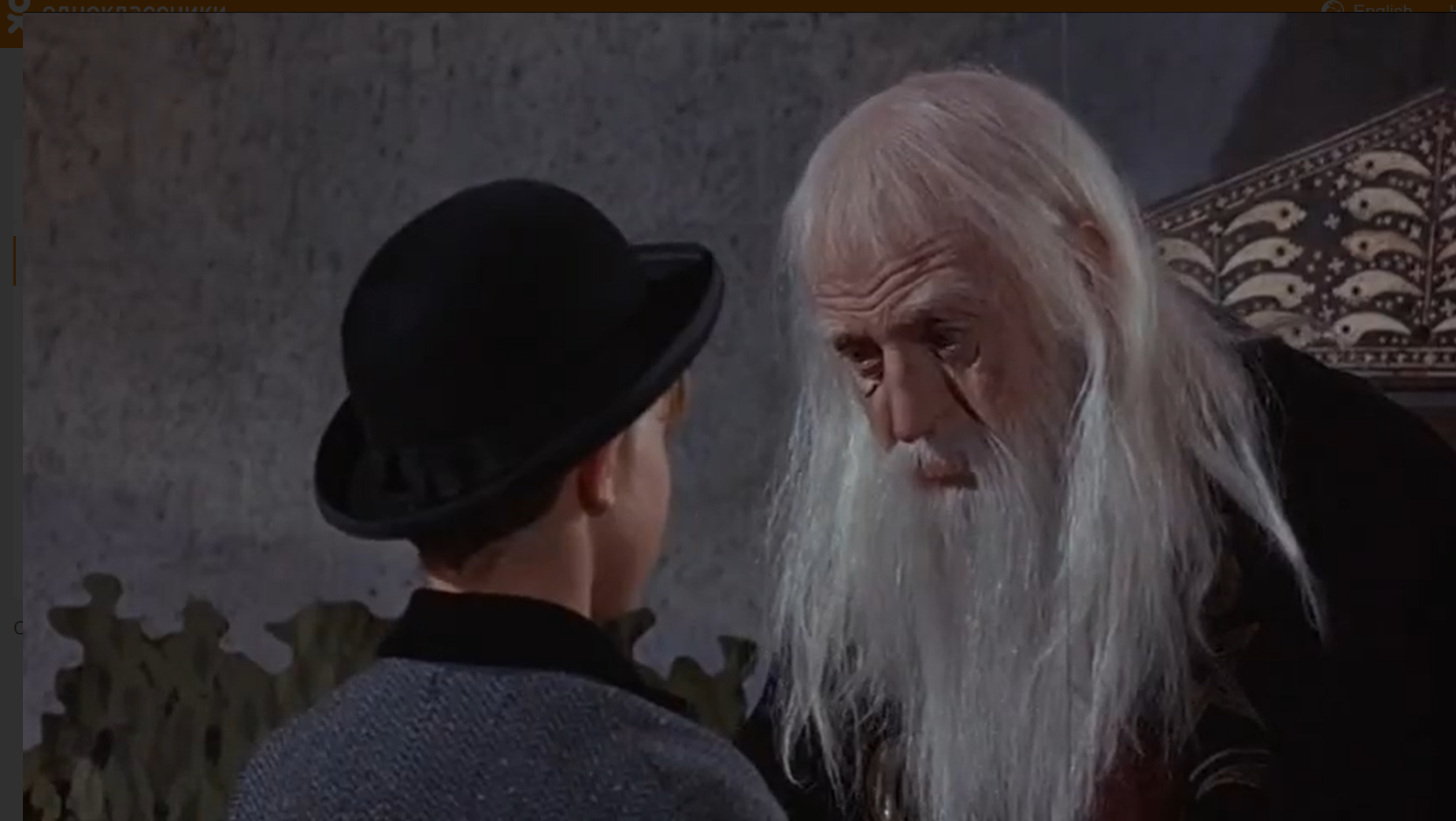
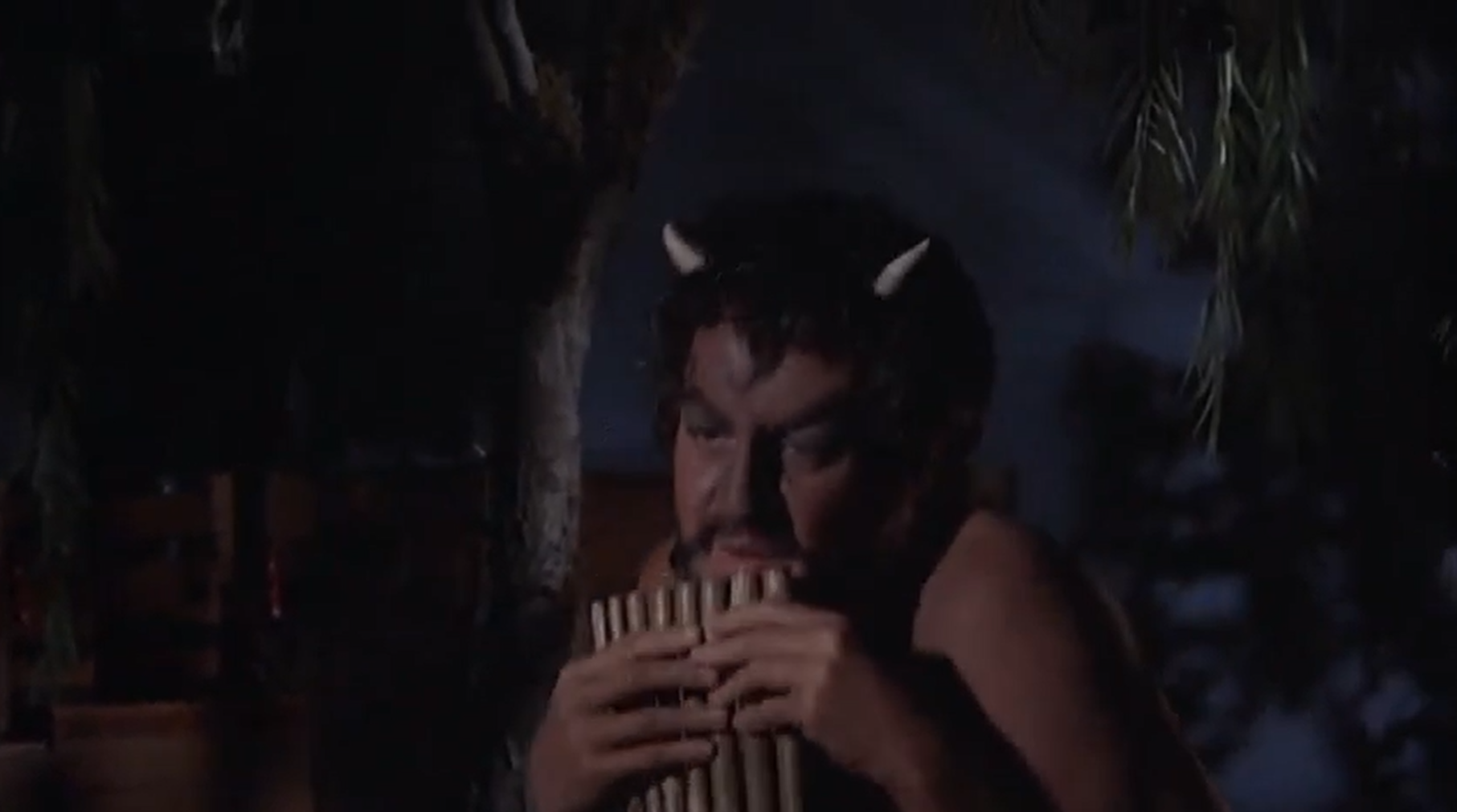
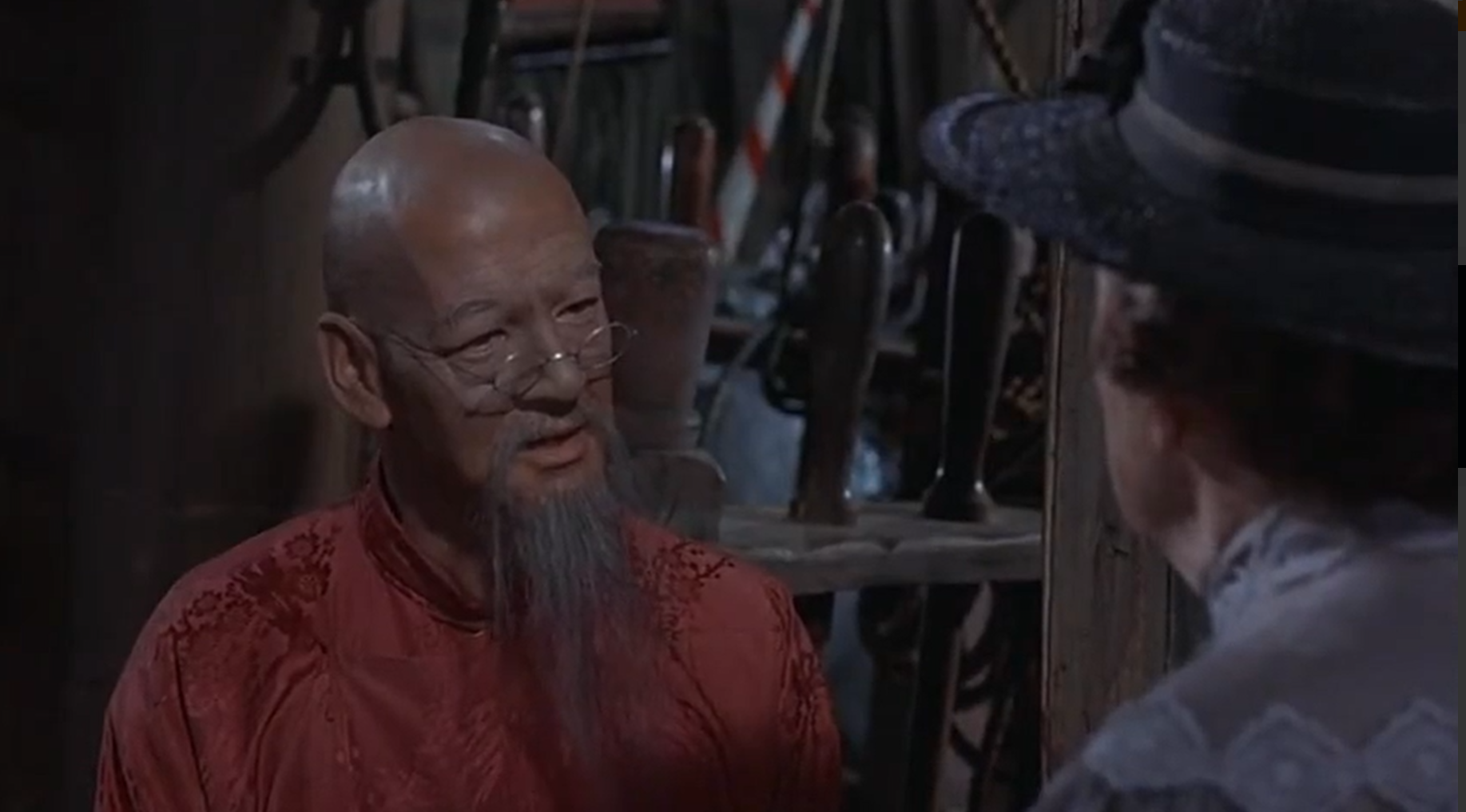
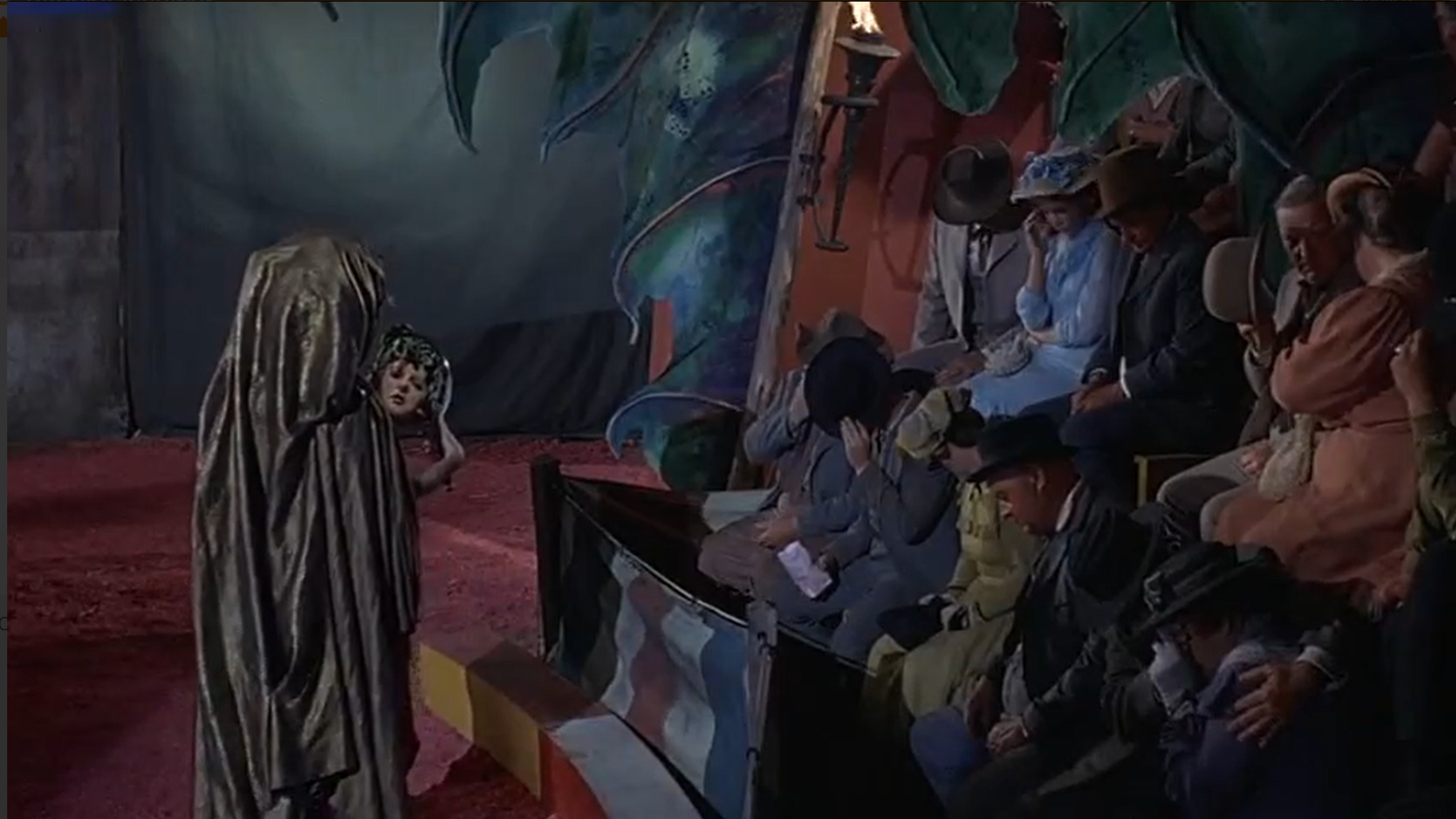
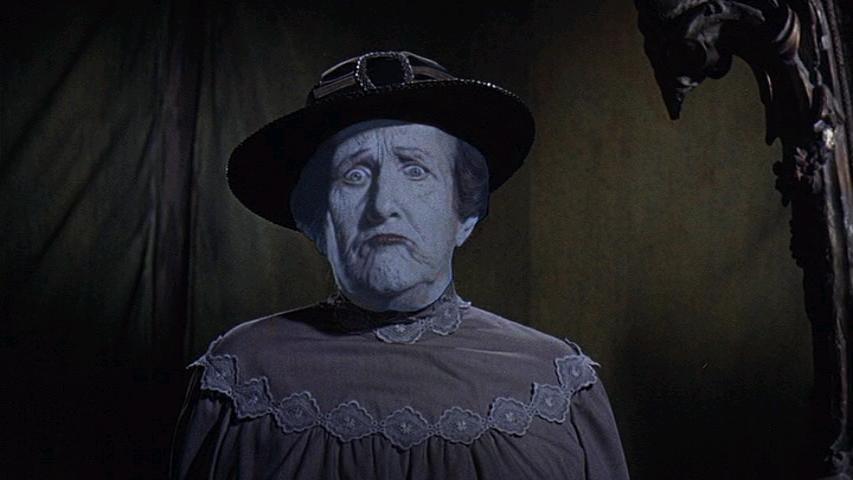
Indeed, thanks in large part to Randall’s acting chops, Dr. Lao and his attractions — snake-headed Medusa, the ancient magician Merlin, the blind seer Apollonius, a ribald Pan, the hairy Abominable Snowman (in just a bit part), and an animated serpent — are thoroughly distinct entities, though kudos clearly belongs to those in charge of make-up and costumes as well.


Unfortunately, the plot suffers whenever Randall is off the screen, and I suspect this may be the answer to Peary’s puzzlement over why the film hasn’t garnered more of a cult following over the years. I recently read the novel upon which the film is based (The Circus of Dr. Lao by Charles Finney, originally published in 1935), and discovered that the underlying plot of the movie — about an imminent take-over of the town by greedy investors — was added on by the filmmakers, as was the romance between Barbara Eden’s single mother (simply a young, virginal teacher in the book) and John Ericson’s newspaper editor. Indeed, Finney’s unusual novel is ultimately more of a philosophical musing than a plot-driven story, and must have been somewhat difficult to translate to the screen. Nonetheless, Dr. Lao is lots of fun once you get beyond the first twenty minutes or so — and it is certainly must-see viewing for any film fanatic.

Redeeming Qualities and Moments:

  • Tony Randall, of course
  • Memorable and effective make-up, costumes, and sets
  • Fun special effects
  • Barbara Eden “loosening up” under the influence of Pan

Must See?
Yes. Tony Randall’s multiple performances are a wonder to behold.

Categories

  • Noteworthy Performance(s)

Links:

Sanders of the River (1935)

Sanders of the River (1935)

“I’ll do as you want me, Sandi, because I am your friend.”

Synopsis:
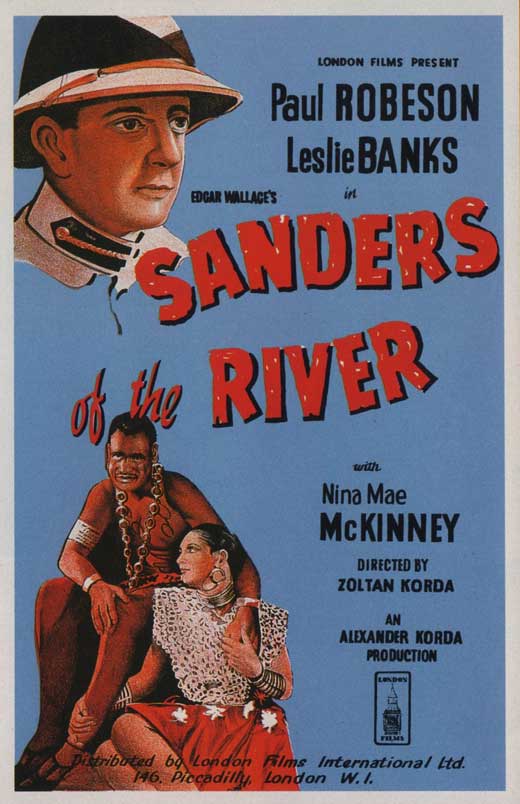
Commissioner Sanders (Leslie Banks) tries to prevent warfare between rival chieftains (Paul Robeson and Tony Wane) in British-ruled Africa.

Genres, Themes, Actors, and Directors:

  • Kidnapping
  • Native Peoples
  • Paul Robeson Films
  • Zoltan Korda Films

Response to Peary’s Review:
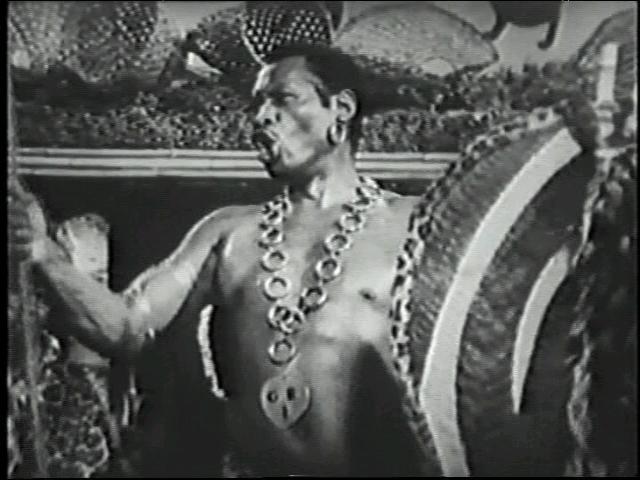
As Peary notes, this dated, offensive film “gives the impression that black Africans [were] prosperous, happy, and peaceful under British rule.” Commissioner Sanders (“Sandi”) is shamelessly portrayed as a heroic, benevolent father-figure who must intervene in order to save the warring African “children” from themselves. I was grateful whenever footage of native African tribes appeared on-screen; their (hopefully authentic) dancing and music making were a welcome relief from the colonialist blather of the storyline. Paul Robeson’s singing is (as always) a highlight, but nonetheless woefully out of place. Worth watching for historical purposes only.

Redeeming Qualities and Moments:

  • Paul Robeson’s singing
  • On-location footage of native African tribes
  • Tony Wane’s unusual star-shaped hairdo

Must See?
No, although it’s a revealing look at the historical distortion that was prevalent in so many early films.

Links:

Privilege (1967)

Privilege (1967)

“We must, of necessity, subdue the critical elements in the country’s youth.”

Synopsis:
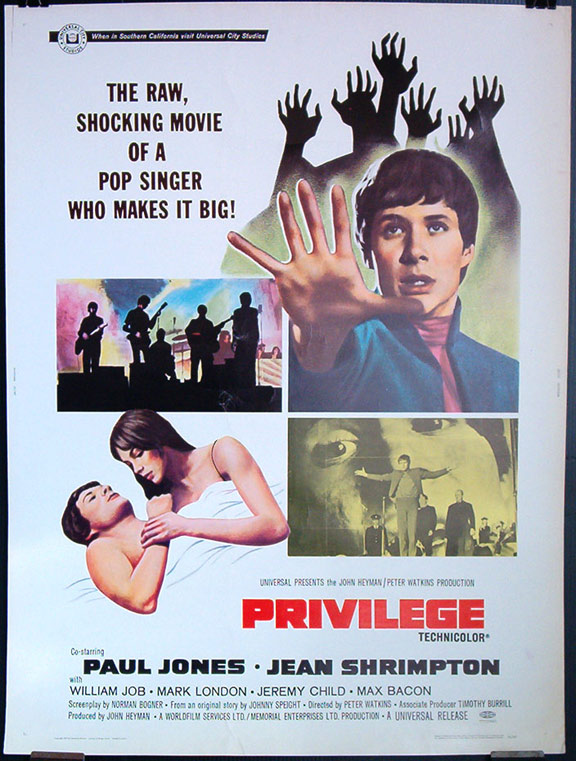
In a dystopic “near-future”, Britain’s coalition government uses rock star Steve Shorter (Paul Jones) to manipulate public opinion.

Genres, Themes, Actors, and Directors:

  • Dystopia
  • Media Spectacle
  • Musical
  • Naive Public
  • Peter Watkins Films
  • Propaganda
  • Rise and Fall
  • Rock ‘n Roll

Response to Peary’s Review:
As Peary notes, this somewhat dated Big Brother flick is mostly notable as a glimpse at “controversial” films of the late 1960s. While filmed in quasi-documentary style, the movie lacks the deliberate humor of recent mockumentaries; it’s more akin to the deadpan political satire of Tim Robbins’s Bob Roberts (1992) or Warren Beatty’s Bulworth (1998). The film’s unusual story arc doesn’t chronicle the typical “rise and fall” of a superstar, but rather begins at the tipping point of Shorter’s fame. Thus, we never see any of the arrogance or cockiness that this nation-wide phenomenon must surely have possessed at some point; we are simply witness to his growing discomfort and despair.

Storyline aside, Privilege is primarily energized whenever Paul Jones hits the stage. He has a truly haunting voice, and the ballads he sings aren’t half-bad. He’s a surprisingly decent actor, too.

Redeeming Qualities and Moments:

  • Effectively Big Brother-ish sets
  • The opening “Theatre of Cruelty” musical act
  • Peter Suschitsky’s cinematography
  • An excellent rock soundtrack

Must See?
Yes. It holds a place in film history, and thus will most likely be of interest to true film fanatics.

Categories

  • Historically Relevant

Links:

Blithe Spirit (1945)

Blithe Spirit (1945)

“What, no ectoplasm?”

Synopsis:
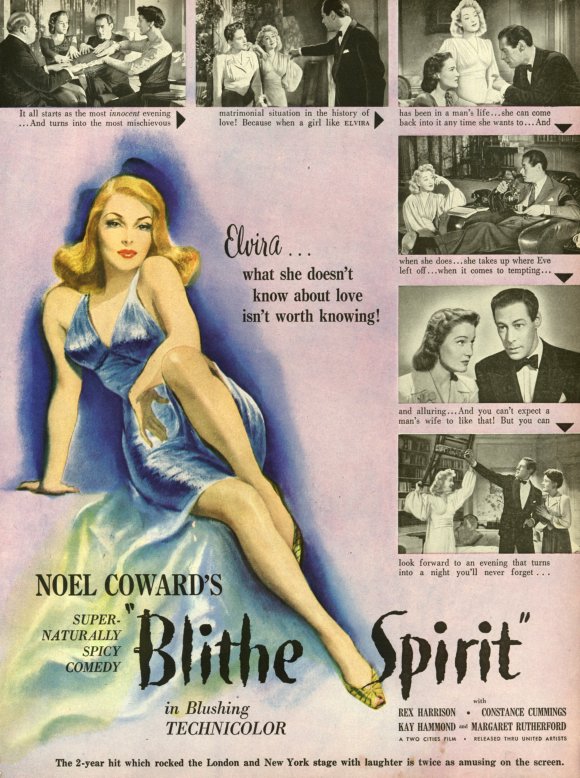
An eccentric medium (Margaret Rutherford) conjures up the ghost of author Rex Harrison’s deceased wife (Kay Hammond), much to the consternation of his new wife (Constance Cummings).

Genres, Themes, Actors, and Directors:

  • Comedy
  • David Lean Films
  • Ghosts
  • Love Triangle
  • Margaret Rutherford Films
  • Marital Problems
  • Noel Coward Films
  • Play Adaptations
  • Rex Harrison Films

Response to Peary’s Review:
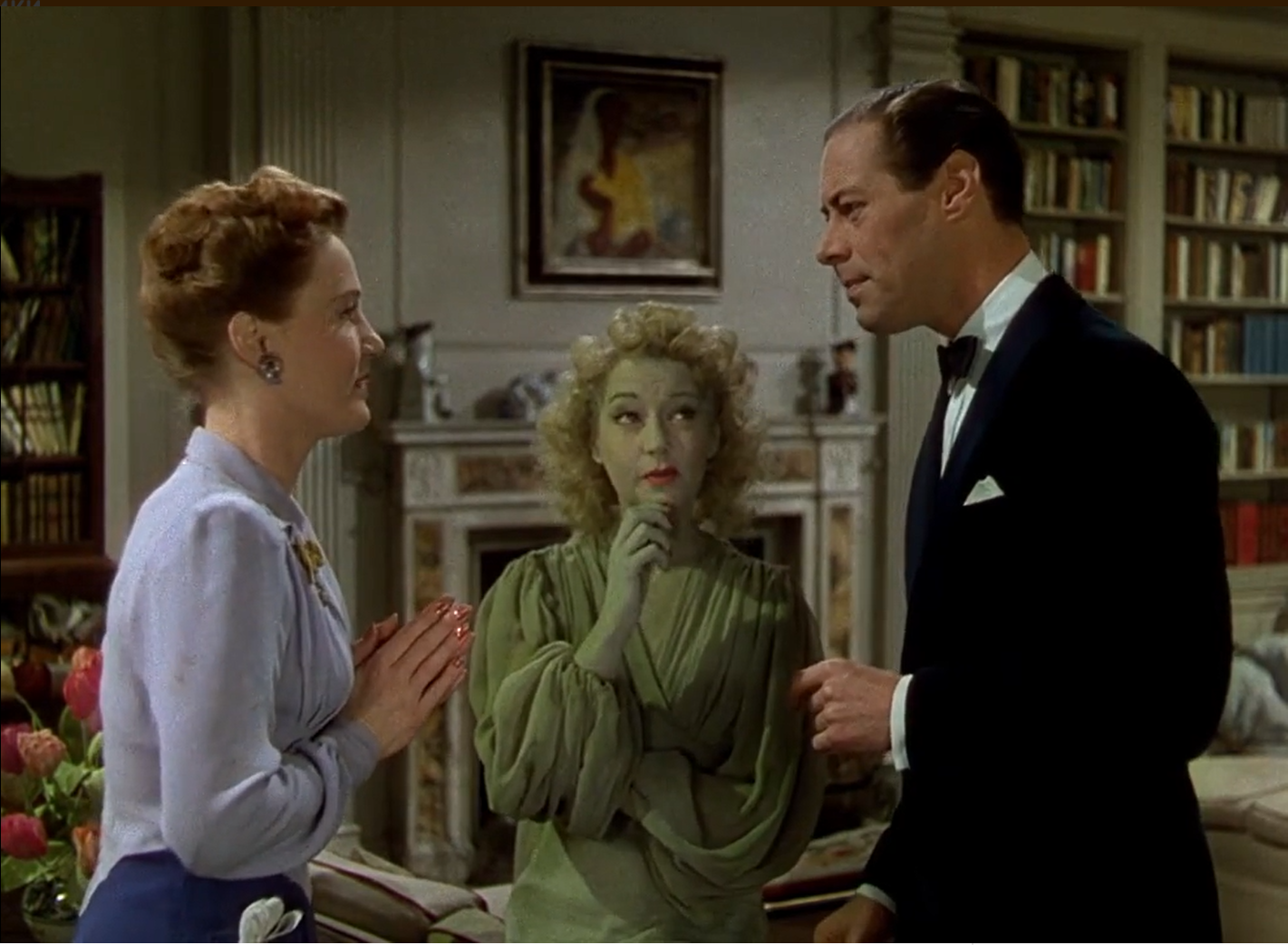
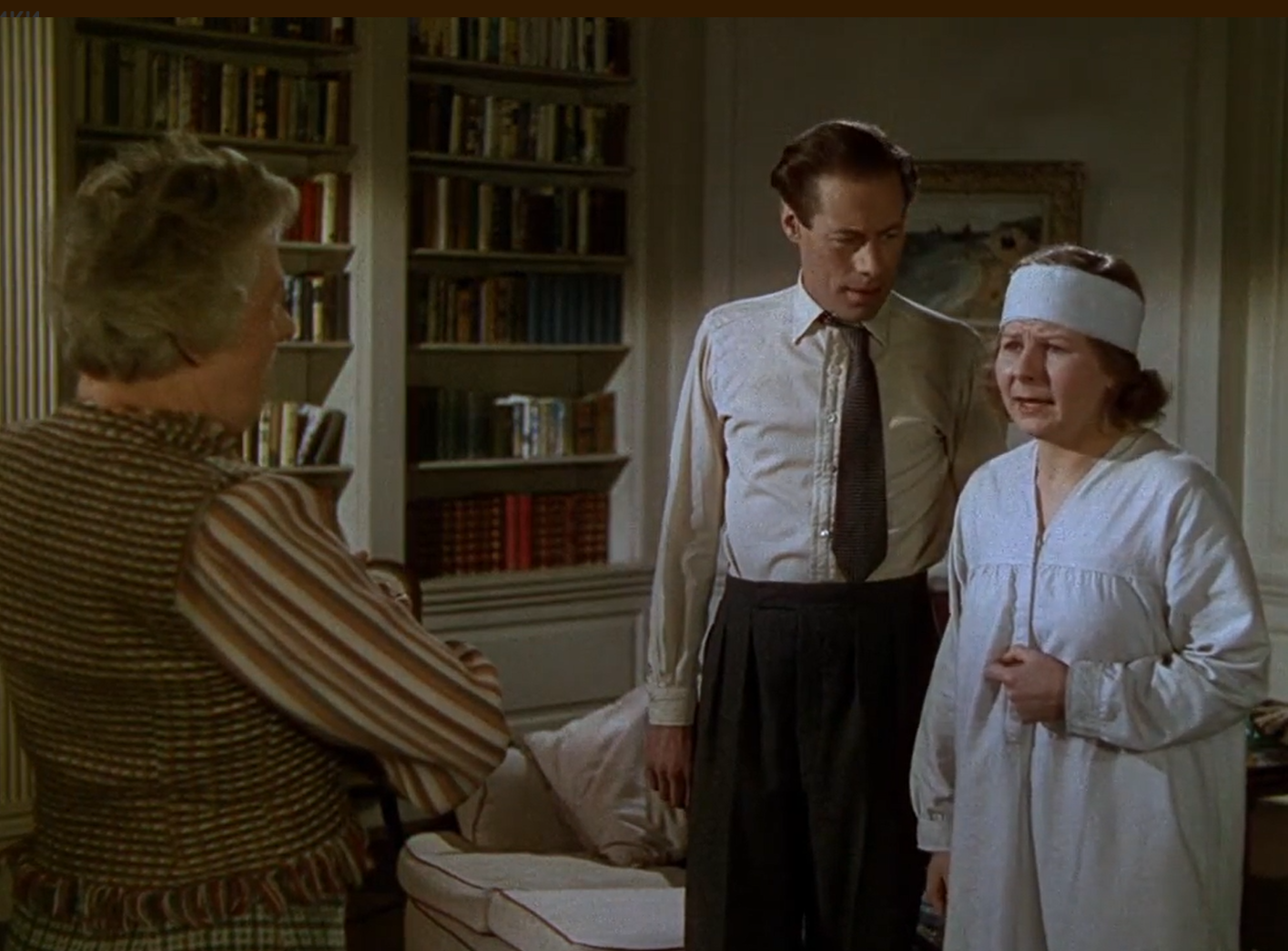
David Lean’s adaptation of Noel Coward’s popular play is a uniquely comic look at life-after-death, one which makes good use of marital insecurities. Never before has a deceased wife caused so much trouble for the woman who has replaced her!

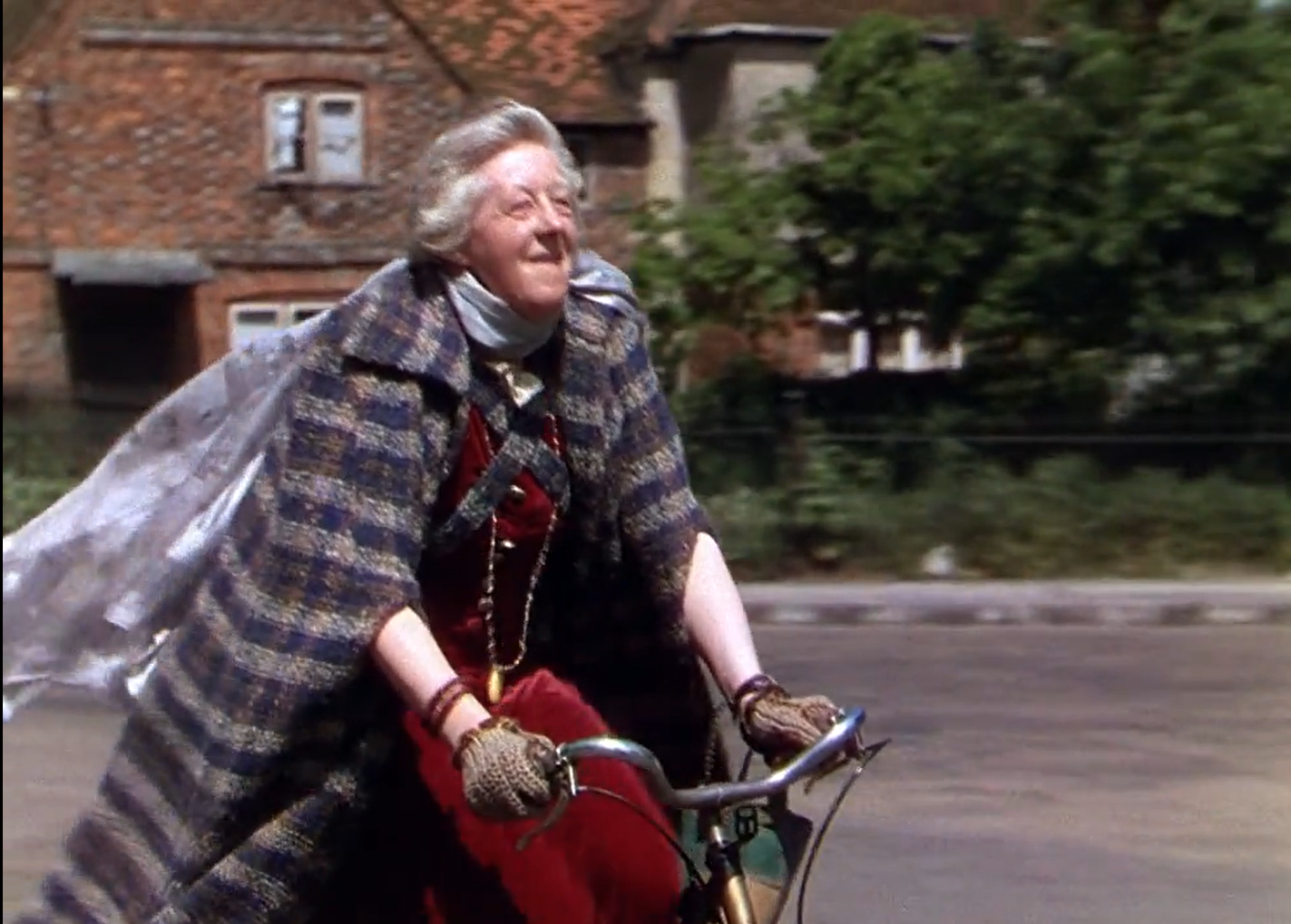
As Peary notes, Harrison’s ego is inevitably stroked when he realizes he has two women fighting over him; despite his henpecked consternation, there’s a part of him that’s downright tickled. However, the highlight of the film is undoubtedly Margaret Rutherford as the sincere but trouble-making medium, Madame Arcati: from the moment she appears onscreen, riding her bicycle down the street with a satisfied grin on her face:

… she is enchanting, giving a strong and memorable character performance. Watch for the plot twists — things suddenly take an interesting turn — and then another.

Redeeming Qualities and Moments:

  • Margaret Rutherford’s outstanding performance as the irrepressible Madame Arcati
  • Jacqueline Clarke as Edith, the bewildered maid who plays an unexpectedly important role in affairs
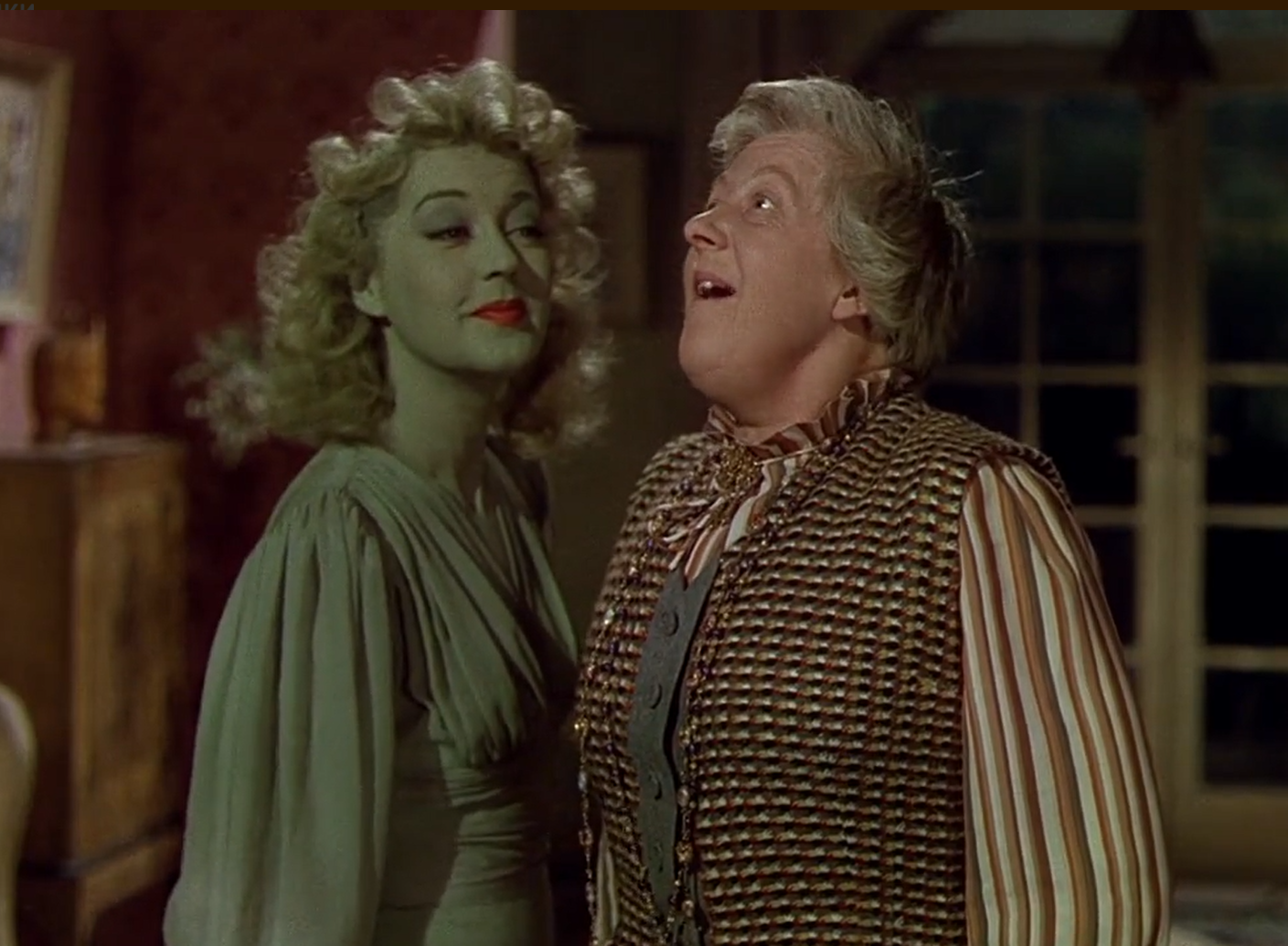
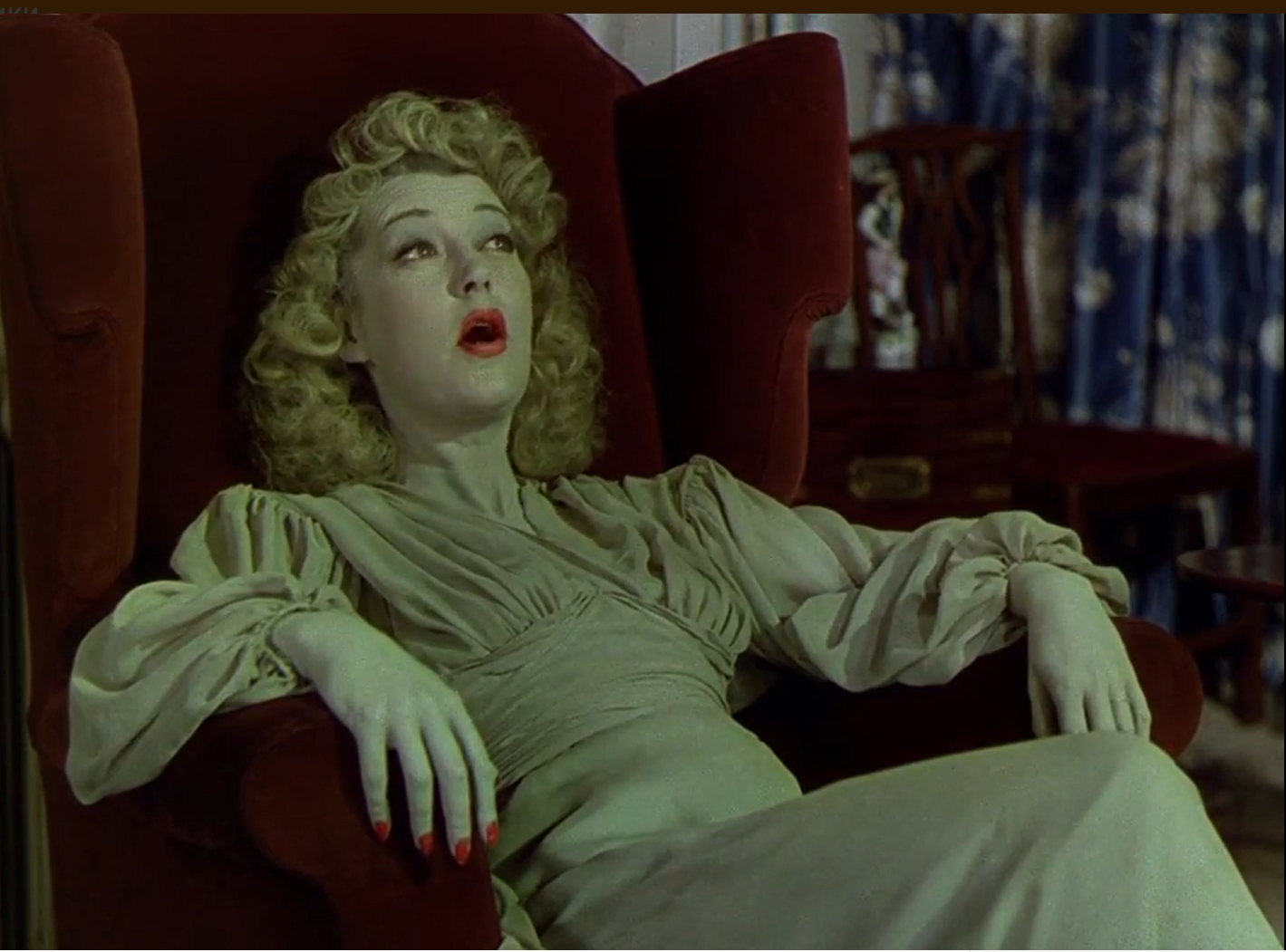
  • The unusual but effective ghost makeup
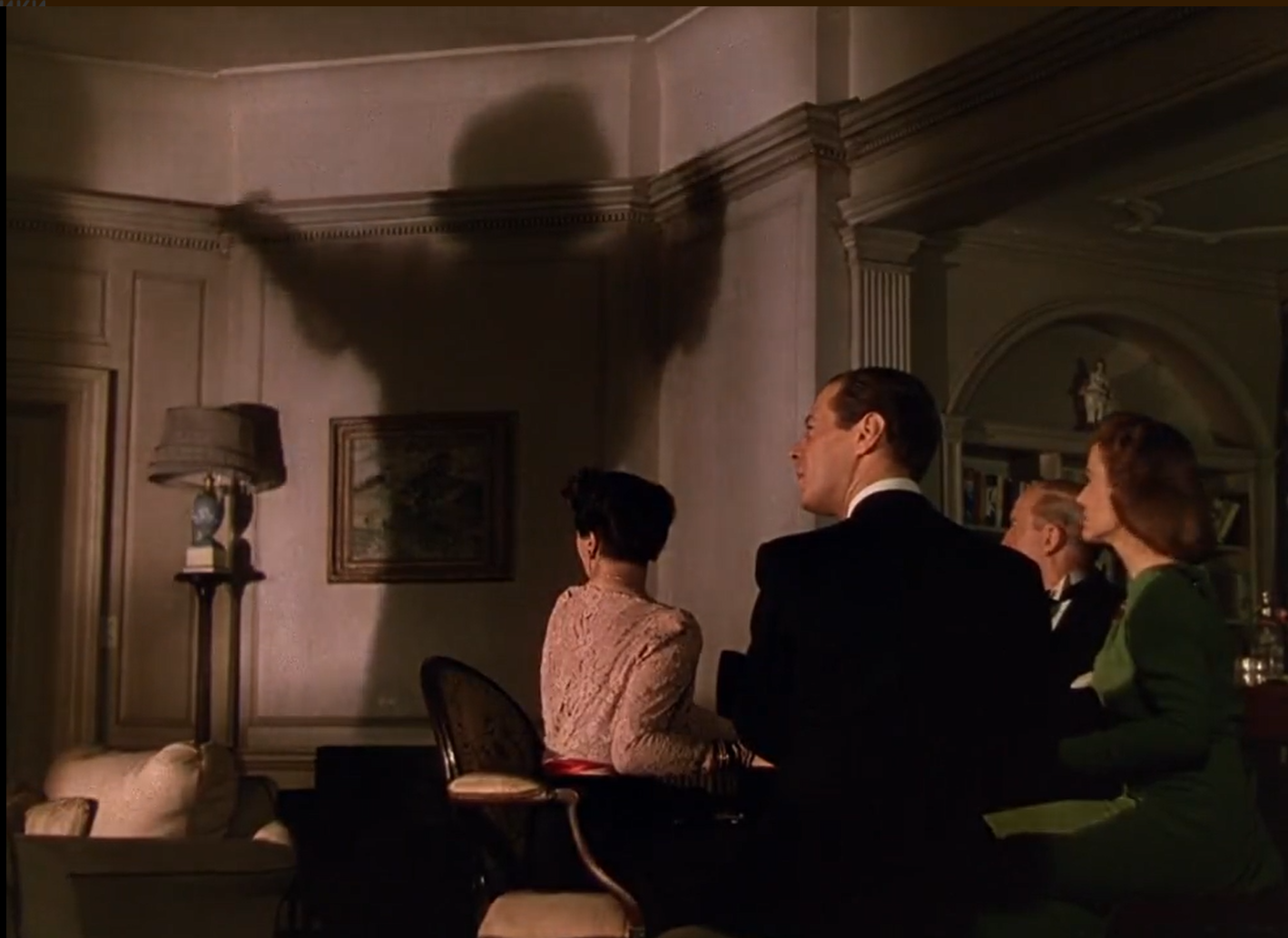
  • Atmospheric cinematography

Must See?
Yes, simply for Rutherford’s performance.

Categories

  • Noteworthy Performance(s)

Links:

Dersu Uzala (1975)

Dersu Uzala (1975)

“Why man live in box?”

Synopsis:
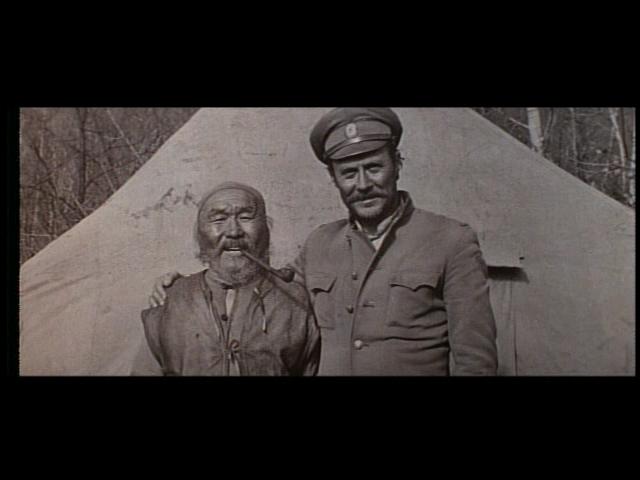
A Russian captain (Yuri Solomin) on a military expedition in Siberia befriends a bow-legged trapper (Maksim Munzuk) who saves his life.

Genres, Themes, Actors, and Directors:

  • Friendship
  • Kurosawa Films
  • Russian Films
  • Survival

Response to Peary’s Review:
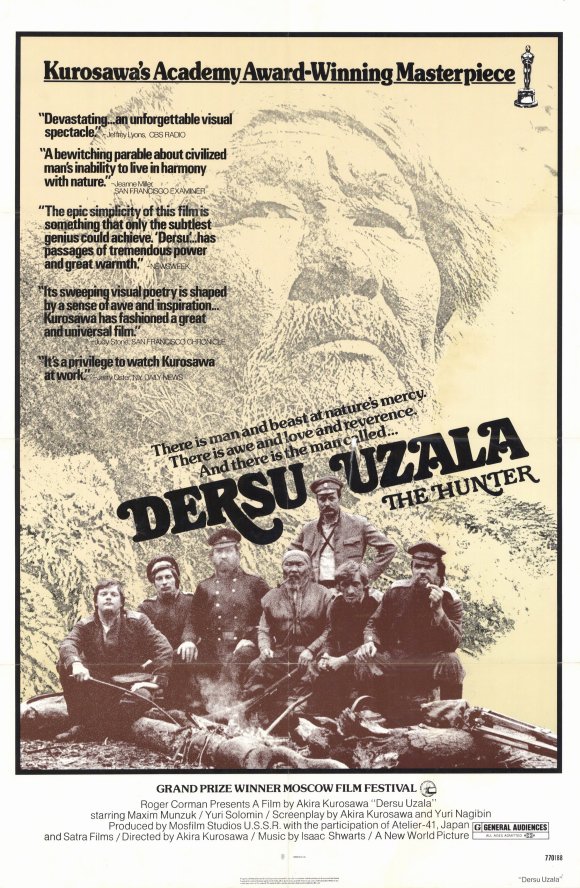
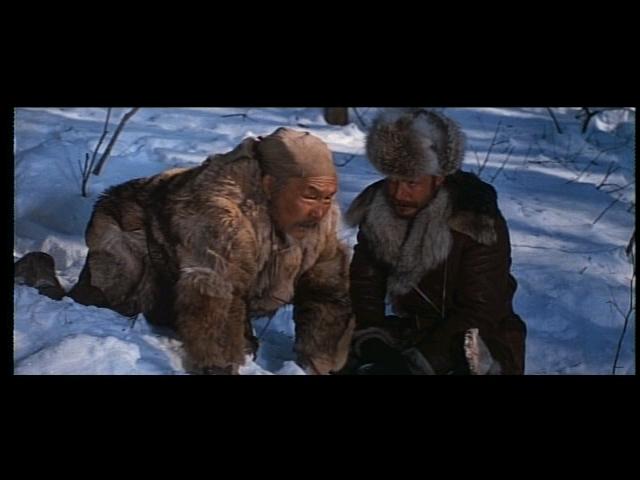
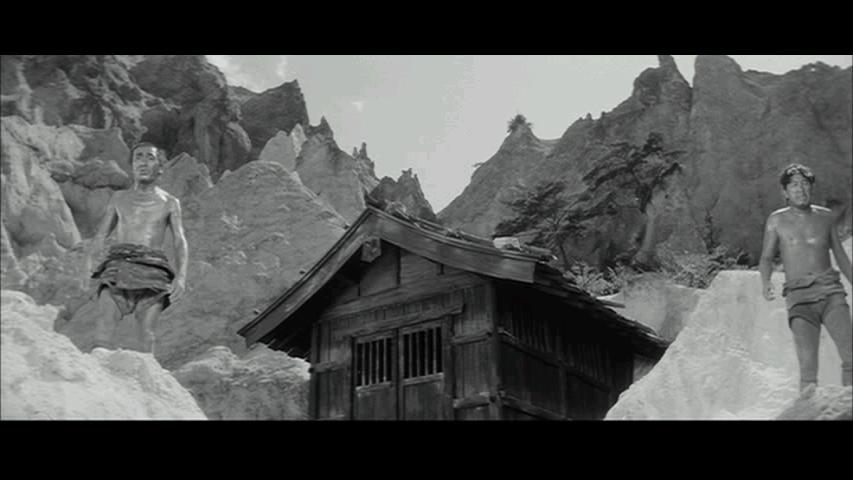
I agree with Peary that this Oscar-winning Soviet/Japanese film by Akira Kurosawa is “enthralling” and “eerily beautiful”. While slow-going at times, especially in the beginning (Kurosawa’s later films often are), you will nonetheless quickly get caught up in this epic tale of cross-cultural friendship which, “rather than being sentimental”, is “touching”. Maksim Munzuk as the “short, bow-legged, aging” Dersu is a wonder to behold: watch as he quietly aims his rifle at a swinging rope and hits his target dead on, or uses his wits and the scant materials at hand to design a life-saving shelter on the tundra. It’s especially refreshing to see cultural and racial biases of the time being overcome.

Note: I’m not the first to liken Dersu to Yoda from the Star Wars trilogy, but watch and see if you don’t agree!

Redeeming Qualities and Moments:

  • Maksim Munzuk as the inimitable Dersu
  • The touching friendship between Dersu and the Captain
  • Dersu and the Captain building the temporary shelter that will save their lives
  • Gorgeous cinematography
  • A haunting film score

Must See?
Yes. This is an unusual entry in Kurosawa’s oeuvre, and well worth watching.

Categories

  • Foreign Gem
  • Important Director

(Listed in 1001 Movies You Must See Before You Die)

Links:

Pixote (1981)

Pixote (1981)

“This is the district of Sao Paolo, a large Latin American industrial city. There are approximately three million homeless children who have no one and no defined family of origin.”

Synopsis:
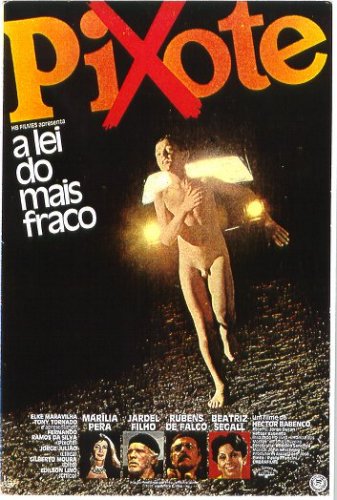
11-year-old Pixote (Fernando Ramos da Silva) must survive on the brutal streets of Brazil, with the help of his friends.

Genres, Themes, Actors, and Directors:

  • Juvenile Delinquents
  • Prostitutes
  • South America

Response to Peary’s Review:
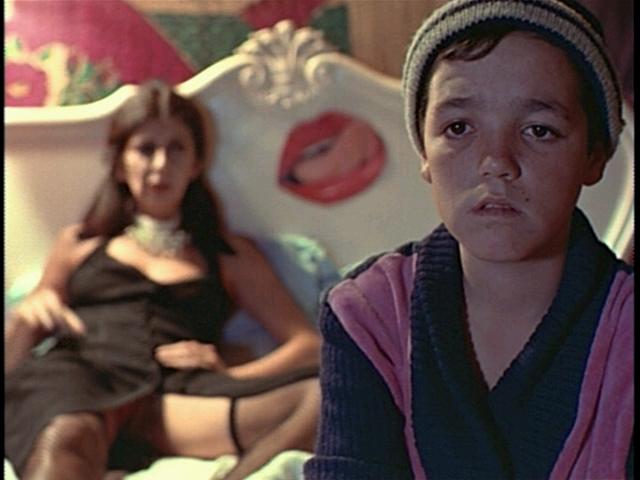
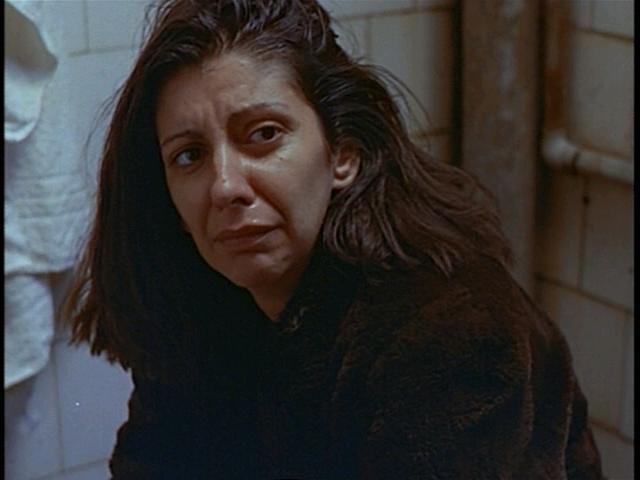
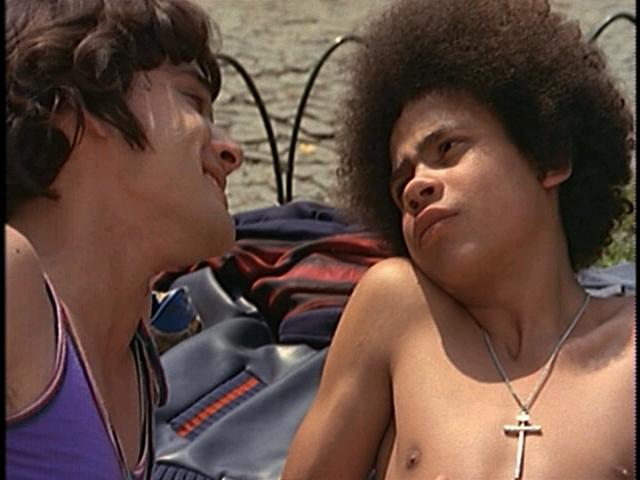
Simply from reading the genres listed above, it’s clear that this “gritty, uncompromising” film isn’t for the light-of-heart. Similar in tone to City of God (2002), Pixote follows the devastating adventures of a young boy who is sent to a “reformatory” — which, naturally, does anything but “reform” him. Instead, as Peary puts it, Pixote’s “innocence is destroyed” when he is immediately subjected to a world of cruel guards, rape, drugs, and false accusations. But when Pixote and his buddies manage to escape (without much difficulty, it should be noted), life on the streets of Brazil is little better. Every comfort Pixote finds — whether sniffing glue out of a bottle, listening to music in a stolen car, or snuggling with an older prostitute — is short-lived, and ultimately just contributes to his descent down a slippery slope. Sadly, in his 2004 review, Roger Ebert writes that the illiterate Ramos da Silva returned to the streets after making this film, and was killed by police in 1987.

Redeeming Qualities and Moments:

  • Ramos da Silva’s raw performance as Pixote
  • Jorge Juliauo’s sensitive portrayal as the transvestite, “Lilica”
  • Marilia Pera’s award-winning performance as the broken prostitute, Sueli
  • An uncompromising look at adolescents banding together for survival

Must See?
Yes. This is one of the most powerful neo-realist films ever made.

Categories

  • Foreign Gem

Links:

Hidden Fortress, The (1958)

Hidden Fortress, The (1958)

“I saw people as they really are… I saw their beauty and their ugliness with my own eyes.”

Synopsis:
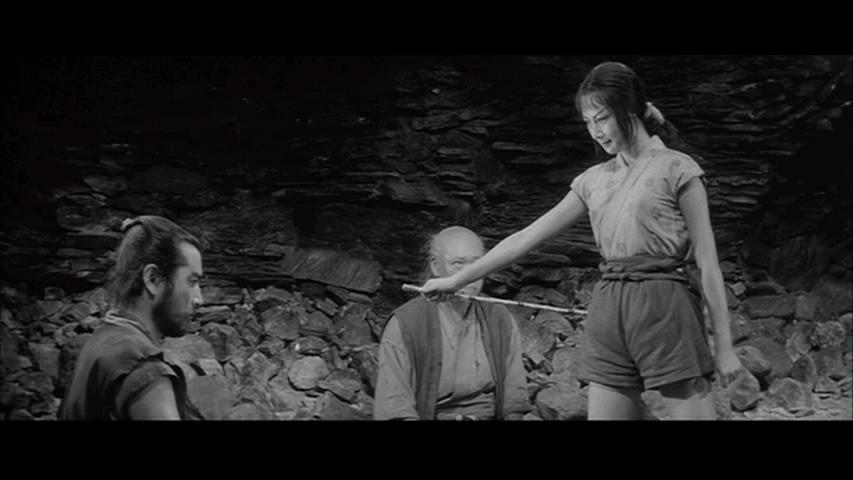
In war-torn feudal Japan, two greedy peasants (Minoru Chiaki and Kamatari Fujiwara) accompany a general (Toshiro Mifune), a disguised princess (Misa Uehara), and bundles of hidden gold across enemy lines.

Genres, Themes, Actors, and Directors:

  • Akira Kurosawa Films
  • Fugitives
  • Gold Seekers
  • Greed
  • Japanese Films
  • Mistaken or Hidden Identities
  • Royalty and Nobility
  • Toshiro Mifune Films

Response to Peary’s Review:
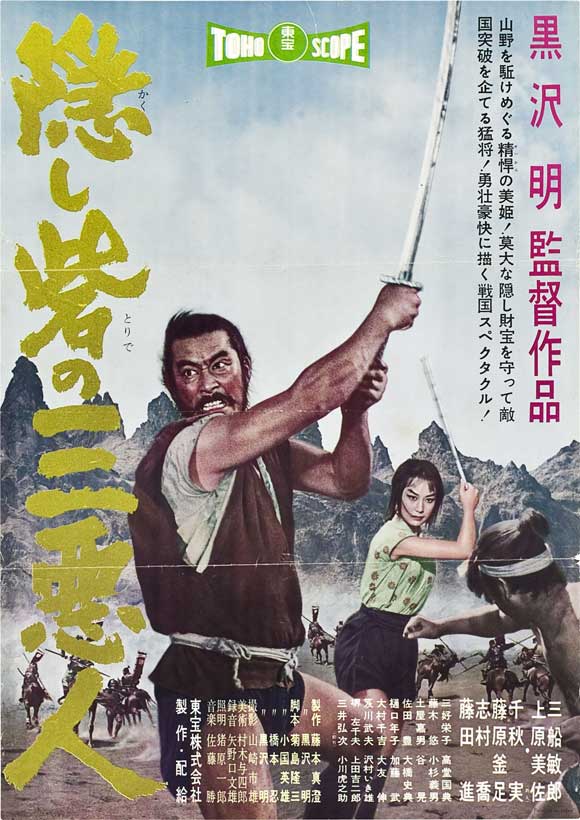
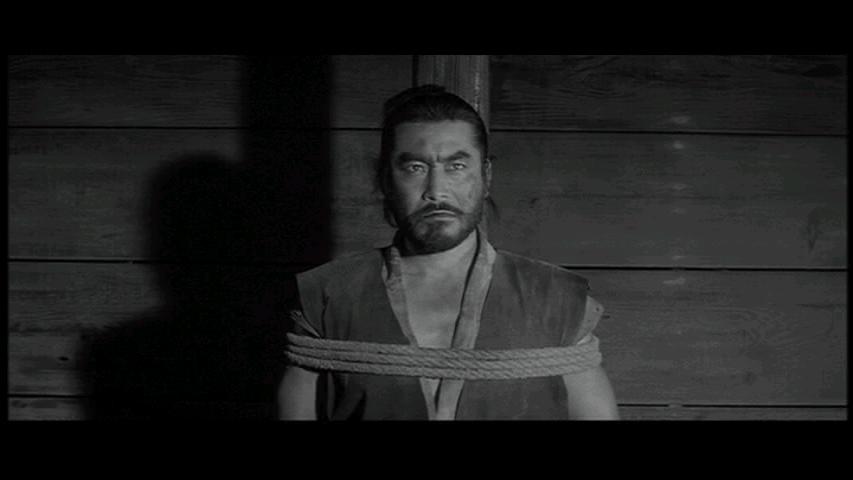
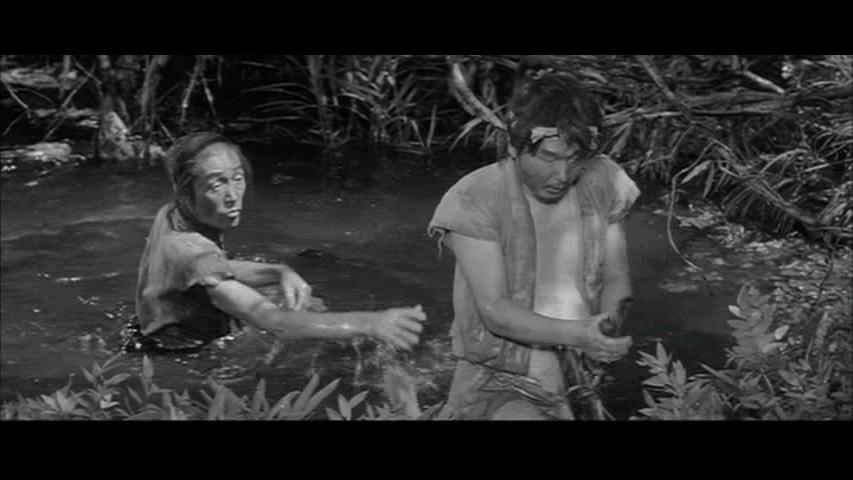
As Peary writes, this Japanese epic is “often exciting” and “consistently funny”. Indeed, it’s an excellent mixture of comedy (provided in no small measure by the bumbling peasants), adventure (the chase scene on horseback is particularly stunning), suspense (will the band of travelers make it to safety?), and social commentary (the sheltered princess is given an unprecedented chance to see “ordinary” life for the first time). It’s well-known by most film buffs that George Lucas took inspiration from this film when writing the screenplay for Star Wars (1977) — primarily in his choice to frame the story through the eyes of two of the lowliest characters (C3PO and R2D2). In Hidden Fortress, however, the bumbling peasants do more than simply frame the story — they serve as literal archetypes of foolish greed, while Mifune’s General Rokurota is a contrasting paragon of loyalty and stalwart bravery. In the end, nobility wins out, and the fools are left to their own quibbling devices once again.

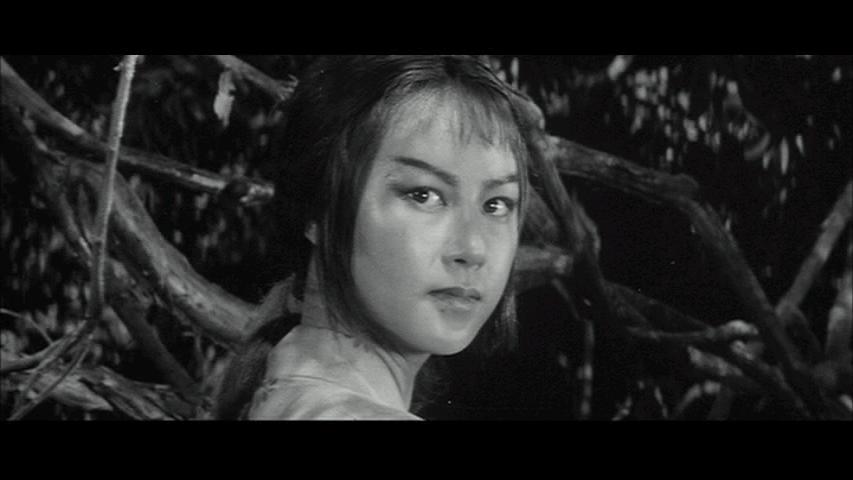
Note: In his review, Peary points out that Uehara wears “what is definitely the skimpiest, sexiest outfit of any female in a Japanese costume picture.” This is true, yet Uehara’s shorts are ultimately much more than cheesecake fodder: they allow her more freedom of movement than a kimono, and her sturdy stance proves that she is capable of enduring a long journey through the wilderness.

Princess Yuki may be beautiful and sexy, but more importantly, she can hold her own in a man’s world.

Redeeming Qualities and Moments:

  • Misa Uehara as the strong-willed, sexy young Princess Yuki.
  • Toshiro Mifune’s dignified, undying loyalty to his princess.
  • Chiaki and Fujiwara’s highly physical comedy
  • Stunning black-and-white cinematography (as always with Kurosawa)

Must See?
Yes. This one of Kurosawa’s most enjoyable films, not to be missed.

Categories

  • Foreign Gem
  • Important Director

Links:

She-Beast, The (1966)

She-Beast, The (1966)

“With that thing around your neck, only the goblins would want you.”

Synopsis:
A newlywed (Barbara Steele) vacationing in communist Transylvania disappears into a lake, and emerges as the 18th century vampiric witch Vardella. Her husband (Ian Ogilvy) must enlist the help of Count von Helsing (John Karlsen) to bring his wife back to life.

Genres, Themes, Actors, and Directors:

  • Barbara Steele Films
  • Horror
  • Michael Reeves Films
  • Possession
  • Witches and Wizards

Response to Peary’s Review:
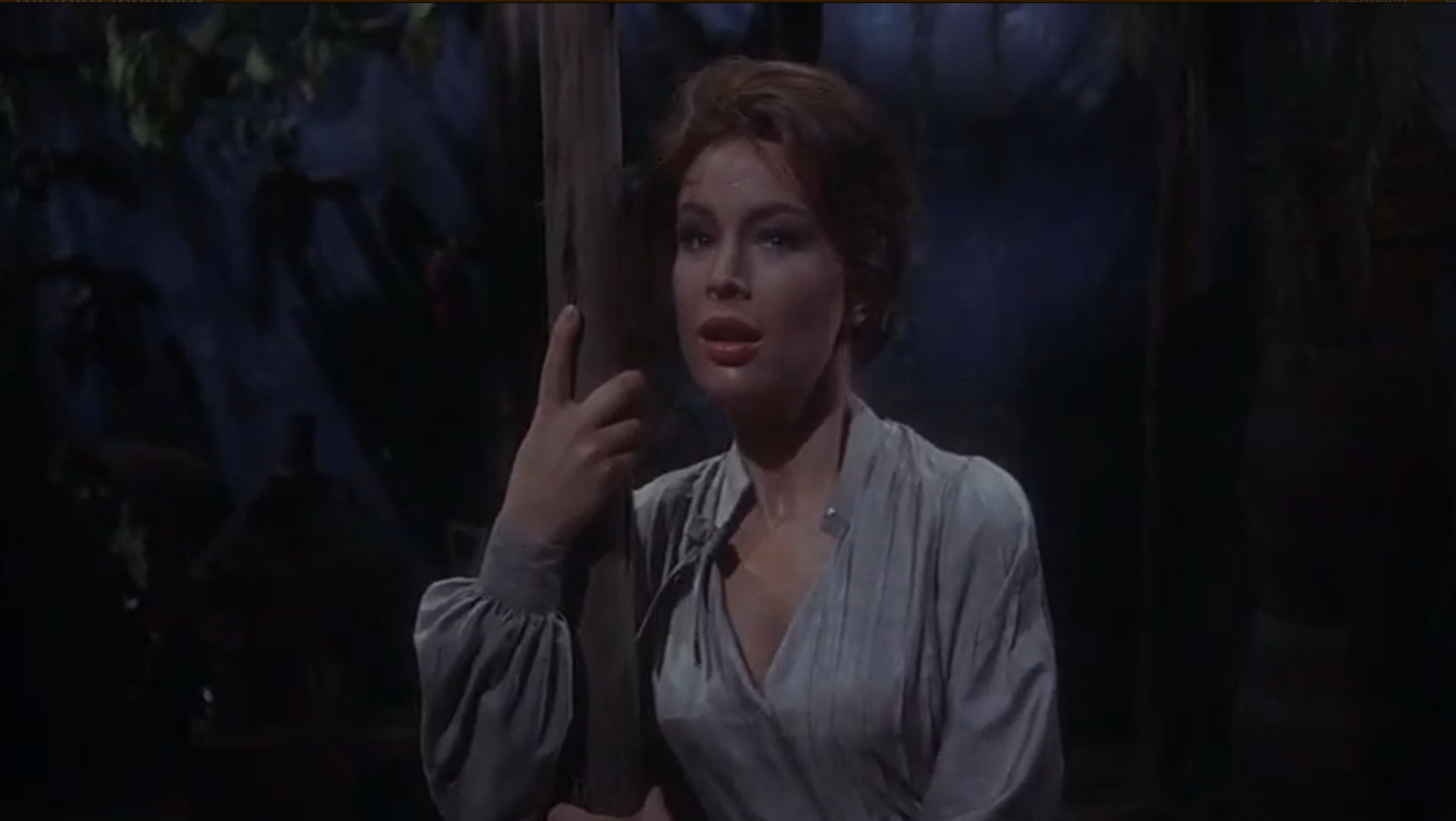
As Peary writes, “Michael Reeves’s debut film as director” (at the age of 21!) presents his typically harsh world where evil is the dominant force and is indestructible.” He notes that the “film is full of striking imagery”, providing clear evidence of Reeves’s talent as a director:

— but its “low budget and dubbing make it really hard to appreciate.” He also argues that while “Steele’s appearance is too brief”, she “grabs your attention”.

Redeeming Qualities and Moments:

  • Striking imagery
  • John Karlsen as Count von Helsing

Must See?
No, though any fan of Michael Reeves will undoubtedly be curious about this one.

Links:

Storm Warning (1951)

Storm Warning (1951)

“Without us, a girl like you wouldn’t be safe on the street at night.”

Synopsis:
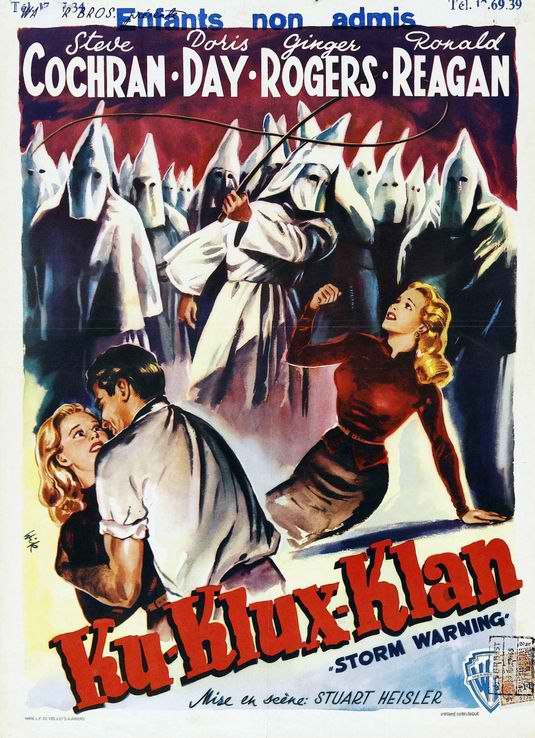
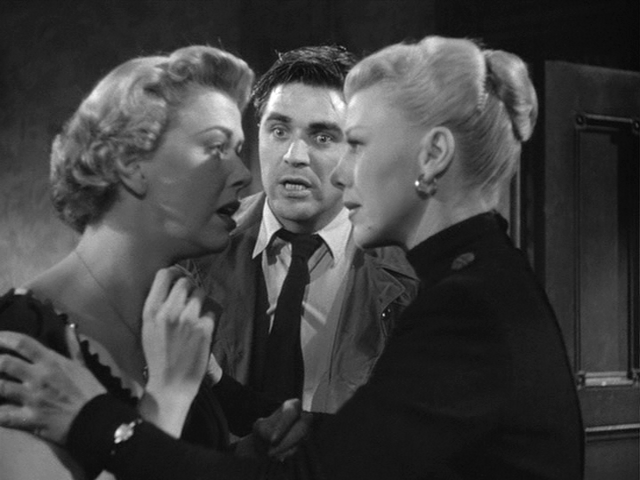
A woman (Ginger Rogers) witnesses her brother-in-law (Steve Cochran) participating in a killing by the Ku Klux Klan, and must decide whether to stay quiet or talk.

Genres, Themes, Actors, and Directors:

  • Courtroom Drama
  • Doris Day Films
  • Ginger Rogers Films
  • Ronald Reagan Films
  • Small Town America

Response to Peary’s Review:
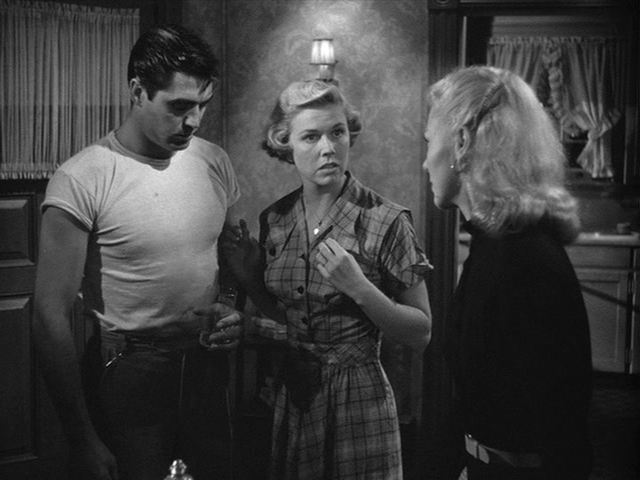
As Peary notes, this tragic social drama — the “first Hollywood picture since 1936’s Black Legion to take a persuasive stand against the Ku Klux Klan” — does indeed “keep you on the edge of your seat”. However, it’s deeply disappointing that once again, nothing at all is mentioned about the Klan’s racist ideology; instead, the Klansmen are simply presented as a white-hooded version of small-town mob mentality. Fortunately, the genuine tension between the primary protagonists carries the film, and Rogers’ dilemma — whether to tell what she saw, or keep quiet for the sake of her sister’s happiness — is authentically compelling. As an added note, the dynamic between Marsha (Rogers), her sister Lucy (Doris Day), and Lucy’s husband Hank (Cochran) reminded me of the claustrophobic tension between Blanche, Stella and Stanley in A Streetcar Named Desire — though Cochran’s hunky Hank is infinitely more idiotic than Stanley, and Marsha far less fragile than Blanche.

Redeeming Qualities and Moments:

  • Ginger Rogers’ “gutsy” performance
  • Doris Day in a sympathetic early screen role (Peary notes that her “dramatic portrayal… is what earned her the lead in The Man Who Knew Too Much“)
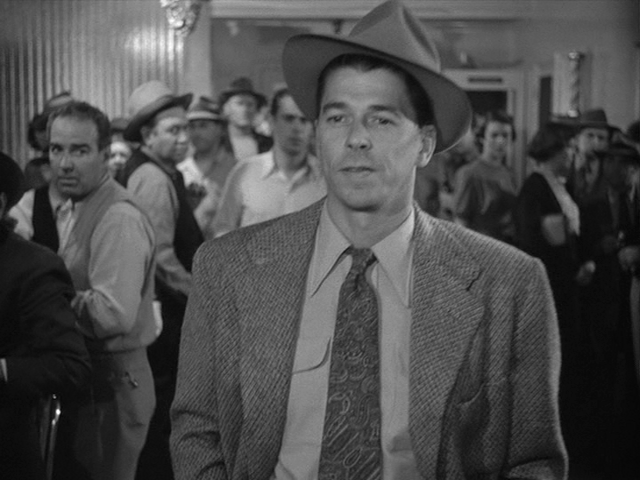
  • Ronald Reagan as a local journalist determined to expose the Klan
  • An effective tale of loyalty versus justice
  • Atmospheric cinematography
  • A rare mid-twentieth-century American film to address the Klan

Must See?
No, but it’s definitely worth watching.

Links:

Tall Blond Man With One Black Shoe, The (1972)

Tall Blond Man With One Black Shoe, The (1972)

“Pick out anyone you like, someone out of a crowd: the more anonymous the better.”

Synopsis:
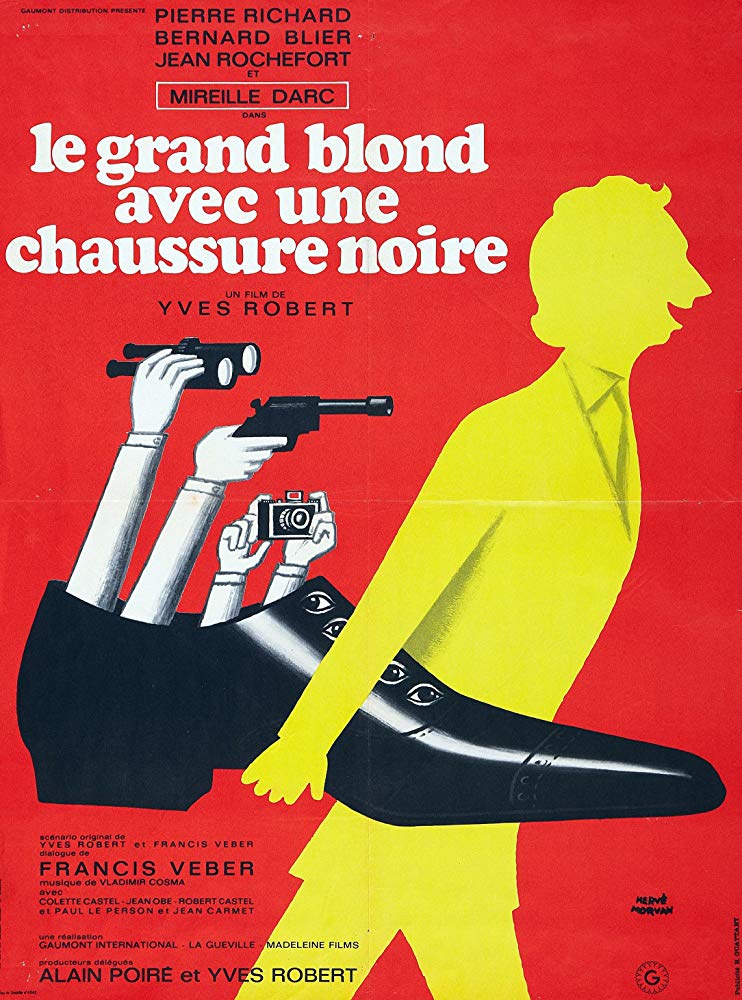
A bumbling musician (Pierre Richard) is mistakenly identified as an undercover agent, and shadowed by a rival spy ring who interpret his every move as important.

Genres, Themes, Actors, and Directors:

  • Comedy
  • French Films
  • Mistaken or Hidden Identities
  • Musicians
  • Spies

Response to Peary’s Review:
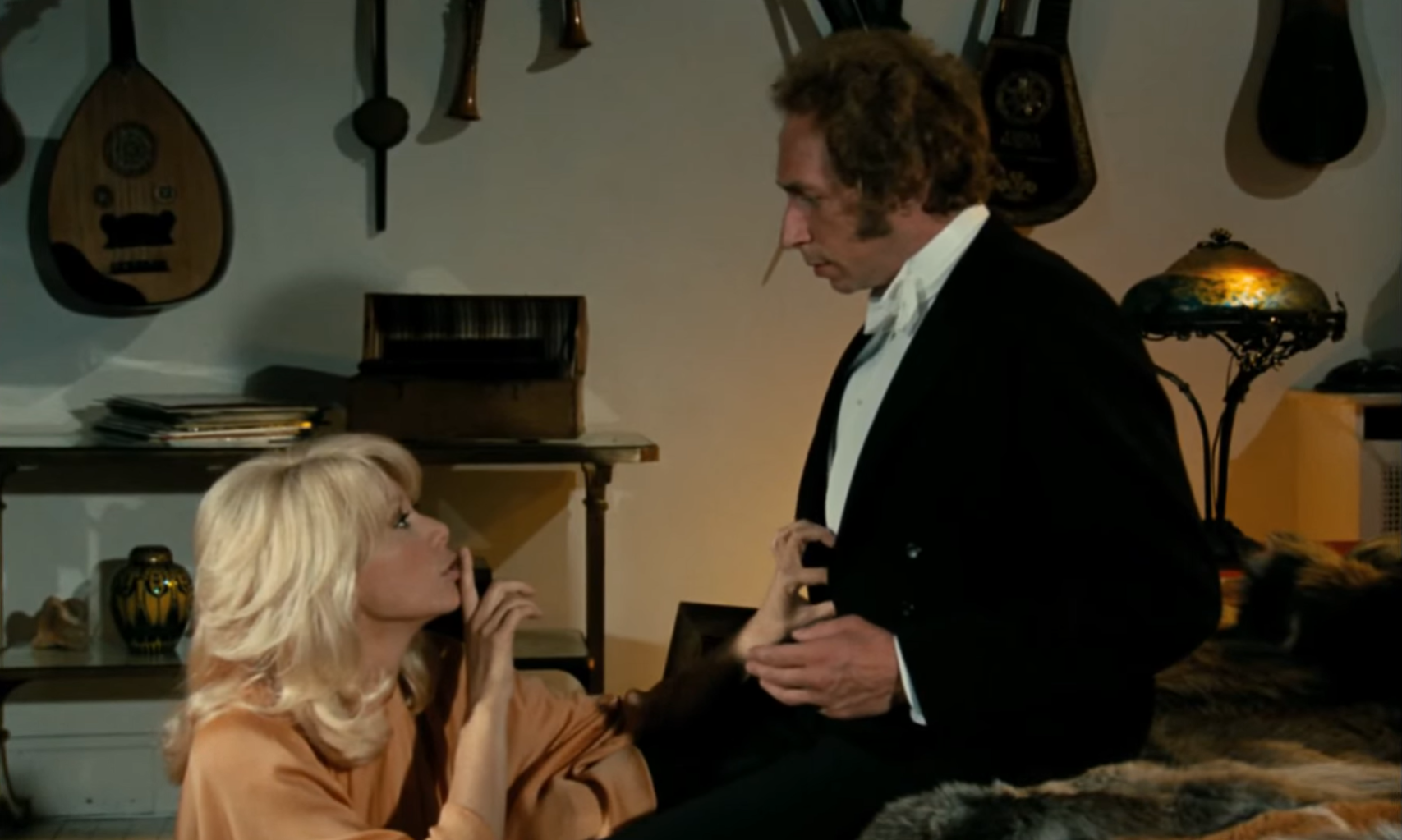
Peary writes that this “harmless French farce about a dizzy musician… who a group of spies mistakenly believe works for a rival spy gang” starts off slowly, but quickly begins to generate laughs once Pierre Richard’s hapless violinist enters the screen and is pursued by “a beautiful woman” (Mireille Darc).

Peary notes that “clumsy Richard keeps acting like a fool, but the spies think it’s just a clever cover.” I agree with Peary that it “contains some funny sight gags”, with the “biggest laugh com[ing] when Richard first sees [the] low, low, low-cut, backless gown Darc wears in the seduction scene.”

Many reviewers seem to find this comedy overly “academic”, but contributors on IMDb are in agreement with me that it’s a genuinely amusing physical comedy. Check it out for yourself.

Redeeming Qualities and Moments:

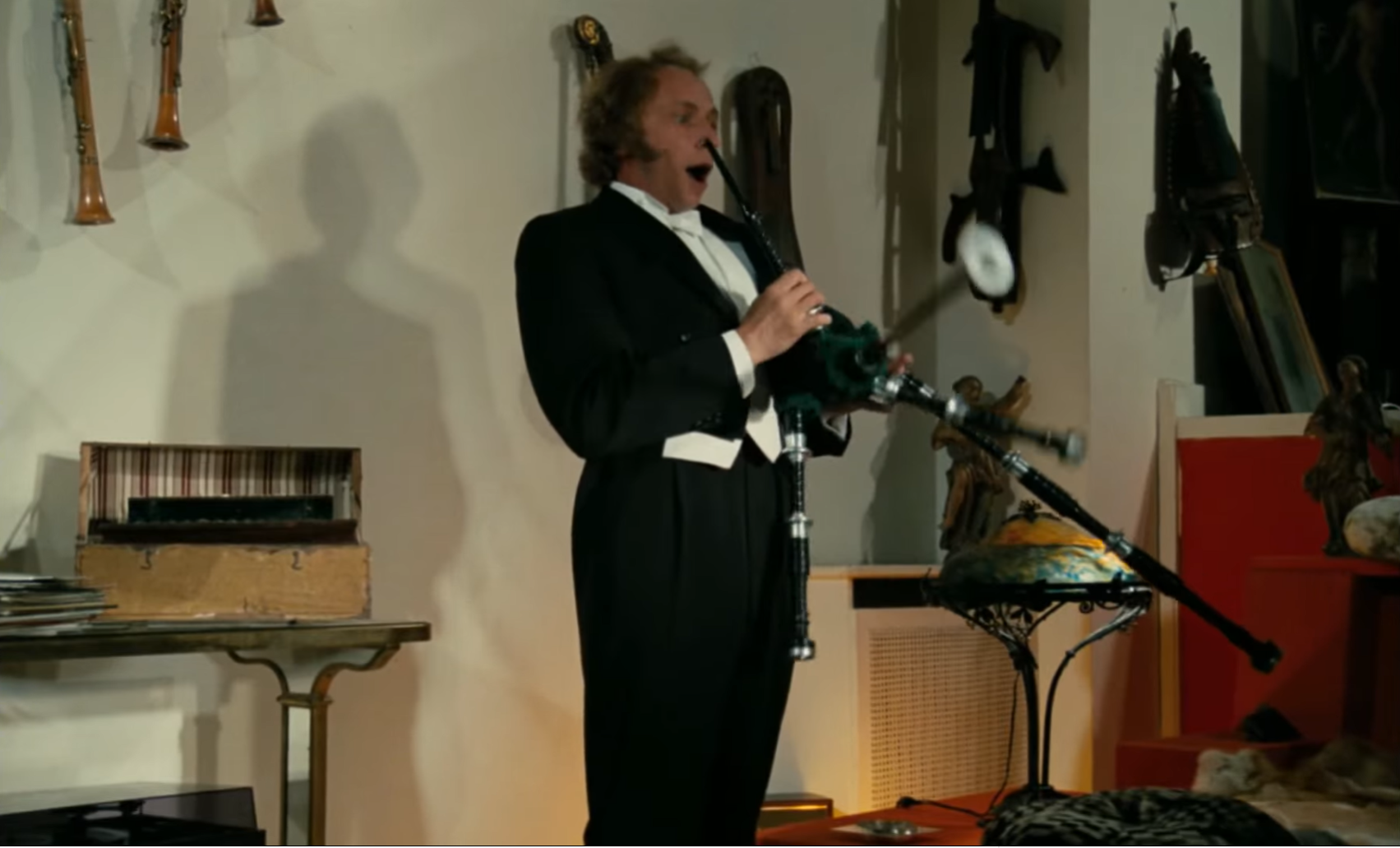
  • Many amusing sight gags — for instance, Richard fighting a losing battle with his own bagpipes
  • Colorful sets and cinematography

Must See?
No, but it’s a gentle little farce worth seeking out. Remade with Tom Hanks as The Man with One Red Shoe (1985).

Links: