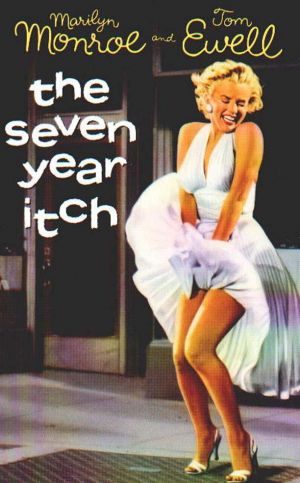
Seven Year Itch, The (1955)

Seven Year Itch, The (1955)

“I think it’s wonderful that you’re married! I think it’s just elegant!”

Synopsis:
A married advertising executive (Tom Ewell) whose wife (Evelyn Keyes) and son (Butch Bernard) are away for the summer lusts after his voluptuous, seemingly available neighbor (Marilyn Monroe).

Genres, Themes, Actors, and Directors:

  • Billy Wilder Films
  • Comedy
  • Dumb Blondes
  • Evelyn Keyes Films
  • Marilyn Monroe Films
  • Marital Problems
  • Play Adaptations

Response to Peary’s Review:
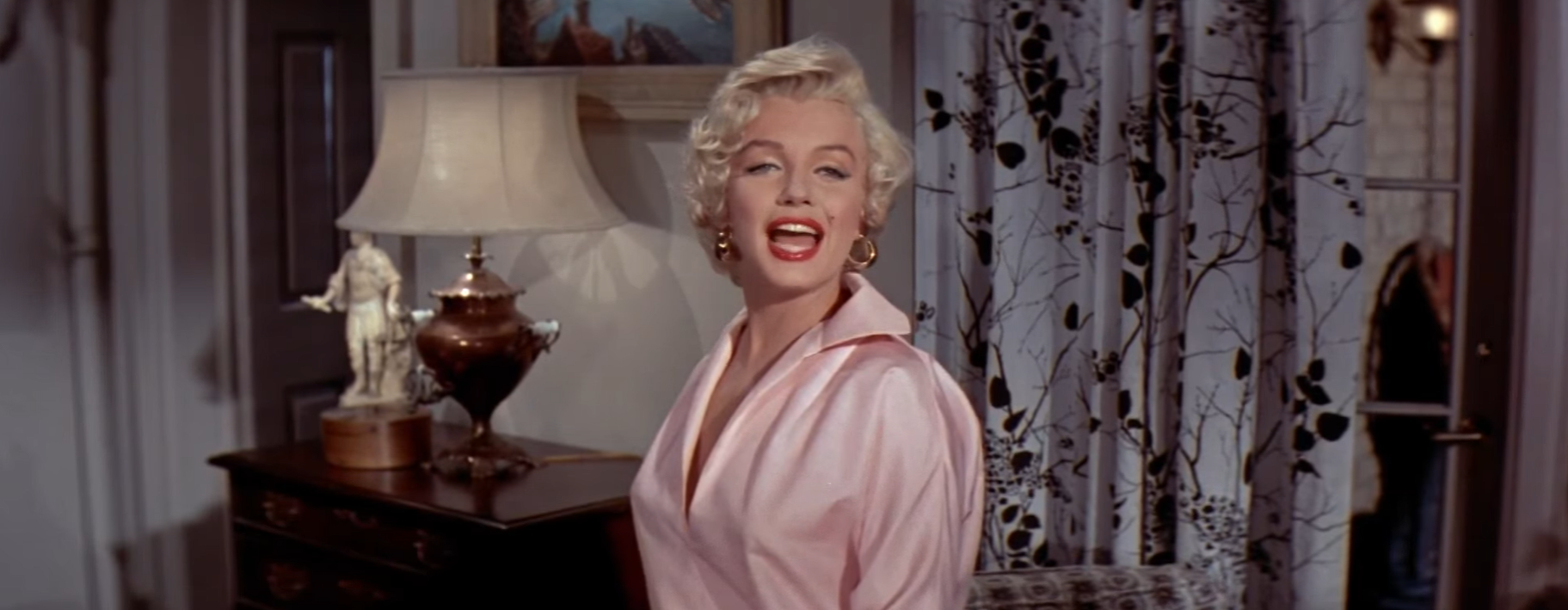
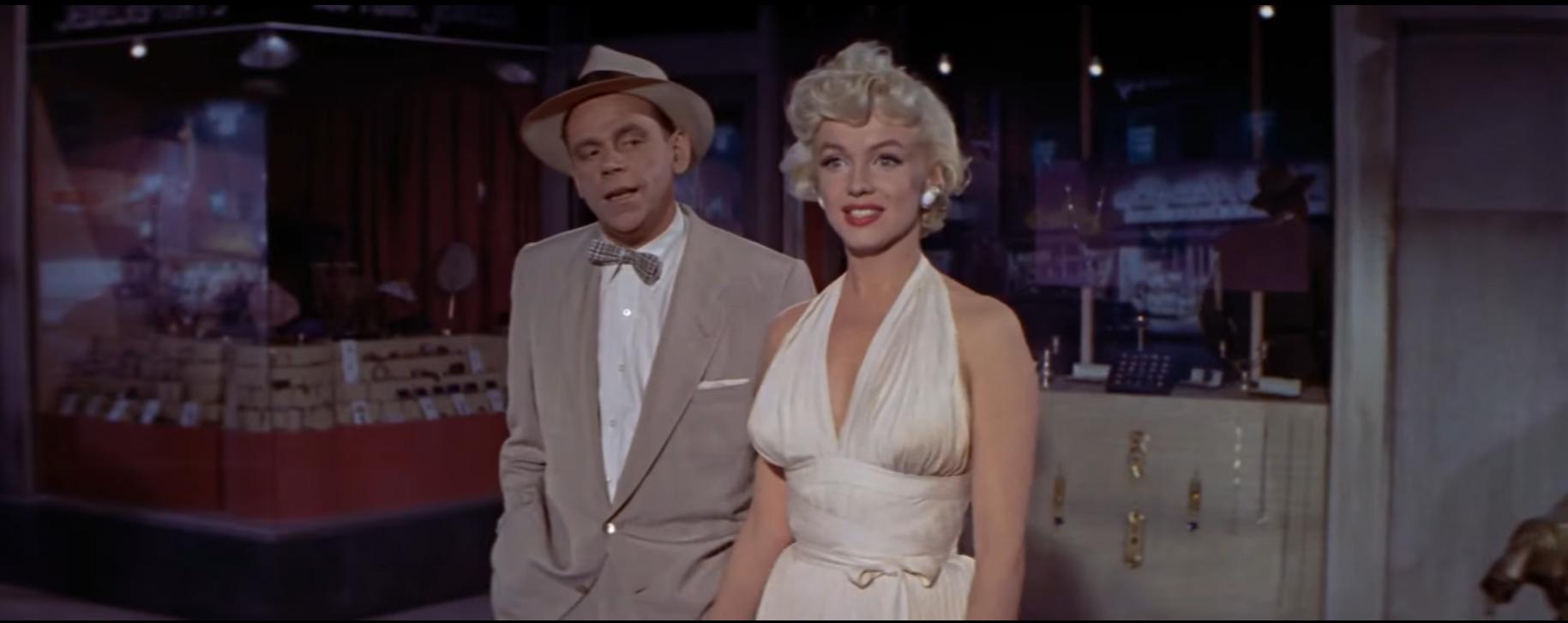
As Peary notes, this once-controversial Marilyn Monroe comedy is “much overrated, too talky and stagy, and only occasionally funny” — not to mention horribly dated. Tom Ewell’s “super-neurotic character” is simply annoying; his few redeeming moments occur during the ludicrous yet amusing fantasy sequences when he imagines himself as an irresistible lover. The real reason to watch this movie, naturally, is Monroe herself, who is in rare form playing a wide-eyed innocent with smoldering sex appeal. Unfortunately, fans will be disappointed to note that the famous “subway scene” doesn’t actually include the most well-known (full-body) shots of Monroe.

Redeeming Qualities and Moments:

  • Marilyn Monroe’s sensual, comedic performance as Ewell’s object of desire
  • Monroe famously standing over a subway grating and allowing the wind to blow her dress up
  • Ewell’s hilariously ridiculous fantasies

Must See?
Yes. Though it hasn’t entirely stood the test of time, this movie nonetheless remains must-see viewing for all film fanatics.

Categories

  • Controversial Film
  • Historically Relevant

Links:

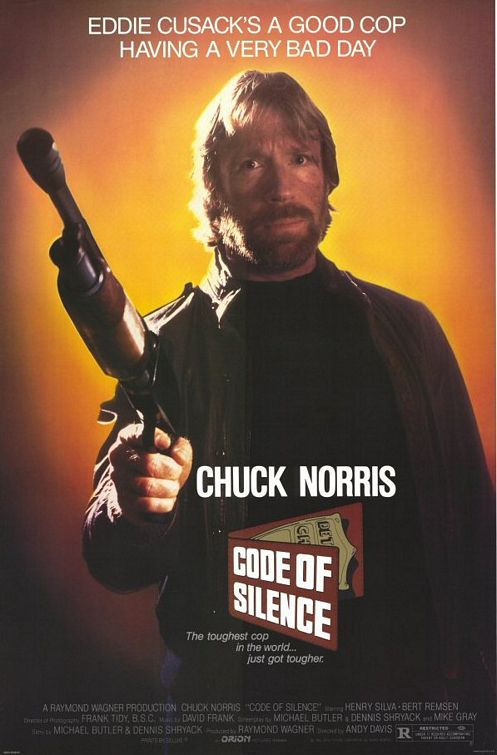
Code of Silence (1985)

Code of Silence (1985)

“You want to take on the whole world by yourself? Now you’re gonna get your chance, Cusack!”

Synopsis:
An honest Chicago cop (Chuck Norris) tries to protect a teenage girl (Molly Hagan) who is caught in the middle of her Italian family’s gang warfare with Colombian drugpins. In the meantime, Norris breaks the “code of silence” in his police force by testifying against a crooked fellow cop, and finds himself without backup.

Genres, Themes, Actors, and Directors:

  • Chuck Norris Films
  • Corruption
  • Gangs
  • Police

Response to Peary’s Review:
Chuck Norris’s “breakthrough” film (which, as Peary notes, got good reviews upon its release) is a surprisingly entertaining action flick with decent performances and fine production values. Interestingly, the title’s “code of silence” doesn’t even become an issue until more than halfway through the film, at which point it simply provides a convenient excuse for Norris to take on an entire gang of Colombians on his own. As Peary notes, Molly Hagan “is the picture’s real plus” — we genuinely care about this resilient young woman, who never asked to be caught up in her family’s fatal troubles.

Redeeming Qualities and Moments:

  • Molly Hagan as the young woman Norris is determined to protect
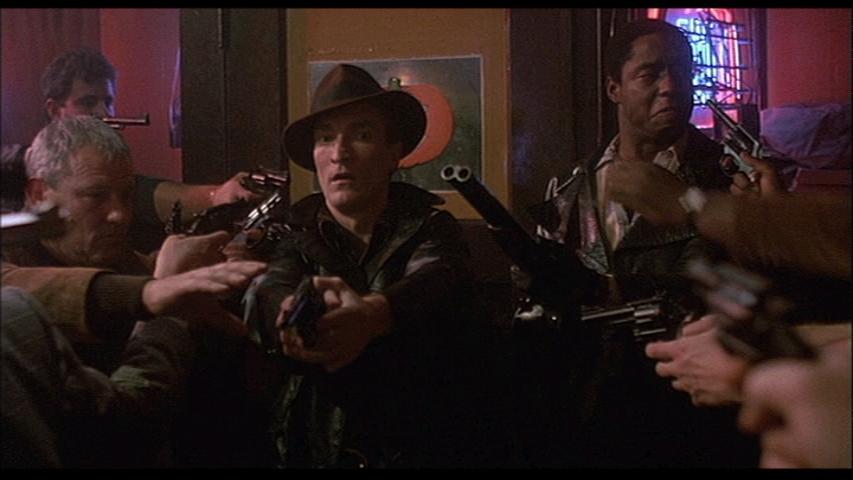
  • Several scenes of unexpected humor — including one in which two utterly incompetent burglars attempt to hold up a police bar
  • Many excitingly choreographed action sequences
  • The toe-tapping synthesized “80s score

Must See?
Yes, simply to see Chuck Norris in what may be his finest film role (though I haven’t seen enough of his other movies to say for sure).

Categories

  • Historically Relevant

Links:

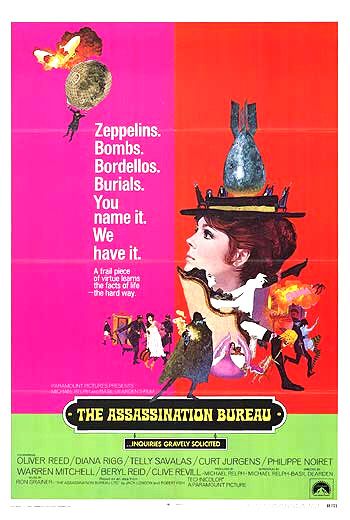
Assassination Bureau, The (1969)

Assassination Bureau, The (1969)

“It’s the greatest story of the decade — and covered by a woman!”

Synopsis:
An aspiring journalist (Diana Rigg) hires the underground Assassination Bureau to kill its own chairperson (Oliver Reed).

Genres, Themes, Actors, and Directors:

  • Black Comedy
  • Curt Jurgens Films
  • Diana Rigg Films
  • Journalists
  • Oliver Reed Films
  • Plot to Murder
  • Telly Savalas Films

Review:
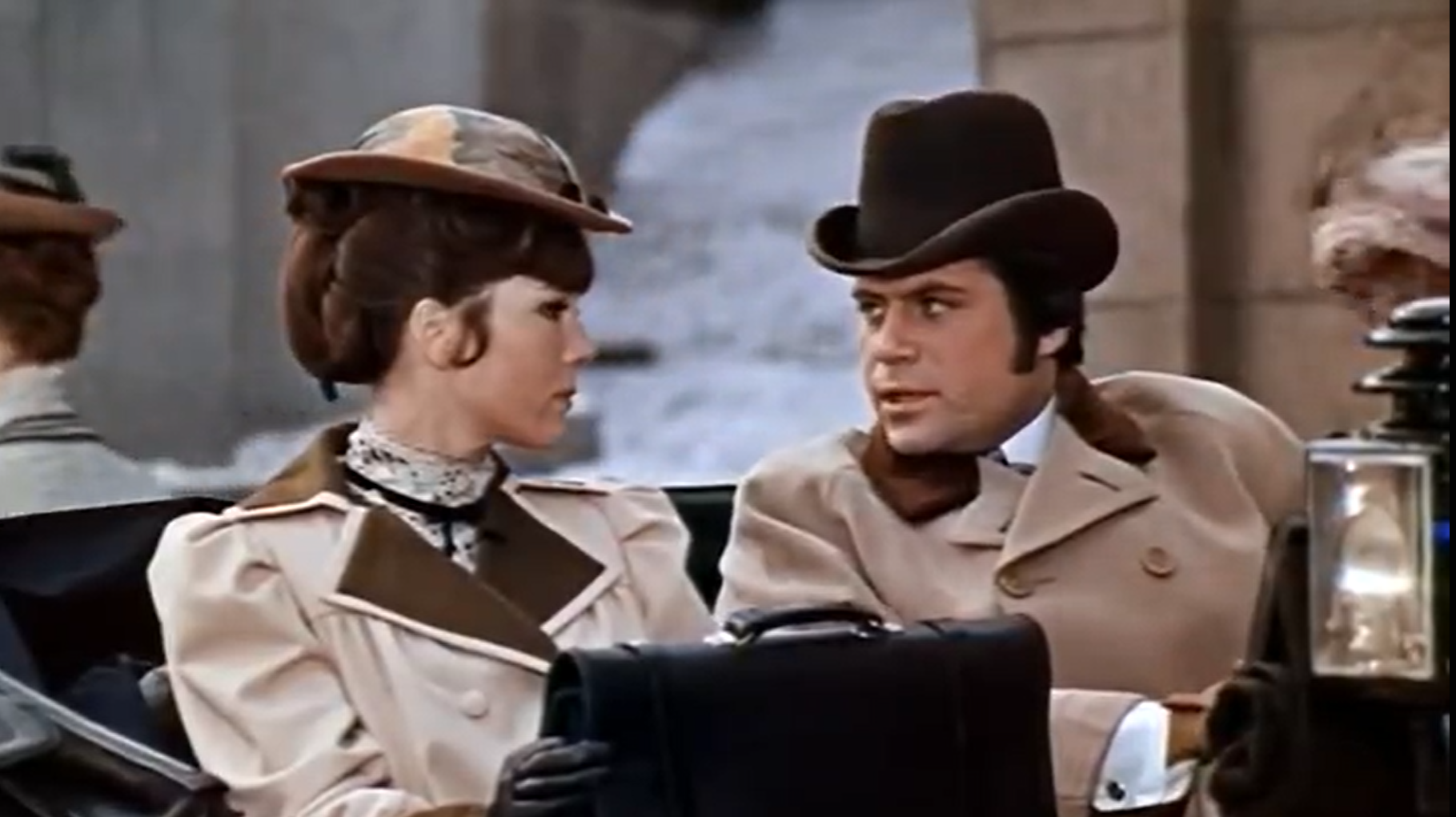
Although it’s based on a clever premise, this British farce is a disappointment on every count. Things go wrong from the very beginning of the story, when Rigg hires Reed to kill himself, and he willingly agrees — only to fob the job off onto his colleagues as a taunting excuse to murder them first. Such blatant narrative illogic kills the entire enterprise of this not-very-amusing black comedy, which ultimately has no real point. Adding insult to injury, even fans of Rigg or Reed will be disappointed: they lack any chemistry at all together:

… and Rigg’s transformation from an independent young feminist to a corset-wearing lovebird is unwelcome. Only recommended for those who enjoy fast-paced, high-color historical action flicks without much substance.

Redeeming Qualities and Moments:

  • Nicely done set designs depicting turn-of-the-century Europe

Must See?
No. Though Peary lists it as a cult movie in the back of his book, I doubt it still has much of a following.

Links:

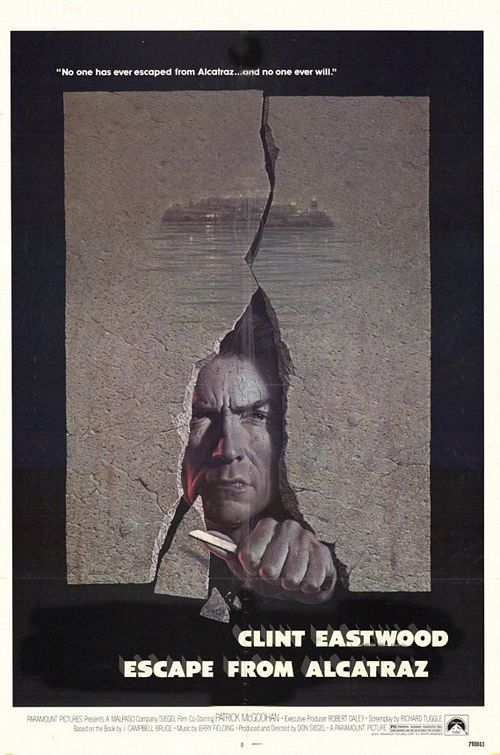
Escape From Alcatraz (1979)

Escape From Alcatraz (1979)

“No one has ever escaped from Alcatraz — and no one ever will!”

Synopsis:
Four prisoners (Clint Eastwood, Jack Thibeau, Fred Ward, and Larry Hankin) plot their escape from the island of Alcatraz.

Genres, Themes, Actors, and Directors:

  • Clint Eastwood Films
  • Don Siegel Films
  • Escape
  • Prisoners

Review:
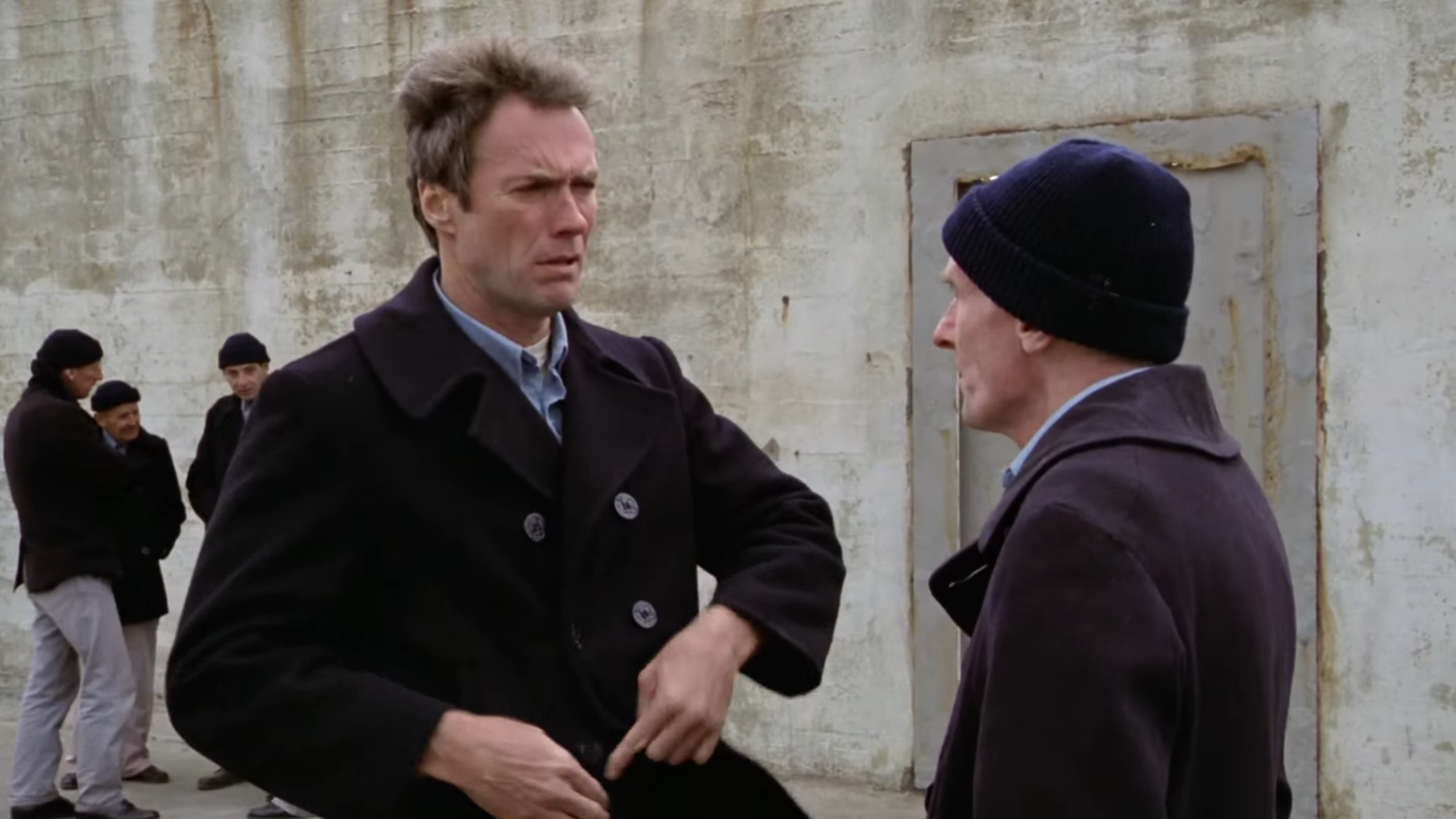
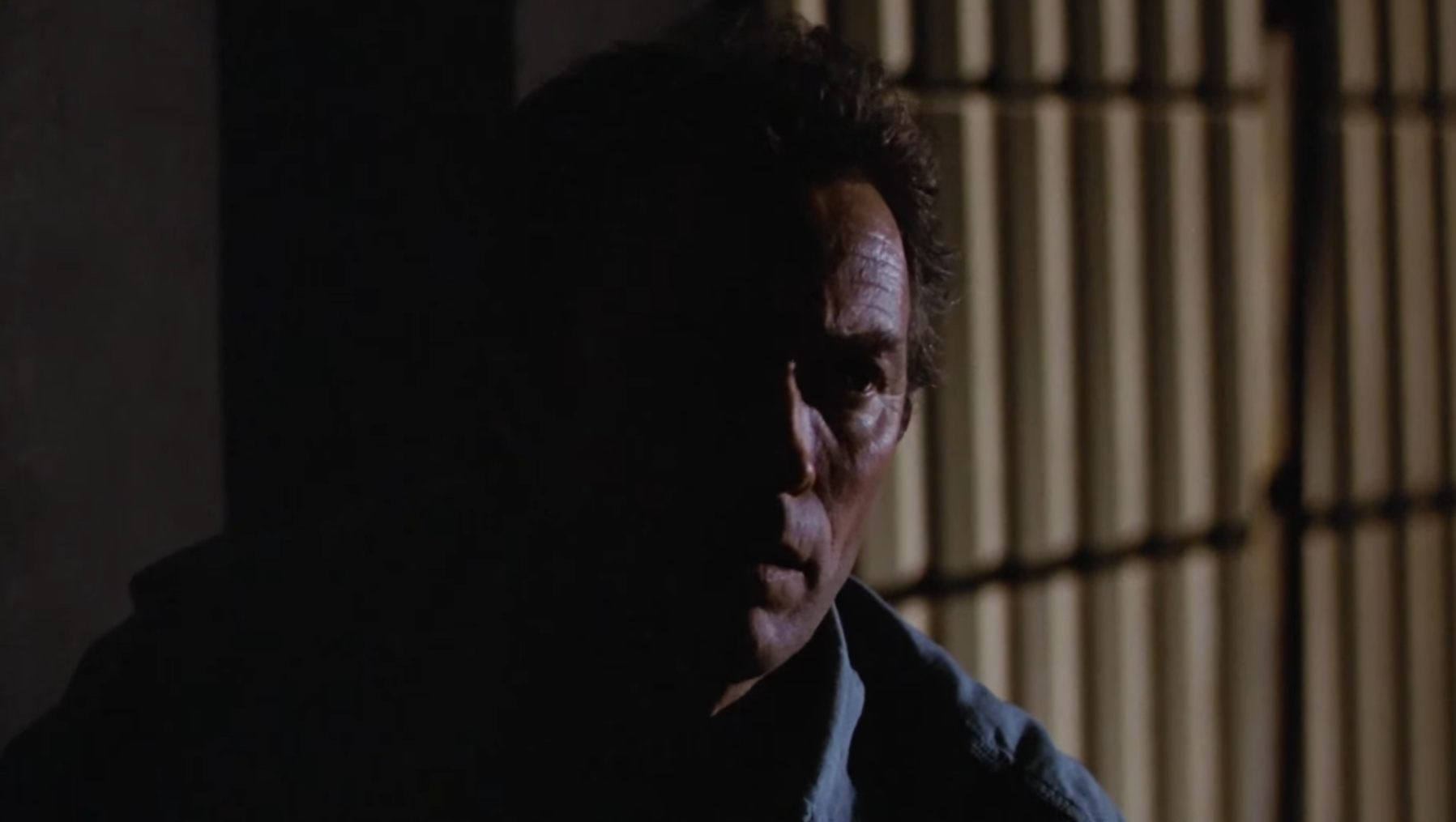
As noted in Vincent Canby’s review for the New York Times, Don Siegel’s Escape From Alcatraz “is not a great film or an especially memorable one.” There’s little character development and even less background exposition — everything we see and hear is either meant to show us why Eastwood is so eager to get out of this notorious hell hole (who wouldn’t be?), or how he goes about doing so. Plus, since the movie is based on a real story, there aren’t many surprises: we already know that three of the four men will successfully escape, and that their bodies will never be found. Although Escape From Alcatraz is guaranteed to appeal to hardcore prison-break film fans, I’ll admit I found it to be a disappointment. It features all the classic tropes we’re already so familiar with in prison movies — the sadistic warden; the beloved elderly prisoner with an innocuous hobby; the aggressive sexual predator — without providing any new insights. You’re better off watching a more recent classic on the same theme: Frank Darabont’s The Shawshank Redemption (1994).

Redeeming Qualities and Moments:

  • On-location footage in what is possibly the world’s most famous prison
  • Some genuinely tense moments

Must See?
Yes, simply for its status as a seminal prison-break flick.

Categories

  • Historically Relevant

Links:

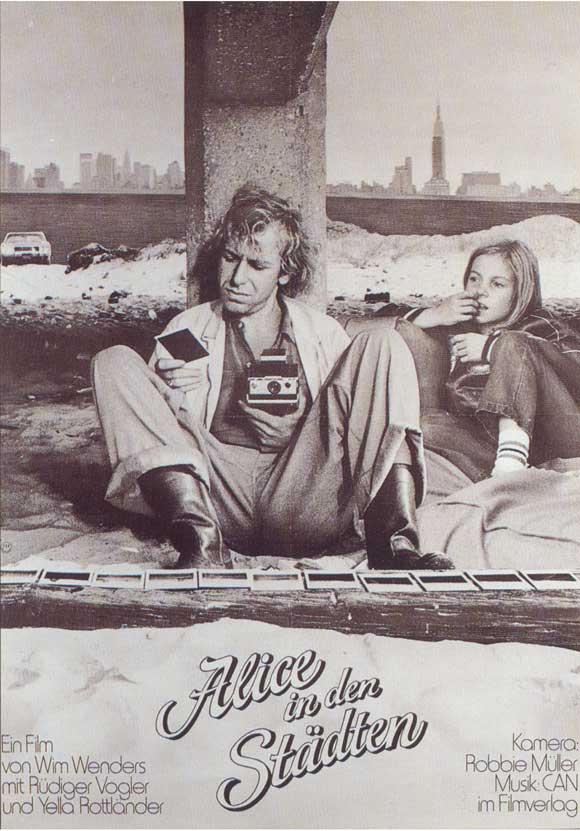
Alice in the Cities (1974)

Alice in the Cities (1974)

“You really are out of touch.”

Synopsis:
A journalist (Rudiger Vogler) with writer’s block tries to help an abandoned girl (Yella Rottlander) find her grandmother’s home in Germany.

Genres, Themes, Actors, and Directors:

  • Friendship
  • German Films
  • Road Trip
  • Search
  • Writers
  • Wim Wenders Films

Review:
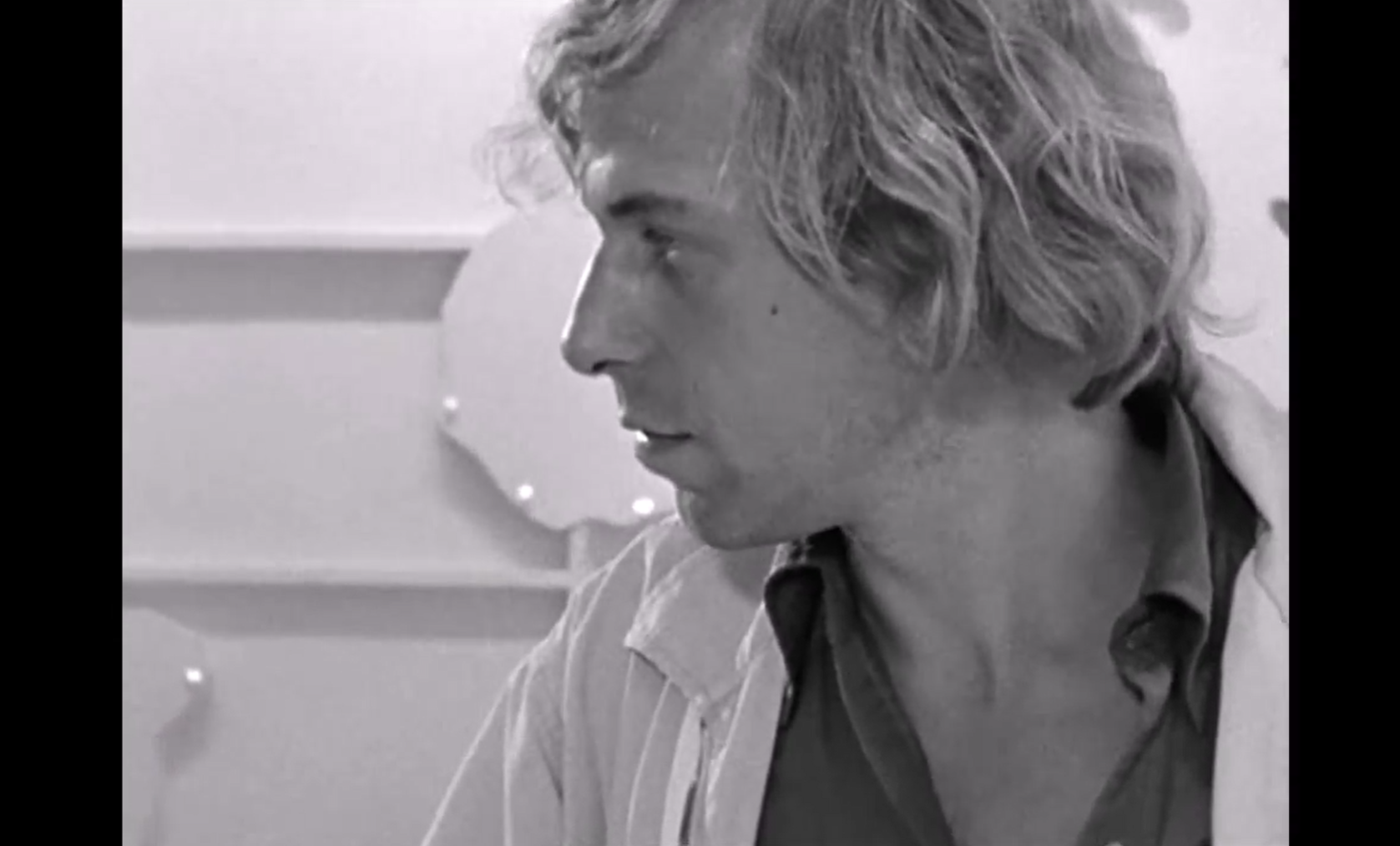
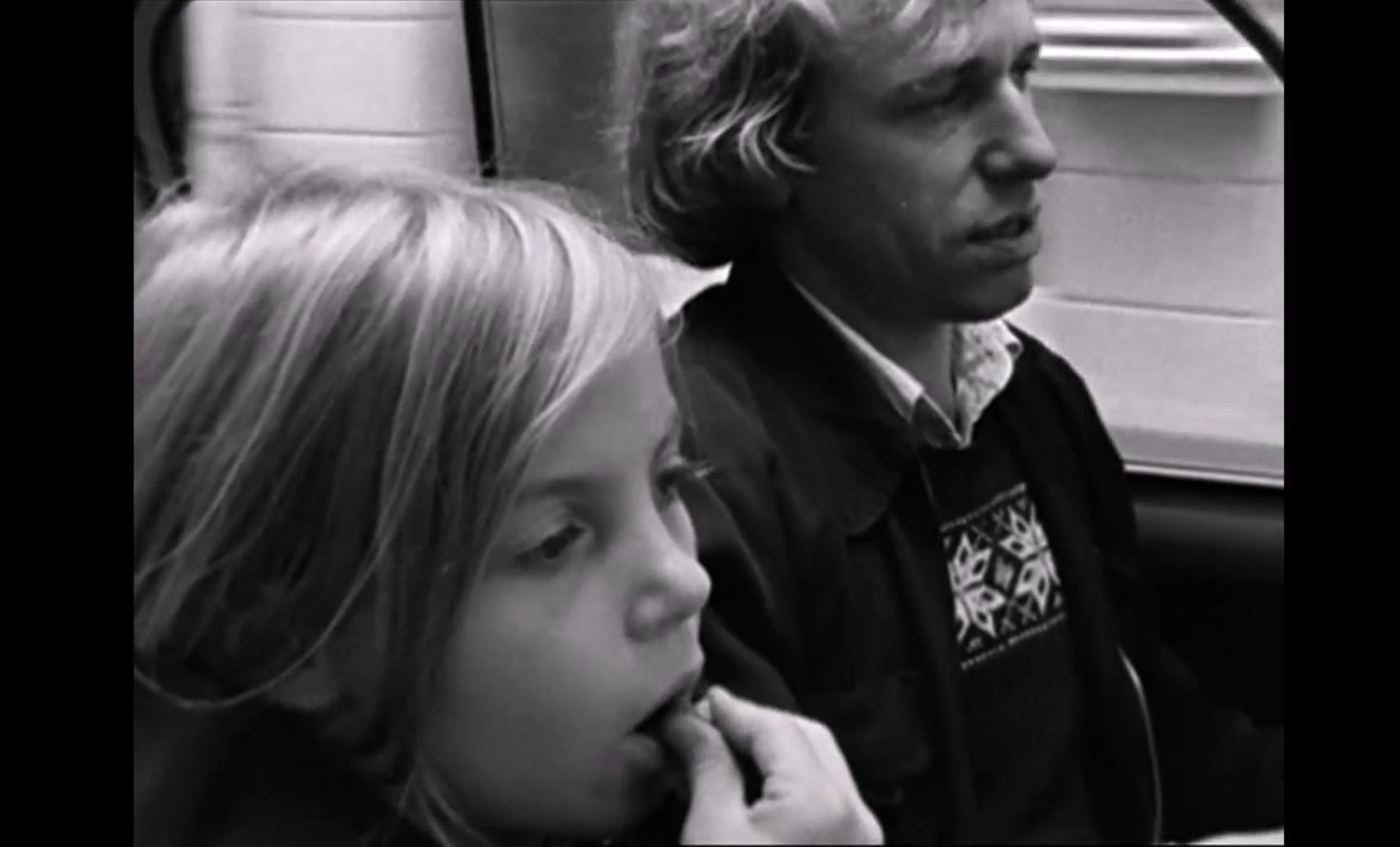
A cross-Atlantic road trip with metaphorical underpinnings, Wim Wenders’ Alice in the Cities is a remarkable gem of a movie. It features excellent performances by both young Yella Rottlander (whose face clearly registers her shifts in emotions) and Vogler; their characters mature and grow throughout the course of the film, but without great fanfare or insistence. This is an independent film of the highest caliber, a story told exactly how it may very well have happened rather than with artificial resolutions. It’s a treat to watch Alice and Phil’s journey — and their unusual friendship, which never smacks of anything unsavory — unfolding.

Redeeming Qualities and Moments:

  • Rudiger Vogler as the free-spirited yet soul-searching journalist
  • Yella Rottlander’s remarkably natural performance as the nine-year-old “orphan”
  • The gradually emerging friendship between Phil and Alice
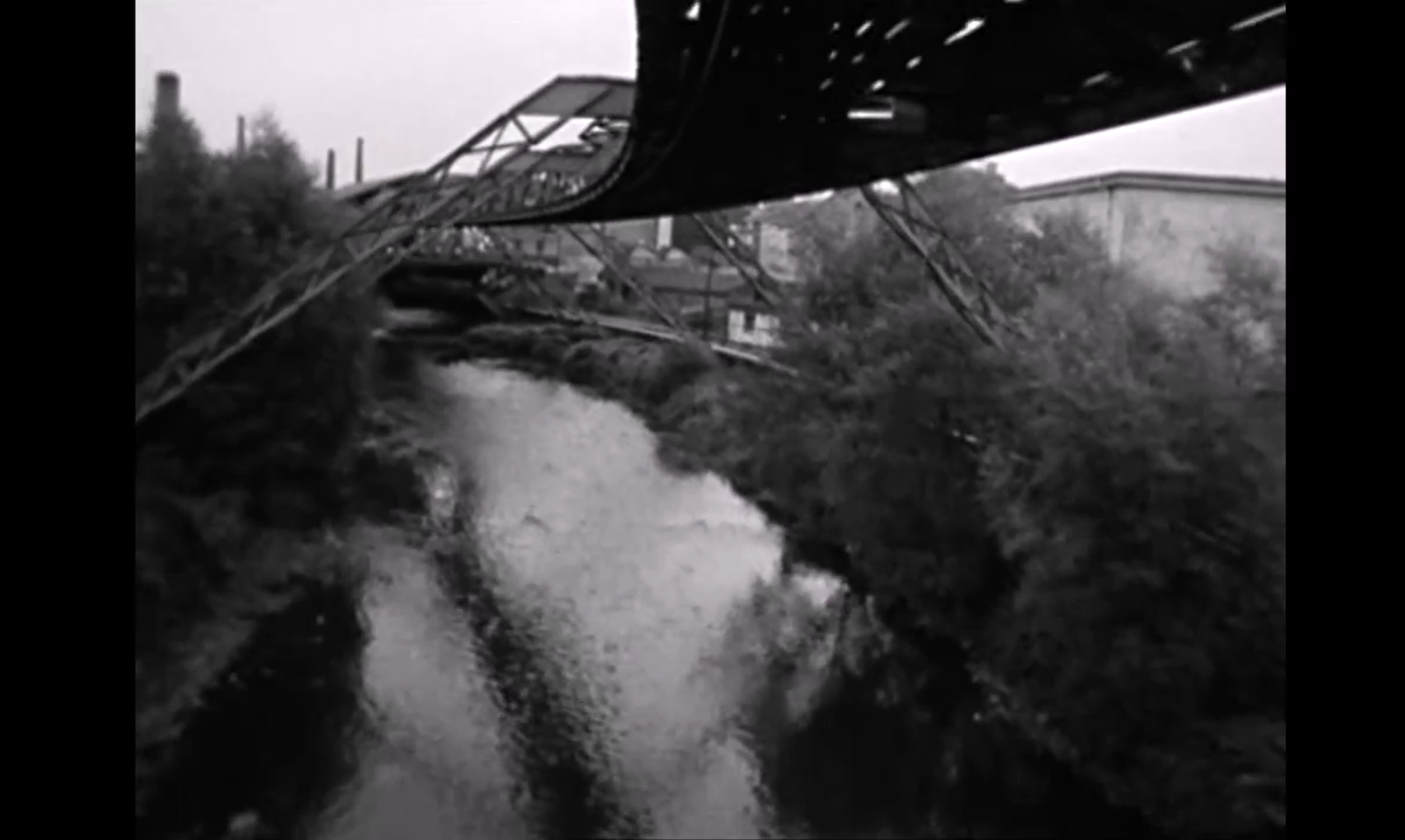
  • Beautiful, contemplative black-and-white cinematography of America, Amsterdam, and Germany

Must See?
Yes, as an enjoyable foreign classic.

Categories

  • Foreign Gem
  • Important Director

Links:

Bonnie Parker Story, The (1958)

Bonnie Parker Story, The (1958)

“We got ourselves a one way ticket, [and] there’s nothing you can do once you get on but ride right to the end of the line.”

Synopsis:
Blonde gunslinger Bonnie Parker (Dorothy Provine) goes on a shooting spree across the nation with her boyfriend, Guy Darrow (Jack Hogan).

Genres, Themes, Actors, and Directors:

  • Biopics
  • Criminal Couples On the Run
  • Fugitives
  • Heists
  • Strong Females

Review:
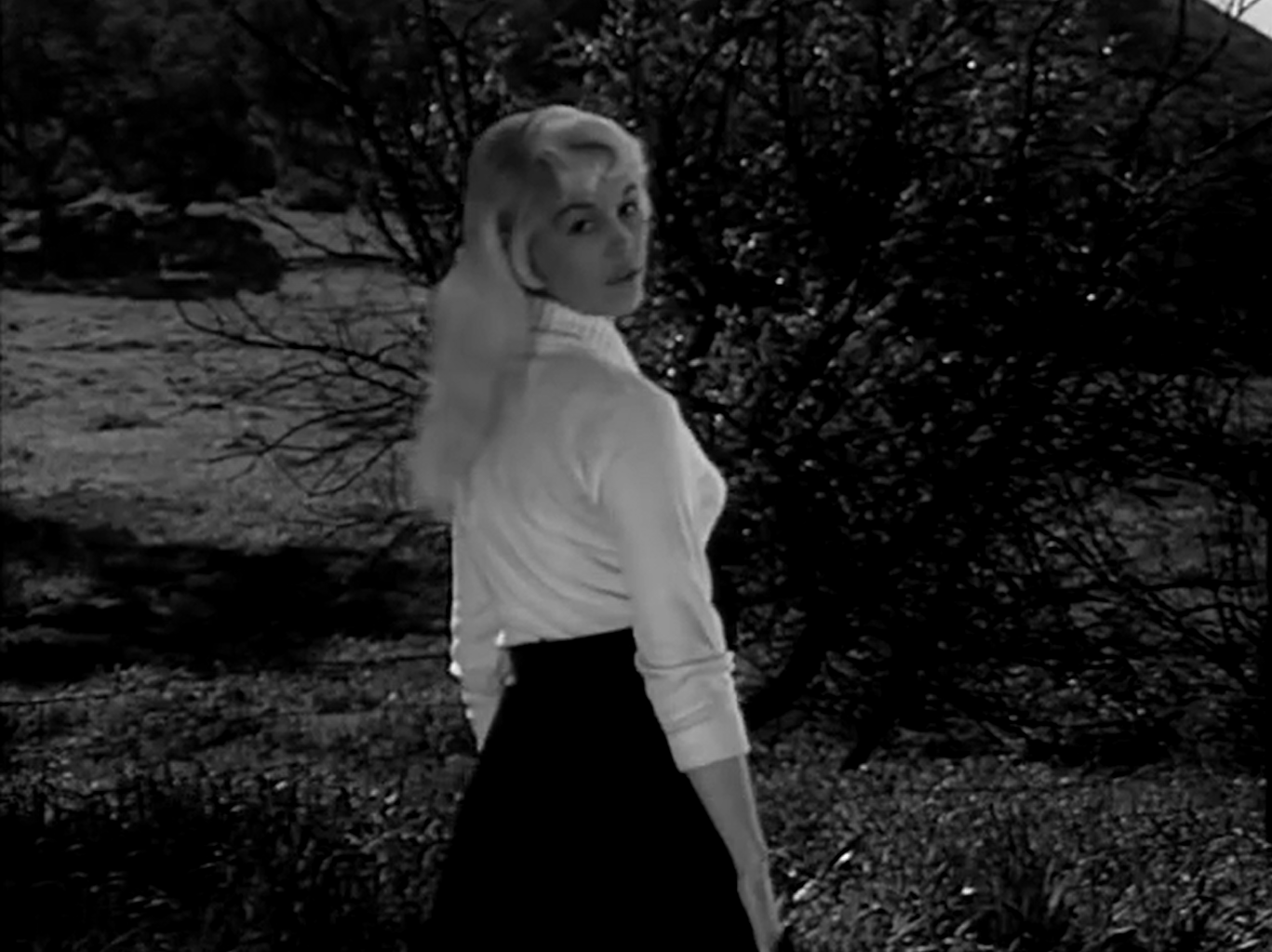
AIP’s exploitation flick about notorious fugitive Bonnie Parker features one of the strongest females in 1950s cinema. As portrayed by voluptuous Dorothy Provine, Parker is a beautiful woman who, tired of being let down by the men who desire her, discovers the addictive power of guns, and doesn’t stop shooting until her rounds (and her luck) are finally exhausted.

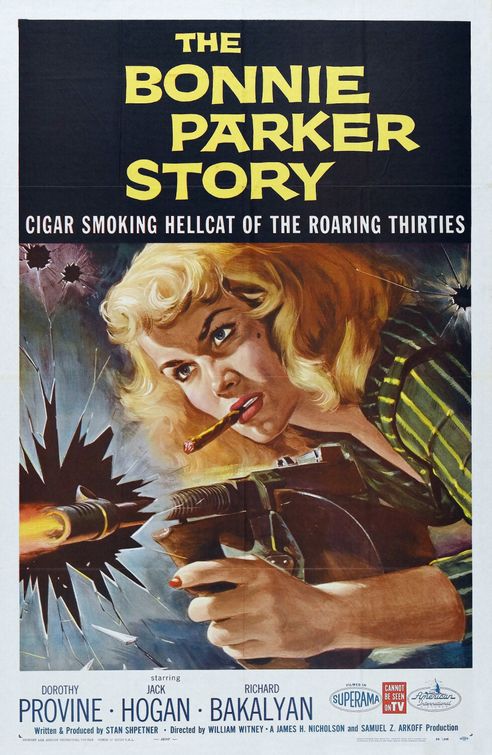
She’s smart, sassy, and single-minded — a “cigar smoking hellcat”, according to the movie’s tagline. While the movie doesn’t strive for authenticity or accuracy — its characters dress in modern garb despite the 1930s setting, for instance — it’s nonetheless a surprisingly fun ride while it lasts.

Redeeming Qualities and Moments:

  • Dorothy Provine’s strong, sexy performance as Parker
  • Plenty of zingy one-liners and retorts, as when Bonnie states drolly:

    “I didn’t lose my nerve; I know right where I left it.”

Must See?
Yes. This little-seen precursor to Arthur Penn’s highly acclaimed Bonnie and Clyde (1969) remains an effective B-budget biopic.

Categories

  • Historically Relevant
  • Noteworthy Performance(s)

Links:

Bad Seed, The (1956)

Bad Seed, The (1956)

“She can fool some people with that innocent look she can put on and put off — but not me!”

Synopsis:
The mother (Nancy Kelly) of a psychopathic child (Patty McCormack) is horrified to learn that her daughter feels no remorse about having killed her classmate.

Genres, Themes, Actors, and Directors:

  • Evil Kids
  • Mervyn LeRoy Films
  • Play Adaptations
  • Psychological Horror
  • Psychopaths

Review:
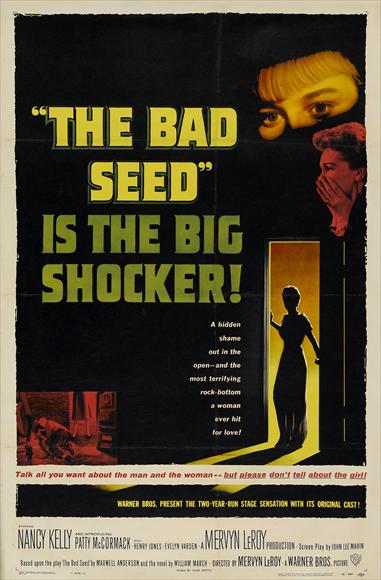
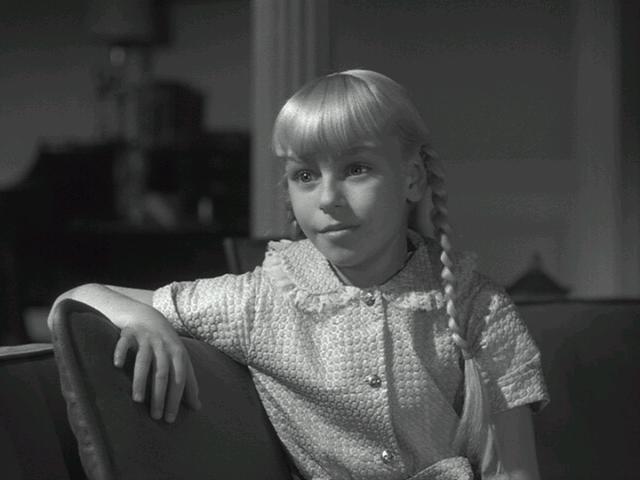
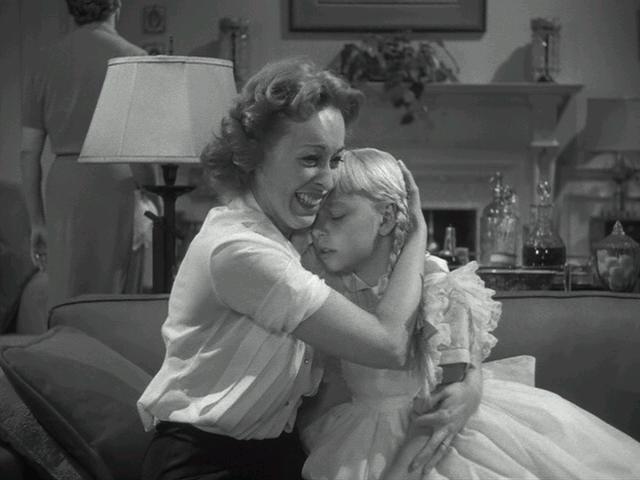
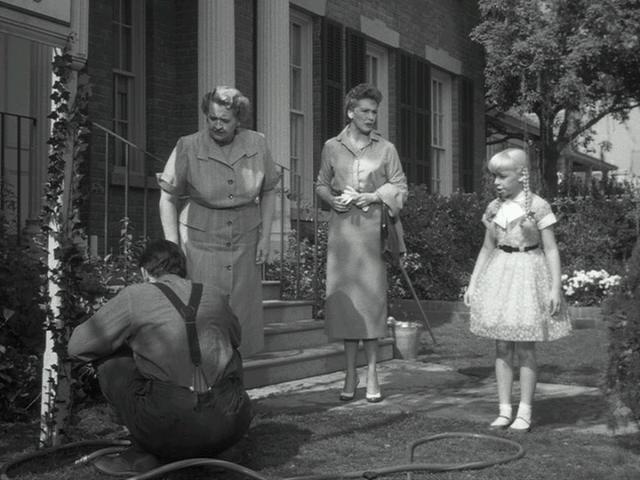
Although it’s undeniably campy and somewhat dated, The Bad Seed maintains its status as the most notorious movie ever made about “evil children”, and thus holds a special place in cinematic history. Moviegoers may be inured to watching cold-blooded murders committed by hardened criminals, but it’s something different altogether to contemplate them carried out blithely by a young girl (not a teen) in blonde pigtails and a pinafore — someone who is deeply loved by her family, and given every possible privilege. It is this disparity which remains the primary seduction of the controversial story (originally a novel, then a hit Broadway play), about the unpredictably hideous effects of heredity.

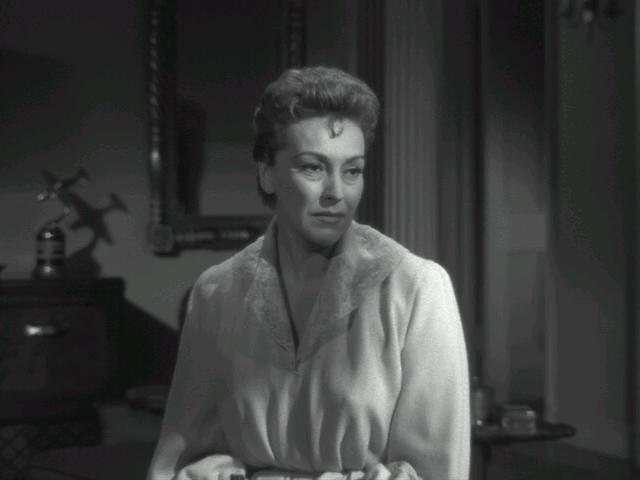
When I first watched The Bad Seed years ago, I remember being deeply disturbed by the character of Rhoda, and unable to reconcile her spooky amorality with my rather idealized notion of childhood. Watching it again recently, however, I was primarily affected by the film’s true protagonist: not Rhoda, but her mother, a sympathetic character struggling to come to terms with what is essentially an impossible truth about her child. While many find Nancy Kelly’s performance to be campy and overblown, I was genuinely moved by her dilemma.

It’s impossible to review The Bad Seed without briefly discussing Patty McCormack, who pioneered the title role on Broadway before immortalizing it in celluloid. While her performance is uneven — she uses too many broad facial expressions which are more appropriate for the stage than cinematic close-ups — she nonetheless has a strong presence on-screen, and shows far more talent than we’ve come to expect from most child actors. Her portrayal as Rhoda is not easily forgotten, and will most likely remain this character’s definitive incarnation.

Redeeming Qualities and Moments:

  • Patty McCormack’s impressive (albeit unevenly directed) performance as pigtailed Rhoda
  • Nancy Kelly’s heartbreaking portrayal as Rhoda’s distraught, conflicted mother
  • Eileen Heckart as an alcoholic mother mourning for her dead son
  • A marvelous skewering of the “ideal” 1950s family life
  • Some highly memorable, ultra-campy lines:

    “What would you give me for a basket of kisses?” “A basket of hugs!”

Must See?
Yes. This camp classic should be seen at least once by all film fanatics.

Categories

  • Cult Movie
  • Noteworthy Performance(s)

Links:

Ladykillers, The (1955)

Ladykillers, The (1955)

“I am shocked by this revelation. Shocked and appalled!”

Synopsis:
A group of bumbling thieves unsuccessfully try to kill an elderly woman (Katie Johnson) who has learned about their latest heist.

Genres, Themes, Actors, and Directors:

  • Alexander Mackendrick Films
  • Black Comedy
  • Elderly People
  • Heists
  • Peter Sellers Films
  • Plot to Murder
  • Thieves and Criminals

Review:
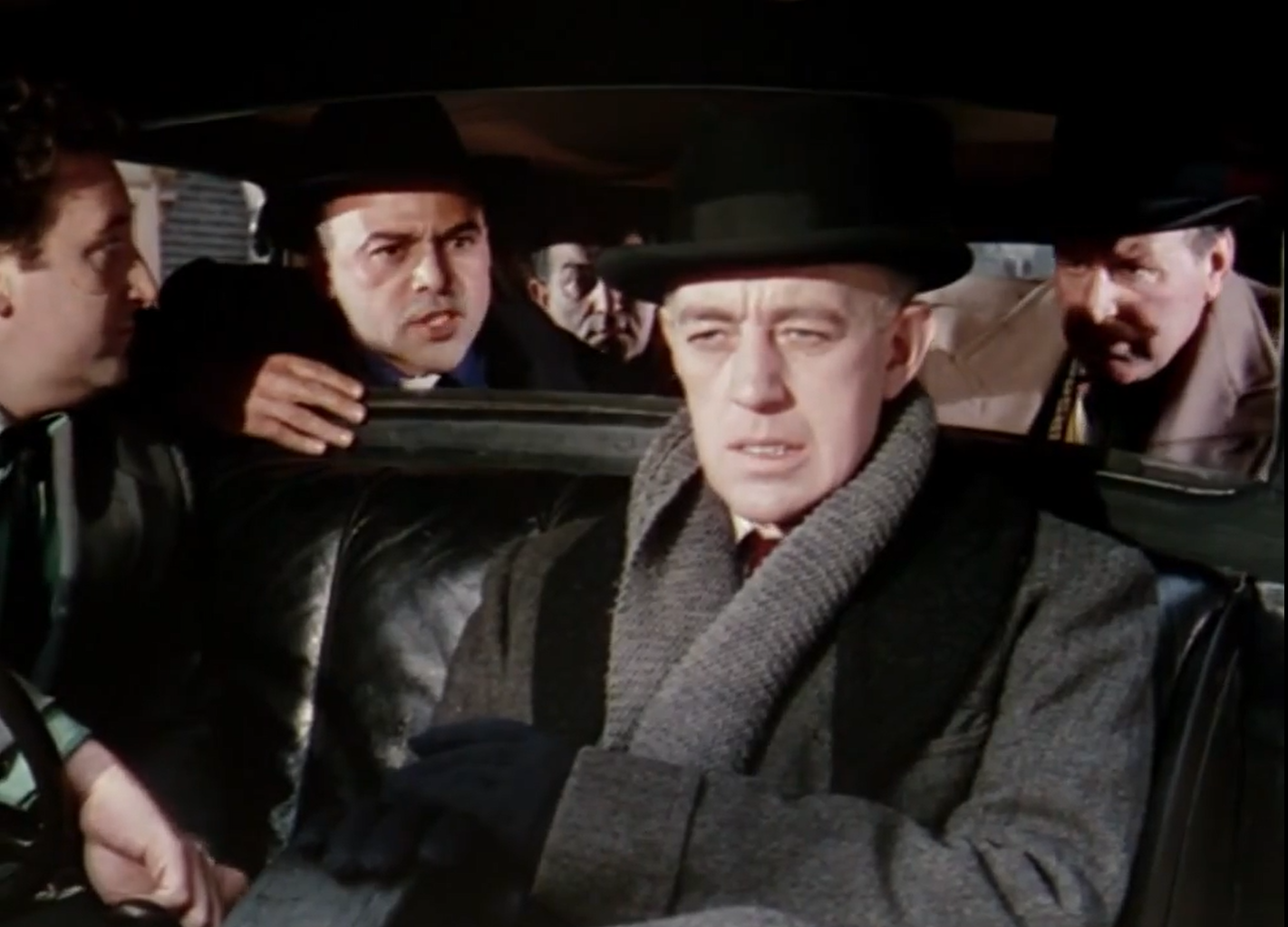
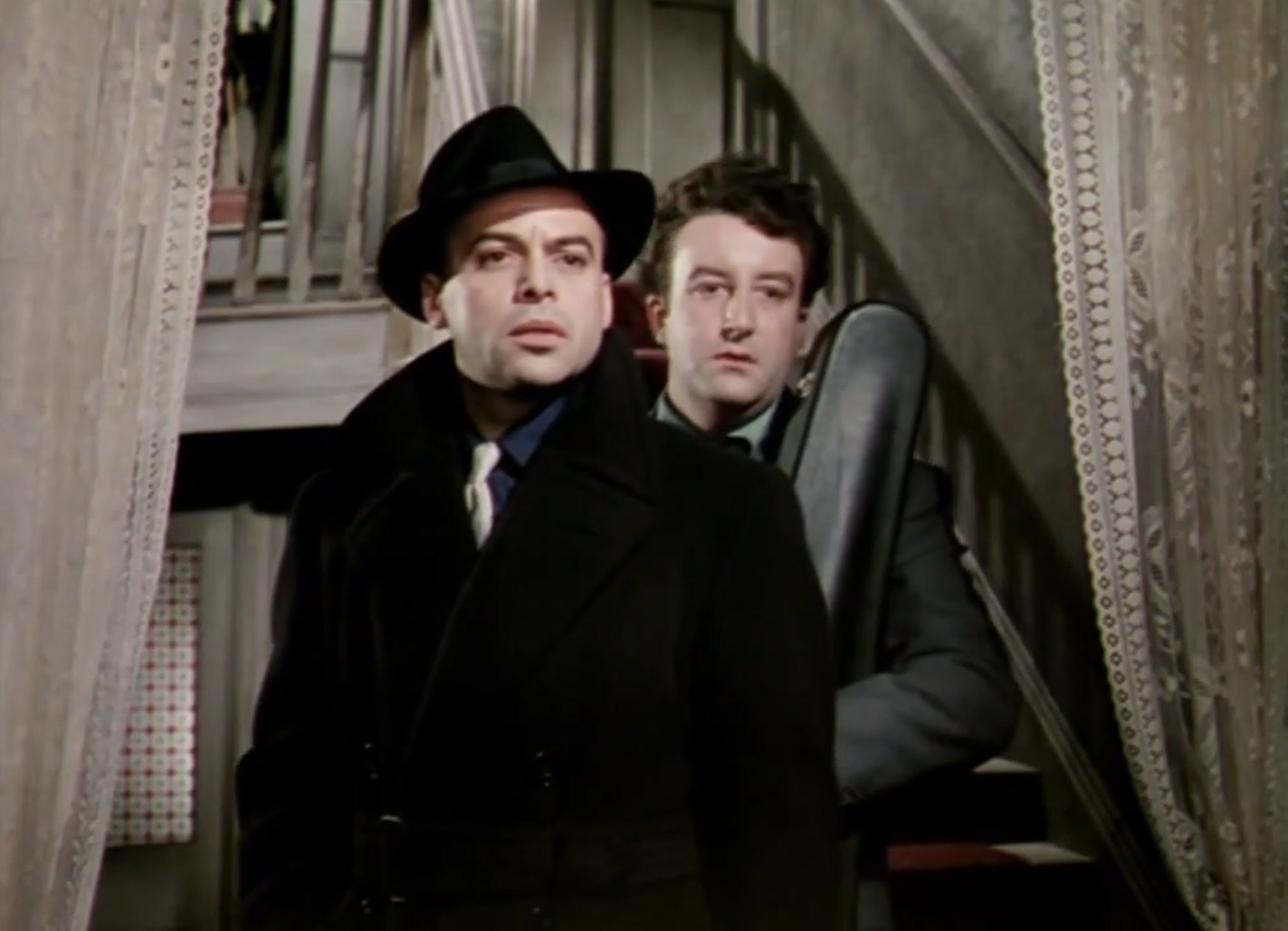
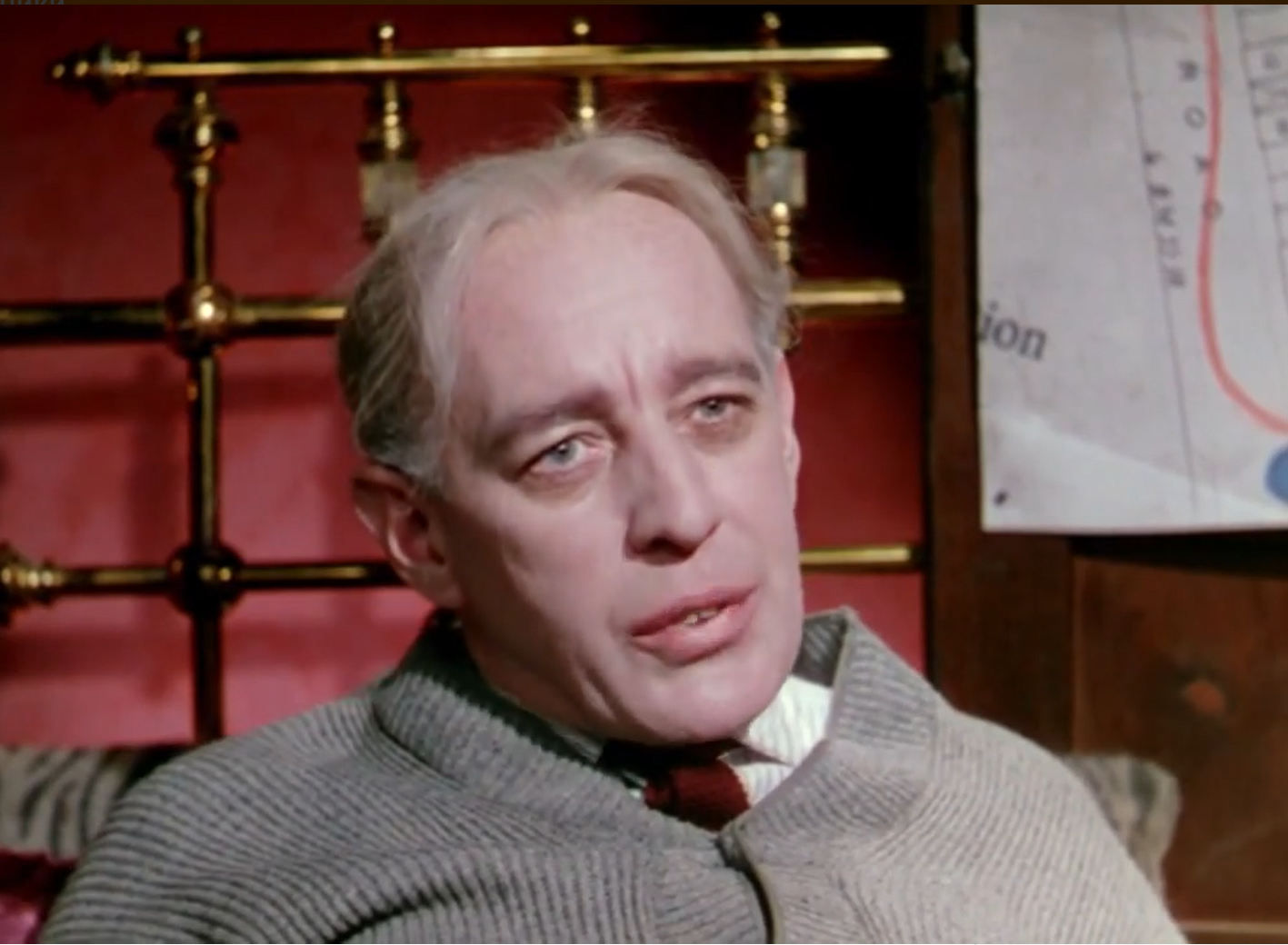
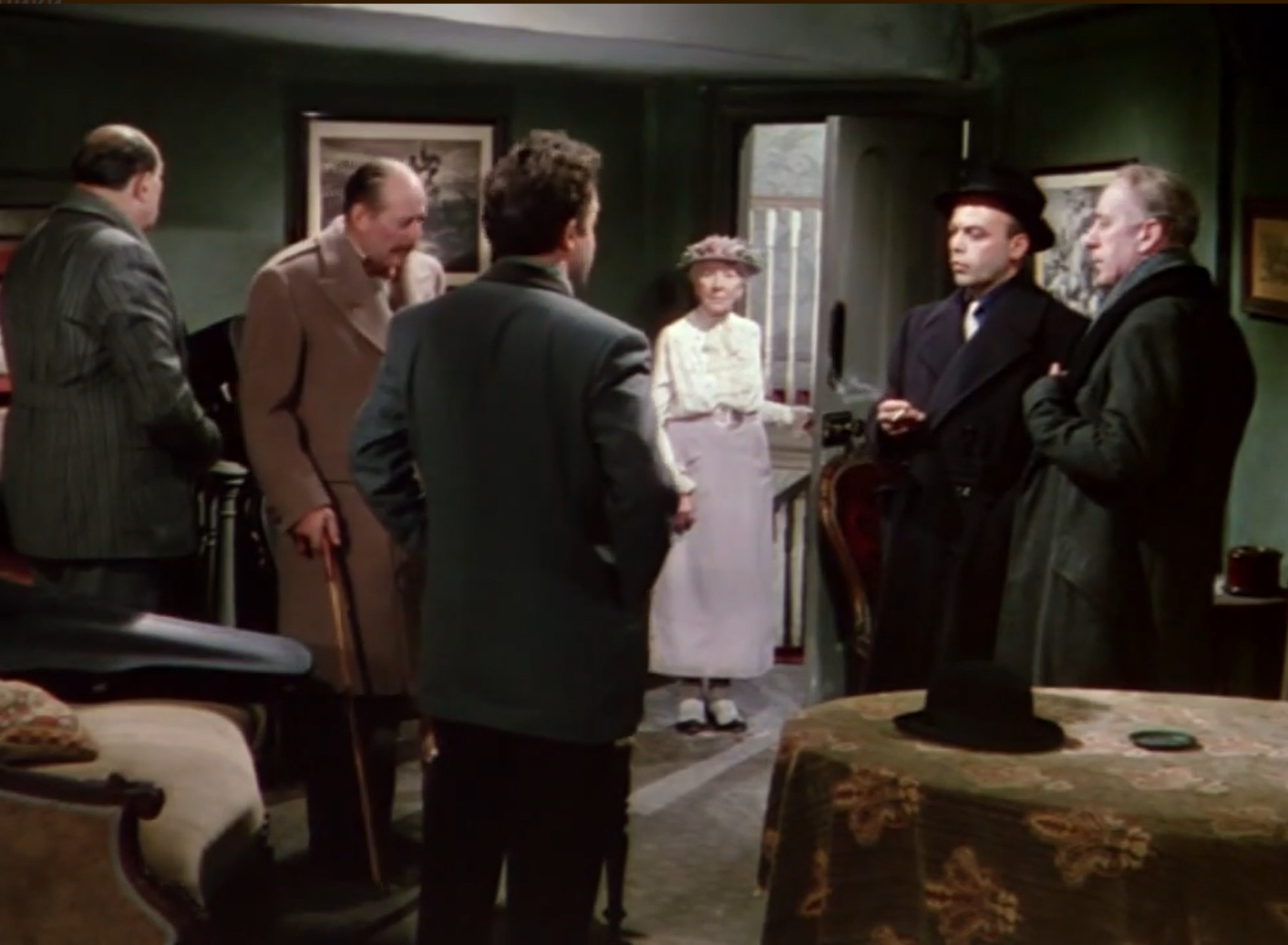
This classic heist-gone-wrong flick showcases the inimitable Alec Guinness — nearly disguised by a shock wig, false teeth, and sunken-eye makeup — at the height of his comedic powers:

It’s also notable for the presence of a chubby, uncharacteristically subdued Peter Sellers in one of his earliest movie roles.

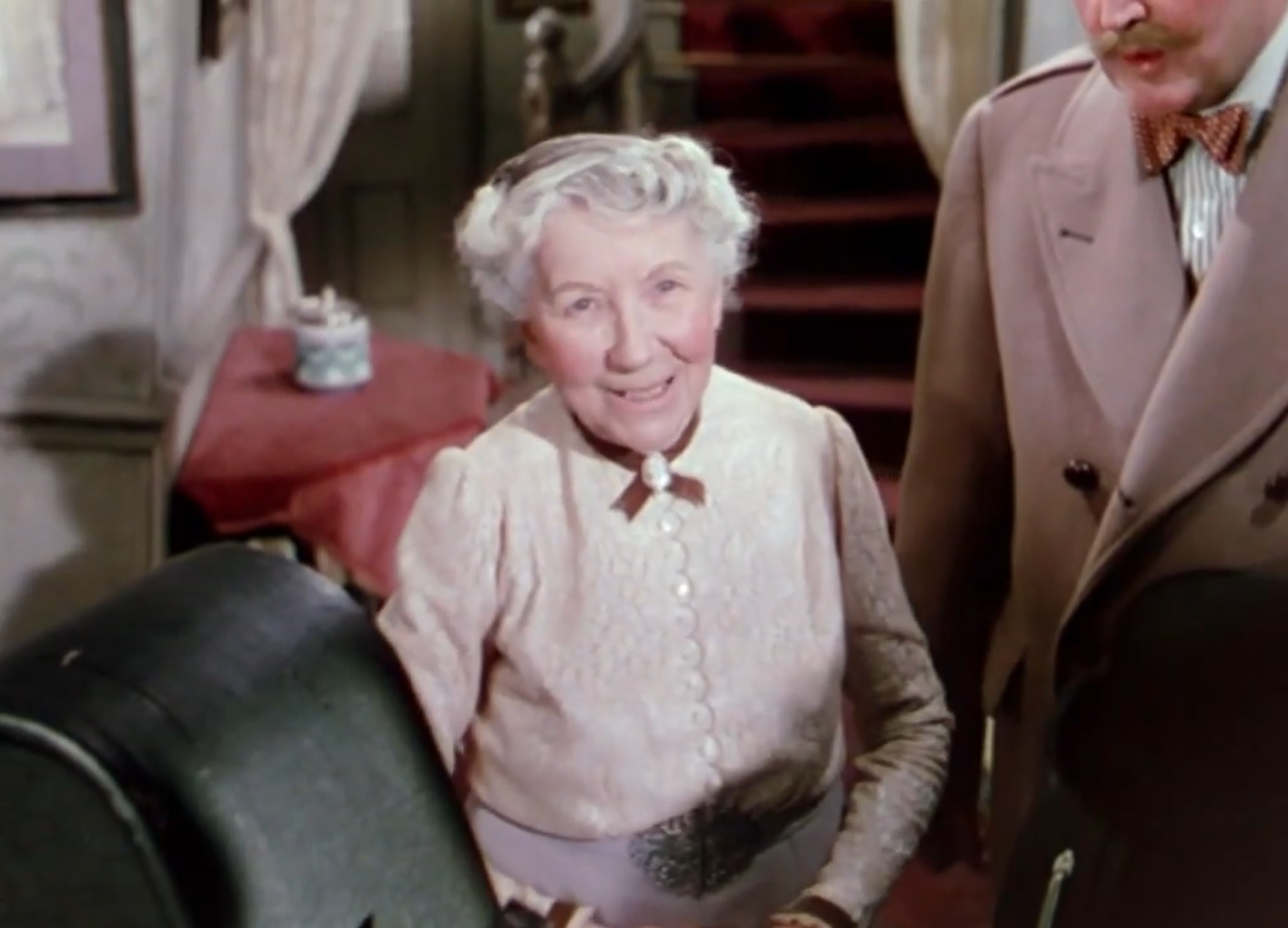
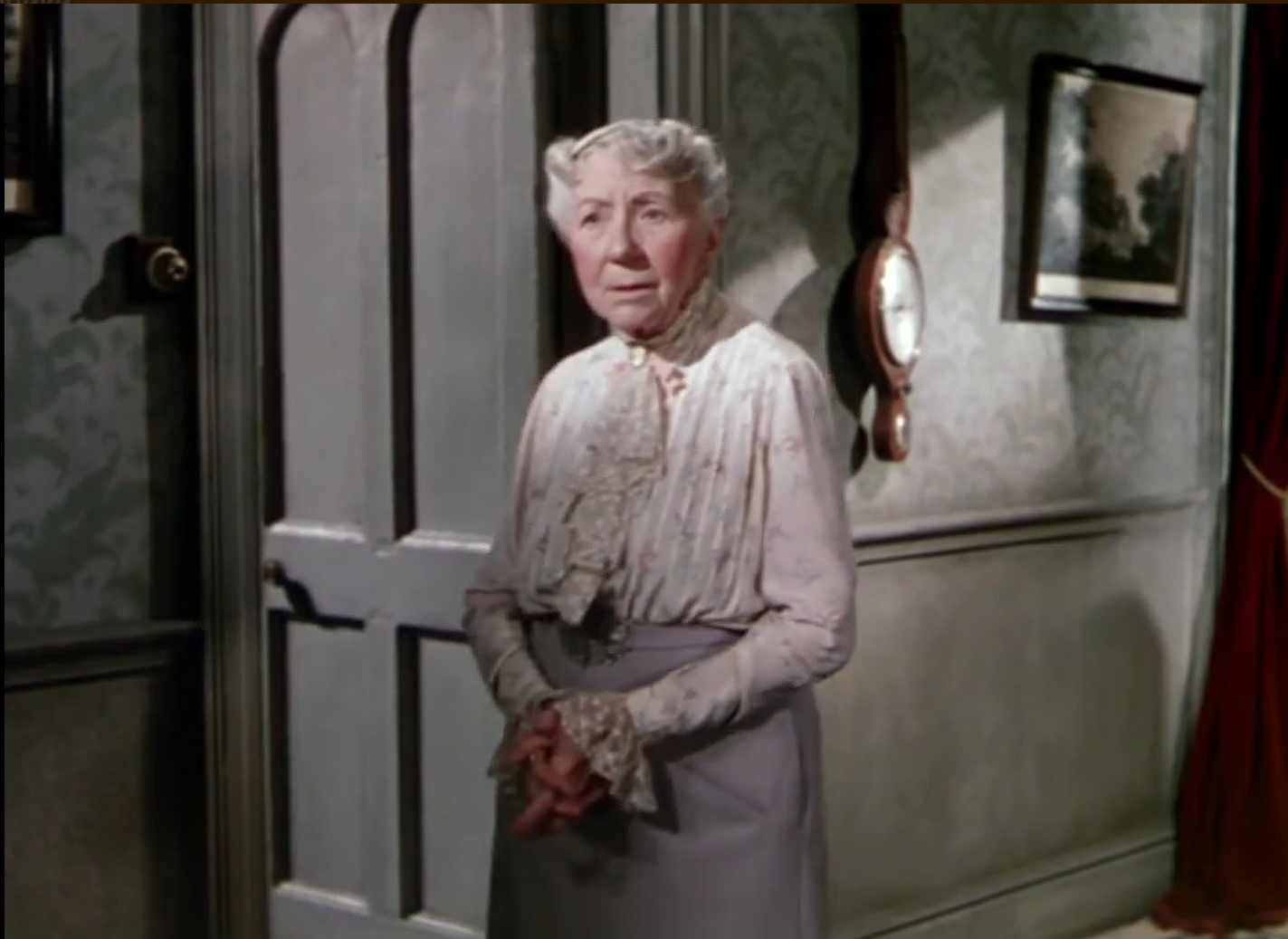
Most of the film’s humor is derived from the interactions between the befuddled thieves (who find themselves increasingly unable to follow through with their plans) and Mrs. Wilberforce, a true force of nature. As played by Katie Johnson, Mrs. Wilberforce is the epitome of proper British standing: she trusts until she has good reason not to, and maintains firm resolve even in the face of potential danger to her life.

Interestingly, The Ladykillers can be read on another level entirely: as a post-war political commentary about diverse interests (represented by the sundry thugs) struggling to co-exist with older British mores (as epitomized by Mrs. Wilberforce). But I prefer to watch it simply as an engagingly humorous slapstick farce, one in which incompetent thieves get what’s coming to them, and good can’t help but triumph in the end.

Redeeming Qualities and Moments:

  • The always delightful Alec Guinness, nearly unrecognizable here as the sly, shaggy-haired, toothy gang leader
  • Katie Johnson as the unflappable landlady who insists on doing the “right thing”
  • Many moments of outright hilarity, as the thieves and Mrs. Wilberforce interact at cross-purposes with each other

Must See?
Yes. This classic British comedy (recently remade by the Coen Brothers) is must-see viewing for all film fanatics.

Categories

  • Genuine Classic
  • Noteworthy Performance(s)

(Listed in 1001 Movies You Must See Before You Die)

Links:

Night Caller From Outer Space (1965)

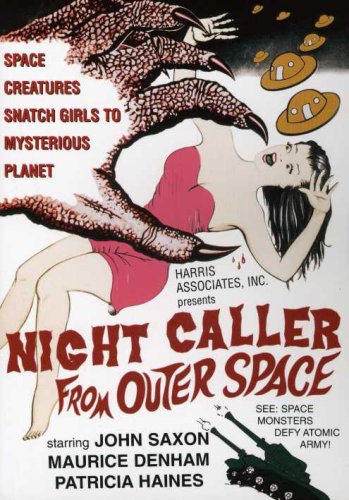
Night Caller From Outer Space (1965)

“You’re not just up against a criminal mind; we’re fighting an alien civilization, one at least a hundred — or maybe a thousand — years in advance of ours!”

Synopsis:
An alien (Robert Crewdson) places an ad in Bikini Girl magazine in order to lure British girls back to his planet. Meanwhile, scientists Jack Costain (John Saxon) and Ann Barlow (Patricia Haines) assist Detective Hartley (Alfred Burke) in an investigation of the mysterious kidnappings.

Genres, Themes, Actors, and Directors:

  • Aliens
  • Criminal Investigation
  • John Saxon Films
  • Scientists
  • Thrillers

Review:
This unusual alien invasion flick suffers from a slow start, ridiculous low-budget effects, some incredibly corny lines, and one of the most incongruous title songs ever written. Nonetheless, after the first 15 minutes the film moves along at a fast clip, with the actors turning in surprisingly decent performances, and viewers kept in suspense the entire time. The movie’s black-and-white cinematography is chillingly atmospheric (though the off-kilter camera angles and occasional hand-held shots don’t quite work). Recommended for those who enjoyed The Quatermass Xperiment (1955).

Redeeming Qualities and Moments:

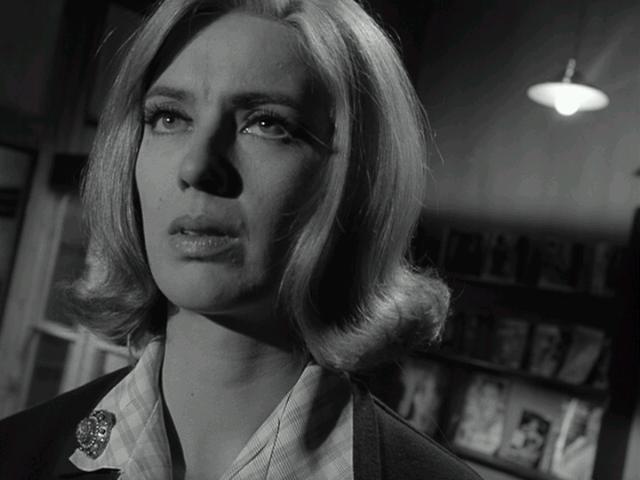
  • Patricia Haines’s intelligent performance as a female scientist who risks her life in order to learn more about the alien
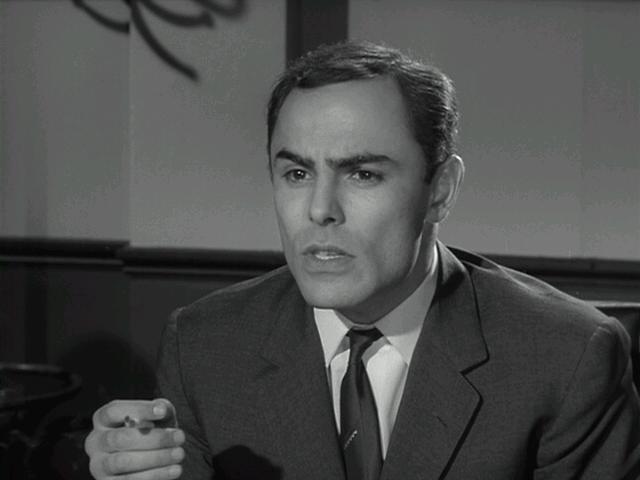
  • John Saxon’s earnest depiction as Haines’s colleague
  • Some unexpected moments of humor — such as the scene where a middle-aged couple (Marianne Stone and Warren Mitchell) describe the mysterious disappearance of their daughter
  • Atmospheric black-and-white cinematography

Must See?
No, but it’s a surprisingly effective low-budget thriller. Peary lists it in the back of his book as both a Sleeper and a Personal Recommendation.

Links:

Muddy River (1981)

Muddy River (1981)

“There must be lots of people out there who wish now that they’d died in the war.”

Synopsis:
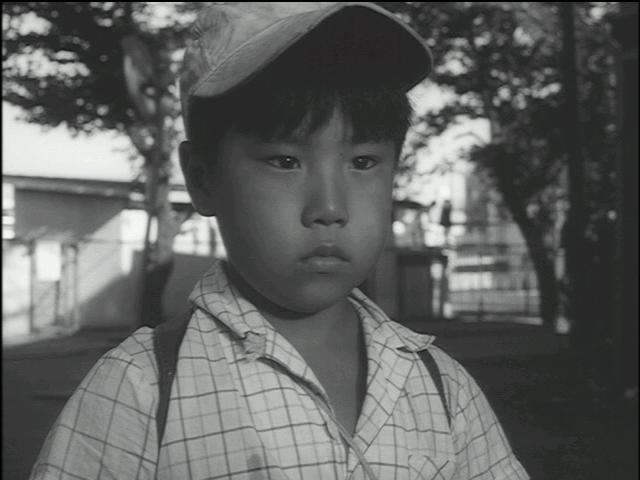
In post-WWII Osaka, a young boy (Nobutaka Asahara) befriends the son (Minoru Sakurai) of a riverside prostitute (Mariko Kaga).

Genres, Themes, Actors, and Directors:

  • Childhood
  • Class Relations
  • Coming-of-Age
  • Friendship
  • Japanese Films
  • Prostitutes

Review:
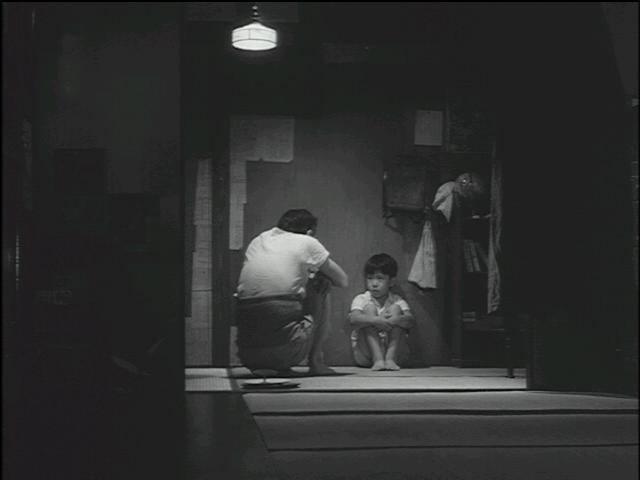
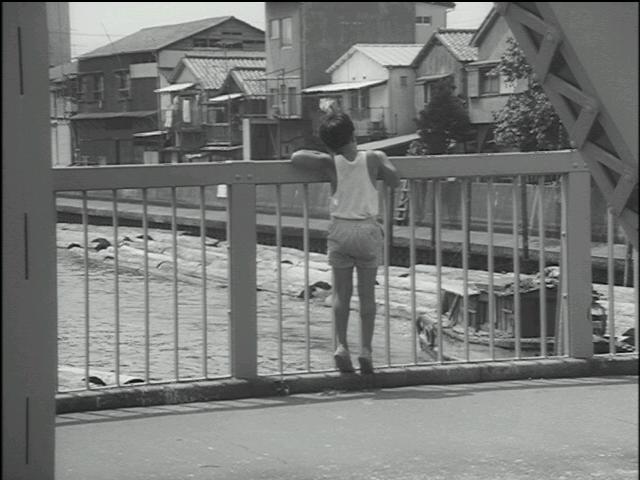
Kohei Oguri’s little-seen debut film (currently unavailable to English-speaking audiences)* remains one of the finest movies ever made about childhood friendship. I rented Muddy River as a region-coded DVD with Chinese subtitles, using a computer-generated translation program to help me decipher what the characters were saying. As a result, I inevitably lost much of the nuance of the dialogue, but fortunately, most of the film’s power lies in wordless interactions, facial expressions, beautiful cinematography, and a haunting film score. Oguri perfectly captures the details of children’s interactions with each other: the excitement over showing off a trick or inviting a new friend to one’s home; the illicit thrill of spying on adults as they watch sumo wrestling on television in a bar. But he also skillfully portrays the harder lessons of childhood, such as witnessing a violent death, or having to stick up for a new friend when everyone else rejects him. Each scene in Muddy River carries weight and meaning, but the movie is never overbearing; instead, Oguri simply allows us to witness a kind young boy as he comes of age, while life — both harsh and exciting — carries on around him.

* Update: This movie now appears to be available on DVD with English subtitles!

Redeeming Qualities and Moments:

  • A simple yet powerful evocation of a childhood friendship which transcends class
  • Excellent use of riverside locales and sets
  • Round-cheeked Nobutaka Asahara as Nobuo
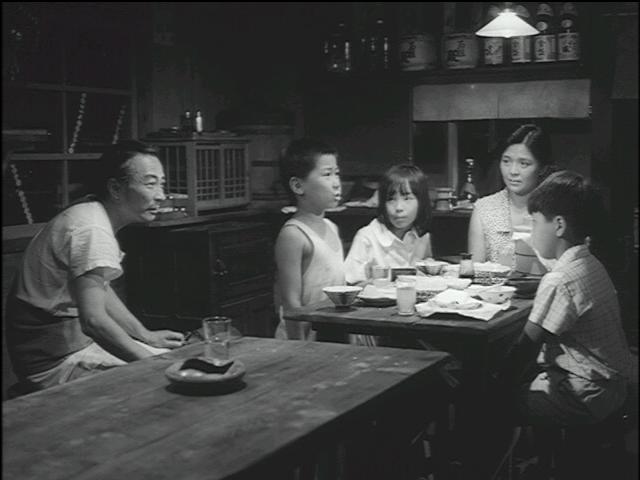
  • Takahiro Tamura and Yumiko Fujita as Nobuo’s well-meaning parents (seen below in their attempt to make Kiichi and his sister Ginko feel comfortable during dinner)
  • Kiichi smiling and doing somersaults to express his delight after Nobuo defends him in front of some neighborhood boys
  • Stunning black-and-white cinematography by Shohei Ando
  • A truly heartbreaking ending
  • An appropriately elegiac film score by Kurodo Mori

Must See?
Yes; it’s a gem.

Categories

  • Foreign Gem

Links: