Bait (1954)

Bait (1954)

“Gold isn’t money — it’s a religion!”

Synopsis:
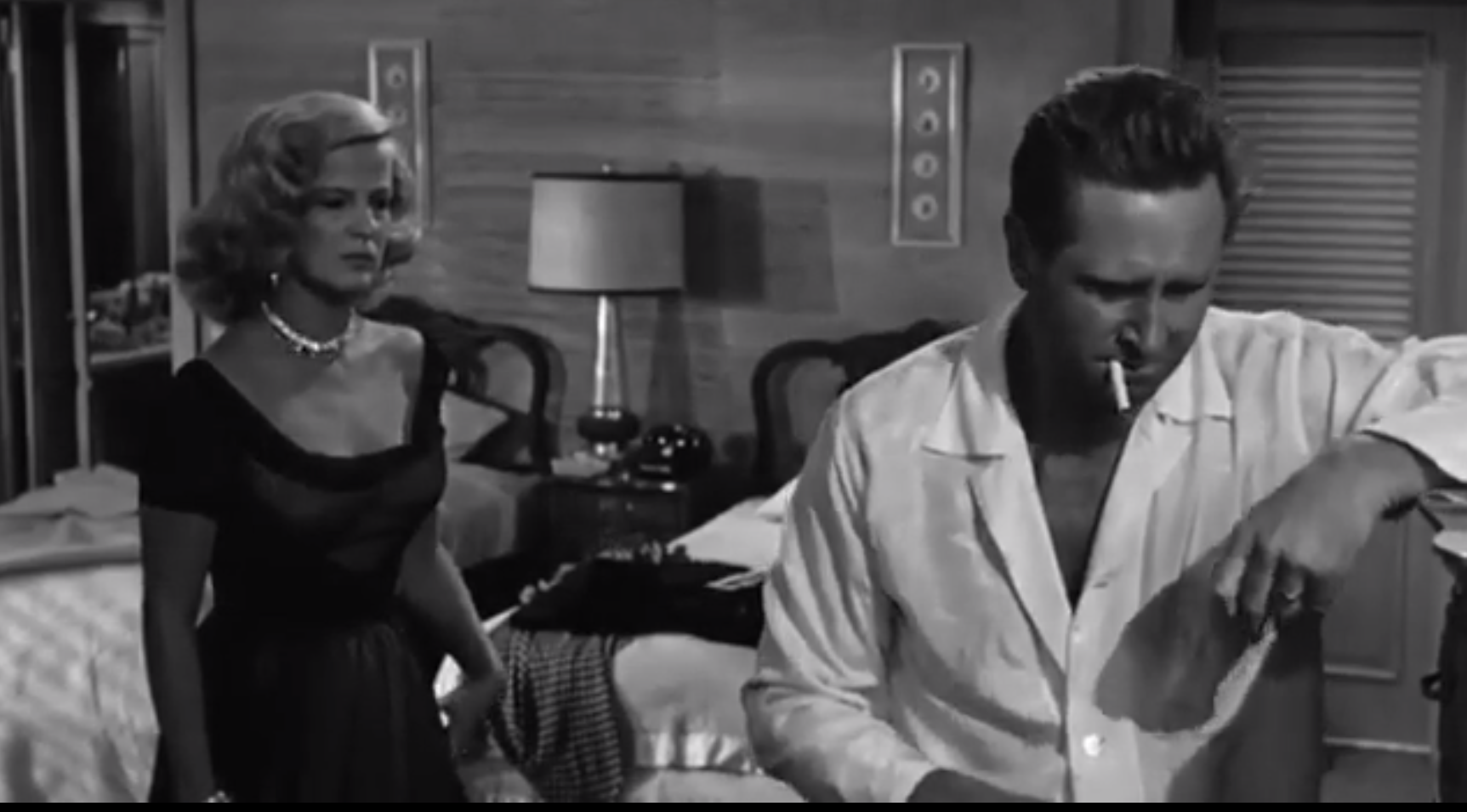
A crazed prospector (Hugo Haas) uses his beautiful new wife (Cleo Moore) as “bait” in order to lure his partner (John Agar) into a compromising situation.

Genres, Themes, Actors, and Directors:

  • Gold Seekers
  • Greed
  • Hugo Haas Films
  • John Agar Films
  • Love Triangle

Review:
Czechoslovakian emigre Hugo Haas made a string of low-budget melodramas in the 1950s, usually telling tales of lust, greed, and romantic entanglements. Although Haas’s films are often cited as campily bad, they’re actually decent entertainment — here, Haas takes a traditional love triangle and turns it on his head, with the older husband (Haas) of sexy Cleo Moore encouraging her to get it on with Agar, who (surprisingly) resists as much as possible. Indeed, although we expect Moore to be a no-good femme fatale, it turns out she’s a “decent” woman simply hoping to do the right thing for herself and her baby. Unfortunately, Moore — who starred in no less than seven of Haas’s films in the 1950s — is a rather bland romantic lead and can’t hold a candle to sassy Beverly Michaels, star of Haas’s first American film, Pickup (1951); John Agar is equally insipid as her would-be lover. Haas is the most charismatic character by far, and it’s hard not to root for him despite his nefarious plans.

Redeeming Qualities and Moments:

  • An effective low-budget tale tale of greed and lust

Must See?
No, but it’s recommended for fans of Hugo Haas. It’s listed as a Camp Classic in the back of Peary’s book, but I don’t think it’s all that campy.

Links:

Senso (1954)

Senso (1954)

“I was indissolubly tied to him. For him, I’d forgotten and betrayed all those who were at that moment fighting and trying to achieve a long-cherished dream.”

Synopsis:
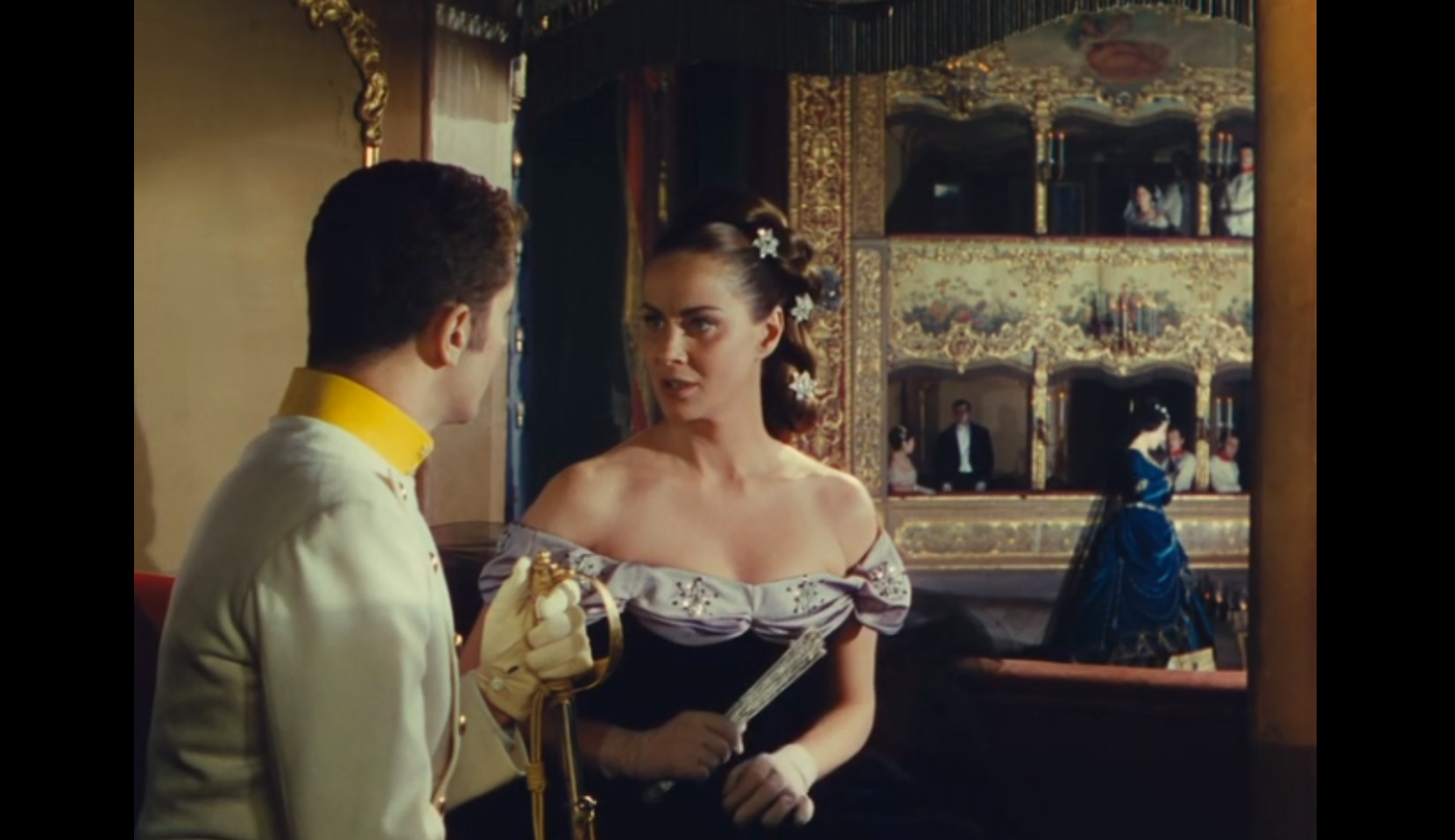
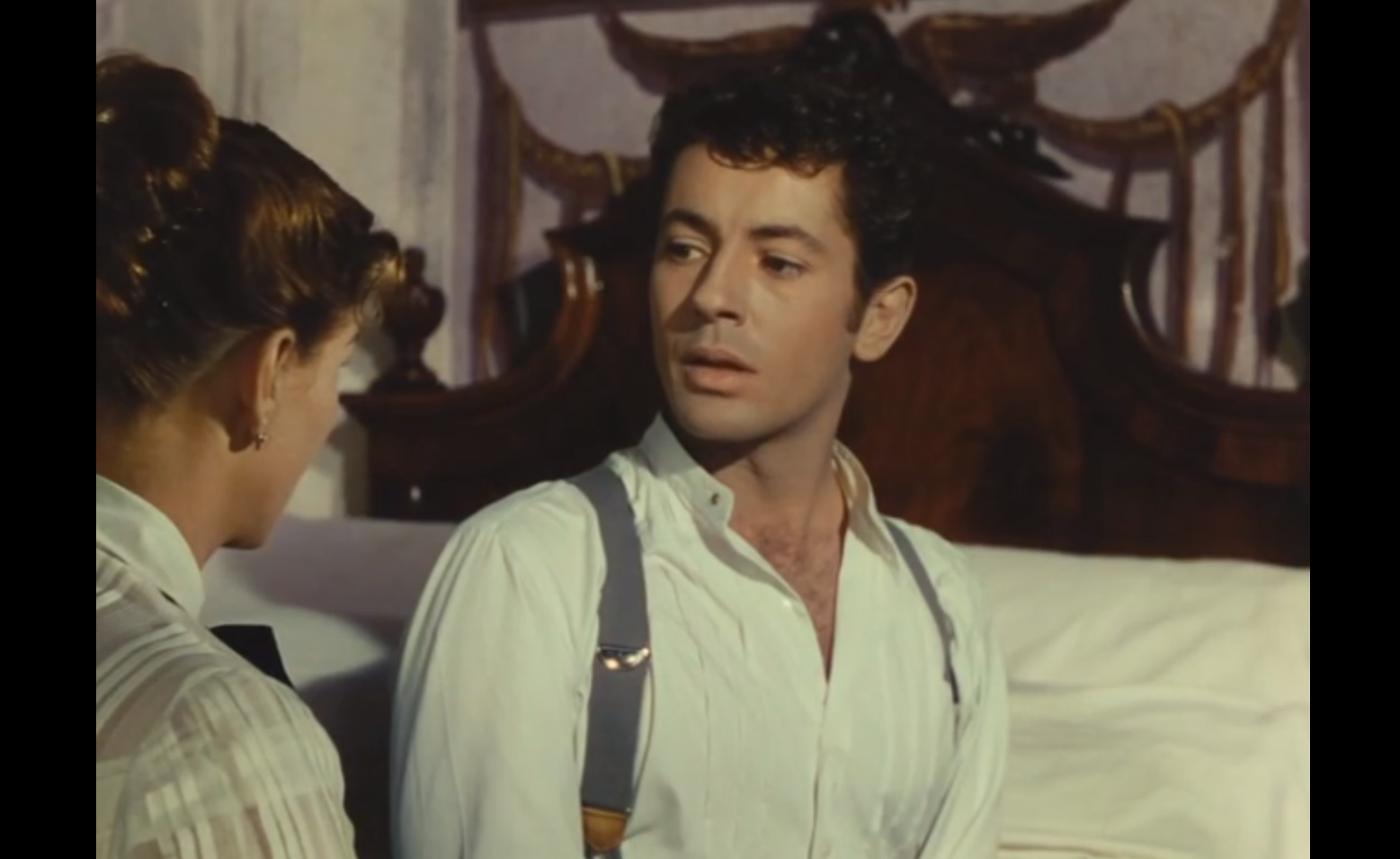
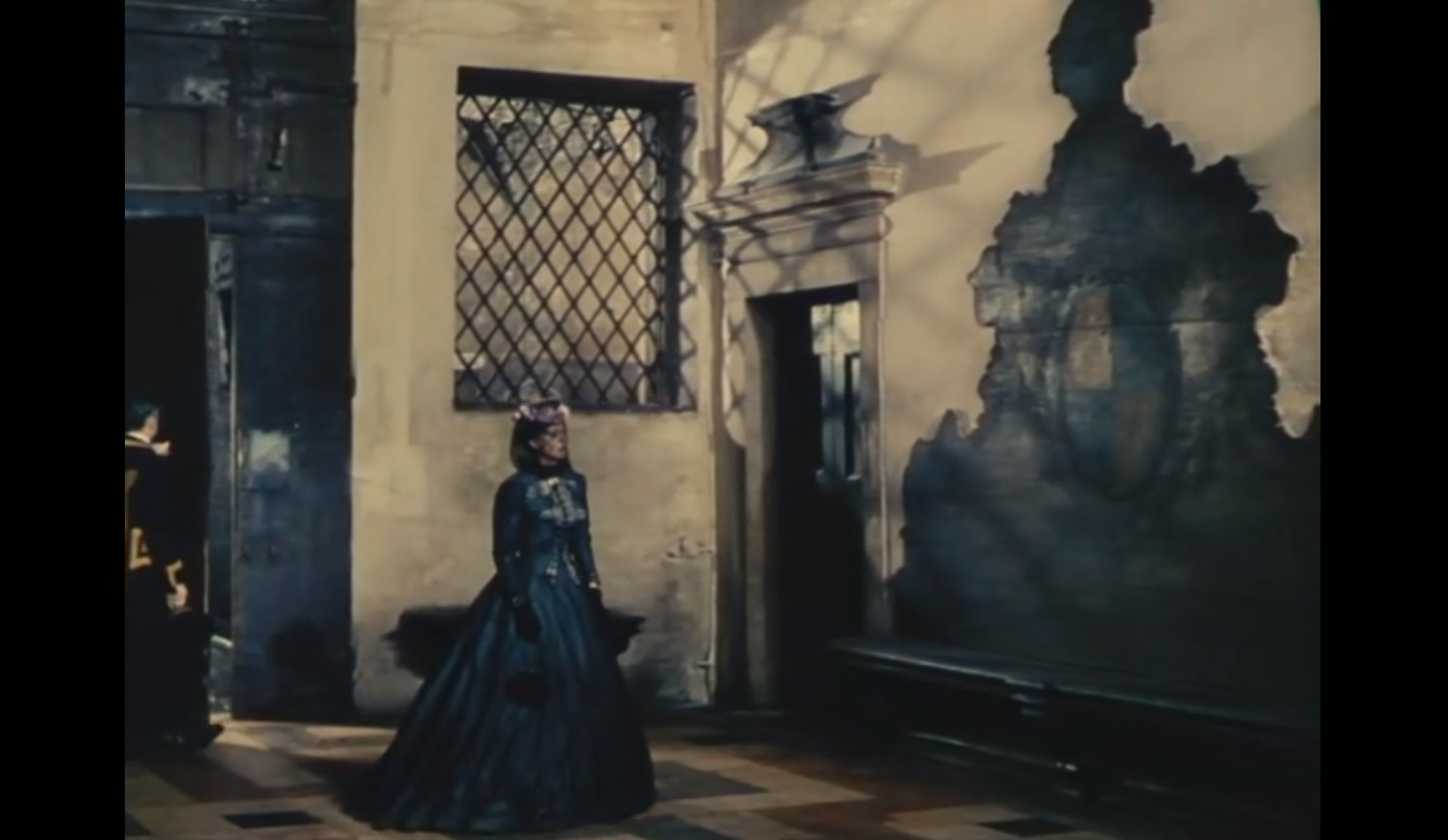
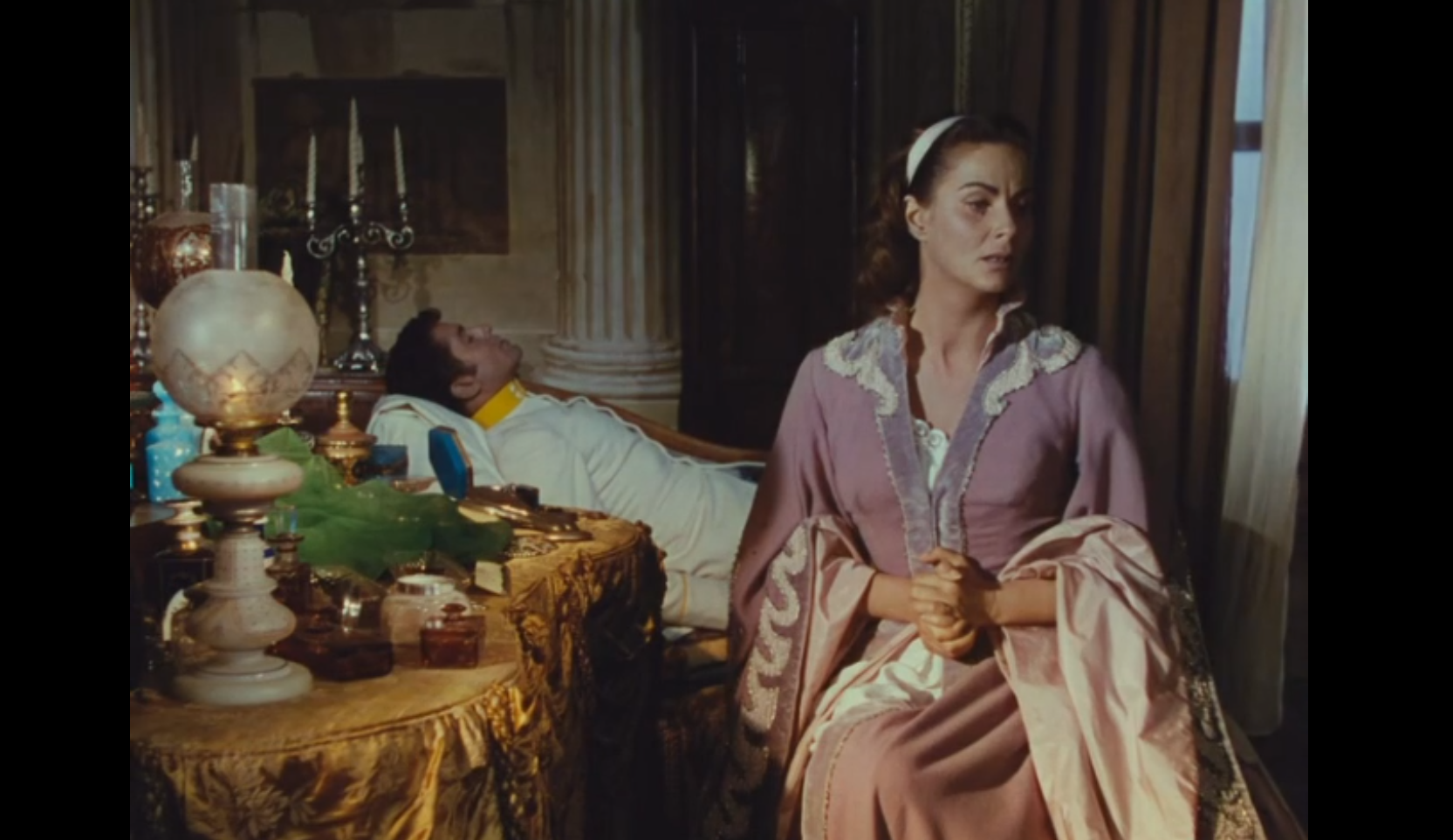
During the years of Austrian occupation in mid-19th-century Venice, a married countess (Alida Valli) falls hopelessly in love with a womanizing Austrian lieutenant (Farley Granger).

Genres, Themes, Actors, and Directors:

  • Alida Valli Films
  • Cross-Class Romance
  • Cross-Cultural Romance
  • Farley Granger Films
  • Historical Films
  • Italian Films
  • Luchino Visconti Films
  • Obsessive Love

Review:
Italian director Lucino Visconti’s third film after Ossessione (1943) and La Terra Trema (1948) was this Technicolor historical melodrama, starring American heartthrob Farley Granger (speaking surprisingly decent Italian) and beautiful Alida Valli (known to most American audiences for her work in Alfred Hitchcock’s The Paradine Case and Carol Reed’s The Third Man). Unfortunately, while the lush sets and costumes are enjoyable to look at, Senso suffers from an undeveloped screenplay: because we never really learn much about Countess Serpieri’s marriage or her motivations, her act of betrayal against the revolutionary cause in favor of her lover doesn’t make much of an impact. Although things heat up by the final scenes of the film, the movie as a whole is overlong, and ultimately not very satisfying.

Redeeming Qualities and Moments:

  • Beautiful Alida Valli as the love-stricken Countess
  • Farley Granger as Valli’s duplicitous love interest
  • Colorful, sumptuous sets and costumes

  • Anton Bruckner’s soaring score

Must See?
Yes, simply for its status as one of Visconti’s first films. Listed as a film with historical importance in the back of Peary’s book.

Categories

  • Important Director

(Listed in 1001 Movies You Must See Before You Die)

Links:

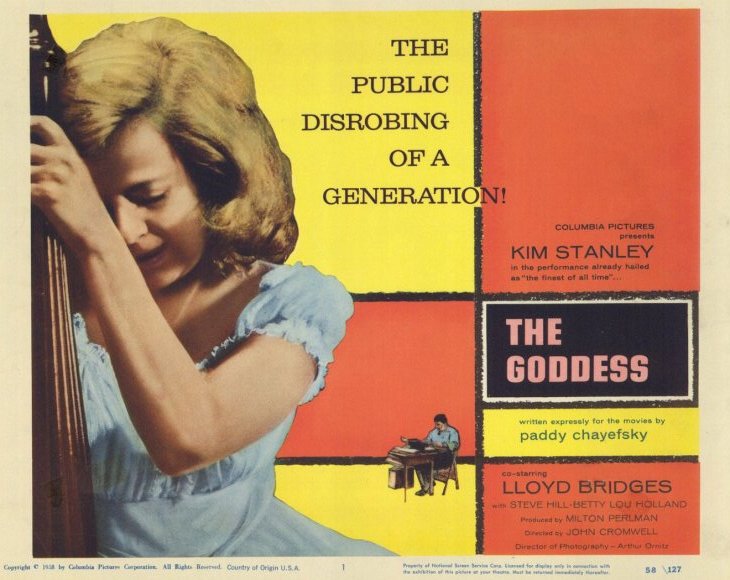
Goddess, The (1958)

Goddess, The (1958)

“I’m going to Hollywood someday — I am, I am!”

Synopsis:
An aspiring actress (Kim Stanley) struggles to find love and happiness.

Genres, Themes, Actors, and Directors:

  • Actors and Actresses
  • Aspiring Stars
  • Character Studies
  • Hollywood
  • John Cromwell Films
  • Kim Stanley Films
  • Lloyd Bridges Films
  • Mental Breakdown
  • Social Climbers

Response to Peary’s Review:
In his review of The Goddess, Peary primarily focuses on how “unrelentingly downbeat” it is, noting that Paddy Chayefsky (who wrote the “grim” script) “seems to be enjoying the character’s suffering.” Apparently Chayefsky — despite a complete lack of experience — insisted on editing the film himself, which likely accounts for the utter lack of humorous scenes (which were all, according to Kim Stanley, edited out; see TCM’s article).

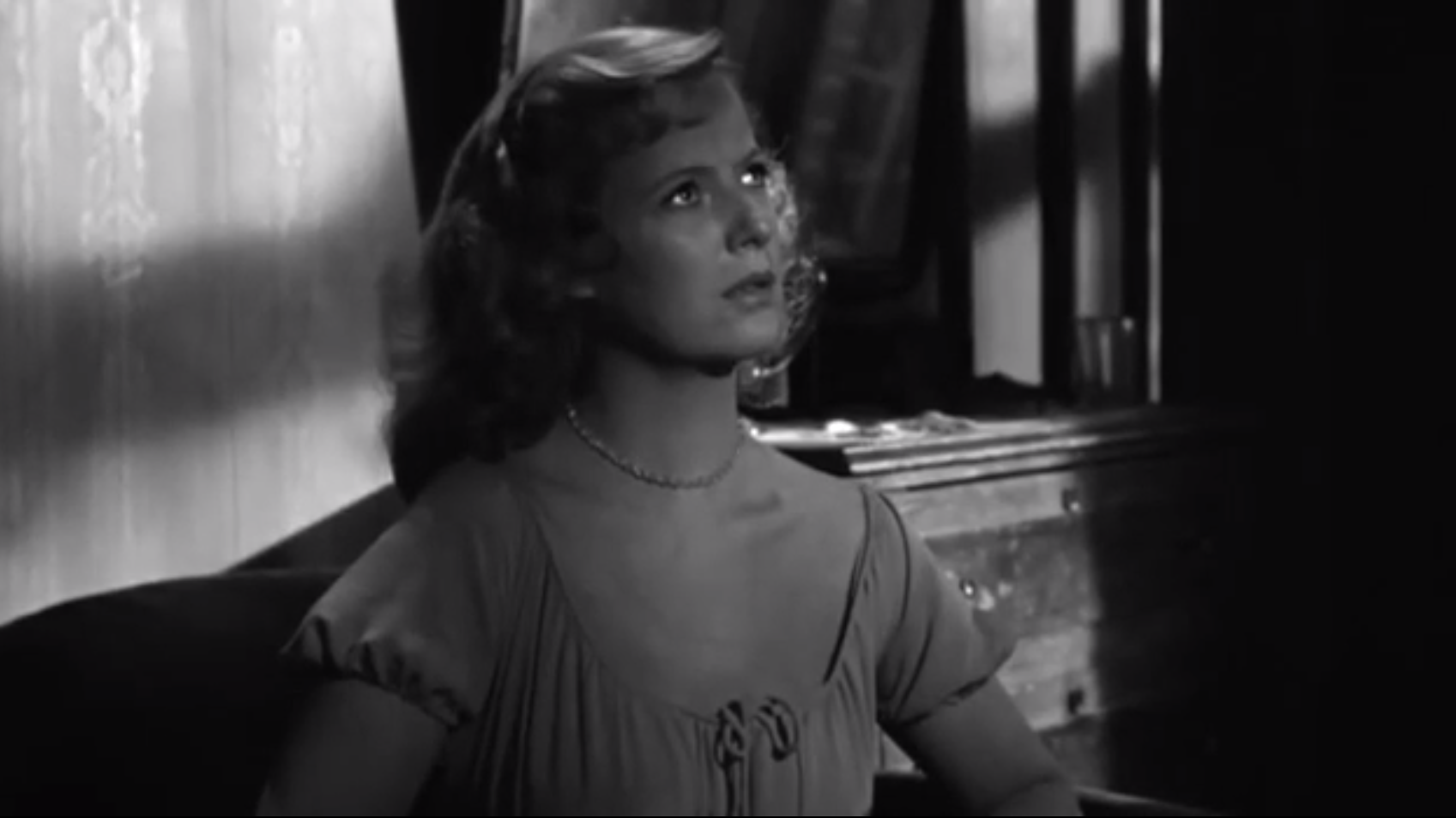
The Goddess is primarily notable for Stanley’s “powerhouse performance” — indeed, it’s remarkably easy to forget that Stanley is a bit too old to play the teenage protagonist, or that she isn’t quite sexy enough to pass for a Hollywood bombshell; looking into Stanley’s face, we see all the bitterness of Emily Ann/Rita’s unhappy, lonely childhood continuing to express itself. Unfortunately, Emily Ann/Rita (the character changes her name, as so many do, once she arrives in Hollywood) is never fully fleshed out — we’re given many powerful vignettes from her life, rather than any cohesion or depth.

At one point, for instance, the script shifts suddenly from Rita accepting God in front of her religious mother (nicely played by Betty Lou Holland), to Rita throwing her mother out of the house with no obvious explanation. These frequent lapses in logic hurt would could have been a devastating character study, but instead remains an interesting — yet flawed — performance piece for Stanley.

Note: Although many have speculated that Chayefsky modeled his script after the rise and imminent fall of Marilyn Monroe, Chayefsky flatly denied this association. Nonetheless, parallels continue to be made by many — including Peary.

Redeeming Qualities and Moments:

  • Kim Stanley’s powerhouse performance as Emily Ann/Rita
  • Betty Lou Holland as Stanley’s mother, Laureen
  • Lloyd Bridges as Stanley’s ex-boxer husband

Must See?
Yes, simply to watch Stanley’s incredible performance (which Peary nominates for an Alternate Oscar).

Categories

  • Noteworthy Performance(s)

Links:

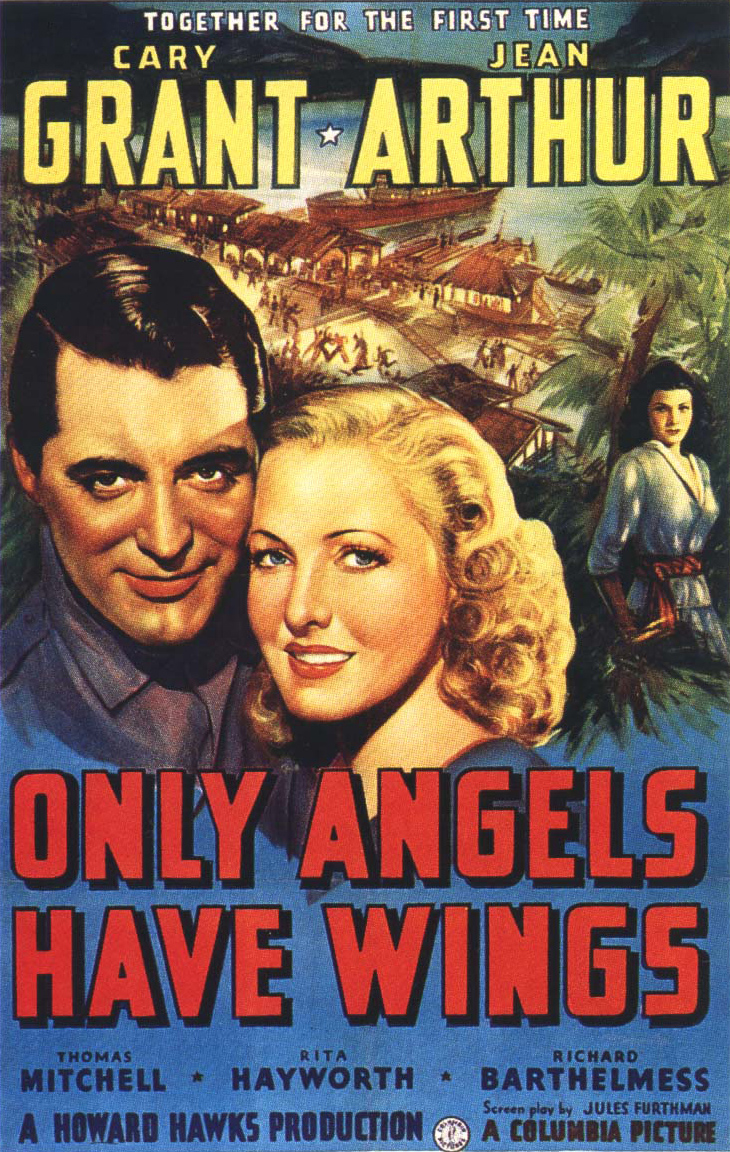
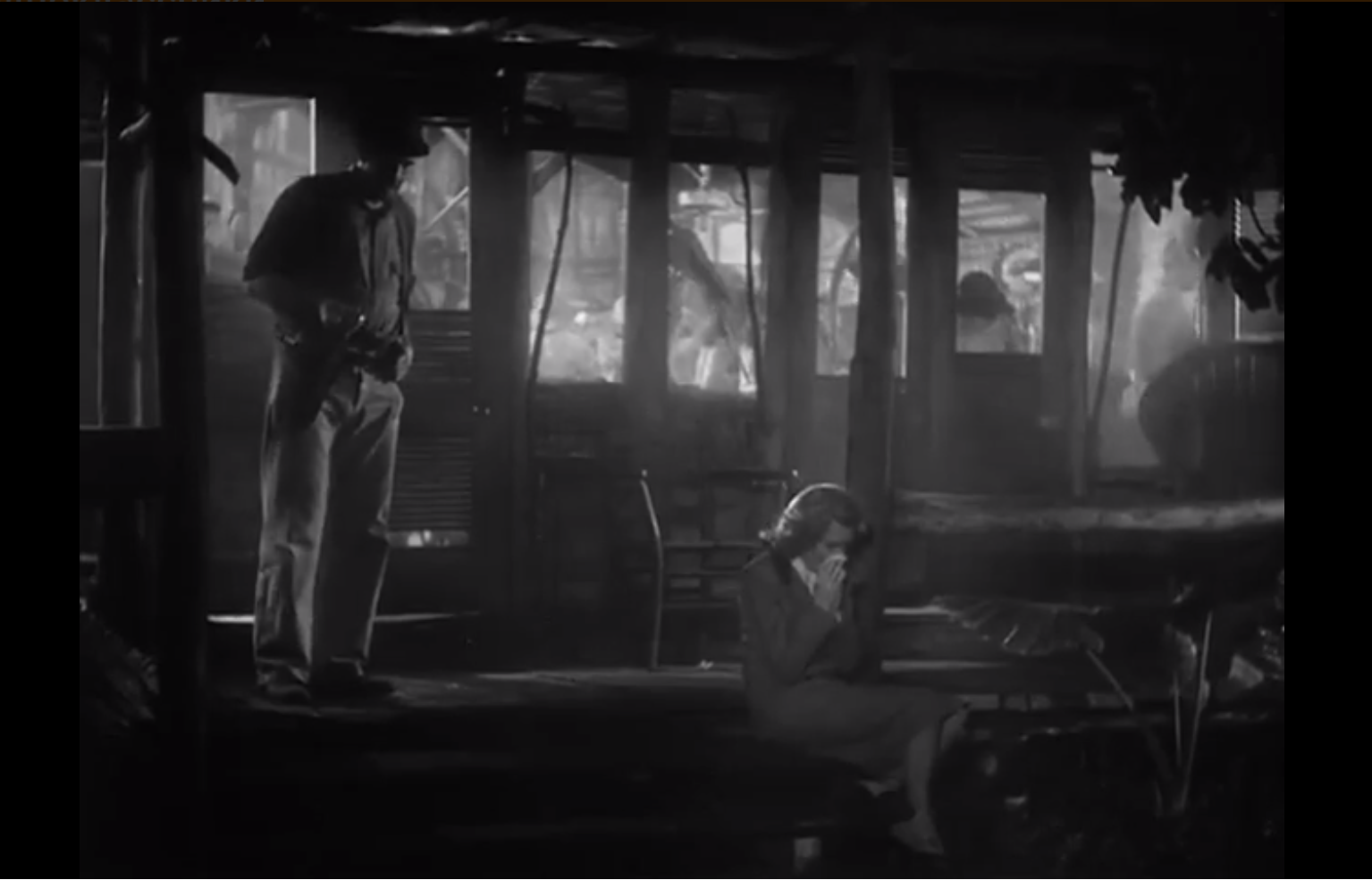
Only Angels Have Wings (1939)

Only Angels Have Wings (1939)

“It’s like being in love with a buzzsaw.”

Synopsis:
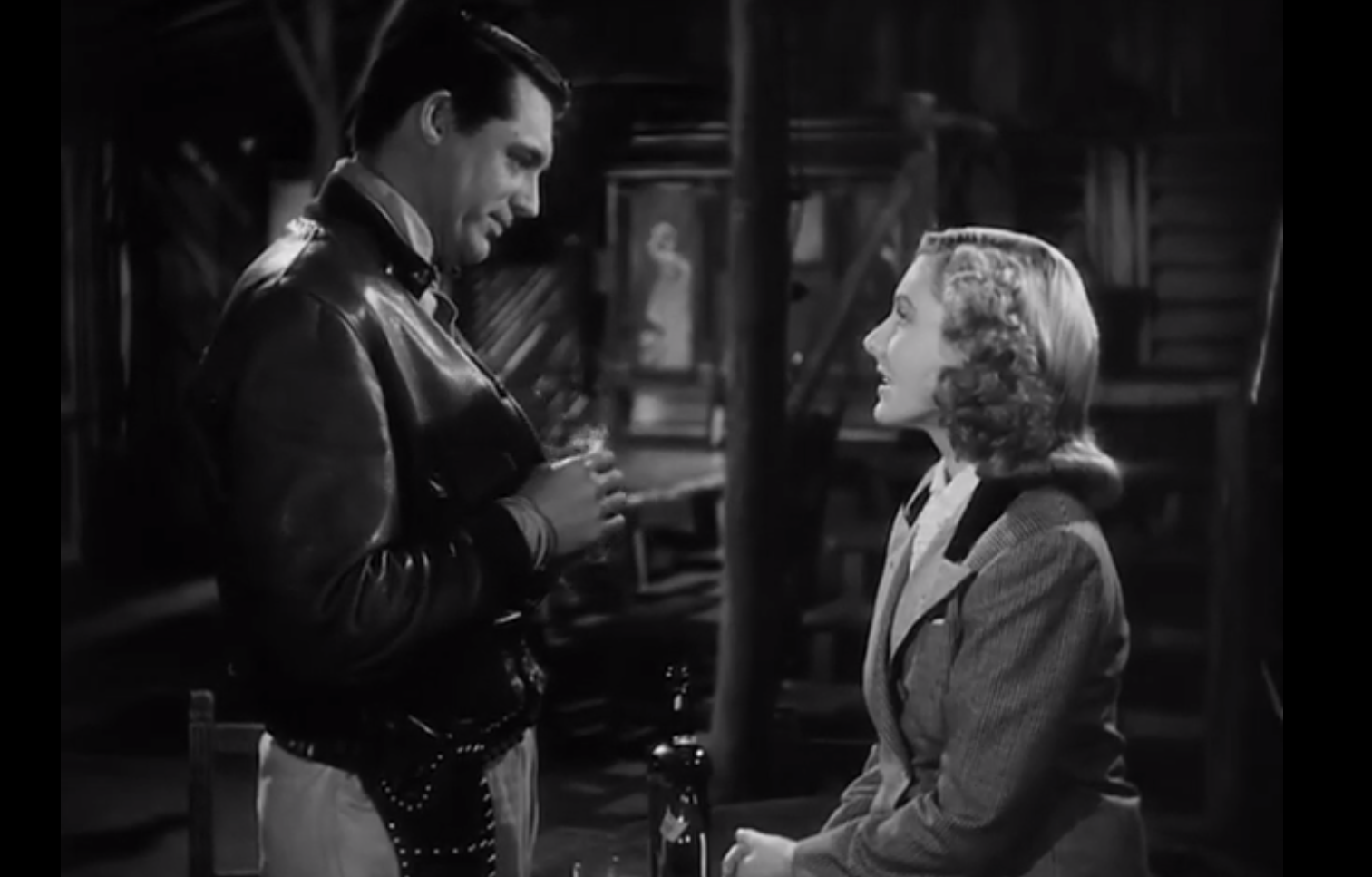
While waiting for her boat to sail from the South American town of Barranca, showgirl Bonnie Lee (Jean Arthur) falls for the head (Cary Grant) of a small postal flying company. Meanwhile, Grant’s old flame (Rita Hayworth) appears with her new husband (Richard Barthelmess), who is reviled by his fellow pilots for having bailed out of a plane and left his co-pilot — brother of Grant’s best friend, “The Kid” (Thomas Mitchell) — to die.

Genres, Themes, Actors, and Directors:

  • Airplanes and Pilots
  • Cary Grant Films
  • Expatriates
  • Howard Hawks Films
  • Jean Arthur Films
  • Love Triangle
  • Machismo
  • Rita Hayworth Films
  • Romance
  • South and Central America
  • Thomas Mitchell Films

Review:
Only Angels Have Wings — made during what is generally cited as Hollywood’s finest year, 1939 — may not be as famous as Gone With the Wind or The Wizard of Oz, but remains a highly enjoyable romantic adventure flick. Cary Grant and Jean Arthur are excellent in the lead roles, and exhibit genuine screen chemistry together: Arthur is both strong and sexy (convincingly playing a woman who finds herself smitten despite her better judgment), while Grant — performing his 34th role in just seven years of filmmaking — perfectly embodies Hawks’ masculine ideal. Notice how he strides away from emotional situations without hesitation, and justifies the death of his colleague by stating flatly: “Joe died flying — that was his job. He just wasn’t good enough; that’s why he got it.”

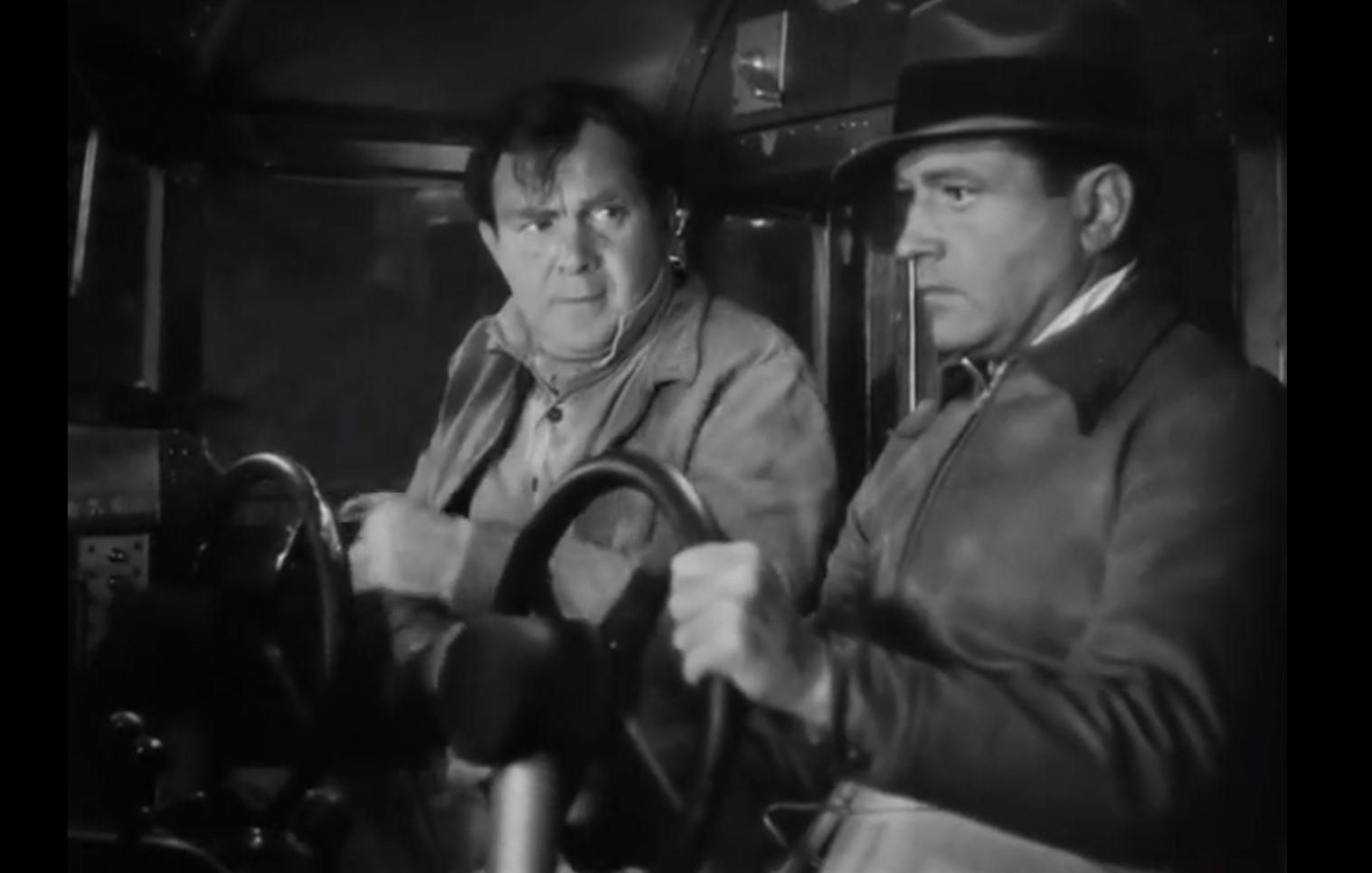
The supporting performances in Only Angels Have Wings are uniformly excellent as well. Rita Hayworth is appropriately seductive in her first major role (though she doesn’t appear on-screen all that often); Thomas Mitchell (who co-starred in no less than five noteworthy films in 1939) is sympathetic as an aging pilot who is losing his sight; and former silent-screen-star Richard Barthelmess is perfectly cast as a pilot hoping to redeem his past cowardly actions.

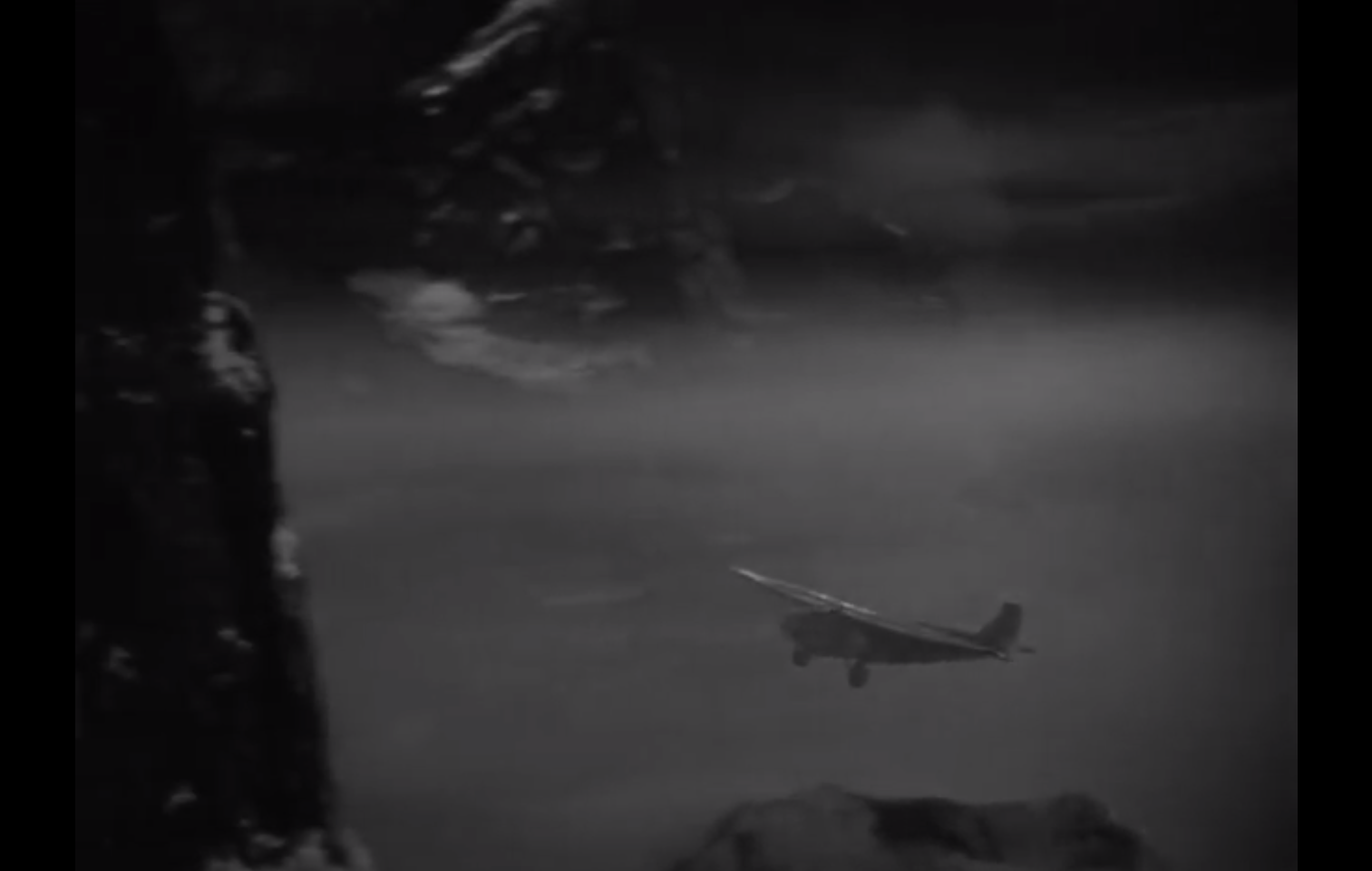
Although the film’s Oscar-nominated special effects don’t come across as all that impressive today, the actual footage of planes flying over the Andes is thrilling, and conveys both the danger and the excitement of this risky job. Note that … Angels bears some resemblance to Casablanca (1942): both center on ex-patriates who frequent a special bar; both feature a man who has become embittered by love; and both tell the stories of people whose survival is inherently dubious.

Redeeming Qualities and Moments:

  • Cary Grant as Geoff
  • Jean Arthur as Bonnie Lee
  • A chilling portrayal of the dangers of flying
  • Thomas Mitchell as “The Kid”
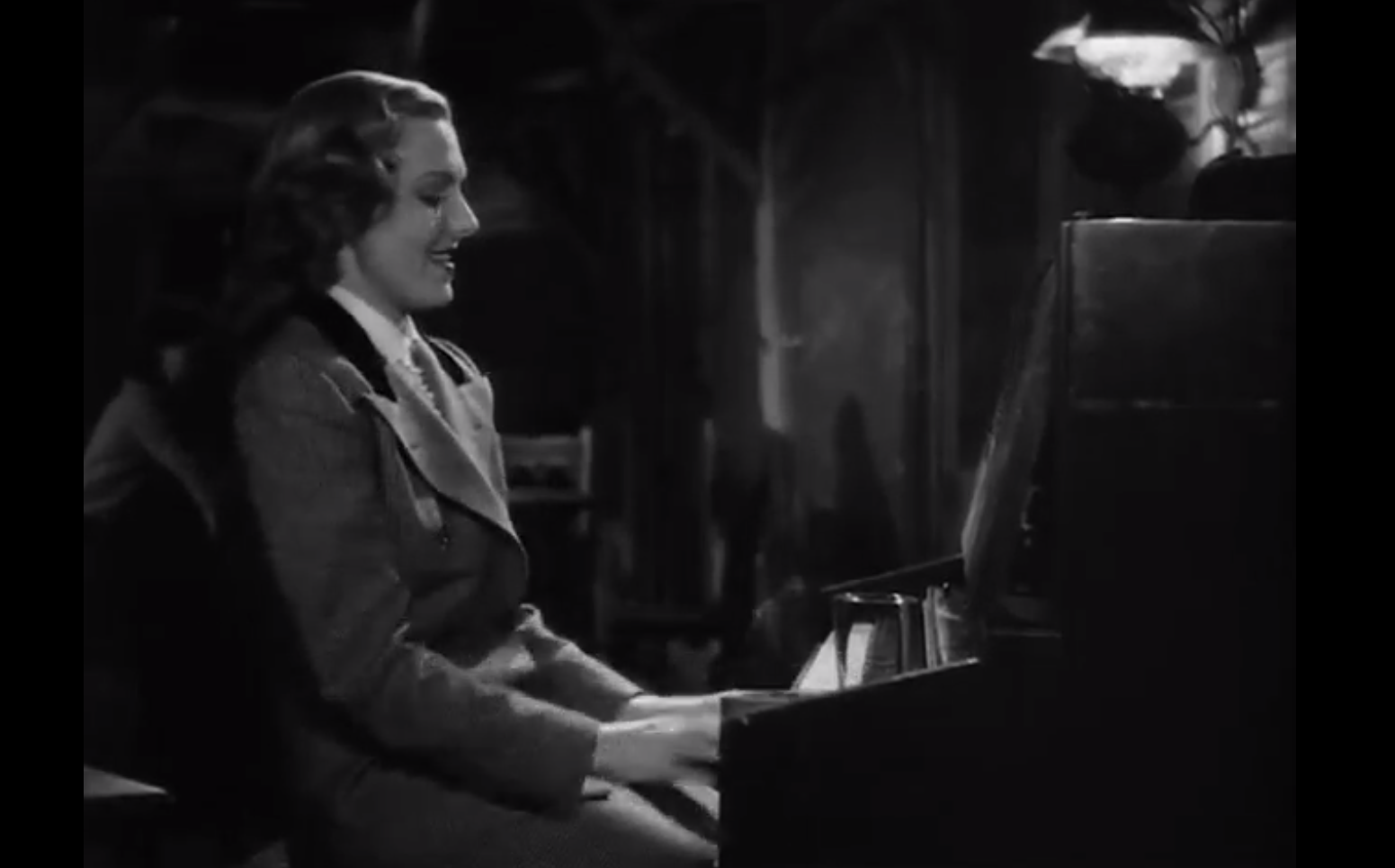
  • Arthur taking over a jazz tune on the piano, and showing off her chops
  • Joseph Walker’s cinematography

Must See?
Yes. This film perfectly embodies many of Howard Hawks’ favorite themes: machismo, male bonding, and women who struggle to understand their men’s need for adventure.

Categories

  • Important Director

(Listed in 1001 Movies You Must See Before You Die)

Links:

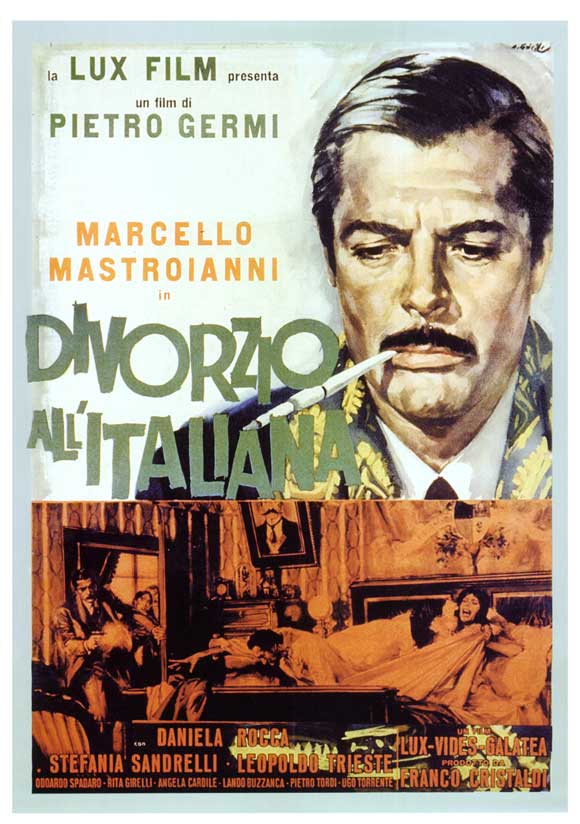
Divorce, Italian Style (1961)

Divorce, Italian Style (1961)

“There’s no divorce in Italy, but the law is lenient in matters of honor.”

Synopsis:
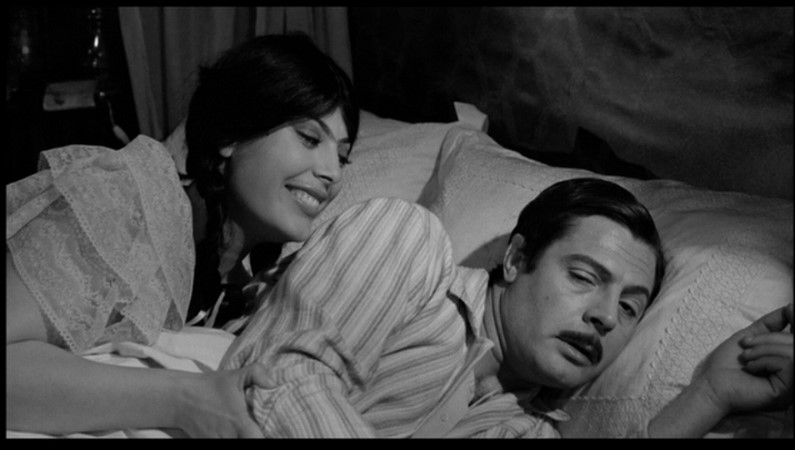
With divorce illegal in Italy, an unhappily married Sicilian (Marcello Mastroianni) in love with his younger cousin (Stefania Sandrelli) plots to catch his wife (Daniela Rocca) in the arms of another man (Leopoldo Trieste) and murder her in an “honor killing”.

Genres, Themes, Actors, and Directors:

  • Black Comedy
  • Infidelity
  • Italian Films
  • Marcello Mastroianni Films
  • Plot to Murder

Review:
Divorce, Italian Style was an international box office hit upon its release, and it’s easy to see why. Director Pietro Germi — who originally set out to make a serious film — perfectly captures the Sicilian “code of honor”, which stipulates that murder can be excused, but divorce is unthinkable (a paradoxical ethos ripe for satirizing). Marcello Mastroianni — fresh from his performance in Fellini’s La Dolce Vita — is wonderful in the lead role, playing a man we want to despise, but instead can’t help giggling at: his perennial deadpan expression and occasional facial twitches are truly hilarious. Fortunately, the plot of Divorce… is never predictable — there are enough twists and turns to keep us in constant anticipation about what will happen next. When Cefalu (Mastroianni) conveniently discovers that his wife has a prior love interest, for instance, he doesn’t show even the slightest twinge of jealousy. And the conclusion — an extremely clever final shot — is the epitome of sweet justice.

Redeeming Qualities and Moments:

  • Marcello Mastroianni’s performance; as noted in the New York Times review, “Not since Charlie Chaplin’s beguiling Verdoux have we seen a deliberate wife killer so elegant and suave.”
  • An effective film score by Carlo Rustichelli

Must See?
Yes. This comedic gem — which garnered Mastroianni an Oscar nomination, and won an Oscar for best original screenplay — should be seen by all film fanatics. Listed in the back of Peary’s book as a Personal Recommendation and a film with Historical Importance.

Categories

  • Foreign Gem
  • Oscar Winner or Nominee

Links:

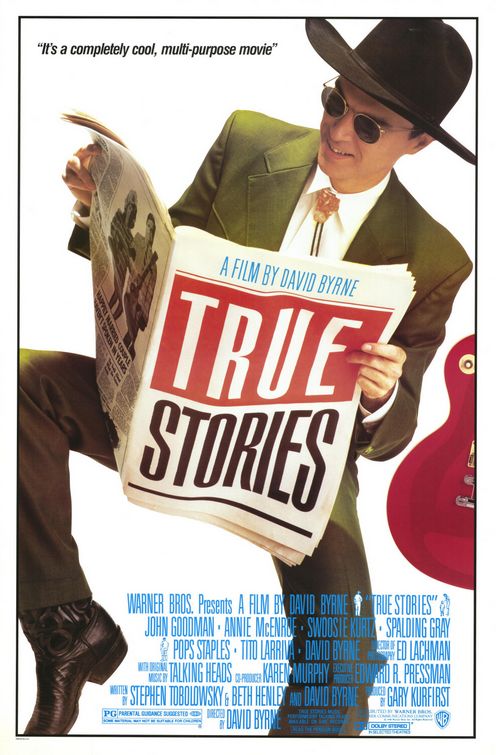
True Stories (1986)

True Stories (1986)

“When I see a place for the first time, I notice everything.”

Synopsis:
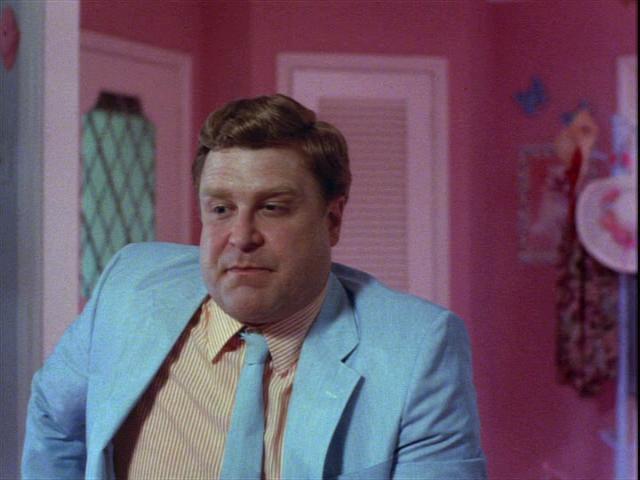
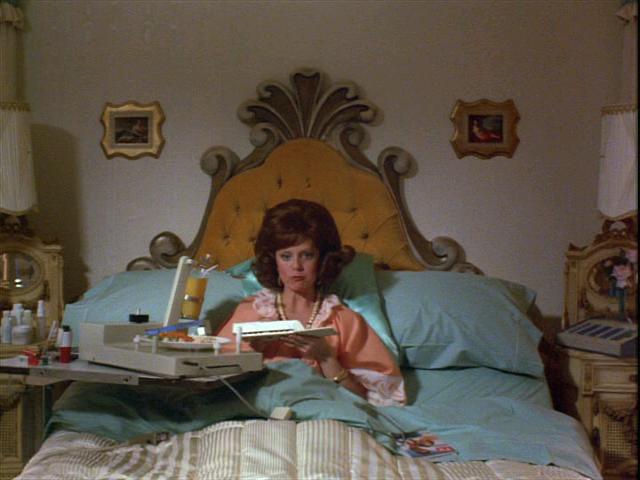
A visitor (David Byrne) to a small Texan town tells stories about its strange citizens — including a lonely bachelor (John Goodman), a compulsive liar (Jo Harvey Allen), and a woman who never gets out of bed (Swoosie Kurtz).

Genres, Themes, Actors, and Directors:

  • Ensemble Cast
  • Musicals
  • Satires and Spoofs
  • Small Town America

Review:
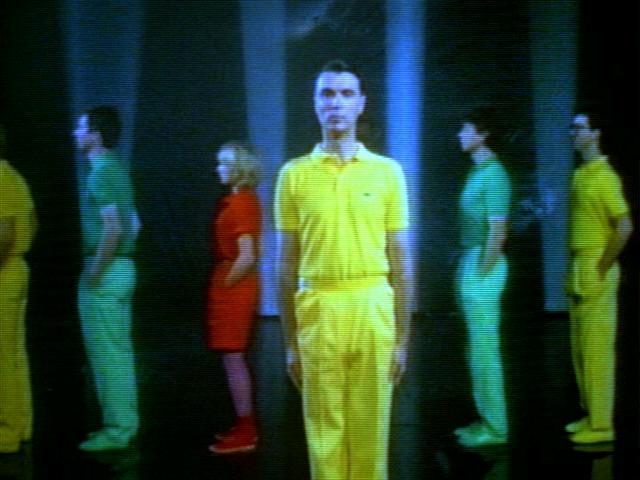
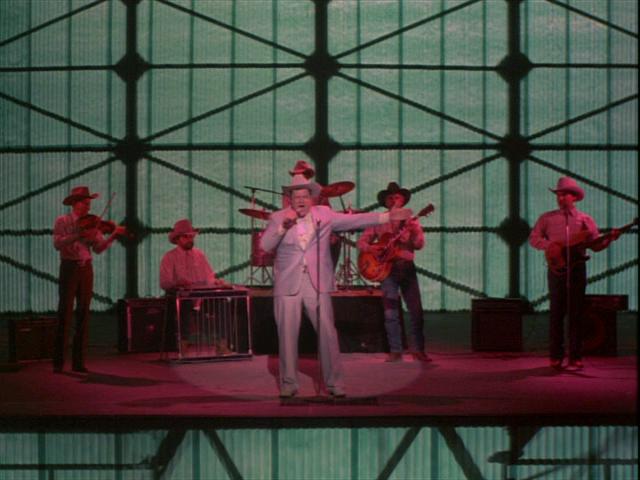
This directorial debut by Scottish musician David Byrne has “eccentric” written all over it, in bold strokes. Unfortunately, it tries so hard to convey the zaniness of its “average” small town characters that it falls flat again and again. Byrne apparently based his ensemble tale on oddballs he read about in tabloid magazines — but their inherent quirkiness doesn’t necessarily lead to amusement, and we don’t spend nearly enough time with any of them to begin to care about their lives. The most interesting characters in the movie — John Goodman as a lonely bachelor, and Swoosie Kurtz as a woman who never gets out of bed — could have been the basis for a more interesting comedy, but this opportunity was lost. The soundtrack by the Talking Heads is what would ostensibly draw one to this film; however, for some reason, their songs are almost always sung by actors rather than the band itself. The most enjoyable musical number in the movie occurs when Kurtz is lying in bed watching television, and a Talking Heads music video comes on the screen — this is when we finally understand the zaniness underlying Byrne’s sensibility as a musician, and we immediately want to hear more. The one exception to this rule is when Goodman sings “People Like Us” during the town’s sesquicentennial celebration; he’s got a surprisingly fine voice, and is a joy to listen to.

Redeeming Qualities and Moments:

  • John Goodman as lonely Louis Fyne
  • Swoosie Kurtz as Miss Rollings, “the laziest woman on Earth”
  • The Talking Heads performing “Love for Sale” as a music video
  • John Goodman singing “People Like Us”

Must See?
Yes, simply for its status as a cult favorite. However, I can’t really recommend this film for anyone other than Talking Heads fans.

Categories

  • Cult Movie

Links:

Baby Face Nelson (1957)

Baby Face Nelson (1957)

“The prison authorities and parole board were confident they had succeeded with Lester N. Gillis — soon to be better known as Baby Face Nelson.”

Synopsis:
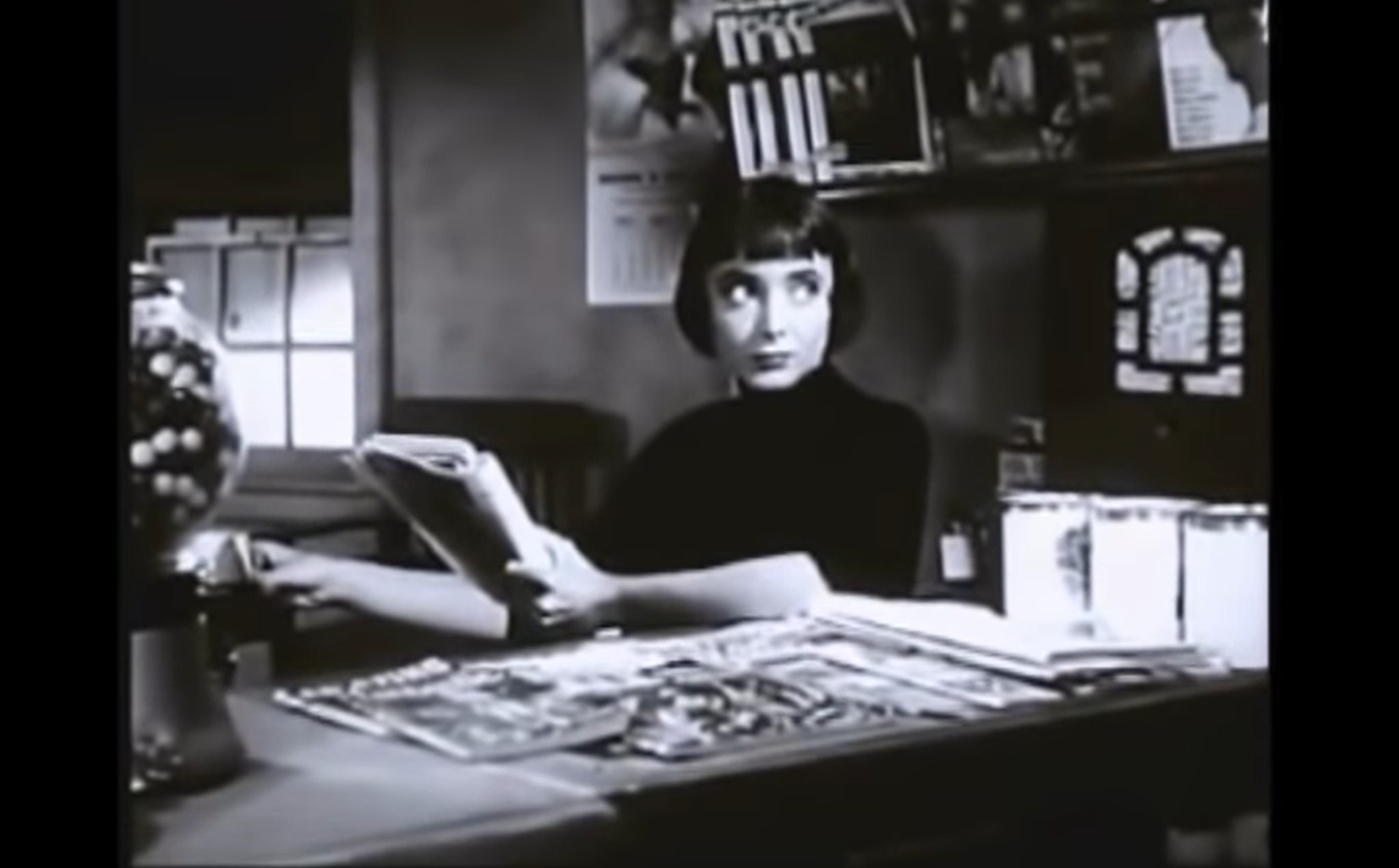
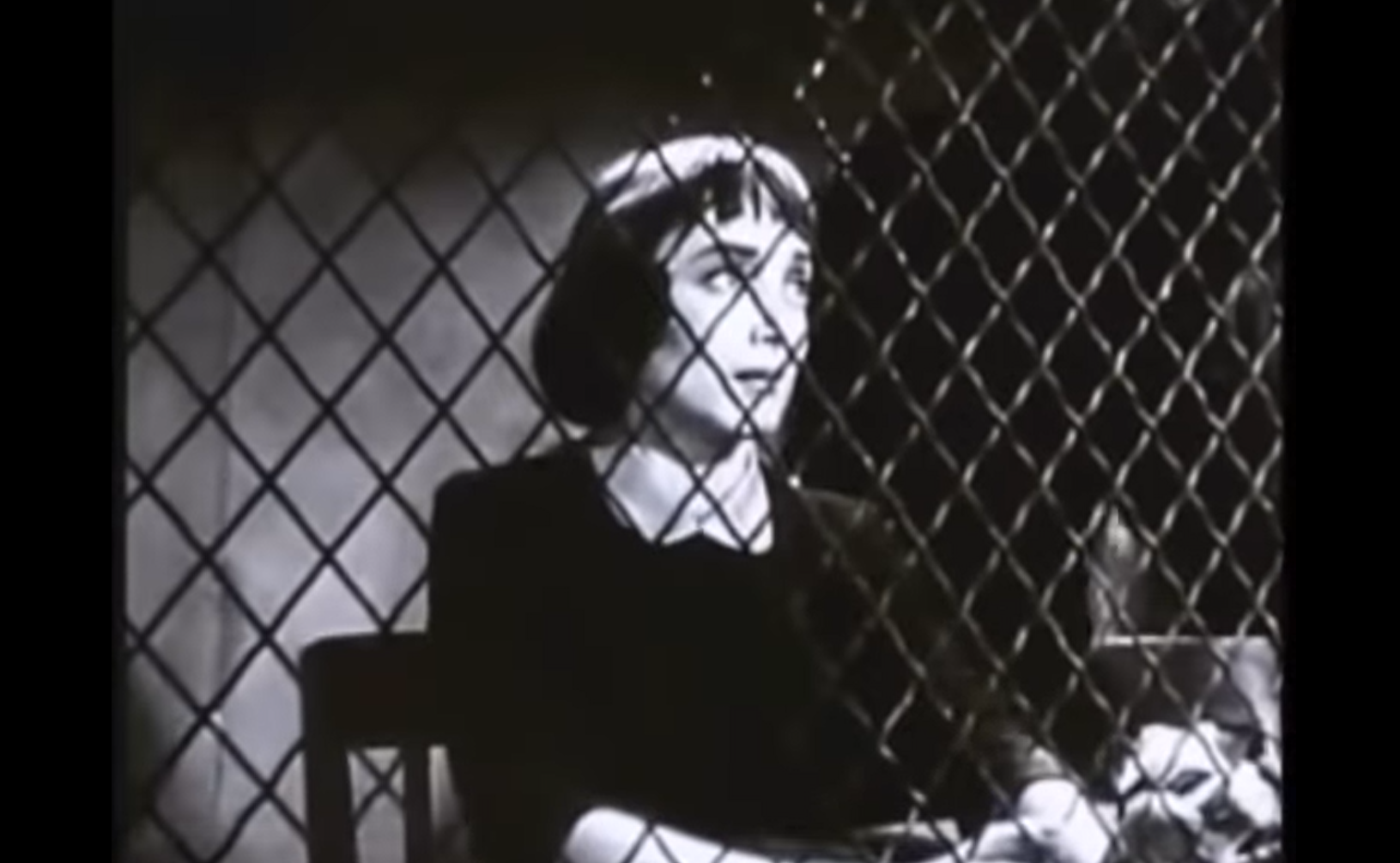
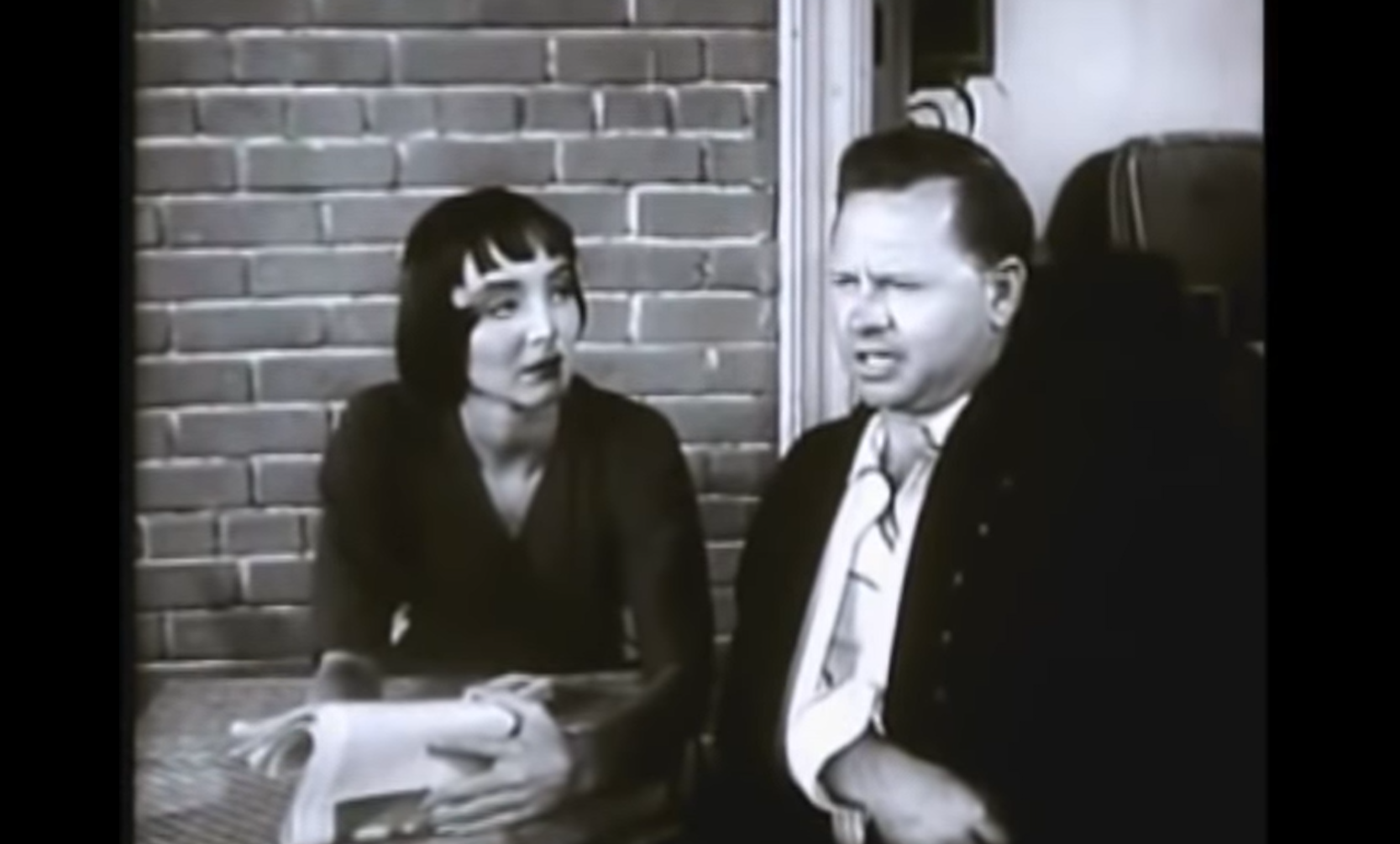
Famed Depression-era gangster “Baby Face Nelson” (Mickey Rooney) robs and kills while accompanied by his beautiful moll (Carolyn Jones).

Genres:

  • Biopics
  • Carolyn Jones Films
  • Don Siegel Films
  • Elisha Cook Jr. Films
  • Fugitives
  • Gangsters
  • Mickey Rooney Films

Review:
Baby Face Nelson received negative reviews upon its release, but has since been lauded by critics as a “vigorous crime thriller” with “anarchic energy”. On the whole, however, it remains a minor disappointment. While director Don Siegel handles the multiple action scenes well, they’re not particularly unique; and while Mickey Rooney does a fine job as Nelson, not nearly enough time is spent establishing the root of his character’s neuroses. In one nicely-done scene, Baby Face refrains from killing a bank manager simply because he’s just as short as him, offering an intriguing hint of the “little guy complex” which may have driven Nelson’s actions; unfortunately, this is never addressed again.

Carolyn Jones — Morticia on “The Addams Family” television show — emerges as the true find of the film: from the moment we see her pixie face on-screen (she reminds me of Bruce Willis’s lover — played by Maria de Medeiros — in Pulp Fiction), we realize how lucky Nelson was to have such a loyal and sexy moll by his side.

Unfortunately, she’s an entirely fictional character. For a better gangster biopic made in the 1950s but taking place in the 1930s, see Dorothy Provine in The Bonnie Parker Story (1958).

Redeeming Qualities and Moments:

  • Carolyn Jones as Nelson’s loyal moll
  • Mickey Rooney as the psychopathic Baby Face

Must See?
No. While it’s listed as a cult film in the back of Peary’s book — and has quite a few followers clamoring for its release onto DVD — I think it’s ultimately only must-see viewing for fans of gangster flicks, Don Siegel, and/or Mickey Rooney.

Links:

Dona Flor and Her Two Husbands (1976)

Dona Flor and Her Two Husbands (1976)

“He was a gigolo, a bum, and a shameless drunkard… A swindler, a penniless gambler, a cheap crook! A scoundrel!”

Synopsis:
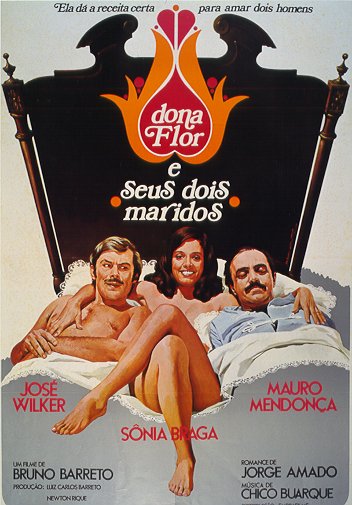
After the death of her womanizing husband (Jose Wilker), Dona Flor (Sonia Braga) marries a loyal yet boring pharmacist (Mauro Mendonca). But when Flor finds herself unconsciously lusting for her ex-husband, his sudden ghostly appearance complicates her new marriage.

Genres:

  • Ghosts
  • Love Triangle
  • Romantic Comedy
  • South and Central America
  • Womanizers

Response to Peary’s Review:
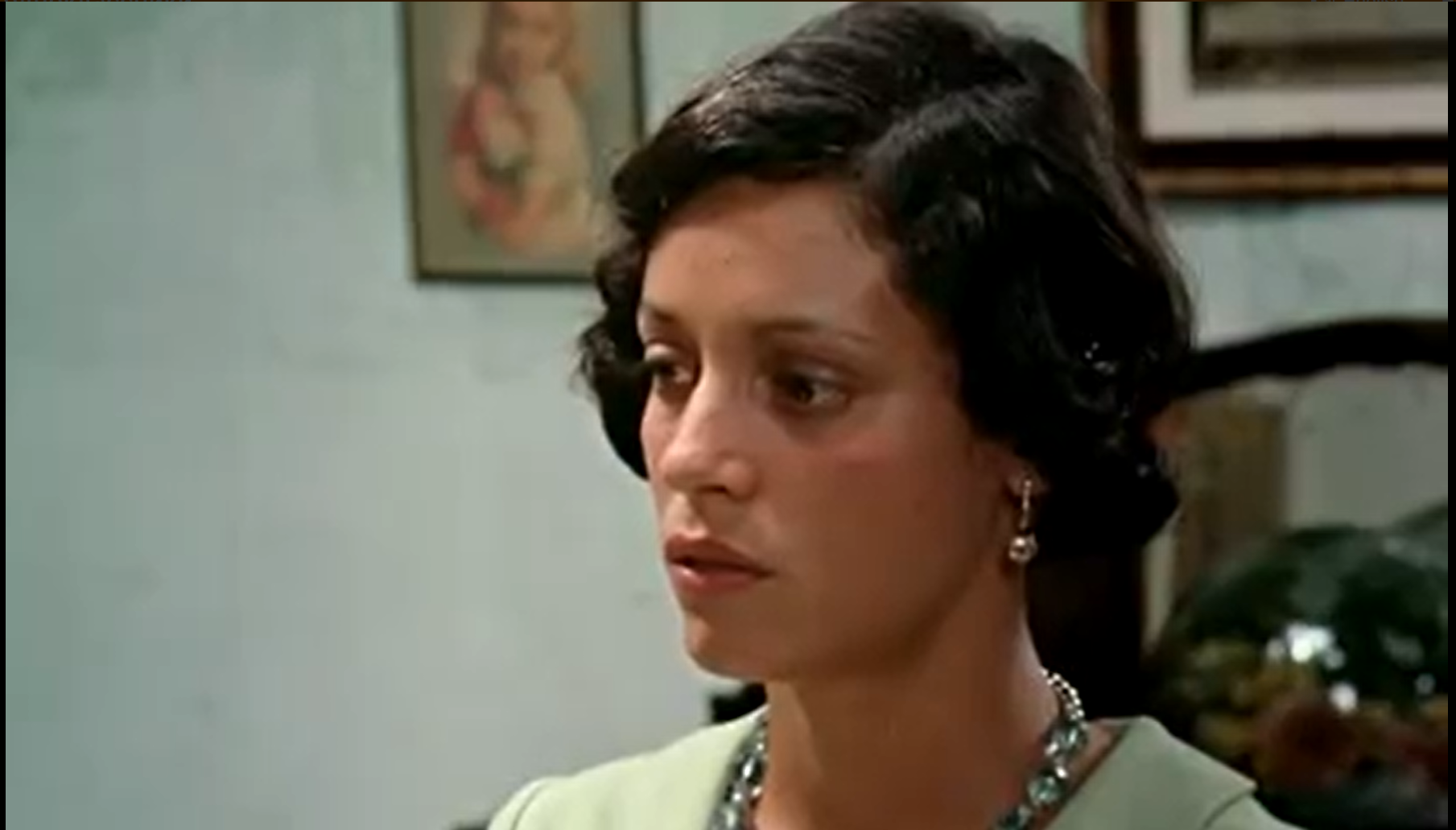
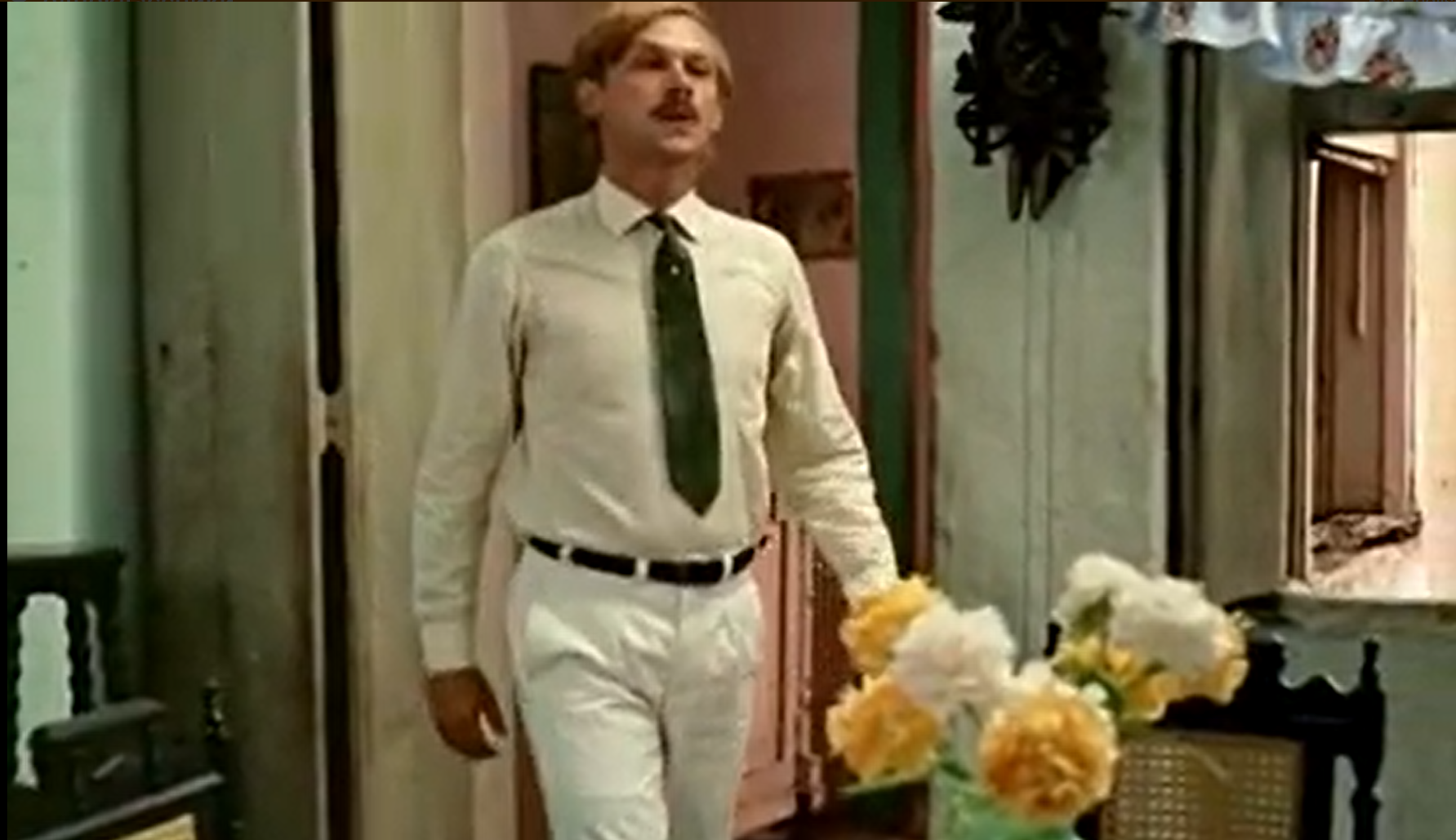
As Peary notes, this “tremendously popular” Brazilian sex comedy — which bears resemblance to both Noel Coward’s Blithe Spirit (1945) and Spike Lee’s She’s Gotta Have It (1986) — is actually rather serious, and contains “few humorous moments”; indeed, the entire first hour of the film is spent showing how badly Flor is treated by her no-good husband. On the other hand, there’s plenty of ribald sensuality to enjoy, and the film’s underlying theme of female sexual empowerment is a satisfying one. Peary correctly notes that both men and women will be able to relate to the lead characters here, whose messy, all-too-human desires cause them both conflict and joy.

Redeeming Qualities and Moments:

  • Sonia Braga as Dona Flor
  • Jose Wilker as Flor’s philandering husband
  • Chico Buarque’s infectious Brazilian score

Must See?
No, but it’s recommended as an enjoyable Brazilian comedy.

Links:

She’s Gotta Have It (1986)

She’s Gotta Have It (1986)

“I am not a one-man woman.”

Synopsis:
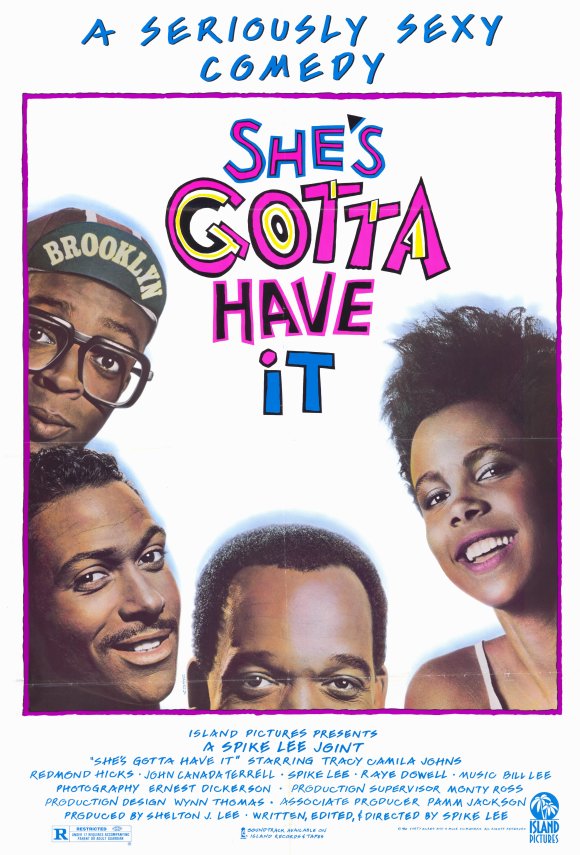
A woman (Tracy Camilla Johns) with three lovers (Spike Lee, Tommy Redmond Hicks, and John Canada Terrell) resists being faithful to any one of them.

Genres:

  • African-Americans
  • Jealousy
  • Love Triangle
  • Romantic Comedy
  • Sexuality
  • Strong Females

Review:
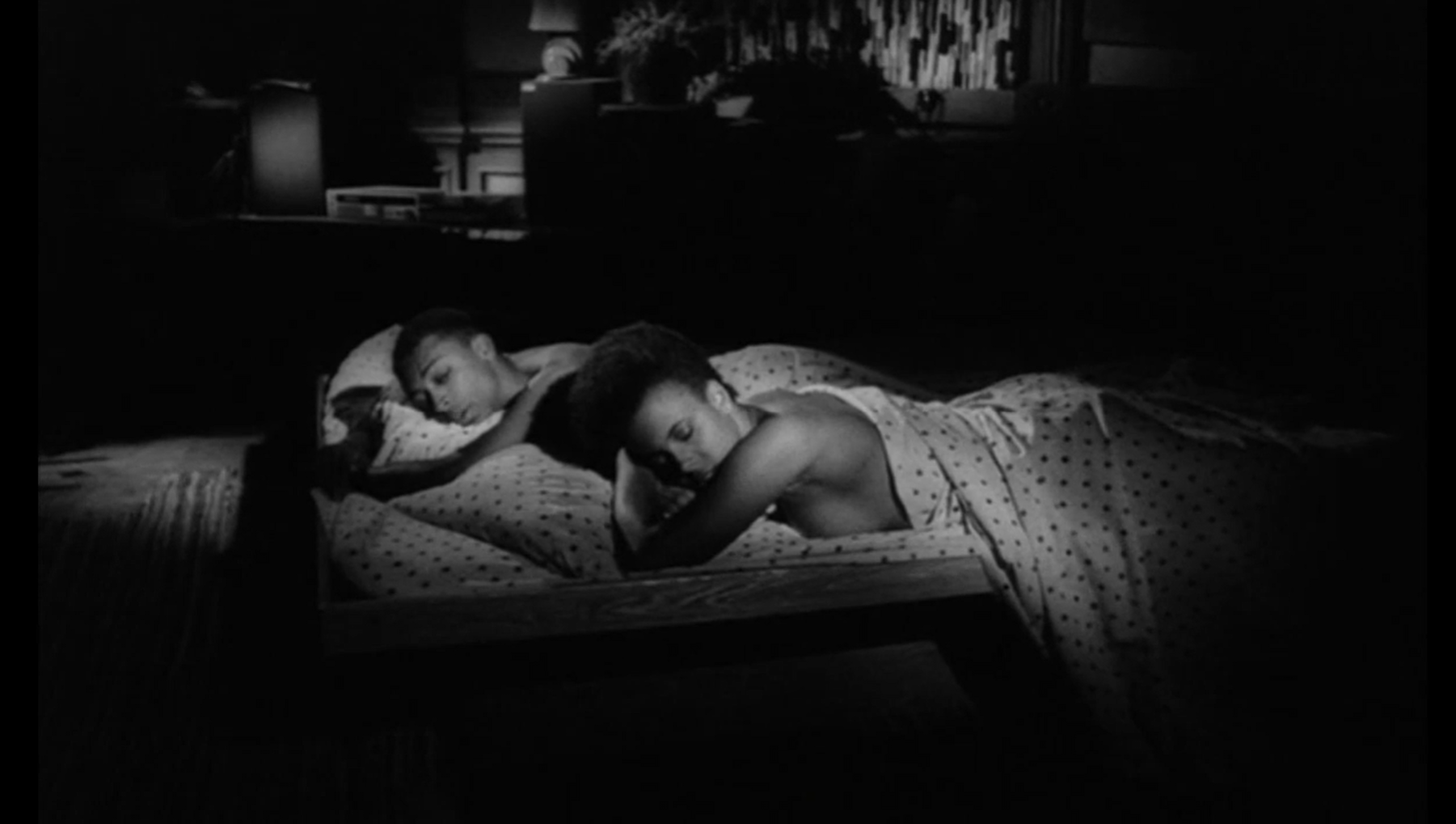
Spike Lee’s treatment of his female protagonist in his debut film, about an independent-minded woman (Johns) who finds cumulative sexual satisfaction through her triumvirate of disparate lovers — comedic Mars (Lee), narcissistic Greer (Terrell), and sincere Jamie (Hicks) — is refreshingly respectful. He portrays Nola (Johns) as nothing but honest in her desire for sex with many men, and while none of her lovers are happy with her decision, we admire Nola for being true to herself. While the acting in She’s Gotta Have It is clearly student-film quality, we remain invested in the story given the uniqueness of these characters. She’s Gotta Have It remains a worthy predecessor to Lee’s breakthrough movie of three years later (Do the Right Thing, 1989), and is worth a look by film fanatics.

Redeeming Qualities and Moments:

  • A humorous and insightful look at female sexuality
  • Creative camera work

Must See?
No, though it’s recommended for those curious to see early evidence of Lee’s talents as a director. Listed in the addendum of Peary’s book as a film with historical importance and as a Personal Recommendation.

(Listed in 1001 Movies You Must See Before You Die)

Links:

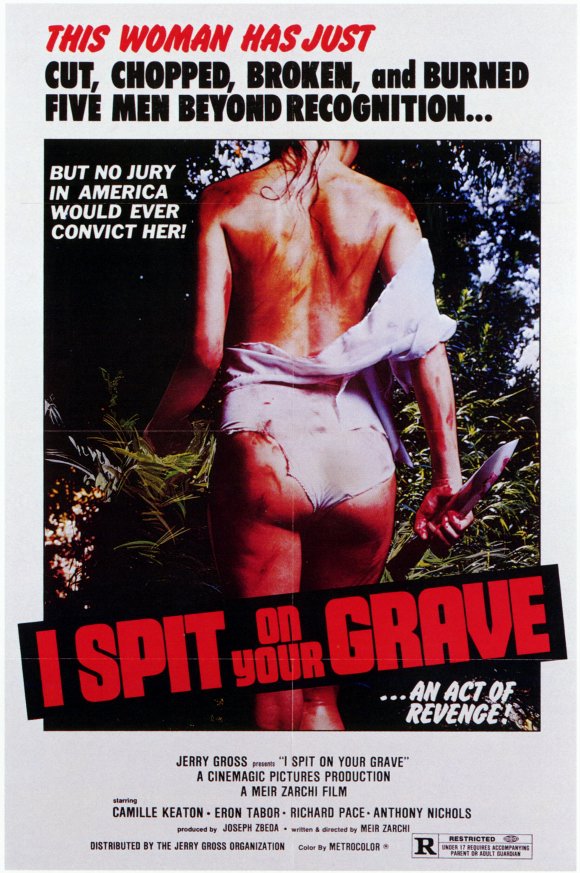
I Spit On Your Grave / Day of the Woman (1978)

I Spit On Your Grave / Day of the Woman (1978)

“Total submission. That’s what I like in a woman — total submission.”

Synopsis:
When a female writer from New York (Camille Keaton) is gang-raped by thugs on a remote island, she plots her revenge.

Genres:

  • Class Relations
  • Horror
  • Rape
  • Revenge
  • Writers

Response to Peary’s Review:
Peary is one among many reviewers who have argued that there is truly “no way to defend” this highly controversial, enormously discomfiting exploitation flick (starring Buster Keaton’s granddaughter, Camille — wife of the director). Indeed, the rape scenes in I Spit On Your Grave are so protracted (they last a total of 45 minutes), so realistic (there’s no film score), and so gruesome, that, as Peary points out, not even “male moviegoers [who] seemed to enjoy the mistreatment of the young girls in Last House on the Left… will identify with the rapists [here].” This leads one to question why such a film would be made in the first place. Although director Meir Zarchi manages to “[show the] pain, humiliation, and terror of a rape victim as few filmmakers have,” is this really such an estimable achievement? Apparently Zarchi had the noble intention of showing a woman taking personal revenge for her brutal mistreatment at the hands of men; yet Keaton’s systematic murders (she seduces each of the men, then leaves them to die) aren’t any easier to stomach. Indeed, the entire film is likely to be one of the most unpleasant movie-watching experiences you’ve ever had. Be strongly forewarned.

P.S. The theme of rape revenge was ultimately dealt with much more tastefully (and artfully) in Abel Ferrara’s Ms. 45/Angel of Vengeance (1982).

Redeeming Qualities and Moments:

  • Camille Keaton’s brave (foolhardy?) performance as the vengeful rape victim

Must See?
No, though film fanatics may be curious to check it out simply for its status as a controversial cult classic. But you have my permission to fast-forward through to the final half — and then to try to forget you ever saw it.

Links: