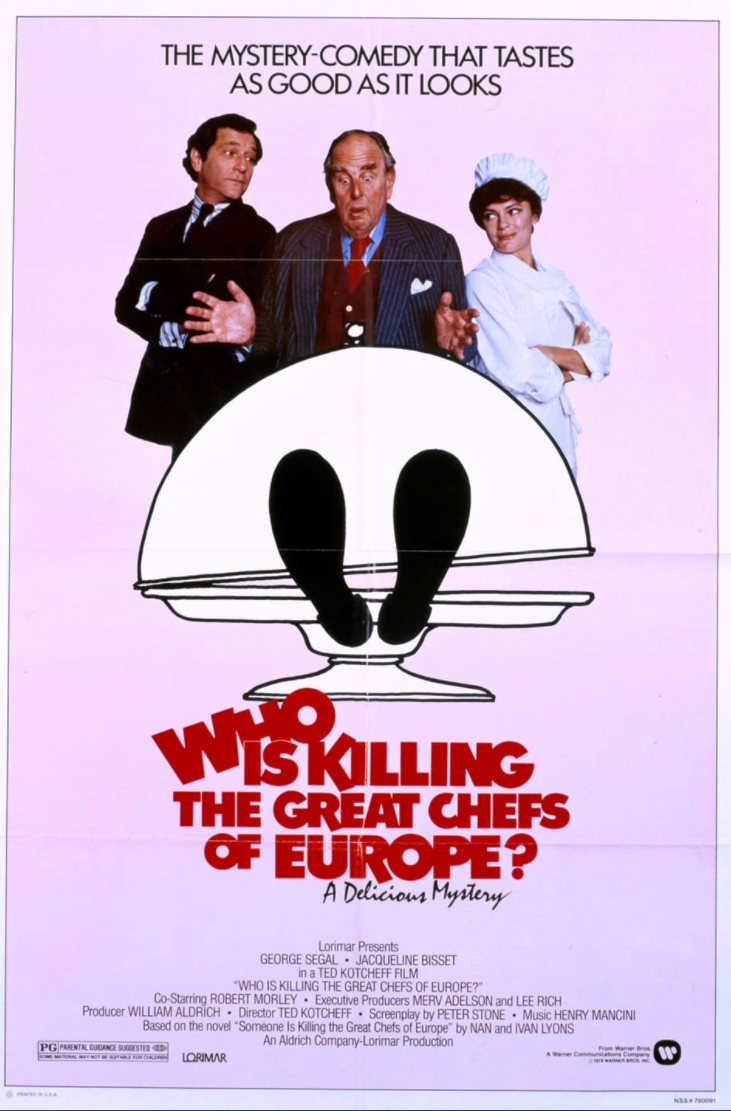
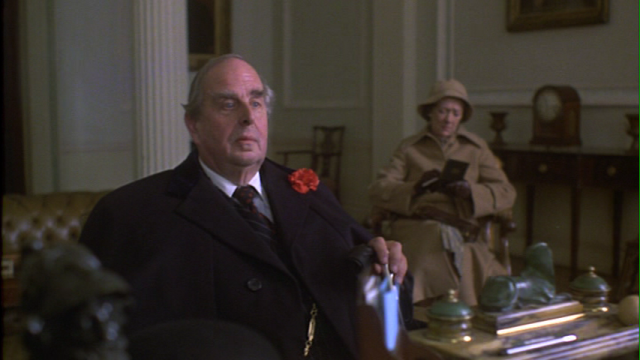
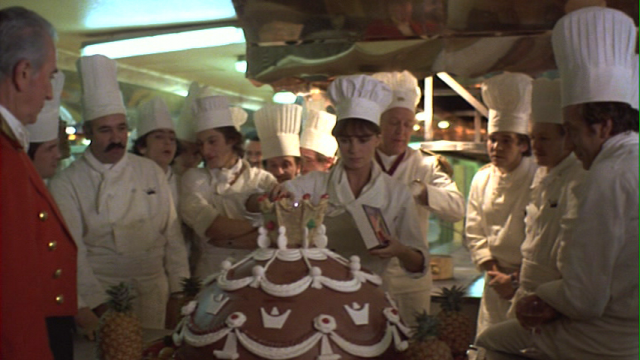
Who Is Killing the Great Chefs of Europe? (1978)
“I am precisely what I am because I have eaten my way to the top.”
|
Synopsis: |
|
Genres, Themes, Actors, and Directors:
Review: Redeeming Qualities and Moments:
Must See? Links: |
“I am precisely what I am because I have eaten my way to the top.”
|
Synopsis: |
|
Genres, Themes, Actors, and Directors:
Review: Redeeming Qualities and Moments:
Must See? Links: |
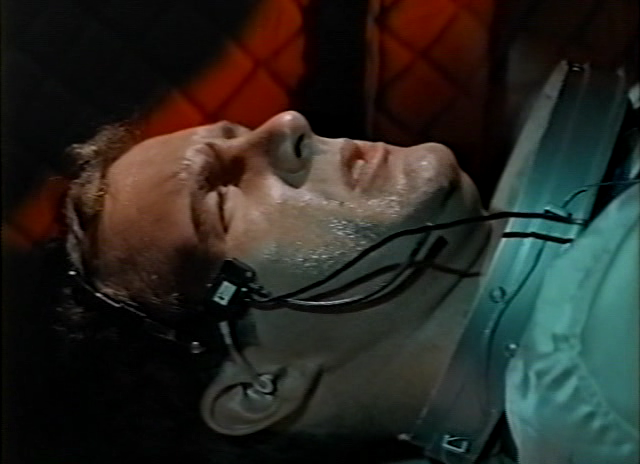
“You have to wear that capsule like you wear your own skin.”
|
Synopsis: |
|
Genres, Themes, Actors, and Directors:
Review: There’s little to distinguish Countdown as an “Altman film”, though he does utilize some overlapping dialogue, and there’s a bit more emphasis on relationships than plot; the following year’s M*A*S*H (1970), however, would be his true breakthrough film. With that said, Countdown is a competently made, solidly acted drama: Duvall is in prime form as an embittered astronaut who is justifiably pissed off that his less-experienced friend has been given his spot (simply for political purposes), while Joanna Moore stands out in a thankless role as Caan’s worried wife. Women aren’t given much due in the screenplay (Barbara Baxley as Duvall’s wife is practically non-existent), but Moore manages to expertly convey the shift her character undergoes once she realizes that she really has no control over her husband’s decision to pursue the dangerous mission; she’s the epitome of pre-feminist wifely survival, and surprisingly intriguing to watch. Redeeming Qualities and Moments:
Must See? Links: |
“What will you have? A human form with animal instincts!”
|
Synopsis: |
|
Genres, Themes, Actors, and Directors:
Review:
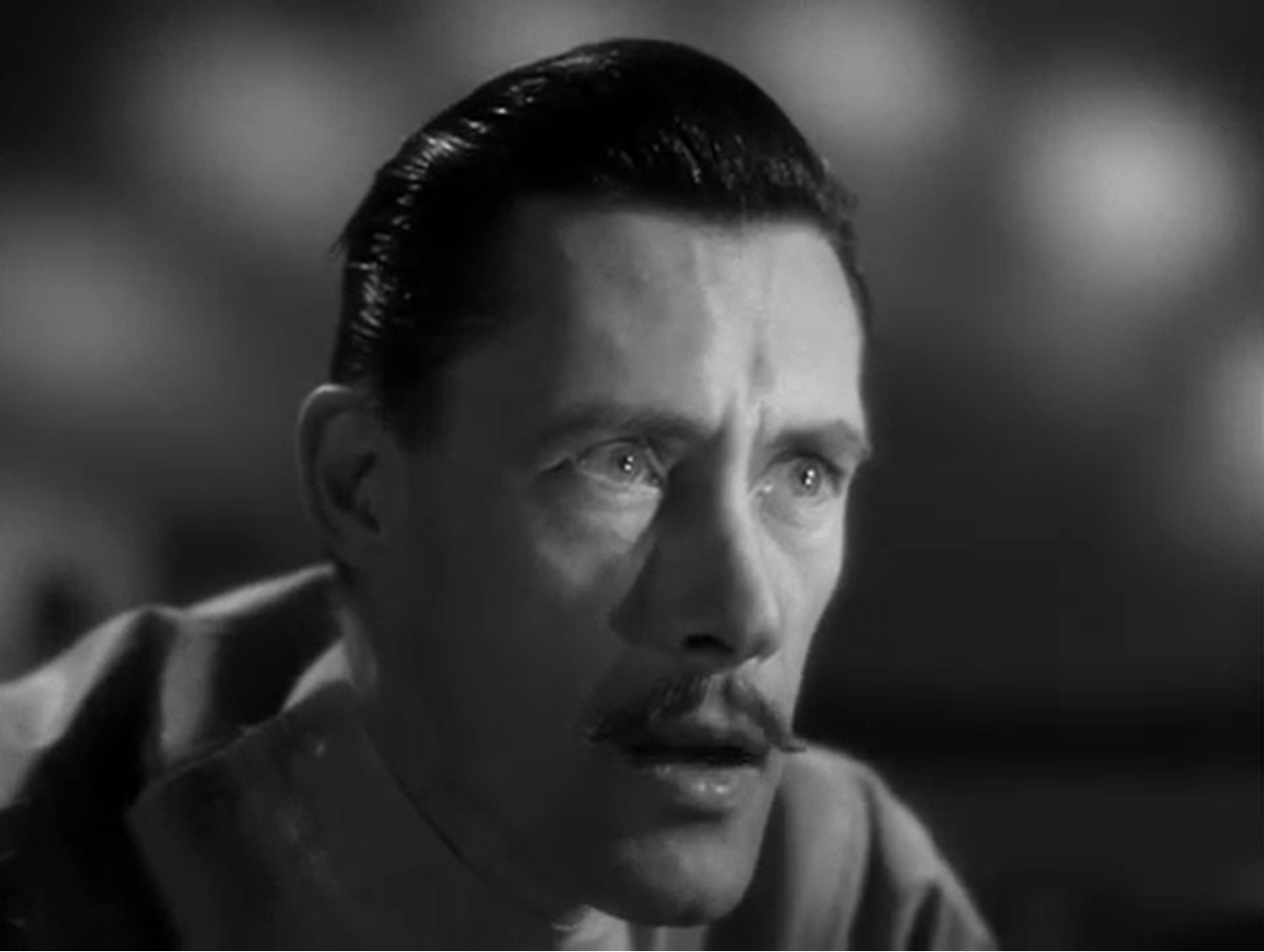
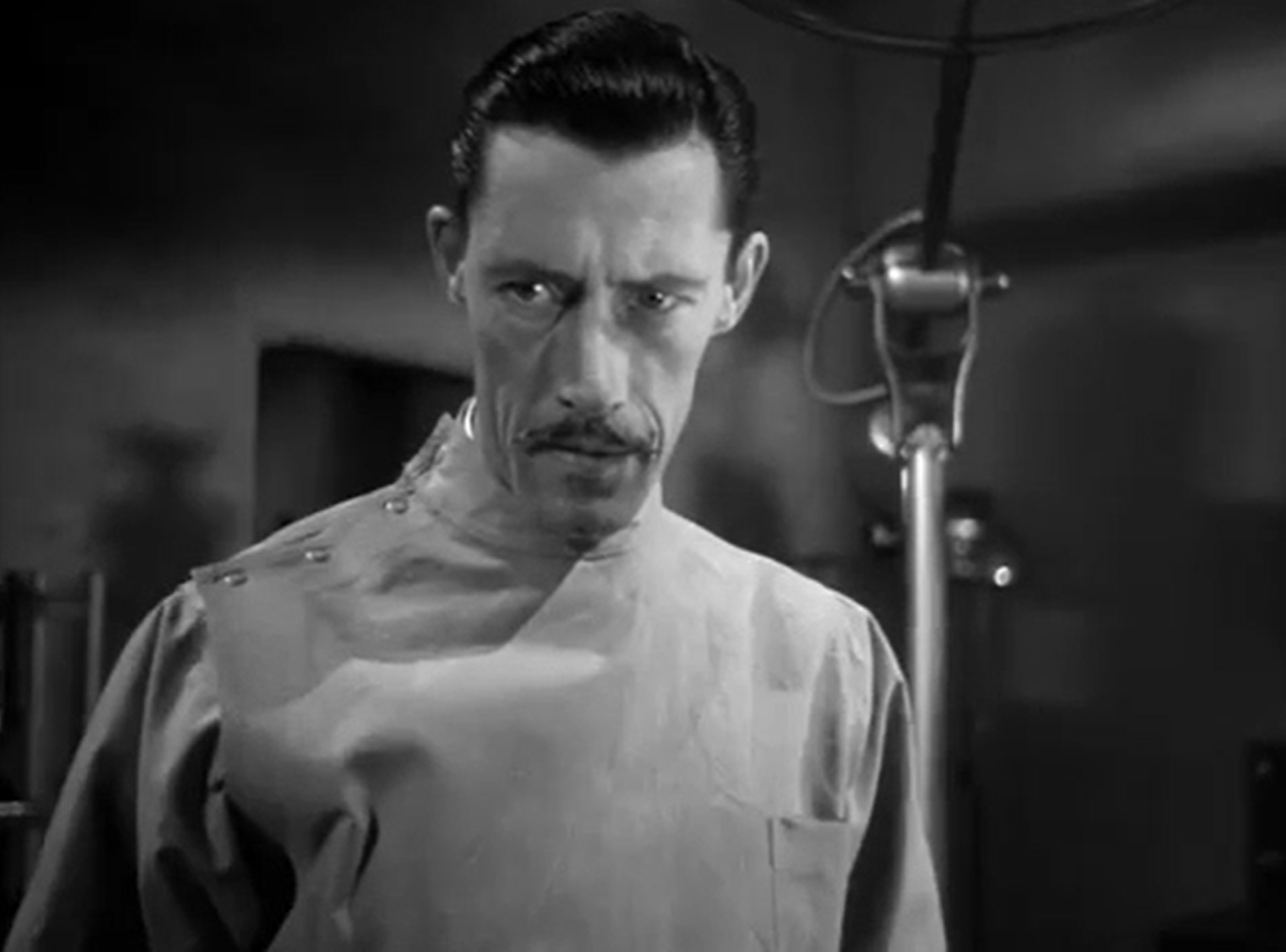
— co-starring with character actor Milburn Stone (cast because of his resemblance to real-life trainer Clyde Beatty) and the ever-reliable John Carradine as a villainous medical kook determined to commit glandular manipulation on his “patients”.
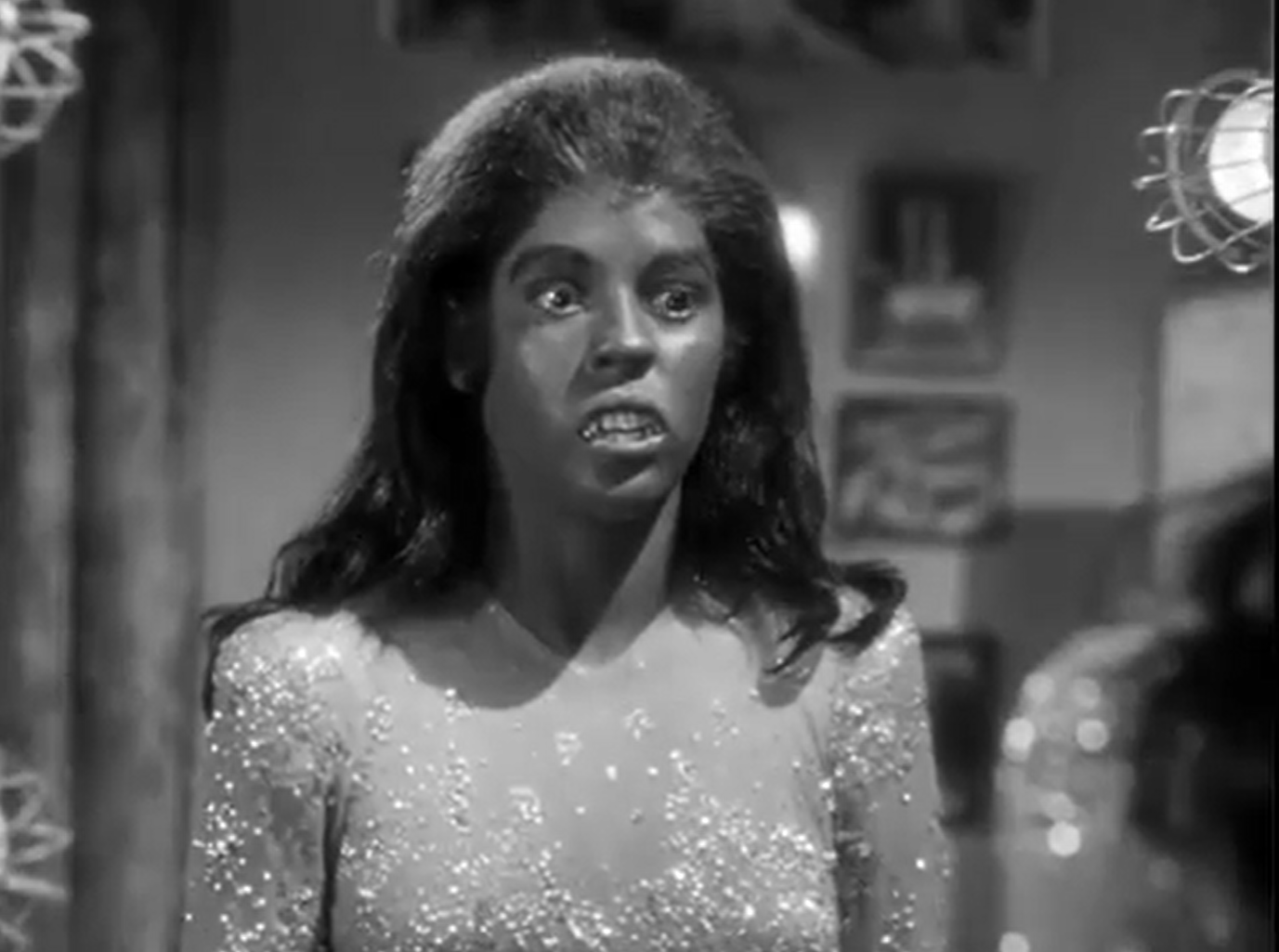
There’s little to the hour-long story, which is essentially concerned with relating the folly and danger — a la The Island of Lost Souls (1933) — of attempting to merge animal and human “forces”:
It evokes the general aura of Val Lewton’s RKO films, but without their psychological depth. Instead, it’s padded out by plenty of footage of Stone (actually Beatty) working with wild tigers and lions — footage which at times seems to go on for a bit too long. With that said, director Edward Dmytryk manages to add some atmosphere to the proceedings, and fans of the genre will certainly be curious to check it out once. Redeeming Qualities and Moments:
Must See? Links: |
“We cannot always do what we wish without harming others.”
|
Synopsis: |
|
Genres, Themes, Actors, and Directors:
Review:
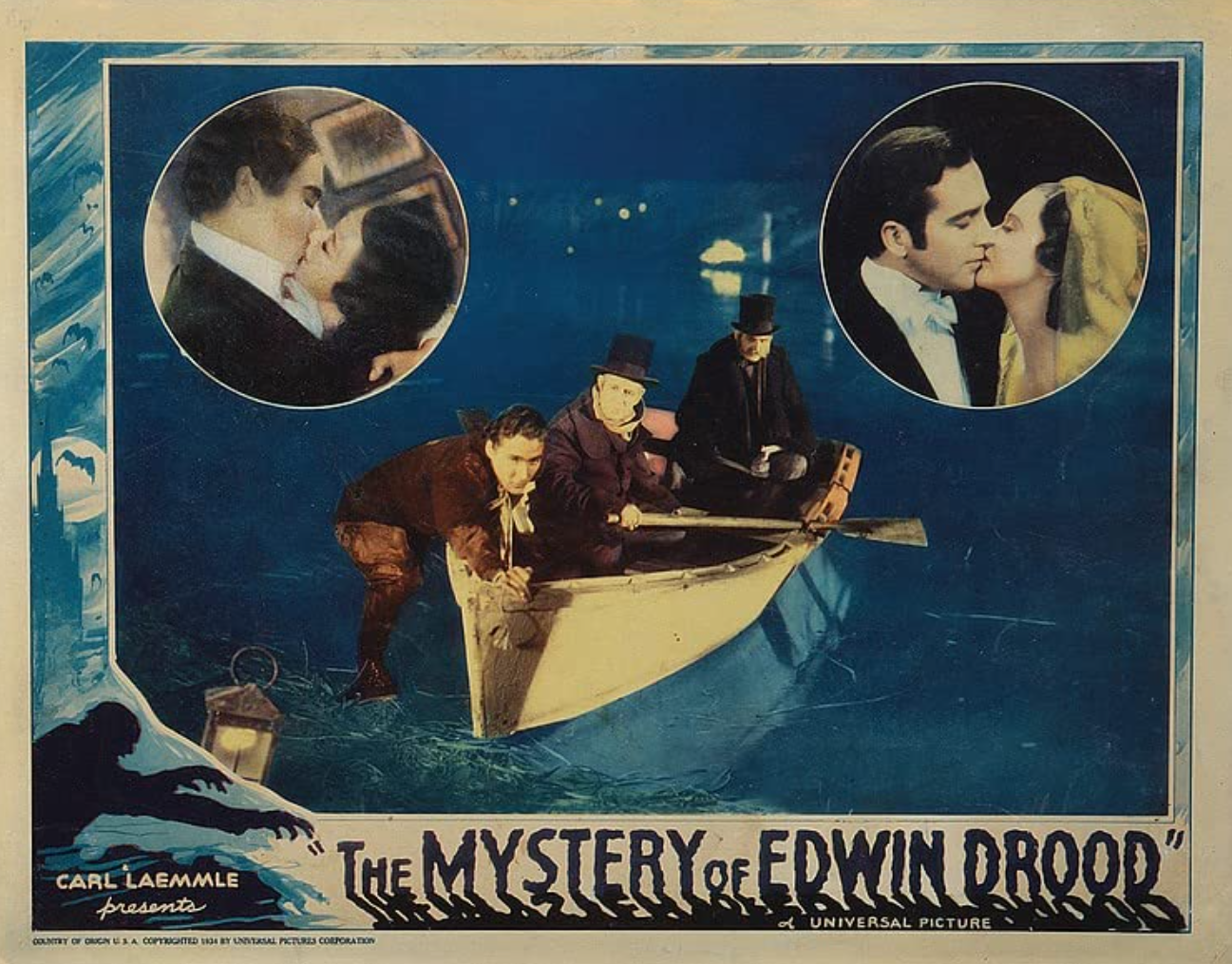
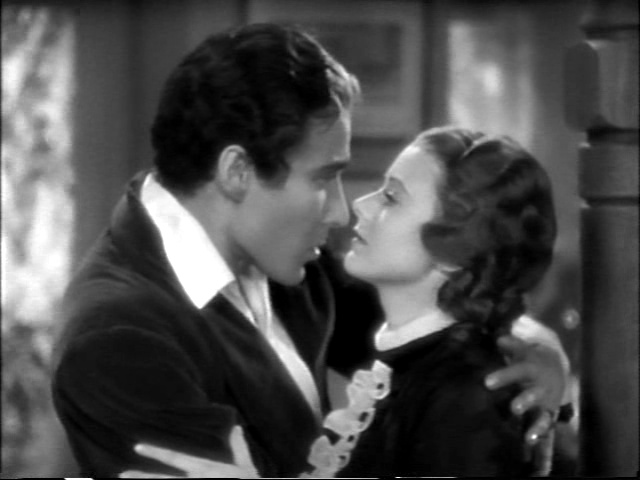
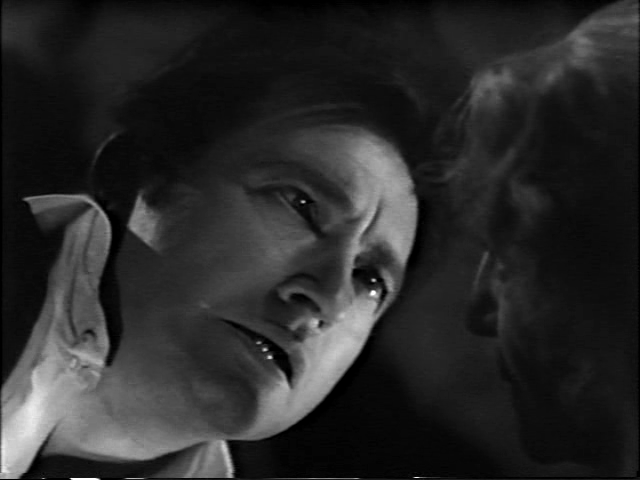
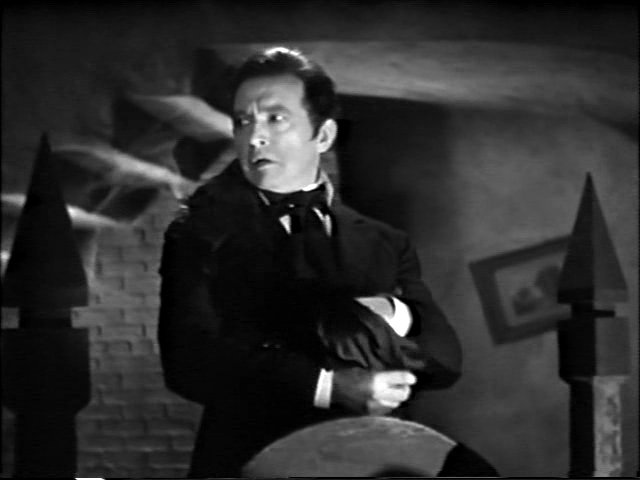
… and finds the covetous stares of her fiance’s uncle (Rains, excellent as always) utterly creepy. It’s not until the second half of the film that the story’s more atmospheric horror elements come into play, as we question how and why Drood has disappeared, all while suspecting that Rains — given his shadowy dealings with a cemetery caretaker, and his addiction to opium — may play a critical part in the mystery.
While Mystery of Edwin Drood isn’t essential viewing for all film fanatics, it’s certainly recommended, particularly for Dickens fans — and Rains’ performance is, as always, well worth a look. Note: Director Stuart Walker, who died of a heart attack in 1941, also helmed the Peary-listed titles The Eagle and the Hawk (1933) and Werewolf of London (1935). Redeeming Qualities and Moments:
Must See? Links: |
“Men fantasize about her; women trust her.”
|
Synopsis: |
|
Genres, Themes, Actors, and Directors:
Response to Peary’s Review:
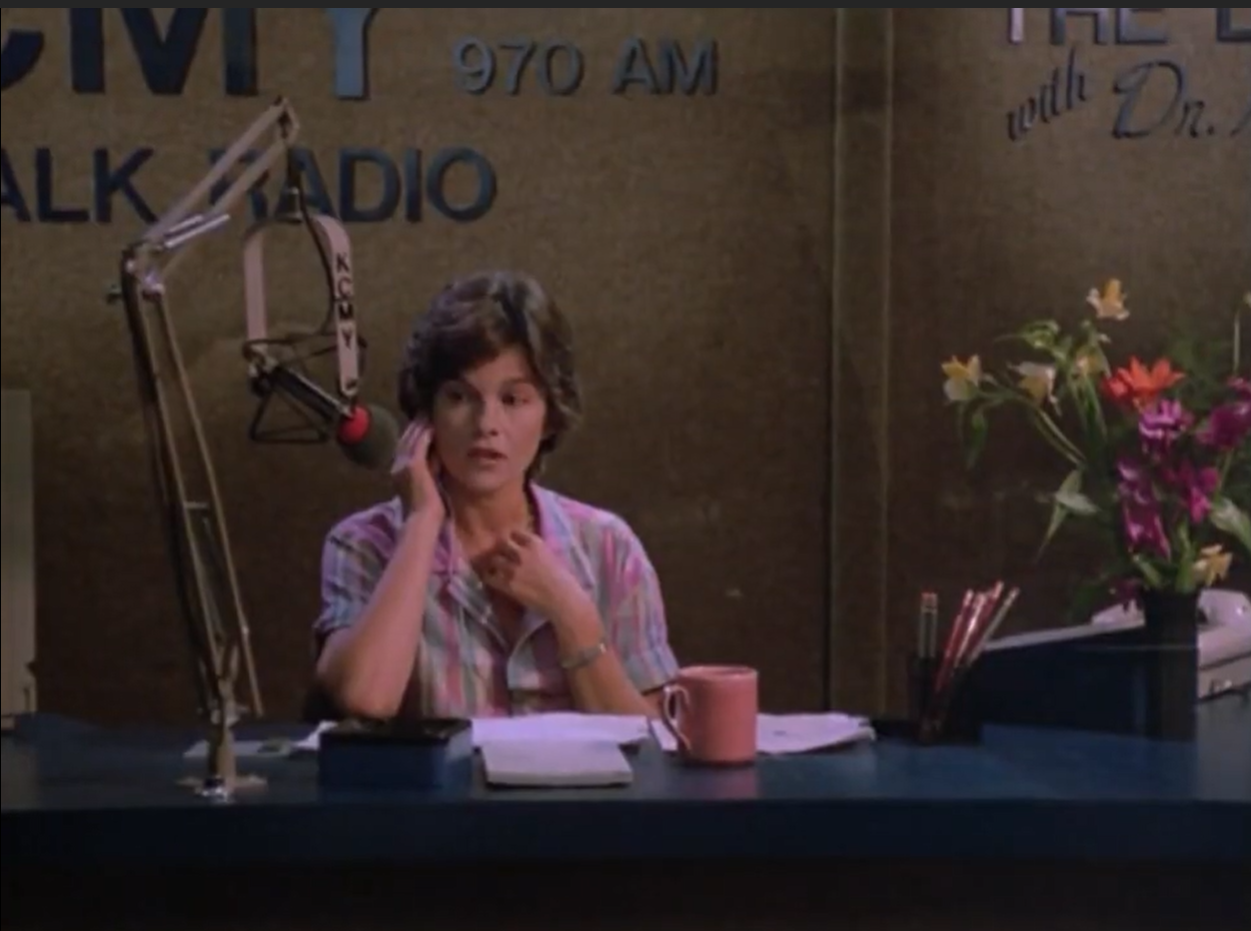
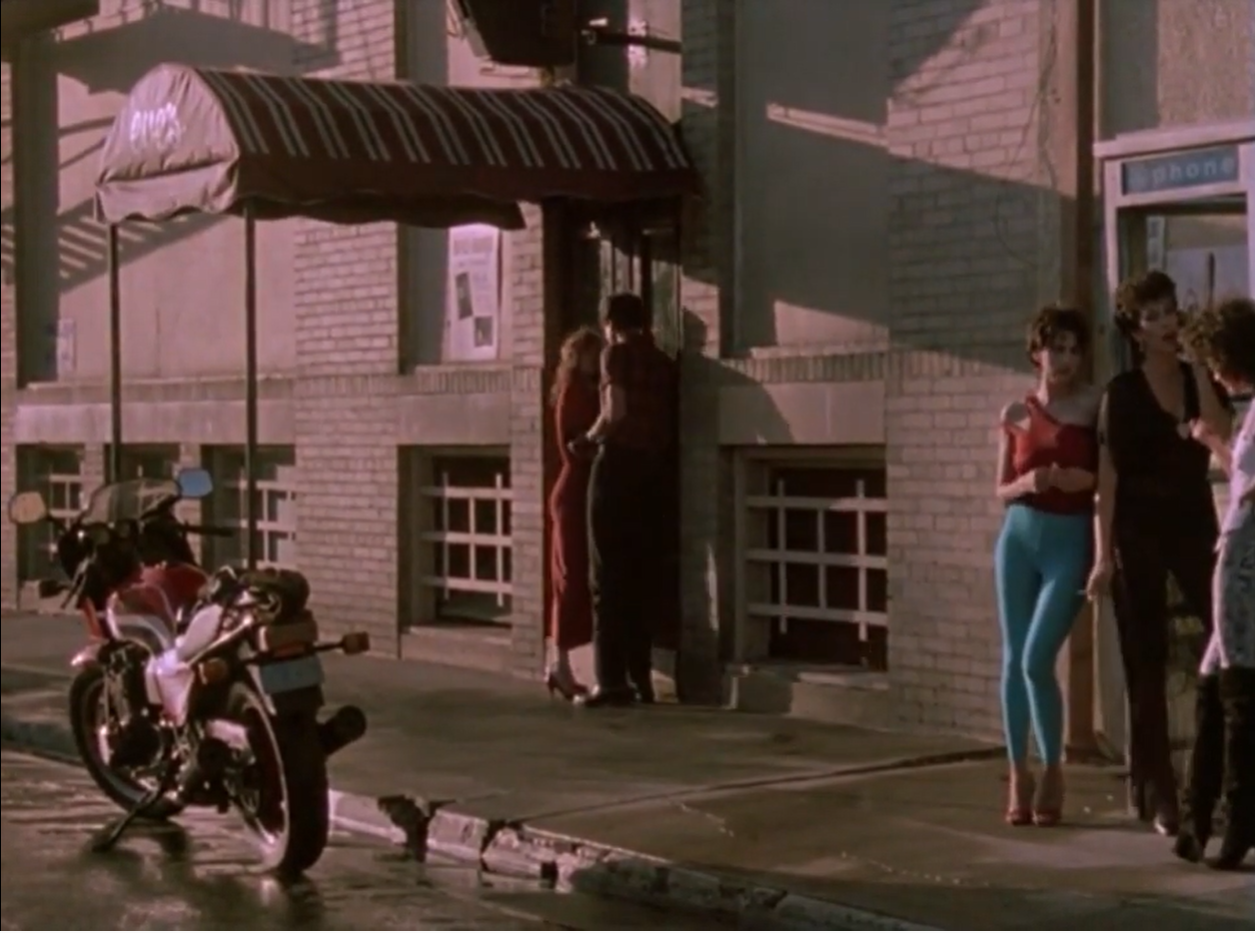
… and we’re relieved that he ultimately “manages to be a positive influence.” Adding to the film’s dreamlike ambience are Jan Kiesser’s cinematography (evoking a nighttime L.A. unlike any other I’ve seen) and the jazzy soundtrack by Teddy Pendergrass, whose “Choose me, baby” refrain emerges at strategic, emotionally loaded moments. Redeeming Qualities and Moments:
Must See? Categories
Links: |
“I don’t even know what the word love means anymore.”
|
Synopsis: |
|
Genres, Themes, Actors, and Directors:
Review:
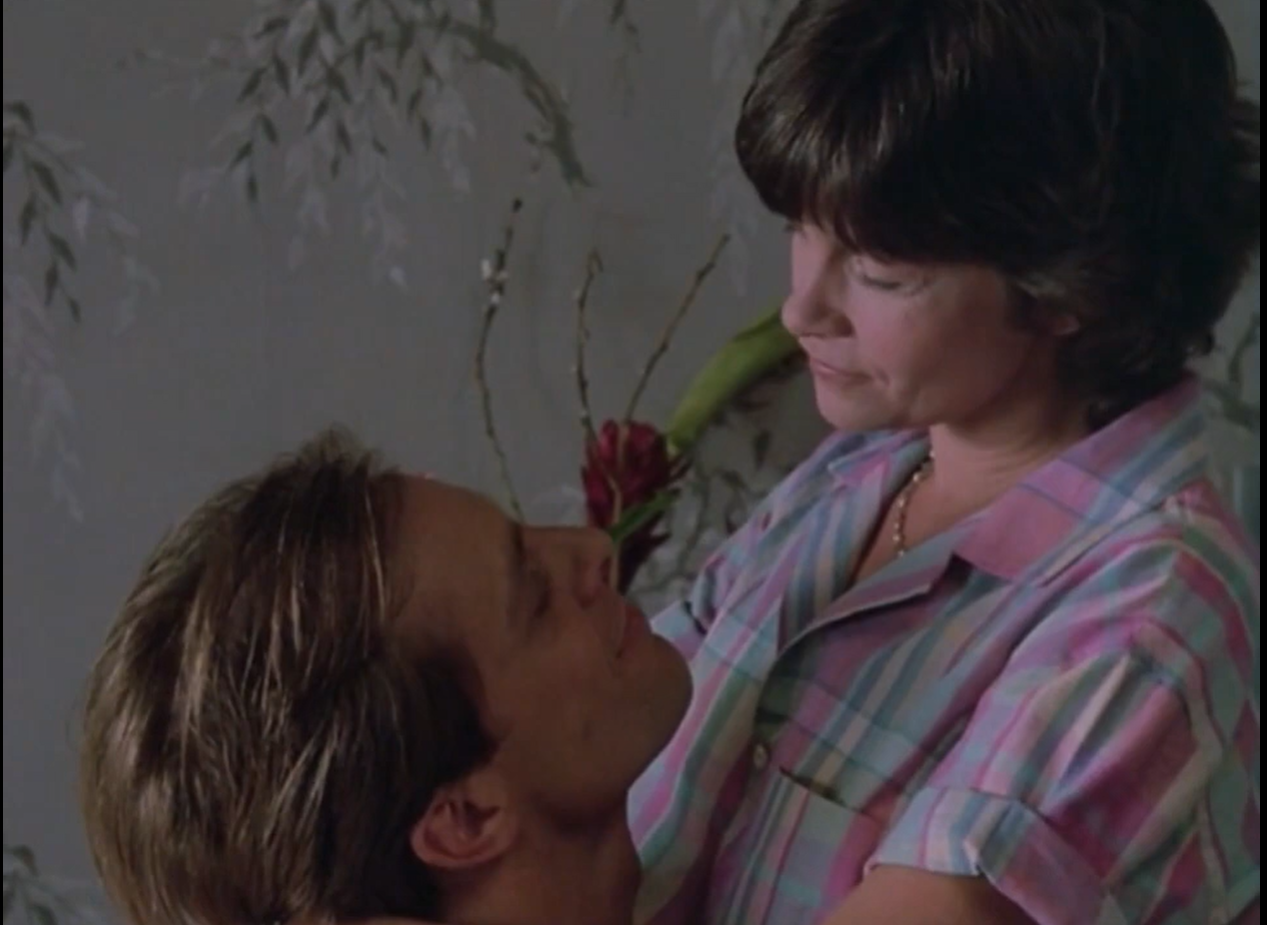
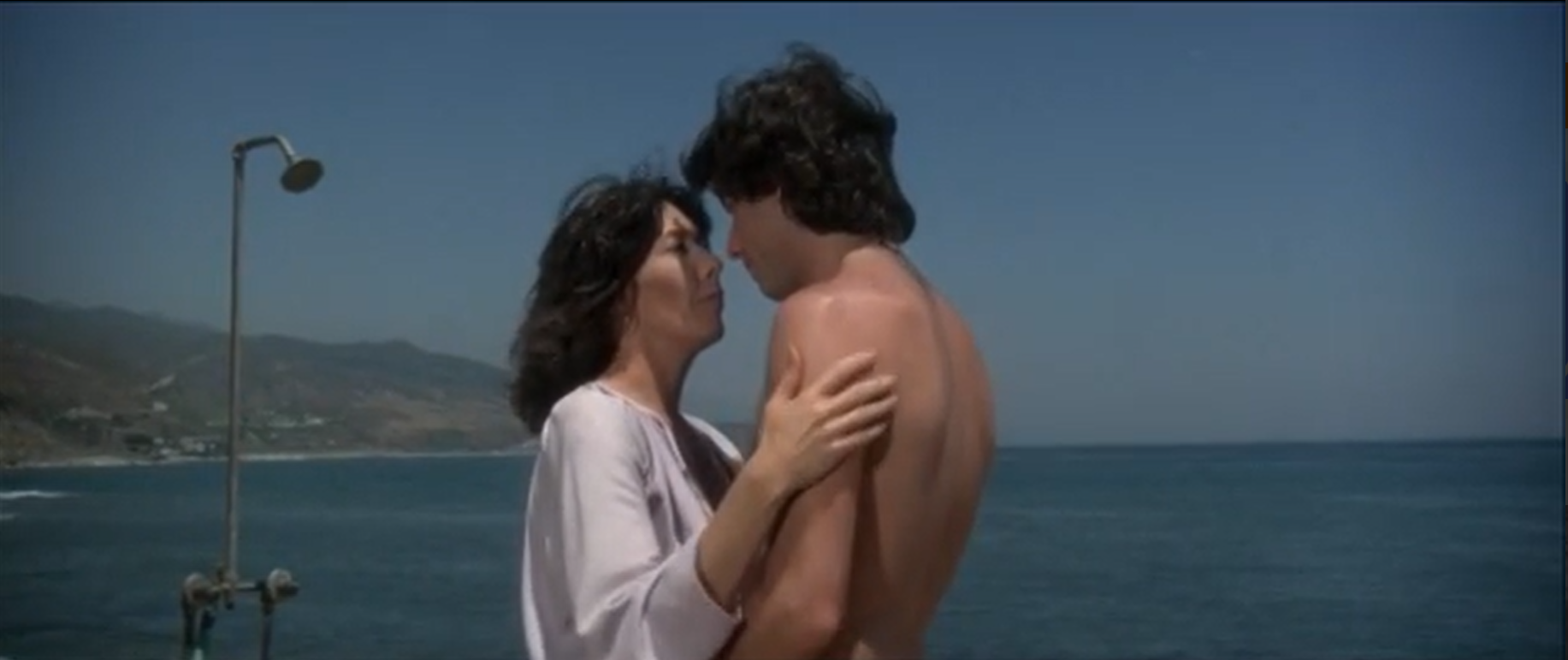
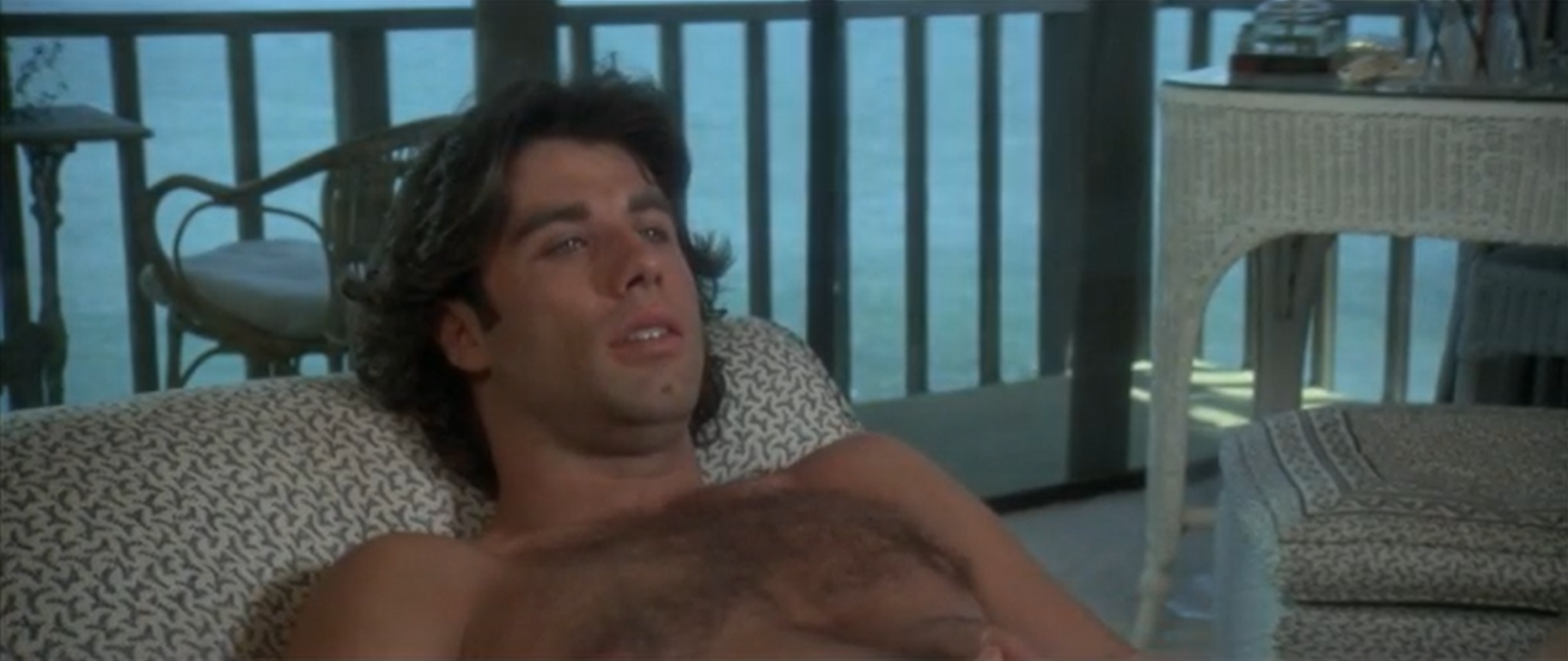
With no offense meant, Tomlin (whose partner, Jane Wagner, wrote and directed the movie) simply isn’t the most fetching of women, so it’s difficult to understand why a young hunk like Travolta would fall head over heels for her. Indeed, during the intriguing first half hour of the film, we’re convinced, much like Tomlin’s “Trisha”, that “Strip” (yes, that’s Travolta’s name here, and it’s good for a few laughs) must be a con-artist out to abuse her wealth; once it’s revealed that he’s genuinely in (puppy)-love with her, all disbelief must thereafter be suspended. With that said, Moment by Moment isn’t nearly as bad as its critics would have you believe: Tomlin is fine, if a tad one-note, as a depressed housewife whose husband has cheated on her, and Travolta is actually quite charming as a young drifter with no one to cling to but Trish. While the soaper storyline is utterly predictable (Tomlin is ashamed to be seen with Strip — who knew?!):
… you may be surprised to find yourself rooting for this unconventional couple by the end of the film. Redeeming Qualities and Moments:
Must See? Links: |
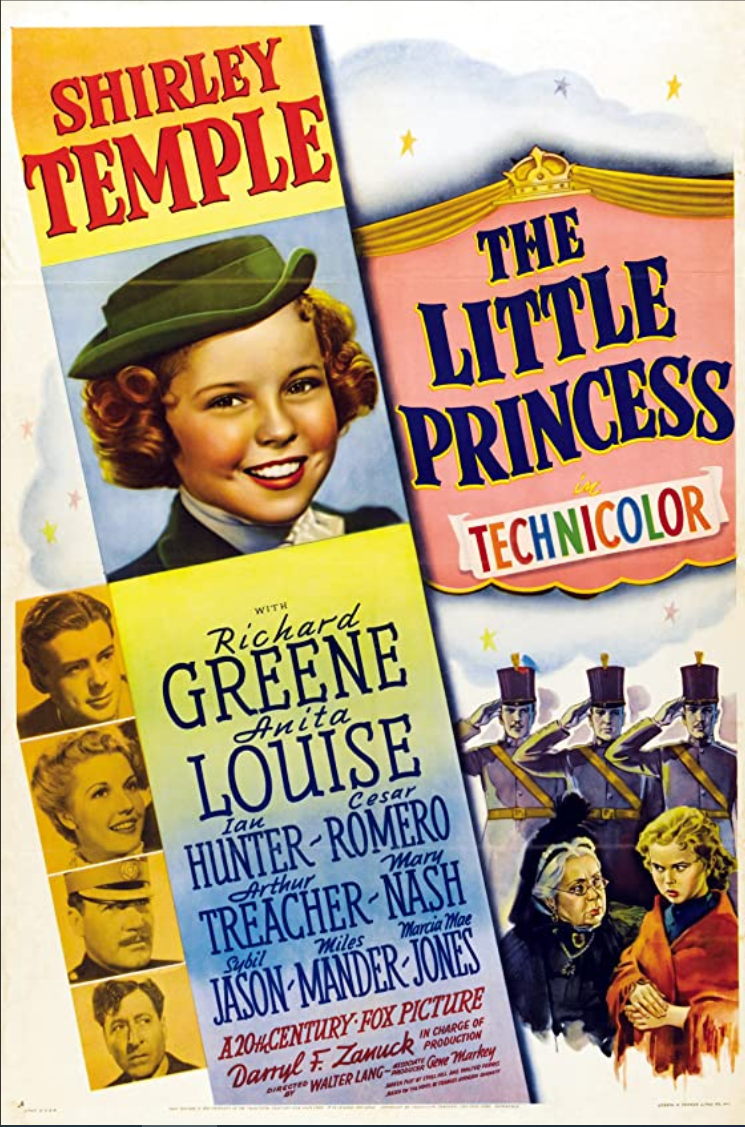
“Sara has no mother, and we’ve never been separated for more than a few days.”
|
Synopsis: |
|
Genres, Themes, Actors, and Directors:
Response to Peary’s Review: Redeeming Qualities and Moments:
Must See? Links: |
“The force will be with you, always.”
|
Synopsis: |
|
Genres, Themes, Actors, and Directors:
Response to Peary’s Review:
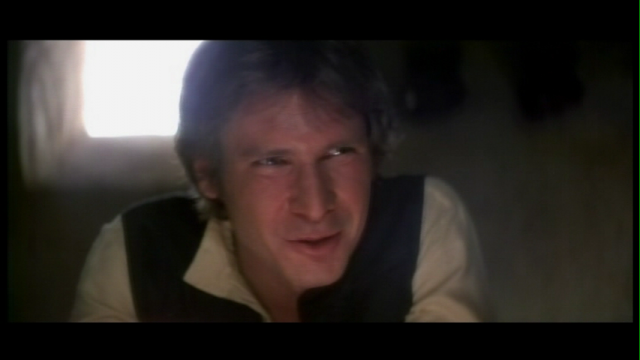
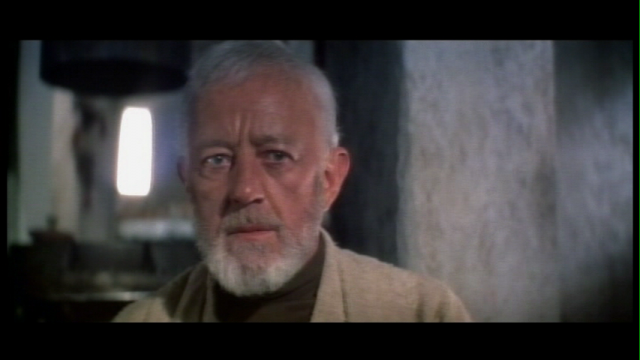
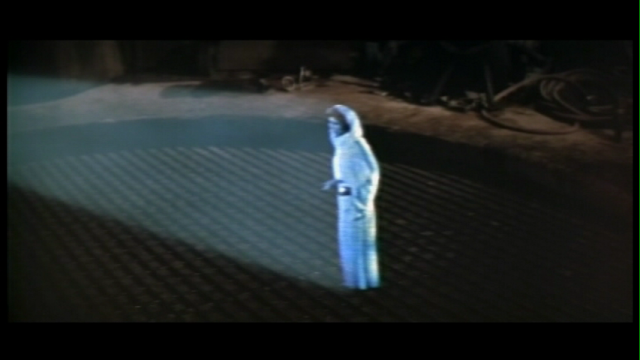
Sophisticated modern viewers seeing Star Wars for the first time may actually wonder what all the fuss is about, given that much of it comes across today as either campy (i.e., the infamous “cantina scene”) or dated, and the special effects — while revolutionary at the time, and still largely impressive — have since been surpassed. With that said, the film is, as Peary notes, both “craftily made”, and (with the possible exception of Hamill as Skywalker) “brilliantly cast”, effectively balancing veteran and young actors. It deservedly won a passel of Oscars: for special effects (the final battle sequence — while it goes on for too long — is especially well done), costume design, sound effects, art direction, editing, and best original score (by John Williams). Harrison Ford is hunky and memorable in his breakthrough role as Han Solo; Carrie Fisher (only 17 years old!) is effectively spunky as Princess Leia (those buns!); and Alec Guinness couldn’t have been better cast as the “wise and noble Jedi warrior Ben ‘Obi-Wan’ Kenobi”. Film fanatics, regardless of their personal connection with the movie, will doubtless agree that its “tremendous spirit, sense of fun and adventure, excitement, hip humor, imaginative characters, and fast-paced, uncomplicated story” deservedly “touched a universal nerve”, and that Star Wars remains indispensable “must see” viewing. Redeeming Qualities and Moments:
Must See? Categories
(Listed in 1001 Movies You Must See Before You Die) Links: |
“She’s cute — cuter than lace pants.”
|
Synopsis: |
|
Genres, Themes, Actors, and Directors:
Review:
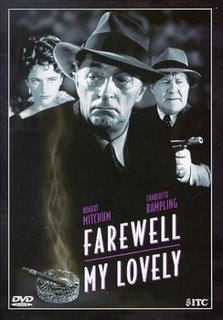
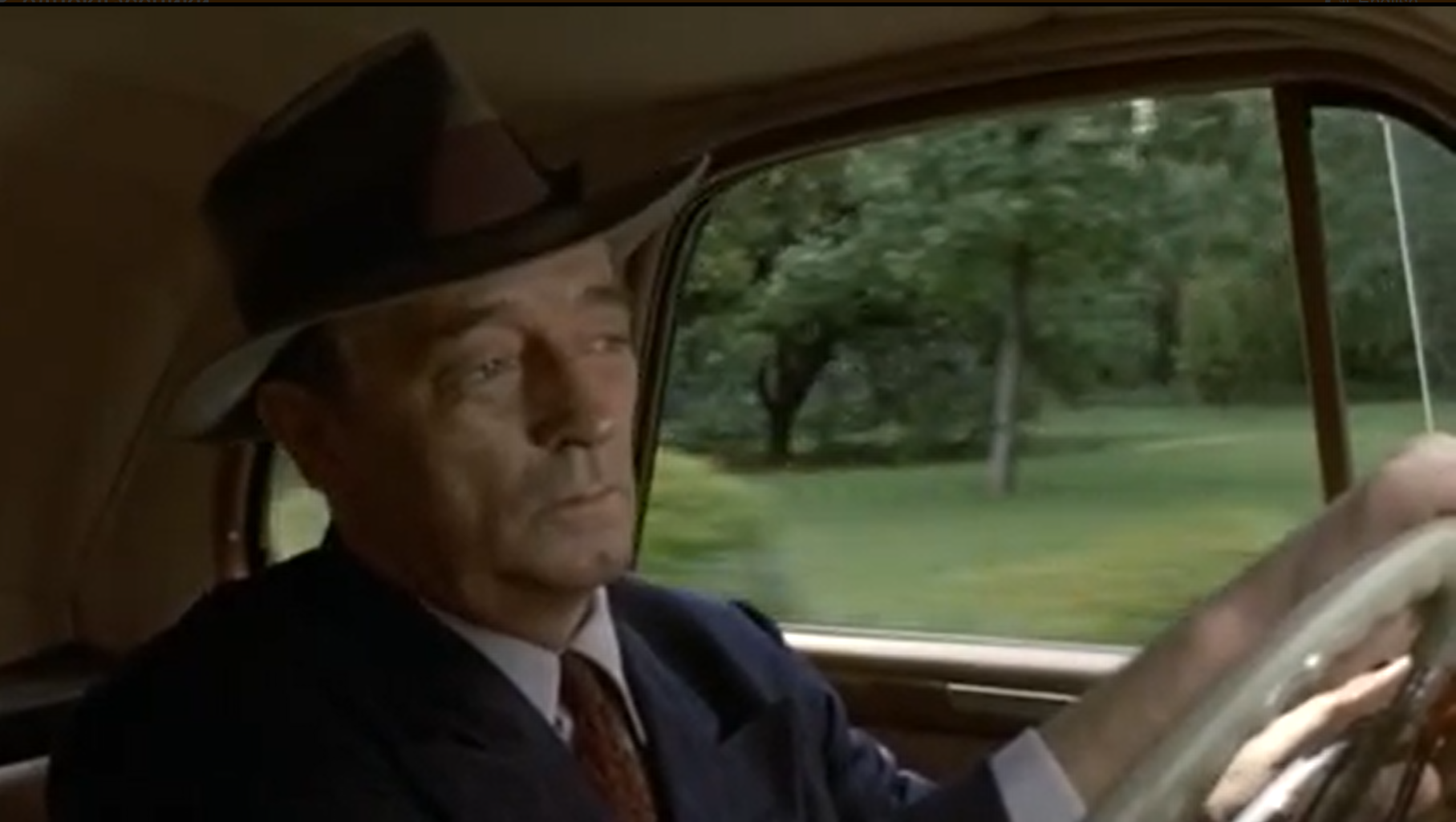
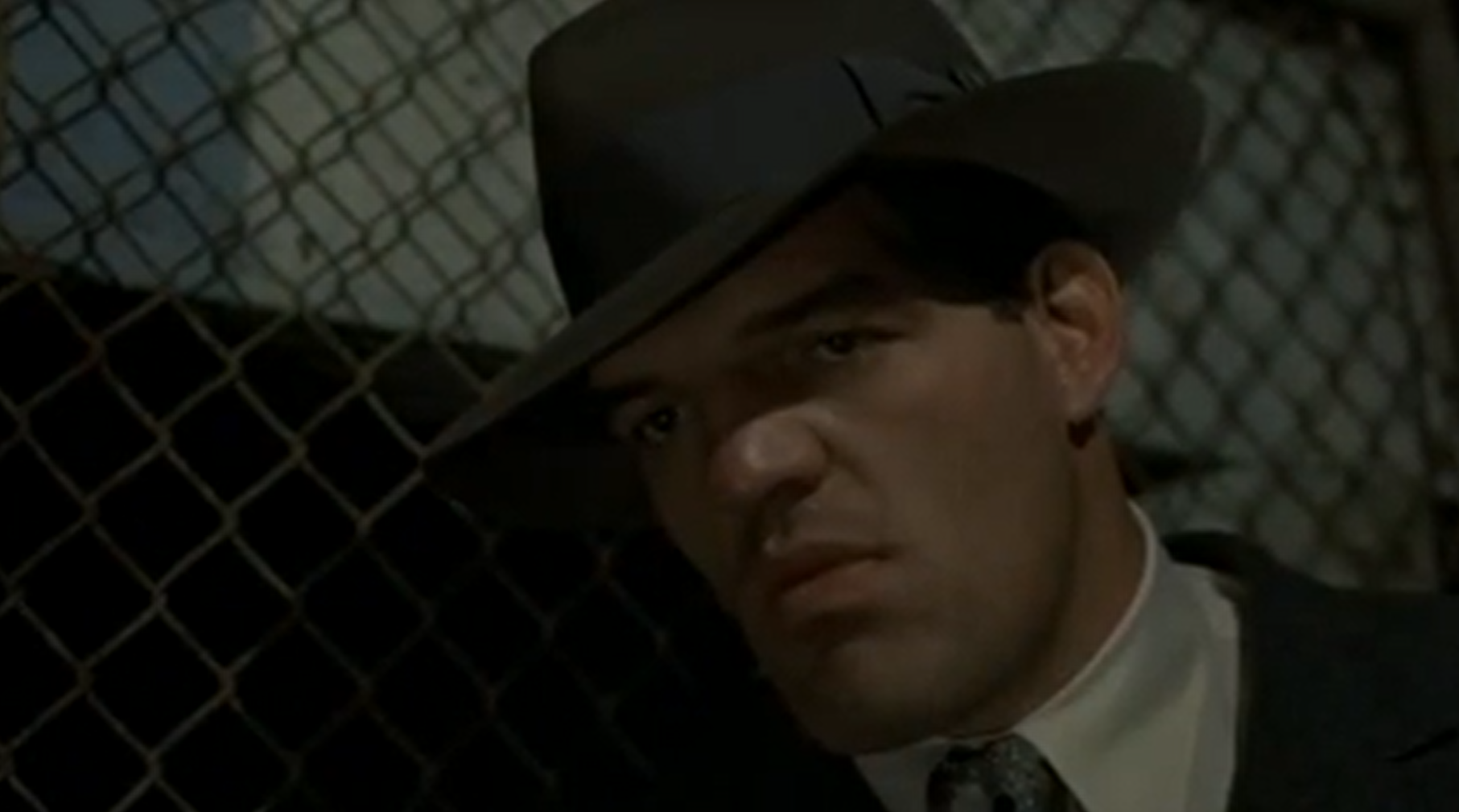
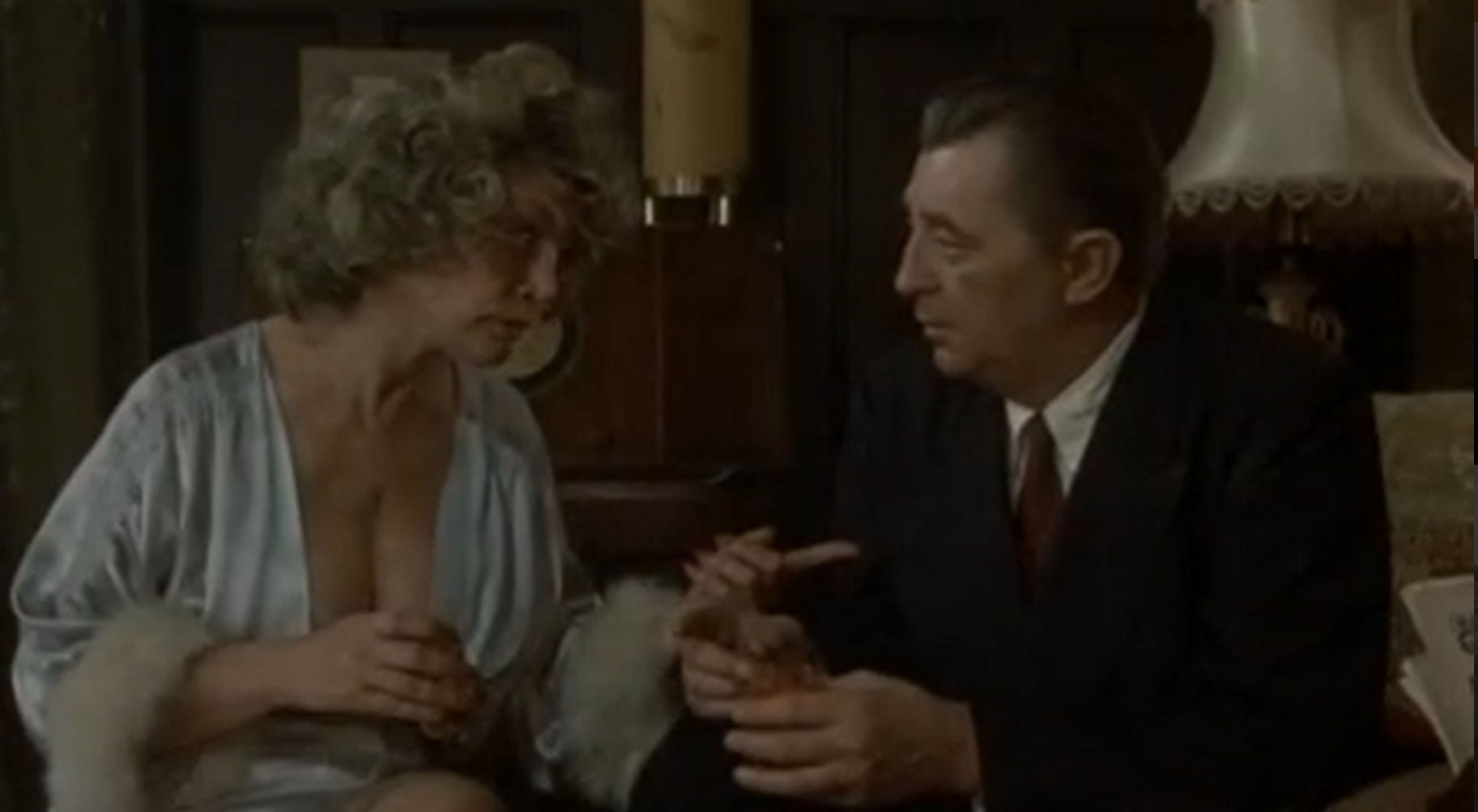
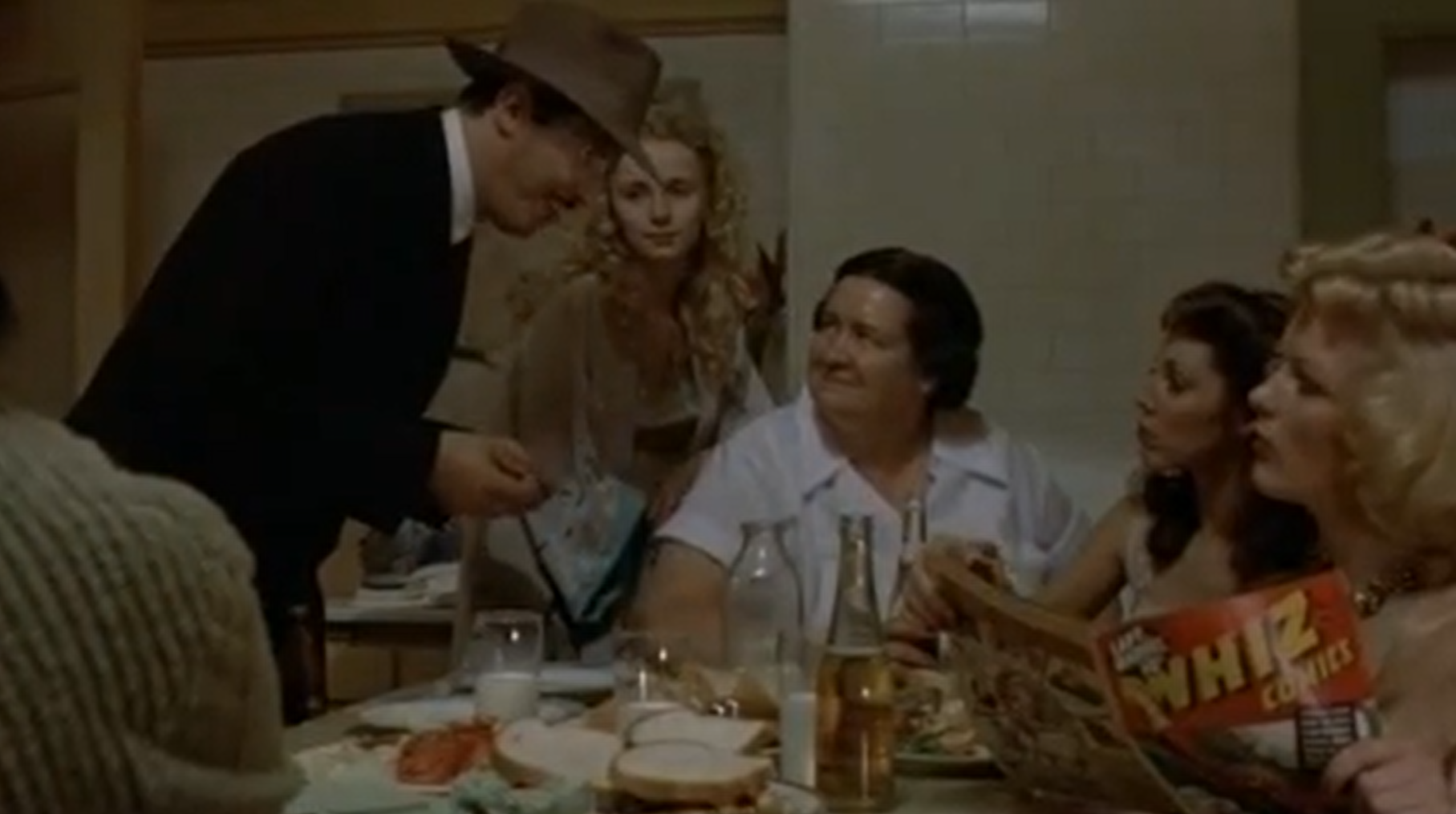
Unfortunately, however, the film itself is merely serviceable, and not one of the more inspired adaptations of Chandler’s work. The primary problem is David Goodman’s well-meaning but overly literal screenplay, which relies far too heavily on Chandler’s original text: entire passages are read aloud as voiceover, which eventually comes across as simply lazy screenwriting. Dick Richards’ rather flat directorial style doesn’t help matters any, either, and — with the exception of Oscar-nominated Sylvia Miles as an alcoholic informant — the supporting players (including stiff Jack O’Halloran in his debut as “Moose”:
… and Charlotte Rampling unwisely trying to channel Lauren Bacall:
… fail to leave much of an impression. With that said, there’s plenty of fine period detail throughout, and Mitchum’s performance makes the entire affair worth a look. Chandler fans will certainly want to check it out at least once. Redeeming Qualities and Moments:
Must See? Links: |
“Nothing is more exciting than other people’s troubles… They make life bearable.”
|
Synopsis: |
|
Genres, Themes, Actors, and Directors:
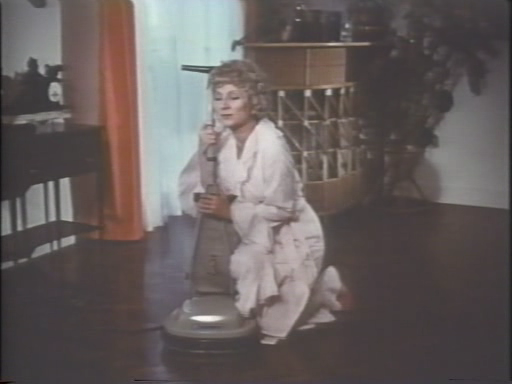
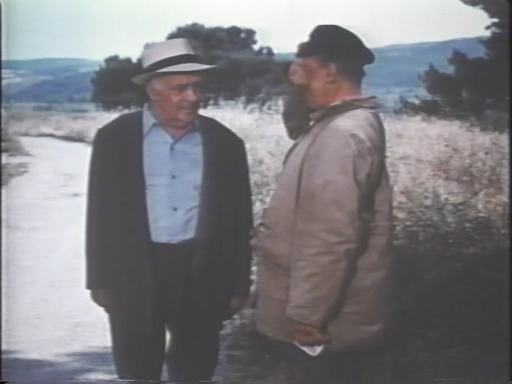
Review: The second story — dubbed by Renoir an “opera” of sorts — involves a chorus of singing onlookers commenting on the marital woes of Emilie (Marguerite Cassan) and Gustave (Pierre Olaf). Shrewish Emilie (who surely has OCD) insists that an immaculate floor is what every housewife yearns for, and threatens to go live with her mother unless her henpecked husband gives in to her request for a personal floor waxer; when he does, circumstances eventually become more and more untenable, until Emilie finally makes the ultimate sacrifice for her beloved new tool. It’s an openly satirical, strangely satisfying little morsel about the dangers inherent in loving machines more than humans. At this point, Renoir proudly announces that Jeanne Moreau will sing a song — which she does, shakily and to minimal effect; it’s best ignored altogether, and fortunately lasts just a few minutes. The final vignette may be the most heartfelt and personal of the bunch. In it, Renoir tells the story of an elderly villager (Fernand Sardou) who is deeply in love with his beautiful younger wife (Francoise Arnoul), and she with him — but she’s feeling oddly restless and dissatisfied. When she realizes than an affair is exactly what she needs to satisfy her “itch”, she turns to a visiting doctor (Jean Carnet) who is equally smitten with both her and the gentle Sardou. Much like in Bertrand Blier’s Oscar-winning Get Out Your Handkerchiefs (1978), this vignette lovingly demonstrates that a willingness to flout societal norms can lead to unexpected happiness in love and romance. It’s a fitting capstone to Renoir’s long and illustrious career as a filmmaker. Redeeming Qualities and Moments:
Must See? Links: |