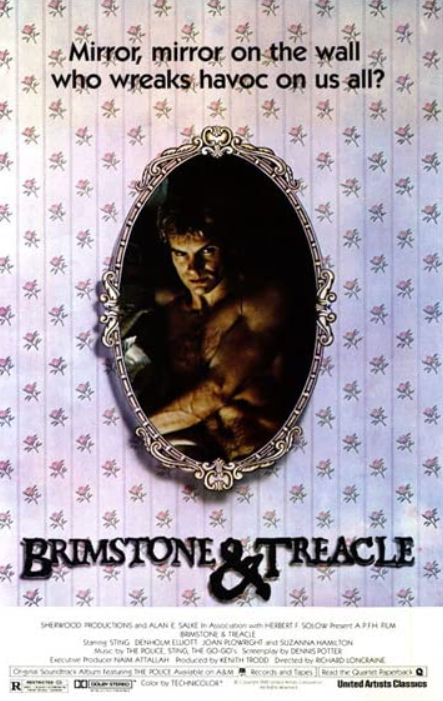
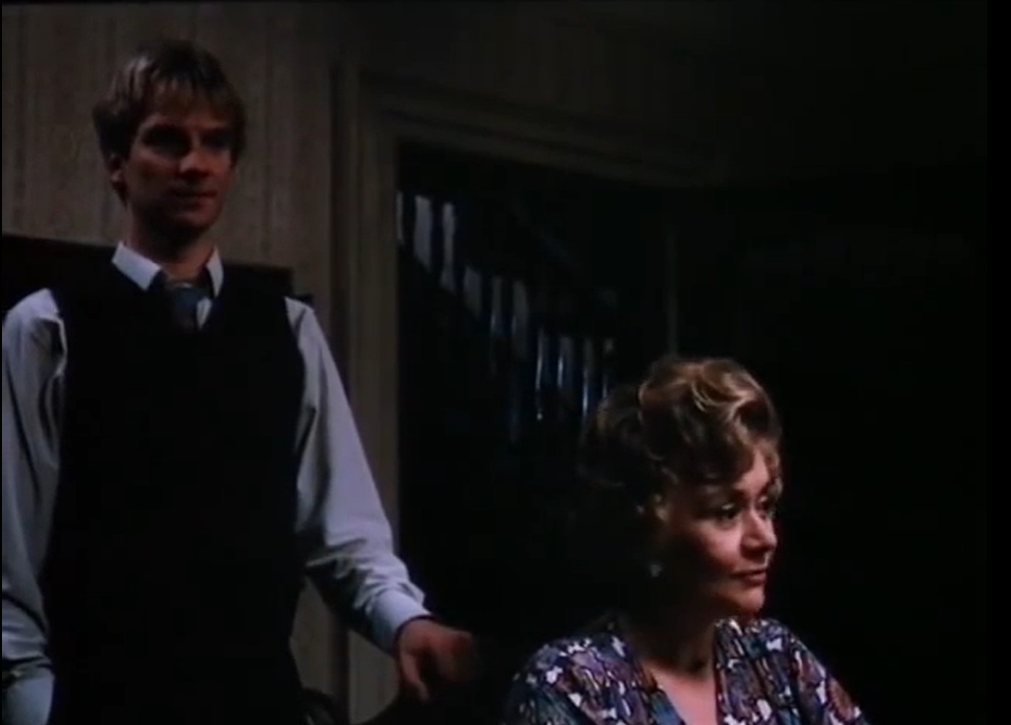
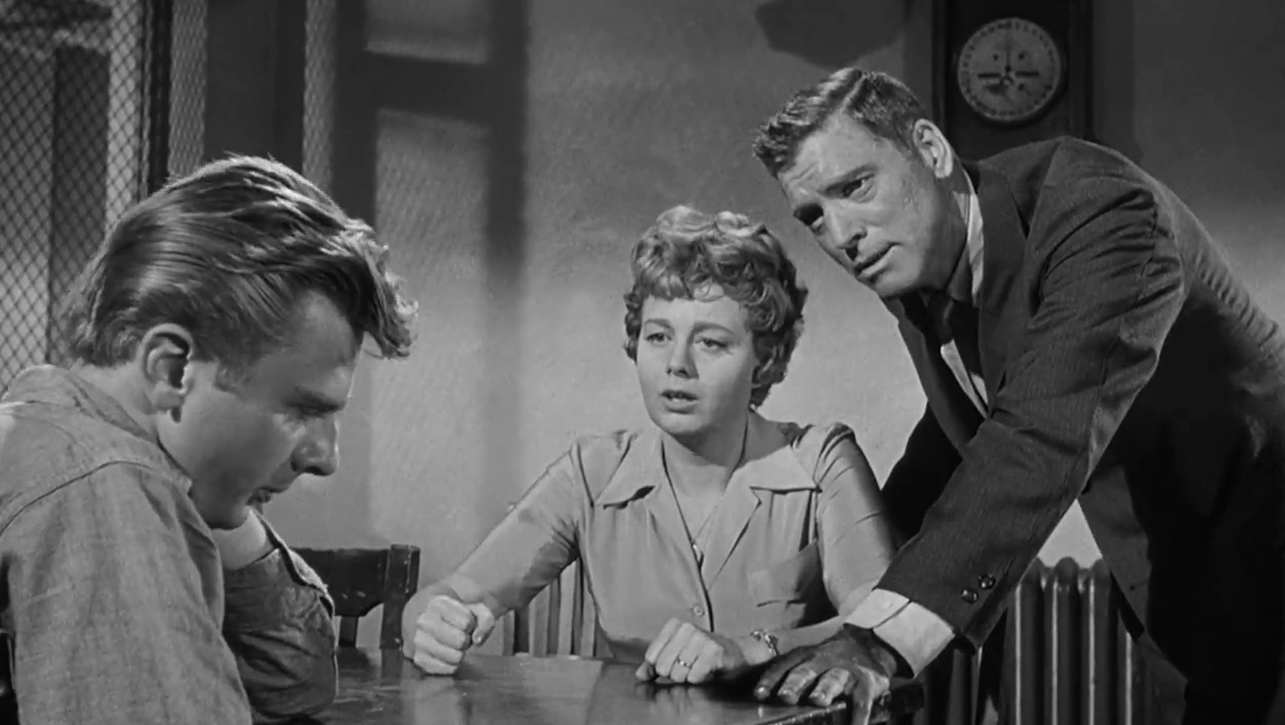
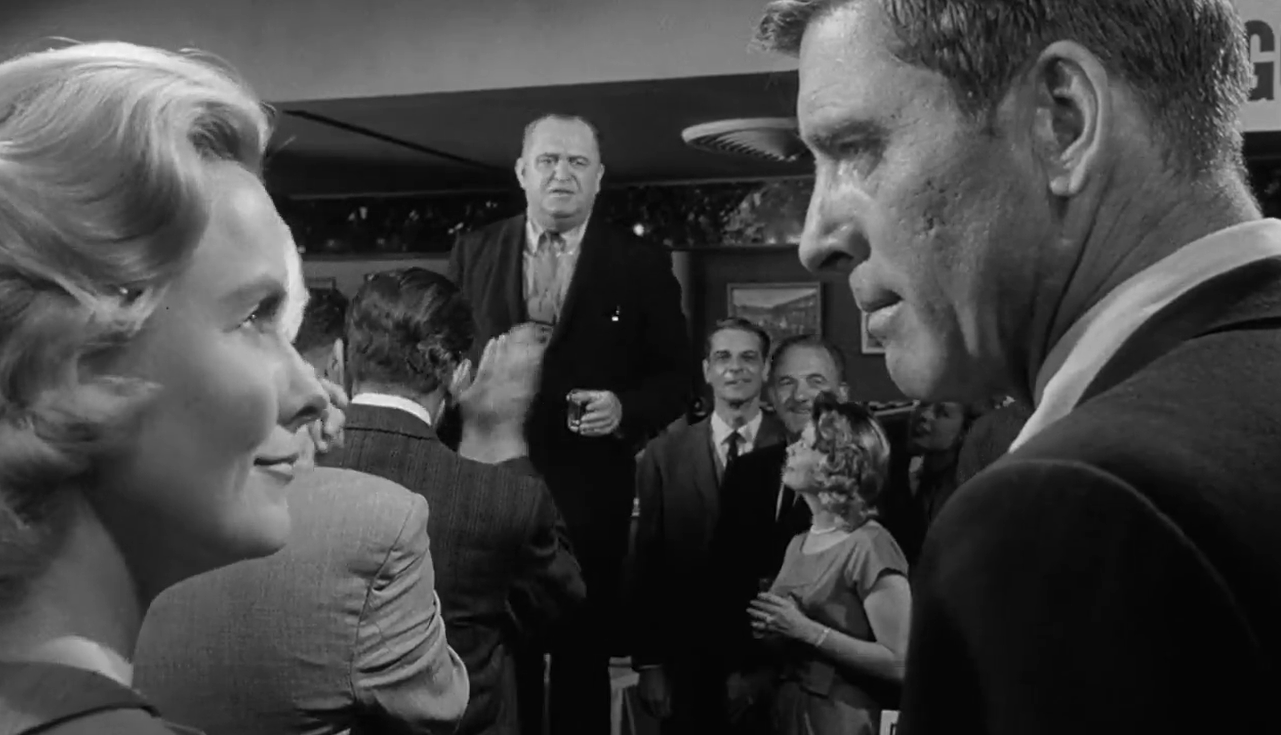
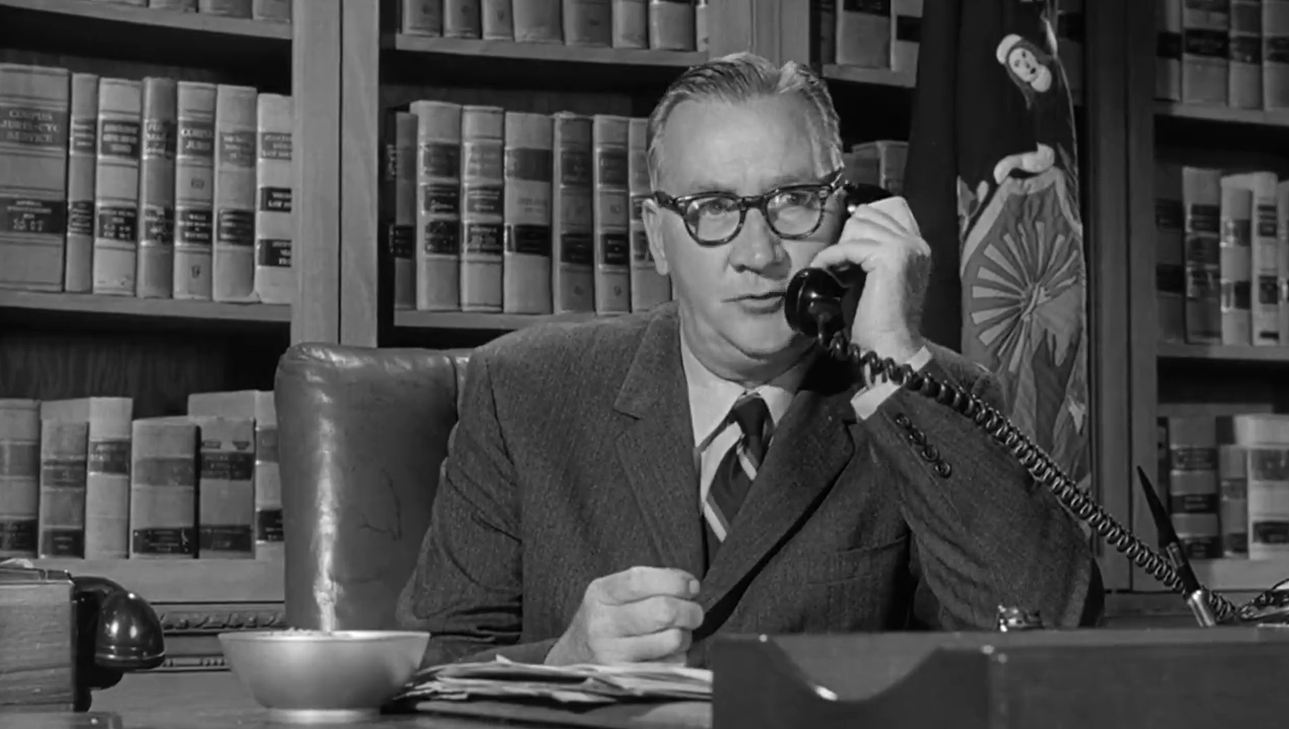
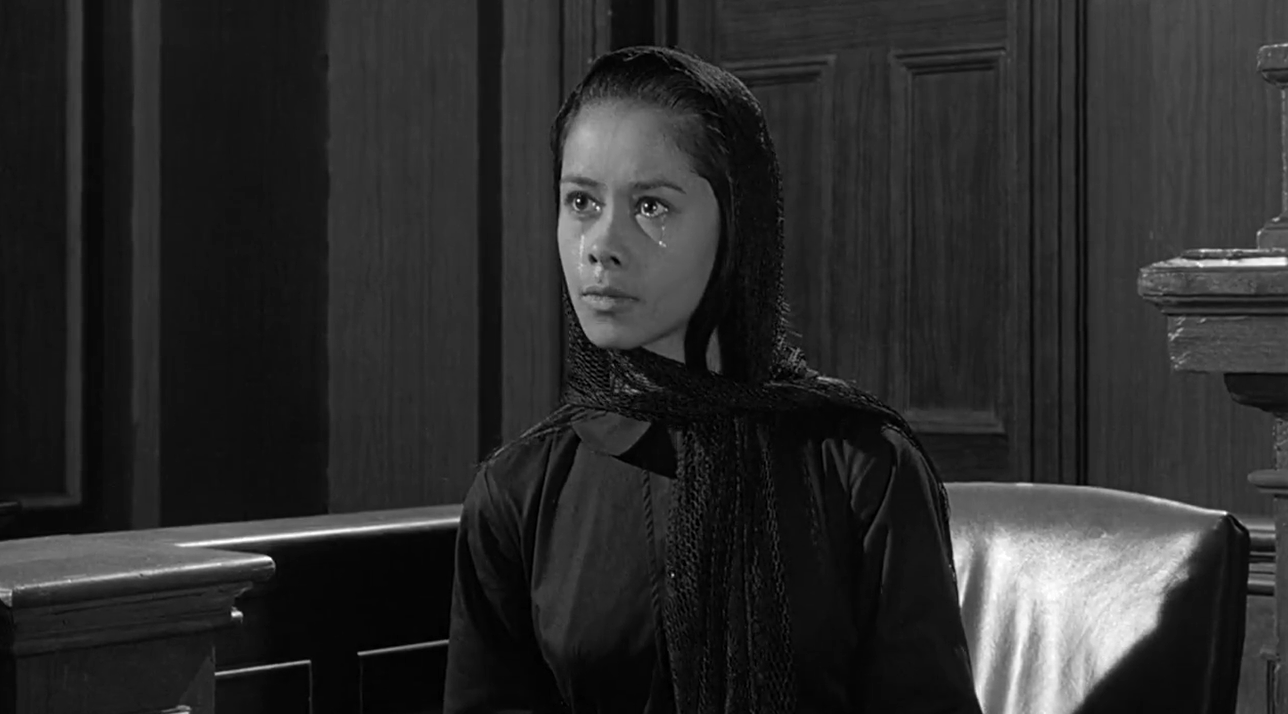
Brimstone and Treacle (1982)
“I no longer accept there’s such a thing as a loving God, Norma.”
“I guess time catches up with all of us.”
|
Synopsis: |
|
Genres, Themes, Actors, and Directors:
Review: Quickly, however, the movie takes all sorts of unusual twists and turns, with many other movies (and big-name actors) referenced in some way; I’ll quote from DVD Savant’s review since he so succinctly names many of them:
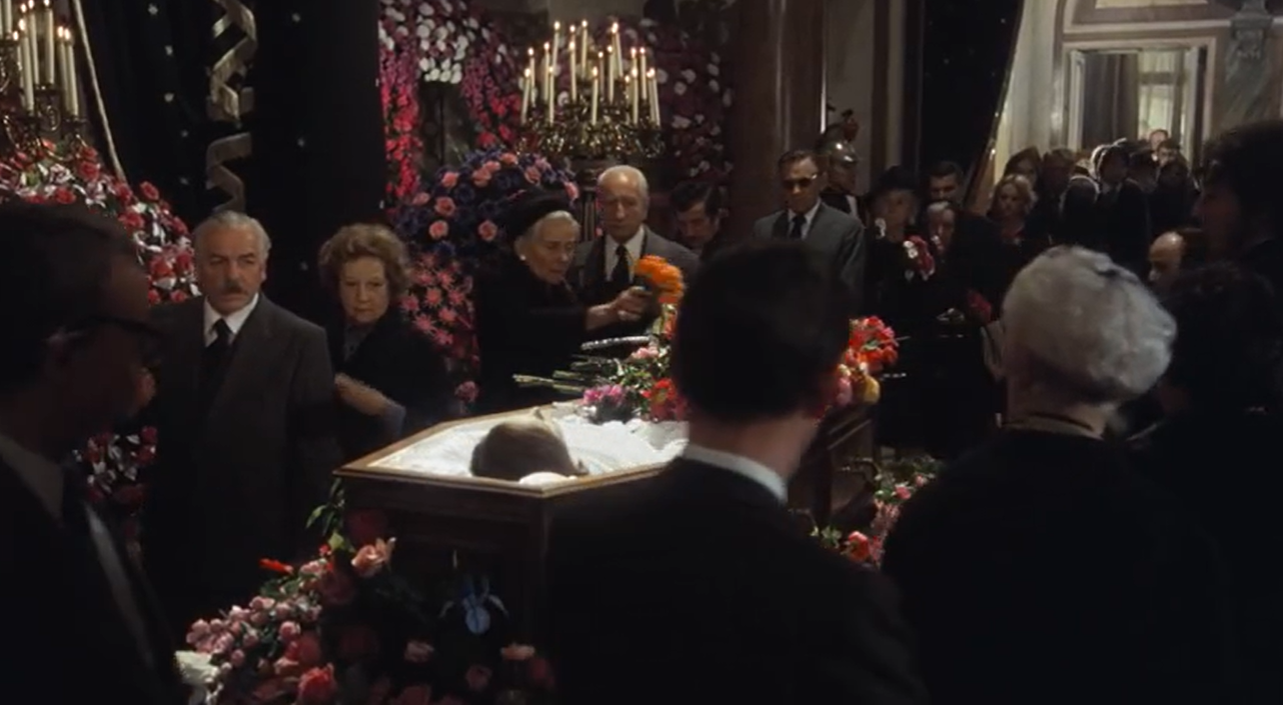
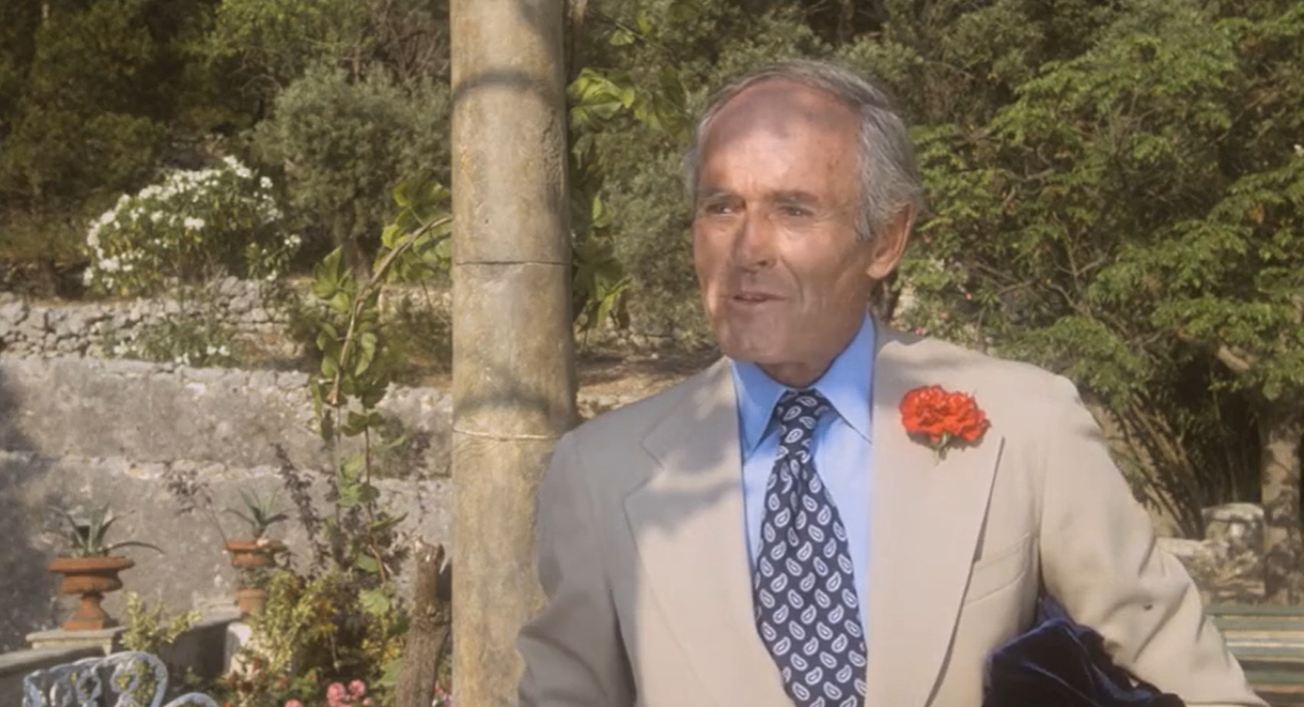
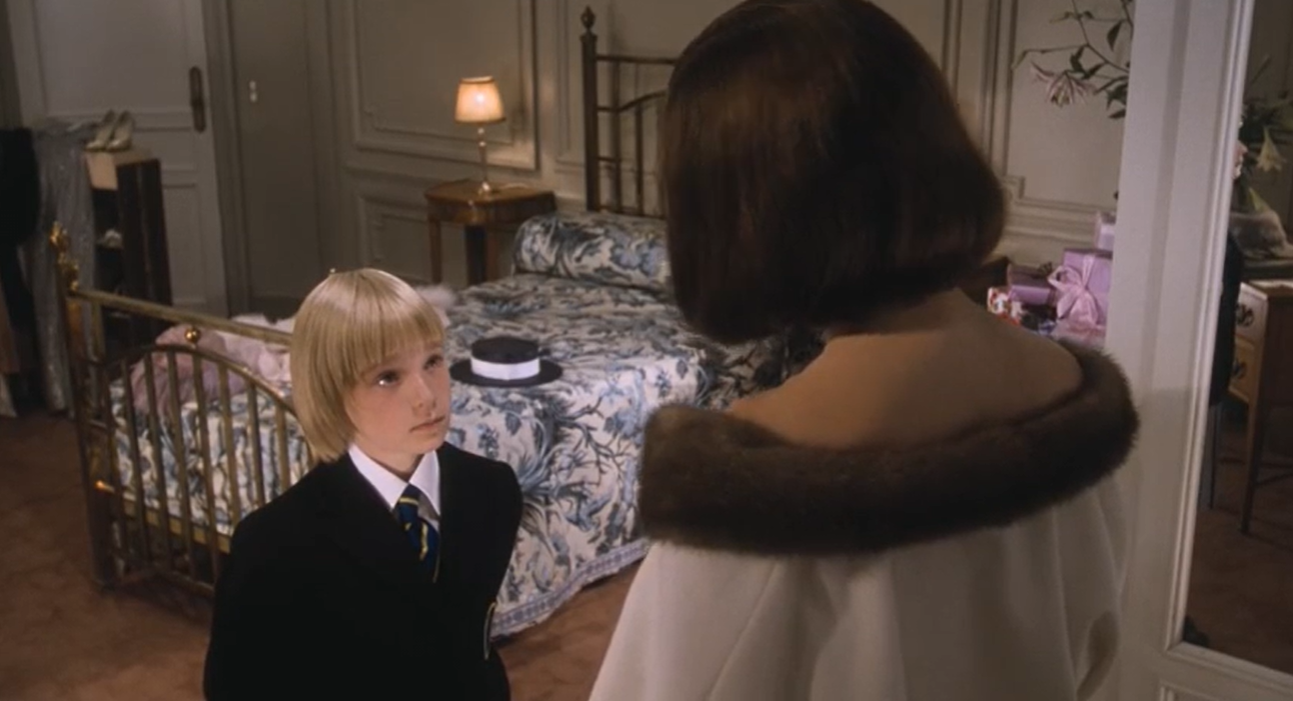
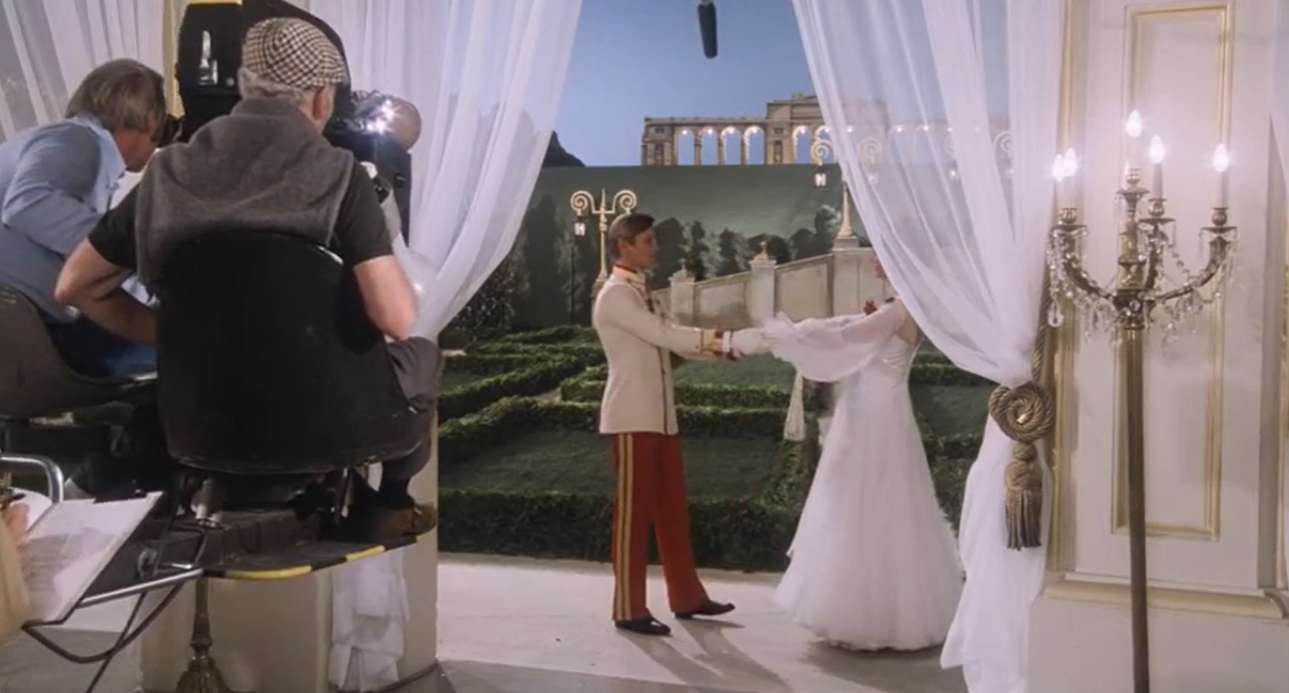
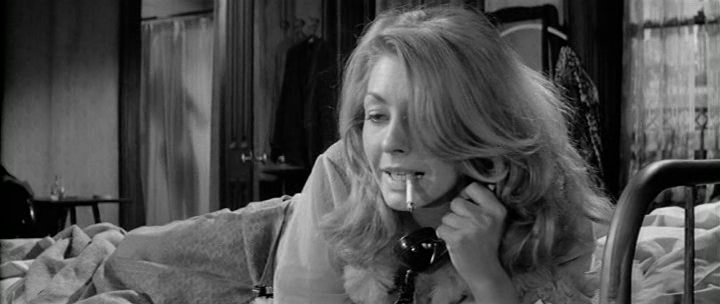
The inclusion of cameos by Henry Fonda and Michael York (playing themselves) simply adds to the surreality of what we’re watching: Fedora is a fictional movie star who nonetheless has a very-real crush on Michael York-the-actor: … and who receives an honorary Oscar from Henry Fonda as “President of the Academy”. One also can’t help thinking of Mommie Dearest (1981) at certain points (though that film and its influence wouldn’t appear until a few years later). Indeed, it’s the mother-daughter element of the storyline that most directly turns it into an unexpectedly dark gothic horror flick; Wilder and Diamond don’t shy away from cynically representing the depths of life-altering narcissism at play in Hollywood. While Fedora isn’t a must-see entry in Wilder’s oeuvre, it will certainly be of interest to his fans, and remains well worth a look. Notable Performances, Qualities, and Moments:
Must See? Links: |
“I don’t dislike women — I just mistrust them.”
|
Synopsis: |
|
Genres, Themes, Actors, and Directors:
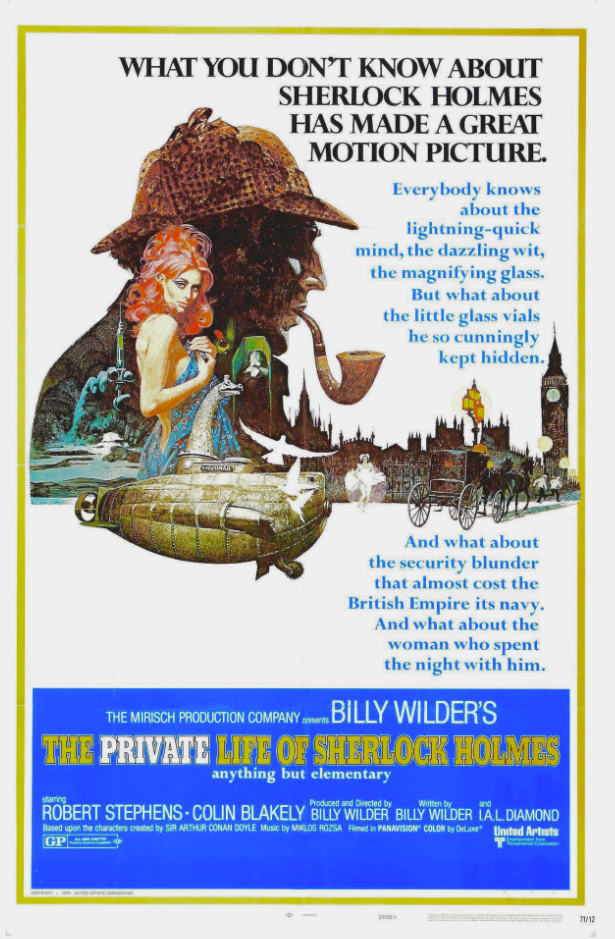
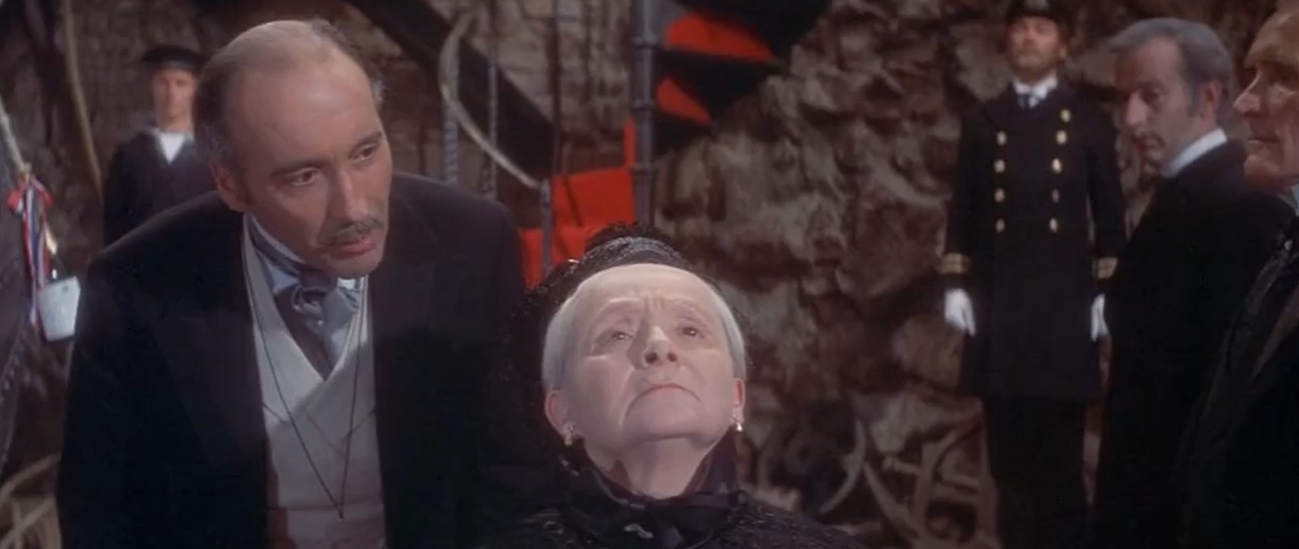
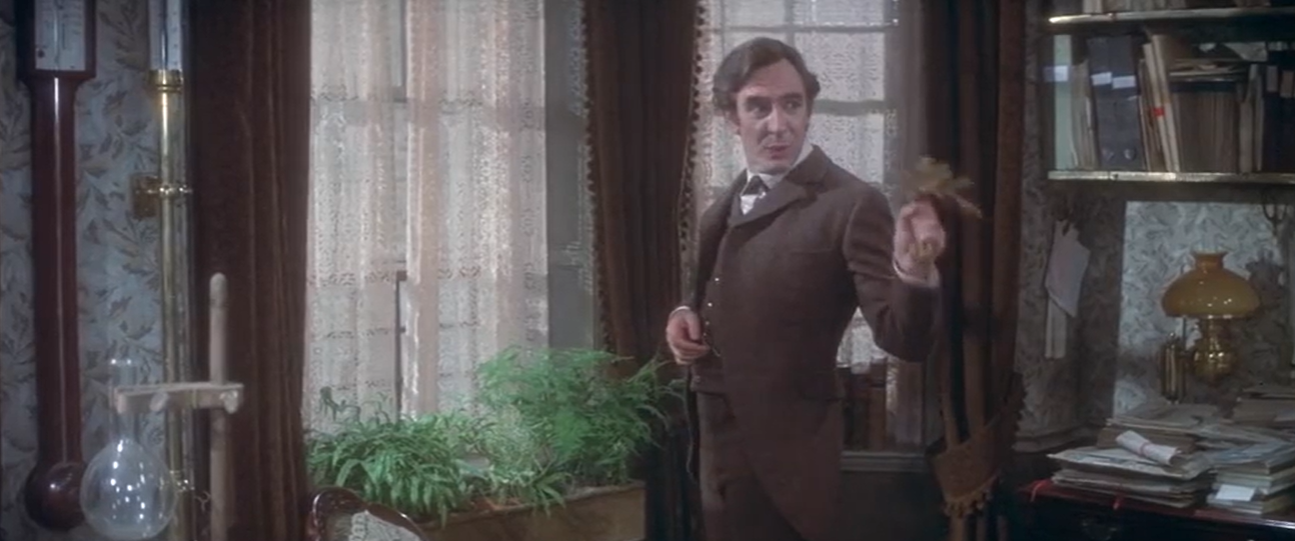
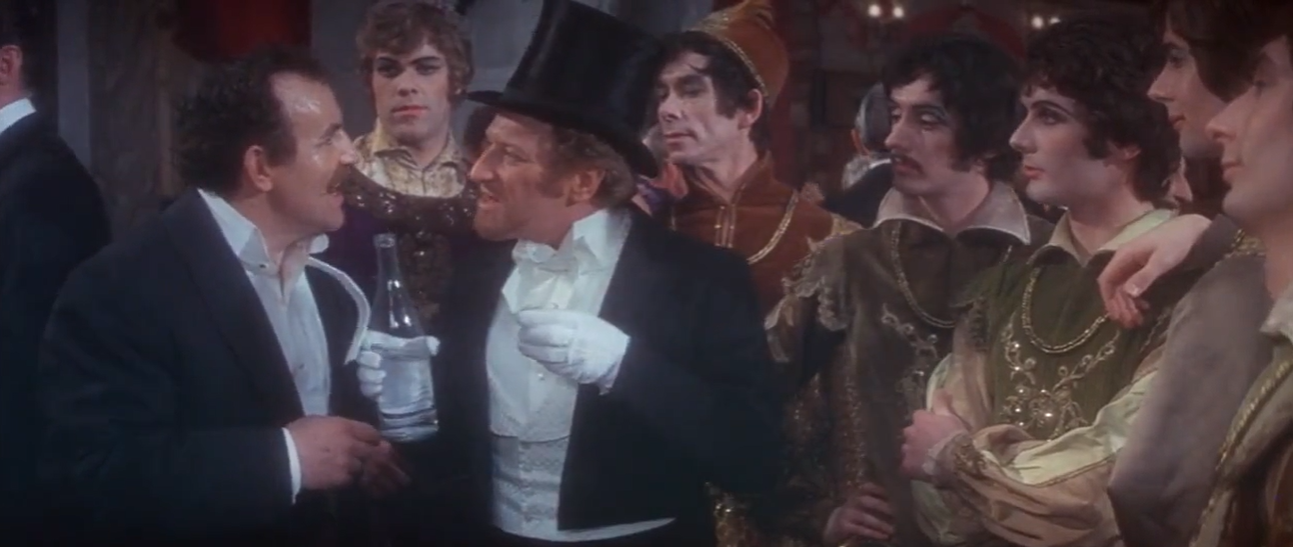
Review: The first storyline is meant to be an amusing probing into the possibility that Holmes and Watson were romantic partners; unfortunately, the “joke” is stretched too thin and too long, wearing out its welcome. The second, lengthier story is much more intriguing, involving mistaken identities, beautiful Scottish landscapes, escaped midgets, a brotherhood of friars, secret scientific endeavors, and a sighting of the mysterious Loch Ness monster. We genuinely don’t know where it will all lead — plus we get to see Sherlock interacting with his equally (albeit differently) brilliant brother Mylock (Lee), shown below with Queen Victoria (Mollie Maureen). This part is a much more satisfying peek into Holmes’ foibles, revealing a side of him Watson didn’t tend to write about. Wilder’s film isn’t must-see viewing, but is one of his better late-life outings, and worth a look. Notable Performances, Qualities, and Moments: Must See? Links: |
“This guy is so full of angles and gimmicks and twists, he starts to describe a doughnut and it comes out a pretzel.”
|
Synopsis: |
|
Genres, Themes, Actors, and Directors:
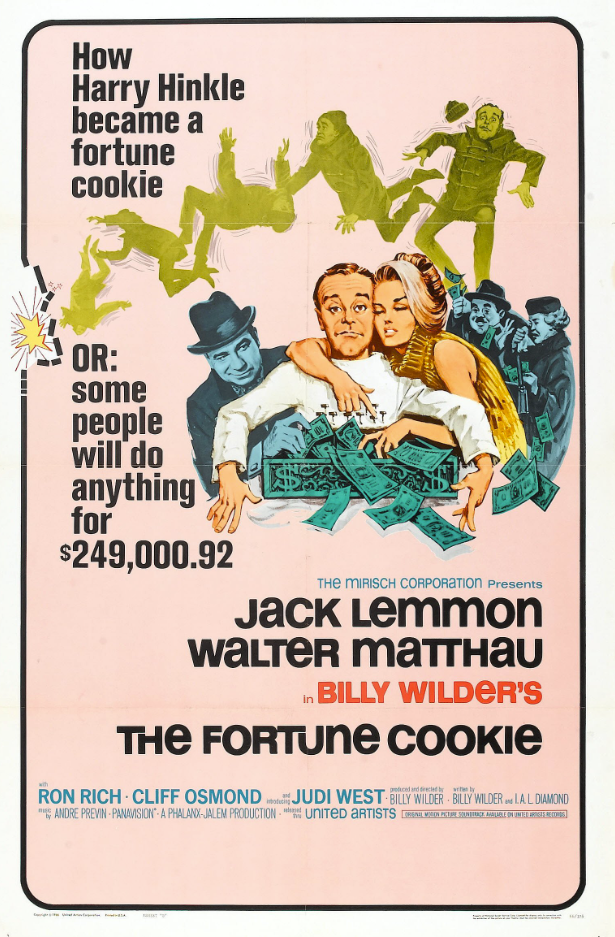
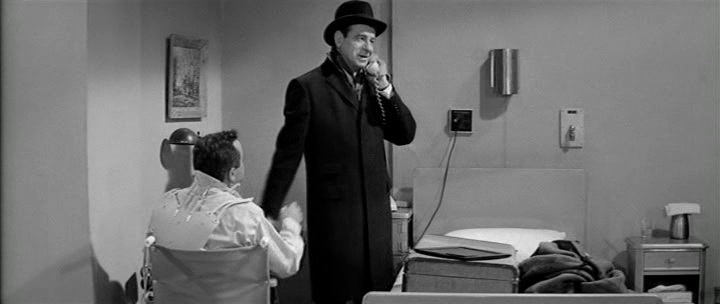
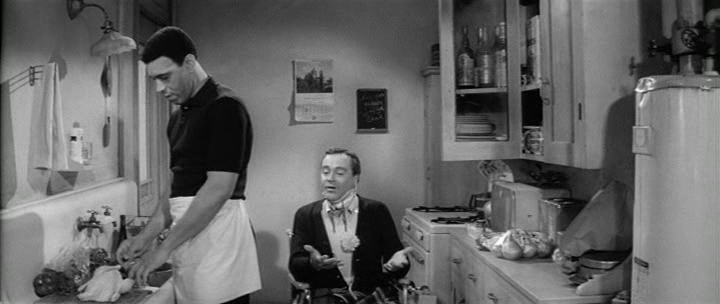
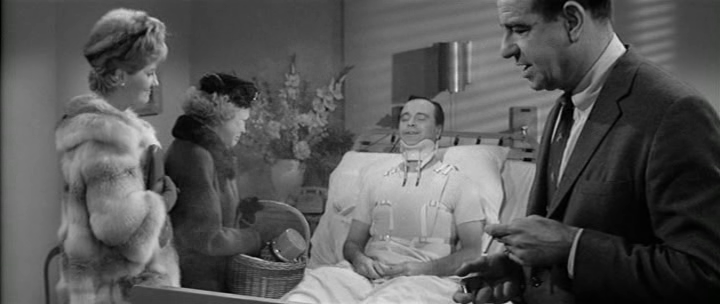
Response to Peary’s Review: … but it’s also hard to feel much sympathy for Lemmon’s Harry Hinkle, given that: 1) his only reason for going through with the scam is to earn money for an ex-wife clearly undeserving of his ongoing devotion: … and 2) his lies cause tremendous distress to poor Rich, whose character is otherwise (mostly) purely sympathetic (admitting to having a fiancee in every town doesn’t help his case, but he’s otherwise selfless to a fault). Indeed, according to TCM’s Pop Culture 101:
Exactly; Carmichael was right. While Peary argues that “Matthau’s conniving, coldhearted performance is the reason to watch this otherwise unfunny” comedy, I disagree that he makes it worthwhile; and not that we need more to dislike in this film, but Lemmon’s mother (Lurene Tuttle) won’t stop crying hysterically, either. Sigh. This one was simply a chore to sit through. Notable Performances, Qualities, and Moments: Must See? Links: |
“There are many ways to lie, Mr. Claggert, but there is only one way to tell the truth.”
|
Synopsis: |
|
Genres, Themes, Actors, and Directors:
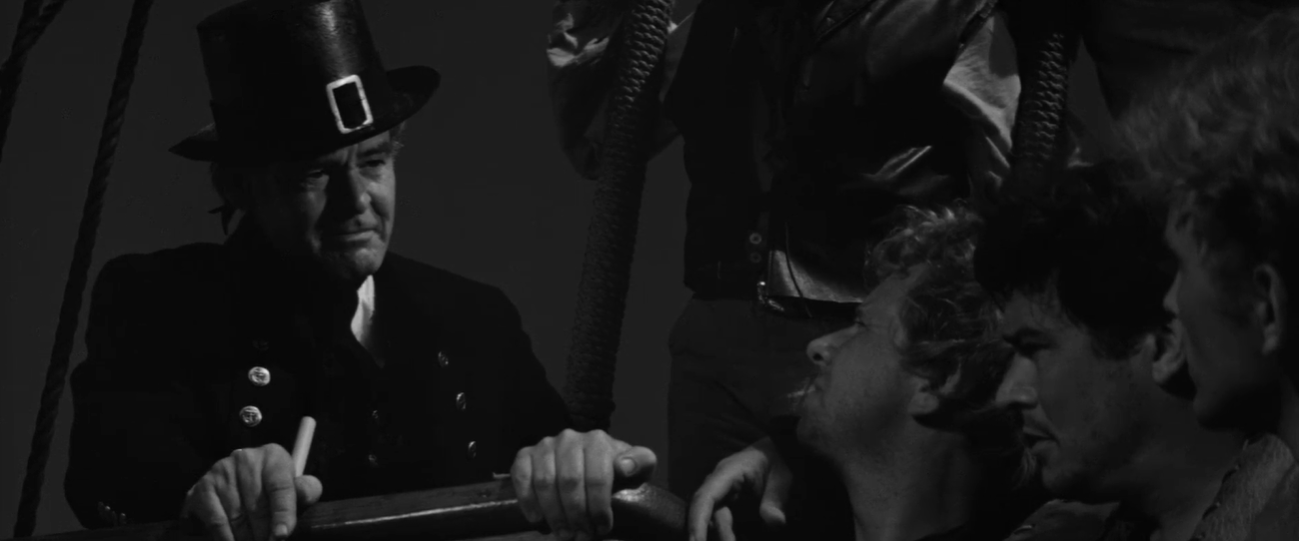
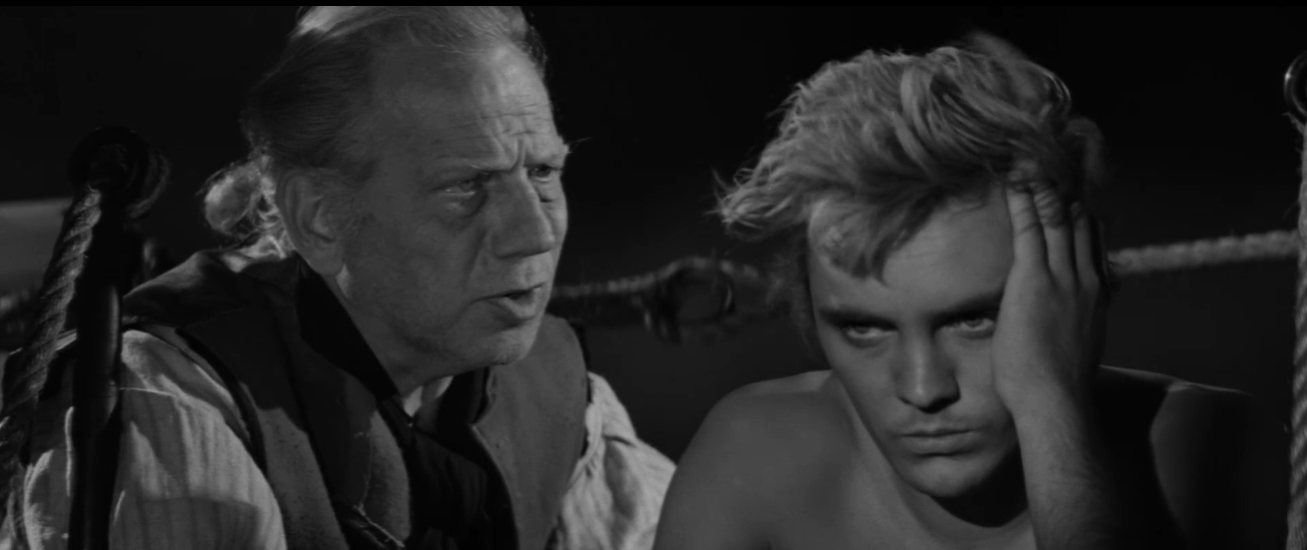
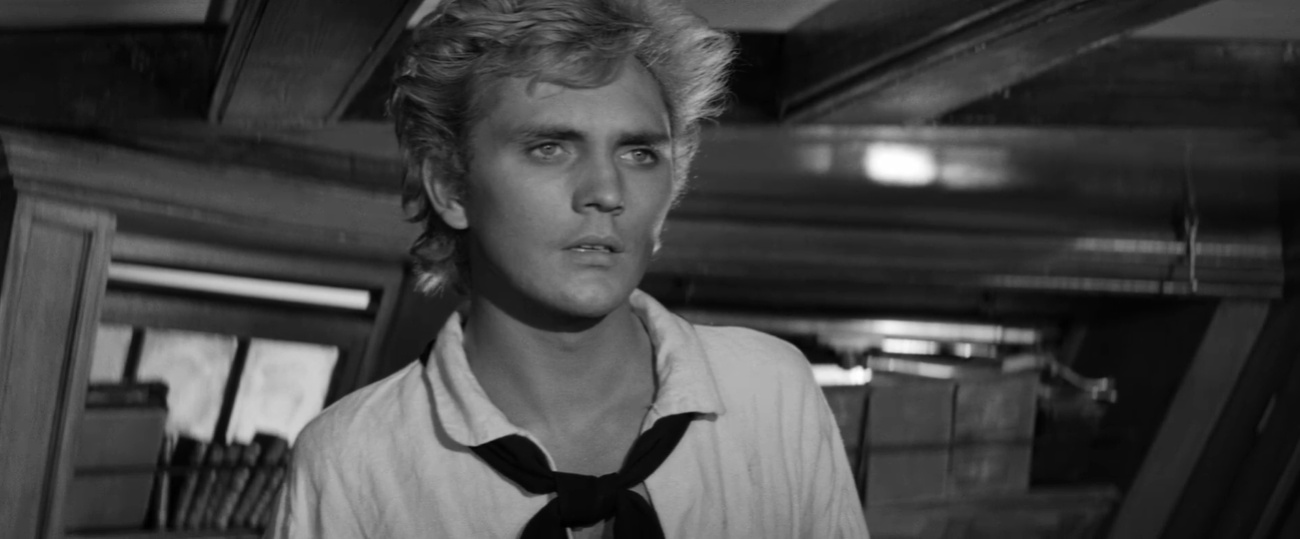
Review: … and Stamp (in his breakthrough cinematic role) is an appropriately naive foil for his efforts. Unfortunately, there isn’t enough to the overall narrative arc to sustain the nearly two-hour storyline. Melvyn Douglas is on hand to provide wise counsel: … but neither he nor the other supporting characters (including Ustinov himself) are sufficiently fleshed out to help us relate to their dilemmas. While this seems like a fine adaptation of Melville’s work, the story itself doesn’t quite rise to the ranks of its seafaring peers (including Melville’s own Moby Dick). Notable Performances, Qualities, and Moments: Must See? Links: |
“Sometimes I wonder which side God’s on.”
|
Synopsis: |
|
Genres, Themes, Actors, and Directors:
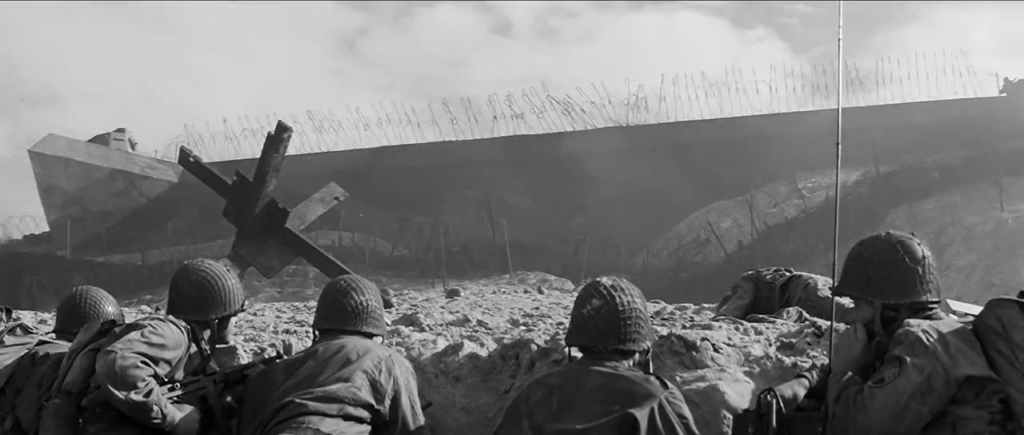
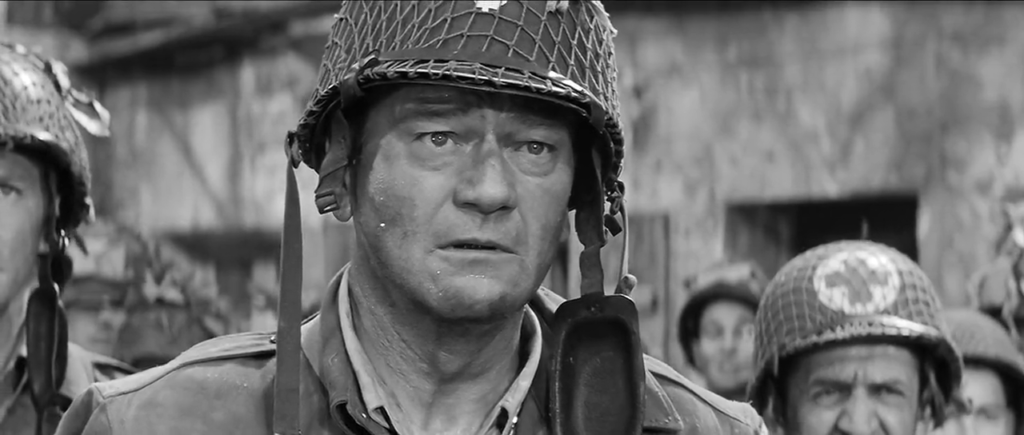
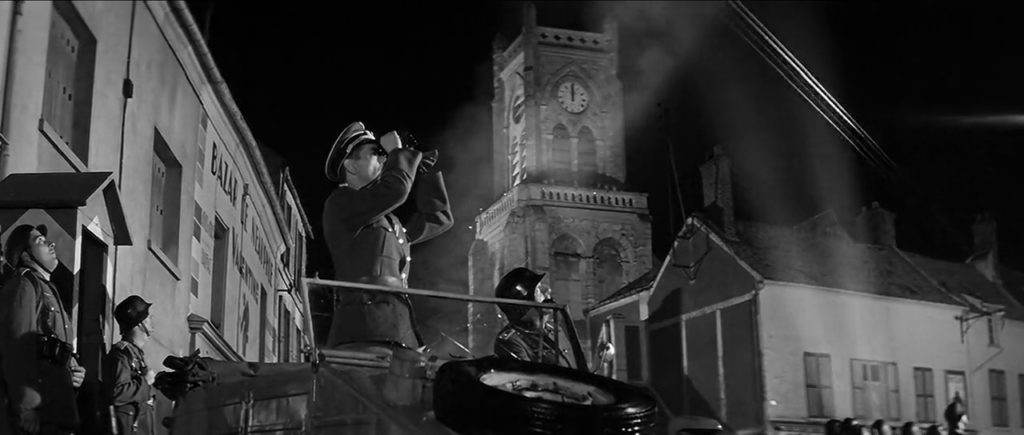
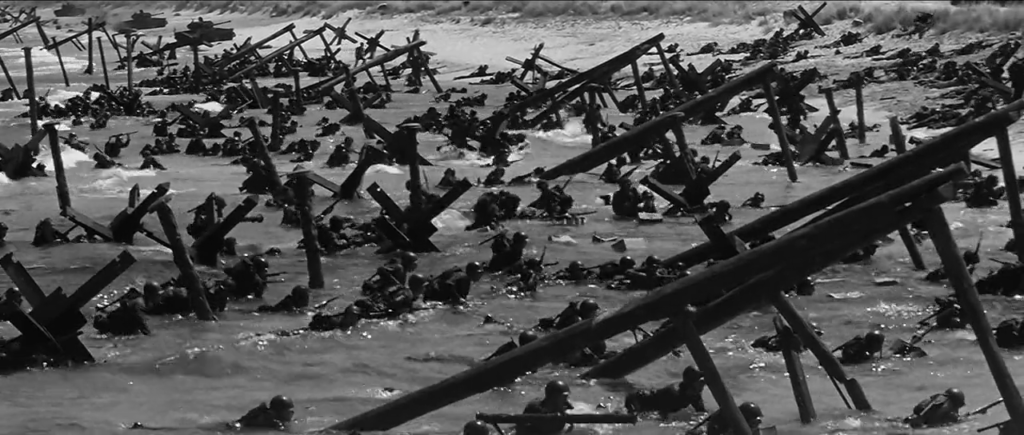
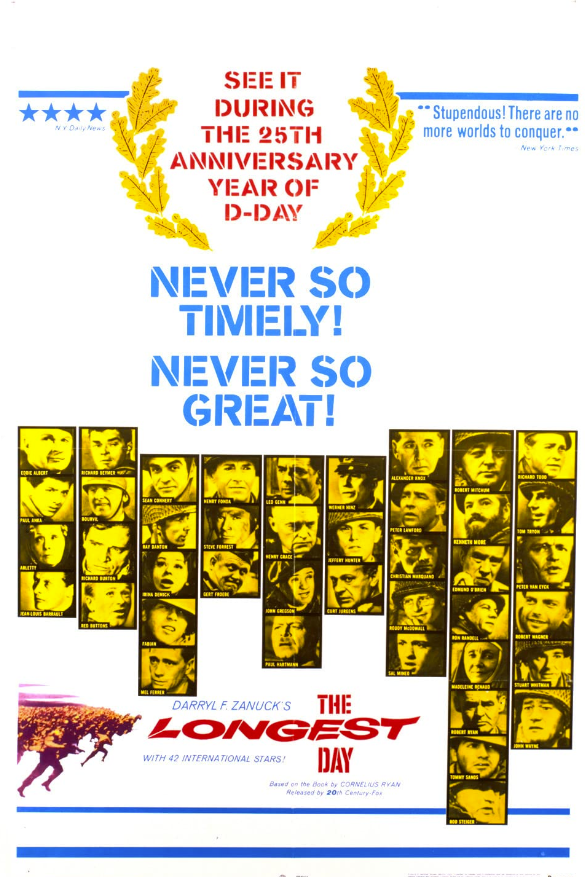
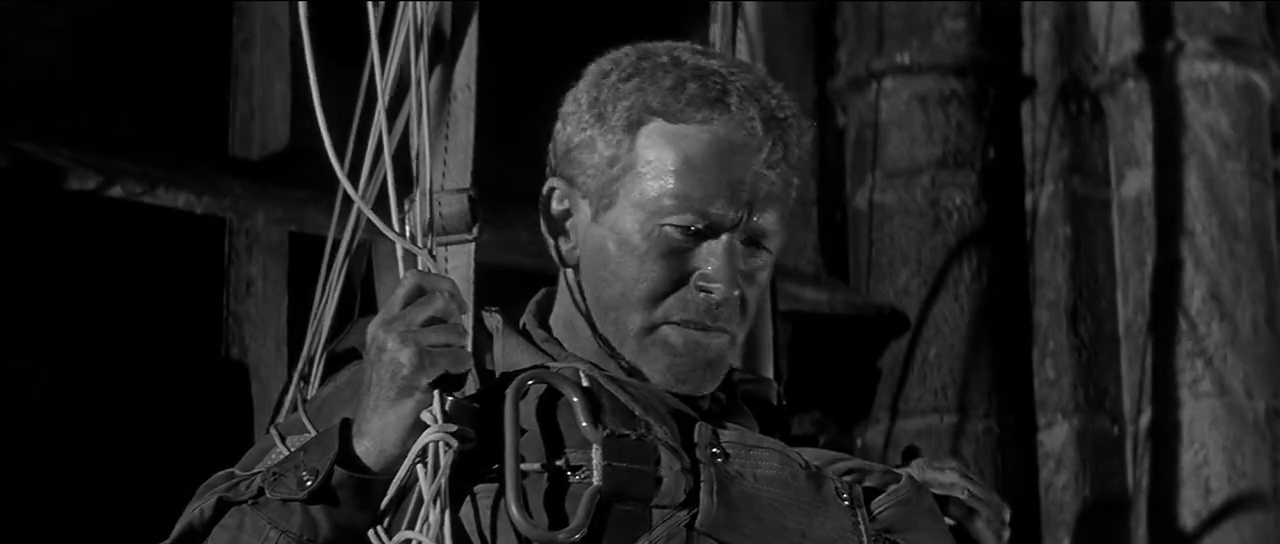
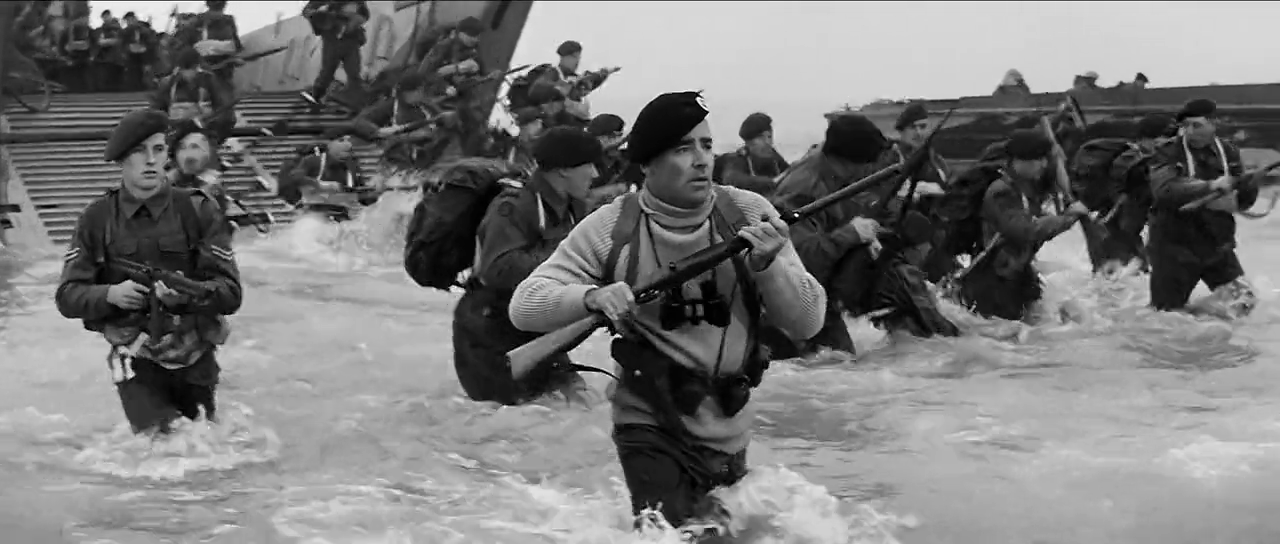
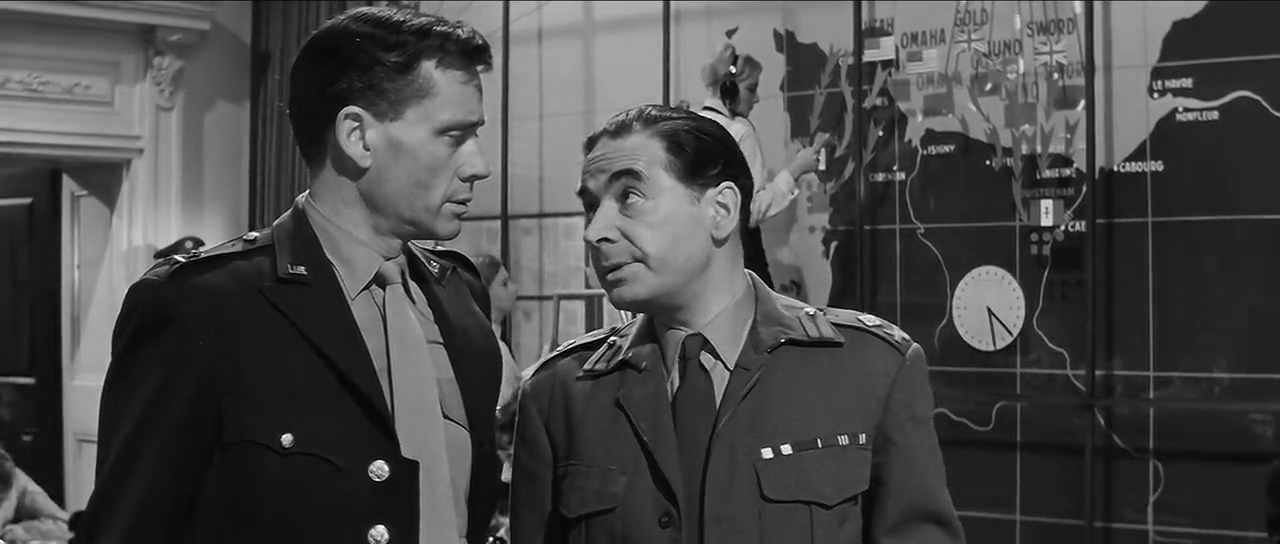
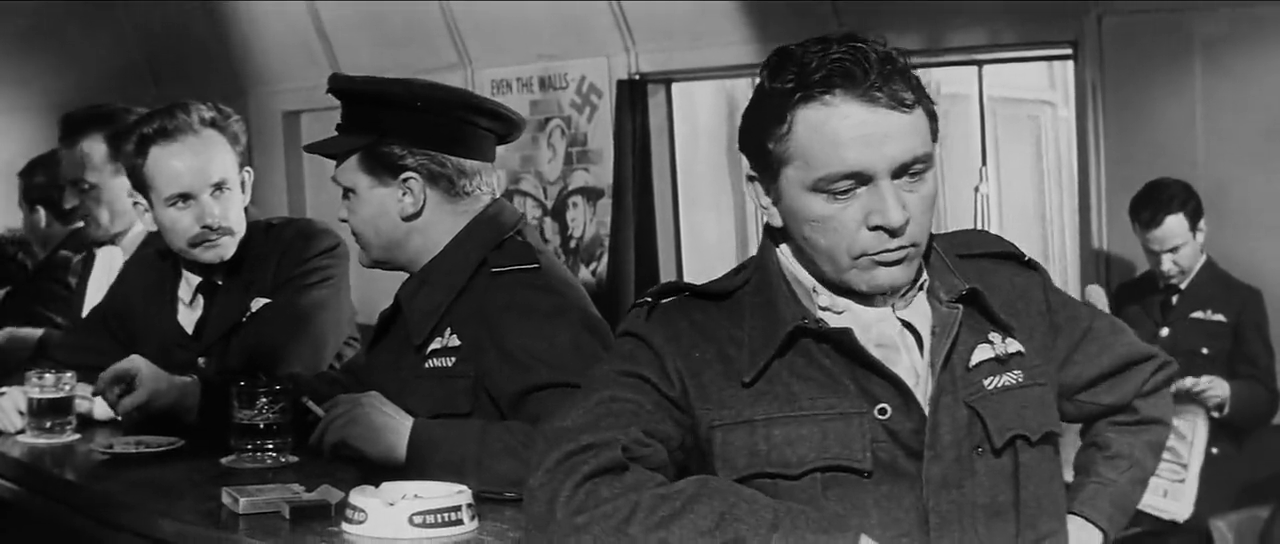
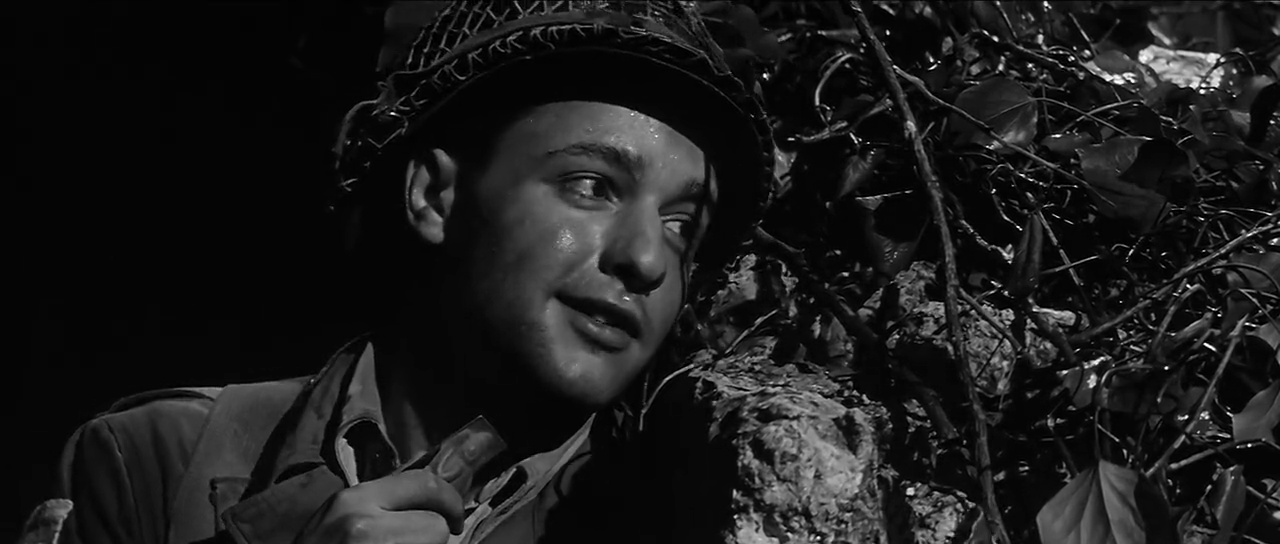
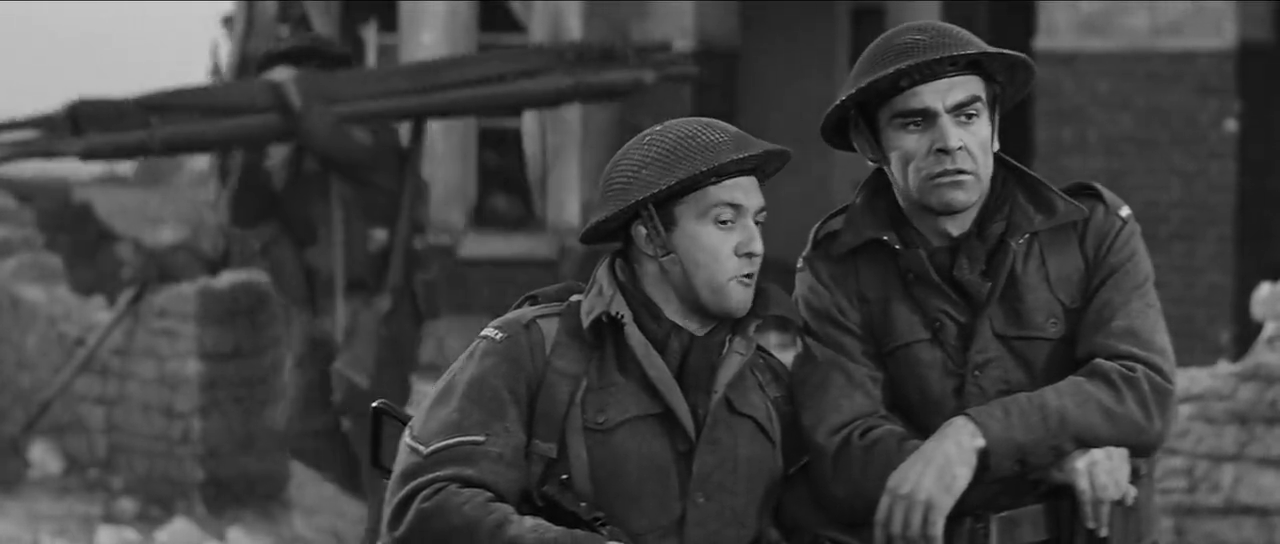
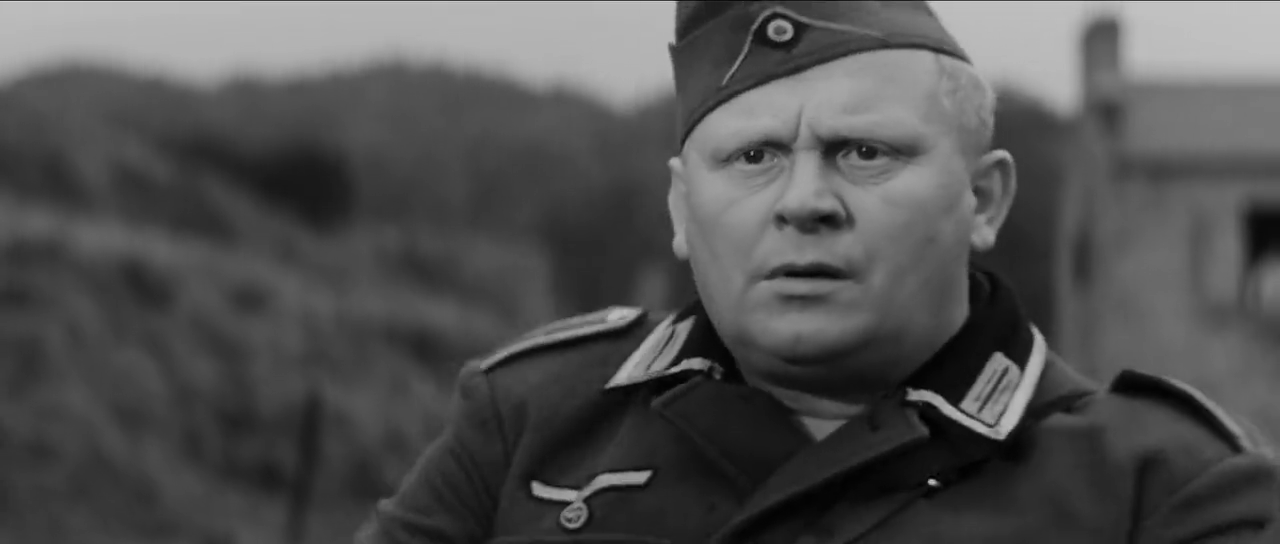
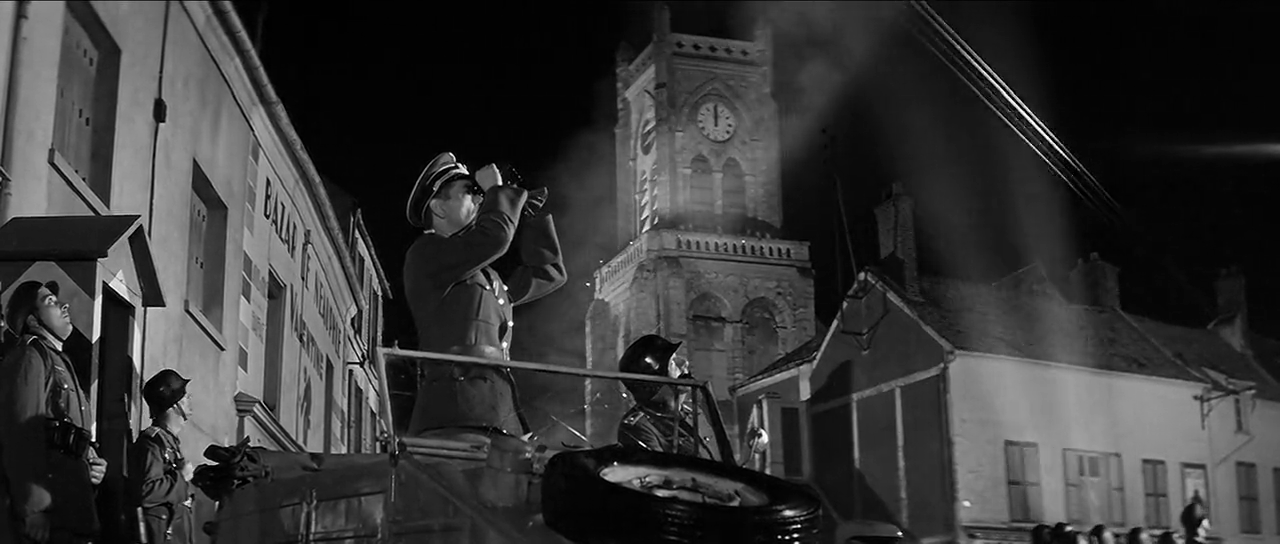
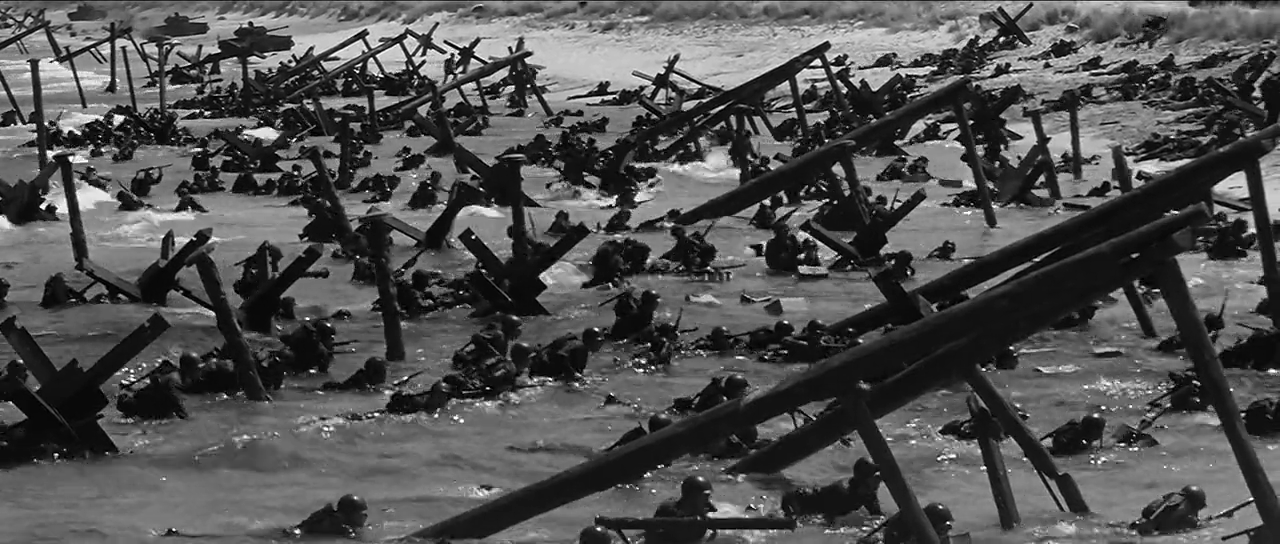
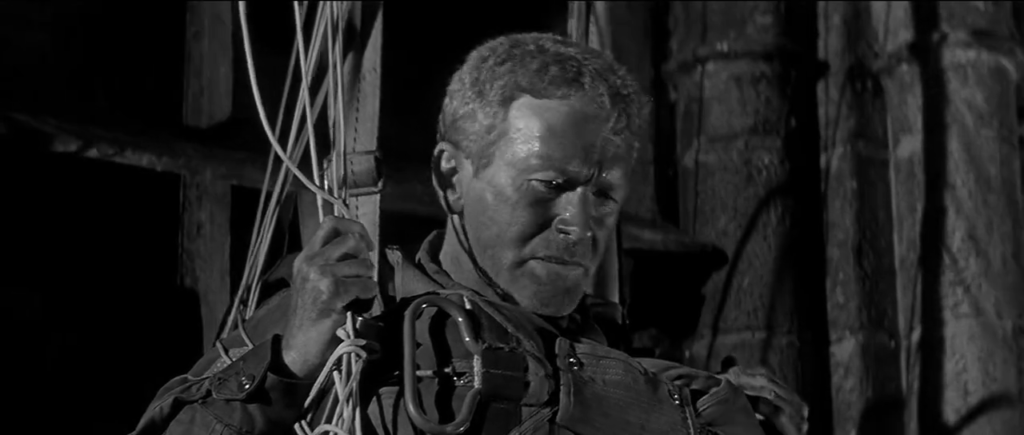
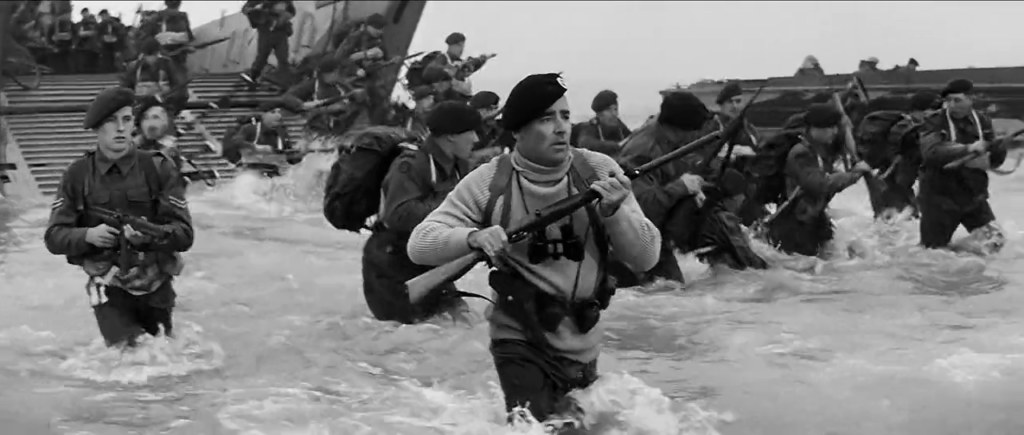
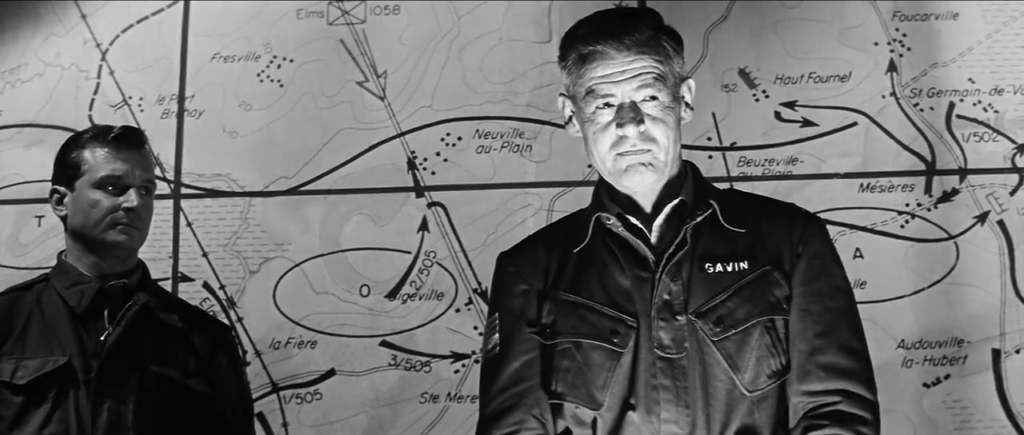
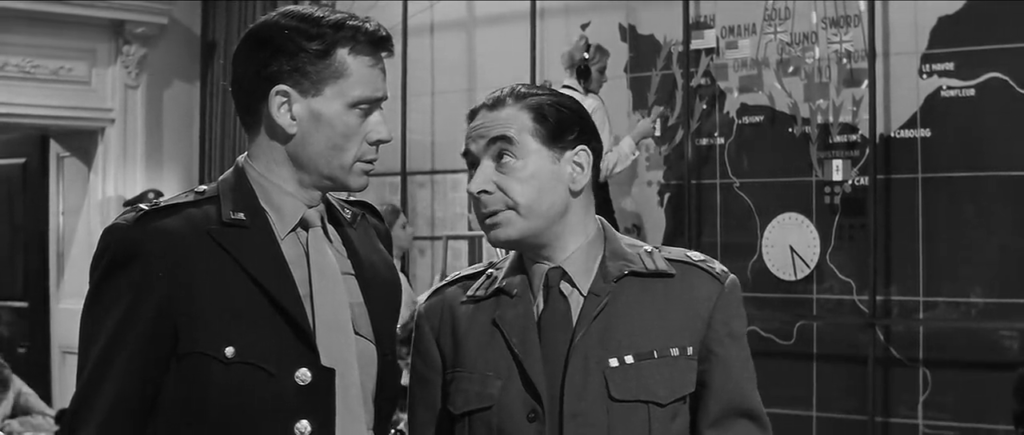
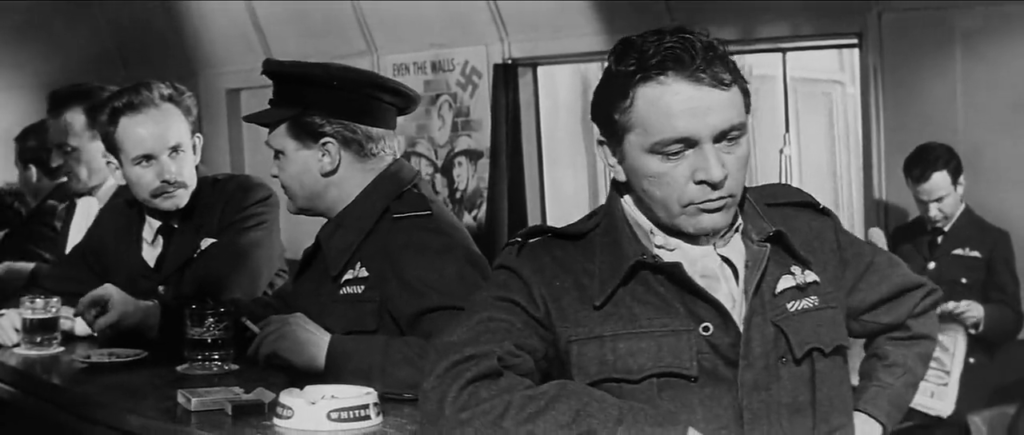
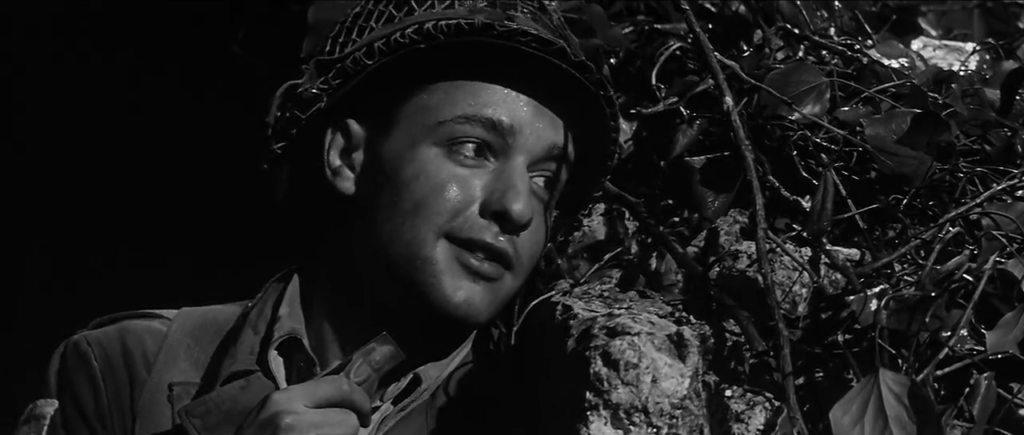
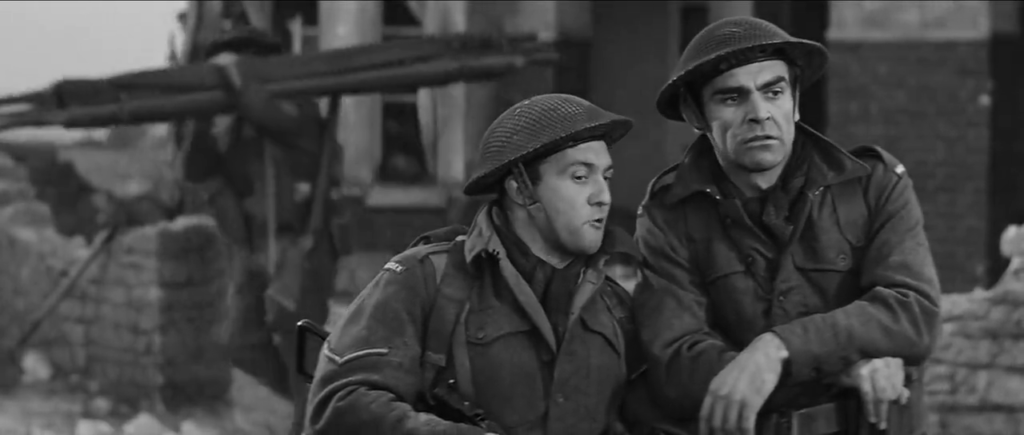
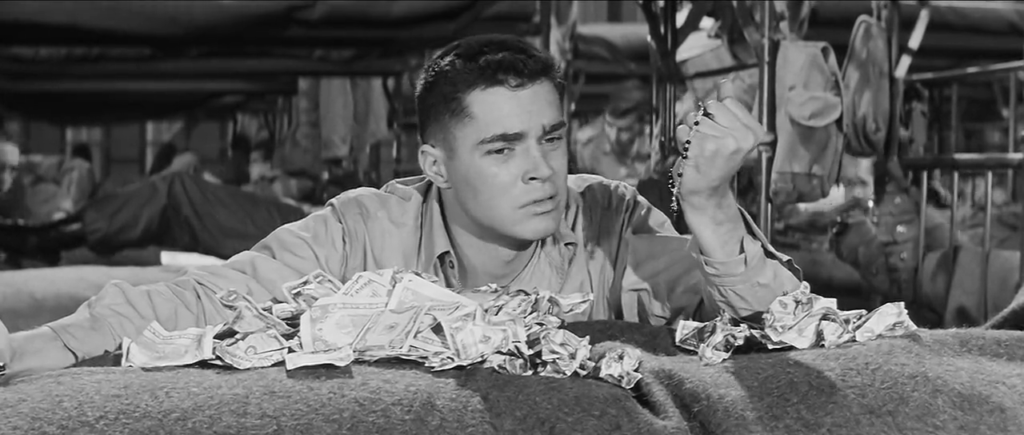
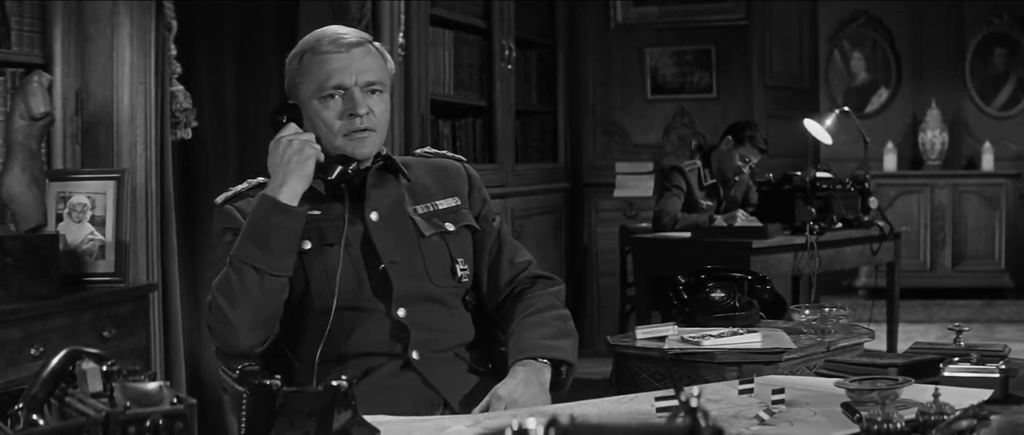
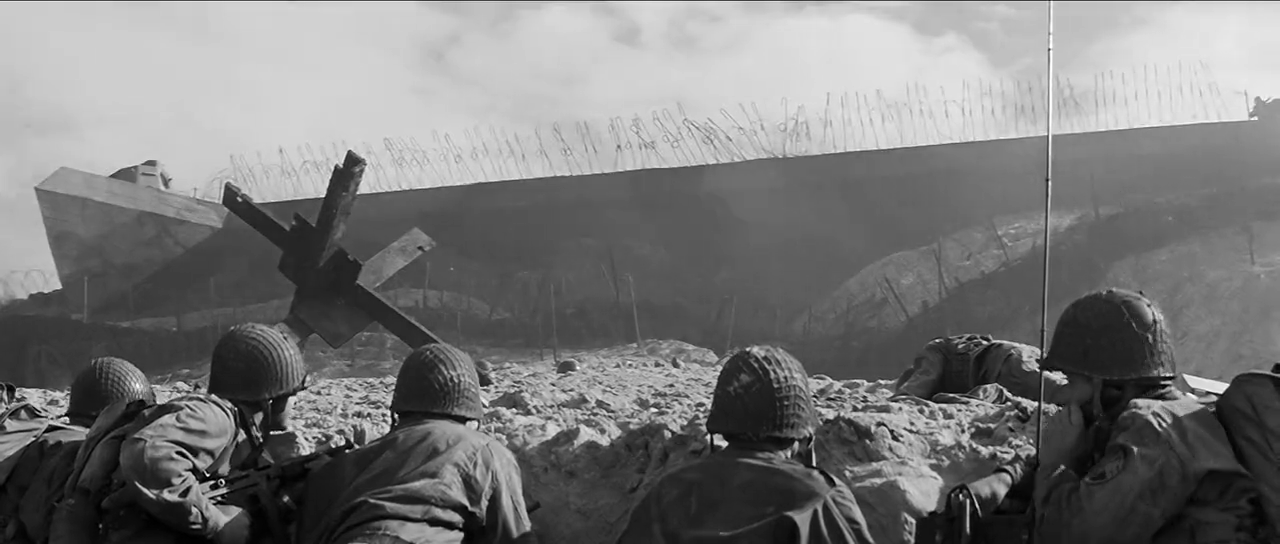
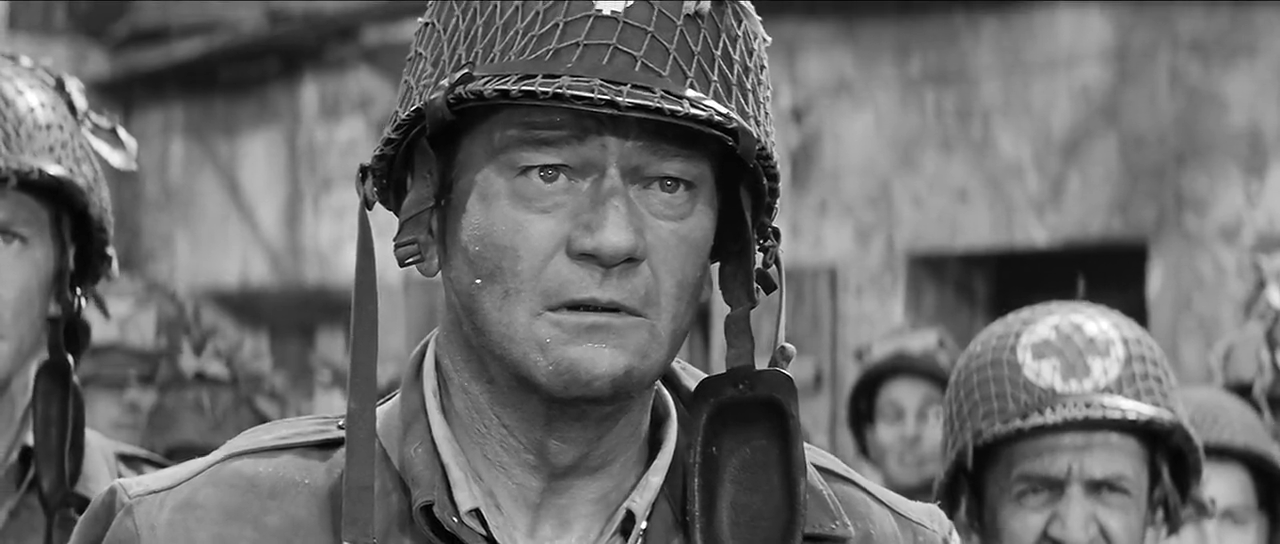
Review: We never really get to know any of the characters, though we do pay closer attention to a few — such as Red Buttons’ paratrooper Private Steele, who landed on the pinnacle of a church tower in Sainte-Mère-Église (and ultimately suffered a much better fate than the majority of his compatriots). For those interested in World War II logistics (i.e., tactics and battles), this film is essential viewing — especially given how accurate it is in many ways. (See either Wikipedia’s entry, IMDb’s Trivia page, or one of several YouTube video reviews — such as the one put out by A Million Movies — for a comprehensive overview.) Of course, there are also some notable gaps and omissions — such as the fact that while 1700 African-American soldiers took place in D-Day, none are shown in this movie. Cinematically, this film is wonderfully innovative in terms of having native languages spoken by the German and French characters, thus putting the cognitive “lift” on audience-goers to read a few subtitles. (Indeed, English isn’t heard until 10 minutes into the movie.) It’s also, of course, notable for having so many big name stars in the cast, each with varying (and sometimes minimal) degrees of screen time. Perhaps most front-and-center is John Wayne as Lt. Colonel Benjamin Vandervoot, who’s given several memorable grandstanding lines:
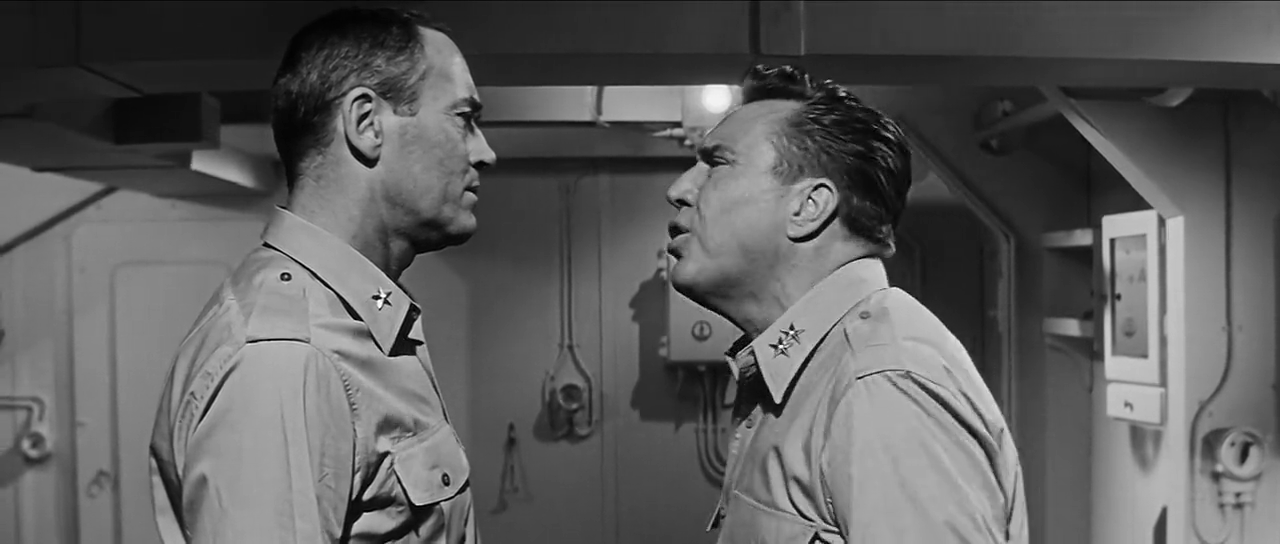
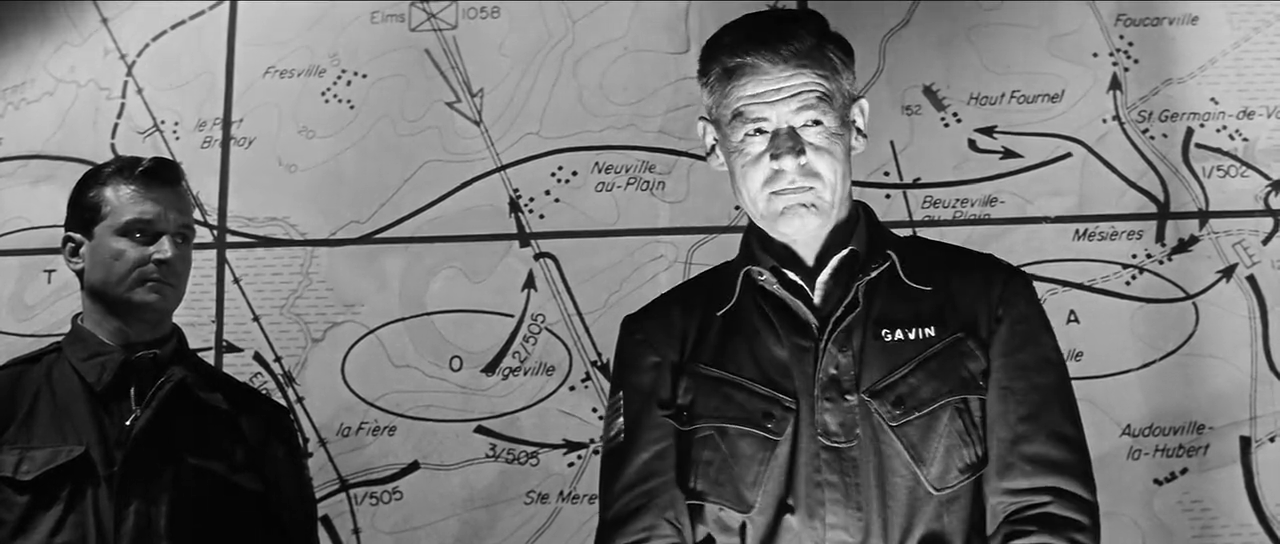
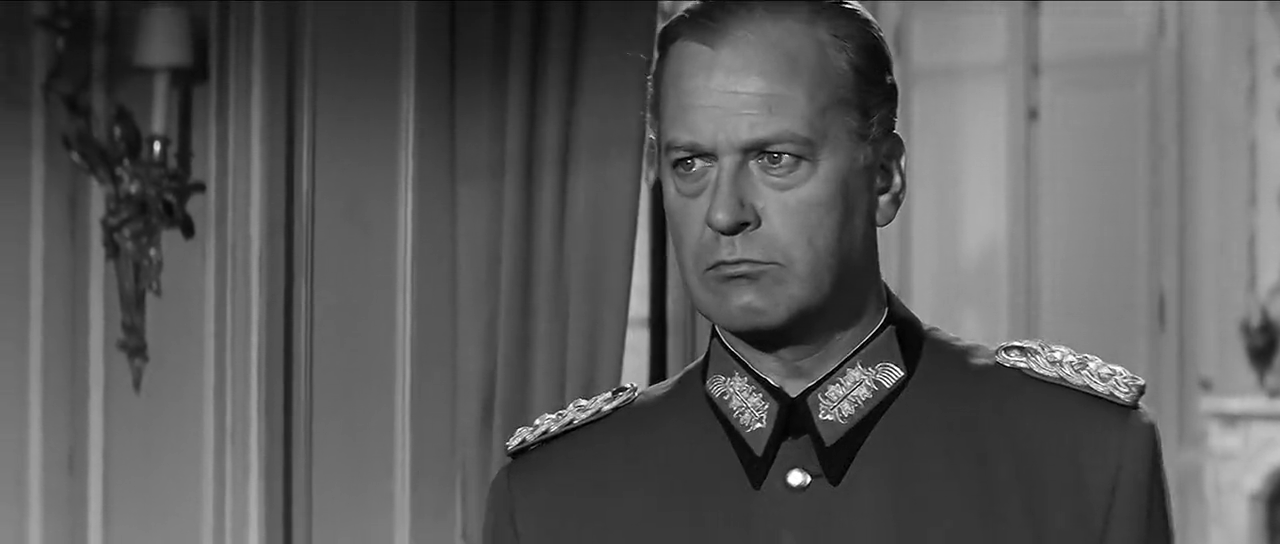
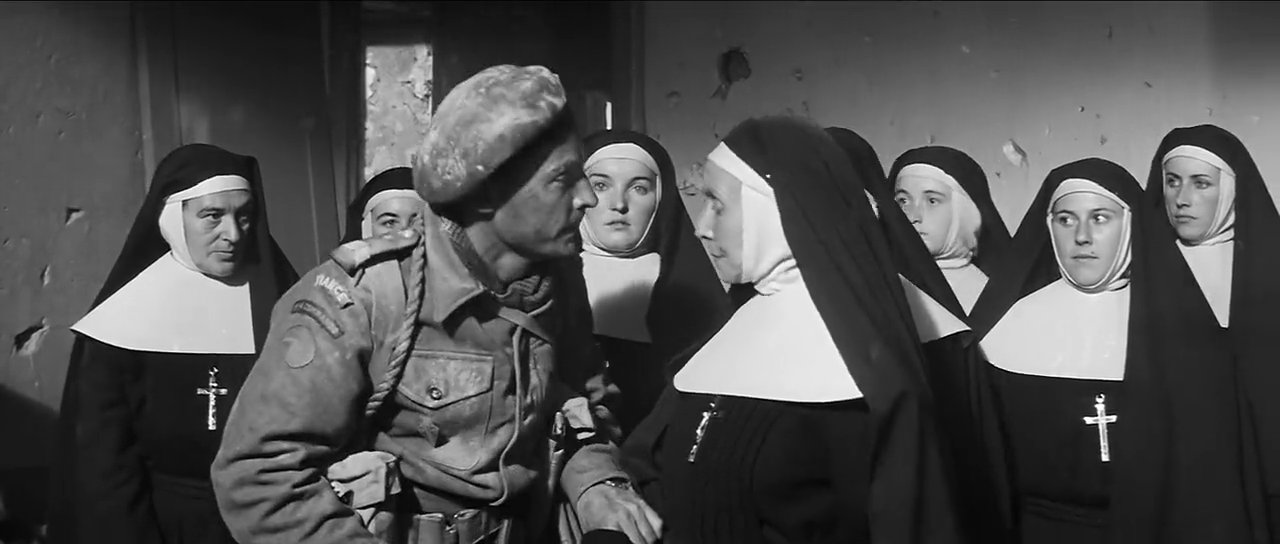
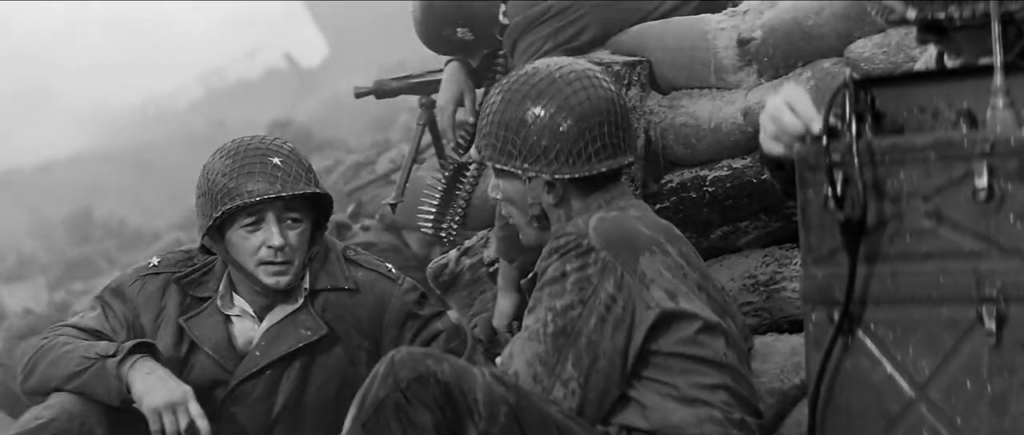
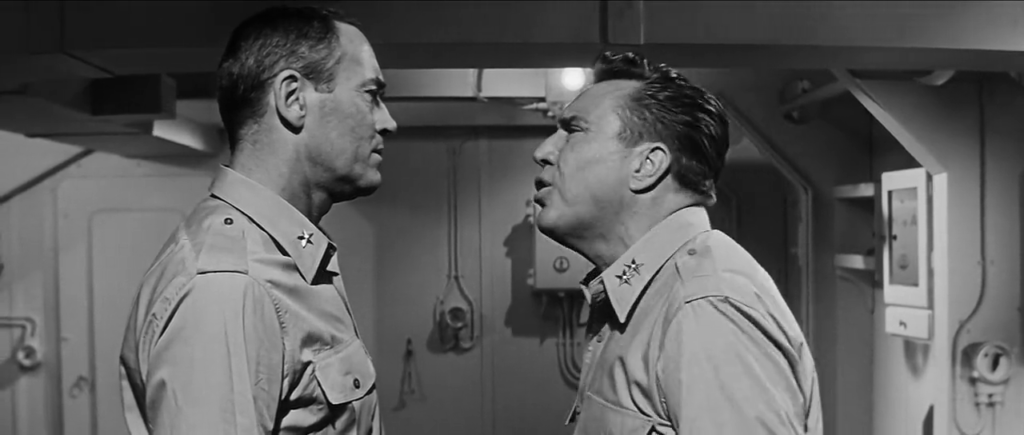
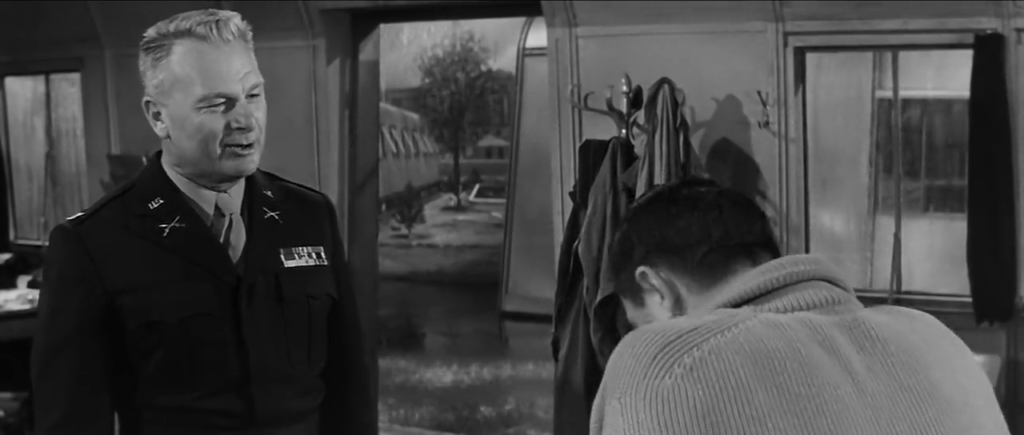
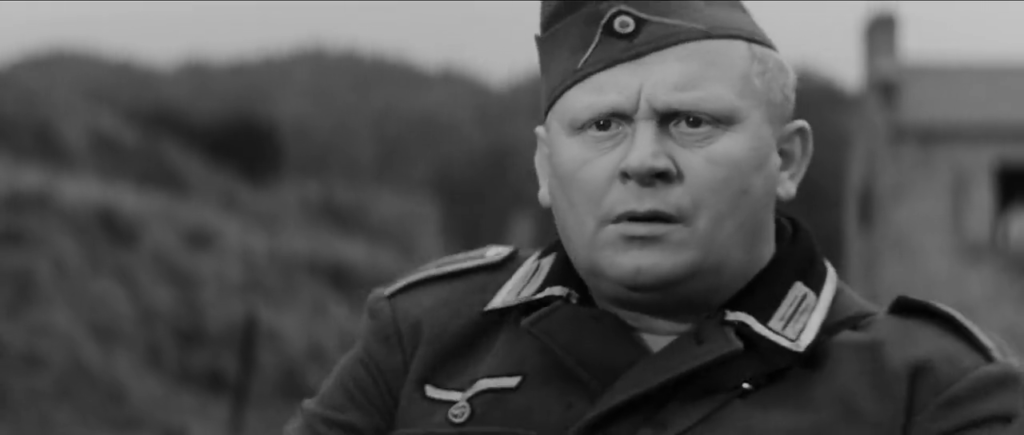
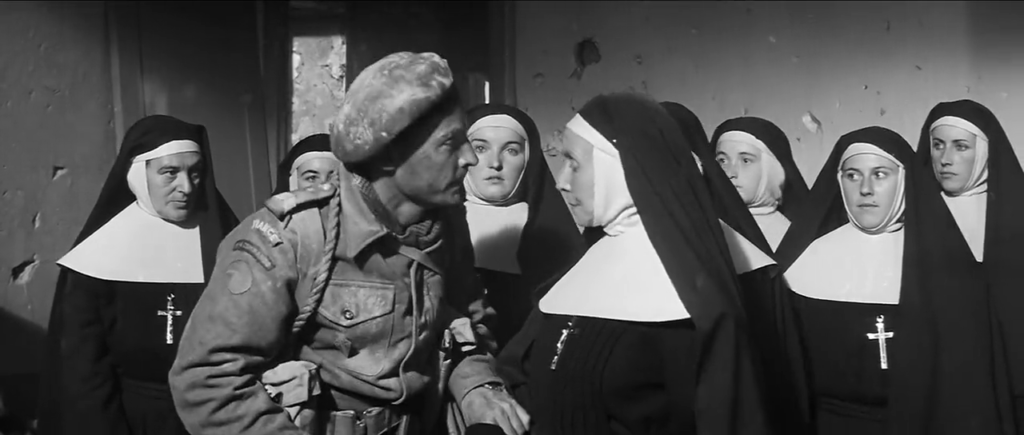
Other big-name actors playing real people include (but are not limited to) Peter Lawford as Brigadier Simon Fraser: … Robert Mitchum as Brigadier Gen. Norman Cota: … Henry Fonda as Brigadier Gen. Theodore Roosevelt, Jr. and Edmond O’Brien as Major Gen. Raymond O. Barton: … Robert Ryan as Brigadier Gen. James M. Gavin: … and Curd Jürgens as Infantry General Günther Blumentritt. Additional well-known actors inhabiting a diverse cross-section of fictional characters include (but once again aren’t limited to) Leo Genn and Mel Ferrer: … Richard Burton: … Sal Mineo: … Sean Connery: … Eddie Albert: … Jeffrey Hunter: … Gert Fröbe: … Peter van Eyck: … George Segal, Robert Wagner, Rod Steiger, Richard Beymer, Jean Servais, Jean-Louis Barrault, and Roddy MacDowall (who came over to participate due to being bored on the set of Cleopatra). Whew! While I’ll admit I quickly got battle-weary watching this epic war flick, it’s easy to see how appealing it would be to those with authentic interest in such matters. Favorite light-hearted moment: a group of nuns walk in and kick ass as field nurses during the heat of battle. Notable Performances, Qualities, and Moments: Must See? Categories
Links: |
“You think being blind made that kid an angel or somethin’?”
|
Synopsis: |
|
Genres, Themes, Actors, and Directors:
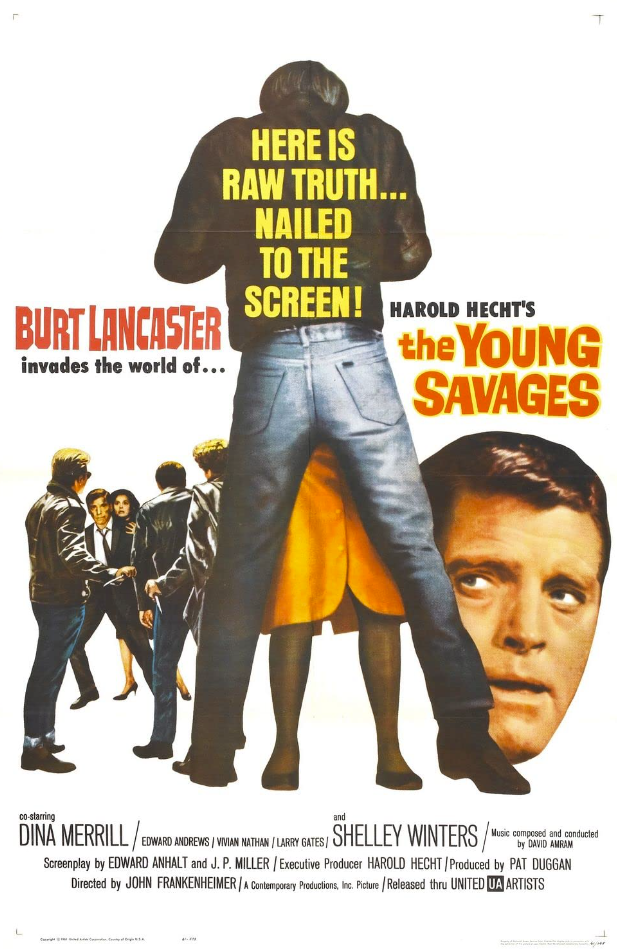
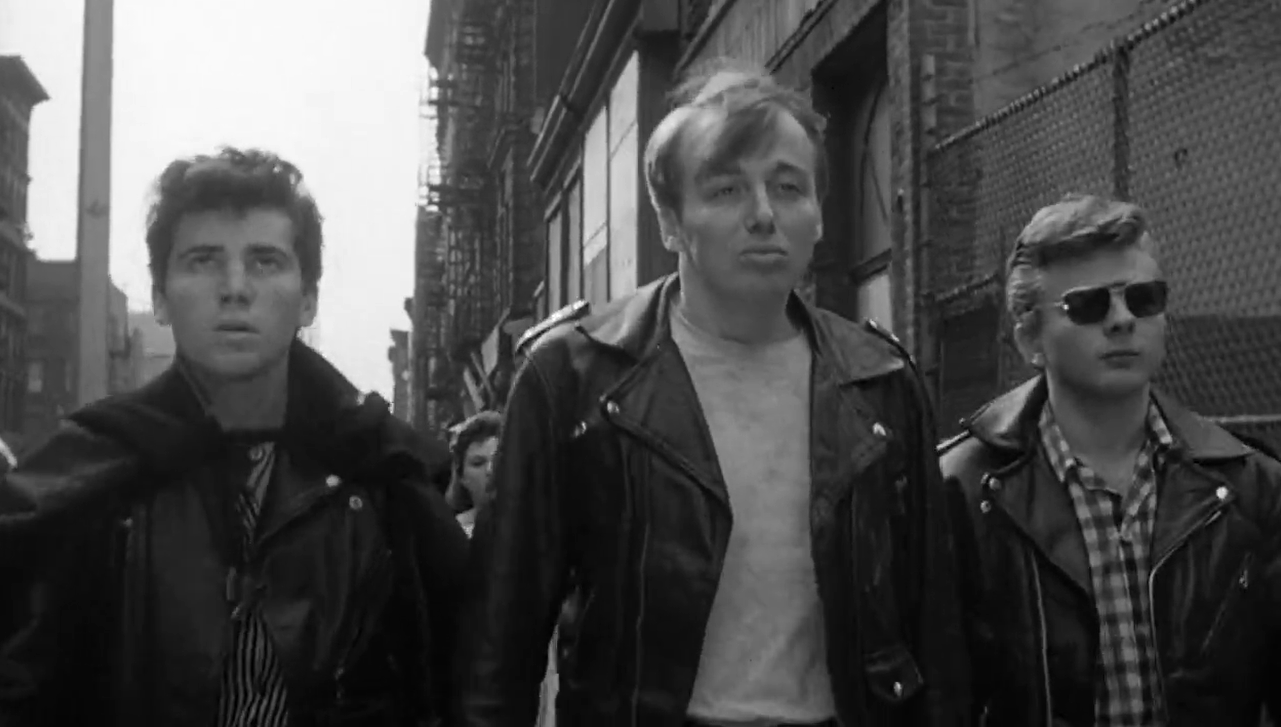
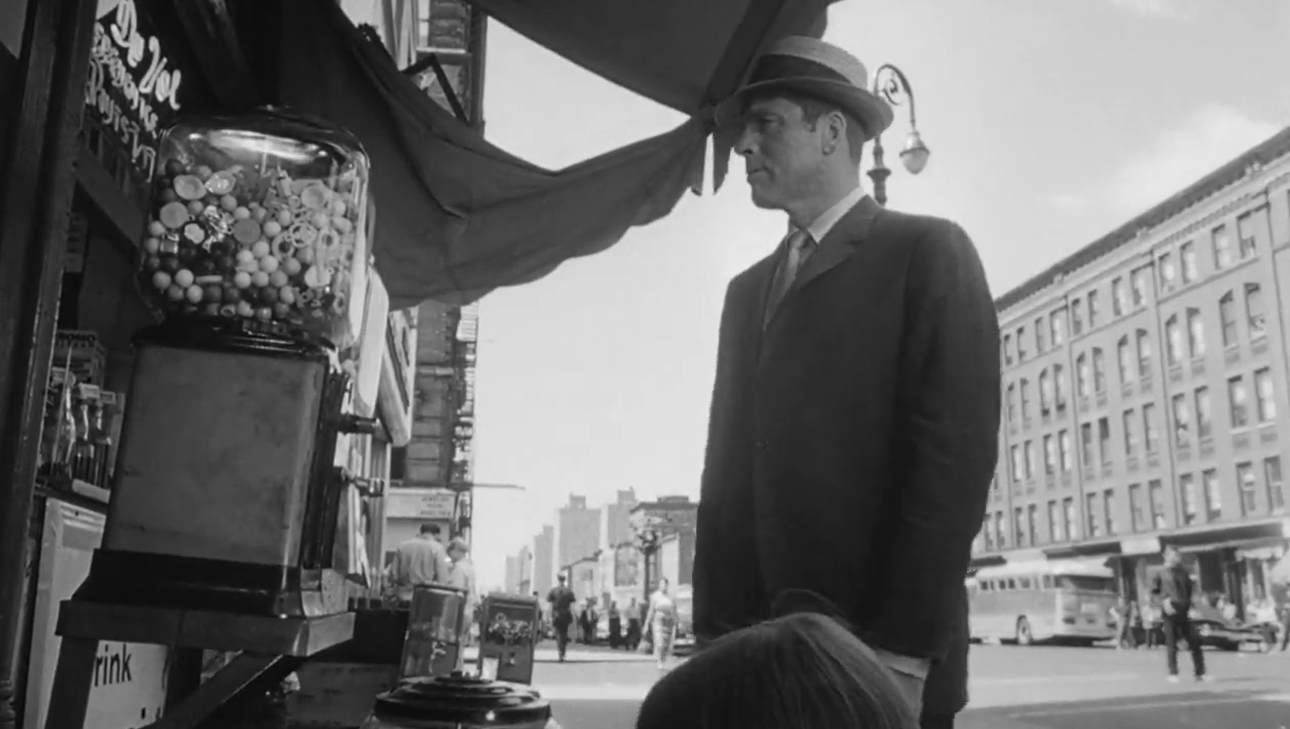
Review: Meanwhile, Lancaster’s wife (Dana Merrill) is openly cynical about his motivations: … especially given that he’s being pressured by an ambitious local politician (Edward Andrews) to get a conviction. (Evans’ original novel was called A Matter of Conviction.) Fortunately, there is a refreshing focus on the perspectives of at least a few impacted Puerto Rican family members: … and the casting of Chandler — who made his cinematic debut as the title gangster in Mad Dog Coll (1961) — effectively showcases the menace on the streets posed by ongoing jockeying for territorial control. However, the movie ultimately comes across as too much of an earnest “message flick”, making it primarily worth a look simply for Frankenheimer’s direction, aided by DP Lionel Linden. Notable Performances, Qualities, and Moments: Must See? Links: |
“She loves me in a way she’ll never love any other man.”
|
Synopsis: |
|
Genres, Themes, Actors, and Directors:
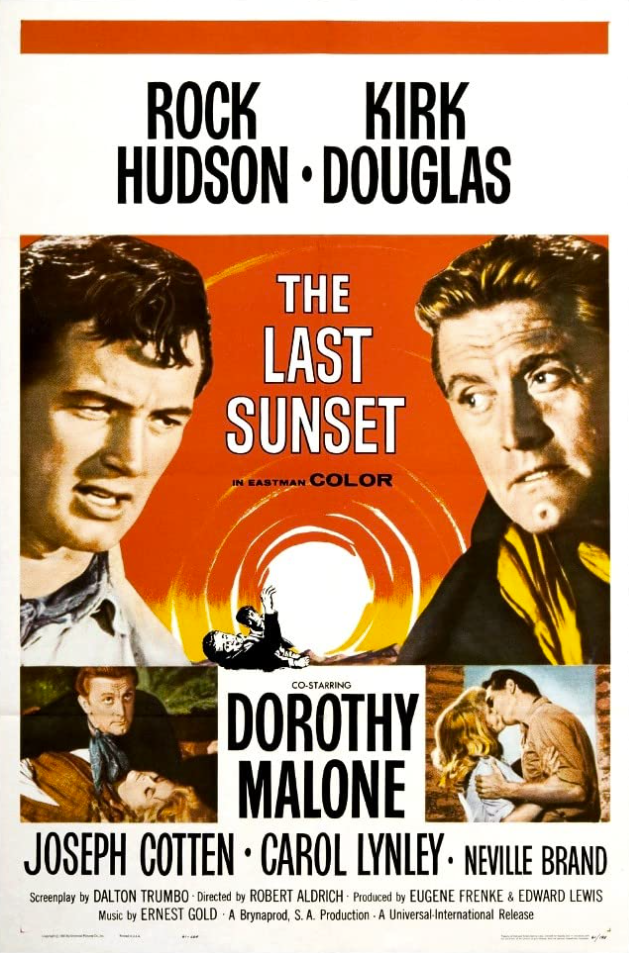
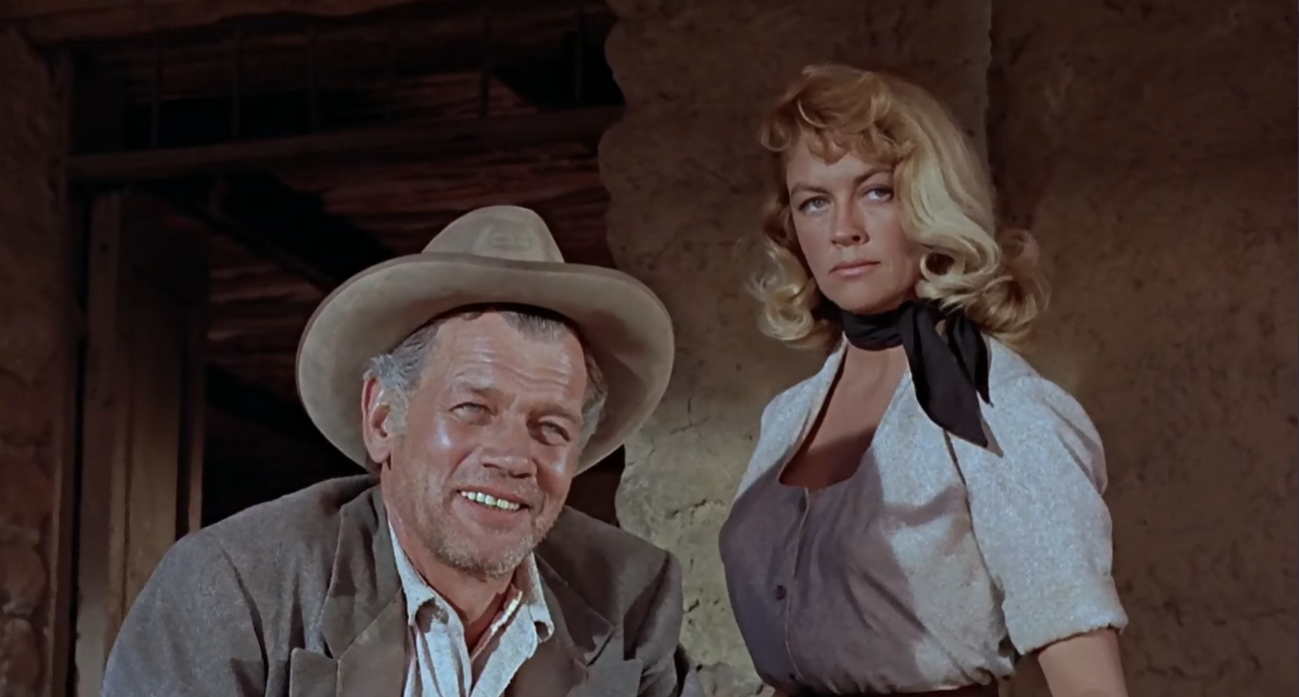
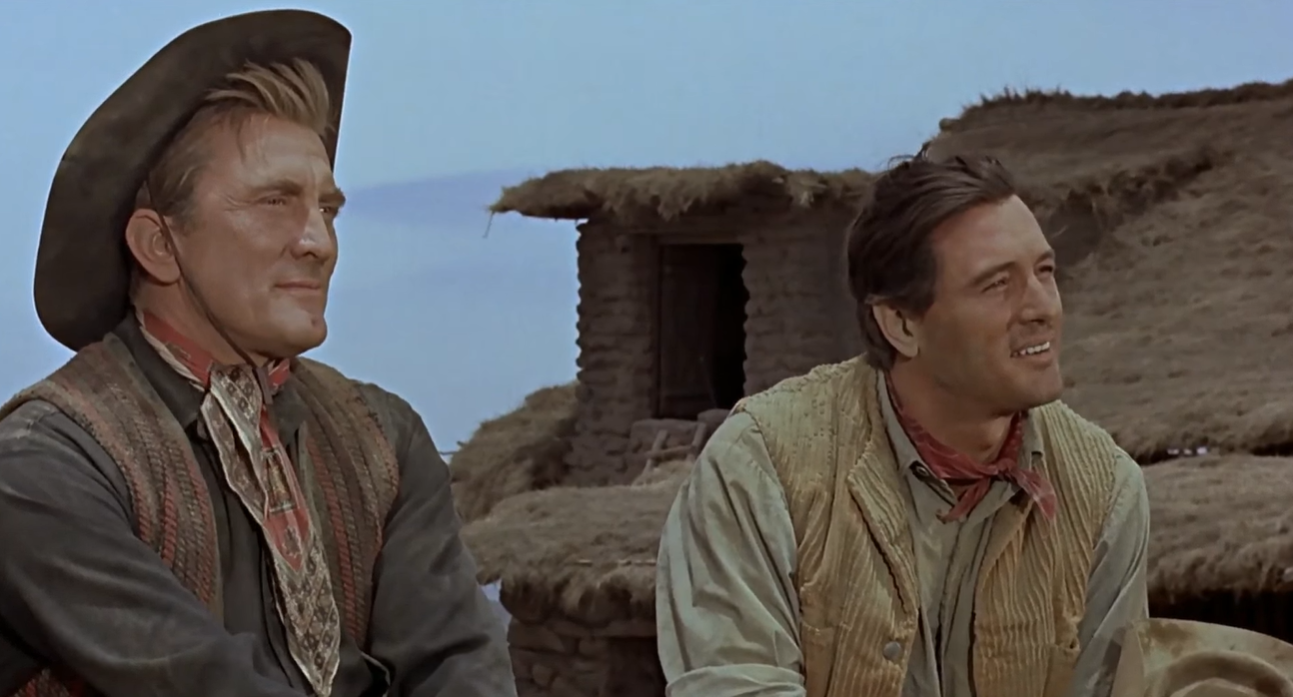
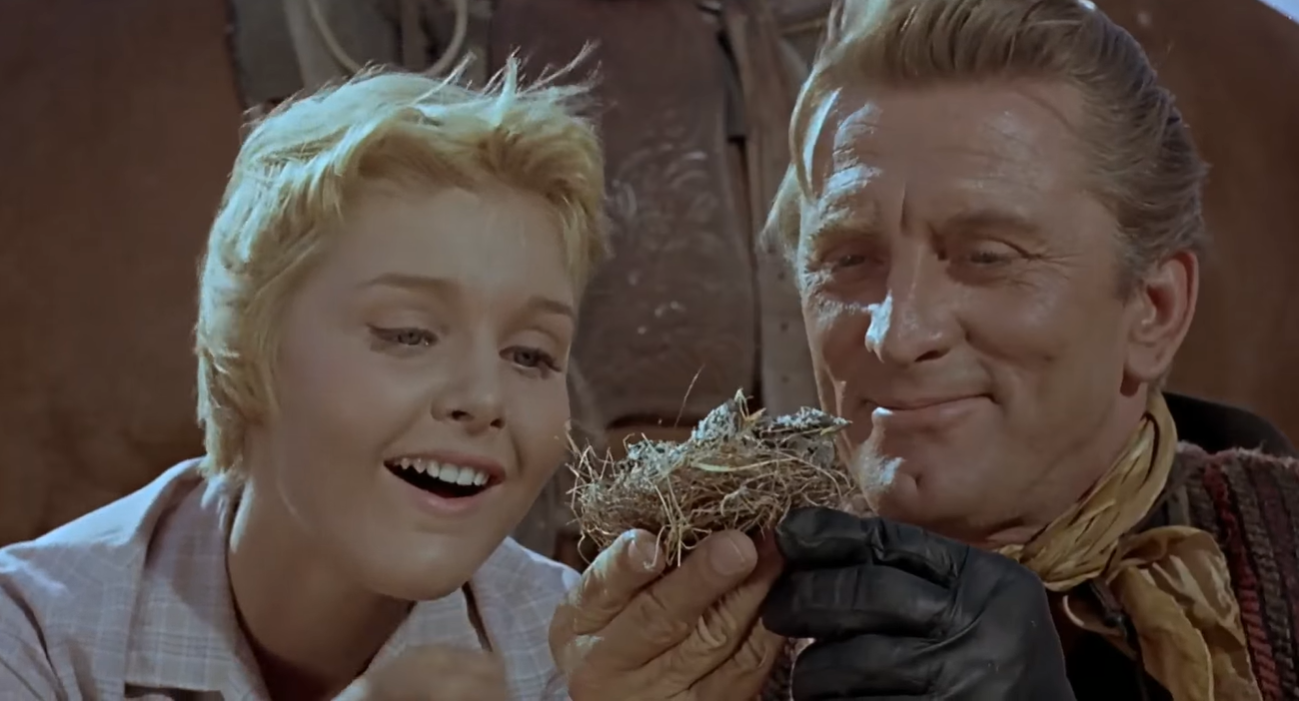
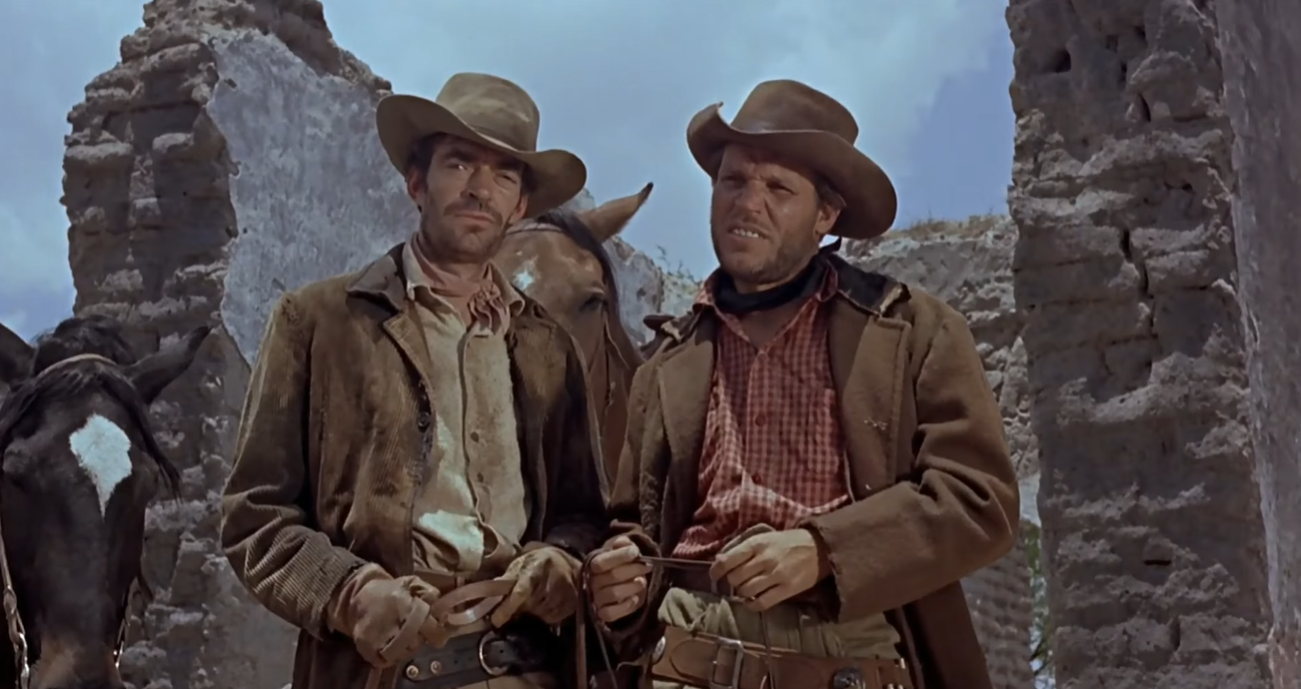
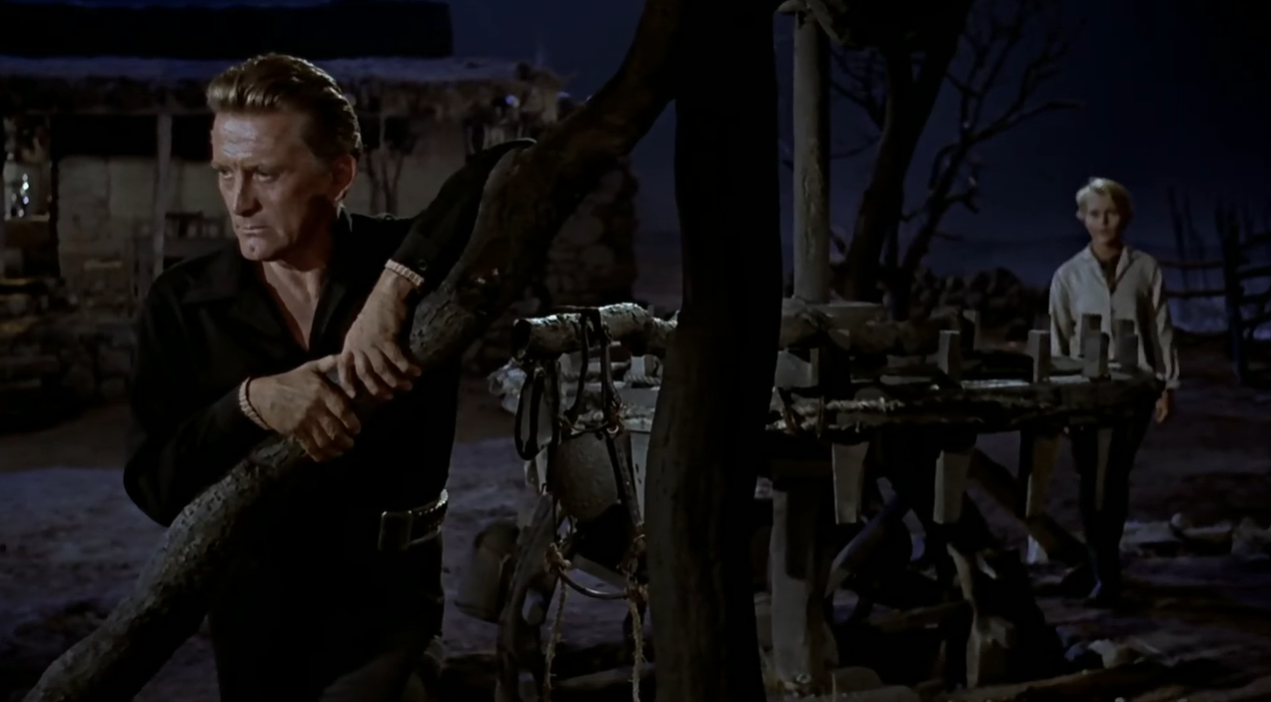
Review: Meanwhile, sexy Malone emanates her usual world weariness, while Douglas and Hudson project Movie Stardom in their leading roles as cagy adversaries eager to outsmart one another. In a critical supporting role, Lynley first comes across as tomboyish and naive: … before suddenly emerging as more womanly and knowing what she wants from life and love. Sadly, Jack Elam and Neville Brand are wasted in minor roles as baddies who come and go too quickly. Ernest Laszlo’s cinematography is noteworthy as always, but it’s unfortunately in service of an overall less-than-satisfying story. Notable Performances, Qualities, and Moments: Must See? Links: |
“Nowadays, men are cheaper than guns.”
|
Synopsis: |
|
Genres, Themes, Actors, and Directors:
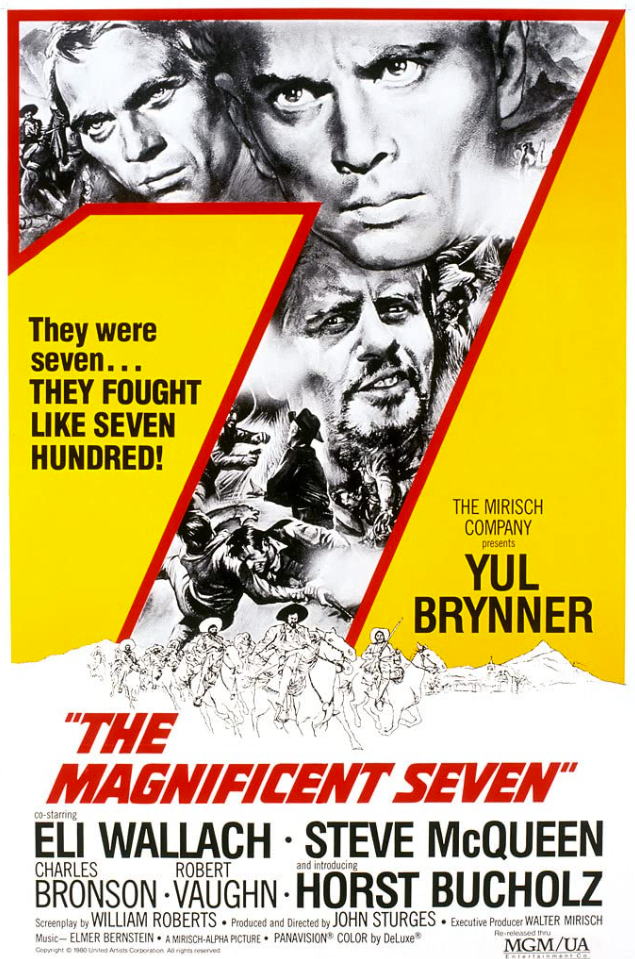
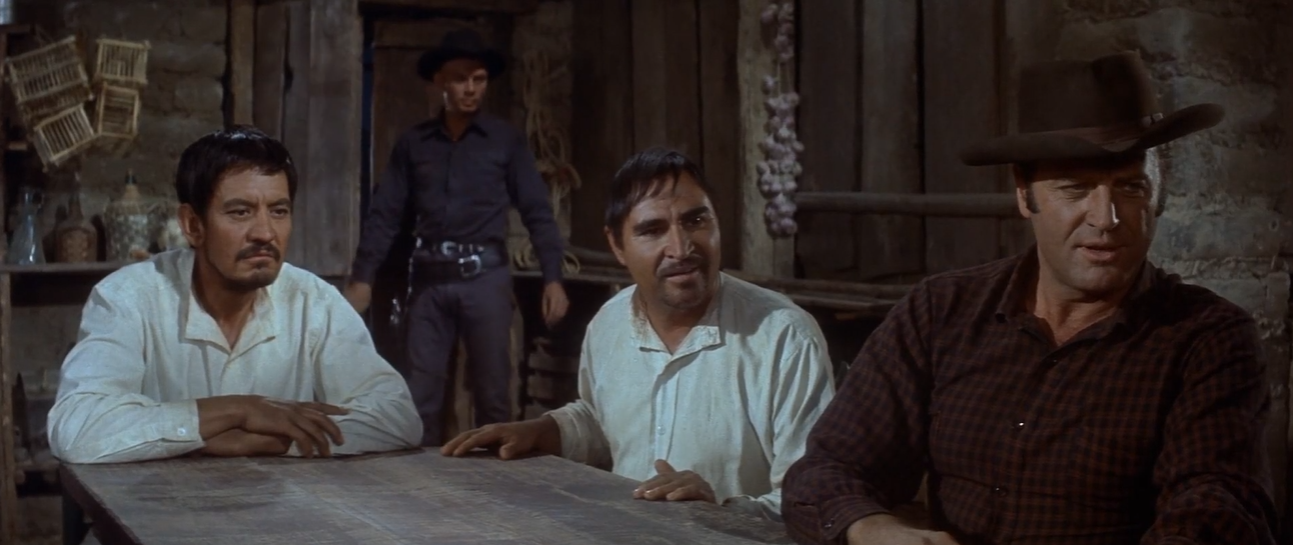
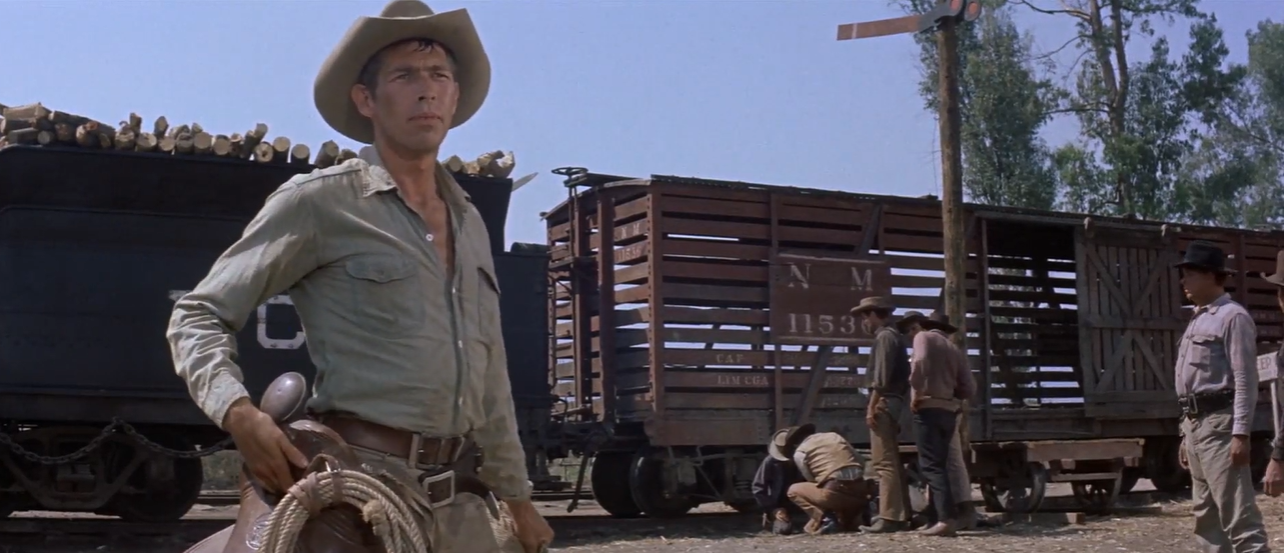
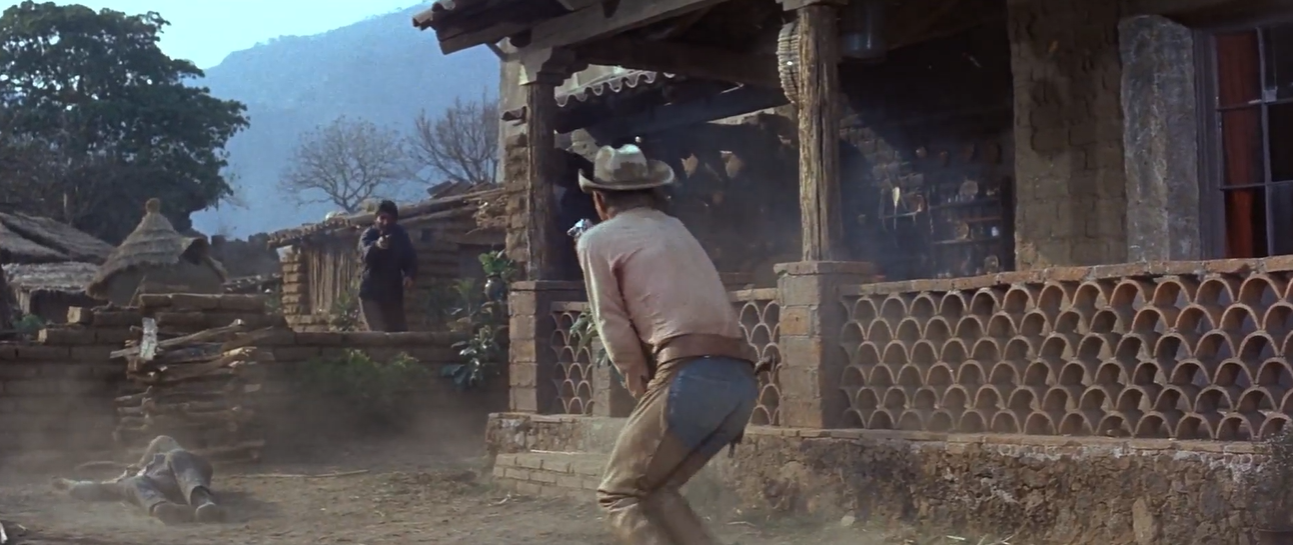
Review: It’s notable for highlighting the lonely, seemingly purposeless existence of gunmen-for-hire, who are always seeking their next job, risking their lives, and denying themselves (or avoiding) the stability of a family and home. To that end, Bronson’s character is given one of the film’s most poignant speeches, as he informs a trio of three hero-worshipping peasant boys that their fathers are the real heroes; in response to one saying, “We’re ashamed to live here. Our fathers are cowards.” he retorts:
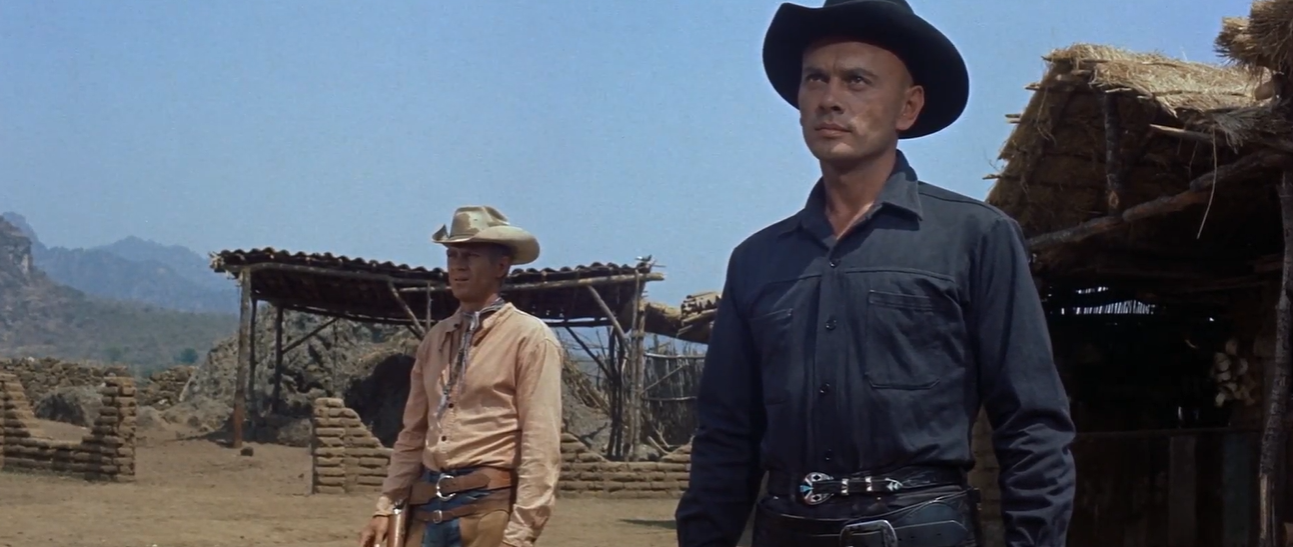
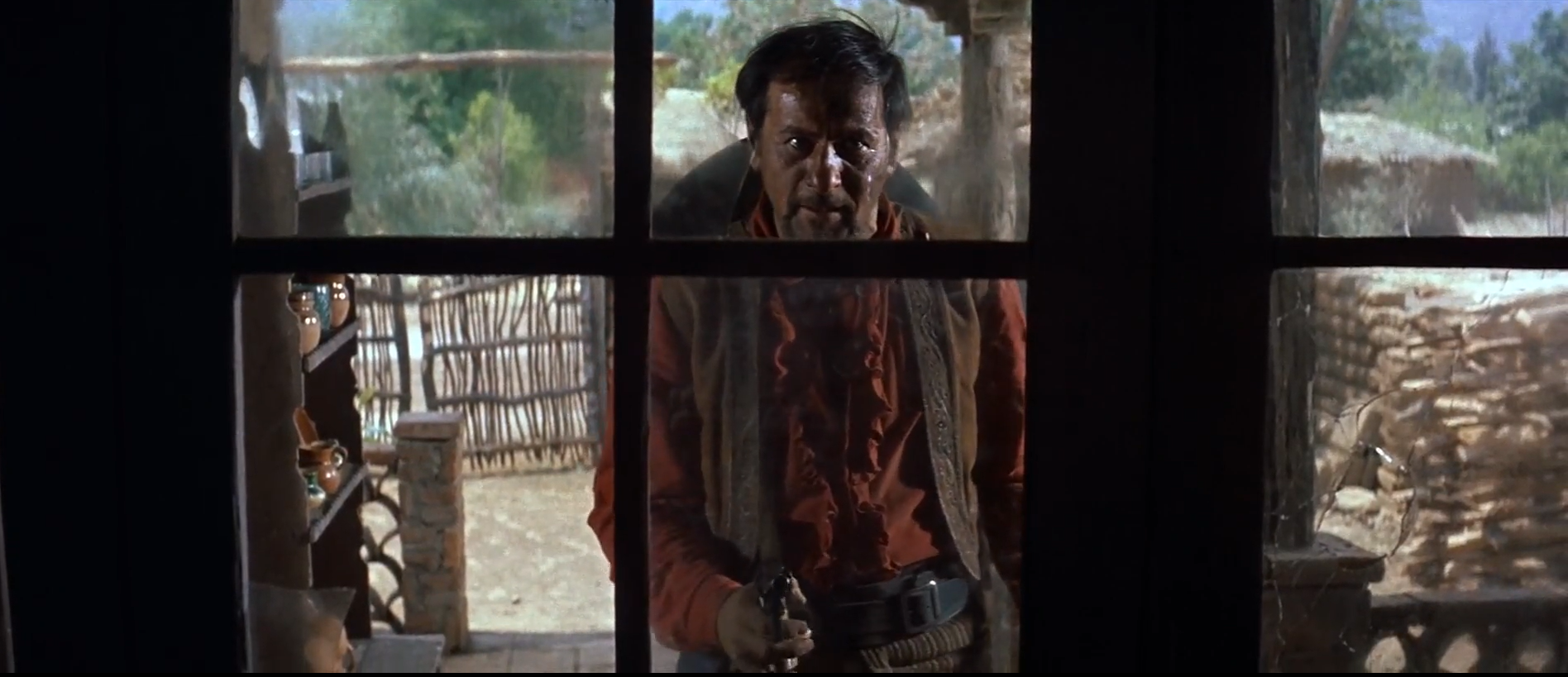
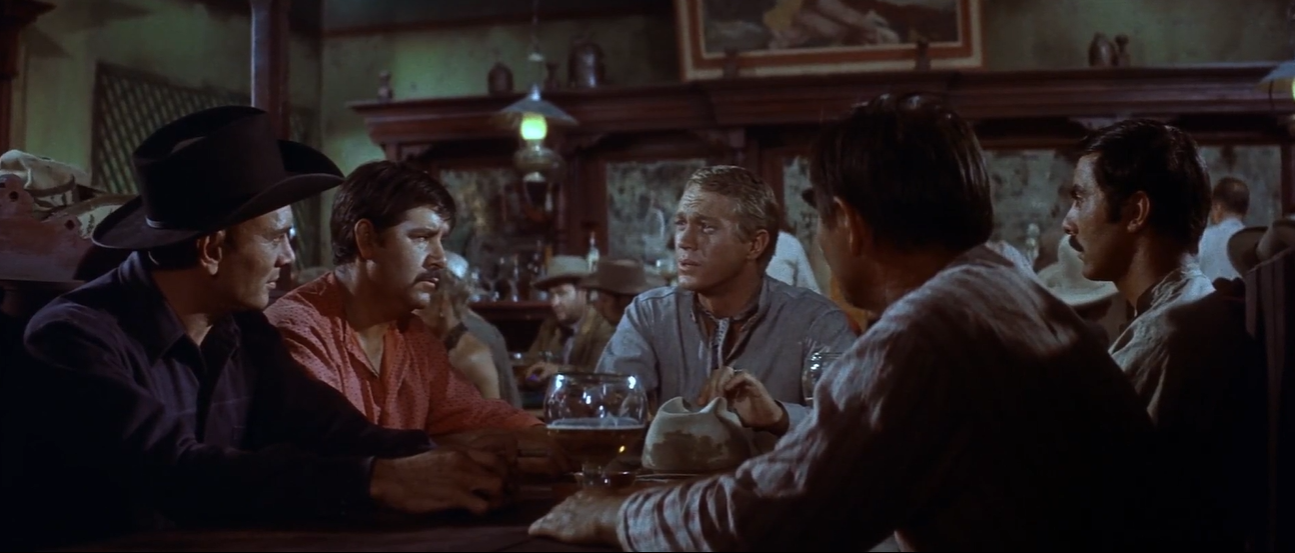
However, there’s an inherent sense of nobility and/or pathos lurking beneath the surface of many of these men, who are willing to take the job for just $20. (Only Dexter’s character — played for laughs — insists on believing there must be a bigger stash in store for them.) Of special note among the cast are Wallach as the sociopathic bandit Calvera (he gets a great last line): … and Coburn as the laconic knife-thrower Britt. (Coburn was apparently thrilled to get this role given that it mirrored that of the master swordsman in Kurosawa’s film.) Brynner and McQueen were notoriously at odds during filming, with McQueen eager to upstage his colleague at every turn (he fiddled with his hat a LOT) — though this animosity doesn’t show up on screen. Note: This film inspired three sequels (none listed in GFTFF), a television series of the same name, and a remake in 2016. Notable Performances, Qualities, and Moments:
Must See? Categories
Links: |
“I think you’re nothing but a boy — an apprentice!”
|
Synopsis: |
|
Genres, Themes, Actors, and Directors:
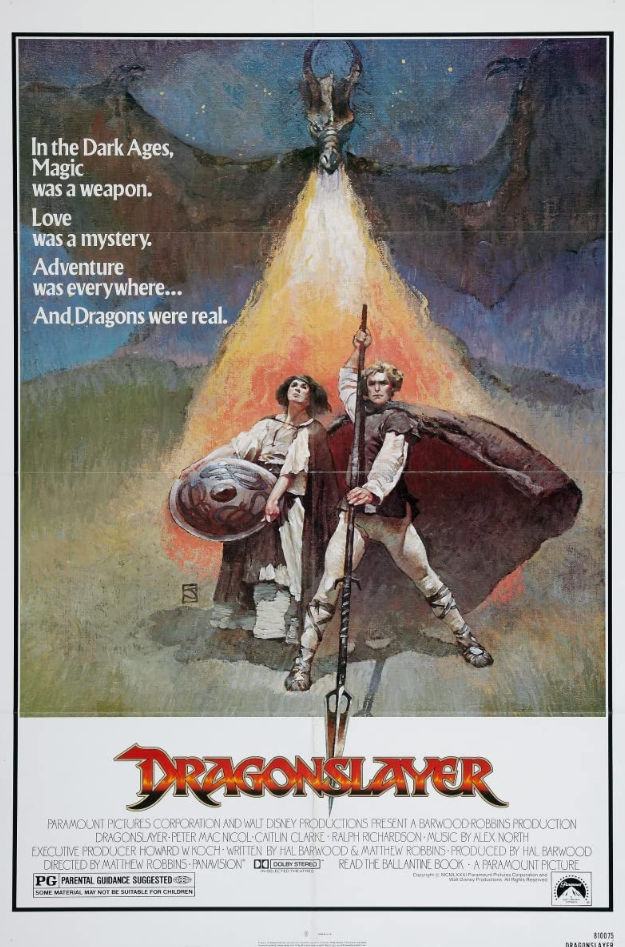
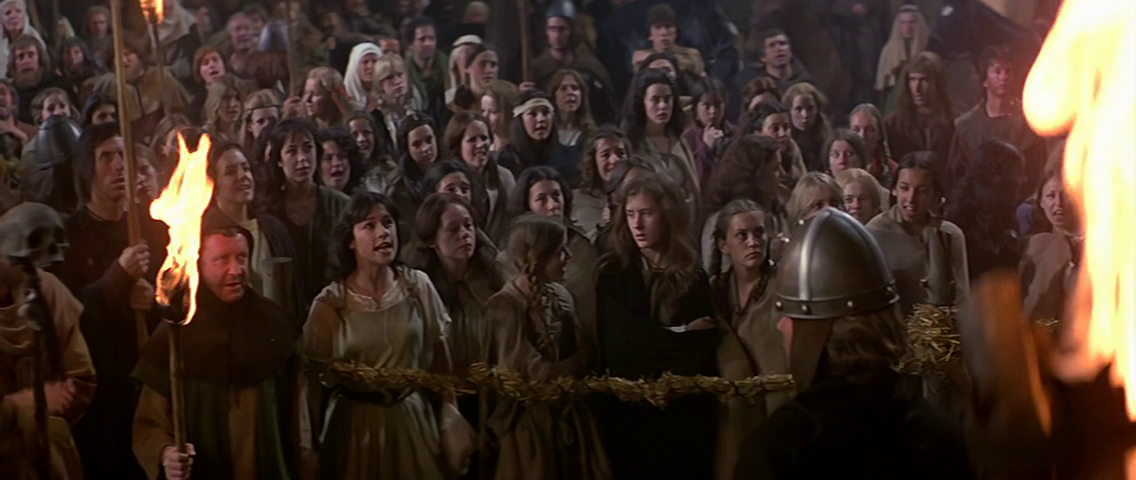
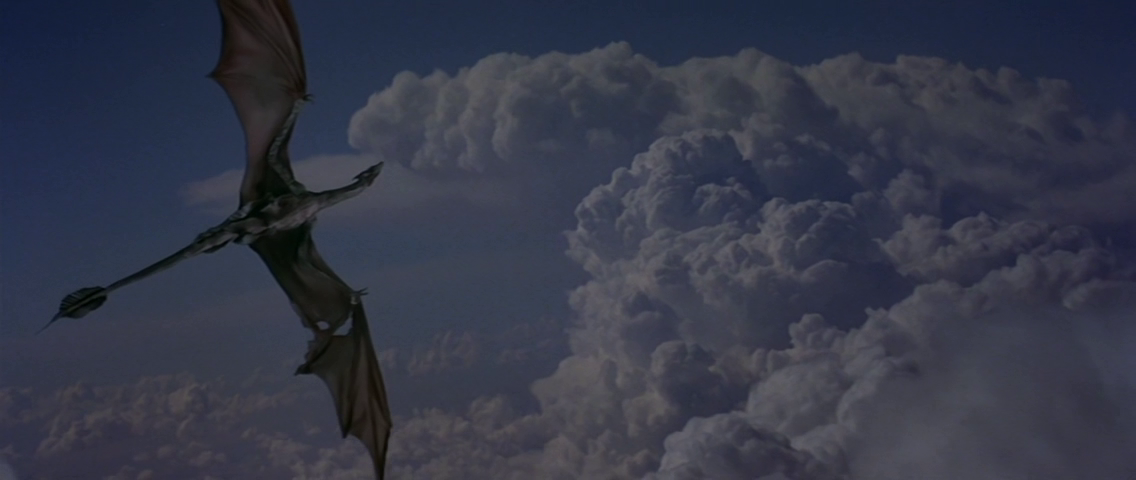
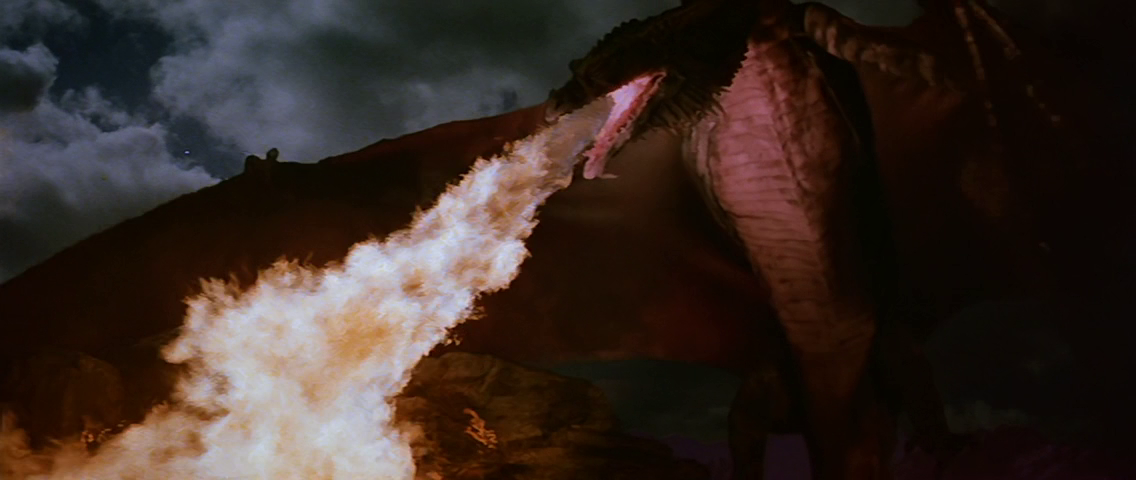
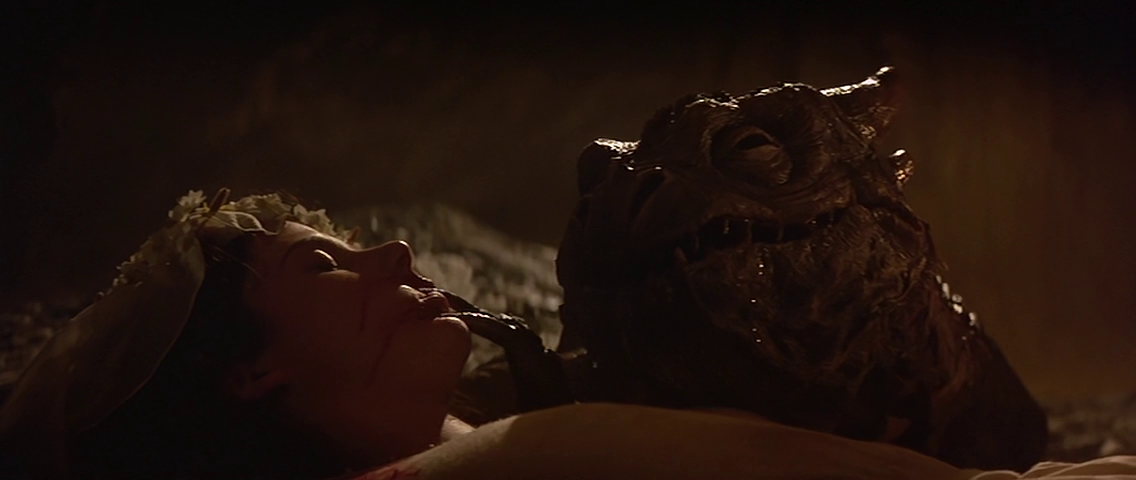
Response to Peary’s Review: He points out that the “film presents a magical world — the countryside, the medieval hamlet, the castle and its dungeon, the dragon’s lair — in credible fashion,” and notes that “the enormous fire-breathing dragon is one of the great monsters of the cinema,” “like a Ray Harryhausen masterpiece” but “with remarkably precise movements.” He adds that “the confrontations with the dragon are absolutely spectacular” (the “special effects were provided by George Lucas’s Industrial Light and Magic”): … and notes that while “there are a couple of time when the brutality is too strong for young viewers”: … it’s “otherwise… everything a fantasy film should be,” including “imaginative, intelligent direction by Matthew Robbins” and “fine performances by MacNicol (after you get used to him), Clarke, [and] Richardson.” This film certainly divides viewers, with some (like Peary and other online viewers) extolling its virtues, and others, like DVD Savant, referring to it as “not at all bad, but lack[ing] the spark to fully capture the imagination.” Savant does highlight the truly “marvelous” special effects, describing the Go-Motion animated dragon thus:
Also of note are the highly effective sets and cinematography, with much of the movie shot on location in Scotland and Wales. Fantasy film buffs will surely want to check this one out, though it’s not must-see viewing for all film fanatics. Notable Performances, Qualities, and Moments: Must See? Links: |