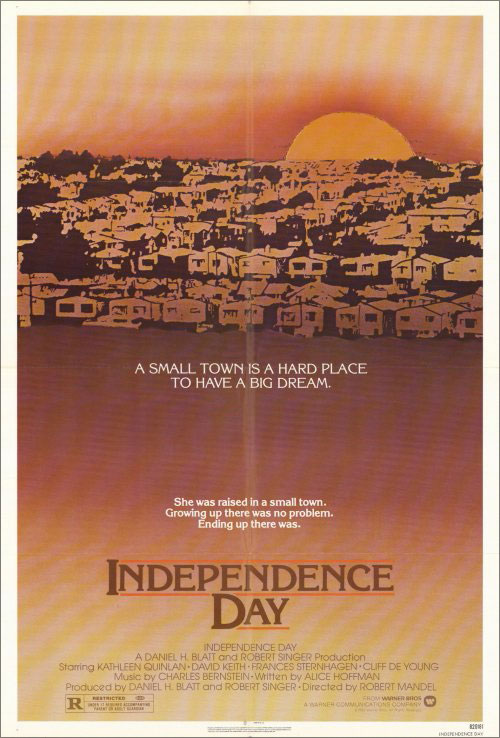
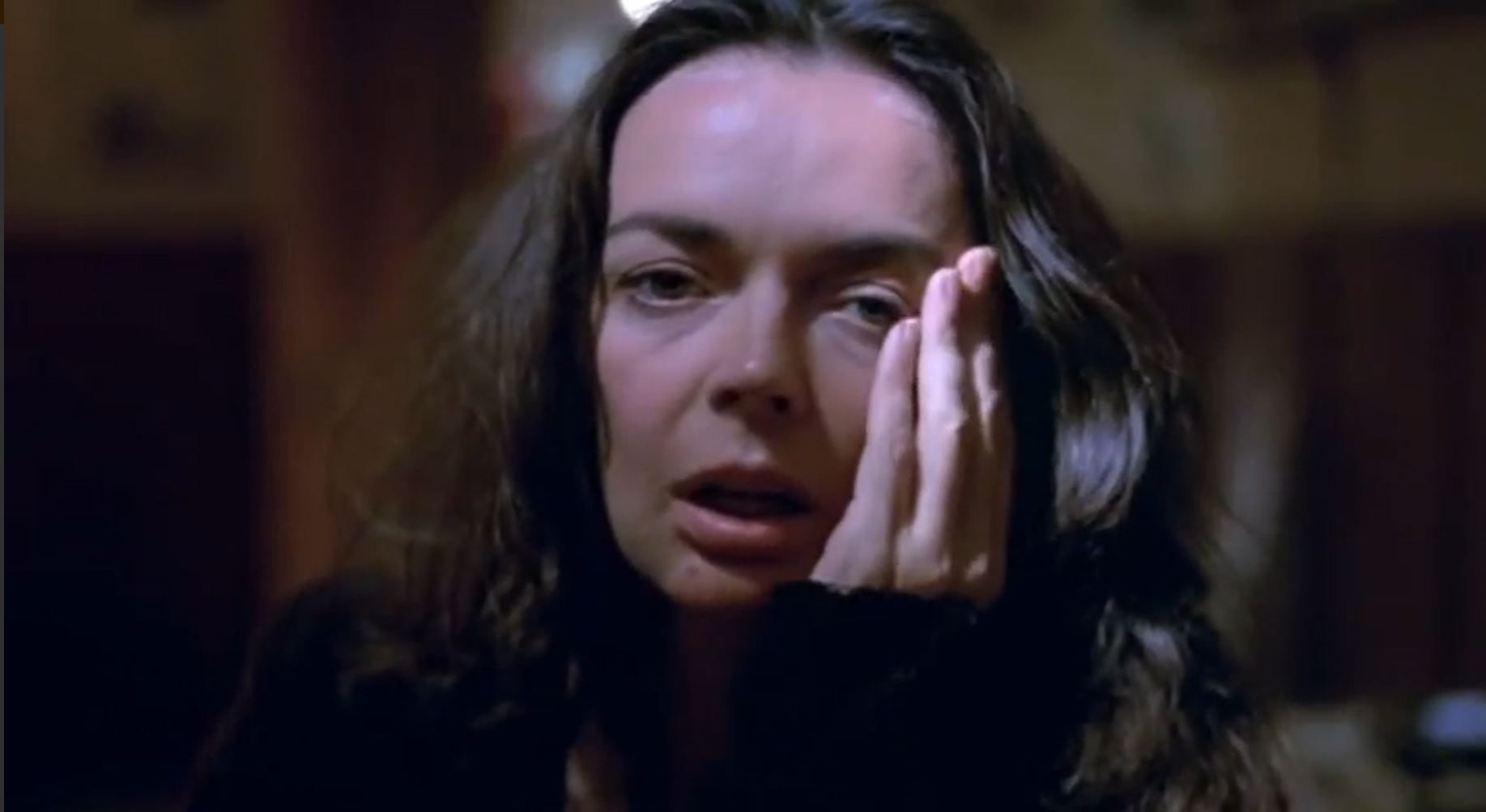
Independence Day (1983)
“Don’t let Jack make you forget what you really want.”
|
Synopsis: |
|
Genres, Themes, Actors, and Directors:
Review: Redeeming Qualities and Moments:
Must See? Links: |
“Don’t let Jack make you forget what you really want.”
|
Synopsis: |
|
Genres, Themes, Actors, and Directors:
Review: Redeeming Qualities and Moments:
Must See? Links: |
“Then the music begins to suggest other things to your imagination…”
|
Synopsis: |
|
Genres, Themes, Actors, and Directors:
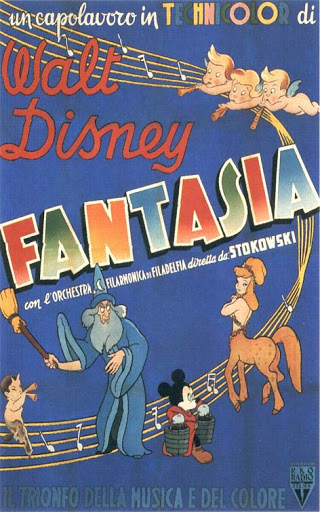
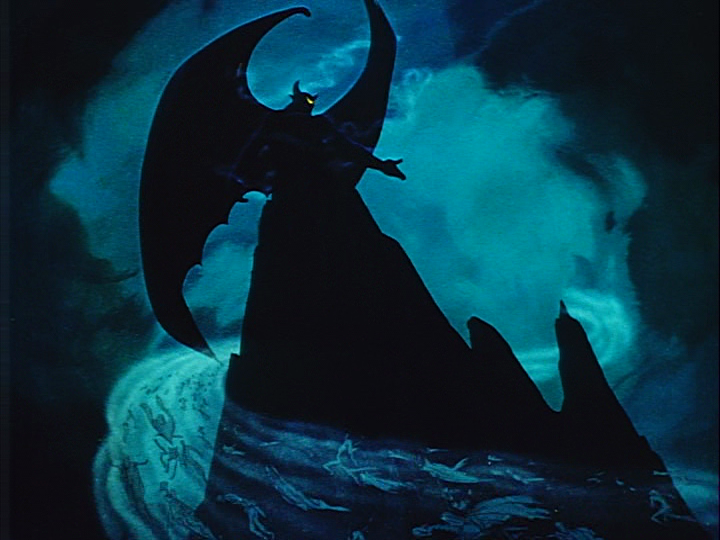
Response to Peary’s Review: Peary notes that Fantasia was Disney’s attempt “to impress the highbrow audience”, but he “was viciously attacked for taking much leeway with the music and for being so pretentious as to try to teach others about classical music when he himself was completely ignorant of the art”. Peary argues that “today one will probably be less upset by the mishandling of the music … than by the repetition of the images (characters napping, reflections on water); the lack of good personality animation (a Disney trademark) as characters of the same type tend to act identically; and the predictable way that nature goes haywire in almost every sequence… and the way scenes end as they begin, in tranquility.” Bah, humbug, Peary! In our post-modern era, the complaint that music can possibly be “mishandled” by an artist attempting to use it for secondary purposes seems naive at best — and while some of the imagery and/or thematic constructs may be repetitive, the animation is so consistently well-drawn and creatively conceived that one doesn’t really mind. Meanwhile, “good personality” isn’t exactly what one expects in a film like this. Despite his grumpy overall attitude, however, Peary does call out a number of the film’s undeniable highlights — including “the exciting ‘The Sorcerer’s Apprentice’, starring Mickey Mouse and featuring a cosmic storm and march of the brooms; the creation of the world in ‘The Rite of Spring’ with otherworldly Kubrick-like shots of a newly formed volcanic landscape; ‘Dance of the Hours’, which has acrobatic ostriches, hippos in tutus, elephants, and alligators parodying ballet with a knockabout dance; and the spooky ‘Night on Bald Mountain’, featuring Vlad Tytla‘s magnificent demon”. Interestingly, sixty years later, Disney Studios released Fantasia 2000, consisting of six new vignettes (and the original “Sorcerer’s Apprentice” thrown in for good measure). This is in keeping with Disney’s original intent for the film, which he envisioned as a true cult favorite which would stay in theaters permanently, with new vignettes gradually inserted over time. To that end, I should note that the Hollywood Bowl screening also included a couple of “new” vignettes — such as the Dali-inspired “Destino”, and the never-completed segment “Clair de Lune”. Very fitting, indeed. Redeeming Qualities and Moments:
Must See? Categories
(Listed in 1001 Movies You Must See Before You Die) Links: |
“This afternoon we had a long telephone conversation earlier in the day.”
|
Synopsis: |
|
Genres, Themes, Actors, and Directors:
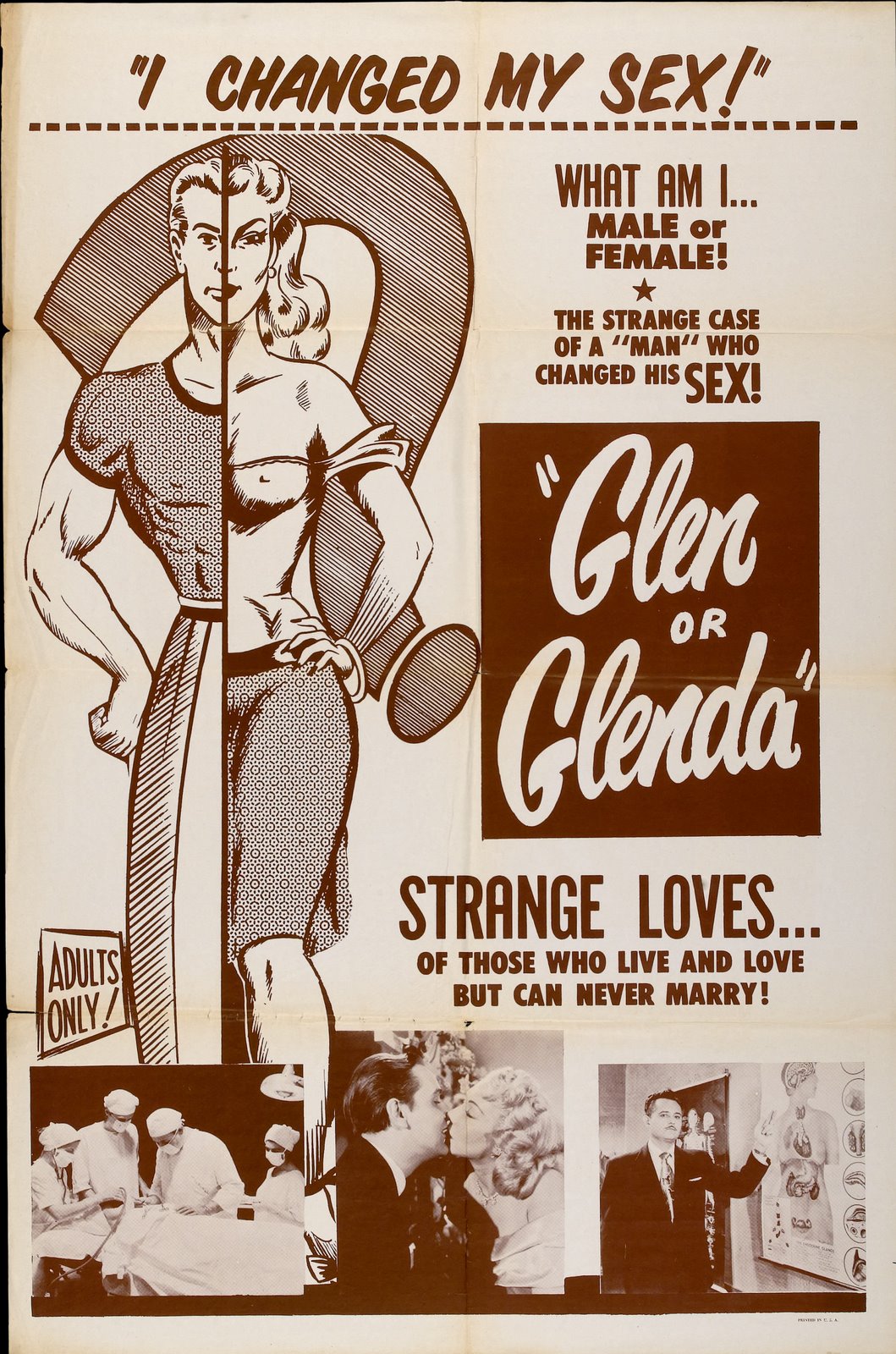
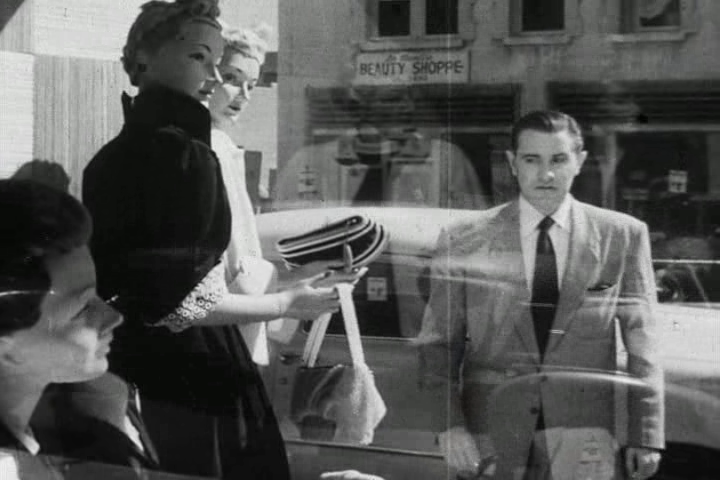
Response to Peary’s Review: Note: Sadly, Tim Burton’s Ed Wood skips over the production of Jail Bait altogether, moving straight from Glen or Glenda (1953) to Bride of the Monster (1955). While this is understandable, given its already two-hour-long running time, one can’t help but wonder what juicy tidbits would/could have been unearthed… Redeeming Qualities and Moments:
Must See? Links: |
“Only the infinity of the depths of a man’s mind can really tell the story.”
|
Synopsis: |
|
Genres, Themes, Actors, and Directors:
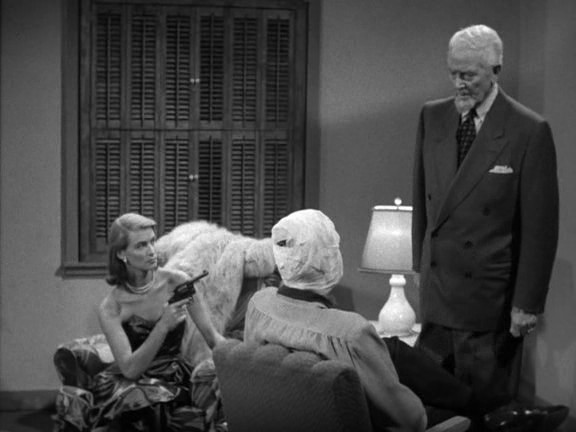
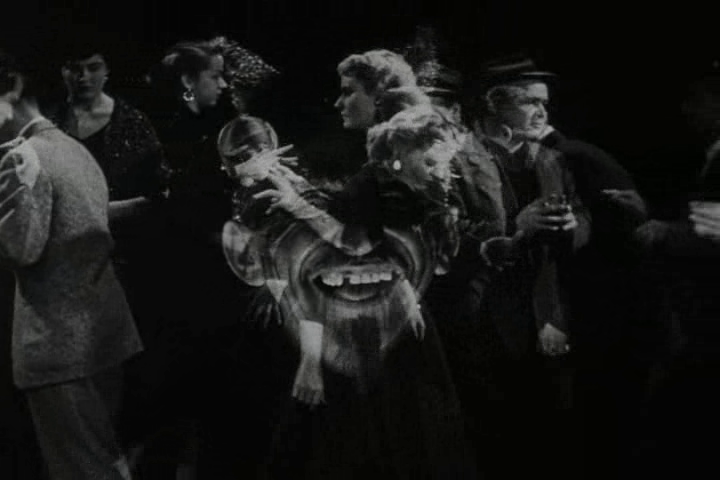
Response to Peary’s Review: He also points out that “Wood dares to incorporate footage that was obviously influenced by surrealists and experimental filmmakers”, noting that it’s “no matter that this footage is absolutely ridiculous”, given that “it shows Wood had an imagination”. Indeed, the surreal dream sequence occurring midway through the film is actually filled with such genuinely provocative imagery that, at the very least, you’ll sit up and pay attention — thus giving credence to the theory (espoused by some of Wood’s cult fans) that he may have been more of a maverick (amateur) auteur than merely the “bad director” he’s so frequently dismissed as. Meanwhile, those who’ve seen Ed Wood (or read about Glen or Glenda‘s production history) will know that Bela Lugosi was cast simply because of his name and his friendship with Wood, who wanted to provide him with some work. However, his role here is truly limited to that of an “absurd narrator” (“Pull the string! Pull the string!”); as Peary puts it, “Who knows what he is talking about?” Redeeming Qualities and Moments:
Must See? Categories
Links: |
“Get ready, little lady. Hell is coming to breakfast.”
|
Synopsis: |
|
Genres, Themes, Actors, and Directors:
Response to Peary’s Review: Redeeming Qualities and Moments:
Must See? Categories
(Listed in 1001 Movies You Must See Before You Die) Links: |
[Note: The following review is of a non-Peary title; click here to read more.]
“I can’t keep her away from the stuff if she’s determined to get at it!”
|
Synopsis: |
|
Genres, Themes, Actors, and Directors:
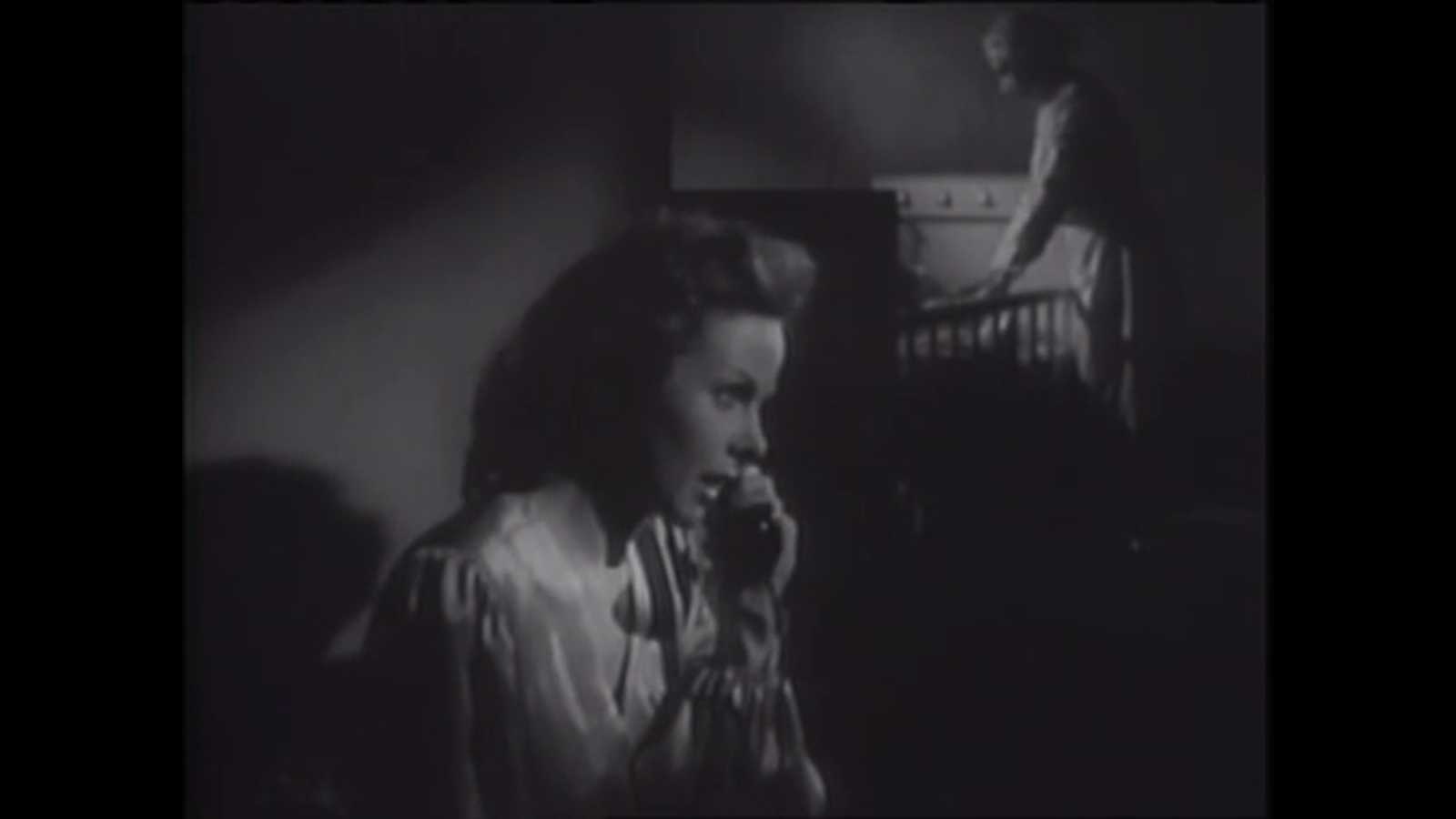
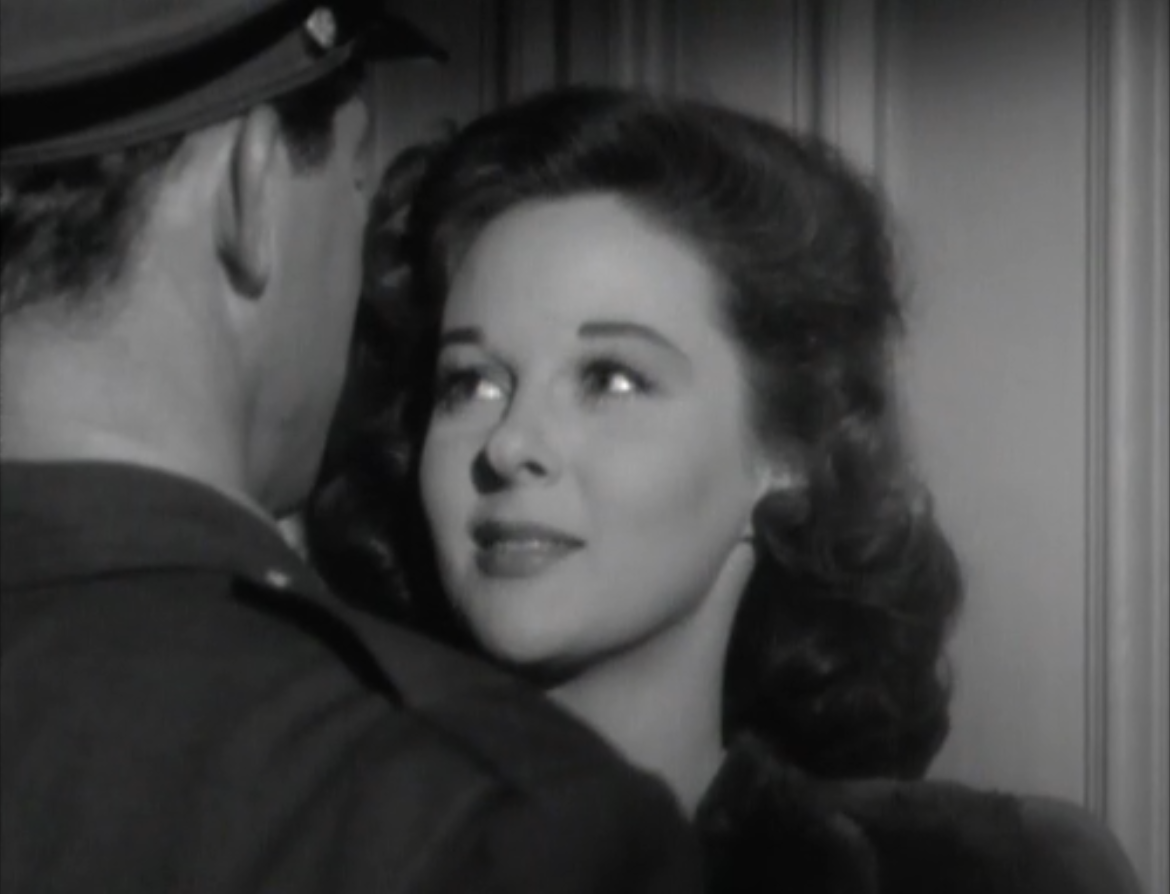
Review: Bolstered by a brave, nuanced, and sympathetic central performance by Hayward, the Oscar-nominated script manages to portray the insidious effects of alcoholism (still a mostly misunderstood disease at the time) within the context of a woman who is subconsciously devastated by the “need” to give up her own career for the presumed ideal of marriage and motherhood. Despite the overly simplistic rationale provided for why Hayward drinks too much (while she once drank for courage on stage, she’s soon drinking to assuage her increasing feelings of jealousy and inadequacy), it’s nonetheless impressive to watch a film about marital dysfunction in which neither party is truly to blame. Knowing as we do now that alcoholism is an addiction, it’s painful to watch Bowman treating Hayward with such disdain late in their marriage — but his actions and attitude are somewhat understandable, given that she really does make a mess of things. We are genuinely rooting for both these individuals throughout the entire film — a rare and worthy feat for a movie of this kind. Redeeming Qualities and Moments:
Must See? Categories
Links: |
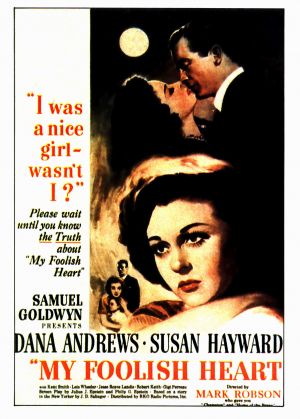
“Eloise Winters! I thought you were a ‘nice girl’!”
|
Synopsis: |
|
Genres, Themes, Actors, and Directors:
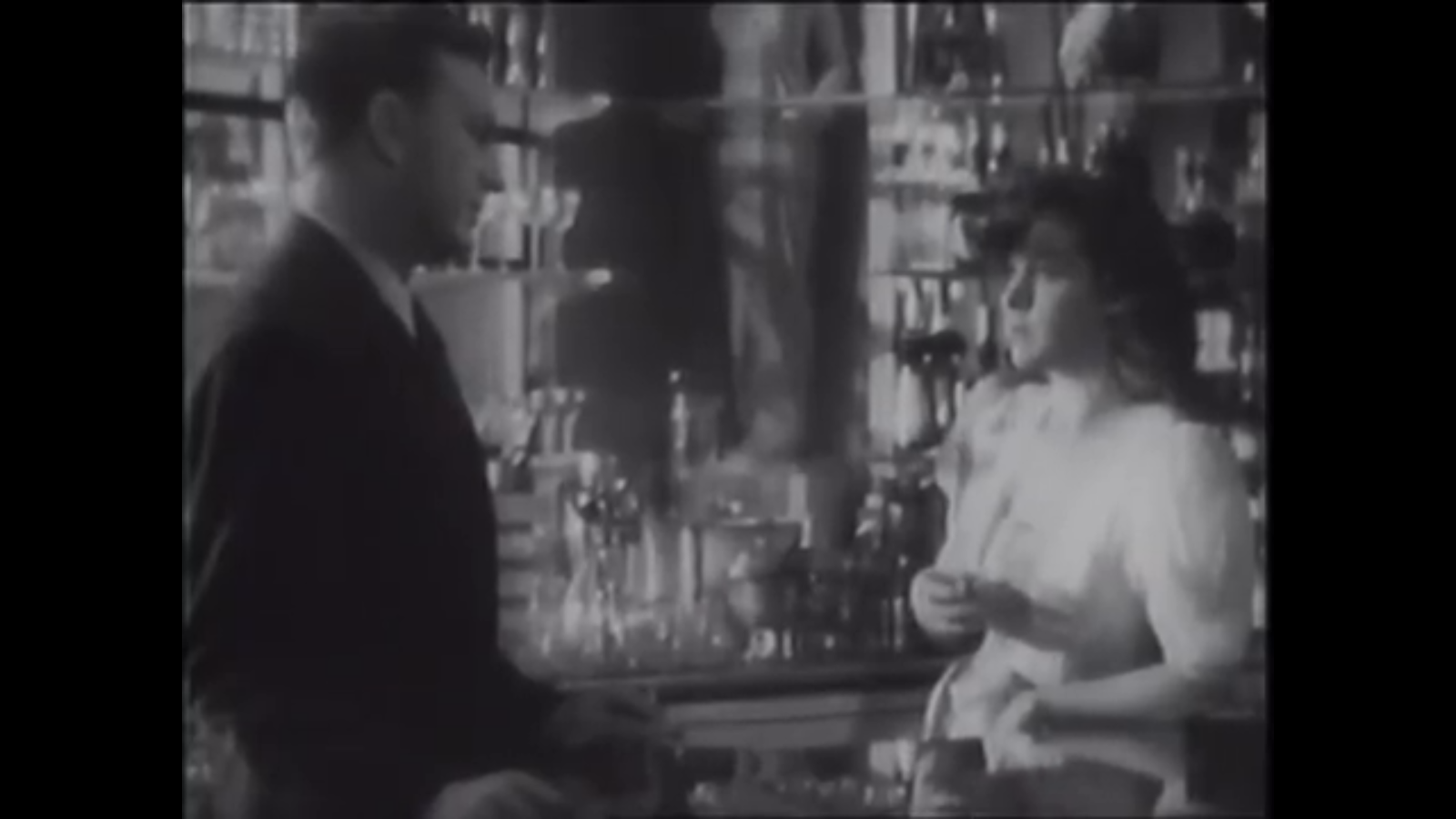
Review: With that said, the script does possess a surprising number of well-crafted moments — such as the entire initial interaction between Hayward and Andrews the night they meet-cute at a party. Their conversation together afterwards feels surprisingly authentic (not to mention risque); and, once Hayward has left Andrews’ apartment, I like how the camera lingers silently on him, as he eventually walks over to his sink to start washing the pile of dirty dishes Hayward commented on earlier. It all just feels real, in a way Hollywood films of that era seldom do. It’s too bad, then, that the framing narrative of the film is so disappointing — especially the pat denouement, which makes little emotional sense. Salinger did deserve better than that, at least. Redeeming Qualities and Moments:
Must See? Links: |
“I’m not a violent person by nature, but if there’s a room here I’m ready to fight for it!”
|
Synopsis: |
|
Genres, Themes, Actors, and Directors:
Review:
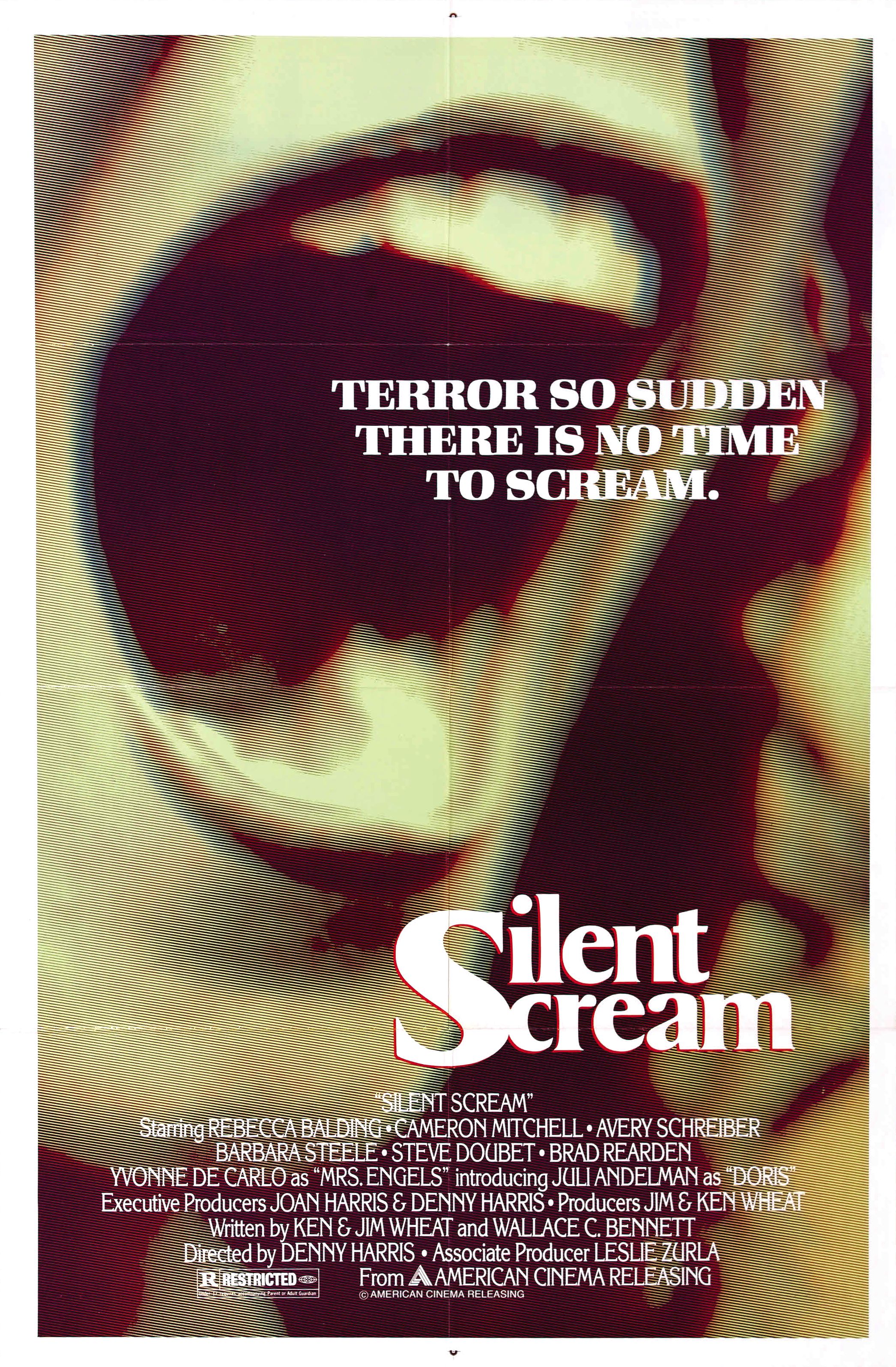
… an overtly annoying character who, naturally, is the first to bite the dust; several misleadingly creepy suspects; and all the false deaths and near misses you’d expect to see during the appropriately bloody denouement. Much of what takes place during the first hour of the film plays out in a strictly straightforward fashion — but it’s shot and acted with enough competence (i.e., there’s actually a modicum of “natural” rapport among the young college kids) to hold one’s interest with ease.
Suddenly, however, things take a turn for the enjoyably weird, and only the most hardened of viewers won’t be at least a little bit startled by what transpires from this point on. Recently released on DVD with boatloads of extras, the film seems to be developing a neo-cult by viewers who are pleasantly surprised to (re)discover it — especially given the critical appearance of an iconic horror star (CLICK FOR SPOILER) during the final half hour. But the less said about that, the better. Redeeming Qualities and Moments:
Must See? Categories Links: |
“I won’t have her being a seeing eye dog for me!”
|
Synopsis: |
|
Genres, Themes, Actors, and Directors:
Review: Redeeming Qualities and Moments:
Must See? Categories
Links: |
“Most men lead lives of quiet desperation. I can’t take quiet desperation!”
|
Synopsis: |
|
Genres, Themes, Actors, and Directors:
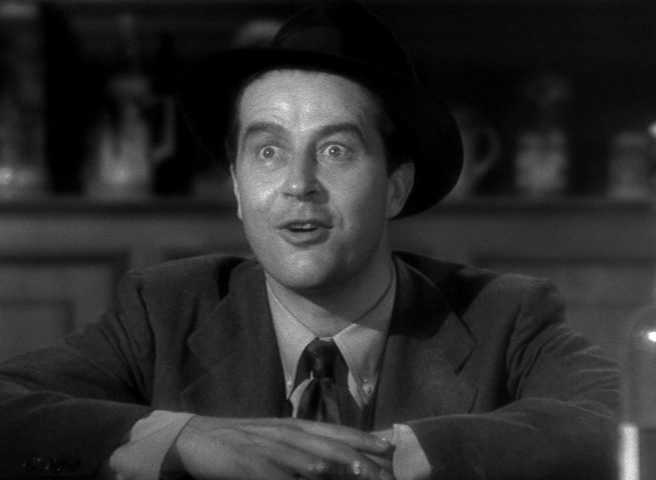
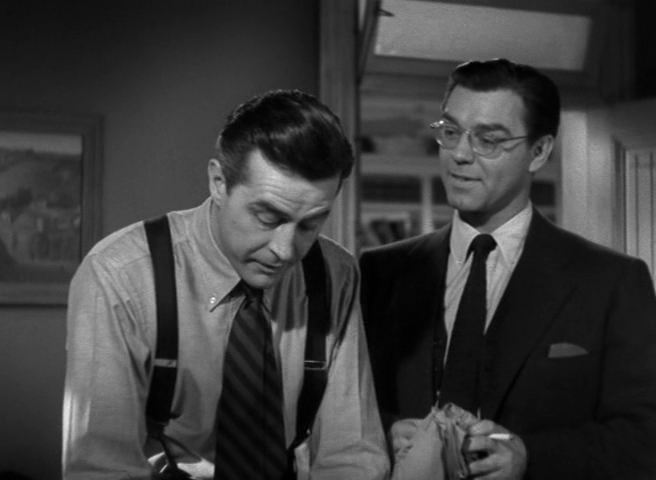
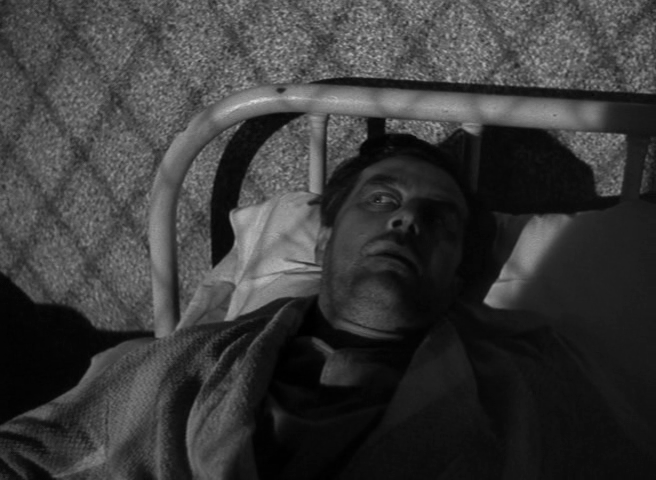
Response to Peary’s Review: Since its release, of course (when NY Times critic Bosley Crowther referred to it as “shatteringly realistic and morbidly fascinating”), countless other films — too many to list here — have tackled the sticky topic of alcoholism and/or drug addiction, thus lessening the inherent shock value of The Lost Weekend for modern viewers. Yet on its own terms, the film remains a well-told tale of “a several-day [nightmarish] binge that almost costs [a man] his loyal girlfriend… and his life.” As Peary notes, the “dialogue is tough and cynical” (“She knows she’s clutching a razor blade, but she just won’t let go!”), and “Wilder makes strong use of New York streets and backgrounds” by blending “harsh expressionistic visuals indoors with washed-out shots of the city to convey mood changes in Milland”. With a running time of 101 minutes, the film thankfully never feels too long; from the tensely scripted and filmed opening sequence (in which Milland tries to distract his brother long enough to pack a hidden bottle of alcohol that’s dangling from a rope outside his window sill), to the justifiably lauded sequence in which Milland walks the streets of New York in desperate search of a pawn shop (only to find that they’re all closed on Yom Kippur), we’re genuinely curious to know what kind of trouble Milland will find himself in next, and how he’ll worm his way out. Most problematic for me, however, is the fact that “Milland (who usually played nice guys) is mean right from the beginning”. While Wilder and Brackett should be commended for not “pull[ing] any punches” in their portrayal of a man who all but the most loyal of friends and family members would have given up on long ago, it’s slightly discomfiting to be rooting for someone so utterly unlikable. Milland’s Don Birnam comes across like a self-pitying whiner who needs a serious kick in the pants to get himself back in gear; even a strategically placed flashback sequence — in which we get to see Milland meeting cute with Wyman at an opera — doesn’t help us like him any better. Fortunately, Milland’s performance is “strong”, and he carries the film surprisingly well. As Peary notes in his Alternate Oscars (where he votes for Boris Karloff in Val Lewton’s The Body Snatcher instead as Best Actor of the Year), Milland’s performance was “the best by any of the [official] nominees and maybe the best of his decent career, [but] he doesn’t make you feel enough empathy for his sick, troubled character”. Indeed, while Milland should certainly be commended for daring to “play an unsympathetic character for a change”, I don’t think society in general understood enough about the disease-driven nature of alcoholism at the time for Milland to do justice to the role; as a result, Birnam ultimately comes across as a pathetic anti-hero rather than the pitiable addict he really is. Redeeming Qualities and Moments:
Must See? Categories
(Listed in 1001 Movies You Must See Before You Die) Links: |