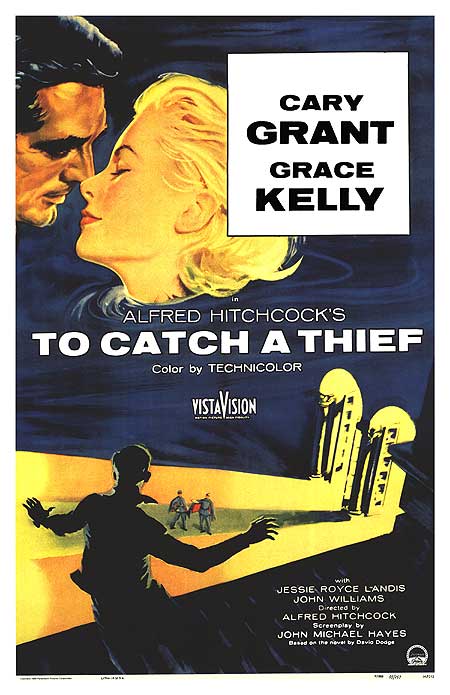
To Catch a Thief (1955)
“I’ve never caught a jewel thief before; it’s stimulating.”
|
Synopsis: |
|
Genres, Themes, Actors, and Directors:
Review: Redeeming Qualities and Moments:
Must See? Links: |
“I’ve never caught a jewel thief before; it’s stimulating.”
|
Synopsis: |
|
Genres, Themes, Actors, and Directors:
Review: Redeeming Qualities and Moments:
Must See? Links: |
“I already know an awful lot of people; until one of them dies, I couldn’t possibly meet anyone else.”
|
Synopsis: |
|
Genres, Themes, Actors, and Directors:
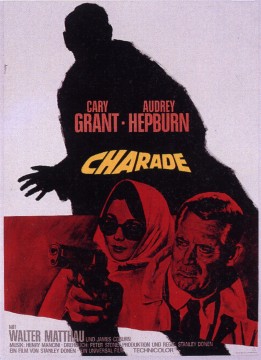
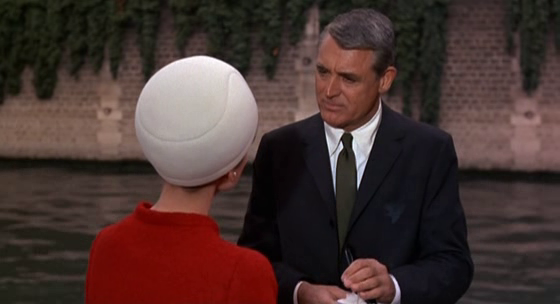
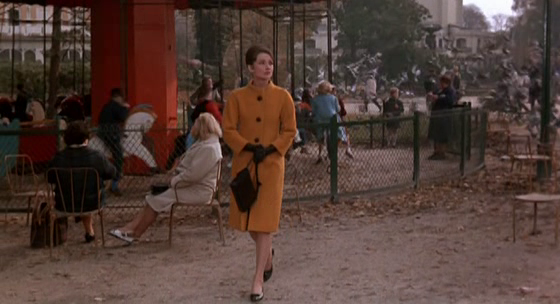
Review: At any rate, despite this minor complaint, the film as a whole remains eminently enjoyable, and is guaranteed to keep you glued to the screen as you watch in anticipation to see which of the candidates (is it one of the three “baddies”, or the ever-elusive Grant himself?) will ultimately prove to be the real menace. Chances are you won’t guess correctly. Meanwhile, Donen makes very effective use of (largely) on-site locations in Paris; the performances (both lead and supporting) are all top-notch; and Hepburn is as lovely as ever in Givenchy (though it’s too bad she doesn’t get a chance to dress in at least one evening gown… oh well!). Hepburn and Grant possess fine chemistry together; Grant’s concerns about being too old as a romantic lead for her (perhaps in reaction to the lambasting Gary Cooper received after Love in the Afternoon) are ultimately unfounded. The final plot twist — where exactly is that stash of a quarter million dollars hidden? — is very cleverly handled as well. Redeeming Qualities and Moments:
Must See? Categories
Links: |
“This is the big bad world, full of mean people, where nasty things happen.”
|
Synopsis: |
|
Genres, Themes, Actors, and Directors:
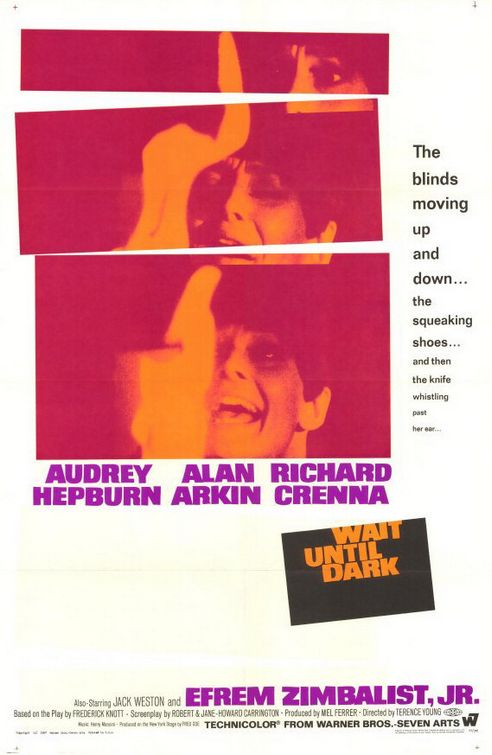
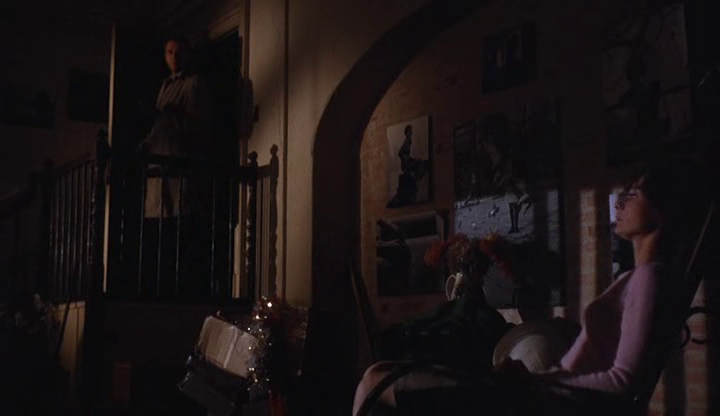
Review: Clearly, there are flaws in the essential construction of the plot — yet director Terence Young does a fine job building and maintaining a fair amount of tension throughout; we can’t help wondering what will happen next, and how/when Hepburn will finally realize she’s being duped (then survive). The last half-hour of the film is particularly chilling, and is notable for supposedly offering audiences only the second on-screen instance of a now-very-common kind of horror thrill (which I can’t give away here at risk of divulging spoilers). The film as a whole remains of historic interest as well, given that it offered Audrey Hepburn her last significant role before her semi-retirement at the age of 38; along with Young, she trained extensively beforehand at a nearby institute for the blind, and is remarkably convincing. She deserved her Academy Award nomination for the role — though interestingly, Peary insists she actually should have been given the award for her performance the same year in Stanley Donen’s Two for the Road, and neglects to even nominate her for her work here. Redeeming Qualities and Moments:
Must See? Links: |
“There’s a lot to be said for making people laugh.”
|
Synopsis: |
|
Genres, Themes, Actors, and Directors:
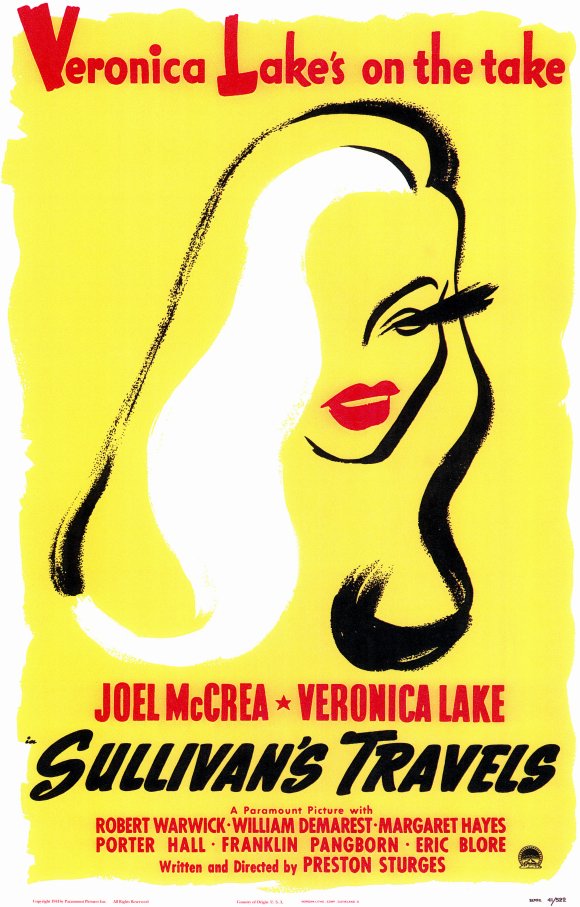
Response to Peary’s Review: Now that my gripe is over, however, I’ll concede that there is much to admire about the film. Its Hawksian dialogue does indeed “have humor and rhythm”; Peary accurately describes it “like a relay race, with words used like batons”, in which “the second one character finishes a sentence, another starts his; characters join in, there are no gaps, and the pace becomes frenetic”. He also notes that “McCrea, who is well over six feet tall, and Lake at five-foot-two and 90 pounds [though pregnant!]… make a wonderful screen team”, given that they “have sweet feelings toward each other from the beginning, and are always protective of one another”; they are indeed “an ideal couple”. As Peary notes, this “was the picture that confirmed [they] were versatile performers”. Watch for a host of fine supporting performances, lovely b&w cinematography, and numerous memorable scenes. Redeeming Qualities and Moments:
Must See? Categories
(Listed in 1001 Movies You Must See Before You Die) Links: |
“We must forget if we want to go on living.”
|
Synopsis: |
|
Genres, Themes, Actors, and Directors:
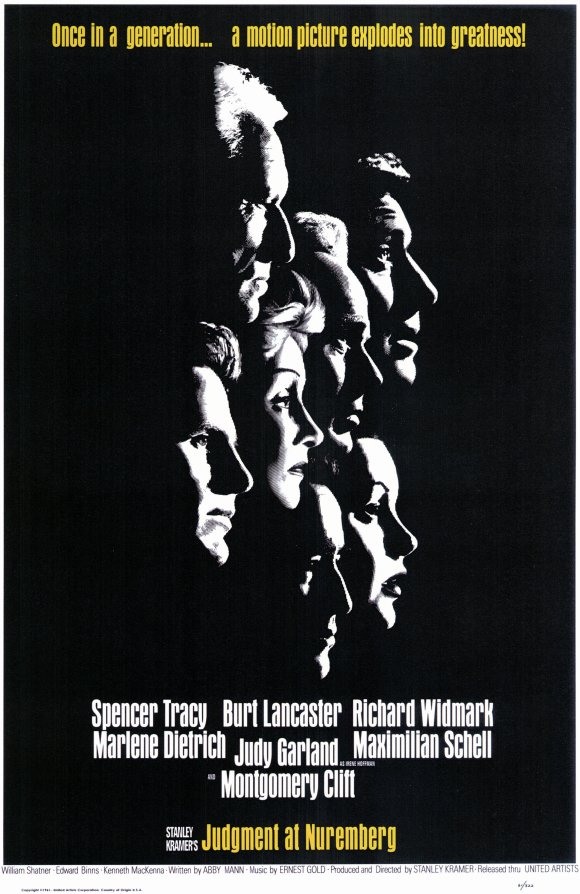
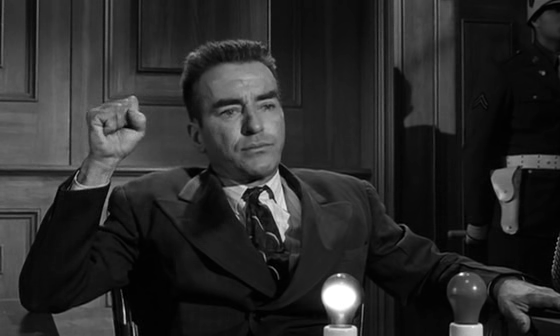
Review: Judgment at Nuremberg, despite its strengths, is a uniquely challenging courtroom drama to sit through, given that we’re not meant to judge whether the sentences received by the two victims who testify in court — a mentally challenged laborer (Montgomery Clift) sterilized for his Communist associations, and a young Aryan woman (Judy Garland) imprisoned for her friendship with an older Jewish gentleman — were just or not; of course they weren’t. What’s actually at stake here is whether the judges on trial were right to sentence these individuals as they did. Interestingly, the broader context of the trials — i.e., the question of whether Americans and others even had a “right” to come in to Germany and prosecute its citizens in such a manner — is only explored through the perspective of the Germans (such as Marlene Dietrich’s widow, Maximillian Schell’s defense attorney, and Burt Lancaster’s judge) who bitterly resist this imposition. Otherwise, the only non-German perspective we get on the matter is when a judge is cautioned to acquit the defendants as a strategic Cold War maneuver, to maintain good relations with the country. Viewers will be left to decide for themselves whether the trials themselves were ultimately warranted or not. The Oscar-nominated performances throughout, naturally, are top-notch, beginning with Tracy’s subtle yet powerful turn in the tricky central role; we empathize with his situation every minute he’s on-screen. Clift is simply phenomenal in a scene-stealing turn as a mentally challenged young man who struggles to articulate his thoughts, yet knows that what was done to him was not right. Garland’s supporting role is less showy, but she’s also impressive — and, as many have noted, her performance here was clear evidence of the type of “serious” role she could have excelled at if her life had taken a different set of personal turns. Richard Widmark is appropriately cast as a righteous prosecutor convinced that the judges must pay for their actions, while Oscar-winner Maximillian Schell (who Peary argues didn’t actually deserve the Best Actor award, given that his role is more of a supporting one) convincingly portrays the pride and indignation felt by occupied Germans after the war. Note: Kramer’s attention to detail throughout the film is rigorous and noteworthy — including the clever way in which he has the actors switch from engaging in simultaneous German/English translation to simply speaking in English, with the implicit acknowledgement that we’re meant to “hear” them as still speaking in their native language. Redeeming Qualities and Moments:
Must See? Categories
Links: |
“You know who I am, Mr. Flanagan — the girl in the afternoon, the apertif, as we say in the Left Bank.”
|
Synopsis: |
|
Genres, Themes, Actors, and Directors:
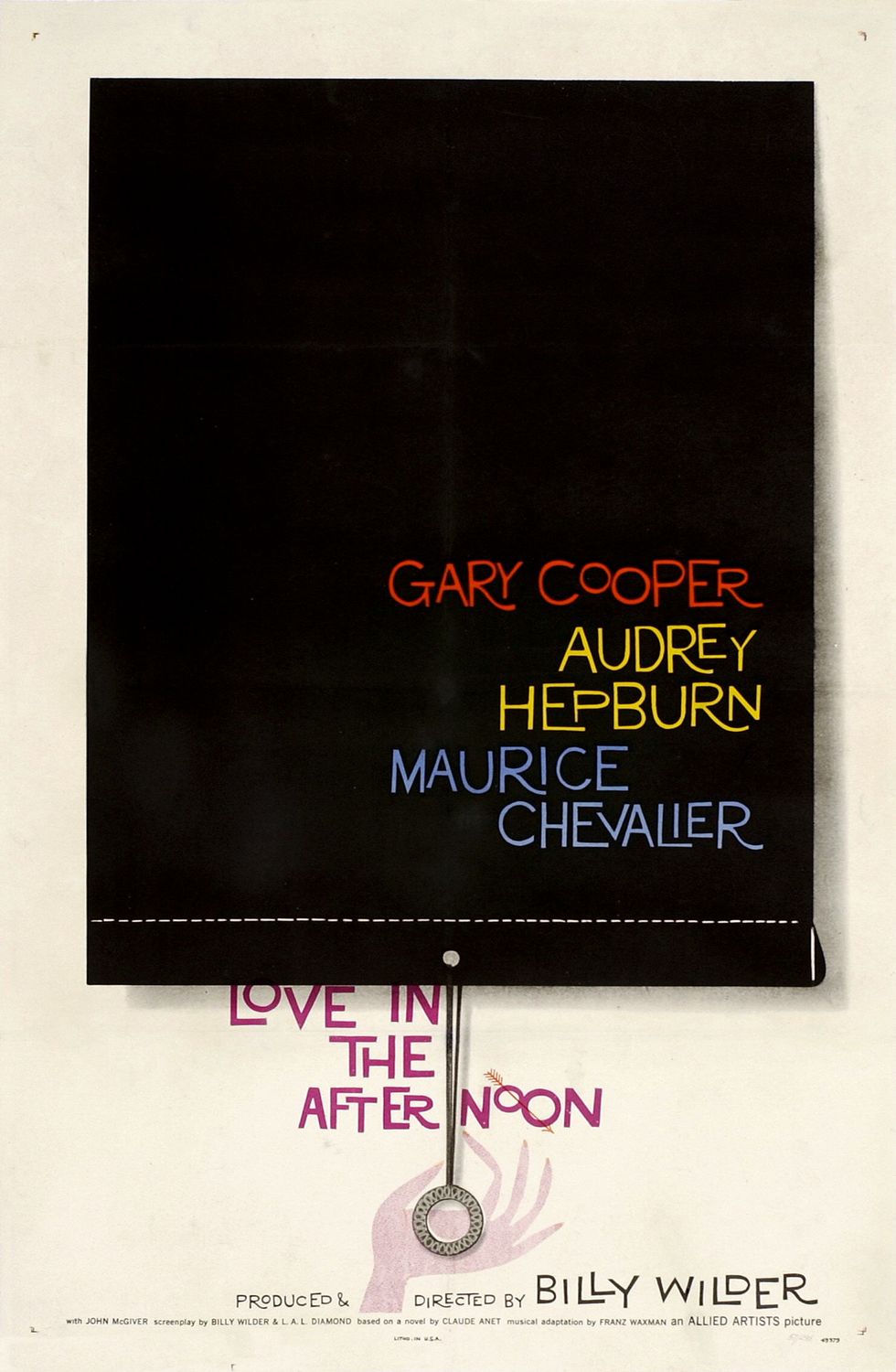
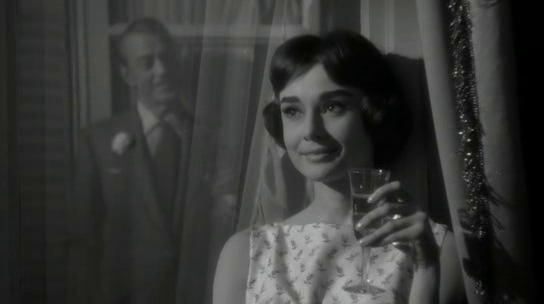
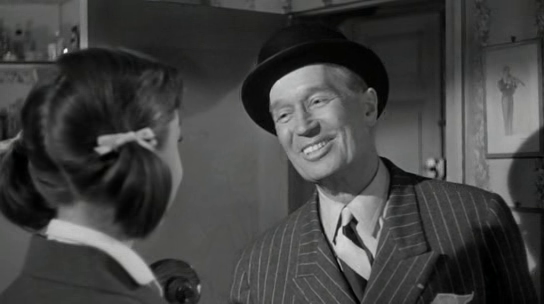
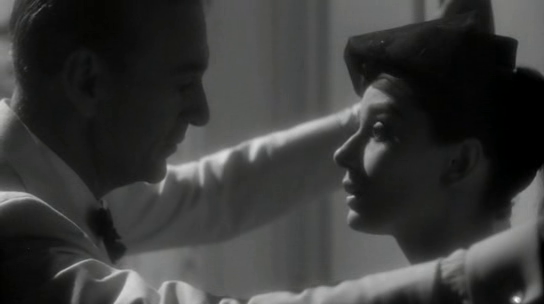
Review: Unfortunately, the film as a whole isn’t entirely successful. It’s too long by far, and its pacing is off, particularly during the first hour; things don’t really heat up until the second half of the story, when Hepburn suddenly begins “playing” Cooper, and we’re eager to see how she’ll manage to keep him enticed. It’s frustrating, however, that the mores of the time made it difficult for Wilder to definitively show one way or the other whether Hepburn and Cooper are actually lovers during the afternoon, or simply companions; it’s difficult to believe they would remain the latter, yet we’re simultaneously meant to suppose that Hepburn stays conveniently “innocent” throughout. Meanwhile, it’s frustrating to witness Hepburn’s persistent infatuation with Cooper, given what we understand about his inveterate playboy tendencies (witness the opera intermission scene, for instance, when Cooper’s eyes wander uncontrollably); we know that he’ll never be able to devotes his attentions solely to her, in the way she clearly hopes for and deserves. Redeeming Qualities and Moments:
Must See? Links: |
“I want him; I’ve been in love with him all my life.”
|
Synopsis: |
|
Genres, Themes, Actors, and Directors:
Response to Peary’s Review: Redeeming Qualities and Moments:
Must See? Links: |
“Wilfrid the Fox! That’s what they call him, and that’s what he is!”
|
Synopsis: |
|
Genres, Themes, Actors, and Directors:
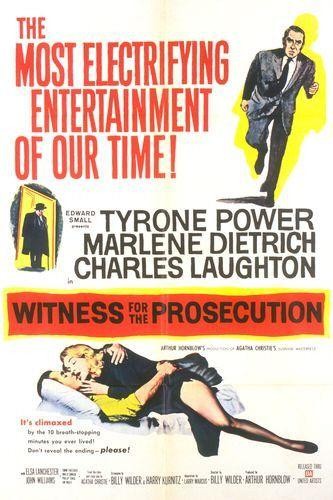
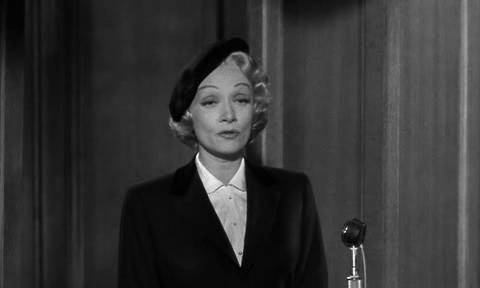
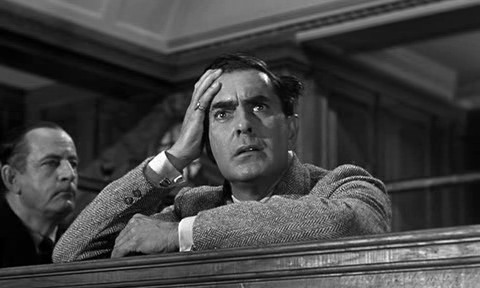
Response to Peary’s Review: Naturally, the less said about the plot of this gripping whodunit, the better. If you haven’t seen it in a while (and have thus forgotten all the many plot twists), you’re in for a treat; enjoy! Redeeming Qualities and Moments:
Must See? Categories
Links: |
“Every girl on every page of Quality has grace, elegance, and pizzazz. Now what’s wrong with bringing out a girl who has character, spirit, and intelligence?”
|
Synopsis: |
|
Genres, Themes, Actors, and Directors:
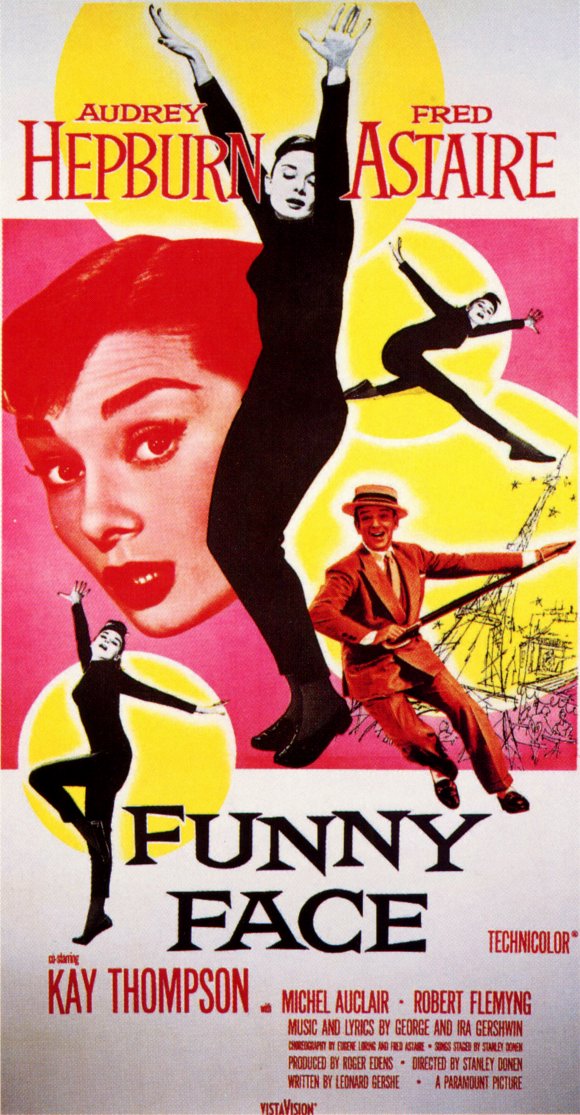
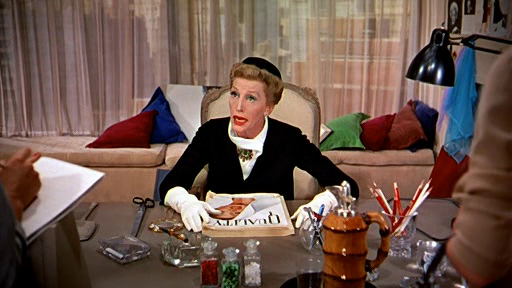
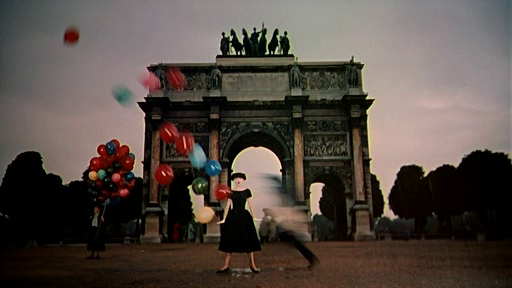
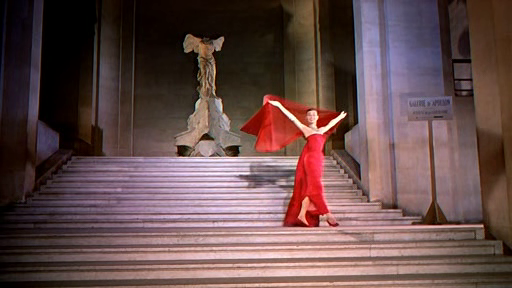
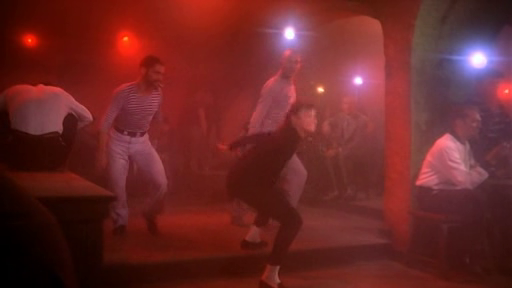
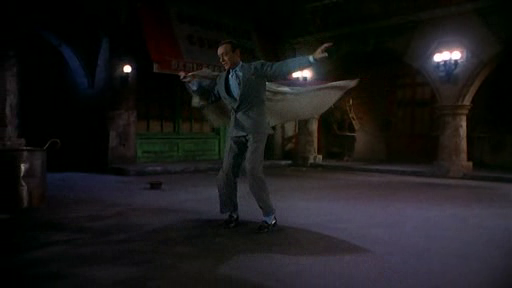
Review: Yet the entire affair — like most musicals at the time — is best viewed simply as a fairy tale, one that shouldn’t be analyzed too closely; as DVD Savant puts it, “Funny Face is meant to be a carefree bubble of jokes and music, and on those terms there’s little to complain about.” While the age difference between Hepburn and Astaire really is too much to swallow (after all, Astaire is no debonairly graying Cary Grant), it’s nonetheless a delight to watch these two dancing on-screen together — or apart, for that matter. Indeed, Hepburn’s best dance is her stunning solo outing in the Beatnik cafe, which is out of sight, man! Meanwhile, Astaire does a fine ditty with a “red cape” outside Hepburn’s apartment window, and there are numerous other fun songs (courtesy of a fine Gershwin score) and dances sprinkled throughout. Film fanatics will also surely be interested to see polymath Kay Thompson — known, among other things, for being one of Judy Garland’s closest confidantes, as well as the creator of the children’s book character Eloise — in one of her precious few screen appearances, here playing the delightfully acerbic, Diana Vreeland-esque fashion magazine editor who drives the entire narrative. Note: Even non-fashion-lovers will be tempted to rewind the lovely Parisian fashion shoot montage several times — quelle magnifique! Redeeming Qualities and Moments:
Must See? Categories
Links: |
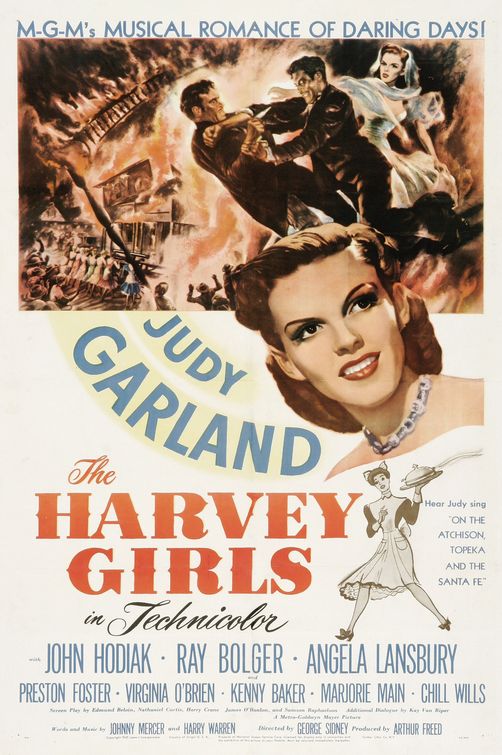
“A Harvey Girl is more than a waitress; whereever a Harvey House exists, civilization is not far behind.”
|
Synopsis: |
|
Genres, Themes, Actors, and Directors:
Review: Redeeming Qualities and Moments:
Must See? Links: |