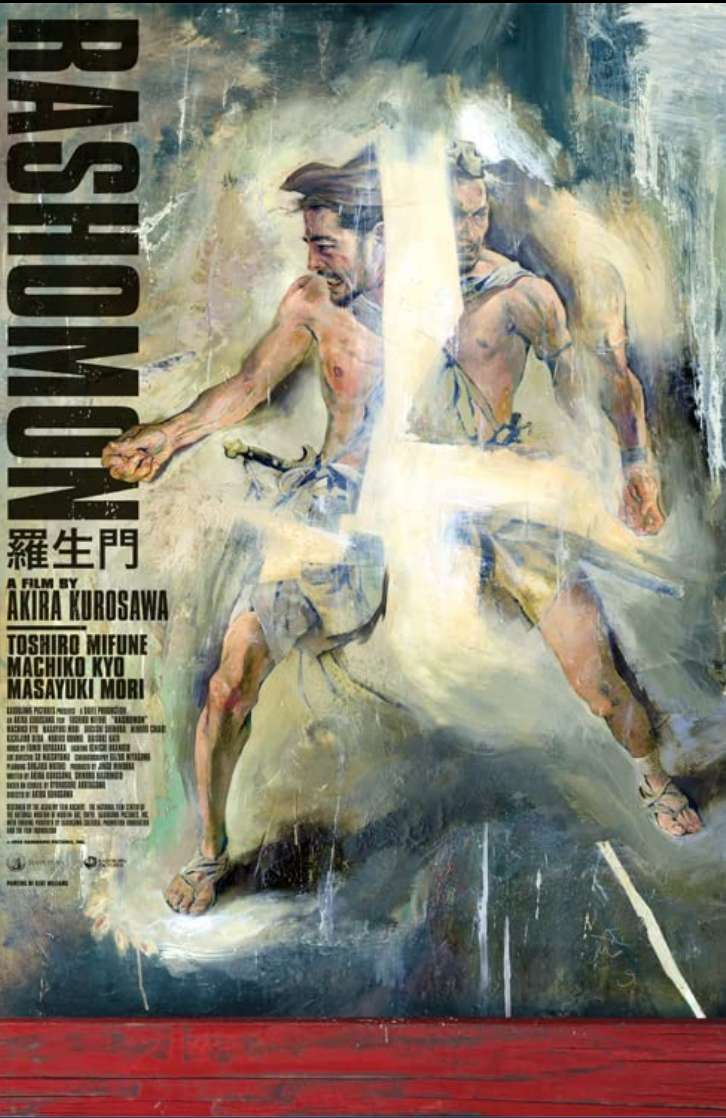
Rashomon (1950)
“It’s human to lie. Most of the time we can’t even be honest with ourselves.”
|
Synopsis: |
|
Genres, Themes, Actors, and Directors:
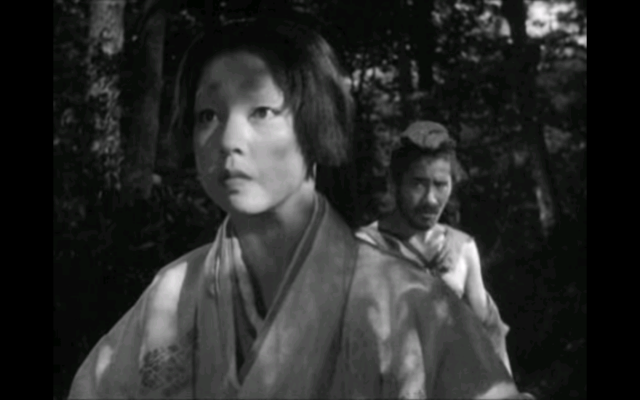
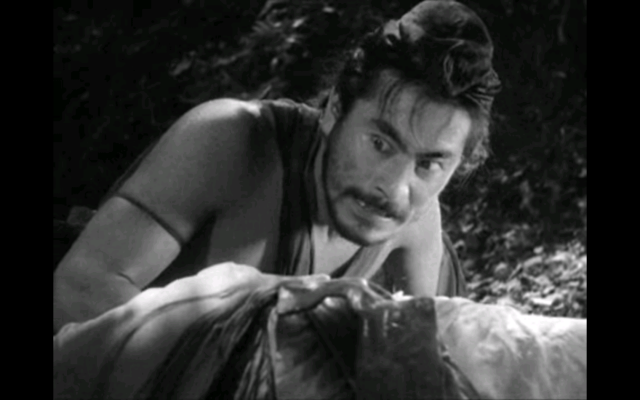
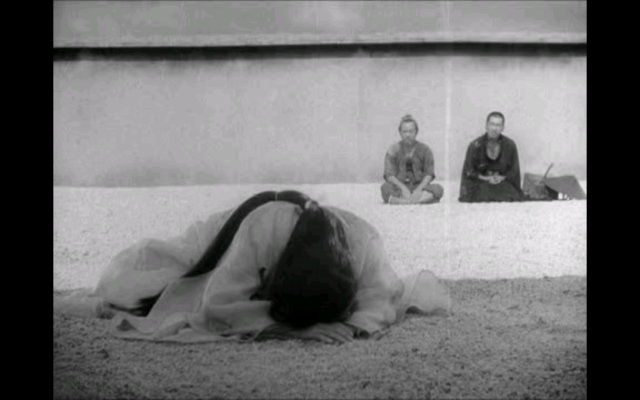
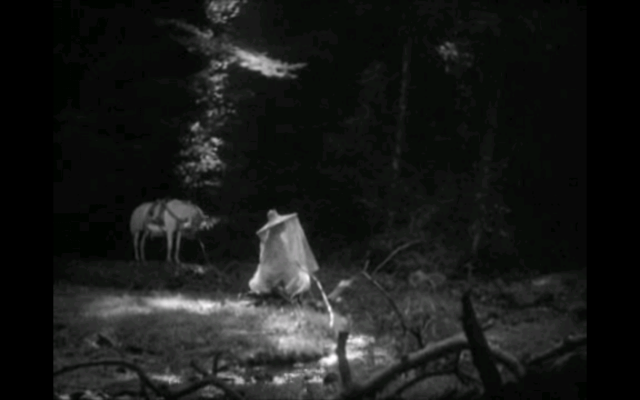
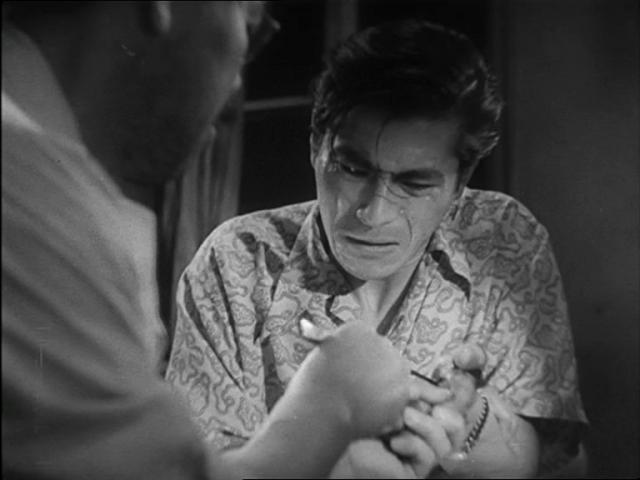
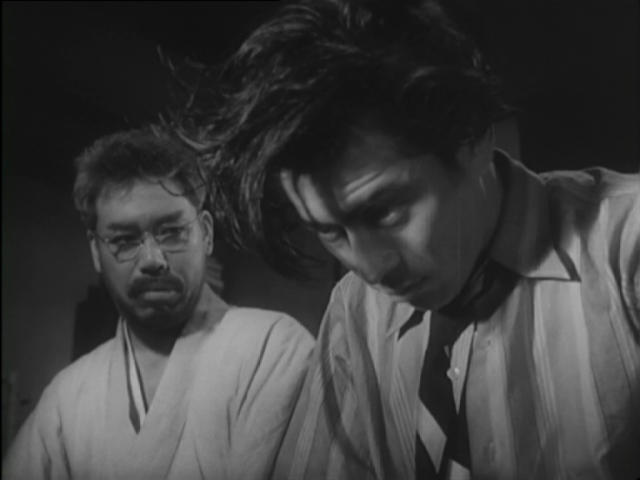
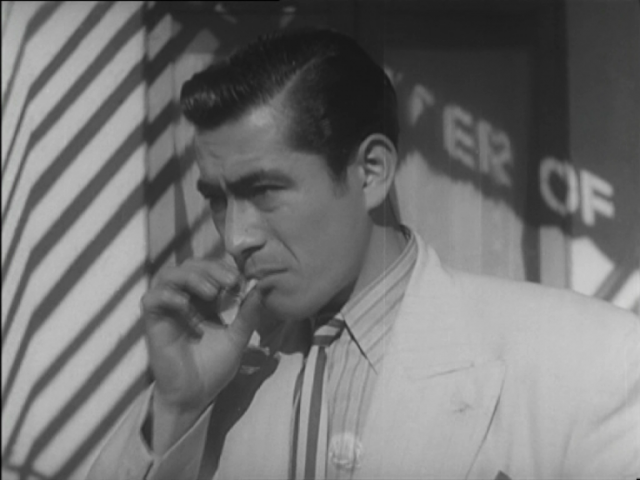
Response to Peary’s Review: I disagree with Peary on nearly all the above points. The film’s central premise — that truth is subjective enough that we all approach the telling of a tale with our unique biases and subconscious desires firmly in play — is universal, and so masterfully portrayed by Kurosawa that it serves as an enduring primer for how to relate such a story in cinematic terms. To that end, Peary does concede that “it shouldn’t be forgotten that Kurosawa broke the rules of cinema storytelling”; along with many other critics (see links below), he notes that “it is less important that any four people will tell four different versions of a story than that any filmmaker is capable of taking a story and visualizing it in an infinite number of equally persuasive, audience-manipulative ways”. With regards to the film’s “bookends”, they come across as simply a convenient and effective narrative device; and the inclusion of “Bolero” (actually, a variation thereof) in the soundtrack doesn’t strike me as particularly jarring. Finally, in terms of the film’s central performances, I’m actually less a fan of Mifune’s primal bandit (as noted in Time Out London’s review, he “veers on the hammy side of earthy”) than I am of both Kyo as the samurai’s wife (watch how her expressions and overall demeanor shift from vignette to vignette), and Mori as the samurai himself (though he’s not given much to do, he effectively projects an unnerving, steely reserve). Even more memorable than the actors, however, are Kurosawa’s stunning, haunting visuals — as usual, every frame of his story is composed with craft and care. Redeeming Qualities and Moments:
Must See? Categories
(Listed in 1001 Movies You Must See Before You Die) Links: |