Gulliver’s Travels (1939)
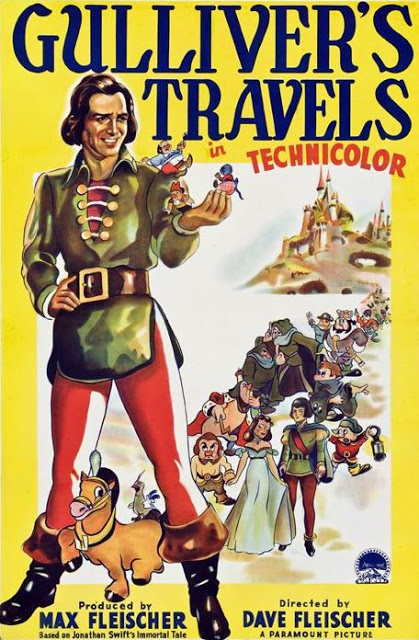
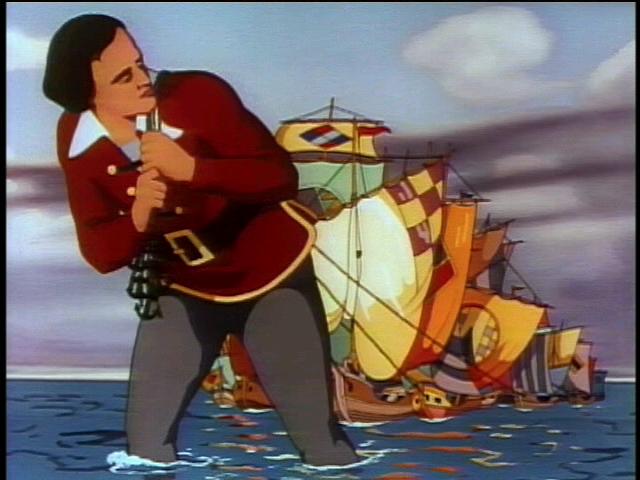
“There’s a giant on the beach!”
|
Synopsis: |
|
Genres, Themes, Actors, and Directors:
Review: Redeeming Qualities and Moments:
Must See? Categories
Links: |
“There’s a giant on the beach!”
|
Synopsis: |
|
Genres, Themes, Actors, and Directors:
Review: Redeeming Qualities and Moments:
Must See? Categories
Links: |
“No jail can hold Terangi very long — if it has a window in it, he’ll fly away! If it has water around it, he’ll swim away!”
|
Synopsis: |
|
Genres, Themes, Actors, and Directors:
Review:
Yet The Hurricane remains the less compelling of the two films in terms of sheer narrative and characterization, with a primary problem one of lead casting: although blonde Jon Hall is hunky eye candy and not a terrible actor, it’s simply impossible to imagine him as an island native.
Indeed, when he’s ordered to “get up when a white man tells ya to!”, one almost wants to laugh, since Hall is undeniably a white man himself! Equally problematic is the film’s overall portrayal of the South Pacific islanders as happy, naughty, naive children lacking any ability to reason rationally.
In the first scene of the movie, for instance, even a sympathetic white character (Thomas Mitchell) is heard making the disparaging comment that “a sense of honor in the South Seas is about as useful — and often as silly — as a silk hat in a hurricane.” And Terangi — though he eventually becomes somewhat of a folk legend — is ultimately shown to be unthinking in his ceaseless, animal-like attempts to escape, without concern for the consequences. The performances as a whole in The Hurricane are unexceptional. Though Mitchell was nominated for an Academy Award as best supporting actor, his work here playing a drunken doctor isn’t especially impressive.
Mary Astor is wasted in a thankless role as Massey’s loyal wife, while Massey himself comes across as one-dimensionally stubborn. Dorothy Lamour — never a great actress, but undeniably beautiful — gives perhaps the most appealing performance, managing to pass as a native without too much trouble.
But the primary selling point of The Hurricane (which received excellent reviews upon its release) was and is its final climactic sequences, directed by an uncredited Stuart Heisler. Heisler’s ability to simulate a ferocious island hurricane is nothing short of phenomenal, and represents a true masterpiece of early special effects in cinema. Indeed, the entire narrative arc leading up to these final scenes seems superfluous in hindsight. The titular hurricane itself makes this must-see viewing for serious film fanatics. Redeeming Qualities and Moments:
Must See? Categories
Links: |
“Man — lacking the will to understand other men — became like the beasts, and their way of life was his.”
|
Synopsis: |
|
Genres, Themes, Actors, and Directors:
Response to Peary’s Review:
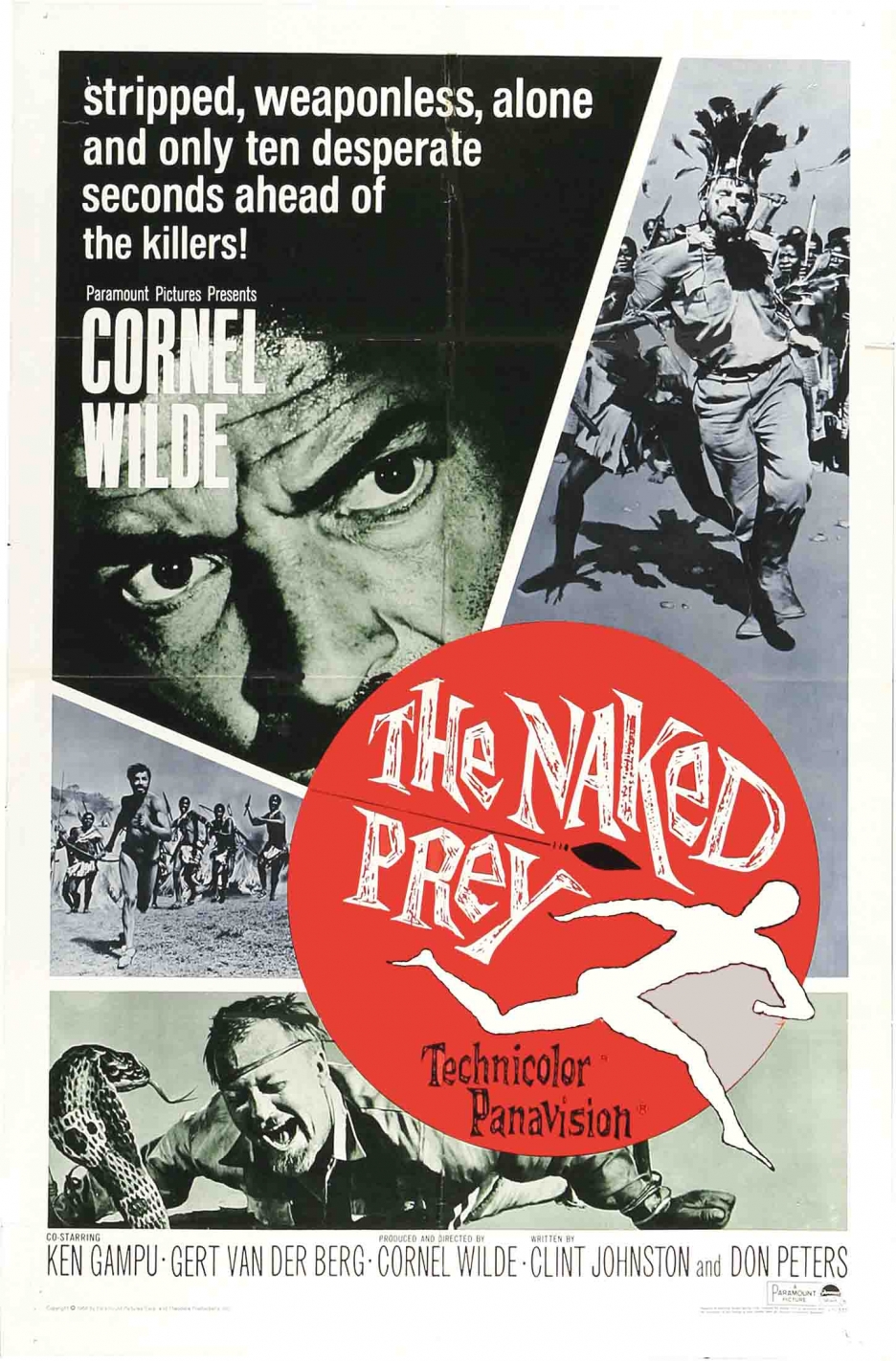
What Peary curiously neglects to mention in his review, however, is the sticky issue of how the African natives are portrayed. On the one hand, Wilde respects the warriors as individuals, showing them stopping to mourn each other as they’re killed.
And it’s undeniably refreshing to see Africans gaining a sort of revenge against the whites who so brutally invaded their culture. On the other hand, they’re still clearly posited as The Exotic Others: the women dance around without shirts on, the warriors are essentially portrayed as savage and uncivilized, and Wilde (The White Man) is the undisputed protagonist. On the whole, however, I would still vote for The Naked Prey as a rare mid-century American film which at least attempts to humanize Africans. Redeeming Qualities and Moments:
Must See? Categories
Links: |
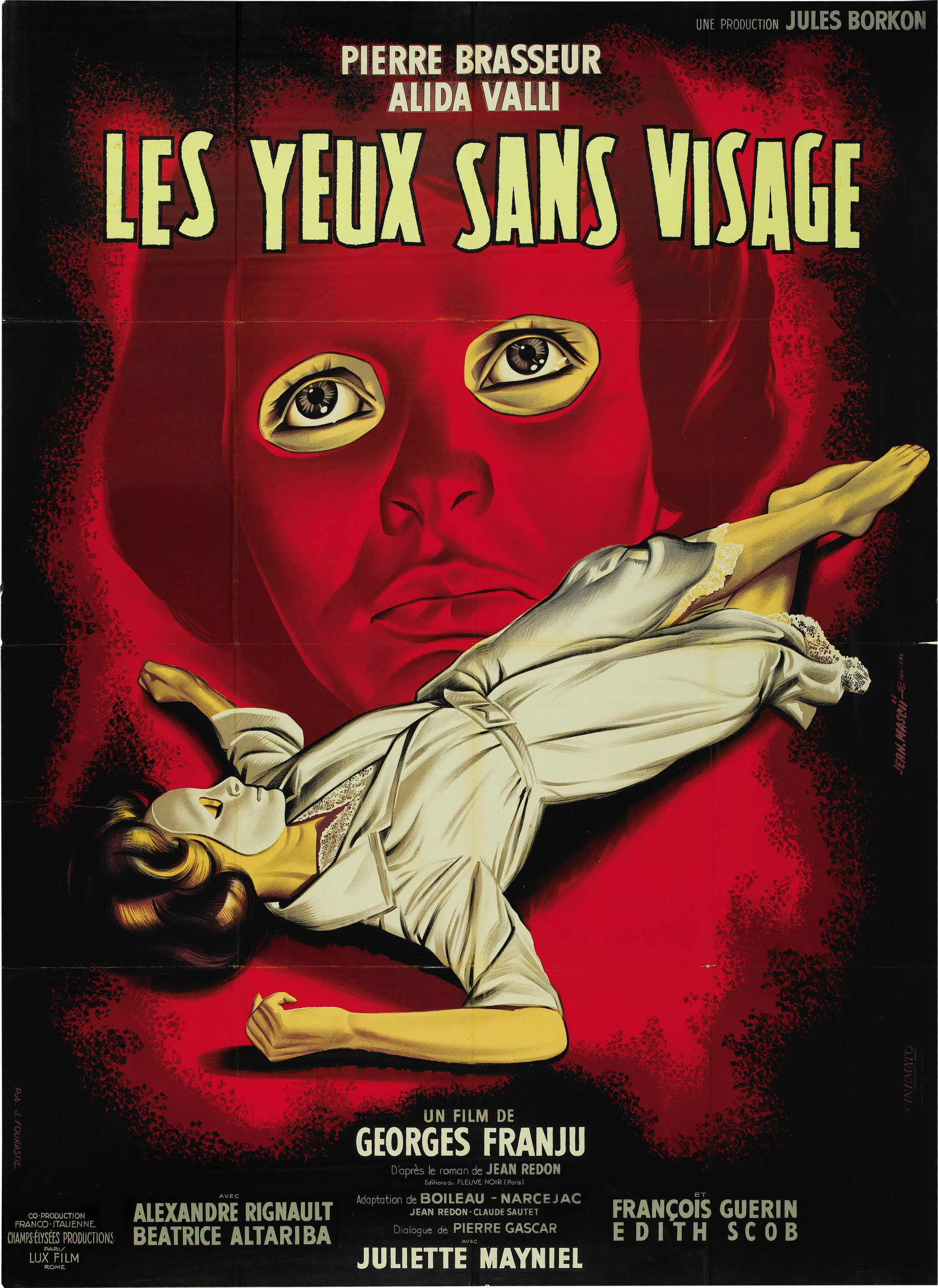
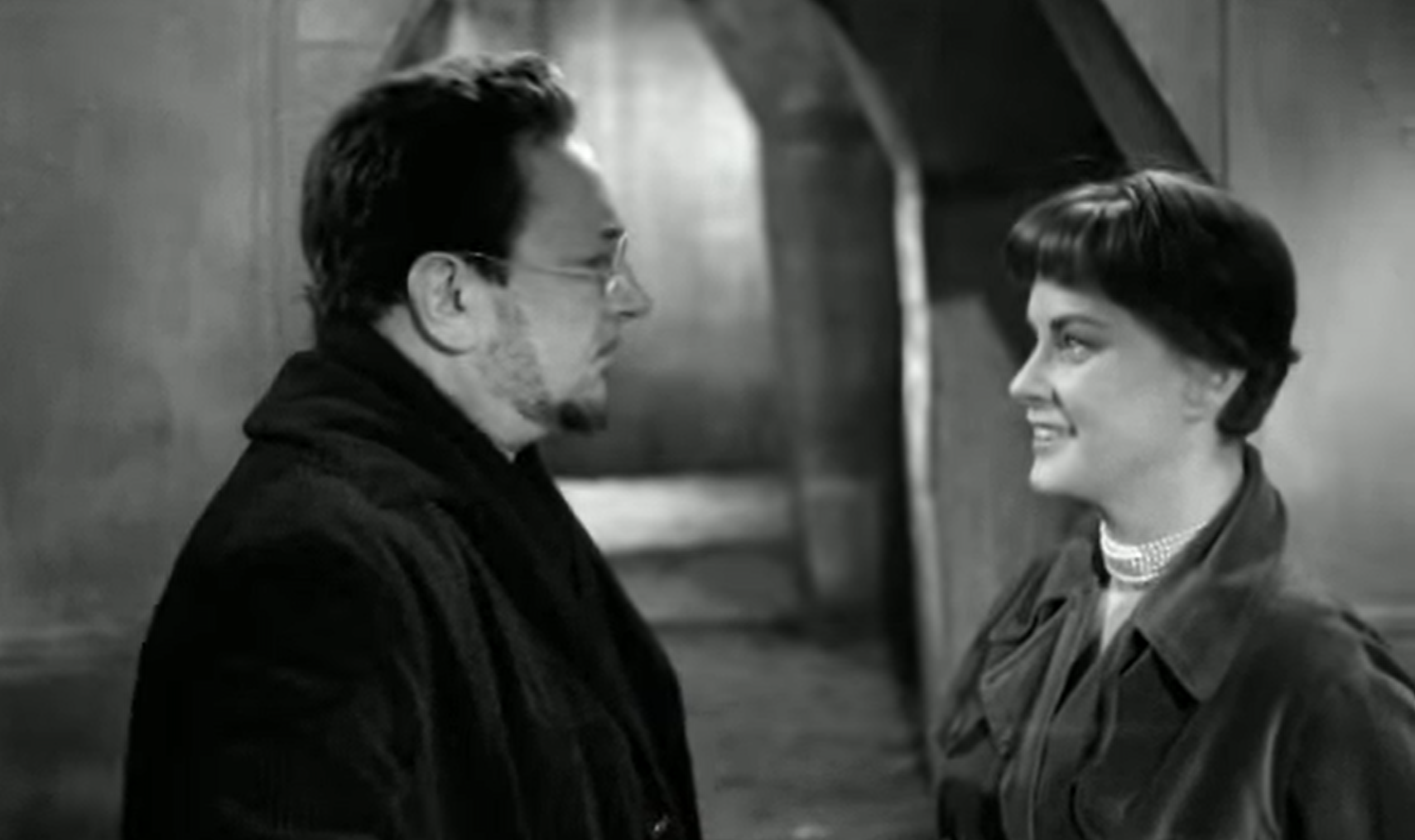
“My face frightens me; my mask frightens me even more.”
|
Synopsis: |
|
Genres, Themes, Actors, and Directors:
Review: Redeeming Qualities and Moments:
Must See? Categories
(Listed in 1001 Movies You Must See Before You Die) Links: |
”I don’t like the way life is for the majority of us — I don’t say I can change it, but I can sing about it.”
|
Synopsis: |
|
Genres, Themes, Actors, and Directors:
Response to Peary’s Review: Redeeming Qualities and Moments:
Must See? Links: |
“I’ve been on the docks all my life, boy, and there’s one thing I’ve learned — you don’t ask no questions, you don’t answer no questions.”
|
Synopsis: |
|
Genres, Themes, Actors, and Directors:
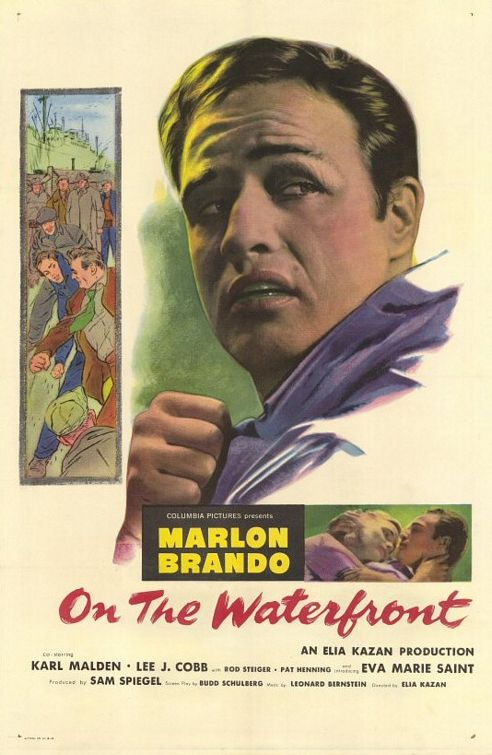
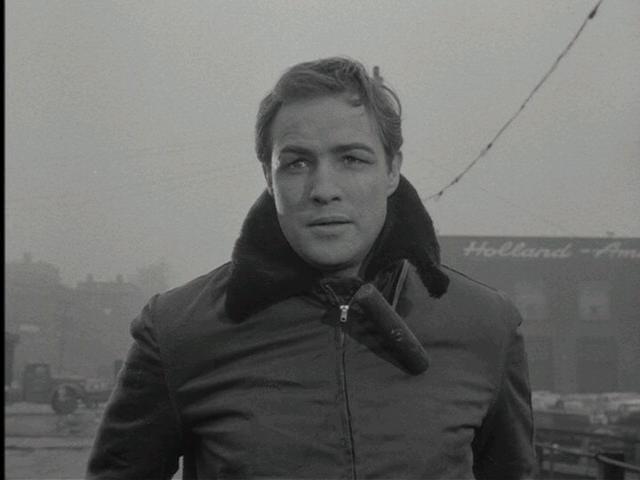
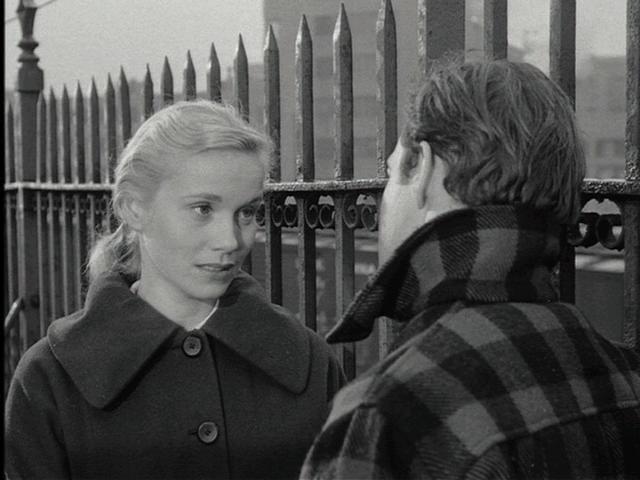
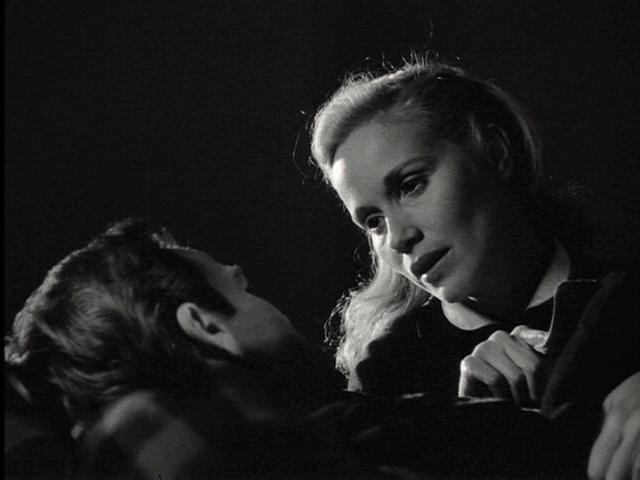
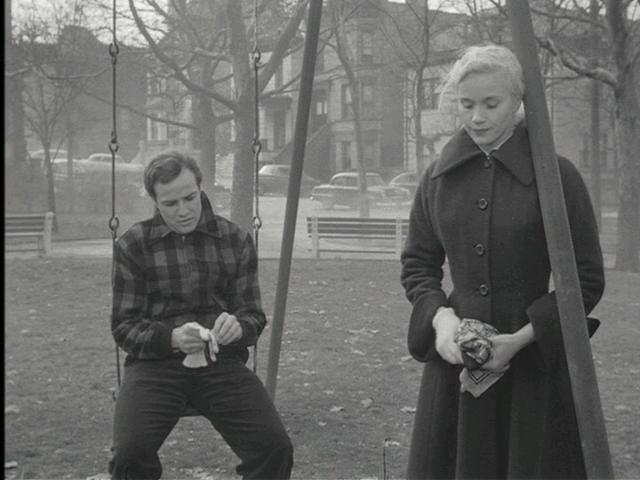
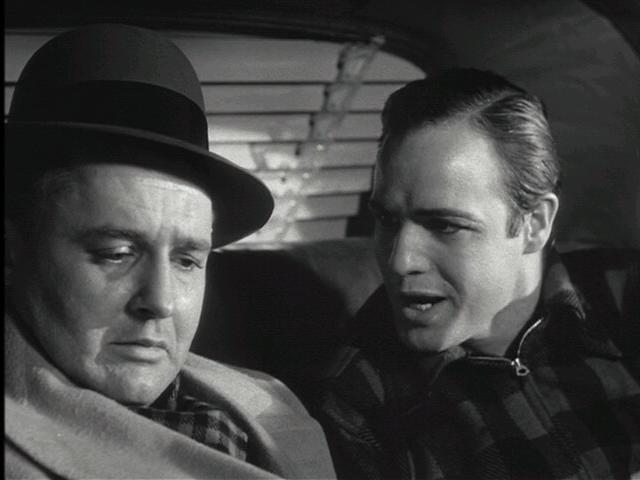
Response to Peary’s Review: On the Waterfront has been criticized on multiple fronts over the years: by those upset about its portrayal of the longshoreman’s union in the 1950s as corrupt; by those who claim On the Waterfront is essentially anti-union (I disagree); and — most famously — by those who believe Kazan was trying to offer Terry’s story as an apologetic for his own name-spilling to the House of Un-American Activities Commission (HUAC). Ultimately, however, I choose to view the film as a fable-like character study about personal redemption, rather than a polemic on unions, corruption, or Kazan himself. The film’s primary flaw (as noted by Peary) is the fact that “too much Christian morality is expounded by the overacting Karl Malden” — indeed, the scenes with Father Barry are a major distraction. Fortunately, there are enough memorable moments in On the Waterfront — Terry walking with Edie in the park; Terry’s poignant talk with Charlie in the taxi cab; the final climactic moments on the docks — to make up for those which don’t quite work. Also noteworthy are Leonard Bernstein’s majestic score (his first), and Boris Kaufman’s luminous black-and-white cinematography. Ultimately, On the Waterfront remains a glorious example of collaborative filmmaking, and merits multiple viewings by film fanatics. Redeeming Qualities and Moments:
Must See? Categories
(Listed in 1001 Movies You Must See Before You Die) Links: |
“If you make this trip successfully, you’ll be the most distinguished person in the world!”
|
Synopsis: |
|
Genres, Themes, Actors, and Directors:
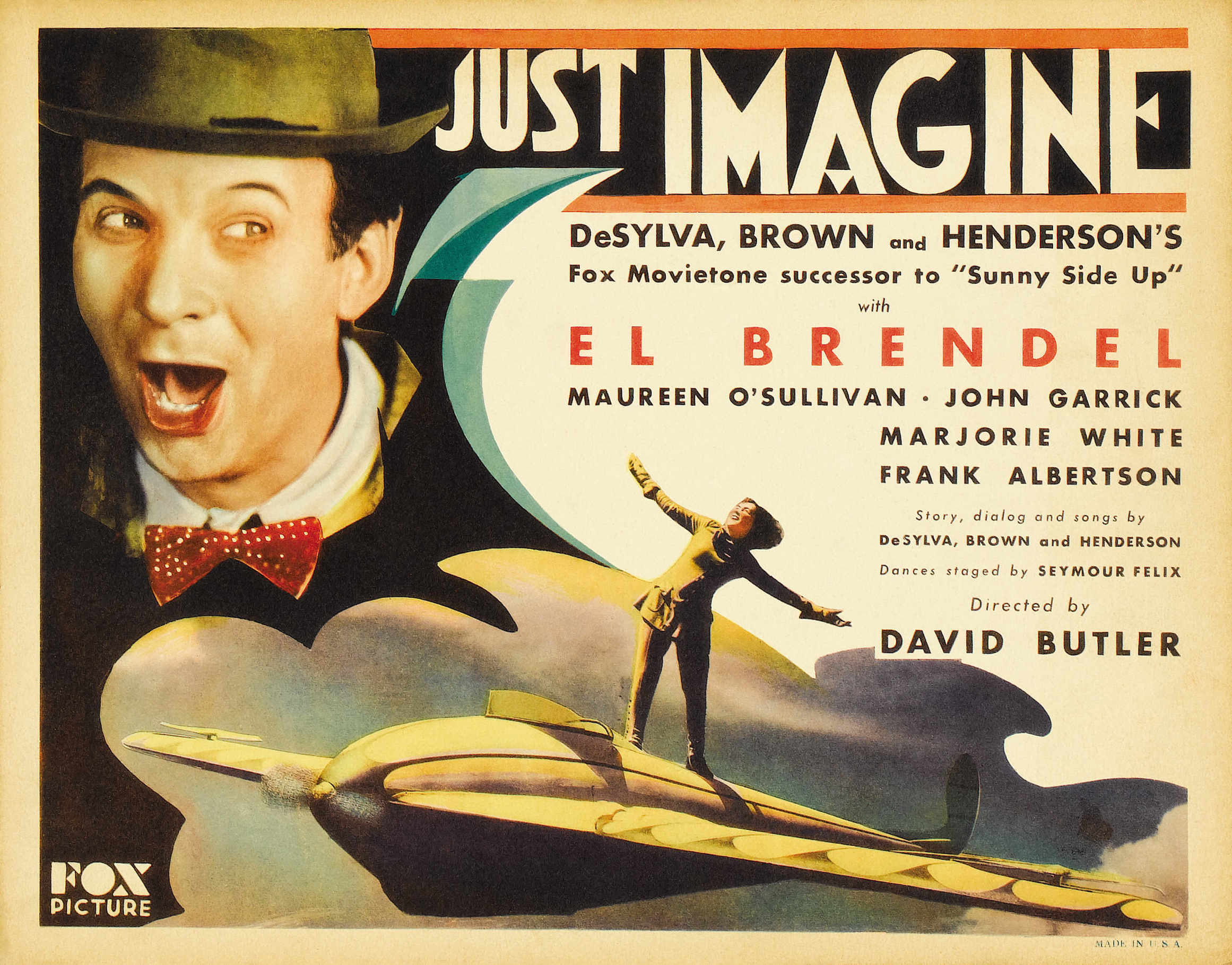
Review:
… and eligibility for marriage is determined by a court.
Much less effective are the tedious musical interludes, which seem like they belong in a different film entirely. At a certain point, Brendel sings a song during which he frantically puts on a series of different hats while mimicking various characters — it’s mildly creative, but so out of place!
With that said, the Busby Berkeley-inspired dance sequences on Mars (not to mention the Martians’ outlandish costumes) are just surreal enough to be campily hypnotic.
And you’ve got to give director David Butler credit for taking on such an enormously overinflated script — though one can’t help wishing it had been trimmed back to a slightly more manageable (and enjoyable) size. Redeeming Qualities and Moments:
Must See? Categories
Links: |
“When I was a kid, did you used to kiss me goodnight?”
|
Synopsis: |
|
Genres, Themes, Actors, and Directors:
Review:
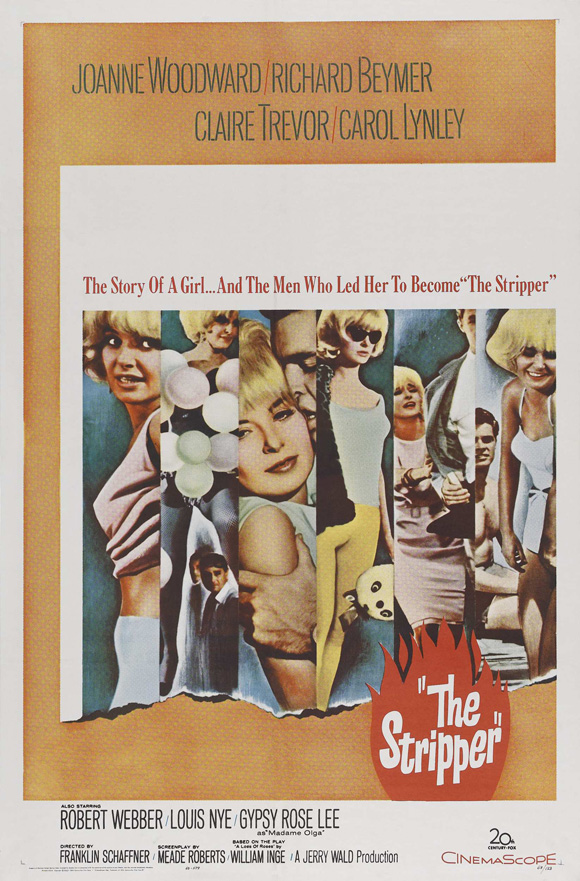
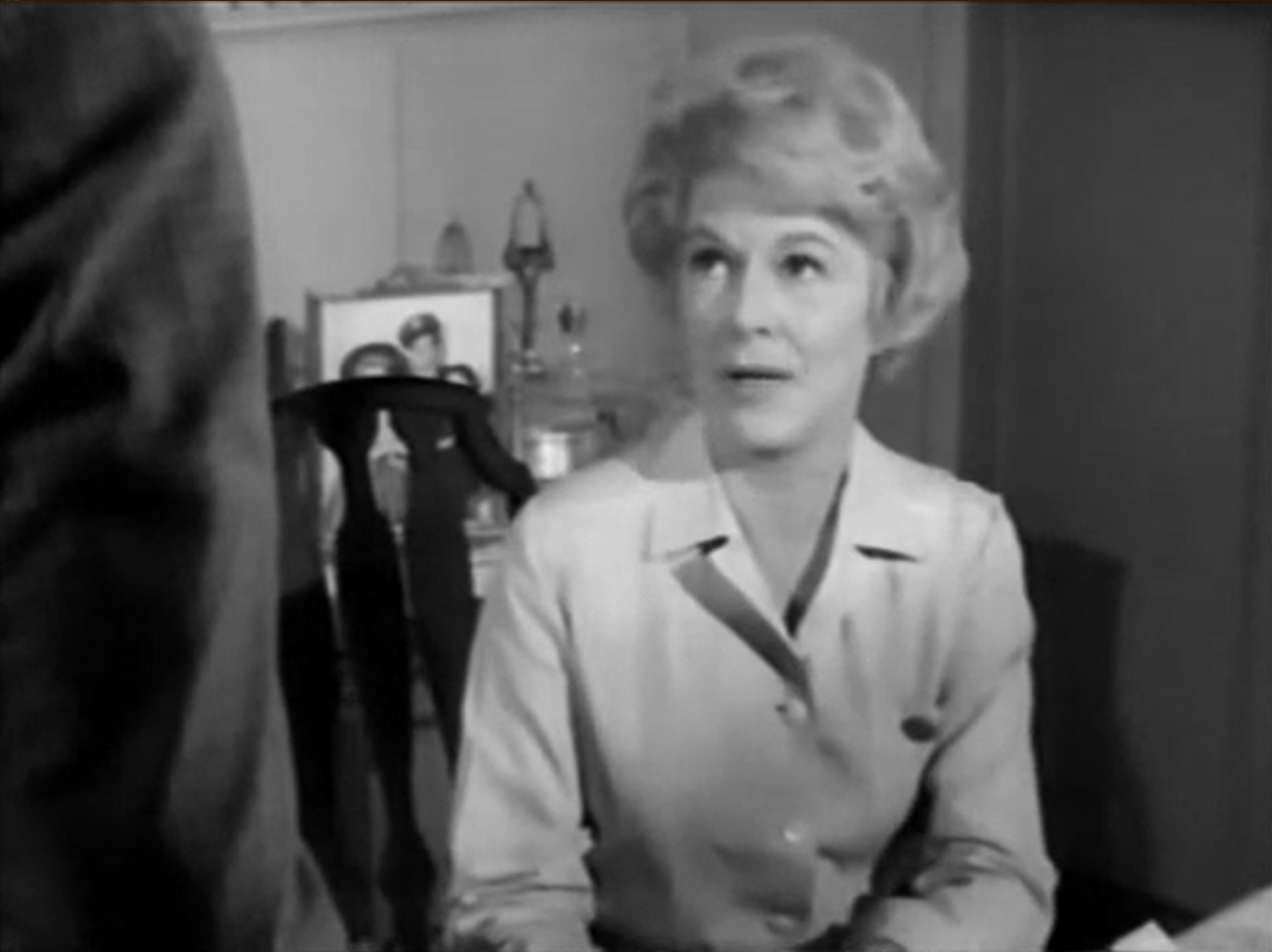
The Stripper is ultimately not one of Inge’s best stories (Beymer’s character in particular is especially underdeveloped) but the performances make it enjoyable to watch nonetheless. Woodward is excellent in the lead role; as noted by Peary in his review of Rachel, Rachel (1968), Woodward “has specialized in playing women who are warmhearted, maternal, vulnerable, victimized, and confused about the harshness of the world” — a description which fits Lila to a T. Also noteworthy is Claire Trevor as Kenny’s mom — a well-meaning woman who wants to be kind to Lila, but can’t help feeling concerned about Kenny’s growing attraction to her. It would have been easy for her character to come across as a shrew, but, thanks to both Inge’s writing and Trevor’s performance, she never does. Redeeming Qualities and Moments:
Must See? Links: |
“The fence is down, the humans come through — there’s only one thing that we can do!”
|
Synopsis: |
|
Genres, Themes, Actors, and Directors:
Review: Note: Mr. Hoppity‘s animators were the victims of incredibly unlucky timing: just three days after the film was released, Pearl Harbor was invaded and Hoppity became a box office failure. Redeeming Qualities and Moments:
Must See? Categories
Links: |
“There, beside his grave, I made a vow: I swore that whatever it had cost Ambrose in pain and suffering, I would return it in full measure.”
|
Synopsis: |
|
Genres, Themes, Actors, and Directors:
Review: Redeeming Qualities and Moments:
Must See? Links: |