At Long Last Love (1975)

At Long Last Love (1975)

“They make us unhappy, we make them unhappy… They make us jealous, we make them jealous!”

Synopsis:
In the 1930s, a millionaire (Burt Reynolds) falls for a singer named Kitty (Madeline Kahn), but is snatched away by Kitty’s indigent-heiress friend, Brooke (Cybill Shepherd). Meanwhile, a suave Italian gambler named Johnny Spanish (Duilio Del Prete) is in love with Brooke, Kitty is in love with Johnny, and Reynolds longs for his original love, Kitty.

Genres, Themes, Actors, and Directors:

  • Burt Reynolds Films
  • Cybill Shepherd Films
  • Depression Era
  • Love Triangle
  • Madeline Kahn Films
  • Musicals
  • Peter Bogdanovich Films
  • Romantic Comedy

Review:
Peter Bogdanovich’s much-maligned Cole Porter musical — infamously shot with his actors singing live rather than lip-syncing — is a surprisingly enjoyable, albeit innocuous, treat. Most of the critical complaints come from those who argue that Cybill Shepherd and Burt Reynolds are woefully miscast, and can’t carry a tune in a bucket — but this isn’t quite true. While Shepherd is no Marnie Nixon (and it IS hard to believe she actually released an album of Porter songs the year before), she has a sweet, warbling voice which only occasionally lacks the necessary punch. Reynolds, for his part, is never asked to do any major singing, and manages to pull off his role with characteristic macho flare. (If we really want to start nitpicking actors in musicals who couldn’t sing, why isn’t Rex Harrison in My Fair Lady torn to shreds?). Ironically, while Madeline Kahn is a marvelous comedic actress, her unusual voice seems least suited for this type of musical. It’s relative-unknown Duilio Del Prete who most evokes what we think of when we remember 1930s musicals — he’s perfectly cast here, and sings very nicely.

Music aside, the plot of At Long Last Love is a clever, suitably frothy romantic comedy, one which impressively integrates the lyrics from many of Porter’s best songs into a seamless narrative. Apart from its oddly inconclusive ending, there’s not much to complain about story-wise here. And visually, the film is quite a treat, with sumptuous art deco sets and beautiful gowns. Perhaps I’m missing something — or perhaps time has been incredibly kind to Bogdanovich’s vision — but I don’t get this film’s negative rap.

Redeeming Qualities and Moments:

  • Eileen Brennan and John Hillerman singing “But In the Morning, No”
  • Gorgeous art deco set designs
  • Reynolds, Shepherd, Kahn, and Del Prete interrupting a ball by singing “Well, Did You Evah!”
  • Clever integration of Porter’s songs into a romantic comedy narrative

Must See?
Yes, simply for its notoriety — but chances are you’ll enjoy it a lot more than you think. Listed as a camp classic in the back of Peary’s book.

Categories

  • Controversial Film

Links:

Fortune and Men’s Eyes (1971)

Fortune and Men’s Eyes (1971)

“Ain’t nobody gonna mess with a man getting his oats.”

Synopsis:
A new inmate (Wendell Burton) quickly learns the hierarchy of prison life from his cellmates: flamboyant Queenie (Michael Greer), dominant Rocky (Zooey Hall), and timid Mona (Danny Freedman).

Genres:

  • Canadian Films
  • Character Arc
  • Homosexuality
  • Play Adaptations
  • Prisoners

Review:
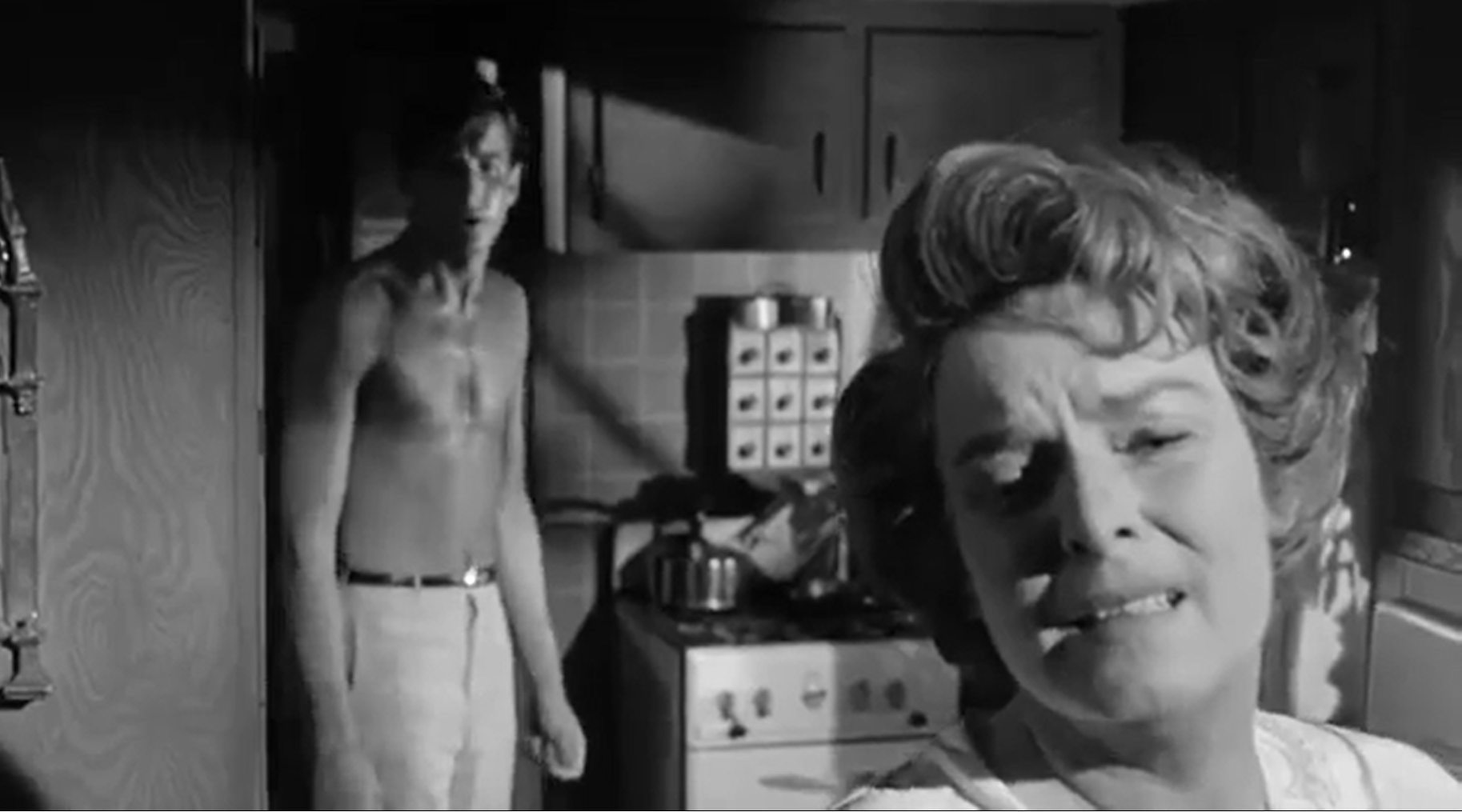
Fortune and Men’s Eyes (the odd title is taken from a Shakespeare sonnet) is a brave yet ultimately flawed depiction of male prison life. More a theatrical fable than a realistic expose, Fortune… depicts a nightmarish milieu where sex is the primary currency, guards uniformly turn a blind eye to egregious sexual abuse, and inmates are forced to choose their sexual “position” in a rigid hierarchy. In one particularly disturbing scene (which predates Deliverance), Mona (Freedman) is gang-raped during a meal — and while everyone in the room is aware of what’s happening, absolutely nothing is done to stop the situation. Instead, Rocky (Hall) turns the event into a chaotic free-for-all, pouring buckets of water gleefully from the balcony while incongruously cheerful music starts to play on the soundtrack; again, the guards do nothing. It’s a baffling scene to be sure.*

Equally frustrating is the characterization of Rocky, who plays a pivotal role in the film: while Hall gives a decent performance, his character is so poorly written that it’s hard to understand his motivations. He could perhaps be seen as psychopathic in his vacillation between friendship with Burton and bullying domination, but this is never made clear. On the other hand, while some have argued that a character like Queenie (Greer gives a wonderfully vibrant performance) would never be able to hold such a high position in a male-dominated prison, I disagree: in an isolated world where sex is everything, a brash, self-confident man who willingly takes on the role of a woman (and flaunts his sexuality) may very well be able to thrive.

* Update 2/1/21: Having spent the past few years volunteering in a local men’s prison (and learning more about what daily life is like for them), everything about this movie now rings true — including this terrible but no longer incomprehensible scene.

Redeeming Qualities and Moments:

  • Michael Greer’s stand-out performance as Queenie
  • A painfully raw depiction of sexual dominance in prison

Must See?
No, but it’s recommended for those who enjoy prison flicks. Listed as a film with historical importance and a personal recommendation in the back of Peary’s book.

Links:

Cruising (1980)

Cruising (1980)

“There’s a lot you don’t know about me.”

Synopsis:
A naive cop (Al Pacino) goes undercover in New York’s gay S&M scene in order to help capture a serial killer.

Genres, Themes, Actors, and Directors:

  • Al Pacino Films
  • Homosexuality
  • Karen Allen Films
  • Murder Mystery
  • S&M
  • Serial Killers
  • Undercover Cops and Agents
  • William Friedkin Films

Review:
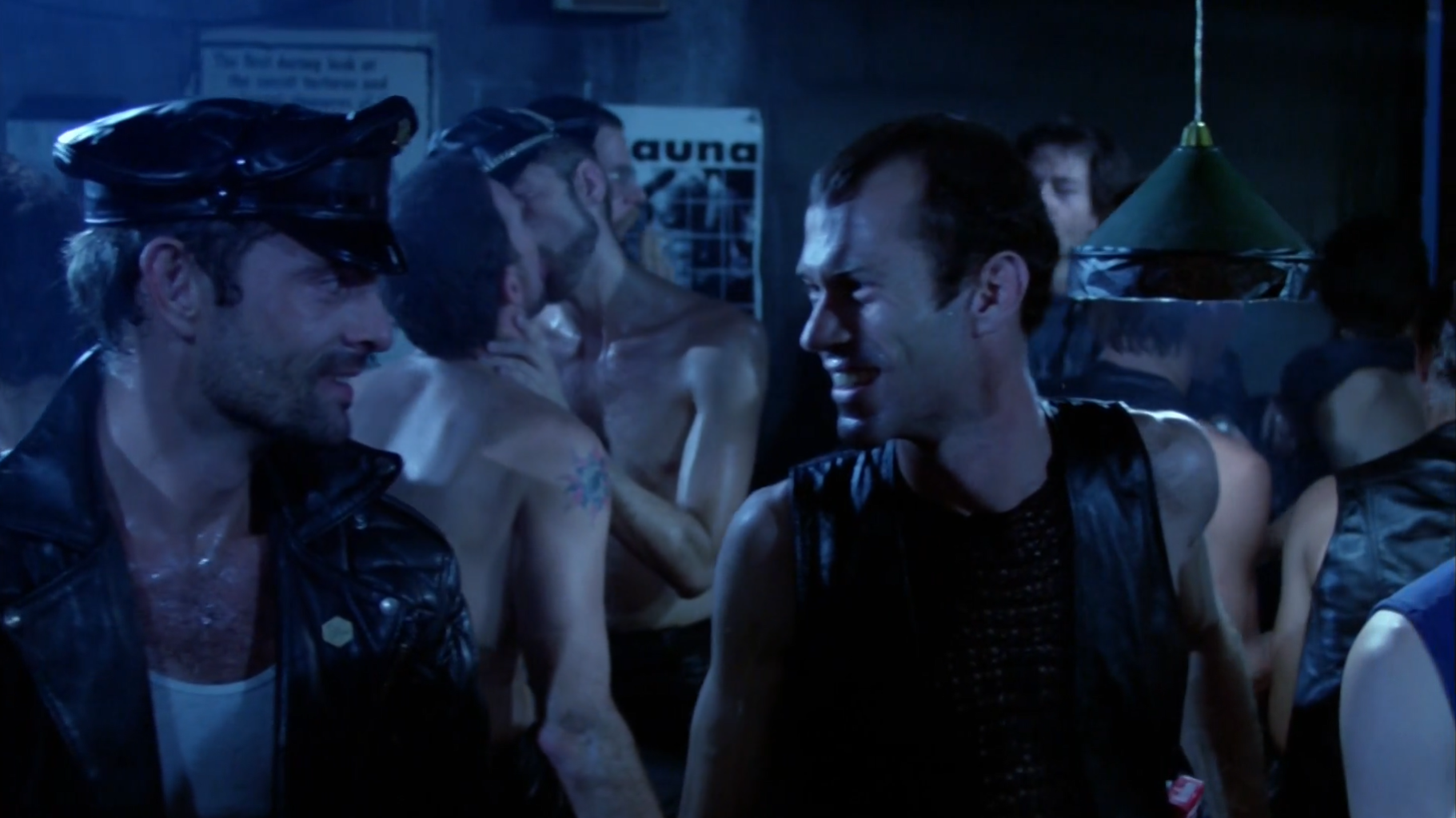
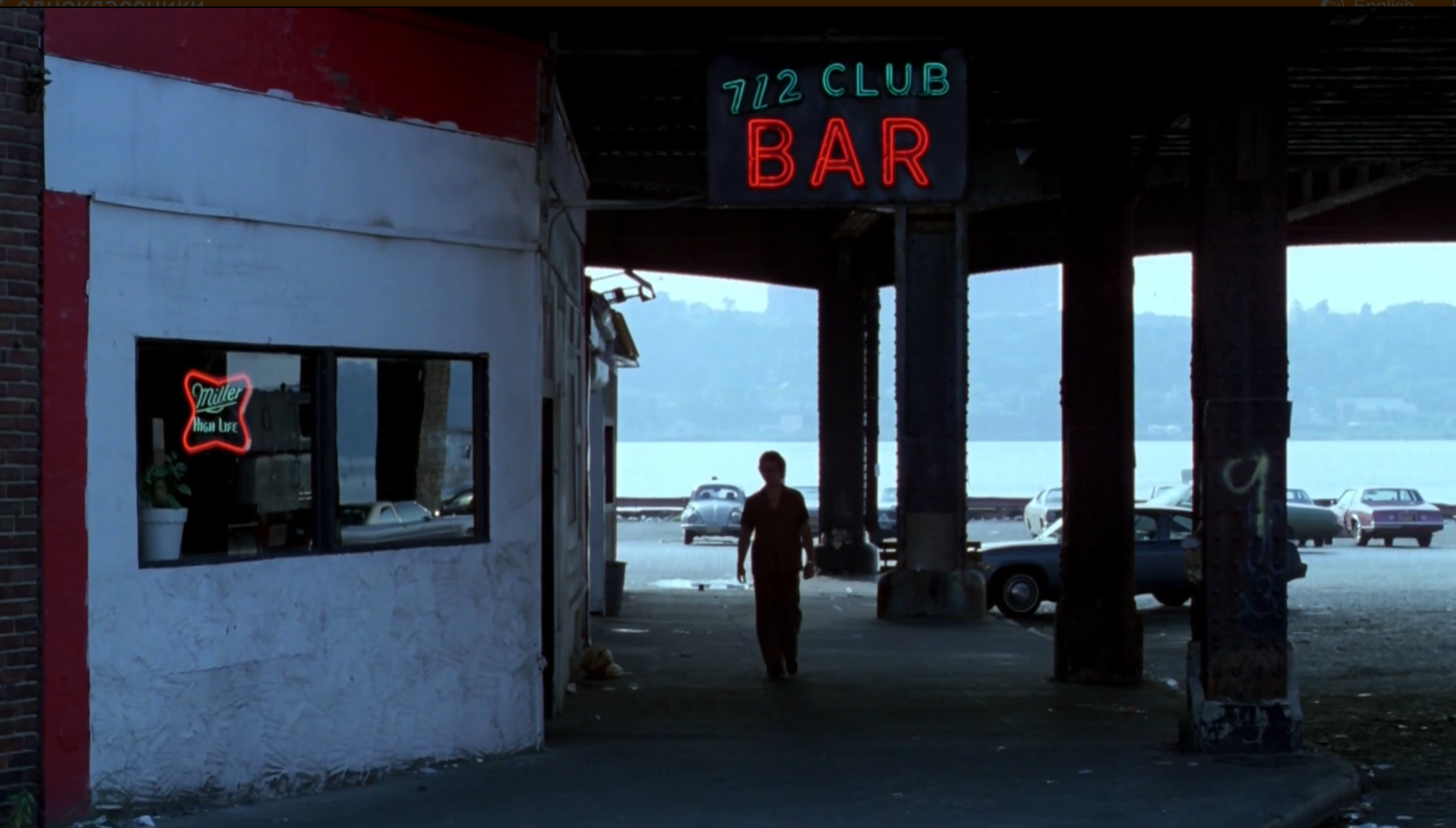
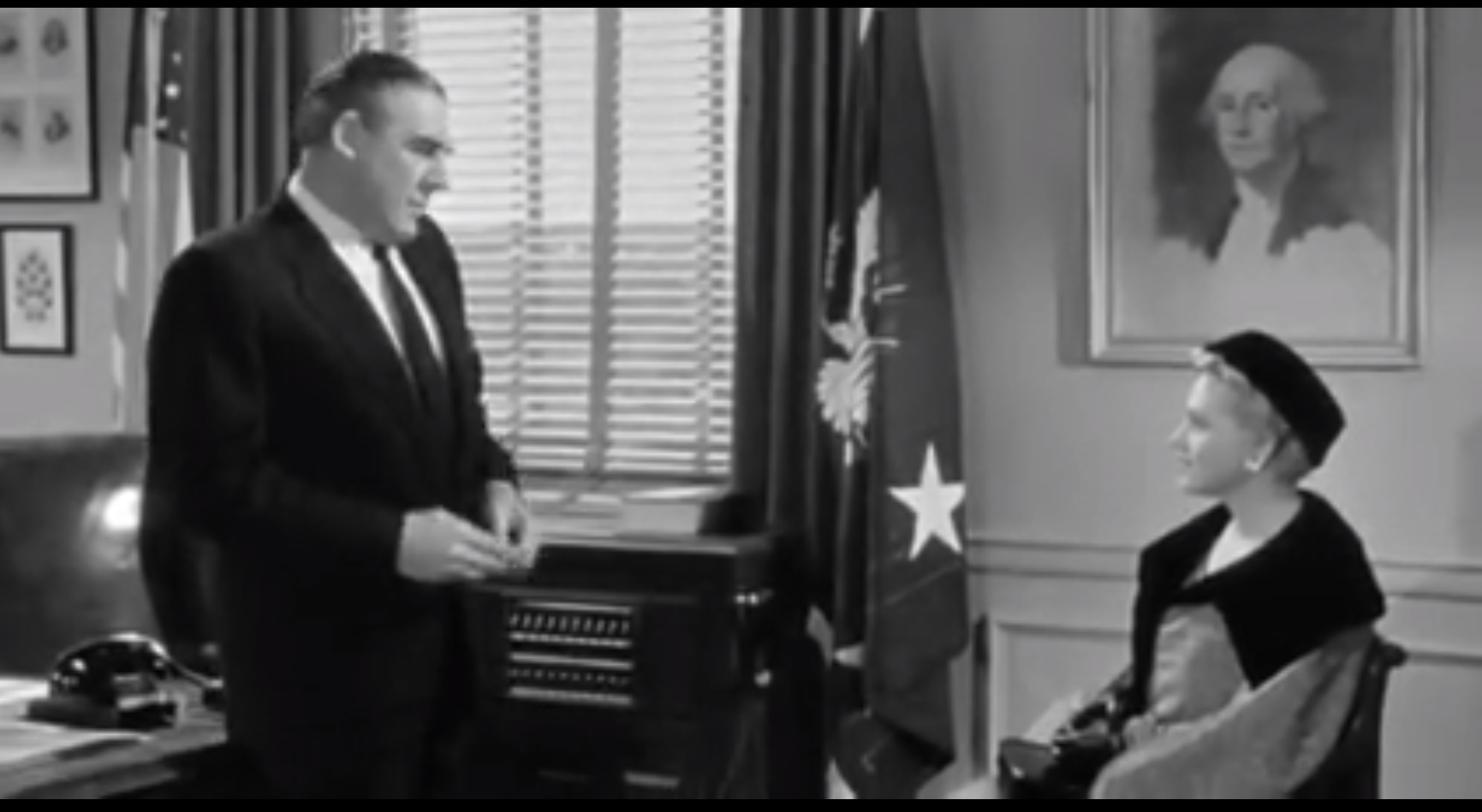
This notorious thriller — lambasted upon its release by many gay rights groups and critics — is ultimately more of a voyeuristic mood piece than an effective murder-mystery. While director Friedkin does a good job establishing the racy milieu of underground S&M clubs (his attention to detail is almost that of an anthropologist), his plot falters when it comes to characterization and consistency. We never learn enough about Pacino’s character to understand — or care about — the transformation he undergoes:

… and Karen Allen as his girlfriend (a potential protagonist for audiences to relate to) is wasted in a bit role.

In addition, the killer’s motivations are never satisfactorily explored, and the film’s resolution — when a likable character is inexplicably killed off — is confusing. With that said, Cruising remains must-see viewing simply for its erstwhile notoriety, and for Friedkin’s attempt at depicting one man’s “descent” into an uncomfortably foreign world.

Redeeming Qualities and Moments:

  • Effective use of NY’s underground S&M scene as a setting
  • Fine cinematography

Must See?
Yes, simply for its historical notoriety.

Categories

  • Controversial Film

Links:

Bambi (1942)

Bambi (1942)

“Man was in the forest.”

Synopsis:
A young fawn named Bambi comes of age in the forest, threatened by the presence of men.

Genres, Themes, Actors, and Directors:

  • Animated Features
  • Coming-of-Age
  • Talking Animals

Response to Peary’s Review:
Peary seems less than impressed by this iconic Disney film, arguing that “the attempt to establish realism doesn’t work because the animals are too humanized,” that many of the animals’ voices are “annoying”, and that the film as a whole is “too sentimental for many viewers and too gentle for others.” I disagree. While the storyline of Bambi is extremely simple (the filmmakers relied on Felix Salten’s original novel more for inspiration than narrative), it manages to hold interest throughout, thanks in large part to the beautiful animation. I wasn’t bothered by the use of children’s voices for the young animals (Peter Behn as young Thumper is particularly impressive), and found the mix of “human” eyes and realistic animal movements to work just fine (note how nicely the animators capture the deer’s spindly legs in motion). There are countless memorable moments in this fine children’s film, which is guaranteed to appeal to (most) adults as well.

Redeeming Qualities and Moments:

  • Thumper reluctantly apologizing for teasing Bambi
  • Bambi learning to ice skate
  • Beautiful animation of changing seasons

Must See?
Yes. This classic Disney feature should be seen at least once by all film fanatics.

Categories

  • Genuine Classic

Links:

Solid Gold Cadillac, The (1956)

Solid Gold Cadillac, The (1956)

“Did you hear her when I announced we were voting ourselves bonuses? She practically called us crooks!”

Synopsis:
When a small-time stockholder (Judy Holliday) of a large corporation starts asking too many questions, she’s given a meaningless job by the board of directors (including Fred Clark and John Williams) to keep her quiet. Soon, however, she discovers hidden layers of corruption in the corporation, and is determined to brings its honest CEO (Paul Douglas) back into a position of power.

Genres, Themes, Actors, and Directors:

  • Big Business
  • Collective Action
  • Corruption
  • Judy Holliday Films
  • Paul Douglas Films
  • Play Adaptations
  • Romantic Comedy

Review:
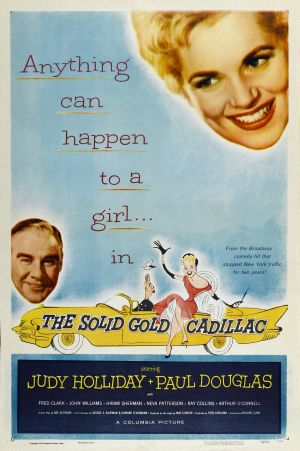
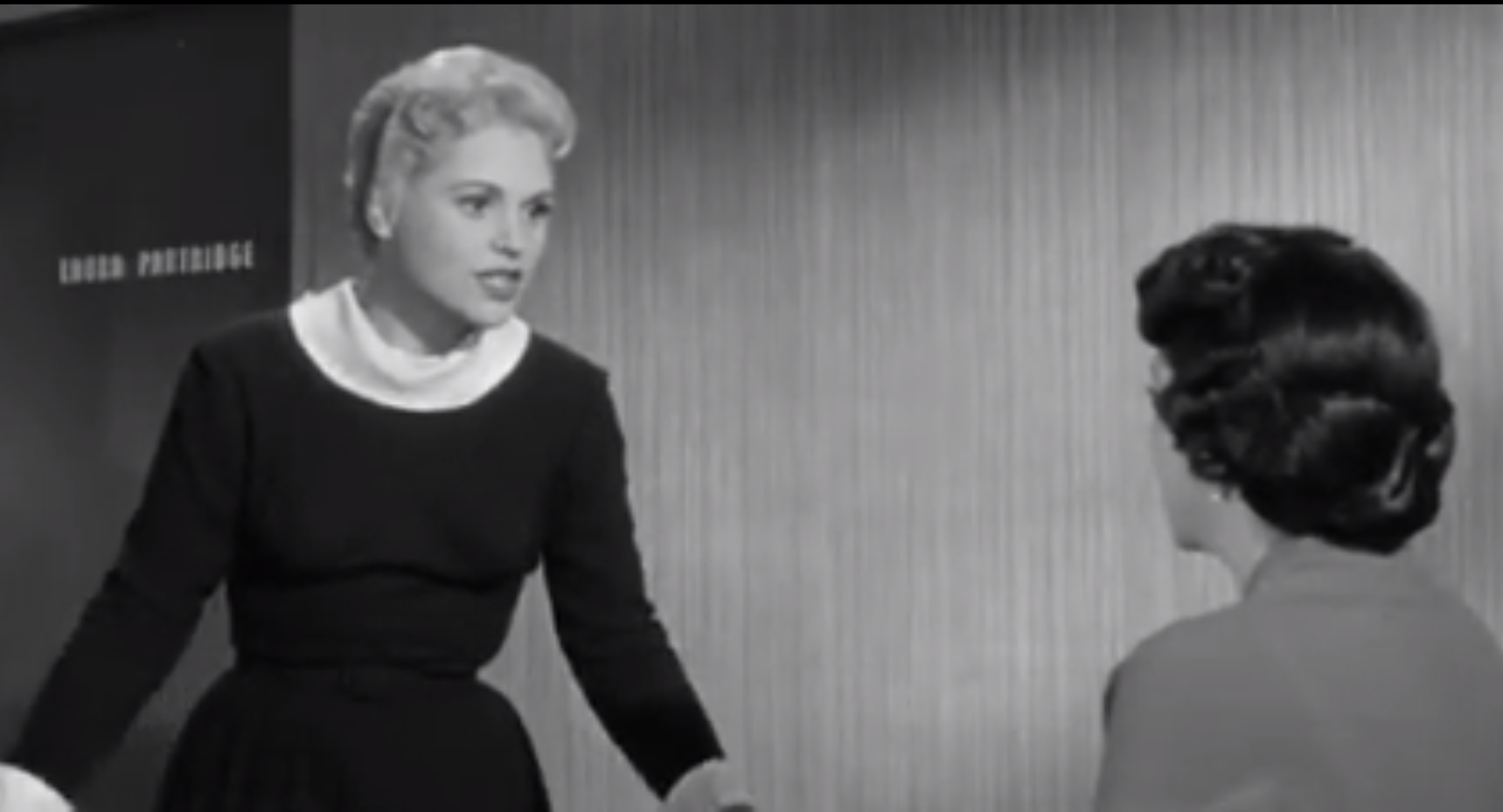
The Solid Gold Cadillac — based on a hit Broadway play — offered comedic actress Judy Holliday yet another chance to perfect her series of iconic performances as not-so-dumb blondes. Here, she’s perfectly cast as a naive yet persistent woman who dares to take on the corrupt behemoth of International Corporation (how’s that for a blandly descriptive name?), and finds herself falling in love (with Douglas) as a bonus. It’s not Holliday’s best film, but, as all fans of the ill-fated actress (who died far too early at the age of 44) will agree, it’s a treat to see her in nearly anything.

Redeeming Qualities and Moments:

  • Judy Holliday as Laura Partridge
  • Paul Douglas as Ed McKeever, Holliday’s love interest
  • A clever, often amusing tale of collective action

Must See?
No, but it’s recommended, and definitely must-see viewing for any fans of Judy Holliday.

Links:

Angel Baby (1961)

Angel Baby (1961)

“God gave her voice, and he said, ‘Angel Baby, you teach them scriptures with your voice!'”

Synopsis:
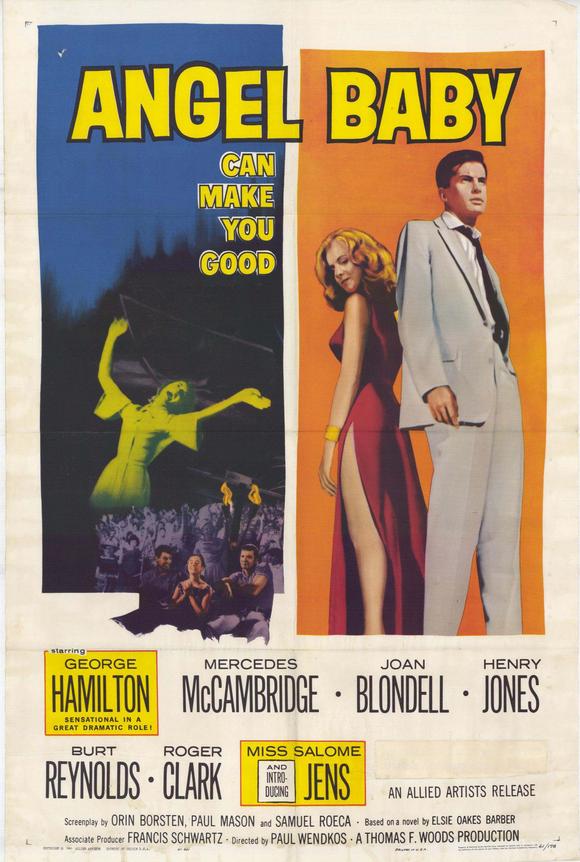
When a mute woman (Salome Jens) believes she’s been healed by a revivalist (George Hamilton), her faith in God is renewed, and she starts preaching. Soon she’s taken in by a crooked promoter (Roger Clark), who hopes to convince the public that “Angel Baby” can heal.

Genres, Themes, Actors, and Directors:

  • Burt Reynolds Films
  • Corruption
  • Deep South
  • George Hamilton Films
  • Love Triangle
  • Mercedes McCambridge Films
  • Missionaries and Revivalists

Review:
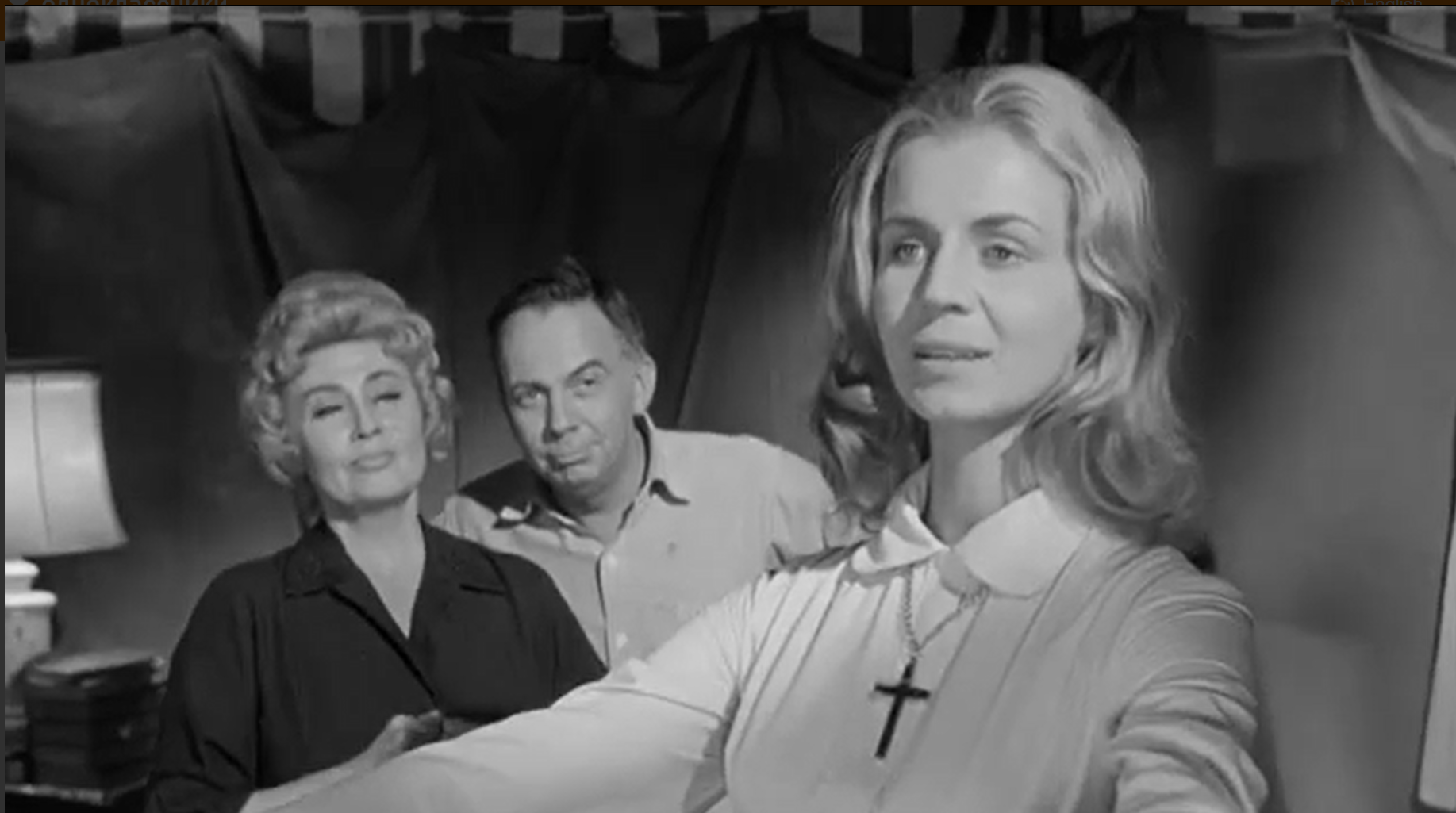
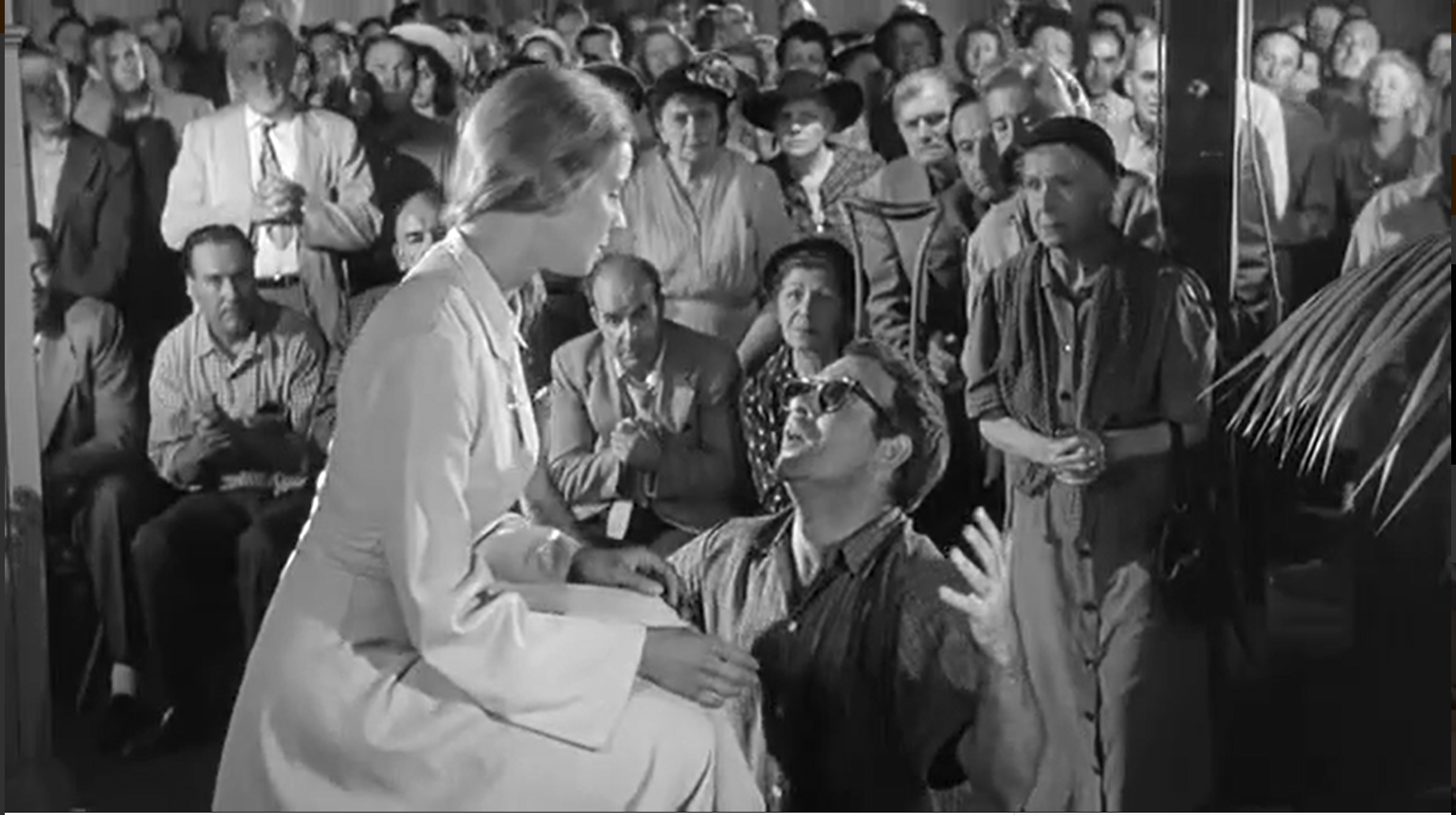
This B-level Elmer Gantry remains an enjoyable look at backwoods evangelism and the power of faith to shape lives. Salome Jens is convincing in the lead role as a troubled woman who naively believes that God (working through handsome George Hamilton) has performed a miracle; equally compelling is Mercedes Cambridge as Hamilton’s devout older wife, who uses her faith as a sincere excuse to manipulate those around her. Indeed, it’s the role of faith as a manipulative ploy which drives the film’s narrative; then — as now — faith healers continue to dupe willing audiences, simply because of their desire to believe.

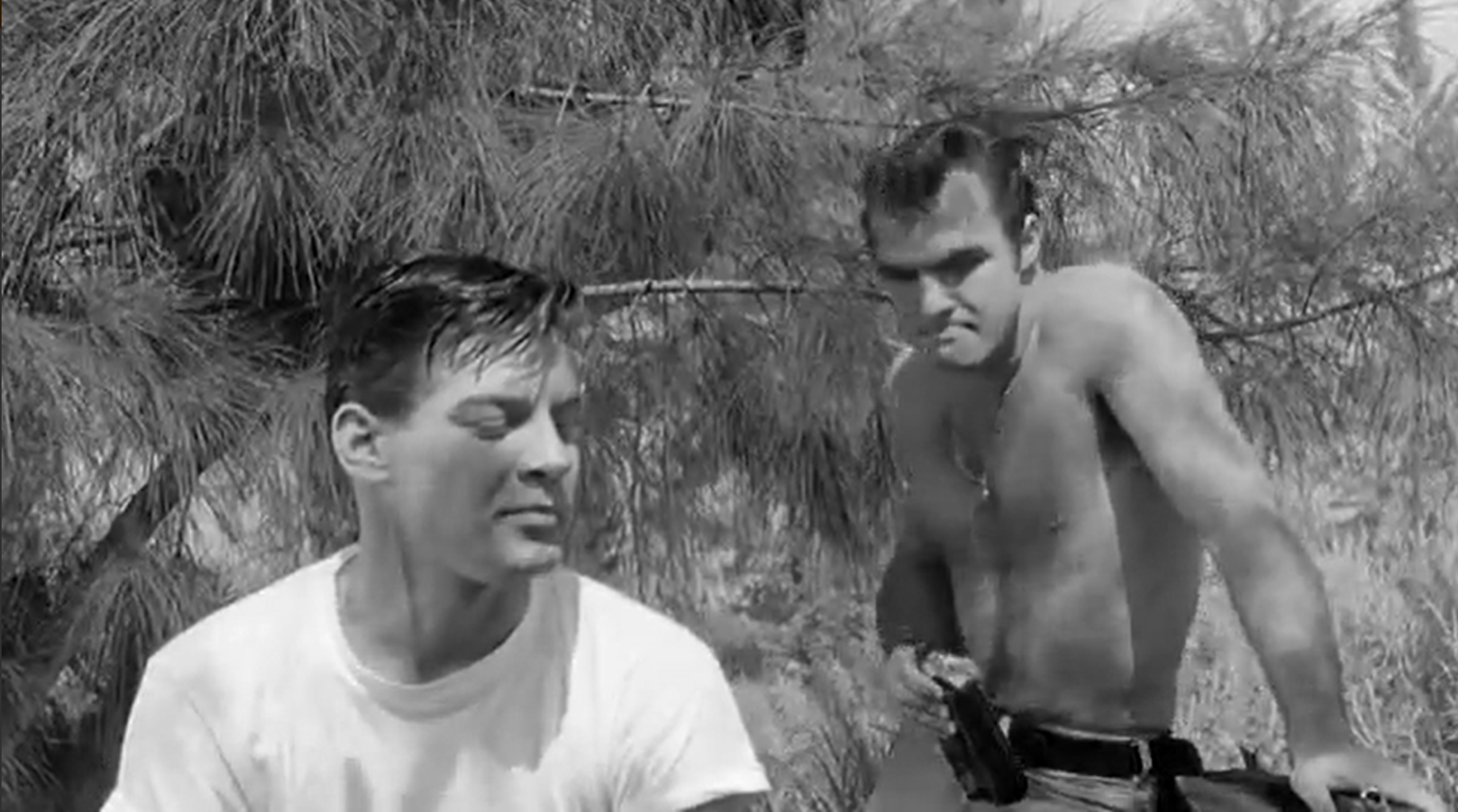
P.S. Angel Baby is also notable as Burt Reynolds’ screen debut.

Redeeming Qualities and Moments:

  • Salome Jens as Angel Baby
  • Mercedes McCambridge as “Sister Sarah”
  • An effective portrayal of belief in faith healing

Must See?
No, but it’s recommended.

Links:

Titicut Follies (1967)

Titicut Follies (1967)

“I have a perfect right to be excited! I’ve been here for a year and a half, and this place is doing me harm!”

Synopsis:
In his debut film, Frederick Wiseman documents the lives of criminally insane inmates at the Massachusetts Correctional Institution.

Genres, Themes, Actors, and Directors:

  • Documentaries
  • Mental Illness
  • Prisoners

Review:
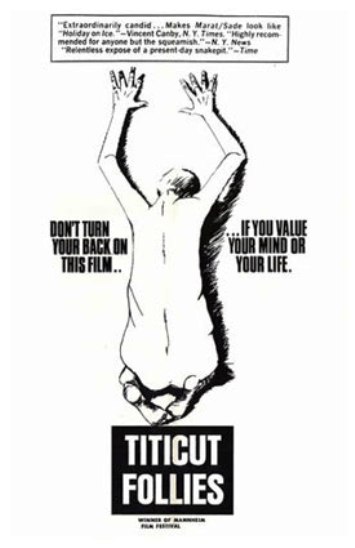
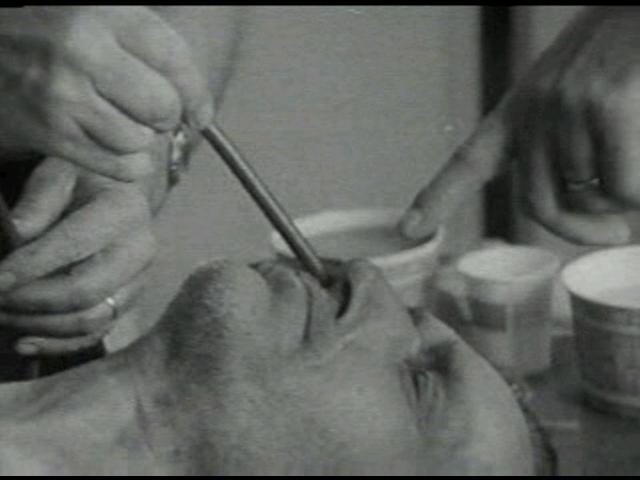
Frederick Wiseman’s first documentary showcases his signature “cinema verite” style: hand-held cameras, extreme close-ups, fly-on-the-wall observations, lengthy shots, and judicious back-and-forth editing. As in his next film, High School (1968) , Wiseman takes a no-holds-barred approach to his sticky subject matter, never flinching from even the most uncomfortable interactions. In one particularly memorable scene, a starving man is force-fed through his nose; in another, a paranoid schizophrenic pleads to be sent back to a “regular” prison, but — stuck in a Kafka-esque nightmare — nothing he says to his jailers makes any difference. On a broader level, inmates in the film routinely walk around without any clothes on (there’s plenty of full frontal nudity), and are frequently patronized by both guards and doctors. It’s easy to see why the Commonwealth of Massachusetts was upset enough with the film to sue Wiseman and his cohorts; Massachusetts won, and the film was immediately removed from circulation.

Redeeming Qualities and Moments:

  • A no-holds-barred look at daily life for criminally insane inmates
  • Effective use of close-ups and hand-held camerawork

Must See?
Yes. This controversial documentary holds a unique place in history, and should be seen by all film fanatics.

Categories

  • Controversial Film
  • Historically Relevant

Links:

Night and Day (1946)

Night and Day (1946)

“Night and day, you are the one…”

Synopsis:
With the help of his devoted wife (Alexis Smith) and friend (Monty Woolley), Cole Porter (Cary Grant) rises from obscurity to worldwide fame.

Genres, Themes, Actors, and Directors:

  • Alan Hale Film
  • Alexis Smith Films
  • Biopics
  • Cary Grant Films
  • Composers
  • Jane Wyman Films
  • Marital Problems
  • Michael Curtiz Films
  • Monty Woolley Films
  • Musicals

Review:
The plot of this notoriously fictionalized biopic (made while Porter was still alive) is, as noted in the DVD Verdict review (see link below), “little more than a clothesline on which the musical numbers hang.” Indeed, the narrative takes so many liberties with Porter’s life — incorrectly positing him as a war hero, and neglecting to mention his homosexuality — that one must choose simply to ignore the facts and enjoy the music. On the other hand, Grant — while still indubitably “Cary Grant” — does a fine job depicting Porter as someone who’s more interested in kissing his wife passionately on the cheek than on the lips, and who remains resolutely untempted by the bevy of adoring singers constantly surrounding him; if you read between the lines, hints are definitely there. Comparisons between this and the more recent “authentic” Porter biopic De-Lovely (starring Kevin Kline) are inevitable, but I must say I prefer the original — for my money, it’s much more effective at portraying the exuberance and joy Porter brought to the world through his inimitable, sophisticated musical style.

Redeeming Qualities and Moments:

  • Many creatively staged renditions of Porter’s songs

Must See?
No, though it’s an enjoyable diversion.

Links:

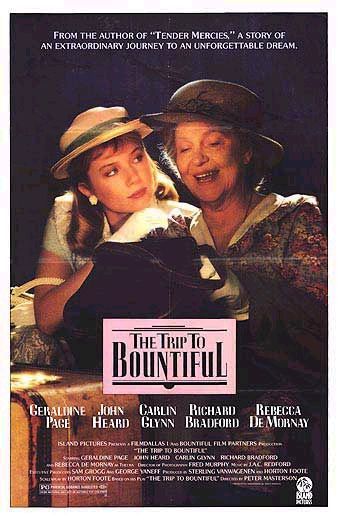
Trip to Bountiful, The (1985)

Trip to Bountiful, The (1985)

“I guess when you’ve lived longer than your house and your family, then you’ve lived long enough.”

Synopsis:
An elderly woman (Geraldine Page) living with her grown son (John Heard) and controlling daughter-in-law (Carlin Glynn) escapes on a road trip to her home town of Bountiful.

Genres, Themes, Actors, and Directors:

  • Elderly People
  • Geraldine Page Films
  • Grown Children
  • John Heard Films
  • Play Adaptation
  • Road Trip

Review:
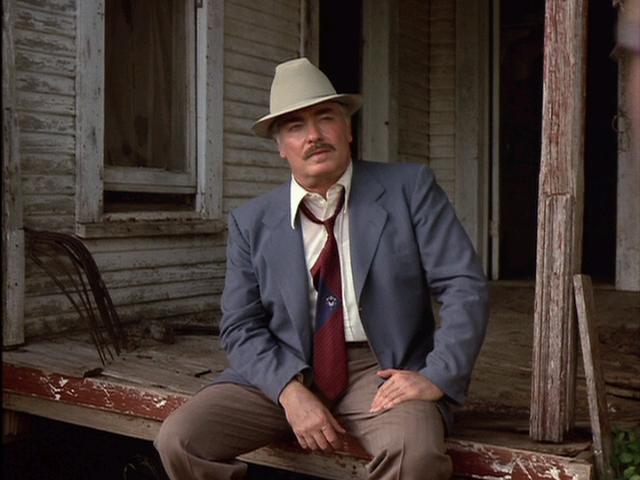
Geraldine Page deservedly won an Oscar for her lead performance in this adaptation of Horton Foote’s stage play. Page’s Carrie Watts is sympathetic yet never cloying, often ornery but usually for good reason. Equally impressive is the cast of supporting actors, most notably Rebecca De Mornay in an atypical role as a kind young bride, and Richard Bradford’s unexpectedly nuanced performance as a local sheriff. As in Foote’s Tender Mercies (1983), The Trip to Bountiful is ultimately more concerned with character than action; however, there’s a definite arc to the narrative here, as Page moves (literally) from the stuffy confines of her Houston apartment to the open road, and then, finally, to Bountiful. The result is a gently paced story which nonetheless holds genuine suspense, as we wonder what will befall Page once she reaches her beloved destination.

Note: Bountiful is reminiscent of Yasujiro Ozu’s Tokyo Story (1953) in its depiction of the difficulties facing elderly parents who live with their grown children.

Redeeming Qualities and Moments:

  • Geraldine Page as Carrie Watts
  • Rebecca De Mornay as a young army bride Page meets at the bus station
  • Richard Bradford as a kindly sheriff
  • Horton Foote’s screenplay
  • Stirring use of the hymn “Softly and Tenderly”

Must See?
Yes, simply for Page’s Oscar-winning performance.

Categories

  • Noteworthy Performance(s)
  • Oscar Winner or Nominee

Links:

Used Cars (1980)

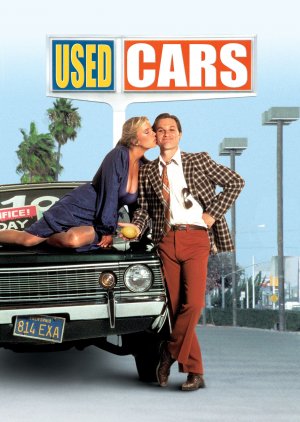
Used Cars (1980)

“There goes a perfectly good bumper sticker.”

Synopsis:
A used car salesman (Kurt Russell) tries to prevent his dead boss’s car lot from falling into the hands of his boss’s nefarious twin brother (Jack Warden).

Genres, Themes, Actors, and Directors:

  • Comedy
  • Dick Miller Films
  • Rivalry
  • Salesmen

Response to Peary’s Review:
Peary is not alone in his assessment of this “fast-moving, eccentric” comedy — a “properly amoral tribute to that American institution, the shyster used-car dealer who has made a genuine craft… out of fast-talking us into believing the junk he’s literally put together with spit and polish (and bubble gum) is the car of our dreams” — as
“imaginative”, “hilarious”, “consistently funny” and “very entertaining”. Many other critics seem to agree (see links below) — but I’m afraid I’m not one of them. More akin to Porky’s (1981) than Airplane! (1980), Used Cars relies far too heavily on broad slapstick in its skewering of what is already a sure-fire target. There’s potential here for something much greater.

Redeeming Qualities and Moments:

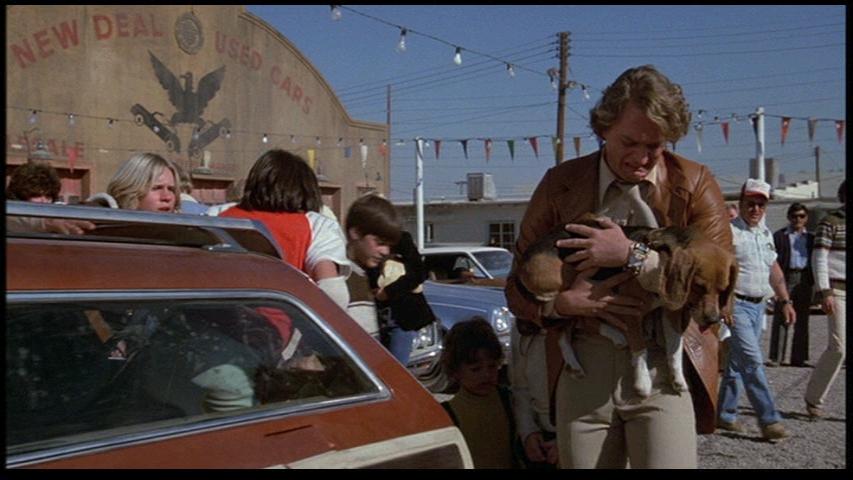
  • A few mildly amusing moments — as when a trained dog plays dead in

Must See?
No. This one is only for die-hard fans of Zemeckis’ comedies.

Links: